


Abstract
The real estate sector continues to face challenges such as inefficiencies, fraud risks, and high transaction costs stemming from opaque processes and heavy reliance on intermediaries. These challenges highlight the need for transparent and efficient solutions to support secure real estate transactions and management. While a growing body of literature has examined blockchain applications in real estate, existing studies are often fragmented and predominantly descriptive, with limited systematic synthesis of evidence and insufficient attention to governance and institutional contexts. This study aims to systematically examine and synthesise the benefits and challenges of blockchain technology in real estate, providing evidence-based insights for practitioners and policymakers. Using a Systematic Literature Review (SLR) approach, peer-reviewed publications from 2016 to 2025 were analysed to identify blockchain applications, reported outcomes, and implementation barriers. The findings reveal that blockchain has been applied in land registration (e.g., Sweden, India, Serbia), valuation systems, decentralised housing finance, and tokenised investment platforms (e.g., Exporo, RealT). The reported benefits include reduced fraud, enhanced transaction efficiency, transparency, and expanded investment access through fractional ownership. However, regulatory uncertainty, scalability limitations, data privacy risks, and low stakeholder awareness remain key barriers. Ethical issues such as digital exclusion and data exposure also require further consideration. Compared with the more advanced adoption observed in Europe and North America, supported by established regulatory frameworks and digital land governance initiatives, this review identifies relatively slower uptake in parts of the Asia-Pacific region, particularly in Australia and Malaysia. It highlights a critical need for future research on legal recognition, privacy-enhancing technologies, and governance frameworks, particularly regarding blockchain applications in property development and urban planning processes. By integrating technological and governance perspectives, this study provides a more comprehensive and structured understanding of blockchain adoption in real estate systems.
1. Introduction
As a key driver of economic growth, investment, and wealth accumulation, the real estate sector accounts for a substantial share of national GDP and plays a central role in financial stability [1]. Despite its significance, the sector continues to experience persistent structural inefficiencies and governance challenges. Chronic housing undersupply, affordability concerns, and complex administrative processes hinder both productivity and market transparency [2]. In particular, outdated and fragmented land administration systems contribute to delays, inaccurate records, and information asymmetry, undermining trust among market participants [3,4]. These inefficiencies extend beyond land management to property transactions, leasing, property development, and investment management, where heavy reliance on intermediaries and paper-based documentation increases delays, inaccuracies, lack of transparency, operational costs and fraud risks [1,3,4,5]. The absence of an integrated digital infrastructure limits data sharing and real-time verification, constraining accountability across the property lifecycle and hampering market performance and innovation in the real estate sector. Addressing these systemic issues requires a fundamental rethink of how property information is recorded, verified, and exchanged.
In response to these concerns, a range of technological and governance measures have been proposed. In recent years, blockchain has been increasingly recognised as a valuable tool for enhancing transparency, safeguarding data integrity, and reducing administrative costs in real estate [1,2]. The applications of blockchain extend from digital land titling and secure transaction recording to smart contracts for leasing and property management [6,7]. Meanwhile, governance reforms such as streamlining approval processes and implementing statutory timeframes aim to improve efficiency and accountability within the planning and development system [8,9]. While these measures offer significant potential benefits, they also raise challenges related to legal frameworks [10,11], institutional readiness [11,12], and stakeholder adoption [10,12].
While a growing number of studies have explored blockchain applications in real estate and related sectors, many of these reviews adopt a descriptive approach, focusing on technological features, financial innovation, potential applications, isolated case studies and future trends. Existing studies often lack a systematic methodology and a comprehensive approach, paying insufficient attention to the benefits, risks, and implementation governance challenges amid the rapid evolution of blockchain technology.
To address these gaps, this study employs a Systematic Literature Review (SLR) to provide a structured, comprehensive synthesis of existing research. Unlike prior reviews, it not only consolidates evidence on the benefits and challenges of blockchain applications but also incorporates a governance perspective, examining how blockchain configurations, institutional arrangements, and stakeholder interactions influence its implementation in real estate systems. By integrating insights from both academic literature and practical case studies, this study aims to offer a more coherent and in-depth understanding of blockchain adoption in real estate and planning contexts.
This study makes four key contributions. First, it provides a comprehensive synthesis of academic and industry literature, bringing together fragmented insights on blockchain applications across real estate domains, including property transactions, land registration, property development, asset management, and investment platforms. Second, it critically evaluates both the advantages, which range from transparency and efficiency to improved trust and reduced costs and the challenges of adoption, including technological, legal, regulatory, and organisational barriers, which have been underexplored in earlier studies. Third, it situates these applications in an international context, comparing emerging cases across different countries and highlighting that adoption remains limited in jurisdictions such as Australia. Finally, it identifies research gaps and translates these findings into practical implications for policymakers, practitioners, and technology developers, providing recommendations for the effective integration of blockchain within real estate systems globally.
The paper is organised as follows. Section 2 provides a concise overview of blockchain concepts and their relevance to real estate. Section 3 explains the systematic literature review (SLR) methodology. Section 4 presents the main findings, structured around publication patterns and key thematic domains of blockchain applications. Section 5 synthesises benefits, challenges, and future opportunities. Section 6 concludes with implications for research and practice.
2. Blockchain Technology
2.1. Structure of Blockchain Technology
Blockchain is a distributed ledger system that records transactions across a network of independent nodes rather than in a single central database. Each transaction is grouped into a block, secured through cryptographic hashing, and linked to the previous block to form an immutable chain of records. Because synchronised copies of the ledger are stored on many nodes, altering historical data would require controlling the majority of nodes and recalculating subsequent blocks, which is computationally impractical in well-designed systems [13,14]. This architecture provides strong security, integrity, and resistance to tampering, while enabling peer-to-peer transactions that reduce reliance on intermediaries and can lower transaction times and costs [15].
Blockchain maintains integrity through consensus protocols that allow participating nodes to agree on the validity of transactions before they are added to the ledger. These mechanisms safeguard data accuracy and foster trust in a decentralised environment [13,14]. While early discussions of blockchain often emphasised a centralised–decentralised distinction (see Figure 1), this binary classification is increasingly considered insufficient for analysing contemporary blockchain systems, particularly in institutional contexts.
Figure 1.
Centralized vs. Decentralized Systems. Nodes represent stakeholders or system entities, and edges indicate interactions or information flows within the system.
Blockchain systems can be broadly classified, based on access and governance structures, into permissionless and permissioned architectures [16]. As summarised in Table 1, these two categories exhibit distinct characteristics in terms of participation, governance, and control mechanisms. Permissionless blockchains are open networks in which any participant can join, validate transactions, and access data, reflecting a high degree of decentralisation and transparency [17,18]. However, such systems often face limitations in scalability, privacy, and regulatory compliance, which may constrain their application in institutional contexts.
In contrast, permissioned blockchains restrict participation through access control mechanisms, allowing only authorised entities to validate transactions and manage data [17]. This structure enables greater control over governance processes, data privacy, and system performance, making permissioned systems more suitable for regulated environments [17,18,19]. Permissioned blockchains can be further categorised into private and consortium (or hybrid) models, where private systems are controlled by a single organisation, while consortium blockchains distribute governance across multiple stakeholders [18,20]. However, the permissioned-versus-permissionless distinction provides a more analytically meaningful framework for examining governance structures and institutional applications.
Table 1.
Summarises the key characteristics of blockchain types based on access and governance structures.
2.2. Blockchain’s Relevance to Real Estate
From a real estate perspective, consortium blockchain models are particularly relevant, as they enable coordination among multiple stakeholders, such as government agencies, developers, and financial institutions, while maintaining controlled access, regulatory compliance, and data privacy [23]. As such, consortium-based permissioned blockchains are increasingly recognised as a practical governance model for complex, multi-actor systems such as real estate and property development processes.
It has been suggested that blockchain could reshape real estate practices through its ‘T5C’ benefits: Transparency, Transferability, Trustworthiness, Tamper-proofing, Traceability, and Cost effectiveness [24].
The real estate encompasses multiple functions, such as sales (property buy or sale, land title transactions), land title management, valuation, property development and investment traditionally reliant on intermediaries such as brokers, banks, and government agencies, faces numerous inefficiencies, including elevated transaction costs, lengthy processing periods, limited transparency, liquidity constraints, heightened risks of fraud, and reduced affordability [1,2,4,5,25,26,27].
Blockchain has been positioned as a potential response to long-standing inefficiencies in real estate processes by promoting greater transparency, efficiency, and accessibility [27]. A prominent application is tokenisation, whereby property assets are represented as digital tokens on a blockchain. These tokens can correspond to fractional ownership, enabling investors to trade smaller shares of real estate rather than acquiring entire properties [27]. Such mechanisms can enhance market liquidity, decrease dependence on intermediaries, and reduce transaction costs. A more detailed discussion of tokenisation and its implications for real estate is provided in Section 4.2. In addition, smart contracts, which are automated agreements encoded on the blockchain, can streamline activities such as lease execution, property sales, and payment processing, thereby further improving operational efficiency [28].
Beyond tokenisation and smart contracts, blockchain has also been implemented in land and property title management, with governments in countries such as Sweden and Georgia piloting blockchain-based land registries to ensure data integrity and reduce fraud [8,9,29,30,31]. In addition, blockchain supports identity verification and due diligence by enabling the secure, tamper-resistant storage of ownership records and compliance documents, allowing for faster and more reliable property transactions [3,12,32,33].
3. Research Methodology
After defining the research question, which is the benefits and challenges of blockchain in real estate, the study adopts a Systematic Literature Review (SLR) following the Preferred Reporting Items for Systematic Reviews and Meta-Analyses (PRISMA) protocol [34] to identify and synthesise research on blockchain applications in real estate. Scopus was selected as the primary database due to its comprehensive coverage of peer-reviewed journals across real estate, construction, planning, and information systems, including sources indexed through IEEE Xplore, ScienceDirect, SpringerLink, Emerald Insight, Taylor & Francis Online, and Web of Science. To complement this search and to minimise database bias, a targeted search was also conducted in Google Scholar (GS) to identify additional relevant academic publications not indexed in Scopus. Grey literature identified through GS (e.g., industry or policy reports) was used at the scoping stage to inform contextual understanding but was not included in the core analytical sample [35,36,37]. The PRISMA checklist and PRISMA abstract checklist are provided in the Supplementary Materials.
The search strategy and screening procedures are outlined below.
In Scopus, two main keyword combinations were applied: “blockchain” AND “real estate” and “blockchain” AND “property.” The search query was applied to the title field using the Scopus TITLE function (e.g., TITLE (“blockchain” AND “real estate”) OR TITLE (“blockchain” AND “property”)). To ensure a strong conceptual linkage between blockchain and real estate, the search was deliberately restricted to publications that included these keyword combinations in article titles, rather than in abstracts or author keywords alone. This approach prioritised precision over recall by focusing on studies that directly examined blockchain applications in real estate. This restriction was adopted to reduce false positives, particularly in studies in which “property” referred to intellectual property rather than real estate in technology discussions. Records containing “intellectual property” were therefore excluded. To minimise the potential exclusion of relevant studies, backward reference checking was conducted on selected key articles. A trial search using “blockchain” AND “housing” yielded a substantial number of studies that focused primarily on social housing and affordability, without substantive discussion of blockchain-enabled real estate processes; these records were excluded due to their limited relevance to the research objectives [38].
Studies were considered eligible if they were written in English and provided conceptual, technical, empirical, or review-based analysis of blockchain applications within real estate domains, including property transactions, land registry and ownership, asset or property management, valuation, development processes, and related regulatory or governance issues. The research area includes computer science, engineering, social sciences, business, management and accounting, economics, econometrics and finance.
Given that blockchain applications in real estate constitute an emerging research area, a ten-year time frame (2016–2025) was adopted to capture both early exploratory studies and more recent empirical developments. Peer-reviewed journal articles, conference papers, and books constituted the core dataset, while theses were used for scoping purposes only. Duplicate records retrieved from Scopus and Google Scholar were identified and removed through manual comparison of titles, authors, publication years, and sources. Records were excluded if they treated blockchain only tangentially, focused solely on cryptocurrency trading or generic information systems without a real estate component, addressed housing exclusively from a social policy perspective, or were duplicate records, editorials, or inaccessible in full text.
The screening process followed a multi-stage approach consistent with the PRISMA framework, including title screening, abstract review, and full-text assessment based on predefined inclusion and exclusion criteria.
The initial search yielded 207 records from Scopus and 453 records from GS, with all records already restricted to title-level relevance during the search stage. In line with the PRISMA framework, the two datasets were first merged, and duplicate records across databases and publication versions were identified and removed. The remaining studies were then screened based on abstracts and full texts to assess their substantive relevance to blockchain applications in real estate. Studies focusing primarily on cryptocurrency trading, intellectual property, generic information systems, or housing issues without blockchain-enabled real estate processes were excluded at this stage. The high number of duplicate records reflects the extensive overlap between Scopus and GS and the indexing of multiple publication versions by GS, rather than deficiencies in the screening process. The remaining records were assessed for full-text eligibility against the predefined inclusion and exclusion criteria, resulting in a final sample of 135 high-quality studies included in the systematic review (Figure 2).
Figure 2.
PRISMA Workflow for the Identification and Selection of Studies on Keyword Sets “Blockchain”, “Property” and “Blockchain”, and “Real Estate”.
All the retained studies were catalogued in an Excel database with unique identifiers (Appendix A), recording bibliographic information, publication type, geographical focus, and key contributions. Using inductive coding and keyword mapping, the studies were organised into six thematic domains, some comprising 3–4 subcategories to ensure analytical consistency: (1) Blockchain Applications in Real Estate (Applications, Transactions, Tokenisation, and Case Studies); (2) Property and Asset Management (Ownership, Property, and Leasing management); (3) Regulatory, Legal Challenges and Opportunities; (4) Property Valuation and Development (Valuation, Property/Land Development Processes, and Commercial Real Estate); (5) Public Perception; and (6) Systematic Reviews. This structured approach provides a transparent and reproducible basis for analysing the benefits, challenges, and research gaps associated with blockchain adoption in real estate.
4. Findings and Results
4.1. Source and Topic Distribution
Academic research on blockchain applications in the real estate sector has expanded markedly over the past decade, with particularly rapid growth observed since 2020. Early scholarly output in this field was relatively limited, reflecting the novelty and experimental nature of blockchain technology within property-related contexts. However, publication activity increased noticeably from 2020 onwards, with the number of studies more than tripling compared to the pre-2020 period. This upward trend became more pronounced from 2023 to 2025, during which annual publication volumes consistently exceeded 20 studies, peaking in 2025. The accelerated growth of the literature coincides with increasing awareness of blockchain’s potential to enhance transparency, efficiency, and trust in real estate transactions, as well as with the gradual maturation of blockchain infrastructures and regulatory discussions.
The reviewed literature demonstrates a clear evolution of academic engagement, characterised by temporal growth, thematic concentration, and distinctive publication patterns. Scholarly output in this area has expanded steadily between 2015 and 2025, with a clear increase in publication volume in recent years. A notable proportion of studies appear in property-focused journals such as the Journal of Property, Planning and Environmental Law, the Journal of Property Investment and Finance, and Property Management, each of which records multiple contributions in the reviewed dataset. The most frequently contributing journals, as shown in Table 2, include both property-focused outlets and technology-oriented journals, reflecting the cross-disciplinary nature of the field. This distribution highlights the intersection of legal and regulatory concerns, investment and financial mechanisms, and property and asset management practices. While property and planning journals contribute a core share of publications, a substantial proportion of studies are published in computer science and engineering journals (e.g., Computers in Industry, Electronics), indicating that technological innovation continues to shape the research agenda, with domain-specific integration still developing. In parallel, a substantial number of publications appear in conference proceedings, books, and theses, reflecting the emerging and exploratory stage of the field, where new concepts and applications are often disseminated through more flexible and early-stage academic channels. These publication patterns suggest that blockchain research in real estate is transitioning from conceptual exploration toward more established scholarly inquiry, while continuing to draw on diverse disciplinary perspectives.
Table 2.
The most frequently occurring journals within the reviewed dataset.
This expansion, however, has not been evenly distributed across research themes. As shown in Figure 3, more than half of the reviewed studies (55%) focus on blockchain applications in real estate, particularly in relation to transactions and tokenisation. This thematic dominance reflects the sector’s longstanding challenges related to transparency, trust, and efficiency in property transactions, which have driven strong research emphasis on transaction-focused applications.
Figure 3.
Distribution of the selected papers under six broader categories.
In contrast, the property and asset management category accounts for 18% of the literature, indicating growing but still secondary interest in operational and administrative applications such as ownership tracking and leasing management.
Other themes, including regulatory and legal challenges, property valuation and development, and systematic reviews, receive comparatively less attention, while public perception remains marginal. The subtopic analysis presented in Figure 3 further reinforces this pattern of thematic concentration and reveals notable imbalances in research depth. Real estate transactions emerge as the most extensively examined subtopic, with 43 studies, underscoring the centrality of transactional use cases in the current literature. Ownership management and systematic reviews follow, reflecting attention to both operational improvements and knowledge consolidation. By contrast, areas such as leasing, valuation, development management, and public perception are addressed by only a small number of studies, despite their significance for land governance, planning, and long-term development processes. Despite this rapid growth, the literature remains heavily skewed toward transaction-centric applications, with comparatively limited engagement with broader development, governance, and societal dimensions. This imbalance highlights important opportunities for future research to extend blockchain inquiry beyond transactions toward more holistic and equitable real estate and land systems.
4.2. Blockchain Technology in Real Estate
Blockchain technology is increasingly applied across multiple real estate domains, including property transactions, finance, title search, and property management, with growing interest in new sub-industries such as fractional ownership and secondary trading of real estate assets [2,39,40]. These applications are commonly framed as responses to persistent industry challenges, including procedural inefficiency, high transaction costs, fraud, and limited transparency [41,42,43]. By leveraging decentralised ledgers, smart contracts, and tokenisation mechanisms, blockchain-enabled platforms aim to automate transactions, enhance auditability, and broaden market access for investors [44,45,46].
In parallel, blockchain is increasingly integrated with real estate finance and risk management, supporting automated investment processes, asset tokenisation, and secure handling of financial credentials [47,48,49]. Emerging studies also explore the combination of blockchain with advanced analytics, such as artificial intelligence, to improve risk prediction and governance in real estate supply chains [50]. Despite these technological advances, the literature consistently highlights a gap between blockchain’s theoretical promise and its real-world implementation. Early blockchain-driven digital transformation initiatives demonstrate technical feasibility but face constraints related to scalability, governance, and institutional integration, underscoring that sustainable transformation in real estate requires complementary regulatory, organisational, and socio-technical conditions [51]. The following sections examine these applications in greater detail.
4.2.1. Blockchain Applications in Real Estate
The literature consistently identifies inefficiency, high transaction costs, legal complexity, and limited transparency as persistent challenges in contemporary real estate markets [52]. These structural issues have driven growing interest in blockchain-based applications, with empirical evidence indicating that transparency, cost reduction, and enhanced security are the primary motivations for adoption. For example, survey-based research involving over 1000 participants highlights transparency and security as the most influential drivers of blockchain uptake in real estate transactions, reinforcing the perception of blockchain as a trust-enhancing infrastructure [39].
Tokenisation in Real Estate
Tokenisation refers to the process of representing real-world assets as digital tokens on a blockchain, enabling ownership rights to be recorded, transferred, and managed in a decentralised digital environment [19]. In the context of real estate, tokenisation transforms property ownership rights into blockchain-based tokens, often structured as security tokens representing Real-World Assets (RWAs) [53,54]. This mechanism allows high-value real estate assets to be divided into smaller, tradable units, thereby enabling fractional ownership and lowering barriers to investment.
From a market perspective, tokenisation has the potential to enhance liquidity in traditionally illiquid real estate markets, broaden investor participation, and reduce reliance on intermediaries. Empirical and case-based studies, including early initiatives such as the St. Regis Aspen Resort, demonstrate how tokenisation can facilitate fractional ownership, improve accessibility, and enable more efficient capital allocation [53,55]. Compared with traditional investment vehicles such as Real Estate Investment Trusts (REITs), blockchain-based tokenisation is often portrayed as enabling near-real-time settlement, greater transparency, and global participation [56].
From a governance and institutional perspective, tokenisation also introduces new models for structuring property ownership and transactions. More advanced implementations incorporate Special Purpose Vehicles (SPVs) [11,57] and legally compliant security token frameworks to enhance investor protection, legal robustness, and the efficiency of ownership transfer. Some models further draw on financial structures such as Islamic finance principles and equipment trust certificates to align blockchain-based systems with existing regulatory and financial practices [57].
Smart Contract in Real Estate
In response, a substantial body of research explores blockchain-enabled transaction systems designed to automate processes and reduce reliance on intermediaries. Across transaction-focused studies, smart contracts are consistently adopted as the core execution mechanism for automating payments, ownership transfers, and escrow functions [58,59]. These contracts are typically deployed on blockchain platforms such as Ethereum or Hyperledger-based systems, enabling tamper-resistant execution and transparent verification without reliance on intermediaries [59]. Studies further examine the deployment of public and permissioned blockchain platforms, such as Ethereum-based solutions incorporating zero-knowledge proofs and Hyperledger Fabric architectures selected through structured decision-making frameworks to improve scalability, reliability, and auditability [60,61]. Implementation-oriented examples illustrate these potentials in practice. A Hyperledger Fabric prototype deployed in Canada demonstrates how enhanced auditability can reduce double spending and fraud risks [41,62], while other studies integrate blockchain with Internet of Things (IoT) devices to support smart home ownership verification or combine blockchain with virtual reality environments to enable remote property inspection and authentication [60,63]. Further innovation is evident in decentralised applications that link property transaction data to real-time environmental indicators, enabling buyers to incorporate sustainability considerations into their decision-making.
Building on these implementation-oriented studies, several papers emphasise the role of decentralised applications (dApps) and smart contracts as a critical application layer for blockchain-enabled real estate systems. dApps facilitate interaction between blockchain infrastructures, transaction participants, and external data sources, enabling both automated transaction execution and enhanced information transparency. For instance, a dApp-based framework proposed for real estate transactions in Egypt integrates buyers, intermediaries, and government authorities within a permissioned blockchain environment [64], while other studies demonstrate dApps that connect property transaction records with real-time environmental data to support sustainability-informed decision-making [65]. These examples illustrate the growing use of dApps to bridge blockchain technology with real-world institutional and informational contexts.
Despite the demonstrated potential of blockchain applications in real estate transactions, many proposed solutions remain at the conceptual or pilot stage, with limited empirical evidence of large-scale implementation [59,66]. Key challenges include regulatory uncertainty, interoperability constraints, and concerns regarding data authenticity, which directly affect the reliability of blockchain-based transaction systems. While technological innovations such as smart contracts and tokenisation can reduce reliance on intermediaries, their effectiveness in practice depends on legal recognition and institutional integration across jurisdictions [4,67].
4.2.2. Property and Asset Management
Unlike transaction-focused applications, which primarily aim to streamline property transfer processes, blockchain applications in property and asset management focus on post-transaction operations, including leasing, ownership administration, and data governance.
Blockchain technology has been widely explored to modernise property and asset management by improving transparency, security, and operational efficiency [6,7]. Traditional property management practices are often constrained by high transaction costs, fragmented record keeping, fraud risks, and heavy reliance on intermediaries [6]. Blockchain-based real estate management systems (REMS) address these challenges through immutable records, smart contract automation, and secure digital authentication [68]. By leveraging smart contract functionality, such systems can automate lease agreements, rent payments, and property transfers while ensuring time-stamped, tamper-resistant storage of cadastral and ownership data. A summary comparison between traditional real estate systems and blockchain-enabled solutions, including key benefits and challenges, is provided in Appendix B. The integration of Blockchain-as-a-Service (BaaS) further enhances scalability, making blockchain solutions more viable for large-scale property management and public administration, including the issuance of secure digital documents [7].
In the leasing sector, blockchain applications focus on reducing administrative complexity and improving trust among landlords, tenants, and investors [25]. Conventional leasing processes typically involve multiple intermediaries, manual documentation, delayed payment reconciliation, and heightened fraud risk [25,69]. Blockchain-based leasing platforms introduce decentralised identity verification, automated rent collection, and smart contract-enabled dispute resolution, significantly reducing transaction frictions [25,69]. Platforms such as BlockHouse [70], RealT in the United States [71], a proposed project in Ho Chi Minh City [70] and other projects [72] demonstrate how user interfaces, combined with backend verification and smart contract execution, can create transparent, tamper-proof leasing records. Empirical evidence from Malaysia further indicates that operational disruptions during the COVID-19 pandemic accelerated the adoption of digital tools, including blockchain [69], to automate leasing processes, improve communication with tenants, and enhance operational resilience in line with national Industry 4.0 agendas [69,73].
Blockchain also supports housing data governance by ensuring authenticity, privacy, and reduced intermediary costs within a secure, multi-layered structure [33] and is increasingly applied to ownership management and land administration, where secure and transparent registries are critical [3,32]. By integrating decentralised storage solutions such as InterPlanetary File System (IPFS, a decentralised peer-to-peer network for secure document storage) with cryptographic identifiers (e.g., QR codes, Near Field Communication tags (NFC, small chips enabling short-range data transfer), and encryption keys) [3], blockchain systems can link physical property documents with verifiable digital records, reducing inconsistencies and fraud. International case studies illustrate this potential. In India, state-level initiatives such as Andhra Pradesh’s blockchain-based land registration system enable authorised stakeholders to verify transactions through immutable audit trails, while maintaining government oversight [74]. Similar developments are observed in Serbia’s Land Information System [75] and Sweden’s blockchain-enabled Land Administration System (LAS), where smart contracts automate ownership updates and mortgage processes [8,9,71,76]. In Malaysia, blockchain-based land registry frameworks have been proposed to address vulnerabilities associated with centralised SQL databases, enhancing security, transparency, and sustainability through paperless transactions [73].
Despite these demonstrated applications, the literature highlights significant barriers to widespread adoption in property and asset management. Many blockchain systems remain at the pilot or prototype stage and depend heavily on institutional readiness, regulatory alignment, and stakeholder awareness [77]. In developing contexts, limited technical expertise, shortages of skilled developers, interoperability constraints, scalability challenges, and concerns regarding data privacy and cybersecurity continue to impede implementation [78]. Moreover, while blockchain can enhance transparency and efficiency, land and property governance still requires authoritative validation by public institutions, limiting full decentralisation. These challenges highlight that, unlike transaction-focused applications, the adoption of blockchain in property and asset management depends more heavily on institutional coordination, regulatory alignment, long-term governance capacity and trust among stakeholders.
While transaction-focused applications emphasise efficiency, cost reduction, and process automation, management-oriented applications focus more on long-term governance, data integrity, and operational coordination. This distinction highlights that blockchain adoption in real estate extends beyond individual transactions and requires integration across the broader property lifecycle.
4.2.3. Regulatory, Legal Opportunities and Challenges
Blockchain technology introduces both opportunities and challenges for real estate transactions, particularly in relation to legal frameworks and regulatory compliance [79]. On the opportunity side, blockchain’s immutable records, smart contracts, and secure identity verification mechanisms offer the potential to enhance transparency, reduce fraud, and streamline transaction processes [80]. Studies suggest that permissioned blockchain systems overseen by public authorities may support legal compliance by enabling controlled access, fair pricing, and interoperability with existing digital identity infrastructures, particularly in European real estate markets [79]. Legal innovation is also evident in blockchain-enabled Trust applications, where timestamping and smart contract-based “smart property” frameworks have been proposed to automate Trust administration, improve auditability, and facilitate inclusive real estate services, including those designed for individuals with disabilities [81].
However, the literature consistently highlights substantial legal and regulatory barriers to implementation [25,80,82]. Empirical market analysis of blockchain-based real estate investment platforms in the United States indicates that, despite technological feasibility, legal complexity, bureaucratic procedures, and jurisdictional constraints significantly limiting blockchain’s disruptive impact, most platforms operate within narrowly defined domestic legal boundaries [82]. Beyond regulatory friction, critical case-based studies further caution that blockchain-enabled real estate initiatives are deeply embedded in existing property regimes and historical land governance structures. Evidence from tokenised land and housing projects in the United States demonstrates that the rhetoric of “frictionless” crypto-capital often conflicts with the material, legal, and social realities of property ownership, raising concerns about dispossession, regulatory circumvention, and social inequity rather than purely technical inefficiency [82,83].
Across jurisdictions, unresolved issues include the legal recognition of digital blockchain assets, cross-border regulatory inconsistencies, the continued role of traditional intermediaries, and the challenge of integrating decentralised systems within established land administration frameworks [25,80]. In addition, a critical tension exists between blockchain immutability and data protection requirements, particularly the “right to be forgotten” and the “right to rectification” under the General Data Protection Regulation GDPR (Articles 16 and 17) [84]. Emerging approaches, including off-chain data storage combined with on-chain verification, as well as privacy-enhancing techniques such as zero-knowledge proofs (ZKP) [22], provide potential pathways to address this issue by enabling selective data disclosure and modification while preserving transaction integrity. Furthermore, technical mechanisms such as data pruning and the use of permissioned or semi-private blockchain architectures, which enable controlled access and governance, have been proposed to allow controlled deletion or modification of personal data while maintaining system security and auditability, suggesting that governance-oriented blockchain design may better align with legal requirements [84].
These issues are particularly evident in contexts such as Australia, where legislative responses to blockchain-based real estate applications remain fragmented and cautious [85]. Collectively, the literature suggests that realising blockchain’s legal potential in real estate requires a balanced regulatory approach that provides legal certainty and investor protection, accommodates innovation, and remains sensitive to jurisdiction-specific legal traditions and societal norms.
4.2.4. Property Valuation and Development
Blockchain technology holds the potential to enhance transparency, accountability, and efficiency across commercial real estate operations, property development, and valuation processes, which often involve numerous intermediaries, extensive documentation and are controlled by brokers and institutional investors [86,87,88]. In commercial real estate, blockchain applications, particularly those based on smart contracts and tokenisation, are proposed to reduce transaction complexity, costs, and information asymmetry by enabling decentralised data sharing and peer-to-peer trading [89]. Ethereum-based models and integrated data platforms aim to standardise property information, accelerate transactions, and improve data reliability, with conceptual studies suggesting the potential emergence of universal real estate exchange platforms [87]. Empirical evidence from Malaysia further indicates that blockchain could improve financial reporting, administrative coordination, and dispute reduction in commercial office building management, although adoption remains constrained by regulatory uncertainty, limited awareness, and technical capacity gaps [90].
In property development management, blockchain is used to improve project governance, procurement transparency, and payment automation throughout the development lifecycle [25]. Studies demonstrate its potential to enhance financing transparency for small and medium-sized real estate enterprises through decision-support frameworks [91], while sector-specific applications in Dubai [92] and Ireland [93] illustrate how blockchain integration with quality management systems and Building Information Modelling (BIM) can strengthen accountability, service delivery, and public trust in planning and development processes. Despite these benefits, interoperability with existing development platforms and coordinated regulatory support remain critical prerequisites for implementation [93].
Blockchain also shows growing promise in property valuation by addressing long-standing challenges related to data integrity, transparency, and client influence [94,95]. By providing immutable, verifiable data environments, blockchain complements digital valuation tools such as Automated Valuation Models (AVMs) and AI-driven analytics, supporting more objective and trustworthy valuation outcomes [94]. Prototype systems, such as Hyperledger Fabric-based applications, demonstrate reduced valuation bias and enhanced stakeholder confidence [77,94,95]. However, widespread adoption of blockchain-enabled valuation systems is limited by high implementation costs, shortages of technical expertise, and low stakeholder awareness, particularly in developing market contexts [94].
4.2.5. Public Perceptions
Public perception plays a critical role in shaping the adoption of blockchain technology in the real estate sector. Although blockchain is widely promoted as a solution to persistent social inequality real estate challenges [71], empirical studies consistently reveal low levels of awareness and readiness among real estate professionals. Survey evidence from Europe and the Asia-Pacific region indicates that, while stakeholders familiar with blockchain recognise its potential benefits, limited knowledge, technical capacity, and regulatory uncertainty continue to constrain adoption [71,78].
Behavioural and perceptual factors are shown to outweigh purely technical considerations in influencing blockchain uptake. Empirical adoption studies conducted among real estate buyers, sellers, and professionals demonstrate that attitudes, perceived usefulness, trust, and concerns over data privacy and security exert the strongest influence on adoption decisions, whereas technological performance plays a secondary role [96,97]. These findings suggest that conventional technology acceptance models require adaptation to capture the trust- and risk-sensitive nature of blockchain applications in real estate. While traditional models emphasise perceived usefulness and ease of use, the findings highlight the increasing importance of trust, perceived risk, and social and institutional influences in shaping adoption behaviour.
Beyond individual perceptions, institutional and policy environments critically condition public acceptance. Research on blockchain-based land and property systems indicates that technological potential alone is insufficient without coherent regulatory frameworks, reliable digital infrastructure, and political commitment [98]. In Malaysia, these findings align with the government’s Industry 4.0 digitalisation agenda, suggesting that targeted education, stakeholder training, and inter-agency collaboration could accelerate adoption [69]. This indicates that blockchain adoption is shaped not only by individual perceptions but also by broader organisational and environmental conditions, reflecting the complexity of multi-stakeholder real estate systems. Overall, the literature suggests that bridging the gap between blockchain’s technical capabilities and its public perception is essential for fostering broader acceptance and enabling sustainable digital transformation in the real estate sector [71,73,77,98].
The reviewed applications across real estate transactions, tokenisation, property and asset management, valuation, development, and ownership governance demonstrate blockchain’s capacity to enhance transparency, operational efficiency, and trust. However, the literature consistently indicates that most initiatives remain at an early or experimental stage, with their practical effectiveness, scalability, and long-term sustainability yet to be robustly validated. Successful implementation is shaped less by technological capability alone than by regulatory clarity, institutional readiness, stakeholder awareness, and governance alignment. Consequently, while blockchain offers a promising pathway for digital transformation in real estate, its wider adoption depends on the development of integrated governance frameworks that balance innovation with accountability and promote equitable access to digital infrastructure and benefits.
5. Discussion
This section synthesises the findings of the systematic literature review to evaluate how blockchain technology is reshaping the real estate sector. The discussion extends beyond a descriptive summary by considering the robustness of existing findings and their implications for real-world implementation. It is structured into four parts: (1) the benefits of blockchain in enhancing real estate processes; (2) the challenges that constrain widespread adoption; (3) the emerging opportunities that extend its application and value creation potential and (4) the implications for technology acceptance. Together, these discussions provide a critical assessment of blockchain’s transformative potential and its implications for future policy, governance, and industry practice. This review is subject to several limitations, including potential publication bias, database selection constraints, and the exclusion of non-English literature.
5.1. Benefits of Blockchain in Real Estate
The benefits of blockchain in real estate can be broadly categorised into enhanced transparency, efficiency, trust, and cost effectiveness.
5.1.1. Transparency
Blockchain offers a shared, immutable ledger that reduces information asymmetry and enhances traceability across property lifecycles [1,2]. In land registries and ownership management, transparent histories of title changes can reduce fraud and disputes [8,9,71,74,75,76]. In transactions, tokenisation, and property management, standardised, auditable records improve accountability for agents, developers, and regulators [3,8,9,32,33,71,74,75,76]. While technologies such as BIM and IoT have improved data visibility and real-time monitoring in planning and management systems [93,99], blockchain further enhances transparency through its decentralised, tamper-proof audit trail, ensuring data integrity, public trust, and institutional accountability across the real-estate lifecycle [52,68].
5.1.2. Efficiency
Smart contracts automate processes, including payment settlements [25,70,72], lease administration [70,100], and title transfers [8,9,71,74,75], thereby reducing reliance on intermediaries and shortening transaction timelines that are constrained by manual checks and fragmented workflows [68,80]. In property development, blockchain supports coordination among developers, contractors, financiers, and public authorities through trusted digital platforms, thereby reducing bottlenecks and redundancy [101]. Compared with AI- and IoT-driven automation [93,99], blockchain’s distinctive contribution lies in ensuring transactional integrity and auditable coordination among multiple stakeholders [52,68,80,101].
5.1.3. Trust
Because records on blockchain are tamper resistant and verifiable, trust shifts from reliance on third-party institutions such as banks, registries, or notaries to the system itself [13,14]. This feature is particularly valuable in markets where corruption, inefficiency, or weak governance undermine confidence in real estate transactions [74]. Trust is also strengthened among stakeholders, such as buyers, sellers, developers, and regulators, because all parties can validate information from a single, secure, and transparent source of truth.
5.1.4. Cost Effectiveness
By reducing the need for intermediaries such as lawyers, brokers, or escrow services, blockchain can lower transaction costs across the real estate lifecycle [8,9,71,76]. Automation via smart contracts further reduces administrative overhead in leasing [70], property management [68,80], and investment platforms [39,71]. While the initial implementation of blockchain systems may be costly, the long-term savings from minimising inefficiencies, disputes, and delays are significant, making blockchain a cost-effective solution for both private actors and public institutions.
Overall, blockchain functions less as a standalone technology than as a governance-enabling infrastructure that enhances transparency, coordination, trust, and cost efficiency in real estate, with its transformative impact dependent on institutional and regulatory alignment. These benefits are typically discussed under conditions in which data reliability, stakeholder participation, and institutional support are assumed, suggesting that their realisation may vary across implementation contexts.
5.2. Challenges of Blockchain in Real Estate
While blockchain offers promising solutions for many aspects of real estate, its adoption is shaped by regulatory, technological, and market-related constraints, which influence how effectively these solutions can be realised in practice.
5.2.1. Regulatory Uncertainty
Regulatory uncertainty remains a major barrier to blockchain adoption in real estate. Many countries lack clear frameworks and investor protections for property tokenisation and DeFi applications [10,11]. Compliance with varying financial, property, and data protection laws across jurisdictions adds complexity [12], while institutional reluctance persists due to ongoing legal ambiguities [55].
5.2.2. Technological Risks and Limitations
Scalability continues to pose a significant obstacle for blockchain adoption in real estate, as rising transaction volumes can lead to slower processing times and higher operational costs [1]. Additionally, the lack of reliable and standardised real estate data, especially in developing regions with incomplete records and informal ownership, undermines the effectiveness of smart contracts and dApps [102]. Interoperability issues between various blockchain platforms and legacy systems further complicate integration efforts [43]. Beyond these challenges, energy consumption associated with certain consensus mechanisms raises environmental and sustainability concerns, particularly in large-scale implementations [103]. Cybersecurity risks, such as vulnerabilities in smart contract coding or external data oracles, further complicate adoption by exposing systems to potential exploitation [104]. However, blockchain’s immutability, while often seen as a strength, can become a liability in real estate transactions, as errors in title registration or regulatory updates are difficult to amend once recorded [105]. Collectively, these limitations highlight the need for ongoing technical innovation, regulatory alignment, and robust governance frameworks to enable the reliable use of blockchain in real estate. At the same time, while blockchain is often presented as a scalable and secure infrastructure, practical implementations continue to face challenges related to transaction volume, data integration, and system interoperability.
5.2.3. Adoption Barriers
Blockchain adoption in real estate faces several non-technical barriers. A significant lack of awareness and expertise among professionals, investors, and regulators impedes uptake, while integration with third-party systems adds complexity and raises privacy concerns [11,12]. The decentralised architecture of blockchain also generates redundant storage overhead, creating scalability challenges that limit large-scale deployment [44]. In addition to these technical limitations, resistance to change within the traditionally conservative real estate sector further impedes adoption. Many stakeholders view decentralisation as a disruption to established roles, authority structures, and revenue models, heightening their reluctance to embrace the technology. These concerns are compounded by the lack of robust governance frameworks, which make dispute resolution, accountability, and regulatory oversight in blockchain-enabled platforms uncertain and inconsistent [2,12,44], potentially limiting the extent to which blockchain can be implemented at scale across diverse real estate systems.
5.2.4. Social and Ethical Considerations
Privacy concerns and digital exclusion pose notable challenges to applying blockchain to real estate. While blockchain’s transparency helps reduce fraud, it can also expose sensitive data, such as ownership details, transaction amounts, and personal identities, thereby increasing risks of identity theft and targeted scams [10,12]. Even when encrypted, immutable ledgers may conflict with evolving privacy norms and regulatory requirements. For example, the General Data Protection Regulation (GDPR) in the European Union grants individuals the “right to be forgotten,” allowing them to request the deletion of personal data. This principle directly conflicts with blockchain’s immutability, raising ethical dilemmas about how to balance data permanence with privacy rights [15,16,106].
In addition, reliance on digital platforms raises inclusivity issues. Individuals without reliable internet access, adequate digital literacy, or financial resources, particularly lower-income households, rural communities, and older populations, may be excluded from participating in blockchain-enabled property markets [107,108]. This digital divide risks exacerbating existing inequalities in housing and property ownership, contradicting the ethical objective of creating fairer and more accessible real estate systems.
Together, these concerns underscore that blockchain adoption in real estate is not only a technical or regulatory challenge but also a question of social equity and ethical responsibility, requiring safeguards to protect vulnerable groups while balancing transparency with privacy.
Despite the growing number of pilot applications, a critical question remains as to why these initiatives have not yet translated into large-scale implementation. While many blockchain applications in real estate remain at an early or pilot stage, the literature suggests that limited scalability is not solely a technical issue. Although challenges such as transaction throughput, interoperability, and system integration persist, a more significant constraint lies in institutional and organisational factors. In particular, the continued reliance on intermediaries, such as legal professionals, brokers, and regulatory authorities, creates resistance to fully decentralised models, as these actors play essential roles in ensuring compliance, managing risk, and fostering trust.
As a result, rather than replacing existing systems, blockchain implementations are more likely to evolve as hybrid or complementary solutions embedded within current governance structures. This highlights that the transition from pilot to large-scale adoption depends not only on technological maturity but also on the alignment between blockchain design, regulatory frameworks, and stakeholder incentives.
These findings further reinforce the need for governance-oriented approaches to blockchain adoption in real estate, where clearly defined institutional roles, regulatory frameworks, and stakeholder coordination mechanisms are essential to bridge the gap between experimental pilots and scalable implementation.
5.3. Opportunities of Blockchain in Real Estate
Based on the systematic literature review, several knowledge gaps have been identified, highlighting areas where further development is needed to support the practical application of blockchain in real estate.
5.3.1. Legal and Regulatory Framework
Key legal and regulatory challenges remain in blockchain’s real estate applications. One area is the legal validity of smart contracts, which requires research into evolving legal frameworks to align blockchain agreements with existing contract and property laws [11]. Cross-border transactions introduce additional complexity, as blockchain must navigate diverse international property laws and regulatory standards to be effective globally [25,67,80]. Regulatory compliance is also critical, particularly with data protection laws like the GDPR, which restrict the processing of sensitive data without explicit consent. Further research is needed to ensure blockchain platforms can support audits and legal modifications while upholding privacy and maintaining data integrity [15].
5.3.2. Privacy and Data Security
Safeguarding personal information is a persistent challenge in blockchain-based real estate applications. While blockchain offers pseudonymity by linking transactions to unique addresses, it does not ensure full anonymity, as transactions are public and traceable. Research into advanced cryptographic methods, such as ZKP, is needed to enhance privacy without compromising transparency [22,72]. Securing sensitive real estate data on-chain also requires exploring of encryption techniques such as homomorphic encryption and secure multi-party computation [22], particularly in contexts involving property ownership records, transaction data, and identity verification in the property development process, where privacy protection must be balanced against regulatory transparency requirements. Additionally, the rise in quantum computing threatens current cryptographic standards, highlighting the need for post-quantum cryptography to protect blockchain systems and real estate data in the future [22,109].
5.3.3. Blockchain Adoption in Land Record Management and Planning Process
Countries such as Sweden, India, and Serbia have experimented with blockchain-driven land registration initiatives aimed at enhancing transparency, reducing fraudulent activities, and streamlining property transactions. However, these projects remain largely in early stages, with limited evidence on long-term effectiveness, cost efficiency, and social outcomes. A major challenge lies in managing large volumes of historical and spatial data while ensuring privacy and integration with existing land administration systems.
In many regions, especially in developing countries, fragmented or paper-based records and the lack of standardised registration systems hinder blockchain adoption. Hybrid models that combine blockchain with traditional methods may offer a practical path forward, allowing gradual modernisation while preserving legacy structures.
Beyond record keeping, blockchain also holds promise in urban and regional planning. By offering a shared, verifiable platform for tracking land use changes, planning approvals, developer obligations, and infrastructure contributions, blockchain can reduce disputes and enhance accountability in the planning process. For instance, smart contracts could automatically enforce zoning restrictions, trigger compliance audits, or record community feedback, and create a more responsive and transparent planning system. Integrating blockchain into planning also facilitates real-time collaboration among councils, developers, and residents, improving data integrity and public trust.
Successful implementation will require not just technology, but also regulatory support, institutional capacity, and community trust, particularly given the complexity of planning systems and the diversity of stakeholders involved. As blockchain adoption may alter the roles of intermediaries, concerns over job displacement and institutional disruption may hinder acceptance. In this context, blockchain is more likely to be adopted when integrated into existing systems to support and enhance intermediary functions, rather than fully replacing them.
5.3.4. Limited Adoption in Selected Asia-Pacific Region
Studies indicate that blockchain adoption in the selected Asia-Pacific real estate industry remains in its early stages, with limited large-scale implementation in both Australia and Malaysia. In Australia, adoption has been cautious, with only a few practical examples such as the HxART fund, while broader applications in real-estate tokenisation and property development remain slow due to regulatory uncertainty and limited stakeholder awareness [110]. Similarly, in Malaysia, research shows that while pilot initiatives such as the TRL and blockchain-based frameworks for land registration and property management demonstrate technological readiness, progress is constrained by skill shortages, unclear regulations, and limited institutional support [73].
Globally, the potential of blockchain to address housing affordability through models such as shared ownership and rent-to-own schemes remains underexplored [15]. Across both developed and developing countries, a lack of public awareness, investor understanding, and government-led coordination continues to impede progress, underscoring the importance of coordinated policy frameworks, institutional readiness, and stakeholder engagement in shaping the trajectory of blockchain adoption across regions.
However, given the diversity of the Asia-Pacific region, these findings should be interpreted with caution and are not intended to represent the region as a whole. Beyond the practical opportunities identified, these findings also contribute to a deeper theoretical understanding of technology adoption in blockchain-enabled real estate systems.
5.4. Implications for Technology Acceptance
Technology adoption in real estate can be understood across multiple levels, encompassing both individual perceptions and broader institutional conditions. At the individual level, established frameworks such as the Technology Acceptance Model (TAM) [111] and the Unified Theory of Acceptance and Use of Technology (UTAUT) [112] provide important foundations for explaining user behaviour, particularly through constructs such as perceived usefulness, ease of use, social influence, and facilitating conditions. These models have been widely applied in studies of digital technology adoption and offer valuable insights into how users evaluate and engage with new systems.
However, the findings of this review suggest that blockchain applications in real estate introduce additional dimensions that these conventional models do not fully capture. In particular, trust in decentralised systems, perceived risks related to data transparency and privacy, and uncertainties associated with regulatory and legal recognition emerge as critical factors influencing adoption. These considerations extend beyond individual-level perceptions and reflect the complex, multi-stakeholder nature of real estate systems.
In this context, the Technology Organisation Environment framework (TOE) [113] provides a complementary perspective by incorporating organisational readiness, regulatory conditions, and external environmental influences. Recent studies have further extended this framework by incorporating stakeholder-related dimensions, highlighting that technology adoption in complex governance contexts is shaped not only by organisational and environmental factors but also by the capabilities, experiences, and engagement of stakeholders [114].
Together, these perspectives indicate that blockchain adoption in real estate is influenced by both individual acceptance and broader institutional conditions. Rather than proposing a formal model, this study highlights key dimensions (trust, perceived risk, institutional readiness, and governance alignment) that may inform future theoretical development, offering a more context-sensitive understanding of adoption in complex real estate and planning environments. However, this study is subject to certain limitations, including the absence of a formal risk-of-bias assessment and potential constraints on the scope of the reviewed literature, which should be considered when interpreting the findings.
6. Conclusions and Implications
This systematic literature review demonstrates that blockchain applications in real estate have the potential to enhance transparency, efficiency, and trust, while also introducing raising significant technical, regulatory, legal, ethical, and social challenges. Based on the review of 135 studies published between 2016 and 2025, the literature remains heavily concentrated on property transactions, tokenisation models, and decentralised real estate finance, whereas other strategically important domains are comparatively underexplored.
A key finding of this review is the limited empirical attention given to blockchain applications in property development and urban planning processes, despite their strong relevance to land governance, regulatory oversight, and public sector decision making. Most studies in these areas remain conceptual or pilot based, highlighting a gap between theoretical potential and practical implementation. Addressing this gap requires moving beyond transaction-focused applications toward integrating blockchain into development approvals, planning workflows, land administration, and inter-agency coordination within complex institutional environments.
Several priority directions for future research therefore emerge: (1) developing robust legal and regulatory frameworks; (2) strengthening privacy protections and data security; (3) advancing technical scalability and interoperability to enable integration with existing systems; (4) exploring blockchain’s potential in land record management and urban planning processes, a promising yet underdeveloped area; (5) assessing socio-economic impacts, including affordability, accessibility, and inclusivity; and (6) investigating adoption pathways within the selected Asia-Pacific region real estate market.
By addressing these gaps, this study contributes to a more grounded understanding of blockchain’s role in real estate digital transformation. Importantly, the findings suggest that adoption is shaped not only by technological capability but also by governance conditions, institutional readiness, and stakeholder acceptance. Policymakers may leverage blockchain to modernise land registries, development approvals, and digital title systems, supported by targeted training and institutional capacity building. Investors and industry practitioners can better assess risks and opportunities by monitoring regulatory maturity and technological readiness, while researchers are encouraged to prioritise real-world case studies and governance-oriented frameworks. Overall, while blockchain holds promise beyond efficiency gains, particularly in supporting transparent and accountable property and urban development, realising this potential will require sustained collaboration between academia, industry, and government, as well as the development of governance frameworks that balance innovation with accountability.
Supplementary Materials
The following supporting information can be downloaded at: https://www.mdpi.com/article/10.3390/realestate3020006/s1, Supplementary materials include: PRISMA abstract checklist; PRISMA checklist. These materials are referenced in the main text.
Author Contributions
Conceptualisation, X.J.G. and D.W.; Methodology, D.W.; Validation, D.W., X.J.G. and J.Z.; Formal Analysis, D.W.; Investigation, D.W.; Resources, D.W.; Data Curation, D.W.; Writing—Original Draft Preparation, D.W.; Writing—Review and Editing, X.J.G. and J.Z.; Supervision, X.J.G. and J.Z.; Project Administration, X.J.G.; Funding acquisition, X.J.G. All authors have read and agreed to the published version of the manuscript.
Funding
This research was supported by a Research Fund provided by 2312049-RIA-Janet Ge during 02.2025-06.2025.
Data Availability Statement
The data analysed in this study consist of 135 academic articles, which are publicly available on Google Scholar and Scopus websites. These articles were systematically reviewed and analysed to support the findings of this research. No new datasets were generated during the study.
Acknowledgments
I would like to express my sincere gratitude to, Xin Janet Ge, for her invaluable guidance, encouragement, and continuous support throughout the development of this research.
Conflicts of Interest
The authors declare no conflicts of interest.
Abbreviations
The following abbreviations are used in this manuscript:
| AI | Artificial Intelligence |
| AVMs | Automated Valuation Models |
| BaaS | Blockchain-as-a-Service |
| BIM | Building Information Modelling |
| dApp | Decentralised Application |
| DBAs | digital blockchain assets |
| DeFi | Decentralised Finance |
| DT | Digital Transformation |
| GDPR | General Data Protection Regulation |
| GS | Google Scholar |
| IPFS | InterPlanetary File System |
| NFC | Near Field Communication |
| PRISMA | Systematic Reviews and Meta-Analyses |
| REITs | Real Estate Investment Trusts |
| REMS | Real Estate Management System |
| RWAs | Real-World Assets |
| SMART | Specific + Measurable + Achievable + Relevant + Time-bound |
| STO | Security Token Offering |
| SPV | Special Purpose Vehicle |
| SQ | Service Quality |
| SHD | Strategic Housing Development |
| TQM | Total Quality Management |
| ZKP | Zero-Knowledge Proofs |
Appendix A
Table A1.
Publicly available articles for systematic review on blockchain in “real estate” and “property”.
Appendix B
Table A2.
Summary comparison between traditional and blockchain-enabled real estate systems [68,80].
References
- Jreisat, A.; Mili, M. (Eds.) Blockchain in Real Estate: Theoretical Advances and New Empirical Applications; Springer: Berlin/Heidelberg, Germany, 2024. [Google Scholar]
- Harris, J.; Nikbakht, E. Blockchain applications in real estate. In The Emerald Handbook of Blockchain for Business; Emerald Publishing Limited: Leeds, UK, 2021; pp. 311–323. [Google Scholar]
- Leka, E.; Lamani, L.; Lule, A.; Hamzallari, K. Blockchain and NFC for Real Estate Certificate Management: An Albanian Case Study. Ann. Emerg. Technol. Comput. 2025, 9, 24–43. [Google Scholar] [CrossRef] [Scilit]
- Veuger, J. Trust in a viable real estate economy with disruption and blockchain. Facilities 2018, 36, 103–120. [Google Scholar] [CrossRef] [Scilit]
- Zakariyya, H.; Purwanto, R.A.; Wiputra, R. Revitalizing the Power of Blockchain Implementation for Transaction Processes in Real Estate Sector. In 2025 IEEE Conference on Computer Applications (ICCA); IEEE: New York, NY, USA, 2025. [Google Scholar]
- Mohanty, A.K.; Rao, D.C.; Rath, A.K. A Comprehensive Framework for Facilitating Real Estate Operations Employing Smart Contracts on the Blockchain. J. Inst. Eng. Ser. B 2024, 106, 1033–1049. [Google Scholar] [CrossRef] [Scilit]
- Ahmad, I.; Alqarni, M.A.; Almazroi, A.A.; Alam, L. Real estate management via a decentralized blockchain platform. Comput. Mater. Contin. 2020, 66, 1813–1822. [Google Scholar] [CrossRef] [Scilit]
- Proskurovska, A. Re-inventing housing finance with blockchain. The case of Sweden. Geoforum 2023, 147, 103884. [Google Scholar] [CrossRef] [Scilit]
- Proskurovska, A.; Dörry, S. The blockchain challenge for Sweden’s housing and mortgage markets. Environ. Plan. A 2022, 54, 1569–1585. [Google Scholar] [CrossRef] [Scilit]
- Ogundu, P.G. Decentralized Housing Finance Models: Blockchain-based Mortgage Systems and Crowdfunded Real Estate Investment for Affordability. Int. Res. J. Mod. Eng. Technol. Sci. 2025, 7, 1916. [Google Scholar]
- Avci, G.; Erzurumlu, Y.O. Blockchain tokenization of real estate investment: A security token offering procedure and legal design proposal. J. Prop. Res. 2023, 40, 188–207. [Google Scholar] [CrossRef] [Scilit]
- Akhmetbek, Y.; Špaček, D. Opportunities and Barriers of Using Blockchain in Public Administration: The Case of Real Estate Registration in Kazakhstan. NISPAcee J. Public Adm. Policy 2021, 14, 41–64. [Google Scholar] [CrossRef] [Scilit]
- AbdulKader, M.M.; Kumar, S.G. A privacy-preserving data transfer in a blockchain-based commercial real estate platform using random address generation mechanism. J. Supercomput. 2023, 79, 10796–10822. [Google Scholar] [CrossRef] [Scilit]
- Hassanein, A.A.; El-Tazi, N.; Mohy, N.N.; Poongodi, M.; Manogaran, G.; Rawal, B.S. Blockchain, Smart Contracts, and Decentralized Applications: An Introduction. In Implementing and Leveraging Blockchain Programming; Springer: Singapore, 2022; pp. 97–114. [Google Scholar]
- Agbo, C.C.; Mahmoud, Q.H.; Eklund, J.M. Blockchain technology in healthcare: A systematic review. Healthcare 2019, 7, 56. [Google Scholar] [CrossRef] [Scilit]
- Zheng, Z.; Xie, S.; Dai, H.-N.; Chen, X.; Wang, H. Blockchain challenges and opportunities: A survey. Int. J. Web Grid Serv. 2018, 14, 352–375. [Google Scholar] [CrossRef] [Scilit]
- Liu, M.; Wu, K.; Xu, J.J. How Will Blockchain Technology Impact Auditing and Accounting: Permissionless versus Permissioned Blockchain. Curr. Issues Audit. 2019, 13, A19–A29. [Google Scholar] [CrossRef] [Scilit]
- Addula, S.R.; Ali, A. A novel permissioned blockchain approach for scalable and privacy-preserving IoT authentication. J. Cyber Secur. Risk Audit. 2025, 2025, 222–237. [Google Scholar] [CrossRef] [Scilit]
- Forum, W.E. Asset Tokenization in Financial Markets: The Next Generation of Value Exchange; World Economic Forum: Geneva, Switzerland, 2025. [Google Scholar]
- van Deventer, O.; Berkers, F.; Vos, M.; Zandee, A.; Vreuls, T.; van Piggelen, L.; Blom, A.; Heeringa, B.; Akdim, S.; van Helvoort, P. Techruption Consortium Blockchain–what it takes to run a blockchain together. In Proceedings of the 1st ERCIM Blockchain Workshop 2018; European Society for Socially Embedded Technologies (EUSSET): Siegen, Germany, 2018. [Google Scholar]
- Rikken, O.; Janssen, M.; Kwee, Z. Governance challenges of blockchain and decentralized autonomous organizations. Inf. Polity 2019, 24, 397–417. [Google Scholar] [CrossRef] [Scilit]
- Bonnet, S.; Teuteberg, F. Impact of blockchain and distributed ledger technology for the management of the intellectual property life cycle: A multiple case study analysis. Comput. Ind. 2023, 144, 103789. [Google Scholar] [CrossRef] [Scilit]
- Panwar, A.; Sugandh, U.; Sharma, N.; Agarwal, J.; Jain, A. The intersection of blockchain and real estate: Opportunities, challenges, and future prospects. In 2024 4th International Conference on Advance Computing and Innovative Technologies in Engineering (ICACITE); IEEE: New York, NY, USA, 2024; pp. 1813–1819. [Google Scholar]
- Geetha, S.; Pradesh, A.; Radhakumari, C. Blockchain a panacea for the resisters of growth–Deployment of Blockchain to Housing sector on a simulation basis. Int. J. Adv. Res. Ideas Innov. Technol. 2018, 4, 182–187. [Google Scholar]
- Jasimin, T.H. International (Lack of) Harmonization in Legislation for Blockchain Application in Cross-Border Real Estate Processes. In Blockchain in Real Estate: Theoretical Advances and New Empirical Applications; Springer: Singapore, 2024; pp. 273–294. [Google Scholar]
- Joshi, S.M.; Rajeswari, K. Efficient and accurate property title retrieval using ethereum blockchain. In International Conference on Sustainable Communication Networks and Application; Lecture Notes on Data Engineering and Communications Technologies; Springer International Publishing: Cham, Switzerland, 2020; Volume 39, pp. 424–438. [Google Scholar]
- Joshi, S.; Choudhury, A. Tokenization of real estate assets using blockchain. Int. J. Intell. Inf. Technol. 2022, 18, 1–12. [Google Scholar] [CrossRef] [Scilit]
- Kibet, A.; Thiga, M.M.; Karume, S.M.; Nakuru, K. Towards A Blockchain-Based Smart Contracts Model Design For Housing Market Applications. Int. J. Adv. Res. Comput. Eng. Technol. 2019, 8, 327–334. [Google Scholar]
- Djursén, L.; Björk, T. Blockchain Adoption is an Evolution–not a Revolution: Advantages and Challenges of Blockchain in Real Estate Transaction in Sweden; Linnaeus University: Växjö, Sweden, 2022. [Google Scholar]
- Morawski, J.; Proskurovska, A. Simulation Analysis of the Impact of Blockchain-Orchestrated Home Sales in Sweden on Housing Price Dynamics; European Real Estate Society (ERES): Amsterdam, The Netherlands, 2022. [Google Scholar]
- Goderdzishvili, N.; Gordadze, E.; Gagnidze, N. Georgia’s blockchain-powered property registration: Never blocked, always secured: Ownership data kept best! In Proceedings of the 11th International Conference on Theory and Practice of Electronic Governance; Association for Computing Machinery: New York, NY, USA, 2018. [Google Scholar]
- Lu, C.; Cui, F.; Liu, G. Research on Mechanism of Action and Realization Path of Blockchain Technology Enabling Housing Data Governance. In Proceedings of the International Symposium on Advancement of Construction Management and Real Estate; Springer: Singapore, 2023. [Google Scholar]
- Sawant, R.; Joshi, D.A.; Menon, R. A Blockchain Model for Land Registration Properties in Metro Cities. In Applied Computer Vision and Soft Computing with Interpretable AI; Chapman and Hall/CRC: Boca Raton, FL, USA, 2023; pp. 203–216. [Google Scholar]
- Page, M.J.; McKenzie, J.E.; Bossuyt, P.M.; Boutron, I.; Hoffmann, T.C.; Mulrow, C.D.; Shamseer, L.; Tetzlaff, J.M.; Akl, E.A.; Brennan, S.E.; et al. The PRISMA 2020 statement: An updated guideline for reporting systematic reviews. BMJ 2021, 372, n71. [Google Scholar] [CrossRef] [Scilit] [PubMed]
- Wong, J.K.W.; Ge, J.; He, S.X. Digitisation in facilities management: A literature review and future research directions. Autom. Constr. 2018, 92, 312–326. [Google Scholar] [CrossRef] [Scilit]
- Falagas, M.E.; Pitsouni, E.I.; Malietzis, G.A.; Pappas, G. Comparison of PubMed, Scopus, Web of Science, and Google Scholar: Strengths and weaknesses. FASEB J. 2008, 22, 338–342. [Google Scholar] [CrossRef] [Scilit]
- Meho, L.I.; Yang, K. Impact of data sources on citation counts and rankings of LIS faculty: Web of science versus scopus and google scholar. J. Am. Soc. Inf. Sci. Technol. 2007, 58, 2105–2125. [Google Scholar] [CrossRef] [Scilit]
- Mulliner, E.; Smallbone, K.; Maliene, V. An assessment of sustainable housing affordability using a multiple criteria decision making method. Omega 2013, 41, 270–279. [Google Scholar] [CrossRef] [Scilit]
- Naz, L.F.; Qamar, R.; Asif, R.; Ahmed, S.; Imran, M. BlockEstate: Revolutionizing real estate transactions through hyperledger-based blockchain technology. Eng. Technol. Appl. Sci. Res. 2024, 14, 14458–14464. [Google Scholar] [CrossRef] [Scilit]
- Gong, T.; Li, Y.; Yang, S.; Zhong, J.; Yu, X.; Ma, Z.; Yin, K. A Blockchain-Based Platform of Housing Provident Fund Cross-Regional Financing and Supervision. In International Conference on Computational & Experimental Engineering and Sciences; Springer: Cham, Switzerland, 2023. [Google Scholar]
- Abualhamayl, A.; Almalki, M.; Al-Doghman, F.; Alyoubi, A.; Hussain, F.K. Blockchain for real estate provenance: An infrastructural step toward secure transactions in real estate E-Business. Serv. Oriented Comput. Appl. 2024, 18, 333–347. [Google Scholar] [CrossRef] [Scilit]
- Ahire, K.; Jaigude, S. Real Estate Selling Using Blockchain. In Proceedings of the15th International and National Conference and Workshop. ResearchGate. 2024. Available online: https://www.researchgate.net/publication/384760936_Real_Estate_Selling_Using_Blockchain (accessed on 1 April 2026).
- Schmidt, P.; Elferich, D. Blockchain Technology and Real Estate—A cluster analysis of applications in global markets in the year 2021. In SHS Web of Conferences; EDP Sciences: Les Ulis, France, 2021; Volume 129, p. 3027. [Google Scholar] [CrossRef] [Scilit]
- Goragandhi, D.; Shah, J.; Doshi, V.; Nanade, A. The Application of Blockchain as a Distributed Ledger and Smart Contract for Property Registration. In 2021 International Conference on Disruptive Technologies for Multi-Disciplinary Research and Applications (CENTCON); IEEE: New York, NY, USA, 2021. [Google Scholar]
- Amin, R.; Hasan, M.; Talukder, O.; Ankhi, S.S.; Islam, A.; Rabbi, M.F. B-Dropshipper: Interoperable Federal Blockchain Approaches For Real Estate Dropshipping. In Proceedings of the 2023 26th International Conference on Computer and Information Technology (ICCIT), Cox’s Bazar, Bangladesh, 13–15 December 2023. [Google Scholar]
- Chinthamani, S.A.M.; Vidya, S.; Kumar, C.P.; Chandrashekar, R.; Nijhawan, G.; Lal, K. Studying the Application of Blockchain in Real Estate for Secure and Efficient Record-Keeping. In Recent Trends in Engineering and Science for Resource Optimization and Sustainable Development; CRC Press: Boca Raton, FL, USA, 2025; pp. 126–129. [Google Scholar]
- Zhang, L.; Ci, L.; Wu, Y.; Wiwatanapataphee, B. The real estate time-stamping and registration system based on Ethereum blockchain. Blockchain Res. Appl. 2024, 5, 100175. [Google Scholar] [CrossRef] [Scilit]
- Wu, Y.; Tie, G.; Yu, Y.; Li, J.; Song, J. EBSS: A secure blockchain-based sharing scheme for real estate financial credentials. World Wide Web 2023, 26, 1599–1624. [Google Scholar] [CrossRef] [Scilit]
- Zhang, L.; Ci, L.; Wu, Y.; Wiwatanapataphee, B. The real estate tokenized investment system based on ethereum blockchain. Peer-to-Peer Netw. Appl. 2024, 18, 59. [Google Scholar] [CrossRef] [Scilit]
- Fu, Q.; Li, M.; Li, W. A Novel Risk-Perception Model Based on Blockchain for Supply Chain Finance of China Real Estate. Inf. Technol. Control 2024, 53, 492–508. [Google Scholar] [CrossRef] [Scilit]
- Saari, A.; Junnila, S.; Vimpari, J. Blockchain-driven digital transformation in the housing industry. Digit. Transform. Soc. 2024, 4, 212–231. [Google Scholar] [CrossRef] [Scilit]
- Kaur, R. A New Era of Property Management: The Blockchain Revolution in Real Estate Transactions Enhancing Transparency, Efficiency, and Security in Real Estate. Int. J. Innov. Sci. Res. Technol. 2024, 9, 901–904. [Google Scholar] [CrossRef] [Scilit]
- Mottaghi, S.F.; Steininger, B.I.; Yanagawa, N. Real Estate Insights: The current state and the new future of tokenization in real estate. J. Prop. Investig. Financ. 2024, 42, 614–620. [Google Scholar] [CrossRef] [Scilit]
- Wealthward Capital. 2024. Available online: https://www.wealthward.com/real-estate-tokenization-guide (accessed on 14 March 2025).
- Baum, A. Tokenization—The future of real estate investment? J. Portf. Manag. 2021, 47, 41–61. [Google Scholar] [CrossRef] [Scilit]
- Liu, A.; Chen, C. From real estate financialization to decentralization: A comparative review of REITs and blockchain-based tokenization. Geoforum 2025, 159, 104193. [Google Scholar] [CrossRef] [Scilit]
- Erzurumlu, Y.Ö. (Ed.) Adopting Blockchain Tokenisation Technology for Real Estate Transactions: A Security Token Offering Procedure and Legal Design Proposal; Available online: https://etms.itu.edu.tr/2021/wp-content/uploads/2021/12/ETMS2021_Proceedings_Book-1.pdf#page=45 (accessed on 1 April 2026).
- Sorathi, U.; Wadawadagi, B.; Shah, B.; Saxena, K. Blockchain-based Decentralized Application for Secure and Efficient Real Estate Transaction. In International Conference on Communication and Computational Technologies; Lecture Notes in Networks and Systems; Springer Nature: Singapore, 2025. [Google Scholar]
- Langaliya, V.; Gohil, J.A. QuadGuard: A Four-Step Verification Blockchain Architecture for Secure Indian Real Estate Transactions. SN Comput. Sci. 2025, 6, 501. [Google Scholar] [CrossRef] [Scilit]
- Mashatan, A.; Roberts, Z. An enhanced real estate transaction process based on blockchain technology. In Proceedings of the 23rd Americas Conference on Information Systems (AMCIS 2017), Boston, MA, USA, 10–12 August 2017. [Google Scholar]
- Miah, M. A comprehensive data analytics study on the use of blockchain technology in real estate. Int. J. Eng. Sci. Comput. 2022, 12, 29814–29819. [Google Scholar]
- Jeong, S.H.; Ahn, B. Implementation of real estate contract system using zero knowledge proof algorithm based blockchain. J. Supercomput. 2021, 77, 11881–11893. [Google Scholar] [CrossRef] [Scilit]
- Uchani Gutierrez, O.C.; Xu, G. Blockchain and Smart Contracts to Secure Property Transactions in Smart Cities. Appl. Sci. 2023, 13, 66. [Google Scholar] [CrossRef] [Scilit]
- Abo Halawa, S.S.; El Khayat, G.E.; El-Ghaffar, Y.A. Securing Transactions Using Permissioned Blockchain Technology: The Case of the Egyptian Real Estate Sector. In 2025 International Conference on Machine Intelligence and Smart Innovation (ICMISI); IEEE: New York, NY, USA, 2025. [Google Scholar]
- Labus, A.; Radenković, M.; Rodić, B. Blockchain-integrated Smart City Services and Real Estate: Creating Synergies for Seamless and Transparent Property Transactions. PaKSoM 2024, 2024, 177. [Google Scholar]
- Hoxha, V.; Sadiku, S. Study of factors influencing the decision to adopt the blockchain technology in real estate transactions in Kosovo. Prop. Manag. 2019, 37, 684–700. [Google Scholar] [CrossRef] [Scilit]
- Tran, R.L. Portable Reciprocity: A Way Towards A Blockchain Agnostic World to Facilitate Cross-Border Real Estate Transactions. Real Prop. Probate Trust J. 2018, 53, 447–480. [Google Scholar]
- Aliti, A.; Apostolova, M.; Luma, A.; Aliu, A.; Fetaji, M.; Snopce, H. Ethereum smart contract deployment for a real estate management system (REMS) implemented in blockchain. Tem. J. 2023, 12, 1383–1389. [Google Scholar] [CrossRef] [Scilit]
- Jasimin, T.H.; Nordin, M.F. An Exploratory Survey on the Adoption of Blockchain Technology in Streamlining Malaysia Real Estate During Covid-19 Pandemic. Int. J. Built Environ. Sustain. 2022, 9, 103–115. [Google Scholar] [CrossRef] [Scilit]
- Ton, L.P.; Thi, T.G.V. BlockHouse: A Blockchain Based Smart Contracts Tool for Housing Rental. In Proceedings of the 2024 18th International Conference on Advanced Computing and Analytics, ACOMPA, Ben Cat, Vietnam, 27–29 November 2024. [Google Scholar]
- Baptista, N.; Januario, J.F.; Cruz, C.O. Social and financial sustainability of real estate investment: Evaluating public perceptions towards blockchain technology. Sustainability 2023, 15, 12288. [Google Scholar] [CrossRef] [Scilit]
- Borse, Y.; Chaudhari, Y.; Dedhia, D.; Sangale, K.; Phanse, I. Housing Rental System Based on Blockchain. In Proceedings of the 2024 IEEE International Conference on Blockchain and Distributed Systems Security, ICBDS, Pune, India, 17–19 October 2024. [Google Scholar]
- Muhammad Najib, R.; Rohaya Abdul, J.; Zainudin, A.Z.; Norhidayah Mohd, Y.; Azlina Mohd, Y. Blockchain System Architecture for Land Registration; Federal Reserve Bank of St. Louis: St. Louis, MO, USA, 2021. [Google Scholar]
- Kshetri, N. Blockchain as a tool to facilitate property rights protection in the Global South: Lessons from India’s Andhra Pradesh state. Third World Q. 2022, 43, 371–392. [Google Scholar] [CrossRef] [Scilit]
- Sladić, G.; Milosavljević, B.; Nikolić, S.; Sladić, D.; Radulović, A. A blockchain solution for securing real property transactions: A case study for serbia. ISPRS Int. J. Geo-Inf. 2021, 10, 35. [Google Scholar] [CrossRef] [Scilit]
- Proskurovska, A. Linking local housing and global finance: The state, land administration infrastructure and blockchain. In Proceedings of the 2022 American Association of Geographers Annual Meeting, New York, NY, USA, 25 February–1 March 2022. [Google Scholar]
- Fateye, T.B.; Ibuoye, A.A.; Wahab, B.M.; Odunfa, V.O. Technological Innovations in Land Administration System (LAS): Concern on Level of Awareness in Nigeria. Int. J. Real Estate Stud. 2021, 14, 139–154. [Google Scholar] [CrossRef] [Scilit]
- Aborujilah, A.; Yatim, M.N.B.M.; Al-Othmani, A. Blockchain-based adoption framework for authentic land registry system in Malaysia. Telkomnika 2021, 19, 2038–2049. [Google Scholar] [CrossRef] [Scilit]
- Garcia-Teruel, R.M. Legal challenges and opportunities of blockchain technology in the real estate sector. J. Prop. Plan. Environ. Law 2020, 12, 129–145. [Google Scholar] [CrossRef] [Scilit]
- Verheye, B. Real estate publicity in a blockchain world: A critical assessment. Eur. Prop. Law J. 2017, 6, 441–476. [Google Scholar] [CrossRef] [Scilit]
- Morena, M.; Truppi, T.; Pavesi, A.S.; Cia, G.; Giannelli, J.; Tavoni, M. Blockchain and real estate: Dopo di Noi project. Prop. Manag. 2020, 38, 273–295. [Google Scholar] [CrossRef] [Scilit]
- Zook, M.; McCanless, M. Blockchain real estate: The messy landing of digital property. Prog. Econ. Geogr. 2025, 3, 100039. [Google Scholar] [CrossRef] [Scilit]
- Martino, E.D.; Ringe, W.G. The Social Cost of Blockchain: Externalities, Allocation of Property Rights, and the Role of the Law. Eur. J. Risk Regul. 2025, 1–18. [Google Scholar] [CrossRef] [Scilit]
- Zichichi, M.; Ferretti, S.; D’Angelo, G.; Rodríguez-Doncel, V. Data governance through a multi-DLT architecture in view of the GDPR. Clust. Comput. 2022, 25, 4515–4542. [Google Scholar] [CrossRef] [Scilit]
- Robb, L.; Bellamy, L. Are digital blockchain assets property? Australian property law and technology regulation. Monash Univ. Law Rev. 2024, 50, 157–187. [Google Scholar]
- Wouda, H.P.; Opdenakker, R. Blockchain technology in commercial real estate transactions. J. Prop. Investig. Financ. 2019, 37, 570–579. [Google Scholar] [CrossRef] [Scilit]
- Exter, E.; Radosavljevic, M. Blockchain Technology in Commercial Real Estate: Developing a Conceptual Design for Smart Contracts. Commun. Assoc. Inf. Syst. 2024, 55, 434–458. [Google Scholar] [CrossRef] [Scilit]
- Saull, A.; Baum, A.; Braesemann, F. Can digital technologies speed up real estate transactions? J. Prop. Investig. Financ. 2020, 38, 349–361. [Google Scholar] [CrossRef] [Scilit]
- Malviya, H. Blockchain for Commercial Real Estate. 2017. Available online: https://ssrn.com/abstract=2922695 (accessed on 1 April 2026).
- Jasimin, T.H.; Ali, H.M.; Razali, M.N.M.; Daud, S.M. Potential Opportunities of Blockchain Technology in Streamlining the Malaysian Commercial Office Building Operation Management Process. Plan. Malays. 2023, 21, 266–283. [Google Scholar] [CrossRef] [Scilit]
- Lin, Y.H.; Zheng, R.; Wu, F.; Zeng, N.; Li, J.; Tao, X. Blockchain-driven framework for financing credit in small and medium-sized real estate enterprises. J. Enterp. Inf. Manag. 2024, 37, 201–229. [Google Scholar] [CrossRef] [Scilit]
- Marri, M.H.A.; Soltani, E. Exploring the impact of total quality management on service quality in Dubai’s housing sector: The moderating role of blockchain technology. J. Infrastruct. Policy Dev. 2024, 8, 6322. [Google Scholar] [CrossRef] [Scilit]
- Oluwumni, A. Leveraging on blockchain technology for the sustainability of real estate practice: A systematic review. J. Afr. Real Estate Res. 2023, 8, 67–86. [Google Scholar] [CrossRef] [Scilit]
- Adilieme, C.M.; Abidoye, R.B.; Lee, C.L. Barriers and prospects for the adoption of blockchain technology in property valuation. J. Eur. Real Estate Res. 2024, 18, 84–104. [Google Scholar] [CrossRef] [Scilit]
- Adilieme, C.M.; Abidoye, R.B.; Lee, C.L. Reducing clients’ influence in property valuation: An exploration of a blockchain-based solution. Habitat Int. 2024, 154, 103217. [Google Scholar] [CrossRef] [Scilit]
- Yang, Z.; Qu, X.; Chen, Z.; Sun, G. COIChain: Blockchain scheme for privacy data authentication in cross-organizational identification. Comput. Commun. 2025, 233, 108054. [Google Scholar] [CrossRef] [Scilit]
- Rohilla, N.; Singh, S.; Agarwal, M. Key factors influencing blockchain adoption in residential real estate transaction: An extended UTAUT model approach. Int. J. Syst. Assur. Eng. Manag. 2025. [Google Scholar] [CrossRef] [Scilit]
- Mohana Sundaram, D.M.S.R. Enactment of Blockchain in Real Estate: A Systematic Survey. Int. J. Adv. Eng. Manag. 2023, 5, 20–29. [Google Scholar]
- Mashatan, A.; Lemieux, V.; Lee, S.H.; Szufel, P.; Roberts, Z. Usurping double-ending fraud in real estate transactions via blockchain technology. J. Database Manag. 2021, 32, 27–48. [Google Scholar] [CrossRef] [Scilit]
- Chen, Q.-L.; Ye, R.H.; Lin, F.-L. A blockchain-based housing rental system. In Proceedings of the International Conference on Advances in Computer Technology, Information Science and Communications, CTISC, Xiamen, China, 15–17 March 2019. [Google Scholar]
- Sanil, G.; Arvind, K.; Laxman, N.; Shashank, S. A blockchain-based data-driven trustworthy approval process system. Int. J. Inf. Manag. Data Insights 2023, 3, 100162. [Google Scholar] [CrossRef] [Scilit]
- Saari, A.; Junnila, S.; Vimpari, J. Blockchain’s Grand Promise for the Real Estate Sector: A Systematic Review. Appl. Sci. 2022, 12, 11940. [Google Scholar] [CrossRef] [Scilit]
- Kouhizadeh, M.; Saberi, S.; Sarkis, J. Blockchain technology and the sustainable supply chain: Theoretically exploring adoption barriers. Int. J. Prod. Econ. 2021, 231, 107831. [Google Scholar] [CrossRef] [Scilit]
- Atzei, N.; Bartoletti, M.; Cimoli, T.; Maffei, M.; Ryan, M. A Survey of Attacks on Ethereum Smart Contracts (SoK). In Principles of Security and Trust (Post 2017); Springer: Berlin/Heidelberg, Germany, 2017; Volume 10204, pp. 164–186. [Google Scholar]
- Lemieux, V.L. Trusting records: Is Blockchain technology the answer? Rec. Manag. J. 2016, 26, 110–139. [Google Scholar] [CrossRef] [Scilit]
- Crosby, M.; Pattanayak, P.; Verma, S.; Kalyanaraman, V. Blockchain technology: Beyond bitcoin. Appl. Innov. 2016, 2, 71. [Google Scholar]
- Reyna, A.; Martín, C.; Chen, J.; Soler, E.; Díaz, M. On blockchain and its integration with IoT. Challenges and opportunities. Future Gener. Comput. Syst. 2018, 88, 173–190. [Google Scholar] [CrossRef] [Scilit]
- Gausdal, A.H.; Czachorowski, K.V.; Solesvik, M.Z. Applying Blockchain Technology: Evidence from Norwegian Companies. Sustainability 2018, 10, 1985. [Google Scholar] [CrossRef] [Scilit]
- Huh, J.-H.; Kim, S.-K. Verification plan using neural algorithm blockchain smart contract for secure P2P real estate transactions. Electronics 2020, 9, 1052. [Google Scholar] [CrossRef] [Scilit]
- Lim, E. How real estate asset tokenisation is helping solve housing problems. In BusinessThink; University of New South Wales: Sydney, Australia, 2023. [Google Scholar]
- Davis, F.D. Perceived usefulness, perceived ease of use, and user acceptance of information technology. MIS Q. 1989, 13, 319–340. [Google Scholar] [CrossRef] [Scilit]
- Venkatesh, V.; Morris, M.G.; Davis, G.B.; Davis, F.D. User acceptance of information technology: Toward a unified view1. MIS Q. 2003, 27, 425–478. [Google Scholar] [CrossRef] [Scilit]
- Tornatzky, L.G.; Fleischer, M.; Chakrabarti, A.K. The Processes of Technological Innovation; Lexington Books: Lanham, MD, USA, 1990. [Google Scholar]
- Adade, D.; de Vries, W.T. An extended TOE framework for local government technology adoption for citizen participation: Insights for city digital twins for collaborative planning. Transform. Gov. 2025, 19, 53–73. [Google Scholar] [CrossRef] [Scilit]
- Ai, S.; Chen, C.; Tang, J.; Huang, P.; Liu, Y. B2IPTS: A blockchain-based intellectual property transaction framework. J. Ambient Intell. Humaniz. Comput. 2023, 14, 7663–7678. [Google Scholar] [CrossRef] [Scilit]
- Allen, D.W.E.; Berg, C.; Davidson, S.; Potts, J. Property Rights, Knowledge Commons, and Blockchain Governance. In Governing Markets as Knowledge Commons; Cambridge University Press: Oxford, UK, 2021; pp. 159–175. [Google Scholar] [CrossRef] [Scilit]
- Alnafrah, I.; Bogdanova, E.; Maximova, T. Text mining as a facilitating tool for deploying blockchain technology in the intellectual property rights system. Int. J. Intellect. Prop. Manag. 2019, 9, 120–135. [Google Scholar] [CrossRef] [Scilit]
- Alves, A.S.L. Exploring the Potential of Blockchain Technology in Real Estate: A Systematic Literature Review. Master’s Thesis, Iscte—Instituto Universitário de Lisboa, Lisbon, Portugal, 2022. Available online: https://www.proquest.com/openview/78672afa9ecc94c01bb78e1f5f34a11b/1?pq-origsite=gscholar&cbl=2026366&diss=y (accessed on 6 March 2025).
- Amelin, R.; Arkhipov, V.; Channov, S.; Dobrobaba, M.; Naumov, V.; Kabanov, Y.; Chugunov, A.V.; Alexandrov, D.A.; Boukhanovsky, A.V.; Koltsova, O.; et al. Prospects of Blockchain-Based Information Systems for the Protection of Intellectual Property. In International Conference on Digital Transformation and Global Society; Communications in Computer and Information Science; Springer International Publishing AG: Cham, Switzerland, 2020; Volume 1038, pp. 327–337. [Google Scholar]
- Arruñada, B. Prospects of blockchain in contract and property. Eur. Prop. Law J. 2020, 8, 231–259. [Google Scholar] [CrossRef] [Scilit]
- Arnautović, A.; Zrakić, M.D.; Bogdanović, Z. 2025 24th International Symposium INFOTEH-JAHORINA (INFOTEH); Innovating Real Estate Business Models with Blockchain; IEEE: New York, NY, USA, 2025. [Google Scholar]
- Azari, K.; Malek, S. Blockchain Applications in Real Estate: Challenges and a Proposed Framework. Master’s Thesis, 2021. Available online: https://www.politesi.polimi.it/handle/10589/189698?mode=simple (accessed on 12 November 2025).
- Badea, G.; Badea, A.-C.; Vasilca, D. Blockchain, property registration and cadastre. In International Multidisciplinary Scientific GeoConference: SGEM; Surveying Geology & Mining Ecology Management (SGEM): Sofia, Bulgaria, 2019. [Google Scholar]
- Bhatia, S.; Gedal, S.; Lee, H.J.G.; Chopra, R.; Roman, D.; Chakroborty, S. Crypto Market Analysis & Real-Estate Business Protocol Proposal|Application of Ethereum Blockchain. arXiv 2024. [Google Scholar] [CrossRef] [Scilit]
- Boron, J.M. Blockchain Flipping: Housing as a Commodity in Toronto. Doctoral Dissertation, Carleton University, Ottawa, ON, Canada, 2022. [Google Scholar]
- Creta, F.; Mazaj, J. Can fintech progress the real estate sector? The disruptive role of crowdfunding & blockchain: A systematic literature review. Eur. J. Islam. Financ. 2021, 17, 1–14. [Google Scholar]
- Dias, D.F.M. Blockchain and Property Technology. Master’s Thesis, Instituto Politecnico do Porto, Porto, Portugal, 2023. [Google Scholar]
- Duan, Z.; Feng, W.; Zhong, W.; Huang, M.; Feng, S. Form Specification of Smart Contract for Intellectual Property Transaction Based on Blockchain. Wirel. Commun. Mob. Comput. 2022, 2022, 3274454. [Google Scholar] [CrossRef] [Scilit]
- Ewendt, M. Leveraging Blockchain Technology in Property Records: Establishing Trust in a Risk-Filled Market. North Carol. J. Law Technol. 2018, 19, 99. [Google Scholar]
- Falconnier, A. Unlockit Field Lab on Incentivizing Real Estate Participants–How Blockchain is Reshaping Data Sharing. Master’s Thesis, Universidade NOVA de Lisboa, Cairo, Portugal, 2023. [Google Scholar]
- Gong, C.; Yang, Y.; Wang, Z.; Zhang, Y. The Design of Case-involved Property Transfer System Based on Blockchain. J. Comput. 2021, 32, 244–256. [Google Scholar]
- Graglia, J.M.; Mellon, C. Blockchain and Property in 2018: At the End of the Beginning. Innov. Technol. Gov. Glob. 2018, 12, 90–116. [Google Scholar] [CrossRef] [Scilit]
- Gunawan, H.; Husni, M.F.; Qur’ani, B.; Anshar, M.A. Good Governance, Implementation of Blockchain Technology System and Quality Reporting of Regional Property in Indonesia. TEM J. 2025, 14, 2701–2710. [Google Scholar] [CrossRef] [Scilit]
- Gürkaynak, G.; Yılmaz, İ.; Yeşilaltay, B.; Bengi, B. Intellectual property law and practice in the blockchain realm. Comput. Law Secur. Rev. 2018, 34, 847–862. [Google Scholar] [CrossRef] [Scilit]
- Hossain, M.M.; Ali, M.Y.; Akand, T.; Saha, S.; Ahmed, K.S.; Eshan, K.T.; Ferdous, M.S. Tokenized Property Renting and Trading Using Blockchain. In International Symposium on Distributed Ledger Technology; Communications in Computer and Information Science; Springer Nature: Singapore, 2025; pp. 19–37. [Google Scholar]
- Hua, C.; Wu, S.; Zhang, Y.; Luo, K.; Li, M.; Fu, J. A Blockchain-Based Framework for Rural Property Rights Transactions. Electronics 2023, 12, 4334. [Google Scholar] [CrossRef] [Scilit]
- Ishmaev, G. Blockchain Technology as An Institution of Property. Metaphilosophy 2017, 48, 666–686. [Google Scholar] [CrossRef] [Scilit]
- Joshi, S.M.; Umale, J.; Rajeswari, K. Blockchain Based Efficient and Accurate Property Title Retrieval and Secured Storage System. In International Conference on Computer Networks and Inventive Communication Technologies; Lecture Notes on Data Engineering and Communications Technologies; Springer International Publishing: Cham, Switzerland, 2020; Volume 44, pp. 246–255. [Google Scholar]
- Konashevych, O. Constraints and benefits of the blockchain use for real estate and property rights. J. Prop. Plan. Environ. Law 2020, 12, 109–127. [Google Scholar] [CrossRef] [Scilit]
- Korusamy, K.A.G.; Nawawi, A.H.; Ismail, H.; Fateh, M.A.M.; Esa, M.R.; Saleh, A.M.; Rahman, N.A.A.; Wahab, S.R.H.A.; Ismail, F.Z.; Brahim, J. Development of a framework of addressing fraud in real estate transactions using blockchain technology in Malaysia. In AIP Conference Proceedings; American Institute of Physics: Melville, NY, USA, 2023. [Google Scholar]
- Langaliya, V.; Gohil, J.A. Innovative and secure decentralized approach to process real estate transactions by utilizing private blockchain. Discov. Internet Things 2023, 3, 14. [Google Scholar] [CrossRef] [Scilit]
- Langaliya, V.; Gohil, J.A. Implementation of a Novel, Secure Module-Based Architecture for Blockchain-Based Real Estate Transaction Processing. In International Conference on Advancements in Smart Computing and Information Security; Springer Nature: Cham, Switzerland, 2024; pp. 329–348. [Google Scholar]
- Lalitha, R.; Preethi, A.; Rakesh, K.; Dharani, V.; Nair, M.C. Smart Solutions using Blockchain-Powered Property Booking System. In Proceedings of the 2025 8th International Conference on Computing Methodologies and Communication (ICCMC), Erode, India, 23–25 July 2025; pp. 539–543. [Google Scholar]
- Lalitha, R.; Sankari, M.; Sree, H.; Gunda, G.V. A decentralized real estate system using blockchain technology. In AIP Conference Proceedings; AIP Publishing: Melville, NY, USA, 2025. [Google Scholar]
- Lehavi, A.; Levine-Schnur, R. (Eds.) Disruptive Technology, Legal Innovation, and the Future of Real Estate; Springer Nature: Berlin/Heidelberg, Germany, 2020; pp. 1–181. [Google Scholar]
- Levine-Schnur, R. From blackstone to blockchain: Theorizing property law in the age of cryptography. In Disruptive Technology, Legal Innovation, and the Future of Real Estate; Springer International Publishing: Cham, Switzerland, 2020; pp. 29–34. [Google Scholar]
- Li, F. The Impact of Technological Developments in Virtual Real Estate on Transactions: Virtual Reality, Blockchain, Tokens. In 2023 2nd International Conference on Economics, Smart Finance and Contemporary Trade (ESFCT 2023); Atlantis Press: Dordrecht, The Netherlands, 2023; pp. 107–114. [Google Scholar]
- Li, M.; Shen, L.; Huang, G.Q. Blockchain-enabled workflow operating system for logistics resources sharing in E-commerce logistics real estate service. Comput. Ind. Eng. 2019, 135, 950–969. [Google Scholar] [CrossRef] [Scilit]
- Lin, H.; Santos, J.; Dias, T.; Correia, M. Web 3 Data Matching for Blockchain-Supported Real Estate (Position Paper). In 2025 20th European Dependable Computing Conference Companion Proceedings; IEEE: New York, NY, USA, 2025. [Google Scholar]
- Lu, W.; Wu, L. A blockchain-based deployment framework for protecting building design intellectual property rights in collaborative digital environments. Comput. Ind. 2024, 159–160, 104098. [Google Scholar] [CrossRef] [Scilit]
- Maioli, M.; Livingstone, N. The nascent evolution of blockchain for real estate investment in the USA. J. Prop. Investig. Financ. 2025, 43, 370–388. [Google Scholar] [CrossRef] [Scilit]
- Mareeswari, V.; Ramaraj, R.; Srikanth, R.; Sireesha, K.; Lahari, V.C. Leveraging Blockchain Technology for Real Estate Transactions. In International Conference on Advances in Data-driven Computing and Intelligent Systems; Lecture Notes in Networks and Systems; Springer Nature: Singapore, 2025; pp. 165–175. [Google Scholar]
- Margret, M.K.; Aswin, M.E.; Deepak, S.; Hariram, S.; Dhinesh, T. Blockchain Based Real Estate System. In AIP Conference Proceedings; AIP Publishing: Melville, NY, USA, 2025. [Google Scholar]
- Meghana, N.K.; Rao, N.N.; Suvarna, N.; Bhat, P. Blockchain in Real Estate: Transforming Transactions and Property Oversight. In 2025 International Conference on Smart & Sustainable Technology (INCSST); IEEE: New York, NY, USA, 2025. [Google Scholar]
- Miriam, J.; Raja Shree, S.; Nafees Muneera, M.; Saranya, V.; Srihas, G.; Kumar, B.G. Decentralization of real estate using blockchain. In AIP Conference Proceedings; AIP Publishing: Melville, NY, USA, 2025. [Google Scholar]
- Moringiello, J.M.; Odinet, C.K. Blockchain real estate and NFTs. Wm. Mary Law Rev. 2022, 64, 1131. [Google Scholar]
- Nikolić, I.; Barać, D.; Miletić, A. Blockchain Ecosystem for the Real Estate Industry. In E-Business Technologies Conference Proceedings; University of Belgrade: Belgrade, Serbia, 2023. [Google Scholar]
- Olaleye, S.O.; Ayodele, T.O.; Adegoke, A.S.; Agbato, S.E. Awareness-based indicators of the potential adoption of blockchain technology by real estate practitioners in Lagos, Nigeria. Prop. Manag. 2025, 44, 360–382. [Google Scholar] [CrossRef] [Scilit]
- Pankratov, E.; Grigoryev, V.; Pankratov, O. The blockchain technology in real estate sector: Experience and prospects. In IOP Conference Series: Materials Science and Engineering; IOP Publishing: Bristol, UK, 2020; p. 062010. [Google Scholar]
- Patel, K.; Pandey, A.; Nigam, S.; Pal, P.; Patil, P.; Gaikwad, A. EquiKey: A Blockchain-Based Real Estate Solution. In International Conference on Business Intelligence and Data Analytics; Smart Innovation, Systems and Technologies; Springer Nature: Singapore, 2025. [Google Scholar]
- Perera, S.; Hijazi, A.A.; Weerasuriya, G.T.; Nanayakkara, S.; Rodrigo, M.N.N. Blockchain-Based Trusted Property Transactions in the Built Environment: Development of an Incubation-Ready Prototype. Buildings 2021, 11, 560. [Google Scholar] [CrossRef] [Scilit]
- Plevris, V.; Abdallah, H.; Alnatsheh, A. Blockchain and its Potential in the Digitization of Land and Real Estate Property Records. In Proceedings of the International Conference on Civil Infrastructure and Construction (CIC 2023), Doha, Qatar, 5–8 February 2023. [Google Scholar]
- Podshivalov, T.P. Improving implementation of the Blockchain technology in real estate registration. J. High Technol. Manag. Res. 2022, 33, 100440. [Google Scholar] [CrossRef] [Scilit]
- Romani, N.; de Caria, R.; Restori, F.; Domaneschi, M.; Gatteschi, V.; Villa, V. A blockchain-based platform for real estate management. In IABSE Congress Ghent 2025: The Essence of Structural Engineering for Society, Proceedings; International Association for Bridge and Structural Engineering (IABSE): Zurich, Switzerland, 2025. [Google Scholar]
- Saari, A.; Vimpari, J.; Junnila, S. Blockchain in real estate: Recent developments and empirical applications. Land Use Policy 2022, 121, 106334. [Google Scholar] [CrossRef] [Scilit]
- Seigneur, J.-M.; Pusterla, S.; Socquet-Clerc, X. Blockchain real estate relational value survey. In Proceedings of the 35th Annual ACM Symposium on Applied Computing, Association for Computing Machinery, Brno, Czech Republic, 30 March–3 April 2020; pp. 279–285. [Google Scholar]
- Seuren, F. Introducing Blockchain to Commercial Real Estate; Delft University of Technology: Delft, The Netherlands, 2018. [Google Scholar]
- Sinha, S.R.; Madhusudhan, H.S.; Mahima Pai, N.; Jain, S.; Ujwal, K.; Lin, H. Blockchain Technology for Property Sales and Registration. In Convergence of Internet of Things and Blockchain Technologies; EAI/Springer Innovations in Communication and Computing; Springer International Publishing: Cham, Switzerland, 2022; pp. 149–163. [Google Scholar]
- Smith, J.N. Navigating The Legal Landscape of Real Estate Tokenization: Analysis of Deed Recording on The Blockchain and Potential Challenges; University of San Francisco: San Francisco, CA, USA, 2024. [Google Scholar]
- Spielman, A. Blockchain: Digitally Rebuilding the Real Estate Industry. Doctoral Dissertation, Massachusetts Institute of Technology, Cambridge, MA, USA, 2016. [Google Scholar]
- Spiga, G.; Ahmad, S.Z.; Yeoh, W. Blockchain adoption impact on real estate performance: The mediating role of real estate and blockchain transparency. Bus. Process Manag. J. 2024, 30, 1874–1894. [Google Scholar] [CrossRef] [Scilit]
- Soni, G.; Saraswat, D.; Jain, A.; Manhar, A.; Chandravanshi, K.; Khanday, L.K. Cityscape: Blockchain—Based Real Estate Platform for Transparency and Fraud Minimization. In 2025 World Skills Conference on Universal Data Analytics and Sciences (WorldSUAS); IEEE: New York, NY, USA, 2025. [Google Scholar]
- Tian, X.; Chen, X. User Identity Confirmation Property Management System Based on State Secret Algorithm and Blockchain Technology. Int. J. Adv. Comput. Sci. Appl. 2025, 16, 836–848. [Google Scholar] [CrossRef] [Scilit]
- Tilbury, J.L. A Business Process Model for Blockchain-Based South African Real Estate Transactions; Rhodes University: Eastern Cape, South Africa, 2020. [Google Scholar]
- Ullah, F.; Al-Turjman, F. A conceptual framework for blockchain smart contract adoption to manage real estate deals in smart cities. Neural Comput. Appl. 2023, 35, 5033–5054. [Google Scholar] [CrossRef] [Scilit]
- Veuger, J. Attention to disruption and blockchain creates a viable real estate economy. J. US-China Public Adm. 2017, 14, 263–285. [Google Scholar] [CrossRef] [Scilit]
- Veuger, J. Dutch blockchain, real estate and land registration. J. Prop. Plan. Environ. Law 2020, 12, 93–108. [Google Scholar] [CrossRef] [Scilit]
- Veuger, J. A Database Exploring Blockchain and Real Estate. In Disruptive Technology, Legal Innovation, and the Future of Real Estate; Springer International Publishing: Cham, Switzerland, 2020; pp. 3–25. [Google Scholar]
- Wang, F. Block by block: A bibliometric analysis of blockchain in real estate. J. Inf. Syst. Eng. Manag. 2023, 8, 21498. [Google Scholar] [CrossRef] [Scilit]
- Xia, X.; Liu, C.; Liu, C. Real Estate Transaction Scheme Based on Blockchain; Atlantis Press (Zeger Karssen): Dordrecht, The Netherlands, 2023; Volume 17. [Google Scholar]
- Xue, S.; Wei, S. Cross-domain management system of real estate sales information based on blockchain. Int. J. Ind. Syst. Eng. 2023, 43, 265–280. [Google Scholar] [CrossRef] [Scilit]
- Yang, H.; Zhang, Z.; Jian, C.; Ahmad, N. Exploring real estate blockchain adoption: An empirical study based on an integrated task-technology fit and technology acceptance model. PLoS ONE 2025, 20, e0317993. [Google Scholar] [CrossRef] [Scilit] [PubMed]
- Yeoh, W.; Lee, A.S.H.; Ng, C.; Popovic, A.; Han, Y. Examining the Acceptance of Blockchain by Real Estate Buyers and Sellers. Inf. Syst. Front. 2024, 26, 1121–1137. [Google Scholar] [CrossRef] [Scilit] [PubMed]
- Ziakis, C. Blockchain and artificial intelligence in real estate. In International Conference on Decision Support System Technology; Springer International Publishing: Cham, Switzerland, 2022. [Google Scholar]
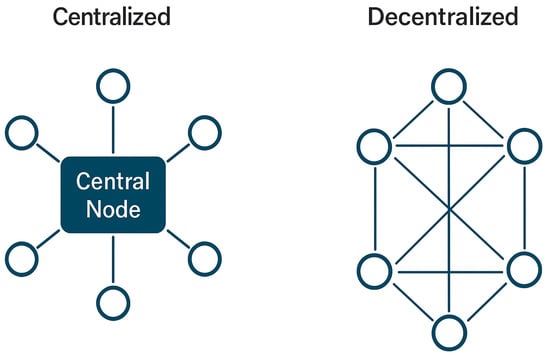
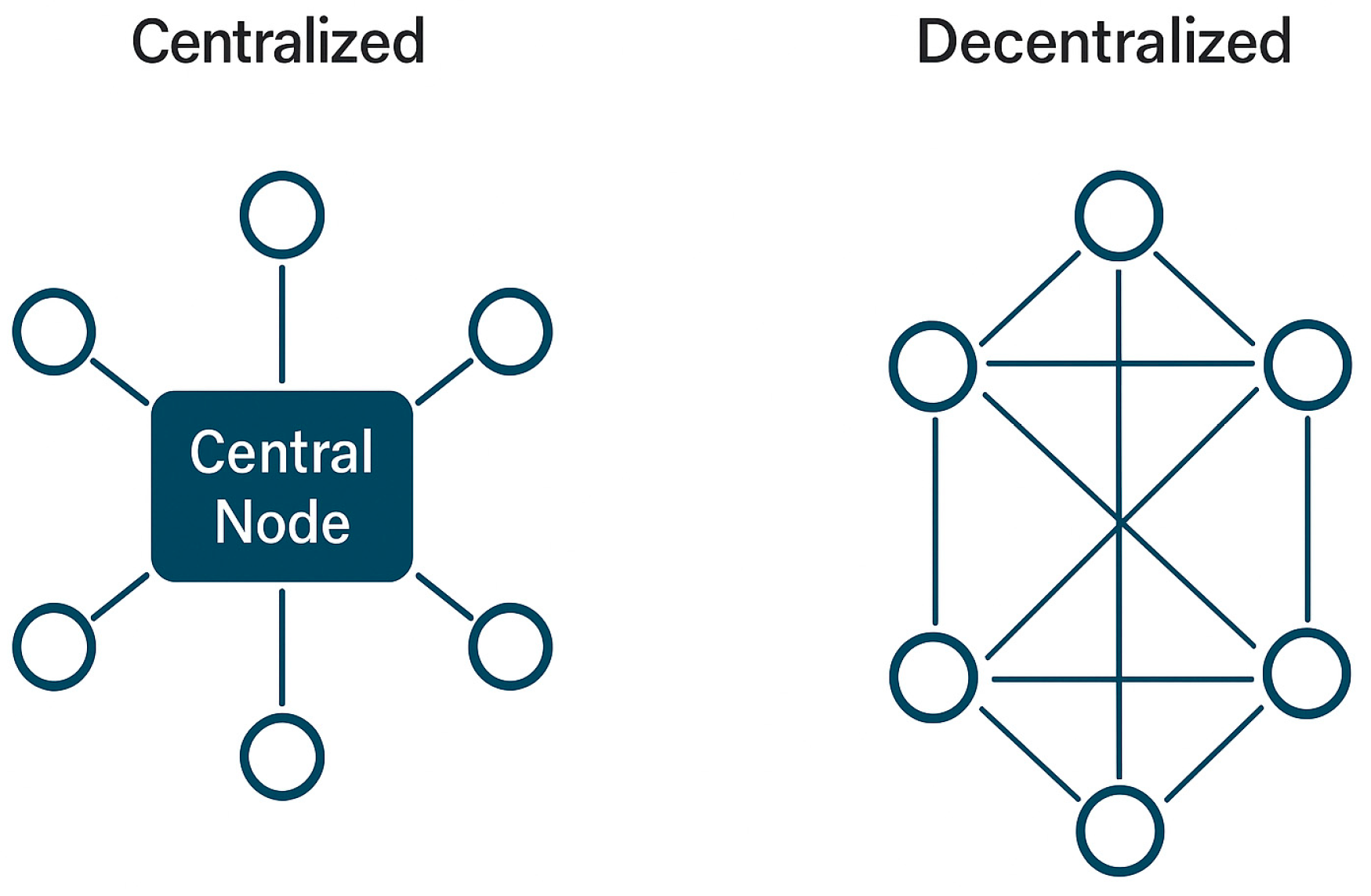
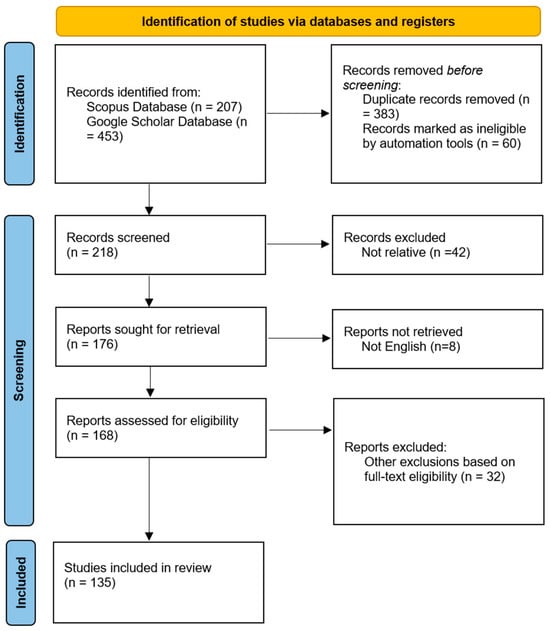
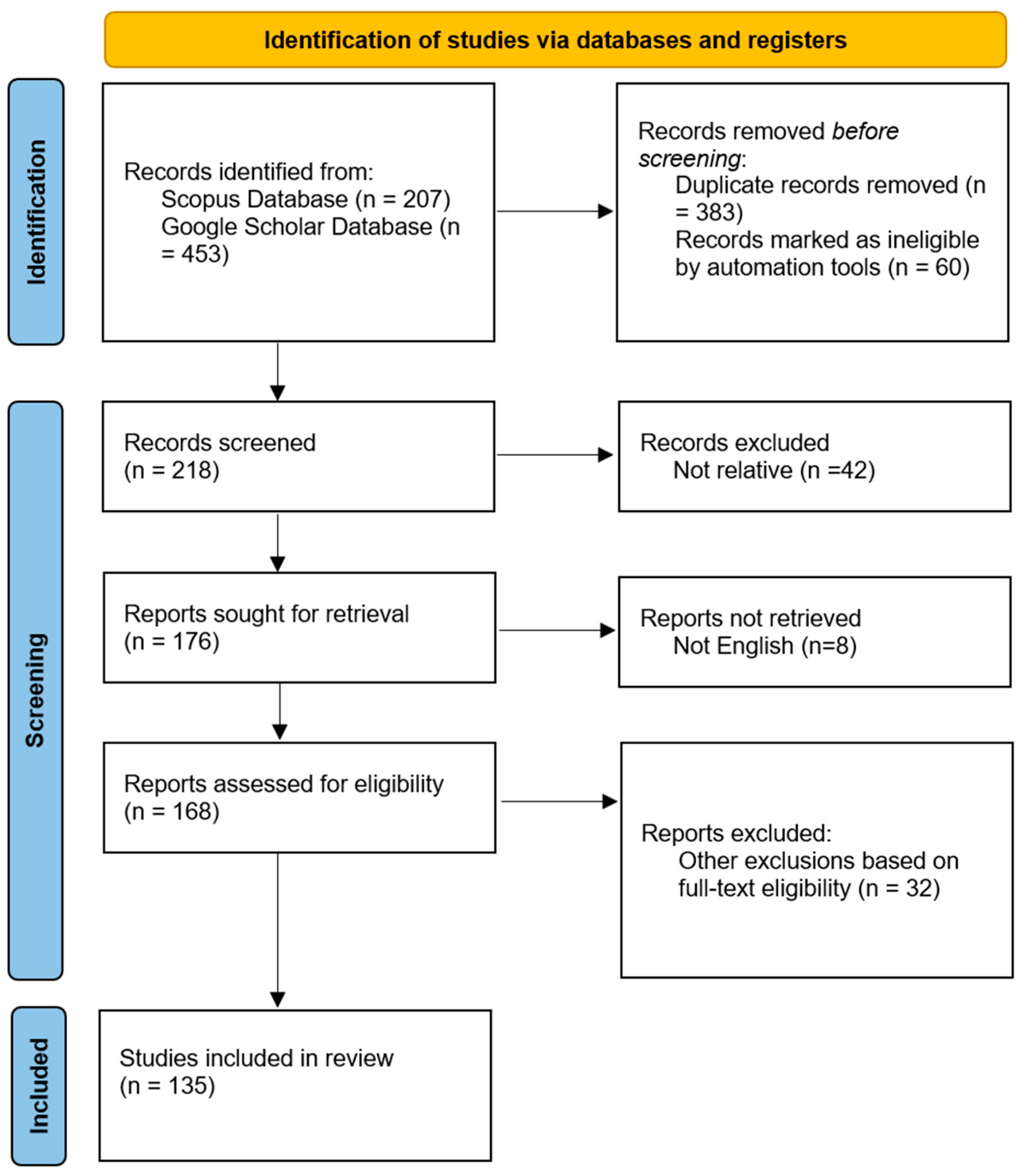
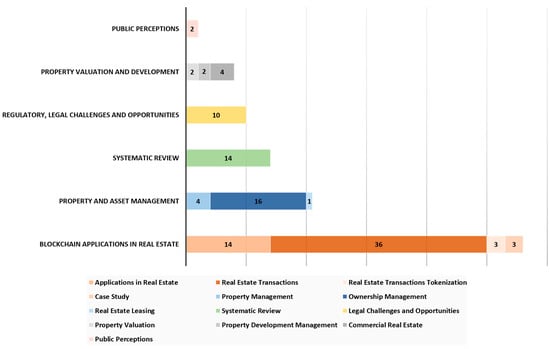
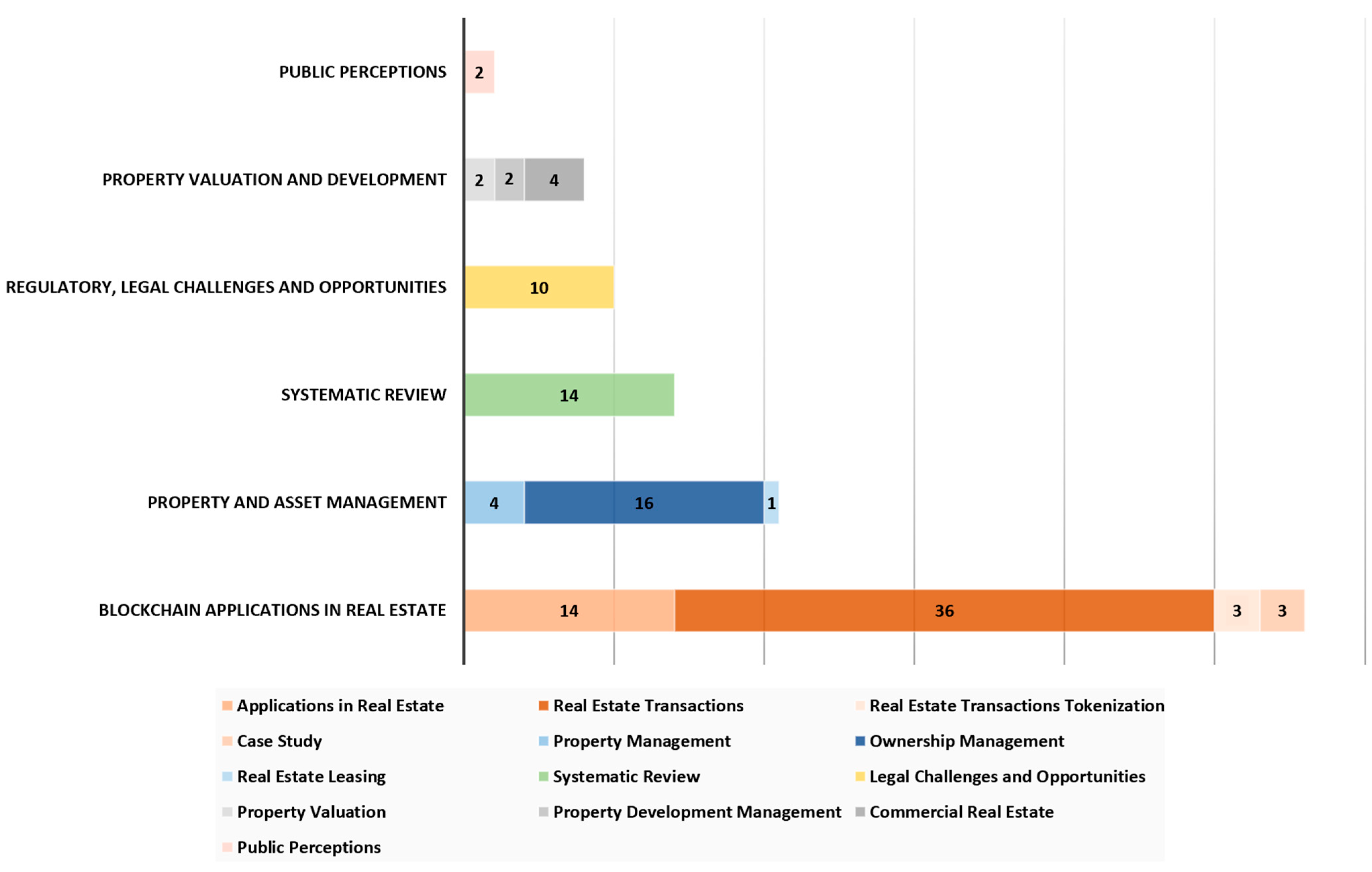

Disclaimer/Publisher’s Note: The statements, opinions and data contained in all publications are solely those of the individual author(s) and contributor(s) and not of MDPI and/or the editor(s). MDPI and/or the editor(s) disclaim responsibility for any injury to people or property resulting from any ideas, methods, instructions or products referred to in the content. |
© 2026 by the authors. Licensee MDPI, Basel, Switzerland. This article is an open access article distributed under the terms and conditions of the Creative Commons Attribution (CC BY) license.