


Abstract
One of the most pressing challenges facing healthcare today is the rise of biofilm infections and antibiotic-resistant bacteria, which demand entirely new therapeutic strategies beyond conventional antibiotic reliance. A biofilm is a structured community of microorganisms encased in a self-produced extracellular polymeric substance (EPS) matrix, which confers resistance to host immune defenses and antimicrobial agents. Accumulating evidence demonstrates that plant-derived secondary metabolites—including flavonoids, phenolic acids, tannins, terpenoids, and alkaloids—exert potent antibacterial and antibiofilm activities through diverse mechanisms of action. These natural compounds inhibit biofilm formation by disrupting bacterial adhesion, suppressing quorum sensing, degrading the EPS matrix, and impairing bacterial motility. Beyond independent bioactivity, phytochemicals demonstrate significant synergistic potential when combined with conventional antibiotics, revitalizing antimicrobial efficacy against drug-resistant pathogens. Nanoformulation and biogenic carrier technologies further enhance the bioavailability and therapeutic potency of these compounds. Despite these advances, critical challenges persist, including poor bioavailability, physicochemical instability, dose-dependent toxicity, and the risk of resistance development. This review presents a critical and integrative analysis of the pharmacological mechanisms of plant secondary metabolites, with particular emphasis on their role in combating biofilm-associated infections and antibiotic resistance, and discusses translational opportunities including structure–activity relationship (SAR)-guided optimization, high-throughput screening platforms, and advanced drug delivery systems. Collectively, plant secondary metabolites represent a scientifically compelling and clinically relevant pipeline for the development of next-generation antimicrobial and antibiofilm therapeutics.
1. Introduction
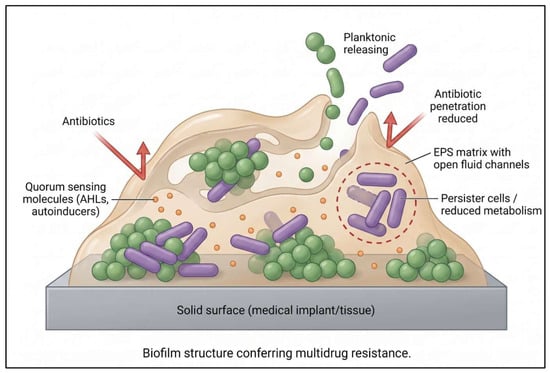
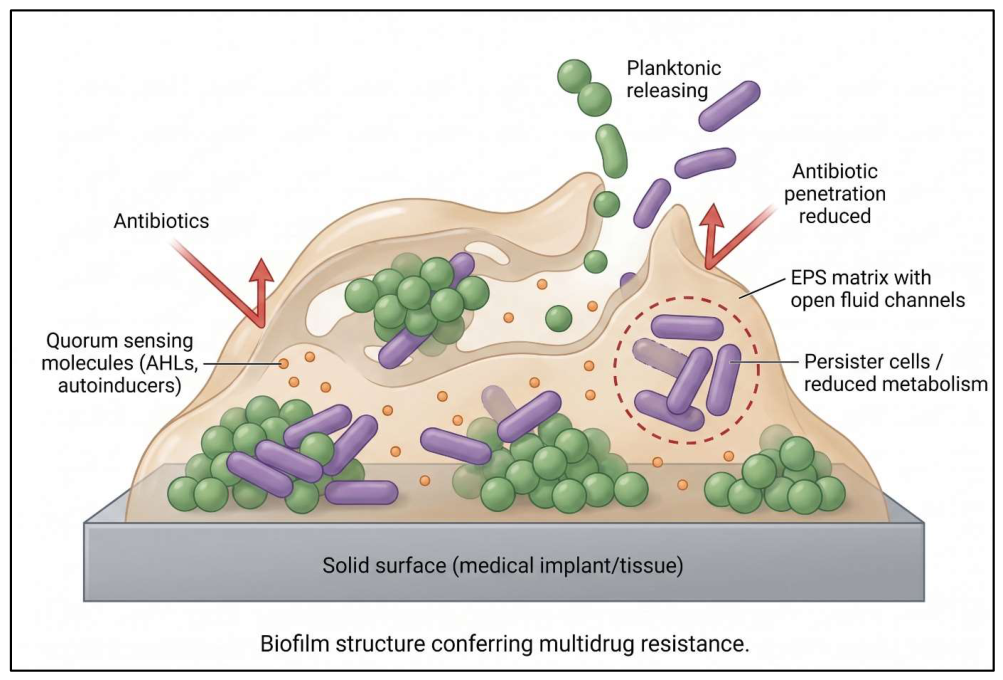
A biofilm is a structured community of microbial organisms that adhere to surfaces and are enclosed within a self-generated EPS matrix. Recurrent and chronic infections are frequently associated with biofilm formation, as this community architecture enables microorganisms to persist under hostile environmental conditions [1]. The EPS matrix facilitates waste removal and nutrient retention while simultaneously providing structural protection. Critically, this matrix impairs antibiotic penetration, contributing substantially to the elevated resistance observed in biofilm-associated bacteria [2]. Biofilm-forming bacteria differ markedly from their planktonic counterparts, exhibiting altered phenotypes including reduced metabolic activity and upregulation of resistance-associated genes [3]. Quorum sensing (QS) is essential for biofilm formation and structural maintenance, coordinating gene expression in a cell-density-dependent manner that governs virulence, biofilm development, and antimicrobial resistance [1]. The clinical significance of this association is evident from studies demonstrating that biofilm-forming strains of Klebsiella pneumoniae exhibit greater resistance to multiple antibiotic classes compared to non-biofilm-forming counterparts [4]. Figure 1 illustrates the EPS matrix, bacterial cell architecture, and key mechanisms underlying antibiotic resistance within the biofilm structure.
Figure 1.
Biofilm structure and resistance mechanisms. A schematic representation of a mature biofilm illustrating the extracellular polymeric substance (EPS) matrix, embedded bacterial cells, and key resistance mechanisms including restricted antibiotic penetration, efflux pump activation, persister cell formation, and quorum sensing-mediated adaptive resistance. Solid arrows indicate the direction of antibiotic penetration and active efflux; the dotted circular arrow represents the quorum sensing signaling cycle coordinating biofilm maturation; the green shading denotes the EPS matrix, while bacterial cells embedded within the matrix are shown in contrasting color for clarity.
Biofilms present formidable therapeutic challenges due to their multifactorial resistance mechanisms. Effective treatment requires targeted approaches capable of simultaneously addressing EPS matrix dissolution, bacterial adhesion inhibition, and quorum sensing disruption [5,6]. Antimicrobial peptides (AMPs) have attracted considerable research attention for their demonstrated efficacy in inhibiting biofilm formation and combating multidrug-resistant bacterial infections [7]. Nanoparticle-based strategies represent an additional avenue of interest, with metal oxide nanoparticles demonstrating biofilm breakdown and enhanced antibacterial effects by improving antimicrobial agent delivery to target cells [8]. Bacteriophage therapy has also emerged as a promising alternative, with phage-derived depolymerases capable of degrading the EPS matrix and potentiating antimicrobial activity [9].
Plant-derived secondary metabolites and phytochemicals have demonstrated substantial efficacy as antibacterial and antibiofilm agents, representing a scientifically sound alternative or adjunct to standard antibiotics, particularly against drug-resistant pathogens. These compounds inhibit biofilm production by targeting quorum sensing, bacterial motility, cell adhesion, and reactive oxygen species production through mechanisms distinct from those of conventional antibiotics [10].
Polyphenols constitute a particularly well-characterized class of plant-derived compounds with potent antibiofilm activity, disrupting biofilm development by modifying bacterial surface hydrophobicity, degrading the extracellular matrix, altering carbohydrate metabolism, and inhibiting coaggregation [11]. Antibiofilm molecules have also been identified from marine microorganism-derived secondary metabolites; for instance, products of Nocardiopsis lucentensis EMB25 prevent and eradicate Pseudomonas aeruginosa biofilms by targeting QS regulatory proteins LasR and RhlR [12]. Marine bacteria’s secondary metabolites additionally exhibit antibiotic properties against drug-resistant organisms, including MRSA and VRE [13]. Furthermore, secondary metabolites of Sansevieria trifasciata have been shown to possess antibacterial and antibiofilm activity against Pseudomonas aeruginosa, with neophytadiene identified as the principal bioactive constituent in the leaf ethanolic extract [14].
2. Objective
Although a considerable body of literature exists on the antimicrobial properties of plant-derived secondary metabolites, a comprehensive and mechanistically focused review specifically addressing their role in combating bacterial biofilms, quorum sensing, and antibiotic resistance—while simultaneously examining clinical translation challenges and nanotechnology-based delivery innovations—remains lacking. The novelty of the present review lies in its integrative approach: it systematically examines the pharmacological mechanisms of flavonoids, phenolic acids, tannins, terpenoids, and alkaloids against both planktonic bacteria and biofilm-forming pathogens, evaluates synergistic interactions with conventional antibiotics, and critically appraises emerging strategies such as structure–activity relationship (SAR)-guided optimization and biogenic nanocarrier development.
Specifically, this review aims to: (i) provide a comprehensive mechanistic analysis of five major classes of plant secondary metabolites—flavonoids, phenolic acids, tannins, terpenoids, and alkaloids—with respect to their antibacterial and antibiofilm activities; (ii) evaluate their synergistic potential in combination with conventional antibiotics against clinically relevant drug-resistant pathogens; (iii) critically assess the current limitations of these compounds, including poor bioavailability, instability, and resistance development; and (iv) identify specific, evidence-based directions for future translational research. This review is intended to serve as a comprehensive reference for researchers and clinicians engaged in the development of next-generation antibiofilm and antimicrobial therapeutics.
3. Methodology
3.1. Search Strategy
A comprehensive literature search was conducted to identify peer-reviewed studies investigating the antibiofilm and antimicrobial activities of plant secondary metabolites, including flavonoids, phenols, tannins, terpenoids, and alkaloids. The search was performed using PubMed/MEDLINE, Scopus, Web of Science, Google Scholar, and ScienceDirect, covering publications from January 2000 to October 2025.
The following keyword combinations and Boolean operators were employed: (“plant secondary metabolites” OR “phytochemicals” OR “flavonoids” OR “phenols” OR “tannins” OR “terpenoids” OR “alkaloids”) AND (“antibiofilm” OR “biofilm inhibition” OR “quorum sensing” OR “EPS disruption”) AND (“antimicrobial” OR “antibacterial” OR “antifungal”) AND (“synergy” OR “synergistic effect” OR “combination therapy”) AND (“clinical translation” OR “bioavailability” OR “drug delivery” OR “nanoparticles”). Additional manual searches were performed using the reference lists of retrieved articles.
3.2. Inclusion and Exclusion Criteria
Inclusion criteria: Original research articles, clinical trials, and systematic reviews published in English reporting in vitro or in vivo antibiofilm and/or antimicrobial activity of at least one class of plant secondary metabolite, describing mechanisms of action, evaluating synergistic effects with conventional antibiotics, or addressing delivery strategies or clinical translation challenges.
Exclusion criteria: Non-English publications, conference abstracts, editorials, and opinion pieces without primary data; studies focusing exclusively on primary metabolites; reports on synthetic or semi-synthetic derivatives without reference to the parent natural compound; and studies lacking quantitative data on biofilm inhibition or antimicrobial activity.
4. Overview of Secondary Metabolites
Secondary metabolites are organic compounds that are non-essential for the basic growth, development, and reproduction of an organism, but that play critical roles in ecological interactions and environmental adaptation. In plants, these compounds function in defense against herbivores and microbial pathogens, in the attraction of pollinators, and in allelopathic competition with neighboring plants. In microorganisms, secondary metabolites serve as antibiotics against competing organisms and facilitate symbiotic relationships [15]. Major ecological roles include defense against pathogens and herbivores [16], allelopathic competition [17], pollinator and seed disperser attraction [18], response to abiotic stress [19], and facilitation of symbiotic interactions [20]. Major classes include alkaloids, flavonoids, terpenoids, phenolic compounds, and polyketides [21].
4.1. Alkaloids
Alkaloids are nitrogen-containing organic compounds exhibiting pronounced biological activity in animals and humans, serving a protective function in plants against herbivory. They are classified into heterocyclic alkaloids (containing a nitrogen heterocyclic ring; e.g., caffeine from Coffea spp., nicotine from Nicotiana spp., and morphine from Papaver somniferum) and non-heterocyclic alkaloids (derived from amino acids; found in Corydalis and Erythroxylum coca) [21].
4.2. Flavonoids
Flavonoids are a major class of polyphenolic compounds widely recognized for their antioxidant activities, protecting plants against disease and UV radiation and contributing to pollination by determining flower pigmentation and fragrance. The flavonoid core consists of two aromatic rings connected by a 15-carbon heterocyclic ring. Major subclasses include flavanols (quercetin, kaempferol, myricetin; berries, onions, apples), flavones (apigenin, luteolin; celery, parsley), isoflavones (daidzein, genistein; soybeans), and anthocyanins (cyanidin, delphinidin; blue and red fruits). Flavonoids possess anti-inflammatory, anti-cancer, and antioxidant properties and occur in Vaccinium spp., Citrus sinensis, and Camellia sinensis [22,23].
4.3. Terpenoids
Terpenoids (isoprenoids) represent the largest and most structurally diverse class of plant secondary metabolites, composed of isoprene (C5) units. Major subclasses include monoterpenes (C10; limonene from citrus fruits, menthol from Mentha spp.), sesquiterpenes (C15; bisabolol from Chamomilla recutita), diterpenes (C20; taxol, gibberellins), triterpenes (C30; squalene, betulinic acid from Betula spp.), and tetraterpenes (C40; carotenoids). Terpenoids are widely distributed in essential oils, resins, and volatile compounds of Cannabis sativa and Artemisia annua [24].
4.4. Phenolic Compounds
Phenolic compounds are aromatic molecules bearing one or more hydroxyl groups bonded to aromatic rings, playing a critical role in plant defense against predators, UV irradiation, and microbial infection. Key categories include phenolic acids (ferulic acid, caffeic acid, p-coumaric acid; cereals, coffee, grapes), flavonoids, and tannins—large polyphenolic compounds with astringent properties including gallotannins from oak and chestnut trees. Phenolic compounds are abundant in tea, wine, fruits, and vegetables and exhibit high antioxidant activity with demonstrated benefits in cancer and cardiovascular disease prevention [25].
4.5. Polyketides
Polyketides are chemically diverse compounds produced by plants, microorganisms, and fungi through enzymatic pathways catalyzed by polyketide synthases. They exhibit antibiotic, antifungal, and anticancer activities. Important subclasses include macrolides (erythromycin), aminoglycosides (streptomycin), and fungal polyketides (lovastatin from Aspergillus terreus) [26].
5. Antibiofilm Activity of Plant Secondary Metabolites
Bacterial biofilms are structured communities of microorganisms that adhere to surfaces and produce a protective polymeric matrix, rendering them highly resistant to antimicrobial agents and host immune defenses. Due to the intrinsic resistance conferred by biofilm architecture, these communities persist on biological tissues and medical devices, representing a major clinical challenge [24].
5.1. Mechanism of Action
Table 1 (below) provides a comprehensive summary of the antibiofilm mechanisms of five major classes of plant secondary metabolites—flavonoids, phenolic acids, terpenoids, tannins, and alkaloids—against clinically relevant bacterial pathogens.
Table 1.
Mechanisms of antibiofilm action of plant secondary metabolites against clinically relevant bacterial pathogens, including representative molecular formulae.
The mechanistic landscape of plant secondary metabolite antibiofilm activity can be organized into five principal categories: (i) inhibition of bacterial adhesion; (ii) quorum sensing suppression; (iii) EPS matrix degradation; (iv) bacterial cell membrane disruption; and (v) inhibition of bacterial motility.
Flavonoids exert antibiofilm effects primarily through disruption of biofilm matrix structural integrity and suppression of quorum sensing via inhibition of acyl-homoserine lactone (AHL) signaling. Quercetin simultaneously inhibits EPS synthesis, blocks QS-mediated signaling, and disrupts cell membrane integrity. Kaempferol prevents bacterial adhesion and inhibits QS-regulated gene expression, while apigenin and luteolin suppress EPS matrix synthesis and downregulate virulence factor expression.
Phenolic acids disrupt biofilm formation through complementary mechanisms. Gallic acid degrades the EPS matrix by downregulating matrix biosynthesis genes and disrupting AHL signaling. Caffeic acid prevents bacterial motility by interacting with flagellar proteins and modifies bacterial surface hydrophobicity. Ferulic acid inhibits QS communication and modifies microbial surface charge to prevent surface adherence.
Among terpenoids, betulinic acid—a pentacyclic triterpenoid from Betula spp.—disrupts biofilm formation by inserting into the bacterial lipid bilayer, blocking autoinducer synthesis, and degrading EPS. Its demonstrated synergistic activity with β-lactam antibiotics against MRSA lends it significant translational relevance. Asiaticoside, a triterpenoid saponin and trisaccharide derivative of asiatic acid, exerts antibiofilm effects through the core aglycone asiatic acid, which disrupts bacterial membrane potential, inhibits autoinducer synthesis, and downregulates biofilm-associated genes including lasI, rhlI, and pelB. The trisaccharide moieties enhance aqueous solubility relative to the free aglycone. Carvacrol and thymol act through membrane permeabilization and QS disruption.
Tannins, including tannic acid and epigallocatechin gallate (EGCG), suppress quorum sensing by reducing AHL production, degrade extracellular polysaccharides to disrupt biofilm architecture, and inhibit bacterial adhesion.
5.2. Examples
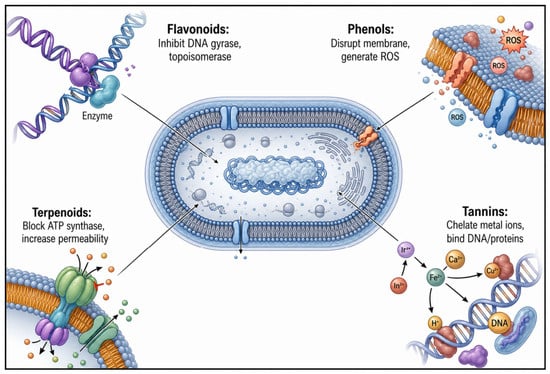
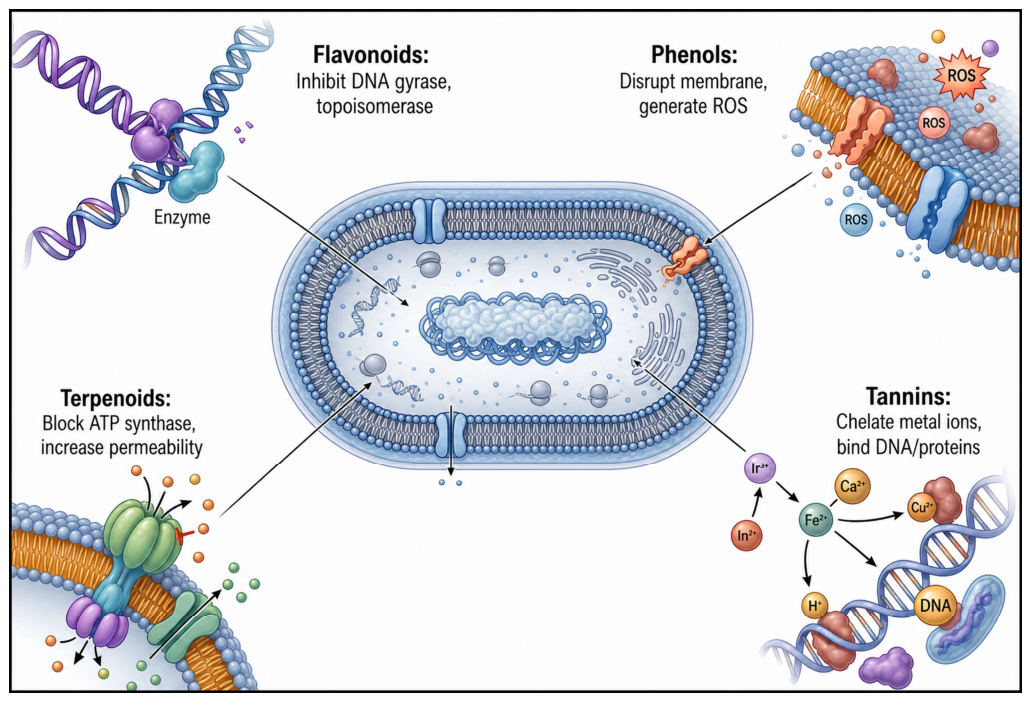
Among the most pharmacologically significant members of this compound family are quorum-sensing disruptors and EPS-modulating agents. Figure 2 illustrates how flavonoids, phenols, terpenoids, and tannins target bacterial cell membranes, inhibit essential enzymes, and generate reactive oxygen species (ROS).
Figure 2.
Mechanisms of action of four major classes of plant secondary metabolites against bacterial biofilms. The figure illustrates how flavonoids, phenols, terpenoids, and tannins disrupt biofilm formation through inhibition of bacterial adhesion, disruption of quorum sensing, degradation of the EPS matrix, damage to bacterial cell membranes, and inhibition of bacterial motility. Arrows indicate the site and direction of each inhibitory action on the biofilm life cycle; the central dotted cycle represents the stages of biofilm development targeted by the metabolites; color coding differentiates flavonoids, phenols, terpenoids, and tannins, and the inhibition symbol (⊥) marks each pathway blocked by the respective compound class.
5.2.1. Furanones (Quorum-Sensing Inhibitors)
Furanones are naturally occurring compounds derived from marine algae, notably Delisea pulchra. They disrupt inter-bacterial communication by competing with signal molecules at QS receptor sites, inhibiting quorum sensing and preventing biofilm formation. Furanone application results in enhanced antibiotic efficacy against biofilm-associated infections and reduced virulence gene expression [62].
5.2.2. Phenolic Compounds: Gallic Acid
Gallic acid and related phenolic compounds inhibit biofilm formation primarily by disrupting the biofilm EPS matrix, thereby preventing bacterial attachment to surfaces. This disruption renders bacteria more susceptible to both antimicrobial agents and host immune defenses. Susceptible species include Salmonella enterica and Escherichia coli.
5.2.3. Terpenoid Alcohol (Phytol)
Phytol is a terpenoid alcohol present in the leaves of Piper betle with documented anti-quorum sensing and antibiofilm activity. The compound inhibits the capacity of Serratia marcescens to synthesize virulence factors such as lipase and prodigiosin, reducing biofilm synthesis through downregulation of QS-controlling genes and subsequent suppression of EPS production and bacterial motility [63,64].
5.3. Case Studies
Owing to their enhanced resistance to antimicrobial agents, biofilms—bacterial com-munities adhering to surfaces—pose a major challenge in both industrial and clinical settings. Numerous substances with antibiofilm potential have been identified in the scientific literature; two representative examples are presented below.
5.3.1. Cefixime and Carvacrol Against Escherichia coli Biofilms
A study published in BMC Microbiology investigated the effects of carvacrol, a monoterpenoid phenol, on biofilms produced by Escherichia coli, either alone or in combination with the antibiotic cefixime. Sub-MICs of both agents were evaluated using a microtiter plate biofilm assay. Both carvacrol and cefixime demonstrated significant antibiofilm activity at the MIC level, and scanning electron microscopy (SEM) confirmed structural disruption of the biofilm matrix. The combination demonstrated enhanced biofilm-disrupting activity, increasing pathogen susceptibility to antimicrobial intervention [65].
5.3.2. Antibiofilm Activity of Oregano-Derived Compounds Combined with Biogenic Silver Nanoparticles Against Klebsiella pneumoniae
A study published in Frontiers in Microbiology investigated the antibiofilm activity of biogenic silver nanoparticles (AgNPs) synthesized using Fusarium oxysporum extracts against carbapenem-resistant Klebsiella pneumoniae. Biofilm formation and metabolic activity were quantified using crystal violet staining and MTT assays, respectively. The results demonstrated a strong synergistic inhibition of biofilm formation and bacterial metabolic activity, suggesting that biogenic AgNP-based formulations may represent a viable therapeutic approach for carbapenem-resistant K. pneumoniae infections [66].
5.4. Medical Applications
The clinical application of plant secondary metabolites extends beyond their direct antimicrobial activity to encompass their integration into medical-grade formulations designed to prevent and treat device-associated infections and chronic wound biofilms. While conventional antibiotic coatings on implants suffer from rapid depletion and resistance selection, secondary metabolite-based bioactive films offer a distinct advantage through their multi-target mechanisms of action and reduced propensity for resistance development. The novelty of their application in medicine lies in this ability to simultaneously disrupt biofilm formation, modulate host immune responses, and potentiate the activity of co-administered antibiotics—pharmacological advantages not achievable through conventional monotherapy approaches [67].
5.4.1. Medical Device and Implant Applications
The functionalization of implants and medical devices with antimicrobial films containing plant secondary metabolites represents a clinically significant strategy for reducing nosocomial infections. Secondary metabolite-incorporated films provide sustained release of bioactive compounds at the implant surface, maintaining local antimicrobial concentrations without systemic toxicity. Protein-based films capable of targeted antibiotic delivery and antifouling activity have been synthesized using natural compounds, demonstrating reduced biofilm formation on implant surfaces [67].
5.4.2. Industrial and Packaging Applications
Antimicrobial films incorporating plant-derived secondary metabolites are applied in the food industry to extend product shelf life by inhibiting microbial spoilage. Antimicrobial coatings may be deposited on polymer surfaces or embedded within the polymer matrix. Surface deposition methods such as electrospinning and spray coating are particularly suitable for heat-sensitive antimicrobials, preserving bulk packaging material properties [68].
5.4.3. Environmental Applications
Antibacterial films have been developed and applied in high-contact environmental surfaces—including public transport vehicles and water treatment facilities—to reduce pathogen transmission. The FLEXPOL project, for example, developed antibacterial adhesive films for public transport applications, demonstrating meaningful reductions in bacterial contamination [69].
6. Antibacterial Activities
Antibacterial activity refers to the capacity to inhibit or eliminate bacterial growth and infection. This property is of fundamental importance in drug discovery, particularly in the context of multidrug-resistant bacterial infections. A study published in Evidence-Based Complementary and Alternative Medicine demonstrated that ethanolic extracts of Rhus javanica leaves inhibit the growth of methicillin-resistant Staphylococcus aureus (MRSA) at concentrations of 0.05–0.2 mg/mL, with additional suppression of biofilm formation, supporting its value as a candidate antimicrobial against MRSA infections [70].
6.1. Mechanism of Action
Table 2 presents the antibacterial mechanisms of action of flavonoids, phenolic compounds, terpenoids, and tannins against drug-sensitive and drug-resistant bacterial strains, including Staphylococcus aureus, Escherichia coli, Pseudomonas aeruginosa, Klebsiella pneumoniae, MRSA, and Streptococcus mutans.
Table 2.
Antibacterial mechanisms of plant secondary metabolites against drug-sensitive and drug-resistant bacterial pathogens, including Staphylococcus aureus, Escherichia coli, Pseudomonas aeruginosa, Klebsiella pneumoniae, methicillin-resistant S. aureus (MRSA), and Streptococcus mutans.
6.2. Examples
6.2.1. Alkaloid: Berberine
Berberine is a plant-derived isoquinoline alkaloid with documented activity against a broad spectrum of microorganisms. A study in Infection and Drug Resistance demonstrated that berberine effectively reduced MRSA counts by 2 log CFU/mL within 24 h, disrupting bacterial cell wall and membrane integrity and producing altered cellular morphology consistent with bactericidal activity [98].
6.2.2. Flavonoid: Quercetin
Quercetin is a widely distributed flavonoid present in numerous fruits and vegetables. Studies published in Molecules have documented broad-spectrum antimicrobial activity against Gram-positive and Gram-negative bacteria, as well as antifungal and antiviral properties. The antimicrobial mechanisms include disruption of bacterial cell membrane architecture, alteration of membrane permeability, inhibition of nucleic acid and protein synthesis, suppression of virulence factor production, and prevention of biofilm formation [99].
6.2.3. Alkaloid: Daturine
Daturine is an alkaloid isolated from Datura stramonium that demonstrates significant antibacterial activity. A study in the African Journal of Traditional, Complementary and Alternative Medicines reported that ethanol extracts containing daturine showed significant growth inhibition against Staphylococcus aureus, Pseudomonas aeruginosa, Escherichia coli, Salmonella typhi, and Klebsiella pneumoniae [100].
6.3. Case Studies
6.3.1. Carvacrol Versus Carbapenemase-Producing K. pneumoniae
Carvacrol demonstrates effective antibacterial activity against carbapenemase-producing Klebsiella pneumoniae, a clinically significant multidrug-resistant organism. In vitro studies revealed low minimum inhibitory concentrations (MICs), and time-kill assays confirmed bactericidal activity within four hours. In a murine infection model, carvacrol significantly increased survival rates and reduced bacterial burden in peritoneal lavage fluid, while also restoring suppressed platelet counts—indicating both antibacterial and immunomodulatory effects [101].
6.3.2. WLBU2 Antimicrobial Peptide Against Biofilms of Pseudomonas aeruginosa
WLBU2 is a synthetic antimicrobial peptide demonstrating promising activity against drug-resistant Pseudomonas aeruginosa biofilms. In vitro studies determined a planktonic MIC of 8–16 µg/mL and a minimum biofilm inhibitory concentration (MBIC) of 64 µg/mL, achieving greater than 50% biofilm destruction. In vivo murine studies confirmed dose-dependent biofilm inhibition (33–67%) at concentrations of 1/4× to 1× MIC. The capacity of WLBU2 to simultaneously target both planktonic and biofilm-associated bacteria at low concentrations reduces the likelihood of resistance development, representing a promising approach for chronic infections including cystic fibrosis and medical device-associated biofilms [102].
6.4. Applications
6.4.1. Clinical Use
To promote healing and prevent infection, secondary metabolites with antibacterial activity have been incorporated into wound dressings. For instance, chitosan-based wound dressings incorporating natural compounds have demonstrated enhanced antibacterial properties and accelerated wound healing [103].
6.4.2. Food Storage
Owing to their potent antibacterial activity, plant-derived secondary metabolites such as polyphenols are used in the food industry to preserve foods safely and extend shelf life [104].
6.5. Material Coatings
Polymer coatings incorporating antibacterial secondary metabolites are used to reduce contamination and material deterioration by inhibiting microbial growth [105].
6.6. Agriculture
Antibacterial secondary metabolites also function as natural insecticides and are integral to sustainable agricultural practice. Produced by fungi and bacteria, these metabolites protect plants from infection and insect invasion, thereby reducing reliance on synthetic pesticides. For example, secondary metabolites produced by certain bacteria have been shown to act as effective biocontrol agents [106].
7. Synergy Between Secondary Metabolites
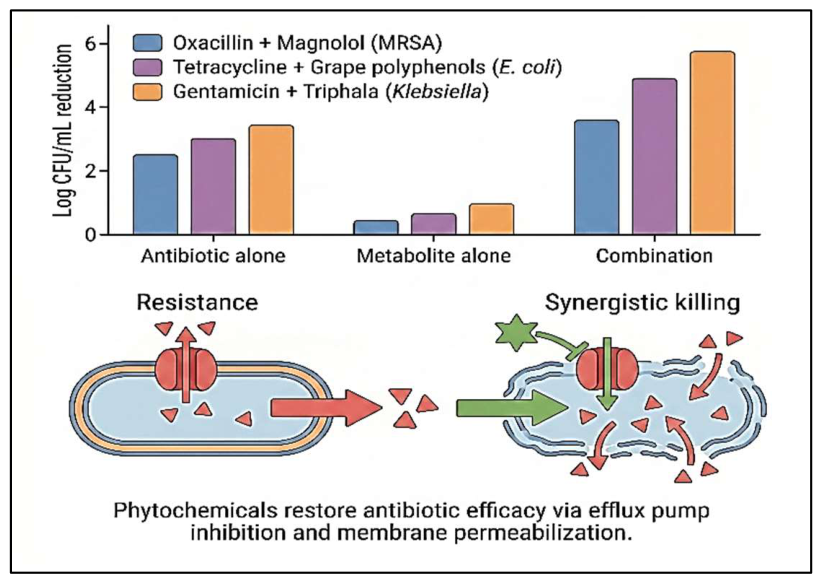
Figure 3 depicts the combined mechanisms by which phytochemicals enhance antibiotic efficacy, including increased membrane permeability, efflux pump inhibition, biofilm matrix disruption, quorum sensing inhibition, and enzyme inhibition (e.g., β-lactamase).
Figure 3.
Synergistic effects of plant secondary metabolites with conventional antibiotics. This figure depicts the combined mechanisms by which phytochemicals enhance antibiotic efficacy, including increased membrane permeability, efflux pump inhibition, biofilm matrix disruption, quorum sensing inhibition, and enzyme inhibition (e.g., β-lactamase). Arrows denote the direction of the synergistic interaction between each phytochemical and its co-administered antibiotic; the inhibition symbol (⊥) marks blocked bacterial defense targets; color coding distinguishes the antibiotic, the phytochemical, and the bacterial target structures depicted in this schematic illustration.
7.1. Lignans and Alkaloids in Magnolia officinalis
Lignans such as magnolol and honokiol from Magnolia officinalis exert antibacterial activity through inhibition of DNA gyrase and disruption of bacterial cell wall integrity. Alkaloids in the same extract enhance membrane permeability, augmenting antibiotic effectiveness. Extracts of M. officinalis have been reported to synergize with oxacillin, significantly reducing its MIC against MRSA and supporting dose reduction strategies to limit adverse effects [107].
7.1.1. Polyphenols in Grape Pomace
Polyphenols, including catechin, epicatechin, and procyanidin from grape pomace, enhance antibacterial activity through efflux pump inhibition (increasing antibiotic intracellular residence time), interference with biofilm formation, and generation of oxidative stress via ROS production. These compounds demonstrated significant synergism with tetracycline against Staphylococcus aureus and Escherichia coli, overcoming antibiotic resistance [108].
7.1.2. Tannins, Flavonoids, and Polyphenols in Triphala
Tannins, flavonoids, and polyphenols in Triphala exhibit complementary antibacterial mechanisms: tannins bind to bacterial proteins and membrane structures; polyphenols induce oxidative damage and inhibit essential enzymes; flavonoids induce oxidative stress on bacterial membrane structures. Triphala augments the efficacy of oxacillin against MRSA and gentamicin against Gram-negative bacteria, significantly reducing MIC levels and suppressing resistance development [109].
7.1.3. Terpenoids in Lamiaceae Plant Extracts
Monoterpenes and sesquiterpenes from Lamiaceae plants increase bacterial membrane permeability, alter ion channel function to produce osmotic imbalance, and raise antibiotic penetration rates, thereby amplifying bactericidal activity. Plant terpenoids from the Lamiaceae family demonstrate synergism with streptomycin, producing enhanced antibacterial efficacy against multiple bacterial species while preventing resistance development [110].
7.2. Limitations and Challenges
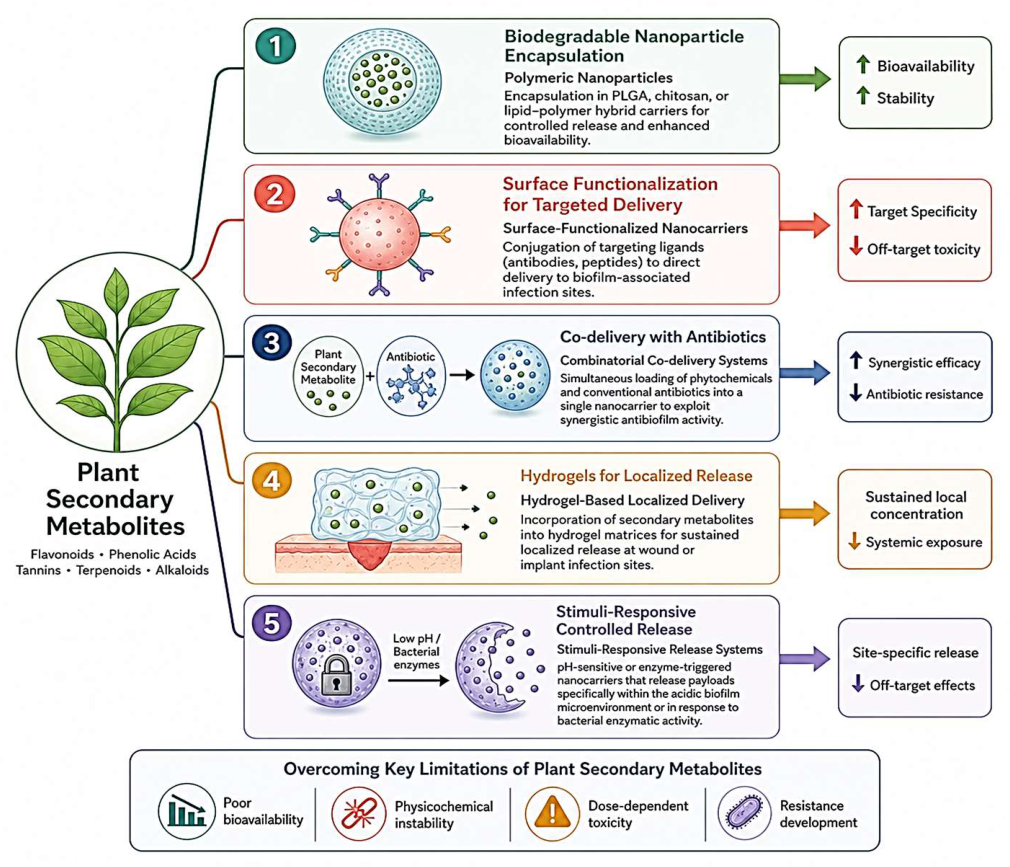
The physicochemical instability of many secondary metabolites leads to degradation and loss of bioactivity under conditions of elevated temperature, altered pH, and light exposure [111]. Poor aqueous solubility and low gastrointestinal permeability result in inadequate oral bioavailability, limiting therapeutic efficacy; nanotechnology-based co-delivery systems offer viable solutions [112]. At elevated concentrations, some secondary metabolites demonstrate toxicity to mammalian cells and ecological systems, underscoring the need for rigorous toxicological evaluation [113]. Repeated administration of antimicrobial secondary metabolites carries the risk of resistance development, necessitating ongoing discovery of novel compounds and rational combination strategies [114]. Extraction and purification processes are technically complex and frequently require specialized equipment, increasing the cost of large-scale production [115]. Industrial production may generate environmental waste and involve toxic solvents; adoption of green chemistry and clean production technologies is essential to address this concern (Figure 4) [114].
Figure 4.
Delivery strategies for overcoming the limitations of plant secondary metabolites. A schematic outline of nanotechnological approaches including encapsulation in biodegradable nanoparticles, surface functionalization for targeted delivery, co-delivery with antibiotics, hydrogels for localized release, and stimuli-responsive systems for controlled drug release. Arrows indicate the sequential delivery process from nanocarrier formulation to release at the target site; color coding differentiates the nanoparticle carrier, the encapsulated phytochemical, and the targeting/stimuli-responsive components illustrated in the schematic.
8. Perspective for the Future
8.1. Newer Methods for Drug Discovery
High-throughput screening (HTS) is indispensable for the rapid identification of drug leads from large compound libraries, enabling parallel evaluation of thousands of compounds simultaneously. Phthalimide analogs with potent antileishmanial properties were identified through HTS, demonstrating the utility of this approach for natural product-derived lead discovery [116]. Phenotypic screening, which monitors compound effects on whole cells, provides additional information on compound-network interactions and has successfully identified active compounds against Leishmania species [117].
8.2. Studies Relating to the Structure–Activity Relationship (SAR)
SAR studies are fundamental to understanding the relationship between molecular structure and biological activity. Structural modifications to lead molecules identified through HTS can enhance potency, selectivity, and pharmacokinetic profiles. A well-characterized example involves SAR studies on 6-dialkylaminopyrimidine carboxamides, which identified the structural features critical for antitubercular activity through optimization of an HTS-derived lead compound [118].
8.3. Innovation in the Development of Drug Delivery Systems
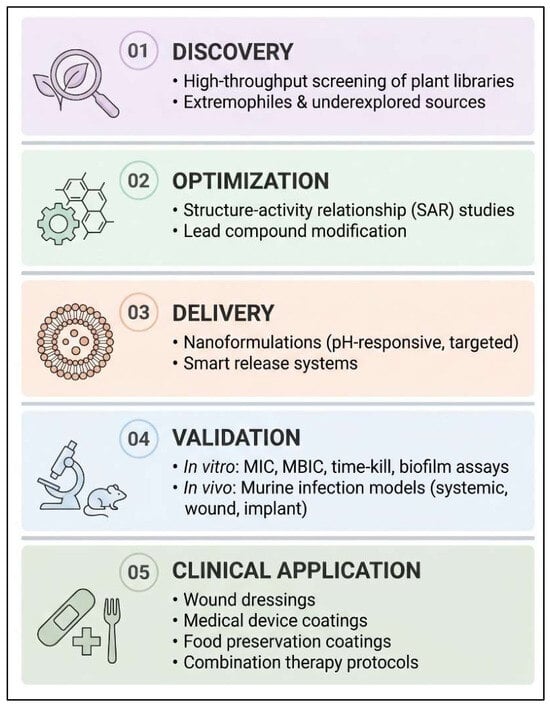
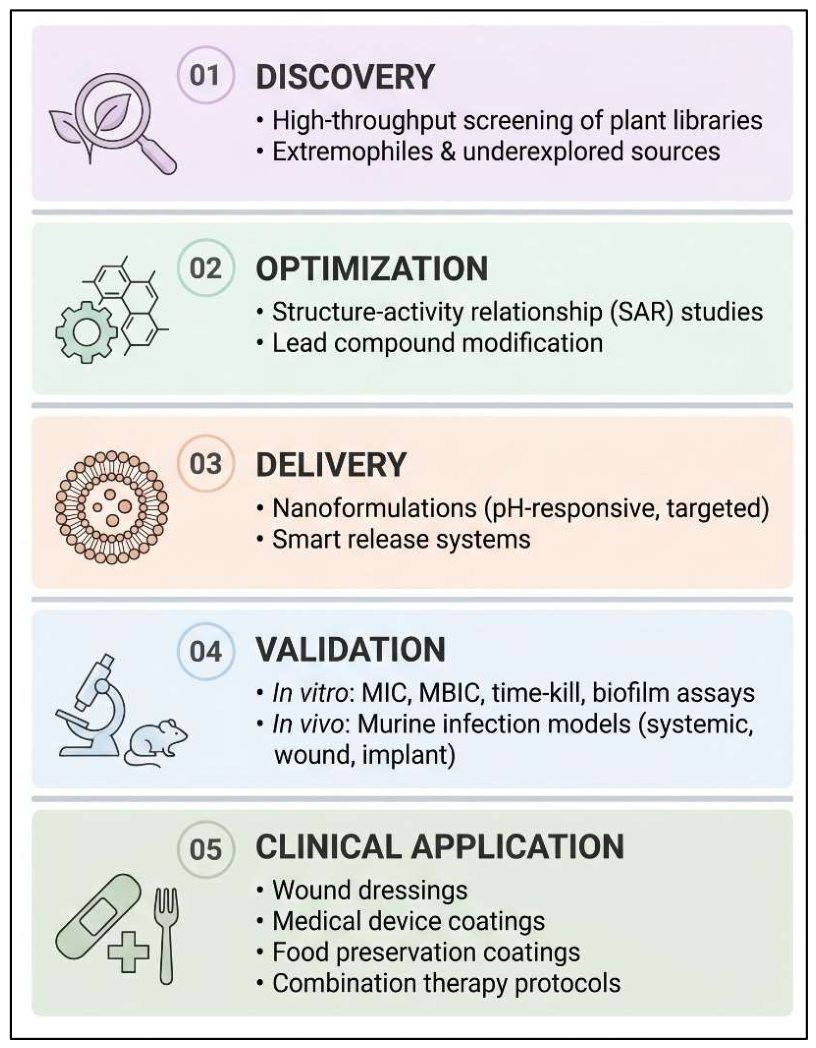
Nanoparticle-based drug delivery systems have dramatically advanced the ability to improve bioavailability and achieve controlled, targeted drug release, overcoming key limitations of traditional delivery approaches, including low bioavailability and poor tissue targeting. pH-sensitive nanoparticles designed for tumor microenvironment-responsive drug release have demonstrated improved efficacy and reduced toxicity in combination chemo-immunotherapy models, offering a conceptual framework applicable to the delivery of plant secondary metabolites to infection sites [119,120]. Figure 5 demonstrates the Clinical translation workflow for plant secondary metabolites as next-generation antibiofilm and antimicrobial agents.
Figure 5.
Clinical translation workflow for plant secondary metabolites as next-generation antibiofilm and antimicrobial agents.
8.4. Exploring Underexplored Biological Sources
The exploration of underutilized biological sources—including extremophilic microorganisms, deep-sea sediment bacteria, endophytic fungi, and cryophilic species—has generated growing enthusiasm as a strategy for discovering structurally novel secondary metabolites with antimicrobial potential. Extremophiles have evolved unique biochemical pathways to survive under conditions of extreme temperature, salinity, or pH, and these adaptations frequently yield chemically distinctive natural products with medicinal applications [121].
However, the current state of evidence in this field must be critically appraised. While the identification of a novel furopyrimidine from the endolithic actinomycete Actinomadura sp. AL2—exhibiting potent in vitro antibacterial activity—represents a compelling proof of concept [122], the majority of compounds isolated from extremophilic sources have been evaluated only in preliminary in vitro systems. Systematic in vivo pharmacokinetic, pharmacodynamic, and toxicological data for these compounds are largely absent. Claims regarding the translational potential of extremophile-derived antibiotics must therefore be made with appropriate scientific caution and are currently largely hypothetical pending rigorous experimental validation.
Future work in this area requires standardized in vitro–in vivo correlation studies, validated animal infection models, and structured translational evaluation pipelines before extremophile-derived compounds can be considered viable drug development candidates. Table 3 represents the plant sources of major secondary metabolite classes with antibacterial and antibiofilm activity.
Table 3.
Representative plant sources of major secondary metabolite classes with antibacterial and antibiofilm activity.
9. Conclusions
This review has critically examined the antibacterial and antibiofilm pharmacology of five major classes of plant secondary metabolites—flavonoids, phenolic acids, tannins, terpenoids, and alkaloids—with particular emphasis on their mechanistic diversity, synergistic potential with conventional antibiotics, and translational relevance in the context of antibiotic resistance and biofilm-associated infections.
Among the compounds reviewed, several have demonstrated clinically meaningful pharmacological profiles. Quercetin and epigallocatechin gallate (EGCG) exhibit potent multi-target antibiofilm activity, disrupting quorum sensing, degrading EPS, and inhibiting bacterial adhesion across clinically relevant pathogens including MRSA and Pseudomonas aeruginosa. Carvacrol and thymol demonstrate direct bactericidal and antibiofilm efficacy through membrane permeabilization and QS disruption, with carvacrol validated in animal infection models. Betulinic acid exerts antibacterial activity through membrane disruption and DNA gyrase inhibition, with emerging evidence of synergistic efficacy in combination with β-lactam antibiotics against MRSA. Berberine demonstrated efficacy against clinical MRSA isolates. Tannic acid and procyanidins suppress biofilm formation through AHL inhibition and EPS degradation.
Nevertheless, substantial translational barriers remain. Poor oral bioavailability, physicochemical instability, dose-dependent cytotoxicity, and the potential for resistance development are challenges that must be systematically addressed before clinical application. Based on the evidence reviewed herein, the following five specific research priorities are proposed:
Priority 1—Molecular target identification and mechanistic resolution: Future research should employ advanced structural biology tools—including molecular docking, cryo-electron microscopy, and proteomic target-fishing approaches—to precisely identify the molecular targets of the most pharmacologically active secondary metabolites, particularly among triterpenoids and flavonoids with demonstrated biofilm-disrupting activity. Such target identification is essential for rational SAR-guided structural optimization.
Priority 2—Standardized in vivo biofilm infection models: There is a critical and unmet need to develop and validate standardized in vivo animal models of biofilm-associated infection—including catheter-associated urinary tract infection models, implant biofilm infection models, and chronic wound infection models—that replicate clinically relevant conditions and can serve as pharmacological benchmarks for evaluating secondary metabolites under physiological constraints.
Priority 3—Pharmacokinetic optimization through nanoformulation: Compounds including quercetin, EGCG, and betulinic acid are characterized by poor oral bioavailability and rapid systemic clearance. Systematic nanoencapsulation studies using biodegradable polymeric nanoparticles, lipid nanocarriers, and stimuli-responsive delivery systems are warranted to address these pharmacokinetic limitations and improve target-site drug concentrations.
Priority 4—Systematic synergy mapping against ESKAPE pathogens: Structured combination studies using checkerboard and time-kill assay methodologies should be conducted to systematically map synergistic interactions between plant secondary metabolites and clinically used antibiotics against ESKAPE pathogens (Enterococcus faecium, Staphylococcus aureus, Klebsiella pneumoniae, Acinetobacter baumannii, Pseudomonas aeruginosa, and Enterobacterales species) to identify clinically actionable combination regimens for drug-resistant infections.
Priority 5—Clinical translation through Phase I/II trials: Secondary metabolites with robust preclinical safety and efficacy profiles—including those with validated in vivo antibiofilm activity—should be advanced toward carefully designed early-phase clinical trials focusing on safety, tolerability, pharmacokinetics, and proof-of-concept antibiofilm efficacy in patients with device-associated or chronic wound infections. Standardized clinical endpoints for antibiofilm activity must be developed in parallel.
In summary, plant secondary metabolites—particularly flavonoids, phenolic acids, terpenoids, tannins, and alkaloids—represent a diverse and mechanistically rich source of lead compounds for the development of next-generation antimicrobial and antibiofilm therapeutics. Their multi-target mechanisms of action, combined with demonstrated synergy with existing antibiotics, position them as scientifically compelling candidates for the management of drug-resistant and biofilm-associated infectious diseases. Systematic translational research guided by the priorities outlined above will be essential to realize their clinical potential.
Author Contributions
S.P.: Writing—review and editing, Writing—original draft, Conceptualization; S.B.N.: review and editing; A.K.: Validation and formal analysis; N.S.: Software, review and editing. All authors have read and agreed to the published version of the manuscript.
Funding
This research received no external funding.
Data Availability Statement
No data were used for the research described in the article.
Acknowledgments
The authors acknowledge that generative artificial intelligence tools (including language refinement assistants—QuillBot & ChatGPT) were utilized during manuscript preparation solely to assist with grammar and language editing (version: ChatGPT-4, 2025). No manuscript content was generated, and no data were interpreted by AI tools. All figures were created originally by the authors using Illustrae.co (https://illustrator.co/, accessed on 24 June 2026); no figures were reproduced from third-party sources, and no permissions are required. The authors assume complete responsibility for the intellectual content, accuracy, and conclusions presented herein.
Conflicts of Interest
The authors declare no conflicts of interest.
References
- Kostakioti, M.; Hadjifrangiskou, M.; Hultgren, S.J. Bacterial biofilms: Development, dispersal, and therapeutic strategies in the dawn of the postantibiotic era. Cold Spring Harb. Perspect. Med. 2013, 3, a010306. [Google Scholar] [CrossRef] [Scilit] [PubMed]
- Flemming, H.C.; Wingender, J. The biofilm matrix. Nat. Rev. Microbiol. 2010, 8, 623–633. [Google Scholar] [CrossRef] [Scilit] [PubMed]
- Mah, T.F.; O’Toole, G.A. Mechanisms of biofilm resistance to antimicrobial agents. Trends Microbiol. 2001, 9, 34–39. [Google Scholar] [CrossRef] [Scilit] [PubMed]
- Vuotto, C.; Longo, F.; Balice, M.P.; Donelli, G.; Varaldo, P.E. Antibiotic resistance related to biofilm formation in Klebsiella pneumoniae. Pathogens 2014, 3, 743–758. [Google Scholar] [CrossRef] [Scilit] [PubMed]
- Bjarnsholt, T. The role of bacterial biofilms in chronic infections. APMIS Suppl. 2013, 136, 1–51. [Google Scholar] [CrossRef] [Scilit]
- Römling, U.; Balsalobre, C. Biofilm infections, their resilience to therapy and innovative treatment strategies. J. Intern. Med. 2012, 272, 541–561. [Google Scholar] [CrossRef] [Scilit] [PubMed]
- Bechinger, B.; Gorr, S.U. Antimicrobial peptides: Mechanisms of action and resistance. J. Dent. Res. 2017, 96, 254–260. [Google Scholar] [PubMed]
- Baptista, P.V.; McCusker, M.P.; Carvalho, A.; Ferreira, D.A.; Mohan, N.M.; Martins, M.; Fernandes, A.R. Nano-strategies to fight multidrug resistant bacteria—A battle of the titans. Front. Microbiol. 2018, 9, 1441. [Google Scholar] [PubMed]
- Pires, D.P.; Oliveira, H.; Melo, L.D.R.; Sillankorva, S.; Azeredo, J. Bacteriophage-encoded depolymerases: Their diversity and biotechnological applications. Appl. Microbiol. Biotechnol. 2016, 100, 2141–2151. [Google Scholar] [CrossRef] [Scilit] [PubMed]
- Bouarab-Chibane, L.; Forquet, V.; Lantéri, P.; Clément, Y.; Léonard-Akkari, L.; Oulahal, N.; Degraeve, P.; Bordes, C. Antibacterial properties of polyphenols: Characterization and QSAR (quantitative structure–activity relationship) models. Front. Microbiol. 2019, 10, 829. [Google Scholar] [CrossRef] [Scilit] [PubMed]
- Slobodnikova, L.; Fialova, S.; Rendekova, K.; Kovac, J.; Mucaji, P. Antibiofilm activity of plant polyphenols. Molecules 2016, 21, 1717. [Google Scholar] [CrossRef] [Scilit] [PubMed]
- Goel, N.; Ghosh, M.; Jain, D.; Sinha, R.; Khare, S.K. Inhibition and eradication of Pseudomonas aeruginosa biofilms by secondary metabolites of Nocardiopsis lucentensis EMB25. RSC Med. Chem. 2023, 14, 745–756. [Google Scholar] [CrossRef] [Scilit] [PubMed]
- Wiese, J.; Imhoff, J.F. Marine bacteria and fungi as promising source for new antibiotics. Drug Dev. Res. 2019, 80, 24–27. [Google Scholar] [PubMed]
- Dewatisari, W.; Nugroho, L.H.; Retnaningrum, E.; Purwestri, Y.A.P. Antibacterial and anti-biofilm-forming activity of secondary metabolites from Sansevieria trifasciata leaves against Pseudomonas aeruginosa. Indones. J. Pharm. 2022, 33, 100–109. [Google Scholar]
- Wink, M. Modes of action of herbal medicines and plant secondary metabolites. Medicines 2015, 2, 251–286. [Google Scholar] [CrossRef] [Scilit] [PubMed]
- Lattanzio, V.; Lattanzio, V.M.T.; Cardinali, A. Role of phenolics in the resistance mechanisms of plants against fungal pathogens and insects. Phytochem. Adv. Res. 2006, 661, 23–67. [Google Scholar]
- Inderjit; Duke, S.O. Ecophysiological aspects of allelopathy. Planta 2003, 217, 529–539. [Google Scholar] [CrossRef] [Scilit] [PubMed]
- Pichersky, E.; Gershenzon, J. The formation and function of plant volatiles: Perfumes for pollinator attraction and defense. Curr. Opin. Plant Biol. 2002, 5, 237–243. [Google Scholar] [CrossRef] [Scilit] [PubMed]
- Ramakrishna, A.; Ravishankar, G.A. Influence of abiotic stress signals on secondary metabolites in plants. Plant Signal. Behav. 2011, 6, 1720–1731. [Google Scholar] [CrossRef] [Scilit] [PubMed]
- Hartmann, T. From waste products to ecochemicals: Fifty years research of plant secondary metabolism. Phytochemistry 2007, 68, 2831–2846. [Google Scholar] [CrossRef] [Scilit] [PubMed]
- Croteau, R.; Kutchan, T.M.; Lewis, N.G. Natural products (secondary metabolites). In Biochemistry and Molecular Biology of Plants; Buchanan, B., Gruissem, W., Jones, R., Eds.; American Society of Plant Biologists: Rockville, MD, USA, 2000; pp. 1250–1318. [Google Scholar]
- Tringali, C. (Ed.) Bioactive Compounds from Natural Sources: Natural Products as Lead Compounds in Drug Discovery, 2nd ed.; CRC Press: Boca Raton, FL, USA, 2011. [Google Scholar]
- Cushnie, T.P.T.; Lamb, A.J. Antimicrobial activity of flavonoids. Int. J. Antimicrob. Agents 2005, 26, 343–356. [Google Scholar] [CrossRef] [Scilit] [PubMed]
- Bakkali, F.; Averbeck, S.; Averbeck, D.; Idaomar, M. Biological effects of essential oils—A review. Food Chem. Toxicol. 2008, 46, 446–475. [Google Scholar] [PubMed]
- Quideau, S.; Deffieux, D.; Douat-Casassus, C.; Pouységu, L. Plant polyphenols: Chemical properties, biological activities, and synthesis. Angew. Chem. Int. Ed. 2011, 50, 586–621. [Google Scholar] [CrossRef] [Scilit]
- Staunton, J.; Weissman, K.J. Polyketide biosynthesis: A millennium review. Nat. Prod. Rep. 2001, 18, 380–416. [Google Scholar] [CrossRef] [Scilit] [PubMed]
- Vikram, A.; Jayaprakasha, G.K.; Jesudhasan, P.R.; Pillai, S.D.; Patil, B.S. Suppression of bacterial cell–cell signalling, biofilm formation and type III secretion system by citrus flavonoids. J. Appl. Microbiol. 2010, 109, 515–527. [Google Scholar] [CrossRef] [Scilit] [PubMed]
- Panche, A.N.; Diwan, A.D.; Chandra, S.R. Flavonoids: An overview. J. Nutr. Sci. 2016, 5, e47. [Google Scholar] [CrossRef] [Scilit] [PubMed]
- Rauha, J.P.; Remes, S.; Heinonen, M.; Hopia, A.; Kähkönen, M.; Kujala, T.; Pihlaja, K.; Vuorela, H.; Vuorela, P. Antimicrobial effects of Finnish plant extracts containing flavonoids and other phenolic compounds. Int. J. Food Microbiol. 2000, 56, 3–12. [Google Scholar] [CrossRef] [Scilit] [PubMed]
- Cushnie, T.P.T.; Lamb, A.J. Recent advances in understanding the antibacterial properties of flavonoids. Int. J. Antimicrob. Agents 2011, 38, 99–107. [Google Scholar] [CrossRef] [Scilit] [PubMed]
- Xie, Y.; Yang, W.; Tang, F.; Chen, X.; Ren, L. Antibacterial activities of flavonoids: Structure-activity relationship and mechanism. Curr. Med. Chem. 2015, 22, 132–149. [Google Scholar] [PubMed]
- Manner, S.; Skogman, M.; Goeres, D.; Vuorela, P.; Fallarero, A. Systematic exploration of natural and synthetic flavonoids for the inhibition of Staphylococcus aureus biofilms. Int. J. Mol. Sci. 2013, 14, 19434–19451. [Google Scholar] [CrossRef] [Scilit] [PubMed]
- Pei, Z.-J.; Li, C. The anti-biofilm activity and mechanism of apigenin-7-O-glucoside against Staphylococcus aureus and Escherichia coli. Infect. Drug Resist. 2023, 16, 2129–2140. [Google Scholar] [PubMed]
- Buchmann, D.; Schultze, N.; Borchardt, J.; Böttcher, I.; Schaufler, K.; Guenther, S. Synergistic antimicrobial activities of epigallocatechin gallate, myricetin, daidzein, gallic acid, epicatechin, 3-hydroxy-6-methoxyflavone and genistein combined with antibiotics against ESKAPE pathogens. J. Appl. Microbiol. 2022, 132, 949–963. [Google Scholar] [PubMed]
- Vijayakumar, K.; Muhilvannan, S.; Arun Vignesh, M. Hesperidin inhibits biofilm formation, virulence and staphyloxanthin synthesis in methicillin-resistant Staphylococcus aureus by targeting SarA and CrtM: An in vitro and in silico approach. World J. Microbiol. Biotechnol. 2022, 38, 44. [Google Scholar] [PubMed]
- Edziri, H.; Mastouri, M.; Mahjoub, M.A.; Mighri, Z.; Mahjoub, A.; Verschaeve, L. Antibacterial, antifungal and cytotoxic activities of two flavonoids from Retama raetam flowers. Molecules 2012, 17, 7284–7293. [Google Scholar] [CrossRef] [Scilit] [PubMed]
- Tsuchiya, H. Membrane interactions of phytochemicals as their molecular mechanism applicable to the discovery of drug leads from plants. Molecules 2015, 20, 18923–18966. [Google Scholar] [CrossRef] [Scilit] [PubMed]
- Chen, Y.; Liu, T.; Wang, K.; Hou, C.; Cai, S.; Huang, Y.; Du, Z.; Huang, H.; Kong, J.; Chen, Y. Baicalein inhibits Staphylococcus aureus biofilm formation and the quorum sensing system in vitro. PLoS ONE 2016, 11, e0153468. [Google Scholar] [CrossRef] [Scilit] [PubMed]
- Zeng, D.; Jiao, F.; Yang, Y.; Dou, S.; Yu, J.; Yu, X.; Zhou, Y.; Xue, J.; Li, X.; Duan, H.; et al. Myricetin potentiates antibiotics against resistant Pseudomonas aeruginosa by disrupting biofilm formation and inhibiting motility through FimX-mediated c-di-GMP signaling interference. Biology 2025, 14, 859. [Google Scholar] [PubMed]
- Borges, A.; Ferreira, C.; Saavedra, M.J.; Simões, M. Antibacterial activity and mode of action of ferulic and gallic acids against pathogenic bacteria. Microb. Drug Resist. 2013, 19, 256–265. [Google Scholar] [CrossRef] [Scilit] [PubMed]
- Nazzaro, F.; Fratianni, F.; De Martino, L.; Coppola, R.; De Feo, V. Effect of essential oils on pathogenic bacteria. Pharmaceuticals 2013, 6, 1451–1474. [Google Scholar] [CrossRef] [Scilit] [PubMed]
- Gobin, M.; Proust, R.; Lack, S.; Duciel, L.; Des Courtils, C.; Pauthe, E.; Gand, A.; Seyer, D. A combination of the natural molecules gallic acid and carvacrol eradicates P. aeruginosa and S. aureus mature biofilms. Int. J. Mol. Sci. 2022, 23, 7118. [Google Scholar] [CrossRef] [Scilit] [PubMed]
- Lou, Z.; Wang, H.; Rao, S.; Sun, J.; Ma, C.; Li, J. p-Coumaric acid kills bacteria through dual damage mechanisms. Food Control 2012, 25, 550–554. [Google Scholar] [CrossRef] [Scilit]
- Uğurlu, A.; Karahasan Yağcı, A.; Ulusoy, S.; Aksu, B.; Boşgelmez-Tinaz, G. Phenolic compounds affect production of pyocyanin, swarming motility and biofilm formation of Pseudomonas aeruginosa. Asian Pac. J. Trop. Biomed. 2016, 6, 698–701. [Google Scholar] [CrossRef] [Scilit]
- Sarabhai, S.; Sharma, P.; Capalash, N. Ellagic acid derivatives from Terminalia chebula Retz. downregulate the expression of quorum sensing genes to attenuate Pseudomonas aeruginosa PAO1 virulence. PLoS ONE 2013, 8, e53441. [Google Scholar] [CrossRef] [Scilit] [PubMed]
- Bhattacharya, D.; Ghosh, D.; Bhattacharya, S.; Sarkar, S.; Ghosh, S.; Koley, H.; Maiti, D. Antibacterial activity of polyphenolic fraction of Kombucha against Vibrio cholerae: Targeting cell membrane and motility. FEMS Microbiol. Lett. 2018, 365, fny161. [Google Scholar]
- Srinivasan, M.; Sudheer, A.R.; Menon, V.P. Ferulic acid: Therapeutic potential through its antioxidant property. J. Clin. Biochem. Nutr. 2007, 40, 92–100. [Google Scholar] [CrossRef] [Scilit] [PubMed]
- Ou, S.; Kwok, K.C. Ferulic acid: Pharmaceutical functions, preparation and applications in foods. J. Sci. Food Agric. 2004, 84, 1261–1269. [Google Scholar] [CrossRef] [Scilit]
- Truchado, P.; Vial Miranda, L.; Domínguez-Manzano, J.; Medina-Martínez, M.S.; García-Villalba, R.; Tomás-Barberán, F.A.; Allende, A. Inhibition of quorum sensing (QS) in Yersinia enterocolitica by an orange extract rich in glycosylated flavanones. J. Agric. Food Chem. 2012, 60, 8885–8894. [Google Scholar] [CrossRef] [Scilit] [PubMed]
- Wang, C.-M.; Chen, H.-T.; Wu, Z.-Y.; Jhan, Y.-L.; Shyu, C.-L.; Chou, C.-H. Antibacterial and synergistic activity of pentacyclic triterpenoids isolated from Alstonia scholaris. Molecules 2016, 21, 139. [Google Scholar] [CrossRef] [Scilit] [PubMed]
- Siddique, H.R.; Saleem, M. Beneficial health effects of lupeol triterpene: A review of preclinical studies. Life Sci. 2011, 88, 285–293. [Google Scholar] [CrossRef] [Scilit] [PubMed]
- Nostro, A.; Papalia, T. Antimicrobial activity of carvacrol: Current progress and future prospectives. Recent Pat. Antiinfect. Drug Discov. 2012, 7, 28–35. [Google Scholar] [CrossRef] [Scilit] [PubMed]
- Braga, P.C.; Culici, M.; Alfieri, M.; Dal Sasso, M. Thymol inhibits Candida albicans biofilm formation and mature biofilm. Int. J. Antimicrob. Agents 2008, 31, 472–477. [Google Scholar] [CrossRef] [Scilit] [PubMed]
- He, Z.; Hu, Y.; Niu, Z.; Zhong, K.; Liu, T.; Yang, M.; Hu, W. A review of pharmacokinetic and pharmacological properties of asiaticoside, a major active constituent of Centella asiatica (L.) Urb. J. Ethnopharmacol. 2022, 302, 115865. [Google Scholar] [CrossRef] [Scilit] [PubMed]
- Silva, E.; Teixeira, J.A.; Pereira, M.O.; Rocha, C.M.; Sousa, A.M. Evolving biofilm inhibition and eradication in clinical settings through plant-based antibiofilm agents. Phytomedicine 2023, 119, 154973. [Google Scholar] [CrossRef] [Scilit] [PubMed]
- Scalbert, A. Antimicrobial properties of tannins. Phytochemistry 1991, 30, 3875–3883. [Google Scholar] [CrossRef] [Scilit]
- Funatogawa, K.; Hayashi, S.; Shimomura, H.; Yoshida, T.; Hatano, T.; Ito, H.; Hirai, Y. Antibacterial activity of hydrolyzable tannins derived from medicinal plants against Helicobacter pylori. Microbiol. Immunol. 2004, 48, 251–261. [Google Scholar] [CrossRef] [Scilit] [PubMed]
- Asma, S.T.; Imre, K.; Morar, A.; Imre, M.; Acaroz, U.; Shah, S.R.A.; Hussain, S.Z.; Arslan-Acaroz, D.; Istanbullugil, F.R.; Madani, K.; et al. Natural strategies as potential weapons against bacterial biofilms. Life 2022, 12, 1618. [Google Scholar] [CrossRef] [Scilit] [PubMed]
- Blanco, A.R.; Sudano-Roccaro, A.; Spoto, G.C.; Nostro, A.; Rusciano, D. Epigallocatechin gallate inhibits biofilm formation by ocular staphylococcal isolates. Antimicrob. Agents Chemother. 2005, 49, 4339–4343. [Google Scholar] [CrossRef] [Scilit] [PubMed]
- Borges, A.; Abreu, A.C.; Dias, C.; Saavedra, M.J.; Borges, F.; Simões, M. New perspectives on the use of phytochemicals as an emergent strategy to control bacterial infections including biofilms. Molecules 2016, 21, 877. [Google Scholar] [CrossRef] [Scilit] [PubMed]
- Buzzini, P.; Arapitsas, P.; Goretti, M.; Branda, E.; Turchetti, B.; Pinelli, P.; Ieri, F.; Romani, A. Antimicrobial and antiviral activity of hydrolysable tannins. Mini Rev. Med. Chem. 2008, 8, 1179–1187. [Google Scholar] [CrossRef] [Scilit] [PubMed]
- Rasmussen, T.B.; Givskov, M. Quorum-sensing inhibitors as anti-pathogenic drugs. Int. J. Med. Microbiol. 2006, 296, 149–161. [Google Scholar] [PubMed]
- Vattem, D.A.; Mihalik, K.; Crixell, S.H.; McLean, R.J. Dietary phytochemicals as quorum sensing inhibitors. Fitoterapia 2007, 78, 302–310. [Google Scholar] [CrossRef] [Scilit] [PubMed]
- Koh, C.L.; Sam, C.K.; Yin, W.F.; Tan, L.Y.; Krishnan, T.; Chong, Y.M.; Chan, K.G. Plant-derived natural products as sources of anti-quorum sensing compounds. Sensors 2013, 13, 6217–6228. [Google Scholar] [PubMed]
- Asadi, S.; Nayeri-Fasaei, B.; Zahraei-Salehi, T.; Yahya-Rayat, R.; Shams, N.; Sharifi, A. Antibacterial and anti-biofilm properties of carvacrol alone and in combination with cefixime against Escherichia coli. BMC Microbiol. 2023, 23, 55. [Google Scholar] [CrossRef] [Scilit] [PubMed]
- Scandorieiro, S.; Rodrigues, B.C.D.; Nishio, E.K.; Panagio, L.A.; de Oliveira, A.G.; Durán, N.; Nakazato, G.; Kobayashi, R.K.T. Biogenic Silver Nanoparticles Strategically Combined With Origanum vulgare Derivatives: Antibacterial Mechanism of Action and Effect on Multidrug-Resistant Strains. Front. Microbiol. 2022, 13, 842600. [Google Scholar] [CrossRef] [Scilit] [PubMed]
- Ding, X.; Duan, S.; Ding, X.; Liu, R.; Xu, F.J. Versatile antibacterial materials: An emerging arsenal for combatting bacterial pathogens. Adv. Funct. Mater. 2018, 28, 1802140. [Google Scholar] [CrossRef] [Scilit]
- Sung, S.Y.; Sin, L.T.; Tee, T.T.; Bee, S.T.; Rahmat, A.R.; Rahman, W.A.W.A.; Tan, A.C.; Vikhraman, M. Antimicrobial agents for food packaging applications. Trends Food Sci. Technol. 2013, 33, 110–123. [Google Scholar] [CrossRef] [Scilit]
- Llorens, A.; Lloret, E.; Picouet, P.A.; Trbojevich, R.; Fernández, A. Metallic-based micro- and nanocomposites in food contact materials and active packaging. Trends Food Sci. Technol. 2012, 24, 19–29. [Google Scholar]
- You, Y.-O.; Choi, N.-Y.; Kang, S.-Y.; Kim, K.-J. Antibacterial activity of Rhus javanica against methicillin-resistant Staphylococcus aureus. Evid.-Based Complement. Altern. Med. 2013, 2013, 549207. [Google Scholar]
- Górniak, I.; Bartoszewski, R.; Króliczewski, J. Comprehensive review of antimicrobial activities of plant flavonoids. Phytochem. Rev. 2019, 18, 241–272. [Google Scholar]
- Banc, R.; Rusu, M.E.; Filip, L.; Popa, D.S. Phytochemical profiling and biological activities of Quercus sp. galls (Oak galls): A systematic review of studies published in the last 5 years. Plants 2023, 12, 3873. [Google Scholar] [CrossRef] [Scilit] [PubMed]
- Daglia, M. Polyphenols as antimicrobial agents. Curr. Opin. Biotechnol. 2012, 23, 174–181. [Google Scholar] [CrossRef] [Scilit] [PubMed]
- Hendra, R.; Ahmad, S.; Oskoueian, E.; Sukari, A.; Shukor, M.Y. Antioxidant, anti-inflammatory and cytotoxicity of Phaleria macrocarpa (Boerl.) Scheff fruit. BMC Complement. Altern. Med. 2011, 11, 110. [Google Scholar] [CrossRef] [Scilit] [PubMed]
- Alzoreky, N.S.; Nakahara, K. Antibacterial activity of extracts from some edible plants commonly consumed in Asia. Int. J. Food Microbiol. 2003, 80, 223–230. [Google Scholar] [CrossRef] [Scilit] [PubMed]
- Xagorari, A.; Papapetropoulos, A.; Mauromatis, A.; Economou, M.; Fotsis, T.; Roussos, C. Luteolin inhibits an endotoxin-stimulated phosphorylation cascade and proinflammatory cytokine production in macrophages. J. Pharmacol. Exp. Ther. 2001, 296, 181–187. [Google Scholar] [CrossRef] [Scilit] [PubMed]
- Sivarooban, T.; Hettiarachchy, N.S.; Johnson, M.G. Physical and antimicrobial properties of grape seed extract, nisin, and EDTA incorporated soy protein edible films. Food Res. Int. 2008, 41, 781–785. [Google Scholar] [CrossRef] [Scilit]
- Akbar, N.; Kawish, M.; Khan, N.A.; Shah, M.R.; Alharbi, A.M.; Alfahemi, H.; Siddiqui, R. Hesperidin-, curcumin-, and amphotericin B-based nano-formulations as potential antibacterials. Antibiotics 2022, 11, 696. [Google Scholar] [PubMed]
- Rani, N.; Bharti, S.; Krishnamurthy, B.; Bhatia, J.; Sharma, C.; Kaur, I.R.; Dhingra, S.; Arya, D.S. Pharmacological properties and therapeutic potential of naringenin: A citrus flavonoid of pharmaceutical promise. Curr. Pharm. Des. 2016, 22, 4341–4359. [Google Scholar] [CrossRef] [Scilit] [PubMed]
- Palit, S.; Sanapalli, B.K.R.; Manda, S.B.; Munnangi, V.; Deshpande, A.; Sanapalli, V. Quorum-Sensing Inhibitors as Potential Antibacterial Agents Against Staphylococcus aureus: A Comprehensive Review. Chem. Biodiversity 2026, 23, e02013. [Google Scholar]
- Taguri, T.; Tanaka, T.; Kouno, I. Antimicrobial activity of 10 different plant polyphenols against bacteria causing food-borne disease. Biol. Pharm. Bull. 2004, 27, 1965–1969. [Google Scholar] [CrossRef] [Scilit] [PubMed]
- Pathak, D.; Mazumder, A. Potential of flavonoids as promising phytotherapeutic agents to combat multidrug-resistant infections. Curr. Pharm. Biotechnol. 2024, 25, 1664–1692. [Google Scholar] [CrossRef] [Scilit] [PubMed]
- Borges, A.; Saavedra, M.J.; Simões, M. The activity of ferulic and gallic acids in biofilm prevention and control of pathogenic bacteria. Biofouling 2012, 28, 755–767. [Google Scholar] [CrossRef] [Scilit] [PubMed]
- Lou, Z.; Wang, H.; Zhu, S.; Ma, C.; Wang, Z. Antibacterial activity and mechanism of action of chlorogenic acid. J. Food Sci. 2011, 76, M398–M403. [Google Scholar] [CrossRef] [Scilit] [PubMed]
- Zhong, L.; Ravichandran, V.; Zhang, N.; Wang, H.; Bian, X.; Zhang, Y.; Li, A. Attenuation of Pseudomonas aeruginosa Quorum Sensing by Natural Products: Virtual Screening, Evaluation and Biomolecular Interactions. Int. J. Mol. Sci. 2020, 21, 2190. [Google Scholar] [CrossRef] [Scilit] [PubMed]
- Sova, M. Antioxidant and antimicrobial activities of cinnamic acid derivatives. Mini Rev. Med. Chem. 2012, 12, 749–767. [Google Scholar] [CrossRef] [Scilit] [PubMed]
- Rodrigues, G.C.S.; dos Santos Maia, M.; de Souza, T.A.; de Oliveira Lima, E.; dos Santos, L.E.C.G.; Silva, S.L.; da Silva, M.S.; Filho, J.M.B.; da Silva Rodrigues Junior, V.; Scotti, L.; et al. Antimicrobial Potential of Betulinic Acid and Investigation of the Mechanism of Action against Nuclear and Metabolic Enzymes with Molecular Modeling. Pathogens 2023, 12, 449. [Google Scholar] [CrossRef] [Scilit] [PubMed]
- Yogeeswari, P.; Sriram, D. Betulinic acid and its derivatives: A review on their biological properties. Curr. Med. Chem. 2005, 12, 657–666. [Google Scholar] [CrossRef] [Scilit] [PubMed]
- Ahmed, F.; Luyten, W.; Rozenski, J.; Paeshuyse, J. Bioassay-guided Isolation of Antibacterial Compounds from Ethanolic Extract of Alstonia scholaris (L.) R. Br. Leaves and Developmental Toxicity Evaluation in Zebrafish (Danio rerio) Embryos. Curr. Microbiol. 2026, 83, 450. [Google Scholar] [CrossRef] [Scilit] [PubMed]
- Jaafar, A.M.; Hasnu, N.; Zainal, Z.; Masarudin, M.J.; Md. Ajat, M.M.; Aung, M.M.; Rayung, M. Preparation, Characterisation and Antibacterial Activity of Carvacrol Encapsulated in Gellan Gum Hydrogel. Polymers 2021, 13, 4153. [Google Scholar] [CrossRef] [Scilit] [PubMed]
- Marchese, A.; Orhan, I.E.; Daglia, M.; Barbieri, R.; Di Lorenzo, A.; Nabavi, S.F.; Gortzi, O.; Izadi, M.; Nabavi, S.M. Antibacterial and antifungal activities of thymol: A brief review of the literature. Food Chem. 2016, 210, 402–414. [Google Scholar] [CrossRef] [Scilit] [PubMed]
- Yang, J.; Zhu, H.; Zhang, Q.; Dai, Y.; Yao, Q.; Nie, X. Charting the Phytopharmacological Frontier of Centella asiatica: A Quarter-Century Bibliometric Atlas Unlocking Translational Potential. Rev. Bras. Farmacogn. 2026, 36, 33. [Google Scholar] [CrossRef] [Scilit]
- Camarda, L.; Budriesi, R.; Corazza, I.; Frosini, M.; Marzetti, C.; Mattioli, L.B. Antioxidant and Health-Related Effects of Tannins: From Agri-Food By-Products to Human and Animal Health. Antioxidants 2026, 15, 104. [Google Scholar] [PubMed]
- Akiyama, H.; Fujii, K.; Yamasaki, O.; Oono, T.; Iwatsuki, K. Antibacterial action of several tannins against Staphylococcus aureus. J. Antimicrob. Chemother. 2001, 48, 487–491. [Google Scholar] [CrossRef] [Scilit] [PubMed]
- Sánchez, M.C.; Ribeiro-Vidal, H.; Bartolomé, B.; Figuero, E.; Moreno-Arribas, M.V.; Sanz, M.; Herrera, D. New Evidences of Antibacterial Effects of Cranberry Against Periodontal Pathogens. Foods 2020, 9, 246. [Google Scholar] [CrossRef] [Scilit] [PubMed]
- Cowan, M.M. Plant products as antimicrobial agents. Clin. Microbiol. Rev. 1999, 12, 564–582. [Google Scholar] [CrossRef] [Scilit] [PubMed]
- Ulrey, R.K.; Barksdale, S.M.; Zhou, W.; van Hoek, M.L. Cranberry proanthocyanidins have anti-biofilm properties against Pseudomonas aeruginosa. BMC Complement Altern. Med. 2014, 14, 499. [Google Scholar] [CrossRef] [Scilit] [PubMed]
- Yu, H.H.; Kim, K.J.; Cha, J.D.; Kim, H.K.; Lee, Y.E.; Choi, N.Y.; You, Y.O. Antimicrobial activity of berberine alone and in combination with ampicillin or oxacillin against methicillin-resistant Staphylococcus aureus. J. Med. Food 2005, 8, 454–461. [Google Scholar] [CrossRef] [Scilit] [PubMed]
- Zhang, Z.; Cao, M.; Shang, Z.; Xu, J.; Chen, X.; Zhu, Z.; Wang, W.; Wei, X.; Zhou, X.; Bai, Y.; et al. Research Progress on the Antibacterial Activity of Natural Flavonoids. Antibiotics 2025, 14, 334. [Google Scholar] [CrossRef] [Scilit] [PubMed]
- Arage, M.; Eguale, T.; Giday, M. Evaluation of antibacterial activity and acute toxicity of methanol extracts of Artemisia absinthium, Datura stramonium, and Solanum anguivi. Infect. Drug Resist. 2022, 15, 1267–1276. [Google Scholar] [CrossRef] [Scilit] [PubMed]
- de Souza, G.H.d.A.; dos Santos Radai, J.A.; Mattos Vaz, M.S.; Esther da Silva, K.; Fraga, T.L.; Barbosa, L.S.; Simionatto, S. In vitro and in vivo antibacterial activity assays of carvacrol: A candidate for development of innovative treatments against KPC-producing Klebsiella pneumoniae. PLoS ONE 2021, 16, e0246003. [Google Scholar] [CrossRef] [Scilit] [PubMed]
- Masihzadeh, S.; Amin, M.; Farshadzadeh, Z. In vitro and in vivo antibiofilm activity of the synthetic antimicrobial peptide WLBU2 against multiple drug resistant Pseudomonas aeruginosa strains. BMC Microbiol. 2023, 23, 131. [Google Scholar] [CrossRef] [Scilit] [PubMed]
- Munteanu, B.S.; Vasile, C. Vegetable additives in food packaging polymeric materials. Polymers 2020, 13, 28. [Google Scholar]
- Savoia, D. Plant-derived antimicrobial compounds: Alternatives to antibiotics. Future Microbiol. 2012, 7, 979–990. [Google Scholar] [CrossRef] [Scilit] [PubMed]
- Álvarez-Martínez, F.J.; Barrajón-Catalán, E.; Micol, V. Tackling antibiotic resistance with compounds of natural origin: A comprehensive review. Biomedicines 2020, 8, 405. [Google Scholar] [CrossRef] [Scilit] [PubMed]
- Köhl, J.; Kolnaar, R.; Ravensberg, W.J. Mode of action of microbial biological control agents against plant diseases: Relevance beyond efficacy. Front. Plant Sci. 2019, 10, 845. [Google Scholar] [CrossRef] [Scilit] [PubMed]
- He, W.S.; Han, H.; Wang, W.; Gao, B. Anti-influenza virus effect of aqueous extracts from Dandelion. Virol. J. 2011, 8, 538. [Google Scholar] [CrossRef] [Scilit] [PubMed]
- De Rossi, L.; Rocchetti, G.; Lucini, L.; Rebecchi, A. Antimicrobial potential of polyphenols: Mechanisms of action and microbial responses—A narrative review. Antioxidants 2025, 14, 200. [Google Scholar] [CrossRef] [Scilit] [PubMed]
- Peterson, J.; Dwyer, J.; Bhagwat, S.; Haytowitz, D.; Holden, J.; Eldridge, A.L.; Beecher, G.; Aladesanmi, J. Major flavonoids in dry tea. J. Food Compos. Anal. 2005, 18, 487–501. [Google Scholar] [CrossRef] [Scilit]
- Dorman, H.J.D.; Deans, S.G. Antimicrobial agents from plants: Antibacterial activity of plant volatile oils. J. Appl. Microbiol. 2000, 88, 308–316. [Google Scholar] [CrossRef] [Scilit] [PubMed]
- Pan, X.; Niu, G.; Liu, H. Microwave-assisted extraction of tanshinones from Salvia miltiorrhiza Bunge with analysis by high-performance liquid chromatography. J. Chromatogr. A 2001, 922, 371–375. [Google Scholar] [PubMed]
- Patel, A.; Patel, M.; Yang, X.; Mitra, A.K. Recent advances in protein and peptide drug delivery: A special emphasis on polymeric nanoparticles. Protein Pept. Lett. 2014, 21, 1102–1120. [Google Scholar] [CrossRef] [Scilit] [PubMed]
- Park, C.; Lim, H.B. Unveiling the Endocrine-Disrupting Potential of Plant-Derived Compounds: An Ecotoxicological Review. Toxins 2025, 17, 423. [Google Scholar] [PubMed]
- Davies, J.; Davies, D. Origins and evolution of antibiotic resistance. Microbiol. Mol. Biol. Rev. 2010, 74, 417–433. [Google Scholar] [CrossRef] [Scilit] [PubMed]
- Rao, A.; Zhang, Y.; Muend, S.; Rao, R. Mechanism of antifungal activity of terpenoid phenols resembles calcium stress and inhibition of the TOR pathway. Antimicrob. Agents Chemother. 2010, 54, 5062–5069. [Google Scholar] [CrossRef] [Scilit] [PubMed]
- Zahedifard, F.; Bansal, M.; Sharma, N.; Kumar, S.; Shen, S.; Singh, P.; Rathi, B.; Zoltner, M. Phenotypic screening reveals a highly selective phthalimide-based compound with antileishmanial activity. PLoS Negl. Trop. Dis. 2024, 18, e0012050. [Google Scholar] [CrossRef] [Scilit] [PubMed]
- Alcantara, L.M.; Ferreira, T.C.; Fontana, V.; Chatelain, E.; Moraes, C.B.; Freitas-Junior, L.H. A multi-species phenotypic screening assay for leishmaniasis drug discovery shows that active compounds display a high degree of species-specificity. Molecules 2020, 25, 2551. [Google Scholar] [CrossRef] [Scilit] [PubMed]
- Kondreddi, R.R.; Jiricek, J.; Rao, S.P.S.; Lakshminarayana, S.B.; Camacho, L.R.; Rao, R.; Herve, M.; Bifani, P.; Ma, N.L.; Kuhen, K.; et al. Design, synthesis, and biological evaluation of indole-2-carboxamides: A promising class of antituberculosis agents. J. Med. Chem. 2013, 56, 8849–8859. [Google Scholar] [CrossRef] [Scilit] [PubMed]
- Langer, R. New methods of drug delivery. Science 1990, 249, 1527–1533. [Google Scholar] [CrossRef] [Scilit] [PubMed]
- Chen, Q.; Xu, L.; Liang, C.; Wang, C.; Peng, R.; Liu, Z. Photothermal therapy with immune-adjuvant nanoparticles together with checkpoint blockade for effective cancer immunotherapy. Nat. Commun. 2016, 7, 13193. [Google Scholar] [CrossRef] [Scilit] [PubMed]
- Rothschild, L.J.; Mancinelli, R.L. Life in extreme environments. Nature 2001, 409, 1092–1101. [Google Scholar] [CrossRef] [Scilit] [PubMed]
- Dashti, Y.; Errington, J. Chemistry and biology of specialized metabolites produced by Actinomadura. Nat. Prod. Rep. 2024, 41, 370–401. [Google Scholar] [PubMed]

Disclaimer/Publisher’s Note: The statements, opinions and data contained in all publications are solely those of the individual author(s) and contributor(s) and not of MDPI and/or the editor(s). MDPI and/or the editor(s) disclaim responsibility for any injury to people or property resulting from any ideas, methods, instructions or products referred to in the content. |
© 2026 by the authors. Licensee MDPI, Basel, Switzerland. This article is an open access article distributed under the terms and conditions of the Creative Commons Attribution (CC BY) license.