1. Introduction
Over the past decades, studies of the human microbiome have significantly changed the understanding of the mechanisms for maintaining health and the development of many diseases. The human microbiome is a complex ecosystem of microorganisms that includes bacteria, viruses, fungi, and other microbial communities that colonize various organs and tissues of the body, primarily the gastrointestinal tract. The gut microbiome plays an important role in metabolism, regulation of the immune system, vitamin synthesis, maintenance of intestinal barrier function, and protection against pathogens [
1].
An imbalance in the microbiome, known as dysbiosis, is associated with a wide range of pathological conditions, including infectious diseases, metabolic disorders, inflammatory bowel disease, allergic conditions, autoimmune diseases, and some neurological disorders. In this regard, the microbiome is considered one of the key factors influencing the individual characteristics of the course of diseases and the effectiveness of pharmacotherapy. Current research demonstrates that microbiome modification can be a promising approach to the treatment and prevention of several chronic and infectious diseases [
2].
The growing understanding of the role of the microbiome in maintaining the homeostasis of the body has contributed to the development of a new direction of biomedical technologies—microbiome-oriented therapies [
3,
4,
5].
Such therapeutic approaches include fecal microbiota transplantation (FMT) [
6,
7,
8], as well as live biotherapeutic products (LBPs) containing specially selected microorganisms for therapeutic purposes [
9,
10].
For a better understanding of the place of microbiome-oriented therapies in the modern system of biomedical technologies, it is advisable to summarize the main approaches to the modification of the human microbiome and their relationship with the processes of restoring the microbial balance of the body. Modern therapeutic strategies in this area are aimed not only at the direct destruction of pathogenic microorganisms but also at restoring the stability of microbial ecosystems, which ensures the maintenance of immunological balance, intestinal barrier functions, and normal metabolism [
11].
Microbiome-oriented therapies include several interrelated areas, among which the most common are FMT, phage therapy, and the use of LBPs. Each of these approaches implements different mechanisms of influence on the microbial communities of the body, but their common goal is to restore the microbial balance and reduce the negative consequences of dysbiosis [
12].
Microbiome-oriented therapies, including FMT, phage therapy, and LBPs, are designed to modulate the gut ecosystem, suppress pathogenic organisms, and restore microbial balance. While these approaches share a common therapeutic rationale, they differ substantially in their composition, regulatory status, and clinical implementation. This review, therefore, focuses on their comparative regulatory and bioethical dimensions rather than repeating general mechanistic background.
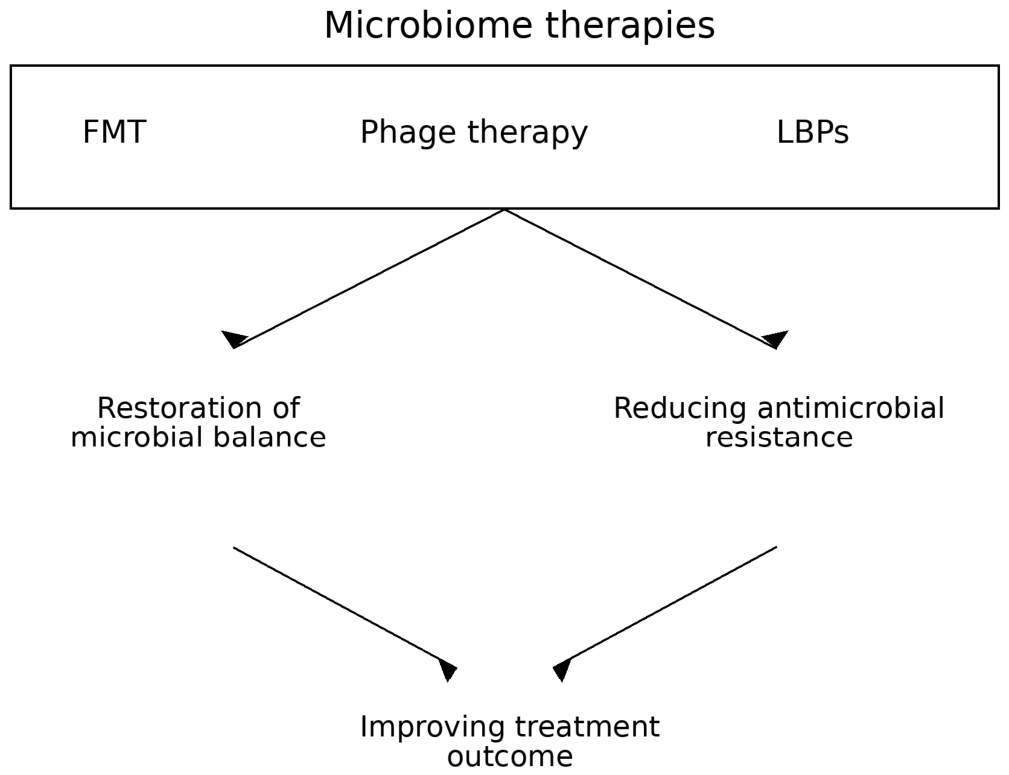
Figure 1 summarizes the three principal microbiome-oriented therapies discussed in this review: FMT, phage therapy, and LBPs. Although these approaches share the common goal of modulating the microbial ecosystem and improving disease outcomes, they differ in composition, clinical maturity, regulatory status, and implementation requirements. This comparison highlights the need to evaluate each modality separately when considering its clinical use and regulatory governance. At the same time, their development and implementation raise important questions related not only to efficacy and safety but also to product classification, donor screening, biosafety, and equitable access.
Each of these approaches affects the microbial ecosystem of the organism in different ways. FMT provides direct restoration of microbial diversity by injecting donor microbial material. Phage therapy implements a selective effect on pathogenic bacteria with the help of bacteriophages, which allows you to reduce the bacterial load without significant disruption of normal microflora. LBPs, in turn, represent standardized pharmaceuticals that can modulate the microbiome through the introduction of specially selected microbial strains. The cumulative effect of such therapeutic approaches is to restore colonization resistance, normalize metabolic processes and regulate the body’s immune response. In the future, the integration of different types of microbiome-oriented therapies can become an important element of personalized medicine, which will allow the development of individualized treatment strategies considering the characteristics of the microbiome of a particular patient [
13,
14,
15].
FMT involves the administration of treated donor fecal material to restore normal microbial balance in patients with severe dysbiosis, particularly in recurrent intestinal infections. Phage therapy is based on the use of bacteriophages—viruses that selectively infect and destroy bacteria—making it a promising alternative to antibiotics in the treatment of bacterial infections. LBPs are standardized pharmaceuticals containing live microorganisms and are developed in accordance with modern pharmaceutical regulatory requirements [
16,
17,
18,
19,
20].
Despite significant scientific advances in microbiome research, the implementation of appropriate therapeutic approaches in clinical practice faces several complex regulatory and ethical issues. One of the key challenges is the lack of a unified approach to the classification and regulation of microbiome-oriented products. In different countries, they can be considered biological drugs, human tissues or cells, medical procedures, or experimental treatments [
21].
There are also questions about standardizing donor material, controlling the quality and safety of microbiome drugs, assessing long-term risks, as well as ensuring proper pharmacovigilance. Of particular importance are the ethical aspects related to obtaining informed consent from patients and donors, the protection of personal and biological data, and the risk of transmission of pathogenic microorganisms and AMR genes [
22].
Despite significant advances in microbiome research and the development of microbiome-oriented therapies, their integration into clinical practice remains limited due to the lack of harmonized regulatory approaches and clearly defined ethical standards. Across different countries, these therapies are classified variably as biological medicinal products, medical procedures, human tissues or cells, or experimental treatments, resulting in substantial differences in regulatory requirements for their evaluation, approval, and clinical use.
At the same time, the current scientific literature lacks a comprehensive and systematic comparative analysis of international regulatory approaches to microbiome-based therapies, particularly in conjunction with bioethical considerations. In addition, issues related to the harmonization of regulatory frameworks and the safe integration of these innovative technologies into healthcare systems remain insufficiently explored.
Therefore, the aim of this study is to conduct a comparative analysis of international regulatory approaches to microbiome-oriented therapies, including fecal microbiota transplantation, phage therapy, and live biotherapeutic products, in the United States, the European Union, Ukraine, and selected Asia-Pacific countries, as well as to identify key bioethical challenges associated with their clinical application.
Recent reviews have comprehensively summarized the biological basis and therapeutic potential of microbiome-targeted interventions, including fecal microbiota transplantation, phage therapy, and live biotherapeutic products. However, these publications have generally emphasized experimental, analytical, biological, and clinical aspects, while cross-regional comparison of regulatory frameworks, approval pathways, and bioethical implications remains less developed. Our review addresses this gap by integrating international evidence, with particular attention to governance, harmonization, and implementation in clinical practice.
2. Sources
This review is based on a structured analysis of scientific publications and regulatory documents published between 2010 and 2026. The literature search was conducted in international scientometric databases, including PubMed, Scopus, and Web of Science, as well as in official sources of regulatory authorities such as the Food and Drug Administration (FDA), the European Medicines Agency (EMA), and the Ministry of Health of Ukraine.
The search strategy included the use of the following keywords and their combinations: “microbiome therapy”, “fecal microbiota transplantation”, “phage therapy”, “live biotherapeutic products”, “regulation”, “bioethics”, “clinical trials”, and “antimicrobial resistance”.
The inclusion criteria were (1) peer-reviewed scientific articles, (2) clinical studies, (3) official regulatory documents and guidelines, and (4) publications addressing regulatory and ethical aspects of microbiome-based therapies. Exclusion criteria included non-peer-reviewed materials, duplicate publications, and sources with limited access to full texts. The selection process involved screening titles and abstracts, followed by full-text evaluation of relevant sources.
The selected sources were analyzed considering their scientific quality, level of evidence, and relevance. Priority was given to randomized clinical trials, systematic reviews, and official regulatory documents. Data were synthesized using content analysis, comparative analysis, and scientific synthesis to ensure that the conclusions of this review are based on reliable and critically evaluated evidence [
23,
24,
25,
26].
3. Microbiome Therapies
3.1. FMT
FMT is one of the most studied and clinically applied approaches within microbiome-oriented therapies. It involves the administration of processed donor fecal material containing a complex of normal intestinal microbiota in order to restore microbial balance in the recipient. This method is based on the concept of correcting dysbiosis and restoring colonization resistance, which plays a key role in maintaining intestinal homeostasis and immune function. FMT is considered a promising alternative or adjunct to traditional pharmacotherapy, particularly in cases where standard antibacterial treatment is ineffective due to antimicrobial resistance [
27].
FMT is also being investigated as a potential treatment for inflammatory bowel disease, irritable bowel syndrome, metabolic disorders, and some neurological and immune diseases. However, for many of these indications, clinical evidence remains limited, requiring further randomized clinical trials [
28].
This method is based on the concept of correcting dysbiosis and restoring colonization resistance, which plays a key role in maintaining intestinal homeostasis and immune function. FMT is considered a promising alternative or adjunct to traditional pharmacotherapy, particularly in cases where standard antibacterial treatment is ineffective due to AMR [
29].
The most convincing evidence for the clinical efficacy of FMT has been obtained in the treatment of recurrent
Clostridioides difficile infection (rCDI). In such cases, the effectiveness of the procedure significantly exceeds the results of standard antibiotic therapy. Restoration of normal gut microbiota contributes to suppression of pathogenic microorganisms and recovery of intestinal ecosystem stability [
30].
According to clinical studies, the effectiveness of FMT in the treatment of rCDI ranges from approximately 80% to 95%, significantly exceeding the outcomes of standard antibiotic therapy [
31].
The clinical application of FMT is currently best established in the treatment of rCDI, where it is considered a standard or recommended therapeutic option in certain clinical guidelines. In contrast, the use of FMT for other indications, such as inflammatory bowel disease, metabolic disorders, and neurological conditions, remains experimental and requires further validation in randomized clinical trials.
3.2. Phage Therapy
Phage therapy is a therapeutic approach that involves the use of bacteriophages to kill pathogenic bacteria. Bacteriophages are viruses that selectively infect bacterial cells, which ensures a high level of specificity of action and minimal impact on the normal microflora of the body.
Interest in phage therapy has increased significantly due to the global spread of AMR. Unlike antibiotics, bacteriophages can adapt to bacterial evolution, potentially reducing the risk of resistance formation. In addition, phages can be used as part of combined therapeutic strategies together with antibiotics [
32,
33,
34,
35,
36].
Clinical cases of successful phage therapy have been described in the treatment of severe bacterial infections, in particular infections caused by multidrug-resistant strains of bacteria. In some countries, phage therapy is used as part of compassionate use programs or experimental treatment, while in several countries it does not yet have a fully formed regulatory status. Standardization of phage preparations, quality control, and regulatory harmonization remain key challenges for its broader clinical adoption.
Clinical studies of phage therapy demonstrate its potential in the treatment of infections caused by multidrug-resistant bacteria. In particular, case reports and early-phase clinical trials (phase I–II) have shown that the administration of bacteriophages can lead to a significant reduction in bacterial load and clinical improvement in patients, including infections caused by Staphylococcus aureus, Pseudomonas aeruginosa, and Acinetobacter baumannii. In several studies, phage therapy has been used both as monotherapy and in combination with antibiotics, demonstrating potential synergistic effects [
37].
However, most available clinical data are derived from small-scale studies or compassionate use programs, which limits the generalizability of the findings. Further randomized controlled trials are required to confirm the efficacy, safety, and optimal clinical protocols for phage therapy [
38].
Despite promising results, phage therapy remains largely experimental at present. Its use is mainly limited to clinical trials, compassionate use programs, or individualized treatment in severe infections caused by multidrug-resistant bacteria. The lack of standardized protocols and unified regulatory frameworks limits its widespread integration into routine clinical practice [
39].
3.3. LBPs
LBPs represent an advanced and rapidly developing category of microbiome-oriented therapies. These products are defined as pharmaceutical preparations containing live microorganisms intended for the prevention or treatment of diseases. Unlike traditional probiotics, LBPs undergo a full cycle of pharmaceutical development, including preclinical studies, clinical trials, and comprehensive evaluation of quality, safety, and efficacy in accordance with regulatory requirements. This distinguishes them as standardized medicinal products with well-defined characteristics and controlled manufacturing processes.
LBPs represent a rapidly expanding but still relatively immature segment of microbiome-based therapeutics. Although several LBPs are currently under development, only a limited number have been clinically validated, and robust efficacy data from large-scale human trials remain scarce. This distinction is important because investigational products and clinically established therapies differ not only in evidence strength, but also in regulatory status, manufacturing requirements, and practical implementation. Therefore, LBPs should be interpreted in the present review as a heterogeneous category that includes both promising experimental candidates and a smaller number of therapies with stronger clinical support. Such a distinction is essential for understanding their current place in microbiome medicine and for avoiding overstatement of their readiness for routine clinical use.
Examples of LBPs include recently approved microbiome-based therapies such as Rebyota (fecal microbiota, live-jslm) and Vowst (fecal microbiota spores, live-brpk), which are used to prevent rCDI. In addition, several investigational products, including VE303, CP101, and RBX7455, are currently being evaluated in clinical trials and demonstrate potential for microbiome restoration and treatment of various diseases.
With regard to prebiotics, although they are used to modulate the microbiome by stimulating the growth of beneficial microorganisms, they are generally not classified as LBPs because they do not contain live microorganisms and do not undergo the full pharmaceutical development process as medicinal products. However, their regulatory status varies across countries, highlighting the complexity of harmonizing approaches to microbiome-based therapies [
40].
LBPs may contain one or more selected microbial strains with proven therapeutic activity. Their mechanisms of action include modulation of the microbiome composition, enhancement of intestinal barrier function, regulation of immune responses, and inhibition of pathogenic microorganisms.
The development of this field is closely linked to advances in biotechnology, genomics, and microbiome research, which enable the design of targeted microbial therapies with predictable pharmacological properties. As a result, LBPs are increasingly considered a key component of personalized medicine.
Clinical studies suggest that these products have significant potential in the treatment and prevention of a wide range of conditions, including infectious diseases, inflammatory bowel diseases, metabolic disorders, and allergic conditions. In particular, products such as Rebyota (fecal microbiota, live-jslm) and Vowst (fecal microbiota spores, live-brpk) have been approved based on randomized clinical trials for the prevention of rCDI. Clinical trial data demonstrated their safety and efficacy, including a substantial reduction in recurrence rates [
41].
In addition, several investigational LBPs, including VE303, CP101, and RBX7455, are currently undergoing clinical evaluation and have shown promising results in restoring the microbiome and treating dysbiosis-associated conditions. However, despite encouraging findings, further large-scale randomized clinical trials are required to confirm their long-term safety and therapeutic efficacy.
From a regulatory perspective, LBPs are generally classified as biological medicinal products and are subject to stringent requirements regarding manufacturing, quality control, and clinical evaluation. The establishment of clear regulatory frameworks is essential for ensuring their safe and effective integration into clinical practice [
42,
43].
Despite the common goal of modifying the microbiome for therapeutic purposes, these approaches have significant differences in mechanisms of action, clinical indications, level of standardization, and regulatory control features. To summarize the key characteristics of the main microbiome-oriented therapies, a comparative analysis is presented in
Table 1.
As can be seen from
Table 1, different types of microbiome-oriented therapies are characterized by significant differences both in the mechanisms of action and in the degree of their integration into clinical practice. The most developed and clinically used method today is the FMT, the effectiveness of which has been especially well proven in the treatment of rCDI. In many countries, this method is already used in clinical practice, although its regulatory status may vary depending on national legislation.
Phage therapy is considered a promising direction in the fight against antimicrobial resistance, but its widespread implementation is still limited by insufficient standardization of the production of phage drugs and the lack of unified regulatory approaches. In most countries, phage therapy is used mainly as part of clinical trials or experimental treatment programs.
LBPs represent a new stage in the development of microbiome technologies, as they are created as standardized pharmaceuticals undergoing a full cycle of pharmaceutical development and regulatory evaluation. It is this direction that in the coming years may become key to the integration of microbiome-oriented therapies into the system of modern pharmacotherapy.
The comparative analysis demonstrates that microbiome therapies differ in mechanisms of action, level of clinical evidence, and regulatory status.
The comparative analysis demonstrates that microbiome-oriented therapies differ in their mechanisms of action, level of clinical evidence, and regulatory status. Currently, fecal microbiota transplantation is the most widely used approach, primarily due to the substantial evidence supporting its clinical efficacy. In patients with rCDI, the effectiveness of FMT has been reported to range from approximately 80% to 95% in clinical studies, significantly exceeding the outcomes of standard antibiotic therapy.
At the same time, phage therapy and live biotherapeutic products remain in active development and require further standardization and accumulation of clinical evidence. Therefore, the predominant use of FMT in current clinical practice is largely driven by its demonstrated efficacy and relatively more mature evidence base compared to other microbiome-based therapies.
Among LBPs, particular attention should be given to products approved by the FDA, including Rebyota (fecal microbiota, live-jslm) and Vowst (fecal microbiota spores, live-brpk). Both products are indicated for the prevention of rCDI in adult patients following antibacterial treatment. Their clinical efficacy and safety have been demonstrated in randomized clinical trials, which formed the basis for their regulatory approval.
These examples illustrate the transition of microbiome-based therapies from experimental approaches to fully developed medicinal products with clearly defined clinical indications, thereby supporting their integration into routine clinical practice.
4. Regulatory Aspects
The rapid development of microbiome-oriented therapies has necessitated the formation of new regulatory approaches to ensure their safety, efficacy, and quality. Due to their complex nature, combining features of biological products, human-derived materials, and therapeutic procedures, microbiome-based interventions are subject to diverse regulatory classifications across different jurisdictions. Differences in regulatory approaches also relate to requirements for clinical trials, production standards, donor screening, pharmacovigilance systems, and mechanisms for patient access to innovative treatments. In this regard, international experience in the regulation of microbiome-oriented therapies is emerging for the formation of an effective and safe regulatory framework.
In many countries, microbiome therapies are regulated as biological medicinal products, while in others they may be classified as medical procedures, human tissues or cells, or experimental therapies. The peculiarities of these approaches are due to the specifics of national health care systems, the level of development of biomedical technologies, as well as the presence or absence of specialized regulatory legal acts regulating the use of human biological materials and innovative therapeutic products. Such variability directly affects requirements for clinical trials, manufacturing standards, donor screening, pharmacovigilance, and patient access pathways [
44].
In the United States, microbiome therapies are primarily regulated by FDA as biological products. LBPs require full compliance with regulatory standards, including preclinical studies, clinical trials, and Good Manufacturing Practice requirements. FMT has a distinct regulatory status, with the application of enforcement discretion for the treatment of rCDI, provided that informed consent is obtained and appropriate donor screening is performed.
In the European Union, regulatory oversight is coordinated by the European Medicines Agency (EMA). Microbiome therapies may be classified as biological medicinal products, advanced therapy medicinal products, or substances of human origin (SoHOs), depending on their characteristics. The regulatory framework is evolving, particularly with the development of updated rules for SoHOs, aimed at improving standardization, traceability, and safety of biological materials.
In the Asia-Pacific region, regulatory approaches are also developing. In China, microbiome-based products are generally regulated as biological drugs, with increasing support for research and clinical development at the national level. In Australia, access to microbiome therapies is facilitated through regulatory pathways for biological products and special access schemes for experimental treatments.
In Ukraine, the regulatory framework for microbiome-oriented therapies remains under development. Currently, relevant aspects are governed by legislation on medicinal products, clinical trials, and the use of human tissues and cells. However, the absence of a unified classification and specialized regulatory mechanisms creates challenges in standardization, quality control, and pharmacovigilance.
To provide a structured overview of international regulatory approaches to microbiome-oriented therapies, a comparative analysis of selected countries and regions is presented in
Table 2. The table summarizes key regulatory authorities, classification frameworks, and specific features of regulatory oversight, reflecting current trends and differences in the governance of microbiome-based interventions.
The comparative analysis demonstrates significant variability in regulatory approaches across different countries. In most developed jurisdictions, microbiome therapies are primarily regulated within the frameworks applicable to biological medicinal products, with established requirements for clinical evaluation, manufacturing standards, and pharmacovigilance.
At the same time, certain therapies, particularly FMT, may have a distinct or flexible regulatory status depending on national legislation. This reflects the hybrid nature of microbiome-based interventions, which combine characteristics of biological products and medical procedures.
Overall, despite the presence of common regulatory trends, the lack of harmonized international standards remains a key challenge. Differences in classification, approval pathways, and safety requirements may complicate international collaboration, limit multicenter clinical trials, and slow down the broader implementation of microbiome therapies in clinical practice.
The harmonization of regulatory approaches at the international level is essential for facilitating the safe and effective integration of microbiome-based therapies into healthcare systems.
An important direction in the development of microbiome-oriented therapies is the establishment of specialized repositories of biological materials and therapeutic agents that may facilitate broader access to these interventions. In particular, stool banks have been established in several countries to provide standardized donor screening, processing, storage, and distribution of materials for fecal microbiota transplantation. These structures play a key role in ensuring the quality and safety of FMT, as well as in expanding patient access to this therapy.
Similarly, in the field of phage therapy, phage libraries are being developed to enable the selection of specific bacteriophages for the treatment of infections, including those caused by multidrug-resistant bacteria. In the case of live biotherapeutic products, the creation of microbial strain biobanks and platforms for their standardized production is also considered a promising approach.
However, despite these developments, there is currently no unified international system for the exchange and distribution of microbiome-based therapies, even in cases where clinical efficacy has been demonstrated. Further development of international registries, biobanking infrastructures, and collaborative frameworks may significantly improve global access to these innovative therapeutic approaches.
5. Ethical Considerations
The development and clinical implementation of microbiome-oriented therapies are associated with a range of complex ethical challenges. These therapies involve the use of human biological material, live microorganisms, and advanced data analysis technologies, which necessitate strict adherence to ethical principles aimed at protecting patient and donor rights. The ethical aspects of innovative biomedical technologies are considered, including the problems of informed consent, data privacy, and equitable access to new therapies [
45].
One of the key ethical requirements is obtaining valid informed consent. Patients must be fully informed about the potential risks, benefits, and experimental nature of certain microbiome-based interventions. This is particularly important given that many such therapies are still under clinical investigation or have limited long-term evidence of safety and efficacy.
The use of donor biological material, especially in FMT, raises additional ethical concerns related to donor screening, safety, and confidentiality. Donors must undergo thorough medical evaluation to minimize the risk of transmitting infectious agents or undesirable microbiome characteristics. At the same time, the protection of donor identity and personal data must be ensured.
Biosafety represents another critical ethical issue. The administration of live microorganisms carries potential risks, including the transmission of pathogens or AMR genes. Even with advanced screening methods, complete elimination of such risks remains challenging, which requires the implementation of multi-level safety control systems and long-term monitoring of patients.
To systematize the key ethical challenges associated with microbiome-oriented therapies, the main bioethical issues and potential approaches to their resolution are summarized in
Table 3. This overview reflects the multifaceted nature of ethical concerns arising from the use of human biological materials, live microorganisms, and microbiome-related data in clinical practice and research.
The presented data highlight that microbiome-oriented therapies are associated with a broad spectrum of bioethical challenges requiring comprehensive and multidisciplinary consideration. Among the most critical issues are ensuring informed consent, maintaining biosafety, protecting personal data, and establishing robust donor screening procedures.
Particular attention should be paid to the balance between innovation and patient safety, as many microbiome-based interventions remain at the stage of clinical investigation or have limited long-term evidence. In this context, the implementation of standardized ethical guidelines and continuous monitoring of clinical outcomes is essential.
In addition, ensuring equitable access to innovative microbiome therapies remains an important ethical priority. The complexity and cost of these technologies may limit their availability to certain patient groups or regions, leading to disparities in access to treatment. Addressing these challenges requires the development of healthcare policies that promote fairness, support clinical research, and expand access to advanced therapeutic options.
The increasing use of microbiome data in research and clinical practice also raises concerns regarding privacy and data protection. Microbiome profiles may contain sensitive information that can potentially be linked to an individual’s health status or identity. Therefore, robust data protection mechanisms and clear rules governing access, storage, and use of such data are essential.
Overall, the ethical implementation of microbiome-oriented therapies requires a comprehensive approach that integrates principles of patient autonomy, safety, confidentiality, and justice. The development of clear ethical guidelines and their alignment with regulatory frameworks are essential for the responsible integration of these innovative therapies into clinical practice.
6. Discussion
In contrast to earlier reviews that primarily addressed microbiome biology, therapeutic mechanisms, or specific clinical indications, the present manuscript focuses on the regulatory and ethical translation of microbiome-based therapies across multiple jurisdictions. This broader perspective allows us to identify a global gap between scientific advancement and regulatory implementation, particularly in relation to harmonized approval pathways, post-marketing surveillance, and equitable access.
The main clinical relevance of microbiome-oriented therapies lies in their potential to complement conventional treatment, especially in settings where dysbiosis and antimicrobial resistance limit therapeutic options. Among the currently available modalities, FMT has the most established clinical evidence, whereas phage therapy and LBPs remain in different stages of development and validation. Restoring a healthy microbial balance of the body helps to increase colonization resistance, that is, the ability of normal microflora to prevent the reproduction of pathogenic microorganisms. Thus, microbiome modification can be considered an important component of comprehensive strategies for the prevention and treatment of infectious diseases.
Microbiome therapies can act as an additional tool in the complex treatment of infectious diseases. Antimicrobial stewardship programs are aimed at the rational use of antibacterial drugs, reducing the unreasonable prescription of antibiotics and preventing the development of resistance. Within such programs, microbiome-focused therapies can play an important role as complementary or alternative therapies. For example, FMT shows high efficacy in the treatment of recurrent intestinal infections, which reduces the need for repeated courses of antibiotics. The use of microbiome therapies can help reduce the economic burden on the healthcare system by shortening the duration of treatment, reducing the number of hospitalizations, and reducing the cost of treating complications of infectious diseases. The development of microbiome technologies stimulates interdisciplinary cooperation between clinical medicine, pharmacy, biotechnology, and the regulatory control system. This contributes to the formation of new approaches to the prevention and treatment of diseases, as well as the development of personalized medicine [
46].
A key issue concerns regulatory heterogeneity. Across jurisdictions, microbiome therapies may be classified as biological products, medical procedures, human-derived materials, or experimental interventions. These differences affect approval pathways, manufacturing standards, donor screening, post-marketing surveillance, and patient access.
Finally, ethical considerations remain central to implementation. Informed consent, biosafety, traceability, donor eligibility, data protection, and equitable access should be discussed not as secondary issues but as essential conditions for responsible clinical translation.
Thus, microbiome-targeted therapies can become an important element of modern health strategies aimed at overcoming AMR and improving the effectiveness of medical care. At the same time, their widespread implementation requires further development of the regulatory framework, large-scale clinical trials and ensuring proper control of the safety and quality of relevant biomedical products.
Prospects for the Development and Integration of Microbiome Therapies
The development of microbiome-oriented therapies is one of the most promising areas of modern biomedicine. Active research in the fields of microbiology, genomics, biotechnology, and pharmaceutical science creates prerequisites for the emergence of new therapeutic approaches aimed at modifying the human microbiome to treat and prevent a wide range of diseases.
At the same time, the effective integration of microbiome therapies into clinical practice requires further development of regulatory mechanisms, improvement of safety control systems, as well as the accumulation of clinical evidence of their effectiveness. In this context, international cooperation, harmonization of regulatory approaches and the development of pharmacovigilance systems are important.
The effective implementation of microbiome-oriented therapies in the healthcare system requires the formation of a clear regulatory model that covers all the main stages of development, evaluation, and clinical application of new biomedical technologies. Unlike traditional pharmacological drugs, microbiome therapies are characterized by a complex biological nature, which necessitates multi-level monitoring of their safety, quality, and effectiveness.
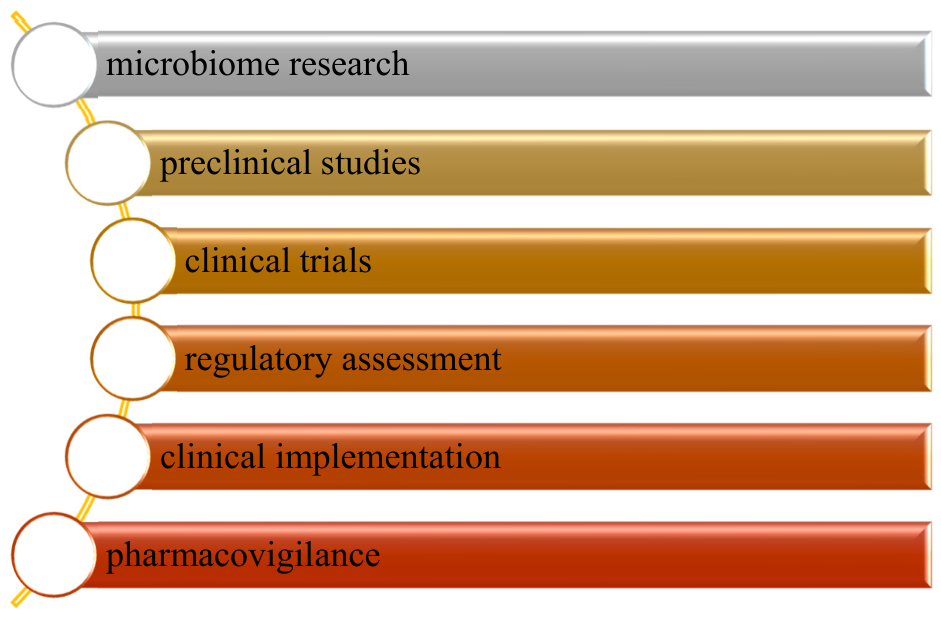
The process of regulatory implementation of such therapies includes several successive stages, starting from basic scientific research and preclinical safety assessment, conducting clinical trials, and ending with the regulatory approval procedure and subsequent post-marketing monitoring. A special role in this process is played by regulatory authorities, which ensure control over the compliance of new therapeutic technologies with established standards of biosafety and medical efficacy.
Figure 2 presents a generalized regulatory pathway for microbiome-based therapies, from development and evaluation to approval and post-marketing oversight. The process of regulatory implementation of microbiome-oriented therapies is multi-stage and includes several successive steps that provide an assessment of their safety, efficacy, and quality. The initial stage is to carry out basic scientific research aimed at studying the composition and functions of the microbiome, as well as identifying potential therapeutic targets for the modification of microbial communities. Based on the results obtained, new therapeutic approaches are being developed, which are undergoing the stage of preclinical studies to assess their biological activity and safety. There may be differences in product classification, varying regulatory requirements across jurisdictions, donor screening, safety monitoring, and the need for standard harmonization. In this context, the figure complements the comparative analysis of regulatory requirements presented in the text and
Table 2.
The next important step is to conduct clinical trials, during which the effectiveness and safety of microbiome therapies in different patient groups are evaluated. The obtained clinical data are the basis for further regulatory assessment and decision-making on the possibility of their application in medical practice. After obtaining appropriate regulatory approval, such therapies can be integrated into clinical practice.
An important component of this model is the pharmacovigilance system, which provides continuous monitoring of the safety and efficacy of microbiome therapies after their implementation. Post-marketing surveillance allows for the timely detection of possible side effects, the evaluation of long-term treatment outcomes and the improvement of regulatory control mechanisms. Thus, the regulatory model for the introduction of microbiome-oriented therapies is aimed at ensuring a balance between the development of innovative medical technologies and guaranteeing a high level of safety for patients.
One of the key prerequisites for the development of microbiome-oriented therapies is the formation of coordinated international approaches to their regulation. Currently, there are significant differences in the classification and regulatory status of microbiome products in different countries, which can create difficulties for conducting international clinical trials, registering new drugs, and introducing them into medical practice.
Harmonization of regulatory requirements can contribute to increasing the transparency of procedures for assessing the quality, safety, and effectiveness of microbiome therapies. A special role in this process is played by international organizations, regulatory agencies, and professional scientific communities, which develop recommendations for the standardization of production, donor screening, control of microbial strains and traceability of biological materials [
47].
The creation of unified approaches to the regulation of microbiome products can also contribute to the development of international scientific cooperation and accelerate the introduction of innovative therapeutic technologies in clinical practice.
The further development of microbiome-targeted therapies depends primarily on the accumulation of real-world clinical data on their efficacy and safety. Although the results of many clinical studies indicate the promise of such treatments, long-term observations and large-scale clinical studies are needed for the widespread adoption of microbiome products.
An important tool for assessing the safety of microbiome therapies is the pharmacovigilance system, which allows post-marketing monitoring of adverse reactions, monitoring the effectiveness of treatment and identifying potential risks. Attention should be paid to the analysis of the long-term consequences of microbiome modification, which may manifest themselves long after therapy.
In addition, the development of digital medical technologies and electronic medical data collection systems creates new opportunities for analyzing the real clinical results of the use of microbiome drugs in different patient groups.
For countries with developing regulatory frameworks, the development of microbiome-based therapies opens new opportunities for improving the healthcare system and introducing innovative medical technologies. At the same time, the effective integration of such approaches requires the creation of an appropriate regulatory framework, the development of scientific research and the training of specialists in the fields of biomedicine, biotechnology and medico-pharmaceutical law [
48].
Important areas of development are the formation of national standards for donor screening and processing of biological materials, the creation of biobanks of microbiological samples, as well as the development of clinical trials in the field of microbiome therapies. Equally important is the implementation of systems to monitor the safety and effectiveness of such treatments.
Harmonization of national legislation with European standards in the field of biomedical technology regulation can help improve the level of safety and quality of medical services, as well as create conditions for the participation of Ukrainian scientific institutions and medical centers in international research projects. This, in turn, will contribute to the development of innovative medicine and expand patients’ access to modern methods of treatment.
An important aspect of implementing microbiome-oriented therapies is post-marketing surveillance (pharmacovigilance), which varies significantly across regions. In the United States and the European Union, well-established pharmacovigilance systems ensure mandatory post-authorization safety monitoring, including the collection and analysis of adverse event data. In other regions, such systems may still be under development or have limited capacity, which complicates the assessment of long-term safety of microbiome-based therapies.
Mechanisms for international information exchange on the safety and efficacy of these therapies do exist; however, they are not fully harmonized. Regulatory cooperation may occur through international organizations and professional networks, but data sharing is often constrained by differences in regulatory requirements, reporting standards, and data accessibility.
Regulatory decisions made in one region are not automatically recognized in others, as each jurisdiction applies its own evaluation procedures for quality, safety, and efficacy. Nevertheless, there is a growing tendency to consider clinical evidence and regulatory assessments generated by leading authorities such as those in the United States and the European Union.
In this context, the harmonization of regulatory requirements represents a key area of development. Ongoing initiatives aim to align approaches to the evaluation of biological products, standardize pharmacovigilance systems, and strengthen international collaboration. Further progress in these areas may enhance patient safety, accelerate access to innovative therapies, and facilitate multinational clinical research.
7. Conclusions and Future Directions
Microbiome-oriented therapies represent an actively developing field of translational biomedicine for the development of modern medicine and biomedical technologies. The application of approaches such as FMT, phage therapy and LBPs opens new opportunities for the treatment of infectious, metabolic and immunoinflammatory diseases and can also play an important role in overcoming the global problem of AMR.
A comparative analysis of international regulatory systems indicates the existence of different approaches to the classification and control of microbiome therapies. In the United States of America, they are mainly regulated as biological medicines. In the countries of the European Union, an integrated approach is applied, taking into account the legislation on biological drugs, advanced therapeutic medical products and SoHOs, while in the countries of the Asia-Pacific region, flexible mechanisms for access to innovative therapies within the framework of clinical trials and special treatment programs are actively developing.
In Ukraine, the regulatory regulation of microbiome-oriented therapies is at the stage of formation and is based on the current legislation on medicines, the use of human tissues and cells, clinical trials and biobanking. At the same time, the lack of specialized regulatory mechanisms for microbiome products requires further development of the legislative framework and harmonization with European standards.
The analysis of bioethical aspects of the use of microbiome-oriented therapies indicates the need to ensure an appropriate level of protection of the rights of patients and donors, compliance with the principles of informed consent, biosafety control, and protection of microbiome data confidentiality. It is equally important to ensure equitable access to innovative treatments and prevent possible forms of social inequality in healthcare.
Further development of microbiome-oriented therapies requires the accumulation of clinical evidence of their efficacy and safety, the improvement of pharmacovigilance systems, as well as the international harmonization of regulatory approaches. For Ukraine, an important task is to adapt national legislation to modern biomedical technologies, develop scientific research in the field of microbiomes and create conditions for the integration of innovative therapeutic methods into the health care system.