
Article

Phytochemical and Nutritional Composition of Wild Salvia lavandulifolia Vahl. Seeds
by
María Quílez
1,
Gustavo J. Cáceres-Cevallos
1,*,
Pedro Sánchez-Gómez
2 and
María J. Jordán
1
1
Research Group on Rainfed Agriculture for Rural Development, Department of Rural Development, Oenology and Sustainable Agriculture, Murcian Institute of Agrarian and Environmental Research (IMIDA), La Alberca de las Torres, 30150 Murcia, Spain
2
Department of Plant Biology (Botany), Faculty of Biology, University of Murcia, Campus de Espinardo, 30100 Murcia, Spain
*
Author to whom correspondence should be addressed.
Seeds 2026, 5(4), 44; https://doi.org/10.3390/seeds5040044
Submission received: 5 June 2026 / Revised: 23 July 2026 / Accepted: 27 July 2026 / Published: 30 July 2026

Abstract

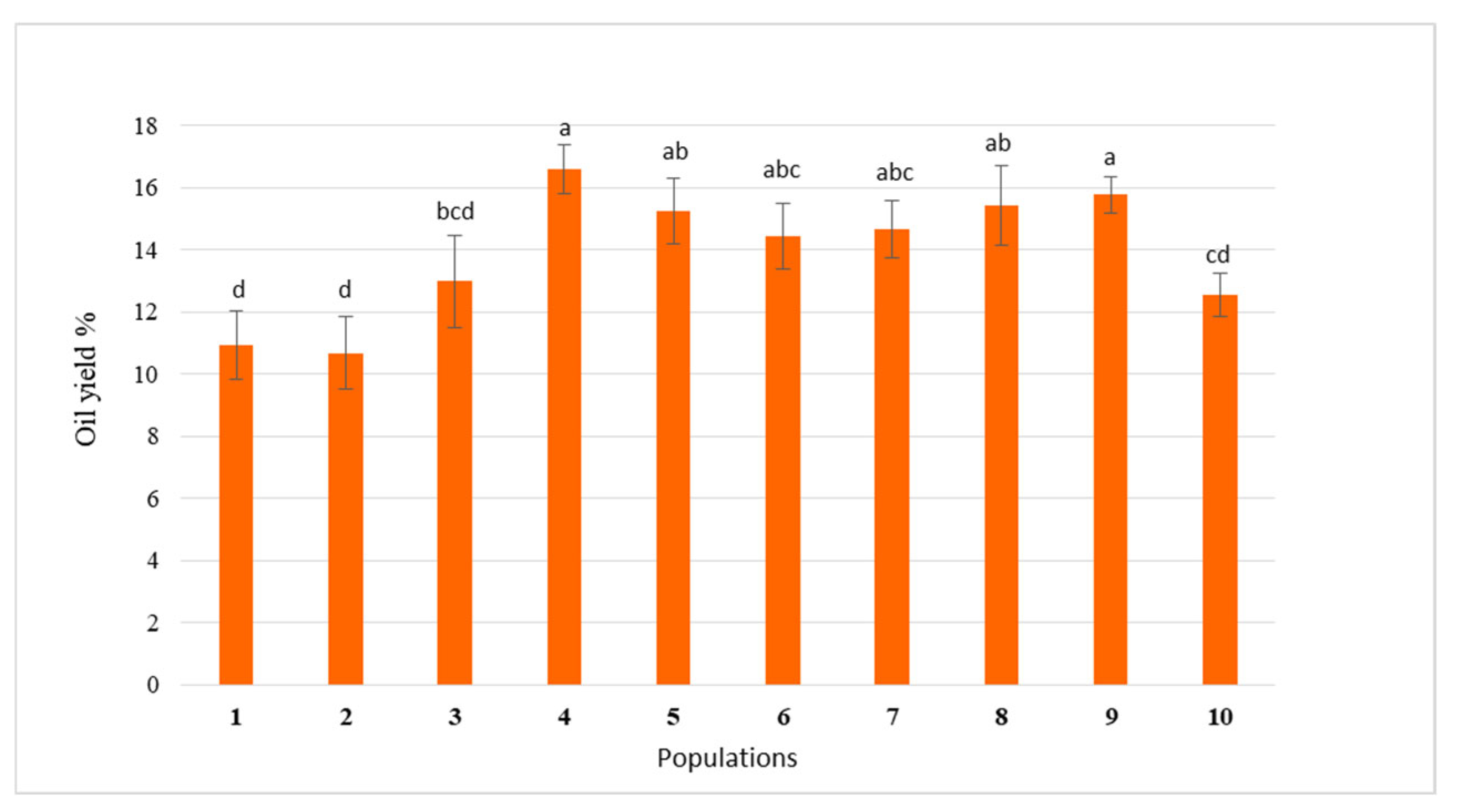
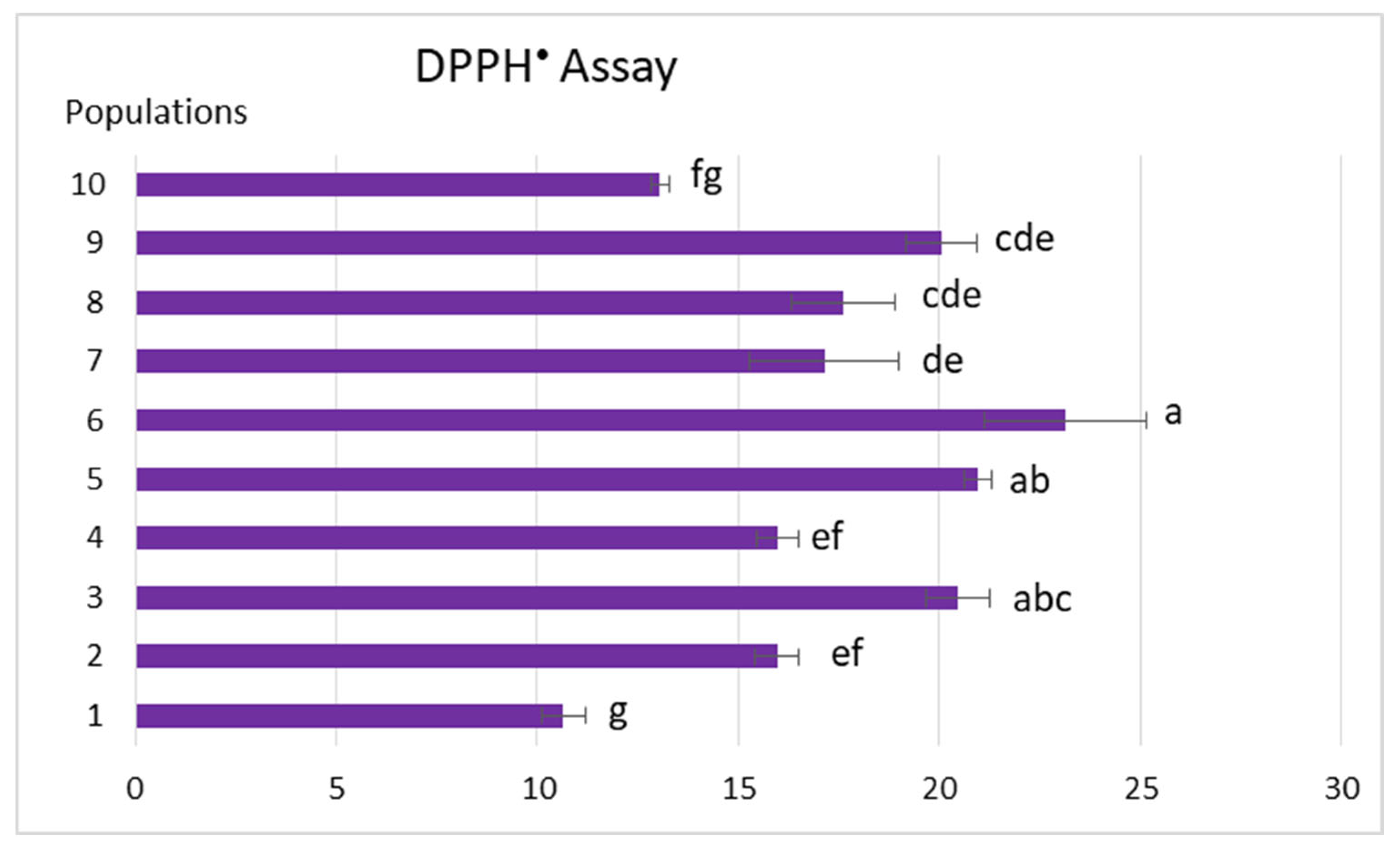
Salvia lavandulifolia Vahl. is an aromatic and medicinal plant cultivated as a rainfed crop for essential oil production in the western Mediterranean. New trends in the use of Lamiaceae seeds as functional ingredients warrant characterization of this species. Hence, studies were conducted to measure the proximate composition and amino acid profile, along with fatty acid profile, tocochromanol content, phenolic composition, and antioxidant activity in 10 wild populations. Defatted seed meal analysis demonstrates the potential usefulness of this species based on carbohydrate (50–60%), protein (13–21%), and oil (13–20%) content. The amino acid content ranged from 9.2 to 15.4 g/100 g. Seed oil analysis found a fatty acid content of 73–89 g/100 g with predominance of ω6 fatty acids, tocochromanol content of 62–89 mg/100 g, and a phenolic fraction of 7.5–148 mg/100 g with a high proportion of flavones. Antioxidant activity ranged from 10.6 to 23.1 µmol Trolox equivalents/100 g. Overall, seeds of S. lavandulifolia grown in subhumid conditions have strong nutritional and phytochemical profiles. These characteristics suggest opportunities for their use as functional ingredients. Further, strategies to minimize waste and maximize the availability of bioactive compounds will support the economic sustainability of this crop.
Keywords: Salvia lavandulifolia; Spanish sage; oilseed; bioactive compounds; fatty acids; amino acids; functional ingredients Salvia lavandulifolia; Spanish sage; oilseed; bioactive compounds; fatty acids; amino acids; functional ingredients