

Article

From Heritage to Experience: Architectural Mediation and Meaning-Making in Bahrain’s Historic Sites

by
May Al Saffar
1,* and
Kheira Anissa Tabet Aoul
2
1
Department of Interior Design, College of Arts & Science, Ahlia University, Manama, P.O. Box 10878, Bahrain
2
Architectural Engineering Department, College of Engineering, United Arab Emirates University, Al Ain, P.O. Box 15551, United Arab Emirates
*
Author to whom correspondence should be addressed.
Architecture 2025, 5(4), 127; https://doi.org/10.3390/architecture5040127 (registering DOI)
Submission received: 4 November 2025 / Revised: 26 November 2025 / Accepted: 3 December 2025 / Published: 9 December 2025

Abstract

This study advances visitor research by examining how visitors interact with and derive meaning from Bahrain’s Historic Site Interpretation Centres (HSICs). Using a mixed-methods ethnographic approach, we collected data from four sites (Qal’at Al Bahrain, Shaikh Salman Fort, Bu Maher Fort, Al Khamis Mosque) through 113 surveys and 22 interviews. The findings confirm that architectural context and curatorial techniques significantly influence visitors’ meaning-making. While many valued the dual-interpretation formats, issues such as decontextualization and misalignment with local identity sometimes disrupted the intended narratives. HSICs are identified as essential centres for information and cultural identity, fostering emotional connections among visitors. This study confirms the connection between architectural design, display strategies, and user expectations, providing insights into how these factors shape visitors’ experiences. It provides implications for curatorial design and inclusive engagement strategies in similar settings. The VE-HSIC model introduced here serves as a framework to enhance visitor engagement, deepen understanding of visitor interactions, and explore how museum practices influence the creation of meaning.

1. Introduction

Historic Site Interpretation Centres (HSICs) are key to sharing cultural heritage and engaging visitors. They enhance understanding with exhibits, architecture, and interpretive methods. As heritage interpretation moves from static displays to interactive experiences, scholars emphasize their role in fostering deeper visitor engagement [1,2,3]. Limited empirical research explores how HSIC design influences visitor meaning making in the Middle East. This study examines complex processes at Bahraini culturally rich sites, reflecting efforts to present history engagingly. Operating through “in situ” and “in context” modes, these centres offer unique visitor experiences. However, the impact of this dual approach on engagement remains underexplored, with decontextualization and design misalignment potentially hindering educational goals and outcomes [4,5,6].
Our study investigates how visitors perceive and respond to HSICs in Bahrain using a mixed-methods ethnographic approach at four key sites: Qal’at Al Bahrain, Shaikh Salman Fort, Bu Maher Fort, and Al Khamis Mosque. It examines the links between architectural settings, interpretive methods, and visitor engagement, exploring questions like the relationship between context and engagement, how interpretive strategies influence meaning, and how these centres foster cultural identity. We aim to clarify the role of HSICs in visitor meaning-making, focusing on the connection between architecture, interpretation, and engagement. This research advances visitor studies, especially in non-Western heritage contexts, offering practical insights for improving interpretation centre design and communication. The subsequent sections will detail the background, methodology, results—including the VE-HSIC model—and implications for design and heritage interpretation.

1.1. Theoretical Background

1.1.1. Museum Visitor Studies and Meaning Making

Several essential studies and models analyze how visitors experience cultural institutions. Key among them is Falk and Dierking’s Museum Experience [1] and Packer and Ballantyne’s Visitor Experience Framework [7]. Falk and Dierking identified three core contexts for the museum experience: the personal context, which encompasses prior knowledge and experiences; the social context, referring to the visitors; and the physical context of the museum environment. However, these models do not specifically address the dual in situ versus in context nature of HSICs. Together, they form the Interactive Experience Model. In contrast, Packer and Ballantyne highlighted factors like the “opportunity for an experience,” the “immediate subjective experience,” and “the experience remembered.” Each is influenced by visitor perceptions—before the visit, including motivations and background knowledge, and during the visit, through interpretations, narratives, and transformations. While these models conceptualize visitor experience, they do not link this experience to the actions taken by the museum, gallery, or heritage site where it occurs. Neither model explains how the “in situ” and “in context” settings impact and shape the visitor experience, providing limited guidance for site museums or Historic Site Interpretation Centres (HSICs) to integrate into their work. Although these models clarify what constitutes visitor experience, they do not specify how institutions can influence or harness these principles in their design. In contrast, the concepts and practices of Visitor Engagement at Historic Site Interpretation Centres (VE-HSIC) and Heritage Interpretation, conceptualized by Tilden [8], address these gaps by effectively connecting contextual features with a meaningful visitor experience.
User Experience (UX) in museums, especially at historic sites and HSICs, primarily centres on the emotional and holistic experiences visitors encounter when interacting with exhibits and interpretive materials, conceptualized by Don Norman [9]. User-Centred Design (UCD) focuses on placing the visitor and their needs at the heart of the design process, resulting in exhibits that are engaging, informative, and meaningful in real-world contexts. While UCD emphasizes understanding the visitor, UX focuses on the specific interactions visitors have with museum artefacts and displays.
There is an ongoing debate about the definition of UX [10], but it generally focuses on designing experiences that improve visitor well-being and emotional responses rather than just usability. As Hassenzahl [11] noted, UX is defined as “a momentary, primarily evaluative feeling (good–bad) while interacting with a product or service.” This includes both functional elements—such as clarity of information and accessibility—and non-task-related aspects, like esthetic appeal and the emotional connections that develop from the experience.
The distinct nature of UX in museums is shaped by each visitor’s prior experiences and expectations [10]. Key factors influencing UX include the context of the visit, the visitor’s mood and motivations, and their perceptions of the museum and its exhibits. Marc Hassenzahl’s [12] stated that the process-oriented model is among the most widely adopted in UX. It illustrates how various exhibit features combine to create an overall visitor experience, further shaped by the visitor’s situation during the visit (Figure 1). Pragmatic qualities refer to functions like label clarity and display interactivity, whereas hedonic qualities encompass esthetics, emotional impact, and the personal bonds visitors form with the content.
Hassenzahl suggested that pragmatic qualities are driven by “do-goals” (such as grasping the historical importance of an artefact). In contrast, hedonic attributes are influenced by “be-goals” (like feeling linked to history or culture) [3,13]. The satisfaction of these be-goals and the pleasurable aspects of the experience significantly enhance a positive UX in museums, increasing visitors’ engagement and their connection to the cultural heritage presented.
For museum designers, pragmatic and hedonic qualities converge to create the intended character of the exhibit. For visitors, these qualities manifest as the exhibit’s apparent character. This distinction is vital in UX: there is no assurance that visitors will perceive and appreciate the exhibit as designers intended. The evident character reflects the visitor’s interpretation of the designer’s intentions. It is influenced by their current situation, including social, cultural, and contextual contexts, as well as their motivations for engaging with the exhibit. This interpretation occurs with every interaction a visitor has with the museum. Therefore, there is no guarantee that a visitor’s experience outcomes align with the designer’s original intentions. Designers can only strive to foster qualities deemed essential for “good UX,” such as feelings of pleasure, positive emotions, and an overall enjoyable experience for the visitor.
Furthermore, John H. Falk [14] argued that visitors to museums are motivated by various factors affecting their experiences and expectations. Explorers are driven by curiosity and a genuine interest in the content, hoping to discover something captivating and educational. Facilitators focus on enabling others’ learning within their social groups. Hobbyists or enthusiasts often connect with the content related to their passions, aiming for specific goals. Experience seekers view the museum as a destination to say they have experienced it. Rechargers seek contemplative or restorative experiences, using the museum as a refuge. These motivations influence visitor interactions and experiences.
We particularly concentrate on historic site interpretation centres, exhibits, and interpretation strategies, rather than on the broader institutional framework and its activities. The UX model, adapted from Hassenzahl [12], looks at typical museum visitors who mainly browse exhibits without engaging in specific programmes or activities. This means their interactions are often indirect, happening through displays instead of experiencing exhibits in both ‘in situ’ and ‘in context’ settings at HSICs. These visitors are a diverse and complex group, but they constitute the core audience of museums, so understanding them is crucial.
This relates to the concept of heritage interpretation, first introduced by Tilden [8] and developed further in recent years. Heritage interpretation is increasingly regarded as a participatory process of meaning-making between heritage sites and their audiences. Rather than merely conveying factual information, it is understood as a communication approach rooted in visitors’ cognitive, emotional, and social experiences [7,15]. In this collaborative method, visitors are seen as active contributors to meaning, drawing on their memories, expectations, and cultural backgrounds. Silverman [16] describes museum visitors as meaning-makers instead of passive recipients, supporting this study’s constructivist perspective on HSICs. This aligns with Piaget’s educational theory, which highlights that individuals understand the world through their personal experiences [7,17].
Additionally, this supports the Contextual Model of Learning [1], which emphasizes that meaning is created through the interplay of the physical environment, visitor identity, and previous experiences. In heritage settings, interpretation involves hermeneutic processes where visitors engage with narratives via spatial, symbolic, and esthetic cues that shape their understanding [18,19]. This is particularly significant in contested or complex historical contexts, such as in postcolonial Gulf societies, where interpretation is closely tied to issues of identity, memory, and political importance [20].
Our approach to ‘meaning-making’ is informed by hermeneutic theory (e.g., Ricoeur’s concept of understanding through belonging) and semiotics (Eco’s theory of signs) as they apply to museum contexts.

1.1.2. Cultural Heritage Interpretation in the Gulf Region

Historical site interpretation centres, particularly those close to archeological ruins, serve as hybrid spaces combining exhibition elements with spatial storytelling [21,22]. These centres utilize both ‘in situ’ (on-site, immersive) and ‘in context’ (off-site, curated) approaches to interpretation, as described by Kirshenblatt-Gimblett [5]. While ‘in situ’ displays allow visitors to engage directly with heritage, ‘in context’ exhibits present curated narratives that reinterpret original settings for broader comprehension.
The design elements of interpretation centres—such as layout, materiality, and technology significantly influence visitor engagement [6,23,24]. However, challenges like decontextualization and architectural incongruity can impede visitors’ ability to derive meaningful connections [4,25]. These issues are particularly relevant in regions where modern architectural styles clash with local historical identities [26,27,28].
Research on museum visitor experiences in the Gulf, especially at site museums adjacent to archeological ruins, is emerging but remains limited [4,29,30]. While cultural tourism is expanding rapidly in Gulf states like Bahrain, Qatar, and the UAE, empirical studies on how diverse visitor groups—nationals, expatriates, and tourists—interact with interpretation centres are still scarce [31,32]. Understanding these interactions is crucial, as visitor engagement is often shaped by collective memory, prior knowledge, and socio-cultural identity, influencing perceptions of authenticity and meaning [6,33,34,35]. Existing studies also highlight gaps in participatory design, contextual storytelling, and multilingual accessibility, which affect the experiential dimensions of interpretation [3,6,13,36]. This misalignment with local contexts underscores the need for research that emphasizes visitor segmentation and affective engagement, prioritizing the voices and experiences of visitors.
While the literature highlights the interpretive role of historic site interpretation centres, research on Gulf region museum visitors, especially at site museums near archeological ruins, remains limited. Few studies examine how visitors experience dual interpretation techniques in Gulf regions. The emotional and cognitive aspects of finding meaning in vibrant cultural landscapes are understudied. To address this gap, our study examines how visitors interact with ‘in situ’ versus ‘in context’ settings and how their backgrounds influence their understanding. We specifically investigate responses from four Bahraini HSICs, including Qal’at Al Bahrain, to examine how site characteristics relate to perceived meaning and user engagement. The study was fully approved by the United Arab Emirates University’s (UAEU) Institutional Review Board, as indicated in the Social Sciences Research Ethics document (ERS_2018_5728).

2. Materials and Methods

2.1. Methodology and Research Design

A mixed-method approach that combines convergent techniques is effective for achieving a thorough understanding of the research phenomenon [37,38]. This study employs both qualitative and quantitative techniques, aligning with best practices for mixed-method research and multiple case studies [39,40]. Such an approach enables complementary data collection and helps resolve discrepancies between qualitative and quantitative outcomes [41]. It also improves validity and reliability, especially in exploratory social research.
The mixed-methods strategy aligns with the investigative aim of this research, emphasizing the tangible attributes of HSICs from users’ perspectives. Data collection co-occurs with separate analysis before integration [37]. The case study approach evaluates how these centres shape visitors’ understanding, selecting cases with varying contextual ties to historic sites in Bahrain. A multi-ethnographic toolkit, which includes archival materials, observations, surveys, and interviews, is used to gather insights from diverse stakeholders. After analyzing quantitative (survey) and qualitative (interviews and observations) data independently, we compared and merged the results in the discussion to develop a comprehensive model (VE-HSIC).

2.2. Rationale and Justification of Research Design

Qualitative methods, particularly case studies, offer a comprehensive understanding of events within specific contexts [42]. The case study approach provides insights into how Historic Site Interpretation Centres shape visitor experiences, highlighting aspects such as architectural design and spatial arrangement [3,43]. Four key case studies in Bahrain—Qal’at Al Bahrain Site Museum, Shaikh Salman bin Ahmed Al Fateh Fort, Bu Maher Fort, and Al Khamis Mosque were selected to illustrate various ways centres interact with their historic environments. These four sites were chosen to capture a range of contexts (from a major UNESCO site museum to smaller visitor centres at forts and a landmark mosque) and interpretive modes (in situ vs. in context). Table 1 presents the selection rationale and justification for the Historic Sites Interpretation Centres (HSICs), outlining the site typology, interpretation modes, and notable features of each case study. Each site is chosen for its unique heritage value and innovative interpretive approaches, enhancing visitor engagement and understanding of the historical context.
This approach allows for broader generalization and greater external validity compared to individual case studies [41]. Moreover, Ethnographic research, involving researchers engaging with participants in their natural settings, investigates how individuals derive meaning from their environment [44]. Different qualitative techniques, such as analyzing archival materials, conducting surveys, observing, and interviewing, provide a broad perspective on visitor perceptions and emotional responses.
Quantitative methods focus on gathering measurable data to generate general insights into social phenomena [37]. Surveys, a prevalent tool, help detect patterns and allow for result generalization [2,45]. Online surveys were chosen for their convenience and ability to reach large audiences efficiently. Additionally, observational data and archival documents contribute to understanding participant behaviours and evolving trends over time.

2.3. Data Collection Techniques and Analysis Methods

2.3.1. Archival Records

Archival records from BACA, including visitor records for 2018—the only available year—were collected. These included architectural design drawings and aerial photographs utilized in the case study analysis. Visitor statistics offered yearly insights; however, limited sessions restricted observations. Merging archival records with additional data collection methods significantly enhances the overall robustness and validity of the research, thereby reinforcing its findings [46].

2.3.2. Online Survey: Development and Preliminary Testing

Online surveys are a standard tool in museum research for gathering user preferences and insights [3,47,48]. They are popular because they are user-friendly, cost-effective, and provide strong statistical data [49,50]. This study’s survey focused on the visiting habits and perceptions of historic sites among Bahrain residents and featured various question types, including dichotomous, multiple-choice, checkbox, and open-ended questions. A review panel edited the questions for clarity and relevance. Pilot testing played a crucial role in validating the survey design, ensuring questions were clear, and keeping participants engaged [51]. The pilot study on Instagram used stratified sampling to target Bahraini followers, split into locals and expatriates, ensuring diverse representation of community interests. The survey, in Arabic and English, was shared via social media and WhatsApp to reach a wider audience. Respondents included Bahraini residents, comprising approximately 60% local citizens and 40% expatriates (based on self-identification), and represented a diverse range of age groups.

2.3.3. Unobtrusive Observation

Unobtrusive observation is a fundamental method in ethnographic research, allowing researchers to observe daily activities without affecting participant behaviour [52]. It complemented survey and archival data, providing insights into visitor behaviours across the four case study sites. Systematic observations were conducted under various conditions, including weekdays and weekends, from December 2018 to July 2019, with a focus on visitor interactions and demographics. As observers we noted approximate group size, activities (e.g., photography, walking), and, where discernible, visitor type (e.g., local vs. expatriate, inferred from language or group context).

2.3.4. Design and Pilot Testing of a Semi-Structured Open-Ended Interview

Semi-structured interviews aimed to explore stakeholders’ perceptions and emotional experiences [53]. This method is suitable for collecting qualitative data and was tailored to meet specific research goals. Pilot interviews helped refine questions and improve clarity, leading to adjustments based on feedback. Twenty-two semi-structured interviews were conducted with stakeholders, including site managers/staff (service providers) and visitors, to gain in-depth perspectives. Participants in the visitor category were chosen based on factors such as gender, cultural background, and previous familiarity with the sites. This method ensured representation from a variety of demographic groups. Transcripts were created for analysis, ensuring responses maintained their original context. We employed thematic analysis to uncover underlying themes in participants’ experiences through a structured manual coding and categorization process. To enhance reliability and validity, participants reviewed their transcripts, and consistency was maintained throughout data collection. This comprehensive approach provided a deep understanding of the context and experiences within Historic Site Interpretation Centres. A Summary of the data collection by site is illustrated in Table 2. The table summarizes the various methods of data collection utilized across four historic sites, detailing the number of surveys conducted, interviews carried out, hours spent on observations, and archival analyses performed at each site. A total of 113 surveys were distributed, and 22 interviews were conducted, with specific participant counts provided for each location.
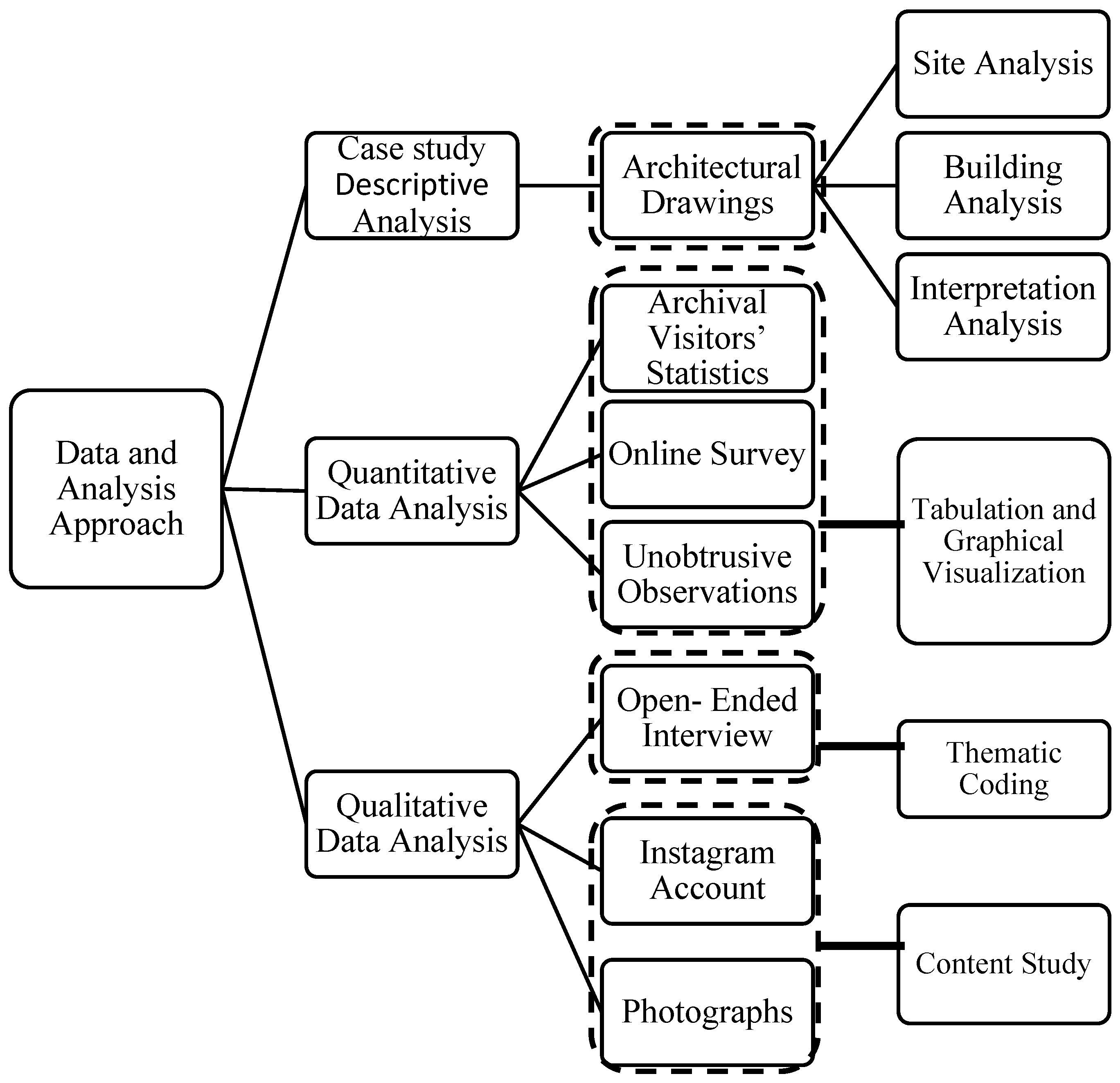
This research used three primary analytical methods for understanding visitor experiences. First, a descriptive case study analyzing archival architectural drawings at the site, building, and interpretive methods. This evaluates the connection between the historic site, its surroundings, architecture, and exhibit meanings. Second, a quantitative analysis of visitors records, digital survey data, and field notes was conducted. Visitation data are visually summarized in Excel, survey responses are converted into percentages, and field notes are organized into tables for comparison. Third, qualitative analysis involved thematic coding of interview transcripts, focusing on participants’ meanings and language [53]. This involves reading, coding, and identifying themes, then reviewing for consistency and relevance [54,55]. Content analysis is applied to photographs and posts from the Bahrain Authority for Culture and Antiquities’ Instagram account. To enhance the validity of our findings, we incorporate participant verification. The methods are integrated at multiple stages; for example, quantitative survey results provide an overview of visitor perceptions, while qualitative interviews offer deeper insights into the meanings behind those perceptions. Thematic insights from interviews help interpret patterns in the quantitative data, such as trends in visitor engagement. Additionally, case study analysis contextualizes the architectural and environmental factors that influence visitor experiences. Triangulating data across these methods offers a nuanced understanding of how services and amenities serve as meaning-making within historic sites (Figure 2). This approach combines case study, quantitative, and qualitative methods to provide a holistic view of the study objectives.

2.3.5. Data Collection Method of the Open-Ended Interviews

The open-ended interviews were conducted in December 2018 and January 2019. Of these, 10 out of 22 were tape-recorded with the participants’ permission, while the rest were documented manually. We employed probing, follow-up questions, and paraphrasing to help participants express their feelings and impressions. These interviews were conducted randomly during field observation sessions with volunteers who agreed to participate. At the same time, service providers such as archeologists and curators were selected based on their roles and willingness to participate. Eighteen interviews took place onsite at the Historic Site Interpretation Centres, two were conducted at the BACA offices, and one interview each was conducted via telephone and email with participants outside of Bahrain.
This multi-method approach enabled us to cross-verify findings and identify relationships between archival records, reported perceptions, and observed behaviours.

3. Results

3.1. Descriptive Analysis of Visitors’ Data and Experiences

This section reviews the visitation records for 2018 across the four chosen case studies, along with feedback from Bahrain residents who have visited or plan to visit the sites, and visitor experiences in this context. Analyzing these records and feedback helps us better understand the popularity and significance of the case studies, as well as factors affecting visitation patterns such as climate and events. The multi-source data collection approach ensures the validity and reliability of the data, allowing for the identification of relationships between archived, reported, and observed information. It aims to provide a clear and accurate summary of the results, their interpretation, and the conclusions that can be drawn.

3.1.1. Archival Data Representing Visitation Records

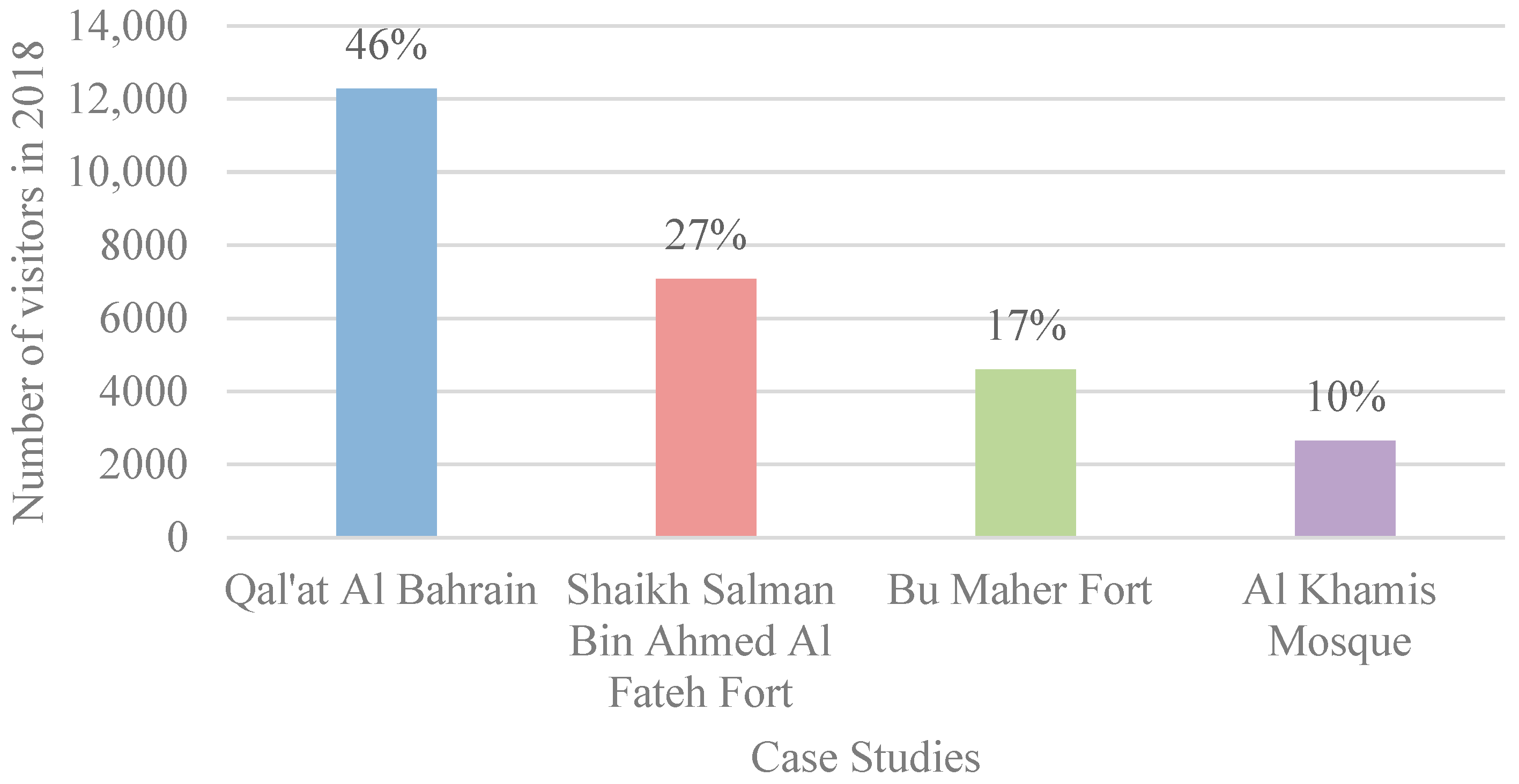
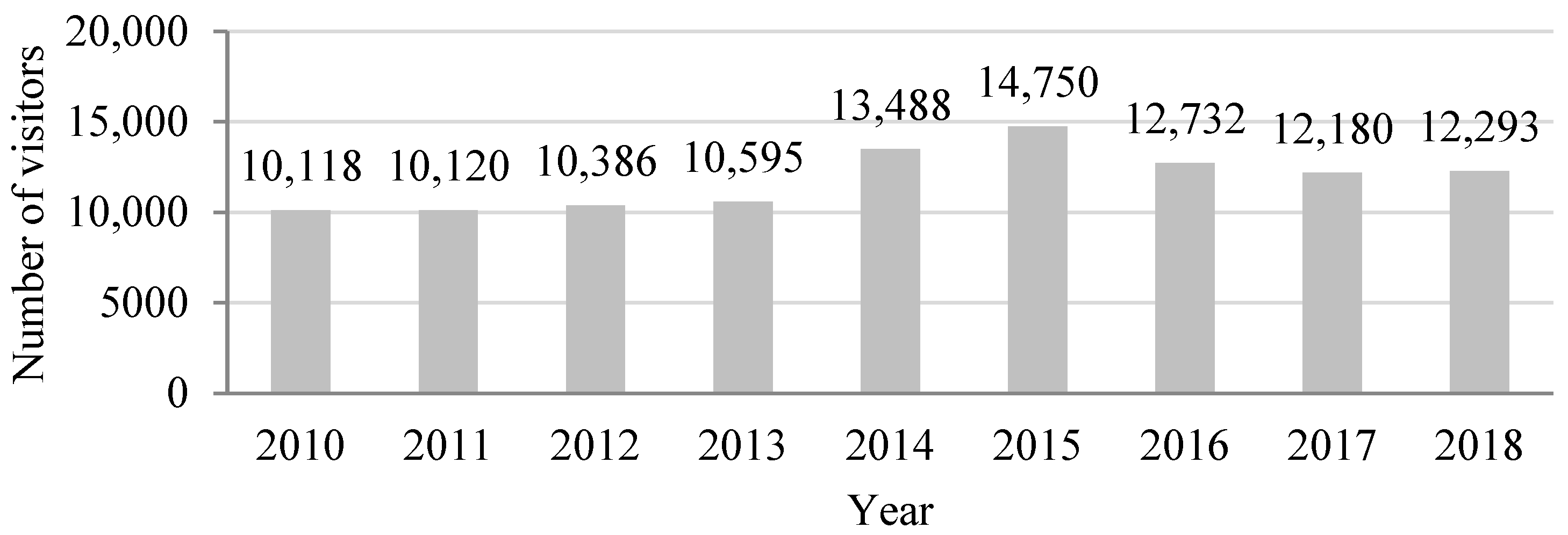
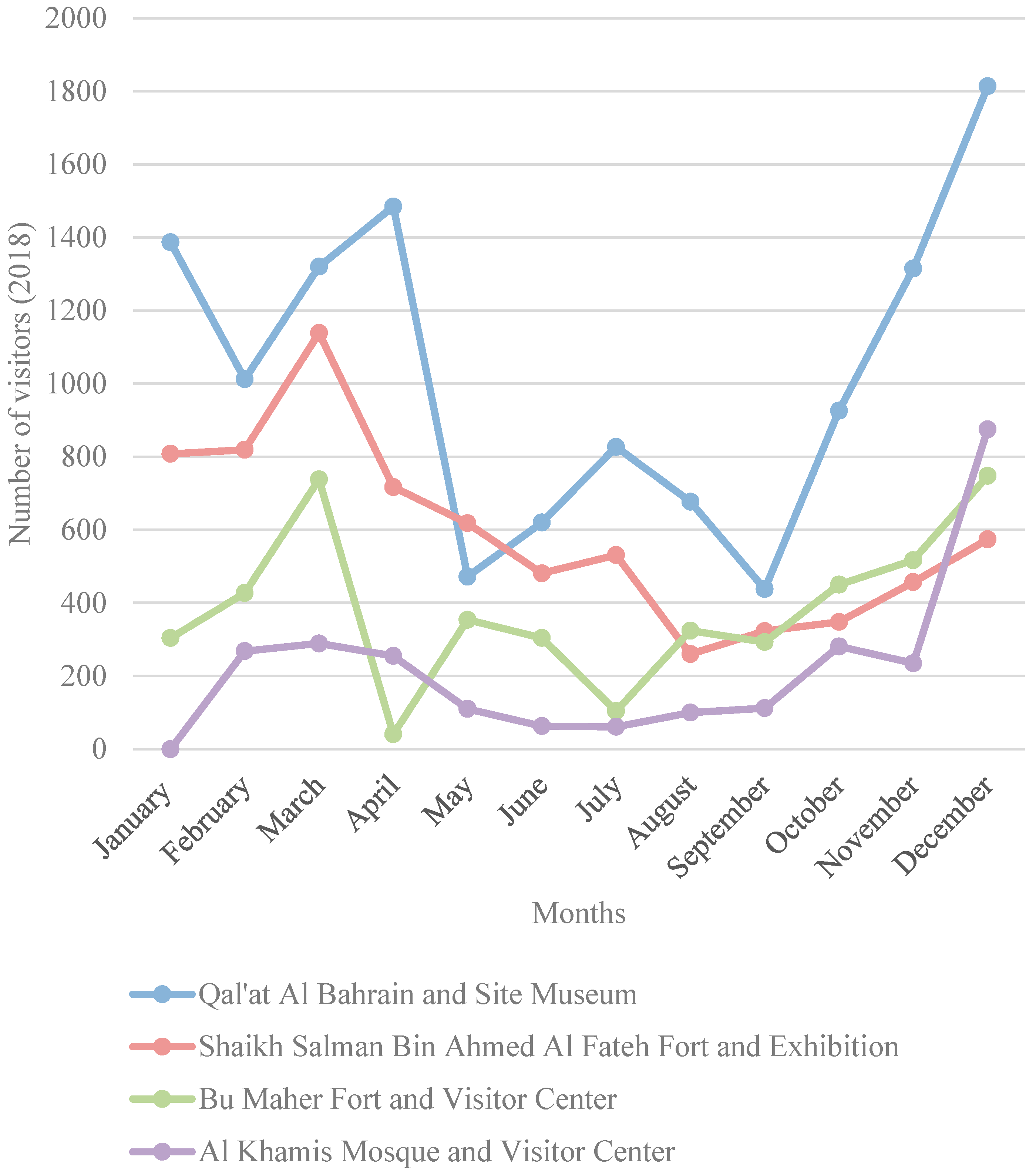
Archival data from 2018 indicates a total of 26,624 visitors to all four historic sites and Historic Site Interpretation Centres. Qal’at Al Bahrain attracted almost half of the visitors (12,293), followed by Shaikh Salman Bin Ahmed Al Fateh Fort (7075), Bu Maher Fort (4604), and Al Khamis Mosque (2649), as illustrated in Figure 3. The popularity of Qal’at Al Bahrain may be attributed to its status as a UNESCO World Heritage Site and its hosting of various events. Al Khamis Mosque’s lower visitation may be related to its religious nature. Analysis of records from Qal’at Al Bahrain site museum (2015–2018) shows visitor numbers peaked in 2015 due to Bahrain’s Milan Expo participation and the ‘Cultural Tourism Passport’ initiative (Figure 4) The monthly distribution of visitors at the four sites reveals a similar pattern, with increased visitation from October to January, likely due to the cooler months. Significant events, such as the ‘Spring of Culture’ and national day celebrations, also lead to higher visitation (Figure 5).

3.1.2. Survey Findings: Visitor Perceptions and Suggestions

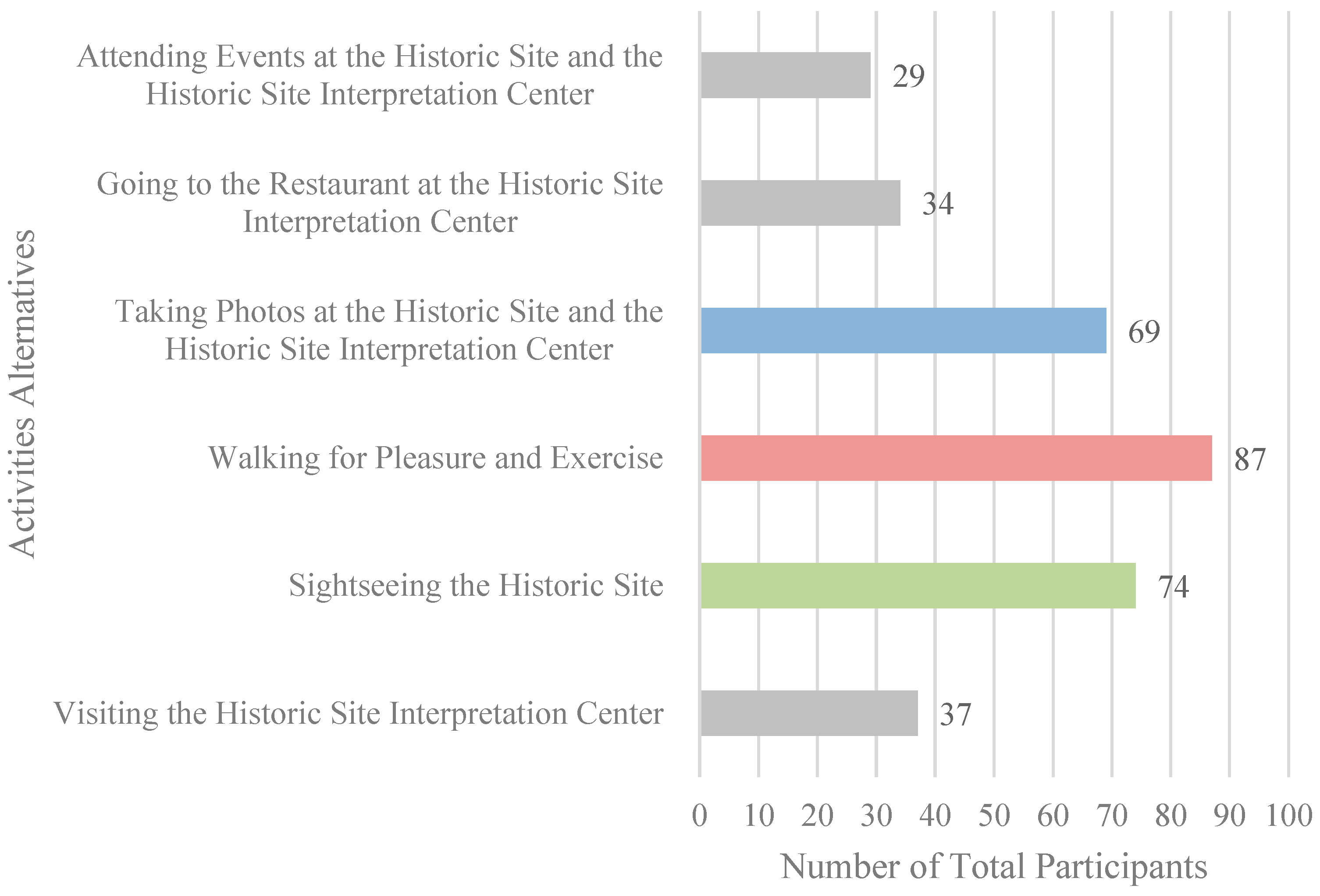
The online survey concentrated on three themes: visitor trends, insights about display and presentation techniques, and behaviour/suggestions. The survey, distributed in English and Arabic, received responses from 113 participants. Key findings suggested that most participants (99 out of 113) preferred museums as physical locations and were more inclined to visit historic sites than HSICs, with Qal’at Al Bahrain being the most visited or intended destination. A combined approach to both settings (‘in situ’ and ‘in context’) was preferred by 46% of participants, who also expressed interest in exploring historic sites, reading informational panels, visiting nearby Historic Site Interpretation Centres, and participating in guided tours. Interactive techniques were preferred in both settings, while conventional techniques were also valued. Walking for enjoyment and exercise occurred as the most common activity (77%), followed by sightseeing (65.5%) and taking photos (61%) (Figure 6). Climate was a major limiting factor (as 69% noted), followed by entry fees and access to toilets. This highlights the importance of providing comfortable facilities and possibly seasonal programming to enhance visitation. Interestingly, while participants prefer to visit open-air historic sites in person, a majority still felt that artefacts should be housed and displayed in context (indoors) rather than left in situ at the ruins, and around 30% suggested ‘better presentation techniques,’ such as additional guided tours and engaging elements.

3.1.3. Observation Findings: Visitor Behaviours On-Site vs. In Centres

Observations were conducted at four locations over a year, from 2018 to 2019. At Qal’at Al Bahrain, 333 individuals were observed, with significantly more visitors to the historic site than to the site museum. Visitor numbers rose in winter and declined in warmer months. Slightly more expatriates than nationals were observed. Most visitors arrived in small groups at the historic site, participating in sightseeing, walking, and taking photos. At Shaikh Salman bin Ahmed Al Fateh Fort, 149 people were observed, but fewer visited the site and its interpretive centres, primarily using it as a link to the café and restaurant. Bu Maher Fort had only 22 visitors, with similar numbers of nationals and expatriates, who usually socialized and took photos at the water shuttle. No visitors were observed at Al Khamis Mosque during our observation period, which we suspect may be due to either limited promotion or the site’s strictly religious nature (Table 3).
This finding aligns with respondents’ feedback that Bahrain’s harsh climate can inhibit visitation. Overall, historic sites attract more visitors than interpretive centres, mainly for sightseeing and entertainment. Expatriates participate more actively both in situ and in context, while nationals prefer to attend events. Among all, Qal’at Al Bahrain continues to be the most visited site. The interpretive centres’ presentation techniques received negative feedback, with visitors preferring more interactive and entertaining experiences. This suggests that residents engage with heritage sites more frequently for special occasions. In contrast, expatriates treat them as tourist or leisure destinations, a distinction that is important for tailoring interpretation strategies. Data from archives, surveys, and observations provided valuable insights into current visitor behaviour.

3.2. Analysis of Open-Ended Interview Data

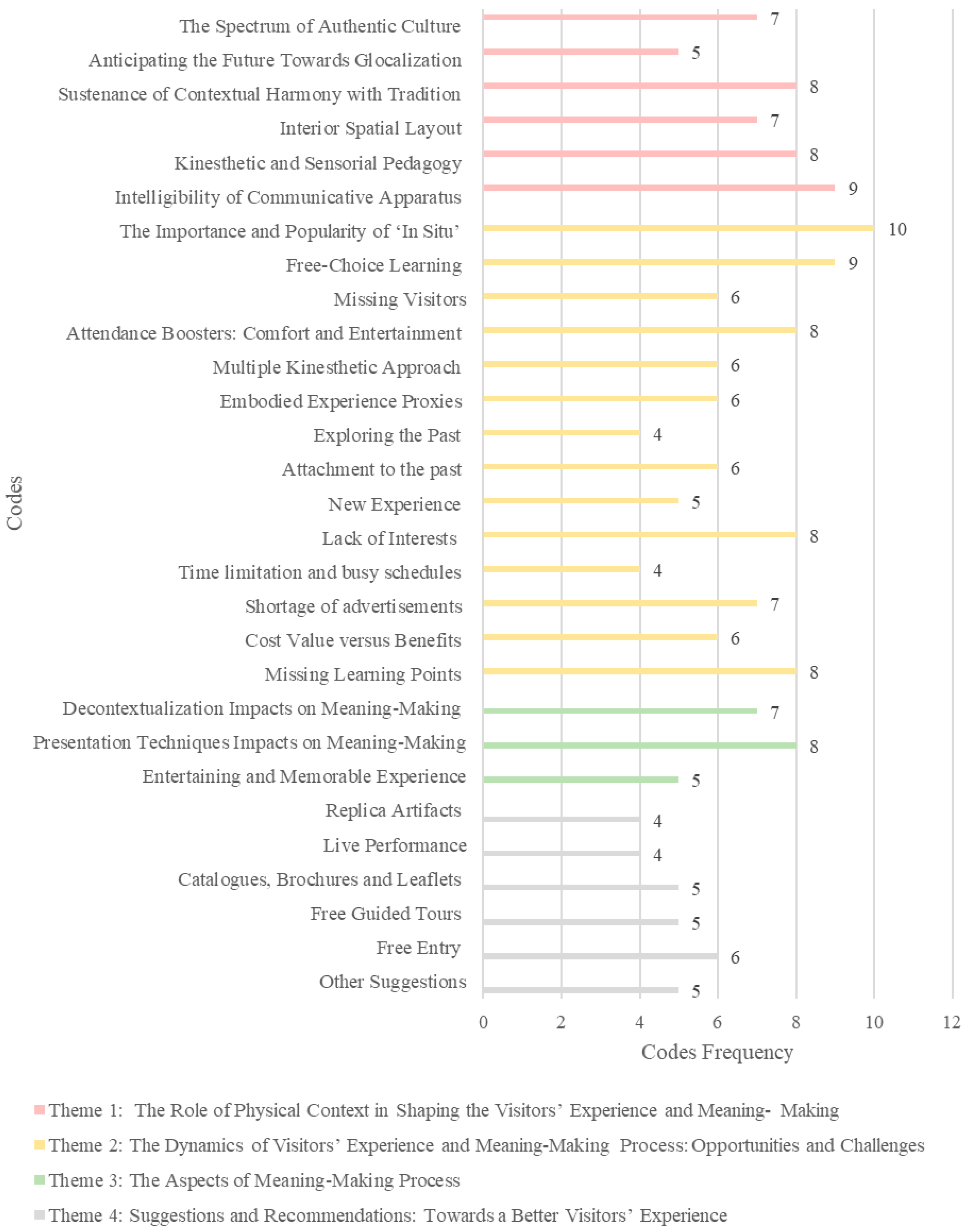
All interview data were transcribed, interpreted, and manually coded. The first four interviews were evaluated to identify follow-up gaps and to refine initial findings. During transcription, data analysis focused on standard codes and themes, grouping similar topics to reveal emerging patterns. This process was repeated for all 22 interviews, resulting in 29 codes organized into 11 themes. Excel spreadsheets tracked narratives against these codes, ultimately categorizing them into four main groups based on connections among the physical setting, visitor experience, meaning making, and suggestions for enhancement (Figure 7). The analysis identified key factors influencing visitors’ experiences, and the study also examined the meaning-making process.

3.2.1. The Impact of Physical Environment on Visitors’ Experience and Interpretation

The physical environment of historic sites and HSICs greatly influences visitors’ experiences. Three key themes emerged. First, the importance of these centres as spaces for interpreting meanings and revealing hidden stories was highlighted. Participants stressed their role in connecting personal, local, and global cultural histories. For instance, visitors said these centres help locals explore their history and culture, underscoring their importance as authentic sources and links between the past and the present [57]. The second theme concerns architectural design. Architecture is crucial to storytelling, as features such as the external appearance and spatial arrangement significantly impact understanding. The discussion of localization within globalization strategies reveals Bahrain’s efforts to gain international recognition while preserving its local identity [4]. The third theme relates to presentation methods. Display techniques impact message delivery, with many noting that while some centres provide overviews, they often lack the depth needed for academic or detailed study. Practical interpretation combines various methods such as graphics, guided tours, and interactive displays.

3.2.2. The Dynamics of Visitor Experience and Meaning-Making: Drivers and Obstacles

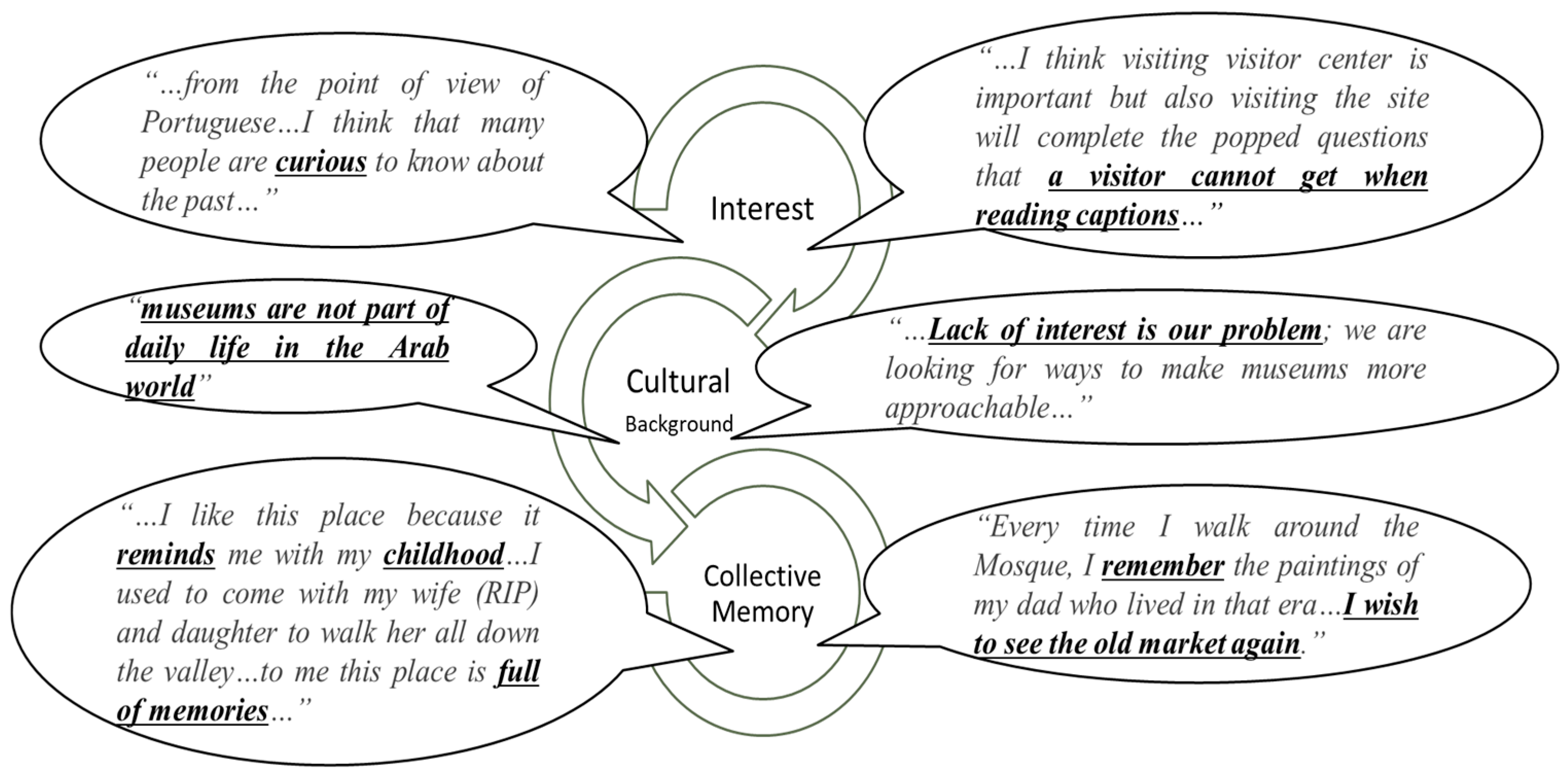
Visitors generally prefer experiencing ‘in situ’ at historic sites rather than visiting interpretation centres. This preference is shaped by factors such as social bonds and movement habits, as people often look for entertainment and social interaction, which are more readily available at historic sites. Several participants highlighted this trend, clearly favouring landmarks over museums. Additionally, seasonal changes and visitor flow significantly impact visitation numbers; we observed an increased attendance during favourable weather, especially in winter. Figure 8 presents interview captions from visitors grouped by interests (preferences), cultural backgrounds (identity, value, beliefs), and collective memory (shaped by the past), which serve as drivers and obstacles to their visits.

3.2.3. The Aspects of the Meaning-Making Process

Visitors derive meaning from their experiences and motives, which are shaped by two key themes. The first involves meaning-making within a particular physical space. The design of interpretive centres influences how well visitors can relate artefacts to historic sites, and removing artefacts from their context can impede understanding. The second theme pertains to meaning as a bodily experience. Visitors emphasized the significance of physically engaging with artefacts and the environment, pointing out that personal interactions and emotional connections enhance the process of creating meaning.

3.2.4. Visitors’ Suggestions for Enhancing HSIC Experience

Participants proposed various ways to improve visitor experiences. One suggestion involves artefact repatriation and alternatives, where returning artefacts to their original contexts could enhance understanding of the narrative. Creating replicas can also help bridge storytelling gaps. Another idea is to utilize different presentation methods, such as live performances and printed materials, to increase engagement and clarity. Participants further recommended offering free admission, noting that complimentary entry and guided tours could significantly boost attendance. Other suggestions included adding photo booths with traditional costumes and using traditional boats for transportation to promote cultural immersion.
To this end, quantitative survey patterns showing a preference for in situ experiences were corroborated by qualitative interviews that revealed visitors’ emotional attachment to physical settings and their perceived authenticity. Observational findings further reinforced these trends, confirming how environmental factors such as climate and accessibility influenced engagement.

4. Discussion

Our findings reinforce Falk and Dierking’s context model—we saw personal context (visitors’ prior knowledge) and physical context (site design) strongly shaping experiences. However, unlike generic museum settings, the ‘in situ vs in context’ dual experience in HSICs introduces unique dynamics not fully explained by existing models [15]. This underscores King et al.’s (2023) point that exhibition user experience requires its own model [3], which our proposed VE-HSIC model aims to provide.

4.1. The Role of Historic Site Interpretation Centres in Shaping Meaning

This study examines how Historic Site Interpretation Centres (HSICs) assist visitors in forming meaning. This process is primarily influenced by two factors: the importance of the historic site and how well the interpretive centre communicates that importance.
Bahrain’s historic sites highlight the Arabian Gulf’s multicultural heritage, attracting many locals and expats who prefer exploring them in person rather than through HSICs. This preference aligns with earlier studies by Kirshenblatt-Gimblett [5], Flexner [58], and Dastgerdi and De Luca [59], which emphasizes that historic sites provide value beyond their physical features, reflecting a lively sociocultural environment. The ancient remains at these sites illustrate past life and shape modern culture. Therefore, establishing HSICs nearby is crucial for conveying and interpreting their significance.
The study identifies three types of relationships between HSICs and historic sites in Bahrain: nearby locations, those accessible by unique transport modes, and those integrated within the historic sites. For example, Bu Maher Fort benefited from a sea shuttle, enriching the visitor experience. Conversely, interpretive centres within sites, such as at Shaikh Salman bin Ahmed Al Fateh Fort, might reduce visibility and access. This supports Ricœur’s [60] claim that “not all interpretations are equal.” While HSICs add interpretive value, they shouldn’t replace direct site engagement, as noted by Barry and Robert [61] and Stewart [62]. This validates the dual modality on which HSICs are premised, but with an emphasis on interactive, experience-driven features in both settings.
HSICs’ architecture impacts message communication. Well-designed centres increase engagement, while contrasting materials can weaken the message. Design should blend modern elements with context, as in The New Acropolis Museum [63,64]. Spatial layout and display strategies are crucial for meaningful exhibits. They should reflect the narratives of historic sites to improve storytelling and visitor engagement. Removing objects from context risks losing their meaning, as stated by Kirshenblatt-Gimblett [5]. HSICs must maintain visual connections to historic sites and employ creative presentation to enhance visitor engagement.
Meaning-making is mainly semiological, shaped by architectural features, interactions between places and visitors, and their socio-cultural backgrounds. Architectural elements serve as symbols that convey cultural significance [33,36,65,66]. Including local details enhances cultural relevance and visitors’ comfort. However, some HSICs lack regional identity, underscoring the need for designs that are attentive to local culture and climate [67]. This underscores the importance of considering visitors’ backgrounds and cultural contexts, aligning with Ricoeur’s [68] ideas on understanding through belonging.
Objects in HSICs hold cultural value, but many depend on artefacts from non-original sites, causing decontextualization. This disconnect lowers visitor experience and alignment with museum goals. Effective presentation techniques can bridge these gaps and boost understanding.
Reevaluating the link between place (location), people (individuals), and culture (values) is crucial, as it serves both as a catalyst and a barrier to understanding. Using Heideggerian hermeneutic phenomenology [69] shows that meanings in HSICs depend on context and are shaped by visitors’ needs and cultural backgrounds. Outdoor experiences at historic sites give visitors insights into past environmental interactions. However, Bahrain’s climate might limit engagement, as suggested by online survey respondents. Well-designed models, such as the New Acropolis Museum (Athens), demonstrate how deliberate design can enhance visitor experiences while preserving historic ties.
Applying Frampton’s concept of critical regionalism, we suggest HSIC designs should prioritize local climate, materials, and cultural context over universal esthetics [70]. Our findings (e.g., visitor comments on the lack of regional identity in some centres indicate that architecture deeply affects visitor connection. Thus, architectural mediation is key to meaning-making—design can either bridge or widen the gap between the artefact and its original site. This aligns with Ricœur’s [60] idea of the paradox between modernity and tradition, fostering meaningful coherence in specific environments. Focusing on local relevance helps HSICs enhance their interpretive role and function as distinctive museums.

4.2. A Produced Model for Meaning Making and Visitor Experience at HSICs (VE-HSIC)

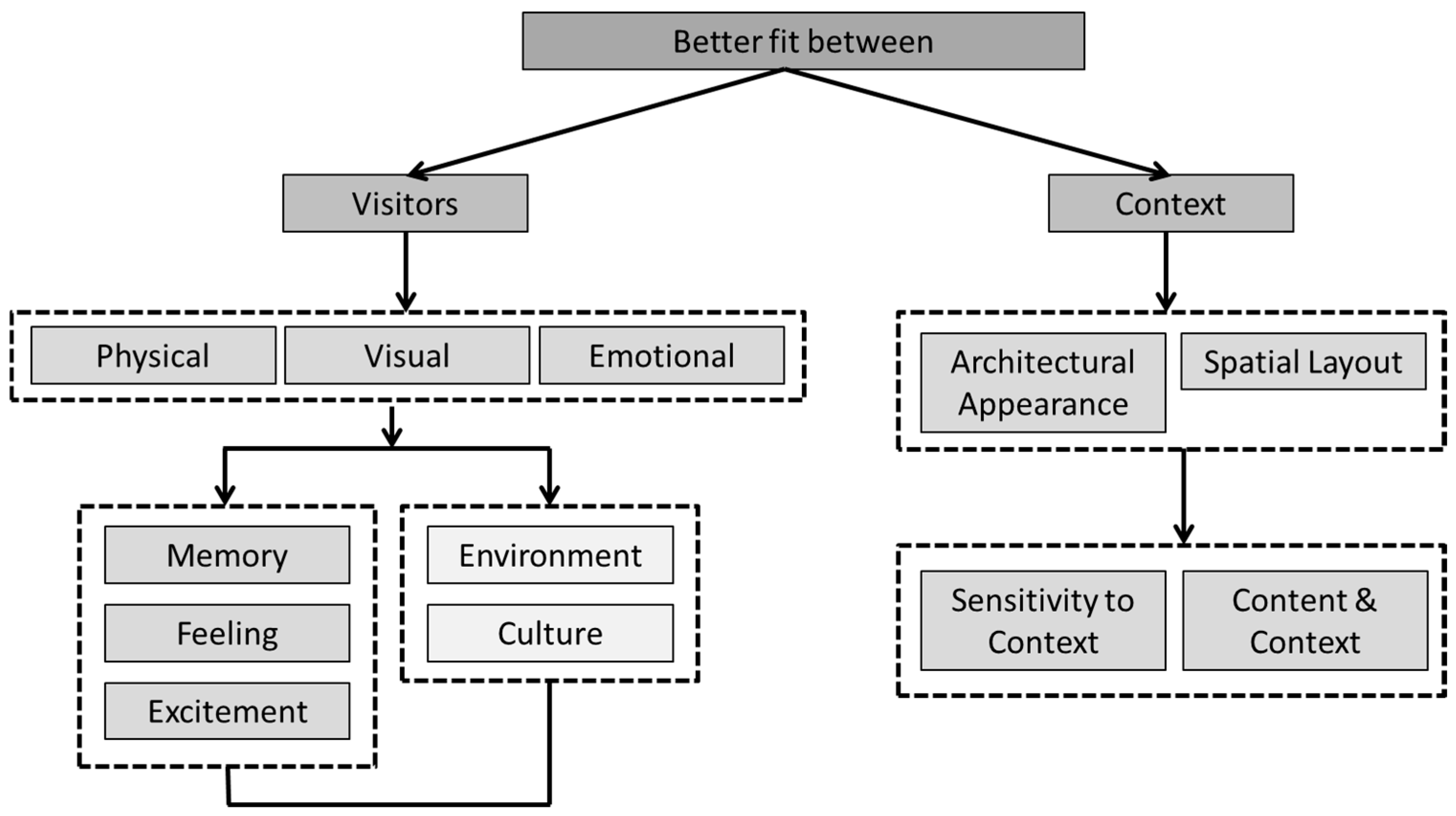
The study highlights the importance of linking historic sites, interpretation centres, and visitors. It suggests that these centres can effectively convey site significance through the principles of critical regionalism [71]. This approach highlights design context by concentrating on geographic factors such as climate (environment), light, and culture (values) esthetics. Enhancing visitor understanding improves site interpretation. The study demonstrates how architectural style and spatial layout impact the visitor experience and can serve as a guide for architects and curatorial practice in Bahrain and elsewhere. The produced model for meaning making and visitor experience at HSICs (VE-HSIC). This is summarized in Figure 9. The link between “Visitors” and “Context” in architectural design aims to foster the strongest connection between them. Under “Visitors,” three main aspects are defined: physical, visual, and emotional interactions, including memory, feelings, and excitement. These factors shape how visitors perceive and interact with their environment. Conversely, “Context” encompasses architectural appearance and spatial layout, highlighting their influence on visitor experiences. The diagram also emphasizes sensitivity to context and the interplay between content and environment. It advocates that effective architecture should seamlessly blend visitor experiences with the surrounding environment, fostering engaging and meaningful spaces. Unlike Falk and Dierking’s general museum model, our VE-HSIC model explicitly incorporates the dual setting (‘in situ’ site + ‘in context’ centre) and emphasizes architectural context as a mediator of experience, which has not been detailed in prior models.
It is important to emphasize that the proposed model for meaning-making and visitor experience at Historic Site Interpretation Centres (HSICs), known as the VE-HSIC model, builds upon existing frameworks, such as the Contextual Model of Learning, which was mentioned earlier in the literature review (1.1.1), while also introducing new perspectives. The Contextual Model of Learning emphasizes how context supports learning, with the VE-HSIC model enhancing this by linking “Visitors” to “Context” to show how architecture influences learning. While primarily focused on educational outcomes, the VE-HSIC model adds emotional and sensory factors, including physical and visual interactions, broadening our view of how context affects experience and memory. Table 4 presents the key contributions of the VE-HSIC Model. This table presents the key contributions of the proposed VE-HSIC model, illustrating how each component enhances visitor engagement and experience. It emphasizes the need to integrate both physical and contextual factors to foster a deeper connection with historic sites.
This research emphasizes the importance of creating Historical Site Interpretation Centres (HSICs) that genuinely reflect and stay connected to their original sites. A list of key recommendations is provided below:
  • Design HSICs with strong visual and narrative connect with their original sites, like using vantage points, sightlines to ruins, or incorporating local materials, to prevent decontextualization.
  • Add some interactive elements to exhibits to make them more appealing to casual tourists and heritage enthusiasts, helping to boost their engagement and enjoyment.
  • Incorporate local cultural elements like art, language, and stories, along with climate-sensitive features such as shaded outdoor areas. This approach, inspired by critical regionalism, helps create a more comfortable and meaningful experience for visitors.
  • Balance “in situ” authenticity with “in context” interpretation by creating on-site experiences (living history, guided tours) that complement indoor exhibitions.
While the recommendations for designing Historical Site Interpretation Centres (HSICs) offer valuable insights, several limitations in this research should be acknowledged, as listed below.
  • This study examined four sites in Bahrain and may not cover all HSIC configurations, especially newer ones. Visitor responses mainly came from those interested in heritage, possibly biassing results toward more engaged visitors.
  • Although the VE-HSIC model is based on local case studies, more research is needed to determine its applicability in other cultural or national settings. Future studies could apply this model in different regions or with larger sample sizes.
  • Data were collected in 2018–2019; visitor behaviour may change over time or due to external factors (e.g., the COVID-19 pandemic’s impact on museum visitation), which were not captured here.
Applying this research to other Gulf countries or assessing post-pandemic visitor engagement would be valuable next steps.

5. Conclusions

In response to our research question, HSICs help visitors make meaning by bridging the gap between the artefact and the site, providing contextual information, eliciting emotional connections, addressing gaps in visitor studies, especially in the Gulf, and advocating for designs that reflect local geographic and cultural contexts. We conclude that HSICs play a vital role in strengthening cultural identity and emotional bonds among visitors, a role that is often underappreciated. Ultimately, this study emphasizes the crucial role of architectural design in heritage interpretation. By thoughtfully mediating between heritage and experience, heritage can transform how visitors connect with the past, ensuring that cultural heritage remains resonant and meaningful for diverse audiences.
Our proposed VE-HSIC model is meant as a practical framework for curators and designers, and we hope it will guide future improvements to interpretation centres in the Gulf. By emphasizing local context in design, we argue that HSICs can better connect with visitors and genuinely serve as bridges between past and present. The model was developed with insights from experts in heritage tourism and architecture, including significant contributions from the Bahrain Authority for Culture and Antiquities. Their expertise ensured that the indicators reflected both cultural context and visitor interaction with heritage sites.

Author Contributions

Conceptualization, M.A.S. and K.A.T.A.; methodology, M.A.S. and K.A.T.A.; investigation, M.A.S. and K.A.T.A.; data curation, M.A.S. and K.A.T.A.; writing—original draft preparation, M.A.S. and K.A.T.A.; writing—review and editing, M.A.S. and K.A.T.A.; visualization and supervision, K.A.T.A.; project administration, M.A.S. and K.A.T.A.; funding acquisition, M.A.S. All authors have read and agreed to the published version of the manuscript.

Funding

This research received no external funding.

Institutional Review Board Statement

The study was fully approved by the United Arab Emirates University’s (UAEU) Institutional Review Board, as in-dicated in the Social Sciences Research Ethics document (ERS_2018_5728).

Informed Consent Statement

Informed consent was obtained from all subjects involved in the study.

Data Availability Statement

Due to consent terms, survey and interview materials are not publicly available. Anonymized interview summaries or extracts can be provided upon reasonable request.

Acknowledgments

We would like to thank the participants from the four historic sites for generously sharing their time, space, and experiences with us.

Conflicts of Interest

The authors declare no conflicts of interest.

Abbreviations

The following abbreviations are used in this manuscript:
HSICHistoric Site Interpretation Centres
UXUser Experience
UCDUser-Centred Design
VE-HSICVisitor Engagement Model at Historic Site Interpretation Centres
BACABahrain Authority for Culture and Antiquities

References

  1. Falk, J. Museum audiences: A visitor-centered perspective. Soc. Leis. 2016, 39, 357–370. [Google Scholar] [CrossRef]
  2. Wang, H.; Tong, Y.; Zeng, H. Driving tourists’ pro-environmental behaviour through heritage interpretation messages. npj Herit. Sci. 2025, 13, 182. [Google Scholar] [CrossRef]
  3. King, E.; Smith, M.P.; Wilson, P.F.; Stott, J.; Williams, M.A. Creating Meaningful Museums: A Model for Museum Exhibition User Experience. Visit. Stud. 2023, 26, 59–81. [Google Scholar] [CrossRef]
  4. Biln, J.; El Amrousi, M. Dubai’s Museum Types: A Structural Analytic. Mus. Worlds 2014, 2, 99–112. [Google Scholar] [CrossRef]
  5. Kirshenblatt-Gimblett, B. Objects of Ethnography. In Exhibiting Cultures: The Poetics and Politics of Museum Display; Lavine, S.D., Ed.; Smithsonian Institution Press: Washington, DC, USA, 1991; pp. 386–443. [Google Scholar]
  6. Grant, R.; King, E.; Hubbard, E.M.; Young, M.S. Think Human: Exploring the exhibition of ergonomics to enhance education and engagement: Establishing the CIEHF 75th anniversary exhibition. Ergonomics 2025, 68, 877–892. [Google Scholar] [CrossRef]
  7. Packer, J.; Ballantyne, R. Conceptualizing the Visitor Experience: A Review of Literature and Development of a Multifaceted Model. Visit. Stud. 2016, 19, 128–143. [Google Scholar] [CrossRef]
  8. Tilden, F. Principles of interpretation. In Interpreting Our Heritage; University of North Carolina Press: Chapel Hill, NC, USA, 1967; p. 224. [Google Scholar]
  9. Norman, D.A. The Design of Everyday Things: Revised and Expanded Edition; Basic Books: New York, NY, USA, 2013. [Google Scholar]
  10. Law, E.L.-C.; Vermeeren, A.P.O.S.; Bevan, N. User Experience White Paper Bringing clarity to the concept of user experience. In Proceedings of the NordiCHI ’14: The 8th Nordic Conference on Human-Computer Interaction, Helsinki, Finland, 26–30 October 2014; Association for Computing Machinery: New York, NY, USA, 2014. [Google Scholar]
  11. Hassenzahl, M. User experience (UX): Towards an experiential perspective on product quality. In Proceedings of the 20th Conference on L’Interaction Homme-Machine, New York, NY, USA, 2–5 September 2008. [Google Scholar]
  12. Hassenzahl, M. The Thing and I: Understanding the Relationship Between User and Product. In Funology 2: From Usability to Enjoyment; Springer International Publishing: Cham, Switzerland, 2003; Chapter 3. [Google Scholar]
  13. Skydsgaard, M.A.; Møller Andersen, H.; King, H. Designing museum exhibits that facilitate visitor reflection and discussion. Mus. Manag. Curatorship 2016, 31, 48–68. [Google Scholar] [CrossRef]
  14. Falk, J.H. Contextualizing Falk’s Identity-Related Visitor Motivation Model. Visit. Stud. 2011, 14, 141. [Google Scholar] [CrossRef]
  15. Falk, J.; Dierking, D.; Semmel, M. The Museum Experience Revisited; Taylor and Francis: Walnut Creek, CA, USA, 2012. [Google Scholar]
  16. Silverman, L.H. Visitor Meaning-Making in Museums for a New Age. Curator: Mus. J. 1995, 38, 161–170. [Google Scholar] [CrossRef]
  17. Greenhill, E.H. Changing Values in the Art Museum: Rethinking communication and learning. Int. J. Herit. Stud. 2000, 6, 9–31. [Google Scholar] [CrossRef]
  18. Eco, U. A Theory of Semiotics; Indiana University Press: Bloomington, IN, USA, 1997. [Google Scholar]
  19. Grondin, J. The hermeneutical circle. In The Blackwell Companion to Hermeneutics; Keane, N., Lawn, C., Eds.; Blackwell: Oxford, UK, 2017; pp. 299–305. [Google Scholar]
  20. Smith, L.; Wetherell, M.; Campbell, G. Emotion, Affective Practices and the Past in the PresentEmotion, Affective Practices, and the Past in the Present; Routhledge: London, UK, 2018. [Google Scholar]
  21. Frankenberg, S.R. Regional/Site Museums. In Encyclopedia of Global Archaeology; Smith, C., Ed.; Springer: New York, NY, USA, 2014; pp. 6261–6264. [Google Scholar]
  22. Recuero, N.; Punzón, J.; Blasco López, M.F.; Figueiredo, J. Perceived relationship investment as a driver of loyalty: The case of Conimbriga Monographic Museum. J. Destin. Mark. Manag. 2019, 11, 23–31. [Google Scholar] [CrossRef]
  23. Zhou, Q.; Li, Z.; Li, J. Museum Exhibition Space Analysis Based on Tracing Behavior Observation. Appl. Mech. Mater. 2013, 477–478, 1140–1143. [Google Scholar] [CrossRef]
  24. Lu, F. Museum architecture as spatial storytelling of historical time: Manifesting a primary example of Jewish space in Yad Vashem Holocaust History Museum. Front. Archit. Res. 2017, 6, 442–455. [Google Scholar] [CrossRef]
  25. Mehari, A.G.; Schmidt, P.R.; Mapunda, B.B. Knowledge about archaeological field schools in Africa: The Tanzanian experience. Azania 2014, 49, 184–202. [Google Scholar] [CrossRef]
  26. Farahat, B.I.; Osman, K.A. Toward a new vision to design a museum in historical places. HBRC J. 2018, 14, 66–78. [Google Scholar] [CrossRef]
  27. Fibiger, T. Global Display-Local Dismay. Debating ‘Globalized Heritage’ in Bahrain. Hist. Anthropol. 2011, 22, 187–202. [Google Scholar] [CrossRef]
  28. Fabbri, R. The contextual linkage: Visual metaphors and analogies in recent Gulf museums’ architecture. J. Archit. 2022, 27, 372–397. [Google Scholar] [CrossRef]
  29. Ababneh, A. Tour guides and heritage interpretation: Guides’ interpretation of the past at the archaeological site of Jarash, Jordan. J. Herit. Tour. 2017, 13, 257–272. [Google Scholar] [CrossRef]
  30. Ababneh, A. The Site of Pella in Jordan: A Case Study for Developing Interpretive Strategies in an Archaeological Heritage Attraction. Near East. Archaeol. 2018, 81, 100–107. [Google Scholar] [CrossRef]
  31. Al-Saffar, M.; Tabet, A. Visitors Voice in Historic Sites Interpretation Centres in Bahrain. IOP Conf. Ser. Mater. Sci. Eng. 2019, 603, 052006. [Google Scholar] [CrossRef]
  32. Al Khalifa, H.E.; Jiwane, A.V. Visitors’ Interactions with the Exhibits and Behaviors in Museum Spaces: Insights from the National Museum of Bahrain. Buildings 2025, 15, 1324. [Google Scholar] [CrossRef]
  33. French, B.M. The Semiotics of Collective Memories. Annu. Rev. Anthropol. 2012, 41, 337–353. [Google Scholar] [CrossRef]
  34. Edge, K.F.; Weiner, F.H. Collective Memory and the Museum. In Images, Representations and Heritage: Moving Beyond Modern Approaches to Archaeology; Russell, I., Ed.; Springer: Boston, MA, USA, 2006; pp. 221–245. [Google Scholar]
  35. Ansbacher, T. Making Sense of Experience: A Model for Meaning-Making. Exhibitionist 2013, 32, 16–19. [Google Scholar]
  36. Nag, A.; Mishra, S. Stakeholders’ perception and competitiveness of heritage towns: A systematic literature review. Tour. Manag. Perspect. 2023, 48, 101156. [Google Scholar] [CrossRef]
  37. Creswell, J.W. Convergent Parallel Mixed Methods Design. In Research Design: Qualitative, Quantitative, and Mixed Methods Approaches; Sage Publications: Thousand Oaks, CA, USA, 2014; pp. 269–273. [Google Scholar]
  38. Miles, M.B.; Huberman, A.M.; Saldaña, J. Research Design and Management. In Qualitative Data Analysis: A Methods Sourcebook; Sage Publications: Thousand Oaks, CA, USA, 2014; pp. 17–53. [Google Scholar]
  39. Hesse-Biber, S. Qualitative Approaches to Mixed Methods Practice. Qual. Inq. 2010, 16, 455–468. [Google Scholar] [CrossRef]
  40. Yin, R.K. Case Study Research: Design and Methods, 5th ed.; Sage Publications: Thousand Oaks, CA, USA, 2014; Volume 5. [Google Scholar]
  41. Carter, N.; Bryant-Lukosius, D.; DiCenso, A.; Blythe, J.; Neville, A.J. The Use of Triangulation in Qualitative Research. Oncol. Nurs. Forum 2014, 41, 545–547. [Google Scholar] [CrossRef]
  42. Creswell, J.W. Qualitative Methods. In Research Design: Qualitative, Quantitative and Mixed Methods Approaches; Sage Publications: Thousand Oaks, CA, USA, 2014; pp. 231–262. [Google Scholar]
  43. Langmead, A.; Byers, D.; Morton, C. Curatorial Practice as Production of Visual and Spatial Knowledge: Panelists Respond. Contemporaneity 2015, 4, 158–163. [Google Scholar] [CrossRef]
  44. Cohen, L.; Manion, L. Naturalistic and ethnographic research. In Research Methods in Education; Routledge: London, UK, 2007; pp. 167–190. [Google Scholar]
  45. Graefe, A.; Mowen, A.; Covelli, E.; Trauntvein, N. Recreation Participation and Conservation Attitudes: Differences Between Mail and Online Respondents in a Mixed-Mode Survey. Hum. Dimens. Wildl. 2011, 16, 183–199. [Google Scholar] [CrossRef]
  46. Sommer, R.; Sommer, B.B. A Practical Guide to Behavioral Research: Tools and Techniques; Oxford University Press: Oxford, UK, 2002. [Google Scholar]
  47. Bitgood, S. Attention and Value: Keys to Understanding Museum Visitors; Left Coast Press, Inc.: Walnut Creek, CA, USA, 2013. [Google Scholar]
  48. Brida, J.G.; Meleddu, M.; Pulina, M. Understanding museum visitors’ experience: A comparative study. J. Cult. Herit. Manag. Sustain. Dev. 2016, 6, 47–71. [Google Scholar] [CrossRef]
  49. Evans, R.R.; Burnett, D.O.; Kendrick, O.W.; Macrina, D.M.; Snyder, S.W.; Roy, J.P.; Stephens, B.C. Developing Valid and Reliable Online Survey Instruments Using Commercial Software Programs. J. Consum. Health Internet 2009, 13, 42–52. [Google Scholar] [CrossRef]
  50. Loomis, D.K.; Paterson, S. A comparison of data collection methods: Mail versus online surveys. J. Leis. Res. 2018, 49, 133–149. [Google Scholar] [CrossRef]
  51. Cohen, L.; Manion, L. Questionnaires: Piloting the Questionnaire. In Research Methods in Education; Routledge: London, UK, 1994; pp. 341–342. [Google Scholar]
  52. Musante, K.; DeWalt, B.R. Designing Research with Participant Observation. In Participant Observation: A Guide for Fieldworkers; AltaMira Press: Washington, DC, USA, 2010; pp. 99–120. [Google Scholar]
  53. Kvale, S. Analyzing Interviews. In Doing Interviews; Flick, U., Ed.; SAGE: London, UK, 2007; pp. 101–119. [Google Scholar]
  54. DiCicco-Bloom, B.; Crabtree, B.F. The qualitative research interview. Med. Educ. 2006, 40, 314–321. [Google Scholar] [CrossRef]
  55. Saldana, J.; Leavy, P.; Beretvas, N. Fundamentals of Qualitative Research; Oxford University Press: Cary, IL, USA, 2011; USA-OSO. [Google Scholar]
  56. BACA. Visitors Records; Bahrain Authority for Culture and Antiquities: Manama, Bahrain, 2018.
  57. Dal Falco, F.; Vassos, S. Museum Experience Design: A Modern Storytelling Methodology. Des. J. 2017, 20 (Suppl. S1), S3975–S3983. [Google Scholar] [CrossRef]
  58. Flexner, J.L. Archaeology and Ethnographic Collections: Disentangling Provenance, Provenience, and Context in Vanuatu Assemblages. Mus. Worlds 2016, 4, 167–180. [Google Scholar] [CrossRef]
  59. Shirvani Dastgerdi, A.; De Luca, G. Specifying the Significance of Historic Sites in Heritage Planning. Conserv. Sci. Cult. Herit. 2019, 18, 29–39. [Google Scholar]
  60. Ricœur, P. Metaphor and Symbol. In Interpretation Theory: Discourse and the Surplus of Meaning; Texas Christian University Press: Fort Worth, TX, USA, 1976; p. 107. [Google Scholar]
  61. Barry, M.M.; Robert, C.R. On making meanings: Curators, social assembly, and mashups. Strateg. Organ. 2015, 13, 141–152. [Google Scholar]
  62. Stewart, M.A. Managing Heritage Site Interpretation for Older Adult Visitors. Symphonya 2016, 2, 93–107. [Google Scholar]
  63. Lending, M. Negotiating absence: Bernard Tschumi’s new Acropolis Museum in Athens. J. Archit. 2018, 23, 797–819. [Google Scholar] [CrossRef]
  64. Caskey, M. Perceptions of the New Acropolis Museums. Am. J. Archaeol. Online Mus. Rev. 2011, 115, 1–10. [Google Scholar] [CrossRef]
  65. Jashari-Kajtazi, T.; Jakupi, A. Interpretation of architectural identity through landmark architecture: The case of Prishtina, Kosovo from the 1970s to the 1980s. Front. Archit. Res. 2017, 6, 480–486. [Google Scholar] [CrossRef]
  66. Snodgrass, A.; Coyne, R. Interpretation in Architecture: Design as a Way of Thinking; Routledge: London, UK, 2006; 344p. [Google Scholar]
  67. Rémi, M.; Séverine, M.; Mathilde, P. Museums, consumers, and on-site experiences. Mark. Intell. Plan. 2010, 28, 330–348. [Google Scholar]
  68. McGaughey, D.R. Ricoeur’s Metaphor and Narrative Theories as a Foundation for a Theory of Symbol. Relig. Stud. 1988, 24, 415–437. [Google Scholar] [CrossRef]
  69. Heidegger, M.; Bröcker-Oltmanns, K. Ontologie: (Hermeneutik der Faktizität); V. Klostermann: Frankfurt, Germany, 1995. [Google Scholar]
  70. Frampton, K. Towards a Critical Regionalism: Six Points for an Architecture of Resistance. In The Anti-Aesthetic: Essays on Postmodern Culture; Foster, H., Ed.; New Press: New York, NY, USA, 1998; pp. 17–34. [Google Scholar]
  71. Patteeuw, V.R.; Szacka, L.A.-C. Critical Regionalism for our time. In The Architectural Review 2019, 1st ed.; EMAP Publishing Limited: Croydon, UK, 2020. [Google Scholar]
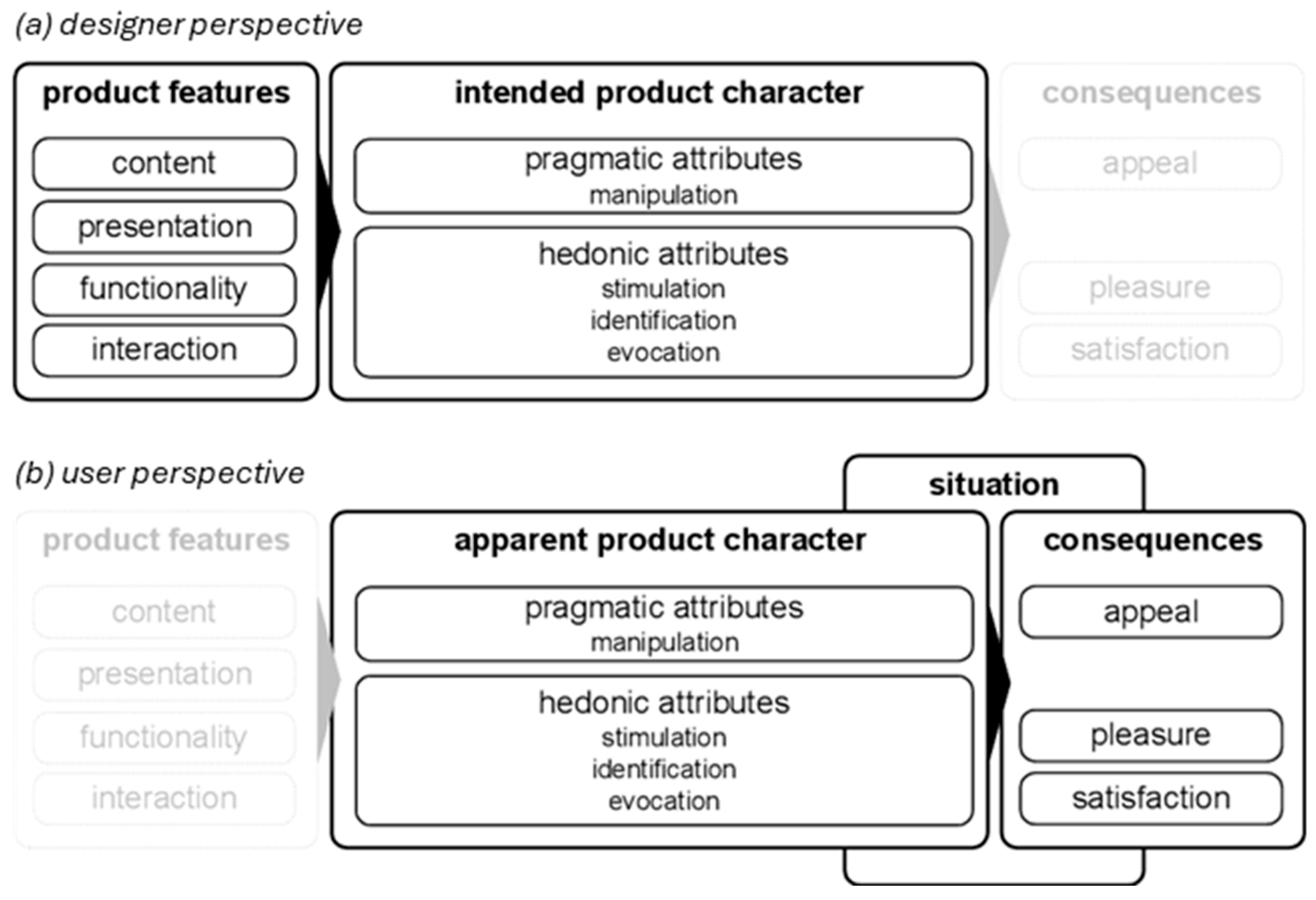
Figure 1. The UX model, adapted from Hassenzahl [12]. It consists of two main perspectives: the Design Perspective (a) and the User Perspective (b). This division emphasizes a crucial aspect of UX: there is no assurance that users will engage with a product as designers intend. Consequently, the product’s character can only be seen as “intended.” The user’s circumstances always influence how the product is experienced, leading to real outcomes.
Architecture 05 00127 g001
Figure 2. An analytical framework that describes the methodologies, data sources, and analysis techniques used in the study. It highlights both quantitative and qualitative approaches for thorough analysis. Note: Dashed boxes represent the data collection instruments that informed both qualitative and quantitative analyses.
Architecture 05 00127 g002
Figure 3. Number of visitors in 2018 at the four case studies under investigation (ɳ = 26,624). Source: 2018 Visitors Archives [56].
Architecture 05 00127 g003
Figure 4. Number of visitors to Qal’at Al Bahrain Site Museum from 2010 to 2018 (ɳ = 94,369). Source: 2015–2018 Visitors Archives [56].
Architecture 05 00127 g004
Figure 5. Number of visitors per month to the four case studies under investigation. Source: 2018 Visitors Archives [56].
Architecture 05 00127 g005
Figure 6. Participants’ activities and experience at ‘in situ’ and ‘in context’ settings.
Architecture 05 00127 g006
Figure 7. Frequency codes and emerging categories were identified from 22 narrative interviews, highlighting key themes in visitors’ experiences and meaning-making processes. Each coloured bar represents a distinct thematic code, showing its occurrence across interviewees’ responses.
Architecture 05 00127 g007
Figure 8. Selected quotes show visitors’ interests, backgrounds, and memories, highlighting drivers and barriers to engagement with cultural heritage sites. Each statement emphasizes diverse perspectives and emotional ties shaping the visitor experience.
Architecture 05 00127 g008
Figure 9. The VE-HSIC model links visitors and contextual elements to enhance meaning-making and visitor experience at HSICs. It emphasizes the interdependence of visitor attributes and features to foster more engaging heritage interaction sites.
Architecture 05 00127 g009
Table 1. HSIC’s selection rationale and justification.
Site NameSite TypologyInterpretation ModeNotable Feature
Case Study #1
Al Khamis Mosque Visitor Center
Religious heritageIn situInterpretation via a glass floor over ruins
Case Study #2
Qal’at Al Bahrain Site Museum
UNESCO siteIn situ + In contextMajor archeological fort with panoramic museum view
Case Study #3
Shaikh Salman bin Ahmed Al Fateh Fort (Riffa Fort)
Restored fortIn contextDual-function cultural centre with scenic terrace
Case Study #4
Bu Maher Fort Visitor Center
Reconstructed fortIn situ + water-based linkLinked by boat shuttle to Pearling Trail
Table 2. Summary of data collection by Historic Site.
MethodQal’at Al BahrainRiffa FortBu Maher FortAl Khamis Mosque
Surveys
(n = 113 total)
Interviews
(n = 22)
7 participants564
Observation
(50+ hours)
Archival Analysis
Note: A ✓ denotes that the respective data-collection method was applied at that historic site.
Table 3. Number of field visits conducted between August 2018 and July 2019.
Month DayTime SeasonTotal No. of People Observed Total No. of Visits
Qal’at Al Bahrain
(ɲ = 333)
December 2018Weekday Morning Winter 1775
January 2019WeekdayMorning Winter 70
Weekend Evening Winter 54
March 2019WeekdayMorningSummer 14
Weekend Evening Summer 18
Shaikh Salman bin Ahmed Al Fateh fort
(ɲ = 149)
December 2018WeekdayMorning Winter 174
January 2019WeekdayEvening Winter 22
March 2019WeekdayMorningSummer 6
July 2019WeekendEvening Summer104
Bu Maher fort
(ɲ = 22)
August 2018WeekdayMorning Summer 24
December 2018WeekdayMorning Winter8
January 2019Weekend Morning Winter7
March 2019WeekendEveningSummer5
Al Khamis Mosque
(ɲ = 0)
December 2018WeekdayMorning Winter 04
January 2019Weekend Morning Winter0
March 2019WeekdayEvening Summer0
July 2019WeekendMorningSummer 0
Table 4. Key Contributions of the VE-HSIC Model.
ContributionDescription
Dual Setting IncorporationIncludes ‘in situ’ (historic site) and ‘in context’ (interpretation centre) settings, enriching visitors’ experiences.
Interplay Between Context and ExperienceStresses the dynamic relationship between architectural context and visitor experience, advocating meaningful engagement.
Sensitivity to ContextPromotes local cultural and environmental sensitivity, aligning with critical regionalism to achieve authentic visitor experiences.
Disclaimer/Publisher’s Note: The statements, opinions and data contained in all publications are solely those of the individual author(s) and contributor(s) and not of MDPI and/or the editor(s). MDPI and/or the editor(s) disclaim responsibility for any injury to people or property resulting from any ideas, methods, instructions or products referred to in the content.