


Abstract
The widespread adoption of additive manufacturing, particularly selective laser sintering (SLS), has raised concerns about the disposal of unused thermoplastic powder residues, such as polyamide 12 (PA12). The high cost of PA12 and its degradation during the SLS process highlight the need for sustainable reuse strategies. This study evaluates the feasibility of reprocessing non-sintered PA12 powder without the addition of virgin material through fused deposition modeling (FDM) and injection molding (IM). Thermal analysis showed that the material retains processing temperatures comparable to virgin PA12. However, a significant reduction in melt flow index (≈61%) was observed, reflecting reduced processability and suggesting molecular-level changes affecting chain mobility. Injection molding demonstrated consistent mechanical behavior and good ductility, confirming its suitability for processing recycled PA12. In contrast, FDM processing resulted in higher variability and reduced ductility, mainly due to limitations in interlayer bonding associated with the increased viscosity of the material. Overall, the results highlight injection molding as a robust route for the valorization of non-sintered PA12, while FDM remains a feasible but less reliable alternative requiring further optimization.
1. Introduction
Today, there is an industrial revolution underway that goes far beyond traditional assembly lines and conventional manufacturing methods. Additive manufacturing (AM), also known as 3D printing, emerges as one of the most transformative and disruptive technologies of modern times [1]. Its ability to create 3D objects from digital models redefines the way objects are conceived, designed, and produced across a wide range of products, from highly sophisticated aircraft components [2] to custom medical prosthetics [3].
Within the spectrum of AM, selective laser sintering (SLS) technology stands out, enabling the creation of 3D parts layer by layer using a high-energy laser beam as a heat source. Its aim is to selectively melt layers of powdered raw material and fuse them into specific pre-determined shapes [4,5].
The SLS process requires thermoplastic powder, with polyamide 12 (PA12) being the most used. This high-performance polymer is known for its durability, tensile strength, and low moisture absorption. However, its extensive use also raises significant questions about disposal, waste, and economic efficiency [6]. The cost of this material is approximately €100 per kilogram, compounded by the fact that only about 10% to 20% of it is transformed into a part [5,7]. The remaining un-sintered material ends up being degraded by the high temperatures reached. The higher the temperature and the longer the powder is exposed to it, the more likely the molecular chains are to become larger, which can lead to an increase in molecular weight and, consequently, a decrease in fluidity, deteriorating the mechanical and thermal properties of the powder [8]. This behavior is consistent with condensation-driven chain extension observed under oxygen-poor environments during SLS processing.
Although several studies have investigated the degradation of PA12 and its impact on final properties [8,9,10,11], few studies have addressed the possibility of reprocessing PA12 waste from SLS. Wang et al. [4] studied the feasibility of using a composite filament made of milled carbon fiber (mCF) and recycled PA12 powder (rPA12) for extrusion-based additive manufacturing (EAM). The authors also analyzed the mechanical properties of mCF/rPA12 composites by injection molding (IM). This study showed that the addition of mCF significantly improved the mechanical properties of rPA12. Furthermore, the manufacturing of a fuel-line quick connector using the composite filament demonstrated that the quality of the printed object was comparable to that of a commercial filament. Kumar and Czekanski [5] developed filaments for the fused deposition modeling (FDM) process from the waste powders of SLS. The authors mixed PA12 powder with various weight percentages of tungsten carbide to enhance the mechanical properties. The results showed that the addition of tungsten carbide increased the glass transition temperature, melt flow index, and strength of the resulting composites. The filaments exhibited comparable or superior strength to existing filaments, enabling the successful fabrication of 3D parts using an FDM system. Feng et al. [12] also investigated the use of rPA12 in producing filaments suitable for FDM. According to the authors, rPA12 showed a 77% reduction in melt flow rate compared to fresh PA12. However, this reduction had minimal impact on mechanical properties, resulting in only slight decreases. They thus concluded that rPA12 powder can be effectively used in FDM, maintaining performance comparable to fresh PA12 pellets. Uddin et al. [13] studied the recycling of rPA12 powder in terms of its suitability for fused filament fabrication (FFF) printing. According to the authors, the waste powder was found to be extrudable and printable, and the addition of Mg powder created a composite filament with enhanced properties. The mechanical properties and printing capability suggest potential applications in various fields, supporting a circular economy and sustainability in additive manufacturing. Gomes et al. [7] investigated the reutilization of PA12 in consecutive printing cycles within the SLS process and concluded that the repeated use of the same powder across printing cycles significantly affects the morphology of the printed parts, as well as the reproducibility of mechanical properties and aesthetic appearance. However, they found that post-processing treatments of the powder allowed for the maintenance of mechanical performance in prints during the first six printing cycles without the need to add virgin powder.
Although several studies have explored the reuse of PA12 powder from SLS, most approaches rely on blending with virgin material or the incorporation of additives and reinforcements. In contrast, the direct reuse of recycled PA12 (rPA12) in its pure form remains insufficiently investigated, particularly regarding its processability in conventional manufacturing techniques such as FDM and injection molding. This study aims to address this gap by evaluating the feasibility of processing non-sintered PA12 powder without any modification.
2. Materials and Methods
2.1. Materials
The polyamide DuraForm® ProX PA is produced by the company 3D Systems (Rock Hill, SC, USA) and is exclusively used in SLS. The material has the properties shown in Table 1 when used in its virgin state. The powder used in this study was subjected to an average of three SLS cycles. The material was discarded based on visual surface degradation criteria typically used in industrial practice. Although a detailed thermal history per cycle was not recorded, the powder experienced prolonged exposure to temperatures close to the melting point under low-oxygen conditions.
Table 1.
Polyamide properties.
2.2. Characterization
Differential scanning calorimetry (DSC) is conducted to determine the melting and crystallization temperature, the enthalpy of melting and crystallization, and the crystallinity of both the virgin PA12 powder and non-sintered PA12 powder. The melt flow index (MFI) test is performed to assess the flowability of both the virgin PA12 powder and PA12 derived from non-sintered material. Both thermal (DSC) and rheological (MFI) tests were conducted to investigate material degradation and determine viable processing conditions. Scanning Electron Microscopy (SEM) is performed to evaluate the powder morphology in its pristine form and its disposal form, which will be used in the present study. Energy Dispersive Spectroscopy (EDS) is also performed in both material stages to assess any elemental variation.
2.2.1. Differential Scanning Calorimetry (DSC)
Before conducting the DSC analysis, the material was subjected to a 4 h annealing period at 80 °C. Approximately 5–10 mg of the material was placed in an aluminum crucible and sealed with a lid to prevent the loss of any vapors generated during the heating process. Two heating cycles were performed: the first to erase the material’s thermal history and the second to record its thermal properties. The DSC analysis was carried out using the DSC250 model from the TA Instruments Discovery series, following the standards established by ASTM D3418-03 [14]. The procedure steps included: (1) maintaining a constant temperature for 5 min under a nitrogen atmosphere; (2) increasing the temperature at a rate of 10 °C/min until reaching 210 °C; (3) maintaining the temperature constant for 5 min; (4) reducing the temperature at a rate of 10 °C/min until reaching 20 °C; (5) increasing the temperature at a rate of 10 °C/min until reaching 210 °C; (6) maintaining the temperature constant for 5 min; (7) reducing the temperature at a rate of 10 °C/min until reaching 20 °C. The results were analyzed using the TRIOS software. Three DSC repetitions were performed for each powder type.
2.2.2. Melt Flow Index (MFI)
The MFI test was conducted in accordance with ASTM D1238-04 using a Göttfert plastometer (Buchen, Germany), model MI-3. Prior to the test, the material was preheated. The test was carried out under a load of 2.16 kg at a temperature of 230 °C, which corresponds to standard PA12 testing conditions.
2.2.3. Scanning Electron Microscopy (SEM)/Energy Dispersive Spectroscopy (EDS)
The morphology features of the materials were evaluated by Scanning Electron Microscopy (SEM), using a Hitachi TM4000 plus (Hitachi, Tokyo, Japan) equipment. The samples were placed on a carbon tape, and the microscope was operated using an applied voltage of 15 kV and a Backscattered Electron (BSE) detector. Additionally, the compositional mapping data was obtained by Energy Dispersive Spectroscopy (EDS).
2.3. Viability Analysis of Processing
The processing of the PA12 material begins with the fabrication of test specimens, following the ISO 527-2 [15] standards.
2.3.1. Manufacture of Specimens by IM
The powders of non-sintered PA12 were injected into a HAAKE MiniJet II mini-injector (Karlsruhe, Germany). The materials were injected at an injection pressure of 500 bar and a cylinder temperature of 230 °C. Additionally, a mold temperature of 60 °C was used, with an injection time of 3 s and a compaction time of 15 s, and a compaction pressure of 400 bar.
2.3.2. Manufacture of Specimens by FDM
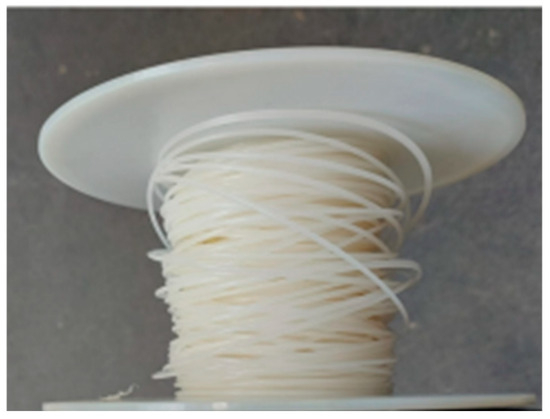
The NOZTEK PRO FILAMENT EXTRUDER (Shoreham-by-Sea, UK), together with a FILAFAB puller and spooler system, equipped with an inline diameter control module based on a Mitutoyo ABSOLUTE Digimatic Indicator ID-S112MXB2, was used to extrude the filament from the non-sintered PA12 powder (Figure 1). The extrusion process took place at 230 °C with a feed rate of 2.5 m/min.
Figure 1.
Filament from non-sintered PA12 powder.
The specimens were prepared for printing using Ultimaker Cura 5.3.0 software and then printed using the Creality Ender 3 3D printer (Shenzhen, China), equipped with the Direct Drive Extruder Kit (a kit that allows for prints with less retraction), using 1.75 mm diameter virgin and recycled PA12 filaments. The FDM processing conditions are described in Table 2.
Table 2.
FDM processing conditions.
The parameters in Table 2 were selected based on preliminary extrusion tests, manufacturer recommendations, and the need to accommodate the higher viscosity of recycled PA12. The nozzle temperature was kept slightly below 230 °C to prevent thermal degradation, while travel and print speeds were tuned to promote stable deposition.
2.4. Mechanical Testing
Mechanical characterization tests, such as tensile tests, were performed to evaluate the potential applications of the non-sintered powder. The tensile test of the specimens was conducted according to ISO 527-1 [16] using the Shimadzu AGS-X-10kN equipment (Kyoto, Japan). The tests were performed at two different speeds: initially, the machine operated at 0.2 mm/min to obtain a larger amount of data and accurately calculate the Young’s modulus. Subsequently, the machine operated at 10 mm/min until failure. Seven replicas were tested for each material and process.
3. Results and Discussion
3.1. Powder Analysis
3.1.1. Thermal Characterization
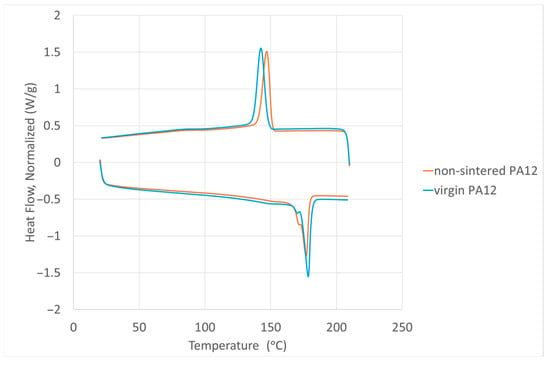
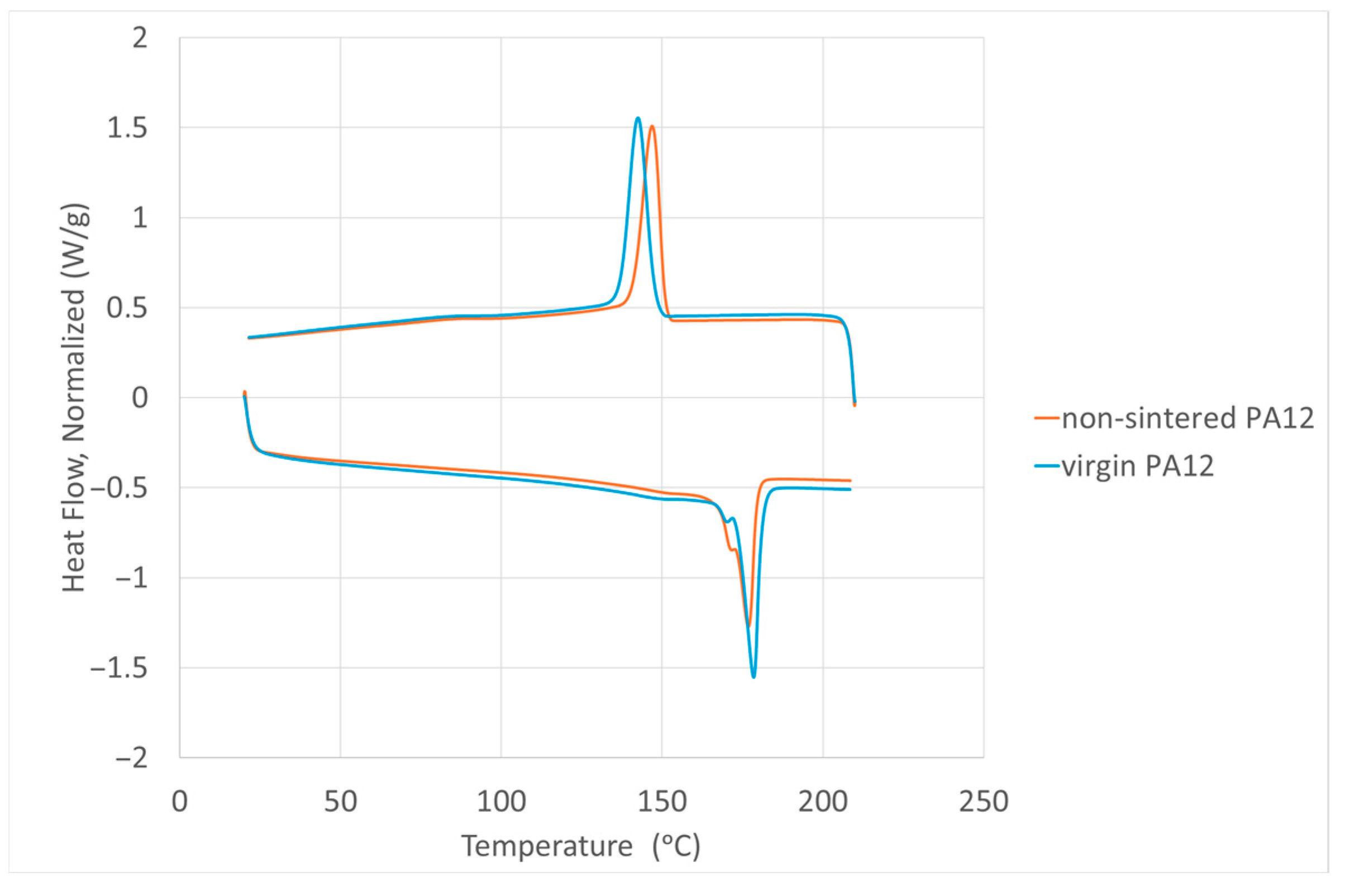
Figure 2 depicts the DSC curve for the second heating cycle of both the virgin PA12 powder and non-sintered PA12 powder. The first cycle is not displayed as its purpose is to eliminate the thermal history of the sample [14], thus not contributing to the analysis of the material’s intrinsic properties. During the heating ramp, an endothermic peak is observed, representing heat absorption by the sample necessary for phase change, melting, and an exothermic peak, representing heat release as the sample transitions from a liquid phase to a solid and crystalline phase [17,18]. The exothermic peak corresponds to the cooling segment of the DSC cycle, while the endothermic peak is observed during heating.
Figure 2.
DSC heating and cooling curves for virgin PA12 and non-sintered PA12.
No other peaks were observed, including the peak associated with the glass transition, although theoretically the glass transition temperature is approximately 50 °C [19]. This result may be attributed to the high heating rate used, which can make the glass transition indistinct. Additionally, the resolution of the equipment used may not be high enough to clearly distinguish this phenomenon.
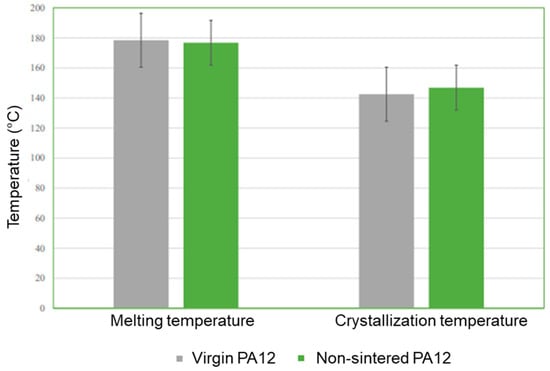
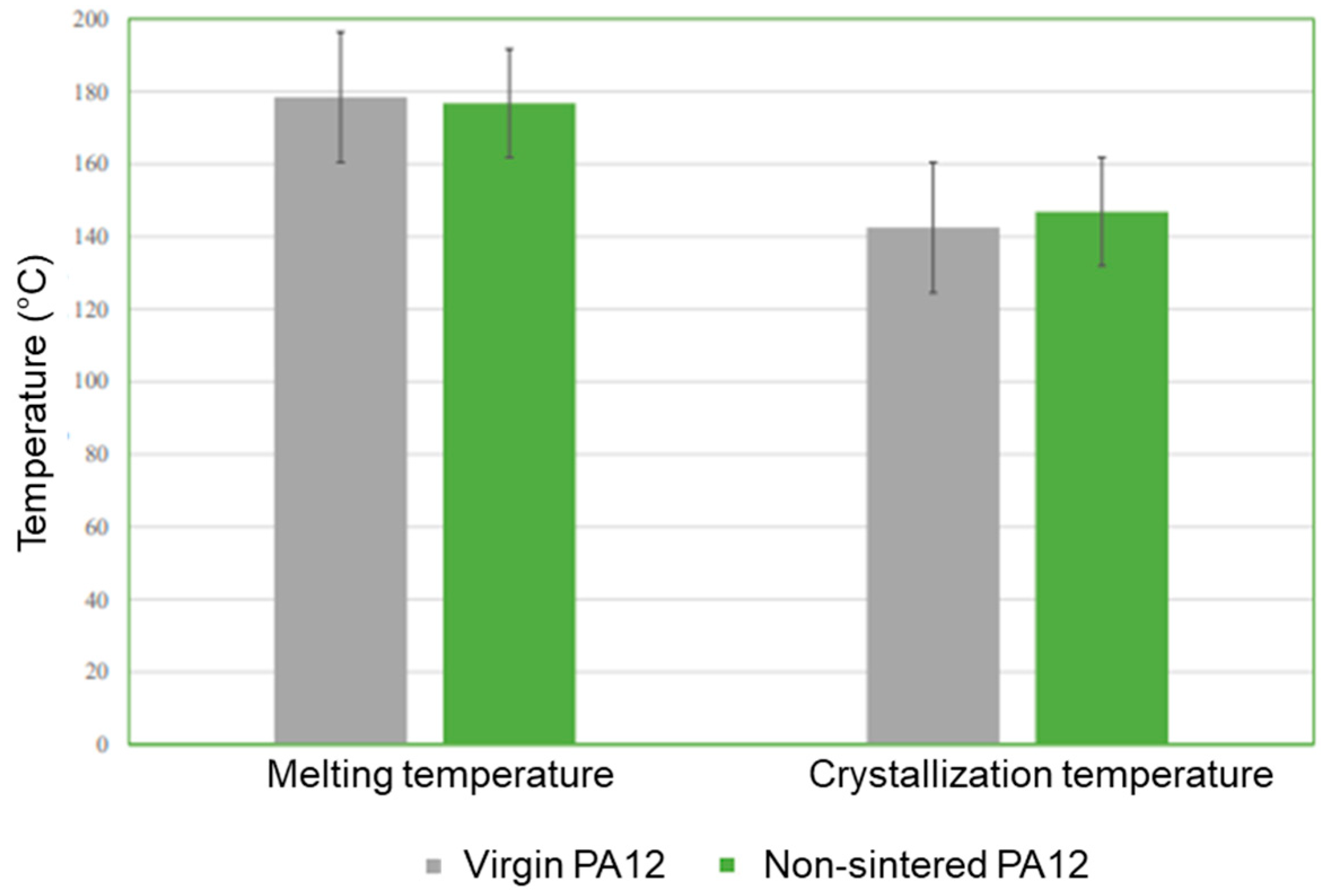
In Figure 3, a slight decrease of 1.7 °C in the melting temperature is observed when transitioning from the virgin material to the non-sintered one. Conversely, the crystallization temperature shows an increase of 4.4 °C. These results are consistent with the research conducted by [7].
Figure 3.
Melting and crystallization temperatures of virgin PA12 and non-sintered PA12.
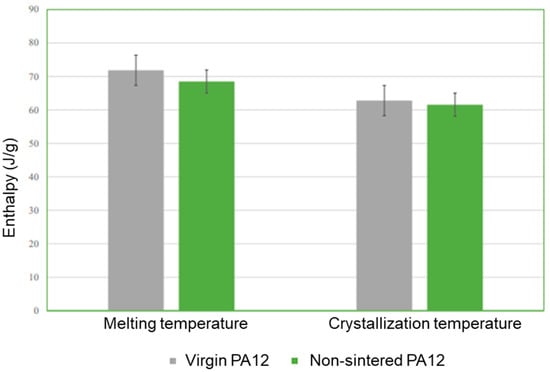
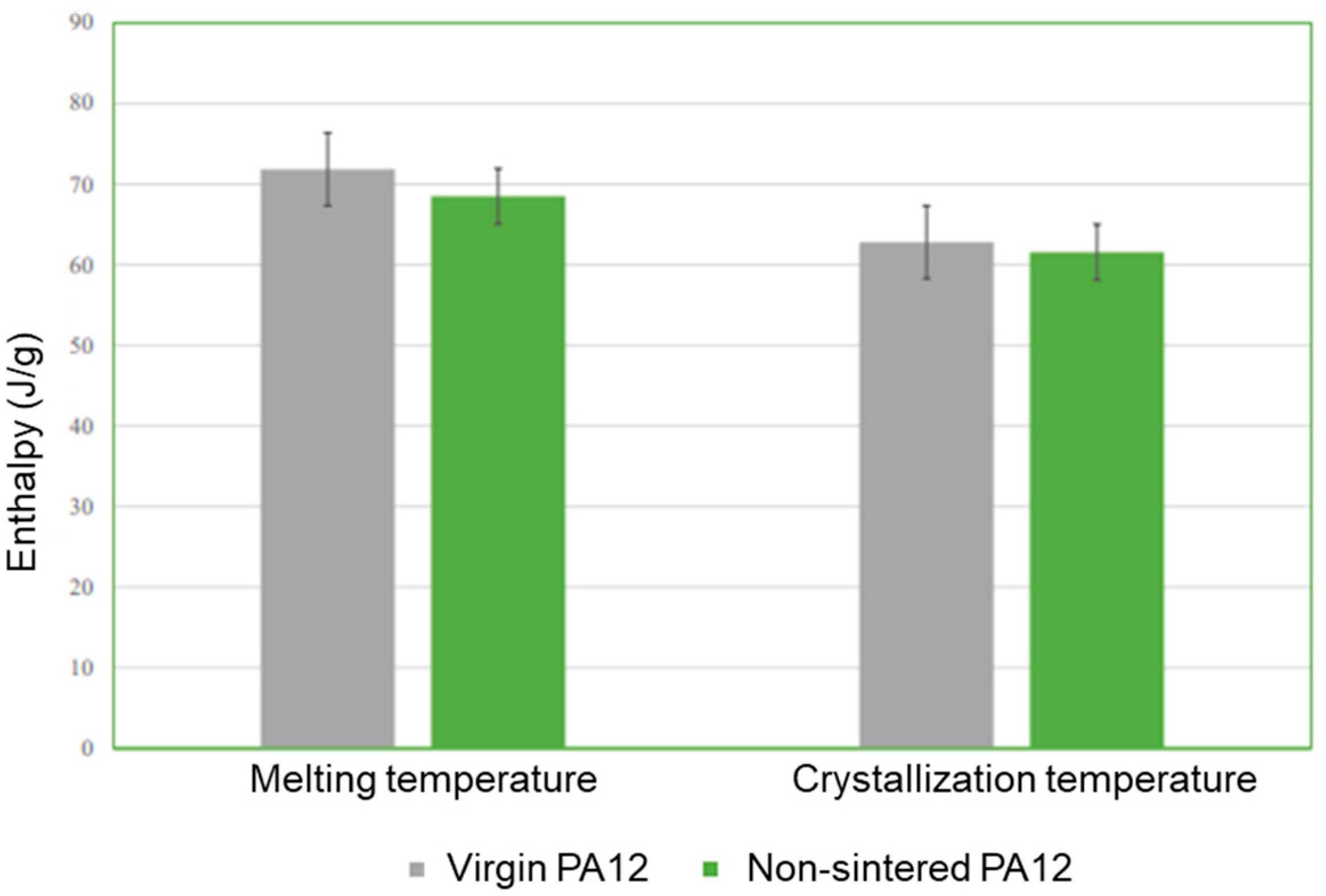
The enthalpies of fusion and crystallization are represented in Figure 4. Compared to the virgin material, the non-sintered PA12 exhibits a reduction in both fusion and crystallization enthalpies. Since these enthalpies are directly related to the energy required for the fusion and solidification of the crystalline fraction of the material, their decrease suggests a change in the magnitude of the crystalline phase of PA12. This alteration may be associated with potential molecular-level modifications, raising questions about the possible degradation of the PA12 under analysis.
Figure 4.
Fusion and crystallization enthalpies of virgin PA12 and non-sintered PA12.
From the values of the fusion enthalpies , it is possible to determine the crystallinity using Equation (1):
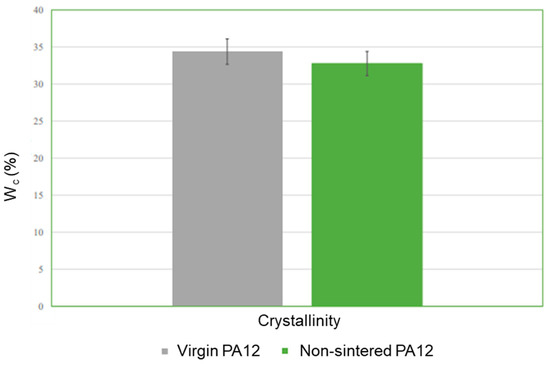
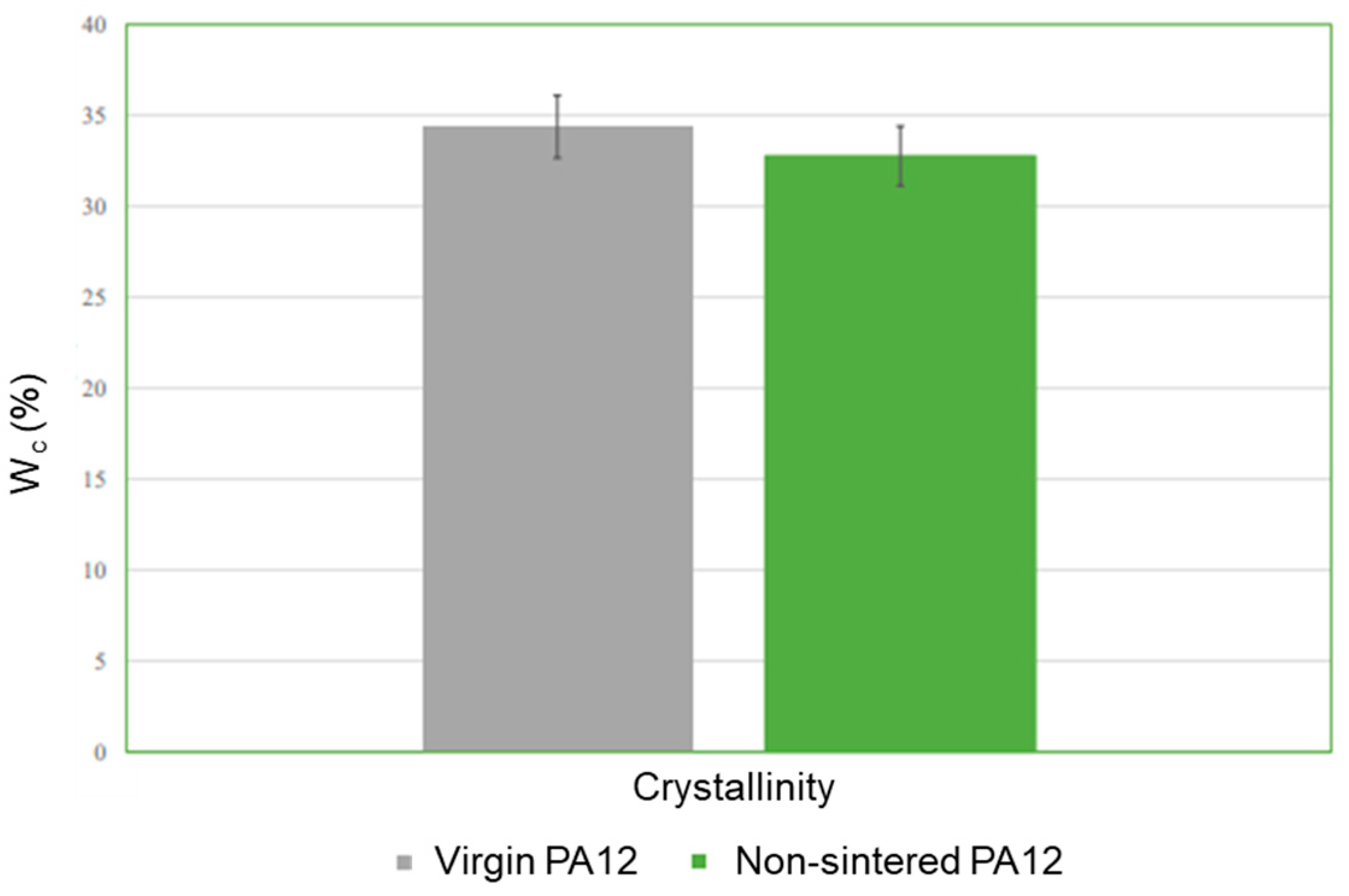
The theoretical value of the enthalpy of fusion () used is 209.3 J/g [20]. As shown in Figure 5, there is a reduction of 1.6 J/g in crystallinity, corresponding to a decrease of about 4.5%. Although this discrepancy is small, when combined with the other results, it may indicate possible signs of molecular chain breakage [12].
Figure 5.
Crystallinity of virgin PA12 and non-sintered PA12.
It is relevant to mention that the heat generated during the construction phase in the SLS machine induces tensions in the intra-chain bonds. This condition is caused by higher amplitude intramolecular vibrations, which can result in the breaking of crystalline bonds, forming fragments and free radical groups [21].
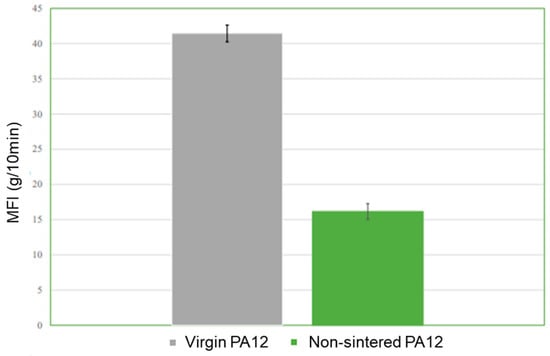
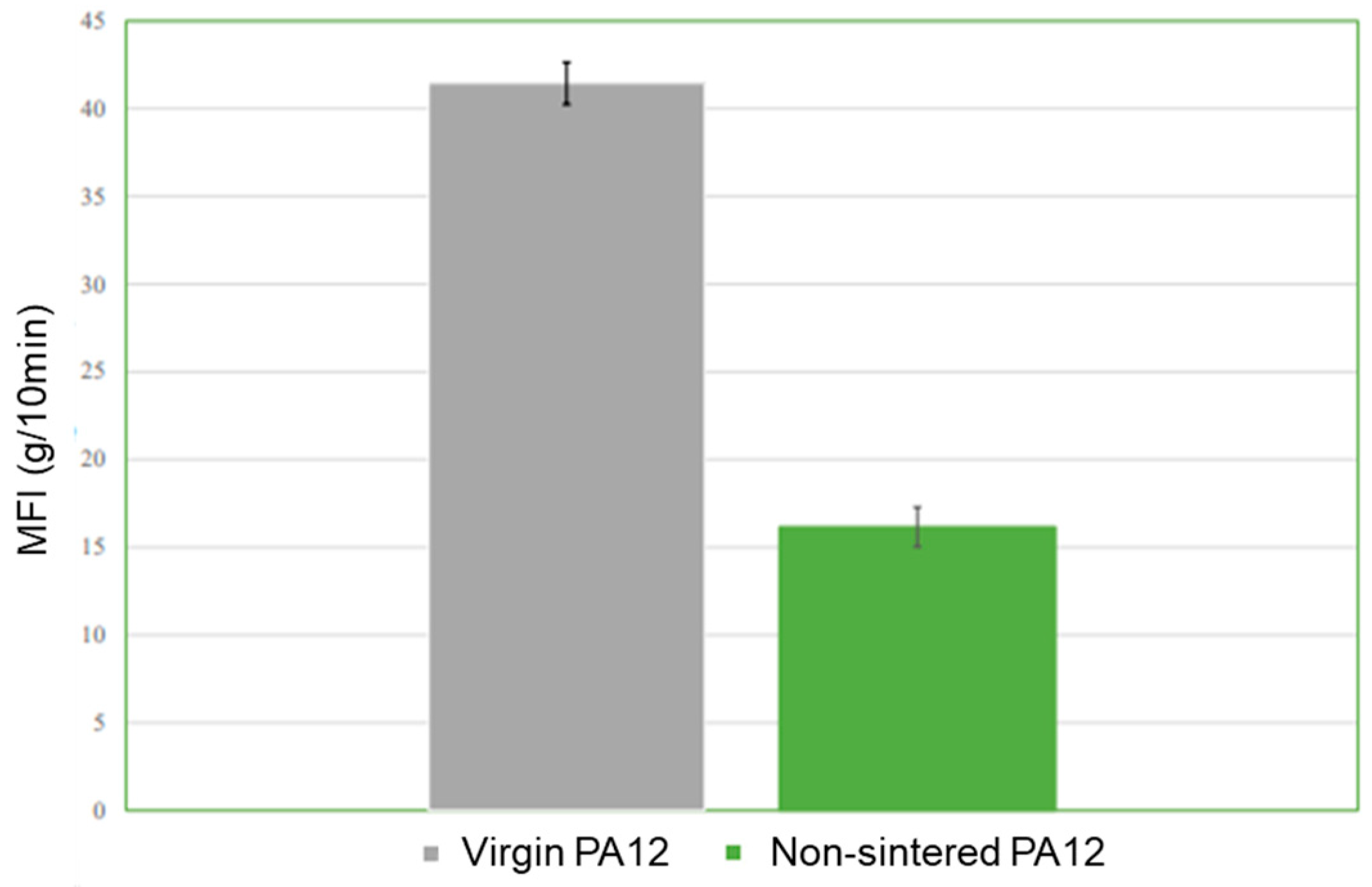
Figure 6 and Table 3 describe the results of the MFI test. There is a significant reduction, approximately 61%, in the MFI of the non-sintered PA12. The MFI value for this material was around 16 g/10 min, below the 18 g/10 min established as the minimum viable limit for obtaining parts with good surface quality in SLS processes [7]. This finding validates the empirical practice of rejecting the powder from SLS. With the reduction in material flowability, a considerable increase in viscosity is observed.
Figure 6.
MFI of virgin PA12 and non-sintered PA12.
Table 3.
Flow rate statistics of virgin PA12 and non-sintered PA12.
The significant reduction in MFI (≈61%) suggests that chain extension mechanisms dominate over chain scission during SLS processing. Under the low-oxygen and high-temperature conditions of SLS, polyamide chains can undergo condensation reactions, leading to increased molecular weight and enhanced chain entanglement. This behavior contrasts with typical thermo-oxidative degradation, where chain scission would result in reduced molecular weight and increased flowability. Although direct molecular weight measurements (e.g., GPC) were not performed in this study, the observed rheological behavior strongly supports this interpretation.
Regarding the influence of high temperatures, the free radicals present in the polymer undergo a degradation process, triggering an automatic thermo-oxidative cycle. This cycle comprises, on one hand, a chain growth reaction, and on the other hand, the decomposition of carbonyl compounds. The predominant effect of these reactions is the cleavage of polymer chains, resulting in a decrease in molecular weight. In theory, this phenomenon should correspond to an increase in the flow rate of the melted mass [12].
The overall reduction in the flowability of the rejected powder can be attributed to the execution of the SLS process in an environment with a substantially reduced oxygen content. The preheating temperature used in the feeding rails of the system is close to the material’s melting temperature, and the condensation reaction of PA12 occurs at high temperatures and under oxygen-free conditions. This combination of factors results in the formation of more complex molecules and the release of a water molecule in the process, as outlined in Equation (2) [12]:
The condensation reaction triggers a significant increase in the molecular weight of PA12. As the molecular weight increases and the temperature at which the polymer chains transition from a highly mobile state to a more intertwined and interconnected state, the complexity of the molecular entanglement of the polymer chains intensifies. Consequently, this intricate chain interaction results in a substantial decrease in fluidity and thus a reduction in the flow rate of the melt mass [12].
3.1.2. Morphology and Elemental Composition of Virgin and Non-Sintered PA12 Powders
SEM and EDS analyses were performed to compare the morphology and elemental composition of the virgin PA12 powder and non-sintered PA12 powder recovered after repeated SLS cycles.
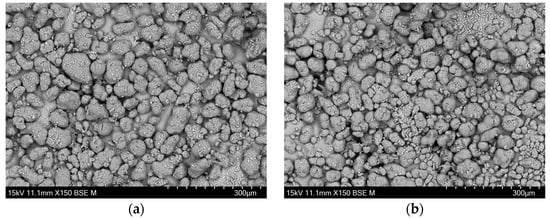
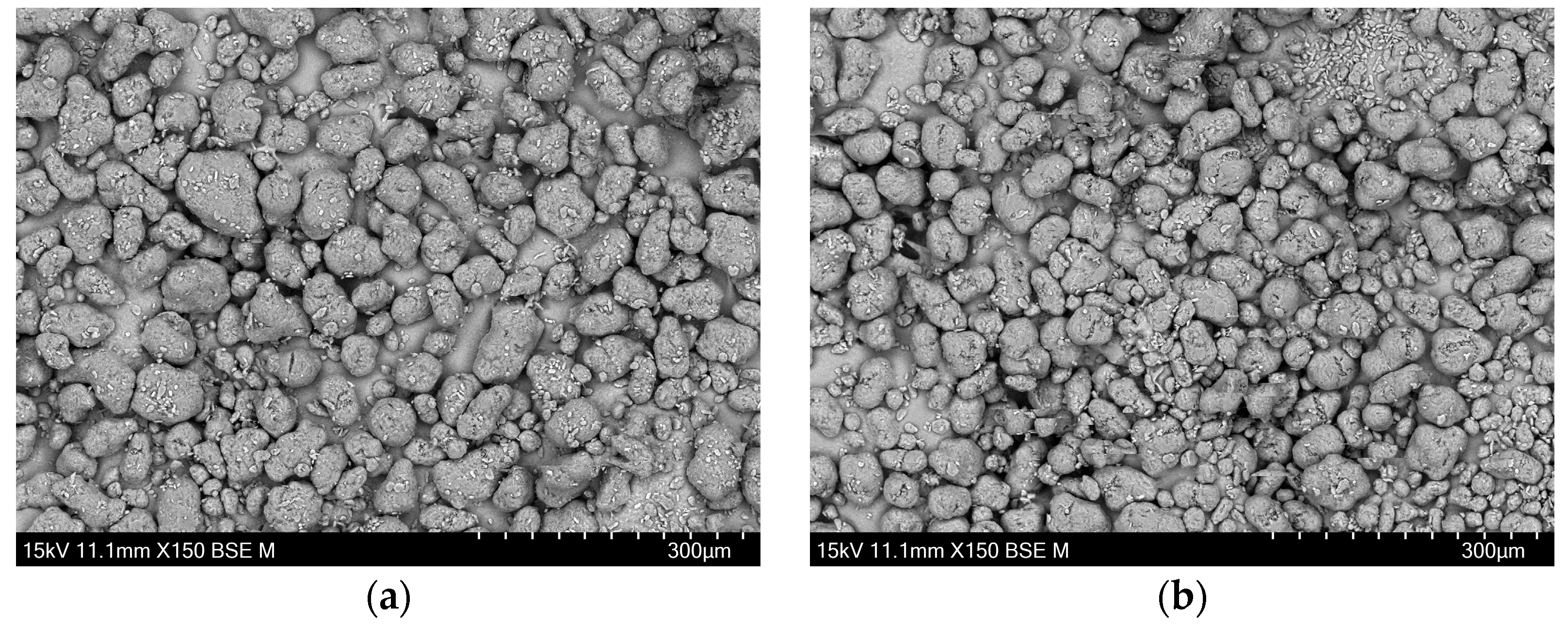
SEM images, presented in Figure 7, reveal that both powders present a typical irregular to sub-spherical particle morphology, with no evidence of complete melting or severe particle deformation. However, the discarded PA12 powder appears to exhibit slightly increased surface irregularity, although the magnification does not allow a definitive assessment.
Figure 7.
SEM image of (a) virgin powder and (b) SLS-rejected powder.
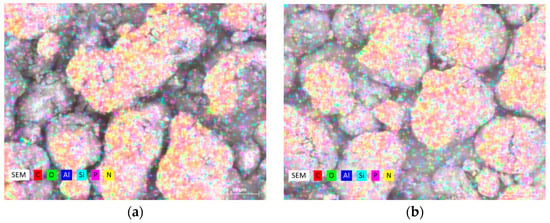
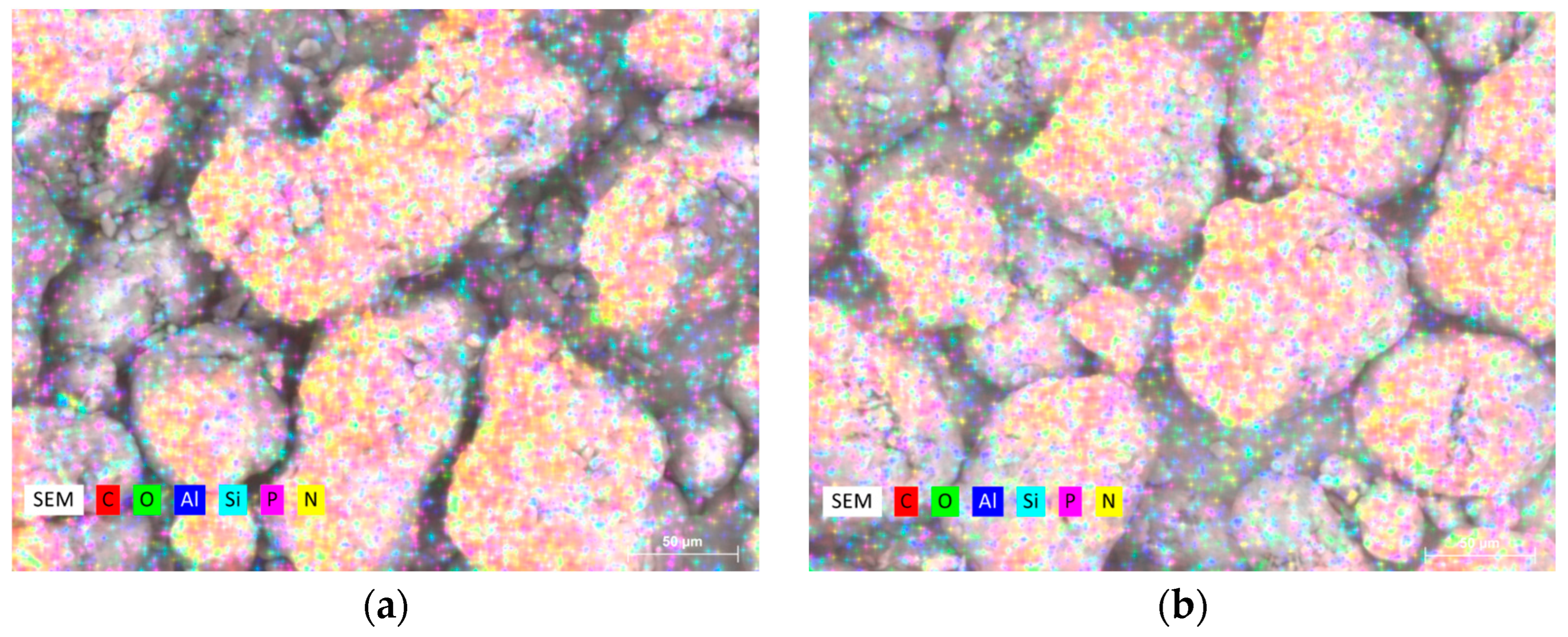
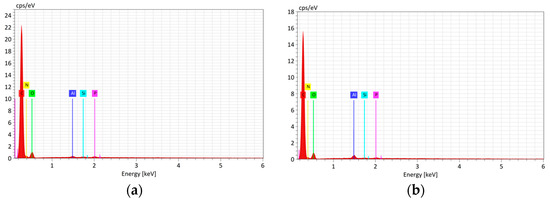
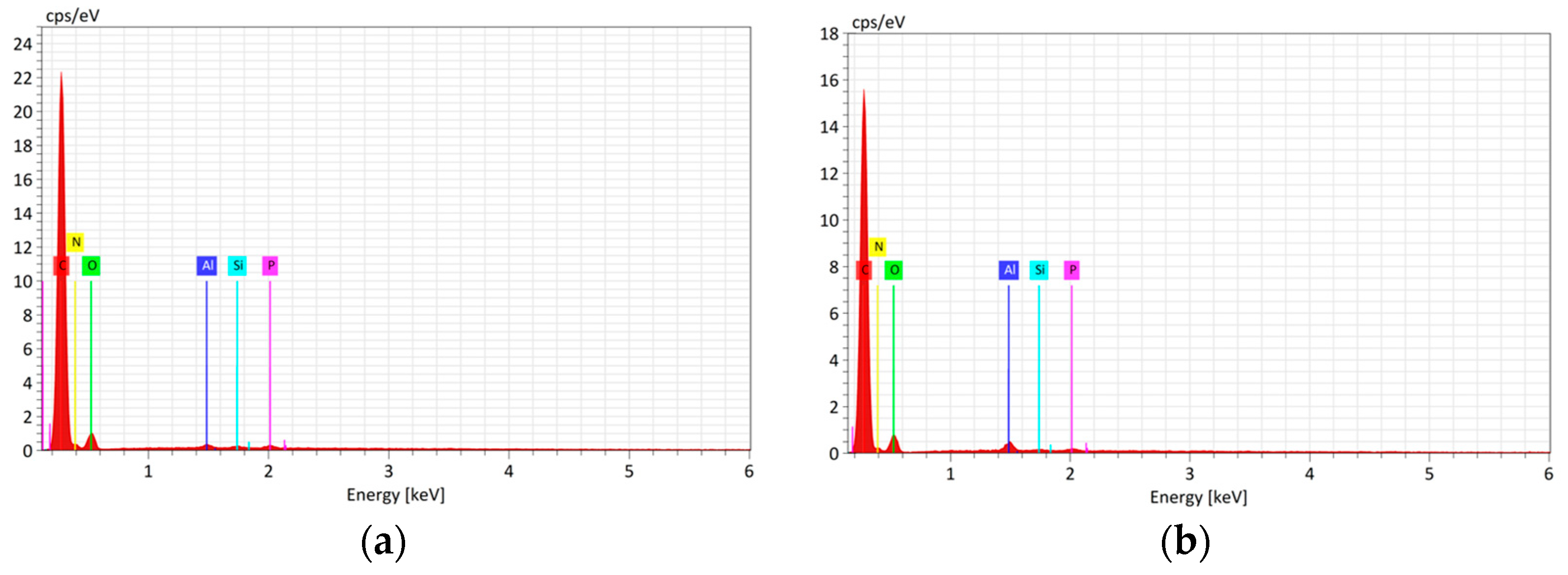
The EDS results, exhibited in Figure 8 and Figure 9, show that both materials are mainly composed of carbon (C), nitrogen (N), and oxygen (O), in agreement with the chemical structure of PA12. Minor amounts of aluminum (Al), silicon (Si), and phosphorus (P) are detected in both powders at levels below 1 wt.%, suggesting that these elements are not introduced by the reuse process. The non-sintered powder shows a slightly higher relative oxygen content, which may suggest limited surface oxidation, although this cannot be conclusively confirmed from EDS analysis alone.
Figure 8.
EDS image of (a) virgin powder and (b) SLS-rejected powder.
Figure 9.
EDS image of (a) virgin powder and (b) SLS-rejected powder.
Overall, the SEM/EDS results confirm that the reuse of PA12 powder does not lead to significant compositional changes or contamination. The observed differences are primarily morphological and superficial, supporting the DSC results that indicate only minor changes in crystallinity and thermal transitions, and the MFI results that point to molecular-level modifications affecting flowability rather than bulk chemical degradation.
3.2. Filament Analysis
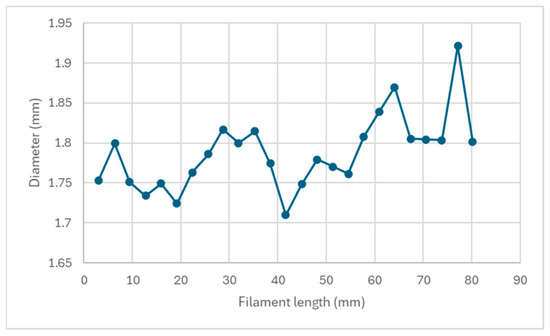
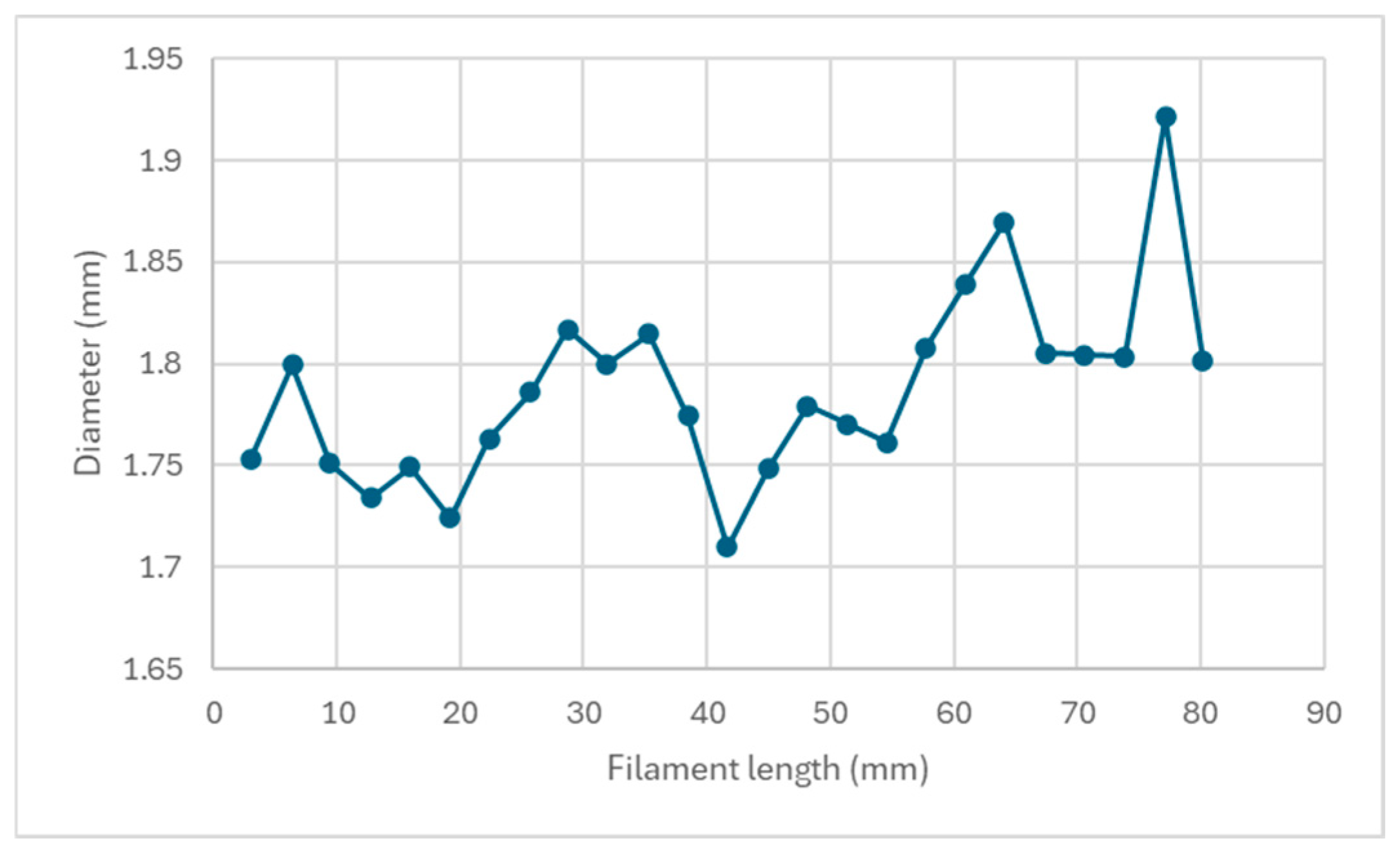
To ensure the manufacture of the specimens via FDM, the filament diameter produced was carefully measured with the Mitutoyo precision measurement instrument referred to above, along a 0.8 m stretch (Figure 10). The filament diameter had a mean value of 1.79 mm with a standard deviation of 0.05 mm (n = 25), ranging from 1.71 mm to 1.92 mm, and therefore was capable of being used in the Creality Ender 3 Direct Drive Extruder.
Figure 10.
Variation in the diameter of the filament measured along a stretch of 0.8 m.
3.3. Mechanical Properties
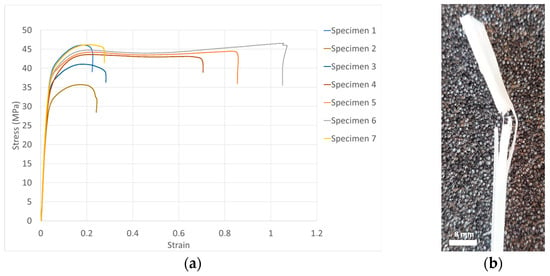
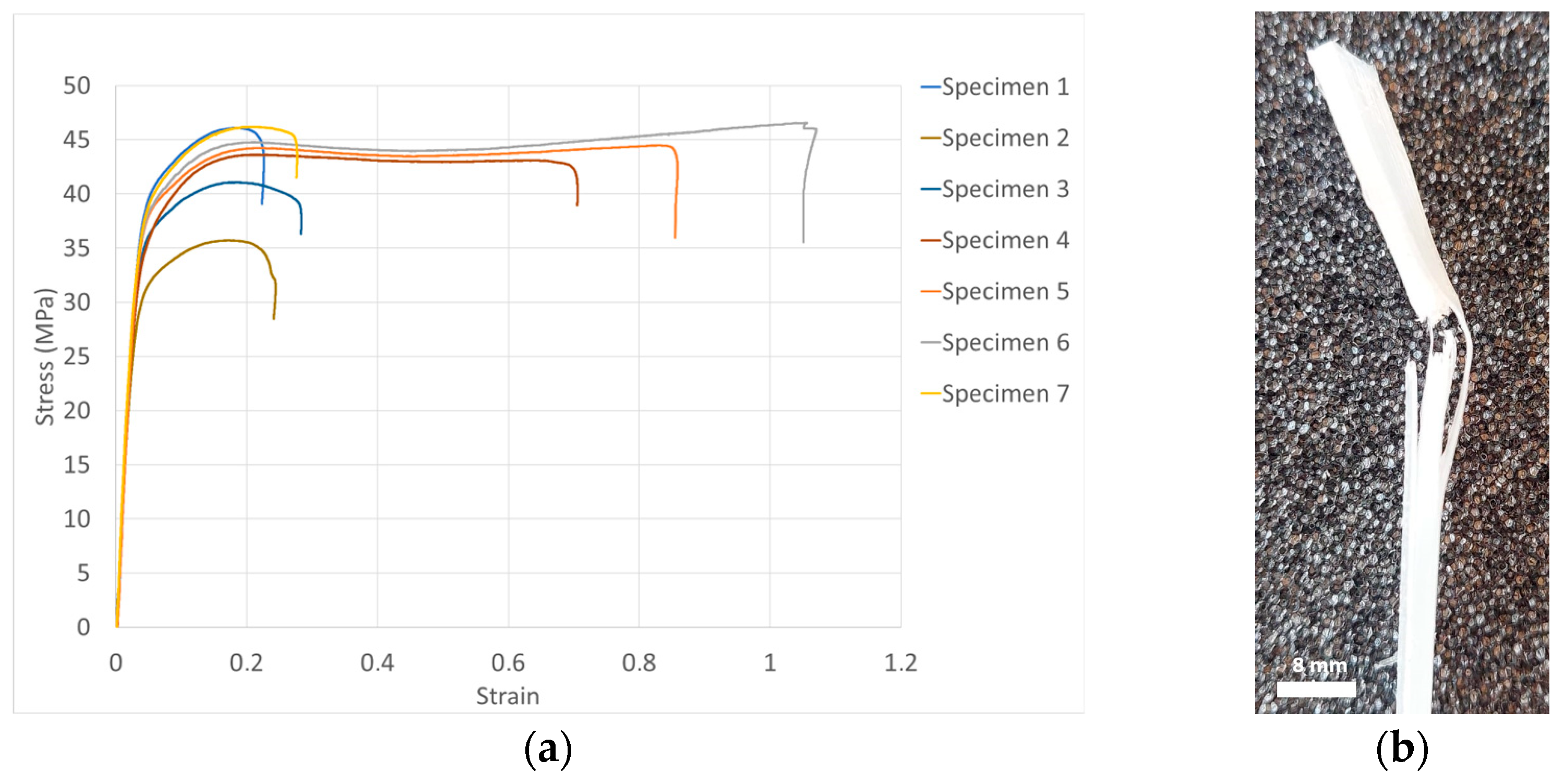
Figure 11 illustrates the tensile tests conducted on the specimens produced with non-sintered PA12 using FDM. While there is consistency in the elastic portion, the plastic portion, and especially the extent of rupture, varies considerably among the different tests. This disparity raises questions about the integrity of the printing process, suggesting non-uniform interlayer adhesion in the FDM specimens. Figure 11b illustrates a layer-by-layer fracture mode, in which failure occurs progressively rather than through a single catastrophic rupture. While the increased viscosity of the recycled PA12 may contribute to reduced wetting and bonding between adjacent layers, other factors are also likely involved. Local variations in cooling rate during deposition, together with the presence of small voids or incomplete fusion between filaments, can lead to heterogeneous stress transfer across layers. These combined effects promote premature interlayer failure and account for the significant scatter observed in the plastic deformation and fracture behavior of the printed specimens [22].
Figure 11.
(a) Stress–strain curve of non-sintered PA12 processed by FDM and (b) specimen made by FDM that broke layer by layer.
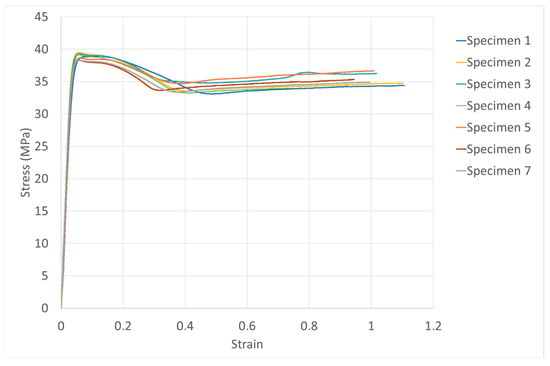
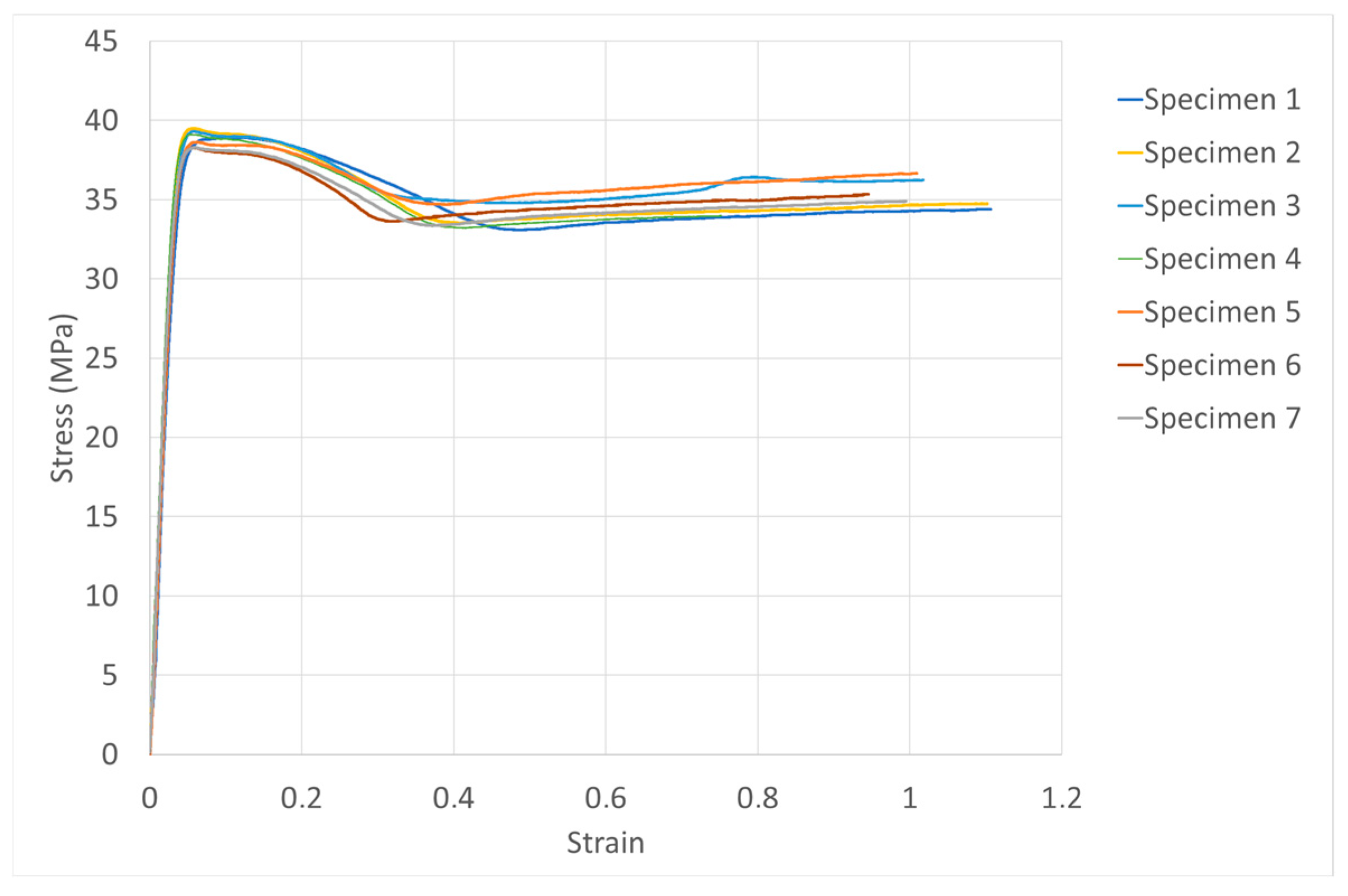
In contrast, the stress–strain curves of the specimens obtained by IM (Figure 12) exhibit remarkable repeatability. In this case, the stress increases considerably in the plastic phase of the curve before reaching the breaking point. This suggests that the maximum stress corresponds to the breaking stress.
Figure 12.
Stress–strain curve of non-sintered PA12 processed by IM.
The differences observed between the specimens produced by FDM and IM can be further explained by the nature of the manufacturing processes and the associated internal material defects. In FDM, the layer-by-layer deposition mechanism inherently promotes anisotropy and may introduce interlayer voids, incomplete fusion zones, and heterogeneous bonding, particularly when processing high-viscosity materials. These features act as stress concentrators and reduce the ability of the material to sustain large plastic deformation. In contrast, injection molding involves the pressure-driven consolidation of a fully molten material within a closed mold, leading to improved molecular interdiffusion, reduced porosity, and a more homogeneous internal structure. As a result, the IM specimens exhibit more reproducible stress–strain behavior and higher ductility compared to their FDM counterparts.
Table 4 summarizes the mechanical properties obtained via FDM and IM for non-sintered PA12. The Young’s modulus values obtained are in line with those reported in the literature (Table 5) for samples of virgin PA12 manufactured by these two technologies. This implies that the mechanical properties of non-sintered PA12 are comparable to those of virgin PA12, suggesting that non-sintered PA12 can be a viable alternative, particularly when processed by injection molding. Additionally, it suggests that non-sintered material can be recycled and reused in production, which is advantageous both economically and environmentally, as it reduces the need for virgin material and minimizes waste associated with non-sintered powder [4,5].
Table 4.
Mechanical properties of non-sintered PA12 specimens.
Table 5.
Young’s modulus of PA12 from literature.
When comparing the two manufacturing technologies of the samples, it is observed that the specimens obtained by FDM have a higher Young’s modulus compared to those obtained by IM, suggesting greater rigidity in the printed materials than in the molded ones. However, although the yield stress and yield strain are also higher for the specimens manufactured by FDM, the ultimate tensile stress and ultimate strain were lower. This suggests that, while materials manufactured by FDM exhibit higher initial stiffness, they may be more susceptible to failure under higher loads compared to materials produced by IM.
Although injection molding generally promotes a more homogeneous internal structure, the direct use of powder feedstock can affect the production of the specimen and, consequently, the properties of the material, as (i) the injection process may not fully melt the powder, leaving regions with poor adhesion between particles or even unfused regions; (ii) achieving uniform distribution of the melted powder in the mold cavity can be challenging, resulting in variations in density and material structure in the produced specimens [26]; and (iii) prolonged exposure of the powder to high temperatures during the injection process can lead to thermal degradation of the material, resulting in changes in mechanical properties, such as a reduction in Young’s modulus and tensile strength [27].
Overall, these results indicate that injection molding provides more reliable and consistent mechanical performance than FDM when processing rPA12.
4. Conclusions
This study aims to assess the feasibility of processing non-sintered SLS powder residue. Differential scanning calorimetry revealed that the melting and crystallization temperatures of the non-sintered PA12 showed no significant changes compared to the virgin PA12, allowing the non-sintered material to be processed under the same thermal conditions. This characteristic is advantageous in industrial applications as it eliminates the need for assembly line adjustments, reducing production costs and enabling simultaneous use of both the virgin and non-sintered material.
The melt flow index test revealed a 61% reduction in the flowability of the non-sintered PA12 (16 g/10 min) compared to the virgin material. This reduction may pose challenges in the selective laser sintering process, as the minimum viable limit to ensure part surface quality is 18 g/10 min. Therefore, it became crucial to explore alternatives for reprocessing non-sintered powder, thus avoiding its disposal in landfills.
In response to this challenge, alternatives for reprocessing non-sintered powder were evaluated, including the use of fused deposition modeling (FDM) and injection molding (IM). Regarding FDM, the increase in viscosity did not negatively affect the extrusion process, allowing to produce filament with a uniform diameter, essential for ensuring precision and consistency during FDM. However, using powder material in IM presented some challenges, primarily due to the material’s particle size, resulting in greater adhesion to the barrel walls and non-uniform powder fusion.
Tensile tests were conducted to evaluate the mechanical properties of the specimens produced by FDM and IM. The differences observed between the specimens produced by FDM and IM can be attributed not only to the processing conditions but also to the intrinsic nature of the two manufacturing techniques and the internal defects they may generate. The layer-by-layer deposition characteristic of FDM inherently promotes anisotropy and may lead to the formation of interlayer voids, incomplete fusion zones, and heterogeneous bonding, particularly when processing materials with reduced flowability. These process-induced features act as stress concentrators and limit the ability of the material to sustain large plastic deformation. In contrast, injection molding relies on pressure-assisted consolidation of a fully molten material within a closed mold, which promotes enhanced molecular interdiffusion, reduced porosity, and a more homogeneous internal structure. Consequently, the IM specimens exhibit more reproducible mechanical behavior and higher ductility compared to their FDM counterparts.
In summary, injection molding proved to be a reliable and consistent processing route for rPA12, yielding reproducible mechanical behavior and good ductility. In contrast, FDM processing showed significant variability and reduced ductility, mainly associated with interlayer bonding limitations and increased material viscosity. Therefore, while feasible, FDM requires further optimization before being considered a robust processing solution for rPA12. This approach is not only economically advantageous due to the cost of virgin raw material but also represents a sustainable solution, avoiding the improper disposal of this material in landfills.
Author Contributions
Conceptualization, A.P., J.C. and V.N.; methodology, I.P., C.G. and J.C.; validation, A.P. and V.N.; formal analysis, I.P.; investigation, I.P.; resources, A.P., J.C. and V.N.; data curation, C.G.; writing—original draft preparation, J.C.; writing—review and editing, A.P. and V.N.; supervision, A.P. and V.N.; project administration, V.N.; funding acquisition, V.N. All authors have read and agreed to the published version of the manuscript.
Funding
This work was supported by national funds from FCT—Fundação para a Ciência e a Tecnologia, I.P., for the project UID 00481/2025—Centre forMechanical Technology and Automation, https://doi.org/10.54499/UID/00481/2025.
Institutional Review Board Statement
Not applicable.
Data Availability Statement
The data presented in this study are available upon request from the corresponding author.
Acknowledgments
Tiago Gomes, Sofia Rocha, Ricardo Beja, and Mylene Cadete are gratefully acknowledged for their assistance with the extruder and printing process, the injection molding, the tensile tests, and the DSC and MFI experiments, respectively.
Conflicts of Interest
Authors Cátia Guarda, João Caseiro and Ana Pires were employed by the company Dimera Core Lda. The remaining authors declare that the research was conducted in the absence of any commercial or financial relationships that could be construed as a potential conflict of interest.
Abbreviations
The following abbreviations are used in this manuscript:
| AM | Additive Manufacturing |
| SLS | Selective Laser Sintering |
| PA12 | Polyamide 12 |
| FDM | Fused Deposition Modeling |
| IM | Injection Molding |
| 3D | Three-Dimensional |
| rPA12 | Recycled PA12 Powder |
| mCF | Milled Carbon Fiber |
| EAM | Extrusion-based Additive Manufacturing |
| FFF | Fused Filament Fabrication |
| MFI | Melt Flow Index |
| DSC | Differential scanning calorimetry |
References
- Tziantopoulos, K.; Tsolakis, N.; Vlachos, D.; Tsironis, L. Supply chain reconfiguration opportunities arising from additive manufacturing technologies in the digital era. Prod. Plan. Control. 2019, 30, 510–521. [Google Scholar] [CrossRef] [Scilit]
- Radhika, C.; Ragavanantham, S.; Monsuru, R.; Gnanavel, B.K. A review on additive manufacturing for aerospace application. Mater. Res. Express 2024, 11, 022001. [Google Scholar] [CrossRef] [Scilit]
- Javaid, M.; Haleem, A. Current status and challenges of Additive manufacturing in orthopaedics: An overview. J. Clin. Orthop. Trauma 2019, 10, 380–386. [Google Scholar] [CrossRef] [Scilit] [PubMed]
- Wang, L.; Kiziltas, A.; Mielewski, D.F.; Lee, E.C.; Gardner, D.J. Closed-loop recycling of polyamide12 powder from selective laser sintering into sustainable composites. J. Clean. Prod. 2018, 195, 765–772. [Google Scholar] [CrossRef] [Scilit]
- Kumar, S.; Czekanski, A. Development of filaments using selective laser sintering waste powder. J. Clean. Prod. 2017, 165, 1188–1196. [Google Scholar] [CrossRef] [Scilit]
- DePalma, K.; Walluk, M.; Murtaugh, A.; Hilton, J.; McConky, S.; Hilton, B. Assessment of 3D printing using fused deposition modeling and selective laser sintering for a circular economy. J. Clean. Prod. 2020, 264, 121567. [Google Scholar] [CrossRef] [Scilit]
- Gomes, P.C.; Piñeiro, O.G.; Alves, A.C.; Carneiro, O.S. On the Reuse of SLS Polyamide 12 Powder. Materials 2022, 15, 5486. [Google Scholar] [CrossRef] [Scilit]
- Pham, D.T.; Dotchev, K.D.; Yusoff, W.A.Y. Deterioration of polyamide powder properties in the laser sintering process. Proc. Inst. Mech. Eng. Part C 2008, 222, 2163–2176. [Google Scholar] [CrossRef] [Scilit]
- Yang, F.; Zobeiry, N.; Mamidala, R.; Chen, X. A review of aging, degradation, and reusability of PA12 powders in selective laser sintering additive manufacturing. Mater. Today Commun. 2023, 34, 105279. [Google Scholar] [CrossRef] [Scilit]
- Wudy, K.; Drummer, D.; Kuhnlein, F.; Drexler, M. Influence of degradation behavior of polyamide 12 powders in laser sintering process on produced parts. AIP Conf. Proc. 2014, 1593, 691–695. [Google Scholar] [CrossRef] [Scilit]
- Lopes, A.C.; Sampaio, Á.M.; Silva, C.S.; Pontes, A.J. Prediction of SLS parts properties using reprocessing powder. Rapid Prototyp. J. 2021, 27, 496–506. [Google Scholar] [CrossRef] [Scilit]
- Feng, L.; Wang, Y.; Wei, Q. PA12 Powder Recycled from SLS for FDM. Polymers 2019, 11, 727. [Google Scholar] [CrossRef] [Scilit]
- Uddin, M.; Williams, D.; Blencowe, A. Recycling of Selective Laser Sintering Waste Nylon Powders into Fused Filament Fabrication Parts Reinforced with Mg Particles. Polymers 2021, 13, 2046. [Google Scholar] [CrossRef] [Scilit]
- ASTM D3418-03; Standard Test Method for Transition Temperatures of Polymers by Thermal Analysis (DSC). ASTM International: West Conshohocken, PA, USA, 2003.
- ISO 527-2:2012; Plastics—Determination of Tensile Properties—Part 2: Test Conditions for Moulding and Extrusion Plastics. International Organization for Standardization: Geneva, Switzerland, 2012.
- ISO 527-1:2019; Plastics—Determination of Tensile Properties—Part 1: General Principles. International Organization for Standardization: Geneva, Switzerland, 2019.
- Bain, E.D.; Garboczi, E.J.; Seppala, J.E.; Parker, T.C.; Migler, K.B. AMB2018-04: Benchmark Physical Property Measurements for Powder Bed Fusion Additive Manufacturing of Polyamide 12. Integr. Mater. Manuf. Innov. 2019, 8, 335–361. [Google Scholar] [CrossRef] [Scilit] [PubMed]
- Vasquez, G.M.; Majewski, C.E.; Haworth, B.; Hopkinson, N. A targeted material selection process for polymers in laser sintering. Addit. Manuf. 2014, 1, 127–138. [Google Scholar] [CrossRef] [Scilit]
- Schmid, M.; Amado, F.; Levy, G.; Wegener, K. Flowability of powders for selective laser sintering (SLS) investigated by round robin test. In High Value Manufacturing: Proceedings of the 6th International Conference on Advanced Research in Virtual and Rapid Prototyping; Taylor & Francis: Leiria, Portugal, 2013. [Google Scholar]
- Connor, H.J.O.; Dowling, D.P. Comparison between the properties of polyamide 12 and glass bead filled polyamide 12 using the multi jet fusion printing process. Addit. Manuf. 2020, 31, 100961. [Google Scholar] [CrossRef] [Scilit]
- Vohlídal, J. Polymer degradation: A short review. Chem. Teach. Int. 2020, 3, 213–220. [Google Scholar] [CrossRef] [Scilit]
- Syrlybayev, D.; Zharylkassyn, B.; Seisekulova, A.; Akhmetov, M.; Perveen, A.; Talamona, D. Optimisation of Strength Properties of FDM Printed Parts—A Critical Review. Polymers 2021, 13, 1587. [Google Scholar] [CrossRef] [Scilit]
- Rahim, T.N.A.T.; Abdullah, A.M.; Akil, H.M.; Mohamad, D. Comparison of mechanical properties for polyamide 12 composite-based biomaterials fabricated by fused filament fabrication and injection molding. AIP Conf. Proc. 2016, 1791, 020007. [Google Scholar] [CrossRef] [Scilit]
- Knoop, F.; Schoeppner, V. Mechanical and thermal properties of FDM parts manufactured with polyamide 12. In 2015 International Solid Freeform Fabrication Symposium; University of Texas at Austin: Austin, TX, USA, 2015; pp. 935–948. [Google Scholar]
- Wörz, A.; Wudy, K.; Drummer, D.; Wegner, A.; Witt, G. Comparison of long-term properties of laser sintered and injection molded polyamide 12 parts. J. Polym. 2018, 38, 573–582. [Google Scholar] [CrossRef] [Scilit]
- Momeni, V.; Hufnagl, M.; Shahroodi, Z.; Gonzalez-Gutierrez, J.; Schuschnigg, S.; Kukla, C.; Holzer, C. Research Progress on Low-Pressure Powder Injection Molding. Materials 2023, 16, 379. [Google Scholar] [CrossRef] [Scilit]
- Hidalgo, J.; Jiménez-Morales, A.; Torralba, J. Thermal stability and degradation kinetics of feedstocks for powder injection moulding—A new way to determine optimal solid loading? Polym. Degrad. Stab. 2013, 98, 1188–1195. [Google Scholar] [CrossRef] [Scilit]

Disclaimer/Publisher’s Note: The statements, opinions and data contained in all publications are solely those of the individual author(s) and contributor(s) and not of MDPI and/or the editor(s). MDPI and/or the editor(s) disclaim responsibility for any injury to people or property resulting from any ideas, methods, instructions or products referred to in the content. |
© 2026 by the authors. Licensee MDPI, Basel, Switzerland. This article is an open access article distributed under the terms and conditions of the Creative Commons Attribution (CC BY) license.