


Abstract
This study reports the synthesis and evaluation of diclofenac-derived organotin(IV) complexes as photostabilizing additives for poly(vinyl chloride) (PVC). Diclofenac was selected as a ligand due to its aromatic structure and heteroatom-rich framework, enabling the formation of stable tin-based complexes with potential UV-absorbing and radical-scavenging properties. The synthesized di- and tri-organotin complexes were incorporated into PVC films at 0.5 wt.% and exposed to UV irradiation (365 nm) for up to 300 h to assess their stabilizing efficiency. Photodegradation was monitored by tracking changes in carbonyl, polyene, and hydroxyl indices, as well as weight loss and surface deterioration. Compared with blank PVC and ligand-containing films, the organotin-modified samples exhibited significantly slower growth of degradation indices, reduced mass loss, and improved surface integrity after irradiation. Among the evaluated additives, the tributyltin complex demonstrated the highest photostabilizing performance, showing superior retention of chlorine content and lower surface roughness parameters. Overall, the results indicate that diclofenac-based organotin(IV) complexes are effective photostabilizers for PVC, with the tributyltin derivative emerging as the most promising candidate for enhancing the durability of PVC materials under UV exposure.
1. Introduction
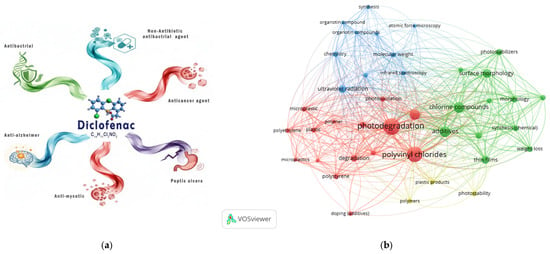
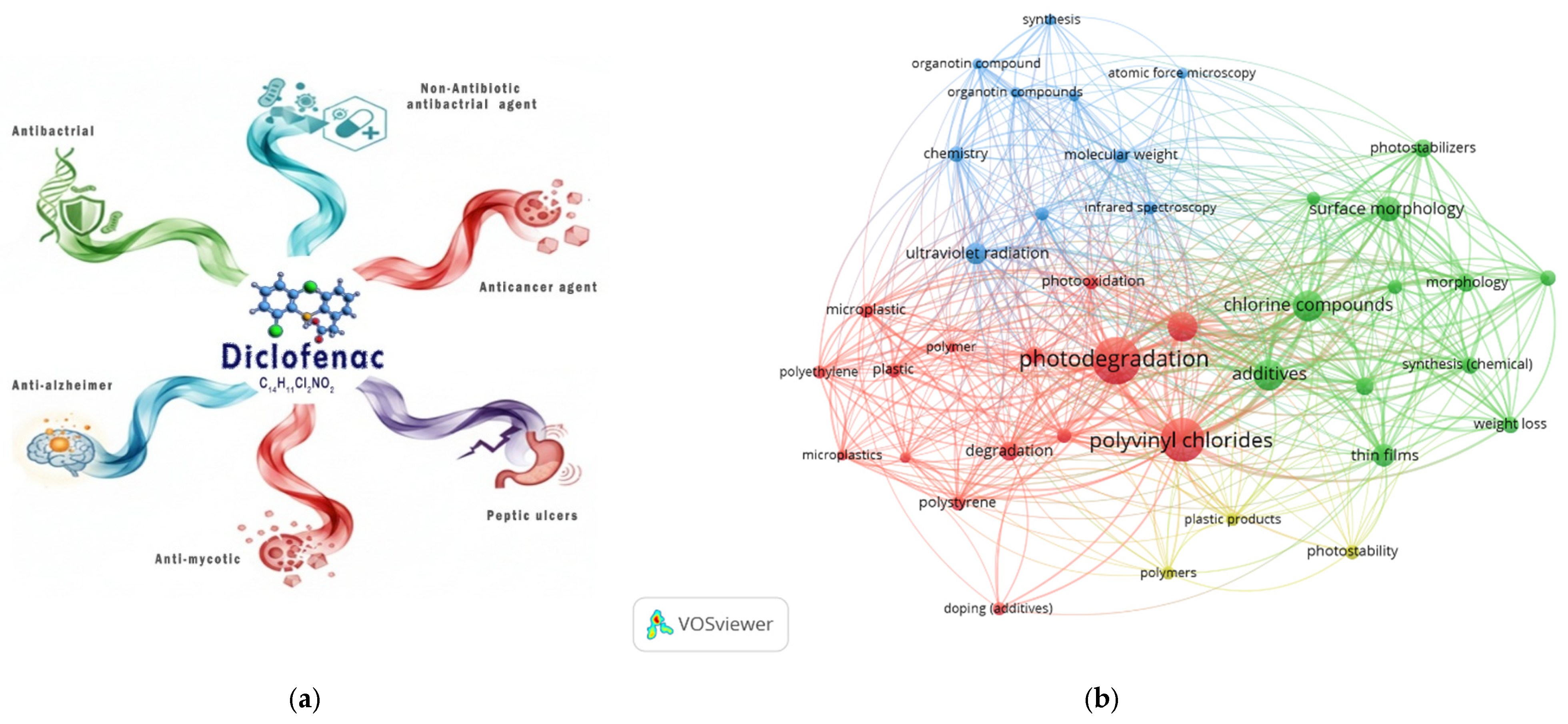
Diclofenac is reported to have anti-bacterial and anti-mycotic properties [1]. It is a powerful non-antibiotic antibacterial agent that inhibits both Gram-positive and Gram-negative bacteria and exhibits synergism with various antibiotics [2]. While diclofenac has promising prospects as an anticancer agent and in the treatment of other health conditions, the negative effects of diclofenac are a drawback in its use. For example, a recent study showed that using diclofenac as an adjuvant to curcumin can enhance its anti-Alzheimer benefits in rats [1]. A few studies showed a substantial reduction in the risk of peptic ulcers when proton pump inhibitors and diclofenac were used in combination therapy [3]; Figure 1a shows the health activities of Diclofenac.
Figure 1.
(a) The actions of diclofenac and (b) a diagram of publications on PVC degradation and additives.
In recent decades, organometallic chemistry has become an essential discipline in commercial, medical, and academic research [4]. This prominence underscores the essential role of organometallic compounds as intermediates in chemical synthesis and as precursors for many medicinal and technologically important materials [5]. These compounds exhibit structural variety and, in numerous instances, significant chemical reactivity [6]. Moreover, organometallic catalysts have markedly enhanced synthetic efficiency, enabling the synthesis of organic molecules with higher yields and reduced waste [7].
Polyvinyl chloride (PVC) is an economical polymer that may be easily produced in various forms [8]. Rigid PVC is frequently utilized in building and plumbing, whereas flexible PVC is employed in items like clothing and upholstery. Nonetheless, despite these benefits, PVC is linked to environmental and health issues. Disposal is often achieved by incineration, which can generate harmful by-products, or by landfilling as part of municipal solid waste [9,10]. Additives may act as plasticizers, UV absorbents, blowing agents, stabilizers, lubricants, fillers, flame retardants, softeners, colorants, and crosslinking agents. UV stabilizers are capable of reducing the rate of photo-oxidation. The selection of additives is influenced by several aspects, including the intended stability, color, compatibility with volatility, and cost. Moreover, they are required to possess the capacity to absorb or deflect ultraviolet (UV) radiation and convert it into heat or harmless rays at a moderate rate. Recent research has focused on developing plasticized PVC materials with enhanced durability for outdoor use [11]. Plastic formulations typically include several types of additives, such as pigments, plasticizers, flame retardants, and stabilizing agents. To be practically applicable, these additives should be cost-effective, easy to incorporate, and highly efficient at low loading levels while preserving the inherent physical properties of the polymer, particularly its color. Environmental compatibility is also a critical requirement for modern plastic additives [12]. Ideally, these materials should exhibit strong chemical stability, low volatility, and uniform dispersion throughout the polymer matrix. Additives may be introduced into the polymer in various physical forms, including powders, flakes, beads, and spheres [13,14]. Their function is to mitigate light-induced degradation processes by serving as UV absorbers, energy dissipaters, radical inhibitors, and antioxidant agents [15]. Figure 1b shows a general diagram regarding the publications that were indexed in Scopus when searching for the words “PVC”, “photodegradation”, and “additives” in the fields “Article title, Abstract, Keywords”.
Diclofenac is known to undergo photochemical reactions in solution, including excited-state decarboxylation, cyclization to carbazole derivatives, and the formation of reactive oxygen species through both Type I (radical-mediated) and Type II (singlet oxygen) pathways under aerobic conditions [16]. However, these processes are typically observed in solution systems where molecular mobility and oxygen availability are relatively high. In the present work, diclofenac is coordinated to a Sn(IV) center and dispersed at low concentration within a solid PVC matrix. Coordination to the metal center and restricted mobility within the polymer environment can significantly modify the ligand’s photochemical behavior [17]. Therefore, diclofenac–organotin complexes are expected to behave differently from free diclofenac in solution and may instead contribute to the stabilization of PVC during UV irradiation [18].
In our study, we report the synthesis of a series of diclofenac-based tin complexes and present a detailed account of their preparation. Nevertheless, additional investigations are needed to elucidate their structure–activity relationships and to refine their molecular design to improve stabilizing performance. Accordingly, several organotin(IV) complexes synthesized from diclofenac were characterized to evaluate their efficacy in protecting PVC against irradiation-induced degradation. Diclofenac exhibited substantial stability in the solid state. The aromatic framework and significant heteroatom content of the tin complexes indicate their strong potential as efficient stabilizing agents capable of suppressing PVC photodegradation.
2. Materials and Methods
2.1. Chemicals and Devices
Diclofenac sodium, dibutyltin dichloride, tributyltin chloride, and other organotin precursors were purchased from Sigma–Aldrich (Darmstadt, Germany) and used as received with a purity of ≥98%. Solvents such as tetrahydrofuran (THF), methanol, and chloroform were obtained from Merck (Darmstadt, Germany) and used without further purification. The thickness of the films was controlled during the solution casting process and measured using a vernier caliper instrument at several different points across the film surface. The identification of the produced compounds was conducted utilizing multiple spectroscopic techniques. Initial characterization was conducted using Fourier transform infrared (FTIR) spectroscopy with a Shimadzu 8300 FTIR spectrophotometer (Kyoto, Japan). Additional investigation was performed by obtaining 1H and 13C NMR spectra in DMSO-d6, using TMS as the reference standard on a Bruker DRX300 spectrometer (Bruker, Karlsruhe, Germany). Complementary NMR measurements, comprising 119Sn NMR spectra at 107 MHz, were conducted utilizing Varian INOVA (Varian Inc., Palo Alto, CA, USA) and Bruker DRX devices. NMR samples, consisting of 20 mg of the substance dissolved in 2 mL of Dimethyl sulfoxide (DMSO) at room temperature, were prepared and analyzed using 400 MHz 1H and 13C NMR, and 107 MHz 119Sn NMR. The Brunauer–Emmett–Teller (BET) method has been utilized to determine the specific surface area of the solids. Nitrogen adsorption and desorption measurements were performed using a Quantachrome analyzer to evaluate the samples’ textural properties. Before analysis, the samples were degassed at 200 °C for 5 h under anhydrous nitrogen. Pore size distributions were calculated according to the Barrett–Joyner–Halenda (BJH) model, while total pore volumes were determined at a relative pressure (P/Pº) of 0.98. Surface morphology was examined by field-emission scanning electron microscopy (FESEM) using a Zeiss device operated at 25 kV. Atomic force microscopy (AFM) imaging was performed with a Veeco system.
2.2. Synthesis of Complexes
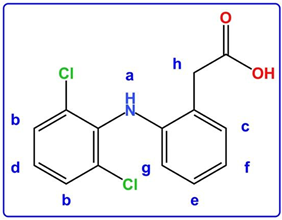
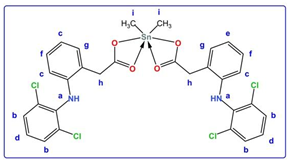
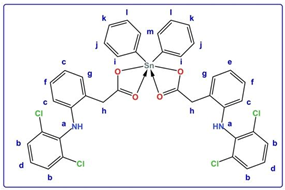
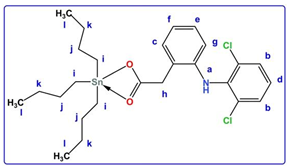
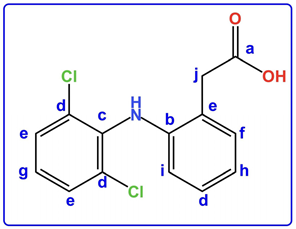
The following sections show the preparation methods of the complexes and films. Here, we would like to mention that the ligand was numbered as 1, while the produced complexes were numbered as 2, 3, and 4.
2.2.1. Synthesis of Complexes 2 and 3
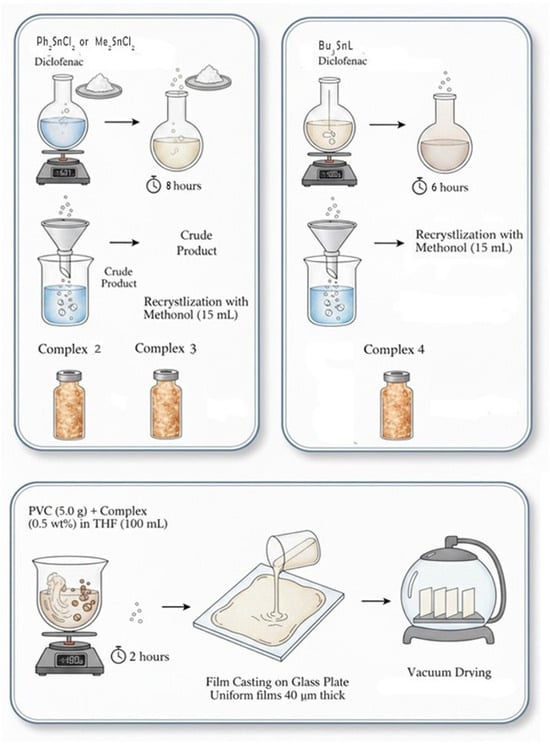
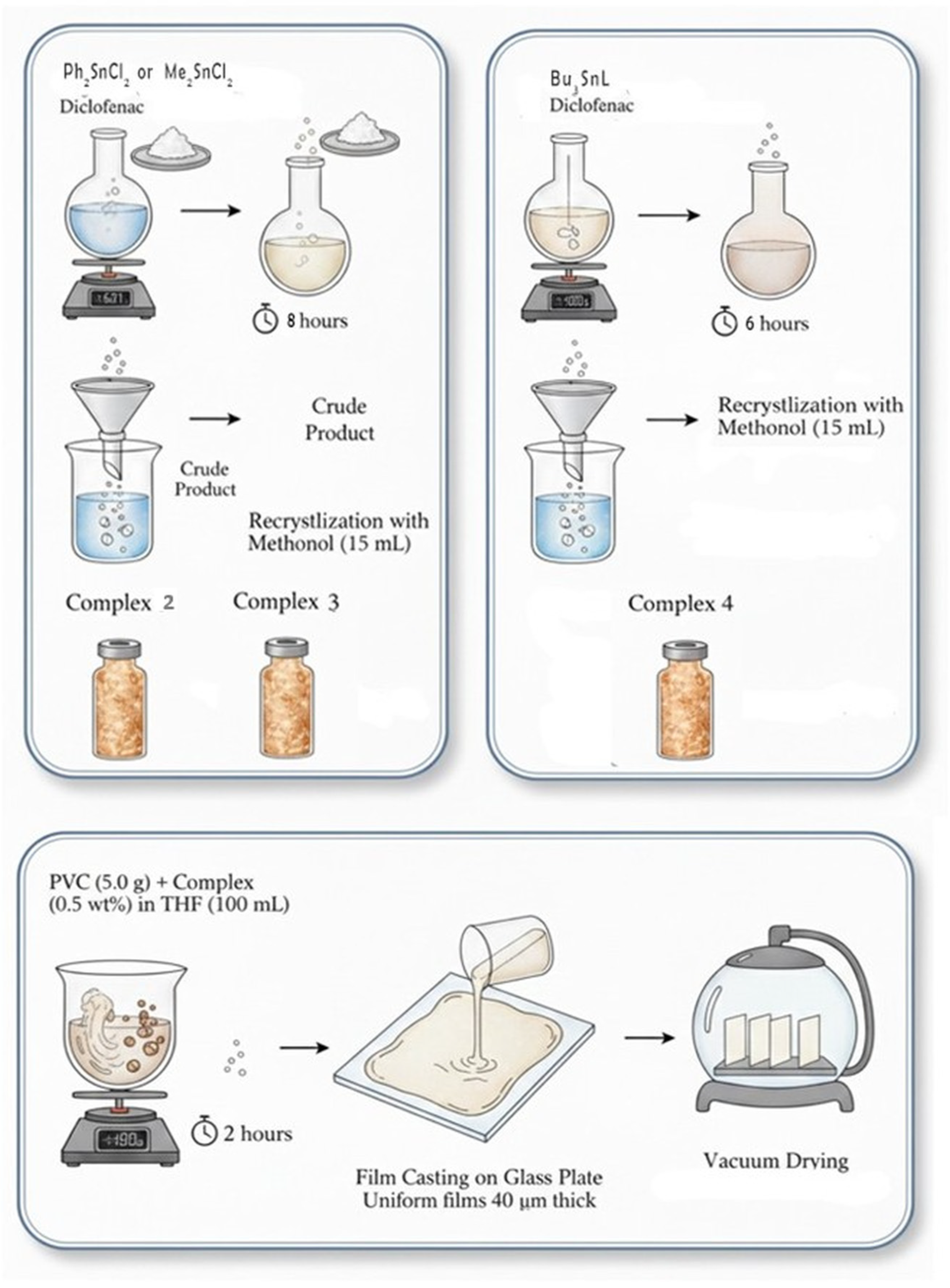
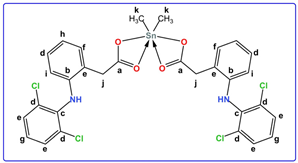
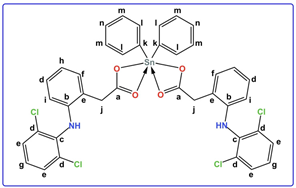
A suitable amount of diclofenac (0.592 g, 2.0 mmol) was reacted with either diphenyltin dichloride (Ph2SnCl2; 0.343 g, 1.0 mmol) or dimethyltin dichloride (Me2SnCl2; 0.219 g, 1.0 mmol) in boiling methanol (30 mL). The resultant solution was sustained under reflux with constant agitation for 8 h. After cooling to room temperature, the reaction mixture was filtered, and the crude solid was refined by recrystallization from 15 mL of methanol, leading to the formation of the target organotin complexes (complexes 2 and 3).
2.2.2. Synthesis of Complex 4
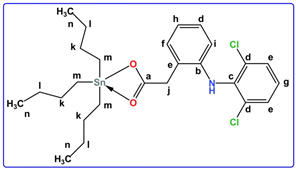
Tributyltin chloride (Bu3SnCl; 0.325 g, 1.0 mmol) was reacted with diclofenac (0.296 g, 1.0 mmol) in 30 mL of boiling methanol under continuous stirring for 6 h. The reaction mixture was subsequently allowed to cool to ambient temperature and filtered to isolate the crude solid. Purification by recrystallization from methanol (15 mL) yielded the target organotin complex (complex 4).
2.3. Manufacturing of PVC Films
A total of 5.0 g of PVC was combined with 0.5 wt.% of the complexes and dissolved in 100 mL of tetrahydrofuran under continuous stirring at room temperature for 2 h to achieve homogeneity. The homogenous solution was then applied to glass substrates to create uniform films with an average thickness of 40 µm. The films were subsequently vacuum-dried to remove residual solvent before characterization. Figure 2 shows a diagram for the preparation procedure of the complexes (2 and 3) and the preparation of the films (4).
Figure 2.
The preparation procedure of the complexes (2 and 3) and the preparation of the films (4).
2.4. Examination of PVC Photodegradation via the Weight Loss Method
By estimating the polymer’s weight loss during irradiation in the presence of stabilizers, the photo-stability of PVC was also investigated. Equation (1) was thus used to compute weight loss [16].
where W0 represents the PVC weight before irradiation and Wt is the weight following radiation.
2.5. Examination of PVC Photodegradation via FTIR
FTIR spectroscopy was employed to study the photodegradation of the polymer films by tracking the development of carbonyl (C=O) and alkene (C=C) functional groups. The functional group index (Is) corresponding to these groups was determined using Equation (2) [17].
Here, Ar is the absorbance’s standard peak, and As is the one for the functional group.
3. Results and Discussion
3.1. The Complexes Preparation and Physical Properties
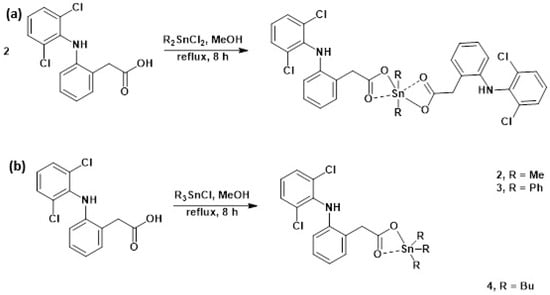
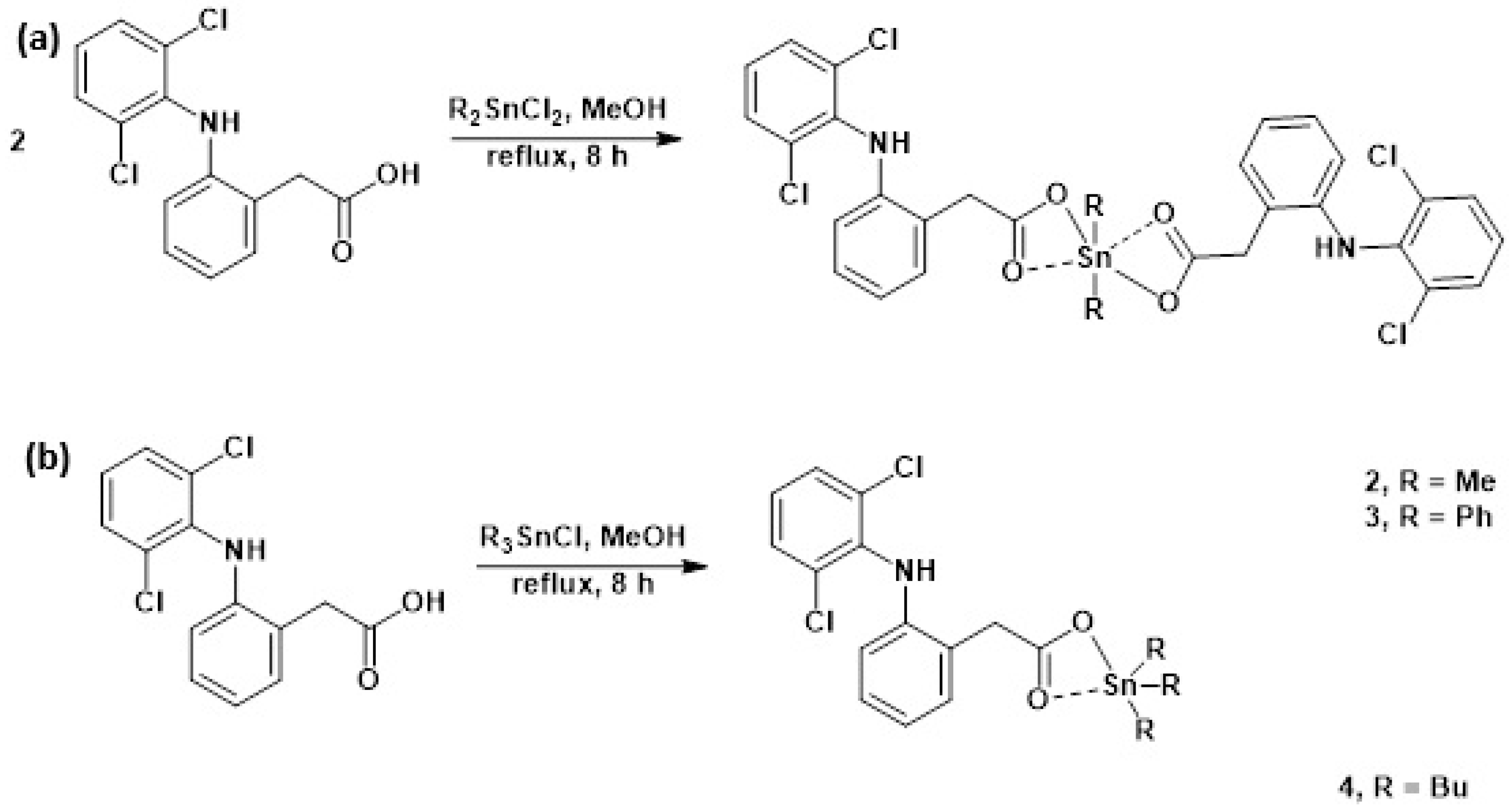
With an off-white color, diclofenac–tin complexes (2, 3, and 4) were synthesized with favorable yields as illustrated in Scheme 1. Two diorganotin complexes were synthesized by reacting two moles of diclofenac with one mole of diorganotin dichlorides (dimethyltin dichloride and diphenyltin dichloride), while a triorganotin complex was produced by mixing one mole of diclofenac with one mole of tributyltin chloride. In each instance, the diclofenac molecules substituted the chlorine atoms in the tin precursors. The comprehensive synthesis pathways for organotin(IV) complexes 2–4 are delineated in Scheme 1.
Scheme 1.
Synthesis of organotin(IV) complexes: (a) for 2 and 3 and (b) for 4.
The ligand and the obtained complexes were tested using FTIR, 1H NMR, 13C NMR, and 119Sn NMR spectroscopy. Selected physical properties for the organotin complexes 2–4 are listed in Table 1.
Table 1.
The physical properties of organotin complexes.
3.2. Characterization of Synthesized Complexes by FTIR
The FTIR spectra of pure diclofenac ligand (L) and synthesized organotin(IV) complexes (Me2SnL2, Ph2SnL2, and Bu3SnL) demonstrate clear and reasonable changes that indicate coordination of L to Sn by carboxylate oxygen atoms with stability of the organotin alkyl/aryl groups. The ligand shows a broad NH and OH stretching band at 3386 cm−1, aromatic and aliphatic C–H stretches at 3078 cm−1 and 2972 cm−1, and strong carboxylate absorptions at 1573 cm−1 and 1398 cm−1 that belong to asym and sym COO−, respectively. After complexation, the NH band became sharper with slight shifts 3352–3485 cm−1, indicating that the amino group is not directly involved in bonding [19].
On the other hand, remarkable changes are observed in the carboxylate region, where the Δν (νasym − νsym) values for the complexes (ranging from 152 to 199 cm−1) differ from those of the free ligand. This confirms that coordination happens through the oxygen atoms of the carboxylate group. The synthesized complex Me2SnL2 shows a strong band at 1739 cm−1, which may indicate partial retention of a free carbonyl group or mixed coordination modes. New absorptions in the 667–617 cm−1 and 520–451 cm−1 regions are assigned to ν(Sn–C) and ν(Sn–O) vibrations, confirming the formation of Sn–O bonds and retention of Sn–C linkages from the organotin precursors. The C–O stretching band of the ligand (1284 cm−1) shifts to higher frequencies (1296–1305 cm−1) upon coordination, while the C–Cl and aromatic C–H bands remain largely unchanged. This suggests that the aromatic system and chloro substituents are not affected. The FTIR spectra of the other complexes changed correspondingly; this supports the proposed coordination of diclofenac to the tin center via carboxylate oxygen atoms, forming stable organotin(IV) complexes (Ph2SnL2 and Bu3SnL) with varying carboxylate binding modes depending on the organic substituents attached to the tin atom. Table 2 summarizes the FTIR data of ligand and synthesized complexes (Me2SnL2, Ph2SnL2, and Bu3SnL). All FTIR spectra are provided in the Supplementary Materials [20].
Table 2.
The FTIR data for diclofenac–tin complexes.
3.3. Characterization of Synthesized Complexes by 1H NMR
The 1H NMR technique was also utilized to confirm the chemical structure of the synthesized complexes. Thus, the spectra of ligand (L) and synthesized organotin(IV) complexes further confirm the successful coordination of diclofenac to the tin center. For pure ligand, the characteristic singlet at δ 10.32 ppm corresponds to the NH proton, while aromatic protons appear between δ 7.50–6.24 ppm and the aliphatic CH2 group at δ 3.50 ppm. While after forming the complexes, the NH signals broaden and shift slightly downfield (δ 8.28–11.48 ppm), which indicates the involvement of the carboxylate group in coordination and changes in the electronic environment around the amine. The aromatic region (δ 7.55–6.25 ppm) becomes more complex due to the increased number of aromatic protons from both the ligand and the organotin substituents, which is particularly evident in Ph2SnL2, where the phenyl protons of the tin moiety overlap with the ligand signals. Hence, the aliphatic CH2 group of the ligand observed at δ 3.50 ppm as a multiplet peak in the range δ 3.87–3.18 ppm in all complexes. This is due to the coordination of the ligand to Sn, which induced deshielding. Additional signals at δ 0.86–0.66 ppm in Me2SnL2 and δ 0.90–0.50 ppm in Bu3SnL are attributed to the methyl and butyl protons attached to the tin atom, confirming the presence of the organotin substituents. The existence of the NH proton signal in all complexes confirms that the nitrogen does not participate directly in bonding, as this result is consistent with the FTIR findings. Table 3 presents the 1H NMR data of the ligand and the prepared complexes (Me2SnL2, Ph2SnL2, and Bu3SnL). All 1H NMR spectra are provided in the Supporting File in Figure S2.
Table 3.
1H-NMR spectral data for ligand and tin complexes.
3.4. Characterization of Synthesized Complexes by 13C NMR
The 13C NMR spectra of ligand and synthesized tin complexes (Me2SnL2, Ph2SnL2, and Bu3SnL) demonstrated the chemical structure of the synthesized materials. This gives further confirmation of complex formation and coordination through the carboxylate group. In the spectrum of the free ligand, the carbonyl carbon of the carboxylic group appears at δ 175.51 ppm, while the aromatic carbons resonate between δ 143.32–115.46 ppm, and the aliphatic CH2 carbons appear at δ 44.57 and 39.45 ppm. Upon coordination to tin, the carbonyl signal shifts slightly upfield to δ 171.85–175.17 ppm in the complexes, reflecting a change in electron density around the carboxylate carbon due to coordination with the tin center. The aromatic carbons show minor chemical shift variations, ranging from 142 ppm to 115 ppm. This is compared with the free ligand, indicating that the aromatic ring remains largely unaffected by coordination.
The aliphatic CH2 carbons experience downfield shifts (δ 36.94–51.91 ppm), consistent with their proximity to the coordinated carboxylate group. In Ph2SnL2, the number of peaks resonating in the aromatic region between 129.13 ppm and 127.71 ppm arises from the phenyl groups attached to the tin atom. Thus, in Bu3SnL, new signals at the aliphatic region appear between 27.70 ppm and 13.67 ppm and are assigned to the methylene and methyl carbons of the butyl substituents. The absence of any significant new signals or major splitting patterns confirms the integration of the ligand framework upon structural coordination. The observed carbonyl shift, along with the appearance of organotin substituent resonances, is clear evidence of the formation of organotin(IV) complexes in which the diclofenac ligand coordinates to the tin atom through the carboxylate oxygen atoms. Table 4 shows the 13C-NMR spectral data for ligand and metal complexes, and Figure S3 shows the spectra.
Table 4.
13C-NMR spectral data for ligand and metal complexes.
119Sn NMR spectroscopy was utilized to characterize the synthesized organotin (IV) complexes and to gain insight into the coordination environment of the tin atoms. As shown in the corresponding figures, distinct resonance signals were observed for Ph2SnL2 (−508.58 ppm), Bu3SnL (−546.78 ppm), and Me2SnL2 (−574.03 ppm). The pronounced differences in these chemical shifts highlight the strong dependence of 119Sn NMR signals on the nature of the bonding and the coordination environment surrounding the tin centers. The 119Sn NMR spectra of Me2SnL2, Ph2SnL2, and Bu3SnL are shown in Figure S4a, b and c, respectively.
3.5. Monitoring the PVC Films Photodegradation by FTIR Spectroscopy
PVC films, measuring 40 µm in thickness, were subjected to UV radiation at a peak wavelength of 365 nm and a light intensity of 6.43 × 10⁻⁹ ein·dm−3·s−1 for durations up to 300 h. The alterations in the chemical structure of the films were examined via FTIR spectroscopy within the range of 400–4000 cm−1. Photostability was assessed by comparing the relative intensities of the polyene (1602 cm−1), carbonyl (1722 cm−1), and hydroxyl (3500 cm−1) bands with that of a reference peak at 1328 cm−1 across varying irradiation durations. Figure S1a depicts the FTIR spectra of the unmodified PVC film prior to and subsequent to 300 h of UV exposure, and Figure S1b–e are the FTIR spectra of the ligand, Me2SnL2, Ph2SnL2, and Bu3SnL, respectively.
3.6. Carbonyl, Polyene, and Hydroxy Functional Groups Indices
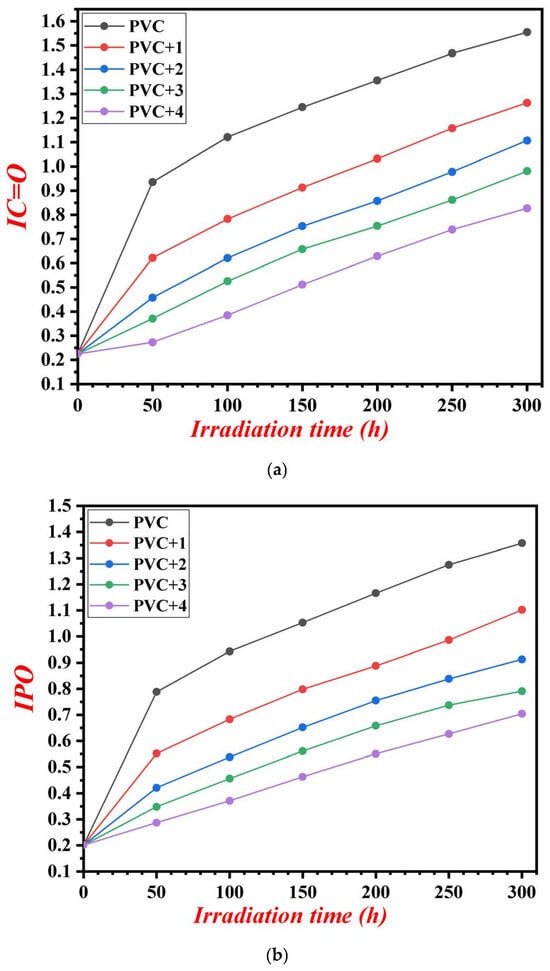
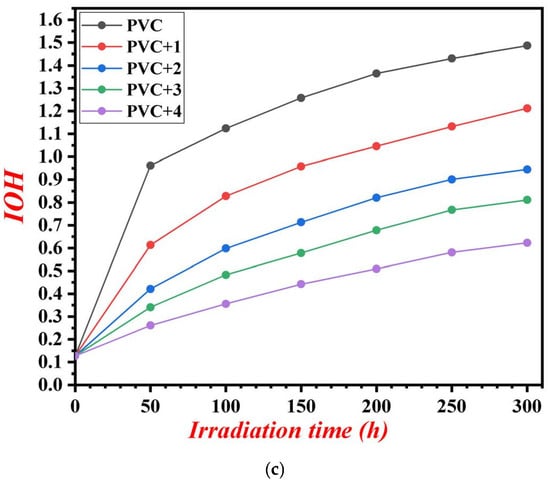
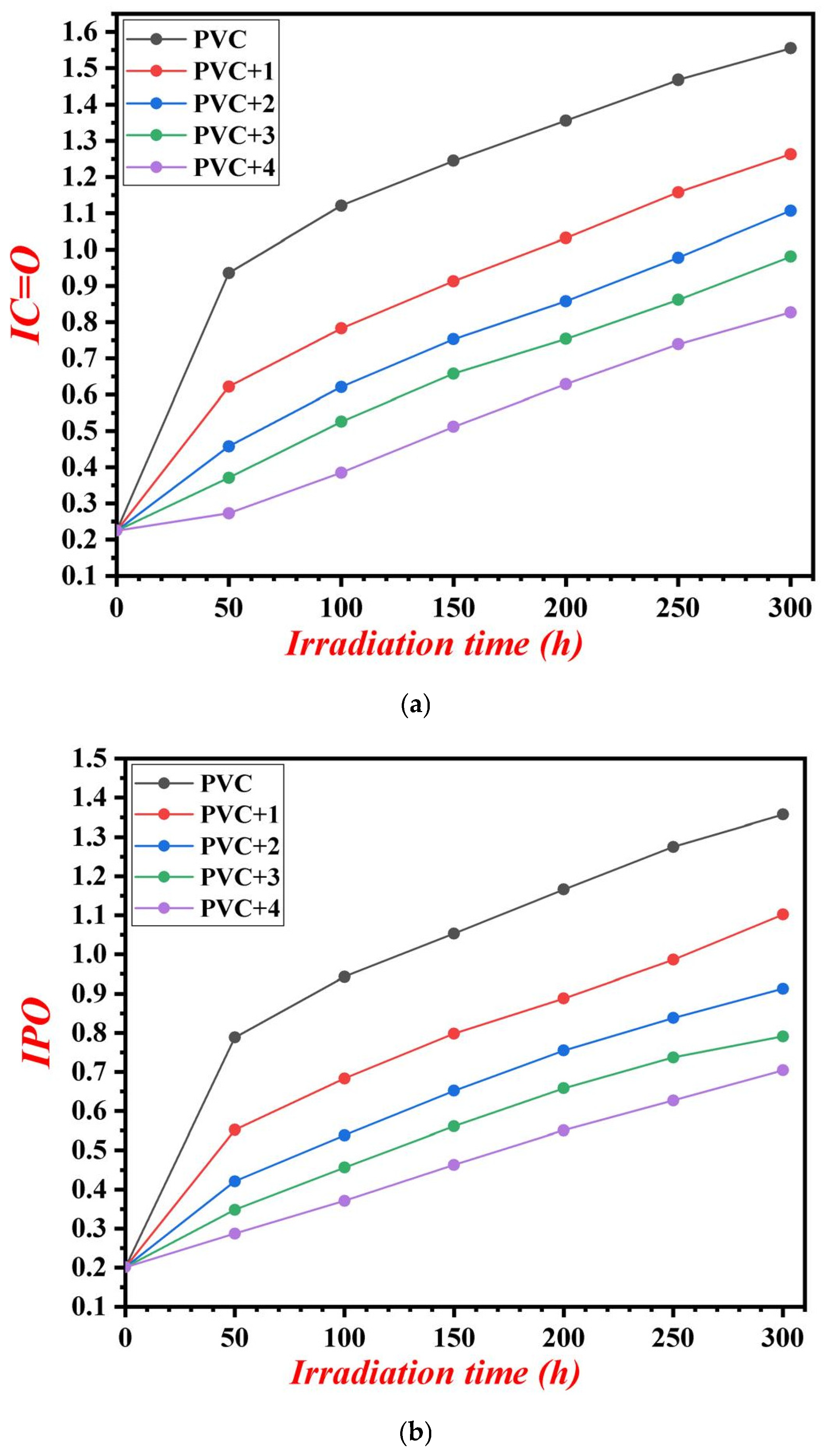
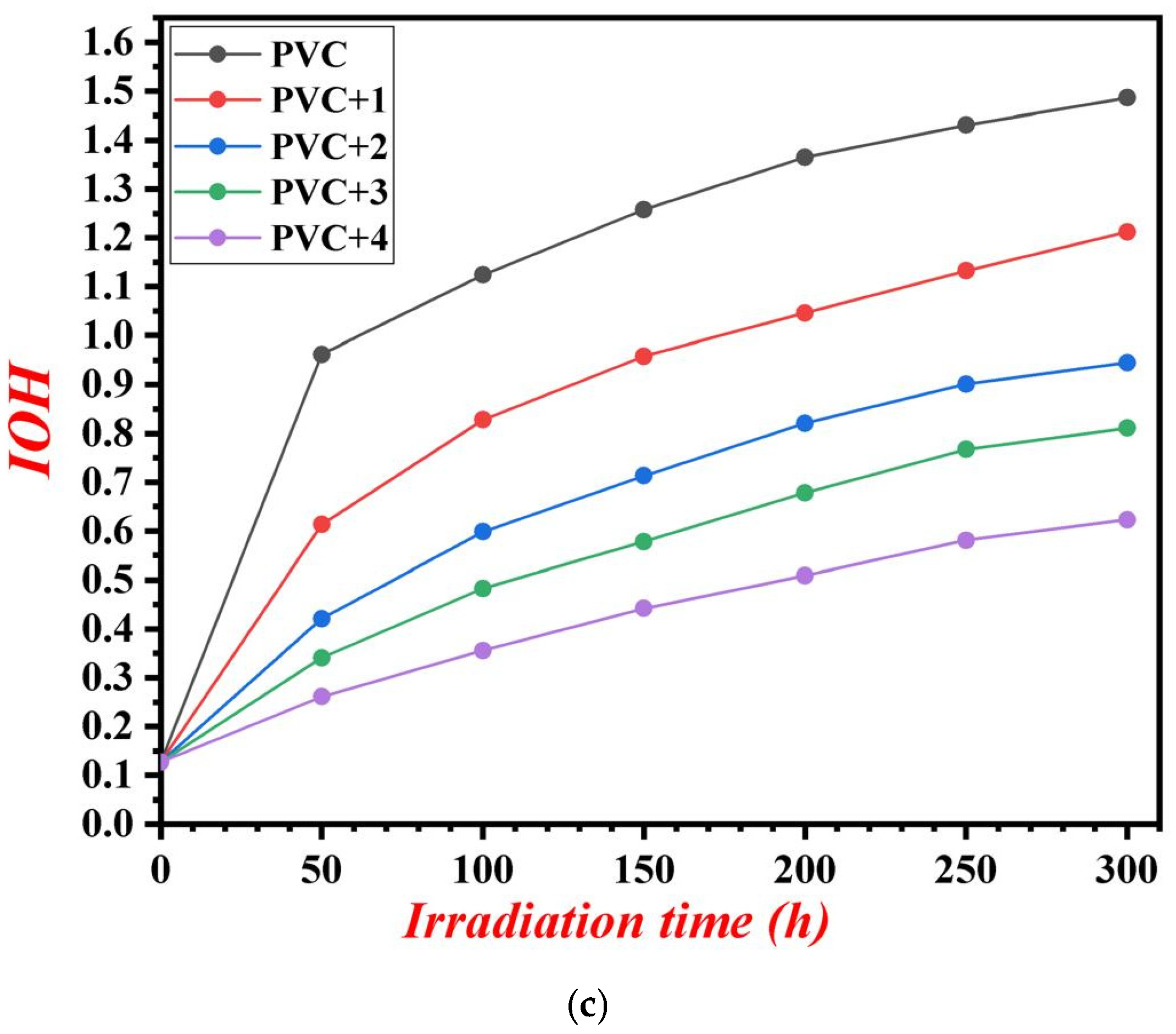
The carbonyl (IC=O), polyene (IPO), and hydroxyl (IOH) functional group indices were determined and presented as a function of UV exposure time in Figure 3a–c. In the figures, PVC represents the plain film, PVC+1 represents the film with the ligand, and PVC+2, +3, and +4 are the films filled with Me2SnL2, Ph2SnL2, and Bu3SnL, respectively. PVC films incorporating diclofenac–tin complexes 2–4, exhibited interestingly lower index values compared with the untreated PVC film. This behavior demonstrates the enhanced photostabilizing effect of diclofenac–tin complexes, among which complex 4 showed the highest stabilizing efficiency.
Figure 3.
Effect of irradiation of PVC films on (a) IC=O, (b) IPO, and (c) IOH.
3.7. Monitoring the Photodegradation of PVC Films by Weight Loss
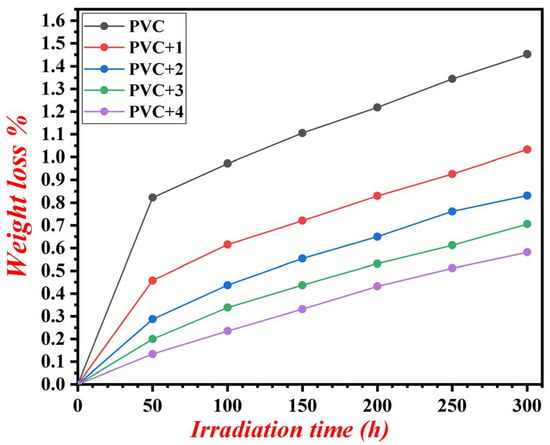
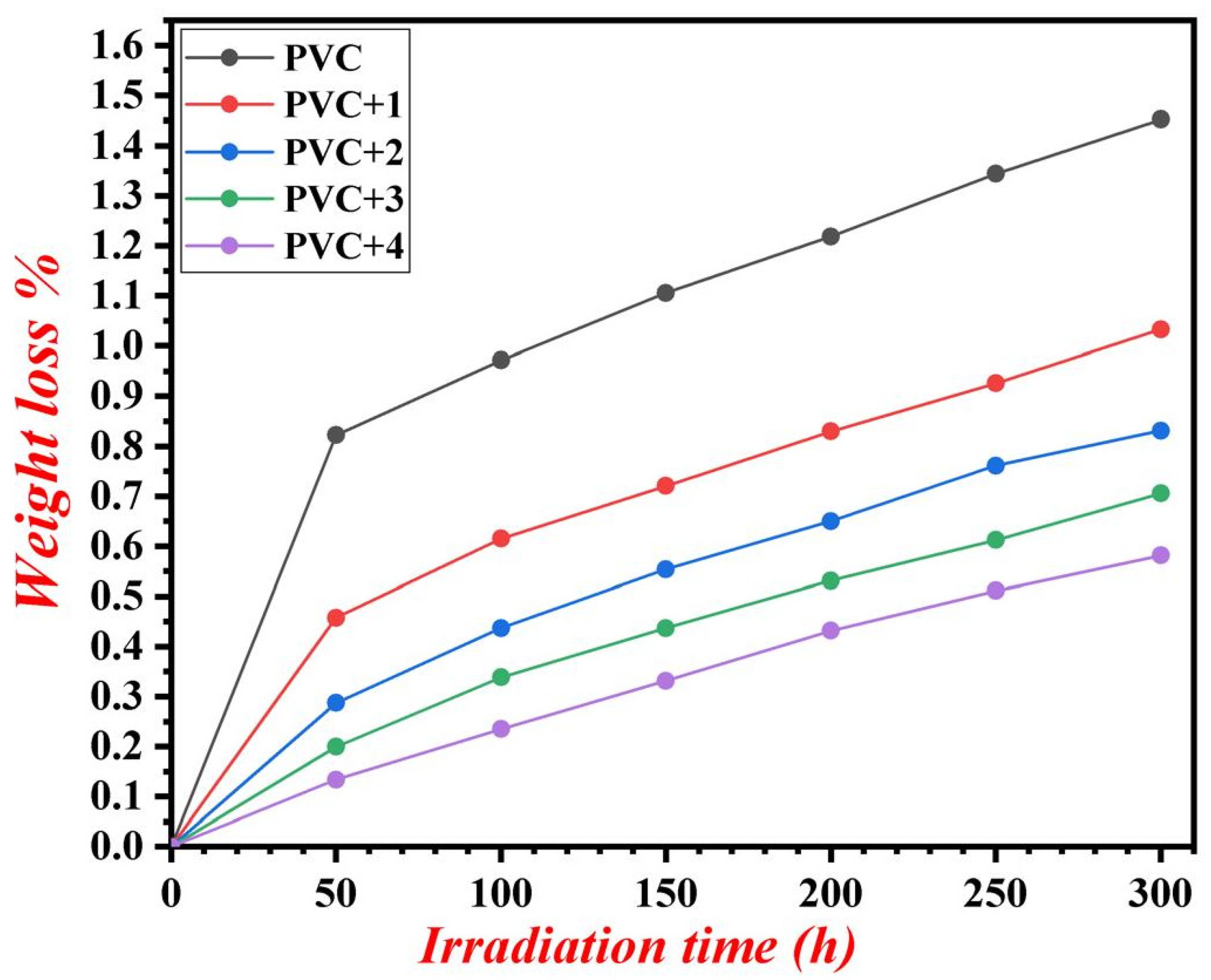
The elimination of hydrogen chloride (HCl) via dehydrochlorination constitutes a principal process of PVC photodegradation and correlates with a decrease in polymer mass [21]. The extent of photodegradation can be evaluated by measuring the % weight loss of PVC after UV exposure. The effect of irradiation time on the percentage weight loss of PVC films is shown in Figure 4. Clearly, the weight loss in PVC was lower in the presence of diclofenac tin complexes 2–4 compared to the blank PVC film. Complex 4 was the most efficient additive since it could act as an effective radical scavenger. During irradiation of PVC films containing diclofenac tin complexes 2–4, not only was the weight loss reduced, but the discoloration was also less.
Figure 4.
Impact of UV irradiation on the weight loss (%) of PVC films.
3.8. Film Examination via Field Emission Scanning Electron Microscopy
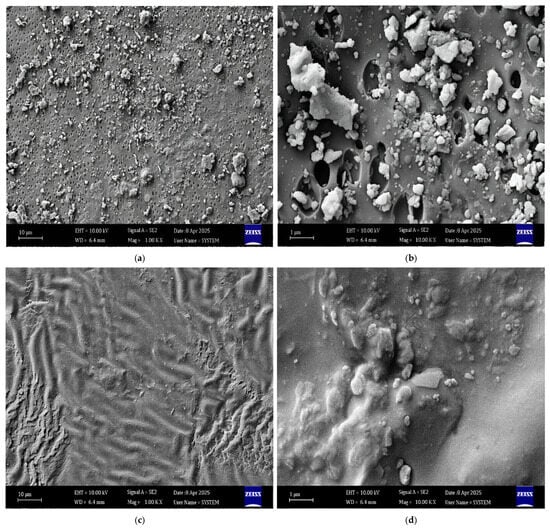
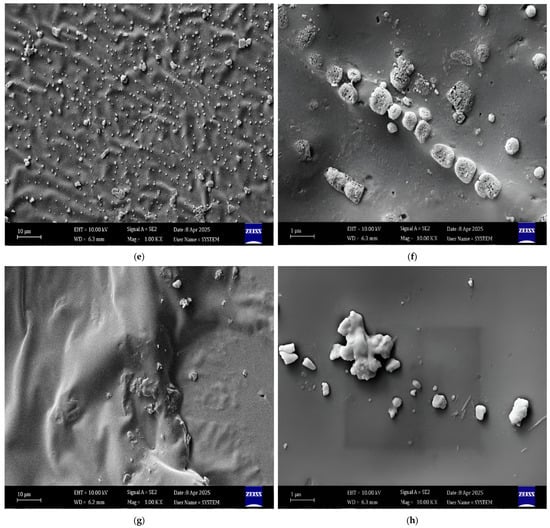
FESEM is commonly applied to investigate morphology and pore structures in materials and films [22]; it provides valuable information on particle size, surface variation, distortion, and homogeneity [23]. The irradiated PVC films exhibit cracks, cavities, protrusions, blemishes, and formlessness, which yield uneven surfaces. These alterations primarily arise from dehydrochlorination, chain fragmentation, and cross-linking [24]. Nevertheless, the presence of UV absorbers restrained surface impairment in polymers relative to the untreated polymers, as illustrated in Figure 5a–d. The PVC blends modified with diclofenac–tin complexes exhibited markedly reduced surface damage, with minimal degradation observed in the formulation containing additive 4.
Figure 5.
FESEM images of PVC films with the ligand (diclofenac) at (a) 1 µm and (b) 10 µm, with complex 2 at (c) 1 µm and (d) 10 µm, with complex 3 at (e) 1 µm and (f) 10 µm, and with complex 4 at (g) 1 µm and (h) 10 µm.
3.9. The EDX Spectroscopy of PVC Films
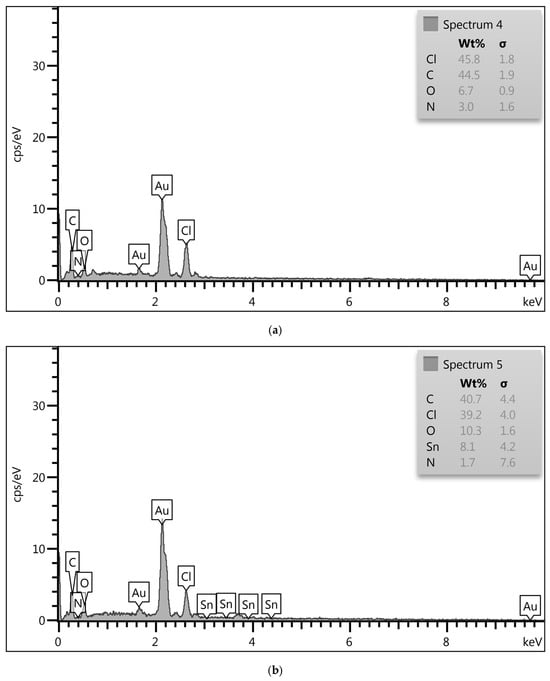
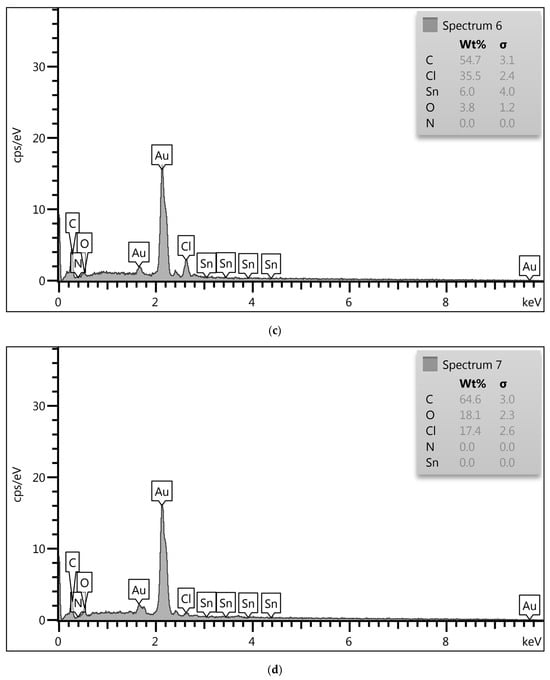
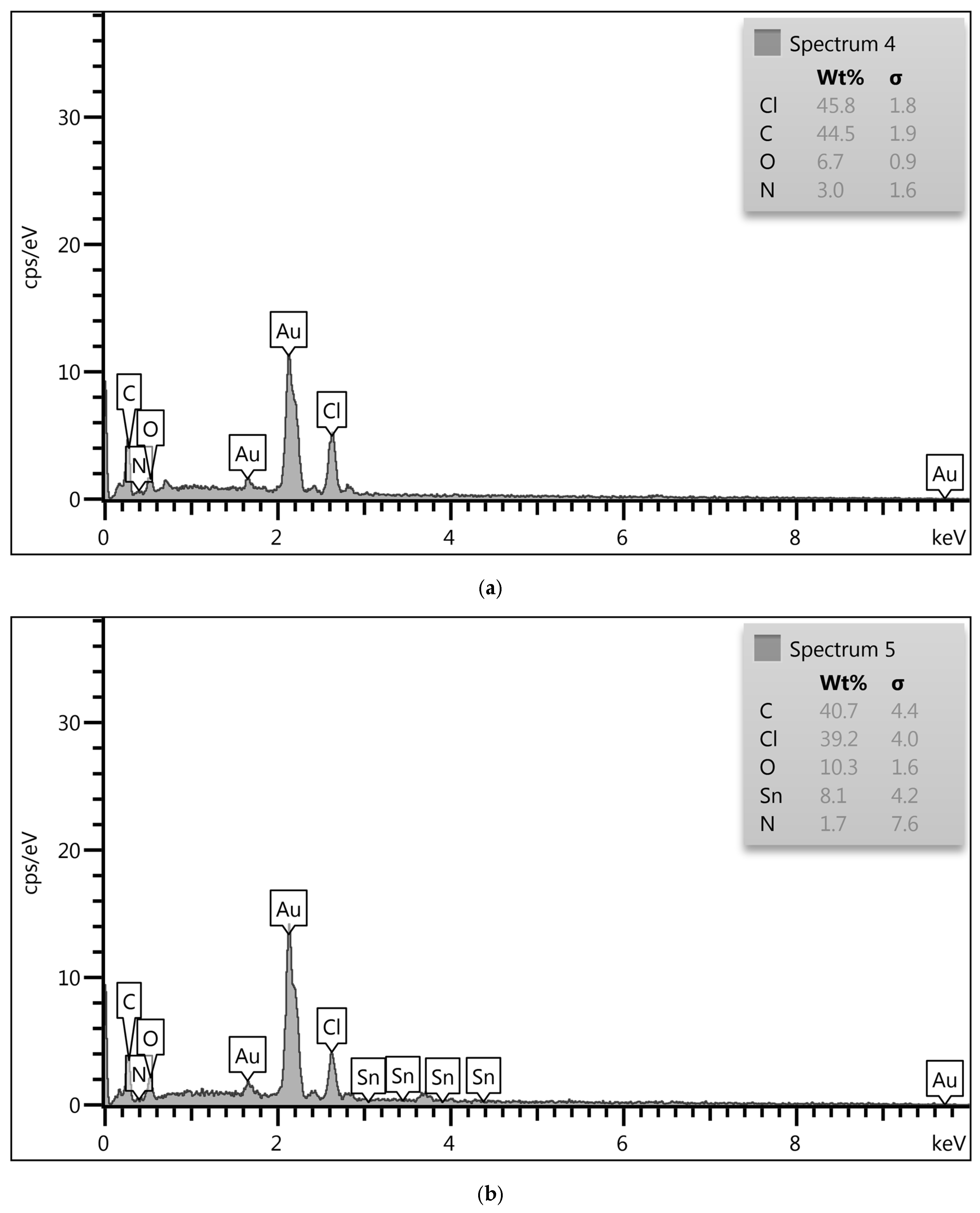
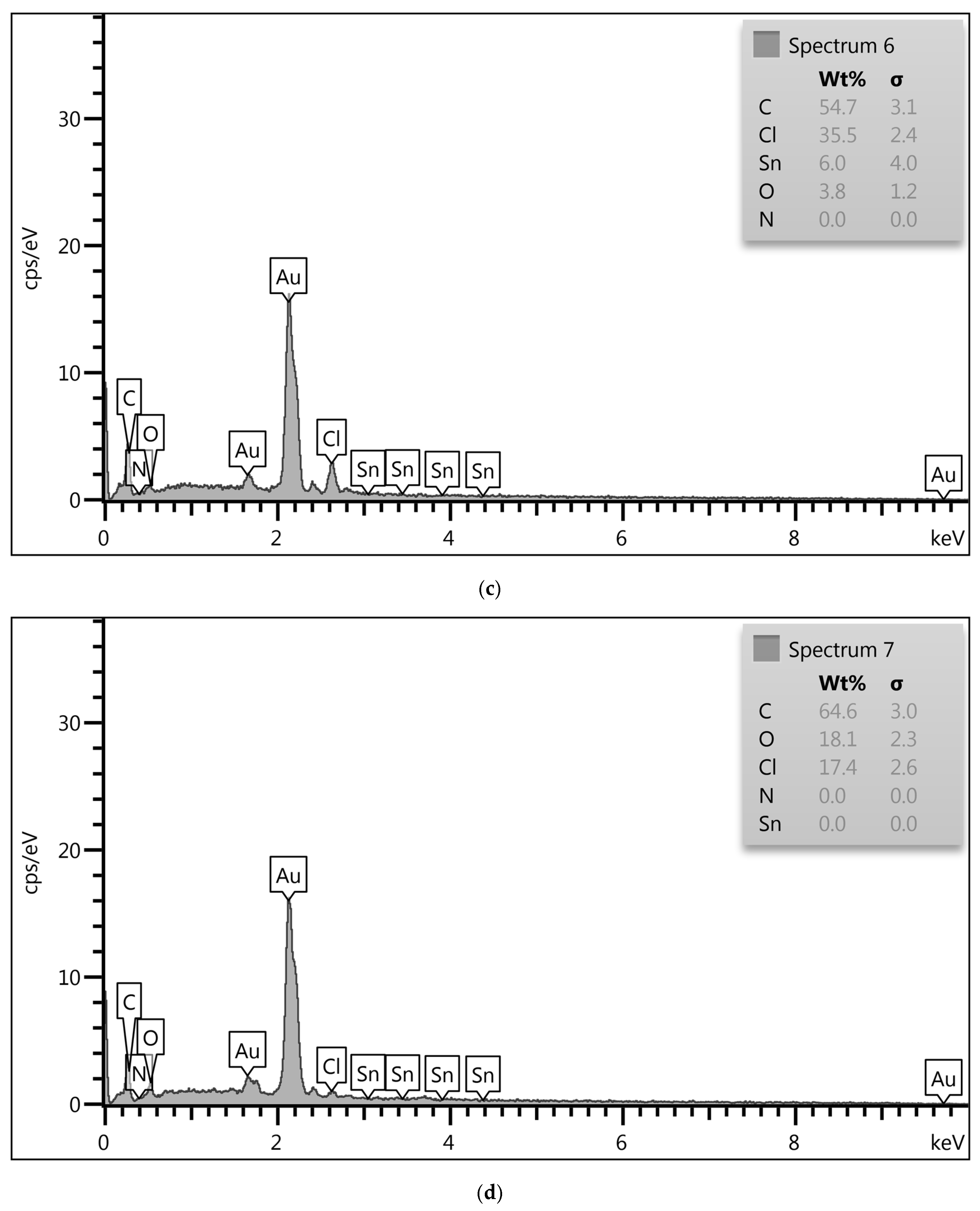
Uniform and transparent PVC films were obtained by blending PVC with 0.5 wt.% of the selected diclofenac–tin complexes. The elemental composition of the resulting PVC blends was examined using energy-dispersive X-ray (EDX) spectroscopy [25,26]. The EDX spectra of the UV-irradiated films were dominated by chlorine signals originating from the PVC matrix. At the same time, less intense peaks corresponding to nitrogen and oxygen from diclofenac and tin from the organotin additives were also detected. These observations are consistent with reports in the literature on PVC formulations containing tin-based and similar stabilizing additives [25].
Figure 6a–d show EDX elemental mapping of the PVC films filled with the ligand, ligand-complex 2, ligand-complex 3, and ligand-complex 4, respectively. The test verifies the homogeneous distribution and excellent compatibility of the metal complexes inside the PVC matrix. The constituent parts of the complexes, specifically Sn, N, and O, were uniformly distributed throughout the polymer in comparable relative quantities. UV irradiation resulted in a reduction of chlorine content due to the release of volatile species, including HCl. Conversely, PVC films containing diclofenac–tin complexes exhibited noticeably less chlorine loss than untreated PVC films. This behavior validates the efficacy of additives 2–4 in inhibiting PVC photodecomposition, with the film incorporating compound 4 demonstrating the highest residual chlorine level post-irradiation.
Figure 6.
EDX spectra of PVC films: (a) +ligand only, (b) +complex 2, (c) +complex 3, and (d) +complex 4.
3.10. Transmission Electron Microscopy Examination
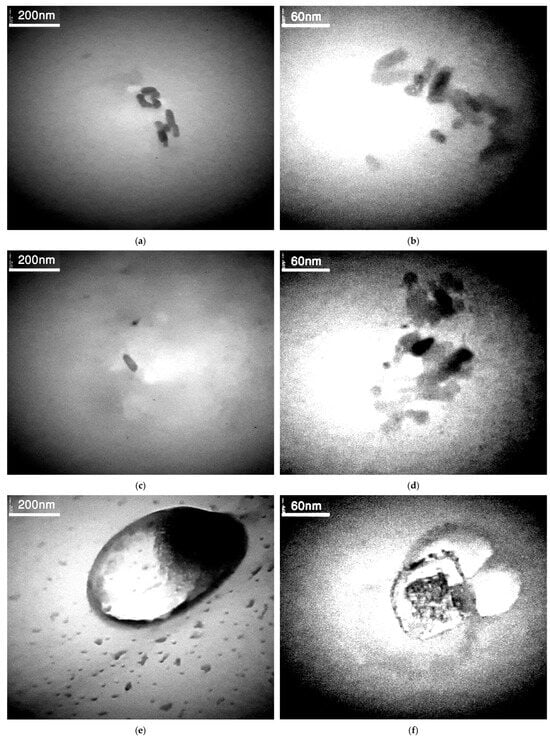
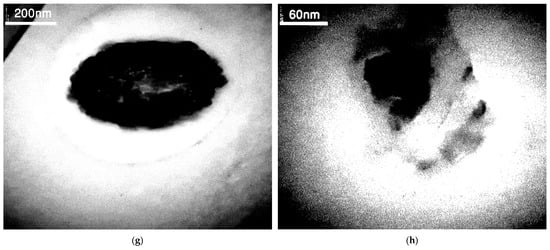
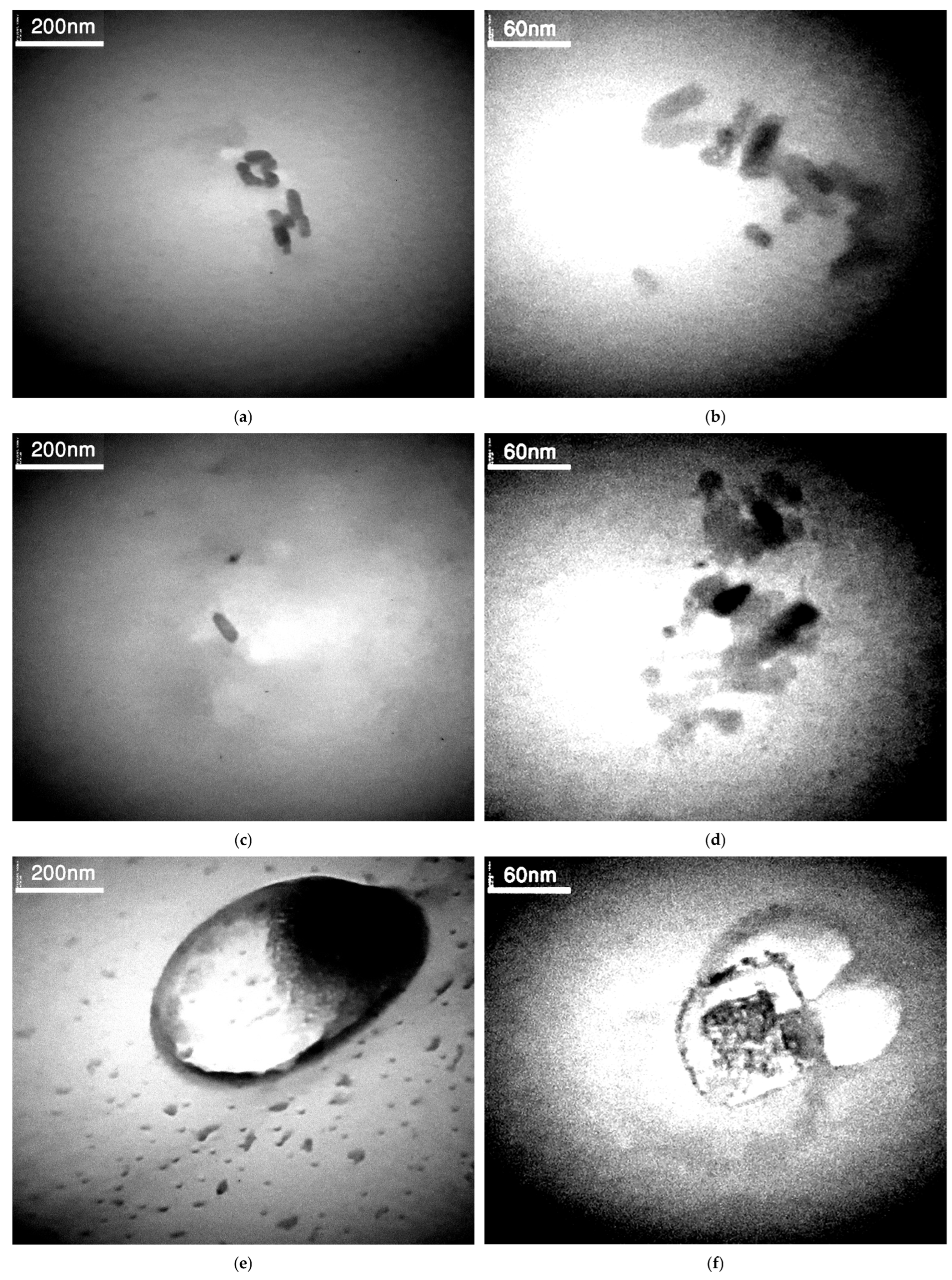
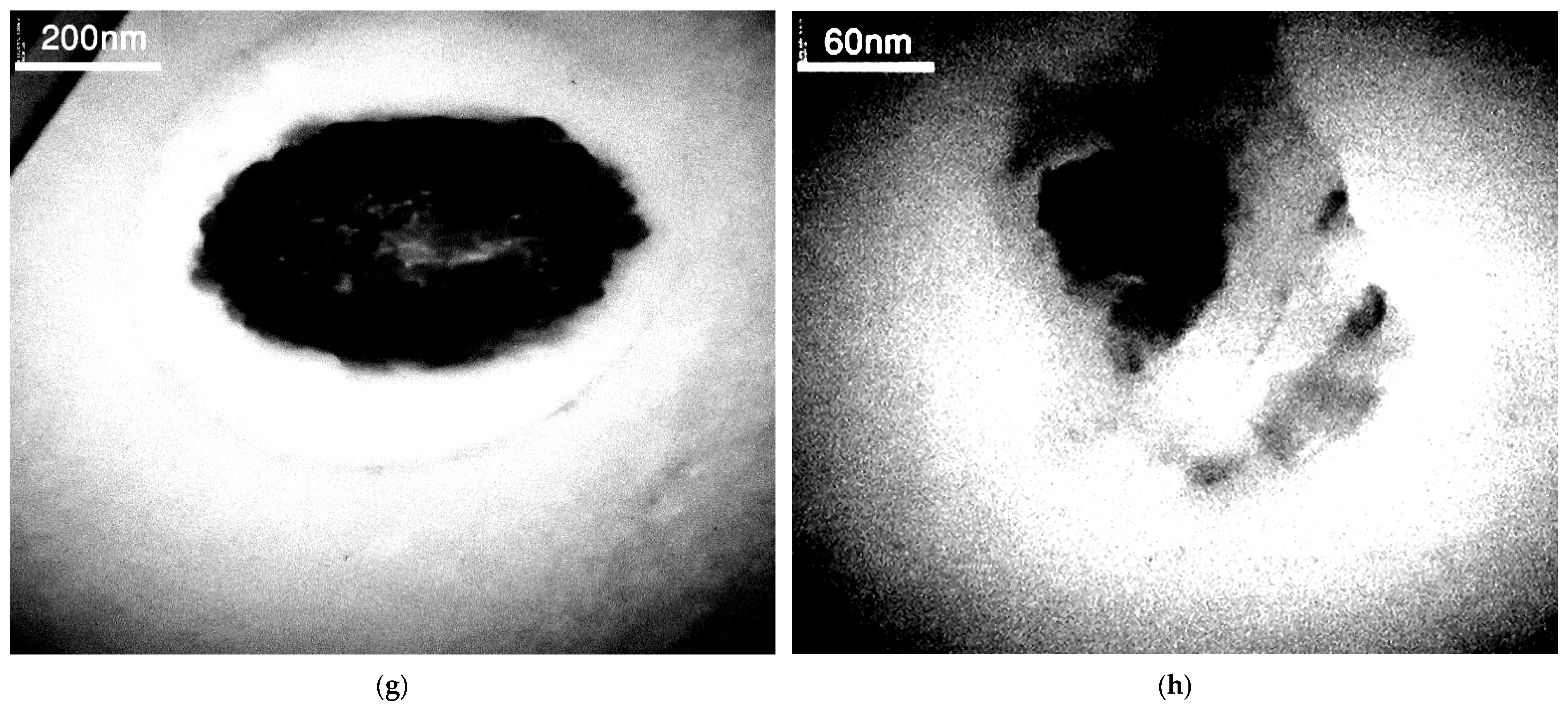
Prior microscopic images of PVC films after irradiation revealed noticeable deformation when compared to the unexposed film. The irradiated polymer films contained extensive cracks, grooves, and darkened regions. These dark features are associated with HCl evolution resulting from the photodecomposition of PVC [27]. To gain further insight into the irradiation effects, TEM was used to examine the thin-film microstructure at high resolution [28]. The images obtained confirmed significant structural damage resulting from UV exposure. Figure 7a–d illustrate the presence of holes, loops, and segregated regions in the irradiated PVC films, indicating severe photoinduced degradation.
Figure 7.
FESEM image for PVC film + 1 at (a) 200 nm and (b) 60 nm, +2 at (c) 200 nm and (d) 60 nm, +3 at (e) 200 nm and (f) 60 nm, and + 4 at (g) 200 nm and (h) 60 nm.
3.11. Atomic Force Microscopy Examination
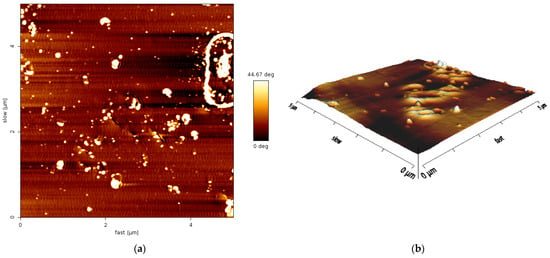
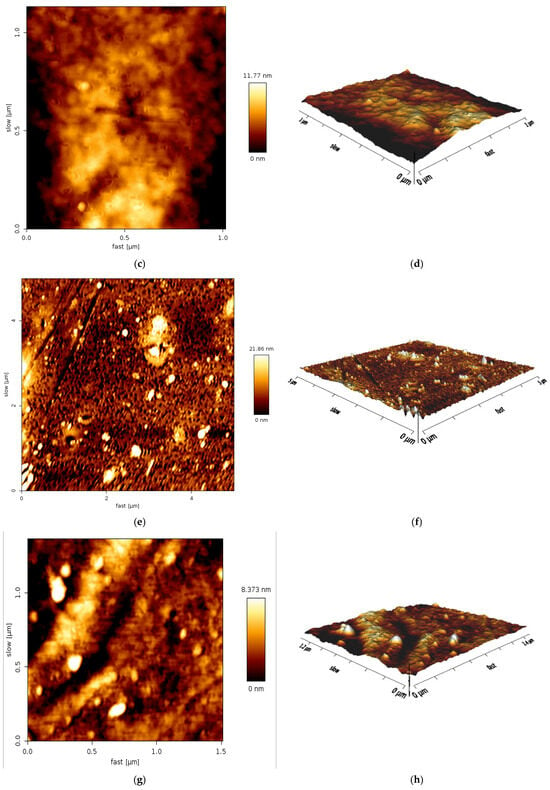
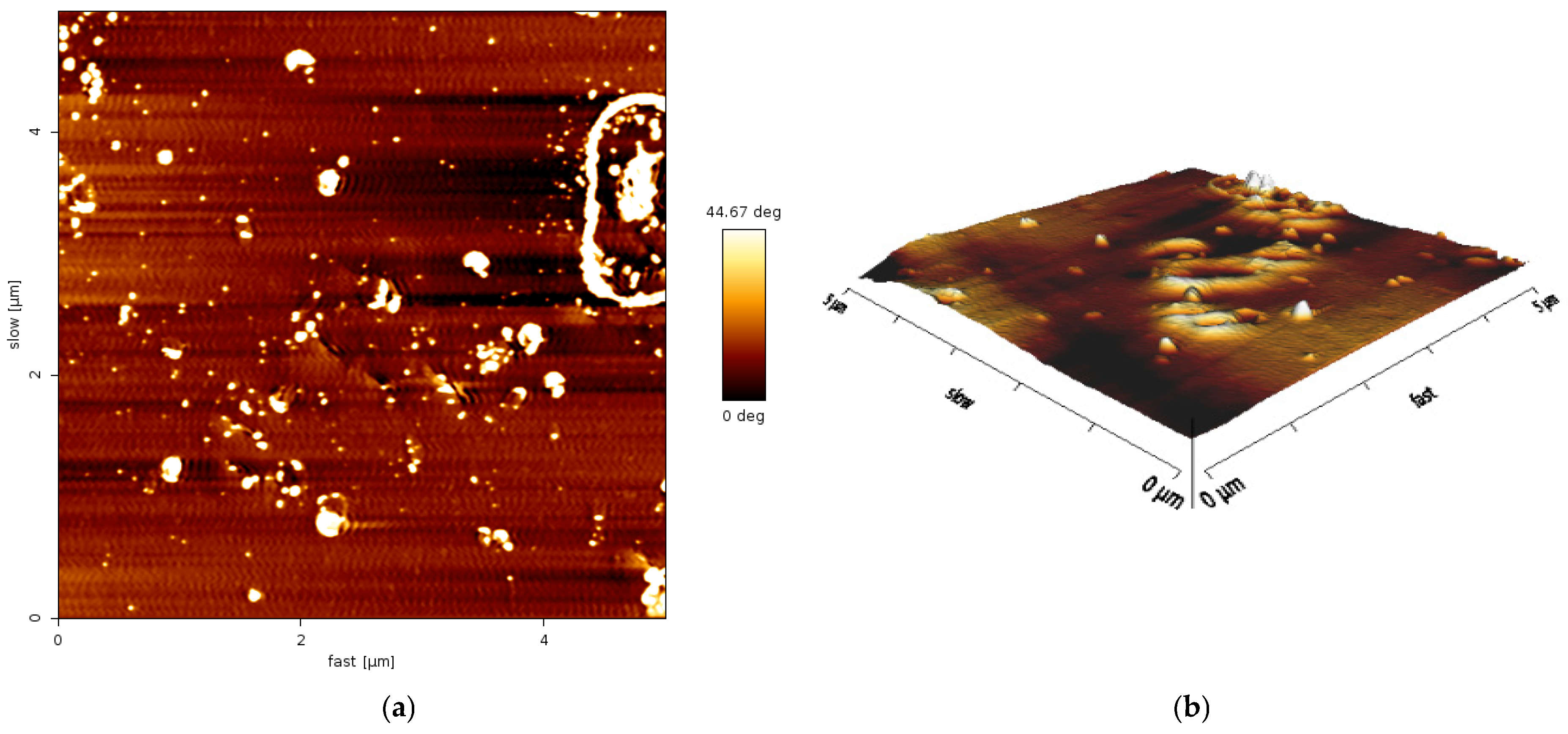
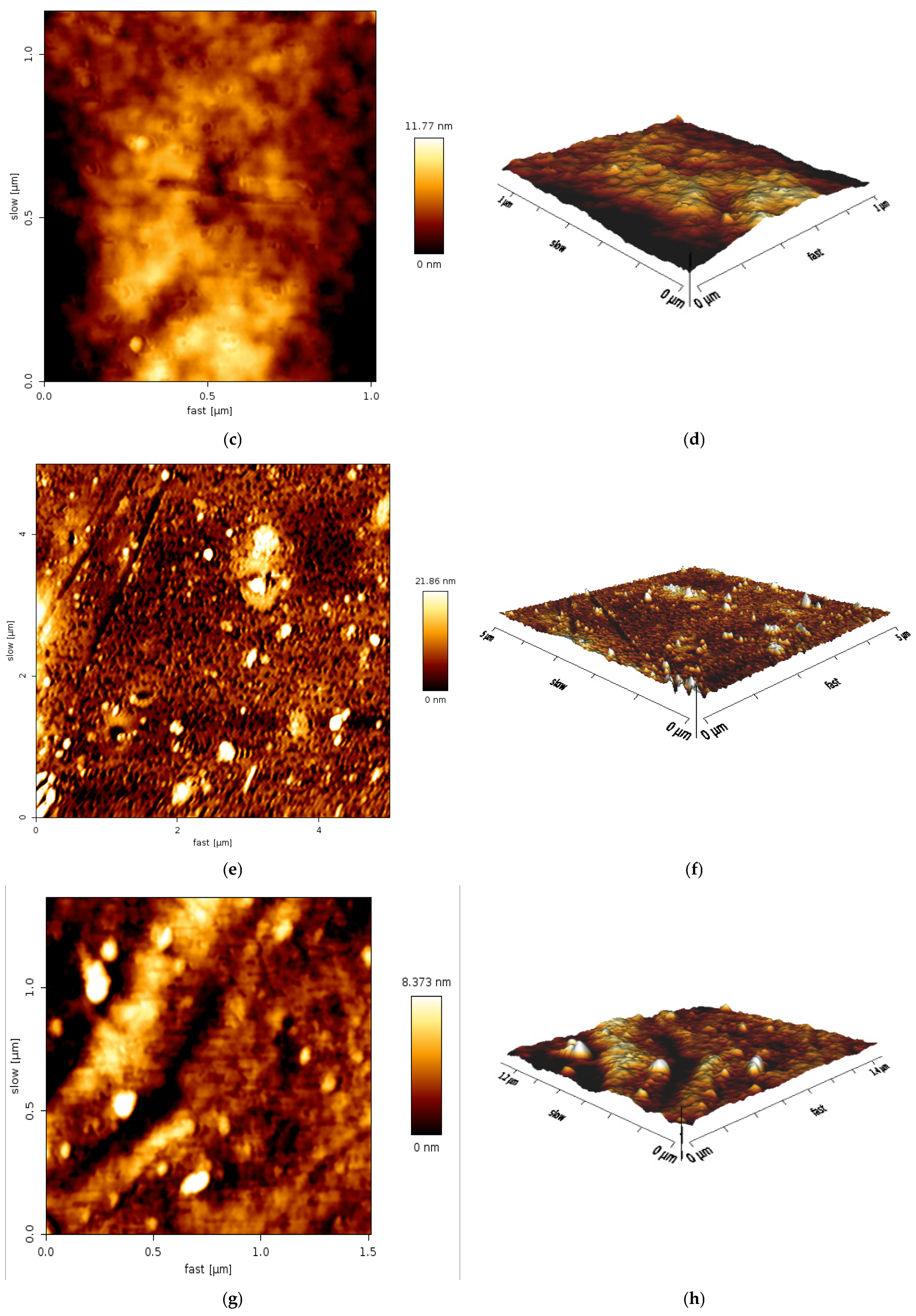
Figure 8a–d depict the surface morphology of PVC sheets post-irradiation, with the emphasis on considerable roughness. The uncoated PVC film exhibited significant surface imperfections, but the addition of diclofenac–tin complexes 2–4 substantially decreased surface roughness. The recorded roughness factors (Rq) were 104.6 for the blank film and 90.3, 77.2, and 51.4 for films incorporating complexes 2, 3, and 4, respectively. These values signify enhanced surface stability with the additions.
Figure 8.
2D and 3D AFM images of PVC films, +1 (a,b), +2 (c,d), +3 (e,f), and +4 (g,h).
3.12. Photostabilization Mechanisms
The improved photostabilizing performance of diclofenac–organotin(IV) complexes can be attributed to several contributing factors. The diclofenac ligand contains aromatic rings capable of absorbing ultraviolet radiation and dissipating the absorbed energy, which may reduce direct photolytic damage to PVC chains. In addition, organotin compounds are known to interact with hydrogen chloride released during PVC dehydrochlorination, thereby slowing the autocatalytic degradation process [16,17]. Organotin complexes may also participate in radical scavenging and hydroperoxide decomposition reactions that reduce oxidative degradation. The combined effects of UV absorption, possible HCl interaction, and radical suppression likely contribute to the improved stability of PVC films containing these complexes [26].
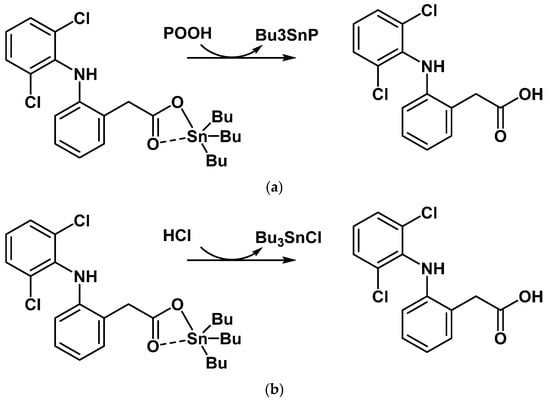
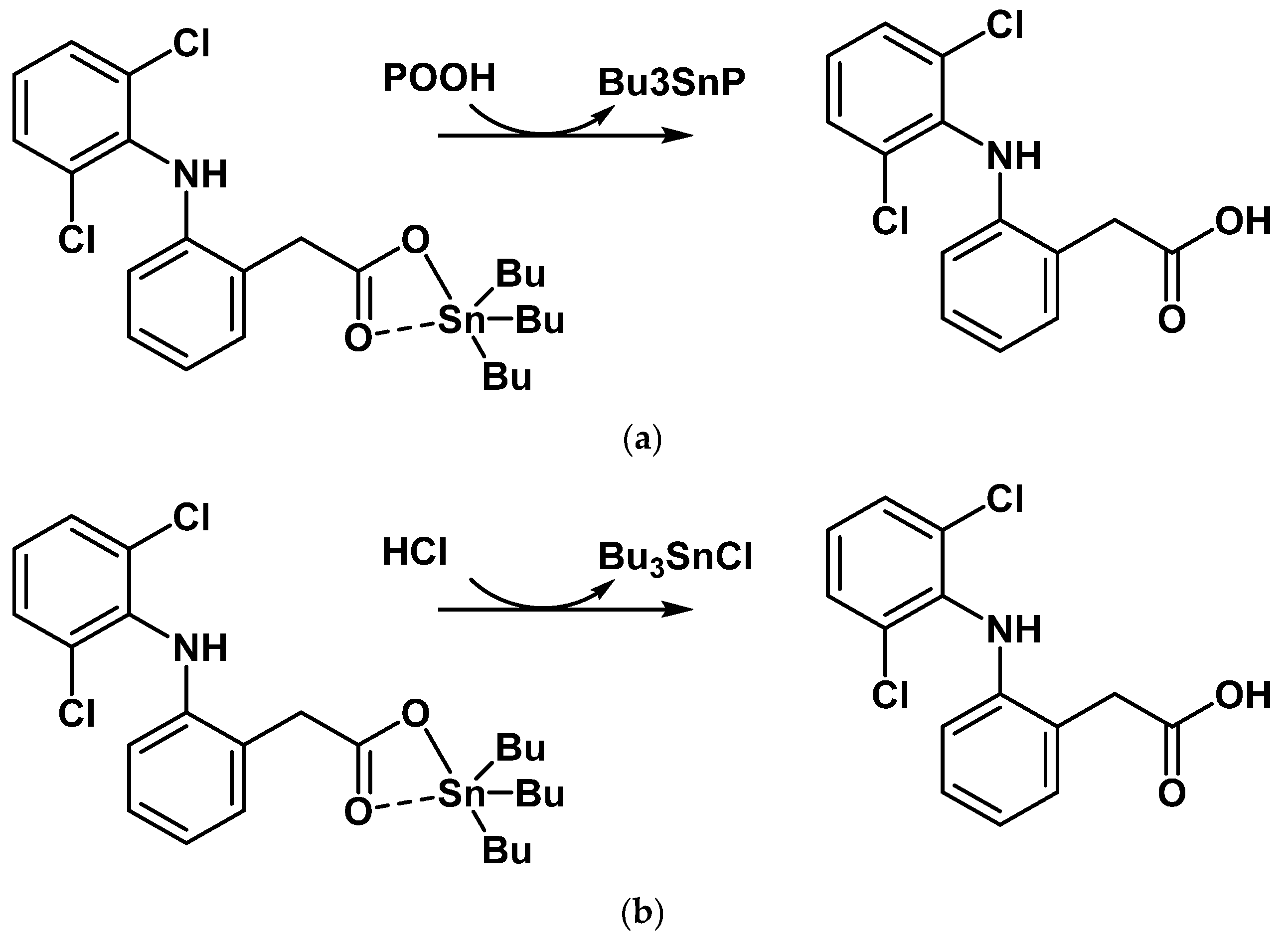
Di- and tri-organotin(IV) complexes effectively serve as photostabilizers for PVC films under UV exposure. Their stabilization mechanisms include scavenging HCl due to the strong Lewis acidity of the tin center (Figure 9a) and coordination of carboxylate oxygen atoms with tin(IV), which can substitute for chlorine atoms in the polymer backbone. As secondary stabilizers, these complexes contribute to the prolonged photostability of PVC [28]. Additionally, the tin complexes can act as peroxide-decomposing agents to prevent PVC photodegradation. Photo-oxidation of PVC produces radicals that interact with oxygen, leading to the formation of hydroperoxides (POOH) [29]. These peroxides can subsequently be decomposed by tin complexes, as shown in Figure 9b.
Figure 9.
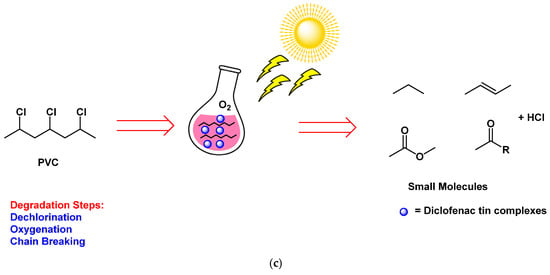
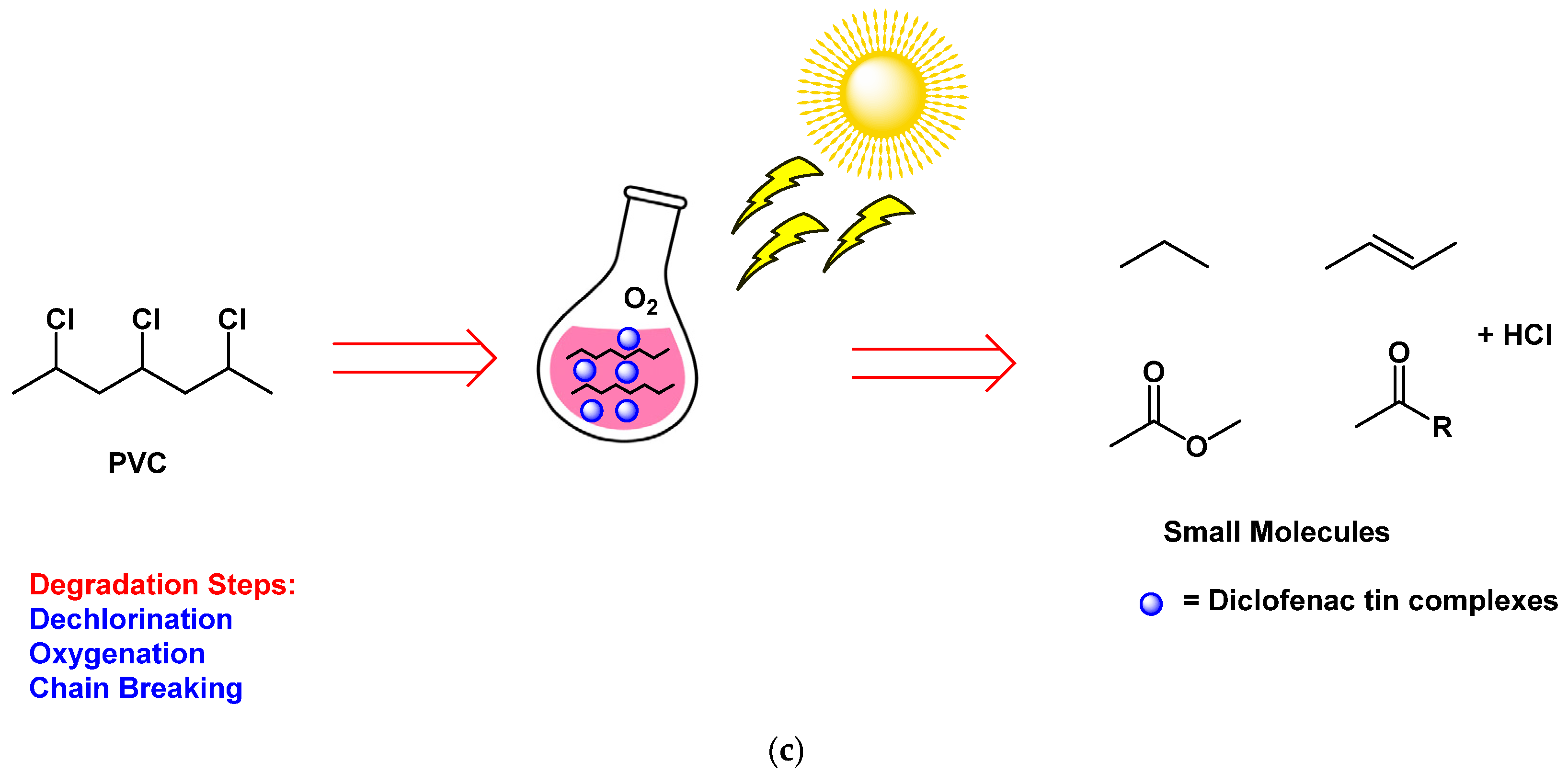
(a) Organotin complexes as peroxide decomposers, (b) Organotin complexes act as hydrochloride scavengers, and (c) Photoprotection process of diclofenac tin (IV) complexes.
The polarized nitrogen and oxygen atoms of the amine and carboxylate groups in tin(IV) complexes, along with the polarized carbon atoms of the PVC C–Cl bonds, may enhance the stabilization of excited-state energy within the polymer chains [29]. Ultraviolet light exposure supplies the energy required for the incorporation of oxygen into these chains. This process commences the degradation of plastics into smaller polymer fragments, which can then be biodegraded by environmental microorganisms. The deterioration of natural plastics occurs initially through photodegradation, succeeded by thermo-oxidative degradation, as seen in Figure 9c. UV absorbers are essential in this process as they absorb harmful radiation and convert it into innocuous heat, thereby inhibiting the generation of free radicals during the initial phases of polymer degradation [30,31].
4. Conclusions
The diclofenac–organotin(IV) complexes synthesized and characterized in this study demonstrated strong potential as effective photostabilizers for PVC. Their aromatic frameworks and heteroatom-rich structures contributed significantly to reducing irradiation-induced degradation, as evidenced by the improved stability of PVC films containing these additives. The results confirm that diclofenac-derived tin complexes can inhibit photodecomposition and enhance the overall durability of PVC under UV exposure. Nevertheless, further investigation into the structure–activity relationships of these complexes is essential to refine their design and maximize their stabilizing efficiency. Continued optimization may lead to the development of highly effective, next-generation stabilizers suitable for industrial applications.
Supplementary Materials
The following supporting information can be downloaded at: https://www.mdpi.com/article/10.3390/physchem6020019/s1. Figure S1: FTIR spectrum of (a) FTIR spectrum of PVC (blank) film before and after irradiation, (b) ligand, (c) Me2SnL2, (d) Ph2SnL2, and (e) Bu3SnL. Figure S2. 1H NMR spectrum of (a) ligand, (b) Me2SnL2, (c) Ph2SnL2, and (d) Bu3SnL. Figure S3. 13C NMR spectrum of (a) ligand, (b) Me2SnL2, (c) Ph2SnL2, and (d) Bu3SnL. Figure S4. 119Sn NMR spectrum of (a) Me2SnL2, (b) Ph2SnL2, and (c) Bu3SnL.
Author Contributions
Conceptualization, H.A.S. and E.Y.; methodology, H.A.S.; software, not applicable; validation, H.A.S. and S.A.A.; formal analysis, H.A.S.; investigation, A.A. and R.A.; resources, T.S.G.; data curation, H.A.S.; writing—original draft preparation, H.A.S. and M.H.A.-M.; writing-review and editing, E.Y., D.S.A., M.K., M.B., T.S.G. and M.S.S.A.; visualization, M.K.; supervision, E.Y.; project administration, M.S.S.A.; funding acquisition, E.Y. All authors have read and agreed to the published version of the manuscript.
Funding
This research received no external funding.
Data Availability Statement
The original contributions presented in this study are included in the article/Supplementary Materials. Further inquiries can be directed to the corresponding author.
Acknowledgments
The authors express their gratitude to Al-Nahrain University for its partial support of this work.
Conflicts of Interest
The authors declare no conflicts of interest.
References
- Amanullah, A.; Upadhyay, A.; Dhiman, R.; Singh, S.; Kumar, A.; Ahirwar, D.K.; Gutti, R.K.; Mishra, A. Development and Challenges of Diclofenac-Based Novel Therapeutics: Targeting Cancer and Complex Diseases. Cancers 2022, 14, 4385. [Google Scholar] [CrossRef] [Scilit] [PubMed]
- Silva, A.A.d.L.e.; Silva, P.M. Non-antibiotic compounds: The activity of the NSAID diclofenac on bacteria—A review. Int. J. Curr. Microbiol. Appl. Sci. 2018, 7, 340–351. [Google Scholar] [CrossRef] [Scilit]
- Dronik, M.; Stasevych, M. Expanding Horizons: Opportunities for Diclofenac Beyond Traditional Use—A Review. Sci. Pharm. 2025, 93, 31. [Google Scholar] [CrossRef] [Scilit]
- Jahnavi, P.; Krishnan, K.; Rajashakar, V.; Burle, G.S.; Reddy, K.T.K.; Yeruva, B.M.; Dharmamoorthy, G.; Bagade, O.M. Organometallic nanoparticulate delivery: Synthesis, properties, and applications. J. Appl. Organomet. Chem. 2025, 5, 123–148. [Google Scholar]
- Chen, F.; Drake, H.F.; Feng, L.; Powell, J.A.; Wang, K.-Y.; Yan, T.-H.; Zhou, H.-C. Metal–Organic Frameworks as Versatile Platforms for Organometallic Chemistry. Inorganics 2021, 9, 27. [Google Scholar] [CrossRef] [Scilit]
- Patra, M.; Gasser, G. Organometallic compounds: An opportunity for chemical biology? ChemBioChem 2012, 13, 1232–1252. [Google Scholar] [CrossRef] [Scilit]
- Bonciolini, S.; Pulcinella, A.; Noël, T. Tech-enhanced synthesis: Exploring the synergy between organic chemistry and technology. J. Am. Chem. Soc. 2025, 147, 28523–28545. [Google Scholar] [CrossRef] [Scilit]
- Regnier, M.; Vega, C.; Ioannou, D.I.; Noël, T. Enhancing electrochemical reactions in organic synthesis: The impact of flow chemistry. Chem. Soc. Rev. 2024, 53, 10741–10760. [Google Scholar] [CrossRef] [Scilit]
- Chidara, A.; Cheng, K.; Gallear, D. Engineering Innovations for Polyvinyl Chloride (PVC) Recycling: A Systematic Review of Advances, Challenges, and Future Directions in Circular Economy Integration. Machines 2025, 13, 362. [Google Scholar] [CrossRef] [Scilit]
- Khalid, S.; Al-Rawi, S.S.; Saman, S.S.; Yaqoob, M.; Iqbal, M.A.; Asad, M.; Haider, M.T.; Majeed, A.; Nadeem, H. The role of tin-based complexes in enhancing PVC photostability and their environmental impacts. Next Mater. 2025, 9, 101014. [Google Scholar] [CrossRef] [Scilit]
- El-Hiti, G.A.; Ahmed, D.S.; Yousif, E.; Al-Khazrajy, O.S.A.; Abdallh, M.; Alanazi, S.A. Modifications of Polymers through the Addition of Ultraviolet Absorbers to Reduce the Aging Effect of Accelerated and Natural Irradiation. Polymers 2022, 14, 20. [Google Scholar] [CrossRef] [Scilit] [PubMed]
- Lu, L.; Li, W.; Cheng, Y.; Liu, M. Chemical recycling technologies for PVC waste and PVC-containing plastic waste: A review. Waste Manag. 2023, 166, 245–258. [Google Scholar] [CrossRef] [Scilit] [PubMed]
- Dobrotă, D.; Bărbușiu, A.-M.; Sava, G.-A.; Oleksik, V.Ș. Functional Additives in Automotive Polymer Matrices: Compatibility, Mechanisms, and Industry Challenges. Polymers 2025, 17, 2328. [Google Scholar] [CrossRef] [Scilit] [PubMed]
- Vasile, C.; Tantaru, G.; Creteanu, A. Recent Insights into the Research of (Bio)Active Additives for Advanced Polymer Materials. Polymers 2025, 17, 3139. [Google Scholar] [CrossRef] [Scilit]
- Akazaki, S.; Aoki, R.; Sato, K. Direct detection of diclofenac radical produced by ultraviolet irradiation using electron spin resonance method. J. Clin. Biochem. Nutr. 2020, 66, 193–197. [Google Scholar] [CrossRef] [Scilit]
- Maraveas, C.; Kyrtopoulos, I.V.; Arvanitis, K.G.; Bartzanas, T. The aging of polymers under electromagnetic radiation. Polymers 2024, 16, 689. [Google Scholar] [CrossRef] [Scilit]
- Manikandan, A.; Nemani, S.C.; Sadheeshkumar, V.; Arumugam, S. Spectroscopic investigations for photo stability of diclofenac sodium complexed with hydroxypropyl-β-cyclodextrin. J. Appl. Pharm. Sci. 2016, 6, 98–103. [Google Scholar] [CrossRef] [Scilit]
- Golewski, P.; Sadowski, T. Technological and Strength Aspects of Layers Made of Different Powders Laminated on a Polymer Matrix Composite Substrate. Molecules 2022, 27, 1168. [Google Scholar] [CrossRef] [Scilit]
- Ahmed, A.; Abdallh, M.; Al-Mashhadani, M.H.; Ahmed, D.S.; Bufaroosha, M.; Jawad, A.H.; Yousif, E. Environmental stability of poly (vinyl chloride) modified by schiff’s base under exposure to UV. Biointerface Res. Appl. Chem. 2021, 11, 13465–13473. [Google Scholar] [CrossRef] [Scilit]
- Mousa, O.G.; El-Hiti, G.A.; Baashen, M.A.; Bufaroosha, M.; Ahmed, A.; Ahmed, A.A.; Ahmed, D.S.; Yousif, E. Synthesis of carvedilol–organotin complexes and their effects on reducing photodegradation of Poly (Vinyl Chloride). Polymers 2021, 13, 500. [Google Scholar] [CrossRef] [Scilit]
- Frigione, M. Assessment of the Ageing and Durability of Polymers. Polymers 2022, 14, 1934. [Google Scholar] [CrossRef] [Scilit] [PubMed]
- Kudzin, M.H.; Piwowarska, D.; Festinger, N.; Chruściel, J.J. Risks Associated with the Presence of Polyvinyl Chloride in the Environment and Methods for Its Disposal and Utilization. Materials 2024, 17, 173. [Google Scholar] [CrossRef] [Scilit] [PubMed]
- Yuan, J.; Pei, Z.; Chen, J. Geological Characteristics and a New Simplified Method to Estimate the Long-Term Settlement of Dredger Fill in Tianjin Nangang Region. J. Mar. Sci. Eng. 2026, 14, 92. [Google Scholar] [CrossRef] [Scilit]
- Alotaibi, M.H.; El-Hiti, G.A.; Yousif, E.; Ahmed, D.S.; Hashim, H.; Hameed, A.S.; Ahmed, A. Evaluation of the use of polyphosphates as photostabilizers and in the formation of ball-like polystyrene materials. J. Polym. Res. 2019, 26, 161. [Google Scholar] [CrossRef] [Scilit]
- Gardi, S.; Giannone, L.; Sarti, G.; Sarti, G. Surface Chalking upon Weathering of Dark-Colored PVC Articles and Relevant Stabilizers. Polymers 2024, 16, 1047. [Google Scholar] [CrossRef] [Scilit]
- Ibrahiem, H.; Yousif, E.; El-Hiti, G.A.; Al-Mashhadani, M.H.; Ahmed, D.S.; Bufaroosha, M. Impact of Ultraviolet Radiation on the Aging Properties of PVC Films Doped by Tin (IV) Complexes. Baghdad Sci. J. 2025, 22, 1–15. [Google Scholar]
- Yaseen, A.A.; Ahmed, D.S.; Fadhil, D.H.; Kadhom, M.; Bufaroosha, M.; Al-Tikrity, E.T.; Yousif, E. TEM study of irradiated PVC embedded with tin complexes of heterocyclic and aromatic moieties. Chem. Mater. 2022, 1, 66–70. [Google Scholar] [CrossRef] [Scilit]
- Nief, O.A. Photostabilization of polyvinyl chloride by some new thiadiazole derivatives. Eur. J. Chem. 2015, 6, 242–247. [Google Scholar] [CrossRef] [Scilit]
- Nechifor, M. Factors influencing the photochemical behavior of multicomponent polymeric materials. In Photochemical Behavior of Multicomponent Polymeric-Based Materials; Springer International Publishing: Cham, Switzerland, 2016; pp. 21–65. [Google Scholar]
- Mohammed, S.J.; Hawaiz, F.E.; Aziz, S.B.; Al-Jaf, S.H. Organic soluble nitrogen-doped carbon dots (ONCDs) to reduce the optical band gap of PVC polymer: Breakthrough in polymer composites with improved optical properties. Opt. Mater. 2024, 149, 115014. [Google Scholar] [CrossRef] [Scilit]
- Dimassi, S.N.; Hahladakis, J.N.; Yahia, M.N.D.; Ahmad, M.I.; Sayadi, S.; Al-Ghouti, M.A. Degradation-fragmentation of marine plastic waste and their environmental implications: A critical review. Arab. J. Chem. 2022, 15, 104262. [Google Scholar] [CrossRef] [Scilit]

Disclaimer/Publisher’s Note: The statements, opinions and data contained in all publications are solely those of the individual author(s) and contributor(s) and not of MDPI and/or the editor(s). MDPI and/or the editor(s) disclaim responsibility for any injury to people or property resulting from any ideas, methods, instructions or products referred to in the content. |
© 2026 by the authors. Licensee MDPI, Basel, Switzerland. This article is an open access article distributed under the terms and conditions of the Creative Commons Attribution (CC BY) license.