


Abstract
This study investigated the impact of pricing strategies on the growth and sustainability of small and medium enterprises (SMEs). The study employed a quantitative research approach and sampled 132 SMEs operating in a municipality in South Africa. A self-administered, closed-ended questionnaire was tested for reliability and validity and thereafter used to collect data from the respondents. This study employed simple linear regression analysis and performed the reliability test. In this study, the data were analysed using descriptive and inferential statistics. The results showed that SMEs primarily used cost-plus, value-based, and competitor-based pricing strategies. However, frequently modifying prices in response to market competition and technological advancements improves business performance. The study found a significant and positive relationship between pricing strategies and growth. Furthermore, a positive and significant nexus between pricing strategies and the sustainability of the SMEs. The practical implication of this study informs the SME managers and owners that SMEs that apply strategic and market-oriented pricing practices are more likely to achieve improved performance outcomes. The study, therefore, emphasises the importance of effective pricing in promoting both growth and long-term sustainability among SMEs. The findings of this study are expected to persuade the SMEs to pay crucial attention to the pricing strategies implemented in the business.
1. Introduction
Small and medium enterprises (SMEs) are universally recognised as critical to economic development, job creation, and poverty alleviation, especially in developing countries such as South Africa (Abor & Quartey, 2010; Fatoki, 2014). In South Africa, SMEs account for nearly 60% of employment and approximately 34% of Gross Domestic Product (GDP) (Small Enterprise Development Agency [SEDA], 2022). However, despite their economic importance, SMEs frequently struggle with sustainability and growth due to a variety of operational issues. One of the most important but often overlooked aspects was their pricing strategy. Pricing was more than just determining the value of a product; it was a strategic tool that influenced market positioning, profitability, and long-term business viability (Hinterhuber & Liozu, 2014; Kotler & Keller, 2016).
Pricing strategies refer to the methodologies and rationales that businesses use to set the prices for their goods and services. Pricing strategies such as cost-based pricing, value-based pricing, penetration pricing, and competition-based pricing (Nagle et al., 2016). SMEs frequently lacked the resources and market data required to implement sophisticated pricing models, instead relying on intuitive or reactive pricing practices that often limited their ability to respond to competitive pressures or customer expectations. Firms that used value-based pricing, in which prices were set based on perceived customer value, were more likely to improve performance and customer retention (Ingenbleek et al., 2003). However, the adoption of such strategic pricing models remained low among South African SMEs, particularly in semi-urban and rural areas.
The semi-urban and rural municipalities exhibit a growing but fragile SME sector. The emerging economies are diverse, with SMEs operating in tourism, retail, agriculture, and services industries where pricing could be a competitive advantage (Tshikhudo & Manenzhe, 2021). According to Small Enterprise Development Agency [SEDA] (2022), several SMEs in the region failed within the first three years due to under-pricing, insufficient market research, and the inability to recover fixed and variable costs. Pricing decisions in semi-urban and rural municipalities were frequently based on competitor behaviour or perceived affordability, rather than consumer insights or cost analysis, resulting in inconsistent profit margins and unsustainable business practices (Masama & Bruwer, 2018). Sustainability in SMEs refers to their ability to maintain operations, remain competitive, and adapt to changing market conditions over time (Bocken et al., 2013).
Pricing strategies were an important part of a company’s overall business strategy, acting not only as a revenue generator but also as a tool for positioning and competitiveness (Kotler & Keller, 2016). Due to limited financial buffers and resource constraints, pricing decisions in SMEs, particularly in emerging markets, are often determined by whether a business grew or failed (Nagle et al., 2016). Unlike large corporations with significant pricing power, SMEs had to consider customer expectations, production costs, and market competition when developing optimal pricing models.
Pricing strategies for SMEs, particularly in developing economies, were frequently influenced by constraints such as data access, a lack of marketing expertise, and informal business operations (Maziriri & Chivandi, 2020). Nonetheless, when properly implemented, pricing strategies helped improve customer acquisition, maintain competitiveness, and achieve long-term sustainability (Talegeta, 2014). A systematic pricing approach enabled SMEs to efficiently align their product value propositions with target markets and internal cost structures.
Furthermore, the combination of technology, competitive awareness, and segmented marketing allowed SMEs to align pricing with market dynamics (Muriithi, 2017). Market research, customer segmentation, and technological capacity had to be considered when strategically selecting and applying a pricing model factor that became increasingly important for SMEs navigating dynamic economic environments. Several scholars emphasised the importance of strategic pricing in the sustainability and growth of small businesses. Hinterhuber (2008) pointed out that effective pricing was one of the most direct levers for increasing profitability, but several businesses overlooked it in favour of more visible strategies such as promotion or product development. Liozu and Hinterhuber (2013) found that firms with strong pricing capabilities outperformed those without. In South Africa, the informal sector and micro-enterprises relied heavily on cost-plus or competitor-based pricing, which was less adaptable to changing consumer behaviour and market dynamics (Chiliya et al., 2009). This created a vulnerability in the sustainability of SMEs, particularly in competitive environments.
Despite the global expansion of SME research, few studies have focused on the contextual realities of SMEs in South African municipalities, where market conditions such as income variability, competition intensity, and technological access differ significantly from those in more developed economies. This discrepancy highlighted the importance of investigating how pricing strategies were implemented and how they affected SME growth and sustainability (Ebrahim & Van den Berg, 2024; Basson & Omoruyi, 2025).
Meanwhile, prior studies extensively examined the influence of pricing strategies on growth and sustainability; much of the literature is grounded in the contexts that assume adequate organisational resources, formalised pricing strategies, and stable market conditions (Monroe, 1990; Homburg et al., 2012; Hinterhuber & Liozu, 2014; Zhang, 2025). Therefore, it may limit the explanatory power of theories such as the resource-based view, contingency, and price signalling theory when applied to SMEs operating in the rural and semi-urban resource-constrained environments. SMEs often face high price-sensitive markets, constrained access to financial and managerial resources, and infrastructure limitations, which significantly shape how pricing strategies of SMEs are formulated and implemented (Mxunyelwa & Vallabh, 2025). As a result, prior studies may not fully capture the mechanisms through which pricing strategies influence the growth and sustainability of SMEs in this context. Therefore, examining the impact of pricing strategies of SMEs in emerging market environments provides an opportunity to assess whether theoretical explanations remain applicable under conditions of contextual constraints, hence extending current knowledge beyond developed and urban market settings.
South Africa is a developing country with unique features in pricing strategies and regulations under the Competition Act. However, there is a necessity to investigate the impact of pricing strategies on the growth and sustainability of SMEs. This study seeks to achieve the following research objective: to examine the impact of pricing strategies on the growth and sustainability of SMEs. Therefore, the research objectives are structured as follows:
- To examine the pricing strategies applied by the SMEs.
- To assess the impact of pricing strategies on the growth of SMEs.
- To evaluate the impact of pricing strategies on the sustainability of SMEs.
The research questions of this study are structured as follows:
- Which pricing strategies are applied by SMEs?
- What is the impact of pricing strategies on the growth of SMEs?
- What is the impact of pricing strategies on the sustainability of SMEs?
Against the aforementioned background, this paper focuses on the impact of pricing strategies on the growth and sustainability of SMEs, particularly those operating in semi-urban and rural municipal contexts typical of emerging economies. Despite the high employment contribution and GDP, the SME sector still depicts concerns that warrant the investigation of the pricing strategies and their impact on the growth and sustainability. The investigation sheds insight into how pricing strategies impact growth and sustainability. This study contributed to the ongoing discussion on pricing strategies by illustrating the impact that enhances SME growth and sustainability. This study has several contributions to the literature. The study augments the research on the impact of pricing strategies on the growth and sustainability of SMEs. Prior studies investigated this phenomenon in different sectors, such as manufacturing. Meanwhile, this study contributes to the literature by examining the SMEs, which include different sectors. These discussions enhance and supplement the insights into pricing strategies. This study focuses on the underexamined sector, as prior studies focused on the inclusion of microenterprises.
The remainder of the paper is structured as follows: The following section provides the discussion of the literature review, theoretical framework, conceptual framework, and hypothesis development, followed by the methodology employed to address the research questions. Furthermore, a section that provides the results and discussion of findings, policy recommendations, and suggestions for future research.
2. Literature Review
The literature review provides a detailed review of the pricing strategies and their influence on the growth and sustainability of SMEs. It provides the theoretical literature that underpins this study, followed by the empirical literature review.
2.1. Theoretical Literature
This study relied on three interconnected theoretical perspectives: the Resource-Based View (RBV), Contingency Theory, and Price Signalling Theory. These theories provided distinct but complementary explanations for how and why specific pricing strategies may result in different performance outcomes depending on firm capabilities, market conditions, and consumer perceptions (Ranjan & Nayak, 2023; Ingenbleek et al., 2003).
The pricing strategy selection and implementation were both managerial decisions and strategic tools influenced by internal capabilities, customer characteristics, and market conditions (Nagle et al., 2016; Cant et al., 2016). Based on the RBV theory, the RBV positioned value-based pricing and market segmentation as strategic assets that improved SME growth and long-term sustainability when aligned with internal firm competencies and customer expectations (Barney, 1991; Turkes, 2024). RBV proposed that firms gained a competitive advantage by leveraging unique internal resources and capabilities, such as strategic pricing competencies (Barney, 1991; Liozu & Hinterhuber, 2021). According to this perspective, SMEs that developed and implemented pricing strategies that were in line with their operational strengths were more likely to achieve long-term growth.
However, contingency theory proposed that the effectiveness of these strategies was determined by contextual variables. Such as, cost-plus pricing and competitive pricing were found to be more appropriate in price-sensitive markets with low purchasing power or high levels of product substitution (Sulaiman et al., 2024). Contingency theory emphasised that the effectiveness of any pricing strategy was context dependent. The theory argues that there was no universally optimal pricing model; rather, the suitability of a strategy was determined by factors such as consumer demand, market saturation, competition, and purchasing power (Donaldson, 2001; Sulaiman et al., 2024). This supported the idea that the relationship between strategy and outcome was conditional, and that aligning pricing strategy with market conditions was critical for effectiveness.
Price signalling theory, as discussed by Bester and Ritzberger (2001), added nuance by acknowledging that certain strategies, such as premium pricing, may not have the desired effects in markets with low brand awareness or consumer trust. This suggested that pricing strategies could sometimes have a neutral or negligible effect, depending on how consumers interpreted price in relation to product value and perceived quality. The theory explained how pricing communicated perceived value and quality to consumers, especially in cases of information asymmetry. This theory was especially relevant for SMEs looking to differentiate their offerings or establish brand credibility in price-sensitive or low-trust markets (Kirmani & Rao, 2000).
2.2. Empirical Literature
Prior studies have consistently shown that strategic pricing decisions have an influence on critical business outcomes such as revenue growth, market share expansion, customer loyalty, and long-term survival (Han et al., 2024; Liozu & Hinterhuber, 2013). Pricing was increasingly viewed as a dynamic, strategic mechanism that SMEs could use to compete effectively in resource-constrained environments (Kawira, 2021). To maximise positive business outcomes, pricing strategies should be aligned with firm-specific capabilities, market conditions, and consumer behaviour (Y. Liu & Atuahene-Gima, 2018).
2.2.1. Pricing Strategies Applied by SMEs
Change in Technology
Empirical research consistently shows that technological advancements significantly influence how SMEs develop and implement their pricing strategies (Molete et al., 2025; Sharabati et al., 2024). Technology was no longer merely a tool for operations but had become a strategic enabler that allowed firms to adopt more agile, data-driven, and customer-centric pricing models. Prior studies such as Tshikhudo and Manenzhe (2021), Kwabena et al. (2019) demonstrate that SMEs using technology-enabled pricing strategies outperformed their traditional counterparts in terms of revenue growth and customer retention. Furthermore, SMEs that used cloud-based point-of-sale (POS) systems were able to respond quickly to demand fluctuations, resulting in increased financial resilience and profit margins. Technological tools such as artificial intelligence and cloud-based pricing software helped SMEs maintain price consistency across channels, manage stock levels more efficiently, and forecast demand patterns more accurately. However, evidence also suggests that limited access to digital infrastructure, low digital literacy, and high implementation costs result in a digital divide that limits the majority of SMEs’ ability to fully leverage pricing technologies (Saah et al., 2023).
Number of Competitors
In highly saturated markets, SMEs frequently use penetration or competitive pricing strategies to attract and retain customers (Maziriri & Chivandi, 2020; Nair & Bhattacharyya, 2022). These strategies typically involved pricing lower than established competitors to quickly gain market share, though such tactics frequently came at the expense of long-term profitability.
Prior studies demonstrate that SMEs operating in urban retail sectors frequently reduced prices to stay competitive in highly competitive markets (Chinomona & Maziriri, 2017; Nchake et al., 2018). Furthermore, found that intense price competition forced many SMEs to reduce their prices in an unsustainable manner. However, businesses with little competition successfully implement premium pricing strategies (Badenhorst-Weiss & Cilliers, 2014). While this strategy initially increased customer acquisition, it put significant strain on profit margins and cash flow, jeopardising long-term viability. SMEs operating in niche or less saturated markets typically have greater pricing power and flexibility.
Market Segmentation
Market segmentation was critical to how SMEs structured their pricing strategies, especially in diverse and economically stratified environments such as several South African municipalities. Segmentation-based pricing enabled businesses to tailor their offerings and prices to different customer groups based on demographics, income levels, preferences, and purchasing habits (Chioveanu, 2024). SMEs that used segmented pricing strategies based on purchasing power, behavioural patterns, and age groups had a 27% increase in sales and significantly higher customer retention than businesses that used uniform pricing models (Theysohn et al., 2013). These SMEs were able to effectively meet the needs of low-income earners, middle-income consumers, and business clients while maintaining their brand identity and profitability.
Similarly, tailoring pricing strategies for specific market segments, such as students, small traders, and corporate clients, increased market reach and strengthened brand loyalty (Theysohn et al., 2013). Businesses that incorporated consumer diversity into their pricing were better positioned to differentiate themselves in competitive markets.
Value-Based Pricing
Value-based pricing, which involves setting prices based on customers’ perceived value rather than production costs, has emerged as one of the most strategic pricing strategies for SMEs. This model emphasised customer-centricity and differentiated value delivery as critical for long-term competitiveness and profitability (Hinterhuber & Liozu, 2014). Firms that used value-based pricing had 18% higher average profit margins than those that used cost-plus pricing (De Toni et al., 2017). Similarly, Lin et al. (2022) indicated that firms that prioritised value perception over pricing costs had more customer retention and increased referrals via word-of-mouth marketing. Corroborated by Liozu and Hinterhuber (2013), who assert that a combination of value-based and competitive pricing increases the businesses’ market share and sales volume significantly.
Cost-Plus Pricing
Cost-plus pricing has remained one of the most popular strategies among SMEs due to its simplicity and perceived fairness. Furthermore, cost-plus pricing provided consistency and predictability, especially for businesses with limited pricing expertise or access to detailed market intelligence (Sibanda & Manda, 2016). Sibanda and Manda (2016) found that more than 65% of surveyed businesses used cost-plus pricing as their primary strategy. However, firms using rigid cost-plus pricing models struggled to remain sustainable during times of economic uncertainty (Amaral & Guerreiro, 2019). Meanwhile, Ngarava and Mushunje (2018) demonstrated that, while cost-plus pricing ensured internal cost recovery, it provided little flexibility in responding to competitive pressures. SMEs that relied solely on this approach were less agile and had lower customer acquisition in dynamic markets.
2.2.2. Impact of Pricing Strategies on the Growth of SMEs
A well-aligned pricing strategy can increase market penetration, attract new clients, and boost sales volumes, all of which contribute to business growth and competitive advantage (Nagle et al., 2016). Strategic pricing has emerged as a crucial tool for SME survival and growth in dynamic and competitive environments, particularly in developing economies such as South Africa (Fatoki, 2014). Numerous studies have identified pricing as one of the most important factors influencing the success and growth of SMEs, particularly when it is adaptive and aligned with market conditions. Studies in Kenya and South Africa indicate that SMEs that frequently adjust their prices in reaction to customer preferences, market demand, and cost structures observe rapid growth in customer acquisition, sales, and geographical expansion (Okwang’a et al., 2015; Kawira, 2021). In line with the studies, Hinterhuber (2008) argues that a well-aligned pricing strategy enhances customer relationships and supports consistent revenue growth. Aremu and Adeyemi (2011), using Nigerian SMEs, demonstrated that by adopting a value-based pricing strategy, where superior customer value is communicated effectively, SMEs can charge premium prices while increasing their market share more rapidly than competitors.
However, growth outcomes from pricing strategies were not automatic or uniform. Saah et al. (2023) assert that SMEs incorporating technology into their pricing decisions had more sustainable growth trajectories, emphasising the importance of innovation in pricing strategy development. Prior studies support that pricing strategies have a significant impact on growth, particularly in cost-sensitive and competitive markets (Kwabena et al., 2019). Furthermore, studies demonstrate a positive nexus between pricing strategies and business growth; however, emphasises that the relationship is strongly contingent on the organisational and contextual factors. Studies from developing and developed economies suggest that pricing strategies are more efficient and effective when aligned with a business’s value propositions, market conditions, and overall business model (Dayan et al., 2010; Flatten et al., 2015; Cant et al., 2016). Particularly, studies emphasise the significance of pricing expertise and technological capabilities in differentiating offerings through value creation, understanding customer preferences, enabling businesses to implement a dynamic pricing strategy, and enhancing the effectiveness of pricing decisions (Han et al., 2024; Cant et al., 2016).
Evidence shows that pricing strategies improve profitability and customer retention, with promotional and competitive pricing strategies increasing businesses’ sales volumes and premium pricing strategies contributing to higher profit margins (Kaushik & Vaishaali, 2023; Trebicka et al., 2023). However, the emphasis on competitor-based pricing and pricing competence implies that businesses that lack technological and analytical resources may struggle to realise similar benefits, which suggests that pricing strategy alone is insufficient without its complementary capabilities.
Despite the dominant view that pricing strategies positively influence the business’s growth, studies also show significant results related to their potential adverse effects. Studies suggest that pricing strategies such as highly dynamic and personalised pricing strategies may undermine consumer perception of fairness, which negatively impacts the growth outcomes. Hufnagel et al. (2022) assert that personalised pricing negatively impacts fairness perception, which constrains business growth. Consistent with the results, Keller et al. (2022) examined five empirical studies and found dynamic pricing strategy may negatively impact the growth effects of businesses when consumers perceive such a business strategy as a violation of pricing or social norms. The findings indicate that while the positive influence of pricing strategies is dominant in the literature, business growth outcomes are significantly contingent on contextual factors such as technological mechanisms, ethical considerations, and consumer perceptions in which pricing strategies are implemented.
2.2.3. Impact of Pricing Strategies on the Sustainability of SMEs
The adoption of effective pricing strategies was a critical enabler of sustainability in SMEs, ensuring consistent revenue generation, customer retention, and financial stability (Obiajulu et al., 2025). Pricing strategy thus served as both a revenue generator and a strategic stabiliser in volatile or resource-constrained environments. Businesses that implemented value-based pricing models were able to charge premium prices without alienating customers, resulting in higher margins and long-term financial health (Hinterhuber & Liozu, 2014).
Prior studies broadly indicated that context-sensitive and adaptive pricing strategies significantly contribute to the sustainability of SMEs, especially in competitive and volatile environments. A southern African study indicates that SMEs that constantly review and adjust their pricing strategy in response to competitive intensity, changing consumer demand, and inflation are more likely to survive beyond the critical stages of operations (Cant et al., 2016). Consistently, studies across Sub-Saharan Africa indicate that adaptive and segmented pricing strategies improve business resilience by allowing businesses to better align their offerings with diverse customer segments and fluctuating market conditions (Moos & Sambo, 2018).
The integration of technology enhances the effectiveness of such pricing strategies. Technology-enabled pricing strategies such as real-time data analytics and e-commerce platforms allow businesses to adjust prices dynamically, efficiently manage inventory, and monitor market trends, thereby improving long-term viability and stabilising cash flows (Mbatha, 2013). The findings of these studies suggest that when pricing strategies are supported by technological capabilities, they play a significant role in the sustainability of SMEs operating in a geographically diverse and digitally evolving environment.
Despite the positive relationship between pricing strategies and sustainability, there still remains a mixed results between the relationship. Numerous studies report a significant and positive correlation, particularly in retail and manufacturing sectors, where value-based is tied to improved operational continuity and sustainable supply chain management (Jiang et al., 2024; Li & Sun, 2024; Agbaeze et al., 2020; Iliemena-Ifeanyi et al., 2025). However, some studies indicate a potential adverse effect. A study by Salmore et al. (2025) found that an aggressive pricing strategy has a negative impact on the sustainability of small food service startup businesses in a rural context, mainly due to financial strain. Similarly, Kamwea et al. (2013) report an insignificant association between pricing strategies and sustainability in hospitality event management businesses, which suggests pricing may play a secondary role in certain service-based sectors.
Based on the empirical and theoretical literature, the inconsistency of the studies indicates that the impact of pricing strategies on the sustainability of SMEs is highly context-dependent, varying according to the availability of technology and analytical resources, firm capabilities, pricing aggressiveness, market structure, and industry characteristics. Furthermore, differences in sectoral focus, methodological approaches, and sample size may partially explain the inconsistency between studies.
3. Theoretical Framework
The theoretical framework of this study integrates insights from price signalling theory, contingency theory, and RBV to examine why different pricing strategies lead to different outcomes for SMEs operating in resource-constrained and dynamic environments.
Based on the RBV, the framework conceptualises the selection and implementation as a strategic tool and managerial decision-making shaped by customer characteristics and internal business capabilities. Pricing strategies such as market segmentation and value-based pricing are perceived as intangible strategic assets that enhance the growth and sustainability of SMEs when aligned with customer expectations and business capabilities (Hinterhuber, 2008; Iliemena-Ifeanyi et al., 2025). Therefore, pricing strategy is not simply a tactical decision but also a capability that enables businesses to create value.
However, contingency theory highlights that the effectiveness of pricing strategies in businesses is dependent on contextual factors. The framework suggests the nexus between pricing strategies and SME outcome is based on market conditions such as competitive intensity, purchasing power, and price sensitivity (Hinterhuber & Liozu, 2014). The insights from price signalling theory suggest that the influence of certain pricing strategies might differ depending on how customers interpret price as a signal of value and quality. Therefore, in markets characterised by limited consumer trust or low brand awareness, some pricing strategies may have a neutral or weak impact, which underscores the significance of contextual alignment.
4. Conceptual Framework and Hypotheses Development
The conceptual framework assumed that key pricing strategies, specifically, changes in technology, the number of competitors, market segmentation, value-based pricing, and cost-plus pricing, acted as independent variables influencing the dependent outcomes of SME growth and sustainability, such as revenue, market share, and business longevity (Kotler et al., 2022). It also considered moderating variables that could strengthen or weaken the link between pricing strategies and outcomes. These included the level of competition, consumer purchasing power, and the company’s technological capabilities.
The conceptual framework of this study adopts a multidimensional view of pricing strategies as a context-sensitive, strategic capability that serves as a decision tool for SMEs. The conceptual framework guides this study to examine whether pricing strategies contribute to the growth and sustainability of SMEs. From the perspective of price signalling theory, it suggests that prices function as a signal of value and quality, which shapes the market demand and customer purchasing decisions. When pricing strategies efficiently signal value, businesses are prone to attract and retain customers, which supports business growth. In Addition, drawing from RBV, pricing capabilities represent a valuable resource that allows SMEs to expand market presence and optimise revenue. Businesses that exhibit robust market knowledge and pricing expertise are better at leveraging pricing as a strategic tool for business growth. Therefore, guided by RBV and price signalling theory, this study conceptualises pricing strategy as a strategic capability that influences business growth. This study tests the following hypothesis:
H1.
There is a positive relationship between pricing strategies and the growth of SMEs.
From the RBV perspective, pricing capabilities that enable businesses to manage margins efficiently and adapt to environmental changes support the long-term viability of the business. Therefore, SMEs aligning their pricing strategies with contextual conditions are more likely to attain sustainability. Contingency theory posits that institutional performance is dependent on aligning environmental conditions and strategic choices. In a pricing context, it implies that pricing strategies contribute to sustainability when aligned with resource constraints, competitive intensity, and market conditions. Therefore, guided by RBV and contingency theory, this study conceptualises pricing strategy as a strategic capability that influences sustainability. This study tests the following hypothesis:
H2.
There is a positive relationship between pricing strategies and the sustainability of SMEs.
Figure 1 illustrates the conceptual framework of this study, showing the hypothesised relationship between pricing strategies and growth and sustainability of SMEs.
Figure 1.
Conceptual framework.
5. Methodology
This section presents the population, sampling, and data collection. Furthermore, presents the questionnaire design, measurement of variables, and data analysis.
5.1. Population, Sampling, and Data Analysis
The study is quantitative in nature and employed a positivist research paradigm. This study used a descriptive research design, which was deemed appropriate for investigating and portraying current pricing strategy practices among SMEs. Descriptive research was particularly well suited to studies that sought to systematically document and quantify real-world phenomena without manipulating any variables (Saunders et al., 2019). The population of the study consisted of the SMEs registered in the City of Mbombela Local Municipality, Mpumalanga Province, in South Africa. This study employed a probability sampling technique, namely, stratified random sampling. Stratified sampling involved dividing the population into distinct subgroups (strata) based on relevant characteristics such as business sector and business size, followed by random selection of respondents from each subgroup (Saunders et al., 2019). A sample size is described as the minimum number of respondents from the population to conduct a study (Cooper et al., 2018).
The sample of the study consisted of the SME managers from various sectors such as retail, service, manufacturing, and hospitality. The respondents received no compensation to participate in this study. The Raosoft online sample size calculator was used to determine the appropriate sample size, with a 95% confidence level and a 5% margin of error. Based on the population of 200 SME managers, the recommended sample size was 132. The data for this study were collected from the respondents to examine the impact of pricing strategies on the growth and sustainability of the SMEs in the City of Mbombela Local Municipality.
5.2. Questionnaire Design
The study employed a self-administered, closed-ended questionnaire, accompanied by a consent form and a cover letter. Section A collected the demographic details of the respondents, such as qualifications, race, gender, and age. Section B collected the pricing strategies used by SMEs. Section C collected information related to the influence of pricing strategies on the growth and sustainability of SMEs. Sections B and C used a 5-point Likert scale where respondents rated their selection from strongly disagree to strongly agree. While Section A used a nominal scale. The data was collected from single respondents (SME managers/owners) at a single point in time. To address the risk of common method bias, several procedural remedies were implemented in this study. The research instrument was structured to separate and present dependent and independent variables in different sections, reducing the possibility to infer causal relationships. The respondents were assured of their confidentiality and anonymity, and no identifying information of the participants was collected. Respondents were assured that the questionnaire had no right or wrong answers, therefore reducing social desirability bias. Data for this study were collected between August and September 2025. The approximate time to complete the questionnaire was 10 min.
5.3. Measurement of Variables
Table 1 provides the measurements of the independent and dependent variables of this study.
Table 1.
Variables, questionnaire items, measurement scale and sources.
Business growth was measured through perceptual indicators that capture customer base and market share. Due to limited availability and reliability of financial data for private and small businesses, subjective growth measures are widely employed in SMEs. Prior studies show a strong relationship between objective and subjective growth measures, which supports their validity in SMEs. Sustainability of the businesses was measured through long-term sustainability, competitive adaptability, and revenue and profitability. This construct reflects a long-term viability with is consistent with prior studies. A composite index for pricing strategy, growth, and sustainability was created by averaging the standardised scores of the items. The composite index was created to capture the overall construct of each variable. Furthermore, the index of the three variables was developed specifically for inclusion in and running the regression analysis.
5.4. Model Specification
A simple linear regression analysis was employed to evaluate the impact of pricing strategies on the growth and sustainability of SMEs. According to Arellano and Bover (1995), regression allows the interpretation of the variables while preventing proliferation and instability challenges from other models.
The model is specified as follows:
where
Yit = the dependent variable of SME’s i for time t.
X = the vector of the explanatory variables.
= the disturbance term.
The general model is then parameterised as follows:
where represent pricing strategies, is the growth, is the sustainability, and is the error term.
5.5. Data Analysis
The study employed a content analysis construct validity for all statements in the questionnaire measuring pricing strategies, growth, and sustainability of SMEs. A pilot study was conducted with 18 experts in the field of Business Management to assess and confirm the content validity of the questionnaire. To perform descriptive and inferential statistics, the study employed the Statistical Package for Social Sciences (SPSS) version 30 and Microsoft Excel. Cronbach’s Alpha was employed to test the reliability of the questionnaire. The value of Cronbach’s Alpha of 0.7 and above is considered reliable (Kennedy, 2022). Meanwhile, an underlying factor of 0.5 or greater implies significant evidence of validity in the study (Easterby-Smith et al., 2021). Furthermore, convergent validity was conducted to indicate if items are adequate to capture the underlying constructs. Inferential statistics were used to test the significance level of the data collected. Meanwhile, descriptive statistics were used to analyse and process the respondents’ biographical information. Descriptive statistics entail a summary of the collected data, using statistics such as mean, standard deviation, and frequencies (Saunders et al., 2019). Frequencies were used to present the data. Through the collected data, inferential statistics draws conclusions about the population (Creswell & Creswell, 2018). In this study chi-square test was employed to assess the correlation between the variables of the study.
6. Empirical Results
6.1. Response Rate
Response rate refers to the number of respondents to the questionnaire (Creswell & Creswell, 2018). Khoza (2025) argued that a high response rate from the distributed questionnaire implies there will be a lower chance of significant response bias when compared to a lower response rate. From the population of 205 SMEs registered in the municipality, the respondents completed and returned 137 questionnaires, out of which only 132 questionnaires, which constitute 66%, were completed and usable for analysis.
6.2. Respondent Demographic Profile
Table 2 presents the respondents’ demographic profiles, which consist of age, gender, race, and level of education. Furthermore, it provides years of experience of managers within the business and the type of industry.
Table 2.
Respondent demographic characteristics.
The sample of this study consisted of 132 SME managers/owners. Most participants were between 35 and 44 years (45%), and the gender distribution had a majority of male participants (54%). The majority of the participants were black (African), accounting for 80%. Most participants had an educational level of a diploma (40%), and the respondents had a majority of years of experience between 4 and 6 years. Most respondents were in the retail sector (38%).
6.3. Descriptive Analysis of Survey Items
Section B of the questionnaire (Appendix A) presented the pricing strategies employed by SMEs. Meanwhile, Section C presented the impact of pricing strategies on growth and sustainability. Each question used a 5-point Likert scale: 1 = strongly disagree (SD), 2 = disagree (D), 3 = neutral (N), 4 = agree (A), 5 = strongly agree (SA). The findings are presented in Table 3.
Table 3.
Analysis of the survey items.
The business regularly updates its pricing based on changes in technology.
In Table 3, the results indicate that the majority of the respondents remained neutral (38.6%); meanwhile, 28.8% disagreed that their business updates their pricing based on changes in technology. However, only 3.8% strongly disagree with the statement, and 23.5% agreed, while 5.3% strongly agreed. The results imply that the majority of the respondents do not agree that their businesses regularly update their pricing strategies based on changes in technology. However, Van der Merwe and Nienaber (2015) found that South African SMEs that used digital pricing systems such as data analytics platforms, automated price trackers, and e-commerce integration tools were more likely to use dynamic and responsive pricing models. Consistent with Sharabati et al. (2024), who assert that SMEs using digital pricing systems were more responsive and efficient.
The business considers the number of competitors when setting its prices.
Table 3 shows that the majority of the respondents agree (49.2%), while 28.8% strongly agree with the statement. However, only 16.7% remained neutral with the statement, and 5.3% disagreed. This implies that the majority of the respondents agree that the business considers the number of competitors while setting the prices. The results are in line with Chinomona and Maziriri (2017), who found that South African SMEs operating in urban retail sectors frequently reduced prices to stay competitive in crowded markets. Consistent with Nchake et al. (2018), who found that intense price competition forced many SMEs to reduce their prices in an unsustainable manner.
Our pricing strategy includes segmenting the market to target different customer groups.
In Table 3, the results indicate that the majority (42.4%) remain neutral about the pricing strategy of segmenting the market to target different customer groups. However, it is followed by 31.8% who agree that their business’s pricing strategy segments the market to target different customer groups. Only 6.1% strongly agree with the statement, and 16.9% disagreed, while 3% strongly disagreed. Many South African SMEs, particularly those in under-resourced municipalities, struggle with limited research capacity and inadequate tools for conducting detailed consumer analysis (Fatoki, 2021). However, contingency theory and RBV assert that homogeneous demand patterns may make segmentation less practical for SMEs in low-income markets.
We use value-based pricing to reflect the benefits provided to customers.
In Table 3, the results indicate that the majority (46.2%) remain neutral about whether their business uses value-based pricing as their strategy. However, it is followed by respondents who indicated they agree (29.5%) that their businesses employ value-based pricing to reflect the benefits provided to their customers. However, only 14.4% strongly agree with the statement, while 14.4% disagreed. De Toni et al. (2017) and Lin et al. (2022) found that value-based pricing increased loyalty and profit margins for the businesses.
Cost-plus pricing is commonly used to determine product prices in business.
Table 3 shows that the majority of the respondents (43.9%) agree that their businesses commonly use cost-plus pricing to determine product prices. However, only 17.4% are neutral with the statement, while 0.8% disagreed. Furthermore, the results indicate that 37.9% of the respondents strongly agree that cost-plus pricing is commonly used in the business. The results are consistent with those of Sibanda and Manda (2016) and Amaral and Guerreiro (2019), who found that cost-plus pricing is equitable to the business’s growth and survival. However, Ngarava and Mushunje (2018) highlight that strict cost-plus pricing frequently fails in unstable markets.
Effective pricing strategies have a positive influence on the growth of the business.
Table 3 shows that the majority of the respondents (43.2%) strongly agree and 41.7% agree that effective pricing strategies employed by businesses influence the growth of the business. However, only 3.8% disagree with the statement, and only 11.4% remained neutral. According to Nagle et al. (2016), a well-aligned pricing strategy can increase market penetration, attract new clients, and boost sales volumes, all of which contribute to business growth and competitive advantage. The results are consistent with Nagle et al. (2016), who found that effective pricing strategies improve customer acquisition and market penetration. Additionally, it was consistent with the findings of Fatoki (2014), Okwang’a et al. (2015), and Cant et al. (2016), who discovered that pricing strategies had a major impact on the growth of SMEs in African markets.
Adjusting prices in response to market changes has influenced the business to remain competitive.
In Table 3, the results indicate that 44.7% agree that adjusting prices in response to market changes has influenced the business to remain competitive. Furthermore, 24.2% strongly agreed with the statement. However, 24.2% remained neutral to the statement, while 6.8% disagreed with the statement. The results are consistent with Kambwale et al. (2015) and Mbatha (2013), who found that SMEs with regular price adjustments maintained their competitiveness in dynamic environments. Furthermore, the results are consistent with the contingency theory, which emphasises environmental responsiveness.
Pricing strategies have improved revenue and profitability in the business.
Table 3 shows that 48.5% agree that pricing strategies have improved revenue and profitability in the business. Furthermore, 25.8% strongly agreed with the statement. However, 21.2% remained neutral to the statement, while 4.5% disagreed with the statement. The results are in line with Mbatha (2013), who found that SMEs using technology-enabled pricing had increased revenue. However, Fatoki (2021) found neutral responses, indicating that many SMEs lacked financial tracking systems, making it challenging to gauge profitability results.
6.4. Descriptive Statistics
Table 4 presents the descriptive statistics of the study. The table provides the mean, median, standard deviation, minimum, and maximum values.
Table 4.
Descriptive statistics of growth, sustainability and pricing strategies of SMEs.
In Table 5, the descriptive statistics show that mean scores ranged from 2.98 to 4.24. The majority of the items recorded a mean above 3, which indicates that respondents agreed with the statements regarding pricing strategies and their impact on the growth and sustainability of the businesses. The highest mean values of 4.01, 4.19, and 4.24 suggest a strong agreement. However, only one item produced a value of 2.98, which reflects a more neutral response. The kurtosis values range between 0.87 and −0.71, which falls within the acceptable range of −1 to +1, while the skewness values range between 0.26 and −0.92. The results indicate that the data is normally distributed and suitable for correlation and regression analysis.
Table 5.
Reliability test.
6.5. Reliability Statistics
Table 5 presents the reliability statistics of this study. It presents the variable, the number of items, Cronbach’s Alpha, and interpretation.
Table 5 presents the number of items, which consists of the number of questions testing the variable. On the questionnaire (Appendix A), pricing strategies comprised five items, business growth comprised two items, and business sustainability comprised three items. The Cronbach’s Alpha of the three variables is above 0.70, which indicates it is reliable. Furthermore, the study found the Cronbach’s Alpha overall value of 0.82, which implies the construct is of good reliability. Furthermore, the study employed average variance extracted to assess convergent validity; all constructs exceeded 0.50, which indicates the items adequately capture the underlying constructs.
6.6. Correlation Matrix
Table 6 provides the correlation matrix of the study to determine the multicollinearity of the variables.
Table 6.
Pearson correlation Matrix of variables.
Table 6 presents the correlation analysis results of the study. According to Hansen (2022), a correlation of greater than 0.80 or less than −0.80 is considered strong and indicates the presence of multicollinearity. The values of the variables range from −0.27 to 0.28; therefore, showing there are no collinearity issues among the variables.
6.7. Multicollinearity Results: Variance Inflation Factor (VIF) and Tolerance
Table 7 presents the multicollinearity table, which consists of VIF and tolerance.
Table 7.
Multicollinearity (VIF and Tolerance).
VIF provides a more robust assessment of common method bias than Harman’s single-factor test; therefore, full collinearity diagnostics were employed in this study (Hansen, 2022). In Table 7, the results indicate that VIF is below 5, and the tolerance is 0.86, which is above the recommended level of 0.2. The results indicate that the common method bias is unlikely to significantly influence the results; therefore, the model has no multicollinearity issues.
6.8. Descriptive Summary of the Models
Table 8 and Table 9 provide a descriptive summary of models 1 and 2, which consist of the multiple R, R-squared, adjusted R-squared, and standard error.
Table 8.
Descriptive summary of model 1.
Table 9.
Descriptive summary of Model 2.
In Table 8, the study found that multiple R has a value of 0.654437, which indicates a strong positive correlation between the dependent variable (growth) and the independent variables (pricing strategies). The R-squared is equal to 0.425963, which indicates the model explains only 42.6% of the variance in the dependent variable. The adjusted R-squared indicates that the included independent variables meaningfully contribute to the model. The standard error was 0.8718, which indicates the average deviation of observed values from the regression predictors.
In Table 9, the study found that multiple R has a value of 0.548437, which indicates a strong positive correlation between the dependent variable (sustainability) and the independent variables (pricing strategies). The R-squared is equal to 0.327951, which indicates the model explains only 32.9% of the variance in the dependent variable. The adjusted R-squared indicates that the included independent variables meaningfully contribute to the model. The standard error was 0.7188, which indicates the average deviation of observed values from the regression predictors.
6.9. ANOVA Results
Table 10.
ANOVA results for model 1.
Table 11.
ANOVA results for model 2.
In Table 10, the independent variable was statistically significant, suggesting that the variable significantly contributed to the model.
In Table 11, the independent variable was statistically significant, suggesting that the variable significantly contributed to the model.
6.10. Regression Analysis
Table 12 provides the regression analysis of model 1, where growth is the dependent variable and pricing strategies are the independent variables. Meanwhile, Table 13 provides the regression analysis of Model 2, where sustainability is the dependent variable and pricing strategies are the independent variables. The tables provide coefficients, standard errors, t-statistics, and p-values to determine the significance of the relationship.
Table 12.
Regression results of pricing strategies on the business growth of SMEs.
Table 13.
Regression results of pricing strategies on the sustainability of SMEs.
Simple linear regression analysis was performed to examine the relationship between pricing strategies and the growth and sustainability of SMEs. As shown in Table 12, the relationship between pricing strategies and business growth is statistically significant (B = 0.5764, p < 0.000). The model demonstrates strong explanatory power. Therefore, the results support Hypothesis 1. In Table 13, the model indicates that the relationship between pricing strategies and sustainability is also statistically significant (B = 0.3060, p < 0.039). The model shows moderate and meaningful explanatory power. Therefore, the results support Hypothesis 2.
7. Discussion and Implications
7.1. Discussion of the Results
In Table 3, the results show that SMEs primarily used cost-plus, value-based, and competitor-based pricing strategies. Furthermore, frequently modifying prices in response to market competition and technological advancements enhances the growth and sustainability of the SMEs.
In Table 10, the regression results found a positive and statistically significant relationship between pricing strategies and business growth. The results imply that a one-unit increase in growth is significantly associated with a 0.5764 unit increase in the effectiveness of the pricing strategies among the sampled SMEs. The results not only have a statistically significant effect on business growth but also explain a considerable percentage of the variance in these outcomes, which highlights their practical importance. The results are supported by the price signalling theory, which posits that the pricing strategy employed by a business signals value and quality to the market; therefore, attracting customers and increasing sales and growth. In addition, the results are in line with the RBV, which posits that pricing strategy leverages the capabilities and resources that drive growth in the business. The results are consistent with those of Dayan et al. (2010), Flatten et al. (2015), and Kaushik and Vaishaali (2023), who found a positive and significant relationship between pricing strategies and growth. However, inconsistent with the results of Keller et al. (2022) and Hufnagel et al. (2022), who found a positive and significant relationship between pricing strategies and growth. For Hypothesis 1, the researcher failed to reject the hypothesis since the results show a statistically significant and positive relationship between pricing strategies and growth of the SMEs.
The results in Table 11 indicate that pricing strategies have a significant and positive relationship with the sustainability of SMEs. The results imply that a one-unit increase in sustainability is significantly associated with a 0.3060 unit increase in the effectiveness of the pricing strategies among the sampled SMEs. The results not only have a statistically significant effect on sustainability but also explain a substantial percentage of the variance in these outcomes, which highlights their practical importance. The results are supported by the RBV, which posits that pricing strategy can leverage resources to sustain businesses in the long term. In addition, the results are in line with the contingency theory, which indicates that pricing strategies that are aligned with external and internal conditions improve the sustainability of businesses. The results are consistent with studies such as Iliemena-Ifeanyi et al. (2025), Jiang et al. (2024), and Agbaeze et al. (2020), who found a positive and significant relationship between pricing strategies and sustainability. However, the results are inconsistent with those of Salmore et al. (2025), who found a significant but negative relationship between pricing strategies and sustainability. Furthermore, Kamwea et al. (2013) found an insignificant relationship between pricing strategies and sustainability.
Concerning Hypothesis 2, the researcher failed to reject the hypothesis since the results also show a statistically significant and positive relationship between pricing strategies and the sustainability of the SMEs. The results imply that pricing strategies are a strategic tool that improves the performance of SMEs in relation to sustainability. Therefore, pricing strategies have a meaningful and measurable impact on the sustainability of SMEs.
7.2. Theoretical Implications
The results of this study have several theoretical implications. The positive and significant impact of pricing strategies on business growth supports the RBV by confirming that the selection of a pricing strategy as a managerial capability functions as a strategic asset that contributes to the performance of the SMEs. Furthermore, the results are aligned with the price signalling theory, which highlights that consumers may interpret pricing strategy as a signal for value and quality in the business. Therefore, an effective and efficient pricing strategy can contribute to business growth and strengthen market perceptions. These insights, therefore, confirm that pricing strategies are a determinant factor that communicates value to the market and it is a strategic capability of the business, which extends the existing theoretical understanding in resource-constrained environments.
The positive and significant impact of pricing strategies on the sustainability of SMEs supports RBV, which illustrates that strategic capabilities for SMEs not only improve growth but also enhance business sustainability. Moreover, the results support contingency theory by showing that pricing strategy effectiveness in sustaining SMEs depends on contextual factors, such as consumer purchasing power and market competition. The findings extend the theoretical knowledge by demonstrating that sustainability outcomes of SMEs are dependent on the alignment between environmental and economic conditions, internal business capabilities, and emphasising the significance of resources in improving.
7.3. Managerial Implications
Based on our findings, the recommendations of this study are subject to the owners and managers of SMEs. The statistically significant and positive relationship between pricing strategies and growth of SMEs suggests that owners and managers should treat pricing strategies as a significant strategic tool rather than a tactical decision. Managers and owners should aim to maintain a healthy pricing strategy to enhance the growth of their businesses. The positive and significant relationship between pricing strategies and sustainability in SMEs indicates that effective pricing strategies adopted by businesses contribute to the long-term viability through improving revenue stability and enabling the businesses to withstand market shocks. Therefore, we recommend that owners and managers regularly monitor their business pricing strategies, as well as those of competitors, in line with customer value perceptions, cost structures, and market conditions to support growth and sustainability. Furthermore, managers and owners should integrate their pricing strategies into the firm’s financial and operational decision-making to improve growth and sustainability. SMEs can leverage pricing strategies to improve profitability, sustainable practices, and market share.
7.4. Limitations and Future Research
The empirical data for this study were collected from SMEs in the City of Mbombela Local Municipality, Mpumalanga Province, in South Africa. Therefore, results are generalisable to SMEs that employed similar pricing strategies in the City of Mbombela Local Municipality. However, generalisability in larger enterprises, countries, and sectors can be approached with caution. Since the City of Mbombela Local Municipality is a developing municipality, the results may be generalised with caution in developed municipalities. We acknowledge the availability of other proxies to measure growth and sustainability. Therefore, future studies could use financial measures to measure growth and sustainability. Financial statements can be used to source data for the study. Future studies could investigate other non-financial measures that may influence the growth and sustainability of SMEs, such as digital adoption, marketing strategies, and innovation. Future studies can focus on a longitudinal approach to investigate how changes in pricing strategies affect growth and sustainability over time, providing insight into the causality relationship.
Author Contributions
Conceptualisation, N.H.N. and F.K.; Methodology, N.H.N. and F.K.; Software, N.H.N. and F.K.; Validation, F.K.; Formal analysis, F.K.; Resources, N.H.N.; Writing—review and editing, F.K.; Supervision, F.K. All authors have read and agreed to the published version of the manuscript.
Funding
This research received no external funding.
Institutional Review Board Statement
The study was conducted in accordance with the Declaration of Helsinki and approved by the Ethics Committee of the University of Mpumalanga Research Ethics Committee (protocol code UMP/Ndwandwe/220574405/SDS/BCOHBM/2025 and 30 June 2025 of approval).
Informed Consent Statement
Informed consent was obtained from all subjects involved in this study.
Data Availability Statement
The original contributions presented in this study are included in the article. Further inquiries can be directed to the corresponding author.
Conflicts of Interest
The authors declare no conflicts of interest.
Abbreviations
The following abbreviations are used in this manuscript:
| RBV | Resource-Based View Theory |
| SEDA | Small Enterprise Development Agency |
| GDP | Gross Domestic Product |
| EOCD | Organisation for Economic Co-operation and Development |
| PLS-SEM | Partial Least Squares-Structural Equation Modelling |
| POS | Point of Sale |
| SPSS | Statistical Package for the Social Sciences |
| ICT | Information and Communication Technology |
Appendix A. Research Instrument (Questionnaire)
Questionnaire for SMEs
Please answer the questions honestly, tick (✓) the appropriate response. Your responses will be kept confidential and used solely for academic research purposes.
Section A: Demographic Information
Please tick (✓) the appropriate box.
1. What is your age group?
☐ 18–24 years
☐ 25–34 years
☐ 35–44 years
☐ 45–54 years
☐ 55 years and above
2. What is your gender?
☐ Male
☐ Female
☐ Prefer not to say
☐ Other (please specify): ______
3. What is your race?
☐ Black African
☐ White
☐ Coloured
☐ Indian/Asian
☐ Other (please specify): ______
4. What is your highest level of education?
☐ No formal education
☐ Matric/Grade 12
☐ Diploma or Certificate
☐ bachelor’s degree
☐ Postgraduate Degree
☐ Other (please specify): ______
5. How many years of experience do you have in managing the business?
☐ Less than 1 year
☐ 1–3 years
☐ 4–6 years
☐ 7–10 years
☐ More than 10 years
6. What industry does your business operate in?
☐ Retail
☐ Manufacturing
☐ Services
☐ Agriculture
☐ Construction
☐ Other (please specify): ______
Section B: Pricing Strategies Used by SMEs
Please indicate your level of agreement with the following statements about pricing strategies used by your SMEs. Tick the appropriate box
| Strongly Disagree | Disagree | Neutral | Agree | Strongly Agree | |
| Q7. The business regularly updates its pricing based on changes in technology | |||||
| Q8. The business considers the number of competitors when setting its prices. | |||||
| Q9. Our pricing strategy includes segmenting the market to target different customer groups. | |||||
| Q10. We use value-based pricing to reflect the benefits provided to customers. | |||||
| Q11. Cost-plus pricing is commonly used to determine product prices in my business. |
Section C: Influence of Pricing Strategies on Growth and Sustainability
Please indicate your level of agreement with the following statements about the influence of pricing strategies on your SME’s growth and sustainability by ticking the appropriate box.
| Strongly Disagree | Disagree | Neutral | Agree | Strongly Agree | |
| Q12. Effective pricing strategies have a positive influence on the growth of the business. | |||||
| Q13. The pricing strategies employed in the business have helped to improve the business’s market share. | |||||
| Q14. Effective pricing strategies influence the long-term sustainability of the business. | |||||
| Q15. Adjusting prices in response to market changes has influenced the business to remain competitive. | |||||
| Q16. Pricing strategies have improved revenue and profitability in the business. |
References
- Abor, J., & Quartey, P. (2010). Issues in SME development in Ghana and South Africa. International Research Journal of Finance and Economics, 39(6), 218–228. [Google Scholar]
- Agbaeze, E., Chiemeke, M. N., Ogbo, A., & Ukpere, W. I. (2020). Impact of pricing practice management on performance and sustainability of supermarkets in the urban area of Enugu State, Nigeria. Sustainability, 12(15), 6019. [Google Scholar] [CrossRef] [Scilit]
- Amaral, W. F., & Guerreiro, J. (2019). Factors explaining a cost-based pricing essence. Journal of Business & Industrial Marketing, 34(8), 1850–1865. [Google Scholar] [CrossRef] [Scilit]
- Arellano, M., & Bover, O. (1995). Another look at the instrumental variable estimation of error-components models. Journal of Econometrics, 68(1), 29–51. [Google Scholar] [CrossRef] [Scilit]
- Aremu, M. A., & Adeyemi, S. L. (2011). Small and medium scale enterprises as a survival strategy for employment generation in Nigeria. Journal of Sustainable Development, 4(1), 200–206. [Google Scholar] [CrossRef] [Scilit]
- Badenhorst-Weiss, J. A., & Cilliers, J. O. (2014). The value of a price differentiation strategy for small retail and wholesale businesses amongst price-sensitive consumers. Journal of Contemporary Management, 11(1), 534–555. [Google Scholar]
- Barney, J. B. (1991). Firm resources and sustained competitive advantage. Journal of Management, 17(1), 99–120. [Google Scholar] [CrossRef] [Scilit]
- Basson, N., & Omoruyi, O. (2025). Internal and external factors affecting the growth of SMMEs: A qualitative study. The Southern African Journal of Entrepreneurship and Small Business Management, 17(1), 1–14. [Google Scholar] [CrossRef] [Scilit]
- Bester, H., & Ritzberger, K. (2001). Strategic pricing, signalling, and costly information acquisition. International Journal of Industrial Organization, 19(9), 1347–1361. [Google Scholar] [CrossRef] [Scilit]
- Bocken, N., Short, S., Rana, P., & Evans, S. (2013). A value mapping tool for sustainable business modelling. Corporate Governance, 13(5), 482–497. [Google Scholar] [CrossRef] [Scilit]
- Cant, M. C., Wiid, J., & Sephapo, C. M. (2016). Key factors influencing pricing strategies for small business enterprises (SMEs): Are they important? Journal of Applied Business Research, 32(6), 1737. [Google Scholar]
- Chiliya, N., Herbst, G., & Roberts-Lombard, M. (2009). The impact of marketing strategies on profitability of small grocery shops in South African townships. African Journal of Business Management, 3(3), 70–79. [Google Scholar]
- Chinomona, E., & Maziriri, E. T. (2017). The influence of brand trust, brand familiarity and brand experience on brand attachment: A case of consumers in the Gauteng province of South Africa. Journal of Economics and Behavioral Studies, 9(1), 69–81. [Google Scholar] [CrossRef] [Scilit]
- Chioveanu, I. (2024). Consumer data and price discrimination by consideration sets. Economics Letters, 236(1), 111605. [Google Scholar] [CrossRef] [Scilit]
- Cooper, D. R., Schindler, S. P., & Sharma, S. K. (2018). Business research methods (12th ed.). McGraw-Hill. [Google Scholar]
- Creswell, J. W., & Creswell, J. D. (2018). Research design: Qualitative, quantitative, and mixed methods approaches (5th ed.). SAGE Publications. [Google Scholar]
- Dayan, O., Arnolds, C. A., & Struwig, M. (2010). Empirical testing of Kotler’s high-performance factors to increase sales growth. Acta Commercii, 10(1), 181–202. [Google Scholar] [CrossRef] [Scilit]
- De Toni, D., Milan, G. S., Saciloto, E. B., & Larentis, F. (2017). Pricing strategies and levels and their impact on corporate profitability. Revista de Administração, 52(2), 120–133. [Google Scholar] [CrossRef] [Scilit]
- Donaldson, L. (2001). The contingency theory of organizations. Sage Publications. [Google Scholar]
- Easterby-Smith, M., Jaspersen, L. J., Thorpe, R., & Valizade, D. (2021). Management and business research. Sage. [Google Scholar]
- Ebrahim, A. Q., & Van den Berg, C. L. (2024). The barriers to technology adoption among businesses in the informal economy in Cape Town. South African Journal of Information Management, 26(1), 1–13. [Google Scholar] [CrossRef] [Scilit]
- Fatoki, O. (2014). The causes of the failure of new small and medium enterprises in South Africa. Mediterranean Journal of Social Sciences, 5(20), 922–927. [Google Scholar] [CrossRef] [Scilit]
- Fatoki, O. (2021). Access to finance and performance of small firms in South Africa: The moderating effect of financial literacy. WSEAS Transactions on Business and Economics, 18, 78–87. [Google Scholar] [CrossRef] [Scilit]
- Flatten, T. C., Engelen, A., Möller, T., & Brettel, M. (2015). How entrepreneurial firms profit from pricing capabilities: An examination of technology-based ventures. Entrepreneurship Theory and Practice, 39(5), 1111–1136. [Google Scholar] [CrossRef] [Scilit]
- Ghasemi, S., Meybodi, M. R., Rooladi, M. D. T., & Rahmani, A. M. (2021). A competition-based pricing strategy in cloud markets using regret minimisation techniques. International Journal of Grid and Utility Computing, 12(5–6), 635–654. [Google Scholar] [CrossRef] [Scilit]
- Gonen, L. D., Tavor, T., & Spiegel, U. (2024). Unlocking market potential: Strategic consumer segmentation and dynamic pricing for balancing loyalty and deal seeking. Mathematics, 12(21), 3364. [Google Scholar] [CrossRef] [Scilit]
- Han, F., Guo, Y., Yu, H., & Li, B. (2024). Research on dynamic pricing and long-term profit of companies under influence of word of mouth. Journal of Theoretical and Applied Electronic Commerce Research, 19(3), 2157–2179. [Google Scholar] [CrossRef] [Scilit]
- Hansen, B. (2022). Econometrics. Princeton University Press. [Google Scholar]
- Hinterhuber, A. (2008). Customer value-based pricing strategies: Why companies resist. Journal of Business Strategy, 29(4), 41–50. [Google Scholar]
- Hinterhuber, A., & Liozu, S. M. (2014). Is innovation in pricing your next source of competitive advantage? Business Horizons, 57(3), 413–423. [Google Scholar] [CrossRef] [Scilit]
- Homburg, C., Jensen, O., & Hahn, A. (2012). How to organize pricing? Vertical delegation and horizontal dispersion of pricing authority. Journal of Marketing, 76(5), 49–69. [Google Scholar] [CrossRef] [Scilit]
- Hufnagel, G., Schwaiger, M., & Weritz, L. (2022). Seeking the perfect price: Consumer responses to personalized price discrimination in e-commerce. Journal of Business Research, 143, 346–365. [Google Scholar] [CrossRef] [Scilit]
- Iliemena-Ifeanyi, R. O., Nloghari, A. A., & Goodluck, H. C. (2025). Strategic pricing for sustainability: Exploring the effect of pricing decisions on environmental and social outcomes. International Journal of Sustainable Built Environment, 2(1), 1–21. [Google Scholar]
- Ingenbleek, P., Debruyne, M., Frambach, R. T., & Verhallen, T. M. M. (2003). Successful new product pricing practices: A contingency approach. Marketing Letters, 14(4), 289–305. [Google Scholar] [CrossRef] [Scilit]
- Jiang, J., Jiang, S., Xu, G., & Li, J. (2024). Research on pricing strategy and profit-distribution mechanism of green and low-carbon agricultural products’ traceability supply chain. Sustainability, 16(5), 2087. [Google Scholar] [CrossRef] [Scilit]
- Kambwale, J. N., Chisoro, C., & Karodia, A. M. (2015). Investigation into the causes of small and medium enterprise failures in Windhoek, Namibia. Arabian Journal of Business and Management Review (OMAN Chapter), 4(7), 80–109. [Google Scholar] [CrossRef] [Scilit]
- Kamwea, J., Bor, T., & Korir, J. (2013). Entrepreneurial marketing strategies and sustainability of hospitality event management ventures in Eldoret Town, Kenya. African Journal of Tourism and Hospitality, 1(1), 55–64. [Google Scholar]
- Kaushik, S., & Vaishaali, P. S. (2023). A study on the effect of pricing strategies of small businesses. TIJER, 10(4), 699–704. [Google Scholar]
- Kawira, K. D. (2021). The effect of pricing strategy on the performance of micro, small and medium enterprises (MSMEs) in Kenya. Journal of Entrepreneurship & Project Management, 5(1), 29–44. [Google Scholar]
- Keller, A., Vogelsang, M., & Totzek, D. (2022). How displaying price discounts can mitigate negative customer reactions to dynamic pricing. Journal of Business Research, 148, 277–291. [Google Scholar] [CrossRef] [Scilit]
- Kennedy, I. (2022). Sample size determination in test-retest and Cronbach’s alpha reliability estimates. British Journal of Contemporary Education, 2(1), 17–29. [Google Scholar] [CrossRef] [Scilit]
- Khoza, F. (2025). Mineworkers’ perspectives towards participating in retirement planning in South Africa. Journal of Risk and Financial Management, 18(1), 28. [Google Scholar] [CrossRef] [Scilit]
- Kirmani, A., & Rao, A. R. (2000). No pain, no gain: A critical review of the literature on signaling unobservable product quality. Journal of Marketing, 64(2), 66–79. [Google Scholar] [CrossRef] [Scilit]
- Kotler, P., & Keller, K. L. (2016). Marketing management (15th ed.). Pearson. [Google Scholar]
- Kotler, P., Keller, K. L., & Chernev, A. (2022). Marketing management (16th ed.). Pearson Education. [Google Scholar]
- Kwabena, G. Y., Qiang, M., Wenyuan, L., Qalati, S. A., & Erusalkina, D. (2019). Effects of the digital payment system on SMEs performance in developing countries; a case of Ghana. EPRA International Journal of Economic and Business Review, 1, 79–87. [Google Scholar] [CrossRef] [Scilit]
- Li, S., & Sun, S. (2024). Optimal markup pricing strategies in a green supply chain under different power structures. Mathematics, 12(13), 2054. [Google Scholar] [CrossRef] [Scilit]
- Lin, T. T., Yeh, Y. Q., & Hsu, S. Y. (2022). Analysis of the effects of perceived value, price sensitivity, word-of-mouth, and customer satisfaction on repurchase intentions of safety shoes under the consideration of sustainability. Sustainability, 14(24), 16546. [Google Scholar] [CrossRef] [Scilit]
- Liozu, S. M., & Hinterhuber, A. (2013). Pricing capabilities and firm performance: Evidence from industrial firms. Industrial Marketing Management, 42(4), 633–643. [Google Scholar] [CrossRef] [Scilit]
- Liozu, S. M., & Hinterhuber, A. (2021). Innovation in pricing: Contemporary approaches and practices. Journal of Revenue and Pricing Management, 20(1), 3–10. [Google Scholar]
- Liu, J., Zhang, Y., Wang, X., Deng, Y., & Wu, X. (2019). Dynamic pricing on e-commerce platform with deep reinforcement learning: A field experiment. arXiv, arXiv:1912.02572. [Google Scholar] [CrossRef] [Scilit]
- Liu, Y., & Atuahene-Gima, K. (2018). Enhancing product innovation performance in a dysfunctional competitive environment: The roles of competitive strategies and market-based assets. Industrial Marketing Management, 73, 7–20. [Google Scholar] [CrossRef] [Scilit]
- Masama, B., & Bruwer, J. P. (2018). Revisiting the economic factors which influence fast food South African small, medium and micro enterprise sustainability. Expert Journal of Business and Management, 6(1), 19–28. [Google Scholar]
- Maziriri, E. T., & Chivandi, A. (2020). Modelling key predictors that stimulate the entrepreneurial performance of small and medium-sized enterprises (SMEs) and poverty reduction: Perspectives from SME managers in an emerging economy. Acta Commercii, 20(1), 1–15. [Google Scholar] [CrossRef] [Scilit]
- Mbatha, B. (2013). Exploring the potential of electronic commerce tools in South African SME tourism service providers. Information Development, 29(1), 10–23. [Google Scholar] [CrossRef] [Scilit]
- Molete, O. B., Mokhele, S. E., Ntombela, S. D., & Thango, B. A. (2025). The impact of IT strategic planning process on SME performance: A systematic review. Businesses, 5(1), 2. [Google Scholar] [CrossRef] [Scilit]
- Monroe, K. B. (1990). Pricing: Making profitable decisions (2nd ed.). McGraw-Hill. [Google Scholar]
- Moos, M., & Sambo, W. (2018). An exploratory study of challenges faced by small automotive businesses in townships: The case of Garankuwa, South Africa. Journal of Contemporary Management, 15(1), 467–494. [Google Scholar]
- Muriithi, S. M. (2017). African small and medium enterprises (SMEs): Contributions, challenges and solutions. European Journal of Research and Reflection in Management Sciences, 5(1), 36–48. [Google Scholar]
- Mxunyelwa, S., & Vallabh, D. (2025). Lack of government support: A hindrance to entrepreneurship development of SMTE sector in Buffalo City, South Africa. Africa’s Public Service Delivery and Performance Review, 13(1), 1–9. [Google Scholar] [CrossRef] [Scilit]
- Nagle, T. T., Hogan, J. E., & Zale, J. (2016). The strategy and tactics of pricing: A guide to growing more profitably (5th ed.). Routledge. [Google Scholar]
- Nair, A. K., & Bhattacharyya, S. S. (2022). Sustainability competencies and its link to innovation capabilities. European Business Review, 34(6), 819–836. [Google Scholar] [CrossRef] [Scilit]
- Nchake, M. A., Edwards, L., & Sundaram, A. (2018). Price-setting behavior and competition in developing countries: An analysis of retail outlets in Lesotho. Journal of Industry, Competition and Trade, 18(4), 529–547. [Google Scholar] [CrossRef] [Scilit]
- Ngarava, S., & Mushunje, A. (2018). Determinants of pricing objectives and price flexibility policies of pork-based agro-businesses in Mashonaland Central province, Zimbabwe. South African Journal of Economic and Management Sciences, 21(1), a2029. [Google Scholar] [CrossRef] [Scilit]
- Ngo, Q. H. (2022). The strategic fit’s effectiveness in the competitive market: Focus on small businesses in an emerging country. Revista de Administração de Empresas, 62(6), 1–26. [Google Scholar] [CrossRef] [Scilit]
- Nguyen, T. T. N., & Nguyen, T. K. T. (2025). Perceptions of AI-driven dynamic pricing strategies and their financial impact on Vietnamese tourism companies. Journal of Infomration Systems Engineering and Management, 10(3), 145–163. [Google Scholar] [CrossRef] [Scilit]
- Obiajulu, C. B., Azubuko, C. F., & Okpanachi, J. (2025). Exploring pricing strategies and their impact on financial performance of SMEs in Nigeria. World Journal of Advanced Research and Reviews, 1(1), 1281–1287. [Google Scholar] [CrossRef] [Scilit]
- Okwang’a, B. C., Mungania, A. K., & Karanja, J. G. (2015). Analysis of factors affecting the operational efficiency of Jua Kali Sector: A case of apparel industry in Nairobi, Kenya. European Journal of Business and Management, 7(30), 119–129. [Google Scholar]
- Ranjan, P., & Nayak, J. K. (2023). Examining the antecedents and consequences of pricing capability: Evidence from SMEs. Journal of Business & Industrial Marketing, 38(1), 36–52. [Google Scholar]
- Saah, P., Mbohwa, C., & Madonsela, N. S. (2023). The contribution of innovations to the growth and competitiveness of South African small and medium-sized enterprises. International Journal of Business & Management Studies, 4(12), 44–52. [Google Scholar] [CrossRef] [Scilit]
- Salmore, M. J., Lopez, N. N. G., & Marilla, I. A. (2025). Effective financial strategy for sustainable food stall startups in Philippine rural areas. Available online: https://ssrn.com/abstract=5684422 (accessed on 14 July 2025).
- Salvador, R., Søberg, P. V., Jørgensen, M. S., Schmidt-Kallesøe, L. L., & Larsen, S. B. (2023). Explaining sustainability performance and maturity in SMEs–Learnings from a 100-participant sustainability innovation project. Journal of Cleaner Production, 419, 138248. [Google Scholar] [CrossRef] [Scilit]
- Saunders, M., Lewis, P., & Thornhill, A. (2019). Research methods for business students (8th ed.). Pearson Education. [Google Scholar]
- Sesale, E. L., & Seeletse, S. M. (2025). Analysis of competence indicators in entrepreneurial activities among SMMEs. International Journal of Applied Research in Business and Management, 6(2), 1–18. [Google Scholar] [CrossRef] [Scilit]
- Shah, U. R., Maore, S., & Nzioki, S. (2022). The influence of market penetration strategies on market share in the hospitality industry in Arusha, Tanzania. International Journal of Scientific Research and Management, 10(7), 3689–3696. [Google Scholar]
- Sharabati, A.-A. A., Ali, A. A. A., Allahham, M. I., Hussein, A. A., Alheet, A. F., & Mohammad, A. S. (2024). The impact of digital marketing on the performance of SMEs: An analytical study in light of modern digital transformations. Sustainability, 16(19), 8667. [Google Scholar] [CrossRef] [Scilit]
- Sibanda, J. J., & Manda, D. C. (2016). Symptoms of accounting practices that contribute to small business failures. Problems and Perspectives in Management, 14(4), 194–202. [Google Scholar] [CrossRef] [Scilit]
- Small Enterprise Development Agency [SEDA]. (2022). Annual review of small business and cooperatives in South Africa. Small Enterprise Development Agency. [Google Scholar]
- Sulaiman, M. A. B. A., Asad, M., Awain, A. M. S. B., Asif, M. U., & Shanfari, K. S. A. (2024). Entrepreneurial marketing and performance: Contingent role of market turbulence. Discover Sustainability, 5(1), 492. [Google Scholar] [CrossRef] [Scilit]
- Talegeta, S. (2014). Innovation and barriers to innovation: Small and medium enterprises in Addis Ababa. Journal of Small Business and Entrepreneurship Development, 2(1), 83–106. [Google Scholar]
- Theysohn, S., Klein, K., Völckner, F., & Spann, M. (2013). Dual effect-based market segmentation and price optimization. Journal of Business Research, 66(4), 480–488. [Google Scholar] [CrossRef] [Scilit]
- Trebicka, B., Tartaraj, A., & Harizi, A. (2023). Analyzing the relationship between pricing strategy and customer retention in hotels: A study in Albania. F1000Research, 12, 690. [Google Scholar] [CrossRef] [Scilit]
- Tshikhudo, L. P., & Manenzhe, T. D. (2021). Evaluation of the profitability of vegetable and fruit street vendors in Mbombela local municipality in Mpumalanga province, South Africa. European Journal of Agriculture and Food Sciences, 3(2), 49–52. [Google Scholar] [CrossRef] [Scilit]
- Turkes, M. C. (2024). Driving success: Unveiling the synergy of e-marketing, sustainability, and technology orientation in online SME. Journal of Theoretical and Applied Electronic Commerce Research, 19(2), 1411–1441. [Google Scholar] [CrossRef] [Scilit]
- Van der Merwe, R., & Nienaber, H. (2015). Factors hindering strategy implementation as perceived by top, middle and frontline managers in a South African electronics organisation. Journal of Global Business and Technology, 11(2), 45–57. [Google Scholar]
- Zhang, Y. (2025). Dynamic pricing research based on customers’ limited rational behavior in a competitive environment. Management & Innovation, 3(2), 13–20. [Google Scholar] [CrossRef] [Scilit]
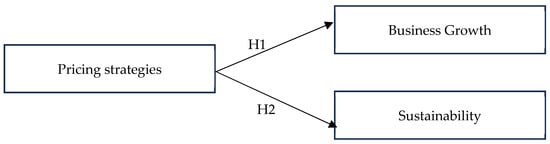
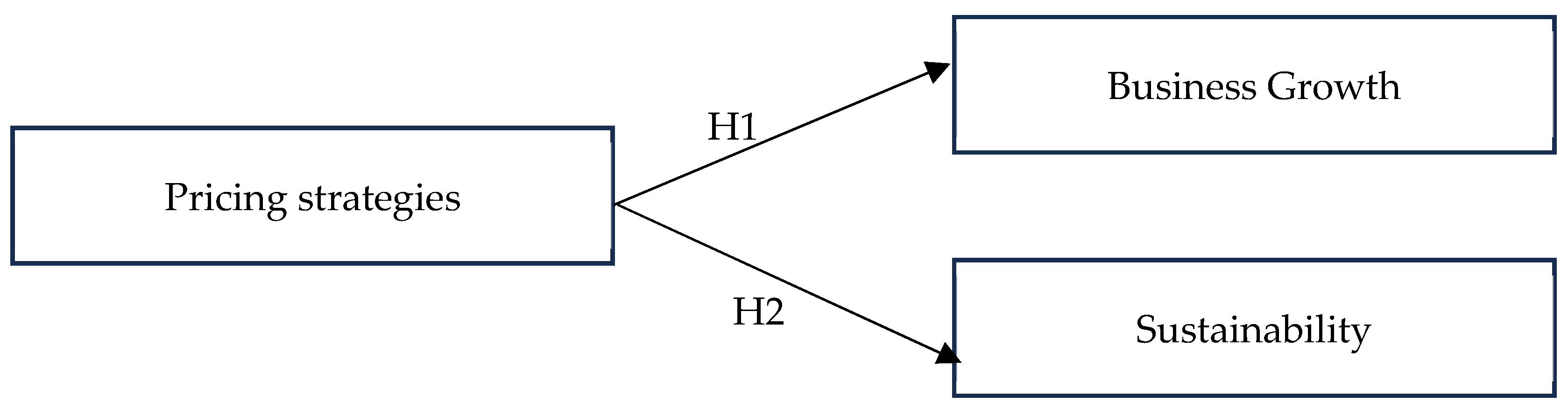

Disclaimer/Publisher’s Note: The statements, opinions and data contained in all publications are solely those of the individual author(s) and contributor(s) and not of MDPI and/or the editor(s). MDPI and/or the editor(s) disclaim responsibility for any injury to people or property resulting from any ideas, methods, instructions or products referred to in the content. |
© 2026 by the authors. Licensee MDPI, Basel, Switzerland. This article is an open access article distributed under the terms and conditions of the Creative Commons Attribution (CC BY) license.