


Abstract
A novel plant nutrient media was developed from vermicompost through microbial organisms and organic soil obtained from mango orchards. The novel nutrient media was evaluated to assess the efficacy of the novel media as both a sole and integrated nutrient source for flower production of marigold (Tagetes erecta L.) cv. Pusa Basanti in sandy loam soil. The results demonstrated that marigold flower yield was maximized when the novel plant nutrient media comprised 50% of the novel nutrient media combined with the recommended dose of chemical fertilizers, compared to chemical fertilizers alone. Post-harvest soil analysis revealed that treatments with this novel nutrient media, both alone and in combination with inorganic fertilizers, significantly enhanced nutrient availability (NPK), increased soil organic carbon content, and improved microbial activity and soil enzyme function. Principal component analysis identified flower yield per plant, number of flowers per plant, and seed yield as key variables explaining maximum variability, suggesting these traits as primary selection criteria for performance optimization, and the treatments T4 (78.01) and T5 (85.15) had the highest positive scores on PC1, indicating superior performance for yield-contributing traits. These findings indicate that integrating novel nutrient media into agricultural practices could provide developing countries with an effective strategy for addressing the environmental challenges associated with excessive inorganic fertilizer use while maintaining crop productivity.
1. Introduction
Marigold (Tagetes spp.), which belongs to the family Asteraceae, is a significant ornamental and commercial flower crop extensively cultivated for food, medicinal, and decorative applications [1]. Originally from Mexico, this vibrant flowering plant is now widely grown across tropical and subtropical regions, including Bangladesh and India [2,3]. Distinguished by its bright yellow and orange hues and adaptability to diverse climatic conditions, marigold represents one of India’s most important loose flower crops [4]. The National Horticulture Board published, flower production in india was 2659 thousand tonnes of loose flowers and 877 thousand tonnes of cut flowers for 2023–2024 [5].
Beyond ornamental value, marigold flowers serve multiple therapeutic purposes in traditional medicine, functioning as natural insecticides, bactericides, fungicides, and herbicides [6,7]. The flowers are utilized as natural colorants and flavoring agents [8] and incorporated into functional foods, salads, teas, sauces, and curries [9]. Phytochemical analysis reveals diverse bioactive compounds, including triterpenoids, carotenoids, flavonoids, and thiophenes. Notable carotenoids include β-carotene, lycopene, α-cryptoxanthin, lutein, zeaxanthin, neoxanthin, violaxanthin, phytoene and phytofluene [6,10,11]. The high lutein content particularly contributes to human health protection and disease prevention [12,13], while flower extracts demonstrate excellent antioxidant properties, positioning marigold as a valuable dietary component [14].
Optimal marigold growth and flowering significantly depend on balanced nutrition, particularly NPK macronutrients [15,16,17,18]. Nitrogen, essential for protoplasm and protein synthesis, influences plant growth and flowering through complex networks involving photoperiod conditions and internal regulation mechanisms [19,20]. Zhang et al. [21] demonstrated that nitrogen absorption involves various transcription factors, kinases, and transporters that regulate flowering time. Phosphorus, present in nucleic acids, phospholipids, and enzymes, affects energy transfer, photosynthesis, seed quality, and disease resistance [22,23]. Potassium facilitates oxidative phosphorylation, protein activation, cell elongation, photosynthesis, and osmoregulation while supporting respiration, transpiration, and chlorophyll synthesis [24,25,26,27].
Although chemical fertilizers increase yields, other strategies are required due to their long-term negative consequences on human health and environmental sustainability [28,29,30]. On the other hand, integrated approaches combining organic manures with inorganic fertilizers provide holistic solutions for sustainable agricultural production, addressing nutrient deficiencies while increasing crop yields [31,32]. Organic fertilizers, particularly vermicompost, provide sustainable solutions by supplying essential macro- and micronutrients while improving soil humus content [33]. Vermicompost, produced through earthworm-mediated decomposition of organic materials, represents a nutrient-rich organic fertilizer that enhances agricultural productivity and soil fertility sustainably [34,35]. This bio-fertilizer improves the soil’s physical and biological properties while providing vitamins, plant growth regulators, and beneficial microorganisms [36,37]. Nowadays, flower growers are increasingly using organic sources of fertilizers [38,39]. Vermicompost and enhanced vermicompost are among the organic nutrient sources that can produce more flowers when used with reduced doses of chemical fertilizers [39,40]. However, conventional vermicompost’s relatively low nutrient concentration requires large application quantities for adequate crop nutrition [41]. This limitation creates opportunities for nutritional enhancement through microbial enrichment.
Enriched compost incorporates nitrogen-fixing organisms, phosphate-solubilizing bacteria (PSB), potassium-solubilizing bacteria (KSB), and rock phosphate to boost NPK and micronutrient levels [42,43]. India’s abundant rock phosphate reserves, though largely unsuitable for commercial P-fertilizer production due to low reactivity, can effectively enhance vermicompost quality [44,45]. Composting organic waste with rock phosphate and microbial activity promotes phosphorus solubilization and plant availability [42,46]. Moreover, azotobacter bacteria produce organic acids and enzymes that simultaneously fix nitrogen and solubilize phosphorus [47,48]. PSB effectively increases soil phosphate availability and crop production, either independently or combined with other bioformulations [49,50]. Similarly, KSB enhances nutrient accessibility while reducing chemical fertilizer dependence [51,52]. In previous research, we looked at a nutritional medium derived from vermicompost made from partially decomposed vegetable waste in a volume ratio of 3:1 (vegetable waste residues: dung). This bed was filled with roughly 1000 earthworms (Eisenia foetida) for every 100 kg of material. For efficient growth, flowering, and soil health, the enriched vermicompost made with rock phosphate, Azotobacter chroococcum, phosphate-solubilizing bacteria (Bacillus megaterium), and potassium-solubilizing bacteria (Frateuria aurantia) was applied to tuberose [39].
In the present study, vermicompost was made from vegetable waste, azolla, water hyacinth, and cow manure. The novel media was created by inoculating 1000 kg of dried vermicompost, 20 kg of soil from a 20-year-old organic mango orchard, 10 kg of rock phosphate, and 10 kg of biofertilizers (Azospirillum, PSB, and KSB). Furthermore, it has been noted that longer-term organic management improved microbial community networks, soil organic carbon, nutrients, microbial and enzymatic activities in top and sub-soils, and the number of nodes and edges (which doubled after 20 years), indicating a more resilient ecosystem [53].
Keeping in view the above facts, the present study investigates a novel plant nutrient media prepared through inoculation of microorganisms with rock phosphate and organic soil collected from orchards, and their effectiveness and characterization for marigold cultivation. This research also examines the impacts of novel plant nutrient media on plant growth, flowering, and soil health conservation, contributing to organic farming advancement in floriculture while promoting environmental sustainability.
2. Materials and Methods
2.1. Experimental Site and Treatments
The impact of varying nutrient levels on the growth, flowering, and postharvest soil quality of marigold (Tagetes erecta L. cv. Pusa Basanti) was investigated in a field experiment at the Horticultural Research Centre, Sardar Vallabhbhai Patel University of Agriculture and Technology, Meerut, Uttar Pradesh, India during the winter season of 2024–2025 with mean temperatures of 7–28 °C and low rainfall (≈30–50 mm) during the cropping period. The experimental soil was sandy loam with a pH of 7.3 and an initial soil NPK status of 120:20:170 kg/ha. Three replications and six treatments, including T1 (Control), T2 (100% RDF—100:100:100 kg/ha NPK), T3 (4 t/ha novel plant nutrient media), T4 (75% RDF + 1 t/ha novel plant nutrient media), T5 (50% RDF + 2 t/ha novel plant nutrient media), and T6 (25% RDF + 3 t/ha novel plant nutrient media) under the Randomized Block Design (RBD) experimental model, were used for the study. Muriate of potash, urea, and single superphosphate were used as fertilizer sources. Observations were recorded on growth, flowering, and soil microbial and enzymatic parameters.
2.2. Preparation of Vermicompost and Novel Nutrient Media
Vermicompost was prepared using cow dung, azolla, water hyacinth, and vegetable waste in 4 × 2 × 5 ft pits (L × W × H). Plant residues were moistened to about 75% and allowed to partially decompose anaerobically for three weeks, after which they were mixed with partially digested cow dung in a 1:1 ratio on a weight basis. The mixture was placed in beds of 4 × 2 × 5 ft and inoculated with about 1000 Eisenia foetida earthworms per 100 kg of material [42]. After 90 days, the material was converted into fine vermicompost, from which five representative samples were analyzed for major and minor nutrients (Table 1). A novel plant nutrient media was prepared by thoroughly mixing 1000 kg of dried vermicompost with 20 kg of soil (from a 20-year-old organic mango orchard), 10 kg rock phosphate, and 10 kg each of biofertilizers (Azospirillum, PSB, and KSB). The mixture was heaped, maintained at 60% moisture, and composted in shade for 75 days [39,42,54]. Composite samples were analyzed, and average nutrient values are presented in Table 1.
Table 1.
Nutrient and microbial populations in vermicompost and novel plant nutrient media.
2.3. Data Collection and Analysis of Physico-Chemical, Biological, and Enzymatic Activities of Soil
Marigold (Tagetes spp.) growth, flowering, and yield parameters were measured from randomly chosen plants in each condition. Plant height was measured from the soil surface to the apical tip using a measuring scale, while plant spread was recorded in North–South and East–West directions and averaged. The number of primary branches per plant was counted manually. For total dry matter estimation, plants were uprooted at final harvest, cleaned, oven-dried at 65 ± 2 °C until constant weight, and expressed as g per plant. Days to first flowering were measured from transplanting to first flower opening, flowering time was measured from first flowering to last flower senescence, a digital vernier caliper was used to measure the flower’s diameter at full bloom, and an electronic balance was used to record the weight of a single blossom. During the blossoming season, the total number of flowers per plant was counted, and the fresh flower weight was added to determine the flower yield per plant. Plot yield was used to determine flower yield (t/ha), and seed yield (q/ha) was measured at maturity. The experiment was conducted on sandy loam soil that had 17.23% clay, 29.85% silt, and 52.92% sand. Soil samples were obtained from each plot at a depth of 0 to 15 cm after the crop was harvested and before the incorporation of NPK and novel plant nutrient media to estimate the soil analysis for physico-chemical, biological, and enzymatic activity parameters. A digital pH meter (manufactured by Systronic, Gujrat, India) was used to test the pH in a 1/10 (w/v) aqueous solution (deionized water). Available potassium [55], phosphorus [56], and nitrogen [57] were estimated using the alkaline potassium permanganate method. Additionally, soil organic carbon (SOC) was measured using the suggested method [58]. The bulk density (BD) value was determined by dividing the dry mass of the soil by the volume of the soil ring or probe [59]. The standard plate count approach was also used to characterize soil fungi [60], as well as estimate the soil bacteria and actinomycetes [61]. To estimate the overall microbial population, the method of Baron et al. [62] was employed. Yao et al. [63] described the measurement of urease activity and the measurement of acid phosphatase activity using p-nitrophenyl phosphate (p-NPP) [64]. The activity of dehydrogenase was measured using triphenyl tetrazolium chloride (TTC) [65].
2.4. Statistical Analysis
Pearson’s correlation analysis was performed on the original data in order to thoroughly examine the results. Past software version 3.11 was used to perform Principal Component Analysis (PCA), which reduces the complexity of multivariate data into fewer primary axes. In addition to producing component scores for each variable, this approach creates eigenvectors for each primary axis. The PCA was used to determine the best parameters for yield estimation, analyze correlations between features, and create selection criteria [66].
3. Result and Discussion
3.1. Characterization of Novel Plant Nutrient Media
The proper mixture of organic wastes and the inoculation of microorganisms in the generated vermicompost were responsible for the earthworms’ survival and activity in the vermicompost and novel plant nutrient media during the investigation [35,37,67]. Table 1 shows that the vermicompost and novel plant nutrient media showed different results in terms of macro- and micronutrients. The vermicompost’s pH was higher (7.80), whereas the enriched compost’s was lower (7.70). When comparing the enriched compost to the vermicompost, the pH of the former may have slightly decreased due to the production of organic acids, such as lactic, acetic, butyric, etc., by acid-forming species and phenolic compounds during incubation [68]. Similarly, Kumar et al. [69] discovered comparable results. More organic carbon (330.40 g/kg) is present in the novel plant nutrient media than in plain vermicompost (301.50 g/kg), which is about 9.58% more than in basic vermicompost. According to Kumar et al. [69], the increased organic carbon content might be the consequence of the different organic materials used for compost enrichment breaking down more efficiently.
The nitrogen content of the novel plant nutrient media is the greatest at 2.54%, which is almost 47.67% more than that of the plain vermicompost (1.72). The greater N content in this material could result from the enhanced vermicompost’s higher population of nitrogen-fixing bacteria, which metabolize more nitrogen [54,70]. Similar results have been reported [39,42,71] in their comparison of studies about general and enhanced vermicompost. The maximum phosphorus concentration (1.70%) was enhanced in the novel plant nutrient media, and was around 88.88% higher than the basic vermicompost (0.90%). This might be because of the substantial rise in P-mineralization rates after PSB were added to the vermicompost [42,54,72]. Similar findings were also discovered when [71] compared the examination of improved and conventional vermicompost. Additionally, P release in the new plant nutrition medium increased with the concentrations of organic acids, including citric, oxalic, and tartaric acids, produced in the enhanced compost due to the rock phosphate inoculation in the vermicompost [71,73]. Some studies have demonstrated comparable outcomes when contrasting basic and enhanced vermicompost [54,71]. Furthermore, the novel plant nutrient media possessed a higher K content (1.80%), about 50.00% greater than the K concentration of the ordinary vermicompost (1.20 K). The enhanced VC’s ammonium acetate-K content increased as a result of the organic compounds being broken down by KSB injection [72]. Furthermore, KSB microbes produce organic acids and capsular polysaccharides, including citric, oxalic, and tartaric acids, that release potassium by breaking down the minerals feldspar and illite [74,75,76,77].
The novel nutrient media had a greater micronutrient concentration, including Exch. Mg (8.80 g/kg), which was almost 22.22% higher than that of the plain vermicompost (7.20 g/kg). The concentration of Exch. Ca (g/kg) in the novel plant nutrient media was 32.80 g/kg, which was around 25.19% higher than that of the basic vermicompost, which had 26.20 g/kg. Considering these facts, it had higher levels of calcium and magnesium than compost; rock phosphate enriched the compost by adding more of these nutrients. Our findings concur with Kumar et al.’s [69] findings. Furthermore, the novel plant nutrient media’s Ext. Mn (mg/L) concentration was 18.40 mg/L, which was 19.48% higher than the simple vermicompost (15.40 mg/L). A greater amount of organic carbon (OC) in the compost increased the capacity for Mn mobility in the novel plant nutrient media, which may have improved the mineralization of organic materials and greatly raised the biomass of soil microbes [78,79]. Very little variation was seen in Ext Fe, Cu, and Zn. Our findings are consistent with Singh and Ganguly’s [80] findings that nutrient concentrations vary significantly between samples and can be caused by variations in the raw materials used, the climate, the kind and technique of composting, and the moisture content at the time of application. The very low micronutrient concentration after enrichment may be a result of organic micronutrient chelation [69,81].
The composting process is associated with several microorganisms, such as bacteria, actinomycetes, and fungi [82]. It is clear that a microbial population is necessary for the decomposition of organic materials [83]. The greatest number of bacteria was discovered in this study for the novel plant nutrient media, which had 205.25 CFU × 106 g−1, which is 11.24% higher than that of the ordinary vermicompost (184.50 CFU × 106 g−1). Additionally, compared to basic vermicompost, novel plant nutrient media showed a higher population of fungi and actinomycetes (8.16% and 11.50%), as indicated in Table 1. The presence of microbial consortia, including Azotobacter, PSBs, and KSBs, in the novel plant nutrient media may be the cause of the elevated microbial activity, since these consortia directly boost microbial activity [84,85,86]. Furthermore, using soil from an ancient orchard might also help to boost microbial activity in a novel plant nutrient media, and Lori et al. [87] have indicated that, in comparison to conventional systems, organic agriculture considerably boosts microbial biomass carbon, microbial biomass nitrogen, and enzymatic activity, which is similar to our findings. When examining the long-term organic farming of soil, Wen et al. [53] found similar results.
3.2. Effect of Novel Plant Nutrient Media on Growth Parameters of Marigold
According to Table 2, the enhanced media has a 5% likelihood level impact on the mentioned attributes. The marigold plants’ vegetative parameters were all in the following order: T5 > T4 > T2 > T3 > T6 > T1. The treatment T5 (50% RDF/ha + 2 tons novel plant nutrient media) had the highest plant height (98.64 ± 4.15 a), which was 19.46 and 87.46%; plant spread (56.86 ± 1.45 a), which was 17.23 and 104.16%; number of branches/plant (16.16 ± 0.22 a), which was 18.42 and 141.19%; and total dry matter (46.00 ± 0.12 g/plant), which was 7.35 and 152.74% higher than T2 and T1, respectively. The substantial solubility of insoluble minerals and enhanced potassium availability for plants, phosphorus, and nitrogen produced by the novel plant nutrient media inoculated with bacteria such as Azotobacter, PSB, and KSB improve nutrient uptake and plant growth indices [88,89,90]. Additionally, they might accelerate photosynthesis and metabolite transport, enabling greater upward vegetative growth at a faster rate. Our findings support the application of both biofertilizers and organic manure when half doses of novel plant nutrient media and half doses of inorganic fertilizers are applied to marigold [91,92,93]. More soluble NPK and micronutrients in the novel plant nutrient media may be the cause of the increased dry matter. These nutrients are then taken by plants, creating strong plants that subsequently accumulate more dry matter [94,95]. Singh et al. [96] demonstrated comparable results when using vermicompost and biofertilizers in conjunction with lower doses of inorganic fertilizers. All things considered, the novel nutrient medium significantly affects these metrics, which may be explained by its function of boosting the availability of micronutrients and plants, as well as native soil nutrients, by boosting microbial activity. Similar results have been found in other crops [69,97].
Table 2.
Effects of novel plant nutrient medium as substitute for inorganic fertilizers on growth parameters of marigold (Tagetes erecta L.) cv. Pusa Basanti.
3.3. Effect of Novel Plant Nutrient Media on Flower Parameters of Marigold
The effects of the novel nutrient media, reduced inorganic fertilizer doses, and RDF on the floral features were significant at the 5% probability level (Figure 1). As seen in Figure 1, plants treated with the novel plant nutrient media alone in treatment T3 (4 tons/ha) did not demonstrate an advantage in floral metrics; however, they performed better when mixed with inorganic fertilizers. The time it took for marigold plants fertilized with various treatments to begin flowering varied in the following order: T3 < T6 < T4 < T5 < T2 < T1. Treatment T3 (4 tons of novel plant nutrient media) required the fewest days (40.85 ± 0.78 d) to see flowers on the plants, while the control treatment required the most days (60.25 ± 0.66 a) to start flowering. Since higher quantities of nitrogen in novel plant nutrient media may have accelerated protein synthesis and promoted faster floral primordial development, this might be the cause, as also reported by [98] when working on marigold crops. Early bud initiation may be brought on by the action of the novel plant nutrient media, which includes enzymes such as amylase, lipase, and cellulose. These enzymes release essential nutrients and facilitate their absorption by roots. Additionally, they promote the growth of a number of soil enzymes, including urease, dehydrogenase, and alkaline phosphates. By hydrolyzing urea and transforming soil phosphorus into a form that plants can absorb, urease and phosphate both support the N-cycle. Gibberellic acid, which is available in compost as well as in novel plant nutrient media, and may be connected to blooming control, might perhaps be the reason for these results [35,99]. Refs. [96,100,101] further noted comparable outcomes in chrysanthemum and marigold. Blooming length is a crucial element of increased yield per unit area, which concerns the long-term availability of flowers. The length of time that plants took to blossom differed based on the type of fertilizer used; the order was T5 > T4 > T3 > T6 > T2 > T1. Plants treated with T5 (50% RDF/ha + 2 tons novel plant nutrient media/ha) required the longest time for blossoming (88.50 ± 0.87 a), while the control group’s blossoming period was the shortest (74.50 ± 0.09 e). By mixing enhanced vermicompost containing microbial enzymes, chemical fertilizer doses were reduced up to 50%, and the proper nutrients were provided over a longer period of time. Furthermore, the Azotobacter, PSB, and KSB contained in the novel plant nutrient media might directly contribute to the solubilization of inorganic nutrient sources, facilitating their easy accessibility throughout the growing season, as well as being associated with longer flowering. Considering the sufficient amount of nutrients supplied by the novel plant nutrient media with a mix of inorganic fertilizers, increased protein synthesis might be the cause of the prolonged blooming time, and it may also be due to nutrient mobilization. These findings are consistent with those found in marigold [91,102].
Figure 1.
Effects of novel plant nutrient media as substitute of inorganic fertilizers on flowering parameters of marigold (Tagetes erecta L.) cv. Pusa Basanti. Small alphabet letters indicate significantly different at p < 0.05, as measured by Duncan’s test between treatments.
The differences between the treatments are shown clearly in Figure 1 in relation to flower yield attributes such as flower diameter (cm), single flower weight (g), number of flowers/plant, flower yield/plant (g), flower yield (t/ha), and seed yield (kg/ha). Plants treated with T5 (50% RDF/ha + 2 tons of novel plant nutrient media/ha) showed superiority among the treatments, although they were statistically equivalent to T4 (75% RDF/ha + 1 ton of novel nutrient media/ha). In comparison to T1 and T2, treatment T5 had a maximum flower diameter of 6.25 ± 0.07 a, which was approximately 66.67 and 17.92% larger; a single flower weight of 8.14 ± 0.03 a, which was approximately 39.86 and 4.35% more weight; a number of flowers/plant of 46.20 ± 0.19 a, which was at least 80.46 and 8.70% more flowers; a flower yield of 376.15 ± 4.57 per plant, which was approximately 152.46 and 13.46% more flowers/plant; a flower yield of 12.03 ± 0.08 a per hectare, which was approximately 152.73 and 19.58% higher in tonnes/ha; and a seed yield of 154.00 ± 2.64 a, which was approximately 176.63 and 8.45% higher in kg/ha than T1 and T2, respectively. More blooms with better floral parameters might be the result of the novel plant nutrient media, which has more nutrients from the biofertilizer inoculation and is taken by the plants more slowly over time. Refs. [91,92] have noted similar findings in marigold. The increase in blooms caused by the addition of novel plant nutrient media may be due to a general improvement in the physico-chemical properties of the soil, which results in an increase in all nutrients and a decrease in pH. For optimal development, these favorable results encouraged increased plant nutrient availability and steady delivery throughout development [69].
3.4. Effect of Novel Plant Nutrient Media on Soil NPK, Soil Organic Carbon, and Bulk Density of Soil in Post-Harvested Soil of Marigold
According to Table 3, the plants in treatment T3 (4 tons of novel plant nutrient media/ha) that received only the novel plant nutrient media outperformed the others in relation to the soil’s post-harvest NPK content. The primary nutrients that were accessible varied significantly across treatments, including N (105.36 ± 1.85 d to 150 ± 3.66 a kg/ha), P2O5 (19.7 ± 0.46 c to 23.50 ± 0.17 a kg/ha), and K2O (148.20 ± 1.04 d to 182.20 ± 3.50 a kg/ha) (Table 3). NPK levels in post-harvest soil were in the following order: T3 > T6 > T5 > T4 > T2 > T1; treatment T3 contained around 13.25% and 42.65% more N than T2 and T1, respectively. In a similar way, treatment T3 boosted P and K by about 14.18%, 19.28%, 8.13%, and 22.94% more than the T2 (RDF) and T1 (control) treatments, respectively. Additionally, it has also been shown that post-harvest soil treated with higher dosages of novel plant nutrient media and lesser amounts of inorganic fertilizers had higher NPK concentrations than RDF and the control. The enrichment of nitrogen, phosphate, and potassium in the unique plant nutritional medium, together with the soluble form of insoluble NPK generated by Azotobacter, PSB, and KSB, may be the cause of the rise in soil NPK reserves beneath the marigold crop. This process makes it easier for the soil to hold onto more nutrients. The buildup of soil-available nutrients may be due to increased microbial development in soil treated with improved vermicompost, which helps with the natural nutrients’ mineralization and solubilization. The initial value also indicated that marigold crops could not be maintained in healthy soil by using solely inorganic fertilizer (T2). Similar outcomes were attained by Sinha et al. [103] when sugarcane crops received treatment using a mix of inorganic, organic, and biofertilizer nutrients. Moreover, vermicompost treatment increases the quantity of nutrients in the soil by altering the soil’s physicochemical characteristics, which lowers the quantity of nutrients that escape the soil [104]. After examining the organic carbon content of several soils that had been treated with organic manures, refs. [105,106] discovered similar outcomes. The maximum organic carbon (0.40 ± 0 b) was discovered in the soil fertilized with T3 (4 tons/ha of novel plant nutrient media), which was similar to that of treatments T5 and T6. This implies that although other treatments had no discernible impacts, more of the novel plant nutrient media was used in both treatments to raise the organic carbon content. The higher microbial activity in the root zone due to the novel plant nutrients might be the reason why the amount of organic carbon increased. In order to boost organic carbon levels and meet agricultural demands, this process degraded organic manure and transformed unavailable mineral nutrients into forms that the soil could utilize. Additionally, adding Azotobacter, PSB, and KSB to the novel plant nutrient media resulted in a large amount of organic matter, which served as a rich carbon source for the growth of microorganisms [107,108]. Furthermore, organic fertilizer itself contains a large number of live microorganisms, which facilitates the “introduction” and “inoculation” of microorganisms [109,110], and the same characteristics were noted, as shown in Table 1, which emphasizes the increased microbial activity in the novel plant nutrient media relative to plain vermicompost. Comparing the new plant nutrition medium to the control and RDF, the organic carbon and microbial population (i.e., bacteria, fungi, actinomycetes, and total soil microbial population) rose significantly. The beneficial effects of the novel plant nutrient media on the soil’s chemical and physical characteristics may be due to an increase in organic carbon in treatments T3, T4, and T6. When examining the soil quality of various crops, our findings are consistent with those of [103,106]. Bulk density is the mass of soil per unit volume, including pore space, and also indicates the soil’s porosity and compactness. The bulk density was in the following order: T3 < T6 < T5 < T4 < T2 < T1. Soil treated with T3 (4 tons of enriched VC/ha) had the minimum bulk density of soil (1.34 ± 0.000 d g cm−3), which was approximately 11.94% and 2.04% less than T1 and T2, respectively. This could be because organic sources of nutrients have an impact on the physical characteristics of the soil, greatly reducing bulk density and increasing porosity [111]. The experiment’s findings are consistent with a previous study that found that bulk density drops when soil organic matter concentration increases [112].
Table 3.
Effects of novel plant nutrient media as substitute of inorganic fertilizers on post-harvested soil nutrients of marigold (Tagetes erecta L.) cv. Pusa Basanti.
3.5. Effect of Novel Plant Nutrient Media on Soil Microbial Status in Post-Harvested Soil of Marigold
There were notable variations amongst the treatments in terms of the bacteria, fungi, actinomycetes, and total soil microbial community, as shown in Figure 2. Furthermore, compared to control and RDF, post-harvested soil treated with greater dosages of the novel plant nutrient media alone and in conjunction with lower amounts of inorganic fertilizers showed increased soil microbial development. Higher microbiological status in the soil was demonstrated by plants treated with large amounts of enriched compost in the following order: T3 > T6 > T5 > T4 > T1 > T2. The highest populations of bacteria (49.50 ± 0.38 a CFU × 106 g−1), fungi (13.20 ± 0.17 a CFU × 104 g−1), actinomycetes (51.10 ± 1.19 a CFU × 105 g−1), and total soil microbial population (8.12 ± 0.09 a CFU × 106 g−1) were found in Treatment T3, which included 4 tons of novel plant nutrient media/ha. Moreover, T3 demonstrated substantial increases over T2 (RDF) and T1 (control), with bacteria populations elevated by 82.52% and 69.28%, fungi by 123.35% and 85.91%, actinomycetes by 64.83% and 37.83%, and total microbial populations by 142.38% and 116.53%, respectively. In T2 plots, where RDF was incorporated into the plants using NPK through inorganic sources of soil nutrients, the microbiological parameters were measured, and it was found that the T1 (control) values had more microbial activity than the T2 (RDF). Our findings are consistent with those of [113], who discovered that organic residues increased the size, variety, and activity of the soil’s microbial population. Additionally, microbial activity rose when organic fertilizer was applied [114]. In contrast, the inorganic NPK treatment reduced the microbial population in the T2 plots and the soil’s OC content, compaction, porosity, water-holding capacity, and micronutrients. Similar results were also demonstrated [105] on vermicompost alone or in combination with traditional fertilizers. According to research by Kaur et al. [115], the development of bacterial and fungal strains also seems to be regressed by inorganic fertilizers. This effect might be connected to the production of harmful metabolites from mineral nitrogen [116,117]. Their high activity in nitrogen-limited soils and their capacity to effectively break down carbon sources low in nutrients can be utilized to sustain noticeably larger populations of actinomycetes in treatment without fertilization as compared to RDF [118,119].
Figure 2.
Effects of novel plant nutrient media as substitute for inorganic fertilizers on microbial activities of post-harvested soil nutrients of marigold (Tagetes erecta L.) cv. Pusa Basanti. Small alphabet letters indicate significantly different at p < 0.05, as measured by Duncan’s test between treatments.
3.6. Effect of Novel Plant Nutrient Media on Soil Enzymatic Activities in Post-Harvested Soil of Marigold
Soil microbes have a significant impact on the cycling of plant nutrients, and fertilizing soil using organic materials often raises the activity of enzymes involved in the C, N, and P nutrient cycles [120,121,122,123]. Additionally, it has been shown that the post-harvested marigold soil treated with the novel plant nutrient media showed an increase in all enzymatic activities (Figure 3). Additionally, larger amounts of the novel plant nutrient media, both by itself and in conjunction with smaller amounts of inorganic fertilizers, demonstrated an increase in soil enzymatic activity relative to the control and RDF. Urease and acid phosphatase activity in post-harvested soil were found to be in the following order in the current study: T3 > T6 > T5 > T4 > T1 > T2, respectively. T3 (4 tons of novel plant nutrient media/ha) had the greatest soil urease activity (53.25 ± 0.58 a), which was almost 163.00% and 191.78% greater than T1 and T2, respectively. Similarly, acid phosphatase activity (309.80 ± 4.18 a) was roughly 135.58% and 152.71% higher than T1 and T2, respectively. The beneficial effects of the novel plant nutrient media on increasing the amount of soil organic carbon may also improve the soil’s physical and chemical characteristics [103]. Our findings also supported previous studies that found increased urease activity at higher amounts of bio-compost than at lower levels. This implies that the presence of enzymes and new soil organic matter (SOM) for microbial breakdown increases soil microbial activity [91,103,124]. Furthermore, a substantial positive relationship between soil organic matter and urease activity has also supported the enhanced activity of urease [125,126]. Many studies have demonstrated that urease enzyme activity may be increased more successfully with the use of soil nitrogen sources and organic fertilizers [123,127,128]. According to Sharma et al. [91], in control plots, urease activity was greater than in RDF, where inorganic fertilizer, including urea, was applied. Since urea fertilizers and urease reaction products contain ammonium, microbial induction of urease activity decreased in chemical fertilizer treatments. Furthermore, our results are in line with those of Heidari et al. [129], who found that urease activity was positively impacted by organic manure. In addition, acid phosphatase activity is influenced by a variety of factors, including pH, nutrients, carbon, nitrogen, phosphorus, organic matter, microbial community structure, moisture, temperature, and microbial community structure [130]. Numerous studies have revealed that the soil’s organic content boosts the acid phosphatase enzyme’s activity [103,131] and, due to limited organic carbon, reduces acid phosphatase activity [132], which is in line with our results. Additionally, vermicompost, which generates various acids throughout the composting process, and acid phosphatase activity were increased by adding rock phosphate [73,133]. In the study, control plots showed higher acid phosphatase activity compared to those that had RDF added. Considering that the quantity of phosphorus restricts the amount of accessible phosphatase that is produced, it can be caused by artificial fertilizers that block the action of acid phosphatase [132,134]. The dehydrogenase activity was in the following order: T3 > T6 > T5 > T4 > T2 > T1. The soil treated with T3 (4 tons of novel plant nutrient media/ha) had the highest dehydrogenase activity (192.24 ± 4.20 a), which was about 179.94% and 158.04% greater than T1 and T2, respectively. Soil treated with the T1 control (no RDF and no novel plant nutrient media showed the lowest dehydrogenase activity (68.67 ± 1.11 e) as compared to RDF T2. The phosphatase activity rose linearly with the amount of compost applied [129]. Dehydrogenase activity in soil may be combined with soil respiratory activity to serve as a measure of microbial activity [125] and is a gauge of the microbiological redox system and microbial oxidative activity [135]. Fertilization can directly affect dehydrogenase activity, for instance, by altering the availability of nutrients or by contaminating the fertilizers with heavy metals. Similarly, in order to reduce dehydrogenase activity, ref. [65] recommended reducing the soil’s carbon and labile carbon content. As per earlier research, the DEA enzyme’s activity is increased by adding organic nutrient sources to the soil [103,123,128], which is in line with our findings. Additionally, the emergence of humic acids could have had a role in the increase in dehydrogenase activity in T2 plots as contrasted to T1 plots, as it boosted the activity of microorganisms in the soil [136,137,138]. Similarly to Amadou et al. [120], who also discovered that rhizosphere enzyme activity decreased similarly when wheat soil was treated with both organic and synthetic fertilizer sources, the current investigation’s treatment of enzyme activities was not significantly impacted by the administration of inorganic fertilizer overall.
Figure 3.
Effects of novel plant nutrient media as substitute of inorganic fertilizers on enzymatic activities of post-harvested soil nutrients of marigold (Tagetes erecta L.) cv. Pusa Basanti. Small alphabet letters indicate significantly different at p < 0.05, as measured by Duncan’s test between treatments.
3.7. Correlation Among the Growth, Flowering, and Yield Parameters
The correlation study indicated that the number of branches per plant had a substantial and very significant positive association with both flower production per plant and yield per hectare (r = 0.98), total dry matter per plant (r = 0.97–0.98), number of flowers per plant (r = 0.99), single flower weight (r = 0.99), and flower diameter (r = 0.97–0.98) (Figure 4). This clearly indicates that plants with more branches, higher biomass accumulation, larger flowers, and greater flower numbers contribute substantially to higher flower yield. Plant height and plant spread were also strongly and positively correlated (r = 0.99), suggesting that taller plants tend to have a wider canopy spread, which is favorable for improved yield performance. Days taken to first flowering exhibited a strong negative correlation with yield and its contributing traits (r = −0.75 to −0.83), implying that early flowering plants are associated with higher yield potential. In contrast, the duration of flowering demonstrated a favorable relationship with yield (r = 0.77–0.85), indicating that plants with an extended flowering period produce more flowers. Overall, the number of flowers per plant, single flower weight, and total dry matter per plant, which displayed the highest positive correlations with yield (r > 0.98), can be considered the most important selection criteria for genetic improvement of flower yield. Previously, Blouin et al. [139] found similar findings.
Figure 4.
Correlation plot of growth, flowering, and yield parameters.
3.8. Principal Component Analysis
PCA was used to determine which characteristics were most crucial in causing treatment variability and to reduce the dimensionality of the dataset. The eigenvalues indicated that the first principal component (PC1) demonstrated 98.84% of the total variability, followed by PC2, PC3, PC4, and PC5, which contributed 0.64%, 0.29%, 0.19%, and 0.03%, respectively (Table 4). Together, the first two principal components explained more than 99% of the total variation, suggesting that PC1 and PC2 are sufficient to capture most of the variability in the data (Figure 5).
Table 4.
Eigenvalues and % of Variance of Principal Component Analysis (PCA).
Figure 5.
(a) Principal Component Analysis (PCA) biplot showing distribution of treatments (T1–T6) based on yield and yield-contributing traits. Red dots represent treatments, with numbers corresponding to treatment codes (b) Scree plot of Principal Component Analysis (PCA) showing the percentage of variance explained by each principal component.
PC1 had high positive loadings for yield of flowers per plant (0.889) and seed yield (0.3867) and moderate loadings for plant height, plant spread, and total dry matter, indicating that this component mainly represents yield potential and biomass accumulation. Traits like days to first flowering loaded negatively on PC1 (−0.0569), suggesting that early flowering genotypes tend to be associated with the higher yield potential represented by PC1. PC2 was mainly associated with seed yield (0.7708), plant spread (0.260), and plant height (0.234), suggesting that PC2 differentiates treatments based on vegetative growth and seed production traits rather than flower yield (Table 5). Based on PCA scores, treatments T4 (78.01) and T5 (85.15) had the highest positive scores on PC1, indicating superior performance for yield-contributing traits, while T1 had the most negative score (−171.68), suggesting it is the lowest performer in terms of yield potential. Treatments T3 and T6 had higher positive scores on PC3, which may indicate unique contributions of flowering duration or other secondary traits in these treatments. Our findings are also supported by [140] in marigolds. The dominance of PC1 in explaining variability highlights that flower yield and its associated traits are the most important discriminators among treatments (Table 6). The negative association of days to first flowering with PC1 implies that earliness is beneficial for higher yield, which is consistent with correlation analysis [141]. PC2’s association with plant spread and seed yield indicates that, apart from flower yield, variation in vegetative growth also plays a role in treatment differentiation.
Table 5.
PCA scores for Treatment (T1–T6).
Table 6.
PCA Scores for growth, flowering and yield characteristics.
4. Conclusions
The novel plant nutrient media prepared from old orchard soil enriched with PSB, KSB, Azospirillum, and rock phosphate resulted in the highest NPK levels, enhanced soil microbial and enzymatic activity, improved soil health, and superior plant growth and flowering compared to other treatments. Treatment T5 (50% RDF + 2 t/ha novel nutrient media) produced the maximum number of blooms, while the control showed the poorest performance. Improved nutrient media significantly increased soil NPK, organic carbon, and biological activity. The study confirms that microbial inoculation of organic orchard soils is an efficient approach to improving soil health and increasing marigold yield. Enhanced vermicompost shows strong potential for future organic marigold cultivation. PCA identified flower yield per plant, number of flowers per plant, and seed yield as major contributors to variability, with T4 and T5 ranking highest based on PC1 scores, indicating their suitability for cultivation and breeding programs.
Author Contributions
Conceptualization, methodology, investigation, resources, data curation, project administration, formal analysis, writing—original draft preparation, M.K., V.C. (Veena Chaudhary), V.C. (Vidisha Chaudhary), V.R.S., R.K., C.C., K.K. and D.S.; supervision, visualization, writing—review and editing, A.L.S., R.B., G.D.A.-Q. and M.A.M. All authors have read and agreed to the published version of the manuscript.
Funding
Ongoing Research Funding program—Research Chairs (ORF-RC-2025-5526), King Saud University, Riyadh, Saudi Arabia.
Institutional Review Board Statement
The marigold (Tagetes erecta L. cv. Pusa Basanti) seeds used in this study were sourced from the Horticultural Research Centre, Sardar Vallabhbhai Patel University of Agriculture & Technology, Meerut, Uttar Pradesh, India. All the authors abide by the IUCN Policy Statement on Research Involving Species at Risk of Extinction and the Convention on the Trade in Endangered Species of Wild Fauna and Flora.
Data Availability Statement
The original contributions presented in this study are included in the article. Further inquiries can be directed to the corresponding author.
Conflicts of Interest
The authors declare no conflicts of interest.
References
- Moliner, C.; Barros, L.; Dias, M.I.; López, V.; Langa, E.; Ferreira, I.C.; Gómez-Rincón, C. Edible flowers of Tagetes erecta L. as functional ingredients: Phenolic composition, antioxidant and protective effects on Caenorhabditis elegans. Nutrients 2018, 10, 2002. [Google Scholar] [CrossRef] [Scilit]
- Arefin, S.; Islam, M.T.; Hossain, M.T. Proximate analysis, phytochemical screening and antioxidant activity of Tagetes erecta flower growing in coastal area of Bangladesh. J. Glob. Biosci. 2015, 4, 2060–2066. [Google Scholar]
- Karwani, G.; Sisodia, S.S. Tagetes erecta plant: Review with significant pharmacological activities. World J. Pharm. Sci. 2015, 3, 1180–1183. [Google Scholar]
- Gupta, Y.C.; Panwar, S.; Banyal, N.; Thakur, N.; Dhiman, M.R. Marigold. In Floriculture and Ornamental Plants; Springer Nature: Singapore, 2022; pp. 1–23. [Google Scholar]
- NHB National Horticulture Board’s (NHB). 2024. Available online: https://apeda.gov.in/FloricultureAndSeeds (accessed on 20 January 2026).
- Singh, Y.; Gupta, A.; Kannojia, P. Tagetes erecta (Marigold)-A review on its phytochemical and medicinal properties. Curr. Med. Drug Res. 2020, 4, 1–6. [Google Scholar] [CrossRef] [Scilit]
- Bakshi, L.; Ghosh, R. Marigold biopesticide as an alternative to conventional chemical pesticides. J. Adv. Sci. Res. 2022, 13, 26–33. [Google Scholar] [CrossRef] [Scilit]
- Khattak, K.F. Antioxidant activities and phytochemicals of Tagetes erecta flowers as affected by drying methods. J. Appl. Environ. Biol. Sci 2014, 4, 253–262. [Google Scholar]
- Sultana, H.; Alakeel, K.A.; Hassan, J.; Mallick, S.R.; Zakaria, M.; Kayesh, E.; Alamri, S. Nutrients, bioactive compounds and antinutritional properties of marigold genotypes as promising functional food. Sci. Rep. 2025, 15, 4867. [Google Scholar] [CrossRef] [Scilit]
- Deepika, N.; Duraiswamy, B.; Khanam, S.; Maohar, D.; Shivaprasad, H.N.; Amrutanand, T. Bioactive compounds from marigold processing waste: Extraction, isolation, and antidiabetic activity. J. Appl. Pharm. Sci. 2023, 13, 021–027. [Google Scholar] [CrossRef] [Scilit]
- Morilla, R.B.G.; Torres, M.A.J.; Demayo, C.G. Phytochemical characterization of fresh and air-dried ethanolic leaf extract of African marigold Tagetes erecta (L.). Ornam. Med. Plants 2025, 8, 1–19. [Google Scholar]
- Olmedilla-Alonso, B.; Granado-Lorencio, F.; Castro-Feito, J.; Herrero-Barbudo, C.; Blanco-Navarro, I.; Estévez-Santiago, R. Bioavailability of lutein from marigold flowers (free vs. ester forms): A randomised cross-over study to assess serum response and visual contrast threshold in adults. Nutrients 2024, 16, 1415. [Google Scholar] [CrossRef] [Scilit]
- Han, H.; Chang, Y.; Jiao, Y. Recent Advances in Efficient Lutein-Loaded Zein-Based Solid Nano-Delivery Systems: Establishment, Structural Characterization, and Functional Properties. Foods 2024, 13, 2304. [Google Scholar] [CrossRef] [Scilit]
- Bhattacharyya, S.; Datta, S.; Mallick, B.; Dhar, P.; Ghosh, S. Lutein content and in vitro antioxidant activity of different cultivars of Indian marigold flower (Tagetes patula L.) extracts. J. Agric. Food Chem. 2010, 58, 8259–8264. [Google Scholar] [CrossRef] [Scilit]
- Neto, A.E.F.; Boldrin, K.V.F.; Mattson, N.S. Nutrition and quality in ornamental plants. Ornam. Hortic. 2015, 21, 139–150. [Google Scholar] [CrossRef] [Scilit]
- Gautam, B.; Dubey, R.K.; Dubey, M.; Kaur, N.; Choudhary, O.P. Growth and physiological response of indoor plants species to different nutrient formulations suitable for indoor vertical gardening. Agric. Res. J. 2023, 60, 560–567. [Google Scholar] [CrossRef] [Scilit]
- Katoch, K.; Dubey, R.K.; Choudhary, A. Evaluation of different combinations of potting media and ornamental plants on growth, biochemical, and nutrient content in outdoor vertical gardening. J. Plant Nutr. 2024, 47, 3455–3468. [Google Scholar] [CrossRef] [Scilit]
- Abdaljabar, Z.F.; Al-Hashemi, F.H.; Neamah, W.H.; Adil, A.M. The Role of Organic Fertilizer on The Growth of Ornamental Plants (A Review). J. Sci. Res. Med. Biol. Sci. 2025, 6, 33–37. [Google Scholar]
- Tharaka, M.; Ravi Chandra, K.; Singh, V. Influence of nitrogen and zinc on growth and yield of baby corn (Zea mays L.). Int. J. Plant Soil Sci. 2021, 33, 64–70. [Google Scholar] [CrossRef] [Scilit]
- Cebeci, Y.U.; Batur, Ö.Ö.; Boulebd, H. Design, synthesis, theoretical studies, and biological activity evaluation of new nitrogen-containing poly heterocyclic compounds as promising antimicrobial agents. J. Mol. Struct. 2024, 1299, 137115. [Google Scholar] [CrossRef] [Scilit]
- Zhang, S.; Liu, Y.; Du, M.; Shou, G.; Wang, Z.; Xu, G. Nitrogen as a regulator for flowering time in plant. Plant Soil 2022, 480, 1–29. [Google Scholar] [CrossRef] [Scilit]
- Jia, X.; Wang, L.; Zeng, H.; Yi, K. Insights of intracellular/intercellular phosphate transport and signalling in unicellular green algae and multicellular land plants. New Phytol. 2021, 232, 1566–1571. [Google Scholar] [CrossRef] [Scilit]
- Wohlgemuth, R. The power of biocatalysts for highly selective and efficient phosphorylation reactions. Catalysts 2022, 12, 1436. [Google Scholar] [CrossRef] [Scilit]
- Haokip, N.; Singh, U.C. Response of nitrogen and phosphorus on growth and flowering parameters in gladiolus. J. Orn. Hort. 2005, 8, 314–315. [Google Scholar]
- Shi, Z.; Liu, D.; Luo, W.; Hafeez, M.B.; Li, J.; Wen, P.; Wang, X. Combined nitrogen and phosphorus management based on nitrate nitrogen threshold for balancing crop yield and soil nitrogen supply capacity. Agric. Ecosyst. Environ. 2022, 337, 108071. [Google Scholar] [CrossRef] [Scilit]
- Hasanuzzaman, M.; Bhuyan, M.B.; Nahar, K.; Hossain, M.S.; Mahmud, J.A.; Hossen, M.S.; Fujita, M. Potassium: A vital regulator of plant responses and tolerance to abiotic stresses. Agronomy 2018, 8, 31. [Google Scholar] [CrossRef] [Scilit]
- Johnson, R.; Vishwakarma, K.; Hossen, S.; Kumar, V.; Shackira, A.; Puthur, J.T.; Abdi, G.; Sarraf, M.; Hasanuzzaman, M. Potassium in plants: Growth regulation, signaling, and environmental stress tolerance. Plant Physiol. Biochem. 2022, 172, 56–69. [Google Scholar] [CrossRef] [Scilit]
- Sharma, N.; Singhvi, R. Effects of chemical fertilizers and pesticides on human health and environment: A review. Int. J. Agric. Environ. Biotechnol. 2017, 10, 675–680. [Google Scholar] [CrossRef] [Scilit]
- Chandini; Kumar, R.; Kumar, R.; Prakash, O. The impact of chemical fertilizers on our environment and ecosystem. In Research Trends in Environmental Sciences, 2nd ed.; Bhumi Publishing: Maharashtra, India, 2019; Volume 5, pp. 71–85. [Google Scholar]
- Baweja, P.; Kumar, S.; Kumar, G. Fertilizers and pesticides: Their impact on soil health and environment. In Soil Health; Springer: Cham, Switzerland, 2020; Volume 59, pp. 265–285. [Google Scholar] [CrossRef] [Scilit]
- Ahmed, S.; Matiullah, K.; Taqi, R.; Ahmad, R.; Iqbal, J. Integrated use of bio-organic and chemical fertilizer to enhance yield and nutrients content of tomato. Eurasian J. Soil Sci. 2022, 11, 126–132. [Google Scholar] [CrossRef] [Scilit]
- Tindwa, H.; Sande, T. Enhancing sustainable crop production through integrated nutrient management: A focus on vermicompost, bioenriched rock phosphate, and inorganic fertilizers–a systematic review. Front. Agron. 2024, 6, 1422876. [Google Scholar]
- Oyege, I.; Balaji Bhaskar, M.S. Effects of vermicompost on soil and plant health and promoting sustainable agriculture. Soil Syst. 2023, 7, 101. [Google Scholar] [CrossRef] [Scilit]
- Vuković, A.; Velki, M.; Ečimović, S.; Vuković, R.; Štolfa Čamagajevac, I.; Lončarić, Z. Vermicomposting—Facts, benefits and knowledge gaps. Agronomy 2021, 11, 1952. [Google Scholar] [CrossRef] [Scilit]
- Vyas, P.; Sharma, S.; Gupta, J. Vermicomposting with microbial amendment: Implications for bioremediation of industrial and agricultural waste. BioTechnologia 2022, 103, 203–215. [Google Scholar] [CrossRef] [Scilit] [PubMed]
- Edwards, C.A. (Ed.) Breakdown of animal, vegetable and industrial organic wastes by earthworms. In Earthworm Ecology; CRC: Boca Raton, FL, USA, 1998; pp. 292–300. [Google Scholar]
- Pathma, J.; Sakthivel, N. Microbial diversity of vermicompost bacteria that exhibit useful agricultural traits and waste management potential. SpringerPlus 2012, 1, 1–19. [Google Scholar] [CrossRef] [Scilit] [PubMed]
- Byczynski, L. The Flower Farmer: An Organic Grower’s Guide to Raising and Selling Cut Flowers; Chelsea Green Publishing: White River Junction, VT, USA, 2008. [Google Scholar]
- Kumar, M.; Chaudhary, V.; Chaudhary, V.; Kumar, R.; Kaushik, K.; Bhatt, R.; Naresh, R.K.; Gaber, A.; Hossain, A. Microbial A novel plant nutrient media efficiently substitutes soil nutrients, microbial populations and enzymatic activity for the growth and yield of tuberose (Agave amica Medik.) cv. Single. Folia Microbiol. 2025. online ahead of print. [Google Scholar] [CrossRef] [Scilit]
- Belda, R.M.; Mendoza-Hernández, D.; Fornes, F. Nutrient-rich compost versus nutrient-poor vermicompost as growth media for ornamental-plant production. J. Plant Nutr. Soil Sci. 2013, 176, 827–835. [Google Scholar] [CrossRef] [Scilit]
- Mohite, D.D.; Chavan, S.S.; Jadhav, V.S.; Kanase, T.; Kadam, M.A.; Singh, A.S. Vermicomposting: A holistic approach for sustainable crop production, nutrient-rich bio fertilizer, and environmental restoration. Discov. Sustain. 2024, 5, 60. [Google Scholar] [CrossRef] [Scilit]
- Kumar, V.; Singh, K.P. Enriching vermicompost by nitrogen fixing and phosphate solubilizing bacteria. Bioresour. Technol. 2001, 76, 173–175. [Google Scholar] [CrossRef] [Scilit]
- Ahmad, A.; Aslam, Z.; Bellitürk, K.; Hussain, S.; Bibi, I. Soil application of cellulolytic microbe–A novel plant nutrient media modulated the morpho-physiological and biochemical responses of wheat cultivars under different moisture regimes. J. Soil Sci. Plant Nutr. 2022, 22, 4153–4167. [Google Scholar] [CrossRef] [Scilit]
- Narayanasamy, G.; Biswas, D.R. Phosphate rocks of India—Potentialities and constraints. Indian Fertil. News 1998, 43, 21–28, 31–32. [Google Scholar]
- Rao, A.S.; Srivastava, S.; Ganeshamurty, A.N. Phosphorus supply may dictate food security prospects in India. Curr. Sci. 2015, 108, 1253–1261. [Google Scholar]
- Alori, E.T.; Glick, B.R.; Babalola, O.O. Microbial phosphorus solubilization and its potential for use in sustainable agriculture. Front. Microbiol. 2017, 8, 971. [Google Scholar] [CrossRef] [Scilit] [PubMed]
- Kumar, V.; Narula, N. Solubilization of inorganic phosphates and growth emergence of wheat as a€ected by Azotobacter chroococcum. Biol. Fertil. Soils 1999, 28, 301–305. [Google Scholar] [CrossRef] [Scilit]
- Aasfar, A.; Bargaz, A.; Yaakoubi, K.; Hilali, A.; Bennis, I.; Zeroual, Y.; Meftah Kadmiri, I. Nitrogen fixing Azotobacter species as potential soil biological enhancers for crop nutrition and yield stability. Front. Microbiol. 2021, 12, 628379. [Google Scholar] [CrossRef] [Scilit]
- Nacoon, S.; Jogloy, S.; Riddech, N.; Mongkolthanaruk, W.; Kuyper, T.W.; Boonlue, S. Interaction between phosphate solubilizing bacteria and arbuscular mycorrhizal fungi on growth promotion and tuber inulin content of Helianthus tuberosus L. Sci. Rep. 2020, 10, 4916. [Google Scholar] [CrossRef] [Scilit]
- Maldonado, S.; Rodríguez, A.; Ávila, B.; Morales, P.; González, M.P.; Angel, J.P.A.A.; Olalde, V.; Bravo, J.; Jana, C.; Sierra, C.; et al. Enhanced crop productivity and sustainability by using native phosphate solubilizing rhizobacteria in the agriculture of arid zones. Front. Sustain. Food Syst. 2020, 4, 607355. [Google Scholar] [CrossRef] [Scilit]
- Ahmad, M.; Nadeem, S.M.; Naveed, M.; Zahir, Z.A. Potassium-solubilizing bacteria and their application in agriculture. In Potassium Solubilizing Microorganisms for Sustainable Agriculture; Springer: New Delhi, India, 2016; pp. 293–313. [Google Scholar] [CrossRef] [Scilit]
- Babar, S.; Baloch, A.; Qasim, M.; Wang, J.; Wang, X.; Li, Y.; Khalid, S.; Jiang, C. Unearthing the soil-bacteria nexus to enhance potassium bioavailability for global sustainable agriculture: A mechanistic preview. Microbiol. Res. 2024, 288, 127885. [Google Scholar] [CrossRef] [Scilit]
- Wen, Y.; Yao, W.; Yu, T.; Cheng, L.; Zhang, Q.; Yang, J.; Lin, F.; Zhu, H.; Gunina, A.; Yang, Y.; et al. Long-term organic farming improves the red soil quality and microbial diversity in subtropics. Agric. Ecosyst. Environ. 2025, 381, 109410. [Google Scholar] [CrossRef] [Scilit]
- Sangeetha, S.P.; Balakrishnan, A.; Devasenapathy, P. Influence of organic manures on yield and quality of rice (Oryza sativa L.) and blackgram (Vigna mungo L.) in rice-blackgram cropping sequence. Am. J. Plant Sci. 2013, 4, 1151–1157. [Google Scholar] [CrossRef]
- Subbiah, B.V.; Asija, G.L. A rapid procedure for estimation of available nitrogen in soils. Curr. Sci. 1956, 25, 259–260. [Google Scholar]
- Olsen, S.R. Estimation of Available Phosphorus in Soils by Extraction with Sodium Bicarbonate (No. 939); US Department of Agriculture: Washington, DC, USA, 1954. [Google Scholar]
- Stanford, S.; English, L. Use of flame photometer in rapid soil tests of K. Can. J. Agron. 1949, 41, 446–447. [Google Scholar] [CrossRef] [Scilit]
- Walkley, A.; Black, I.A. An examination of the degtjareff method for determining soil organic matter and prepared modification of the chronic acid titration method. Soil Sci. 1934, 34, 29–38. [Google Scholar] [CrossRef] [Scilit]
- Blake, G.R. Bulk density. In Methods of Soil Analysis: Part I Physical and Mineralogical Properties, Including Statistics of Measurement and Sampling; Black, C.A., Ed.; American Society of Agronomy: Madison, WI, USA, 1965; pp. 374–390. [Google Scholar]
- Martin, J.P. Use of acid rose Bengal and streptomycin in the plate method for estimating soil fungi. Soil Sci. 1950, 69, 215–232. [Google Scholar] [CrossRef] [Scilit]
- Allen, O.N. Experiments in Soil Bacteriology, 3rd ed.; Burgess publishing Co.: Minneapolis, MN, USA, 1959. [Google Scholar]
- Baron, J.E.; Peterson, R.L.; Finegold, M.S. Cultivation and isolation of viable pathogens. In Diagnostic Microbiology, 9th ed.; Mosby: London, UK, 1994. [Google Scholar]
- Yao, X.H.; Min, H.; Lü, Z.H.; Yuan, H.P. Influence of acetamiprid on soil enzymatic activities and respiration. Eur. J. Soil Biol. 2006, 42, 120–126. [Google Scholar] [CrossRef] [Scilit]
- Schneider, K.; Turrión, M.B.; Gallardo, J.F. Modified method for measuring acid phosphatase activities in forest soils with high organic matter content. Commun. Soil Sci. Plant Anal. 2000, 31, 3077–3088. [Google Scholar] [CrossRef] [Scilit]
- Thalmann, A. Dehydrogenase activity. In Methods in Applied Soil Microbiology and Biochemistry; Alef, K., Nannipieri, P., Eds.; Academic Press Ltd.: Cambridge, MA, USA, 1995; pp. 228–230. [Google Scholar]
- Hammer, Ø.; Harper, D.A.T.; Ryan, P.D. PAST: Paleontological Statistics Software Package for Education and Data Analysis. Palaeontol. Electron. 2001, 4, 9. [Google Scholar]
- Mahanta, K.; Jha, D.K.; Rajkhowa, D.J.; Kumar, M. Microbial enrichment of vermicompost prepared from different plant biomasses and their effect on rice (Oryza sativa L.) growth and soil fertility. Biol. Agric. Hortic. 2012, 28, 241–250. [Google Scholar] [CrossRef] [Scilit]
- Cheung, H.N.B.; Huang, G.H.; Yu, H. Microbial-growth inhibition during composting of food waste: Effects of organic acids. Bioresour. Technol. 2010, 101, 5925–5934. [Google Scholar] [CrossRef] [Scilit]
- Kumar, L.; Thakur, S.; Gacem, A.; Devi, R.A.; Sharma, S.; Yadav, K.K. Development of enriched compost formulations and evaluation of their effects on growth, yield, and quality of palak (Beta vulgaris var. bengalensis). Int. J. Recycl. Org. Waste Agric. 2024, 13. [Google Scholar] [CrossRef]
- Ananthanarayana, R.; Raju, T.H.H.; Beri, V.; Chaudhary, M.R.; Sidhu, P.S.; Pashricha, N.S.; Bajwa, M.S. Effect of calcium saturation on the nutrient dynamics and yield of groundnut [Arachis hypogaea (L)]. In Proceedings of the International Symposium on Nutrient Management for Sustainable Productivity; Punjab Agricultural University: Ludhiana, India, 1992; Volume 2, pp. 34–35. [Google Scholar]
- Das, D.; Abbhishek, K.; Banik, P.; Swain, D.K. Comparative evaluation of changes in soil biochemical properties after application of traditional and A novel plant nutrient media. Environ. Technol. Innov. 2022, 28, 102956. [Google Scholar] [CrossRef] [Scilit]
- Das, D.; Abbhishek, K.; Banik, P.; Bhattacharya, P. A valorization approach in recycling of organic wastes using low-grade rock minerals and microbial culture through vermicomposting. Environ. Chall. 2021, 5, 100225. [Google Scholar] [CrossRef] [Scilit]
- Biswas, D.R.; Narayanasamy, G. Rock phosphate enriched compost: An approach to improve low-grade Indian rock phosphate. Bioresour. Technol. 2006, 97, 2243–2251. [Google Scholar] [CrossRef] [Scilit] [PubMed]
- Liu, W.; Xu, X.; Wu, S.; Yang, Q.; Luo, Y.; Christie, P. Decomposition of silicate minerals by Bacillus mucilaginosus in liquid culture. Environ. Geochem. Health 2006, 28, 133–140. [Google Scholar] [CrossRef] [Scilit]
- Meena, V.S.; Maurya, B.R.; Bahadur, I. Potassium solubilization by bacterial strain in waste mica. Bangladesh J. Bot. 2014, 43, 235–237. [Google Scholar] [CrossRef] [Scilit]
- Sindhu, S.S.; Parmar, P.; Phour, M. Nutrient cycling: Potassium solubilization by microorganisms and improvement of crop growth. In Geomicrobiology and Biogeochemistry; Parmar, N., Singh, A., Eds.; Springer: Berlin/Heidelberg, Germany, 2014; pp. 175–198. [Google Scholar]
- Sindhu, S.S.; Parmar, P.; Phour, M.; Kumari, K. Rhizosphere microorganisms for improvement in soil fertility and plant growth. In Microbes in the Service of Mankind: Tiny Bugs with Huge Impact; Nagpal, R., Kumar, A., Singh, R., Eds.; JBC Press: New Delhi, India, 2014; pp. 32–94. [Google Scholar]
- Lipoth, S.L.; Schoenau, J.J. Copper, zinc, and cadmium accumulation in two prairie soils and crops as influenced by repeated applications of manure. J. Plant Nutr. Soil Sci. J. 2007, 170, 378–386. [Google Scholar] [CrossRef] [Scilit]
- Marcato, C.E.; Pinelli, E.; Cecchi, M.; Winterton, P.; Guiresse, M. Bioavailability of Cu and Zn in raw and anaerobically digested pig slurry. Ecotoxicol. Environ. Saf. 2009, 72, 1538–1544. [Google Scholar] [CrossRef] [Scilit]
- Singh, A.B.; Ganguly, T.K. Quality comparison of conventional compost, vermicompost and chemically-enriched compost. J. Indian Soc. Soil Sci. 2005, 53, 352–355. [Google Scholar]
- Mwangi, E.; Ngamau, C.; Wesonga, J.; Karanja, E.; Musyoka, M.; Matheri, F.; Fiaboe, K.; Bautze, D.; Adamtey, N. Managing phosphate rock to improve nutrient uptake, phosphorus uses efficiency and carrot yields. J. Soil Sci. Plant Nut. 2020, 20, 1350–1365. [Google Scholar] [CrossRef] [Scilit]
- Palaniveloo, K.; Amran, M.A.; Norhashim, N.A.; Mohamad-Fauzi, N.; Peng-Hui, F.; Hui-Wen, L.; Kai-Lin, Y.; Jiale, L.; Chian-Yee, M.G.; Jing-Yi, L.; et al. Food waste composting and microbial community structure profiling. Processes 2020, 8, 723. [Google Scholar] [CrossRef] [Scilit]
- Wang, N.; Wang, W.; Jiang, Y.; Dai, W.; Li, P.; Yao, D.; Wang, J.; Shi, Y.; Cui, Z.; Cao, H.; et al. Variations in bacterial taxonomic profiles and potential functions in response to the gut transit of earthworms (Eisenia fetida) feeding on cow manure. Sci. Total Environ. 2021, 787, 147392. [Google Scholar] [CrossRef] [Scilit] [PubMed]
- Yang, L.Y.; Lin, C.S.; Huang, X.R.; Neilson, R.; Yang, X.R. Effects of biofertilizer on soil microbial diversity and antibiotic resistance genes. Sci. Total Environ. 2022, 820, 153170. [Google Scholar] [CrossRef] [Scilit] [PubMed]
- Dzvene, A.R.; Chiduza, C. Application of Biofertilizers for Enhancing Beneficial Microbiomes in Push–Pull Cropping Systems: A Review. Bacteria 2024, 3, 271–286. [Google Scholar] [CrossRef] [Scilit]
- Samantaray, A.; Chattaraj, S.; Mitra, D.; Ganguly, A.; Kumar, R.; Gaur, A.; Mohapatra, P.K.; Santos-Villalobos, S.d.L.; Rani, A.; Thatoi, H. Advances in microbial based bio-inoculum for amelioration of soil health and sustainable crop production. Curr. Res. Microb. Sci. 2024, 7, 100251. [Google Scholar] [CrossRef] [Scilit]
- Lori, M.; Symnaczik, S.; Mäder, P.; De Deyn, G.; Gattinger, A. Organic farming enhances soil microbial abundance and activity—A meta-analysis and meta-regression. PLoS ONE 2017, 12, e0180442. [Google Scholar] [CrossRef] [Scilit]
- Narula, N.; Kumar, V.; Behl, R.K.; Deubel, A.; Gransee, A.; Merbach, W. Effect of P-solubilizing Azotobacter chroococcum on N, P, K uptake in P-responsive wheat genotypes grown under greenhouse conditions. J. Plant Nutr. Soil Sci. 2000, 163, 393–398. [Google Scholar] [CrossRef]
- Aria, M.M.; Lakzian, A.; Haghnia, G.H.; Berenji, A.R.; Besharati, H.; Fotovat, A. Effect of Thiobacillus, sulfur, and vermicompost on the water-soluble phosphorus of hard rock phosphate. Bioresour. Technol. 2010, 101, 551–554. [Google Scholar] [CrossRef] [Scilit]
- Manandhar, S.; Tuladhar, R.; Prajapati, K.; Singh, A.; Varma, A. Effect of Azotobacter chroococcum and Piriformospora indica on Oryza sativa in presence of vermicompost. In Mycorrhiza-Nutrient Uptake, Biocontrol, Ecorestoration; Varma, A., Prasad, R., Tuteja, N., Eds.; Springer: Cham, Switzerland, 2017; pp. 327–339. [Google Scholar]
- Sharma, A.; Saha, T.N.; Arora, A.; Shah, R.; Nain, L. Efficient microorganism compost benefits plant growth and improves soil health in calendula and marigold. Hortic. Plant J. 2017, 3, 67–72. [Google Scholar] [CrossRef] [Scilit]
- Sharma, G.; Sahu, N.P.; Shukla, N. Effect of bio-organic and inorganic nutrient sources on growth and flower production of African marigold. Horticulturae 2016, 3, 11. [Google Scholar] [CrossRef] [Scilit]
- Chaupoo, A.S.; Kumar, S. Influence of organics, inorganic and biofertilizers on growth, quality, yield, soil and plant nutrient status of marigold (Tagetes erecta L.) cv. Pusa Narangi Gainda. J. Plant Nutr. 2022, 45, 1654–1669. [Google Scholar] [CrossRef] [Scilit]
- Ponmozhi, C.N.I.; Kumar, R.; Baba, Y.A.; Rao, G.M. Effect of integrated nutrient management on growth and yield of maize (Zea mays L.). Int. J. Curr. Microbiol. Appl. Sci. 2019, 8, 2675–2681. [Google Scholar] [CrossRef] [Scilit]
- Komolafe, A.; Adejuyigbe, C.; Babalola, O.; Soretire, A.; Kayode, C. Fertilizer values of composts as affected by plant materials and composting duration on maize (Zea mays) performance. J. Trop. Agric. Food Environ. Ext. 2021, 20, 87–94. [Google Scholar] [CrossRef] [Scilit]
- Singh, P.; Prakash, S.; Kumar, M.; Malik, S.; Singh, M.K.; Kumar, A. Effect of Integrated Nutrient Management (INM) on growth, flowering and yield in marigold (Tagetus erecta L.) cv. “Pusa basanti”. Ann. Hortic. 2015, 8, 73–80. [Google Scholar]
- Meena, R.; Meena, R.K.; Meena, R.N.; Singh, R.K.; Ram, B.; Jat, L.K. Productivity and nutrient content of greengram (Vigna radiata) as influenced by rock phosphate enriched compost. Ind. J. Agric. Sci. 2017, 87, 981–984. [Google Scholar] [CrossRef] [Scilit]
- Acharya, M.M.; Dashora, L.K. Response of graded levels of nitrogen and phosphorus on vegetative growth and flowering in African marigold (Tagetes erecta Linn.). J. Orna. Hort. New Ser. 2004, 7, 179–183. [Google Scholar]
- Ravindran, B.; Wong, J.W.; Selvam, A.; Sekaran, G. Influence of microbial diversity and plant growth hormones in compost and vermicompost from fermented tannery waste. Bioresour. Technol. 2016, 217, 200–204. [Google Scholar] [CrossRef] [Scilit] [PubMed]
- Tiwari, H.; Kumar, M.; Naresh, R.K.; Singh, M.K.; Malik, S.; Singh, S.P.; Chaudhary, V. Effect of organic and inorganic fertilizers with foliar application of gibberellic acid on productivity, profitability and soil health of marigold (Tagetes erecta L.) cv. Pusa Narangi Gainda. Int. J. Agricult. Stat. Sci 2018, 14, 575–585. [Google Scholar]
- Sarkar, S.; Sarkar, I.; Sarkar, D.; Maitra, S.; Chatterjee, R. Effect of Organic Sources of Nutrients on Growth and Flowering of Spray Chrysanthemum. Int. J. Plant Soil Sci. 2024, 36, 131–139. [Google Scholar] [CrossRef] [Scilit]
- Buthe, M.; Sarkar, I.; Kishore, B.G.; Maitra, S.; Khan, A.M.; Chatterjee, R.; Roy, A. Effect of Organic Nutrients on Growth and Flowering Attributes of African Marigold (Tagetes erecta L.) under Terai Region of West Bengal. Int. J. Environ. Clim. Change 2022, 12, 1473–1483. [Google Scholar] [CrossRef] [Scilit]
- Sinha, S.K.; Kumar, A.D.; Kumari, A.; Singh, A.K. The Integrated Effect of Organic Manure, Biofertilizer and Inorganic Fertilizer on Soil Properties, Yield and Quality in Sugarcane Plant-ratoon System under Calcareous Soil of Indo-Gangetic Plains of India. J. Sci. Res. Rep. 2024, 30, 193–206. [Google Scholar] [CrossRef] [Scilit]
- Bhattacharjee, G.; Chaudhuri, P.S.; Datta, M. Response of paddy (Var. Trc-87-251) crop on amendment of the field with different levels of vermicompost. Asian J. Microbial. Biotechnol. Environ. Sci. 2001, 3, 191–196. [Google Scholar]
- Manivannan, S.; Balamurugan, M.; Parthasarathi, K.; Gunasekaran, G.; Ranganathan, L.S. Effect of vermicompost on soil fertility and crop productivity-beans (Phaseolus vulgaris). J. Environ. Biol. 2009, 30, 275–281. [Google Scholar]
- Kumawat, A.; Kumar, D.; Shivay, Y.S.; Sangwan, S.; Yadav, D.; Pooniya, V.; Ali, S.; Madhu, M.; Rashmi, I.; Bhargavi, B.; et al. Exploring Optimal Combinations of Green Manures, Composts, and Microbial Inoculums to Boost Soil Biological Properties, Nutrient Release, and Basmati Rice Yield. Int. J. Plant Prod. 2025, 19, 99–116. [Google Scholar] [CrossRef] [Scilit]
- Han, J.; Dong, Y.; Zhang, M. Chemical fertilizer reduction with organic fertilizer effectively improve soil fertility and microbial community from newly cultivated land in the Loess Plateau of China. Appl. Soil Ecol. 2021, 165, 103966. [Google Scholar] [CrossRef] [Scilit]
- Liu, J.; Shu, A.; Song, W.; Shi, W.; Li, M.; Zhang, W.; Li, Z.; Liu, G.; Yuan, F.; Zhang, S.; et al. Long-term organic fertilizer substitution increases rice yield by improving soil properties and regulating soil bacteria. Geoderma 2021, 404, 115287. [Google Scholar] [CrossRef] [Scilit]
- Guo, Y.; Sun, B.; Wang, Y.; Wei, J.; Gao, M.; Zhang, S.; Yang, X. PLFA fingerprint characteristics of an anthropogenic loess soil under long-term different fertilizations. Sci. Agric. Sin. 2017, 50, 94–103. [Google Scholar]
- Hřebečková, T.; Wiesnerová, L.; Hanč, A. Changes of enzymatic activity during a large-scale vermicomposting process with continuous feeding. J. Clean. Prod. 2019, 239, 118127. [Google Scholar] [CrossRef] [Scilit]
- Bhanwaria, R.; Singh, B.; Musarella, C.M. Effect of organic manure and moisture regimes on soil physiochemical properties, microbial biomass Cmic: Nmic: Pmic turnover and yield of mustard grains in arid climate. Plants 2022, 11, 722. [Google Scholar] [CrossRef] [Scilit]
- Singh, M.; Jaswal, A.; Sarkar, S.; Singh, A. Influence of Integrated Use of Organic Manures and Inorganic Fertilizers on Physio-chemical Properties of Soil and Yield of Kharif Maize in Coarse Loamy Typic Haplustept Soil. Indian J. Agric. Res. 2024, 58, 616–621. [Google Scholar] [CrossRef] [Scilit]
- Albiach, R.; Canet, R.; Pomares, F.; Ingelmo, F. Microbial biomass content and enzymatic activities after the application of organic amendments to a horticultural soil. Bioresour. Technol. 2000, 75, 43–48. [Google Scholar] [CrossRef] [Scilit]
- Sneh Goyal, S.G.; Inubushi, K.; Kato, S.; Xu, H.L.; Umemura, H. Effect of anaerobically fermented manure on the soil organic matter, microbial properties and growth of spinach under greenhouse conditions. Ind. J. Microbiol. 1999, 39, 211–216. [Google Scholar]
- Kaur, H.; Gosal, S.K.; Walia, S.S. Synergistic effects of organic, inorganic and biofertilizers on soil microbial activities in the rhizospheric soil of green pea. Annu. Res. Rev. Biol. 2017, 12, 1–11. [Google Scholar] [CrossRef] [Scilit]
- Barabasz, W.; Albinska, D.; Jaskowska, M.; Lipiec, J. Biological Effects of Mineral Nitrogen fertilization on soil microorganisms. Pol. J. Environ. Stud. 2002, 11, 193–198. [Google Scholar]
- Dincă, L.C.; Grenni, P.; Onet, C.; Onet, A. Fertilization and soil microbial community: A review. Appl. Sci. 2022, 12, 1198. [Google Scholar] [CrossRef] [Scilit]
- Van Bruggen, A.H.C.; Semenov, A.M. In search of biological indicators for soil health and disease suppression. Appl. Soil. Ecol. 2000, 15, 13–24. [Google Scholar] [CrossRef] [Scilit]
- MacKenziem, M.D.; Quideau, S.A. Microbial community structure and nutrient availability in oil sands reclaimed boreal soils. Appl. Soil. Ecol. 2010, 44, 32–41. [Google Scholar] [CrossRef] [Scilit]
- Amadou, A.; Song, A.; Tang, Z.-X.; Li, Y.; Wang, E.-Z.; Lu, Y.-Q.; Liu, X.-D.; Yi, K.; Zhang, B.; Fan, F. The effects of organic and mineral fertilization on soil enzyme activities and bacterial community in the below-and above-ground parts of wheat. Agronomy 2020, 10, 1452. [Google Scholar] [CrossRef] [Scilit]
- Bilen, S.; Turan, V. Enzymatic analyses in soils. In Practical Handbook on Agricultural Microbiology; Part VI-Assessment of Soil Microbial Activity by Soil Respiration; Amaresan, N., Patel, P., Amin, D., Eds.; Humana Press: New York, NY, USA, 2022. [Google Scholar] [CrossRef] [Scilit]
- Zhang, S.; Hu, W.; Xu, Y.; Zhong, H.; Kong, Z.; Wu, L. Linking bacterial and fungal assemblages to soil nutrient cycling within different aggregate sizes in agroecosystem. Front. Microbiol. 2022, 13, 1038536. [Google Scholar] [CrossRef] [Scilit]
- Yağanoğlu, E.; Aydin, A. The effect of organic and chemical fertilizers on the activity of soil enzymes in soils of different compositions. Turk. J. Agric. For. 2024, 48, 116–128. [Google Scholar] [CrossRef] [Scilit]
- de Medeiros, E.V.; de Alcantara Notaro, K.; de Barros, J.A.; da Silva Moraes, W.; Silva, A.O.; Moreira, K.A. Absolute and specific enzymatic activities of sandy entisol from tropical dry forest, monoculture and intercropping areas. Soil Tillage Res. 2015, 145, 208–215. [Google Scholar] [CrossRef] [Scilit]
- Zeng, D.H.; Hu, Y.L.; Chang, S.X.; Fan, Z.P. Land cover change effects on soil chemical and biological properties after planting Mongolian pine (Pinus sylvestris var. mongolica) in sandy lands in Keerqin, northeastern China. Plant Soil 2009, 317, 121–133. [Google Scholar] [CrossRef] [Scilit]
- Miśkowiec, P.; Olech, Z. Searching for the Correlation Between the Activity of Urease and the Content of Nickel in the Soil Samples: The Role of Metal Speciation. J. Soil Sci. Plant Nutr. 2020, 20, 1904–1911. [Google Scholar] [CrossRef] [Scilit]
- Liang, Q.; Chen, H.; Gong, Y.; Yang, H.; Fan, M.; Kuzyakov, Y. Effects of 15 years of manure and mineral fertilizers on enzyme activities in particle-size fractions in North China Plain soil. Eur. J. Soil Biol. 2014, 60, 112–119. [Google Scholar] [CrossRef] [Scilit]
- Jabborova, D.; Sayyed, R.; Azimov, A.; Jabbarov, Z.; Matchanov, A.; Enakiev, Y.; Baazeem, A.; ELSabagh, A.; Danish, S.; Datta, R. Impact of mineral fertilizers on mineral nutrients in the ginger rhizome and on soil enzymes activities and soil properties. Saudi J. Biol. Sci. 2021, 28, 5268–5274. [Google Scholar] [CrossRef] [Scilit]
- Heidari, G.; Mohammadi, K.; Sohrabi, Y. Responses of soil microbial biomass and enzyme activities to tillage and fertilization systems in soybean (Glycine max L.) production. Front. Plant Sci. 2016, 7, 1730. [Google Scholar] [CrossRef] [Scilit]
- Maharjan, M.; Sanaullah, M.; Razavi, B.S.; Kuzyakov, Y. Effect of land use and management practices on microbial biomass and enzyme activities in subtropical top-and subsoils. Appl. Soil Ecol. 2017, 113, 22–28. [Google Scholar] [CrossRef] [Scilit]
- Raiesi, F.; Beheshti, A. Microbiological indicators of soil quality and degradation following conversion of native forests to continuous croplands. Ecol. Indic. 2015, 50, 173–185. [Google Scholar] [CrossRef] [Scilit]
- Omenda, J.A.; Ngetich, K.F.; Kiboi, M.N.; Mucheru-Muna, M.W.; Mugendi, D.N. Soil organic carbon and acid phosphatase enzyme activity response to phosphate rock and organic inputs in acidic soils of central highlands of Kenya in maize. Int. J. Plant Soil Sci. 2019, 30, 1–13. [Google Scholar] [CrossRef] [Scilit]
- Billah, M.; Khan, M.; Bano, A.; Nisa, S.; Hussain, A.; Dawar, K.M.; Munir, A.; Khan, N. Rock phosphate-enriched compost in combination with rhizobacteria; a cost-effective source for better soil health and wheat (Triticum aestivum) productivity. Agronomy 2020, 10, 1390. [Google Scholar] [CrossRef] [Scilit]
- Wang, Q.K.; Wang, S.L.; Liu, Y.X. Responses to N and P fertilization in a young Eucalyptus dunnii plantation: Microbial properties, enzyme activities and dissolved organic matter. Appl. Soil Ecol. 2008, 40, 484–490. [Google Scholar] [CrossRef] [Scilit]
- Wolińska, A.; Stępniewska, Z. Dehydrogenase activity in the soil environment. Dehydrogenases 2012, 10, 183–210. [Google Scholar]
- Bajpai, R.K.; Chitale, S.; Upadhyay, S.K.; Urkurkar, J.S. Long-term studies on soil physico-chemical properties and productivity of rice–wheat system as management in Inceptisol of Chhattisgarh. J. Indian Soc. Soil Sci. 2006, 54, 24–29. [Google Scholar]
- Chu, H.; Lin, X.; Fujii, T.; Morimoto, S.; Yagi, K.; Hu, J.; Zhang, J. Soil microbial biomass, dehydrogenase activity, bacterial community structure in response to long-term fertilizer management. Soil Biol. Biochem. 2007, 39, 2971–2976. [Google Scholar] [CrossRef] [Scilit]
- Solangi, F.; Zhu, X.; Solangi, K.A.; Iqbal, R.; Elshikh, M.S.; Alarjani, K.M.; Elsalahy, H.H. Responses of soil enzymatic activities and microbial biomass phosphorus to improve nutrient accumulation abilities in leguminous species. Sci. Rep. 2024, 14, 11139. [Google Scholar] [CrossRef] [Scilit]
- Blouin, M.; Barrere, J.; Meyer, N.; Lartigue, S.; Barot, S.; Mathieu, J. Vermicompost significantly affects plant growth. A meta-analysis. Agron. Sustain. Dev. 2019, 39, 34. [Google Scholar] [CrossRef] [Scilit]
- Shinde, N.A.; Kawar, P.G.; Dalvi, S.G. Strategies for marigold micro-propagation to mitigate physiological disorders. Plant Cell Tiss. Organ Cult. 2024, 159, 39. [Google Scholar] [CrossRef] [Scilit]
- Jothimani, P.; Poornachandhra, C.; Dinesh, G.K.; John, J.E.; Senthilraja, K.; Hemalatha, S. Effect of Combined Sericulture Waste Compost on Nutrient Uptake, Flower Quality and Yield of Tagetes erecta Linn. (Asterales: Asteraceae). Asian J. Water Environ. Pollut. 2024, 21, 239–248. [Google Scholar] [CrossRef] [Scilit]
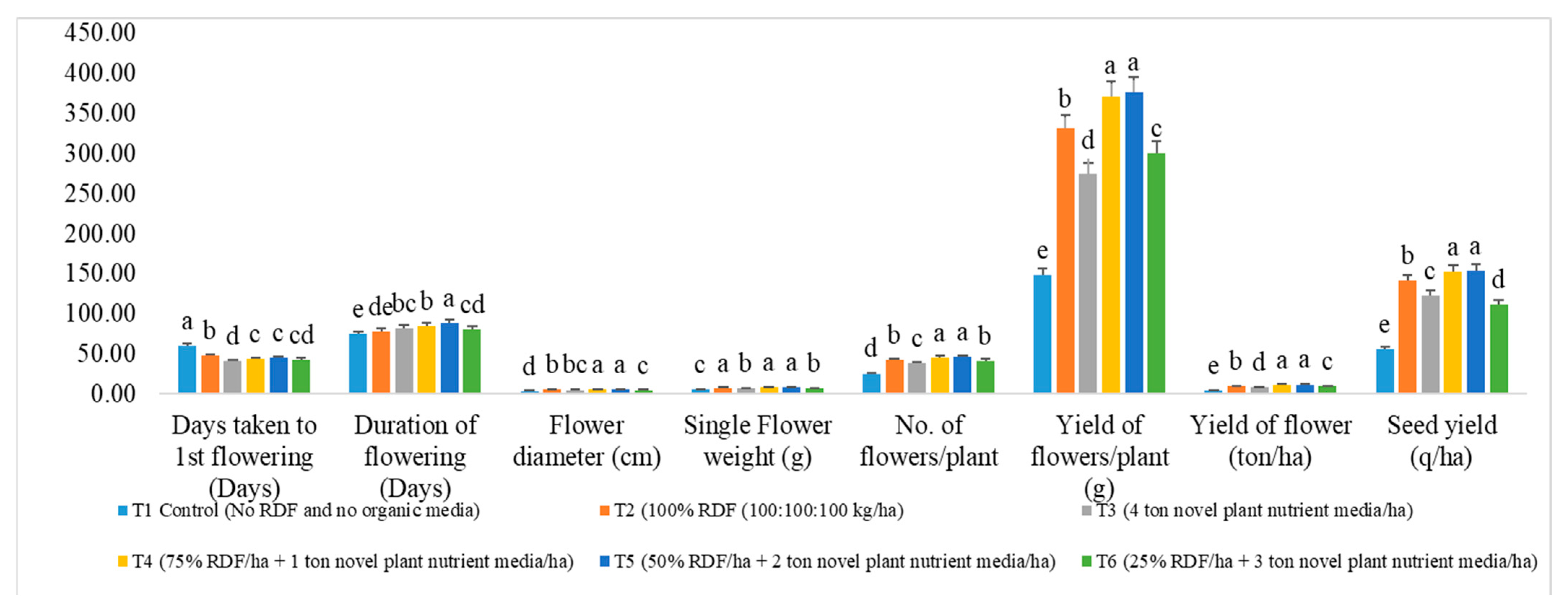
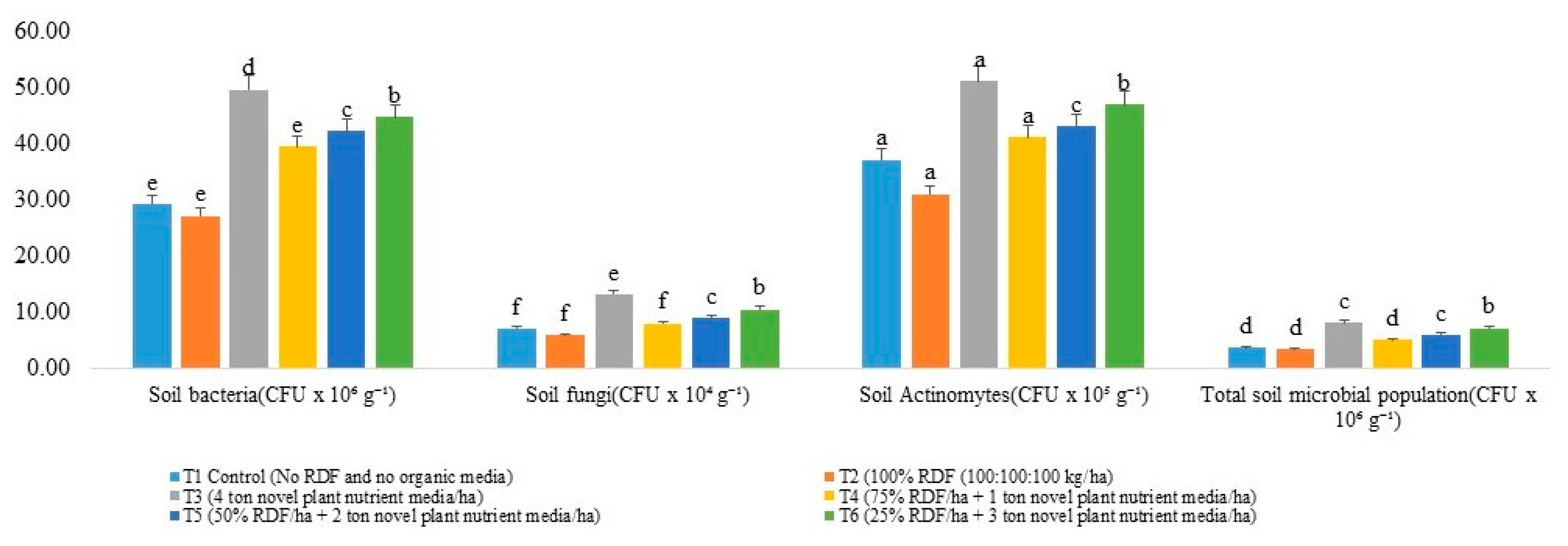
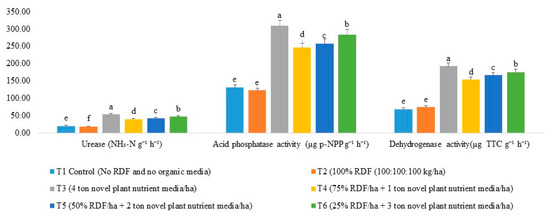
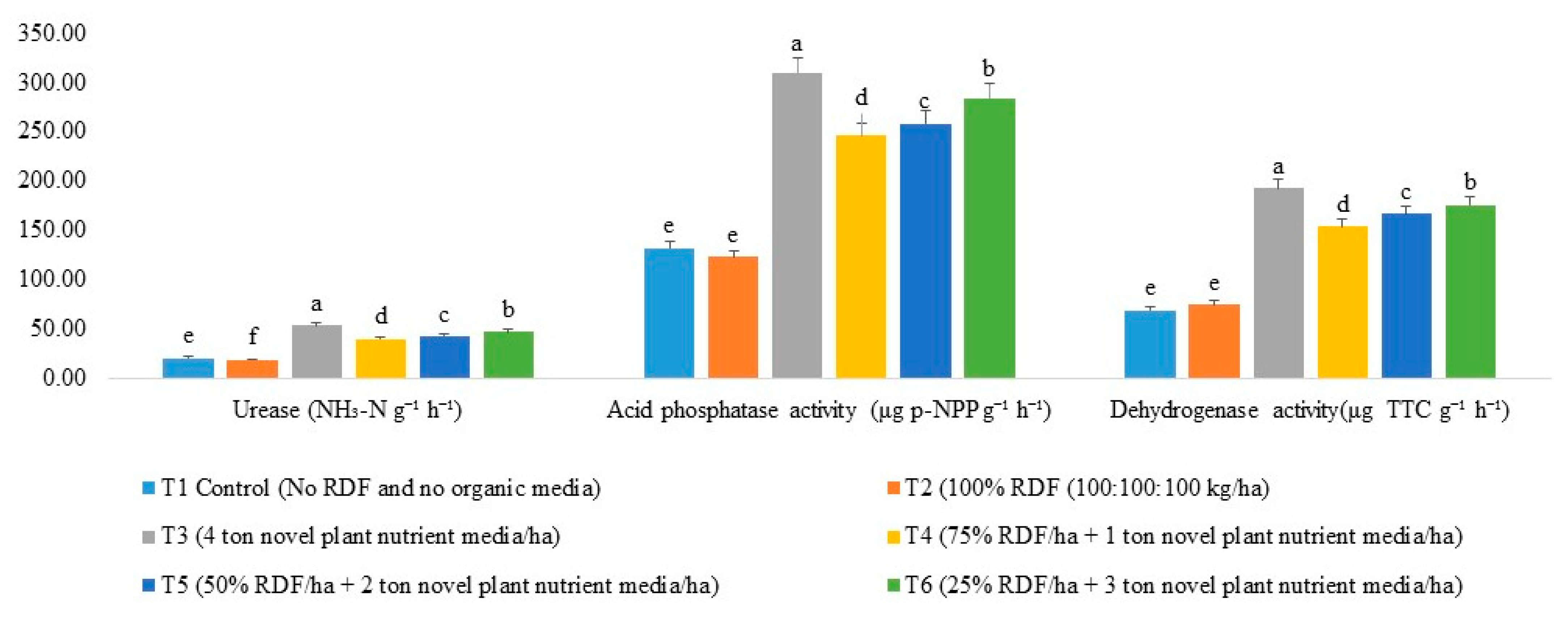
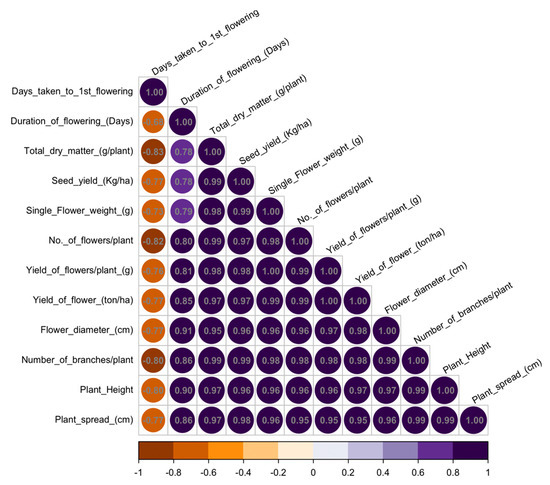
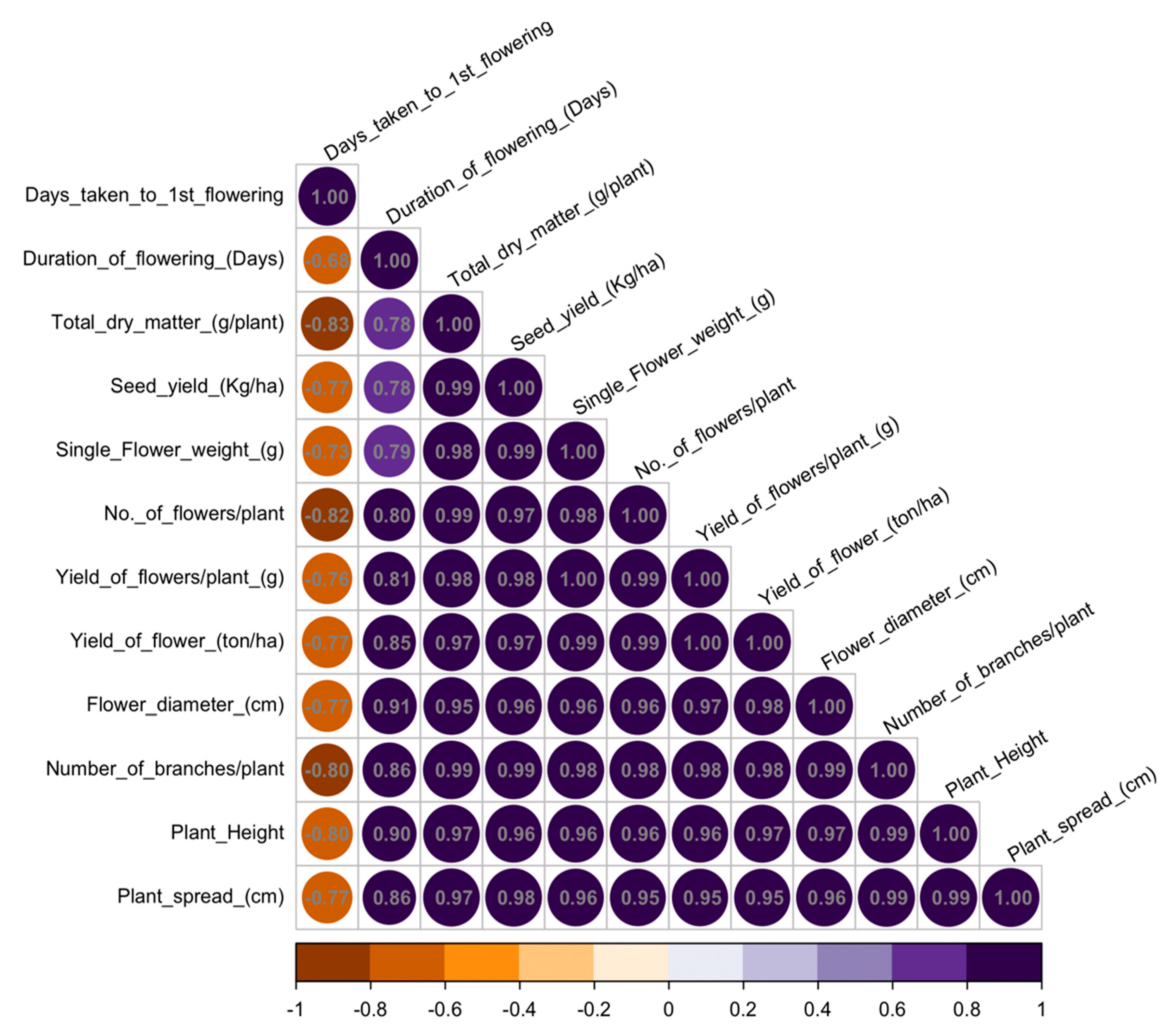
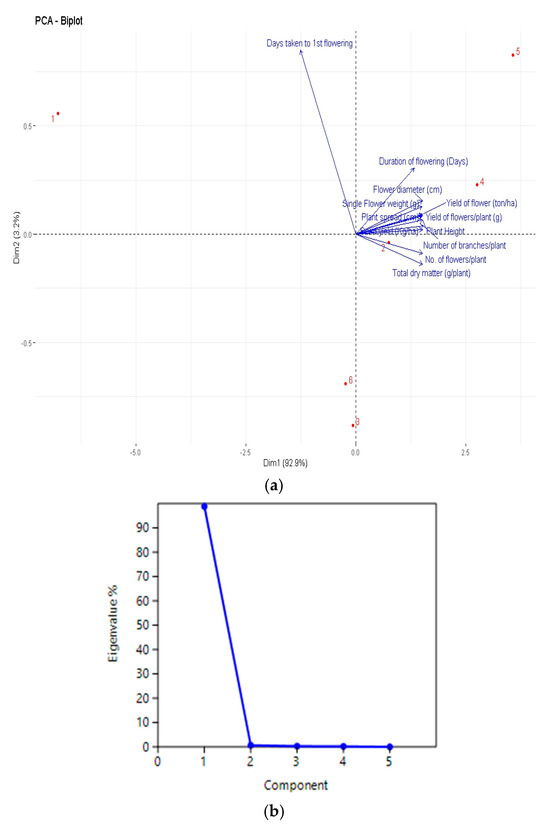
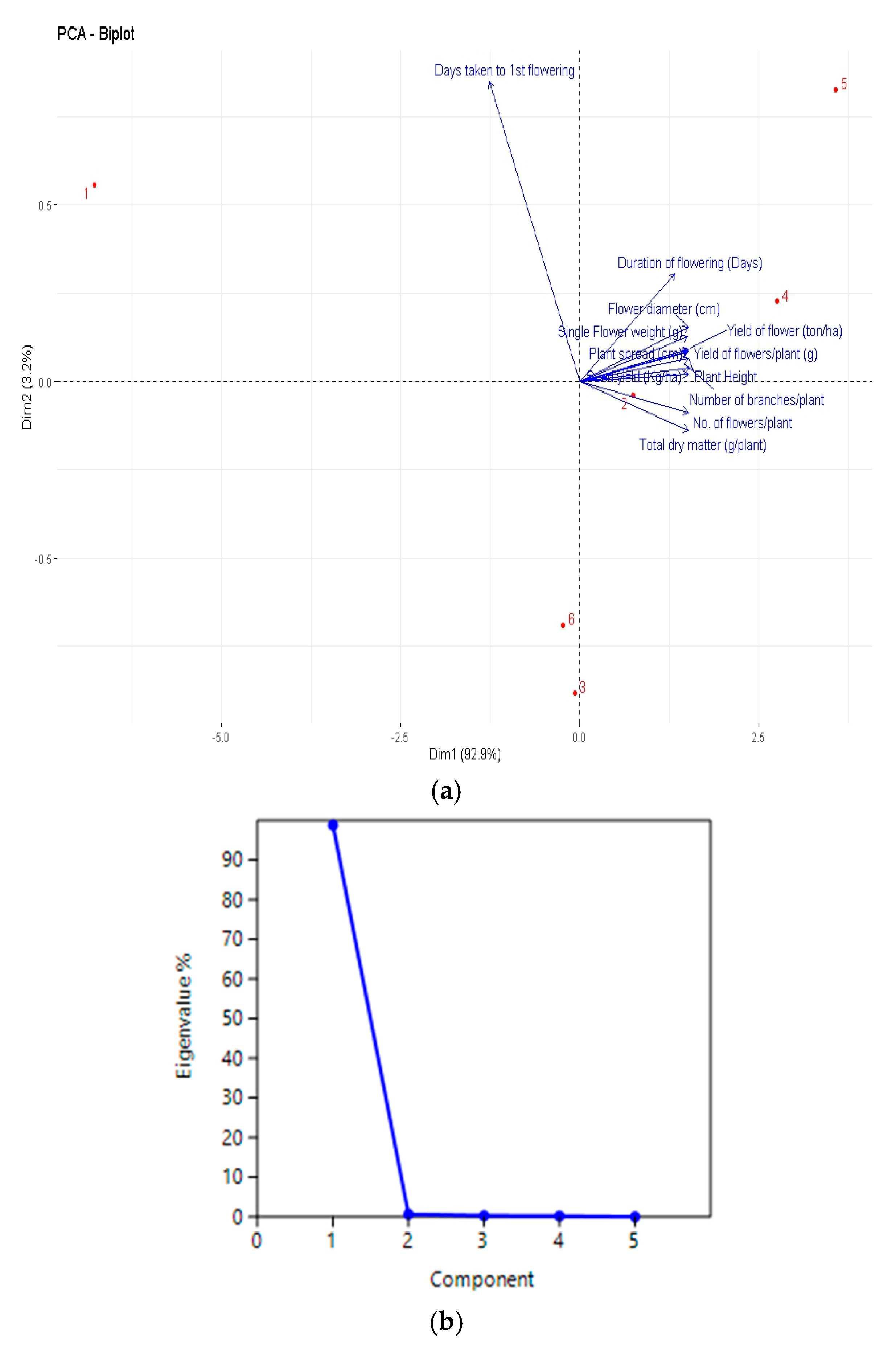

Disclaimer/Publisher’s Note: The statements, opinions and data contained in all publications are solely those of the individual author(s) and contributor(s) and not of MDPI and/or the editor(s). MDPI and/or the editor(s) disclaim responsibility for any injury to people or property resulting from any ideas, methods, instructions or products referred to in the content. |
© 2026 by the authors. Licensee MDPI, Basel, Switzerland. This article is an open access article distributed under the terms and conditions of the Creative Commons Attribution (CC BY) license.