ddRAD-seq Reveals Genetic Diversity and Population Structure of Primula beesiana

 ,
,
Abstract
1. Introduction
2. Materials and Methods
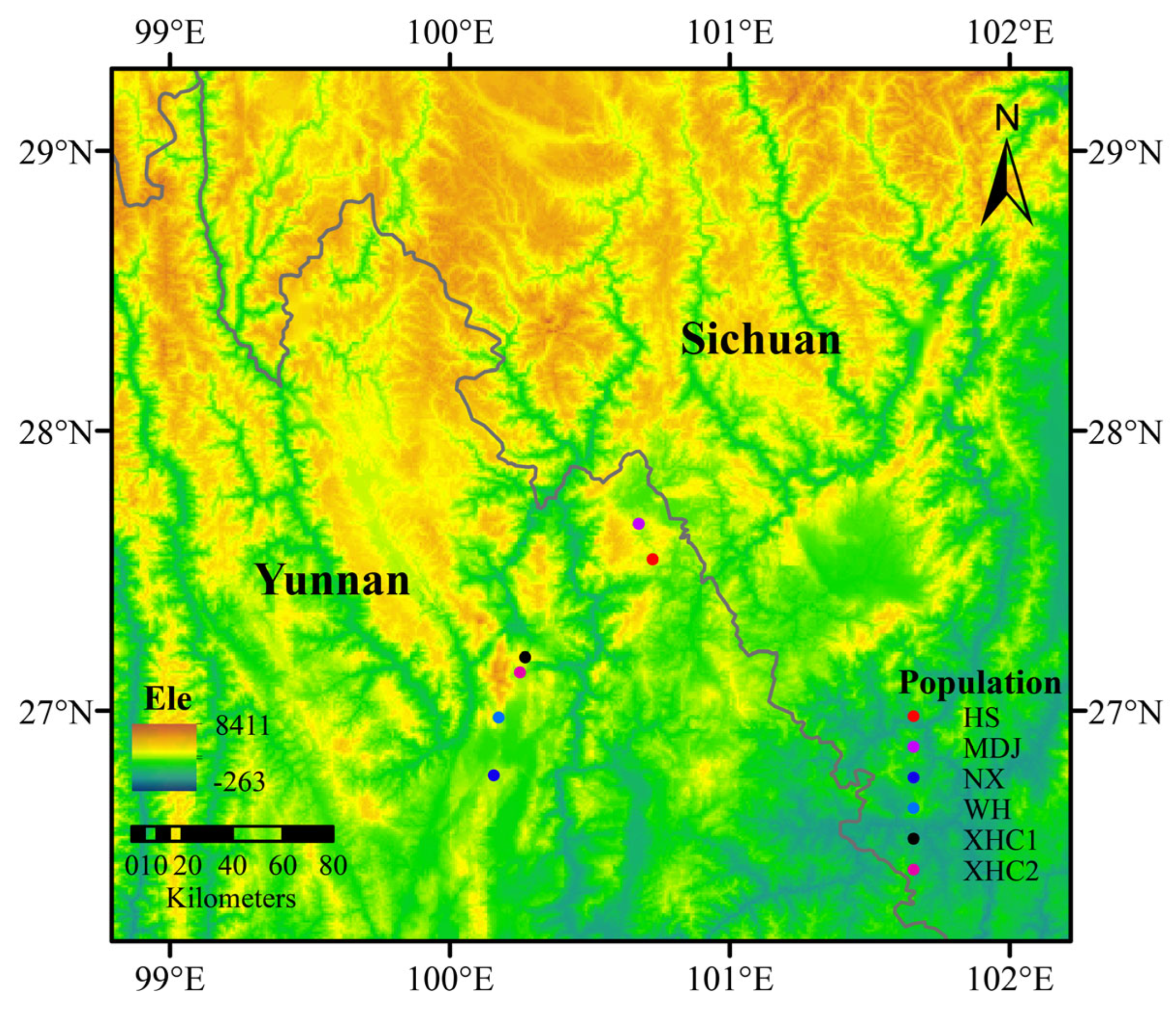
2.1. Sample Collection
2.2. DNA Extraction
2.3. ddRAD-seq Library Preparation and Sequencing
2.4. Quality Control and Filtering of Raw Data
2.5. SNP Identification and Genotype Determination
2.6. SNP Site Analysis
2.7. Genetic Diversity Analysis
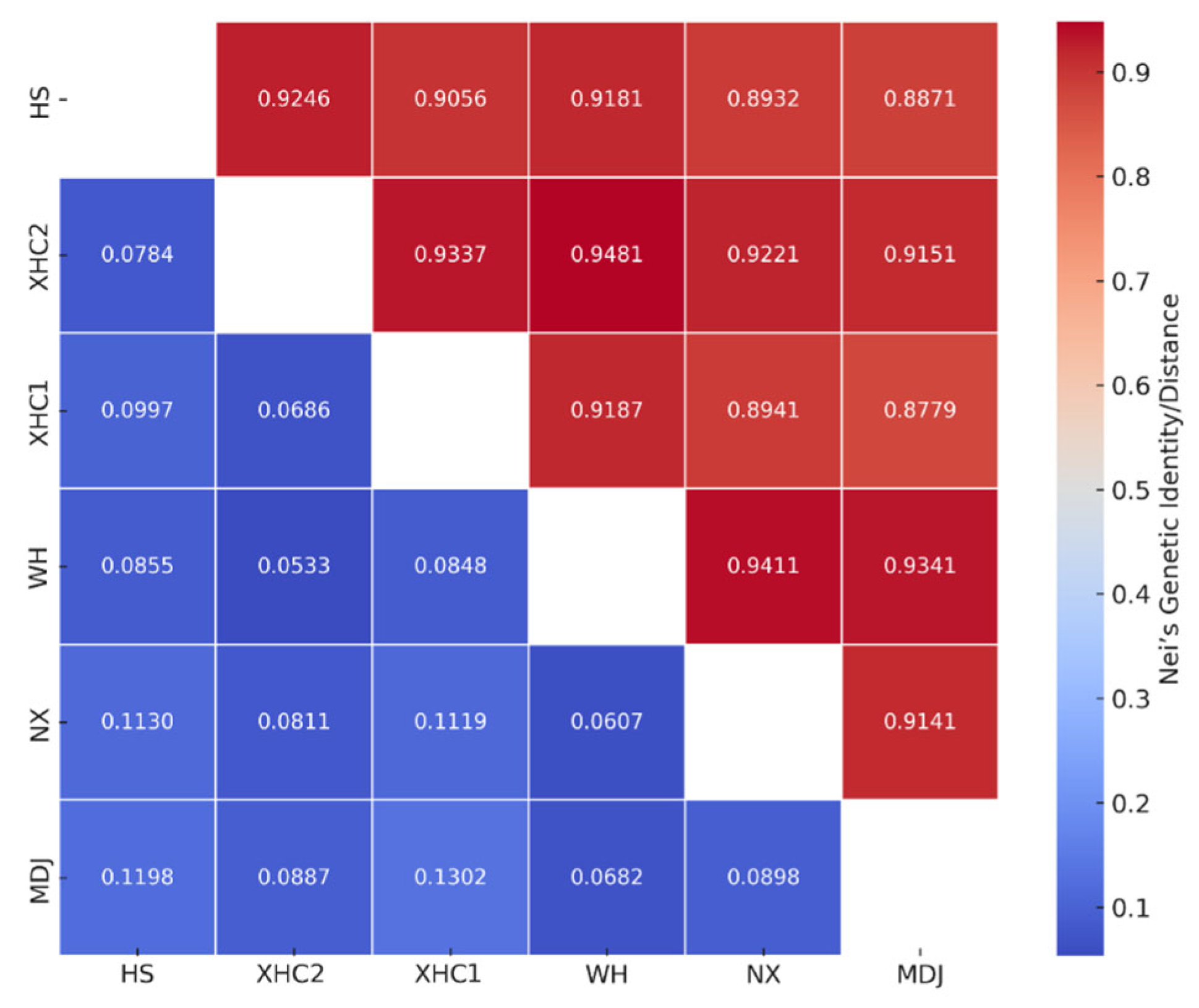
2.8. Analysis of Genetic Distance and Similarity Between Populations
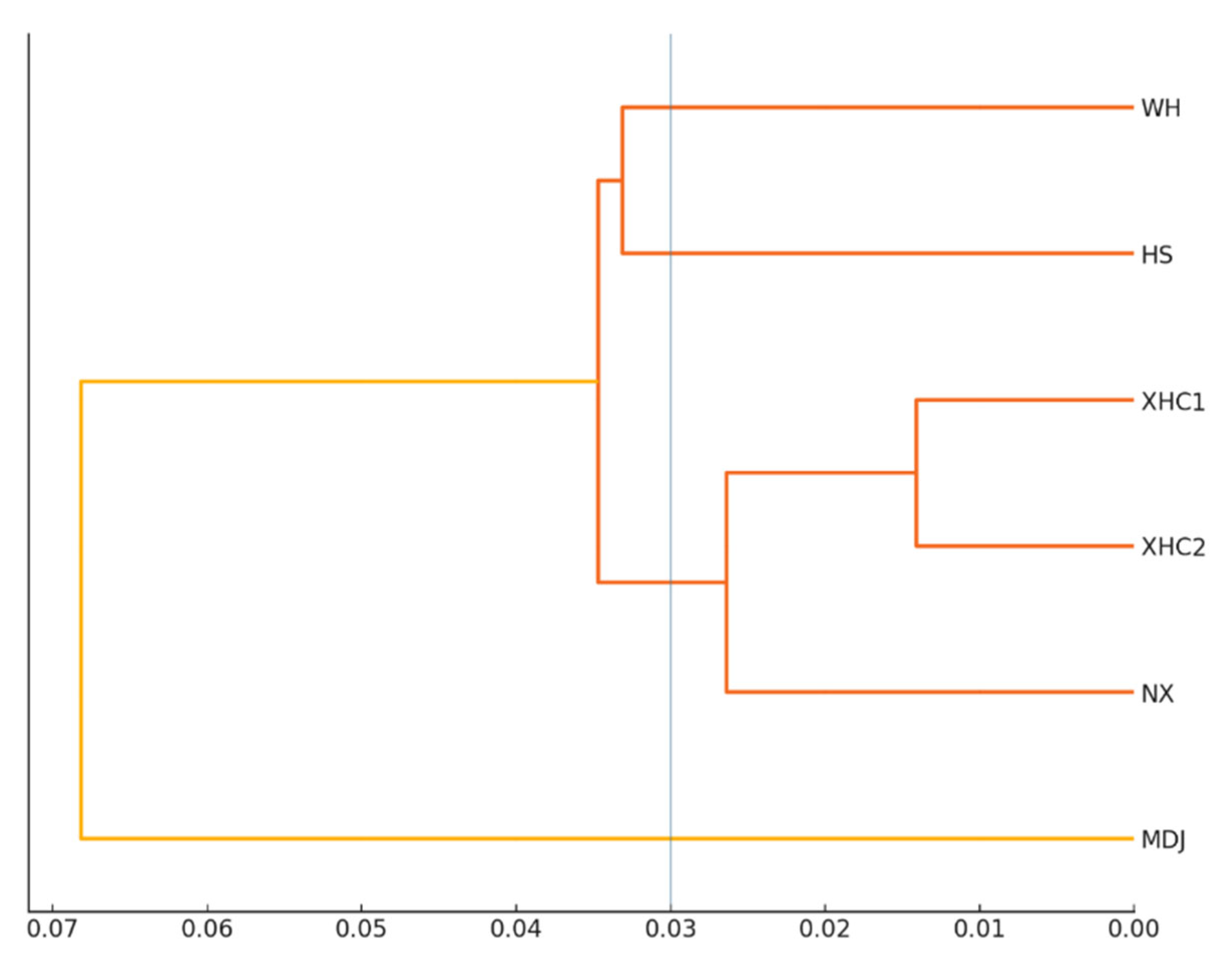
2.9. Cluster Analysis
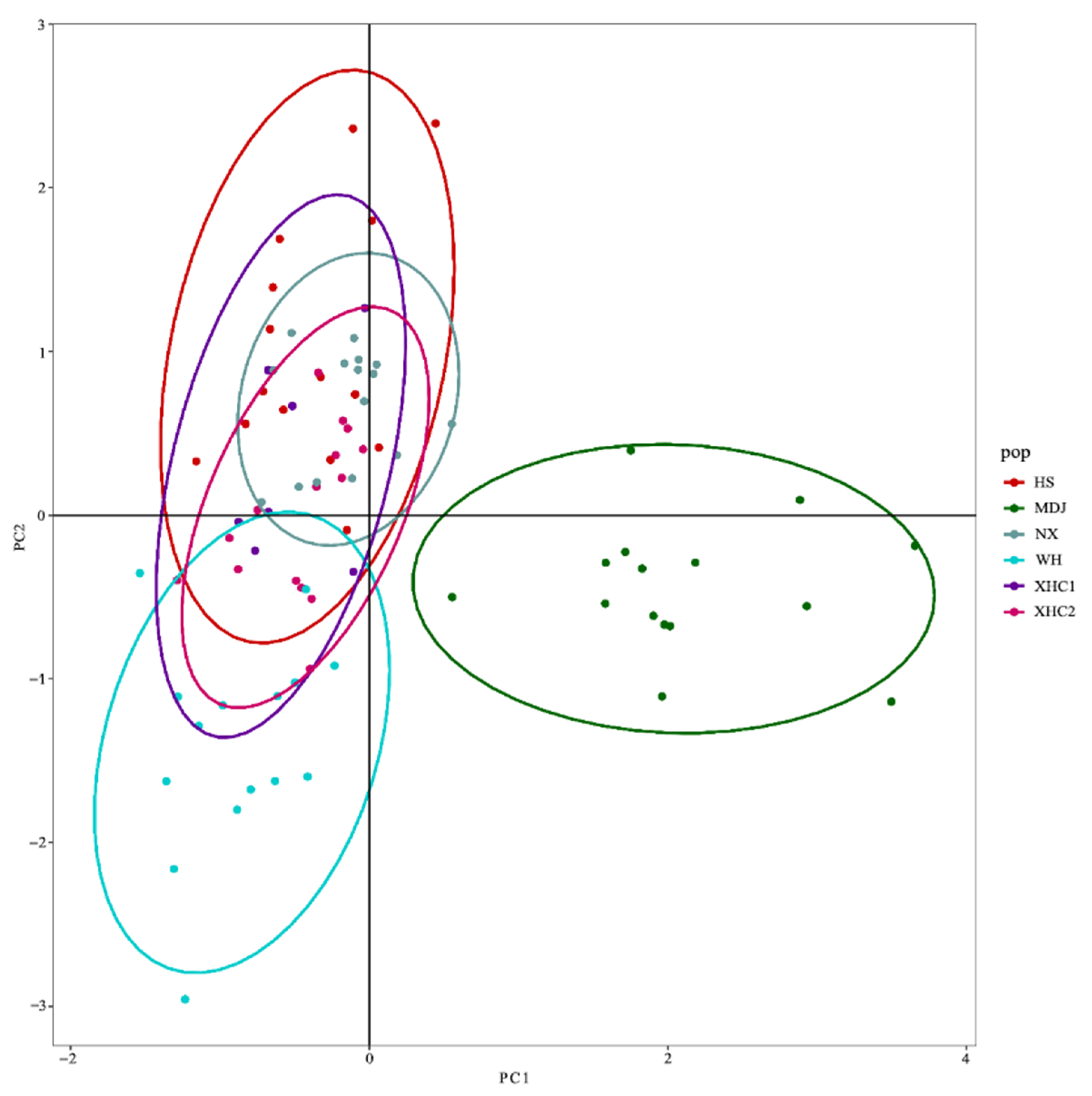
2.10. Principal Component Analysis
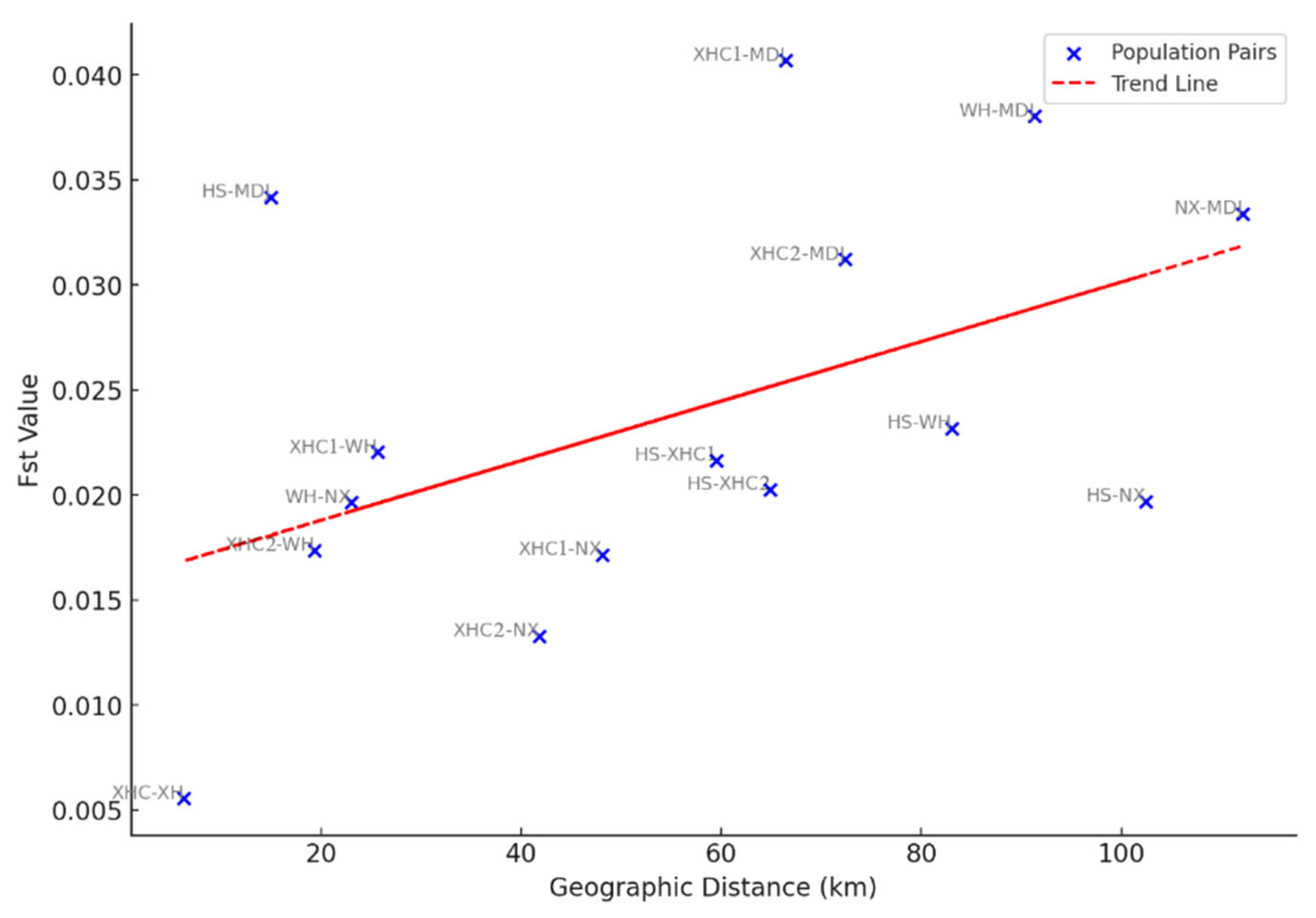
2.11. Mantel Test and Isolation-Based Distance (IBD) Analysis
2.12. Population Gene Flow Analysis
2.13. Analysis of Population Genetic Structure
2.14. Analysis of Genetic Distance Between Individuals
3. Results
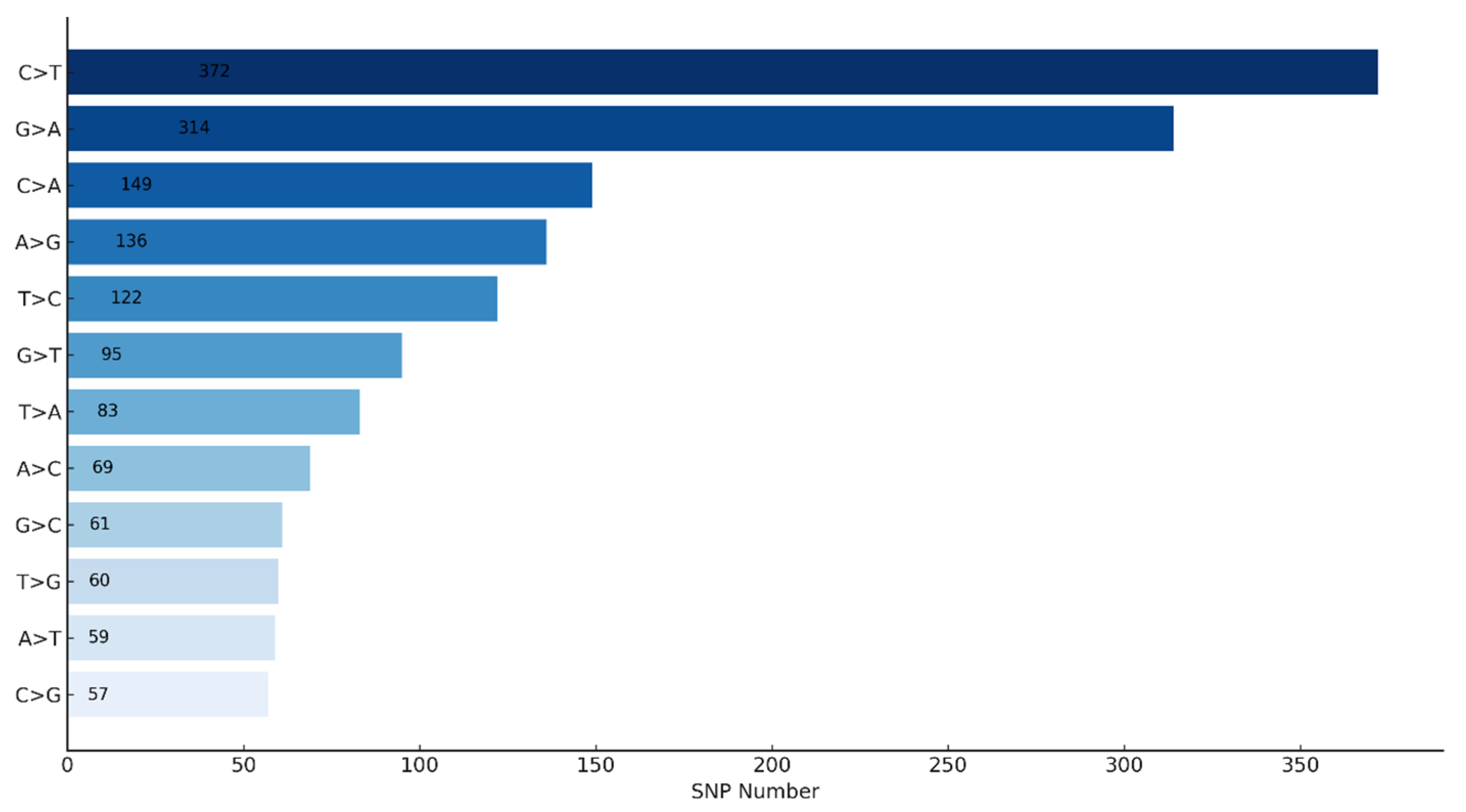
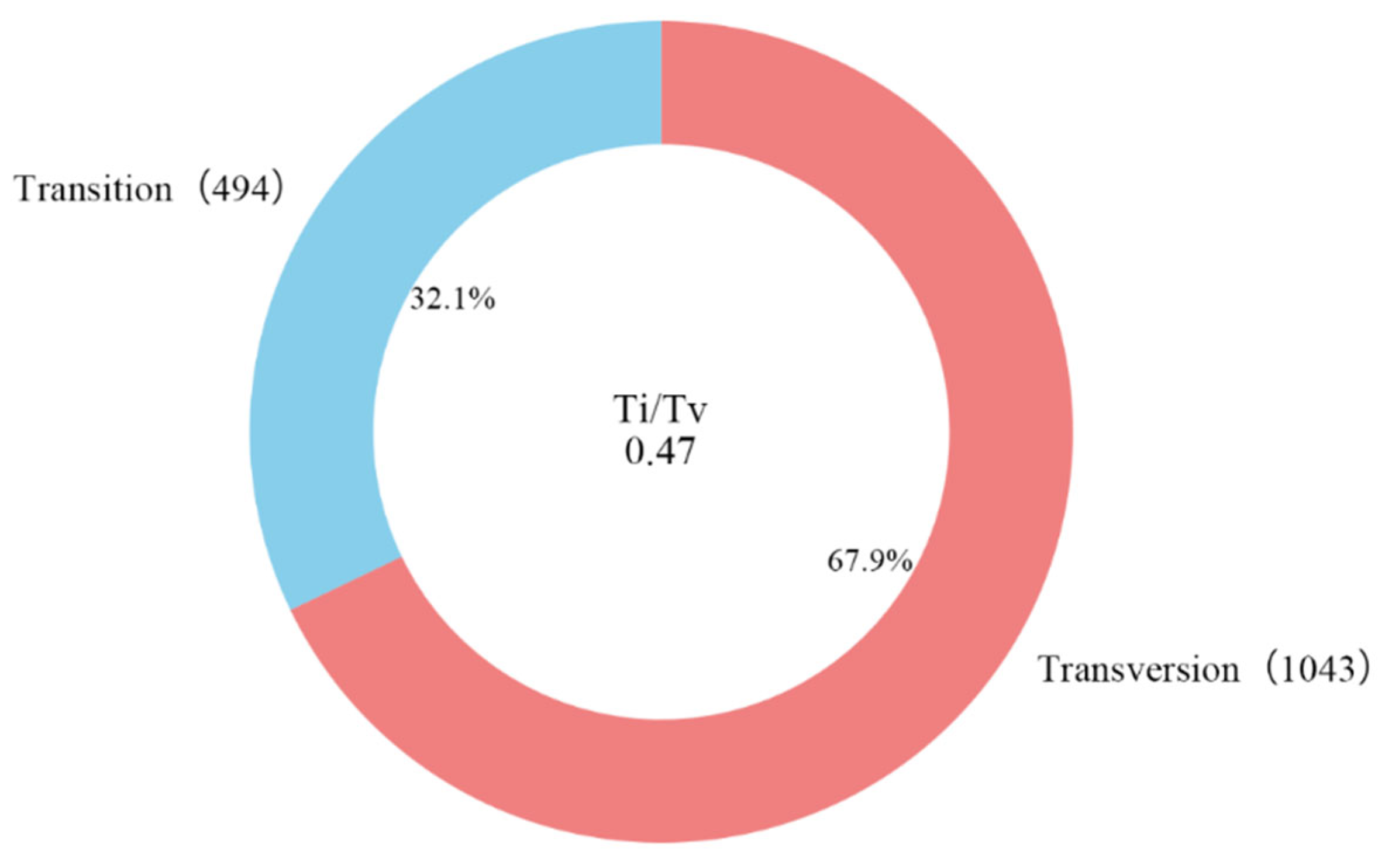
3.1. SNP Site Statistics
3.2. Population Genetic Diversity
3.3. Cluster Analysis of Primula beesiana
3.4. Principal Component Analysis of Primula beesiana
3.5. Mantel Test and Isolation-Based Distance (IBD) Model Analysis
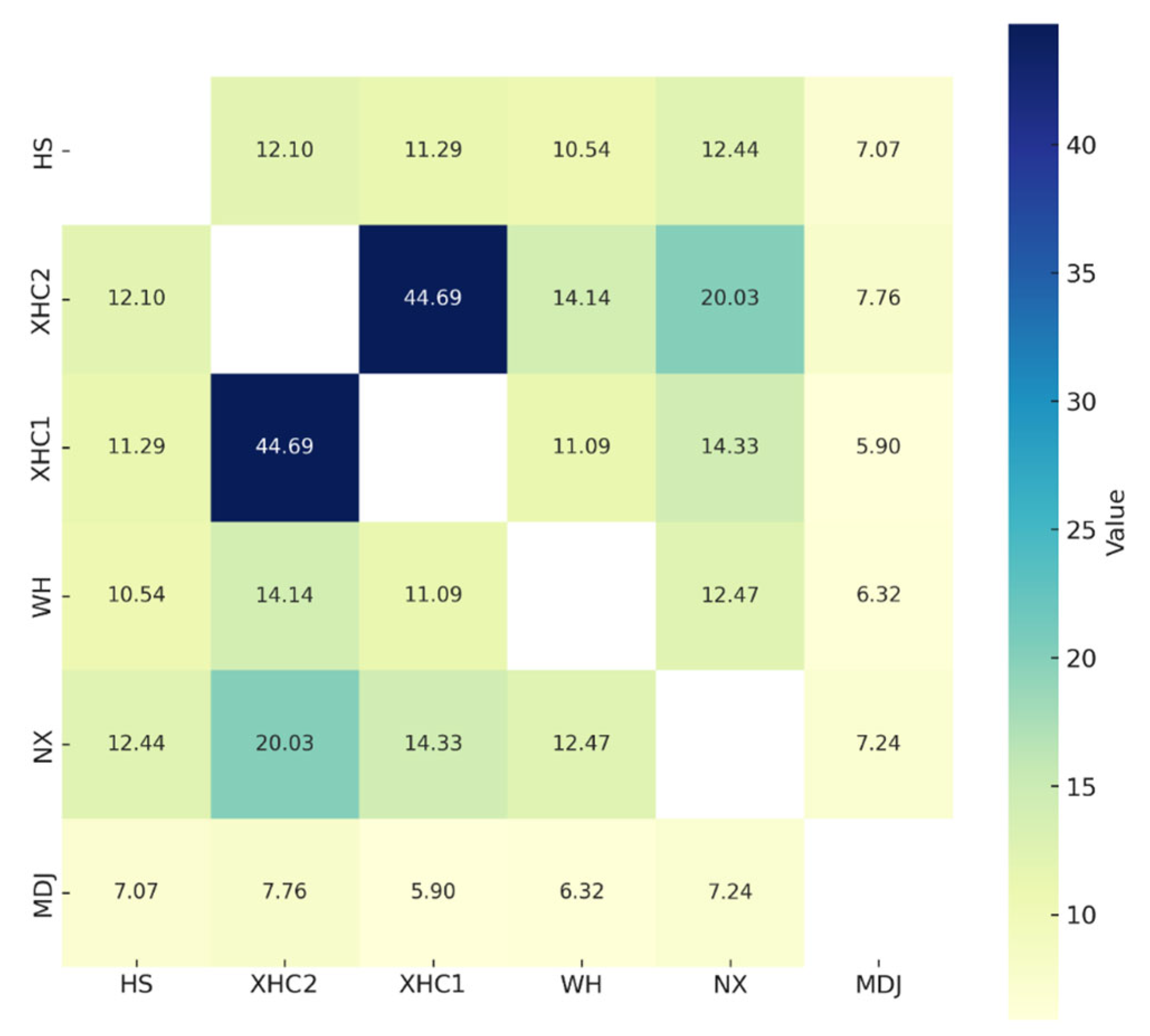
3.6. Analysis of Gene Flow Between Populations
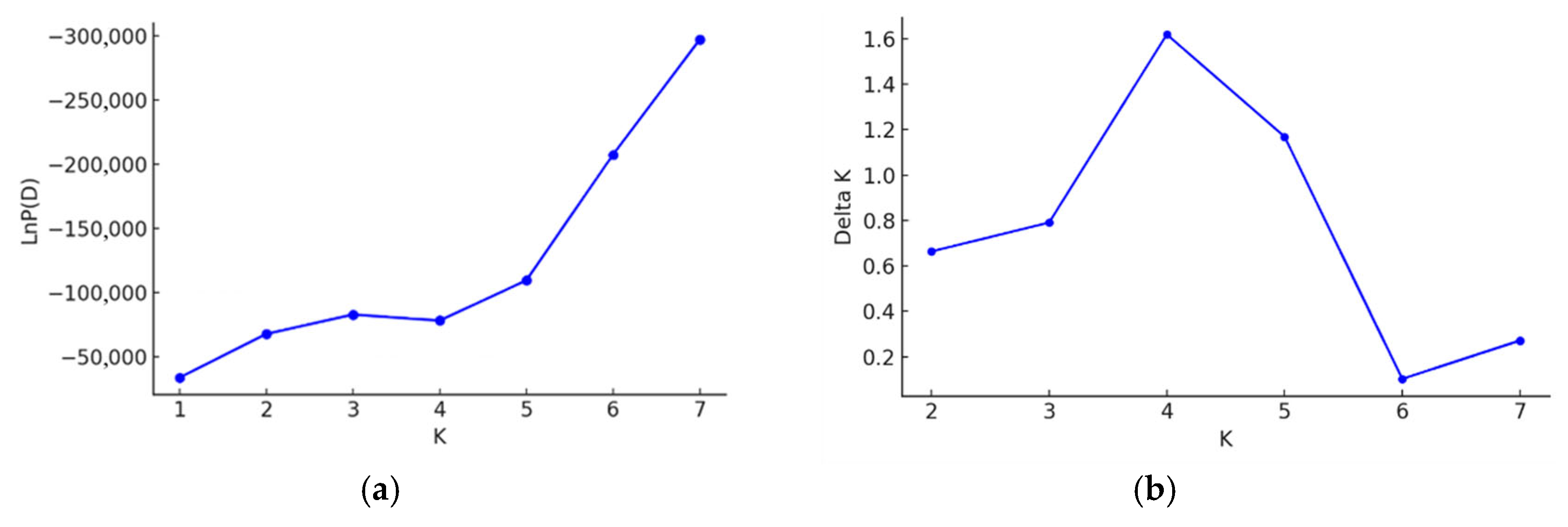
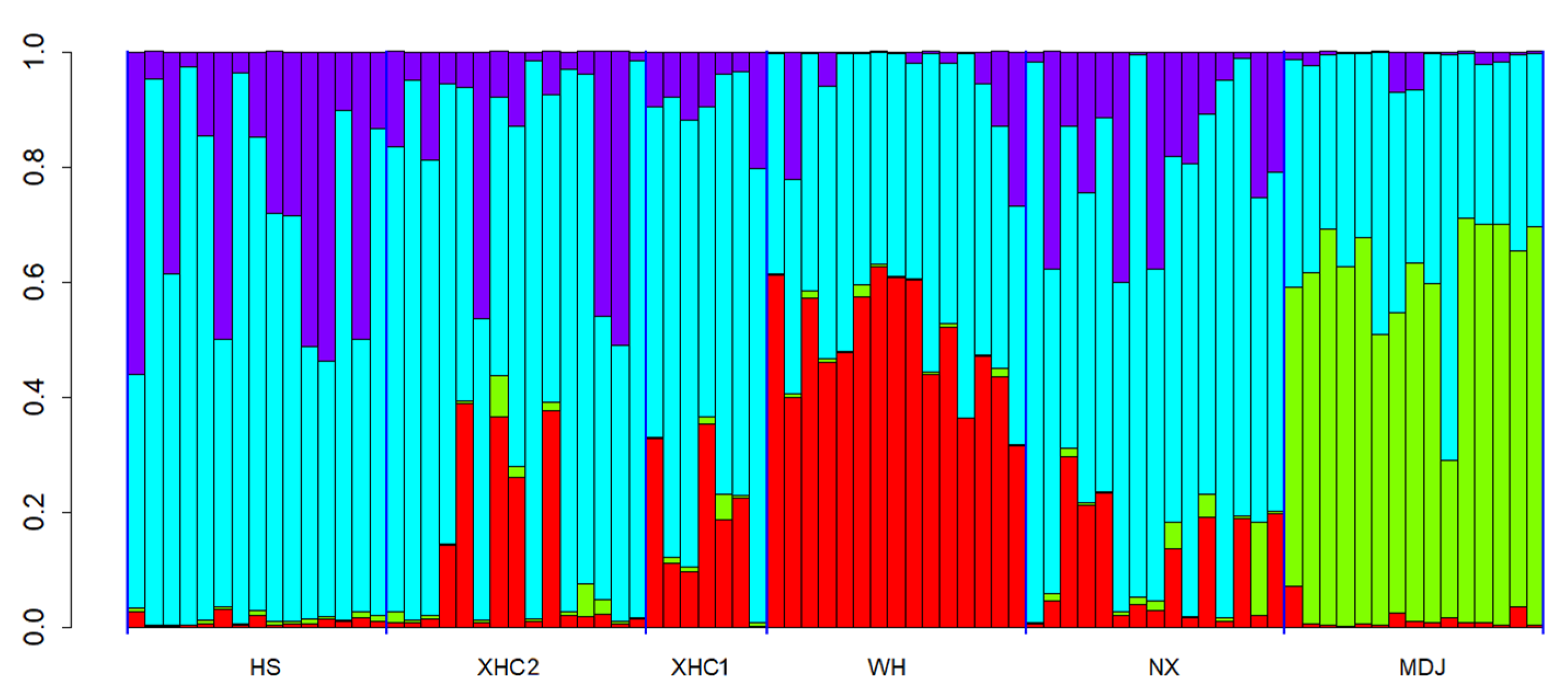
3.7. Analysis of Population Genetic Structure in Primula beesiana
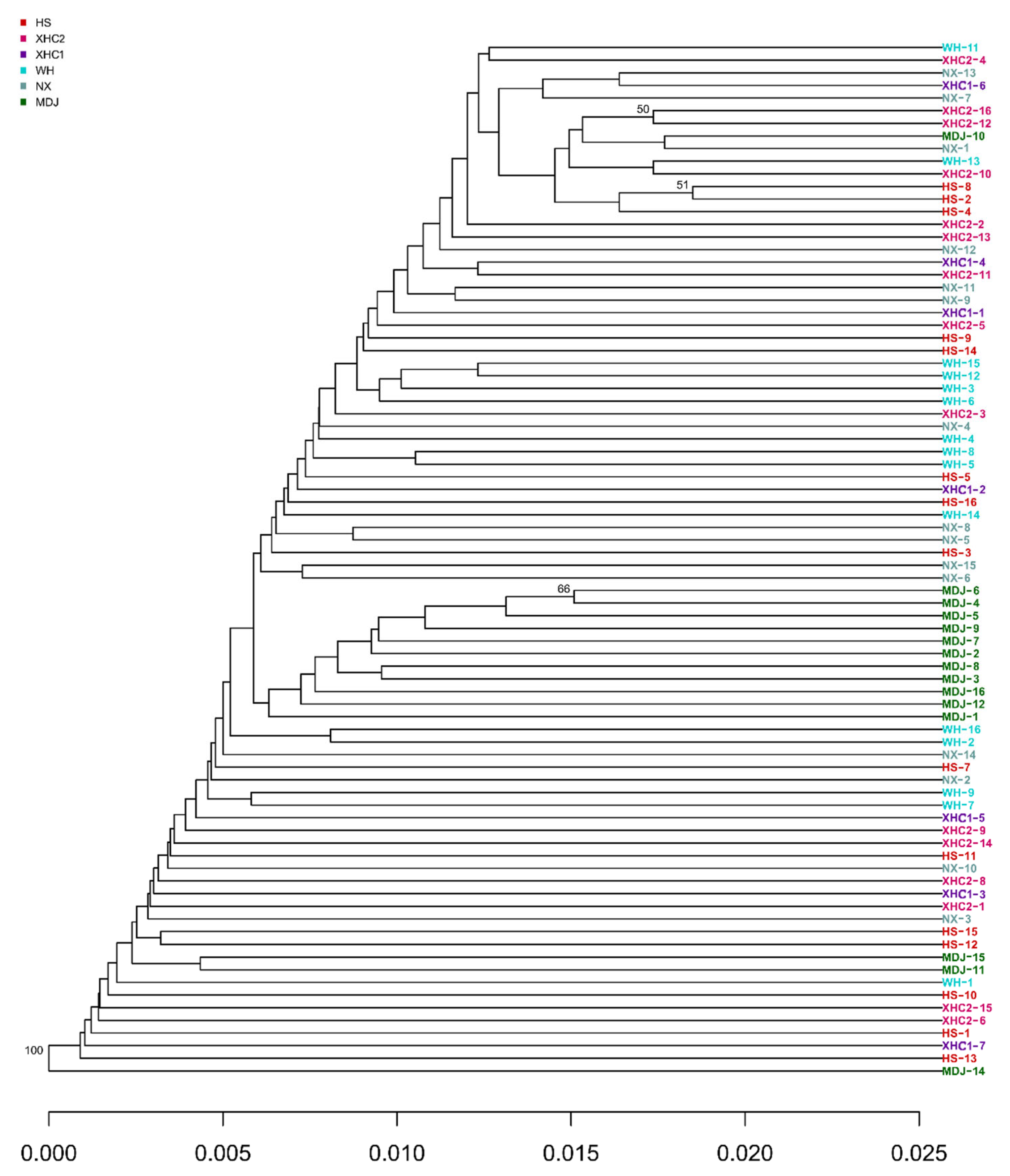
3.8. Analysis of Genetic Distance Between Individuals in Primula beesiana
4. Discussion
5. Conclusions
Author Contributions
Funding
Data Availability Statement
Conflicts of Interest
References
- Editorial Board of Flora of China. Flora of China; Science Press: Beijing, China, 1990; Volume 59, ISBN 9787030012869. [Google Scholar]
- Liang, S. Introduction and Cross Breeding of Some Wild Primula in Southwest China. Ph.D. Thesis, Beijing Forestry University, Beijing, China, 2006. [Google Scholar]
- Egan, P.A.; Price, M.F. Mountain Ecosystem Services and Climate Change: A Global Overview of Potential Threats and Strategies for Adaptation; UNESCO: Paris, France, 2017; ISBN 978-92-3-100225-0. [Google Scholar]
- Andrews, K.R.; Good, J.M.; Miller, M.R.; Luikart, G.; Hohenlohe, P.A. Harnessing the power of RADseq for ecological and evolutionary genomics. Nat. Rev. Genet. 2016, 17, 81–92. [Google Scholar] [CrossRef]
- Frankham, R.; Ballou, J.D.; Briscoe, D.A. Introduction to Conservation Genetics; Cambridge University Press: Cambridge, UK, 2002; ISBN 9780521702713. [Google Scholar]
- Lenore, F. Effects of habitat fragmentation on biodiversity. Annu. Rev. Ecol. Evol. Syst. 2003, 34, 487–515. [Google Scholar] [CrossRef]
- Primack, R.B. Essentials of Conservation Biology; Sinauer Associates Sunderland: Sunderland, UK, 2006; ISBN 9781605352893. [Google Scholar]
- Peterson, B.K.; Weber, J.N.; Kay, E.H.; Fisher, H.S.; Hoekstra, H.E. Double digest RADseq: An inexpensive method for de novo SNP discovery and genotyping in model and non-model species. PLoS ONE 2012, 7, e37135. [Google Scholar] [CrossRef] [PubMed]
- Etter, P.D.; Bassham, S.; Hohenlohe, P.A.; Johnson, E.A.; Cresko, W.A. SNP discovery and genotyping for evolutionary genetics using RAD sequencing. Mol. Methods Evol. Genet. 2011, 772, 157–178. [Google Scholar] [CrossRef]
- Zhang, S.; Kang, H.; Yang, W. Population genetic analysis of Nyssa yunnanensis by reduced-representation sequencing technique. Bull. Bot. Res. 2019, 39, 899–907. [Google Scholar] [CrossRef]
- Cai, M.; Wen, Y.; Uchiyama, K.; Uchiyama, K.; Onuma, Y.; Tsumura, Y. Population genetic diversity and structure of ancient tree populations of Cryptomeria japonica var. sinensis based on RAD-seq data. Forests 2020, 11, 1192. [Google Scholar] [CrossRef]
- Wang, Q.; Zhang, H. Population genetic structure and biodiversity conservation of a relict and medicinal subshrub Capparis spinosa in arid Central Asia. Diversity 2022, 14, 146–162. [Google Scholar] [CrossRef]
- Hou, H. Population Genetic Analysis of Opisthopappus Shih-Based on Simplified Genomic Data. Master‘s Thesis, Shanxi Normal University, Taiyuan, China, 2020. [Google Scholar] [CrossRef]
- Wang, Q. Study on Genetic Diversity of Baphicacanthus cusia. Master‘s Thesis, Nanjing Forestry University, Nanjing, China, 2021. [Google Scholar] [CrossRef]
- Li, J.; Wang, S.; Yu, J.; Wang, L.; Zhou, S. A modified CTAB protocol for plant DNA extraction. Chin. Bull. Bot. 2013, 48, 72–78. [Google Scholar] [CrossRef]
- Chen, S.; Zhou, Y.; Chen, Y.; Gu, J. fastp: An ultra-fast all-in-one FASTQ preprocessor. Bioinformatics 2018, 34, i884–i890. [Google Scholar] [CrossRef]
- Catchen, J.; Hohenlohe, P.A.; Bassham, S.; Amoes, A.; Cresko, W.A. Stacks: An analysis tool set for population genomics. Mol. Ecol. 2013, 22, 3124–3140. [Google Scholar] [CrossRef]
- Rochette, N.C.; Catchen, J.M. Deriving genotypes from RAD-seq short-read data using Stacks. Nat. Protoc. 2017, 12, 2640–2659. [Google Scholar] [CrossRef] [PubMed]
- Tajima, F. Statistical method for testing the neutral mutation hypothesis by DNA polymorphism. Genetics 1989, 123, 585–595. [Google Scholar] [CrossRef] [PubMed]
- Hansen, M.H.; Lang, C.S.; Abildgaard, N.; Nyvold, C.G. Comparative evaluation of the heterozygous variant standard deviation as a quality measure for next-generation sequencing. J. Biomed. Inform. 2022, 135, 462–470. [Google Scholar] [CrossRef]
- Wang, J.; Raskin, L.; Samuels, D.C.; Shyr, Y.; Guo, Y. Genome measures used for quality control are dependent on gene function and ancestry. Bioinformatics 2015, 31, 318–323. [Google Scholar] [CrossRef]
- Peakall, R.; Smouse, P.E. GENALEX 6: Genetic analysis in Excel. Population genetic software for teaching and research. Mol. Ecol. Notes 2006, 6, 288–295. [Google Scholar] [CrossRef]
- Hardy, G.H. Mendelian proportions in a mixed population. Science 1908, 28, 49–50. [Google Scholar] [CrossRef] [PubMed]
- Nei, M. Genetic distance between populations. Am. Nat. 1972, 106, 283–292. [Google Scholar] [CrossRef]
- Jombart, T. adegenet: A R package for the multivariate analysis of genetic markers. Bioinformatics 2008, 24, 1403–1405. [Google Scholar] [CrossRef]
- Geraldes, A.; Farzaneh, N.; Grassa, C.J.; Mckown, A.D.; Guy, R.D.; Mansfield, S.D.; Douglas, C.J.; Cronk, Q.C.B. Landscape genomics of Populus trichocarpa: The role of hybridization, limited gene flow, and natural selection in shaping patterns of population structure. Evolution 2014, 68, 3260–3280. [Google Scholar] [CrossRef]
- Pritchard, J.K.; Stephens, M.; Donnelly, P. Inference of population structure using multilocus genotype data. Genetics 2000, 155, 945–959. [Google Scholar] [CrossRef]
- Evanno, G.; Regnaut, S.; Goudet, J. Detecting the number of clusters of individuals using the software STRUCTURE: A simulation study. Mol. Ecol. 2005, 14, 2611–2620. [Google Scholar] [CrossRef]
- Jakobsson, M.; Rosenberg, N.A. CLUMPP: A cluster matching and permutation program for dealing with label switching and multimodality in analysis of population structure. Bioinformatics 2007, 23, 1801–1806. [Google Scholar] [CrossRef] [PubMed]
- Rosenberg, N.A. DISTRUCT: A program for the graphical display of population structure. Mol. Ecol. Notes 2004, 4, 137–138. [Google Scholar] [CrossRef]
- Mullenders, L.H.F. Solar UV damage to cellular DNA: From mechanisms to biological effects. Photochem. Photobiol. Sci. 2018, 17, 1842–1852. [Google Scholar] [CrossRef] [PubMed]
- Morison, S.A.; Cramp, R.L.; Alton, L.A.; Franklin, C.E. Cooler temperatures slow the repair of DNA damage in tadpoles exposed to ultraviolet radiation: Implications for amphibian declines at high altitude. Glob. Change Biol. 2020, 26, 1225–1234. [Google Scholar] [CrossRef]
- Martins, S.G.; Zilhão, R.; Thorsteinsdóttir, S.; Carlos, A.R. Linking Oxidative Stress and DNA Damage to Changes in the Expression of Extracellular Matrix Components. Front. Genet. 2021, 12, 673002. [Google Scholar] [CrossRef]
- Dutta, S.; Mitra, M.; Agarwal, P.; Mahapatra, K.; De, S.; Sett, U.; Roy, S. Oxidative and genotoxic damages in plants in response to heavy metal stress and maintenance of genome stability. Plant Signal. Behav. 2018, 13, e1460048. [Google Scholar] [CrossRef]
- Degtyareva, N.P.; Heyburn, L.; Sterling, J.; Resnick, M.A.; Gordenin, D.A.; Doetsch, P.W. Oxidative stress-induced mutagenesis in single-strand DNA occurs primarily at cytosines and is DNA polymerase zeta-dependent only for adenines and guanines. Nucleic Acids Res. 2013, 41, 8995–9005. [Google Scholar] [CrossRef]
- Waneka, G.; Svendsen, J.M.; Havird, J.C.; Sloan, D.B. Mitochondrial mutations in Caenorhabditis elegans show signatures of oxidative damage and an AT-bias. Genetics 2021, 219, iyab116. [Google Scholar] [CrossRef]
- Triest, L.; Rossum, F.V.; Sramkó, G.; Sierens, T.; Volkova, P. Over the hills and far away: Phylogeography and demographic migration history of a dispersal-restricted primrose (Primula vulgaris). Front. Ecol. Evol. 2024, 12, 1333726. [Google Scholar] [CrossRef]
- Sun, L.; Geng, Q. Research methods and influencing factors of genetic diversity of rare and endangered plants. Anhui Agric. Sci. 2014, 42, 3793–3798. [Google Scholar] [CrossRef]
- Zhang, D.; Jiang, X. Mating system evolution, resource allocation, and genetic diversity in plants. Acta Phytoecol. Sin. 2001, 25, 130–143. [Google Scholar]
- Exposito-Alonso, M.; Booker, T.R.; Czech, L.; Gillespie, L.; Hateley, S.; Kyriazis, C.C.; Lang, P.L.M.; Leventhal, L.; Nogues-Bravo, D.; Pagowski, V.; et al. Genetic diversity loss in the Anthropocene. Science 2022, 377, 1431–1435. [Google Scholar] [CrossRef] [PubMed]
- Romiguier, J.; Gayral, P.; Ballenghien, M.; Bernard, A.; Cahais, V.; Chenuil, A.; Chiari, Y.; Dernat, R.; Duret, L.; Faivre, N.; et al. Comparative population genomics in animals uncovers the determinants of genetic diversity. Nature 2014, 515, 261–263. [Google Scholar] [CrossRef]
- Wittmann, M.J.; Gabriel, W.; Metzler, D. Genetic diversity in introduced populations with an Allee effect. Genetics 2014, 198, 299–310. [Google Scholar] [CrossRef]
- Ellegren, H.; Galtier, N. Determinants of genetic diversity. Nat. Rev. Genet. 2016, 17, 422–433. [Google Scholar] [CrossRef]
- Kling, M.M.; Ackerly, M.M. Global wind patterns shape genetic differentiation, asymmetric gene flow, and genetic diversity in trees. Proc. Natl. Acad. Sci. USA 2021, 118, e2017317118. [Google Scholar] [CrossRef]
- Chen, Y.; Hou, Y.; Guo, Z.; Wang, W.; Zhong, C.; Zhou, R.; Shi, S. Applications of multiple nuclear genes to the molecular phylogeny, population genetics and hybrid identification in the mangrove genus Rhizophora. PLoS ONE 2015, 10, e0145058. [Google Scholar] [CrossRef] [PubMed]
- Golenberg, E.M. Estimation of gene flow and genetic neighborhood size by indirect methods in a selfing annual, Triticum dicoccoides. Evolution 1987, 41, 1326–1334. [Google Scholar] [CrossRef] [PubMed]
- Hamrick, J.L.; Godt, M.J.W.; Sherman-Broyles, S.L. Factors Influencing Levels of Genetic Diversity in Woody Plant Species; Springer: Dordrecht, The Netherlands, 1992. [Google Scholar] [CrossRef]
- Demenocal, P.B.; Stringer, C. Human migration: Climate and the peopling of the world. Nature 2016, 538, 49–50. [Google Scholar] [CrossRef]
- Stewart, J.R.; Stringer, C.B. Human evolution out of Africa: The role of refugia and climate change. Science 2012, 335, 1317–1321. [Google Scholar] [CrossRef]
- Van Strien, M.J.; Holderegger, R.; Van Heck, H.J. Isolation-by-distance in landscapes: Considerations for landscape genetics. Heredity 2015, 114, 27–37. [Google Scholar] [CrossRef] [PubMed]
- Sequeira, F.; Bessa-Silva, A.; Tarroso, P.; Sousa-Neves, T.; Vallinoto, M.; Goncalves, H.; Martínez-Solano, I. Discordant patterns of introgression across a narrow hybrid zone between two cryptic lineages of an Iberian endemic newt. J. Evol. Biol. 2020, 33, 202–216. [Google Scholar] [CrossRef] [PubMed]
- Brousseau, L.; Foll, M.; Scotti-Saintagne, C.; Scotti, I. Neutral and adaptive drivers of microgeographic genetic divergence within continuous populations: The case of the neotropical tree Eperua falcata (Aubl.). PLoS ONE 2015, 10, e0121394. [Google Scholar] [CrossRef]
- Pérez-Alquicira, J.; Wehncke, E.V.; García-Loza, G.A.; Carstens, B.C.; Domínguez, C.A.; Pérez-Ishiwara, R.; Molina-Freaner, F.E.; Zamora-Tavares, M.D.P.; Rico, Y.; Cabrera-Toledo, D.; et al. Geographic isolation and long-distance gene flow influence the genetic structure of the blue fan palm Brahea armata (Arecaceae). J. Plant Res. 2023, 136, 277–290. [Google Scholar] [CrossRef]
- Yang, F.; Qin, A.; Li, Y.; Wang, X. Great genetic differentiation among populations of Meconopsis integrifolia and its implication for plant speciation in the Qinghai-Tibetan Plateau. PLoS ONE 2012, 7, e37196. [Google Scholar] [CrossRef] [PubMed]
- Yardeni, G.; Tessler, N.; Imbert, E.; Sapir, Y. Reproductive isolation between populations of Iris atropurpurea is associated with ecological differentiation. Ann. Bot. 2016, 118, 971–982. [Google Scholar] [CrossRef]
- Miles, L.S.; Rivkin, L.R.; Johnson, M.T.J.; Munshi-South, J.; Verrelli, B.C. Gene flow and genetic drift in urban environments. Mol. Ecol. 2019, 28, 4138–4151. [Google Scholar] [CrossRef]
- Scotti, I.; Lalagüe, H.; Oddou-Muratorio, S.; Scotti-Saintagne, C.; Daniels, R.R.; Grivet, D.; Lefevre, F.; Cubry, P.; Fady, B.; González-Martínez, S.C.; et al. Common microgeographical selection patterns revealed in four European conifers. Nat. Ecol. Evol. 2023, 32, 393–411. [Google Scholar] [CrossRef]
- Brown, N.L.; Peacock, M.M.; Ritchie, M.E. Genetic variation and population structure in a threatened species, the Utah prairie dog Cynomys parvidens: The use of genetic data to inform conservation actions. Nat. Ecol. 2016, 6, 426–446. [Google Scholar] [CrossRef]
- Dutta, T.; Sharma, S.; Maldonado, J.E.; Panwar, H.S.; Seidensticker, J. Genetic Variation, Structure, and Gene Flow in a Sloth Bear (Melursus ursinus) Meta-Population in the Satpura-Maikal Landscape of Central India. PLoS ONE 2015, 10, e0123384. [Google Scholar] [CrossRef] [PubMed]
- Ribeiro, F.E.; Baudouin, L.; Lebrun, P.; Chaves, L.J.; Brondani, C.; Zucchi, M.I.; Vencovsky, R. Population structures of Brazilian tall coconut (Cocos nucifera L.) by microsatellite markers. Genet. Mol. Biol. 2010, 33, 696–702. [Google Scholar] [CrossRef] [PubMed]
- Des Roches, S.; Pendleton, L.H.; Shapiro, B.; Palkovacs, E.P. Conserving intraspecific variation for nature’s contributions to people. Nat. Ecol. Evol. 2021, 5, 574–582. [Google Scholar] [CrossRef]
- Martin, S.H.; Möst, M.; Palmer, W.J.; Salazar, C.; McMillan, W.O.; Jiggins, F.M.; Jiggins, C.D. Natural Selection and Genetic Diversity in the Butterfly Heliconius melpomene. Genetics 2016, 203, 525–541. [Google Scholar] [CrossRef] [PubMed][Green Version]



| Location | County and Township | Population | Sample Size (n) | Longitude | Latitude | Elevation (m) |
|---|---|---|---|---|---|---|
| Wenhai Village | Baisha Town, Yulong County, Lijiang City, Yunnan Province, China | WH | 16 | 100.1749° E | 26.9754° N | 3131 |
| Nanxi Village | Huangshan Town, Yulong County, Lijiang City, Yunnan Province, China | NX | 15 | 100.1567° E | 26.7686° N | 3093 |
| Xuehua Village 1 | Daju Township, Yulong County, Lijiang City, Yunnan Province, China | XHC1 | 7 | 100.2693° E | 27.1906° N | 3224 |
| Xuehua Village 2 | Daju Township, Yulong County, Lijiang City, Yunnan Province, China | XHC2 | 16 | 100.2501° E | 27.1367° N | 3025 |
| Heishui Ercun | Daju Township, Yulong County, Lijiang City, Yunnan Province, China | HS | 16 | 100.7250° E | 27.5410° N | 3207 |
| Mudijing Reservoir | Daxing Town, Ninglang County, Lijiang City, Yunnan Province, China | MDJ | 16 | 100.6750° E | 27.6683° N | 2876 |
| Components | Volume |
|---|---|
| High-quality genome DNA (200 ng, 20 ng/μL) | 10 μL |
| Double-enzyme digestion mixture (10 U EcoR I and 10 U Mse I, NEB) | 10 μL |
| 10× enzyme digestion buffer | |
| Total volume | 20 μL |
| Population | Sample Size (N) | Number of Alleles (Na) | Effective Number of Alleles (Ne) | Shannon’s Diversity Index (I) | Observed Heterozygosity (Ho) | Expected Heterozygosity (He) | Nei’s Gene Diversity (H) | Number of Polymorphic Loci | Percentage of Polymorphic Loci (PPB%) |
|---|---|---|---|---|---|---|---|---|---|
| Wenhai Village (WH) | 16 | 2.1093 | 1.4359 | 0.4816 | 0.0802 | 0.1169 | 0.9863 | 768 | 49.9675 |
| Nanxi Village (NX) | 15 | 2.1269 | 1.4459 | 0.4882 | 0.0819 | 0.1108 | 0.9877 | 735 | 47.8204 |
| Xuehua Village 1 (XHC1) | 7 | 1.7886 | 1.4108 | 0.4645 | 0.0759 | 0.0944 | 0.9911 | 477 | 31.2377 |
| Xuehua Village 2 (XHC2) | 16 | 2.1509 | 1.4286 | 0.4767 | 0.079 | 0.1078 | 0.9884 | 726 | 47.2656 |
| Heishui Ercun (HS) | 16 | 2.1516 | 1.4641 | 0.5001 | 0.0849 | 0.1068 | 0.9886 | 723 | 47.0703 |
| Xuehua Village 2 (MDJ) | 16 | 2.0644 | 1.4339 | 0.4802 | 0.0799 | 0.1130 | 0.9872 | 698 | 45.4723 |
| Average Value | 14.333 | 2.0653 | 1.4365 | 0.4819 | 0.0803 | 0.1083 | 0.9882 | 687.8333 | 44.8056 |
| HS | XHC2 | XHC1 | WH | NX | MDJ | |
|---|---|---|---|---|---|---|
| HS | 0 | 0.02025 | 0.02166 | 0.02317 | 0.0197 | 0.03417 |
| XHC2 | 64.93 | 0 | 0.00557 | 0.01737 | 0.01329 | 0.03122 |
| XHC1 | 59.51 | 6.27 | 0 | 0.02204 | 0.01715 | 0.04068 |
| WH | 83.04 | 19.36 | 25.61 | 0 | 0.01965 | 0.03803 |
| NX | 102.47 | 41.83 | 48.08 | 22.99 | 0 | 0.03338 |
| MDJ | 14.94 | 72.36 | 66.42 | 91.35 | 112.14 | 0 |
Disclaimer/Publisher’s Note: The statements, opinions and data contained in all publications are solely those of the individual author(s) and contributor(s) and not of MDPI and/or the editor(s). MDPI and/or the editor(s) disclaim responsibility for any injury to people or property resulting from any ideas, methods, instructions or products referred to in the content. |
© 2026 by the authors. Licensee MDPI, Basel, Switzerland. This article is an open access article distributed under the terms and conditions of the Creative Commons Attribution (CC BY) license.
Share and Cite
Li, Q.; Li, Z.; Zhang, S.; Dong, Z.; Ma, Y.; Xin, P. ddRAD-seq Reveals Genetic Diversity and Population Structure of Primula beesiana. Horticulturae 2026, 12, 178. https://doi.org/10.3390/horticulturae12020178
Li Q, Li Z, Zhang S, Dong Z, Ma Y, Xin P. ddRAD-seq Reveals Genetic Diversity and Population Structure of Primula beesiana. Horticulturae. 2026; 12(2):178. https://doi.org/10.3390/horticulturae12020178
Chicago/Turabian StyleLi, Qishao, Zihan Li, Sihan Zhang, Zhanghong Dong, Yongpeng Ma, and Peiyao Xin. 2026. "ddRAD-seq Reveals Genetic Diversity and Population Structure of Primula beesiana" Horticulturae 12, no. 2: 178. https://doi.org/10.3390/horticulturae12020178
APA StyleLi, Q., Li, Z., Zhang, S., Dong, Z., Ma, Y., & Xin, P. (2026). ddRAD-seq Reveals Genetic Diversity and Population Structure of Primula beesiana. Horticulturae, 12(2), 178. https://doi.org/10.3390/horticulturae12020178