


Abstract
Coffee cherry pulp (CCP; cascara), a major by-product of coffee processing, has gained increasing attention as a sustainable source of phenolic compounds, dietary fiber, and other bioactive constituents with applications in food, nutraceutical, feed, and biomaterial industries. However, its utilization remains limited by compositional variability, anti-nutritional compounds, and inefficiencies in conventional processing. Controlled fermentation has emerged as a promising strategy to enhance the release, transformation, and bioavailability of CCP-derived bioactive through targeted microbial biotransformation and controlled bioprocessing. This review summarizes recent advances in enzymatic pretreatment, microbial fermentation, and metabolite-directed processing, with emphasis on their effects on phenolic transformation, antioxidant activity, and functional properties. The roles of selected lactic acid bacteria, yeasts, and microbial consortia in improving the nutritional, sensory, and biological characteristics of CCP-derived products are critically discussed. Potential applications of fermented CCP in functional foods and beverages, bioactive ingredients, biopolymers, and animal feed are also highlighted within the framework of an integrated circular bioeconomy. Finally, current challenges and future perspectives related to process scalability, metabolite control, regulatory approval, and AI-assisted bioprocess optimization are addressed.
1. Introduction
The global coffee industry, valued at over USD 100 billion annually, generates more than 10 million tons of green coffee beans each year [1]. However, this large-scale production generates substantial quantities of agro-industrial residues, particularly coffee cherry pulp (CCP; commonly referred to as cascara in food applications), which accounts for approximately 40–50% of the fresh fruit mass [2]. This lignocellulosic by-product, composed of the exocarp, mesocarp, mucilage, and residual endocarp (Figure 1), is commonly underutilized or discarded, leading to environmental concerns such as organic waste accumulation, greenhouse gas emissions, and water pollution [3,4].
Figure 1.
Anatomical structure of coffee cherry and green bean.
In recent years, the CCP has attracted increasing attention as a promising bioresource due to its rich composition of phenolic compounds, dietary fiber, and bioactive alkaloids [5,6]. These components confer multiple biological functions, including antioxidant, anti-inflammatory, and metabolic regulatory activities, positioning CCP as a potential high-value ingredient for functional food, nutraceutical, and biobased material applications [5,7]. Despite this potential, current utilization strategies remain largely fragmented, typically focusing on single-product pathways such as composting, beverage production, or bioenergy conversion [2,8]. As a result, the full valorization potential of CCP has not yet been systematically realized.
To address this limitation, the concept of integrated valorization has emerged as a key strategy within the circular bioeconomy framework [8]. This approach emphasizes the cascading use of biomass through interconnected processing pathways to generate multiple value-added products. In the context of CCP, such an approach requires not only efficient pretreatment technologies but also advanced bioconversion strategies that direct biochemical transformations toward targeted functional outcomes [7,9].
Among these strategies, controlled fermentation has recently gained prominence as a next-generation biotechnological tool. Unlike conventional fermentation, which often relies on empirical or spontaneous microbial activity, controlled fermentation involves the deliberate selection of microbial strains, control of metabolic pathways, and optimization of process parameters to achieve specific biochemical transformations. This approach enables the targeted conversion of structurally bound compounds into more bioavailable and bioactive forms, as well as the generation of novel metabolites with enhanced functional properties [9].
In the case of CCP, controlled fermentation offers unique opportunities to unlock its complex matrix by facilitating the release and transformation of phenolic compounds, modifying its chemical profile and improving both functional and sensory attributes [5,7]. Moreover, when integrated with upstream processing (e.g., enzymatic pretreatment) and downstream applications, controlled fermentation can serve as a central platform within a broader CCP biorefinery system.
Therefore, this review aims to provide a comprehensive and concept-driven synthesis of current knowledge on the valorization of CCP, with a particular focus on the role of controlled fermentation as a transformative technology. Specifically, this review (i) examines the intrinsic functional properties of CCP and their limitations, (ii) discusses bioprocessing strategies for enhancing bioactive compound availability, (iii) analyzes the mechanistic basis and process design of precision fermentation, and (iv) explores its integration into multi-sector applications, including functional foods, bioactive ingredients, biopolymers, and animal feed. Finally, the review proposes an integrated CCP biorefinery framework and highlights key challenges and future research directions to advance the sustainable, high-value utilization of this underexploited biomass.
2. Functional Potential of CCP: From Traditional Uses to Biotechnological Valorization
Coffee cherry pulp possesses intrinsic functional potential recognized in both traditional and modern contexts. Historically, its consumption in ethnobotanical practices reflects early empirical knowledge of its health-promoting properties [10,11,12,13]. In contemporary research, this functional potential is increasingly attributed to its rich composition of phenolic compounds, dietary fiber, and alkaloids, which collectively contribute to antioxidant, anti-inflammatory, and metabolic regulatory activities [2,5].
However, the bioactivity of these compounds is often limited by their structural complexity and matrix-bound forms, which restrict bioavailability [3]. As a result, recent research has focused on bioprocessing strategies, including enzymatic treatment and microbial fermentation, to enhance the release, transformation, and functionality of these bioactive components [9]. This shift marks a transition from passive utilization to targeted valorization, providing a critical foundation for controlled fermentation approaches discussed in the following section.
2.1. Traditional and Health-Related Functional Potential
Historically, cascara or dry CCP was not just a beverage but was valued for its health-promoting properties. The most well-known traditional use was for its mild stimulant effect. The natural caffeine in cascara was used to increase concentration and fight fatigue without the stronger jolt of coffee. In addition, traditional preparations were often used to help regulate stomach and bowel movements and to prevent stomach ulcers and bloating, thereby supporting overall digestive health. In Yemen, Qishr was considered a wellness tea, thought to boost metabolism and support the body’s natural detoxification processes. Furthermore, it was also traditionally believed to strengthen the immune system and help prevent colds and flu [14].
The coffee cherry is emerging as a potent functional food matrix. Its dense concentration of chlorogenic acids, flavonoids, and complex dietary fibers positions it as a sustainable, high-value ingredient for the nutraceutical and functional food industries. The therapeutic efficacy of cascara is primarily mediated by its robust polyphenolic profile, dominated by chlorogenic acid (CGA), protocatechuic acid, and caffeic acid. These secondary metabolites exert potent antioxidant effects by scavenging reactive oxygen species (ROS) and modulating intracellular redox homeostasis as shown in Table 1 and Table 2.
Mechanistically, cascara extracts have been shown to downregulate pro-inflammatory cascades by inhibiting the expression of inducible nitric oxide synthase (iNOS) and cyclooxygenase-2 (COX-2). At the cytokine level, these phenolics suppress the secretion of tumor necrosis factor-alpha (TNF-α), interleukin-6 (IL-6), and nitric oxide (NO) [15,16]. Furthermore, the co-presence of methylxanthines, such as caffeine and theophylline, appears to act synergistically with polyphenols to attenuate chronic low-grade inflammation, providing a protective effect against the pathogenesis of metabolic and neurodegenerative disorders.
The dietary fiber fraction of cascara, comprising both soluble and insoluble polysaccharides, serves as a critical substrate for gastrointestinal health. These fibers, in conjunction with non-extractable polyphenols, exert a prebiotic effect by selectively promoting the proliferation of Bifidobacterium and Lactobacillus species. This microbial fermentation facilitates the production of short-chain fatty acids (SCFAs), which are essential for maintaining intestinal barrier integrity and suppressing systemic endotoxemia [17,18,19].
From a cardiometabolic perspective, consumption of cascara has been linked to improved glycemic and lipid profiles. The inhibition of carbohydrate-hydrolyzing enzymes, specifically alpha-amylase and alpha-glucosidase, by cascara-derived chlorogenic acids delays glucose absorption, thereby improving postprandial glycemic control. Concurrently, cascara fibers enhance bile acid excretion, contributing to reduced low-density lipoprotein (LDL) cholesterol levels and reduced hepatic steatosis markers, including alanine aminotransferase (ALT) and aspartate aminotransferase (AST) [20,21,22].
The functional versatility of cascara extends to the central nervous system and peripheral tissues: The interaction between trigonelline, caffeine, and CGA contributes to improved cognitive performance. Studies in older adults indicate that cascara-based interventions can enhance attention and working memory by antagonizing adenosine receptors and mitigating oxidative stress in the nervous system [23,24].
Cascara extracts exhibit broad-spectrum inhibitory activity against foodborne pathogens, including Staphylococcus aureus and Escherichia coli. Notably, fermented cascara derivatives, such as kombucha, demonstrate heightened potency against Gram-negative bacteria, likely due to the accumulation of organic acids during biotransformation [14].
In the cosmetic domain, cascara polyphenols have demonstrated inhibitory effects on collagenase, elastase, and tyrosinase. These activities suggest a significant role for cascara in protecting the dermal matrix from photoaging and pollution-induced oxidative damage [25].
The transition of cascara from a coffee-processing byproduct to a multi-target functional ingredient is supported by a growing body of evidence validating its antioxidant, prebiotic, and metabolic benefits. Future research should focus on the bioavailability of these “matrix-bound” compounds and the industrial scale-up of stabilized cascara extracts to facilitate their integration into global functional food and cosmeceutical markets (Table 1).
In vitro Evidence with direct chemical-molecular interactions, enzymology, and cell-line survival kinetics, standardized biochemical assays establish the competitive and non-competitive inhibition constants against alpha-glucosidase, collagenase, elastase, and tyrosinase [20,25]. Cell culture models (such as RAW 264.7 macrophages) provide direct evidence of localized anti-inflammatory activity, showing a dose-dependent reduction in intracellular ROS, iNOS, and COX-2 signaling pathways following oxidative insults [16]. Broad-spectrum disk diffusion and minimum inhibitory concentration (MIC) methodologies confirm the direct disruption of bacterial cell membrane potentials in target pathogens [14].
In simulated gastrointestinal digestion studies, static and dynamic in vitro digestion models show that the cell wall polysaccharides of cascara are completely resistant to upper gastrointestinal enzymatic cleavage [17]. Subsequent anaerobic colonic fermentation models utilizing human fecal inocula confirm that these non-digestible fractions serve as a selective carbohydrate source, driving saccharolytic fermentation, shifting the Firmicutes-to-Bacteroidetes ratio, and increasing the partial pressure of protective luminal SCFAs [17,26,27]. However, none of the human clinical trials in the current literature mapped or sequenced the gut microbiomes of the human participants. Because the human gut microbiome varies widely with diet, genetics, and geography, the rate at which matrix-bound chlorogenic acids are hydrolyzed and absorbed in the human colon is highly unpredictable. By failing to track fecal metabolomics or microbial shifts concurrently with cognitive testing, the current clinical body treats the human GI tract without bridging the gap between colonic prebiotic fermentation and central nervous system output.
In vivo animal studies, rodent models subjected to a chronic high-carbohydrate high-fat (HCHF) diet-induced metabolic syndrome, oral administration of cascara pulp or its fermented counterparts significantly reverses visceral adiposity, corrects insulin resistance, lowers blood pressure, and limits hepatic lipid accumulation [18]. Furthermore, healthy animal cohorts provide critical evidence regarding the brain–gut–immune axis, showing that rapid cascara-mediated modulation of colonic tight junctions and central microglial activation states are highly sex-dependent, with females exhibiting distinct baseline shifts in enteric neuroimmune signaling compared to males [21,22].
Human clinical evidence in the neurological and cognitive domains, including randomized controlled trials (RCTs), confirms that standardized whole coffee cherry extract (WCCE) improves acute and longitudinal cognitive profiles—specifically working memory, executive function, and response inhibition during specialized neuropsychological evaluation (e.g., Go/No-Go tasks). This cognitive tracking is supported by neurophysiological biomarkers, including increased blood-oxygen-level-dependent (BOLD) signal within prefrontal cortical networks on functional MRI (fMRI) and a synchronized, measurable spike in circulating plasma Brain-Derived Neurotrophic Factor (BDNF) [23,24]. The current clinical evidence relies heavily on a highly concentrated WCCE rather than actual dietary cascara matrices. A consumer drinking a standard commercial cup of cascara tea or a fermented beverage will ingest a highly variable, unstandardized profile of these target compounds. The clinical data derived from isolated, encapsulated powder extracts cannot accurately validate the health claims of liquid beverages, because the presence of the complex matrix significantly alters the gastric emptying rate and the subsequent plasma pharmacokinetic curve of the active metabolites.
Table 1.
Summarize the key health benefits of cascara, highlighting its potential as a rich source of bioactive compounds.
Table 2.
Summary of bioactivities of coffee cherry pulp/husk according to evidence.
2.2. Bioprocessing Strategies for Functional Enhancement
Many studies have demonstrated that cellulolytic and pectinolytic enzymes effectively enhance the extractability of polyphenols and reducing sugars from coffee by-products. Tran et al. [36] optimized a combined enzymatic treatment of coffee husks using cellulase (400 U/g) and pectinase (600 U/g) at pH 4.0 and 50 °C for 60 min. Under optimal conditions, the treatment released a total phenolic content (TPC) of 20.05 g GAE/100 g dry weight, soluble solids of 60.6 g/100 g, and DPPH antioxidant activity of 1.5 mM TE/g. In a related study, Arnthong et al. [37] developed a mutant strain of Aspergillus aculeatinus QN 247 with enhanced production of pectinase and CMCase. Using a 10 L bioreactor, the strain achieved pectinase and CMCase activities of 995.8 and 888.7 U/mL, respectively, yielding recoveries of 9.0–31.7 mg GAE/g polyphenols and 166.7–208.3 mg/g glucose from coffee residues.
The combination of enzymatic pretreatment and fermentation was revealed to have synergistic benefits. Huynh et al. [38] used coffee cascara as raw materials and applied Celluclast® treatment (10 mg/g, 50 °C, 12 h), followed by fermentation with Lacticaseibacillus paracasei C13 at 37 °C for 48 h. This sequential process markedly increased caffeic acid levels, which were reported to be 12–18 times higher than those obtained under alternative treatments, and resulted in a TPC of 29.56 mg GAE/g and antioxidant activity of 15.40 mg AAE/g. Pothimoi et al. [39] further investigated the co-culture fermentation of Lactiplantibacillus plantarum and Saccharomyces boulardii in coffee cherry pulp extracts, producing a beverage with improved sensory attributes, antioxidant capacity, and potential non-toxic antidiabetic properties. Pimpley and Murthy [40] compared several green extraction techniques (enzyme-assisted extraction, steam-assisted extraction, and their combination). The integrated enzyme-steam approach yielded the highest TPC (201 mg CGAE/g), flavonoid content (328.6 mg QE/g), and ABTS/FRAP antioxidant values. Enzymatic treatments may also help reduce undesirable compounds. Utami et al. [41] reported that bacterial enzymes effectively reduced chlorogenic acid levels in cascara robusta coffee, thereby potentially improving palatability (Table 3).
Table 3.
A summary of the enzyme-assisted valorization of coffee by-products with several strategies.
3. Fermentation for Bioactive Enhancement and Valorization of Coffee Cherry By-Products
Controlled fermentation, when applied to coffee by-products, refers to the bioprocess of selecting specialized strains and fine-tuning parameters to support microbial metabolism toward maximum bioactivity. Several studies collectively demonstrate the ability to transform low-value coffee husks and pulp into functional extracts and beverages with markedly elevated antioxidant capacity, specific phenolic acids, and microbial metabolites. Below, the mechanisms and strategic controls through which controlled fermentation enhances bioactivity are synthesized.
3.1. Targeted Biotransformation by Selected Fungi
Solid-state fermentation (SSF) with carefully selected filamentous fungi is a powerful means of degrading lignocellulosic matrices that entrap phenolic compounds. Trichoderma asperellum NTY211 was shown to be especially effective on Coffea arabica cherry husks, raising total phenolic content (TPC) to 191.48 mg GAE/g and total flavonoids to 106.61 mg QE/g in the extract, with concomitant increases in free chlorogenic acid and quercetin [42]. Similarly, Penicillium purpurogenum produced cellulolytic and xylanolytic enzymes that disintegrated the cell walls of coffee residue, releasing high-value phenolics into the extract [44]. When coffee pulp served as the substrate for SSF, the process yielded a liquid extract particularly rich in chlorogenic acids [43]. In these cases, the choice of fungal isolate directly determines the enzyme cocktail and, consequently, the spectrum of phenolics liberated.
3.2. Targeted Biotransformation by Selected Lactic Acid Bacteria and Yeasts
Controlled fermentation exploits the metabolic pathways of specific microorganisms to convert phenolic esters and glycosides into more bioactive aglycones and low-molecular-weight phenolics. Lactic acid bacteria (LAB) are an excellent choice for this role. Fermentation of coffee pulp with L. plantarum TISTR 543 enhanced total phenolic compounds (TPC) and antioxidant activity and notably induced an accumulation of protocatechuic acid after 24 h of incubation [45]. When coffee cherry pulp was fermented with Lacticaseibacillus rhamnosus GG, the concentration of caffeic acid more than doubled relative to the unfermented control, reaching 1.51 µg/mL, while TPC and total flavonoids in the extract prior to fermentation were extremely high (627.50 mg GAE/g and 1632.31 mg QE/g, respectively) [46]. Indigenous LAB from coffee pulp, under simultaneous aeration, produced a cascara beverage with 15% higher antioxidant activity than its spontaneously fermented counterpart and 30% higher than fresh pulp. Interestingly, special strain selection combined with bioprocess control with aeration amplifies bioactivity and improves high-value compounds [47]. The capacity of human intestinal Lactobacilli to ferment coffee pulp extract in milk further underscored strain-dependent enhancement: the resulting fermented milk retained high viable probiotic counts, increased total polyphenols and antioxidant capacity, and exhibited antimicrobial activity [48].
Yeast-driven controlled fermentation is equally informative. After screening 12 native aroma-producing yeasts from coffee wet fermentation, selected strains increased the phenolic content and antioxidant capacity of cascara while also enriching the profile with higher alcohols, esters, ketones, and organic acids, thereby creating a more complex and functional beverage [49]. In kombucha-type fermentations, the precise assembly of microbial consortia improved high value bioactive ingredients. A defined consortium comprising Saccharomyces cerevisiae, Komagataeibacter rhaeticus, and Levilactobacillus brevis produced cascara kombucha with significantly higher total polyphenol and flavonoid levels than those of traditional Scoby fermentation and enhanced radical-scavenging, enzyme-inhibitory, and antimicrobial properties [50]. Water kefir grains, a naturally co-immobilized consortium of lactobacilli, bifidobacteria, and yeasts, were optimized at an 8.58% grain concentration and a 48 h fermentation to yield a probiotic cascara beverage with an extraordinarily high TPC of 477.24 mg GAE/mL and an antioxidant activity of 65.53% [51]. These examples confirm that selecting the biological catalyst is as critical as controlling the reaction conditions.
3.3. Process Control Multiplies Microbial Efficacy
The impact of controlled fermentation is magnified when physical and chemical parameters are tightly controlled. Particle size of the coffee cherry substrate directly modulates the extent of phenolic extraction during kombucha fermentation. Fine grinding of raw material maximized TPC, total flavonoids, and FRAP values, and fermentation altered the phenolic acid fingerprint, increasing vanillic acid in all kombucha samples [52]. The fractionation before fermentation with L. rhamnosus GG pre-concentrated target phenolics, allowing the subsequent microbial step to operate on a substrate enriched in esters by LAB hydrolases [53]. Optimizing aeration for indigenous LAB fermentation modified the redox environment, shortened processing time, and boosted antioxidant activities [47]. In solid-state fermentation, the substrate type and the Trichoderma strain used strongly affected the final amounts of chlorogenic acid and quercetin. [42]. Thus, controlled fermentation is not only about the microorganism but also about the integrated design of the substrate type, substrate preparation, incubation under optimal conditions, and strain performance.
Controlled fermentation emerges as a multifaceted strategy to enhance bioactivity in coffee by-products, particularly cascara. The deliberate application of specific fungal isolates penetrates cell walls, liberating bound phenolics. Selected LAB (L. plantarum, L. rhamnosus, indigenous strains) and yeasts convert chlorogenic acids into more potent molecules such as caffeic, protocatechuic, and vanillic acids, and produce new metabolite profiles that synergistically elevate antioxidant and antimicrobial activities. When strain selection is paired with optimized particle size, aeration, physical parameters, and defined co-cultures (kombucha, water kefir, probiotic blends), the final extracts and beverages consistently reach peak levels of phenolic content and bioactivity compared to unfermented cascara. This controlled fermentation is a reproducible, targeted technology for upcycling coffee waste into functional ingredients, providing clear mechanistic evidence for the integration of specialized microbial selection and bioprocess engineering, leading to phenolic transformation and bioactivity enhancement (Table 4).
Table 4.
Summarize the key bioprocesses and conditions for enhancing bioactive compounds in coffee cherry through controlled fermentation.
4. Applications
4.1. Production of Bioactive Ingredients from CCP
4.1.1. Bioactive Compounds Extraction
CCP consists of various phenolic compounds, including chlorogenic acids (CGAs), caffeic acid, protocatechuic acid, catechin, epicatechin, quercetin, and caffeine, which exhibit bioactivities [54], making it an alternative feedstock for functional foods, nutraceuticals, cosmetics, and pharmaceutical applications. Consequently, several studies reported approaches for extracting phenolic compounds CCP, such as conventional as well as emerging extraction methodologies, including supercritical CO2 Extraction (scCO2), ultrasound-assisted extraction (UAE), microwave-assisted extraction (MAE), deep eutectic solvents (DES), and fermentation-assisted extraction.
Conventional Solid–Liquid Extraction (SLE)
Water-based SLE is the most accessible and food-safe approach to extract phenolic compounds from CCP. The solid-to-liquid ratio is one of the factors that affect extraction efficiency [54]. Extracted CCP at a 1:2 (w/v) ratio under room temperature conditions and obtained extracts rich in total phenolic compounds (TPC), chlorogenic acid, caffeine, and anthocyanins. Similarly, Magoni et al. [55] reported enhanced TPC recovery with a higher solid-to-liquid ratio and extended extraction time. Extraction temperature strongly influences recovery efficiency. However, excessive heating may induce thermal degradation of heat-sensitive compounds such as anthocyanins and chlorogenic acids. To improve the extraction efficiency by SLE, the addition of ethanol as a co-solvent has been studied. Moderate ethanol concentrations (50–70%) generally provide optimal extraction efficiency because water facilitates cell wall swelling while ethanol improves solvent penetration and decreases viscosity [56,57]. Nevertheless, concerns regarding solvent toxicity, solvent recovery, and energy consumption remain major limitations of conventional solvent extraction. Deep eutectic solvents (DES) have emerged as a third-generation SLE option that combines the high polarity and hydrogen-bonding characteristics of conventional solvents with biodegradability and low toxicity. Loukri et al. [58] demonstrated that a choline chloride:glycerol (1:3) DES system outperforms methanol, ethanol, water, and β-cyclodextrin in extracting caffeine from CCP. A subsequent comparison by Serna-Vázquez et al. [59], employing a choline chloride:citric acid DES, showed that this alternative hydrogen-bond donor system can produce an extract with stronger antioxidant inhibition despite lower flavonoid content. These studies highlight that DES composition determines both yield and compound-class selectivity. However, high viscosity and the technical complexity of downstream purification limit the use of DES extraction in a large-scale deployment.
Emerging Green Extraction Technologies
Supercritical CO2 extraction (scCO2) enables tunable selectivity for individual compounds by adjusting temperature, pressure, and co-solvent concentration, with the additional advantages of non-toxicity and easy solvent removal by simple depressurization. A recent study applied the scCO2 technique to extract bioactive compounds from CCP derived from various coffee varieties. The CCP extract showed biological activities [60].
Microwave-Assisted Extraction (MAE) utilizes dielectric heating to rapidly increase intracellular pressure and rupture plant tissues. Kieu et al. [61] demonstrated that MAE improved recovery of phenolics, flavonoids, chlorogenic acids, and caffeine while reducing extraction time and solvent consumption. Nevertheless, microwave intensity and extraction duration must be carefully controlled because overheating may degrade sensitive phytochemicals.
Fermentation-Assisted Extraction has emerged as a biological extraction strategy that enhances the release of phenolics through microbial enzymatic hydrolysis. Myo et al. [45] demonstrated that fermentation with Lactiplantibacillus plantarum increased TPC and antioxidant activity during early fermentation stages. Similarly, Chomphoosee et al. [33] observed substantial increases in chlorogenic acids, caffeine, and antioxidant capacity following kefir grain fermentation. Microbial enzymes facilitate the degradation of cell-wall polysaccharides and the release of bound phenolics. However, prolonged fermentation may degrade flavonoids and carotenoids through microbial metabolism.
4.1.2. Pectic Oligosaccharide (POS) Production
POS are generated by controlled enzymatic or mild chemical depolymerization of pectin into oligogalacturonides and branched oligosaccharides of varying degrees of polymerization (DP). The RG-I arabinan and galactan side chains identified in CCP pectin provide not only the substrate for endo-arabinase and endo-galactanase-catalyzed hydrolysis but also define the specific prebiotic oligosaccharide structures that will be produced. These indicate a direct connection between pectin structural characterization and POS biological function. Indigenous Rhizopus pectinase isolates from CCP have been used to produce oligosaccharides from both commercial and CCP-derived pectin, with prebiotic activity confirmed in vitro by selective stimulation of probiotic bacteria, resulting in a prebiotic index comparable to that of fructooligosaccharides under the tested conditions [62].
Alencar et al. [63] demonstrate that emerging extraction and hydrolysis technologies, including UAE, MAE, and natural deep eutectic solvents, improve POS yield and structural diversity when combined with enzymatic hydrolysis, enabling tailored degree-of-polymerization distributions that selectively promote Lactobacillus and Bifidobacterium species, enhance short-chain fatty acid production, and exert immunomodulatory and anti-inflammatory activities in gut models. The prebiotic index of POS derived from CCP pectin is broadly comparable to FOS, with selectivity depending on DP distribution and RG-I side chain composition—structural parameters that can, in principle, be tuned through choice of enzyme and hydrolysis conditions, pointing toward the possibility of designer prebiotics tailored from CCP pectin.
4.1.3. Integrated Zero-Waste Cascade Strategy
The convergence of evidence from the phenolic and pectin extraction literature points toward a cascade biorefinery strategy for CCP that recovers both compound classes in complementary sequential steps rather than competing single-objective processes. The recommended integrated framework starts with an optional biological pre-treatment: solid-state fermentation of CCP with Aspergillus species to enhance TPC and simultaneously enzymatically depolymerize the pectic matrix. So, this approach can reduce the energy required for subsequent pectin extraction without the use of a solvent. The core extraction step is MAE with diluted food-grade acid (2% acetic acid, 120 °C, 300 W, 10 min), which simultaneously releases phenolics and pectin as antioxidant phenolic-pectic conjugates. After pectin separation, the phenolic-rich aqueous fraction is retained for functional food and nutraceutical applications, while the pectin-rich fraction is subsequently hydrolyzed by pectinases to produce POS with a targeted DP distribution. Prebiotic activity is tested against Lactobacillus and Bifidobacterium. The lignocellulosic residue remaining after pectin extraction can be valorized as a substrate for biogas production, or as a filler in biodegradable films, completing the closed biomass loop.
For applications requiring higher selectivity in the phenolic fraction, such as pharmaceutical-grade caffeine enrichment or protocatechuic acid-enriched nutraceuticals, scCO2 with DoE-optimized ethanol content delivers fivefold caffeine enrichment over aqueous extraction and superior cellular antioxidant activity per gram of extract. The partial polysaccharide recovery observed at intermediate ethanol concentrations in scCO2 extraction [60] further raises the possibility of a sequential scCO2 cascade that first recovers polysaccharides at 30–40% ethanol, then switches to 50% ethanol for phenolic enrichment, a strategy that has not yet been demonstrated for CCP but is technically feasible with existing equipment and would represent a significant advance in extract-level fractionation.
In terms of future research priorities, five directions emerge as most critical. RSM optimization of MAE acetic acid extraction, combining pectin yield, DE, galacturonic acid content, and phenolic concentration as simultaneous response variables, would directly fill the gap between proof-of-concept and scalable integrated process design. Structural characterization of phenolic-pectin conjugates using Nuclear Magnetic Resonance (NMR), enzyme-specific hydrolysis, and mass spectrometry would predict bio-accessibility. Pilot-scale techno-economic analysis comparing MAE-integrated extraction with conventional sequential SLE combined with acid pectin extraction would establish the energy, solvent, and capital cost landscape for industrial decision-making. In vitro gut fermentation models using characterized prebiotic panels and ex vivo human microbiome communities would provide the mechanistic evidence of gut health needed to support POS health claims. Finally, well-designed human clinical trials assessing glycemic, lipid, anti-inflammatory, or microbiome endpoints of CCP functional ingredients are essential to connect the gap between abundant in vitro evidence and regulatory-level health-claim substantiation, as the EFSA framework for novel CCP-derived food ingredients continues to evolve.
4.2. Functional Food and Beverage Applications from CCP
4.2.1. Impact of Fermentation on Phenolic Composition and Antioxidant Activity
Fermentation significantly influences the phenolic profile and antioxidant potential of coffee cherry-based beverages. Microbial enzymatic activities, including esterases and glycosidases, play a central role in releasing bound phenolic compounds from plant cell wall matrices, thereby increasing their solubility and bioavailability [49,64].
In cascara-based kombucha systems, fermentation has been reported to increase total phenolic content by approximately 20–27%, with a notable enrichment of key compounds such as 5-caffeoylquinic acid (5-CQA), gallic acid, and caffeic acid [65]. These changes reflect both the liberation of existing compounds and the formation of new metabolites through microbial transformation pathways.
Moreover, co-culture fermentation systems have demonstrated superior performance over single-culture processes [66]. For example, fermentation of coffee cherry pulp using L. plantarum and Saccharomyces boulardii resulted in a 19% increase in total phenolic content and a 26% increase in antioxidant activity (DPPH assay), indicating synergistic interactions between bacterial and yeast metabolism [67].
Despite these improvements, antioxidant outcomes are not always directly proportional to increases in phenolics, as they depend on compound composition, assay type, and fermentation conditions. Therefore, a mechanistic understanding of phenolic transformation is essential for optimizing fermentation processes and maximizing functional outcomes.
4.2.2. Microbial Biotransformation and Metabolic Mechanisms
The functional enhancement observed in fermented coffee cherry beverages is largely driven by microbial biotransformation processes. During fermentation, microorganisms secrete enzymes that degrade plant structural components, facilitating the release of bound phenolics and generating new bioactive compounds [49,68]. LAB, particularly L. plantarum, contributes through esterase-mediated hydrolysis of chlorogenic acid into caffeic acid and quinic acid, which exhibit higher antioxidant activity. Concurrently, yeast strains such as S. boulardii produce β-glucosidase, thereby cleaving glycosidic bonds and releasing phenolic aglycones.
In co-culture systems, these metabolic pathways operate synergistically, leading to enhanced metabolite diversity. Advanced metabolomic analyses have revealed the formation of complex bioactive compounds, including dicaffeoylquinic acids, organic acids, and amino acid derivatives, which are associated with improved biological activities [67].
Additionally, fermentation leads to the accumulation of organic acids, including lactic acid, acetic acid, and glucuronic acid, which contribute to both product preservation and physiological functionality. These compounds are known to play roles in detoxification, antioxidant defense, and metabolic regulation [65].
Recent advances in metabolomic profiling provide critical insights into how fermentation-driven compositional changes in coffee cherry pulp can be mechanistically linked to biological functionality and potential health outcomes. Rather than being viewed as isolated increases in total phenolic content, these changes reflect a coordinated microbial biotransformation process that reshapes the chemical landscape of the substrate and drives functional responses [47].
From a compositional perspective, fermentation of coffee cherry pulp has been shown to enrich and diversify bioactive metabolites, including chlorogenic acid derivatives (e.g., caffeic acid, dicaffeoylquinic acids), organic acids (e.g., lactic acid, acetic acid, quinic acid), and amino acid-derived compounds [65,67]. Importantly, some of these compounds are either newly formed or significantly upregulated during fermentation, indicating active metabolic conversion rather than simple extraction effects.
These metabolite-level changes can be directly linked to specific microbial enzymatic activities. For instance, esterase-mediated hydrolysis of chlorogenic acids yields caffeic acid and quinic acid, which exhibit higher antioxidant and enzyme-inhibitory activities. Similarly, β-glucosidase activity contributes to the release of phenolic aglycones, thereby enhancing their bioavailability. In co-culture systems, metabolic cross-feeding between lactic acid bacteria and yeast further amplifies these transformations, resulting in a broader spectrum of functional metabolites, including dicaffeoylquinic acids and phenolic esters [33,39,67].
In addition, the accumulation of organic acids during fermentation not only contributes to product stability but also plays a functional role in modulating microbial ecology and host-related physiological responses. For example, acetic acid and lactic acid are known to influence gut microbial balance and metabolic signaling pathways, while glucuronic acid has been associated with detoxification processes [65].
These mechanistic transformations at the molecular level translate into measurable biological effects. Enhanced phenolic availability and metabolite diversity have been associated with improved antioxidant activity, inhibition of carbohydrate-hydrolyzing enzymes (α-amylase and α-glucosidase), and modulation of lipid metabolism. For instance, fermented coffee cherry extracts have demonstrated increased inhibitory activity against these enzymes, suggesting a potential role in glycemic regulation [39].
Similarly, digestion-based and cell culture studies indicate that these transformed metabolites retain biological activity after gastrointestinal processing. Coffee pulp-derived compounds have been shown to reduce micellar cholesterol solubility, bind bile acids, and inhibit key enzymes involved in lipid metabolism, including lipase and HMG-CoA reductase, while also attenuating intracellular lipid accumulation in HepG2 cells [2]. These effects provide mechanistic support for the potential role of fermented coffee cherry products in managing dyslipidemia and metabolic disorders.
Furthermore, certain phenolic-rich fractions have demonstrated anti-inflammatory activity by reducing pro-inflammatory mediators such as IL-8 in gastric epithelial models, suggesting an additional pathway linking metabolite transformation to host physiological responses [55].
Taken together, these findings support a causal framework in which microbial fermentation induces targeted metabolite transformations. These transformations are mediated by specific enzymatic and metabolic pathways, ultimately leading to the formation of bioactive metabolites that exert measurable biological effects relevant to human health.
However, it is important to emphasize that while this mechanistic chain is supported by consistent in vitro and cell-based evidence, its translation into clinical outcomes has yet to be fully established. Future research should therefore focus on validating these pathways in human studies, particularly by linking metabolite bioavailability to physiological endpoints such as glycemic response, lipid metabolism, and inflammatory status.
4.2.3. Biological Activities of Fermented Coffee Cherry Beverages
The compositional changes induced by fermentation are closely associated with enhanced biological activities. Antioxidant activity remains the most widely reported function; however, emerging evidence indicates that fermented coffee cherry products exhibit a broader range of bioactivities.
Fermented cascara beverages have demonstrated antimicrobial activity against various foodborne pathogens, including Salmonella spp., E. coli, and S. aureus, primarily in in vitro antimicrobial assays [14]. These effects are largely attributed to the combined action of organic acids, phenolic compounds, and fermentation-derived metabolites.
In addition, fermentation has been shown to enhance inhibitory activity against carbohydrate-hydrolyzing enzymes. Co-culture fermented coffee cherry extracts exhibited improved inhibition of α-amylase and α-glucosidase, suggesting potential applications in glycemic control and metabolic health [67,69].
Anti-inflammatory activity has also been reported. Coffee pulp extracts were shown to significantly reduce IL-8 secretion in human gastric epithelial cell models, indicating their potential anti-inflammatory activity at the cellular level [55].
Collectively, these findings demonstrate that fermentation enhances not only the chemical composition but also the biological functionality of coffee cherry-based beverages, supporting their classification as functional foods.
4.2.4. Health Implications, Clinical Relevance, and Future Perspectives
The available evidence supporting the health-related effects of coffee cherry-derived beverages spans multiple levels, including in vitro assays, simulated gastrointestinal digestion models, cell culture studies, limited animal experiments, and a small number of human intervention studies. However, most of the currently available evidence remains preclinical, and the strength of evidence varies substantially across reported health outcomes.
Beyond in vitro bioactivity, several studies have explored the potential health implications of coffee cherry-derived products in biological systems. Simulated digestion studies have shown that coffee pulp extracts retain their functional properties after gastrointestinal processing, including the ability to reduce micellar cholesterol solubility, bind bile acids, and inhibit enzymes involved in lipid metabolism [2].
Furthermore, in HepG2 cell models, coffee pulp extracts reduced intracellular lipid accumulation induced by fatty acids, suggesting a potential role in preventing metabolic disorders such as dyslipidemia and non-alcoholic fatty liver disease [2]. These effects are likely mediated by phenolic compounds, dietary fiber, and their metabolites.
Fermented beverage systems may further enhance these health-related effects by producing additional bioactive compounds, including organic acids, vitamins, and microbial metabolites with antioxidant, anti-inflammatory, and detoxification functions [64,65].
However, despite these promising findings, the current body of evidence remains largely limited to in vitro studies, simulated digestion models, and cell-based assays. Clinical evidence supporting the health benefits of fermented coffee cherry beverages is still scarce, and important aspects such as bioavailability, effective dosage, and long-term safety remain unclear [55,65]. Although several studies have reported beneficial physiological effects of coffee cherry-derived products, most human studies have evaluated whole coffee cherry extracts rather than fermented coffee cherry beverages, highlighting an important research gap in clinical validation.
Therefore, future research should focus on well-designed human intervention studies, alongside advanced metabolomic and bioavailability analyses, to establish stronger evidence for the role of fermented coffee cherry beverages as functional foods within a clinical context.
4.3. Biopolymer Production from CCP
4.3.1. PHA as Sustainable Biopolymers and Production Constraints
Polyhydroxyalkanoates (PHAs) are biopolyesters synthesized intracellularly by numerous microorganisms as carbon and energy storage compounds under nutrient-limited conditions when carbon is in excess [70]. Due to their thermoplastic properties, biodegradability, and potential to replace petroleum-based plastics, PHAs have attracted considerable attention as sustainable biomaterials in packaging, agriculture, and biomedical applications [71]. However, their large-scale commercialization remains constrained by high production costs, particularly those associated with carbon substrates. Consequently, the use of low-cost and renewable feedstocks, especially agro-industrial residues, has emerged as a key strategy to improve the economic feasibility of PHA production [72,73].
4.3.2. CCP as a Lignocellulosic Feedstock and Its Processing for PHA Production
CCP is a lignocellulosic biomass rich in cellulose, hemicellulose, and soluble sugars, making it an attractive and low-cost substrate for microbial bioprocesses, including PHA production [74,75]. Its abundance and carbohydrate-rich composition support its potential as a renewable carbon source for biopolymer synthesis.
However, efficient utilization of CCP for PHA production requires appropriate pretreatment and hydrolysis to convert structural polysaccharides into fermentable sugars. Common approaches include alkaline pretreatment followed by enzymatic saccharification, which yields a mixture of hexoses and pentoses, such as glucose, sucrose, xylose, and arabinose [26]. These sugars can subsequently be utilized by PHA-producing microorganisms as carbon substrates.
Despite these advantages, pretreatment processes may also generate inhibitory compounds, including furfural, hydroxymethylfurfural (HMF), and phenolic derivatives, which can negatively affect microbial growth and PHA biosynthesis [76]. Therefore, optimizing pretreatment conditions to maximize sugar recovery while minimizing inhibitor formation remains a critical step in the effective valorization of CCP for biopolymer production.
4.3.3. Microbial Conversion of Coffee Residues to PHA
Although the direct application of CCP hydrolysate for PHA production has not been extensively explored, several studies have demonstrated the feasibility of converting coffee-derived residues, such as spent coffee grounds, into PHA using various bacterial strains. For example, Halomonas halophila, Bacillus megaterium, and Bukholderia cepacia have shown the ability to accumulate PHA from lignocellulosic hydrolysates, although substrate inhibition and inefficient pentose utilization remain key limitations [77,78,79]. These challenges highlight the need for robust microbial platforms capable of utilizing mixed sugars and tolerating inhibitory compounds.
Process optimization remains a key factor in improving PHA yields from CCP-based substrates. Parameters such as carbon-to-nitrogen (C/N) ratio, pH, temperature, aeration, and agitation significantly influence both cell growth and intracellular PHA accumulation. Typically, nitrogen-limited conditions with excess carbon promote PHA storage. Advanced fermentation strategies, including fed-batch and two-stage cultivation systems, have been widely employed to enhance productivity and polymer content [80,81].
4.3.4. Sustainability and Future Challenges
From a sustainability perspective, the conversion of CCP into biodegradable PHAs supports the transition toward a circular bioeconomy by transforming agricultural waste into high-value biopolymers. This approach not only mitigates environmental issues associated with coffee waste disposal but also helps reduce dependence on fossil-based plastics. However, several challenges remain, including variability in feedstock composition, the need for efficient and low-cost pretreatment processes, and the scalability of fermentation systems. Future research should focus on integrating CCP-based biorefineries with existing coffee-processing industries and on developing robust microbial strains.
4.4. Application of CCP as Animal Feed and Feed Additives
Due to its rich composition of carbohydrates, dietary fiber, and phenolic compounds, CCP has gained increasing attention as a potential functional ingredient in animal feed [3,26,82]. These compositional attributes support its application not only as a low-cost feed ingredient but also as a functional feed component with potential health-promoting effects, including antioxidant and gut-modulating properties [83,84,85]. To provide a clearer presentation of the available evidence, studies on CCP utilization in animal nutrition are discussed based on findings from simulated digestion, in vitro investigations, and animal feeding trials, where applicable.
Accordingly, CCP has been explored in multiple forms within animal feeding systems, including direct use as a raw feed ingredient, conversion into fermented biomass to improve nutritional value and digestibility, and utilization as a source of bioactive compounds for functional feed additives. However, the direct application of CCP remains constrained by anti-nutritional factors, low digestibility, and compositional variability arising from differences in coffee species, cultivation conditions, and processing methods, which may limit nutrient utilization and feeding efficiency [3,75,83,85,86,87].
4.4.1. Direct Use of CCP in Animal Feed: Potential and Limitations
Animal feeding studies have evaluated CCP as a direct feed ingredient, particularly in ruminants and aquaculture species. In ruminants, CCP can be efficiently utilized due to the rumen microbial ecosystem, which enables the degradation of fibrous components and allows partial replacement of conventional feed ingredients without adverse effects on animal performance [84]. In aquaculture, CCP has been incorporated into tilapia diets, where inclusion levels below approximately 20% maintained acceptable growth performance, whereas higher levels reduced feeding efficiency due to limited digestibility [88]. These findings suggest that CCP may serve as a low-cost feed ingredient, although several challenges still limit its broader application.
Despite these advantages, the direct application of CCP in animal feeding is constrained by several factors. The presence of anti-nutritional compounds, particularly caffeine and tannins, reduces feed palatability and nutrient utilization. Tannins form complexes with proteins and digestive enzymes, thereby limiting protein digestibility and nutrient availability, while caffeine may disrupt metabolic processes and induce stress responses in animals [3,75]. In addition, the high lignocellulosic content of CCP limits its digestibility, especially in monogastric animals, thereby reducing feed efficiency and nutritional value [89]. Furthermore, variability in CCP composition due to differences in coffee species, geographical origin, and processing methods further complicates its application as a consistent feed ingredient [3,26].
4.4.2. Fermented CCP as a Functional Feed Additive
To overcome these limitations, microbial fermentation has been widely applied to improve the nutritional and functional properties of CCP. Fermentation reduces anti-nutritional compounds, partially degrades lignocellulosic structures, and enhances protein content through microbial biomass enrichment [75,89]. Compared with raw CCP, fermented CCP has been reported to exhibit improved digestibility and feeding value, particularly in monogastric animals [89].
Notably, in vitro studies have demonstrated that fermentation using the pectinolytic yeast Kluyveromyces marxianus enhances enzymatic activity and promotes the release of bioactive compounds. Chaiyaso et al. [75] reported that fermented CCP showed significantly increased peptide release (~66%) and enhanced antioxidant activity (DPPH, ABTS, and FRAP), indicating improved digestibility and functional properties.
Furthermore, in animal feeding trials, dietary supplementation with fermented CCP improved growth performance, feed efficiency, meat quality, and gut microbiota composition in poultry [89]. These findings suggest that fermented CCP may function as both a nutritional enhancer and a gut-health modulator, supporting its use as a functional feed ingredient.
4.4.3. CCP-Derived Bioactive Compounds as Feed Additives
CCP-derived phenolic compounds have been studied as functional feed additives. CCP contains a variety of bioactive molecules, including chlorogenic acids, flavonoids, and other polyphenols, which exhibit antioxidant, antimicrobial, and anti-inflammatory properties [85,87]. These compounds have attracted considerable attention as natural modulators of physiological and metabolic functions in animals, with potential benefits for health and performance.
In vitro studies have suggested that phenolic compounds can scavenge reactive oxygen species (ROS) and reduce oxidative stress. By maintaining redox balance, these bioactive compounds may help protect cells and tissues from oxidative damage. In addition, certain phenolics have been reported to exert antimicrobial effects by disrupting microbial cell membranes or inhibiting key metabolic pathways, thereby contributing to a more balanced gut microbiota [87].
In animal feeding trials, supplementation with CCP extracts has been shown to improve growth performance, enhance immune responses, and promote gut health, particularly in poultry systems [56,85]. These improvements may be linked not only to the antioxidant capacity of phenolic compounds but also to their ability to modulate intestinal microbial populations, enhance nutrient absorption, and reduce inflammatory responses in the gastrointestinal tract. Moreover, the use of such plant-derived bioactive compounds is increasingly considered a promising alternative to antibiotic growth promoters in animal production systems, aligning with current trends toward sustainable and antibiotic-free production.
Despite these promising results, several challenges remain. Most studies have been conducted at the laboratory scale, and large-scale validation remains limited, constraining the practical application of CCP in animal feeding systems. In addition, variability in CCP composition, influenced by factors such as coffee variety and processing methods, may affect fermentation efficiency and product consistency. Moreover, the mechanisms underlying the beneficial effects of CCP, particularly its interactions with the gut microbiota, remain insufficiently understood. A more comprehensive understanding of these interactions is essential for optimizing their functional applications. Therefore, advanced analytical approaches, including metagenomics and metabolomics, are required to provide deeper insights into the structure–function relationships of CCP-derived products and their impact on animal health and performance.
5. Integrated Biorefinery Concept: Challenges and Future Perspectives
5.1. Challenges
Despite CCP’s potential as an integrated biorefinery platform, several challenges remain to be addressed to enable the practical implementation of CCP valorization via controlled fermentation. First, the variability of the feedstock and its complex composition influence the fermentation process, product yield, and efficiency. Variations in coffee plant species, cultivation conditions, and drying methods require effective quality control and collaboration among all stakeholders across the coffee supply chain, as these variations can lead to inconsistent fermentation and product quality [90]. Second, technical complexity is a crucial barrier to implementing controlled fermentation. Unlike conventional fermentation, the process demands strict operational control, specialized reactor design, and the use of engineered or novel microbial strains. These requirements increase both the overall process costs and technical requirements [91]. In most studies, no attempts were made to scale up the process or to perform economic analysis of it, and further studies are needed to properly address these issues [49]. Third, process integration systems remain significant challenges, as effective strategies for pretreatment, fermentation, and downstream processing are required to co-produce value-added products while maintaining optimal product yield and minimizing undesired by-products. For instance, while metabolites such as acetic acid and lactic acid can support gut microbial balance, their accumulation during fermentation can negatively affect sensory quality and consumer acceptance in food [49]. These can be barriers to market entry and commercialization. Excessive concentrations of tannin and caffeine pose safety concerns and limit the use of animal feed. These challenges underscore the necessity for precise control of metabolite profiles through integrated design and strategies. Fourth, CCP-derived products and their infusions are classified as novel foods and must comply with strict European Union regulations [90]. In addition, bioprocess-derived products require separate regulatory approval before commercialization. Safety assessments are necessary for customer acceptance, especially when products are derived from genetically modified organisms (GMOs) or engineered microbes [9]. Finally, comprehensive techno-economic analysis (TEA) and life cycle assessment (LCA), along with longer-term clinical trials to assess the effectiveness of CCP’s fermented products for human health, remain insufficient to support safe and evidence-based commercialization [91].
5.2. Future Perspectives
Further research is warranted in establishing standardized characterization protocols and quality specifications for CCP intended for bioprocess applications. Advanced integrated bioprocessing, particularly in sustainable pretreatment methods, the strategic application of microbial systems, and the development of novel Generally Recognized as Safe (GRAS) strains capable of producing multiple bioactive compounds with tolerance to fermentation inhibitors, are also recommended. Such advancements should also aim to improve yields of bioactive compounds and enhance sensory quality, safety, and consumer acceptance [92]. Strain development is an essential part of fermentation technology. Recent advances in omics technologies, including genomics, transcriptomics, proteomics, and metabolomics, together with synthetic biology, have markedly advanced the understanding of metabolic pathways. These developments facilitate the identification of metabolic bottlenecks in wild strains and support rational strain modification, such as targeted mutagenesis, to generate microbes that can resist fermentation inhibitors and synthesize specific precursors or bioactive compounds [93]. Future research should focus on multi-product production pathways that extract bioactive compounds for food and pharmaceutical applications and then use the remaining biomass to produce controlled-fermentation biopolymers, animal feed, or other products. This integrated approach maximizes the recovery of value-added products from CCP, supporting economic and environmental sustainability [94]. Fermentation design and process optimization are also crucial for exerting the production performance of engineered strains. The use of artificial intelligence (AI) presents new opportunities to develop novel functional ingredients with high product yield. Machine learning algorithms and fermentation technology enable more efficient, predictable control of bioprocess parameters, reducing experimental time and potentially lowering costs [92]. Future research should use multi-factor datasets starting from systematic screening of diverse microbial strains, including Saccharomyces cerevisiae, non-Saccharomyces wild yeasts, lactic acid bacteria, acetic acid bacteria, and other microbial consortia across multiple fermentation parameters for chlorogenic acid biotransformation, phenolic profile modulation, total polyphenol content, and production of desirable aroma-active compounds. Advanced algorithms such as random forests, artificial neural networks, or reinforcement learning can then identify precise combinations for targeted sensory compounds. These can facilitate the transition of targeted biochemicals from laboratory-scale studies to scalable valorization of coffee cherry cascara into functional products [95,96,97]. Despite the promising valorization of coffee cascara, integrated Technoeconomic Analysis (TEA) and Life Cycle Assessment (LCA) in future studies are necessary to ensure the economic feasibility and environmental sustainability of the proposed bioprocess development and to support the large-scale industrial implementation of CCP-based bioprocesses [98]. Specifically, future LCA studies should focus on scaling up advanced bioreactors and synthetic biology interventions, ensuring that the high energy input required for integrated biorefinery, controlled fermentation, and downstream purification does not negate the carbon mitigation benefits of upcycling cascara. Parallel TEA frameworks must quantify the capital and operational expenditures of these advanced systems.
6. Conclusions
While coffee cherry pulp (CCP) is an underutilized by-product of coffee production, its high concentrations of phenolics and alkaloids position it as a promising feedstock for the production of bioactive compounds. This review highlights that CCP is not merely a waste to be managed but a valuable resource for producing high-value functional ingredients in food, nutraceuticals, animal feed, and biopolymers. Microbial fermentation has been shown to improve both the nutritional composition and sensory properties of cascara and to increase antioxidant activity and phenolic content, thereby contributing to potential health benefits, such as anti-inflammatory, anti-aging, and antimicrobial effects. Microbial fermentation further transforms this biomass into high-fiber, protein-rich feed that improves animal gastrointestinal health. The production of biopolymers and biomaterials further highlights its role in sustainable bioprocessing within the coffee industry. However, future research should focus on optimizing controlled fermentation to enable targeted product formation and on developing integrated biorefinery strategies. These efforts will enable the co-production of multiple high-value products and ensure economic feasibility and scalability. Strengthening the mechanistic understanding of bioactive compound transformations and validating health effects in vivo and in human studies remains essential. Overall, the development of integrated CCP biorefineries represents an essential step toward a circular bioeconomy, transforming CCP waste into highly valuable bioactive resources.
Author Contributions
Conceptualization, Y.P. and C.M.; methodology, K.Y., C.I., P.S., T.C. and C.M.; investigation, Y.P., S.L.H. and J.M.C.; data curation, P.S. and C.M.; writing—original draft preparation, K.Y., C.I., P.S., T.C., S.L.H., Y.P., J.M.C. and C.M.; writing—review and editing, Y.P. and C.M. All authors have read and agreed to the published version of the manuscript.
Funding
This research received no external funding.
Institutional Review Board Statement
Not applicable.
Informed Consent Statement
Not applicable.
Data Availability Statement
No new data were created or analyzed in this study.
Acknowledgments
During the preparation of this manuscript, the authors used AI-assisted tools to support the development of illustrative schematic figures and graphical elements. The authors reviewed and edited all outputs and take full responsibility for the final content.
Conflicts of Interest
The authors declare no conflicts of interest.
Abbreviations
The following abbreviation is used in this manuscript:
| CCP | Coffee Cherry Pulp |
References
- United States Department of Agriculture (USDA); Foreign Agricultural Service (FAS). Coffee: World Markets and Trade; USDA Foreign Agricultural Service: Washington, DC, USA, 2025.
- Braojos, C.; Rebollo-Hernanz, M.; Cañas, S.; Aguilera, Y.; Gil-Ramírez, A.; Martín-Cabrejas, M.A.; Benítez, V. Coffee pulp simulated digestion enhances its in vitro ability to decrease emulsification and digestion of fats, and attenuates lipid accumulation in HepG2 cell model. Curr. Res. Food Sci. 2024, 9, 100804. [Google Scholar] [CrossRef] [Scilit] [PubMed]
- Janissen, B.; Huynh, T. Chemical composition and value-adding applications of coffee industry by-products: A review. Resour. Conserv. Recycl. 2018, 128, 110–117. [Google Scholar] [CrossRef] [Scilit]
- Thamaraiselvi, C.; Athira, S.T.; Vasanthy, M.; Jesudass, J.S.; Gnanajothi, K.; Chandrasekaran, R. Sustainable management of coffee cherry pulping wastewater using biogenically synthesized calcium oxide nanoparticles. Next Mater. 2026, 10, 101393. [Google Scholar]
- Bondam, A.F.; Diolinda da Silveira, D.; Pozzada dos Santos, J.; Hoffmann, J.F. Phenolic compounds from coffee by-products: Extraction and application in the food and pharmaceutical industries. Trends Food Sci. Technol. 2022, 123, 172–186. [Google Scholar] [CrossRef] [Scilit]
- de Oliveira, L.d.L.; de Sousa, J.F.; da Costa, A.B.; Alves, L.P.; Resende, G.N.; Oliveira, N.L.; Lima, H.B.V.; Alves, E.A. Effects of post-harvest processing on chemical composition and sensory quality of coffee cascara, using clean-label cookies as a model bakery system. Food Res. Int. 2026, 231, 118673. [Google Scholar]
- Rashwan, A.K.; Eltohamy, K.M.; Mustafa, A.M.; El-Shiekh, R.A.; El-Dessouki, A.M.; Abo-Elghiet, F.; Mohamed, A.K.; Osman, A.I.; Ding, K.; Chen, W. Valorization of coffee processing by-products for circular economy: Environmental, food, pharmaceutical applications, and artificial intelligence-based optimization approaches. Bioresour. Technol. 2026, 449, 134399. [Google Scholar] [PubMed]
- Janne Carvalho Ferreira, L.; de Souza Gomes, M.; Maciel de Oliveira, L.; Diniz Santos, L. Coffee fermentation process: A review. Food Res. Int. 2023, 169, 112793. [Google Scholar] [CrossRef] [Scilit] [PubMed]
- Verma, K.; Duhan, P.; Pal, D.; Verma, P.; Bansal, P. Precision fermentation for the next generation of food ingredients: Opportunities and challenges. Future Foods 2025, 12, 100750. [Google Scholar] [CrossRef] [Scilit]
- Hussen, K.T.A.; Kurtu, M.Y.; Gebremedhin, B. Traditional Cow and Camel Milk Production and Marketing in Agropastoral and Mixed Crop-Livestock Systems: The Case of Mieso District, Oromia Regional State, Ethiopia; IPMS Working Paper 13; International Livestock Research Institute (ILRI): Nairobi, Kenya, 2008; 56p. [Google Scholar]
- Wayessa, B. Buna Qalaa: A Quest for Traditional Uses of Coffee among Oromo People with Special Emphasis on Wallaga, Ethiopia; The African Diaspora Archaeology Network: Urbana, IL, USA, 2011. [Google Scholar]
- Bacha, A.; Kuto, L.; Fufa, D.; Mohammed, K. Buna Qalaa Ritual of the Boorana Oromo. Üniversitepark Bülten 2018, 7, 26–39. [Google Scholar] [CrossRef] [Scilit]
- EFSA Panel on Nutrition, Novel Foods and Food Allergens (NDA); Turck, D.; Bohn, T.; Castenmiller, J.; De Henauw, S.; Hirsch-Ernst, K.I.; Maciuk, A.; Mangelsdorf, I.; McArdle, H.J.; Naska, A.; et al. Safety of dried coffee husk (cascara) from Coffea arabica L. as a Novel food pursuant to Regulation (EU) 2015/2283. EFSA J. 2022, 20, 07085. [Google Scholar] [CrossRef] [Scilit]
- Lorliam, W.; Samosorn, S.; Dolsophon, K.; Krajangsang, S.; Jiamjariyatam, R. Cascara Pulp: A Novel Ingredient for Healthy Kombucha by Using Honey and Brown Sugar. J. Culin. Sci. Technol. 2025, 23, 1262–1282. [Google Scholar]
- Sales, A.L.; Cunha, S.C.; Morgado, J.; Cruz, A.; Santos, T.F.; Ferreira, I.M.P.L.V.O.; Fernandes, J.O.; Miguel, M.A.L.; Farah, A. Volatile, Microbial, and Sensory Profiles and Consumer Acceptance of Coffee Cascara Kombuchas. Foods 2023, 12, 2710. [Google Scholar] [CrossRef] [Scilit] [PubMed]
- Sales, A.L.; Iriondo-DeHond, A.; DePaula, J.; Ribeiro, M.; Ferreira, I.M.P.L.V.O.; Miguel, M.A.L.; del Castillo, M.D.; Farah, A. Intracellular Antioxidant and Anti-Inflammatory Effects and Bioactive Profiles of Coffee Cascara and Black Tea Kombucha Beverages. Foods 2023, 12, 1905. [Google Scholar] [CrossRef] [Scilit] [PubMed]
- Machado, M.; Ferreira, H.; Oliveira, M.B.P.P.; Alves, R.C. Coffee by-products: An underexplored source of prebiotic ingredients. Crit. Rev. Food Sci. Nutr. 2024, 64, 7181–7200. [Google Scholar] [PubMed]
- Phan-Van, T.; Pham-Quang, H.; Do, A.D. Cascara kombucha potential as a functional food for fasting glucose regulation, cholesterol control, and liver function modulation: In vitro and in vivo study. Int. J. Food Sci. Technol. 2024, 59, 8908–8916. [Google Scholar] [CrossRef] [Scilit]
- Le, B.X.N.; Phan Van, T.; Phan, Q.K.; Pham, G.B.; Quang, H.P.; Do, A.D. Coffee Husk By-Product as Novel Ingredients for Cascara Kombucha Production. J. Microbiol. Biotechnol. 2024, 34, 673–680. [Google Scholar] [PubMed]
- Nemzer, B.; Kalita, D.; Abshiru, N. Quantification of Major Bioactive Constituents, Antioxidant Activity, and Enzyme Inhibitory Effects of Whole Coffee Cherries (Coffea arabica) and Their Extracts. Molecules 2021, 26, 4306. [Google Scholar] [CrossRef] [Scilit] [PubMed]
- Gallego-Barceló, P.; Bagues, A.; Benítez-Álvarez, D.; López-Tofiño, Y.; Gálvez-Robleño, C.; López-Gómez, L.; del Castillo, M.D.; Abalo, R. Evaluation of the Effects of Instant Cascara Beverage on the Brain-Gut Axis of Healthy Male and Female Rats. Nutrients 2024, 16, 65. [Google Scholar]
- Gallego-Barceló, P.; López-Tofiño, Y.; López-Gómez, L.; Vera, G.; Bagues, A.; Esteban-Hernández, J.; Castillo, M.D.d.; Uranga, J.A.; Abalo, R. Instant Cascara Beverage as a Neuroimmune Modulator of the Brain–Gut Axis: Sex-Dependent Effects in Healthy Rats. Int. J. Mol. Sci. 2025, 26, 10691. [Google Scholar] [PubMed]
- Robinson, J.L.; Hunter, J.M.; Kern, M.; Rodas, M.; Jowers, J.; Robertson, J.; Wanalista, C. Whole Coffee Cherry Extract Improves Working Memory and Response Inhibition: Acute and Longitudinal Results from a Remote, Randomized, Double-Blind, Placebo-Controlled Clinical Trial. Nutrients 2024, 16, 2348. [Google Scholar] [PubMed]
- Robinson, J.L.; Yanes, J.A.; Reid, M.A.; Murphy, J.E.; Busler, J.N.; Mumford, P.W.; Young, K.C.; Pietrzkowski, Z.J.; Nemzer, B.V.; Hunter, J.M.; et al. Neurophysiological Effects of Whole Coffee Cherry Extract in Older Adults with Subjective Cognitive Impairment: A Randomized, Double-Blind, Placebo-Controlled, Cross-Over Pilot Study. Antioxidants 2021, 10, 144. [Google Scholar] [PubMed]
- Preedalikit, W.; Chittasupho, C.; Leelapornpisid, P.; Potprommanee, S.; Kiattisin, K. Comparison of Biological Activities and Protective Effects on PAH-Induced Oxidative Damage of Different Coffee Cherry Pulp Extracts. Foods 2023, 12, 4292. [Google Scholar] [CrossRef] [Scilit] [PubMed]
- Heeger, A.; Kosińska-Cagnazzo, A.; Cantergiani, E.; Andlauer, W. Bioactives of coffee cherry pulp and its utilisation for production of Cascara beverage. Food Chem. 2017, 221, 969–975. [Google Scholar] [CrossRef] [Scilit] [PubMed]
- Wibowo, N.A.; Wanita, Y.P.; Novitasari, E.; Amri, A.F.; Purwanto, E.H.; Yulianti, Y. Innovative of cascara as potential in beverage, food and their functional impact: A review. Int. J. Food Sci. Technol. 2024, 59, 8082–8092. [Google Scholar] [CrossRef] [Scilit]
- Ali, M.A.; Bhowmik, S. Bioactive compounds in coffee husk: Extraction, functional properties, applications, and sustainable approach in circular economy. RSC Sustain. 2025, 3, 4410–4425. [Google Scholar] [CrossRef] [Scilit]
- Rahmawati, A.; Nofitasari, D.; Rosmiati, M.; Taufik, I.; Abduh, M.Y. Evaluation of phenolic compounds, antioxidant activity, and sensory analysis of commercial cascara from different locations in Indonesia. Food Humanit. 2025, 5, 100791. [Google Scholar] [CrossRef] [Scilit]
- Socała, K.; Szopa, A.; Serefko, A.; Poleszak, E.; Wlaź, P. Neuroprotective Effects of Coffee Bioactive Compounds: A Review. Int. J. Mol. Sci. 2021, 22, 107. [Google Scholar]
- Makiso, M.U.; Tola, Y.B.; Ogah, O.; Endale, F.L. Bioactive compounds in coffee and their role in lowering the risk of major public health consequences: A review. Food Sci. Nutr. 2024, 12, 734–764. [Google Scholar] [PubMed]
- Purwoningsih, E.; Putri, Q.H.; Abidin, S.A.Z. Neuroprotective effects of coffee cherry (Coffea spp.): A systematic review of in vivo and in vitro studies. In Proceedings of the International Seminar on Islamic Studies, Istanbul, Turkey, 12–13 March 2026. [Google Scholar]
- Chomphoosee, T.; Seesuriyachan, P.; Wattanutchariya, W.; Tipbunjong, C.; Therdtatha, P.; Techapun, C.; Insomphun, C.; Panti, N.; Moukamnerd, C. A novel beverage of coffee cherry (cascara) water kefir rich in antioxidants, bioactive compounds, and exhibiting promising antibacterial and sensory qualities. LWT 2025, 219, 117539. [Google Scholar] [CrossRef] [Scilit]
- Vaher, M.; Bragina, O. Coffee Cascara as a Source of Natural Antimicrobials: Chemical Characterization and Activity Against ESKAPE Pathogens. Molecules 2026, 31, 403. [Google Scholar] [CrossRef] [Scilit] [PubMed]
- Bhandarkar, N.S.; Mouatt, P.; Majzoub, M.E.; Thomas, T.; Brown, L.; Panchal, S.K. Coffee Pulp, a By-Product of Coffee Production, Modulates Gut Microbiota and Improves Metabolic Syndrome in High-Carbohydrate, High-Fat Diet-Fed Rats. Pathogens 2021, 10, 1369. [Google Scholar] [PubMed]
- Tran, T.T.T.; Trần Minh, K.; Ton, M.N.; Mẫn, L. Combined cellulolytic and pectinolytic enzymes to increase the polyphenol extractability of coffee husks. VNUHCM J. Eng. Technol. 2021, 4, 968–976. [Google Scholar] [CrossRef] [Scilit]
- Arnthong, J.; U-thai, P.; Plupjeen, S.-N.; Bussadee, P.; Lorliam, W.; Krajangsang, S.; Champreda, V.; Suwannarangsee, S. Mutant Strain of Aspergillus aculeatinus Boosts Total Phenolic Compounds and Sugar Recovery from Coffee Residues via Enzyme-Assisted Extraction. J. Microbiol. Biotechnol. 2025, 35, e2412061. [Google Scholar] [CrossRef] [Scilit] [PubMed]
- Huynh, T.N.P.N.; ThaoThi, T.; Nguyen, V.D.H.; Ho, H.H.; Nguyen, A.Q.; Trinh, L.T.P. Enhancing bioactive compounds from coffee cascara via enzymatic treatment and microbial fermentation. Coffee Sci. 2025, 20, e202309. [Google Scholar]
- Pothimoi, S.; Seesuriyachan, P.; Chaiyaso, T.; Insomphun, C.; Yakul, K.; Phimolsiripol, Y.; Moukamnerd, C. Enhanced sensory, antioxidant, and non-toxic anti-diabetes beverage development via co-culture fermentation of Lactiplantibacillus plantarum and Saccharomyces boulardii in coffee cherry pulp extracts. Food Chem. X 2026, 33, 103524. [Google Scholar] [CrossRef] [Scilit] [PubMed]
- Pimpley, V.A.; Murthy, P.S. Influence of green extraction techniques on green coffee: Nutraceutical compositions, antioxidant potential and in vitro bio-accessibility of phenolics. Food Biosci. 2021, 43, 101284. [Google Scholar] [CrossRef] [Scilit]
- Utami, N.F.; Berna, E.; Hayun, H.; Kusmardi, K.; Syamsu, N. The Effect of Bacterial Enzymes on Reducing Chlorogenic Acid Levels in Cascara Robusta Coffee (Coffea canephora L.). Pharmacogn. J. 2024, 16, 332. [Google Scholar] [CrossRef] [Scilit]
- Pintathong, P.; Thaochan, N.; Suwannawong, B.; Sangthong, S.; Chaiwut, P. Bio-Enhancement of Phenolic Content and Antioxidant Capacity of Coffee (Coffea arabica L.) Cherry Husks by Solid-State Fermentation with Trichoderma Fungi. Fermentation 2025, 11, 625. [Google Scholar]
- Santos da Silveira, J.; Durand, N.; Lacour, S.; Belleville, M.-P.; Perez, A.; Loiseau, G.; Dornier, M. Solid-state fermentation as a sustainable method for coffee pulp treatment and production of an extract rich in chlorogenic acids. Food Bioprod. Process. 2019, 115, 175–184. [Google Scholar] [CrossRef] [Scilit]
- García, L.R.P.; Biasetto, C.R.; Araujo, A.R.; Bianchi, V.L.D. Enhanced extraction of phenolic compounds from coffee industry’s residues through solid state fermentation by Penicillium purpurogenum. Food Sci. Technol. 2015, 35, 704–711. [Google Scholar] [CrossRef] [Scilit]
- Myo, H.; Nantarat, N.; Khat-Udomkiri, N. Changes in Bioactive Compounds of Coffee Pulp through Fermentation-Based Biotransformation Using Lactobacillus plantarum TISTR 543 and Its Antioxidant Activities. Fermentation 2021, 7, 292. [Google Scholar] [CrossRef] [Scilit]
- Kim, S.-G.; Abbas, A.; Moon, G.-S. Improved Functions of Fermented Coffee by Lactic Acid Bacteria. Appl. Sci. 2024, 14, 7596. [Google Scholar] [CrossRef] [Scilit]
- Oktaviani, L.; Astuti, D.I.; Rosmiati, M.; Abduh, M.Y. Fermentation of coffee pulp using indigenous lactic acid bacteria with simultaneous aeration to produce cascara with a high antioxidant activity. Heliyon 2020, 6, e04462. [Google Scholar] [CrossRef] [Scilit] [PubMed]
- Picon, A.; Campanero, Y.; Sanchez, C.; Alvarez, I.; Rodriguez-Minguez, E. Valorization of Coffee Cherry By-Products Through Fermentation by Human Intestinal Lactobacilli in Functional Fermented Milk Beverages. Foods 2024, 14, 44. [Google Scholar] [CrossRef] [Scilit] [PubMed]
- Qin, S.; Hu, F.; Yang, N.; Li, L.; Yang, H.; Suo, Y.; He, F. Influence of native coffee yeast fermentation on phenolic content, organic acids, and volatile compounds in cascara. LWT 2024, 210, 116860. [Google Scholar] [CrossRef] [Scilit]
- Thach Phan Van, Q.K.P.; Hoa, P.Q.; Gia, B.P.; Ngoc, H.N.T.; Hong, T.T.T.; Anh, D.D. Multi-Strain Probiotics Enhance the Bioactivity of Cascara Kombucha during Microbial Composition-Controlled Fermentation. Prev. Nutr. Food Sci. 2023, 28, 502–513. [Google Scholar]
- Putri, D.A.; Nalurita, I.; Heldiyanti, R.; Zulkarnaen, Z. Optimization of antioxidant activity and characterization of probiotic cascara beverage fermented using water kefir grain [Optimasi aktivitas antioksidan dan karakterisasi minuman probiotik cascara hasil fermentasi menggunakan bibit kefir air]. J. Teknol. Ind. Has. Pertan. 2024, 29, 109–121. [Google Scholar] [CrossRef] [Scilit]
- Thongbai, B.; Sukboonyasatit, D.; Banlue, K.; Inchuen, S.; Chuenta, W.; Siriamornpun, S. Cascara Kombucha: The Role of Fermentation and Particle Size in Enhancing Antioxidant and Bioactive Properties. Molecules 2025, 30, 1934. [Google Scholar] [CrossRef] [Scilit] [PubMed]
- On, J.H.; Oh, B.-M.; Oh, H.H.; Jeong, D.Y.; Kim, Y.-S. Effect of solvent fractionation and lactic acid fermentation on coffee cherry pulp phenolic compounds. J. Korean Soc. Food Sci. Nutr. 2023, 52, 291–300. [Google Scholar] [CrossRef] [Scilit]
- Khochapong, W.; Ketnawa, S.; Ogawa, Y.; Punbusayakul, N. Effect of in vitro digestion on bioactive compounds, antioxidant and antimicrobial activities of coffee (Coffea arabica L.) pulp aqueous extract. Food Chem. 2021, 348, 129094. [Google Scholar] [CrossRef] [Scilit] [PubMed]
- Magoni, C.; Bruni, I.; Guzzetti, L.; Dell’Agli, M.; Sangiovanni, E.; Piazza, S.; Regonesi, M.E.; Maldini, M.; Spezzano, R.; Caruso, D.; et al. Valorizing coffee pulp by-products as anti-inflammatory ingredient of food supplements acting on IL-8 release. Food Res. Int. 2018, 112, 129–135. [Google Scholar] [PubMed]
- Huanhong, K.; Lumsangkul, C.; Arjin, C.; Sirilun, S.; Tangpao, T.; Wang, Y.-L.; Mektrirat, R.; Lin, C.-S.; Sommano, S.R.; Sringarm, K. Dietary supplementation of coffee pulp extract enhances growth performance and intestinal morphology in broiler chicken. Poult. Sci. 2025, 104, 104873. [Google Scholar] [CrossRef] [Scilit] [PubMed]
- dos Santos, É.M.; de Macedo, L.M.; Ataide, J.A.; Delafiori, J.; de Oliveira Guarnieri, J.P.; Rosa, P.C.P.; Ruiz, A.L.T.G.; Lancellotti, M.; Jozala, A.F.; Catharino, R.R.; et al. Antioxidant, antimicrobial and healing properties of an extract from coffee pulp for the development of a phytocosmetic. Sci. Rep. 2024, 14, 4453. [Google Scholar] [CrossRef] [Scilit] [PubMed]
- Loukri, A.; Sarafera, C.; Goula, A.M.; Gardikis, K.; Mourtzinos, I. Green extraction of caffeine from coffee pulp using a deep eutectic solvent (DES). Appl. Food Res. 2022, 2, 100176. [Google Scholar] [CrossRef] [Scilit]
- Arega, A.; Tsigkou, K.; Kassahun, S.; Mussatto, S.; Demessie, B.; Angelidaki, I. Coffee Pulp Valorization: Comparison of Conventional and Deep Eutectic Solvents Performance During Phenolic Compounds Extraction Optimization. Waste Biomass Valorization 2026. [Google Scholar] [CrossRef] [Scilit]
- Thai, L.Q.; Niwat, C.; Qin, S.; Konsue, N. Supercritical carbon dioxide and ethanol-assisted extraction of bioactive compounds from Bourbon, Catimor, and Caturra coffee pulp for maximized antioxidant and therapeutic properties. Future Foods 2024, 9, 100381. [Google Scholar] [CrossRef] [Scilit]
- Kieu, T.; Akanbi, T.; Kirkman, T.; Nguyen, M.; Vuong, Q. Maximising Recovery of Bioactive Compounds from Coffee Pulp Waste Using Microwave-assisted Extraction. Eur. J. Eng. Technol. Res. 2022, 7, 1–6. [Google Scholar] [CrossRef] [Scilit]
- Manasa, V.; Appaiah, K.A.A. Indigenous fungal strains isolation and molecular identification from coffee pulp for the production of pectic oligosaccharides. 3 Biotech 2023, 13, 410. [Google Scholar] [CrossRef] [Scilit] [PubMed]
- Alencar, J.C.G.; Pinto, G.T.d.S.; Cerqueira e Silva, K.F.; Santos, J.M.S.; Hubinger, M.D.; Bicas, J.L. Pectin and pectic oligosaccharides (POS): Recent advances for extraction, production, and its prebiotic potential. Trends Food Sci. Technol. 2025, 155, 104808. [Google Scholar]
- Aloo, O.S.; Gemechu, F.G.; Oh, H.-J.; Kilel, E.C.; Chelliah, R.; Gonfa, G.; Oh, D.-H. Harnessing fermentation for sustainable beverage production: A tool for improving the nutritional quality of coffee bean and valorizing coffee byproducts. Biocatal. Agric. Biotechnol. 2024, 59, 103263. [Google Scholar] [CrossRef] [Scilit]
- Delorme, M.M.; Machado, B.S.; dos Santos Ferreira, F.; Alves, R.N.; Ferreira, D.C.; de Lima Moreira, J.P.; Castelo-Branco, V.N.; Uekane, T.M.; Fernandes, F.F.; Lima, A.R. Harnessing arabica and canephora coffee cascara as substrates for kombucha: Comparative study of chemical, antioxidant, antibacterial and antifungal properties. Biocatal. Agric. Biotechnol. 2025, 66, 103570. [Google Scholar] [CrossRef] [Scilit]
- Hu, D.; Fan, L.; Liu, X.; Yang, G.; Li, L.; Chen, Z. Enhancing physicochemical, aromatic and sensory characteristics in coffee pulp wine through co-culture of indigenous non-Saccharomyces and Saccharomyces cerevisiae. Food Chem. X 2025, 32, 103379. [Google Scholar] [PubMed]
- Moukamnerd, C.; Pothimoi, S.; Peerakietkhajorn, S.; Tipbunjong, C. Sustainable co-fermentation of seagrape (Caulerpa lentillifera) and coffee cherry pulp: Enhancing bioactivity and stability for functional beverages. Future Foods 2025, 12, 100688. [Google Scholar] [CrossRef] [Scilit]
- Marie, A.M.; Tan, M.I.; Abduh, M.Y. Fermentation of Robusta and Arabica coffee pulp using Leuconostoc mesenteroides: Antioxidant activity, chemical profiling, and anti-inflammatory potency. Food Humanit. 2026, 6, 101000. [Google Scholar] [CrossRef] [Scilit]
- Vadivel, V.; Cheong, J.N.; Biesalski, H.K. Antioxidant and type II diabetes related enzyme inhibition properties of methanolic extract of an underutilized food legume, Canavalia ensiformis (L.) DC: Effect of traditional processing methods. LWT 2012, 47, 255–260. [Google Scholar] [CrossRef] [Scilit]
- Fadipe, T.Y.; Amobonye, A.; Pillai, S. Sustainable polyhydroxyalkanoates in the bioeconomy: A review of recent advances in production innovations, economic feasibility, and patents landscape. Int. J. Biol. Macromol. 2026, 337, 149528. [Google Scholar] [PubMed]
- Saravanan, K.; Umesh, M.; Kathirvel, P. Microbial Polyhydroxyalkanoates (PHAs): A Review on Biosynthesis, Properties, Fermentation Strategies and Its Prospective Applications for Sustainable Future. J. Polym. Environ. 2022, 30, 4903–4935. [Google Scholar] [CrossRef] [Scilit]
- Zytner, P.; Kumar, D.; Elsayed, A.; Mohanty, A.; Ramarao, B.V.; Misra, M. A review on polyhydroxyalkanoate (PHA) production through the use of lignocellulosic biomass. RSC Sustain. 2023, 1, 2120–2134. [Google Scholar] [CrossRef] [Scilit]
- Siegu, W.M.; Drożdżyński, P.; Kumaravel, V.; Marchut-Mikołajczyk, O. Advances in microbial strain selection and carbon source valorization for Polyhydroxyalkanoates (PHA) production. New Biotechnol. 2026, 93, 44–53. [Google Scholar] [CrossRef] [Scilit]
- Andler, R.; Valdés, C.; Urtuvia, V.; Andreeßen, C.; Díaz-Barrera, A. Fruit residues as a sustainable feedstock for the production of bacterial polyhydroxyalkanoates. J. Clean. Prod. 2021, 307, 127236. [Google Scholar] [CrossRef] [Scilit]
- Chaiyaso, T.; Yakul, K.; Jirarat, W.; Tapingkae, W.; Srinual, O.; Doan, H.V.; Rachtanapun, P. Valorization of Coffee Cherry Pulp into Potential Functional Poultry Feed Additives by Pectinolytic Yeast Kluyveromyces marxianus ST5. Animals 2025, 15, 2311. [Google Scholar] [CrossRef] [Scilit] [PubMed]
- Sivagurunathan, P.; Kumar, G.; Mudhoo, A.; Rene, E.R.; Saratale, G.D.; Kobayashi, T.; Xu, K.; Kim, S.-H.; Kim, D.-H. Fermentative hydrogen production using lignocellulose biomass: An overview of pre-treatment methods, inhibitor effects and detoxification experiences. Renew. Sustain. Energy Rev. 2017, 77, 28–42. [Google Scholar] [CrossRef] [Scilit]
- Kovalcik, A.; Kucera, D.; Matouskova, P.; Pernicova, I.; Obruca, S.; Kalina, M.; Enev, V.; Marova, I. Influence of removal of microbial inhibitors on PHA production from spent coffee grounds employing Halomonas halophila. J. Environ. Chem. Eng. 2018, 6, 3495–3501. [Google Scholar] [CrossRef] [Scilit]
- Obruca, S.; Benesova, P.; Petrik, S.; Oborna, J.; Prikryl, R.; Marova, I. Production of polyhydroxyalkanoates using hydrolysate of spent coffee grounds. Process Biochem. 2014, 49, 1409–1414. [Google Scholar] [CrossRef] [Scilit]
- Obruca, S.; Benesova, P.; Kucera, D.; Petrik, S.; Marova, I. Biotechnological conversion of spent coffee grounds into polyhydroxyalkanoates and carotenoids. New Biotechnol. 2015, 32, 569–574. [Google Scholar] [CrossRef] [Scilit]
- Vigneswari, S.; Noor, M.S.M.; Amelia, T.S.M.; Balakrishnan, K.; Adnan, A.; Bhubalan, K.; Amirul, A.-A.A.; Ramakrishna, S. Recent Advances in the Biosynthesis of Polyhydroxyalkanoates from Lignocellulosic Feedstocks. Life 2021, 11, 807. [Google Scholar] [CrossRef] [Scilit] [PubMed]
- Moustafa, A.S.; Ibrahim, R.A.; Hassan, R.K.; Fahim, I.S. Lignocellulosic biomass as a sustainable carbon source for microbial production of polyhydroxyalkanoates. Discov. Chem. 2026, 3, 145. [Google Scholar] [CrossRef] [Scilit]
- Murthy, P.S.; Madhava Naidu, M. Sustainable management of coffee industry by-products and value addition—A review. Resour. Conserv. Recycl. 2012, 66, 45–58. [Google Scholar]
- Aguirre-Fernandez, P.; Acosta-Pinto, L.; Cardozo-Corzo, L.; Rodríguez-Arenas, S.; Corredor, G. Nutritional evaluation of silage with coffee (Coffea arabica L.) cherry for ruminant supplementation. Acta Agron. 2018, 67, 326–332. [Google Scholar] [CrossRef] [Scilit]
- Fhonna, F.; Jayanegara, A.; Sulaiman, I.; Rahmadani, M.; Samadi, S. Evaluation of coffee pulp as a feed ingredient for ruminants: A meta-analysis. Open Agric. 2024, 9, 20220381. [Google Scholar] [CrossRef] [Scilit]
- Huanhong, K.; Sirilun, S.; Lumsangkul, C.; Lin, C.-S.; Arjin, C.; Rachtanapun, P.; Sommano, S.R.; Sringarm, K. Impact of coffee pulp phenolic extract supplementation on broiler performance, gut health, and immunity. Ital. J. Anim. Sci. 2025, 24, 2181–2196. [Google Scholar] [CrossRef] [Scilit]
- Hoseini, M.; Cocco, S.; Casucci, C.; Cardelli, V.; Corti, G. Coffee by-products derived resources. A review. Biomass Bioenergy 2021, 148, 106009. [Google Scholar] [CrossRef] [Scilit]
- Iriondo-DeHond, A.; Iriondo-DeHond, M.; del Castillo, M.D. Applications of Compounds from Coffee Processing By-Products. Biomolecules 2020, 10, 1219. [Google Scholar] [CrossRef] [Scilit] [PubMed]
- Ulloa Rojas, J.B. Use of Coffee Pulp as Feed Ingredient for Tilapia Culture. Ph.D. Thesis, Wageningen University, Wageningen, The Netherlands, 2002. [Google Scholar]
- Srinual, O.; Srinual, P.; Khetanun, K.; Loungmoon, P.; Pintalerd, N.; Chaiyaso, T.; Yakul, K.; Kanmanee, C.; Tapingkae, W. Influence of Dietary Fermented Coffee Cherry Pulp on Growth Performance, Meat Quality, and Cecal Microbiota in Thai Native Chickens. Animals 2026, 16, 965. [Google Scholar] [CrossRef] [Scilit] [PubMed]
- Eckhardt, S.; Franke, H.; Schwarz, S.; Lachenmeier, D.W. Risk assessment of coffee cherry (cascara) fruit products for flour replacement and other alternative food uses. Molecules 2022, 27, 8435. [Google Scholar] [CrossRef] [Scilit] [PubMed]
- Kagueyam, S.S.; dos Santos Filho, J.R.; Contato, A.G.; de Souza, C.G.M.; Castoldi, R.; Corrêa, R.C.G.; Junior, C.A.C.; Yamaguchi, N.U.; Bracht, A.; Peralta, R.M. Green Extraction of Bioactive Compounds from Plant-Based Agri-Food Residues: Advances Toward Sustainable Valorization. Plants 2025, 14, 3597. [Google Scholar] [CrossRef] [Scilit] [PubMed]
- Wang, Z.-Z.; Zeng, D.-W.; Zhu, Y.-F.; Zhou, M.-H.; Kondo, A.; Hasunuma, T.; Zhao, X.-Q. Fermentation design and process optimization strategy based on machine learning. BioDes. Res. 2025, 7, 100002. [Google Scholar] [CrossRef] [Scilit] [PubMed]
- Augustin, M.A.; Hartley, C.J.; Maloney, G.; Tyndall, S. Innovation in precision fermentation for food ingredients. Crit. Rev. Food Sci. Nutr. 2024, 64, 6218–6238. [Google Scholar] [PubMed]
- Sangta, J.; Wongkaew, M.; Hongsibsong, S.; Sringarm, K.; Tangpao, T.; Rachtanapun, P.; Sommano, S.R. Value-added strategies for coffee biomass: Advancing biorefinery approaches within the bio-circular-green economy for resource efficiency and environmental sustainability. Circ. Agric. Syst. 2025, 5, e016. [Google Scholar] [CrossRef] [Scilit]
- Nascimento, A.P.S.; Barros, A.N. Sustainable innovations in food microbiology: Fermentation, biocontrol, and functional foods. Foods 2025, 14, 2320. [Google Scholar] [CrossRef] [Scilit] [PubMed]
- Yee, C.S.; Zahia-Azizan, N.A.; Abd Rahim, M.H.; Mohd Zaini, N.A.; Raja-Razali, R.B.; Ushidee-Radzi, M.A.; Ilham, Z.; Wan-Mohtar, W.A.A.Q.I. Smart fermentation technologies: Microbial process control in traditional fermented foods. Fermentation 2025, 11, 323. [Google Scholar] [CrossRef] [Scilit]
- Zhang, Y.; Ishikawa, M.; Koshio, S.; Yokoyama, S.; Jiang, N.; Chen, J.; Tong, Y.; Zhang, X. Application of Machine Learning Models (ANN vs. RF) in Optimizing the Fermentation of Sweet-Potato Waste in the Japanese Shochu Industry for Nutritional Enhancement. Fermentation 2026, 12, 191. [Google Scholar] [CrossRef] [Scilit]
- David, L.H.; Juliano, P.; Ridoutt, B. The role of techno-economic and life cycle assessment in guiding precision fermentation towards sustainable food production. Trends Food Sci. Technol. 2026, 168, 105488. [Google Scholar]
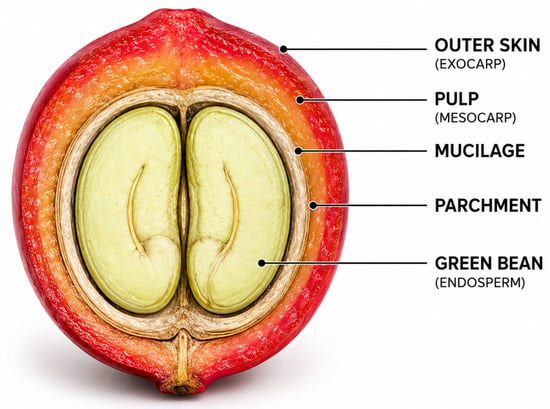
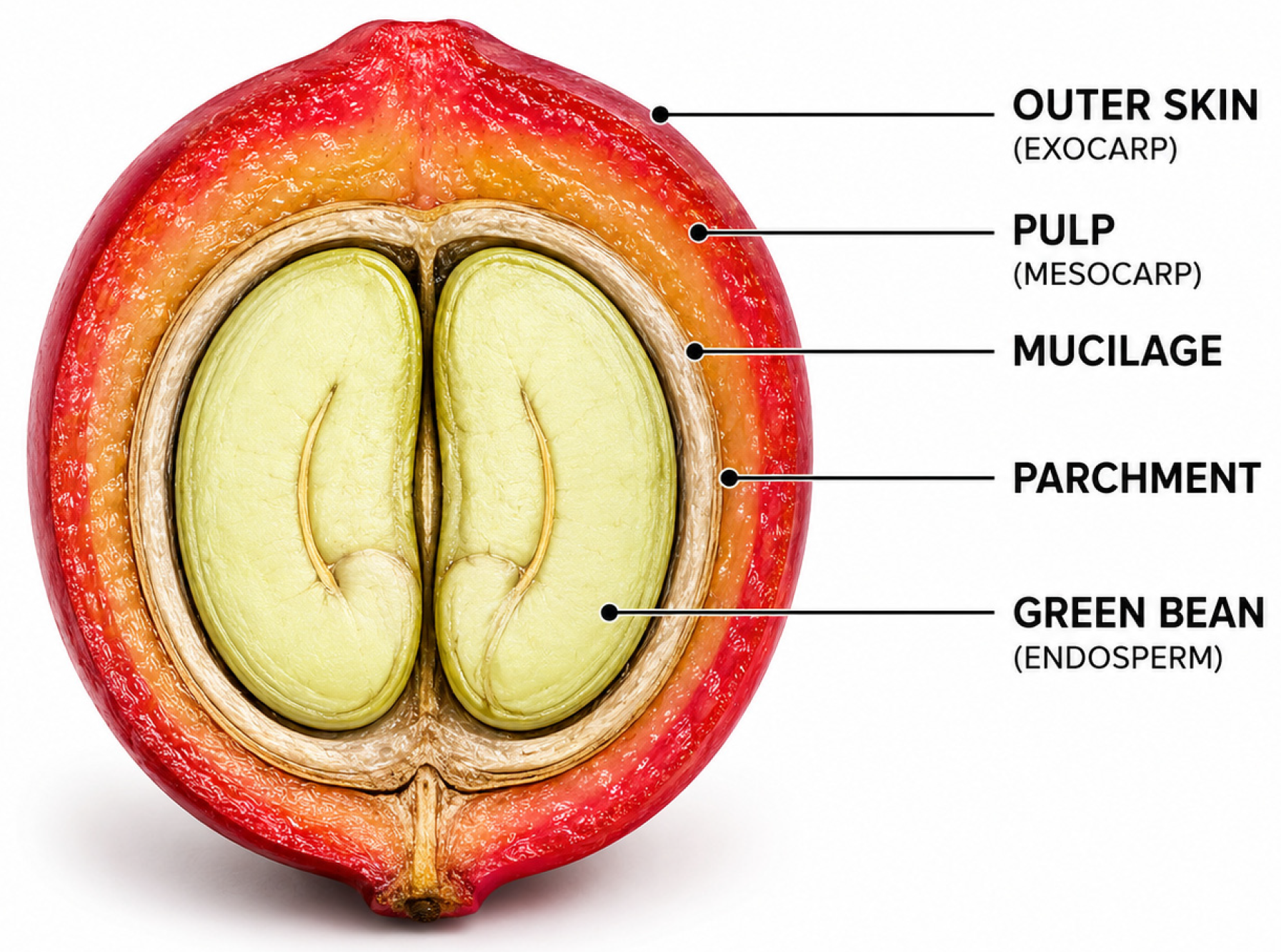

Disclaimer/Publisher’s Note: The statements, opinions and data contained in all publications are solely those of the individual author(s) and contributor(s) and not of MDPI and/or the editor(s). MDPI and/or the editor(s) disclaim responsibility for any injury to people or property resulting from any ideas, methods, instructions or products referred to in the content. |
© 2026 by the authors. Licensee MDPI, Basel, Switzerland. This article is an open access article distributed under the terms and conditions of the Creative Commons Attribution (CC BY) license.