




-
Automatic Personal Identification Using a Single MRI Slice -
Thermodynamics of Binding Between Adeno-Associated Viruses and Heparin in Bulk and at Interfaces via Isothermal Titration Calorimetry -
Enhancing Biomethane Production from Corn Stover: Insights into Lignocellulosic Component Interactions and Pretreatment Efficacy -
Objective Biomarker Development for Parameter Optimization in Neuromodulation Using High-Density EMG Temporal and Spatial Features -
From Optical to AI-Driven Markerless Motion Capture in Motor Learning and Rehabilitation
Journal Description
Bioengineering
Bioengineering
is an international, peer-reviewed, open access journal on the science and technology of bioengineering, published monthly online by MDPI.
- Open Access— free for readers, with article processing charges (APC) paid by authors or their institutions.
- High Visibility: indexed within Scopus, SCIE (Web of Science), PubMed, PMC, CAPlus / SciFinder, Inspec, and other databases.
- Journal Rank: JCR - Q2 (Engineering, Biomedical) / CiteScore - Q2 (Bioengineering)
- Rapid Publication: manuscripts are peer-reviewed and a first decision is provided to authors approximately 16.9 days after submission; acceptance to publication is undertaken in 3.1 days (median values for papers published in this journal in the first half of 2026).
- Recognition of Reviewers: reviewers who provide timely, thorough peer-review reports receive vouchers entitling them to a discount on the APC of their next publication in any MDPI journal, in appreciation of the work done.
Impact Factor:
4.4 (2025);
5-Year Impact Factor:
4.6 (2025)
Latest Articles
Shear Bond Strength of a Universal Adhesive to Enamel at Immediate, 7-Day and 14-Day Intervals After 40% Hydrogen Peroxide Bleaching: An In Vitro Study
Bioengineering 2026, 13(9), 1038; https://doi.org/10.3390/bioengineering13091038 (registering DOI) - 6 Sep 2026
Abstract
High-concentration in-office bleaching reduces resin–enamel bond strength, but the required waiting interval remains unresolved, and much evidence predates universal adhesives. This study evaluated the apparent shear bond strength (SBS) of Palfique Universal Bond (Tokuyama Dental, Tokyo, Japan; lot no. 162E01), in etch-and-rinse mode
[...] Read more.
High-concentration in-office bleaching reduces resin–enamel bond strength, but the required waiting interval remains unresolved, and much evidence predates universal adhesives. This study evaluated the apparent shear bond strength (SBS) of Palfique Universal Bond (Tokuyama Dental, Tokyo, Japan; lot no. 162E01), in etch-and-rinse mode after 37% phosphoric acid etching, at three intervals after 40% hydrogen peroxide bleaching. Eighty human premolar slabs, stored in artificial saliva at 37 °C, were allocated to a 14-day unbleached reference or to bleached specimens bonded immediately, at 7 or at 14 days, with one of two composites (n = 10 per group). Experimental condition significantly affected SBS (p < 0.001); no statistically significant effect of composite material or material × condition interaction was detected. Pooled across composites, SBS fell below the reference (4.62 MPa) after immediate bonding (4.18 MPa), at 7 days (3.81 MPa), and at 14 days (4.04 MPa; all adjusted p ≤ 0.034). With approximately 80% power to detect 0.55 MPa against observed differences of 0.14–0.37 MPa, the interval comparisons are inconclusive rather than evidence of equivalence; lacking time-matched controls at earlier intervals and conventional absolute values, the findings are within-study comparative evidence. Against the time-matched 14-day unbleached reference, however, apparent SBS remained significantly lower at 14 days, and restoration to the unbleached reference level should not be assumed for the protocol tested.
Full article
(This article belongs to the Special Issue Application of Bioengineering to Restorative Dentistry)
Open AccessArticle
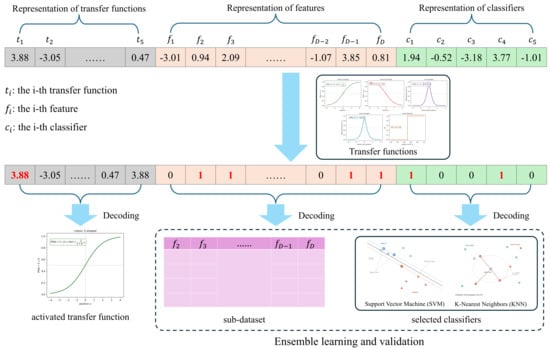
Toward Interpretable Voice-Based Parkinson’s Disease Screening via Joint Transfer Function–Feature–Classifier–Ensemble Selection
by
Xiaolei Yuan, Xinyue Zhang, Hui Xu, Qing Ye, Canxing Yuan and Hui Li
Bioengineering 2026, 13(9), 1037; https://doi.org/10.3390/bioengineering13091037 (registering DOI) - 6 Sep 2026
Abstract
Parkinson’s disease (PD) diagnosis relies on subjective clinical examination of motor signs that can be mild, intermittent, or absent early in the disease course, motivating objective, low-cost, non-invasive markers for earlier, more consistent detection. Voice recordings, acquirable with nothing more than a microphone,
[...] Read more.
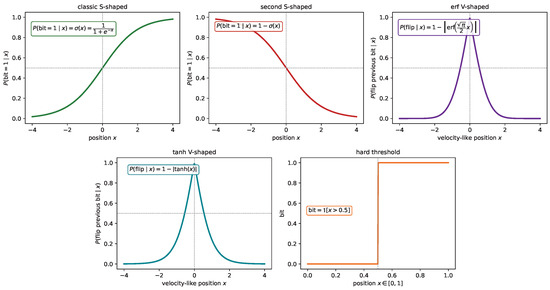
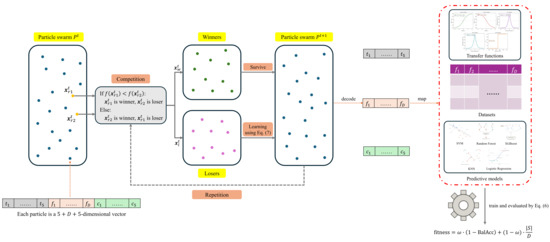
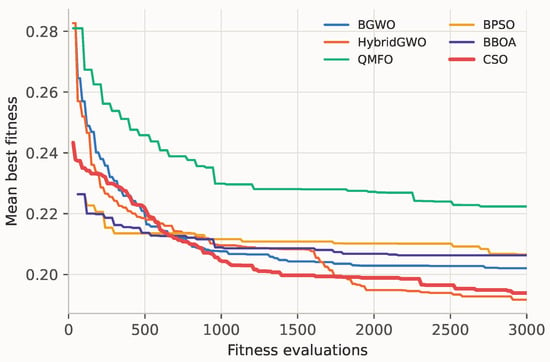
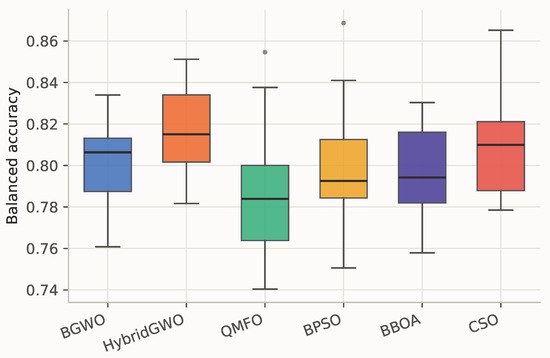
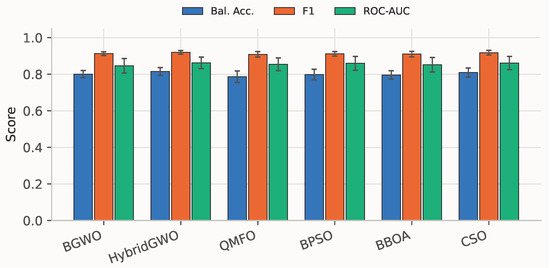
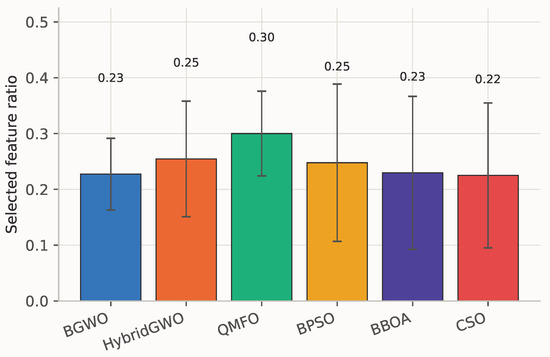
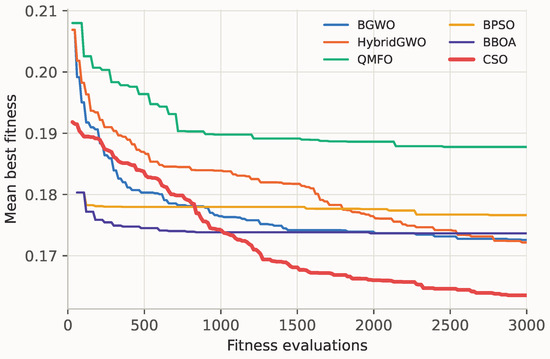
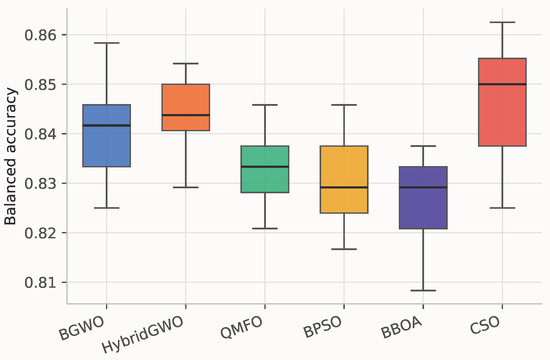
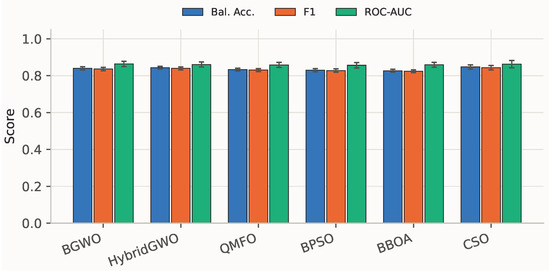
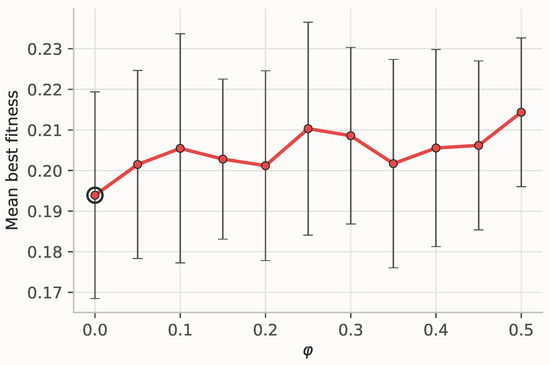
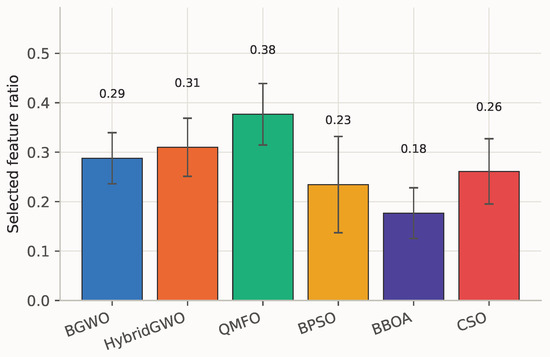
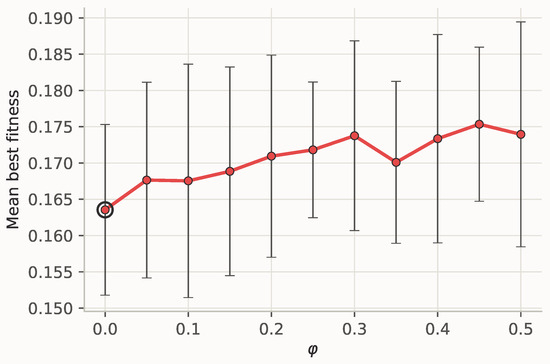
Parkinson’s disease (PD) diagnosis relies on subjective clinical examination of motor signs that can be mild, intermittent, or absent early in the disease course, motivating objective, low-cost, non-invasive markers for earlier, more consistent detection. Voice recordings, acquirable with nothing more than a microphone, are a strong candidate, and this study develops a machine learning pipeline for voice-based PD screening built on the Competitive Swarm Optimizer (CSO), which jointly searches the acoustic feature subset, classifier configuration, and binarization transfer function, instead of optimizing the feature subset alone as most prior pipelines do. Evaluated on two public, subject-grouped voice datasets, Oxford and Naranjo, against five baselines under an identical protocol across 20 runs per method, our proposed pipeline attains the highest mean balanced accuracy on Naranjo with 0.847 and the second-highest on Oxford with 0.810, accuracies consistent with the wider voice-based PD screening literature; because this evidence comes from two small, single-recording-protocol, retrospective public datasets of 31 and 80 subjects each, we present it as an initial, encouraging step toward a first-pass triage or between-visit monitoring tool, pending external validation on a prospectively collected, multi-site cohort, not as a standalone diagnostic instrument. As an initial step toward clinical interpretability, we check which acoustic features are selected most consistently across 20 repeated runs of the proposed pipeline against established physiological correlates of Parkinsonian dysphonia; agreement between any two runs’ complete feature subsets is weak, but pitch period entropy, a nonlinear-dynamical measure of aperiodic pitch period variability, is selected far more often than chance on both datasets, consistent with the underlying pathophysiology and not merely predictive. These results support voice-based, metaheuristic-optimized screening as a plausible, interpretable, low-burden tool for telemedicine and home monitoring.
Full article
(This article belongs to the Special Issue Voice Analysis Techniques for Medical Diagnosis)
►▼
Show Figures

Figure 1
Open AccessReview
Artificial Intelligence in Arthroplasty: A Comprehensive Structured Critical Review and Descriptive Evidence Map of Validation, Uncertainty, and Workflow Integration
by
Furkan Yapıcı
Bioengineering 2026, 13(9), 1036; https://doi.org/10.3390/bioengineering13091036 (registering DOI) - 6 Sep 2026
Abstract
Background/Objectives: Artificial intelligence (AI) in arthroplasty spans clinical prediction, imaging, implant identification, planning, natural language processing, infection support, patient communication, and workflow optimization, but its translational readiness remains uncertain. This review evaluated how often current studies move beyond internal model development toward credible
[...] Read more.
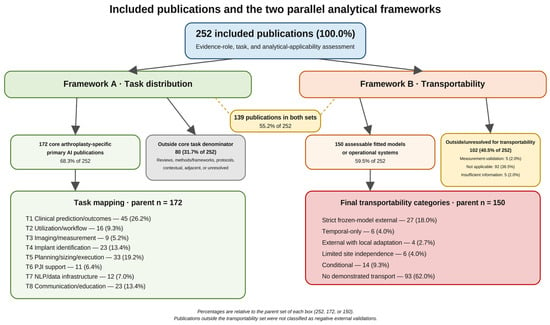
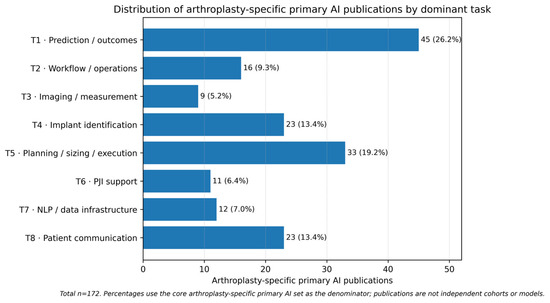
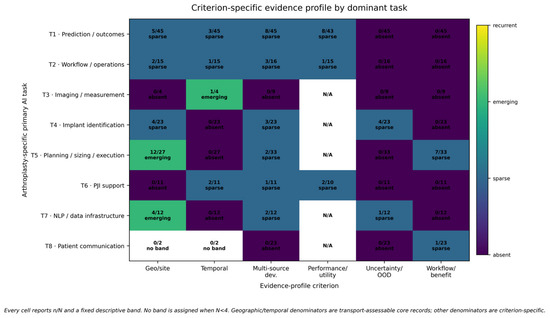
Background/Objectives: Artificial intelligence (AI) in arthroplasty spans clinical prediction, imaging, implant identification, planning, natural language processing, infection support, patient communication, and workflow optimization, but its translational readiness remains uncertain. This review evaluated how often current studies move beyond internal model development toward credible external evaluation, uncertainty-aware reporting, and clinically meaningful integration. Methods: A structured critical narrative review and descriptive evidence map included 252 publications identified and verified between 1 January and 17 August 2026. Of these, 172 were core arthroplasty-specific primary-AI publications used for task mapping, whereas 150 involved an assessable fitted model or operational system suitable for transportability analysis; 139 publications belonged to both analytical sets. Transportability was assessed separately based on geographic/site independence, temporal separation, and model state at the time of evaluation. Results: Strict frozen-model external evaluation was identified in 27/150 publications (18.0%). Twelve of these 27 publications (44.4%) belonged to a single commercial planning program; treating those 12 publications as a single program-level evidence unit reduced the count from 27 to 16. Later, non-overlapping temporal evaluation was established in 7/150 publications (4.7%), while the temporal relationship remained unclear in 86/150 (57.3%). In eight of the 150 transport-assessable publications (5.3%), external-validation terminology mapped to a different operational category under the framework used here. Among the 172 core publications, confirmed-present lower bounds were 27/172 (15.7%) for calibration, 5/172 (2.9%) for uncertainty or out-of-distribution handling, and 8/172 (4.7%) for observed workflow or patient benefit. The strongest near-term evidence concerned bounded, auditable tasks such as implant recognition, measurement, planning, and structured information extraction. Conclusions: Arthroplasty AI is best positioned as clinician-supervised precision-support infrastructure. Credible translation requires clearly defined evaluation settings, transparent reporting of model state, calibration and uncertainty assessment where applicable, and prospective workflow-level evaluation.
Full article
(This article belongs to the Section Biomedical Engineering and Biomaterials)
►▼
Show Figures

Figure 1
Open AccessArticle
Mobile Phone Call Duration and Cardiovascular Outcomes: Prospective and Genetic Evidence on a Potential Depression-Related Pathway
by
Yanxin Yin, Yan Luo, Tong Liu and Qingpeng Zhang
Bioengineering 2026, 13(9), 1035; https://doi.org/10.3390/bioengineering13091035 (registering DOI) - 5 Sep 2026
Abstract
Background: Mobile phone use has been associated with cardiovascular disease (CVD), but the role of major depressive disorder (MDD) in this relationship remains uncertain. Methods: We examined self-reported weekly mobile phone call duration and incident heart failure (HF), coronary artery disease (CAD), stroke,
[...] Read more.
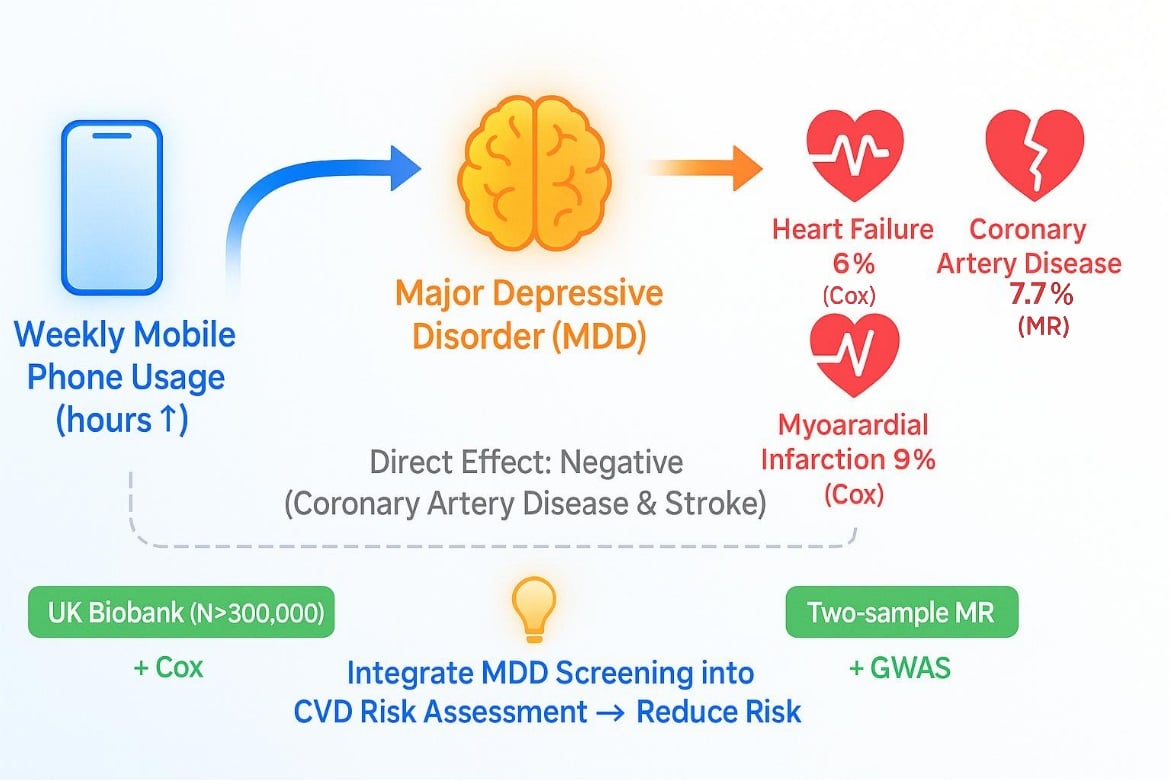
Background: Mobile phone use has been associated with cardiovascular disease (CVD), but the role of major depressive disorder (MDD) in this relationship remains uncertain. Methods: We examined self-reported weekly mobile phone call duration and incident heart failure (HF), coronary artery disease (CAD), stroke, and myocardial infarction (MI) in four UK Biobank at-risk cohorts (N = 320,343–328,170) using Cox regression. Baseline MDD was evaluated as a stratification and effect-modification variable. We also conducted two-sample MR and an exploratory two-step MR analysis of the pathway from call duration through MDD to CVD. Genome-wide significant instruments ( ) defined the primary MR analysis; was examined as a sensitivity threshold. Results: In fully adjusted Cox models, call duration greater than 6 h/week was associated with CAD (HR 1.18, 95% CI 1.10–1.27) and stroke (HR 1.17, 95% CI 1.05–1.29) but not HF or MI. MDD-by-call-duration interactions were not significant (all interaction ). Primary IVW MR estimates supported associations of genetically predicted call duration with MDD (OR 1.56, 95% CI 1.04–2.33) and CAD (OR 1.69, 95% CI 1.13–2.55), whereas estimates for HF, stroke, and MI were imprecise. None of the four primary two-step indirect effects excluded the null, and none remained significant after false-discovery-rate correction at the sensitivity threshold. Conclusions: Longer weekly mobile phone call duration was prospectively associated with CAD and stroke in UK Biobank. The MR findings provide exploratory, but not conclusive, support for an MDD-related pathway.
Full article
(This article belongs to the Special Issue Computational Intelligence for Healthcare)
►▼
Show Figures

Graphical abstract
Open AccessPerspective
Perspectives on the Limits and Clinical Alignment of Medical AI from Population Statistics to Individual Care
by
Milan Toma and David Yusupov
Bioengineering 2026, 13(9), 1034; https://doi.org/10.3390/bioengineering13091034 (registering DOI) - 5 Sep 2026
Abstract
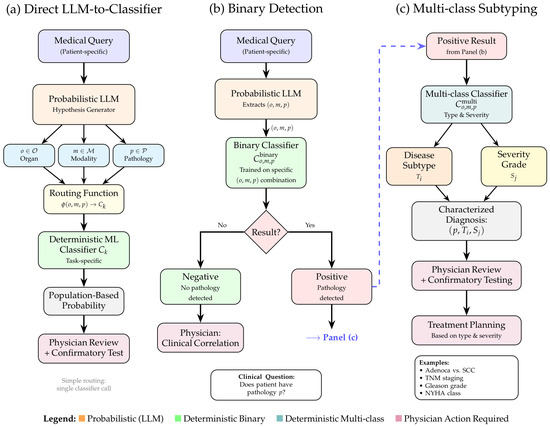
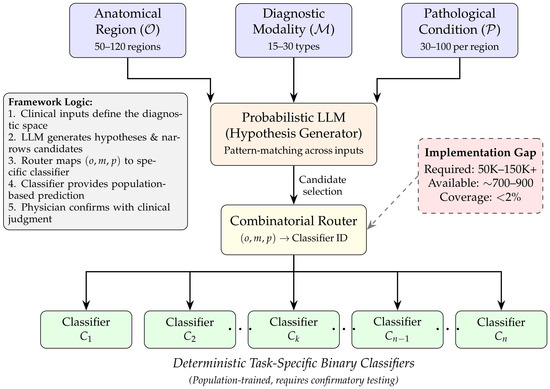
The clinical integration of artificial intelligence has outpaced the development of robust evaluative frameworks, raising critical safety concerns. This perspective establishes a clear taxonomy distinguishing probabilistic language models from deterministic classifiers and applies a multi-dimensional combinatorial model to calculate the requirements for complete
[...] Read more.
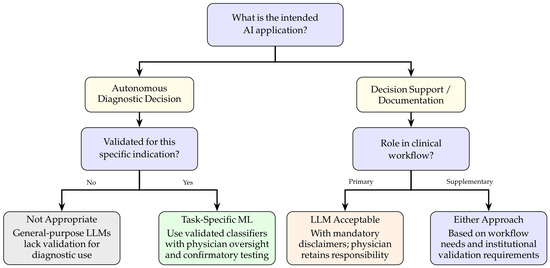
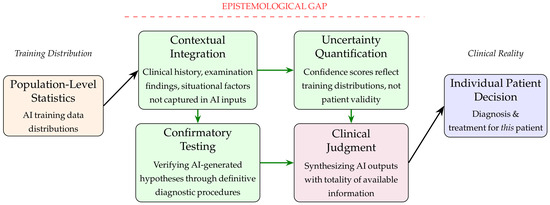
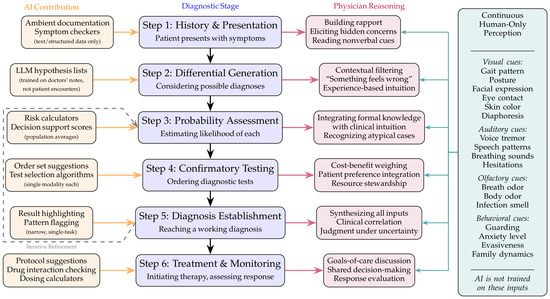
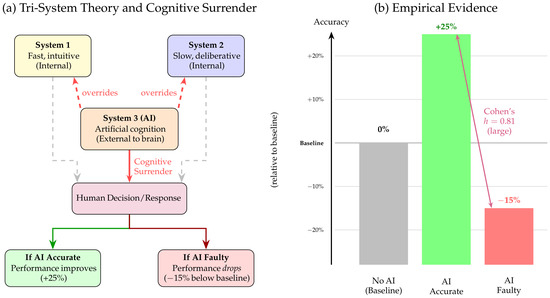
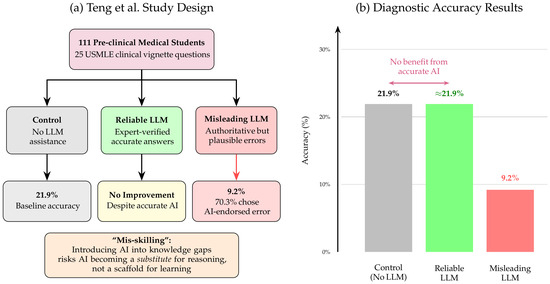
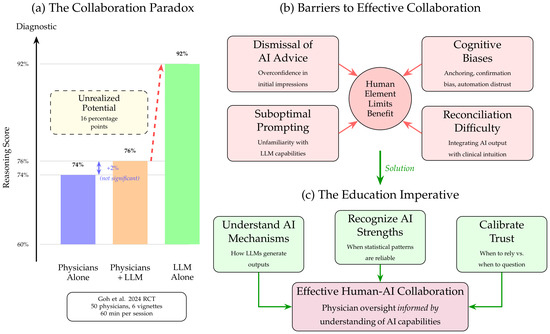
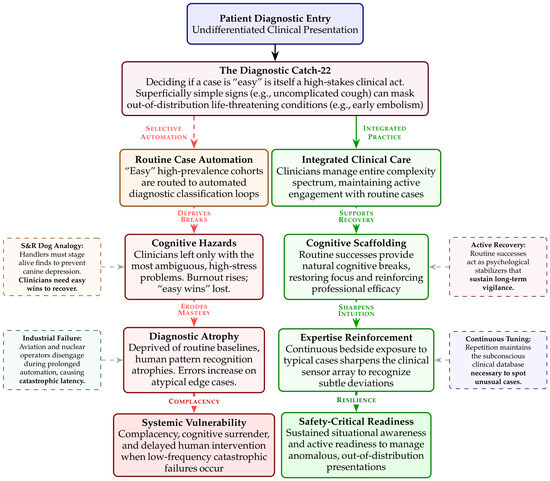
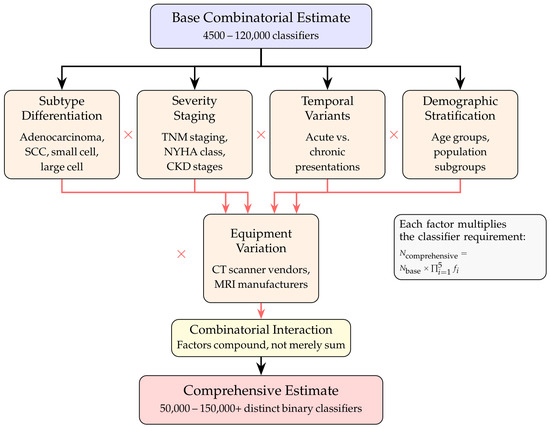
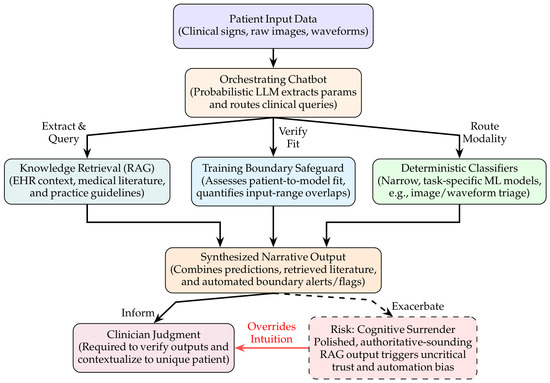
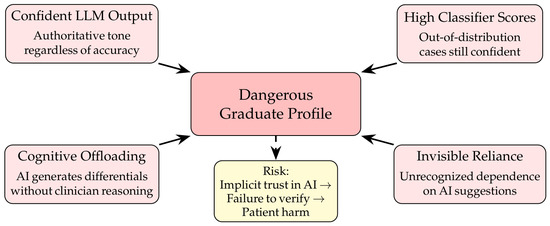
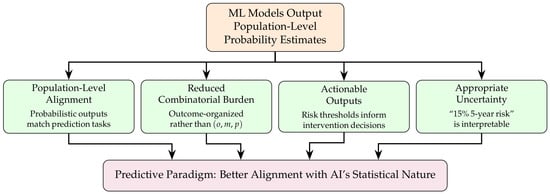
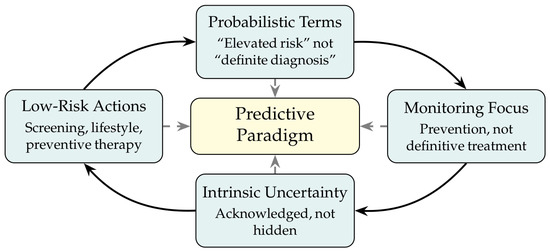
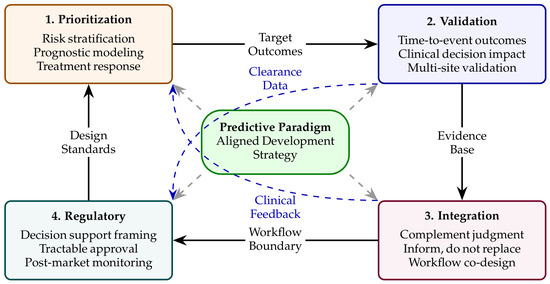
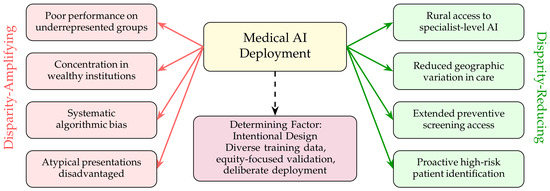
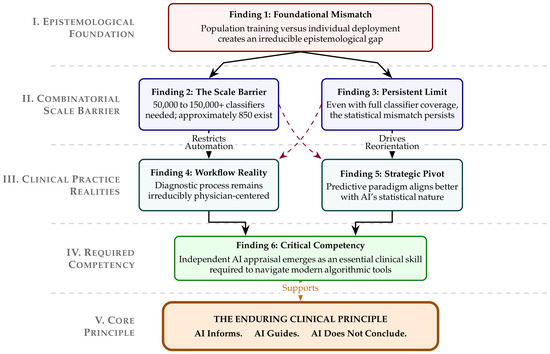
The clinical integration of artificial intelligence has outpaced the development of robust evaluative frameworks, raising critical safety concerns. This perspective establishes a clear taxonomy distinguishing probabilistic language models from deterministic classifiers and applies a multi-dimensional combinatorial model to calculate the requirements for complete diagnostic coverage. Our analysis demonstrates that comprehensive diagnostic coverage requires between 50,000 and 150,000 distinct, task-specific classifiers under subspecialty-level clinical granularity; conservative aggregated estimates (4500–18,750 binary classifiers) do not reflect the multiplicative expansion introduced by subtype differentiation, severity staging, temporal variants, demographic stratification, and equipment variation, whereas currently cleared devices cover less than one percent of this clinical space. More fundamentally, although population-trained models can generate conditional patient-specific risk estimates when predictors are informative and calibration is adequate, these statistical parameters optimized on population-scale data cannot provide the categorical certainty required for individual diagnostic decisions, which is a gap that clinical judgment must bridge. Because clinical AI tools are inherently statistical and perform reliably only on common, highly represented presentations while failing on rare, atypical cases rare in their training data, attempting to automate routine tasks leaves human clinicians with only the most challenging diagnostics. Furthermore, selective automation of these low-complexity cases introduces severe occupational hazards, including cognitive surrender, diagnostic complacency, and rapid expertise atrophy. Rather than pursuing the computationally and logistically unfeasible goal of complete diagnostic classification, developers should prioritize predictive, prognostic trajectory modeling. This paradigm shift aligns the probabilistic nature of machine learning with clinical utility, reinforcing clinical judgment as the irreplaceable diagnostic integrator.
Full article
(This article belongs to the Special Issue Artificial Intelligence and Machine Learning in Biomedical Engineering Applications Towards Clinical Translation)
►▼
Show Figures

Figure 1
Open AccessArticle
Signal-Driven Model Order Selection for MUSIC-Based HRV Spectral Characterization
by
Perla Lizeth Garza-Barrón, Alejandro Barrientos-García, Carlos Mauricio Lastre-Domínguez, Claudia Angélica Rivera-Romero, Juvenal Villanueva-Maldonado and Jorge Ulises Muñoz-Minjares
Bioengineering 2026, 13(9), 1033; https://doi.org/10.3390/bioengineering13091033 (registering DOI) - 5 Sep 2026
Abstract
Heart rate variability (HRV) is a useful non-invasive tool for studying autonomic nervous system modulation under emotional stimulation; however, accurate estimation of dominant frequencies in HRV signals remains challenging due to their non-stationary nature and the sensitivity of some spectral methods to configuration
[...] Read more.
Heart rate variability (HRV) is a useful non-invasive tool for studying autonomic nervous system modulation under emotional stimulation; however, accurate estimation of dominant frequencies in HRV signals remains challenging due to their non-stationary nature and the sensitivity of some spectral methods to configuration parameters. This work presents a methodology for the spectral characterization of HRV signals derived from ECG recordings from the DREAMER database, with emphasis on optimizing the model order of the MUSIC algorithm to improve dominant frequency localization within the physiological low-frequency (LF) and high-frequency (HF) bands. The proposed methodology included ECG signal preprocessing, R-peak detection, RR interval extraction, HRV interpolation, and spectral analysis using MUSIC, while evaluating different model orders through a signal-driven composite criterion based on AIC, MDL, ESTER, eigengap, and model complexity. The criteria were normalized using min–max normalization and combined using equal predefined weights. The results showed that the signal-driven selection of the parameter p produced recording-dependent model order configurations and different dominant frequency estimates across the analyzed stimuli. The resulting LF/HF agreement was evaluated independently after model order selection and showed non-uniform correspondence across stimuli and spectral estimators. Overall, these findings indicate that model order selection can substantially influence the spectral characterization obtained with MUSIC and provide a signal-driven framework for examining this dependence in HRV recordings.
Full article
(This article belongs to the Special Issue Artificial Intelligence in Biomedical Imaging and Biomedical Signal Processing: Second Edition)
Open AccessArticle
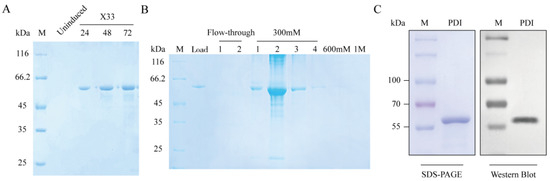
Cytological Performance Evaluation of a Novel Skin-Repair Agent: Recombinant Protein Disulfide Bond Isomerase
by
Xin Luo, Qirong Zhang, Wantong Liu, Dan Li, Huawei Zhang, Xiaobin Yang, Jianhang Cong, Shu Zhang, Yating Cheng and Qi Xiang
Bioengineering 2026, 13(9), 1032; https://doi.org/10.3390/bioengineering13091032 (registering DOI) - 5 Sep 2026
Abstract
To investigate the potential of recombinant protein disulfide isomerase (PDI) as a raw material for skin-repair cosmetics, an engineered PDI-producing strain was constructed using the Pichia pastoris X33 expression system. The target protein was obtained through methanol-induced expression and anion-exchange chromatography purification, and
[...] Read more.
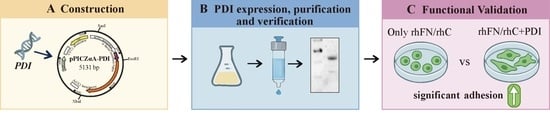
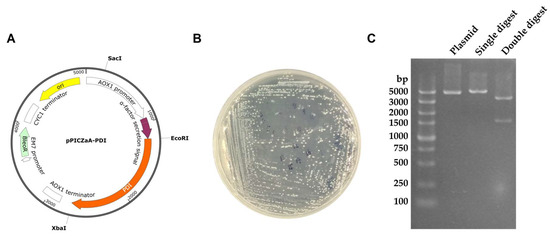
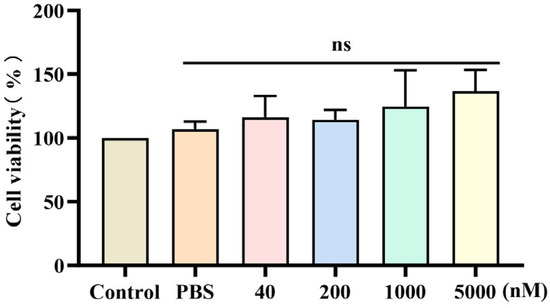
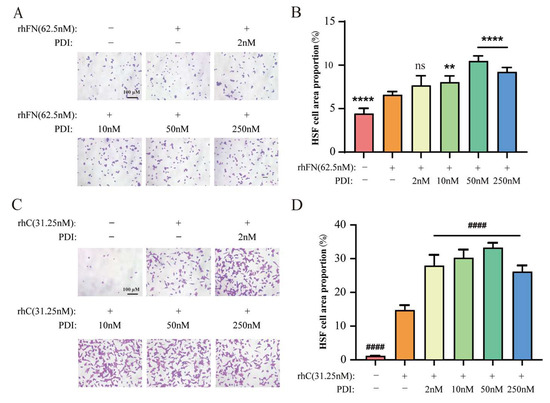
To investigate the potential of recombinant protein disulfide isomerase (PDI) as a raw material for skin-repair cosmetics, an engineered PDI-producing strain was constructed using the Pichia pastoris X33 expression system. The target protein was obtained through methanol-induced expression and anion-exchange chromatography purification, and its cytotoxicity and pro-adhesive effects on human skin fibroblasts (HSFs) were evaluated. The results showed that the purified recombinant PDI protein had an apparent molecular weight of approximately 55.7 kDa. Treatment with 0.04–5 µmol/L recombinant PDI for 24 h did not affect cell viability. On culture surfaces coated with 62.5 nmol/L recombinant human fibronectin (rhFN) or 31.25 nmol/L recombinant human collagen (rhC), the addition of 250 nmol/L recombinant PDI increased the HSF adhesion area ratio to approximately 2.1-fold that of the rhFN-alone group (p < 0.0001) and 1.9-fold that of the rhC-alone group (p < 0.0001). Collectively, the recombinant PDI protein exhibits good biocompatibility and pro-adhesive activity, demonstrating its potential as a candidate raw material for skin-repair cosmetics.
Full article
(This article belongs to the Special Issue Advances in Peptide Delivery: Strategies, Formulations, and Therapeutic Applications)
►▼
Show Figures

Graphical abstract
Open AccessArticle
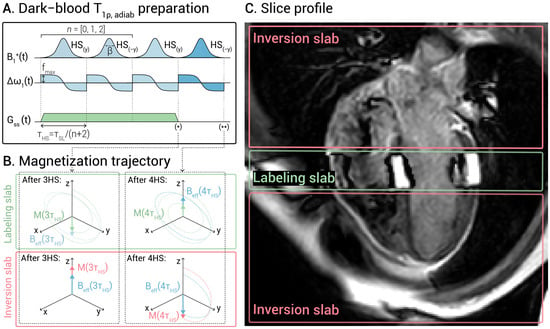
Dark-Blood Adiabatic T1ρ Mapping of the Heart Using Combined Non-Selective and Slice-Selective RF Pulses at 3T
by
Chiara Coletti, Joao Tourais, Anastasia Fotaki, Yidong Zhao, Yi Zhang, Christal van de Steeg-Henzen, Qian Tao, Claudia Prieto and Sebastian Weingärtner
Bioengineering 2026, 13(9), 1031; https://doi.org/10.3390/bioengineering13091031 - 4 Sep 2026
Abstract
mapping is emerging as a potential, contrast-free alternative to late gadolinium enhancement (LGE) for assessment of myocardial viability. However, strong signal contributions from the blood pool can impede quantitative evaluation at the (sub)endocardium. In this work, we study the effectiveness
[...] Read more.
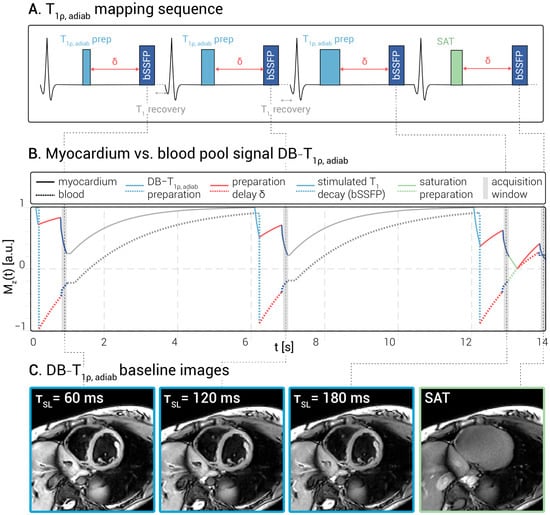
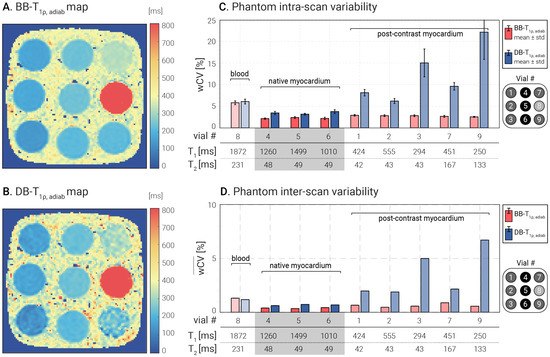
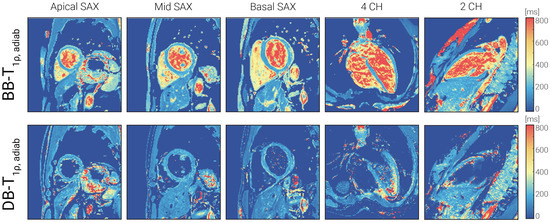
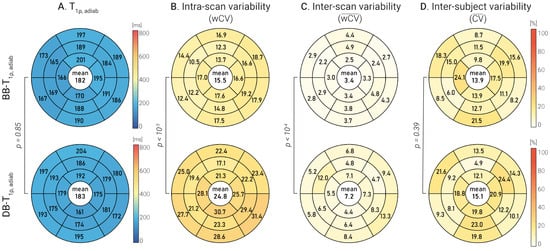
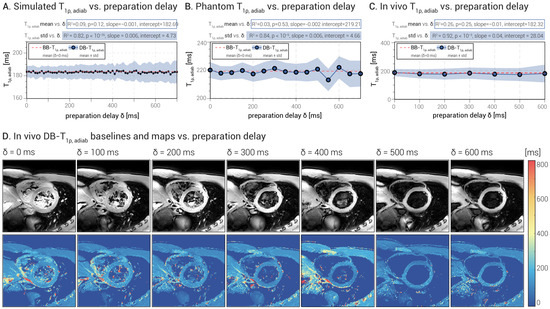
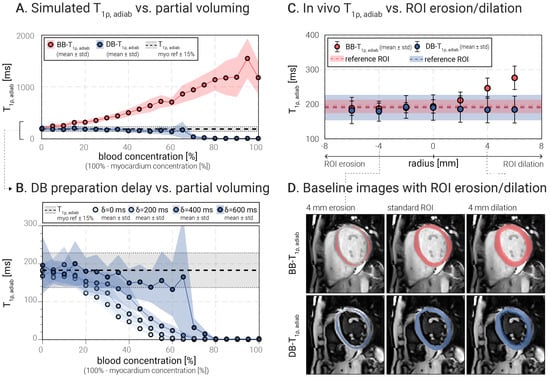
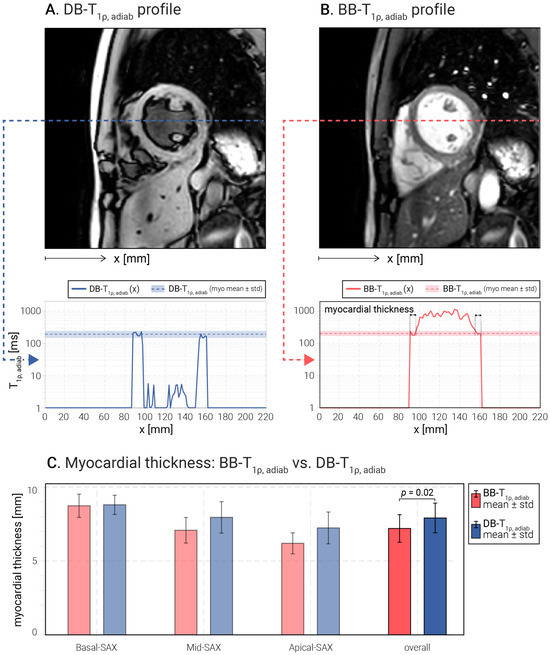
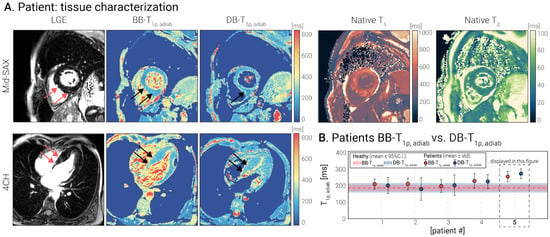
mapping is emerging as a potential, contrast-free alternative to late gadolinium enhancement (LGE) for assessment of myocardial viability. However, strong signal contributions from the blood pool can impede quantitative evaluation at the (sub)endocardium. In this work, we study the effectiveness of dark-blood (DB) contrast in adiabatic ( ) mapping at 3T, using slice-selective and non-selective adiabatic spin-lock pulses. Adiabatic DB- preparations consisted of an odd number of slice-selective adiabatic full passage (AFP) pulses, followed by a final, non-selective AFP pulse. This preparation induces decay within the imaging slice while inverting the magnetization outside. A delay ( ) between preparation and imaging allowed for relaxation and inflow of the inverted blood to achieve DB contrast. Bias and precision of DB- and bright-blood (BB)- were compared in phantom and in healthy subjects (n = 10). Blood suppression efficacy and apparent myocardial thickness in DB imaging were investigated in simulations, phantom, and in vivo. The clinical feasibility of DB- mapping was evaluated in a small cohort of patients (n = 7) with suspected cardiovascular diseases. DB- values were in agreement with reference BB- values in phantom (myocardium-like vial BB: 219.27 ± 4.80 ms, DB: 218.09 ± 8.22 ms) and in healthy subjects (BB: 182.32 ± 28.27 ms, DB: 183.49 ± 45.54 ms). A moderate increase in intra-( ) and inter-scan variability ( ) was observed in the DB method, compared with conventional BB imaging, for phantom and healthy subjects (in vivo BB: 15.51 ± 2.65%, DB: 24.82 ± 4.18%; in vivo BB: 3.38 ± 0.86%, DB: 7.24 ± 2.55%). Longer delay times improved blood suppression in vivo for DB- , albeit at increased intra-scan variability in phantom and in vivo (DB for = 0 ms: 4.90 ± 0.83% in phantom, 13.44 ± 2.91% in vivo, for = 600 ms: 8.14 ± 1.88% in phantom, 26.25 ± 5.19% in vivo). Average apparent myocardial thickness was slightly higher when using DB- compared with BB- (BB: 7.33 ± 2.05 mm, DB: 7.99 ± 2.46 mm). DB- maps yielded comparable image quality to BB- maps in patients. DB- mapping represents an alternative to BB- for myocardial assessment with the potential for improved visualization of the (sub-)endocardium.
Full article
(This article belongs to the Special Issue Recent Advances in Cardiac MRI)
►▼
Show Figures

Figure 1
Open AccessArticle
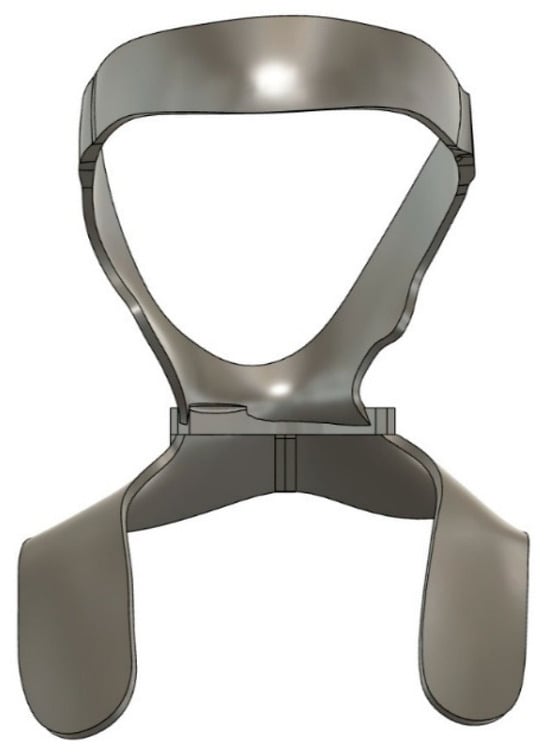
Craniocervical Orthosis Produced Using 3D Printing Technology for Anterior Head Tilt Posture and Thoracic Kyphosis: A Custom-Manufactured Device Pilot Application Study
by
Buse Akça, Senem Güner, Ahmet Gökhan Acar and Yunis Akkaş
Bioengineering 2026, 13(9), 1030; https://doi.org/10.3390/bioengineering13091030 - 4 Sep 2026
Abstract
Forward head posture (FHP) is common in young adults using technological devices and often accompanied by increased thoracic kyphosis. This study reports the design and custom manufacturing of a 3D-printed craniocervical orthosis and a pilot application evaluating its effects on the craniocervical angle
[...] Read more.
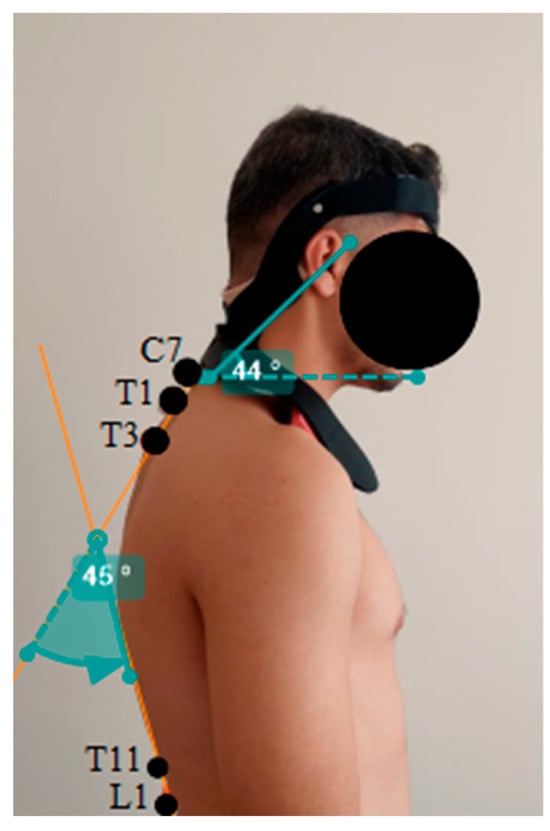
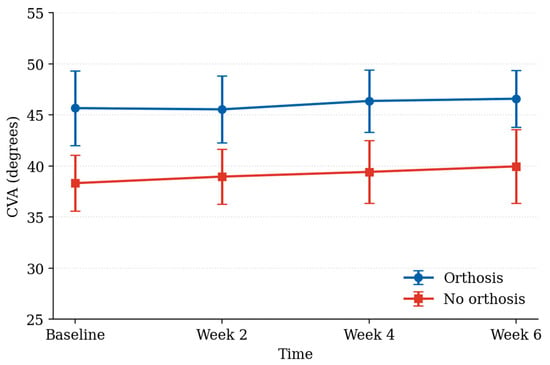
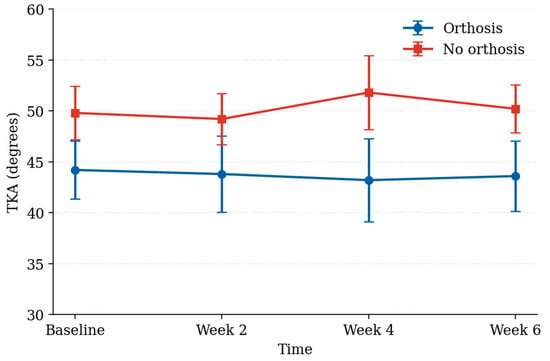
Forward head posture (FHP) is common in young adults using technological devices and often accompanied by increased thoracic kyphosis. This study reports the design and custom manufacturing of a 3D-printed craniocervical orthosis and a pilot application evaluating its effects on the craniocervical angle (CVA), thoracic kyphosis angle (TKA), and user satisfaction. In this prospective, single-arm, within-subject pilot study, each participant underwent 3D scanning, and a custom orthosis was manufactured from their scan data using a common three-point CAD template via FDM 3D printing. Ten volunteers aged 18–25 years completed the study without a priori sample size calculation. The CVA and TKA were assessed photogrammetrically at baseline and weeks 2, 4, and 6, under orthosis-assisted and non-assisted conditions, with devices iteratively adjusted over six weeks. Satisfaction was evaluated at follow-up completion using the Quebec User Evaluation of Satisfaction with Assistive Technology (QUEST 2.0-TR), and data were analyzed using a linear mixed model. Of the 13 individuals screened, 10 completed the protocol (one discontinued owing to discomfort and two withdrew voluntarily); no serious adverse events occurred. The CVA was significantly higher, and the TKA significantly lower, under the orthosis condition at every time point (all p < 0.001), reflecting an acute, device-on effect rather than a demonstrated lasting, unassisted postural correction. Mean device satisfaction was 4.88 ± 0.12/5 and mean service satisfaction was 5.00 ± 0.00/5 among the 10 completers; these scores exclude the participant who discontinued owing to discomfort and two who withdrew for unrelated reasons, which likely inflates the apparent satisfaction level. The custom-manufactured orthosis was feasible to design and fabricate, tolerable after iterative adjustment, and associated with improved craniocervical and thoracic alignment when worn; these findings reflect an acute, device-on effect and do not yet establish lasting postural correction without the orthosis. Given the single-arm, non-blinded pilot design, findings are preliminary and hypothesis-generating, supporting further confirmatory trials.
Full article
(This article belongs to the Section Biomedical Engineering and Biomaterials)
►▼
Show Figures

Figure 1
Open AccessArticle
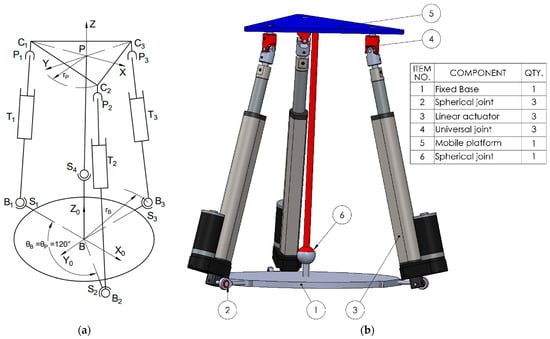
Evaluation of a Fuzzy-Supervised PID Controller for a Parallel Rehabilitation Mechanism
by
Adriana-Daniela Banyai, Daniel-Vasile Banyai and Cornel Brisan
Bioengineering 2026, 13(9), 1029; https://doi.org/10.3390/bioengineering13091029 - 3 Sep 2026
Abstract
Accurate actuator-space tracking is an important engineering requirement for repeatable motion delivery by parallel rehabilitation mechanisms, but controller performance should also be assessed under configuration-dependent dynamics and modeling uncertainty. This study evaluates a bounded fuzzy-supervised proportional–integral–derivative (FSPID) controller for a three-chain 3STC+S parallel
[...] Read more.
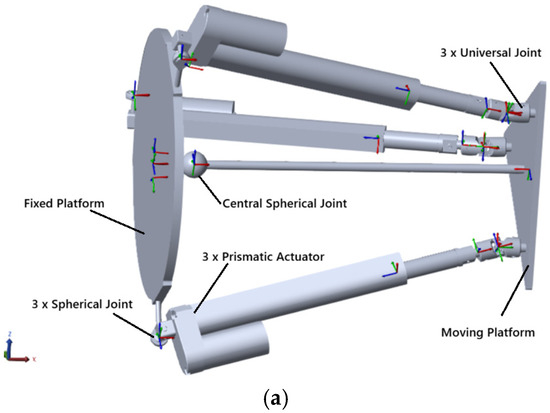
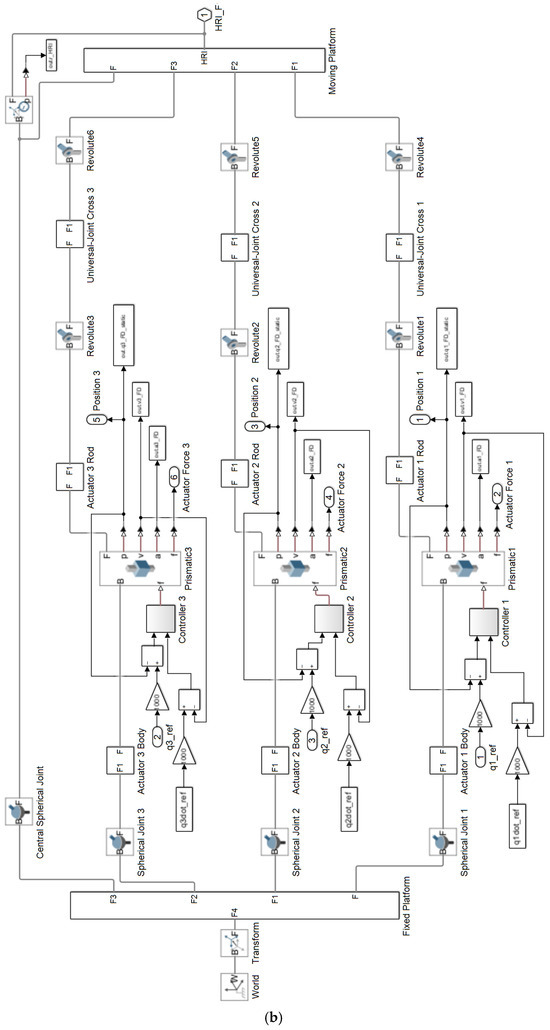
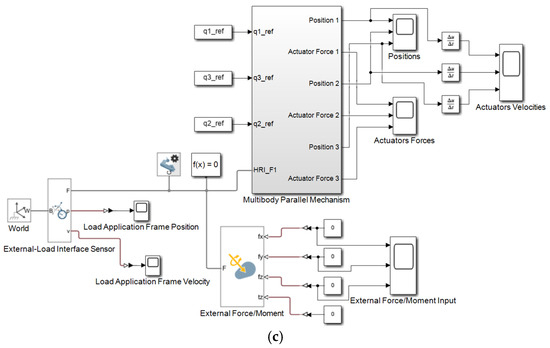
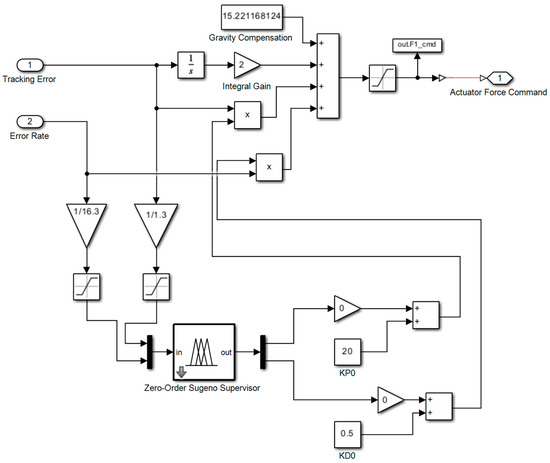
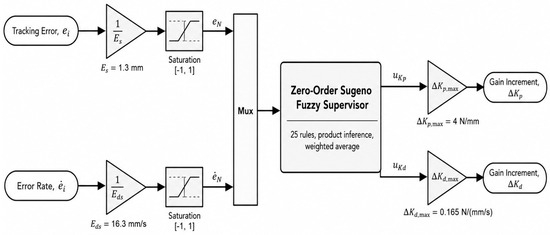
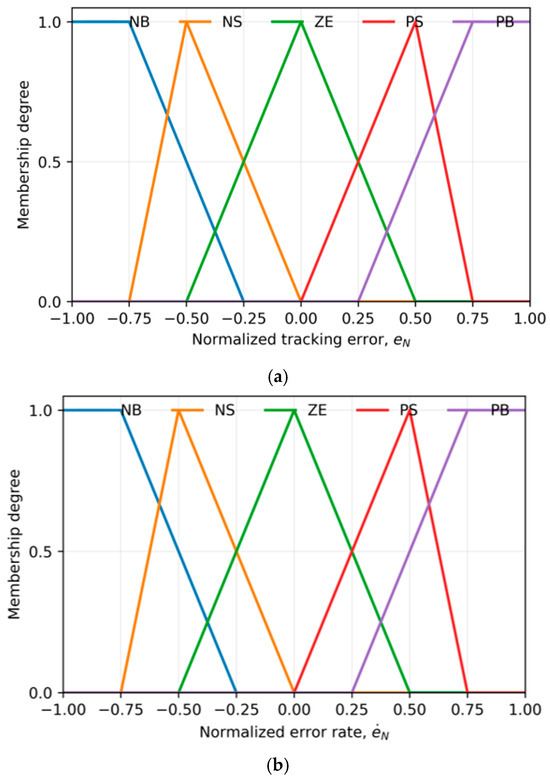
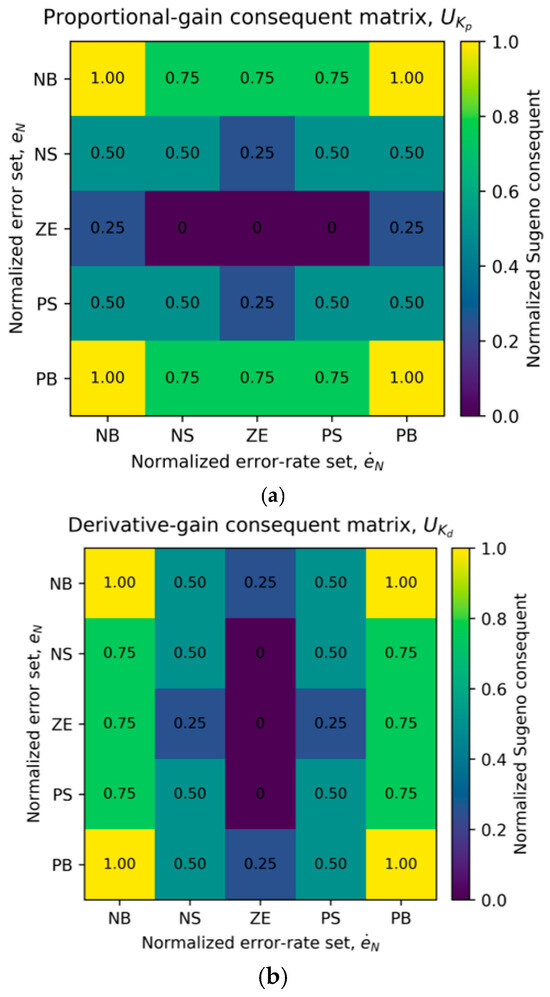
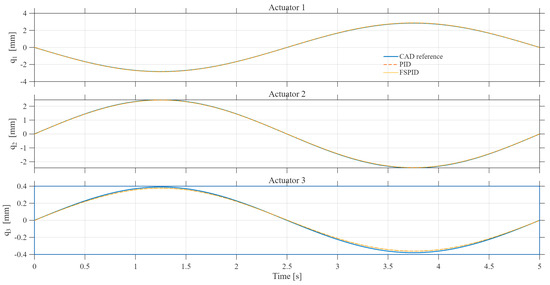
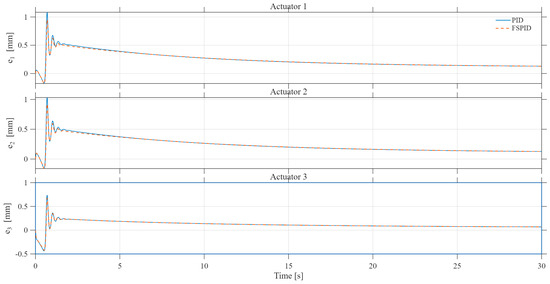
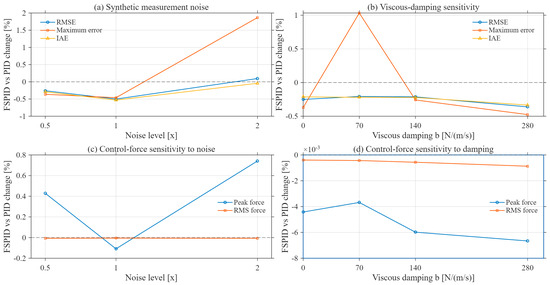
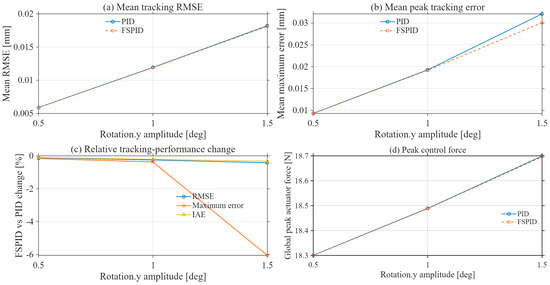
Accurate actuator-space tracking is an important engineering requirement for repeatable motion delivery by parallel rehabilitation mechanisms, but controller performance should also be assessed under configuration-dependent dynamics and modeling uncertainty. This study evaluates a bounded fuzzy-supervised proportional–integral–derivative (FSPID) controller for a three-chain 3STC+S parallel rehabilitation mechanism. CAD-derived inverse kinematics generated the three prismatic-joint reference trajectories, while closed-loop behavior was simulated using a Simscape Multibody model including rigid-body mass and inertia properties, gravity, closed-loop constraints, and external force/moment loading. Three fixed-gain PID loops formed the baseline. The FSPID supervisor used zero-order Sugeno inference to adjust proportional and derivative gains within prescribed bounds, while the integral action remained fixed and was implemented with a leaky integrator. Under the nominal 1° trajectory at 0.2 Hz, FSPID reduced mean root-mean-square error (RMSE), maximum absolute error, and integral absolute error (IAE) by 0.25%, 0.37%, and 0.21%, respectively. Under sustained external loading, maximum-error reductions reached 9.33–10.20%, with mean actuator-wise peak-force changes within approximately ±2%. Additional simulations examined trajectory amplitude, synthetic measurement noise, viscous damping, and combined nonidealities. The results support FSPID as a conservative simulation-level refinement of fixed-gain PID; experimental validation remains necessary.
Full article
(This article belongs to the Section Biomedical Engineering and Biomaterials)
►▼
Show Figures

Figure 1
Open AccessArticle
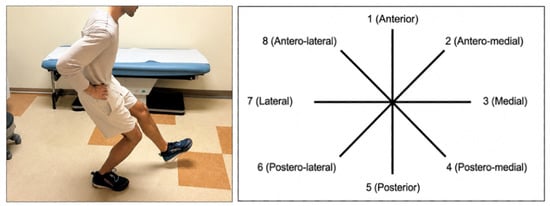
Patient-Reported Knee Function Versus Star Excursion Balance Performance as Correlates of Psychological Return-to-Sport Readiness After Anterior Cruciate Ligament Reconstruction
by
Ryan T. Halvorson, Aidan Foley, Hayden Sampson, Cameron Nosrat, Drew A. Lansdown, Brian T. Feeley and Jeannie F. Bailey
Bioengineering 2026, 13(9), 1028; https://doi.org/10.3390/bioengineering13091028 - 3 Sep 2026
Abstract
Background: Psychological readiness, quantified by the Anterior Cruciate Ligament Return to Sport after Injury (ACL-RSI) scale, is one of the most consistent correlates of return-to-sport success following ACL reconstruction. Whether psychological readiness reflects an independent construct or is related to measured functional
[...] Read more.
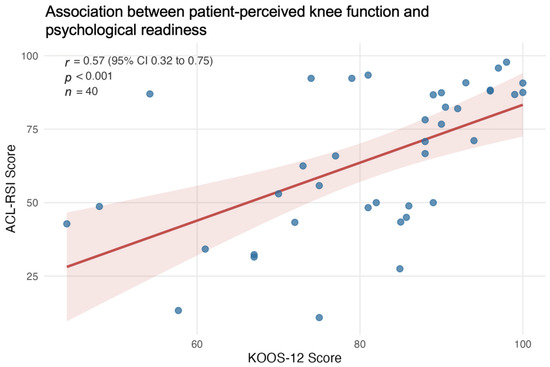
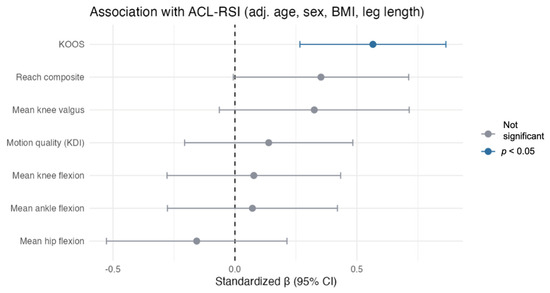
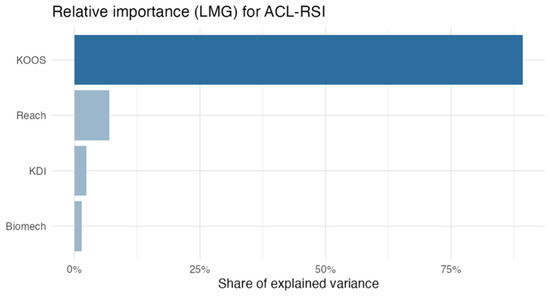
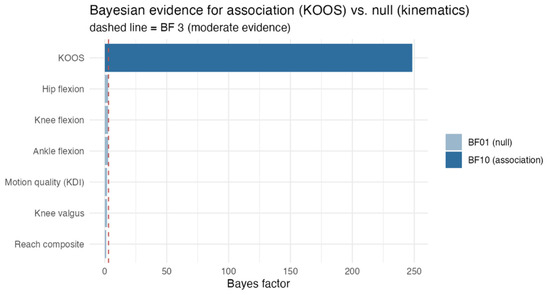
Background: Psychological readiness, quantified by the Anterior Cruciate Ligament Return to Sport after Injury (ACL-RSI) scale, is one of the most consistent correlates of return-to-sport success following ACL reconstruction. Whether psychological readiness reflects an independent construct or is related to measured functional performance is not known. Purpose: To evaluate the associations between patient-perceived knee function and objective performance on a functional task, as quantified by traditional scoring, kinematics, and motion quality, and psychological readiness 9 to 12 months after ACL reconstruction. Methods: In this cross-sectional study, forty patients performed the Star Excursion Balance Test using a validated markerless motion capture system. Three biomechanical domains derived from that task (reach distance, lower-extremity kinematics, and a time-series motion quality index) were evaluated against psychological readiness, with patient-reported function (as measured by the Knee Injury and Osteoarthritis Outcomes Score [KOOS-12]) as a comparator. Associations were estimated using multivariable regression adjusted for age, sex, body mass index, and limb length. Relative contributions were evaluated with variance decomposition, and Bayes factors quantified the strength of evidence for or against each association. Results: Patient-perceived knee function was strongly associated with psychological readiness (standardized β = 0.58; 95% confidence interval, 0.29 to 0.87; BF10 = 249), whereas no biomechanical domain derived from the functional task reached statistical significance (all |β| ≤ 0.34; all |r| ≤ 0.3). In the combined model (total R2 = 0.463), variance decomposition attributed 89.3% of explained variance in psychological readiness to patient-perceived knee function, versus 6.9% for reach distances, 2.4% for motion quality, and 1.4% for lower extremity kinematics. Bayes factors favored the null for each biomechanical domain, but reached only anecdotal strength (BF01, 1.3–2.8). Conclusion: In this cross-section, psychological readiness after ACL reconstruction more closely aligned with patient-perceived knee function than biomechanical performance on the SEBT, indicating that perceived function and biomechanical performance on certain tasks may be divergent at the time of return-to-sport clearance. These findings support the routine inclusion of patient-reported outcome measures alongside functional testing in multi-domain return-to-sport assessment.
Full article
(This article belongs to the Special Issue Biomechanics in Sport and Motion Analysis, 2nd Edition)
►▼
Show Figures

Figure 1
Open AccessSystematic Review
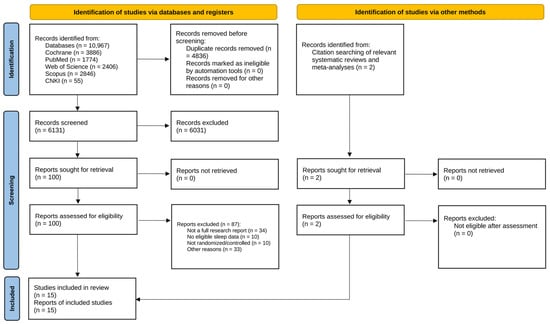
Effects of Exercise-Based Interventions on Self-Reported Sleep Outcomes in Parkinson’s Disease: A Systematic Review and Meta-Analysis of Randomized Controlled Trials
by
Chengshuo Zhang, Xinyuan Zhang, Lei Cao, Jiaxin Li, Zhengqiu Zhang and Wanli Zang
Bioengineering 2026, 13(9), 1027; https://doi.org/10.3390/bioengineering13091027 - 3 Sep 2026
Abstract
Objective: To evaluate the effects of exercise-based interventions on self-reported sleep outcomes in patients with Parkinson’s disease (PD) and to assess the certainty of the available evidence. Methods: PubMed, Web of Science, Scopus, the Cochrane Central Register of Controlled Trials (CENTRAL), and China
[...] Read more.
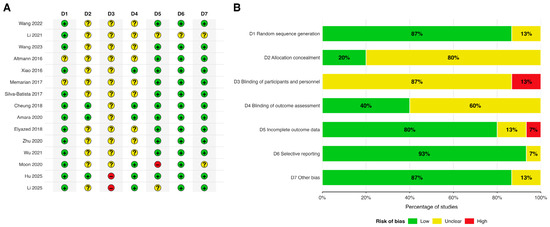
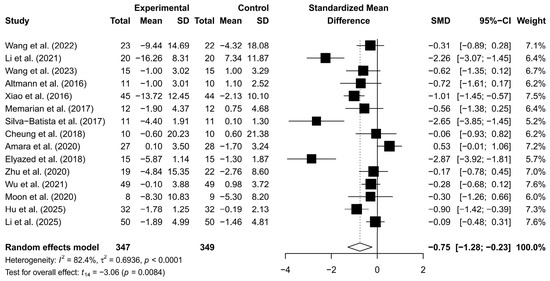
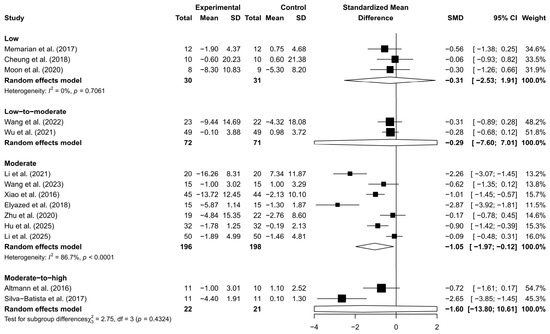
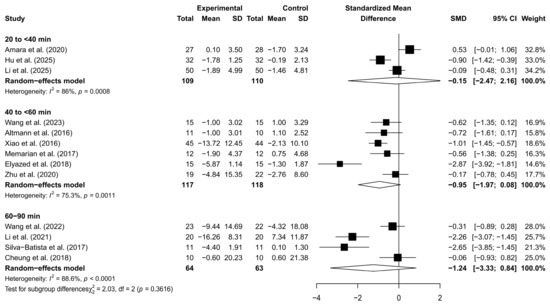
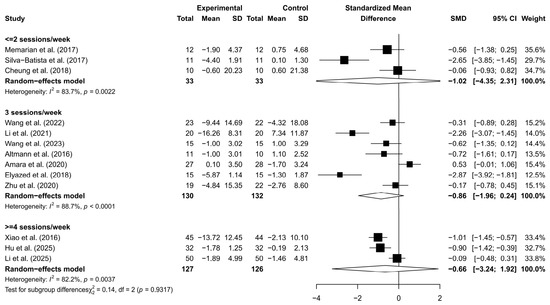
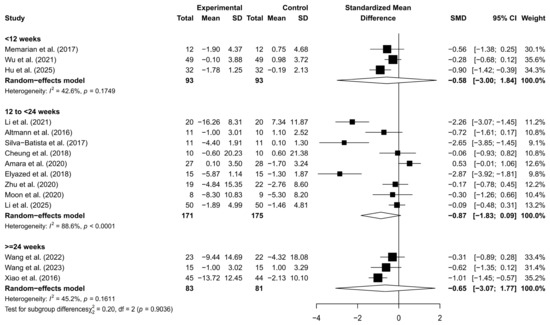
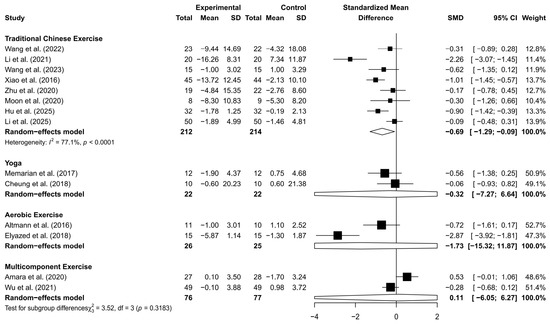
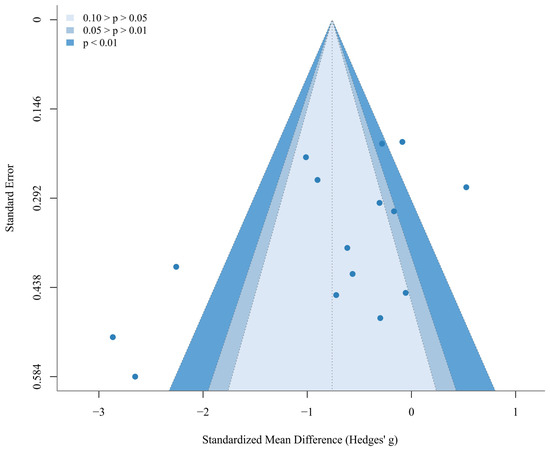
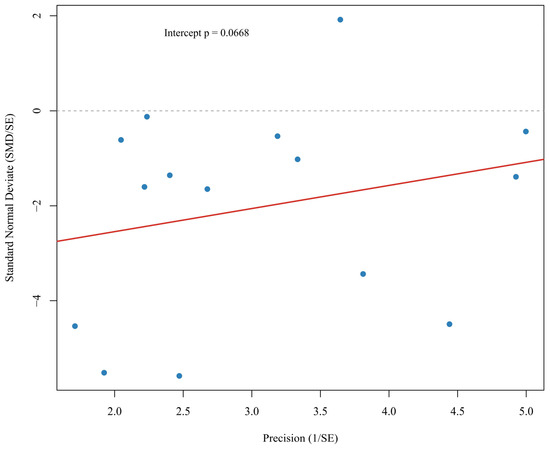
Objective: To evaluate the effects of exercise-based interventions on self-reported sleep outcomes in patients with Parkinson’s disease (PD) and to assess the certainty of the available evidence. Methods: PubMed, Web of Science, Scopus, the Cochrane Central Register of Controlled Trials (CENTRAL), and China National Knowledge Infrastructure (CNKI) were searched from inception to 17 August 2026. The review protocol was registered with INPLASY (INPLASY202480029). Risk of bias was assessed using the Cochrane Risk of Bias tool (RoB 1). Random-effects meta-analyses were performed using Hedges’ g, with between-study variance estimated by restricted maximum likelihood. Exploratory subgroup analyses and univariable meta-regression were used to investigate heterogeneity, and sensitivity analyses were conducted to assess the robustness of the findings. Certainty of evidence was assessed using Grading of Recommendations Assessment, Development and Evaluation (GRADE). Results: Fifteen randomized controlled trials involving 696 participants were included. Exercise-based interventions were associated with improved self-reported sleep outcomes (standardized mean difference [SMD] = −0.75, 95% confidence interval [CI] −1.28 to −0.23; p = 0.0084), although between-study heterogeneity was substantial (I2 = 82.4%). Instrument-stratified analyses showed no statistically significant differences across sleep questionnaires. Sensitivity analyses restricted to studies using the two most frequently reported sleep questionnaires and leave-one-out analyses yielded estimates consistent in direction with the primary analysis. Subgroup analyses showed no statistically significant differences across exercise intensity, session duration, weekly frequency, intervention period, or exercise type. None of the continuous moderators examined in univariable meta-regression was statistically significant. Conclusions: Exercise-based interventions may improve self-reported sleep outcomes in patients with PD, but the certainty of evidence is very low, and substantial unexplained heterogeneity limits the precision and clinical interpretability of the pooled estimate. Current evidence is insufficient to identify an optimal exercise prescription. Future adequately powered trials should incorporate standardized exercise reporting and objective sleep assessments.
Full article
(This article belongs to the Special Issue Next-Generation Diagnostic and Therapy Systems for Neurodegenerative Diseases)
►▼
Show Figures

Figure 1
Open AccessArticle
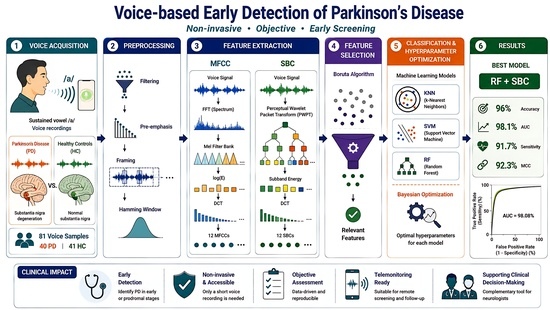
Non-Invasive Voice-Based Early Detection of Parkinson’s Disease via Spectral Feature Analysis and Machine Learning Techniques
by
Yojhansen Omar Varela-Arellano, Manuel A. Soto-Murillo, Vanessa Alcalá-Ramírez, Karen E. Villagrana-Bañuelos, L. Rafael Salas-Rodriguez, Alejandra Cepeda-Argüelles, Ricardo Villagrana-Bañuelos, Jorge I. Galván-Tejada, Jose G. Arceo-Olague and Carlos E. Galván-Tejada
Bioengineering 2026, 13(9), 1026; https://doi.org/10.3390/bioengineering13091026 - 3 Sep 2026
Abstract
Background: Parkinson’s disease (PD) is a chronic, slowly progressive, and irreversible neuropathological disorder characterized by the progressive degeneration of specific neurons responsible for producing neurotransmitters essential for motor control. Although PD primarily affects motor function, various non-motor symptoms commonly emerge during the prodromal
[...] Read more.
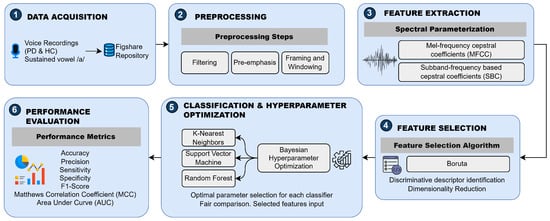
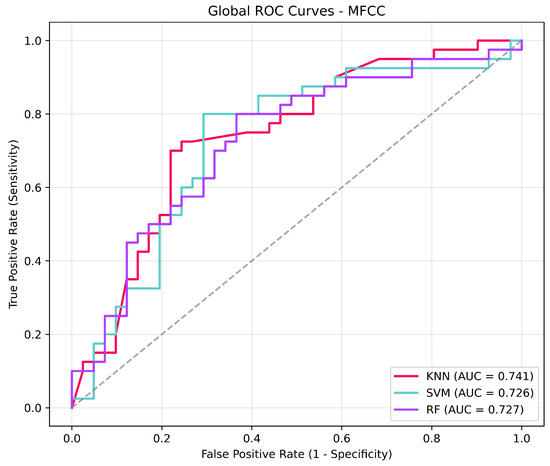
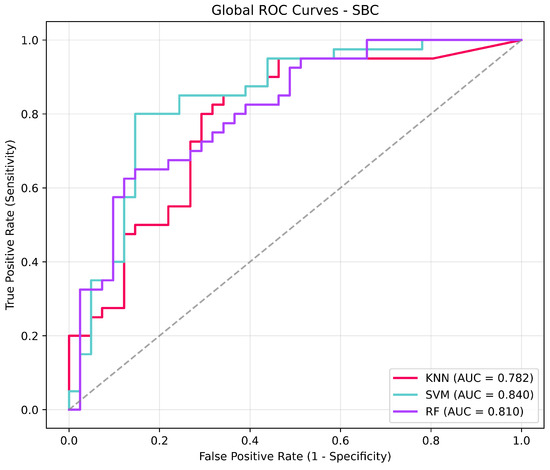
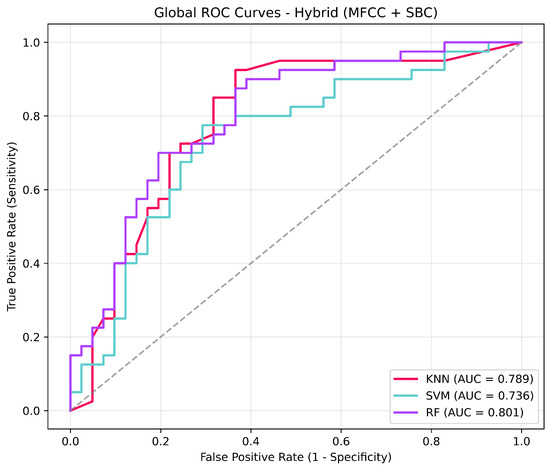
Background: Parkinson’s disease (PD) is a chronic, slowly progressive, and irreversible neuropathological disorder characterized by the progressive degeneration of specific neurons responsible for producing neurotransmitters essential for motor control. Although PD primarily affects motor function, various non-motor symptoms commonly emerge during the prodromal phase. These include autonomic dysfunction, cognitive and neurobehavioral disorders, and sensory and sleep abnormalities. Notably, speech and voice alterations, particularly hypokinetic dysarthria, are frequent manifestations. This research presents a methodology to distinguish between individuals with PD and healthy controls using voice signals through speech recognition and machine learning (ML) techniques. A dataset comprising 81 voice samples (41 healthy controls and 40 PD patients) was utilized to extract two types of cepstral features: Mel-frequency cepstral coefficients (MFCCs) and subband-based cepstral coefficients (SBCs). These extracted features were used to train and evaluate three ML algorithms: Random Forest (RF), K-Nearest Neighbors (KNN), and Support Vector Machines (SVM). Results: Among the algorithms evaluated, the SVM-SBC model exhibited the highest performance, achieving an accuracy of 79%, a sensitivity of 75.5%, and an Area Under the ROC Curve (AUC-ROC) of 84%. Conclusions: This study highlights the potential of integrating cepstral features with machine learning algorithms to develop reliable, non-invasive tools for the early detection of PD.
Full article
(This article belongs to the Special Issue Next-Generation Diagnostic and Therapy Systems for Neurodegenerative Diseases)
►▼
Show Figures

Graphical abstract
Open AccessArticle
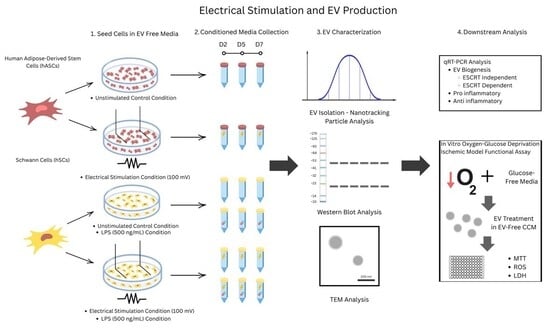
Electrical Stimulation of Human Adipose Tissue-Derived Mesenchymal Stem Cells and Schwann Cells for Regulating Extracellular Vesicle Biogenesis and Inflammation
by
Danyale Berry, Aakash Nathani, Fernando Carrillo, Abby Scott, Justice Ene, Colin Esmonde, Mandip Singh, Yan Li and Changchun Zeng
Bioengineering 2026, 13(9), 1025; https://doi.org/10.3390/bioengineering13091025 - 2 Sep 2026
Abstract
Peripheral neuropathy (PN) is a debilitating condition characterized by chronic pain, numbness, and motor dysfunction, with limited treatment options. Ischemic stroke can cause central neuropathy, which may also induce PN. Human mesenchymal stem cells (hMSCs) have shown promise in therapeutic applications, but limitations
[...] Read more.
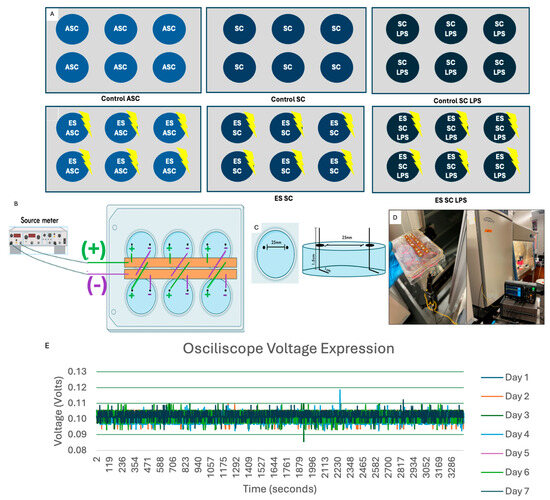
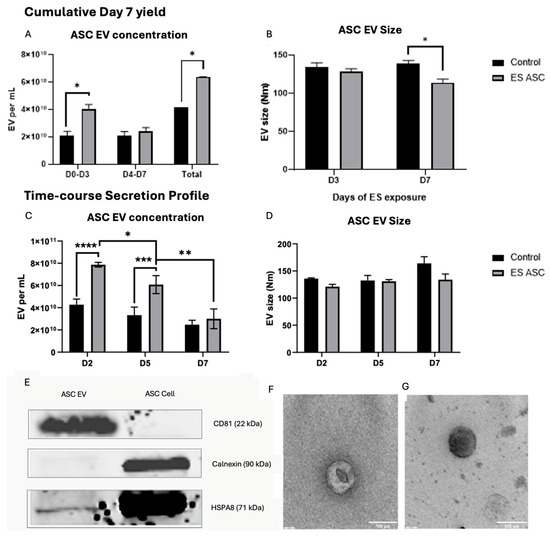
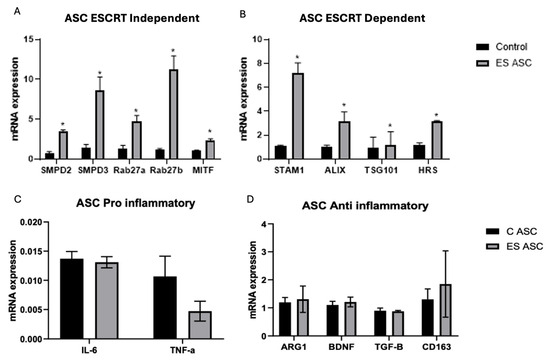
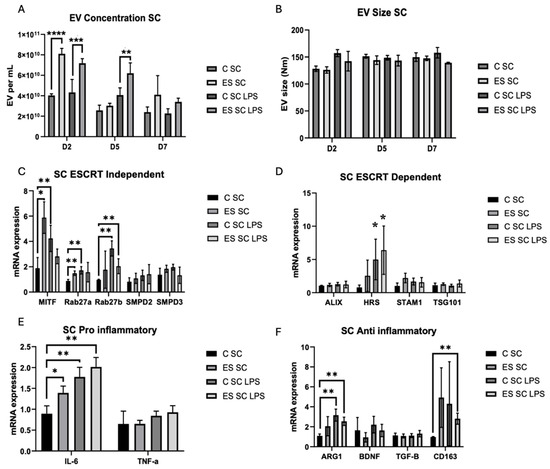
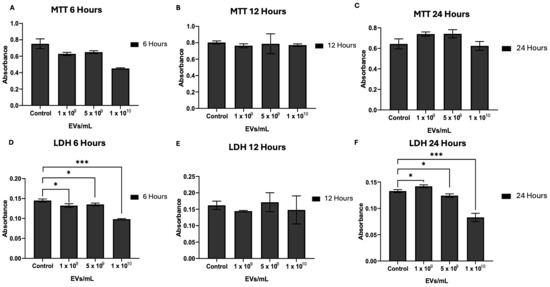
Peripheral neuropathy (PN) is a debilitating condition characterized by chronic pain, numbness, and motor dysfunction, with limited treatment options. Ischemic stroke can cause central neuropathy, which may also induce PN. Human mesenchymal stem cells (hMSCs) have shown promise in therapeutic applications, but limitations in cell viability, immune response, and efficacy persist. Extracellular vesicles (EVs), which facilitate cell-free intercellular communication, offer a promising alternative for nerve regeneration. Electrical stimulation (ES) has emerged as a method to enhance EV secretion, and this study investigates its potential for promoting EV production from human adipose tissue-derived mesenchymal stem cells (hASCs) and human Schwann cells (hSCs). In this study, hASCs, hSCs, and lipopolysaccharide (LPS)-induced inflamed hSCs were subjected to one hour of low-frequency direct current (DC) electrical stimulation (100 mV/mL) for 7 days. EVs were isolated using differential ultracentrifugation and characterized through nanoparticle tracking analysis (NTA). Gene expression was analyzed via qRT-PCR to evaluate markers associated with EV biogenesis as well as pro- and anti-inflammatory cytokines. Our results demonstrate that ES significantly increases EV secretion from both hASCs and hSCs, with a notable upregulation of genes involved in both the endosomal sorting complex required for transport (ESCRT)-dependent and ESCRT-independent pathways of EV biogenesis. Additionally, ES modulates inflammation-related markers, promoting anti-inflammatory gene expression and reducing pro-inflammatory gene levels. Notably, LPS-induced hSCs exhibited a phenotype shift from myelinating to non-myelinating cells, producing EVs capable of modulating the inflammatory microenvironment. However, prolonged exposure to ES led to a decrease in EV secretion and changes in EV size distribution, suggesting potential cellular adaptation or membrane stress. This study highlights the potential of ES as a scalable, cell-free strategy to enhance EV production, offering new insights into its therapeutic applications for peripheral neuropathy and nerve regeneration.
Full article
(This article belongs to the Special Issue Extracellular Vesicles: From Basic Research to Therapeutics)
►▼
Show Figures

Graphical abstract
Open AccessArticle
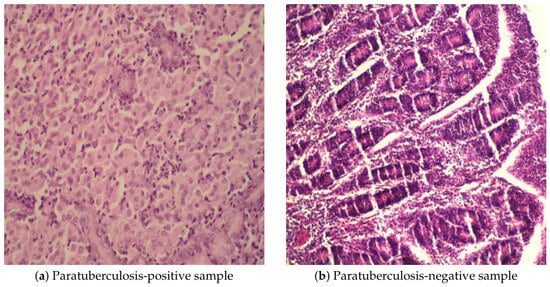
A Hybrid Swin Transformer and Texture Feature Framework for Histopathological Classification of Paratuberculosis
by
Nokulunga Nhlapho, George Obaido and Ebenezer Esenogho
Bioengineering 2026, 13(9), 1024; https://doi.org/10.3390/bioengineering13091024 - 2 Sep 2026
Abstract
Paratuberculosis is a chronic infectious disease associated with substantial economic losses in livestock production. Histopathological examination remains an important diagnostic approach but can be time-consuming and dependent on specialist expertise, motivating the development of automated and interpretable image-classification methods. This study evaluated an
[...] Read more.
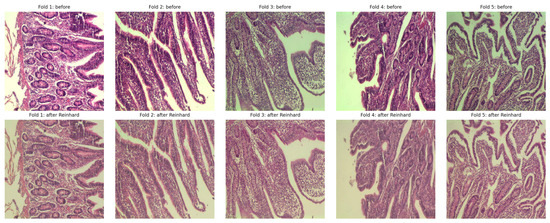
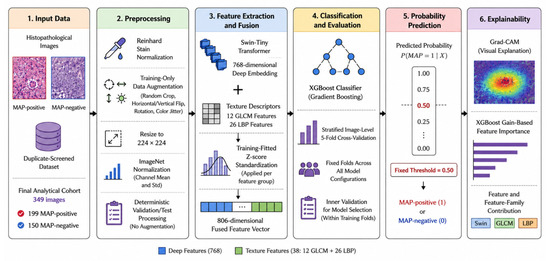
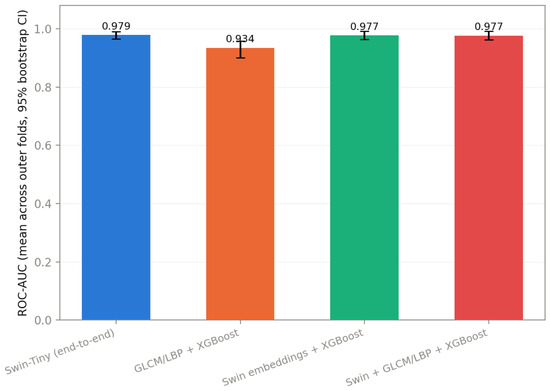
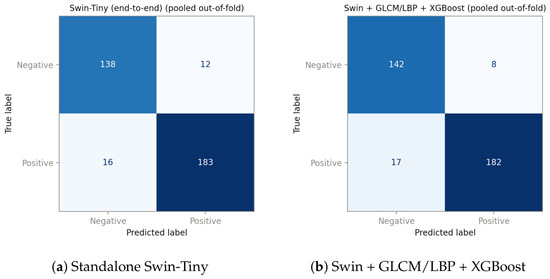
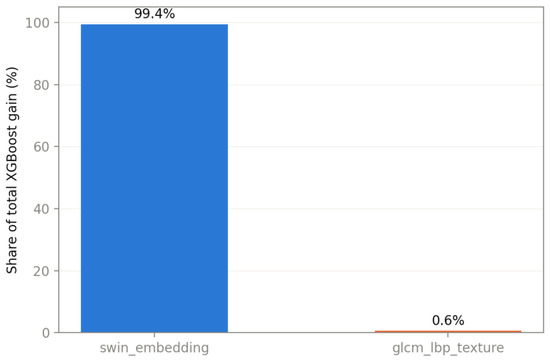
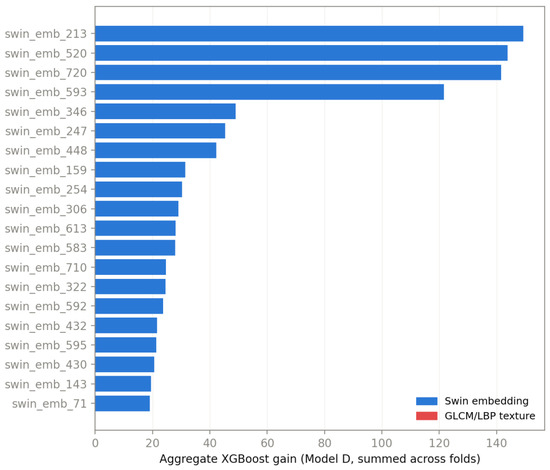
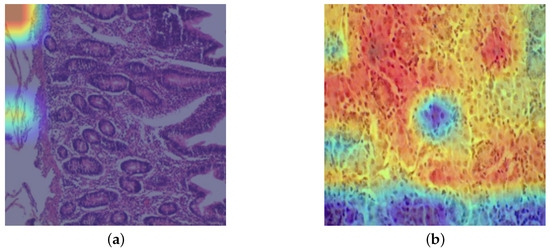
Paratuberculosis is a chronic infectious disease associated with substantial economic losses in livestock production. Histopathological examination remains an important diagnostic approach but can be time-consuming and dependent on specialist expertise, motivating the development of automated and interpretable image-classification methods. This study evaluated an explainable framework integrating a pretrained Swin-Tiny Transformer, handcrafted Gray-Level Co-occurrence Matrix (GLCM) and Local Binary Pattern (LBP) texture descriptors, and XGBoost classification for paratuberculosis histopathology image analysis. Following duplicate screening, 349 unique images comprising 199 MAP-positive and 150 MAP-negative samples were evaluated using stratified image-level five-fold cross-validation. Four model configurations were compared to assess the independent and incremental contributions of the learned and handcrafted feature representations. The standalone Swin-Tiny model achieved the highest mean ROC–AUC of , while the Swin-embedding XGBoost and hybrid Swin + GLCM/LBP + XGBoost models achieved mean ROC–AUC values of and , respectively. The GLCM/LBP-only model achieved a mean ROC–AUC of , indicating that the handcrafted texture descriptors contained independently discriminative information but provided limited incremental value when combined with the Swin embeddings. Grad-CAM and XGBoost feature-importance analyses provided image-level and feature-level insights into model predictions. These findings demonstrate the effectiveness of Swin-Tiny representations for paratuberculosis histopathology image classification while highlighting the need for external validation using larger, independently sourced datasets.
Full article
(This article belongs to the Special Issue Machine Learning and Artificial Intelligence for Biomedical Applications, 4th Edition)
►▼
Show Figures

Figure 1
Open AccessArticle
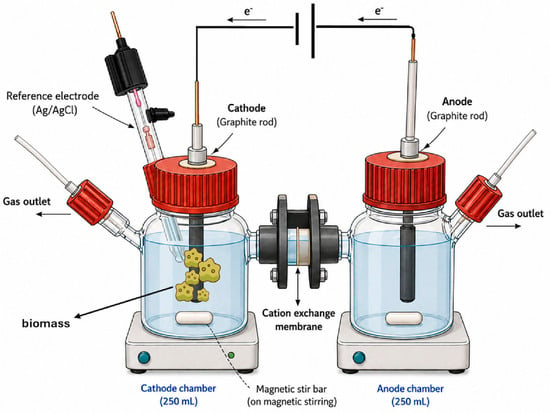
Steering Bioelectrochemical CO2 Reduction Toward Methanogens Suppression and Acetogen Bioaugmentation
by
Jacopo Ferretti, Angela Marchetti and Marco Zeppilli
Bioengineering 2026, 13(9), 1023; https://doi.org/10.3390/bioengineering13091023 - 2 Sep 2026
Abstract
Biological strategies for converting carbon dioxide (CO2) into valuable compounds are attractive approaches for a carbon-neutral future. Bioelectrochemical systems (BESs) represent an innovative strategy for the control of microbial metabolism, in which electrochemical techniques are adopted to stimulate reductive and oxidative
[...] Read more.
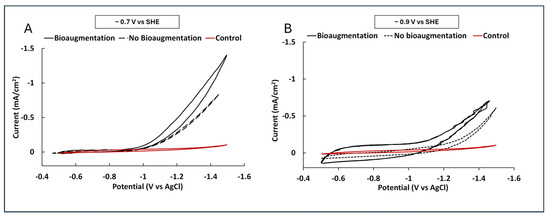
Biological strategies for converting carbon dioxide (CO2) into valuable compounds are attractive approaches for a carbon-neutral future. Bioelectrochemical systems (BESs) represent an innovative strategy for the control of microbial metabolism, in which electrochemical techniques are adopted to stimulate reductive and oxidative processes. Acetogenesis and methanogenesis are the two main chemoautotrophic pathways of CO2 reduction usually present in anaerobic environments. Due to the syntrophic and competitive relationship between acetogens and methanogens, methanogenesis inhibition strategies should be adopted to direct CO2 reduction towards acetate and fatty acids. In this work, an acetogen-enriched inoculum was produced by the bioaugmentation of Acetobacterium woodii in the heat-shocked and acid-treated inoculum. Then, by using H-cell reactors, without the use of any chemical inhibitor, this inoculum was tested in semi-continuous mode by imposing a dilution rate previously identified from growth kinetic assessment. Bioelectrochemical tests, conducted at −0.9 V and −0.7 V vs. SHE, showed the overcoming of acetogenesis on methanogenesis. At −0.7 V vs. SHE, acetate was produced at 0.0385 ± 0.009 mmol d−1 and 0.0343 ± 0.010 mmol d−1 in the absence and presence of bioaugmentation, respectively, with acetate cathodic coulombic efficiency (CCEs) of 68% and 64%. At −0.9 V vs. SHE, bioaugmentation markedly reduced methanogenesis, decreasing the methane production rate from 0.105 ± 0.012 to 0.007 ± 0.004 mmol d−1, while acetate production reached 0.061 ± 0.025 mmol d−1 with a CCE of 43%. Finally, the effect of bioaugmentation was demonstrated by cyclic voltammetry of the biocathode, which showed the increase in biocatalytic activity due to the presence of Acetobacterium woodii.
Full article
(This article belongs to the Special Issue Biotechnological Advances for Waste and Wastewater Valorisation: From Bioprocesses to Sustainable Resource Recovery)
►▼
Show Figures

Figure 1
Open AccessArticle
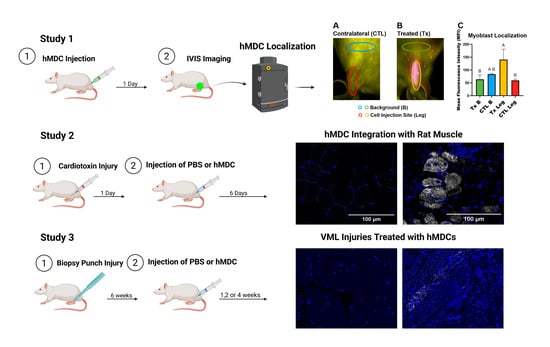
Human Muscle-Derived Cells Injected into Acute and Chronic Muscle Injuries Engraft and Support Regenerative Markers
by
Aislin M. West, Jonathan T. Dillon, Kevin J. Hart, Seth T. Kreger, Nicholas J. Amoroso, Zvi Schwartz, David J. Cohen and Michael J. McClure
Bioengineering 2026, 13(9), 1022; https://doi.org/10.3390/bioengineering13091022 - 2 Sep 2026
Abstract
Urinary incontinence (UI), the involuntary leakage of urine, is a common condition that imposes significant physical, emotional, and financial burdens. Injury to the external urethral sphincter (EUS) contributes to myogenic UI by damaging the skeletal muscle responsible for urinary control. This study evaluated
[...] Read more.
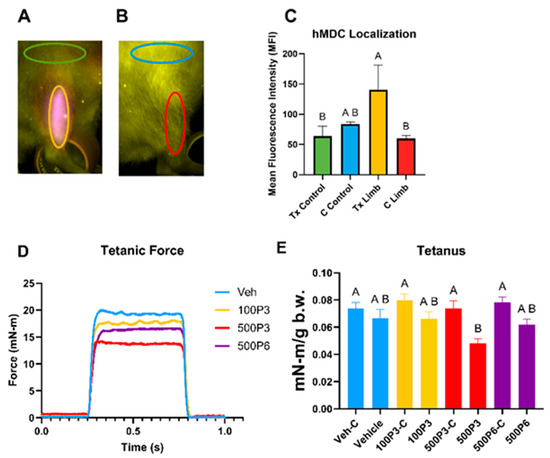
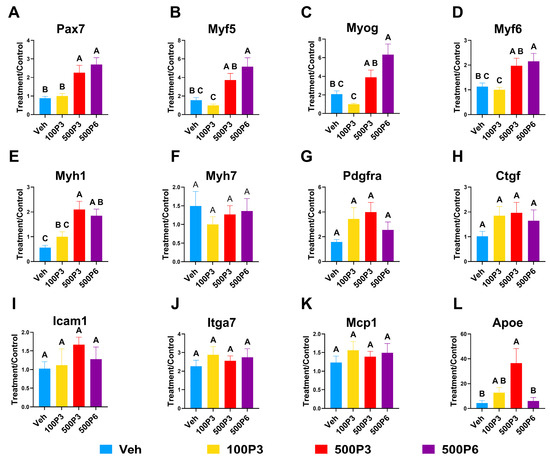
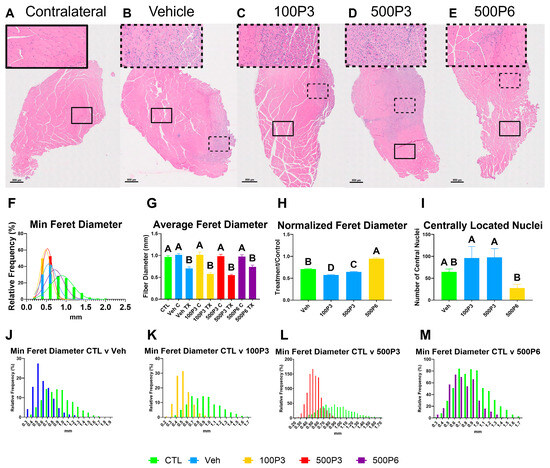
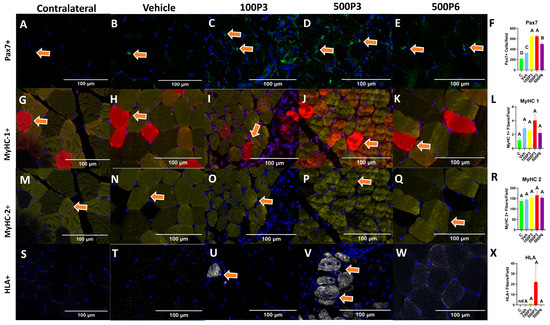
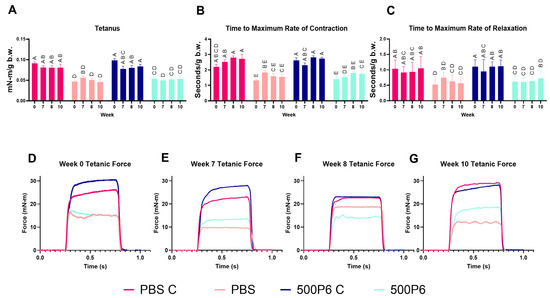
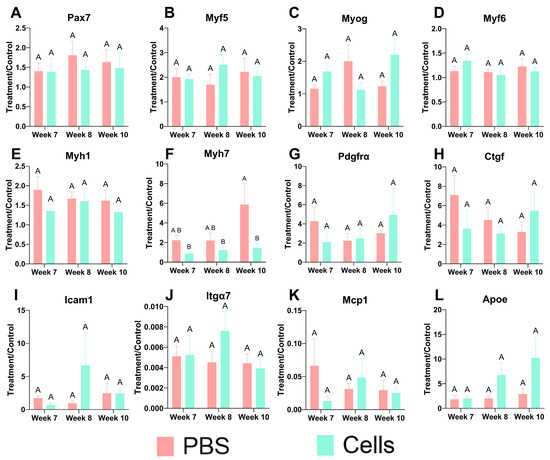
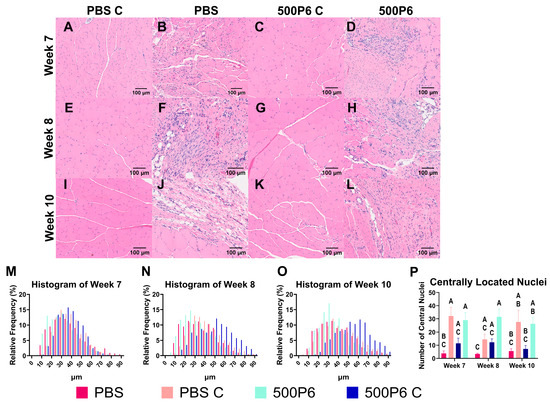
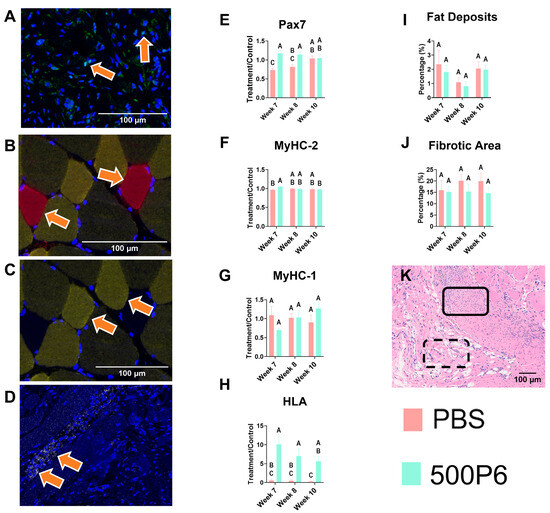
Urinary incontinence (UI), the involuntary leakage of urine, is a common condition that imposes significant physical, emotional, and financial burdens. Injury to the external urethral sphincter (EUS) contributes to myogenic UI by damaging the skeletal muscle responsible for urinary control. This study evaluated the engraftment and therapeutic potential of human muscle-derived cells (hMDCs) using acute and chronic skeletal muscle injury models. Immunocompromised female rats received cardiotoxin (CTX) or volumetric muscle loss (VML) injuries to the tibialis anterior muscle. Animals were treated with 100,000 or 500,000 passage 3 or passage 6 hMDCs injected one day after CTX injury or six weeks after VML injury. VivoTrack imaging and human leukocyte antigen staining confirmed successful engraftment of hMDCs at the injection site. A total of 500,000 passage 3 hMDCs reduced muscle force, whereas later-passage 6 cells had no effect on force production. All treatment groups exhibited small, newly regenerated muscle fibers. In chronic VML injuries, hMDC engraftment using 500,000 passage 6 cells enhanced regenerative characteristics despite limited fusion with host muscle fibers. These findings suggest that hMDCs improved regenerative characteristics in a fibrotic VML model but did not restore contractile force. This work supports the therapeutic potential of hMDCs and provides a foundation for future clinical strategies to treat urinary incontinence.
Full article
(This article belongs to the Special Issue Novel Biotechnology and Tissue Engineering Approaches for Muscle Repair)
►▼
Show Figures

Graphical abstract
Open AccessArticle
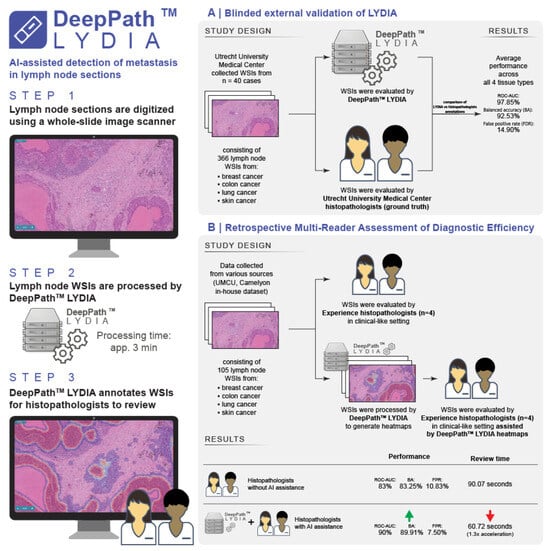
Evaluating the Performance of LYDIA: An AI-Powered Assistant in the Detection of Metastatic Tumors to Optimize Clinical Workflows and Inform Soft Tissue Surgical Decision-Making
by
Georgios Eleftherios Kalykakis, Isaak Tarampoulous, Athanasia Sepsa, Giorgos Agrogiannis, Giannis Vamvakaris, Menelaos G. Samaras, Christos Spyropoulos, Chrysostomos Manolis, Nikolaos Niotis, Thomas Papathymiopoylos and Konstantinos N. Vougas
Bioengineering 2026, 13(9), 1021; https://doi.org/10.3390/bioengineering13091021 - 1 Sep 2026
Abstract
The integration of artificial intelligence (AI) into digital histopathology has the potential to improve the accuracy and efficiency of metastatic cancer diagnosis. We evaluated LYDIA (LYmph noDe assIstAnt), an AI-based decision-support system, for both standalone diagnostic performance and its impact on histopathologists’ workflow,
[...] Read more.
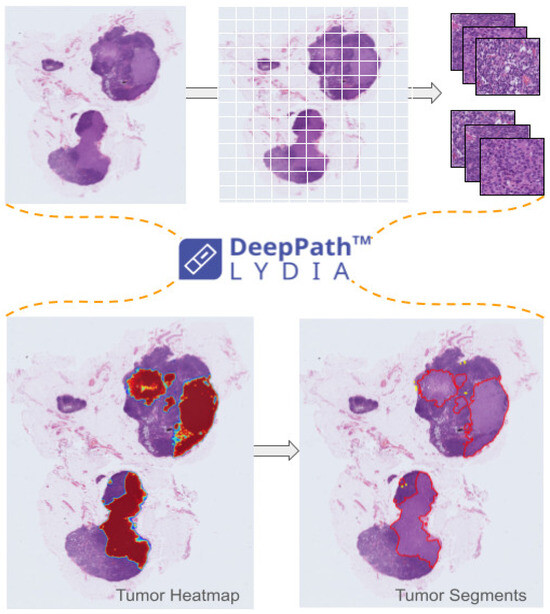
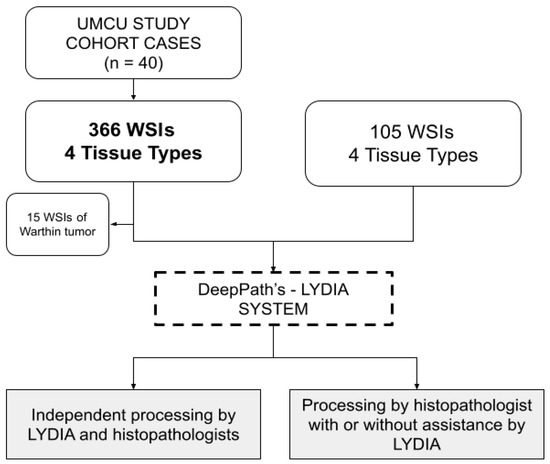
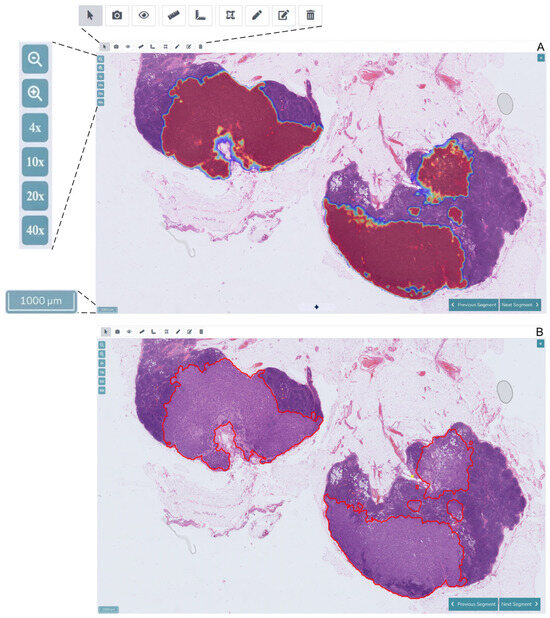
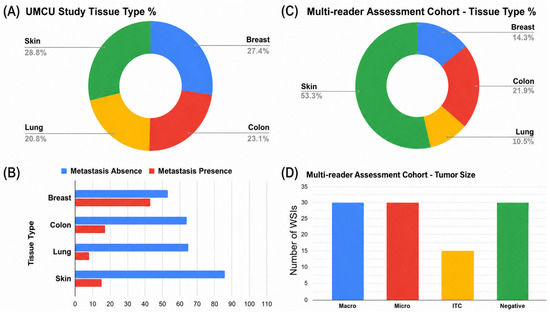
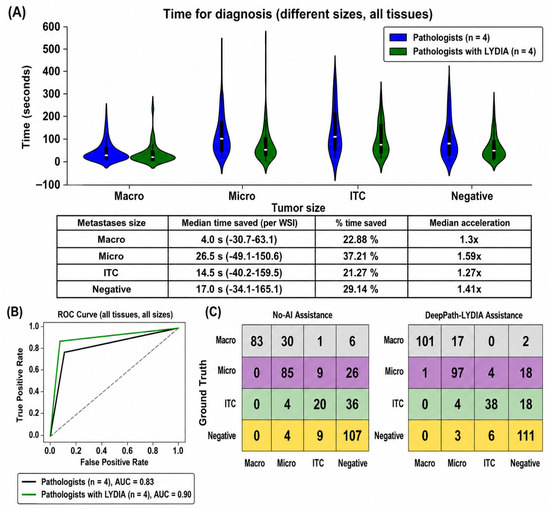
The integration of artificial intelligence (AI) into digital histopathology has the potential to improve the accuracy and efficiency of metastatic cancer diagnosis. We evaluated LYDIA (LYmph noDe assIstAnt), an AI-based decision-support system, for both standalone diagnostic performance and its impact on histopathologists’ workflow, diagnostic accuracy, and resource utilization. LYDIA was evaluated on a blinded dataset of 366 whole-slide images (WSIs) from breast, colorectal, lung, and skin cancers. Standalone performance demonstrated excellent discrimination, achieving ROC-AUC values of 0.995, 0.963, 0.973, and 0.983 for breast, colorectal, lung, and skin cancers, respectively. Clinical utility was further assessed in a multi-reader study involving four experienced histopathologists interpreting 105 WSIs with and without AI assistance. AI-assisted diagnosis significantly reduced time-to-diagnosis across all metastasis sizes, with a maximum 1.59-fold acceleration for micro-metastases, corresponding to a mean time saving of 26.5 s per WSI. LYDIA also improved diagnostic sensitivity from 77.3% to 87.3%. These findings demonstrate that LYDIA can enhance both the efficiency and accuracy of lymph node metastasis detection while reducing diagnostic workload and the need for ancillary testing. Beyond improving routine pathology workflows, the system’s rapid inference capabilities and human-expert level performance may support future intraoperative diagnostic applications, enabling timely and automatic or semi-automatic assessment of nodal status to inform surgical decision-making. The resulting reductions in diagnostic time and ancillary testing costs have the potential to improve healthcare resource utilization and patient care, mainly in soft tissue reconstruction and surgical repair decisions.
Full article
(This article belongs to the Special Issue Soft Tissue Reconstruction and Repair)
►▼
Show Figures

Graphical abstract
Open AccessArticle
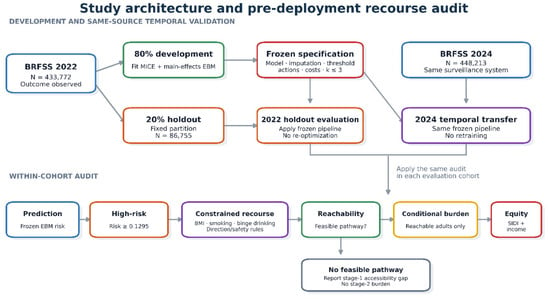
Pre-Deployment Audit of Actionability and Equity in Severe Tooth Loss Prediction Using Constrained Algorithmic Recourse and Temporal Validation
by
Quang Tuan Lam, Fang-Yu Fan, Tzu-Yu Peng, Sheng-Wei Feng, Cathy Chia-Yu Huang, Tong-Hsien Chow, Minh Huu Nhat Le, Giang Vu, Yung-Li Wang, Nguyen Quoc Khanh Le and I-Ta Lee
Bioengineering 2026, 13(9), 1020; https://doi.org/10.3390/bioengineering13091020 - 1 Sep 2026
Abstract
Background: Predictive performance does not establish whether model-identified risks correspond to feasible, equitable pathways. We assessed the actionability and equity of a severe tooth loss prediction model using constrained algorithmic recourse and same-source temporal validation. Methods: An Explainable Boosting Machine was trained using
[...] Read more.
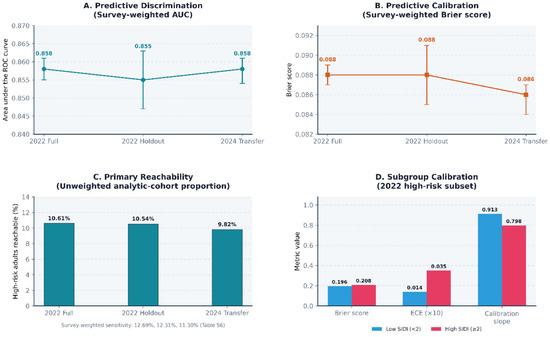
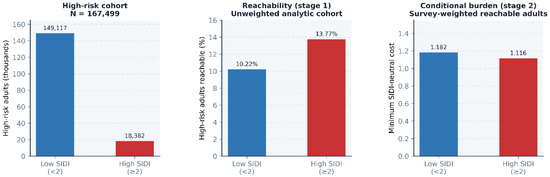
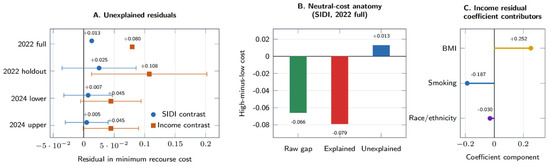
Background: Predictive performance does not establish whether model-identified risks correspond to feasible, equitable pathways. We assessed the actionability and equity of a severe tooth loss prediction model using constrained algorithmic recourse and same-source temporal validation. Methods: An Explainable Boosting Machine was trained using 2022 Behavioral Risk Factor Surveillance System data from 433,772 adults. High-risk adults underwent recourse auditing incorporating immutability locks, behavioral directionality, physiological safety floors, and at most three feature changes. Recourse represented hypothetical movement within model space, not treatment advice, causal risk reduction, or reversal of tooth loss. Primary reachability was the unweighted analytic-cohort proportion for which the frozen engine identified a feasible pathway; a BRFSS survey-weighted domain sensitivity analysis used final weights, strata, and primary sampling units. The audit separated reachability from conditional burden among reachable adults. Equity was evaluated across Social Indicators of Disparity Index (SIDI) and income strata using Oaxaca–Blinder decomposition. The frozen specification was evaluated in a 2022 holdout and the 2024 BRFSS cohort (N = 448,213) without retraining. Results: Survey-weighted areas under the receiver operating characteristic curve were 0.858, 0.855, and 0.858 in the 2022 full, 2022 holdout, and 2024 cohorts. Primary unweighted reachability was 10.61%, 10.54%, and 9.82%; corresponding survey-weighted estimates were 12.69% (95% design-aware CI, 12.33–13.07%), 12.31% (11.54–13.12%), and 11.30% (10.95–11.65%), respectively. Thus, reachability remained limited under both estimands. The high-SIDI group showed poorer calibration. Under the prespecified primary SIDI-neutral additive-cost specification, residual conditional cost differences across SIDI strata were small; alternative burden metrics were direction-dependent. The income residual attenuated from the 2022 holdout to 2024, although its confidence intervals were fixed-pipeline row-bootstrap intervals rather than fully design-based intervals. Conclusions: Stable predictive performance masked limited model-space actionability. Integrating explicitly labeled reachability estimands, conditional burden, equity, and temporal transport can strengthen pre-deployment evaluation. Because severe tooth loss is irreversible, recourse pathways should be interpreted as a stress test of model-implied modifiable factors rather than evidence of reversibility.
Full article
(This article belongs to the Special Issue Artificial Intelligence in Bioengineering: Innovations, Challenges, and Future Directions)
►▼
Show Figures

Figure 1
Open AccessArticle
Systematic Evaluation of sEMG Processing Pipelines for Gesture Recognition
by
Elsa Concha-Pérez, Jorge A. Reyes-Avendaño, Hugo G. Gonzalez-Hernandez and Maricruz Concha-Pérez
Bioengineering 2026, 13(9), 1019; https://doi.org/10.3390/bioengineering13091019 - 1 Sep 2026
Abstract
Gesture recognition enables intuitive human–robot communication, where surface electromyography (sEMG) provides a minimally invasive interface for detecting motor activity. However, the lack of systematic evaluation of processing pipelines represents a critical barrier to reliable subject-independent deployment. This work presents a systematic evaluation of
[...] Read more.
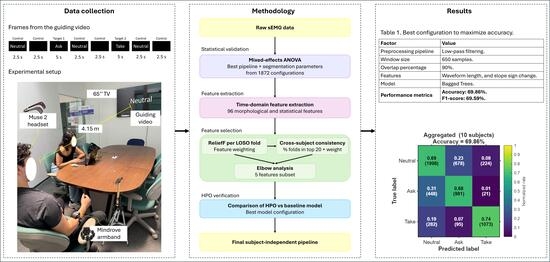
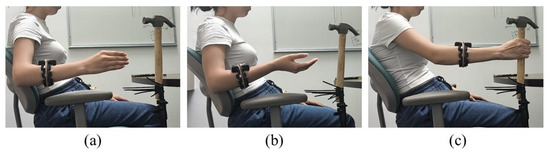
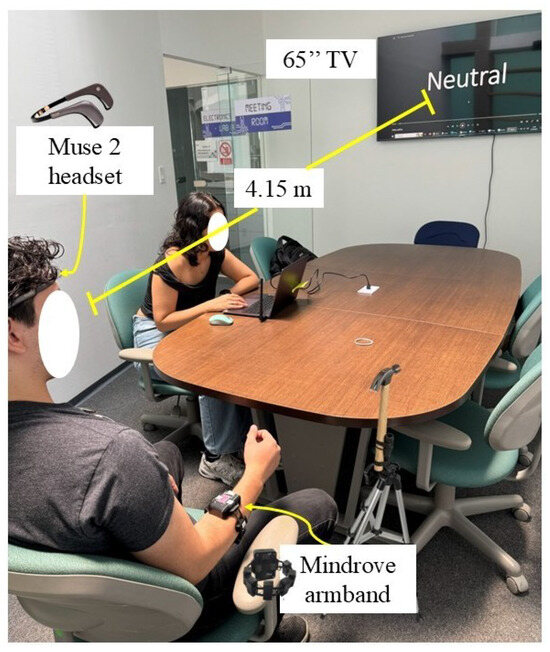
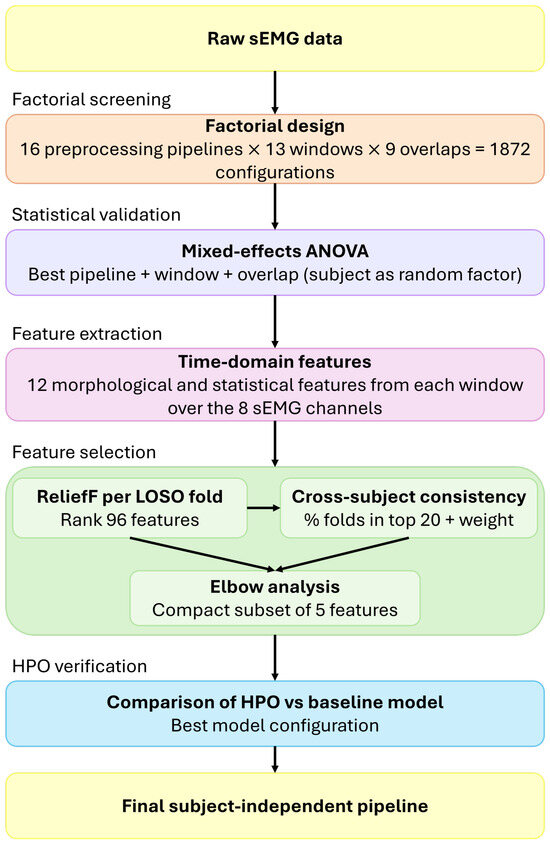
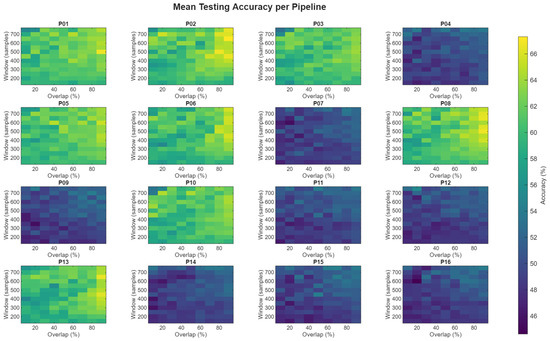
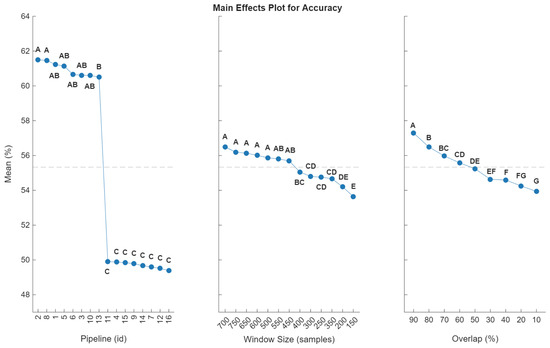
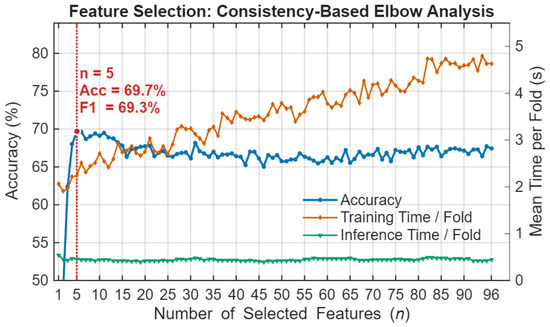
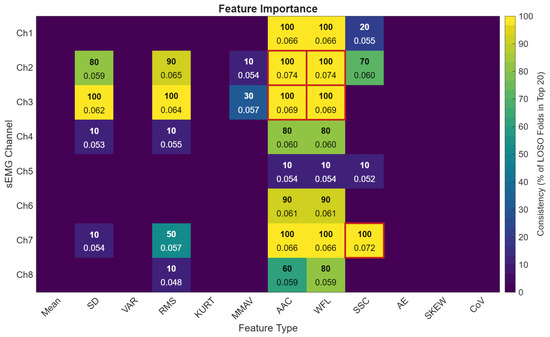
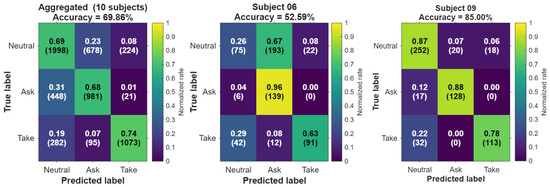
Gesture recognition enables intuitive human–robot communication, where surface electromyography (sEMG) provides a minimally invasive interface for detecting motor activity. However, the lack of systematic evaluation of processing pipelines represents a critical barrier to reliable subject-independent deployment. This work presents a systematic evaluation of sEMG processing pipelines for three-gesture recognition (Neutral, Ask, Take) using a Bagged Trees classifier under Leave-One-Subject-Out (LOSO) cross-validation across ten participants. A mixed-effects ANOVA over 1872 experimental configurations revealed that the preprocessing pipeline is the dominant factor affecting classification accuracy, followed by inter-subject variability, while window size and overlap exhibit smaller but statistically significant effects. A consistency-based elbow analysis identified a compact subset of five features that reduced input dimensionality by 94.79% while improving accuracy from 68.10% to 69.86% and reducing training time by 51.62%. Bayesian hyperparameter optimization was also tested, but it did not yield statistically significant improvements over the five-feature baseline; given the limited cohort (n = 10), this indicates the absence of a detectable difference and points to inter-subject variability as a leading factor limiting performance rather than model configuration. These findings provide empirically grounded guidelines for designing computationally efficient sEMG-based gesture recognition systems for collaborative robotics.
Full article
(This article belongs to the Special Issue Electromyography Techniques for Motion Analysis)
►▼
Show Figures

Graphical abstract
Journal Menu
► ▼ Journal Menu-
- Bioengineering Home
- Aims & Scope
- Editorial Board
- Reviewer Board
- Topical Advisory Panel
- Early Career Editorial Board
- Instructions for Authors
- Special Issues
- Topics
- Sections & Collections
- Article Processing Charge
- Indexing & Archiving
- Editor’s Choice Articles
- Most Cited & Viewed
- Journal Statistics
- Journal History
- Journal Awards
- Conferences
- Editorial Office
Journal Browser
► ▼ Journal BrowserHighly Accessed Articles
Latest Books
E-Mail Alert
News
19 August 2026
The 2nd International Conference on Bioengineering: Bioengineering in an Era of AI (BIOENG 2026) Announces Distinguished Speakers Lineup and Late-Breaking Poster Submission Opportunity
Topics
Topic in
Bioengineering, Molecules, Pharmaceuticals, Pharmaceutics, Processes, Sci. Pharm.
Complementary Strategies in Drug Delivery: From Particle Engineering to System Optimization
Topic Editors: Barbara R. Conway, Hisham Al-ObaidiDeadline: 30 October 2026
Topic in
Bioengineering, Materials, Processes, Sustainability, Waste
Waste Biodegradation: Recycling and Upcycling
Topic Editors: Virender Kumar, Shashi Kant BhatiaDeadline: 30 November 2026
Topic in
Applied Sciences, Dentistry Journal, Polymers, Applied Biosciences, Bioengineering, Materials
Advances in Biomaterials—2nd Edition
Topic Editors: Satoshi Komasa, Yoshiro Tahara, Tohru Sekino, Hideaki Sato, Yoshiya Hashimoto, Tetsuya AdachiDeadline: 31 December 2026
Topic in
Bioengineering, BioTech, ChemEngineering, Fermentation, Processes, Water
Bioreactors: Control, Optimization and Applications—3rd Edition
Topic Editors: Francesca Raganati, Alessandra ProcenteseDeadline: 31 January 2027
Conferences
Special Issues
Special Issue in
Bioengineering
Bioengineering for Sustainability
Guest Editor: Lalit GoswamiDeadline: 20 September 2026
Special Issue in
Bioengineering
Synergistic Strategies of Engineered Microbes and Biomaterials for Infection and Cancer Therapy
Guest Editors: Jun Liu, Ruijuan LiDeadline: 25 September 2026
Special Issue in
Bioengineering
Advanced Bioengineering in Neurologic Diagnostics: Novel Tools and Methodologies
Guest Editors: Raissa Schiavoni, Andrea CataldoDeadline: 30 September 2026
Special Issue in
Bioengineering
Electrophysiological Signal Processing in Neurological Diseases
Guest Editor: Shixiong ChenDeadline: 30 September 2026
Topical Collections
Topical Collection in
Bioengineering
Feature Papers in Advanced Computational Technologies for Biosignal Processing
Collection Editors: Yunfeng Wu, Shi Qiu, Behnaz Ghoraani
Topical Collection in
Bioengineering
3D Bioprinting in Bioengineering
Collection Editor: Raymund Horch
Topical Collection in
Bioengineering
Soft Tissue Modeling, Bioengineering and Regeneration
Collection Editors: Chunfeng Zhao, Aida Sarcon