


Abstract
Litchi (Litchi chinensis Sonn.) is a high-value subtropical fruit. The shelf life of litchi fruit after harvest is largely limited during transportation and commercial circulation due to rapid pericarp browning, which drastically reduces consumer acceptability. Pericarp browning is a complex senescence process jointly modulated by internal genetic characteristics and external postharvest environmental factors. This review systematically summarizes multi-layered research advances in litchi pericarp browning, covering cultivar and fruit traits, storage environment regulation (temperature, gas composition, relative humidity, and water migration), browning reaction, energy homeostasis, hormone signaling, multi-omics metabolic regulatory modules, transcriptional factor networks, and miRNA-mediated post-transcriptional regulation. The core roles of polyphenol oxidase, peroxidase, and especially laccase in anthocyanin degradation and phenolic oxidation are highlighted, while the relationships among water, energy metabolism, membrane integrity, and oxidative damage are discussed carefully. Based on previous understanding of litchi browning, this review emphasizes water status, energy metabolism, redox balance, membrane integrity, and pigment stability as an integrated water-redox-energy-enzyme regulatory framework. Currently, the priority research directions include establishing integrated water-redox-energy regulatory networks, constructing multi-scale browning quantitative models, selecting browning-resistant varieties via genetic improvement, and developing safe and low-cost integrated postharvest techniques to extend the shelf life of litchi fruit during storage.
Keywords:
anthocyanin; browning; energy charge; laccase; postharvest quality; redox homeostasis; water status 1. Introduction
Litchi (Litchi chinensis Sonn.) is a premium tropical and subtropical fruit. Litchi is now grown commercially in many countries, with the major production in China, South Africa, Australia, Israel, Thailand, and Vietnam. Increased production has made significant contributions to economic development in these countries, especially those in Southeast Asia. Commercial production is concentrated predominantly in Asia, with China as the largest producing country. Recently, India has also contributed substantially to global supply (Figure 1). Extended domestic and export chains include harvesting, precooling, packing, transport, storage, and retail conditions.
Figure 1.
Global production distribution of major litchi-producing countries in 2025. Global distribution of litchi production and the relative production levels of major producing countries in 2025, illustrating the strong concentration of production in Asia. Production output is expressed as thousands of tonnes (103 tonnes). Data are collected from national agricultural statistics and official industry reports, including the national litchi and longan industry technology system (China), the Ministry of Agriculture and Farmers Welfare (India), the Vietnam Plant Production and Protection Department (Vietnam), the Office of Agricultural Economics (Thailand), and the National Agricultural Statistics of Bangladesh.
Litchi is a highly perishable fruit after harvest. The bright red color of fresh litchi fruit turns gradually brown within about 2 days at room temperature, prior to aril deterioration [1,2]. This difference between external appearance and internal edible quality makes pericarp browning a distinctive food quality problem. Consequently, color retention is central to storage, transport, retail display, and long-distance distribution of fresh litchi [1,3]. Litchi browning has usually been interpreted through oxidative enzymes, particularly polyphenol oxidase (PPO) and peroxidase (POD), but this explanation may be incomplete. PPO does not efficiently oxidize anthocyanins directly, while phenolic substrates can participate in coupled oxidation reactions that promote red pigment loss. (–)-Epicatechin is a direct PPO substrate in litchi pericarp, while POD can contribute to phenolic oxidation. More recent biochemical and genetic evidence has also implicated the key role of intracellular laccase (LAC) in epicatechin-mediated anthocyanin oxidation. Thus, enzyme activity is important, but its effect in intact tissue depends on substrate identity, oxygen availability, cellular localization, and the maintenance or loss of compartmentation [4,5,6].
A great deal of attention to litchi browning has been paid to pericarp dehydration and water redistribution, cuticular and structural properties, mitochondrial function and ATP status, reactive oxygen species (ROS), antioxidant system, membrane integrity, vacuolar integrity, and anthocyanin stability. Cultivar comparisons and treatment effects further suggest that these variables are physiologically coupled rather than independent endpoints. For example, maintenance of water status through pedicel water supply reduces browning, whereas energy deficiency accelerates membrane deterioration and discoloration [7,8]. Molecular evidence has expanded understanding of litchi pericarp browning by identifying transcription factors, miRNAs, laccase-family members, metabolic modules, and additional regulatory systems associated with postharvest senescence and color loss, while transcriptomic, proteomic, metabolomic, and small-RNA studies are valuable for discovering coordinated networks [3,9,10,11,12,13].
Despite these significant advances in litchi browning research, two major limitations need to be reconsidered carefully based on the current findings. Firstly, water status, energy metabolism, redox balance, membrane deterioration, pigment loss, and oxidative enzymes are frequently measured in separate experiments, even though they are mechanistically investigated [1,7,8,14,15,16,17,18,19,20,21]. Secondly, treatment effects differ markedly in cultivar, maturity, dose, storage duration, temperature, relative humidity, packaging, and browning index, which limits quantitative comparison and can encourage causal interpretations [1,22,23,24,25]. These limitations greatly affect technology translation from statistically significant laboratory results to commercial shelf-life extension. Focusing on postharvest litchi browning, we systematically categorize recent findings on litchi browning and integrate a multi-level conceptual framework. Based on the previous reviews on litchi browning [1,14,21], this review evaluates the overall impacts of fruit traits and postharvest environmental factors (e.g., temperature, gas composition, and humidity), elucidates pigment stability, oxidative damage, energy deficiency, metabolic abnormality, and browning susceptibility affected by cultivars, and proposes strategies for selecting browning-resistant cultivars and developing postharvest techniques, with an emphasis on water status, energy metabolism, redox balance, membrane integrity, and pigment oxidation as an integrated framework.
2. Pigment Stability
Litchi pericarp is initially green and becomes red as chlorophyll amount declines and anthocyanins accumulate during fruit maturation [1]. Litchi’s red color is largely attributed to the presence and amount of anthocyanins. Anthocyanins are located mainly in vacuoles of cells in the outer pericarp tissues, with lower abundance in the epidermal region [26]. Cyanidin-3-rutinoside is the predominant anthocyanin, while cyanidin-3-glucoside and other minor pigments are also reported. Litchi pericarp additionally contains flavonols such as quercetin glycosides [27,28].
Anthocyanin stability is a major component of litchi color retention during shelf life. Pericarp browning encompasses not only the generation of brown polymeric pigments but also the progressive degradation of red anthocyanins. These pigments are strongly influenced by the acidic vacuolar microenvironment, while increasing pericarp pH, membrane deterioration, and oxidative enzyme activity accompany pigment loss during storage [4,14,29,30]. Water loss can increase pericarp pH and membrane permeability while accelerating anthocyanin loss and browning, whereas some treatments that maintain membrane integrity or antioxidant capacity generally improve pigment retention [29,31]. These observations support a close association among vacuolar integrity, membrane compartmentation and anthocyanin stability.
It is noted also that anthocyanin loss occurs during litchi browning by a shift in vacuolar and apoplastic pH that destabilizes the flavylium cation and favours the colourless hemiketal and chalcone forms, hydrolysis of the glycosidic bond by anthocyanase (α-glucosidase) followed by oxidation of the released anthocyanidin, peroxidase- and H2O2-dependent bleaching of anthocyanins, which has been demonstrated for litchi POD, condensation of anthocyanins with quinones generated by PPO or LAC, and failure of co-pigmentations as flavonols and phenolic acids [4,26,29,30]. This anthocyanin loss differs greatly in its dependence on oxygen concentration, enzyme release from compartments, and water status.
Co-pigmentation may constitute an additional protective mechanism, whereby colorless phenolic compounds such as flavonols and phenolic acids associate with anthocyanins through intermolecular interactions and then can enhance color intensity and pigment stability. Litchi pericarp contains abundant flavonoids and phenolics, including epicatechin and related proanthocyanidins, while these compounds participate in both antioxidant reactions and oxidative browning pathways [6,30,32]. However, the quantitative contribution of co-pigmentation has not been directly established in postharvest litchi browning. Therefore, anthocyanin structure, phenolic composition, pH, redox status, and oxidative-enzyme activity should be considered to be interacting modifiers of pigment stability rather than equally validated causal determinants [4,14,33].
The cellular organization of litchi pericarp is important for interpreting pigment stability (Figure 2). Chlorophylls are associated mainly with chloroplast-containing cells, whereas the major red pigments are concentrated in vacuoles, and, therefore, color retention depends on the integrity of pigment-containing organelles and surrounding cellular compartments. In addition to pH, pigment stability is influenced by temperature, water status, oxygen availability, antioxidant capacity, and the extent to which PPO, POD, laccase, phenolics, and anthocyanins remain spatially separated [5,6,14,29,34]. Loss of compartmentalization can increase enzyme-substrate accessibility, while laccase-mediated flavonoid polymerization provides direct biochemical evidence that phenolic oxidation can generate brown products and anthocyanin-containing products. These factors are likely to act together rather than independently, which may help explain why similar postharvest treatments can produce different effects to maintain litchi color under different physiological conditions.
Figure 2.
Pigments and anthocyanin stability in litchi pericarp. Pericarp tissue organization, cellular localization of chlorophylls and anthocyanins, representative anthocyanin structures, and major physicochemical and biochemical factors affecting pigment stability.
From an evidence perspective, support concerns the multiple roles of anthocyanin composition, vacuolar localization, pH sensitivity, membrane compartmentalization, oxidative-enzyme reactions, and treatment-associated pigment retention in litchi browning [5,6,14,29]. Previous studies established that anthocyanin loss during litchi browning is coupled to phenolic oxidation rather than being explained by pigment instability alone [35]. By contrast, the quantitative contributions of co-pigmentation, metal-ion interactions and specific intracellular microenvironments remain less directly resolved in litchi pericarp browning.
3. Oxidative Browning
Three oxidative enzymes, PPO, POD, and LAC, are consistently implicated in enzymatic browning of litchi pericarp (Figure 3). Numerous studies have established that elevated browning index correlates consistently with increased PPO and POD activities, whereas some treatments that effectively delay litchi browning can reduce these enzyme activities and maintain high levels of phenolic compounds and anthocyanins [2,36,37,38]. This treatment-effect pattern supports an important role for metabolic balance in litchi browning control. LAC has emerged as a particularly significant enzyme in recent mechanistic studies, challenging the traditional dominance of PPO and POD in the litchi browning paradigm. Recent research indicates that an intracellular LAC mediates anthocyanin- or epicatechin-dependent anthocyanin degradation in litchi pericarp, providing direct biochemical support for the LAC-catalyzed oxidation of epicatechin and related flavan-3-ols as a contributor to pigment breakdown [5]. Cross-species studies also suggest that related oxidative pathways may operate in other Sapindaceae fruits, but such evidence should be distinguished from direct litchi-specific validation. Genome-wide identification has revealed that multiple LAC genes are closely associated with pericarp browning, providing candidate genes for functional studies and marker-assisted breeding [12,39]. Current work characterizes pericarp PPO directly and helps establish the enzymatic browning framework in litchi browning [14,40].
Figure 3.
Oxidative enzymes and substrates associated with litchi pericarp browning. PPO, POD, and LAC can contribute to phenolic oxidation, quinone formation, and subsequent polymerization of brown products.
Figure 3 summarizes this reaction network by grouping proanthocyanidin B2, (–)-epicatechin, and anthocyanins as major phenolic/pigment substrates that enter PPO-, POD-, and LAC-associated oxidation pathways. The three oxidase systems can overlap in substrate use and can converge on quinone formation, anthocyanin loss, and the subsequent polymerization of brown products [4,5,6,32,41,42].
PPO and POD activities correlate with litchi browning severity and respond to some anti-browning treatments, providing consistent physiological-association and intervention evidence. However, increased extractable activity does not demonstrate that either enzyme is a rate-limiting factor in intact pericarp because in vivo oxidation also depends on localization, substrate accessibility, oxygen, pH, and membrane integrity [4,5]. It is noted that LAC has more targeted biochemical evidence for epicatechin/flavonoid oxidation and the formation of anthocyanin-associated brown products, together with browning-associated LAC-family expression, but this does not establish universal dominance of LAC over PPO or POD. Thus, the evidence is stronger for the particular LAC-substrate relationship than for the quantitative contribution of each oxidase to whole fruit browning across cultivars and storage conditions. Enzyme abundance or extractable activity should be interpreted separately from enzyme-substrate encounter, while loss of compartmentation may become a critical kinetic gate even when total enzyme activity changes only modestly [6,12]. A comparison of the three oxidase systems should consider the five factors simultaneously: substrate specificity, subcellular localization, in vivo substrate accessibility, direct biochemical reaction, and genetic verification. On this basis, the roles of PPO and POD are supported by extensive treatment-effect literature, whereas LAC has strong direct support for selected flavonoid reactions, but its relative contribution remains less understood [4,5,6,40].
Alongside enzyme activity, substrate availability and cellular compartmentalization are important contributors to litchi browning. In addition to anthocyanins, litchi pericarp contains flavonols, flavan-3-ols and related proanthocyanidins. Sun et al. [32] identified (–)-epicatechin as a direct PPO substrate in litchi pericarp. Metabolic profiling reveals the decline in the contents of anthocyanins and phenolic compounds with litchi browning. Slower-browning varieties maintain higher concentrations of specific flavonoids and phenolic compounds while accumulating fewer oxidation products [33,43]. Major color pigments in litchi pericarp include flavonols, flavones, flavanones, and anthocyanins. The major flavonoids are proanthocyanidin B4, proanthocyanidin B2, and epicatechin [30]. Subsequent substrate profiling confirmed (–)-epicatechin and procyanidin A2 as the major PPO-reactive phenolics, and (–)-epicatechin content declined as browning progressed, reinforcing the importance of substrate availability [41].
The traditional browning paradigm proposes that PPO- and POD-mediated oxidation of phenolic substrates generates quinones that subsequently react with pigments and other phenolics, and then polymerize into brown products. However, unlike PPO, which predominantly acts on ortho-diphenols, LAC exhibits broader substrate specificity and can contribute directly or indirectly to anthocyanin degradation through oxidation of co-substrates such as catechin [4,5,6]. During litchi pericarp browning, the expression levels of multiple LcLAC genes show significant positive correlations with anthocyanin degradation, identifying these genes as candidates for functional validation [12].
Postharvest treatments with ascorbic acid, oxalic acid, malic acid, lycopene, gallic acid, and trehalose delay litchi browning by preserving the contents of phenolics and anthocyanins and inhibiting oxidase activity [2,38,44]. Zinc oxide nanoparticle treatment improved the anti-browning effect and maintained postharvest litchi color retention [45]. Thus, epicatechin and other phenolics provide important oxidative substrates, while anthocyanin degradation and quinone/polymer formation jointly shape the litchi browning phenotype. Early investigations indicated that glutathione combined with citric acid inhibited PPO activity and litchi browning, while oxalic acid treatment reduced postharvest litchi browning [46]. Chitosan coatings can also preserve red color and delay litchi browning [47,48], although the underlying action modes differ substantially.
4. Browning Susceptibility
The potential for litchi pericarp browning is strongly influenced by genetic background. Cultivar-dependent differences have been reported in pericarp browning rate, fruit decay, pericarp anatomy, water loss, membrane deterioration, phenolic metabolism, antioxidant ability, and cellular energy status [15,43,49,50]. ‘Feizixiao’ is frequently reported as a relatively slow browning cultivar, whereas ‘Nuomici’ and ‘Guiwei’ often show faster browning [15,43]. Pericarp structural traits also affect litchi browning potential. Pericarp thickness can reduce water loss and browning susceptibility, supporting a role for tissue architecture and surface integrity in litchi storability [51]. A broad comparison of 50 cultivars further confirmed substantial genotypic variation in litchi browning during storage at room temperature and demonstrated the value of quantitative storability assessment across germplasm [50]. These differences in litchi browning potential should be interpreted as integrated cultivar phenotypes rather than as the consequence of a single biochemical marker, such as thickness, browning index, or anthocyanin level.
The phenolic and metabolic profiles in litchi pericarp also vary substantially among cultivars and are associated with browning susceptibility. Comparative metabolomics of four cultivars identified pronounced differences in pericarp metabolites during litchi browning, with the longest storability of ‘Feizixiao’ and the shortest storability of ‘Nuomici’ under the tested conditions [43]. In three litchi cultivar comparisons, slower browning cultivars were associated with better retention of phenolics and anthocyanins, lower activity of PPO, POD, LAC, or anthocyanase, and a more favorable energy status [15]. These observations support close relationships among phenolic metabolism, oxidative enzymes, pigment retention, and energy homeostasis, but cultivar comparisons alone cannot establish that any single metabolite, enzyme, or energy marker causes browning resistance. Therefore, cultivar comparisons are best interpreted as the integrated susceptibility rather than a single causal marker. A cultivar may combine cuticular resistance to water loss, dense pericarp structure, different basal phenolic and anthocyanin profiles, PPO, POD, and LAC activities, membrane system maintenance, and persistent energy homeostasis [15,43,50,51,52]. However, comprehensive analysis from multi-cultivars under different storage environments is needed before any structural, metabolic, or molecular marker is used as a general predictor of storability.
5. Pericarp Structure and Water Status
Cuticular wax composition and its microstructural organization, particularly the presence of microcracks on the outer pericarp surface, are closely associated with permeability characteristics and rates of water loss [52,53]. Low-field nuclear magnetic resonance studies of internal moisture migration have revealed that altered water mobility and distribution relate closely to litchi browning progress, indicating that moisture redistribution encompasses more than simple evaporative loss [54]. The integrity of vascular bundles and fruit pedicels greatly affects postharvest water supply, while pedicel water supply investigations provide evidence linking vascular continuity and internal water status with litchi browning outcomes [7]. Browning-resistant cultivars, such as ‘Feizixiao’ and ‘Jingganghongnuo’, typically possess denser cell arrangements, fewer surface defects, and more effective cuticular barriers, consistent with greater water retention and slower browning under dehydration stress. Together with chemical composition, these physical attributes likely contribute to cultivar differences in postharvest litchi browning susceptibility.
Physical compartmentalization governs the spatiotemporal dynamics of enzymatic reactions in intact fruit tissue. In healthy pericarp cells, phenolic substrates and oxidases remain largely separated within different subcellular compartments. However, membrane rupture induced by postharvest senescence, chilling injury, water loss, or pathogen infection facilitates enzyme and substrate contact and oxygen penetration into previously protected substrate pools [7,49,52]. Structural alterations in the cuticle and cell wall, along with increasing membrane permeability and cellular collapse, further enhance this interaction. The relationship among dehydration, physical compartmentalization, and browning is presented as a continuous sequence. However, time-course measurements that link water potential, physical compartmentalization, and enzyme-substrate contact need to be investigated further [55].
6. Redox Homeostasis and Membrane Integrity
Redox homeostasis is a central physiological component of postharvest litchi browning. Harvest, dehydration, temperature stress, pathogen infection, and senescence can disturb the balance between ROS generation and scavenging, promoting lipid peroxidation, membrane leakage, pigment degradation, and enzymatic browning (Figure 4) [14,56,57,58]. Excess ROS can damage membrane lipids and weaken cellular compartmentalization, thereby increasing the access of PPO, POD, and LAC to phenolic- and anthocyanin-related substrates [5,6,14,31]. Postharvest treatments, such as melatonin, hydrogen water, and α-lipoic acid, reduce oxidative injury and delay litchi browning while maintaining the antioxidant system, membrane stability, and pigment retention [56,57,58,59,60,61]. Inhibition of phospholipase D also reduces oxidative injury and enzymatic browning, strengthening the link between membrane lipid integrity and redox homeostasis [31]. Recent investigations with phytosulfokine and gallic acid reduce litchi browning while enhancing antioxidant competence [2]. These findings support an interacting redox-membrane-pigment network rather than a single ROS-triggered pathway. It is also noted that exogenous ATP, polyphenols, and trehalose, and pure O2 pretreatment reduce ROS accumulation and lipid peroxidation, enhance antioxidant capacity, maintain membrane integrity, suppress ROS-mediated senescence, and/or improve anthocyanin stability and energy status [62,63,64]. These multi-responses strengthen the physiological coupling activities in relation to pericarp browning during litchi storage. In a related fruit of the Sapindaceae, pathogen-associated longan pericarp browning coincided with the shifts in membrane lipids and phenolic metabolism [65], further confirming the collaborative physiological roles during storage.
Figure 4.
Redox homeostasis and oxidative damage during postharvest browning. ROS production and antioxidant ability jointly shape redox status, while excessive ROS accumulation is associated with membrane damage, pigment degradation, and browning.
The redox network is distributed across several subcellular sources and antioxidant systems. Mitochondrial respiration and other cellular reactions can contribute to ROS formation, whereas SOD, CAT, APX, GR, glutathione, ascorbate, and phenolics participate in ROS detoxification and redox status. Postharvest treatments that maintain antioxidant competence commonly reduce membrane damage and litchi browning, but the beneficial effects can differ among these treatments [56,57,58,66,67,68]. Commercially, high relative humidity limits dehydration-associated membrane deterioration and reduces pigment degradation [29], while controlled atmosphere (CA) storage can reduce oxidative enzyme activity when O2 and CO2 are maintained within a physiologically tolerable range [69]. Thus, redox status can be used as a dynamic system variable linked to water, energy, membranes, pigments, and storage environment. Recent postharvest treatments, including meclofenamic acid sodium, itaconate, and alpha-ketoglutaric acid, enhance antioxidant capacity and maintain ATP/energy charge, and delay litchi browning, providing contemporary evidence that redox balance and energy homeostasis are tightly coupled rather than independent modules [70,71].
7. Energy Homeostasis
Cellular energy balance is a central component affecting the postharvest shelf life of litchi fruit. Energy status, commonly evaluated from ATP, ADP, and AMP concentrations and adenylate energy charge, is closely associated with cultivar storability, senescence, and pericarp browning [8,13,15,72,73]. Mitochondria occupy a central position to supply ATP through oxidative phosphorylation and participate in respiratory redox regulation. Postharvest storage can alter respiration, ATP synthesis, alternative oxidase, and uncoupling pathways, while oxidative injury can in turn impair mitochondrial and membrane function. Cultivar comparisons show that slower browning fruit can maintain a more favorable energy status together with better phenolic and anthocyanin retention [15], but these associations do not establish a unidirectional mitochondrial cause of litchi browning. This concept is supported by a sequence of litchi investigations in which anti-ethylene treatment, short-term anoxia, ATP and 2,4-dinitrophenol (DNP) perturbations, postharvest energy profiling, α-lipoic acid, and redox-energy interventions affect energy charge, membrane integrity, antioxidant capacity, disease resistance and pericarp browning [2,56,62,70,71,74,75,76,77,78], but the postharvest energy homeostasis needs to distinguish intracellular ATP supply from extracellular ATP signaling [79]. In longan fruit, exogenous ATP treatment affects postharvest quality and physiology [80], while manipulations of ATP and energy status greatly change the ROS-related response during pathogen infection [81] and ATP-linked membrane lipid metabolism during litchi browning [82], and propyl gallate treatment affects respiration/energy responses [83], which provides mechanistic plausibility but cannot be considered direct litchi browning evidence.
With regard to respiration-related pathways, carbohydrate-derived substrates enter glycolysis and the mitochondrial tricarboxylic acid (TCA) cycle to support ATP generation (Figure 5), while alternative respiration pathways can be operated when conventional respiration is severely constrained. Tea seed oil treatment maintains ATP and energy charge, enhances H+-ATPase and Ca2+-ATPase activities, preserves membrane integrity, and alters the expression of energy metabolism-related genes while delaying litchi browning by regulating respiration pathways [72,84]. Application of choline chloride maintains a high ATP status, improves antioxidant ability, reduces oxidative damage, and delays programmed cell death and pericarp browning [73,85]. Conversely, DNP-induced energy deficiency reduces cellular energy status, aggravates membrane damage, alters respiratory and sugar metabolism, and accelerates litchi browning during storage [8]. Together, these reciprocal effects provide more evidence for a key role of energy availability than correlation alone in postharvest fruit browning.
Figure 5.
Energy balance in postharvest litchi fruit. Glycolysis, tricarboxylic acid (TCA) cycle and the mitochondrial electron transport chain (ETC) support ATP production, while reduced energy status is associated with decreased active transport and ion/pH homeostasis, loss of membrane integrity and enhanced susceptibility to enzymatic browning.
Comparative analyses of cultivars with divergent browning rates support the relationship between energy status and browning potential. Slower-browning cultivars maintain more favorable ATP-related indices and higher expressions of these genes associated with mitochondrial respiration and ATP metabolism, alongside better pigment retention and lower activities of oxidative enzymes [15]. Metabolic rerouting may maintain energy status. For example, fluopyram treatment suppresses parts of the TCA cycle but stimulates the gamma-aminobutyric acid (GABA) shunt while maintaining higher ATP/GTP status and extending postharvest shelf life of litchi fruit [86]. Integrated transcriptome-metabolome analysis of fruit transferred from cold storage to ambient temperature further supports the accelerated senescence as an oxidative process accompanied by energy deficiency, respiratory burst, calcium-related signaling, lipid peroxidation, and anthocyanin/phenolic oxidation [87].
Energy status is mechanistically connected to redox regulation, membrane maintenance, and pigment stability. ATP-dependent proton and Ca2+ transport contributes to ionic and pH homeostasis, while membrane repair and antioxidant recycling impose continuing energetic costs of postharvest fruit [56,62,72,73]. When ATP supply declines, these physiological activities may become progressively constrained, increasing susceptibility to ROS accumulation, membrane leakage, altered vacuolar conditions, and enzyme-substrate contact [8,15]. Nevertheless, the direction of causality can be reciprocal: oxidative stress can impair mitochondria, membrane damage can alter metabolism, and dehydration can increase the energetic cost of maintaining cellular homeostasis [1,87]. It is also noted that comparable energy and membrane interactions have been described for cold-stored “Nanguo” pears [88], while CA storage in flat peaches was associated with altered energy and sugar metabolism and reduced internal browning [89]. The differences in tissues and browning phenotypes from other fruits can be used here only for cross-fruit context. However, until such data are available, energy deficiency can initiate litchi browning or develop alongside other senescence processes.
Taken together, the evidence supports an integrated operation model in which internal susceptibility converges on three coupled states: energy homeostasis, redox balance, and pigment/phenolic stability [1,7,8,14,15]. Mitochondrial dysfunction with declining ATP/energy charge can weaken antioxidant capacity. In turn, ROS accumulation and lipid peroxidation can destabilize membranes to cause loss of vacuolar compartmentalization and contact of phenolics and pigments with PPO, POD, and LAC [5,7,8,14,56]. Anthocyanin degradation, phenolic oxidation, quinone formation, and polymerization contribute to visible browning [4,5,6]. Thus, strong association evidence exists linking the energy deficiency, ROS accumulation, membrane deterioration, pigment degradation, and pericarp browning.
8. Multi-Omic Approaches
Multi-omic approaches are most informative when they prioritize testable nodes within the physiological network rather than being treated as a separate browning mechanism [10,11,33,87,90]. Accordingly, this review distinguishes a candidate layer (differential expression, co-expression, enrichment, and metabolite correlation) from a functional validation layer (targeted perturbation, promoter binding, protein interaction, localization, enzyme biochemistry, or postharvest phenotype). Across litchi studies, recurring candidate modules involve anthocyanin/flavonoid and phenylpropanoid metabolism, ROS and antioxidant systems, lipid remodeling, carbohydrate and energy metabolism, and hormone signaling pathways [10,11,15,33,87]. Omics convergence raises prioritization confidence when independent datasets recover the same module. As stable transformation and CRISPR/Cas9 editing have been established in ‘Feizixiao’, experimental validation rather than additional correlative datasets will help better understand the key role of the multi-omic network in litchi browning.
The integrated framework in Figure 6 presents genomic, transcriptomic, proteomic, and metabolomic information with coordinated changes in both primary and secondary metabolism [10,33,87]. Primary metabolic modules include carbohydrate, energy, amino acid, and lipid metabolism, whereas secondary metabolic modules include phenylpropanoid metabolism, flavonoid/anthocyanin biosynthesis, phenolic compounds, and hormone-related pathways. Joint analysis is particularly valuable because litchi browning is unlikely to arise from a single pathway; instead, the phenotype reflects coordinated changes in energy status, membrane composition, redox homeostasis, and pigment metabolism [15,33,87].
Figure 6.
Multi-omics associated with postharvest litchi browning. Genomic, transcriptomic, proteomic, and metabolomic datasets identify coordinated modules in primary and secondary metabolism. Omics-derived links indicate candidate relationships unless supported by direct functional or perturbation evidence.
A comparable multi-omic study conducted for apple has identified browning-associated proteins and metabolic modules, illustrating the value of network-level integration across fruit systems [91]. This evidence derived from apple may be used as cross-species methodological and mechanistic context. Accordingly, co-expression, differential expression, and metabolite correlation are treated as candidate-level evidence unless supported by functional validation or direct biochemical data. Network hubs should be prioritized using enzyme assays, promoter-binding tests, transient or stable gene perturbation, subcellular localization, protein-interaction analysis, and targeted metabolite flux measurements. Cross-species studies can provide methodological or mechanistic plausibility and allow multi-omic findings to strengthen the integrated framework in litchi browning research.
9. Molecular Regulation
Postharvest litchi browning is associated with various interacting activities that include anthocyanin loss, phenolic oxidation, membrane deterioration, redox imbalance, and energy metabolism [1,2,14,15]. It is most useful for validation rather than for the number of reported candidates. A series of regulators exhibit direct or perturbation-based support, including selected MYB/bHLH, NAC, and WRKY factors, laccase-family components, and experimentally validated miRNA-target modules [3,10,11,13,70,92]. Figure 7 presents the supported litchi regulators within a broader regulatory hierarchy. MYB-, bHLH-, NAC-, and WRKY-family proteins are of particular interest because they are linked to anthocyanin biosynthesis and postharvest color retention. LcMYB1 is a key regulator of differential anthocyanin accumulation, while LcbHLH proteins interact with LcMYB1 to regulate the late anthocyanin-biosynthetic genes [93,94]. LcNAC90 directly activates anthocyanin-pathway targets in response to abscisic acid (ABA) and gibberellic acid (GA3) [95], while LcWRKY17 directly activates LcPAL3, Lc4CL, and LcANS in melatonin-treated fruit [92]. The same scheme also includes miRNAs, hormone signaling, epigenetic regulation, post-translational modification, and protein–protein interactions.
Figure 7.
Molecular regulatory networks associated with litchi pericarp browning. Upstream signals and transcription-factor families (MYB, bHLH, NAC and WRKY) connect with anthocyanin-biosynthetic structural genes, while miRNAs, hormone signaling, epigenetic regulation, post-translational modification and protein–protein interactions provide additional regulation.
The confidence of these regulatory links to postharvest fruit browning varies considerably. Evidence is available for selected MYB/bHLH, NAC, WRKY, LAC-family, and experimentally validated miRNA-target modules, whereas some proposed epigenetic, post-translational, and protein-interaction connections remain lacking or are inferred from related species [3,12,13,92,93,94,95]. Figure 7 gives molecular regulatory networks associated with litchi pericarp browning.
9.1. Transcriptomic and Gene-Family
High-throughput sequencing and multi-omic technologies have substantially expanded the molecular characterization of postharvest litchi pericarp browning. Single-molecule long-read sequencing combined with RNA-seq revealed extensive transcriptome complexity, including storage-responsive isoforms and alternative-splicing events that distinguish the early senescence-associated changes from the later browning-related responses [10]. Small-RNA analyses across cultivars with contrasting storability identify the miRNA regulation of anthocyanin-related LcMYB genes and energy-associated targets [11]. RNA-seq, proteomic, and LC-MS analyses further show that anthocyanin biosynthesis and degradation remain dynamically regulated during postharvest fruit browning [96]. Integrated transcriptome-proteome analysis of citric acid plus L-cysteine treatment also identified the coordinated responses in redox and phenylpropanoid/flavonoid pathways [97].
Cultivar comparisons provide complementary targeted transcription. Slower browning in ‘Jingganghongnuo’ than in ‘Guiwei’ and ‘Nuomici’ was associated with better retention of phenolics and anthocyanins, lower activities of PPO, POD and LAC, with distinct expression patterns of oxidation- and energy-metabolism-related genes [11]. Genome-wide analyses of the LAC family identify multiple LcLAC genes with postharvest-responsive expression, while the biochemical characterization of LACs provides functional evidence linking this enzyme family to phenolic oxidation and polymer formation [6,12]. Metabolome-transcriptome analysis across various pericarp color stages further reveals the coordinated changes in flavonoid and anthocyanin metabolism associated with color transition [33]. Collectively, these datasets support a network interpretation of fruit browning involving pigment metabolism, energy homeostasis, redox regulation, membrane, non-coding RNAs, and oxidative-enzyme families. However, causal roles for most individual network components still require functional validation.
9.2. Functionally Supported and Candidate Transcription Factors
Selected transcription factors have direct or intervention-based evidence linking to pigment regulation in litchi fruit, whereas other transcription factor connections remain candidate network components. LcNAC90 mediates ABA- and GA3-responsive anthocyanin biosynthesis during postharvest storage and directly activates LcPAL and LcCHS, providing functional evidence for a hormone-NAC-anthocyanin module [95,98]. LcWRKY17 similarly mediates melatonin-associated anthocyanin retention and directly activates LcPAL3, Lc4CL and LcANS [92]. Early functional studies establish LcMYB1 as a major regulator of differential anthocyanin accumulation, showing that LcbHLH proteins physically and functionally interact with LcMYB1 to regulate anthocyanin-biosynthetic genes at the later storage stage [93,94]. Beyond litchi, pineapple JUB1 directly regulates these genes involved in respiratory, phenylpropanoid, and ROS pathways and alters postharvest browning, providing cross-species mechanistic plausibility rather than litchi-specific proof [99]. These studies suggest a framework for prioritizing additional transcription factors, but causal assignment should depend on promoter binding, gene perturbation, protein interaction, and postharvest phenotype validation. On these bases, LcMYB1, LcbHLH1/2, LcNAC90, LcWRKY17 and LcDML1, together with LcmiR2111-LcKFB14 and LcmiR482e-LcACA2 modules, can be recognized as functionally supported, whereas the remaining MYB, bHLH, NAC, WRKY and LAC-family members are considered as candidates pending perturbation data.
Additional litchi investigations show that ABA and GA3 can alleviate postharvest browning through distinct physiological strategies [100,101], whereas methyl jasmonate has been associated with delayed pericarp browning and activation of phenylpropanoid metabolism during cold storage [102,103]. Inoculation with Pediococcus pentosaceus SSC12 has also been reported to favor anthocyanin biosynthesis and reduce browning [104,105]. A longan study of methyl jasmonate treatment linking to membrane lipid and energy metabolism offers only cross-species contextual support [106], but the treatment effects are not direct evidence for a specific transcriptional regulator and need to be investigated further.
9.3. Post-Transcriptional Regulation by microRNAs
MicroRNA-mediated post-transcriptional regulation represents an increasingly well-supported layer in postharvest litchi browning. Comparative analyses across cultivars with contrasting storability show that several miRNAs target anthocyanin- and energy-metabolism-related genes, including multiple LcMYB genes and energy-associated targets, suggesting a coordination between pigment retention and cellular energy status [11]. Recent transcriptome-degradome analysis identifies a gene regulatory network involving four major pigment groups and validates LcKFB14, a Kelch-repeat-containing F-box component of the SCF E3 ubiquitin-ligase system, as a direct target of LcmiR2111, and this LcmiR2111-LcKFB14 module contributes to delayed fruit senescence and browning [3]. An additional validated module, LcmiR482e-LcACA2, links miRNA regulation with Ca2+-ATPase activity and energy homeostasis involved in postharvest litchi senescence [13]. Long-read sequencing also reveals extensive transcript isoform diversity, lncRNAs, and alternative-splicing events associated with storage, indicating additional post-transcriptional complexity whose individual functional contributions remain largely unresolved [10]. Stable Agrobacterium-mediated transformation and CRISPR/Cas9 editing of LcPPO have been performed in ‘Feizixiao’ litchi, expanding the experimental toolkit for functional studies, although routine testing of postharvest browning regulators in intact fruit remains technically limited [107]. An early small-RNA degradome study to map miRNA-target pairs involves energy regulation and anthocyanin metabolism during ambient storage and shelf life after cold storage [9,108]. Regarding litchi fruit, additional validated modules, including LcmiR159-LcGAMYB and LcmiR828-LcTT2, connect miRNA regulation with postharvest senescence [109]. These modules differ in validation status: LcmiR2111-LcKFB14 and LcmiR482e-LcACA2 are supported by degradome data, expression analysis, and physiological or biochemical readouts, while LcmiR159-LcGAMYB and LcmiR828-LcTT2 currently rest on the expression correlation and require functional testing. Table 1 summarizes the major physiological, transcriptional, post-transcriptional, and multi-omic regulatory components.
Table 1.
Major molecular and physiological regulatory components associated with litchi pericarp browning.
10. Environment Storage Factors
Postharvest environmental conditions are major factors of litchi pericarp browning. Temperature, relative humidity, tissue water status, and atmospheric composition have particularly strong effects on litchi color because they alter respiration, membrane integrity, redox balance, pigment stability, and enzyme-substrate compartmentalization [1,7,29,69]. The three environmental variables differ greatly and exhibit a collaborative role in litchi browning during storage. Temperature has the largest and most reproducible effect by inhibiting respiration rate and affecting water loss. Water loss is one of the well-established environmental factors. Low humidity accelerates dehydration, anthocyanin loss, increases in tissue pH, membrane permeability, and PPO-associated browning, whereas high relative humidity and CA storage reduce these changes [29]. Figure 8 emphasizes temperature, humidity/water status, and atmospheric composition as the external variables, while mechanical injury and light are presented as additional plausible factors. Their effects converge on internal processes that include water balance, respiration and energy demand, antioxidant capacity, membrane compartmentalization, pigment retention, and oxidative enzyme activity.
Figure 8.
Postharvest environmental factors affecting litchi pericarp browning. Temperature, relative humidity, and controlled atmospheric (CA) storage or modified atmosphere packaging (MAP), light, and mechanical damage influence respiration, oxidative stress, membrane, and fruit browning.
10.1. Temperature
Temperature is one of the most influential environmental variables associated with postharvest litchi pericarp browning. Low-temperature storage is one of the most widely used strategies for slowing postharvest deterioration of litchi fruit because it effectively suppresses respiration, senescence, water loss, and browning-related biochemical reactions. However, the effects should distinguish low temperature itself from combined atmosphere or packaging. For example, Ali et al. [69] demonstrated that CA storage at 5 ± 1 °C reduced weight loss, membrane leakage, MDA level, PPO and POD activities while maintaining anthocyanins and antioxidant capacity. Furthermore, the interaction between temperature and storage duration greatly affects the physiological activities of postharvest fruit during storage [1,15,58]. Conversely, excessively low temperature or prolonged cold exposure can cause chilling-related injury and increase browning susceptibility, including inhibition of melatonin biosynthesis, aggravated ROS accumulation, membrane deterioration, and pigment loss [58]. Reported optimum temperatures vary among cultivars and storage systems, so a universal temperature cannot be assumed [1]. Cultivar-specific optimization should therefore consider temperature together with relative humidity, atmosphere composition, and storage duration rather than individual cultivars [1,15,50,110,111]. Practical postharvest management should also account for cumulative cold exposure and integrate rapid precooling, humidity control, and CA/MAP where appropriate. Direct cold storage experiments show that browning risk during subsequent shelf life rises with storage duration as membrane permeability increases and ATP/energy charge declines, while integrated omics analysis after cold storage implicates energy deficiency, respiratory burst, and oxidative damage in the accelerated browning phenotype in postharvest fruit [87].
10.2. Relative Humidity
Humidity and water status are intimately linked to litchi pericarp browning. Water loss is associated with cuticular shrinkage, microcrack formation, and increased membrane permeability, which can facilitate the access of phenolic substrates to O2 and oxidative enzymes. During cold storage, elevated relative humidity, particularly when combined with enzyme-inhibiting treatments, significantly reduces litchi browning severity and prolongs shelf life [112]. Conversely, desiccation is consistently associated with rapid litchi browning, underscoring the practical importance of moisture management. Edible coatings have emerged as a widely adopted approach for regulating water loss and modulating the surface microenvironment. Aloe vera gel coatings delay pericarp browning while reducing water loss and maintaining the quality of litchi fruit during storage [36]. Chitosan-based formulations effectively reduce weight loss, preserve firmness and color, and significantly improve overall storability [47,113]. An olive oil-based organogel combined with polymer packaging has been evaluated as a hydrophobic preservation barrier for lychee fruit [114]. Egg-yolk-derived carbon-dot/albumin coatings and zinc oxide nanoparticle treatments are nanomaterial-based approaches for maintaining postharvest litchi quality [45,115]. Beyond surface moisture management, packaging design critically influences both humidity and gas composition within the storage environment. Modified humidity clamshell systems can reduce moisture loss [116], while gas permeation-controllable packaging membranes provide another route for managing the package microenvironment [117]. Low-field NMR technology has revealed that as litchi browning progresses, water mobility undergoes dynamic changes, and in particular, the transition from free water to bound water correlates closely with pericarp color deterioration [54]. Investigation into cuticular wax metabolism under various water statuses further indicates that altered wax composition and structure are associated with changes in water migration patterns [52]. It is also noted that water supply reduces fruit browning, providing evidence that maintaining internal water status contributes to pericarp integrity and color retention [7]. In other postharvest fruit, chitosan treatment has improved the storability and quality of longan fruit, while chitosan-enriched salicylic-acid coatings have preserved antioxidant properties and reduced internal browning in pear under cold-storage and retail-simulation conditions [118,119]. Collectively, these findings indicate that water status should be conceptualized as a multi-scale phenomenon encompassing surface evaporation, internal transport and physicochemical state transitions, each of which may contribute to browning susceptibility.
10.3. Gas Compositions
Modulation of atmospheric gas compositions through CA storage or MAP constitutes a cornerstone strategy for mitigating litchi pericarp browning. CA storage with precisely regulated O2 and CO2 concentrations effectively suppresses PPO and POD activities, preserves anthocyanins and phenolic compounds, and retards browning progression [37,69,120]. Hierarchical response surface methodology has enabled cultivar-specific optimization of CA parameters, with the precise O2 and CO2 modulation significantly enhancing quality retention during cold storage [121,122]. The obtained efficacy is consistent with lower respiratory and oxidative activity without excessive impairment of essential metabolism.
Packaging innovations have expanded the applicability of MAP storage strategies. Gas-permeation-controllable membranes containing porous microspheres can function as a gas switch that alters O2 and CO2 transfer and reduces postharvest litchi browning and decay while maintaining overall quality [117]. Edible and biodegradable coatings based on alginate, cellulose, chitosan, and related biopolymers can improve moisture and gas-barrier properties, with some formulations additionally providing antioxidant or antimicrobial activity [47,113,123,124]. A crosslinked alginate-cellulose network reduces moisture loss, browning, and decay, supporting a barrier-mediated preservation technology [124]. Active cellulose-based films incorporating Fe-doped ZIF-8 and EGCG further demonstrate that multifunctional packaging exhibits synergistic effects on fruit quality during storage by combining barrier and antimicrobial activity rather than acting only through the modified atmosphere effect [125].
Synergistic combinations of atmosphere management with antioxidant or acidifying treatments can provide additional browning control, while L-cysteine treatment suppresses lipid peroxidation, maintains antioxidant capacity, and delays litchi pericarp browning [126]. Under controlled atmosphere, combined ascorbic and oxalic acids reduce browning, PPO/POD activity, ROS accumulation, weight loss, and membrane damage while maintaining levels of anthocyanins and phenolics, antioxidant ability, and sensory quality [37]. Likewise, malic acid plus lycopene treatment delays browning, reduces MDA levels and membrane leakage, maintains contents of anthocyanins, flavonoids, and total phenolics, and suppresses PPO and POD activities [38]. In addition, methyl jasmonate treatment preserves anthocyanins and (–)-epicatechin contents [127]. These results support that gas composition, antioxidant capacity, membrane stability, and pigment retention act in a mutually dependent way in determining color retention.
Additional microbial and chemical strategies using MAP warrant better browning control of postharvest fruit. Bacillus amyloliquefaciens LY-1 culture broth has been evaluated for litchi storability and quality by the inhibition of ROS metabolism [128,129]. Pterostilbene has shown activity against the litchi downy blight pathogen Peronophythora litchii [130], and arachidin-2 has been investigated for the suppression of the same pathogen and postharvest decay [131]. Postharvest pathogen control has also been investigated through the litchi-derived PAMP-induced peptide LcPIP1 [132]. Antimicrobial effects of postharvest fruit using MAP are relevant to decay management but should not be interpreted as a direct anti-browning mechanism.
The dominant mechanism differs among packaging systems, and commercial relevance cannot be inferred from browning alone. Gas-switch membranes primarily modify gas permeability, while alginate- and cellulose-based coatings emphasize moisture and surface barrier properties, and active nanocomposite films can add antioxidant and antimicrobial functions [117,124,125]. However, excessively low O2 or high CO2 can impair metabolism or sensory quality, so package permeability, fruit load, cultivar, temperature, and storage duration must be optimized together. Thus, cross-study comparison of CA/MAP performance requires caution because gas composition, package permeability, fruit load, cultivar, temperature, and storage duration jointly determine the internal atmosphere [69,117,125]. Future evaluation should include food-contact safety, mechanical robustness, cost, scalability, environmental performance, and compatibility with commercial cold chains.
In summary, Table 2 presents the major factors in the various roles of pericarp browning in relation to the proposed mechanism of postharvest litchi during storage.
Table 2.
Major factors influencing litchi pericarp browning and their proposed mechanisms.
11. Postharvest Management and Techniques
Litchi is recognized for bright red color, and nutritional, functional and nutraceutical attributes [133]. Successful postharvest treatments should maintain sensory color while preserving edible aril flavor and texture and nutritional quality without unacceptable residues, package migration, or implementation burdens. Commercial quality assessment needs to distinguish organoleptic appearance from the broad nutritional and internal quality value of postharvest fruit. Table 3 summarizes the major postharvest techniques in litchi fruit during storage. Hydrogen-rich water has been reported to delay postharvest pulp breakdown in litchi, in addition to color retention [134], while amino acid treatment delays pulp breakdown and reduces pericarp browning [135], providing a useful whole-fruit quality perspective. Applications of antioxidants, organic acids, signaling compounds, edible coatings, active packaging and nanomaterial-based systems have been evaluated under different cultivars, maturity stages, use doses, storage durations, and browning indices. In addition, processing approaches for litchi products such as beverages address different quality objectives and should not be conflated with fresh fruit browning control [136,137,138,139].
Table 3.
The evaluations of major postharvest techniques of litchi fruit during storage.
Postharvest techniques for litchi fruit should be considered rather than pericarp browning: efficacy at a defined maturity and storage temperature, compatibility with the existing cold chain, including cost, equipment and throughput, and effect on aril quality and residue status. Sulfur dioxide fumigation remains the most effective in inhibiting litchi pericarp color, but its residues are restricted in several markets [140]. Edible coatings and modified-atmosphere packaging depend on permeability, fruit load and temperature [48,117,124,125,141,142]. Application of organic acids, amino acids, antioxidants, or signaling compounds is low-cost, but most have been validated only at laboratory scale and over short storage periods [126,127,143,144,145]. Nanomaterial-based systems show potential in laboratory trials but have uncertainty in food-contact safety [115,125,146]. It is also noted that hot water brushing acts as an alternative to sulfur dioxide fumigation for retaining litchi color [140], whereas recently investigated nano-selenium and microbial treatments require additional evaluation of exposure, residual effects, and commercial feasibility [128,129,146]. Furthermore, postharvest disease control and color retention should be considered as separate outcomes [130,131,132]. In addition, cod-derived peptides as anti-browning agents in fresh-cut potato [147] and slightly acidic electrolyzed water against rambutan browning [148] can be used for postharvest development of litchi fruit.
12. Conclusions and Prospects
Postharvest browning of litchi fruit constitutes a multifactorial physiological phenomenon and is involved in water loss, energy homeostasis, redox balance, membrane and vacuolar compartmentation, and pigment/phenolic oxidation. PPO, POD, and LAC participate in the oxidative phase, but their contributions in intact fruit depend largely on substrate accessibility and cellular organization. Current studies support an interacting network in which dehydration and altered water distribution, mitochondrial dysfunction, energy deficiency, ROS accumulation, membrane deterioration, anthocyanin instability, and phenolic oxidation can reinforce one another. Furthermore, hormone signals, gene expression, miRNA-mediated targets, post-transcriptional control, and multi-omics metabolic regulatory modules collaboratively participate in pericarp browning of postharvest litchi during storage.
Based on current research progress and limitations from single-cultivar, season experiments and the differences in fruit maturity, treatment dose and storage duration, priority research directions for litchi browning control are proposed. Firstly, water relations and energy homeostasis should be established as the core principle for elucidating the postharvest browning mechanism of litchi fruit during storage. Secondly, it is essential to develop a quantitative multi-scale integrated model that systematically correlates postharvest environmental conditions, internal physiological states, and the ultimate patterns of pericarp browning. Thirdly, the functions of these major genes related to litchi browning (e.g., laccase), pigment-related miRNA-E3 ligase modules, NAC and WRKY transcription factors, and other regulatory nodes) need to be verified further using existing transformation and CRISPR platforms in ‘Feizixiao’. Finally, it is crucial to balance browning resistance with other quality traits (such as flavor and texture). Some promising anti-browning treatments, such as tea seed oil, melatonin, riboflavin, oxalic acid and citric acid, edible organic gels and zinc oxide nanomaterials, require further evaluation in terms of the efficacy and feasibility for commercial application in postharvest litchi during storage.
Author Contributions
Conceptualization. Y.J.; writing—original draft preparation, Z.M., S.H., and Y.L.; writing—review and editing, D.Z. and H.Z.; visualization, D.Z.; supervision, H.Z.; project administration, Y.J.; funding acquisition, Y.J. All authors have read and agreed to the published version of the manuscript.
Funding
This work was supported by the Guangzhou Key Research and Development Program (No. 2023B01J2001), National Key Research and Development Program of China (No. 2021YFD2100505), Guangdong S&T Program (No. 2025B0202110005).
Institutional Review Board Statement
Not applicable.
Informed Consent Statement
Not applicable.
Data Availability Statement
No new data were created or analyzed in this study. Data sharing is not applicable to this article.
Acknowledgments
During the preparation of this manuscript, the authors used GPT-5.6 Sol (OpenAI) to assist with language editing and proofreading. The authors reviewed and edited the final manuscript version and take full responsibility for the content of this publication.
Conflicts of Interest
The authors declare no conflicts of interest.
Abbreviations
The following abbreviations are used in this manuscript:
| ABA | Abscisic acid |
| ADP | Adenosine diphosphate |
| AMP | Adenosine monophosphate |
| APX | Ascorbate peroxidase |
| ATP | Adenosine triphosphate |
| bHLH | Basic helix-loop-helix |
| CA | Controlled atmosphere |
| CAT | Catalase |
| CRISPR/Cas9 | Clustered regularly interspaced short palindromic repeats/CRISPR-associated protein 9 |
| DNA | Deoxyribonucleic acid |
| DNP | 2,4-Dinitrophenol |
| EGCG | Epigallocatechin gallate |
| ETC | Electron transport chain |
| GA3 | Gibberellic acid |
| GABA | Gamma-aminobutyric acid |
| GR | Glutathione reductase |
| GTP | Guanosine triphosphate |
| LAC | Laccase |
| LC-MS | Liquid chromatography–mass spectrometry |
| LF-NMR | Low-field nuclear magnetic resonance |
| lncRNA | Long non-coding RNA |
| MAP | Modified atmosphere packaging |
| MDA | Malondialdehyde |
| miRNA | MicroRNA |
| MYB | MYB transcription factor family |
| NAC | NAM, ATAF1/2, and CUC2 |
| NMR | Nuclear magnetic resonance |
| PAL | Phenylalanine ammonia-lyase |
| PAMP | Pathogen-associated molecular pattern |
| PCD | Programmed cell death |
| POD | Peroxidase |
| PPO | Polyphenol oxidase |
| RH | Relative humidity |
| RNA | Ribonucleic acid |
| RNA-seq | RNA sequencing |
| ROS | Reactive oxygen species |
| SCF | SKP1–Cullin–F-box |
| SOD | Superoxide dismutase |
| TCA | Tricarboxylic acid |
| WRKY | WRKY transcription factor family |
| ZIF-8 | Zeolitic imidazolate framework-8 |
References
- Huang, C.C.; Paull, R.E.; Wang, T.T. Litchi postharvest physiology and handling. Crop Sci. 2024, 64, 2014–2063. [Google Scholar] [CrossRef] [Scilit]
- Wang, C.; Zhang, S.; Zhang, D.; Li, F.; Xie, L.; Dai, T.; Jiang, Y. Gallic acid reduces pericarp browning of litchi fruit during storage. Postharvest Biol. Technol. 2025, 219, 113248. [Google Scholar] [CrossRef] [Scilit]
- Xiao, J.; Zhang, S.; Zhou, Y.; Kong, X.; Zhu, H.; Jiang, Y.; Qu, H. Gene flow network of four major pigments and role of LcmiR2111-KFB14 in pericarp browning of litchi during storage. Postharvest Biol. Technol. 2025, 227, 113580. [Google Scholar] [CrossRef] [Scilit]
- Zhang, Z.; Pang, X.; Duan, X.; Ji, Z.; Jiang, Y. Role of peroxidase in anthocyanin degradation in litchi fruit pericarp. Food Chem. 2005, 90, 47–52. [Google Scholar] [CrossRef] [Scilit]
- Fang, F.; Zhang, X.L.; Luo, H.H.; Zhou, J.J.; Gong, Y.H.; Li, W.J.; Shi, Z.W.; He, Q.; Wu, Q.; Li, L.; et al. An intracellular laccase is responsible for epicatechin-mediated anthocyanin degradation in litchi fruit pericarp. Plant Physiol. 2015, 169, 2391–2408. [Google Scholar] [CrossRef] [Scilit] [PubMed]
- Wei, J.; Zhang, X.; Zhong, R.; Liu, B.; Zhang, X.; Fang, F.; Zhang, Z.; Pang, X. Laccase-mediated flavonoid polymerization leads to the pericarp browning of litchi fruit. J. Agric. Food Chem. 2021, 69, 15218–15230. [Google Scholar] [CrossRef] [Scilit] [PubMed]
- Fang, F.; Liu, B.; Fu, L.; Tang, H.; Li, Y.; Pang, X.; Zhang, Z. Water supply via pedicel reduces postharvest pericarp browning of litchi (Litchi chinensis) fruit. Foods 2024, 13, 814. [Google Scholar] [CrossRef] [Scilit] [PubMed]
- Zhao, K.; Gao, Z.; Nizamani, M.M.; Hu, M.; Li, M.; Li, X.; Wang, J. Mechanisms of litchi response to postharvest energy deficiency via energy and sugar metabolisms. Foods 2024, 13, 2288. [Google Scholar] [CrossRef] [Scilit] [PubMed]
- Yao, F.; Zhu, H.; Yi, C.; Qu, H.; Jiang, Y. MicroRNAs and targets in senescent litchi fruit during ambient storage and post-cold storage shelf life. BMC Plant Biol. 2015, 15, 181. [Google Scholar] [CrossRef] [Scilit] [PubMed]
- Zhou, Y.; Chen, Z.; He, M.; Gao, H.; Zhu, H.; Yun, Z.; Qu, H.; Jiang, Y. Unveiling the complexity of the litchi transcriptome and pericarp browning by single-molecule long-read sequencing. Postharvest Biol. Technol. 2020, 168, 111252. [Google Scholar] [CrossRef] [Scilit]
- Tang, R.; Zhou, Y.; Chen, Z.; Zeng, J.; Huang, H.; Jiang, Y.; Qu, H.; Zhu, H. Involvement of miRNA-mediated anthocyanin and energy metabolism in the storability of litchi fruit. Postharvest Biol. Technol. 2020, 165, 111200. [Google Scholar] [CrossRef] [Scilit]
- Liu, B.; Zhong, R.; Wei, J.; Zhang, J.; Luo, H.; Guan, H.; Fang, F.; Pang, X.; Zhang, Z. Genome-wide identification and analysis of the laccase gene family in Litchi chinensis Sonn. provides new insights into pericarp browning. Postharvest Biol. Technol. 2024, 217, 113108. [Google Scholar] [CrossRef] [Scilit]
- Xiao, J.; Xie, Y.; Kong, X.; Peng, K.; Zhu, H.; Jiang, Y.; Qu, H. Involvement of LcmiR482e-LcACA2 mediated energy metabolism in senescence of harvested litchi fruit. Postharvest Biol. Technol. 2024, 208, 112676. [Google Scholar] [CrossRef] [Scilit]
- Jiang, Y.; Duan, X.; Joyce, D.; Zhang, Z.; Li, J. Advances in understanding of enzymatic browning in harvested litchi fruit. Food Chem. 2004, 88, 443–446. [Google Scholar] [CrossRef] [Scilit]
- Tang, R.; Zhou, Y.; Chen, Z.; Wang, L.; Lai, Y.; Chang, S.K.; Wang, Y.; Qu, H.; Jiang, Y.; Huang, H. Regulation of browning and senescence of litchi fruit mediated by phenolics and energy status: A postharvest comparison on three different cultivars. Postharvest Biol. Technol. 2020, 168, 111280. [Google Scholar] [CrossRef] [Scilit]
- Zhang, B.; Liu, J.; Yang, Y.; Wang, J.; Liu, G.; Zhu, L.; Xu, X.; Zhang, Z. LcMYB6 transcription factor confers resistance to pericarp dehydration and browning in litchi fruit through the regulation of aquaporin genes. Postharvest Biol. Technol. 2026, 234, 114188. [Google Scholar] [CrossRef] [Scilit]
- Li, X.; Li, F.; Wang, G.; Wang, S.; Cao, X.; Wu, Y.; Li, H.; Wang, J. LcMYB306 regulates litchi fruit water loss and browning by inhibiting the expression of LcPIP2;4. Hortic. Res. 2026, 13, uhaf322. [Google Scholar] [CrossRef] [Scilit] [PubMed]
- Huang, H.; Gong, Y.; Shi, N.; Yu, J.; Zhang, Z.; Fang, F. Enhancement of very-long-chain cuticular wax biosynthesis triggered by water loss in response to pericarp senescence in litchi fruit. Postharvest Biol. Technol. 2026, 237, 114295. [Google Scholar] [CrossRef] [Scilit]
- Li, Z.; He, J.; Cheng, N.; Wang, X.; Wang, Y.; Hu, Y.; Shao, Y.; Li, W. Oxalic acid application preserves postharvest litchi quality by enhancing LcWRKY75-LcATP8-dependent energy supply. Postharvest Biol. Technol. 2026, 233, 114061. [Google Scholar] [CrossRef] [Scilit]
- Siddiqui, M.W.; Homa, F.; Singh, D.R.; Deshi, V.V.; Mir, H.; Nahakpam, S. Coupling melatonin and ultrasound modulates ROS production, antioxidant system, and biochemical attributes linked to oxidative browning in litchi pericarp. J. Pineal Res. 2025, 77, e70100. [Google Scholar] [CrossRef] [Scilit] [PubMed]
- Zhang, K.; Jiang, S.; Wei, Y.; Chen, Y.; Ye, J.; Xu, F.; Ding, P.; Shao, X. Revisiting the advances in core factors influencing fruit tissue browning during postharvest storage. Food Bioprocess. Technol. 2026, 19, 297. [Google Scholar] [CrossRef] [Scilit]
- Fu, L.; Yang, J.; Li, Y.; Li, S.; Pang, X.; Zhang, Z.; Fang, F. UV-C treatment modulates storage performance and aroma metabolism of postharvest litchi fruit. Postharvest Biol. Technol. 2026, 242, 114589. [Google Scholar] [CrossRef] [Scilit]
- Guo, J.; Wang, J.; Wu, D.; Guo, P.; Ding, Z.; Meng, J.; Dai, H.; Qiao, J.; Deng, Z.; Lu, E. Synergistic effects of spray pre-cooling and prochloraz treatment on postharvest quality maintenance of ‘Guiwei’ litchi. Postharvest Biol. Technol. 2026, 240, 114418. [Google Scholar] [CrossRef] [Scilit]
- Yin, F.; Li, Z.; Lai, T.; Long, L.; Liu, Y.; Han, D.; Wu, Z.; Shuai, L.; Luo, T. The effect of SO2 fumigation, acid dipping, and SO2 combined with acid dipping on metabolite profile of ‘Heiye’ litchi (Litchi chinensis Sonn.) pericarp. Horticulturae 2025, 11, 923. [Google Scholar] [CrossRef] [Scilit]
- Zeng, J.; Shen, W.; Bai, X.; Shao, Y.; Li, W. Transcriptomic and metabolomic analyses reveal that proanthocyanidin treatment delays pericarp browning of litchi fruit. Int. J. Mol. Sci. 2026, 27, 2123. [Google Scholar] [CrossRef] [Scilit] [PubMed]
- Underhill, S.J.R.; Critchley, C. Anthocyanin decolorisation and its role in lychee pericarp browning. Aust. J. Exp. Agric. 1994, 34, 115–122. [Google Scholar] [CrossRef] [Scilit]
- Lee, H.S.; Wicker, L. Anthocyanin pigments in the skin of lychee fruit. J. Food Sci. 1991, 56, 466–468. [Google Scholar] [CrossRef] [Scilit]
- Sarni-Manchado, P.; Roux, E.; Le Guernevé, C.; Lozano, Y.; Cheynier, V. Phenolic composition of litchi fruit pericarp. J. Agric. Food Chem. 2000, 48, 5995–6002. [Google Scholar] [CrossRef] [Scilit] [PubMed]
- Jiang, Y.; Fu, J. Postharvest browning of litchi fruit by water loss and its prevention by controlled atmosphere storage at high relative humidity. LWT-Food Sci. Techmol. 1999, 32, 278–283. [Google Scholar] [CrossRef] [Scilit]
- Zhao, M.; Yang, B.; Wang, J.; Li, B.; Jiang, Y. Identification of the major flavonoids from pericarp tissues of lychee fruit in relation to their antioxidant activities. Food Chem. 2006, 98, 539–544. [Google Scholar] [CrossRef] [Scilit]
- Sun, J.; You, X.; Li, L.; Peng, H.; Su, W.; Li, C.; He, Q.; Liao, F. Effects of a phospholipase D inhibitor on postharvest enzymatic browning and oxidative stress of litchi fruit. Postharvest Biol. Technol. 2011, 62, 288–294. [Google Scholar] [CrossRef] [Scilit]
- Sun, J.; Jiang, Y.; Wei, X.; Shi, J.; You, Y.; Liu, H.; Kakuda, Y.; Zhao, M. Identification of (−)-epicatechin as the direct substrate for polyphenol oxidase isolated from litchi pericarp. Food Res. Int. 2006, 39, 864–870. [Google Scholar] [CrossRef] [Scilit]
- He, M.; Zhou, Y.; Zhu, H.; Jiang, Y.; Qu, H. Metabolome, transcriptome and physiological analyses provide insight into the color transition of litchi pericarp. Postharvest Biol. Technol. 2022, 192, 112031. [Google Scholar] [CrossRef] [Scilit]
- Li, S.; Zhong, R.; Yang, J.; Fu, L.; Pang, X.; Zhang, Z.; Fang, F. Tissue-specific browning in postharvest litchi fruit: Comparative analysis of the pericarp, aril, and seeds. Foods 2026, 15, 2989. [Google Scholar] [CrossRef] [Scilit] [PubMed]
- Jiang, Y. Role of anthocyanins, polyphenol oxidase and phenols in lychee pericarp browning. J. Sci. Food Agric. 2000, 80, 305–310. [Google Scholar] [CrossRef] [Scilit]
- Ali, S.; Khan, A.S.; Nawaz, A.; Anjum, M.A.; Naz, S.; Ejaz, S.; Hussain, S. Aloe vera gel coating delays postharvest browning and maintains quality of harvested litchi fruit. Postharvest Biol. Technol. 2019, 157, 110960. [Google Scholar] [CrossRef] [Scilit]
- Ali, S.; Khan, A.S.; Malik, A.U.; Anwar, R.; Anjum, M.A.; Nawaz, A.; Shafique, M.; Naz, S. Combined application of ascorbic and oxalic acids delays postharvest browning of litchi fruits under controlled atmosphere conditions. Food Chem. 2021, 350, 129277. [Google Scholar] [CrossRef] [Scilit] [PubMed]
- Huang, H.; Wang, L.; Bi, F.; Xiang, X. Combined application of malic acid and lycopene maintains content of phenols, antioxidant activity, and membrane integrity to delay the pericarp browning of litchi fruit during storage. Front. Nutr. 2022, 9, 849385. [Google Scholar] [CrossRef] [Scilit] [PubMed]
- Li, F.; Li, Z.; Gao, Z.; Wang, G.; Li, H.; Wang, S.; Wang, J. A laccase gene (LcLac) was involved in polyphenol metabolism and tissue browning of litchi callus. Sci. Hortic. 2023, 321, 112291. [Google Scholar] [CrossRef] [Scilit]
- Jiang, Y.; Zauberman, G.; Fuchs, Y. Partial purification and some properties of polyphenol oxidase extracted from litchi fruit pericarp. Postharvest Biol. Technol. 1997, 10, 221–228. [Google Scholar] [CrossRef] [Scilit]
- Sun, J.; Jiang, Y.; Shi, J.; Wei, X.; Xue, S.J.; Shi, J.; Yi, C. Antioxidant activities and contents of polyphenol oxidase substrates from pericarp tissues of litchi fruit. Food Chem. 2010, 119, 753–757. [Google Scholar] [CrossRef] [Scilit]
- Wang, X.; Zou, S.; Cheng, N.; Jia, W.; Li, W.; Shao, Y. Enhancement of antioxidant quality by Bacillus siamensis N-1 and the role of LcPOD4 in regulating peel browning and senescence of litchi fruit. Postharvest Biol. Technol. 2024, 209, 112701. [Google Scholar] [CrossRef] [Scilit]
- Chen, X.; Wu, Q.; Chen, Z.; Li, T.; Zhang, Z.; Gao, H.; Yun, Z.; Jiang, Y. Changes in pericarp metabolite profiling of four litchi cultivars during browning. Food Res. Int. 2019, 120, 339–351. [Google Scholar] [CrossRef] [Scilit] [PubMed]
- Jiang, X.; Lin, X.; Lin, Y.; Chen, Y.; Chen, Y.; Chen, H. Slightly acidic electrolyzed water improves the postharvest quality of litchi fruit by regulating the phenylpropane pathway. Horticulturae 2025, 11, 751. [Google Scholar] [CrossRef] [Scilit]
- Guo, X.; Li, Q.; Luo, T.; Xu, D.; Zhu, D.; Li, J.; Han, D.; Wu, Z. Zinc oxide nanoparticles treatment maintains the postharvest quality of litchi fruit by inducing antioxidant capacity. Foods 2024, 13, 3357. [Google Scholar] [CrossRef] [Scilit] [PubMed]
- Zheng, X.; Tian, S. Effect of oxalic acid on control of postharvest browning of litchi fruit. Food Chem. 2006, 96, 519–523. [Google Scholar] [CrossRef] [Scilit]
- Jiang, X.; Lin, H.; Shi, J.; Neethirajan, S.; Lin, Y.; Chen, Y.; Wang, H.; Lin, Y. Effects of a novel chitosan formulation treatment on quality attributes and storage behavior of harvested litchi fruit. Food Chem. 2018, 252, 134–141. [Google Scholar] [CrossRef] [Scilit] [PubMed]
- Yang, C.; Lee, F.W.; Cheng, Y.J.; Chu, Y.Y.; Chen, C.N.; Kuan, Y.C. Chitosan coating formulated with citric acid and pomelo extract retards pericarp browning and fungal decay to extend shelf life of cold-stored lychee. Sci. Hortic. 2023, 310, 111735. [Google Scholar] [CrossRef] [Scilit]
- Sun, J.; Li, C.; Prasad, K.N.; You, X.; Li, L.; Liao, F.; Peng, H.; He, X.; Li, Z.; Zhang, Y. Membrane deterioration, enzymatic browning and oxidative stress in fresh fruits of three litchi cultivars during six-day storage. Sci. Hortic. 2012, 148, 97–103. [Google Scholar] [CrossRef] [Scilit]
- Huang, K.; Fu, D.; Jiang, Y.; Liu, H.; Shi, F.; Wen, Y.; Cai, C.; Chen, J.; Ou, L.; Yan, Q. Storability and linear regression models of pericarp browning and decay in fifty litchi (Litchi chinensis Sonn.) cultivars at room temperature storage. Foods 2023, 12, 1725. [Google Scholar] [CrossRef] [Scilit] [PubMed]
- Fahima, A.; Levinkron, S.; Maytal, Y.; Hugger, A.; Lax, I.; Huang, X.; Eyal, Y.; Lichter, A.; Goren, M.; Stern, R.A.; et al. Cytokinin treatment modifies litchi fruit pericarp anatomy leading to reduced susceptibility to post-harvest pericarp browning. Plant Sci. 2019, 283, 41–50. [Google Scholar] [CrossRef] [Scilit] [PubMed]
- Huang, H.; Liu, H.; Wang, L.; Xiang, X. Cuticular wax metabolism responses to atmospheric water stress on the exocarp surface of litchi fruit after harvest. Food Chem. 2023, 414, 135704. [Google Scholar] [CrossRef] [Scilit] [PubMed]
- Huang, H.; Wang, L.; Xiang, X.; Bi, F.; Zhang, Z. Morphological, chemical, and biosynthetic changes in pericarp waxes in response to the browning of litchi fruit during storage. Postharvest Biol. Technol. 2022, 191, 111968. [Google Scholar] [CrossRef] [Scilit]
- Chen, Y.; Li, J.; Zhu, D.; Han, D.; Zhou, C.; Li, Y.; Liu, Y.; Ma, Y.; Luo, T.; Wen, B.; et al. Water migration and browning mechanisms in postharvest litchi pericarp: Insights from low-field nuclear magnetic resonance (LF NMR). Postharvest Biol. Technol. 2025, 230, 113768. [Google Scholar] [CrossRef] [Scilit]
- Liu, B.; Xue, W.W.; Guo, Z.L.; Liu, S.Y.; Zhu, Q.N.; Pang, X.Q.; Zhang, Z.Q.; Fang, F. Water loss and pericarp browning of litchi (Litchi chinensis) and longan (Dimocarpus longan) fruit maintain seed vigor. Sci. Hortic. 2021, 290, 110519. [Google Scholar] [CrossRef] [Scilit]
- He, M.; Wu, Y.; Hong, M.; Yun, Z.; Li, T.; Jiang, Y. α-lipoic acid treatment alleviates postharvest pericarp browning of litchi fruit by regulating antioxidant ability and energy metabolism. Postharvest Biol. Technol. 2021, 180, 111629. [Google Scholar] [CrossRef] [Scilit]
- Yun, Z.; Gao, H.; Chen, X.; Chen, Z.; Zhang, Z.; Li, T.; Qu, H.; Jiang, Y. Effects of hydrogen water treatment on antioxidant system of litchi fruit during the pericarp browning. Food Chem. 2020, 336, 127618. [Google Scholar] [CrossRef] [Scilit] [PubMed]
- Liu, J.; Sun, J.; Pan, Y.; Yun, Z.; Zhang, Z.; Jiang, G.; Jiang, Y. Endogenous melatonin generation plays a positive role in chilling tolerance in relation to redox homeostasis in litchi fruit during refrigeration. Postharvest Biol. Technol. 2021, 178, 111554. [Google Scholar] [CrossRef] [Scilit]
- Wang, T.; Hu, M.; Yuan, D.; Yun, Z.; Gao, Z.; Su, Z.; Zhang, Z. Melatonin alleviates pericarp browning in litchi fruit by regulating membrane lipid and energy metabolisms. Postharvest Biol. Technol. 2020, 160, 111066. [Google Scholar] [CrossRef] [Scilit]
- Marak, K.A.; Mir, H.; Siddiqui, M.W.; Singh, P.; Homa, F.; Alamri, S. Exogenous melatonin delays oxidative browning in litchi during cold storage by regulating biochemical attributes and gene expression. Front. Plant Sci. 2024, 15, 1402607. [Google Scholar] [CrossRef] [Scilit] [PubMed]
- Marak, K.A.; Mir, H.; Singh, P.; Siddiqui, M.W.; Ranjan, T.; Singh, D.R.; Siddiqui, M.H.; Irfan, M. Exogenous melatonin delays oxidative browning and improves postharvest quality of litchi fruits. Sci. Hortic. 2023, 322, 112408. [Google Scholar] [CrossRef] [Scilit]
- Yi, C.; Jiang, Y.; Shi, J.; Qu, H.; Xue, S.; Duan, X.; Shi, J.; Prasad, N.K. ATP-regulation of antioxidant properties and phenolics in litchi fruit during browning and pathogen infection process. Food Chem. 2010, 118, 42–47. [Google Scholar] [CrossRef] [Scilit]
- Zhang, Z.; Huber, D.J.; Qu, H.; Yun, Z.; Wang, H.; Huang, Z.; Huang, H.; Jiang, Y. Enzymatic browning and antioxidant activities in harvested litchi fruit as influenced by apple polyphenols. Food Chem. 2015, 171, 191–199. [Google Scholar] [CrossRef] [Scilit] [PubMed]
- Liu, G.; Liu, S.; Liu, J.; Xiang, Y.; Zhu, L.; Xu, X.; Zhang, Z. Trehalose delays postharvest browning of litchi fruit by regulating antioxidant capacity, anthocyanin synthesis and energy status. Postharvest Biol. Technol. 2025, 219, 113249. [Google Scholar] [CrossRef] [Scilit]
- Wang, H.; Chen, Y.H.; Sun, J.Z.; Lin, Y.F.; Lin, Y.X.; Lin, M.; Hung, Y.C.; Ritenour, M.A.; Lin, H.T. The changes in metabolisms of membrane lipids and phenolics induced by Phomopsis longanae Chi infection in association with pericarp browning and disease occurrence of postharvest longan fruit. J. Agric. Food Chem. 2018, 66, 12794–12804. [Google Scholar] [CrossRef] [Scilit] [PubMed]
- He, L.; Yu, J.; Xu, J.; Zhang, J.; Xu, Z.; Huang, H. Ergothioneine alleviates pericarp senescence by enhancing antioxidant capacity and maintaining energy homeostasis in litchi fruit during storage. Postharvest Biol. Technol. 2026, 241, 114527. [Google Scholar] [CrossRef] [Scilit]
- Huang, H.; Liu, H.; Yu, J. Delay of pericarp browning by chondroitin sulfate attributes of enhancing antioxidant activity and membrane integrity in litchi fruit after harvest. Postharvest Biol. Technol. 2025, 227, 113612. [Google Scholar] [CrossRef] [Scilit]
- Siddiqui, M.W.; Deshi, V.; Homa, F.; Aftab, M.A.; Aftab, T. Inhibitory Effects of Hydrogen Sulfide on Oxidative Damage and Pericarp Browning in Harvested Litchi. J. Plant Growth Regul. 2021, 40, 2560–2569. [Google Scholar] [CrossRef] [Scilit]
- Ali, S.; Khan, A.S.; Malik, A.U.; Shahid, M. Effect of controlled atmosphere storage on pericarp browning, bioactive compounds and antioxidant enzymes of litchi fruits. Food Chem. 2016, 206, 18–29. [Google Scholar] [CrossRef] [Scilit] [PubMed]
- Liu, M.; Qin, M.; Xiao, J.; Jiang, Y.; Duan, X.; Jiang, G. Meclofenamic acid sodium inhibits litchi fruit senescence via integrated regulation of oxidative stress, energy metabolism, and m6A modification. Postharvest Biol. Technol. 2026, 234, 114167. [Google Scholar] [CrossRef] [Scilit]
- Yang, Y.; Deng, R.; Liu, M.; Su, X.; Jiang, Y.; Duan, X.; Jiang, G.; Li, T. Alpha-ketoglutaric acid alleviates litchi fruit browning and senescence via enhancing antioxidant capacity and energy homeostasis. Postharvest Biol. Technol. 2026, 240, 114449. [Google Scholar] [CrossRef] [Scilit]
- Zhang, Z.; Hu, M.; Yun, Z.; Wang, J.; Feng, G.; Gao, Z.; Shi, X.; Jiang, Y. Effect of tea seed oil treatment on browning of litchi fruit in relation to energy status and metabolism. Postharvest Biol. Technol. 2017, 132, 97–104. [Google Scholar] [CrossRef] [Scilit]
- Li, T.; He, M.; Zeng, J.; Chen, Z.; Qu, H.; Duan, X.; Jiang, Y. Choline chloride alleviates the pericarp browning of harvested litchi fruit by inhibiting energy deficiency mediated programmed cell death. Postharvest Biol. Technol. 2020, 167, 111224. [Google Scholar] [CrossRef] [Scilit]
- Qu, H.; Duan, X.; Su, X.; Liu, H.; Jiang, Y. Effects of anti-ethylene treatments on browning and energy metabolism of harvested litchi fruit. Aust. J. Exp. Agric. 2006, 46, 1085–1090. [Google Scholar] [CrossRef] [Scilit]
- Wang, H.; Qian, Z.; Ma, S.; Zhou, Y.; Patrick, J.W.; Duan, X.; Jiang, Y.; Qu, H. Energy status of ripening and postharvest senescent fruit of litchi (Litchi chinensis Sonn.). BMC Plant Biol. 2013, 13, 55. [Google Scholar] [CrossRef] [Scilit] [PubMed]
- Cao, B.; He, M.; Li, Y.; Chen, Z.; Tang, X.; Mo, H.; Khoo, H.E.; Yin, F.; Dong, X. 1-Methylcyclopropene inhibits browning and delays senescence of harvested litchi fruit by regulating ROS metabolism to alleviate oxidative damage. Food Qual. Saf. 2026, 10, fyag007. [Google Scholar] [CrossRef] [Scilit]
- Techavuthiporn, C.; Jarerat, A.; Nimitkeatkai, H. Short-term anoxic treatment of litchi fruit (Litchi chinensis Sonn. cv. Hong Huey) delays pericarp browning and maintains physicochemical quality during storage. Hortic. J. 2023, 92, 207–215. [Google Scholar] [CrossRef] [Scilit]
- Shen, W.; Li, W.; Shao, Y.; Zeng, J. Proanthocyanidin delays litchi peel browning by inhibiting ethylene biosynthesis, respiratory metabolism, and phenol oxidase activities. Sci. Hortic. 2023, 309, 111677. [Google Scholar] [CrossRef] [Scilit]
- Aghdam, M.S.; Jannatizadeh, A.; Luo, Z.; Paliyath, G. Ensuring sufficient intracellular ATP supplying and friendly extracellular ATP signaling attenuates stresses, delays senescence and maintains quality in horticultural crops during postharvest life. Trends Food Sci. Technol. 2018, 76, 67–81. [Google Scholar] [CrossRef] [Scilit]
- Chen, M.Y.; Lin, H.T.; Zhang, S.; Lin, Y.F.; Chen, Y.H.; Lin, Y.X. Effects of adenosine triphosphate (ATP) treatment on postharvest physiology, quality and storage behavior of longan fruit. Food Bioprocess Technol. 2015, 8, 971–982. [Google Scholar] [CrossRef] [Scilit]
- Lin, Y.; Chen, M.; Lin, H.; Hung, Y.C.; Lin, Y.; Chen, Y.; Wang, H.; Shi, J. DNP and ATP induced alteration in disease development of Phomopsis longanae Chi-inoculated longan fruit by acting on energy status and reactive oxygen species production-scavenging system. Food Chem. 2017, 228, 497–505. [Google Scholar] [CrossRef] [Scilit] [PubMed]
- Lin, Y.; Chen, M.; Lin, H.; Lin, M.; Hung, Y.C.; Lin, Y.; Chen, Y.; Wang, H.; Ritenour, M.A. Phomopsis longanae-induced pericarp browning and disease development of longan fruit can be alleviated or aggravated by regulation of ATP-mediated membrane lipid metabolism. Food Chem. 2018, 269, 644–651. [Google Scholar] [CrossRef] [Scilit] [PubMed]
- Lin, Y.; Lin, Y.; Lin, H.; Chen, Y.; Wang, H.; Shi, J. Application of propyl gallate alleviates pericarp browning in harvested longan fruit by modulating metabolisms of respiration and energy. Food Chem. 2018, 240, 863–869. [Google Scholar] [CrossRef] [Scilit] [PubMed]
- Wang, X.; Aslam, M.M.; Cheng, N.; Jia, W.; Li, R.; Li, W.; Shao, Y. LcVHA2 and LcVHA3 positively modulate energy metabolism and reduce pericarp browning in litchi fruit after application of Bacillus siamensis. Biol. Control 2024, 188, 105430. [Google Scholar] [CrossRef] [Scilit]
- Gao, Z.; Zhao, K.; Zhang, Z.; Nizamani, M.M.; Li, S.; Li, M.; Gong, D.; Wang, J.; Hu, M. Hydrogen sulfide alleviates pericarp browning in lichi fruit by modulating energy and sugar metabolisms. Front. Plant Sci. 2024, 15, 1421203. [Google Scholar] [CrossRef] [Scilit] [PubMed]
- He, M.; Xie, L.; Wu, Y.; Hong, M.; Jiang, Y.; Li, T. Fluopyram inhibits tricarboxylic acid cycle but induces γ-aminobutyric acid-shunt pathway to prolong postharvest shelf life of litchi fruit. Postharvest Biol. Technol. 2022, 192, 112036. [Google Scholar] [CrossRef] [Scilit]
- Yun, Z.; Qu, H.; Wang, H.; Zhu, F.; Zhang, Z.; Duan, X.; Yang, B.; Cheng, Y.; Jiang, Y. Comparative transcriptome and metabolome provides new insights into the regulatory mechanisms of accelerated senescence in litchi fruit after cold storage. Sci. Rep. 2016, 6, 19356. [Google Scholar] [CrossRef] [Scilit] [PubMed]
- Wang, J.; Jiang, Y.; Li, G.; Lv, M.; Zhou, X.; Zhou, Q.; Fu, W.; Zhang, L.; Chen, Y.; Ji, S. Effect of low temperature storage on energy and lipid metabolisms accompanying peel browning of ‘Nanguo’ pears during shelf life. Postharvest Biol. Technol. 2018, 139, 75–81. [Google Scholar] [CrossRef] [Scilit]
- Zhou, H.; Zhang, X.; Su, M.; Du, J.; Li, X.; Zhang, M.; Hu, Y.; Huan, C.; Ye, Z. Controlled atmosphere storage alleviates internal browning in flat peach fruit by regulating energy and sugar metabolisms. Plant Physiol. Biochem. 2022, 186, 107–120. [Google Scholar] [CrossRef] [Scilit] [PubMed]
- Wang, C.; Meng, L.; Zhang, G.; Yang, X.; Pang, B.; Cheng, J.; He, B.; Sun, F. Unraveling crop enzymatic browning through integrated omics. Front. Plant Sci. 2024, 15, 1342639. [Google Scholar] [CrossRef] [Scilit] [PubMed]
- Wang, H.; Zhang, S.; Fu, Q.; Wang, Z.; Liu, X.; Sun, L.; Zhao, Z. Transcriptomic and metabolomic analysis reveals a protein module involved in preharvest apple peel browning. Plant Physiol. 2023, 192, 2102–2122. [Google Scholar] [CrossRef] [Scilit] [PubMed]
- Liu, J.; Yang, Y.; Xiang, Y.; Zhang, B.; Zhu, L.; Xu, X.; Zhang, Z. Melatonin promotes anthocyanin biosynthesis in postharvest litchi fruit via regulation of the transcription factor LcWRKY17. Postharvest Biol. Technol. 2026, 231, 113885. [Google Scholar] [CrossRef] [Scilit]
- Lai, B.; Li, X.J.; Hu, B.; Qin, Y.H.; Huang, X.M.; Wang, H.C.; Hu, G.B. LcMYB1 is a key determinant of differential anthocyanin accumulation among genotypes, tissues, developmental phases and ABA and light stimuli in Litchi chinensis. PLoS ONE 2014, 9, e86293. [Google Scholar] [CrossRef] [Scilit] [PubMed]
- Lai, B.; Du, L.N.; Liu, R.; Hu, B.; Su, W.B.; Qin, Y.H.; Zhao, J.T.; Wang, H.C.; Hu, G.B. Two LcbHLH transcription factors interacting with LcMYB1 in regulating late structural genes of anthocyanin biosynthesis in Litchi chinensis during anthocyanin accumulation. Front. Plant Sci. 2016, 7, 166. [Google Scholar] [CrossRef] [Scilit] [PubMed]
- Qu, S.; Wang, G.; Li, M.; Yu, W.; Zhu, S. LcNAC90 transcription factor regulates biosynthesis of anthocyanin in harvested litchi in response to ABA and GA3. Postharvest Biol. Technol. 2022, 194, 112109. [Google Scholar] [CrossRef] [Scilit]
- Qu, S.; Li, M.; Wang, G.; Yu, W.; Zhu, S. Transcriptomic, proteomic and LC-MS analyses reveal anthocyanin biosynthesis during litchi pericarp browning. Sci. Hortic. 2021, 289, 110443. [Google Scholar] [CrossRef] [Scilit]
- Xiao, L.; Huang, H.; Liu, W.; Li, X.; Zhao, J.; Liang, S.; Guan, Q.; Yan, H.; Wang, X.; Chen, Y. Integrated transcriptome and proteome analysis reveals the regulatory mechanisms of citric acid and L-cysteine treatment in mitigating browning and senescence of postharvest litchi fruit. LWT 2025, 221, 117604. [Google Scholar] [CrossRef] [Scilit]
- Yang, Y.; Wu, Q.; Xiao, X.; Zhang, B.; Liu, J.; Xu, X.; Zhang, Z.; Zhu, L. Methyl jasmonate represses litchi pericarp browning via upregulation of LcMYB113 and LcDIV1 module. Postharvest Biol. Technol. 2026, 238, 114351. [Google Scholar] [CrossRef] [Scilit]
- Zhang, M.; Liu, S.; Wang, Y.; He, Y.; Liu, J.; Xu, X.; Zhang, Z.; Shi, X.; Xu, X.; Pan, Y.; et al. Pineapple post-harvest fruit browning involves direct targeting of AcSDH-Q, AcPAL, and AcRBOH by the AcNAC transcription factor JUB1. Postharvest Biol. Technol. 2026, 232, 113968. [Google Scholar] [CrossRef] [Scilit]
- Qu, S.; Li, M.; Wang, G.; Zhu, S. Application of ABA and GA3 alleviated browning of litchi (Litchi chinensis Sonn.) via different strategies. Postharvest Biol. Technol. 2021, 181, 111672. [Google Scholar] [CrossRef] [Scilit]
- Deshi, V.; Homa, F.; Tokala, V.Y.; Mir, H.; Aftab, M.A.; Siddiqui, M.W. Regulation of pericarp browning in cold-stored litchi fruit using methyl jasmonate. J. King Saud Univ. Sci. 2021, 33, 101445. [Google Scholar] [CrossRef] [Scilit]
- He, M.; Yin, F.; Pak Dek, M.S.; Liao, L.; Liu, Y.; Liang, Y.; Cai, W.; Huang, L.; Shuai, L. Methyl jasmonate delays the browning of litchi pericarp by activating the phenylpropanoid metabolism during cold storage. Postharvest Biol. Technol. 2025, 219, 113278. [Google Scholar] [CrossRef] [Scilit]
- Deshi, V.; Homa, F.; Ghatak, A.; Aftab, M.A.; Mir, H.; Ozturk, B.; Siddiqui, M.W. Exogenous methyl jasmonate modulates antioxidant activities and delays pericarp browning in litchi. Physiol. Mol. Biol. Plants 2022, 28, 1561–1569. [Google Scholar] [CrossRef] [Scilit] [PubMed]
- Shen, F.; Cheng, X.; He, C.; Jiang, T.; Wu, J.; Fan, Y.; Zhang, J.; Tian, J.; Zhao, Y. Exogenous inoculation of Pediococcus pentosaceus SSC12 positively regulates anthocyanin biosynthesis to alleviate browning of postharvest litchi (Litchi chinensis Sonn.). LWT-Food Sci. Technol. 2024, 207, 116644. [Google Scholar] [CrossRef] [Scilit]
- Liu, J.; Bao, Y.; Liu, S.; Zhu, L.; Xu, X.; Jiang, G.; Zhang, Z. Physiological and transcriptomic analyses reveal mechanisms of exogenous strigolactones to regulate cold tolerance in litchi fruit. Postharvest Biol. Technol. 2024, 210, 112764. [Google Scholar] [CrossRef] [Scilit]
- Shuai, L.; Xue, P.; Liao, L.; Liu, Y.; Song, M.; Shang, F.; Cai, W.; Yin, F.; Cai, J. Methyl jasmonate suppressed the pericarp browning in postharvest longan fruit by modulating membrane lipid and energy metabolisms. Postharvest Biol. Technol. 2024, 209, 112681. [Google Scholar] [CrossRef] [Scilit]
- Wang, S.; Wang, G.; Li, H.; Li, F.; Wang, J. Agrobacterium tumefaciens-mediated transformation of embryogenic callus and CRISPR/Cas9-mediated genome editing in ‘Feizixiao’ litchi. Hortic. Plant J. 2023, 9, 947–957. [Google Scholar] [CrossRef] [Scilit]
- Zhang, Z.; Liu, J.; Huber, D.J.; Qu, H.; Yun, Z.; Li, T.; Jiang, Y. Transcriptome, degradome and physiological analysis provide new insights into the mechanism of inhibition of litchi fruit senescence by melatonin. Plant Sci. 2021, 308, 110926. [Google Scholar] [CrossRef] [Scilit] [PubMed]
- Yin, C.; Xie, L.; Wu, Y.; Qu, H.; Yang, B.; Gong, L.; Jiang, Y.; Li, T. Involvement of miRNAs-mediated senescence and salicylic acid defense in postharvest litchi downy blight. Food Chem. 2023, 404, 134662. [Google Scholar] [CrossRef] [Scilit] [PubMed]
- Shilpa; Mahajan, B.V.C.; Singh, N.P.; Bhullar, K.S.; Kaur, S. Forced air cooling delays pericarp browning and maintains post-harvest quality of litchi fruit during cold storage. Acta Physiol. Plant. 2022, 44, 66. [Google Scholar] [CrossRef] [Scilit]
- Shilpa, S.; Mahajan, B.V.C.; Singh, N.; Bhullar, K.S.; Kaur, S. Effect of evaporative cooling on peel browning and quality of litchi (Litchi chinensis). Indian J. Agric. Sci. 2021, 91, 445–449. [Google Scholar] [CrossRef] [Scilit]
- Reichel, M.; Wellhöfer, J.; Triani, R.; Sruamsiri, P.; Carle, R.; Neidhart, S. Postharvest control of litchi (Litchi chinensis Sonn.) pericarp browning by cold storage at high relative humidity after enzyme-inhibiting treatments. Postharvest Biol. Technol. 2017, 125, 77–90. [Google Scholar] [CrossRef] [Scilit]
- Javed, H.U.; Lai, J.; Du, J.; Zhong, S.; Wu, H.; Jiang, W.; He, M.; Shang, J.; Zhang, M.; Ali, S.; et al. Development of chitosan-based films enhanced with vanillin-based deep eutectic solvents (V-DEA) for prolonging litchi shelf life and postharvest quality. Int. J. Biol. Macromol. 2025, 319, 145144. [Google Scholar] [CrossRef] [Scilit] [PubMed]
- Culmone, A.; Passafiume, R.; Roppolo, P.; Tinebra, I.; Naselli, V.; Collura, A.; Pirrone, A.; Botta, L.; Carrubba, A.; Francesca, N.; et al. Olive oil-based lipid coating as a precursor organogel for postharvest preservation of lychee: Efficacy combined with polyamide/polyethylene packaging under passive atmosphere. Gels 2025, 11, 608. [Google Scholar] [CrossRef] [Scilit] [PubMed]
- Su, X.; Lin, H.; Fu, B.; Mei, S.; Lin, M.; Chen, H.; Zheng, Z.; Bo, H.; Yang, D.P.; Lin, Y. Egg-yolk-derived carbon dots@albumin bio-nanocomposite as multifunctional coating and its application in quality maintenance of fresh litchi fruit during storage. Food Chem. 2023, 405, 134813. [Google Scholar] [CrossRef] [Scilit]
- Bai, J.; Baldwin, E.; Tsantili, E.; Plotto, A.; Sun, X.; Wang, L.; Kafkaletou, M.; Wang, Z.; Narciso, J.; Zhao, W.; et al. Modified humidity clamshells to reduce moisture loss and extend storage life of small fruits. Food Packag. Shelf Life 2019, 22, 100376. [Google Scholar] [CrossRef] [Scilit]
- Ma, J.; Zhou, Z.; Li, K.; Tu, X.; Li, K.; Liu, L.; Xu, J.; Zhang, W.; Du, L.; Li, C.; et al. A gas-permeation controllable packaging membrane with porous microspheres as gas “switches” for efficient preservation of litchi. J. Agric. Food Chem. 2021, 69, 10281–10291. [Google Scholar] [CrossRef] [Scilit] [PubMed]
- Lin, Y.; Li, N.; Lin, H.; Lin, M.; Chen, Y.; Wang, H.; Ritenour, M.A.; Lin, Y. Effects of chitosan treatment on the storability and quality properties of longan fruit during storage. Food Chem. 2020, 306, 125627. [Google Scholar] [CrossRef] [Scilit] [PubMed]
- Sinha, A.; Gill, P.P.S.; Jawandha, S.K.; Kaur, P.; Grewal, S.K. Chitosan-enriched salicylic acid coatings preserves antioxidant properties and alleviates internal browning of pear fruit under cold storage and supermarket conditions. Postharvest Biol. Technol. 2021, 182, 111721. [Google Scholar] [CrossRef] [Scilit]
- Sha, H.; Shen, C.; Chen, H.; Liu, R.; Fang, X.; Chen, H.; Wang, S.; Tian, M.; Wu, W.; Gao, H. Static magnetic field combined with controlled atmosphere delays browning and preserves quality of postharvest litchi. Postharvest Biol. Technol. 2027, 244, 114748. [Google Scholar] [CrossRef] [Scilit]
- Tran, D.T.; Hertog, M.; Nicolaï, B.M. Hierarchical response surface methodology for optimization of postharvest treatments to maintain quality of litchi cv. ‘Thieu’ during cold storage. Postharvest Biol. Technol. 2016, 117, 94–101. [Google Scholar] [CrossRef] [Scilit]
- Passafiume, R.; Roppolo, P.; Tinebra, I.; Pirrone, A.; Gaglio, R.; Palazzolo, E.; Farina, V. Reduction of pericarp browning and microbial spoilage on litchi fruits in modified atmosphere packaging. Horticulturae 2023, 9, 651. [Google Scholar] [CrossRef] [Scilit]
- Liu, J.; Yao, X.; Yun, D.; Zhang, M.; Qian, C.; Liu, J. Development of active packaging films based on quaternary ammonium chitosan, polyvinyl alcohol and litchi (Litchi chinensis Sonn.) pericarp extract. Qual. Assur. Saf. Crops Foods 2021, 13, 9–19. [Google Scholar] [CrossRef] [Scilit]
- Yin, X.; Zhou, Y.; Tang, Y.; Kong, D.; Xiao, W.; Gan, L.; Huang, J.; Zhang, Y. A crosslinked and percolation network alginate coating for litchi prevention. Int. J. Biol. Macromol. 2024, 275, 133252. [Google Scholar] [CrossRef] [Scilit] [PubMed]
- Zhao, W.; Liang, Y.; Zhang, Y.; Deng, Y.; Fu, H.; Yuan, X.; Wang, Z.; Lu, X.; Lin, B. Active cellulose-based film with synergistic enhanced photothermal antibacterial effects by Fe-doped ZIF-8 and EGCG for efficient litchi preservation. Chem. Eng. J. 2025, 521, 166462. [Google Scholar] [CrossRef] [Scilit]
- Ali, S.; Khan, A.S.; Malik, A.U. Postharvest L-cysteine application delayed pericarp browning, suppressed lipid peroxidation and maintained antioxidative activities of litchi fruit. Postharvest Biol. Technol. 2016, 121, 135–142. [Google Scholar] [CrossRef] [Scilit]
- Yang, S.; Chen, Y.; Feng, L.; Yang, E.; Su, X.; Jiang, Y. Effect of methyl jasmonate on pericarp browning of postharvest lychees. J. Food Process. Preserv. 2011, 35, 417–422. [Google Scholar] [CrossRef] [Scilit]
- Wu, Y.; Lin, H.; Lin, Y.; Shi, J.; Xue, S.; Hung, Y.C.; Chen, Y.; Wang, H. Effects of biocontrol bacteria Bacillus amyloliquefaciens LY-1 culture broth on quality attributes and storability of harvested litchi fruit. Postharvest Biol. Technol. 2017, 132, 81–87. [Google Scholar] [CrossRef] [Scilit]
- Wang, H.; Yuan, J.; Wu, Y.; Wen, Y.; Lin, Y.; Chen, Y.; Lin, H. Bacillus amyloliquefaciens LY-1 culture broth enhances the storage properties of fresh litchi through acting on ROS metabolism. Food Chem. 2025, 480, 143811. [Google Scholar] [CrossRef] [Scilit] [PubMed]
- Xu, D.; Deng, Y.; Xi, P.; Zhu, Z.; Kong, X.; Wan, L.; Situ, J.; Li, M.; Gao, L.; Jiang, Z. Biological activity of pterostilbene against Peronophythora litchii, the litchi downy blight pathogen. Postharvest Biol. Technol. 2018, 144, 29–35. [Google Scholar] [CrossRef] [Scilit]
- Li, B.; Meng, X.; Liu, F.; Yang, B.; Chang, S.K.; Jiang, Y. Arachidin-2 suppresses Peronophythora litchii and postharvest decay of litchi fruit. Food Chem. 2026, 498, 147298. [Google Scholar] [CrossRef] [Scilit] [PubMed]
- Ye, X.; Zhang, S.; Wang, Y.; Ren, Y.; Xu, X.; Jiang, Y.; Li, T. Pathogen-associated molecular pattern (PAMP)-induced peptide LcPIP1 derived from litchi promotes the resistance of litchi fruit against litchi downy blight caused by Peronophythora litchii. J. Agric. Food Chem. 2026, 74, 19000–19012. [Google Scholar] [CrossRef] [Scilit] [PubMed]
- Castillo-Olvera, G.; Sandoval-Cortes, J.; Ascacio-Valdes, J.A.; Wong-Paz, J.E.; Álvarez-Pérez, O.B.; Flores-López, M.L.; Aguilar, C.N. Litchi chinensis: Nutritional, functional, and nutraceutical properties. Food Prod. Process. Nutr. 2025, 7, 3. [Google Scholar] [CrossRef] [Scilit]
- Gao, H.; Li, F.; Chen, X.; You, Z.; Wei, L.; Liu, Y.; Liu, P.; He, M.; Hong, M.; Zhu, H.; et al. The role of hydrogen-rich water in delaying the pulp breakdown of litchi fruit during postharvest storage. Food Chem. 2024, 453, 139694. [Google Scholar] [CrossRef] [Scilit] [PubMed]
- Wei, L.; You, Z.; Liu, P.; Zhu, H.; Duan, X.; Jiang, Y.; Yun, Z. The role of amino acids in delaying the pulp breakdown of litchi fruit during postharvest storage. Food Chem. 2025, 489, 144977. [Google Scholar] [CrossRef] [Scilit] [PubMed]
- Zhang, W.; Pan, Y.; Jiang, Y.; Zhang, Z. Advances in control technologies and mechanisms to treat peel browning in postharvest fruit. Sci. Hortic. 2023, 311, 111798. [Google Scholar] [CrossRef] [Scilit]
- Chaikham, P.; Rattanasena, P.; Phunchaisri, C.; Sudsanor, P. Quality changes of litchi (Litchi chinensis Sonn.) in syrup due to thermal and high pressure processes. LWT 2017, 75, 751–760. [Google Scholar] [CrossRef] [Scilit]
- Jayachandran, L.E.; Chakraborty, S.; Rao, P.S. Effect of high pressure processing on physicochemical properties and bioactive compounds in litchi based mixed fruit beverage. Innov. Food Sci. Emerg. Technol. 2015, 28, 1–9. [Google Scholar] [CrossRef] [Scilit]
- Liang, D.; Lin, F.; Yang, G.; Yue, X.; Zhang, Q.; Zhang, Z.; Chen, H. Advantages of immersion freezing for quality preservation of litchi fruit during frozen storage. LWT 2015, 60, 948–956. [Google Scholar] [CrossRef] [Scilit]
- Lichter, A.; Dvir, O.; Rot, I.; Akerman, M.; Regev, R.; Wiesblum, A.; Fallik, E.; Zauberman, G.; Fuchs, Y. Hot water brushing: An alternative method to SO2 fumigation for color retention of litchi fruits. Postharvest Biol. Technol. 2000, 18, 235–244. [Google Scholar] [CrossRef] [Scilit]
- Yin, F.; Wang, F.; Xu, N.; Shuai, L.; Liang, Y.; Song, M.; He, M.; Cai, W.; Liu, Y. Peach gum edible coating film delays the browning of postharvest litchi and maintains its quality. J. Food Sci. Technol. 2025, 62, 562–571. [Google Scholar] [CrossRef] [Scilit] [PubMed]
- Nanglia, S.; Mahajan, B.V.C.; Singh, N.; Kapoor, S.; Bhullar, K.S.; Kaur, S.; Kumar, V. Combined effect of acids and shellac coating on pericarp browning, enzymatic activities, and biochemical attributes of litchi fruit during storage. J. Food Process. Preserv. 2022, 46, e16535. [Google Scholar] [CrossRef] [Scilit]
- Azam, K.; Mir, H.; Siddiqui, M.W.; Ranjan, T.; Homa, F.; Perveen, N.; Singh, D.R.; Siddiqui, M.H. Mitigating oxidative browning in litchi by regulating biochemical markers and targeted gene expression via exogenous nitric oxide. Physiol. Plant. 2025, 177, e70107. [Google Scholar] [CrossRef] [Scilit] [PubMed]
- Siddiqui, M.W.; Homa, F.; Singh, D.R.; Mir, H.; Deshi, V.V.; Seth, C.S.; Pandiselvam, R. Synergistic modulation of oxidative peel browning in postharvest litchi through ultrasound and salicylic acid coupling. Sci. Hortic. 2024, 336, 113420. [Google Scholar] [CrossRef] [Scilit]
- Bai, X.Y.; Yang, Z.M.; Shen, W.J.; Shao, Y.Z.; Zeng, J.K.; Li, W. Polyphenol treatment delays the browning of litchi pericarps and promotes the total antioxidant capacity of litchi fruit. Sci. Hortic. 2022, 291, 110563. [Google Scholar] [CrossRef] [Scilit]
- Chen, S.; Yang, J.; Yang, J.; Liao, S.; Zhang, L.; Zhu, S.; Luo, T.; Wang, G. Effects of preharvest treatment with a nano-selenium on the quality and preservation of litchi. Food Bioprocess Technol. 2025, 18, 7179–7193. [Google Scholar] [CrossRef] [Scilit]
- Liu, X.; Lu, Y.; Yang, Q.; Yang, H.; Li, Y.; Zhou, B.; Li, T.; Gao, Y.; Qiao, L. Cod peptides inhibit browning in fresh-cut potato slices: A potential anti-browning agent of random peptides for regulating food properties. Postharvest Biol. Technol. 2018, 146, 36–42. [Google Scholar] [CrossRef] [Scilit]
- Liu, J.; Guo, J.; Yang, J.; Zhu, L.; Xu, X.; Zhang, W.; Zhang, Z. Comparative transcriptome and metabolome analyses reveal the mechanism of slightly acidic electrolyzed water in delaying browning and senescence in rambutan fruit. Postharvest Biol. Technol. 2025, 230, 113778. [Google Scholar] [CrossRef] [Scilit]
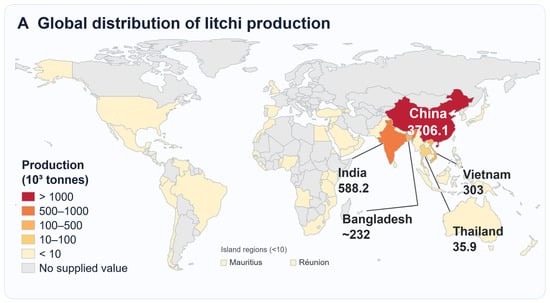
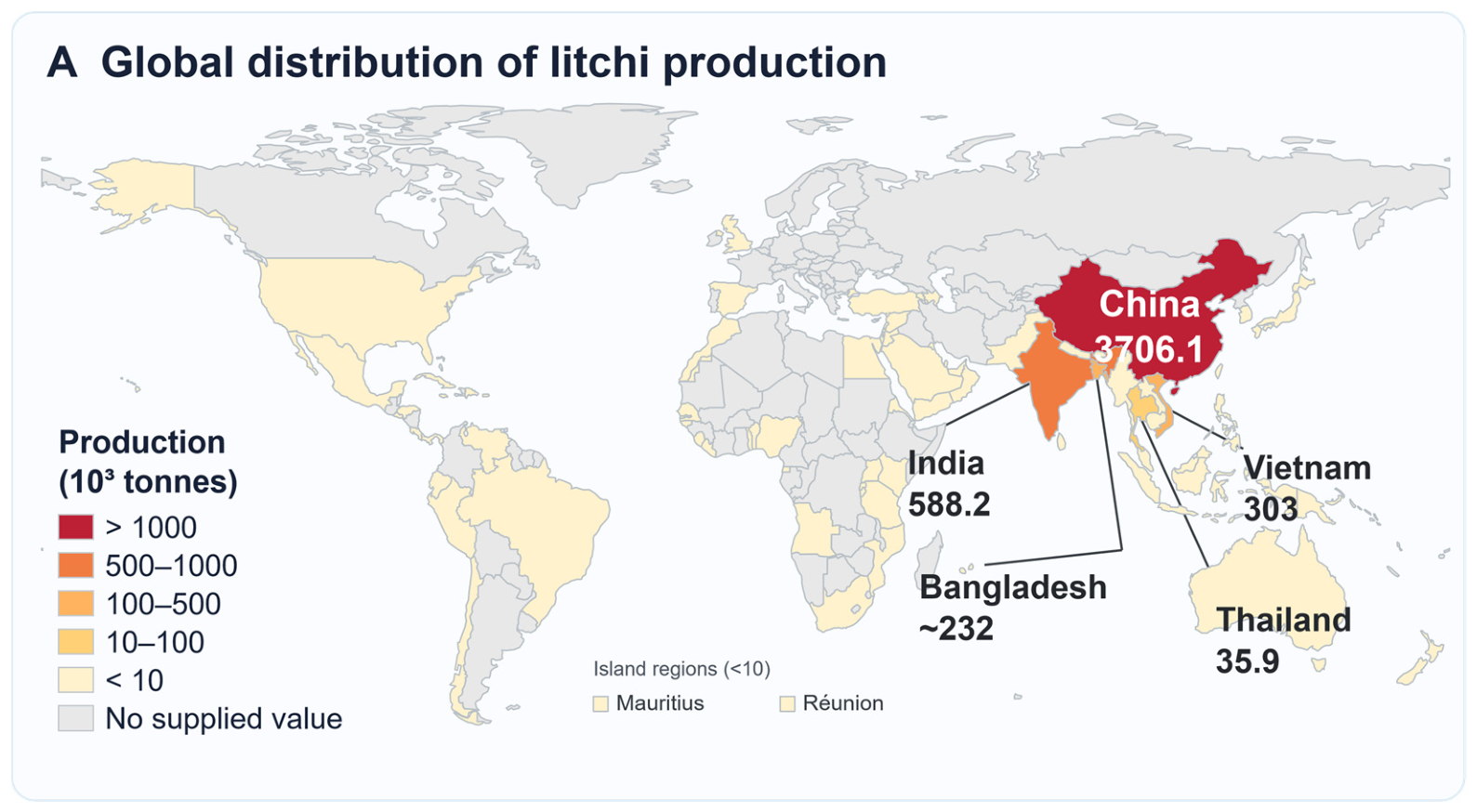
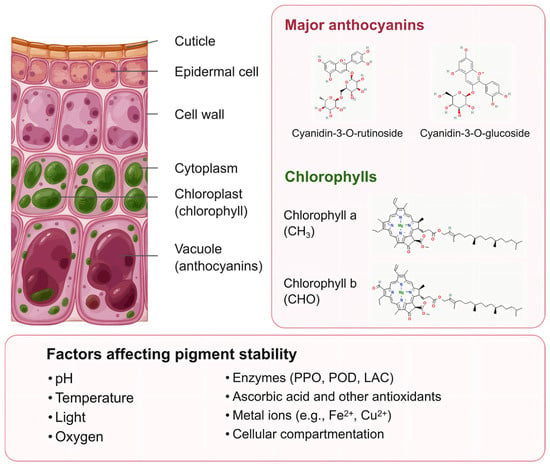
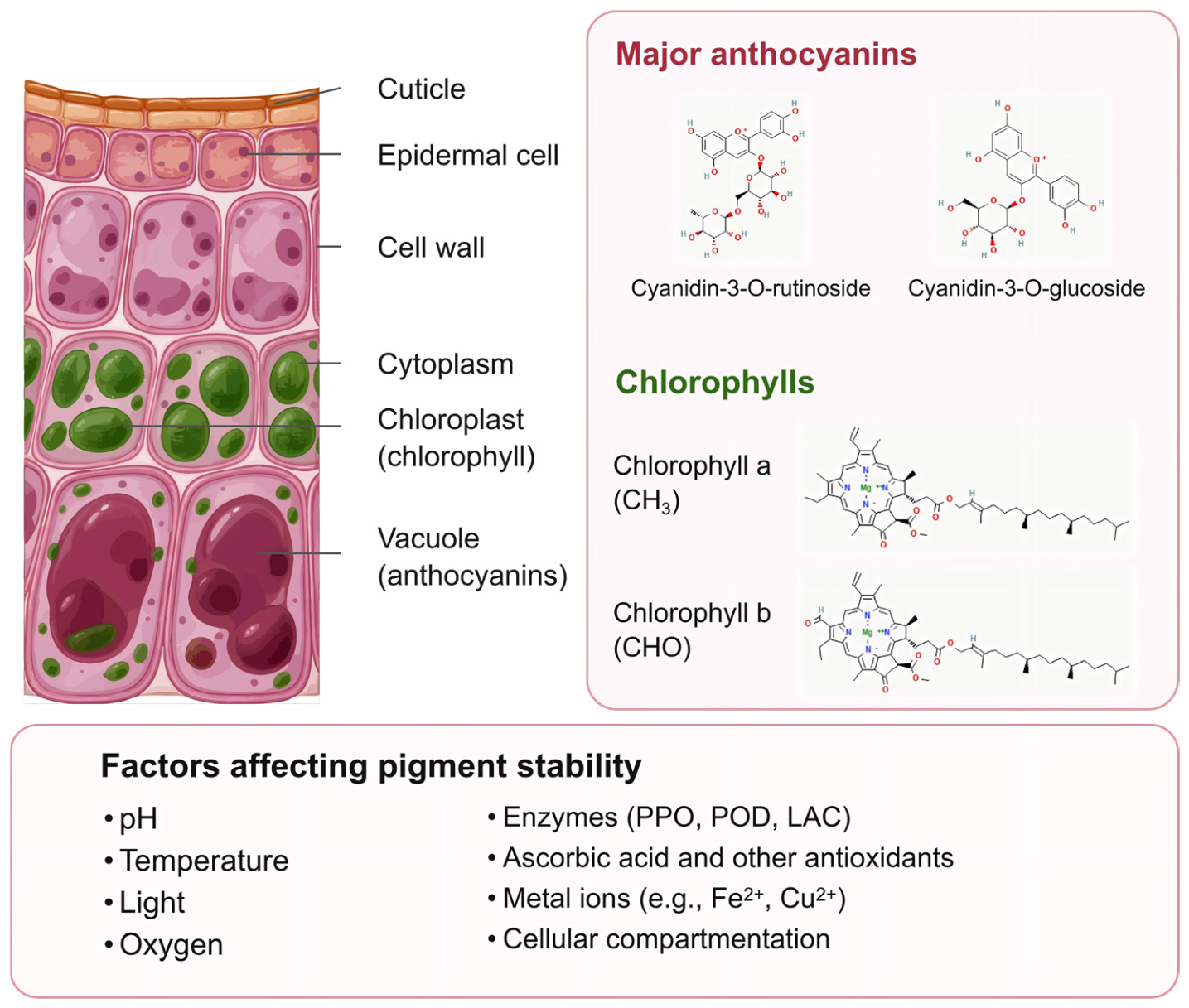
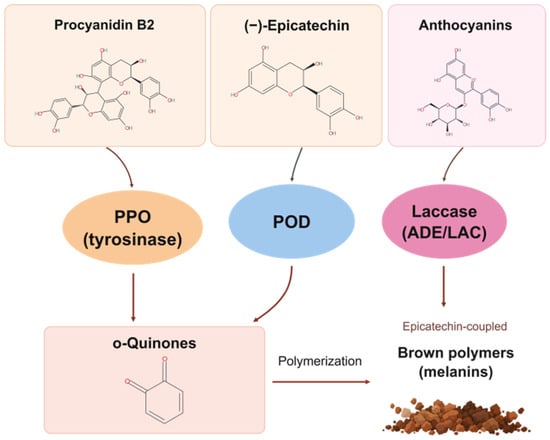
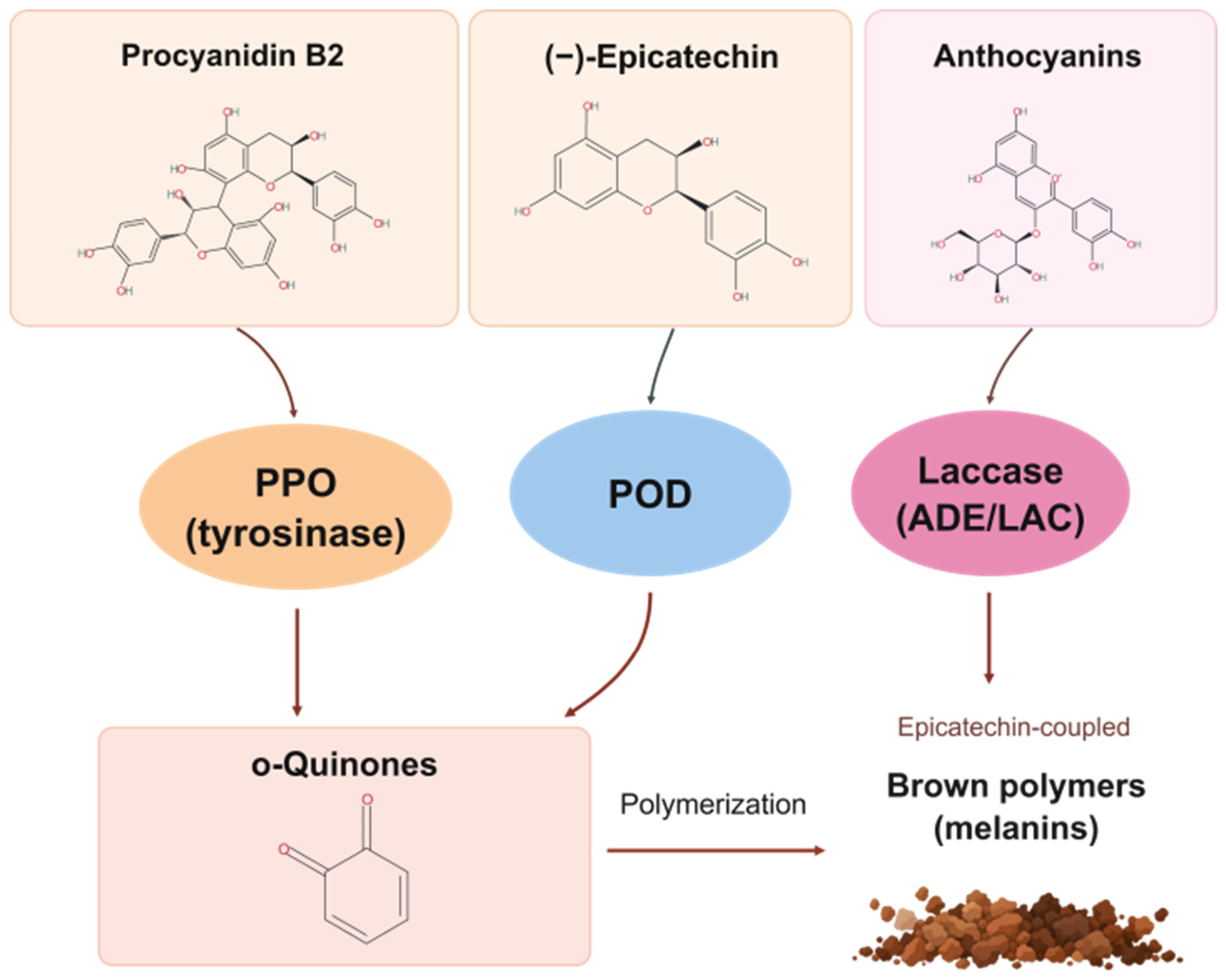
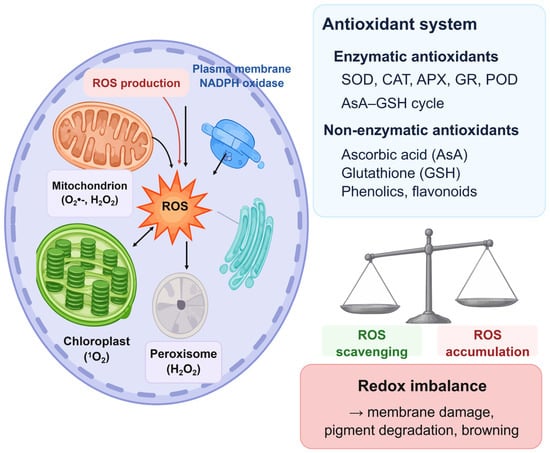
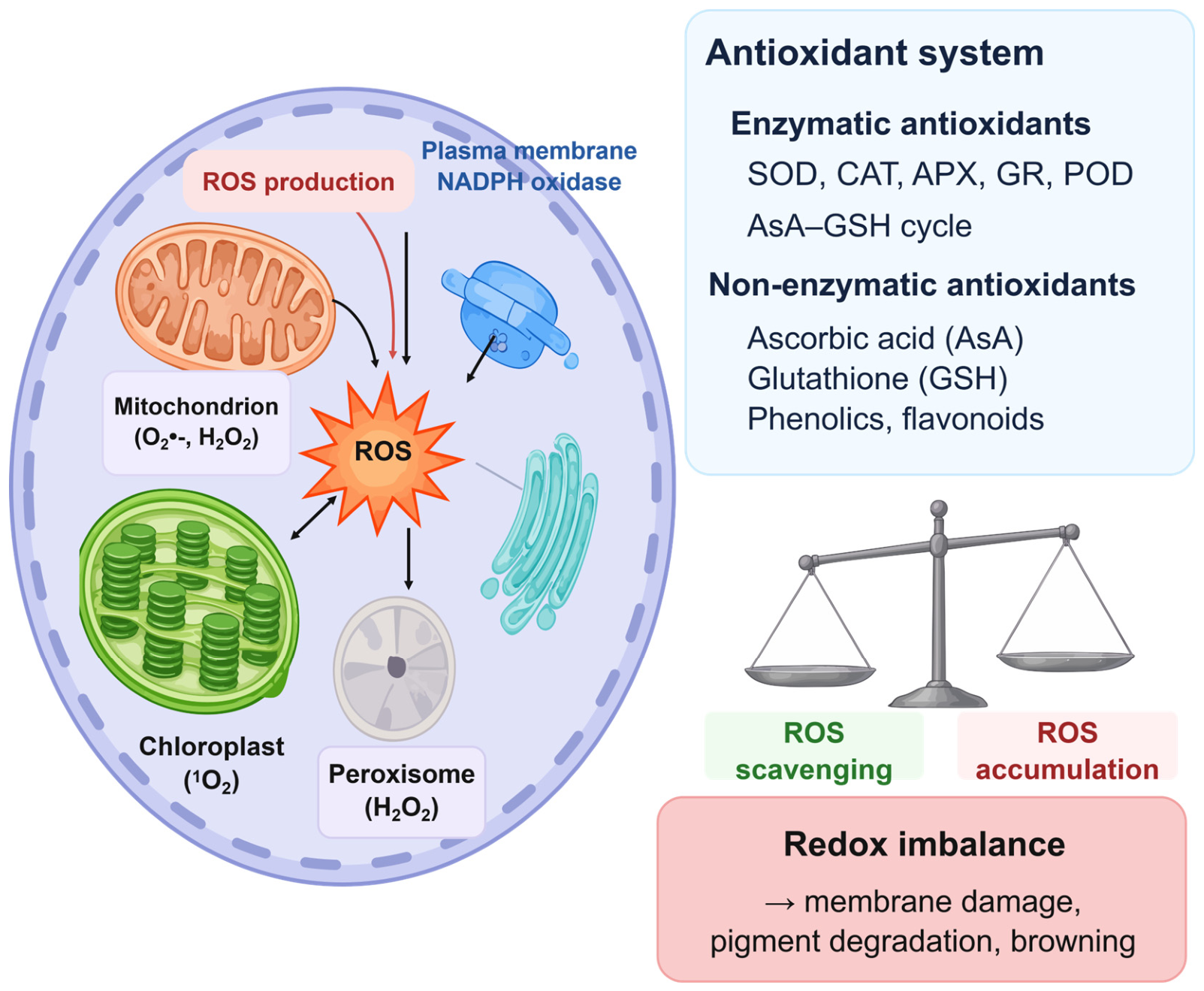
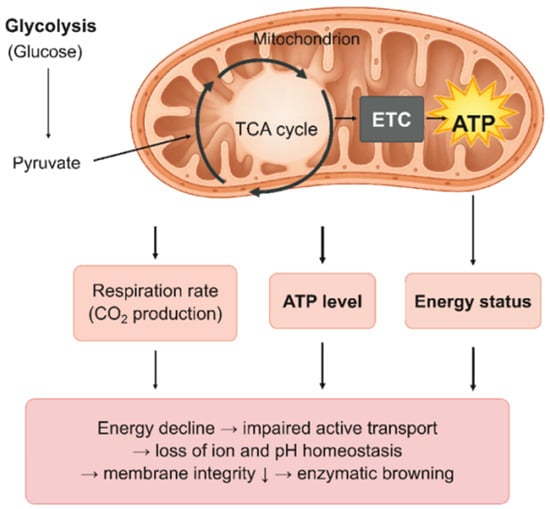
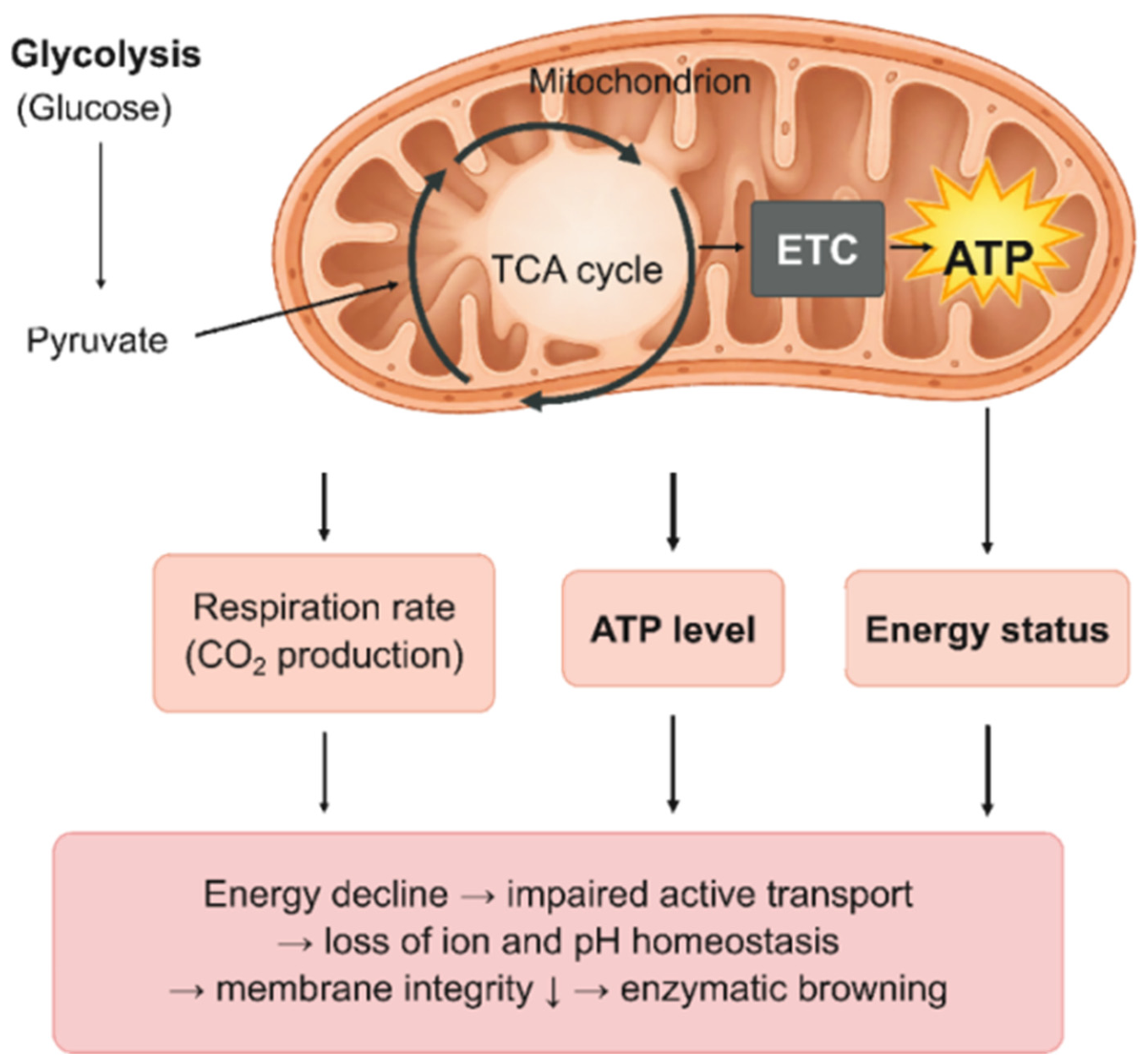
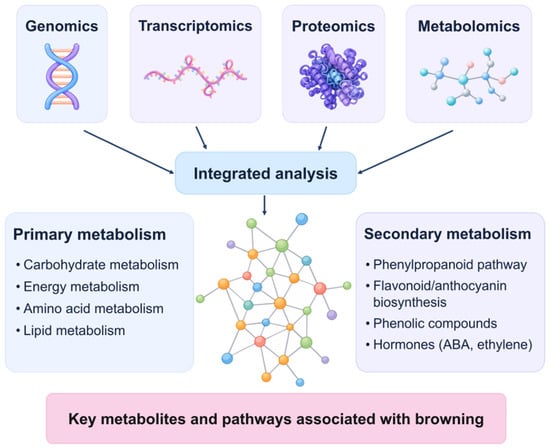
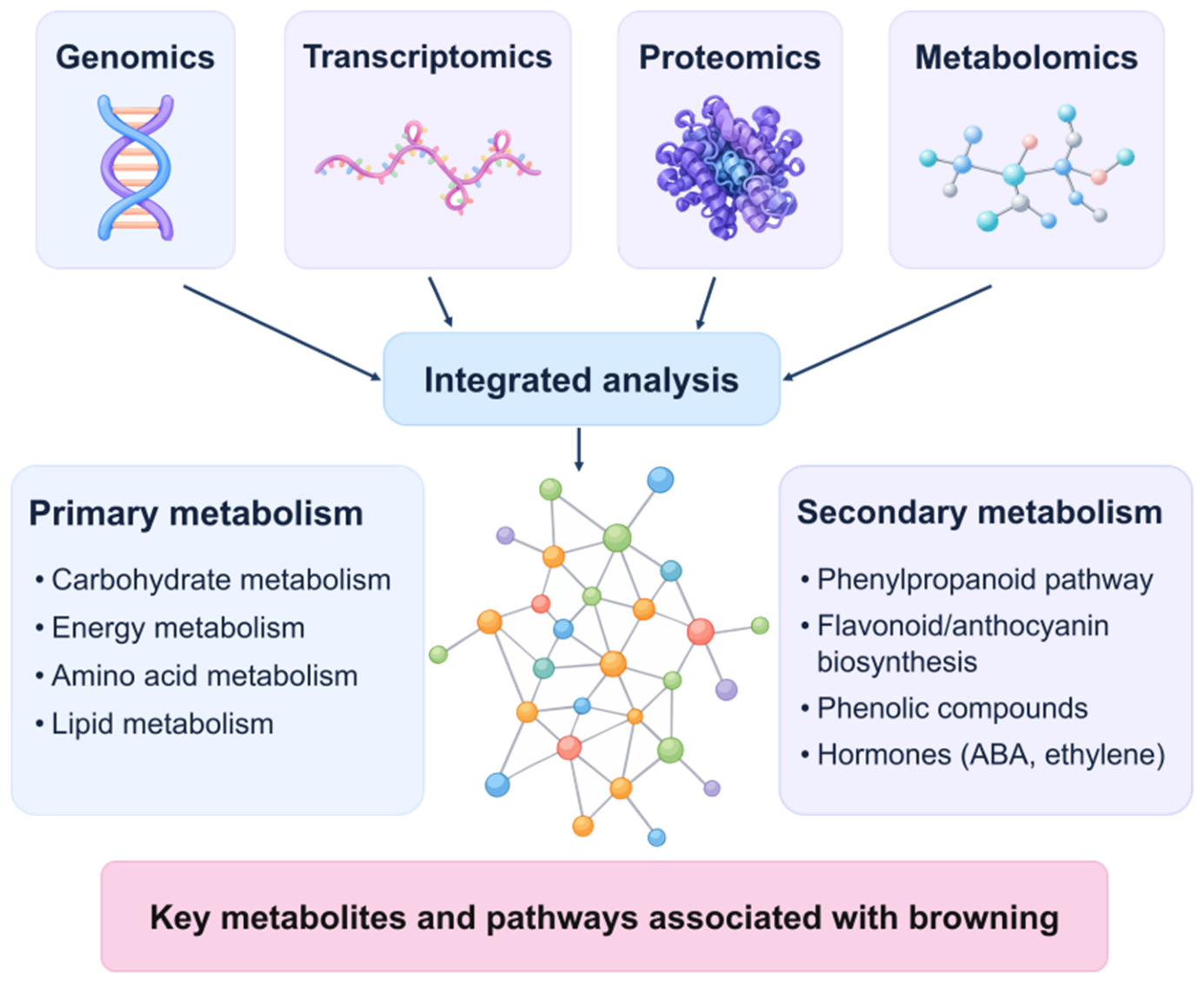
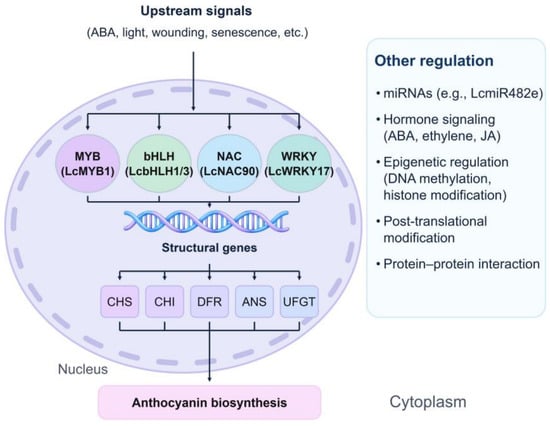
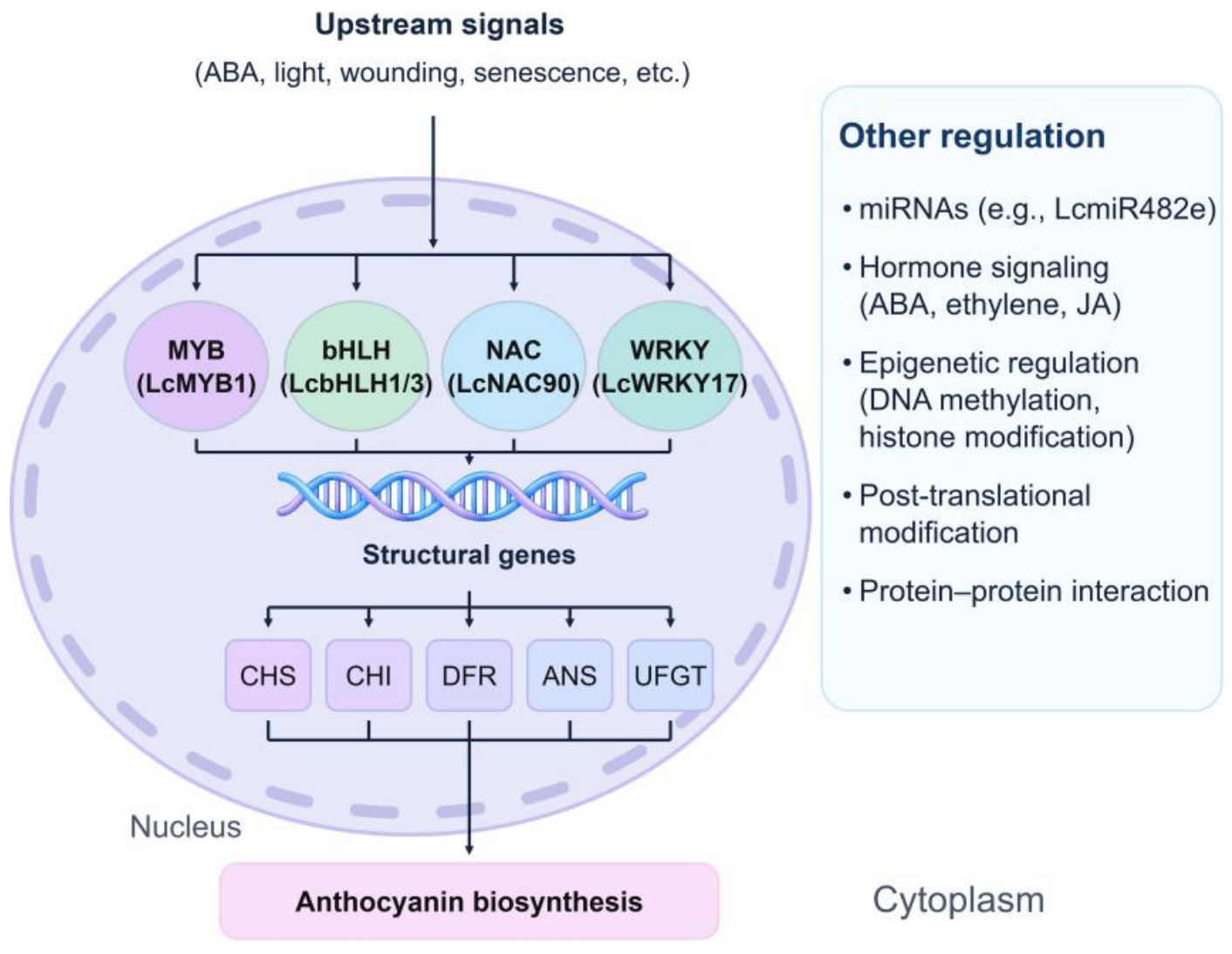
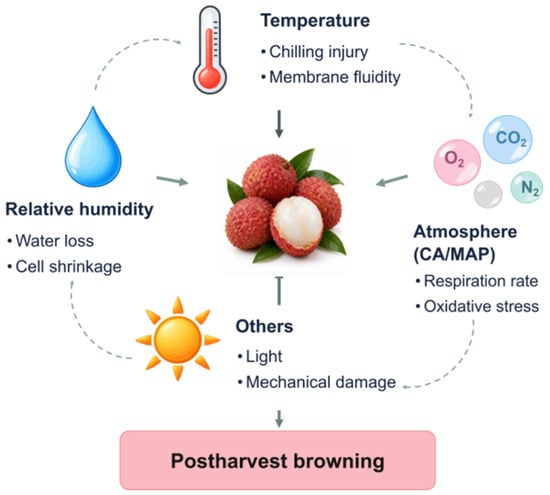
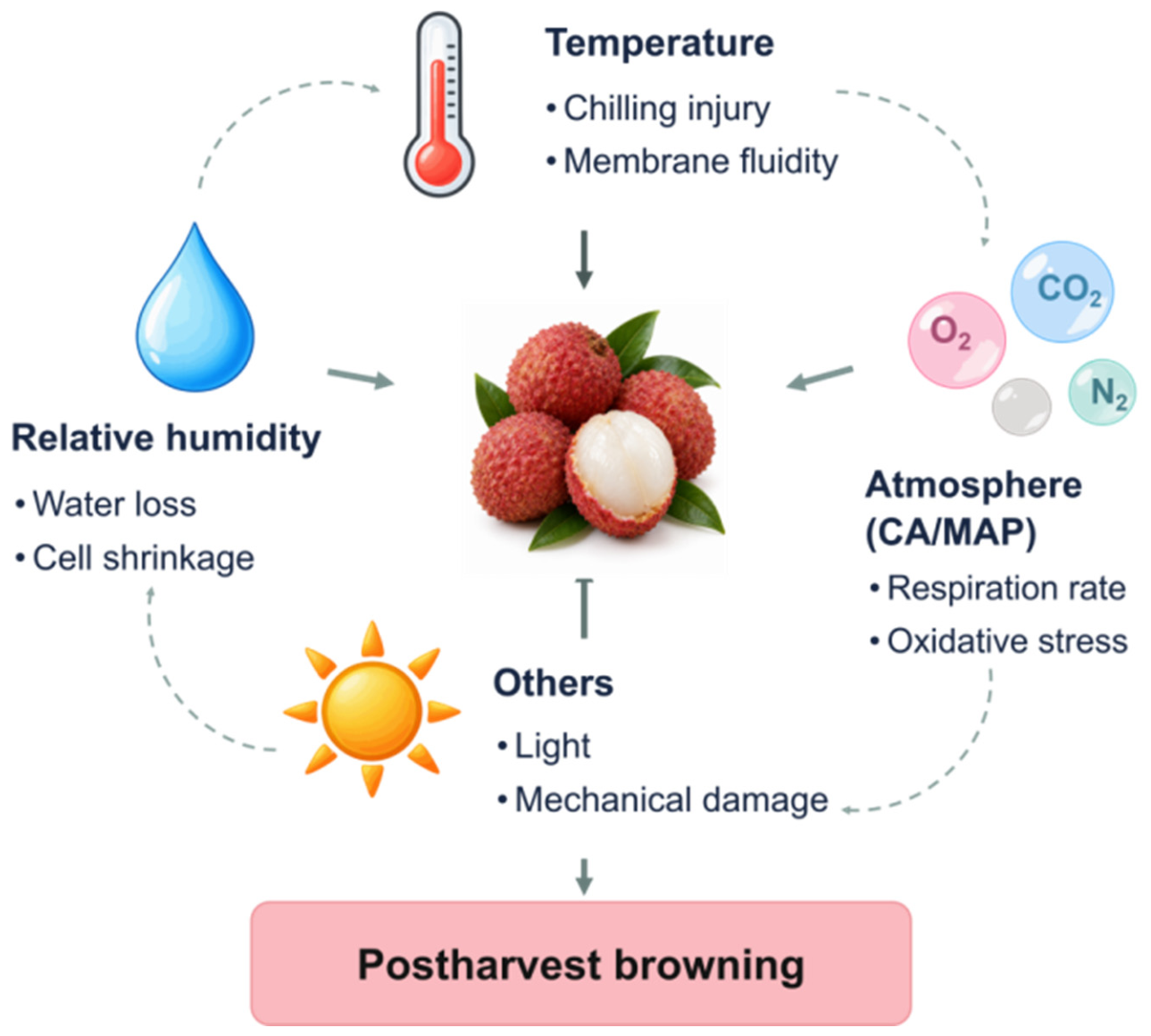

Disclaimer/Publisher’s Note: The statements, opinions and data contained in all publications are solely those of the individual author(s) and contributor(s) and not of MDPI and/or the editor(s). MDPI and/or the editor(s) disclaim responsibility for any injury to people or property resulting from any ideas, methods, instructions or products referred to in the content. |
© 2026 by the authors. Licensee MDPI, Basel, Switzerland. This article is an open access article distributed under the terms and conditions of the Creative Commons Attribution (CC BY) license.