Article

Volatilome and Bioaccessible Phenolics Profiles in Lab-Scale Fermented Bee Pollen

by
Pasquale Filannino
1,*,
Raffaella Di Cagno
2,*,
Giuseppe Gambacorta
1,
Ali Zein Alabiden Tlais
2,
Vincenzo Cantatore
1 and
Marco Gobbetti
2
1
Department of Soil, Plant and Food Science, University of Bari Aldo Moro, 70126 Bari, Italy
2
Faculty of Sciences and Technology, Libera Università di Bolzano, 39100 Bolzano, Italy
*
Authors to whom correspondence should be addressed.
Foods 2021, 10(2), 286; https://doi.org/10.3390/foods10020286
Submission received: 14 December 2020 / Revised: 14 January 2021 / Accepted: 25 January 2021 / Published: 31 January 2021

Abstract

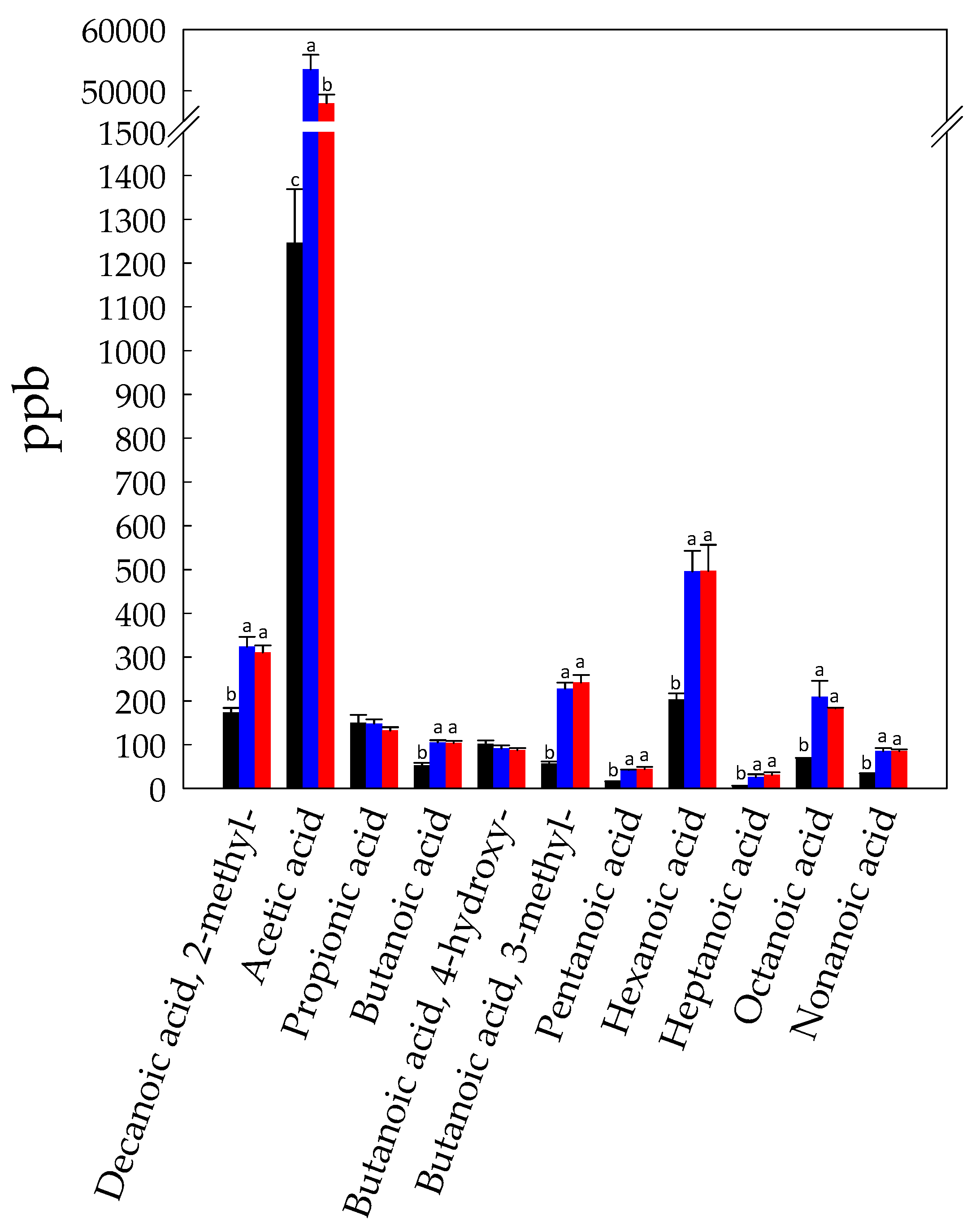
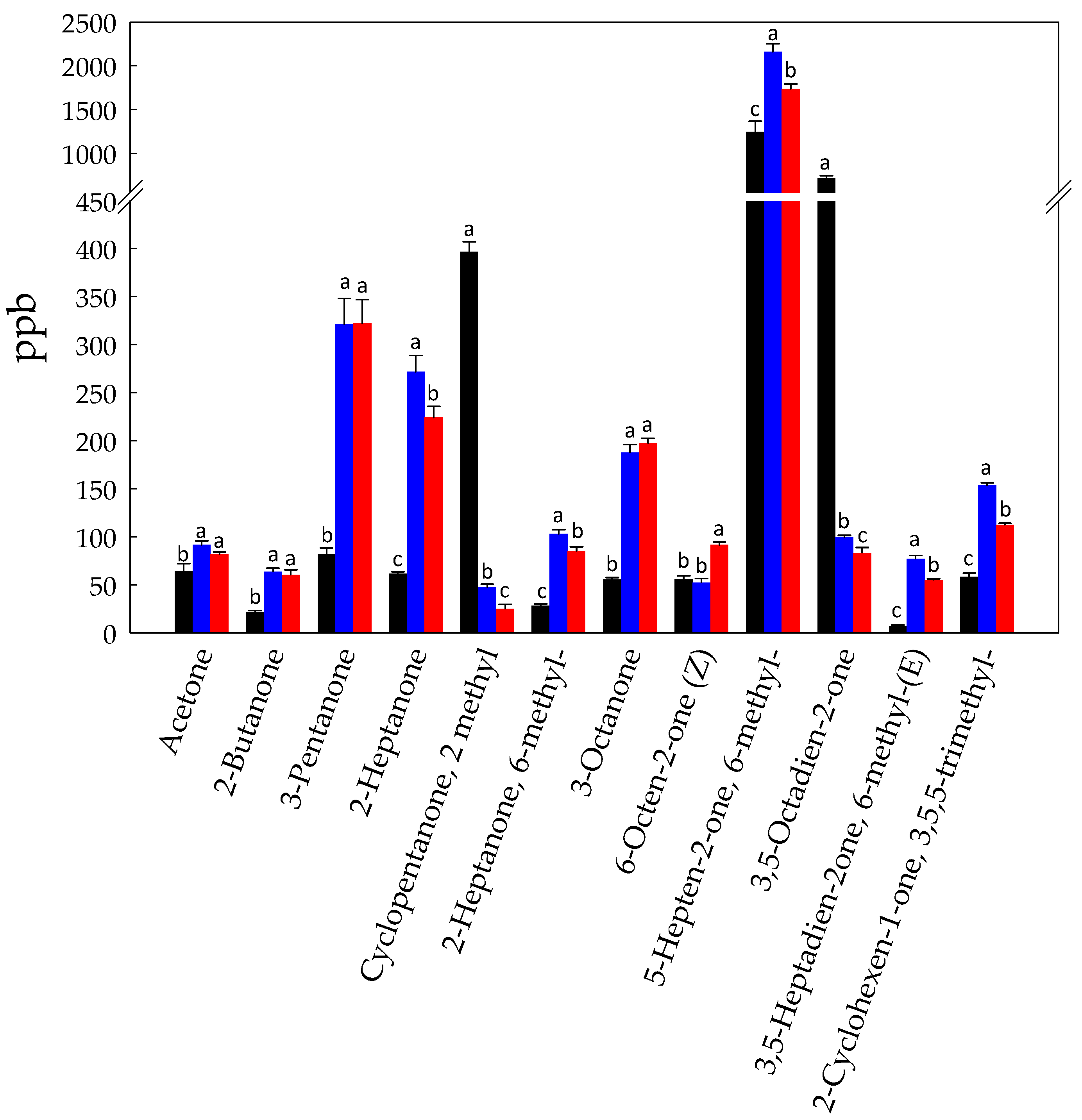
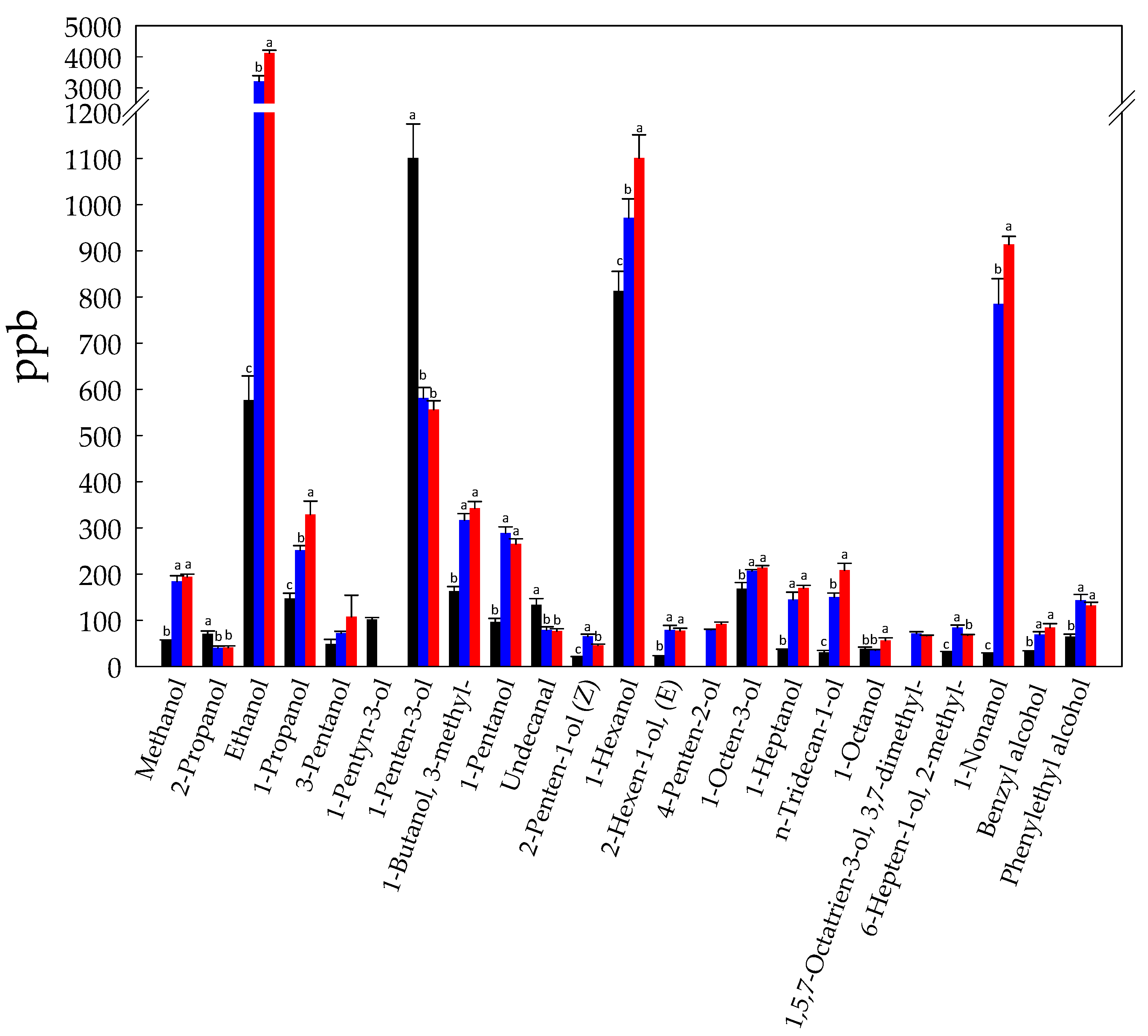
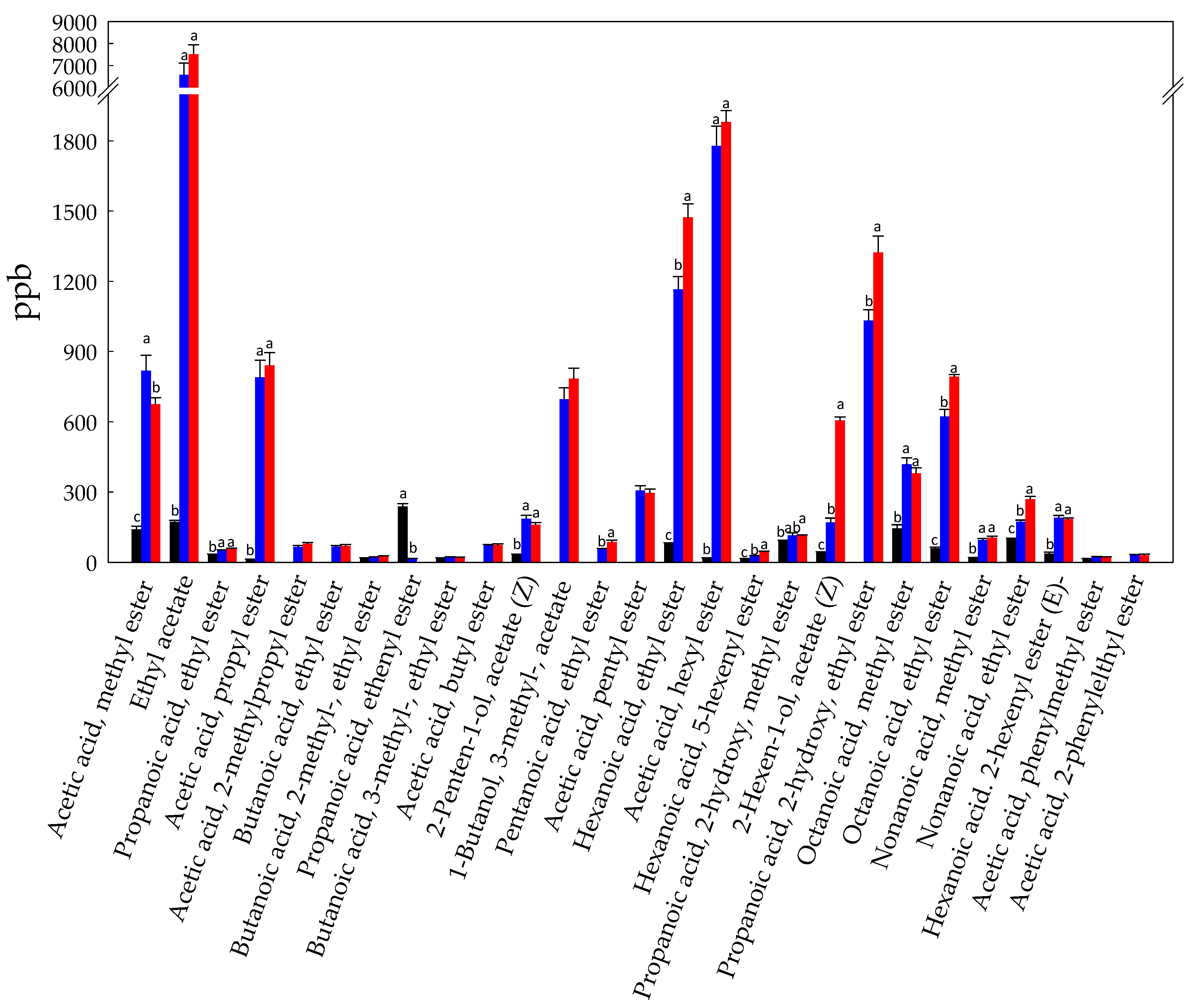
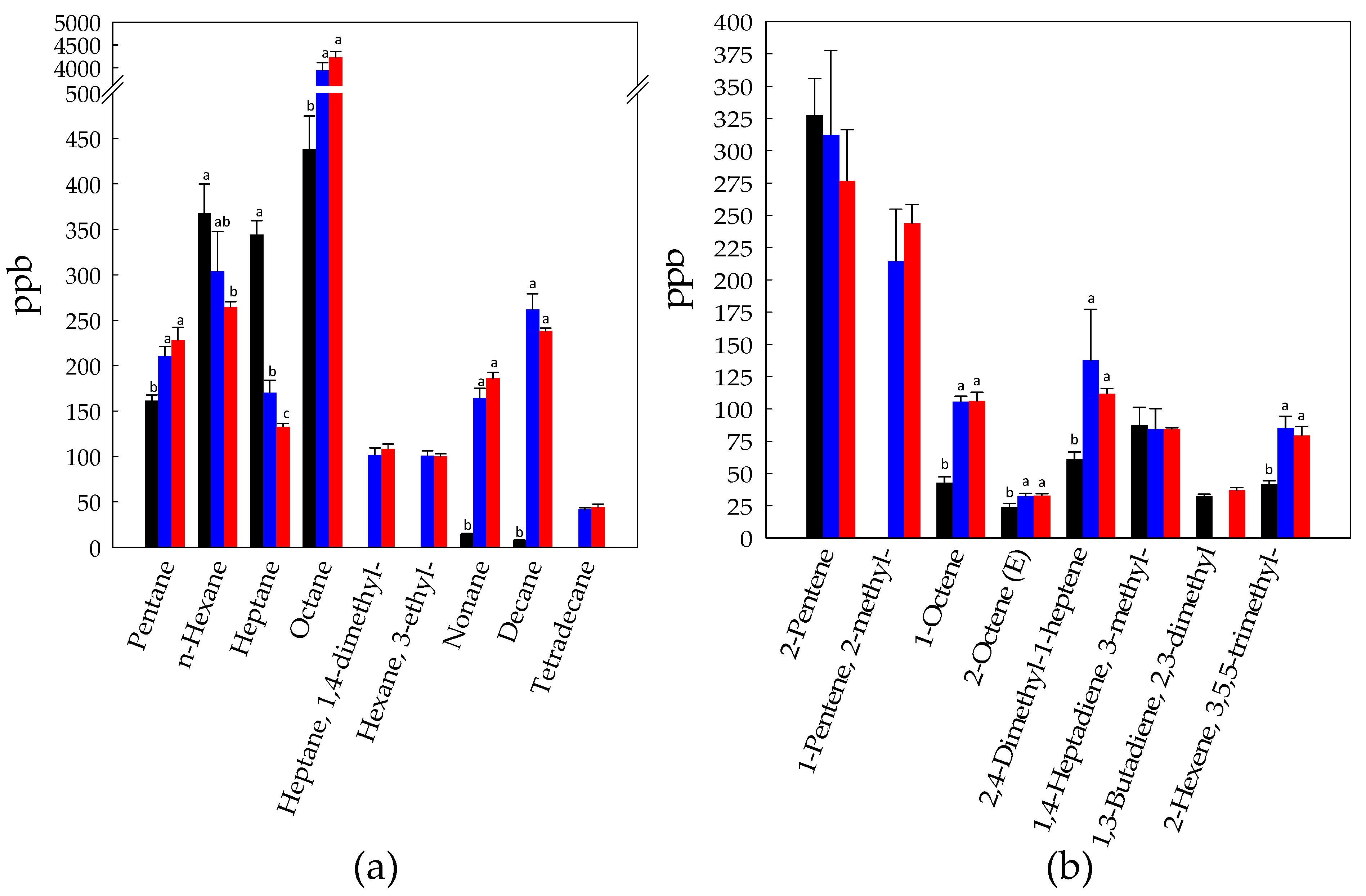
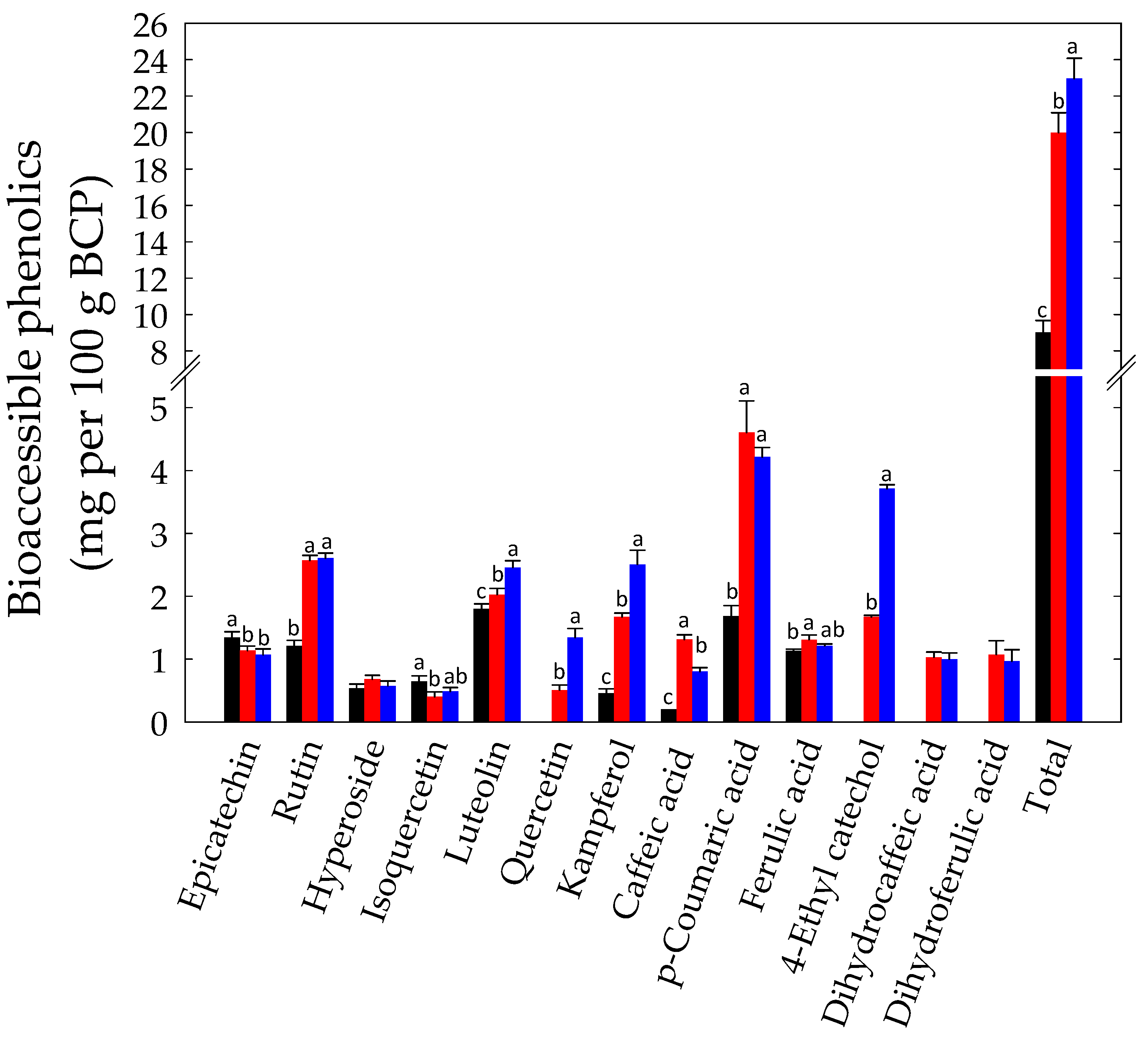
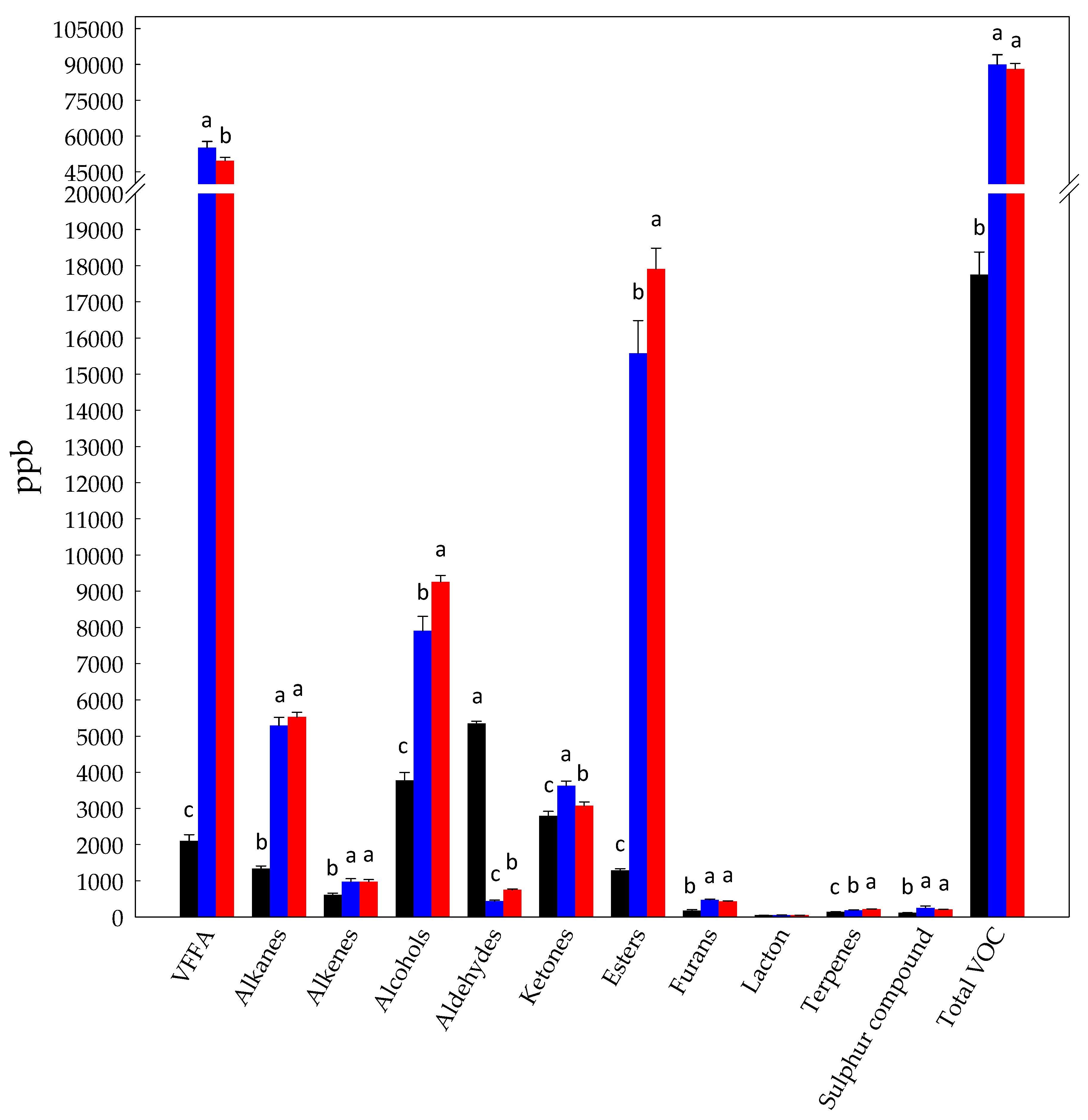
Bee-collected pollen (BCP) is currently receiving increasing attention as a dietary supplement for humans. In order to increase the accessibility of nutrients for intestinal absorption, several biotechnological solutions have been proposed for BCP processing, with fermentation as one of the most attractive. The present study used an integrated metabolomic approach to investigate how the use of starter cultures may affect the volatilome and the profile of bioaccessible phenolics of fermented BCP. BCP fermented with selected microbial starters (Started-BCP) was compared to spontaneously fermented BCP (Unstarted-BCP) and to unprocessed raw BCP (Raw-BCP). Fermentation significantly increased the amount of volatile compounds (VOC) in both Unstarted- and Started-BCP, as well as modifying the relative proportions among the chemical groups. Volatile free fatty acids were the predominant VOC in Unstarted-BCP. Started-BCP was differentiated by the highest levels of esters and alcohols, although volatile free fatty acids were always prevailing. The profile of the VOC was dependent on the type of fermentation, which was attributable to the selected Apilactobacillus kunkeei and Hanseniaspora uvarum strains used as starters, or to the variety of yeasts and bacteria naturally associated to the BCP. Started-BCP and, to a lesser extent, Unstarted-BCP resulted in increased bioaccessible phenolics, which included microbial derivatives of phenolic acids metabolism.
Keywords: pollen; fermentation; lactic acid bacteria; volatile compounds; phenolics; flavonoids pollen; fermentation; lactic acid bacteria; volatile compounds; phenolics; flavonoids