Design and Evaluation of an Endocrine-Focused Serious Trading Card Game in Undergraduate Medical Education
 , and
, and
Abstract
1. Introduction
2. Materials and Methods
2.1. Study Design and Setting
2.2. Participants
2.3. Intervention: Medimon Endocrine Learning Card Game
2.3.1. Game Overview
2.3.2. Endocrine Medimon Families
- Thyroid family, emphasizing metabolic rate, energy balance, and cost modulation of actions.
- Adrenal family, emphasizing stress physiology, catecholamine signaling, and probabilistic (“gambling”) mechanics.
- Pancreas family, emphasizing glucose regulation, energy storage, and ATP accumulation and expenditure.
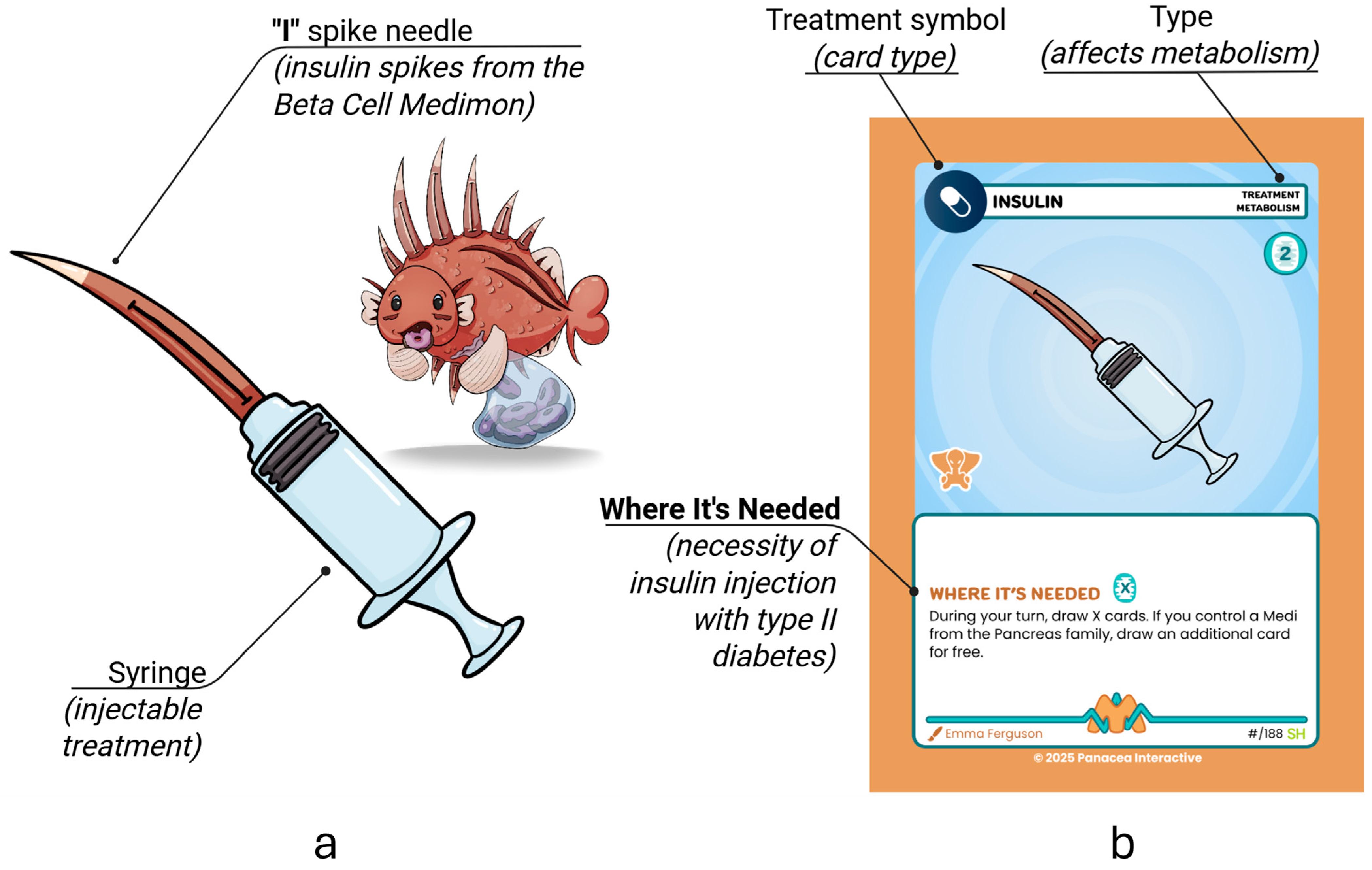
2.3.3. Treatment Cards
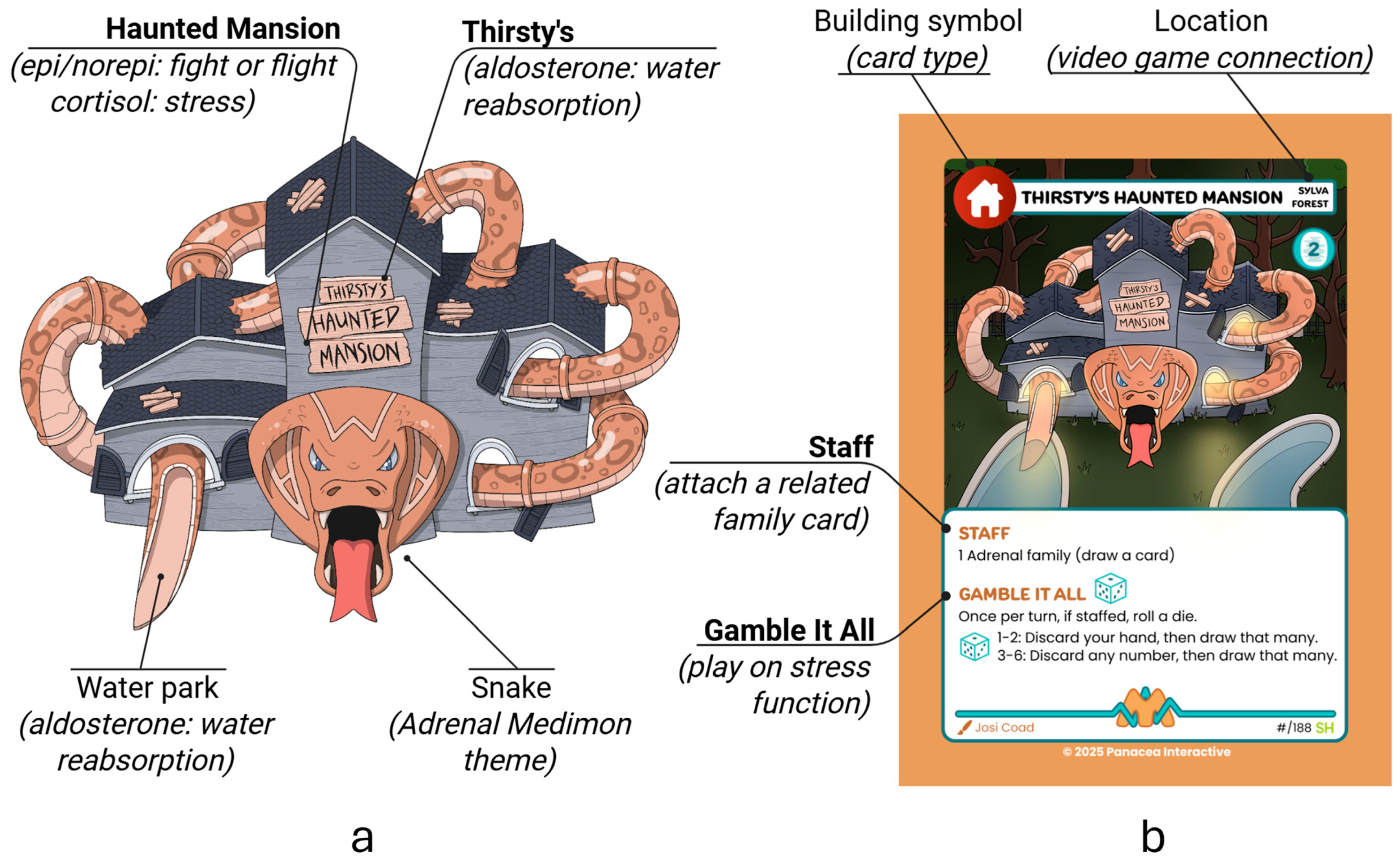
2.3.4. Building Cards
2.3.5. Status Tokens
2.3.6. Structural and Usability Refinements
2.4. Guided Gameplay Session
2.5. Assessments
2.5.1. Achievement Measures
2.5.2. Engagement and Preference
2.6. Data Analysis
2.7. Ethical Oversight
3. Results
3.1. Participant Overview
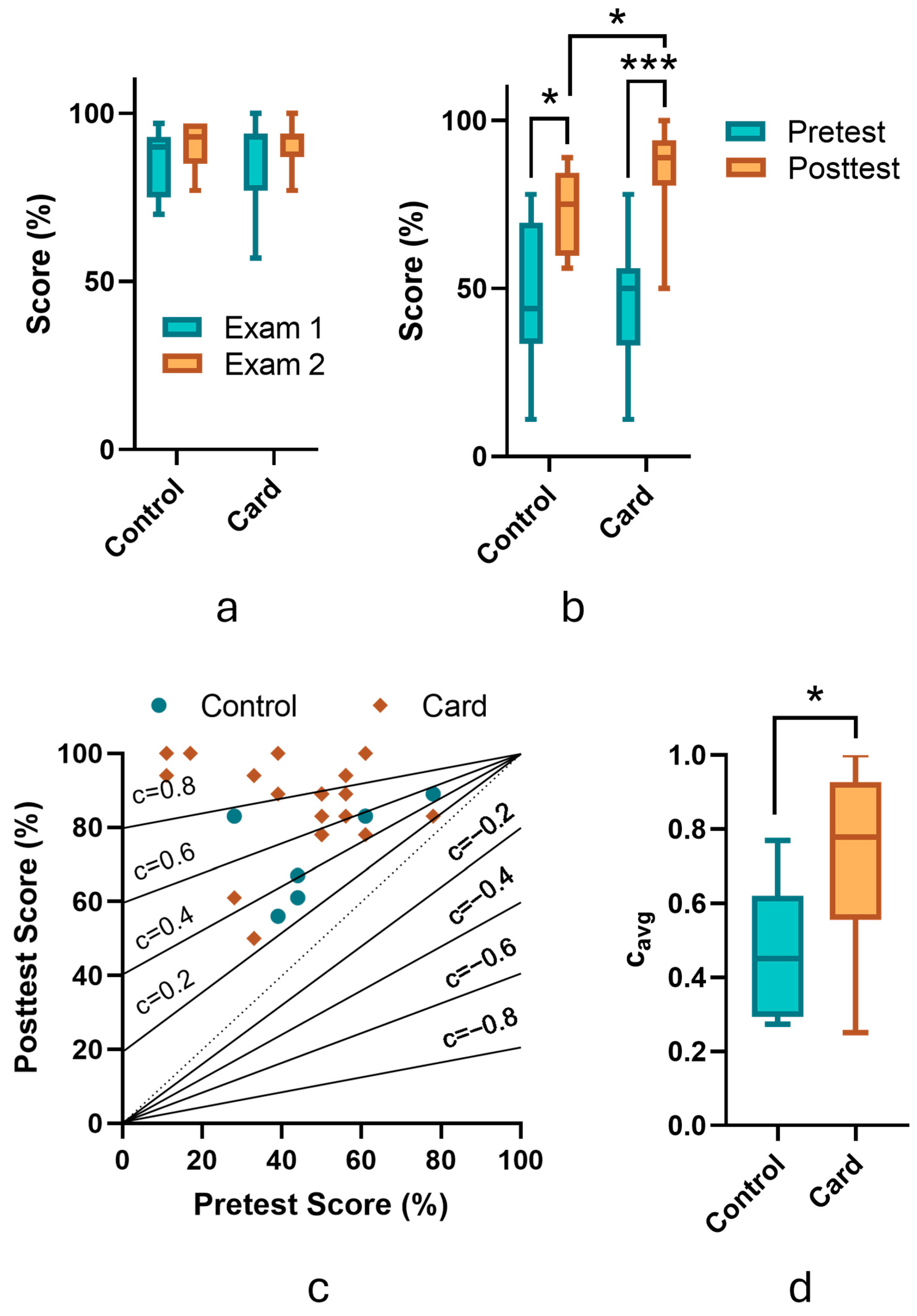
3.2. Achievement Outcomes
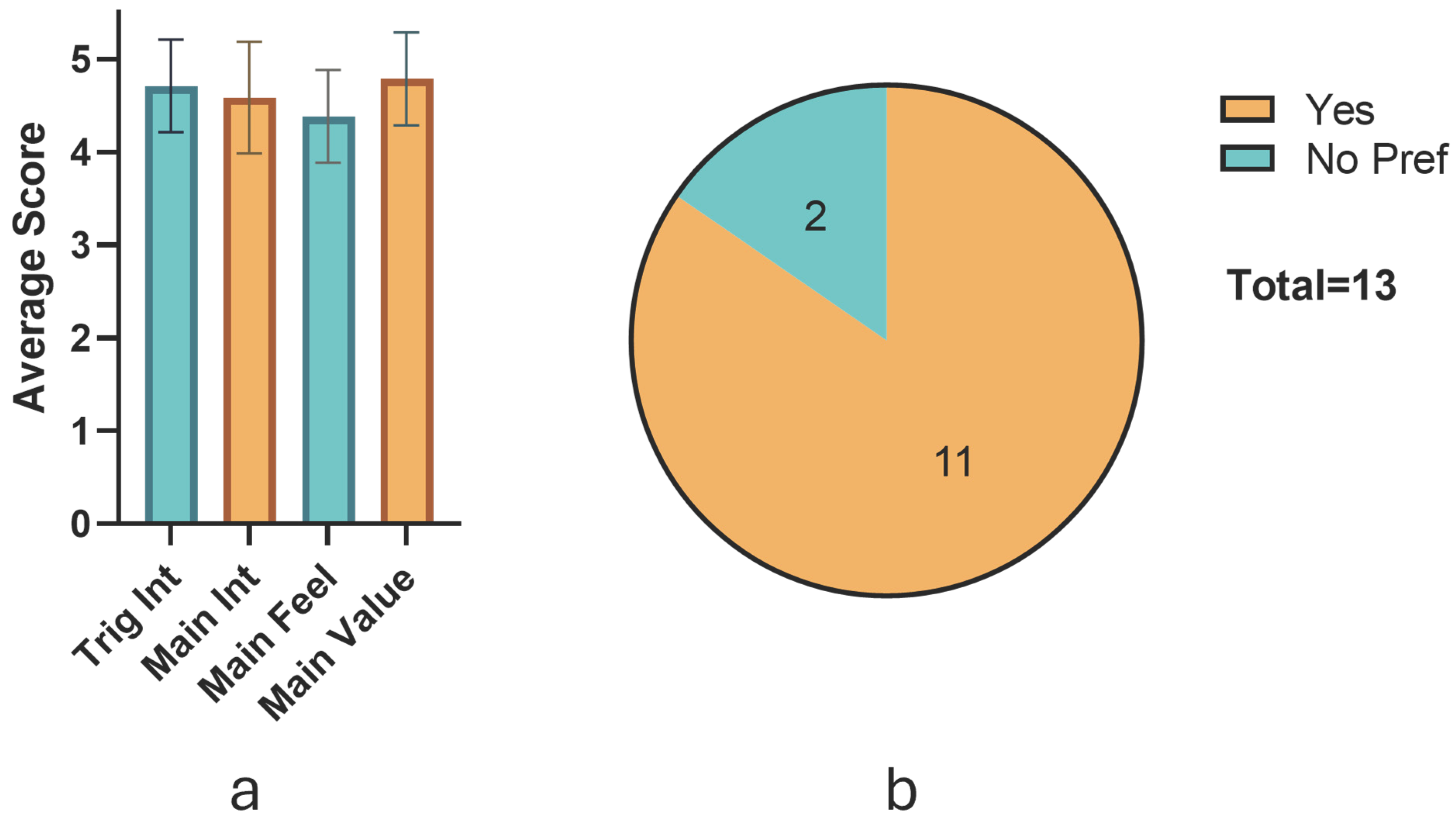
3.3. Engagement and Learner Perceptions
3.4. Qualitative Findings
4. Discussion
5. Conclusions
Supplementary Materials
Author Contributions
Funding
Institutional Review Board Statement
Informed Consent Statement
Data Availability Statement
Conflicts of Interest
Abbreviations
| GBL | Game-Based Learning |
| STEM | Science, Technology, Engineering, and Math |
| LCG | Learning Card Game |
| SIS-M | Situational Interest Survey for Multimedia |
| Trig | Triggered Interest |
| MT | Maintained Interest |
| MF | Maintained Feeling |
| MV | Maintained Value |
| MCQ | Multiple-Choice Question |
Appendix A

| SIS Type | Survey Item |
|---|---|
| SI-triggered | The Medimon Endo Cards were interesting. |
| The Medimon Endo Cards grabbed my attention. | |
| The Medimon Endo Cards were often entertaining. | |
| The Medimon Endo Cards were so exciting, it was easy to pay attention. | |
| SI-maintained-feeling | What I learned from the Medimon Endo Cards is fascinating to me. |
| I am excited about what I learned from the Medimon Endo Cards. | |
| I like what I learned from the Medimon Endo Cards. | |
| I found the information from the Medimon Endo Cards interesting. | |
| SI-maintained-value | What I studied in the Medimon Endo Cards is useful for me to know. |
| The things I studied in the Medimon Endo Cards are important to me. | |
| What I learned from the Medimon Endo Cards can be applied to my major/career. | |
| I learned valuable things from the Medimon Endo Cards. |
References
- Abou Hashish, E. A., Al Najjar, H., Alharbi, M., Alotaibi, M., & Alqahtany, M. M. (2024). Faculty and students perspectives towards game-based learning in health sciences higher education. Heliyon, 10(12), e32898. [Google Scholar] [CrossRef] [Scilit] [PubMed]
- Abt, C. C. (1987). Serious games. University Press of America. Available online: http://books.google.com/books?id=axUs9HA-hF8C (accessed on 25 May 2025).
- Achike, F. I. (2010). Teaching pharmacology in an innovative medical curriculum: Challenges of integration, technology, and future training. Journal of Clinical Pharmacology, 50(1), 6–16. [Google Scholar] [CrossRef] [Scilit] [PubMed]
- Bellezza, F. S. (1981). Mnemonic devices: Classification, characteristics, and criteria. Review of Educational Research, 51(2), 247–275. [Google Scholar] [CrossRef]
- Bhugra, D., & Molodynski, A. (2024). Well-being and burnout in medical students: Challenges and solutions. Irish Journal of Psychological Medicine, 41(2), 175–178. [Google Scholar] [CrossRef] [Scilit]
- Bhugra, D., Molodynski, A., & Ventriglio, A. (2021). Well-being and burnout in medical students. Industrial Psychiatry Journal, 30(2), 193. [Google Scholar] [CrossRef] [Scilit]
- Bland, T., & Guo, M. (2024). Visual mnemonics and gamification: A new approach to teaching muscle physiology. Journal of Technology-Integrated Lessons and Teaching, 3(1), 73–82. [Google Scholar] [CrossRef] [Scilit]
- Bland, T., Guo, M., & Dousay, T. A. (2024). Multimedia design for learner interest and achievement: A visual guide to pharmacology. BMC Medical Education, 24(1), 1–10. [Google Scholar] [CrossRef] [Scilit]
- Braun, V., & Clarke, V. (2006). Using thematic analysis in psychology. Qualitative Research in Psychology, 3(2), 77–101. [Google Scholar] [CrossRef] [Scilit]
- Brown, J. S., Collins, A., & Duguid, P. (1989). Situated cognition and the culture of learning. Educational Researcher, 18(1), 32–42. [Google Scholar] [CrossRef]
- Chen, P., Kuo, R., Chang, M., & Heh, J. S. (2009). Designing a trading card game as educational reward system to improve students’ learning motivations. In Lecture notes in computer science (Including subseries lecture notes in artificial intelligence and lecture notes in bioinformatics) (Vol. 5940 LNCS, pp. 116–128). Springer. [Google Scholar] [CrossRef] [Scilit]
- Chen, P., Kuo, R., Chang, M., & Heh, J. S. (2017). The effectiveness of using in-game cards as reward. Research and Practice in Technology Enhanced Learning, 12(1), 15. [Google Scholar] [CrossRef] [Scilit]
- Clark, J. M., & Paivio, A. (1991). Dual coding theory and education. Educational Psychology Review, 3(3), 149–210. [Google Scholar] [CrossRef] [Scilit]
- Cook, D. A., & Artino, A. R. (2016). Motivation to learn: An overview of contemporary theories. Medical Education, 50(10), 997. [Google Scholar] [CrossRef] [Scilit] [PubMed]
- Cook, D. A., Hamstra, S. J., Brydges, R., Zendejas, B., Szostek, J. H., Wang, A. T., Erwin, P. J., & Hatala, R. (2013). Comparative effectiveness of instructional design features in simulation-based education: Systematic review and meta-analysis. Medical Teacher, 35(1), e867–e898. [Google Scholar] [CrossRef] [Scilit] [PubMed]
- Cosimini, M., Zarandi, A., Edwards, S. L., Stiver, M. L., Chan, V., Augustin, O., Blain, B., & Chan, T. M. (2025). Print, play, and learn: Cataloging card and board games for medical education from 1980 to 2025. Cureus, 17(12), e99203. [Google Scholar] [CrossRef] [Scilit] [PubMed]
- Çimer, A. (2012). What makes biology learning difficult and effective: Students’ views. Educational Research Review, 7(3), 61–71. [Google Scholar]
- Daemicke, A. K., Galt, N. J., Samonds, K. E., & Bergan-Roller, H. E. (2020). Challenging endocrinology students with a critical-thinking workbook. Advances in Physiology Education, 44(1), 72–79. [Google Scholar] [CrossRef] [Scilit]
- de Jong, T., & van Joolingen, W. R. (1998). Scientific discovery learning with computer simulations of conceptual domains. Review of Educational Research, 68(2), 179. [Google Scholar] [CrossRef]
- Densen, P. (2011). Challenges and opportunities facing medical education. Transactions of the American Clinical and Climatological Association, 122, 48. [Google Scholar]
- Deterding, S., Dixon, D., Khaled, R., & Nacke, L. (2011). From game design elements to gamefulness: Defining “gamification”. In Proceedings of the 15th international academic MindTrek conference: Envisioning future media environments (pp. 9–15). MindTrek. [Google Scholar] [CrossRef] [Scilit]
- Dousay, T. A. (2016). Effects of redundancy and modality on the situational interest of adult learners in multimedia learning. Educational Technology Research and Development, 64(6), 1251–1271. [Google Scholar] [CrossRef] [Scilit]
- Dousay, T. A., & Trujillo, N. P. (2019). An examination of gender and situational interest in multimedia learning environments. British Journal of Educational Technology, 50(2), 876–887. [Google Scholar] [CrossRef] [Scilit]
- Edwards, S. L., Zarandi, A., Cosimini, M., Chan, T. M., Abudukebier, M., & Stiver, M. L. (2025). Analog serious games for medical education: A scoping review. Academic Medicine, 100(3), 375–387. [Google Scholar] [CrossRef] [Scilit] [PubMed]
- Fasinu, P. S., & Wilborn, T. W. (2024). Pharmacology education in the medical curriculum: Challenges and opportunities for improvement. Pharmacology Research & Perspectives, 12(1), e1178. [Google Scholar] [CrossRef] [Scilit] [PubMed]
- Gentry, S. V., Gauthier, A., Ehrstrom, B. L. E., Wortley, D., Lilienthal, A., Car, L. T., Dauwels-Okutsu, S., Nikolaou, C. K., Zary, N., Campbell, J., & Car, J. (2019). Serious gaming and gamification education in health professions: Systematic review. Journal of Medical Internet Research, 21(3), e12994. [Google Scholar] [CrossRef] [Scilit] [PubMed]
- Graafland, M., Schraagen, J. M., & Schijven, M. P. (2012). Systematic review of serious games for medical education and surgical skills training. The British Journal of Surgery, 99(10), 1322–1330. [Google Scholar] [CrossRef] [Scilit]
- Hundrup, M., Holte, J., Bordeaux, C., Ferguson, E., Coad, J., Soule, T., & Bland, T. (2025). Space medicine meets serious games: Boosting engagement with the medimon creature collector. Multimodal Technologies and Interaction, 9(8), 80. [Google Scholar] [CrossRef] [Scilit]
- Johnson, D. W., Johnson, R. T., & Smith, K. (2014). Cooperative learning: Improving University instruction by basing practice on validated theory. Journal on Excellence in College Teaching, 25, 85–118. [Google Scholar]
- Jones, J. S., Tincher, L., Odeng-Otu, E., & Herdman, M. (2015). An educational board game to assist pharmd students in learning autonomic nervous system pharmacology. American Journal of Pharmaceutical Education, 79(8), 114. [Google Scholar] [CrossRef] [Scilit]
- Khorammakan, R., Omid, A., Mirmohammadsadeghi, M., & Ghadami, A. (2023). Puzzle game-based learning: A new approach to promote learning of principles of coronary artery bypass graft surgery. BMC Medical Education, 23(1), 1–15. [Google Scholar] [CrossRef] [Scilit]
- Klatt, E. C., & Klatt, C. A. (2011). How much is too much reading for medical students? Assigned reading and reading rates at one medical school. Academic Medicine: Journal of the Association of American Medical Colleges, 86(9), 1079–1083. [Google Scholar] [CrossRef] [Scilit]
- Kuo, C. Y., Huang, Y. M., & Yeh, Y. Y. (2018). Let’s play cards: Multi-component cognitive training with social engagement enhances executive control in older adults. Frontiers in Psychology, 9(DEC), 2482. [Google Scholar] [CrossRef] [Scilit]
- Lave, J., & Wenger, E. (1991). Situated learning: Legitimate peripheral participation (Learning in doing: Social, cognitive and computational perspectives). Cambridge University Press. [Google Scholar]
- Massaad, C., Howe, H., Guo, M., & Bland, T. (2025). A multi-institution mixed methods analysis of a novel acid-base mnemonic algorithm. Multimodal Technologies and Interaction, 9(11), 113. [Google Scholar] [CrossRef] [Scilit]
- Mayer, R. E. (2005). Introduction to multimedia learning. In The Cambridge handbook of multimedia learning (pp. 1–16). Cambridge University Press. [Google Scholar] [CrossRef] [Scilit]
- Mayer, R. E. (2012). Cognitive theory of multimedia learning. In The Cambridge handbook of multimedia learning (pp. 31–48). Cambridge University Press. [Google Scholar] [CrossRef] [Scilit]
- Meenu, S., Mary Zachariah, A., & Balakrishnan, S. (2022). Effectiveness of mnemonics based teaching in medical education. International Journal of Health Sciences, 6(S2), 9635–9640. [Google Scholar] [CrossRef] [Scilit]
- Michael, J., & White, P. J. (2025). Reflections on the core concepts of physiology and pharmacology. Pharmacology Research and Perspectives, 13(4), e70146. [Google Scholar] [CrossRef] [Scilit] [PubMed]
- Nadeem, M., Oroszlanyova, M., & Farag, W. (2023). Effect of digital game-based learning on student engagement and motivation. Computers, 12(9), 177. [Google Scholar] [CrossRef] [Scilit]
- Noda, S., Shirotsuki, K., & Nakao, M. (2019). The effectiveness of intervention with board games: A systematic review. BioPsychoSocial Medicine, 13(1), 1–21. [Google Scholar] [CrossRef] [Scilit]
- Ober, C. (2018). Comparison of a novel card game and conventional case-based studying for learning urologic differential diagnoses in veterinary radiology. Education in the Health Professions, 1(2), 44. [Google Scholar] [CrossRef] [Scilit]
- O’Hanlon, R., & Laynor, G. (2019). Responding to a new generation of proprietary study resources in medical education. Journal of the Medical Library Association JMLA, 107(2), 251–257. [Google Scholar] [CrossRef] [Scilit]
- Paivio, A. (1991). Dual coding theory: Retrospect and current status. Canadian Journal of Psychology/Revue Canadienne de Psychologie, 45(3), 255–287. [Google Scholar] [CrossRef] [Scilit]
- Putnam, A. L. (2015). Mnemonics in education: Current research and applications. Translational Issues in Psychological Science, 1(2), 130–139. [Google Scholar] [CrossRef] [Scilit]
- Reeves, T. (2011). Can educational research be both rigorous and relevant. Educational Designer, 1(4), 1–24. [Google Scholar]
- Samarasekera, D. D., Goh, P. S., Lee, S. S., & Gwee, M. C. E. (2018). The clarion call for a third wave in medical education to optimise healthcare in the twenty-first century. Medical Teacher, 40(10), 982–985. [Google Scholar] [CrossRef] [Scilit]
- Sandars, J., Patel, R. S., Goh, P. S., Kokatailo, P. K., & Lafferty, N. (2015). The importance of educational theories for facilitating learning when using technology in medical education. Medical Teacher, 37(11), 1039–1042. [Google Scholar] [CrossRef] [Scilit] [PubMed]
- Scruggs, T. E., & Mastropieri, M. A. (1990). Mnemonic instruction for students with learning disabilities: What it is and what it does. Learning Disability Quarterly, 13(4), 271–280. [Google Scholar] [CrossRef] [Scilit]
- Singleton, V., Bordeaux, C., Ferguson, E., & Bland, T. (2025). An educational trading card game for a medical immunology course. Education Sciences, 15(6), 768. [Google Scholar] [CrossRef] [Scilit]
- Sousa, C., & Neves, J. C. (2025). Digital and analogue gaming in the daily lives of people with intellectual disability—A case study in the Portuguese context. In Education applications & developments X (pp. 267–278). inScience Press. ISBN 9789893572856. [Google Scholar] [CrossRef] [Scilit]
- Sweller, J. (1994). Cognitive load theory, learning difficulty, and instructional design. Learning and Instruction, 4(4), 295–312. [Google Scholar] [CrossRef] [Scilit]
- Sweller, J. (2011). Cognitive load theory. Psychology of Learning and Motivation—Advances in Research and Theory, 55, 37–76. [Google Scholar] [CrossRef] [Scilit]
- Thomas, M. K., Shyjka, A., Kumm, S., & Gjomemo, R. (2019). Educational design research for the development of a collectible card game for cybersecurity learning. Journal of Formative Design in Learning, 3(1), 27–38. [Google Scholar] [CrossRef] [Scilit]
- van Gaalen, A. E. J., Brouwer, J., Schönrock-Adema, J., Bouwkamp-Timmer, T., Jaarsma, A. D. C., & Georgiadis, J. R. (2021). Gamification of health professions education: A systematic review. Advances in Health Sciences Education: Theory and Practice, 26(2), 683–711. [Google Scholar] [CrossRef] [Scilit]
- Van Merriënboer, J. J. G., & Sweller, J. (2010). Cognitive load theory in health professional education: Design principles and strategies. Medical Education, 44(1), 85–93. [Google Scholar] [CrossRef] [Scilit]
- Vermehren, J. A. V., Trikoili, A., & Pittich, D. (2025). Abstract thought in STEM education: An integrative literature review. International Journal of STEM Education, 12(1), 54. [Google Scholar] [CrossRef] [Scilit]
- von Steinkeller, A., & Grosse, G. (2022). Children are more social when playing analog games together than digital games. Computers in Human Behavior Reports, 6, 100195. [Google Scholar] [CrossRef] [Scilit]
- Vygotsky, L. S. (2019). Mind in society: The development of higher psychological processes. Harvard University Press. [Google Scholar] [CrossRef] [Scilit]
- Xu, M., Luo, Y., Zhang, Y., Xia, R., Qian, H., & Zou, X. (2023). Game-based learning in medical education. Frontiers in Public Health, 11, 1113682. [Google Scholar] [CrossRef] [Scilit]
- Young, J. Q., Van Merrienboer, J., Durning, S., & Ten Cate, O. (2014). Cognitive load theory: Implications for medical education: AMEE Guide No. 86. Medical Teacher, 36(5), 371–384. [Google Scholar] [CrossRef] [Scilit]
- Young, M. F., Slota, S., Cutter, A. B., Jalette, G., Mullin, G., Lai, B., Simeoni, Z., Tran, M., & Yukhymenko, M. (2012). Our princess is in another castle: A review of trends in serious gaming for education. Review of Educational Research, 82(1), 61–89. [Google Scholar] [CrossRef] [Scilit]
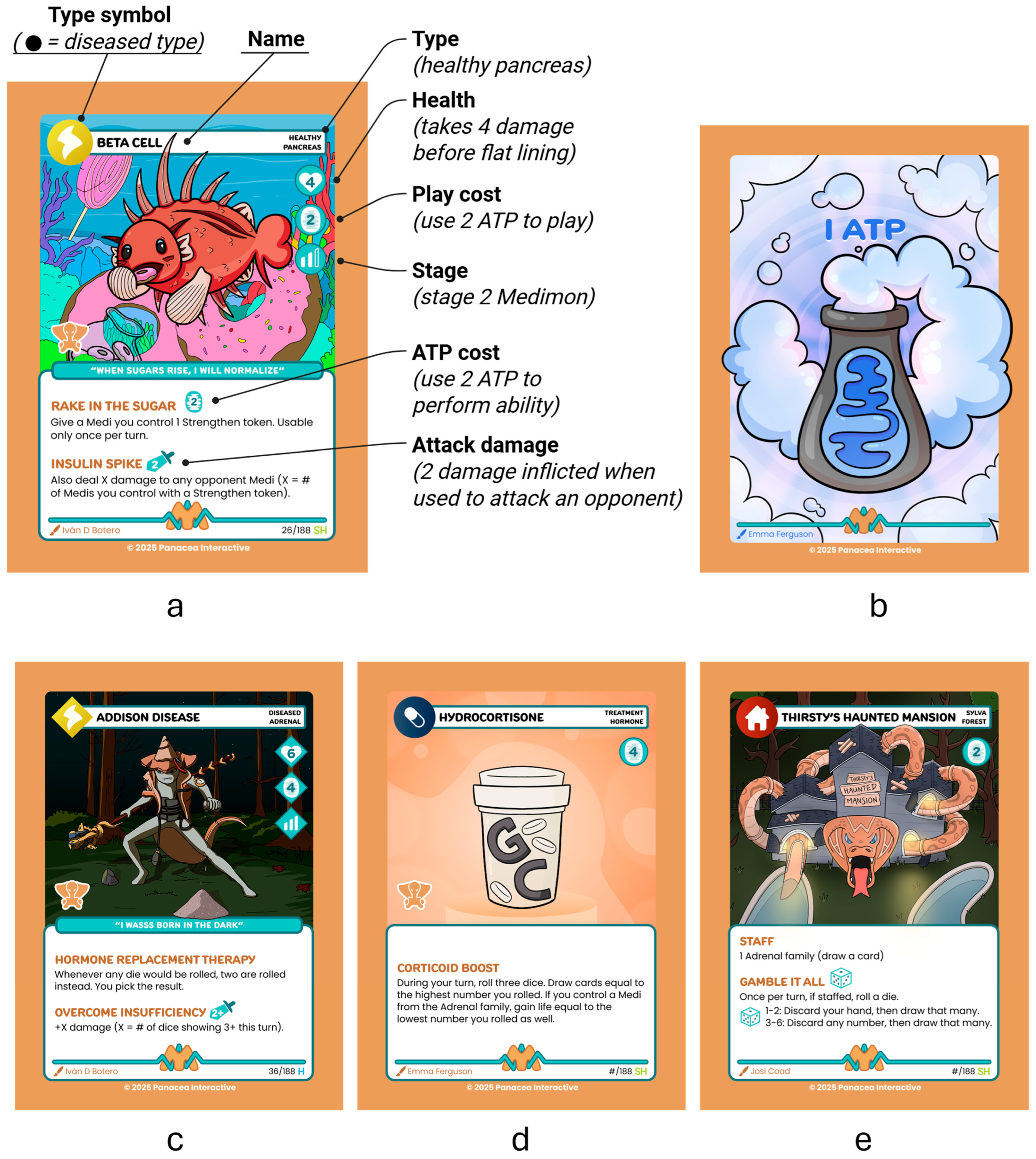
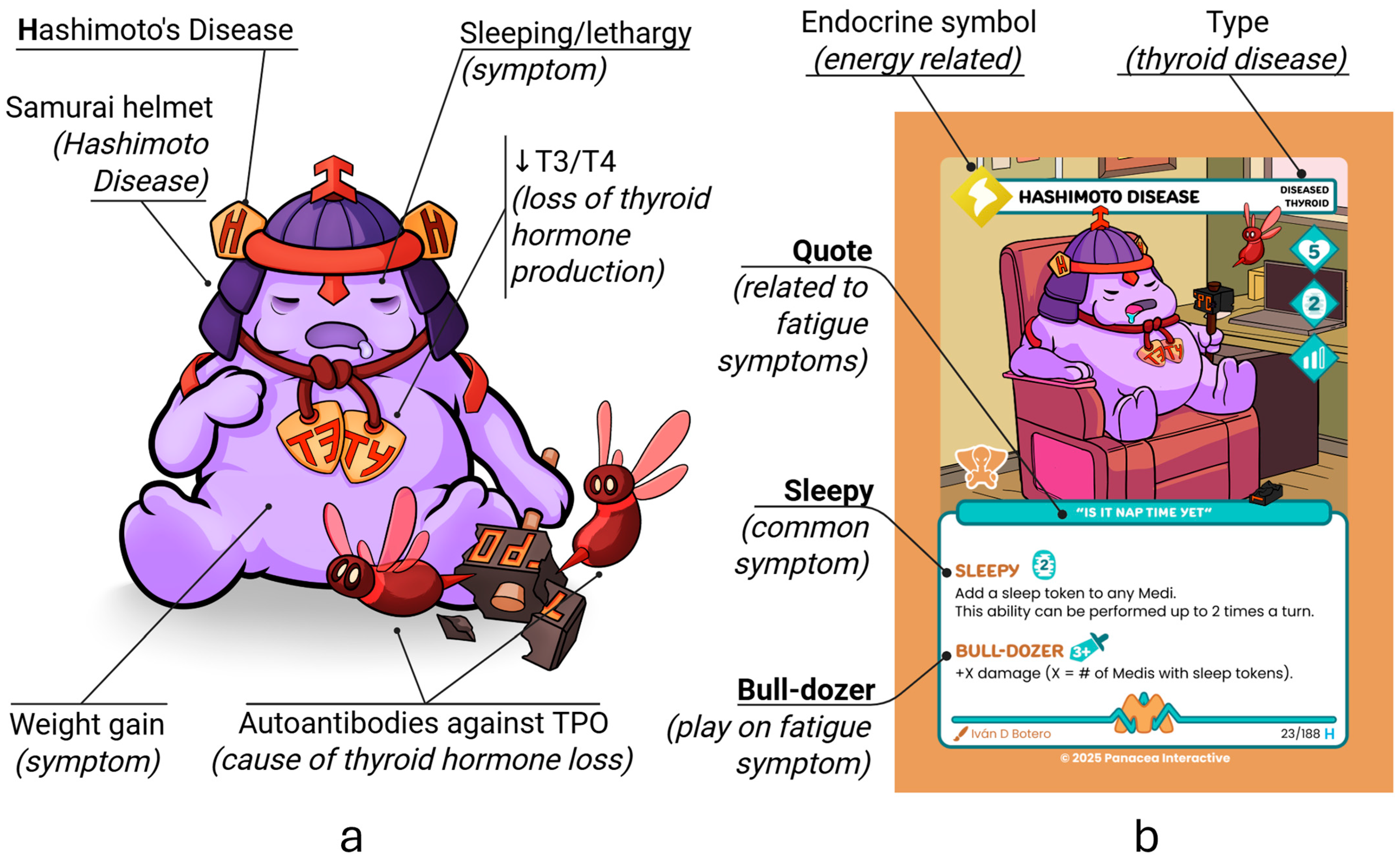


| Family | Healthy Characters | Diseased Characters | Treatment Cards | Building Cards |
|---|---|---|---|---|
| Thyroid | Parafollicular C-Cell Follicular Cell Thyroid | C-Cell Hyperplasia (CCH) Hashimoto Disease Graves Disease | Thyroid removal Levothyroxine Methimazole | Shield Electric |
| Pancreas | Alpha Cell Beta Cell Pancreas | Type II Diabetes Type I Diabetes Pancreatitis | Semaglutide Insulin Pancreatic enzymes | Digestum Aquarium |
| Adrenal | Adrenal Medulla Adrenal Cortex Adrenal Gland | DBH Deficiency Cushing Syndrome Addison Disease | Droxidopa Mifepristone Hydrocortisone | Thirsty’s Haunted Mansion |
Disclaimer/Publisher’s Note: The statements, opinions and data contained in all publications are solely those of the individual author(s) and contributor(s) and not of MDPI and/or the editor(s). MDPI and/or the editor(s) disclaim responsibility for any injury to people or property resulting from any ideas, methods, instructions or products referred to in the content. |
© 2026 by the authors. Licensee MDPI, Basel, Switzerland. This article is an open access article distributed under the terms and conditions of the Creative Commons Attribution (CC BY) license.
Share and Cite
Howe, H.; Sovobada-Powel, S.; Bordeaux, C.; Ferguson, E.; Coad, J.; Bland, T. Design and Evaluation of an Endocrine-Focused Serious Trading Card Game in Undergraduate Medical Education. Educ. Sci. 2026, 16, 269. https://doi.org/10.3390/educsci16020269
Howe H, Sovobada-Powel S, Bordeaux C, Ferguson E, Coad J, Bland T. Design and Evaluation of an Endocrine-Focused Serious Trading Card Game in Undergraduate Medical Education. Education Sciences. 2026; 16(2):269. https://doi.org/10.3390/educsci16020269
Chicago/Turabian StyleHowe, Harrison, Sebastian Sovobada-Powel, Ciara Bordeaux, Emma Ferguson, Joscelyn Coad, and Tyler Bland. 2026. "Design and Evaluation of an Endocrine-Focused Serious Trading Card Game in Undergraduate Medical Education" Education Sciences 16, no. 2: 269. https://doi.org/10.3390/educsci16020269
APA StyleHowe, H., Sovobada-Powel, S., Bordeaux, C., Ferguson, E., Coad, J., & Bland, T. (2026). Design and Evaluation of an Endocrine-Focused Serious Trading Card Game in Undergraduate Medical Education. Education Sciences, 16(2), 269. https://doi.org/10.3390/educsci16020269