


Abstract
Undergraduate chemistry programmes increasingly need to develop professional competencies such as problem-solving, technical communication, and collaboration alongside disciplinary knowledge, yet conventional verification-based laboratory instruction rarely develops these competencies together. This study investigated whether an immersive learning environment built around authentic, iterative formulation troubleshooting was associated with differences in four professional-competency outcomes—problem-solving, technical project writing, oral presentation, and collaborative attitude—in an undergraduate Cosmetic Chemistry course. A quasi-experimental, non-equivalent comparison-group design involved 47 chemistry students in two intact classes (immersive condition, n = 25; comparison condition, n = 22). Because each condition was represented by a single intact class and assignment was non-random, pre-existing differences between classes cannot be excluded as an alternative explanation for the observed between-group differences. Outcomes were post-intervention problem-solving, technical project writing, oral presentation, and collaborative attitude, treated as related professional competency domains, with pre-intervention collaborative attitude as a covariate. Researcher-developed instruments showed acceptable-to-strong validity and reliability evidence. In the primary reduced-model MANCOVA, instructional condition was associated with a significant multivariate difference across the four outcomes (Pillai’s Trace = 0.945, F(4, 41) = 174.88, p < 0.001), and follow-up ANCOVAs indicated higher adjusted scores in the immersive condition across all four outcomes (all p < 0.001). Because the two conditions differed in several coordinated features besides virtual reality, the findings concern the integrated instructional package rather than an isolated virtual reality effect. Given the small, non-randomized, single-institution sample, the results should be read as preliminary evidence from an exploratory comparison of two intact classes rather than as causal evidence of instructional effectiveness.
1. Introduction
Chemistry education is increasingly expected to prepare graduates for professional environments in which chemical knowledge is applied to complex challenges involving sustainability, technological innovation, advanced materials, and human health. Consequently, undergraduate chemistry programmes are expected to develop not only disciplinary knowledge but also professional competencies such as scientific problem-solving, collaboration, and communication that are essential for contemporary chemical industries (B. Johnson et al., 2026). Achieving these outcomes requires learning environments that engage students in authentic scientific practices rather than limiting learning to conceptual understanding alone. However, conventional chemistry instruction, particularly verification-based laboratory activities, often requires students to follow predetermined procedures with expected outcomes, providing limited opportunities for independent decision-making, scientific reasoning, and professional communication (Hadi et al., 2025; Lo & Greenberg, 2026).
Cosmetic chemistry offers a particularly authentic context for developing these competencies together, because formulation work integrates colloid, surfactant, and analytical chemistry within a single product-development task and requires iterative decisions about ingredient compatibility, stability, and performance (Andraos & Dicks, 2012; Aydin Gunbatar et al., 2025). Many undergraduate chemistry laboratories, however, continue to emphasize structured experiments that verify established principles rather than simulate this kind of professional practice, leaving students little opportunity to define problems, evaluate alternative solutions, or justify decisions in response to evidence (Barnea et al., 2010; Orosz et al., 2023). Such experiences reinforce conceptual understanding but provide fewer opportunities to develop the higher-order competencies increasingly required in chemical industries, including collaborative decision-making, technical communication, and iterative problem-solving (Black & Schafer, 2026; Lo & Greenberg, 2026; Van Wyk et al., 2025).
Immersive learning environments have attracted growing attention because they allow students to engage with realistic professional situations that are difficult to reproduce in conventional laboratories, providing alternative solutions to explore, immediate feedback, and iterative revision before laboratory implementation. Within this context, virtual reality (VR) is best understood not as an educational innovation in itself but as one instructional affordance that can support authentic chemistry learning when integrated within an appropriate pedagogical design (Boyd et al., 2026; Joronavalona et al., 2026; Matovu & Won, 2026). Existing chemistry-education applications of VR have largely concentrated on molecular visualization, laboratory procedure rehearsal, and engagement (Broyer et al., 2021; Dai et al., 2020; Dunnagan et al., 2020; Echeverri-Jimenez & Oliver-Hoyo, 2024; Kader et al., 2020; Kayumov et al., 2025; Mojsoska et al., 2024; Sohail et al., 2025; Thiele et al., 2025; van Dinther et al., 2023; Williams et al., 2022; Zhao et al., 2022), with comparatively little attention to immersive environments built around authentic, consequence-based formulation troubleshooting.
This optimism should be weighed against evidence that immersion does not translate straightforwardly into learning: meta-analytic work reports positive effects of VR-based instruction overall (Merchant et al., 2014), yet controlled comparisons that isolate the medium itself have found that added immersion can increase presence and enjoyment while reducing learning relative to a less immersive alternative (Makransky et al., 2019), an effect low-visual-spatial learners appear particularly susceptible to (Laricheva & Ilikchyan, 2023). The Cognitive Affective Model of Immersive Learning (CAMIL) explains this divergence by proposing that immersion benefits learning only when the instructional method exploits the affordances of presence and agency, and otherwise competes with learning for limited cognitive resources (Makransky & Petersen, 2021); apparent VR advantages can also shrink once novelty is controlled (Lee et al., 2025). Read together, this literature suggests that the relevant question is not whether virtual reality is used, but what pedagogical role it is assigned within the surrounding instructional design—a question this study returns to when interpreting its findings.
Although authentic and technology-enhanced learning environments have increasingly been used to support higher-order learning, important challenges remain in chemistry education. Many technology-supported activities emphasize visualization, procedural rehearsal, or predefined laboratory outcomes rather than iterative diagnosis of authentic problems. In addition, professional competencies such as problem solving, collaboration, and scientific communication are often assessed as separate skills rather than developed through a shared disciplinary task. A further challenge is that the educational contribution of immersive technology is difficult to interpret when technology itself is treated as the intervention rather than as an affordance embedded within a broader pedagogical design (Hill et al., 2019; Joronavalona et al., 2026).
The present study addresses these gaps through an immersive learning environment organized around authentic, iterative formulation troubleshooting. Professional competency is conceptualized here as the capacity to mobilize chemical knowledge and practical reasoning to address authentic formulation problems while communicating and coordinating decisions with others, examined across four complementary dimensions: problem-solving, technical writing, oral communication, and collaborative practice (Hmelo-Silver, 2004; Prince & Felder, 2006; Taber, 2016). These dimensions are treated as related aspects of professional performance rather than a single latent construct, because each is a distinct capability enacted within the same disciplinary task (Arlianty, 2018; Rahmawati et al., 2023; Winarti et al., 2022).
The design draws on three complementary strands of theory rather than treating each as a separate framework. Authentic learning provided the character of the task: students worked on open-ended, product-oriented formulation problems in which the cause of failure was not stated, requiring them to diagnose, reformulate, and justify a response much as they would in professional practice, with authenticity residing in the task and the learner’s participation in professional-like decision-making rather than in the visual realism of the environment alone (Günter, 2025; Joronavalona et al., 2026). Constructivist and situated perspectives explain how understanding developed through this task: rather than reproducing a predetermined procedure, students interpreted evidence, proposed and justified formulation decisions, observed the consequences, and reconsidered their reasoning when outcomes did not meet expectations, negotiating these judgements collaboratively within an assigned team role (Piaget, 1974; Suryati et al., 2024).
Experiential learning supplied the process model for this diagnosis–decision–evaluation–revision cycle, following Kolb’s four phases of concrete experience, reflective observation, abstract conceptualization, and active experimentation (Abdulwahed & Nagy, 2009; Kolb, 2015), while project-based learning (PjBL) supplied the extended structure within which this cycle was sustained across multiple sessions rather than confined to a single VR encounter, connecting formulation activity to the technical writing, oral communication, and collaboration this study assessed (Krajcik & Blumenfeld, 2005; Prince & Felder, 2006; Thomas, 2000). Within this design, immersive VR functioned as a technological affordance supporting selected components of the cycle—enabling students to manipulate formulation decisions and observe their consequences safely and repeatedly—integrated with non-VR preparation, laboratory validation, documentation, and presentation, and STEAM-oriented activities that connected the formulation task to design, communication, and quantitative reasoning more broadly.
Figure 1 summarizes how these strands combine into a single mechanism used throughout this study: an authentic formulation problem is diagnosed, decided upon, and revised in light of its observed consequences, with laboratory validation, technical documentation, and oral defence consolidating the resulting professional competencies. Table 1 maps each theoretical principle onto a specific design element, observable student activity, and phase of the experiential cycle.
Figure 1.
Conceptual framework.
Table 1.
Mapping of each theoretical principle to a design element, an observable student activity and the corresponding phase of the experiential cycle.
This study addresses these gaps by investigating whether an immersive learning environment organized around authentic cosmetic formulation troubleshooting is associated with differences in four professional-competency outcomes. The study does not aim to isolate the contribution of virtual reality; rather, it examines an integrated learning design in which immersive technology supports authentic, consequence-based, and iterative troubleshooting.
Accordingly, this study addressed the following research questions:
RQ1. Are there significant differences between the immersive learning environment and the comparison condition in students’ post-intervention problem-solving, technical project writing, oral presentation, and collaborative attitude, after controlling for pre-intervention collaborative attitude?
RQ2. Does instructional condition have a significant multivariate effect on the combined profile of problem-solving, technical project writing, oral presentation, and collaborative attitude, after controlling for pre-intervention collaborative attitude?
2. Materials and Methods
2.1. Research Design and Participants
This study employed a quasi-experimental, non-equivalent comparison-group design to investigate differences in four professional-competency outcomes associated with an immersive learning environment in an undergraduate Cosmetic Chemistry course (Shadish et al., 2002). Participants were undergraduate Chemistry students enrolled in the sixth-semester Cosmetic Chemistry course at State University of Yogyakarta, Indonesia. Purposive sampling was used to select students enrolled in the relevant course (Creswell & Clark, 2007). Access to the required virtual reality infrastructure, specifically Meta Quest 3S head-mounted displays, was a practical requirement for implementing the immersive condition.
Participants were 47 undergraduate Chemistry students enrolled in the sixth-semester Cosmetic Chemistry course, comprising an immersive condition (n = 25) and a comparison condition (n = 22). The participants were drawn from two intact classes, and assignment to the two conditions was based on the existing class organization rather than individual randomization. The sampling decision reflected the institutional course structure and the facilities required to implement the immersive condition.
To reduce differences attributable to instructional context, both conditions were taught by the same instructor, followed the same curriculum content and learning objectives, and students participated during the same academic semester. The immersive condition was implemented across six 100 min instructional meetings (600 min in total), whereas the comparison condition was implemented across five 100 min instructional meetings (500 min in total), addressing the same Cosmetic Chemistry course content and learning objectives, as detailed in the Instructional Conditions and Lesson Sequence section. Pre-intervention collaborative attitude was measured and subsequently included as a covariate in the multivariate analysis to account for potential baseline differences between the intact groups. Only collaborative attitude was measured before the intervention; baseline measures of problem-solving, technical project writing, and oral presentation were not collected. Accordingly, post-intervention differences in these three outcomes cannot be interpreted as within-student growth or change.
This study used the existing class structure because individual random assignment was not feasible within the institutional course arrangement. This procedure may introduce selection and allocation bias because the two intact classes could differ in characteristics that were not fully captured by the available baseline measure. Accordingly, the design was treated as a quasi-experimental investigation of an implemented educational environment rather than a randomized controlled experiment. This distinction is important when interpreting the findings, particularly given the relatively small sample, the possibility of pre-existing differences between the two classes, and the limited baseline measurement.
Ethical approval was obtained from the relevant institutional research ethics committee before data collection. All participants provided informed consent and were informed that participation would not affect their academic grades. The study procedures, assessment instruments, and supporting materials are provided in the associated data-availability repository to facilitate transparency and reproducibility.
2.2. Instructional Conditions and Lesson Sequence
The immersive learning environment and comparison condition were implemented within the same Cosmetic Chemistry course and were aligned with the same broad course content and learning objectives. Both conditions addressed authentic cosmetic formulation problems and engaged students in analysing formulation challenges, developing solutions, and communicating their decisions. The comparison condition followed a project-based learning (PjBL) sequence in which students investigated the formulation problem, developed a theoretically justified formulation, evaluated their proposed solution, and communicated the resulting project. The immersive condition extended this project-oriented learning process through an immersive learning environment integrating STEAM-oriented formulation activities, immersive virtual reality, iterative troubleshooting and reformulation, laboratory validation, and scientific communication. The student activities for the comparison and immersive conditions and the detailed instructional sequences are presented separately in Table 2 and Table 3, respectively.
Table 2.
Common and differing features of the comparison and immersive instructional conditions.
Table 3.
Detailed instructional sequence and student activities in the PjBL comparison condition.
The comparison therefore represents an active pedagogical comparator rather than routine instruction. Because both conditions were scheduled for 100 min meetings but differed in the number of meetings, total scheduled instructional time was 500 min in the comparison condition and 600 min in the immersive condition. Activity-level time allocations were not separately recorded for the comparison condition, so the exact difference in time-on-task cannot be determined retrospectively. This 100 min difference in scheduled instructional exposure is therefore treated as a potential confounding factor when interpreting between-condition differences. Because the conditions also differed in several coordinated features, the study concerns differences associated with the integrated instructional package rather than the independent contribution of VR.
2.3. Implementation of the Immersive Learning Environment
The immersive learning environment was designed to approximate the workflow of professional cosmetic research and development by integrating authentic formulation challenges, immersive simulation, laboratory experimentation, collaborative inquiry, and scientific communication into a continuous learning cycle (Hamilton et al., 2021; M. K. Seery et al., 2024). Virtual reality functioned as one instructional component within the broader pedagogical design rather than as the instructional intervention itself. The immersive formulation simulator was delivered using Meta Quest 3S head-mounted displays (Meta Platforms, Menlo Park, CA, USA), enabling students to investigate realistic cosmetic formulation scenarios before laboratory implementation (Echeverri-Jimenez & Oliver-Hoyo, 2024).
Students were organised into six groups, with one headset available to each group. During the immersive activities, headset use was shared within the group, while the simulator view was simultaneously streamed to a projector so that students who were not wearing the headset could observe the formulation process and discuss decisions with their group members. Each immersive meeting was scheduled as a 100 min class period. The recorded headset-use duration for the six groups was 14, 16, 34, 22, 23, and 26 min, respectively, corresponding to a mean group exposure of 22.5 min (range = 14–34 min). Thus, immersive exposure was substantially shorter than the 100 min class period, with non-VR activities used for discussion, calculation, documentation, presentation, and reflection. No fixed maximum headset duration or timed break schedule was imposed during the trial; instead, headset use was distributed within groups and students could discontinue use when necessary. Equivalent activity-level time allocations were not separately recorded for the comparison condition. Consequently, the exact difference in time-on-task between conditions cannot be determined retrospectively, and the additional instructional meeting should be treated as a potential difference in instructional exposure when interpreting the between-group results.
The eight-stage learning sequence of the immersive learning environment is presented in Table 4.
Table 4.
Eight-stage learning sequence of the immersive learning environment for cosmetic formulation.
Unlike conventional verification-based laboratory activities, the immersive learning environment required students to evaluate competing formulation strategies, justify ingredient selection, interpret experimental evidence, and repeatedly refine their decisions before laboratory implementation. Laboratory activities therefore functioned primarily as opportunities to validate scientific reasoning rather than simply reproduce predetermined experimental outcomes (M. Seery et al., 2017). This instructional sequence was designed to mirror authentic cosmetic research and development practice while supporting the integrated enactment and assessment of problem-solving, technical communication, oral communication, and collaborative practice. Representative screenshots of the immersive formulation simulator are presented in Figure 2.
Figure 2.
Representative screenshots of the immersive formulation simulator viewed through Meta Quest 3S head-mounted displays, illustrating (A) the virtual laboratory and Formulation Working Space, (B) ingredient library, (C) authentic formulation challenge, (D) immediate feedback, and formulation summary.
Four professional competency outcomes were assessed using complementary instruments: (i) an analytical Problem-Solving rubric, (ii) a Technical Project Report rubric, (iii) an Oral Presentation rubric, and (iv) a 25-item Collaborative Attitude questionnaire administered before and after the intervention. Together, these instruments assessed scientific problem-solving, written scientific communication, oral scientific communication, and collaborative practice relevant to authentic cosmetic research and development (Table 5).
Table 5.
Summary of assessment instruments and outcome measures.
The analytical Problem-Solving rubric evaluated students’ ability to identify formulation problems, apply scientific reasoning, justify formulation decisions, evaluate experimental outcomes, and propose appropriate improvements. The Technical Project Report rubric assessed written scientific communication, including formulation justification, interpretation of experimental evidence, and technical reporting. Oral presentations were evaluated using an analytical rubric focusing on scientific explanation, organisation, and communication of formulation decisions. Collaborative attitude was measured using a 25-item Likert-scale questionnaire administered before and after the intervention to assess participation, communication, shared responsibility, and collaborative decision-making.
2.4. Content Validity
2.4.1. Assessment Instruments
All four instruments were developed for this research programme rather than adapted from published instruments, because no existing instrument measures this competency specification in a formulation context. Each was constructed from a blueprint that operationalises one component of the professional competency specification set out in the Introduction, and the blueprints were derived from the industry needs analysis conducted in the analysis phase of the programme and from the transferable-skills literature (Hill et al., 2019). Table 6 gives the structure of each instrument. The complete instruments, including every rubric descriptor and every questionnaire item, are provided as Electronic Supplementary Information with this resubmission and are additionally archived in the repositories listed under Data availability.
Table 6.
Structure of the four assessment instruments.
2.4.2. Development of the Instruments and the Instructional Materials
Figure 3 summarises the pipeline followed for every instrument reported in this article, from the blueprint to the version administered in the trial reported here. Two features of the pipeline are worth stating explicitly because they were the object of correction during development. First, the Collaboration Attitude Questionnaire blueprint originally specified four negatively worded items requiring reverse-coding (items 4, 9, 14 and 19); item-level diagnostics conducted on the development-stage validation sample identified that a fifth item, item 24, also carried a negatively worded stem and had not been flagged for reversal, and the scoring key was corrected accordingly before the questionnaire was administered in the trial reported here. Second, inter-rater reliability for the three performance rubrics was not established at the time of the original submission; it has since been added and is reported in Table 7.
Figure 3.
Development pipeline for the assessment instruments and instructional materials, from the blueprint to the version administered in the trial reported in this article.
Table 7.
Inter-rater agreement for the three rubric-scored instruments, combined across both conditions (N = 47). ICC(2,1) is the reliability of a single rater’s score; ICC(2,k) is the reliability of the two raters’ mean.
2.5. Evidence for Validity and Reliability
Validity evidence is organised by source, following the framework recommended for quantitative studies (Arjoon et al., 2013; Lewis, 2022).
2.5.1. Evidence Based on Test Content
Five expert validators—a content and chemistry expert, an instructional design expert, a STEAM and VR learning expert, a chemistry education expert and a cosmetic chemistry expert—independently reviewed every dimension, descriptor, weighting and item of the instructional materials and the assessment instruments. Content validity was quantified using Aiken’s V (Aiken, 1985), with an overall weighted coefficient of 0.96 and every individual indicator above the recommended threshold of V ≥ 0.80 (Retnawati et al., 2016). The same panel rated the practicality of each product on a five-point scale: Semester Learning Plan: 4.60, Model Book: 4.59, VR application: 4.59, case study rubric: 4.63, Collaboration Attitude Questionnaire: 4.65, and writing and oral communication rubric: 4.54, all within the highest category, with the lowest inter-rater dispersion of any component reviewed (SD 0.10–0.23). Validator-level grand means ranged from 4.46 to 4.94, so the conclusion is not driven by a single lenient rater. The full validation record, including the item-level comments and the resulting revisions, is deposited with the Supplementary Materials.
2.5.2. Evidence Based on Response Processes
Ten student end-users completed a case study in the simulator and then rated thirteen indicators across layout, graphic and visual aspects, functionality and content presentation, and supplied open-ended comments. The grand mean was 4.18 of 5 (83.7%). Content presentation (4.50) and layout (4.48) were rated highest, indicating that students understood the on-screen text, instructions and sequencing. Functionality was rated lowest (3.67), and the single lowest indicator across both validation stages was “interaction tools respond accurately” (2.80). In the open comments, four of ten students reported headache, dizziness or eye strain, three reported the mixing control was unresponsive, and three requested a practice round before the assessed case. These findings are reported here rather than suppressed because they bound the interpretation of the results: they establish that the environment was comprehensible to its users, and that its usability and ergonomics were not uniformly satisfactory.
2.5.3. Evidence Based on Internal Structure
Internal consistency of the Collaboration Attitude Questionnaire was examined during instrument development, on an empirical validation sample of 101 respondents distinct from the trial cohort reported in this article. Item-level diagnostics on that sample identified that a fifth item (24), in addition to the four originally specified (4, 9, 14, 19), carried a negatively worded stem requiring reverse-coding; the scoring key was corrected accordingly before the questionnaire was administered in the trial reported here. Full development-stage diagnostics are provided in the Supplementary Information.
For the trial cohort reported in this study (N = 47), applying the same five-item reverse-scoring key, internal consistency was α = 0.948 at pre-test and α = 0.978 at post-test. These are the reliability figures on which the results of this article depend; the N = 101 figure is development-stage evidence for the instrument in general and is not the reliability estimate for this study’s own data.
2.5.4. Evidence Based on Inter-Rater Agreement
The MANCOVA and follow-up ANCOVAs reported in Section 3 use the original scores assigned by the course instructor at the time of assessment; the independent double-scoring described in this section was conducted afterwards, specifically as a retrospective inter-rater reliability check, and did not feed into the primary inferential analysis. The problem-solving, Technical Project Report and oral presentation instruments are rater-scored rubrics applied to authentic student work, for which the relevant form of empirical reliability evidence is inter-rater rather than internal-consistency reliability (Komperda et al., 2018). Two raters, working independently of one another, applied the three rubrics to the complete set of archived formulation records, Technical Project Reports and oral presentation performances for all 47 participants in both conditions. Because each student’s work was identified by a code that encoded class membership (for example EXP-01, CTL-01), the raters were not blind to instructional condition while scoring; this is stated as a limitation of the check rather than concealed, and it means that agreement between the two raters demonstrates that the rubrics can be applied consistently by independent scorers, but does not by itself rule out a shared expectancy effect common to both.
Item-level agreement was quantified for the nine ordinal rubric criteria (four problem-solving dimensions and five oral-presentation dimensions) using Cohen’s kappa and linear-weighted kappa, interpreted using the benchmarks reported in the literature (Landis & Koch, 1977). Averaged across the nine criteria, exact agreement was 84.6%, agreement within one scale point was 99.8%, mean Cohen’s kappa was 0.75 (substantial), and mean weighted kappa was 0.80 (substantial). Domain and total scores were further examined using the intraclass correlation coefficient under a two-way random-effects model, following Shrout and Fleiss (1979), with interpretation based on Koo and Li (2016), where ICC values below 0.50 are poor, 0.50–0.75 moderate, 0.75–0.90 good, and above 0.90 excellent. Table 7 reports these results.
Although inter-rater agreement was good to excellent when the full sample was considered, agreement was lower within each class because of restricted score ranges (ICC(2,1) approximately 0.40–0.56 within each class against 0.82–0.93 for the combined sample). These findings support consistent rubric application but do not eliminate the possibility of expectancy-related scoring bias, as raters were aware of instructional condition. This qualification is carried into the Discussion and Limitations, and is a further reason, alongside the sensitivity analysis described in the Data Analysis section, to treat the precision of every individual-outcome estimate in this study as limited.
2.6. Data Analysis
Descriptive statistics were computed for all outcomes. The joint effect of instructional condition was tested with a one-way multivariate analysis of covariance (MANCOVA), with instructional condition as a two-level factor—the immersive condition and the comparison condition—the four post-intervention scores as dependent variables, and the pre-intervention Collaborative Attitude total as covariate. The four outcomes form a theoretically related joint outcome profile that the learning environment is designed to address together, while the multivariate specification also controls the family-wise Type I error rate across correlated outcomes and exploits their covariance structure (Huitema, 2011; Tabachnick & Fidell, 2013). A preliminary full model included the Group × Covariate interaction to test homogeneity of regression slopes. Because that interaction was non-significant, the interaction was removed and the reduced model (intercept + covariate + Group) was used for the primary MANCOVA and all follow-up ANCOVAs. Analyses were performed in IBM SPSS Statistics version 25, with α = 0.05. For the primary multivariate inference, Pillai’s Trace was used because the problem-solving outcome showed a localized violation of homogeneity of error variance.
Assumptions of residual normality, homogeneity of variance–covariance matrices, homogeneity of regression slopes, homogeneity of error variances and linearity were examined before interpretation and are reported in full in the Results. Because the performance outcomes were originally scored by the course instructor, an additional scoring-sensitivity check was conducted using the archived scores assigned independently by a second rater to all 47 participants. The second-rater file contained the three performance-rubric outcomes but not participant-level Covariate_Pre values; therefore, the second-rater check was necessarily unadjusted and was treated as a robustness check of the scoring pattern rather than as a replication of the primary covariate-adjusted MANCOVA/ANCOVAs.
In place of the a priori power analysis that was not conducted, a sensitivity analysis was performed to establish what this sample could and could not detect. With N = 47, α = 0.05 and power = 0.80, the univariate analyses of covariance (df = 1, 44) were sensitive only to effects of partial η2 ≥ 0.149, corresponding to a standardised mean difference of approximately d = 0.84; the original multivariate full-model specification (df = 4, 40) was sensitive only to effects of partial η2 ≥ 0.22. Thus, the design had adequate sensitivity only to large effects. Effects of small or moderate size, which would still be educationally meaningful, would have been missed, and the risk of Type II error for such effects is high. This constrains interpretation in a specific way: it means that the absence of a difference could not have been established by this study, that the detected effects fell within the upper range of what this design could resolve, and that their magnitudes should be expected to attenuate in larger replications (Merchant et al., 2014).
3. Results
3.1. Preliminary Assumption Testing
Before interpreting the multivariate analysis of covariance (MANCOVA), the assumptions underlying the model were examined for the four post-intervention professional-competency outcomes—problem-solving skills, Technical Project Report, oral presentation, and collaborative attitude—after adjusting for students’ pre-intervention collaborative attitude. Because the cell sizes were below 50, the Shapiro–Wilk statistic was treated as the primary test of residual normality (Field, 2018); none of the four outcomes departed significantly from normality (problem-solving: W = 0.975, p = 0.394; Technical Project Report: W = 0.968, p = 0.215; oral presentation: W = 0.986, p = 0.856; collaborative attitude: W = 0.966, p = 0.188). Box’s M test indicated homogeneous observed variance–covariance matrices across the experimental and comparison groups, M = 16.44, F(10, 9304.60) = 1.48, p = 0.138, supporting the use of Wilks’ Lambda and Pillai’s Trace as valid multivariate test statistics (Tabachnick & Fidell, 2013).
A Group × Covariate interaction term was entered into the initial full model to test the homogeneity-of-regression-slopes assumption. The interaction was non-significant, Pillai’s Trace = 0.173 (equivalent Wilks’ Λ = 0.827), F(4, 40) = 2.10, p = 0.099, and partial η2 = 0.173, indicating that the relationship between baseline collaborative attitude and the outcome profile did not differ significantly between the immersive and comparison conditions. The interaction was therefore removed, and the Group main effect was interpreted from the reduced model (intercept + covariate + Group). Levene’s test indicated homogeneous error variances for Technical Project Report (F(1, 45) = 0.37, p = 0.549) and oral presentation (F(1, 45) = 0.02, p = 0.890), but unequal variances for problem-solving skills, F(1, 45) = 15.87 and p < 0.001. Because the group sizes were comparable (n = 25, n = 22), and Pillai’s Trace is relatively robust to localized departures from homogeneity, the primary multivariate conclusion was interpreted with greater confidence than the affected univariate problem-solving estimate. Nevertheless, the localized variance violation limits the precision of that individual outcome, which is therefore interpreted cautiously (M. Seery et al., 2017; Tabachnick & Fidell, 2013).
As a specification check, the preliminary full model also showed a significant Group effect (Pillai’s Trace = 0.344, F(4, 40) = 5.23, p = 0.002, partial η2 = 0.344), while the Group × Covariate interaction was non-significant. Thus, the inference that the two classes differed in their joint outcome profile was not dependent on removing a significant interaction term.
Finally, a scatterplot matrix of the four post-test outcomes showed consistently positive, approximately linear associations across all variable pairs, with two visually separable point clouds corresponding to the immersive and comparison conditions and no evidence of severe multivariate outliers. This pattern supports the linearity assumption required for valid multivariate inference and is also consistent with the substantive premise that problem-solving, technical writing, oral communication, and collaboration represent correlated outcomes that reflect complementary dimensions of professional performance rather than four independent skills (Tabachnick & Fidell, 2013). Taken together, the principal assumptions supporting the multivariate analysis were reasonably met, although the significant Levene’s test for problem-solving indicates a localized violation of homogeneity of error variance that warrants caution in interpreting the corresponding univariate effect.
3.2. RQ2: Overall Multivariate Difference by Instructional Condition
After the non-significant interaction had been removed, the primary reduced-model MANCOVA showed a significant multivariate difference by instructional condition across the combined set of four professional-competency outcomes, Pillai’s Trace =: 0.945, F(4, 41) = 174.88, p < 0.001, and partial η2 = 0.945 (Wilks’ Λ = 0.055). The covariate also showed a significant multivariate association with the outcome profile, Pillai’s Trace =: 0.712, F(4, 41) = 25.35, p < 0.001, and partial η2 = 0.712. Because the primary analysis uses the reduced model, its error degrees of freedom are 41; the error df = 40 associated with the preliminary full model was reported onlyis for the regression-slope assumption check. The very large observed multivariate effect should be interpreted as a difference between two intact classes under different instructional packages, not as causal evidence that the package itself produced the difference. The MANCOVA results are presented in Table 8.
Table 8.
Primary reduced-model MANCOVA results, with the preliminary full-model interaction check.
Model specification note. Table 8 separates the two stages of the analysis rather than combining them. The preliminary full model was used only to test the Group × Covariate interaction (error df = 40); because that interaction was non-significant, it was removed. The reduced model is the primary multivariate analysis and therefore uses error df = 41. Follow-up ANCOVAs were likewise estimated from the reduced model (intercept + covariate + Group), so the reported univariate results should be interpreted as belonging to the reduced specification.
3.3. RQ1: Differences in Individual Professional-Competency Outcomes
For RQ1, follow-up ANCOVAs were conducted for each of the four professional-competency outcomes. The results are presented in Table 9.
Table 9.
Follow-up ANCOVA results for individual professional competencies (reduced model; error df = 44).
All four adjusted group differences were statistically significant and had large partial η2 values according to Cohen’s (2013) benchmarks, ranging from 0.621 to 0.827. The problem-solving result should nevertheless be interpreted cautiously because the corresponding Levene’s test indicated unequal error variances. The full-model estimated-marginal-means contrasts were directionally consistent with the reduced-model results, but they are not treated as the primary estimates. The reduced-model values in Table 9 are the results carried forward into the Discussion and Conclusion.
Second-rater sensitivity check. The archived Rater 2 dataset contained scores for all 47 participants on the three rubric-scored outcomes (problem-solving, Technical Project Report, and oral presentation). Because that file did not contain participant-level baseline Collaborative Attitude pre-test scores (Covariate_Pre), a covariate-adjusted replication of the primary ANCOVA/MANCOVA could not be reproduced from the Rater 2 data alone. We therefore conducted an unadjusted multivariate sensitivity check on the three rater-scored outcomes. The multivariate effect of instructional condition remained statistically significant, with Pillai’s Trace = 0.911, F(3, 43) = 146.71, and p < 0.001 (Wilks’ Λ = 0.089). Follow-up unadjusted ANOVAs were significant for problem-solving, F(1, 45) = 145.09, p < 0.001, and partial η2 = 0.763; Technical Project Report, F(1, 45) = 91.67, p < 0.001, and partial η2 = 0.671; and oral presentation, F(1, 45) = 209.90, p < 0.001, and partial η2 = 0.823. The Rater 2 Experimental-versus-Comparison mean differences were +3.88, +12.96, and +5.95 points, respectively. The direction and large magnitude of the observed differences were therefore preserved under independent second-rater scoring. This analysis is a scoring-sensitivity check rather than a replacement for the primary covariate-adjusted analysis, and the absence of blinded scoring remains a limitation.
4. Discussion
4.1. Problem-Solving Skills
The adjusted difference of 4.59 points on a 20-point rubric was the largest of the four in proportional terms. The higher problem-solving performance observed in the immersive condition is associated with, and is plausibly consistent with, the repeated diagnosis–reformulation activities incorporated into that condition. Students encountered formulation failures, considered possible chemical causes, revised their formulations, and observed the consequences of those revisions. More specifically, the sequence from Authentic Formulation Challenge and Chemical Formulation Reasoning to Immersive Investigation, Iterative Reformulation, and Laboratory Validation repeatedly required students to identify a formulation problem, interpret chemical evidence, revise decisions, and evaluate consequences. These linked opportunities provide a plausible explanation for the observed problem-solving pattern; however, the present design cannot determine whether the difference was attributable to any individual stage, because the stages were delivered as one integrated learning package that also included immersive simulation, consequence-based feedback, collaborative structures, and additional instructional time. This interpretation is consistent with laboratory-education research showing that inquiry in which students must locate the source of an experimental discrepancy develops transferable problem-solving competence more effectively than instruction specifying procedures and expected outcomes in advance (Orosz et al., 2023; M. Seery et al., 2017), and with productive-failure findings that the value of failure depends on learners experiencing the inadequacy of their own solution rather than being told of it (Kapur, 2016; Loibl & Leuders, 2019).
Three qualifications attach to this outcome specifically. First, the error variances were unequal, so the precision of the univariate estimate warrants caution. Second, the final 47-case analysis dataset does not show a near-ceiling pattern: observed problem-solving scores in the immersive condition ranged from 14 to 17 (M = 15.64), while comparison-condition scores ranged from 8 to 14 (M = 11.05). Thus, the current dataset provides no basis for claiming that scores clustered at 19–20 or that the 20-point ceiling materially compressed the observed scores. Third, the rubric was scored, in the original assessment, by the instructor who designed and delivered the intervention; the independent double-scoring reported above shows that the rubric can be applied consistently by a second rater (ICC(2,1) = 0.86 across the combined sample), but the raters were not blind to condition. A cautious interpretation is therefore warranted because the magnitude of the observed problem-solving difference may reflect the integrated instructional environment and may be influenced by unequal error variances and non-blinded scoring.
Figure 4 presents the observed Rater 1 problem-solving score distribution for the two instructional conditions in the final 47-case analysis dataset. The immersive condition ranges from 14 to 17, whereas the comparison condition ranges from 8 to 14, showing clear separation in the observed scores but no concentration at the 19–20 upper boundary of the 20-point rubric.
Figure 4.
Observed Rater 1 problem-solving scores by instructional condition in the final analysis dataset. Each point represents an individual student score; the boxplots summarize the observed score distributions. The figure shows observed scores rather than adjusted estimated marginal means reported in the reduced-model ANCOVA.
4.2. Technical Project Report and Oral Presentation
The differences in technical project writing and oral presentation may be related to the richer evidentiary trail created by the immersive formulation cycle. Both conditions produced a written analysis and an oral or written deliverable, so the difference cannot be attributed to the mere presence of an assessed product. What differed was the material available to be documented and defended: in the immersive condition, students had a trail of decisions, consequences and revisions across multiple cases to account for, and the report and defence required them to justify a formulation history rather than to analyse a single instructor-provided case. This connects to laboratory-curriculum designs in which technical reporting and oral defence are integral deliverables of an authentic investigation rather than add-on assessments (Black & Schafer, 2026; Lo & Greenberg, 2026; Zhunissova et al., 2026), and to evidence that assessments emphasising interpretation and justification are associated with stronger written and oral scientific argumentation (Van Wyk et al., 2025; Vaughan et al., 2025). Inter-rater agreement for the Technical Project Report was the weakest of the three rubrics (ICC(2,1) = 0.82 combined; mean rater difference 2.49 points of 100), which should be weighed alongside the effect’s magnitude.
4.3. Collaborative Attitude
The largest effect size of the four was obtained for collaborative attitude, with an adjusted Experimental-versus-Comparison difference of +21.30 points (partial η2 = 0.827). Collaborative attitude is a comparatively stable disposition, and a between-condition difference of this magnitude warrants a specific explanation rather than a general attribution to immersive technology. One plausible contributor is the shared-display arrangement. A single headset made the simulation accessible to one student at a time; casting the immersive view to a shared display converted it into a common object that group members could see, question, and act upon, and groups divided labour around it, with one member operating, others reading the case brief, recording HLB, pH and stability values, and drafting the defence. This pattern is consistent with the social-interdependence principle that collaborative gains depend on positive interdependence and individual accountability rather than co-presence (D. W. Johnson & Johnson, 1999) and with evidence on mitigating the asymmetry inherent in headset-based collaborative learning (De Lorenzis et al., 2024). However, casting was never varied experimentally; it was a feature of one instructional package only, so the study cannot isolate its contribution to the observed collaborative-attitude difference.
A further methodological consideration concerns the collaborative attitude measure. The scale’s internal consistency for this cohort was very high (α = 0.948 pre-test, 0.978 post-test), well above the level typically observed for attitude self-report instruments; combined with the corrected reverse-scoring key described in the Methodology, this supports the reliability of the measure in the present cohort, although it does not by itself establish validity. The measure remains self-reported and was completed after instruction, so responses may be influenced by social-desirability or demand characteristics. Unlike the three rubric-scored outcomes, the questionnaire was completed directly by students and was therefore not subject to scorer expectancy.
4.4. What This Design Can and Cannot Say About Virtual Reality
Because virtual reality was implemented together with the case bank, consequence-based feedback, iterative cycle, eight-stage syntax, and additional instructional time, the present design does not permit component-level attribution.
A further practical implication concerns preparation for physical laboratory work. Virtual laboratory and VR activities can provide a low-risk rehearsal space in which students become familiar with laboratory environments, procedures, safety-related decisions, and task sequences before entering the physical laboratory (Broyer et al., 2021; Baatar et al., 2026). VR-based chemical-safety training has also been used to allow learners to practise complex safety tasks without direct exposure to the associated physical hazards, with potential implications for safer and more resource-efficient training (Poyade et al., 2021). In the present formulation context, repeated virtual exploration may therefore reduce the need to consume physical ingredients during early exploratory trials, although this study did not measure laboratory material consumption, waste generation, or safety incidents. These benefits should consequently be regarded as plausible practical implications of the learning environment, rather than as outcomes demonstrated by the present experiment.
4.5. Educational Mechanism of the Learning Environment
The broader pattern across the four outcomes suggests that the educational mechanism may reside in the integration of authentic troubleshooting, iterative decision-making, evidence-based revision, and communication rather than in immersion alone. These processes were enacted within a common formulation task, providing a plausible explanation for why differences were observed across multiple professional-competency domains. This interpretation remains hypothetical because the individual components were not independently manipulated.
The mechanism by which this plausibly occurred has theoretical motivation, and it is offered as a hypothesis rather than a conclusion. CAMIL predicts that immersion acts on learning only through the affordances that instructional methods exploit, chiefly agency, and that unexploited immersion imposes extraneous load instead (Makransky & Petersen, 2021); the empirical corollary has been demonstrated, with immersive versions of the same simulation producing greater presence and poorer learning (Makransky et al., 2019; Parong & Mayer, 2018), and with a carefully produced immersive laboratory matching but not exceeding a physical one (Dunnagan et al., 2020). Under that account, the key instructional mechanism would be the requirement to act, observe a consequence, and diagnose it rather than the head-mounted display itself. Testing this requires a dismantling or factorial design in which authentic troubleshooting is delivered through an immersive interface and through a two-dimensional screen simulation while the pedagogy and the instructional time are held constant, with novelty and prior VR familiarity measured rather than assumed. Such a study represents an appropriate next step, and the present results should be read as motivating it rather than as pre-empting it.
Beyond the immediate post-intervention competencies measured here, immersive learning environments may also influence knowledge acquisition and retention through application design and interaction characteristics. Vergara et al. (2019) reported that meaningful learning in virtual reality learning environments was related to design features such as interactivity and step-by-step guidance, with a structured protocol associated with improved knowledge retention after one year. The present study did not include delayed measures of knowledge retention, so such longer-term effects cannot be inferred directly. Nevertheless, the current environment incorporated several of the design principles identified in that literature—structured guidance, repeated interaction, immediate feedback, and opportunities to connect virtual decisions with laboratory evidence—which may support meaningful learning beyond the four competency outcomes assessed here.
Two further considerations may influence the magnitude of the observed effects. The intervention was most students’ first sustained exposure to a head-mounted display, and novelty-related advantages can diminish with familiarity, as longitudinal research on educational gamification has shown (Rodrigues et al., 2022); the outcomes were measured immediately after instruction, when any novelty component would be at its maximum. Effects from immersive instruction are heterogeneous and design-dependent across the published corpus (Hamilton et al., 2021; Merchant et al., 2014), and the effects reported here are at the top of the range this design could resolve. Future replications should therefore test whether the observed effect sizes attenuate with larger samples, blinded scoring, equalised instructional time, and a familiarised cohort.
4.6. Boundary Conditions
Long-Term Technological Sustainability and Obsolescence
The long-term applicability of immersive learning also depends on the capacity of the application to remain usable and attractive as hardware, software, interaction conventions, and student expectations evolve. Vergara et al. (2020) found that technological obsolescence in virtual reality learning environments was associated with declines in perceived motivation and interactivity over time, whereas periodic updates using contemporary development tools could restore these characteristics. The present application was implemented with current hardware and software for the study period, but its long-term sustainability cannot be assumed. Future implementations should therefore include periodic software and hardware compatibility checks, updates to interaction design, and renewed usability evaluation while preserving the pedagogical sequence and learning objectives. This consideration is particularly relevant here because formative evaluation already identified interaction responsiveness and cybersickness as usability constraints.
The formative evidence collected before the trial identifies where the environment does not work well, and these are substantive findings rather than incidental observations. Four of ten student evaluators reported headache, dizziness or eye strain; the mixing interaction was the lowest-rated indicator of the entire usability instrument; and a third of evaluators asked for a practice round before the assessed task. High pedagogical engagement does not imply good ergonomics, and cybersickness is a recognised constraint on headset-based instruction rather than an incidental complaint (Caserman et al., 2021), with class-based outcomes shown to decline beyond about 45 min of continuous use and with wide individual variation (Ratan et al., 2025). Any adoption of this environment should include an onboarding segment, monitored session length with rest prompts, and a non-immersive route to the same task for students who cannot tolerate the headset.
4.7. Immersive Cosmetic Chemistry as a Bridge Between Laboratory Instruction and Professional Practice
Taken together with the companion limited-trial evidence from this research programme, the present findings suggest that cosmetic chemistry can provide a productive context for integrating disciplinary knowledge with professional practices such as troubleshooting, technical documentation, oral defence, and collaboration. The present study extends this line of work by embedding these practices within an authentic, consequence-based formulation cycle rather than treating them as separate instructional activities. This interpretation is consistent with research emphasising authentic, product-oriented, and iteratively evaluated tasks in chemistry education (Andraos & Dicks, 2012; Joronavalona et al., 2026). These findings support further investigation of authentic, product-oriented, and iteratively evaluated formulation tasks.
For chemistry and cosmetic-science curricula, these results carry a practical implication that is distinct from claims made for virtual reality elsewhere in the chemistry-education literature. Where VR has often been adopted to visualise molecular structures or to rehearse a fixed laboratory procedure (Kayumov et al., 2025), the present design used it to recreate a professionally authentic failure-and-revision cycle that undergraduate laboratories rarely accommodate because of material cost, time, and safety constraints (Aydin Gunbatar et al., 2025). The findings instead suggest a more specific instructional implication: the educational value of immersive technology may depend on how it is embedded within a learning sequence that requires students to diagnose, justify, communicate, and revise formulation decisions. In this study, immersive technology functioned as one component of a broader authentic learning environment rather than as an independently tested treatment (B. Johnson et al., 2026).
4.8. Educational Implications for Higher Education and Chemistry Education
The findings have several implications for higher education and chemistry education. First, authentic learning activities may be more educationally valuable when students must respond to consequences generated by their own decisions rather than simply follow predetermined procedures. Second, immersive technology may be most useful when it provides affordances that are difficult to reproduce efficiently in conventional laboratory settings, such as rapid iteration, safe exploration of alternative solutions, and consequence-based feedback. Third, multiple professional competencies can be addressed and assessed within a common disciplinary task rather than through separate skill-specific activities. Finally, the usability limitations identified in the present study indicate that immersive learning should include onboarding, appropriate exposure times, and an accessible non-immersive alternative.
4.9. Limitations and Future Directions
Multi-component intervention with unequal instructional time. The two conditions differed in the presence of the simulator, the authentic case bank, the consequence-based iterative cycle, the eight-stage syntax, the predominant delivery mode, and the number of meetings (six versus five). Each meeting was scheduled for 100 min, giving the immersive condition 600 min and the comparison condition 500 min of scheduled instruction. Because activity-level time allocations were not separately recorded for the comparison condition, the exact difference in time-on-task cannot be determined retrospectively. No component-level attribution is therefore possible, and no claim of a virtual-reality effect is made.
Small sample, one intact class per condition, and limited generalisability. With N = 47 in two intact classes at a single institution, each instructional condition was completely confounded with one intact class. Consequently, the student-level significance tests quantify differences between these two class cohorts but cannot separate the contribution of instructional condition from pre-existing class differences. Non-random assignment and the absence of baseline measures for problem-solving, technical writing, and oral communication leave residual confounding possible despite adjustment for baseline collaborative attitude. The design was sensitive only to large effects; smaller but educationally meaningful effects could have been missed, and the observed magnitudes should be expected to attenuate in larger replications. The results should therefore be read as preliminary, small-scale evidence from an exploratory comparison rather than as causal evidence generalisable to other settings, cohorts, or institutions.
Limited baseline measurement and non-blinded scoring. Only collaborative attitude was measured at baseline and included as a covariate; baseline measures of problem-solving, technical writing, and oral communication were not collected, so the analyses cannot fully exclude pre-existing between-group differences in these outcomes, and the post-intervention differences cannot be interpreted as within-student growth. In addition, the three performance rubrics were scored, in the original assessment, by the instructor who designed and delivered the intervention. A subsequent independent double-scoring of all 47 submissions showed good to excellent agreement at the level of the combined sample (ICC(2,1) = 0.82–0.93), but agreement fell to approximately 0.40–0.56 when computed within each class separately, and the raters were not blind to condition because participant identifiers encoded class membership. The second-rater sensitivity analysis nevertheless preserved the direction and large magnitude of the three rater-scored group differences. Expectancy bias, whether affecting the original scores, the double-scoring, or both, cannot be fully excluded. Error variances were also unequal for problem-solving, so the corresponding univariate estimate is interpreted cautiously.
Task-specific transfer and scope of the outcome claims. The assessment is closely aligned with the intervention: students in the immersive condition repeatedly practised the diagnosis–reformulation processes that were subsequently assessed, so part of the observed advantage may reflect task-specific learning rather than broader transfer of professional competency. The intervention evaluated competencies exercised within a simulated formulation environment and assessed at the end of instruction; transfer to physical laboratory performance, retention after the scaffolding is withdrawn, and transfer to professional placement were not measured (Agbonifo et al., 2020; Hadi et al., 2025). Future research should therefore include distal or transfer measures.
Usability, ergonomics, and reliability history. Documented formative findings on cybersickness symptoms and control responsiveness—four of ten student evaluators reported headache, dizziness, or eye strain, and per-student headset exposure was not logged—bound the conditions under which this environment can responsibly be deployed. Internal consistency for the Collaboration Attitude Questionnaire is well established for the cohort reported here (α = 0.948 pre-test, 0.978 post-test, N = 47); the earlier development-stage figure is instrument-development history and is not reliability evidence for this study’s own data. Larger, multi-site replications with balanced instructional time and random assignment where feasible are needed before the magnitude or direction of these differences is generalised beyond the present setting.
5. Conclusions
This study investigated whether an immersive learning environment connecting undergraduate Cosmetic Chemistry with authentic formulation research and development practice was associated with differences in four professional-competency outcomes. After controlling for pre-intervention collaborative attitude, the exploratory comparison of two intact classes showed a significant multivariate difference by instructional condition in the reduced MANCOVA model, and follow-up analyses showed higher adjusted scores in the immersive condition for problem-solving, technical project writing, oral presentation, and collaborative attitude. Because each condition was represented by a single intact class and assignment was non-random, these differences cannot be separated fully from pre-existing differences between classes and should not be interpreted as causal evidence of instructional effectiveness.
Taken together, these findings provide support for further investigation of authentic, iterative formulation troubleshooting—in which students diagnose problems, make and justify decisions, observe consequences, and reformulate their reasoning—as an educational design for engaging multiple professional competency domains within a shared formulation task, including technical documentation, oral communication, and collaborative practice. Within this design, immersive virtual reality functioned as an enabling technological component supporting selected parts of this cycle rather than as an isolated instructional treatment. The present results therefore motivate further comparative research rather than establish the superiority or causal effectiveness of the integrated package.
This study does not establish that virtual reality itself caused the observed differences. The immersive condition bundled several interconnected components—including VR-supported troubleshooting, additional instructional time, consequence-based iterative activities, STEAM-oriented elements, and a structured collaborative arrangement—that were not independently manipulated; the sample comprised one intact class per condition and was not randomly assigned; and rubric scoring was not blind to condition. The findings therefore concern the integrated immersive learning environment as implemented in this study rather than the independent contribution of virtual reality. The appropriate next step is a larger, better-matched, multi-site study with equalised instructional time, blinded scoring where feasible, and a dismantling or factorial design capable of separating the contributions of immersive technology from the surrounding pedagogy.
Supplementary Materials
The following supporting information can be downloaded at: https://www.mdpi.com/article/10.3390/educsci16101702/s1. The supporting information comprises the complete assessment instruments; the instrument validation report, including expert validation and practicality/readability evaluations; and the anonymized dataset used for the statistical analyses. These materials are archived at https://zenodo.org/records/22285267 (accessed on 7 October 2026). A demonstration video of the immersive learning environment is archived at https://zenodo.org/records/21766266 (accessed on 7 October 2026).
Author Contributions
R.J.: conceptualization, methodology, software, investigation, formal analysis, data curation, visualization, writing—original draft, writing—review and editing. E.R.: conceptualization, methodology, validation, supervision, project administration, writing—review and editing. E.W.L.: methodology, validation, resources, supervision, writing—review and editing. O.H.: conceptualization, methodology, validation, supervision, writing—review and editing. All authors have read and agreed to the published version of the manuscript.
Funding
This research was funded by the International Collaboration Research in the Outside Southeast Asia Region scheme, State University of Yogyakarta, contract number 222.66/DST/UN34.9/T/PT.01.03/2026.
Institutional Review Board Statement
This study was conducted in accordance with the Declaration of Helsinki and approved by the Research Ethics Committee of State University of Yogyakarta (Ethical Clearance No. T/64.6/UN34.9/PT.01.04/2025).
Informed Consent Statement
Informed consent was obtained from all participants involved in the study. Participant confidentiality and anonymity were maintained throughout the research, and all reported data have been anonymized.
Data Availability Statement
The Supplementary Materials supporting the findings of this study are openly available in two Zenodo repositories. The first repository contains the complete assessment instruments, instrument validation report documenting expert validation, practicality and readability evaluations, and the anonymized dataset used for the statistical analyses reported in this article: https://doi.org/10.5281/zenodo.22285267. The second repository provides a demonstration video of the immersive virtual reality learning environment used in the intervention, illustrating the instructional workflow and authentic formulation troubleshooting activities implemented during the study: https://doi.org/10.5281/zenodo.21766266. These materials are provided to promote transparency, reproducibility, and future research in immersive chemistry education.
Acknowledgments
The authors gratefully acknowledge State University of Yogyakarta for supporting this research under the International Collaboration Research in the Outside Southeast Asia Region contract number 222.66/DST/UN34.9/T/PT.01.03/2026. The authors also thank the expert validators, participating students, and all individuals who contributed to the development and implementation of the immersive learning environment.
Conflicts of Interest
The authors declare no conflicts of interest.
References
- Abdulwahed, M., & Nagy, Z. K. (2009). Applying Kolb’s experiential learning cycle for laboratory education. Journal of Engineering Education, 98(3), 283–294. [Google Scholar] [CrossRef] [Scilit]
- Agbonifo, O. C., Sarumi, O. A., & Akinola, Y. M. (2020). A chemistry laboratory platform enhanced with virtual reality for students’ adaptive learning. Research in Learning Technology, 28. [Google Scholar] [CrossRef] [Scilit]
- Aiken, L. R. (1985). Three coefficients for analyzing the reliability and validity of ratings. Educational and Psychological Measurement, 45(1), 131–142. [Google Scholar] [CrossRef] [Scilit]
- Andraos, J., & Dicks, A. P. (2012). Green chemistry teaching in higher education: A review of effective practices. Chemistry Education Research and Practice, 13(2), 69–79. [Google Scholar] [CrossRef] [Scilit]
- Arjoon, J. A., Xu, X., & Lewis, J. E. (2013). Understanding the state of the art for measurement in chemistry education research: Examining the psychometric evidence. Journal of Chemical Education, 90(5), 536–545. [Google Scholar] [CrossRef] [Scilit]
- Arlianty, W. N. (2018). Project-based learning in chemical cosmetics course. AIP Conference Proceedings, 2026(1), 020073. [Google Scholar] [CrossRef] [Scilit]
- Aydin Gunbatar, S., Ekiz Kiran, B., Boz, Y., & Oztay, E. S. (2025). A systematic review of green and sustainable chemistry training research with pedagogical content knowledge framework: Current trends and future directions. Chemistry Education Research and Practice, 26(1), 34–52. [Google Scholar] [CrossRef] [Scilit]
- Baatar, B., Kim, H.-J., Jigjidsuren, J., Lee, H.-H., Ragchaa, B., Tsogbadrakh, A., Altanbayar, M., Lee, J., & Lamjav, E. (2026). Supporting chemistry students’ satisfaction through physical and virtual laboratories. Journal of Chemical Education, 103(9), 4875–4884. [Google Scholar] [CrossRef] [Scilit]
- Barnea, N., Dori, Y. J., & Hofstein, A. (2010). Development and implementation of inquiry-based and computerized-based laboratories: Reforming high school chemistry in Israel. Chemistry Education Research and Practice, 11(3), 218–228. [Google Scholar] [CrossRef] [Scilit]
- Black, R. E., & Schafer, A. E. (2026). Writing like a scientist: Decision memoranda and journal article projects for organic chemistry laboratory. Journal of Chemical Education, 103(6), 3526–3535. [Google Scholar] [CrossRef] [Scilit]
- Boyd, E. A., Andersen, C. I., & Walker, J. P. (2026). Markers of excellence: Professional development opportunities in an organic chemistry CURE. Journal of Chemical Education, 103(1), 131–139. [Google Scholar] [CrossRef] [Scilit]
- Broyer, R. M., Miller, K., Ramachandran, S., Fu, S., Howell, K., & Cutchin, S. (2021). Using virtual reality to demonstrate glove hygiene in introductory chemistry laboratories. Journal of Chemical Education, 98(1), 224–229. [Google Scholar] [CrossRef] [Scilit]
- Caserman, P., Garcia-Agundez, A., Gámez Zerban, A., & Göbel, S. (2021). Cybersickness in current-generation virtual reality head-mounted displays: Systematic review and outlook. Virtual Reality, 25(4), 1153–1170. [Google Scholar] [CrossRef] [Scilit]
- Cohen, J. (2013). Statistical power analysis for the behavioral sciences (2nd ed.). Routledge. [Google Scholar] [CrossRef] [Scilit]
- Creswell, J. W., & Clark, V. L. P. (2007). Designing and conducting mixed methods research. SAGE. [Google Scholar]
- Dai, R., Laureanti, J. A., Kopelevich, M., & Diaconescu, P. L. (2020). Developing a virtual reality approach toward a better understanding of coordination chemistry and molecular orbitals. Journal of Chemical Education, 97(10), 3647–3651. [Google Scholar] [CrossRef] [Scilit]
- De Lorenzis, F., Visconti, A., Restivo, S., Mazzini, F., Esposito, S., Garofalo, S. F., Marmo, L., Fino, D., & Lamberti, F. (2024). Combining virtual reality with asymmetric collaborative learning: A case study in chemistry education. Smart Learning Environments, 11(1), 43. [Google Scholar] [CrossRef] [Scilit]
- Dunnagan, C. L., Dannenberg, D. A., Cuales, M. P., Earnest, A. D., Gurnsey, R. M., & Gallardo-Williams, M. T. (2020). Production and evaluation of a realistic immersive virtual reality organic chemistry laboratory experience: Infrared spectroscopy. Journal of Chemical Education, 97(1), 258–262. [Google Scholar] [CrossRef] [Scilit]
- Echeverri-Jimenez, E., & Oliver-Hoyo, M. (2024). A roadmap to support the development of chemistry virtual reality learning environments merging chemical pedagogy and educational technology design. Journal of Chemical Education, 101(6), 2244–2256. [Google Scholar] [CrossRef] [Scilit]
- Field, A. (2018). Discovering statistics using IBM SPSS statistics (5th ed.). SAGE Publications. [Google Scholar]
- Günter, T. (2025). Example application of a general chemistry laboratory experiment for solving cosmetic product formulation: Student evaluation. Journal of Chemical Education, 102(4), 1633–1642. [Google Scholar] [CrossRef] [Scilit]
- Hadi, L., Mudzakir, A., & Rahmawati, Y. (2025). Course-based undergraduate research experiences (CUREs) in chemistry education: Characteristics, implementation, and impact: Karakteristik, implementasi, dan impak. Jurnal Penelitian Pendidikan IPA, 11(9), 114–125. [Google Scholar] [CrossRef] [Scilit]
- Hamilton, D., McKechnie, J., Edgerton, E., & Wilson, C. (2021). Immersive virtual reality as a pedagogical tool in education: A systematic literature review of quantitative learning outcomes and experimental design. Journal of Computers in Education, 8(1), 1–32. [Google Scholar] [CrossRef] [Scilit]
- Herrington, J., & Oliver, R. (2000). An instructional design framework for authentic learning environments. Educational Technology Research and Development, 48(3), 23–48. [Google Scholar] [CrossRef] [Scilit]
- Hill, M. A., Overton, T. L., Thompson, C. D., Kitson, R. R. A., & Coppo, P. (2019). Undergraduate recognition of curriculum-related skill development and the skills employers are seeking. Chemistry Education Research and Practice, 20(1), 68–84. [Google Scholar] [CrossRef] [Scilit]
- Hmelo-Silver, C. E. (2004). Problem-based learning: What and how do students learn? Educational Psychology Review, 16(3), 235–266. [Google Scholar] [CrossRef] [Scilit]
- Huitema, B. (2011). The analysis of covariance and alternatives: Statistical methods for experiments, quasi-experiments, and single-case studies (2nd ed.). John Wiley & Sons, Inc. [Google Scholar] [CrossRef] [Scilit]
- Johnson, B., Lindell, A., & Goodey, N. M. (2026). Adapting master’s-level chemistry education in the United States: Insights from industry, academia, and the literature. Journal of Chemical Education, 103(1), 195–202. [Google Scholar] [CrossRef] [Scilit]
- Johnson, D. W., & Johnson, R. T. (1999). Learning together and alone: Cooperative, competitive, and individualistic learning. Allyn and Bacon. [Google Scholar]
- Joronavalona, R., Rohaeti, E., Laksono, E. W., & Haatainen, O. (2026). Cosmetic chemistry as a pedagogical domain: Enhancing pre-service teachers’ practical skills and self-efficacy through authentic, scaffolded learning. Chemistry Education Research and Practice, 27(4), 1238–1250. [Google Scholar] [CrossRef] [Scilit]
- Kader, S. N., Ng, W. B., Tan, S. W. L., & Fung, F. M. (2020). Building an interactive immersive virtual reality crime scene for future chemists to learn forensic science chemistry. Journal of Chemical Education, 97(9), 2651–2656. [Google Scholar] [CrossRef] [Scilit]
- Kapur, M. (2016). Examining productive failure, productive success, unproductive failure, and unproductive success in learning. Educational Psychologist, 51(2), 289–299. [Google Scholar] [CrossRef] [Scilit]
- Kapur, M., & Bielaczyc, K. (2012). Designing for productive failure. Journal of the Learning Sciences, 21(1), 45–83. [Google Scholar] [CrossRef] [Scilit]
- Kayumov, J., Usmanov, D., Yusupova, U., Smanova, Z., & Rasulev, B. (2025). Exploring chemistry in virtual reality: A comparative analysis of VR simulations for chemistry education. Applied Sciences, 15(24), 13254. [Google Scholar] [CrossRef] [Scilit]
- Kolb, D. A. (1984). Experiential learning: Experience as the source of learning and development. Prentice-Hall. [Google Scholar]
- Kolb, D. A. (2015). Experiential learning: Experience as the source of learning and development. Pearson Education, Incorporated. [Google Scholar]
- Komperda, R., Pentecost, T. C., & Barbera, J. (2018). Moving beyond Alpha: A primer on alternative sources of single-administration reliability evidence for quantitative chemistry education research. Journal of Chemical Education, 95(9), 1477–1491. [Google Scholar] [CrossRef] [Scilit]
- Koo, T. K., & Li, M. Y. (2016). A guideline of selecting and reporting intraclass correlation coefficients for reliability research. Journal of Chiropractic Medicine, 15(2), 155–163. [Google Scholar] [CrossRef] [Scilit]
- Krajcik, J. S., & Blumenfeld, P. C. (2005). Project-based learning. In R. K. Sawyer (Ed.), The Cambridge handbook of the learning sciences (pp. 317–334). Cambridge University Press. [Google Scholar] [CrossRef] [Scilit]
- Landis, J. R., & Koch, G. G. (1977). The measurement of observer agreement for categorical data. Biometrics, 33(1), 159–174. [Google Scholar] [CrossRef] [Scilit]
- Laricheva, E. N., & Ilikchyan, A. (2023). Exploring the effect of virtual reality on learning in general chemistry students with low visual-spatial skills. Journal of Chemical Education, 100(2), 589–596. [Google Scholar] [CrossRef] [Scilit]
- Lave, J., & Wenger, E. (1991). Situated learning: Legitimate peripheral participation. Cambridge University Press. [Google Scholar] [CrossRef] [Scilit]
- Lee, J., Chen, C. C., & Basu, A. (2025). From novelty to knowledge: A longitudinal investigation of the novelty effect on learning outcomes in virtual reality. IEEE Transactions on Visualization and Computer Graphics, 31(5), 3204–3212. [Google Scholar] [CrossRef] [Scilit]
- Lewis, S. E. (2022). Considerations on validity for studies using quantitative data in chemistry education research and practice. Chemistry Education Research and Practice, 23(4), 764–767. [Google Scholar] [CrossRef] [Scilit]
- Lo, C. W. T., & Greenberg, S. (2026). Lowering the activation barrier to create a constructively aligned undergraduate chemistry laboratory experience—A review of innovations in assessments and course design. Chemistry Education Research and Practice, 27(1), 13–30. [Google Scholar] [CrossRef] [Scilit]
- Loibl, K., & Leuders, T. (2019). How to make failure productive: Fostering learning from errors through elaboration prompts. Learning and Instruction, 62, 1–10. [Google Scholar] [CrossRef] [Scilit]
- Makransky, G., & Petersen, G. B. (2021). The cognitive affective model of immersive learning (CAMIL): A theoretical research-based model of learning in immersive virtual reality. Educational Psychology Review, 33(3), 937–958. [Google Scholar] [CrossRef] [Scilit]
- Makransky, G., Terkildsen, T. S., & Mayer, R. E. (2019). Adding immersive virtual reality to a science lab simulation causes more presence but less learning. Learning and Instruction, 60, 225–236. [Google Scholar] [CrossRef] [Scilit]
- Matovu, H., & Won, M. (2026). Immersive virtual reality for science practicals: Opportunities, challenges, and pedagogical considerations. In L. Leite, L. Dourado, A. S. Afonso, S. Morgado, & L. Carvalho (Eds.), Practical work in science education in the digital era: Challenges and opportunities (pp. 235–247). Springer Nature. [Google Scholar] [CrossRef] [Scilit]
- Merchant, Z., Goetz, E. T., Cifuentes, L., Keeney-Kennicutt, W., & Davis, T. J. (2014). Effectiveness of virtual reality-based instruction on students’ learning outcomes in K-12 and higher education: A meta-analysis. Computers & Education, 70, 29–40. [Google Scholar] [CrossRef] [Scilit]
- Mojsoska, B., Pande, P., Moeller, M. E., Ramasamy, P., & Jepsen, P. M. (2024). Virtual reality in an eco-niche undergraduate organic chemistry laboratory course: New practice in chemistry lab teaching. Journal of Chemical Education, 101(11), 4686–4693. [Google Scholar] [CrossRef] [Scilit]
- Orosz, G., Németh, V., Kovács, L., Somogyi, Z., & Korom, E. (2023). Guided inquiry-based learning in secondary-school chemistry classes: A case study. Chemistry Education Research and Practice, 24(1), 50–70. [Google Scholar] [CrossRef] [Scilit]
- Parong, J., & Mayer, R. E. (2018). Learning science in immersive virtual reality. Journal of Educational Psychology, 110(6), 785–797. [Google Scholar] [CrossRef] [Scilit]
- Piaget, J. (1974). The construction of reality in the child. Ballantine Books. [Google Scholar]
- Poyade, M., Eaglesham, C., Trench, J., & Reid, M. (2021). A transferable psychological evaluation of virtual reality applied to safety training in chemical manufacturing. ACS Chemical Health & Safety, 28(1), 55–65. [Google Scholar] [CrossRef] [Scilit]
- Prince, M. J., & Felder, R. M. (2006). Inductive teaching and learning methods: Definitions, comparisons, and research bases. Journal of Engineering Education, 95(2), 123–138. [Google Scholar] [CrossRef] [Scilit]
- Rahmawati, Y., Mardiah, A., Taylor, E., Taylor, P. C., & Ridwan, A. (2023). Chemistry learning through culturally responsive transformative teaching (CRTT): Educating Indonesian high school students for cultural sustainability. Sustainability, 15(8), 6925. [Google Scholar] [CrossRef] [Scilit]
- Ratan, R., Lin, Q., Lim, C., Park, R., Lover, A., Han, E., Jang, D., Leith, A. P., & Bailenson, J. N. (2025). Time matters in VR: Students benefit from longer VR class duration, but certain outcomes decline after 45 minutes, with large individual variance. Computers & Education, 235, 105328. [Google Scholar] [CrossRef] [Scilit]
- Retnawati, H., Hadi, S., & Nugraha, A. C. (2016). Vocational high school teachers’ difficulties in implementing the assessment in curriculum 2013 in Yogyakarta province of Indonesia. International Journal of Instruction, 9(1), 33–48. [Google Scholar] [CrossRef] [Scilit]
- Rodrigues, L., Pereira, F. D., Toda, A. M., Palomino, P. T., Pessoa, M., Carvalho, L. S. G., Fernandes, D., & Oliveira, E. H. T. (2022). Gamification suffers from the novelty effect but benefits from the familiarization effect: Findings from a longitudinal study. International Journal of Educational Technology in Higher Education, 19, 13. [Google Scholar] [CrossRef] [Scilit]
- Seery, M., Agustian, H., Doidge, E., Kucharski, M., O’Connor, H., & Price, A. (2017). Developing laboratory skills by incorporating peer-review and digital badges. Chemistry Education Research and Practice, 18(3), 403–419. [Google Scholar] [CrossRef] [Scilit]
- Seery, M. K., Agustian, H. Y., Christiansen, F. V., Gammelgaard, B., & Malm, R. H. (2024). 10 Guiding principles for learning in the laboratory. Chemistry Education Research and Practice, 25(2), 383–402. [Google Scholar] [CrossRef] [Scilit]
- Shadish, W. R., Cook, T. D., & Campbell, D. T. (2002). Experimental and quasi-experimental designs for generalized causal inference. Houghton, Mifflin and Company. [Google Scholar]
- Shrout, P. E., & Fleiss, J. L. (1979). Intraclass correlations: Uses in assessing rater reliability. Psychological Bulletin, 86(2), 420–428. [Google Scholar] [CrossRef] [Scilit]
- Sohail, M., Habib, U., & Rasool, S. (2025). VR stereo thrills & spills: An immersive virtual reality game for enhancing student understanding of stereoisomerism. Journal of Chemical Education, 102(5), 2002–2012. [Google Scholar] [CrossRef] [Scilit]
- Suryati, S., Adnyana, P. B., Ariawan, I. P., & Wesnawa, I. G. A. (2024). Integrating constructivist and inquiry based learning in chemistry education: A systematic review. Hydrogen: Jurnal Kependidikan Kimia, 12(5), 1166–1188. [Google Scholar] [CrossRef] [Scilit]
- Tabachnick, B. G., & Fidell, L. S. (2013). Using multivariate statistics. Pearson Education. [Google Scholar]
- Taber, K. S. (2016). Learning generic skills through chemistry education. Chemistry Education Research and Practice, 17(2), 225–228. [Google Scholar] [CrossRef] [Scilit]
- Thiele, G., Mirica, K. A., & Habig, S. (2025). VeRidium: A fully immersive and interactive virtual reality educational environment. Journal of Chemical Education, 102(6), 2364–2371. [Google Scholar] [CrossRef] [Scilit]
- Thomas, J. W. (2000). A review of research on project-based learning. The Autodesk Foundation. Available online: https://www.pblworks.org/sites/default/files/2019-01/A_Review_of_Research_on_Project_Based_Learning.pdf (accessed on 7 October 2026).
- van Dinther, R., Putter, L., & Pepin, B. (2023). Features of immersive virtual reality to support meaningful chemistry education. Journal of Chemical Education, 100(4), 1537–1546. [Google Scholar] [CrossRef] [Scilit]
- Van Wyk, A. L., Frederick, K. A., Lieberman, M., & Cole, R. S. (2025). Increasing authenticity of the laboratory through the MICRO project: Analysis of analytical chemistry laboratory experiments for their level of inquiry. Journal of Chemical Education, 102(1), 3–14. [Google Scholar] [CrossRef] [Scilit]
- Vaughan, E. B., Tummuru, S., & Barbera, J. (2025). Investigating students’ expectations and engagement in general and organic chemistry laboratory courses. Chemistry Education Research and Practice, 26(1), 271–288. [Google Scholar] [CrossRef] [Scilit]
- Vergara, D., Extremera, J., Rubio, M. P., & Dávila, L. P. (2019). Meaningful learning through virtual reality learning environments: A case study in materials engineering. Applied Sciences, 9(21), 4625. [Google Scholar] [CrossRef] [Scilit]
- Vergara, D., Extremera, J., Rubio, M. P., & Dávila, L. P. (2020). The technological obsolescence of virtual reality learning environments. Applied Sciences, 10(3), 915. [Google Scholar] [CrossRef] [Scilit]
- Williams, N. D., Gallardo-Williams, M. T., Griffith, E. H., & Bretz, S. L. (2022). Investigating meaningful learning in virtual reality organic chemistry laboratories. Journal of Chemical Education, 99(2), 1100–1105. [Google Scholar] [CrossRef] [Scilit]
- Winarti, A., Almubarak, A., Saadi, P., Ijirana, I., Aminah, S., & Ratman, R. (2022). Culturally responsive chemistry teaching (CRCT) of college students as a novice teacher: Does it matter? JTK (Jurnal Tadris Kimiya), 7(2), 175–189. [Google Scholar] [CrossRef] [Scilit]
- Zhao, R., Chu, Q., & Chen, D. (2022). Exploring chemical reactions in virtual reality. Journal of Chemical Education, 99(4), 1635–1641. [Google Scholar] [CrossRef] [Scilit]
- Zhunissova, S., Zhussupova, L., Abyzbekova, G., & Islambekuly, B. (2026). Learning to trust experimental data: A validation-based approach to experiment design in pre-service chemistry teacher education. Chemistry Education Research and Practice, 27(3), 1107–1122. [Google Scholar] [CrossRef] [Scilit]
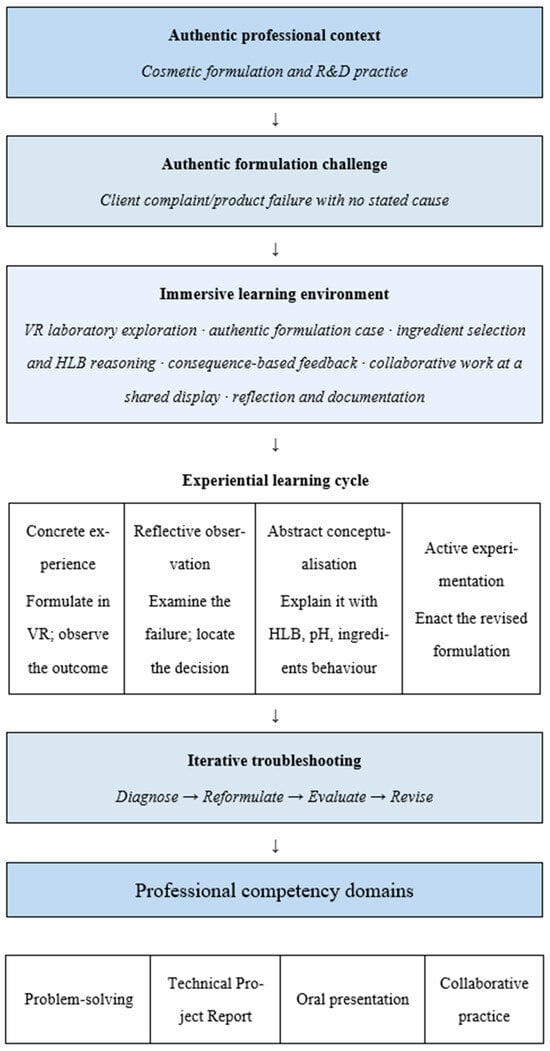
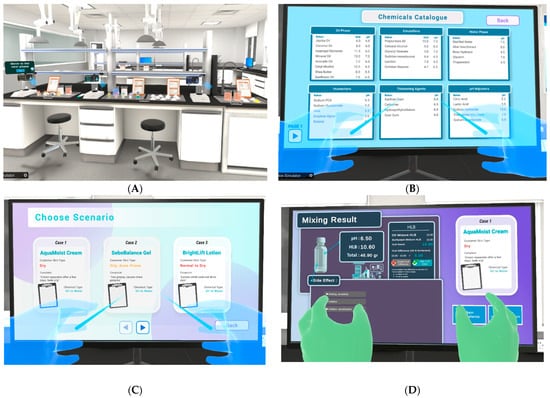
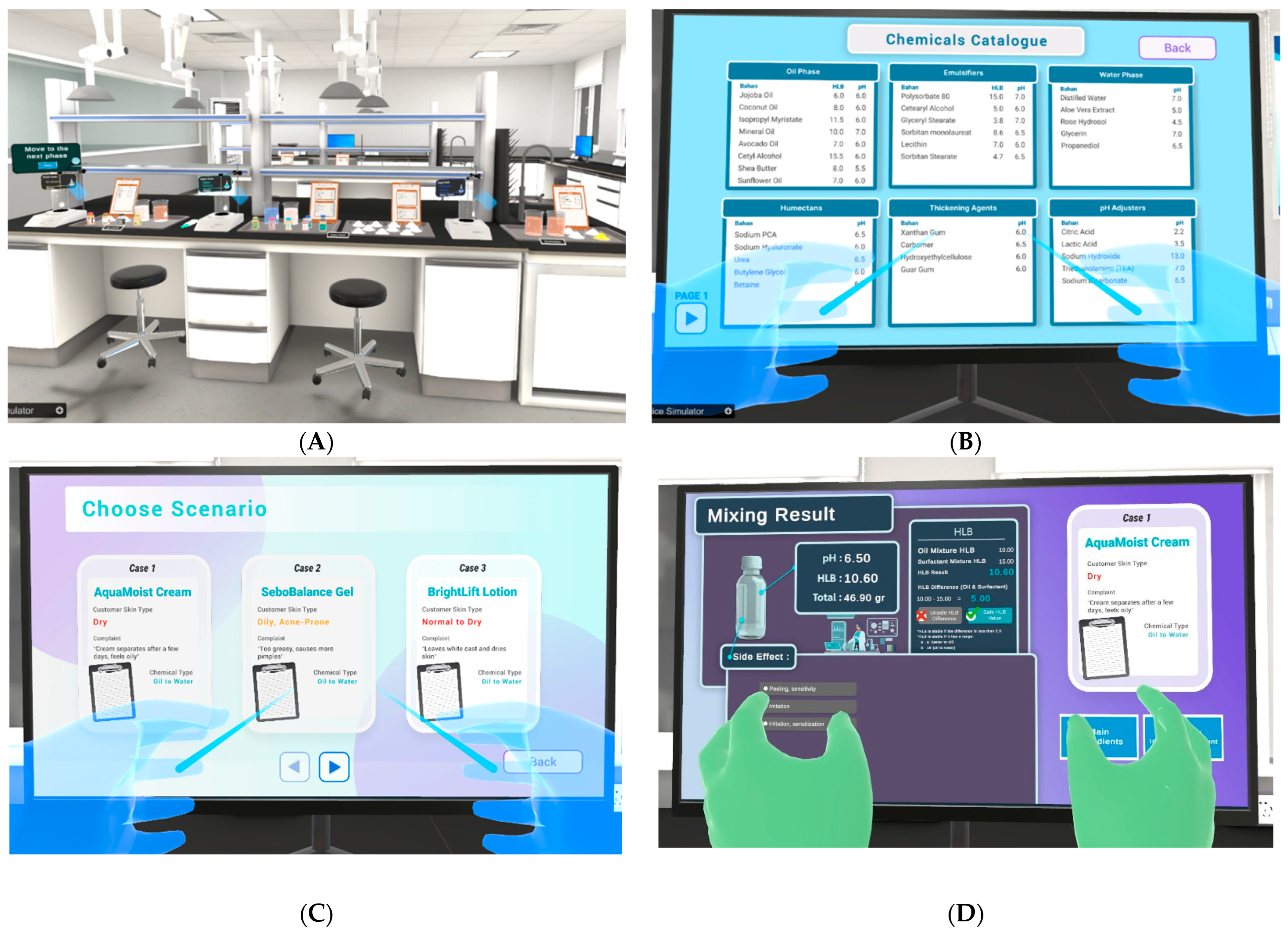
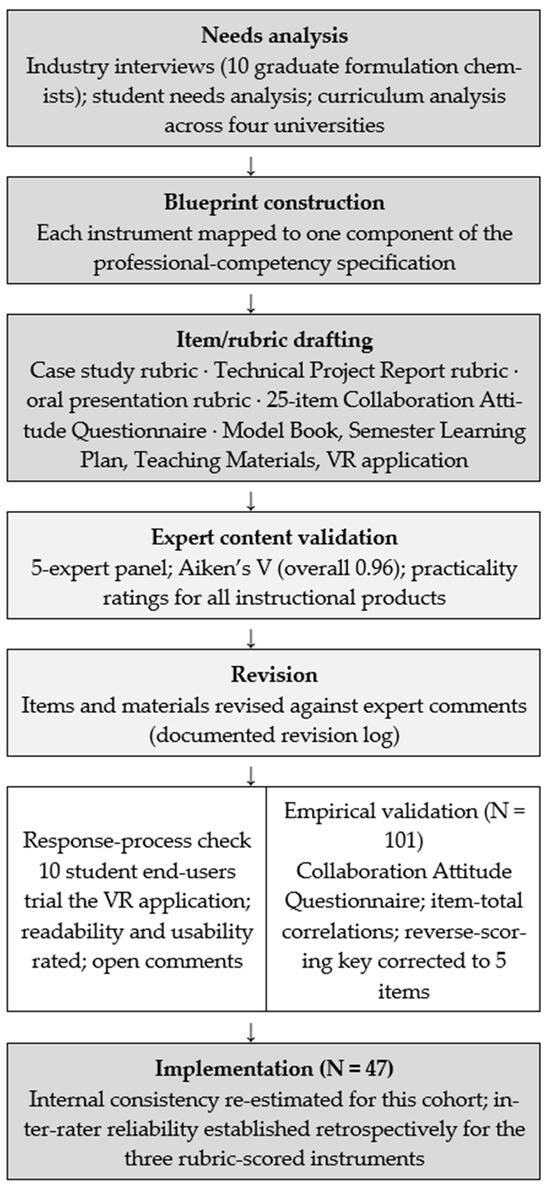
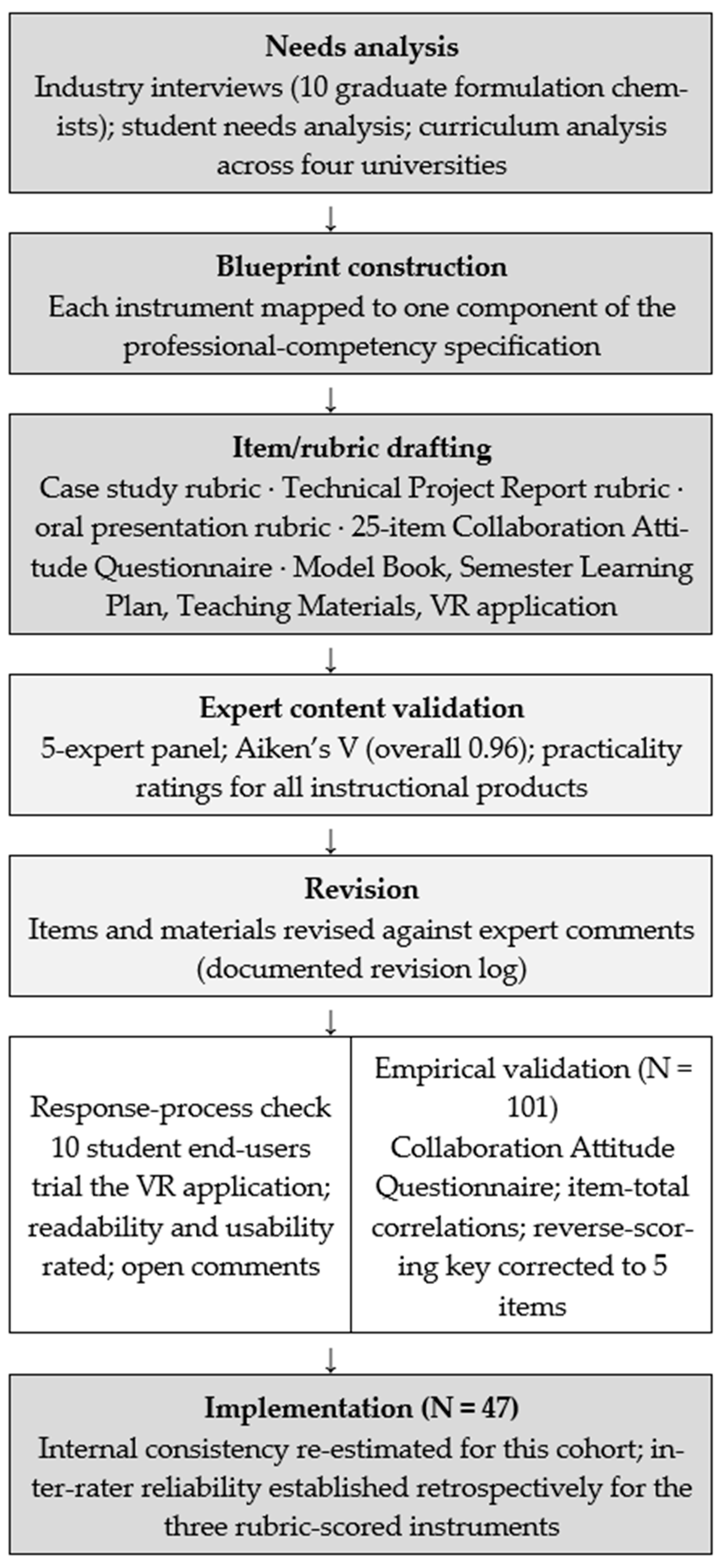
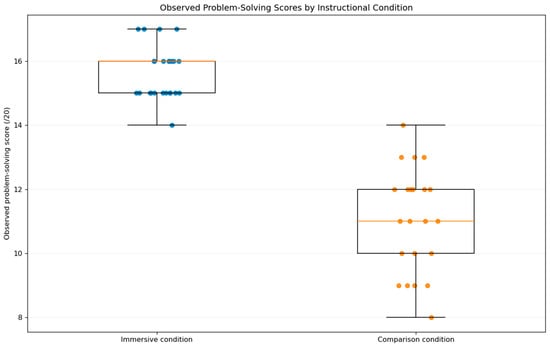
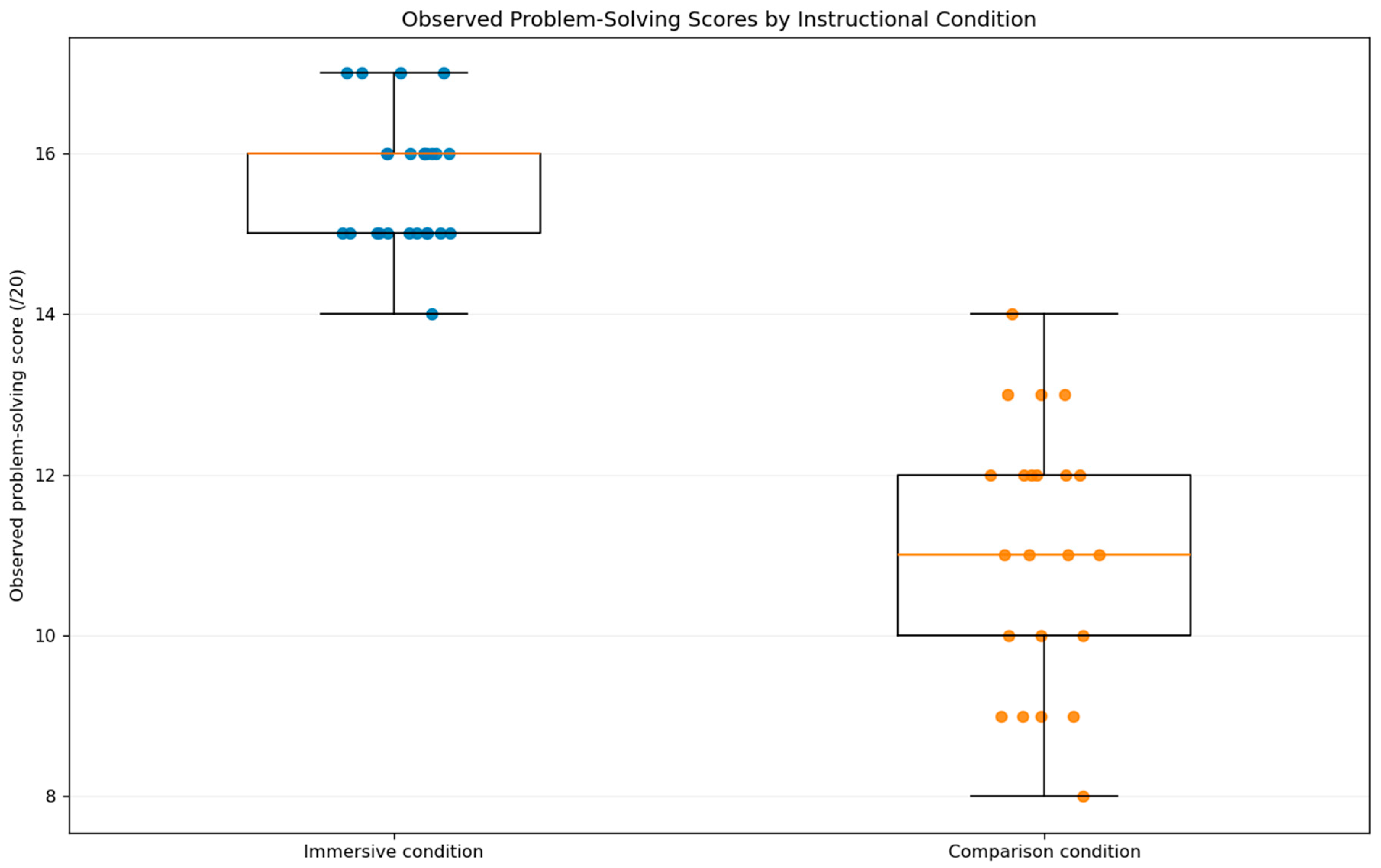

Disclaimer/Publisher’s Note: The statements, opinions and data contained in all publications are solely those of the individual author(s) and contributor(s) and not of MDPI and/or the editor(s). MDPI and/or the editor(s) disclaim responsibility for any injury to people or property resulting from any ideas, methods, instructions or products referred to in the content. |
© 2026 by the authors. Licensee MDPI, Basel, Switzerland. This article is an open access article distributed under the terms and conditions of the Creative Commons Attribution (CC BY) license.