


Abstract
An integrated methodology was employed, incorporating spray pyrolysis synthesis, gamma irradiation post-treatment, and Box–Behnken statistical optimization. This approach was designed to systematically refine the structural and optical properties of CZTS thin films, with the objective of enhancing their photocatalytic degradation efficiency. At a dose of 5 kGy, gamma irradiation resulted in an approximately 300% increase in crystallite size and improved crystallinity relative to non-irradiated samples. As the irradiation increases, the films exhibited a stronger preferential orientation along the (112) plane, which peaked at 20 kGy. Analysis using the Williamson–Hall method revealed complex microstructural evolution, showing crystallite sizes varying from ~12.48 nm to ~71.27 nm based on the irradiation dose applied. The photocatalytic activity was assessed through the UV-driven degradation of Brun Sella Solid dye, employing H2O2 as a co-reactant. The optimization process, guided by the Box–Behnken design which tested parameters such as pH (2 to 14), gamma dose (0 to 20 kGy), and H2O2 volume (100 to 500 μL), achieved a remarkable maximum degradation efficiency of 98% under optimal conditions. This study highlights the synergistic combination of controlled defect engineering through gamma irradiation and meticulous parameter optimization establishing a robust framework for the development of high-performance, earth-abundant photocatalysts suitable for environmental remediation applications.
1. Introduction
The rapidly advancing field of semiconductor photocatalysis has emerged as a crucial technology for addressing significant environmental challenges, particularly in the domains of water treatment and air purification. Among the diverse range of photocatalytic materials, copper zinc tin sulfide (Cu2ZnSnS4, CZTS) has attracted considerable interest as a promising earth-abundant quaternary semiconductor, demonstrating exceptional potential for photocatalytic applications. This study highlights the innovative integration of spray deposition techniques, gamma irradiation treatment, and statistical optimization via Box–Behnken design to enhance the photocatalytic performance of CZTS thin films [1,2].
CZTS represents a noteworthy advancement in the field of semiconductor photocatalysts, offering multiple advantages over conventional materials. The kesterite-structured CZTS features an optimal direct bandgap ranging from 1.4 to 1.8 eV, facilitating efficient absorption of visible light and enhancing its suitability for solar-driven photocatalytic applications. Recent research has demonstrated that CZTS nanoparticles, synthesized using hydrothermal methods, achieved a significant degradation efficiency of 90.2% for Congo red azo dye within 60 min under simulated solar irradiation [2]. In contrast, enhanced nickel oxide (NiO) nanocatalysts only achieved a degradation efficiency of 70% [3]. The enhanced photocatalytic performance of CZTS can be attributed to its narrow bandgap semiconductor characteristics, high absorption coefficient of approximately cm−1, and intrinsic p-type conductivity. These properties make CZTS a promising candidate for future photocatalytic applications. Recent research has significantly expanded the applications of CZTS beyond conventional solar cell technologies, now encompassing a variety of photocatalytic processes, including water splitting, degradation of organic pollutants, and air purification [1,2,4].
The composition of CZTS, which includes earth-abundant and non-toxic elements such as copper, zinc, tin, and sulfur, effectively addresses sustainability considerations while providing excellent photoreactivity and photocatalytic performance. Studies have demonstrated that CZTS in its nanocrystalline form exhibits enhanced photocatalytic activity compared to bulk materials. This enhancement is primarily due to increased surface-to-volume ratios and improved interfacial charge carrier transport rates.
CZTS thin films can be synthesized using various methods. Vacuum-based techniques, such as sputtering and evaporation, typically yield high-purity, well-controlled absorber layers but require complex, expensive equipment and often necessitate an additional sulfurization step to achieve the kesterite phase [5]. In contrast, solution-processed approaches including sol–gel, electrodeposition, and SILAR offer lower capital costs and enable facile composition tuning, but may be limited by organic residues, multi-step processing, and challenges in scaling up for large-area deposition [5].
Spray pyrolysis has gained recognition as a highly effective method for the fabrication of CZTS thin films, owing to its scalability, cost-effectiveness, and capacity to produce uniform coatings across large areas. This solution-based technique presents notable advantages over traditional vacuum-based methods, including reduced capital costs and streamlined processing requirements. Recent research has indicated that CZTS films can be successfully prepared using various precursor systems, with substrate temperatures typically maintained between 250 and 450 °C [6,7,8]. The morphological and structural characteristics of spray-deposited CZTS films are significantly influenced by various deposition parameters, including substrate temperature, precursor concentration, and spray rate. Comparative studies indicate that films produced through spray coating demonstrate larger grain sizes relative to those generated by dip-coating and spin-coating methods [9]. These differences in crystallite sizes have a substantial impact on the optical and electrical properties of the films. Advanced spray techniques, such as ultrasonic spray deposition, have been effectively employed to create continuous polycrystalline CZTS films with micrometer-sized grains [10]. This is accomplished through controlled aerosol droplet evaporation and subsequent sulfurization processes, enhancing the overall quality and performance of the films.
The application of gamma irradiation to semiconductor materials represents a progressive approach for defect engineering and enhancing material properties. Interactions between gamma radiation and semiconductors can produce significant modifications in their structural, morphological, and optical characteristics through the introduction of point defects, vacancies, and interstitial atoms. Recent research on various semiconductor systems has demonstrated that controlled gamma irradiation can lead to beneficial changes, including adjustments in bandgap energies, improvements in charge carrier dynamics, and enhanced photocatalytic performance [11,12,13]. Research on spray-deposited semiconductor thin films subjected to gamma radiation has revealed noteworthy alterations in structural and optical properties, with the extent of these changes dependent on the specific material system and irradiation conditions. For instance, cadmium sulfide (CdS) thin films produced through spray pyrolysis demonstrated a blue shift in optical bandgap from 2.4 to 3.34 eV following exposure to gamma radiation doses of 350 Gy, with a sensitivity of approximately 0.005 eV per Gy [14]. Conversely, other semiconductor systems have shown a tendency towards bandgap narrowing under gamma irradiation, which may enhance visible light absorption in photocatalytic applications [15]. Moreover, the gamma irradiation of zinc oxide films has been shown to improve ferromagnetic responses and modify electronic properties through the strategic engineering of defect states [16]. These findings suggest substantial potential for utilizing gamma irradiation to tailor the photocatalytic properties of CZTS by introducing controlled defects that are beneficial for targeted applications.
The optimization of photocatalytic processes necessitates a comprehensive examination of various interacting variables. Response Surface Methodology (RSM), particularly through Box–Behnken Design (BBD), is an essential statistical approach that facilitates the efficient exploration of factor interactions while reducing the requisite number of experiments. Recent implementations of BBD in photocatalytic systems have demonstrated significant effectiveness, achieving removal efficiencies exceeding 95% for organic pollutants under optimized conditions [17,18,19,20,21,22]. This methodology generates quadratic polynomial models with high correlation coefficients (), which enables precise predictions of photocatalytic performance and the simultaneous optimization of multiple responses, including degradation efficiency and energy consumption [17].
The integration of spray-deposited CZTS films, gamma irradiation treatment, and Box–Behnken optimization constitutes a pioneering interdisciplinary approach to photocatalyst development. In contrast to our earlier investigations [23], which examined spray-deposited CZTS films as photovoltaic absorbers, the present study combines spray pyrolysis with post-synthetic γ-irradiation and Box–Behnken statistical optimization to engineer defect landscapes specifically for photocatalytic applications. This approach establishes a novel processing-structure-function framework for CZTS-based photocatalysts. This comprehensive methodology effectively addresses several key challenges in photocatalytic technology, such as scalable synthesis, enhancement of material properties, and optimization of processing techniques. The spray deposition method enables the industrial-scale production of CZTS photocatalysts, while gamma irradiation allows for the precise control of material properties through defect engineering. The application of statistical experimental design, specifically through Box–Behnken Design (BBD), facilitates a systematic optimization of the intricate interactions between irradiation dose, film morphology, and photocatalytic performance parameters. This methodology is expected to yield significant insights into the relationships between gamma-induced defect states and photocatalytic efficiency. Such insights may contribute to the advancement of CZTS-based photocatalysts, enhancing both their performance under visible light and their overall stability.
Recent advancements in CZTS photocatalysis have underscored the material’s remarkable potential for applications in environmental remediation. Research has demonstrated the effective degradation of a range of organic pollutants, including azo dyes, pharmaceuticals, and various industrial contaminants [2,17,24]. Additionally, the integration of gamma irradiation treatment with spray-deposited CZTS films presents significant opportunities for enhancing these capabilities. This approach allows for controlled modifications of the electronic and optical properties of the material, thereby improving its effectiveness in addressing environmental challenges. The proposed research framework represents a noteworthy advancement in the field of sustainable photocatalyst development. By integrating earth-abundant materials, scalable processing techniques, and systematic optimization strategies, this approach has the potential to accelerate the transition of CZTS photocatalysts from laboratory research to practical applications in environmental remediation. This transition would significantly contribute to the advancement of more efficient and cost-effective technologies for water treatment and air purification.
2. Materials and Methods
In this study, we utilized the Box–Behnken Design to optimize the complex interactions among gamma irradiation dose, pH, and H2O2 concentration in relation to the photocatalytic performance of CZTS. The selection of pH values (ranging from 2 to 14) was driven by its significant influence on dye adsorption behavior and the generation of reactive oxygen species. We evaluated gamma irradiation doses (from 0 to 20 kGy) for their direct effects on defect engineering and photocatalytic activation. Furthermore, varying volumes of H2O2 (between 100 and 500 μL) were incorporated as a potent oxidizing agent and a source of hydroxyl radicals.
2.1. Experimental Procedures
2.1.1. Substrate Cleaning Protocol
To ensure high-quality substrate preparation, the initial step involved immersing the substrate in a hydrochloric acid and nitric acid mixture for a duration of 15 min. This process effectively removed surface contaminants. After this treatment, a thorough cleaning sequence was conducted, which included: (1) rinsing with deionized water to eliminate residual acids, (2) immersing in methanol to dissolve any organic impurities, (3) performing a second rinse with deionized water for further purification, and (4) treating with dimethyl ketone to enhance surface cleanliness. The final step involved oven drying the substrate for 15 min, resulting in a pristine surface ready for subsequent applications [25].
2.1.2. Synthesis and Optimization of the CZTS Adsorber Layer
This study focuses on the synthesis and optimization of copper zinc tin sulfide (Cu2ZnSnS4, CZTS) thin films, building upon previous research in this field [26]. The primary objective is to improve the physical properties of the absorber layer through targeted modifications in the fabrication process, thereby enhancing its overall efficiency and functionality.
2.1.3. Precursor Selection
Copper(II) chloride dihydrate, thiourea, tin(II) chloride dihydrate, and zinc chloride dihydrate were dissolved in deionized water. Organic solvents such as ethanol were deliberately excluded to minimize extrinsic contamination and ensure reproducibility of the aqueous precursor solution [23]. The resulting precursor solution was then uniformly sprayed onto glass substrates placed on a hot plate to facilitate controlled drying.
2.1.4. Gamma Irradiation-Based Optimization of Spray-Pyrolyzed Cu2ZnSnS4 Thin Films
Following this application, the substrates underwent gamma irradiation at specific doses of 5, 10, and 20 kGy. This irradiation was conducted at room temperature under ambient atmospheric conditions, utilizing an industrial cobalt-60 (60Co) source with a precise dose rate of 17.93 Gy/min [27,28]. The absorbed radiation doses were accurately monitored using PMMA Harwell dosimeters to ensure reliable measurements.
2.1.5. Characterization
The structural characteristics of the CZTS films were investigated using X-ray diffraction (XRD) over a 2 range of 10–70°, facilitating an understanding of their crystalline nature. The optical properties were assessed at room temperature with the advanced PerkinElmer Lambda 950 UV–Vis–NIR spectrophotometer, which provided valuable insights into light absorption and transmission behavior. Additionally, scanning electron microscopy (SEM) was employed to analyze the surface morphology and elemental composition of the films, yielding detailed information about their texture and structure.
2.1.6. Preparation of Dye Solutions
A synthetic stock solution of the dye Brun Sella Solide HH at a concentration of 150% was prepared by dissolving 100 mg of the dye in 1 L of deionized water, resulting in a final concentration of 100 mg L−1. The pH of this solution was measured and recorded at 6.86. From this stock solution, three working solutions with a concentration of 20 mg L−1 were prepared by diluting 100 mL of the stock into 500 mL of deionized water. The pH of each solution was adjusted to target values of 2, 7, or 12 using 1 M NaOH or 1 M HCl, as appropriate. For each pH condition, a calibration series was established, consisting of four standard solutions with concentrations of 10, 20, 30, and 40 mg L−1. This systematic approach ensures accuracy and reliability in subsequent analyses.
2.1.7. Photodegradation Test
Glass slides coated with the synthesized solids were immersed in a 50 mL dye solution at a concentration of 20 mg/L for a duration of 45 min to facilitate adsorption equilibrium. Following this step, 30% hydrogen peroxide (H2O2) was introduced to the reaction medium. The mixture was subjected to ultraviolet (UV) irradiation using a UVP XX-15S UV Bench Lamp, which operates at a potency of 700 μW/cm2 on the sample surface.
The concentration of the dye was monitored using a UV-3100 Selecta P spectrophotometer, which measured absorbance across a wavelength range of 190 to 1100 nm. The maximum absorbance varied with pH, being measured at 410 nm for acidic solutions and at 444 nm for basic solutions.
The yield of photodegradation was calculated using the following equation:
where is the yield of photodegradation (%), is the concentration of the solution at a specific time (min), and is the initial concentration of the solution (mol/L).
2.2. The Optimization of Photo-Degradation Test
In the present study, a Box–Behnken experimental design was employed to optimize the operational conditions for the photodegradation of dye utilizing an irradiated catalyst. Three independent variables were selected based on their established influence on degradation efficiency: the pH of the solution (X1), the irradiation dose (X2), and the concentration of hydrogen peroxide (H2O2) (X3). Results were analyzed using STATISTICA software (Version 12.4), and the findings are presented in Table 1.
Table 1.
Coded Levels of the Independent Variables in the Box–Behnken Experimental Design.
A comprehensive total of 15 experimental runs were performed, comprising 12 factorial points and 3 central points, aimed at maximizing the photodegradation yield through the application of response surface methodology (RSM). The experimental data were systematically entered into the STATISTICA software and subsequently analyzed using the Box–Behnken design (BBD) in conjunction with RSM. The intricate interactions among the independent variables, which affect photodegradation yield, were modeled through a second-order polynomial (quadratic) regression equation (Equation (1)):
In this equation, denotes the predicted photodegradation yield (%), while is the intercept. The regression coefficients , , and correspond to the linear, quadratic, and interaction effects, respectively. The variable encapsulates the independent variables, is the number of variables, and is the residual error. The estimation of regression coefficients was performed utilizing the least squares method to ensure accuracy in modeling.
This quadratic model delineates the relationship between the response variable photodegradation yield and the independent factors. The adequacy of the model was evaluated using the coefficient of determination () alongside an assessment of the statistical significance of the regression through the F-test and the corresponding p-values. A thorough analysis of variance (ANOVA) was conducted to identify the most significant factors influencing the response variable.
The selection of pH was guided by its critical role in both the adsorption behavior of the dye onto the catalyst surface and the inherent dynamics of the photodegradation process. This variable significantly influences the generation and activity of reactive oxygen species. The irradiation dose was evaluated based on its direct effect on energy input and the rate of photocatalytic activation. Additionally, the concentration of hydrogen peroxide was incorporated into the study because of its established role as a potent oxidizing agent and a source of hydroxyl radicals under ultraviolet exposure, which contributes to the kinetics of degradation.
This multivariate approach ensures an extensive evaluation of both individual and interactive effects of the selected parameters, thereby allowing for the identification of optimal conditions that maximize the efficiency of photodegradation.
3. Results and Discussion
3.1. Structural Analysis
3.1.1. Phase Identification
Figure 1 presents the X-ray diffraction (XRD) patterns of both irradiated and non-irradiated CZTS films. All samples display a prominent diffraction peak at the (112) plane, which is characteristic of the kesterite CZTS phase (JCPDS No. 26-575). Gamma irradiation increases the preferential orientation along this plane, with the highest intensity recorded at 20 kGy. The non-irradiated sample exhibits lower crystallinity and a minor secondary ZnS phase (JCPDS No. 01-089-2160), whereas other secondary phases, including SnS and Cu2-xS, are not detected [29,30,31,32].
Figure 1.
XRD patterns of as-deposited CZTS layers and irradiated with 5, 10, and 20 kGy gamma doses.
Previous studies indicate that the majority of the pellet consists of the desired CZTS phase, with only trace amounts of Cu2-xS and ZnS present. The highest concentrations of these secondary phases are typically found at the film surface, where copper sulfide forms isolated domains. These secondary phases can be chemically removed, leaving the remaining ZnS to function as an optical window without adversely affecting photocatalytic performance [32].
The findings indicate that CZTS films synthesized in this study are sensitive to moderate γ-irradiation doses, in contrast to previous reports, which reported significant structural changes only at doses of 100 kGy or higher [26]. Comparable effects of high-energy irradiation on crystallographic properties have been documented in other studies [33,34]. The absence of major secondary phases in the bulk of the films further supports the effectiveness of the synthesis method in producing kesterite CZTS, although trace amounts of ZnS and Cu2-xS may still be present at the film surface.
3.1.2. Microstructural Analysis and Two-Step Evolution Under γ-Irradiation
The structural effects of γ-irradiation on CZTS thin films were investigated using X-ray diffraction (XRD) and quantified with Williamson–Hall models, including the Uniform Deformation Model (UDM), Uniform Stress Deformation Model (UDSM), and Uniform Deformation Energy Density Model (UDEDM). Collectively, these models offer complementary perspectives on changes in crystallite size, lattice strain, stress, and deformation energy resulting from irradiation.
UDM assumes isotropic strain and uniform lattice expansion, expressed as [35]:
UDSM incorporates Hooke’s law (σ = E × ε) to relate stress and strain:
UDEDM introduces energy density (U = (ε2·E)/2) to evaluate lattice energy variations:
These models provide a framework for interpreting the dose-dependent evolution of CZTS microstructure.
The Williamson–Hall (W-H) analysis used multiple diffraction peaks, yielding crystallite size and microstrain values that represent the average microstructural parameters of the CZTS films. The broadening of diffraction peaks, as indicated by the full width at half maximum (FWHM), was examined as a function of γ-irradiation dose using the measured widths and interpreted in terms of microstrain development (Figure 2).
Figure 2.
Dose–response outcomes at 5 kGy irradiation across the Williamson–Hall models.
At a moderate dose of 5 kGy, the crystallite size attains a maximum of 50.67 nm, accompanied by low microstrain (2.08 × 10⁻³), minimal FWHM, and reduced deformation energy (Figure 3). These characteristics indicate lattice relaxation and crystallite growth. Figure 2 presents these dose–response outcomes for the UDM, UDSM, and UDEDMs, emphasizing the structural optimization achieved at this irradiation level. This condition aligns with the observed optimum in photocatalytic performance and contrasts with previous studies that required doses exceeding 100 kGy for comparable structural modifications [26].
Figure 3.
FWHM, crystallite size (D), and microstrain (ε) of CZTS as a function of gamma dose, highlighting the two-step microstructural evolution.
At higher irradiation doses (10–20 kGy), crystallite size decreases, while microstrain, internal stress, and deformation energy increase. These changes result in broader diffraction peaks and pronounced lattice distortion [35]. Comparable effects have been observed in electron-beam-irradiated CZTS thin films, where reduced crystallite size, increased microstrain, and elevated dislocation density underscore the influence of structural defects on lattice distortion [36]. Under γ-irradiation, similar behavior is evident: low-dose irradiation facilitates lattice relaxation and crystallite growth, whereas higher doses promote defect accumulation, grain boundary formation, and substantial lattice strain. As summarized in Table 2 and corroborated by XRD analysis, this two-step microstructural evolution lattice relaxation at 5 kGy followed by distortion at higher doses remains consistent across UDM, UDSM, and UDEDM analyses. The observed increase in microstrain at elevated doses is attributed to the accumulation of point defects and defect clusters, which generate long-range lattice distortions detectable through XRD peak broadening.
Table 2.
Structural parameters of unirradiated and irradiated CZTS thin films obtained from Williamson–Hall analysis.
In summary, γ-irradiation offers a tunable post-synthetic method for controlling CZTS microstructure. Low-dose irradiation facilitates lattice relaxation, crystallite growth, and the formation of an optimal surface structure, thereby enhancing photocatalytic activity. Conversely, higher doses induce strain, lattice distortion, and defect accumulation, which may reduce charge carrier mobility and photocatalytic efficiency [36].
3.2. Morphological Investigation
3.2.1. SEM Characterization of γ-Irradiation Effects on CZTS Thin Films
The SEM micrographs in Figure 4 demonstrate a distinct, dose-dependent transformation in CZTS film morphology under γ-irradiation ranging from 0 to 20 kGy. At 0 kGy, the film exhibits a compact, uniform matrix with a limited number of elongated crystallites, leading to minimal textural variation. Irradiation at 5 kGy initiates microcrack formation and promotes the aggregation of smaller crystallites into loosely connected clusters, which slightly increases surface roughness. At 10 kGy, these clusters merge into larger polygonal grains, delineated by a denser network of intergranular fissures. At 20 kGy, the surface exhibits increased complexity, characterized by organized, cell-like domains extending over tens of micrometers and dominated by larger, plate-like grains, with fine particles substantially reduced. This sequence indicates that γ-irradiation induces grain boundary migration and defect-driven coalescence, underscoring its significant influence on the film’s structural properties [37].
Figure 4.
SEM images showing evolution of CZTS thin-film surface morphology under gamma-irradiation (0–20 kGy).
Furthermore, the observed surface irregularities and rod-like features are attributable to both local variations in spray deposition parameters, including precursor concentration, substrate temperature, and deposition dynamics, as well as the effects of γ-irradiation. These morphological characteristics, which are frequently reported in CZTS nanomaterials produced by spray pyrolysis and similar methods [38], enhance the specific surface area and offer additional active sites for photocatalysis, while maintaining overall crystallinity.
3.2.2. Quantitative Image Analysis Using FIJI Software
As depicted in Figure 5, the particle metrics analyzed using FIJI software (Version 1.54p, National Institutes of Health, Bethesda, MD, USA) [39,40] provide valuable insights into the effects of radiation-induced fragmentation. At a dosage of 20 kGy, the particle count exceeds 1.100, signifying an almost 100-fold increase compared to the baseline measurement at 0 kGy. This pronounced increase is accompanied by a significant reduction in mean particle area, which decreases from 3.34 μm2 to 0.34 μm2. Additionally, the circularity of the particles exhibits improvement, rising from 0.67 to 0.83. The findings highlight a significant morpho-functional relationship among the various particle characteristics, underscoring the intricate nature of their interactions.
Figure 5.
Dose-Dependent Four-Metric FIJI Assessment: Particle Count, Mean Area, and Circularity.
3.2.3. Correlation Between Morphological Parameters and Photocatalytic Performance
Figure 6 demonstrates that particle count increases beyond a γ-irradiation dose of 5 kGy, while photocatalytic efficiency in the presence of hydrogen peroxide (H2O2) reaches a maximum at 5 kGy and declines at higher doses. This pattern emphasizes the adverse effects of excessive CZTS nanoparticle fragmentation and the need to balance increased surface area with the preservation of crystalline integrity for optimal catalysis. Moderate fragmentation enhances catalytic performance by increasing the number of accessible sites, whereas excessive fragmentation compromises structural coherence and hinders efficient charge separation.
Figure 6.
Particle Count versus Photocatalytic Efficiency of Unirradiated and gamma-Irradiated CZTS Thin Films.
Previous studies have identified a strong positive correlation between photocatalytic activity and specific surface area up to an optimal threshold, beyond which further fragmentation results in decreased performance due to increased recombination [41,42,43]. In contrast to earlier research that focused exclusively on extreme irradiation conditions or qualitative peroxide effects, the present findings demonstrate that a γ dose of 5 kGy constitutes an optimal moderate dose. This maximizes synergy with H2O2 while preserving CZTS’s intrinsic catalytic properties.
Moderate γ-irradiation induces controlled fragmentation, increasing the accessible surface area and catalytic site density, thereby enhancing photocatalytic activity. Simultaneously, the increase in Urbach energy (Eu) up to 10 kGy indicates moderate structural disorder, facilitating sub-bandgap light absorption and more efficient charge carrier utilization [44]. At 20 kGy, pronounced fragmentation and elevated defect density generate numerous electron–hole recombination centers, reducing carrier diffusion lengths. Consequently, non-productive recombination becomes predominant, resulting in decreased photocatalytic efficiency despite the higher particle count. These findings align with previous studies indicating that excessive fragmentation and defect accumulation in CZTS and other nanostructured photocatalysts impede charge separation [45]. γ-irradiation induces dose-dependent microstructural evolution in CZTS, marked by a significant reduction in average particle area at higher doses. This grain refinement increases grain boundary density, introducing localized trap states, enhancing carrier scattering, and reducing effective charge carrier mobility [46]. Charge transport in CZTS is highly sensitive to grain boundary-related defects, which act as primary recombination centers and limit carrier diffusion lengths [47].
At a moderate dose of 5 kGy, fragmentation remains limited, increasing surface area while largely preserving percolative charge transport pathways. In contrast, higher doses (10–20 kGy) cause extensive fragmentation and defect accumulation, resulting in a high density of grain boundaries that impede lateral charge transport and promote non-radiative recombination. This microstructural degradation likely explains the observed decline in photocatalytic performance at elevated irradiation doses, consistent with previous findings on CZTS and related kesterite-based photocatalysts [38].
3.2.4. Surface Roughness Analysis of -Irradiated CZTS Films
The surface morphology of γ-irradiated Cu2ZnSnS4 films was systematically characterized using arithmetic average roughness (Ra) and root-mean-square roughness (Rq), with measurements obtained via ImageJ software (Version 1.54p, National Institutes of Health, Bethesda, MD, USA) for precise surface assessment [48]. As illustrated in Figure 7, irradiation at 0, 5, 10, and 20 kGy significantly modifies the film surface. Unirradiated films display a smooth texture (Ra = 19.4 nm, Rq = 28.0 nm). After exposure to 5 kGy, Ra and Rq increase moderately (21.9 and 28.4 nm, respectively), indicating the emergence of nanoscale asperities that enhance surface texture. At 10 kGy, roughness peaks (Ra = 24.4 nm, Rq = 31.3 nm), corresponding to the highest defect generation. At 20 kGy, a slight decrease in Ra to 22.8 nm suggests the onset of defect recombination or surface annealing, highlighting the complex relationship between γ-irradiation and surface structure.
Figure 7.
Surface roughness profiles (Ra and Rq) of gamma-irradiated Cu2ZnSnS4 films at doses of 0, 5, 10, and 20 kGy.
Although maximum roughness is observed at 10 kGy, the highest photocatalytic degradation efficiency occurs at 5 kGy, demonstrating that increased surface roughness alone does not determine catalytic performance. Beyond an optimal roughness threshold, factors such as nanoparticle agglomeration and increased charge carrier recombination may offset the advantages of enhanced surface texture. Thus, while elevated Ra and Rq values can promote dye adsorption and radical generation, excessive surface roughness may diminish overall photocatalytic efficiency. This finding underscores the need to balance surface properties to optimize catalytic outcomes [49,50].
The dose-dependent changes in Ra and Rq were also compared with Urbach energy (Eu) to assess the relationship between optical disorder and surface morphology. Both Ra/Rq and Eu increase with irradiation doses from 0 to 10 kGy, indicating simultaneous enhancement of surface roughness and optical disorder at moderate γ-doses. At 20 kGy, Ra and Rq decrease slightly while Eu remains high, suggesting that optical disorder is affected not only by surface morphology but also by bulk and subsurface defect states, which broaden the Urbach tails [51]. These results indicate that, although surface roughness qualitatively correlates with Eu at moderate disorder levels, the relationship is not strictly proportional across all doses. This highlights the predominant influence of subsurface and bulk defects on optical absorption.
In summary, moderate γ-irradiation increases surface roughness and the number of defect-mediated active sites, thereby optimizing photocatalytic activity. In contrast, excessive irradiation leads to higher defect density and surface irregularities, which can reduce charge transport efficiency. The interaction among surface morphology, defect generation, and optical disorder underscores the need to precisely control γ-irradiation doses to maximize catalytic performance, in agreement with leading studies on semiconductor photocatalysts [49,51] (Table 3).
Table 3.
Summary of structural, morphological, optical, and photocatalytic parameters for γ-irradiated CZTS films.
3.3. Optical Analysis
3.3.1. Band Gap Determination
In our investigation of the optical properties of the materials, we employed the Tauc plot method, a well-established technique for determining both direct and indirect optical band gaps. The absorption coefficient was calculated from the transmission data using the following formula [52]:
where refers to the film thickness and denotes transmittance.
As demonstrated in Figure 8a, the direct optical band gap decreased with increased gamma radiation doses from 1.87 eV for pristine films (0 kGy) to 1.56 eV for films subjected to the highest irradiation dose of 20 kGy, reflecting a significant decrease of 310 meV. All CZTS films displayed direct band gaps consistent with established literature values for crystallized CZTS [53].
Figure 8.
Direct Band Gap (a) and Urbach Energy (b) as Functions of Gamma Dose of Unirradiated and gamma-Irradiated CZTS Thin Films.
Gamma irradiation provides a novel post-synthesis approach for band-gap engineering distinct from compositional or thermal modification methods. This band gap narrowing is attributed to irradiation-induced defect states and increased disorder, which introduce intermediate energy levels and enhance sub-bandgap absorption. The observed redshift of the absorption edge in the UV-vis spectra (Figure 8a) further confirms that these changes are intrinsic to the material and not due to instrumental artifacts [14,54].
The direct band gaps measured in this study decreased from 1.87 eV for non-irradiated CZTS films to approximately 1.56 eV at a γ-dose of 20 kGy, aligning with the range commonly reported for CZTS systems modified by cation doping or post-deposition thermal treatments. Prior research has shown that methods such as Ge incorporation, controlled Sn off-stoichiometry, aliovalent cation doping (including Li, Ag, Cd, and Mn), and annealing under various atmospheres can tune the band gap of CZTS, typically between 1.4 and 1.9 eV, depending on composition and processing conditions [55,56,57]. These results suggest that γ-irradiation provides a post-synthetic, composition-preserving method for band-gap tuning, likely due to irradiation-induced defect states and band-tail formation. This technique complements conventional doping or thermal annealing for tailoring the optoelectronic properties of CZTS thin films, enabling tunable optical absorption without altering material stoichiometry, which is beneficial for device applications.
Although direct evidence for dose-dependent band-gap narrowing and the formation of shallow versus deep trap states in γ-irradiated CZTS has not yet been reported for this material, previous studies demonstrate that γ-irradiation alters the optical and defect properties of semiconductors.
- o
- In the case of CZTS, spray-deposited thin films subjected to high γ doses exhibit changes in optical absorption and minor shifts in band-gap energy. These effects are attributed to irradiation-induced defects and lattice disorder, although the band gap remains approximately 1.6 eV across the studied dose range (0–100 kGy) [26].
- o
- In other γ-irradiated semiconductor systems, such as In2O3-based thin films, the Urbach energy (Eu) increases with irradiation dose, indicating enhanced defect formation and structural disorder. The rise in Eu is directly associated with band-gap narrowing, which results from defect-induced sub-band states and lattice perturbations under γ irradiation [58].
These findings support a mechanism in which irradiation-induced defect states introduce sub-band levels and trap states that affect charge carrier dynamics.
- o
- At higher γ doses (10–20 kGy), band-gap narrowing together with a high density of deep or mid-gap traps promotes thermally activated non-radiative recombination, thereby reducing carrier lifetimes.
- o
- In contrast, moderate band-gap narrowing at 5 kGy primarily generates shallow traps, which enhance charge separation and interfacial transfer. This phenomenon accounts for the observed optimum in photocatalytic activity.
3.3.2. Urbach Energy Analysis
The comprehensive optical analysis of CZTS thin films under gamma irradiation reveals significant, dose-dependent modifications in their electronic structure and optical properties. This study systematically examines three distinct absorption regions within gamma-irradiated CZTS, as depicted in Figure 9, providing insights into radiation-induced defect engineering and its implications for photocatalytic applications.
Figure 9.
The relationship between ln(alpha) and hν shown as a function of gamma radiation dose for unirradiated and gamma-irradiated CZTS thin films.
The Urbach energy (), a key parameter reflecting the degree of disorder within a material, was determined from the exponential tail of the absorption edge using the following equations [59]:
In this equation, is a pre-exponential factor, is the absorption edge energy, and denotes the Urbach energy parameter. Taking the natural logarithm reveals a linear relationship:
Linear fittings of versus allowed for the calculation of Urbach energies for each specified gamma irradiation dose. Minor deviations observed at higher photon energies (approximately 2.5 to 3.1 eV), attributed to localized states arising from defects, disorder, or minor secondary phases, occur outside the linear region used for Eu determination.
3.3.3. Dose-Dependent Evolution of Optical Parameters
Analysis of Urbach plots (Figure 8b) indicates that the Urbach energy (Eu) of CZTS films increases from 0.39 eV (0 kGy) to 1.22 eV at 10 kGy, signifying a substantial increase in structural disorder and defect density. These values significantly exceed those reported for pristine CZTS (~60 meV) and other kesterite semiconductors (50–150 meV), underscoring the pronounced effect of γ-irradiation on the lattice [60,61,62,63].
Similar trends have been documented in other chalcogenides, demonstrating the sensitivity of band-tail parameters to radiation-induced defects [60,61,62,63]. In contrast, thermal annealing generally reduces Eu, as reported by Minia et al. [62], which suggests that γ-irradiation not only maintains but also intensifies sub-bandgap disorder.
The relationship between Eu and photocatalytic performance is non-monotonic. At 5 kGy, a moderate increase in Eu introduces shallow tail states near the band edges, which enhances light absorption, charge carrier separation, and the availability of active sites, resulting in optimal photocatalytic activity [61,64,65,66]. At higher doses (10–20 kGy), excessive disorder produces deep, recombination-prone trap states, which diminish effective carrier separation despite the restoration of crystallinity at 20 kGy, ultimately reducing photocatalytic efficiency [36,65,66,67]. Gamma irradiation also facilitates the formation of specific defect clusters, such as (2CuZn + SnZn), that generate sub-bandgap states, narrowing the optical band gap and increasing visible light absorption [61,68,69]. In contrast to chemical doping, this method enables precise defect engineering without modifying stoichiometry.
These findings establish a controlled strategy for tuning structural disorder, optical absorption, and defect landscapes in kesterite CZTS films, offering an effective approach to optimize photocatalytic performance under visible light irradiation.
3.3.4. Transmission Spectra Analysis
As shown in Figure 10a, the transmission spectra of gamma-irradiated CZTS films demonstrates a dose-dependent decrease in the visible range. This trend indicates a progressive improvement in light absorption efficiency. Similarly, Figure 10b illustrates a consistent increase in the absorption coefficient within the visible range, rising from cm−1 (0 kGy) to cm−1 (20 kGy), which corresponds to a 43.2% enhancement. This effect is attributed to the formation of intermediate energy states within the bandgap, as evidenced by Urbach energy analysis, which enables additional optical transitions. These findings quantitatively support the concept of radiation-induced defect engineering as a method to improve the optical performance of CZTS thin films [70].
Figure 10.
Transmission Spectrum (200–2000 nm) (a) and absorption spectrum in the visible range (b) of CZTS thin films as a function of gamma radiation dose.
3.4. Photocatalyst Analysis
3.4.1. Effect of Catalyst Mass and Solution pH on CZTS Photocatalytic Performance
The availability of active sites on the surface of the CZTS catalyst is a crucial factor that significantly impacts photocatalytic efficiency. To optimize catalyst loading, we conducted a systematic variation in catalyst mass between 0.020 mg and 0.050 mg, using 100 μL of H2O2 under acidic (pH = 2), near-neutral (pH = 8), and basic (pH = 14) conditions. For instance, at pH = 8, the initial degradation rate increased from 0.2754 to 0.4817 as the catalyst mass was raised from 20 mg to 35 mg, reflecting a 75% enhancement in performance. Further increasing the catalyst mass to 50 mg resulted in a rate of 0.5 , indicating that the active catalytic sites were nearing saturation. A similar trend was noted at both acidic and basic pH levels; however, the activity was considerably lower under acidic conditions, demonstrating a 19.4-fold decrease compared to neutral conditions, with rates increasing from 0.01372 to 0.0255 within the study’s mass range. This pH-dependent enhancement is consistent with established literature on CZTS photocatalysis. The quaternary chalcogenide semiconductor, characterized by a narrow bandgap of approximately 1.5 eV, demonstrates optimal performance under alkaline conditions [2,71]. The superior performance observed at neutral and basic pH levels can be attributed to several factors, including an increased generation of hydroxyl radicals (–OH) [72,73], enhanced charge separation efficiency [74], and favorable surface charge characteristics that promote substrate adsorption [75,76]. These data indicate a transition from a kinetically controlled regime, where the reaction rate is directly linked to the availability of active sites, to a regime that is limited by mass transfer and photon penetration. At elevated catalyst masses, challenges such as light scattering, particle agglomeration, and constraints in diffusive transport become more pronounced. The strong linear dose–response relationships () provide strong support for the Langmuir–Hinshelwood kinetic mechanism that governs heterogeneous photocatalysis [77]. In conclusion, the optimal catalyst mass for the CZTS system is identified to be in the range of 0.035–0.045 mg under the specified conditions. Furthermore, the neutral and basic media exhibit enhancements in efficiency of and , respectively, when compared to acidic conditions. These findings underscore the potential of CZTS as a promising pH-tunable photocatalyst for environmental remediation applications.
3.4.2. Activity of CZTS Thin Film on BSS Degradation
This section presents a comprehensive evaluation of the photocatalytic activity of CZTS thin films, focusing on the UV-driven degradation of Brun Sella Solid (BSS) under various experimental conditions. The study includes assessments conducted both in the absence of H2O2 and in the presence of H2O2 employed as a co-reactant. This investigation comprised the application of different gamma irradiation doses (0, 5, 10, and 20 kGy), wherein the incorporation of 100 μL of H2O2 consistently resulted in a substantial enhancement of degradation efficiency, as illustrated in Figure 11. This enhancement suggests a synergistic interaction between the catalyst surface and the oxidizing co-reactant, which contributes to more effective catalytic outcomes.
Figure 11.
Degradation yield of BSS catalyzed by CZTS thin films subjected to gamma irradiation doses of 0, 5, 10, and 20 kGy, evaluated at pH 6.86 following 120 min of ultraviolet irradiation and 45 min of pre-adsorption, with or without H2O2.
The observed increase in degradation performance can be attributed to the pronounced generation of reactive oxygen species (ROS), facilitated by intricate photoinduced redox processes. These findings align with previous research concerning TiO2/CZTS heterojunctions, where mechanisms of interfacial charge transfer significantly elevated catalytic degradation rates [78]. This highlights the potential of these materials in advancing environmental remediation strategies. Furthermore, the inclusion of CZTS is essential for achieving optimal performance in contaminant degradation. Systematic experiments conducted without the addition of H2O2 revealed that BSS degradation was limited to approximately 18% after 120 min of extended UV exposure. In contrast, the presence of this co-reactant markedly improved the reaction kinetics, resulting in a remarkable conversion rate exceeding 80% within 40 min. Control experiments confirmed that BSS exhibited excellent stability under UV irradiation alone, highlighting the necessity of additional reactive agents for effective degradation. Furthermore, trials utilizing H2O2 in the absence of CZTS resulted in only 27% degradation over the same period. Collectively, these findings emphasize the indispensable catalytic role of CZTS in facilitating ROS-mediated oxidative decomposition, ultimately enhancing charge separation and optimizing the activation of H2O2 for catalytic applications.
3.4.3. Effect of Gamma Irradiation on Photocatalytic Efficiency
The observed increase in Urbach energy, rising from 0.39 eV to 1.22 eV, presents a noteworthy paradox. Instead of acting solely as detrimental recombination centers, the defect states induced by radiation may serve as advantageous charge trapping sites. This phenomenon leads to a reduction in electron-hole recombination and an extension of carrier lifetimes, ultimately enhancing overall catalytic performance despite an increase in sub-bandgap disorder. Recent studies on g-C3N4 provide further evidence for this interpretation [79]. The research indicates that prolonged shallow electron trapping states ( ps compared to 264.1 ps) result in an eightfold enhancement in catalytic activity. These findings confirm that defect-mediated charge trapping can significantly contribute to improving reaction efficacy.
The observed complex behavior reflects the intricate interplay between radiation-induced surface modifications and electronic disorder within the material. Quantitative surface topography analysis conducted using FIJI software has yielded robust evidence of the morphological changes occurring in CZTS films due to varying radiation levels. Moderate doses of gamma treatment have been found to enhance surface texturing, which facilitates molecular adsorption and the formation of reactive oxygen species (ROS) essential for catalytic reactions. Conversely, excessive radiation exposure can give rise to deep-level trap states, which increase charge recombination and, as a result, diminish reaction efficiency [80].
3.4.4. Impact of Gamma Irradiation on Photocatalytic Performance and Mechanistic Understanding
Gamma irradiation substantially alters the defect structure and photocatalytic properties of CZTS thin films. Moderate doses (5–10 kGy) primarily generate shallow trap states near the band edges, which transiently store photogenerated carriers, improve charge separation, and facilitate interfacial electron transfer to adsorbed H2O2. This process promotes the formation of reactive hydroxyl radicals (•OH) via a surface-confined Fenton-like cycle, which aligns with the observed maximum photocatalytic activity [60,61]. In contrast, higher doses (>10 kGy) induce deeper trap states, as indicated by significant broadening of the Urbach tail (Eu). These deeper states function as non-radiative recombination centers, reducing carrier lifetimes and diminishing photocatalytic efficiency, even though defect density and light absorption increase [62,63]. Exposure to UV illumination enables the photoreduction of surface Cu2+ species to Cu+, thereby initiating a Cu-mediated Fenton-like redox cycle:
Cu2+ + e− → Cu+, Cu+ + H2O2 → Cu2+ + •OH + OH−
Although direct operando spectroscopic evidence for Cu+/Cu2+ cycling was not obtained in this study, indirect observations including visible gas evolution, UV dependence, dose-dependent photocatalytic trends, and established literature mechanisms in Cu-based photo-Fenton systems support the involvement of Cu redox couples in H2O2 activation [61,64]. The γ-induced sub-band states in CZTS further facilitate electron transfer to Cu centers, enabling cyclic interconversion between Cu2+- and Cu+-like states.
In summary, the integrated mechanistic framework connects γ-dose, trap-depth distribution, and Cu-mediated Fenton-like chemistry, providing an explanation for the observed non-monotonic photocatalytic activity. These results underscore the importance of moderate defect densities in optimizing charge separation and improving catalytic efficiency in γ-irradiated CZTS thin films.
3.4.5. Reusability and Cycling Stability of Gamma-Irradiated CZTS Thin Films
The photocatalytic degradation efficiency of γ-irradiated CZTS thin films was evaluated over consecutive cycles under optimized conditions (pH ≈ 8, γ-irradiation dose of 5 kGy, 200 µL H2O2, and an initial BSS concentration of 20 mg L−1) without catalyst regeneration. As shown in Figure 12, the catalyst maintains consistent activity during the first three cycles, achieving degradation efficiencies of approximately 97 ± 3%. This result demonstrates strong short-term operational stability. A significant decline in efficiency is observed from the fourth cycle onward, with the degradation efficiency decreasing to 32% in the fourth cycle and then to approximately 18% in the fifth cycle. Continued reuse results in substantial performance deterioration.
Figure 12.
Reusability and cycling stability of γ-irradiated CZTS thin films.
Previous studies on CZTS nanoparticles, such as those by Zubair et al. [81], reported nearly constant activity over multiple cycles. In contrast, the γ-irradiated thin films examined in this study display more limited long-term reusability. This contrast underscores the impact of thin-film morphology and irradiation-induced defect structures on cycling stability. Despite this limitation, γ-irradiated CZTS thin films (5 kGy) achieve high photocatalytic degradation efficiency in a single cycle under optimized conditions and retain most of their activity over four consecutive cycles. The reduction in performance observed with repeated use is attributed to surface fouling and partial relaxation of irradiation-induced defect states. However, post-cycle structural characterization was not conducted in this study. The demonstrated short-term durability, combined with the use of earth-abundant elements and a scalable spray pyrolysis/γ-irradiation/H2O2 processing method, supports the potential of CZTS thin films as robust and sustainable photocatalysts for environmental remediation.
3.4.6. Comparison with Other CZTS Photocatalysts
Table 4 compares the photocatalytic efficiencies of γ-irradiated CZTS thin films with those of CZTS systems modified by annealing, compositional tuning, or nanostructuring. The γ-irradiated films demonstrate a maximum degradation efficiency of approximately 98% for BSS under UV/H2O2, which matches or surpasses the performance of other modified CZTS systems and γ-irradiated oxides or chalcogenides, typically achieving 70–95% under similar conditions. Notably, this high activity is attained at moderate γ doses (5–20 kGy) without changes in stoichiometry, emphasizing the benefits of γ-induced defect engineering in thin-film, earth-abundant materials. In contrast to conventional CZTS modification strategies, γ-irradiation enables post-synthetic adjustment of defect states and band-tail characteristics, thereby improving charge separation and reactive oxygen species generation while preserving structural integrity. The integration of controlled defect introduction, thin-film architecture, and earth-abundant composition highlights the practicality and effectiveness of γ-irradiation as a post-synthetic approach for sustainable photocatalytic applications.
Table 4.
Comparison of photocatalytic performance of CZTS-based photocatalysts modified by irradiation or other defect-engineering strategies.
3.5. Box–Behnken Design: Methodological Framework and Application to Photocatalytic Systems
3.5.1. Theoretical Foundation and Methodological Rationale
The Box–Behnken design (BBD) is a recognized statistical framework utilized for the systematic modeling, optimization, and in-depth analysis of multiple process parameters in photocatalytic applications, particularly in the degradation of organic dyes [86]. This response surface methodology allows for the development of second-order polynomial models while significantly decreasing the experimental requirements compared to full factorial or Central Composite Designs (CCD). A primary advantage of the BBD is its capability to eliminate the need for simultaneous extreme values across all variables. This feature is especially beneficial when working with sensitive parameters such as pH, irradiation dose, and hydrogen peroxide (H2O2) concentration, as it helps prevent unrealistic or potentially hazardous experimental conditions [86]. By facilitating a systematic exploration of the parameter space, the BBD ensures safer experimental protocols while upholding methodological rigor.
3.5.2. Experimental Implementation
This investigation employed a Box–Behnken design (BBD) to systematically examine both individual and interactive effects, while also assessing potential non-linear relationships among the experimental variables. The results of 15 experimental runs, each conducted with precision to evaluate degradation efficiencies over a duration of 180 min, are presented in Table 5. This table not only highlights the differences in efficiencies achieved across the various runs, but it also provides valuable insights into the methodologies employed during the experiments.
Table 5.
Experimental runs with corresponding parameters and dye degradation efficiencies.
3.5.3. Response Surface Analysis and Factorial Influence Assessment
- Analysis of pH-Gamma Dose Interaction Dynamics
This report presents a detailed analysis of surface response, utilizing contour plots to illustrate degradation efficiency as influenced by pH levels and gamma irradiation doses, while maintaining a constant concentration of hydrogen peroxide. The results uncover intricate non-linear interdependencies that are typical of photodegradation processes, thereby clarifying the optimal operational conditions for maximizing efficiency in the application of gamma-irradiated catalysts.
The contour maps, generated through linear interpolation of experimental data using Regular Grid Interpolator on a 50 50 grid, focus on H2O2 concentrations of 100 μL and 300 μL (Figure 13). The analysis reveals that degradation efficiency follows a characteristic sigmoidal dose–response profile: an initial gradual increase in removal efficiency (R%) at low gamma doses (less than 2 kGy), a steep rise between approximately 2 and 12 kGy, and a plateau observed beyond 12 kGy. Notably, the point of maximum efficiency consistently occurs within a mildly alkaline range (pH 7.0–8.0), which optimizes the ionization state of the CZTS surface and enhances the availability of hydroxyl radicals under these conditions.
Figure 13.
Contour plot of degradation efficiency (R%) as a function of pH and gamma irradiation dose (Dose), at fixed H2O2 concentration (100 and 300 μL, based on Box–Behnken experimental design data.
With a lower peroxide loading of 100 μL, the plateau efficiency reaches approximately 95%, whereas at a concentration of 300 μL, it stabilizes near 89%. This finding suggests a trade-off between radical generation and recombination kinetics at elevated hydrogen peroxide concentrations. Therefore, it is imperative to co-optimize oxidant dosage and solution pH to maximize the removal of radiolytic pollutants, while minimizing the effects of radical scavenging and substrate saturation. This observation is consistent with established research that indicates enhanced photocatalytic activity under alkaline conditions is a result of improved dye adsorption and increased generation of reactive oxygen species at the catalyst surfaces [87].
In conclusion, this response surface visualization effectively communicates the intricate nature of radiolytic process optimization, providing valuable guidance for the selection of operational conditions aimed at maximizing pollutant mineralization. Furthermore, it corroborates mechanistic trends reported in the recent literature on radiolysis and advanced oxidation, thus contributing to the ongoing progression in this field of study [88,89].
- Impact of pH and Hydrogen Peroxide Concentration on Radiolytic Degradation Efficiency at 10 kGy
The analysis of degradation efficiency (R%) in relation to pH and hydrogen peroxide concentration at a fixed -dose of 10 kGy (refer to Figure 14) presents significant insights. The results indicate that degradation efficiency increases notably from acidic to near-neutral pH, peaking within the mildly alkaline range (pH 7.0–8.5) before declining in strongly alkaline conditions.
Figure 14.
Contour plot of degradation efficiency R (%) as a function of pH and H2O2 (μL) at 10 kGy.
Furthermore, the elevation of v concentration from 0 to 300 μL correspondingly enhances degradation efficiency by facilitating the generation of hydroxyl radicals. However, concentrations beyond 300 μL exhibit diminishing returns, likely due to factors such as radical recombination and scavenging effects. The optimal conditions for achieving an approximate degradation efficiency of 90% occur at pH 7.5 and an H2O2 concentration of around 300 μL. Conversely, deviations toward lower oxidant levels or extreme pH conditions result in a reduction in efficiency to below 60%.
These findings emphasize the importance of carefully balancing oxidant dosage with solution pH to maximize the radiolytic mineralization of dyes while minimizing the loss of secondary radicals. This research supports findings from previous studies that highlight how important oxidant dosage and solution pH are for optimizing the mineralization of radiolytic pollutants [90,91,92]. This understanding can significantly contribute to our ongoing efforts in enhancing degradation processes and improving environmental remediation strategies.
- 3D Response Surface Validation of pH–Dose Synergy for -Radiolytic Degradation
The 3D response surfaces for H2O2 loadings of 100 μL and 300 μL (Figure 15) illustrate a significant correlation between solution pH and -dose. This is characterized by a distinct peak in efficiency at approximately pH 7.5 and a dose of around 5–10 kGy. In both scenarios, the removal efficiency (R%) is observed to increase from acidic conditions, achieving a maximum in the mild alkaline range, and subsequently declining under more basic conditions.
Figure 15.
Surface plots illustrate the degradation efficiency (R, %) in relation to pH levels and catalyst dosage, while maintaining fixed H2O2 volumes of 100 μL and 300 μL.
The response to varying doses displays a sigmoidal behavior, characterized by an initial rapid increase in efficiency followed by a plateau. The maximum efficiency achieved is around 95% with 100 μL of H2O2, compared to approximately 89% with 300 μL. This variation is more clearly represented in the 3D surface plots, which confirm that lower oxidant concentrations enhance radical-generation kinetics, thereby reducing recombination.
These consistent optimal conditions substantiate the robustness of the operational window identified through contour analysis. Additionally, they highlight the critical need to co-optimize peroxide dosage and pH to maximize the efficiency of radiolytic pollutant mineralization.
Iswarya et al. [93] conducted a study utilizing a face-centered central composite design, demonstrating that the interaction between pH and -dose significantly influences the radiolytic degradation of ofloxacin. Their research identified that optimal removal is achieved at near-neutral pH and intermediate doses, conditions that closely correspond with our own contour plots and 3D surface optimal results (pH 7.5, dose 5–10 kGy). Additionally, their findings indicate that multifactorial synergy enhances radical-mediated mineralization, thereby underscoring the effectiveness of response surface methodologies, such as Box–Behnken and central composite designs, for optimizing complex oxidation systems.
In our work, we extend this framework to a -irradiated CZTS/H2O2 photocatalyst matrix, attaining up to 98% degradation efficiency. This achievement is attributed to the synergistic effects of semiconductor catalysis, peroxide dosage, and radiation dose. Together, these studies affirm the value of multidimensional experimental design as a robust approach for maximizing pollutant removal in advanced oxidation and photocatalytic treatments.
- Modeling and Predictive Performance
The polynomial regression model that characterizes dye degradation efficiency (R) in terms of coded variables is outlined as follows [94]:
where is the pH, is the irradiation dose (kGy), and is the H2O2 volume (μL)
Key regression coefficients have been identified, providing valuable insights into the influencing factors:
- pH (): The linear term coefficient is +2.23, and the quadratic term is +0.27. This indicates that increasing the alkalinity of pH levels significantly enhances dye degradation efficiency in a nonlinear manner. This relationship emphasizes the complex chemical interactions that occur during the degradation process.
- Irradiation dose (): This variable exhibits a positive linear coefficient of +2.69 in conjunction with a quadratic coefficient of +0.12. The results reveal that the efficiency of degradation improves with an increased irradiation dose until a plateau is reached, at which point additional increases may yield diminishing returns. This finding highlights the importance of optimizing light exposure for maximum degradation efficacy.
- H2O2 volume (): In contrast, the H2O2 volume shows a negative linear effect of −0.23, suggesting that excessive amounts of hydrogen peroxide can impede the degradation process. The minor quadratic curvature of +0.004 indicates a slight complexity but reaffirms that high concentrations may diminish performance, underscoring the need for precise dosage management.
The statistical uncertainty of indicates that variations within this threshold are statistically insignificant concerning degradation efficiency, enhancing the reliability of the model’s predictions.
The model demonstrates considerable predictive power, reflected by a coefficient of determination () of 0.7443 (Figure 16). This value signifies a strong relationship between the variables and their observed outcomes, aligning with findings from similar studies on photocatalytic dye degradation using a Box–Behnken Design (BBD), where values generally range from approximately 0.74 to 0.91 [86]. As is often the case in complex systems, some residual unexplained variation remains, attributed to the intricacies of experimental conditions and the multifactorial interactions of the processes involved. These insights enhance our understanding of the dynamics at play and will inform future research and optimization efforts in dye degradation methodologies.
Figure 16.
Correlation between Experimental and Predicted Values according to the Box–Behnken Model.
Parameter Influence and Optimization The beneficial effects of alkaline pH on degradation are well-established in scientific literature, correlating with findings that highlight enhanced dye adsorption and improved generation of reactive oxygen species on catalyst surfaces [95]. The observed nonlinear trend suggests that both excessively high and low pH values can compromise catalyst stability and favor undesirable recombination processes, which may inhibit overall performance.
An increase in gamma irradiation dosage leads to a higher generation of electron-hole pairs, which consequently improves photocatalytic performance. However, it is important to note that beyond a certain threshold, the increase in activity may diminish. This phenomenon can be attributed to heightened charge recombination or limitations related to light penetration in the material.
Hydrogen peroxide serves a dual purpose in this context. At moderate concentrations, it effectively activates the generation of hydroxyl radicals (⋅OH), which are essential for the degradation process. Conversely, when present in excessive amounts, H2O2 can inhibit this reaction by quenching the radicals, which elucidates the negative linear effect observed in some scenarios [96,97,98].
The optimization model has successfully identified the following optimal conditions, as illustrated in Figure 17: the optimal pH is 8, the gamma irradiation dose is 5 kGy, and the H2O2 concentration is 200 μL.
Figure 17.
Optimum conditions for dye photodegradation using a gamma-irradiated catalyst.
Under the specified conditions, the degradation rates achieved were notably considerable, ranging from 34% to 98%. In optimized conditions, the photodegradation yield reached 97.14%, with a standard deviation of 1.5%. This range not only highlights the exceptional catalytic performance but also reflects a high degree of experimental reproducibility, thereby validating the robustness and reliability of the optimization model.
4. Conclusions
The integrated methodology outlined above has demonstrated a significant improvement in the performance of CZTS. Quantitative analyses of -induced defect engineering in relation to photocatalytic activity have shown that a 5 kGy dose leads to an increase in crystallite size from 12.48 nm to 50.67 nm, accompanied by improved crystallinity phase purity and a favorable (112) crystallographic orientation.
Williamson–Hall analysis has provided insights into the systematic evolution of the microstructure across various irradiation doses. Additionally, the optimization of parameters through the Box–Behnken method including pH (set at 8), -dose, and H2O2 volume resulted in a 98% degradation of Brun Sella Solid dye.
The results establish a robust relationship among structural, morphological, and optical properties and catalytic activity, addressing scalability challenges by using earth-abundant materials in conjunction with scalable spray deposition techniques and controlled post-treatment processes. These data reveal a pronounced sensitivity of CZTS to low-dose gamma irradiation (5 kGy), which contrasts with previous studies reporting resistance up to 100 kGy. This heightened sensitivity enables precise defect engineering, resulting in a photocatalytic degradation efficiency of 98%, and elucidates a fundamental structure–function relationship between controlled fragmentation and crystalline integrity, which is essential for optimal catalytic activity.
In addition to exhibiting high single-cycle activity, γ-irradiated CZTS thin films (5 kGy) maintain most of their photocatalytic efficiency across four consecutive reuse cycles under optimized conditions. The minor reduction in performance observed with repeated use is likely attributable to surface fouling effects and partial relaxation of irradiation-induced defect states, rather than to significant structural degradation. This short-term durability, together with the use of earth-abundant elements and a scalable spray pyrolysis/γ-irradiation/H2O2 processing platform, underscores the potential of CZTS thin films as robust and sustainable photocatalysts for environmental remediation.
The synergistic effects identified in the γ-irradiated CZTS/H2O2 system highlight the importance of a multidimensional experimental design in advanced oxidation processes. This paper provides a foundation for systematic defect engineering in quaternary semiconductors and may be extended to other earth-abundant photocatalysts for environmental remediation applications.
Author Contributions
Conceptualization, A.A. and N.T.-K.; methodology, A.A. and O.K.; software, S.R.; validation, A.A., S.R. and W.S.; formal analysis, S.R.; investigation, A.A., S.R., W.S. and H.J.; funding acquisition, I.S., I.V.A. and R.V.; data curation, S.R. and W.S.; writing—original draft preparation, A.A.; writing—review and editing, O.K., S.R., W.S., H.J., I.S., I.V.A., R.V. and N.T.-K.; visualization, S.R.; supervision, N.T.-K. All authors have read and agreed to the published version of the manuscript.
Funding
This research received no external funding.
Data Availability Statement
All data generated or analyzed during this study are included in this published article.
Conflicts of Interest
We declare that there are no conflicts of interest that could have influenced the research findings presented in this paper.
References
- Li, K.-X.; Li, C.-H.; Shi, H.-Y.; Chen, R.; She, A.-S.; Yang, Y.; Jiang, X.; Chen, Y.-X.; Lu, C.-Z. A Convenient In Situ Preparation of Cu(2)ZnSnS(4)-Anatase Hybrid Nanocomposite for Photocatalysis/Photoelectrochemical Water-Splitting Hydrogen Production. Molecules 2024, 29, 2514. [Google Scholar]
- Umbrajkar, V.; Kaladagi, M.; Mandawade, A.; Khater, S.; Gholap, H.; Khater, M. Efficient photocatalytic degradation of pharmaceutical pollutants using CZTS nanoparticles. Mater. Sci. Eng. B 2025, 317, 118239. [Google Scholar] [CrossRef] [Scilit]
- Adekunle, A.S.; Oyekunle, J.A.O.; Durodola, S.S.; Durosinmi, L.M.; Doherty, W.O.; Olayiwola, M.O.; Adegboyega, B.C.; Ajayeoba, T.A.; Akinyele, O.F.; Oluwafemi, O.S. Photocatalytic Degradation of Dyes in Wastewater Using Solar Enhanced Nickel Oxide (NiO) Nanocatalysts Prepared by Chemical Methods. J. Fluoresc. 2025, 35, 257–265. [Google Scholar] [CrossRef] [Scilit]
- Husien, A.H.; Tseberlidis, G.; Trifiletti, V.; Fabbretti, E.; Mostoni, S.; McGettrick, J.; Watson, T.M.; Po, R.; Binetti, S. Optimized hot injection and HCl purification for high quality Cu2ZnSnS4 nanoparticles. Nanoscale Adv. 2025, 7, 250–260. [Google Scholar] [CrossRef] [Scilit]
- Gunavathy, K.V.; Tamilarasan, K.; Rangasami, C.; Arulanantham, A.M.S. A review on growth optimization of spray pyrolyzed Cu2ZnSnS4 chalcogenide absorber thin film. Int. J. Energy Res. 2019, 43, 7716–7754. [Google Scholar]
- El Khouja, O.; Popescu, B.; Assahsahi, I.; Negrila, C.C.; Leonat, L.N.; Nouneh, K.; Touhami, M.E.; Galatanu, A.; Galca, A.C. Improved sulfurization process for enhancing the microstructure and transport properties of spray pyrolysis-deposited Cu2ZnSnS4 films. Ceram. Int. 2025, 51, 47818–47829. [Google Scholar] [CrossRef] [Scilit]
- Saoudi, A.; Bouznit, Y.; Chouikh, F.; Leroy, G. Novel multi-spray approach for preparing Cu2ZnSnS4 films for efficient solar photoelectrochemical water splitting. Chem. Phys. 2026, 600, 112894. [Google Scholar] [CrossRef] [Scilit]
- Boutebakh, F.Z.; Attaf, N.; Aida, M.S. Effect of growth temperature on the physical properties of kesterite Cu2ZnSnS4 (CZTS) thin films. Discov. Mater. 2025, 5, 4. [Google Scholar] [CrossRef] [Scilit]
- Prabeesh, P.; Packia Selvam, I.; Potty, S.N. CZTS films from three different routes: Crystallite size-dependent properties. Mater. Res. Express 2019, 6, 065509. [Google Scholar] [CrossRef] [Scilit]
- Williams, B.A.; Trejo, N.D.; Wu, A.; Holgate, C.S.; Francis, L.F.; Aydil, E.S. Copper–Zinc–Tin–Sulfide Thin Films via Annealing of Ultrasonic Spray Deposited Nanocrystal Coatings. ACS Appl. Mater. Interfaces 2017, 9, 18865–18871. [Google Scholar] [CrossRef] [Scilit]
- Yağci, Ö. Effect of gamma irradiation on structural, morphological, optical and thermal properties of Ca doped CuO nanostructure thin films. Radiat. Eff. Defects Solids 2023, 178, 521–538. [Google Scholar] [CrossRef] [Scilit]
- Shen, Y.; Fang, X.; Ding, X.; Xiao, H.; Xiang, X.; Yang, G.; Jiang, M.; Zu, X.; Qiao, L. Structural Features and Photoelectric Properties of Si-Doped GaAs under Gamma Irradiation. Nanomaterials 2020, 10, 340. [Google Scholar] [CrossRef] [Scilit]
- Aparna, C.; Shetty, P.K.; Mahesha, M.G.; Yashodhara, I.; Karunakara, N. Sensitivity estimation of indium oxide thin film for gamma sensing. J. Mater. Sci. 2023, 58, 11374–11391. [Google Scholar] [CrossRef] [Scilit]
- Farroh, H.A.; Zaghlool, R.A.; Boshta, M. Gamma radiation effect on the structural and optical properties of CdS thin films prepared by spray pyrolysis technique. Phys. Scr. 2024, 99, 015943. [Google Scholar] [CrossRef] [Scilit]
- Duinong, M.; Rasmidi, R.; Chee, F.P.; Moh, P.Y.; Salleh, S.; Salleh, K.A.M.; Ibrahim, S. Effect of Gamma Radiation on Structural and Optical Properties of ZnO and Mg-Doped ZnO Films Paired with Monte Carlo Simulation. Coatings 2022, 12, 1590. [Google Scholar] [CrossRef] [Scilit]
- Sharaf, A. Synthesis Characterization and Gamma Irradiation Effect on Cobalt Doped ZnO Diluted Magnetic Semiconductor. Arab. J. Nucl. Sci. Appl. 2022, 55, 62–73. [Google Scholar] [CrossRef] [Scilit]
- Rahrovan, M.; Rahmani, H.; Rabbani, D.; Miranzadeh, M.B.; Rahimi, H. Optimization of Vancomycin Antibiotic Removal from Synthetic and Real Wastewaters Using UV/Fe3O4@Alg-ZnO nanocomposite Photocatalysis: Response Surface Methodology Based on Box-Behnken Design. Health Dev. J. 2024, 13, 1–10. [Google Scholar] [CrossRef] [Scilit]
- Garg, A.; Kaur, G.; Sangal, V.K.; Bajpai, P.K.; Upadhyay, S. Optimization methodology based on neural networks and box-behnken design applied to photocatalysis of acid red 114 dye. Environ. Eng. Res. 2020, 25, 753–762. [Google Scholar] [CrossRef] [Scilit]
- Arteaga-Jiménez, A.; Trejo-Pérez, M.G.; García-García, A.L.; González-Jasso, E.; Vidales-Hurtado, M.A. Adsorption kinetics and Box–Behnken design optimization for organic dyes on tungsten oxide. Environ. Technol. 2022, 43, 2620–2636. [Google Scholar] [CrossRef] [Scilit]
- Dogdu Okcu, G.; Tunacan, T.; Dikmen, E. Photocatalytic degradation of yellow 2G dye using titanium dioxide/ultraviolet A light through a Box–Behnken experimental design: Optimization and kinetic study. J. Environ. Sci. Health Part A 2019, 54, 136–145. [Google Scholar] [CrossRef] [Scilit]
- Mirzaei, M.; Dabir, B.; Dadvar, M.; Jafarikojour, M. Photocatalysis of Phenol Using a Spinning Disc Photoreactor Immobilized with TiO2 Nanoparticles: Hydrodynamic Modeling and Reactor Optimization. Ind. Eng. Chem. Res. 2017, 56, 1739–1749. [Google Scholar] [CrossRef] [Scilit]
- Buu, T.T.; Ngoc, B.K.; Quan, V.M.; Hai, N.D.; Nam, N.T.H.; Hieu, N.H. The removal enhancement of organic contaminations and optimization of the photocatalytic efficiency by Box-Behnken design using ZnO-TiO2/porous graphene aerogel. Environ. Sci. Pollut. Res. 2023, 30, 81206–81225. [Google Scholar] [CrossRef] [Scilit]
- Akkari, A.; Alhalaili, B.; Kamoun, O.; Jelassi, H.; Vidu, R.; Turki-Kamoun, N. Initial study on performance enhancement of using FeS2 back surface field and antireflective layers in CZTS solar cells. Discov. Appl. Sci. 2025, 7, 915. [Google Scholar] [CrossRef] [Scilit]
- Abbas, M.; Chen, S.; Li, Z.; Ishaq, M.; Zheng, Z.; Hu, J.; Su, Z.; Li, Y.; Ding, L.; Liang, G. Highest Solar-to-Hydrogen Conversion Efficiency in Cu2ZnSnS4 Photocathodes and Its Directly Unbiased Solar Seawater Splitting. Nano-Micro Lett. 2025, 17, 257. [Google Scholar] [CrossRef] [Scilit] [PubMed]
- Akkari, A.; Regima, M.; Guasch, C.; Kamoun Turki, N. Effect of Deposition Time on Physical Properties of Nanocrystallized SnS Zinc Blend Thin Films Grown by Chemical Bath Deposition. Adv. Mater. Res. 2011, 324, 101–104. [Google Scholar] [CrossRef] [Scilit]
- Souli, M.; Nefzi, C.; Seboui, Z.; Mejri, A.; Vidu, R.; Kamoun-Turki, N. Improved structural properties, morphological and optical behaviors of sprayed Cu2ZnSnS4 thin films induced by high gamma radiations for solar cells. Mater. Sci. Semicond. Process. 2018, 83, 50–57. [Google Scholar] [CrossRef] [Scilit]
- Zaouak, A.; Jebali, S.; Chouchane, H.; Jelassi, H. Impact of gamma-irradiation on the degradation and mineralization of hydroxychloroquine aqueous solutions. Int. J. Environ. Sci. Technol. 2023, 20, 6815–6824. [Google Scholar] [CrossRef] [Scilit]
- Zaouak, A.; Noomen, A.; Jelassi, H. Gamma radiolysis of erythrosine dye in aqueous solutions. J. Radioanal. Nucl. Chem. 2019, 321, 965–971. [Google Scholar] [CrossRef] [Scilit]
- Emrani, A.; Vasekar, P.; Westgate, C.R. Effects of sulfurization temperature on CZTS thin film solar cell performances. Sol. Energy 2013, 98, 335–340. [Google Scholar] [CrossRef] [Scilit]
- Kahraman, S.; Çetinkaya, S.; Çetinkara, H.A.; Güder, H.S. Effects of diethanolamine on sol–gel–processed Cu2ZnSnS4 photovoltaic absorber thin films. Mater. Res. Bull. 2014, 50, 165–171. [Google Scholar] [CrossRef] [Scilit]
- Shin, S.W.; Han, J.H.; Park, C.Y.; Kim, S.-R.; Park, Y.C.; Agawane, G.; Moholkar, A.; Yun, J.H.; Jeong, C.H.; Lee, J.Y.; et al. A facile and low cost synthesis of earth abundant element Cu2ZnSnS4 (CZTS) nanocrystals: Effect of Cu concentrations. J. Alloys Compd. 2012, 541, 192–197. [Google Scholar] [CrossRef] [Scilit]
- Zutz, F.; Chory, C.; Knipper, M.; Parisi, J.; Riedel, I.; Izquierdo-Roca, V.; Fontané, X.; Pérez-Rodríguez, A. Synthesis of Cu2ZnSnS4 nanoparticles and analysis of secondary phases in powder pellets. Phys. Status Solidi (A) 2015, 212, 329–335. [Google Scholar] [CrossRef] [Scilit]
- Nefzi, C.; Souli, M.; Beji, N.; Mejri, A.; Kamoun-Turki, N. Enhancement by high gamma radiations of optical and electrical properties of indium oxide thin films for solar devices. J. Mater. Sci. 2017, 52, 336–345. [Google Scholar] [CrossRef] [Scilit]
- Yang, S.A.; Kim, B.H.; Lee, M.K.; Lee, G.J.; Lee, N.-H.; Bu, S.D. Gamma-ray irradiation effects on electrical properties of ferroelectric PbTiO3 and Pb(Zr0.52Ti0.48)O3 thin films. Thin Solid Film. 2014, 562, 185–189. [Google Scholar] [CrossRef] [Scilit]
- Rabiei, M.; Palevicius, A.; Dashti, A.; Nasiri, S.; Monshi, A.; Doustmohammadi, A.; Vilkauskas, A.; Janusas, G. X-ray Diffraction Analysis and Williamson-Hall Method in USDM Model for Estimating More Accurate Values of Stress-Strain of Unit Cell and Super Cells (2 × 2 × 2) of Hydroxyapatite, Confirmed by Ultrasonic Pulse-Echo Test. Materials 2021, 14, 2949. [Google Scholar] [CrossRef] [Scilit]
- Abdel-Galil, A.; Moussa, N.L. Deposition of nano-crystalline Cu2ZnSnS4 thin film in one step without sulfurization: Future prospects. J. Mater. Res. 2024, 39, 1139–1153. [Google Scholar] [CrossRef] [Scilit]
- Sudha, A.; Sharma, S.L.; Sharma, S.D. Study of structural, optical and electrical properties of gamma irradiated In2O3 thin films for device applications. J. Mater. Sci. Mater. Electron. 2017, 28, 4619–4624. [Google Scholar]
- Tanaya Das, H.; Dutta, S.; Gaurav, K.; Kanti Giri, A.; Mondal, A.; Kumar Jena, R.; Das, N. CZTS (Cu2ZnSnS4)-based Nanomaterials in Photocatalytic and Hydrogen Production Applications: A Recent Progress towards Sustainable Environment. Chem.–Asian J. 2024, 19, e202300813. [Google Scholar] [CrossRef] [Scilit]
- Schindelin, J.; Arganda-Carreras, I.; Frise, E.; Kaynig, V.; Longair, M.; Pietzsch, T.; Preibisch, S.; Rueden, C.; Saalfeld, S.; Schmid, B.; et al. Fiji: An open-source platform for biological-image analysis. Nat. Methods 2012, 9, 676–682. [Google Scholar] [CrossRef] [Scilit] [PubMed]
- Šimunić, I.; Jagečić, D.; Isaković, J.; Dobrivojević Radmilović, M.; Mitrečić, D. Lusca: FIJI (ImageJ) based tool for automated morphological analysis of cellular and subcellular structures. Sci. Rep. 2024, 14, 7383. [Google Scholar] [CrossRef] [Scilit]
- Bi, F.; Zhang, Y.; Zhou, Z.; Guo, L.; Zhu, Z.; Liu, B.; Zhang, X. Electron Beam Irradiation-Induced Defects Enhance Pt-TiO2 Photothermal Catalytic Degradation in PAEs: A Performance and Mechanism Study. Molecules 2025, 30, 697. [Google Scholar] [CrossRef] [Scilit]
- Bloh, J.Z.; Dillert, R.; Bahnemann, D.W. Designing Optimal Metal-Doped Photocatalysts: Correlation between Photocatalytic Activity, Doping Ratio, and Particle Size. J. Phys. Chem. C 2012, 116, 25558–25562. [Google Scholar] [CrossRef] [Scilit]
- Cheng, H.; Wang, J.; Zhao, Y.; Han, X. Effect of phase composition, morphology, and specific surface area on the photocatalytic activity of TiO2 nanomaterials. RSC Adv. 2014, 4, 47031–47038. [Google Scholar] [CrossRef] [Scilit]
- Nishiwaki, M.; Nagaya, K.; Kato, M.; Fujimoto, S.; Tampo, H.; Miyadera, T.; Chikamatsu, M.; Shibata, H.; Fujiwara, H. Tail state formation in solar cell materials: First principles analyses of zincblende, chalcopyrite, kesterite, and hybrid perovskite crystals. Phys. Rev. Mater. 2018, 2, 085404. [Google Scholar] [CrossRef] [Scilit]
- Chen, R.; Zhu, H.; Liu, W.; Zhan, D.; Fu, Q.; Tian, J.; Huang, Y.; Han, C. Facile photodeposition Ni(OH)2 anchored ZnIn2S4 as an efficient 1D/2D heterojunctions for photocatalytic H2 evolution. J. Am. Ceram. Soc. 2024, 107, 5201–5211. [Google Scholar] [CrossRef] [Scilit]
- Sravani, L.; Routray, S.; Pradhan, K.P.; Piedrahita, M.C. Kesterite Thin-Film Solar Cell: Role of Grain Boundaries and Defects in Copper–Zinc–Tin–Sulfide and Copper–Zinc–Tin–Selenide. Phys. Status Solidi (A) 2021, 218, 2100039. [Google Scholar] [CrossRef] [Scilit]
- Abou-Ras, D.; Weitz, S.; Huang, J.; Sun, K.; Gong, Y.; Jimenez-Arguijo, A.; Dimitrievska, M.; Hao, X.; Saucedo, E. A Comprehensive Analysis of Recombination at Grain Boundaries in High-Efficiency Kesterite-Type Solar Cells. Energy Environ. Mater. 2025, 8, e70048. [Google Scholar] [CrossRef] [Scilit]
- Schneider, C.A.; Rasband, W.S.; Eliceiri, K.W. NIH Image to ImageJ: 25 years of image analysis. Nat. Methods 2012, 9, 671–675. [Google Scholar] [CrossRef] [Scilit]
- Gao, Y.; Xu, B.; Han, T.; Wang, X. Gamma-ray irradiation induced variation in charge transport behavior of polyethylene based boron nitride/silica micro/nanocomposites. IEEE Trans. Dielectr. Electr. Insul. 2020, 27, 459–467. [Google Scholar] [CrossRef] [Scilit]
- Mokrani, N.; Guettaf Temam, E.; Barkat, H.; Ben Temam, H.; Rahmane, S.; Althamthami, M. Boosting photocatalytic stability: Hydrophilic Sr-doped ZnO thin films prepared via the SILAR method for enhanced performance over multiple cycles. Phys. Scr. 2024, 99, 0959a4. [Google Scholar] [CrossRef] [Scilit]
- Nefzi, C.; Yahmadi, B.; Guesmi, N.E.; García, J.M.; Kamoun-Turki, N.; Ahmed, S.A. A successful exploitation of gamma-radiation on chalcogenide Cu2InSnS4 towards clean water under photocatalysis approach. J. Mol. Struct. 2022, 1251, 131943. [Google Scholar] [CrossRef] [Scilit]
- Ganesh Kumar, K.; Balaji Bhargav, P.; Gnana Prakash, D.; Kaushik, R.; Reon Mathew, E.; Shriram, M.K.; Veerathangam, K. Investigations on SILAR coated CZTS thin films for solar cells applications. Phase Transit. 2021, 94, 556–566. [Google Scholar] [CrossRef] [Scilit]
- Aliti, R.; Putthisigamany, Y.; Chelvanathan, P.; Ristova, M. Spin-coated CZTS films prepared by two different precursor mixing regimes, at room temperature and at 150 °C. Heliyon 2024, 10, e25354. [Google Scholar] [CrossRef] [Scilit] [PubMed]
- Meinert, M.; Reiss, G. Electronic structure and optical band gap determination of NiFe2O4. J. Phys. Condens. Matter 2014, 26, 115503. [Google Scholar] [CrossRef] [Scilit] [PubMed]
- Zhang, J.; Liao, J.; Shao, L.-X.; Xue, S.-W.; Wang, Z.-G. Lithium/Silver-Doped Cu2ZnSnS4 with Tunable Band Gaps and Phase Structures: A First-Principles Study*. Chin. Phys. Lett. 2018, 35, 083101. [Google Scholar] [CrossRef] [Scilit]
- Jyothirmai, M.V.; Saini, H.; Park, N.; Thapa, R. Screening of suitable cationic dopants for solar absorber material CZTS/Se: A first principles study. Sci. Rep. 2019, 9, 15983. [Google Scholar] [CrossRef] [Scilit]
- Tamin, C.; Chaumont, D.; Heintz, O.; Leray, A.; Adnane, M. Improvement of hetero-interface engineering by partial substitution of Zn in Cu2ZnSnS4-based solar cells. EPJ Photovolt 2022, 13, 24. [Google Scholar] [CrossRef] [Scilit]
- Aparna, C.; Mahesha, M.G.; Karunakara, N.; Yashodhara, I.; Shetty, P.K. Micro-structure modifications and assessment of radiation tolerance in W-doped In2O3 thin films exposed to high-dose gamma irradiation. J. Mater. Sci. Mater. Electron. 2025, 36, 2000. [Google Scholar] [CrossRef] [Scilit]
- Ledinsky, M.; Schönfeldová, T.; Holovský, J.; Aydin, E.; Hájková, Z.; Landová, L.; Neyková, N.; Fejfar, A.; De Wolf, S. Temperature dependence of the urbach energy in lead iodide perovskites. J. Phys. Chem. Lett. 2019, 10, 1368–1373. [Google Scholar] [CrossRef] [Scilit]
- Nouh, S.A.; Benthami, K.A.; AlSomali, F.; Yajzey, R.; Bakeer, D.E.-S. Impact of gamma radiation on the linear and nonlinear optical properties of PVA/CMC/ZnS-NiO nanocomposite films. Radiat. Eff. Defects Solids 2024, 179, 43–63. [Google Scholar] [CrossRef] [Scilit]
- Crovetto, A.; Kim, S.; Fischer, M.; Stenger, N.; Walsh, A.; Chorkendorff, I.; Vesborg, P.C.K. Assessing the defect tolerance of kesterite-inspired solar absorbers. Energy Environ. Sci. 2020, 13, 3489–3503. [Google Scholar] [CrossRef] [Scilit]
- Mini, A.H.; Karaman, M.B.; Batal, M.A.; Kbetri, A.K. Secondary Phases, Morphology and Band Tails of Third Generation Photovoltaic Absorber Layer CZTS Annealed at Different Temperatures. Jordan J. Phys. 2024, 17, 75–85. [Google Scholar] [CrossRef] [Scilit]
- Ebraheem, B.; Farag, A.A.M.; Ashour, A.H.; Roushdy, N.; El-Nahass, M.M. Enhancement of optical absorption and dispersion characteristics of nanocrystalline In2Se3 films: Impact of γ-ray irradiation. J. Mater. Sci. Mater. Electron. 2023, 34, 382. [Google Scholar] [CrossRef] [Scilit]
- Henríquez, R.; Nogales, P.S.; Moreno, P.G.; Cartagena, E.M.; Bongiorno, P.L.; Navarrete-Astorga, E.; Dalchiele, E.A. One-Step Hydrothermal Synthesis of Cu2ZnSnS4 Nanoparticles as an Efficient Visible Light Photocatalyst for the Degradation of Congo Red Azo Dye. Nanomaterials 2023, 13, 1731. [Google Scholar] [CrossRef] [Scilit]
- Obasi, C.O.; Isah, K.U.; Yabagi, J.A.; Kimpa, M.I. Influence of gamma radiation on structural, microstructural and optical properties of Cu2ZnSnS4 (CZTS) thin films prepared by thermal evaporation technique. Pramana 2022, 96, 20. [Google Scholar] [CrossRef] [Scilit]
- Mora-Herrera, D.; Pal, M. A comprehensive study of X-ray peak broadening and optical spectrum of Cu2ZnSnS4 nanocrystals for the determination of microstructural and optical parameters. Appl. Phys. A 2022, 128, 1008. [Google Scholar] [CrossRef] [Scilit]
- Nádaždy, V.; Gmucová, K.; Nádaždy, P.; Siffalovic, P.; Vegso, K.; Jergel, M.; Schauer, F.; Majkova, E. Thickness Effect on Structural Defect-Related Density of States and Crystallinity in P3HT Thin Films on ITO Substrates. J. Phys. Chem. C 2018, 122, 5881–5887. [Google Scholar] [CrossRef] [Scilit]
- Chen, S.; Wang, L.-W.; Walsh, A.; Gong, X.G.; Wei, S.-H. Abundance of CuZn + SnZn and 2CuZn + SnZn defect clusters in kesterite solar cells. Appl. Phys. Lett. 2012, 101, 223901. [Google Scholar] [CrossRef] [Scilit]
- Song, Y.; Qiu, C.; Wei, S.-H. Mechanism of E′γ Defect Generation in Ionizing-irradiated a-SiO2: The Nonradiative Carrier Capture-Structural Relaxation Model. Phys. Rev. Appl. 2025, 24, L041004. [Google Scholar] [CrossRef] [Scilit]
- El-Zaidia, E.F.M.; Qashou, S.I.; Yahia, I.S.; Abdel-Galil, A.; Darwish, A.A.A. Impact of gamma irradiation on optical and nonlinear properties of Indium chloride phthalocyanine thin films. Phys. Scr. 2024, 99, 115951. [Google Scholar] [CrossRef] [Scilit]
- Ha, E.; Liu, W.; Wang, L.; Man, H.-W.; Hu, L.; Tsang, S.C.E.; Chan, C.T.-L.; Kwok, W.-M.; Lee, L.Y.S.; Wong, K.-Y. Cu(2)ZnSnS(4)/MoS(2)-Reduced Graphene Oxide Heterostructure: Nanoscale Interfacial Contact and Enhanced Photocatalytic Hydrogen Generation. Sci. Rep. 2017, 7, 39411. [Google Scholar] [CrossRef] [Scilit]
- Jiménez-López, M.A.; Rubio-Gonzaga, M.C.; Beltrán, F.J. Removal from Water of Some Pharmaceuticals by Photolysis and Photocatalysis: Kinetic Models. Catalysts 2025, 15, 471. [Google Scholar] [CrossRef] [Scilit]
- Gao, H.; Angadi, J.; Wang, S.; Zhou, X.; Li, L.; Yang, H.; Ubaidullah, M.; Li, D.; Prakash, C.; Shaikh, S.F.; et al. Novel n–n Type CoCr2O4/NiFe2O4 Heterojunction Photocatalyst: Internal Magnetic Field Control of Photocatalytic Activity, Mechanism Insight and Pathway for Tetracycline Hydrochloride Degradation. Adv. Sustain. Syst. 2024, 8, 2400230. [Google Scholar] [CrossRef] [Scilit]
- Ngo, H.-S.; Nguyen, T.-L.; Tran, N.-T.; Le, H.-C. Experimental Study on Kinetics and Mechanism of Ciprofloxacin Degradation in Aqueous Phase Using Ag-TiO2/rGO/Halloysite Photocatalyst. Catalysts 2023, 13, 225. [Google Scholar] [CrossRef] [Scilit]
- Tlili, A.; Attia, G.; Khaoulani, S.; Mazouz, Z.; Zerrouki, C.; Yaakoubi, N.; Othmane, A.; Fourati, N. Contribution to the Understanding of the Interaction between a Polydopamine Molecular Imprint and a Protein Model: Ionic Strength and pH Effect Investigation. Sensors 2021, 21, 619. [Google Scholar] [CrossRef] [Scilit]
- Zhang, H.; Chen, L.; Dong, F.; Lu, Z.; Lv, E.; Dong, X.-L.; Li, H.; Yuan, Z.-Y.; Peng, X.; Yang, S.; et al. Dynamic transformation of active sites in energy and environmental catalysis. Energy Environ. Sci. 2024, 17, 6435–6481. [Google Scholar] [CrossRef] [Scilit]
- Altynbaeva, L.S.; Barsbay, M.; Aimanova, N.A.; Jakupova, Z.Y.; Nurpeisova, D.T.; Zdorovets, M.V.; Mashentseva, A.A. A Novel Cu2O/ZnO@PET Composite Membrane for the Photocatalytic Degradation of Carbendazim. Nanomaterials 2022, 12, 1724. [Google Scholar] [CrossRef] [Scilit] [PubMed]
- Yao, S.; Zhou, S.; Zhou, X.; Wang, J.; Pu, X. TiO2-coated copper zinc tin sulfide photocatalyst for efficient photocatalytic decolourization of dye-containing wastewater. Mater. Chem. Phys. 2020, 256, 123559. [Google Scholar] [CrossRef] [Scilit]
- Zhang, Z.; Ren, L.; Li, H.; Jiang, D.; Fang, Y.; Du, H.; Xu, G.; Zhu, C.; Li, H.; Lu, Z.; et al. π-Conjugated In-Plane Heterostructure Enables Long-Lived Shallow Trapping in Graphitic Carbon Nitride for Increased Photocatalytic Hydrogen Generation. Small 2023, 19, 2207173. [Google Scholar] [CrossRef] [Scilit]
- Tripathy, S.R.; Baral, S.S. Defect Engineering in Semiconductor Photocatalysts: Enhancing Photocatalytic Activity for Green Energy Production. Adv. Energy Sustain. Res. 2025, 6, 2500110. [Google Scholar] [CrossRef] [Scilit]
- Zubair, M.; Razzaq, A.; Grimes, C.A.; In, S.-I. Cu2ZnSnS4 (CZTS)-ZnO: A noble metal-free hybrid Z-scheme photocatalyst for enhanced solar-spectrum photocatalytic conversion of CO2 to CH4. J. CO2 Util. 2017, 20, 301–311. [Google Scholar] [CrossRef] [Scilit]
- Deepa, K.G.; Ramamurthy, P.C.; Singha, M.K. Mesoporous Cu2ZnSnS4 nanoparticle film as a flexible and reusable visible light photocatalyst. Opt. Mater. 2019, 98, 109492. [Google Scholar] [CrossRef] [Scilit]
- Manjula, S.; Sarathkumar, A.; Sivakumar, G. Hydrothermally Synthesized Cu2ZnSnS4 Nanoparticles for Photocatalytic Degradation of Rhodamine B Dye. J. Nano Res. 2023, 79, 25–36. [Google Scholar] [CrossRef] [Scilit]
- Hou, Z.; Li, Y.; Liu, J.; Shen, H.; Huo, X. The visible light-driven highly efficient photocatalytic properties of Cu2ZnSnS4 nanoparticles synthesized by a hydrothermal method. New J. Chem. 2021, 45, 1743–1752. [Google Scholar] [CrossRef] [Scilit]
- Tseberlidis, G.; Trifiletti, V.; Husien, A.H.; L’Altrella, A.; Binetti, S.; Gosetti, F. Cu2ZnSnS4 Nanoparticles as an Efficient Photocatalyst for the Degradation of Diclofenac in Water. Appl. Sci. 2024, 14, 9923. [Google Scholar] [CrossRef] [Scilit]
- Kweinor Tetteh, E.; Obotey Ezugbe, E.; Asante-Sackey, D.; Armah, E.K.; Rathilal, S. Response surface methodology: Photocatalytic degradation kinetics of basic blue 41 dye using activated carbon with TiO2. Molecules 2021, 26, 1068. [Google Scholar] [CrossRef] [Scilit]
- Matinise, N.; Botha, N.; Fall, A.; Maaza, M. Enhanced photocatalytic degradation of methylene blue using zinc vanadate nanomaterials with structural and electrochemical properties. Sci. Rep. 2025, 15, 26333. [Google Scholar] [CrossRef] [Scilit] [PubMed]
- Reyes-Vallejo, O.; Sánchez-Albores, R.M.; Escorcia-García, J.; Cruz-Salomón, A.; Bartolo-Pérez, P.; Adhikari, A.; Hernández-Cruz, M.d.C.; Torres-Ventura, H.H.; Esquinca-Avilés, H.A. Green synthesis of CaO-Fe3O4 composites for photocatalytic degradation and adsorption of synthetic dyes. Environ. Sci. Pollut. Res. 2025, 32, 9901–9925. [Google Scholar] [CrossRef] [Scilit]
- Kalaycıoğlu, Z.; Özuğur Uysal, B.; Pekcan, Ö.; Erim, F.B. Efficient Photocatalytic Degradation of Methylene Blue Dye from Aqueous Solution with Cerium Oxide Nanoparticles and Graphene Oxide-Doped Polyacrylamide. ACS Omega 2023, 8, 13004–13015. [Google Scholar] [CrossRef] [Scilit] [PubMed]
- Nessaibia, M.; Ghodbane, H.; Djaghout, I.; Fetimi, A.; Merouani, S.; Alam, M.; Balsamo, M.; Erto, A.; Benguerba, Y. Evaluation of the Potentiality of the H2O2/IO4–Process for the Removal of Acid Orange 10 from the Liquid Phase: Experimental Investigation Coupled with Numerical Analysis Using the Box–Behnken Design. Ind. Eng. Chem. Res. 2023, 62, 14167–14176. [Google Scholar] [CrossRef] [Scilit]
- Albarrán, G.; Mendoza, E. Radiolytic degradation of 4-hydroxybenzoate in aerated and deoxygenated aqueous solutions. Water Sci. Technol. 2024, 89, 3178–3191. [Google Scholar] [CrossRef] [Scilit] [PubMed]
- Rauf, M.A.; Ashraf, S.S. Radiation induced degradation of dyes—An overview. J. Hazard. Mater. 2009, 166, 6–16. [Google Scholar] [CrossRef] [Scilit]
- Muthu Iswarya, G.S.; Nirkayani, B.; Kavithakani, A.; Padmanaban, V.C. Statistical modeling of radiolytic (60Co γ) degradation of Ofloxacin, antibiotic: Synergetic effect, kinetic studies & assessment of its degraded metabolites. Front. Environ. Sci. Eng. 2019, 13, 42. [Google Scholar] [CrossRef] [Scilit]
- Azeez, S.O.; Jimoh, A.A.; Saheed, I.O.; Otun, K.O.; Mustapha, A.O.; Adekola, F.A. Optimization by Box Behnken design for eosin yellow dye removal from aqueous medium using date palm seeds-porous carbon@ TiO2 blend. J. Niger. Soc. Phys. Sci. 2022, 4, 183–192. [Google Scholar] [CrossRef] [Scilit]
- Le, A.T.; Samsuddin, N.S.B.; Chiam, S.-L.; Pung, S.-Y. Synergistic effect of pH solution and photocorrosion of ZnO particles on the photocatalytic degradation of Rhodamine B. Bull. Mater. Sci. 2021, 44, 5. [Google Scholar] [CrossRef] [Scilit]
- Zhang, Y.; Sun, W.; Yin, W. Precise regulation of UV/H2O2 processes: •OH generation/reaction and DOM transformation as the main free radical scavenger. Water Res. 2025, 277, 123282. [Google Scholar] [CrossRef] [Scilit]
- Dontu, S.; Popescu, A.A.; Savastru, D.; Sava, V.; Chiricuta, B.; Mihailescu, M.; Negutu, C.; Vasile, G.; Puscas, N.N. Advanced Methods of Characterization of the Thin Chalcogenide Films, Passive and Active Optical Waveguides. Univ. Politeh. Buchar. Sci. Bull. Ser. A Appl. Math. Phys. 2013, 75, 163–180. [Google Scholar]
- Nasrabadi, H.N.; Robu, A.; Ciocoiu, R.; Antoniac, I.; Dumitrescu, R.; Necsulescu, D.A.; Ciuca, S.; Fratila, A.M. Evaluation of Surface Properties in 316l Stainless Steel Orthopedic Implants. Univ. Politeh. Buchar. Sci. Bull. Ser. B Appl. Math. Phys. 2025, 87, 187–200. [Google Scholar]
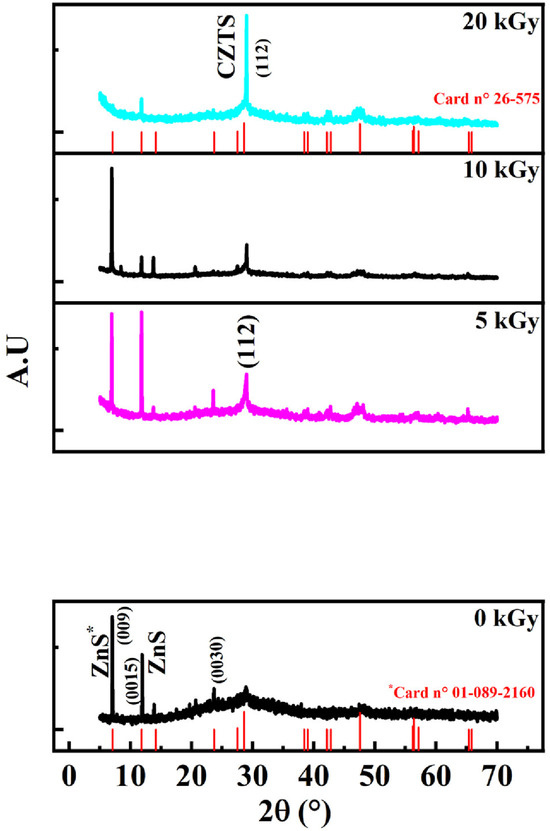
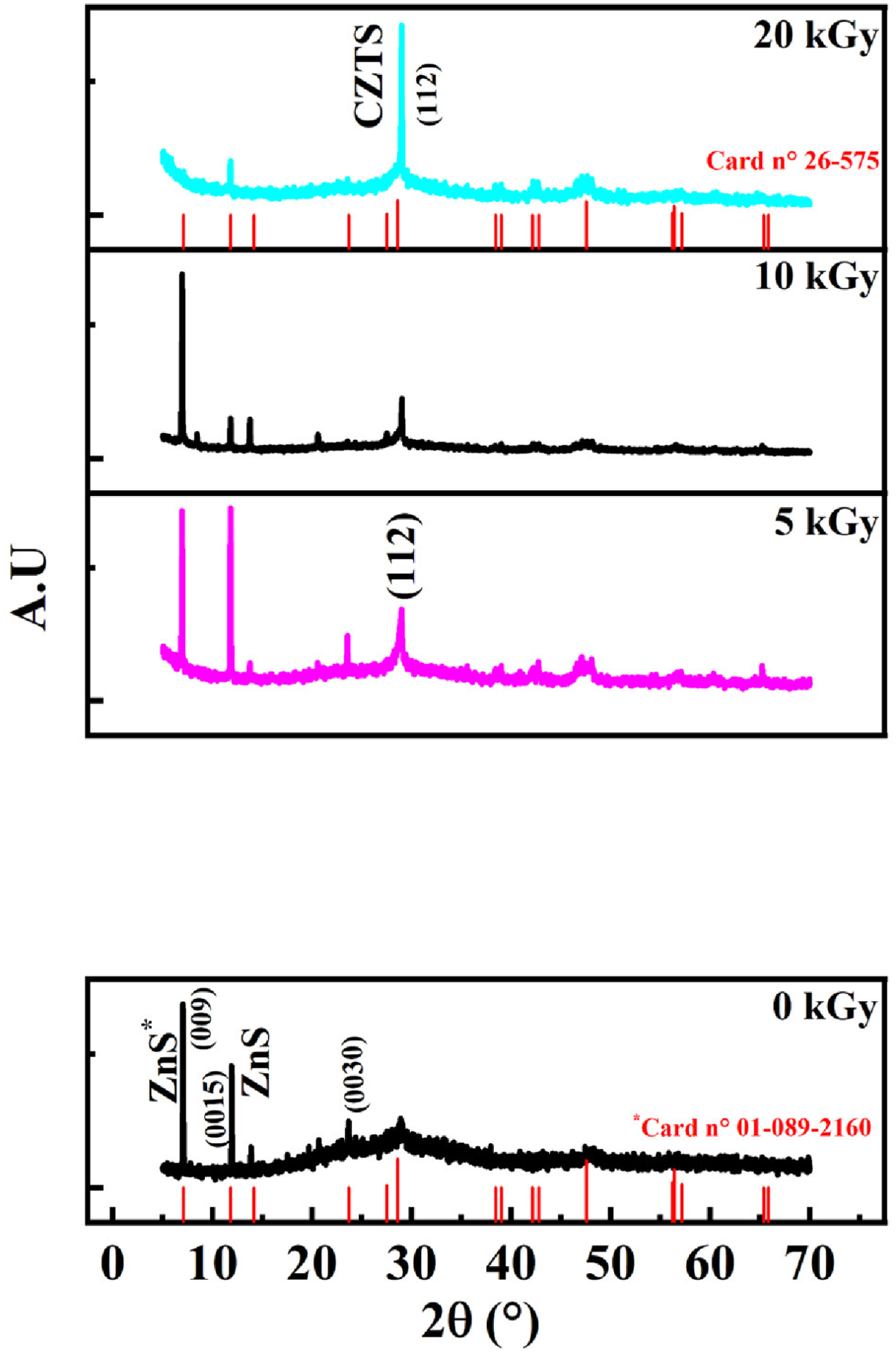
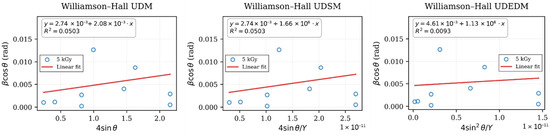
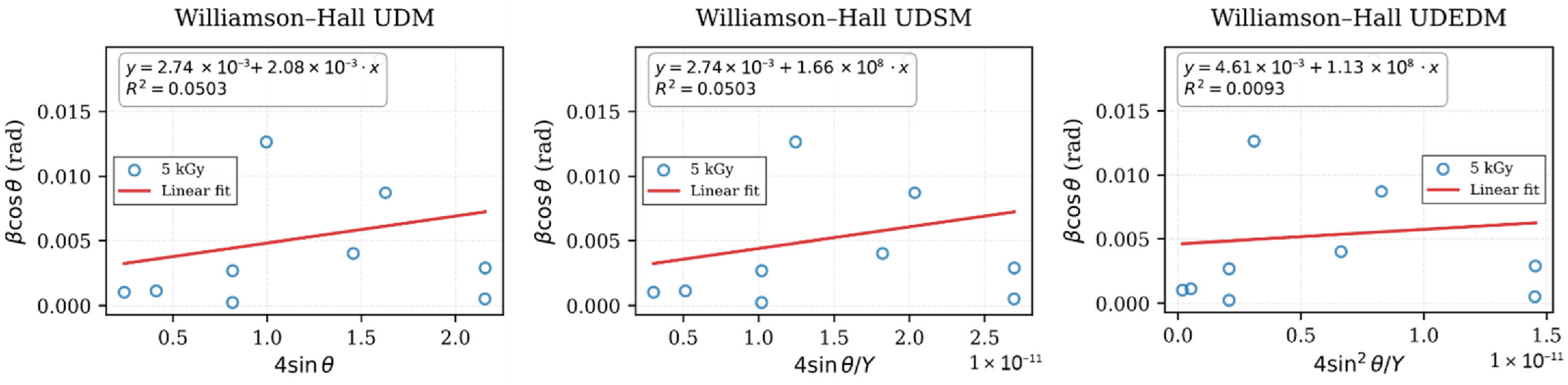
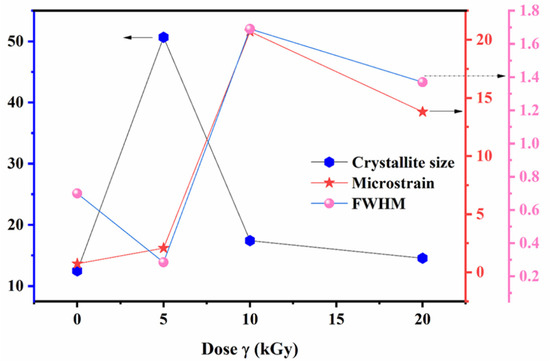
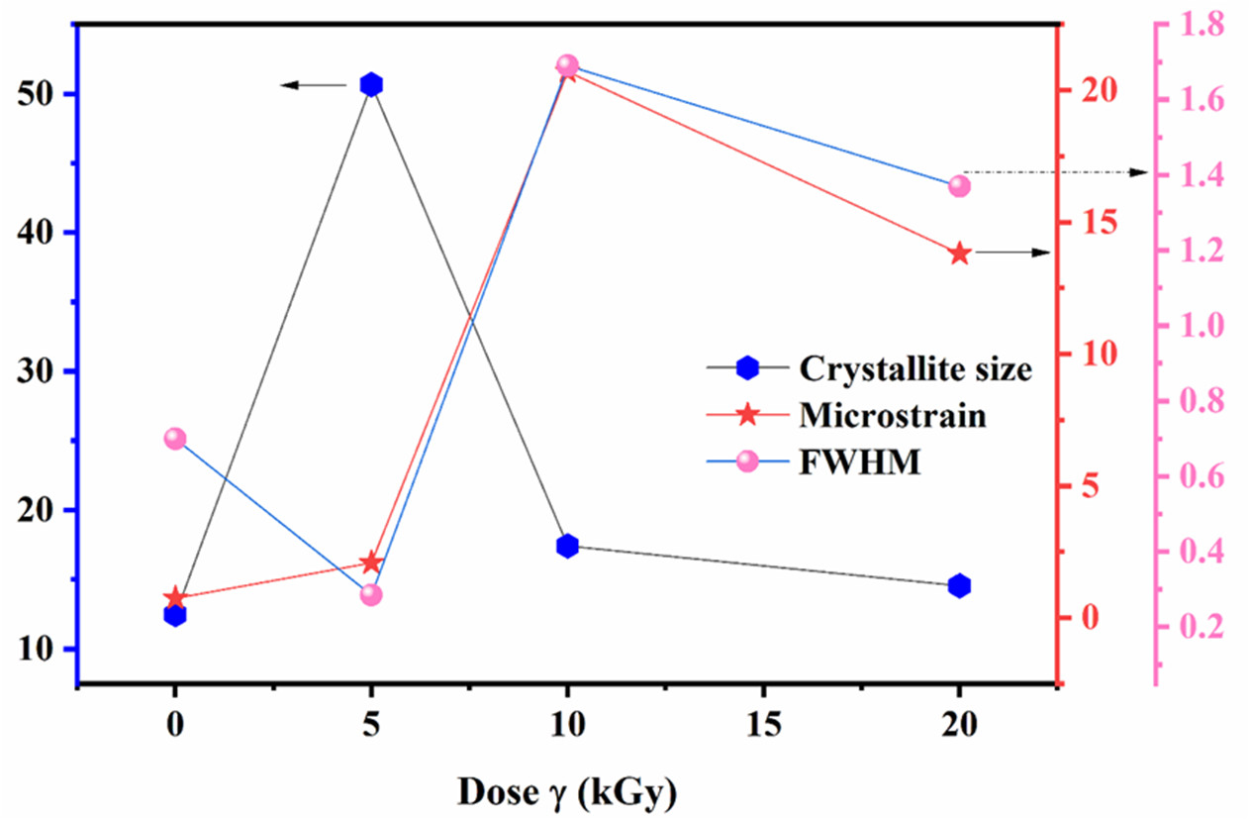
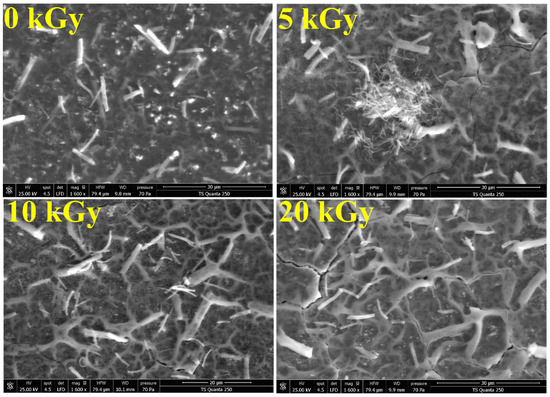
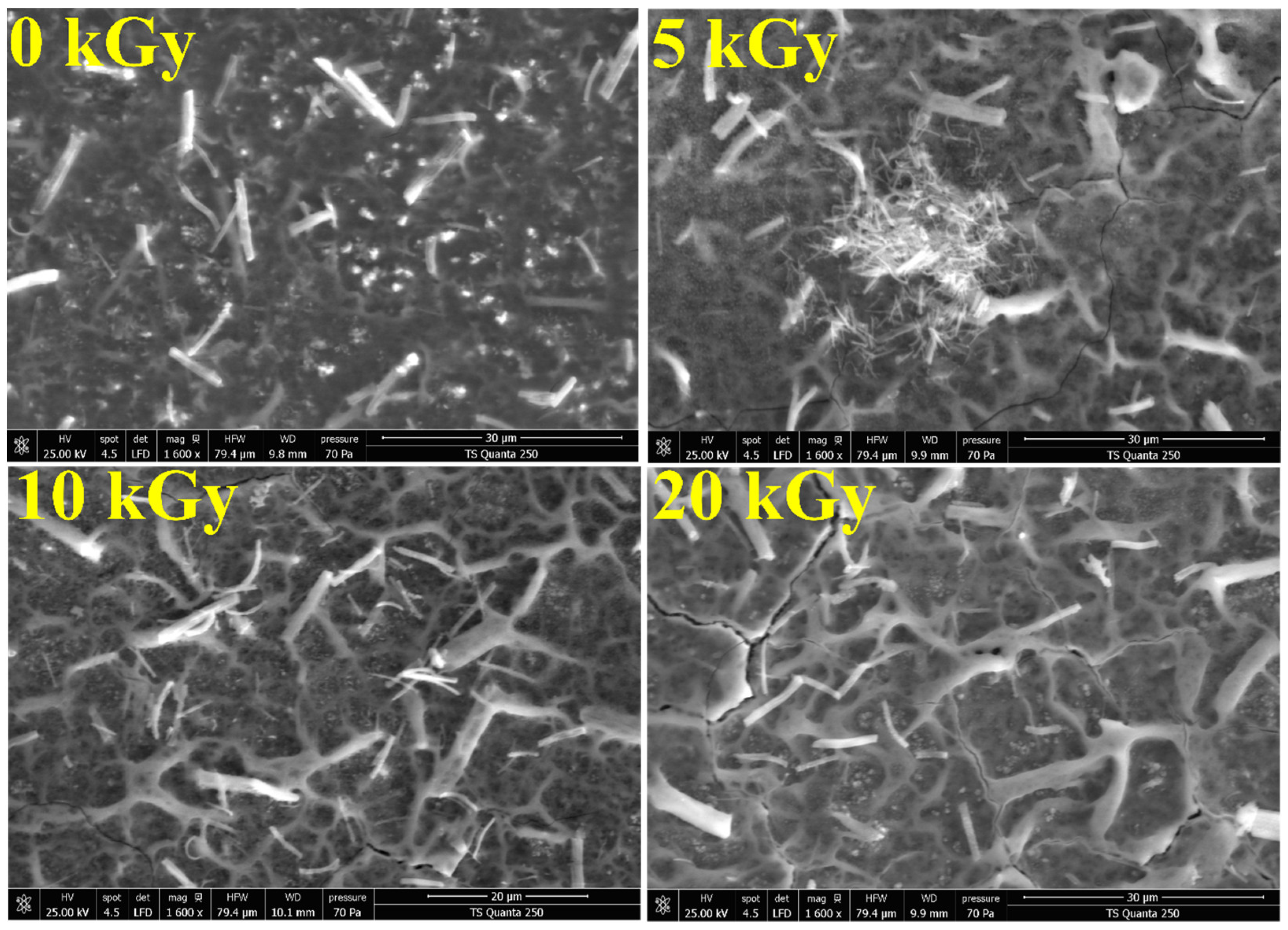
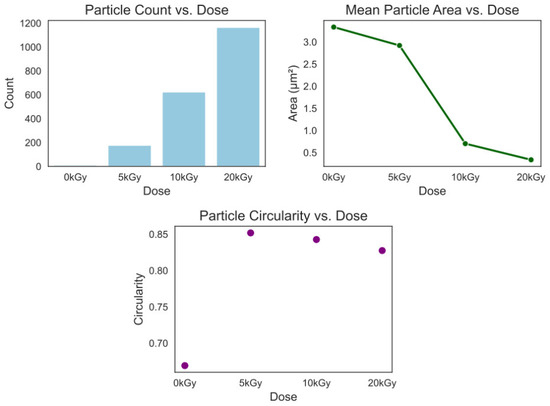
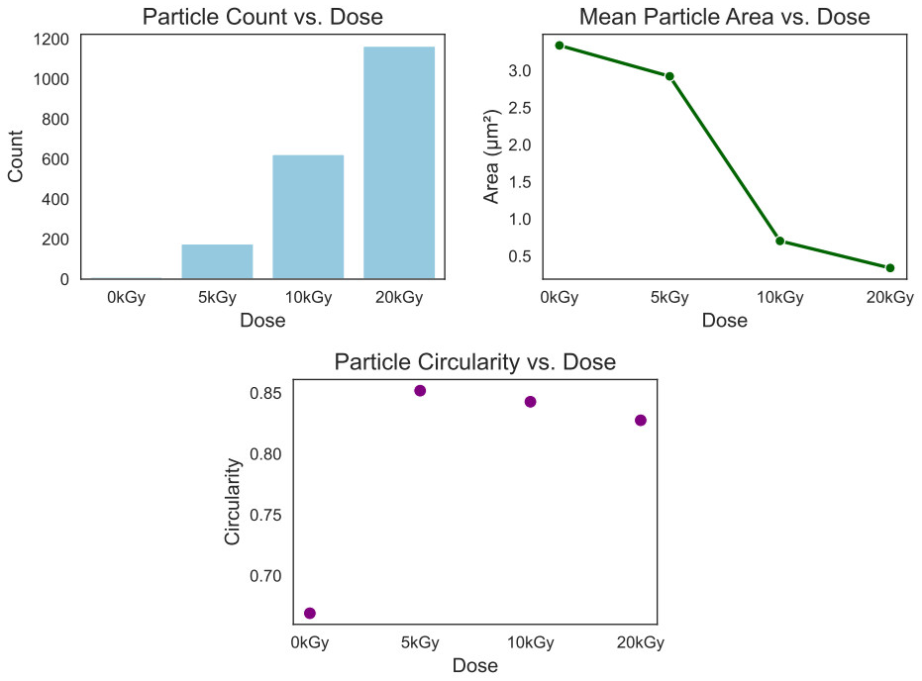
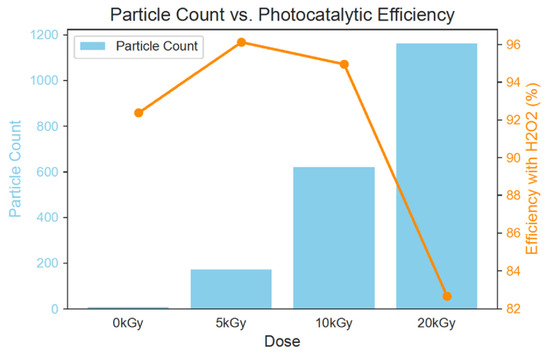
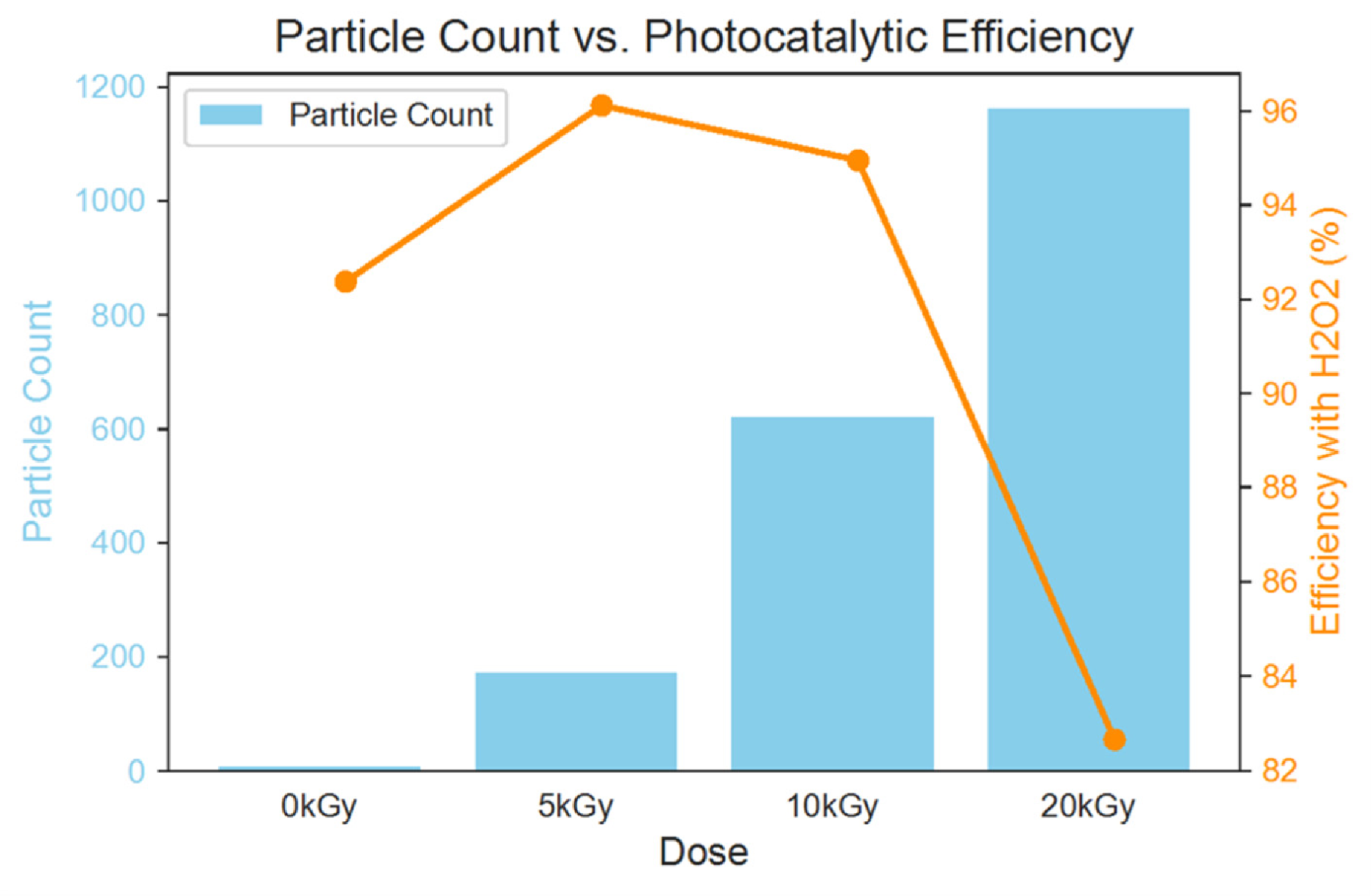
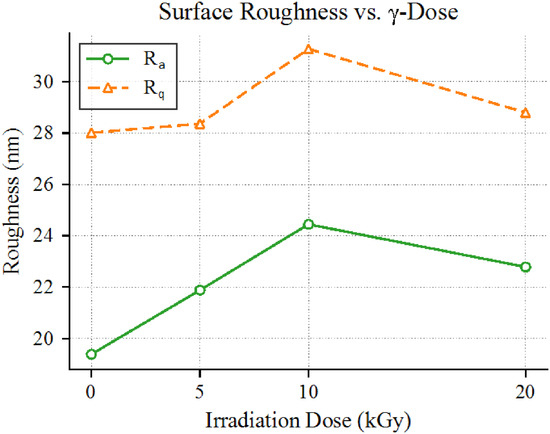
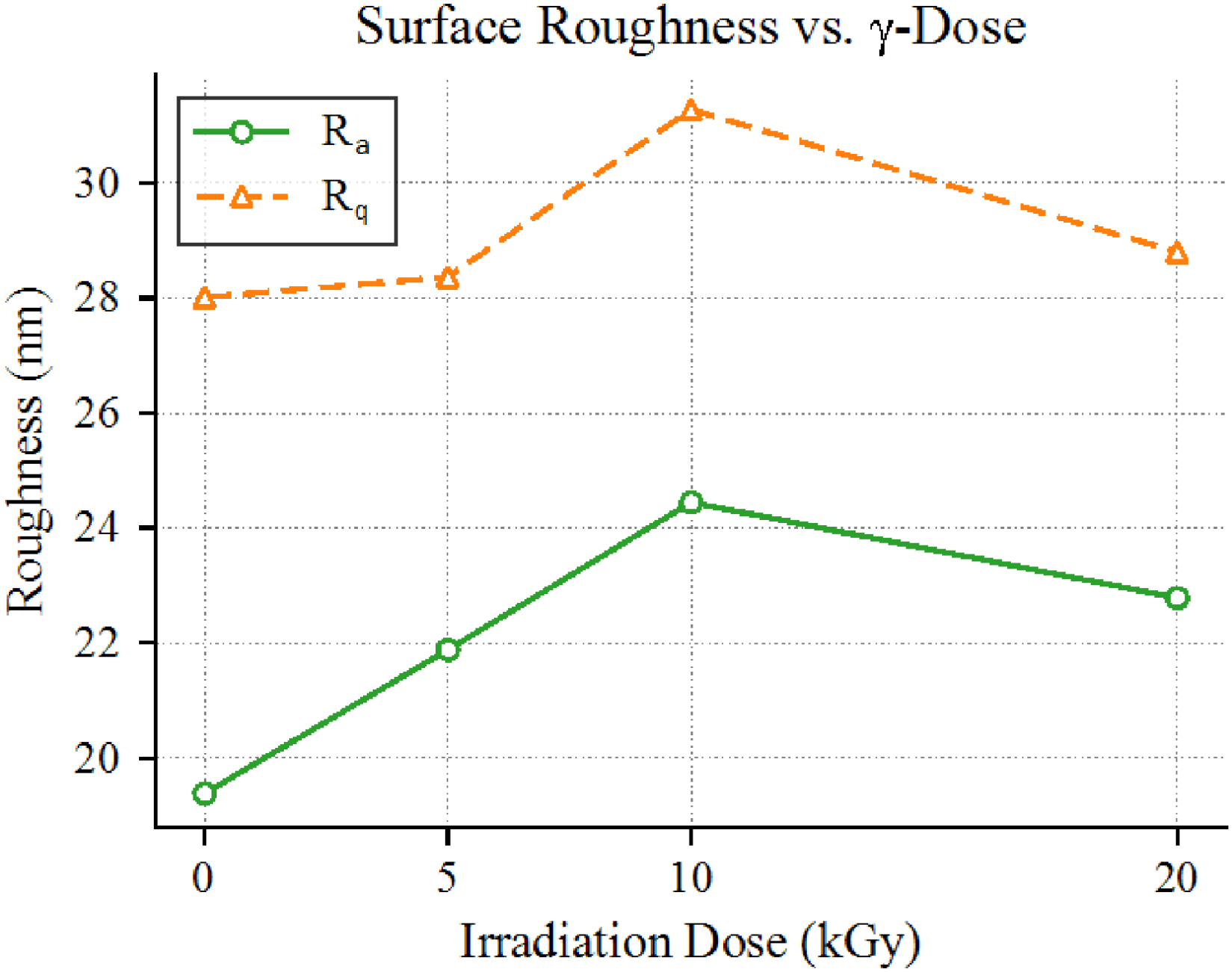
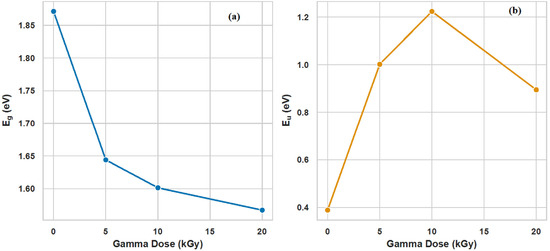
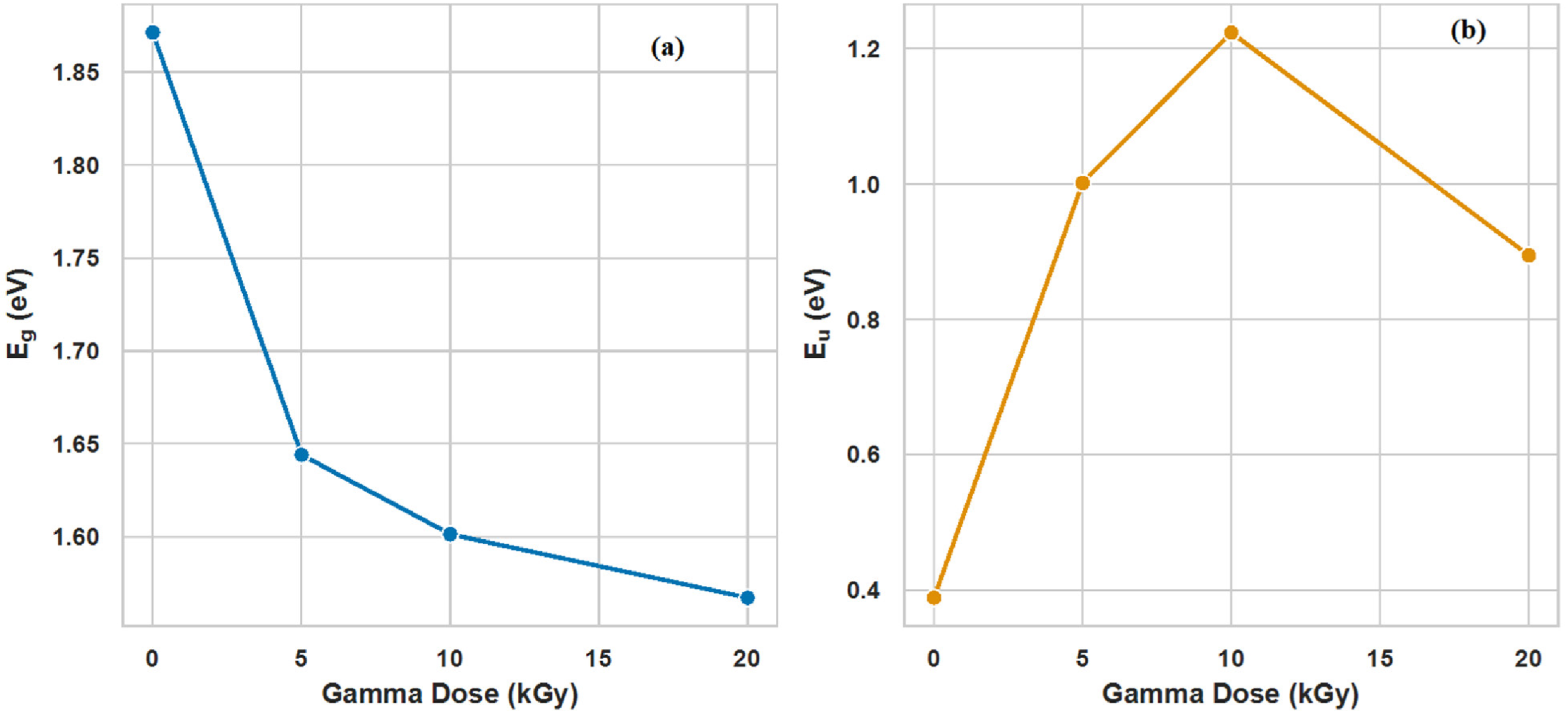
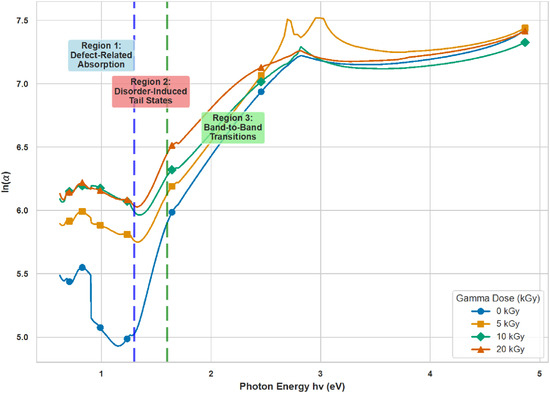
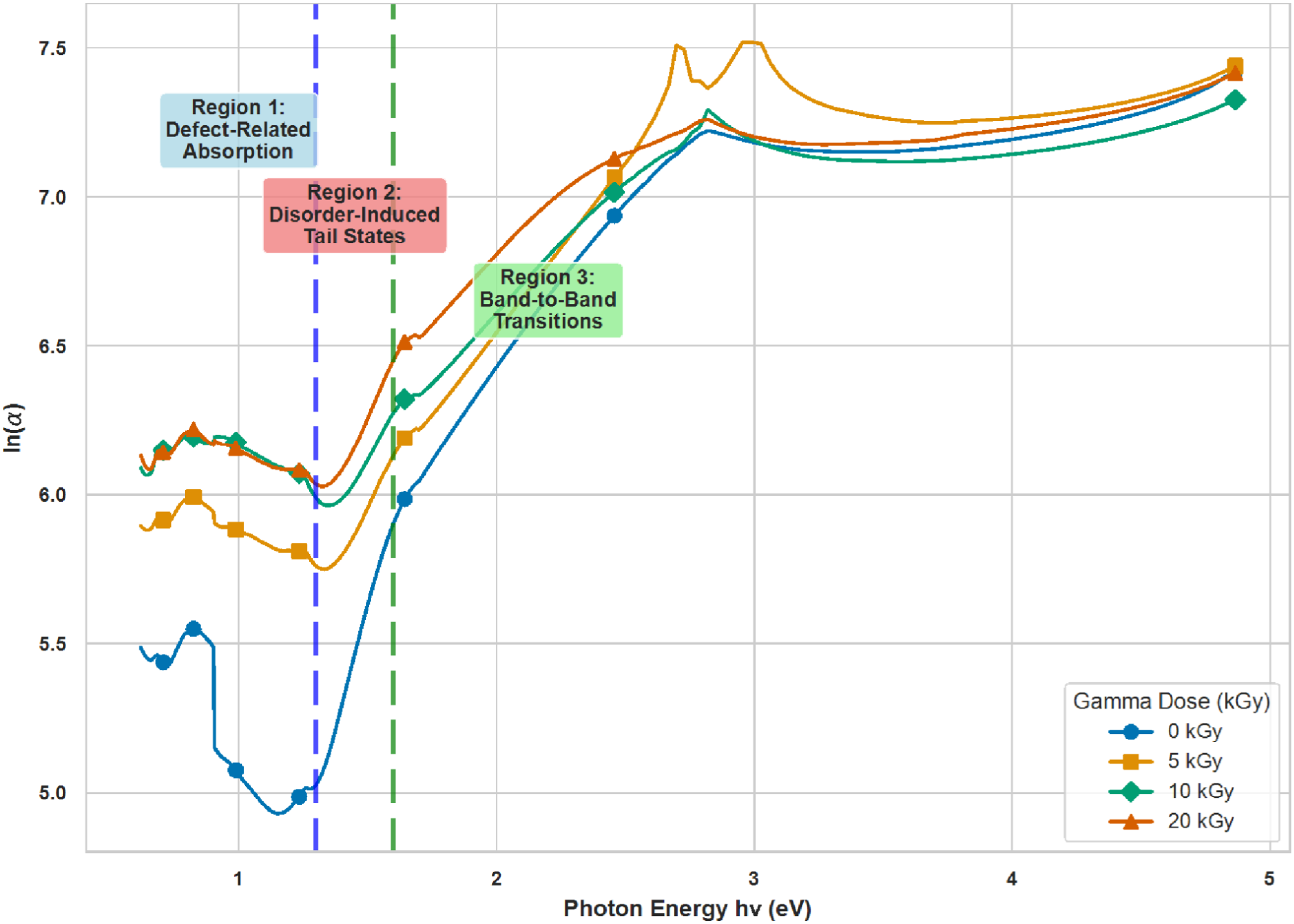
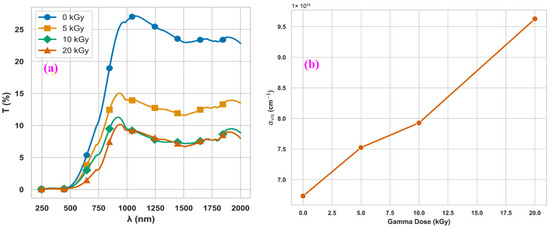
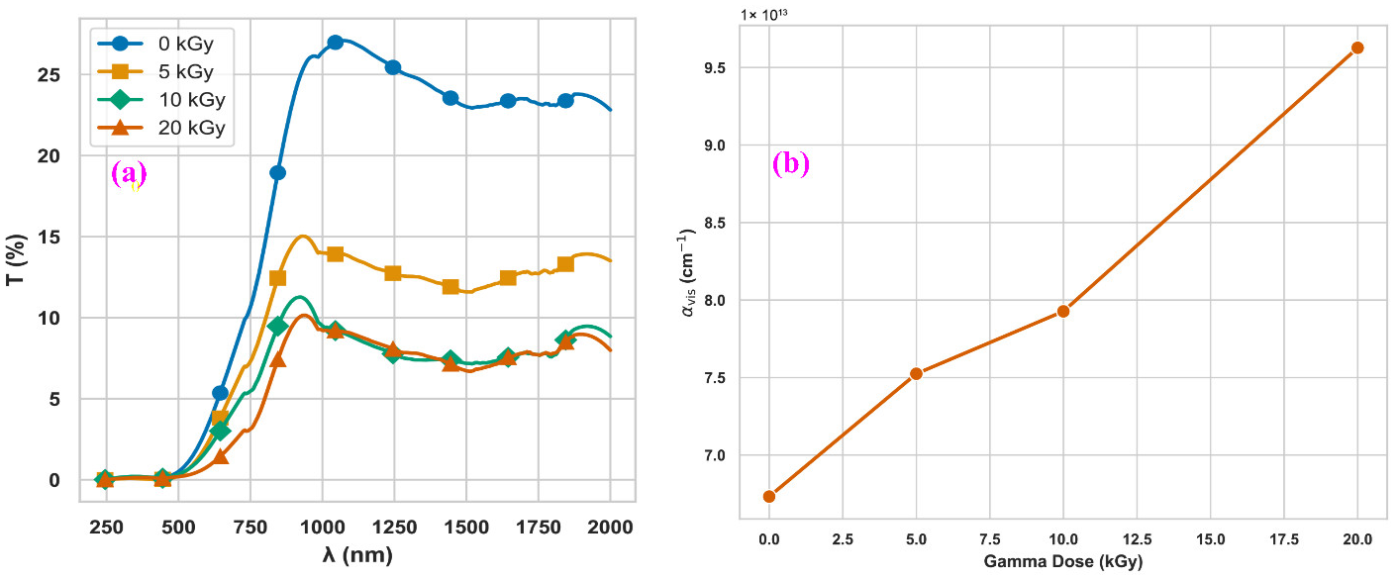
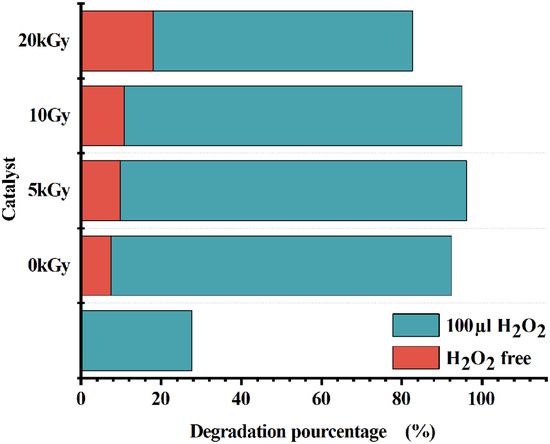
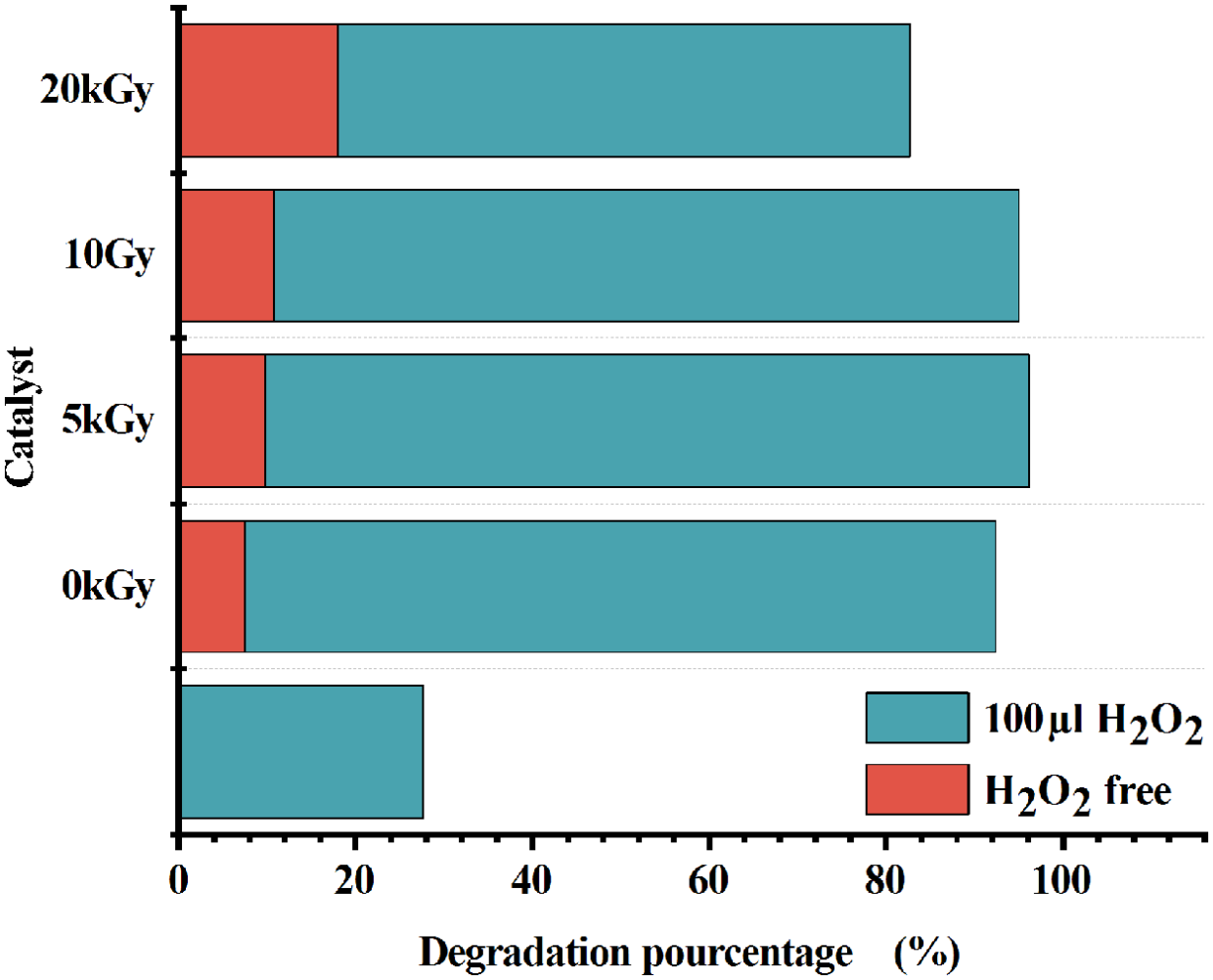
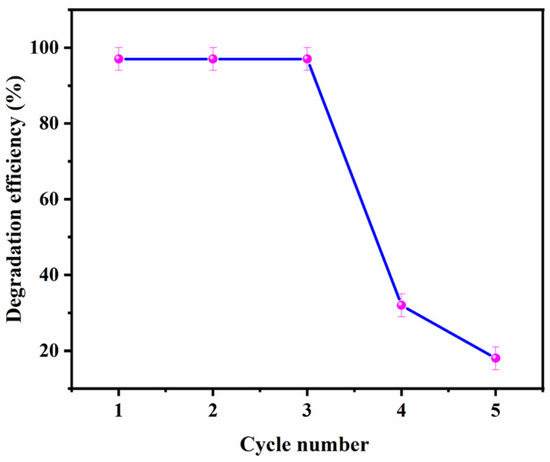
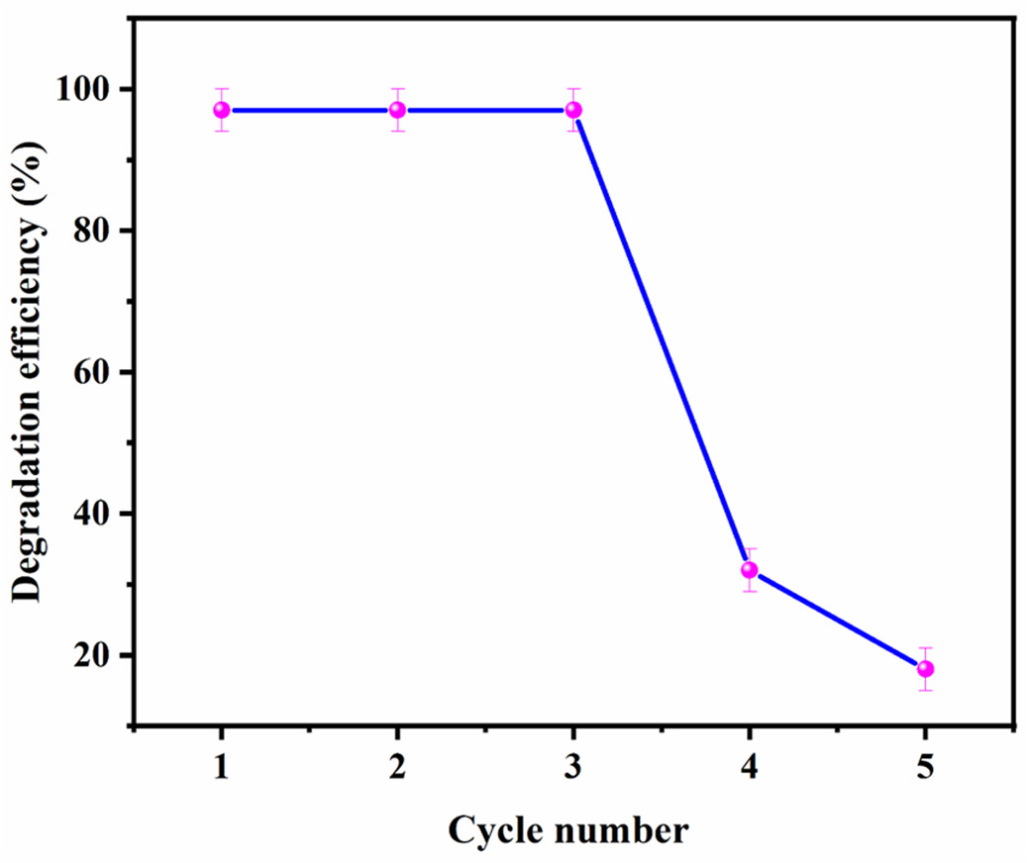
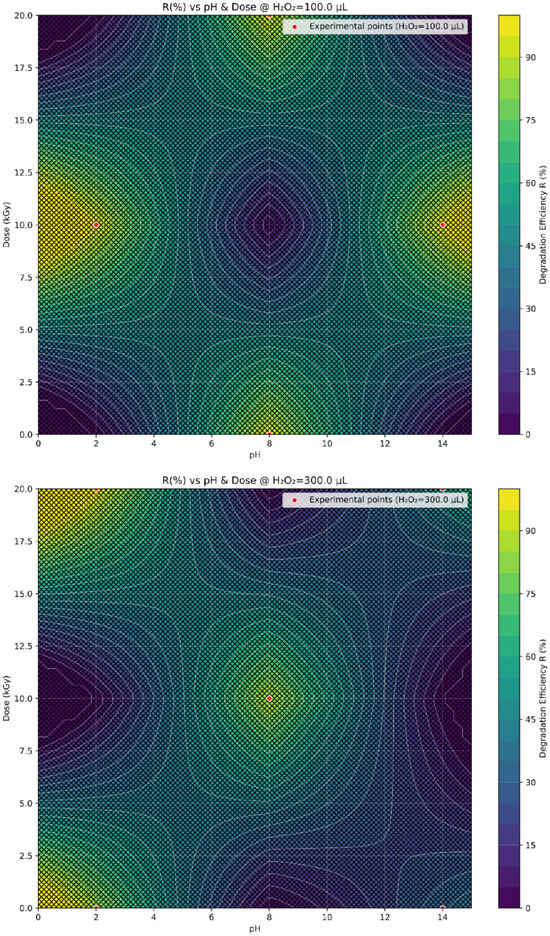
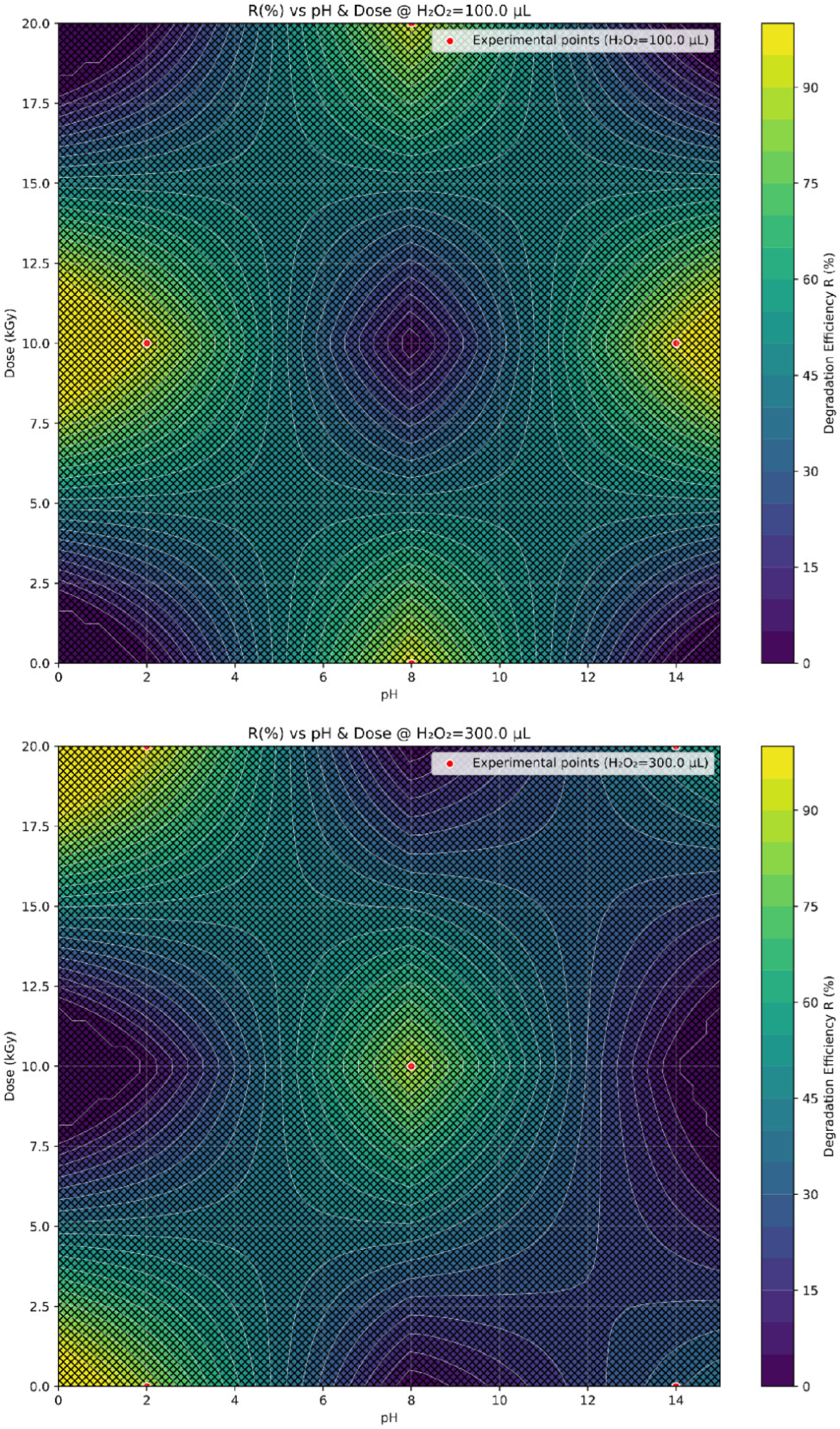
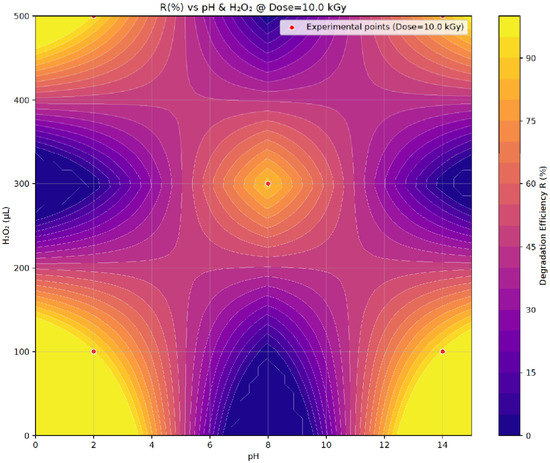
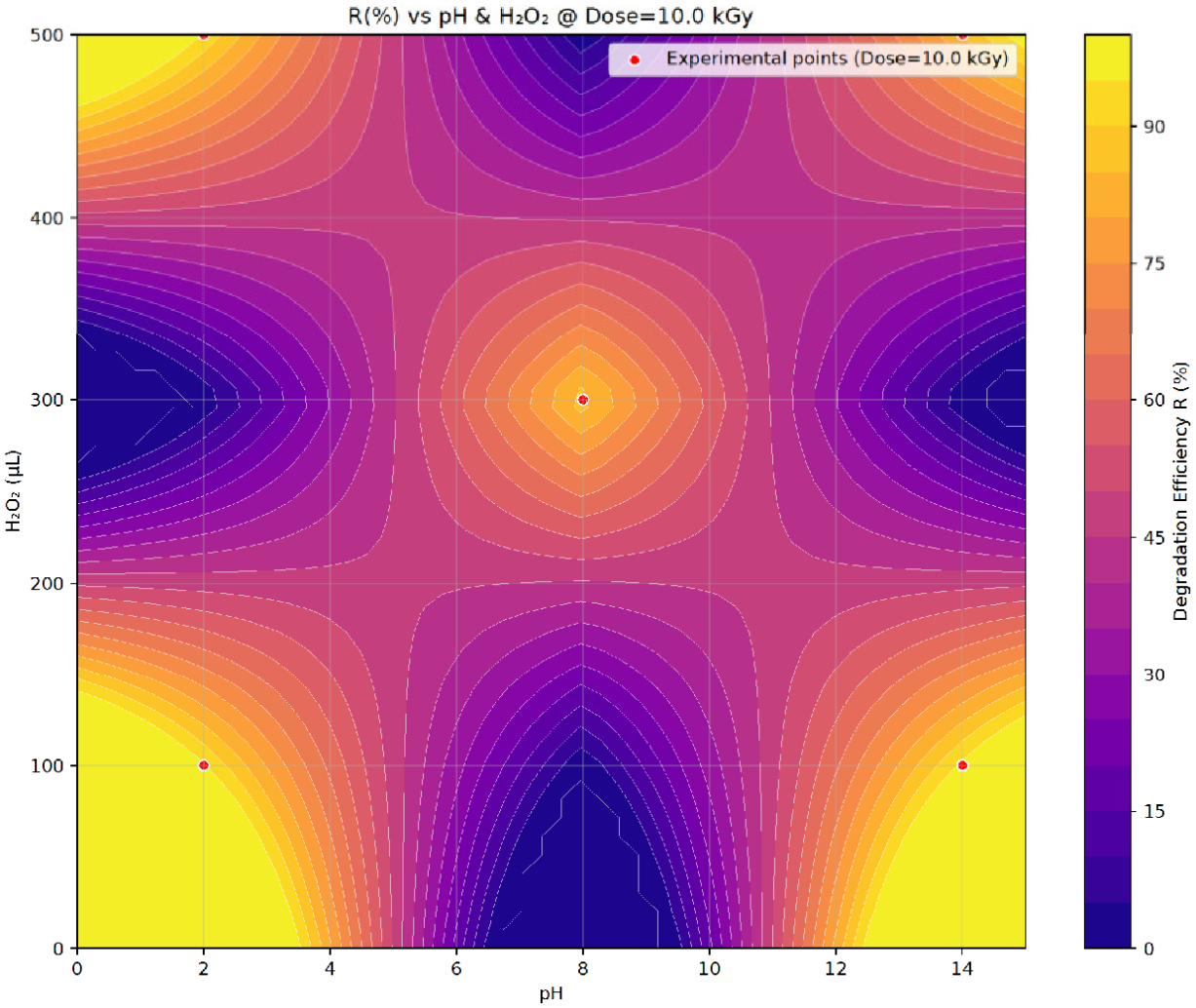
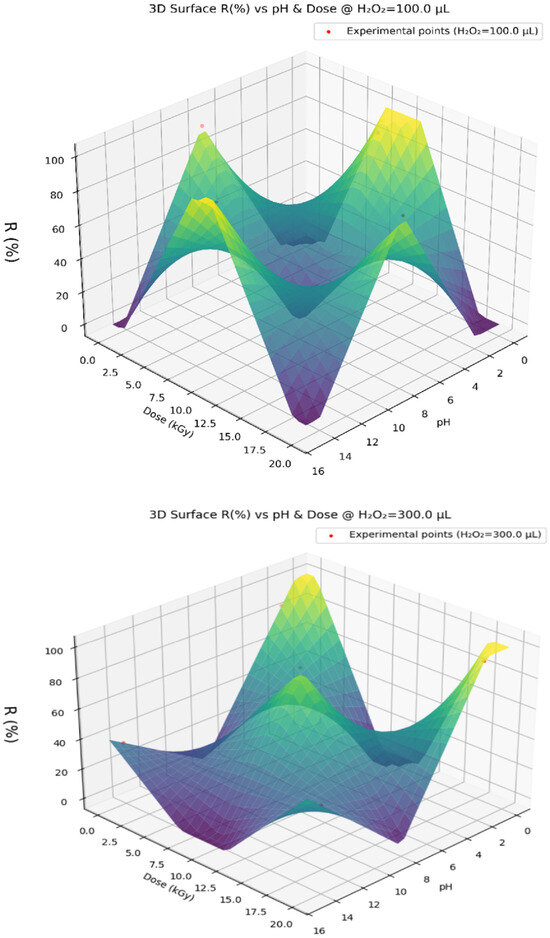
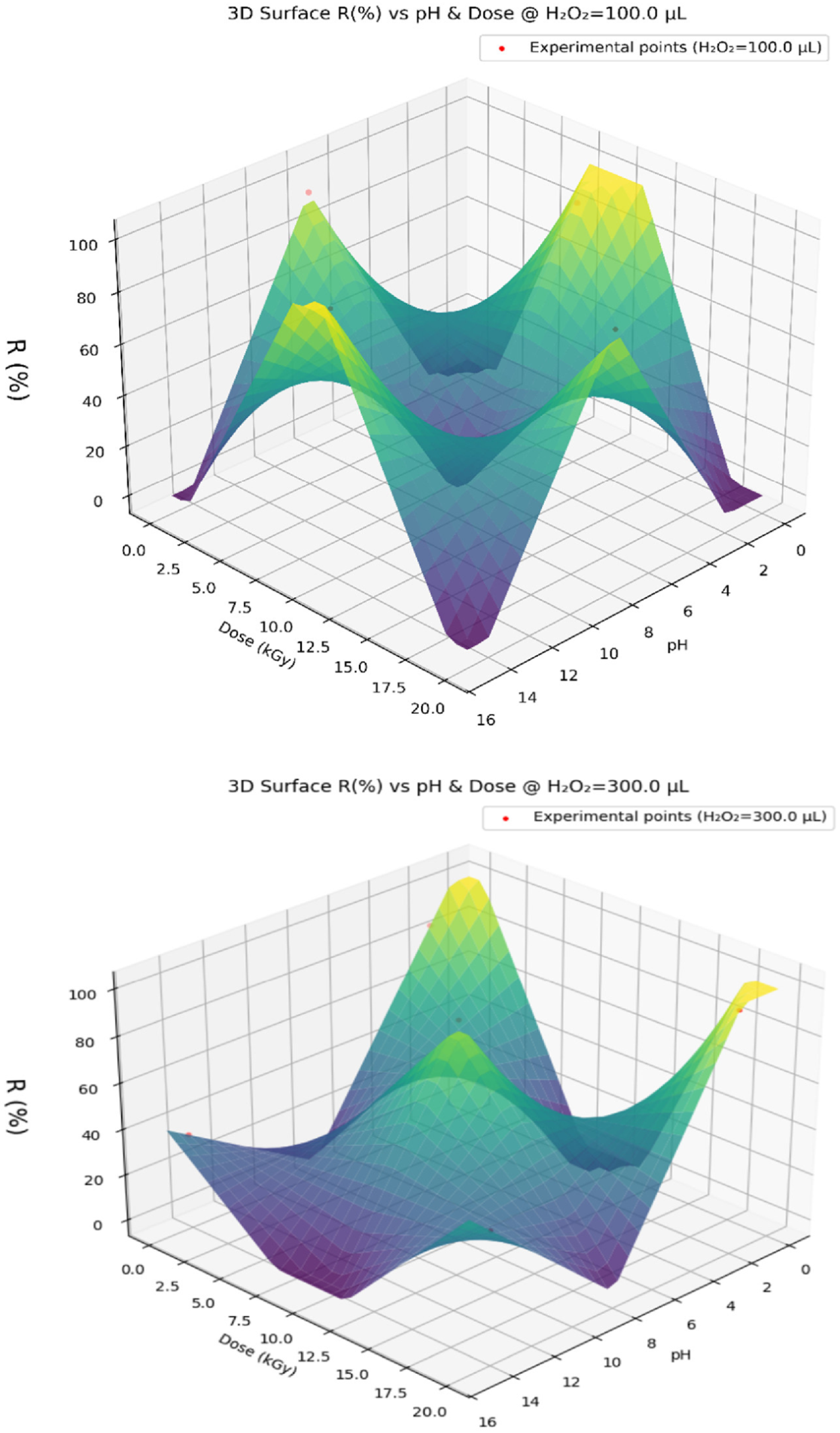
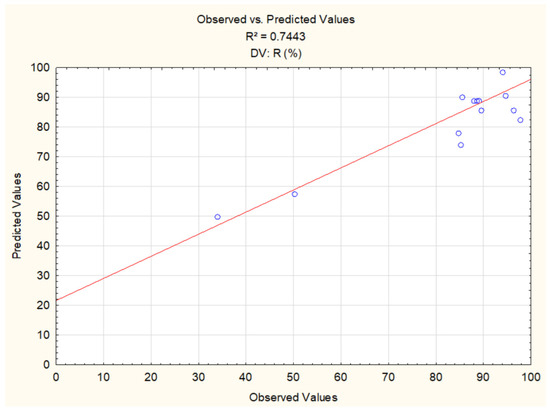
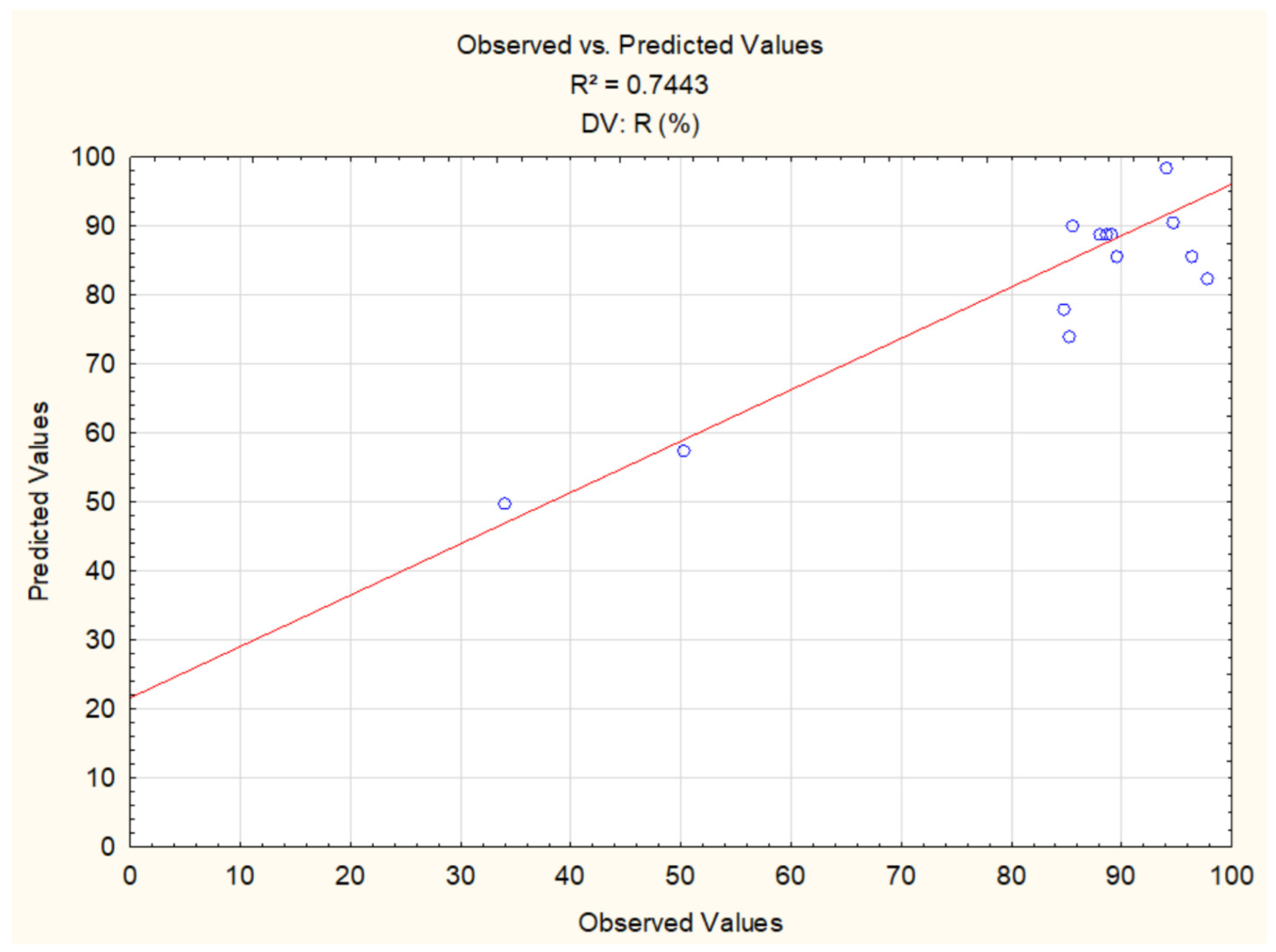
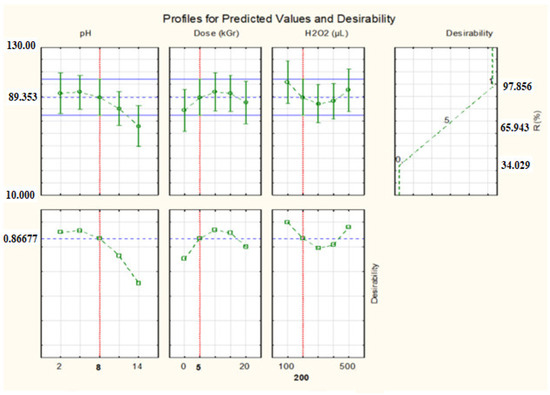
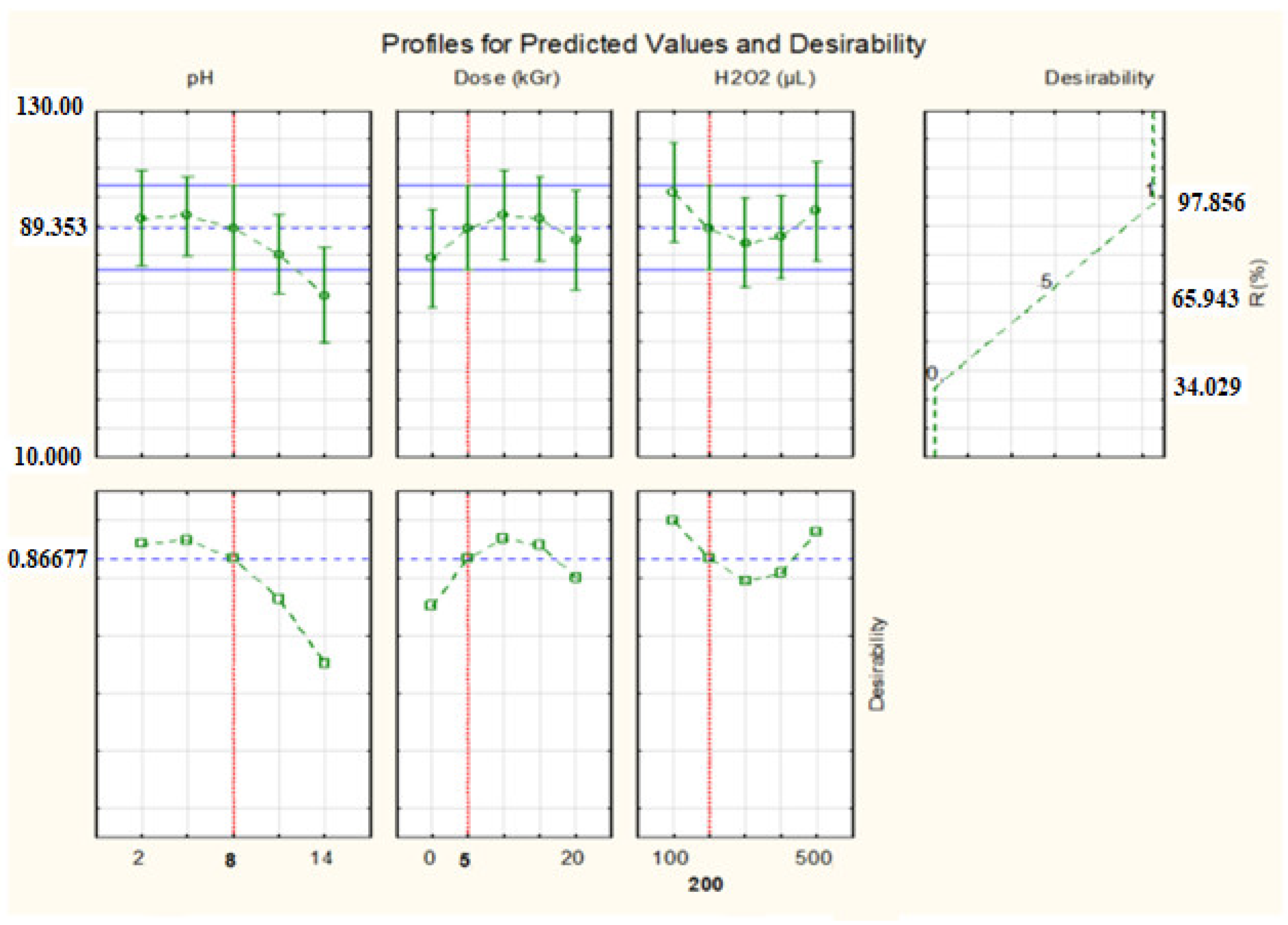

Disclaimer/Publisher’s Note: The statements, opinions and data contained in all publications are solely those of the individual author(s) and contributor(s) and not of MDPI and/or the editor(s). MDPI and/or the editor(s) disclaim responsibility for any injury to people or property resulting from any ideas, methods, instructions or products referred to in the content. |
© 2026 by the authors. Licensee MDPI, Basel, Switzerland. This article is an open access article distributed under the terms and conditions of the Creative Commons Attribution (CC BY) license.