


Abstract
Background/Objectives: The skin microbiome maintains barrier integrity, immune homeostasis, and pathogen defense; dysbiosis contributes to acne vulgaris, dandruff, seborrheic dermatitis, atopic dermatitis, psoriasis, and alopecia. This scoping review critically appraised evidence on prebiotics, probiotics, synbiotics, postbiotics, and paraprobiotics in dermo-cosmetics for acne vulgaris and scalp disorders. Methods: A scoping search (2006–2026) covered SciELO, PubMed/PMC, Google Scholar, CAPES Portal, Scopus, Heliyon, Frontiers, Nature, Wiley, and MDPI, following PRISMA 2020 guidelines. Results: Of 1665 records, 66 were included. For acne, effective prebiotics included blackcurrant, grape seed, ginseng, trehalose, and glucomannan hydrolysate; effective probiotic strains included Streptococcus thermophilus, Bifidobacterium longum, Staphylococcus epidermidis, and Streptococcus salivarius. A synbiotic (B. breve BR03, Lacticaseibacillus casei LC03, Ligilactobacillus salivarius LS03) reduced inflammatory lesions by 56.67% in an 8-week RCT (n = 114). For scalp disorders, oral Lacticaseibacillus paracasei ST11 reduced dandruff by 70% vs. 23% (placebo); Lactiplantibacillus plantarum TCI999 increased hair root diameter (n = 50, 12 weeks); a Lacticaseibacillus rhamnosus plus Bifidobacterium longum mixture improved alopecia areata by 56% vs. 30% (n = 26, 24 weeks). Conclusions: Biotic dermo-cosmetics can modulate the cutaneous microbiome and attenuate inflammation in acne and scalp disorders, with strongest evidence for multi-strain/synbiotic formulations. Formulation stability, strain specificity, regulatory heterogeneity, and lack of standardized microbiological endpoints remain key challenges; larger standardized RCTs with active comparators are needed.
1. Introduction
The skin is one of the body’s most complex microbial ecosystems. Bacteria of the genera Staphylococcus, Propionibacterium spp., and Corynebacterium spp. are among the ten most prevalent colonizers on the face, chest, and back [1]. Cutaneous microbial composition depends on physical factors (follicle density, secretion flow, and pH) and biochemical factors such as sebum-derived micronutrients [2]. On the scalp, dominant healthy-individual species include Cutibacterium spp. (especially C. acnes) and Staphylococcus spp. (mainly S. epidermidis), alongside Corynebacterium, Streptococcus, and Prevotella spp. [3]. Disruption of this balance is linked to multiple inflammatory dermatoses [4,5].
Recent advances in metagenomics sequencing have fundamentally reshaped our understanding of the skin microbiome. The human skin harbors a diverse and dynamic community of bacteria, fungi, viruses, and mites whose collective function extends far beyond passive colonization: these microorganisms actively maintain cutaneous homeostasis, modulate innate and adaptive immune responses, reinforce barrier integrity, and protect against pathogenic invasion [6]. Metagenomic profiling has enabled the reconstruction of microbial species, strains, and gene pathways across distinct body-site niches, identifying numerous therapeutic targets and propelling the development of microbiome-based interventions for skin conditions [6,7]. Dysbiosis, an imbalance in the composition and functional capacity of resident microorganisms, is now recognized not merely as a consequence of inflammatory dermatoses but as an active contributor to their onset and perpetuation. Disrupted microbial communities have been linked to impaired barrier function, elevated transepidermal water loss, heightened pro-inflammatory signaling, and increased susceptibility to pathogenic colonization in conditions including acne, atopic dermatitis, seborrheic dermatitis, psoriasis, and alopecia [7,8]. Exogenous factors, such as cosmetic products, UV radiation, environmental pollutants, diet, and pharmacological treatments, alongside endogenous factors such as stress, hormonal imbalances, and aging, directly modulate cutaneous microbial balance by affecting sebum composition, skin pH, and epidermal barrier function [9,10]. Microbiome-based interventions, including prebiotics, probiotics, postbiotics, and paraprobiotics incorporated into topical and oral formulations, have thus emerged as complementary strategies aimed at restoring microbial equilibrium, strengthening the skin barrier, and attenuating inflammatory cascades [8,10,11]. Advances in multi-omics technologies and artificial intelligence are increasingly applied to personalize these approaches and accelerate their clinical translation [7].
Acne vulgaris is a chronic inflammatory disease of the pilosebaceous unit, characterized by papules, nodules, comedones, and pustules, with significant psychosocial consequences [12]. In acne-prone skin, Cutibacterium acnes counts can reach 120,000 CFU/cm2 [13]. Growing concerns about antimicrobial resistance have renewed interest in microbiome-modulating therapies as adjuncts to conventional treatment [14].
Scalp disorders, including androgenetic alopecia, alopecia areata, seborrheic dermatitis, dandruff, and psoriasis, carry a substantial psychosocial burden [15,16]. A survey reported high or extreme stress related to hair loss in 52% of women and 28% of men. Dysbiosis is increasingly recognized as a contributing factor [3], and strategies targeting the scalp microbiome attract considerable scientific interest [17].
Prebiotics are selectively utilized substrates that confer health benefits by stimulating commensal microorganisms [17]. The most common cosmetic prebiotics include fructo-oligosaccharides (FOSs), galacto-oligosaccharides (GOSs), glucomannan oligosaccharides, inulin, and lactulose [18]. Probiotics are defined as ‘live microorganisms that, when administered in adequate amounts, confer a health benefit on the host’ [19]. The genera Bifidobacterium and Lactobacillus are the most commonly used in formulations [18]; strain specificity and dose are determinants of clinical efficacy [19]. These consensus definitions of prebiotics and probiotics are also endorsed by the World Gastroenterology Organization (WGO) global guideline on probiotics and prebiotics [20], reflecting broad international agreement across gastroenterology, nutrition, and microbiology societies.
To avoid conceptual overlap between related terms, postbiotics and paraprobiotics are frequently used interchangeably in the literature, although their accepted definitions differ in scope. The ISAPP 2021 consensus defines postbiotics broadly as preparations of inanimate microorganisms and/or their components, irrespective of the physical form of inactivation. In contrast, paraprobiotics denote specifically intact, non-viable microbial cells derived from formerly viable probiotic strains. In this review, the term postbiotic is used for secreted metabolites and cell-free preparations, and paraprobiotic for heat-killed or otherwise inactivated whole-cell preparations, following the distinction proposed by Cuevas-González et al. [21] and Aguilar-Toalá et al. [22].
Synbiotics combine complementary probiotics and prebiotics, increasing probiotic survival and promoting commensal microbiota growth [20]. Postbiotics and paraprobiotics are defined above; the WGO guideline further distinguishes complementary synbiotics, mixtures of independently qualifying probiotics and prebiotics, from synergistic synbiotics, in which a live microorganism is combined with a substrate specifically selected to enhance its functionality [20].
The rapid expansion of publications in this field since 2021 [23] and growing consumer demand for microbiome-friendly cosmetics justify a comprehensive review of the scientific evidence on this topic. The following research questions were addressed: (1) Are dermo-cosmetics containing prebiotics and/or probiotics effective for acne management? (2) What benefits do topical or oral biotics confer in scalp disorders? (3) What evidence exists for synbiotics and postbiotics in these conditions?
2. Materials and Methods
2.1. Study Design
This scoping review followed the PRISMA 2020 extension for scoping reviews (PRISMA-ScR; https://www.prisma-statement.org/scoping accessed on 10 January 2026) [24]. The study protocol was not pre-registered. The central research question was ‘Are dermo-cosmetics containing prebiotics, probiotics, synbiotics, and/or postbiotics effective for cutaneous disorders, particularly acne vulgaris and scalp disorders, with demonstrable improvements in cutaneous and scalp microbiota?’.
2.2. Databases and Search Strategy
Searches were conducted in SciELO, PubMed/PMC, Google Scholar, CAPES Periodicals Portal, PUC-Campinas Digital Library, Scopus, Heliyon (Elsevier), Frontiers, Nature Publishing Group, Wiley Online Library, and MDPI. Search terms included the following: “cosmetics”; “prebiotics”; “probiotics”; “acne-prone skin”; “microbiota”; “scalp”; “topical probiotics and prebiotics”; “psoriasis”; “alopecia”; “atopic dermatitis”; “seborrheic dermatitis”; “microbiome”; “Lactobacilli”; “skin”; “Bifidobacterium longum”; “skin microbiome”; “Vitreoscilla filiformis”; “shampoo-gel”; “lotion”; “emulsion”; “gel”; “synbiotics”; “postbiotics”; “paraprobiotics”; “gut-skin axis”; “hair growth”; “hair loss”; “dandruff”; “randomized controlled trial”; “meta-analysis”; “systematic review”. The search period covered 2006 to June 2026. The final search was conducted on 10 June 2026. No language restrictions were applied; eligible publications were retrieved in English, Portuguese, and Spanish. Duplicate records were manually removed.
2.3. Eligibility Criteria
Inclusion criteria: experimental articles; literature reviews; randomized controlled trials; systematic reviews and meta-analyses reporting efficacy or safety outcomes for biotics in dermatological conditions; full text available; publications from 2006 to June 2026. Exclusion criteria: studies without full-text availability; studies outside topic scope. Reasons for excluding full-text articles (n = 8) included full text unavailable and articles outside the thematic scope identified only upon full-text reading.
2.4. Study Selection and Synthesis
Articles were screened by title and abstract, then full-text assessed. Selected articles were read, classified, and discussed in relation to the research questions. A summary table was compiled for all included studies (Table S1, Supplementary Materials). The selection flowchart followed the PRISMA 2020 model (Figure S1, Supplementary Materials). Of the 1665 records initially identified, 78 were assessed for full eligibility, and 66 were included. Following PRISMA guidance for scoping reviews, data were synthesized narratively by condition (acne-prone skin; scalp disorders) and biotic type (prebiotic; probiotic; synbiotic; postbiotic/paraprobiotic). A single reviewer performed title and abstract screening and full-text assessment. To distinguish the strength of the evidence base, included studies were further classified by design (in vitro, in vivo/animal, pilot or observational clinical study, randomized controlled trial, narrative review, or systematic review/meta-analysis); this classification is indicated in square brackets before each study discussed in Section 3, in the subsection headings, and in Table 1, while systematic reviews and meta-analyses are additionally grouped as higher-level, aggregative evidence in Section 3.11.
Table 1.
Summary of the main clinical studies (randomized controlled trials and comparative/pilot clinical studies) on biotics for acne-prone skin and scalp disorders discussed in this review. NR = not reported in the cited source. A complete characterization of included studies is provided in Table S1 (Supplementary Materials).
3. Results
Among the three thematic domains covered in this review, clinical studies on scalp disorders represented the richest area in terms of volume and methodological diversity: seventeen studies were identified, including multiple double-blind, placebo-controlled RCTs on dandruff [31,32,33], alopecia [29,30,34], and seborrheic dermatitis [36]. The acne-prone skin literature was the second largest domain, with sixteen studies ranging from in vivo prebiotic evaluations to RCTs and meta-analyses; notably, the synbiotic RCT of Rinaldi et al. [26] (n = 114) and the meta-analyses of Abedin et al. [37] (n = 332) and Tjiu and Lu [38] (n = 231) constituted the highest-level evidence available. Systematic reviews and meta-analyses, summarized in Section 3.11, spanned all conditions and constituted the third major body of evidence, including umbrella analyses with over 127,000 participants [39]—the following subsections detail findings by condition and biotic category.
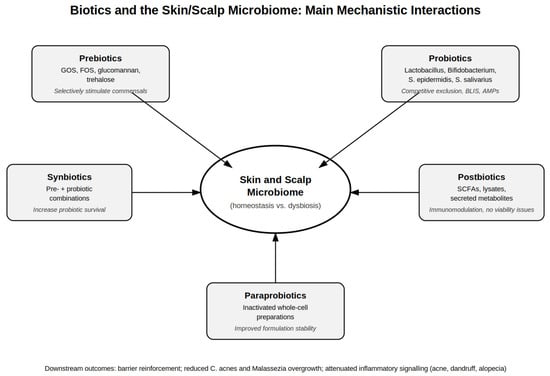
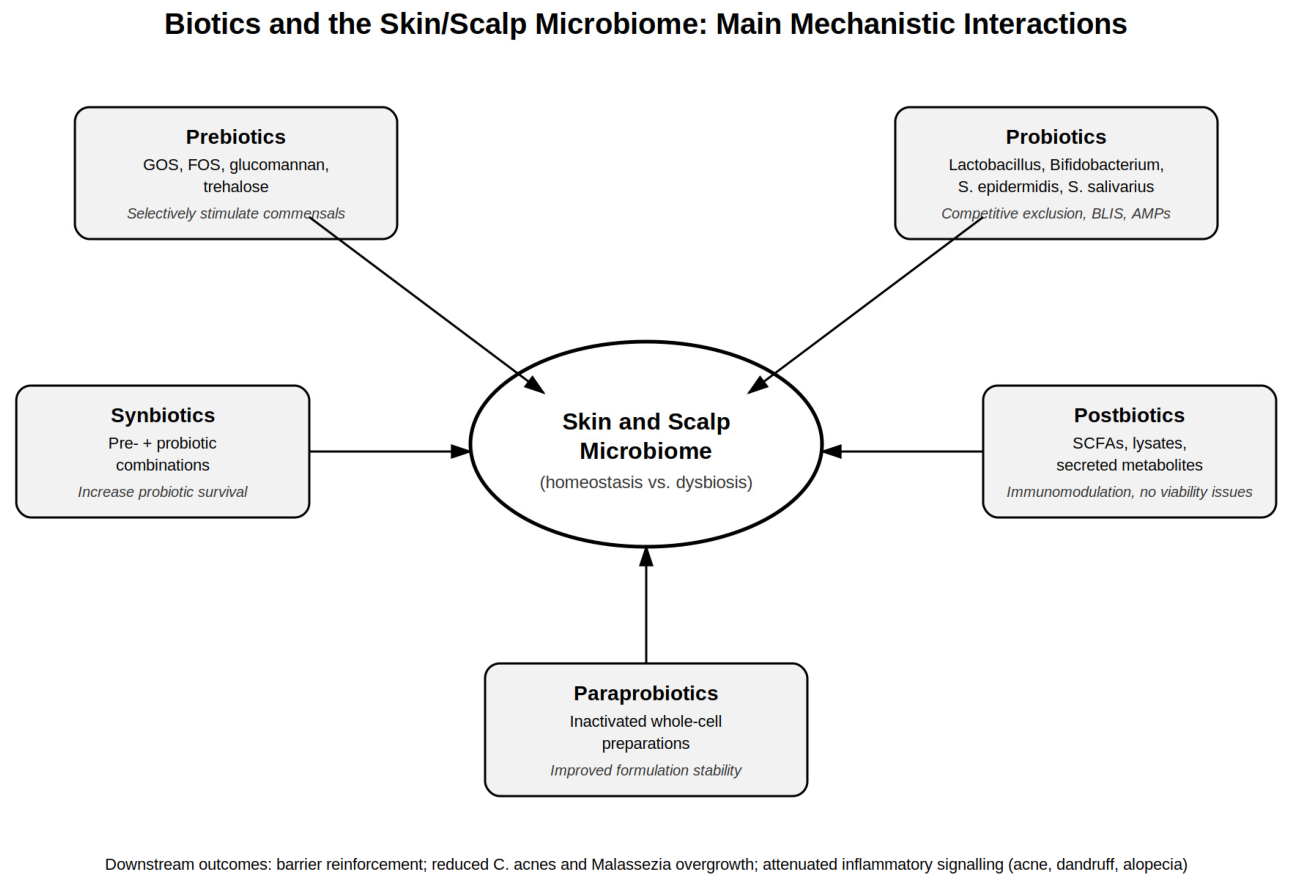
Figure 1 presents a graphical summary of biotic interactions in the skin and scalp.
Figure 1.
Graphical summary of the main mechanistic interactions between prebiotics, probiotics, synbiotics, postbiotics, paraprobiotics, and the skin/scalp microbiome, as well as their principal downstream effects on cutaneous barrier and inflammatory outcomes discussed in this review. Own elaboration.
3.1. Prebiotic Actives for Acne-Prone Skin
3.1.1. Blackcurrant, Grape Seed, and Ginseng Extracts (In Vivo, Uncontrolled)
Simmering and Breves [40] conducted an in vivo study in 11 volunteers using a cosmetic formulation with 0.5% each of blackcurrant extract (Ribes nigrum L.), grape seed extract (Vitis vinifera L.), and ginseng (Panax ginseng). Twice-daily application significantly reduced the proportion of Cutibacterium acnes in the total flora over three weeks, with a slight increase in Staphylococcus epidermidis. A subsequent study in 30 volunteers confirmed marked sebum reduction and improved skin appearance, microbial quantification used FISH (16S rRNA). Blackcurrant is rich in anthocyanins with antioxidant and anti-inflammatory properties [41]. Ginseng contains ginsenosides, especially Re, supporting cutaneous microflora [42]. Grape seed extract is rich in vitamin E and supports skin hydration [43].
3.1.2. Trehalose (Mechanistic/In Vitro Evidence)
Trehalose is a disaccharide with protective effects against desiccation and antioxidant activity. Chen et al. [44] demonstrated that trehalose oligosaccharides increase production of five types of bacteriocins in lactic acid bacteria, supporting its classification as a prebiotic. Recommended cosmetic concentrations are 2–5% [45]. Zeng et al. [46] confirmed and extended evidence for oligosaccharide prebiotics, including trehalose-like structures, documenting cutaneous microbiome modulatory effects. The broader prebiotic oligosaccharide literature [46] also positions trehalose-related structures as modulators of the microbiome by promoting lactic acid bacteria and suppressing pathogenic species, with evidence of antioxidant, photoprotective, and anti-aging ancillary benefits. In vitro data further confirm that trehalose enhances the production of antimicrobial peptides and modulates keratinocyte differentiation, suggesting additional roles beyond simple bacteriocin induction [47].
3.1.3. Glucomannan Hydrolysate (Mechanistic/In Vitro Evidence)
Glucomannan (Amorphophallus konjak), a soluble fiber, when hydrolyzed, stimulates the growth of lactic acid bacteria and inhibits C. acnes. Berbl et al. [48] cited that glucomannan hydrolysate reduced acne severity in mild-to-moderate cases and may serve as an adjunct in severe acne. Glucomannan hydrolysate’s mechanism involves the selective stimulation of lactic acid bacteria at the expense of pathogenic anaerobes, consistent with the ISAPP 2017 prebiotic consensus [17]. Al-Ghazzewi and Tester [18] highlight glucomannan as one of the most cosmetically relevant soluble fiber-derived prebiotics, noting that its hydrolyzed form exhibits improved skin penetration and tolerability. The broader oligosaccharide review by Zeng et al. [46] also documents in vivo anti-acne activity for konjac-derived oligomers at concentrations compatible with cosmetic formulation.
3.1.4. Emerging Prebiotic Oligosaccharides (Narrative/Systematic Review Evidence)
Zeng et al. [46] documented in vitro and in vivo evidence for GOS, FOS, human milk oligosaccharides (HMOs), and emerging candidates (gluco-, chitosan-, and agaro-oligosaccharides). These compounds promote cutaneous commensals, inhibit pathogens, and, via oral or topical administration, attenuate acne, improve hydration, and protect against photoageing. The review by Da Silva et al. [5] contextualizes GOS, FOS, and HMOs within a broader narrative of pre-, pro-, post-, and synbiotic applications in cosmetics and dermatology, emphasizing their roles in restoring barrier function. McLoughlin et al. [47] document significant tolerability data for emerging oligosaccharides in over 1317 participants, reinforcing their safety profile. Liu-Walsh et al. [49] demonstrated that colloidal oat, a recognized prebiotic substrate, increased lactic acid production and lowered skin pH in a clinical study, further validating the concept of topically delivered prebiotic oligosaccharides for acne-prone skin management.
3.2. Probiotic Strains for Acne-Prone Skin
3.2.1. Streptococcus thermophilus (Experimental/Ex Vivo Evidence)
Streptococcus thermophilus increases ceramide production when applied to the epidermis over seven consecutive days as a cream. Phytosphingosine provides antimicrobial activity against C. acnes and anti-inflammatory effects. A clinical study demonstrated a significant reduction in papules and pustules after two months of topical treatment [48]. The ceramide-restoring activity of S. thermophilus is mechanistically relevant in acne-prone skin, where barrier disruption perpetuates pro-inflammatory microenvironments [50]. De Almeida, Antiga, and Lulli [50] reviewed topical probiotic and postbiotic applications and highlighted S. thermophilus fermentates as among the few strains combining ceramide-stimulating and direct antimicrobial properties. Roudsari et al. [2] also reference S. thermophilus in their comprehensive review of probiotics for skin health, noting consistent evidence of barrier reinforcement across vehicle formulation types, including creams, gels, and emulsions.
3.2.2. Bifidobacterium longum (Experimental/Mechanistic Evidence)
B. longum reduces substance-P-mediated cutaneous inflammation, a stress-triggered neuropeptide promoting inflammation and sebum production. Topical application produced significant anti-inflammatory effects, reducing vasodilatation, edema, mast cell degranulation, and TNF-α release compared with the control [48]. The anti-neuroinflammatory activity of B. longum is particularly relevant in acne vulgaris, where substance P levels are elevated in response to psychosocial stress and correlate with sebum hypersecretion [14]. Chilicka et al. [14] highlight B. longum extract in their narrative review of microbiome-based acne therapies, noting that its anti-substance-P effect may complement the anti-androgenic mechanisms of retinoids. Roudsari et al. [2] further document anti-inflammatory cytokine modulation by B. longum in acne-relevant models, positioning it as a versatile adjunct across inflammatory skin conditions.
3.2.3. Staphylococcus epidermidis (In Vitro Evidence)
S. epidermidis ferments glycerol and inhibits C. acnes overgrowth in culture. Glycerol fermentation is essential for this inhibitory effect; enhancing S. epidermidis populations via probiotics may improve clinical outcomes in acne [13]. The role of S. epidermidis in the cutaneous ecosystem is dual: in addition to glycerol fermentation-derived C. acnes inhibition, it produces phenol-soluble modulins and succinic acid, which modulate keratinocyte differentiation [13]. Paetzold et al. [51] demonstrated in a clinical microbiome modulation study that topical probiotic solutions selectively increased the relative abundance of S. epidermidis, consistent with a prebiotic-like rebalancing mechanism. This evidence supports S. epidermidis-promoting formulations as a targeted strategy to restore the commensal anti-acne barrier, particularly in combination with prebiotic substrates [18,49].
3.2.4. Streptococcus salivarius (BLIS-Producing Strains) (In Vitro Evidence)
S. salivarius produces bacteriocin-like inhibitory substances (BLISs) that inhibit C. acnes growth. Bowe et al. [52] demonstrated in vitro anti-C acnes activity by BLIS-producing strains, indicating potential in acne treatment. BLIS-producing S. salivarius strains constitute a compelling anti-acne candidate because bacteriocin production confers direct antimicrobial activity without the resistance pressure associated with antibiotics [52]. A previous study [53] reviewed the efficacy of probiotic supplements and topical applications in acne and noted the mechanistic diversity of anti-C. acnes activity across BLIS-producing streptococci, though clinical trials remain sparse. Baquerizo Nole, Yim, and Keri [54] likewise identify S. salivarius among strains with in vitro anti-acne activity, warranting further clinical investigation, particularly in oral probiotic mouthwash formulations targeting the oropharyngeal–facial microbiome axis.
3.2.5. Lacticaseibacillus rhamnosus CECT 30031 and Arthrospira platensis (RCT)
Eguren et al. [25] conducted a 12-week double-blind, placebo-controlled RCT in patients aged 12–30 years with acne vulgaris at dermatology clinics in Spain. Intervention: L. rhamnosus CECT 30031 + cyanobacterium Arthrospira platensis, 1 × 10⁹ CFU/daily dose. Results: clinical improvement in 50% of the probiotic group (p = 0.03); significant reduction in non-inflammatory lesions vs. placebo (p = 0.03). The efficacy of L. rhamnosus CECT 30031 in reducing non-inflammatory lesions aligns with the strain’s documented capacity to modulate the gut–skin axis via short-chain fatty acid production [4,55]. Mohammedsaeed et al. [56] demonstrated that L. rhamnosus (Lacticaseibacillus) GG protects epidermal keratinocytes against S. aureus cytotoxicity, thereby contextualizing the protective role of rhamnosus-group lactobacilli in inflammatory skin conditions. The synergistic contribution of A. platensis, which provides phycocyanin and polyunsaturated fatty acids with COX-2-inhibitory properties, is consistent with the multi-target rationale increasingly favored in acne adjunctive therapy [25].
3.2.6. Lactobacillus paracasei MSMC 39-1 (Topical Lotion, RCT)
Sathikulpakdee et al. [27] conducted an RCT using a lotion derived from L. paracasei MSMC 39-1 in patients with mild-to-moderate acne, demonstrating the topical efficacy of this strain as a probiotic cosmetic approach. The topical efficacy of L. paracasei MSMC 39-1 lotion in mild-to-moderate acne is consistent with the broader evidence base for fermented bacterial lysates as anti-inflammatory agents [27]. Sutema et al. [53] include this RCT in their scoping review and note that probiotic-derived lotions are well tolerated in adolescent and adult populations. A systematic review [57] classifies topical probiotic lotions, including paracasei-based formulations, among the interventions with the most robust safety profiles across included studies, while acknowledging the need for standardized microbiological characterization of probiotic strains used in cosmetic vehicles. Table 2 summarizes the mechanisms and type of evidence for prebiotics and probiotics discussed.
Table 2.
Prebiotic and probiotic actives for acne-prone skin: reported mechanisms, relevance to acne, and evidence type.
3.3. Oral Synbiotic for Acne-Prone Skin (RCT)
In a monocentre, randomized, double-masked, four-arm RCT (n = 114; 8 weeks) in mild-to-moderate acne [26], the synbiotic contained Bifidobacterium breve BR03 (DSM 16604), Lacticaseibacillus casei LC03 (DSM 27537), and Lactobacillus salivarius LS03 (DSM 22776) combined with botanical extracts. The treated group showed a significant reduction of 56.67% in superficial inflammatory lesions, decreased sebum and desquamation, and a favorable microbiota shift (reduced C. acnes and S. aureus; increased S. epidermidis). This represents the largest clinically documented effect size for a synbiotic in acne to date, and the four-arm design enabled isolation of the synbiotic contribution. In a meta-analysis of oral probiotics in acne [38], noting that multi-strain formulations with synbiotic co-administration consistently outperformed single-strain probiotic controls. Da Silva et al. [5] highlights it as the reference trial for benchmarking synbiotic efficacy in future research.
3.4. Topical Synbiotic, Base Dataset (In Vitro/Formulation Evidence)
Vale and Bender [58] studied a synbiotic ingredient combining β-fructo-oligosaccharides and α-gluco-oligosaccharides with inactivated Lactobacillus casei (Lacticaseibacillus) acidophilus in maltodextrin. The DPPH assay confirmed antioxidant activity attributable to the probiotic component. The complementary pre- and probiotic action that maintains and restores the cutaneous ecoflora is also described [59].
3.5. Topical Postbiotics for Acne-Prone Skin (Pilot Clinical Studies)
Cui et al. [28] evaluated a topical anti-acne lotion containing a fermentation lysate of Lactiplantibacillus plantarum applied for 4 weeks in patients with mild-to-moderate acne. After 2 weeks, there was an improvement in acne lesions vs. baseline (p < 0.01). By week 4, transepidermal water loss (p < 0.05) and sebum production (p < 0.05) were significantly reduced. Li et al. [60] combined a postbiotic lotion (Lactobacillus lysate) with microneedling to enhance dermal absorption through microchannels. The combination of postbiotic lysate with microneedling reported by Li et al. [60] introduces a delivery-enhancement strategy with formulation implications: transdermal microchannels may circumvent barrier limitations constraining high-molecular-weight bacterial metabolites [60]. Coppola et al. [61] highlight butyrate, a key SCFA postbiotic, as a topical agent for inflammatory skin diseases, including acne, by suppressing histone deacetylase activity and NF-κB-driven cytokine release. The ISAPP 2021 postbiotic definition [62], encompassing inanimate microorganisms and their components, broadens the regulatory and scientific space for postbiotic actives, including both cell-wall fragments and secreted metabolites used in these formulations. The McLoughlin et al. [47] review reinforces postbiotics as the biotic category with the fastest-growing cosmetic patent portfolio as of 2025–2026.
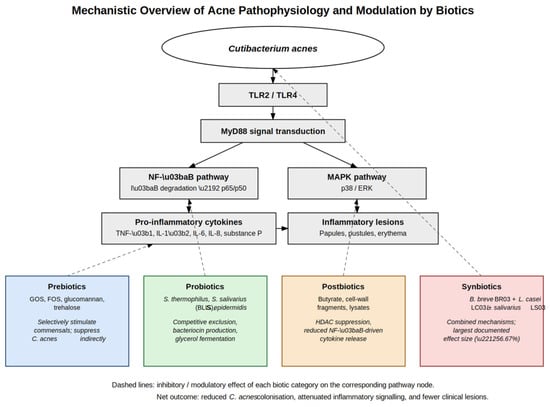
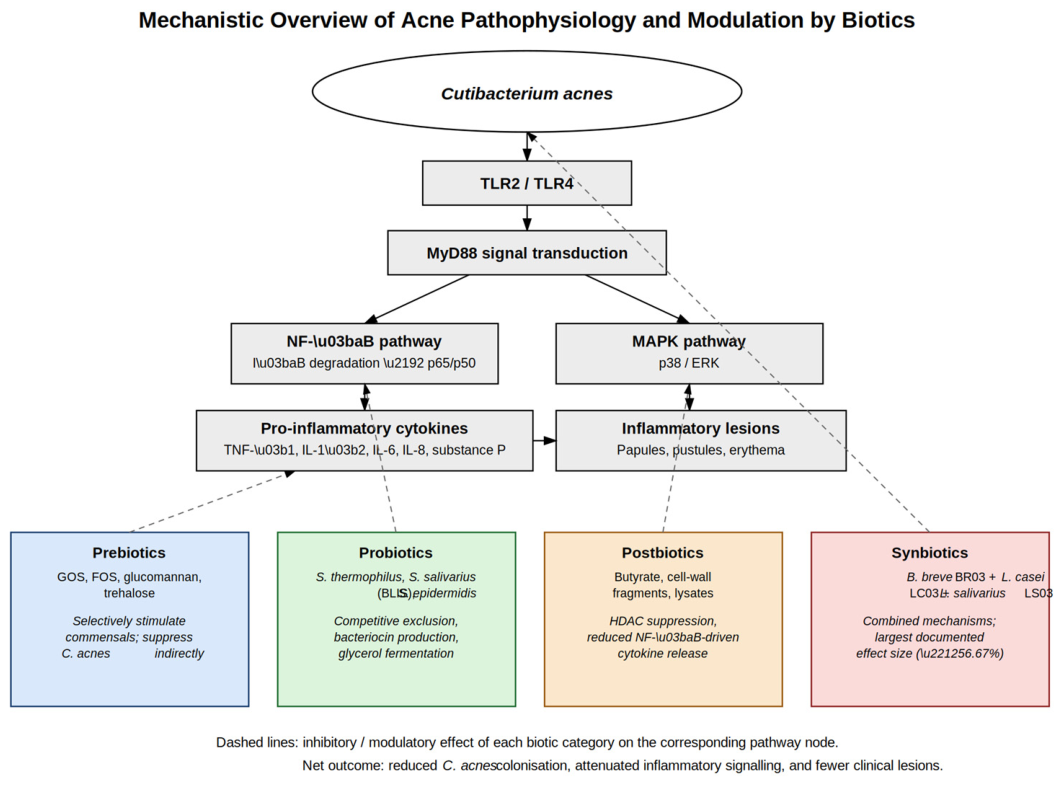
Figure 2 summarizes the mechanistic overview of the pathophysiology of acne and its modulation.
Figure 2.
Graphic summary of the pathophysiology of acne and its modulation. Cutibacterium acnes activates TLR2/TLR4, triggering MyD88-dependent NF-κB and MAPK signaling and the release of pro-inflammatory cytokines (TNF-α, IL-1β, IL-6, IL-8, substance P), which drive the formation of clinical lesions. Solid arrows represent a causal and activating sequence. Dashed lines represent an inhibitory or modulatory effect. Box colors indicate the category of biotic agent (prebiotics, probiotics, postbiotics, and synbiotics).
3.6. Prebiotics and Probiotics for Scalp Disorders, In Vitro and Animal Studies
Erdman and Poutahidis [63] showed that C57BL/6 mice fed Lactobacillus reuteri ATCC PTA 6475 exhibited greater hair luster, enhanced dermal thickening, folliculogenesis, and sebocytogenesis, with elevated oxytocin and regulated IL-10. Khmaladze et al. [64] evaluated L. reuteri DSM 17938 in reconstructed human epidermis (RHE): it reduced IL-6 and IL-8, upregulated AQP3, downregulated KLK5, and showed dose-dependent antimicrobial activity against P. aeruginosa, S. aureus, S. pyogenes, S. epidermidis, and C. acnes. Rosignoli et al. [65] demonstrated that heat-treated Lactobacillus johnsonii NCC 533 dose-dependently reduced S. aureus adhesion to the epidermis via fibronectin competition and upregulated antimicrobial peptides (cathelicidins, β-defensins, psoriasin). Woo et al. [66] showed that a Lactobacillus plantarum hydrolysate, applied topically to the shaved dorsal skin of the mice, induced VEGF production and hair growth in C57BL/6 mice, outperforming 5% minoxidil. Rather et al. [67] demonstrated that Lactobacillus sakei (Latilactobacillus) proBio-65, applied topically to the dorsal skin and ear together with topical imiquimod, reduced skin thickening, erythema, and pro-inflammatory cytokines IL-17A, IL-19, and IL-23 in an imiquimod-induced psoriasis mouse model. Liu-Walsh et al. [49] showed that 1% colloidal oat lotion increased lactic acid production, lowered skin pH, and favored S. epidermidis over S. aureus, improving barrier function and hydration. The VEGF-inducing activity of L. plantarum (Lactiplantibacillus) hydrolysate documented by Woo et al. [66] provides a hair-growth mechanism distinct from conventional minoxidil-mediated KATP channel opening. Khmaladze et al. [64] demonstrated that probiotic and lysate preparations of L. reuteri (Limosilactobacillus) DSM 17938 differed in immunomodulatory profiles, with the lysate being more potent in AQP3 upregulation, which has implications for the selection of the biotic form in scalp hydration formulations. Da Silva et al. [5] and McLoughlin et al. [47] emphasize that preclinical scalp models remain heterogeneous and that species-specific, dose-dependent responses limit direct extrapolation across studies, underscoring the need for standardized in vivo models prior to clinical translation.
3.7. Clinical Studies, Dandruff and Seborrheic Dermatitis
Combinations of oral and topical biotic interventions for the scalp showed consistent benefits against dandruff-associated dysbiosis. Oral supplementation with a probiotic strain reduced free and adherent dandruff, erythema, and seborrhoea, while stabilizing Malassezia restricta and Malassezia globosa counts [33], whereas an oral polyphenol-rich prebiotic improved scalp sebum score by promoting lactobacilli and bifidobacteria growth [68]. At the topical level, shampoo formulations containing fermented or postbiotic ingredients inhibited Malassezia furfur strains [69], improved scalp cleanliness and reduced desquamation [31], and produced favorable microbiome shifts associated with increased hair growth [32]; a product combining probiotics, honey, turmeric, and vitamin B12 also reduced symptoms and improved quality of life in a preliminary study [70], and an oily suspension containing two probiotic strains reduced Malassezia abundance and increased Lactobacillus and Lacticaseibacillus populations in patients with seborrheic dermatitis [36].
A meta-analysis confirmed a significant improvement in hair thickness with probiotic use, although the effect on hair count was not significant, suggesting that structural parameters are more sensitive endpoints in clinical trials [71]. Microbiome characterization by sequencing validated the Malassezia globosa/Malassezia restricta ratio as a robust endpoint for distinguishing healthy from dandruff-affected scalps, corroborating the findings described above [72]. Finally, combining probiotic extracts with plant-derived synergists in shampoo-gel formulations reduced dandruff scales, further expanding the available evidence for the development of microbiome-friendly hair care cosmetics [73].
3.8. Clinical Studies, Alopecia
Oral and topical biotic interventions also showed benefit for hair loss and alopecia. In pilot and randomized studies without a placebo arm or with placebo control, fermented probiotic foods improved hair parameters in the majority of patients with androgenetic alopecia [74], while a postbiotic product containing PRP-mimetic biomimetic peptides produced significant hair regrowth in alopecia areata [75]. Oral supplementation with a probiotic strain increased hair root diameter and reduced hair loss and scalp erythema, alongside a decrease in pro-inflammatory intestinal bacteria [30], and a topical lotion containing a related probiotic-derived ingredient increased hair density in participants with mild thinning through a mechanism mediated by increased keratinocyte growth factor in dermal papilla cells [34].
In alopecia areata, an oral probiotic combination improved plaque count and affected scalp area relative to placebo, with concomitant modulation of the gut and skin microbiome, providing mechanistic support for the gut–skin axis as a therapeutic target in this autoimmune condition [29]. Consistent with this, an observational microbiome study identified a characteristic scalp bacterial shift in alopecia areata, marked by reduced Propionibacterium and increased Staphylococcus, which may be reversed by oral probiotic supplementation and could partly explain the clinical improvements described above [29,76]. A narrative review situated these findings within a coherent pathogenic framework, proposing the scalp microbiome as a future therapeutic target [29,30,77]. Table 3 summarizes the findings of Biotics for scalp disorders.
Table 3.
Biotics for scalp disorders: strains/formulations, mechanisms or findings, and evidence type (Section 3.6, Section 3.7 and Section 3.8).
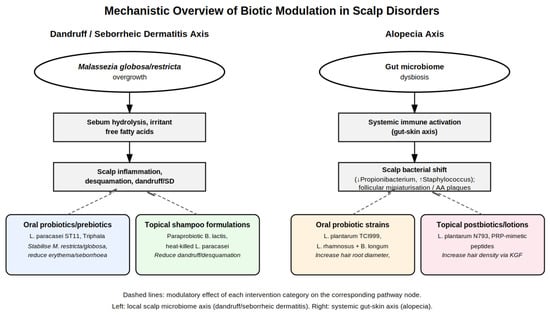
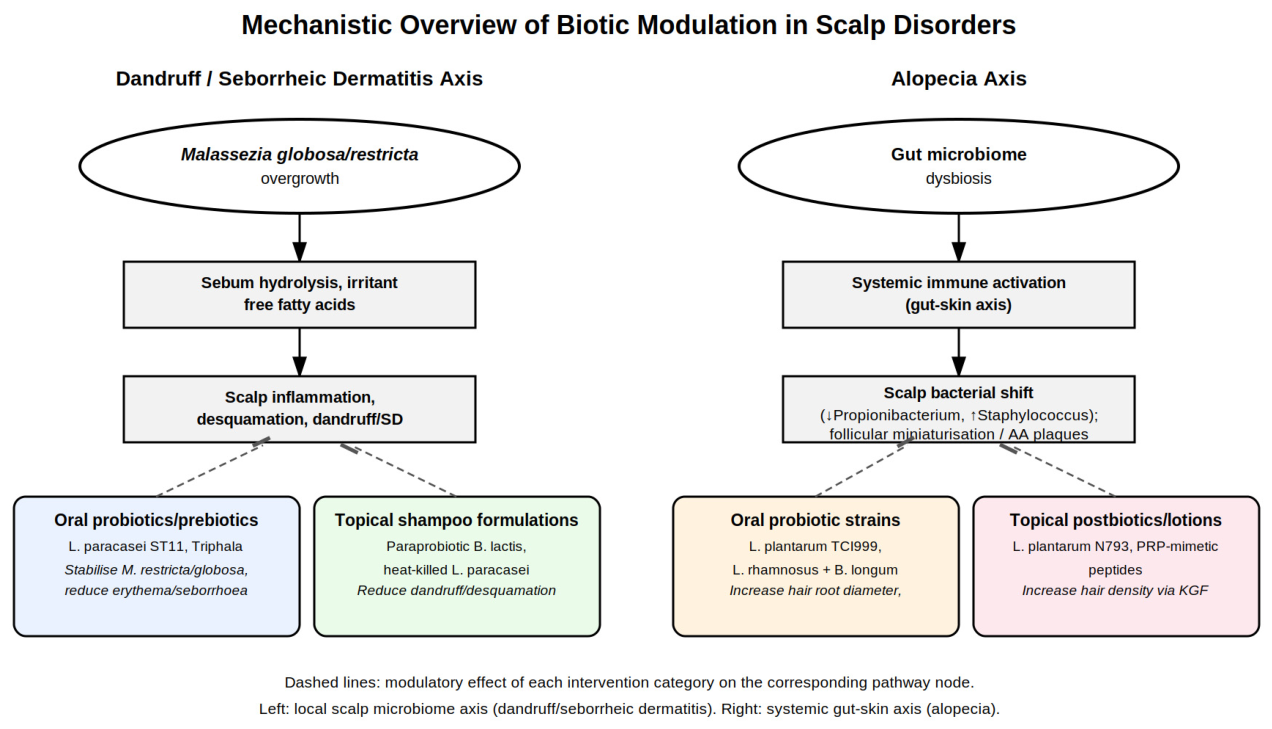
Figure 3 summarizes the mechanistic overview of biotic modulation in scalp disorders.
Figure 3.
Mechanistic overview of biotic modulation in scalp disorders. Local imbalance between Malassezia and Staphylococcus promotes sebum hydrolysis and the release of irritant free fatty acids, contributing to dandruff and seborrheic dermatitis; this pathway is modulated by oral and topical probiotics and prebiotics. Separately, intestinal dysbiosis together with a shift in scalp bacterial composition, characterized by a reduction in Propionibacterium and an increase in Staphylococcus, contributes to follicular miniaturization; this pathway is modulated by oral probiotic strains and topical postbiotics. Box colors indicate the category of biotic agent. Solid arrows indicate the sequence of molecular activation within the inflammatory cascade. Dashed lines indicate the inhibitory or modulatory effect.
3.9. Clinical Studies, Atopic Dermatitis
Topical Limosilactobacillus reuteri DSM 17938 reduced S. aureus via competitive exclusion, with SCORAD (Atopic Dermatitis Score) improving similarly in active and placebo groups [78], oral Lactobacillus acidophilus L-92 lowering IgE and eosinophil counts and increased TGF-β and IL-12 [79], and a Vitreoscilla filiformis emollient shifting skin flora toward Xanthomonas and away from Staphylococcus [80], together providing complementary topical and oral evidence in atopic dermatitis. An umbrella meta-analysis of 38 meta-analyses (127,150 participants) confirmed significant SCORAD reductions and lower AD incidence with probiotic/synbiotic use, placing the evidence level for atopic dermatitis above that for acne or alopecia [39]. A Brazilian clinical guideline further notes growing adoption of probiotic supplementation in atopic dermatitis management, though strain selection for pediatric versus adult populations remains heterogeneous [81].
3.10. Clinical Studies, Psoriasis
An animal model study [67] confirmed that L. sakei proBio-65 reduced IL-17A, IL-19, and IL-23 in imiquimod-induced psoriasis-like skin. Atabati et al. [82] reviewed, in a literature review, evidence for multiple probiotic strains as adjuncts in psoriasis and atopic dermatitis. In a double-blind RCT (n = 103; Brazil), Suriano et al. [35] found no significant PASI (Psoriasis Area and Severity Index) improvement assessing adjuvant L. rhamnosus in plaque psoriasis. Wei et al. [83] and Zhu et al. [84], across two meta-analyses, summarized available RCTs in psoriasis, with mixed results. In a systematic review and meta-analysis across seven databases, Liscano et al. [85] evaluated probiotics, synbiotics, and postbiotics for atopic dermatitis (SCORAD) and psoriasis (PASI) simultaneously, finding favorable outcomes for reducing disease severity. The negative RCT of Suriano et al. [35] provides an important counterpoint, demonstrating that single-strain L. rhamnosus (Lacticaseibacillus) in plaque psoriasis does not produce significant PASI improvement [35]. The meta-analyses of Wei et al. [83] and Zhu et al. [84] yielded mixed results, with overall marginal significance dependent on outcome measure selection and control for concomitant systemic therapy. Atabati et al. [82] reviewed mechanisms linking specific probiotic strains to IL-17/IL-23 pathway modulation in psoriasis, noting that L. sakei (Latilactobacillus) proBio-65 [67] is among the few with documented mechanistic evidence in animal models. Liscano et al. [85], with PROSPERO registration across seven databases, provided the most methodologically rigorous synthesis, identifying synbiotics and postbiotics as the biotic types with the most consistent favorable outcomes in both SCORAD and PASI. Table 4 summarizes the interventions, mechanisms, and evidence type discussed.
Table 4.
Biotics for atopic dermatitis and psoriasis: interventions, mechanisms or findings, and evidence type (Section 3.9 and Section 3.10).
3.11. Systematic Reviews and Meta-Analyses
A broad review supports probiotics’ potential in preventing and treating skin diseases [2]. A meta-analysis of hair growth and dandruff found non-significant improvement in hair count but significant improvement in hair thickness in humans, alongside significant preclinical induction of follicle count and VEGF [71]. A further systematic review of 33 studies (n = 2112; 4–25 weeks) across prebiotics, probiotics, and postbiotics reported consistently favorable safety, with the strongest evidence base for probiotics [57]. A meta-analysis of Lactobacillus-based interventions (5 RCTs; n = 332) found no significant reduction in inflammatory, non-inflammatory, or total acne lesions versus placebo or benzoyl peroxide, indicating a need for multi-strain or synbiotic approaches [37], while a separate meta-analysis (3 double-masked RCTs; n = 231) reported evidence for oral probiotic benefit in acne with moderate heterogeneity [38].
In atopic dermatitis, the umbrella meta-analysis already noted in Section 3.9 [39] converges with a further multi-database review of probiotics, synbiotics, and postbiotics in atopic dermatitis and psoriasis, which likewise found favorable reductions in disease severity [85].
Together, these systematic reviews and meta-analyses converge on four points: safety is consistently excellent across biotic types; multi-strain and synbiotic formulations show superior effect sizes in acne [37,38]; evidence for scalp conditions, particularly hair thickness, is improving rapidly with standardized RCT designs [71]; and atopic dermatitis currently has the largest, most methodologically robust evidence base [39]. These findings situate biotic interventions within the broader trajectory of microbiome-friendly cosmetics, underscoring the need for harmonized outcome-reporting standards to enable future evidence synthesis [5,47].
4. Discussion
4.1. Mechanisms of Action
Prebiotics selectively stimulate commensal growth, with documented capacity to increase S. epidermidis and suppress C. acnes and Malassezia spp. [40]. Probiotics act through the competitive exclusion of binding sites, production of bacteriocins and antimicrobial peptides (AMPs), modulation of innate and adaptive immune responses, and reinforcement of the skin barrier [2,48]. The probiotic–prebiotic combination can potentiate inhibition of C. acnes [40].
Postbiotics, including SCFAs, peptides, and bacterial lysates, offer immunomodulatory and barrier effects without viability challenges [61]. Synbiotics amplify the effects of both components. The gut–skin axis, mediated by SCFAs, links the modulation of the intestinal microbiome to cutaneous homeostasis, explaining why oral interventions can benefit skin and scalp conditions [4,55,86]. Figure 3 summarizes these mechanistic interactions.
4.2. Acne-Prone Skin: Evidence and Limitations
Despite this favorable mechanistic picture, important limitations apply to individual biotic categories. Prebiotic actives such as blackcurrant, grape seed, and ginseng extracts were evaluated primarily in small in vivo studies (n = 11–30) with short follow-up and no placebo control [40], limiting the generalisability of the observed C. acnes suppression.
Trehalose and glucomannan hydrolysate have robust mechanistic support but lack large-scale randomized clinical evidence in dermatological populations [44,48]. Probiotics face viability challenges in cosmetic formulations: live organisms require specific storage conditions, temperature control, and protective packaging, which constrain shelf life and raise regulatory complexity [47].
Cell enumeration and stability testing across diverse vehicle types (aqueous gels, oil-in-water emulsions, anhydrous formulations) remain non-standardized, with wide inter-product variability [9,47]. Furthermore, strain specificity means that beneficial effects observed with one strain cannot be generalized across species or even closely related strains, a recurrent limitation noted across the included evidence [19,47].
The combination of blackcurrant, grape seed, and ginseng extracts constitutes the most robust original prebiotic evidence [40]. Trehalose and glucomannan have established mechanisms of bacteriocinogenicity and anti-acne activity [44,48]. The synbiotic by Rinaldi et al. [26] reduced inflammatory lesions by 56.67% over 8 weeks (n = 114), the strongest clinical result available for synbiotics in acne. The RCT of Eguren et al. [25] confirmed oral probiotic efficacy in non-inflammatory lesions. Topical postbiotics from L. plantarum (Lactiplantibacillus) [28] reduced sebum and TEWL within 4 weeks. Critically, the meta-analysis by Abedin et al. [37], including 5 RCTs (n = 332), indicates that Lactobacillus alone is insufficient, favoring multi-strain, synbiotic, or combined-with-standard-treatment approaches [38,57].
However, the evidence base for acne carries substantial caveats. The meta-analysis of Abedin et al. [37] found no statistically significant reductions in inflammatory, non-inflammatory, or total acne lesion counts with Lactobacillus-based interventions compared with placebo or benzoyl peroxide when all available RCTs were pooled, indicating heterogeneity in strain selection and dose that current evidence cannot resolve. The small sample sizes (median n < 50 in most single-center RCTs), short intervention periods (4–8 weeks in several studies), and absence of active comparator arms in many trials further limit the translation of these findings into clinical practice guidelines [37,57]. Topical live probiotic formulations also face stability challenges: most cosmetic vehicles are incompatible with microbial survival at the concentrations required for efficacy, and postbiotic or paraprobiotic alternatives, though more stable, have fewer high-quality RCTs supporting their use in acne [47,60]. The risk of regulatory ambiguity also remains: in many jurisdictions, cosmetics containing live microorganisms with documented disease-modifying effects may be reclassified as drugs, complicating their development, registration, and commercialization [9,47].
4.3. Scalp Disorders: Evidence and Limitations
L. paracasei (Lacticaseibacillus) ST11 and Triphala demonstrated the highest methodological rigor among the original studies [33,68]. Subsequent double-masked RCTs substantially strengthened the evidence base: L. plantarum TCI999 (12 weeks) increased hair root diameter [30]; L. plantarum (Lactiplantibacillus) N793 (24 weeks) improved hair density via a KGF-dependent mechanism [34]; the L. rhamnosus (Lacticaseibacillus) + B. longum mixture [29] yielded 56% improvement in alopecia areata vs. 30% (placebo), with concurrent microbiome modulation. Paraprobiotic shampoos [31,32] and an oily suspension [36] confirm in RCTs that inactivated microorganisms retain the capacity to modulate the scalp microbiome and reduce Malassezia in seborrheic dermatitis within 7 days. The meta-analysis of Yin et al. [71] consolidates the significant effect of probiotics on hair thickness (SMD = 0.92) in humans.
However, the scalp literature retains significant methodological limitations. Many studies lack a placebo control or rely on subjective, self-reported outcomes (e.g., patient-rated dandruff or hair quality), which may overestimate treatment effects [71]. The meta-analysis of Yin et al. [71] found non-significant improvement in hair count and preclinical data, though these factors were significant in follicle induction and VEGF stimulation, meaning that the scholars’ results cannot be directly extrapolated to humans given species differences in follicle cycling [71]. The RCT in alopecia areata by Navarro-Belmonte et al. [29] was limited by a small sample size (n = 26) and a 24-week duration that may be insufficient to capture full cycles of hair regrowth in this relapsing–remitting condition. Paraprobiotic shampoos [31,32] demonstrated efficacy within 5–12 weeks, but post-treatment follow-up was absent in most studies, leaving the durability of microbiome modulation uncharacterized. The fermented food study of Park et al. [74] was a pilot without a placebo control.
4.4. Formulation, Stability, and Regulatory Challenges
The International Scientific Association for Probiotics and Prebiotics (ISAPP) 2021 consensus definition [62] normalized postbiotics as a scientific category, and their superior stability makes them especially attractive for cosmetic formulations.
From the perspective of cosmetic formulators, incorporating biotics into dermatological products presents distinct technical challenges. Live probiotics require aqueous vehicles above a minimum water activity threshold, which conflicts with the antimicrobial preservative systems mandatory in most regulated cosmetics, which can reduce viable counts during shelf life [9,47]. Postbiotics and paraprobiotics circumvent the viability requirement but introduce challenges of their own: standardization of cell wall fragments, batch-to-batch consistency, and the lack of internationally harmonized analytical methods for quality control [47,62]. Encapsulation technologies such as probiotic-loaded alginate microspheres [87] offer promise for protecting viability during formulation and enabling controlled release, but their scale-up and cost remain barriers to commercial application. For prebiotic oligosaccharides, the primary challenge is molecular weight optimization: native inulin and glucomannan are too large for significant transcutaneous absorption and therefore require enzymatic hydrolysis to produce shorter-chain fractions with documented microbiome-modulatory activity at cosmetically acceptable concentrations [18,46,88]. Regulatory heterogeneity across markets, where the same biotic product may be classified as a cosmetic in one jurisdiction and a drug in another, further complicates formulation and labeling decisions for global manufacturers [47,52].
4.5. Clinical Recommendations and Future Directions
For acne-prone skin, cosmetic formulations (gels, cleansers, sunscreens) containing prebiotic actives like blackcurrant, grape seed, and ginseng or oral multi-strain synbiotics are supported by evidence. Topical postbiotics, particularly L. plantarum lysates, offer formulation stability advantages. For scalp conditions, shampoo formulations containing inactivated paraprobiotics (B. lactis CCT 7858; L. paracasei (Lacticaseibacillus) GMNL-653) are effective against dandruff and have an excellent safety profile. Oral supplementation with L. plantarum (Lactiplantibacillus) TCI999 or an L. rhamnosus (Lacticaseibacillus) + B. longum mixture is supported as an adjunct in alopecia. In atopic and seborrheic dermatitis, emollients containing bacterial fractions (V. filiformis, L. johnsonii) represent low-risk alternatives to long-term topical corticosteroids. In all cases, biotic interventions should accompany standard treatment [57], with objective outcome monitoring (lesion counts, SCORAD, hair density). Clinicians should inform patients that benefits may take 4–12 weeks to manifest fully.
Most included studies have small sample sizes, have short follow-up periods, and lack standardization of strain and concentration. Animal models, although promising, do not allow direct extrapolation to humans. Efficacy may vary by sex, skin type, and ethnicity. Recent meta-analyses reveal moderate heterogeneity, limiting generalization. The route of administration (oral vs. topical) should be selected based on the target condition [4,55]. Pessemier et al. [55] reviewed the interrelationship between microbial dysbiosis and skin conditions across the gut–skin axis, supporting the rationale for oral interventions in cutaneous disease. Publication in this field has expanded rapidly since 2021 [23], necessitating continuous updates to evidence. McLoughlin et al. [23] documented a marked increase in patent filings and scientific publications on topical probiotic formulations since 2021, corroborating the rapid commercial and academic expansion of this field.
5. Conclusions
The evidence gathered supports the use of biotics as adjunctive therapeutic strategies for acne-prone skin and scalp disorders, provided that formulations are well characterized, strains are appropriately selected, and interventions accompany standard dermatological treatment. For acne, prebiotic extracts, probiotic strains, and especially multi-strain synbiotic formulations reduce Cutibacterium acnes colonization, modulate sebum production, and attenuate inflammatory lesions, with topical postbiotics offering a stable alternative to live probiotics and a consistently favorable safety profile across categories; single-strain Lactobacillus interventions alone, however, are insufficient, favoring multi-strain or synbiotic approaches combined with standard therapy. For scalp disorders, oral and topical biotics are effective against dandruff, alopecia, and seborrheic dermatitis, with paraprobiotic and multi-strain oral formulations showing the most consistent double-blind evidence, although small samples, short follow-up, and non-significant pooled effects on hair count indicate a less mature evidence base than that for acne.
Progress in the field is constrained by three recurring challenges: the instability of live probiotics under conventional storage conditions, the lack of harmonized analytical standards for postbiotics and paraprobiotics, and inconsistent regulatory classification across markets. Overcoming these barriers is essential to translate the current, still heterogeneous, evidence into reproducible clinical practice. Larger, standardized randomized controlled trials with active comparator arms and defined microbiological endpoints remain the priority for future research.
Supplementary Materials
The following supporting information can be downloaded at https://www.mdpi.com/article/10.3390/cosmetics13040197/s1.
Funding
This research received no external funding.
Institutional Review Board Statement
Not applicable.
Informed Consent Statement
Not applicable.
Data Availability Statement
No new data were created or analyzed in this study. Data sharing is not applicable.
Acknowledgments
During the preparation of this manuscript, the author used the artificial intelligence tool Claude Sonnet 5 (Anthropic, San Francisco, CA, USA) for textual clarity, grammatical correctness, formatting in accordance with journal standards, and numbering and organization of references. The author has reviewed and edited the output and takes full responsibility for the content of this publication.
Conflicts of Interest
The author declares no conflicts of interest.
References
- Byrd, A.L.; Belkaid, Y.; Segre, J.A. The human skin microbiome. Nat. Rev. Microbiol. 2018, 16, 143–155. [Google Scholar] [CrossRef] [Scilit] [PubMed]
- Roudsari, M.R.; Karimi, R.; Sohrabvandi, S.; Mortazavian, A.M. Health effects of probiotics on the skin. Crit. Rev. Food Sci. Nutr. 2015, 55, 1219–1240. [Google Scholar] [CrossRef] [Scilit] [PubMed]
- Polak-Witka, K.; Rudnicka, L.; Blume-Peytavi, U.; Vogt, A. The role of the microbiome in scalp hair follicle biology and disease. Exp. Dermatol. 2020, 29, 286–294. [Google Scholar] [CrossRef] [Scilit] [PubMed]
- Mahmud, M.R.; Akter, S.; Tamanna, S.K.; Mazumder, L.; Esti, I.Z.; Banerjee, S.; Akter, S.; Hasan, R.; Acharjee, M.; Hossain, S.; et al. Impact of gut microbiome on skin health: Gut-skin axis observed through the lenses of therapeutics and skin diseases. Gut Microbes 2022, 14, 2096995. [Google Scholar] [CrossRef] [Scilit] [PubMed]
- Da Silva, G.C.T.; Silva, K.d.P.; da Silva, A.C.F.; Pavanello, L.; Saqui, G.d.M.; da França, A.F.E.C.; Leonardi, G.R.; Cogo-Müller, K. Pre-, Pro-, Post-, and Synbiotics for Skin Health: A Narrative Review of Cosmetic and Dermatological Applications. Dermatol. Rev. 2026, 7, e70070. [Google Scholar] [CrossRef] [Scilit]
- Oh, J.; Voigt, A.Y. The human skin microbiome: From metagenomes to therapeutics. Nat. Rev. Microbiol. 2025, 23, 771–787. [Google Scholar] [CrossRef] [Scilit] [PubMed]
- Li, Z.; Zhang, J.; Zhang, Y.; Chen, H.; Bao, Y. Skin Microbiome in Health and Disease: Mechanisms and Emerging Therapeutic Strategies. Clin. Cosmet. Investig. Dermatol. 2025, 18, 3443–3455. [Google Scholar] [CrossRef] [Scilit] [PubMed]
- Xavier-Souza, J.F.; Siqueira, R.A.G.B.; Moreira, B.S.; Barbosa, S.G.; Mariano, E.S.N.; Marinotti, L.I.; Costa, I.G.; Requena, B.S.; Lima, T.P.; Hradkova, I.; et al. Understanding the Impact of the Skin Microbiome on Dermatological Assessments and Therapeutic Innovation. Dermato 2025, 5, 21. [Google Scholar] [CrossRef] [Scilit]
- Santos, Y.R.; Andréo-Filho, N.; Lopes, P.S.; Leite-Silva, V.R. A review of skin microbiome and new challenges to cosmetic microbiome-friendly formulations. Int. J. Cosmet. Sci. 2026, 1–18. [Google Scholar] [CrossRef] [Scilit] [PubMed]
- Wojciechowska, K.; Szewczyk, K.D.S. The Skin Microbiome and Bioactive Compounds: Mechanisms of Modulation, Dysbiosis, and Dermatological Implications. Molecules 2025, 30, 4363. [Google Scholar] [CrossRef] [Scilit] [PubMed]
- Hong, J.Y.; Kwon, D.; Park, K.Y. Microbiome-Based Interventions for Skin Aging and Barrier Function: A Comprehensive Review. Ann. Dermatol. 2025, 37, 259–268. [Google Scholar] [CrossRef] [Scilit] [PubMed]
- Fitzpatrick, T.B. Tratado de Dermatologia, 7th ed.; Revinter: Rio de Janeiro, Brasil, 2011. [Google Scholar]
- Mottin, V.H.M.; Suyenaga, E.S. An approach on the potential use of probiotics in the treatment of skin conditions: Acne and atopic dermatitis. Int. J. Dermatol. 2018, 57, 1425–1432. [Google Scholar] [CrossRef] [Scilit] [PubMed]
- Chilicka, K.; Dziendziora-Urbinska, I.; Szygula, R.; Asanova, B.; Nowicka, D. Microbiome and Probiotics in Acne Vulgaris, A Narrative Review. Life 2022, 12, 422. [Google Scholar] [CrossRef] [Scilit] [PubMed]
- Dias, M.F.G. Hair Cosmetics: An Overview. Int. J. Trichol. 2015, 7, 2–15. [Google Scholar] [CrossRef] [Scilit] [PubMed]
- Ramos, P.M.; Melo, D.F.; Radwanski, H.; de Almeida, R.F.C.; Miot, H.A. Female pattern hair loss: Therapeutic update. An. Bras. De Dermatol. 2023, 98, 506–519. [Google Scholar] [CrossRef] [Scilit] [PubMed]
- Gibson, G.R.; Hutkins, R.; Sanders, M.E.; Prescott, S.L.; Reimer, R.A.; Salminen, S.J.; Scott, K.; Stanton, C.; Swanson, K.S.; Cani, P.D.; et al. Expert consensus document: The ISAPP consensus statement on the definition and scope of prebiotics. Nat. Rev. Gastroenterol. Hepatol. 2017, 14, 491–502. [Google Scholar] [CrossRef] [Scilit] [PubMed]
- Al-Ghazzewi, F.H.; Tester, R.F. Impact of prebiotics and probiotics on skin health. Benef. Microbes 2014, 5, 99–107. [Google Scholar] [CrossRef] [Scilit] [PubMed]
- Hill, C.; Guarner, F.; Reid, G.; Gibson, G.R.; Merenstein, D.J.; Pot, B.; Morelli, L.; Canani, R.B.; Flint, H.J.; Salminen, S.; et al. Expert consensus document: The ISAPP consensus statement on the scope and appropriate use of the term probiotic. Nat. Rev. Gastroenterol. Hepatol. 2014, 11, 506–514. [Google Scholar] [CrossRef] [Scilit] [PubMed]
- Guarner, F.; Sanders, M.E.; Szajewska, H.; Cohen, H.M.; Eliakim, R.; Herrera-Deguise, C.; Karakan, T.; Merenstein, D.; Piscoya, A.M.; Ramakrishna, B.; et al. World Gastroenterology Organisation Global Guidelines: Probiotics and Prebiotics. J. Clin. Gastroenterol. 2024, 58, 533–553. [Google Scholar] [CrossRef] [Scilit] [PubMed]
- Cuevas-González, P.F.; Liceaga, A.M.; Aguilar-Toalá, J.E. Postbiotics and paraprobiotics: From concepts to applications. Food Res. Int. 2020, 136, 109502. [Google Scholar] [CrossRef] [Scilit] [PubMed]
- Aguilar-Toalá, R.; Garcia-Varela, H.S.; Garcia, V.; Mata-Haro, A.F.; González-Córdova, A.; Vallejo-Cordoba, B.; Hernández-Mendoza, A. Postbiotics: An evolving term within the functional foods field. Trends Food Sci. Technol. 2018, 75, 105–114. [Google Scholar] [CrossRef] [Scilit]
- Alves, A.C.; Martins, S.M.d.S.B., Jr.; Belo, J.V.T.; Lemos, M.V.C.; Lima, C.E.d.M.C.; Silva, C.D.d.; Zagmignan, A.; Nascimento da Silva, L.C. Global Trends and Scientific Impact of Topical Probiotics in Dermatological Treatment and Skincare. Microorganisms 2024, 12, 2010. [Google Scholar] [CrossRef] [Scilit] [PubMed]
- Tricco, A.C.; Lillie, E.; Zarin, W.; O’Brien, K.K.; Colquhoun, H.; Levac, D.; Moher, D.; Peters, M.D.J.; Horsley, T.; Weeks, L.; et al. PRISMA Extension for Scoping Reviews (PRISMA-ScR): Checklist and Explanation. Ann. Intern. Med. 2018, 169, 467–473. [Google Scholar] [CrossRef] [Scilit] [PubMed]
- Eguren, C.; Navarro-Blasco, A.; Corral-Forteza, M.; Reolid-Pérez, A.; Setó-Torrent, N.; García-Navarro, A.; Prieto-Merino, D.; Núñez-Delegido, E.; Sánchez-Pellicer, P.; Navarro-López, V. A Randomized Clinical Trial to Evaluate the Efficacy of an Oral Probiotic in Acne Vulgaris. Acta Derm.-Venereol. 2024, 104, adv33206. [Google Scholar] [CrossRef] [Scilit] [PubMed]
- Rinaldi, F.; Marotta, L.; Mascolo, A.; Amoruso, A.; Pane, M.; Giuliani, G.; Pinto, D. Facial Acne: A Randomized, Double-Blind, Placebo-Controlled Study on the Clinical Efficacy of a Symbiotic Dietary Supplement. Dermatol. Ther. 2022, 12, 577–589. [Google Scholar] [CrossRef] [Scilit] [PubMed]
- Sathikulpakdee, S.; Kanokrungsee, S.; Vitheejongjaroen, P.; Taweechotipatr, M. Efficacy of Probiotic-Derived Lotion from Lactobacillus paracasei MSMC 39-1 in Mild to Moderate Acne Vulgaris, Randomized Controlled Trial. J. Cosmet. Dermatol. 2022, 21, 5092–5097. [Google Scholar] [CrossRef] [Scilit] [PubMed]
- Cui, H.; Guo, C.; Wang, Q.; Feng, C.; Duan, Z. A Pilot Study on the Efficacy of Topical Lotion Containing Anti-Acne Postbiotic in Subjects with Mild-to-Moderate Acne. Front. Med. 2022, 9, 1064460. [Google Scholar] [CrossRef] [Scilit] [PubMed]
- Navarro-Belmonte, M.R.; Aguado-García, Á.; Sánchez-Pellicer, P.; Núñez-Delegido, E.; Navarro-Moratalla, L.; Martínez-Villaescusa, M.; García-Navarro, A.; Navarro-López, V. The Effect of an Oral Probiotic Mixture on Clinical Evolution and the Gut and Skin Microbiome in Patients with Alopecia Areata: A Randomized Clinical Trial. Cosmetics 2024, 11, 119. [Google Scholar] [CrossRef] [Scilit]
- Liang, C.H.; Lin, Y.H.; Chan, S.T.; Lin, Y.K.; Chiang, C.F. Lactiplantibacillus plantarum TCI999 Probiotic Promoted Hair Growth and Regulated Gut Microbiome: Double-Blind, Placebo-Controlled Trial. J. Probiotics Health 2022, 10, 285. [Google Scholar] [CrossRef]
- De Jesus, G.F.A.; Rossetto, M.P.; Voytena, A.; Feder, B.; Borges, H.; Borges, G.d.C.; Feuser, Z.P.; Dal-Bó, S.; Michels, M. Clinical Evaluation of Paraprobiotic-Associated Bifidobacterium lactis CCT 7858 Anti-Dandruff Shampoo Efficacy: A Randomized Placebo-Controlled Clinical Trial. Int. J. Cosmet. Sci. 2023, 45, 572–580. [Google Scholar] [CrossRef] [Scilit] [PubMed]
- Tsai, W.-H.; Fang, Y.-T.; Huang, T.-Y.; Chiang, Y.-J.; Lin, C.-G.; Chang, W.-W. Heat-Killed Lacticaseibacillus paracasei GMNL-653 Ameliorates Human Scalp Health by Regulating Scalp Microbiome. BMC Microbiol. 2023, 23, 121. [Google Scholar] [CrossRef] [Scilit] [PubMed]
- Reygagne, P.; Bastien, P.; Couavoux, M.P.; Philippe, D.; Renouf, M.; Castiel-Higounenc, I.; Gueniche, A. The positive benefit of Lactobacillus paracasei NCC2461 ST11 in healthy volunteers with moderate to severe dandruff. Benef. Microbes 2017, 8, 671–680. [Google Scholar] [CrossRef] [Scilit] [PubMed]
- Mori-Ichioka, A.; Sunada, Y.; Koikeda, T.; Matsuda, H.; Matsuo, S. Effect of applying Lactiplantibacillus plantarum subsp. Plantarum N793 to the scalps of men and women with thinning hair: A randomized, double-blind, placebo-controlled, parallel-group study. Biosci. Microbiota Food Health 2024, 43, 192–203. [Google Scholar] [CrossRef] [Scilit] [PubMed]
- Suriano, E.S.; Souza, M.D.M.; Kobata, C.M.; Mimica, M.J. Efficacy of an Adjuvant Lactobacillus rhamnosus Formula in Improving Skin Lesions as Assessed by PASI in Patients with Plaque Psoriasis (Brazil): A Parallel, Double-Blind, Randomized Clinical Trial. Arch. Dermatol. Res. 2023, 315, 1621–1629. [Google Scholar] [CrossRef] [Scilit] [PubMed]
- Truglio, M.; Sivori, F.; Cavallo, I.; Abril, E.; Licursi, V.; Fabrizio, G.; Cardinali, G.; Pignatti, M.; Toma, L.; Valensise, F.; et al. Modulating the Skin Mycobiome-Bacteriome and Treating Seborrheic Dermatitis with a Probiotic-Enriched Oily Suspension. Sci. Rep. 2024, 14, 2722. [Google Scholar] [CrossRef] [Scilit] [PubMed]
- Abedin, Z.U.; Shah, A.; Mazhar, S.; Khan, S.M.; Bin Aamir, A.; Yousaf, S.; Fnu, D.; Mahato, R.K.; Ansari, A. Lactobacillus-Based Microbiome Therapy for Acne Vulgaris: A GRADE Systematic Review and Meta-Analysis of Randomized Controlled Trials. J. Cosmet. Dermatol. 2026, 25, e70792. [Google Scholar] [CrossRef] [Scilit] [PubMed]
- Tjiu, J.W.; Lu, C.F. Oral Probiotics in Acne vulgaris: A Systematic Review and Meta-Analysis of Double-Blind Randomized Clinical Trials. Medicina 2025, 61, 2152. [Google Scholar] [CrossRef] [Scilit] [PubMed]
- Wang, L.; Xu, L. The Impact of Prebiotics, Probiotics and Synbiotics on the Prevention and Treatment of Atopic Dermatitis in Children: An Umbrella Meta-Analysis. Front. Pediatr. 2025, 13, 1498965. [Google Scholar] [CrossRef] [Scilit] [PubMed]
- Simmering, R.; Breves, R. Prä- und probiotische Kosmetik. Der Hautarzt 2009, 60, 809–814. (In German) [Google Scholar] [CrossRef] [Scilit] [PubMed]
- Nosal, B.M.; Sakaki, J.R.; Mofrad, M.D.; Macdonald, Z.; Mahoney, K.J.; Thornton, S.N.; Patel, D.; Drossman, J.; Lee, E.C.; Chun, O.K. Blackcurrant Anthocyanins Improve Blood Lipids and Biomarkers of Inflammation and Oxidative Stress in Healthy Women in Menopause Transition without Changing Body Composition. Biomedicines 2023, 11, 2834. [Google Scholar] [CrossRef] [Scilit] [PubMed]
- Peng, D.; Wang, H.; Qu, C.; Xie, L.; Wicks, S.M.; Xie, J. Ginsenoside Re: Its chemistry, metabolism and pharmacokinetics. Chin. Med. 2012, 7, 2. [Google Scholar] [CrossRef] [Scilit] [PubMed]
- Tao, K.; Guo, L.; Hu, X.; Fitzgerald, C.; Rouzard, K.; Healy, J.; Tamura, M.; Stock, J.B.; Stock, M.; Pérez, E.; et al. Encapsulated Activated Grape Seed Extract: A Novel Formulation with Anti-Aging, Skin-Brightening, and Hydration Properties. Cosmetics 2022, 9, 4. [Google Scholar] [CrossRef] [Scilit]
- Chen, Y.-S.; Srionnual, S.; Onda, T.; Yanagida, F. Effects of prebiotic oligosaccharides and trehalose on growth and production of bacteriocins by lactic acid bacteria. Lett. Appl. Microbiol. 2007, 45, 190–193. [Google Scholar] [CrossRef] [Scilit] [PubMed]
- Sinerga; Trealix. Technical Datasheet; Sinerga: Milan, Italy, 2020; Available online: https://www.sinerga.it (accessed on 30 March 2020).
- Zeng, M.; Li, Y.; Cheng, J.; Wang, J.; Liu, Q. Prebiotic Oligosaccharides in Skin Health: Benefits, Mechanisms, and Cosmetic Applications. Antioxidants 2025, 14, 754. [Google Scholar] [CrossRef] [Scilit] [PubMed]
- Chia, J.; Carma, A.; Alwyn, A.; Cho, R.; Hill, D.S.; Borrello, M.T. The Skin Microbiome Revolution: The Science and Challenges of Prebiotics, Probiotics, and Postbiotics in Skincare. Cosmetics 2026, 13, 43. [Google Scholar] [CrossRef] [Scilit]
- Berbl, C.Z.; Ruiz, K.F.; Sampaio, L.R.S.G.; Carreira, C.M.; Lonni, A.A.S.G. Probiotics in the treatment of atopic dermatitis and acne. Visão Acadêmica 2016, 17, 2. [Google Scholar] [CrossRef] [Scilit]
- Liu-Walsh, F.; Tierney, N.K.; Hauschild, J.; Rush, A.K.; Masucci, J.; Leo, G.C.; A Capone, K. Prebiotic Colloidal Oat Supports the Growth of Cutaneous Commensal Bacteria Including Staphylococcus epidermidis and Enhances the Production of Lactic Acid. Clin. Cosmet. Investig. Dermatol. 2021, 14, 73–82. [Google Scholar] [CrossRef] [Scilit] [PubMed]
- De Almeida, C.V.; Antiga, E.; Lulli, M. Oral and Topical Probiotics and Postbiotics in Skincare and Dermatological Therapy: A Concise Review. Microorganisms 2023, 11, 1420. [Google Scholar] [CrossRef] [Scilit] [PubMed]
- Paetzold, B.; Willis, J.R.; Pereira de Lima, J.; Knödlseder, N.; Brüggemann, H.; Quist, S.R.; Gabaldón, T.; Güell, M. Skin microbiome modulation induced by probiotic solutions. Microbiome 2019, 7, 95. [Google Scholar] [CrossRef] [Scilit] [PubMed]
- Bowe, W.P.; Filip, J.C.; DiRienzo, J.M.; Volgina, A.; Margolis, D.J. Inhibition of Propionibacterium acnes by bacteriocin-like inhibitory substances (BLIS) produced by Streptococcus salivarius. J. Drugs Dermatol. 2006, 5, 868–877. [Google Scholar] [PubMed] [PubMed Central]
- Sutema, I.A.M.P.; Latarissa, I.R.; Widowati, I.G.A.R.; Sartika, C.R.; Ciptasari, N.W.E.; Lestari, K. Efficacy of Probiotic Supplements and Topical Applications in the Treatment of Acne: A Scoping Review of Current Results. J. Exp. Pharmacol. 2025, 17, 1–14. [Google Scholar] [CrossRef] [Scilit] [PubMed]
- Nole, K.L.B.; Yim, E.; Keri, J.E. Probiotics and prebiotics in dermatology. J. Am. Acad. Dermatol. 2014, 71, 814–821. [Google Scholar] [CrossRef] [Scilit] [PubMed]
- Pessemier, B.D.; Grine, L.; Debaere, M.; Maes, A.; Paetzold, B.; Callewaert, C. Gut-Skin Axis: Current Knowledge of the Interrelationship Between Microbial Dysbiosis and Skin Conditions. Microorganisms 2021, 9, 353. [Google Scholar] [CrossRef] [Scilit] [PubMed]
- Mohammedsaeed, W.; McBain, A.J.; Cruickshank, S.M.; O’NEill, C.A. Lactobacillus rhamnosus GG inhibits the toxic effects of Staphylococcus aureus on epidermal keratinocytes. Appl. Environ. Microbiol. 2014, 80, 5773–5781. [Google Scholar] [CrossRef] [Scilit] [PubMed]
- Warp, P.V.; Bilik, S.M.; Ferrari, L.M.; Keri, J.E. Prebiotics, Probiotics, and Postbiotics for Acne Vulgaris: A Systematic Review. Dermatol. Ther. 2026, 16, 1531–1550. [Google Scholar] [CrossRef] [Scilit] [PubMed]
- Vale, J.C.; Bender, S. Desenvolvimento de um creme antioxidante para uso dermatológico a partir de um princípio ativo contendo pre/probióticos. FAG J. Health 2019, 1, 1–10. [Google Scholar] [CrossRef] [Scilit]
- Carvalho, M.J.; Pinto-Ribeiro, I.; Castro, C.; Pedrosa, S.S.; Oliveira, A.L.S.; Pintado, M.; Madureira, A.R. Impact of a novel sugarcane straw extract-based ingredient on skin microbiota via a new preclinical in vitro model. Microbe 2023, 1, 100017. [Google Scholar] [CrossRef] [Scilit]
- Li, Z.; Li, P.; Xu, Y.; Yan, C.; Ma, X.; Wang, H.; Cheng, H.; Zeng, J.; Li, T.; Li, X.; et al. Efficacy of a Postbiotic Formulation Combined with Microneedling for Mild-to-Moderate Acne: A Self-Control Study. J. Cosmet. Dermatol. 2024, 24, e16703. [Google Scholar] [CrossRef] [Scilit] [PubMed]
- Coppola, S.; Avagliano, C.; Sacchi, A.; Laneri, S.; Calignano, A.; Voto, L.; Luzzetti, A.; Canani, R.B. Potential Clinical Applications of the Postbiotic Butyrate in Human Skin Diseases. Molecules 2022, 27, 1849. [Google Scholar] [CrossRef] [Scilit] [PubMed]
- Salminen, S.; Collado, M.C.; Endo, A.; Hill, C.; Lebeer, S.; Quigley, E.M.M.; Sanders, M.E.; Shamir, R.; Swann, J.R.; Szajewska, H.; et al. The ISAPP consensus statement on the definition and scope of postbiotics. Nat. Rev. Gastroenterol. Hepatol. 2021, 18, 649–667. [Google Scholar] [CrossRef] [Scilit] [PubMed]
- Erdman, S.E.; Poutahidis, T. Probiotic ‘glow of health’: It’s more than skin deep. Benef. Microbes 2014, 5, 109–119. [Google Scholar] [CrossRef] [Scilit] [PubMed]
- Khmaladze, I.; Leonardi, M.; Fabre, S.; Messaraa, C.; Mavon, A. Lactobacillus reuteri DSM 17938, A comparative study on the effect of probiotics and lysates on human skin. Exp. Dermatol. 2019, 28, 822–828. [Google Scholar] [CrossRef] [Scilit] [PubMed]
- Rosignoli, C.; Nicolas, J.C.; Demarne, Y.; Chajra, H. A topical treatment containing heat-treated Lactobacillus johnsonii NCC 533 reduces Staphylococcus aureus adhesion and induces antimicrobial peptide expression in an in vitro reconstructed human epidermis model. Exp. Dermatol. 2018, 27, 358–365. [Google Scholar] [CrossRef] [Scilit] [PubMed]
- Woo, Y.M.; Seo, J.Y.; Kim, S.Y.; Cha, Y.K. The effect of Lactobacillus plantarum hydrolysates promoting VEGF production on vascular growth and hair growth of C57BL/6 mice. J. Anal. Sci. Technol. 2019, 10, 18. [Google Scholar] [CrossRef] [Scilit]
- Rather, I.A.; Bajpai, V.K.; Huh, Y.S.; Han, Y.-K.; Bhat, E.A.; Lim, J.; Paek, W.K.; Park, Y.-H. Probiotic Lactobacillus sakei proBio-65 extract ameliorates the severity of imiquimod induced psoriasis-like skin inflammation in a mouse model. Front. Microbiol. 2018, 9, 1021. [Google Scholar] [CrossRef] [Scilit] [PubMed]
- Zareie, E.; Mansouri, P.; Hosseini, H.; Sadeghpour, O.; Shirbeigi, L.; Hejazi, S.; Emtiazy, M. Effect of oral administration of Triphala, a polyphenol-rich prebiotic, on scalp sebum in patients with scalp seborrhea: A randomized clinical trial. J. Dermatol. Treat. 2020, 33, 1011–1016. [Google Scholar] [CrossRef] [Scilit] [PubMed]
- Punyoyai, C.; Sirilun, S.; Chantawannakul, P.; Chaiyana, W. Development of Antidandruff Shampoo from the Fermented Product of Ocimum sanctum Linn. Cosmetics 2018, 5, 43. [Google Scholar] [CrossRef] [Scilit]
- Xiao, A.; Warren, C.; Samady, W.; Bilaver, L. Novel Topical Treatment for Dandruff & Dry Scalp Through Sustained Balance in Skin Microbiome. Clin. Cosmet. Investig. Dermatol. 2021, 24, 945–947. [Google Scholar] [CrossRef] [Scilit] [PubMed]
- Yin, C.S.; Sulistiawan, A.M.; Amalia, R.; Halim, A.; Winarno, A.S. Efficacy of Probiotics in Hair Growth and Dandruff Control: A Systematic Review and Meta-Analysis. Heliyon 2024, 10, e29539. [Google Scholar] [CrossRef] [Scilit] [PubMed]
- Saxena, R.; Mittal, P.; Clavaud, C.; Dhakan, D.B.; Hegde, P.; Veeranagaiah, M.M.; Saha, S.; Souverain, L.; Roy, N.; Breton, L.; et al. Comparison of Healthy and Dandruff Scalp Microbiome Reveals the Role of Commensals in Scalp Health. Front. Cell. Infect. Microbiol. 2018, 8, 346. [Google Scholar] [CrossRef] [Scilit] [PubMed]
- Tkachenko, N.; Vikul, S.; Pambuk, S. Modeling of probiotic gel shampoo recipes with vegetable extracts and marketing analysis of their market promotion. Technol. Audit. Prod. Reserves 2019, 4, 4–11. [Google Scholar] [CrossRef] [Scilit]
- Park, D.W.; Lee, H.S.; Shim, M.S.; Yum, K.J.; Seo, J.T. Do Kimchi and Cheonggukjang Probiotics as a Functional Food Improve Androgenetic Alopecia? A Clinical Pilot Study. World J. Men’s Health 2020, 38, 95–102. [Google Scholar] [CrossRef] [Scilit] [PubMed]
- Rinaldi, F.; Trink, A.; Pinto, D. Efficacy of Postbiotics in a PRP-Like Cosmetic Product for the Treatment of Alopecia Area Celsi: A Randomized Double-Blinded Parallel-Group Study. Dermatol. Ther. 2020, 10, 483–493. [Google Scholar] [CrossRef] [Scilit] [PubMed]
- Pinto, D.; Sorbellini, E.; Marzani, B.; Rucco, M.; Giuliani, G.; Rinaldi, F. Scalp bacterial shift in Alopecia areata. PLoS ONE 2019, 14, e0215206. [Google Scholar] [CrossRef] [Scilit] [PubMed]
- Barquero-Orias, D.; Moreno-Arrones, O.M.; Vañó-Galván, S. Alopecia and Microbiome: A Future Therapeutic Target? Actas Dermo-Sifiliogr. 2021, 112, 312–316. [Google Scholar] [CrossRef] [PubMed]
- Butler, E.; Lundqvist, C.; Axelsson, J. Lactobacillus reuteri DSM 17938 as a Novel Topical Cosmetic Ingredient: A Proof-of-Concept Clinical Study in Adults with Atopic Dermatitis. Microorganisms 2020, 8, 1026. [Google Scholar] [CrossRef] [Scilit] [PubMed]
- Yamamoto, N.; Sato, T.; Takahashi, M.; Miyazaki, K.; Yamashita, M.; Sato, K.; Nozaki, D.; Kawase, T.; Kenji, T.; Tsuji, H.; et al. Efficacy of prolonged ingestion of Lactobacillus acidophilus L-92 in adult patients with atopic dermatitis. J. Dairy Sci. 2016, 99, 5039–5046. [Google Scholar] [CrossRef] [Scilit] [PubMed]
- Seité, S.; Zelenkova, H.; Martin, R. Clinical efficacy of emollients in atopic dermatitis patients, relationship with skin microbiota modification. Clin. Cosmet. Investig. Dermatol. 2017, 10, 25–33. [Google Scholar] [CrossRef] [Scilit] [PubMed]
- Antunes, A.A.; Solé, D.; Carvalho, V.O.; Grumach, A.S. Updated practical guide on atopic dermatitis—Part I: Etiopathogenesis, clinical features, and diagnosis. Joint position paper of the Brazilian Association of Allergy and Immunology and the Brazilian Society of Pediatrics. Arq. Asma Alerg. Imunol. 2017, 1, 131–156. [Google Scholar]
- Atabati, H.; Esmaeili, S.A.; Saburi, E.; Akhlaghi, M.; Raoofi, A.; Rezaei, N.; Momtazi-Borojeni, A.A. Probiotics with ameliorating effects on the severity of skin inflammation in psoriasis: Evidence from experimental and clinical studies. J. Cell. Physiol. 2020, 235, 8925–8937. [Google Scholar] [CrossRef] [Scilit] [PubMed]
- Wei, K.; Liao, X.; Yang, T.; He, X.; Yang, D.; Lai, L.; Lang, J.; Xiao, M.; Wang, J. Efficacy of Probiotic Supplementation in the Treatment of Psoriasis: A Systematic Review and Meta-Analysis. J. Cosmet. Dermatol. 2024, 23, 2361–2367. [Google Scholar] [CrossRef] [Scilit] [PubMed]
- Zhu, Y.; Xu, F.; Chen, H.; Zheng, Q. The Efficacy and Safety of Probiotics in the Adjuvant Treatment of Psoriasis: A Systematic Review and Meta-Analysis of Randomized Controlled Trials. Front. Med. 2024, 11, 1448626. [Google Scholar] [CrossRef] [Scilit] [PubMed]
- Liscano, Y.; Morales, D.M.; Daza, F.S.; Cañas, S.V.; Guevara, D.M.; Cañas, E.A. Microbial Interventions for Inflammatory Skin Diseases: A Systematic Review and Meta-Analysis of Atopic Dermatitis and Psoriasis. Microorganisms 2025, 13, 2416. [Google Scholar] [CrossRef] [Scilit] [PubMed]
- O’Neill, C.A.; Monteleone, G.; McLaughlin, J.T.; Paus, R. The gut-skin axis in health and disease: A paradigm with therapeutic implications. BioEssays 2016, 38, 1167–1176. [Google Scholar] [CrossRef] [Scilit] [PubMed]
- Łętocha, A.; Michalczyk, A.; Bielecka, E.; Kantyka, T.; Miastkowska, M.; Sikora, E. Skin Microbiome Friendly Topical Formulations Containing Probiotic-Loaded Alginate Microspheres: In Vitro Studies. Sci. Rep. 2025, 15, 34246. [Google Scholar] [CrossRef] [Scilit] [PubMed]
- Krutmann, J. Pre- and probiotics for human skin. J. Dermatol. Sci. 2009, 54, 1–5. [Google Scholar] [CrossRef] [Scilit] [PubMed]

Disclaimer/Publisher’s Note: The statements, opinions and data contained in all publications are solely those of the individual author(s) and contributor(s) and not of MDPI and/or the editor(s). MDPI and/or the editor(s) disclaim responsibility for any injury to people or property resulting from any ideas, methods, instructions or products referred to in the content. |
© 2026 by the author. Licensee MDPI, Basel, Switzerland. This article is an open access article distributed under the terms and conditions of the Creative Commons Attribution (CC BY) license.