


Abstract
Ensuring the quality, reliability, and efficiency of cold chain logistics for thermolabile pharmaceutical products, particularly vaccines, remains a critical challenge in global health supply chains. These biologics require stringent temperature control throughout storage, transport, and distribution to preserve their efficacy. Persistent issues such as maintaining product integrity, accurately forecasting vaccine demand, and fostering trust among stakeholders often result in inefficiencies, waste, and public mistrust. This study proposes an intelligent digital management framework specifically designed for vaccine cold chains, integrating blockchain, the Internet of Things (IoT), and machine learning (ML) to address these challenges in a holistic and sustainable manner. The main innovation of the study lies in combining secure traceability, real-time cold chain monitoring, and predictive decision support within a unified vaccine cold chain management framework rather than treating these functions as isolated technological solutions. Using WHO immunization coverage data and vaccine-related review data, the framework supports vaccine demand forecasting through the Informer model and stakeholder trust assessment through BERT-based sentiment analysis. In the sentiment analysis task, the BERT model achieved ~80% accuracy on dominant sentiment classes, with a weighted F1-score of 0.6974, demonstrating strong performance on imbalanced datasets. By minimizing vaccine spoilage and enabling more accurate demand planning, the system reduces excess production and distribution, thus lowering resource consumption, carbon emissions, and financial waste. Moreover, trust-informed analytics support better alignment of supply with actual community needs, fostering equity and resilience in vaccine distribution. While this framework has been validated through simulations and experimental evaluation, further real-world testing is needed to assess long-term stability and stakeholder adoption. Nonetheless, it provides a scalable and adaptive foundation for advancing sustainability and transparency in pharmaceutical cold chains.
1. Introduction
The pharmaceutical supply chain, especially its cold chain segment, is vital for the reliable distribution of temperature-sensitive products like vaccines and biologics. These items are crucial for combating infectious diseases, advancing public health, narrowing health equity gaps, and contributing to the attainment of the United Nations Sustainable Development Goals [1,2,3]. Nevertheless, ongoing inefficiencies within cold chain logistics continue to limit worldwide access to critical medications [4,5,6].
Sustainable and efficiently operated cold chain systems are essential for the effectiveness of immunization initiatives and broader public health efforts. These systems require the integration of personnel, workflows, and technological solutions throughout each phase of the supply chain, including manufacturing, warehousing, distribution, and final delivery [1,3]. However, every point within this network is susceptible to risks that may compromise the safety and dependability of pharmaceutical goods [2,4]. Key challenges include maintaining product integrity, improving the precision of demand predictions, and fostering stakeholder confidence within the supply chain [4,5,6].
Pharmaceutical product quality includes factors such as authenticity, potency, and storage integrity [7,8]. The widespread circulation of counterfeit, expired, or substandard medicines, particularly in regions such as Africa and Asia, poses severe health risks and undermines public confidence in healthcare systems [9,10]. In addition, many pharmaceutical products require strict temperature control, and exposure to deviations during transport or storage can compromise their efficacy [11,12]. As such, intelligent and digitally enabled cold chain management is essential to preserve product quality, ensure regulatory compliance, and protect public health [11,13].
Uncertainty in both the supply and demand of pharmaceutical cold chains remains a major operational challenge [14,15]. A key factor contributing to this issue is the lack of transparent information sharing between upstream suppliers and downstream distributors, which often leads to miscommunication and reactionary decisions. This disconnect amplifies fluctuations in demand across the supply chain, a phenomenon commonly referred to as the “bullwhip effect” [14,16]. Forecasting demand for temperature-sensitive medicines like vaccines typically depends on estimates of target populations, historical immunization patterns, and seasonal trends. However, forecasts based solely on aggregated or outdated national statistics, without access to real-time data, tend to be inaccurate and inflexible. To address this, the present study utilizes the WHO Immunization Coverage Data, a reliable and frequently updated global dataset, to train ML-based forecasting models. When integrated with real-time IoT data verified via blockchain, this method enables more precise and responsive demand predictions compared to conventional approaches [17,18].
Equally critical is the lack of trust among supply chain stakeholders, which remains a persistent barrier to effective collaboration and coordination [16,19]. Conflicting priorities among manufacturers, logistics providers, health agencies, and end-users often lead to fragmented decision-making and information silos [14,20]. The circulation of falsified or substandard pharmaceutical products further undermines trust, especially in regions with limited regulatory oversight [21,22]. In some cases, public skepticism toward certain healthcare interventions is compounded by misinformation, low health literacy, and weak transparency mechanisms, factors that collectively erode confidence in pharmaceutical supply chains and reduce adherence to treatment protocols [23,24].
Amid these challenges, digital technologies (DTs) offer a transformative opportunity to address inefficiencies and support the development of resilient, transparent, and sustainable supply chains [25,26]. By integrating blockchain, IoT, and ML into cold chain logistics, it becomes possible to enhance information sharing, improve demand forecasting accuracy, ensure real-time product monitoring, and rebuild stakeholder trust. These advancements enable a smarter and more flexible supply chain framework that supports the overarching objectives of digital transformation and sustainability in pharmaceutical logistics.
DTs have been gradually adopted across the healthcare ecosystem for over a decade [27,28]. However, their widespread implementation, particularly in supply chain operations, has been constrained by stringent regulatory requirements, fragmented infrastructures, and underdeveloped financial support mechanisms [29,30]. Despite these challenges, there is increasing momentum toward the digitalization of healthcare logistics, with emerging technologies like blockchain, the Internet of Things (IoT), and machine learning (ML) being recognized for their transformative impact on supply chain management [31,32].
In pharmaceutical cold chain operations, blockchain technology plays a crucial role in enhancing transparency, enabling end-to-end traceability, and preserving data integrity, all of which are vital for ensuring product safety and fostering effective collaboration among supply chain participants [33,34]. Likewise, IoT technologies have proven effective in providing continuous, real-time surveillance of critical environmental conditions such as humidity and temperature throughout storage and transportation processes [35,36]. In parallel, machine learning and artificial intelligence are increasingly being applied to identify trends, forecast demand, and support data-driven decision-making across multiple phases of supply chain management [35,37].
Although numerous studies have explored the role of individual DTs within specific segments of the pharmaceutical supply chain, such as using drones for vaccine delivery [36,38] or AI in drug development [39,40], there remains a significant gap in the integrated application of multiple DTs to manage the cold chain as a cohesive system [39,41]. Effective management requires a synergistic combination: blockchain provides a tamper-proof digital ledger for tracking products and transactions, IoT delivers real-time environmental data critical to maintaining product integrity, and ML enables the extraction of actionable insights from large, complex datasets [40,42]. Despite the growing adoption of digital technologies, several research gaps remain unresolved. First, existing studies rarely examine the combined use of blockchain, IoT, and ML within a unified, end-to-end cold chain framework specifically tailored to thermolabile products such as vaccines. Second, little attention has been given to post-distribution vulnerabilities, such as temperature control lapses after product handover. Third, the role of real-time public sentiment and trust as decision-support variables is underexplored. Fourth, most prior work focuses on narrow pilots or isolated technologies without assessing their interplay or sustainability impact. This study directly addresses these gaps by proposing and validating an integrated, multi-technology framework designed around the unique operational and sustainability requirements of vaccine cold chain logistics.
This study aims to develop an intelligent pharmaceutical cold chain management system that integrates blockchain, IoT, and ML into a unified framework. Unlike previous research that focuses on individual technologies or isolated supply chain stages, this work adopts a holistic and systems-level approach to address three critical challenges: ensuring product quality, improving demand forecasting, and fostering trust among stakeholders. To the best of our knowledge, there is a lack of comprehensive frameworks in the literature that combine these DTs to manage cold chain operations in an integrated and scalable manner.
The proposed system offers several key contributions. First, the combination of blockchain and IoT enables real-time monitoring and traceability of temperature-sensitive products, enhancing quality control and stakeholder confidence. Second, an Informer model, a state-of-the-art deep learning method for long-sequence time-series prediction, is employed to generate accurate demand forecasts using WHO Immunization Coverage Data. The model achieves an average annual prediction error below 3%, demonstrating its capacity for reliable and fine-grained vaccine demand estimation. Third, a Bidirectional Encoder Representations from Transformers (BERT) model is applied to perform sentiment analysis on consumer reviews, achieving approximately 80% accuracy on the most frequent sentiment classes, with a weighted F1-score of 0.6974 across all categories. This clarification reflects both class-level and overall performance, supporting credibility assessments for manufacturers and distributors. Collectively, these models help reduce vaccine spoilage, optimize stock levels, enhance social trust, and align supply operations with actual community needs, contributing to both environmental and social dimensions of sustainability.
In addition to its practical relevance in pharmaceutical logistics, the proposed framework is scalable and transferable to other domains that require secure, transparent, and data-driven supply chain solutions. These include food safety, biomedical product distribution, and other temperature-sensitive goods.
This study is guided by the following research questions:
- RQ1: How can the integration of blockchain and IoT technologies enhance the traceability, quality assurance, and transparency of pharmaceutical cold chain operations?
- RQ2: To what extent can advanced ML models, such as Informer, improve the accuracy and responsiveness of vaccine demand forecasting using global immunization data?
- RQ3: How can sentiment analysis using deep learning techniques (e.g., BERT) contribute to assessing stakeholder trust and enhancing the social sustainability of pharmaceutical supply chains?
To clearly define the study’s scope, this research focuses on cold chain logistics for thermolabile pharmaceutical products, particularly vaccines, due to their high sensitivity to temperature deviations and their centrality in global public health campaigns. While the framework has broader potential applications, the validation experiments and data models are specifically designed around vaccine-related cold chain processes.
The structure of this paper is organized as follows: Section 2 explores the application of digital technologies (DTs) within the context of pharmaceutical cold chain logistics. Section 3 outlines the architecture of the proposed intelligent cold chain system, focusing on the combined use of blockchain, IoT, and ML. Section 4 examines the system’s decision-support functionalities, specifically in vaccine demand forecasting and sentiment analysis. Section 5 discusses the experimental findings and evaluates their broader implications. Finally, Section 6 summarizes the study’s main contributions and proposes avenues for future research and practical deployment.
2. Background and Literature Review
2.1. Challenges in Pharmaceutical Cold Chain Management
Maintaining the integrity and therapeutic efficacy of temperature-sensitive products, such as vaccines, biologics, and specialty drugs, relies heavily on the pharmaceutical cold chain. Nevertheless, this highly specialized logistics system faces distinctive operational and strategic hurdles that compromise its overall performance, consistency, and long-term viability. These obstacles primarily fall into three key areas: ensuring product quality, managing fluctuations in demand and supply, and fostering effective coordination and trust among stakeholders.
First, ensuring product quality is both a technical and logistical concern. Vaccines and biologics must be maintained within narrow temperature thresholds during production, storage, and transportation to preserve their potency and prevent degradation. However, exposure to temperature excursions due to poor handling, inadequate monitoring, or infrastructure gaps can render pharmaceutical products ineffective or unsafe [43,44]. In addition, the proliferation of counterfeit or substandard medicines, especially in low- and middle-income regions, presents a significant threat to public health and weakens confidence in healthcare systems [45,46].
Second, managing demand–supply variability remains a persistent challenge in pharmaceutical cold chains. Factors such as seasonal outbreaks, regional health priorities, production lead times, and fluctuating regulatory approvals make it difficult to forecast vaccine demand with high accuracy [47,48]. Unreliable or incomplete data often leads to overproduction, under-distribution, or stockouts, all of which reduce supply chain efficiency and increase costs. The well-documented bullwhip effect, where small changes in end-user demand amplify upstream in the supply chain, is particularly problematic in cold chain systems due to their sensitivity and perishable inventory [49,50].
Third, coordination among stakeholders, including manufacturers, logistics providers, health authorities, and end users, is often fragmented, resulting in inefficiencies and mistrust. In many regions, supply chain partners operate in silos with limited data sharing or real-time visibility, hampering collective response efforts during disruptions or demand surges [51,52]. Moreover, public hesitancy and misinformation about vaccine safety, fueled by past incidents of poor handling, counterfeit drugs, or lack of transparency, further diminish stakeholder trust and vaccine uptake [35,53].
The pharmaceutical cold chain faces a convergence of risks from technical constraints and demand volatility to fragmented coordination and trust deficits. Addressing these issues requires not only improved logistical practices but also the strategic application of DTs that enhance transparency, responsiveness, and data-driven decision-making. In the following sections, we explore how blockchain, the IoT, and ML have emerged as promising tools to tackle these challenges and enable the development of sustainable, intelligent cold chain systems.
2.2. Digital Technologies for Supply Chain Transformation
Digital transformation is increasingly recognized as a critical driver of innovation in contemporary supply chains, especially within healthcare and pharmaceutical sectors, where stringent quality standards, high complexity, and uncertainty prevail. The swift pace of technological advancement across industries has compelled organizations to integrate advanced DTs to strengthen resilience, boost efficiency, and contribute to achieving sustainable development objectives [36,54].
In the context of supply chain management, DTs such as blockchain, the IoT, artificial intelligence (AI), and big data analytics offer transformative capabilities across multiple dimensions. These technologies enable improved visibility, real-time monitoring, secure data exchange, and predictive analytics, facilitating more agile and responsive supply chain operations [55,56]. For example, IoT networks collect vast volumes of real-time environmental and operational data, which can be leveraged by ML algorithms to predict disruptions, optimize routes, and detect anomalies. At the same time, blockchain ensures the immutability and traceability of this data, protecting it from tampering and enhancing transparency across stakeholders [57,58].
Recent research has highlighted the potential of DTs to resolve key supply chain issues related to product safety, quality assurance, and trust. In particular, blockchain-based solutions have been developed to address pharmaceutical traceability, automate procurement processes via smart contracts, and enhance trust in multi-actor ecosystems [58,59]. These studies demonstrate the growing maturity of blockchain in healthcare logistics; however, the role of other technologies, especially when integrated with blockchain, remains underexplored.
Emerging research also emphasizes the interconnected nature of DTs in supply chains. For instance, Akbari et al. [57] observe that IoT, AI, big data, and blockchain often operate synergistically, with each layer contributing to a broader intelligent system. IoT captures data from connected sensors and infrastructure; AI and ML generate insights and predictions; and blockchain safeguards the authenticity and traceability of the resulting data transactions. This multi-technology convergence lays the groundwork for intelligent supply chain platforms capable of autonomous decision-making, decentralized monitoring, and collaborative coordination.
Despite growing interest in the use of individual DTs, there is limited research that investigates their integrated application within a unified supply chain management system, particularly for pharmaceutical cold chains. Most existing literature focuses on isolated case applications or technology pilots without addressing the full operational spectrum of supply chain processes. Therefore, there is a compelling need to develop holistic frameworks that combine blockchain, IoT, and ML into an interoperable architecture tailored to address the unique challenges of temperature-sensitive healthcare logistics. This paper contributes to this gap by proposing an intelligent management framework that leverages the combined strengths of these technologies for sustainable pharmaceutical cold chain operations. More importantly, the gap is not only technological but also architectural. Existing studies often emphasize either traceability, monitoring, or analytics as separate capabilities, whereas fewer studies explain how these functions interact through a coherent synergy logic that links trusted sensing, verified data exchange, and adaptive decision support within one cold chain ecosystem.
2.3. Blockchain: Enhancing Security, Visibility, and Trust in Supply Chains
Blockchain, a decentralized ledger secured through cryptographic mechanisms, has become increasingly prominent in supply chain applications because of its ability to enhance transparency, ensure tamper-proof records, and enable secure transactions between entities. Initially developed to eliminate reliance on intermediaries within financial systems, it has since been adopted as a disruptive technology across multiple sectors, including healthcare and pharmaceutical supply chains [16,60,61].
In supply chains, blockchain enhances resilience and operational efficiency by enabling trusted data exchanges without centralized control. Its decentralized architecture mitigates single points of failure and reduces reliance on intermediaries, thus lowering operational and administrative costs [29,52,62]. Moreover, smart contracts, automated, self-executing agreements embedded in blockchain networks, facilitate seamless coordination among stakeholders, minimizing disputes and improving transaction speed [63,64,65].
A key advantage of blockchain technology is its ability to provide comprehensive traceability and transparency across the supply chain, enhancing visibility and safeguarding product integrity. This capability is particularly crucial in pharmaceutical cold chains, where maintaining proper conditions for temperature-sensitive vaccines and medications is essential to prevent degradation, counterfeiting, and regulatory violations [30,66,67].
An increasing number of studies have investigated the application of blockchain technology within pharmaceutical and vaccine supply chains. For instance, Mashalah et al. [54] introduced CryptoCargo, a blockchain-based smart container solution to enhance the secure distribution of vaccines. Belhadi et al. [68] proposed Immunochain, a blockchain-powered immunization management system that enables verifiable tracking and secure sharing of vaccine data. Shehadeh et al. [59] examined how blockchain influences pricing and coordination in vaccine supply chains, reporting improvements in total profits, consumer trust, and social welfare. These applications demonstrate blockchain’s capacity to enhance transparency, optimize logistics, and build trust across complex healthcare ecosystems.
Importantly, blockchain’s impact is amplified when integrated with other emerging technologies. For example, its combination with the IoT enables real-time environmental data logging on an immutable ledger [14,26], while its synergy with ML and big data analytics facilitates deeper insights, predictive capabilities, and risk detection [9,69]. This convergence lays the groundwork for intelligent and sustainable supply chain systems that go beyond visibility to support advanced decision-making and automation.
2.4. Internet of Things: Enabling Real-Time Monitoring and Intelligent Supply Chain Operations
The IoT is a foundational technology in digital supply chains, enabling seamless communication among physical objects, systems, and people through interconnected sensors and devices [43,45]. In increasingly complex supply networks, particularly those involving sensitive, high-value, or perishable goods, end-to-end visibility and real-time data flow are crucial to ensuring operational responsiveness and supply chain integrity [64,65]. Despite its potential, widespread adoption of IoT remains uneven, and many organizations still rely on manual data collection, resulting in delayed reactions, poor traceability, and inefficiencies in supply chain coordination.
Integrating sensors into packaging, transport vehicles, and storage units enables the IoT to monitor essential parameters like temperature, humidity, and location in real time, factors that are particularly critical in the pharmaceutical cold chain. Technologies such as Radio Frequency Identification (RFID) and wireless sensor networks facilitate detailed tracking of medical goods while minimizing manual errors and reducing administrative workload [70,71]. The rapid capture and transmission of sensor data enable faster anomaly detection, proactive intervention, and optimized decision-making [71]. In cold chains, IoT devices help prevent spoilage of temperature-sensitive drugs and vaccines by issuing alerts when environmental conditions deviate from acceptable thresholds [70].
Beyond visibility, IoT technologies contribute to labor savings, process automation, and decentralized control, allowing multiple stakeholders to remotely monitor and coordinate actions across the supply chain [52,53]. These features are particularly useful in multi-actor environments where centralized oversight is impractical or slow.
Importantly, the IoT’s effectiveness is significantly enhanced when integrated with other DTs. For example, IoT-generated data streams serve as a valuable input for ML algorithms, which can be used to detect patterns, forecast demand, and support predictive maintenance. The combination of IoT and blockchain is also increasingly recognized for its ability to improve data trustworthiness, eliminate manual reconciliation processes, and support secure, real-time decision-making [42,67]. IoT sensors provide verified environmental data, while blockchain ensures the immutability and provenance of that data, reducing the risk of falsification or tampering [72,73]. Blockchain can also help authenticate devices and manage access control in distributed IoT networks, thus enhancing system security and privacy [74,75].
Together, these synergies form the backbone of intelligent, resilient, and sustainable supply chains, making IoT a critical enabler in the digital transformation of pharmaceutical logistics.
2.5. Machine Learning: Enhancing Decision-Making Under Supply Chain Uncertainty
ML, a branch of artificial intelligence, allows systems to autonomously learn from past data and progressively enhance their forecasting and decision-making abilities without manual programming [45,76]. Within supply chain management, where unpredictability is common due to factors such as demand fluctuations, supply disruptions, and environmental uncertainties, ML provides a powerful means of analyzing vast and intricate datasets to generate insights that go beyond the capabilities of conventional rule-based approaches [69,77,78].
ML techniques have been successfully applied across multiple supply chain functions, including production optimization [45,76,79], demand forecasting [80], transportation and distribution planning [81], inventory control [82], and risk prediction and disruption management [83]. These applications demonstrate the growing potential of ML to improve efficiency, reduce waste, and support agile, responsive decision-making across logistics networks.
In the healthcare and pharmaceutical sectors, ML has also shown promise in enhancing the accuracy of operational forecasting and customer satisfaction analysis. For example, HIZAL et al. [80] used ML and text mining to evaluate customer satisfaction in the healthcare e-commerce domain, while Kumar et al. [81] employed neural networks to predict medical appointment behavior. These studies highlight ML’s ability to derive actionable insights from unstructured and high-volume data, an increasingly common feature in digital supply chains.
Despite its potential, the application of ML in supply chain management remains relatively underdeveloped compared to other industries [81,82]. One of the primary challenges is the requirement for high-quality, granular, and context-specific data—a condition often unmet due to fragmented systems and inconsistent data governance. Additionally, the reliability of ML outputs depends heavily on the authenticity and completeness of input data, making real-time data acquisition and validation critical.
To address these limitations, researchers have emphasized the value of integrating ML with other DTs, such as the IoT and blockchain. IoT devices can continuously generate large volumes of reliable environmental and operational data, serving as a rich input stream for ML models. Blockchain, in turn, ensures data integrity, security, and immutability, providing a trustworthy foundation for ML-driven analytics (see Section 2.1 and Section 2.2). This convergence enables more accurate, transparent, and responsive decision-making across the supply chain and is particularly valuable in managing cold chain operations, where real-time interventions and predictive foresight are essential. Nevertheless, prior studies often apply ML to narrowly defined functions such as forecasting or classification without embedding these models within a broader cold chain governance architecture. As a result, the literature provides useful evidence of technical effectiveness, but less clarity on how predictive analytics can be operationally coupled with trusted data capture, traceability mechanisms, and deployable decision workflows in pharmaceutical settings.
2.6. Comparative Positioning of the Proposed Framework
Although prior studies demonstrate the value of blockchain, IoT, and ML in cold chain and healthcare logistics, their contributions differ substantially in terms of synergy logic, functional scope, and deployment orientation. Many blockchain-focused studies emphasize immutable traceability, anti-counterfeiting, and transaction security, but they often treat data generation and downstream analytics as external or secondary processes. By contrast, IoT-centered studies typically prioritize real-time monitoring, anomaly detection, and environmental visibility, yet may not provide robust mechanisms for trusted record validation, inter-organizational accountability, or longitudinal decision support. ML-oriented studies, in turn, frequently show strong predictive performance for demand estimation, classification, or optimization, but they are often developed on isolated datasets and are not tightly integrated with the trusted operational infrastructure required in regulated pharmaceutical cold chains.
Accordingly, the difference between the proposed framework and existing research is not merely that it combines three digital technologies, but that it connects them through an explicit synergy logic. In the proposed architecture, IoT functions as the sensing and monitoring layer, blockchain acts as the trusted coordination and traceability layer, and ML serves as the analytical and adaptive decision-support layer. These layers are designed to reinforce one another through continuous data exchange and feedback rather than operate as parallel or weakly connected modules. This integration expands functional coverage beyond conventional traceability or monitoring tasks to include product integrity assurance, demand forecasting, stakeholder trust assessment, and operational optimization within one unified system.
The proposed framework also advances practical feasibility relative to many prior conceptual studies. Rather than presenting digital technologies as abstract enablers, the framework is aligned with implementation trends already visible in pharmaceutical and logistics practice, including blockchain-based traceability pilots, IoT-enabled environmental monitoring, and ML-supported planning tools. At the same time, the architecture explicitly acknowledges scalability and deployment considerations through the use of smart contracts, decentralized data handling, and interoperable decision-support functions. In this sense, the originality of the framework lies in its combination of technological integration, wider functional coverage, and stronger practical orientation for vaccine cold chain management.
To further clarify the distinct contribution of the proposed framework, Table 1 compares representative streams of prior research with the present study in terms of technological synergy logic, functional coverage, and practical feasibility.
Table 1.
Comparison of the proposed framework with representative prior research in digital cold chain management.
As shown in Table 1, prior research has largely concentrated on single-technology applications or partial integration strategies, with each stream addressing only part of the pharmaceutical cold chain problem. In contrast, the proposed framework distinguishes itself by combining blockchain, IoT, and ML through an explicit synergy logic that supports not only traceability and monitoring, but also predictive analytics, trust assessment, and operational adaptation within one coherent architecture. This broader functional scope and stronger practical alignment reinforce the originality and applicability of the proposed system.
3. Intelligent Vaccine Cold Chain Management System
3.1. Overview of the Proposed System
This study presents an intelligent pharmaceutical cold chain management system that integrates Blockchain, the IoT, and ML to enhance the security, transparency, and adaptability of the vaccine supply chain (VSC). The system is designed to manage the entire lifecycle of temperature-sensitive vaccines, from production and quality inspection to storage, transportation, and administration, while offering predictive and diagnostic decision support through real-time data analytics (see Figure 1). Rather than functioning as a strictly linear sequence of technologies, the proposed system operates as an interdependent digital ecosystem in which sensing, verification, analytics, and operational response continuously inform one another. Importantly, this architecture does not assume that raw sensor outputs are inherently reliable simply because they are recorded on a blockchain. Instead, it incorporates a validation logic in which IoT-generated data are first subjected to authenticity, plausibility, and consistency checks before being treated as trusted records within the broader system.
Figure 1.
Integrated architecture of the proposed intelligent vaccine cold chain management system, illustrating the interdependent and feedback-driven relationships among blockchain, IoT, and ML components.
The proposed intelligent cold chain management framework aligns with current technological adoption trends in the pharmaceutical and logistics industries. Notably, Moderna has partnered with IBM’s blockchain platform to pilot vaccine traceability during the COVID-19 pandemic. Pfizer has also explored blockchain for anti-counterfeiting efforts. In terms of IoT integration, Zuellig Pharma and DHL SmartSensor solutions already incorporate real-time environmental monitoring into vaccine distribution. Machine learning is increasingly being deployed by companies such as McKesson and GSK to optimize demand forecasting and inventory planning. Although few companies currently implement a fully unified system integrating all three technologies, the industrial trajectory clearly supports the feasibility and practical applicability of the proposed model.
Once a vaccine transfer is initiated, smart contracts are triggered to verify compliance with predefined rules such as temperature thresholds, expiration dates, and authorized handling procedures. Upon successful validation, the metadata, including participant identity, transfer details, and chain-of-custody logs, is permanently recorded on the blockchain. To reduce data load and maintain scalability, detailed records and temperature logs are stored in the InterPlanetary File System (IPFS), a decentralized storage solution that complements the blockchain’s immutability with distributed data access and redundancy. In this process, “validation” should not be interpreted as blockchain alone proving the physical truth of incoming measurements. Rather, trusted recording depends on the prior use of device authentication, calibration control, sensor plausibility checks, and exception-handling mechanisms before ledger submission.
IoT sensors embedded in transport containers and storage units provide continuous monitoring of critical environmental variables, including temperature, humidity, and geolocation. These sensors automatically upload real-time data to the blockchain via the dApp, (v0.13.0) allowing for immediate alerts and corrective action if deviations occur. In the event of a quality failure, such as a temperature excursion, smart contracts flag the affected batch, and the incident is logged across all nodes, enabling rapid identification and isolation of compromised inventory. At the same time, the IoT layer serves as a dynamic input source whose data streams are repeatedly validated, recorded, and used to support adaptive system responses rather than a one-time transfer of information. Accordingly, suspicious or physically implausible readings are not assumed to be authoritative merely because they originate from connected devices; instead, they are expected to be filtered, flagged, or quarantined through the system’s data-assurance workflow.
Moreover, the system supports traceability and accountability throughout the vaccine lifecycle. If adverse events are reported post-vaccination, stakeholders can trace the specific vaccine batch, logistics route, and handling history to identify responsible entities and initiate targeted corrective actions. This traceable infrastructure builds trust and transparency while ensuring regulatory compliance.
Beyond operational functions, the system offers a robust decision-support layer powered by ML. The high-quality, real-time data collected from blockchain and IoT components serves as input for predictive models used in demand forecasting, quality risk detection, and sentiment analysis. These insights help policymakers and supply chain managers make informed decisions regarding inventory distribution, cold chain compliance, and consumer trust management. For instance, ML models can identify demand trends at national or regional levels, predict potential disruptions, or assess user satisfaction through online review analysis. Importantly, these analytical outputs are not treated as terminal outcomes; instead, they can feed back into subsequent monitoring priorities, logistics adjustments, compliance verification, and risk management actions, thereby reinforcing the adaptive behavior of the overall system.
By integrating Blockchain, IoT, and ML, this system forms a holistic, intelligent, and sustainable digital infrastructure for managing vaccine cold chains. It addresses core challenges such as maintaining temperature control, preventing spoilage, improving demand–supply alignment, and reinforcing trust among stakeholders. Accordingly, the framework should be understood as a complex, feedback-driven cold chain management system characterized by reciprocal interactions among data capture, trusted validation, and intelligent decision support. The architecture is scalable and adaptable for application in other healthcare logistics scenarios, including biologics, insulin, and blood products, which also require cold chain compliance. The following subsections describe each system component in greater detail.
3.2. Participants in the Cold Chain System
The proposed intelligent pharmaceutical cold chain management system operates as a trusted digital ecosystem composed of multiple stakeholders, each playing a vital role in maintaining the integrity, transparency, and performance of the vaccine supply chain. The core participants include vaccine manufacturers, quality inspection agencies, cold chain logistics providers, vaccination centers, and end recipients (patients), all of whom are integrated into the blockchain network. Oversight and governance are provided by a central government authority, which acts as the system’s regulatory and trust anchor.
To ensure integrity from the outset, participation in the system requires formal registration and approval by the government. Each eligible entity must apply for a blockchain-based digital identity, which includes a cryptographic public–private key pair. These credentials serve as verifiable identifiers and are used to sign all uploaded records and transactions, ensuring authenticity, accountability, and non-repudiation at every point in the supply chain. For IoT-based contributors, this principle extends to device registration and trusted device identity, so that only authorized sensors and gateways are permitted to submit environmental records into the system.
Once approved, participants contribute data to the blockchain in accordance with their respective roles. Manufacturers are responsible for uploading detailed vaccine production data, such as batch numbers, production dates, formulations, and storage requirements. Quality inspection agencies provide certified inspection reports, including sterility test results, cold chain compliance checks, and safety validations. Cold chain logistics providers contribute real-time environmental data captured through IoT sensors, including temperature logs, humidity levels, light exposure, and geolocation data during transportation and storage. Vaccination centers record the timing of vaccine administration, the specific batch identifiers, and the credentials of the healthcare professionals who administered the doses. Patients or their representatives may submit post-vaccination feedback or reviews, which are later processed through ML-based sentiment analysis to assess service quality, trust, and public satisfaction.
Each submitted record is digitally signed using the participant’s private key. Upon submission, the blockchain network automatically verifies the digital signature and logs the transaction if validated. This ensures that every entry is securely attributed to a verified actor and cannot be repudiated or tampered with. However, the authenticity of the sender should be distinguished from the correctness of the underlying physical measurement. In the case of IoT-based environmental records, trusted submission must be complemented by sensor calibration, maintenance, and input-validation procedures to reduce the risk of preserving erroneous data on-chain. In cases where a vaccine batch is found to be defective or compromised, the system can immediately trace its entire lifecycle, including its origin, handlers, and chain of custody, enabling swift and targeted corrective actions.
Given the high stakes associated with vaccine storage and distribution, the role of the government extends beyond initial approval. It is also responsible for continuous auditing, periodic reviews of on-chain records, and off-chain validations to detect inconsistencies, fraud, or malpractice. Regulatory violations, whether technical, operational, or ethical, are recorded either directly on the blockchain or in auxiliary compliance systems and made accessible to relevant stakeholders. These mechanisms support accountability and serve as a deterrent against misconduct, reinforcing transparency and encouraging responsible participation across the supply chain. Such oversight is especially important for verifying that sensor devices remain calibrated and operational, particularly in low-resource or harsh logistics environments where device drift, damage, or tampering may compromise data quality.
By ensuring that only verified and qualified stakeholders are permitted to contribute data, and by embedding layers of traceability through cryptographic verification and regulatory oversight, the system establishes a resilient and trustworthy pharmaceutical cold chain environment. This model not only supports the safe and efficient distribution of vaccines but also sets a standard for the digital transformation of broader health and pharmaceutical logistics ecosystems.
3.3. Basic Technology of the System: Blockchain and Smart Contracts
At the core of the proposed intelligent pharmaceutical cold chain management system lies a blockchain-based infrastructure that guarantees data integrity, immutability, and end-to-end transparency. One of the most transformative elements of this setup is the implementation of smart contracts, automated digital protocols programmed to execute predefined operations once certain criteria are fulfilled. These contracts function independently within a decentralized, tamper-resistant system, making them particularly well-suited for managing and securing intricate cold chain logistics in the absence of centralized control. Given the privacy, governance, and latency requirements of pharmaceutical logistics, the proposed framework is more appropriately aligned with a permissioned blockchain architecture than with a public blockchain. Such a design enables stronger access control, lower consensus overhead, and more predictable performance for regulated healthcare environments.
Smart contracts within this system function as autonomous governance mechanisms, ensuring that all transactions and processes across the cold chain ecosystem are both trusted and traceable. Once deployed on the blockchain ledger, these contracts are immutable and cannot be altered or removed. By eliminating the need for manual verifications, they reduce administrative overhead, minimize the risk of human error, and guard against fraudulent or unauthorized actions. This automation is particularly critical in cold chain operations, where strict compliance, environmental control, and accountability are essential to maintaining product safety and regulatory alignment. At the same time, smart contracts should not be understood as independently verifying the physical truth of raw sensor measurements. Their role is to enforce rules on data that have already passed upstream device authentication and validation procedures, rather than to substitute for calibration, plausibility testing, or physical inspection.
The system integrates various smart contract templates tailored to different stages of the pharmaceutical product lifecycle. For example, when a manufacturer initiates a batch transfer to a certified logistics provider, the relevant smart contract checks that the product meets predefined quality metrics such as compliance with good manufacturing practices (GMP), documentation accuracy, and storage protocols. If any criteria are unmet, the transaction is automatically rejected, and the event is permanently recorded on-chain. Similarly, when logistics providers prepare to transfer goods to vaccination centers, the smart contract evaluates real-time IoT data to confirm that cold chain parameters such as temperature, humidity, and transit duration have remained within acceptable limits. Any deviation automatically triggers alerts, flags the batch as non-compliant, and prevents further distribution. Where readings appear inconsistent, incomplete, or physically implausible, the framework assumes that such records can be flagged for secondary verification rather than being accepted uncritically as valid evidence. In practice, however, the framework is not intended to record every raw high-frequency sensor heartbeat directly on-chain. Rather, the blockchain is better used to record validated compliance events, exceptions, batch-state transitions, audit trails, and cryptographic hashes referencing larger off-chain datasets. This design helps reduce ledger bloat, lower storage and computation costs, and improve scalability under large-scale sensor deployment.
In addition to enforcing compliance, smart contracts support rapid incident response and system-wide accountability. In the event of a product defect or adverse event, regulators can trace the complete digital history of the product’s journey, including production, handling, and storage, using immutable blockchain records. This capability enables the swift identification of root causes and responsible entities, streamlining investigations and corrective action. Such traceability is essential for enhancing resilience and trust across the pharmaceutical cold chain.
Smart contracts also enable advanced incentive mechanisms and ethical data-sharing frameworks. For instance, post-vaccination reviews submitted by users can be automatically rewarded using token-based micropayments, encouraging broader public engagement. These reviews are then analyzed using ML-based sentiment analysis, providing valuable insights into product performance, user satisfaction, and potential quality issues. Moreover, smart contracts can facilitate secure and consent-based participation in data marketplaces, where individuals voluntarily contribute anonymized health data such as demographics, immunization history, or risk factors for research and public health planning. These transactions remain under user control, promoting both ethical data use and scientific advancement.
Through the integration of blockchain, smart contracts, IoT devices, and ML algorithms, the proposed system becomes more than a digital ledger; it evolves into a self-regulating, intelligent infrastructure capable of supporting operational decisions, ensuring quality compliance, and generating predictive insights. In this way, smart contracts serve not only as rule enforcers but also as data custodians and real-time decision agents, reinforcing the adaptability and sustainability of cold chain management systems. Nevertheless, the feasibility of this role depends on using a permissioned, event-oriented blockchain design that is compatible with the latency and cost constraints of real vaccine logistics operations.
3.4. Assurance Technologies for the System: IoT and IPFS
While blockchain provides a tamper-proof and transparent mechanism for recording transactions in trustless environments, it does not, by itself, ensure the authenticity of incoming data. In any intelligent supply chain system, especially in the context of pharmaceutical cold chain management (PCCM), the reliability of insights and decisions hinges on the integrity of the data ingested. To address this, the proposed system incorporates two critical assurance technologies: the IoT for real-time, automated data acquisition, and the InterPlanetary File System (IPFS) for scalable, decentralized storage. Together, these technologies reinforce data authenticity, system scalability, and the overall resilience of cold chain operations. Crucially, the architecture also assumes a pre-ledger data-validation layer, since immutable storage alone cannot prevent the permanent preservation of erroneous or manipulated sensor readings.
3.4.1. Internet of Things: Authentic Data Collection in Cold Chain Environments
The IoT complements blockchain by automating the data acquisition process, reducing reliance on manual inputs and significantly minimizing risks of fraud, delay, or human error. In cold chain logistics, where maintaining consistent environmental conditions such as temperature, humidity, and light exposure is vital to ensuring pharmaceutical product efficacy, real-time monitoring is indispensable.
To operationalize this, the system integrates RFID and advanced IoT sensors at critical nodes throughout the pharmaceutical distribution chain. Each product unit is tagged with a unique RFID identifier at the point of manufacture, enabling automated and non-contact tracking throughout its journey. RFID technology is particularly well-suited for harsh or variable environments, ensuring consistent traceability regardless of external conditions. Once collected, RFID-based data are transmitted to the blockchain, where their integrity is secured through cryptographic hashing and immutable recording. However, before ledger submission, sensor and tracking data should first pass through a validation workflow that checks device identity, calibration status, time synchronization, expected operating ranges, and continuity with prior observations. This step is necessary to reduce the “garbage in, garbage out” risk associated with blindly recording raw device outputs on an immutable ledger.
Further enhancement comes from smart containers equipped with real-time environmental sensors. These containers continuously monitor cold chain parameters such as temperature fluctuations, humidity levels, and transit duration. In the event of a threshold breach, such as exposure to temperatures outside of acceptable ranges, the IoT module triggers immediate alerts and logs the incident on-chain via smart contract automation. This ensures that any compromised product batch can be rapidly flagged, isolated, and investigated. Such real-time feedback loops are crucial during high-pressure scenarios like global pandemics, where vaccine spoilage due to logistical failure can have widespread consequences. To strengthen trust in these measurements, the framework assumes additional plausibility controls such as cross-sensor consistency checks, anomaly detection at the gateway or edge layer, and comparison against known physical operating conditions. If a reading appears suspicious, for example, because it deviates sharply from neighboring sensors, exhibits abrupt discontinuities, or originates from an uncertified or poorly calibrated device, it should be flagged for secondary verification rather than being automatically accepted as authoritative.
By merging sensor-driven environmental data with blockchain-based traceability, the system achieves high-fidelity cold chain visibility, enabling rapid, data-driven interventions. This level of transparency fosters trust among regulators, manufacturers, and end-users, while supporting automated compliance with safety protocols and regulatory standards. In this sense, blockchain is used to preserve validated supply chain evidence rather than to serve as a substitute for physical truth verification. Reliable deployment, therefore, depends not only on immutable recording, but also on periodic calibration, device authentication, maintenance procedures, and exception-handling mechanisms for uncertain data, especially in low-resource settings where sensor degradation or tampering may be more likely.
3.4.2. InterPlanetary File System: Scalable Storage for High-Frequency IoT Data
Despite the security and transparency benefits of blockchain, its inherent design, where data are immutable and linearly appended, presents a serious scalability constraint. As IoT devices continuously generate large volumes of high-resolution environmental data, storing such information directly on the blockchain would result in excessive ledger growth, reduced transaction speed, and performance degradation.
To address this challenge, the proposed system integrates the InterPlanetary File System (IPFS), a decentralized, peer-to-peer storage protocol that allows for efficient content-addressed storage and retrieval. In this architecture, only critical metadata and cryptographic hashes referencing full datasets are recorded on the blockchain. The underlying, voluminous data, such as transport logs, inspection reports, and full sensor streams, are stored in IPFS. This arrangement also supports more flexible validation workflows, since suspicious or incomplete sensor datasets may be retained off-chain for audit, comparison, and secondary analysis before final commitment of their validated status to the ledger.
This hybrid on-chain/off-chain model maintains the benefits of blockchain traceability while leveraging IPFS’s distributed storage capabilities to ensure scalability, fault tolerance, and fast data access. By separating the block header (on-chain metadata and hash) from the block body (detailed records stored off-chain), the system reduces unnecessary blockchain bloat and supports high-frequency data ingestion without performance compromise.
This approach not only safeguards system throughput and storage efficiency but also future-proofs the platform for long-term use in large-scale, multi-actor pharmaceutical networks. As the number of participants and recorded events continues to grow, the integrated use of IoT and IPFS ensures that data authenticity, cold chain transparency, and operational scalability are preserved at every stage of the product lifecycle.
3.5. Decision-Support Technology for the System: ML
While blockchain and IoT technologies ensure data authenticity, traceability, and real-time accessibility within pharmaceutical cold chain management, they do not inherently provide mechanisms for interpreting data or generating predictive insights. To address this limitation, the proposed intelligent system incorporates ML as a decision-support layer. This integration transforms passive data collection into a dynamic, analytics-driven process that enables proactive decision-making, behavioral pattern recognition, and system-wide optimization.
ML offers particular value in cold chain contexts by enabling the extraction of actionable insights from high-volume, heterogeneous data sources. These insights are essential for responding to the uncertainties and operational complexities of pharmaceutical distribution. However, the success of ML depends heavily on the quality and reliability of its training data. In this system, these concerns are mitigated by the use of tamper-proof blockchain records and real-time IoT sensor streams, which together provide a consistent, secure, and high-integrity dataset for model training and inference. At the same time, this reliability depends on the existence of upstream sensor-assurance and validation procedures; immutable storage alone does not guarantee that recorded measurements faithfully represent physical conditions.
The convergence of blockchain and ML thus establishes a feedback-enhancing ecosystem. Blockchain ensures that data inputs are verifiable and immutable, while IoT guarantees timely and granular environmental data collection. ML, in turn, analyzes this validated information to uncover patterns, detect anomalies, and generate forecasts that support both operational adjustments and long-term strategic planning. As decisions are implemented, outcomes are fed back into the system and recorded, contributing to an iterative learning cycle that continuously improves performance over time. However, not all ML modules operate at the same decision level within the proposed framework. Some functions, such as anomaly detection and demand forecasting, are more directly connected to operational logistics and inventory planning, whereas sentiment analysis primarily supports higher-level managerial and public health functions, including trust assessment, stakeholder communication, and demand-sensitive planning. This distinction is important for avoiding overextension of the ML layer and for clarifying how different analytical modules contribute to the broader cold chain system.
This integrated decision-support capability strengthens supply chain resilience in several ways. First, it reduces reliance on manual interpretation and mitigates the risk of human error in both monitoring and planning. Second, it supports real-time forecasting and scenario analysis, which are critical in responding to sudden demand shifts or distribution disruptions. Third, the use of explainable ML models enhances transparency and trust, particularly in domains like vaccine logistics where public health outcomes and regulatory compliance are at stake. For practical deployment, however, the ML layer must also be supported by reproducible model configurations and technically compatible data pipelines. In particular, forecasting and sentiment analysis models depend on clearly defined architecture settings, training procedures, and input preprocessing steps to ensure methodological transparency. In addition, their operational integration requires interoperability with IoT-generated sensor streams, blockchain-verified records, and off-chain storage components. Accordingly, the effectiveness of ML within the proposed framework depends not only on predictive accuracy, but also on the compatibility of data formats, communication interfaces, and system update workflows across the broader digital cold chain architecture.
To clarify the roles of ML within the proposed framework, Table 2 summarizes the key applications, corresponding methods, and benefits:
Table 2.
ML Applications in the Intelligent Cold Chain Management System.
In the subsequent section, the practical utility of ML within the system is demonstrated through two key use cases: demand forecasting based on WHO immunization coverage data, and sentiment analysis of stakeholder reviews. These use cases operate at different but complementary levels of the framework: forecasting contributes more directly to logistics planning and supply alignment, whereas sentiment analysis supports broader trust monitoring and strategic decision-making related to vaccine uptake and stakeholder responsiveness. These scenarios illustrate how ML supports timely, evidence-based decisions that improve cold chain efficiency, enhance product credibility, and ultimately reinforce the integrity and sustainability of pharmaceutical supply networks.
4. Decision-Support Capabilities of the Proposed System
This section demonstrates how ML enhances the decision-making capabilities of the proposed intelligent pharmaceutical cold chain management system. Two critical applications are presented: demand forecasting and sentiment analysis. These use cases address persistent challenges in cold chain logistics, namely, the accurate estimation of immunization demand and the assessment of stakeholder trust based on consumer feedback. Although the proposed framework is architecturally built on the integration of blockchain, IoT, and ML, the empirical validation in this study is intentionally focused on the ML-based decision-support layer. This design choice reflects the fact that the forecasting and sentiment-analysis components can be quantitatively evaluated using available benchmark datasets, whereas the blockchain and IoT layers in the present work primarily define the trusted data acquisition, traceability, and system coordination mechanisms of the overall architecture. Accordingly, the current validation should be interpreted as a proof of functional feasibility for the analytical layer within a broader integrated cold chain framework, rather than as a full end-to-end deployment evaluation of all digital components.
While the datasets used in the current experiments are sourced externally, they are indicative of the system’s functional potential. In real-world deployment, the system would generate data directly from integrated blockchain and IoT components, enabling superior data quality, real-time access, and end-to-end traceability. These characteristics substantially improve the reliability and interpretability of ML outputs. The following subsections illustrate how predictive analytics and text-based sentiment models can be embedded into the cold chain framework to support strategic and operational decisions. To improve methodological transparency, the revised section also clarifies the implementation logic of the Informer and BERT models and highlights the technical compatibility requirements associated with integrating ML outputs into blockchain- and IoT-enabled cold chain environments. Full experimental validation of the complete blockchain–IoT–ML pipeline remains an important direction for future real-world implementation studies.
4.1. Vaccine Demand Forecasting
Reliable demand prediction plays a vital role in reducing waste, maintaining adequate vaccine supply, and supporting positive public health outcomes within pharmaceutical cold chain logistics. Discrepancies between supply and actual demand can cause financial losses, product spoilage, or severe shortages. Excess supply results in resource inefficiencies, whereas insufficient forecasting can drive up costs and hinder immunization efforts. In the proposed framework, IoT devices are utilized to capture real-time data on vaccine usage from distribution sites, while blockchain technology safeguards the authenticity and traceability of this data, forming a robust basis for accurate forecasting models.
To demonstrate the system’s forecasting capability, three advanced time-series models, Temporal Convolutional Networks (TCN), Temporal Fusion Transformer (TFT), and Informer, were applied to WHO global immunization coverage data spanning 2000 to 2023. The models were trained using data from 2000 to 2015 and evaluated on the subsequent years (2016–2023), with the objective of predicting future vaccine coverage based on the preceding seven years of historical trends. For reproducibility, the forecasting workflow is defined by a fixed historical input window of seven years and an out-of-sample evaluation period covering 2016–2023. The Informer-based implementation follows the standard encoder–decoder time-series forecasting paradigm, in which historical sequences are encoded into latent temporal representations and then decoded into future coverage estimates.
This forecasting task is formally expressed as:
where represents the predicted vaccine coverage at future time , and denote historical observations used as inputs to the forecasting function .
Figure 2 illustrates the comparison between predicted and actual coverage for all three models. Among them, the Informer model exhibited the highest accuracy, closely aligning with real values and showing minimal variance or overfitting.
Figure 2.
Comparison of Actual and Predicted Vaccine Coverage Using TCN, TFT, and Informer Models (2000–2023). Forecasts were developed using WHO Global Immunization Coverage Data.
To evaluate model performance, we use the Mean Absolute Percentage Error (MAPE):
where and are the actual and predicted values at time , and is the total number of forecasted data points.
For robustness, Root Mean Squared Error (RMSE) was also calculated:
The Informer model achieved a MAPE below 3%, validating its suitability for reliable vaccine demand forecasting within cold chain contexts. At scale, this model supports granular forecasting at national, regional, or institutional levels, enabling proactive resource allocation and reduced wastage. However, this result should be interpreted in the context of the evaluation setting, which relies on structured historical WHO data rather than noisy real-time operational records. Accordingly, the reported forecasting accuracy reflects performance under relatively clean and standardized input conditions and should not be treated as a direct proxy for all real-world vaccine logistics environments.
To improve reproducibility, future implementations of this framework should explicitly report the complete Informer configuration, including the number of encoder and decoder layers, hidden dimensionality, attention heads, batch size, optimizer, learning rate, number of training epochs, and software environment. In the present study, the methodological emphasis is placed on the forecasting role of Informer within the integrated cold chain architecture, while a fuller implementation profile is recommended for subsequent replication-oriented studies.
To assess robustness under non-ideal data conditions, the Informer model was additionally evaluated under simulated missing-data scenarios in which 10% and 20% of observations were removed to emulate reporting gaps, delayed updates, or sensor transmission failures. Missing values were handled using linear interpolation, and model performance was reevaluated using MAPE and RMSE. The results are summarized in Table 3.
Table 3.
Robustness of the Informer model under simulated missing-data conditions.
As shown in Table 3, the Informer model maintained reasonably stable forecasting performance under both 10% and 20% missing-data conditions, although accuracy declined as missingness increased. Specifically, MAPE rose from 2.91% under complete data to 3.36% and 4.08% under 10% and 20% missing-data scenarios, respectively, while RMSE increased from 2.03 to 2.31 and 2.71. These results indicate that the model retains useful predictive capability under partial reporting gaps, while also confirming that incomplete data can reduce forecasting precision. This robustness analysis provides a more realistic assessment of forecasting stability under imperfect cold chain data conditions.
However, despite its strong predictive performance on historical datasets, the Informer model may face limitations in highly dynamic environments where vaccine demand is influenced by seasonal fluctuations, sudden epidemics, policy interventions, or unexpected public health emergencies. Such disruptions introduce uncertainty that may not be fully captured by historical immunization coverage data alone. To address this limitation, future research could incorporate exogenous variables such as seasonal indicators, demographic changes, epidemiological alerts, or vaccination policy updates. Additionally, hybrid forecasting approaches that combine deep learning models with statistical forecasting methods (e.g., ARIMA or Prophet) or ensemble learning techniques could improve forecasting robustness under volatile demand conditions. A further robustness issue concerns incomplete or degraded data. In actual cold chain environments, forecasting systems may need to operate under reporting gaps, transmission delays, missing sensor values, or inconsistent regional updates. Therefore, future validation should include controlled missing-data and noise-sensitivity experiments, for example, by removing 10–20% of observations or simulating irregular reporting patterns, in order to assess how resilient the Informer model remains under non-ideal supply chain conditions. Such analysis would provide a more realistic estimate of forecasting stability than evaluation on fully available historical records alone.
Moreover, combining blockchain with IoT significantly improves the system’s ability to deliver timely and accurate forecasts by providing secure, high-resolution data in real time. While this case study focuses on global yearly patterns, the proposed system design supports localized, real-time forecasting, crucial for addressing seasonal fluctuations, emerging epidemics, and demographic shifts. From a technical compatibility perspective, deploying Informer in an operational vaccine cold chain would require interoperability between sensor data streams, blockchain-verified records, and the forecasting pipeline. This implies standardized data schemas, synchronization of data timestamps, and middleware capable of converting heterogeneous IoT and ledger outputs into model-ready time-series inputs. In addition, practical deployment may be constrained by the digital divide across vaccine distribution settings. In low-resource environments, intermittent internet connectivity, unstable power supply, limited technical maintenance capacity, and delayed data synchronization may reduce both the quality and timeliness of forecasting inputs. Under such conditions, the framework would likely require edge-assisted processing, offline-capable data capture, buffered synchronization, and phased implementation strategies rather than assuming uninterrupted digital infrastructure.
To improve contextual relevance, future research should integrate exogenous variables such as seasonal effects, climate variations, and sudden policy or health crises that may significantly influence vaccine demand. Moreover, while the Informer model performs strongly on structured, historical data, it may not fully capture unpredictable disruptions like epidemics or supply chain shocks. Future extensions could adopt hybrid or ensemble forecasting strategies that incorporate event-driven modeling and scenario simulations to improve adaptability and robustness. More broadly, future forecasting studies should explicitly test the model under noisy, incomplete, and infrastructure-constrained conditions to determine whether the analytical advantages observed in benchmark settings can be sustained in the fragmented operational environments where vaccine wastage is often highest.
4.2. Sentiment Analysis for Trust and Stakeholder Insights Using BERT
In addition to supply accuracy, consumer confidence plays a central role in vaccine adoption and pharmaceutical reputation. Traditional feedback collection mechanisms, such as structured surveys, are often limited in scope and frequency. In contrast, online platforms offer a rich repository of unsolicited, real-time feedback that reflects public sentiment toward pharmaceutical products. When analyzed effectively, this information becomes a powerful tool for trust evaluation and quality improvement. In the context of the proposed framework, this module is intended to support higher-level managerial and public health decisions rather than direct mechanical control of cold chain operations.
Within the proposed system, consumer feedback is securely collected via blockchain and incentivized through smart contracts, encouraging broader participation while maintaining data authenticity. ML models, particularly those based on natural language processing, are then applied to analyze this feedback. The purpose of this analysis is not to directly prevent physical failures, such as temperature excursions at the warehouse level; rather, it is to identify patterns of vaccine confidence, dissatisfaction, hesitancy, and trust-related concerns that may influence vaccine uptake, regional demand behavior, and stakeholder coordination. These insights can support communication strategies, demand-sensitive planning, and targeted intervention design in contexts where public sentiment may indirectly affect supply chain effectiveness. The analysis serves multiple functions: it helps decision-makers interpret stakeholder concerns and provides manufacturers, health authorities, and logistics planners with insights into perceived product quality, side effects, usability, and trust-related barriers.
To evaluate this sentiment analysis capability, consisting of over 215,000 drug reviews, vaccine-related reviews were extracted and labeled on a scale of 1 to 10. Preprocessing steps included tokenization, lemmatization, punctuation removal, and length normalization. For methodological clarity, the sentiment analysis pipeline uses a pretrained BERT-based language model as the starting point for downstream fine-tuning on vaccine-related review classification. In this context, reproducibility depends on clearly identifying the selected pretrained checkpoint, tokenizer version, maximum sequence length, optimizer settings, learning rate, batch size, number of fine-tuning epochs, and the strategy used to manage class imbalance.
Figure 3 shows the distribution of sentiment ratings in the training and testing subsets. The data are notably imbalanced, with extreme values (e.g., 1, 9, 10) dominating the dataset. This class polarization reflects the emotional nature of consumer experiences and presents a challenge for ML models that must accurately classify subtle sentiment variations.
Figure 3.
Score distribution across labeled vaccine reviews in training and testing partitions.
Let each review be a sequence of tokens [,,…,] mapped into an embedding space via a function , where is the vocabulary and is the embedding dimension. For the BERT model, input tokens are passed through a stack of transformer encoders that compute contextualized embeddings:
The final classification layer predicts sentiment class using a softmax output:
Model performance was evaluated using the F1-score, a balanced metric that accounts for both precision and recall:
Table 4 presents the accuracy results of four deep learning models evaluated across individual rating levels, as well as macro and weighted averages. As shown, the trainable BERT-based model consistently outperformed other configurations, particularly in recognizing sentiment at moderate intensity levels.
Table 4.
Text classification accuracy of four deep learning models across rating categories.
BERT significantly outperformed other models, especially in moderate sentiment classes. However, despite its strong performance, several limitations should be considered when applying BERT-based sentiment analysis in pharmaceutical contexts. First, consumer feedback related to vaccines may contain subtle emotional expressions, domain-specific medical terminology, or references to clinical outcomes that are difficult for general-purpose language models to interpret accurately. Because the original BERT model is trained on general language corpora, it may not fully capture specialized healthcare vocabulary or nuanced discussions related to vaccine safety, side effects, or medical recommendations. Additionally, sentiment expressed in healthcare reviews can be complex, combining both positive and negative aspects within the same statement, which may challenge conventional classification models. For this reason, reporting the exact pretraining basis of the adopted BERT checkpoint is essential for reproducibility, since differences between general-domain and biomedical-domain pretraining corpora may materially affect downstream classification behavior. It is, therefore, important to interpret this module as a strategic complement to the broader cold chain architecture rather than as a direct operational control mechanism. Its main value lies in helping decision-makers anticipate trust-related barriers that may affect vaccine demand, public responsiveness, and the effectiveness of distribution programs, while real-time mitigation of physical cold chain failures remains primarily the responsibility of the IoT- and blockchain-enabled monitoring layers.
Future improvements should include fine-tuning BERT on domain-specific corpora such as medical reviews or patient forums, or leveraging specialized models like BioBERT or ClinicalBERT. Additionally, integrating medical ontologies (e.g., SNOMED, UMLS) and multi-task learning approaches that combine sentiment analysis with entity recognition or topic modeling could enhance interpretability and precision. From a system integration perspective, the practical use of BERT-generated sentiment outputs also depends on technical compatibility with the broader digital infrastructure, including interfaces for ingesting user feedback, secure linkage with blockchain-based provenance records, and deployment pipelines capable of updating models without disrupting real-time cold chain operations. Future work should further investigate how trust-related sentiment signals can be translated into actionable policy, communication, and planning interventions without overstating their direct effect on physical logistics control.
These enhancements would strengthen the model’s ability to analyze feedback containing professional language and emotional subtlety, ultimately improving the system’s capacity to generate reliable and actionable trust insights.
5. Discussion
The proposed intelligent management framework, which brings together blockchain, IoT, and machine learning (ML), provides a comprehensive approach to tackling major challenges in pharmaceutical cold chain operations, particularly those related to product integrity, accurate demand prediction, and building trust among stakeholders. While the benefits of such integration are increasingly evident across various supply chain domains, this study emphasizes the specific applicability of this approach to the unique regulatory, logistical, and societal constraints of the pharmaceutical cold chain. However, it is acknowledged that the value of an integrated approach is not exclusive to healthcare and may also benefit adjacent sectors such as food logistics, biomedical shipments, and humanitarian relief operations.
Notably, one critical challenge that remains under-addressed in the cold chain literature, and which this study acknowledges as a limitation, is the breakdown of the temperature regime after the point of sale. In many regions, patients lack access to appropriate storage facilities at home, leading to the degradation of thermolabile products post-purchase. This ‘last-mile vulnerability’ is not only logistical but also behavioral, necessitating future exploration of patient education, packaging innovation, and decentralized monitoring systems.
5.1. Theoretical Implications
This study makes a notable contribution to the theoretical advancement of cold chain supply management by introducing an integrated digital framework specifically tailored to the unique challenges of pharmaceutical cold chains. While prior research has demonstrated the individual advantages of blockchain, IoT, and ML across various supply chain functions, these technologies have typically been applied in isolation [72,73,83]. The current study addresses this gap by conceptualizing a unified, intelligent system in which these DTs are not only co-deployed but also functionally interdependent. This integration enables a more robust response to critical challenges such as maintaining product quality, enhancing demand forecasting, and fostering trust among supply chain stakeholders.
The system proposed in this research illustrates how these technologies can complement each other within a cold chain environment. IoT devices serve as the sensory layer, continuously capturing real-time environmental data such as temperature, humidity, and location. These data are then transmitted to the blockchain layer, where it is securely recorded, verified, and shared across all participants via a tamper-proof distributed ledger. ML models subsequently process this verified data to generate predictive insights, which support both operational decisions (e.g., vaccine inventory allocation) and strategic initiatives (e.g., consumer trust analysis or policy adjustments) [14,31,33]. Importantly, this dynamic interaction between technologies creates a closed-loop learning environment, enhancing the adaptability and intelligence of the cold chain system over time.
By demonstrating how blockchain, IoT, and ML can be synergistically combined, this study enriches theoretical understanding of digital convergence in supply chain systems [57,58,68]. It extends the literature beyond fragmented or siloed implementations and instead presents a model for cross-functional, intelligent digital ecosystems. Additionally, the framework contributes to emerging models of sustainable supply chains by enabling not only real-time traceability and prediction, but also reduction in wastage, emissions, and redundant production key elements in the sustainability discourse. This contribution is especially relevant for cold chain systems supporting healthcare, where product sensitivity, logistical precision, and trust are paramount [62,84]. The key theoretical contributions are summarized in Table 5, highlighting how the integration of digital technologies addresses distinct cold chain challenges and advances current models of intelligent supply networks.
Table 5.
Theoretical Contributions of Integrated DTs in Cold Chain Systems.
5.2. Practical Implications
This study provides concrete insights into how an integrated digital framework composed of blockchain, IoT, and ML can be deployed to resolve enduring challenges in pharmaceutical cold chain supply management, business operations, and government-led health initiatives. Table 6 summarizes these practical contributions across three essential domains. These implications not only demonstrate current utility but also serve as a foundation for future enhancements such as energy-efficient logistics, predictive regulatory compliance, and decentralized community-based distribution.
Table 6.
Summary of Practical Implications of the Proposed Intelligent Cold Chain System.
5.2.1. Implications for Cold Chain Supply Management
This study offers practical contributions by demonstrating how an integrated digital framework can directly address three persistent challenges in pharmaceutical cold chain management: ensuring product quality, improving demand forecasting, and building trust among stakeholders. The intelligent cold chain management system developed in this research shows how blockchain, IoT, and ML can collectively resolve these challenges more effectively than when applied in isolation.
To enhance product quality, the integration of blockchain ensures authenticity, transparency, and tamper-proof tracking across all stages of the cold chain, particularly in the handling of vaccines and other temperature-sensitive pharmaceuticals. Its decentralized and immutable nature eliminates risks of data manipulation and counterfeiting, making it particularly useful for verifying the legitimacy and storage conditions of these products. Simultaneously, the IoT enables continuous monitoring of critical environmental parameters, such as temperature, humidity, and location, through smart sensor-enabled containers. This real-time environmental visibility ensures that vaccines retain their potency and efficacy throughout transportation and storage.
Moreover, ML adds a layer of interpretability by analyzing consumer feedback and performing sentiment analysis on user reviews. This helps manufacturers and public health stakeholders better understand public perception and quality concerns. The use of a BERT-based sentiment analysis model, with an accuracy rate approaching 80%, offers a scalable and adaptive tool for evaluating user sentiment, contributing to quality control and more responsive cold chain strategies. It is important, however, to distinguish between the operational and strategic roles of the different analytical modules within the proposed framework. The sentiment-analysis component is not intended to directly control physical cold chain events such as temperature excursions, storage failures, or transport deviations. Rather, its practical value lies in supporting higher-level functions such as trust monitoring, demand-sensitive planning, stakeholder communication, and targeted public health interventions in regions where vaccine hesitancy or dissatisfaction may affect uptake. In contrast, real-time protection of product integrity remains primarily associated with the IoT- and blockchain-enabled monitoring infrastructure. This distinction helps clarify that the sentiment-analysis module complements cold chain logistics governance without overstating its direct mechanical effect on warehouse-level operations.
In terms of cold chain demand forecasting, the transparent and verified data structure provided by blockchain reduces information distortion and helps eliminate the bullwhip effect often caused by delays or inaccuracies in data flow. When paired with advanced ML models such as Informer, the system can produce accurate time-series predictions based on both historical and real-time demand signals. In this study, the Informer model achieved an average annual error below 3% in forecasting vaccine demand based on WHO Immunization Coverage Data, demonstrating strong potential to optimize cold chain procurement planning, minimize stockouts, and reduce vaccine wastage.
It is also important to note that this system does not fully eliminate cold chain risks. Specifically, a critical vulnerability arises after the product leaves regulated storage, particularly in low-resource settings where patients may lack proper refrigeration. This ‘last-mile breakdown’ in the cold chain highlights the need for expanded research on end-user behaviors, storage solutions at the household level, and patient education initiatives. Future solutions might explore smart packaging, cold-mobile storage, or even IoT-enabled home fridges to address this post-purchase integrity gap.
Trust among actors in the cold chain ecosystem is another critical factor addressed by this system. By leveraging the transparency of blockchain records combined with the real-time monitoring capabilities of IoT technologies, key stakeholders such as manufacturers, logistics partners, regulators, and end-users can achieve comprehensive visibility over the status and movement of products at every point in the cold chain. This enhanced visibility strengthens accountability, facilitates timely responses during disruptions, and builds public confidence in vaccination efforts. Additionally, ML-powered feedback mechanisms allow stakeholders to interpret and act upon insights rapidly, further supporting openness and cooperative decision-making. However, such an integrated digital framework must also uphold strong standards for health data protection and patient privacy. Real-time environmental and transactional data collected via IoT and recorded on the blockchain must be securely encrypted and anonymized where appropriate. The system should implement access controls, role-based permissions, and privacy-by-design principles that align with global data protection regulations such as GDPR (EU), HIPAA (USA), and Saudi Arabia’s PDPL.
Beyond pharmaceuticals, the proposed intelligent cold chain system provides a scalable infrastructure that can be adapted to other temperature-sensitive domains such as food logistics, biomedical shipments, and humanitarian supply distribution. The system’s modular architecture allows for extension to any context where traceability, integrity, and environmental control are mission-critical. In this way, the research contributes not only to cold chain innovation but also to broader efforts toward sustainable, intelligent supply chain transformation.
5.2.2. Implications for Business Management
The proposed system not only enhances cold chain supply visibility and operational accuracy but also introduces strategic opportunities for businesses to improve their responsiveness to consumer feedback. By incorporating sentiment analysis as a functional layer within the intelligent cold chain management system, this study highlights the often-overlooked value of online consumer reviews as a source of actionable business intelligence, particularly in the context of pharmaceutical products where public trust and perception are critical.
Unlike traditional customer satisfaction surveys, which are limited in scale and frequency, online reviews provide continuous, large-scale, and transparent feedback that reflects real-time consumer perceptions. This is especially important in the cold chain, where even minor quality issues can affect consumer confidence in vaccine efficacy or drug safety.
Enterprises operating in the pharmaceutical and healthcare sectors can leverage these reviews to monitor market sentiment, identify quality concerns, benchmark competitors, and align product offerings more closely with consumer expectations. The integration of ML enables businesses to process and analyze vast quantities of unstructured review data efficiently, turning qualitative feedback into quantifiable insights. The BERT-based sentiment analysis model employed in this study demonstrates the potential to extract meaningful trends from consumer input with a high level of accuracy, offering businesses a powerful decision-support tool that is especially relevant in cold chain quality assurance.
To fully capitalize on this capability, firms should adopt business strategies that encourage consumer engagement and review generation. Creating incentives for customers to leave detailed and honest reviews not only enriches the dataset used for ML models but also strengthens brand transparency and consumer trust. Over time, this feedback loop can support continuous quality improvement across cold chain processes, sharpen competitive positioning, and foster a more customer-centric product development and logistics strategy. Furthermore, this business intelligence can help reduce recalls, limit reputational damage, and refine cold chain logistics strategies through more precise quality assurance mechanisms. From a sustainability viewpoint, reducing product spoilage, optimizing transportation routes, and aligning supply with verified demand can also lower environmental footprints and operational costs. These changes ultimately support broader ESG (Environmental, Social, Governance) goals.
5.2.3. Implications for Government Management
The successful implementation and credibility of an intelligent pharmaceutical cold chain system require active government involvement and oversight. Given the collaborative and capital-intensive nature of such a digital infrastructure, governments are well-positioned to play a leading role in coordinating stakeholders, providing regulatory support, and investing in system deployment. Public institutions should facilitate multi-stakeholder cooperation among manufacturers, distributors, regulators, and technology providers, ensuring that national interests in public health, cold chain integrity, and data protection are upheld.
In addition to financial and organizational leadership, governments must also serve as system gatekeepers and auditors. While blockchain technology ensures data immutability and transparency, it cannot alone prevent hidden fraud or manipulation. Therefore, governments must be responsible for vetting participating entities at the system’s initiation and monitoring data integrity during its operation. Periodic inspections, regulatory audits, and public disclosure of violations will enhance trust in the system and strengthen accountability across the cold chain network.
Furthermore, governments have a crucial role in promoting public awareness and confidence in vaccination programs, particularly those relying on cold chain logistics. One persistent barrier to vaccine adoption is the lack of understanding or misinformation about immunization. To overcome this, authorities should implement educational initiatives that improve health literacy, dispel myths, and communicate the safety and efficacy of vaccines, including the importance of proper cold chain handling. As digital healthcare systems evolve, governments must also define and enforce ethical and legal standards for emerging technologies. In particular, they should develop clear policies for cross-border data flows, consent mechanisms, AI transparency, and blockchain governance. Without appropriate regulatory frameworks that balance innovation with privacy and compliance, public trust may erode.
This responsibility becomes even more pressing with the increasing adoption of DTs in healthcare, which may raise ethical and privacy concerns among the public. Proactive communication and ethical governance by public institutions can help mitigate these concerns, thereby supporting the responsible and innovative development of digital cold chain systems in health supply chains.
5.3. Cost–Benefit and Implementation Considerations
The implementation of the proposed integrated blockchain–IoT–ML architecture in vaccine cold chain logistics offers significant operational, strategic, and sustainability-related benefits. However, its practical adoption depends on whether these benefits justify the costs and technical demands associated with large-scale deployment. Recent literature on digitalized healthcare and logistics systems consistently shows that implementation decisions are shaped not only by expected performance gains, but also by infrastructure readiness, interoperability, cybersecurity requirements, and the availability of skilled personnel.
A first major cost driver is the deployment of IoT-based monitoring infrastructure across the vaccine cold chain. Real-time temperature assurance requires sensor-enabled containers, RFID tags, gateways, and communication modules capable of continuously transmitting environmental and location data. Prior work on IoT-enabled traceability systems shows that cost-effectiveness depends not only on sensor prices, but also on installation, calibration, maintenance, and integration with existing traceability platforms. In the context of vaccine logistics, these requirements become more demanding because the monitored products are thermolabile and subject to strict regulatory thresholds. Consequently, the practical cost of IoT deployment extends beyond hardware acquisition to include periodic validation, communication reliability, and lifecycle replacement of devices.
A second cost dimension concerns the operation and governance of blockchain infrastructure. Blockchain contributes traceability, immutability, and secure data exchange, but its deployment also introduces requirements for node management, access control, transaction validation, and long-term storage. Studies on blockchain-enabled healthcare supply chains emphasize that permissioned frameworks, such as Hyperledger-based architectures, are often preferred because they offer stronger privacy protection and more controlled resource consumption than public chains. Even so, they still require sustained investment in computing resources, cybersecurity, and integration with enterprise platforms. In pharmaceutical contexts, additional concerns such as storage capacity, standardization, privacy, and uncertain development costs further affect implementation feasibility. These considerations are especially important when evaluating the feasibility of blockchain under high-frequency IoT reporting. A practical vaccine cold chain architecture cannot assume that every granular sensor “heartbeat” will be written directly to the ledger, because such an approach would create excessive storage growth, throughput pressure, and consensus overhead. Instead, a more scalable design is to use a permissioned blockchain primarily for validated exceptions, compliance events, audit trails, batch-level state transitions, and cryptographic hashes referencing larger off-chain datasets.
A third cost factor is associated with ML model development and operation. The proposed framework relies on predictive models such as Informer for demand forecasting and BERT for sentiment analysis. Although these models improve analytical capability, their practical use requires data engineering pipelines, computational resources for training and inference, and periodic retraining to maintain performance under changing demand patterns and public sentiment. The value of ML, therefore, depends not only on model accuracy, but also on the organization’s ability to maintain data quality and technical expertise over time. This is particularly relevant in pharmaceutical cold chains, where forecasting errors or misinterpreted signals may affect both operational planning and public trust. Similar integrated vaccine supply chain studies present ML as beneficial for quality, trust, and forecasting, but they also imply the need for reliable, continuously updated digital infrastructure to sustain these benefits.
A further implementation consideration concerns technical compatibility across the three digital layers of the proposed framework. In practice, IoT devices, blockchain platforms, and ML pipelines may rely on different data structures, communication protocols, update frequencies, and computing environments. For example, sensor streams must be time-synchronized and transformed into standardized formats before they can be validated on-chain or used as inputs for forecasting and sentiment models. Similarly, blockchain-based records and off-chain storage systems must remain interoperable with analytics modules without introducing excessive latency or data inconsistency. The practical deployment of Informer- and BERT-based decision support, therefore, depends not only on model accuracy, but also on middleware design, API compatibility, data schema standardization, and workflow coordination across heterogeneous platforms. Explicitly acknowledging these compatibility requirements improves the reproducibility and implementation realism of the proposed framework, particularly for organizations seeking to scale the system across multiple logistics partners or healthcare environments.
A further practical challenge is that real pharmaceutical supply chains are often fragmented rather than digitally unified. In many settings, stakeholders operate across heterogeneous information systems, uneven levels of technological readiness, and inconsistent data-sharing practices. Under such conditions, IoT coverage may be partial, blockchain participation may be incomplete, and ML models may need to operate with delayed, missing, or non-standardized inputs. Accordingly, the proposed framework should not be interpreted as assuming an idealized deployment environment; rather, its effectiveness in practice will depend on how well these fragmentation-related constraints are managed through phased adoption, middleware integration, and cross-organizational coordination.
Despite these cost burdens, the benefit side of the framework is potentially substantial. In vaccine cold chains, financial losses often arise from spoilage, emergency redistribution, stockouts, and mismatches between supply and demand. Real-time IoT monitoring can reduce temperature-related product loss, blockchain can improve accountability and reduce reconciliation costs, and ML can improve forecast quality and responsiveness. In large distribution networks, even modest gains in temperature compliance or demand prediction can translate into meaningful savings by lowering waste, reducing expedited shipments, and improving inventory positioning. The managerial relevance of such gains is consistent with prior intelligent vaccine supply chain research, which highlights vaccine quality assurance, better demand prediction, and trust-building as the core value of digital integration. However, the realization of these benefits depends on disciplined architectural choices that separate high-frequency sensing from event-oriented ledger recording. Public health agencies operating at scale are unlikely to sustain the cost of storing and validating every raw environmental observation on-chain. More affordable deployment, therefore, depends on hierarchical data handling, in which continuous sensor streams remain off-chain in storage layers such as IPFS, while only decision-relevant summaries, validated alerts, and integrity-preserving hashes are committed to the blockchain.
The framework also generates broader sustainability returns. Reducing spoilage lowers not only direct product losses but also disposal costs, packaging waste, and the environmental burden associated with redundant manufacturing and transportation. Better demand planning reduces unnecessary stock movement and supports more efficient route and inventory decisions. In this sense, the cost–benefit profile of the proposed framework should not be evaluated solely in narrow financial terms; it should also be assessed through environmental and social outcomes, including waste reduction, improved service continuity, and strengthened trust in immunization systems. This broader perspective is in line with recent studies showing that Industry 4.0 technologies in pharmaceutical and logistics systems can support both operational efficiency and sustainability objectives, while still facing barriers such as uncertain costs, standardization gaps, and social acceptance challenges.
From an industrial perspective, the proposed framework is not purely conceptual because its main technological components are already visible in practice. Recent literature shows growing use of integrated blockchain–IoT–ML concepts in vaccine and healthcare supply chains, as well as cost-conscious implementations of IoT-based traceability systems. However, full end-to-end implementations remain limited, which suggests that the main challenge is no longer technological possibility, but rather scalable and economically justified integration. For this reason, a phased adoption approach may be more realistic than immediate system-wide deployment. Organizations could begin with high-value or high-risk segments of the vaccine cold chain, then expand after demonstrating measurable gains in spoilage reduction, visibility, and forecast reliability.
Overall, the proposed framework appears to offer a favorable long-term value proposition, but its feasibility will depend on implementation context. In digitally mature environments, the benefits may justify the initial investment relatively quickly. In low-resource settings, by contrast, high setup costs, skill shortages, and infrastructure gaps may delay or reduce expected returns. Recent logistics research identifies exactly these barriers, high implementation costs, limited expertise, and resistance to change, as major constraints on technology adoption. Therefore, future work should complement the present conceptual and experimental validation with formal techno-economic analysis, including lifecycle costing, sensitivity analysis, and return-on-investment evaluation under different infrastructure scenarios. Such assessments would provide decision-makers with stronger evidence on when, where, and how integrated digital cold chain systems can be deployed most effectively.
5.4. Potential Real-World Application Scenarios
The experimental results presented in this study demonstrate the functional feasibility of integrating blockchain, IoT, and machine learning to support intelligent pharmaceutical cold chain management. However, the full operational effectiveness of such systems can only be validated through real-world deployments and long-term monitoring within pharmaceutical logistics networks.
In practical environments, the proposed framework could be implemented across several stages of the pharmaceutical cold chain. For example, IoT-enabled smart containers equipped with temperature and location sensors could continuously monitor vaccine storage and transportation conditions from manufacturing facilities to regional distribution centers. The collected environmental data would be automatically recorded on a blockchain ledger, ensuring immutable traceability and enabling regulators and logistics providers to verify compliance with temperature requirements in real time.
Machine learning models integrated within the system could support operational decision-making at different levels of the supply chain. The Informer forecasting model could assist health authorities and logistics planners in predicting vaccine demand based on historical immunization patterns and emerging trends. Such forecasts could help optimize procurement planning, distribution scheduling, and inventory allocation across national and regional vaccination programs. Similarly, the sentiment analysis component could help identify public concerns or trust-related signals regarding vaccine distribution and safety, allowing healthcare organizations to respond proactively to emerging issues.
Several pharmaceutical and logistics organizations have already begun adopting related digital technologies in cold chain management. For example, Pfizer implemented advanced IoT-enabled thermal monitoring systems during the global distribution of COVID-19 vaccines to ensure strict temperature control throughout transportation and storage [85,86,87]. Similarly, IBM has collaborated with pharmaceutical companies such as Merck and Moderna to develop blockchain-based platforms for improving pharmaceutical supply chain traceability and transparency [88,89,90]. In addition, DHL has deployed IoT-enabled cold chain monitoring solutions within its Life Sciences and Healthcare logistics network, enabling real-time tracking of temperature-sensitive pharmaceutical shipments [91,92]. These initiatives demonstrate the growing industrial relevance of integrating digital technologies to enhance transparency, operational efficiency, and trust in pharmaceutical logistics systems.
Nevertheless, the current study focuses primarily on system design and experimental validation rather than full-scale industrial deployment. Long-term empirical evaluation through pilot implementations in real pharmaceutical cold chain environments would provide deeper insights into system performance, operational reliability, and stakeholder adoption. Future research should, therefore, focus on collaborative pilot projects with pharmaceutical manufacturers, logistics providers, and public health organizations to evaluate the framework under real operational conditions and measure its long-term economic and social impact.
5.5. Limitations and Future Research Directions
While the proposed intelligent pharmaceutical cold chain management system demonstrates strong potential in addressing key challenges such as quality control, demand forecasting, and stakeholder trust, several limitations must be acknowledged, particularly in relation to data availability, model robustness, and the practical implementation constraints discussed in Section 5.3. Addressing these limitations provides valuable directions for future research and real-world system deployment.
A further limitation concerns the scope of empirical validation in the present study. Although the proposed framework is conceptually developed as an integrated blockchain–IoT–ML system, the experimental evaluation focuses primarily on the ML-based decision-support functions, namely vaccine demand forecasting and sentiment analysis. This does not imply that blockchain and IoT are secondary to the framework; rather, in the current study, they are treated as the enabling architectural layers responsible for trusted data capture, traceability, and system coordination. The choice to validate the ML layer quantitatively was driven by the availability of benchmark datasets and the feasibility of rigorous performance assessment. Consequently, the current results should be interpreted as validating the analytical feasibility of the integrated framework rather than as a full end-to-end operational validation of all digital components. Future work should, therefore, prioritize pilot implementations that empirically assess the interaction of blockchain, IoT, and ML under real pharmaceutical cold chain conditions. Future research should also evaluate the framework under less idealized operating conditions, including fragmented data environments, intermittent connectivity, uneven stakeholder participation, delayed sensor updates, and partial adoption of digital infrastructure across the supply chain. Such stress-testing would provide a more realistic assessment of the framework’s robustness in complex pharmaceutical logistics settings.
Another important limitation concerns the distinction between data immutability and data correctness. Although blockchain can preserve the integrity of recorded transactions, it cannot by itself verify the physical truth of IoT sensor measurements. In practical cold chain environments, sensor data may be affected by calibration drift, device malfunction, environmental interference, poor maintenance, or deliberate tampering, particularly in low-resource settings. As a result, immutable storage alone does not eliminate the risk of preserving inaccurate environmental records. Future research should, therefore, examine stronger pre-ledger validation mechanisms, including sensor certification, periodic recalibration, device authentication, anomaly filtering, redundancy across multiple sensing points, and human-in-the-loop verification for suspicious readings. These measures are essential for ensuring that blockchain functions as a trusted repository of validated cold chain evidence rather than as a mechanism that permanently stores unverified data.
In forecasting vaccine demand, this study relies primarily on multi-year WHO Immunization Coverage Data, which provides standardized and reliable national-level immunization statistics. Although this approach establishes a robust baseline, it does not fully account for dynamic factors such as population growth, pricing strategies, public awareness, regional climate variability, or health policy shifts, all of which can significantly influence immunization behavior and cold chain requirements. Moreover, annual aggregated datasets may not capture short-term fluctuations or local variations in vaccine demand that occur during epidemics or emergency vaccination campaigns. Future research should, therefore, explore more complex, multi-factor predictive models that incorporate geospatial, epidemiological, demographic, and behavioral data alongside WHO coverage statistics to improve both the precision and contextual relevance of demand forecasting for temperature-sensitive pharmaceutical products.
Specifically, both the Informer and BERT models, though effective in their respective tasks, exhibit certain technical constraints. The Informer model may underperform when sudden disruptions or seasonal anomalies occur, whereas BERT can struggle with subtle emotional cues or specialized medical terminology. These limitations arise partly because the training data used in this study does not fully capture domain-specific language or abrupt changes in demand patterns. Future research should, therefore, explore the integration of exogenous variables (e.g., policy shifts, climatic trends, epidemiological alerts, or public health emergencies) into forecasting models and apply domain-specific fine-tuning or hybrid modeling techniques to enhance sentiment-analysis accuracy. These improvements, originally outlined in Section 4.1 and Section 4.2, will strengthen the overall adaptability, contextual sensitivity, and interpretive capacity of the proposed system, ensuring more reliable performance under real-world conditions.
Future model optimization may also benefit from advanced machine learning strategies such as ensemble forecasting, transfer learning, and domain-specific transformer architectures. For example, combining Informer with complementary statistical or deep learning approaches (e.g., ARIMA, LSTM, or Prophet) could improve forecasting robustness under uncertain demand conditions. Similarly, sentiment analysis performance could be enhanced through domain-adaptive training using biomedical corpora and specialized transformer models such as BioBERT or ClinicalBERT. Additionally, multimodal learning approaches that combine textual feedback with operational supply chain data, epidemiological indicators, or environmental monitoring signals may provide richer contextual insights into vaccine demand dynamics and stakeholder trust.
Furthermore, although the integrated application of blockchain, IoT, and ML offers clear operational and strategic benefits, its practical implementation introduces economic and infrastructural challenges, as discussed in Section 5.3. The high initial cost of deploying IoT-enabled sensors and refrigerated containers, coupled with the operational requirements of maintaining blockchain networks and training advanced ML models, may restrict adoption at scale. In resource-constrained environments, these challenges are further amplified by limited internet connectivity, shortages of technical expertise, and fragmented regulatory frameworks. Such barriers highlight the need for implementation strategies that balance technological innovation with economic feasibility.
To address these concerns, future research should estimate implementation and operational costs under varying infrastructure and regulatory scenarios. Formal techno-economic analyses, including lifecycle cost modeling, sensitivity analysis, and return-on-investment (ROI) evaluations, would provide stronger evidence of the long-term value of intelligent cold chain systems. Cost-optimization strategies, such as lightweight blockchain protocols, energy-efficient IoT devices, and edge computing for localized data processing, should also be investigated to enhance system affordability and resilience. Additionally, partnerships with public health organizations, donor agencies, and technology consortia can help distribute costs and technical responsibilities, enabling gradual and scalable adoption in low-income regions.
Another critical avenue involves a more detailed examination of data protection, user consent, and regulatory interoperability, especially when deploying systems that handle sensitive health data across borders. Because blockchain and IoT infrastructures generate large volumes of traceability and monitoring data, robust governance frameworks are required to ensure privacy protection and ethical data use. Compliance with global and regional data protection regulations, such as GDPR in Europe, HIPAA in the United States, and Saudi Arabia’s Personal Data Protection Law (PDPL), must, therefore, be carefully managed to maintain trust and legal compliance in multinational health supply networks.
Finally, field-based pilot implementations should be prioritized to evaluate the system’s cost-efficiency, technical reliability, and social impact in real-world conditions. Such pilot studies would allow researchers and practitioners to refine the system architecture, validate performance under operational constraints, and identify practical barriers to adoption across diverse healthcare environments. Empirical deployments would also enable the measurement of key performance indicators, such as spoilage reduction, forecasting accuracy improvement, and operational cost savings, providing stronger evidence of the framework’s real-world value.
Overall, these directions will be essential for developing intelligent cold chain systems that are not only technologically sophisticated but also economically sustainable, ethically governed, and operationally scalable across global healthcare supply chains.
6. Conclusions
This study proposed an intelligent management system for pharmaceutical cold chains that integrates blockchain, the IoT, and ML to address persistent challenges in product quality control, demand forecasting, and stakeholder trust. Unlike traditional models that treat these technologies in isolation, the framework introduced in this work emphasizes their complementary strengths and demonstrates how they can be strategically combined to create a resilient, transparent, and data-driven cold chain ecosystem.
Through this integrated architecture, blockchain ensures end-to-end traceability and the integrity of temperature-sensitive supply chain data, IoT enables real-time environmental monitoring, including temperature, humidity, and location tracking, and ML delivers predictive insights to support both demand planning and product quality assessment. The system not only enhances operational efficiency but also improves cold chain compliance and reduces risk, while simultaneously strengthening trust among stakeholders by enhancing accountability, transparency, and responsiveness. In the present study, the empirical validation focused specifically on the ML-based decision-support layer of the framework, using Transformer-based Informer and BERT-based models to evaluate vaccine demand forecasting and sentiment-based quality feedback, respectively. Thus, the current results should be interpreted as evidence of the analytical feasibility of the broader integrated architecture rather than as a full end-to-end operational validation of all digital components. Accordingly, the contribution of this study lies primarily in presenting an integrated and practically oriented architectural framework, supported by targeted analytical validation, rather than in claiming that all digital components have already been fully stress-tested under operational cold chain conditions.
Beyond its technical merits, the framework advances the sustainability of pharmaceutical logistics by reducing resource consumption, minimizing vaccine spoilage, and cutting emissions from redundant production and transportation. It directly supports three dimensions of sustainability: environmental (through lower energy use and waste), social (by improving equitable access to life-saving vaccines), and economic (through more efficient planning and reduced operational costs). These outcomes align with the broader Sustainable Development Goals, particularly SDG 3 (Good Health and Well-being), SDG 9 (Industry, Innovation, and Infrastructure), and SDG 12 (Responsible Consumption and Production).
In addition to its sustainability contributions, the framework also provides a scalable digital blueprint for other temperature-sensitive supply chains, such as food and biomedical logistics, demonstrating the generalizability and adaptability of the proposed system architecture. It offers practical guidance for manufacturers, logistics providers, and policymakers seeking to modernize supply chain operations and transition toward intelligent, sustainable infrastructure. At the same time, this study also highlights that the real-world value of such a framework depends on how effectively it can operate under fragmented data environments, infrastructure limitations, cost constraints, and uneven levels of digital maturity across supply chain settings.
Despite its promise, several limitations remain. The system’s cost, scalability, and dependence on reliable data networks may restrict adoption in low-resource settings. In addition, full end-to-end empirical validation of the integrated blockchain–IoT–ML pipeline has not yet been conducted in a real operational environment. Future research should prioritize empirical validation through real-world pilot studies and longitudinal evaluations of operational effectiveness. Additional cost–benefit and life-cycle analyses could help decision-makers assess long-term value creation in both economic and environmental terms. Moreover, integrating lightweight blockchain protocols, energy-efficient IoT devices, and low-computation ML models could further enhance accessibility and reduce environmental footprints. Future work should also examine robustness under noisy and incomplete data, intermittent connectivity, delayed sensor synchronization, and other non-ideal conditions that characterize many real vaccine logistics environments, particularly in low-resource regions.
In summary, this research contributes to the growing body of knowledge on sustainable digital transformation in supply chain management. The proposed intelligent cold chain framework not only ensures quality and transparency but also embeds sustainability as a core design principle, advancing the transition toward resilient, responsible, and ethically governed global health logistics systems. Overall, the present study should be interpreted as a reality-aware architectural and analytical contribution whose long-term scientific and practical value will depend on future validation under noisy, infrastructure-constrained, and operationally fragmented real-world conditions.
Funding
This research was funded by the Ongoing Research Funding program (ORF-2026-233), King Saud University, Riyadh, Saudi Arabia.
Institutional Review Board Statement
Not applicable.
Informed Consent Statement
Not applicable.
Data Availability Statement
The data presented in this study are available on request from the corresponding author. (The data are not publicly available due to privacy).
Acknowledgments
The author would like to extend their sincere appreciation to the Ongoing Research Funding program (ORF-2026-233), King Saud University, Riyadh, Saudi Arabia.
Conflicts of Interest
The authors declare no conflicts of interest.
References
- Mehravaran, M.; Nemati, A. A Resilient Poultry Vaccine Supply Chain Network Design Considering Perishability and Stress Test. Supply Chain Anal. 2025, 9, 100098. [Google Scholar] [CrossRef] [Scilit]
- Lahmi, M.; Nemati, A.; Safaei, A.S. Redesigning Human Vaccines Supply Chain Network Post-COVID-19 Pandemic: A Case Study of Iran. Int. J. Serv. Oper. Manag. 2025, 50, 76–98. [Google Scholar] [CrossRef] [Scilit]
- Chandra, D.; Shweta; Yadav, A.K.; Jain, V. An Integrated Framework for Managing Vaccine Supply Chain Shortages in the Child Immunization Program of India. Comput. Ind. Eng. 2025, 205, 111149. [Google Scholar] [CrossRef] [Scilit]
- Alidoost, F.; Mustafee, N.; Monks, T.; Harper, A. Simulation in Healthcare Supply Chains with Perishable Products: A Scoping Review. J. Oper. Res. Soc. 2025, 77, 871–907. [Google Scholar] [CrossRef] [Scilit]
- Gilani, H.; Sahebi, H. A Data-Driven Robust Optimization Model by Cutting Hyperplanes on Vaccine Access Uncertainty in COVID-19 Vaccine Supply Chain. Omega 2022, 110, 102637. [Google Scholar] [CrossRef] [Scilit] [PubMed]
- Amani Bani, E.; Fallahi, A.; Varmazyar, M.; Fathi, M. Designing a Sustainable Reverse Supply Chain Network for COVID-19 Vaccine Waste under Uncertainty. Comput. Ind. Eng. 2022, 174, 108808. [Google Scholar] [CrossRef] [Scilit]
- Dixit, V.; Omar, A.; Tang, O.; Verma, P. Capacity Management under Uncertain Demand and Distribution Policies: The Case of Indian Vaccine Supply Chain. Int. J. Prod. Res. 2025, 63, 1985–2009. [Google Scholar] [CrossRef] [Scilit]
- Yang, M.; Qu, S.; Ji, Y.; Peng, Z. Risk Management of the Vaccine Supply Chain: Interactions of Risk Factors and Control Strategies. Socio-Econ. Plan. Sci. 2025, 98, 102153. [Google Scholar] [CrossRef] [Scilit]
- Liu, R.; Tan, C.; Wu, D.D.; Zhao, C. Strategies Choice for Blockchain Construction and Coordination in Vaccine Supply Chain. Comput. Ind. Eng. 2023, 182, 109346. [Google Scholar] [CrossRef] [Scilit]
- Lin, Q.; Zhao, Q.; Lev, B. Influenza Vaccine Supply Chain Coordination under Uncertain Supply and Demand. Eur. J. Oper. Res. 2022, 297, 930–948. [Google Scholar] [CrossRef] [Scilit]
- Choi, T.-M. Risk Analysis in Logistics Systems: A Research Agenda during and after the COVID-19 Pandemic. Transp. Res. Part E Logist. Transp. Rev. 2021, 145, 102190. [Google Scholar] [CrossRef] [Scilit]
- Choudhury, N.A.; Ramkumar, M.; Schoenherr, T.; Singh, S. The Role of Operations and Supply Chain Management during Epidemics and Pandemics: Potential and Future Research Opportunities. Transp. Res. Part E Logist. Transp. Rev. 2023, 175, 103139. [Google Scholar] [CrossRef]
- Duijzer, L.E.; van Jaarsveld, W.; Dekker, R. Literature Review: The Vaccine Supply Chain. Eur. J. Oper. Res. 2018, 268, 174–192. [Google Scholar] [CrossRef] [Scilit]
- Mutambik, I. Assessing Critical Success Factors for Supply Chain 4.0 Implementation Using a Hybrid MCDM Framework. Systems 2025, 13, 489. [Google Scholar] [CrossRef] [Scilit]
- Guo, D.; Mantravadi, S. The Role of Digital Twins in Lean Supply Chain Management: Review and Research Directions. Int. J. Prod. Res. 2025, 63, 1851–1872. [Google Scholar] [CrossRef] [Scilit]
- El Baz, J.; Ruel, S. Can Supply Chain Risk Management Practices Mitigate the Disruption Impacts on Supply Chains’ Resilience and Robustness? Evidence from an Empirical Survey in a COVID-19 Outbreak Era. Int. J. Prod. Econ. 2021, 233, 107972. [Google Scholar] [CrossRef] [Scilit]
- Deiva Ganesh, A.; Kalpana, P. Future of Artificial Intelligence and Its Influence on Supply Chain Risk Management—A Systematic Review. Comput. Ind. Eng. 2022, 169, 108206. [Google Scholar] [CrossRef] [Scilit]
- Mutambik, I.; Lee, J.; Almuqrin, A.; Alharbi, Z.H. Identifying the Barriers to Acceptance of Blockchain-Based Patient-Centric Data Management Systems in Healthcare. Healthcare 2024, 12, 345. [Google Scholar] [CrossRef] [Scilit]
- Paul, S.K.; Chowdhury, P.; Moktadir, M.A.; Lau, K.H. Supply Chain Recovery Challenges in the Wake of COVID-19 Pandemic. J. Bus. Res. 2021, 136, 316–329. [Google Scholar] [CrossRef] [Scilit]
- Raj, A.; Mukherjee, A.A.; de Sousa Jabbour, A.B.L.; Srivastava, S.K. Supply Chain Management during and Post-COVID-19 Pandemic: Mitigation Strategies and Practical Lessons Learned. J. Bus. Res. 2022, 142, 1125–1139. [Google Scholar] [CrossRef] [Scilit] [PubMed]
- Spieske, A.; Birkel, H. Improving Supply Chain Resilience through Industry 4.0: A Systematic Literature Review under the Impressions of the COVID-19 Pandemic. Comput. Ind. Eng. 2021, 158, 107452. [Google Scholar] [CrossRef] [Scilit]
- Modgil, S.; Singh, R.K.; Hannibal, C. Artificial Intelligence for Supply Chain Resilience: Learning from Covid-19. Int. J. Logist. Manag. 2022, 33, 1246–1268. [Google Scholar] [CrossRef] [Scilit]
- Moosavi, J.; Fathollahi-Fard, A.M.; Dulebenets, M.A. Supply Chain Disruption during the COVID-19 Pandemic: Recognizing Potential Disruption Management Strategies. Int. J. Disaster Risk Reduct. 2022, 75, 102983. [Google Scholar] [CrossRef] [Scilit]
- Bednarski, L.; Roscoe, S.; Blome, C.; Schleper, M.C. Geopolitical Disruptions in Global Supply Chains: A State-of-the-Art Literature Review. Prod. Plan. Control 2023, 36, 536–562. [Google Scholar] [CrossRef] [Scilit]
- Xie, T.; Dai, G.-Y.; Chen, W.-F.; Yang, C.-P.; Huang, Y.-J.; Wei, Y.-Y. Pandemic Triggered Emergency Supply Chain Management Innovations: A Scientometric Analysis Based on Bibliometrics and Dynamic Topic Models. Disaster Med. Public Health Prep. 2025, 19, e88. [Google Scholar] [CrossRef] [Scilit] [PubMed]
- Mawela, T.; Smuts, H.; Adebesin, F.; Hattingh, M.; Maramba, G. Opportunities for Blockchain Technologies in Vaccine Supply Chain Management; Springer: Berlin/Heidelberg, Germany, 2025; pp. 237–247. [Google Scholar] [CrossRef] [Scilit]
- Bouchenine, A.; Almaraj, I. A Multi-Objective Robust Optimization Model with Defective Vaccine and Reverse Supply Chain under Uncertainty. J. Model. Manag. 2025, 20, 1537–1562. [Google Scholar] [CrossRef] [Scilit]
- Musa, S.M.; Haruna, U.A.; Aliyu, L.J.; Zubairu, M.; Lucero-Prisno, D.E. Leveraging AI to Optimize Vaccines Supply Chain and Logistics in Africa: Opportunities and Challenges. Front. Pharmacol. 2025, 16, 1531141. [Google Scholar] [CrossRef] [Scilit]
- Hosseini Bamakan, S.M.; Ghasemzadeh Moghaddam, S.; Dehghan Manshadi, S. Blockchain-Enabled Pharmaceutical Cold Chain: Applications, Key Challenges, and Future Trends. J. Clean. Prod. 2021, 302, 127021. [Google Scholar] [CrossRef] [Scilit]
- Yadav, A.K.; Shweta; Kumar, D. Blockchain Technology and Vaccine Supply Chain: Exploration and Analysis of the Adoption Barriers in the Indian Context. Int. J. Prod. Econ. 2023, 255, 108716. [Google Scholar] [CrossRef] [Scilit]
- Holgado, M.; Blome, C.; Schleper, M.C.; Subramanian, N. Brilliance in Resilience: Operations and Supply Chain Management’s Role in Achieving a Sustainable Future. Int. J. Oper. Prod. Manag. 2024, 44, 877–899. [Google Scholar] [CrossRef] [Scilit]
- Uniyal, S.; Mangla, S.K.; Sarma, P.R.S.; Tseng, M.-L.; Patil, P. ICT as “Knowledge Management” for Assessing Sustainable Consumption and Production in Supply Chains. J. Glob. Inf. Manag. 2021, 29, 164–198. [Google Scholar] [CrossRef] [Scilit]
- Herold, D.M.; Marzantowicz, Ł. Neo-Institutionalism in Supply Chain Management: From Supply Chain Susceptibility to Supply Chain Resilience. Manag. Res. Rev. 2024, 47, 1199–1220. [Google Scholar] [CrossRef] [Scilit]
- Pettit, T.J.; Croxton, K.L.; Fiksel, J. The Evolution of Resilience in Supply Chain Management: A Retrospective on Ensuring Supply Chain Resilience. J. Bus. Logist. 2019, 40, 56–65. [Google Scholar] [CrossRef] [Scilit]
- Gan, Q.; Zhang, Y.; Zhang, Z.; Chen, M.; Zhao, J.; Wang, X. Influencing Factors of Cooling Performance of Portable Cold Storage Box for Vaccine Supply Chain: An Experimental Study. J. Energy Storage 2023, 72, 108212. [Google Scholar] [CrossRef] [Scilit]
- Lam, H.; Tang, V. Digital Transformation for Cold Chain Management in Freight Forwarding Industry. Int. J. Eng. Bus. Manag. 2023, 15, 18479790231160857. [Google Scholar] [CrossRef] [Scilit]
- Setyadi, A.; Pawirosumarto, S.; Damaris, A. Toward a Resilient and Sustainable Supply Chain: Operational Responses to Global Disruptions in the Post-COVID-19 Era. Sustainability 2025, 17, 6167. [Google Scholar] [CrossRef] [Scilit]
- Liu, K.; Wang, L.; He, Z.; Lin, P.; Chen, Y. Efficient Utilization of Cold Energy Enabled by Phase Change Cold Storage Brine Gels with Superior Thermophysical Properties towards Biochemical Reagent Cold Chain. Appl. Energy 2024, 371, 123725. [Google Scholar] [CrossRef] [Scilit]
- Thakur, V.; Hossain, M.K.; Mangla, S.K. Factors to Vaccine Cold Chain Management for Sustainable and Resilient Healthcare Delivery. J. Clean. Prod. 2024, 434, 140116. [Google Scholar] [CrossRef] [Scilit]
- Tao, S.; Cai, W.; Han, J.; Shi, C.; Fang, Z.; Lu, C.; Xu, C.; Li, W.; Xu, Z. Construction of a Robust Radiative Cooling Emitter for Efficient Food Storage and Transportation. ACS Appl. Mater. Interfaces 2024, 16, 23885–23894. [Google Scholar] [CrossRef] [Scilit] [PubMed]
- Mutambik, I. AI-Driven Cybersecurity in IoT: Adaptive Malware Detection and Lightweight Encryption via TRIM-SEC Framework. Sensors 2025, 25, 7072. [Google Scholar] [CrossRef] [Scilit]
- Bouazzi, I.R.; Zaidi, M.M.; Shati, R.; Bedywi, L.; Alahmari, S.; Al Qahtani, R.; Asiri, S. Medication Cold Chain Improvement by Using IoT-Based Smart Tracking: A Case Study in KSA. Eng. Res. Express 2025, 7, 015266. [Google Scholar] [CrossRef] [Scilit]
- Yang, C.; Lan, S.; Zhao, Z.; Zhang, M.; Wu, W.; Huang, G.Q. Edge-Cloud Blockchain and IoE-Enabled Quality Management Platform for Perishable Supply Chain Logistics. IEEE Internet Things J. 2023, 10, 3264–3275. [Google Scholar] [CrossRef] [Scilit]
- Pambudi, N.A.; Sarifudin, A.; Gandidi, I.M.; Romadhon, R. Vaccine Cold Chain Management and Cold Storage Technology to Address the Challenges of Vaccination Programs. Energy Rep. 2022, 8, 955–972. [Google Scholar] [CrossRef] [Scilit]
- Abdel-salam, M.; Elhoseny, M.; El-hasnony, I.M. Intelligent and Secure Evolved Framework for Vaccine Supply Chain Management Using Machine Learning and Blockchain. SN Comput. Sci. 2025, 6, 121. [Google Scholar] [CrossRef] [Scilit]
- Rai, P.; Bera, S. Prioritizing Performance Objectives of Vaccine Supply Chain for Future Pandemics. J. Humanit. Logist. Supply Chain Manag. 2025, 15, 347–365. [Google Scholar] [CrossRef] [Scilit]
- Cui, L.; Xiao, Z.; Chen, F.; Dai, H.; Li, J. Protecting Vaccine Safety: An Improved, Blockchain-Based, Storage-Efficient Scheme. IEEE Trans. Cybern. 2023, 53, 3588–3598. [Google Scholar] [CrossRef] [Scilit]
- Chowdhury, N.R.; Ahmed, M.; Mahmud, P.; Paul, S.K.; Liza, S.A. Modeling a Sustainable Vaccine Supply Chain for a Healthcare System. J. Clean. Prod. 2022, 370, 133423. [Google Scholar] [CrossRef] [Scilit]
- Liu, S.; Zhang, R.; Liu, C.; Shi, D. P-PBFT: An Improved Blockchain Algorithm to Support Large-Scale Pharmaceutical Traceability. Comput. Biol. Med. 2023, 154, 106590. [Google Scholar] [CrossRef] [Scilit]
- Alam, S.T.; Ahmed, S.; Ali, S.M.; Sarker, S.; Kabir, G.; ul-Islam, A. Challenges to COVID-19 Vaccine Supply Chain: Implications for Sustainable Development Goals. Int. J. Prod. Econ. 2021, 239, 108193. [Google Scholar] [CrossRef] [Scilit]
- Abbasi, S.; Zahmatkesh, S.; Bokhari, A.; Hajiaghaei-Keshteli, M. Designing a Vaccine Supply Chain Network Considering Environmental Aspects. J. Clean. Prod. 2023, 417, 137935. [Google Scholar] [CrossRef] [Scilit]
- Mutambik, I. Enhancing IoT Security Using GA-HDLAD: A Hybrid Deep Learning Approach for Anomaly Detection. Appl. Sci. 2024, 14, 9848. [Google Scholar] [CrossRef] [Scilit]
- Pujawan, I.N.; Bah, A.U. Supply Chains under COVID-19 Disruptions: Literature Review and Research Agenda. Supply Chain Forum Int. J. 2022, 23, 81–95. [Google Scholar] [CrossRef] [Scilit]
- Al Mashalah, H.; Hassini, E.; Gunasekaran, A.; Bhatt, D. The Impact of Digital Transformation on Supply Chains through E-Commerce: Literature Review and a Conceptual Framework. Transp. Res. Part E Logist. Transp. Rev. 2022, 165, 102837. [Google Scholar] [CrossRef] [Scilit]
- Mora Lozano, P.E.; Montoya-Torres, J.R. Global Supply Chains Made Visible through Logistics Security Management. Logistics 2024, 8, 6. [Google Scholar] [CrossRef] [Scilit]
- Li, G.; Fan, H.; Lee, P.K.C.; Cheng, T.C.E. Joint Supply Chain Risk Management: An Agency and Collaboration Perspective. Int. J. Prod. Econ. 2015, 164, 83–94. [Google Scholar] [CrossRef] [Scilit]
- Akbari, M.; Kok, S.K.; Hopkins, J.; Frederico, G.F.; Nguyen, H.; Alonso, A.D. The Changing Landscape of Digital Transformation in Supply Chains: Impacts of Industry 4.0 in Vietnam. Int. J. Logist. Manag. 2024, 35, 1040–1072. [Google Scholar] [CrossRef] [Scilit]
- Ning, L.; Yao, D. The Impact of Digital Transformation on Supply Chain Capabilities and Supply Chain Competitive Performance. Sustainability 2023, 15, 10107. [Google Scholar] [CrossRef] [Scilit]
- Shehadeh, M.; Atta, A.A.B.; Al Barrak, T.; Lutfi, A.; Alrawad, M. Digital Transformation: An Empirical Analysis of Operational Efficiency, Customer Experience, and Competitive Advantage in Jordanian Islamic Banks. Uncertain Supply Chain Manag. 2024, 12, 695–708. [Google Scholar] [CrossRef] [Scilit]
- Alharbi, A. Applying Access Control Enabled Blockchain (ACE-BC) Framework to Manage Data Security in the CIS System. Sensors 2023, 23, 3020. [Google Scholar] [CrossRef] [Scilit]
- Culotta, C.; Blome, C.; Henke, M. Theories of Digital Platforms for Supply Chain Management: A Systematic Literature Review. Int. J. Phys. Distrib. Logist. Manag. 2024, 54, 449–475. [Google Scholar] [CrossRef] [Scilit]
- Jabbar, S.; Lloyd, H.; Hammoudeh, M.; Adebisi, B.; Raza, U. Blockchain-Enabled Supply Chain: Analysis, Challenges, and Future Directions. Multimed. Syst. 2021, 27, 787–806. [Google Scholar] [CrossRef] [Scilit]
- Kouhizadeh, M.; Sarkis, J. Blockchain Practices, Potentials, and Perspectives in Greening Supply Chains. Sustainability 2018, 10, 3652. [Google Scholar] [CrossRef] [Scilit]
- Wang, Y.; Han, J.H.; Beynon-Davies, P. Understanding Blockchain Technology for Future Supply Chains: A Systematic Literature Review and Research Agenda. Supply Chain Manag. Int. J. 2019, 24, 62–84. [Google Scholar] [CrossRef] [Scilit]
- Gupta, S.; Modgil, S.; Choi, T.-M.; Kumar, A.; Antony, J. Influences of Artificial Intelligence and Blockchain Technology on Financial Resilience of Supply Chains. Int. J. Prod. Econ. 2023, 261, 108868. [Google Scholar] [CrossRef] [Scilit]
- Azevedo, P.; Gomes, J.; Romão, M. Supply Chain Traceability Using Blockchain. Oper. Manag. Res. 2023, 16, 1359–1381. [Google Scholar] [CrossRef] [Scilit]
- Mutambik, I. An Entropy-Based Clustering Algorithm for Real-Time High-Dimensional IoT Data Streams. Sensors 2024, 24, 7412. [Google Scholar] [CrossRef] [Scilit]
- Belhadi, A.; Venkatesh, M.; Kamble, S.; Abedin, M.Z. Data-Driven Digital Transformation for Supply Chain Carbon Neutrality: Insights from Cross-Sector Supply Chain. Int. J. Prod. Econ. 2024, 270, 109178. [Google Scholar] [CrossRef] [Scilit]
- Han, Y.; Fang, X. Systematic Review of Adopting Blockchain in Supply Chain Management: Bibliometric Analysis and Theme Discussion. Int. J. Prod. Res. 2024, 62, 991–1016. [Google Scholar] [CrossRef] [Scilit]
- Tian, F. An Agri-Food Supply Chain Traceability System for China Based on RFID & Blockchain Technology. In 2016 13th International Conference on Service Systems and Service Management (ICSSSM); IEEE: Piscataway, NJ, USA, 2016; pp. 1–6. [Google Scholar] [CrossRef] [Scilit]
- Unhelkar, B.; Joshi, S.; Sharma, M.; Prakash, S.; Mani, A.K.; Prasad, M. Enhancing Supply Chain Performance Using RFID Technology and Decision Support Systems in the Industry 4.0–A Systematic Literature Review. Int. J. Inf. Manag. Data Insights 2022, 2, 100084. [Google Scholar] [CrossRef] [Scilit]
- Gao, Q.; Guo, S.; Liu, X.; Manogaran, G.; Chilamkurti, N.; Kadry, S. Simulation Analysis of Supply Chain Risk Management System Based on IoT Information Platform. Enterp. Inf. Syst. 2020, 14, 1354–1378. [Google Scholar] [CrossRef] [Scilit]
- Sreenu, M.; Gupta, N.; Jatoth, C.; Saad, A.; Alharbi, A.; Nkenyereye, L. Blockchain Based Secure and Reliable Cyber Physical Ecosystem for Vaccine Supply Chain. Comput. Commun. 2022, 191, 173–183. [Google Scholar] [CrossRef] [Scilit]
- Liu, F.; Wang, L.; Zhang, J.; Fu, Z.; Li, X.; Lv, Z.; Wu, Z.; Wu, F.; Zhu, L. A Real-Time Closed Tank Capacity Measurement Method for Liquid Volume Supporting the Internet of Things, Big Data and Intelligent Ship Supply Chain. In 2022 International Conference on Industrial IoT, Big Data and Supply Chain (IIoTBDSC); IEEE: Piscataway, NJ, USA, 2022; pp. 311–316. [Google Scholar] [CrossRef] [Scilit]
- Mutambik, I. An Efficient Flow-Based Anomaly Detection System for Enhanced Security in IoT Networks. Sensors 2024, 24, 7408. [Google Scholar] [CrossRef] [Scilit] [PubMed]
- Ligar, B.; Madenda, S.; Mardjan, S.; Kusuma, T. Design of a Traceability System for a Coffee Supply Chain Based on Blockchain and Machine Learning. J. Ind. Eng. Manag. 2024, 17, 151. [Google Scholar] [CrossRef] [Scilit]
- Richey, R.G.; Chowdhury, S.; Davis-Sramek, B.; Giannakis, M.; Dwivedi, Y.K. Artificial Intelligence in Logistics and Supply Chain Management: A Primer and Roadmap for Research. J. Bus. Logist. 2023, 44, 532–549. [Google Scholar] [CrossRef] [Scilit]
- Shekarian, M.; Mellat Parast, M. An Integrative Approach to Supply Chain Disruption Risk and Resilience Management: A Literature Review. Int. J. Logist. Res. Appl. 2021, 24, 427–455. [Google Scholar] [CrossRef] [Scilit]
- Cherbal, S.; Zier, A.; Hebal, S.; Louail, L.; Annane, B. Security in Internet of Things: A Review on Approaches Based on Blockchain, Machine Learning, Cryptography, and Quantum Computing. J. Supercomput. 2024, 80, 3738–3816. [Google Scholar] [CrossRef] [Scilit]
- Hizal, S.; Çavuşoğlu, Ü.; Akgün, D. IoT-Based Smart Home Security System with Machine Learning Models. Acad. Platf. J. Eng. Smart Syst. 2024, 12, 28–36. [Google Scholar] [CrossRef] [Scilit]
- Kumar Dinkar, A.; Alimul Haque, M.; Kumar Choudhary, A. Enhancing IoT Data Analysis with Machine Learning: A Comprehensive Overview. LatIA 2024, 2, 9. [Google Scholar] [CrossRef] [Scilit]
- Piyush, P.; Gill, N.S.; Gulia, P.; Rao, D.D.; Mandiga, Y.; Pareek, P.K. Systematic Analysis of Threats, Machine Learning Solutions and Challenges for Securing IoT Environment. J. Cybersecur. Inf. Manag. 2024, 14, 367–382. [Google Scholar] [CrossRef] [Scilit]
- Diro, A.; Chilamkurti, N.; Nguyen, V.-D.; Heyne, W. A Comprehensive Study of Anomaly Detection Schemes in IoT Networks Using Machine Learning Algorithms. Sensors 2021, 21, 8320. [Google Scholar] [CrossRef] [Scilit]
- Pattanayak, S.; Ramkumar, M.; Goswami, M.; Rana, N.P. Blockchain Technology and Supply Chain Performance: The Role of Trust and Relational Capabilities. Int. J. Prod. Econ. 2024, 271, 109198. [Google Scholar] [CrossRef] [Scilit]
- Stadler, F. 17. Distribution Logistics. In A Complete Guide to Maggot Therapy; Open Book Publishers: Cambridge, UK, 2022; pp. 363–382. [Google Scholar]
- Kumcu, E.H.; Khanna, M.; Khanna, M.; Chand, K. Smart Supply Chains: Leveraging AI and BI for Better Decision-Making in Logistics. In Transforming Financial Management with AI, BI, and Data-Driven Decision Making; Emerald Publishing Limited: Leeds, UK, 2026; pp. 181–205. [Google Scholar]
- Kutybayeva, K.; Razaque, A.; Rai, H.M. Enhancing Pharmaceutical Supply Chain Transparency and Security with Blockchain and Big Data Integration. Procedia Comput. Sci. 2025, 259, 1511–1522. [Google Scholar] [CrossRef] [Scilit]
- Gupta, V.; Saxena, S.K.; Bhambri, P. Ensuring Integrity and Transparency in Healthcare Supply Chains: A Blockchain-Driven Approach. In Harnessing the Potential of Blockchain Technology in the Smart Healthcare; Elsevier: Amsterdam, The Netherlands, 2026; pp. 303–313. [Google Scholar]
- Shuqi, L.; Weiming, C. The Impact of Digital Transformation and Blockchain Adoption on Supply Chain Transparency in Pharmaceutical Firms: Evidence from Emerging Chinese Markets. Adv. Ind. Bus. Manag. 2026, 1, 27–40. [Google Scholar] [CrossRef] [Scilit]
- Yehoshua, A.; Di Fusco, M.; Rudolph, A.; Thoburn, E.A.; Lopez, S.M.C.; Yarnoff, B. P-1590. Public Health and Economic Impact of Increased Uptake of an Additional Dose of Pfizer-BioNTech KP.2-Adapted COVID-19 Vaccine, 2024-2025 Formula, Among US Adults ≥ 65 Years of Age. Open Forum Infect. Dis. 2026, 13, ofaf695.1769. [Google Scholar] [CrossRef] [Scilit]
- Asomaning, K.; Duh, M.S.; DerSarkissian, M.; de Luise, C.; Nguyen, C.; Cheng, M.; Lax, A.; Guo, T.; Cunnington, M.; Cremieux, P.; et al. Post-Emergency Use Authorization Active Safety Surveillance Study of the Pfizer-BioNTech Coronavirus Disease 2019 (COVID-19) Vaccine in the Veterans Affairs Health System: Findings from a Three-Year, Comprehensive Safety Assessment Program. Vaccine X 2026, 29, 100791. [Google Scholar] [CrossRef] [Scilit]
- Dighriri, I.M.; Alhusayni, K.M.; Mobarki, A.Y.; Aljerary, I.S.; Alqurashi, K.A.; Aljuaid, F.A.; Alamri, K.A.; Mutwalli, A.A.; Maashi, N.A.; Aljohani, A.M.; et al. Pfizer-BioNTech COVID-19 Vaccine (BNT162b2) Side Effects: A Systematic Review. Cureus 2022, 14, e23526. [Google Scholar] [CrossRef] [Scilit]
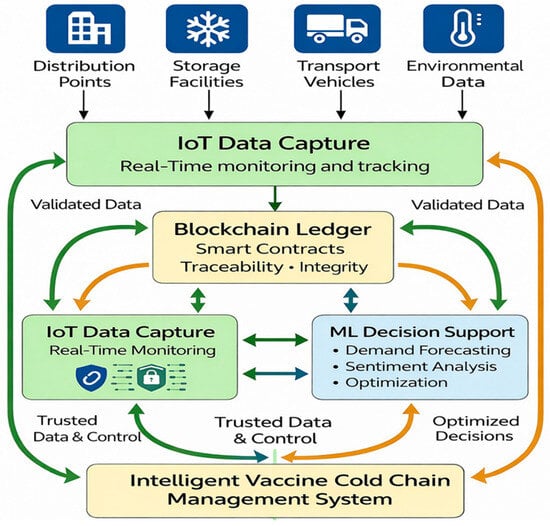
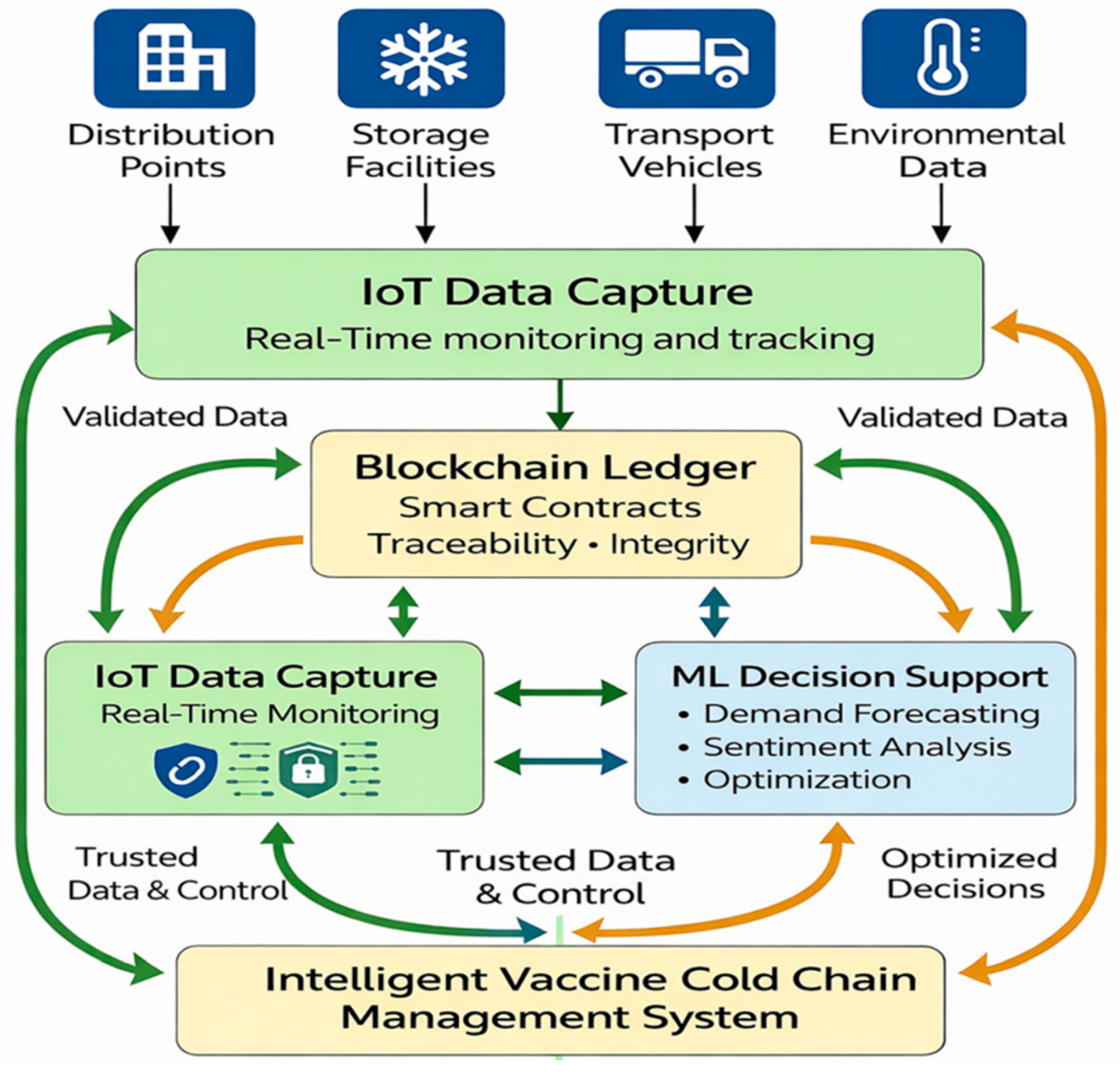
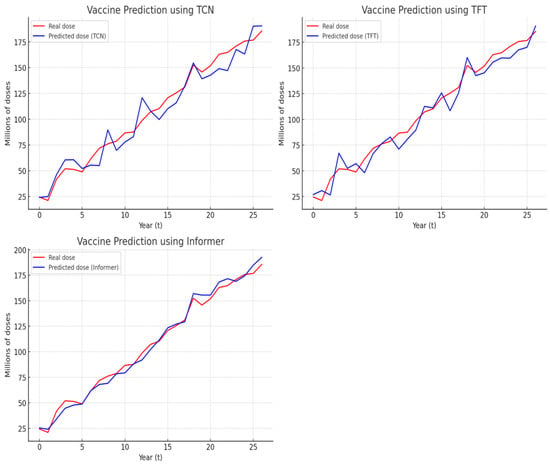
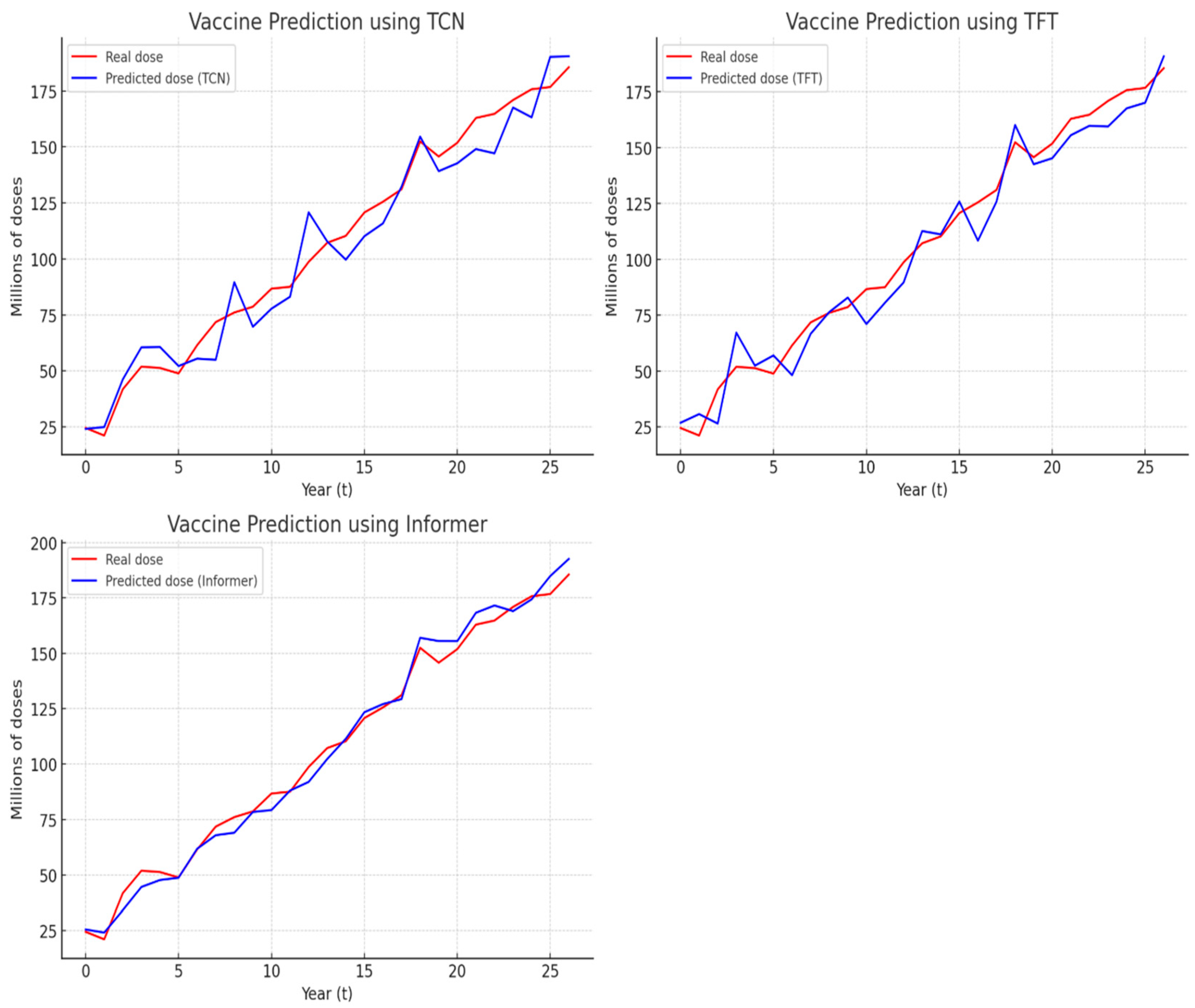
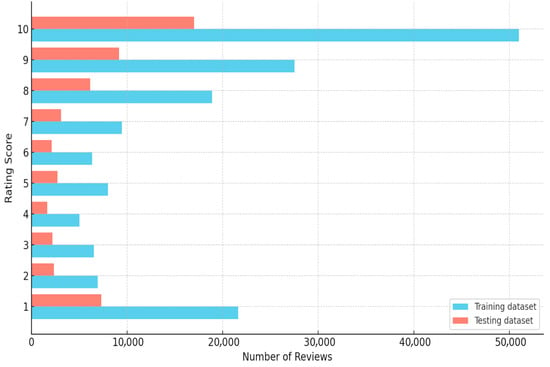
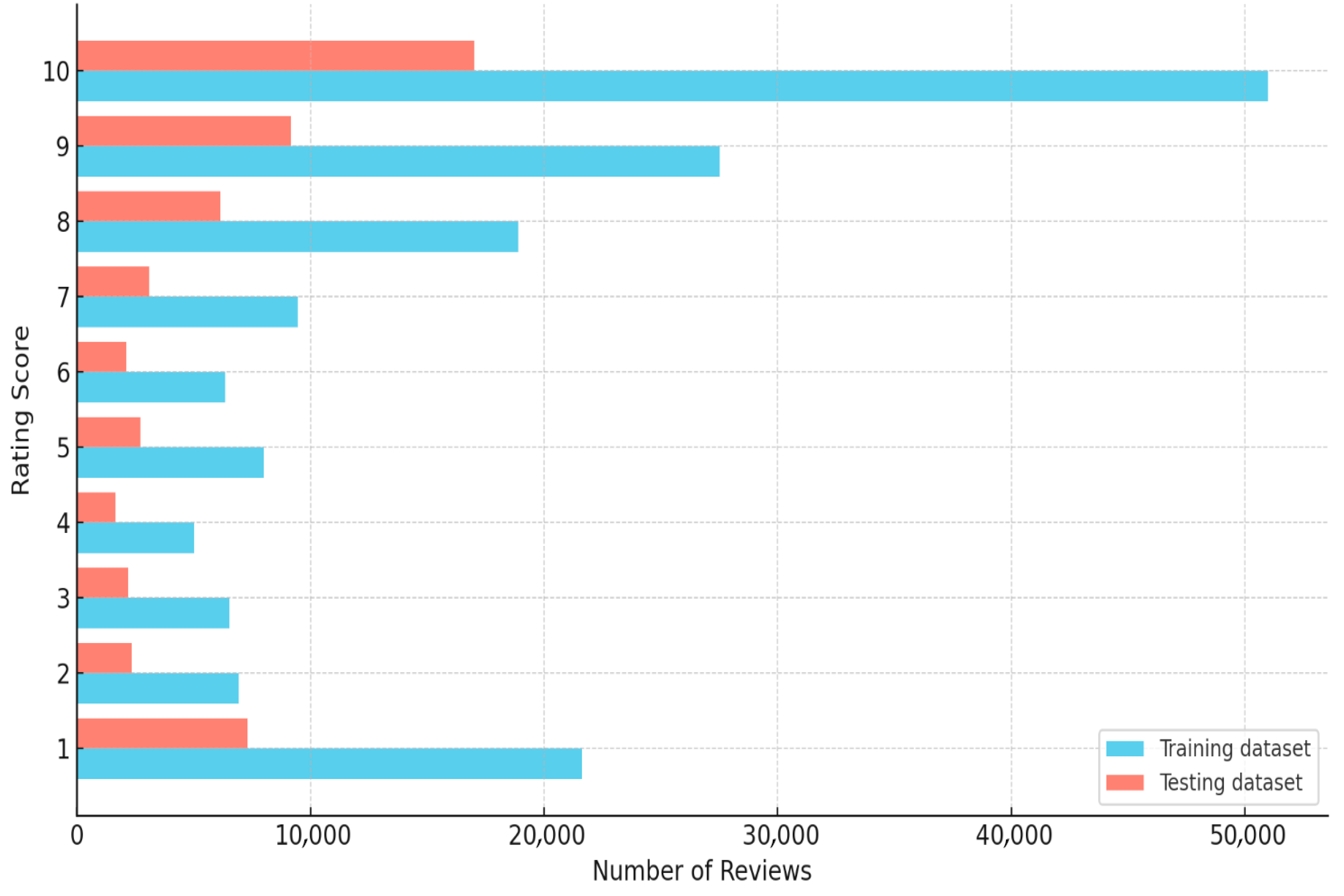

Disclaimer/Publisher’s Note: The statements, opinions and data contained in all publications are solely those of the individual author(s) and contributor(s) and not of MDPI and/or the editor(s). MDPI and/or the editor(s) disclaim responsibility for any injury to people or property resulting from any ideas, methods, instructions or products referred to in the content. |
© 2026 by the author. Licensee MDPI, Basel, Switzerland. This article is an open access article distributed under the terms and conditions of the Creative Commons Attribution (CC BY) license.