


Abstract
Background: Silicon nitride is an established bulk ceramic in spinal fusion, but a coating can delaminate, dissolve or wear through, and preclinical evidence on coatings has not been synthesized. Methods: Databases and trial registries were searched in October 2026. Eligible studies were in vitro, bench or animal studies of silicon nitride coatings on implant substrates. Risk of bias was assessed with tools for animal and laboratory studies; the synthesis was narrative. Results: Of 476 records screened, 44 publications from 19 research groups were included (18 films, seven doped or graded films, 19 composites). Counted descriptively, 21 of 27 cell studies and 12 of 13 bacterial studies favored a coating, but came from only nine and five groups and did not measure effect size. In one bench series of sputtered coatings on cobalt–chromium, wear in serum was similar to bulk silicon nitride for all but one coating; adhesion and dissolution remained concerns. Six animal studies, from two groups, reported more bone with a coating; the one comparison with hydroxyapatite favored hydroxyapatite. All had moderate risk of bias by a descriptive rule. Conclusions: The evidence is preclinical, short-term and clustered in few groups, and does not establish the long-term stability of coated implants.
1. Introduction
Silicon nitride (Si3N4) is an established bulk ceramic in spinal fusion cages, and its clinical record is mixed: retrospective series report outcomes similar to other cage materials [1], a long-term case series followed the first lumbar spacers for decades [2], a manufacturer-funded randomized trial reached non-inferiority to polyetheretherketone (PEEK) only after a post hoc change in margin [3], and a recent network meta-analysis suggests higher fusion odds than PEEK [4]. Silicon nitride is also applied as a thin coating on titanium, cobalt–chromium–molybdenum, zirconia and polymer implants, with the aim of improving bone integration, limiting bacterial colonization and reducing wear debris. A coating can delaminate, dissolve or wear through, which a monolithic ceramic cannot, so evidence for the bulk material does not show that a coating is durable [5]. Laboratory studies of bulk silicon nitride reported lower bacterial adhesion than PEEK or titanium [6] and, in rat calvarial defects, more new bone and less infection [7], which is part of the rationale for using it as a coating. The investigators’ own report of the same randomized trial found insufficient evidence of non-inferiority [8]. These clinical data on the bulk material are an indirect context and do not apply directly to coatings.
Silicon nitride is a non-oxide structural ceramic with high strength, fracture toughness and wear resistance [9,10] that has been studied as an orthopedic biomaterial since the 1980s [11]. Early studies evaluated its cytotoxicity and biocompatibility in vitro [12,13,14] and its tissue response in rabbits [11,15]. Later work suggested that silicon nitride is not bioinert and that its surface chemistry and nitrogen content influence osteogenic behavior in vitro [16,17]; in vivo, bone and implant responses were examined in rat calvarial defects [6] and in a murine tibial model in which surface topography influenced both infection and osseointegration [18]. Compared with PEEK and titanium, silicon nitride showed lower bacterial adhesion or activity in vitro [6,19] and caused lysis of Porphyromonas gingivalis [20], and spectroscopic studies relate this to surface chemistry and to the response of Staphylococcus epidermidis [21,22]. A recent report of silicon nitride containing TiC and oxide sintering aids also found fewer Staphylococcus aureus and Escherichia coli colonies than on alumina, titanium alloy and PEEK, but that material is a composite and not a coating [23]. Much of this work comes from groups linked to the manufacturer, and results depend on assay conditions. As for stability, silicon nitride powder dissolves in phosphate-buffered saline [24]; the biological effect of silicon nitride particles depends on particle size, surface composition and donor [25]; and sintered silicon nitride containing strontium, magnesium and silicon has been designed to be biodegradable [26]. Whether these properties are retained by a thin coating, which can delaminate, dissolve or wear through, is the question addressed in this review.
Preclinical studies of silicon nitride coatings are scattered across materials science, tribology and biomedical journals and use different substrates, deposition methods, test models and outcomes [27,28]. No systematic synthesis exists. Systematic reviews of other implant coatings show why one is needed: calcium-phosphate coatings gave no significant gain in bone-to-implant contact over etched titanium in animals [29], strontium coatings gave a gain but with very high heterogeneity and signs of publication bias [30], and titanium nitride and titanium niobium nitride coated knee implants gave no clinical advantage over uncoated implants [31]. For PEEK, a common substrate for silicon nitride coatings, unmodified material is less bioactive than titanium and surface modification appears to help [32,33]. The aim of this review was to identify and appraise all preclinical (in vitro, bench and animal) studies of silicon-nitride-based coatings on implant substrates; to describe their composition, deposition methods, models and outcomes; to assess risk of bias; and to determine whether the evidence supports clinical translation. A companion search for human studies of coated implants found none and is reported through the PROSPERO registration (CRD420261528198). Narrative reviews of silicon nitride ceramics [34] and of surface modification and coating of dental implants [35,36,37,38] describe the field but do not synthesize the preclinical evidence on silicon nitride coatings.
2. Materials and Methods
2.1. Review Question and PICOS Framework
The review question was: in preclinical models, how do silicon-nitride-based coatings on dental or orthopedic implant substrates affect biological, antibacterial, mechanical, tribological and corrosion outcomes compared with uncoated substrates or alternative coatings? The framework of population, intervention, comparator, outcome and study design (PICOS) is given in Table 1. The review is reported according to the PRISMA 2020 statement [39] (checklist in Supplementary File S5).
Table 1.
Eligibility criteria based on the PICOS framework.
2.2. Information Sources
Five databases were searched on 3 October 2026 without language or date limits: MEDLINE (Ovid MEDLINE(R) ALL 2026, reached through Journals@Ovid because the MEDLINE [Ovid] interface returned an access error; the search was later reproduced in PubMed, see Section 2.3), Embase (Embase.com, automatic mapping disabled), Scopus (title, abstract and keywords), the Web of Science Core Collection and Cochrane CENTRAL (Cochrane Library, trials only). Three further database searches were made later: a search of MEDLINE through ProQuest on 25 October 2026, the ProQuest strategy re-run in PubMed on 25 October 2026, and a broader search in PubMed on 27 October 2026 (strategies in Supplementary File S1). Other sources were the reference lists of retrieved full texts, targeted searches of PubMed and publisher sites, and trial registries. Trial registries were searched on 22 October 2026—ClinicalTrials.gov, ISRCTN, ChiCTR (China), the Netherlands Trial Register (OMON), the Korean Clinical Research Information Service (CRIS), the Brazilian Clinical Trials Registry (ReBEC) and the Iranian Registry of Clinical Trials (IRCT)—with the term “silicon nitride” and, in some registries, “Si3N4” and equivalents in Chinese, Portuguese and Persian (Supplementary File S1). The WHO International Clinical Trials Registry Platform (ICTRP) search portal was searched on 24 October 2026 with “silicon nitride”, “Si3N4”, “SiNx”, “silicon carbon nitride” and “SiCN” (the portal had returned a server error on 22 October). Forward citation searching was not performed; citation searching was limited to scanning the reference lists of the included studies and of relevant reviews.
2.3. Search Strategy
Each search combined three concept blocks—silicon nitride terms (silicon nitride, Si3N4, SiNx), coating or deposition terms (coating, coated, surface modification, sputtering, high-power impulse magnetron sputtering (HiPIMS), laser cladding, physical vapor deposition (PVD), chemical vapor deposition (CVD)) and implant terms (implant, dental implant, osseointegration, arthroplasty, prosthesis)—searched in title, abstract and keyword fields. The strings as run, the platforms, dates, fields and record counts are given in Supplementary File S1. For Cochrane CENTRAL, the three concept lines returned 13, 39,442 and 47,573 records, and their combination returned none. The original Ovid search history was not retained. A later attempt to re-run the search in Ovid exported records labeled Journals@Ovid Full Text, a different database (16 or 17 records, of which 11 were not in the log and none were eligible), and these records were not used. The MEDLINE search was therefore reproduced in PubMed on 27 October 2026 with an equivalent string (Supplementary File S1); it returned 29 records, identical to the 29 records of the Ovid MEDLINE search and all already among the records found, so it added no new records. A second, broader PubMed search was run on the same day by the second reviewer; it added wildcard forms, further coating and deposition terms (thin film, nanofilm, surface layer, electrophoretic deposition, laser sintering, melt bonding, micro-arc oxidation (MAO), plasma-enhanced CVD (PECVD)) and broader implant terms (Supplementary File S1). It returned 81 records, which include those 29; 65 were already among the 328 records of the first searches, and the 16 new records were screened by the reviewers and all excluded (Section 3.1). A search of MEDLINE through ProQuest on 25 October 2026 combined substance name, MeSH and free-text terms for silicon nitride, for coating and film terms, and for implant terms (Supplementary File S1); it retrieved 275 records, but only 48 could be exported, and their 39 new records were excluded at title and abstract. Because the other 227 records could not be exported, the same strategy was re-run in PubMed on 25 October 2026 (Supplementary File S1): it returned 193 records, of which 100 were already among the records found and 93 were new. All 93 were excluded at title and abstract (after the abstracts of three borderline records were read), and none concerned a silicon nitride coating on a dental or orthopedic implant. The 227 unexported ProQuest records were not screened, which is a limitation. The term implant retrieved many ion implantation papers from semiconductor and materials engineering, which were removed at screening. As a retrospective check of sensitivity, the database searches retrieved 41 of the 44 included studies; the other three (laser cladding on polyethylene [40], a study of HiPIMS process parameters [41] and a hot-pressed PEEK surface [42]) were found by reference list scanning and web searches. The strategy requires an implant-related term and may miss studies that describe a coating without one, so it should not be regarded as exhaustive. The broader strategy was run only in PubMed and was not repeated in Embase, Scopus, Web of Science or Cochrane CENTRAL because of time, which is a limitation.
2.4. Eligibility Criteria
Studies were eligible if they reported primary experimental data on a silicon-nitride-based coating on an implant-relevant substrate (Table 1). A silicon nitride coating was defined as a layer, film or surface treatment on an implant substrate in which silicon nitride is the principal active component. Studies were classified as (i) Si3N4 or SiNx films; (ii) silicon carbon nitride (SiCN) and other doped or graded films, including multilayers; and (iii) particulate or composite coatings, including polymer composites and laser-sintered, laser-clad or micro-arc oxidation layers. Studies were excluded in five situations: silicon nitride was a bulk ceramic, a composite material or a substrate rather than a coating; the coating was a different material or the application was outside dental and orthopedic implants (for example neural probes, electronic encapsulation or biosensors); the coating was deposited only on silicon wafers or other non-implant substrates; the paper stated no implant or biomedical application; or the record was a review, book chapter, commentary or conference abstract without a full report. Results are not pooled across categories, and differences in composition, structure, thickness, deposition process and degradation behavior are stated where they affect interpretation.
2.5. Selection Process
Records were de-duplicated by DOI and title. A first pass over titles and abstracts was made with an artificial intelligence (AI) model (Claude Sonnet 5.5, Anthropic, San Francisco, CA, USA) against the eligibility criteria, and its decisions are documented record by record in the screening log. Two reviewers (M.M.A. and N.F.C.S.) then screened all 476 records independently in separate blinded spreadsheets, choosing include for full text, exclude with a reason, or unsure (treated as include). The 328 records of the first searches were screened from the title and abstract; the 148 records added by the later searches (ProQuest and PubMed) were screened after an AI pre-screen, which each reviewer reviewed and confirmed. Agreement over the 476 records was 98.7% (Cohen’s kappa 0.94). Fourteen records on which the reviewers disagreed, or on which both were unsure about a record that the first pass had excluded, were decided by a third reviewer (ALQAHTANI, M.A.) who applied the registered criteria. The arbiter’s entries were drafted with AI assistance and were reviewed and approved by the arbiter. Three of these records had no abstract in the database export, so their PubMed records were consulted. Ten were excluded and four were sent to full-text assessment, where three were included and one was excluded (Supplementary File S3). Two other disagreements were settled by discussion between the reviewers. Full texts of records carried forward were assessed against the criteria, and reasons for exclusion were recorded (Supplementary File S3). Eligibility at full text was first assessed in one AI-assisted pass, which the reviewers verified. Reports found by reference list scanning, targeted searches and papers supplied by the authors were assessed in the same way and are shown in the other-methods arm of the flow diagram. One eligible report (a 1997 report on stainless steel with ion-beam-assisted silicon nitride coatings; Supplementary File S1) could not be retrieved: it was not available for download, and a request to the corresponding author received no reply. One included study (Esmaeili et al., 2024) [43] was available only as a scanned copy that was read by optical character recognition, and its values were checked by the extraction reviewer.
2.6. Data Extraction
Data were extracted with a piloted form: study design, substrate, coating composition, deposition method, thickness and key deposition parameters, comparator, model and sample size, outcomes and time points, main findings, and funding or conflicts of interest. Each study was classified into one of the three categories, and the structure and other phases reported (amorphous or crystalline phase, silicon, silica, oxynitride and other phases), the organism and endpoint of any antibacterial assay, and the test conditions of any bench durability test were extracted. For the 44 included studies, a first draft of the extraction and of the risk-of-bias judgments was prepared by an AI model (Claude Sonnet 5.5); a further reviewer (Alkhelaiwi, M.A.) checked the extracted data against the source articles and rated risk of bias independently of the other reviewers.
2.7. Risk of Bias Assessment
Animal studies were assessed with the risk-of-bias tool of the Systematic Review Centre for Laboratory Animal Experimentation (SYRCLE) [44], with each of the ten domains rated low, high or unclear. A study was classed as high overall if any domain was high, moderate if no domain was high and at least two were unclear, and low otherwise. In vitro and bench studies were assessed with the risk-of-bias tool for dental materials studies (RoBDEMAT) [45], with nine items rated sufficiently reported, insufficiently reported or not reported across four domains (planning and allocation, specimen preparation, outcome assessment, and data treatment and outcome reporting); item-level judgments are given in Supplementary File S2. The overall category for each in vitro study was recorded as low, moderate or high using a rule fixed retrospectively before the final ratings: high if the control group or standardized testing was not reported; low if all items were sufficiently reported; otherwise moderate. Risk of bias was rated by one reviewer (Alkhelaiwi, M.A.) independently of the other reviewers; the registered protocol specified two raters, so this is a deviation and a limitation. The overall labels are a descriptive categorization of reporting and not a rating of the certainty of the evidence. They were derived from the domain judgments of each tool (SYRCLE) or from the rule above (RoBDEMAT); the two tools use different items and are not comparable, and a label of moderate risk does not mean that studies from different experimental domains are of comparable quality. Item-level judgments for every study are given in Supplementary Files S2 and S4.
2.8. Data Synthesis
A structured narrative synthesis was done, grouped by coating category, substrate, deposition method and outcome, because the heterogeneity of models and outcomes precluded pooling. The unit of synthesis is the publication that reports one or more experiments on a silicon nitride coating, and the 44 included publications are not assumed to be independent. Possible overlap was assessed from authorship (two or more authors in common), coating and model, and publications from the same research group were treated as one group in group-level counts (Supplementary File S4, Overlap groups). Counts of studies with favorable results are descriptive counts of publications, always given with the number of research groups; they ignore sample size, effect magnitude, precision, multiple outcomes and selective reporting, and they are not pooled or comparative effects. Results are kept separate by coating category (films; doped or graded films; particulate or composite coatings) because their exposed surface chemistry and likely failure modes differ. Random-effects meta-analysis was to be considered only if three or more clinically and methodologically similar studies reported the same outcome, which did not occur. No formal GRADE rating was assigned for laboratory evidence. Each synthesis was interpreted with reference to the number of independent studies, risk of bias, consistency, precision and directness for clinical performance.
2.9. Use of Generative AI
Generative AI (Claude Sonnet 5.5, Anthropic, San Francisco, CA, USA) was used to help plan the search strategies, to run supplementary web searches, to process the exported database records and screen them in a first pass, to draft the data extraction and the risk-of-bias judgments for the retrieved full texts, to format references, to plot Figure 1, Figure 2 and Figure 3 from the authors’ counts and classification, and to draft and edit the text. The database searches themselves were run by the authors and library staff. The authors checked the references in four ways: (1) Existence: Each reference was resolved to a record by DOI or PubMed identifier. (2) Bibliographic accuracy: Authors, title, journal, year, volume and pages were compared with the publisher or database record. (3) Content: Each statement attributed to a source was compared with its full text, or with its abstract where no full text was obtained. (4) Numerical accuracy: Values quoted in the text and tables were compared with the source. The AI pre-screen of the 148 records added by the later searches and the first draft of the arbiter’s decisions on 14 records were reviewed and confirmed by the reviewers and the arbiter. The first drafts of the full-text eligibility decisions, the data extraction and the risk-of-bias judgments were prepared with AI assistance and were verified by the reviewers named in Section 2.5, Section 2.6 and Section 2.7. The authors edited all AI-assisted text and take full responsibility for the content.
Figure 1.
PRISMA 2020 flow diagram of study selection. * Raw database records from searches run between 3 and 27 October 2026; duplicates removed by DOI and title matching. † Two reviewers screened all records independently, and a third reviewer decided 14 records: non-biomedical, n = 213; different coating material or application, n = 109; review, overview, book chapter or commentary, n = 50; not a coating (bulk silicon nitride, composite or substrate), n = 51. ‡ One report could not be obtained: it was not available for download, and the corresponding author did not reply. § Eligibility at full text was first assessed in one AI-assisted pass and verified by the reviewers. Reports found by reference list scanning, web searches and papers supplied by the authors. Adapted from the PRISMA 2020 flow diagram, licensed under CC BY 4.0. PubMed (expanded search, 27 October 2026) added 81 records, of which 65 were duplicates; MEDLINE via ProQuest (25 October 2026) retrieved 275 records, of which 48 could be exported (9 duplicates); the ProQuest strategy re-run in PubMed (25 October 2026) added 193 records (100 duplicates). Registers: ClinicalTrials.gov, ISRCTN, ChiCTR, OMON, CRIS, ReBEC and IRCT were searched on 22 October 2026 (3 records, of which 1 was a duplicate and 2 concerned bulk silicon nitride spinal cage trials); the WHO ICTRP portal (24 October 2026) returned 3 records, none relevant.
Figure 2.
Included studies by coating category and model (n = 44). Categories: (i) Si3N4 or SiNx films; (ii) SiCN and other doped or graded films; (iii) particulate or composite coatings. This figure was plotted in Python (version 3.12.3) with Matplotlib (version 3.10.8) from the authors’ classification.
Figure 3.
Summary of RoBDEMAT item judgments for the 43 laboratory studies. This figure was plotted in Python (version 3.12.3) with Matplotlib (version 3.10.8) from the item-level judgments in Supplementary File S2.
2.10. Registration and Protocol
The registered PROSPERO record (CRD420261528198; https://www.crd.york.ac.uk/PROSPERO/view/CRD420261528198 (accessed on 9 November 2026)) covers human studies of silicon-nitride-coated implants and found no eligible studies at title and abstract screening. The extension to preclinical studies was not registered in advance. Its protocol was registered retrospectively on the Open Science Framework on 15 October 2026 (https://doi.org/10.17605/OSF.IO/9TWQZ (accessed on 9 November 2026)), after the database searches (3 October 2026) and a first-pass AI-assisted screening had been done. This registration covers laboratory and animal studies, which PROSPERO does not accept, so the scope differs from that of the PROSPERO record. The registration was updated on 18 October 2026 to correct drafting errors (placeholder text, the Ovid query wording, and the software and model entries); the update did not change the review question, eligibility criteria, outcomes or planned methods. The differences between the registered protocol and the final methods are listed in the OSF amendment and in Supplementary File S4 (Protocol deviations). The registration was retrospective. Searches were added (an expanded PubMed search, ProQuest MEDLINE and WHO ICTRP), and the Ovid search history was not retained. Citation searching was backward only. First passes for screening, full-text decisions and extraction were AI-assisted and verified by the reviewers, and the arbiter’s entries were drafted with AI assistance. One rater assessed risk of bias, and the RoBDEMAT overall rule was fixed retrospectively. One report could not be retrieved. The 227 ProQuest records that could not be exported were not screened individually.
3. Results
3.1. Study Selection
The database searches identified 485 records (MEDLINE 29, Embase 27, Scopus 192, Web of Science 237, Cochrane CENTRAL 0); the broader PubMed search added 81 records (65 already found), the ProQuest MEDLINE search exported 48 records from 275 retrieved (9 already found), and the PubMed re-run of the ProQuest strategy exported 193 records (100 already found). In total, 807 records were identified and 331 duplicates were removed, leaving 476 records. Of the 476 records screened at the title and abstract levels, 423 were excluded: 213 as non-biomedical; 109 for a different coating material or an application outside dental and orthopedic implants; 50 as reviews, overviews, book chapters or commentaries; and 51 because silicon nitride was a bulk ceramic, a composite or a substrate and not a coating. Fourteen records on which the reviewers disagreed, or on which both were unsure about a record that the first pass had excluded, were decided by a third reviewer: ten were excluded and four were sent to full-text assessment. Fifty-three reports were carried forward for full-text retrieval. Full texts of 52 were assessed: 41 met the eligibility criteria and eleven were excluded, five because the coating was deposited on silicon wafers or substrates only, not on an implant-relevant substrate, four because the paper stated no implant or biomedical application, and two because the coating was a different compound (a silicon-containing carbon nitride and a polymer-derived silicon oxycarbonitride, SiCNO). One report (a 1997 report on stainless steel with ion-beam-assisted silicon nitride coatings; Supplementary File S1) could not be retrieved: it was not available for download, and the corresponding author did not reply to a request. Eight further reports from citation searching, web searches and papers supplied by the authors were all assessed: three were included, and five were excluded (bulk silicon nitride; a coating on silica glass only; a bulk PEEK–silicon nitride composite; a study of materials for implantable MEMS devices, outside dental and orthopedic use; and a review). In total, 44 studies are included. A PRISMA 2020 flow diagram is shown in Figure 1 [39].
The sixteen full-text reports excluded (eleven from the database searches and five from other methods) are listed with reasons in Supplementary File S3. Of the 44 included studies, 41 came from the database searches and three from other methods. The PubMed reproduction of the MEDLINE search returned 29 records, all already among the records found. The second reviewer’s broader PubMed search added 16 new records, which were screened and excluded (15 at title and abstract and one, a SiCN coating on silicon wafers, in full text). The ProQuest MEDLINE search added 39 new records among the 48 exported, and the PubMed re-run of its strategy added 93 new records, all excluded at title and abstract. The other 227 records of the ProQuest search could not be exported and were not screened individually. Trial registries. ClinicalTrials.gov retrieved two records, ISRCTN 0, the Netherlands Trial Register 1, and CRIS, ReBEC and IRCT 0 each; ChiCTR retrieved 0 records for the Chinese term for silicon nitride (and 39 for “dental implant”, none concerning silicon nitride). The two ClinicalTrials.gov records (NCT01511445 and NCT01557829, the SNAP trial) and the Dutch record (NL-OMON36245, the SNAP trial as registered in the Netherlands, a duplicate of NCT01557829) concern bulk silicon nitride spinal cages and not coated implants. The WHO ICTRP portal (24 October 2026) returned two trials for “silicon nitride” (the SNAP trial again and a trial of titanium nitride-coated stainless-steel crowns in primary teeth, which is a different coating material), none for “Si3N4”, “silicon carbon nitride” or “SiCN”, and one unrelated trial for “SiNx” (a nasal spray for allergic rhinitis). No registered trial of a silicon-nitride-coated implant was identified in the seven registries or in WHO ICTRP. The human studies protocol (PROSPERO CRD420261528198) found no eligible human study. We therefore distinguish “no published clinical study of a silicon nitride-coated implant was identified in the bibliographic searches” from “no registered trial was identified in the registries searched”; a zero-record result in Cochrane CENTRAL is not evidence of the latter.
3.2. Study Characteristics
The 44 studies were published between 2012 and 2026 (Table 2). Fifteen were bench studies of mechanical, tribological, micromotion, composition, dissolution, debris, flexural, adhesion or corrosion behavior [27,28,41,46,47,48,49,50,51,52,53,54,55,56,57]; twenty-two were in vitro or combined in vitro and bench studies [40,42,43,58,59,60,61,62,63,64,65,66,67,68,69,70,71,72,73,74,75,76]; six combined in vitro work with an animal experiment [77,78,79,80,81,82]; and one was an animal study [83]. Fourteen studies coated cobalt–chromium alloys [27,28,41,46,47,48,50,51,52,53,55,59,60,76]; nineteen coated titanium or titanium alloys [43,48,54,56,57,58,61,62,63,64,65,66,67,71,72,73,74,79,82] (one study coated both [48]); nine coated polymers or polymer composites (PEEK, polyetherketoneketone (PEKK) or carbon-fiber-reinforced PEKK) [40,42,49,70,77,78,80,81,83]; one coated polyethylene, titanium, zirconia-toughened alumina and zirconia [68]; one coated yttria-stabilized zirconia [69]; and one coated zirconia-toughened alumina [75]. Deposition methods were reactive HiPIMS [27,28,41,46,50,51,53], other sputtering or PVD [55,59,60,65,71,76,79,82], PECVD, plasma CVD or microwave plasma deposition [47,54,61,63,66,70], MAO with silicon nitride [67,73], cathodic arc deposition [64], laser sintering or cladding [40,57,58,68,69], suspension coating with melt binding [77,80], sulfonation with silicon nitride microparticles [78,81], spray coating with compression molding [49], electrophoretic deposition [43,72,74], and hot pressing with salt leaching [42]; the method was not stated in the text assessed for three studies [48,62,83], and in one study, the silicon nitride layer was a buffer under an apatite film grown by induction heating [56]. Seven studies used animals: three used rabbits [77,78,83] and four used rats [79,80,81,82], with follow-up of 4 to 12 weeks. Nine studies had authors affiliated with coating or ceramic manufacturers [40,41,42,46,49,58,68,69,75], co-inventorship of a patent on silicon nitride coatings was declared in two [50,51], and several included studies came from one research program [27,28,41,46,50,51,52,53]. Two included reports may share data or coatings with excluded papers from the same group [54]. By category, 18 studies tested Si3N4 or SiNx films, seven tested silicon carbon nitride or doped or graded films, and 19 tested particulate or composite coatings (Table 3 and Figure 2).
Table 2.
Characteristics of the included studies.
Table 3.
Classification, composition and structure of the coatings in the included studies. Categories: (i) Si3N4 or SiNx films; (ii) SiCN and other doped or graded films; (iii) particulate or composite coatings. “Not reported” means that the paper did not report the structure or phases.
These results should not be read as one consistent signal across the categories. Films, doped films and particulate or composite coatings differ in composition, structure, thickness and degradation, and dissolution and ion release were tuned in the doped films by adding chromium, niobium, iron or carbon [46,59,60]. Few studies report oxygen or silica content or other phases, although silicon nitride reacts with water to form silica and ammonia [23] and dissolves in aqueous media [24]. Where a paper does not report a feature, the table says so. Structure and phase entries were read from the full texts, except for five studies for which only the abstract page was available [57,77,78,79,83].
The 44 publications come from 19 research groups. Five groups account for 30 publications (a titanium-coating group in China, 4; a Japanese titanium-coating group, 2; the Uppsala group, 12; a Chinese group working on PEEK, PEKK and titanium, 6; and a group linked to the manufacturer, 6), and 14 publications come from groups that do not share authors with the others (Supplementary File S4, Overlap groups). Publications from one group may share coatings, controls or cell models, so they are not treated as independent evidence in the group-level counts below. Borderline inclusions (a silicon nitride buffer under an apatite film, silicon nitride as one of two nanoparticle additives, oxygen-containing doped films, and laser-clad coatings with partial nitrogen loss) were kept in their categories and are listed with reasons in Supplementary File S4 (Borderline inclusions).
3.3. Risk of Bias in the Included Studies
All 44 studies were rated at moderate risk of bias overall (Table 4 and Table 5). None reported a sample-size rationale, and none of the in vitro experiments reported blinding of outcome assessment or randomization of specimens. Six of the seven animal studies reported age and weight or strain, but only three stated that animals or implants were randomly allocated [79,82,83]; one of them [82] described the method of sequence generation (a random number table) and blinded outcome assessment, and none described allocation concealment, random housing or blinding of caregivers. Control or comparator groups were present in all but three studies, in which coating variants were compared only with each other [41,46,47]. The judgments were rated independently by one human reviewer after an AI first draft, and no study was excluded on the basis of risk of bias. These labels describe how fully experimental details were reported; they are not ratings of the certainty of the evidence, they come from two different tools, and the uniform label hides differences between laboratory and animal studies.
Table 4.
Risk of bias in the included studies (RoBDEMAT items: SR, sufficiently reported; IR, insufficiently reported; NR, not reported; item-level judgments for all studies are in Supplementary File S2; the animal-study domains are in Table 5).
Table 5.
Risk of bias of the seven animal studies with the SYRCLE tool. Domains: 1, sequence generation; 2, baseline characteristics; 3, allocation concealment; 4, random housing; 5, blinding of caregivers and investigators; 6, random outcome assessment; 7, blinding of outcome assessors; 8, incomplete outcome data; 9, selective outcome reporting; 10, other sources of bias. L, low risk; U, unclear risk.
3.4. Results of Individual Studies
The main findings of each study are given in Table 6.
Table 6.
Main reported findings of the included studies.
3.5. Results of Syntheses
Because models, substrates, coating compositions and outcomes differed, no quantitative synthesis was attempted, and the results are summarized narratively by outcome.
3.5.1. Mechanical and Tribological Performance
Hardness and elastic modulus were reported for coatings by HiPIMS and PECVD, with some coatings in one HiPIMS series approaching the hardness of sintered silicon nitride (about 18 GPa) [27] and a PECVD coating reaching 13.19 GPa [47]. Wear resistance depended on coating quality: in one series of sputtered coatings on cobalt–chromium, all but one silicon nitride coating had a wear resistance similar to bulk silicon nitride and higher than cobalt–chromium in ball-on-disc tests in serum [27], which applies only to the compositions and conditions of that series (ball-on-disc tests in serum after 1000 and 10,000 revolutions) and does not show equivalent wear performance across silicon nitride coating systems or long-term performance. Low-hardness coatings failed earlier by chemical reaction and dissolution accelerated by contact [46], and coated femoral heads gave somewhat lower polyethylene wear at 32 mm and somewhat higher wear at 36 mm than uncoated heads [28]. A graphene/silicon nitride/graphene multilayer on Ti6Al4V reached a hardness of 23 GPa and reduced the corrosion current by three orders of magnitude in an acidic fluoride medium, but it became porous and soft after corrosion [54]. Hardness and modulus scaled with the nitrogen content of HiPIMS coatings (12 to 26 GPa and 173 to 293 GPa) [51]. Adhesion improved when the chromium nitride interlayer was deposited at a low bias voltage and wear rates were lower than or similar to cobalt–chromium [50]. A coating on modular hip tapers did not change micromotion [48]. Adhesion of a PECVD coating needed optimization [47]. Silicon nitride particles embedded in carbon-fiber PEKK plates did not change flexural modulus, strength or crack behavior [49]. Laser treatment of a cathodic arc silicon nitride coating on a titanium alloy raised microhardness more than 11-fold and reduced residual stress [64], multilayer SiN:H and SiCN:H coatings on Ti6Al7Nb gave a lower friction coefficient than the bare alloy [66], and a PEEK/silicon nitride composite coating reached a modulus of 45 to 65 GPa with better wear and corrosion resistance than uncoated titanium alloy [65]. Silicon nitride coatings on cobalt–chromium made by physical vapor deposition reached hardness and friction against Si3N4 similar to bulk Si3N4 with low wear, but adhesion to the substrate remained to be improved [55]. A silicon nitride/tricalcium phosphate coating laser-cladded on Ti6Al4V had a higher microhardness than the bulk material [57], and among buffer layers under an apatite film on Ti6Al4V, silicon nitride gave the most adherent, compact and plastic film, ahead of SiC and TiN [56]. A study of HiPIMS process parameters found that compressive residual stress of up to 2.1 GPa could be reduced to 0.2 GPa by tailoring the process, and adhesion on cobalt–chromium–molybdenum disks was assessed by the Rockwell C test [41]. An electrophoretically deposited Si3N4/nanodiamond coating on Ti6Al4V raised hardness and elastic modulus in nanoindentation and lowered the abrasion rate in nano-scratch testing [43]. A sputtered amorphous SiNx film made at a nitrogen flow of 20 sccm had the highest hardness (11.31 GPa) and the best corrosion and corrosion-assisted wear resistance, including in fluoridated artificial saliva, whereas films made at higher nitrogen flows were looser and oxygen-rich and performed worse [71]; anodized Ti-6Al-4V with electrophoretically deposited Si3N4 nanoparticles was assessed for hardness, elastic modulus, friction and corrosion [72].
3.5.2. Dissolution and Ion Release
Dense coatings were more stable in serum, and less dense coatings dissolved within one to three weeks [28]. Over 60 days in simulated body fluid, silicon nitride coatings dissolved at 0.2 to 1.4 nm per day, more slowly with higher nitrogen content and at a rate similar to or lower than that of cobalt–chromium–molybdenum, and they reduced metal ion release from the substrate [52]. Wear debris from a silicon nitride coating was round, with a median size of 40 nm, and formed agglomerates up to 3.2 µm, and model particles dissolved in simulated body fluid with a time constant of about 10 days [53]. Adding chromium reduced the release of silicon, chromium and niobium ions [59], and adding iron and carbon reduced ion release compared with a silicon nitride reference [60]. A chromium nitride interlayer reduced delamination in scratch testing [59].
The tests used for coatings address different failure modes, and none alone shows long-term retention (Table 7). A single scratch test measures adhesion under one monotonic load, and fatigue or cyclic adhesion, which is closer to service, was not reported in the studies assessed. Immersion in serum or simulated body fluid measures chemical dissolution, wear tests against polyethylene or silicon nitride measure wear-through under sliding, tribocorrosion combines the two, and micromotion tests at a modular taper address interface motion and not coating retention. Where dissolution was tested, it was in flat discs for weeks, and it was not tested whether the results hold for hip heads. A scratch load of 20 N [58] shows that a coating can resist one scratch, but not that it will remain attached for years, and the fate of detached or dissolved coating debris was characterized in only one study [53]. Thickness, density and oxygen content differed between studies, so results cannot be ranked across studies, and a coating should not be called stable on the strength of a single scratch threshold.
Table 7.
Bench tests of coating durability in the included studies and the failure mode each addresses.
3.5.3. Biological Response In Vitro
Twenty-seven studies tested cell responses. Counted descriptively, 21 reported more favorable adhesion, proliferation, osteogenic or angiogenic response, osteoconductivity or survival on silicon-nitride-based coatings than on an uncoated or alternative comparator [40,42,43,61,62,63,65,66,67,68,70,71,72,73,75,77,78,79,80,81,82]; one reported osteogenic behavior comparable to bulk silicon nitride [58], three compared coating variants or reported compatibility or no difference [59,60,69], one did not quantify its result [64], and one reported reduced viability [74]. The 21 favorable publications come from nine research groups, and the counts take no account of sample size, effect magnitude, precision, multiple outcomes or selective reporting, so they should not be read as an overall effect. A study of coating extracts reported compatibility with microglial viability [60] and a study of fibroblasts reported better viability at optimal chromium content [59]. A laser-cladded silicon nitride coating on zirconia produced mineralized bone tissue of good quality, but cell proliferation was similar to uncoated zirconia and lower than on stoichiometric silicon nitride [69]. A silicon nitride/tricalcium phosphate coating on Ti6Al4V showed good bioactivity in simulated body fluid when tricalcium phosphate was added [57]. The study with reduced viability used a graphite oxide, hydroxyapatite and alginate coating on a titanium alloy, in which adding Si3N4 or CuO nanoparticles lowered the viability of MG-63 cells, more so with CuO [74]. In blood compatibility tests of fluorine- and nitrogen-doped silicon nitride films on Co-Cr-Mo, platelet adhesion was related to the polar-to-dispersion ratio of the surface energy, and the SiNO film was proposed as a candidate antithrombogenic coating [76]. In the titanium mesh study, a silicon nitride nanofilm shifted macrophages from the pro-inflammatory M1 to the pro-regenerative M2 phenotype and enhanced osteogenic differentiation in co-culture [82].
3.5.4. Antibacterial Activity
Thirteen studies tested bacteria, and twelve reported antibacterial activity of silicon-nitride-based coatings (Table 8); the twelve come from five research groups, and the counts are descriptive. A laser-sintered coating resisted adhesion of S. epidermidis and E. coli on acetabular shells [58]. Laser-clad silicon nitride reduced bacterial counts of S. epidermidis on four substrates [68] and on polyethylene [40]. Sputtered, plasma-deposited or composite coatings showed antibacterial activity against S. aureus and E. coli [61,70,78,79,81]. Nitrogen-graded nanofilms on titanium mesh reduced S. aureus, E. coli and P. gingivalis counts [82]. A porous PEEK surface with embedded silicon nitride particles reduced the growth of S. epidermidis [42]. Silicon nitride nanoparticles on anodized or micro-arc-oxidized titanium improved antibacterial activity, with a bactericidal rate against S. aureus that rose with the Si3N4 content [72,73]. In a graphite oxide, hydroxyapatite and alginate coating on a titanium alloy, only the CuO-containing coatings showed significantly improved antibacterial properties against E. coli [74]. The studies differ in organism, inoculum, culture conditions, exposure time and endpoint (adhesion, viability or colony counts), and for several, the assay and endpoint were not stated in the text assessed (Table 8). Reduced bacterial adhesion in a short in vitro assay is not the same as prevention of biofilm or treatment of infection; only one study tested a coating in an infection model, in rats [81], and none used a clinically relevant multispecies biofilm. Eight of the twelve favorable studies came from two research groups (one linked to the manufacturer), so they are not independent replications. The findings therefore do not show effectiveness against peri-implantitis or prosthetic joint infection.
Table 8.
Included studies that tested bacteria. Categories: (i) Si3N4 or SiNx films; (ii) SiCN and other doped or graded films; (iii) particulate or composite coatings. “Not stated” means that the text assessed did not report the feature.
3.5.5. In Vivo Bone Response
Seven studies included animals (Table 9). Six reported greater bone formation or osseointegration with silicon-nitride-based coatings than with uncoated or porous polymer or titanium controls [77,78,79,80,81,82], at follow-up times of 4 to 12 weeks, and one also reported an anti-infective effect in rats [81]; the six come from two research groups. The only direct comparison of a silicon nitride coating with hydroxyapatite was made in a rabbit femoral model [83]. Carbon-fiber-reinforced PEEK cylinders were coated with hydroxyapatite (HA), with hydroxyapatite plus vancomycin and polyvinylpyrrolidone (PVP) (HA-VP), or with Si3N4 (SiN); ten implants per group were placed in the femoral diaphysis and retrieved at 12 weeks. Periprosthetic fractures led to exclusion of one, one and two implants, respectively, so nine, nine and eight implants were scanned by micro-computed tomography and eight, eight and seven were tested in pull-out. Pull-out strength was lower for SiN than for HA (p = 0.044) and than for HA-VP (p = 0.041), and bone volume around the implant was lower for SiN than for HA (p < 0.001), whereas HA and HA-VP did not differ (p = 0.861). The SiN group received no antibiotic or antithrombotic agent, so the comparison of SiN with plain HA is not confounded by those agents, but the two coatings differ in fabrication method. This is one small-animal model with one substrate, and its result should neither be dismissed as a single negative finding nor generalized beyond that model.
Table 9.
Animal studies of silicon nitride coatings. “Not stated” means that the text assessed did not report the feature.
3.5.6. Summary by Coating Category
Table 10 summarizes the cell, antibacterial and animal results for each coating category, with the number of research groups in parentheses. The counts are of publications and are descriptive; they are not pooled or comparative effects, and publications from one group are not independent.
Table 10.
Descriptive summary of results by coating category (counts of publications, with research groups in parentheses; not pooled effects).
3.6. Reporting Biases
No quantitative assessment of publication bias was possible. All animal and in vitro studies that reported biological outcomes reported favorable findings for the coating, except the comparison with hydroxyapatite and the reduced cell viability seen with one composite coating [74], and nine included studies had manufacturer-affiliated authors [40,41,42,46,49,58,68,69,75]. One eligible report could not be retrieved, so selective retrieval could influence these findings. One included study shares its group, coating and cell model with another [61,63], and possible overlap of data cannot be excluded.
4. Discussion
4.1. Principal Findings
In the 44 publications assessed (19 research groups), most laboratory studies of silicon-nitride-based coatings on dental and orthopedic implant substrates reported favorable cell, antibacterial and corrosion-related behavior; these counts are descriptive and take no account of effect size or of the independence of publications from the same group. In bench tests, selected sputtered silicon nitride coatings on cobalt–chromium approached bulk silicon nitride in hardness and wear under the compositions and conditions studied (ball-on-disc tests in serum) [27,55]. This does not show equivalent wear performance across silicon nitride coating systems, nor long-term performance in the body. Dissolution and adhesion, which are failure mechanisms specific to coatings, remained engineering concerns and were addressed by compositional changes and interlayers [59,60]. In animals, six studies from two research groups reported more bone than with uncoated controls, but the one comparison with hydroxyapatite favored hydroxyapatite [83].
4.2. Interpretation
These findings agree with the narrative evidence for the bulk material but do not show durability under load in the body. Test durations were short, wear tests were run against polyethylene for up to 2 million cycles in serum [46], and animal follow-up did not exceed 12 weeks. Indirectness for clinical stability is therefore high.
The three categories were not treated as one intervention. Films differ from each other in nitrogen and oxygen content and are limited mainly by adhesion and dissolution of the exposed film. Doped or graded films were designed to lower ion release and delamination through added elements and interlayers [59,60]. Particulate or composite coatings expose silicon nitride particles in a matrix of polymer, ceramic or oxide, so their behavior depends on the matrix and on particle release, and one composite lowered cell viability [74]. Results from these categories were therefore kept separate and were not pooled (Table 10).
Other systematic reviews of coated implants give context. A review of calcium-phosphate-coated titanium implants in animals found no significant difference in bone-to-implant contact from conventionally etched surfaces [29], whereas a review of strontium-coated titanium in osteoporotic animals reported about 19% more bone-to-implant contact but with very high heterogeneity (I2 97%) and a funnel plot suggesting publication bias [30]. In joint replacement, a systematic review and meta-analysis of titanium nitride and titanium niobium nitride coated knee implants found survival, complication rates and clinical scores comparable with uncoated cobalt–chromium implants, so a laboratory advantage had not translated into a clinical one [31]. Because several silicon nitride coatings were applied to PEEK or PEKK, reviews of PEEK are also relevant: unmodified PEEK was less bioactive than titanium in vitro and in animals, with hydroxyapatite-coated PEEK reaching bone-to-implant contact comparable to coated titanium [32], and surface modification of PEEK appeared to improve cell adhesion, proliferation and osteogenic properties [33]. Together these reviews suggest that favorable laboratory findings for a coating should be read with caution.
Beyond antibacterial effects, aqueous suspensions of silicon nitride powder inactivated SARS-CoV-2 [84,85,86], and the same line of work reported inactivation of influenza A virus, enterovirus and feline calicivirus [86]. Antifungal-type evidence is limited to a plant pathogen, the oomycete Plasmopara viticola [87]. None of the included studies tested viruses or fungi, all of these studies used powders or suspensions rather than coatings, and most came from groups linked to the manufacturer, so they cannot be taken as evidence for coated implants.
4.3. Strengths and Limitations
Strengths include a multi-database search, an explicit eligibility framework with an operational definition and classification of silicon nitride coatings, structured risk-of-bias tools, and a protocol registered on the Open Science Framework. The main limitations concern the search, the selection and the assessment. Search limitations are as follows. The strategy requires an implant-related term and may miss studies that describe a coating without one. MEDLINE was searched through Ovid because the standard interface was unavailable, so the Ovid strategy could not be reported line by line, although a PubMed reproduction returned the same 29 MEDLINE records. The broader PubMed strategy was not repeated in the other databases, and only 48 of the 275 records of the ProQuest search could be exported, and the other 227 were not screened individually. In some registries only the term silicon nitride was used, so a trial that does not use it would be missed. Forward citation searching was not performed, so recent papers that cite the included studies may have been missed, and three of the 44 included studies were not retrieved by the database searches. Limitations of selection and assessment are as follows. One of the 53 eligible reports (a 1997 report on stainless steel with ion-beam-assisted silicon nitride coatings; Supplementary File S1) could not be retrieved. The full-text eligibility, extraction and risk-of-bias judgments were first prepared with AI assistance before verification, risk of bias was rated by a single human reviewer, and the 148 records from the later searches were screened after an AI pre-screen. The preclinical scope was registered retrospectively. Publications from the same research groups may not be independent, the vote counts are descriptive, and the risk-of-bias labels are descriptive categories and not certainty ratings. Much of the evidence on silicon nitride, and several included studies, come from groups linked to the manufacturer. Findings may change if the report that could not be retrieved is obtained.
4.4. Implications
Seven priorities would help to establish the long-term stability of silicon nitride coatings. First, test conditions for adhesion under cyclic loading, tribocorrosion and dissolution in physiological media should be standardized and fully reported, with coating thickness and density stated. Second, silicon nitride coatings should be compared directly with established coatings such as hydroxyapatite in animal models lasting at least 12 weeks, with adequate sample sizes and reporting against the ARRIVE items, including blinding, randomization and sample-size reasoning. Third, antibacterial testing should use biofilm and in vivo infection models that separate anti-adhesion, bactericidal and anti-biofilm effects. Fourth, independent groups without commercial ties should replicate the findings. Fifth, coating-derived debris and its biological fate should be characterized. Sixth, any coated implants used clinically should undergo retrieval analysis. Seventh, any clinical study of a silicon-nitride-coated implant should be registered prospectively, so that the evidence gap can be tracked.
5. Conclusions
In the 44 preclinical studies assessed, silicon-nitride-based coatings showed favorable laboratory and short-term animal results, with unresolved questions about adhesion, dissolution and comparison with hydroxyapatite, and the findings differ between films, doped films and particulate or composite coatings. No published clinical study of a silicon-nitride-coated implant was identified in the bibliographic searches and no registered trial of a silicon-nitride-coated implant was identified in the seven trial registries or in WHO ICTRP. The evidence is preclinical, short-term, and at moderate risk of bias, and it does not establish the long-term stability of coated implants.
Supplementary Materials
The following supporting information can be downloaded at: https://www.mdpi.com/article/10.3390/jfb17110575/s1, File S1. Database search strategies, dates, record counts, trial-registry searches and other sources; File S2. Item-level RoBDEMAT judgments for the laboratory studies; File S3. Excluded full-text reports and records excluded by the arbiter, with reasons; File S4. Screening decisions for all 476 records, extraction data and risk-of-bias judgments (Excel); File S5. PRISMA 2020 checklist (PDF).
Author Contributions
Conceptualization, M.M.A. and N.F.C.S.; methodology, M.M.A., N.F.C.S. and M.A.A. (Mohammed A. Alqahtani); investigation (database searching, independent screening and record retrieval), M.M.A. and N.F.C.S.; investigation (database searching and record retrieval), M.A.A. (Mohammed A. Alqahtani) and M.A.A. (Mohammed A. Alkhelaiwi); formal analysis (independent risk-of-bias assessment), M.A.A. (Mohammed A. Alkhelaiwi); validation (decisions on records on which the reviewers disagreed), M.A.A. (Mohammed A. Alqahtani); validation (checking of the extracted data against the source articles), M.A.A. (Mohammed A. Alkhelaiwi); data curation, M.M.A.; project administration, M.M.A.; writing—original draft preparation, M.M.A.; writing—review and editing, M.M.A., N.F.C.S., M.A.A. (Mohammed A. Alqahtani) and M.A.A. (Mohammed A. Alkhelaiwi). All authors have read and agreed to the published version of the manuscript.
Funding
This research received no external funding.
Institutional Review Board Statement
Not applicable.
Informed Consent Statement
Not applicable.
Data Availability Statement
The database search strategies, dates and record counts are provided in Supplementary File S1. The screening decisions for all 476 records, the extracted data for the 44 included studies and the risk-of-bias judgments are provided in Supplementary File S4. The human studies protocol is registered in PROSPERO (CRD420261528198), and the preclinical protocol is on the Open Science Framework (https://doi.org/10.17605/OSF.IO/9TWQZ (accessed on 9 November 2026)).
Acknowledgments
During the preparation of this manuscript, the authors used Claude Sonnet 5.5 (Anthropic, San Francisco, CA, USA) for planning the search strategies, organizing and screening exported records (first pass), formatting references, plotting Figure 1, Figure 2 and Figure 3 from the authors’ counts and classification, and drafting and editing the text. The authors have reviewed and edited the output and take full responsibility for the content of this publication.
Conflicts of Interest
Mohamad M. Awadalla, Nyer Firdoose C. Subhan, and Mohammed A. Alkhelaiwi were employed by the government-owned Health Holding Company, Riyadh Second Health Cluster. The employers had no role in the design of the study, in data collection, analysis or interpretation, or in the decision to publish the work. All authors declare that the research was conducted in the absence of any commercial or financial relationships that could be construed as a potential conflict of interest.
Abbreviations
The following abbreviations are used in this manuscript:
| ALP | Alkaline phosphatase |
| CoCrMo | Cobalt–chromium–molybdenum |
| CrN | Chromium nitride |
| HiPIMS | High-power impulse magnetron sputtering |
| MAO | Micro-arc oxidation |
| OSX | Osterix |
| PECVD | Plasma-enhanced chemical vapor deposition |
| PEEK | Polyetheretherketone |
| PEKK | Polyetherketoneketone |
| PICOS | Population, intervention, comparison, outcomes, study design |
| PRISMA | Preferred Reporting Items for Systematic Reviews and Meta-Analyses |
| RoBDEMAT | Risk of Bias in Dental Materials |
| SiCN | Silicon carbon nitride |
| SiNx | Silicon nitride (non-stoichiometric) |
| SYRCLE | Systematic Review Centre for Laboratory Animal Experimentation |
| ARRIVE | Animal Research: Reporting of In Vivo Experiments |
| HA | Hydroxyapatite |
| PVP | Polyvinylpyrrolidone |
References
- Calvert, G.C.; Huffmon, G.V., III; Rambo, W.M., Jr.; Smith, M.W.; McEntire, B.J.; Bal, B.S. Clinical outcomes for lumbar fusion using silicon nitride versus other biomaterials. J. Spine Surg. 2020, 6, 33–48. [Google Scholar] [CrossRef] [Scilit] [PubMed]
- Mobbs, R.J.; Rao, P.J.; Phan, K.; Hardcastle, P.; Choy, W.J.; McCartney, E.R.; Druitt, R.K.; Mouatt, C.A.L.; Sorrell, C.C. Anterior Lumbar Interbody Fusion Using Reaction Bonded Silicon Nitride Implants: Long-Term Case Series of the First Synthetic Anterior Lumbar Interbody Fusion Spacer Implanted in Humans. World Neurosurg. 2018, 120, 256–264. [Google Scholar] [CrossRef] [Scilit] [PubMed]
- McEntire, B.J.; Maislin, G.; Bal, B.S. Two-year results of a double-blind multicenter randomized controlled non-inferiority trial of polyetheretherketone (PEEK) versus silicon nitride spinal fusion cages in patients with symptomatic degenerative lumbar disc disorders. J. Spine Surg. 2020, 6, 523–540. [Google Scholar] [CrossRef] [Scilit] [PubMed]
- Perez Rodriguez Garcia, G.; Kelbert, J.; Saleh, D.; Pico, A.; Dholaria, N.; Barbagli, G.; Wetsel, Z.; Bakr, S.; Krall, T.; Sahni, V.; et al. Optimal cage biomaterials for fusion and subsidence outcomes in lumbar spinal fusion: A network meta-analysis of 4881 patients. Eur. Spine J. 2026. online ahead of print. [Google Scholar] [CrossRef] [Scilit] [PubMed]
- Skjöldebrand, C.; Tipper, J.L.; Hatto, P.; Bryant, M.; Hall, R.M.; Persson, C. Current status and future potential of wear-resistant coatings and articulating surfaces for hip and knee implants. Mater. Today Bio 2022, 15, 100270. [Google Scholar] [CrossRef] [Scilit] [PubMed]
- Gorth, D.J.; Puckett, S.; Ercan, B.; Webster, T.J.; Rahaman, M.; Bal, B.S. Decreased bacteria activity on Si3N4 surfaces compared with PEEK or titanium. Int. J. Nanomed. 2012, 7, 4829–4840. [Google Scholar] [CrossRef] [Scilit] [PubMed]
- Webster, T.J.; Patel, A.A.; Rahaman, M.N.; Bal, B.S. Anti-infective and osteointegration properties of silicon nitride, poly(ether ether ketone), and titanium implants. Acta Biomater. 2012, 8, 4447–4454, Corrigendum in Acta Biomater. 2014, 10, 1485–1486. https://doi.org/10.1016/j.actbio.2013.11.018. [Google Scholar] [CrossRef] [Scilit] [PubMed]
- Kersten, R.F.M.R.; Öner, F.C.; Arts, M.P.; Mitroiu, M.; Roes, K.C.B.; de Gast, A.; van Gaalen, S.M. The SNAP trial: 2-year results of a double-blind multicenter randomized controlled trial of a silicon nitride versus a PEEK cage in patients after lumbar fusion surgery. Glob. Spine J. 2022, 12, 1687–1695. [Google Scholar] [CrossRef] [Scilit] [PubMed]
- Mazzocchi, M.; Bellosi, A. On the possibility of silicon nitride as a ceramic for structural orthopaedic implants. Part I: Processing, microstructure, mechanical properties, cytotoxicity. J. Mater. Sci. Mater. Med. 2008, 19, 2881–2887. [Google Scholar] [CrossRef] [Scilit] [PubMed]
- Pezzotti, G. Silicon nitride: A bioceramic with a gift. ACS Appl. Mater. Interfaces 2019, 11, 26619–26636. [Google Scholar] [CrossRef] [Scilit] [PubMed]
- Howlett, C.R.; McCartney, E.; Ching, W. The effect of silicon nitride ceramic on rabbit skeletal cells and tissue: An in vitro and in vivo investigation. Clin. Orthop. Relat. Res. 1989, 244, 293–304. [Google Scholar] [CrossRef] [Scilit]
- Silva, C.C.G.; Higa, O.Z.; Bressiani, J.C. Cytotoxic evaluation of silicon nitride-based ceramics. Mater. Sci. Eng. C 2004, 24, 643–646. [Google Scholar] [CrossRef] [Scilit]
- Neumann, A.; Reske, T.; Held, M.; Jahnke, K.; Ragoss, C.; Maier, H.R. Comparative investigation of the biocompatibility of various silicon nitride ceramic qualities in vitro. J. Mater. Sci. Mater. Med. 2004, 15, 1135–1140. [Google Scholar] [CrossRef] [Scilit] [PubMed]
- Cappi, B.; Neuss, S.; Salber, J.; Telle, R.; Knüchel, R.; Fischer, H. Cytocompatibility of high strength non-oxide ceramics. J. Biomed. Mater. Res. A 2010, 93, 67–76. [Google Scholar] [CrossRef] [Scilit] [PubMed]
- Guedes e Silva, C.C.; König, B., Jr.; Carbonari, M.J.; Yoshimoto, M.; Allegrini, S., Jr.; Bressiani, J.C. Tissue response around silicon nitride implants in rabbits. J. Biomed. Mater. Res. A 2008, 84, 337–343. [Google Scholar] [CrossRef] [Scilit] [PubMed]
- Pezzotti, G. Bioceramics are not bioinert. Mater. Today 2017, 20, 395–398. [Google Scholar] [CrossRef] [Scilit]
- Zanocco, M.; Marin, E.; Rondinella, A.; Boschetto, F.; Horiguchi, S.; Zhu, W.; McEntire, B.J.; Bock, R.M.; Bal, B.S.; Pezzotti, G. The role of nitrogen off-stoichiometry in the osteogenic behavior of silicon nitride bioceramics. Mater. Sci. Eng. C 2019, 105, 110053. [Google Scholar] [CrossRef] [Scilit] [PubMed]
- Ishikawa, M.; de Mesy Bentley, K.L.; McEntire, B.J.; Bal, B.S.; Schwarz, E.M.; Xie, C. Surface topography of silicon nitride affects antimicrobial and osseointegrative properties of tibial implants in a murine model. J. Biomed. Mater. Res. A 2017, 105, 3413–3421. [Google Scholar] [CrossRef] [Scilit] [PubMed]
- Bock, R.M.; Jones, E.N.; Ray, D.A.; Bal, B.S.; Pezzotti, G.; McEntire, B.J. Bacteriostatic behavior of surface modulated silicon nitride in comparison to polyetheretherketone and titanium. J. Biomed. Mater. Res. A 2017, 105, 1521–1534. [Google Scholar] [CrossRef] [Scilit] [PubMed]
- Pezzotti, G.; Bock, R.M.; McEntire, B.J.; Jones, E.; Boffelli, M.; Zhu, W.; Baggio, G.; Boschetto, F.; Puppulin, L.; Adachi, T.; et al. Silicon nitride bioceramics induce chemically driven lysis in Porphyromonas gingivalis. Langmuir 2016, 32, 3024–3035. [Google Scholar] [CrossRef] [Scilit] [PubMed]
- Boschetto, F.; Toyama, N.; Horiguchi, S.; Bock, R.M.; McEntire, B.J.; Adachi, T.; Marin, E.; Zhu, W.; Mazda, O.; Bal, B.S.; et al. In vitro antibacterial activity of oxide and non-oxide bioceramics for arthroplastic devices: II. Fourier transform infrared spectroscopy. Analyst 2018, 143, 2128–2140. [Google Scholar] [CrossRef] [Scilit] [PubMed]
- Boschetto, F.; Adachi, T.; Horiguchi, S.; Fainozzi, D.; Parmigiani, F.; Marin, E.; Zhu, W.; McEntire, B.J.; Yamamoto, T.; Kanamura, N.; et al. Monitoring metabolic reactions in Staphylococcus epidermidis exposed to silicon nitride using in situ time-lapse Raman spectroscopy. J. Biomed. Opt. 2018, 23, 056002. [Google Scholar] [CrossRef] [Scilit] [PubMed]
- Lou, Z.; He, J.; Liu, Y.; Zhu, H.; Zeng, X.; Abid, Z. Silicon nitride bioceramics with TiC additives: Excellent mechanical properties, cytocompatibility, and antibacterial properties. J. Funct. Biomater. 2026, 17, 20. [Google Scholar] [CrossRef] [Scilit] [PubMed]
- Olofsson, J.; Grehk, T.M.; Berlind, T.; Persson, C.; Jacobson, S.; Engqvist, H. Evaluation of silicon nitride as a wear resistant and resorbable alternative for total hip joint replacement. Biomatter 2012, 2, 94–102. [Google Scholar] [CrossRef] [Scilit] [PubMed]
- Lal, S.; Caseley, E.A.; Hall, R.M.; Tipper, J.L. Biological impact of silicon nitride for orthopaedic applications: Role of particle size, surface composition and donor variation. Sci. Rep. 2018, 8, 9109. [Google Scholar] [CrossRef] [Scilit] [PubMed]
- Fu, L.; Xiong, Y.; Carlsson, G.; Palmer, M.; Orn, S.; Zhu, W.; Weng, X.S.; Engqvist, H.; Xia, W. Biodegradable Si3N4 bioceramic sintered with Sr, Mg and Si for spinal fusion: Surface characterization and biological evaluation. Appl. Mater. Today 2018, 12, 260–275. [Google Scholar] [CrossRef] [Scilit]
- Pettersson, M.; Tkachenko, S.; Schmidt, S.; Berlind, T.; Jacobson, S.; Hultman, L.; Engqvist, H.; Persson, C. Mechanical and tribological behavior of silicon nitride and silicon carbon nitride coatings for total joint replacements. J. Mech. Behav. Biomed. Mater. 2013, 25, 41–47. [Google Scholar] [CrossRef] [Scilit] [PubMed]
- Correa Filho, L.; Schmidt, S.; López, A.; Cogrel, M.; Leifer, K.; Engqvist, H.; Högberg, H.; Persson, C. The Effect of Coating Density on Functional Properties of SiNx Coated Implants. Materials 2019, 12, 3370. [Google Scholar] [CrossRef] [Scilit] [PubMed]
- López-Valverde, N.; López-Valverde, A.; Aragoneses, J.M.; Macedo de Sousa, B.; Rodrigues, M.J.; Ramírez, J.M. Systematic review and meta-analysis of the effectiveness of calcium-phosphate coating on the osseointegration of titanium implants. Materials 2021, 14, 3015. [Google Scholar] [CrossRef] [Scilit] [PubMed]
- Sayed, O.; Abdalla, M.M.; Elsayed, A.; El-Mahallawy, Y.; Al-Mahalawy, H. Does strontium coated titanium implants enhance the osseointegration in animal models under osteoporotic condition? A systematic review and meta-analysis. BDJ Open 2024, 10, 69. [Google Scholar] [CrossRef] [Scilit] [PubMed]
- Banci, L.; Balato, G.; Salari, P.; Baldini, A. Systematic review and meta-analysis of ceramic coated implants in total knee arthroplasty: Comparable mid-term results to uncoated implants. Knee Surg. Sports Traumatol. Arthrosc. 2023, 31, 839–851. [Google Scholar] [CrossRef] [Scilit] [PubMed]
- Najeeb, S.; Khurshid, Z.; Zohaib, S.; Zafar, M.S. Bioactivity and osseointegration of PEEK are inferior to those of titanium: A systematic review. J. Oral Implantol. 2016, 42, 512–516. [Google Scholar] [CrossRef] [Scilit] [PubMed]
- Mishra, S.; Chowdhary, R. PEEK materials as an alternative to titanium in dental implants: A systematic review. Clin. Implant Dent. Relat. Res. 2019, 21, 208–222. [Google Scholar] [CrossRef] [Scilit] [PubMed]
- Boschetto, F.; Rondinella, A.; Marin, E. Biological activity of silicon nitride ceramics: A critical review. Materials 2024, 17, 5548. [Google Scholar] [CrossRef] [Scilit] [PubMed]
- Balang, A.; Blunn, G.; Roldo, M.; Karali, K.; Bonithon, R. Surface modification and coating for titanium dental implants: A review on advances in techniques, biological performance, and clinical applications. Coatings 2026, 16, 423. [Google Scholar] [CrossRef] [Scilit]
- Raju, K.A.K.; Biswas, A. Surface modifications and coatings to improve osseointegration and antimicrobial activity on titanium surfaces: A statistical review over the last decade. J. Orthop. 2025, 67, 68–87. [Google Scholar] [CrossRef] [Scilit] [PubMed]
- Rahimi, S.N.; Tengku Mohd Ariff, T.F.; Kamar Affendi, N.H.; Ahmad, R. Surface modifications of dental implant and its clinical performance: A review. Compend. Oral Sci. 2022, 9, 52–66. [Google Scholar] [CrossRef] [Scilit]
- Singh, G. Surface treatment of dental implants: A review. IOSR J. Dent. Med. Sci. 2018, 17, 49–53. [Google Scholar] [CrossRef]
- Page, M.J.; McKenzie, J.E.; Bossuyt, P.M.; Boutron, I.; Hoffmann, T.C.; Mulrow, C.D.; Shamseer, L.; Tetzlaff, J.M.; Akl, E.A.; Brennan, S.E.; et al. The PRISMA 2020 statement: An updated guideline for reporting systematic reviews. BMJ 2021, 372, n71. [Google Scholar] [CrossRef] [Scilit] [PubMed]
- Zanocco, M.; Marin, E.; Boschetto, F.; Adachi, T.; Yamamoto, T.; Kanamura, N.; Zhu, W.; McEntire, B.J.; Bal, B.S.; Ashida, R.; et al. Surface functionalization of polyethylene by silicon nitride laser cladding. Appl. Sci. 2020, 10, 2612. [Google Scholar] [CrossRef] [Scilit]
- Schmidt, S.; Hänninen, T.; Wissting, J.; Hultman, L.; Goebbels, N.; Santana, A.; Tobler, M.; Högberg, H. SiNx coatings deposited by reactive high power impulse magnetron sputtering: Process parameters influencing the residual coating stress. J. Appl. Phys. 2017, 121, 171904. [Google Scholar] [CrossRef] [Scilit]
- Boschetto, F.; Marin, E.; Ohgitani, E.; Adachi, T.; Zanocco, M.; Horiguchi, S.; Zhu, W.; McEntire, B.J.; Mazda, O.; Bal, B.S.; et al. Surface functionalization of PEEK with silicon nitride. Biomed. Mater. 2021, 16, 015015. [Google Scholar] [CrossRef] [Scilit] [PubMed]
- Esmaeili, M.M.; Hassanzadeh Nemati, N.; Daliri Joupari, M. Evaluation of tribological and biological properties of Ti6Al4V coated with Si3N4/ND nanoparticles for orthopedic applications: A comprehensive analysis. Biomed. Mater. 2024, 19, 045028. [Google Scholar] [CrossRef] [Scilit] [PubMed]
- Hooijmans, C.R.; Rovers, M.M.; de Vries, R.B.; Leenaars, M.; Ritskes-Hoitinga, M.; Langendam, M.W. SYRCLE’s risk of bias tool for animal studies. BMC Med. Res. Methodol. 2014, 14, 43. [Google Scholar] [CrossRef] [Scilit] [PubMed]
- Delgado, A.H.; Sauro, S.; Lima, A.F.; Loguercio, A.D.; Della Bona, A.; Mazzoni, A.; Collares, F.M.; Staxrud, F.; Ferracane, J.; Tsoi, J.; et al. RoBDEMAT: A risk of bias tool and guideline to support reporting of pre-clinical dental materials research and assessment of systematic reviews. J. Dent. 2022, 127, 104350. [Google Scholar] [CrossRef] [Scilit] [PubMed]
- Correa Filho, L.; Schmidt, S.; Goyenola, C.; Skjöldebrand, C.; Engqvist, H.; Högberg, H.; Tobler, M.; Persson, C. The Effect of N, C, Cr, and Nb Content on Silicon Nitride Coatings for Joint Applications. Materials 2020, 13, 1896. [Google Scholar] [CrossRef] [Scilit] [PubMed]
- Zhou, H.; Persson, C.; Xia, W.; Engqvist, H. SiNx Coating Deposition on CoCr by Plasma-Enhanced Chemical Vapor Deposition. Biomed. Mater. Devices 2024, 2, 376–383. [Google Scholar] [CrossRef] [Scilit]
- Haschke, H.; Falkenberg, A.; Morlock, M.M.; Huber, G. Do SiNx coatings bear the potential to reduce the risk of micromotion in modular taper junctions? Proc. Inst. Mech. Eng. H 2020, 234, 897–908. [Google Scholar] [CrossRef] [Scilit] [PubMed]
- Sharma, A.; Smith, J.A.; Kurtz, M.A.; Derr, T.; DeSantis, P.M.; Bock, R.M.; Kurtz, S.M. Hybrid-manufactured silicon nitride coated CFR-PEKK: A candidate biomaterial for trauma plate applications? J. Mech. Behav. Biomed. Mater. 2025, 171, 107141. [Google Scholar] [CrossRef] [Scilit] [PubMed]
- Filho, L.; Schmidt, S.; Leifer, K.; Engqvist, H.; Högberg, H.; Persson, C. Towards functional silicon nitride coatings for joint replacements. Coatings 2019, 9, 73. [Google Scholar] [CrossRef] [Scilit]
- Skjöldebrand, C.; Schmidt, S.; Vuong, V.; Pettersson, M.; Grandfield, K.; Högberg, H.; Engqvist, H.; Persson, C. Influence of substrate heating and nitrogen flow on the composition, morphological and mechanical properties of SiNx coatings aimed for joint replacements. Materials 2017, 10, 173. [Google Scholar] [CrossRef] [Scilit] [PubMed]
- Pettersson, M.; Bryant, M.; Schmidt, S.; Engqvist, H.; Hall, R.M.; Neville, A.; Persson, C. Dissolution behaviour of silicon nitride coatings for joint replacements. Mater. Sci. Eng. C 2016, 62, 497–505. [Google Scholar] [CrossRef] [Scilit] [PubMed]
- Pettersson, M.; Skjöldebrand, C.; Filho, L.; Engqvist, H.; Persson, C. Morphology and dissolution rate of wear debris from silicon nitride coatings. ACS Biomater. Sci. Eng. 2016, 2, 998–1004. [Google Scholar] [CrossRef] [Scilit] [PubMed]
- Kalisz, M.; Grobelny, M.; Zdrojek, M.; Świniarski, M.; Judek, J. The hybrid graphene multilayer system (graphene/SiN/graphene) coupled with titanium alloy (Ti6Al4V)—Structural, mechanical and corrosion characterisation. Thin Solid Films 2015, 596, 101–110. [Google Scholar] [CrossRef] [Scilit]
- Olofsson, J.; Pettersson, M.; Teuscher, N.; Heilmann, A.; Larsson, K.; Grandfield, K.; Persson, C.; Jacobson, S.; Engqvist, H. Fabrication and evaluation of SixNy coatings for total joint replacements. J. Mater. Sci. Mater. Med. 2012, 23, 1879–1889. [Google Scholar] [CrossRef] [Scilit] [PubMed]
- Delgado-López, J.M.; Iafisco, M.; Rodríguez-Ruiz, I.; Gómez-Morales, J. Bio-inspired citrate-functionalized apatite thin films crystallized on Ti6Al4V implants pre-coated with corrosion resistant layers. J. Inorg. Biochem. 2013, 127, 261–268. [Google Scholar] [CrossRef] [Scilit] [PubMed]
- Xu, X.; Han, J.; Wang, C.; Huang, A. Laser cladding of composite bioceramic coatings on titanium alloy. J. Mater. Eng. Perform. 2016, 25, 656–667. [Google Scholar] [CrossRef] [Scilit]
- Zanocco, M.; Boschetto, F.; Zhu, W.; Marin, E.; McEntire, B.J.; Bal, B.S.; Adachi, T.; Yamamoto, T.; Kanamura, N.; Ohgitani, E.; et al. 3D-additive deposition of an antibacterial and osteogenic silicon nitride coating on orthopaedic titanium substrate. J. Mech. Behav. Biomed. Mater. 2020, 103, 103557. [Google Scholar] [CrossRef] [Scilit] [PubMed]
- Skjöldebrand, C.; Echeverri, E.; Hulsart-Billström, G.; Persson, C. Tailoring the dissolution rate and in vitro cell response of silicon nitride coatings through combinatorial sputtering with chromium and niobium. Biomater. Sci. 2022, 10, 3757–3769. [Google Scholar] [CrossRef] [Scilit] [PubMed]
- Echeverri, E.; Skjöldebrand, C.; O’Callaghan, P.; Palmquist, A.; Kreuger, J.; Hulsart-Billström, G.; Persson, C. Fe and C additions decrease the dissolution rate of silicon nitride coatings and are compatible with microglial viability in 3D co-culture. Biomater. Sci. 2023, 11, 3144–3158. [Google Scholar] [CrossRef] [Scilit] [PubMed]
- Tani, A.; Tsubouchi, H.; Ma, L.; Taniguchi, Y.; Kobayashi, Y.; Nakai, M.; Komasa, S.; Hashimoto, Y. Effect of Silicon Nitride Coating on Titanium Surface: Biocompatibility and Antibacterial Properties. Int. J. Mol. Sci. 2024, 25, 9148. [Google Scholar] [CrossRef] [Scilit] [PubMed]
- Zhu, H.; Xia, X.; Chiang, C.-C.; Watson Levings, R.S.; Correa, J.; Godoy Rocha, F.R.; Ghivizzani, S.C.; Ren, F.; Neal, D.; dos Santos Calderon, P.; et al. Osteoblast Growth in Quaternized Silicon Carbon Nitride Coatings for Dental Implants. Materials 2024, 17, 5392. [Google Scholar] [CrossRef] [Scilit] [PubMed]
- Komasa, S.; Sato, H.; Ho, S.; Huang, Y.; Xie, Y.; Unoki, K.; Miyake, A.; Itoda, M.; Hashimoto, Y. Effect of silicon nitride coating on titanium surface on the expression levels of early hard tissue differentiation-induced genes. Nano Biomed. 2025, 17, 57–64. [Google Scholar] [CrossRef]
- Franklin Issac, R.; Devaraju, A. Effect of laser treatment on surface and interface of silicon nitride coated Ti6Al7Nb alloy—A statistical analysis. Silicon 2023, 15, 1545–1561. [Google Scholar] [CrossRef] [Scilit]
- Xiong, J.; Lu, Q.; Liu, Z.; Hu, J.; Cao, H.; Wang, M.; Huang, W. Bioinspired hierarchical PEEK and amorphous silicon nitride composite coatings on titanium alloy biomedical implants. Small 2025, 21, e2410313. [Google Scholar] [CrossRef] [Scilit] [PubMed]
- Kaczmarek, Ł.; Kyzioł, A.; Kottfer, D.; Szymański, W.; Kleszcz, K.; Kyzioł, K. Mechanical properties and biocompatibility of multilayer systems based on amorphous SiN:H/SiCN:H layers on Ti6Al7Nb titanium alloy. Appl. Surf. Sci. 2024, 675, 160947. [Google Scholar] [CrossRef] [Scilit]
- Shen, Y.; Fang, K.; Xiang, Y.; Xu, K.; Yu, L.; Chen, J.; Ma, P.; Cai, K.; Shen, X.; Liu, J. Improvement in osteogenesis, vascularization, and corrosion resistance of titanium with silicon-nitride doped micro-arc oxidation coatings. Front. Bioeng. Biotechnol. 2022, 10, 1023032. [Google Scholar] [CrossRef] [Scilit] [PubMed]
- Marin, E.; Zanocco, M.; Boschetto, F.; Yamamoto, T.; Kanamura, N.; Zhu, W.; McEntire, B.J.; Bal, B.S.; Ashida, R.; Mazda, O.; et al. In vitro comparison of bioactive silicon nitride laser claddings on different substrates. Appl. Sci. 2020, 10, 9039. [Google Scholar] [CrossRef] [Scilit]
- Marin, E.; Zanocco, M.; Boschetto, F.; Santini, M.; Zhu, W.; Adachi, T.; Ohgitani, E.; McEntire, B.J.; Bal, B.S.; Pezzotti, G. Silicon nitride laser cladding: A feasible technique to improve the biological response of zirconia. Mater. Des. 2020, 191, 108649. [Google Scholar] [CrossRef] [Scilit]
- Xu, Z.; Wu, H.; Wang, F.; Kaewmanee, R.; Pan, Y.; Wang, D.; Qu, P.; Wang, Z.; Hu, G.; Zhao, J.; et al. A hierarchical nanostructural coating of amorphous silicon nitride on polyetheretherketone with antibacterial activity and promoting responses of rBMSCs for orthopedic applications. J. Mater. Chem. B 2019, 7, 6035–6047. [Google Scholar] [CrossRef] [Scilit] [PubMed]
- Wang, J.; Wang, L.; Xu, Y.; Tian, H.; Yuan, F.; Tao, X.; Tang, C.; Chen, J. Compositional tailoring of amorphous silicon nitride films to enhance corrosion resistance, corrosion-assisted wear resistance, and bioactivity of titanium implants. Surf. Coat. Technol. 2026, 539, 133909. [Google Scholar] [CrossRef] [Scilit]
- Heydarian, F.; Mokhtari, M.A.; Bahrami, A.; Karampoor, M.R. Electrophoretic deposition of Si3N4 nanoparticles on anodized titanium surfaces for orthopedic applications: An investigation on the microstructure, biomedical, and antibacterial properties of the surface. Ceram. Int. 2025, 51, 57420–57437. [Google Scholar] [CrossRef] [Scilit]
- Guo, L.; Gao, C.; Wang, F.; Wei, J.; Hu, J.; Xu, Y. Influence of content of silicon nitride nanoparticles into micro-arc oxidation coating of titanium on bactericidal capability and osteoblastic differentiation. Surf. Coat. Technol. 2023, 458, 129346. [Google Scholar] [CrossRef] [Scilit]
- Moskalewicz, T.; Warcaba, M.; Hadzhieva, Z.; Łukaszczyk, A.; Jeleń, P.; Sitarz, M.; Boccaccini, A.R. Influence of Si3N4 and CuO nanoparticles on the microstructure and properties of multiphase graphite oxide/hydroxyapatite/sodium alginate coatings obtained by electrophoretic deposition on titanium alloy. J. Electrochem. Soc. 2022, 169, 092524. [Google Scholar] [CrossRef] [Scilit]
- Pezzotti, G.; Marin, E.; Zanocco, M.; Boschetto, F.; Zhu, W.; McEntire, B.J.; Bal, B.S.; Adachi, T.; Yamamoto, T.; Kanamura, N.; et al. Osteogenic enhancement of zirconia-toughened alumina with silicon nitride and bioglass. Ceramics 2019, 2, 554–567. [Google Scholar] [CrossRef] [Scilit]
- Shi, Z.; Wang, Y.; Du, C.; Huang, N.; Wang, L.; Ning, C. Silicon nitride films for the protective functional coating: Blood compatibility and biomechanical property study. J. Mech. Behav. Biomed. Mater. 2012, 16, 9–20. [Google Scholar] [CrossRef] [Scilit] [PubMed]
- Dai, Y.; Chu, L.; Luo, Z.; Tang, T.; Wu, H.; Wang, F.; Mei, S.; Wei, J.; Wang, X.; Shang, X. Effects of a Coating of Nano Silicon Nitride on Porous Polyetheretherketone on Behaviors of MC3T3-E1 Cells in Vitro and Vascularization and Osteogenesis in Vivo. ACS Biomater. Sci. Eng. 2019, 5, 6425–6435. [Google Scholar] [CrossRef] [Scilit] [PubMed]
- Wu, H.; Yang, L.; Qian, J.; Wang, D.; Pan, Y.; Wang, X.; Nabanita, S.; Tang, T.; Zhao, J.; Wei, J. Microporous Coatings of PEKK/SN Composites Integration with PEKK Exhibiting Antibacterial and Osteogenic Activity, and Promotion of Osseointegration for Bone Substitutes. ACS Biomater. Sci. Eng. 2019, 5, 1290–1301. [Google Scholar] [CrossRef] [Scilit] [PubMed]
- Huang, Z.; Zhou, H.; Yuan, F.; Wu, J.; Yuan, S.; Cai, K.; Tao, X.; Zhang, X.; Tang, C.; Chen, J. Investigation on the Osteogenic and Antibacterial Properties of Silicon Nitride-Coated Titanium Dental Implants. ACS Biomater. Sci. Eng. 2024, 10, 4059–4072. [Google Scholar] [CrossRef] [Scilit] [PubMed]
- Dai, Y.; Guo, H.; Chu, L.; He, Z.; Wang, M.; Zhang, S.; Shang, X. Promoting osteoblasts responses in vitro and improving osteointegration in vivo through bioactive coating of nanosilicon nitride on polyetheretherketone. J. Orthop. Transl. 2019, 24, 198–208. [Google Scholar] [CrossRef] [Scilit] [PubMed]
- Hu, X.; Mei, S.; Wang, F.; Tang, S.; Xie, D.; Ding, C.; Du, W.; Zhao, J.; Yang, L.; Wu, Z.; et al. A microporous surface containing Si3N4/Ta microparticles of PEKK exhibits both antibacterial and osteogenic activity for inducing cellular response and improving osseointegration. Bioact. Mater. 2021, 6, 3136–3149. [Google Scholar] [CrossRef] [Scilit] [PubMed]
- Yuan, F.; Wang, J.; Yuan, S.; Guo, Z.; Wang, W.; Ma, S.; Zhou, Y.; Zhou, H.; Yu, Q.; Li, G.; et al. Silicon nitride nanofilm functionalized titanium mesh for boosting osseointegration by macrophage-related immunomodulation. ACS Biomater. Sci. Eng. 2026, 12, 5662–5681. [Google Scholar] [CrossRef] [Scilit] [PubMed]
- Enami, H.; Nakahara, I.; Ando, W.; Uemura, K.; Hamada, H.; Takao, M.; Sugano, N. Osteocompatibility of Si3N4-coated carbon fiber-reinforced polyetheretherketone (CFRP) and hydroxyapatite-coated CFRP with antibiotics and antithrombotic drugs. J. Artif. Organs 2023, 26, 144–150. [Google Scholar] [CrossRef] [Scilit] [PubMed]
- Pezzotti, G.; Ohgitani, E.; Shin-Ya, M.; Adachi, T.; Marin, E.; Boschetto, F.; Zhu, W.; Mazda, O. Instantaneous “catch-and-kill” inactivation of SARS-CoV-2 by nitride ceramics. Clin. Transl. Med. 2020, 10, e212. [Google Scholar] [CrossRef] [Scilit] [PubMed]
- Pezzotti, G.; Boschetto, F.; Ohgitani, E.; Fujita, Y.; Shin-Ya, M.; Adachi, T.; Yamamoto, T.; Kanamura, N.; Marin, E.; Zhu, W.; et al. Mechanisms of instantaneous inactivation of SARS-CoV-2 by silicon nitride bioceramic. Mater. Today Bio 2021, 12, 100144. [Google Scholar] [CrossRef] [Scilit] [PubMed]
- Heath, B.N.; Woodson, C.M.; McMinn, C.; Bock, R.M.; Kehn-Hall, K. Antiviral efficacy of silicon nitride against SARS-CoV-2 and MERS-CoV: Implications for PPE innovation. Front. Microbiol. 2025, 16, 1637848. [Google Scholar] [CrossRef] [Scilit] [PubMed]
- Pezzotti, G.; Fujita, Y.; Boschetto, F.; Zhu, W.; Marin, E.; Vandelle, E.; McEntire, B.J.; Bal, S.B.; Giarola, M.; Makimura, K.; et al. Activity and mechanism of action of the bioceramic silicon nitride as an environmentally friendly alternative for the control of the grapevine downy mildew pathogen Plasmopara viticola. Front. Microbiol. 2020, 11, 610211. [Google Scholar] [CrossRef] [Scilit] [PubMed]
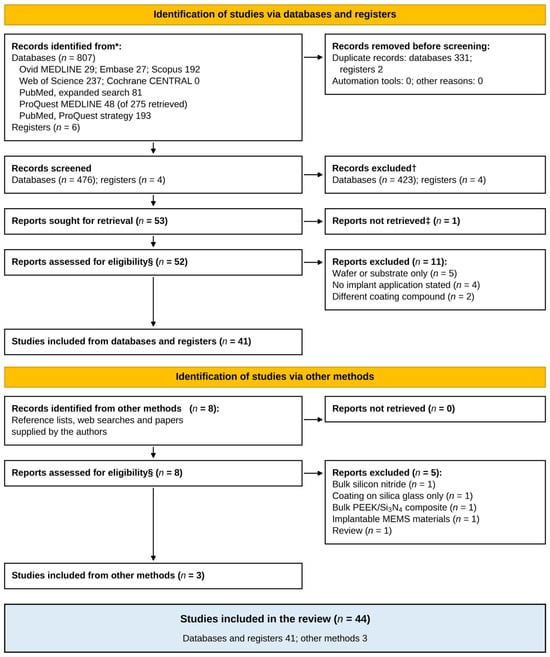
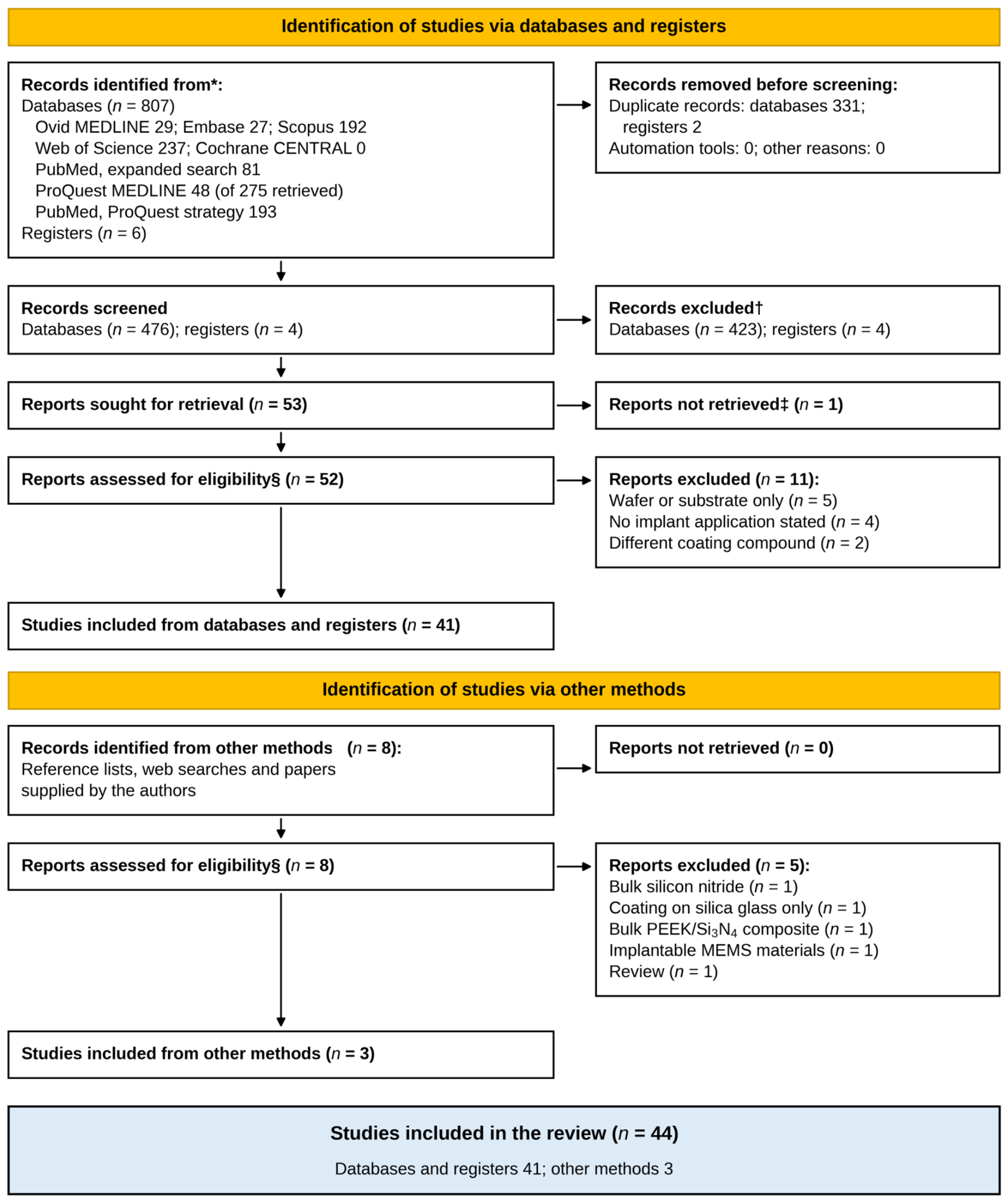
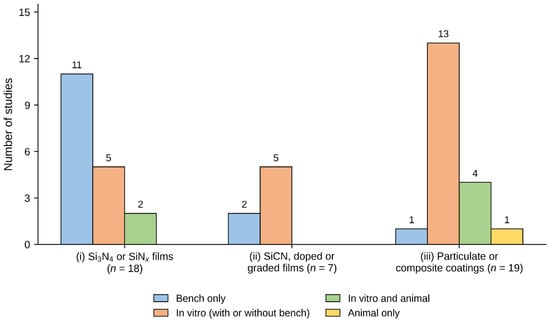
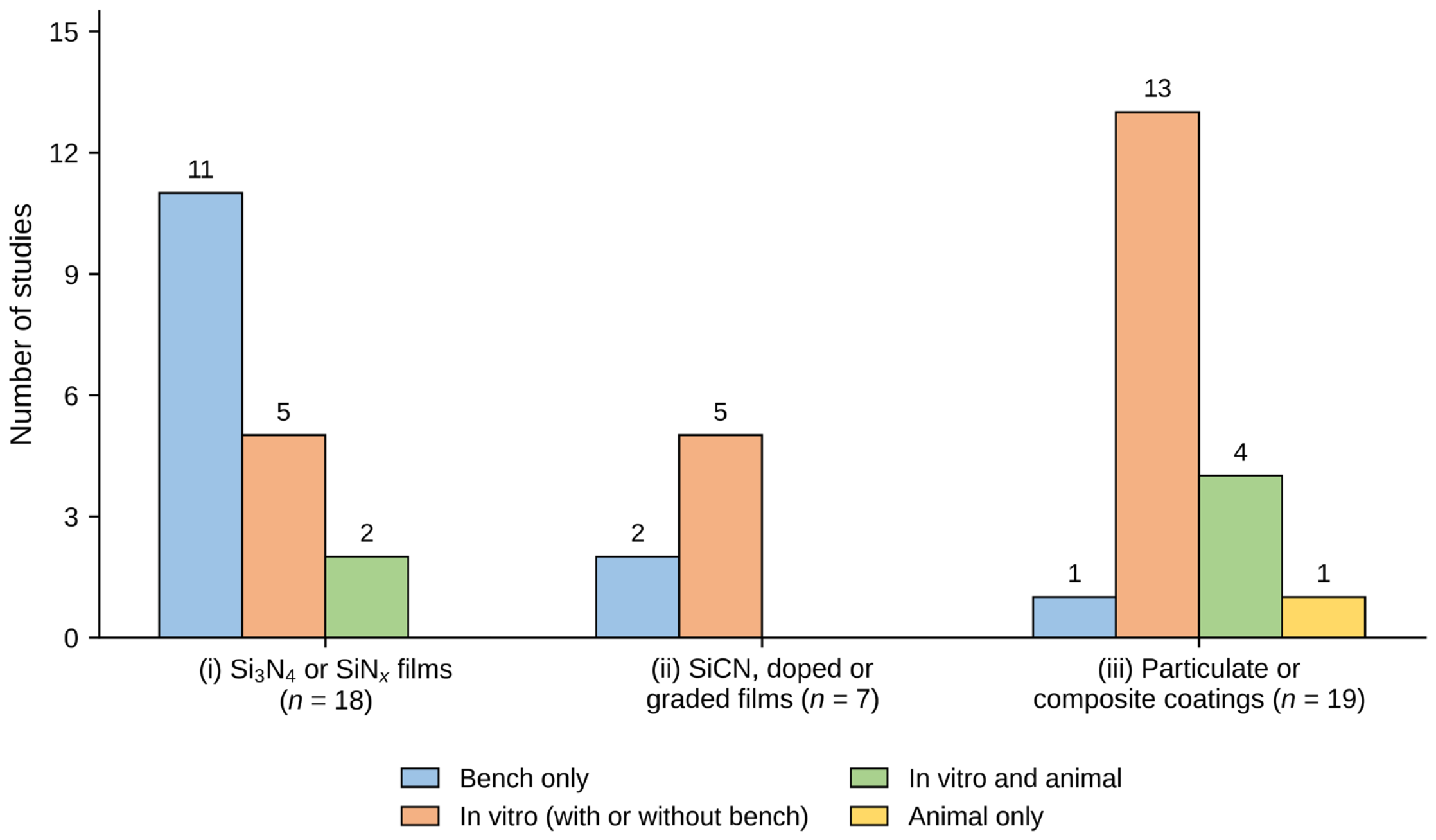
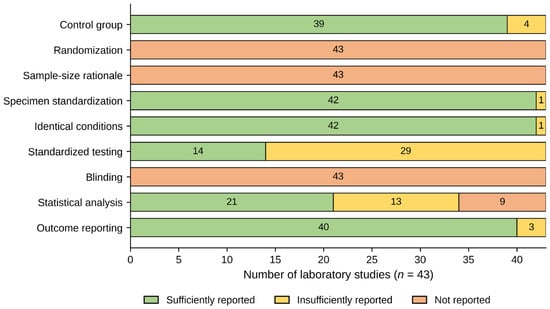
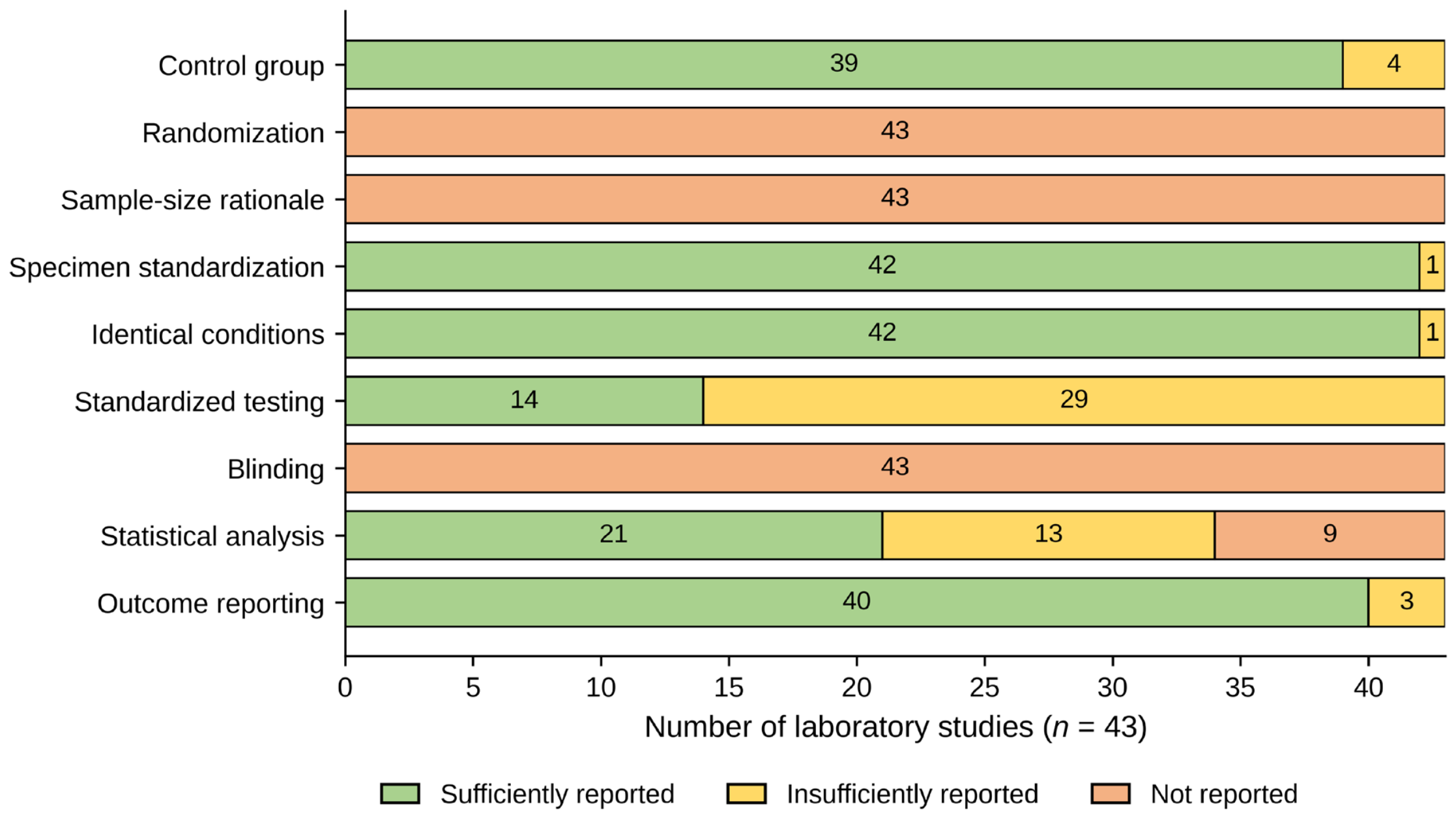

Disclaimer/Publisher’s Note: The statements, opinions and data contained in all publications are solely those of the individual author(s) and contributor(s) and not of MDPI and/or the editor(s). MDPI and/or the editor(s) disclaim responsibility for any injury to people or property resulting from any ideas, methods, instructions or products referred to in the content. |
© 2026 by the authors. Licensee MDPI, Basel, Switzerland. This article is an open access article distributed under the terms and conditions of the Creative Commons Attribution (CC BY) license.