


Abstract
Plant-derived compounds, particularly saponins and polysaccharides, have attracted interest as vaccine adjuvants because of their diverse immunomodulatory activities. Increasing evidence suggests that the immunological activities of these compounds are closely associated with their structural characteristics, highlighting the importance of understanding how structural features influence their interactions with the immune system. Nevertheless, a systematic understanding of the relationships between structural features and immunological activity remains incomplete, limiting the rational development and optimization of plant-derived adjuvants. In addition, their broader development and translation are constrained by challenges such as poor stability, low bioavailability, insufficient immunostimulatory activity, and limited delivery efficiency. Against this background, this review focuses on the structure–activity relationships of plant-derived saponin and polysaccharide adjuvants, with particular emphasis on how key structural features influence the engagement of pattern recognition receptors (PRRs), antigen uptake and presentation, cytokine production, and subsequent humoral and cellular immune responses. Building on these structure–activity relationships, we further discuss current strategies for improving adjuvant performance, including structural modification and derivatization, delivery-system optimization, and combination strategies. Together, these insights provide a structure–activity framework for the rational design and development of more effective next-generation plant-derived saponin and polysaccharide adjuvants.
1. Introduction
Vaccination is one of the most effective public health interventions for preventing infectious diseases, reducing the burden of disease, and establishing herd immunity. In recent years, advances in antigen structural biology, nucleic acid technology, and materials science have driven a gradual shift in vaccine development from the use of whole pathogens to platforms with well-defined, engineerable components, such as recombinant proteins, epitope peptides, virus-like particles, and nucleic acid vaccines [1]. Compared with attenuated or inactivated vaccines, subunit vaccines generally offer improved safety profiles, greater manufacturing control, and greater flexibility in antigen design. However, highly purified antigens often lack the innate immune stimulatory signals carried by the pathogen itself, and they may fail to elicit sufficiently potent and durable protective immunity when administered alone [2]. Adjuvants play an important role in compensating for the limited immunogenicity of such vaccines and in inducing and maintaining effective protective immunity [3]. Therefore, how to select an adjuvant with both efficacy and safety according to different antigenic characteristics and immune protection needs has become a key issue in modern vaccine development.
At present, adjuvants that have been used in human vaccines or in clinical development mainly include aluminum-based adjuvants, squalene-based oil-in-water emulsions such as MF59 and AS03, pattern recognition receptor (PRR) agonists such as 3-O-desacyl-4′-monophosphoryl lipid A (MPL) and CpG 1018, saponin-based particulate adjuvants such as Matrix-M, and combination adjuvant systems such as AS01 and AS04 [4,5]. Liposomes, polymers and inorganic particles are mainly used as delivery platforms for new adjuvants [6]. Despite substantial progress in adjuvant development, several important challenges remain to be addressed. For example, the induction of robust CD8+ T cell, mucosal, and tissue-resident memory responses remains challenging [7]. Immunosenescence in older adults and impaired immune function in immunocompromised individuals may reduce responsiveness to adjuvant stimulation [8,9,10]. Therefore, there is a pressing need to develop more advanced and versatile vaccine adjuvants.
In recent years, accumulating evidence indicates that plant-derived natural products with diverse chemical structures possess substantial immunostimulatory potential, providing a diverse molecular resource for the discovery and optimization of new vaccine adjuvants, among which saponins and polysaccharides are the two most extensively studied candidates [11,12]. Incorporation of QS-21 into several licensed vaccine adjuvant systems demonstrates that plant-derived saponins can be successfully translated into clinical use. Mechanistic studies indicate that QS-21 can promote the activation of antigen-presenting cells (APCs), intracellular membrane perturbation, antigen cross-presentation, and antigen-specific T-cell responses, although these effects depend strongly on formulation and co-adjuvant context [13]. Plant polysaccharides usually have complex immunomodulatory pathways. They can activate innate immune responses, particularly through PRR-associated pathways in APCs, including signaling associated with Toll-like receptor 2 (TLR2), Toll-like receptor 4 (TLR4), and Dectin-1 [11,14]. In addition, some plant-derived adjuvants can promote the formation of memory T cells, thereby helping to establish and maintain immune memory [11]. Plant-derived adjuvants can also improve antigen presentation and immune response in the context of immune senescence [11], and can promote mucosal secretory immunoglobulin A (sIgA) and local antigen-specific T and B cell responses, thus showing their potential application as mucosal vaccine adjuvants [14,15]. These multi-level immune effects show the research prospect of plant saponins and polysaccharides as vaccine adjuvants. More importantly, these effects are not determined by their plant origin alone, but are constrained by their chemical structure. Structural features of saponins, such as the aglycone core, sugar chains, and acyl side chains, and of polysaccharides, such as molecular weight, monosaccharide composition, glycosidic linkages, branching patterns, and conformations, may influence receptor recognition, APC activation, cytokine secretion, and downstream adaptive immune responses. Therefore, it is necessary to review the existing research on plant-derived adjuvants from the perspective of structure–activity relationships, identify the key structural factors that influence their immune function, and provide a basis for subsequent structural modification, delivery system optimization, and combination-adjuvant design.
Based on the above understanding, this review discusses the structure–activity relationships and immune-enhancement strategies of plant-derived saponins and polysaccharides. Firstly, we analyze how key structural factors affect the immune activity and establish the structure–activity relationship framework of saponins and polysaccharides. Secondly, we summarize the immune-enhancement strategies around structural modification and derivatization, optimization of delivery systems, and combination adjuvants, and discuss how these strategies can improve stability, bioavailability, immune bias, and safety while enhancing immune efficacy. Finally, we propose future research directions from the perspective of structure–activity relationship and standardized evaluation, aiming to provide valuable insights for the development of more precise, reproducible and translatable plant-derived saponin and polysaccharide adjuvants.
2. Plant-Derived Saponins
Plant-derived saponins represent an important class of immunostimulatory vaccine adjuvant candidates. Structurally, they generally consist of a hydrophobic triterpenoid or steroidal aglycone linked to one or more hydrophilic sugar chains. Some saponins additionally contain a fatty acyl side chain. Together, the aglycone core, sugar chains, and fatty acyl side chain determine adjuvant activity while also influencing hemolytic toxicity. Therefore, the structure–activity relationship of saponins cannot be attributed to a single functional group or a simple hydrophilic-lipophilic balance [13,16,17].
The saponins of Quillaja saponaria Molina are the most typically used adjuvant components among plant-derived saponins. Highly purified QS-21, together with MPL, constitutes the AS01 adjuvant system, which has been used in Shingrix (AS01B), RTS,S/AS01E and Arexvy (AS01E) [18]. Matrix-M, used in NVX-CoV2373 and R21/Matrix-M, comprises two distinct nanoparticle populations containing different purified Quillaja saponin fractions formulated with cholesterol and phospholipids [18,19]. Natural QS-21 is mainly composed of QS-21-Api and QS-21-Xyl, which differ only in the terminal sugar residue of the C28 oligosaccharide. Its structure can be divided into four interdependent regions: aglycone core, C3 branched trisaccharide, C28 linear tetrasaccharide, and glycosylated acyl side chain [17].
QS-21 does not appear to act through a single identified cell-surface PRR. Instead, its adjuvant activity involves formulation-dependent intracellular stress and coordinated interactions among immune cells in the draining lymph nodes. Using QS-21 incorporated into cholesterol-containing liposomes, Detienne et al. found that QS-21 rapidly reached the draining lymph nodes and accumulated predominantly in CD169+ sinus macrophages. These macrophages initiated innate immune cell recruitment and the maturation of dendritic cells (DCs) through the integration of caspase-1- and MyD88-dependent signaling, partly mediated by local high-mobility group protein B1 (HMGB1) release, whereas Batf3-dependent DCs were required for subsequent antigen-specific T cell priming [20]. Using QS-21 formulated in 1,2-dioleoyl-sn-glycero-3-phosphocholine (DOPC)/cholesterol liposomes, Welsby et al. further showed that, in human monocyte-derived DCs, cellular uptake of QS-21 required membrane cholesterol and was followed by its accumulation in lysosomes and lysosomal destabilization, leading to inflammatory activation dependent on cathepsin B and spleen tyrosine kinase (Syk). Cathepsin B also contributed to QS-21-enhanced antigen-specific CD4+ and CD8+ T-cell responses in vivo [21]. More recently, Lv et al. showed that unformulated QS-21 could promote phagolysosomal membrane perturbation, cytosolic antigen translocation, major histocompatibility complex class I (MHC-I) cross-presentation, and antigen-specific CD8+ T-cell activation, further connecting intracellular membrane stress with cellular immunity [22].
Additional mechanisms arise from the cooperation between QS-21 and MPL within the AS01 adjuvant system. Marty-Roix et al. showed that unformulated QS-21, following monophosphoryl lipid A (MPLA)-mediated priming, activated the ASC–NLRP3–caspase-1 inflammasome in murine macrophages and DCs, resulting in IL-1β and IL-18 release. By contrast, in vivo, NLRP3-deficient mice immunized with QS-21-adjuvanted HIV-1 gp120 developed stronger antigen-specific Th1- and Th2-associated T-cell responses and higher IgG1 and IgG2c levels than wild-type mice [23]. In the complete liposomal AS01 system, Coccia et al. demonstrated that QS-21 and MPL generated synergistic innate responses that were not reproduced by either component alone. QS-21-associated cellular stress and IL-18 signaling cooperated with MPL-mediated TLR4 activation and IL-12 production, inducing an early burst of IFN-γ predominantly from NK cells and innate-like CD8+ T cells. This early response subsequently promoted polyfunctional, Th1-biased antigen-specific CD4+ T-cell responses and Th1-associated antibody isotype switching [24]. Using intact human lymph node explants, Stylianou et al. recently confirmed that AS01-induced cytokine production and DC maturation depended on the spatially and temporally coordinated activation of sinus macrophages, monocytes, and DCs, supporting the multicellular nature of this mechanism in human lymphoid tissue [25]. Collectively, QS-21 itself primarily contributes to lymph node targeting, lysosomal stress, inflammatory signaling, and antigen cross-presentation, whereas its combination with MPL in AS01 establishes an additional IL-12/IL-18–IFN-γ axis that amplifies and directs Th1-biased humoral and cellular immunity.
The potent adjuvant activity of QS-21 cannot be attributed to any single structural feature, but more likely depends on the coordinated contributions of its constituent domains [17]. Comparison of natural saponins, semisynthetic derivatives, and structurally simplified analogues revealed that some structures traditionally seen as essential can be replaced or deleted, but their replaceability depends on the maintenance of appropriate spatial relationships among the remaining domains. Therefore, this section focuses on the most studied QS-21, supplemented by other plant-derived saponins, and discusses the structure–activity relationships of saponins according to the four levels of aglycone core, sugar chain, side chain, and domain synergy (Figure 1).
Figure 1.
Structure–activity relationships of plant-derived saponins and representative APC mechanisms of QS-21. Solid arrows indicate experimentally supported effects or functional dependencies, whereas dashed arrows indicate proposed mechanistic links that remain incompletely resolved. The symbol ↑ denotes increased expression or levels of the indicated molecules. APC, antigen-presenting cell; CD80, cluster of differentiation 80; CD86, cluster of differentiation 86; IL-1β, interleukin-1 beta; IL-18, interleukin-18; MHC-I, major histocompatibility complex class I; MHC-II, major histocompatibility complex class II; MPLA, monophosphoryl lipid A; NF-κB, nuclear factor kappa B; NLRP3, NOD-, LRR- and pyrin domain-containing protein 3; Pro-IL-1β, precursor of interleukin-1 beta; Pro-IL-18, precursor of interleukin-18; Syk, spleen tyrosine kinase.
2.1. Triterpene Aglycone Core: Shift from “Essential Aldehyde Groups” to Structural Background Dependence
The structure in the triterpene aglycone core of QS-21 that received earlier attention was the C23 aldehyde group attached to the C4 position of the aglycone core of quillaic acid. Early structure–activity studies found that the reduction or derivatization of this aldehyde group could be accompanied by reduced antibody responses, lymphocyte proliferation or antigen-specific cytotoxic T lymphocyte (CTL)-related effects, leading to the hypothesis that the C23 aldehyde might form Schiff-base adducts with amino groups on the T-cell surface and contribute to costimulation [13,16,17]. These results provide only indirect support for this model, and stable direct binding between QS-21 and CD2 or other receptors has not yet been demonstrated. Subsequent simplification of QS-21 analogues also weakens the interpretation that the C23 aldehyde group is absolutely essential. In specific structural scaffolds, this aldehyde group can be replaced by a hydroxymethyl, methyl, or oxime while retaining antibody-enhancing adjuvant activity [26,27]. Siddique et al. found that replacing the C23 aldehyde of a QS-21 analogue bearing a left-wing disaccharide and a C14 acyl chain with an oxime (VA-207) or a primary alcohol (VA-208) markedly reduced in vitro hemolytic activity relative to QS-21 across the tested concentrations. At the same 20 μg dose, neither analogue caused sustained body-weight loss during the seven-day post-injection observation period, while maintaining or enhancing ovalbumin (OVA)-specific antibody and splenic immune-cell responses [28]. In contrast, the reduction of the C23 aldehyde group to the primary alcohol abrogated OVA-specific IgG1 and IgG2a enhancement in the Momordica saponin-derived VSA-1 and VSA-2 [29]. This distinction suggests that the aldehyde contribution depends on the combination of aglycone scaffold, sugar, and side chains and cannot be directly extrapolated across saponin skeletons. Thus, the C23 aldehyde group is more suitable to be viewed as a structural variable affecting conformation and local reactivity rather than as an already identified receptor-binding group.
The aglycone scaffold appears to be a key determinant of the balance between adjuvant activity and toxicity of QS-21. Replacement of echinocystic acid with betulinic acid lacking the C16 hydroxyl group reduces hemolysis, but at the same time weakens IgG1 and CD8+ T-cell-related responses [30]. Reducing membrane damage does not necessarily preserve immune stimulation. Current research supports the view of the triterpene aglycone core as a scaffold that regulates three-dimensional conformation and membrane interactions rather than a collection of independent “active groups” [31].
2.2. Sugar Chains: Position, Stereochemistry and Conformation Are More Critical than Sugar-Residue Number
The two glycan domains of QS-21 appear to make unequal contributions to its adjuvant activity, and their effects cannot be explained solely by the total number of sugar residues. Chea et al. found that removal of the terminal apiose residue generated a C28 linear trisaccharide analogue with antibody-enhancing adjuvant activity comparable to that of synthetic QS-21-Api. Further truncation reduced antibody responses to keyhole limpet hemocyanin (KLH), OVA, and mucin 1 (MUC1), with the disaccharide analogue exhibiting increased toxicity and the monosaccharide analogue showing the lowest overall potency. These findings indicate that the terminal apiose residue is dispensable in this simplified scaffold, whereas retention of at least a linear trisaccharide at C28 may be important for maintaining a favorable balance between efficacy and toxicity [32]. In contrast, Fernández-Tejada et al. found that the entire C3 branched trisaccharide could be removed from an appropriately optimized QS-21-derived scaffold without substantially compromising adjuvant activity. The trisaccharide-deficient analogue SQS-0-0-5-18 induced anti-KLH, anti-MUC1, and anti-OVA IgG responses comparable to those elicited by natural and synthetic QS-21, while causing less vaccination-associated weight loss. Further optimization produced the minimal echinocystic acid derivative SQS-1-8-5-18, which retained potent adjuvant activity with markedly reduced toxicity [26]. Collectively, these findings suggest that the two glycan domains make unequal and scaffold-dependent contributions to QS-21 activity. The C3 branched trisaccharide may be dispensable in an optimized scaffold, whereas excessive truncation of the C28 linear oligosaccharide may compromise efficacy.
The central glycosidic linkage can influence the conformational preferences and adjuvant activity of QS-21 analogues. Walkowicz et al. showed that changes in linkage length, anomeric configuration, or flexibility frequently attenuated or abolished activity. Molecular dynamics simulations further indicated that active β-linked variants adopted more restricted torsional distributions around the central linkage, whereas less active analogues sampled broader or distinct conformational ensembles. Some hydrolytically stable linkage replacements retained activity, but chemical stability alone did not ensure adjuvant potency [33]. QS-7 analogues have also shown that local acetylation and internal linkage configuration of C28 glycans can alter IgG subclass distribution [34,35]. Collectively, these findings indicate that saponin glycans contribute to adjuvant activity by controlling molecular conformation and domain organization rather than merely increasing aqueous solubility.
The consequences of monosaccharide substitution are similarly context-dependent. Fuentes et al. found that replacing the terminal rhamnose–xylose moiety of a truncated QS-21-derived scaffold with β-linked lactose or cellobiose reduced anti-OVA IgG responses relative to the parent analogue. Molecular dynamics simulations associated this attenuation with greater conformational flexibility, although they did not establish a direct causal relationship [36]. In contrast, the naturally occurring QS-21-Rha variant, in which the terminal xylose of the C3-linked trisaccharide is replaced by L-rhamnose, retained robust activity when formulated in DOPC/cholesterol liposomes. Compared under matched formulation conditions, QS-21-Rha induced antibody responses broadly comparable to those elicited by canonical bark-derived QS-21 and stronger responses for several antigen-specific CD4+ T-cell readouts [37]. Together, these results suggest that the effects of glycan substitution depend on the combined influence of monosaccharide identity, linkage configuration, local flexibility, and compatibility with the remaining molecular domains.
2.3. Acyl Side Chains: An Adjustable Window Between Immune Stimulation, Membrane Perturbation, and Toxicity
The glycosylated acyl chain of native QS-21 plays a critical role in regulating cellular immunity. Deacylation of Quillaja saponins abolished antigen-specific lymphoproliferative activity and shifted the antibody-isotype profile toward a predominantly Th2-type response. Coupling dodecylamine with the carboxyl group of the glucuronic acid residue generated GPI-0100, a hydrolytically stable dodecylamide derivative that induced a Th1-biased antibody profile characterized by increased IgG2a and IgG2b responses, as well as antigen-specific CTL production, while improving hydrolytic stability in aqueous solution and reducing toxicity [16]. Adams et al. showed that amide-stabilized QS analogues bearing simplified glycosylated or non-glycosylated aliphatic chains retained adjuvant activity comparable to that of native QS-21 [38]. Collectively, these findings indicate that an appropriately positioned hydrophobic side chain is an important determinant of saponin adjuvant activity.
Subsequent synthetic studies have refined this understanding into a scaffold-dependent window of side-chain length and geometry. In QS-21-derived analogues, terminal carboxylation or glycosylation improved aqueous solubility while retaining IgG1 and IgG2a responses, whereas introducing an internal polar group weakened IgG2a induction [39]. C14–C16 side chains maintained QS-21-comparable antibody responses in one simplified scaffold [40], whereas C12–C14 chains were more active in analogues retaining the C3-linked disaccharide, although the C14 analogue showed greater toxicity at higher doses [28]. In the Momordica-derived VSA-2 scaffold, a simple linear C12 chain was insufficient, while appropriate terminal aromatic functionalization supported humoral and cellular responses [41]. Therefore, side-chain length, polarity, and terminal structure jointly regulate adjuvant activity and safety, and their optimal combination depends on the aglycone and glycan scaffold.
2.4. Other Plant-Derived Saponins
Other plant saponins provide independent systems to test whether the structure–activity relationship of QS-21 can be extrapolated.
Comparative studies of structurally related Platycodon grandiflorum saponins showed that increasing the number of glucose residues or altering their linkage at C3, as well as removing the terminal apiose residue at C28, reduced in vitro hemolytic activity. However, these changes were generally accompanied by weaker or narrower antigen-specific antibody and cellular immune responses. By contrast, modification of the C24 substituent on the aglycone altered the IgG-subclass profile without reducing hemolytic activity. These findings indicate that the number, linkage, and position of sugar residues, together with the aglycone structure, jointly determine the balance between hemolytic activity and adjuvant activity, and that increasing the number of sugar residues does not necessarily improve adjuvanticity [42].
The lablaboside F analogue S5, which lacks the entire C3-linked trisaccharide while retaining the C28-linked trisaccharide, enhanced OVA-specific total IgG responses in mice. This finding suggests that the C3-linked glycan is dispensable for antibody-enhancing adjuvant activity in this scaffold under the tested conditions [43].
After the formation of VSA-1 and VSA-2 by the introduction of hydrophobic side chains, the activity of Momordica saponins is mainly controlled by the side-chain length, terminal geometry and C23 carbonyl group [29,41,44].
Tubeimosides can change cytokines, antigen uptake and lymph node transport at the injection site, but there are multiple differences among natural molecules at the same time, and no single group can be designated as the determinant of a specific immune signal [45].
Collectively, studies of other plant saponins support the limited, rather than universal, transferability of QS-21-derived structure–activity relationships. Glycan architecture, aglycone substitution, hydrophobic side-chain features, and the C23 carbonyl group can differentially influence hemolysis and humoral or cellular immune responses. Additional sugar residues do not necessarily increase adjuvant potency, and some glycan branches may be dispensable. However, these effects are scaffold-dependent, and the concurrent structural differences among natural saponins often preclude assignment of a single structural motif to a specific immune outcome.
2.5. Domain Synergy and Hemolysis
The triterpene aglycone core, sugar chain, and side chain are highly coupled in intact saponins. Saponins with relatively close hydrophilic-lipophilic balance (HLB) and similar total IgG levels can still produce different IgG subtype distributions [46]. A single stereochemical change in central connectivity is also sufficient to alter activity [33]. Thus, structural changes first alter conformational distribution, membrane partitioning, and intracellular localization, and subsequently affect innate signalling and antigen presentation, ultimately manifesting as differential antibody and T-cell responses. Amphiphilicity is one of the necessary physical bases, but it is not sufficient to independently predict the type of immune response.
The hemolytic activity of saponins is jointly influenced by their glycan chains, aglycones, and acyl substituents. Sun et al. compared four saponins from Panax notoginseng that share the same 20(S)-protopanaxadiol aglycone and observed the following order of hemolytic activity: notoginsenoside K > notoginsenoside R4 > ginsenoside Rb1 > ginsenoside Rd. Their structure–activity analysis indicated that the length of the C20 glycan chain and the glycosylation pattern at C3 influenced hemolytic activity [47]. Savarino et al. found that naturally occurring bidesmosidic saponins from Chenopodium quinoa showed no detectable hemolytic activity even at 500 μg/mL, whereas cleavage of the C28 ester-linked glycan converted them into monodesmosidic derivatives with markedly increased hemolytic activity. These findings suggest that C28 glycosylation and the chemical state of the carboxyl group exposed after deglycosylation are important determinants of membrane-disrupting activity [48]. Consistently, alkaline hydrolysis of horse chestnut escins removed the aglycone-bound acyl groups and abolished detectable hemolytic activity, whereas transesterification-associated migration of the acetyl group from C22 to C28 and subsequently to C16 reduced hemolytic activity. These observations suggest that both the degree and position of acylation may modulate saponin-induced membrane disruption, probably by altering molecular amphiphilicity [49].
Collectively, saponin adjuvant activity and hemolytic toxicity are jointly determined by the aglycone, glycan, and acyl domains. A similar hydrophilic-lipophilic balance does not necessarily produce comparable immune profiles, and even a single change in linkage stereochemistry can alter adjuvant activity. Hemolysis is likewise sensitive to glycan number and attachment as well as the degree and position of acylation. Thus, neither amphiphilicity nor any individual structural feature alone is sufficient to predict the immunological activity or membrane-disrupting potential of a saponin.
3. Plant-Derived Polysaccharides
Plant-derived polysaccharides have shown considerable potential as vaccine adjuvants, with a growing number of well-characterized preparations shown to enhance antigen-specific immune responses in animal models. However, most vaccine studies have evaluated only a single polysaccharide preparation, and direct in vivo comparisons linking defined structural features to antigen-specific adjuvant performance remain limited. By contrast, more structure–activity studies have investigated the immunomodulatory activity of plant polysaccharides in receptor assays and non-antigen-specific immune models. A critical consideration in these in vitro studies is endotoxin contamination. Residual endotoxin can be quantified using Limulus amebocyte lysate (LAL) or recombinant Factor C assays, while polymyxin B treatment or endotoxin removal columns/filters can help minimize its interference. However, endotoxin testing and control measures remain insufficiently reported in studies of plant polysaccharides. Although such in vitro evidence does not directly establish vaccine adjuvanticity, it provides mechanistic support for their potential as adjuvants. Current studies have mainly associated polysaccharide-induced activation of antigen-presenting cells (APCs) with TLR4-, TLR2-, and Dectin-1-associated pathways.
Among these receptors, TLR4 is the most frequently implicated. In RAW264.7 macrophages, APS upregulated TLR4, MyD88, TRAF6, NF-κB, and AP-1 expression. Pharmacological inhibition and separate TLR4- and MyD88-deficient mouse models supported the involvement of TLR4-mediated, MyD88-dependent signaling [50]. The influence of LPS contamination was excluded using a chromogenic endpoint tachypleus amebocyte lysate assay. Rhamnogalacturonan II from Panax ginseng promoted DC maturation and cytokine production in wild-type and TLR2-knockout bone-marrow-derived DCs, but these responses were attenuated in TLR4-knockout DCs [51]. Its ability to induce IL-12 was retained in the presence of polymyxin B, supporting that the observed activity was not primarily attributable to LPS contamination. Similarly, Rehmannia glutinosa polysaccharides promoted splenic DC maturation, antigen presentation, and antigen-specific T-cell immunity in wild-type mice, whereas these responses were diminished in TLR4-knockout mice [52]. In this study, the polysaccharide and OVA solutions were passed through an endotoxin-removal column and subsequently filtered through an endotoxin-removal filter before use. Collectively, these findings support a TLR4-dependent component in the immunomodulatory activity of several plant polysaccharides, although they do not establish direct polysaccharide-TLR4 binding.
TLR2 may provide an additional recognition pathway. In RAW264.7 macrophages, blockade of TLR2 reduced nitric oxide production induced by red ginseng acidic polysaccharide (RGAP), while inhibition of ERK or JNK suppressed the same response. RGAP also induced NF-κB and AP-1 activation, supporting the involvement of TLR2-associated ERK/JNK signaling in macrophage activation [53]. Polymyxin B did not inhibit RGAP-induced nitric oxide production, indicating that the observed macrophage activation was unlikely to be primarily caused by LPS contamination.
C-type lectin receptors may also contribute to polysaccharide recognition. In bone-marrow-derived DCs and a dendritic-cell line, Ficus carica polysaccharides (FCPS) induced Syk phosphorylation and increased the expression of CD40, CD80, CD86, and MHC-II [54]. Dectin-1 blockade reduced Syk phosphorylation and partially reversed the upregulation of these maturation markers, indicating that FCPS-induced DC maturation is mediated in part through Dectin-1/Syk signaling. In this study, LPS contamination was removed, and the remaining endotoxin level was measured as 0.06 EU/mL using the gel-clot method. Comparative receptor-reporter assays further associated TLR4, TLR2/6, and Dectin-1a activity with several rhamnogalacturonan I (RG-I)-containing pectins bearing neutral galactan or type II arabinogalactan side chains [55]. These preparations were evaluated using both polymyxin B treatment and a recombinant Factor C assay. Polymyxin B did not reduce their receptor-reporter activity, suggesting that LPS was not the primary driver, although the authors noted that contributions from residual LPS could not be completely excluded for some preparations. Together, these observations suggest that structurally heterogeneous plant polysaccharides may depend on overlapping TLR- and C-type lectin receptor-associated pathways rather than a single conserved recognition mechanism. The relative contribution of each pathway appears to vary with polysaccharide structure, preparation, and experimental context. Accordingly, this section first reviews antigen-specific evidence linking polysaccharide structure to vaccine-adjuvant activity and then discusses evidence linking native structural features to immunomodulatory activity and associated recognition pathways (Figure 2).
Figure 2.
Structural features, receptor-associated APC responses, and antigen-specific adjuvant activity of plant-derived polysaccharides. * Solid arrows indicate experimentally supported pathway order or functional dependence based on receptor blockade, pathway inhibition, or genetic deficiency. Dashed arrows indicate reported associations rather than established causal relationships. The symbol ↑ denotes increased expression or production of the indicated molecules. Plant polysaccharides may participate in multiple PRR-associated pathways. Different polysaccharides may engage different receptors. These events are mechanistic prerequisites, but they do not alone confirm antigen-specific adjuvanticity. AP-1, activator protein 1; APC, antigen-presenting cell; Ara, arabinose; CD, cluster of differentiation; CTL, cytotoxic T lymphocyte; Dectin-1, dendritic cell-associated C-type lectin-1; ERK, extracellular signal-regulated kinase; Gal, galactose; iNOS, inducible nitric oxide synthase; JNK, c-Jun N-terminal kinase; MHC, major histocompatibility complex; MW, molecular weight; MyD88, myeloid differentiation primary response 88; NF-κB, nuclear factor kappa B; NO, nitric oxide; NOS2, nitric oxide synthase 2; PRR, pattern-recognition receptor; Syk, spleen tyrosine kinase; TLR, Toll-like receptor; TRAF6, tumor necrosis factor receptor-associated factor 6.
3.1. Structural Features Associated with Antigen-Specific Adjuvant Activity of Plant Polysaccharides
A growing number of preclinical studies have shown that plant-derived polysaccharides can exert substantial vaccine-adjuvant effects. For example, GSPA-0.3, a purified and structurally characterized polysaccharide fraction from Panax ginseng, enhanced neutralizing antibody responses to an H1N1 vaccine and promoted DC maturation [56]. Structurally heterogeneous Astragalus polysaccharide preparations enhanced antigen-specific responses in influenza and recombinant SARS-CoV-2 vaccine models [57]. In the influenza model, APS-adjuvanted vaccination reduced weight loss and achieved 100% survival following lethal H1N1 challenge, compared with 60% survival in the vaccine-only and alum-adjuvanted groups [57]. Similarly, LCAP, a purified and structurally characterized 27.4 kDa acidic heteropolysaccharide from Lysimachia christinae, enhanced antigen-specific humoral and cellular responses to rabies glycoprotein mRNA, influenza, and respiratory syncytial virus vaccines [58,59]. Collectively, these findings support the potential of plant-derived polysaccharides as vaccine adjuvants and warrant further attention to their development. However, studies directly linking defined polysaccharide structures to the activity underlying antigen-specific adjuvant effects remain limited.
Ma et al. compared three chemically characterized water-extractable arabinoxylan fractions prepared from wheat flour, designated WEAX1, WEAX2, and WEAX3, with approximate molecular weights of 87.58, 32.96, and 6.35 kDa, respectively. Their OVA-adjuvant activities were more closely associated with ferulic acid content than with molecular weight [60]. However, because molecular weight, arabinose (Ara) substitution, branching, and ferulic acid content varied concurrently, ferulic acid can only be considered an activity-associated feature rather than an independently validated determinant.
A more direct physical structure–activity relationship has been reported for chicory inulin. Cooper and Petrovsky compared inulin isoforms with the same β-D-(2→1)-polyfructan composition but different supramolecular packing and thermal solubility. The α-inulin isoform, which was soluble at 37 °C, did not significantly enhance hepatitis B surface antigen (HBsAg)-specific antibody responses, whereas the semicrystalline particulate γ- and δ-inulin isoforms exhibited antigen-specific adjuvant activity [61]. These findings associate ordered particulate packing, rather than primary glycan composition alone, with inulin adjuvanticity. Hayashi et al. subsequently showed that delta-inulin particles accumulated in MARCO+ macrophages in draining lymph nodes and that depletion of phagocytic macrophages markedly reduced their antibody-enhancing effect. Delta-inulin also induced DC activation in vivo, and its adjuvant activity was attenuated in TNF-α-deficient mice [62]. Together, these studies connect the semicrystalline particulate state of delta-inulin with macrophage-dependent uptake, indirect DC activation, and TNF-α-associated enhancement of antigen-specific immunity.
3.2. Structural Variables Associated with Immunomodulatory Activity
Studies of polysaccharide immunomodulatory activity provide mechanistic support for their potential as vaccine adjuvants and reveal structure–activity relationships. The following subsections discuss how molecular weight, monosaccharide composition, branching and side-chain architecture, and higher-order conformation or aggregation influence APC activation, cytokine production, lymphocyte proliferation, and receptor-associated signals.
3.2.1. Molecular Weight
Molecular weight (MW) may influence polysaccharide immunomodulatory activity by altering physicochemical properties such as solubility and viscosity, thereby affecting cellular uptake, bioavailability, and the activation of APCs and splenic lymphocytes. Comparisons within individual polysaccharide preparations suggest that a relatively active MW range may exist under a given structural background. However, the relationship between MW and activity should be interpreted together with other co-varying structural features. Li et al. found that, among three Astragali Radix polysaccharide fractions of >2000, approximately 10.3, and 0.272 kDa, respectively, the approximately 10 kDa APS-II fraction produced the strongest macrophage, lymphocyte, and immune-organ responses [63]. Jiang et al. similarly found that intermediate-molecular-weight, arabinose-containing Astragalus fractions promoted splenic lymphocyte proliferation more strongly than the other fractions examined [64].
In Lycium barbarum, Feng et al. found that the >10 kDa fraction induced stronger RAW264.7 macrophage responses than the <10 kDa fraction and underwent clathrin-mediated uptake with lysosomal accumulation [65]. Guo et al. further reported that 100–300 kDa Lycium barbarum polysaccharide (LBP) fractions showed stronger TLR4/MD-2 binding and cytokine-inducing activity than fractions below 10 kDa [66]. Together, these studies associate greater immunomodulatory activity with arabinogalactan-rich domains. However, because domain composition, monosaccharide ratios, and branching varied concurrently, the contribution of any single monosaccharide or structural feature cannot be determined independently.
3.2.2. Monosaccharide Composition
Monosaccharide composition and the relative proportions of constituent sugars are closely associated with polysaccharide immunomodulatory activity. Current evidence indicates that higher proportions of arabinose and galactose (Gal) are associated with stronger PRR recognition, particularly TLR4 binding or activation, which may promote macrophage activation, cytokine production, and lymphocyte proliferation. However, because endotoxin contamination can also activate TLR4 and induce similar immune responses, these associations should be interpreted only after appropriate endotoxin testing and controls. Cai et al. found that enzymatically generated low-molecular-weight Astragalus fractions retaining α-(1→6)-linked galactose- or arabinogalacto-oligosaccharide branches showed stronger macrophage activation and detectable TLR4 binding, whereas fractions lacking these regions were less active and showed no detectable TLR4 binding [67]. Wang et al. compared two Astragalus arabinogalactans of similar molecular weight and found that the highly branched, AG-II-rich APS2 preparation bound TLR4 more strongly and induced greater RAW264.7 cytokine responses than APS1, which contained AG-I and abundant α-glucan structures [68].
Zhang et al. found that partial acid hydrolysis of the Panax ginseng RG-I pectin WGPA-2-RG completely removed Ara, partially removed Gal, and reduced its molecular weight. These changes were accompanied by decreased lymphocyte proliferation and macrophage NO production [69]. These results associate Ara/Gal-rich neutral side-chain domains with selected immunomodulatory responses, although the contribution of monosaccharide composition cannot be separated from the concurrent reduction in molecular weight. A broader comparison by Hoel et al. associated RG-I-containing polysaccharides bearing neutral galactan or type II arabinogalactan side chains with activation of human TLR4, TLR2/6, and, for several preparations, Dectin-1a reporter systems, whereas the tested HG-rich polysaccharides were inactive or less active [55]. This cross-preparation comparison supports a domain-level association but remains multivariable.
3.2.3. Branching and Side-Chain Architecture
Branching and side-chain architecture are important structural factors governing polysaccharide immunomodulatory activity. Current evidence indicates that the retention of specific branched motifs and side-chain structures is associated with stronger activity, whereas their selective enzymatic removal can substantially weaken immune responses. These structural features may influence the presentation and recognition of polysaccharides by PRRs, thereby affecting macrophage activation and downstream cytokine production. Li et al. used endo-α-1,4-glucanase to generate APS-II fragments differing in degree of polymerization and retention of branched glucosyl structures. The P4 fraction, characterized by a degree of polymerization (DP) of 10–18 and the highest abundance of branched glucosyl linkages, showed the strongest immunomodulatory activity [70]. These findings associate retained branched glucan structures with activity, but do not isolate branching from concurrent differences in chain length and composition.
More direct evidence comes from the targeted removal of neutral side chains. Grønhaug et al. found that enzymatic removal of β-D-(1→4)-galactan-containing side chains from Biophytum petersianum RG-I pectins reduced their activity in Peyer’s patch cells and macrophages [71]. Similarly, Zou et al. showed that endo-1,4-β-galactanase treatment of the Codonopsis pilosula RG-I polysaccharide WCP-I reduced IL-6 production by Peyer’s patch cells, whereas removal of terminal arabinose residues had little effect [72]. These targeted enzymatic comparisons support a contribution of galactan-rich side-chain architecture to selected immunomodulatory responses.
3.2.4. Higher-Order Conformation and Aggregation
Higher-order conformation and aggregation can influence polysaccharide immunomodulatory activity by altering solubility, particulate behavior, molecular accessibility, and multivalent presentation to innate immune components. Cooper et al. characterized a series of inulin isoforms with different noncovalent packing and thermal solubility. Among preparations with comparable particle sizes, epsilon and omega inulins activated the alternative complement pathway at least as strongly as delta inulin, consistent with an association between supramolecular organization and innate immunostimulatory activity. However, the isoforms also differed in average degree of polymerization, preventing the observed activity differences from being attributed exclusively to their packing structure [73]. Mikkelsen et al. compared 23 β-glucan preparations, primarily derived from barley and oat, and found that their modulation of IL-12 and IL-10 production in microbially stimulated murine DCs was associated with polymer solubility and aggregation, together with the DP3:DP4 block ratio [74]. Thus, current evidence associates higher-order organization with the immunomodulatory activity of plant polysaccharides, but does not establish conformation or aggregation as an independent causal determinant.
Overall, the most defensible structure-immunomodulation relationships involve preparation-dependent molecular weight ranges, arabinogalactan- or galactan-rich domains, retained glucan sequences and branching, and higher-order organization. However, most evidence derives from multivariable fraction comparisons or non-antigen-specific models. Direct studies that alter one native structural feature, demonstrate receptor engagement, and confirm antigen-specific immunity within the same experimental series remain rare. The structural features of these plant polysaccharides and their relationships with immunomodulatory activity are summarized in Table 1.
Table 1.
Representative plant-derived polysaccharides and structure-immunomodulatory activity relationships.
4. Immune-Enhancement Strategies
Structural modification, delivery engineering and combination strategies enable rational optimization of plant-derived adjuvants tailored to the unique properties of diverse vaccine antigens. Structural derivatization modulates adjuvant receptor recognition, membrane interactions, solubility and stability. Delivery systems control antigen-adjuvant co-localization, lymphatic transport and intracellular fate to coordinate antigen presentation [75,76]. Combination strategies integrate complementary innate immune signals to shape customized immune polarization and support antigen dose sparing in vaccine formulations [75,77].
When paired with vaccine antigens, native saponins and polysaccharides benefit from this modular design: derivatization reshapes their intrinsic physicochemical and immunological characteristics, nanocarriers facilitate co-delivery of antigen and adjuvant, and rational combinations potentiate and broaden vaccine-induced immune responses (Figure 3). Collectively, these strategies offer promising paths to improve immunogenicity, durability of immune responses, delivery performance and safety of plant-derived adjuvants for vaccine applications.
Figure 3.
Immune-enhancement strategies for plant-derived saponin and polysaccharide adjuvants. APCs, antigen-presenting cells; CD4, cluster of differentiation 4; CD8, cluster of differentiation 8; cGAMP, cyclic guanosine monophosphate–adenosine monophosphate; CpG ODN, cytosine–phosphate–guanine oligodeoxynucleotide; CTL, cytotoxic T lymphocyte; GC, germinal center; MHC-I, major histocompatibility complex class I; MHC-II, major histocompatibility complex class II; MPLA, monophosphoryl lipid A; Tfh cells, follicular helper T cells; Th1, T helper 1; Th2, T helper 2; Th17, T helper 17.
4.1. Structural Modification and Derivatization
4.1.1. Structural Modification and Derivatization of Saponins
At the core of saponin modification is the regulation of the balance between hydrophilic sugar chains, triterpene aglycone core, and hydrophobic acyl side chains. In the case of Quillaja saponins, N-alkylamide derivatization of the 3-glucuronic acid (GlcA) residue in deacylated Quillaja saponins may alter molecular conformation and micellar organization by changing the HLB and associative properties of the molecules [78]. Another route would be to delete nonessential sugar chains, replace readily hydrolyzable ester bonds with stable amide bonds, and simplify the acyl skeleton. MUC1 glycopeptide-T cell epitope three-component conjugates based on this minimal saponin platform can self-assemble into stable aggregates and induce specific IgG that recognize MUC1 on the surface of tumor cells in mice, whereas unconjugated or two-component formulations have weak activity [79].
Semisynthetic derivatization of alternative saponin scaffolds represents another route to QS-21 alternatives. The VSA series obtained by amide side-chain modification of Momordica cochinchinensis-derived saponins have been advanced from a model antigen to the SARS-CoV-2 RBD system. VSA-2 induced similar antibodies, Th1-biased responses and protection against challenge as QS-21 in mice, suggesting that the source of the parent nucleus can be replaced, but the spatial configuration of key sugar chains and hydrophobic side chains must be preserved [80,81]. Engineered yeast has been able to synthesize QS-21 and its structural analogues, providing conditions for systematically changing the steps of glycosylation and acylation on the same production platform [82].
4.1.2. Structural Modification and Derivatization of Polysaccharides
Polysaccharide derivatization mainly affects conformation, PRR multivalent recognition and cellular uptake by introducing charged groups, changing hydrophilicity, or regulating chain length and branching. Sulfation is currently one of the most common structural modification strategies for plant polysaccharides. Wusiman et al. isolated a homogeneous Lagenaria siceraria polysaccharide fraction, LSP50, with a reported carbohydrate content of 98.6%, and subsequently prepared its sulfated derivative, sLSP50-1.5, with a degree of substitution (DS) of 1.5. The derivative showed enhanced NDV-specific humoral and cellular immune responses in a Newcastle disease virus vaccine model, which could maintain high hemagglutination inhibition antibody titers and NDV-specific IgG levels. In addition, sLSP50-1.5 also induced the expression of Th1-type cytokines such as IFN-γ and TNF-α and Th2-type cytokines such as IL-4 and IL-6, suggesting that sulfation enhances the ability of LSP50 to induce mixed humoral and cellular immune responses [83]. The sulfate group may promote receptor or membrane protein interactions by increasing the negative charge and changing the chain conformation.
Selenization combines the effect of trace elements with the polysaccharide skeleton and can increase the immunostimulatory potential of polysaccharides. Qiao et al. extracted Chinese Angelica polysaccharide (CAP) from Angelica sinensis by hot-water extraction and ethanol precipitation, followed by deproteinization, dialysis, and chromatographic purification, obtaining a purified but polydisperse polysaccharide preparation rather than a single chemically defined molecular entity. Compared with unmodified CAP, selenylated Chinese Angelica polysaccharide (sCAP) promoted DC maturation and antigen presentation and enhanced MyD88/NF-κB signaling [84]. Likewise, Wang et al. obtained heterogeneous Brassica rapa polysaccharide preparations by ultrasonic-assisted aqueous extraction, trichloroacetic-acid deproteinization, dialysis, and freeze-drying. Selenylated Brassica rapa polysaccharides containing Se-O-C linkages enhanced humoral, cellular, and intestinal mucosal immune responses to a live-attenuated Newcastle disease vaccine in chickens relative to unmodified polysaccharides [85]. Acetylation regulates immune recognition by altering hydroxyl exposure, hydrophobicity, and conformation. Zhang et al. used CPP0.1, a polysaccharide fraction obtained from Cyclocarya paliurus leaves by aqueous extraction and DEAE-cellulose chromatography with 0.1 M NaCl elution, and prepared its acetylated derivative, Ac-CPP0.1. Ac-CPP0.1 was reported to be a high-purity, homogeneous polysaccharide mainly composed of arabinose and galactose. Acetylated Cyclocarya paliurus polysaccharide Ac-CPP0.1 promoted DC maturation, as indicated by increased CD80, CD86, and MHC-II expression and cytokine secretion, and alleviated cyclophosphamide-induced immunosuppression in mice. These effects were associated with activation of the TLR4/NF-κB pathway [86].
Phosphorylation introduces negatively charged, hydrophilic groups into polysaccharide chains, thereby improving water solubility and altering their physicochemical properties and conformation [87]. Liu et al. found that phosphorylation of Atractylodes lancea polysaccharide ALP-1 increased its solubility and thermal stability, reduced crystallinity, and altered its molecular dimensions and morphology. The resulting derivative, P-ALP-1, showed the strongest capacity to stimulate NO production in RAW264.7 macrophages, indicating that phosphate-group introduction enhanced its macrophage-stimulatory activity [88].
4.2. Delivery System
Licensed human vaccines containing plant-derived saponin adjuvants use formulated adjuvant systems rather than unformulated free saponins. AS01 incorporates QS-21 and MPL into cholesterol-containing liposomes and is used in Shingrix, Mosquirix and Arexvy, whereas Matrix-M, which comprises nanoparticles formed from separately purified Quillaja saponaria saponin fractions, cholesterol and phospholipids, is used in Nuvaxovid. These particulate formulations reduce direct exposure of cell membranes to free saponins and improve formulation stability. Plant-derived polysaccharide translation remains limited by structural heterogeneity, incomplete compositional definition and batch-to-batch variability.
Beyond the licensed liposomal and matrix-type formulations described above, delivery platforms investigated for plant-derived adjuvants include immune-stimulating complexes (ISCOMs), oil-in-water emulsions, polymeric nanoparticles, and inorganic nanocarriers based on calcium or silica materials [11]. Depending on the platform and formulation design, antigens and adjuvants may be encapsulated, adsorbed, surface-functionalized, or combined with preformed particles. These approaches can improve physicochemical stability and regulate release, tissue distribution, lymphatic transport, and cellular uptake.
4.2.1. Formulation and Nanodelivery of Saponin Adjuvants
Free unformulated QS-21, when simply mixed with antigen, exhibits well-defined dose-limiting toxicities in preclinical models. In vitro, QS-21 induces approximately 50% hemolysis of sheep erythrocytes at 7–9 μg/mL, stemming from cholesterol-dependent pore formation in cell membranes [82]. In mice immunized with GD3–KLH, synthetic SQS-21 preparations caused dose-dependent body-weight loss. At 50 μg, mice receiving the individual SQS-21-Api or SQS-21-Xyl isomers also showed ruffled fur and hunched posture, and one death occurred in each isomer group [89]. Free QS-21 has additionally been associated with local pain, inflammation and tissue injury, whereas incorporation of QS-21 into liposomes or ISCOM-like particles reduces its hemolytic activity and local reactogenicity while preserving its immunostimulatory properties [82,90]. Licensed AS01-containing vaccines have shown acceptable safety profiles, with reported adverse reactions being predominantly transient local and systemic reactogenicity [91]. A previous study incorporated Quillaja brasiliensis saponin fraction QB-80 into ISCOM-like nanoparticles (IMXQB-80), and the complete control setting confirmed that nanoencapsulation significantly reduced hemolysis and cytotoxicity toward L-929 cells compared with free QB-80, while retaining potent antigen-specific immune responses even at a quarter of the conventional saponin dosage [92].
Self-nanoemulsifying delivery systems also represent a powerful strategy to address the safety concerns associated with free plant saponins. Luo et al. developed an ophiopogonin D (OPD)-loaded self-nanoemulsifying adjuvant system, which effectively reduced the membrane-mediated cytotoxicity of free OPD against dendritic cells by encapsulating hydrophobic saponins within nanoemulsion cores. This formulation prolonged antigen retention at the injection site and elicited comprehensive Th1, Th2 and Th17 immune responses, achieving superior prophylactic and therapeutic anti-tumor effects compared with free saponin and blank nanoemulsion groups [93]. Such formulation design isolates extracellular free saponins to attenuate cytotoxicity, while retaining intracellular immunostimulatory functions.
Nanoparticle formulations can also coordinate the delivery of QS-21 with complementary immunostimulants. Luan et al. co-encapsulated QS-21 and CpG ODNs in ionizable lipid nanoparticles for a varicella zoster virus glycoprotein E (gE) subunit vaccine. Compared with the corresponding unencapsulated CpG/QS-21 combination, the nanoparticle formulation increased the serum gE-specific IgG endpoint titer by approximately 2.1-fold and increased the frequencies of gE-responsive, Th1-cytokine-producing CD4+ T cells by approximately 3.5–3.7-fold [94]. However, the study did not include a group receiving gE with empty LNPs. Therefore, the contribution of the LNP components themselves cannot be completely separated from the effects of delivering CpG ODNs and QS-21 in the same particles. Silva et al. developed a saponin/MPLA nanoparticle adjuvant (SMNP) that increased lymphatic flow and promoted antigen entry into draining lymph nodes. SMNP also enhanced antigen uptake by cognate B cells and supported GC B-cell, Tfh-cell, and antibody responses [95]. These studies indicate that particulate co-formulation can improve both the safety of QS-21 and the coordinated delivery of mechanistically complementary adjuvants.
4.2.2. Formulation and Nanodelivery of Polysaccharide Adjuvants
Nanoformulation can coordinate the delivery of polysaccharide adjuvants and antigens to draining lymph nodes and antigen-presenting cells. Li et al. extracted two Astragali Radix polysaccharide fractions with molecular weights of approximately 12.19 kDa and 135.67 kDa. Astragali Radix polysaccharide fractions and OVA257-264 peptide were prepared by microfluidic control and coated with a sheddable calcium phosphate layer to form self-adjuvanting nanocomposites, in which polysaccharides simultaneously performed antigen assembly and immune stimulation functions, and enhanced DC uptake, antigen-specific CD8+ T-cell responses and tumor control [96]. Shen et al. used a commercially obtained Polygonatum sibiricum polysaccharide (PSP) preparation and generated microparticulate PSP (MP-PSP) through physical adsorption onto calcium carbonate particles. Microparticulation of PSP with calcium carbonate delayed antigen release, promoted TLR4-related DC activation and Tfh-B-cell interaction, and showed a stronger adjuvant effect than free polysaccharide [97].
Polymeric nanoparticles can enhance the delivery and adjuvant activity of polysaccharides. The Chinese yam polysaccharide (CYP) used by Luo et al. was a single polysaccharide component obtained from Chinese yam by hot-water extraction, Sevag deproteinization, high-speed counter-current chromatography, and Sephadex G-100 size-exclusion chromatography. PLGA nanoparticles co-encapsulating CYP and OVA effectively promoted DC activation in draining lymph nodes and induced stronger humoral and cellular immune responses than those observed in the free CYP combination group and blank PLGA carrier group, directly confirming the independent adjuvant enhancement of polysaccharides rather than carrier-derived effects [98]. Similarly, Wusiman et al. obtained a homogeneous neutral polysaccharide fraction (AHP) from Alhagi honey polysaccharides. AHP encapsulated by PLGA exhibited a superior capacity to promote lymphocyte proliferation and Th-type cytokine secretion compared with free polysaccharides and blank nanoparticle controls, further validating the reliable adjuvant activity of nanodelivered polysaccharides [99].
Recent formulations also combine polysaccharide adjuvants with inorganic nanocarriers to improve antigen transport and cellular uptake. He et al. used a purified acidic polysaccharide from Cistanche deserticola, designated CDP, which the authors characterized as a homogeneous polysaccharide with a weight-average molecular weight of approximately 132.1 kDa. Cistanche deserticola polysaccharide-functionalized dendritic fibrous nanosilica nanoparticles (CDP-DFNS) enhanced transepithelial antigen transport, dendritic-cell uptake and activation, and BSA-specific systemic and mucosal immune responses following oral immunization, while blank DFNS carriers failed to produce equivalent immune enhancement, confirming that the mucosal and systemic immune improvement was specifically derived from polysaccharide-mediated immune regulation rather than carrier material activity [100]. Gu et al. obtained total Chinese yam polysaccharides by hot-water extraction and ethanol precipitation and developed Chinese yam polysaccharide-loaded aluminum oxyhydroxide nanoparticles (CYP-Al NPs). Compared with free CYP, including a tenfold higher dose, and commercial Alhydrogel, the complete CYP-Al NP formulation promoted dendritic-cell and germinal-center B-cell activation and induced durable OVA-specific antibody responses, including IgG2a, together with enhanced CTL-associated responses [101]. However, because the in vivo study did not include OVA plus unloaded Al NPs, these findings support the performance of the complete CYP-Al NP formulation but do not isolate the contribution of the aluminum oxyhydroxide carrier.
In summary, nanoformulation and carrier delivery enable plant-derived saponin and polysaccharide adjuvants to elicit stronger and more persistent antigen-specific immune responses compared with free adjuvants. These optimized effects stem from multiple synergistic mechanisms: protecting adjuvants and antigens from hydrolytic and biological degradation, sequestering membrane-lytic saponins to reduce cytotoxicity, achieving sustained antigen release, prolonging local antigen retention, and realizing spatial co-localization of adjuvants and antigens. Additionally, precise particle size regulation and surface functionalization facilitate lymphatic trafficking, mucosal barrier penetration, antigen-presenting cell uptake and intracellular antigen processing.
4.3. Combination Strategy
Plant-derived natural ingredients often have multitarget immunomodulatory effects, and combining them with other immune adjuvants can further increase the complexity of the immunostimulatory signal [102]. Different adjuvant components can simultaneously act on PRRs, intracellular innate immune sensing, antigen uptake and presentation, and immune cell interaction in lymph nodes, thus forming an interconnected immune activation network. The concurrent engagement of these signals may amplify early innate immune stimulation and enhance the activation of APCs and costimulatory signals. Thus, combination strategies may produce stronger immune-enhancing effects than individual adjuvants in some experimental settings. In particular, with the in-depth understanding of the mechanism of action of adjuvants, an increasing number of combination systems have begun to utilize complementary immunostimulatory mechanisms to broaden vaccine-induced immune responses.
4.3.1. Strategy of Saponins Combined with Adjuvants
The overall goal of saponin-based combination strategies is to leverage complementary innate immune signals to increase the strength and quality of antigen-specific responses and, as appropriate, to improve immune bias, enhance immune potency, or reduce the required dose. AS01 co-formulates QS-21 with the TLR4 agonist MPL in liposomes, thereby amplifying the early IFN-γ-related innate response and further enhancing antibody and Th1-type immunity, effects that cannot be fully reproduced by either component alone [24]. Shaik et al. combined the synthetic TLR4 agonist FP20 with the simplified synthetic QS-21 variant QS21v, forming a co-formulation with a mean particle size of approximately 110–120 nm. In an OVA model, the combination containing 10 μg of each component induced higher antigen-specific IgG responses than either component administered alone at the same dose [103]. Luna et al. incorporated QS-21 and the fully synthetic TLR4 agonist E6020 into cholesterol-containing liposomes to generate SPA14. In mice and cynomolgus macaques immunized with an hCMV vaccine candidate containing glycoprotein B and the pentameric complex, SPA14 induced durable virus-neutralizing antibodies, antigen-specific memory B cells, and IFN-γ- and IL-4-secreting T-cell responses. These responses were generally comparable to those elicited by AS01B [104]. In parallel, non-clinical studies showed that SPA14 did not cause systemic toxicity in repeated administration experiments in rabbits. Separate safety-pharmacology studies found no adverse effects of intramuscular SPA14 on respiratory function in beagle dogs or of subcutaneous E6020 on cardiovascular function in cynomolgus macaques [105].
The combination of saponin adjuvant and STING agonist may be a strategy to improve the vaccine efficacy in older or immunosenescent populations. Vassilieva et al. showed that, in aged mice immunized with an H1N1 haemagglutinin subunit vaccine, cGAMP alone provided no survival benefit and Quil-A alone conferred only partial protection, whereas their combination achieved complete protection after intramuscular immunization and enhanced vaccine-specific antibody responses [106]. When incorporated with the H1N1 vaccine into dissolving microneedle patches, the same combination also achieved complete survival in 21-month-old mice and reduced maximal post-challenge weight loss from approximately 16% with the unadjuvanted vaccine to 3% [107]. These findings support the complementary activity of saponins and cytosolic STING agonists in aged animals.
4.3.2. Strategy of Polysaccharides Combined with Adjuvants
Combining polysaccharide adjuvants with aluminum-based adjuvants may enhance selected antigen-specific immune responses compared with the corresponding single-component or control formulations. Zhang et al. used a commercially supplied Astragalus polysaccharide (APS) preparation and found that adding APS to a SARS-CoV-2 KP.2 recombinant protein vaccine formulated with Rehydragel® aluminum hydroxide gel enhanced antigen-specific antibody responses, increased the frequencies of IgG+ germinal-center B cells and Tfh cells, and promoted antigen-stimulated cytokine production by CD4+ and CD8+ T cells compared with the corresponding formulation containing Rehydragel® alone [108]. Zhao et al. isolated Paeoniae Radix Alba polysaccharides (PRAPs) as a relatively homogeneous, low-polydispersity α-glucan with a reported molecular weight of 14.391 kDa. PRAPs activated macrophages primarily through TLR2/TLR4-mediated, MyD88-dependent NF-κB signaling. In an OVA immunization model, combining PRAPs with alum induced higher antigen-specific antibody levels and a stronger Th1 response than alum alone [109]. These findings suggest that plant polysaccharides capable of activating PRR-associated signaling may serve as functional complements to aluminum-based adjuvants by preserving strong humoral immunity while broadening cellular responses and supporting immunological memory. Overall, combination adjuvants should be rationally selected according to the immune responses required for protection.
Beyond aluminum-based adjuvants, polysaccharide adjuvants can also be combined with defined pattern-recognition receptor agonists to broaden the antigen-specific immune profile. Honda-Okubo et al. compared the delta-inulin adjuvant Advax alone with Advax combined with CpG55.2, a Toll-like receptor 9 (TLR9) agonist, in a recombinant H7 hemagglutinin vaccine model. Advax predominantly induced H7HA-specific IgG1, whereas Advax-CpG55.2 additionally induced IgG2a, IgG2b, and IgG3. Thus, compared with Advax alone, the combination broadened the antigen-specific antibody-isotype profile and promoted a more Th1-associated immune response [110]. The translational feasibility of this combination was subsequently supported by SpikoGen, a recombinant SARS-CoV-2 spike vaccine formulated with Advax-CpG55.2, which demonstrated efficacy and acceptable tolerability in a randomized Phase III trial [111].
5. Challenges and Future Prospects
5.1. Challenges in the Development of Plant-Derived Vaccine Adjuvants
The primary barrier to the translation of plant-derived adjuvants is not a shortage of candidates, but the absence of a verifiable quality-control framework linking structural heterogeneity and batch-to-batch consistency to biological potency. Species, geographical origin, harvest season, plant part, extraction and purification procedures, and storage conditions can alter key structural characteristics of saponins and polysaccharides [82,112]. For complex natural mixtures, it is difficult to ensure that the key quality attributes are consistent with immune function only by using total sugars, total saponins or fingerprint similarity indicators. Quality control should gradually shift to structural monomers or defined component ratios, and high-resolution mass spectrometry, nuclear magnetic resonance, chromatography, multi-angle light scattering, and advanced conformational analysis should be combined with cell-based potency assays to establish structure–activity traceability relationships.
The second challenge concerns the safety margin of plant-derived adjuvants. Hemolysis and membrane perturbation of saponins, endotoxin or protein residues, and excessive inflammation in combination with PRR agonists may misrepresent general immune stimulation as a beneficial adjuvant effect. Candidates should be evaluated separately for local reactogenicity, systemic cytokines, hemocompatibility, toxicity of repeated administration, reproductive risks, and risks in special populations. These evaluations should also distinguish transient innate activation from persistent tissue damage. Especially for mucosal routes such as the nasal cavity, it is necessary to pay attention to the cross-barrier distribution of the adjuvant and the risk of neurotoxicity [113].
The third issue is the translation from animal models to humans. PRR expression, cellular composition, dose scale, and immune senescence differ among species, and antibody elevations in model antigens are not equivalent to target disease protection. In the future, more human whole-blood, PBMC, organoid or lymphoid tissue models should be added, and systemic immunological indicators should be used as soon as possible to connect animals with early clinical responses.
5.2. Computationally Assisted Structure–Activity Analysis and Derivative Design
A clearer understanding of structure–activity relationships may enable computational methods to guide the derivatization of plant-derived adjuvants. Molecular docking and related approaches can help prioritize structural modifications and identify candidate motifs that may contribute to receptor-associated activity. This strategy has been applied to the screening of inulin derivatives, followed by experimental evaluation of the selected derivative in vitro and in vivo [114]. For structurally defined saponins, computationally guided modification may similarly support the design of semisynthetic or synthetic analogues with optimized adjuvant activity.
The application of these methods to polysaccharides nevertheless requires particular caution. Their structural heterogeneity, conformational flexibility, uncertain three-dimensional organization and multivalent interactions cannot be adequately represented by conventional docking to a single static structure. Future studies should therefore combine computational screening with selective enzymatic hydrolysis, controlled debranching or chemoenzymatic reconstruction of polysaccharides obtained from the same source and production batch, while keeping other structural variables as consistent as possible. Molecular dynamics simulations and conformational ensemble approaches may then be used to prioritize the smallest glycan motifs most likely to retain activity. These predictions require subsequent validation by direct binding assays, such as surface plasmon resonance or isothermal titration calorimetry, together with receptor-deficient cells, receptor-site mutations and relevant in vitro and in vivo models. Such an integrated strategy could provide more specific targets for polysaccharide extraction, controlled degradation and derivatization.
For saponins, advances in synthesis provide a complementary route for converting structure–activity information into defined analogues. Tobacco and engineered yeast platforms have enabled the biosynthesis of QS-21 [115,116], while characterization of the soapwort saponin pathway has expanded the available glycosylation and acylation enzymes [117]. Together with semisynthesis and computational analysis, these platforms may facilitate the production and comparative evaluation of structurally defined analogues and help identify modifications associated with improved adjuvant activity.
5.3. Regulatory Considerations and Clinical Translation
Regulatory evaluation focuses on the final adjuvanted vaccine rather than on the natural component in isolation. WHO guidelines require nonclinical evaluation of adjuvants and adjuvanted vaccines according to product characteristics and clinical use, paying attention to ingredient interactions, dose, local and systemic toxicity, and relevant animal models [118]. The current clinical evaluation guidelines of EMA further emphasize safety, immunogenicity, protective efficacy or effectiveness, and immune protection-related indicators [119].
Clinical translation of plant-derived saponins is currently more extensive and mature than that of polysaccharides. Non-particulate QS-21 administered with the GM2-KLH vaccine reached Phase III evaluation and induced antigen-specific antibody responses. However, two randomized trials failed to demonstrate clinical benefit [120,121]. These outcomes cannot be attributed to QS-21 alone because vaccine efficacy also depended on the antigen, disease setting, and comparator. Nevertheless, they showed that strong immunogenicity was insufficient for successful translation. Incorporation of QS-21 into liposomal combination systems, particularly AS01, subsequently provided a well-controlled platform for reproducible delivery and complementary immune stimulation, contributing to the approval of several vaccines. Matrix-M further demonstrates that standardized Quillaja saponin fractions can be translated successfully through a defined nanoparticle platform. These experiences indicate that potent immunostimulatory activity alone is insufficient for translation; formulation design, compositional control, scalable manufacturing, and antigen-specific clinical validation are equally important. In comparison, most plant-derived polysaccharides remain at the preclinical stage, partly because their structural heterogeneity complicates characterization, potency testing, and batch consistency. Delta inulin represents an important exception. Its development as a reproducible microcrystalline particulate adjuvant, Advax, together with its favorable tolerability and compatibility with different antigens, has supported Phase I/II evaluation. Its use with CpG55.2 in an emergency-authorized vaccine in Iran further illustrates the potential of a standardized polysaccharide platform. The translational development of polysaccharide-based adjuvants is not limited to plant-derived polysaccharides, as fungal polysaccharides have also been extensively investigated. MABH-9002b, comprising the shiitake mushroom-derived β-glucan lentinan complexed with a synthetic CpG ODN, has been evaluated as an adjuvant for the RSV vaccine candidate VN-0200 in Phase I and II clinical trials [122]. Table 2 compares currently approved adjuvant systems and candidates that have completed clinical evaluation.
Table 2.
Regulatory and clinical development status of vaccine adjuvant systems and candidates containing plant-derived saponins and polysaccharides.
Translational strategies should consider manufacturability simultaneously at the candidate discovery stage. Complex natural mixtures require stable supply chains, raw material identification, impurity limits and stability. Multi-component nanoformulations also need to be controlled for particle size distribution, entrapment efficiency, free adjuvant, release, and freeze–thaw stability. Structural simplification, semisynthesis, and synthetic biology may improve supply reliability, but process-related structural differences and impurities require careful characterization [80,116]. Establishing scalable processes and stabilizing key quality attributes early generally reduces translational risk more than redesigning formulations in late preclinical stages.
6. Conclusions
Overall, plant-derived saponins and polysaccharides are promising vaccine-adjuvant candidates, but the current understanding of their structure–activity relationships differs between the two classes. Structure–activity studies of plant-derived saponins have focused predominantly on QS-21 and its analogues, showing that the aglycone, sugar chains and side chain jointly regulate adjuvant activity and toxicity. For polysaccharides, current studies mainly associate structural features with immunomodulatory responses, supporting their adjuvant potential while leaving direct links to antigen-specific adjuvanticity to be further established. Most available evidence remains preclinical, particularly for heterogeneous plant polysaccharide preparations, and causal structure–activity relationships and direct receptor-binding evidence remain limited. Structural modification, delivery systems, and combination strategies may improve stability, antigen-adjuvant co-encapsulation, and immune responses. Future development should prioritize structurally defined preparations, consistent manufacturing, controlled comparisons, and mechanistic and protective validation. These approaches may facilitate the development of safe plant-derived adjuvants with predictable immune functions. However, such progress will depend on rigorous quality, safety, and clinical evaluation.
Author Contributions
Conceptualization, Y.L., J.S. and L.G.; methodology, Y.L., Y.T. and J.S.; software, Y.L.; validation, Y.L., Z.W. and Y.T.; investigation, Y.L. and Z.W.; writing—original draft preparation, Y.L. and Z.W.; writing—review and editing, Y.T., J.S. and L.G.; visualization, Y.L., Y.T., J.S. and L.G. All authors have read and agreed to the published version of the manuscript.
Funding
This research was funded by the Strategic Priority Research Program, Chinese Academy of Sciences, grant number XDB1310000, and the Zhongshan Municipal Bureau of Science and Technology, grant number CXTD2023010.
Institutional Review Board Statement
Not applicable.
Informed Consent Statement
Not applicable.
Data Availability Statement
No new data were created or analyzed in this study. Data sharing is not applicable to this article.
Conflicts of Interest
The authors declare no conflicts of interest.
References
- Gupta, A.; Rudra, A.; Reed, K.; Langer, R.; Anderson, D.G. Advanced technologies for the development of infectious disease vaccines. Nat. Rev. Drug Discov. 2024, 23, 914–938. [Google Scholar] [CrossRef] [Scilit]
- Hou, Y.; Chen, M.; Bian, Y.; Zheng, X.; Tong, R.; Sun, X. Advanced subunit vaccine delivery technologies: From vaccine cascade obstacles to design strategies. Acta Pharm. Sin. B 2023, 13, 3321–3338. [Google Scholar] [CrossRef] [Scilit]
- Lavelle, E.C.; McEntee, C.P. Vaccine adjuvants: Tailoring innate recognition to send the right message. Immunity 2024, 57, 772–789. [Google Scholar] [CrossRef] [Scilit]
- Goetz, M.; Thotathil, N.; Zhao, Z.; Mitragotri, S. Vaccine adjuvants for infectious disease in the clinic. Bioeng. Transl. Med. 2024, 9, e10663. [Google Scholar] [CrossRef] [Scilit]
- Cui, Y.; Ho, M.; Hu, Y.; Shi, Y. Vaccine adjuvants: Current status, research and development, licensing, and future opportunities. J. Mater. Chem. B 2024, 12, 4118–4137. [Google Scholar] [CrossRef] [Scilit]
- Zeng, Y.; Zou, F.; Xia, N.; Li, S. In-depth review of delivery carriers associated with vaccine adjuvants: Current status and future perspectives. Expert Rev. Vaccines 2023, 22, 681–695. [Google Scholar] [CrossRef] [Scilit]
- Pulendran, B.; Arunachalam, P.S.; O’hAgan, D.T. Emerging concepts in the science of vaccine adjuvants. Nat. Rev. Drug Discov. 2021, 20, 454–475. [Google Scholar] [CrossRef] [Scilit]
- Hou, Y.; Chen, M.; Bian, Y.; Hu, Y.; Chuan, J.; Zhong, L.; Zhu, Y.; Tong, R. Insights into vaccines for elderly individuals: From the impacts of immunosenescence to delivery strategies. npj Vaccines 2024, 9, 77. [Google Scholar] [CrossRef] [Scilit]
- Nanishi, E.; Angelidou, A.; Rotman, C.; Dowling, D.J.; Levy, O.; Ozonoff, A. Precision Vaccine Adjuvants for Older Adults: A Scoping Review. Clin. Infect. Dis. 2022, 75, S72–S80. [Google Scholar] [CrossRef] [Scilit]
- Marks, K.M.; Kang, M.; Umbleja, T.; Cox, A.; Vigil, K.J.; Ta, N.T.; Omoz-Oarhe, A.; Perazzo, H.; Kosgei, J.; Hatlen, T.; et al. HepB-CpG vs HepB-Alum Vaccine in People with HIV and Prior Vaccine Nonresponse: The BEe-HIVe Randomized Clinical Trial. JAMA 2025, 333, 295–306. [Google Scholar] [CrossRef] [Scilit]
- Fan, X.; Liu, F.; Sun, F.; Wang, Y.; Shen, W.; Wang, S.; Sun, J.; Wang, K. Natural vaccine adjuvants from traditional Chinese medicines: Mechanisms to applications. Acta Pharm. Sin. B 2025, 15, 4644–4672. [Google Scholar] [CrossRef] [Scilit]
- Zou, M.; Lei, C.; Huang, D.; Liu, L.; Han, Y. Application of plant-derived products as adjuvants for immune activation and vaccine development. Vaccine 2024, 42, 126115. [Google Scholar] [CrossRef] [Scilit]
- Marciani, D.J. Elucidating the Mechanisms of Action of Saponin-Derived Adjuvants. Trends Pharmacol. Sci. 2018, 39, 573–585. [Google Scholar] [CrossRef] [Scilit]
- Nam, J.; Kim, A.; Kim, K.; Moon, J.H.; Baig, J.; Phoo, M.; Moon, J.J.; Son, S. Engineered polysaccharides for controlling innate and adaptive immune responses. Nat. Rev. Bioeng. 2024, 2, 733–751. [Google Scholar] [CrossRef] [Scilit]
- Chen, K.; Wang, N.; Zhang, X.; Wang, M.; Liu, Y.; Shi, Y. Potentials of saponins-based adjuvants for nasal vaccines. Front. Immunol. 2023, 14, 1153042. [Google Scholar] [CrossRef] [Scilit]
- Marciani, D.J.; Press, J.B.; Reynolds, R.C.; Pathak, A.K.; Pathak, V.; Gundy, L.E.; Farmer, J.T.; Koratich, M.S.; May, R.D. Development of semisynthetic triterpenoid saponin derivatives with immune stimulating activity. Vaccine 2000, 18, 3141–3151. [Google Scholar] [CrossRef] [Scilit]
- Wang, P. Natural and Synthetic Saponins as Vaccine Adjuvants. Vaccines 2021, 9, 222. [Google Scholar] [CrossRef] [Scilit]
- Roman, F.; Burny, W.; Ceregido, M.A.; Laupèze, B.; Temmerman, S.T.; Warter, L.; Coccia, M. Adjuvant system AS01: From mode of action to effective vaccines. Expert Rev. Vaccines 2024, 23, 715–729. [Google Scholar] [CrossRef] [Scilit]
- Stertman, L.; Palm, A.E.; Zarnegar, B.; Carow, B.; Lunderius Andersson, C.; Magnusson, S.E.; Carnrot, C.; Shinde, V.; Smith, G.; Glenn, G.; et al. The Matrix-M™ adjuvant: A critical component of vaccines for the 21(st) century. Hum. Vaccines Immunother. 2023, 19, 2189885. [Google Scholar] [CrossRef] [Scilit]
- Detienne, S.; Welsby, I.; Collignon, C.; Wouters, S.; Coccia, M.; Delhaye, S.; Van Maele, L.; Thomas, S.; Swertvaegher, M.; Detavernier, A.; et al. Central Role of CD169+ Lymph Node Resident Macrophages in the Adjuvanticity of the QS-21 Component of AS01. Sci. Rep. 2016, 6, 39475. [Google Scholar] [CrossRef] [Scilit]
- Welsby, I.; Detienne, S.; N’Kuli, F.; Thomas, S.; Wouters, S.; Bechtold, V.; De Wit, D.; Gineste, R.; Reinheckel, T.; Elouahabi, A.; et al. Lysosome-Dependent Activation of Human Dendritic Cells by the Vaccine Adjuvant QS-21. Front. Immunol. 2016, 7, 663. [Google Scholar] [CrossRef] [Scilit]
- Lv, X.; Martin, J.; Hoover, H.; Joshi, B.; Wilkens, M.; Ullisch, D.A.; Leibold, T.; Juchum, J.S.; Revadkar, S.; Kalinovska, B.; et al. Chemical and biological characterization of vaccine adjuvant QS-21 produced via plant cell culture. iScience 2024, 27, 109006. [Google Scholar] [CrossRef] [Scilit]
- Marty-Roix, R.; Vladimer, G.I.; Pouliot, K.; Weng, D.; Buglione-Corbett, R.; West, K.; MacMicking, J.D.; Chee, J.D.; Wang, S.; Lu, S.; et al. Identification of QS-21 as an Inflammasome-activating Molecular Component of Saponin Adjuvants. J. Biol. Chem. 2016, 291, 1123–1136. [Google Scholar] [CrossRef] [Scilit]
- Coccia, M.; Collignon, C.; Hervé, C.; Chalon, A.; Welsby, I.; Detienne, S.; van Helden, M.J.; Dutta, S.; Genito, C.J.; Waters, N.C.; et al. Cellular and molecular synergy in AS01-adjuvanted vaccines results in an early IFNγ response promoting vaccine immunogenicity. npj Vaccines 2017, 2, 25. [Google Scholar] [CrossRef] [Scilit]
- Stylianou, V.V.; Bertram, K.M.; Vo, V.A.; Dunn, E.B.; Baharlou, H.; Terre, D.J.; Elhindi, J.; Elder, E.; French, J.; Meybodi, F.; et al. Innate immune cell activation by adjuvant AS01 in human lymph node explants is age independent. J. Clin. Investig. 2024, 134, e174144. [Google Scholar] [CrossRef] [Scilit]
- Fernández-Tejada, A.; Chea, E.K.; George, C.; Pillarsetty, N.; Gardner, J.R.; Livingston, P.O.; Ragupathi, G.; Lewis, J.S.; Tan, D.S.; Gin, D.Y. Development of a minimal saponin vaccine adjuvant based on QS-21. Nat. Chem. 2014, 6, 635–643. [Google Scholar] [CrossRef] [Scilit]
- Fuentes, R.; Aguinagalde, L.; Pifferi, C.; Plata, A.; Sacristán, N.; Castellana, D.; Anguita, J.; Fernández-Tejada, A. Novel Oxime-Derivatized Synthetic Triterpene Glycosides as Potent Saponin Vaccine Adjuvants. Front. Immunol. 2022, 13, 865507. [Google Scholar] [CrossRef] [Scilit]
- Siddique, M.N.; Ma, W.; Wang, Y.; Wang, H.; Zhang, Y.; Lv, T.; Liu, J.; Wang, X. Concomitant Effect of Left-Wing Disaccharide, Chain Length, and Modification of C23-Aldehyde: An Effort to Develop Simple and Effective QS-21 Derivative Vaccine Adjuvants and Exploration of the Structural-Activity Relationship. ACS Omega 2026, 11, 21428–21442. [Google Scholar] [CrossRef] [Scilit]
- Bai, D.; Wang, L.; Beyea, R.; Kim, H.; Wang, P. Impact of Side Chain Structure and Aglycon Carbonyl Group on the Immunostimulatory Activities of Semisynthetic Saponin Adjuvants. ACS Pharmacol. Transl. Sci. 2026, 9, 706–715. [Google Scholar] [CrossRef] [Scilit]
- Gamboa Marin, O.J.; Adda-Bouchard, Y.; Sylla, B.; Verma, N.; Charpentier, T.; Huber, M.; Lopez, G.; Pichette, A.; Lamarre, A.; Gauthier, C. Immunological and Toxicological Assessment of Triterpenoid Saponins Bearing Lewis-X- and QS-21-Based Trisaccharides. Chemistry 2025, 31, e202500994. [Google Scholar] [CrossRef] [Scilit]
- Ghirardello, M.; Ruiz-de-Angulo, A.; Sacristan, N.; Barriales, D.; Jiménez-Barbero, J.; Poveda, A.; Corzana, F.; Anguita, J.; Fernández-Tejada, A. Exploiting structure-activity relationships of QS-21 in the design and synthesis of streamlined saponin vaccine adjuvants. Chem. Commun. 2020, 56, 719–722. [Google Scholar] [CrossRef] [Scilit]
- Chea, E.K.; Fernández-Tejada, A.; Damani, P.; Adams, M.M.; Gardner, J.R.; Livingston, P.O.; Ragupathi, G.; Gin, D.Y. Synthesis and preclinical evaluation of QS-21 variants leading to simplified vaccine adjuvants and mechanistic probes. J. Am. Chem. Soc. 2012, 134, 13448–13457. [Google Scholar] [CrossRef] [Scilit]
- Walkowicz, W.E.; Fernández-Tejada, A.; George, C.; Corzana, F.; Jiménez-Barbero, J.; Ragupathi, G.; Tan, D.S.; Gin, D.Y. Quillaja Saponin Variants with Central Glycosidic Linkage Modifications Exhibit Distinct Conformations and Adjuvant Activities. Chem. Sci. 2016, 7, 2371–2380. [Google Scholar] [CrossRef] [Scilit]
- Wang, P.; Škalamera, Đ.; Sui, X.; Zhang, P.; Michalek, S.M. Synthesis and Evaluation of QS-7-Based Vaccine Adjuvants. ACS Infect. Dis. 2019, 5, 974–981. [Google Scholar] [CrossRef] [Scilit]
- Škalamera, Đ.; Kim, H.; Zhang, P.; Michalek, S.M.; Wang, P. Impact of C28 Oligosaccharide on Adjuvant Activity of QS-7 Analogues. J. Org. Chem. 2020, 85, 15837–15848. [Google Scholar] [CrossRef] [Scilit]
- Fuentes, R.; Ruiz-de-Angulo, A.; Sacristán, N.; Navo, C.D.; Jiménez-Osés, G.; Anguita, J.; Fernández-Tejada, A. Replacing the Rhamnose-Xylose Moiety of QS-21 with Simpler Terminal Disaccharide Units Attenuates Adjuvant Activity in Truncated Saponin Variants. Chemistry 2021, 27, 4731–4737. [Google Scholar] [CrossRef] [Scilit]
- San Martín, R.; Liu, Y.; Yang, Y.; Fox, C.B.; Iyer, L.R.; Mohamath, R.; Ramer-Denisoff, G.; Kinsey, R.; Guderian, J.A.; Schwabach, J.; et al. Structure and immunological activity of QS-21 variant from Quillaja saponaria aerial biomass. Front. Immunol. 2026, 17, 1771912. [Google Scholar] [CrossRef] [Scilit]
- Adams, M.M.; Damani, P.; Perl, N.R.; Won, A.; Hong, F.; Livingston, P.O.; Ragupathi, G.; Gin, D.Y. Design and synthesis of potent Quillaja saponin vaccine adjuvants. J. Am. Chem. Soc. 2010, 132, 1939–1945. [Google Scholar] [CrossRef] [Scilit]
- Wang, P.; Devalankar, D.A.; Dai, Q.; Zhang, P.; Michalek, S.M. Synthesis and Evaluation of QS-21-Based Immunoadjuvants with a Terminal-Functionalized Side Chain Incorporated in the West Wing Trisaccharide. J. Org. Chem. 2016, 81, 9560–9566. [Google Scholar] [CrossRef] [Scilit]
- Luo, Z.; Wang, H.; Ge, W.; Wang, Y.; Zhou, S.; Jing, R.; Siddique, M.N.; Ma, X.; Zheng, H.; Wang, X. Chain Length Does Matter: Development of High-Potency QS-21-Based Vaccine Adjuvants. J. Med. Chem. 2025, 68, 1511–1525. [Google Scholar] [CrossRef] [Scilit]
- Kim, H.; Bai, D.; Ghosh, S.; Franks, M.L.; Wang, X.; Yan, C.; Liu, Z.; Zhang, P.; Michalek, S.M.; Leavenworth, J.W.; et al. Structure-Activity Relationship Study of Momordica Saponin II Derivatives as Vaccine Adjuvants. J. Med. Chem. 2022, 65, 14589–14598. [Google Scholar] [CrossRef] [Scilit]
- Sun, H.; Chen, L.; Wang, J.; Wang, K.; Zhou, J. Structure-function relationship of the saponins from the roots of Platycodon grandiflorum for hemolytic and adjuvant activity. Int. Immunopharmacol. 2011, 11, 2047–2056. [Google Scholar] [CrossRef] [Scilit]
- Ghorai, J.; Santhin, A.B.; Almounajed, L.; Hartwig, S.M.; Varga, S.M.; Nguyen, H.M. Protonated Phenanthroline Catalyzed Stereoselective Glycosylation: Synthesis and Evaluation of Saponin Adjuvant Lablaboside F and Variants Leading to Simplified Vaccine Adjuvants. JACS Au 2025, 5, 6085–6099. [Google Scholar] [CrossRef] [Scilit]
- Wang, P.; Ding, X.; Kim, H.; Škalamera, Đ.; Michalek, S.M.; Zhang, P. Vaccine Adjuvants Derivatized from Momordica Saponins I and II. J. Med. Chem. 2019, 62, 9976–9982. [Google Scholar] [CrossRef] [Scilit]
- Han, Z.; Jin, J.; Chen, X.; He, Y.; Sun, H. Adjuvant activity of tubeimosides by mediating the local immune microenvironment. Front. Immunol. 2023, 14, 1108244. [Google Scholar] [CrossRef] [Scilit]
- Wang, P.; Ding, X.; Kim, H.; Michalek, S.M.; Zhang, P. Structural Effect on Adjuvanticity of Saponins. J. Med. Chem. 2020, 63, 3290–3297. [Google Scholar] [CrossRef] [Scilit]
- Sun, H.X.; Qin, F.; Ye, Y.P. Relationship between haemolytic and adjuvant activity and structure of protopanaxadiol-type saponins from the roots of Panax notoginseng. Vaccine 2005, 23, 5533–5542. [Google Scholar] [CrossRef] [Scilit]
- Savarino, P.; Contino, C.; Colson, E.; Cabrera-Barjas, G.; De Winter, J.; Gerbaux, P. Impact of the Hydrolysis and Methanolysis of Bidesmosidic Chenopodium quinoa Saponins on Their Hemolytic Activity. Molecules 2022, 27, 3211. [Google Scholar] [CrossRef] [Scilit]
- Savarino, P.; Colson, E.; André, J.; Gerbaux, P. Horse Chestnut Saponins-Escins, Isoescins, Transescins, and Desacylescins. Molecules 2023, 28, 2087. [Google Scholar] [CrossRef] [Scilit]
- Zhou, L.; Liu, Z.; Wang, Z.; Yu, S.; Long, T.; Zhou, X.; Bao, Y. Astragalus polysaccharides exerts immunomodulatory effects via TLR4-mediated MyD88-dependent signaling pathway in vitro and in vivo. Sci. Rep. 2017, 7, 44822. [Google Scholar] [CrossRef] [Scilit]
- Park, S.N.; Noh, K.T.; Jeong, Y.I.; Jung, I.D.; Kang, H.K.; Cha, G.S.; Lee, S.J.; Seo, J.K.; Kang, D.H.; Hwang, T.H.; et al. Rhamnogalacturonan II is a Toll-like receptor 4 agonist that inhibits tumor growth by activating dendritic cell-mediated CD8+ T cells. Exp. Mol. Med. 2013, 45, e8. [Google Scholar] [CrossRef] [Scilit]
- Xu, L.; Kwak, M.; Zhang, W.; Zeng, L.; Lee, P.C.; Jin, J.O. Rehmannia glutinosa polysaccharide induces toll-like receptor 4 dependent spleen dendritic cell maturation and anti-cancer immunity. Oncoimmunology 2017, 6, e1325981. [Google Scholar] [CrossRef] [Scilit]
- Byeon, S.E.; Lee, J.; Kim, J.H.; Yang, W.S.; Kwak, Y.S.; Kim, S.Y.; Choung, E.S.; Rhee, M.H.; Cho, J.Y. Molecular mechanism of macrophage activation by red ginseng acidic polysaccharide from Korean red ginseng. Mediat. Inflamm. 2012, 2012, 732860. [Google Scholar] [CrossRef] [Scilit]
- Tian, J.; Zhang, Y.; Yang, X.; Rui, K.; Tang, X.; Ma, J.; Chen, J.; Xu, H.; Lu, L.; Wang, S. Ficus carica polysaccharides promote the maturation and function of dendritic cells. Int. J. Mol. Sci. 2014, 15, 12469–12479. [Google Scholar] [CrossRef] [Scilit]
- Hoel, H.; Petkowicz, C.; Eidsvåg, V.; Øynebråten, I.; Corthay, A.; Maurer, J.B.B.; Inngjerdingen, K.T. Comparative toll-like receptor and dectin-1a activation by structurally diverse plant polysaccharides. Carbohydr. Res. 2026, 567, 110003. [Google Scholar] [CrossRef] [Scilit]
- Feng, L.; Han, N.; Han, Y.B.; Shang, M.W.; Liang, T.W.; Liu, Z.H.; Li, S.K.; Zhai, J.X.; Yin, J. Structural analysis of a soluble polysaccharide GSPA-0.3 from the root of Panax ginseng C. A. Meyer and its adjuvant activity with mechanism investigation. Carbohydr. Polym. 2024, 326, 121591. [Google Scholar] [CrossRef] [Scilit]
- Zhao, D.; Chen, X.; Wang, L.; Zhang, J.; Zhao, Z.; Yue, N.; Zhu, Y.; Fei, W.; Li, X.; Tan, L.; et al. Bidirectional and persistent immunomodulation of Astragalus polysaccharide as an adjuvant of influenza and recombinant SARS-CoV-2 vaccine. Int. J. Biol. Macromol. 2023, 234, 123635. [Google Scholar] [CrossRef] [Scilit]
- Tian, C.; Liang, S.; Huang, H.; Yin, J.; Dong, P.; Zhou, C.; Nie, J.; Zhou, Y.; Jin, L.; Tai, W. Immune-enhancing activity of a plant-derived acid polysaccharide LCAP on influenza and respiratory syncytial virus vaccines. Int. J. Biol. Macromol. 2026, 374, 153358. [Google Scholar] [CrossRef] [Scilit]
- Tian, C.; Nie, J.; Chen, Y.; Dong, C.; Ji, M.; Liu, Y.; Nie, J.; Zhang, X.; Sun, J.; Gang, J.; et al. Structural characterization of Lysimachia christinae acidic polysaccharides and investigation of its adjuvant efficacy for mRNA vaccines. Mater. Des. 2026, 270, 116854. [Google Scholar] [CrossRef] [Scilit]
- Ma, X.; Wang, L.; Wei, H.; Huo, X.; Wang, C.; Liu, D.; Zhou, S.; Cao, L. Adjuvant properties of water extractable arabinoxylans with different structural features from wheat flour against model antigen ovalbumin. Food Funct. 2016, 7, 1537–1543. [Google Scholar] [CrossRef] [Scilit]
- Cooper, P.D.; Petrovsky, N. Delta inulin: A novel, immunologically active, stable packing structure comprising β-D-[2 -> 1] poly(fructo-furanosyl) α-D-glucose polymers. Glycobiology 2011, 21, 595–606. [Google Scholar] [CrossRef] [Scilit]
- Hayashi, M.; Aoshi, T.; Haseda, Y.; Kobiyama, K.; Wijaya, E.; Nakatsu, N.; Igarashi, Y.; Standley, D.M.; Yamada, H.; Honda-Okubo, Y.; et al. Advax, a Delta Inulin Microparticle, Potentiates In-built Adjuvant Property of Co-administered Vaccines. EBioMedicine 2017, 15, 127–136. [Google Scholar] [CrossRef] [Scilit]
- Li, K.; Cao, Y.X.; Jiao, S.M.; Du, G.H.; Du, Y.G.; Qin, X.M. Structural Characterization and Immune Activity Screening of Polysaccharides with Different Molecular Weights from Astragali Radix. Front. Pharmacol. 2020, 11, 582091. [Google Scholar] [CrossRef] [Scilit]
- Jiang, Y.; Qi, X.; Gao, K.; Liu, W.; Li, N.; Cheng, N.; Ding, G.; Huang, W.; Wang, Z.; Xiao, W. Relationship between molecular weight, monosaccharide composition and immunobiologic activity of Astragalus polysaccharides. Glycoconj. J. 2016, 33, 755–761. [Google Scholar] [CrossRef] [Scilit]
- Feng, L.; Xiao, X.; Liu, J.; Wang, J.; Zhang, N.; Bing, T.; Liu, X.; Zhang, Z.; Shangguan, D. Immunomodulatory Effects of Lycium barbarum Polysaccharide Extract and Its Uptake Behaviors at the Cellular Level. Molecules 2020, 25, 1351. [Google Scholar] [CrossRef] [Scilit]
- Guo, Y.; Zhao, X.; Xiao, S.; Lin, Y.; Xiao, Z.; Zhou, W.; Zhang, Y. Impact of molecular weight and gastrointestinal digestion on the immunomodulatory effects of Lycium barbarum polysaccharides. Int. J. Biol. Macromol. 2024, 274, 133500. [Google Scholar] [CrossRef] [Scilit]
- Cai, Y.; Si, Z.; Jiang, Y.; Ye, M.; Wang, F.; Yang, X.; Yu, J.; Gao, X.; Liu, W. Structure-activity relationship of low molecular weight Astragalus membranaceus polysaccharides produced by Bacteroides. Carbohydr. Polym. 2023, 316, 121036. [Google Scholar] [CrossRef] [Scilit]
- Wang, K.; Zhou, Y.; Li, M.; Chen, Z.; Wu, Z.; Ji, W.; Wang, J.; Zhang, Y. Structural elucidation and immunomodulatory activities in vitro of type I and II arabinogalactans from different origins of Astragalus membranaceus. Carbohydr. Polym. 2024, 333, 121974. [Google Scholar] [CrossRef] [Scilit]
- Zhang, X.; Li, S.; Sun, L.; Ji, L.; Zhu, J.; Fan, Y.; Tai, G.; Zhou, Y. Further analysis of the structure and immunological activity of an RG-I type pectin from Panax ginseng. Carbohydr. Polym. 2012, 89, 519–525. [Google Scholar] [CrossRef] [Scilit]
- Li, K.; Li, X.Q.; Li, G.X.; Cui, L.J.; Qin, X.M.; Li, Z.Y.; Du, Y.G.; Liu, Y.T.; Li, A.P.; Zhao, X.Y.; et al. Relationship Between the Structure and Immune Activity of Components from the Active Polysaccharides APS-II of Astragali Radix by Enzymolysis of Endo α-1,4-Glucanase. Front. Pharmacol. 2022, 13, 839635. [Google Scholar] [CrossRef] [Scilit]
- Grønhaug, T.E.; Kiyohara, H.; Sveaass, A.; Diallo, D.; Yamada, H.; Paulsen, B.S. Beta-D-(1→4)-galactan-containing side chains in RG-I regions of pectic polysaccharides from Biophytum petersianum Klotzsch. contribute to expression of immunomodulating activity against intestinal Peyer’s patch cells and macrophages. Phytochemistry 2011, 72, 2139–2147. [Google Scholar] [CrossRef] [Scilit]
- Zou, Y.F.; Zhang, Y.Y.; Fu, Y.P.; Inngjerdingen, K.T.; Paulsen, B.S.; Feng, B.; Zhu, Z.K.; Li, L.X.; Jia, R.Y.; Huang, C.; et al. A Polysaccharide Isolated from Codonopsis pilosula with Immunomodulation Effects Both In Vitro and In Vivo. Molecules 2019, 24, 3632. [Google Scholar] [CrossRef] [Scilit]
- Cooper, P.D.; Barclay, T.G.; Ginic-Markovic, M.; Petrovsky, N. The polysaccharide inulin is characterized by an extensive series of periodic isoforms with varying biological actions. Glycobiology 2013, 23, 1164–1174. [Google Scholar] [CrossRef] [Scilit]
- Mikkelsen, M.S.; Jespersen, B.M.; Mehlsen, A.; Engelsen, S.B.; Frøkiær, H. Cereal β-glucan immune modulating activity depends on the polymer fine structure. Food Res. Int. 2014, 62, 829–836. [Google Scholar] [CrossRef] [Scilit]
- Zhao, T.; Cai, Y.; Jiang, Y.; He, X.; Wei, Y.; Yu, Y.; Tian, X. Vaccine adjuvants: Mechanisms and platforms. Signal Transduct. Target. Ther. 2023, 8, 283. [Google Scholar] [CrossRef] [Scilit]
- Pifferi, C.; Fuentes, R.; Fernández-Tejada, A. Natural and synthetic carbohydrate-based vaccine adjuvants and their mechanisms of action. Nat. Rev. Chem. 2021, 5, 197–216. [Google Scholar] [CrossRef] [Scilit]
- Lykins, W.R.; Fox, C.B. Practical Considerations for Next-Generation Adjuvant Development and Translation. Pharmaceutics 2023, 15, 1850. [Google Scholar] [CrossRef] [Scilit]
- Marciani, D.J. Effects of N-acylation on the immune adjuvanticity of analogs of the Quillaja saponins derivative GPI-0100. Vaccine 2022, 40, 4169–4173. [Google Scholar] [CrossRef] [Scilit]
- Pifferi, C.; Aguinagalde, L.; Ruiz-de-Angulo, A.; Sacristán, N.; Baschirotto, P.T.; Poveda, A.; Jiménez-Barbero, J.; Anguita, J.; Fernández-Tejada, A. Development of synthetic, self-adjuvanting, and self-assembling anticancer vaccines based on a minimal saponin adjuvant and the tumor-associated MUC1 antigen. Chem. Sci. 2023, 14, 3501–3513. [Google Scholar] [CrossRef] [Scilit]
- Bai, D.; Kim, H.; Wang, P. Development of semisynthetic saponin immunostimulants. Med. Chem. Res. 2024, 33, 1292–1306. [Google Scholar] [CrossRef] [Scilit]
- Adam, A.; Lee, C.; Jones, M.C.; Harrington, B.R.; Zou, J.; Peng, B.H.; Xie, X.; Wang, P.; Wang, T. VSA-2-, a novel plant-derived adjuvant for SARS-CoV-2 subunit vaccine. Vaccine 2026, 75, 128255. [Google Scholar] [CrossRef] [Scilit]
- Talukdar, P.; Winegar, P.H.; Hudson, G.A.; Astolfi, M.C.T.; Inman, J.L.; Keasling, J.D.; Mukundan, H. From bark to bench: Innovations in QS-21 adjuvant characterization and manufacturing. Front. Immunol. 2025, 16, 1677995. [Google Scholar] [CrossRef] [Scilit]
- Wusiman, A.; Rexiati, S.; Aziz, M.; Cheng, X.; Mai, Z.; Abulaiti, A.; Wutikuer, A.; Rozi, P.; Abuduwaili, A.; Abula, S. Preparation and sulfate modified of Lagenaria siceraria (Molina) Standl polysaccharide and its immune-enhancing adjuvant activity. Poult. Sci. 2022, 101, 102112. [Google Scholar] [CrossRef] [Scilit]
- Qiao, J.; Gao, Z.; Zhang, C.; Hennigs; Wu, B.; Jing, L.; Gao, R.; Yang, Y. Structural characterization and immune modulation activities of Chinese Angelica polysaccharide (CAP) and selenizing CAP (sCAP) on dendritic cells. Int. J. Biol. Macromol. 2024, 277, 132628. [Google Scholar] [CrossRef] [Scilit]
- Wang, S.; Wang, J.; Shen, H. Modification of Brassica rapa L. Polysaccharide by Selenylation and Its Immune-Enhancing Activity When Combined with a Live-Attenuated Newcastle Disease Vaccine in Poultry. Animals 2025, 15, 2755. [Google Scholar] [CrossRef] [Scilit]
- Zhang, Y.; Zhao, M.; He, J.; Chen, L.; Wang, W. In vitro and in vivo immunomodulatory activity of acetylated polysaccharides from Cyclocarya paliurus leaves. Int. J. Biol. Macromol. 2024, 259, 129174. [Google Scholar] [CrossRef] [Scilit]
- Zhao, T.; Yang, M.; Ma, L.; Liu, X.; Ding, Q.; Chai, G.; Lu, Y.; Wei, H.; Zhang, S.; Ding, C. Structural Modification and Biological Activity of Polysaccharides. Molecules 2023, 28, 5416. [Google Scholar] [CrossRef] [Scilit]
- Liu, C.Y.; Hu, D.J.; Zhu, H.; Zhang, Y.Y.; Qin, J.; Wang, F.; Zhang, Z.D.; Lv, G.P. Preparation, characterization and immunoregulatory activity of derivatives of polysaccharide from Atractylodes lancea (Thunb.) DC. Int. J. Biol. Macromol. 2022, 216, 225–234. [Google Scholar] [CrossRef] [Scilit]
- Ragupathi, G.; Damani, P.; Deng, K.; Adams, M.M.; Hang, J.; George, C.; Livingston, P.O.; Gin, D.Y. Preclinical evaluation of the synthetic adjuvant SQS-21 and its constituent isomeric saponins. Vaccine 2010, 28, 4260–4267. [Google Scholar] [CrossRef] [Scilit]
- Fratzke, A.P.; van Schaik, E.J.; Samuel, J.E. Immunogenicity and Reactogenicity in Q Fever Vaccine Development. Front. Immunol. 2022, 13, 886810. [Google Scholar] [CrossRef] [Scilit]
- Alving, C.R.; Rao, M.; Matyas, G.R. Similarities and differences of chemical compositions and physical and functional properties of adjuvant system 01 and army liposome formulation with QS21. Front. Immunol. 2023, 14, 1102524. [Google Scholar] [CrossRef] [Scilit]
- Cibulski, S.; Teixeira, T.F.; Varela, A.P.M.; de Lima, M.F.; Casanova, G.; Nascimento, Y.M.; Fechine Tavares, J.; da Silva, M.S.; Sesterheim, P.; Souza, D.O.; et al. IMXQB-80: A Quillaja brasiliensis saponin-based nanoadjuvant enhances Zika virus specific immune responses in mice. Vaccine 2021, 39, 571–579. [Google Scholar] [CrossRef] [Scilit]
- Luo, X.; Song, Z.; Zeng, X.; Ye, Y.; Zheng, H.; Cai, D.; Yuan, Q.; Li, H.; Tong, Y.; Lu, D.; et al. A promising self-nanoemulsifying adjuvant with plant-derived saponin D boosts immune response and exerts an anti-tumor effect. Front. Immunol. 2023, 14, 1154836. [Google Scholar] [CrossRef] [Scilit]
- Luan, N.; Cao, H.; Wang, Y.; Lin, K.; Liu, C. Ionizable Lipid Nanoparticles Enhanced the Synergistic Adjuvant Effect of CpG ODNs and QS21 in a Varicella Zoster Virus Glycoprotein E Subunit Vaccine. Pharmaceutics 2022, 14, 973. [Google Scholar] [CrossRef] [Scilit]
- Silva, M.; Kato, Y.; Melo, M.B.; Phung, I.; Freeman, B.L.; Li, Z.; Roh, K.; Van Wijnbergen, J.W.; Watkins, H.; Enemuo, C.A.; et al. A particulate saponin/TLR agonist vaccine adjuvant alters lymph flow and modulates adaptive immunity. Sci. Immunol. 2021, 6, eabf1152. [Google Scholar] [CrossRef] [Scilit]
- Li, N.; Zhang, Y.; Han, M.; Liu, T.; Wu, J.; Xiong, Y.; Fan, Y.; Ye, F.; Jin, B.; Zhang, Y.; et al. Self-adjuvant Astragalus polysaccharide-based nanovaccines for enhanced tumor immunotherapy: A novel delivery system candidate for tumor vaccines. Sci. China Life Sci. 2024, 67, 680–697. [Google Scholar] [CrossRef] [Scilit]
- Shen, K.; Zhang, J.; Zhao, Z.; Ma, H.; Wang, Y.; Zheng, W.; Xu, J.; Li, Y.; Wang, B.; Zhang, Z.; et al. Microparticulated Polygonatum sibiricum polysaccharide shows potent vaccine adjuvant effect. Int. J. Pharm. 2024, 652, 123802. [Google Scholar] [CrossRef] [Scilit]
- Luo, L.; Qin, T.; Huang, Y.; Zheng, S.; Bo, R.; Liu, Z.; Xing, J.; Hu, Y.; Liu, J.; Wang, D. Exploring the immunopotentiation of Chinese yam polysaccharide poly(lactic-co-glycolic acid) nanoparticles in an ovalbumin vaccine formulation in vivo. Drug Deliv. 2017, 24, 1099–1111. [Google Scholar] [CrossRef] [Scilit]
- Wusiman, A.; Xu, S.; Ni, H.; Gu, P.; Liu, Z.; Zhang, Y.; Qiu, T.; Hu, Y.; Liu, J.; Wu, Y.; et al. Immunomodulatory effects of Alhagi honey polysaccharides encapsulated into PLGA nanoparticles. Carbohydr. Polym. 2019, 211, 217–226. [Google Scholar] [CrossRef] [Scilit]
- He, J.; Zhu, T.; Yu, L.; Mao, N.; Lu, X.; Shi, X.; Deng, X.; Yang, Y.; Wang, D. A based Cistanche deserticola polysaccharide functional-nanoparticle delivery system for effective oral vaccine to facilitate both systemic and mucosal immunity through enhancing oral delivery. Mater. Today Bio 2025, 32, 101939. [Google Scholar] [CrossRef] [Scilit]
- Gu, P.; Zhao, Q.; Zhu, Y.; Xu, P.; Zhao, X.; Wang, X.; Zhang, T.; Bao, Y.; Shi, W. Chinese yam polysaccharide-loaded aluminium hydroxide nanoparticles used as vaccine adjuvant to induce potent humoral and cellular immune responses. Int. J. Biol. Macromol. 2024, 281, 135914. [Google Scholar] [CrossRef] [Scilit]
- Ben-Akiva, E.; Chapman, A.; Mao, T.; Irvine, D.J. Linking vaccine adjuvant mechanisms of action to function. Sci. Immunol. 2025, 10, eado5937. [Google Scholar] [CrossRef] [Scilit]
- Shaik, M.M.; Pasco, S.; Romerio, A.; Pifferi, C.; Sesana, S.; Re, F.; Bezuidenhout, C.X.; Bracco, S.; Fernandez-Tejada, A.; Anguita, J.; et al. Development of a New Vaccine Adjuvant System Based on the Combination of the Synthetic TLR4 Agonist FP20 and a Synthetic QS-21 Variant. J. Med. Chem. 2024, 67, 22254–22262. [Google Scholar] [CrossRef] [Scilit]
- Luna, E.; Ruiz, S.; Garinot, M.; Chavagnac, C.; Agrawal, P.; Escobar, J.; Revet, L.; Asensio, M.J.; Piras, F.; Fang, F.G.; et al. SPA14 liposomes combining saponin with fully synthetic TLR4 agonist provide adjuvanticity to hCMV vaccine candidate. npj Vaccines 2024, 9, 253. [Google Scholar] [CrossRef] [Scilit]
- Syntin, P.; Piras-Douce, F.; Dalençon, F.; Garinot, M.; Haensler, J. Nonclinical safety assessments of a novel synthetic toll-like receptor 4 agonist and saponin based adjuvant. Toxicol. Appl. Pharmacol. 2023, 460, 116358. [Google Scholar] [CrossRef] [Scilit]
- Vassilieva, E.V.; Taylor, D.W.; Compans, R.W. Combination of STING Pathway Agonist with Saponin Is an Effective Adjuvant in Immunosenescent Mice. Front. Immunol. 2019, 10, 3006. [Google Scholar] [CrossRef] [Scilit]
- Vassilieva, E.V.; Li, S.; Korniychuk, H.; Taylor, D.M.; Wang, S.; Prausnitz, M.R.; Compans, R.W. cGAMP/Saponin Adjuvant Combination Improves Protective Response to Influenza Vaccination by Microneedle Patch in an Aged Mouse Model. Front. Immunol. 2020, 11, 583251. [Google Scholar] [CrossRef] [Scilit]
- Zhang, W.; Chen, J.; Wang, L.; Wu, Y.; Kong, W.; Chen, Y.; Hu, Z.; Zhang, Y.; Ding, Z.; Chen, Y. Astragalus polysaccharide and aluminum adjuvant synergize to amplify immune responses induced by a recombinant COVID-19 vaccine. Hum. Vaccines Immunother. 2025, 21, 2559504. [Google Scholar] [CrossRef] [Scilit]
- Zhao, M.; Wang, Y.; Guan, R.; Qin, S.; Li, G.; Wang, J.; Wang, Z.; Shang, J.; Xu, L.; Lin, Q.; et al. Paeoniae Radix Alba polysaccharides: Structural characterization, macrophage immunomodulation, and potent vaccine adjuvant activity. Carbohydr. Polym. 2026, 380, 124883. [Google Scholar] [CrossRef] [Scilit]
- Honda-Okubo, Y.; Sakala, I.G.; André, G.; Tarbet, E.B.; Hurst, B.L.; Petrovsky, N. An Advax-CpG55.2 adjuvanted recombinant hemagglutinin vaccine provides immunity against H7N9 influenza in adult and neonatal mice. Vaccine 2023, 41, 5592–5602. [Google Scholar] [CrossRef] [Scilit]
- Tabarsi, P.; Anjidani, N.; Shahpari, R.; Mardani, M.; Sabzvari, A.; Yazdani, B.; Kafi, H.; Fallah, N.; Ebrahimi, A.; Taheri, A.; et al. Evaluating the efficacy and safety of SpikoGen®, an Advax-CpG55.2-adjuvanted severe acute respiratory syndrome coronavirus 2 spike protein vaccine: A phase 3 randomized placebo-controlled trial. Clin. Microbiol. Infect. 2023, 29, 215–220. [Google Scholar] [CrossRef] [Scilit]
- Li, L.F.; Zhang, Q.W.; Han, Q.B. Recent advances in qualitative and quantitative analysis of polysaccharides in natural medicines: A critical review. J. Pharm. Biomed. Anal. 2022, 220, 115016. [Google Scholar] [CrossRef] [Scilit]
- Kehagia, E.; Papakyriakopoulou, P.; Valsami, G. Advances in intranasal vaccine delivery: A promising non-invasive route of immunization. Vaccine 2023, 41, 3589–3603. [Google Scholar] [CrossRef] [Scilit]
- Cui, Z.; Shi, C.; An, R.; Tang, Y.; Li, Y.; Cao, X.; Jiang, X.; Liu, C.C.; Xiao, M.; Xu, L. In Silico-Guided Discovery of Polysaccharide Derivatives as Adjuvants in Nanoparticle Vaccines for Cancer Immunotherapy. ACS Nano 2025, 19, 2099–2116. [Google Scholar] [CrossRef] [Scilit]
- Martin, L.B.B.; Kikuchi, S.; Rejzek, M.; Owen, C.; Reed, J.; Orme, A.; Misra, R.C.; El-Demerdash, A.; Hill, L.; Hodgson, H.; et al. Complete biosynthesis of the potent vaccine adjuvant QS-21. Nat. Chem. Biol. 2024, 20, 493–502. [Google Scholar] [CrossRef] [Scilit]
- Liu, Y.; Zhao, X.; Gan, F.; Chen, X.; Deng, K.; Crowe, S.A.; Hudson, G.A.; Belcher, M.S.; Schmidt, M.; Astolfi, M.C.T.; et al. Complete biosynthesis of QS-21 in engineered yeast. Nature 2024, 629, 937–944. [Google Scholar] [CrossRef] [Scilit]
- Jo, S.; El-Demerdash, A.; Owen, C.; Srivastava, V.; Wu, D.; Kikuchi, S.; Reed, J.; Hodgson, H.; Harkess, A.; Shu, S.; et al. Unlocking saponin biosynthesis in soapwort. Nat. Chem. Biol. 2025, 21, 215–226. [Google Scholar] [CrossRef] [Scilit]
- World Health Organization. Guidelines on the Nonclinical Evaluation of Vaccine Adjuvants and Adjuvanted Vaccines; World Health Organization: Geneva, Switzerland, 2014; pp. 59–100. [Google Scholar]
- European Medicines Agency. Guideline on Clinical Evaluation of Vaccines—Revision 1; European Medicines Agency: Amsterdam, The Netherlands, 2023. [Google Scholar]
- Kirkwood, J.M.; Ibrahim, J.G.; Sosman, J.A.; Sondak, V.K.; Agarwala, S.S.; Ernstoff, M.S.; Rao, U. High-dose interferon alfa-2b significantly prolongs relapse-free and overall survival compared with the GM2-KLH/QS-21 vaccine in patients with resected stage IIB-III melanoma: Results of intergroup trial E1694/S9512/C509801. J. Clin. Oncol. 2001, 19, 2370–2380. [Google Scholar] [CrossRef] [Scilit]
- Eggermont, A.M.; Suciu, S.; Rutkowski, P.; Marsden, J.; Santinami, M.; Corrie, P.; Aamdal, S.; Ascierto, P.A.; Patel, P.M.; Kruit, W.H.; et al. Adjuvant ganglioside GM2-KLH/QS-21 vaccination versus observation after resection of primary tumor > 1.5 mm in patients with stage II melanoma: Results of the EORTC 18961 randomized phase III trial. J. Clin. Oncol. 2013, 31, 3831–3837. [Google Scholar] [CrossRef] [Scilit]
- Nakayama, T.; Iwanami, M.; Sakakibara, S.; Mukasa, R.; Ota, A.; Furihata, K.; Honda, Y.; Ishii, K.J. Immunogenicity, safety, and tolerability of a β-glucan-CpG-adjuvanted respiratory syncytial virus vaccine in Japanese healthy participants aged 60 to 80 years: A phase 2, randomized, double-blind, dose-finding study. Hum. Vaccines Immunother. 2025, 21, 2489900. [Google Scholar] [CrossRef] [Scilit]
- European Medicines Agency. Shingrix: EPAR—Public Assessment Report. Available online: https://www.ema.europa.eu/system/files/documents/assessment-report/wc500246552_en.pdf (accessed on 21 September 2026).
- European Medicines Agency. Arexvy: EPAR—Product Information. Available online: https://www.ema.europa.eu/en/documents/product-information/arexvy-epar-product-information_en.pdf (accessed on 21 September 2026).
- European Medicines Agency. Mosquirix: EPAR—Product Information. Available online: https://www.ema.europa.eu/en/documents/outside-eu-product-information/mosquirix-product-information_en.pdf (accessed on 21 September 2026).
- European Medicines Agency. Nuvaxovid: EPAR—Public Assessment Report. Available online: https://www.ema.europa.eu/en/documents/assessment-report/nuvaxovid-epar-public-assessment-report_en.pdf (accessed on 21 September 2026).
- World Health Organization. R21 Malaria Vaccine (Recombinant, Adjuvanted): Product Information. Available online: https://extranet.who.int/prequal/sites/default/files/vwa_vaccine/fvp-p-446-447_r21malaria_siipl_paho_pi-2024.pdf (accessed on 21 September 2026).
- Cebon, J.S.; Gore, M.; Thompson, J.F.; Davis, I.D.; McArthur, G.A.; Walpole, E.; Smithers, M.; Cerundolo, V.; Dunbar, P.R.; MacGregor, D.; et al. Results of a randomized, double-blind phase II clinical trial of NY-ESO-1 vaccine with ISCOMATRIX adjuvant versus ISCOMATRIX alone in participants with high-risk resected melanoma. J. Immunother. Cancer 2020, 8, e000410. [Google Scholar] [CrossRef] [Scilit]
- Spertini, F.; Audran, R.; Lurati, F.; Ofori-Anyinam, O.; Zysset, F.; Vandepapelière, P.; Moris, P.; Demoitié, M.A.; Mettens, P.; Vinals, C.; et al. The candidate tuberculosis vaccine Mtb72F/AS02 in PPD positive adults: A randomized controlled phase I/II study. Tuberculosis 2013, 93, 179–188. [Google Scholar] [CrossRef] [Scilit]
- Dreno, B.; Thompson, J.F.; Smithers, B.M.; Santinami, M.; Jouary, T.; Gutzmer, R.; Levchenko, E.; Rutkowski, P.; Grob, J.J.; Korovin, S.; et al. MAGE-A3 immunotherapeutic as adjuvant therapy for patients with resected, MAGE-A3-positive, stage III melanoma (DERMA): A double-blind, randomised, placebo-controlled, phase 3 trial. Lancet Oncol. 2018, 19, 916–929. [Google Scholar] [CrossRef] [Scilit]
- Ober Shepherd, B.L.; Scott, P.T.; Hutter, J.N.; Lee, C.; McCauley, M.D.; Guzman, I.; Bryant, C.; McGuire, S.; Kennedy, J.; Chen, W.H.; et al. SARS-CoV-2 recombinant spike ferritin nanoparticle vaccine adjuvanted with Army Liposome Formulation containing monophosphoryl lipid A and QS-21: A phase 1, randomised, double-blind, placebo-controlled, first-in-human clinical trial. Lancet Microbe 2024, 5, e581–e593. [Google Scholar] [CrossRef] [Scilit]
- Friedman-Klabanoff, D.J.; Berry, A.A.; Travassos, M.A.; Shriver, M.; Cox, C.; Butts, J.; Lundeen, J.S.; Strauss, K.A.; Joshi, S.; Shrestha, B.; et al. Recombinant Full-length Plasmodium falciparum Circumsporozoite Protein-Based Vaccine Adjuvanted with Glucopyranosyl Lipid A-Liposome Quillaja saponaria 21: Results of Phase 1 Testing With Malaria Challenge. J. Infect. Dis. 2024, 229, 1883–1893. [Google Scholar] [CrossRef] [Scilit]
- Amato, R.J.; Shetty, A.; Lu, Y.; Ellis, P.R.; Mohlere, V.; Carnahan, N.; Low, P.S. A Phase I/Ib study of folate immune (EC90 vaccine administered with GPI-0100 adjuvant followed by EC17) with interferon-α and interleukin-2 in patients with renal cell carcinoma. J. Immunother. 2014, 37, 237–244. [Google Scholar] [CrossRef] [Scilit]
- Le, T.A.; Wanandy, T.; Perkins, G.B.; Lester, S.; Lau, W.Y.; Turner, M.; Woodman, R.J.; Mulcahy, E.M.; Joseph, S.V.; Mhatre, S.; et al. A Pilot Randomised Controlled Dose-Ranging Trial of Ant Venom Immunotherapy with and Without Delta-Inulin Adjuvant. Clin. Exp. Allergy 2026, 56, 378–390. [Google Scholar] [CrossRef] [Scilit]
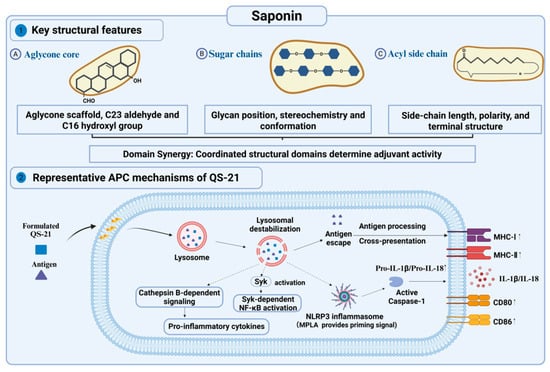
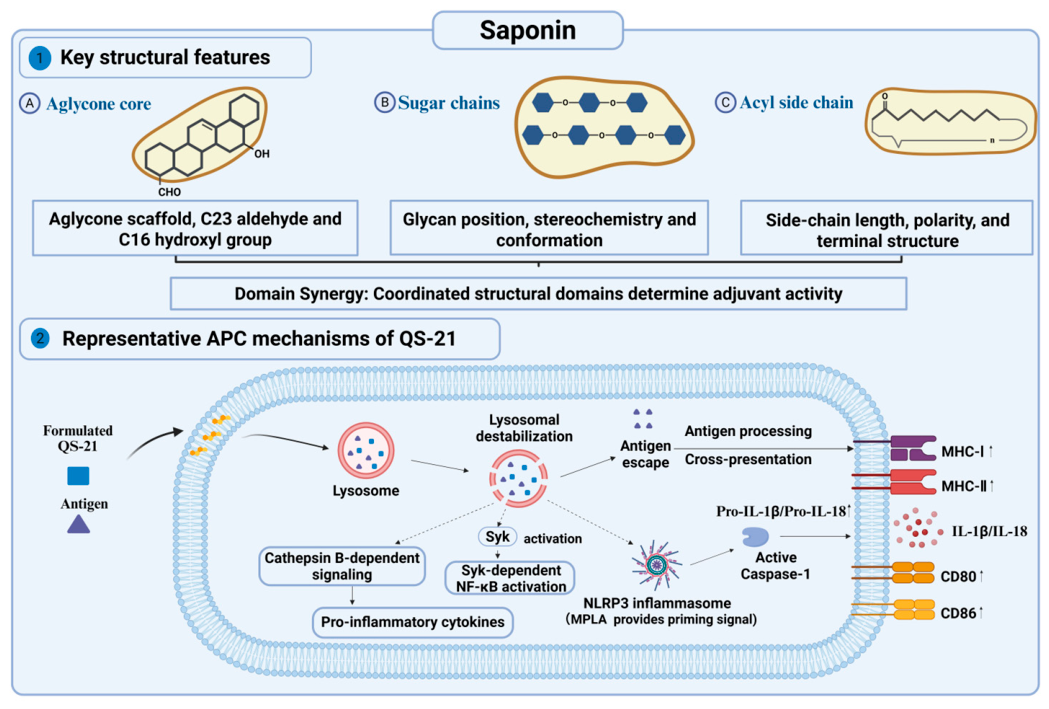
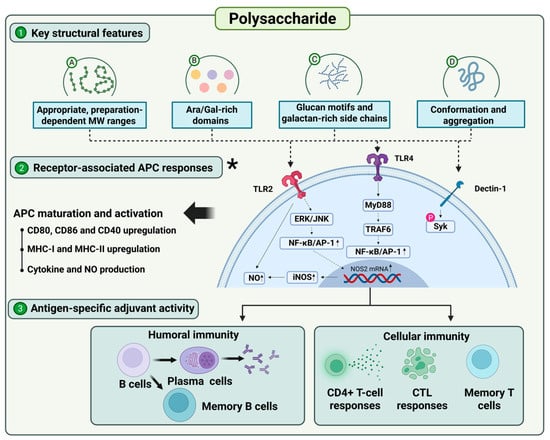
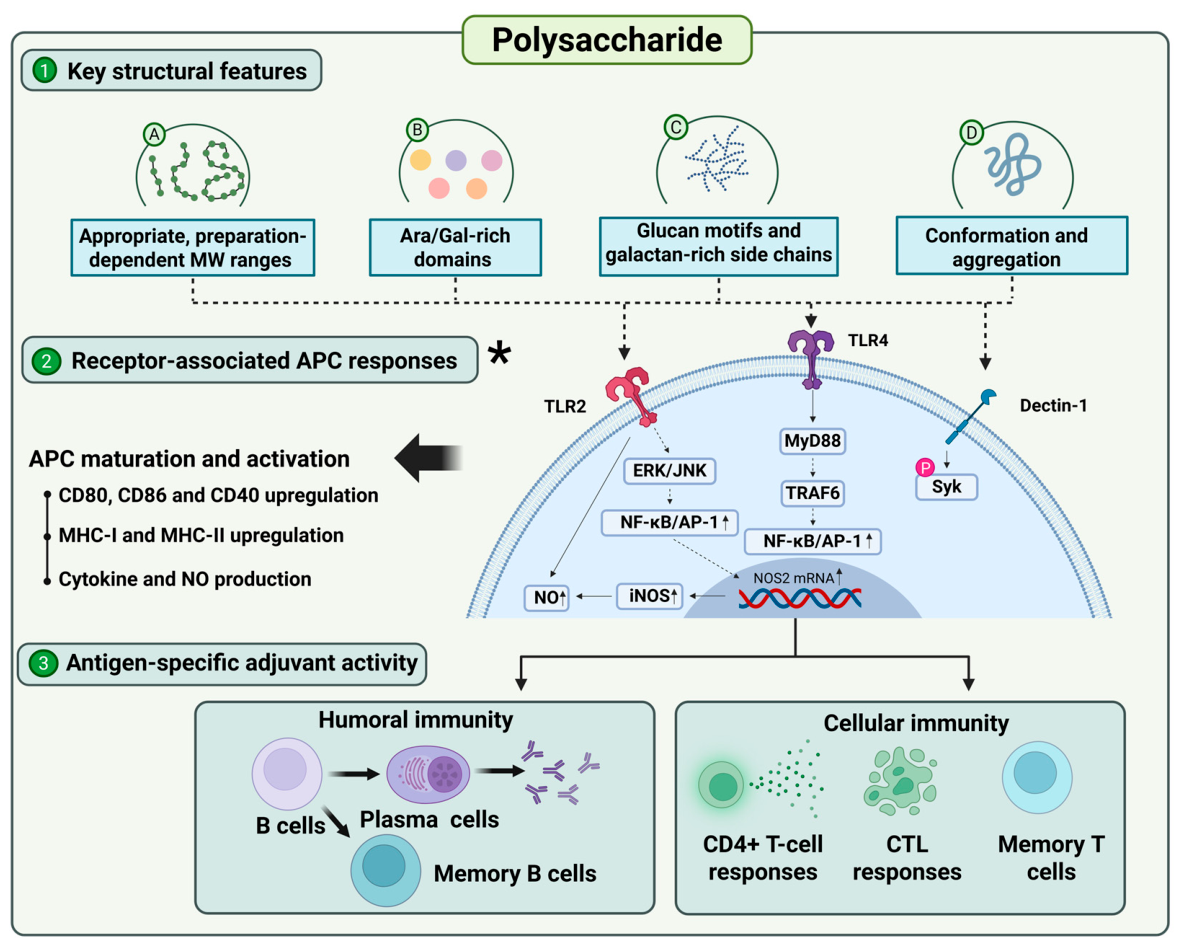
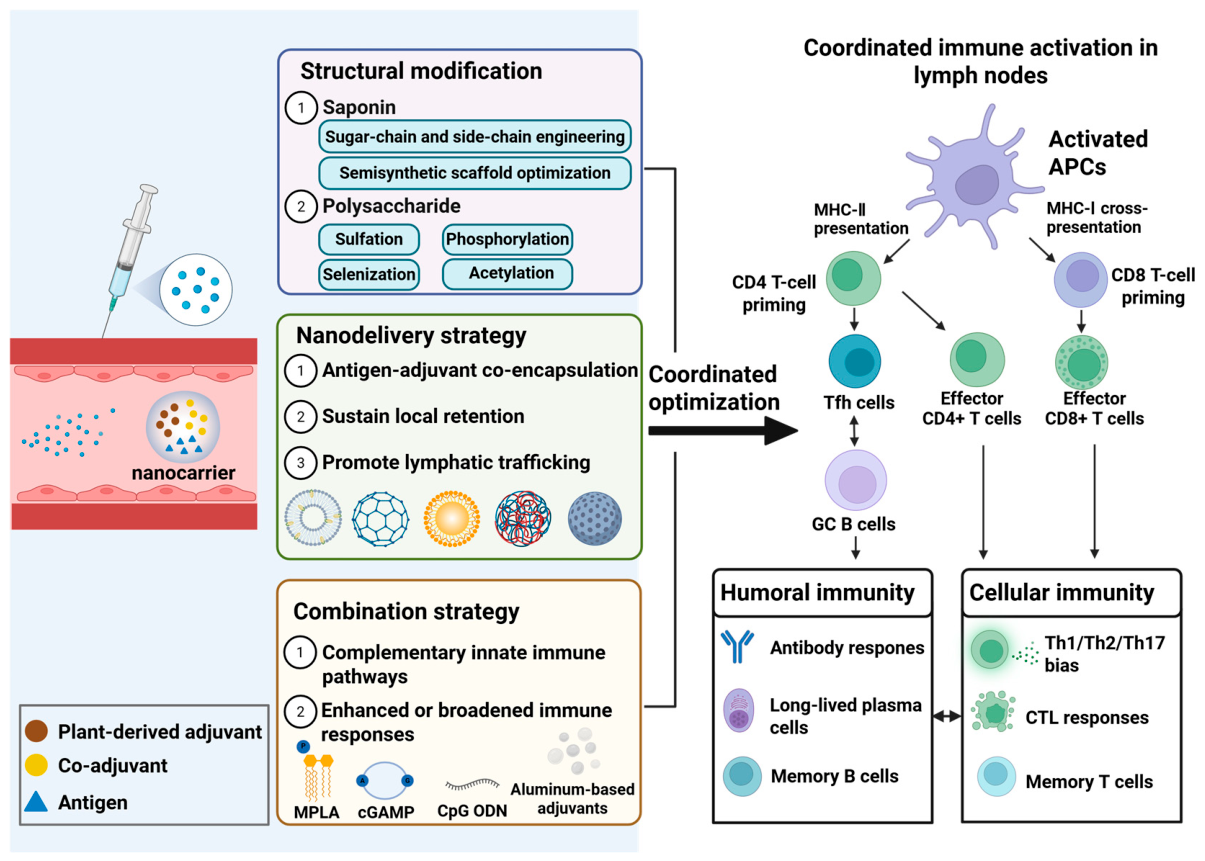

Disclaimer/Publisher’s Note: The statements, opinions and data contained in all publications are solely those of the individual author(s) and contributor(s) and not of MDPI and/or the editor(s). MDPI and/or the editor(s) disclaim responsibility for any injury to people or property resulting from any ideas, methods, instructions or products referred to in the content. |
© 2026 by the authors. Licensee MDPI, Basel, Switzerland. This article is an open access article distributed under the terms and conditions of the Creative Commons Attribution (CC BY) license.