


Abstract
Sports non-fungible tokens (NFTs) have rapidly emerged as tradable digital goods within platform-mediated marketplaces, reshaping how sports organizations, athletes, and brands design fan experiences and monetize digital assets. To consolidate fragmented scholarship and clarify the concept space, this study conducts a systematic quantitative literature review combined with thematic analysis, following PRISMA 2020 and a SPIDER-guided review logic. Searches across six major databases (Web of Science, Scopus, ScienceDirect, PubMed, IEEE Xplore, ProQuest) plus Google Scholar (2017–March 2025) yielded 40 peer-reviewed studies that met predefined inclusion criteria and passed quality appraisal. Results show a sharp growth of sports-NFT research from 2021 to 2024, with strong inter-disciplinary convergence spanning sports marketing, information systems, computer science, and law. Integrating findings through a consumer-value lens, we inductively propose a five-type taxonomy—collectible, empowerment, identity/authentication, physical-asset linked, and virtual-interaction NFTs—each associated with distinct value mechanisms and e-commerce functionalities. The thematic synthesis further identifies four dominant research streams (industry digitalization, consumer psychology/behavior, legal–regulatory issues, and digital marketing), while revealing gaps in theory operationalization, method diversity (e.g., limited experiments/longitudinal designs), cross-context generalizability, and governance/sustainability. The study contributes to marketing and management scholarship by positioning sports NFTs as emerging technologies that reorganize customer engagement, brand-community building, and governance in platform-mediated sport markets, and it offers a research agenda for measuring consumer, brand, and organizational effects.
1. Introduction
Emerging technologies are transforming contemporary marketing by enabling organizations to design data-rich, interactive, and increasingly personalized customer experiences. Among these technologies, blockchain and non-fungible tokens (NFTs) have become especially important in markets where ownership, authenticity, scarcity, transferability, and community participation are central to value creation. Rather than functioning only as speculative digital assets, NFTs can serve as organizational tools for productization, access control, loyalty building, secondary-market governance, and brand-community orchestration.
The sports industry provides a particularly revealing context for examining these dynamics. Sport organizations operate in markets characterized by intense fan identification, recurring live events, symbolic brands, and strong demand for collectibles, memberships, and exclusive experiences. In this setting, NFTs enable clubs, leagues, athletes, and brand partners to tokenize highlights, tickets, memberships, merchandise-linked assets, and virtual experiences, which extend fan engagement beyond one-off transactions and into persistent digital relationships (Colicev, 2023; Schlimm et al., 2024; Xie et al., 2023).
From a managerial perspective, sports NFTs matter since they reorganize how firms design value propositions and capture value. They can bundle digital ownership with access rights, authenticate scarce goods, automate royalty sharing, and support phygital commerce linking digital and physical products. They can also produce new governance questions around smart-contract rules, platform control, intellectual property, privacy, and secondary-market fairness (Chohan & Paschen, 2023; Dowling, 2022; Wilson et al., 2022). Accordingly, sports NFTs should be understood not only as technological artifacts but also as emerging marketing technologies and governance infrastructures.
Despite rapid practical interest, academic research remains fragmented. Existing studies address fan purchase intentions, brand engagement, legal and regulatory issues, business-model experimentation, ticketing systems, and platform design. However, these contributions are dispersed across sport marketing, law, information systems, and computer science, making it difficult to identify how different NFT forms contribute to consumer value creation, brand/community management, and organizational outcomes such as revenue diversification, loyalty, or governance design.
This study addresses that gap by conducting a systematic quantitative literature review (SQLR) combined with thematic analysis. Building on PRISMA 2020 and a SPIDER-guided review logic, we synthesize 40 peer-reviewed studies published between 2017 and March 2025. Our goal is not simply to catalog sports NFT studies, but to explain what this literature collectively reveals about the managerial deployment of NFTs in sport markets.
The current study pursues three objectives. First, this study inductively classifies major sports NFT types and clarifies their marketing, relational, and governance functions. Second, the present study maps scholarly progress across disciplines, methods, and theories, with particular attention to how studies address consumer behavior, brand management, and organizational implications. Third, the current study develops a future research agenda that connects sports NFT scholarship to broader conversations in marketing, innovation management, strategy, and governance.
By reframing sports NFTs as a site of organization studies rather than merely a niche digital-asset phenomenon, the review contributes to management and organization scholarship in two ways. It provides an integrative vocabulary for understanding how tokenized assets create value in brand-led communities, and it shows how smart-contract and platform rules restructure managerial decision-making in digitally mediated markets.
2. Theoretical Background
2.1. Overview of NFTs
2.1.1. Origins and Context of NFTs
During the Web 1.0 era, the Internet primarily consisted of static web pages with limited user interaction (Mansurali et al., 2024). With the advent of Web 2.0, users became active content creators, although digital environments remained largely centralized and platform-controlled (Gupta et al., 2022).
In contrast, Web 3.0 is characterized as a decentralized network enabled by blockchain technology, emphasizing data sovereignty, transparency, and user autonomy (Guan et al., 2022; Kshetri, 2022). Smart contracts, as core components of blockchain systems, enable automated execution and record-keeping based on predefined conditions, thereby reducing reliance on centralized intermediaries (Shurman et al., 2020; Appannavar et al., 2024).
The emergence of ERC-721 in 2017 formalized the technical standard for non-fungible tokens (NFTs), specifying mechanisms for creation, identification, transfer, and verification (Steinwold, 2019). Building on earlier concepts such as ‘Colored Coins’ (Rosenfeld, 2012), NFTs evolved into decentralized digital assets supported by standardized protocols and smart contracts. Through this standardization, NFTs address limitations of Web 2.0 in ownership authentication, enabling unique digital content to obtain verifiable ownership and market circulation via blockchain validation (Mansurali et al., 2024). Early applications such as CryptoPunks and CryptoKitties further demonstrated the potential of NFTs in digital ownership, scarcity, and collectible value (Serada et al., 2021; Kiong, 2022).
From a marketing and organizational perspective, NFTs have been discussed in relation to ownership, transfer, access, and resale mechanisms embedded in blockchain-based systems.
2.1.2. Key Characteristics and Operating Mechanisms of NFTs
NFTs exhibit distinctive properties that differentiate them from conventional digital assets (e.g., images and videos) and cryptocurrencies (e.g., Bitcoin and Ethereum). First, NFTs are non-fungible: each NFT is linked to a specific digital or physical asset and specifies attributes such as value, ownership, transfer rights, and other properties (Chohan & Paschen, 2023). Second, NFTs are indivisible. Unlike fungible tokens that can be fractionally divided, each NFT functions as a singular proof of ownership for a specific digital or physical asset and can only be transferred as a whole unit (Wang et al., 2021). Third, NFTs are verifiable and traceable: ownership, transaction records, and provenance information are permanently recorded on the blockchain, enhancing transparency and authenticity (Regner et al., 2019). Fourth, NFTs are programmable, as smart contracts can embed rules, royalty provisions, and functional utilities within the token (Dowling, 2022). Finally, NFTs can be interoperable. Through standardized token protocols such as ERC-721 and ERC-1155, NFTs may circulate across multiple platforms and markets (Gebreab et al., 2024).
Technically, an NFT operates as code based on blockchain infrastructure. Blockchain is a distributed ledger technology (DLT) characterized by decentralization and transparency, which enables verification and tracking of digital asset ownership (Guidi & Michienzi, 2023). This means that participants in a blockchain network can independently verify NFT ownership and the full history of transactions (Ko et al., 2024). An NFT typically consists of two components: a smart contract and metadata (Ellul & Revolidis, 2026; Das et al., 2022). The smart contract is deployed on the blockchain and encodes predefined rules and standards to automatically execute and manage transactions. It also links the metadata to define digital identity and establish and verify ownership on-chain (Mansurali et al., 2024). Metadata contains essential descriptive information (e.g., name, description, and related attributes) and may include a link identifying and displaying the underlying digital content (e.g., image, video, or audio file) (Guidi & Michienzi, 2023). By connecting metadata to the blockchain record, the smart contract generates a verifiable proof of ownership.
NFT operations can be summarized into six stages:
- (1)
- Creation: Digital content (e.g., images, videos, or other media) is produced and exists off-chain without verifiable ownership (Wang et al., 2021).
- (2)
- Platform selection: Creators select a blockchain network and NFT marketplace, which defines the technical and transactional environment.
- (3)
- Minting: A smart contract tokenizes the asset, generates a unique token ID, and links associated metadata (Shrivastava et al., 2024).
- (4)
- On-chain registration: Ownership and transaction data are recorded on the blockchain, ensuring immutability and traceability (Ko et al., 2024; Tharun et al., 2023).
- (5)
- Market transaction: NFTs are listed, exchanged, and verified through smart contract execution. For dynamic NFTs (dNFTs), metadata may be updated after issuance (Solouki & Bamakan, 2022).
- (6)
- Ownership transfer: Smart contracts automatically update ownership records following transactions. For dNFTs, metadata may change based on external inputs(e.g., oracle data) (Gebreab et al., 2023).
The operating mechanisms of NFTs are illustrated in Figure 1. From a marketing and governance perspective, these mechanisms (a) reduce information asymmetry by making provenance and authenticity verifiable (Regner et al., 2019), (b) enable automated value capture and transaction execution through code-based rules such as royalties and access permissions (Dowling, 2022), and (c) connect metadata storage configurations (on-chain/off-chain) to marketplace trust design issues—such as quality uncertainty, persistence risk, and consumer trust (Guidi & Michienzi, 2023; Mansurali et al., 2024).
Figure 1.
Operating Mechanisms of NFTs.
2.1.3. Evolution of NFTs
The evolution of NFTs has been discussed in terms of technical advances in ownership-establishment mechanisms and functional design principles (Guidi & Michienzi, 2023; Y. Chen et al., 2024). The first stage, often referred to as NFT 1.0, is characterized by the ‘establishment of digital asset ownership’, in which NFTs were largely treated as digital collectibles (Wilson et al., 2022). Functions were primarily focused on ownership representation and scarcity signaling, while interactivity and practical utility were limited (Guidi & Michienzi, 2023). Most NFTs in this stage followed the Ethereum-based ERC-721 standard (Calderone, 2023), combining unique identifiers with immutable metadata. Accordingly, the value of NFT 1.0 was predominantly symbolic and collectible (Stegmann et al., 2023).
To meet increasing needs from creators and users beyond symbolic ownership, improvements in smart contract design and metadata architectures were required, enabling broader utility and higher perceived value for holders (Volosovych et al., 2025). In response, the second generation—NFT 2.0, often associated with dynamic NFTs (dNFTs)—emerged. In this stage, NFTs evolved beyond static ownership certificates into digital assets with community attributes and functional value (Schlimm & Breuer, 2023). Smart contracts implemented more complex logic, including dynamic metadata updates and interactions with external data sources, thereby strengthening interactivity and commercial functionality (Solouki & Bamakan, 2022). Therefore, the defining feature of NFT 2.0 is the shift from ‘ownership establishment’ to ‘programmable functionality’, incorporating richer functional attributes and interaction mechanisms (Guidi & Michienzi, 2023).
Blockchain interoperability has also emerged as an important theme for future research (Pillai et al., 2020). Some studies discuss proposed directions in which NFTs may further evolve through cross-chain interoperability, integration with artificial intelligence, and mappings to real-world assets, potentially forming more autonomous and sustainable digital value ecosystems (Gumelar, 2023). However, the present study does not treat these discussions as deterministic forecasts; instead, it focuses on empirically grounded scholarly contributions to date, while positioning such trajectories as prospective research agendas (Guidi & Michienzi, 2023; Y. Chen et al., 2024).
2.2. Sports NFTs as Marketing and Governance Infrastructures
With the diffusion of blockchain technology and the expansion of the digital economy, NFTs have increasingly been positioned as a key driver of innovation in the sports industry (Naraine, 2019). NFTs have become an important intermediary connecting stakeholders such as sports clubs, brands, events, athletes, and fans (Ilia et al., 2022; Carlsson-Wall & Newland, 2023). From a marketing and governance perspective, sports NFTs should be understood not as a single product category but as a functional bundle comprising (a) tokenization and productization of digital goods, (b) marketplace exchange and secondary trading, (c) authentication and anti-counterfeiting, (d) access rights and embedded utilities, and (e) community participation and governance. In the following, we retain a stakeholder-oriented discussion while specifying how each stream relates to key e-commerce functions.
2.2.1. Clubs: Digital Productization, Direct Sales, and Secondary-Market Revenue
From the perspective of sports clubs, NFTs offer novel revenue-generation and fan management models (Mancini et al., 2023). Traditionally, sports organizations have relied heavily on broadcasting rights, ticket sales, and sponsorship; however, with NFTs, clubs can issue and sell digital assets directly to fans (C. Chen, 2025). For example, the National Football League (NFL) reportedly collaborated with Ticketmaster to release commemorative ticket NFTs, which can enhance on-site participation while enabling ongoing revenue through secondary-market trading (Conrad, 2022).
Some clubs (e.g., Paris Saint-Germain and FC Barcelona) have expanded token-based fan engagement ecosystems through partnerships with platforms such as Socios.com (Baker et al., 2022; Stegmann et al., 2023). However, because fan tokens typically have the characteristics of fungible tokens (FTs), the present review focuses primarily on NFTs (non-fungible tokens). Fan tokens are mentioned only in a limited manner as adjacent Web3 engagement instruments when functional overlap is relevant, thereby clarifying conceptual boundaries between NFTs (non-fungible, ownership-oriented digital goods) and fungible governance/participation tokens.
2.2.2. Brands and Firms: Phygital Commerce, Experience Extension, and CRM/Retention
From the perspective of sports brands and firms, NFTs function as an important tool for strengthening digital brand ecosystems (Vural, 2024). Brands are increasingly moving beyond physical product sales to develop phygital business models that integrate virtual and physical consumption. For instance, projects such as Nike’s Nikeland and Puma’s virtual footwear and apparel NFTs allow consumers to display, interact with, and participate in digital assets within metaverse environments (Lei, 2022; Sawhney & Goodman, 2023). When consumers hold, display, or trade NFTs, these actions become part of the branded experience and can expand brand reach in virtual spaces (Vural, 2024). Moreover, by issuing limited NFTs, hosting virtual events, and embedding reward mechanisms, brands can sustain relationships with fans and strengthen participation motives and loyalty (Xie et al., 2023). From an e-commerce perspective, these developments indicate a shift from ‘product sales’ toward ‘bundled productization’ in which access, benefits, and experiences are integrated, and NFTs provide infrastructure for ownership, transfer, and verification of such bundles (Vural, 2024; Xie et al., 2023).
2.2.3. Events and Ticketing: Authentication, Anti-Counterfeiting, and Rights Design for Secondary Markets
NFTs are also expanding the scope of sports event experiences and the modalities of value creation. Representative examples include digital collectibles, commemorative ticket NFTs, and highlight-based products (e.g., NBA Top Shot Moments), which can reinforce symbolic event value and fans’ emotional attachment while creating additional revenues (Locke, 2021; Zaucha & Agur, 2024). NFTs have further been discussed as advantageous for ticketing systems, particularly for identity verification, anti-counterfeiting, and secondary-market traceability (Calderone, 2023; Appannavar et al., 2024). Some researchers and technical teams have developed prototypes of blockchain-based NFT ticketing systems that feature decentralization, verifiability, and dynamic rights (Calderone, 2023; Appannavar et al., 2024). Importantly, these systems imply that tickets can be designed not merely as admission passes but as digital goods that embed conditional rights (e.g., transfer rules, benefit entitlements, and time constraints), thereby linking directly to the governance and revenue-sharing design of secondary markets.
As the convergence of Web3 and metaverse technologies deepens, NFTs have been discussed as assets enabling participation in immersive sports ecosystems (Su et al., 2025). However, because implementation levels and scopes vary substantially across cases, the present study conceptualizes this stream as the ‘productization potential of immersive experiences’ rather than relying on any single event narrative (Schlimm & Breuer, 2023).
2.2.4. Athletes: Direct-to-Consumer Commerce, Value Compensation, and Relational Exchange
NFTs can provide athletes with decentralized trading environments that support direct management of personal brands and receipt of value-based compensation (Baker et al., 2022). An increasing number of athletes have issued personal NFT series to cultivate direct relationships with fans (Chohan & Schmidt-Devlin, 2024). Through NFT issuance and trading, athletes can generate additional digital revenues while strengthening emotional bonds with fans (Hsiao, 2023). Fans may obtain exclusive content, online interactions, or opportunities for offline meetings by holding specific NFTs (Chohan & Schmidt-Devlin, 2024), which can be interpreted as relational exchange mediated by digital ownership. From an e-commerce standpoint, this enables new revenue architectures that combine direct-to-consumer (D2C) transactions with royalty-based value capture in secondary markets (Baker et al., 2022; Dowling, 2022).
2.2.5. Fans: On-Chain Identity, Participation, and Participatory Consumption
The emergence of NFTs has introduced new pathways and formats for sports participation and consumption. Whereas sports consumption has historically centered on viewing games and purchasing merchandise (Johnson et al., 2020), NFT ownership allows fans to express identity on-chain, participate in voting, and receive rewards, thereby enabling deeper community participation (S. Lee, 2023; Conrad, 2022). As ownership of digital assets combines with intensified participation, fans’ perceived identity and belonging may strengthen (Brahmstaedt, 2025). Moreover, through participating in club-related activities, collecting exclusive content, and unlocking limited experiences, sports consumption can evolve from a simple purchase into participatory consumption with emotional investment and symbolic meaning (C. Chen, 2025; S. Lee, 2023). This dynamic can reinforce affective ties among fans, athletes, and brands and contribute to the sustained development of sports digital community ecosystems.
2.3. Integrative Analytical Framing
To align the review with marketing and management scholarship, this study interprets the sports NFT literature through three connected lenses. First, a consumer-value lens explains how specific NFT designs activate functional, emotional, social, epistemic, and conditional value. Second, a relationship and brand lens examines how NFTs support fan engagement, loyalty, community formation, and digital brand extension. Third, a governance and organizational lens considers how platforms, smart contracts, and regulatory arrangements shape trust, rights allocation, compliance, and value capture.
This combined framing allows the review to move beyond descriptive cataloging and toward a more administrative understanding of NFTs as organizational technologies. In the sections that follow, the present study analyzes sports NFT literature not only by what types of tokens it studies, but also by what those studies imply for consumer behavior, brand performance, and organizational outcomes.
3. Methodology
3.1. Review Design and Procedure
This study aims to inductively synthesize the types and functions of sports NFTs, assess scholarly progress, and identify future research directions based on established findings and emerging trends in the literature. Achieving these objectives requires integrating visualization-oriented quantitative mapping with in-depth thematic interpretation. Accordingly, we adopted a mixed review approach that combines a Systematic Quantitative Literature Review (SQLR) with Thematic Analysis. Prior research has demonstrated the value of combining two complementary review approaches to address different research objectives within the same review project (Cury et al., 2023).
SQLR integrates the rigor of systematic reviews with the explanatory power of quantitative synthesis, enabling both methodological transparency and visualization-based mapping of a knowledge domain (Thomson et al., 2019). Research on sports NFTs is still emerging and inherently interdisciplinary—spanning, for example, sport marketing, law, and computer science—resulting in a fragmented and widely dispersed evidence base (Gómez et al., 2023; Schlimm et al., 2024; Hyer, 2023). SQLR is therefore well-suited to enhance rigor, reproducibility, and bias reduction through systematic evidence identification and structured quantitative analysis (Pickering et al., 2015; Pickering & Byrne, 2014). However, some scholars have noted that SQLR may be limited in terms of depth of interpretation (Cury et al., 2023). To address this limitation, we complemented SQLR with thematic analysis. Thematic analysis is an integrative process of identifying, refining, and interpreting patterns in qualitative data, allowing researchers to ‘go beyond the original data’ to develop new descriptive concepts, interpretive structures, or hypotheses (Thomas & Harden, 2008). Its flexibility also enables both inductive and deductive coding strategies when synthesizing prior studies (Alhojailan & Ibrahim, 2012; Frith & Gleeson, 2004). Given the dispersed and multidisciplinary nature of sports-NFT research, thematic analysis is particularly effective for identifying recurring concepts and integrating them into coherent themes.
The overall review procedure strictly followed the PRISMA 2020 reporting guideline to ensure transparency, reproducibility, and methodological rigor (the PRISMA 2020 checklist is provided in the Supplementary Materials). The protocol for this systematic review was not registered. The overall research process is illustrated in Figure 2. To formulate research questions aligned with the review objectives, we employed the SPIDER framework—Sample, Phenomenon of Interest, Design, Evaluation, and Research Type—which is suitable for qualitative and mixed-method evidence synthesis (Amir-Behghadami, 2021; Cooke et al., 2012). Based on this framework, we addressed the following research questions:
Figure 2.
PRISMA 2020-based dual-path research procedure for SQLR and thematic analysis.
- RQ1: How have sports NFTs been defined and classified in prior research, and what key functions do different types of sports NFTs perform in the sports industry?
- RQ2: What patterns and characteristics have sports-NFT studies exhibited in terms of disciplinary distribution, research type, methods, and theoretical frameworks?
- RQ3: Considering accumulated findings, what major research trends have emerged in sports-NFT scholarship, and how might future research develop?
3.2. Database Selection and Search Strategy
To ensure comprehensive coverage and representativeness, we searched six major academic databases: Web of Science, Scopus, ScienceDirect, PubMed, IEEE Xplore, and ProQuest. Google Scholar was additionally used as a supplementary search tool to minimize the risk of missing relevant studies. The primary search keywords included “NFT,” “non-fungible token,” “blockchain,” “sport,” “sports marketing,” and “sports industry,” which were combined using Boolean operators (AND/OR). Keyword selection was guided by the purpose of the review and designed to capture scholarship connecting NFTs with the sports domain. Accordingly, we included expanded keywords (e.g., “blockchain,” “sports marketing,” and “sports industry”) to broaden coverage while maintaining topical relevance.
The search was set from 2017 to March 2025 to capture scholarly outputs published after NFTs began to gain traction in the sports domain. The database-specific search strings are shown in Table 1. After retrieval, records were managed using reference management software to remove duplicates. We then conducted a two-stage screening procedure: (1) title–abstract screening and (2) full-text screening. Although review/synthesis articles were excluded from the analytic sample, they were used for backward reference checking and forward citation tracking to reduce omission risk.
Table 1.
Databases and Search Strings.
3.3. Study Selection (Inclusion and Exclusion Criteria)
To ensure validity and consistency, we established inclusion and exclusion criteria based on the review objectives and the PRISMA 2020 guideline (Page et al., 2021). Study selection followed a staged reduction process, systematically excluding records that did not meet the criteria at each screening stage. This approach supports representativeness and reproducibility. The criteria are summarized in Table 2.
Table 2.
Inclusion and Exclusion Criteria.
3.4. Data Extraction
To ensure systematic and consistent extraction, we conducted structured data extraction for all included studies, aligned with the objectives of SQLR and thematic analysis. After study selection, we developed a standardized extraction sheet in Microsoft Excel and coded each study’s basic characteristics, substantive content, and theoretical elements.
Specifically, we recorded and coded publication information, study characteristics, research topics, NFT attributes, theoretical frameworks, and key findings (detailed items are provided in Supplementary Table S1). Qualitative variables (e.g., research themes and NFT features) were categorized through thematic analysis after extraction, whereas quantitative variables (e.g., publication year, disciplinary distribution, and study type) were used for descriptive statistics and visualization.
Building on this foundation, an inductive thematic analysis was further employed to develop a classification system for sports NFTs. First, NFT-related features were extracted from the literature, including preliminary types, usage contexts, and functional characteristics, which served as the basis for initial coding. The coding process was not guided by a predefined classification framework; instead, it was grounded in recurrent patterns identified across the reviewed studies. Subsequently, through iterative comparison and refinement, the codes were integrated and grouped based on conceptual similarity, gradually forming higher-order categories. This process ultimately led to the identification of five distinct types of sports NFTs.
Given the interpretive and inductive nature of thematic analysis, the inclusion of inter-coder reliability metrics may not necessarily contribute to establishing analytical rigor (Cheung & Tai, 2023). Accordingly, this study did not employ statistical agreement indicators; instead, consistency and reliability were ensured through continuous comparison and consensus-building procedures (O’Connor & Joffe, 2020). Prior to formal coding, the research team engaged in extensive discussions to reach agreement on coding items, category boundaries, and decision rules. Furthermore, two researchers independently coded the data and subsequently compared their results. Discrepancies were resolved through multiple rounds of discussion until a unified analytical framework was established. This consensus-based coding process provided the foundation for subsequent analyses, including the identification of research themes, mapping of disciplinary distributions, integration of theoretical frameworks, and the construction of the sports NFT classification system.
It is also important to note that, given the emerging nature of sports NFTs as a research domain, as well as the high degree of heterogeneity in research designs and disciplinary perspectives, applying differential weighting across studies is not appropriate in this context (Popay et al., 2006). Instead, quality appraisal in this study was primarily used as a screening criterion rather than as a basis for weighted analysis. Specifically, only studies meeting a minimum quality threshold (≥60%) were retained for inclusion. However, in the subsequent synthesis, no differential weighting or prioritization was assigned to individual studies. All included studies were treated equally to maintain alignment with the objectives of both thematic analysis and the SQLR approach (Noah, 2017).
3.5. Quality Appraisal
To assess the methodological quality of included studies, we applied appraisal tools tailored to study design. Quantitative studies were assessed with reference to JBI-MAStARI (Joanna Briggs Institute, 2014). Qualitative studies were assessed using JBI-QARI (Joanna Briggs Institute, 2017). Mixed-methods studies were evaluated using the 2018 Mixed Methods Appraisal Tool (MMAT) (Hong et al., 2018). For conceptual studies and system/prototype development studies published in peer-reviewed venues, we applied the AACODS checklist as a supplementary criterion to assess clarity of reporting and adequacy of supporting evidence (Tyndall, 2010).
Quality scores were calculated based on the proportion of criteria satisfied. Studies scoring below 60% were excluded to ensure methodological rigor and data reliability. Some studies initially appeared to meet the inclusion criteria but were excluded after full-text assessment. For example, Brahmstaedt (2025) examines community dynamics and consumer engagement in sports NFT contexts, and Colicev (2023) discusses how non-fungible tokens create value for brands, including cases involving sports brands such as Nike and Adidas. However, these studies primarily focus on NFTs in a broader branding or commercial context, with sports NFT collectibles serving only as illustrative examples rather than the central research object. Therefore, they were excluded from this review. In addition, to ensure the reliability of the review findings, only peer-reviewed journal articles were included, and gray literature was excluded. For instance, Locke (2021) reports on the potential application of NFTs in sports ticketing, such as converting event tickets into NFTs; however, as a news article rather than a peer-reviewed study, it was excluded from the review. Ultimately, 40 studies were retained for the systematic review (detailed items are provided in Supplementary Table S1). The included studies comprised quantitative (n = 10), qualitative (n = 6), conceptual/system-based (n = 23), and mixed-methods research (n = 1).
A summary of the quality appraisal results is presented in Table 3. Overall, the methodological quality of the included studies was acceptable, with an average score of 74.3%. Quantitative studies assessed using JBI-MAStARI demonstrated relatively higher quality (M = 81.3%), followed by qualitative studies evaluated with JBI-QARI (M = 75.0%). Conceptual and system development studies assessed using AACODS showed moderate quality levels (M = 71.8%), while the single mixed-methods study evaluated with MMAT reached the minimum inclusion threshold (60%). These findings indicate that, although the overall quality is satisfactory, variability exists across study types. (detailed items are provided in Supplementary Table S1). The PRISMA flow diagram is presented in Figure 3.
Table 3.
Summary of Quality Appraisal Results.
Figure 3.
PRISMA flow chart.
4. Results and Discussion
4.1. Descriptive Characteristics of the Included Literature
4.1.1. Temporal Distribution of Publications
As blockchain infrastructure matured—particularly after Ethereum introduced the ERC-721 standard in 2017, which formally defined non-fungible tokens (NFTs) (Steinwold, 2019)—NFTs gradually became established as mechanisms for verifying ownership and enabling transactions of digital assets. However, early scholarly attention focused more on popular domains outside sport, such as the metaverse (Goanta, 2020), art (Kugler, 2021), and music (Conti & Schmidt, 2021). An examination of temporal trends indicates that publications on sports NFTs increased sharply from 2021 to 2024, reaching a peak in 2023–2024 (see Figure 4). It should be noted that the literature search in this study was conducted up to 29 March 2025. To avoid interpretive bias arising from partial-year coverage, publications from 2025 were excluded from the year-by-year trend analysis.
Figure 4.
Temporal distribution of sports-NFT publications.
Overall, studies on sports NFTs showed a sustained upward trajectory between 2021 and 2024. Prior to 2021, there were very few specialized academic studies explicitly centered on sports NFTs, suggesting that the topic remained largely in an early application and exploratory phase. From 2021 onward, research began to appear more consistently, and this year can be considered a meaningful turning point in which sport scholars started to pay systematic attention to NFTs. In particular, 2021 coincided with rapid growth in the global NFT market (Nadini et al., 2021), and the diffusion of NBA Top Shot as well as cases in which Socios.com collaborated with multiple football clubs (Y. Lee, 2022; Socios.com, 2022). Against this backdrop, sports NFTs increasingly entered the research agenda of sport management and related disciplines.
From 2022 to 2023, the number of studies rose steadily, indicating that scholarly interest progressed from sporadic discussion to a more sustained research phase. During this period, the literature began moving beyond introductory case descriptions and conceptual debates, expanding toward broader themes such as sport industry management (Baker et al., 2022) and digital transformation (Aharon & Demir, 2022).
In 2023–2024, the volume of research increased rapidly, and scholars began to investigate sports NFTs more systematically from multidisciplinary perspectives spanning the sport industry, sport marketing, and legal/regulatory domains. Studies from this period show that NFT applications expanded from primarily collectible formats to functional NFTs (Stegmann et al., 2023), ticketing-oriented NFTs (Gómez et al., 2023), and virtual-interaction NFTs (Vural, 2024). In addition, key themes included NFT bubble risk (Zhang, 2023), intellectual property (Hyer, 2023), sustainable business models (Pelechrinis et al., 2023), and fan psychological mechanisms (Schlimm et al., 2024). Accordingly, the literature from this period reflects not only quantitative growth, but also increasing methodological and theoretical sophistication—suggesting a shift from early case-reporting to a more developed stage addressing business models, functional development, and user behavior.
However, the rapid concentration of publications since 2021 also indicates that this field remains relatively nascent, with limited longitudinal evidence as well as insufficient theoretical accumulation and empirical validation. Accordingly, the observed increase in publication volume should not be interpreted as a sign of research maturity. Rather, it more accurately reflects an emerging research domain that is still in the stage of conceptual development and methodological consolidation.
4.1.2. Geographic Distribution
Regarding geographic distribution, the United States occupies a leading position in sports-NFT research, with a substantially higher number of publications than any other country (see Figure 5). This pattern is closely associated with the U.S.’s dominant role in both the global sport industry and the blockchain ecosystem. The United States hosts highly mature professional sport leagues such as the NBA, NFL, and MLB, alongside high levels of commercialization and digitalization (Wilkinson, 2024; Dolles & Santomier, 2025). This industrial environment has provided abundant practical cases for NFT applications in sport marketing, the fan economy, and digital memorabilia.
Figure 5.
Geographic distribution of publications.
Notably, NBA Top Shot—launched by the U.S. firm Dapper Labs in partnership with the NBA in 2020—has been widely regarded as a successful commercialization case of sports NFTs (Y. Lee, 2022). It also directly triggered an academic surge in research on sport–NFT integration models (Nguyen et al., 2025; Nucci, 2023; Pelechrinis et al., 2023). Beyond technological and market-oriented work, legal scholars have advanced systematic discussions on sports NFTs, focusing on: (a) IP/copyright protection—defining the scope of rights for NFTs involving sport footage, brand logos, and athletes’ publicity rights (Conrad, 2022); (b) securities law and regulatory regimes—interpreting NFTs under U.S. copyright law, U.S. securities law, the SEC Digital Asset Framework, and related standards (Sutlive, 2022; Hyer, 2023; Dekom, 2024); and (c) infringement risks—discussing the applicability of the Lanham Act and the Right of Publicity to NFT transactions (Conrad, 2022; Kim et al., 2025). Such multi-domain approaches suggest that U.S. scholarship has explored sports NFTs through diverse lenses and a comparatively structured analytical framework.
South Korea and China follow the United States in publication volume, reflecting strong interest in blockchain innovation and the digital economy. Korean scholarship has primarily focused on NFT effects on fan behavior (Jo & Shin, 2024; Park & Lee, 2025) and sport business-model innovation (Song, 2024). In contrast, Chinese studies have emphasized prospects for sports digital innovation enabled by NFTs (T. Wu, 2024) and system architecture design (C. L. Chen et al., 2022; Yin et al., 2024).
European research (e.g., Italy, Spain, the UK) appears closely linked to active markets for sport brand marketing, football-club fan interaction, and digital collectibles. For example, Crypto.com became one of the official sponsors of Italy’s Serie A starting in the 2021–2022 season and provided NFTs (including official trophies and match highlights) to fans (Mancini et al., 2023). Spain’s Real Madrid released NFT digital collectibles such as training videos and digital uniform ‘random boxes’, enabling revenue diversification (H. Wu, 2025). In the English Premier League, clubs such as Manchester City, Everton, and Crystal Palace issued their own NFT products that granted fans privileges, including free club merchandise, participation opportunities in team events, and voting rights on selected club decisions (Fan Tokens & Socios.com, 2022). These developments stimulated scholarly discussion on fan-participation mechanisms and brand value creation, and also fostered practical innovation and theoretical development across regions (C. Chen, 2025).
Although Turkey, Canada, France, Australia, Japan, and other countries contribute fewer studies, they often present distinctive perspectives within specific subtopics—such as brand strategy (Vural, 2024), digital revenue models for sport clubs (Ilia et al., 2022), ticketing-system development (Gómez et al., 2023), and sport-industry digital transformation (Sudin et al., 2023). In summary, while sports-NFT research has diffused across countries and disciplines, the global knowledge ecosystem remains concentrated in hubs across North America, East Asia, and Western Europe. This geographic distribution also reveals a potential regional bias in the current body of research, as existing studies are predominantly grounded in contexts characterized by highly commercialized sport markets and relatively advanced digital infrastructures. As a result, conclusions regarding fan adoption, regulatory issues, and NFT participation mechanisms may not be fully generalizable to sport markets with lower levels of digitalization or substantially different institutional environments (Di Prisco & Strangio, 2025). Accordingly, future research should examine the application and implications of sports NFTs across more diverse cultural, economic, and institutional contexts in order to enhance the external validity of existing findings.
4.1.3. Publication Outlet Distribution
As shown in Figure 6, sports-NFT research exhibits a pronounced interdisciplinary distribution characterized by a ‘sport + computer science’ convergence. As Web3, blockchain, and digital assets rapidly penetrate the sports domain, the International Journal of Sports Marketing and Sponsorship (IJSMS) has emerged as one of the key journals that first addressed sports NFTs in a relatively systematic manner. Studies published in IJSMS primarily examined fan consumption motivations (Park & Lee, 2025; Schlimm et al., 2024), fan attitudes (C. Chen, 2025; Schlimm & Breuer, 2023), and digital transformation pathways of sport brands and clubs (Kim et al., 2025; Stegmann et al., 2023). These works extend classic sport-marketing themes of ‘fan engagement’ and ‘value creation’, while clarifying the roles of NFTs in strengthening fan loyalty, innovating brand marketing models, and expanding virtual revenue channels. Consequently, IJSMS has contributed to the evolution of sports-NFT research from isolated practice-oriented cases toward more coherent theoretical discussion.
Figure 6.
Distribution of publication outlets.
The high frequency of IEEE and Springer conference proceedings indicates another central axis of sports-NFT research: technology. Conference papers largely focus on system development (More et al., 2024; Gómez et al., 2023), theoretical and architectural design (Rehman et al., 2021; Appannavar et al., 2024), and the advantages of NFT technology for sport-industry digital transformation (Calderone, 2023; Sudin et al., 2023). These studies systematically introduce core technologies and extend applications to contexts such as sport games and match-ticket systems. This suggests a scholarly shift away from viewing NFTs merely as economic phenomena or cultural symbols, toward integrating them as computable, verifiable, and reconfigurable digital infrastructure.
In addition, the appearance of research across diverse journals—such as PLOS ONE, Journal of Physical Education and Sport, Sports Innovation Journal, and Electronic Markets—shows that NFTs have diffused into more specialized disciplinary spaces. These studies cover a broad range of themes, including fan participation motivations (Jo & Shin, 2024; Haried & Murray, 2023), fan attitudes (Ante et al., 2024), digital pathways for sport brands/clubs (Chohan & Schmidt-Devlin, 2024; Ilia et al., 2022), student-athlete earnings (Carvalho et al., 2023), sport-industry innovation (Mancini et al., 2023; Pilaniwala, 2023), sport management (Baker et al., 2022), and potential negative impacts of NFTs (Lopez-Gonzalez & Petrotta, 2024; Zaucha & Agur, 2024).
Furthermore, law journals such as the Fordham Law Review and the Jeffrey S. Moorad Sports Law Journal have discussed NFTs in relation to IP (Hyer, 2023), securities law (Sutlive, 2022), and publicity rights/contractual liability (Conrad, 2022). These developments indicate that sports-NFT research has begun to acquire legal boundaries and ethical frameworks—suggesting a transition toward systematization and norm formation.
This distribution of publication outlets also reflects the thematic diversity and fragmentation of sports-NFT research, which is further analyzed in the following section.
4.1.4. Research Types and Methods
As shown in Table 4, the included studies demonstrate clear methodological diversity, reflecting the interdisciplinary nature of sports-NFT research. Overall, the literature spans six major disciplinary areas—sport marketing, computer science, sport industry, law, behavioral science, information science, and media/cultural studies. Depending on disciplinary aims and characteristics, researchers have employed quantitative, qualitative, conceptual, and system development/application approaches.
Table 4.
Disciplinary distribution, study types, and methods.
Within sport marketing (n = 14), quantitative studies were dominant (n = 7), relying mainly on surveys, regression, SEM, and related techniques. Qualitative studies (n = 4) included interviews, secondary-data analysis, and digital ethnography, while conceptual studies (n = 3) were primarily based on secondary data. This distribution suggests that sport marketing research has a strongly empirical orientation and focuses on user psychology and behavioral intentions such as fan engagement motivation (Haried & Murray, 2023; Park & Lee, 2025), fan attitudes (C. Chen, 2025), and purchase intention (Schlimm et al., 2024).
In computer science (n = 9), system development and application studies (n = 6) were predominant, focusing mainly on the design and implementation of system architectures for new sports-NFT functions (e.g., ticketing and management features). Some studies combined system design with user behavior via surveys and machine learning (Gómez et al., 2023). Conceptual studies (n = 2) relied largely on secondary data, and one study adopted a design science research methodology, emphasizing technological innovation and practical applicability.
Sport-industry studies (n = 8) were mostly conceptual (n = 7), using secondary data to examine theoretical frameworks for NFT business models and value-creation mechanisms. One quantitative study used secondary data and linear regression to propose development pathways for sport clubs (Ilia et al., 2022). Similarly, all legal studies (n = 6) were conceptual, discussing IP protection, digital rights, and regulatory frameworks through secondary-data analysis.
Although fewer in number, studies from other disciplines remain substantively representative. Behavioral science (n = 1) employed surveys and correlation analysis to examine links between NFT products and gambling-related behaviors (Lopez-Gonzalez & Petrotta, 2024). Information science (n = 1) used machine learning and linear regression to analyze anomalous transactions on the NBA Top Shot platform (Pelechrinis et al., 2023). Media/cultural studies (n = 1) used qualitative secondary-data analysis to examine commodification, marketization, and financialization dynamics within NBA Top Shot (Zaucha & Agur, 2024).
Overall, conceptual studies (n = 18) and quantitative studies (n = 10) appear to be the most prevalent in the included literature. Conceptual research is concentrated in the sport industry (n = 7) and law (n = 6), often integrating secondary data with industry conditions (Pilaniwala, 2023), policy contexts (T. Wu, 2024), and legal cases (Lim, 2022) to provide theoretical interpretations. This distribution may be consistent with an emergent research area in which early scholarship emphasizes conceptual clarification and institutional or normative framing, suggesting that sports-NFT research may still be developing foundational theoretical and institutional understandings rather than demonstrating full maturity.
Quantitative studies—primarily in sport marketing and fan behavior—commonly employ surveys, regression, and SEM to examine relationships between psychological constructs (e.g., perceived value, engagement, attitudes) and behavioral outcomes such as adoption, participation, and purchase intentions (Park & Lee, 2025; Schlimm et al., 2024). This pattern may reflect a tendency to operationalize NFTs as measurable digital-consumption phenomena within behavioral-science frameworks. In contrast, qualitative and mixed-methods studies appear to be relatively limited. As shown in Table 4, this imbalance may indicate a degree of methodological concentration rather than diversity, with approaches unevenly distributed across disciplines. This pattern may constitute a limitation of the current literature, as the dominance of conceptual and survey-based methods may constrain the ability to capture complex user experiences, contextual processes, and cross-level dynamics within sports-NFT ecosystems.
4.2. Content Analysis and Inductive Synthesis
4.2.1. Classification of Sports NFTs
With the continued expansion of the NFT ecosystem, prior research has proposed various classification approaches from different perspectives. For example, one stream of studies categorizes NFTs based on application domains, distinguishing among types such as art, collectibles, gaming, metaverse assets, and sport-related content (Firsova & Ryzhkov, 2022). Another stream adopts a rights-based perspective, classifying NFTs according to the types of rights they confer, including access rights, privileges, revenue rights, and links to real-world assets (Brandwein, 2023).
However, these classification frameworks are largely designed for descriptive segmentation of the general NFT market and tend to focus primarily on asset types or rights structures per se. As such, they remain limited in their ability to explain how NFTs create value within specific contexts. This limitation is particularly salient in the sport domain, where NFTs are not merely digital assets but also function as embedded mechanisms within fan interaction, identity construction, and participation processes (Ilia et al., 2022; Carlsson-Wall & Newland, 2023). Accordingly, classifications based solely on asset categories or rights attributes are insufficient to capture the underlying mechanisms through which sports NFTs contribute to value creation and influence fan behavior.
To address this gap, this study employs an inductive thematic analysis to develop a classification framework grounded in the sport context. Drawing on Consumer Value Theory, five value dimensions—including emotional value, functional value, and social value—were integrated (Sheth et al., 1991). From the combined perspective of value orientation and usage context, a classification framework with explanatory relevance to the sport domain was inductively derived from the reviewed literature (see Table 5).
Table 5.
Classification of NFTs in Sports Context.
It is important to note that this classification system was not based on a predefined structure; rather, it emerged iteratively from recurring patterns identified across the included studies. Furthermore, as the framework is constructed specifically within the sport context, it may not be fully generalizable to the broader NFT market beyond sport.
The above classification is based on the coding and inductive analysis of the functional characteristics of sports NFTs in the reviewed studies. First, collectible NFTs represent the most dominant category in the current literature (n = 25), primarily reflecting emotional and functional value orientations. Their core purpose lies in collecting and commemorating, where scarcity enhances symbolic meaning and emotional attachment. Unlike other NFT types, their value is centered on ownership and display rather than participatory or interactive functionalities. NBA Top Shot exemplifies this type, offering highlight moments as digital collectibles that provide emotional satisfaction and potential economic returns (Nguyen et al., 2025).
Second, empowerment NFTs (n = 11) reflect functional and social value orientations, with a strong emphasis on participatory utility. These NFTs enable fans to engage in governance and decision-making processes through mechanisms such as voting and access privileges. Compared to collectible NFTs, their primary value lies not in ownership or symbolic meaning but in facilitating active participation within sports organizations. Fan tokens issued via Socios.com illustrate this type (Ante et al., 2024; C. Chen, 2025).
Third, identity/authentication NFTs (n = 16) combine social and functional value orientations, with functional value as the primary driver. These NFTs function as digital credentials within sports contexts, enabling identity verification, access control, and anti-counterfeiting while simultaneously signaling status and group membership (Gómez et al., 2023; Appannavar et al., 2024). Unlike empowerment NFTs, which focus on participation, this type emphasizes verification and identity representation. NFT-based ticketing systems provide a typical example (SportsPro, 2022).
Fourth, physical-asset-linked NFTs (n = 5) reflect functional and epistemic value orientations, primarily grounded in their ability to connect digital assets with physical products or offline experiences. Their core function lies in bridging online and offline consumption, providing authenticity verification and ownership proof while enabling new forms of digital–physical integration. Compared to purely digital NFTs, this type extends value into real-world contexts. The RTFKT × Nike NFT series exemplifies this category (Vural, 2024).
Finally, virtual-interaction NFTs (n = 11) reflect conditional and emotional value orientations, with their value realized within specific digital environments. These NFTs enable users to participate in virtual activities such as gameplay, fantasy sports, and metaverse interactions. Unlike collectible NFTs, their value depends on contextual usage rather than static ownership. Fantasy-sport player cards on platforms such as Sorare illustrate this type (Mancini et al., 2023).
The above analysis reveals a potential underlying logic through which different types of sports NFTs influence fan participation behavior via differentiated value-perception mechanisms under specific usage contexts and functional characteristics. Drawing on Consumer Value Theory, sports NFTs can be conceptualized as digital products with distinct design features, which operate through the activation of multidimensional value perceptions—such as emotional, functional, and social value—at the user cognition level (Sheth et al., 1991). Importantly, these value dimensions do not merely serve as classification criteria; rather, they function as key mediating mechanisms that link NFT functional attributes to user responses.
More specifically, different types of NFTs (e.g., collectible, empowerment, and identity/authentication NFTs) shape distinct value perceptions, which in turn influence fan participation outcomes, including behavioral engagement, interactive activities, and community involvement. In this process, Social Identity Theory explains how individuals reinforce identity recognition and group belonging through NFTs, thereby facilitating the formation of participatory behaviors (Hogg, 2016). At a broader level, individual participation behaviors do not occur in isolation but accumulate to generate governance-related outcomes, such as fan involvement in decision-making, co-creation of rules, and the evolution of community structures. From a Value Co-Creation perspective, user participation within NFT ecosystems represents not only consumption behavior but also a process of value co-creation, through which users can exert ongoing influence on interaction mechanisms and governance structures (Saarijärvi et al., 2013).
It is important to note that these relationships are not entirely unidirectional. Within digital platforms and blockchain-based ecosystems, governance outcomes (e.g., fan participation in decision-making, co-creation of rules, and community evolution) may, in turn, reshape NFT design and functional mechanisms, thereby forming a dynamic and iterative process (Rezazadeh & Bohnsack, 2025). Accordingly, these relationships can be further integrated into a conceptual mechanism model (see Figure 7).
Figure 7.
Value-Based Mechanism Model of Sports NFTs.
This integrative perspective moves beyond purely descriptive classification and provides a theoretically grounded framework for understanding how sports NFTs reshape value creation, fan–brand relationships, and governance structures.
4.2.2. Review of Research Themes
Current sports-NFT research demonstrates clear multidimensional characteristics in both thematic distribution and theoretical foundations. Based on content analysis, this study classified the literature into four major directions: (1) sports-industry digitalization, (2) user psychology and behavioral intention, (3) legal and regulatory issues, and (4) sport branding and digital marketing (see Table 6). This thematic classification was based on each study’s purpose and analytical focus rather than on any single attribute of the research object. For example, studies emphasizing industrial structure and technical mechanisms were categorized under ‘sports-industry digitalization’, whereas those focused on brand communication and marketing strategy were categorized under ‘sport branding and digital marketing’.
Table 6.
Core Research Themes and Theories.
First, sports-industry digitalization (n = 19) constitutes the dominant theme in sports-NFT research. Studies in this stream primarily adopt conceptual and system-oriented approaches to examine how NFTs reshape key stakeholders, including sports clubs (Ilia et al., 2022; Mancini et al., 2023), athletes (Pilaniwala, 2023), sport managers (Baker et al., 2022), and the broader sport ecosystem (Glebova & Mihail’Ova, 2023). A subset of studies further develops technical or architectural solutions, such as NFT-based ticketing systems (Appannavar et al., 2024; Gómez et al., 2023), sports games (More et al., 2024), dynamic NFT classifications (Yin et al., 2024), and match-operation mechanisms (Takaoğlu & Dursun, 2024). These studies draw on diverse theoretical perspectives to explain NFT-driven digital transformation. For example, technological determinism and stakeholder theory are used to interpret how NFTs reshape production, distribution, and stakeholder relationships within sport ecosystems (Glebova & Mihail’Ova, 2023), while business model innovation (BMI) explains how NFTs support value creation, capture, and delivery in Web3 environments (Song, 2024). In addition, value co-creation theory and social capital theory are applied to explain interaction patterns and value-generation mechanisms among ecosystem participants (Stegmann et al., 2023). Collectively, this stream provides a theoretical foundation for understanding NFTs as drivers of sport digital transformation.
Second, user psychology and behavioral intention (n = 11) represents the second most frequently examined theme in sports-NFT scholarship, focusing on the psychological mechanisms, cognitive judgments, and behavioral intentions underlying NFT consumption. This stream can be organized into four subthemes. (1) Attitudes and participation intentions examine consumers’ perceptions of sports NFTs, their attitudes, and willingness to adopt and participate. Research using critical theory explores NFT adoption processes and reconstructs sport–NFT partnerships through a critical lens (C. Chen, 2025). Studies applying the theory of planned behavior (TPB) analyze esports spectators’ attitudes toward the metaverse and NFTs and their intentions to continue viewing (Jo & Shin, 2024). Gajica et al. (2024) compare changes in fans’ perceptions, acceptance, and investment intentions before and after matches using the Qatar World Cup NFT case. Schlimm and Breuer (2023) employ the psychological continuum model (PCM) and consumption capital theory to explain how psychological involvement, generational characteristics, and prior experience shape NFT participation intentions. (2) Purchase motivations and purchase intention focus on psychological drivers and decision-making mechanisms in NFT consumption. Park and Lee (2025) apply UTAUT2 to identify differences between NFT owners and non-owners and to determine key motivations, while Haried and Murray (2023), using a hedonic–utilitarian framework, analyze engagement motivations reflected in Twitter data and distinguish between emotional and functional factors relevant to NFT platforms. (3) Consumer demand and purchase intention integrate consumer demand theory and consumer values theory to examine how social, experiential, and functional demands shape purchase intention and to identify key attributes that sports NFTs should possess (Schlimm et al., 2024). (4) Potential risks and purchase bias examine racial bias and psychological risk tendencies in NFT trading. For example, moment NFTs featuring Black or mixed-race athletes are traded at significantly higher prices than those featuring White athletes, indicating a price premium (Nguyen et al., 2025). In terms of psychological risk, NFT transactions exhibit features similar to gambling behavior, and individuals with higher risk preferences and speculative motivations are more likely to hold positive attitudes toward NFT assets (Lopez-Gonzalez & Petrotta, 2024). Overall, this stream elucidates the psychological drivers and behavioral patterns of sports-NFT consumption and provides important insights into fans’ digital participation behaviors and underlying mechanisms.
Third, research on legal and regulatory issues (n = 7) addresses the legal challenges and compliance-related issues that NFTs face in terms of institutions, regulation, and governance. This theme focuses on legal boundary-setting in relation to intellectual property protection, securities classification, and the use of publicity rights. Existing studies predominantly adopt the U.S. legal framework, referencing the U.S. Copyright Act, the Lanham Act, the U.S. Securities Act, the Howey Test, and the SEC Digital Asset Framework, among others, to discuss legal risks related to copyright, publicity rights, taxation, and contractual provisions in sports NFTs. Prior work suggests that sports NFTs often conflict with existing copyright principles because the legal definitions of ‘originality’ and ‘ownership’ can become contested during creation, distribution, and secondary-market trading (Hyer, 2023). Moreover, when NFTs involve economic returns or expected profits, they may be classified as securities and thereby be subject to stricter financial regulation (Sutlive, 2022). In addition, existing publicity-rights regimes do not fully accommodate the hybrid nature of NFTs; thus, creators and platforms must exercise caution to avoid infringement risks when using athletes’ likenesses, names, and brand images without authorization (Conrad, 2022). Collectively, this research indicates that sports NFTs remain situated in regulatory gray zones. For the healthy development of sports NFTs, clearer intellectual property protection mechanisms and transparent regulatory standards are needed, along with a balanced approach between regulatory intervention and industry self-governance. Future work should explore adjustments to NFT legal frameworks from the perspective of international legal harmonization.
Finally, although limited in volume, research on sport branding and digital marketing (n = 3) is the most practice-oriented theme. These studies analyze how sport brands leverage NFTs within digital transformation to build brands, enhance fan engagement, and expand marketing channels. Based on literature reviews and case analyses, prior work proposes applied models for NFT marketing. In the digital-marketing context, studies emphasize the importance of integrating user experience, customer experience, and brand experience (Kanazir et al., 2022) and positively evaluate the influence of innovative NFT practices by Nike and Adidas in the metaverse on brand diffusion (Vural, 2024). Theoretically, studies often adopt social identity theory as a core analytic framework to explain how consumers form identity and a sense of social belonging through NFTs. From this perspective, sport brands can strengthen fans’ identities in the metaverse by offering exclusive experiences, enabling opportunities for display, and designing interactive participation mechanisms (Chohan & Schmidt-Devlin, 2024). Such identity construction functions beyond simple consumption and operates as a socialization process in digital spaces (Zhaparova et al., 2023). In sum, this theme highlights the innovative potential of NFTs for brand communication and fan relationship management and offers new theoretical and practical foundations for brand loyalty and long-term relationship building.
Overall, the current sports-NFT literature is structured yet uneven. While it provides a foundation for understanding NFTs in the sport industry digital transformation, the field remains exploratory and lacks depth. First, a thematic imbalance exists: research focuses on digitalization and user psychology, while legal and branding perspectives are underdeveloped. Second, the literature is fragmented across technological, behavioral, legal, and marketing streams, with limited integration, particularly between legal and behavioral research. Third, theoretical development is limited, as most studies rely on single-theory approaches without integrating technological, behavioral, and institutional dimensions. Finally, governance issues remain underexplored, with little attention to how NFT-based participation shapes decision-making and broader ecosystem dynamics.
5. Future Research Agenda for Sports NFTs
Building on the systematic synthesis of the sports-NFT literature and the limitations identified above, the field remains in an early stage of development, characterized by fragmented theoretical applications, methodological concentration, and limited contextual and institutional coverage. Existing research has primarily focused on technological functionalities and market-oriented perspectives, while providing relatively limited integration of behavioral, governance, legal, and ethical dimensions. In particular, gaps remain in cumulative theory building, causal inference, cross-context validation, regulatory analysis, and sustainability considerations. Accordingly, future research should advance along several interrelated directions, including theoretical deepening, methodological diversification, broader contextual validation, governance and regulatory analysis, ethical and sustainability considerations, and interdisciplinary integration.
5.1. Theoretical Deepening and Cumulative Theory Building
Existing studies cite a wide range of theories (e.g., TAM, TPB, UTAUT2, value co-creation, SIT) to explain adoption motives, fan behavior, brand communication, and value-creation processes (Park & Lee, 2025; Jo & Shin, 2024; Chohan & Schmidt-Devlin, 2024; Stegmann et al., 2023). However, many applications remain at the level of conceptual alignment or hypothesis framing, with limited operationalization into measurable constructs and limited cumulative testing across settings. For example, value co-creation and social capital perspectives are frequently invoked to interpret engagement and trust dynamics, yet constructs such as co-creation participation intensity, relational strength, and governance participation are rarely translated into testable models (Stegmann et al., 2023; Glebova & Mihail’Ova, 2023). Future research should prioritize (a) explicit construct definitions, (b) valid measurement development, and (c) model testing that accumulates evidence across NFT types and contexts.
Suggested research questions (RQ):
- RQ5.1-1: How do different NFT types (e.g., collectible vs empowerment vs identity/authentication) activate distinct value-creation pathways (functional, emotional, social) and behavioral outcomes?
- RQ5.1-2: How do co-creation participation and community governance participation mediate the relationship between NFT utility and long-term fan loyalty?
- RQ5.1-3: Under what conditions (culture, sport type, platform governance) do technology acceptance mechanisms (e.g., UTAUT2) generalize or break down?
5.2. Methodological Diversification and Stronger Causal Inference
The current literature relies heavily on conceptual analysis, cases, and secondary sources. While valuable for mapping institutional and technological logics, such approaches have limits in uncovering psychological mechanisms and causal behavioral pathways. Relative scarcity of robust experimental, longitudinal, and mixed-method designs constrains inference strength and practical generalizability (Stegmann et al., 2023; Glebova & Mihail’Ova, 2023). Future research should expand empirical designs by integrating surveys with SEM, employing experiments that manipulate NFT utilities, and adopting mixed-method designs (qualitative interviews + quantitative testing) to triangulate evidence. Context-sensitive comparisons—across platforms, regions, and sport categories—should be embedded in design choices (Ilia et al., 2022; Gajica et al., 2024; Schlimm et al., 2024; Park & Lee, 2025).
In parallel, the traceability and openness of blockchain ecosystems create opportunities for on-chain data analysis and social media mining, enabling large-scale behavioral evidence beyond self-report data (Ante et al., 2024; Haried & Murray, 2023; Gu et al., 2022). Combining on-chain behavior, network structures, and sentiment signals can strengthen ecological validity and reveal dynamic patterns that cross-sectional surveys may miss.
Suggested research questions (RQ):
- RQ5.2-1: Do NFT utilities (access, governance rights, physical linkage) causally increase engagement and spending, and through which psychological mediators (trust, identity, perceived value)?
- RQ5.2-2: How do on-chain behavioral metrics (holding duration, resale frequency, wallet network centrality) relate to fan loyalty and community participation?
- RQ5.2-3: How do fan sentiments and discourse on social platforms predict NFT adoption and secondary-market dynamics?
5.3. Context and Sampling: Cross-Cultural, Cross-Platform, and Cross-Chain Validation
Research contexts and samples remain concentrated around high-profile projects in North America and Europe (e.g., NBA Top Shot, Socios.com, Sorare), limiting external validity and masking heterogeneity across cultural and technological environments. Cultural values may shape whether NFTs are interpreted primarily through investment/collection motives or through community identity and belonging (Hofstede, 2001; Schlimm & Breuer, 2023). Moreover, blockchain networks differ in transaction speed, fees, and decentralization (Calderone, 2023), which may influence perceived trust, usability, and continued use. Finally, NFT types differ in functional logic (commemoration vs governance vs authentication vs physical linkage vs immersion), which can yield distinct behavioral and relational outcomes (Park & Lee, 2025).
Suggested research questions (RQ):
- RQ5.3-1: How do cultural orientations (individualism–collectivism) moderate the effects of NFT value perceptions on adoption and retention?
- RQ5.3-2: Do platform governance models and blockchain infrastructures systematically shape trust, perceived fairness, and community participation?
- RQ5.3-3: Which NFT-type-specific features most strongly drive satisfaction, loyalty, and continued use across sports and markets?
5.4. Legal, Regulatory, and Governance Research Beyond a Single Jurisdiction
Legal and governance issues are becoming increasingly salient as sports-NFT markets expand, yet the literature remains uneven and often anchored in the U.S. legal framework (Sutlive, 2022; Conrad, 2022; Soares et al., 2024). Differences across jurisdictions in intellectual property protection, securities classification, taxation, consumer protection, and platform obligations can shape market design and user outcomes. For instance, the EU’s MiCA provides a unified regulatory basis for crypto-assets and, in some contexts, may apply to NFT-related activities—emphasizing transparency and consumer protection (Carata & Knottenbelt, 2024). Korea has strengthened AML/KYC obligations in ways that may partially integrate NFT activities into financial compliance regimes (Rahman et al., 2025), while China has managed NFT-like markets through “digital collectibles” under platform obligations such as real-name registration and content governance (Rahman et al., 2025). Regulatory inconsistency can undermine cross-border circulation and reduce legal certainty. Comparative research should clarify how institutional arrangements translate into platform governance, risk, and market outcomes.
Additionally, the relationship between NFTs and money laundering remains a persistent governance concern due to anonymity, cross-border transferability, and subjective valuation (Kafteranis & Turksen, 2022; Mosna & Soana, 2023; Kumar & Thakur, 2024). Even where AML/KYC regimes apply to virtual asset service providers, enforcement gaps may persist for NFTs due to valuation ambiguity and implementation complexity (Nelson, 2021).
Suggested research questions (RQ):
- RQ5.4-1: How do differences in IP, securities, tax, and consumer-protection regimes shape NFT platform governance and compliance costs in sport markets?
- RQ5.4-2: Which governance designs (disclosure, auditability, identity verification) most effectively reduce fraud and AML risks without undermining participation?
- RQ5.4-3: How do regulatory signals influence user trust and willingness to participate in secondary markets?
5.5. Ethics and Sustainability: Environmental Costs, Inclusion, and Data Governance
Environmental sustainability remains a prominent concern because NFT minting and transactions can be energy-intensive, particularly under PoW-based networks (Cury et al., 2023; Truby et al., 2022). While PoS-based systems have improved energy efficiency, comparative evaluation across networks and large-scale commercialization contexts is still needed (Sereti et al., 2025). Beyond the environment, digital transformation may exacerbate digital divides, potentially excluding users with lower technology readiness or limited infrastructure (Jin, 2024; C. Chen, 2025). Research should also address data governance risks: embedding identity or sensitive attributes in NFTs may create privacy risks and potential conflicts with data protection regimes (e.g., GDPR), raising ethical and legal concerns (Anwar & Gill, 2025; Radanliev et al., 2024).
Suggested research questions (RQ):
- RQ5.5-1: How do blockchain choices and platform designs affect the environmental footprint of sports-NFT ecosystems, and what qualifies as “green NFT” implementation in sport?
- RQ5.5-2: Which inclusive design strategies reduce digital exclusion while sustaining engagement and perceived fairness?
- RQ5.5-3: What data governance models best balance personalization, authentication, and privacy protection in sports NFTs?
5.6. Interdisciplinary Integration for Sustainable Industry Development
Sports NFTs are shaped by intertwined technological, organizational, legal, and socio-cultural factors; thus, interdisciplinary research is essential (Su et al., 2025). Computer science can contribute to smart-contract design, privacy protection, security, and energy efficiency. Law and policy can advance comparative frameworks for IP, consumer protection, and compliance harmonization. Sport management and marketing can clarify how NFTs generate value in fan relationship management and brand communication. Sociology and ethics can evaluate distributional impacts, cultural reproduction, and fairness. Integrating these perspectives can support more sustainable industry models and more cumulative scholarly progress.
6. Conclusions
This study synthesizes the sports-NFT literature by integrating a systematic quantitative literature review (SQLR) with thematic analysis. By consolidating fragmented evidence on NFT typologies, scholarly progress, and research gaps, the study clarifies how sports NFTs operate at the intersection of value creation, fan engagement, and sport-industry digital transformation.
First, grounded in Consumer Value Theory, we propose a five-type typology of sports NFTs—collectible, empowerment, identity/authentication, physical-asset-linked, and virtual-interaction—and align each type with dominant value dimensions (emotional, functional, social, epistemic, and conditional). This “type × value” alignment provides a cumulative conceptual language that supports consistent comparison and theory building across disciplines and study designs.
Second, building on the existing literature, this study further develops a process-oriented integrative framework that systematically links NFT types, consumer value, fan participation, and governance outcomes. Specifically, perceived consumer value is conceptualized as a mediating mechanism connecting NFT design features and user behavior, while fan participation is positioned as a key pathway through which micro-level behaviors translate into macro-level governance outcomes. On this basis, by incorporating Social Identity Theory and a Value Co-Creation perspective, the study constructs a unified explanatory framework that integrates technological attributes, psychological mechanisms, and ecosystem-level outcomes, thereby extending the theoretical depth of sports-NFT research.
Third, the thematic synthesis indicates that the literature has converged around four core themes: sport-industry digitalization, user psychology and behavioral intention, legal and regulatory issues, and sport branding and digital marketing. Collectively, these themes position sports NFTs not only as a technological artifact but also as a socio-economic mechanism that reshapes market design, governance, and fan–brand relationships.
Fourth, based on the integrated findings and observed gaps, we outline a future research agenda across six directions: theory development, methodological strengthening, context and sampling diversity, legal and regulatory governance, ethics and sustainability, and interdisciplinary integration. For scholars, the proposed typology and thematic map provide a structured foundation for cumulative model testing and construct operationalization.
Beyond theoretical contributions, this study also offers important managerial implications. First, at the product-design level, different types of NFTs activate distinct value dimensions. Accordingly, sport organizations should pursue a “function–value fit” in NFT design by aligning product features with targeted value outcomes—for example, enhancing emotional value to increase the appeal of collectible NFTs or strengthening participatory mechanisms to improve user engagement in empowerment NFTs.
Second, at the fan-management level, platforms and clubs should enhance multidimensional value perceptions by optimizing user experience, reinforcing identity-related mechanisms, and designing interactive contexts, thereby fostering sustained participation and community vitality.
Third, at the governance and platform level, as fan participation increasingly extends into governance processes, sports-NFT platforms must strike a balance between enabling user participation and ensuring institutional stability. On the one hand, transparent rules and mechanism design should be implemented to encourage value co-creation; on the other hand, clear regulatory and compliance frameworks are necessary to mitigate speculative behavior and potential risks, thereby supporting the sustainable development of NFT ecosystems.
7. Limitations
Several limitations should be noted. First, as a literature-based synthesis, the conclusions depend on the quality, scope, and reporting practices of the included studies rather than primary empirical evidence. Publication bias may exist due to reliance on peer-reviewed outputs, and language bias cannot be ruled out because only English-language publications were included.
Second, although the search covered six major databases (Web of Science, Scopus, ScienceDirect, PubMed, IEEE Xplore, and ProQuest) and used Google Scholar as a supplementary source, the search window ended on 29 March 2025. Studies published after the cutoff were not captured, which may constrain the timeliness of the synthesized landscape.
Third, while SQLR/PRISMA-aligned procedures and double-review practices reduce subjectivity, typology and theme coding may still involve residual interpretive judgment. Future work could strengthen reliability by reporting alternative coding schemes and, where feasible, quantifying intercoder agreement.
Fourth, the quality-appraisal rule enhances rigor but may also omit emergent exploratory works that are influential in a rapidly evolving domain. Finally, given the rapid evolution of blockchain infrastructures and NFT markets, periodic updates of the evidence base are warranted. Future research should combine updated reviews with longitudinal designs and data-intensive empirical approaches (e.g., on-chain behavioral traces and cross-platform comparisons) to better capture shifting mechanisms and longer-term effects.
Supplementary Materials
The following supporting information can be downloaded at: https://www.mdpi.com/article/10.3390/admsci16050229/s1, File S1: PRISMA 2020 Main Checklist & Abstract Checklist; Table S1: Detailed items (Excel file).
Author Contributions
Conceptualization, H.J. and D.K.; methodology, H.J. and D.K.; software, H.J.; validation, H.J., D.K. and H.K.; formal analysis, H.J.; investigation, H.J. and D.K.; resources, H.J., D.K. and H.K.; data curation, H.J. and H.K.; writing—original draft preparation, H.J.; writing—review and editing, D.K. and H.K.; visualization, H.J.; supervision, D.K.; project administration, D.K.; funding acquisition, D.K. All authors have read and agreed to the published version of the manuscript.
Funding
This work was supported by the Global Joint Research Program funded by Pukyong National University (202506940001).
Institutional Review Board Statement
Not applicable.
Informed Consent Statement
Not applicable.
Data Availability Statement
The original contributions presented in the study are included in the main text and its Supplementary Materials; further inquiries can be directed to the corresponding author.
Conflicts of Interest
The authors declare no conflicts of interest.
References
- Aharon, D. Y., & Demir, E. (2022). NFTs and asset class spillovers: Lessons from the period around the COVID-19 pandemic. Finance Research Letters, 47, 102515. [Google Scholar] [CrossRef] [Scilit]
- Alhojailan, M. I., & Ibrahim, M. (2012). Thematic analysis: A critical review of its process and evaluation. West East Journal of Social Sciences, 1, 39–47. [Google Scholar]
- Amir-Behghadami, M. (2021). SPIDER as a framework to formulate eligibility criteria in qualitative systematic reviews. BMJ Supportive & Palliative Care, 14(e1), e312–e313. [Google Scholar] [CrossRef] [Scilit] [PubMed]
- Ante, L., Saggu, A., Schellinger, B., & Wazinski, F. P. (2024). Voting participation and engagement in blockchain-based fan tokens. Electronic Markets, 34, 26. [Google Scholar] [CrossRef] [Scilit]
- Anwar, M. J., & Gill, A. Q. (2025). NFTs enabled federated digital identity data representation and management. Discover Data, 3, 19. [Google Scholar] [CrossRef] [Scilit]
- Appannavar, K. M., Deshpande, A., Hiremath, R. V., Kurkuri, S., & Hiremath, U. (2024, November 20–28). Revolutionizing IPL ticketing with NFTs. 2024 IEEE Conference on Engineering Informatics (ICEI) (pp. 1–6), Melbourne, Australia. [Google Scholar] [CrossRef] [Scilit]
- Baker, B., Pizzo, A., & Su, Y. (2022). Non-fungible tokens: A research primer and implications for sport management. Sports Innovation Journal, 3, 1–15. [Google Scholar] [CrossRef] [Scilit]
- Brahmstaedt, K. (2025). Community and consumer dynamics in NFTs: Understanding digital asset value through social engagement. Journal of Consumer Behaviour, 24(4), 1630–1655. [Google Scholar] [CrossRef] [Scilit]
- Brandwein, B. (2023). The law and the blockchain: A speculative guide on NFT classification and the laws that govern NFT sales. SSRN, 4466187, 1–25. [Google Scholar] [CrossRef] [Scilit]
- Calderone, D. C. (2023, September 14–16). Event management evolution through non-fungible tokens. IEEE International Workshop on Sport, Technology and Research (STAR) (pp. 85–89), Cavalese-Trento, Italy. [Google Scholar] [CrossRef] [Scilit]
- Carata, C., & Knottenbelt, W. J. (2024, May 27–31). Towards a harmonized global regulation: An analysis of the MiCA regulation and its implications for the European crypto-asset market. 2024 IEEE International Conference on Blockchain and Cryptocurrency (ICBC) (pp. 288–289), Dublin, Ireland. [Google Scholar] [CrossRef] [Scilit]
- Carlsson-Wall, M., & Newland, B. (2023). Blockchain, sport, and navigating the sportstech dilemma. In 21st century sports: How technologies will change sports in the digital age (pp. 233–246). Springer International Publishing. [Google Scholar] [CrossRef] [Scilit]
- Carvalho, A., Zavolokina, L., Bhunia, S., Chaudhary, M., & Yoganathan, N. (2023). Promoting inclusiveness and fairness through NFTs: The case of student-athletes and NILs. In Proceedings of the 2023 CHI conference on human factors in computing systems (pp. 1–9). ACM. [Google Scholar] [CrossRef] [Scilit]
- Chen, C. (2025). Contesting fan tokens under crypto-capitalism: How sport NFT furthers the hypercommodification of fandom. International Journal of Sports Marketing and Sponsorship, 26, 254–272. [Google Scholar] [CrossRef] [Scilit]
- Chen, C. L., Fang, C. C., Zhou, M., Tsaur, W. J., Sun, H., Zhan, W., & Deng, Y. Y. (2022). A blockchain-based anti-counterfeit and traceable NBA digital trading card management system. Symmetry, 14, 1827. [Google Scholar] [CrossRef] [Scilit]
- Chen, Y., Fan, Y., & Tian, L. (2024, November 24–26). From Ethereum 1.0 to 2.0: Implications for the blockchain-based NFT market. International Seminar on Artificial Intelligence, Networking and Information Technology (pp. 515–519), Chiang Mai, Thailand. [Google Scholar] [CrossRef] [Scilit]
- Cheung, K. K. C., & Tai, K. W. (2023). The use of intercoder reliability in qualitative interview data analysis in science education. Research in Science & Technological Education, 41(3), 1155–1175. [Google Scholar] [CrossRef] [Scilit]
- Chohan, R., & Paschen, J. (2023). NFT marketing: How marketers can use nonfungible tokens in their campaigns. Business Horizons, 66, 43–50. [Google Scholar] [CrossRef] [Scilit]
- Chohan, R., & Schmidt-Devlin, E. (2024). Sports fandom in the metaverse: Marketing implications and research agenda. Marketing Letters, 35, 1–14. [Google Scholar] [CrossRef] [Scilit]
- Colicev, A. (2023). How can non-fungible tokens bring value to brands. International Journal of Research in Marketing, 40, 30–37. [Google Scholar] [CrossRef] [Scilit]
- Conrad, M. (2022). Non-fungible tokens, sports, and intellectual property law issues. Journal of Legal Aspects of Sport, 32, 132. [Google Scholar] [CrossRef] [Scilit]
- Conti, R., & Schmidt, J. (2021). What you need to know about non-fungible tokens (NFTs). Forbes. Available online: https://static1.squarespace.com/static/61c1f97b6b54a1444ac35510/t/61d50e0ebee355297fe7a971/1641352718797/%28NFT%29+What+You+Need.pdf (accessed on 10 January 2026).
- Cooke, A., Smith, D. M., & Booth, A. (2012). The benefits of a systematic search strategy when conducting qualitative evidence synthesis; the SPIDER tool. Qualitative Health Research, 22(10), 1435–1443. [Google Scholar] [CrossRef] [Scilit]
- Cury, R., Kennelly, M., & Howes, M. (2023). Environmental sustainability in sport: A systematic literature review. European Sport Management Quarterly, 23, 13–37. [Google Scholar] [CrossRef] [Scilit]
- Das, D., Bose, P., Ruaro, N., Kruegel, C., & Vigna, G. (2022, November 7–11). Understanding security issues in the NFT ecosystem. 2022 ACM SIGSAC Conference on Computer and Communications Security (pp. 667–681), Los Angeles, CA, USA. [Google Scholar] [CrossRef] [Scilit]
- Dekom, P. (2024). NFTs vs NFTTs: Non-fungible tokens/Not for the timid. Entertainment & Sports Law, 40, 52–61. [Google Scholar]
- Di Prisco, D., & Strangio, D. (2025). Technology and financial inclusion: A case study to evaluate potential and limitations of Blockchain in emerging countries. Technology Analysis & Strategic Management, 37(4), 448–461. [Google Scholar] [CrossRef] [Scilit]
- Dolles, H., & Santomier, J. (2025). Transformational digital leadership and organizational strategy: The case of the US National Basketball Association. In Digital leadership (pp. 78–91). Edward Elgar Publishing. [Google Scholar] [CrossRef] [Scilit]
- Dowling, M. (2022). Is non-fungible token pricing driven by cryptocurrencies? Finance Research Letters, 44, 102097. [Google Scholar] [CrossRef] [Scilit]
- Ellul, J., & Revolidis, I. (2026). Non-fungible tokens (NFTs), smart contracts and contracts: The need for legal and technology assurances. In Law and politics of virtual worlds: How NFTs and metaverse are reshaping legal systems. Springer Nature. [Google Scholar] [CrossRef] [Scilit]
- Fan Tokens & Socios.com. (2022). Crystal Palace partner news. Socios.com. Available online: https://www.socios.com/crystal-palace-fto/ (accessed on 14 January 2026).
- Firsova, N., & Ryzhkov, A. (2022, November 8–9). Analysis of cooling of the NFT market in 2022: Structure and segments exploration. Conference Proceedings DOKBAT 2022 18th International Bata Conference for Ph. D. Students and Young Researchers (Vol. 108), Zlín, Czech Republic. [Google Scholar] [CrossRef] [Scilit]
- Frith, H., & Gleeson, K. (2004). Clothing and embodiment: Men managing body image and appearance. Psychology of Men & Masculinity, 5, 40. [Google Scholar] [CrossRef] [Scilit]
- Gajica, P., Sarajlić, H., & Jularić, M. (2024). Blockchain in football fandom: Understanding the shifts in awareness, adoption, and investment willingness in fan tokens and NFTs among Croatian fans. In Proceedings of the 2024 47th MIPRO ICT and electronics convention (MIPRO) (pp. 1041–1046). IEEE. [Google Scholar] [CrossRef] [Scilit]
- Gebreab, S. A., Musamih, A., Hasan, H. R., Salah, K., Jayaraman, R., Al Hammadi, Y., & Omar, M. (2024). NFTs for accessing, monetizing, and teleporting digital twins and digital artifacts in the metaverse. Computer Communications, 228, 107965. [Google Scholar] [CrossRef] [Scilit]
- Gebreab, S. A., Salah, K., Jayaraman, R., & Zemerly, J. (2023). Trusted traceability and certification of refurbished medical devices using dynamic composable NFTs. IEEE Access, 11, 30373–30389. [Google Scholar] [CrossRef] [Scilit]
- Glebova, E., & Mihail’Ova, P. (2023). New currencies and new values in professional sports: Blockchain, NFT, and fintech through the stakeholder approach. Journal of Physical Education and Sport, 23(5), 1244–1252. [Google Scholar] [CrossRef]
- Goanta, C. (2020). Selling LAND in Decentraland: The regime of non-fungible tokens on the Ethereum blockchain under the digital content directive. In Disruptive technology, legal innovation, and the future of real estate (pp. 139–154). Springer International Publishing. [Google Scholar] [CrossRef] [Scilit]
- Gómez, B., Sánchez, K., & Salas, C. (2023). SafeTicket: Tickets sale safely supported by blockchain and NFTs. In World conference on information systems for business management (pp. 423–431). Springer Nature. [Google Scholar] [CrossRef] [Scilit]
- Gu, Z., Lin, D., & Wu, J. (2022). On-chain analysis-based detection of abnormal transaction amount on cryptocurrency exchanges. Physica A, 604, 127799. [Google Scholar] [CrossRef] [Scilit]
- Guan, C., Ding, D., & Guo, J. (2022, December 20–22). Web 3.0: A review and research agenda. 2022 RIVF International Conference on Computing and Communication Technologies (pp. 653–658), Ho Chi Minh City, Vietnam. [Google Scholar] [CrossRef] [Scilit]
- Guidi, B., & Michienzi, A. (2023). From NFT 1.0 to NFT 2.0: A review of the evolution of non-fungible tokens. Future Internet, 15, 189. [Google Scholar] [CrossRef] [Scilit]
- Gumelar, M. S. (2023). What is NFT for beginners: NFT, NFT 2.0, NFT 3.0—Explore the future of NFT art. An1mage. [Google Scholar]
- Gupta, A. K., Katiyar, D., & Goel, G. (2022). Web 3.0 and its reflections on the future of e-learning. International Journal for Research in Applied Science & Engineering Technology, 10, 507–512. [Google Scholar] [CrossRef] [Scilit]
- Haried, P., & Murray, J. (2023). Digital collectibles: Exploring non-fungible tokens (NFTs) through Twitter messages. Journal of International Technology and Information Management, 32, 59–79. [Google Scholar] [CrossRef] [Scilit]
- Hofstede, G. (2001). Culture’s recent consequences: Using dimension scores in theory and research. International Journal of Cross Cultural Management, 1, 11–17. [Google Scholar] [CrossRef] [Scilit]
- Hogg, M. A. (2016). Social identity theory. In Understanding peace and conflict through social identity theory: Contemporary global perspectives (pp. 3–17). Springer International Publishing. [Google Scholar] [CrossRef] [Scilit]
- Hong, Q. N., Fàbregues, S., Bartlett, G., Boardman, F., Cargo, M., Dagenais, P., Gagnon, M., Griffiths, F., Nicolau, B., O’cAthain, A., Rousseau, M., Vedel, I., & Pluye, P. (2018). The Mixed Methods Appraisal Tool (MMAT) version 2018 for information professionals and researchers. Education for Information, 34, 285–291. [Google Scholar] [CrossRef] [Scilit]
- Hsiao, C. M. (2023). Factors that affect the performance of NFTs investment: Evidence from the Sports Industry Ntfs. SSRN Electronic Journal, 4291238. [Google Scholar] [CrossRef] [Scilit]
- Hyer, M. (2023). Physical sports needing virtual boundaries? An analysis of intellectual property issues arising from sport NFTs. Jeffrey S. Moorad Sports Law Journal, 30, 91. Available online: https://digitalcommons.law.villanova.edu/mslj (accessed on 29 March 2025).
- Ilia, S., Anastasia, A., & Yaroslav, S. (2022). New financial tools in sport: NFTs and fan tokens. Korporativnye Finansy, 16, 107–119. [Google Scholar] [CrossRef] [Scilit]
- Jin, S. V. (2024). “Technopian but lonely investors?”: Comparison between investors and non-investors of blockchain technologies, cryptocurrencies, and non-fungible tokens (NFTs) in Artificial Intelligence-Driven FinTech and decentralized finance (DeFi). Telematics and Informatics Reports, 14, 100128. [Google Scholar] [CrossRef] [Scilit]
- Jo, H., & Shin, S. A. (2024). Investigating viewer engagement in esports through motivation and attitudes toward metaverse and NFTs. Scientific Reports, 14, 19934. [Google Scholar] [CrossRef] [Scilit] [PubMed]
- Joanna Briggs Institute. (2014). The Joanna Briggs Institute levels of evidence and grades of recommendation. Available online: https://jbi.global/sites/default/files/2019-05/JBI-Levels-of-evidence_2014_0.pdf (accessed on 10 January 2026).
- Joanna Briggs Institute. (2017). JBI-QARI: Qualitative assessment and review instrument—Critical appraisal questions for qualitative research. Available online: https://www.ncbi.nlm.nih.gov/books/NBK546422/ (accessed on 10 January 2026).
- Johnson, L. M., Chou, W. H. W., Mastromartino, B., & Zhang, J. J. (2020). Sport fan consumption: Contemporary research and emerging trends. In Handbook of research on the impact of fandom in society and consumerism (pp. 149–170). IGI Global. [Google Scholar] [CrossRef] [Scilit]
- Kafteranis, D., & Turksen, U. (2022). Art of money laundering with non-fungible tokens: A myth or reality? Special Issue 6 European Law Enforcement Research Bulletin, 22, 23–31. [Google Scholar]
- Kanazir, S., Kuleto, V., Šević, N. P., Ilić, M., Vuković, V., & Pantić, M. (2022). Unity of experience in digital marketing paper: The example of the gaming company Fnatic. In Proceedings of the 2022 IEEE zooming innovation in consumer technologies conference (ZINC) (pp. 117–122). IEEE. [Google Scholar] [CrossRef] [Scilit]
- Kim, S., Grady, J., & Ballouli, K. (2025). Navigating emerging trademarks issues for sport brands in the metaverse. International Journal of Sports Marketing and Sponsorship, 26, 292–304. [Google Scholar] [CrossRef] [Scilit]
- Kiong, L. V. (2022). Metaverse made easy: A beginner’s guide to the metaverse: Everything you need to know about Metaverse, NFT and GameFi. Liew Voon Kiong. [Google Scholar]
- Ko, K., Jeong, T., Woo, J., & Hong, J. W. K. (2024). Survey on blockchain-based non-fungible tokens: History, technologies, standards, and open challenges. International Journal of Network Management, 34, e2245. [Google Scholar] [CrossRef] [Scilit]
- Kshetri, N. (2022). Web 3.0 and the metaverse shaping organizations’ brand and product strategies. IT Professional, 24, 11–15. [Google Scholar] [CrossRef] [Scilit]
- Kugler, L. (2021). Non-fungible tokens and the future of art. Communications of the ACM, 64, 19–20. Available online: https://cacm.acm.org/news/non-fungible-tokens-and-the-future-of-art/ (accessed on 14 January 2026). [CrossRef] [Scilit]
- Kumar, M., & Thakur, A. (2024). NFTs, blockchain and cryptocurrency: Legal scenario across the globe. In Comparative law: Unraveling global legal systems (pp. 73–86). Springer Nature. [Google Scholar] [CrossRef] [Scilit]
- Lee, S. (2023). Why and how do sports consumers engage with non-fungible tokens? [Doctoral dissertation, The University of Mississippi]. Available online: https://egrove.olemiss.edu/etd/2693 (accessed on 29 March 2025).
- Lee, Y. (2022). Measuring the impact of rarity on price: Evidence from NBA top shot. Marketing Letters, 33, 485–498. [Google Scholar] [CrossRef] [Scilit]
- Lei, L. (2022). The penguin effect of NFT for brands and how brands can benefit from NFT. SSRN Electronic Journal, 4977571. [Google Scholar] [CrossRef] [Scilit]
- Lim, C. (2022). The digital first sale doctrine in a blockchain world: NFTs and the temporary reproduction exception. Fordham Law Review, 91, 721. Available online: https://ir.lawnet.fordham.edu/flr (accessed on 29 March 2025).
- Locke, T. (2021). Mark Cuban: The Dallas Mavericks are thinking about turning our tickets into NFTs. CNBC. Available online: https://www.cnbc.com/2021/03/26/mark-cuban-dallas-mavericks-may-use-nfts-for-ticketing.html (accessed on 10 January 2026).
- Lopez-Gonzalez, H., & Petrotta, B. (2024). Gambling-like digital assets and gambling severity: A correlational study with US sports bettors consuming cryptocurrencies, NFTs, and fan tokens. International Gambling Studies, 24, 341–356. [Google Scholar] [CrossRef] [Scilit]
- Mancini, V., Marazzi, T., & Postiglione, A. (2023). Sport as a global business: Esports, crypto, NFT and metaverse. Market: International Journal of Business, 4, 11–35. [Google Scholar]
- Mansurali, A., Reddy, K. N., Chakraborty, T., & Jyothish, K. (2024). Metaverse, NFTs, and Web 3.0: Applications, challenges, and future opportunities. In Understanding the metaverse: Applications, challenges, and the future (pp. 45–66). Springer Nature. [Google Scholar] [CrossRef] [Scilit]
- More, A., Ramishte, O. L., Shaikh, S. K., Shinde, S., & Mali, Y. K. (2024, June 24–28). Chain-checkmate: Chess game using blockchain. 2024 15th International Conference on Computing Communication and Networking Technologies (ICCCNT) (pp. 1–7), Kamand, India. [Google Scholar] [CrossRef] [Scilit]
- Mosna, A., & Soana, G. (2023). NFTs and the virtual yet concrete art of money laundering. Computer Law & Security Review, 51, 105874. [Google Scholar] [CrossRef] [Scilit]
- Nadini, M., Alessandretti, L., Di Giacinto, F., Martino, M., Aiello, L. M., & Baronchelli, A. (2021). Mapping the NFT revolution: Market trends, trade networks, and visual features. Scientific Reports, 11, 20902. [Google Scholar] [CrossRef] [Scilit] [PubMed]
- Naraine, M. L. (2019). The blockchain phenomenon: Conceptualizing decentralized networks and the value proposition to the sport industry. International Journal of Sport Communication, 12, 313–335. [Google Scholar] [CrossRef] [Scilit]
- Nelson, D. (2021). Dapper Labs’ NBA Top Shot has crossed the million-user mark. CoinDesk. Available online: https://www.coindesk.com/business/2021/05/25/dapper-labs-nba-top-shot-has-crossed-the-million-user-mark (accessed on 10 January 2026).
- Nguyen, J., Yeomans, C., & Karg, A. (2025). Racial preferences in sports NFTs? Empirical evidence from NBA Top Shots. International Journal of Sports Marketing and Sponsorship, 26, 371–391. [Google Scholar] [CrossRef] [Scilit]
- Noah, P. D., Jr. (2017). A systematic approach to the qualitative meta-synthesis. Issues in Information Systems, 18(2), 196–205. [Google Scholar] [CrossRef] [Scilit]
- Nucci, J. (2023). NBA Top Shot: The illusion of ownership and the purchase of restrictions. Sports Law Journal, 30, 175. [Google Scholar]
- O’Connor, C., & Joffe, H. (2020). Intercoder reliability in qualitative research: Debates and practical guidelines. International Journal of Qualitative Methods, 19, 1609406919899220. [Google Scholar] [CrossRef] [Scilit]
- Page, M. J., McKenzie, J. E., Bossuyt, P. M., Boutron, I., Hoffmann, T. C., Mulrow, C. D., Shamseer, L., Tetzlaff, J. M., Akl, E. A., Brennan, S. E., Chou, R., Glanville, J., Grimshaw, J. M., Hróbjartsson, A., Lalu, M. M., Li, T., Loder, E. W., Mayo-Wilson, E., McDonald, S., … Moher, D. (2021). The PRISMA 2020 statement: An updated guideline for reporting systematic reviews. BMJ, 372, n71. [Google Scholar] [CrossRef] [Scilit]
- Park, M. J., & Lee, J. L. (2025). Understanding motives and consumption behavior of sports NFT holders and non-holders: A case study of Kbollect. International Journal of Sports Marketing and Sponsorship, 26, 325–342. [Google Scholar] [CrossRef] [Scilit]
- Pelechrinis, K., Liu, X., Krishnamurthy, P., & Babay, A. (2023). Spotting anomalous trades in NFT markets: The case of NBA TopShot. PLoS ONE, 18, e0287262. [Google Scholar] [CrossRef] [Scilit]
- Pickering, C., & Byrne, J. (2014). The benefits of publishing systematic quantitative literature reviews for PhD candidates and other early-career researchers. Higher Education Research & Development, 33, 534–548. [Google Scholar] [CrossRef] [Scilit]
- Pickering, C., Grignon, J., Steven, R., Guitart, D., & Byrne, J. (2015). Publishing not perishing: How research students transition from novice to knowledgeable using systematic quantitative literature reviews. Studies in Higher Education, 40, 1756–1769. [Google Scholar] [CrossRef] [Scilit]
- Pilaniwala, P. (2023). How NFT is changing video-games and sports industry: A review. International Journal for Research in Applied Science and Engineering Technology, 11(3), 404–415. [Google Scholar] [CrossRef] [Scilit]
- Pillai, B., Biswas, K., & Muthukkumarasamy, V. (2020). Cross-chain interoperability among blockchain-based systems using transactions. Knowledge Engineering Review, 35, e23. [Google Scholar] [CrossRef] [Scilit]
- Popay, J., Roberts, H., Sowden, A., Petticrew, M., Arai, L., Rodgers, M., Britten, N., Roen, K., & Duffy, S. (2006). Guidance on the conduct of narrative synthesis in systematic reviews. A Product from the ESRC Methods Programme Version, 1(1), b92. [Google Scholar]
- Radanliev, P., De Roure, D., Novitzky, P., & Sluganovic, I. (2024). Accessibility and inclusiveness of new information and communication technologies for disabled users and content creators in the Metaverse. Disability and Rehabilitation: Assistive Technology, 19, 1849–1863. [Google Scholar] [CrossRef] [Scilit] [PubMed]
- Rahman, J., Rahman, H., Islam, N., Tanchangya, T., Ridwan, M., & Ali, M. (2025). Regulatory landscape of blockchain assets: Analyzing the drivers of NFT and cryptocurrency regulation. BenchCouncil Transactions on Benchmarks, Standards and Evaluations, 5(1), 100214. [Google Scholar] [CrossRef] [Scilit]
- Regner, F., Urbach, N., & Schweizer, A. (2019, December 15–18). NFTs in practice—Non-fungible tokens as core component of a blockchain-based event ticketing application. 40th International Conference on Information Systems (ICIS) (pp. 1–6), Munich, Germany. [Google Scholar]
- Rehman, W., Zainab, H., Imran, J., & Bawany, N. Z. (2021). NFTs: Applications and challenges. In Proceedings of the 2021 22nd international Arab conference on information technology (ACIT) (pp. 1–7). IEEE. [Google Scholar] [CrossRef] [Scilit]
- Rezazadeh, A., & Bohnsack, R. (2025). Value creation and value capture in NFT business models: Insights from blockchain-based ventures. Technological Forecasting and Social Change, 219, 124250. [Google Scholar] [CrossRef] [Scilit]
- Rosenfeld, M. (2012). Overview of colored coins. White Paper, Bitcoil, 41, 94. Available online: https://bitcoil.co.il/BitcoinX.pdf (accessed on 29 March 2025).
- Saarijärvi, H., Kannan, P. K., & Kuusela, H. (2013). Value co-creation: Theoretical approaches and practical implications. European Business Review, 25(1), 6–19. [Google Scholar] [CrossRef] [Scilit]
- Sawhney, M., & Goodman, P. (2023). Nike: Tiptoeing into the metaverse. SAGE Publications. [Google Scholar] [CrossRef] [Scilit]
- Schlimm, J., & Breuer, C. (2023). Taking fan engagement to a new level—Assessing sports consumer interest in virtual environments and Web3 activations. International Journal of Sports Marketing and Sponsorship, 24, 928–949. [Google Scholar] [CrossRef] [Scilit]
- Schlimm, J., Mereu, S., & Breuer, C. (2024). Why do consumers buy sports NFTs? Decoding consumer values and needs driving purchase intention. International Journal of Sports Marketing and Sponsorship, 25, 1163–1184. [Google Scholar] [CrossRef] [Scilit]
- Serada, A., Sihvonen, T., & Harviainen, J. T. (2021). CryptoKitties and the new ludic economy: How blockchain introduces value, ownership, and scarcity in digital gaming. Games and Culture, 16, 457–480. [Google Scholar] [CrossRef] [Scilit]
- Sereti, Z., Mavrikos, E., Cholevas, C., & Tsekouras, G. E. (2025). Green NFTs: Technologies related to energy-efficient non-fungible tokens. Information, 16, 305. [Google Scholar] [CrossRef] [Scilit]
- Sheth, J. N., Newman, B. I., & Gross, B. L. (1991). Why we buy what we buy: A theory of consumption values. Journal of Business Research, 22, 159–170. [Google Scholar] [CrossRef] [Scilit]
- Shrivastava, P., Sinha, V., & Tak, D. (2024). A theoretic framework for NFT minting process. AIP Conference Proceedings, 3111, 030006. [Google Scholar] [CrossRef] [Scilit]
- Shurman, M., Obeidat, A. A. R., & Al-Shurman, S. A. D. (2020). Blockchain and smart contract for IoT. In 2020 11th international conference on information and communication systems (ICICS) (pp. 361–366). IEEE. [Google Scholar] [CrossRef] [Scilit]
- Soares, M. N., Kauffman, M. E., & Berlanga, K. M. R. N. (2024). Legal challenges in the commercialisation of NFTs: A comparative analysis of Europe and Brazil. Revista Tecnologia e Sociedade, 20, 359–378. [Google Scholar] [CrossRef] [Scilit]
- Socios.com. (2022). UEFA club competitions ‘add on’ fan tokens launch on Socios.com. Socios.com. Available online: https://www.socios.com/uefa-club-competitions-add-on-fan-tokens-launch-on-socios-com/ (accessed on 14 January 2026).
- Solouki, M., & Bamakan, S. M. H. (2022). An in-depth insight at digital ownership through dynamic NFTs. Procedia Computer Science, 214, 875–882. [Google Scholar] [CrossRef] [Scilit]
- Song, M. (2024). Web3.0 metaverse business model innovation of sports media. International Journal of Internet, Broadcasting and Communication, 16, 64–76. [Google Scholar] [CrossRef]
- SportsPro. (2022). NFL will offer free commemorative ticket NFTs at 100+ games during 2022 season. SportsPro. Available online: https://www.sportspro.com/news/nfl-nft-tickets-ticketmaster-2022/ (accessed on 14 January 2026).
- Stegmann, P., Matyas, D., & Ströbel, T. (2023). Hype or opportunity? Tokenization as engagement platform in sport marketing. International Journal of Sports Marketing and Sponsorship, 24, 722–736. [Google Scholar] [CrossRef] [Scilit]
- Steinwold, A. (2019). The history of non-fungible tokens (NFTs). Medium. Available online: https://medium.com/@Andrew.Steinwold/the-history-of-non-fungible-tokens-nfts-f362ca57ae10 (accessed on 10 January 2026).
- Su, Y., Li, B., Scott, O. K., & Wang, J. J. (2025). Guest editorial: Promises, paradoxes and perils: The current state and future directions of Web3 technologies and brand innovation in sports business. International Journal of Sports Marketing and Sponsorship, 26, 229–237. [Google Scholar] [CrossRef] [Scilit]
- Sudin, S., Salim, M. S., & Ahmad, R. B. (2023). Blockchain technology: Reshaping the sports industry. In International conference on innovative technology in sports (pp. 107–113). Springer Nature. [Google Scholar] [CrossRef] [Scilit]
- Sutlive, T. P. (2022). Not your grandpa’s trading cards: Understanding NFTs in professional sports and why some may be considered securities. North Carolina Banking Institute, 26, 249. Available online: https://scholarship.law.unc.edu/ncbi (accessed on 29 March 2025).
- Takaoğlu, M., & Dursun, T. (2024). Sports industry & blockchain technology. Journal of Sport Industry Blockchain Technology, 1, 32–47. [Google Scholar] [CrossRef]
- Tharun, T., Vamshi, A., & Eswari, R. (2023, February 11–12). NFT application for music industry using blockchain smart contracts. 4th International Conference on Innovative Trends in Information Technology (ICITIIT) (pp. 1–6), Kottayam, India. [Google Scholar] [CrossRef] [Scilit]
- Thomas, J., & Harden, A. (2008). Methods for the thematic synthesis of qualitative research in systematic reviews. BMC Medical Research Methodology, 8, 45. [Google Scholar] [CrossRef] [Scilit]
- Thomson, A., Cuskelly, G., Toohey, K., Kennelly, M., Burton, P., & Fredline, L. (2019). Sport event legacy: A systematic quantitative review of literature. Sport Management Review, 22, 295–321. [Google Scholar] [CrossRef] [Scilit]
- Truby, J., Brown, R. D., Dahdal, A., & Ibrahim, I. (2022). Blockchain, climate damage, and death: Policy interventions to reduce the carbon emissions, mortality, and net-zero implications of non-fungible tokens and Bitcoin. Energy Research & Social Science, 88, 102499. [Google Scholar] [CrossRef] [Scilit]
- Tyndall, J. (2010). AACODS checklist: Authority, accuracy, coverage, objectivity, date, significance. Flinders University. Available online: https://fac.flinders.edu.au/dspace/api/core/bitstreams/e94a96eb-0334-4300-8880-c836d4d9a676/content (accessed on 14 January 2026).
- Volosovych, S., Nezhyva, M., & Napadovskyi, I. (2025). NFT under conditions of critical transformations in the digital asset market. Baltic Journal of Economic Studies, 11, 27–34. [Google Scholar] [CrossRef] [Scilit]
- Vural, E. (2024). The entry of sports brands into the metaverse. Spor ve Bilim Dergisi, 2, 43–59. Available online: https://dergipark.org.tr/en/download/article-file/4068045 (accessed on 29 March 2025).
- Wang, Q., Li, R., Wang, Q., & Chen, S. (2021). Non-fungible token (NFT): Overview, evaluation, opportunities and challenges. arXiv, arXiv:2105.07447. [Google Scholar] [CrossRef] [Scilit]
- Wilkinson, R. (2024). The NBA as a model of international business development: Lessons and strategies [Doctoral dissertation, University of Oregon]. [Google Scholar]
- Wilson, K. B., Karg, A., & Ghaderi, H. (2022). Prospecting non-fungible tokens in the digital economy: Stakeholders and ecosystem, risk and opportunity. Business Horizons, 65, 657–670. [Google Scholar] [CrossRef] [Scilit]
- Wu, H. (2025). Innovation and optimization of commercialization path for professional sports clubs: Analysis based on. In Proceedings of the 2025 5th international conference on enterprise management and economic development (ICEMED 2025) (Vol. 346, p. 209). Springer Nature. [Google Scholar]
- Wu, T. (2024). Navigating the digital transformation of sports industry in China based on experience of sports and competition events in developed countries. In SHS web of conferences (Vol. 208, p. 1010). EDP Sciences. [Google Scholar] [CrossRef] [Scilit]
- Xie, Q., Muralidharan, S., Edwards, S. M., & La Ferle, C. (2023). Unlocking the power of non-fungible token (NFT) marketing. Journal of Interactive Advertising, 23, 356–373. [Google Scholar] [CrossRef] [Scilit]
- Yin, K., Zhu, Z., Ren, X., & Wang, X. (2024). Dynamic NFT classification and detection on Ethereum via smart contract. In Proceedings of the 2024 IEEE international conference on systems, man, and cybernetics (SMC) (pp. 4645–4650). IEEE. [Google Scholar] [CrossRef] [Scilit]
- Zaucha, T., & Agur, C. (2024). Newly minted: Non-fungible tokens and the commodification of fandom. New Media & Society, 26, 2234–2255. [Google Scholar] [CrossRef] [Scilit]
- Zhang, Z. J. (2023). Cryptopricing: Whence comes the value for cryptocurrencies and NFTs? International Journal of Research in Marketing, 40, 22–29. [Google Scholar] [CrossRef] [Scilit]
- Zhaparova, B., Kolyeva, N., Akhmuldinova, A., Shnaider, F., & Mambetalina, A. (2023). Influence of virtual reality on the process of personality socialization: A distance model of socialization. International Journal of Innovative Research and Scientific Studies, 6, 235–241. [Google Scholar] [CrossRef] [Scilit]
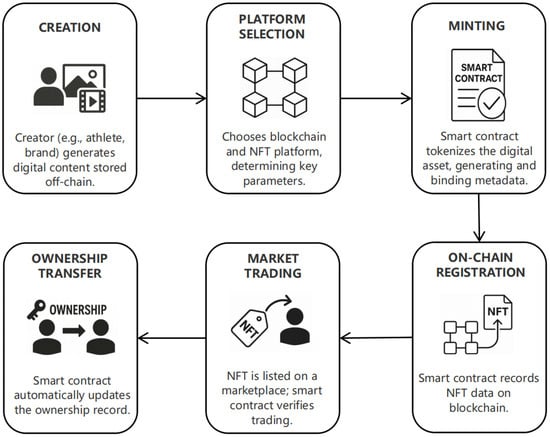
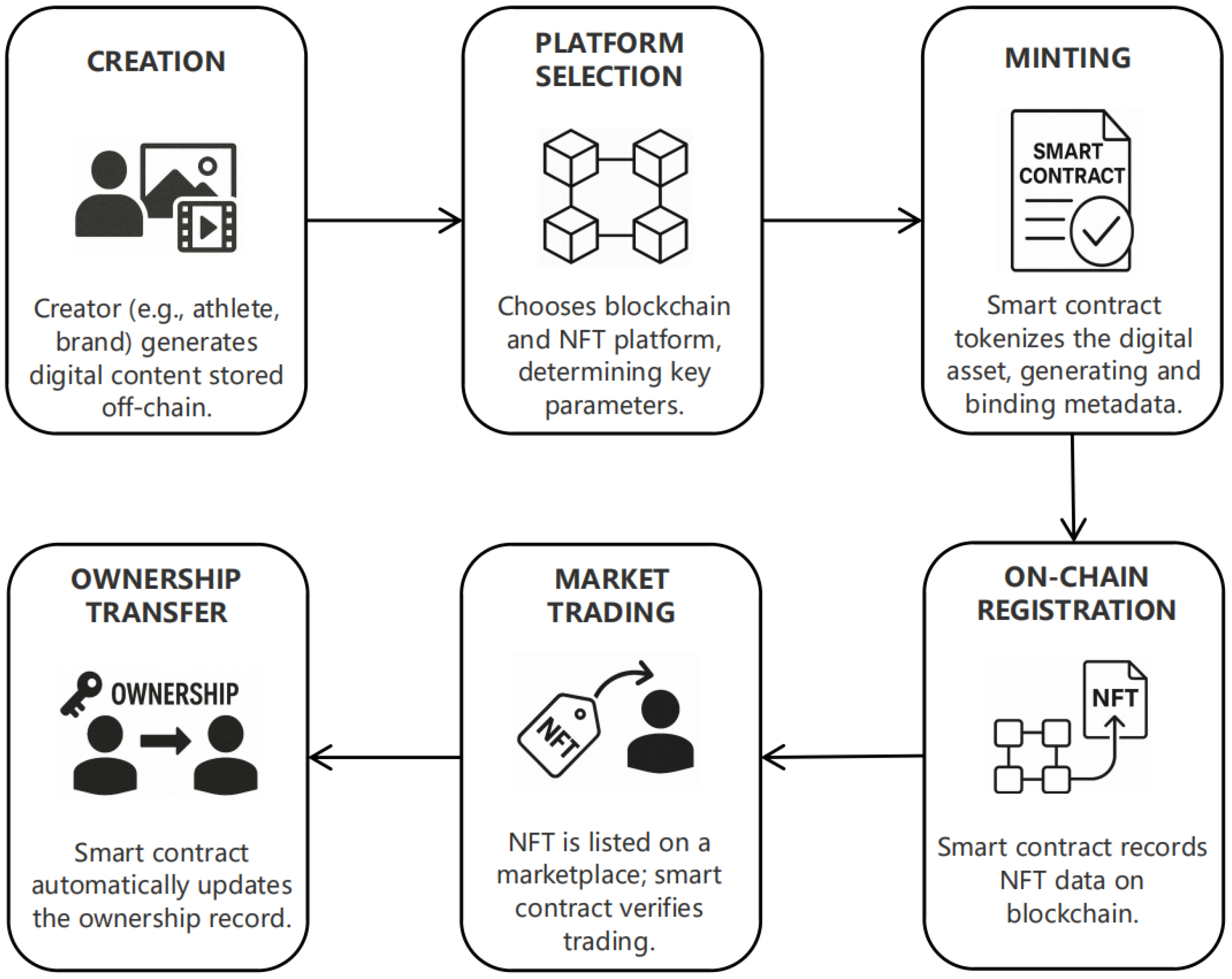
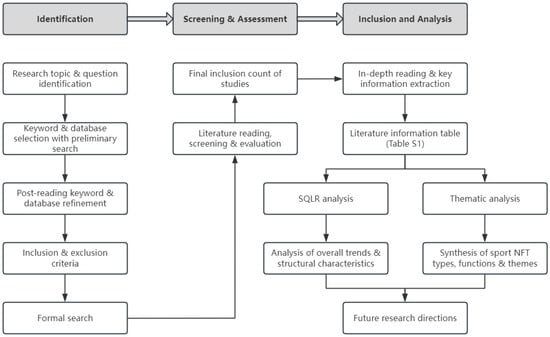
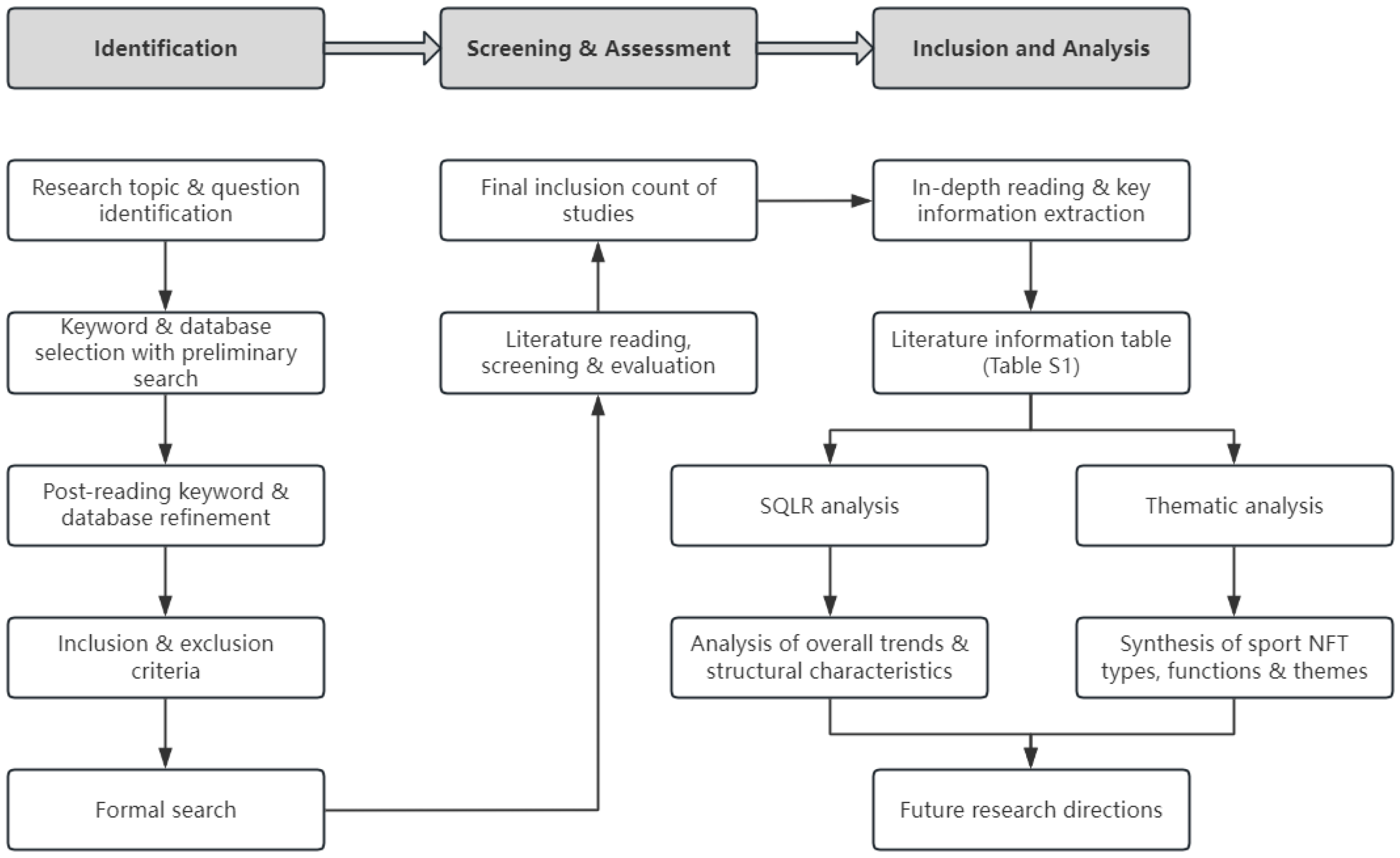
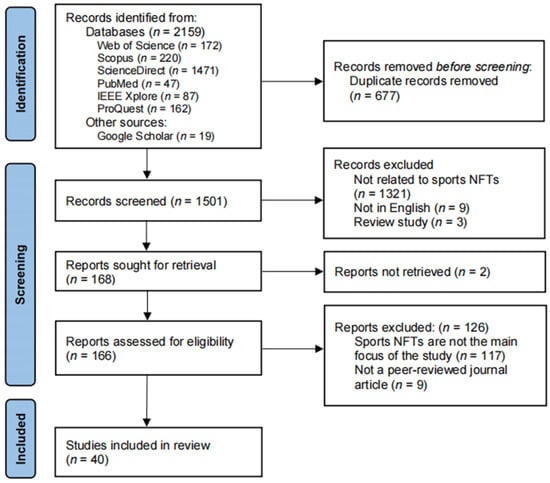
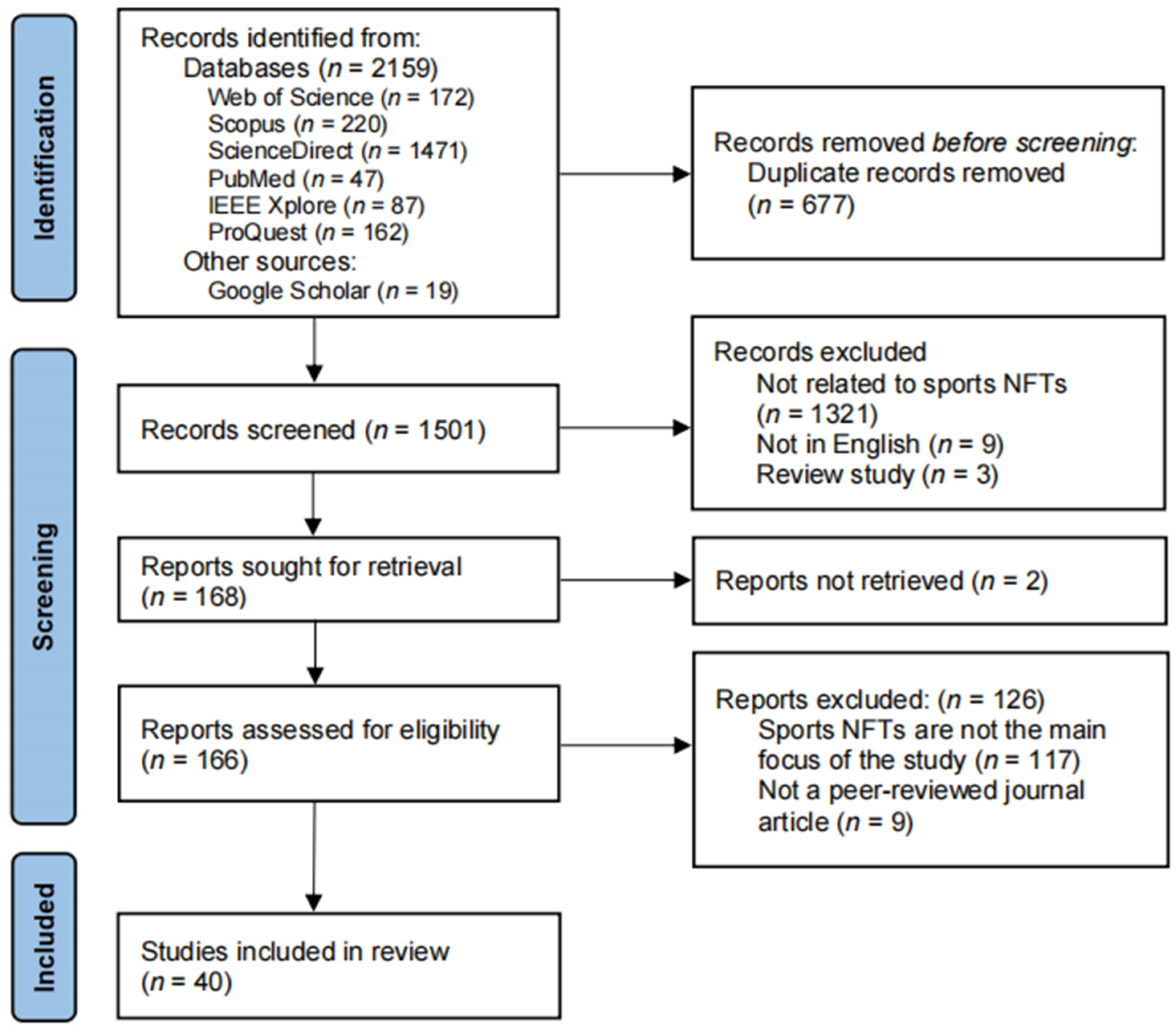
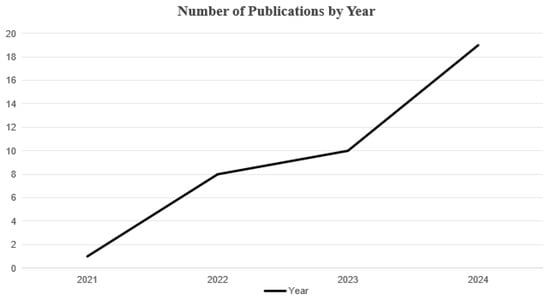
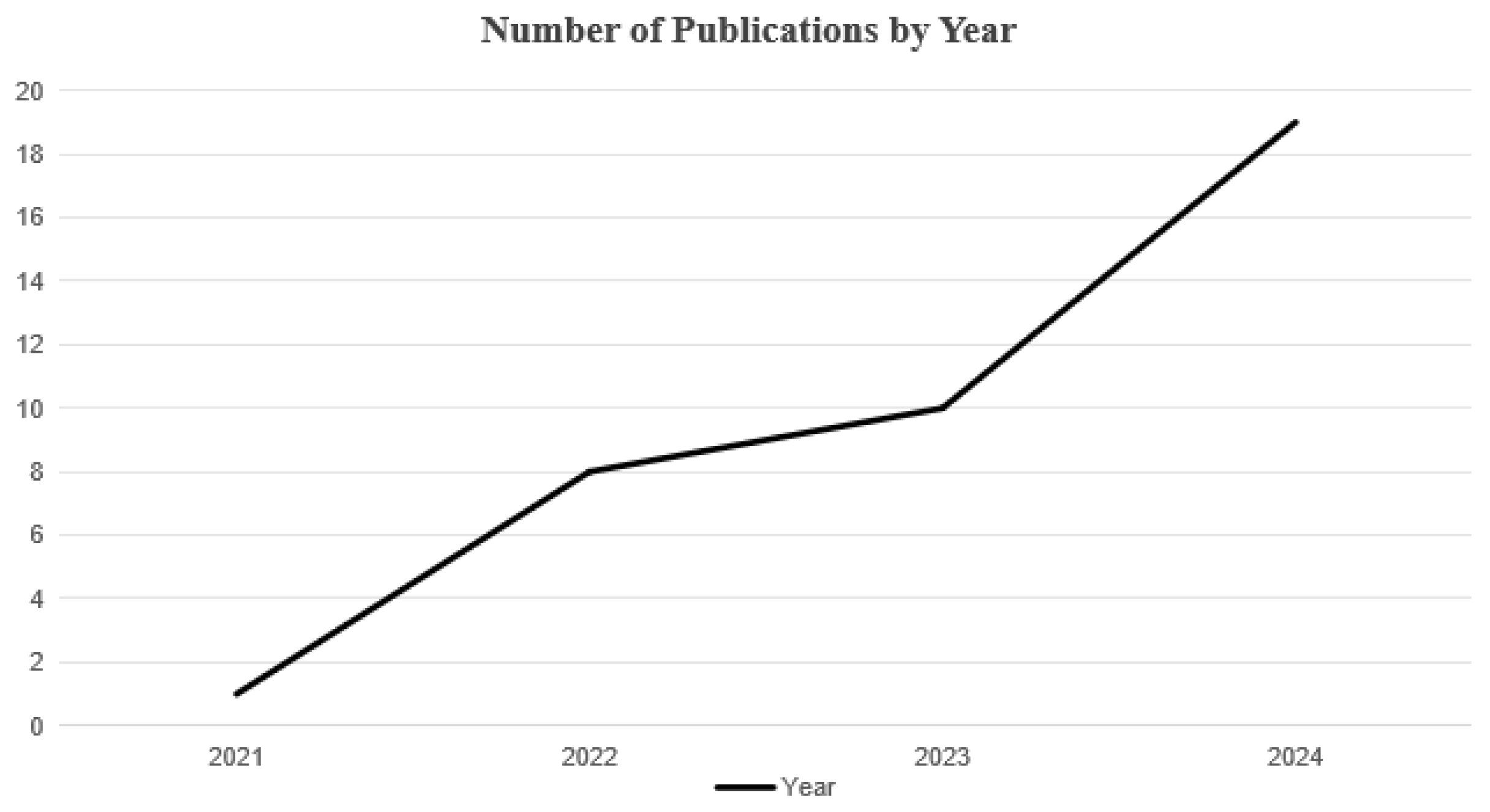
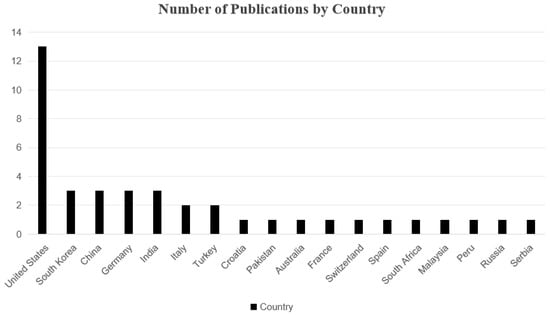
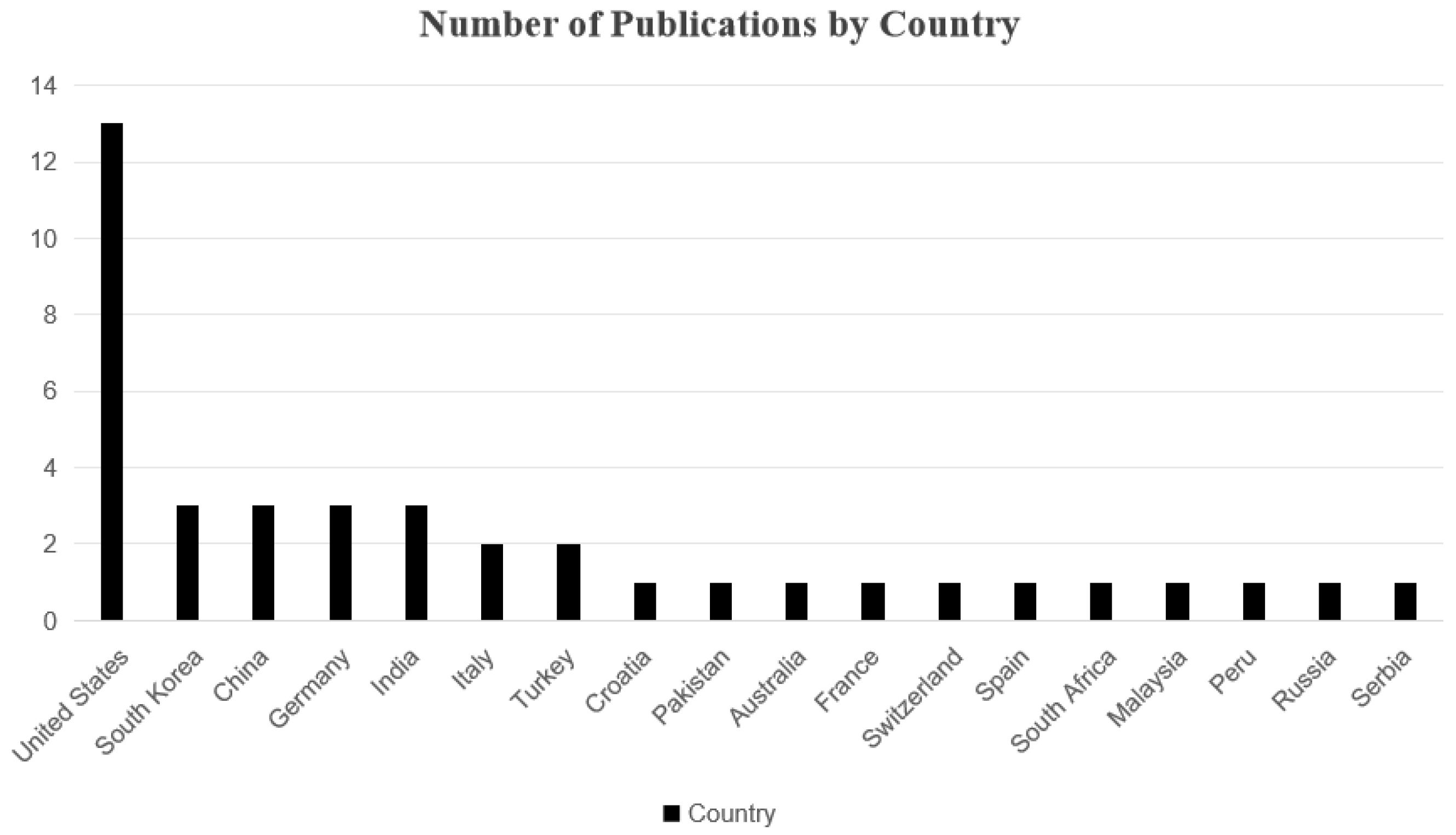
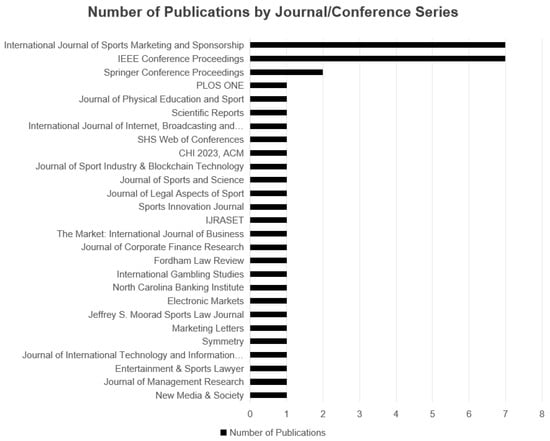
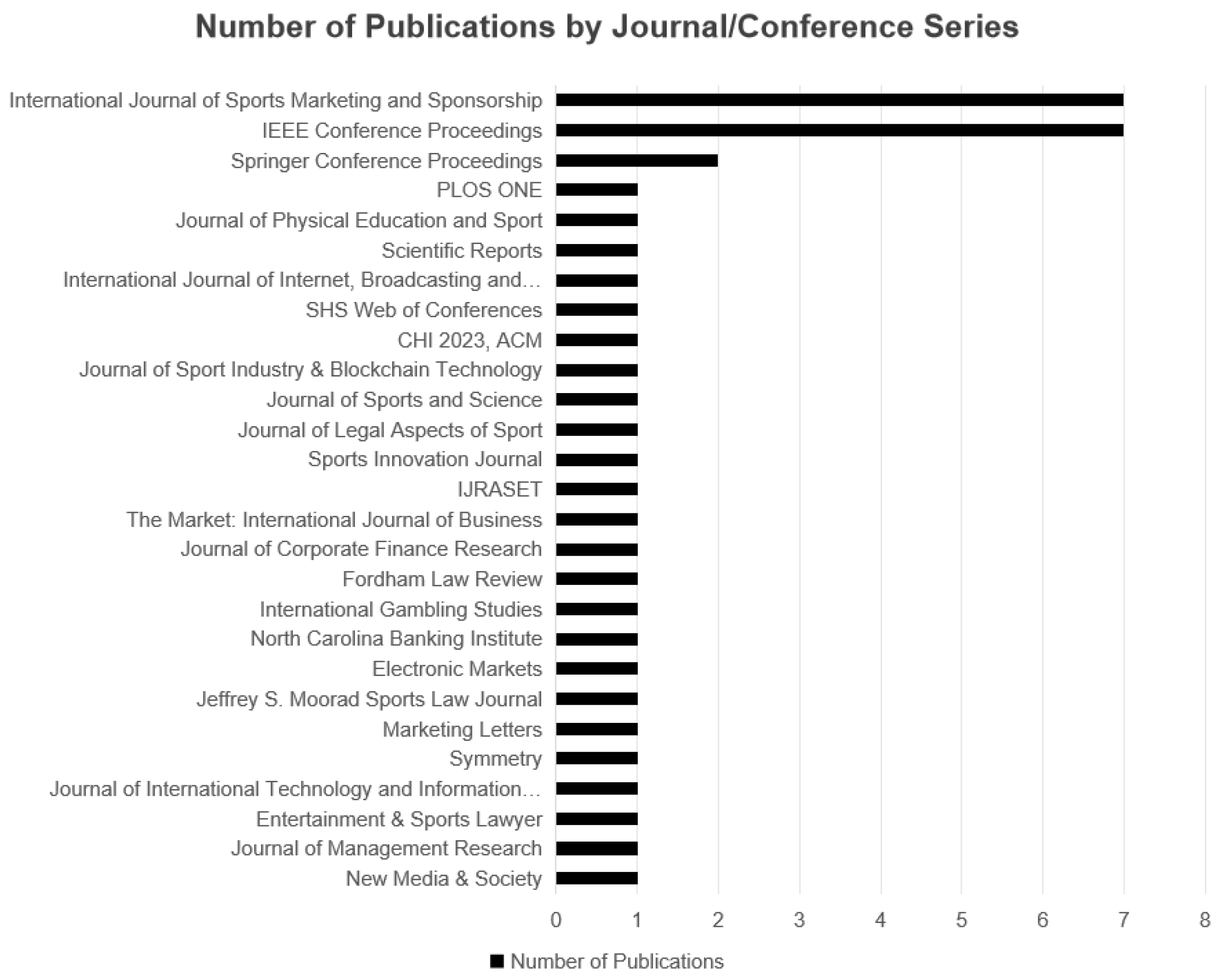
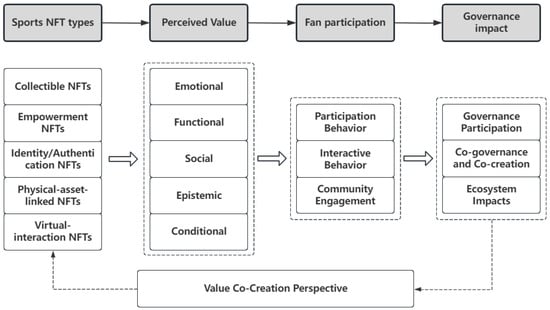
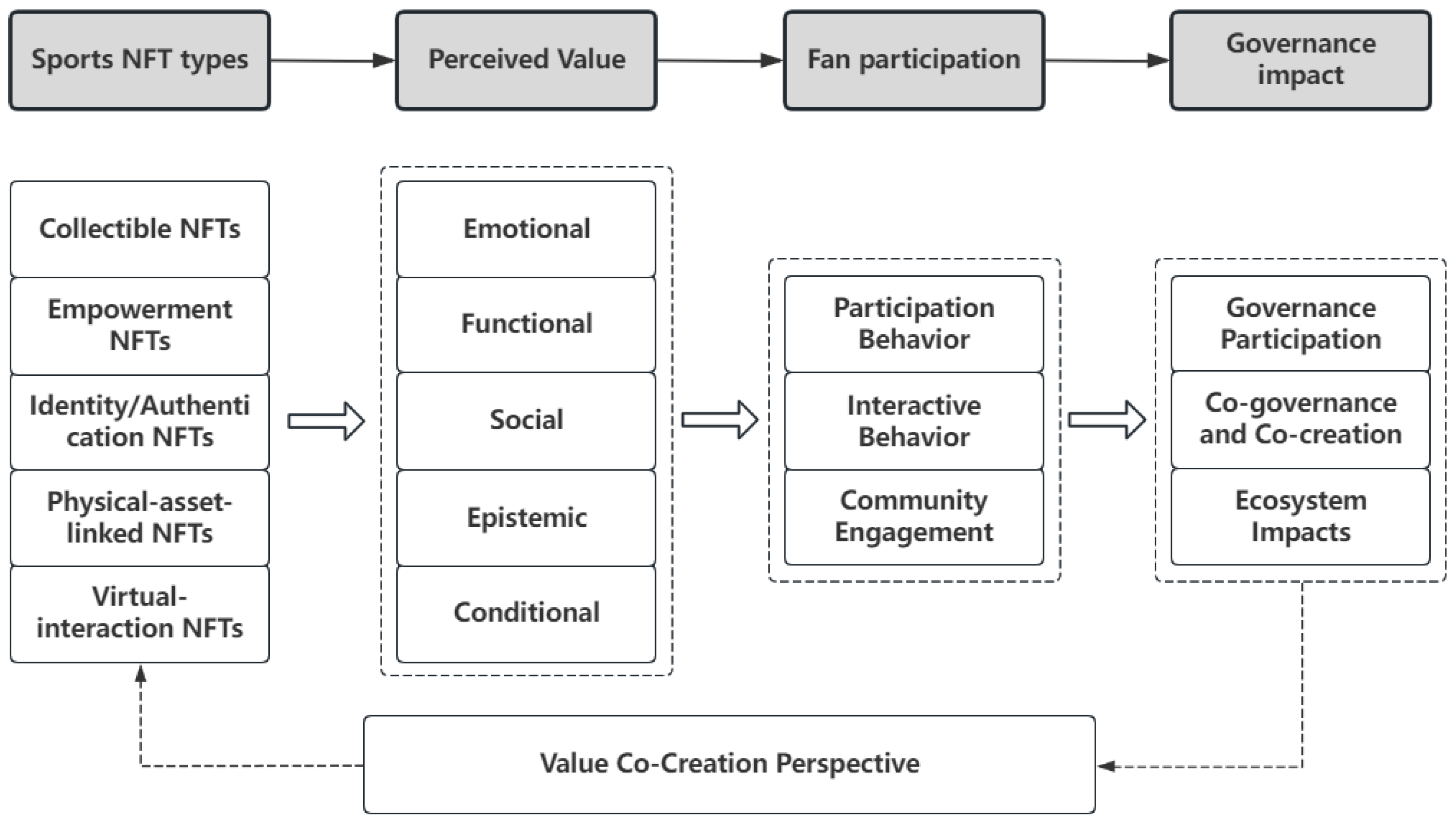

Disclaimer/Publisher’s Note: The statements, opinions and data contained in all publications are solely those of the individual author(s) and contributor(s) and not of MDPI and/or the editor(s). MDPI and/or the editor(s) disclaim responsibility for any injury to people or property resulting from any ideas, methods, instructions or products referred to in the content. |
© 2026 by the authors. Licensee MDPI, Basel, Switzerland. This article is an open access article distributed under the terms and conditions of the Creative Commons Attribution (CC BY) license.