Article

Cross-Regional Robustness of Servant Leadership in NGOs: Evidence from Latin America and Africa

College of Management, National Sun Yat-sen University, Kaohsiung 804, Taiwan, ROC
Adm. Sci. 2026, 16(5), 230; https://doi.org/10.3390/admsci16050230
Submission received: 6 April 2026 / Revised: 1 May 2026 / Accepted: 6 May 2026 / Published: 14 May 2026

Abstract

Servant leadership is widely conceptualized as an effective model for nonprofit and project-based organizations, yet systematic evidence on whether its relationships with team processes and project success remain similar across regional NGO contexts is limited. This paper examines that question in two NGO groupings, Latin America and Africa, by combining moderated regression, measurement invariance testing, and multi-group structural equation modeling. The results show that servant leadership positively predicts team identification and team climate in both regional samples, with positive bootstrapped indirect effects in both groups. At the same time, the cross-group structural comparison is not statistically significant ( p = 0.072 ), the total effects are similar across groups ( 0.755 in Latin America and 0.757 in Africa), and the free structural SEM shows only adequate fit ( R M S E A = 0.095 ). Accordingly, the findings are more consistent with a broadly similar cross-regional pattern than with strong evidence of major regional divergence, but they should be interpreted cautiously in light of partial scalar invariance and sample limitations.
JEL Classification:
M14; L31; M12; D23

1. Introduction

Servant leadership is an increasingly prominent approach in NGO management research because it integrates ethical stewardship and follower development with mission alignment in resource-constrained environments (Kenion, 2024; Madanchian, 2025; Roberts, 2021). In project-based organizations, the demand for this leadership style is acute: leaders must provide high levels of interpersonal support while navigating complex coordination tasks under high accountability and scarcity (de Souza Sant’Anna, 2024; Mulinge, 2020; Okon et al., 2024). This challenge is especially salient in NGO settings in Latin America and Africa, where mission delivery often depends on dispersed project teams, constrained resources, and sustained cooperation across demanding implementation environments. Consequently, academic literature often treats the benefits of servant leadership as a broadly desirable leadership resource in such settings.
Latin America and Africa provide theoretically meaningful contexts for examining NGO leadership because civil society organizations in both regions operate at a substantial scale while facing persistent resource and governance constraints (World Bank, 2024). In Latin America, civil society is deeply embedded in national contexts, with Chile reporting approximately 650 organizations per 100,000 citizens and Mexico maintaining more than 46,000 active registered organizations, suggesting a dense institutional presence in service delivery and civic engagement (GivingTuesday Data Commons, 2024). In Africa, Kenya reports approximately 12,000 registered NGOs, while South Africa records more than 214,000 nonprofit entities, indicating that nonprofit actors also occupy a significant developmental role across diverse governance environments (Public Benefit Organizations Regulatory Authority, 2024). Across both regions, these organizations frequently deliver health, education, environmental, youth employment, and community development services under conditions of donor dependency, staff turnover, and accountability pressure (Forus International, 2024). Such conditions increase the relevance of leadership approaches that foster trust, cohesion, and commitment within mission-driven teams.
However, systematic cross-regional evidence remains limited. Management research indicates that leader behaviors are filtered through regional and cultural contexts, which can alter the pathways through which leadership influences motivation and performance. In the NGO sector, this is a critical distinction because project success is heavily dependent on relational mechanisms such as team identification and team climate (He, 2023; Passmore et al., 2025). Two competing expectations therefore remain plausible. One view treats servant leadership as a relatively portable mechanism because its follower-centered logic should strengthen belonging, support, and coordination across settings. The other view expects these relationships to vary because regional context can shape how leadership behaviors are interpreted, how team relations are structured, and how success is pursued.
This study addresses that gap by examining whether the relationships among servant leadership, team identification, team climate, and project success show a broadly similar pattern across two NGO groupings, Latin America and Africa. These two regional categories are substantively relevant because both contain large NGO sectors and major project-based development activity, while also encompassing heterogeneous institutional and cultural conditions that make a simple assumption of uniform leadership effects difficult to justify. The central research question is therefore whether servant leadership shows comparable direct and indirect relationships with project success across these two regional samples, or whether the evidence points to more meaningful divergence.
The comparison is also managerially relevant. NGO leaders, project coordinators, and funders regularly make decisions about leadership development, team design, and project oversight without much evidence on whether leadership mechanisms travel similarly across regional contexts. By evaluating whether servant leadership is associated with similar team-process pathways in Latin America and Africa, this study offers a more administratively useful basis for judging which claims appear cross-regionally durable and which should remain context-sensitive.
The paper makes three primary contributions. First, it establishes the direct association between servant leadership and project success in both regional samples. Second, it investigates whether team identification and team climate show similar mediating roles across the two groups. Third, it provides a formal but cautious test of cross-group structural similarity across Latin America and Africa. This approach contributes to the discourse on servant leadership boundary conditions (Farooq & Tripathi, 2024; Ren & Shen, 2024) while avoiding the stronger assumption that non-significant differences automatically imply full equivalence across contexts.
The article is organized into six sections. Section 2 develops the theoretical framework and hypotheses. Section 3 details the data, measures, and analytical strategy. Section 4 presents the empirical findings. Section 5 discusses the implications of the results. Section 6 concludes with a synthesis of theoretical and practical implications, limitations, and future research directions.

2. Theoretical Framework, Literature Review, and Hypothesis Development

This section develops the theoretical basis for the study in a cascading structure. It first establishes the dual theoretical anchors of Servant Leadership Theory (SLT) and Social Identity Theory (SIT), then traces the causal chain from servant leadership to team climate and team identification, and finally clarifies how those team-referent processes shape project success in NGO settings. The section ends by translating that integrated framework into the study’s hypotheses and cross-regional research questions.

2.1. Theoretical Anchors: Servant Leadership Theory and Social Identity Theory

2.1.1. Servant Leadership Theory

Servant leadership is grounded in the principle that leaders exist primarily to serve the needs of followers, fostering autonomy, development, ethical conduct, and long-term growth rather than merely exercising positional authority (Adams et al., 2025; Spears, 2005). In operational terms, servant leadership combines service, empowerment, listening, respect, accountability, and principles-based decision making. These features make it particularly relevant in NGO contexts, where missions are oriented toward community benefit, where teams often include volunteers alongside paid staff, and where leaders must sustain motivation under conditions of uncertainty and resource scarcity (Aboramadan et al., 2022; Cheruiyot & Venter, 2024).
The NGO literature suggests that servant leadership is well suited to mission-driven work because it aligns ethical responsibility with empowerment-oriented management (Min et al., 2024; Ren & Shen, 2024; Roberts, 2021). While prior research notes that follower-centered orientations may face different coordination demands across settings (Jones, 2019; Rosado-May et al., 2023), the core tenets of development and trust remain central to NGO performance. This study examines how these tenets translate across diverse regional contexts.

2.1.2. Social Identity Theory

Social Identity Theory (SIT; Tajfel & Turner, 2001, 1979) provides the psychological scaffolding that explains how servant leadership affects team behavior. SIT holds that individuals derive part of their self-concept from group memberships and are motivated to act in ways that protect and enhance those memberships (Steffens et al., 2021). This theory is particularly useful here because it explains how leadership behavior becomes consequential only when followers interpret it through a group-based lens. In other words, SIT shifts the analysis from what leaders do to how followers translate those behaviors into belonging, cooperation, and sustained effort. That emphasis is especially important in NGO and project settings, where coordination depends heavily on shared purpose rather than on formal authority alone (He, 2023; Orekoya, 2024).
Two SIT-relevant constructs are central to this study. Team identification refers to the emotional and psychological attachment individuals feel toward their team and the extent to which team membership becomes part of their self-definition (Brown & Pehrson, 2019; Doosje et al., 1995; Mael & Tetrick, 1992). Team climate refers to the perceived quality of the team’s working environment, including trust, reflexive evaluation, communication, and mutual support (Figl & Saunders, 2011; Passmore et al., 2025; West & Altink, 1996). The distinction matters theoretically. Team identification concerns who we believe we are together; team climate concerns how working together is experienced. The first is a self-definitional bond, whereas the second is an evaluative perception of the interaction environment. They may covary, but they need not operate through the same mechanism or with the same regional sensitivity.

2.1.3. The Integration of SLT and SIT

SLT and SIT provide a more complete explanation together than either theory can provide alone. SLT specifies the leadership behaviors that shape the social environment: service, empowerment, humility, ethical conduct, and inclusive participation. On its own, however, SLT says less about the follower-side psychological mechanism through which those behaviors become collective performance conditions. SIT fills that gap by explaining how followers interpret leadership signals in identity terms. When leaders act in follower-centered and fairness-enhancing ways, members are more likely to see the team as meaningful, inclusive, and worth investing in; this strengthens identification and can also improve how the interaction climate is perceived (Minh Little & Martens, 2024; Steffens et al., 2021). Conversely, SIT on its own explains why group attachment matters, but it is less specific about which leadership behaviors are most likely to activate that attachment in NGO settings. The integration is therefore analytically useful because SLT explains the leadership input, while SIT explains the follower-level translation process.
This joint framework is especially applicable in NGO project settings. NGOs depend heavily on shared mission, discretionary effort, and sustained coordination under resource constraints. In such settings, leadership is unlikely to influence outcomes only through formal control. Rather, its effects should be visible through the extent to which leaders cultivate follower identification with the team and a work climate that supports communication, reflection, and mutual commitment.

2.2. Servant Leadership as Antecedent: Effects on Team Climate and Team Identification

The first theoretical step is to establish servant leadership as an antecedent to team climate and team identification, while also keeping those two mechanisms conceptually distinct.

2.2.1. Servant Leadership and Team Climate

Team climate reflects a perceived work environment characterized by psychological safety, reflexive evaluation, open communication, and support (Passmore et al., 2025). Servant leadership should strengthen this climate because follower-oriented leaders create conditions in which members expect to be heard, respected, and supported rather than merely directed (Aboramadan et al., 2022). This pathway is environmental rather than self-definitional: the claim is not that members necessarily incorporate the team into the self, but that they perceive the team’s interaction norms as more constructive. In NGO settings, where coordination demands are high and formal systems are often stretched, such a climate should facilitate collaborative problem solving and sustained engagement (Palumbo, 2016; Ren & Shen, 2024).

2.2.2. Servant Leadership and Team Identification

Servant leadership should also strengthen team identification, but through a different mechanism. By fostering inclusion, dignity, and value alignment, servant leaders provide followers with a basis for incorporating team membership into their self-concept (Men et al., 2022; Randel et al., 2018). This pathway is relational and symbolic rather than environmental: it concerns whether members come to see the team as part of who they are. That distinction is vital in NGOs, where mission congruence often drives sustained effort beyond formal incentives. When leaders prioritize shared development and purpose, members are more likely to identify with the team, thereby increasing commitment and discretionary effort (Ahmad et al., 2022; Turner & Reynolds, 2010).

2.3. Project Success in NGOs: Direct and Mediated Effects

2.3.1. Project Success in NGO Settings

Project success in NGOs is multidimensional, encompassing time, budget, and quality alongside long-term impact, community ownership, and sustainability (Baccarni, 2022; Ika, 2012; Tesfahun & Shete, 2017). This broader structure makes leadership consequential, because success depends not only on task completion but also on alignment, cooperation, and sustained social legitimacy under resource constraints.

2.3.2. Direct and Mediated Pathways

The literature supports two primary claims. First, servant leadership has a plausible direct association with project success because stewardship, ethical consistency, and transparent communication can help teams remain adaptive and coordinated (Aboramadan et al., 2022; Peng et al., 2023; Ren & Shen, 2024). This argument is narrower than a generic leadership-performance claim: the emphasis here is not on leadership in the abstract, but on the specific follower-centered features of servant leadership that may be especially valuable in mission-driven work. Second, SIT implies that servant leadership should also operate indirectly through team climate and team identification. Team climate enables constructive coordination and ongoing adjustment (Dekoulou et al., 2023; Kaya & Karatepe, 2020), while team identification increases the likelihood that members internalize team goals and sustain discretionary effort (Brown & Pehrson, 2019; Gormezoğlu, 2024).
The key theoretical issue is whether this servant-leadership process shows a broadly similar pattern across regional contexts. The direct path and the mediated paths need not be equally stable. Regional context could matter for the immediate servant leadership–project success link, for the identity-formation pathway, for the climate pathway, or for the overall indirect process. The hypotheses and research questions that follow separate these possibilities rather than collapsing them into a single omnibus comparison.

2.4. Hypotheses

The analysis begins with three expectations about the basic leadership process and then turns to four cross-regional questions about where similarity or divergence may be most visible. The aim is not to assume full invariance in advance, but to distinguish direct, identity-based, climate-based, and overall mediated comparisons across the two regional samples.
  • H1: Servant leadership is positively associated with project success in NGO settings ( β > 0 ).
  • H2: Team identification mediates the relationship between servant leadership and project success, such that the indirect effect is positive (indirect effect > 0 ).
  • H3: Team climate mediates the relationship between servant leadership and project success, such that the indirect effect is positive (indirect effect > 0 ).
  • RQ4: Does the direct relationship between servant leadership and project success show a broadly similar pattern across Latin America and Africa, or does the immediate outcome link appear regionally differentiated?
  • RQ5: Does the servant leadership–team identification relationship show a broadly similar pattern across Latin America and Africa, or does the identity-formation pathway appear regionally differentiated?
  • RQ6: Does the servant leadership–team climate relationship show a broadly similar pattern across Latin America and Africa, or does the perceived team-environment pathway appear regionally differentiated?
  • RQ7: Do the overall indirect effects of servant leadership on project success through team identification and team climate show a broadly similar pattern across Latin America and Africa, or does the mediated process appear regionally differentiated?
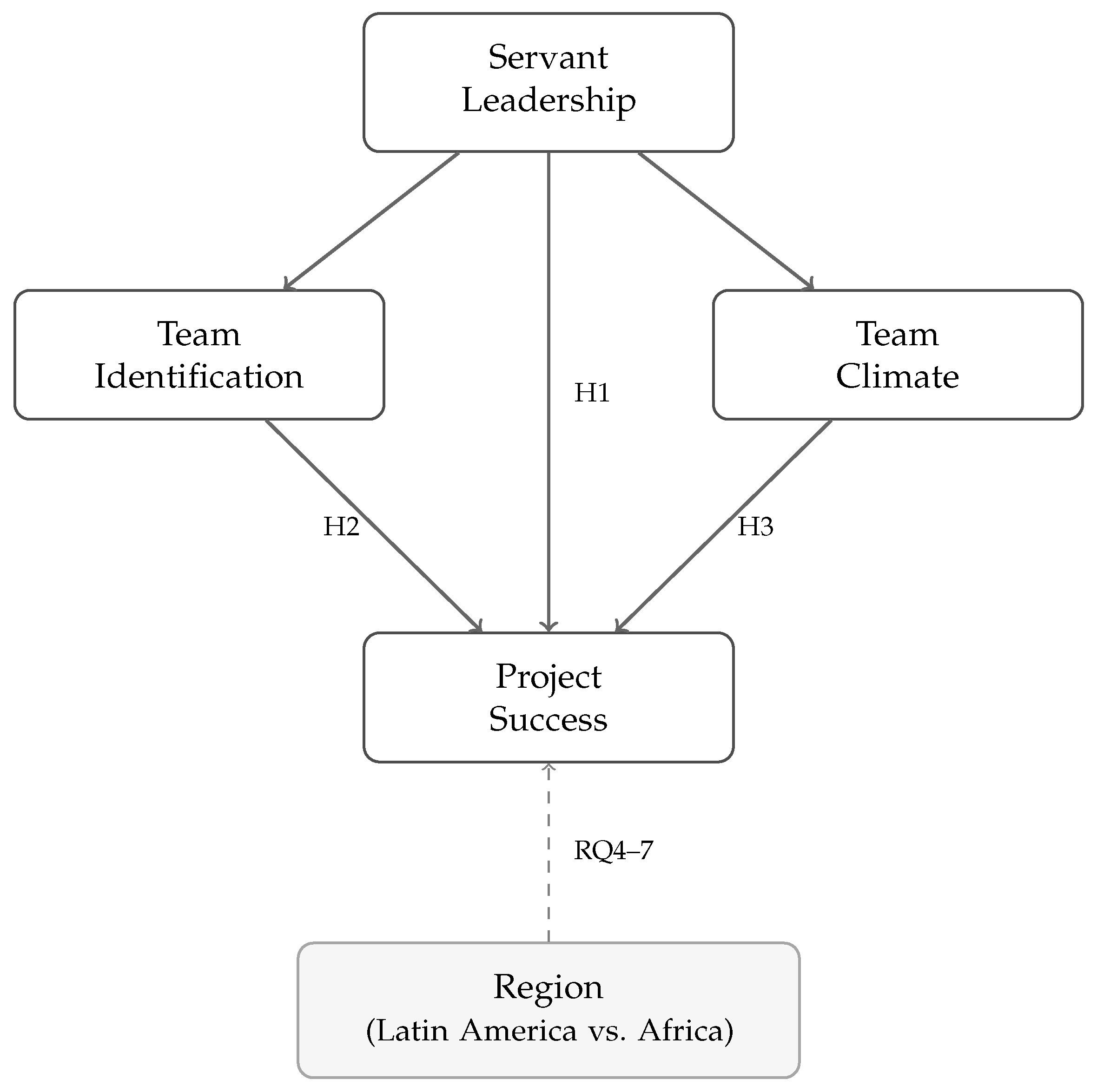
Figure 1 summarizes the conceptual framework used in the paper.

3. Methodology

3.1. Data Collection and Sample

This study draws on a secondary dataset archived on the Harvard Dataverse (Mombeuil et al., 2023), originally gathered to examine servant leadership effects in NGO contexts. The present article is therefore a secondary analytical use of an archived dataset rather than a newly fielded matched comparative design built specifically for this manuscript. Data were collected between March and July 2021 using structured self-administered questionnaires distributed through NGO project coordinators in each region, with collection staggered by one month per geographic region to reduce temporal confounding. The archived file includes a regional coding structure that distinguishes Latin America and Africa, which makes a two-group comparison possible, but the available data do not include the richer country-level institutional indicators that would be needed for a more granular regional design. The individual participant serves as the unit of analysis and the empirical design is structured as a two-group regional comparison.
Participants were included if they were active members of an NGO project team at the time of data collection, had at least three months of tenure in their current project role, and were not serving as project managers (who were excluded to maintain a consistent follower-level perspective across both regions). The final sample comprises 451 NGO project participants spanning two regions, Latin America ( n = 276 , 61.2%) and Africa ( n = 175 , 38.8%), across sectors including environmental projects (20.2%), healthcare (14.6%), and community development (16.9%), among others. The remaining participants include volunteers ( n = 109 ) and direct project employees, NGO managers, and other non-managerial personnel ( n = 342 ). Full sample and sector breakdowns are provided in Appendix A.

3.2. Measures

Project success is measured with nine items reflecting budget, time, quality, long-term impact, stakeholder involvement, community ownership, monitoring, sustainability, and local satisfaction (Ika, 2012); these items were adopted verbatim from Ika (2012). Servant leadership is measured with 13 items adopted from the established servant leadership scale of Liden et al. (2008). Team identification is measured with six items adopted from Mael and Tetrick (1992) and Doosje et al. (1995), capturing belonging, pride, and attachment to the team. Team climate is measured with six items adopted from West and Altink (1996) and Figl and Saunders (2011), capturing communication, reflection, challenge, and collaborative learning. All items utilize seven-point Likert scales. In substantive terms, team identification refers to the individual’s psychological attachment to the team, whereas team climate refers to the individual’s perception of how the team functions as a social and work environment. The two constructs are therefore related but not interchangeable.
Consistent with prior research using individual respondents to capture team-referent attitudes and climate judgments, team identification and team climate are treated as individual-level perceptions (He, 2023; Passmore et al., 2025). These constructs represent perceived team conditions as experienced by the individual respondent. In this dataset, these measures are analyzed as individual-level perceptions rather than aggregated team scores, so the interpretation of the findings remains at the perceptual individual level even when the constructs themselves refer to team experience.
For the regression analyses, composite variables are used for servant leadership, team identification, and team climate, while project success is computed as the mean of the nine project-success items. For the SEM analyses, item parcels are formed to produce three indicators per latent construct using an item-to-construct balance approach. Parceling was used to stabilize the multi-group SEM, reduce indicator complexity, and maintain a manageable measurement model given the regional subgroup sizes. At the same time, parceling is not costless: it can improve estimation stability while making item-level noninvariance less visible. The approach should therefore be understood as a pragmatic modeling choice rather than as a claim that the underlying item structure is identical in every respect across groups. Servant leadership parcels are assigned as ( 1 , 4 , 7 , 10 , 13 ) , ( 2 , 5 , 8 , 11 ) , and ( 3 , 6 , 9 , 12 ) ; team identification parcels as ( 1 , 4 ) , ( 2 , 5 ) , and ( 3 , 6 ) ; team climate parcels as ( 1 , 4 ) , ( 2 , 5 ) , and ( 3 , 6 ) ; and project-success parcels as ( 1 , 4 , 7 ) , ( 2 , 5 , 8 ) , and ( 3 , 6 , 9 ) . Confirmatory factor analysis confirmed acceptable convergent validity, with Average Variance Extracted (AVE) exceeding 0.50 and composite reliability (CR) exceeding 0.70 for all constructs (Fornell & Larcker, 1981). Full item wordings and supplementary statistical outputs are provided in Appendix A.

3.3. Analytical Strategy

The empirical strategy consists of three parts. First, moderated OLS regressions test whether the association between servant leadership and each outcome differs by region. Three models are estimated with project success, team identification, and team climate as dependent variables. Each model includes servant leadership, region, their interaction, and controls for gender, age, education, and job position. The baseline regression specification is:
Y i = α + β 1 S L i + β 2 R e g i o n i + β 3 ( S L i × R e g i o n i ) + k γ k C o n t r o l k i + ε i
where Y i is project success, team identification, or team climate for respondent i; S L i denotes servant leadership; R e g i o n i is the regional indicator; and k γ k C o n t r o l k i captures the demographic and position controls.
Second, multi-group confirmatory factor analysis evaluates whether the measurement structure is comparable across the two regions. Configural and metric invariance are tested in sequence. Results are interpreted through changes in fit indices to account for the sensitivity of chi-square difference tests to sample size.
Third, multi-group SEM estimates the direct and indirect paths linking servant leadership to project success through team identification and team climate. The structural model is summarized as:
T I i = a S L i + ζ 1 i T C i = b S L i + ζ 2 i P S i = c S L i + d T I i + e T C i + ζ 3 i
where a, b, and c capture the direct effects of servant leadership, and d and e capture the contributions of the mediators to project success. A comparison of the free structural model and the constrained model provides a formal test of path differences between regions.
The SEM path comparisons are conducted under a partial scalar invariance model. After identifying non-invariance in the intercepts for the first two team-climate parcels through score tests, these intercepts were freed. The resulting model improves fit and supports cautious cross-group structural interpretation, but it does not justify treating the two regional groups as fully equivalent at the measurement level.
Finally, three robustness checks confirm the stability of the findings. The team-climate regression is re-estimated without job position to ensure results are not role-dependent, and variance inflation factors are examined for multicollinearity. The invariance sequence is extended from metric to scalar and partial scalar models to verify the consistency of the cross-group comparisons. Additionally, SEM indirect effects are re-estimated using 5000 bootstrap draws.
All inferential tests used α = 0.05 as the significance threshold.
The measurement results indicate that the focal constructs are empirically distinguishable, which reduces but does not eliminate common method concerns in a cross-sectional self-report dataset. This issue is therefore treated cautiously and revisited in Section 6.

4. Findings

4.1. Descriptive Findings

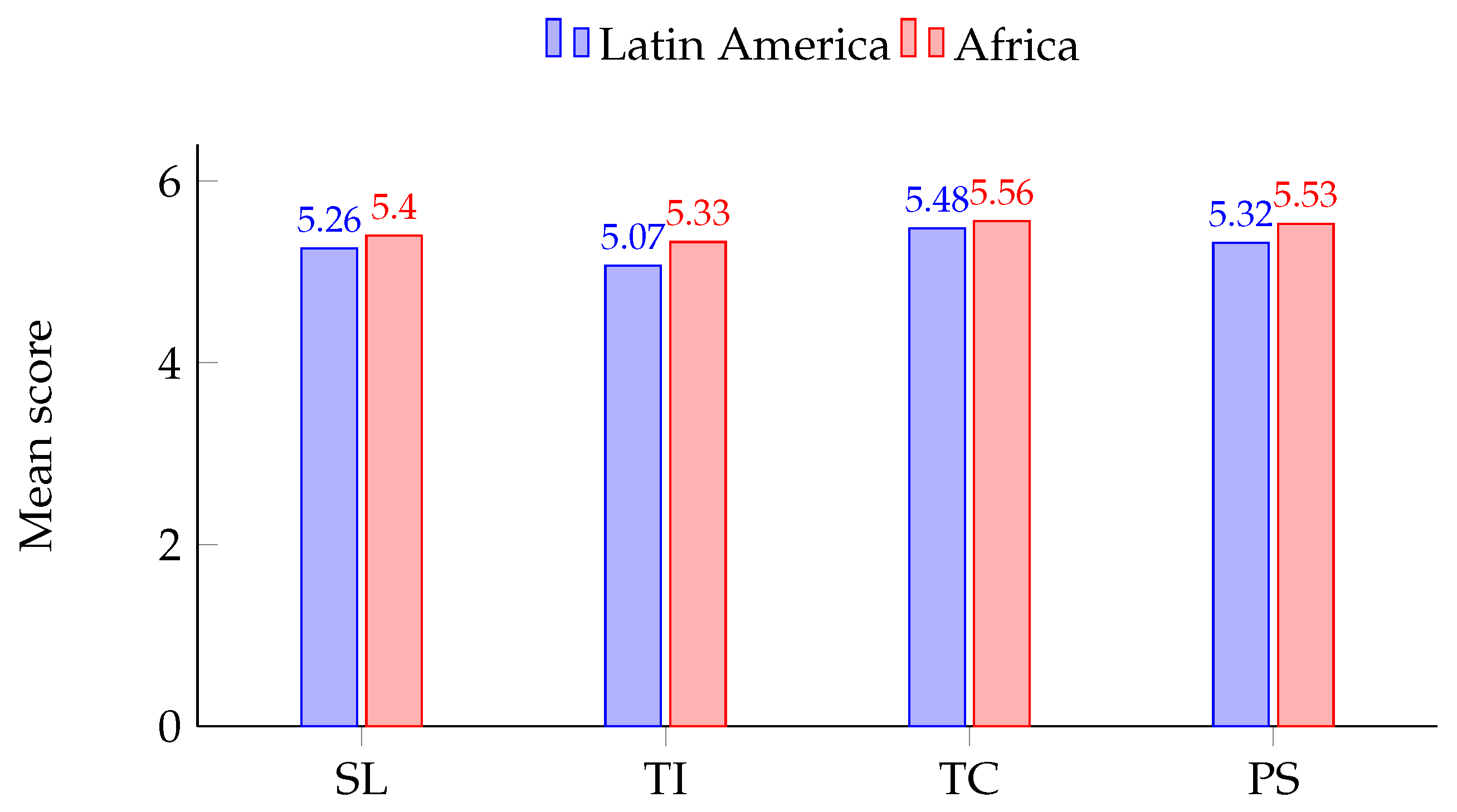
Table 1 reports the core descriptive results by region, with Figure 2 providing a visual comparison of the composite means across constructs. Mean scores are slightly higher in Africa than in Latin America for servant leadership, team identification, team climate, and project success. Simple independent-samples t-tests show that the regional differences are not uniform across constructs. The servant leadership difference is small and not statistically significant ( p = 0.194 , Cohen’s d = 0.12 ), and the same is true for team climate ( p = 0.466 , d = 0.07 ). By contrast, team identification is moderately higher in Africa ( p = 0.006 , d = 0.26 ) and project success is also higher in Africa, though with a small effect size ( p = 0.022 , d = 0.21 ). These comparisons add descriptive texture, but the effect sizes remain modest and should not be treated as substitutes for the multivariate results.

4.2. Moderation Regressions

Table 2 presents the regression results. Servant leadership positively predicts project success, team identification, and team climate in the pooled sample. This provides support for the basic expectation that servant leadership is beneficial in NGO project settings. However, the interaction terms between servant leadership and region are not significant in any of the three models. Specifically, the servant leadership × Africa interaction is non-significant for project success ( p = 0.468 ), team identification ( p = 0.862 ), and team climate ( p = 0.686 ). These results do not provide regression-based evidence of regional interaction, and RQ4–RQ6 are therefore addressed descriptively rather than inferentially.

4.3. Measurement Invariance

The multi-group CFA results, summarised in Table 3, indicate that the basic four-factor measurement structure is acceptable in both regions. The configural model fits reasonably well ( C F I = 0.971 , T L I = 0.960 , R M S E A = 0.074 , S R M R = 0.039 ). When factor loadings are constrained equally across groups, model fit declines slightly ( C F I = 0.967 , T L I = 0.958 , R M S E A = 0.077 , S R M R = 0.066 ). The chi-square difference test is statistically significant ( Δ χ 2 = 25.84 , Δ d f = 8 , p = 0.001 ), but the change in CFI is only 0.004, which supports cautious acceptance of metric invariance.
The full scalar model adds equal intercept constraints and again shows only a modest change in fit ( C F I = 0.964 , R M S E A = 0.077 , S R M R = 0.068 ), although the chi-square difference from the metric model is statistically significant ( p = 0.016 ). Score tests indicated that the most evident non-invariance was concentrated in the first two team-climate parcel intercepts. When those intercepts were freed, the partial scalar model fit well ( C F I = 0.968 , R M S E A = 0.073 , S R M R = 0.066 ) and did not differ significantly from the metric model ( p = 0.884 ). This pattern supports the use of partial scalar invariance for cautious cross-group interpretation.

4.4. Multi-Group Structural Equation Modeling

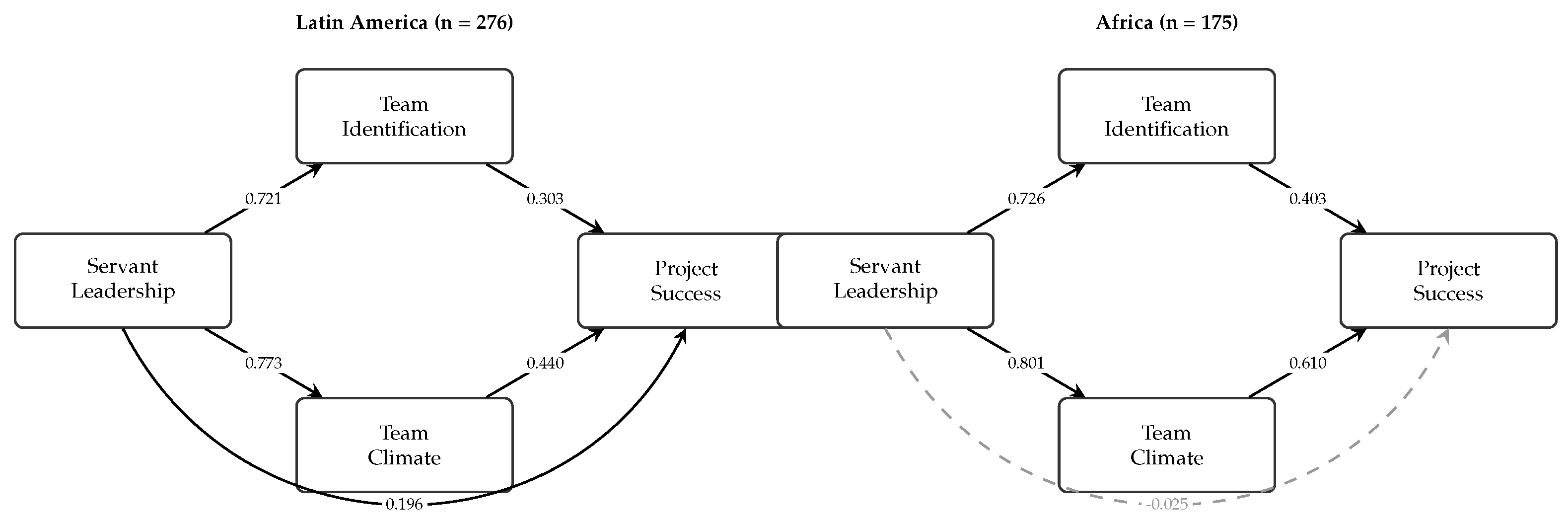
The SEM results, reported in Table 4, reinforce the same general conclusion as the moderation regressions. In both regions, servant leadership strongly predicts team identification and team climate, and both mediators positively predict project success. Bootstrapped indirect-effect estimates based on 5000 draws confirm this mediation pattern. In Latin America, the indirect effect through team identification is 0.187 with a 95% bootstrap CI of [ 0.059 , 0.327 ] , and the indirect effect through team climate is 0.292 with a CI of [ 0.123 , 0.518 ] . In Africa, the corresponding indirect effects are 0.249   [ 0.120 , 0.425 ] through team identification and 0.415   [ 0.192 , 0.821 ] through team climate. Because these intervals exclude zero, H2 and H3 are supported in both regions.
At the same time, the regional comparison does not provide strong evidence that these structural relations differ in a statistically decisive way. In Latin America, the direct effect of servant leadership on project success is positive in sign, but its bootstrap confidence interval includes zero ( e s t . = 0.168 , 95% CI [ 0.042 , 0.327 ] ). In Africa, the direct effect is near zero and also has a confidence interval that includes zero ( e s t . = 0.021 , 95% CI [ 0.447 , 0.193 ] ). The zero-order correlation between servant leadership and project success in Africa remains strongly positive ( r = 0.669 ), and the wider Africa interval mainly reflects the smaller subgroup size and lower precision in that group. The total effect of servant leadership on project success is very similar across the two regions ( 0.755 in Latin America and 0.757 in Africa), and the formal comparison between the free structural model and the equal-regressions model is non-significant ( Δ χ 2 = 10.13 , Δ d f = 5 , p = 0.072 ). Accordingly, the evidence is more consistent with a broadly similar cross-regional pattern than with strong regional divergence, but it should not be read as proof of full equivalence.
The fit of the free structural model also warrants caution. With R M S E A = 0.095 , the model fit is adequate rather than excellent, so the structural path estimates should be interpreted as informative but not definitive. Table 4 reports the full set of standardized path coefficients and bootstrapped indirect effects for both regions; Figure 3 displays these paths visually, with the non-significant direct effect in Africa shown as a dashed arrow.
Taken together, the findings support H1, H2, and H3. RQ4–RQ7 are answered primarily in terms of qualified cross-regional similarity rather than strong cross-regional differentiation. RQ4 is answered cautiously: the direct path from servant leadership to project success does not differ significantly across regions, even though the African coefficient is imprecisely estimated and close to zero. to differ significantly across regions, even though the African coefficient is imprecisely estimated and close to zero. RQ5 and RQ6 point in the same general direction because the servant leadership paths to team identification and team climate remain strong in both groups and do not show significant regression-based interaction by region. RQ7 is likewise answered cautiously: the indirect effects are present in both groups and the omnibus cross-group structural comparison is non-significant ( p = 0.072 ), which is more consistent with a broadly similar pattern than with strong pathway divergence. An additional implication of the invariance results is that the two regions appear to differ somewhat in their baseline interpretation of the first two team-climate parcels. Substantively, this suggests that reflexive and challenge-oriented aspects of climate may not be understood in identical baseline terms across the two regional contexts, even though the broader latent structure remains sufficiently comparable for cautious analysis.

4.5. Robustness Checks

The robustness checks support the stability of the main interpretation while clarifying its limits. The first check re-estimated the team-climate regression without job position. As noted in Table 2, the model R 2 fell from 0.823 to 0.524, indicating that role structure explains a substantial share of the variance in team climate. The additional diagnostics clarify that this is less a case of extreme coefficient inflation than of substantive overlap: the VIF for job position is only 1.96 , but the zero-order correlation between numeric job position and team climate is r = 0.896 ( p < 0.001 ). Importantly, however, the servant leadership × region interaction remained non-significant, so the substantive conclusion about the absence of a strong regional interaction does not depend on the inclusion of job position.
The second check extended the invariance sequence beyond the metric model. The full scalar model showed some strain, but freeing the intercepts of TC_p1 and TC_p2 produced a partial scalar model that fit well and did not differ significantly from the metric model. This suggests that the cross-group comparison is not an artifact of a clearly untenable measurement model, while also reinforcing the need for caution in interpreting regional contrasts as descriptive rather than strongly confirmatory.
The third check increased the bootstrap resampling count for the indirect effects from 1500 to 5000 draws. The percentile confidence intervals changed only modestly, with all lower and upper bounds remaining within ± 0.05 of the original estimates. This indicates that the mediation conclusions are reasonably stable, even though the African subgroup continues to produce visibly wider intervals than Latin America because of the smaller regional sample size.

5. Discussion

5.1. Servant Leadership, Team Processes, and Project Success

The findings establish a clear baseline: servant leadership is strongly and consistently associated with the team-referent relational processes linked to project success in both Latin America and Africa. Servant leadership positively predicts team identification and team climate in both regions, and both mediators are significantly associated with project success. This pattern is consistent with Servant Leadership Theory (Liden et al., 2008), which holds that servant leaders build follower capability and collective commitment through empowerment, ethical behavior, and follower development. The present results extend this logic into cross-regional NGO settings, where resource constraints and mission-driven accountability place particular demands on relational leadership (Aboramadan et al., 2022; de Souza Sant’Anna, 2024).
The mediation pattern is also theoretically coherent from the perspective of Social Identity Theory (Tajfel & Turner, 2001, 1979). SIT predicts that leaders who emphasize shared purpose, belonging, and mutual accountability activate followers’ collective self-concept, motivating discretionary effort and cooperative behavior (Steffens et al., 2021). The significant indirect effects of servant leadership on project success through both team identification and team climate—supported across both regions and confirmed with 5000 bootstrap draws—demonstrate precisely this mechanism. When servant leaders cultivate an environment of inclusion and shared mission, followers are more likely to identify with their team and to perceive the team climate as supportive and reflexive, both of which independently contribute to project outcomes (He, 2023; Passmore et al., 2025).
These findings align with and extend prior single-region and meta-analytic work. Ren and Shen (2024) demonstrate positive links between servant leadership and team performance across organizational contexts, while Madanchian (2025) highlight the motivational role of servant leadership dimensions in project-based work. The present study confirms these associations in NGO settings and goes further by showing that the same broad structural pattern appears in both regional samples, even though the evidence does not warrant a stronger claim of full cross-regional equivalence.

5.2. Qualified Cross-Regional Consistency

The central theoretical contribution of this study is more modest than a claim of cross-regional equivalence. The total effect of servant leadership on project success is very similar across Latin America ( β = 0.755 ) and Africa ( β = 0.757 ), and the omnibus structural comparison between the two groups is not statistically significant ( p = 0.072 ). However, the appropriate interpretation is not that the model proves equivalence. Rather, the present evidence is more consistent with a broadly similar pattern across the two regional samples than with strong evidence of major divergence.
This finding qualifies stronger versions of cultural contingency reasoning in leadership theory (Farooq & Tripathi, 2024). Contingency perspectives predict that leadership effectiveness is moderated by contextual factors including national culture, institutional environment, and organizational type. While such moderation may exist in other settings, the present evidence suggests that some follower-centered mechanisms of servant leadership may remain comparatively stable across these two NGO groupings. That interpretation is more defensible than claiming that contextual differences have been ruled out or that the mechanisms are universally portable in a stronger sense (Orekoya, 2024; Randel et al., 2018).
The pattern of full mediation in the African sample is particularly informative. While the direct path from servant leadership to project success is near zero and non-significant in Africa (Figure 3), the indirect effects through team identification and team climate are strong and well-estimated. This indicates that in the African context, servant leadership reaches project outcomes largely through its capacity to shape team-referent relational conditions as perceived by respondents, consistent with SIT’s emphasis on group-based processes as a primary performance mechanism (Steffens et al., 2021; Tajfel & Turner, 2001). The African result thus does not weaken the argument for servant leadership; it clarifies how servant leadership works in that context.

5.3. The Role of Team Climate and Organizational Structure

Both regions show a strong path from team climate to project success, and this path is numerically larger in Africa ( β = 0.610 ) than in Latin America ( β = 0.440 ). This finding reinforces prior research emphasizing team climate as a critical performance driver in project settings, where reflexive evaluation, open communication, and collaborative commitment translate directly into adaptive problem-solving and stakeholder coordination (Figl & Saunders, 2011; West & Altink, 1996). In resource-constrained NGO environments, a functional team climate may serve as a partial substitute for formal management infrastructure, making it especially consequential for outcomes (Ika, 2012).
However, the robustness checks reveal that team climate perceptions are closely tied to formal job position ( r = 0.896 , p < 0.001 ), indicating that role structure shapes how team members perceive and report their work environment. This is consistent with research showing that hierarchical position influences both access to information and perceptions of organizational climate (Passmore et al., 2025). The implication is that servant leaders seeking to build a positive team climate must also attend to the structural conditions—role clarity, positional equity, and participative norms—that enable all team members, regardless of position, to experience the climate as supportive.

5.4. Measurement Invariance and Analytical Limitations

The partial scalar invariance finding warrants careful interpretation. The intercepts of the first two team-climate parcels were not equivalent across regions, suggesting that reflexive and challenge-oriented aspects of climate carry slightly different baseline meanings in Latin America and Africa. This aligns with cross-cultural research showing that constructs related to open disagreement and critical reflection are more contextually variable than constructs related to trust or belonging (He, 2023). The partial scalar model permits cautious structural comparison, but it also means that claims of full equivalence should be avoided.
The model fit statistic R M S E A = 0.095 indicates adequate but not excellent fit for the free structural model, and the structural path estimates should be treated as theoretically informative rather than definitive. This is an inherent constraint of secondary multi-group SEM with moderate regional sample sizes, and future primary data collection targeting larger and more balanced regional samples would improve estimation precision, particularly for the African subgroup.

6. Conclusions

6.1. Synthesis of Findings

The objective of this study was to evaluate the consistency of servant leadership effects across two distinct regional NGO contexts. The evidence indicates that servant leadership is positively associated with team identification and team climate in both Latin America and Africa, and that these mediators contribute to project success in both samples. Taken together, the results are more consistent with a broadly similar cross-regional pattern than with strong evidence of major divergence. At the same time, the conclusions must remain qualified because the comparison relies on partial scalar invariance, an only adequate free-SEM fit, and uneven subgroup precision.

6.2. Theoretical Implications

This study contributes to leadership and project management research by showing that the core mechanisms linking servant leadership to team conditions and project success appear broadly similar across the regional settings examined. This qualified cross-regional similarity supports a more balanced view of leadership theory generalizability across diverse institutional contexts. The findings suggest that, while context remains relevant, some relational mechanisms of servant leadership may be more stable than strong contingency perspectives imply. Accordingly, the study shifts attention from whether leadership theories are entirely context-bound to which mechanisms appear comparatively stable and which remain more context-sensitive.

6.3. Implications for Policy and Practice

For NGO policy and practice, these findings suggest that leadership development initiatives should prioritise the team processes most closely associated with project success. In the Latin America sample, the results are consistent with the view that servant leadership matters in part because it strengthens both identification and perceived climate alongside a positive direct association with project success. In the Africa sample, the findings suggest a somewhat more mediated pattern, with project success appearing especially tied to team-process pathways rather than to a clearly estimated direct path. Across both samples, creating conditions for reflection, feedback, and mutual commitment was positively associated with successful project outcomes. These implications should be treated as guidance for the two regional groupings studied here rather than as a basis for sweeping prescriptions for all NGO settings or for uniform decisions by headquarters and funders.

6.4. Limitations and Future Research

The findings of this study should be interpreted in light of several limitations. Regarding the sample and geographic scope, the regional variable is restricted to Latin America and Africa, and the regional sample sizes are asymmetric (n = 276 and n = 175, respectively). This asymmetry results in less precise estimates for the African cohort, as evidenced by the wider confidence intervals. Furthermore, regional location serves as an imperfect proxy for deeper cultural mechanisms. The two-region structure of the analyzed file also precludes examination of within-region heterogeneity; future research using country-level identifiers would allow more granular assessment of whether the equivalence finding holds within as well as across regional groupings.
In terms of measurement and modeling, the invariance results are acceptable but suggest caution in direct cross-group comparisons. The structural model fit is adequate but leaves room for improvement, particularly regarding the free structural SEM (RMSEA = 0.095). This indicates that the results should be treated as theoretically informative rather than definitive. Additionally, the cross-sectional and self-reported nature of the data means that common method variance and causal ambiguity cannot be fully eliminated. Finally, the strong association between job position and team climate suggests that the perceived work environment is closely linked to the formal role structure within these organizations, which makes the team-climate pathway substantively important but also analytically less clean than a simple mediator interpretation would imply.
Future research should expand upon these findings in three directions. First, incorporating more granular country- or individual-level cultural measures would enable more precise modeling of contextual effects. Second, longitudinal research designs are needed to test the stability of these direct and indirect pathways over time. Third, future studies should investigate whether the broadly similar pattern observed here extends to other NGO environments and project types beyond the two regions analyzed in this study.


Funding

This research received no external funding.

Institutional Review Board Statement

Not applicable.

Informed Consent Statement

Not applicable.

Data Availability Statement

Data are publicly available at Harvard Dataverse: [Harvard Dataverse] [https://dataverse.harvard.edu/dataset.xhtml?persistentId=doi:10.7910/DVN/CHJHL5 (accessed on 2 April 2026)] [UNF:6:QdJ2n39MIYvgon2Is2wlfg==].

Conflicts of Interest

The author declares no conflicts of interest.

Appendix A. Consolidated Tables

Appendix A.1. Data Collection and Measurement Tables

Table A1. Geographic Region Coding in the Source Files.
RegionValid ResponsesPct.CategoriesPct.
Latin America27661.2%Food security11.9%
Africa17538.8%Water supply, sanitation and hygiene projects7.9%
Total451100.0%Environmental-related20.2%
Health care service14.6%
Community/family-based child development16.9%
Post disaster relief4.7%
Sustainable & affordable construction6.2%
Capability building3.9%
Alternative low-cost energy2.8%
Others11.9%
Note: This table reflects the region coding present in the analyzed dataset. The variable GeographicRegion contains two labeled codes only: 1 = Latin America and 2 = Africa. No additional region codes are present in the analyzed files.
Table A2. Measurements of the Variables via Quantitative Questionnaire.
ConstructQuestionnaire Items
Project Success(1) Comply with the budget; (2) Comply with the expected time; (3) Comply with the quality; (4) Obtain long-term project impact; (5) Stakeholder or partner involvement; (6) Ownership extension to the local community; (7) Monitoring and reporting to stakeholders; (8) Economic sustainability after the project end; (9) Satisfaction of the local community.
Servant Leadership(1) My manager can effectively think through complex problems; (2) My manager has a thorough understanding of our organization and its goals; (3) My manager provides me with work experiences for skill development; (4) My manager holds high ethical standards; (5) My manager is always honest; (6) My manager would not compromise ethical principles for success; (7) My manager values honesty more than profits; (8) I would seek help from my manager for personal problems; (9) My manager cares about my well-being; (10) My manager emphasizes the importance of giving back to the community; (11) My manager is interested in helping people in our community; (12) My manager is involved in community activities; (13) I am encouraged by my manager to volunteer in the community.
Team Identification(1) I see myself as a member of this team; (2) I am pleased to be a member of this team; (3) I feel strong ties with members of my team; (4) I identify with other members of my team; (5) I feel proud to be a member of the project team; (6) The success of the project team is also my success.
Team Climate(1) We always look for different interpretations and perspectives to confront a problem; (2) In our project team, we criticize each other’s work to improve team effectiveness; (3) In our project team, we are prepared to reflect on the way we act; (4) In our project team, we engage in evaluating our weak points in attaining effectiveness; (5) In our project team, we openly challenge each other’s opinions; (6) In our project team, we reassess any proposed solution.
SociodemographicAge, education, job tenure, project size, team size, project type, and NGO type.
Note: All items were measured on a 7-point Likert scale unless otherwise specified.

Appendix A.2. Supplementary Statistical Tables

Table A3. Supplementary Control-Only OLS Regression for Project Success.
VariableCoef.t-Stat
Gender (male)−0.048−1.399
Age0.0090.264
Education0.0250.748
Job Position0.400 ***20.339
Geographic Region0.0521.538
NGO Characteristic−0.014−0.405
Project Characteristic−0.051−1.487
Project Duration0.4301.260
Project Size0.0080.249
Team Size0.000−0.010
_cons3.924 ***49.003
Note: DV = project success. This supplementary table reports a pooled OLS model using control variables only, without servant leadership, team identification, or team climate. *** p < 0.001 .
Table A4. Standardized Confirmatory Factor Analysis Results.
Panel A: Model Fit χ 2 ( 48 ) = 173.172 ***CFI = 0.952TLI = 0.933
RMSEA = 0.076SRMR = 0.039
Panel B: Factor Loadings and Reliability
ItemLoading R 2 mc
Servant Leadership: SL1, SL2, SL30.776, 0.768, 0.6370.602, 0.589, 0.4060.776, 0.768, 0.637
Team Identity: TI1, TI2, TI30.740, 0.457, 0.7580.548, 0.209, 0.5750.740, 0.457, 0.758
Team Climate: TC1, TC2, TC30.785, 0.823, 0.8650.616, 0.677, 0.7480.785, 0.823, 0.865
Project Success: PS1, PS2, PS30.716, 0.778, 0.8140.513, 0.605, 0.6630.716, 0.778, 0.814
Note: Loading = standardized factor loading; R 2 = squared multiple correlation; mc = composite reliability. Retained as a supplementary reference table. *** p < 0.001.

References

  1. Aboramadan, M., Hamid, Z., Kundi, Y. M., & El Hamalawi, E. (2022). The effect of servant leadership on employees’ extra-role behaviors in NPOs: The role of work engagement. Nonprofit Management and Leadership, 33(1), 109–129. [Google Scholar] [CrossRef]
  2. Adams, D., Feng, X., & Omar, I. M. (2025). Review of the knowledge base of servant leadership in higher education research, 1998 to 2023. Journal of Higher Education Policy and Management, 47(6), 629–648. [Google Scholar] [CrossRef]
  3. Ahmad, N., Ullah, Z., AlDhaen, E., Han, H., & Scholz, M. (2022). A CSR perspective to foster employee creativity in the banking sector: The role of work engagement and psychological safety. Journal of Retailing and Consumer Services, 67, 102968. [Google Scholar] [CrossRef]
  4. Baccarni, D. (2022). Critical success factors and performance of NGO education projects in Rwanda. Journal of Entrepreneurship & Project Management, 6(6), 22–35. Available online: https://www.stratfordjournal.org/journals/index.php/journal-of-entrepreneurship-proj/article/download/1319/1672/4101 (accessed on 2 April 2026).
  5. Brown, R., & Pehrson, S. (2019). Group processes: Dynamics within and between groups. John Wiley & Sons. [Google Scholar]
  6. Cheruiyot, R., & Venter, R. (2024). Complex systems and sustainable leadership: Enhancing resilience and sustainability of community-based social enterprises in Soweto, South Africa. Sustainability, 16(19), 8555. [Google Scholar] [CrossRef]
  7. Dekoulou, P., Anastasopoulou, A., & Trivellas, P. (2023). Employee performance implications of CSR for organizational resilience in the banking industry: The mediation role of psychological empowerment. Sustainability, 15(15), 11946. [Google Scholar] [CrossRef]
  8. de Souza Sant’Anna, A. (2024). From leadership to holdership: A paradigm shift in organizational dynamics. Revista Gestão em Análise, 13(1), 143–162. [Google Scholar] [CrossRef]
  9. Doosje, B., Ellemers, N., & Spears, R. (1995). Perceived intragroup variability as a function of group status and identification. Journal of Experimental Social Psychology, 31(5), 410–436. [Google Scholar] [CrossRef]
  10. Farooq, R., & Tripathi, N. (2024). Moderating role of power distance in the relationship between leader-leader exchange (LLX) and knowledge sharing: Is feedback-seeking behavior a missing link? VINE Journal of Information and Knowledge Management Systems, 54(1), 129–156. [Google Scholar] [CrossRef]
  11. Figl, K., & Saunders, C. (2011). Team climate and media choice in virtual teams. AIS Transactions on Human-Computer Interaction, 3(4), 189–213. [Google Scholar] [CrossRef]
  12. Fornell, C., & Larcker, D. F. (1981). Evaluating structural equation models with unobservable variables and measurement error. Journal of Marketing Research, 18(1), 39–50. [Google Scholar] [CrossRef]
  13. Forus International. (2024). Sustainable development goals shadow report 2024: Civil society perspectives. Forus. Available online: https://www.forus-international.org/en/pdf/cso-shadow-report-for-sdgs-implementation-process-tango-2025 (accessed on 29 April 2026).
  14. GivingTuesday Data Commons. (2024). Generosity in Latin America and the caribbean report. GivingTuesday. Available online: https://www.givingtuesday.org/wp-content/uploads/2024/11/Generosity-LAC-Report.pdf (accessed on 29 April 2026).
  15. Gormezoğlu, Z. (2024). The relationship between servant leadership and social sustainability: A case of a health-dedicated university. Istanbul Management Journal, 96, 74–87. Available online: https://dergipark.org.tr/en/download/article-file/3746946 (accessed on 2 April 2026). [CrossRef]
  16. He, J. (2023). Group belongingness: Investigating the formation, maintenance, and influencing factors of social identity and group membership. Studies in Psychological Science, 1(2), 32–40. [Google Scholar] [CrossRef]
  17. Ika, L. A. (2012). Project management for development in Africa: Why projects are failing and what can be done about it. Project Management Journal, 43(4), 27–41. [Google Scholar] [CrossRef]
  18. Jones, W. E. (2019). Servant leader and transactional leader attribute influence on voluntary employee turnover [Unpublished doctoral dissertation]. Northcentral University.
  19. Kaya, B., & Karatepe, O. M. (2020). Does servant leadership better explain work engagement, career satisfaction and adaptive performance than authentic leadership? International Journal of Contemporary Hospitality Management, 32(6), 2075–2095. [Google Scholar] [CrossRef]
  20. Kenion, M. E. (2024). Exploring the influence of servant leadership characteristics on work-life balance among non-profit leaders [Unpublished doctoral dissertation]. Capella University.
  21. Liden, R. C., Wayne, S. J., Zhao, H., & Henderson, D. (2008). Servant leadership: Development of a multidimensional measure and multi-level assessment. The Leadership Quarterly, 19(2), 161–177. [Google Scholar] [CrossRef]
  22. Madanchian, M. (2025). Leadership dynamics in innovative teams. In Mastering innovation in business (pp. 103–130). IGI Global. [Google Scholar]
  23. Mael, F. A., & Tetrick, L. E. (1992). Identifying organizational identification. Educational and Psychological Measurement, 52(4), 813–824. [Google Scholar] [CrossRef]
  24. Men, L. R., Qin, Y. S., & Jin, J. (2022). Fostering employee trust via effective supervisory communication during the COVID-19 pandemic: Through the lens of motivating language theory. International Journal of Business Communication, 59(2), 193–218. [Google Scholar] [CrossRef]
  25. Min, B. H., An, S., & Ki, N. (2024). Understanding the dynamics of Civil Society Organization responses in the cross-sector collaboration process with a government partner: A typology from a grounded theory approach. Nonprofit Management and Leadership, 35(2), 433–460. [Google Scholar] [CrossRef]
  26. Minh Little, C. N., & Martens, W. (2024). Unlocking success in NGOs: The power of servant leadership. Qeios. [Google Scholar] [CrossRef]
  27. Mombeuil, C., Diunugala, H. P., & Jeune, L. (2023). Relationships between servant leadership, team identity, team climate, and project success in NGO settings. Harvard Dataverse. V1. [Google Scholar]
  28. Mulinge, P. N. (2020). The essence of political skill in community development from a servant leadership perspective in rural kenya: A hermeneutic phenomenology study. Gonzaga University. [Google Scholar]
  29. Okon, R., Odionu, C. S., & Bristol-Alagbariya, B. (2024). Integrating data-driven analytics into human resource management to improve decision-making and organizational effectiveness. IRE Journals, 8(6), 574. [Google Scholar]
  30. Orekoya, I. O. (2024). Inclusive leadership and team climate: The role of team power distance and trust in leadership. Leadership & Organization Development Journal, 45(1), 94–115. [Google Scholar]
  31. Palumbo, R. (2016). Challenging servant leadership in the nonprofit sector: The side effects of servant leadership. The Journal of Nonprofit Education and Leadership, 6(2). [Google Scholar] [CrossRef]
  32. Passmore, J., Tee, D., & Gold, R. (2025). Team coaching using LSP and team facilitation: A randomized control trial study measuring team cohesion and psychological safety. Journal of Work-Applied Management, 17(1), 119–132. [Google Scholar] [CrossRef]
  33. Peng, C., Liang, Y., Yuan, G., Xie, M., Mao, Y., Harmat, L., & Bonaiuto, F. (2023). How servant leadership predicts employee resilience in public organizations: A social identity perspective. Current Psychology, 42(35), 31405–31420. [Google Scholar] [CrossRef]
  34. Public Benefit Organizations Regulatory Authority. (2024). Annual NGO sector report 2022/23. Ministry of Internal Security and National Administration Kenya. Available online: https://www.pbora.go.ke/sites/default/files/2025-09/Annual%20NGOS%20Sector%20Report%202022-2023.pdf (accessed on 29 April 2026).
  35. Randel, A. E., Galvin, B. M., Shore, L. M., Ehrhart, K. H., Chung, B. G., Dean, M. A., & Kedharnath, U. (2018). Inclusive leadership: Realizing positive outcomes through belongingness and being valued for uniqueness. Human Resource Management Review, 28(2), 190–203. [Google Scholar] [CrossRef]
  36. Ren, L., & Shen, H. (2024). The relationship between servant leadership and team innovation performance: Mediating effect of self-efficacy. Heliyon, 10(6), e27723. [Google Scholar] [CrossRef]
  37. Roberts, G. (2021). Fostering workplace well-being through servant leadership. In The palgrave handbook of workplace well-being (pp. 211–238). Palgrave Macmillan. [Google Scholar] [CrossRef]
  38. Rosado-May, F. J., Cuevas-Albarrán, V. B., Hernández-González, O., & Jiménez Pat, N. F. (2023). Servant leadership: A critical component in the conservation of natural resources—An intercultural approach. In The palgrave handbook of servant leadership (pp. 895–915). Springer. [Google Scholar] [CrossRef]
  39. Spears, L. C. (2005). The understanding and practice of servant-leadersmp. The International Journal of Servant-Leadership, 1(1), 29–45. [Google Scholar] [CrossRef]
  40. Steffens, N. K., Munt, K. A., van Knippenberg, D., Platow, M. J., & Haslam, S. A. (2021). Advancing the social identity theory of leadership: A meta-analytic review of leader group prototypicality. Organizational Psychology Review, 11(1), 35–72. [Google Scholar] [CrossRef]
  41. Tajfel, H., & Turner, J. (2001). An integrative theory of intergroup conflict. In M. A. Hogg, & D. Abrams (Eds.), Intergroup relations: Essential readings (pp. 94–109). Taylor & Francis. [Google Scholar]
  42. Tajfel, H., & Turner, J. C. (1979). An integrative theory of intergroup conflict. In The social psychology of intergroup relations (pp. 33–47). Brooks/Cole. [Google Scholar]
  43. Tesfahun, M. A., & Shete, M. (2017). Determinants of project success in NGOs: The case of PACT ethiopia. Journal of Business and Administrative Studies, 9(1), 68–85. Available online: https://www.ajol.info/index.php/jbas/article/view/268307/253194 (accessed on 29 April 2026).
  44. Turner, J. C., & Reynolds, K. (2010). The story of social identity. In Rediscovering social identity: Key readings (pp. 13–32). Psychology Press, Taylor & Francis. [Google Scholar]
  45. West, M. A., & Altink, W. M. (1996). Innovation at work: Individual, group, organizational, and socio-historical perspectives. European Journal of Work and Organizational Psychology, 5(1), 3–11. [Google Scholar] [CrossRef]
  46. World Bank. (2024). Worldwide Governance Indicators (WGI) 2024 update: Methodology and analytical findings. The World Bank Group. Available online: https://www.worldbank.org/content/dam/sites/govindicators/doc/wgimethodologypaper.pdf (accessed on 29 April 2026).
Figure 1. Conceptual framework. Solid arrows denote hypothesized direct and mediated paths (H1–H3); dashed arrows indicate cross-regional comparison tests (RQ4–RQ7). Unlabelled paths represent theorized antecedent relationships.
Admsci 16 00230 g001
Figure 2. Regional Comparison of Composite Means.
Admsci 16 00230 g002
Figure 3. Path diagrams for Latin America and Africa representing the standardized results of the multi group structural equation model. Solid arrows indicate significant paths while the dashed arrow highlights a non significant relationship.
Admsci 16 00230 g003
Table 1. Descriptive Statistics by Region.
RegionnServant LeadershipTeam IdentificationTeam ClimateProject Success
Latin America2765.265.075.485.32
Africa1755.405.335.565.53
Note: Values are composite means from the source dataset.
Table 2. Moderation Regressions by Region.
Project SuccessTeam IdentificationTeam Climate
Servant Leadership0.359 ***0.208 ***0.182 ***
Region = Africa0.3300.1680.022
Servant Leadership × Africa−0.044−0.011−0.017
Gender−0.067−0.149 *−0.042
Age0.021−0.048−0.002
Education−0.0100.020−0.030
Job position0.238 ***0.331 ***0.479 ***
Adjusted R 2 0.5590.5390.820
Note: Entries are unstandardized coefficients. * p < 0.05 ; ** p < 0.01 ; *** p < 0.001 . The comparatively high R 2 for the team-climate model is driven largely by the inclusion of job position. When job position is removed, the team-climate model R 2 falls from 0.823 to 0.524, while the servant leadership × region interaction remains non-significant ( p = 0.725 ). Collinearity diagnostics indicate that job position itself does not have an extreme VIF ( 1.96 ), but the zero-order correlation between numeric job position and team climate is very high ( r = 0.896 , p < 0.001 ), indicating substantial empirical overlap between role structure and perceived climate. The region and interaction terms exceed conventional VIF thresholds because of the product-term specification.
Table 3. Measurement Invariance Tests.
Model χ 2 dfCFITLIRMSEASRMR
Configural215.48960.9710.9600.0740.039
Metric241.321040.9670.9580.0770.066
Scalar260.141120.9640.9580.0770.068
Partial scalar243.671100.9680.9610.0730.066
Note: Metric versus configural: Δ χ 2 = 25.84 , Δ d f = 8 , p = 0.001 ; Δ C F I = 0.004 . Scalar versus metric: Δ χ 2 = 18.82 , Δ d f = 8 , p = 0.016 . The partial scalar model frees the intercepts of TC_p1 and TC_p2; partial scalar versus metric: p = 0.884 .
Table 4. Multi-Group SEM Results with Bootstrapped Indirect Effects.
PathLatin AmericaAfrica
SL → TI0.721 ***0.726 ***
SL → TC0.773 ***0.801 ***
SL → PS0.196 *−0.025
TI → PS0.303 ***0.403 ***
TC → PS0.440 ***0.610 ***
Indirect via TI0.219 *** [ 0.059 , 0.327 ] 0.293 *** [ 0.120 , 0.425 ]
Indirect via TC0.340 *** [ 0.123 , 0.518 ] 0.489 * [ 0.192 , 0.821 ]
Total effect0.755 ***0.757 ***
Note: Standardized coefficients (std.all) are reported; bracketed values represent 95% bootstrap confidence intervals from 5000 draws. * p < 0.05 , *** p < 0.001 . Diagnostics: 2 non-convergent and 41 nonadmissible draws; percentile intervals remained stable within ± 0.05 of 1500-draw estimates. Model fit: C F I = 0.948 , T L I = 0.936 , R M S E A = 0.095 , S R M R = 0.079 . Multi-group structural test: p = 0.072 ; results are more consistent with a broadly similar pattern than with strong evidence of structural divergence.
Disclaimer/Publisher’s Note: The statements, opinions and data contained in all publications are solely those of the individual author(s) and contributor(s) and not of MDPI and/or the editor(s). MDPI and/or the editor(s) disclaim responsibility for any injury to people or property resulting from any ideas, methods, instructions or products referred to in the content.