


Abstract
Background: Ultrafine particles (UFPs) represent a significant occupational health concern in commercial cooking environments, yet comprehensive exposure assessment in pizzerias remains limited despite their global prevalence and unique cooking processes. Understanding UFP exposure patterns and associated health effects in this widespread food service sector is crucial for protecting worker health. Objective: To quantify occupational exposure to airborne UFPs among pizzeria workers across different oven technologies. Methods: A cross-sectional observational study was conducted in 10 pizzerias in the Cagliari metropolitan area (April 2022–March 2024), encompassing wood-fired ovens (WFO, n = 6), electric ovens (EO, n = 3), and mixed systems (BO, n = 1). Ventilation characteristics were documented at each site to evaluate their influence under real-world operating conditions. Personal UFP exposure was measured using DISCmini diffusion size classifiers (10–700 nm range), while qualitative particle characterization employed ELPI+ impaction with SEM-EDS analysis. Results: UFP concentrations varied dramatically by oven type, with median values of 3.18 × 10⁴ particles/cm3 (WFO), 1.29 × 10⁵ particles/cm3 (EO), and 2.55 × 10⁵ particles/cm3 (BO). Seven of ten pizzerias exceeded WHO precautionary limits (20,000 particles/cm3), with electric oven facilities showing concentrations comparable to high-emission industrial operations. Elemental analysis revealed predominantly carbon-based particles with significant iron, aluminum, and silicon content, indicating combined combustion and mechanical abrasion sources. Conclusions: Pizzeria workers experience substantial UFP exposure levels that frequently surpass those in other food service environments and approach levels typically observed in high-exposure industrial workplaces. Electric ovens generate significantly higher UFP levels than wood-fired systems, likely due to ventilation efficiency differences.
1. Introduction
Ultrafine particles (UFPs) are a major concern because of their impact on human health and the environment. These small particles originate from natural and human activities, each with distinct characteristics. They have been found to have more pronounced adverse effects compared to larger particles with similar compositions [1]. Inhaled UFPs can rapidly translocate to various organs in the body, including the brain, liver, lungs, bloodstream, and heart, within just a few hours and can have a significant impact on respiratory health and the nervous system [2] and contribute to a range of adverse health outcomes [3,4,5,6].
The establishment of regulations and standards for UFPs in ambient air is an ongoing topic of discussion and debate. Several European countries have initiated long-term monitoring of total particle concentrations in urban air. Because UFPs typically constitute 80–90% of the total particle count, PNC serves as a robust proxy for outdoor UFP exposure in epidemiological cohorts. While much attention is given to the regulation of UFPs in ambient outdoor air, indoor air quality is a crucial factor in overall human exposure to these particles. Indoor environments host a variety of particle sources, including domestic combustion, cooking processes, electronic devices, and infiltration from outdoor pollution. Recent studies have clearly demonstrated that UFP concentrations indoors often exceed outdoor levels due to inadequate ventilation and air recirculation [7]. Given that individuals spend over 80–90% of their time in enclosed spaces, it is critical to monitor UFP concentrations in enclosed spaces in workplaces.
Commercial and domestic cooking represent major sources of anthropogenic particulate matter emissions, including UFPs [8,9,10]. Cooking processes, specifically the combustion of ingredients and fuels derived from fossil fuels, release particles of various sizes [11,12]. These emissions typically contain hazardous chemical species, including polycyclic aromatic hydrocarbons (PAHs), volatile organic compounds (VOCs), and carbonyl compounds. High-temperature methods such as frying, grilling, and baking are related to a substantial amount of particle matter and PAHs, representing significant health risks [3,4,5,10,13]. Physical characterization studies show that cooking activities contribute significantly to indoor particulate burdens, accounting for approximately 30% of the indoor particle count in the 0.5–5 μm size range [14,15,16,17,18,19]. The type of cooking oil, fuel source, and ventilation efficiency all affect these emissions.
Epidemiological evidence explicitly links negative health effects and PM exposure from cooking activities [6], specifically to respiratory and cardiovascular issues. These manifestations include decreased lung function, accelerated asthma exacerbations, myocardial infarction, elevated all-cause mortality, and carcinogenic risks [3,4,5,6,13].
In the restaurants sector, pizzerias are a global phenomenon, with an estimated of 150,000 pizzerias worldwide, including around 30,000 in Italy alone and more than 80,000 in the United States, employing almost half a million workers; this workplace represents a unique challenge to indoor air quality. The use of specific cooking methods and ovens linked to traditional practices in the preparation of this food can be sources of exposure to fine and ultrafine particles. Buonanno et al. (2010) [20] definitively demonstrated that pizzeria workers experience high exposure to particle emissions, especially from combustion-generated pollutants. These particles are small enough to penetrate deep into the respiratory system, causing potential long-term health effects. Their study found that the surface area concentration of particles in pizzerias is comparable to levels observed in industrial settings. This clearly reinforces the necessity for occupational exposure assessment and enhanced ventilation systems in these environments [20].
This study aims to characterize exposure differentials across distinct pizza oven technologies, evaluate worker personal exposure profiles, and identify the operational variables that influence indoor UFP dynamics. We present a comprehensive evaluation of the temporal variation in particle number concentrations, size distributions, lung-deposited surface area (LDSA), and total estimated respiratory doses through personal and environmental monitoring.
The specific objectives of this study were:
- To quantify the personal exposure of pizza chefs to airborne particulate matter across different oven technologies during typical operational shifts.
- To characterize the particle size distribution and elemental composition of the emitted UFPs to support source apportionment.
2. Materials and Methods
2.1. Study Design
An observational, cross-sectional monitoring campaign was conducted between March and April 2025 in 10 pizzerias located in the metropolitan area of Cagliari.
The pizzerias had different types of pizza ovens: 6 with wood-fired ovens (WFO), 3 with electric ovens (EO), and 1 that had both types (BO). While the total floor area of the commercial premises ranged from 25 to 300 m2, environmental and personal monitoring focused exclusively on the dedicated oven zones, the primary microenvironment where the operators remained throughout their shifts, which ranged from 5 to 16 m2.
Participation in the study was voluntary, and subjects were recruited with the consent of their supervisors. Eligible participants were active, full-time pizza chefs and provided informed consent before participating. Individuals with pre-existing cardiovascular, endocrine, or neurologic diseases were excluded. A total of 10 male subjects were enrolled in the study, with ages ranging from 22 to 55 years. Additionally, the average temperature during the entire work shift was considered. The measurements were conducted for an average of 3 h during the actual work shift of the pizza oven workers.
Environmental and personal exposure monitoring protocols were conducted in accordance with the Declaration of Helsinki. The study design and sampling procedures were formally approved by the Ethics Committee of Sardinia (Comitato Etico della Sardegna; Minutes of the Ethics Committee No. 5, Meeting of 28 January 2025, Annex 2.9). Informed consent was obtained from all subjects involved in the study.
2.2. Exposure Assessment to Airborne Particulate
Personal exposure to airborne particulate was assessed in a stationary sampling using a Diffusion Size Classifier instrument (DISCmini, Testo SE & Co. KGaA, Titisee-Neustadt, Germany). The instrument was positioned in a stationary configuration within the cooking zone, approximately 1.5 m from the oven mouth, directly matching the primary operational position of the worker. The sampling inlet was positioned at a height of 1.5 m within the breathing zone to ensure a representative assessment of inhalation exposure.
The DISCmini provided real-time measurements of particle number concentration (103–106 cm−3), average particle diameter (20–300 nm), and lung-deposited surface area (LDSA) spanning the 10–700 nm size range, with an instrument accuracy of ±30%. To prevent sampling artifacts from coarse particles, the instrument was equipped with an inlet cyclone separator featuring a 700 nm cutoff diameter. The device operated at a controlled sample flow rate of 1.0 L/min, imparting a positive unipolar charge to the aerosol via a diffusion charger (10 nA, 3–5 kV). The operating principle relies on measuring the electrical currents generated by the deposition of charged particles across two sequential collection stages: a diffusion stage (Id current) and a terminal aerosol filter stage (If current). The target metrics are derived from these currents: the average particle size is proportional to the If/Id ratio, while the number concentration is determined from the total current (If + Id). Furthermore, the alveolar lung-deposited surface area (LDSA) concentration was derived from the total current (If + Id), matching established empirical models of deposition probability within the alveolar region of the respiratory tract [21], consistent with the International Commission on Radiological Protection (ICRP) lung deposition models [22].
The Total Particle Dose (TPD) within the 10–700 nm range was calculated to assess the cumulative individual exposure burden by integrating the LDSA concentration with a standardized inhalation rate, as follows [23]:
where IR is the inhalation rate fixed at 0.7 m3/h (equivalent to 11.67 L/min) as representative of a 70 kg adult male engaged in light physical workload, and T denotes the total exposure duration.
TPD (μm2) = LDSA (μm2/cm3) × IR (L/min) × T (min)
To normalize the TPD data, besides calculating the total value for the entire sampling period, an hourly average was also derived. This approach makes it easier to compare the various sampled sites, which often had different sampling durations; for this reason, the data are reported as TPD (mm2/hour). Additionally, TPD was converted from μm2 to mm2 to make the cumulative dose data more straightforward to interpret.
2.3. UFP Sampling and Qualitative Analysis
An Electrical Low Pressure Impactor (ELPI+™, Dekati, Tampere, Finland) was deployed in a representative WFO pizzeria to collect size-segregated UFP fractions for chemical and morphological characterization. The design and operational principles of the ELPI+ system are extensively documented in the literature [24,25,26,27,28]. Briefly, the instrument performs real-time aerodynamic sizing and collection of airborne particles across a size range of 6 nm–10 μm using a 14-stage low-pressure cascade impactor. A rotary vane vacuum pump maintained a constant sampling flow rate of 0.6 m3/h at a stage pressure of 40 mbar. Qualitative chemical analysis was restricted to the first 5 impactor stages, which collect ultrafine particles with aerodynamic cutoff diameters between 6 and 108 nm. A constant particle effective density of 1 g/cm3 was assumed for data processing. This value represents a standard convention in indoor air quality and occupational exposure studies involving highly heterogeneous aerosols. Since the sampled particles ranged from fluffy carbonaceous aggregates to dense metallic/mineral fragments (as confirmed by SEM-EDS), a unit density was adopted to maintain a standardized baseline and avoid localized systematic biases in the equivalent size distribution [27]. Data were logged at a temporal resolution of 10 s. Particles were collected on unperforated polycarbonate substrates (Whatman PC membranes, 25 mm diameter). Morphological characterization of the collected UFPs was performed via Scanning Electron Microscopy (SEM; SUPRA™ 35 with GEMINI column technology, Carl Zeiss, Oberkochen, Germany). Elemental composition was determined via Energy-Dispersive X-ray Spectroscopy (EDS; NCA, Oxford Instruments, Abingdon, UK) operating at an accelerating voltage of 15 kV.
2.4. Data Analysis
Time-series data of ultra-fine particle (UFP) number concentrations and size distributions were processed using Excel. Descriptive statistics, specifically median values, percentiles and maximum peak concentrations, were calculated to characterize the indoor concentration levels and evaluate the personal exposure levels of workers across the different oven technologies (wood-fired, electric, and mixed systems) throughout their operational shifts. Additionally, particle size distributions were analyzed by determining the median particle diameter during active cooking periods.
3. Results
Occupational exposure to airborne ultrafine particles (UFPs) varied distinctly across the investigated pizzeria configurations: wood-fired ovens (WFO), electric ovens (EO), and mixed-oven systems (BO). Personal exposure profiles were characterized in terms of particle number concentration and size distribution (20–300 nm), alongside lung-deposited surface area (LDSA, 10–700 nm). To complement these quantitative exposure profiles, qualitative chemical and morphological characterization of UFP substrates was performed via SEM-EDS on samples collected during a representative sampling campaign in a WFO pizzeria.
3.1. Airborne Particle Number Concentration
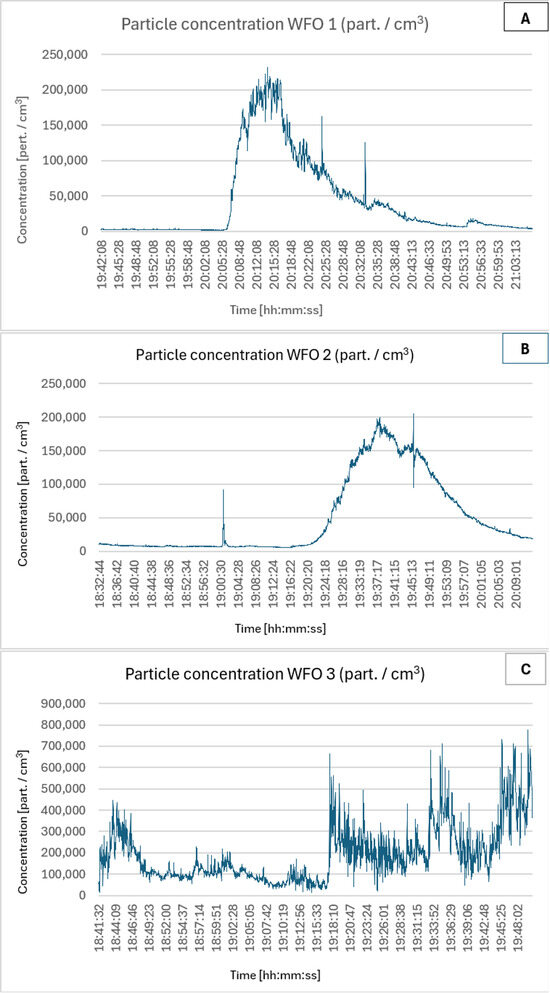
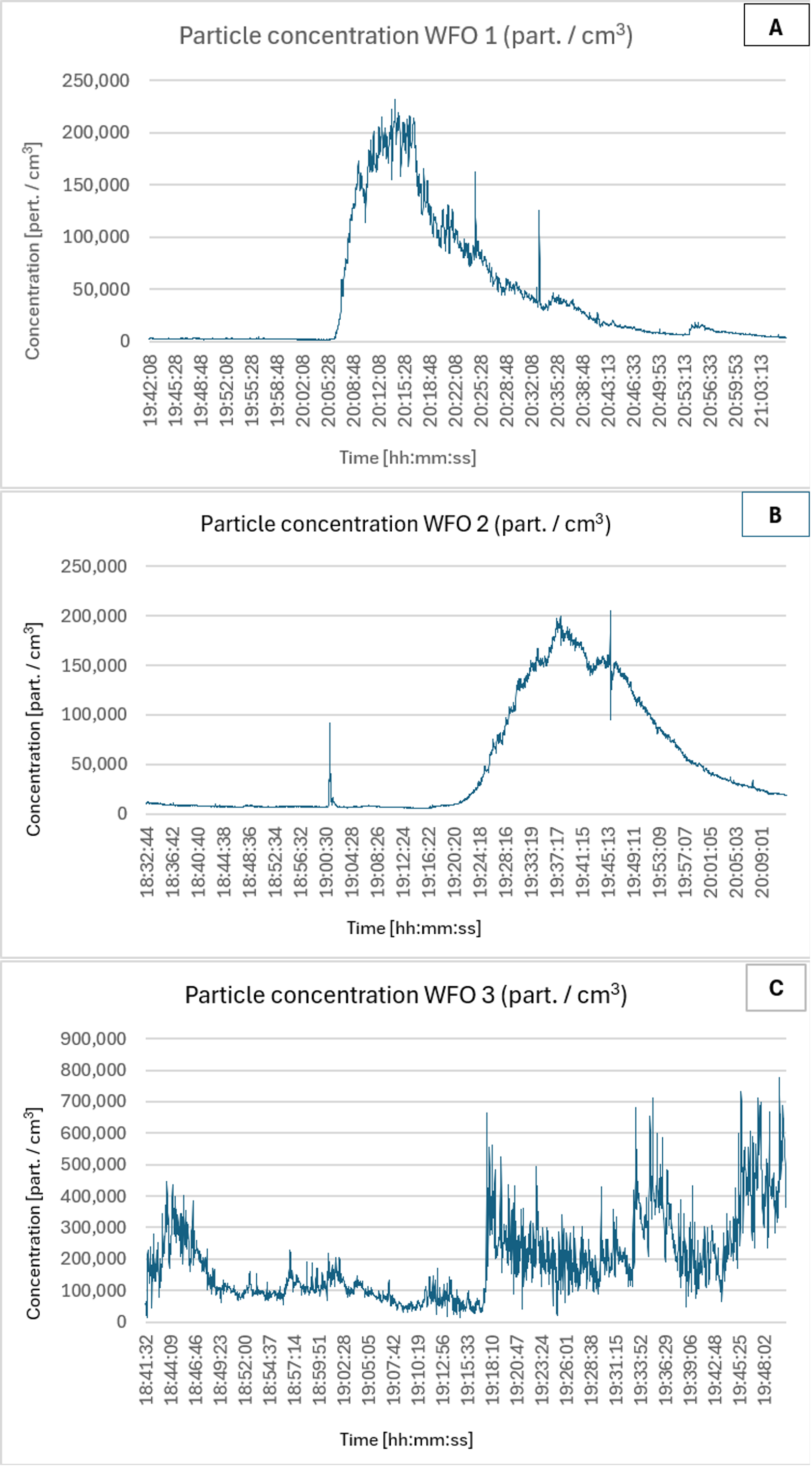
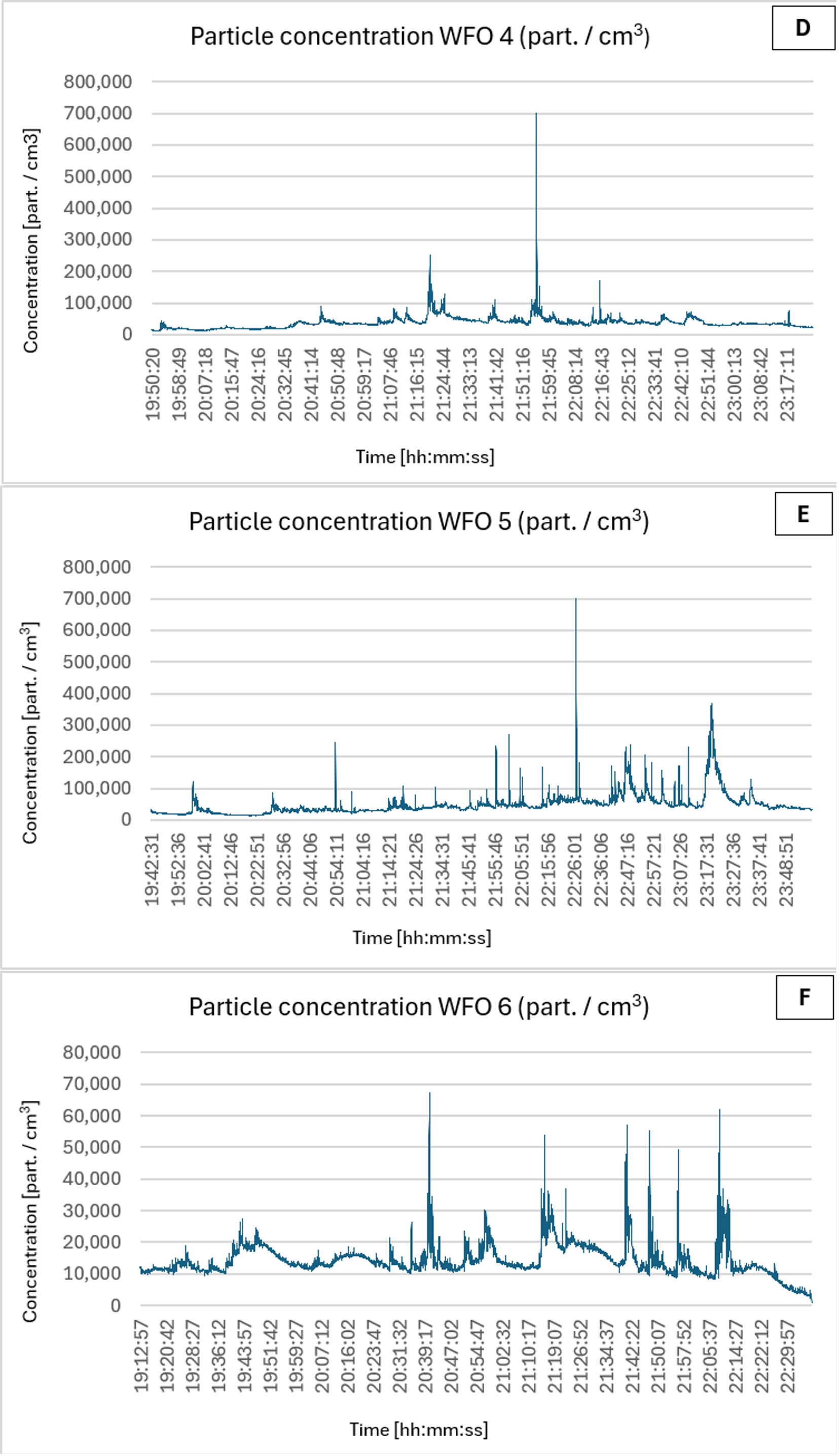
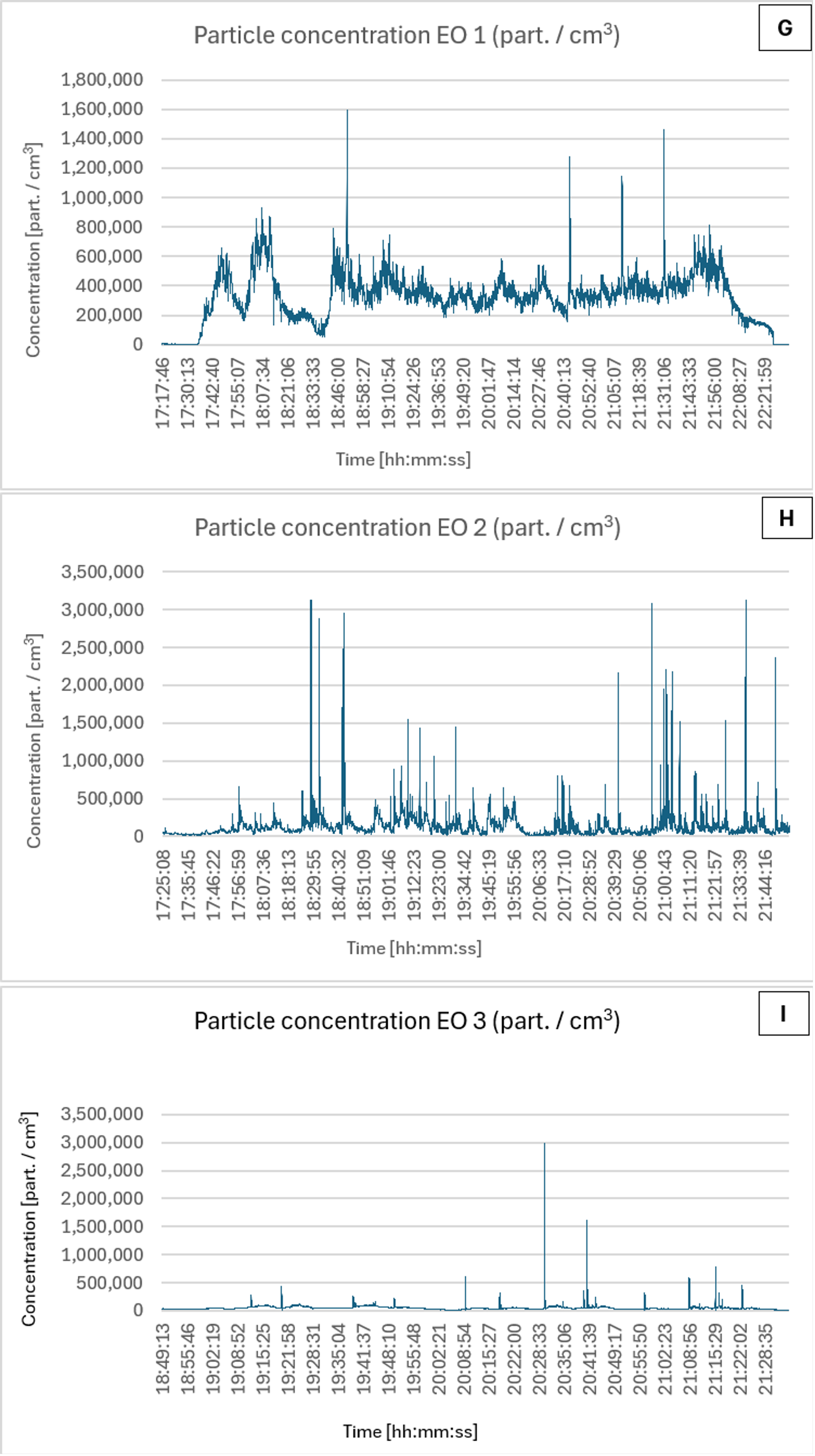
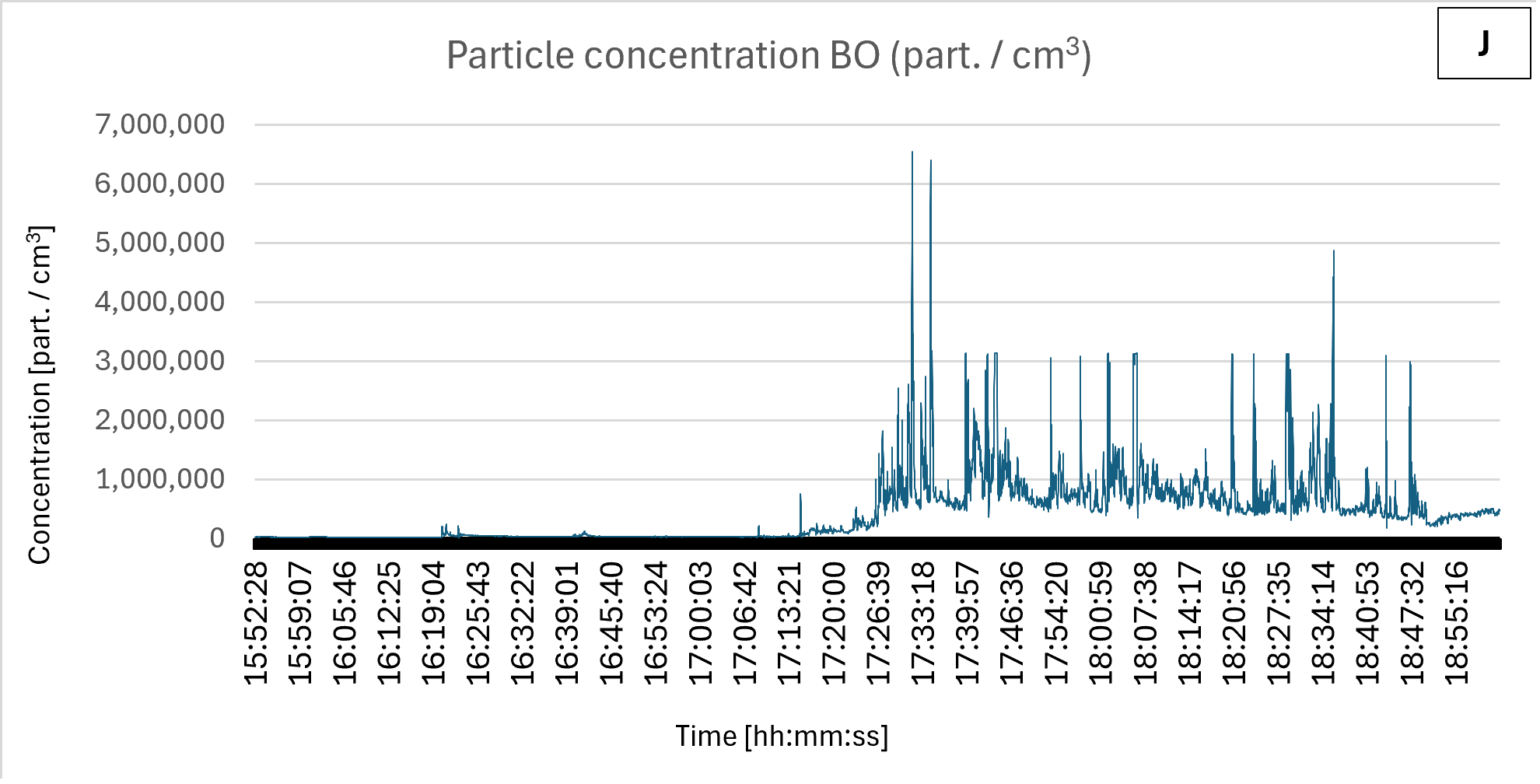
Airborne UFP concentrations across the investigated oven technologies are summarized in Table 1. WFO pizzerias showed peak values ranging from approximately 6.72 × 10⁴ to 7.00 × 10⁵ particles/cm3. (Figure 1A–F). In EO pizzerias peak concentrations range from 1.60 × 10⁶ to 3.13 × 10⁶ particles/cm3, showing differences compared to the data for wood-fired ovens (Figure 1G–I). The mixed system pizzeria (BO) that simultaneously employ both wood-fired and electric ovens reached a UFP peak concentration of 6.55 × 10⁶ particles/cm3, with a median particle diameter of 48 nm, when both ovens were operational (Figure 1L).
Table 1.
Particle number concentration by type of oven (DISCMINI samplings).
Figure 1.
Concentration trends of all WFO (A–F), EO (G–I) and BO (J).
3.2. Particle Size, LDSA and TPD
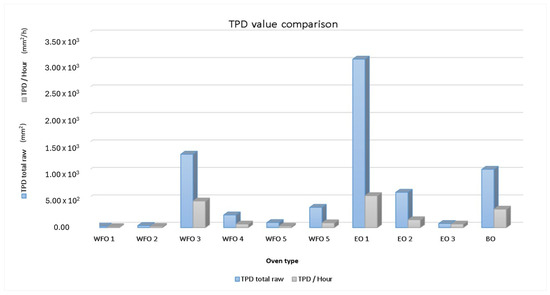
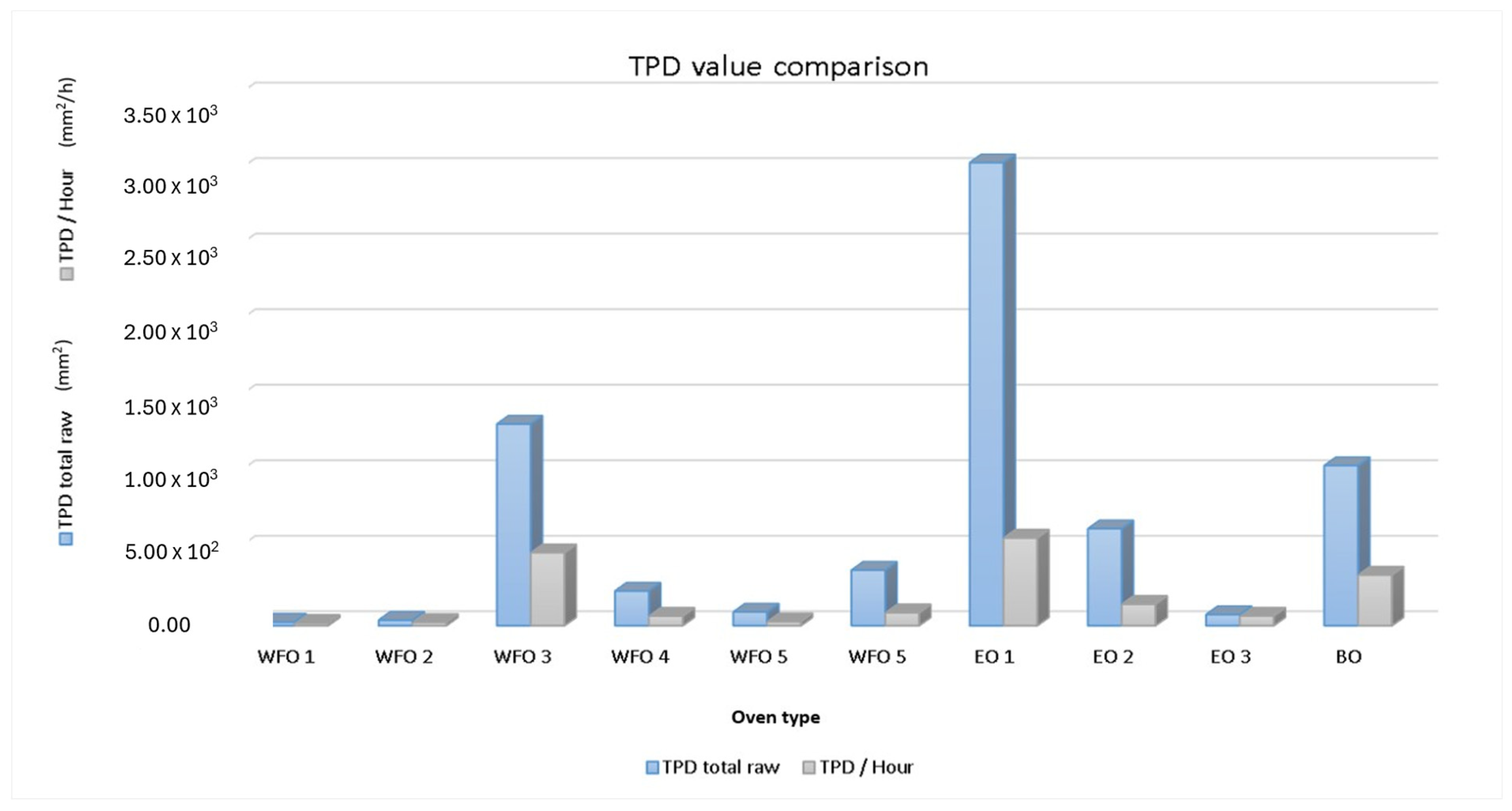
Regarding the physical dimensions of the generated aerosols, WFO environments exhibited median particle diameters ranging from 35 nm to 65 nm (mean 48.9 nm) while EO facilities showed a narrower range between 40.1 and 46.3 nm (mean 42.7 nm). The mixed system (BO) presented a median particle diameter of 48.1 nm. The LDSA metric and the resulting calculated cumulative respiratory intake (TPD) are presented in Table 2. Both EO and BO configurations generated systematically higher LDSA burdens and hourly TPD values compared to the WFO baseline configurations (Figure 2).
Table 2.
Size, LDSA and TPD sampled with DISCMINI.
Figure 2.
Comparison of cumulative exposure expressed as TPD raw and TPD/hour in all the pizzerias.
3.3. Qualitative Analysis of UFP by SEM-EDS
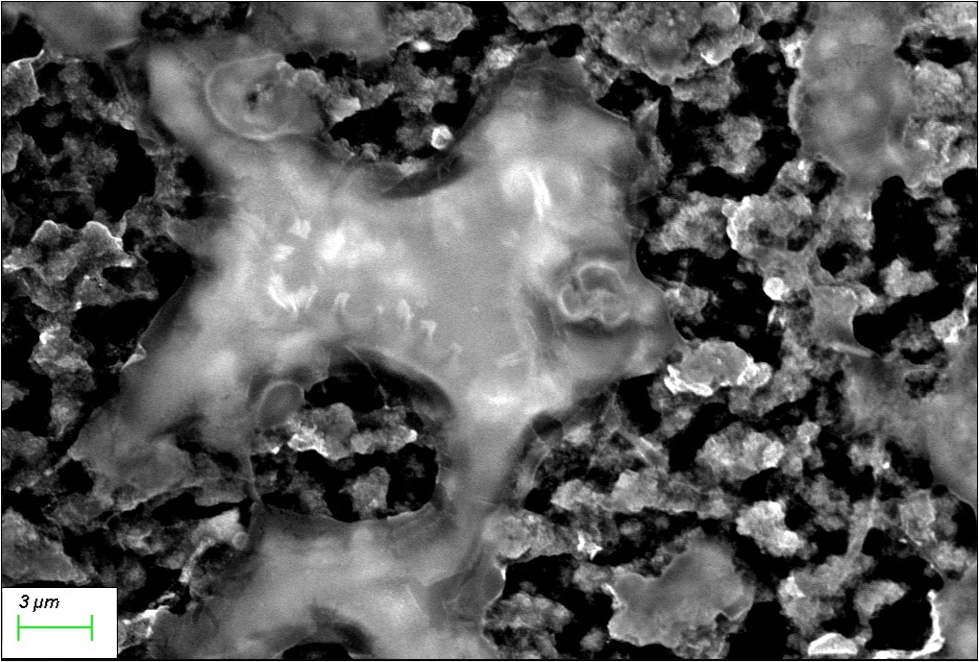
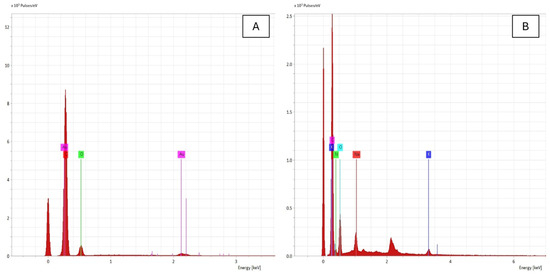
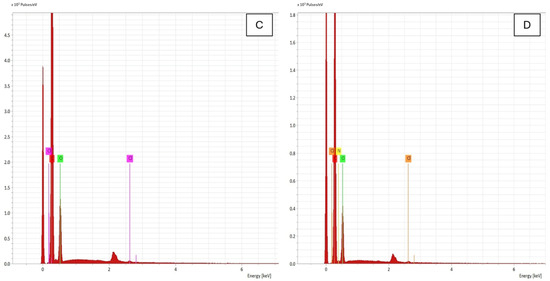
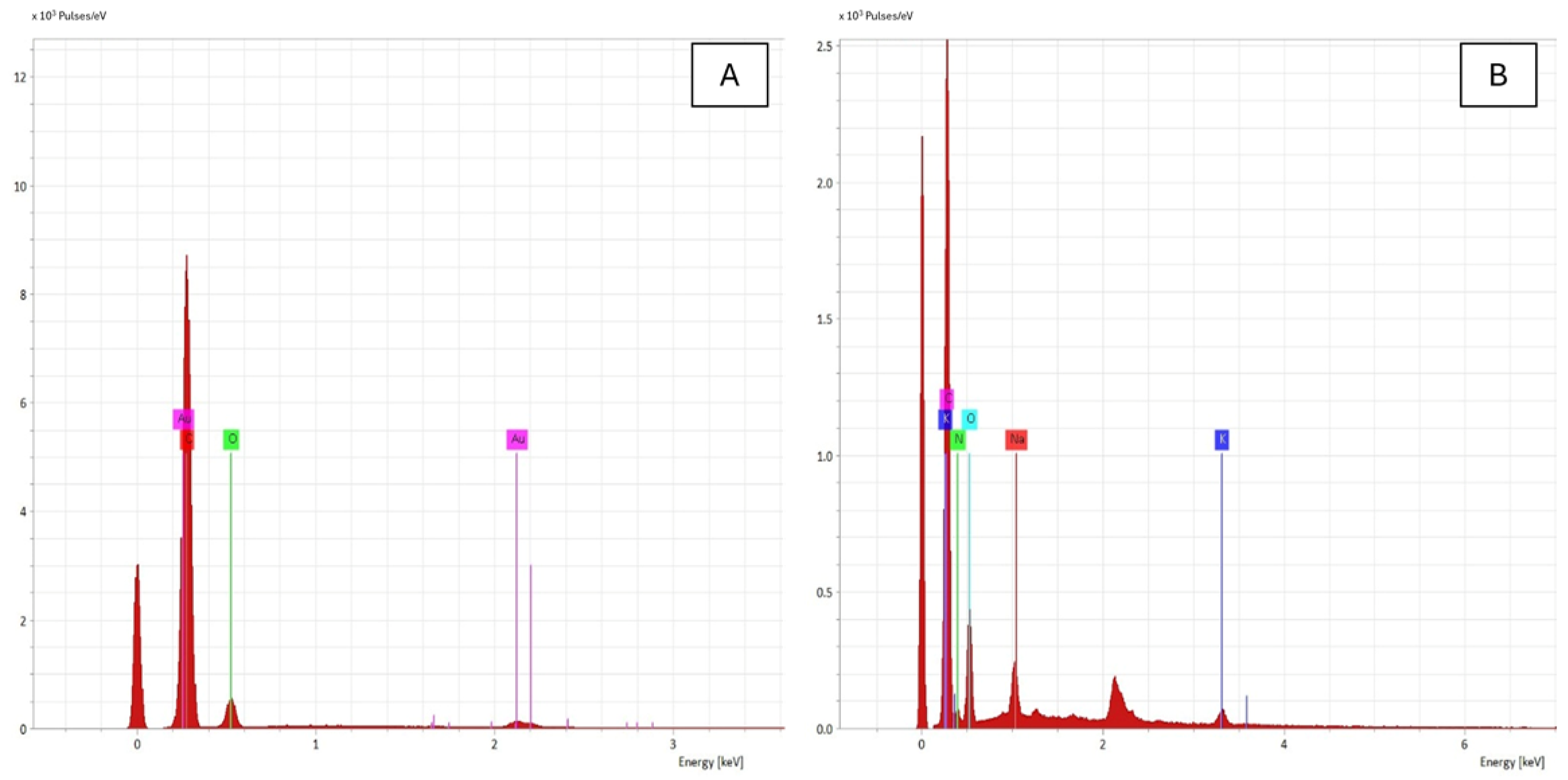
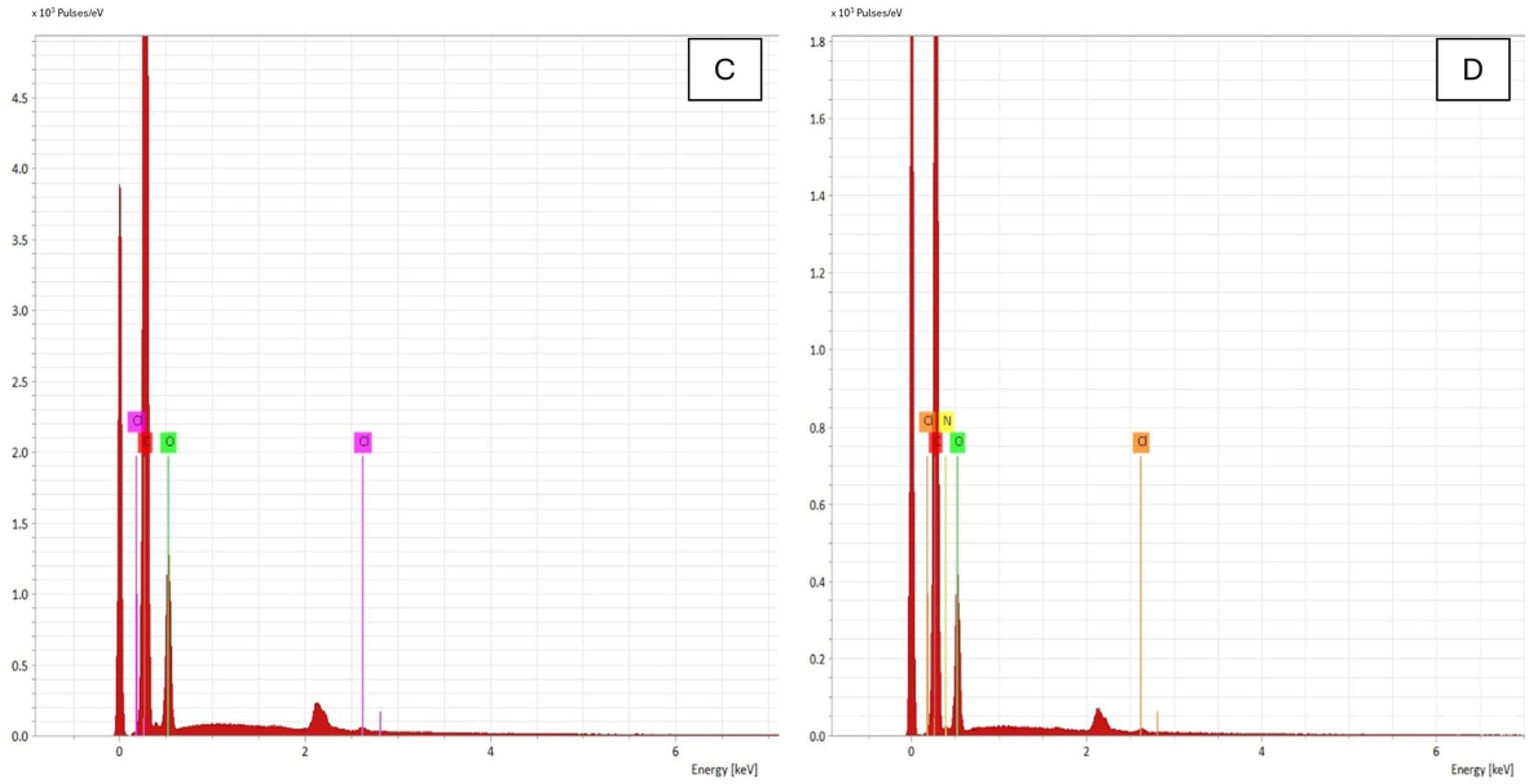
SEM observations revealed that the morphology of the collected ultrafine particles varied from isolated primary spherical particles to highly irregular, complex structural aggregates (Figure 3). Aggregates of varying geometric dimensions were captured across multiple collection substrates, independent of the nominal low-pressure impactor stage cutoff. This structural overlap indicates either high airborne coagulation rates or localized particle overloading on the impactor collection substrates during extended sampling runs. EDS elemental analysis of the UFP fractions captured within the first 5 ELPI+ stages (cutoff range 6–108 nm) demonstrated a highly heterogeneous elemental matrix. The particles were predominantly carbonaceous, with a primary composition consisting of carbon (C), iron (Fe), oxygen (O), nitrogen (N), silica, aluminum (Al), sodium (Na), chlorine (Cl), potassium (K) and magnesium (Mg). In Figure 4 the chemical analysis is shown divided by each filter stage.
Figure 3.
SEM-EDS photo of UFP aggregate on stage filter 4.
Figure 4.
Chemical mapping analysis of each ELPI+ stage: stage filter 1 (A); stage filter 2 (B); stage filter 4 (C); stage filter 5 (D).
4. Discussion
This study provides new insights into the exposure of pizzeria workers to UFPs. The findings showed that pizzeria workers experience high UFP exposure. The median concentrations in seven out of ten pizzerias exceeded the WHO hourly precautionary threshold of 20,000 particles/cm3 [29]. This confirms that the particle background remains elevated throughout the shift, rather than just during temporary operational peaks. The exposure levels observed, particularly in pizzerias using electric ovens, were comparable to or even higher than those reported in various industrial settings, underscoring the need for a deeper understanding of UFP emissions in restaurant environments.
Comparing these results with other occupational exposure scenarios, UFP levels in pizzerias rank among the highest. While previous studies on commercial kitchens have documented UFP concentrations ranging between 8.0 × 10³ and 2.9 × 10⁵ particles/cm3, [10,20] the median concentrations measured in our electric oven pizzerias (1.29 × 10⁵ particles/cm3) and mixed systems (2.55 × 10⁵ particles/cm3) sit at the highest end of this spectrum. A distinct emission profile is observed when comparing peak emissions. In Asian commercial kitchens, where wok cooking and high-temperature frying are prevalent, average UFP levels range from 0.354 × 10⁶ and 6.643 × 10⁶ particles/cm3, with peaks occurring during periods of intensive cooking ranging between 0.36 × 10⁶ and 11.97 × 10⁶ [30]. These literature values are highly comparable to the maximum peak concentrations recorded in our electric oven pizzerias, which ranged between 1.6 × 10⁶ and 3.13 × 10⁶. Conversely, studies on fast-food kitchens using deep fryers present significantly lower exposure profiles with reported peaks of 1.5 × 10⁵ particles/cm3 [8]. When compared to domestic cooking, where average UFP levels typically range from 5.0 × 10³ to 8.0 × 10⁴ particles/cm3 [31], pizzeria operators face exposure levels that are at least an order of magnitude higher.
Even within the food industry, UFP exposure in bakeries and grain processing facilities, where workers are subjected to flour dust and combustion emissions, has been documented to reach concentrations of 1.0 × 10⁵ to 3.0 × 10⁵ particles/cm3 [32], a level that is still lower than that measured in electric pizzerias. The exposure levels observed in pizzerias are not only higher than those in other restaurant settings but also comparable to well-documented high-risk industrial environments. For example, welding operations, which are known to be one of the primary sources of occupational UFP exposure, have been reported to produce particle concentrations between 5.0 × 10⁵ and 2.0 × 10⁶ particles/cm3, depending on the specific process and ventilation conditions [33]. Similarly, automotive manufacturing plants, where workers are exposed to exhaust emissions, have been found to present UFP levels in the range of 1.0 × 10⁵ to 8.0 × 10⁵ particles/cm3 [34]. These comparisons highlight the fact that pizzeria workers are exposed to UFP levels that, in some cases, exceed those recorded in industrial sectors known for their high-risk exposure.
The analysis of UFP concentration patterns in pizzerias also provides valuable insights into the influence of cooking technology on particle concentration. Pizzerias using electric ovens were found to exhibit the highest and most persistent UFP levels, suggesting that inefficient ventilation may contribute to the accumulation of airborne particles in these environments. In contrast, wood-fired pizzerias, despite generating high emissions during ignition, displayed overall lower concentrations, likely due to the effectiveness of chimney-based exhaust systems in removing smoke and particulate matter. Pizzerias using both types of ovens showed intermediate exposure levels, reinforcing the notion that the type of cooking equipment plays a crucial role in UFP worker exposure. This variance may depend on specific ventilation design parameters rather than the heating technology itself. The strong thermal draft inherent to chimney-based systems potentially enhances the extraction of process aerosols from the breathing zone. Conversely, the absence of visible smoke in EO facilities often leads to the utilization of lower-flow extraction hoods. Since baking at 350–450 °C induces thermal decomposition of flour, fats, and organic ingredients, potentially generating substantial UFP volumes via volatilization and nucleation, sub-optimal capture velocities and flow rates could account for the observed UFP levels. This suggests that exposure mitigation should prioritize ventilation optimization over simple technological substitution.
A deeper understanding of the sources of these emissions was obtained through qualitative SEM-EDS analysis, which confirmed that UFPs in pizzerias originate from multiple sources. The particles collected were primarily composed of carbon, oxygen, iron, silicon, aluminum, sodium, potassium, and chlorine, indicating a combination of combustion and mechanical abrasion processes. The presence of irregular carbonaceous aggregates suggests that a significant fraction of the UFPs detected is generated through the pyrolysis of organic residues, such as burned food particles and overheated cooking oils. The detection of iron and aluminum further suggests that some UFP emissions may be associated with surface wear from cooking equipment and utensils, consistent with the broader literature on nanoparticle exposure in cooking environments [10].
These findings are consistent with previous studies in other cooking environments. In coal-fired kitchens, where incomplete combustion plays a major role, similar UFP compositions dominated by carbon-rich and metal-containing particles have been reported [35]. Similarly, studies on open-flame grilling restaurants have found that UFPs contain substantial amounts of PAHs and soot-like aggregates, confirming the contribution of combustion byproducts to airborne particulate matter in restaurant settings [36]. Moreover, research in industrial metalworking environments has demonstrated that fine metal particulates, including iron and aluminum, are a major component of UFP emissions, reinforcing the hypothesis that abrasion and surface degradation contribute to particle generation in pizzerias as well [37].
Despite the strength of these findings, certain limitations should be acknowledged. The study was conducted in ten pizzerias, limiting the sample size and precluding formal inferential statistical testing. Consequently, the data analysis focuses on identifying clear descriptive trends rather than establishing statistical significance. However, because the monitored facilities encompass the primary cooking modalities utilized globally and these technologies are highly standardized worldwide, the underlying physical and thermal processes driving UFP generation remain consistent; this suggests that an increased sample size would be unlikely to alter the directional trends observed. Additionally, variations in work cycles, employee movement, and ventilation effectiveness were not systematically controlled, which may have influenced the measured UFP concentrations. The measurement techniques employed, while effective, could be complemented by high-resolution aerosol spectrometry and real-time chemical analysis to improve source apportionment and exposure assessment. Future research should aim to expand the sample size to incorporate dedicated statistical effect testing, implement longer monitoring periods, and utilize advanced analytical techniques to better characterize occupational exposure in pizzerias. Despite these limitations, our study characterizes the primary sources of exposure in pizzerias, adding new insight into risk evaluation for a worldwide diffused professional cooking setting.
5. Conclusions
In conclusion, UFP exposure levels in the monitored pizzerias can be considerably elevated, occasionally approaching values reported for industrial workplaces. The descriptive data show higher and more persistent UFP concentrations in electric oven environments compared to wood-fired ones. However, this variance likely depends on exhaust ventilation design parameters, such as hood capture efficiency and volumetric flow rates, rather than the heating technology itself. UFPs in these settings likely originate from a combination of pyrolysis, combustion, and material abrasion during high-temperature baking. Consequently, effective exposure mitigation requires local exhaust ventilation optimization, regular maintenance of cooking surfaces, and systematic occupational monitoring, while technological substitution alone may be insufficient. Future larger-scale studies are warranted to validate these descriptive trends and support occupational guidelines for professional cooking environments.
Author Contributions
Conceptualization: G.D.P., M.C. and L.I.L.; Methodology: S.P., S.M., A.M., J.I.L., G.D.P., M.C. and L.I.L.; Validation: T.P., G.D.P., M.C. and L.I.L.; Formal analysis: S.P., G.D.P., A.M. and J.I.L.; Investigation: A.M., J.I.L., S.M. and L.I.L.; Resources: M.C.; Data curation: L.I.L.; Writing—original draft preparation: S.P., A.M., S.M., T.P. and L.I.L.; Writing—review and editing, S.P., J.I.L., S.M., T.P., G.D.P., M.C. and L.I.L.; Visualization, S.P., A.M., J.I.L., S.M., T.P., M.C. and L.I.L.; Supervision: G.D.P., M.C. and L.I.L.; Project administration, M.C. All authors have read and agreed to the published version of the manuscript.
Funding
This research did not receive a specific grant from funding agencies in the public, commercial, or not-for-profit sectors.
Data Availability Statement
The raw data supporting the conclusions of this article will be made available by the authors on request.
Conflicts of Interest
The authors declare no conflicts of interest.
References
- Brown, J.S.; Zeman, K.L.; Bennett, W.D. Ultrafine Particle Deposition and Clearance in the Healthy and Obstructed Lung. Am. J. Respir. Crit. Care Med. 2002, 166, 1240–1247. [Google Scholar] [CrossRef] [Scilit] [PubMed]
- Tiwari, R.; Kumar, R.; Malik, S.; Raj, T.; Kumar, P. Analysis of Heart Rate Variability, and Implication of Different Factors on Heart Rate Variability. Curr. Cardiol. Rev. 2021, 17, e160721189770. [Google Scholar] [CrossRef] [Scilit] [PubMed]
- Simkhovich, B.Z.; Kleinman, M.T.; Kloner, R.A. Air Pollution and Cardiovascular Injury Epidemiology, Toxicology, and Mechanisms. J. Am. Coll. Cardiol. 2008, 52, 719–726. [Google Scholar] [CrossRef] [Scilit] [PubMed]
- Juntarawijit, C.; Juntarawijit, Y. Cooking Smoke and Respiratory Symptoms of Restaurant Workers in Thailand. BMC Pulm. Med. 2017, 17, 41. [Google Scholar] [CrossRef] [Scilit] [PubMed]
- Chen, T.Y.; Fang, Y.H.; Chen, H.L.; Chang, C.H.; Hsiung, C.A. Impact of Cooking Oil Fume Exposure and Fume Extractor Use on Lung Cancer Risk in Non-Smoking Han Chinese Women. Sci. Rep. 2020, 10, 6774. [Google Scholar] [CrossRef] [Scilit] [PubMed]
- Lu, F. Others The Emission of PM2.5 in Respiratory Zone from Chinese Family Cooking and Its Health Effect. Sci. Total Environ. 2019, 654, 671–677. [Google Scholar] [CrossRef] [Scilit] [PubMed]
- Tang, M.; Novoselac, A. Impact of Ceiling Fan and Room Air Cleaner on Air Mixing and Fate of Particulate Matter in a Multiroom Residence. Build. Environ. 2025, 31, 248–264. [Google Scholar] [CrossRef] [Scilit]
- Gao, X.; Zhang, M.; Zou, H.; Zhou, Z.; Yuan, W.; Quan, C.; Cao, Y. Characteristics and Risk Assessment of Occupational Exposure to Ultrafine Particles Generated from Cooking in the Chinese Restaurant. Sci. Rep. 2021, 11, 15586. [Google Scholar] [CrossRef] [Scilit] [PubMed]
- Gao, J.; Cao, C.; Zhang, X.; Luo, Z. Volume-Based Size Distribution of Accumulation and Coarse Particles (PM0.1–10) from Cooking Fume during Oil Heating. Build. Environ. 2013, 59, 575–580. [Google Scholar] [CrossRef] [Scilit]
- Lachowicz, J.I.; Milia, S.; Jaremko, M.; Oddone, E.; Cannizzaro, E.; Cirrincione, L.; Malta, G.; Campagna, M.; Lecca, L.I. Cooking Particulate Matter: A Systematic Review on Nanoparticle Exposure in the Indoor Cooking Environment. Atmosphere 2023, 14, 12. [Google Scholar] [CrossRef] [Scilit]
- Huang, Y.; Ho, S.S.H.; Ho, K.F.; Lee, S.C.; Yu, J.Z.; Louie, P.K.K. Characteristics and Health Impacts of VOCs and Carbonyls Associated with Residential Cooking Activities in Hong Kong. J. Hazard. Mater. 2011, 186, 344–351. [Google Scholar] [CrossRef] [Scilit] [PubMed]
- Abdullahi, K.L.; Delgado-Saborit, J.M.; Harrison, R.M. Emissions and Indoor Concentrations of Particulate Matter and Its Specific Chemical Components from Cooking: A Review. Atmos. Environ. 2013, 71, 260–294. [Google Scholar] [CrossRef] [Scilit]
- Gabdrashova, R.; Nurzhan, S.; Naseri, M.; Bekezhankyzy, Z.; Torkmahalleh, M.A. The Impact on Heart Rate and Blood Pressure Following Exposure to Ultrafine Particles from Cooking Using an Electric Stove. Sci. Total Environ. 2020, 750, 141334. [Google Scholar] [PubMed]
- Chowdhury, Z.; Le, L.T.; Al Masud, A.; Chang, K.C.; Alauddin, M.; Hossain, M.; Zakaria, A.B.M.; Hopke, P.K. Quantification of Indoor Air Pollution from Using Cookstoves and Estimation of Its Health Effects on Adult Women in Northwest Bangladesh. Aerosol Air Qual. Res. 2012, 12, 463–475. [Google Scholar] [CrossRef] [Scilit]
- See, S.W.; Balasubramanian, R. Risk Assessment of Exposure to Indoor Aerosols Associated with Chinese Cooking. Environ. Res. 2006, 102, 197–204. [Google Scholar] [CrossRef] [Scilit] [PubMed]
- Buonanno, G.; Morawska, L.; Stabile, L. Particle Emission Factors during Cooking Activities. Atmos. Environ. 2009, 43, 3235–3242. [Google Scholar] [CrossRef] [Scilit]
- Ma, S.; Liu, W.; Meng, C.; Dong, J.; Zhang, S. Temperature-dependent particle mass emission rate during heating of edible oils and their regression models. Environ. Pollut. 2023, 323, 121221. [Google Scholar] [CrossRef] [Scilit] [PubMed]
- Wang, L.; Xiang, Z.; Stevanovic, S.; Ristovski, Z.; Salimi, F.; Gao, J.; Wang, H.; Li, L. Role of Chinese Cooking Emissions on Ambient Air Quality and Human Health. Sci. Total Environ. 2017, 589, 173–181. [Google Scholar] [CrossRef] [Scilit] [PubMed]
- Liao, C.M.; Chen, S.C.; Chen, J.W.; Liang, H.M. Contributions of Chinese-Style Cooking, and Incense Burning to Personal Exposure and Residential PM Concentrations in Taiwan Region. Sci. Total Environ. 2006, 358, 72–84. [Google Scholar] [CrossRef] [Scilit] [PubMed]
- Buonanno, G.; Morawska, L.; Stabile, L.; Viola, A. Exposure to Particle Number, Surface Area and PM Concentrations in Pizzerias. Atmos. Environ. 2010, 44, 3963–3969. [Google Scholar] [CrossRef] [Scilit]
- Bau, S.; Zimmermann, B.; Payeta, R.; Witschgera, O. Laboratory Study of the Performance of the Handheld Diffusion Size Classifier (DiSCmini) for Various Aerosols in the 15-400 Nm Range. Environ. Sci. Process. Impacts 2015, 17, 261–269. [Google Scholar] [CrossRef] [Scilit] [PubMed]
- Human Respiratory Tract Model for Radiological Protection. A Report of a Task Group of the International Commission on Radiological Protection. Ann. ICRP 1994, 24, 1–482. [CrossRef] [Scilit] [PubMed]
- Koivisto, A.J.; Kling, K.I.; Levin, M.; Fransman, W.; Gosens, I.; Cassee, F.R.; Jensen, K.A. First Order Risk Assessment for Nanoparticle Inhalation Exposure during Injection Molding of Polypropylene Composites and Production of Tungsten-Carbide-Cobalt Fine Powder Based upon Pulmonary Inflammation and Surface Area Dose. NanoImpact 2017, 6, 30–38. [Google Scholar] [CrossRef] [Scilit]
- Marjamäki, M.; Keskinen, J.; Chen, D.R.; Pui, D.Y.H. Performance Evaluation of the Electrical Low-Pressure Impactor (ELPI). J. Aerosol Sci. 2000, 31, 249–261. [Google Scholar] [CrossRef] [Scilit]
- Marjamäki, M.; Lemmetty, M.; Keskinen, J. ELPI Response and Data Reduction I: Response Functions. Aerosol Sci. Technol. 2005, 39, 575–582. [Google Scholar] [CrossRef] [Scilit]
- Lemmetty, M.; Keskinen, J.; Marjamäki, M. The ELPI Response and Data Reduction II: Properties of Kernels and Data Inversion. Aerosol Sci. Technol. 2005, 39, 583–595. [Google Scholar] [CrossRef] [Scilit]
- ELPI+TM User Manual; Version 1.2; Dekati Limite: Tampere, Finland, 2012.
- Kero, I.; Naess, M.K.; Tranell, G. Particle Size Distributions of Particulate Emissions from the Ferroalloy Industry Evaluated by Electrical Low-Pressure Impactor (ELPI). J. Occup. Environ. Hyg. 2015, 12, 37–44. [Google Scholar] [PubMed]
- World Health Organization (WHO). Air Quality Guidelines for Europe; WHO Regional Office for Europe: Copenhagen, Denmark, 2000; ISBN 9289013583. [Google Scholar]
- Zhao, Y.; Zhao, B. Emissions of Air Pollutants from Chinese Cooking: A Literature Review. Build. Simul. 2018, 11, 977–995. [Google Scholar] [CrossRef] [Scilit]
- Wang, L.; Zheng, X.; Stevanovic, S.; Wu, X.; Xiang, Z.; Yu, M.; Liu, J. Characterization Particulate Matter from Several Chinese Cooking Dishes and Implications in Health Effects. J. Environ. Sci. 2018, 72, 98–106. [Google Scholar] [CrossRef] [Scilit] [PubMed]
- Chang, P.-T.; Hung, P.-C.; Tsai, S.-W. Occupational Exposures of Flour Dust and Airborne Chemicals at Bakeries in Taiwan. J. Occup. Environ. Hyg. 2018, 15, 580–587. [Google Scholar] [CrossRef] [Scilit] [PubMed]
- Lehnert, M.; Pesch, B.; Lotz, A.; Pelzer, J.; Kendzia, B.; Gawrych, K.; Heinze, E.; Van Gelder, R.; Punkenburg, E.; Weiss, T.; et al. Exposure to Inhalable, Respirable, and Ultrafine Particles in Welding Fume. Ann. Occup. Hyg. 2012, 56, 557–567. [Google Scholar] [CrossRef] [Scilit] [PubMed]
- Viitanen, A.-K.; Uuksulainen, S.; Koivisto, A.J.; Hämeri, K.; Kauppinen, T. Workplace Measurements of Ultrafine Particles—A Literature Review. Ann. Work Expo. Health 2017, 61, 749–758. [Google Scholar] [CrossRef] [Scilit] [PubMed]
- Hou, C.; Shao, L.; Zhao, C.; Wang, J.; Liu, J.; Geng, C. Characterization of Coal Burning-Derived Individual Particles Emitted from an Experimental Domestic Stove. J. Environ. Sci. 2018, 71, 45–55. [Google Scholar] [CrossRef] [Scilit] [PubMed]
- Alves, C.A.; Evtyugina, M.; Vicente, E.; Vicente, A.; Gonçalves, C.; Neto, A.I.; Nunes, T.; Kováts, N. Outdoor Charcoal Grilling: Particulate and Gas-Phase Emissions, Organic Speciation and Ecotoxicological Assessment. Atmos. Environ. 2022, 285, 119240. [Google Scholar] [CrossRef] [Scilit]
- Marcias, G.; Fostinelli, J.; Sanna, A.M.; Uras, M.; Catalani, S.; Pili, S.; Fabbri, D.; Pilia, I.; Meloni, F.; Lecca, L.I.; et al. Occupational Exposure to Fine Particles and Ultrafine Particles in a Steelmaking Foundry. Metals 2019, 9, 163. [Google Scholar] [CrossRef] [Scilit]

Disclaimer/Publisher’s Note: The statements, opinions and data contained in all publications are solely those of the individual author(s) and contributor(s) and not of MDPI and/or the editor(s). MDPI and/or the editor(s) disclaim responsibility for any injury to people or property resulting from any ideas, methods, instructions or products referred to in the content. |
© 2026 by the authors. Licensee MDPI, Basel, Switzerland. This article is an open access article distributed under the terms and conditions of the Creative Commons Attribution (CC BY) license.