


Abstract
The rapid expansion of the craft brewing sector has increased the number of small breweries, leading to rising organically rich waste across aquatic, terrestrial and atmospheric ecosystems. Although brewery by-products are frequently discussed in terms of valorisation and resource efficiency, their environmental implications remain insufficiently examined. The present review synthesises current knowledge on waste generated by small breweries (i.e., operations with annual production volumes typically below 20,000 hL of beer), including their composition and management, with an emphasis on the potential environmental consequences of inadequate handling. Waste, including wastewater, solid by-products, gaseous emissions, odours, and noise, is considered, and their mechanistic effects on aquatic, terrestrial, and atmospheric compartments are discussed. Particular attention is given to cumulative and localised impacts in ecosystems, such as oxygen depletion, nutrient enrichment, altered microbial processes, and downstream effects on soil biota, aquatic food webs, and biodiversity. Commonly proposed mitigation and valorisation strategies are critically evaluated, with attention to ecological trade-offs and constraints related to scale, infrastructure, and regulatory thresholds. The review highlights a pronounced bias in the research literature towards chemical and toxicological characterisation, alongside a lack of field-based and long-term monitoring studies. By identifying key knowledge gaps and framing small brewery waste within an environmental context, this review emphasises the need for biomonitoring, scale-appropriate management approaches, and regulatory frameworks tailored to small breweries.
1. Introduction
Based on archaeological research and material evidence, it is estimated that beer production has been known to humans for approximately 9,000 years. The origins of beer brewing are commonly associated with the Sumerians as early as around 7000 BC [1,2]. Although a decline in overall beer consumption is often reported, the brewing sector continues to grow and diversify in other directions, such as the production of non-alcoholic and low-alcohol beers, beer-like products, and mixed beer beverages. In particular, the craft brewing sector has expanded markedly. This sector comprises small breweries that offer beer styles frequently neglected by large-scale producers, such as India Pale Ales (IPAs), American Pale Ales (APAs), and various specialty beers. The increasing number of small breweries contributes to a rise in waste generated during beer production and necessitates specific legislative frameworks and regulations to ensure environmentally sound and safe brewing practices, as well as appropriate management of the resulting waste for both environmental and human health.
As in all industrial activities, beer production inevitably generates waste materials. Brewery waste is predominantly of organic origin and, as such, represents a potential biological hazard to the environment, requiring appropriate treatment and disposal. Occupational safety, which is closely linked to waste management, is often overlooked, despite being legally integrated with waste handling regulations in some countries [2]. According to Kunze [3], waste generated during beer production can be categorised into several categories, including liquid waste streams, e.g., process wastewater, spent yeast slurry and cleaning-in-place effluents, solid waste streams, including brewers’ spent grain, spent yeast, filtration residues, packaging materials and label waste, gaseous emissions and particulates, e.g., carbon dioxide (CO2) generated during fermentation, odorous compounds and dust, and physical disturbances, e.g., noise emissions from bottling lines, compressors and refrigeration systems.
For the proper operation of a brewery, brewers must comply with a wide range of laws, regulations, and ordinances governing the management of by-products and waste generated during production. In addition, a range of strategies, regulations, decisions, and national plans must also be reviewed and considered when planning a beer production facility. These legal requirements apply equally to large-scale producers and small breweries. However, smaller producers, often face difficulties in meeting all conditions prescribed by existing legislation. Given that small breweries generate smaller quantities of waste due to lower production frequency and volume, legislative frameworks should be adapted to reflect conditions that smaller producers are realistically able to fulfil.
2. Definition and Scope of Small Breweries
The term small brewery is used inconsistently across regulatory, industrial, and academic contexts, reflecting differences in legal frameworks, taxation schemes, and industry organisation. Definitions may be based on annual production volume, independence of ownership, technological capacity, or combinations thereof, and thresholds vary substantially between jurisdictions. As a result, there is no single globally harmonised definition of a “small” or “craft” brewery. For the purpose of this review, the term small brewery is applied in an operational and environmentally oriented sense, rather than as a legal or commercial classification. The scope of the review primarily encompasses small breweries with annual production volumes typically below 20,000 hL of beer, as these operations commonly fall below intensive regulatory thresholds, generate episodic and decentralised waste streams, and operate with limited technical and financial capacity for advanced waste treatment. This production range is widely used in European practice to describe microbreweries and small independent producers and is particularly relevant for assessing localised and cumulative environmental impacts [4]. According to Garavaglia and Swinnen [5], nomenclature such as ”microbrewery”, “craft brewery”, “local brewery”, “artisanal brewery”, “independent brewery”, and “specialty brewery” gives emphasis on the character of the brewery mainly regarding its efforts to produce many different styles of beer on a smaller scale.
Different regulatory and industry frameworks employ markedly different thresholds [5]. For example, Italy defines small independent breweries primarily through legal and ownership criteria combined with production limits; the United Kingdom applies reduced excise duties based on alcohol production thresholds, often expressed in pure alcohol rather than beer volume; and the United States Brewers Association defines craft breweries as small and independent producers but with substantially higher production ceilings [5]. A brief comparison of these frameworks is provided in Table 1 to illustrate this variability and to clarify the rationale for the operational definition adopted here.
Table 1.
Comparison of selected regulatory and industry definitions of small breweries, including defining criteria, production thresholds, and relevance for environmental impact assessment, based from Garavaglia and Swinnen [5].
These frameworks differ substantially in both purpose and production thresholds and are primarily designed for regulatory, fiscal, or market classification. For the environmental perspective adopted in this review, annual beer production volume expressed in hL year−1 provides the most directly relevant and comparable metric, as it is closely linked to resource consumption, waste generation, and emission intensity.
Smaller breweries, which are mainly producing under 20,000 hL of beer per year, generate significantly lower amounts of waste and by-products than big brewing industries. Beer production is a multi-stage technological process in which raw materials are progressively transformed into the final product through a series of well-defined operational phases. Each phase is associated not only with technological outputs but also with the generation of specific by-products and waste streams. The schematic presented illustrates the sequence of the main stages of beer production and identifies the types of by-products and waste materials produced at each step of the process (Figure 1).
Figure 1.
Schematic sequential overview of the brewing process highlighting the main production stages and associated wastewater generated in small breweries. Arrows indicate the steps of brewing process.
3. Review Scope and Literature Synthesis Framework
This review adopts a narrative synthesis approach to examine the environmental implications of waste generated by small breweries. The focus is on integrating knowledge from brewing technology, waste composition, and potential environmental effects, with emphasis on ecological mechanisms and biological responses.
The literature was identified through targeted searches of major scientific databases, including Web of Science, Scopus, and Google Scholar. Searches were conducted using combinations of keywords related to brewing by-products and waste. The search strategy also extended to environmental and ecological literature describing ecosystem responses to relevant stressors associated, including nutrient enrichment, organic loading, and pH changes in three major ecosystems—aquatic, terrestrial and atmospheric systems.
Accordingly, the literature synthesis followed a two-stage conceptual approach. First, research describing the composition, management, and technological treatment of brewery waste were identified. Second, environmental research addressing the effects of stressors that waste can potentially induce were examined in order to contextualise potential ecosystem responses in aquatic, terrestrial, and atmospheric ecosystems. This approach allowed the integration of brewing technology literature with broader environmental research on ecosystem processes and biological responses.
The existing research shows a strong emphasis on chemical characterisation of brewery waste and on technological approaches for waste treatment and valorisation. By contrast, empirical studies directly assessing ecological responses to brewery-derived waste remain scarce. To the best of our knowledge, no published studies have directly tested small brewery wastewater or associated waste streams as stressors for aquatic, terrestrial, or atmospheric ecosystems under environmental (or laboratory) conditions. Given the decentralised and heterogeneous nature of small breweries, the reviewed literature was subsequently grouped according to its primary focus, as shown in Table 2. This classification thus provides a qualitative overview of dominant research and emphasises underrepresented areas, particularly with respect to field-based ecological evidence, (long-term) monitoring, and ecosystem-level responses. Consequently, many environmental implications discussed in this review are inferred from established ecological processes associated with organic-rich effluents rather than directly measured in receiving ecosystems.
Table 2.
Qualitative classification of the reviewed literature on small-brewery waste by study focus, typical endpoints, and approximate representation. Representative examples are illustrative.
One of the central aims of this review is therefore to highlight this knowledge gap by synthesising fragmented evidence across brewing science and environmental research, and by drawing attention to the absence of field-based studies directly examining ecological responses to waste generated by small breweries.
4. Beer Production Stages and the Utilization of Resulting Waste Materials
Beer production in small breweries generates a diverse set of waste streams that differ in origin, composition, management practices, and environmental relevance. These by-products arise at multiple stages of the brewing process, including milling, lautering, boiling, fermentation, cleaning, and packaging, and encompass solid, liquid, gaseous, and physical disturbances. While individual waste streams are often discussed in isolation, their environmental implications depend strongly on how they are processed, reused, or disposed of in practice. To provide a structured overview, the major waste streams associated with small breweries, together with typical management or processing options and resulting products or materials, are summarised in Table 3. This framework is intended to synthesise current knowledge and to facilitate subsequent, more detailed discussion of waste composition, utilisation pathways, and potential environmental effects.
Table 3.
Major waste streams from small breweries, typical processing or management options, and resulting products or materials.
Milling generates fine dust that can disperse throughout the production facility; therefore, it is advisable to house the mill and milling operations in a separate room in order to limit dust dispersion within the plant. The dust is managed as municipal waste.
Following malt milling, the mashing process takes place, resulting in the production of mash. After mashing, the mash is transferred to the lauter tun, where the spent malt grains are separated from the liquid phase known as wort. At this stage, two types of waste are generated, solid and liquid.
The solid waste consists of spent grain separated during lautering and is referred to as brewers’ spent grain (BSG). Brewers’ spent grain contains a high proportion of water, typically 75–80%, and consequently 20–25% dry matter. The dry matter is primarily composed of residual sugars and cellulose (12–25%); non-cellulosic polysaccharides, mainly hemicellulose (20–25%) and <1% (1–3,1–4)-β-glucans; lignin (12–28%); proteins (19–30%); lipids (approximately 10%); and ash (2–5%). The high moisture content combined with a substantial concentration of nutrients (sugars, proteins, and lipids) renders brewers’ spent grain highly susceptible to spoilage [10,22,23,24,25,26]. The large water content also makes spent grain heavy, increasing transport and storage costs [27], while drying requires considerable energy input and specialised equipment [28,29].
BSG contains substantial amounts of lignocellulosic material and glucans, which are utilised as dietary fibres in food and pharmaceutical products. In addition to dietary fibre, it also contains notable quantities of proteins and lipids, making it of interest to both the food and biotechnology industries as a nutrient-rich substrate for microbial production of various enzymes and other biochemicals [30,31]. Brewers’ spent grain is separated from the lauter tun and cooled, after which it is either stored or transported for use as animal feed, although it is increasingly utilised for other purposes, such as incorporation into food products (e.g., biscuits, bread, cereal bars, snacks) [32,33,34,35].
The proteins in brewers’ spent grain consist mainly of hordeins, a subgroup of prolamins rich in proline and glutamine residues, and glutelins, which are rich in glutamic acid/glutamine, along with smaller amounts of albumins and globulins [36,37,38]. During barley malting, proteolytic enzymes hydrolyse more than 70% of hordeins and glutelins, leading to a reduction in disulfide cross-linking and an increase in albumin and globulin fractions. During mashing, soluble proteins (albumins and globulins) continue to be degraded, whereas insoluble proteins (hordeins and glutelins) form disulfide-linked aggregates that ultimately create a gel-like complex. This complex settles at the bottom of the mash tun and becomes the primary protein component of BSG [36].
The liquid remaining after lautering is termed wort and proceeds to the next stage of beer production, boiling and hopping. Wort boiling facilitates water evaporation and the concentration of dry matter, which consists predominantly of carbohydrates required for fermentation. In addition, Maillard reactions between reducing sugars and amino acids result in changes in wort colour. The addition of hops imparts bitterness and aroma to the beer and also acts as a preservative. After boiling and hop addition, the wort is further processed in a whirlpool vessel, where proteinaceous material and hop residues precipitate, forming hot trub. The trub remains in the whirlpool, while the hopped wort is transferred to cooling, during which further precipitation of proteins and hop components occurs, forming cold trub.
The term “trub” refers to sediments precipitated from boiled wort (hot trub) [26,39] as well as sediments that form upon wort cooling (cold trub) [40,41]. The formation of hot trub is primarily associated with protein denaturation and precipitation driven by molecular aggregation and particle growth to diameters of 30–80 µm, which enables efficient sedimentation due to particle size and density [15,42]. Hot trub typically consists of carbohydrates, insoluble denatured proteins, lipids, minerals, phenols, tannins, and other insoluble hop-derived particles [26,39,40,43]. The relative proportions of these components vary depending on the raw materials used and the brewing process applied. In general, hot trub is dominated by proteins (40–70%), followed by polyphenols (20–30%) and bitter substances (7–32%). Carbohydrates typically account for 4–8% of the total composition, while lipids are present in smaller amounts (1–2%). The inorganic fraction, expressed as ash, represents approximately 5% of the hot trub mass [23,43]. Hot trub contains a significant quantity of bioactive compounds and phytochemicals with antioxidant, antibacterial, antifungal, and antihypertensive properties, making it suitable for valorisation in the food and pharmaceutical industries [16,26,44,45]. The bitterness of trub is associated with phenolic compounds such as catechin and epicatechin, but is primarily linked to iso-α-acids that co-precipitate and bind to protein–polyphenol aggregates within hot trub [46,47]. This bitterness is the key factor that has limited its application in food and animal feed compared with other brewing by-products [11]. A mixture of yeast and hot trub has been identified as acceptable feed for pigs and may be used in the formulation of dried protein feeds [12,48]. For application in food products as a protein source [11,45], debittering, i.e., the removal of bitter fractions is recommended [11,17]. In addition to spent hops, hot trub has also been investigated as a composting agent [49]. Although both by-products are microbiologically safe and do not pose a contamination risk, hot trub exhibits inhibitory effects on plant growth. Spent hops contain high nitrogen levels and therefore must be combined with carbon-rich materials to obtain balanced compost. According to some studies, hot trub may also be used as an additive in solid fuels with high energy content and low moisture [50]. Furthermore, hot trub can be utilised for the production of carbon materials for battery cathodes via simple pyrolysis [18] and as a raw material for microbial fermentations [51,52]. The addition of hot trub to wort has been shown to improve yeast vitality, biomass yield, and fermentation performance of Saccharomyces cerevisiae [26,53]. Cold trub also primarily consists of proteins (approximately 50%), high-molecular-weight carbohydrates (20–30%), and polyphenolic compounds (15–25%) [26,54], forming particles of approximately 0.5 µm in size [15]. Cold trub is a rich source of hydroxycinnamoyl agmatine dimers [55], bioactive phenolic compounds with high structural diversity and significant potential for application in the food, nutraceutical, and pharmaceutical industries [56]. Given its composition, cold trub shows considerable potential for use in food applications, functional ingredient extraction, and microbial fermentation. In combination with other brewing by-products, cold trub may also be incorporated into animal feed [19].
After cooling (and filtration), the wort is aerated, most commonly with air, and inoculated with yeast. For cooling larger systems and achieving lower fermentation and maturation tank temperatures, ammonia is used as a refrigerant and must be stored in accordance with relevant regulations. Following inoculation, the wort is transferred to fermentation vessels, where fermentation is monitored. For lager beers, fermentation typically lasts approximately 14 days at 10–12 °C, whereas ale fermentation is shorter, lasting 5–7 days at temperatures of 18–22 °C. During fermentation, substantial quantities of CO2 are generated. Due to the toxicity of CO2, appropriate precautions are required, including ventilation or the use of pressurised tanks to retain the gas. Although technical solutions for CO2 capture exist, small breweries generally lack the capacity to capture and reuse fermentation-derived CO2 for carbonation.
Following fermentation, residual yeast (and hops) remains in the fermenter and is removed, after which the beer is transferred to maturation tanks. Following maturation, beer is packaged into bottles, cans, or kegs, generating specific waste streams. In the case of dry hopping, i.e., hop addition during or after fermentation or during maturation, the quantity of spent hops generated is substantial. Dry hopping is most commonly performed by adding hops in bags (so-called hop socks) to the fermenter, which allows easy removal after the process is completed [57,58]. Spent hops are rich in bitter compounds, fibre, phenolics, and essential oils [12,59].
Spent yeast, like other organic brewing wastes, is rich in proteins (36–64%) and carbohydrates (31–42%), with smaller amounts of ash (1.5–9.5%) and fibre (3–18%), such as β-glucans, mannans, polymeric hexosamines, and reducing sugars (~0.2%) [26,44,60,61,62,63,64]. Spent yeast is rich in amino acids, including arginine, cystine, histidine, isoleucine, leucine, lysine, methionine, tyrosine, phenylalanine, threonine, tryptophan, and valine, encompassing all nine essential amino acids in proportions meeting the requirements of the Food and Agriculture Organization (FAO) and the World Health Organization (WHO) [61,65]. Spent yeast is also a source of B-complex vitamins, including thiamine (B1), riboflavin (B2), niacin (B3), pantothenic acid (B5), pyridoxine (B6), biotin (B7), folate (B9), and cobalamin (B12), as well as phenolic compounds such as gallic acid, ferulic acid, p-coumaric acid, and xanthohumol [12,66,67,68]. Brewing yeast offers several advantages over yeast from other industries, notably the presence of residual hop compounds, which possess antimicrobial properties and may promote gut health, making brewing yeast generally recognised as safe (GRAS) for human consumption [69]. However, its nucleic acid content (6–15%) limits its use as a protein source in human nutrition due to the risk of hyperuricaemia associated with elevated uric acid levels. The RNA content of spent yeast can be exploited for the production of nucleotides such as 5′-adenosine monophosphate (5′-AMP), 5′-guanosine monophosphate (5′-GMP), and 5′-inosine monophosphate (5′-IMP), which are known for their flavour-enhancing properties [13,60]. Consequently, spent yeast is commonly used as a protein source in animal feed and aquaculture [61,66,69], as well as a fertiliser or compost [69,70]. Anaerobic digestion is another disposal option for this waste type [70], and laboratory-scale co-digestion of spent yeast with brewery wastewater has been tested [71]. Most commonly, spent yeast is discharged into sewer systems, posing environmental risks due to high biological oxygen demand, suspended solids, and acidification of waste streams. Disposal at commercial landfills after filtration is recommended; however, neither thermal nor chemical inactivation methods fully mitigate pH-related environmental impacts [69]. Spent yeast is a high-value raw material in biotechnology and may be used as a substrate for microbial fermentations aimed at producing yeast extract, γ-aminobutyric acid (GABA), glutamic acid, succinic acid, bioethanol, and yeast biomass with enhanced sensory and nutritional properties for food applications [6,7,60,72,73,74]. Valorisation of spent yeast is achieved through cell disruption, enabling efficient recovery of bioactive compounds. Mechanical and physical disruption methods (e.g., ultrasound treatment, high-pressure homogenisation, and pulsed electric fields) have proven highly effective for releasing intracellular proteins, enzymes, polyphenols, and antioxidants for use in the food and nutraceutical sectors. Enzymatic hydrolysis and autolysis facilitate the production of antioxidant-rich protein hydrolysates and the extraction of valuable polysaccharides such as β-glucans. Integrated biorefinery approaches have further advanced the utilisation of brewery spent yeast (BSY) by enabling the co-production of single-cell protein and fungal exopolysaccharides, thereby improving process efficiency and economic viability [7,60,67].
Brewery wastewater contains substantial biological and organic loads, with chemical oxygen demand (COD) ranging from 1800 to 50,000 mg L−1 and biochemical oxygen demand (BOD) from 1005 to 38,000 mg L−1. It also contains significant concentrations of suspended solids (550–3000 mg L−1) and phosphorus and nitrogen ([P] 4–103 mg L−1; [N] 20–6000 mg L−1). Due to the use of acids and alkalis during cleaning, wastewater pH is highly variable and may range from 3 to 12 [8,23]. Brewery wastewater contains wort, beer, yeast, spent grain, filtration aids (kieselguhr), packaging solids (cardboard, paper, glass, plastics, adhesives), oils, and lubricants.
In situ wastewater treatment typically involves physicochemical and biological methods that allow water reuse, mainly for cleaning, cooling, or irrigation [8]. Brewery wastewater treatment must be economically and environmentally efficient; although aerobic processes are effective, they are energy-intensive and generate excess sludge requiring disposal. Consequently, anaerobic treatment is generally preferred due to its energy efficiency and lower sludge production [75]. Anaerobic digestion enables sustainable biogas production and energy recovery [76]. Brewery wastewater sludge contains organic matter, phosphorus, nitrogen, and micronutrients beneficial for soil and plant growth and is therefore used as fertiliser. However, its large volume and high pathogenic load pose significant management challenges [20,21,77,78]. Although sludge may be applied as fertiliser, Christian et al. [79] reported alterations in soil pH and electrical conductivity, along with increases in lead concentration (150%) and faecal coliform bacteria (24.4%) compared with control soil. Some studies have combined aerobic composting of spent yeast with kieselguhr to produce biofertiliser of suitable quality for agricultural use [80]. Biochar produced by pyrolysis of spent yeast has been shown to improve soil properties, representing a promising and sustainable option for remediating heavy-metal-contaminated agricultural soils, such as those contaminated with lead [20].
Packaging waste includes returned bottles, cans, and PET bottles, as well as breakage of glass, cans, cardboard, and paper. Most small breweries do not employ filtration in their production processes and therefore do not generate spent filtration media; however, those that do must ensure appropriate disposal. The presence of organic matter in brewing waste represents both a challenge and an opportunity for waste management, as many by-products can be repurposed or reused due to their nutrient content. Regarding the conventional utilisation pathways for individual brewing wastes and by-products, they include modern technologies. For example, research increasingly aims towards zero-waste strategies, and the brewing industry is investing substantial resources in addressing environmental challenges, circular economy implementation, and minimising CO2 emissions, with the goal of achieving zero waste. Consequently, increasingly simple and accessible solutions for managing brewery waste are being developed that may also be adopted by small-scale producers. It is essential that such solutions are practical, affordable, and scalable for microbreweries, ensuring economic feasibility alongside environmental sustainability.
However, the adoption of advanced waste-treatment technologies is often limited by capital costs. Industry estimates suggest that small-scale anaerobic treatment systems or modular wastewater treatment units typically require monetary investments, depending on capacity and level of automation. Indicative investment costs for wastewater treatment systems vary strongly with technology and scale, but available industry benchmarks suggest that brewery-relevant systems may fall in the order of approximately 1800–4000 USD per m3 treatment capacity, while broader industrial systems may span substantially wider ranges [81,82,83]. To provide context on the environmental intensity of brewery operations, typical industrial indicators for waste generation per unit of production and indicative investment ranges for wastewater treatment technologies are summarized in Table 4.
Table 4.
Industrial indicators of waste generation and wastewater treatment costs in brewery production.
What Can Small Breweries Do?
Valorisation of by-products generated during beer production provides an opportunity to combine environmental sustainability with economic resilience across the brewing sector. However, the feasibility and cost-effectiveness of these pathways vary substantially depending on brewery size, resource availability, and technological capacity. For small breweries, simple valorisation strategies requiring minimal capital investment or only operational changes are the most sustainable. Reuse of BSG and yeast as livestock feed, and incorporation of spent grain into food products, are approaches with low technical risk and relatively favourable returns [10,84,85,86]. Composting of spent hops and cold trub is also an accessible strategy with minimal equipment requirements [49,87]. Scaling and commercialisation of CO2 capture and recycling units could enable small breweries to adopt practices that generate both environmental and economic savings [14].
Cold trub and spent hops are relatively stable by-products, although they contain substantial amounts of water. Nevertheless, they can be stored for longer periods, which facilitates handling and disposal. Due to residual bitterness following hopping, these by-products have limited applicability in livestock feed because animals tend to accept them poorly. Their use in animal nutrition would typically require prior debittering, which represents an additional technological step and increases processing costs. In some countries, these by-products from small breweries are collected by gardeners or private individuals and used for soil fertilisation [70]. According to these authors, some small breweries dispose of this material via anaerobic digesters located on family farms or through companies specialising in biological waste recycling. This disposal route is either free of charge (collected by those who need it, most commonly gardeners) or involves a reasonable handling fee; additionally, other brewery organic wastes can often be treated through the same routes (anaerobic digestion facilities or bio-waste management companies).
Reusing spent yeast, i.e., pitching the same yeast across multiple fermentation batches, can also reduce costs and improve product consistency. However, this practice requires careful monitoring during production because it entails several risks (contamination, genetic drift of the strain, off-flavour formation, and inconsistent fermentation) unless strict microscopy-based assessment protocols and cell viability controls are implemented [88]. Consequently, the quality-control requirements may exceed the capacity of smaller breweries and are more suitable for medium-to-large breweries or those with robust laboratory infrastructure. Even after several generations of reuse, yeast ultimately still requires appropriate disposal. The most common disposal method for spent yeast in small breweries is discharge into the sewer system. However, as batch sizes increase, this approach becomes inadequate. While some small breweries dispose of spent yeast as livestock feed, others manage it via composting or land application as fertiliser. A proportion of small breweries mix spent yeast with BSG before transporting it to a farmer, or use it as a mixed substrate in anaerobic digesters. In some cases, surplus yeast may be disposed of by selling it to a distillery as a fermentation inoculum, or by handing it over to waste contractors as municipal waste. Spent yeast is a useful fertiliser and can be applied for soil amendment [70]. The fact that spent yeast is also discharged into sewers in other countries suggests the absence of a clear legislative framework for this waste stream. This indicates the need for more explicit and waste-specific regulatory guidance for the disposal and valorisation of brewery spent yeast.
Repurposing BSG and spent yeast for animal feed remains the most common practice due to minimal processing requirements and local demand, thereby reducing storage and transport costs [70,84]. Similarly, incorporation of spent grain into food products, such as bread, snack products, or meat alternatives, can support product diversification and value addition with low investment [10,85]. Composting spent grain and other organic brewery wastes, combined with carbon-rich materials (e.g., straw or wood chips), can also be implemented at small brewery scale if time and basic equipment are available [87]. Most small breweries manage spent grain by providing it free of charge to family farms for animal feed or as a soil amendment.
Processes converting wastewater and BSG into bioplastics [89] require substantial capital investment, specialised expertise, and regulatory compliance, which currently makes them impractical for most small operations and more suitable for larger breweries or consortia of small breweries that share infrastructure. In any case, this area requires further consideration because legislative frameworks emphasise the control of brewery waste streams, yet many small breweries are not financially able to implement such solutions. These technologies may offer higher value recovery per unit of waste, but typically only through centralised processing facilities. This approach is increasingly explored through regional circular-economy hubs and public–private partnerships [23].
In addition to wastes generated directly from production, packaging-related wastes must also be managed. These include label residues, broken glass, waste aluminium cans, and other materials (plastics, wood, foils, oils and lubricants, solvents, etc.). It is important to note that these waste types can be managed via recycling centres or through companies licensed to handle specific waste categories [3,23]. This also includes electronic waste generated through the use of equipment such as computers, mobile phones, or analytical and monitoring instruments.
Noise generated as a by-product of beer production includes noise from bottles during filling and movement, as well as noise from compressors, condensers, and refrigeration units. Noise can be reduced by using suitable building materials to limit noise transmission, isolating noisy machines, applying wall insulation, and limiting the use of tiles within the facility [3].
Valorisation and mitigation technologies widely implemented in large breweries may not always be directly transferable to small breweries due to differences in production scale, capital investment capacity, and operational variability. In such cases, small breweries may need to rely on simplified, modular, or decentralised treatment solutions. Small breweries frequently discharge their wastewater to municipal sewer systems rather than operating full on-site wastewater treatment plants [83,90]. In such cases, breweries may be subject to municipal surcharge fees when BOD or total suspended solids (TSSs) exceed typical domestic wastewater thresholds. As a result, many smaller facilities rely on basic pretreatment steps before sewer discharge or adopt modular and decentralized treatment technologies rather than installing large-scale treatment infrastructure. Furthermore, the capital and operational costs associated with advanced treatment systems commonly used in large breweries may be prohibitive for small breweries with lower production volumes, limiting the feasibility of implementing such technologies [81,82,83,90].
5. Environmental Implications
Environmental impacts are often discussed only indirectly. Brewery by-products are commonly framed in terms of valorisation and resource efficiency, while their potential environmental effects, particularly for small breweries, remain less explicitly addressed. This section is structured by ecosystem (aquatic, terrestrial, and atmospheric), with Figure 2 providing a conceptual overview of the dominant waste pathways and transfer processes linking brewery waste streams to ecosystem-level effects. Suboptimal management of brewery waste streams can affect aquatic systems, soils, and air quality, with knock-on effects on flora and fauna. Although individual small breweries usually generate lower absolute quantities of waste than industrial producers, localised and cumulative impacts may still be environmentally relevant, especially in rural or peri-urban areas with limited assimilative capacity (Figure 2).
Figure 2.
Conceptual representation of the main environmental pathways through which brewery effluents and waste streams may affect aquatic, terrestrial, and atmospheric ecosystem, highlighting direct and indirect transfer processes. Arrows illustrate the pathway of brewery effluents and waste.
5.1. Aquatic Environment
Brewery wastewater is typically the most environmentally sensitive waste stream because it combines a high organic load, elevated nutrients, and variable pH. In general aquatic ecology, discharge of wastewater rich in biodegradable organic matter is well known to deplete dissolved oxygen in receiving waters under conditions where treatment, dilution, or reaeration are insufficient, potentially triggering hypoxic or anoxic conditions [88]. These processes are well established for organic-rich effluents across a wide range of industrial and agricultural sources. Such oxygen depletion can alter microbial community composition and disrupt aquatic food webs, with downstream consequences for macroinvertebrate and fish assemblages [91,92]. In parallel, elevated nitrogen and phosphorus increase the risk of eutrophication [9], particularly in small streams, drainage channels, and agricultural catchments where dilution capacity is limited. When applied to brewery effluents, particularly originating from small breweries, these effects are inferred from waste composition and general ecological principles rather than from direct measurements.
In aquatic environments, organic-rich brewery effluent introduces a biodegradable carbon [9], which, by analogy with other organic waste streams, may stimulate heterotrophic microbial respiration, especially among aerobic bacteria that consume dissolved oxygen as a terminal electron acceptor. In that case, if oxygen consumption exceeds reaeration capacity, local oxygen deficits may subsequently develop, a process commonly conceptualised within the BOD framework [93]. As oxygen concentrations decline, microbial metabolism shifts towards alternative electron acceptors depending on local redox conditions and substrate availability [94,95]. Additionally, in sediments and the hyporheic zone, where steep redox gradients already occur, added organic carbon can intensify anaerobic processes. Under such reducing conditions, aerobic respiration may be progressively replaced by denitrification process, followed by iron and manganese reduction, sulphate reduction, and, in strongly reducing microhabitats, even methanogenesis. This sequence does not occur uniformly; however, it may develop in biogeochemical hotspots where organic matter accumulates and water exchange is limited [96,97]. Additionally, these redox sequences are well described in aquatic biogeochemistry [95,96]; however, to our knowledge, they have not been empirically traced downstream of small brewery discharge points.
Changes in microbial processing have consequences for higher trophic levels. Based on general ecological understanding, under normoxic conditions, organic matter and primary production support benthic macroinvertebrates, which are a key prey base for fish. Under hypoxic or anoxic conditions, energy flow is increasingly routed through microbial pathways rather than transferred to macrofauna. Macroinvertebrate abundance and activity typically decline, while microbial biomass and activity may persist. This reduces energy transfer efficiency to higher trophic levels and can be accompanied by shifts in nitrogen and phosphorus cycling that further promote eutrophication and reinforce oxygen depletion [98]. For small brewery effluents, these effects are primarily hypothesised rather than demonstrated through field-based ecological assessments.
Benthic macroinvertebrates are particularly sensitive to oxygen depletion and related changes in sediment conditions. Elevated organic inputs increase deposition of fine particulate organic matter, promoting sediment “smothering” and the development of anoxic microhabitats. Sensitive taxa decline or disappear, leading to reduced taxonomic and functional diversity [99]. Communities often shift towards tolerant groups such as chironomids and oligochaetes, while oxygen-sensitive taxa, particularly Ephemeroptera, Plecoptera, and Trichoptera, are lost from flowing waters. These responses are well documented for organically enriched streams in general, but, to our knowledge, not assessed in for small brewery-derived effluents. Hypoxia can also drive behavioural responses (e.g., migration out of sediments, reduced feeding) that decrease bioturbation and sediment mixing, further modifying habitat structure and biogeochemical processes [100].
Fish responses to hypoxia are initially behavioural and physiological [101]. Fish utilise different strategies to increase transfer of oxygen from water to their tissues and/or avoid adverse effect associated with hypoxia. Namely, they avoid low-oxygen zones, reduce activity, or use aquatic surface respiration to access oxygen-rich surface layers [93]. Prolonged and/or severe hypoxia can impose physiological stress and impair growth, reproduction as well as immune response, and in extreme cases it can have lethal outcomes [102]. Fish may also be affected indirectly via reduced prey availability if benthic macroinvertebrate populations decline. Changes in planktonic communities can further alter trophic pathways and compound food-web disruption [103]. To the best of our knowledge, direct field evidence linking these responses specifically to small brewery wastewater inputs remains unidentified.
The ecological relevance of the aforementioned processes depends on the receiving water. Small streams, drainage canals, and agricultural waterways, settings where microbreweries are often located, are particularly vulnerable due to shallow depths, low flow velocities, and reduced reaeration during low-flow periods. Under these conditions, even short-lived wastewater pulses may produce biologically meaningful oxygen deficits, although this has rarely been quantified for small breweries. For small breweries, discharge to municipal sewer systems is common; however, these systems are not always designed for episodic, high-strength effluents. Accidental releases, cleaning-in-place (CIP) discharges, or seasonal production peaks may therefore cause short-term but ecologically relevant disturbances. At the catchment scale, multiple small breweries may generate cumulative organic and nutrient loads comparable to a single larger facility, yet often without equivalent monitoring or empirical documentation of ecological responses.
5.2. Terrestrial Environment
Land application of brewery by-products, including BSG, spent yeast, cold trub, and composted organic residues, is often regarded as an environmentally benign disposal option. However, repeated or poorly managed application can lead to nutrient imbalances, changes in soil pH, and alterations in soil structure. Namely, elevated nitrogen inputs may increase the risk of nitrate leaching, while high loads of readily degradable organic matter can stimulate microbial respiration and cause transient oxygen depletion in soil [104].
At a mechanistic level, these processes influence non-target soil organisms by modifying both resource availability and physicochemical conditions. Rapid microbial decomposition of labile organic substrates increases oxygen demand within soil aggregates, leading to the formation of short-lived anoxic microsites that favour facultative and obligate anaerobic microorganisms [105]. This redox heterogeneity can suppress aerobic soil fauna, such as nematodes, collembolans, and microarthropods, while promoting microbial functional groups associated with denitrification and fermentative metabolism. With organic enrichment, soil microbial communities may shift towards fast-growing, copiotrophic taxa, i.e., taxa preferring soil rich in organic carbon, with potential reductions in microbial evenness and functional diversity [106]. Furthermore, bioactive compounds present in hops and trub, including phenolics, flavonoids, and bitter acids, may further influence soil biological interactions. These compounds exhibit antimicrobial activity and may inhibit sensitive bacterial and fungal taxa, including mycorrhizal fungi and plant growth-promoting rhizobacteria. Reduced abundance or activity of these symbionts can impair nutrient uptake, root development, and plant stress tolerance, while selectively favouring tolerant or metabolically specialised microorganisms as well as altering decomposition pathways and nutrient cycling [107].
Plant responses to by-product application are therefore not determined only by nutrient inputs, but by indirect biological effects mediated via soil biota as well. Excess nitrogen can disrupt plant nutrient stoichiometry, subsequently resulting in imbalanced growth, increased susceptibility to pests and pathogens, and reduced allocation to roots. Changes in soil structure and organic matter composition may influence water infiltration, root aeration, and seedling establishment as well. In some cases, phytotoxic effects associated with residual hop-derived compounds or high ammonium concentrations may inhibit germination or reduce early plant growth, particularly in sensitive species [108,109].
Soil fauna play an important role in organic matter fragmentation and nutrient mineralisation, and can be affected by changes in substrate quality and oxygen availability. Reduced activity or abundance of detritivorous and burrowing organisms can limit bioturbation, slow the incorporation of organic matter into deeper soil layers, and promote surface accumulation of residues. This may further increase microbial oxygen demand and exacerbate redox stress in upper soil horizons [110,111,112,113].
5.3. Atmospheric Environment
Atmosphere-related impacts associated with small breweries are generally localised; however, they may be ecologically and biologically relevant when considered cumulatively. Namely, CO2 released during fermentation represents a direct emission of biogenic CO2. From an occupational health perspective, CO2 accumulation in confined or poorly ventilated spaces is regulated by exposure limits, with commonly applied thresholds of 5000 ppm (0.5% v/v) as an 8 h time-weighted average and 15,000–30,000 ppm as short-term exposure limits, depending on regulatory framework. Concentrations above ~30,000 ppm are associated with acute health risks, including loss of consciousness. From an environmental perspective, fermentation-derived CO2 emissions from individual small breweries are modest relative to industrial sources [114,115,116]. However, cumulative emissions from multiple facilities within the same urban or peri-urban area may contribute to local greenhouse gas fluxes, particularly where CO2 recovery or reuse systems are absent. Quantitative field measurements of brewery-specific contributions to ambient CO2 concentrations remain scarce, and environmental impacts are therefore inferred rather than directly demonstrated. Odour emissions from small breweries primarily arise from microbial degradation of organics during waste storage and wastewater handling. These odours consist mainly of volatile organic compounds, e.g., acetaldehyde (odour detection thresholds, ODT: 0.015–0.120 mg L−1), reduced sulphur compounds, e.g., hydrogen sulphide (ODT: 0.0005–0.3 ppm) and methyl mercaptan (ODT: 0.0001–0.002 ppm), organic acids including isovaleric acid (ODT: 0.7 ppm), and nitrogen-containing volatiles, e.g., trimethylamine (ODT: 0.00021 ppm), all produced under anaerobic or oxygen-limited conditions [117,118,119,120]. Odour formation reflects microbial metabolism towards fermentative and reductive pathways when organic waste accumulates and/or is insufficiently aerated. While concentrations are typically below toxic thresholds, persistent odours exceeding their respective detection limits can reduce air quality and negatively affect human well-being via discomfort, stress, and behaviour. In residential settings, such emissions may contribute to social conflict and increased complaints, indirectly affecting the social sustainability of small breweries [121,122].
Noise generated by small breweries, e.g., bottling lines, compressors, condensers, and refrigeration units, represents another environmental stressor. In small-scale facilities, noise is typically intermittent and source-specific rather than continuous, arising mainly during bottling, packaging, or cooling operations. Although brewery-specific acoustic measurements are scarce, comparable industrial equipment generally produces sound levels in the range of approximately 60–85 dB(A) at source, with substantially lower exposure levels at increasing distance from the facility [123]. Noise constitutes a form of physical pollution that can interfere with auditory perception, communication, and behaviour in both humans and wildlife. In rural environments with low background noise levels, where baseline soundscapes are often below 40 dB(A) [124], even moderate anthropogenic noise can substantially alter soundscapes. For wildlife, particularly acoustically oriented taxa such as birds and insects, chronic noise exposure can disrupt behaviours related to communication, territory defence, mating, and predator avoidance [125,126,127,128]. Noise-sensitive bird taxa are most common passerines with low-frequency vocalisations (Paridae, Turdidae, Fringillidae), ground-nesting species in open habitats (Alaudidae), and nocturnal taxa such as owls (Strigidae), which rely heavily on acoustic cues [129,130,131,132]. In arthropoda, i.e., mainly research on insects, taxa using acoustic or vibrational signalling, e.g., Orthoptera (Gryllidae and Tettigoniidae), may show reduced mating success and altered signalling behaviour, while nocturnal species, e.g., Lepidoptera, may experience impaired navigation and predator avoidance [133]. However, direct empirical evidence linking these ecological responses specifically to noise emissions from small breweries is currently lacking. These altered behavioural responses can lead to habitat avoidance, reduced reproductive success, and shift in distribution, particularly for taxa with limited behavioural plasticity and/or narrow ecological niches [134], but in the context of small breweries, such effects should be regarded as context-dependent and hypothesis-based rather than evidence-led.
6. Conclusions
Large breweries have already implemented components of the green transition, such as integrated biorefineries, anaerobic digestion, continuous extraction lines, and modular CO2 recovery systems. By contrast, small breweries still rely primarily on partnerships (e.g., with family farms) for by-product management (animal feed) and on yeast reuse within the process. More advanced microbreweries additionally adopt innovative approaches, such as cultivating microalgae using excess CO2 and wastewater. However, modern solutions increasingly emphasise waste prevention, through approaches such as continuous fermentation, membrane filtration, reusable filters, and mechanical separation. Standardised characterisation protocols, robust life-cycle assessment methods, techno-economic assessments, and collaborative infrastructure models, particularly for smaller producers, will be essential for bridging the gap between research and commercial implementation. This would position the brewing sector as an active participant in the circular bioeconomy. The development of legislative frameworks tailored to small breweries would facilitate operations and improve the utilisation of waste materials generated in breweries. Given the growing importance of sustainability as both a market and regulatory concept, large breweries increasingly integrate principles of self-sufficiency into their brands and business strategies, whereas such approaches remain less common among small breweries. Nevertheless, even without major capital investments, small breweries can progressively introduce simpler measures to better align their operations with the objectives of the European green transition.
Although the environmental footprint of an individual small brewery is limited, the rapid expansion of microbreweries across Europe suggests that their combined impact may be environmentally significant at local and regional scales. Unlike large producers, small breweries often operate with constrained technical capacity, financial resources, and regulatory guidance, increasing the likelihood of suboptimal waste handling. Addressing these challenges therefore requires not only technological solutions, but also biologically informed risk assessment, monitoring, and management strategies that are appropriate to scale.
Author Contributions
Conceptualization: D.B. and K.H.; Methodology: D.B., K.M. and K.H.; Investigation: D.B., K.M. and K.H.; Visualization: D.B.; Writing—original draft: D.B. and K.H.; Writing—review and editing: All authors. All authors have read and agreed to the published version of the manuscript.
Funding
This research was funded by the European Union-NextGenerationEU (project Pollutants as stressors in aquatic and terrestrial ecosystems—ZASTEK; funding source 581-UNIOS-97).
Data Availability Statement
The data supporting the findings of this study are available from the corresponding author upon reasonable request.
Conflicts of Interest
The authors declare no conflicts of interest.
References
- Bamforth, C.W. Beer; Oxford University Press: New York, NY, USA, 2023. [Google Scholar]
- Raihofer, L.; Zarnow, M.; Gastl, M.; Hutzler, M. A Short History of Beer Brewing. EMBO Rep. 2022, 23, EMBR202256355. [Google Scholar] [CrossRef] [Scilit]
- Kunze, W. Technology Brewing and Malting; VLB Berlin: Berlin, Germany, 2019. [Google Scholar]
- Clean Technology Centre. Resource Efficiency Guidance for the Irish Microbrewing Sector; Clean Technology Centre, MTU: Cork, Ireland, 2016. [Google Scholar]
- Garavaglia, C.; Swinnen, J. Economics of the Craft Beer Revolution: A Comparative International Perspective. In Economic Perspectives on Craft Beer: A Revolution in the Global Beer Industry; Springer International Publishing: Cham, Switzerland, 2017; pp. 3–51. [Google Scholar] [CrossRef] [Scilit]
- Estrada-García, J.; Hernández-Aguilar, E.; Gutiérrez-Casiano, N.; Méndez-Contreras, J.M. Monitoring of Rheological Parameters in the Anaerobic Fermentation Process to Obtain Bioethanol from Craft Brewer’s Spent Grain Using Brewer’s Spent Yeast and Saccharomyces cerevisiae S-04. Biomass Convers. Biorefinery 2025, 15, 15585–15602. [Google Scholar] [CrossRef] [Scilit]
- Zeko-Pivač, A.; Habschied, K.; Kulisic, B.; Barkow, I.; Tišma, M. Valorization of Spent Brewer’s Yeast for the Production of High-Value Products, Materials, and Biofuels and Environmental Application. Fermentation 2023, 9, 208. [Google Scholar] [CrossRef] [Scilit]
- Werkneh, A.A.; Beyene, H.D.; Osunkunle, A.A. Recent Advances in Brewery Wastewater Treatment; Approaches for Water Reuse and Energy Recovery: A Review. Environ. Sustain. 2019, 2, 199–209. [Google Scholar] [CrossRef] [Scilit]
- Dodds, W.; Smith, V. Nitrogen, Phosphorus, and Eutrophication in Streams. Inland Waters 2016, 6, 155–164. [Google Scholar] [CrossRef] [Scilit]
- Lynch, K.M.; Steffen, E.J.; Arendt, E.K. Brewers’ Spent Grain: A Review with an Emphasis on Food and Health. J. Inst. Brew. 2016, 122, 553–568. [Google Scholar] [CrossRef] [Scilit]
- Saraiva, B.R.; Anjo, F.A.; Vital, A.C.P.; da Silva, L.H.M.; Ogawa, C.Y.L.; Sato, F.; Coimbra, L.B.; Matumoto-Pintro, P.T. Waste from Brewing (Trub) as a Source of Protein for the Food Industry. Int. J. Food Sci. Technol. 2019, 54, 1247–1255. [Google Scholar] [CrossRef] [Scilit]
- Rachwał, K.; Waśko, A.; Gustaw, K.; Polak-Berecka, M. Utilization of Brewery Wastes in Food Industry. PeerJ 2020, 8, e9427. [Google Scholar] [CrossRef] [Scilit]
- Vieira, E.; Brandão, T.; Ferreira, I.M.P.L.V.O. Evaluation of Brewer’s Spent Yeast To Produce Flavor Enhancer Nucleotides: Influence of Serial Repitching. J. Agric. Food Chem. 2013, 61, 8724–8729. [Google Scholar] [CrossRef] [Scilit]
- Grand, T.; Jenkins, D.; Maskell, D.; Zhuang, S. Valorisation of Carbon Dioxide from Fermentation in Craft Brewing: Potential Technologies, Brewer Interviews, and Implication for a ‘Three-Level Valorisation System’. J. Am. Soc. Brew. Chem. 2025, 83, 248–259. [Google Scholar] [CrossRef] [Scilit]
- Varga, Á.; Márki, E. Microfiltration: A Novel Technology for Removal of Trub from Hopped Wort. J. Food Process Eng. 2019, 42, e13200. [Google Scholar] [CrossRef] [Scilit]
- Senna Ferreira Costa, F.; Roquete Amparo, T.; Brandão Seibert, J.; Silveira, B.M.; Gomes da Silva, R.; Inocêncio Pereira, D.; Gontijo Garcia Barbosa, R.; dos Santos, O.D.H.; Brandão, G.C.; de Medeiros Teixeira, L.F.; et al. Reuse of Hot Trub as an Active Ingredient with Antioxidant and Antimicrobial Potential. Waste Biomass Valorization 2021, 12, 2037–2047. [Google Scholar] [CrossRef] [Scilit]
- Saraiva, B.R.; Zancheta, J.C.; Sversut Gibin, M.; Anjo, F.A.; Lazzari, A.; Machado Filho, E.R.; Sato, F.; Matumoto-Pintro, P. Brewing By-Product Valorisation: Trub Debittered for Nutritional and Quality Improvement of Pasta. Int. J. Food Sci. Nutr. 2022, 73, 915–926. [Google Scholar] [CrossRef] [Scilit]
- Tesio, A.Y.; Gómez-Cámer, J.L.; Morales, J.; Caballero, A. Simple and Sustainable Preparation of Nonactivated Porous Carbon from Brewing Waste for High-Performance Lithium–Sulfur Batteries. ChemSusChem 2020, 13, 3439–3446. [Google Scholar] [CrossRef] [Scilit]
- Ashburn, B.; Brennan, M.; Bryant, R. Animal Food Product and Method and Apparatus Therefor. EP Patent EP2817012B1, 13 July 2016. [Google Scholar]
- Tsadik, Y.K.G.; Hailu, A.M.; Asfaw, S.L.; Mekonnen, Y.S. The Effect of Brewery Sludge Biochar on Immobilization of Bio-Available Cadmium and Growth of Brassica carinata. Heliyon 2020, 6, e05573. [Google Scholar] [CrossRef] [Scilit] [PubMed]
- Hossain, M.K.; Strezov, V.; Yin Chan, K.; Nelson, P.F. Agronomic Properties of Wastewater Sludge Biochar and Bioavailability of Metals in Production of Cherry Tomato (Lycopersicon esculentum). Chemosphere 2010, 78, 1167–1171. [Google Scholar] [CrossRef] [Scilit] [PubMed]
- Belardi, I.; De Francesco, G.; Alfeo, V.; Bravi, E.; Sileoni, V.; Marconi, O.; Marrocchi, A. Advances in the Valorization of Brewing By-Products. Food Chem. 2025, 465, 141882. [Google Scholar] [CrossRef] [Scilit]
- Fernandes, P.C.B.; Silva, J. Brewing By-Products: Source, Nature, and Handling in the Dawn of a Circular Economy Age. Biomass 2025, 5, 49. [Google Scholar] [CrossRef] [Scilit]
- Mastanjević, K.; Perković, I.; Škrivanko, M.; Kovačević, D.; Biondić, H.; Habschied, K. Effect of the Addition of Brewers’ Spent Grain (BSG) on the Physicochemical and Consumer Liking Attributes of Croatian Indigenous Cooked Sausage “Bijela Krvavica”. Appl. Sci. 2023, 13, 13049. [Google Scholar] [CrossRef] [Scilit]
- Westendorf, M.L.; Wohlt, J.E. Brewing By-Products: Their Use as Animal Feeds. Vet. Clin. N. Am. Food Anim. Pract. 2002, 18, 233–252. [Google Scholar] [CrossRef] [Scilit]
- Mussatto, S.I. Biotechnological Potential of Brewing Industry By-Products. In Biotechnology for Agro-Industrial Residues Utilisation; Springer: Dordrecht, The Netherlands, 2009; pp. 313–326. [Google Scholar]
- Aradwad, P.; Raut, S.; Abdelfattah, A.; Rauh, C.; Sturm, B. Brewer’s Spent Grain: Unveiling Innovative Applications in the Food and Packaging Industry. Compr. Rev. Food Sci. Food Saf. 2025, 24, e70150. [Google Scholar] [CrossRef] [Scilit]
- Silva, N.C.; Santos, A.O.; Duarte, C.R.; Barrozo, M.A.S. Refractance Window Drying as an Alternative Method for Brewer’s Spent Grain Preservation. Appl. Biosci. 2024, 3, 71–86. [Google Scholar] [CrossRef] [Scilit]
- Aliyu, S.; Bala, M. Brewer’s Spent Grain: A Review of Its Potentials and Applications. Afr. J. Biotechnol. 2011, 10, 324–331. [Google Scholar] [CrossRef]
- Ibarruri, J.; Cebrián, M.; Hernández, I. Solid State Fermentation of Brewer’s Spent Grain Using Rhizopus sp. to Enhance Nutritional Value. Waste Biomass Valorization 2019, 10, 3687–3700. [Google Scholar] [CrossRef] [Scilit]
- Gupta, S.; Jaiswal, A.K.; Abu-Ghannam, N. Optimization of Fermentation Conditions for the Utilization of Brewing Waste to Develop a Nutraceutical Rich Liquid Product. Ind. Crops Prod. 2013, 44, 272–282. [Google Scholar] [CrossRef] [Scilit]
- Saberian, H.; Ghandehari Yazdi, A.P.; Nejatian, M.; Bazsefidpar, N.; Mohammadian, A.H.; Rahmati, M.; Assadpour, E.; Jafari, S.M. Brewers’ Spent Grain as a Functional Ingredient in Bakery, Pasta, and Cereal-Based Products. Future Foods 2024, 10, 100479. [Google Scholar] [CrossRef] [Scilit]
- Stelick, A.; Sogari, G.; Rodolfi, M.; Dando, R.; Paciulli, M. Impact of Sustainability and Nutritional Messaging on Italian Consumers’ Purchase Intent of Cereal Bars Made with Brewery Spent Grains. J. Food Sci. 2021, 86, 531–539. [Google Scholar] [CrossRef] [Scilit]
- Mekonnen, W.E.; Augchew, E.D.; Terefe, Z.K. Evaluation of Proximate Composition, Physicochemical Properties, and Sensory Attributes of Instant Flour from Brewery Spent Grain, by Blending with Maize (Zea mays L.) and Germinated Chickpea (Cicer arietinum L.). Int. J. Food Sci. 2024, 2024, 2352758. [Google Scholar] [CrossRef] [Scilit] [PubMed]
- Reis, S.F.; Abu-Ghannam, N. Antioxidant Capacity, Arabinoxylans Content and in vitro Glycaemic Index of Cereal-Based Snacks Incorporated with Brewer’s Spent Grain. LWT-Food Sci. Technol. 2014, 55, 269–277. [Google Scholar] [CrossRef] [Scilit]
- Devnani, B.; Moran, G.C.; Grossmann, L. Extraction, Composition, Functionality, and Utilization of Brewer’s Spent Grain Protein in Food Formulations. Foods 2023, 12, 1543. [Google Scholar] [CrossRef] [Scilit]
- Ikram, S.; Huang, L.; Zhang, H.; Wang, J.; Yin, M. Composition and Nutrient Value Proposition of Brewers Spent Grain. J. Food Sci. 2017, 82, 2232–2242. [Google Scholar] [CrossRef] [Scilit] [PubMed]
- Wen, T.-N.; Luthe, D.S. Biochemical Characterization of Rice Glutelin. Plant Physiol. 1985, 78, 172–177. [Google Scholar] [CrossRef] [Scilit] [PubMed]
- Böhm, W.; Stegmann, R.; Gulbis, O.; Henle, T. Amino Acids and Glycation Compounds in Hot Trub Formed during Wort Boiling. Eur. Food Res. Technol. 2023, 249, 119–131. [Google Scholar] [CrossRef] [Scilit]
- Thesseling, F.A.; Bircham, P.W.; Mertens, S.; Voordeckers, K.; Verstrepen, K.J. A Hands-On Guide to Brewing and Analyzing Beer in the Laboratory. Curr. Protoc. Microbiol. 2019, 54, e91. [Google Scholar] [CrossRef] [Scilit] [PubMed]
- Williaert, R.G.; Baron, G. Wort Boiling Today-Boiling Systems with Low Thermal Stress in Combination with Volatile Stripping. Cerevisia 2001, 26, 217–230. [Google Scholar]
- Kühbeck, F.; Schütz, M.; Thiele, F.; Krottenthaler, M.; Back, W. Influence of Lauter Turbidity and Hot Trub on Wort Composition, Fermentation, and Beer Quality. J. Am. Soc. Brew. Chem. 2006, 64, 16–28. [Google Scholar] [CrossRef] [Scilit]
- Sterczyńska, M.; Zdaniewicz, M.; Wolny-Koładka, K. Rheological and Microbiological Characteristics of Hops and Hot Trub Particles Formed during Beer Production. Molecules 2021, 26, 681. [Google Scholar] [CrossRef] [Scilit]
- Lewis, M.J.; Bamforth, C.W. Essays in Brewing Science; Springer: Boston, MA, USA, 2007. [Google Scholar]
- Santos, L.G.; Martins, V.G. Functional, Thermal, Bioactive and Antihypertensive Properties of Hot Trub Derived from Brewing Waste as an Alternative Source of Protein. Food Hydrocoll. 2024, 146, 109292. [Google Scholar] [CrossRef] [Scilit]
- Techakriengkrai, I.; Paterson, A.; Taidi, B.; Piggott, J.R. Relationships of Sensory Bitterness in Lager Beers to Iso-α-Acid Contents. J. Inst. Brew. 2004, 110, 51–56. [Google Scholar] [CrossRef] [Scilit]
- Habschied, K.; Košir, I.J.; Krstanović, V.; Kumrić, G.; Mastanjević, K. Beer Polyphenols—Bitterness, Astringency, and Off-Flavors. Beverages 2021, 7, 38. [Google Scholar] [CrossRef] [Scilit]
- Ruß, W.; Meyer-Pittroff, R. The Use of Phenolic Protein Precipitates (Trub) from Beer Production in Animal Feed. BrewingScience 2003, 56, 84–88. [Google Scholar]
- Kopeć, M.; Mierzwa-Hersztek, M.; Gondek, K.; Wolny-Koładka, K.; Zdaniewicz, M.; Suder, A. The Application Potential of Hop Sediments from Beer Production for Composting. Sustainability 2021, 13, 6409. [Google Scholar] [CrossRef] [Scilit]
- Wolny-Koładka, K.; Malinowski, M.; Zdaniewicz, M. Energy-Related and Microbiological Evaluation of the Effects of Bulking Agents on the Brewery Hot Trub Biodrying. Food Bioprod. Process. 2021, 127, 398–407. [Google Scholar] [CrossRef] [Scilit]
- dos Santos Mathias, T.R.; de Aguiar, P.F.; de Almeida Silva, J.B.; de Mello, P.P.M.; Sérvulo, E.F.C. Brewery Wastes Reuse for Protease Production by Lactic Acid Bacteria Fermentation. Food Technol. Biotechnol. 2017, 55, 218–224. [Google Scholar] [CrossRef] [Scilit]
- Nazareth, T.C.; Zanutto, C.P.; Tripathi, L.; Juma, A.; Maass, D.; de Souza, A.A.U.; de Arruda Guelli Ulson de Souza, S.M.; Banat, I.M. The Use of Low-Cost Brewery Waste Product for the Production of Surfactin as a Natural Microbial Biocide. Biotechnol. Rep. 2020, 28, e00537. [Google Scholar] [CrossRef] [Scilit] [PubMed]
- Kühbeck, F.; Müller, M.; Back, W.; Kurz, T.; Krottenthaler, M. Effect of Hot Trub and Particle Addition on Fermentation Performance of Saccharomyces Cerevisiae. Enzym. Microb. Technol. 2007, 41, 711–720. [Google Scholar] [CrossRef] [Scilit]
- Eßlinger, H.M.; Narziß, L. Beer. In Ullmann’s Encyclopedia of Industrial Chemistry; Wiley: Hoboken, NJ, USA, 2009. [Google Scholar]
- van Zadelhoff, A.; de Bruijn, W.J.C.; Sanders, M.G.; O’Sullivan, T.; Vincken, J.-P. Barley-Derived Beer Brewing by-Products Contain a High Diversity of Hydroxycinnamoylagmatines and Their Dimers. Food Chem. 2024, 453, 139586. [Google Scholar] [CrossRef] [Scilit] [PubMed]
- Hamany Djande, C.Y.; Dubery, I.A. Hordatines, Dimerised Hydroxycinnamoylagmatine Conjugates of Barley (Hordeum vulgare L.): An Appraisal of the Biosynthesis, Chemistry, Identification and Bioactivities. Phytochem. Rev. 2025, 24, 303–320. [Google Scholar] [CrossRef] [Scilit]
- Villacreces, S.; Blanco, C.A.; Caballero, I. Developments and Characteristics of Craft Beer Production Processes. Food Biosci. 2022, 45, 101495. [Google Scholar] [CrossRef] [Scilit]
- Kopeć, M.; Mierzwa-Hersztek, M.; Gondek, K.; Wolny-Koładka, K.; Zdaniewicz, M.; Jarosz, R. Biological Activity of Composts Obtained from Hop Waste Generated During the Brewing. Biomass Convers. Biorefinery 2022, 12, 1271–1279. [Google Scholar] [CrossRef] [Scilit]
- Grudniewska, A.; Pastyrczyk, N. New Insight for Spent Hops Utilization: Simultaneous Extraction of Protein and Xanthohumol Using Deep Eutectic Solvents. Biomass Convers. Biorefinery 2023, 13, 14975–14986. [Google Scholar] [CrossRef] [Scilit]
- Jaeger, A.; Arendt, E.K.; Zannini, E.; Sahin, A.W. Brewer’s Spent Yeast (BSY), an Underutilized Brewing By-Product. Fermentation 2020, 6, 123. [Google Scholar] [CrossRef] [Scilit]
- Podpora, B.; Świderski, F.; Sadowska, A.; Rakowska, R.; Wasiak-Zys, G. Spent Brewer’s Yeast Extracts as a New Component of Functional Food. Czech J. Food Sci. 2016, 34, 554–563. [Google Scholar] [CrossRef] [Scilit]
- Avramia, I.; Amariei, S. Spent Brewer’s Yeast as a Source of Insoluble β-Glucans. Int. J. Mol. Sci. 2021, 22, 825. [Google Scholar] [CrossRef] [Scilit]
- Horn, P.A.; Zeni, A.L.B.; Cavichioli, N.; Winter, E.; Batista, K.Z.S.; Vitali, L.; de Almeida, E.A. Chemical Profile of Craft Brewer’s Spent Yeast and Its Antioxidant and Antiproliferative Activities. Eur. Food Res. Technol. 2023, 249, 2001–2015. [Google Scholar] [CrossRef] [Scilit]
- Schlabitz, C.; Kuhn, D.; Grambusch, I.M.; Pedralli, L.; Jacobs, W.; Neutzling Lehn, D.; Volken de Souza, C.F. Reuse of Residual Brewer’s Yeast: Valorization of Industrial Waste as a Source of Nutrients for Dairy Cattle. Waste Biomass Valorization 2024, 15, 5487–5499. [Google Scholar] [CrossRef] [Scilit]
- Ciobanu, L.T.; Constantinescu-Aruxandei, D.; Farcasanu, I.C.; Oancea, F. Spent Brewer’s Yeast Lysis Enables a Best Out of Waste Approach in the Beer Industry. Int. J. Mol. Sci. 2024, 25, 12655. [Google Scholar] [CrossRef] [Scilit] [PubMed]
- Puligundla, P.; Mok, C. Recent Advances in Biotechnological Valorization of Brewers’ Spent Grain. Food Sci. Biotechnol. 2021, 30, 341–353. [Google Scholar] [CrossRef] [Scilit]
- Marson, G.V.; de Castro, R.J.S.; Belleville, M.-P.; Hubinger, M.D. Spent Brewer’s Yeast as a Source of High Added Value Molecules: A Systematic Review on Its Characteristics, Processing and Potential Applications. World J. Microbiol. Biotechnol. 2020, 36, 95. [Google Scholar] [CrossRef] [Scilit]
- León-González, M.E.; Gómez-Mejía, E.; Rosales-Conrado, N.; Madrid-Albarrán, Y. Residual Brewing Yeast as a Source of Polyphenols: Extraction, Identification and Quantification by Chromatographic and Chemometric Tools. Food Chem. 2018, 267, 246–254. [Google Scholar] [CrossRef] [Scilit]
- Covert, V.L.; Farzad, R.; Li, M.; Thompson-Witrick, K.A.; MacIntosh, A.J. Spent Brewer’s Yeast as an Alternative Ingredient in Aquafeed. J. Am. Soc. Brew. Chem. 2025, 83, 1–16. [Google Scholar] [CrossRef] [Scilit]
- Kerby, C.; Vriesekoop, F. An Overview of the Utilisation of Brewery By-Products as Generated by British Craft Breweries. Beverages 2017, 3, 24. [Google Scholar] [CrossRef] [Scilit]
- Neira, K.; Jeison, D. Anaerobic Co-Digestion of Surplus Yeast and Wastewater to Increase Energy Recovery in Breweries. Water Sci. Technol. 2010, 61, 1129–1135. [Google Scholar] [CrossRef] [Scilit]
- Jacob, F.F.; Striegel, L.; Rychlik, M.; Hutzler, M.; Methner, F.-J. Spent Yeast from Brewing Processes: A Biodiverse Starting Material for Yeast Extract Production. Fermentation 2019, 5, 51. [Google Scholar] [CrossRef] [Scilit]
- Manurung, A.R.; Koentjoro, M.P.; Isdiantoni; Ekawati, I.; Alami, N.H.; Prasetyo, E.N. Enzymatic Conversion of Brewer’s Spent Yeast as Raw Material for Glutamic Acid Production. In AIP Conference Proceedings; American Institute of Physics Inc.: Melville, NY, USA, 2021; Volume 2330, p. 070012. [Google Scholar]
- Jiang, M.; Chen, K.; Liu, Z.; Wei, P.; Ying, H.; Chang, H. Succinic Acid Production by Actinobacillus Succinogenes Using Spent Brewer’s Yeast Hydrolysate as a Nitrogen Source. Appl. Biochem. Biotechnol. 2010, 160, 244–254. [Google Scholar] [CrossRef] [Scilit]
- Brito, A.G.; Peixoto, J.; Oliveira, J.M.; Oliveira, J.A.; Costa, C.; Nogueira, R.; Rodrigues, A. Brewery and Winery Wastewater Treatment: Some Focal Points of Design and Operation. In Utilization of By-Products and Treatment of Waste in the Food Industry; Springer: Boston, MA, USA, 2007; pp. 109–131. [Google Scholar]
- Maria, M.P.; Torres, N.H.; Nascimento, V.R.S.; Chagas, T.S.A.; Saratale, G.D.; Mulla, S.I.; Bharagava, R.N.; Cavalcanti, E.B.; Romanholo Ferreira, L.F. Current Advances in the Brewery Wastewater Treatment from Anaerobic Digestion for Biogas Production: A Systematic Review. Environ. Adv. 2023, 13, 100394. [Google Scholar] [CrossRef] [Scilit]
- Pathak, A.; Dastidar, M.G.; Sreekrishnan, T.R. Bioleaching of Heavy Metals from Sewage Sludge: A Review. J. Environ. Manag. 2009, 90, 2343–2353. [Google Scholar] [CrossRef] [Scilit]
- Kanagachandran, K.; Jayaratne, R. Utilization Potential of Brewery Waste Water Sludge as an Organic Fertilizer. J. Inst. Brew. 2006, 112, 92–96. [Google Scholar] [CrossRef] [Scilit]
- Christian, C.I.; Prince, C.O.; Peace, E.O. Impact of Brewery Wastewater Sludge on Microbiological Quality of Agricultural Soil. J. Ecobiotechnol. 2019, 11, 13–17. [Google Scholar] [CrossRef] [Scilit]
- Demeke, M.; Gabbiye, N. Organic Biofertilizer from Brewery Wastewater Sludges via Aerobic Composting Process. In Lecture Notes of the Institute for Computer Sciences, Social-Informatics and Telecommunications Engineering, LNICST; Springer: Cham, Switzerland, 2020; Volume 308, pp. 3–15. [Google Scholar]
- Donoghue, C.; Jackson, G.; Koop, J.; Heuven, A. The Environmental Performance of the European Brewing Sector; The Brewers of Europe: Bruxelles, Belgium, 2012. [Google Scholar]
- Olajire, A.A. The Brewing Industry and Environmental Challenges. J. Clean. Prod. 2020, 256, 102817. [Google Scholar] [CrossRef] [Scilit]
- Bretschger, O. A Sustainable Approach to Brewery Wastewater; Aquacycl: Escondido, CA, USA, 2020. [Google Scholar]
- Mussatto, S.I. Brewer’s Spent Grain: A Valuable Feedstock for Industrial Applications. J. Sci. Food Agric. 2014, 94, 1264–1275. [Google Scholar] [CrossRef] [Scilit]
- Chetrariu, A.; Dabija, A. Spent Grain: A Functional Ingredient for Food Applications. Foods 2023, 12, 1533. [Google Scholar] [CrossRef] [Scilit]
- Bolwig, S.; Mark, M.S.; Happel, M.K.; Brekke, A. Beyond Animal Feed? The Valorisation of Brewers’ Spent Grain. In From Waste to Value; Routledge: London, UK, 2019. [Google Scholar]
- Sturm, B.; Hugenschmidt, S.; Joyce, S.; Hofacker, W.; Roskilly, A.P. Opportunities and Barriers for Efficient Energy Use in a Medium-Sized Brewery. Appl. Therm. Eng. 2013, 53, 397–404. [Google Scholar] [CrossRef] [Scilit]
- Kalayu, G. Serial Re-Pitching: Its Effect on Yeast Physiology, Fermentation Performance, and Product Quality. Ann. Microbiol. 2019, 69, 787–796. [Google Scholar] [CrossRef] [Scilit]
- Carvalheira, M.; Amorim, C.L.; Oliveira, A.C.; Guarda, E.C.; Costa, E.; Ribau Teixeira, M.; Castro, P.M.L.; Duque, A.F.; Reis, M.A.M. Valorization of Brewery Waste through Polyhydroxyalkanoates Production Supported by a Metabolic Specialized Microbiome. Life 2022, 12, 1347. [Google Scholar] [CrossRef] [Scilit] [PubMed]
- Wolcott, S.; Endreny, T.A.; Newman, L.A. Green Walls as a Novel Wastewater Treatment Option for Craft Breweries. Ecol. Eng. 2022, 184, 106783. [Google Scholar] [CrossRef] [Scilit]
- Santoferrara, L.; McManus, G.; Greenfield, D.; Smith, S. Microbial Communities (Bacteria, Archaea and Eukaryotes) in a Temperate Estuary during Seasonal Hypoxia. Aquat. Microb. Ecol. 2022, 88, 61–79. [Google Scholar] [CrossRef] [Scilit]
- Villnäs, A.; Norkko, J.; Lukkari, K.; Hewitt, J.; Norkko, A. Consequences of Increasing Hypoxic Disturbance on Benthic Communities and Ecosystem Functioning. PLoS ONE 2012, 7, e44920. [Google Scholar] [CrossRef] [Scilit]
- Chapman, L.J.; Mckenzie, D.J. Behavioral Responses and Ecological Consequences. In Fish Physiology; Academic Press: Cambridge, MA, USA, 2009; Volume 27, pp. 25–77. [Google Scholar]
- Broman, E.; Sjöstedt, J.; Pinhassi, J.; Dopson, M. Shifts in Coastal Sediment Oxygenation Cause Pronounced Changes in Microbial Community Composition and Associated Metabolism. Microbiome 2017, 5, 96. [Google Scholar] [CrossRef] [Scilit]
- Perner, M.; Wallmann, K.; Adam-Beyer, N.; Hepach, H.; Laufer-Meiser, K.; Böhnke, S.; Diercks, I.; Bange, H.W.; Indenbirken, D.; Nikeleit, V.; et al. Environmental Changes Affect the Microbial Release of Hydrogen Sulfide and Methane from Sediments at Boknis Eck (SW Baltic Sea). Front. Microbiol. 2022, 13, 1096062. [Google Scholar] [CrossRef] [Scilit]
- Vigderovich, H.; Liang, L.; Herut, B.; Wang, F.; Wurgaft, E.; Rubin-Blum, M.; Sivan, O. Evidence for Microbial Iron Reduction in the Methanic Sediments of the Oligotrophic Southeastern Mediterranean Continental Shelf. Biogeosciences 2019, 16, 3165–3181. [Google Scholar] [CrossRef] [Scilit]
- Pärn, J.; Affolter, S.; Ivask, J.; Johnson, S.; Kirsimäe, K.; Leuenberger, M.; Martma, T.; Raidla, V.; Schloemer, S.; Sepp, H.; et al. Redox Zonation and Organic Matter Oxidation in Palaeogroundwater of Glacial Origin from the Baltic Artesian Basin. Chem. Geol. 2018, 488, 149–161. [Google Scholar] [CrossRef] [Scilit]
- Diaz, R.J.; Rosenberg, R. Marine Benthic Hypoxia: A Review of Its Ecological Effects and the Behavioural Responses of Benthic Macrofauna. Oceanogr. Mar. Biol. Annu. Rev. 1995, 33, 245–303. [Google Scholar]
- Peng, K.; Dong, R.; Qin, B.; Cai, Y.; Deng, J.; Gong, Z. Macroinvertebrate Response to Internal Nutrient Loading Increases in Shallow Eutrophic Lakes. Biology 2023, 12, 1247. [Google Scholar] [CrossRef] [Scilit]
- Li, D.; Cai, K.; Li, X.; Giesy, J.P.; Niu, Z.; Cai, Y.; Dai, J.; Xu, D.; Zhou, X.; Liu, H.; et al. Influence of Environmental Variables on Benthic Macroinvertebrate Communities in a Shallow Eutrophic Lowland Lake (Ge Lake, China). Tecnol. Cienc. Agua 2019, 10, 88–119. [Google Scholar] [CrossRef] [Scilit]
- Pollock, M.S.; Clarke, L.M.J.; Dubé, M.G. The Effects of Hypoxia on Fishes: From Ecological Relevance to Physiological Effects. Environ. Rev. 2007, 15, 1–14. [Google Scholar] [CrossRef] [Scilit]
- Abdel-Tawwab, M.; Monier, M.N.; Hoseinifar, S.H.; Faggio, C. Fish Response to Hypoxia Stress: Growth, Physiological, and Immunological Biomarkers. Fish Physiol. Biochem. 2019, 45, 997–1013. [Google Scholar] [CrossRef] [Scilit]
- Glaspie, C.N.; Clouse, M.; Huebert, K.; Ludsin, S.A.; Mason, D.M.; Pierson, J.J.; Roman, M.R.; Brandt, S.B. Fish Diet Shifts Associated with the Northern Gulf of Mexico Hypoxic Zone. Estuaries Coasts 2019, 42, 2170–2183. [Google Scholar] [CrossRef] [Scilit]
- Goss, M.J.; Tubeileh, A.; Goorahoo, D. A Review of the Use of Organic Amendments and the Risk to Human Health. In Advances in Agronomy; Academic Press Inc.: Cambridge, MA, USA, 2013; Volume 120, pp. 275–379. [Google Scholar]
- Sexstone, A.J.; Revsbech, N.P.; Parkin, T.B.; Tiedje, J.M. Direct Measurement of Oxygen Profiles and Denitrification Rates in Soil Aggregates. Soil Sci. Soc. Am. J. 1985, 49, 645–651. [Google Scholar] [CrossRef] [Scilit]
- Lavelle, P.; Bignell, D.; Lepage, M.; Wolters, V.; Roger, P.-A.; Ineson, P.; Heal, O.W.; Dhillion, S. Soil Function in a Changing World: The Role of Invertebrate Ecosystem Engineers. Biodivers. Soil Biota Soil Funct. SCOPE/GCTE Meet. Paris (FRA) 1997, 33, 159–193. [Google Scholar]
- Nguyen, L.T.T.; Osanai, Y.; Anderson, I.C.; Bange, M.P.; Tissue, D.T.; Singh, B.K. Flooding and Prolonged Drought Have Differential Legacy Impacts on Soil Nitrogen Cycling, Microbial Communities and Plant Productivity. Plant Soil 2018, 431, 371–387. [Google Scholar] [CrossRef] [Scilit]
- Van Der Heijden, M.G.A.; Bardgett, R.D.; Van Straalen, N.M. The Unseen Majority: Soil Microbes as Drivers of Plant Diversity and Productivity in Terrestrial Ecosystems. Ecol. Lett. 2008, 11, 296–310. [Google Scholar] [CrossRef] [Scilit]
- Bronick, C.J.; Lal, R. Soil Structure and Management: A Review. Geoderma 2005, 124, 3–22. [Google Scholar] [CrossRef] [Scilit]
- Frouz, J. Effects of Soil Macro- and Mesofauna on Litter Decomposition and Soil Organic Matter Stabilization. Geoderma 2018, 332, 161–172. [Google Scholar] [CrossRef] [Scilit]
- Tonneijck, F.H.; Jongmans, A.G. The Influence of Bioturbation on the Vertical Distribution of Soil Organic Matter in Volcanic Ash Soils: A Case Study in Northern Ecuador. Eur. J. Soil Sci. 2008, 59, 1063–1075. [Google Scholar] [CrossRef] [Scilit]
- Uteau, D.; Horn, R.; Peth, S. Millimetre Scale Aeration of the Rhizosphere and Drilosphere. Eur. J. Soil Sci. 2022, 73, e13269. [Google Scholar] [CrossRef] [Scilit]
- Schlüter, S.; Lucas, M.; Grosz, B.; Ippisch, O.; Zawallich, J.; He, H.; Dechow, R.; Kraus, D.; Blagodatsky, S.; Senbayram, M.; et al. The Anaerobic Soil Volume as a Controlling Factor of Denitrification: A Review. Biol. Fertil. Soils 2025, 61, 343–365. [Google Scholar] [CrossRef] [Scilit]
- Riley, R.L.; Bromberger-Barnea, B. Monitoring Exposure of Brewery Workers to CO2: A Study of Cellar Workers and Controls. Arch. Environ. Health Int. J. 1979, 34, 92–96. [Google Scholar] [CrossRef] [Scilit]
- Scott, J.L.; Kraemer, D.G.; Keller, R.J. Occupational Hazards of Carbon Dioxide Exposure. J. Chem. Health Saf. 2009, 16, 18–22. [Google Scholar] [CrossRef] [Scilit]
- Danek, N. Carbon Dioxide Inhalation—Risks for Health or Opportunity for Physical Fitness Development? J. Clin. Med. 2026, 15, 364. [Google Scholar] [CrossRef] [Scilit]
- Șutea, C.M.; Mudura, E.; Pop, C.R.; Salanță, L.C.; Fărcaș, A.C.; Balaș, P.C.; Gal, E.; Geană, E.I.; Zhao, H.; Coldea, T.E. Beer Aroma Compounds: Key Odorants, Off-Flavour Compounds and Improvement Proposals. Foods 2025, 14, 4287. [Google Scholar] [CrossRef] [Scilit]
- Hartle, M.D.; Pluth, M.D. A Practical Guide to Working with H2S at the Interface of Chemistry and Biology. Chem. Soc. Rev. 2016, 45, 6108–6117. [Google Scholar] [CrossRef] [Scilit] [PubMed]
- Salo, P. Determining the Odor Thresholds for Some Compounds in Alcoholic Beverages. J. Food Sci. 1970, 35, 95–99. [Google Scholar] [CrossRef] [Scilit]
- Leonardos, G.; Kendall, D.; Barnard, N. Odor Threshold Determinations of 53 Odorant Chemicals. J. Air Pollut. Control Assoc. 1969, 19, 91–95. [Google Scholar] [CrossRef] [Scilit]
- Jońca, J.; Bezyk, Y.; Miller, U.; Wróbel, M.; Arsen, A.; Szrek, J.; Muraszkowski, A.; Włóka, A.; Janicka, A.; Sówka, I. Holistic Approach to Odour Impact Assessment on the Basis of Three Waste Management Plants. Waste Manag. 2025, 208, 115156. [Google Scholar] [CrossRef] [Scilit] [PubMed]
- Beghi, S.P.; Santos, J.M.; Reis, N.C.; de Sá, L.M.; Goulart, E.V.; de Abreu Costa, E. Impact Assessment of Odours Emitted by a Wastewater Treatment Plant. Water Sci. Technol. 2012, 66, 2223–2228. [Google Scholar] [CrossRef] [Scilit]
- Olayinka, O.S.; Abdullahi, S.A. An Overview of Industrial Employees’ Exposure to Noise in Sundry Processing and Manufacturing Industries in Ilorin Metropolis, Nigeria. Ind. Health 2009, 47, 123–133. [Google Scholar] [CrossRef] [Scilit]
- Zhang, N.; Liu, C.; Yuan, Q.; Geng, R.; Meng, X.; Yao, W.; Gao, W. Study on the Effects of Traffic Noise and Spring Water Sound at Different Sound Pressure Levels on Brain Dynamic Activity. Sci. Rep. 2025, 15, 16670. [Google Scholar] [CrossRef] [Scilit]
- Barber, J.R.; Crooks, K.R.; Fristrup, K.M. The Costs of Chronic Noise Exposure for Terrestrial Organisms. Trends Ecol. Evol. 2010, 25, 180–189. [Google Scholar] [CrossRef] [Scilit]
- Shannon, G.; McKenna, M.F.; Angeloni, L.M.; Crooks, K.R.; Fristrup, K.M.; Brown, E.; Warner, K.A.; Nelson, M.D.; White, C.; Briggs, J.; et al. A Synthesis of Two Decades of Research Documenting the Effects of Noise on Wildlife. Biol. Rev. 2016, 91, 982–1005. [Google Scholar] [CrossRef] [Scilit]
- Buxton, R.T.; McKenna, M.F.; Mennitt, D.; Fristrup, K.; Crooks, K.; Angeloni, L.; Wittemyer, G. Noise Pollution Is Pervasive in U.S. Protected Areas. Science 2017, 356, 531–533. [Google Scholar] [CrossRef] [Scilit] [PubMed]
- Kight, C.R.; Swaddle, J.P. How and Why Environmental Noise Impacts Animals: An Integrative, Mechanistic Review. Ecol. Lett. 2011, 14, 1052–1061. [Google Scholar] [CrossRef] [Scilit] [PubMed]
- Nemeth, E.; Brumm, H. Birds and Anthropogenic Noise: Are Urban Songs Adaptive? Am. Nat. 2010, 176, 465–475. [Google Scholar] [CrossRef] [Scilit]
- Nemeth, E.; Pieretti, N.; Zollinger, S.A.; Geberzahn, N.; Partecke, J.; Miranda, A.C.; Brumm, H. Bird Song and Anthropogenic Noise: Vocal Constraints May Explain Why Birds Sing Higher-Frequency Songs in Cities. Proc. R. Soc. B Biol. Sci. 2013, 280, 20122798. [Google Scholar] [CrossRef] [Scilit]
- Szymański, P.; Deoniziak, K.; Łosak, K.; Osiejuk, T.S. The Song of Skylarks Alauda arvensis Indicates the Deterioration of an Acoustic Environment Resulting from Wind Farm Start-up. IBIS 2017, 159, 769–777. [Google Scholar] [CrossRef] [Scilit]
- Senzaki, M.; Yamaura, Y.; Francis, C.D.; Nakamura, F. Traffic Noise Reduces Foraging Efficiency in Wild Owls. Sci. Rep. 2016, 6, 30602. [Google Scholar] [CrossRef] [Scilit] [PubMed]
- Costello, R.A.; Symes, L.B. Effects of Anthropogenic Noise on Male Signalling Behaviour and Female Phonotaxis in Oecanthus Tree Crickets. Anim. Behav. 2014, 95, 15–22. [Google Scholar] [CrossRef] [Scilit]
- Brumm, H. Animal Communication and Noise; Springer: Berlin/Heidelberg, Germany, 2013; Volume 2. [Google Scholar]
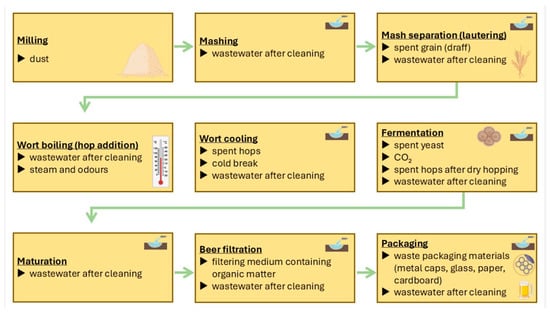
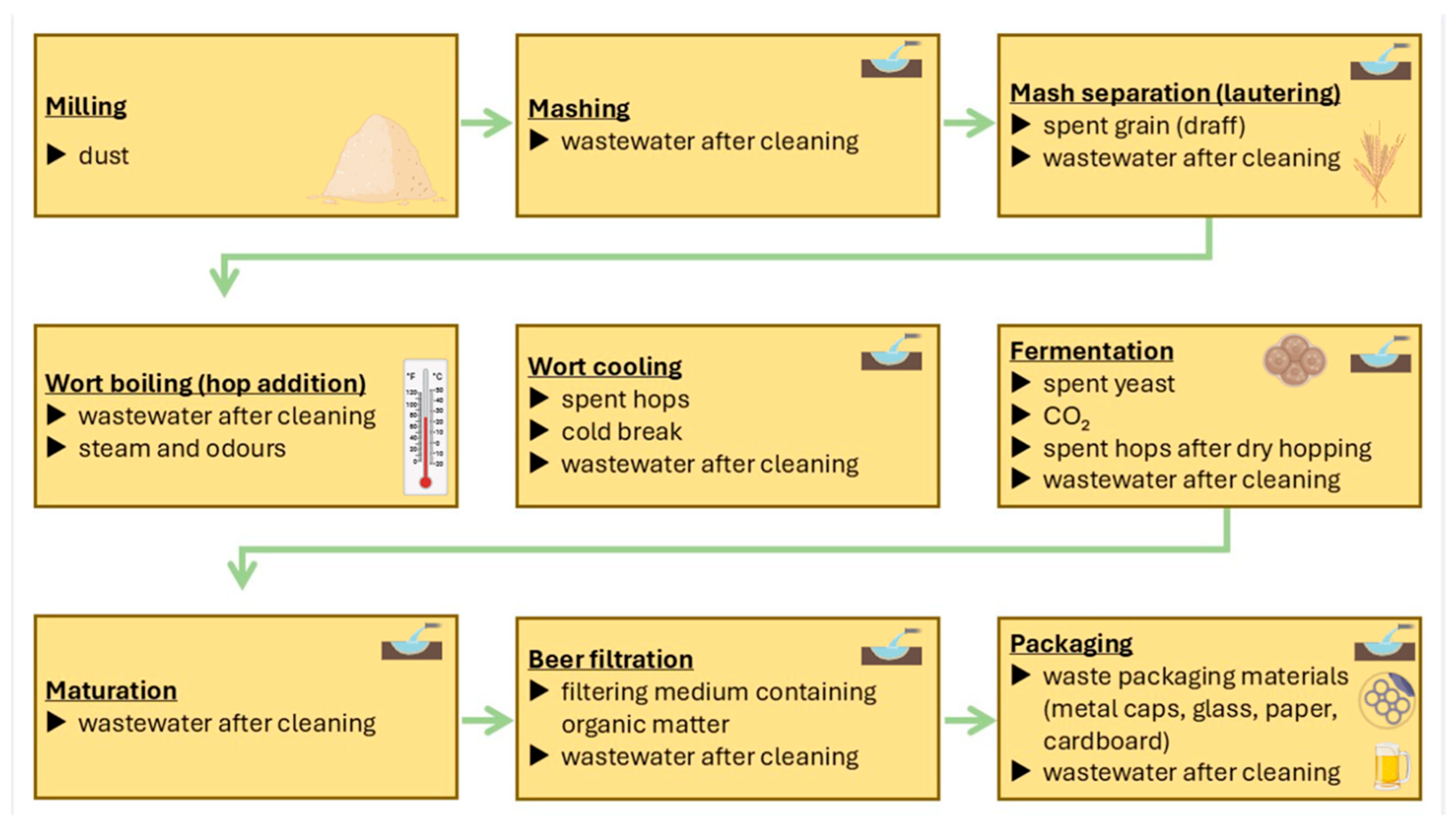
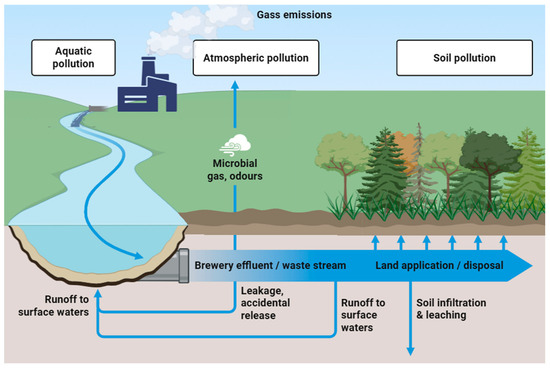
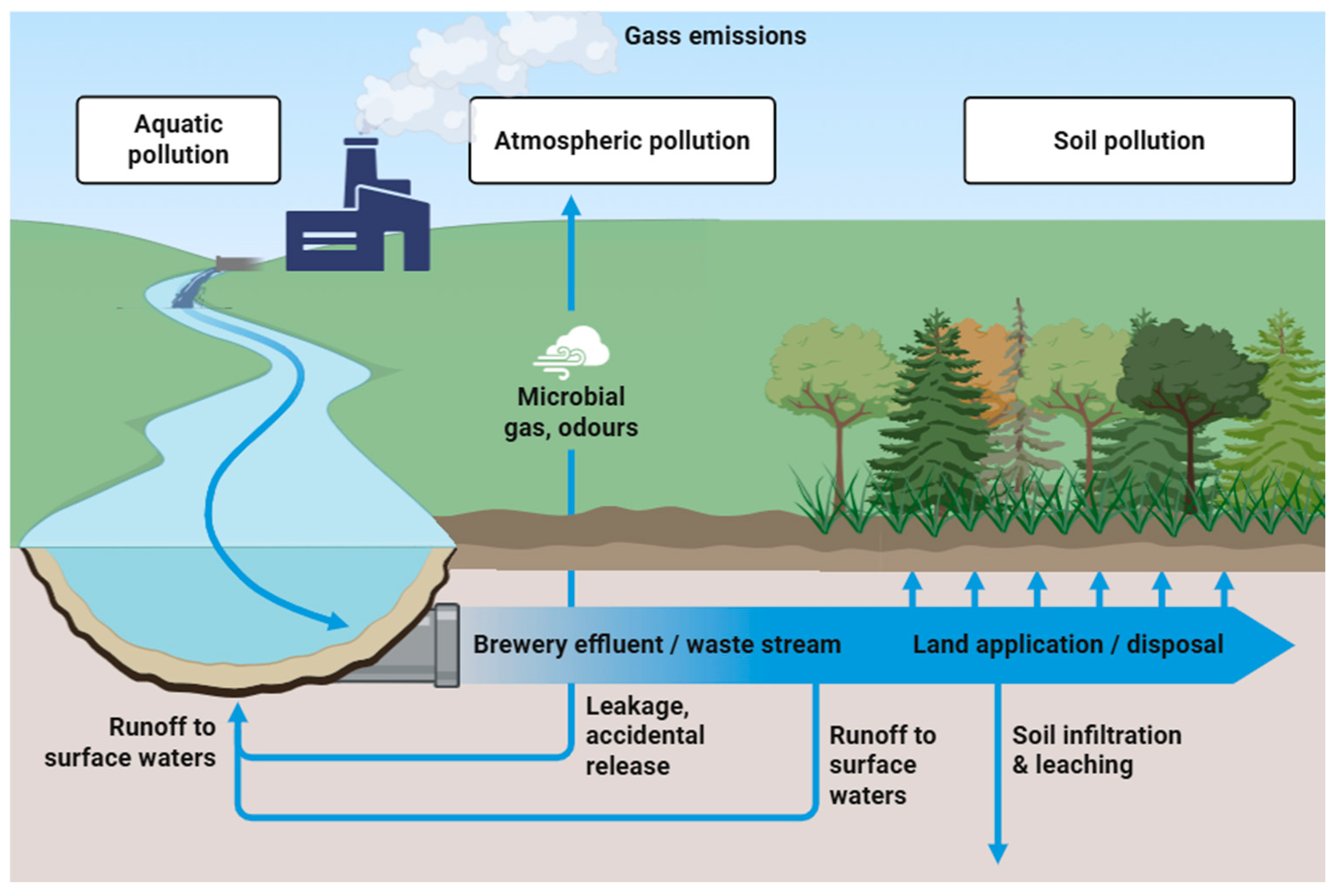

Disclaimer/Publisher’s Note: The statements, opinions and data contained in all publications are solely those of the individual author(s) and contributor(s) and not of MDPI and/or the editor(s). MDPI and/or the editor(s) disclaim responsibility for any injury to people or property resulting from any ideas, methods, instructions or products referred to in the content. |
© 2026 by the authors. Licensee MDPI, Basel, Switzerland. This article is an open access article distributed under the terms and conditions of the Creative Commons Attribution (CC BY) license.