
Article

Towards Healthier Space: Assessing Public Awareness About Radon-Exposure Health Risk in Buildings/Passive Houses—The Case of Serbia


by
Ranka Gajić
1,
Svetlana Batarilo
1,*,
Nataša Tomić-Petrović
1 and
Jelena Nešović-Ostojić
2
1
Faculty of Transport and Traffic Engineering, University of Belgrade, Vojvode Stepe 305, 11000 Belgrade, Serbia
2
Faculty of Medicine, University of Belgrade, Dr Subotića Starijeg 8, 11000 Belgrade, Serbia
*
Author to whom correspondence should be addressed.
Environments 2026, 13(3), 165; https://doi.org/10.3390/environments13030165
Submission received: 12 February 2026 / Revised: 11 March 2026 / Accepted: 12 March 2026 / Published: 16 March 2026
(This article belongs to the Special Issue Environmental Pollution Exposure and Its Human Health Risks)

Abstract

Radon is the most important of all sources of natural radiation, and it belongs to the main air pollutants in closed space. It is necessary to develop awareness of its harmful effects in buildings in order to take appropriate measures to reduce the risk of exposure to it. This study assesses public awareness of radon-related risks in Serbia by analyzing four areas: general public, legislative framework, professional practices, and student knowledge. Data were collected from media sources, legal documents, conferences and scientific publications, and surveys among students of University of Belgrade. Student answers have shown that they are not aware of the danger of radon in buildings: there is a gap between knowledge about radon and about its effects in the interior space. The results also show low presence of this topic in the media and in professional circles in Serbia. This paper is a contribution to the overall efforts to spread awareness in Serbia about the problem of the presence of radon in closed spaces and the health problems it can cause. This is also important in the context of the search for energy-efficient building solutions, where the passive house is emerging as the most sustainable form. It is a relatively new concept in Serbia, so information about the harmful effects of radon in indoor spaces and about the implementation of certain strategies in passive construction for protection against radon is necessary in order to protect the health of the environment and the population.

1. Introduction

The total radiation dose to which the world population is exposed in 96% of cases originates from natural sources, and 4% of cases originate from artificial sources of radiation [1]. Radioactive gas, radon, is the most important of all sources of natural radiation [2]. Radon was discovered in 1900 and called Niton, from the word nitens (to shine—due to its feature of emitting light at temperatures below the melting point), and then in 1923, it received its current name, radon.
It is produced by the decay of uranium-238 and thorium-232 and their progeny, and it contributes to more than 50% of the total dose received by the population from ionizing radiation [3,4]. The greater part of that dose is obtained by inhaling this radionuclide in a closed space, where radon, emanating from the soil and building materials, accumulates [5]. The half-life period of radon is 3.8 days, while its progeny has longer half-lives; thus, radon, and especially its progeny, can occur in places further away from the source of their origin. Radon and its progeny are radioactive: radon is a gas, but its progeny include metals that easily adhere to all surfaces; human lungs absorb them easily, considering that the average person inhales and exhales about 10 cubic meters of air per day [6,7]. According to the World Health Organization (WHO), the average concentration of radon in the air we breathe outdoors is low and ranges from 5 Bq/m3 to 15 Bq/m3, but it can be very high inside the closed space where we live or work. Doses from radon and its progeny in some areas are 10 times higher than the average, and locally, even several hundred times higher [8,9,10,11]. The biological effects of radon originate from radon’s progeny to the greatest extent.

1.1. Explication of a Problem—Serbia

In Serbia, the radon problem is recognized by the professional community as a real environmental health factor, as evidenced by research on the concentration of radon in houses and geological zones. However, scientific measurements of radon concentration are not continuous, and there is a lack of systematic monitoring of changes in radon concentration. The national radon map is not detailed enough. In the public discourse, radon is very little present, it is rarely mentioned in the media, and it is not part of the advice on healthy housing. There is no standard in residential construction regarding radon risk. In science, the topic of radon is insufficiently present; a small number of papers deal with different aspects of the effects of radon. Noticing this problem led us to analyze the situation in Serbia regarding information and awareness of radon and its effects.
Before the breakup of Yugoslavia, the scientific community in Serbia was familiar with the issue of radon. In 1963, the Vinča Institute—the country’s leading research institution—was the first to point out that radon should be addressed as a contaminant. The development of detectors for measuring radon levels in homes is associated with Croatia and with the period of the 1970s and 1980s, still part of Yugoslavia [12]. Since 1987, radon measurements have been carried out in buildings and mines throughout the country (in Serbia, Croatia, Slovenia, and Macedonia) [12].
Since the breakup of Yugoslavia, only Montenegro, among all the newly formed states, has so far carried out a study of the public’s awareness of radon issues and potential health risks [13]. The Republic of Croatia has developed a detailed map of radon occurrence in soil [14] and has comprehensive legislation addressing this issue [15]. Slovenia also has a map of radon presence in soil, as well as a large number of scientific studies on this topic [16]. The most extensive campaign has been carried out by Montenegro—the reason for this is the research conducted by the Montenegrin Academy of Sciences and Arts, which showed that the country, due to its geological characteristics, ranks among the highest in Europe in terms of radon concentration in residential and working environments [13]. There are also places in Serbia where elevated radon concentrations have been recorded [17,18].
With the adoption of the Law on Radiation and Nuclear Safety and Security in the Republic of Serbia and in accordance with the requirements of the EU Council Directive 2013/59/Euratom, which establishes the basic safety standards for protection from hazards arising from exposure to ionizing radiation, the conditions have been met to approach the radon problem in a systematic and comprehensive way in the Republic of Serbia. The development of an action plan for radon was also one of the activities of the national project, SRB/9/006, entitled “Upgrading National Capabilities and Infrastructure for a Systematic Approach to Control Public Exposure to Radon”, which the Directorate for Radiation and Nuclear Safety and Security of Serbia realized in the period 2018–2019 through technical cooperation with the International Atomic Energy Agency. The largest number of planned activities within this project was related to the implementation of radon concentration measurements in public buildings, primarily schools, and preschool institutions in the Republic of Serbia. One of the project activities was the development of an action plan for indoor radon control in apartments, public facilities, and workplaces in order to establish a system to protect the population and workers from the harmful effects of this radioactive gas.
Regarding the science, there are only a few studies that examine the relationship between energy-efficient houses and radon, or the influence of ventilation or building and insulation materials on the concentration of radon in buildings [19,20]. There are also a small number of studies that analyze the relationship between the concentration of radon in houses and lung cancer in certain regions [21], and there are few studies that deal with effective measures to protect against radon, especially in energy-efficient houses [19].

1.2. The Health Effects on Population—A Reason to Worry

The first published data on X-ray injuries come from Grube and Edison [22]. Although a high mortality rate of miners in Central Europe was observed even in the 16th century, it took until the 19th century to conclude that lung cancer was the main cause of that occurrence, and only in 1924 was it suggested that radon is responsible for it. Then, 30 years later, it was discovered that the biggest cause was actually the inhalation of radon progeny. That hypothesis was supported with precise measurements of radon levels in the mines at Bohemia, Czechoslovakia, in the period prior to WWII. The measurement results of radon concentrations were in the interval of 70–120 kBq/m3. The International Agency for Research on Cancer (IARC) classified radon as a carcinogen in 1988. It has been found that there is a linear relationship between radon exposure and leukemia, as well as lung, kidney, and skin cancer [23,24].
However, it is important to note that some environmental health risks are often exaggerated in society and the media, and epidemiology can help to assess them correctly [25]. In the case of radon, epidemiology tries to determine what the actual risk of lung cancer is at certain radon concentrations and how that risk changes depending on the length of exposure and smoking. Kabat [25] explains that radon can increase the risk of lung cancer but emphasizes that the risk is greatest when both factors are present together. Epidemiological studies conducted among uranium miners showed that workers who worked for a long time in mines with high radon concentrations had a significantly increased risk of lung cancer. However, Kabat emphasizes the difference between very high concentrations of radon in mines and significantly lower concentrations in residential buildings, and suggests that the results of studies on miners should be carefully applied to risk assessment in households.
Radon is the second leading cause of lung cancer, after smoking. Radon’s progeny decays in the body before leaving it, emitting alpha particles that cause damage at the cellular level. Radioactive aerosols of smaller dimensions are deposited in the lungs, and the larger ones remain in the nasal and oral cavity. The basal and secretory cells of the bronchial wall epithelium are the most sensitive to radiation. Alpha particles emitted during decay have a high ionization power, resulting in the formation of free radicals that cause serious health consequences (mutations, oncogenic changes, chromosomal aberrations).
Radon causes around 1000 lung cancer deaths in the UK each year [26]. Environmental Protection Agency (EPA) estimates that radon causes 21,000 lung cancer deaths each year in the USA [27]. The Minnesota Department of Health estimates that long-term exposure to the gas kills 700 people each year in the state [28]. Approximately 40 percent of homes in Pennsylvania have radon levels above Environmental Protection Agency action guidelines [29]. Nikezić concludes that for an average value of the concentration of radon progeny in the atmosphere of closed rooms of 15 Bq/m3 (EEZ), it can be calculated that about 5% of all lung cancers are related to the progeny of this radiation [30].
The World Health Organization has estimated that between 3 and 14% of all lung cancers originate from radon, and the risk of the disease increases by 16% for every 100 Bq/m3 increase in the concentration of this radiation indoors [31]. Inside the European Union, the risks of lung tumors after exposure to radon in closed spaces have also been confirmed, and a reference level of maximum 300 Bq/m3 in closed spaces was introduced [31,32].

2. Materials and Methods

2.1. Literature Review

By reviewing the literature, it is possible to determine the following classification of scientific papers on the subject of radon: papers describing the origin of radon regarding geology and underground water presence [4,5,33]; papers describing various approaches to measuring the presence of radon and modern types of detectors [34,35]; papers dealing with the issue of radon’s impact on human health with a focus on lung cancer [36,37,38]; and a group of papers focusing on the presence of radon in closed spaces and protection measures in building [39,40,41].
In addition to this, there are numerous papers describing approaches/methodologies used for public opinion research on environmental and health risks, but papers that put radon in the focus of such research are very rare. Specifically, the paper “Knowledge, risk perception and awareness of radon risks: A Campania region survey” [42] examines knowledge and awareness of Campania region residents about radon, how they assess the risk of exposure, and how aware they are of its impact on health. The paper shows that there is a gap between knowledge about the harmfulness of radon and one’s own risk of radon, and it is concluded that it is of utmost importance to try to fill the gap between knowledge about the health risks posed by radon and the perceived risk of self-exposure.
The research was conducted on a random sample of voluntary participants over the age of 18 from the Campania region in Southern Italy, through an online survey distributed through Internet platforms, over a period of 6 months. This methodology enabled the researchers not only to assess the level of awareness of the population about radon and the perception of health risk but also to examine whether the level of education or the source of information affects the level of awareness about radon and the perception of risk. Our study includes the survey research conducted on students of three faculties of the University of Belgrade, but it also examines the degree of appearance of the topic in scientific frameworks, in legal frameworks, and in the media space in order to provide a multilayered perspective on a problem.
The study “Survey on public perceptions of environmental risks” [43] points to a gap between the views of professionals and the opinion of the public about environmental risks in Europe with a detailed and thoroughly processed research methodology of access to professionals and the public.
First, an expert survey was used to provide a scientific classification of environmental risks. A total of 415 scientific experts from European Union member states were invited to participate via email. The survey questionnaire was used to examine how the public assesses various environmental risks and what are the factors that influence risk perception. The survey was conducted among adults from EU countries, older than 15 years, on a large number of respondents (25,000). The applied methodology enabled the researchers to measure the level of public awareness of environmental risks and to analyze the differences in risk perception between countries and social groups with different educational qualifications.
Another important paper done by Marris et al. [44], along with the research description and the results achieved through qualitative and quantitative methods, provides an example for population survey approaches. The research itself suggests that sociopolitical circumstances have a significant influence on the way society treats topics of ecology and environmental threats and that it is possible to establish predictive models of community response to risk.
Another study, “Empowering London Primary School Communities to Know and Tackle Air Pollution Exposure” [45], used a methodology based on a participatory research approach in which students, parents, and teachers were actively involved in data collection and in activities related to air pollution. The research included quantitative data collection on air pollution, and qualitative methods for examining the level of awareness about air pollution and its health effects of Omani school students by gender and grade, using a closed online questionnaire. The goal was to simultaneously measure the actual exposure to air pollution and the community’s level of awareness of the problem.
In the paper “Environmental Awareness and Environmental Education in Communities with Industrial Sources of Pollution” [46], it is concluded that the school, as a social institution, has an extremely important role in building environmental awareness.
The study “Environmental factors of Ecological upbringing and education” [47] analyzes the role of environmental factors in ecological education—family, school institutions at all levels, peer groups, media, and social organizations and institutions—and gives insight into the importance they have on ecological education; the primary role is given to the school. In addition, this paper highlights the growing importance of the media, alternative sources of knowledge, and informal educational institutions, because modern society, especially young people, spends more time with television, computer games, and the Internet. The paper also proposes the cooperation of schools with institutions of informal education, and their recognition as partners in achieving the goals of ecological education.
Our work combines the field of health and the problem of the presence of radon in closed spaces through the analysis and evaluation of society’s awareness of this topic in Serbia, with a comprehensive approach that relies on the mentioned studies that can be an example for similar research in other countries. At the same time, the result of our work indicates to what extent the society in Serbia is familiar with this issue and which areas in theory and practice can be acted upon with the aim of changing the situation.

2.2. Radon in Buildings and Measurement of Radon Concentration

Radon achieves the most harmful effect in buildings. The main sources of radon in closed spaces are the soil directly under the building (85–90%), building material (5–10%), underground water (about 5%), and natural gas (<1%). The parameters that affect the concentration of radon in closed spaces can be divided into natural (geological composition, i.e., the amount of radium in the soil and soil structure; and climatic and meteorological parameters) and technical, i.e., technological (the way buildings are constructed, and the number and size of microcracks in buildings), and people’s living habits (room ventilation, heating methods, etc.) [15].
Radon comes out of the soil, and it can penetrate inside the house if there are cracks in the concrete, through the joints of the floor and walls, through holes for installations, primarily in the basement rooms that are closest to the ground. That is why good sealing is important, especially in basements. Considering that radon comes from the soil, as the strongest source of radiation, and is heavier than normal air, if it penetrates the house, it stays in the lower levels of the house, and its concentration decreases towards the upper floors [48].
Radon is also found in building material, where it enters from the rocks from which the building material is obtained. Some types of natural stone (granite, slate, and sandstone), as well as concrete and bricks, may contain radioactive elements (such as radium; thorium; and their product—radon) that can be released into interior space over time. Therefore, it is necessary to pay special attention to the choice of materials. The risk of radon coming from building materials is usually lower than that of radon coming from the soil. However, there is still a possibility that radon from the building material contributes to the total concentration in the interior space.
Ventilation, or frequent airing, is very important: if there is no ventilation, radon is retained in the house. This is another reason why radon is found mostly in basements: they have a weaker airflow and fewer windows.
Modern, energy-efficient buildings with less ventilation can increase radon concentrations if not designed properly. Inside the passive house, as the most sustainable construction system, there is a possibility of retaining radon, but it depends on the way the house is designed and built. In a passive house, natural ventilation by opening windows is possible, but it involves heat losses. Perfect sealing ensures that minimal heat is lost, but in a space that is not adequately ventilated, it is possible to retain radon. By using an appropriate ventilation system in a passive house, in addition to preserving energy efficiency, regular air renewal is achieved, thereby reducing the risk of radon accumulation in the space.
Technologically precise construction work and sealing of basement rooms is desirable in order to prevent radon from entering the house, but an effective ventilation system is also necessary to remove radon from the house. In addition, it is important to pay attention to the choice of building materials in order to prevent them from being an additional source of radon emissions in the house.
Indoor radon concentrations can be reduced using well-established active and passive mitigation methods in order to minimize the health risk, like Active Sump or Underfloor Ventilation [49].
Radon enters the building also through water. The increase in indoor radon concentration caused by tap water depends on various parameters, such as the total consumption of water in the house, the volume of the house, and the ventilation rate. European Council Directive 2013/51/Euratom [50] (2013) establishes requirements for the protection of public health against radioactive substances in drinking water. According to the recommendation of the US EPA (1999) [51], the permissible concentration of radon in drinking water is 11 Bq/L, while the maximum radon concentration in groundwater, according to the WHO, is 100 Bq/L [32].
Developed countries’ populations spend about 80% of their time indoors, and the main level of irradiation of the population living in new residential units is three times higher than the dose they receive through radiographic imaging and other radiation-based medical tests [23,52].
Systematic measurements of the radioactivity of building materials and the calculation of the radon radiation dose in residential buildings, which began in the 1980s, are necessary for discovering uranium deposits, earthquake prediction, studying volcanic activity and testing geothermal energy sources, while also contributing to the identification of locations with potential health hazards [53].
In developed countries, specialized land maps of the presence of radon are made with the aim to determine the presence of radon in the ground on which the building is to be built. These maps are official documents available to the public in most countries through the Internet portal of public services [54].

2.3. Passive Houses

Passive houses are energy-efficient houses designed to take advantage of renewable energy sources and efficient technology with the aim of reducing energy consumption and minimizing negative impacts on the environment. A comfortable indoor climate in every season is provided without the need for a conventional heating distribution system [55]. The five key elements of a passive house are thermal insulation, three-layer windows with low-emission glass, an adequate ventilation strategy, sealing, and avoiding thermal bridges. Simple, compact building forms with south orientation, built with high-quality materials, are recommended. However, we are facing an increasing use of waste materials in the production of building elements (fly ash, by-products of the chemical industry) as a trend for environmental protection, and this process that should be controlled. Additives and minerals in building materials have a negative effect on porosity.
Passive houses are increasingly popular, tending to have a higher value than traditional houses on the real-estate market [56,57,58,59]. Compared to the conventional house concept, energy savings of over 90 percent are possible, while the initial investment is at least 10 percent higher [60].
This concept has existed in the world for about 40 years, but in Serbia, it is still insufficiently present for several reasons: due to the initial investment price which is paid off after 8 to 10 years and, at the same time, the low price of the traditional domestic construction system; due to the climate being more demanding than in Central Europe, where this concept was born; due to an underdeveloped market with a weak offer of construction materials that do not have an impact on the environment; and finally, due to insufficient information and lack of awareness about environmental impact of passive concept. Nevertheless, passive houses are inevitably going to become the standard for construction, especially in the context of rising energy prices.
The occurrence of radon in passive houses depends on several factors, including geological characteristics of the soil, moisture level, and ventilation. The passive house can be designed to minimize the risk of exposure to radon: a well-sealed passive house can prevent the natural flow of air that would remove radon from the space, and ventilation reduces the concentration of radon in the air, as using special porous materials enables the walls to breath [61,62]. Natural ventilation by opening windows is possible, but it involves thermal loss. In a passive house, the ventilation system is the most important aspect because it provides clean air and eliminates moisture and condensation, and for this, perfect sealing is necessary, but at the same time, it represents a possible problem for radon-level control. It is recommended that the installation of a radon detection system be included in the planning of a passive house, as well as regular testing of radon levels in the air in order to detect and eliminate any potential problems [48]. New research, however, comparing radon levels in passive and non-passive homes suggests that passive house construction protects occupants from excessive radon levels by applying innovative materials and ways of building [61]. The development of new materials with reduced radon permeability will contribute to the reduction of its harmful effects in residential buildings. It is necessary to implement education regarding the materials that are incorporated into buildings, information through the media, and professional training within the convenient professions.

2.4. Methodological Considerations and the Goal of the Study

The aim of this research is to examine public awareness in Serbia about radon and its effects on health, as well as about possible ways of protecting against it, especially in buildings, which are the spaces that accumulate radon the most, bearing in mind the situation in Serbia after the breakup of Yugoslavia, as it lags behind its former republics in conducting research, informing the public, and taking measures of protection against radon, which is described in our introductory considerations. This study is on the public’s awareness of the probability and seriousness of the potential danger and risk of radon in the environment in which they live. This means consideration of the following topics: How much does the public knows about radon, or how much do they follow information about it? How much information is available to them? Do they know about the harmfulness of radon in buildings. Do they know anything about protection against radon in buildings? And do they take any protective measures in buildings? Accordingly, the scope of the research is the overall information and awareness on radon in Serbia.

Description of the Methodology

Our research is based on similar community studies as a methodological framework for the analysis of awareness in society about the harmful effect of radon on health, determining how much the public, professionals, lawmakers, and students know about the topic. The different awareness of these groups that is shown shapes the overall awareness. The methodology used in this research includes qualitative, quantitative, and descriptive methods, considering (1) a literature review and research of the theoretical background by researching legal documents, scientific papers and doctoral dissertations, and texts from the media and the Internet; (2) an exploratory case study—conducting the survey questionnaire among students of three faculties, and data analysis and interpretation of the results.
We investigated the awareness of the general public through the analysis of media, newspapers, portals, and social networks; we examined the professional public by reviewing the presence of the topic in professional forums and scientific conferences and by reviewing the topics of scientific papers. We determined the number of articles and works on the subject of radon by entering the word “radon” into the first search, and after that, we were searching for words like “radon in buildings” and “radon and passive houses”. Considering that there are very few articles on the topic of radon in general, we have analyzed all the sources that we have found that contain the topic of radon. Although the number of appearances of the selected keywords was small, which effectively means a limited number of articles and papers, we did the selection for analysis. Specifically, the three daily newspapers selected for this analysis—Blic, Politika, and Večernje novosti—are widely regarded as being among the leading print media outlets in Serbia. Politika, founded in 1904, is the oldest daily newspaper in the Balkans and remains one of the most respected publications in the country. Blic and Večernje novosti consistently rank among the highest-circulation daily newspapers in Serbia, as reflected in their long-standing presence and visibility in the Serbian media landscape. In addition, a selection of online portals was included, namely those that had published articles related to the presence of radon in buildings and appeared in search engine results. The year 2009 was selected as the starting point for the search, as it marks the publication of one of the earliest articles on this topic, found on the web portal of Radio Television of Serbia [63].
The situation in legislation and practice was analyzed through specific legal documents and relevant laws, regulations, and examples. At the end, we made a survey on the level of awareness about radon and its effects on health in buildings that we conducted among the students of the three faculties in order to determine the extent to which the student population is familiar with this issue. Students are estimated as the target group for research through a survey that could be a good indicator of public information since they are young people to whom the information is most accessible. Apart from being a group that easily gets information, students also work as the transmitters of knowledge. We chose students of the Faculty of Architecture because of the passive house, students of the Faculty of Medicine because of the effects of radon on health, and students of the Faculty of Traffic and Transport Engineering as a neutral group in relation to both topics. Also, the researchers who co-signed this study are employed at these faculties as lecturers.
The presence of the topic in laws, media, and scientific works was processed through descriptive and quantitative analysis. The data and texts about radon that are found in the mentioned sources are listed and described.
The second part of the analysis is a survey consisting of 15 questions concerning the students’ knowledge on radon and its risk for health, specifically in buildings:
  • Do you know what radon is? (Yes/No/I’m not sure)
  • As far as you know about radon, what was the means of information? (Family/Media/Social networks/Education/Other)
  • Are you familiar with how radon is produced? (Yes/No/I’m not sure)
  • Is radon a natural or artificial gas? (Natural/Artificial)
  • Where is radon mostly found?
  • Are you familiar with the health effects of radon? (Yes/No)
  • Which human organ does radon specifically affect? (Heart/Lungs/Brain)
  • Are you familiar with methods to protect against radon? (Yes/No)
  • Please specify which method(s) it is.
  • Is radon more dangerous outdoors or indoors? (Outside/Inside)
  • Do you think that the implementation of radon protection implies high costs? (Yes/No)
  • Do you know anything about the impact of cosmic radiation on people? (Yes/No)
  • Do you know what the passive house concept means? (Yes/No)
  • Does better insulation in order to save electricity mean higher radon levels? (Yes/No/I’m not sure)
  • Would you like to know more about radon and its effects on health? (Yes/No)
The survey was answered by 190 students: fourth year of the Faculty of Architecture (30 students), third year of the Faculty of Medicine (90 students), and second year of the Faculty of Traffic and Transport Engineering of the University of Belgrade (70 students). The methodology used for the survey research was designed as a descriptive qualitative method for collecting information about the radon awareness among students by which we determined and described the quality of the attitude towards this issue. We have developed a questionnaire for the students about (a) radon generally, including its origin, characteristics, and health risks; and (b) radon’s effects in buildings and protection from radon. Investigators personally organized the survey, each of the authors at his or her own Faculty, during the winter semester of 2024/25, on a printed survey.
Analysis and interpretation of survey results were made using statistical techniques like percentage and mean, with results shown through graphs. Professional verification of the obtained results was made by the authors’ team for this paper. Obtained results were verified by (a) checking the consistency of the answers through logical validation, which guarantees that the answers make sense to in relation to each other; (b) checking the format in order to possibly remove any meaningless entries; and (d) cross-validation—if the answers were mutually contradictory, they would not be included in the analysis. We have concluded that all responses should be processed.
The research was conducted in compliance with ethical principles, which include the informed consent of the participants, as well as anonymity and confidentiality of data.
The combination of the analyses of different groups (law, professionals, the public, and students) provides an overview of the overall level of information in Serbia on the subject of knowledge of radon and its harmful effects on health, especially in buildings. It is also possible to observe the potential impacts of different segments of society—then students can be seen as transmitters of knowledge and information, while professionals and legal provisions indirectly reach the general public.

3. Results—Radon Awareness in Serbia

3.1. Media and Expertise (Presence of the Topic)

Regarding media presence, we searched the Internet using the keywords “radon”, “radon in buildings”, and “radon in passive houses” within Serbian web portals and found several articles on the topic published between 2009 and 2026. As stated in the Methodology section (“Description of the Methodology”), the web portals of the three leading daily Serbian newspapers—Blic, Politika, and Večernje novosti—were specifically singled out, while relevant articles from other online media were categorized under “Others” (see Table 1 and Table A1 in Appendix A for a detailed list of the articles and links provided).
The topic of radon is periodically present in the Serbian media. It received some attention during 2016, when the National Radon Measurement Campaign was implemented. After that year, the topic in the media declined, and during the past few years, this topic has almost completely disappeared from public discourse, with only six articles on the subject identified since 2024, the last of which, published in 2026, appeared in two different sources. A total of 25 relevant articles on the topic of radon in buildings over a 15-year period were identified across the leading daily newspapers in Serbia, supplemented by a selection of online portals—a negligible number, which leads to the conclusion that this topic has not received sufficient media attention in Serbia.
Awareness of the importance of this issue is present to a certain extent in professional circles. In the last few years, the number of seminars, workshops, and conferences dealing with the problem of radon in buildings, including passive houses, has been increasing, but still of insignificant impact and number. These conferences bring together experts from various fields, including engineers, architects, physicians, and others, in order to share experiences and learn about new techniques and methods for reducing indoor radon exposure [64,65,66,67]. There are no data on specialized scientific research projects dealing with this topic in Serbia.
Several doctoral dissertations that we have found (mostly in the field of nuclear physics) mainly examine radon as a chemical element and gas, regarding its existence, effects, radiation, radon potential, and measurement, but none of them investigates the effects of radon in closed space and protection against it [68,69].
The Directorate for Radiation and Nuclear Safety and Security of the Republic of Serbia [70], as a regulatory body in the field of ionizing radiation, has initiated the construction of a national radon protection system through a national radon measurement program, defining the methods of mapping the territory of our country (by developing a radon map), determining the reference national level of radon concentration for Serbia, building an institutional radon control system in closed spaces (monitoring radon measurements in private and public buildings), and building an institutional system for reducing radon levels. For now, these measures are declarative, but they indicate the awareness of professionals about the steps that must be taken.
There is a website about methods of measurement and protection [71] that was launched by The Agency for Protection against Ionizing Radiation and Nuclear Safety of Serbia in order to inform the population about radon. However, it is in elementary form—there is a section on regulations in which there is not a single written word, and only a small amount information about radon can be found there. It can be concluded that this topic receives very little attention in Serbian media.

3.2. Legislation (On Radon in Buildings)

The Law on Planning and Construction [72] does not specifically mention radon, but it is a part of the regulations on healthy buildings. The Republic of Serbia has prescribed intervention levels for chronic exposure to radon in homes as 200 Bq/m3 in the air in newly built residential buildings, and 400 Bq/m3 in the air for existing apartments [73], higher than the adopted maximum of 300 Bq/m3 allowed for the EU [31]. This law also deals with radiation safety [74], as well as the levels of permitted content of radionuclides in water, food, animal feed, medicines, etc. [75]. The legislation does not specifically regulate the issue of radon in passive houses.

3.3. Practice (Measurement of Radon in Buildings)

According to the measurement of radon concentration in residential buildings on the territory of Belgrade, in the mid-1990s, in almost 10% of houses where the radon level was measured, there was three times more lung-destroying radioactive gas than it was allowed [76]. Given that Serbia was the only country in the region and in Europe that did not have a map of radon, the International Atomic Energy Agency initiated a project to create a radon map in our country almost three decades after [77].
The Secretariat for Environmental Protection of the City, for the last several years, has been funding the monitoring of radon concentrations in residential buildings, schools, and preschool institutions in the territory of the city of Belgrade [78]. In the following period, the goal will be to expose the detectors in parts of Serbia that had a smaller number of previous measurements, as well as to repeat the measurement in those residential buildings where significantly high concentrations of radon were measured [74].

3.4. Knowledge on Radon Among Students of the Relevant Faculties—Results

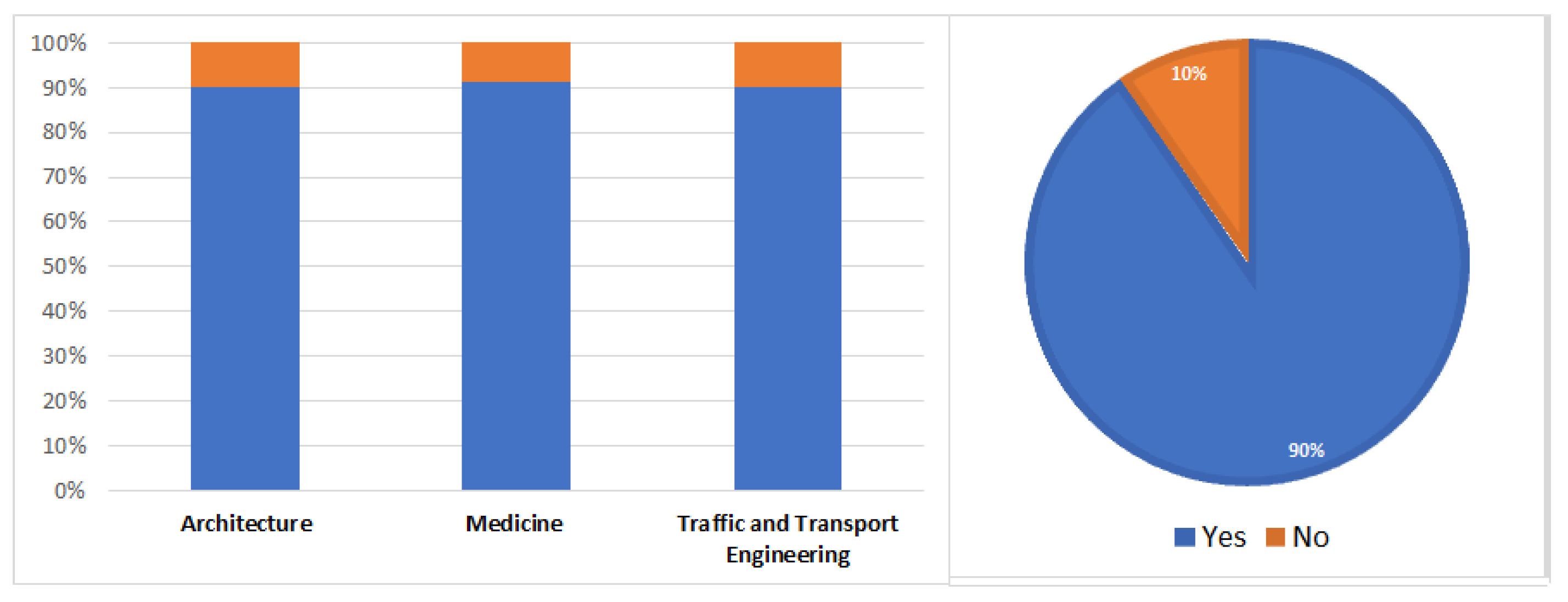
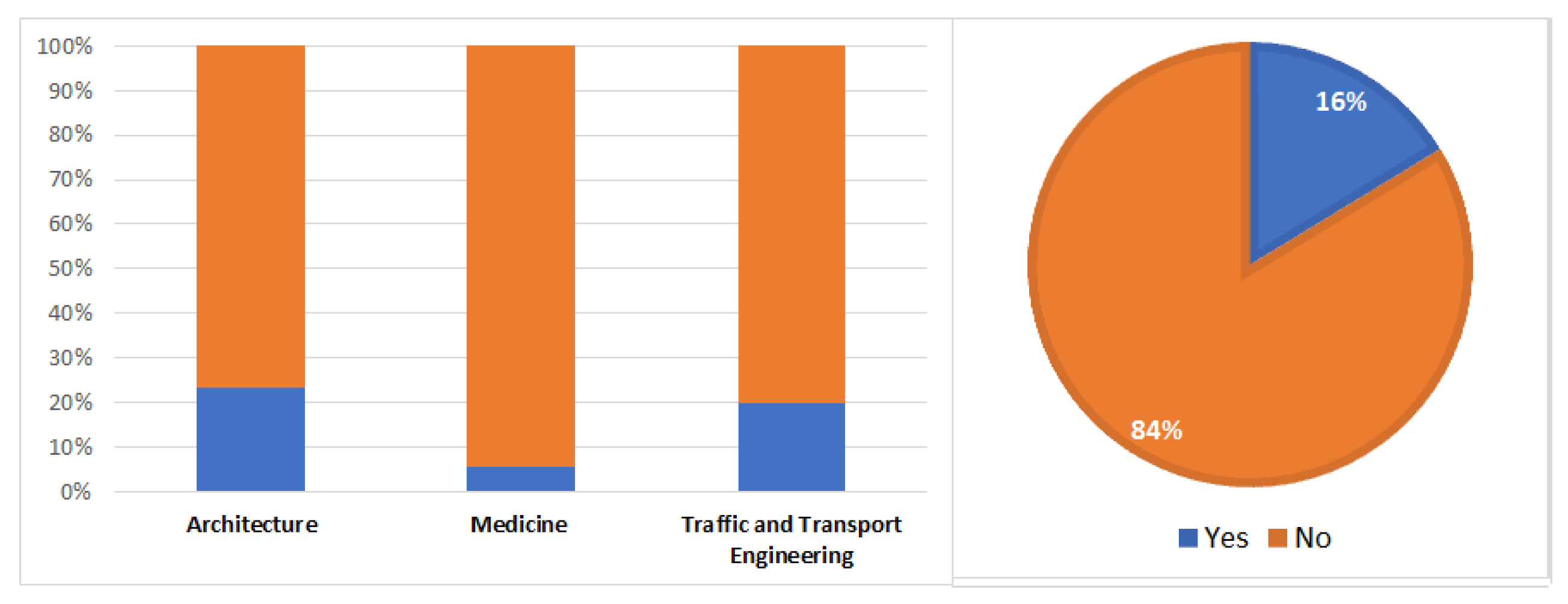
The survey analysis showed that students of the Faculty of Architecture were the least informed about radon (almost 77% of respondents did not know what radon was—“no” and “not sure” answers), and the students of the Faculty of Medicine were the most informed (82.22% knew what radon was). A positive answer to this question was given by 71.43% of students of the Faculty of Traffic and Transport Engineering (see Figure 1). The attached figures represent student answers: a bar chart showing the percentage of responses for each faculty separately, and a pie chart showing mean of group averages.
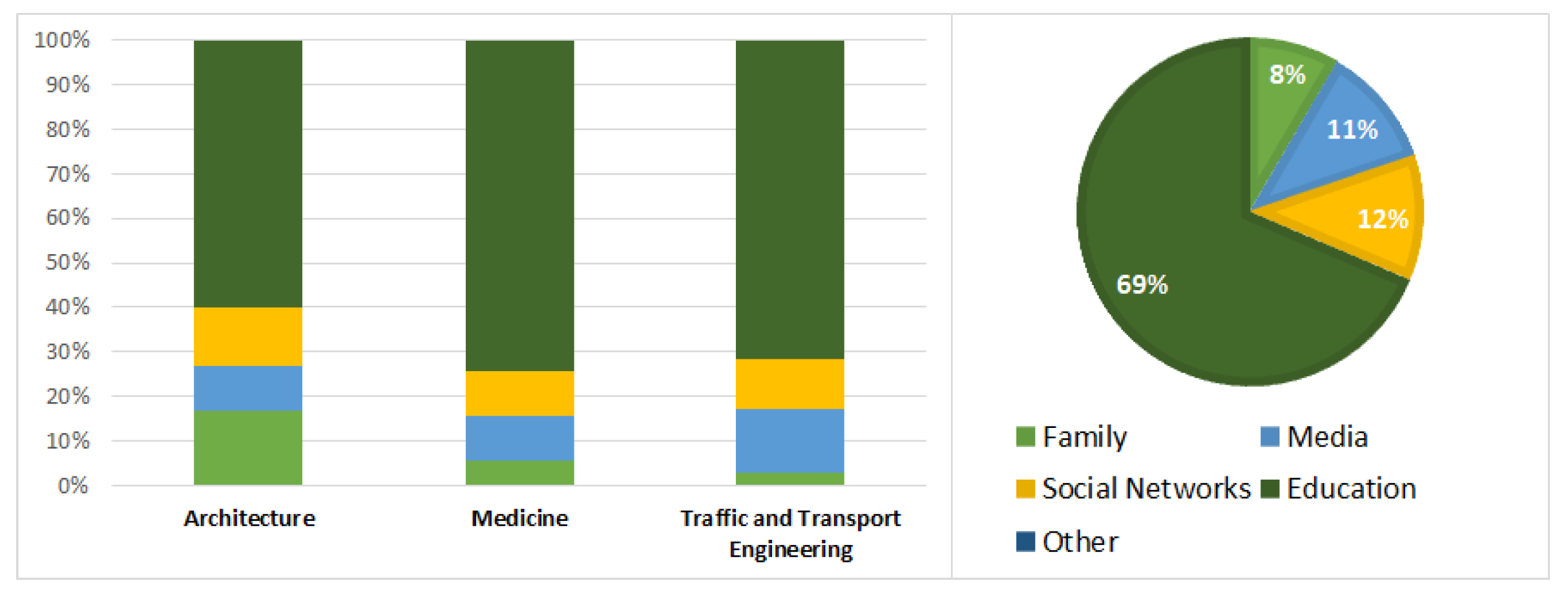
When asked where they got information about radon, 74.44% of all groups answered through education, almost 6% stated family, 10% of students mentioned social networks, and 10% said the media (see Figure 2).
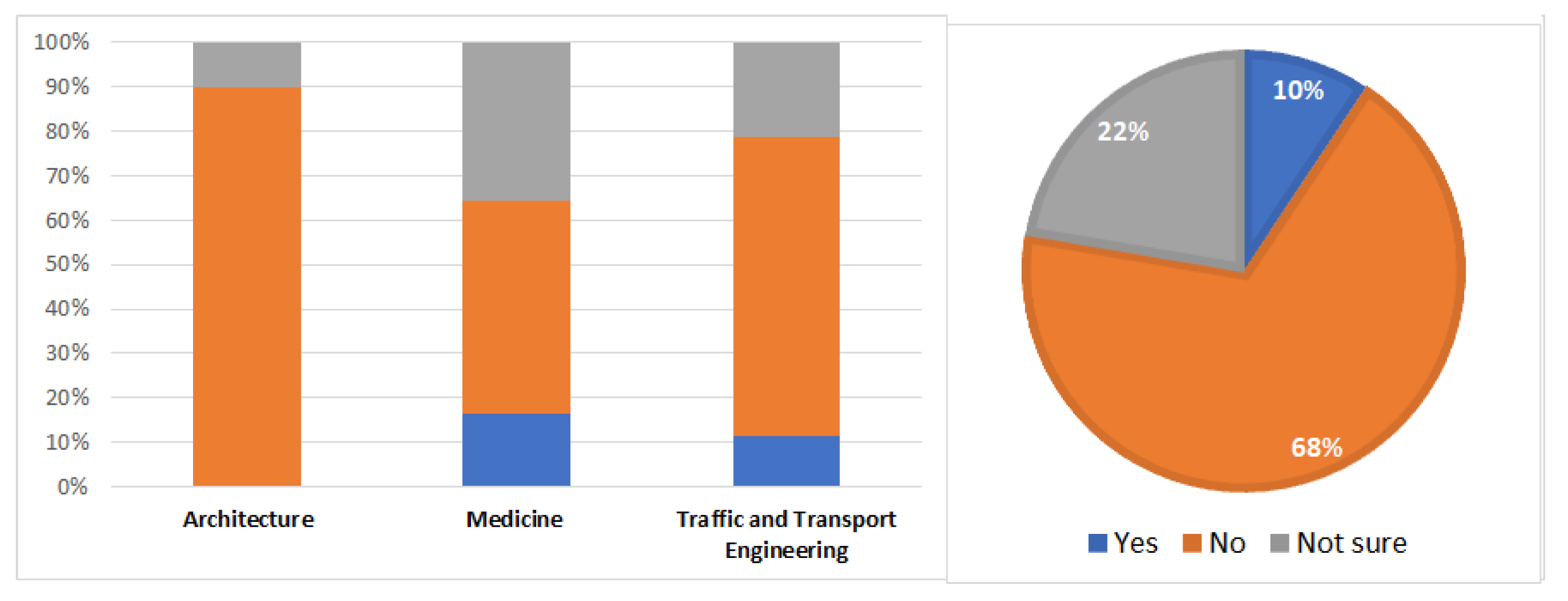
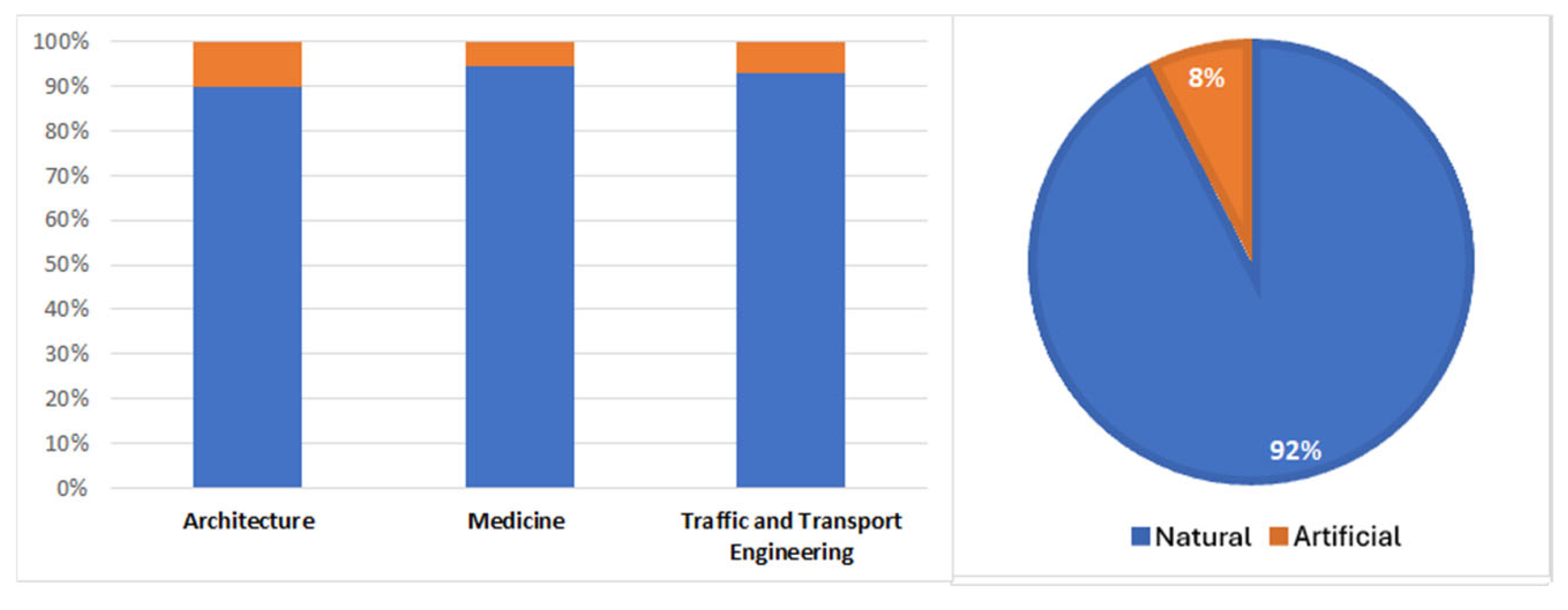
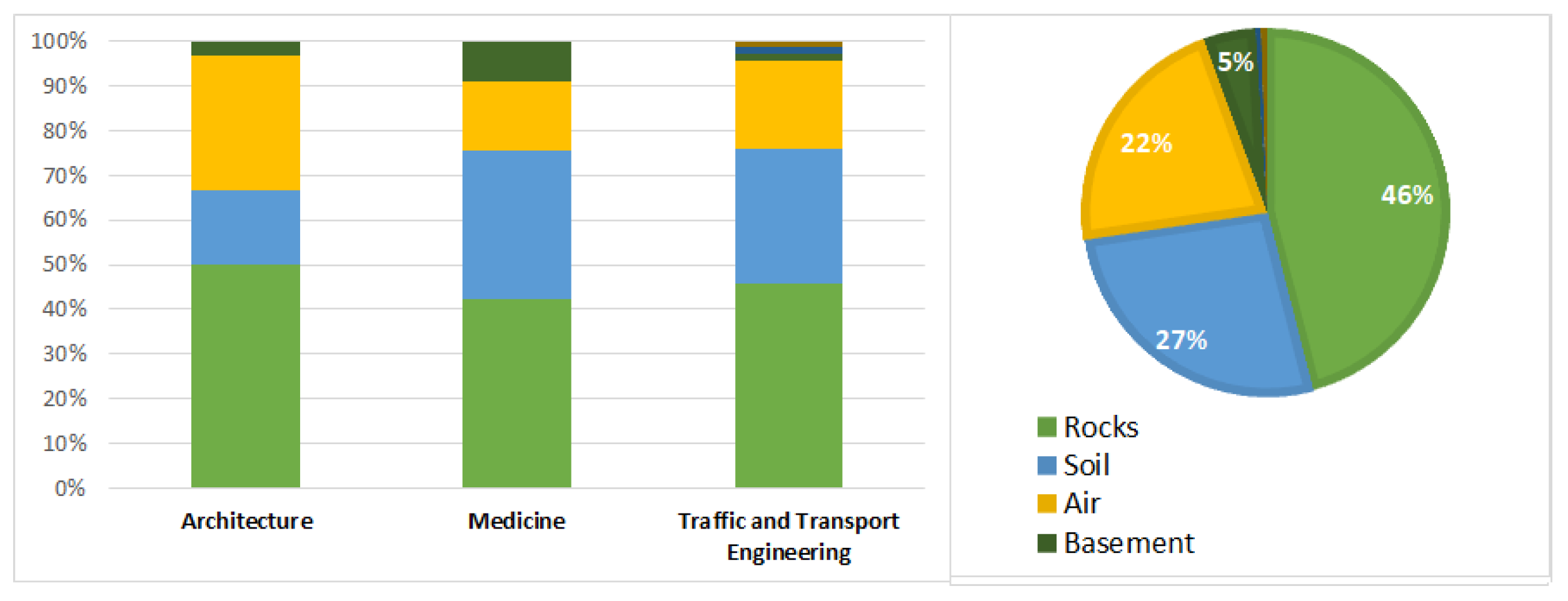
Students of the Faculty of Architecture knew the least about the other issues concerning radon: where radon comes from—no one of the surveyed architecture students knew, only a small number of Faculty of Traffic and Transport Engineering students (11.43%) knew, and 16.67% of the surveyed students of the Faculty of Medicine knew how radon was produced (see Figure 3). Only 7.57% of all students (with almost the same percentage inside the groups) did not know that radon is a natural gas, while 92.43% did know (see Figure 4). When asked where the most radon is found (this question did not offer pre-selected answers; the respondents provided their own answers), the most answers were rocks, 45.98%, then soil, 26.67%; air, 21.85%; basement, 4.55% (10 persons among 190, most of them Medicine students); and several other answers, such as “some homogeneous composition” (0.48%—one person among 190) or “radiation from the device” (0.48%—one person among 190), which together make up about 1% (see Figure 5).
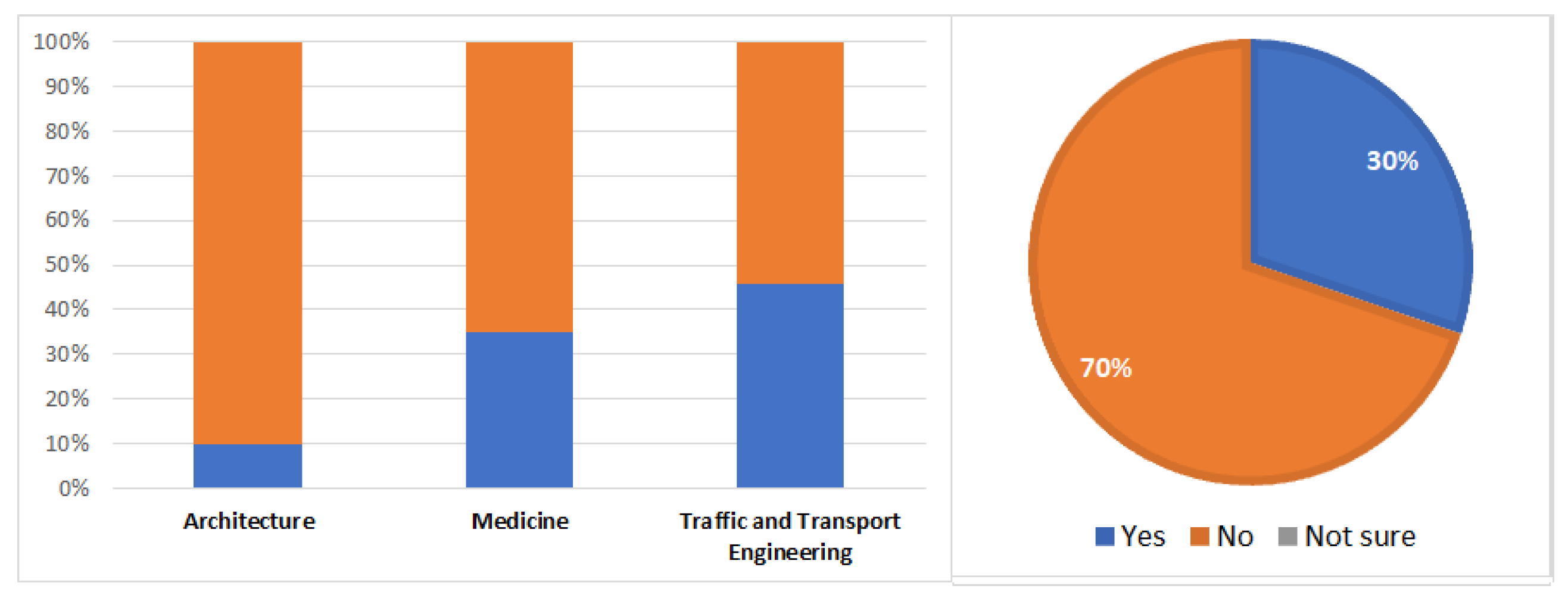
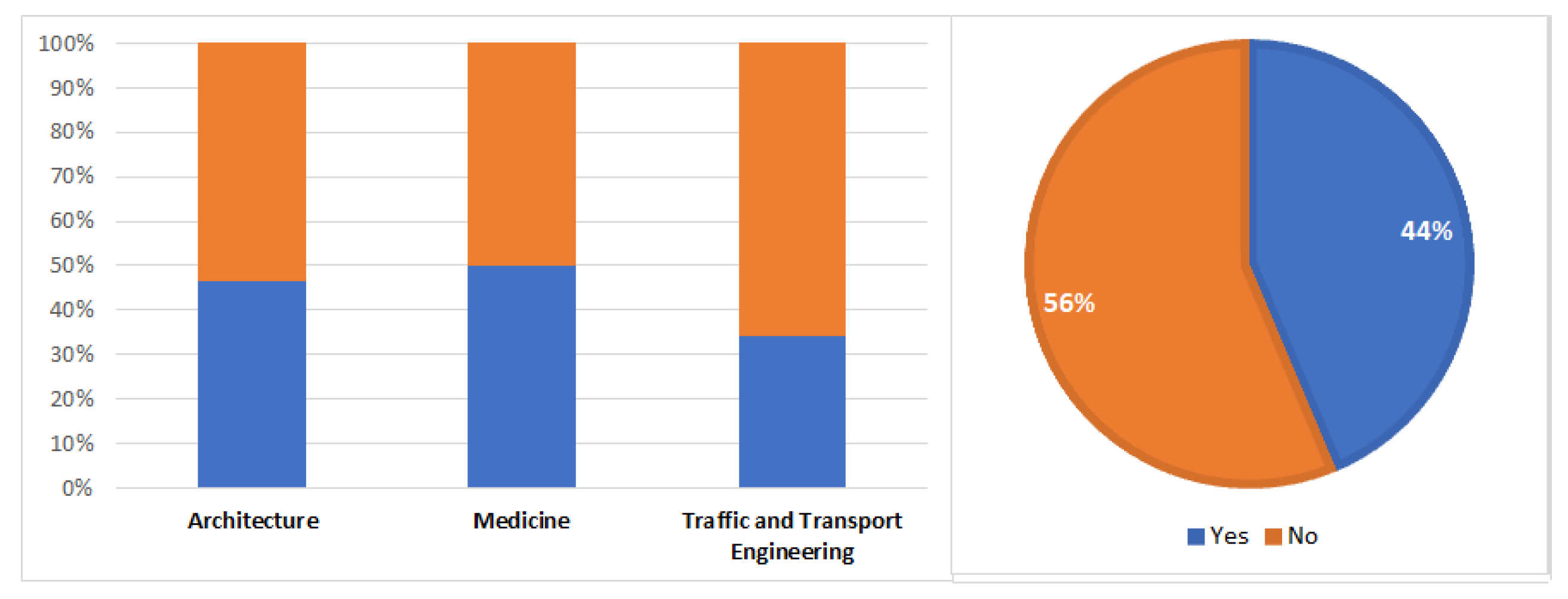
When asked if they were familiar with the effects of radon, 10% of students of the Faculty of Architecture, 34.88% of students of the Faculty of Medicine, and about 45.71% of students from the Faculty of Traffic and Transport Engineering answered yes (see Figure 6).
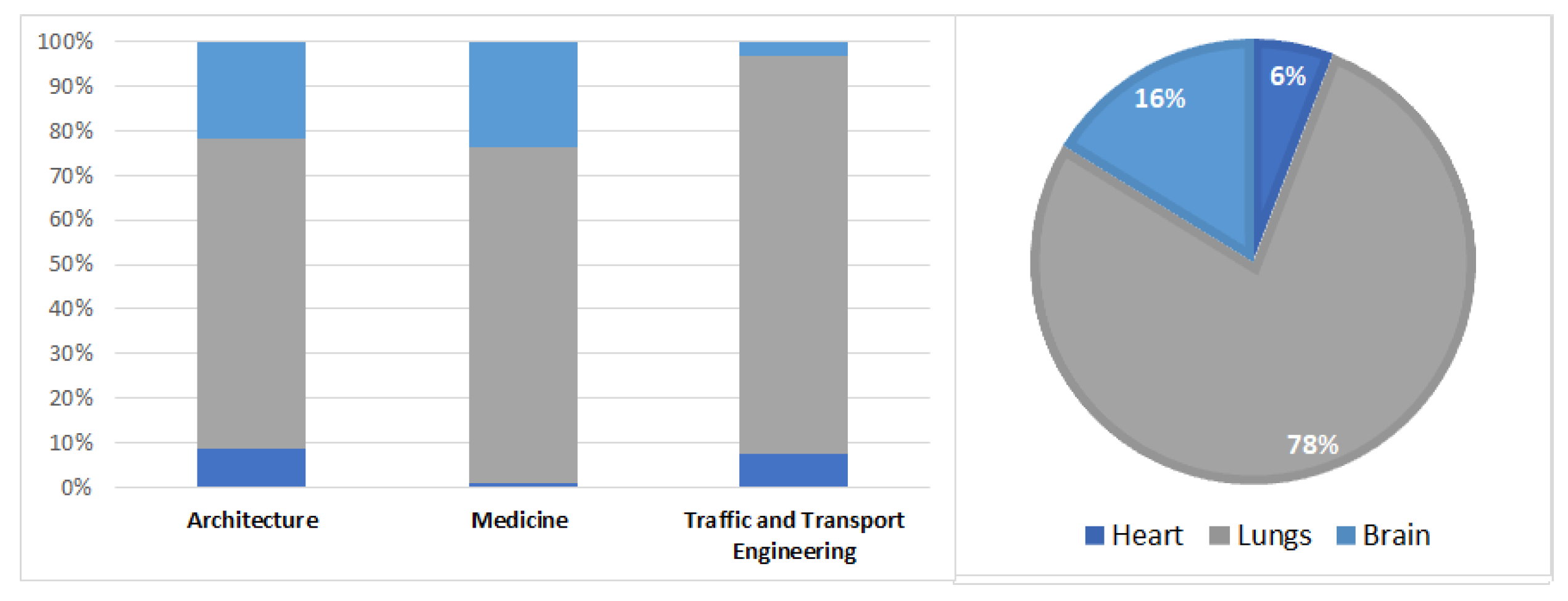
The majority of surveyed students knew that radon has a bad effect on the lungs (89.23% of students of the Faculty of Traffic and Transport Engineering, 75% of students of the Faculty of Medicine, and 69.57% of students of the Faculty of Architecture), while a small number of students thought that the heart and brain were at risk (see Figure 7). We have noticed that the majority of students who answered that they did not know anything about radon chose the lungs.
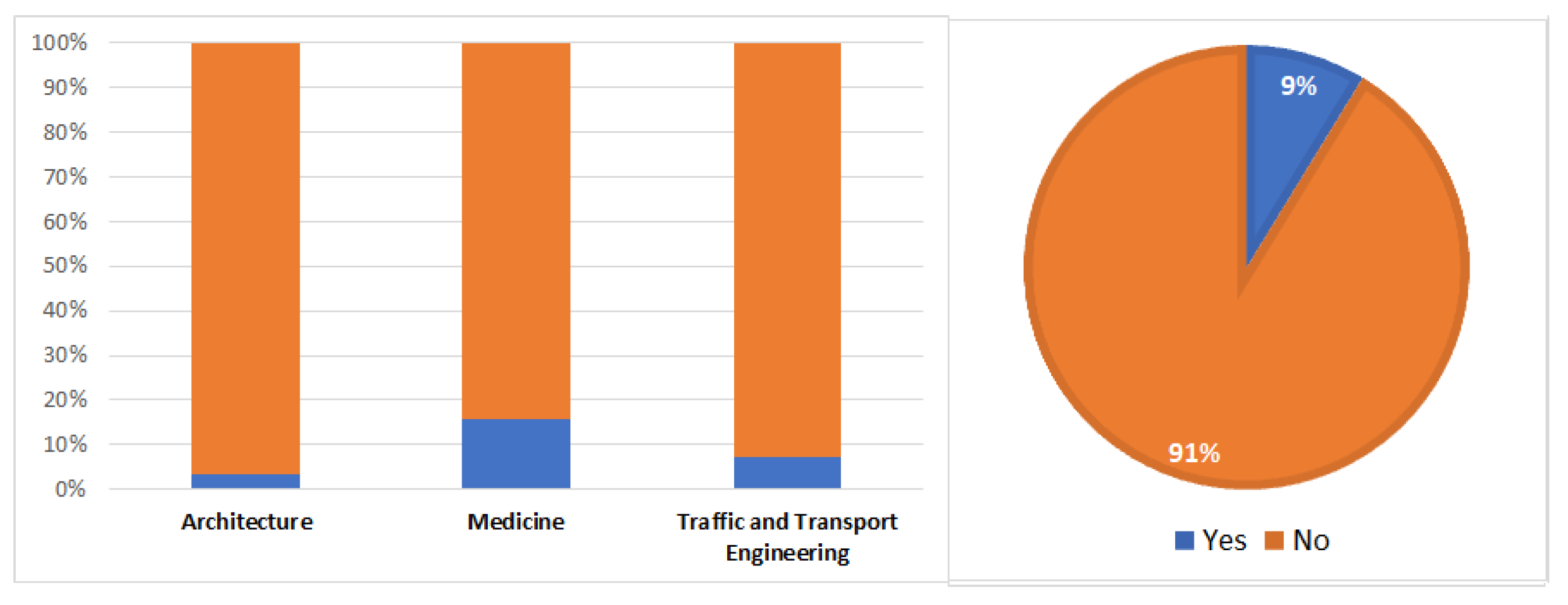
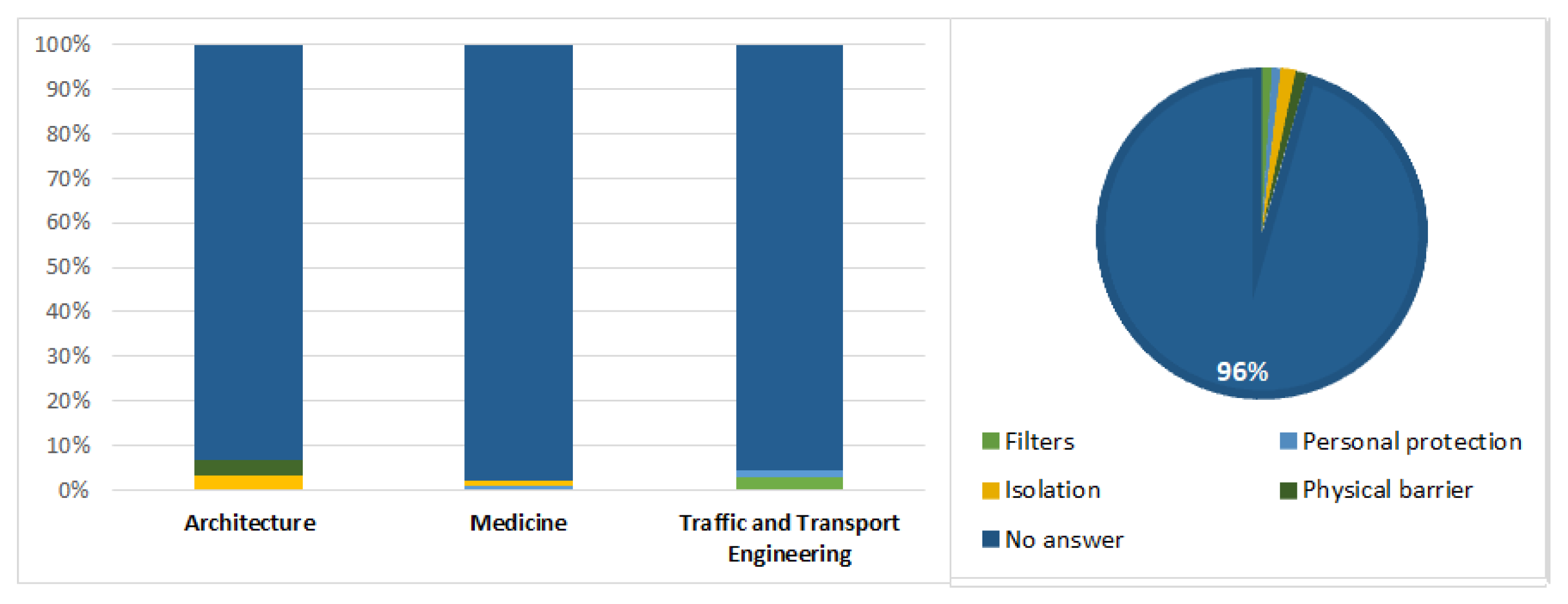
Ways of protection from radon are unknown to almost all surveyed students (96.67% of students of the Faculty of Architecture, 92.86% of students of the Faculty of Traffic and Transport Engineering, and 84.27% of students of the Faculty of Medicine) (see Figure 8). We also asked them to specify the way of protection (question with no pre-selected answers), and according to previous answers, only a small number of students gave answers: filters (0.57%), personal protection (0.28%), isolation (0.7%), and a physical barrier (0.7%) (see Figure 9). The answers to these two questions indicate a lack of information, especially among the students of the Faculty of Architecture, who might have been expected to know a little more, since using ventilation or appropriate building materials as a means of radon protection is pertinent to their professional field.
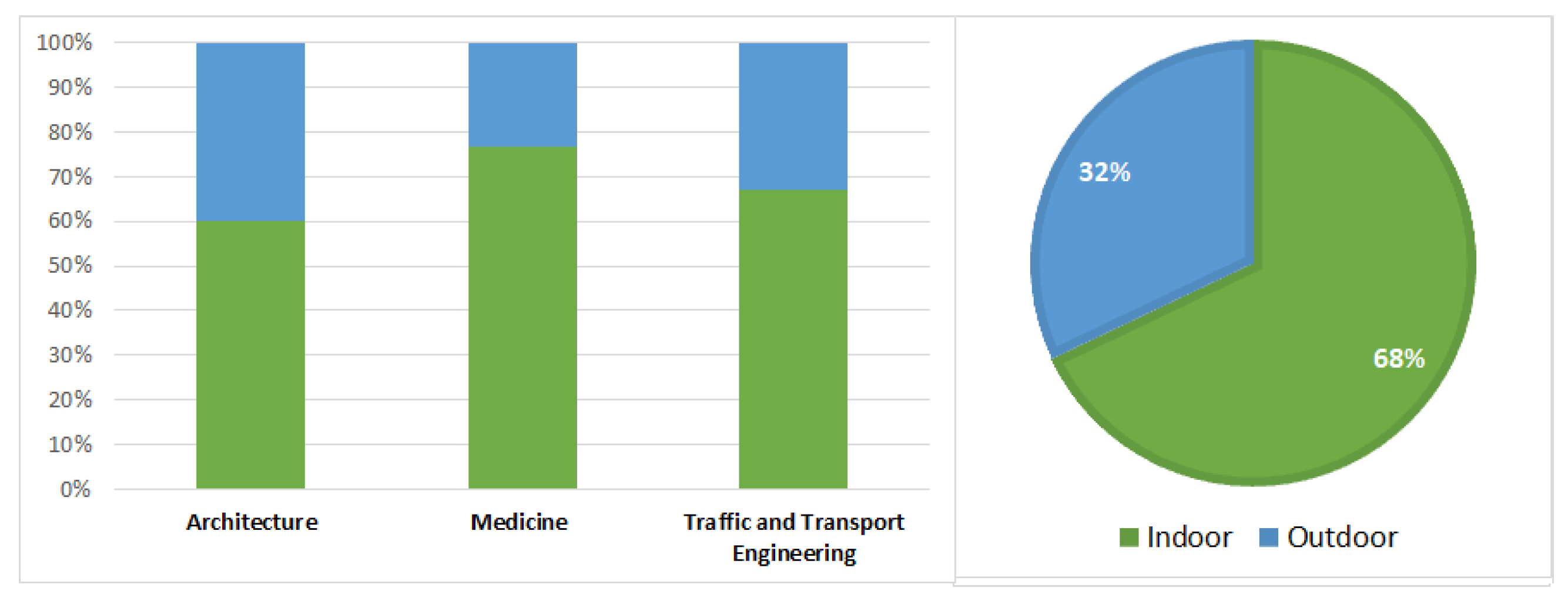
Is radon more harmful outdoors or indoors? In total, 32.06% of all groups of students answered outdoors, while 67.94% answered indoors (see Figure 10).
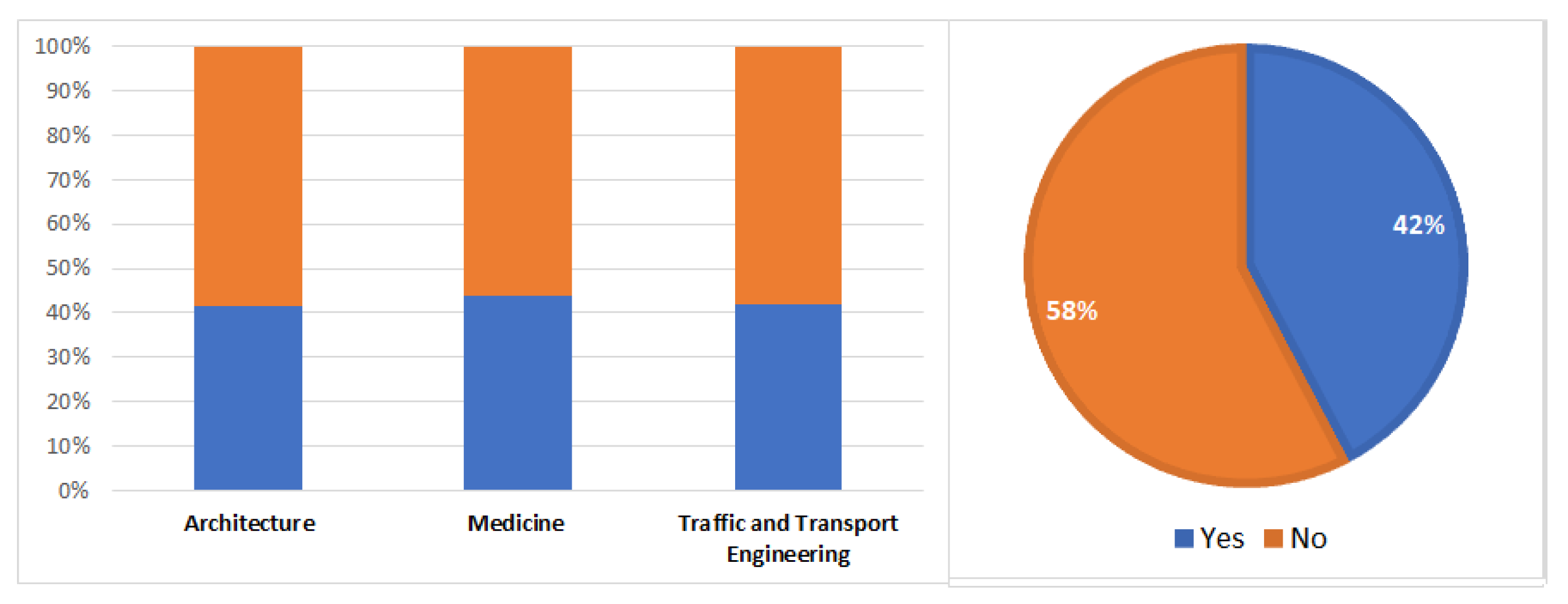
Nevertheless, 41.38% of the students of the Faculty of Architecture, 41.79% of the students of the Faculty of Traffic and Transport Engineering, and 43% of the students of the Faculty of Medicine believe that the implementation of radon protection implies high costs (see Figure 11), what in today’s time of higher expenses would potentially be a significant reason to give up on taking measures for protection. This is a high percentage of responses compared to their previous responses where they claimed not to know about radon protection. We took these answers as a possible indicator that they are aware that in the society in which they live, there is no radon awareness among people and no initiative by the state to inform them.
When asked if they knew about the impact of cosmic radiation on people, 53.33% of the surveyed students of the Faculty of Architecture, 50% of the students of the Faculty of Medicine, and 65.71% of the students of the Faculty of Traffic and Transport Engineering answered that they were not aware of this impact (see Figure 12).
When asked if they know what a passive house was, students of the Faculty of Architecture (23.33%) answered positively, students of the Faculty of Traffic and Transport Engineering (20%) knew slightly less than them, and students of the Faculty of Medicine mostly had not heard (94.44%) about that concept (see Figure 13). These were also the biggest differences in answers between faculties. Here, it is important to note that the students of the Faculty of Architecture have relatively little knowledge about passive construction (although higher than the students of other two faculties), considering that it is their profession, which indicates the need to include this topic in the appropriate programs at the faculty.
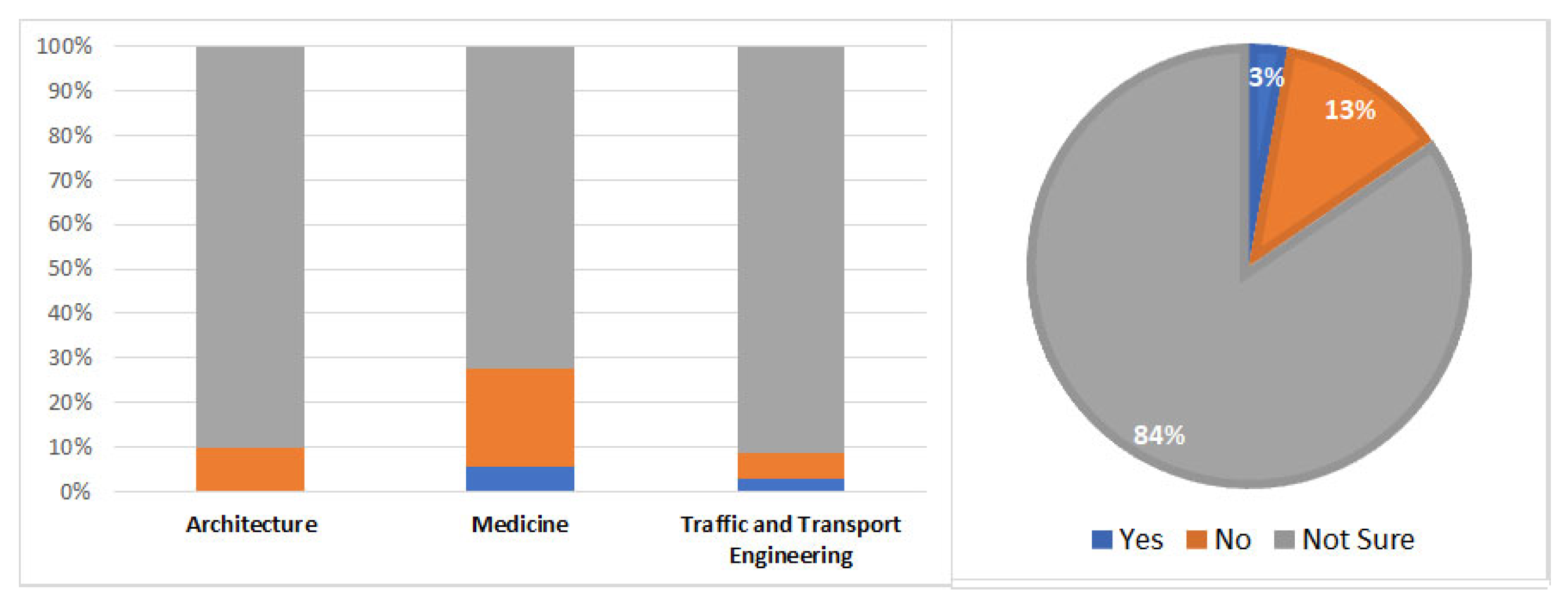
When asked whether better insulation in order to save electricity means higher levels of radon, the majority of students answered, “I’m not sure”. None of the surveyed students of the Faculty of Architecture answered affirmatively, while only two surveyed students of the Faculty of Traffic and Transport Engineering (2.86%), and five students from the Faculty of Medicine (5.56%) knew that better insulation in the rooms meant a higher level of radon (see Figure 14). This is especially dangerous nowadays, when we tend to save electricity and therefore promote better insulation of the spaces. This answer indicates the urgency of informing through proven effective methods, which is education in the first place, followed by media and social networks, and especially the introduction of radon control and protection through laws and regulations. It is necessary to introduce the topic into faculty programs.
Our research showed that most of the surveyed students (90% of students of the Faculty of Architecture, 90% of students of the Faculty of Traffic and Transport Engineering, and 91.11% of students of the Faculty of Medicine) were interested in this topic, while the remaining minority was not interested in the subject (see Figure 15).
This survey shows that in an educated population, awareness and information about radon are not solid: there is knowledge that radon is harmful and that it is most harmful to the lungs, but there is not enough knowledge that it is most present in the soil and in the interior space, where it comes from the soil; that it is most dangerous in well-insulated buildings; and that it is possible to reduce its concentration with certain measures. Medical students know the most about radon and its harmfulness, but other students also have knowledge and awareness about it. However, among all students, knowledge about the harmfulness of radon indoors, about the passive house, and about the influence of insulation and ventilation on the concentration of radon is very little.

4. Conclusions

It is considered that the spatial and temporal changes in the concentration of the potentially most dangerous natural radionuclide—radon in free atmosphere—are still insufficiently studied in Serbia. The public in Serbia is not aware of the harmfulness of radon and the danger of exposure to high levels of radon inside passive houses or buildings in general. Since passive houses are a relatively new concept in Serbia, it is necessary to develop awareness of the potential problems that may arise due to the presence of radon in passive houses and take appropriate measures to reduce the risk.
Informing public on ionizing radiation coming from nature and taking steps for its reduction should be one of the priorities of our society in the next long-term period. Recognition and application of the right to access of information on environmental issues is one of the main goals of the environmental protection law.
The research we conducted indicated that university students have less knowledge about the topic than we expected, knowing that it is young population with a great availability of information from new technologies. Medicine students know the best about radon, and architecture students know the best about passive house, which is expected, but they know very little about radon and its effects, similar to students of transport and traffic engineering. We also expected medicine students to have more knowledge about protection against radon as a gas harmful to human health. All of students have very little knowledge about the harmfulness of radon in buildings. Based on this survey, we can conclude that, in general, students are not informed about the subject. Most students think that radon is harmful to the lungs, and even those who know nothing else about radon have answered this question. Still, they do not know the way to protect themselves. Almost all of the students declared that they were interested in this topic and that they would like to learn more about radon and protection against it. A logical question appears after summarizing the results, and that is what a similar examination would show in the wider population, especially the one with a lower level of education.
At the end, the conclusion is that we need information and education about radon, its properties, harmfulness, and methods to protect ourselves from it, especially in the context of passive house as a building solution for the future, since radon is most harmful in buildings. Methods to bring information to public, according to the previously mentioned and literature sources are education inside the family, social networks, the media, but the most authoritative and effective among them is formal education. It is necessary to implement this topic into relevant faculties, such as architecture, civil engineering, medicine, chemistry, mining, and geology, through mandatory programs.
It seems that we should start by informing the wider population, first of all, about the simplest and most economical way of protection, ventilation of living spaces. Even if this measure works only in the short term, it should not be missed or ignored, especially considering the economic profitability in the long term (fewer lung cancer patients, lower costs for families and health care institutions, etc.).
It is also a fact that lately we were all, to a lesser or greater degree, committed to saving electricity and that better insulation (doors, windows, etc.) is often cited as a major cost savings. In this sense, it seems that each of us, in case the that we obtain information about radon, will have to make our own assessment and reconcile the demand for rational consumption of energy and the struggle to live in a healthier (radon-free) environment in our homes.

Author Contributions

Conceptualization, N.T.-P. and R.G.; methodology, N.T.-P. and R.G.; software, S.B. and R.G.; validation, R.G., S.B., N.T.-P., and J.N.-O.; formal analysis, R.G., S.B., and N.T.-P. and J.N.-O.; investigation, R.G., S.B., N.T.-P., and J.N.-O.; resources, R.G., S.B., N.T.-P., and J.N.-O.; data curation, R.G. and S.B.; writing—original draft preparation, R.G., S.B., and N.T.-P.; writing—review and editing, R.G., S.B., and N.T.-P.; visualization, S.B.; supervision, R.G. and N.T.-P.; project administration, S.B. and J.N.-O. All authors have read and agreed to the published version of the manuscript.

Funding

This research received no external funding.

Informed Consent Statement

Informed consent was obtained from all subjects involved in the study.

Data Availability Statement

Data are contained within the article.

Conflicts of Interest

The authors declare no conflicts of interest.

Appendix A. Additional Material Within Section 3.1

Table A1. Presence of the topic within media by year—detailed list of articles with links **.
SourceYear of Publishing
2009
Other *
RTS web
23 September 2009.
“Radon—opasnost u kući” (“Radon—the Danger in Your Home”) [63]
2014
Other *
B92 web
26 December 2014. Ujić, P.; Udovičić, V.
“Da li je radon opasan?” (“Is Radon Dangerous?”) [79]
2015
Blic [80]28 May 2015. Beta agency
“Počela nacionalna kampanja merenja radona u Srbiji”
(“National Radon Measurement Campaign Launched in Serbia”)
Blic [80]28 September 2015. Lakić, S.
“Potera za tihim ubicom—Srbija pravi mapu radona”
(“Hunting the Silent Killer—Serbia is Mapping Radon”)
Blic [80]29 September 2015. Tanjug agency
“Počinje merenje koncentracije radona u stambenim objektima”
(“Measuring Radon Concentration in Residential Buildings to Begin”)
Other *
SD web
25 June 2015.
“Razara pluća, a ima ga svuda u Srbiji: gas koji izbija iz zemlje može da vas ubije!” (“It Destroys Lungs, and It’s Everywhere in Serbia: the Gas Seeping from the Ground Can Kill You!”) [81]
2016
Blic [80]7 June 2016. Lakić, S.
“Potera za tihim ubicom: uskoro mapa radona u Srbiji”
(“Hunting the Silent Killer: a Radon Map of Serbia Coming Soon”)
Blic [80]28 July 2016. Lakić, S.
“Tihi ubica širi rak Srbijom—širom zemlje izmereno triput više radioaktivnog radona od dozvoljenog” (“The Silent Killer Spreads Cancer Across Serbia—Radioactive Radon Measured at Three Times the Permitted Level Nationwide”)
Blic [80]29 July 2016. Lakić, S.
“Radon napada pluća i želudac lekari upozoravaju na oprez zbog radioaktivnog gasa u kućama” (“Radon Attacks the Lungs and Stomach—Doctors Warn of the Risks of Radioactive Gas in Homes”)
Politika10 August 2016. Čalija, J.
“Radon loš u stanu, dobar u banji” (“Radon: Harmful at Home Beneficial at the Spa”) [82]
Politika11 August 2016. Radovanović, Z.
“Radon izmedju istine i zablude” (“Radon: Separating Fact from Fiction”) [83]
Other *
HSE_Serbia
16 January 2016. “Serbian Health, Safety & Environment” Internet portal
“Kvalitet vazduha u zatvorenom prostoru—nevidljiva opasnost na svakom radnom mestu” (“Indoor Air Quality—the Invisible Hazard in Every Workplace”) [84]
2017
Večernje Novosti [85] 8 September 2017. Ostojić-Joksović, Z.
“Promaja ne ubija” (“Drafts Won’t Kill You”)
Večernje Novosti [85]06.12.2017. Mićević, I.
“Mere radon u školama i vrtićima” (“Measuring Radon in Schools and Kindergartens”)
2018
Blic [80]17 November 2018. Lakić, S.
“Tihi ubica—u vrtićima i školama uskoro detektori za smrtonosni gas bez boje i mirisa, jedan od najopasnijih uzročnika raka pluća” (“The Silent Killer—Detectors for the Deadly Colorless and Odorless Gas, One of the Most Dangerous Causes of Lung Cancer, Coming Soon to Kindergartens and Schools”)
Other *
Danas
15 November 2018.
“Merenja koncentracije radona u javnim objektima, školama i vrtićima
(“Measuring Radon Concentration in Public Buildings, Schools and Kindergartens”) [86]
2019
Blic [80]22 February 2019. Lakić, S.
“Saznajemo u školama i vrtićima širom Srbije počinje postavljanje detektora za radon, najopasnijeg uzročnika raka pluća” (“Exclusive: Installation of Radon Detectors—for the Most Dangerous Cause of Cancer—to Begin in Schools and Kindergartens Across Serbia”)
Blic [80]24 February 2019. Lakić, S.
“Nakon alarmantnih rezultata merenja u ponedeljak počinje provera kvaliteta vazduha koji udišu deca u školama i vrtićima” (“Following Alarming Measurement Results, Air Quality Checks Begin Monday in Schools and Kindergartens”)
Politika [87]15 October 2019.
“Radon odgovoran za smrt 90 do 180 osoba godišnje” (“Radon Responsible for the Deaths of 90 to 180 People Annually”)
2024
Blic [80]26 December 2024.
“Posledice trovanja radonom i simptomi koji ukazuju na njih: Drugi najčešći uzrok raka pluća posle pušenja” (“The Consequences of Radon Poisoning and Its Warning Symptoms: the Second Most Common Cause of Lung Cancer After Smoking”)
2025
Blic [80]24 July 2025 Nikolić, J.
“Kancerogene supstance koje jedemo, pijemo, udišemo i koristimo: Kako smanjiti rizik od izlaganja” (“Carcinogenic Substances We Eat, Drink, Inhale and Use: How to Reduce the Risk of Exposure”)
Blic [80]11 September 2025. Račić Đokić, Lj.
“Šta pokazuje spirometrija: Bolesti pluća koje otkriva njihov kapacitet, duvan uzrok najtežih a jedna se najčešće otkriva kad je uznapredovala” (“What Spirometry Reveals: Lung Diseases Detected by Lung Capacity Tests—Tobacco the Cause of the Most Severe, While One Is Most Often Diagnosed at an Advanced Stage”)
Blic [80]10 October 2025. Račić Đokić, Lj.
“Nokti na nogama mogu da otkriju nevidljivi uzrok raka pluća”
(“Your Toenails Can Reveal if You’ve Been Exposed to an Invisible Lung Cancer Cause”)
(Article retrieved from Science Alert on specific paper [24])
2026
Blic [80]18 February 2026.
“Onkolog upozorava na 5 stvari iz kuće koje nas direktno vode u bolest”
(“Oncologist Warns: 5 Things in Your Home That Are Putting Your Health at Risk”)
Večernje Novosti [85]17 February 2026
“Onkolog: 5 stvari ne držite u kući—povećavan rizik od raka”
(“Oncologist: 5 Things You Should Not Keep at Home—They Increase the Risk of Cancer”)
* Online media other than the three chosen leading daily newspapers in Serbia. ** NOTE: It should be noted that not all articles included in this analysis carry a named author, as bylines are not consistently provided across all media outlets and publication formats. In cases where no author is identified, this reflects standard editorial practice.

References

  1. Chougaonkar, M.P.; Eappen, K.P.; Ramachandran, T.V.; Shetty, P.G.; Mayya, Y.S.; Sadasivan, S.; Venkat Raj, V. Profiles of doses to the population living in the high background radiation areas in Kerala, India. J. Environ. Radioact. 2004, 71, 275–279. [Google Scholar] [CrossRef]
  2. Tomić, N. Radon—Forgotten danger for health. Leg. Life 2009, 9, 991–1003. [Google Scholar]
  3. UNSCEAR (United Nation Scientific Committee on the Effects of Atomic Radiation Report). Annex B: Exposure from Natural Radiation Sources; United Nations: New York, NY, USA, 2000; Volume 1. [Google Scholar]
  4. Nunes, L.J.R.; Curado, A.; Lopes, S.I. The Relationship between Radon and Geology: Sources, Transport and Indoor Accumulation. Appl. Sci. 2023, 13, 7460. [Google Scholar] [CrossRef]
  5. Manawi, Y.; Hassan, A.; Atieh, M.A.; Lawler, J. Overview of radon gas in groundwater around the world: Health effects and treatment technologies. J. Environ. Manag. 2024, 368, 122176. [Google Scholar] [CrossRef]
  6. Rathebe, P.C.; Mphaga, K.V.; Masekameni, D.M. Climate change and environmental radioactivity: A review of studies on climate conditions in variation on indoor radon concentrations. Environ. Monit. Assess. 2025, 197, 446. [Google Scholar] [CrossRef]
  7. Martin-Gisbert, L.; Ruano-Ravina, A.; Varela-Lema, L.; Penabad, M.; Giraldo-Osorio, A.; Candal-Pedreira, C.; Rey-Brandariz, J.; Mourino, N.; Pérez-Ríos, M. Lung cancer mortality attributable to residential radon: A systematic scoping review. J. Expo. Sci. Environ. Epidemiol. 2023, 33, 368–376. [Google Scholar] [CrossRef] [PubMed]
  8. Pavlović, S.; Nikezić, D. Nivoi izloženosti jonizujućem zračenju iz prirode i metode za proračun doza (Natural radiation exposure levels and dose assessment methods). In Natural Ionizing Radiation; Yugoslav Radiation Protection Association: Belgrade, Yugoslavia, 1995; pp. 335–360. (In Serbian) [Google Scholar]
  9. WHO (World Health Organization). Guidelines for Drinking Water Quality, 3rd ed.; WHO Press: Geneva, Switzerland, 2004. [Google Scholar]
  10. WHO. Recommendation 10 for Individuals on Indoor radon gas. In European Code Against Cancer: 14 Ways You Can Prevent Cancer, 5th ed.; Fact Sheet deeveloped by the Working Group 2 on Environmental and Occupational Determinants with support from Working Group 5 on Communication and Health Literacy and the Secretariat of the European Code Against Cancer; WHO Press: Geneva, Switzerland, 2025; Available online: https://cancer-code-europe.iarc.who.int/wp-content/uploads/2025/08/10-european-code-against-cancer-radon-exposure-factsheet.pdf (accessed on 9 March 2026).
  11. Ngoc, L.T.N.; Park, D.; Lee, Y.C. Human Health Impacts of Residential Radon Exposure: Updated Systematic Review and Meta-Analysis of Case-Control Studies. Int. J. Environ. Res. Public Health 2022, 20, 97. [Google Scholar] [CrossRef]
  12. Čeliković, I.; Arsić, V.; Forkapić, S.; Udovičić, V.; Nikezić, D. Pregled istraživanja radona u prethodnih 29 simpozijuma Društva za zaštitu od zračenja Srbije i Crne Gore. In Proceedings of the Radiation Protection Society of Serbia and Montenegro—XXX Symposium, Divčibare, Serbia, 2–4 October 2019; pp. 177–190. (In Serbian) [Google Scholar]
  13. GOV.ME/Vlada Crne Gore/Radon. Protection Program with Action Plan for the Period 2019–2023; Ministry of Sustainable Development and Tourism (Montenegrian): Podgorica, Montenegro, 2018. Available online: https://bit.ly/3T2XECJ (accessed on 1 February 2026).
  14. Ravnateljstvo Civilne Zaštite—Sektor Za Radiološku i Nuklearnu Sigurnost. Available online: http://radon.civilna-zastita.hr/radonski-zemljovidi/radon-u-tlu/rh-po-zupanijama/ (accessed on 1 February 2026). (In Croatian)
  15. NN (Narodne Novine). Official Gazette of the Republic of Croatia. Državni Zavod Za Radiološku i Nuklearnu Sigurnost: Action Plan for Radon for the Period 2019–2024. NN 118/2018. 2018. Available online: https://bit.ly/3R9tLxM (accessed on 1 February 2026). (In Croatian)
  16. Kovacs, T.; Szeiler, G.; Fabian, F.; Kardos, R.; Gregorič, A.; Vaupotič, J. Systematic Survey of Natural Radioactivity of Soil in Slovenia. J. Environ. Radioact. 2013, 122, 70–78. [Google Scholar] [CrossRef] [PubMed]
  17. Žunić, Z.S.; Kozak, K.; Ciotoli, G.; Ramola, R.C.; Kochowska, E.; Ujić, P.; Čeliković, I.; Mazur, J.; Janik, M.; Demajo, A.; et al. A Campaign of Discrete Radon Concentration Measurements in Soil of Niška Banja Town, Serbia. Radiat. Meas. 2007, 42, 1696–1702. [Google Scholar] [CrossRef]
  18. Milenkovic, B.; Stajic, J.M.; Gulan, L.; Zeremski, T.; Nikezic, D. Radioactivity levels and heavy metals in the urban soil of Central Serbia. Environ. Sci. Pollut. Res. Int. 2015, 22, 16732–16741. [Google Scholar] [CrossRef]
  19. Čeliković, I.T.; Pantelić, G.K.; Živanović, M.Z.; Vukanac, I.S.; Krneta Nikolić, J.D.; Kandić, A.B.; Lončar, B.B. Radon and thoron exhalation rate measurements from building materials used in Serbia. Nukleonika 2020, 65, 111–114. [Google Scholar] [CrossRef]
  20. Shabek, F.; Obradović, B.; Čeliković, I.; Đurašević, M.; Samolov, A.; Kolarž, P.; Janićijević, A. The Radon Exhalation Rate and Dose Assessment of Granite Used as a Building Material in Serbia. Atmosphere 2024, 15, 1495. [Google Scholar] [CrossRef]
  21. Žunic, Z.S.; Yarmoshenko, I.V.; Birovljev, A.; Bochicchio, F.; Quarto, M.; Obryk, B.; Paszkowski, M.; Čeliković, I.; Demajo, A.; Ujić, P.; et al. Radon survey in the high natural radiation region of Niška Banja, Serbia. J. Environ. Radioact. 2007, 92, 165–174. [Google Scholar] [CrossRef]
  22. Markovic, P. System for limiting exposure to ionizing radiation. Men and the Environment. Yugosl. J. Improv. Qual. Life 1986, 1, 8–14. [Google Scholar]
  23. Rajković, M. Classification of phosphogypsum as a waste material from the aspect of environmental protection. Hem. Ind. 2004, 58, 26–32. [Google Scholar] [CrossRef]
  24. Miller, K.A.; Pearson, D.D.; Pett, S.C.; Wieser, M.E.; Goodarzi, A.A. Quantitative assessment of the radon (222Rn) decay product 210Pb in human toenails as a sensitive measure of personalized long-term radon gas exposure history. Environ. Int. 2025, 205, 109781. [Google Scholar] [CrossRef]
  25. Kabat, G. Hyping Health Risks: Environmental Hazards in Daily Life and the Science of Epidemiology; Columbia University Press: New York, NY, USA, 2008. [Google Scholar]
  26. UK HAS (UK Health Security Agency). Five Facts Every Homeowner Should Know About Radon. April 2015. Available online: https://bit.ly/3R4kven (accessed on 1 February 2026).
  27. Degu Belete, G.; Alemu Anteneh, Y. General Overview of Radon Studies in Health Hazard Perspectives. J. Oncol. 2021, 2021, 6659795. [Google Scholar] [CrossRef]
  28. Benson, L. New law aims to make Minnesotans get serious about radon gas. MPR News, 22 December 2013. Available online: https://bit.ly/3Rj1WmN (accessed on 1 February 2026).
  29. Pennsylvania DEP (Pennsylvania Department of Environmental Protection). Radon in the Home; Pennsylvania DEP: Harrisburg, PA, USA, 2021; Available online: https://bit.ly/3RtW63C (accessed on 1 February 2026).
  30. Nikezić, D. Radon—Glavni radioaktivni kontaminant čovekove okoline (Radon—Main radioactive pollutant of the environment). In Jonizujuća Zračenja iz Prirode (Natural Ionizing Radiation); Yugoslav Radiation Protection Association: Belgrade, Yugoslavia, 1995; pp. 145–190. (In Serbian) [Google Scholar]
  31. WHO (World Health Organization). Handbook on Indoor Radon; WHO Press: Geneva, Switzerland, 2009. [Google Scholar]
  32. Publications Office of the European Union. Laying Down Basic Safety Standards for Protection Against the Dangers Arising from Exposure to Ionizing Radiation; Council Directive 2013/59/Euratom (2014) of 5 Dec 2013; L 13/11; Publications Office of the European Union: Luxembourg, 2014; Available online: https://bit.ly/3GpHQlN (accessed on 1 February 2026).
  33. Sakoda, A.; Ishimori, Y.; Yamaoka, K. A comprehensive review of radon emanation measurements for mineral, rock, soil, mill tailing and fly ash. Appl. Radiat. Isot. 2011, 69, 1422–1435. [Google Scholar] [CrossRef]
  34. Janik, M.; Hasan, M.M.; Bossew, P.; Kavasi, N. Effects of Storage Time and Pre-Etching Treatment of CR-39 Detectors on Their Response to Alpha Radiation Exposure. Int. J. Environ. Res. Public Health 2021, 18, 8346. [Google Scholar] [CrossRef]
  35. Joan, F.; Rey, J.F.; Meisser, N.; Licina, D.; Pernot, J.G. Performance evaluation of radon active sensors and passive dosimeters at low and high radon concentrations. Build. Environ. 2024, 250, 111154. [Google Scholar] [CrossRef]
  36. Cheng, E.S.; Egger, S.; Hughes, S.; Weber, M.; Steinberg, J.; Rahman, B.; Worth, H.; Ruano-Ravina, A.; Rawstorne, P.; Yu, X.Q. Systematic review and meta-analysis of residential radon and lung cancer in never-smokers. Eur. Respir. Rev. 2021, 30, 200230. [Google Scholar] [CrossRef]
  37. Liu, Y.; Xu, Y.; Xu, W.; He, Z.; Fu, C.; Du, F. Radon and lung cancer: Current status and future prospects. Crit. Rev. Oncol. Hematol. 2024, 198, 104363. [Google Scholar] [CrossRef]
  38. Chen, J. A summary of UNSCEAR 2019 report on lung cancer from exposure to radon and research needs. Radiat. Med. Prot. 2024, 5, 215–218. [Google Scholar] [CrossRef]
  39. Khan, S.M.; Gomes, J.; Krewski, D.R. Radon interventions around the globe: A systematic review. Heliyon 2019, 5, e01737. [Google Scholar] [CrossRef] [PubMed]
  40. 402/K-10/005; Consumer’s Guide to Radon Reduction, How to Fix Your Home. EPA United States Environment Protection Agency: Washington, DC, USA, 2025. Available online: https://www.epa.gov/sites/default/files/2016-12/documents/2016_consumers_guide_to_radon_reduction.pdf (accessed on 1 February 2026).
  41. Florică, S.; Lupulescu, A.; Dicu, T.; Tenter, A.; Dobrei, G.; Moldovan, M.C.; Burghele, B.; Hening, K.; Pap, I.; Grecu, S.; et al. Exploring the long-term balance between radon mitigation systems and human behaviour in Romanian houses. Sci. Total Environ. 2025, 991, 179962. [Google Scholar] [CrossRef]
  42. Pacella, D.; Loffredo, F.; Quarto, M. Knowledge, risk perception and awareness of radon risks: A Campania region survey. J. Radiat. Res. Appl. Sci. 2023, 16, 100721. [Google Scholar] [CrossRef]
  43. European Commission: Directorate-General for Environment & Collingwood Environmental Planning Limited. Survey on Public Perceptions of Environmental Risks; Publications Office: Brussels, Belgium, 2015; Available online: https://data.europa.eu/doi/10.2779/419439 (accessed on 1 February 2026).
  44. Marris, C.; Langford, I.H.; Riordan, T.O. Integrating Sociological and Psychological Approaches to Public Perceptions of Environmental Risks: Detailed Results from a Questionnaire Survey; CSERGE Working Paper GEC 96-07; University of East Anglia: Norwich, UK, 1996; Available online: https://openaccess.city.ac.uk/id/eprint/16120/1/Marris%20et%20al%201996%20CSERGE%20Report.pdf (accessed on 1 February 2026).
  45. Otu, E.; Ashworth, K.; Tsekleves, E.; Ackley, A. Empowering London Primary School Communities to Know and Tackle Air Pollution Exposure. Sustainability 2024, 16, 7491. [Google Scholar] [CrossRef]
  46. Urošević, S.; Jokvić, J.; Riznić, D.; Stević, Z. Environmental awareness and environmental education in communities with industrial sources of pollution. In Proceedings of the 5th International Conference on Renewable Electrical Power Sources, Belgrade, Serbia, 12–13 October 2017; Volume 5, pp. 29–35. [Google Scholar]
  47. Stanišić, J.; Đevic, R.; Đeric, I. Sredinski činioci ekološkog vaspitanja i obrazovanja (Environmental factors of ecological education). Pedagogija 2010, LXV, 247–256. (In Serbian) [Google Scholar]
  48. Symonds, P.; Rees, D.; Daraktchieva, Z.; McColl, N.; Bradley, J.; Hamilton, I.; Davies, M. Home energy efficiency and radon: An Observational Study. Indoor Air 2019, 29, 854–864. [Google Scholar] [CrossRef]
  49. Kouroukla, E.; Gooding, T.D.; Fonseca, H.S. Analysis of radon mitigation methods: 10-year review. J. Radiol. Prot. 2024, 44, 031503, Erratum in J. Radiol. Prot. 2024, 44, 049501.. [Google Scholar] [CrossRef] [PubMed]
  50. Publications Office of the European Union. Laying Down Requirements for the Protection of the Health of the General Public with Regard to Radioactive Substances in Water Intended for Human Consumption; Council Directive 2013/51/Euratom (2013) of 22 October 2013; L 296/12; Official Journal of the European Union, Publications Office of the European Union: Luxembourg, 2013; Available online: https://eur-lex.europa.eu/LexUriServ/LexUriServ.do?uri=OJ:L:2013:296:0012:0021:EN:PDF (accessed on 1 February 2026).
  51. USEPA (US Environmental Protection Agency). Radon in Drinking Water Health Risk Reduction and Cost Analysis; EPA Federal Register 64; Office of Radiation Programs: Washington, DC, USA, 1999. [Google Scholar]
  52. Tomić, N. Risks and Protection from Ionizing Radiation; Foundation Andrejevic: Belgrade, Serbia, 2009. [Google Scholar]
  53. Benderac, R.; Ristic, D.; Pantelic, G. Possibility of active coal application in radon concentration measuring. In Natural Ionizing Radiation; Yugoslav Radiation Protection Association: Belgrade, Yugoslavia, 1995; pp. 221–229. (In Serbian) [Google Scholar]
  54. European Atlas of Natural Radiation. Available online: https://remon.jrc.ec.europa.eu/About/Atlas-of-Natural-Radiation (accessed on 1 February 2026).
  55. Schnieders, J.; Hermelink, A. CEPHEUS results: Measurements and occupants’ satisfaction provide evidence for Passive Houses being an option for sustainable building. Energy Policy 2006, 34, 151–171. [Google Scholar] [CrossRef]
  56. Moreno-Rangel, A. Passivhaus. Encyclopedia 2021, 1, 20–29. [Google Scholar] [CrossRef]
  57. Marszal, A.J.; Heiselberg, P.; Bourrelle, J.S.; Musall, E.; Voss, K.; Sartori, I.; Napolitano, A. Zero energy building—A review of definitions and calculation methodologies. Energy Build. 2011, 43, 971–979. [Google Scholar] [CrossRef]
  58. Peeters, L.; de Dear, R.; Hensen, J.; D’haeseleer, W. Thermal comfort in residential buildings: Comfort values and scales for building energy simulation. Appl. Energy 2009, 86, 772–780. [Google Scholar] [CrossRef]
  59. Mihai, M.L.; Tanasiev, V.; Dinca, C.; Badea, A.; Vidu, R. Passive house analysis in terms of energy performance. Energy Build. 2017, 144, 74–86. [Google Scholar] [CrossRef]
  60. Reyes-Beranal, E. Passive House Standard and its Practical Applications. Presented at Training Seminar on High-Performance Energy Efficiency Standards in Buildings in the UNECE Region, St. Petersburg, Russia, 6 September 2018; Available online: https://bit.ly/3t778Cb (accessed on 1 February 2026).
  61. Selincourt, K. Radon in passive houses. Passive HOUSE Plus 2021, 35. Available online: https://passivehouseplus.co.uk/magazine/insight/radon-in-passive-houses (accessed on 11 March 2026).
  62. McCarron, B.; Meng, X.; Colclough, S. An Investigation into Indoor Radon Concentrations in Certified Passive House Homes. Int. J. Environ. Res. Public Health 2020, 17, 4149. [Google Scholar] [CrossRef] [PubMed]
  63. RTS Web Portal (Radio Television of Serbia). Radon—Opasnost u Kući. (Radon—The Danger in Your Home). 23 September 2009. Available online: https://www.rts.rs/lat/magazin/zdravlje/177651/radon---opasnost-u-kuci.html (accessed on 9 March 2026). (In Serbian)
  64. Eremić-Savković, M.; Udovičić, V.; Maletić, D.; Pantelić, G.; Ujić, P.; Čeliković, I.; Forkapić, S.; Marković, V.; Arsić, V.; Ilić, J.; et al. Results of the first national indoor radon survey performed in Serbia. J. Radiol. Prot. 2020, 40, N22. [Google Scholar] [CrossRef]
  65. Vukanac, I.; Rajačić, M. (Eds.) Zbornik radova. In Proceedings of the XXXI Symposium of the Radiation Protection Society of Serbia and Montenegro, Belgrade, Serbia, 6–8 October 2021; Institut za Nuklearne Nauke “Vinča”: Belgrade, Serbia, 2021; Available online: https://bit.ly/3Rq0yQH (accessed on 1 February 2026). (In Serbian)
  66. Vučković, B.; Gulan, L.; Milenković, B.; Stajić, M.J.; Milić, G. Indoor radon and thoron concentrations in some towns of central and South Serbia. J. Environ. Manag. 2016, 183, 938–944. [Google Scholar] [CrossRef] [PubMed]
  67. Zunic, S.Z.; Carpentieri, C.; Stojanovska, Z.; Antignani, A.; Veselinovic, N.; Tollefsen, T.; Carelli, V.; Cordedda, C.; Cuknic, O.; Filipovic, J.; et al. Some results of a radon survey in 207 Serbian schools. Rom. J. Phys. 2013, 58, 320–327. [Google Scholar]
  68. Lakatoš, R. Primena i Razvoj Metoda za Određivanje Radona i Torona u Zemljištu i Vazduhu Radi Procene Radonskog Potencijala; Prirodno-matematički fakultet departman za fiziku, Univerzitet u Novom Sadu: Novi Sad, Serbia, 2019. (In Serbian) [Google Scholar]
  69. Živanović, M.Z. Optimization of Indoor Radon Concentration Measurements by Means of Charcoal Canisters; Fakultet za fizičku hemiju, Univerzitet u Beogradu: Novi Sad, Serbia, 2017. (In Serbian) [Google Scholar]
  70. Directorate for Radiation and Nuclear Safety and Security of the Republic of Serbia. Available online: http://www.srbatom.gov.rs/srbatomm/radioactivity-monitoring/?lang=en (accessed on 1 February 2026).
  71. Agencija za Zaštitu od Jonizujućih Zračenja i Nuklearnu Sigurnost Srbije (The Agency for Protection Against Ionizing Radiation and Nuclear Safety of Serbia). Available online: http://147.91.87.154/radon/ (accessed on 1 February 2026). (In Serbian)
  72. Zakon o Planiranju i Izgradnji (Law on Planning and Construction); Official Gazette of RS, no. 72/2009, 81/2009, 64/2010, 24/2011, 121/2012, 42/2013, 50/2013, 98/2013, 132/2014, 145/2014, 83/2018, 31/2019, 37/2019, 9/2020 and 52/2021, 62/2023, 91/2025; Ministarstvo Građevinarstva, Saobraćaja i Infrastrukture: Belgrade, Serbia, 2020. Available online: https://bit.ly/3gGbtBD (accessed on 1 February 2026). (In Serbian)
  73. Pravilnik o Granicama Izlaganja Jonizujućim Zračenjima i Merenjima Radi Procene Nivoa Izlaganja Jonizujućim Zračenjima (Regulation on Limits of Exposure to Ionizing Radiation and Measurements to Assess the Level of Exposure to Ionizing Radiation). Official Gazette of the Republic of Serbia, no. 86/2011, 50/2018. Available online: https://www.srbatom.gov.rs/srbatomm/wp-content/uploads/2019/11/Pravilnik-o-granicama-izlaganja_50_2018.pdf (accessed on 1 February 2026). (In Serbian)
  74. Zakon o Radijacionoj i Nuklearnoj Sigurnosti i Bezbednosti (Law on Radiation and Nuclear Safety and Security). Official Gazette of RS, no. 95/2018 and 10/2019. Available online: https://bit.ly/3Nb6R8h (accessed on 1 February 2026). (In Serbian)
  75. Pravilnik o Granicama Sadržaja Radionuklida u Vodi za Piće, Životnim Namirnicama, Stočnoj Hrani, Lekovima, Predmetima Opšte Upotrebe, Građevinskom Materijalu i Drugoj Robi Koja se Stavlja u Promet, (Regulation on the Limits of Radionuclide Content in Drinking Water, Foodstuffs, Animal Feed, Medicines, Items of General Use, Construction Materials and Other Goods Put Into Circulation); Službeni glasnik RS, br. 51/2018; Official Gazette of the Republic of Serbia, no. 36/18; Public Enterprise Official Gazette: Belgrade, Serbia, 2018. (In Serbian)
  76. Avramović, I.; Veličković, D.; Stanković, S.; Kovačević, M.; Žunić, Z. Merenje koncentracije radona u stambenim objektima na teritoriji Beograda (Measurement of radon concentration in residential buildings on the territory of Belgrade). In Natural Ionizing Radiation; Yugoslav Radiation Protection Association: Belgrade, Serbia, 1995; pp. 191–194. (In Serbian) [Google Scholar]
  77. Eremić-Savković, M.; Udovičić, V. National Action Plan for radon in the regulatory framework of the Republic of Serbia. In Proceedings of the XXXI Symposium of the Radiation Protection Society of Serbia and Montenegro, Belgrade, Serbia, 6–8 October 2021; pp. 148–155. (In Serbian) [Google Scholar]
  78. Rajačić, M.; Todorović, D.; Krneta-Nikolić, J.; Pantelić, G.; Vukanac, I.; Janković, M.; Sarap, N. Systematic examination of radon concentration in the territory of Belgrade. In Proceedings of the XXXI Symposium of the Radiation Protection Society of Serbia and Montenegro, Belgrade, Serbia, 6–8 October 2021; pp. 128–133. (In Serbian) [Google Scholar]
  79. Ujić, P.; Udovičić, V. B92—Web Portal. Da li je radon opasan? (Is Radon Dangerous?). 26 December 2014. Available online: https://www.b92.net/o/zivot/nauka?nav_id=940830 (accessed on 9 March 2026). (In Serbian)
  80. Blic—Daily Newspaper—Web Portal. Search for “Radon”. Available online: https://www.blic.rs/search?q=radon (accessed on 9 March 2026). (In Serbian)
  81. SD Srbija Danas—Web Portal (Serbia Today). Razara Pluća, a Ima ga Svuda u Srbiji: Gas Koji Izbija iz Zemlje Može da Vas Ubije! (It Destroys Lungs, and It’s Everywhere in Serbia: The Gas Seeping from the Ground Can Kill You!). 25 June 2015. Available online: https://www.sd.rs/clanak/razara-pluca-ima-ga-svuda-u-srbiji-gas-koji-izbija-iz-zemlje-moze-da-vas-ubije-25-06-2015 (accessed on 9 March 2026). (In Serbian)
  82. Politika—Daily Newspaper—Web Portal, Section “Society”; Čalija, J. Radon Los u Stanu, Dobar u Banji. (Radon: Harmful at Home Beneficial at the Spa). 10 August 2016. Available online: https://bit.ly/4a56fuQ (accessed on 9 March 2026). (In Serbian)
  83. Politika—Daily Newspaper—Web Portal, Section “Comments”; Radovanović, Z. Radon Izmedju Istine i Zablude. (Radon: Separating Fact from Fiction). 11 August 2016. Available online: https://bit.ly/3RpH9zc (accessed on 9 March 2026). (In Serbian)
  84. Serbian Health, Safety & Environment—Web Portal. Kvalitet Vazduha u Zatvorenom Prostoru—Nevidljiva Opasnost na Svakom Radnom Mestu (Indoor Air Quality—The Invisible Hazard in Every Workplace). 16 January 2016. Available online: https://hse.rs/artikli/clanci/bezbednost-i-zdravlje-na-radu/kvalitet-vazduha-u-zatvorenom-prostoru---nevidljiva-opasnost-na-svakom-radnom-mestu.html (accessed on 9 March 2026). (In Serbian)
  85. Večernje Novosti—Daily Newspaper—Web Portal. Search for “Radon”. Available online: https://www.novosti.rs/c/pretraga (accessed on 9 March 2026). (In Serbian)
  86. Danas—Daily Newspaper—Web Portal. Merenja Koncentracije Radona u Javnim Objektima, Školama i Vrtićima (Measuring Radon Concentration in Public Buildings, Schools and Kindergartens. 15 November 2018. Available online: https://www.danas.rs/vesti/drustvo/merenja-koncentracije-radona-u-javnim-objektima-skolama-i-vrticima/ (accessed on 9 March 2026). (In Serbian)
  87. Politika—Daily Newspaper—Web Portal. Search for “Radon”. Available online: https://www.politika.rs/search/index/keyword:radon/sort:relevance (accessed on 9 March 2026). (In Serbian)
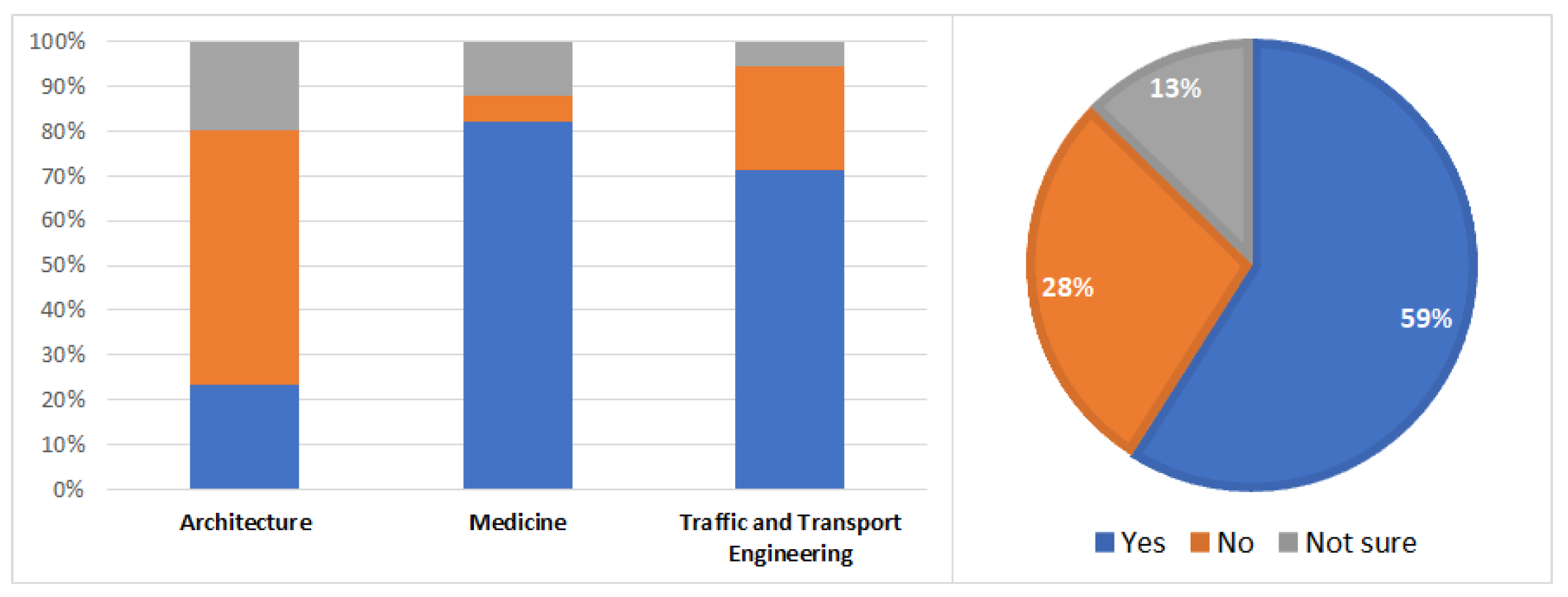
Figure 1. Survey question 1: Do you know what radon is?
Environments 13 00165 g001
Figure 2. Survey question 2: As far as you know about radon, what was the means of information?
Environments 13 00165 g002
Figure 3. Survey question 3: Are you familiar with how radon is produced?
Environments 13 00165 g003
Figure 4. Survey question 4: Is radon a natural or artificial gas?
Environments 13 00165 g004
Figure 5. Survey question 5: Where is radon mostly found?
Environments 13 00165 g005
Figure 6. Survey question 6: Are you familiar with the health effects of radon?
Environments 13 00165 g006
Figure 7. Survey question 7: Which human organ does radon specifically affect?
Environments 13 00165 g007
Figure 8. Survey question 8: Are you familiar with methods to protect against radon?
Environments 13 00165 g008
Figure 9. Survey question 9: Please specify which method(s) it is.
Environments 13 00165 g009
Figure 10. Survey question 10: Is radon more dangerous outdoors or indoors?
Environments 13 00165 g010
Figure 11. Survey question 11: Do you think that the implementation of radon protection implies high costs?
Environments 13 00165 g011
Figure 12. Survey question 12: Do you know anything about the impact of cosmic radiation on people?
Environments 13 00165 g012
Figure 13. Survey question 13: Do you know what the passive house concept means?
Environments 13 00165 g013
Figure 14. Survey question 14: Does better insulation in order to save electricity mean higher radon levels?
Environments 13 00165 g014
Figure 15. Survey question 15: Would you like to know more about radon and its effects on health?
Environments 13 00165 g015
Table 1. Presence of the topic by year across the examined media sources.
YEARSOURCE
BlicPolitikaVečernje NovostiOther (Online Media)Total
2009 11
2014 11
20153 14
201632 16
2017 2 2
20181 12
201921 3
20241 1
20253 3
20261 1 2
Total1433625
Disclaimer/Publisher’s Note: The statements, opinions and data contained in all publications are solely those of the individual author(s) and contributor(s) and not of MDPI and/or the editor(s). MDPI and/or the editor(s) disclaim responsibility for any injury to people or property resulting from any ideas, methods, instructions or products referred to in the content.