Next Issue
Volume 16, August-2
Previous Issue
Volume 16, July-2
 
 
animals-logo

Journal Browser

► Journal Browser

Animals, Volume 16, Issue 15 (August-1 2026) – 168 articles

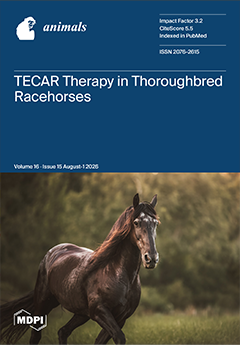
Cover Story (view full-size image): Back muscle tension can negatively affect comfort, movement, and athletic performance in racehorses. TECAR therapy is increasingly used in equine rehabilitation, although scientific evidence of its effects remains limited. In this pilot study, we evaluated the immediate effects of TECAR therapy on the longissimus dorsi muscle in Thoroughbred racehorses. A single treatment produced a marked increase in body surface temperature that persisted for at least 10 min and was accompanied by a significant reduction in palpation-assessed muscle tone. These findings provide new evidence of the physiological response to TECAR therapy and support further investigation of its potential application in equine sports medicine and rehabilitation. View this paper
  • Issues are regarded as officially published after their release is announced to the table of contents alert mailing list.
  • You may sign up for e-mail alerts to receive table of contents of newly released issues.
  • PDF is the official format for papers published in both, html and pdf forms. To view the papers in pdf format, click on the "PDF Full-text" link, and use the free Adobe Reader to open them.
Order results
Result details
Section
Select all
Export citation of selected articles as:
20 pages, 1594 KB  
Article
Effects of 5-Hydroxymethylfurfural on In Vitro Rumen Fermentation Characteristics and Bacterial Community Structure of Diets with Different Concentrate-to-Roughage Ratios
by Xiaoxiao Du, Na Ren, Xianliu Wang, Jiaxin Qin, Wei Zhang and Liwen He
Animals 2026, 16(15), 2446; https://doi.org/10.3390/ani16152446 - 6 Aug 2026
Viewed by 413
Abstract
To investigate the effects of 5-hydroxymethylfurfural (5-HMF) on ruminal fermentation characteristics and bacterial community structure, 5-HMF was supplemented at the levels of 0, 7500, and 30,000 mg/kg DM under two dietary concentrate-to-roughage ratios (20:80, T1; 80:20, T2) in in vitro rumen incubation, mainly [...] Read more.
To investigate the effects of 5-hydroxymethylfurfural (5-HMF) on ruminal fermentation characteristics and bacterial community structure, 5-HMF was supplemented at the levels of 0, 7500, and 30,000 mg/kg DM under two dietary concentrate-to-roughage ratios (20:80, T1; 80:20, T2) in in vitro rumen incubation, mainly focusing on gas production, fermentation parameters, nutrient digestibility and bacterial community. The results showed that 24 h gas production (GP24), 72 h gas production (GP72), the gas production rate (c) and dry matter digestibility (DMD) in T2 were higher than those in T1 (p < 0.01). With increasing levels of 5-HMF supplementation, GP72 and asymptotic gas production (B) increased linearly and quadratically (p < 0.05). T2 also had a higher butyrate concentration and a lower acetate/propionate (A/P) ratio than T1 (p < 0.05). With the increase in 5-HMF supplementation level, ruminal ammonia nitrogen (NH3-N) concentration showed a quadratic response. In contrast, the concentrations of total volatile fatty acids (TVFAs), acetate and isobutyrate decreased linearly. Propionate concentration showed linear and quadratic decreasing trends, while the A/P ratio exhibited linear and quadratic increasing trends (p < 0.05). The supplementation of 5-HMF at 30,000 mg/kg DM reduced propionate and isobutyrate concentrations under both dietary conditions (p < 0.05). No differences were observed in the alpha diversity indices of the bacterial community among different 5-HMF levels or substrates (p > 0.05). PCoA and PERMANOVA revealed that community structure differed between the 7500 mg/kg DM group and the 0 mg/kg DM group in the T1 diet (p = 0.011), whereas no difference was detected among T2 treatments. LEfSe revealed that 6 and 13 differential bacterial taxa were identified in T1 and T2 at the 5-HMF level of 7500 mg/kg DM, respectively. Correlation analysis revealed that, in T1, GP72 was positively correlated with Pseudomonadota, and the A/P ratio was positively correlated with fibrolytic taxa including Rikenellaceae_RC9_gut_group and Christensenellaceae_R-7_group. In T2, c was positively correlated with Fibrobacterota and Fibrobacter, while NH3-N was positively correlated with Desulfovibrio, indicating diet-specific microbial associations with rumen fermentation (p < 0.05). In conclusion, the high-concentrate diet exhibited stronger rumen fermentation activity. 5-HMF exerted diet-specific effects: In the low-concentrate diet, 5-HMF at 7500 mg/kg DM enriched fibrolytic microbes and shifted fermentation toward an acetate-type pattern. In the high-concentrate diet, it modulated hydrogen-metabolizing bacteria while selectively enriching Pseudomonadota capable of participating in carbohydrate metabolism. The 30,000 mg/kg DM level inhibited rumen fermentation. The findings provide a theoretical reference for the application of 5-HMF in ruminant feeds. However, further in vivo trials are required to validate its effects, and future studies with refined dose gradients based on realistic 5-HMF concentrations in feedstuffs are needed to comprehensively evaluate its efficacy and safety. Full article

►▼ Show Figures

Figure 1

23 pages, 6363 KB  
Article
Modulation of Intestinal Energy Metabolism and Microbial Profiles by Dietary Starch Characteristics Under EGCG Supplementation in Broiler Chickens
by Wanqin Liu, Ruiyang Zhang, Yanli Zhu, Kai Liang and Dafei Yin
Animals 2026, 16(15), 2445; https://doi.org/10.3390/ani16152445 - 6 Aug 2026
Viewed by 446
Abstract
This study evaluated the effects of dietary starch characteristics on intestinal energy metabolism and microbial profiles in Epigallocatechin gallate (EGCG)-supplemented broiler chickens. A total of 300 Arbor Acres male broilers were assigned to five dietary treatments consisting of a corn–soybean basal diet (NC), [...] Read more.
This study evaluated the effects of dietary starch characteristics on intestinal energy metabolism and microbial profiles in Epigallocatechin gallate (EGCG)-supplemented broiler chickens. A total of 300 Arbor Acres male broilers were assigned to five dietary treatments consisting of a corn–soybean basal diet (NC), EGCG supplementation (500 mg/kg) (PC), or diets in which 20% corn was substituted with purified corn (CS), cassava (TS), or pea starch (PS) in the presence of EGCG (500 mg/kg). Growth performance, starch digestion, intestinal energy status, cecal microbiota, and metabolomic profiles were evaluated. The results showed that broilers fed the corn starch-containing diet under EGCG supplementation showed improved average daily gain and feed conversion ratio (p < 0.05). This treatment also increased intestinal ATP and cAMP concentrations while reducing AMP and the AMP/ATP ratio, accompanied by enhanced activities of Na+-K+-ATPase, citrate synthase, and pyruvate dehydrogenase. Cecal microbiota analysis showed that Lactobacillus abundance was increased in the CS group, whereas Barnesiella was enriched in the PS group. Differential metabolites associated with energy metabolism, including lipoic acid, palmitoylcarnitine, and crotonic acid, were significantly changed among treatments. In conclusion, dietary starch characteristics influenced intestinal energy metabolism-related indicators, microbial profiles, and metabolite patterns in broilers receiving EGCG supplementation. Full article
(This article belongs to the Section Animal Nutrition)
►▼ Show Figures

Figure 1

28 pages, 39862 KB  
Article
Molecular Mechanisms of Gonadal Differentiation Induced by 17β-Estradiol and Testosterone Propionate in Rana dybowskii
by Hualin Fu, Yanqiu Sun, Yiwen Sun, Xiangyu Meng, Wei Xu, Yuan Xu and Zhiheng Du
Animals 2026, 16(15), 2444; https://doi.org/10.3390/ani16152444 - 6 Aug 2026
Viewed by 1322
Abstract
Rana dybowskii is an economically important amphibian in Northeast China, valued for its medicinal oviduct (Oviductus Ranae). However, the low proportion of females in artificial culture severely restricts industrial productivity. To elucidate the molecular mechanisms of hormone-induced sex reversal, based on [...] Read more.
Rana dybowskii is an economically important amphibian in Northeast China, valued for its medicinal oviduct (Oviductus Ranae). However, the low proportion of females in artificial culture severely restricts industrial productivity. To elucidate the molecular mechanisms of hormone-induced sex reversal, based on our previous research results, we exposed tadpoles to 17β-estradiol (E2) or testosterone propionate (TP). We then monitored gonadal histology, conducted multi-stage transcriptome sequencing, and validated key genes via qRT-PCR. The results show that induction treatment with 40 μg·L−1 E2 and 80 μg·L−1 TP resulted in 93.33% female and 100% male populations, respectively. Both hormones promoted germ cell proliferation at the undifferentiated stage and directed stable ovarian or testicular development without intersex abnormalities. Ovarian differentiation involved progressive multi-wave transcriptional reprogramming, whereas testicular differentiation exhibited a concentrated gene expression burst during gonadal maturation. Steroid hormone biosynthesis, Wnt, and PPAR pathways formed the core regulatory network. Three female-biased genes (3α-hsd, Adcy3, Rspo1) and three male-biased genes (Ptgs2, Sox9, Shbg) were identified, with their expression dynamics aligned with histological progression. This study defines the optimal parameters and molecular signatures of bidirectional sex reversal in R. dybowskii. It provides a practical foundation for sex-control breeding and offers amphibian-based evidence for the conservation and plasticity of vertebrate sex determination. Full article
(This article belongs to the Section Herpetology)
►▼ Show Figures

Figure 1

11 pages, 555 KB  
Article
Rapid Gel-Based Recombinase Polymerase Amplification Assay for Detection and Sequence Confirmation of Ehrlichia canis
by Peeravit Sumpavong, Kitjawan Khumtub, Krittanut Kanittakul, Sarawan Kaewmongkol and Gunn Kaewmongkol
Animals 2026, 16(15), 2443; https://doi.org/10.3390/ani16152443 - 6 Aug 2026
Viewed by 348
Abstract
Canine monocytic ehrlichiosis (CME), caused by Ehrlichia canis, requires rapid, field-deployable diagnostics in endemic regions. This study developed and evaluated a recombinase polymerase amplification (RPA) assay for rapid isothermal detection of E. canis DNA using a dual-format gel-based approach. The diagnostic agreement [...] Read more.
Canine monocytic ehrlichiosis (CME), caused by Ehrlichia canis, requires rapid, field-deployable diagnostics in endemic regions. This study developed and evaluated a recombinase polymerase amplification (RPA) assay for rapid isothermal detection of E. canis DNA using a dual-format gel-based approach. The diagnostic agreement of the RPA assay was evaluated by comparison with TaqMan qPCR and droplet digital PCR (ddPCR) using 41 well-characterized canine blood samples. The RPA assay yielded detectable amplification following an optimized incubation time of 30 min at 39 °C, combining agarose gel electrophoresis for visualization with amplicon recovery for sequencing. RPA detected E. canis in 25/41 samples (60.9%), identical to qPCR (60.9%) but lower than ddPCR (82.9%). Diagnostic evaluation showed moderate agreement between RPA and ddPCR (κ = 0.487, 95% CI: 0.233–0.741) and perfect agreement between RPA and qPCR (κ = 1.00). RPA demonstrated the same detection rate as qPCR in acute CME cases while using a low-cost heating device instead of specialized thermocyclers and identified positive cases without false-positive results. Sequencing of RPA amplicons confirmed 100% identity with the E. canis dsb gene reference sequence (AF403710.1). This RPA-based framework offers a flexible, dual-format approach that balances speed, accessibility, and diagnostic reliability, making it highly suitable for CME management in resource-limited settings. Full article
(This article belongs to the Special Issue Advances in Molecular Diagnostics in Veterinary Sciences)
►▼ Show Figures

Figure 1

22 pages, 5664 KB  
Article
Blood Levels of Different Trace Elements in the Endangered Iberian Lynx (Lynx pardinus) and Their Association with Endogenous and Exogenous Factors
by David Fernández-Casado, Elsa Rodríguez-Somoza, Ángel Portillo-Moreno, Alicia M. Carrillo-Heredero, Susana Sánchez-Cuerda, María Galán-Carrillo, Álvaro Guerrero, Salomé Martínez-Morcillo, María P. Míguez-Santiyán, Simone Bertini, Marcos Pérez-López, María J. Palacios and Francisco Soler-Rodríguez
Animals 2026, 16(15), 2442; https://doi.org/10.3390/ani16152442 - 6 Aug 2026
Viewed by 392
Abstract
Trace elements are persistent environmental contaminants that can bioaccumulate and biomagnify through food webs, making wildlife valuable sentinels of ecosystem health. This study provides the first characterization of trace element concentrations in whole blood from free-ranging Iberian lynxes (Lynx pardinus) and [...] Read more.
Trace elements are persistent environmental contaminants that can bioaccumulate and biomagnify through food webs, making wildlife valuable sentinels of ecosystem health. This study provides the first characterization of trace element concentrations in whole blood from free-ranging Iberian lynxes (Lynx pardinus) and evaluates the biological and environmental factors influencing their variability, including comparisons with captive individuals. A total of 229 blood samples collected in Extremadura (southwestern Spain) between 2018 and 2024 were analyzed for Cr, Mn, Cu, Zn, As, Se, Cd, Hg, Fe, and Pb. Overall, concentrations were within the ranges reported for other mammalian species, and no clinical evidence of adverse health effects was detected during routine veterinary examinations. Significant correlations were identified among several elements, particularly between Zn and Fe, with moderate associations between Mn and Zn and between Fe and Cu, suggesting common environmental sources and interconnected physiological regulation. Trace element concentrations were significantly influenced by age, sex, geographical area, and sampling period, especially for As and Se, reflecting differences in bioaccumulation, metabolism, and environmental exposure. Principal component analysis revealed a largely shared multielement profile, with no clear separation among populations or biological groups, indicating relatively homogeneous exposure despite moderate spatial and individual variability. These findings provide the first reference values for trace elements in Iberian lynx whole blood, establishing a baseline for biomonitoring, ecotoxicological assessment, and conservation of this threatened felid. Full article
►▼ Show Figures

Figure 1

17 pages, 1549 KB  
Article
QKI Promotes Sheep Preadipocyte Differentiation by Reducing Cavin3 mRNA Stability
by Zicheng Li, Changsong Xu, Bokang Shan, Yuan Wang, Wangyang Qin, Lei Xia, Liying Qiao, Wenzhong Liu and Yangyang Pan
Animals 2026, 16(15), 2441; https://doi.org/10.3390/ani16152441 - 6 Aug 2026
Viewed by 1052
Abstract
Adipogenic differentiation is essential for adipose tissue development, fat deposition, and metabolic regulation in livestock, but the role of RNA-binding proteins in sheep preadipocyte differentiation remains unclear. This study investigated whether Quaking (QKI) regulates sheep preadipocyte adipogenesis and explored its downstream [...] Read more.
Adipogenic differentiation is essential for adipose tissue development, fat deposition, and metabolic regulation in livestock, but the role of RNA-binding proteins in sheep preadipocyte differentiation remains unclear. This study investigated whether Quaking (QKI) regulates sheep preadipocyte adipogenesis and explored its downstream regulatory mechanism. QKI expression was examined in sheep adipose tissues, and QKI knockdown was performed in sheep preadipocytes. Adipogenic marker expression, lipid accumulation, glucose consumption, Oxford Nanopore Technologies (ONT) full-length transcriptome sequencing, RNA immunoprecipitation coupled with quantitative real-time PCR (RIP-qPCR), actinomycin D assay, caveolae-associated protein 3 (Cavin3) knockdown, and simultaneous QKI and Cavin3 knockdown were used to evaluate the function and mechanism of QKI. QKI was expressed in different sheep adipose tissues, with relatively higher expression in tail fat. QKI knockdown reduced adipogenic marker expression, Oil Red O staining, and glucose consumption after adipogenic induction. ONT full-length transcriptome sequencing identified Cavin3 as a markedly upregulated candidate downstream target after QKI knockdown. RIP-qPCR showed enrichment of Cavin3 mRNA in QKI immunoprecipitates, and actinomycin D assays indicated that QKI knockdown delayed Cavin3 mRNA degradation. Cavin3 knockdown enhanced adipogenic marker expression, Oil Red O staining, and glucose consumption. Simultaneous QKI and Cavin3 knockdown increased adiponectin, fatty-acid-binding protein 4, and peroxisome proliferator-activated receptor gamma mRNA abundance and Oil Red O staining relative to the matched control, whereas glucose consumption was not significantly different. These findings suggest that QKI promotes sheep preadipocyte differentiation, at least in part, by reducing Cavin3 mRNA stability, providing insight into RNA-binding protein-mediated regulation of livestock adipogenesis. Full article
(This article belongs to the Section Small Ruminants)
►▼ Show Figures

Figure 1

27 pages, 5515 KB  
Article
Altitude-Related Adaptation in Freshwater Snails (Cipangopaludina cathayensis): Insights from Biochemical, Transcriptomic, and Metabolomic Analyses
by Yuhan Jiang, Qigen Liu, Qing Liu, Weijun Wu and Jiamin Sun
Animals 2026, 16(15), 2440; https://doi.org/10.3390/ani16152440 - 6 Aug 2026
Viewed by 459
Abstract
High-altitude environments expose aquatic organisms to complex environmental challenges, including fluctuations in dissolved oxygen levels, water temperature, and other habitat conditions. The freshwater snail Cipangopaludina cathayensis has limited dispersal ability and is strongly associated with local habitat conditions, making it a suitable species [...] Read more.
High-altitude environments expose aquatic organisms to complex environmental challenges, including fluctuations in dissolved oxygen levels, water temperature, and other habitat conditions. The freshwater snail Cipangopaludina cathayensis has limited dispersal ability and is strongly associated with local habitat conditions, making it a suitable species for investigating biological responses to long-term environmental variation. In this study, high-altitude and low-altitude populations of Cipangopaludina cathayensis were compared using biochemical assays, shell elemental composition analysis, transcriptomics, and metabolomics to explore altitude-associated physiological and molecular responses. Environmental monitoring showed that the high-altitude habitat exhibited lower water temperatures, greater thermal variability, and significantly higher dissolved oxygen availability than the low-altitude habitat, indicating distinct environmental conditions between the two populations. The high-altitude population exhibited significantly higher superoxide dismutase (SOD) and pyruvate kinase (PK) activities than the low-altitude population, whereas malondialdehyde (MDA) content and total ATPase (T-ATPase) activity showed no significant differences between populations. Shell microstructure and elemental analyses revealed altitude-associated differences in biomineralization. Transcriptomic analysis identified differentially expressed genes involved in intracellular transport, including KIF10, KIF11, KIF13, KIF17, MYO3, and MYO7A, as well as apoptosis-associated genes, including CASP2, CASP3, and BCL-2. Integrated transcriptomic and metabolomic analyses further highlighted purine metabolism, D-amino acid metabolism, insulin resistance, and alanine, aspartate and glutamate metabolism as shared enriched pathways between the two populations. These findings indicate that Cipangopaludina cathayensis may cope with high-altitude environments through coordinated regulation of antioxidant defense, intracellular transport, apoptosis-associated pathways, and metabolic homeostasis. Full article
(This article belongs to the Section Animal Physiology)
►▼ Show Figures

Figure 1

45 pages, 61489 KB  
Article
Testicular Disorders in Equids: A Case Series
by Giuseppe Catone, Valentina Palmieri, Giada Giambrone, Gabriele Marino, Gian Enrico Magi, Francesca Mariotti, Cecilia Vullo and Michela Ciccarelli
Animals 2026, 16(15), 2439; https://doi.org/10.3390/ani16152439 - 6 Aug 2026
Viewed by 577
Abstract
Equine testicular disorders represent a diverse group of conditions that impact the longevity of a stallion’s breeding career. Stud farm veterinarians should be familiar with the variety of clinical presentations and diagnostic options for these conditions. This retrospective case series reports 57 cases [...] Read more.
Equine testicular disorders represent a diverse group of conditions that impact the longevity of a stallion’s breeding career. Stud farm veterinarians should be familiar with the variety of clinical presentations and diagnostic options for these conditions. This retrospective case series reports 57 cases of testicular abnormalities in stallions and donkeys presented to the clinic for further diagnostics and treatment. These disorders included neoplasia (three unilateral and one bilateral seminoma; two Sertoli cell tumors; two Leydig cell tumors; and one malignant mixed sex cord–stromal tumor), six cases of testicular hypoplasia and disorders of sexual development (DSDs), twenty-four cases of cryptorchidism with compensatory hypertrophy/hyperplasia, and two cases of monorchidism. Among the monorchid horses, one of these involved an abdominal retained testicle with a concurrent Leydig cell tumor, whereas the second presented a normally scrotal testis. Additional diagnoses consisted of testicular degeneration, including suspected anabolic steroid-induced hypogonadism, spermatic cord torsion, hydroceles, periorchitis, scrotal sarcoid associated with severe testicular degeneration, parasitic orchitis and periorchitis associated with Strongylus vulgaris and Setaria equina, one infectious epididymitis with orchitis in a donkey, and one case of ectopic adrenal cortical tissue within the testicular parenchyma. Rarely observed disorders included cystic ectasia of the rete testis in a cryptorchid testis and ischemic necrosis following failed laparoscopic castration without orchidectomy. This case series reviews the pathophysiology, clinical presentation, diagnostic techniques, and outcomes of various testicular diseases, providing a guide to facilitate case management in private practice. Additionally, it offers histopathologic descriptions of most cases, which are often missing from routine diagnostics but are crucial for definitive diagnosis. These findings demonstrate that horse testicular diseases encompass a wide range of neoplastic, developmental, degenerative, infectious, and parasitic conditions that can coexist and often go unnoticed until they progress. Full article
►▼ Show Figures

Figure 1

23 pages, 31853 KB  
Article
CT Atlas of the Coelomic Cavity in the Yellow-Legged Gull (Larus michahellis)
by Jose Raduan Jaber, Alvaro Ros, Yareli Rodriguez, Pablo Paz-Oliva, Magnolia Conde-Felipe, Conrado Carrascosa and Alejandro Morales-Espino
Animals 2026, 16(15), 2438; https://doi.org/10.3390/ani16152438 - 6 Aug 2026
Viewed by 351
Abstract
The Yellow-legged Gull (Larus michahellis) is one of the most frequently admitted seabirds to wildlife rehabilitation centers in the Mediterranean and Atlantic regions. Despite its clinical relevance, detailed computed tomographic references of the coelomic cavity are lacking. The aim of this [...] Read more.
The Yellow-legged Gull (Larus michahellis) is one of the most frequently admitted seabirds to wildlife rehabilitation centers in the Mediterranean and Atlantic regions. Despite its clinical relevance, detailed computed tomographic references of the coelomic cavity are lacking. The aim of this study was to describe the normal cross-sectional anatomy and computed tomographic appearance of the coelomic cavity in this species and to develop an anatomical atlas to facilitate diagnostic image interpretation. Eight young adult female Yellow-legged Gull were examined post-mortem. Six specimens underwent computed tomography using a 16-slice helical scanner, followed by frozen transverse sectioning, while two specimens were dissected to provide detailed anatomical correlation. CT datasets were evaluated using bone, soft tissue, and pulmonary window settings, and three-dimensional volume-rendered reconstructions were generated. Anatomical dissections, cross-sectional slices, and CT images enabled identification and characterization of the principal structures of the respiratory, cardiovascular, digestive, urinary, and reproductive systems, as well as their spatial relationships within the coelomic cavity. The combined evaluation of gross anatomy and CT imaging allowed accurate recognition of major organs, air sacs, large vessels, and skeletal landmarks throughout the examined sections. The atlas provides a comprehensive reference for normal coelomic anatomy in Larus michahellis and establishes a baseline for the interpretation of CT examinations in clinical, rehabilitation, and research settings. These findings may improve diagnostic accuracy and support future investigations of coelomic disorders in this species. Full article
(This article belongs to the Section Veterinary Clinical Studies)
►▼ Show Figures

Figure 1

14 pages, 1681 KB  
Article
Eight Weeks of 448 kHz Radiofrequency Therapy Increases Multifidus Muscle Cross-Sectional Area and Modulates Thoracolumbar Range of Motion in Horses with Chronic Back Pain
by Marc Beaussart, Roland Perrin, Eva Marunova, Fanny Moraine, Delphine Fourteau and Roberta Blake
Animals 2026, 16(15), 2437; https://doi.org/10.3390/ani16152437 - 6 Aug 2026
Viewed by 395
Abstract
We aimed to investigate the effects of an 8-week 448 kHz radiofrequency (RF) on multifidus cross-sectional area (CSA) and thoracolumbar differential range of motion (ROM). Eight Thoroughbred horseball horses received four RF treatments (T9–L6) at 2-week intervals. Multifidus CSA (T10–L5) and differential spinal [...] Read more.
We aimed to investigate the effects of an 8-week 448 kHz radiofrequency (RF) on multifidus cross-sectional area (CSA) and thoracolumbar differential range of motion (ROM). Eight Thoroughbred horseball horses received four RF treatments (T9–L6) at 2-week intervals. Multifidus CSA (T10–L5) and differential spinal ROM between the withers (W), T13, T18, L3 and sacrum (S) were measured before treatment, immediately after the first session, 24 h after the first session, and at 8 weeks (15 days after the last session). Linear mixed models with Tukey post hoc comparisons were used. Significant effects of timepoint for CSA were significant with CSA increased at 8 weeks at all sites (T10–L5; all p < 0.001). No significant Time × Side interactions were identified for CSA (all p ≥ 0.334), demonstrating bilaterally consistent responses. Absolute increases versus baseline were greatest at T18 (+2.52 cm2), L5 (+1.90 cm2), and T16 (+1.77 cm2) (all p < 0.001). Axial rotation ROM increased transiently between W–T13 at 24 h (+4.8°, p < 0.001) but returned toward baseline at 8 weeks. Caudal thoracolumbar motion (T18–L3) decreased at 8 weeks (−4.2°, p = 0.004), suggesting improved segmental stability. Flexion–extension increased immediately post-treatment at W–T13 (+2.29°, p = 0.009) before reducing below baseline at 8 weeks (−2.49°, p = 0.005). Lumbosacral ROM showed minimal change. RF therapy was associated with multifidus hypertrophy alongside region-specific modulation of spinal motion, characterised by transient mobility increases followed by reduced caudal thoracolumbar motion, consistent with improved neuro-muscular dynamic stabilisation via multifidus hypertrophy. Full article
►▼ Show Figures

Figure 1

28 pages, 13270 KB  
Article
Multi-Horizon Herd-Based Cattle Live-Weight Forecasting Using Irregular Automated Weighing Data
by Muhammad Riaz Hasib Hossain, Rafiqul Islam, Shawn R. McGrath, Md Zahidul Islam and David W. Lamb
Animals 2026, 16(15), 2436; https://doi.org/10.3390/ani16152436 - 6 Aug 2026
Viewed by 448
Abstract
Forecasting individual cattle live weight in herd-managed grazing systems remains challenging because automated weighing observations are irregular and environmental conditions vary seasonally. Evidence remains limited for live-weight forecasting across multiple forecasting periods under commercial grazing conditions. This study developed a machine learning (ML) [...] Read more.
Forecasting individual cattle live weight in herd-managed grazing systems remains challenging because automated weighing observations are irregular and environmental conditions vary seasonally. Evidence remains limited for live-weight forecasting across multiple forecasting periods under commercial grazing conditions. This study developed a machine learning (ML) framework for forecasting the live weight of individual cattle using automated observations from a managed herd. The framework incorporated demographic variables, historical live weights, and climatic lag predictors. The framework compared monthly, weekly, and rolling-window aggregations across forecasting periods of 1, 2, and 3 months. Quality control retained 494 of 1140 cattle (43.3%), yielding 4069 monthly aggregated records. The resulting dataset was more suitable for modelling cattle with regular voluntary weighing records. The respective forecasting datasets contained 3048, 2558, and 2068 records for one-, two-, and three-month periods. Gradient Boosting achieved the strongest testing performance. The corresponding coefficients of determination (R2) were 0.950, 0.935, and 0.902. Monthly aggregation achieved higher entropy retention, greater variance preservation, and stronger forecasting performance than alternative aggregation approaches. Feature-importance analysis identified animal age and historical live weight as the most important predictors across all forecasting periods. Lagged rainfall and temperature variables provided complementary predictive information for medium-term forecasting. The findings demonstrate that automated livestock monitoring, climatic information, and ML can support accurate live-weight forecasting. The framework produced forecasts across multiple periods for individual cattle in herd-managed grazing systems. Full article
►▼ Show Figures

Figure 1

15 pages, 1128 KB  
Article
Antimicrobial Resistance and Selected Virulence-Associated Genes Escherichia coli Pathotypes in Free-Living Cats from Southern Spain
by Gómez-Gascón Lidia, Romero-Salmoral Antonio, Huerta Lorenzo Belén, Galán-Relaño Ángela, Marco-Fuertes Ana, Mena-Rodríguez Mª Ángeles, Molina Guillén Eva and Rafael J. Astorga Márquez
Animals 2026, 16(15), 2435; https://doi.org/10.3390/ani16152435 - 6 Aug 2026
Viewed by 361
Abstract
Stray cats may act as reservoirs of antimicrobial-resistant and potentially pathogenic bacteria, representing a potential public health concern within a One Health framework. This study investigated the occurrence of antimicrobial resistance (AMR), multidrug resistance (MDR), and virulence-associated traits in commensal Escherichia coli isolated [...] Read more.
Stray cats may act as reservoirs of antimicrobial-resistant and potentially pathogenic bacteria, representing a potential public health concern within a One Health framework. This study investigated the occurrence of antimicrobial resistance (AMR), multidrug resistance (MDR), and virulence-associated traits in commensal Escherichia coli isolated from free-living cat colonies in southern Spain. A total of 169 rectal swabs were collected from cats belonging to feline colonies and shelters in Benalmádena (Málaga, Spain). Bacterial isolation and identification were performed using selective culture media, conventional biochemical tests, and MALDI-TOF mass spectrometry. Antimicrobial susceptibility was determined by minimum inhibitory concentration (MIC) testing against 15 antimicrobial agents, and isolates were screened for selected virulence-associated genes associated with major diarrheagenic E. coli pathotypes. A total of 68 E. coli isolates (40.2%) were recovered. The highest resistance frequencies were observed for sulfamethoxazole (25.0%) and ampicillin (20.6%), whereas all isolates showed high susceptibility rates to most of the antimicrobials tested, including azithromycin (100%), as well as gentamicin, amikacin, cefotaxime, ceftazidime, meropenem, colistin, chloramphenicol and tigecycline (98.5%). Six isolates (8.8%) were classified as multidrug-resistant. In addition, six isolates (8.8%) were identified as atypical enteropathogenic E. coli (aEPEC), although none exhibited a multidrug resistance phenotype. These findings demonstrate the presence of both AMR and virulence-associated traits among commensal E. coli circulating in free-living cats. The inclusion of feline colonies or shelters in AMR surveillance programmes may contribute valuable information for integrated One Health monitoring strategies. Full article
►▼ Show Figures

Figure 1

19 pages, 34754 KB  
Article
miR-Novel-80 Suppresses Porcine Reproductive and Respiratory Syndrome Virus Replication by Targeting the Viral Nsp1 Gene and Downregulating Host CXXC Finger Protein 4
by Shuo Feng, Yiwen Pei, Xue Gao, Danjiao Yang, Jie Liu, Zijing Guo, Zhidong Zhang and Long Zhou
Animals 2026, 16(15), 2434; https://doi.org/10.3390/ani16152434 - 6 Aug 2026
Viewed by 368
Abstract
Porcine reproductive and respiratory syndrome (PRRS), caused by porcine reproductive and respiratory syndrome virus (PRRSV), is a major infectious disease that poses a severe threat to the global swine industry. To investigate the role of miRNAs in the infection and susceptibility of PRRSV, [...] Read more.
Porcine reproductive and respiratory syndrome (PRRS), caused by porcine reproductive and respiratory syndrome virus (PRRSV), is a major infectious disease that poses a severe threat to the global swine industry. To investigate the role of miRNAs in the infection and susceptibility of PRRSV, four miRNA libraries were constructed and sequenced from PRRSV-infected and mock-infected of Tibetan pigs and Large White pigs at 7 days post-infection. A novel miRNA, miR-novel-80, was differentially expressed between PRRSV-infected and mock-infected porcine alveolar macrophages from 2 pig breeds. Importantly, the over-expression of miR-novel-80 inhibited the replication of a PRRSV-1 strain and multiple lineages (L1, L5, and L8) of PRRSV-2 strains in a dose-dependent manner. Bioinformatic predictions and experimental validation demonstrated that miR-novel-80 restricts viral replication through a dual antiviral mechanism. Directly, it targets the PRRSV nsp1-coding region within the ORF1a to suppress viral proliferation. Indirectly, miR-novel-80 specifically down-regulates the expression of host factor CXXC finger protein 4 (CXXC4). This reduction relieves the suppression of the Wnt/β-catenin signaling pathway, which in turn activates NF-κB-dependent innate immune responses to further inhibit PRRSV infection. Collectively, this study investigates the biological characteristics of miR-novel-80 and unveils its underlying molecular mechanisms in restricting PRRSV infection in vitro. However, its biological function and anti-PRRSV therapeutic effect in vivo need further investigation. Full article
(This article belongs to the Section Pigs)
►▼ Show Figures

Figure 1

29 pages, 12555 KB  
Article
Optimization of Compound Enzyme-Assisted Fermented Concentrate and Its Effects on Growth, Digestibility, and Rumen Fermentation in Yanbian Steers
by Qian Zhang, Yihui Liu, Zejun Xiao, Sajida Naseem, Enze Wang, Jiawei Xu, Zherui Zhu, Changguo Yan and Xiangzi Li
Animals 2026, 16(15), 2433; https://doi.org/10.3390/ani16152433 - 6 Aug 2026
Viewed by 326
Abstract
This study developed a compound enzyme-assisted microbially fermented concentrate for Yanbian steers. The enzyme formulation was optimized using response surface methodology, with acid-soluble protein/crude protein ratio (ASP/CP), ammonia-N/total N ratio (AN/TN), and pH as response variables. The optimized enzyme preparation contained 619.15 U/g [...] Read more.
This study developed a compound enzyme-assisted microbially fermented concentrate for Yanbian steers. The enzyme formulation was optimized using response surface methodology, with acid-soluble protein/crude protein ratio (ASP/CP), ammonia-N/total N ratio (AN/TN), and pH as response variables. The optimized enzyme preparation contained 619.15 U/g protease, 742.08 U/g amylase, and 257.75 U/g β-mannanase. The measured ASP/CP, AN/TN, and pH values were 31.74%, 3.56%, and 4.32, respectively, closely agreeing with the predicted values of 32.00%, 3.55%, and 4.28. Membership function analysis, which normalized positive and negative indicators to a common 0–1 scale and integrated them into a comprehensive score, supported the selection of day 5 as the most balanced fermentation duration under the primary equal-indicator weighting scheme. Thirty Yanbian steers were randomly assigned to receive microbially fermented concentrate without compound enzyme addition (MF) or compound enzyme-assisted microbially fermented concentrate (MEF) at 500 g/head/day on an as-fed basis for 100 days. After adjustment for initial body weight using ANCOVA, MEF increased final body weight by 3.9% and average daily gain by 35.7% compared with MF (both p < 0.001). MEF also increased dry matter intake by 12.1% (p = 0.018) and reduced feed conversion ratio by 18.4% (p = 0.008). MEF increased dry matter, crude protein, neutral detergent fiber, and acid detergent fiber digestibility by 4.3%, 5.4%, 22.6%, and 15.6%, respectively, and reduced blood urea nitrogen by 18.9%. MEF also increased ruminal total volatile fatty acids and decreased ruminal NH3-N and the acetate-to-propionate ratio (p < 0.05). Observed ASVs, Chao1, and Shannon indices did not differ between treatments, whereas PERMANOVA detected a significant difference in overall rumen bacterial community structure (R2 = 0.180, p = 0.023). VIF-based redundancy analysis indicated that variation in rumen bacterial community structure were correlated with crude protein digestibility, total volatile fatty acids, and blood urea nitrogen. Overall, within the microbial-fermentation system evaluated in this study, compound enzyme addition increased growth performance and apparent nutrient digestibility, reduced ruminal NH3-N and blood urea nitrogen concentrations, and improved feed efficiency in Yanbian steers. Full article
(This article belongs to the Section Animal Nutrition)
►▼ Show Figures

Figure 1

14 pages, 244 KB  
Article
Comparative Adaptive Mechanisms of Two Indigenous Goat Genetic Resources Under Simulated Water Scarcity
by Oluwakamisi Festus Akinmoladun, Ramoello Mnyobisi and Ziyanda Mpetile
Animals 2026, 16(15), 2432; https://doi.org/10.3390/ani16152432 - 6 Aug 2026
Viewed by 255
Abstract
Water scarcity is a major constraint to livestock production in tropical and semi-arid environments, necessitating the identification of breeds with superior adaptive capacity. This study evaluated the effects of graded water restriction (WR) on growth performance, morphometric traits, and serum biochemical responses of [...] Read more.
Water scarcity is a major constraint to livestock production in tropical and semi-arid environments, necessitating the identification of breeds with superior adaptive capacity. This study evaluated the effects of graded water restriction (WR) on growth performance, morphometric traits, and serum biochemical responses of indigenous South African goat breeds. Thirty-six female Nguni and Xhosa goats were assigned to three water intake levels: ad libitum (W0; control), 70% (W70), and 50% (W50) of ad libitum intake in a 2 × 3 factorial arrangement. Growth performance, body measurements, and serum biochemical parameters were assessed over 75 days. Water restriction significantly reduced growth performance in both breeds (p < 0.05), with more pronounced effects under severe restriction (W50). However, Nguni goats maintained higher final body weight and experienced smaller reductions in average daily gain than Xhosa goats. Morphometric traits were generally less affected by WR, although Nguni goats consistently exhibited greater rump width. Biochemical responses revealed higher concentrations of sodium, chloride, alkaline phosphatase, and creatinine (p < 0.05) in Nguni goats, whereas Xhosa goats showed higher concentrations of urea and globulin. The findings demonstrate distinct breed-specific adaptive mechanisms to water stress, with Nguni goats exhibiting greater physiological resilience. Full article
(This article belongs to the Special Issue Sustainable Management of Animal Environments)
14 pages, 257 KB  
Article
Effects of Precision Dietary Protein Reduction on Lactational Performance, Milk Fatty Acid Profile, and Antioxidant Status in Mid-Lactation Dairy Cows
by Tanakorn Damrongthai, Supreena Srisaikham, Chao Ban and Pipat Lounglawan
Animals 2026, 16(15), 2431; https://doi.org/10.3390/ani16152431 - 6 Aug 2026
Viewed by 329
Abstract
This study evaluated the effects of precision dietary crude protein (CP) reduction through corn dust substitution for soybean meal on lactational performance, milk fatty acid composition, and antioxidant status in mid-lactation dairy cows. Six Holstein Friesian cows were assigned to a replicated 3 [...] Read more.
This study evaluated the effects of precision dietary crude protein (CP) reduction through corn dust substitution for soybean meal on lactational performance, milk fatty acid composition, and antioxidant status in mid-lactation dairy cows. Six Holstein Friesian cows were assigned to a replicated 3 × 3 Latin square design with three 28-day periods and fed total mixed rations containing 17.40% (TMR17), 16.29% (TMR16), or 15.18% CP (TMR15). Forage was maintained at 40% of dietary dry matter. Dry matter intake and plasma metabolites were unaffected by dietary treatment (p > 0.05). However, apparent digestibility of dry matter, organic matter, and crude protein declined significantly (p < 0.05), while acid detergent fiber digestibility showed a linear downward tendency (p = 0.06). Actual milk yield, lactose yield, and solids-not-fat (SNF) yield were unaffected by treatments (p > 0.05), but milk protein percentage decreased linearly (p = 0.01) as dietary CP declined. Body weight change also tended to decline (p = 0.09), suggestive of possible increased body reserve mobilization, although this was not confirmed with body condition score or direct metabolic indicators. Milk urea nitrogen decreased linearly (p = 0.05), which suggested improved nitrogen utilization. Plasma superoxide dismutase (SOD) activity, GSH-Px activity, and total antioxidant capacity were not significantly modified (p > 0.05); however, plasma DPPH radical scavenging capacity increased linearly with higher protein levels (p = 0.01; Trt: p = 0.02). Conversely, TMR15 improved milk lipid quality by significantly increasing monounsaturated fatty acids (p = 0.03; Trt: p = 0.05), particularly oleic acid (p = 0.05), whereas total saturated fatty acids remained unchanged (p = 0.55). Overall, reducing dietary CP improved MUFA proportions and nitrogen efficiency but decreased milk protein percentage and plasma DPPH antioxidant protection, highlighting a trade-off between production performance, animal health, and milk quality. Full article
22 pages, 1882 KB  
Review
From Forest Extraction to Digital Markets: Illegal Macaw Trade and Adaptive Monitoring for Forest Wildlife Resilience
by Christopher Morales
Animals 2026, 16(15), 2430; https://doi.org/10.3390/ani16152430 - 6 Aug 2026
Viewed by 368
Abstract
Illegal wildlife trade contributes to biodiversity loss, but trade in forest-dependent parrots is often examined through disconnected evidence streams, including field observations, declared trade records, seizures, online advertisements, and animal-welfare cases. Macaws provide a useful focal group because many species combine high market [...] Read more.
Illegal wildlife trade contributes to biodiversity loss, but trade in forest-dependent parrots is often examined through disconnected evidence streams, including field observations, declared trade records, seizures, online advertisements, and animal-welfare cases. Macaws provide a useful focal group because many species combine high market visibility with delayed maturity, long life spans, low reproductive output, and dependence on suitable nesting cavities. This structured narrative review synthesizes 80 sources, including peer-reviewed studies, CITES resources, official reports, policy documents, and the conservation literature. Sources were coded by taxonomic focus, geographic region, trade-chain level, source type, risk domain, and monitoring method and classified as direct macaw evidence, transferable parrot evidence, or broader wildlife-trade evidence. Direct studies, including long-term research from Peru, show that extraction may interact with habitat loss, nest-site limitation, chick survival, recruitment constraints, and population structure, although species-specific estimates of illegal extraction remain limited. Peruvian market studies further demonstrate the importance of domestic trade outside international reporting systems. CITES and seizure records can identify declared trade patterns and enforcement contacts but cannot provide complete measures of illegal activity. Captive-bred claims require documentary, biological, and, where appropriate, genetic verification, while digital markets disperse trade signals across public listings, seller networks, temporary posts, and private communication. The review proposes a multiscale adaptive monitoring framework connecting ecological evidence, trade and enforcement records, digital-market observations, source verification, and management response. Available evidence supports treating illegal and poorly regulated macaw trade as a plausible conservation stressor, but stronger species-specific datasets are needed to estimate prevalence, demographic effects, and intervention outcomes. Full article
►▼ Show Figures

Figure 1

21 pages, 2584 KB  
Article
Effects of Dietary Quercetin Supplementation on Growth Performance, Serum Health Indices, and Whole-Blood Gene Expression in Weaned Piglets
by Yizhuo Li, Linsen Shao, Xuancheng Guan, Liyuan Xie, Da Qiao, Jing Chen and Xianjun Liu
Animals 2026, 16(15), 2429; https://doi.org/10.3390/ani16152429 - 6 Aug 2026
Viewed by 371
Abstract
This study evaluated dietary quercetin supplementation to investigate the effects of increasing inclusion levels on growth performance, diarrhea, serum health-related indicators, and whole-blood gene expression in weaned piglets. In a 28-day feeding trial, 128 piglets received diets formulated to contain 0, 100, 200, [...] Read more.
This study evaluated dietary quercetin supplementation to investigate the effects of increasing inclusion levels on growth performance, diarrhea, serum health-related indicators, and whole-blood gene expression in weaned piglets. In a 28-day feeding trial, 128 piglets received diets formulated to contain 0, 100, 200, or 300 mg/kg quercetin (four pens of eight piglets per treatment; pen as the experimental unit). Final body weight and average daily gain were higher in the 200 and 300 mg/kg groups than in the control, and the 300 mg/kg group had the highest gain-to-feed ratio (G:F) (p < 0.05). Diarrhea rate declined linearly (p < 0.001); the rate in the 300 mg/kg group was lower than in the control and 100 mg/kg groups but did not differ from the 200 mg/kg group. Quercetin reduced serum malondialdehyde, pro-inflammatory cytokines, urea nitrogen, and aspartate aminotransferase, while increasing total protein, albumin, total antioxidant capacity, several antioxidant enzyme activities, and interleukin-10 (p < 0.05). Serum diamine oxidase activity and D-lactate concentration also declined linearly (p < 0.001). Whole-blood expression of PTGS2 decreased; HMOX1, NFE2L2, and NQO1 increased; and SOD1 was unchanged. Overall, within the tested range, increasing dietary quercetin improved growth and feed efficiency, reduced diarrhea, and was accompanied by coordinated changes in serum health-related indicators and whole-blood transcripts. Full article
►▼ Show Figures

Figure 1

29 pages, 1471 KB  
Article
Associations Between Feeding Management Practices Across Lactation and Goat Milk Composition in Semi-Intensive Systems: A Structural Equation Modeling Approach
by Vasileios Alexandridis, Eleni Malissiova, Natalia Vasileiou and Dimitrios Kantas
Animals 2026, 16(15), 2428; https://doi.org/10.3390/ani16152428 - 6 Aug 2026
Viewed by 345
Abstract
Goat milk composition is an important determinant of the nutritional, technological, and economic value of dairy products and is influenced by feeding management. This study examined the associations between feeding practices implemented during different lactation stages and goat milk quality, expressed as a [...] Read more.
Goat milk composition is an important determinant of the nutritional, technological, and economic value of dairy products and is influenced by feeding management. This study examined the associations between feeding practices implemented during different lactation stages and goat milk quality, expressed as a latent construct comprising fat, protein, lactose, and solids-not-fat, in semi-intensive dairy goat farms in Northern Greece. Data were collected from 242 commercial farms through milk sampling and a structured questionnaire on feeding management, animal characteristics, and farm practices. Associations between feeding practices and milk quality were evaluated using structural equation modeling. The final model showed satisfactory fit and explained 46.6% of the variance in the latent milk-quality construct. Moderate concentrate supplementation (300–500 g/day) during mid and late lactation showed the strongest positive association with milk quality, followed by grass–legume hay, protein concentrate supplementation, dairy mixes containing vitamins and minerals, pasture intake of 3–4 kg/day, and goat balancer use. Annual milk yield was negatively associated with milk quality, whereas goat age showed a positive association. These findings indicate that lactation-stage-specific feeding management emphasizing moderate concentrate supplementation and high-quality forage is associated with improved milk composition and may help optimize feeding strategies in semi-intensive dairy goat systems. Full article
►▼ Show Figures

Figure 1

20 pages, 417 KB  
Systematic Review
Dried Distillers’ Grains with Solubles in Ruminant Diets: Effects on Enteric Methane Emissions and Production Responses—A Systematic Review
by Lwazi Mwanda, Lwando Mbambalala, Musa Ikramatu, Lindokuhle C. Mhlongo and Róbert Tóthi
Animals 2026, 16(15), 2427; https://doi.org/10.3390/ani16152427 - 5 Aug 2026
Viewed by 538
Abstract
Enteric methane (CH4) emissions from ruminants contribute to agricultural greenhouse gas emissions and represent a loss of dietary energy that could otherwise support animal production. Dried distillers’ grains with solubles (DDGSs) have received increasing attention as an alternative feed ingredient because [...] Read more.
Enteric methane (CH4) emissions from ruminants contribute to agricultural greenhouse gas emissions and represent a loss of dietary energy that could otherwise support animal production. Dried distillers’ grains with solubles (DDGSs) have received increasing attention as an alternative feed ingredient because of their nutritional value and potential to influence rumen fermentation, nutrient utilization, and CH4 emissions. This systematic review evaluated the effects of DDGSs on enteric CH4 emissions and nutrient utilization in ruminant diets. Literature searches were conducted in Google Scholar, Scopus, and Web of Science for studies published between 2010 and 2025. Following PRISMA guidelines and using the SYRCLE risk of bias tool, 17 studies, comprising 9 in vivo, 5 in vitro, and 3 integrated in vivo–in vitro studies, were included in the qualitative synthesis. The DDGS supplementation did not consistently reduce absolute CH4 production, although reductions in CH4 yield and emission intensity were more frequently reported. Moderate inclusion levels (up to 20% of diet dry matter) were frequently associated with improved nutrient utilization, feed efficiency, and animal performance, although these responses varied among studies. Reductions in CH4 yield and emission intensity were more commonly reported than reductions in absolute CH4 production. Higher inclusion levels (>30% of diet dry matter) produced more variable responses and were often associated with reduced fiber digestibility. In conclusion, the available evidence suggests that DDGS may act as a dietary modifier capable of improving nutrient utilization and production efficiency under appropriate dietary conditions; however, responses remain dependent on inclusion level, DDGS source, basal diet composition, and production system. Full article
(This article belongs to the Special Issue Advances in Farm Animal Feed and Nutrition)
►▼ Show Figures

Figure 1

16 pages, 1573 KB  
Article
Genomic Selection for Milk Yield and Milk Composition Traits in Dairy Goats Using Machine Learning and Prior-Information Models
by Jianqing Zhao, Wei Wang, Jiayidaer Kamalibieke, Yuanpan Mu and Jun Luo
Animals 2026, 16(15), 2426; https://doi.org/10.3390/ani16152426 - 5 Aug 2026
Viewed by 371
Abstract
Genomic selection (GS) provides an effective approach to accelerating genetic gain in dairy goats, but the prediction performance is strongly influenced by the statistical model, marker density, phenotype adjustment strategy, and biological architecture of the target trait. In this study, dairy goat populations [...] Read more.
Genomic selection (GS) provides an effective approach to accelerating genetic gain in dairy goats, but the prediction performance is strongly influenced by the statistical model, marker density, phenotype adjustment strategy, and biological architecture of the target trait. In this study, dairy goat populations comprising Xinong Saanen and Saanen dairy goats from major production regions in China were used to evaluate genomic prediction for milk yield (MY), milk fat percentage (MFP), and milk protein percentage (MPP). Genotypes from 1034 dairy goats were generated using low-coverage whole-genome sequencing (lcWGS), imputed to improve genotype completeness and accuracy; a high-quality chip-based dataset was also constructed from previously developed 25K single-nucleotide polymorphism (SNP) chip loci. Conventional genomic best linear unbiased prediction (GBLUP) models, Bayesian regression models, and machine learning algorithms were compared using 10-fold cross-validation. Bayesian models showed clear trait-specific advantages, with BayesB improving MFP prediction by approximately 12.9% relative to GBLUP under the 25K chip-based strategy. Among machine learning methods, gradient boosting models performed strongly; extreme gradient boosting (XGBoost) improved the prediction accuracy for MY, MFP, and MPP by 14.3%, 17.9%, and 18.5%, respectively, relative to GBLUP under the chip-based strategy. Incorporating genome-wide association study (GWAS)-derived prior information and selection signature priors further improved the prediction accuracy, particularly for milk composition traits. Overall, the results indicate that genomic prediction in dairy goats can be optimized by matching models, genotyping platforms, and prior biological information to the genetic characteristics of the target trait. Full article
(This article belongs to the Section Animal Genetics and Genomics)
►▼ Show Figures

Figure 1

20 pages, 3932 KB  
Article
Dietary Puerarin Modulates the Rumen Microbiota and Enhances Growth Performance and Rumen Fermentation in Hu Sheep
by Chuntao Nie, Jiaxin Ye, Daibo Fu, Xinqi Pan, Tangkai Zhu, Wenkai Chen, Miaomiao Bai and Xiaozhen Song
Animals 2026, 16(15), 2425; https://doi.org/10.3390/ani16152425 - 5 Aug 2026
Viewed by 321
Abstract
Puerarin has been suggested to improve ruminant productivity, but its effects on rumen fermentation and rumen microbiota in sheep remain insufficiently understood. In this study, Hu sheep were fed diets supplemented with 0, 50, 100, 200, 400, or 800 mg/kg puerarin for 30 [...] Read more.
Puerarin has been suggested to improve ruminant productivity, but its effects on rumen fermentation and rumen microbiota in sheep remain insufficiently understood. In this study, Hu sheep were fed diets supplemented with 0, 50, 100, 200, 400, or 800 mg/kg puerarin for 30 d to evaluate growth performance, apparent nutrient digestibility, serum biochemical and antioxidant indices, rumen fermentation, and rumen microbial community structure. Puerarin supplementation improved growth performance, with the 100 mg/kg group showing the greatest average daily gain. Acid detergent fiber digestibility was also significantly increased in the 100 mg/kg group. In the rumen, microbial crude protein concentration was significantly increased in the 100 and 400 mg/kg groups, propionate concentration was significantly increased in the 50 and 100 mg/kg groups, and the acetate-to-propionate ratio was significantly decreased in the 100 mg/kg group. In serum, albumin and glucose concentrations were significantly increased at appropriate supplementation levels, whereas malondialdehyde was reduced in the 100 mg/kg group but increased in the 800 mg/kg group. 16S rRNA sequencing showed limited effects on overall bacterial diversity, but changes in specific rumen microbial taxa and predicted microbial functions were observed. Collectively, these findings suggest that dietary puerarin, particularly at 100 mg/kg, may improve growth performance in Hu sheep, at least in part, through improving rumen fermentation. Full article
►▼ Show Figures

Figure 1

18 pages, 3078 KB  
Review
A Review of Rumen Biohydrogenation and Efficient, Green Production of High-Quality Ruminant Products: Mechanisms, Opportunities and Challenges
by Zixin Guan, Zhiyuan Ma, Fei Li, Xiumin Zhang, Li Wang, Huimin Li, Wei Zhang and Hui Xu
Animals 2026, 16(15), 2424; https://doi.org/10.3390/ani16152424 - 5 Aug 2026
Viewed by 409
Abstract
Rumen biohydrogenation is a microbial process that converts dietary unsaturated fatty acids into more saturated products and produces a range of intermediates that can affect animal products and rumen fermentation. This review summarizes current knowledge on the main biohydrogenation pathways, the microbial groups [...] Read more.
Rumen biohydrogenation is a microbial process that converts dietary unsaturated fatty acids into more saturated products and produces a range of intermediates that can affect animal products and rumen fermentation. This review summarizes current knowledge on the main biohydrogenation pathways, the microbial groups involved, and the nutritional and breeding strategies used to regulate this process. Particular attention is given to the transformation of C18 fatty acids, the formation of vaccenic acid and conjugated linoleic acid, the trans-10 shift, and the links between lipid metabolism, hydrogen use, and methane formation. Evidence indicates that diet composition, lipid source, plant secondary metabolites, rumen-protected fat technologies, microbial interventions, and host-related factors can all influence biohydrogenation outcomes. These strategies can improve the fatty acid profile of meat and milk, but their effects are context-dependent and vary with animal species, diet, and rumen microbial structure. Important gaps remain, including the identification of active microbial populations, the functions of many transient intermediates, and the extent to which changes in biohydrogenation directly contribute to methane mitigation. Clarifying these mechanisms is essential for improving the nutritional quality of ruminant products and the sustainability of production systems. Full article
►▼ Show Figures

Figure 1

22 pages, 8527 KB  
Article
Supplementation with Bacillus velezensis GY1 Improves Growth Performance, Intestine Morphology, and Intestine Microbial Diversity in Largemouth Bass (Micropterus salmoides)
by Shilin Zhang, Huaping Zhu, Wenqing Zuo, Beibei Zhang, Tingting Lu, Junjin Deng, Jiazhou Li and Huanhuan Su
Animals 2026, 16(15), 2423; https://doi.org/10.3390/ani16152423 - 5 Aug 2026
Viewed by 346
Abstract
Largemouth bass (Micropterus salmoides) is a major freshwater farmed species in China, making substantial economic contributions owing to its desirable flesh quality, rapid growth, and strong acceptance of formulated feeds. This study assessed the effects of dietary supplementation (intermittent and continuous [...] Read more.
Largemouth bass (Micropterus salmoides) is a major freshwater farmed species in China, making substantial economic contributions owing to its desirable flesh quality, rapid growth, and strong acceptance of formulated feeds. This study assessed the effects of dietary supplementation (intermittent and continuous feeding group, n = 3) with the probiotic Bacillus velezensis (1.0 × 10⁹ CFU/g) on growth performance, intestinal morphology, digestive enzyme activities, and gut microbial diversity in this fish. The results indicated that continuous B. velezensis administration significantly increased percentage weight gain, specific growth rate, and survival, while concurrently reducing feed conversion ratio relative to the basal diet (p < 0.05). Intermittent feeding also resulted in a markedly higher survival rate and a lower FCR. Histological examination of intestinal sections revealed elevated villus height, villus width, and muscularis thickness in the B. velezensis supplemented groups, with the intermittent regimen producing more pronounced effects. Compared with the control, the intermittent group exhibited substantially decreased the pepsin and lipase activities of the serum. In the continuous group, serum globulin levels rose noticeably, accompanied by significant declines in total complement and superoxide dismutase. Moreover, continuous B. velezensis supplementation markedly upregulated the expression levels of TGFβ, myd88, IL34, IL8, and TNFα in the head-kidney of the largemouth bass, whereas intermittent supplementation significantly increased TGFβ, Gpx, Nrf2, and Acp transcript levels. Dietary inclusion of B. velezensis was also found to enhance intestinal microbial richness and greatly increase the abundance of potentially beneficial bacteria. Collectively, these results indicate that B. velezensis supplementation exerts beneficial effects on intestinal digestive capacity, growth, and innate immunity, thereby lowering disease susceptibility in largemouth bass. Full article
►▼ Show Figures

Figure 1

31 pages, 15599 KB  
Article
Beyond Morphological Conservatism: Integrative Taxonomy Unveils Remarkable Cryptic Diversity in the Tachysurus virgatus (Oshima 1926) Group (Siluriformes: Bagridae) Endemic to the Northern Margin of East Asian Tropics
by Weihan Shao, Xingwei Cai, Tao Dinh Nguyen and E Zhang
Animals 2026, 16(15), 2422; https://doi.org/10.3390/ani16152422 - 5 Aug 2026
Viewed by 773
Abstract
The northern margin of the East Asian tropics harbors exceptional endemism, yet its freshwater fish fauna remains poorly characterized. Tachysurus virgatus, long considered a single widespread species in this region, exemplifies this taxonomic gap. Through integrative taxonomic analyses combining morphological and molecular [...] Read more.
The northern margin of the East Asian tropics harbors exceptional endemism, yet its freshwater fish fauna remains poorly characterized. Tachysurus virgatus, long considered a single widespread species in this region, exemplifies this taxonomic gap. Through integrative taxonomic analyses combining morphological and molecular evidence, we uncovered remarkable cryptic diversity within this species. Phylogenetic reconstructions reveal that true T. virgatus is restricted to the Wanquan River basin on Hainan Island, whereas nine additional lineages from other drainages represent previously unrecognized species described in this study. Together with two known congeners (T. spilotus and T. kyphus), these form the monophyletic T. virgatus species group for which we provide morphological diagnoses. Pronounced incongruence between morphological and molecular divergence characterizes this group, underscoring the necessity of integrative approaches for species delimitation in morphologically conserved lineages. Moreover, distinct habitat specialization patterns were identified within the group, with species exhibiting adaptations to three ecological niches: mainstem river, montane streams, and generalist habitats occupying both. Correlations between habitat preferences and functional morphology were preliminarily discussed. Using our revised taxonomic framework, we evaluated the conservation status of all species under IUCN Red List criteria, with several newly described taxa warranting threatened status due to extremely limited distributions. This study highlights the pervasive cryptic diversity of freshwater fishes in the north margin of East Asian tropics and emphasizes the critical importance of rigorous taxonomic resolution to guide effective conservation in this biogeographically complex region. Full article
(This article belongs to the Section Aquatic Animals)
►▼ Show Figures

Figure 1

16 pages, 887 KB  
Article
Short-Term Impacts of Diets Containing an Aloe vera Peel Water Extract on Hypoxia Tolerance and Biochemical Markers in Cyprinus carpio var. Jian
by Jia Yuan, Dan Gou, Qiqi Li, Jianglong Liao, Jing Xu, Qihui Yang, Gangfu Chen and Huatao Li
Animals 2026, 16(15), 2421; https://doi.org/10.3390/ani16152421 - 5 Aug 2026
Viewed by 296
Abstract
This study aimed to assess how dietary water extract of Aloe vera peel (WEA) affected biochemical markers and hypoxia tolerance in Jian carp (Cyprinus carpio var. Jian). 630 Jian carp (11.77 ± 0.10 g) were fed diets with increasing WEA concentrations (0.0–1.8%) [...] Read more.
This study aimed to assess how dietary water extract of Aloe vera peel (WEA) affected biochemical markers and hypoxia tolerance in Jian carp (Cyprinus carpio var. Jian). 630 Jian carp (11.77 ± 0.10 g) were fed diets with increasing WEA concentrations (0.0–1.8%) for 15 days. The results showed that short-term feeding of WEA enhanced carp growth performance (p < 0.05). When WEA was added to diets in hypoxic conditions, carp’s duration time (DT) increased and their oxygen consumption rate (OCR) decreased (p < 0.05). In carp blood, feeding WEA improved hematological parameters, such as hematocrit, hemoglobin concentration, mean corpuscular volume, and mean corpuscular hemoglobin content, (p < 0.05) and decreased plasma ammonia levels. Lactic dehydrogenase levels in muscles and gills and transaminases (GOT and GPT) in red blood cells, gills, and hepatopancreas were significantly higher in carp fed diets containing WEA (p < 0.05). Additionally, dietary WEA decreased ROS generation and lipid oxidation in carp respiratory-related tissues and cells by raising both enzymatic antioxidant activities and non-enzymatic antioxidant levels (p < 0.05). Finally, dietary WEA increases hypoxia tolerance in carp by modifying protein and carbohydrate metabolism and boosting the antioxidant capacity of respiratory-related tissues and cells, suggesting that WEA may be a natural method of lowering hypoxic stress in fish. Full article
►▼ Show Figures

Figure 1

21 pages, 8324 KB  
Article
Melatonin Regulates the Proliferation of Liaoning Cashmere Goat Skin Fibroblasts via the lncRNA16913.1-chi-miR-195-5p-FZD6 Axis
by Weiyu Fan, Linlin Cong, Na Bao, Xin Wang, Yaning Ge, Jiaxin Song and Mei Jin
Animals 2026, 16(15), 2420; https://doi.org/10.3390/ani16152420 - 5 Aug 2026
Viewed by 372
Abstract
Liaoning cashmere goat is a unique Chinese cashmere breed, and skin fibroblast proliferation determines hair follicle development and cashmere quality. Melatonin regulates cutaneous cell activity, and lncRNAs function as ceRNA to sponge miRNAs and modulate target genes. Whether melatonin controls fibroblast proliferation through [...] Read more.
Liaoning cashmere goat is a unique Chinese cashmere breed, and skin fibroblast proliferation determines hair follicle development and cashmere quality. Melatonin regulates cutaneous cell activity, and lncRNAs function as ceRNA to sponge miRNAs and modulate target genes. Whether melatonin controls fibroblast proliferation through an lncRNA-miRNA-mRNA cascade remains unclear. This study explored how melatonin mediates the LncRNA16913.1-chi-miR-195-5p-FZD6 axis to regulate cashmere goat skin fibroblast proliferation. We constructed gain-of-function and loss-of-function models of LncRNA16913.1 and chi-miR-195-5p. Immunohistochemistry located FZD6 in hair follicles; RT-qPCR, Western blot, CCK-8, EdU and flow cytometry detected gene expression and cell phenotypes. Bioinformatic prediction, dual-luciferase assay, fluorescence in situ hybridization, RNA pull-down and rescue tests verified molecular binding relationships. Melatonin upregulated LncRNA16913.1 and FZD6, yet downregulated chi-miR-195-5p, with FZD6 mainly distributed in hair follicle inner and outer root sheaths. Inhibiting chi-miR-195-5p boosted fibroblast proliferation, restrained apoptosis and accelerated the cell cycle. chi-miR-195-5p directly suppressed FZD6, while cytoplasmic LncRNA16913.1 sequestered this miRNA to recover FZD6 expression. Silencing LncRNA16913.1 eliminated melatonin-mediated FZD6 upregulation. In short, melatonin increased LncRNA16913.1, which sequestered chi-miR-195-5p to release FZD6 and facilitate fibro-blast proliferation. Combined dual-luciferase, bidirectional rescue and cellular phenotypic assays collectively verified the fact that FZD6 acts as the functional downstream target of chi-miR-195-5p to mediate fibroblast proliferation in vitro. Full article
(This article belongs to the Section Small Ruminants)
►▼ Show Figures

Figure 1

26 pages, 1705 KB  
Review
Edible Fungi in Functional Aquafeeds: Prebiotic and Immunostimulatory Effects in Commercially Important Farmed Fish
by Marco Valdés, John Quiñones, Matias Cortes, Rodrigo Huaiquipán, Ailín Martínez, Erwin A. Paz, Néstor Sepúlveda and Rommy Díaz
Animals 2026, 16(15), 2419; https://doi.org/10.3390/ani16152419 - 5 Aug 2026
Viewed by 440
Abstract
Aquaculture faces structural constraints linked to input sustainability, animal health, and a persistent reliance on fishmeal and fish oil, alongside the intensive use of antibiotics in high-density production systems. In this context, edible fungi have emerged as promising functional ingredients, primarily due to [...] Read more.
Aquaculture faces structural constraints linked to input sustainability, animal health, and a persistent reliance on fishmeal and fish oil, alongside the intensive use of antibiotics in high-density production systems. In this context, edible fungi have emerged as promising functional ingredients, primarily due to their content of structural polysaccharides, particularly β-glucans and chitin. This review synthesizes recent evidence on the dietary inclusion of fungal-derived compounds in aquafeeds for commercially relevant species. Overall, these bioactive components have been associated with beneficial effects on growth performance, feed efficiency, antioxidant status, and disease resistance in species such as Oncorhynchus mykiss, Salmo salar, and Oreochromis spp. However, the magnitude and consistency of these responses remain highly variable across studies. Such variability is primarily attributed to differences in the structural composition of the ingredients, their physicochemical form, processing methods, and their compatibility with host digestive physiology, all of which influence functional bioavailability and the resulting biological responses. Consequently, their biological effects are context-dependent and should be interpreted according to ingredient characteristics, host species, dietary inclusion level, and experimental conditions rather than assuming a universal dose–response relationship. Effective implementation will require advances in matrix standardization, detailed structural characterization of bioactive compounds, and validation under industry-relevant conditions. Full article
►▼ Show Figures

Figure 1

21 pages, 1942 KB  
Article
The Effect of Low-Fishmeal Feed Including an Olive Leaf Extract (Olea europaea) Additive on Growth, Intestinal Health and Disease Resistance in Litopenaeus vannamei
by Yundeng Yang, Minling Mao, Huaxing Lin, Beiping Tan, Shuyan Chi and Qihui Yang
Animals 2026, 16(15), 2418; https://doi.org/10.3390/ani16152418 - 5 Aug 2026
Viewed by 477
Abstract
This study evaluated the effects of olive leaf extract (OLE) on growth, intestinal health, and resistance against Vibrio parahaemolyticus challenge in juvenile Litopenaeus vannamei. To a basal diet containing 12% fishmeal, OLE was added at 0%, 0.10%, 0.20%, 0.40%, and 0.80%, forming [...] Read more.
This study evaluated the effects of olive leaf extract (OLE) on growth, intestinal health, and resistance against Vibrio parahaemolyticus challenge in juvenile Litopenaeus vannamei. To a basal diet containing 12% fishmeal, OLE was added at 0%, 0.10%, 0.20%, 0.40%, and 0.80%, forming diets with equal nitrogen and lipid contents. The diets were divided into five groups and named OLE0 (control group), OLE1, OLE2, OLE4, and OLE8. The findings revealed that relative to OLE0, the weight gain rate (WGR) and specific growth rate (SGR) increased in the OLE1 group, whereas the feed conversion ratio (FCR) declined (p < 0.05). The crude protein (CP) content for whole shrimp in the OLE8 group was significantly higher (p < 0.05), and the crude lipid (CL) content in the OLE1, OLE2 and OLE8 groups significantly decreased compared with OLE0 (p < 0.05). In serum indices, the OLE8 group had notably higher total protein (TP) content than the control (p < 0.05). Compared with the OLE0 group, high-density lipoprotein cholesterol (HDL-C) levels in the OLE1 and OLE2 groups were increased, whereas low-density lipoprotein cholesterol (LDL-C) levels in the OLE4 and OLE8 groups were significantly decreased compared with the control (p < 0.05). Hepatopancreatic malondialdehyde (MDA) in all experimental groups was significantly decreased compared with the control (p < 0.05). The superoxide dismutase (SOD) activity in all experimental groups increased (p < 0.05) and was the largest in the OLE1 group. The OLE1, OLE2 and OLE4 groups had significantly increased glutathione peroxidase (GPX) activity (p < 0.05). Catalase (CAT) activity in the OLE1 group was significantly higher than the control (p < 0.05). The toll, lzm, imd, cru a and propo mRNA expression levels in the hepatopancreas were significantly upregulated in each experimental group (p < 0.05). Intestinal microbial analysis indicated that the relative abundance of Bacteroidetes was elevated in the OLE4 and OLE8 groups, accompanied by a reduction in Vibrio proportion (p < 0.05). Post-challenge assays demonstrated that the OLE4 and OLE8 groups achieved remarkably higher cumulative survival rates than OLE0 (p < 0.05). In summary, OLE in a low-fishmeal diet can promote growth performance, intestinal health and disease resistance for shrimp. According to the broken-line regression model of WGR against OLE dosage, 0.08% was the optimal dietary OLE inclusion level of the OLE additive in juvenile L. vannamei. Full article
(This article belongs to the Special Issue Feed Additives in Animal Nutrition: 2nd Edition)
►▼ Show Figures

Graphical abstract

17 pages, 14099 KB  
Article
Revealing the Shared Genetic Basis of Thermal Adaptation and Abdominal Adiposity in Wenchang Chicken Using Whole-Genome Structural Variation Analysis
by Yu Sun, Lihong Gu, Shihao Chen, Danfeng Cai, Zhen Zhou, Jiahao Li, Ziyu Sang, Shenghua Wei, Qinghua Nie and Dexiang Zhang
Animals 2026, 16(15), 2417; https://doi.org/10.3390/ani16152417 - 5 Aug 2026
Viewed by 369
Abstract
Environmental temperature significantly influences the evolutionary adaptation of poultry, while abdominal fat deposition represents a crucial economic trait affecting feed conversion efficiency and carcass quality. However, reports on the genetic mechanisms governing their co-evolutionary trade-offs remain scarce. This study employed whole-genome resequencing data [...] Read more.
Environmental temperature significantly influences the evolutionary adaptation of poultry, while abdominal fat deposition represents a crucial economic trait affecting feed conversion efficiency and carcass quality. However, reports on the genetic mechanisms governing their co-evolutionary trade-offs remain scarce. This study employed whole-genome resequencing data from 469 chickens across 31 varieties. Through comparative analyses of heat- versus cold-adapted groups and high- versus low-fat groups, structural variations (SVs) were utilized as genetic markers. Selection signatures were identified via the population differentiation index (FST) and nucleotide diversity ratio (π ratio). We identified 103 overlapping genes located within significantly differentiated SVs at the intersection of temperature adaptation and fat deposition. Pathway analysis revealed significant enrichment in the thyroid hormone signaling pathway, pinpointing MED17 as a key selection target. Further validation via PCR genotyping in the heat-tolerant Wenchang chicken revealed that individuals harboring the MED17 mutation exhibited significantly higher abdominal fat deposition than those without. These results suggest that MED17 is associated with fat deposition in heat-tolerant Wenchang chickens, serving as a potential candidate gene for this trait, providing robust molecular markers for breeding novel strains with both thermotolerance and superior carcass traits. Full article
(This article belongs to the Section Animal Genetics and Genomics)
►▼ Show Figures

Figure 1

Previous Issue
Next Issue
Back to TopTop