A Review of Rumen Biohydrogenation and Efficient, Green Production of High-Quality Ruminant Products: Mechanisms, Opportunities and Challenges
 , , , , ,
Simple Summary
Abstract
1. Introduction
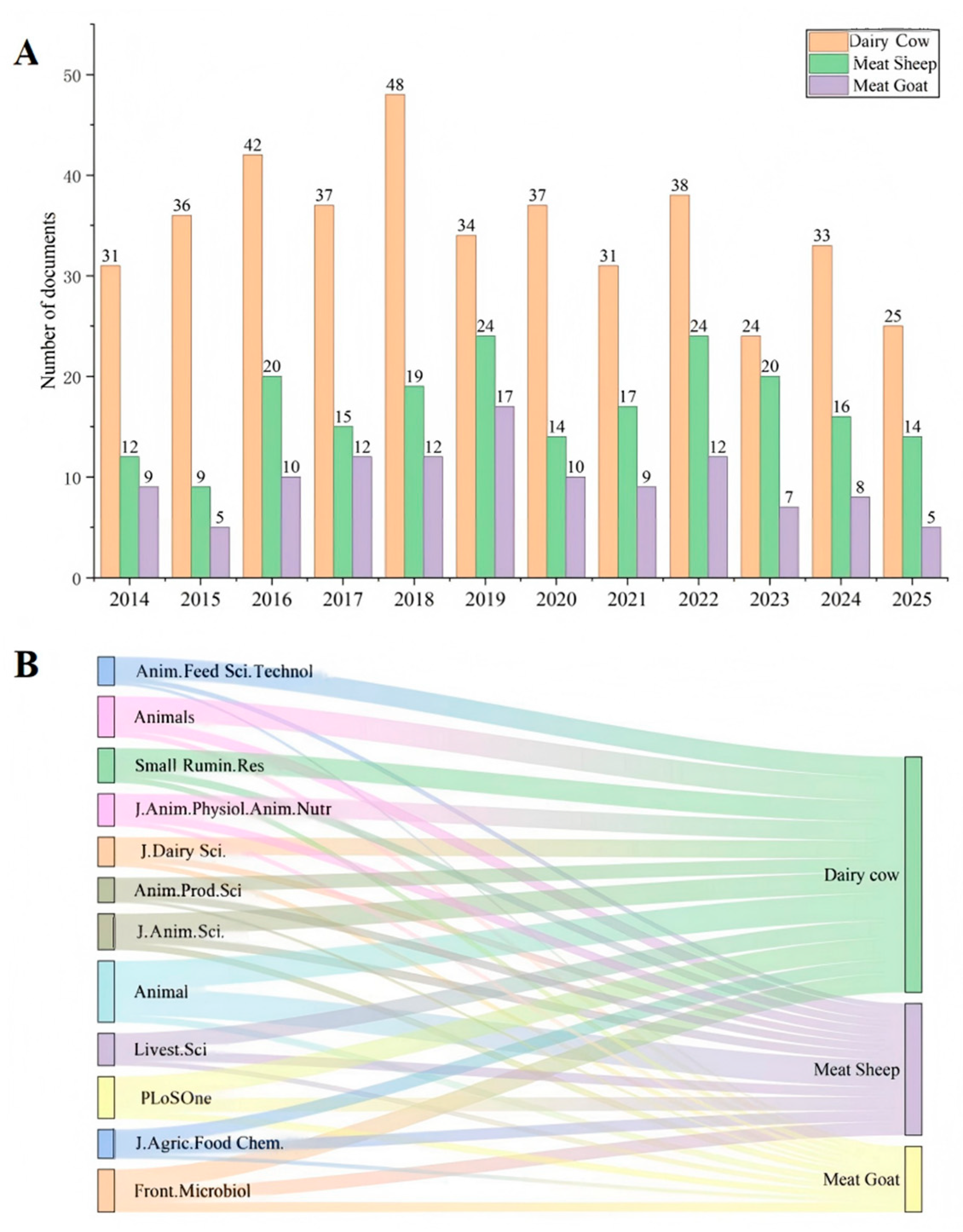
2. Methods
3. Rumen BH Pathways
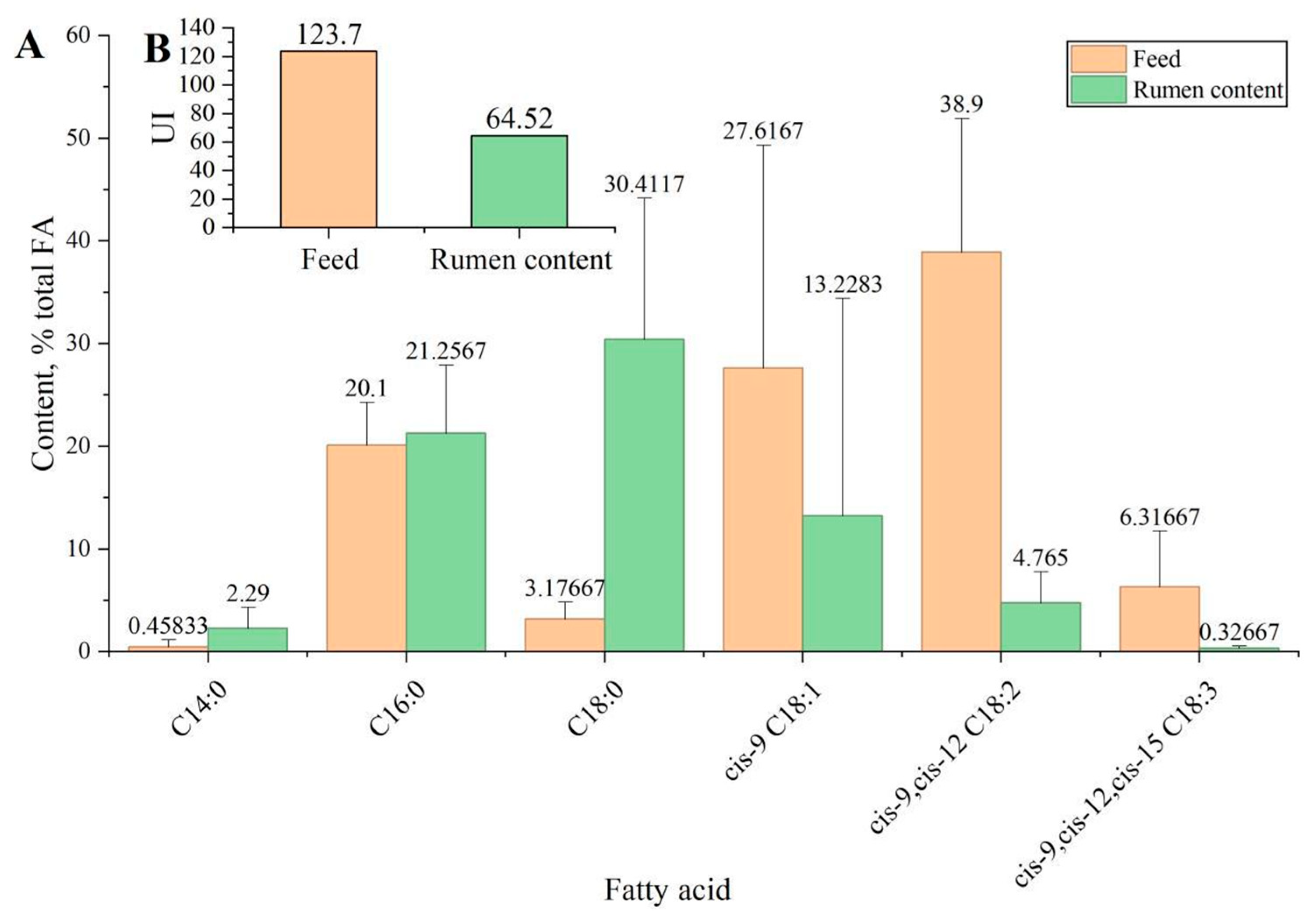
3.1. Concept of Rumen BH
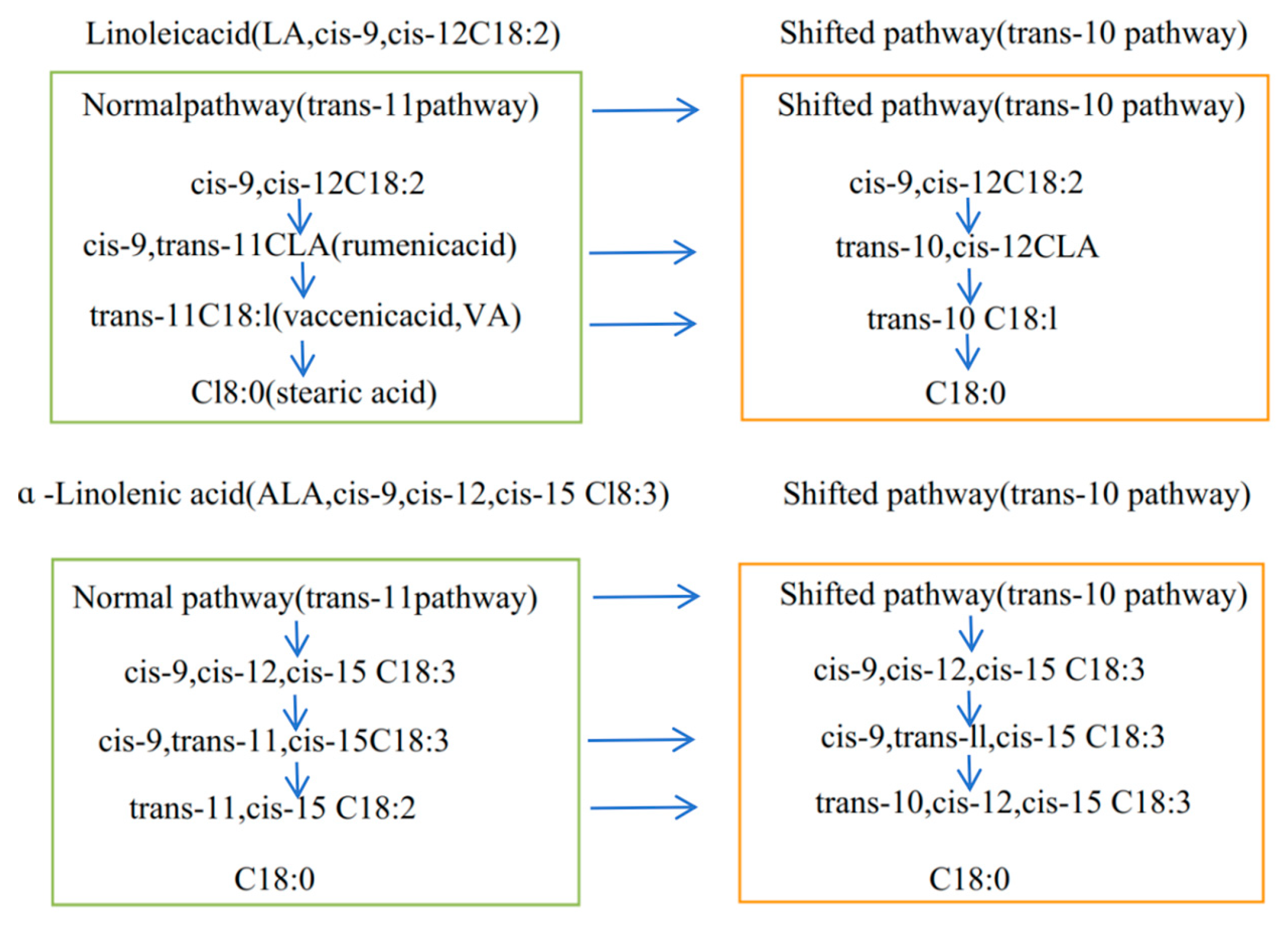
3.2. Rumen BH of C18:2 PUFA
3.3. Rumen BH of n-3 PUFA
4. Microbial Involvement and Regulation of Rumen BH
4.1. Major Microbial Players in Rumen BH
4.2. Regulation of Rumen BH
4.3. Effects of Breeding Strategies on Rumen BH
5. BH in Relation to Sustainable and High-Quality Ruminant Production
5.1. Role of Rumen BH in Methane Emissions
5.2. Rumen BH and the Nutritional Value of Ruminant Products
6. Future Research Opportunities and Challenges
7. Conclusions
Supplementary Materials
Author Contributions
Funding
Institutional Review Board Statement
Informed Consent Statement
Data Availability Statement
Conflicts of Interest
References
- Toral, P.G.; Monahan, F.J.; Hervas, G.; Frutos, P.; Moloney, A.P. Review: Modulating ruminal lipid metabolism to improve the fatty acid composition of meat and milk. Challenges and opportunities. Animal 2018, 12, S272–S281. [Google Scholar] [CrossRef] [PubMed]
- Badawy, S.; Liu, Y.; Guo, M.; Liu, Z.; Xie, C.; Marawan, M.A.; Ares, I.; Lopez-Torres, B.; Martínez, M.; Maximiliano, J.; et al. Conjugated linoleic acid (cla) as a functional food: Is it beneficial or not? Food Res. Int. 2023, 172, 113158. [Google Scholar] [CrossRef] [PubMed]
- Lourenco, M.; Ramos-Morales, E.; Wallace, R.J. The role of microbes in rumen lipolysis and biohydrogenation and their manipulation. Animal 2010, 4, 1008–1023. [Google Scholar] [CrossRef] [PubMed]
- Zhang, X.M.; Medrano, R.F.; Wang, M.; Beauchemin, K.A.; Ma, Z.Y.; Wang, R.; Wen, J.N.; Lukuyu, B.A.; Tan, Z.L.; He, J.H. Corn oil supplementation enhances hydrogen use for biohydrogenation, inhibits methanogenesis, and alters fermentation pathways and the microbial community in the rumen of goats. J. Anim. Sci. 2019, 97, 4999–5008. [Google Scholar] [CrossRef] [PubMed]
- Martínez-álvaro, M.; Mattock, J.; Auffret, M.; Weng, Z.; Duthie, C.; Dewhurst, R.J.; Cleveland, M.A.; Watson, M.; Roehe, R. Microbiome-driven breeding strategy potentially improves beef fatty acid profile benefiting human health and reduces methane emissions. Microbiome 2022, 10, 166. [Google Scholar] [CrossRef] [PubMed]
- Lanza, M.; Scerra, M.; Bognanno, M.; Buccioni, A.; Cilione, C.; Biondi, L.; Priolo, A.; Luciano, G. Fatty acid metabolism in lambs fed citrus pulp. J. Anim. Sci. 2015, 93, 3179–3188. [Google Scholar] [CrossRef] [PubMed]
- Vargas, J.E.; Andres, S.; Lopez-Ferreras, L.; Lopez, S. Effects of supplemental plant oils on rumen bacterial community profile and digesta fatty acid composition in a continuous culture system (rusitec). Anaerobe 2020, 61, 9. [Google Scholar] [CrossRef] [PubMed]
- Bryszak, M.; Szumacher-Strabel, M.; Huang, H.; Pawlak, P.; Lechniak, D.; Kolodziejski, P.; Yanza, Y.R.; Patra, A.K.; Varadyova, Z.; Cieslak, A. Lupinus angustifolius seed meal supplemented to dairy cow diet improves fatty acid composition in milk and mitigates methane production. Anim. Feed. Sci. Technol. 2020, 267, 14. [Google Scholar] [CrossRef]
- Toral, P.G.; Hervas, G.; Frutos, P. Invited review: Research on ruminal biohydrogenation—Achievements, gaps in knowledge, and future approaches from the perspective of dairy science. J. Dairy Sci. 2024, 107, 10115–10140. [Google Scholar] [CrossRef] [PubMed]
- Vahmani, P.; Xu, Y.; Dugan, M.E.R.; Hackmann, T.J. Trans-10 shifted ruminal biohydrogenation and its implications for ruminant milk and meat fat content and quality. Can. J. Anim. Sci. 2024, 105, 15. [Google Scholar]
- Chen, J.; Liu, H. Nutritional indices for assessing fatty acids: A mini-review. Int. J. Mol. Sci. 2020, 21, 24. [Google Scholar] [CrossRef] [PubMed]
- Alves, S.P.; Francisco, A.; Costa, M.; Santos-Silva, J.; Bessa, R.J.B. Biohydrogenation patterns in digestive contents and plasma of lambs fed increasing levels of a tanniferous bush (cistus ladanifer l.) And vegetable oils. Anim. Feed. Sci. Technol. 2017, 225, 157–172. [Google Scholar] [CrossRef]
- Vitor, A.C.M.; Francisco, A.E.; Silva, J.; Pinho, M.; Huws, S.A.; Santos-Silva, J.; Bessa, R.J.B.; Alves, S.P. Freeze-dried nannochloropsis oceanica biomass protects eicosapentaenoic acid (epa) from metabolization in the rumen of lambs. Sci. Rep. 2021, 11, 21878. [Google Scholar] [CrossRef] [PubMed]
- Alves, S.P.; Vahmani, P.; Mapiye, C.; McAllister, T.A.; Bessa, R.J.B.; Dugan, M.E.R. Trans-10 18:1 in ruminant meats: A review. Lipids 2021, 56, 539–562. [Google Scholar] [CrossRef] [PubMed]
- Toral, P.G.; Hervas, G.; Carreno, D.; Leskinen, H.; Belenguer, A.; Shingfield, K.J.; Frutos, P. In vitro response to epa, dpa, and dha: Comparison of effects on ruminal fermentation and biohydrogenation of 18-carbon fatty acids in cows and ewes. J. Dairy Sci. 2017, 100, 6187–6198. [Google Scholar] [CrossRef] [PubMed]
- Alves, S.P.; Santos-Silva, J.; Cabrita, A.R.J.; Fonseca, A.J.M.; Bessa, R.J.B. Detailed dimethylacetal and fatty acid composition of rumen content from lambs fed lucerne or concentrate supplemented with soybean oil. PLoS ONE 2013, 8, 14. [Google Scholar] [CrossRef] [PubMed]
- Alves, S.P.; Bessa, R.J.B. The trans-10,cis-15 18:2: A missing intermediate of trans-10 shifted rumen biohydrogenation pathway? Lipids 2014, 49, 527–541. [Google Scholar] [CrossRef] [PubMed]
- Alshdaifat, M.M.; Serbester, U.; Obeidat, B.S.; Gorgulu, M. Fish oil supplementation as an omega-3 fatty acid source during gestation: Effects on the performance of awassi ewes and their offspring. Animals 2023, 13, 3888. [Google Scholar] [CrossRef] [PubMed]
- Toral, P.G.; Hervas, G.; Leskinen, H.; Shingfield, K.J.; Frutos, P. In vitro ruminal biohydrogenation of eicosapentaenoic (epa), docosapentaenoic (dpa), and docosahexaenoic acid (dha) in cows and ewes: Intermediate metabolites and pathways. J. Dairy Sci. 2018, 101, 6109–6121. [Google Scholar] [CrossRef] [PubMed]
- Vasta, V.; Daghio, M.; Cappucci, A.; Buccioni, A.; Serra, A.; Viti, C.; Mele, M. Invited review: Plant polyphenols and rumen microbiota responsible for fatty acid biohydrogenation, fiber digestion, and methane emission: Experimental evidence and methodological approaches. J. Dairy Sci. 2019, 102, 3781–3804. [Google Scholar] [CrossRef] [PubMed]
- Ishlak, A.; Gunal, M.; AbuGhazaleh, A.A. The effects of cinnamaldehyde, monensin and quebracho condensed tannin on rumen fermentation, biohydrogenation and bacteria in continuous culture system. Anim. Feed. Sci. Technol. 2015, 207, 31–40. [Google Scholar] [CrossRef]
- Ma, Z.; Li, F.; Meng, Y.; Wang, L.; Guo, T.; Zhang, Z.; Weng, X.; Wang, X.; Zhang, X.; Tian, D. Different rumen biohydrogenation extents in lambs: Assessing fatty acid composition, growth performance, carcass characteristics, and digestibility. Anim. Feed. Sci. Technol. 2025, 320, 13. [Google Scholar] [CrossRef]
- Golbotteh, M.M.; Malecky, M.; Aliarabi, H.; Zamani, P. Impact of oil type and savory plant on nutrient digestibility and rumen fermentation, milk yield, and milk fatty acid profile in dairy cows. Sci. Rep. 2024, 14, 22427. [Google Scholar] [CrossRef] [PubMed]
- Nam, I.S.; Garnsworthy, P.C. Biohydrogenation of linoleic acid by rumen fungi compared with rumen bacteria. J. Appl. Microbiol. 2007, 103, 551–556. [Google Scholar] [CrossRef] [PubMed]
- Dewanckele, L.; Jeyanathan, J.; Vlaeminck, B.; Fievez, V. Identifying and exploring biohydrogenating rumen bacteria with emphasis on pathways including trans-10 intermediates. BMC Microbiol. 2020, 20, 198. [Google Scholar] [CrossRef] [PubMed]
- Francisco, A.; Alves, S.P.; Portugal, P.V.; Dentinho, M.T.; Jeronimo, E.; Sengo, S.; Almeida, J.; Bressan, M.C.; Pires, V.M.R.; Alfaia, C.M.; et al. Effects of dietary inclusion of citrus pulp and rockrose soft stems and leaves on lamb meat quality and fatty acid composition. Animal 2018, 12, 872–881. [Google Scholar] [CrossRef] [PubMed]
- Williams, S.R.O.; Chaves, A.V.; Deighton, M.H.; Jacobs, J.L.; Hannah, M.C.; Ribaux, B.E.; Morris, G.L.; Wales, W.J.; Moate, P.J. Influence of feeding supplements of almond hulls and ensiled citrus pulp on the milk production, milk composition, and methane emissions of dairy cows. J. Dairy Sci. 2018, 101, 2072–2083. [Google Scholar] [CrossRef] [PubMed]
- Beauchemin, K.A.; Ungerfeld, E.M.; Eckard, R.J.; Wang, M. Review: Fifty years of research on rumen methanogenesis: Lessons learned and future challenges for mitigation. Animal 2020, 14, s2–s16. [Google Scholar] [CrossRef] [PubMed]
- Huang, G.; Zhang, Y.; Xu, Q.; Zheng, N.; Zhao, S.; Liu, K.; Qu, X.; Yu, J.; Wang, J. Dha content in milk and biohydrogenation pathway in rumen: A review. PeerJ 2020, 8, e10230. [Google Scholar] [CrossRef] [PubMed]
- Rana, M.S.; Tyagi, A.; Hossain, S.A.; Tyagi, A.K. Effect of tanniniferous terminalia chebula extract on rumen biohydrogenation, ∆(9)-desaturase activity, cla content and fatty acid composition in longissimus dorsi muscle of kids. Meat Sci. 2012, 90, 558–563. [Google Scholar] [CrossRef] [PubMed]
- Ma, Z.; Meng, Y.; Li, F.; Ungerfeld, E.; Lv, J.; Liu, B.; Li, S.; Wang, X. Effects of an essential oil blend rich in cinnamaldehyde and carvacrol on rumen biohydrogenation and fatty acid profile in the longissimus lumborum of growing lambs. J. Sci. Food Agric. 2024, 104, 9581–9591. [Google Scholar] [CrossRef] [PubMed]
- Baldin, M.; Zanton, G.I.; Harvatine, K.J. Effect of 2-hydroxy-4-(methylthio)butanoate (hmtba) on risk of biohydrogenation-induced milk fat depression. J. Dairy Sci. 2018, 101, 376–385. [Google Scholar] [CrossRef] [PubMed]
- Baldin, M.; Garcia, D.; Zanton, G.I.; Hao, F.; Patterson, A.D.; Harvatine, K.J. Effect of 2-hydroxy-4-(methylthio)butanoate (hmtba) on milk fat, rumen environment and biohydrogenation, and rumen protozoa in lactating cows fed diets with increased risk for milk fat depression. J. Dairy Sci. 2022, 105, 7446–7461. [Google Scholar] [CrossRef] [PubMed]
- Harrison, J.; White, R.; Kincaid, R.; Block, E.; Jenkins, T.; St-Pierre, N. Effectiveness of potassium carbonate sesquihydrate to increase dietary cation-anion difference in early lactation cows. J. Dairy Sci. 2012, 95, 3919–3925. [Google Scholar] [CrossRef] [PubMed]
- Alfonso-Avila, A.R.; Charbonneau, É.; Chouinard, P.Y.; Tremblay, G.F.; Gervais, R. Potassium carbonate as a cation source for early-lactation dairy cows fed high-concentrate diets. J. Dairy Sci. 2017, 100, 1751–1765. [Google Scholar] [CrossRef] [PubMed]
- Aldai, N.; Klieve, A.V.; Dugan, M.E.R.; Kramer, J.K.G.; Ouwerkerk, D.; Aalhus, J.L.; McKinnon, J.J.; McAllister, T.A. Evaluation of rumen fatty acid hydrogenation intermediates and differences in bacterial communities after feeding wheat- or corn-based dried distillers grains to feedlot cattle. J. Anim. Sci. 2012, 90, 2699–2709. [Google Scholar] [CrossRef] [PubMed]
- Wu, X.; Ouyang, H.; Duan, B.; Pang, D.; Zhang, L.; Yuan, T.; Xue, L.; Ni, D.; Cheng, L.; Dong, S.; et al. Production of cloned transgenic cow expressing omega-3 fatty acids. Transgenic Res. 2012, 21, 537–543. [Google Scholar] [CrossRef] [PubMed]
- Lai, L.; Kang, J.X.; Li, R.; Wang, J.; Witt, W.T.; Yong, H.Y.; Hao, Y.; Wax, D.M.; Murphy, C.N.; Rieke, A.; et al. Generation of cloned transgenic pigs rich in omega-3 fatty acids. Nat. Biotechnol. 2006, 24, 435–436. [Google Scholar] [CrossRef] [PubMed]
- Ungerfeld, E.M. Metabolic hydrogen flows in rumen fermentation: Principles and possibilities of interventions. Front. Microbiol. 2020, 11, 589. [Google Scholar] [CrossRef] [PubMed]
- Greening, C.; Geier, R.; Wang, C.; Woods, L.C.; Morales, S.E.; McDonald, M.J.; Rushton-Green, R.; Morgan, X.C.; Koike, S.; Leahy, S.C.; et al. Diverse hydrogen production and consumption pathways influence methane production in ruminants. ISME J. 2019, 13, 2617–2632. [Google Scholar] [CrossRef] [PubMed]
- Hristov, A.N.; Oh, J.; Giallongo, F.; Frederick, T.W.; Harper, M.T.; Weeks, H.L.; Branco, A.F.; Moate, P.J.; Deighton, M.H.; Williams, S.R.O.; et al. An inhibitor persistently decreased enteric methane emission from dairy cows with no negative effect on milk production. Proc. Natl. Acad. Sci. USA 2015, 112, 10663–10668. [Google Scholar] [CrossRef] [PubMed]
- Bessa, R.J.B.; Alves, S.P.; Santos-Silva, J. Constraints and potentials for the nutritional modulation of the fatty acid composition of ruminant meat. Eur. J. Lipid Sci. Technol. 2015, 117, 1325–1344. [Google Scholar] [CrossRef]
- Gao, C.; Qi, M.; Zhou, Y. Chestnut tannin extract modulates growth performance and fatty acid composition in finishing tan lambs by regulating blood antioxidant capacity, rumen fermentation, and biohydrogenation. BMC Vet. Res. 2024, 20, 23. [Google Scholar] [CrossRef] [PubMed]
- Wang, Z.; Guo, L.; Ding, X.; Li, F.; Xu, H.; Li, S.; Wang, X.; Li, K.; Yue, X. Supplementation of chestnut tannins in diets can improve meat quality and antioxidative capability in hu lambs. Meat Sci. 2023, 206, 109342. [Google Scholar] [CrossRef] [PubMed]
- Liu, H.W.; Zhou, D.W.; Li, K. Effects of chestnut tannins on performance and antioxidative status of transition dairy cows. J. Dairy Sci. 2013, 96, 5901–5907. [Google Scholar] [CrossRef] [PubMed]
- Stewart, R.D.; Auffret, M.D.; Warr, A.; Walker, A.W.; Roehe, R.; Watson, M. Compendium of 4,941 rumen metagenome-assembled genomes for rumen microbiome biology and enzyme discovery. Nat. Biotechnol. 2019, 37, 953–961. [Google Scholar] [CrossRef] [PubMed]
- Rinke, C.; Schwientek, P.; Sczyrba, A.; Ivanova, N.N.; Anderson, I.J.; Cheng, J.; Darling, A.; Malfatti, S.; Swan, B.K.; Gies, E.A.; et al. Insights into the phylogeny and coding potential of microbial dark matter. Nature 2013, 499, 431–437. [Google Scholar] [CrossRef] [PubMed]
- Hungate, B.A.; Mau, R.L.; Schwartz, E.; Caporaso, J.G.; Dijkstra, P.; van Gestel, N.; Koch, B.J.; Liu, C.M.; McHugh, T.A.; Marks, J.C.; et al. Quantitative microbial ecology through stable isotope probing. Appl. Environ. Microbiol. 2015, 81, 7570–7581. [Google Scholar] [CrossRef] [PubMed]
- Aldai, N.; de Renobales, M.; Barron, L.J.R.; Kramer, J.K.G. What are the trans fatty acids issues in foods after discontinuation of industrially produced trans fats? Ruminant products, vegetable oils, and synthetic supplements. Eur. J. Lipid Sci. Technol. 2013, 115, 1378–1401. [Google Scholar] [CrossRef]



| Microbial Category | Microbial Function | Metabolic Process |
|---|---|---|
| Butyrivibrio fibrisolvens, Pseudobutyrivibrio spp. | Well-characterized group A bacteria involved in the early steps of rumen biohydrogenation [3] | Hydrogenate polyunsaturated fatty acids (PUFA) primarily into C18:1 (mainly trans-11 C18:1) [3,24] |
| Butyrivibrio proteoclasticus | The best-characterized cultured group B bacterium involved in terminal hydrogenation; highly sensitive to UFA toxicity [3] | Further reduce monoenes (mainly C18:1) into C18:0 [3,20] |
| Other candidate bacteria, including Ruminococcus albus and uncultured Lachnospiraceae- or Ruminococcaceae-related taxa | Some cultured strains can transform C18 PUFA into C18:1 intermediates, whereas many uncultured taxa are associated with BH phenotypes but remain functionally unvalidated [9,25] | These bacteria may participate in isomerization or partial hydrogenation steps; however, their species- and strain-specific roles require further validation [14,24] |
| Cutibacterium acnes (formerly Propionibacterium acnes) | Produces trans-10,cis-12 CLA in pure culture, although its quantitative contribution to the in vivo trans-10 shift remains uncertain [10,14] | Converts C18:2 into trans-10, cis-12 CLA, bypassing the normal trans-11 pathway [10,17] |
| Uncultured potential groups (WCHB1-41_ge, Lachnospiraceae, Rikenellaceae) | Uncultured taxa associated with BH extent, including WCHB1-41_ge and selected Lachnospiraceae- and Rikenellaceae-related taxa, have been identified through sequencing and multi-omics analyses. However, their direct catalytic roles and complete BH pathway capacities have not been experimentally validated [22] | These taxa are associated with BH extent and the formation of related intermediates, but their specific catalytic functions and positions within BH pathways remain to be experimentally validated [22] |
| Anaerobic fungi (Orpinomyces, Piromyces, Neocallimastix) | Capable of independent BH, though their metabolic rate is limited by a long life cycle (~24 h) [3,24] | Able to hydrogenate PUFA, but the metabolic products typically stop at the MUFA stage (e.g., C18:1) [24] |
| Protozoa (Ciliate Protozoa) | Do not synthesize BH enzymes; mainly act as reservoirs of lipids and associated BH intermediates [3] | Accumulate high concentrations of CLA and VA through the ingestion and sequestration of plant chloroplasts and symbiotic BH bacteria [3] |
| Regulation Category | Mechanisms and Impact on BH |
|---|---|
| Dietary Structure and Composition | |
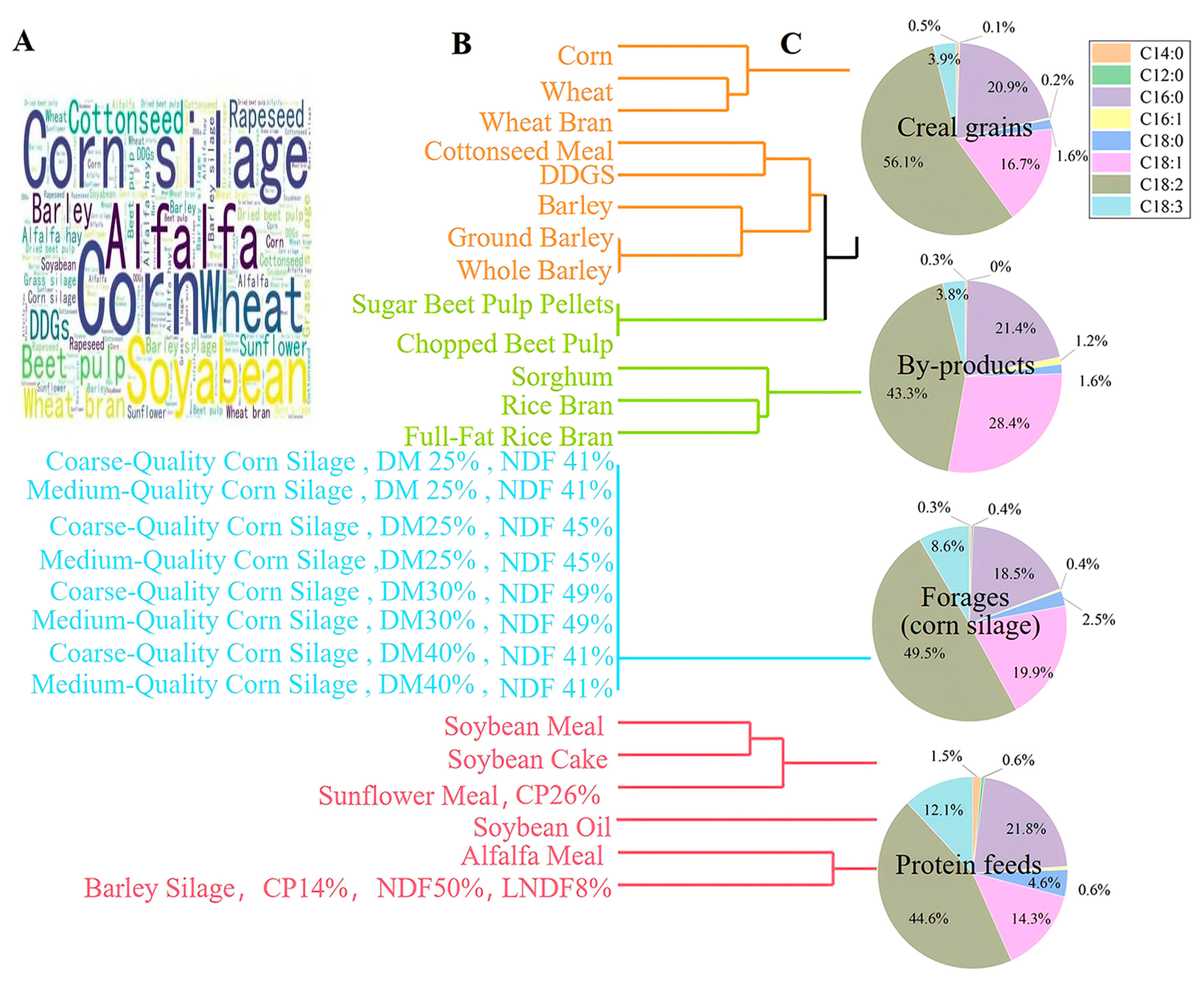
| Forage-to-Concentrate (F:C) Ratio | High-forage diets generally favor the trans-11 pathway, whereas high-starch or high-concentrate diets, particularly when combined with a high rumen unsaturated fatty acid load, increase the risk of a trans-10 shift and the accumulation of trans-10 intermediates associated with milk fat depression [10,14,17] |
| Agro-industrial By-products | Partial replacement of cereal grains with pectin- or fiber-rich by-products, such as citrus pulp and almond hulls, can reduce dietary starch load and modify rumen fermentation, methane emissions, and the fatty acid composition of meat or milk. These changes may indirectly influence rumen BH, although direct evidence for consistent prevention of the trans-10 shift or improvement of BH completeness remains limited [14,26,27] |
| Lipid Supplementation | |
| Unsaturated Vegetable Oils | PUFA-rich vegetable oils increase the supply of substrates for rumen BH and may redirect a small proportion of metabolic hydrogen away from methanogenesis. In one goat study, corn oil supplementation reduced methane yield by approximately 15.1% per kilogram of dry matter intake, although the response depends on oil type, dose, basal diet, and animal species [4,28] |
| Marine Lipids and Microalgae | Marine lipids rich in EPA and DHA can inhibit the terminal reduction of trans-C18:1 intermediates to C18:0, thereby increasing the accumulation of trans-C18:1 and CLA-related intermediates. The magnitude and pattern of these effects differ between EPA and DHA and may vary among ruminant species [15,19,29] |
| Plant Secondary Metabolites | |
| Tannins (Condensed and Hydrolysable) | Condensed and hydrolysable tannins, including tannins from quebracho and Terminalia chebula, can alter rumen microbial populations and inhibit selected steps of BH, particularly the terminal conversion of trans-C18:1 intermediates to C18:0. Their effects on VA, CLA, and PUFA accumulation depend strongly on tannin source, dose, and dietary conditions [20,21,30] |
| Essential Oils | Essential-oil compounds such as cinnamaldehyde, carvacrol, and thymol can modify rumen microbial activity and alter the formation of BH intermediates. Their effects on PUFA disappearance and the fatty acid composition of meat or milk are dose- and diet-dependent [20,21,23,31] |
| Polyphenol Oxidase (PPO) | Polyphenol oxidase-rich forages, such as red clover, can reduce the extent of lipolysis and thereby limit the release of free unsaturated fatty acids available for subsequent rumen BH [9] |
| Chemical Additives and Stabilizers | |
| Ionophores (e.g., Monensin) | Monensin can alter the rumen bacterial community and modify PUFA biohydrogenation, resulting in changes in C18:2, CLA, and trans-C18:1 intermediates. However, the direction and magnitude of these responses depend on diet composition and experimental conditions [1,3,21] |
| Metabolic Modifiers | HMTBa supplementation has been shown to reduce trans-10 C18:1 concentrations in rumen digesta and milk fat and to maintain or increase milk fat concentration under diets with an elevated risk of biohydrogenation-induced milk fat depression. Responses may depend on production level and dietary risk factors [32,33] Potassium carbonate supplementation may modify ruminal BH and reduce the concentrations of selected trans fatty acids in milk while increasing milk fat concentration under some high-concentrate dietary conditions. However, effects on milk fat yield and the underlying mechanism are not consistent among studies [34,35] |
| Bypass and Protection Technologies | |
| Physical/Chemical Encapsulation | Rumen-protection technologies, including calcium salts, protein- or polymer-based encapsulation, and fatty acid amides, reduce the exposure of unsaturated fatty acids to rumen microbes and may increase their post-ruminal delivery. Protection efficiency varies with lipid source, processing method, and rumen conditions [1,9] |
| Natural Protection | Freeze-drying of Nannochloropsis oceanica preserves cellular integrity and partially protects EPA against ruminal metabolism, thereby increasing the potential post-ruminal availability of EPA [13] |
| Genetics and Microbiology | |
| Microbial Interventions | Selected microbial interventions have been investigated as potential tools for modifying rumen fermentation and BH. However, their effects on VA, CLA, rumen pH, fermentation efficiency, and animal performance are strain-, diet-, and host-dependent, and consistent benefits have not yet been demonstrated across studies [3,9] |
| Microbiome-driven Breeding | Host genomic factors influence approximately 27.6% of core rumen microbial genes. Selection for heritable microbial features may therefore contribute to improved meat fatty acid profiles and lower methane emissions, although validation across populations, diets, and production systems is still required [5] |
Disclaimer/Publisher’s Note: The statements, opinions and data contained in all publications are solely those of the individual author(s) and contributor(s) and not of MDPI and/or the editor(s). MDPI and/or the editor(s) disclaim responsibility for any injury to people or property resulting from any ideas, methods, instructions or products referred to in the content. |
© 2026 by the authors. Licensee MDPI, Basel, Switzerland. This article is an open access article distributed under the terms and conditions of the Creative Commons Attribution (CC BY) license.
Share and Cite
Guan, Z.; Ma, Z.; Li, F.; Zhang, X.; Wang, L.; Li, H.; Zhang, W.; Xu, H. A Review of Rumen Biohydrogenation and Efficient, Green Production of High-Quality Ruminant Products: Mechanisms, Opportunities and Challenges. Animals 2026, 16, 2424. https://doi.org/10.3390/ani16152424
Guan Z, Ma Z, Li F, Zhang X, Wang L, Li H, Zhang W, Xu H. A Review of Rumen Biohydrogenation and Efficient, Green Production of High-Quality Ruminant Products: Mechanisms, Opportunities and Challenges. Animals. 2026; 16(15):2424. https://doi.org/10.3390/ani16152424
Chicago/Turabian StyleGuan, Zixin, Zhiyuan Ma, Fei Li, Xiumin Zhang, Li Wang, Huimin Li, Wei Zhang, and Hui Xu. 2026. "A Review of Rumen Biohydrogenation and Efficient, Green Production of High-Quality Ruminant Products: Mechanisms, Opportunities and Challenges" Animals 16, no. 15: 2424. https://doi.org/10.3390/ani16152424
APA StyleGuan, Z., Ma, Z., Li, F., Zhang, X., Wang, L., Li, H., Zhang, W., & Xu, H. (2026). A Review of Rumen Biohydrogenation and Efficient, Green Production of High-Quality Ruminant Products: Mechanisms, Opportunities and Challenges. Animals, 16(15), 2424. https://doi.org/10.3390/ani16152424