


Simple Summary
The northern margin of the East Asian tropics is a biodiversity hotspot, yet many freshwater fishes remain poorly studied. Tachysurus virgatus, a striped catfish long considered a single widespread species, is one example. By integrating molecular evidence with detailed morphological comparisons, the results reveal that this taxon actually comprises multiple distinct species, many of which are restricted to narrow distributions in southern China and Vietnam and are formally described in this study. Different species also prefer different habitats, such as fast-flowing mountain streams or larger lowland rivers. Recognizing this hidden diversity is essential for understanding regional biodiversity and for conservation, as several newly identified species have very limited distributions and may face greater extinction risks than previously recognized.
Abstract
The northern margin of the East Asian tropics harbors exceptional endemism, yet its freshwater fish fauna remains poorly characterized. Tachysurus virgatus, long considered a single widespread species in this region, exemplifies this taxonomic gap. Through integrative taxonomic analyses combining morphological and molecular evidence, we uncovered remarkable cryptic diversity within this species. Phylogenetic reconstructions reveal that true T. virgatus is restricted to the Wanquan River basin on Hainan Island, whereas nine additional lineages from other drainages represent previously unrecognized species described in this study. Together with two known congeners (T. spilotus and T. kyphus), these form the monophyletic T. virgatus species group for which we provide morphological diagnoses. Pronounced incongruence between morphological and molecular divergence characterizes this group, underscoring the necessity of integrative approaches for species delimitation in morphologically conserved lineages. Moreover, distinct habitat specialization patterns were identified within the group, with species exhibiting adaptations to three ecological niches: mainstem river, montane streams, and generalist habitats occupying both. Correlations between habitat preferences and functional morphology were preliminarily discussed. Using our revised taxonomic framework, we evaluated the conservation status of all species under IUCN Red List criteria, with several newly described taxa warranting threatened status due to extremely limited distributions. This study highlights the pervasive cryptic diversity of freshwater fishes in the north margin of East Asian tropics and emphasizes the critical importance of rigorous taxonomic resolution to guide effective conservation in this biogeographically complex region.
1. Introduction
The northern margin of the East Asian tropics constitutes a narrow zonal region extending nearly 2000 km from central–northern Vietnam eastward to the southern Guangxi, Guangdong, and Fujian Provinces, including Hainan Island in southern China [1]. Situated along the coastal zone of southern East Asia, this region experiences a moist, warm seasonal climate and delineates the boundary between the Indo-Burmese tropical and East Asian subtropical biogeographic provinces [2,3]. The distinctive coastal climate has persisted since the late Eocene [4], fostering exceptionally high levels of endemism across multiple taxonomic groups [5]. This region represents one of the major centers of plant and mammal species richness in East Asia [6] and harbors particularly high freshwater fish endemism, including genera such as Cranoglanis Peters 1881, Metzia Jordan & Thompson 1914, Parazacco Chen 1982, Tanichthys Lin 1932 and Liniparhomaloptera Fang 1935 [7].
The region’s complex topography encompasses numerous mountain ranges including the Yunkai, Shiwan, Ailao, Nanling, and Wuyi Mountains, shaped by both historical and ongoing tectonic processes. While major rivers such as the Pearl and Red rivers traverse the region, a distinctive feature of its freshwater network is the presence of numerous isolated coastal river systems, such as the Fangcheng River in Guangxi, the Moyang River in Guangdong, and the Gianh River in central Vietnam. Fluctuating sea levels in the South China Sea since the Miocene caused the intermittent connection among these river systems [8], creating opportunities for dispersal followed by isolation and diversification in freshwater fishes. This dynamic biogeographic history, combined with the general morphological conservatism exhibited by many East Asian freshwater fish lineages, has resulted in widespread cryptic diversity, where multiple species are lumped under single morphologically defined taxa [9,10]. The northern tropical margin exemplifies this pattern. For example, the White Cloud Mountain Minnow (Tanichthys albonubes Lin 1932), long considered a single species endemic to this region [11,12], actually comprises six cryptic species [13]. However, not all widespread taxa show deep genetic structure; some species, including Mastacembelus armatus Lacepède 1800 [14] and Barbodes semifasciolatus (Günther 1868) [15], exhibit only shallow differentiation across geographically distinct populations. These contrasting patterns indicate that different freshwater fish lineages have undergone distinct evolutionary trajectories in this region, precluding simple generalizations based on limited taxonomic sampling. Despite the high biodiversity significance of this region’s intricate river networks, cryptic diversity among widely distributed species remains poorly documented, partly due to challenges in conducting systematic transnational sampling across the national border.
However, resolving cryptic diversity has implications extending beyond taxonomic accuracy to conservation, biogeography, and evolutionary biology. Conservatively, range-restricted cryptic taxa lumped within widespread nominal species may face unrecognized extinction risks [16], obscuring conservation priorities until proper taxonomic resolution [17,18]. Biogeographically, cryptic species complexes illuminate historical processes, including the dynamic connections of drainage, historical fluctuations in sea levels, and paleoclimatic changes [19]. Evolutionarily, cryptic diversity demonstrates that reproductive isolation can proceed with minimal morphological divergence, challenging conventional understandings of diversification tempo and mode [20].
Tachysurus virgatus (Oshima 1926), a striped congener of Tachysurus, is characterized by two continuous longitudinal black stripes [21,22]. Originally described from a single 88 mm specimen collected in the Kachek River (now Wanquan River) on Hainan Island, it has traditionally been considered endemic to the northern margin of the East Asian tropics, with records spanning from central–northern Vietnam to southern Fujian Province, China [7,23,24,25]. The species occupies both major river systems and smaller isolated coastal drainages throughout its range. Despite its broad distribution across multiple river basins, T. virgatus sensu lato (s.l.) exhibits remarkable morphological uniformity, a pattern commonly observed in bagrid catfishes [26,27]. The common morphological conservatism, combined with the allopatric distribution of populations across independent drainage systems, raises the possibility of cryptic speciation driven primarily by geographic isolation rather than ecological divergence [28,29]. Under such scenarios, species divergence may proceed with minimal morphological differentiation due to similar selective pressures across drainages, in contrast to sympatric species that may undergo character displacement through niche partitioning. Given these characteristics, broad distribution across isolated drainages, morphological conservatism, and occurrence in a biogeographically complex region with a dynamic geological history, T. virgatus s.l. represents an ideal system for investigating cryptic diversity along the northern tropical margin of East Asia.
Furthermore, a recent integrative taxonomic study demonstrated that T. virgatus s.l. clusters with T. kyphus (Mai 1978), a species characterized by three broad vertical brown blotches, forming a separate lineage within Tachysurus [10]. The phylogenetic placement of T. spilotus Ng 2009, a striped congener endemic to central Vietnam and described solely on morphological grounds, remains unresolved. This species shares key morphological traits with T. virgatus s.l., including a relatively short maxillary barbel extending only slightly beyond the pectoral spine base and a prominent notch in the dorso-lateral stripe near the post-dorsal fin region. However, T. spilotus can be distinguished from both T. virgatus s.l. and T. kyphus by its deeply forked caudal fin bearing two irregular black patches on the lobes rather than continuous stripes. Molecular data are therefore needed to determine whether T. spilotus belongs to the monophyletic lineage comprised of T. virgatus s.l. and T. kyphus.
In this study, specimens identified as T. virgatus s.l. were collected from twenty-one localities across twelve river systems in southern China and central–northern Vietnam. Topotypes of T. kyphus and T. spilotus, which were previously suggested to be closely related to T. virgatus s.l. according to molecular and morphological evidence, were also collected. By integrating morphological and molecular analyses, this study aims to achieve two main objectives: (1) to provide robust and comprehensive morphological and molecular boundaries of the T. virgatus group and (2) to reveal cryptic diversity within the widespread T. virgatus s.l. and identify diagnostic traits of candidate species for formal description.
2. Methods and Materials
2.1. Samples Collection and Preservation
Twenty-one sampling locations were selected throughout most of the historically known range of T. virgatus s.l. encompassing the two large river systems, the Pearl River and the Red River, as well as eleven coastal rivers along the north margin of tropics in East Asia. Tachysurus kyphus and T. spilotus are endemic to the upper reaches of the Red River and to coastal rivers in central Vietnam, respectively, and were likewise included in the present sampling. In total, the sampling localities were numbered consecutively from one to twenty-three (Figure 1, Table 1). A total of 135 individuals currently assigned to T. virgatus s.l. were examined in this study, together with six individuals of T. kyphus and two individuals of T. spilotus. Of these, 141 specimens were used in the morphological analyses (Table 1), whereas 43 specimens were included in phylogenetic analyses (Table 2). In addition, sequence data from 16 other congeneric species were incorporated into the phylogenetic analysis (Table 2).
Figure 1.
Map of sampling localities of the Tachysurus virgatus group. Different colors and symbol shapes correspond to the same species and morpho-groups.
Table 1.
Species used in this study for morphological analysis.
Table 2.
Taxa examined in this study with Genebank accession numbers.
2.2. DNA Extraction, Amplification and Sequencing
Genomic DNA was extracted from ethanol-preserved fin tissues with the DNeasy Tissue Kit (Qiagen, Beijing, China). Two mitochondrial loci, cytochrome b (cyt-B) and cytochrome c oxidase subunit I (COI), were subsequently amplified. In the genus Tachysurus, nuclear genes have been reported to evolve substantially more slowly than mitochondrial genes and to exhibit strong conservation, providing limited resolution at shallow phylogenetic levels [10]. Therefore, nuclear markers were not included in the present phylogenetic analyses.
Primer sequences and PCR cycling conditions followed those reported by Shao et al. 2021 [30]. The primer pairs used were as follows: COIF (5′-CTACAATCACCGCCTAAR-3′) and COIR (5′-TAGAAGAAAGTGACAGAGCG-3′) for the COI gene; L14724 (5′-GACTTGAAAAACCACCGTTG-3′) and H15915 (5′-CTCCGATCTCCGGATTACAAGAC-3′) for the cyt b gene. PCR amplifications were performed under the following thermal cycling conditions: an initial denaturation at 95 °C for 5 min; followed by 35 cycles of denaturation at 95 °C for 30 s, annealing at 52 °C for 45 s, and extension at 72 °C for 90 s; with a final extension at 72 °C for 8 min.
PCR products were purified and subjected to bidirectional sequencing, which was carried out by Aolinuoke Sequencing Company. Newly obtained sequences were deposited in GenBank (Table 2). Multiple sequence alignments were generated in MEGA v7.0 using MUSCLE [31] under default parameters, based on the corresponding amino acid translations. Haplotypes with more than one ambiguous site were reconstructed using PHASE v2.1.1 [32], with input files formatted in SEQPHASE [33]. Each locus was phased in three independent runs under default options. To detect the largest non-recombining fragment within each locus, recombination tests were performed with IMGC [34].
2.3. Phylogenetic Analyses
COI and Cyt-B sequences from each specimen were concatenated for phylogenetic analyses using Bayesian inference (BI) and Maximum Likelihood (ML). The GTR + I + G model was selected as the best-fit substitution model by jModelTest2 [35] under the Akaike Information Criterion [36]. Tachysurus trilineatus (Zheng 1979) served as the outgroup. BI analyses were conducted in MrBayes v3.1.2 [37] with three independent runs of four Markov chains each, run for 20 million generations and sampled every 1000 generations, discarding the first 25% as burn-in. Convergence was confirmed by the average standard deviation of split frequencies and the potential scale reduction factor, and MCMC traces were inspected in TRACER v1.5. ML analyses were performed in RAxML-VI-HPC [38] with 1000 bootstrap replicates.
2.4. Morphological Analysis
Counts and measurements followed Cheng et al. (2008) [39]. All measurements were taken point-to-point with a dial caliper and recorded to 0.1 mm; a total of 26 characters were measured. Head length and other body proportions were expressed as percentages of standard length (SL), while head subunits were given as percentages of head length (HL). Counts of dorsal- and anal-fin rays followed [40], whereas other fin rays were counted under a binocular dissecting microscope with transmitted light. Vertebral counts were obtained from X-ray images, excluding the anterior five vertebrae that form the Weberian complex.
To account for allometric effects and differences in sample size, morphometric data (excluding standard length) were size-adjusted according to Reist (1985) using the formula [41]:
where Mtrans is the size-transformed measurement for each individual; M is the original measurement; b is the allometric coefficient (calculated as the slope of log M against log BL); BL is the standard length of the individual; and BLm is the mean standard length of one population while log is the base 10 logarithm. The 3D-PCA was performed and visualized with MATLAB R2024b (Mathworks Inc., Natick, MA, USA) while the 2D-PCA was run and visualized with SPSS 16 (SPSS, Chicago, IL, USA). Pairwise differences were tested using Student’s t-test, and variance among multiple groups was assessed via one-way ANOVA.
Mtrans = log M − b(log BL − log BLm)
3. Results
3.1. Phylogeny and Geographic Distribution
After alignment and trimming the ends, a total of 2568 base pairs (bp) (COI 1479 bp and cyt-B 1089 bp) after alignment and trimming the ends were obtained for all forty sampled specimens recognized as T. virgatus s.l., T. kyphus and T. spilotus. Out of these sites in the combined mtDNA dataset, 376 were variable, and 291 were parsimony-informative.
Both maximum likelihood (ML) and Bayesian inference (BI) analyses recovered identical overall topologies (Figure 2). All examined specimens of T. virgatus s.l., T. spilotus and T. kyphus formed a strongly supported monophyletic group (PP = 100%, BP = 100%), hereafter termed the T. virgatus group. This group comprises two deeply divergent clades (Clades I and II) separated by uncorrected p-distances of 11.6–15.6%. Clade I contains seven allopatric lineages, each with high nodal support (PP ≥ 0.95, BP ≥ 95). Specimens from the type locality of T. virgatus (Wanquan River, Hainan Island) formed a distinct lineage corresponding to T. virgatus sensu stricto (s. str.). The remaining six lineages represent novel species described in this study.
Figure 2.
Bayesian tree based on combined genes for the T. virgatus species group. Values on the left of the nodes indicate posterior probabilities and bootstrap supports of Bayesian inference/maximum likelihood for major lineages. The results of morph-group subdivision are shown on the right.
The phylogenetic relationships within Clade I are as follows: T. trimaculatus sp. nov., endemic to the Jiulong River in Fujian Province, is the earliest-diverging lineage (BP = 100%, PP = 100%) and sister to all remaining species. The other six species form a well-supported clade (BP = 92%, PP = 99%) with the following structure: T. heterofasciatus sp. nov. and T. platystomus sp. nov., restricted to the Moyang River and Huangjiang River (two coastal rivers in Guangdong Province), respectively, form a robustly supported species pair (BP = 100%, PP = 100%), that is sister to a clade containing the remaining four species. Within this latter clade, T. bailongensis sp. nov. (endemic to Fangcheng and Beilun rivers, Guangxi, China) pairs with T. furcatus sp. nov. (Nhat Le River, central Vietnam) (BP = 99%, PP = 100%), and this pair is sister to T. virgatus s. str. + T. pseudovirgatus sp. nov. (BP = 100%, PP = 100%). T. pseudovirgatus is endemic to the Dong River, a Pearl River tributary in Guangdong Province.
The seven Clade I species exhibit divergent ecological specializations. Five species (T. trimaculatus, T. heterofasciatus, T. platystomus, T. furcatus, and T. pseudovirgatus) are lotic specialists restricted to stream environments. In contrast, T. virgatus and T. bailongensis are habitat generalists that primarily inhabit river main stems but also occur in stream habitats.
Clade II comprises five well-supported lineages, including T. kyphus, T. spilotus and three species previously misidentified as T. virgatus. Within this clade, T. spilotus and T. sinovietnamensis sp. nov. form a supported species pair (BP = 82%, PP = 92%), with T. spilotus endemic to coastal rivers in southern central Vietnam and T. sinovietnamensis occurring in the Red River and adjacent systems (Lam and Gianh rivers) in northern central Vietnam. This pair is sister to a clade containing T. kyphus, T. qiongzhouensis sp. nov., and T. analimaculatus sp. nov. These three species are allopatrically distributed: T. kyphus is endemic to the upper Red River, T. qiongzhouensis occurs in the Nandu and Changhua rivers on Hainan Island as well as the Moyang River in Guangdong, and T. analimaculatus is confined to the Pearl River basin in Guangdong and Guangxi. Ecologically, T. kyphus and T. spilotus are montane stream specialists, whereas the remaining three Clade II species are mainstem river specialists.
Uncorrected p-distances based on the Cyt-B gene are summarized in Table 3. Within Clade I, interspecific divergences range from 1.5% between T. furcatus and T. bailongensis to 9.2% between T. trimaculatus and T. platystomus. In Clade II, interspecific distances vary from 0.9% between T. spilotus and T. sinovietnamensis to 3.9% between T. sinovietnamensis and T. analimaculatus. Intraspecific divergences within each species are uniformly low (ranging from 0 to 0.1%).
Table 3.
Uncorrected p-distances for species within the T. virgatus group based on the cyt-B gene.
3.2. Morphological Diagnosis
3.2.1. Morph-Group Delineation
Three caudal fin morphologies are present within the T. virgatus group: (1) deeply forked (in which the shortest branch is shorter than half the length of the longest branch) with narrow caudal-fin lobes and straight posterior edges (Figure 3a,b); (2) deeply forked with wide caudal-fin lobes and convex posterior edges (Figure 3e) and (3) moderately forked (in which the shortest branch exceeds half the length of the longest branch) (Figure 3c,d). Three body coloration patterns also occur: (1) two continuous black longitudinal stripes of uniform width (Figure 3b,c); (2) two continuous black longitudinal stripes that are constricted at two points and taper posteriorly (Figure 3a); and (3) three broad vertical brown blotches (Figure 3d). Based on the combination of the caudal-fin shape and body coloration patterns, five morph-groups are recognized within the T. virgatus group (Figure 3).
Figure 3.
Five morph-groups within the Tachysurus virgatus group. (a) Tachysurus sinovietnamensis (morph-group A); (b) T. virgatus (morph-group B); (c) T. platystomus (morph-group C); (d) T. kyphus (morph-group D); (e) T. spilotus (morph-group E). Red arrow shows the two constrictions in the mid-lateral stripe of morph-group A.
Tachysurus kyphus and T. spilotus fall within Clade II in the phylogenetic analysis, each representing a distinct morph-group (D and E, respectively) based on unique diagnostic traits (Figure 2). T. kyphus possesses a moderately forked caudal fin and can be distinguished from all other members of the T. virgatus group by its distinctive coloration: three broad vertical brown blotches along the body, rather than the two continuous black stripes in T. spilotus and T. virgatus s.l. T. spilotus is further distinguished by its highly specialized caudal fin morphology, featuring a deeply forked structure with broad lobes and convex posterior margins. Additionally, the caudal fin of T. spilotus bears two irregular black patches on the lobes (Figure 3e), unlike the continuous stripes extending across the caudal fin in T. virgatus s.l. and T. kyphus.
The remaining species previously treated as T. virgatus s.l. are allocated to three morph-groups (A–C) distributed across the two major clades. Morph-groups B and C fall within Clade I, while morph-group A belongs to Clade II alongside T. kyphus and T. spilotus. Morph-group C, comprising T. platystomus and T. heterofasciatus, is distinguished from all other morph-groups by its higher vertebral count (35–36 vs. 30–34; Table 4) and moderately forked (rather than deeply forked) caudal fin, despite sharing the two continuous horizontal black stripes typical of morph-groups A and B. Morph-groups A and B share similar overall morphology and both possess deeply forked caudal fins with two continuous horizontal black stripes. Morph-group A (T. qiongzhouensis, T. analimaculatus, and T. sinovietnamensis) is distinguished by a mid-lateral stripe that is constricted at two points, the posterior end of the dorsal fin and the adipose fin, and tapers posteriorly, being substantially broader at the pelvic-fin insertion than at the caudal peduncle (Figure 3a). In contrast, morph-group B (T. virgatus, T. trimaculatus, T. bailongensis, T. furcatus and T. pseudovirgatus) exhibits an unconstricted mid-lateral stripe of uniform width throughout its length (Figure 3b).
Table 4.
The meristic characters of species within the T. virgatus group.
3.2.2. Morph-Group A
Although traditional morphometric ratios and coloration patterns do not clearly separate the three species within morph-group A, multivariate analysis reveals subtle morphological differentiation. A three-dimensional scatterplot of the first three principal components (PC1-3) from linear measurements separates the three species into largely distinct, slightly overlapping morphological spaces (Figure 4a). PC1 (86.24% of variance) loaded strongly on body depth, nasal barbel length, and caudal peduncle depth; PC2 (6.26%) on nasal and maxillary barbel length; and PC3 (1.50%) on body depth, caudal peduncle length, and inner and outer mandibular barbel lengths. Several characters contributing strongly to PC axes exhibit consistent interspecific variation. T. analimaculatus differs from both T. qiongzhouensis and T. sinovietnamensis in having a more slender body (depth at anus 13.8–19.2% SL vs. 19.1–24.5%) (Figure 4b). It further differs from T. qiongzhouensis in nasal barbel length (30.6–44.8% HL vs. 44.1–69.8%) (Figure 4c) and from T. sinovietnamensis in caudal peduncle depth (15.2–17.6% pre-anal length vs. 12.6–15.7%) (Figure 4d). T. qiongzhouensis and T. sinovietnamensis are morphologically conservative and cannot be reliably distinguished using conventional proportional measurements. However, bivariate plots of body proportions (SL/HL) against maxillary and nasal barbel lengths clearly separate these species into non-overlapping morphological spaces (Figure 4e,f).
Figure 4.
Morphometric analyses of morph−group A. (a) Three−dimensional principal component analysis (PCA) of the morphometric characteristics of morph-group A; (b) relation between body depth at anus and SL; (c) relation between nasal barbel length and HL; (d) relation between caudal peduncle depth and pre−anal length; (e) relation between SL/HL and maxillary barbel length; and (f) relation between SL/HL and nasal barbel length.
3.2.3. Morph-Group B
Principal component analysis for the five species within morph-group B revealed morphological differentiation. A bivariate plot of PC1 against PC2 separates T. trimaculatus from the other four species with slight overlap (Figure 5a). PC1 loaded strongly on body depth and caudal peduncle depth, while PC2 loaded on dorsal-spine length, nasal barbel length, and maxillary barbel length. PC3 loaded on dorsal-spine length and inner mandibular barbel length. Among the characters contributing strongly to PC axes, T. trimaculatus can be distinguished from the other four species by its more slender body (depth 14.0–18.4% SL vs. 18.1–21.5%; Figure 5b) and shorter maxillary barbel (16.8–20.8% SL vs. 19.0–24.6%; Figure 5c).
Figure 5.
Morphometric analyses of morph−group B. (a) Scatter plot of PC1 against PC2 extracted from morphometric data for the species within the morph-group B; (b) relation between body depth at anus and SL; (c) relation between maxillary barbel length and SL; (d) scatter plot of PC1 against PC3 extracted from morphometric data for the species within the morph-group B except T. trimaculatus; (e) relation between head depth and HL; (f) relation between head width and SL; (g) scatter plot of PC1 against PC2 extracted from morphometric data for T. pseudovirgatus and T. furcatus; (h) relation between caudal peduncle depth and HL.
After excluding T. trimaculatus, PCA of the remaining four species reveals further differentiation. A bivariate plot of PC1 against PC3 separates T. bailongensis from T. virgatus, T. pseudovirgatus, and T. furcatus (Figure 5d). PC1 exhibited strong positive loadings across all traits and accounted for 68.84% of the total variance, representing overall body size. PC2 (7.72%) loaded primarily on nasal barbel length, while PC3 (4.99%) loaded strongly on dorsal-spine length and nasal and inner mandibular barbel lengths. T. bailongensis can be distinguished from the other three species by its relatively shallower head (depth 53.4–59.1% HL vs. 58.6–71.1%; Figure 5e) and narrower head (width 59.8–68.5% HL vs. 66.4–76.7%; Figure 5f).
Among the remaining three species, T. pseudovirgatus and T. furcatus show clear morphological differentiation in PCA, with PC1 vs. PC2 plot effectively separating the two species (Figure 5g). T. pseudovirgatus can be distinguished from T. furcatus by its more slender caudal peduncle (depth 42.1–45.3% HL vs. 59.5–71.1%; Figure 5h). In contrast, T. virgatus exhibits substantial overlap with both T. pseudovirgatus and T. furcatus in morphometric space and cannot be reliably distinguished from these species using traditional morphometric characters alone (Figure S1).
However, the coloration pattern at the junction between the origin of the mid-lateral stripe and the black operculum blotches can serve as a valuable diagnostic character for morphological differentiation among these three species. T. pseudovirgatus resembles T. bailongensis and T. trimaculatus in having the origin of the mid-lateral stripe largely continuous with the black operculum blotches (Figure 6a,d,f). In T. virgatus, a short, ventrally inclined yellow-whitish line interrupts the beginning of the stripe, with its lower portion extending to connect with the black blotches on the operculum (Figure 6b). In T. furcatus, the origin of the mid-lateral stripe diverges into two or three short black lines connecting to the operculum (Figure 6c). Furthermore, T. pseudovirgatus differs from T. virgatus in having a narrower (vs. broader) whitish-yellow patch along the posterior margin of the eyes (Figure 6a,b).
Figure 6.
(a) Lateral view of the head and nuchal region of T. pseudovirgatus (red arrow showing the connection between the mid-lateral stripe and opercular blotches); (b) lateral view of the head and nuchal region of T. pseudovirgatus (red arrow showing the short white line interrupting the origin of the mid-lateral stripe, green arrow showing the whitish-yellow patch along the posterior margin of eyes); (c) lateral view of the head and nuchal region of T. furcatus (red arrow showing the connection between the mid-lateral stripe and opercular blotches); (d) lateral view of the head and nuchal region of T. bailongensis; (e) lateral view of the head and nuchal region of T. trimaculatus (red arrow showing the connection between dorso-lateral and mid-lateral stripes); (f) dorsal view of the head and nuchal region of T. trimaculatus (red arrow showing the connection between the dorso-lateral stripe and opercular blotches).
Moreover, the coloration pattern at the stripe–operculum junction also helps distinguish other morph-group B species. Both T. trimaculatus and T. bailongensis possess a connection between the dorso-lateral stripe and the opercular blotches, a feature absent in other members of the T. virgatus group (Figure 6e,f). These two species can be further separated by the connection of the dorso- and mid-lateral stripe connection anterior to the dorsal fin: T. trimaculatus exhibits only a slight or no connection between these stripes (Figure 6f), whereas T. bailongensis shows a broad connection (Figure 6d,e).
3.2.4. Morph-Group C
Principal component analysis of morphometric measurements for morph-group C shows that a plot of PC1 against PC2 separates T. heterofasciatus and T. platystomus into distinct clusters (Figure 7a). PC1 exhibited strong positive loadings across all traits and accounted for 97.74% of the total variance, representing overall body size. PC2 loaded primarily on dorsal-spine length, pectoral-spine length, and mouth width, while PC3 loaded strongly on nasal and maxillary barbel lengths.
Figure 7.
Morphometric analyses of morph−group C. (a) Scatter plot of PC1 against PC2 extracted from morphometric data for the species within the morph−group C; (b) relation between mouth width and SL; (c) relation between dorsal spine length and SL.
Tachysurus platystomus can be distinguished from all other species in the T. virgatus group by its wider mouth (12.3–14.7% SL vs. 8.9–11.7%; Figure 7b). It further differs from T. heterofasciatus in dorsal-spine length (15.7–20.3% SL vs. 19.1–24.4%; Figure 7c).
Moreover, T. heterofasciatus differs from T. platystomus in coloration pattern by having a mid-lateral stripe that is distinctly (vs. slightly) constricted at the posterior ends of the dorsal and adipose fins, and a dorso-lateral stripe that extends ventrally to approach or contact the mid-lateral stripe (vs. remaining well separated from it) (Figure S2).
4. Discussion
4.1. Hidden Diversity and Species Delineation
In this study, specimens identified as T. virgatus s.l. or previously suggested to be closely related to T. virgatus s.l. were systematically sampled across their known distribution range. With the exception of T. spilotus, for which sample size was relatively limited due to its restricted distribution and sampling difficulty, all other species were represented by sufficiently large sample sizes. Surprisingly high levels of cryptic diversity were uncovered within the T. virgatus group as specimens previously assigned to T. virgatus s.l. were resolved into ten distinct lineages distributed across southern China and central–northern Vietnam. True T. virgatus is confined exclusively to the Wanquan River on Hainan Island, its type locality, whereas the remaining nine lineages represent undescribed species formally described herein. Phylogenetic analyses further reveal that T. spilotus and T. kyphus, morphologically distinctive species previously recognized based on coloration, are nested within the T. virgatus complex, rendering T. virgatus s.l. paraphyletic. This topology also indicates that the distinctive color patterns of T. spilotus and T. kyphus evolved independently within a broader radiation of morphologically conservative lineages, exemplifying the decoupling of molecular and morphological evolution in this group.
Species delineation within the T. virgatus group exemplify the taxonomic challenges common in catfishes as most lineage pairs fall within the “grey zone” of speciation [42], an intermediate stage where taxonomic criteria yield conflicting species delimitations due to asynchronous differentiation of diagnostic characters. Taxa within this grey zone typically exhibit mitochondrial genetic distances ranging from 0.5% to 2% [43] and/or possess fewer than two diagnostic morphological traits [44]. This “grey zone” phenomenon reflects the complex and heterogeneous dynamics of trait evolution within the T. virgatus group during the speciation continuum. We identified three distinct patterns of molecular–morphological evolution that inform our taxonomic decisions.
First, some species pairs show congruent molecular and morphological differentiation, with substantial genetic divergence (≥2% in cyt-B gene, a threshold widely used for freshwater fish delimitation) accompanied by clear morphological differentiation. For example, T. platystomus and T. heterofasciatus, distributed in separate coastal rivers in Guangdong Province, China, exhibit 2.1% genetic divergence accompanied by clear differences in morphometric traits and coloration patterns. T. trimaculatus and its sister species also show similar congruent differentiation. These cases conform to traditional expectations where genetic and phenotypic divergence accumulate in parallel.
In contrast, three species, T. sinovietnamensis, T. qiongzhouensis, and T. analimaculatus, exhibit substantial genetic divergence (1.9–2.7% pairwise cyt-B distances) yet remain morphologically cryptic, distinguishable only through multivariate morphometric analysis. These three species display allopatric distributions and occupy similar ecological niches, being strictly restricted to mainstem river habitats, suggesting shared selective pressures. Importantly, phylogenetic analyses reveal that these three species do not form a monophyletic group: T. sinovietnamensis is sister to T. spilotus, while T. qiongzhouensis and T. analimaculatus form a clade sister to T. kyphus. Under the unified species concept [42], species are separately evolving metapopulation lineages, and multiple lines of evidence, including reciprocal monophyly, allopatric distributions and genetic distinctiveness, can support the recognition of these three taxa as distinct species despite their morphological similarity. This pattern exemplifies the increasingly recognized phenomenon that speciation and morphological divergence are decoupled processes [19,45,46]. The morphological conservatism likely reflects stabilizing selection imposed by shared ecological niches, a pattern commonly observed in cryptic species complexes where niche conservatism constrains phenotypic evolution [19].
Moreover, several species pairs exhibit substantial morphological and ecological differentiation despite shallow genetic divergence, likely reflecting recent but ecologically driven speciation. The allopatric sister species T. sinovietnamensis and T. spilotus (Clade I) diverge by only 0.9% distance in cyt-B gene yet differ markedly in caudal fin morphology: T. sinovietnamensis possesses narrow, straight lobes with two short black stripes, while T. spilotus displays broad, convex lobes with two circular black spots. These species also occupy distinct ecological niches, T. sinovietnamensis inhabits lowland river mainstems, while T. spilotus is restricted to montane streams. Their reciprocal monophyly, allopatric distributions, morphological distinctiveness, and ecological divergence collectively support their recognition as separate species despite low genetic distance. A similar morphology–molecular pattern also occurs in Clade II, where T. bailongensis and T. furcatus exhibit only 1.5% genetic divergence yet display substantial morphological differences in both morphometric characters and coloration patterns as well as ecological niche differentiation. The low genetic distances observed between closely related species in the T. virgatus group might be attributed to the reduced substitution rates characteristic of Siluriformes [30]. The East Asian bagrid mitochondrial cyt-B gene evolves at approximately 0.18–0.30% sequence divergence per million years [47], considerably slower than rates observed in other freshwater fish groups, such as 1.5% in salmonids [48]. Under these rates, the 0.9% divergence between T. sinovietnamensis and T. spilotus corresponds to more than one million years of separation, providing ample time for morphological and ecological divergence despite modest genetic distance.
Collectively, our findings demonstrate that neither genetic distance thresholds nor morphological differentiation alone suffice for species delimitation in the T. virgatus group. Instead, an integrative taxonomic framework that synthesizes multiple independently evolving characters can be employed for resolving taxonomic boundaries within the T. virgatus group where molecular and morphological evolution are frequently decoupled, including reciprocal monophyly in multilocus phylogenetic analyses, morphological differentiation, ecological niche divergence and allopatric distributions preventing gene flow.
4.2. Morphological Boundary of the T. virgatus Group
Previous molecular and morphological analyses revealed that striped Tachysurus species comprise two distinct evolutionary lineages [10]. The T. argentivittatus group includes three diminutive species (T. argentivittatus, T. mica and T. longispinalis), characterized by a minimized body size, interrupted lateral lines, and exceptionally long maxillary barbels. In contrast, T. virgatus s.l., together with the unstriped species T. kyphus, constitutes a distinct phylogenetic clade, herein designated the T. virgatus group. The present study, with expanded taxonomic and geographic sampling, corroborates this framework and further demonstrates that T. spilotus clusters with T. virgatus s.l. and T. kyphus, together forming a well-supported monophyletic lineage. This clade is recovered as sister to a large assemblage comprising the T. pratti-T. truncatus, T. tenuis-T. crassilabris, T. vachelli, and T. nitidus groups designated by Zhou et al. (2024) and Shao & Zhang (2022) [22,49].
Members within the T. virgatus group exhibit considerable variation in coloration patterns, which complicates morphological diagnosis. The typical striped pattern in the T. virgatus group consists of two continuous longitudinal black stripes, with the mid-lateral stripe bifurcating at the caudal-fin base into two short stripes extending onto the caudal-fin lobes. However, T. kyphus lacks longitudinal stripes, instead displaying three black ventral blotches, while T. spilotus exhibits two circular black spots on the caudal-fin lobes rather than short stripes. Despite this variation, these species retain several shared synapomorphies. Most notably, all possess paired semicircular black markings positioned at the base of the caudal fin. Based on this and other shared features, we diagnose the T. virgatus group by the following characters: (1) adult individuals exceeding 100 mm in standard length; (2) presence of either continuous black longitudinal stripes or three ventral blotches, with paired semicircular black spots at the caudal-fin base; (3) continuous lateral line; and (4) smooth outer margin of the pectoral fin spine.
4.3. Ecological Differentiation Within the T. virgatus Group
Species in the T. virgatus group appear to exhibit pronounced habitat divergence, suggesting that niche partitioning could contribute to their sympatric occurrence [50]. For instance, in the Moyang River (Guangdong Province, China), T. qiongzhouensis is primarily found in lowland mainstem habitats, whereas T. heterofasciatus appears to be associated with montane streams. A comparable pattern may occur in the Red River basin, where T. kyphus is mainly distributed in upland streams and T. sinovietnamensis occurs predominantly in mainstem habitats. This niche divergence likely reduces interspecific competition, thereby facilitating sympatry among closely related species; however, additional ecological and behavioral data are needed to confirm this interpretation.
Three distinct habitat utilization strategies exhibited among the species within the T. virgatus group. The majority function as habitat specialists occupying only a single habitat type with narrow niche breadth. Seven species, including T. heterofasciatus, T. platystomus, T. kyphus, T. spilotus, T. pseudovirgatus, T. furcatus and T. trimaculatus, are obligately stream-dwelling (Figure 8a,b), these environments are characterized by high flow velocities, coarse gravel or boulder substrates and well-oxygenated water. Conversely, three species, T. sinovietnamensis, T. qiongzhouensis and T. analimaculatus, are obligate mainstem specialists confined to lowland river channels (Figure 8c). These habitats feature slower currents, finer sand or silt substrates and lower dissolved oxygen concentrations. The remaining two species, T. virgatus and T. bailongensis, are habitat generalists that occupy both mainstem rivers and montane streams (Figure 8d). Field surveys suggest these species may exhibit ontogenetic habitat shifts: juveniles and subadults were predominantly collected in stream habitats, whereas adults comprised the majority of specimens from mainstem rivers. However, definitive evidence for ontogenetic habitat shifts in these taxa remains lacking, future investigations should prioritize elucidating the complete life history strategies of these species.
Figure 8.
Photographs showing three typical habitat types of species in the T. virgatus group. (a) Mountain stream of the Hàn River inhabited by T. spilotus, (b) montane stream of the Moyang River inhabited by T. heterofasciatus, (c) lower reaches of the Pearl River inhabited by T. analimaculatus, (d) middle-upper reaches of the Wanquan River inhabited by T. virgatus.
Moreover, based on the field investigations, mainstem specialists and generalists occupy distinctly different habitats within river mainstems. Specifically, mainstem specialists predominantly inhabit the middle-lower reaches of large river systems such as the Pearl River, Red River, and Nandu River (Figure 8c), whereas the two generalist species typically occupy the middle-upper reaches of smaller coastal rivers including the Wanquan River, Fangcheng River and Beilun River (Figure 8d). This spatial segregation corresponds to pronounced differences in hydrological characteristics, including flow velocity, discharge volume, and substrate composition. The middle-upper reaches where generalists occur are positioned closer to montane streams and characterized by gravel-dominated substrates, whereas the middle-lower reaches inhabited by specialists are predominantly composed of sand and silt [51,52]. Species distribution patterns further reflect differential habitat utilization between these two habitat types. Species occupying the middle-lower reaches of river mainstems typically exhibit broad distribution ranges and trans-basin dispersal capabilities, whereas those restricted to the middle-upper reaches often display narrower ranges likely owing to their limited dispersal capability.
Interspecific morphological variations observed in the T. virgatus group appear to reflect adaptations to divergent hydrodynamic conditions between montane streams and lowland mainstem habitats [53,54]. Caudal fin morphology represents a critical locomotor adaptation in fishes, as fin shape directly influences swimming performance across different flow regimes [55,56]. Among the seven montane stream specialists in this group, four species including T. spilotus, T. kyphus, T. heterofasciatus, and T. platystomus, exhibit derived caudal fin morphologies characterized by either expanded caudal-fin lobes (T. spilotus) or connections between caudal-fin lobes (T. kyphus, T. heterofasciatus and T. platystomus). The enlargement of caudal fin surface area may represent a widespread adaptation among benthic stream-dwelling fishes and is hypothesized to be a functional response to the combined selective pressures of increased flow velocity and reduced water column depth [57].
However, three montane stream specialists, namely, T. trimaculatus, T. pseudovirgatus and T. furcatus retain deeply forked caudal fins with narrow, elongate lobes resembling those of mainstem habitat specialists. Several non-exclusive explanations may account for this: (1) phylogenetic niche conservatism; (2) compensatory adaptations in other morphological traits that reduce selection on caudal fin shape; (3) ecological differences in micro-habitats, as these species may occupy lower-gradient stream reaches with intermediate flow velocities; and (4) recent colonization of stream habitats with insufficient time for morphological evolution. Interestingly, morphological analysis suggests that T. trimaculatus has evolved an alternative adaptive solution by possessing lower body depth than closely related species (Figure 5b) which can potentially trade caudal fin modification under high flow velocity pressures. Nevertheless, the precise mechanisms underlying caudal fin retention in these three species require further investigation.
Conversely, all species that occupy mainstem river habitats, whether exclusively (T. sinovietnamensis, T. qiongzhouensis and T. analimaculatus) or facultatively (T. virgatus and T. bailongensis), consistently possess deeply forked caudal fins with narrow, elongate lobes. This morphology may be characteristic of fishes inhabiting deeper water with slower currents and is associated with enhanced cruising efficiency and burst swimming performance [54].
Beyond fin morphology, the disruptive coloration patterns of longitudinal stripes on the body of T. kyphus and short stripes on the caudal fin of T. spilotus may represent adaptations to the visual backgrounds of montane streams. These patterns potentially provide crypsis by mimicking the gravel substrates characteristic of such habitats, thereby reducing predation risk and enhancing foraging efficiency by decreasing prey detection [58,59,60].
4.4. Conservation Implications
Accurate species delimitation is fundamental to conservation biology, as species serve as the primary units for threat assessment and management planning [61]. Failure to recognize cryptic diversity within widespread taxa can result in inadequate conservation prioritization, as geographically restricted or ecologically specialized lineages may face elevated extinction risks that remain undetected when populations are assessed collectively [62,63]. Taxonomic revision that reveals cryptic species complexes therefore has direct implications for conservation status assessments and necessitates re-evaluation of threat levels and development of species-specific management strategies [64,65]. The conservation significance of this revision is clear for T. virgatus sensu lato. Although previously treated as a widespread species and currently listed as Data Deficient by the IUCN [66], it would likely have been regarded as Least Concern based on its apparently broad distribution and presumed large population size.
Range size, abundance, and population/occurrence decline trends are key criteria used by the International Union for the Conservation of Nature (IUCN) to determine species conservation status [43]. Our taxonomic revision substantially alters conservation priorities within the group, as most of them have much narrower distributions. This result has important implications for reassessing their conservation status. T. virgatus s. str. is endemic to the Wanquan River basin on Hainan Island, where it remains abundant throughout the middle and upper mainstem reaches and associated streams. Similar patterns characterize other members of the T. virgatus group that inhabit river mainstems either exclusively or facultatively. Despite the comparatively low Extent of Occurrence (EOO) of these species (ranging from 5000 to 30,000 km2), no significant population declines or threats have been observed. Consequently, these species should not be considered threatened, and we recommend maintaining the LC classification based on IUCN criteria [66]. Conversely, the obligate stream-dwelling species within the T. virgatus group face markedly different conservation challenges. T. kyphus and T. spilotus possess relatively broad distributions and robust population sizes, with EOOs exceeding 20,000 km2 and presence in more than five locations, thus also warranting LC designation. T. trimaculatus and T. heterofasciatus maintain substantial populations but are confined to extremely restricted ranges, each known from a single location. However, as neither continuous population declines nor extreme fluctuations in occurrence have been documented for these species, they merit Vulnerable (VU) classification under Criterion D2. T. platystomus and T. pseudovirgatus are likewise restricted to single locations yet exhibit small population sizes. These two species occur in close proximity to the Pearl River Delta, China’s largest urban agglomeration, and have experienced pronounced population declines over the past decade due to intensive urbanization pressures. Based on these factors, they warrant classification as Endangered (EN) under Criterion B1a,b.
5. Taxonomic Treatments
5.1. Species Description
The present study establishes that the T. virgatus species group encompasses twelve species in total: three previously recognized species and nine undescribed species herein identified. Formal descriptions of these nine new species are detailed in Supplementary File S1 and the morphological measurement data are provided in Supplementary File S2.
Tachysurus virgatus (Oshima 1926)
(Figure 3b)
Diagnosis. A striped Tachysurus species. Distinguished from all other striped congeners except T. bailongensis, T. pseudovirgatus, T. trimaculatus and T. furcatus by the following combination of characters: a deeply (vs. moderately) forked caudal fin, a straight (vs. gently convex) posterior edge of the caudal-fin lobes, presence (vs. absence) of a prominent post-dorsal-fin notch on the dorso-lateral stripe and a uniform and unconstricted (vs. tapering, constricted and irregular) mid-lateral stripe. It further differs from T. bailongensis, T. pseudovirgatus, T. trimaculatus and T. furcatus in absence (vs. presence) of a short whitish-yellow line in the beginning of the mid-lateral stripe.
Distribution and habitat: Currently only known from Wanquan River on Hainan Island. Primarily occupy river mainstems while also occurring in stream habitats.
Tachysurus kyphus (Mai 1978)
(Figure 3d)
Diagnosis. Distinguished from all other Tachysurus species except T. ichikawai by the combination characters: a moderately forked caudal fin and three broad vertical brown blotches along the body. It can be further differentiated from T. ichikawai by having shorter maxillary barbel not extending (vs. extending) to the pectoral-fin base.
Distribution and habitat: Currently known from the Red River in northern Vietnam and southern Yunnan, China. Recorded exclusively in flowing streams.
Tachysurus spilotus Ng 2009
(Figure 3e)
Diagnosis. A striped Tachysurus species. Distinguished from all other striped congeners by having two black circular spots (vs. two black short stripes) on the caudal fin lobes.
Distribution and habitat: Currently known from the coastal rivers in central Vietnam including Han River and Anlao River. Recorded exclusively in flowing streams.
Tachysurus pseudovirgatus Shao & Zhang, sp. nov. (Figure 9)
Figure 9.
Lateral (a), dorsal (b) and ventral (c) views of Tachysurus pseudovirgatus sp. nov. (d) Freshly collected specimen of Tachysurus pseudovirgatus.
Holotype. 201909112589, 59.2 mm SL, South China: Guangdong Prov.: Boluo County: a stream in Dong River, the tributary of the Pearl River (Figure 1); collected by Weihan Shao in September 2019.
Paratypes. 201909112585-8, 20190937564-6, seven ex., 52.8–57.3 mm SL; other data same as holotype.
Diagnosis. A striped Tachysurus species. Distinguished from all other striped congeners except T. bailongensis, T. virgatus, T. trimaculatus and T. furcatus by the following combination of characters: a deeply (vs. moderately) forked caudal fin, a straight (vs. gently convex) posterior edge of the caudal-fin lobes, presence (vs. absence) of a prominent post-dorsal-fin notch on the dorso-lateral stripe and a uniform and unconstricted (vs. tapering, constricted and irregular) mid-lateral stripe. It further differs from T. bailongensis and T. trimaculatus by the absence (vs. presence) of a connection between the dorso-lateral stripe and the black blotches on the operculum, from T. furcatus in having a narrower caudal peduncle (depth 33.5–41.3% of HL vs. 42.1–45.3%), from T. virgatus in having a narrower (vs. broader) whitish-yellow patch along the posterior margin of eyes and absence (vs. presence) of a short whitish-yellow line in the beginning of the mid-lateral stripe.
Distribution and habitat. Currently known from Boluo County, Guangdong Province, belonging to Dong River, a tributary of the Pearl River (Figure 1). Recorded exclusively in flowing streams.
Etymology. The specific epithet is derived from the Greek prefix pseudo-, in allusion to the close morphological and phylogenetic affinities of T. pseudovirgatus with T. virgatus. The onomatopoeic Chinese sound of this species is “Si Zong Wen Ni Chang”.
Tachysurus bailongensis Shao & Zhang, sp. nov.
Figure 10.
Lateral (a), dorsal (b) and ventral (c) views of Tachysurus bailongensis sp. nov. (d) Freshly collected specimen of T. bailongensis.
Holotype. FANGC12597, 71.02 mm SL, South China: Guangxi Zhuang Autonomous Region: Fangchenggang City: Naguo Town: Fangcheng River, a coastal river flowing into the Beibu Gulf (Figure 1); collected by Weihan Shao in September 2021.
Paratypes. FANGC12592-6, FANGC12598, seven ex., 61.3–76.8 mm SL; other data same as holotype; DONGX 65305-6, two ex. 42.3–62.2 mm SL, South China: Guangxi Zhuang Autonomous Region: Dongxing City: Jiangpiung Town: Jiangping River, a coastal river flowing into the Beibu Gulf.
Diagnosis. A striped Tachysurus species. Distinguished from all other striped congeners except T. pseudovirgatus, T. virgatus, T. trimaculatus and T. furcatus by the following combination of characters: a deeply (vs. moderately) forked caudal fin, a straight (vs. gently convex) posterior edges of the caudal-fin lobes, presence (vs. absence) of a prominent post-dorsal-fin notch on the dorso-lateral stripe, and a uniform and unconstricted (vs. tapering, constricted and irregular) mid-lateral stripe. It can be differentiated from T. trimaculatus, T. pseudovirgatus, T. virgatus and T. furcatus by a shallower head (depth 53.4–59.1% HL vs. 58.6–71.1% HL) and narrower head (width 59.8–68.5% HL vs. 66.4–76.7% HL), and from T. pseudovirgatus, T. virgatus and T. furcatus by the presence (vs. absence) of a connection between the dorso-lateral stripe and black blotches on the operculum.
Distribution and habitat. Currently known from the Fangcheng River and Jiangping River in Guangxi Zhuang Autonomous Region, China, which are two coastal rivers flowing into the Beibu Gulf basin (Figure 1). Juveniles mainly occur in streams, while adults are restricted to the main channels of rivers.
Etymology. The specific name bailongensis refers to “Bailongwei”, the locality in Fangchenggang City, Guangxi Zhuang Autonomous Region, southern China, where the new species was collected. The name commemorates the historical site of the Bailong Fort, which was constructed by the Qing Dynasty in the late 19th century to defend the Chinese–Vietnamese border against incursions by French colonial forces in Vietnam.
Tachysurus furcatus Shao & Zhang, sp. nov.
Figure 11.
Lateral (a), dorsal (b) and ventral (c) views of Tachysurus furcatus sp. nov. (d) Freshly collected specimen of T. furcatus.
Holotype. GUANGP63012, 67.40 mm SL, Central Vietnam: Quang Binh Prov.: Nhat Le River, a coastal river flowing into South China Sea (Figure 1); collected by Weihan Shao in June 2025.
Paratypes. GUANGP63001-11, eleven ex., 52.7–73.3 mm SL; other data same as holotype.
Diagnosis. A striped Tachysurus species. Distinguished from all other striped congeners except T. pseudovirgatus, T. virgatus, T. trimaculatus and T. bailongensis by the following combination of characters: straight (vs. gently convex) posterior edges of the caudal-fin lobes, a deeply (vs. moderately) forked caudal fin, presence (vs. absence) of a prominent post-dorsal-fin notch on the dorso-lateral stripe and a uniform and unconstricted (vs. tapering, constricted and irregular) mid-lateral stripe. It can be differentiated from T. virgatus, T. trimaculatus and T. bailongensis by the origin of the mid-lateral stripe diverging into two or three short black lines (vs. the entire lower portion) connecting to the black blotches on the operculum, from T. trimaculatus and T. bailongensis by the absence (vs. presence) of a connection between the dorso-lateral stripe and the black blotches on the operculum, and from T. pseudovirgatus in having a deeper caudal peduncle (depth 59.5–71.1% vs. 42.1–45.3% HL).
Distribution and habitat. Currently known from the Nhat Le River in Quang Binh Province, and Hương River in Thừa Thiên Huế Province, central Vietnam, which are two coastal rivers flowing into the South China Sea (Figure 1). Recorded exclusively in flowing streams.
Etymology. The specific epithet furcatus is derived from Latin, meaning “forked”, referring to the distinctive mid-lateral stripe of this species, which diverges into two or three short black lines to connect to the black blotches on the operculum, forming a fork-like pattern. The species is locally known in Chinese as “Cha Wen Ni Chang”.
Tachysurus trimaculatus Shao & Zhang, sp. nov. (Figure 12)
Figure 12.
Lateral (a), dorsal (b) and ventral (c) views of Tachysurus trimaculatus sp. nov. (d) Freshly collected specimen of T. trimaculatus.
Holotype. PINGHE65311, 69.57 mm SL, Southeast China: Fujian Prov.: Pinghe Town: Jiulong River, a coastal river flowing into the Taiwan Strait (Figure 1); collected by Weihan Shao in June 2019.
Paratypes. PINGHE 65312-7, NANJ9279-9286, fourteen ex., 46.18–71.37 mm SL; other data same as holotype.
Diagnosis. A striped Tachysurus species. Distinguished from all other striped congeners by the following combination of characters: a deeply (vs. moderately) forked caudal fin, presence (vs. absence) of a connection between the dorso-lateral stripe and the black blotches on the upper margin of the operculum, and absence (vs. presence) of a connection between the dorso-lateral and mid-lateral stripes anterior to the dorsal fin.
Distribution and habitat. Currently known from the Beixi River, a tributary of the Jiulongjiang River in Fujian Province, Southeast China, which is a coastal river flowing into the Taiwan Strait (Figure 1). Recorded exclusively in flowing streams.
Etymology. The specific epithet is derived from the Latin tri-(“three”) and maculatus (“spotted”), referring to the distinctive nuchal stripe of this species. In dorsal view, the nuchal white-yellowish stripe, typically continuous in congeners, is uniquely separated into three blotches. The onomatopoeic Chinese sound of this species is “San Ban Ni Chang”.
Tachysurus platystomus Shao & Zhang, sp. nov.
Figure 13.
Lateral (a), dorsal (b) and ventral (c) views of Tachysurus platystomus sp. nov. (d) Freshly collected specimen of T. platystomus.
Holotype. HAIF01, 88.84 mm SL, South China: Guangdong Prov.: Haifeng County: Huang River, a coastal river flowing into the South China Sea (Figure 1); collected by Weihan Shao in July 2020.
Paratypes. HAIF02-8, seven ex., 34.15–137.54 mm SL; other data same as holotype.
Diagnosis. A striped Tachysurus species. Distinguished from all other striped congeners except T. heterofasciatus by the moderately (vs. deeply) forked caudal fin. It can be further differentiated from T. heterofasciatus in having a shorter dorsal spine (length 15.7–20.3% SL vs. 19.1–24.4%), a wider mouth (width 12.3–14.7% SL vs. 8.9–11.7%) and a mid-lateral stripe with slight (vs. distinct) constriction at the posterior end of the dorsal and adipose fins.
Distribution and habitat. Currently known from the Huangjiang River, in Haifeng County, Guangdong Province, South China, which is a coastal river flowing into the South China Sea (Figure 1). Recorded exclusively in flowing streams.
Etymology. The specific name platystomus is derived from the Greek platy-(“broad”) and -stomus (“mouth”), referring to the broad mouth of this species, which is wider than that of all other striped Tachysurus species. The onomatopoeic Chinese sound of this species is “Kuankou Ni Chang”.
Tachysurus heterofasciatus Shao & Zhang, sp. nov.
Figure 14.
Lateral (a), dorsal (b) and ventral (c) views of Tachysurus heterofasciatus sp. nov. (d) Freshly collected specimen of T. heterofasciatus.
Holotype. YANGC47901, 102.53 mm SL, South China: Guangdong Prov.: Yangchun City: E’Huangzhang Natural Reserve: Moyangjiang River, a coastal river flowing into the South China Sea (Figure 1); collected by Ke Zheng in July 2024.
Paratypes. YANGC47902-11, ten ex., 57.79–156.92 mm SL; other data same as holotype.
Diagnosis. A striped Tachysurus species that can be easily distinguished from non-striped congeners by the coloration consisting of two black, longitudinal and continuous stripes extending from the head to the caudal peduncle. Distinguished from all other striped congeners except T. platecephalus by the moderately (vs. deeply) forked caudal fin. It can be further differentiated from T. platecephalus in having a longer dorsal spine (length 19.1–24.4% vs. 15.7–20.3% SL), a narrower mouth (width 8.9–11.7% SL vs. 12.3–14.7%) and a mid-lateral stripe distinctly (vs. slightly) constricted at the posterior end of the dorsal and adipose fins.
Distribution and habitat. Currently known from the E’ Huangzhang Natural Reserve, Moyang River, in Yangchun City, Guangdong Province, South China, which is a coastal river flowing into the South China Sea (Figure 1). Recorded exclusively in flowing streams.
Etymology. The specific epithet is derived from the Greek hetero-(“different”) and Latin -fasciatus (“banded”), referring to the species’ unique mid-lateral stripe, which is of uniform width but interrupted by two pronounced constrictions, in contrast to other striped species, where the mid-lateral stripe is either uniformly wide without constrictions or gradually narrows with constrictions. The onomatopoeic Chinese sound of this species is “Yi Wen Ni Chang”.
Tachysurus analimaculatus Shao & Zhang, sp. nov.
Figure 15.
Lateral (a), dorsal (b) and ventral (c) views of Tachysurus analimaculatus sp. nov. (d) Freshly collected specimen of T. analimaculatus.
Holotype. GUANGZ37486, 72.40 mm SL, China: Guangdong Prov.: Guangzhou City, Zhongluotan Town, Beijiang River, a tributary of the Pearl River (Figure 1); collected by Weihan Shao in March 2020.
Paratypes. GUANGZ37481-5, five ex., 56.68–87.19 mm SL, other data same as holotype; GUIGANG65213-7, five ex., 41.00–51.91 mm SL, China: Guangxi Zhuang Autonomous Region: Guigang City, Xijiang River, a tributary of the Pearl River.
Diagnosis. A striped Tachysurus species. Distinguished from all other striped congeners except T. qiongzhouensis and T. sinovietnamensis by the following combination of characters: a deeply (vs. moderately) forked caudal fin, presence (vs. absence) of a prominent post-dorsal-fin notch on the dorso-lateral stripe and a constricted, irregular and tapering (vs. unconstricted and uniformly wide) mid-lateral stripe. It can be differentiated from T. qiongzhouensis and T. sinovietnamensis in having a more slender body (depth at anus 13.8–19.2% HL vs. 19.1–24.5%). It further differs from T. qiongzhouensis by having a shorter nasal barbel (30.6–44.8% HL vs. 44.1–69.8%), and from T. sinovietnamensis by having a more slender caudal peduncle (depth 15.2–17.6% pre-anal length vs. 12.6–15.7%).
Distribution and habitat. Currently known from the Pearl River, South China (Figure 1). Inhabiting exclusively main channels of rivers.
Etymology. The specific epithet “analimaculatus” is a compound adjective derived from the Latin terms analis- (pertaining to the anal fin) and maculatus- (spotted or marked with patches). This name refers to the prominent black blotch on the anal fin. The onomatopoeic Chinese sound of this species is “Tun Ban Ni Chang”.
Tachysurus qiongzhouensis Shao, Cai & Zhang, sp. nov.
Figure 16.
Lateral (a), dorsal (b) and ventral (c) views of Tachysurus qiongzhouensis sp. nov. (d) Freshly collected specimen of T. qiongzhouensis.
Holotype. HAIK37477, 88.29 mm SL, China: Hainan Prov.: Haikou City, Xinpo Town, Nandu River, a coastal river of Hainan Island (Figure 1); collected by Xingwei Cai in November 2019.
Paratypes. HAIK37472-6, HAIK200304-8, ten ex., 56.56–98.28 mm SL, other data same as holotype; YANGC57807-10, 57813-14, five ex., 60.74–69.67 mm SL, China: Guangdong Prov.: Yangchun City, Heshui Town, Moyang River, a coastal river of south China.
Diagnosis. A striped Tachysurus species. Distinguished from all other striped congeners except T. analimaculatus and T. sinovietnamensis by the following combination of characters: a deeply (vs. moderately) forked caudal fin, presence (vs. absence) of a prominent post-dorsal-fin notch on the dorso-lateral stripe and a constricted, irregular and tapering (vs. unconstricted and uniformly wide) mid-lateral stripe. It can be differentiated from T. analimaculatus in having a deeper body (depth at anus 19.1–24.5% vs. 13.8–19.2% HL). Tachysurus qiongzhouensis exhibits overall morphological similarity to T. sinovietnamensis but can be distinguished by the ratios of SL/HL to maxillary barbel length (71.28–89.23% vs. 45.23–56.34%) and SL/HL to nasal barbel length (34.21–36.21% vs. 67.21–78.21%).
Distribution and habitat. Currently known from the Nandu and Changhua Rivers on Hainan Island and the Moyang River in Guangdong Province, South China (Figure 1). Inhabiting exclusively main channels of rivers.
Etymology. The specific epithet is derived from Qiongzhou, the historical designation for Hainan Island and the primary distributional range of this species. This species also inhabits the Moyang River in Guangdong Province, a region situated across the Qiongzhou Strait from Hainan Island. This epithet emphasizes the geographical affinity linking the populations of these two adjacent regions. The onomatopoeic Chinese sound of this species is “Qiong Zhou Ni Chang”.
Tachysurus sinovietnamensis Shao, Nguyen & Zhang, sp. nov.
Figure 17.
Lateral (a), dorsal (b) and ventral (c) views of Tachysurus sinovietnamensis sp. nov. (d) Freshly collected specimen of T. sinovietnamensis.
Holotype. YUANY13. 71.90 mm SL, China: Yunnan Prov.: Yuanyang County, Red River (Figure 1); collected by Hongfu Yang in November 2024.
Paratypes. YUANY11-12, 15–16, four ex., 50.01–69.91 mm SL, other data same as holotype; BN202501-4, four ex., 52.74–65.27 mm SL, Vietnam: Bắc Ninh Prov.: Bắc Ninh City, Cầu River, a tributary of Red River.
Diagnosis. A striped Tachysurus species. Distinguished from all other striped congeners except T. analimaculatus and T. sinovietnamensis by the following combination of characters: a deeply (vs. moderately) forked caudal fin, presence (vs. absence) of a prominent post-dorsal-fin notch on the dorso-lateral stripe and a constricted, irregular and tapering (vs. unconstricted and uniformly wide) mid-lateral stripe. It can be differentiated from T. analimaculatus in having a deeper body (depth at anus 19.1–24.5% vs. 13.8–19.2% HL). Tachysurus sinovietnamensis exhibits overall morphological similarity to T. qiongzhouensis but can be distinguished by the ratios of SL/HL to maxillary barbel length (71.28–89.23% vs. 45.23–56.34%) and SL/HL to nasal barbel length (34.21–36.21% vs. 67.21–78.21%).
Distribution and habitat. Currently known from the Red River in Southwest China and Northern Vietnam as well as coastal rivers in northern central Vietnam including the Gianh and Lam Rivers in Quang Binh and Ha Thin Provinces, respectively (Figure 1). Inhabiting exclusively main channels of rivers.
Etymology. The specific epithet refers to the known distribution of this species across China (Sino-) and Vietnam (-vietnamensis).
5.2. Identification Key to Species in the T. virgatus Group
| 1a. Caudal fin deeply forked | 2 |
| 1b. Caudal fin moderately forked | 10 |
| 2a. Caudal fin with broad lobes bearing two irregular black patches | T. spilotus |
| 2b. Caudal fin with narrow lobes bearing two black short stripes | 3 |
| 3a. Mid-lateral stripe constricted, irregular and tapering | 4 |
| 3b. Mid-lateral stripe unconstricted and uniformly wide | 6 |
| 4a. A slender body depth at anus 13.8–19.2% SL | T. analimaculatus |
| 4b. A deep body depth at anus 19.1–24.5% SL | 5 |
| 5a. Ratio of SL/HL to maxillary barbel length 25.28–51.1% | T. qiongzhouensis |
| 5b. Ratio of SL/HL to maxillary barbel length 46.86–88.76% % | T. sinovietnamensis |
| 6a. Dorso-lateral stripe connected with blotches on operculum | 7 |
| 6b. Dorso-lateral stripe well separated from opercular blotches | 8 |
| 7a. Dorso-lateral stripe not connected or slightly connected with mid lateral stripe | T. trimaculatus |
| 7b. Dorso-lateral stripe broadly connected with mid lateral stripe | T. bailongensis |
| 8a. A short yellow line interrupting origin of mid-lateral stripe | T. virgatus |
| 8b. Uninterrupted mid-lateral stripe origin | 9 |
| 9a. A deep caudal peduncle 42.1–45.3% HL | T. furcatus |
| 9b. A narrow caudal peduncle 33.5–41.3% HL | T. pseudovirgatus |
| 10a. Two black longitudinal stripes extending from head to caudal | 11 |
| 10b. Three broad vertical brown blotches along body | T. kyphus |
| 11a. Short dorsal spine 15.7–20.3% SL and a wide mouth 12.3–14.7% SL | T. platystomus |
| 11b. Long dorsal spine 19.1–24.4% SL and a narrow mouth 8.9–11.7% SL | T. heterofasciatus |
6. Conclusions
This study employs an integrative taxonomic framework combining morphological and molecular evidence to reveal hidden species diversity within the Tachysurus virgatus s.l. along the northern margin of the East Asian tropics. Our results uncover remarkable cryptic diversity: true T. virgatus is restricted to the Wanquan River on Hainan Island, whereas nine additional lineages are described as new species. Together with T. kyphus and T. spilotus, these taxa constitute a well-supported monophyletic group. The pronounced decoupling between molecular divergence and morphological differentiation highlights the prevalence of a “grey zone” of speciation within this lineage. Guided by the Unified Species Concept and supported by multiple independent lines of evidence, including habitat specialization and geographic distribution, this study establishes robust and defensible species delineation.
Supplementary Materials
The following supporting information can be downloaded at https://www.mdpi.com/article/10.3390/ani16152422/s1, File S1: Detailed species description of novel species described in this study; File S2: Morphomertric data for species within T. virgatus s.l. (Table S1. Morphomertric data for T. pesudovirgatus sp. nov. and T. virgatus s. str.; Table S2. Morphomertric data for T. trimaculatus sp. nov., T. bailongensis sp. nov. and T. furcatus sp. nov.; Table S3. Morphomertric data for T. platycephalus sp. nov. and T. heterofasciatus sp. nov.; Table S4. Morphomertric data for T. analimaculatus sp. nov., T. qiongzhouensis sp. nov. and T. sinovietnamensis sp. nov.); Figure S1: Morphometric analyses of T. virgatus, T. pseudovirgatus and T. furcatus; Figure S2: Lacteal view of (a) T. platystomus and (b) T. heterofasciatus.
Author Contributions
Original Draft Preparation—W.S.; Investigation—W.S. and X.C.; Formal Analysis—W.S. and X.C.; Resources—W.S., T.D.N. and X.C.; Conceptualization—E.Z. and T.D.N.; Interpretation of Data—T.D.N.; Project Administration—X.C. and E.Z. All authors have read and agreed to the published version of the manuscript.
Funding
This research was financially supported by the Hainan Provincial Departmental Public Budget Project (No. KY-2026-06), the Hainan Provincial Key Research and Development Program (ZDYF2026SHFZ101, ZDYF2024SHFZ070), the National Natural Science Foundation of China (32303007) and the Project on Fisheries Resource Monitoring and Assessment of the Conservation Status of Endangered Fishes in Hainan’s main river basins (HNNY 2026-1032).
Institutional Review Board Statement
Under current Chinese regulations, animal ethics review requirements primarily apply to laboratory animals used in experimental research. At present, there is no national regulation in China that mandates unified ethical approval for all vertebrate wildlife field sampling activities. Therefore, ethical committee approval was not required for this study under the applicable institutional and national regulations.
Informed Consent Statement
Not applicable.
Data Availability Statement
The original molecular data presented in this study are openly available at https://www.ncbi.nlm.nih.gov/ (assessed on 1 Dcecmber 2026).
Acknowledgments
We are grateful to Hang Zhou for providing photographs of the live specimen of T. platystomus, to Wei-Sheng Huang for providing photographs of the live specimen of T. analimaculatus, to Yong-Sheng Lin for providing photographs of the live specimen of T. trimaculatus, to Jun-Xian He for supplying specimens of T. analimaculatus, and to Rui-Tao Wei and You-Yan Chen for providing photographs of the live specimen of T. pseudovirgatus. We also thank Zhi-Xian Sun for preparing the hand-drawn illustrations in Figure 2 and Hao-Jun Chen for taking the photographs used in the species descriptions.
Conflicts of Interest
The authors declare no conflicts of interest.
References
- Ashton, P.; Zhu, H. The tropical-subtropical evergreen forest transition in East Asia: An exploration. Plant Divers. 2020, 42, 255–280. [Google Scholar] [CrossRef] [Scilit] [PubMed]
- Qian, H.; Ricklefs, R.E. Large-scale processes and the Asian bias in species diversity in temperate plants. Nature 2000, 407, 180–182. [Google Scholar] [CrossRef] [Scilit] [PubMed]
- Zhu, H. A biogeographical study on tropical flora of South China. Ecol. Evol. 2017, 7, 10398–10408. [Google Scholar] [CrossRef] [Scilit] [PubMed]
- Shi, G.; Li, H. A fossil fruit wing of Dipterocarpus from the Middle Miocene of Fujian, China, and its palaeoclimatic significance. Rev. Palaeobot. Palynol. 2010, 162, 599–608. [Google Scholar] [CrossRef] [Scilit]
- Tang, C.Q.; Matsui, T.; Ohashi, H.; Dong, Y.F.; Momohara, A.; Herrando-Moraira, S.; Qian, S.; Yang, Y.; Ohsawa, M.; Luu, H.T.; et al. Identifying long-term stable refugia for relict plant species in East Asia. Nat. Commun. 2018, 9, 4488. [Google Scholar] [CrossRef] [Scilit] [PubMed]
- Harrison, S.; Noss, R. Endemism hotspots are linked to stable climatic refugia. Ann. Bot. 2017, 119, 207–214. [Google Scholar] [CrossRef] [Scilit] [PubMed]
- Zheng, C.Y. The Fishes of the Pearl River; Science Press: Beijing, China, 1989; 281p. (In Chinese) [Google Scholar]
- Shao, L.; Cui, Y.C.; Stattegger, K.; Zhu, W.L.; Qiao, P.J.; Zhao, Z. Drainage control of Eocene to Miocene sedimentary records in the southeastern margin of Eurasian Plate. GSA Bull. 2018, 131, 461–478. [Google Scholar] [CrossRef] [Scilit]
- Guo, D.; Gong, X.; Yi, W.; Chen, Y.; Li, J.; Zhang, E. Cryptic diversity, phenotypic congruence, and evolutionary history of the Leptobotia citrauratea complex (Pisces: Botiidae) within subtropical eastern China. BMC Ecol. Evol. 2025, 25, 23. [Google Scholar] [CrossRef] [Scilit] [PubMed]
- Shao, W.; Cai, X.; Wu, J.; Zhang, J.; Zhang, E. Deep divergence and phenotypic stasis of a Paleogene relic species complex of bullhead catfish within eastern China. J. Biogeogr. 2025, 52, e15144. [Google Scholar] [CrossRef] [Scilit]
- Chan, B.; Chen, X. Discovery of Tanichthys albonubes Lin 1932 (Cyprinidae) on Hainan Island, and notes on its ecology. Zool. Res. 2009, 30, 209–214. [Google Scholar] [CrossRef] [Scilit]
- Thang, H.N.; Bohlen, J.; Dvorák, T.; Šlechtová, V. Tanichthys kuehnei, new species, from central Vietnam (Cypriniformes: Cyprinidae). Ichthyol. Explor. Freshw. 2019, 1081, 1–10. [Google Scholar] [CrossRef] [Scilit]
- Li, C.; Xiao, H.; Zhang, X.; Ding, C.; Jiang, H.; Liao, X.; Murphy, R.W.; Zhou, J. Deep genome-wide divergences among species in White Cloud Mountain minnow Tanichthys albonubes (Cypriniformes: Tanichthyidae) complex: Conservation and species management implications. Mol. Phylogenet. Evol. 2023, 182, 107734. [Google Scholar] [CrossRef] [Scilit] [PubMed]
- Lin, T.; Yang, J.; Yu, Z.; Feng, Y.; Qin, W.; Lu, B.; Shu, H. Genetic diversity and population structure of Mastacembelus armatus in the river systems of southern China revealed by microsatellites. SN Appl. Sci. 2023, 5, 307. [Google Scholar] [CrossRef] [Scilit]
- Wang, J.; Wu, J.; Yang, J.; Chen, J.; Yang, J.; Li, C.; Zhao, J. Phylogeography and demographic history of the cyprinid fish Barbodes semifasciolatus: Implications for the history of landform changes in south mainland China, Hainan and Taiwan. Front. Ecol. Evol. 2023, 11, 1193619. [Google Scholar] [CrossRef] [Scilit]
- Hending, D. Cryptic species conservation: A review. Biol. Rev. 2025, 100, 224–248. [Google Scholar] [CrossRef] [Scilit] [PubMed]
- Pfenninger, M.; Schwenk, K. Cryptic animal species are homogeneously distributed among taxa and biogeographical regions. BMC Evol. Biol. 2007, 7, 121. [Google Scholar] [CrossRef] [Scilit] [PubMed]
- Struck, T.H.; Feder, J.L.; Bendiksby, M.; Birkeland, S.; Cerca, J.; Gusarov, V.I.; Dimitrov, D. Finding evolutionary processes hidden in cryptic species. Trends Ecol. Evol. 2018, 33, 153–163. [Google Scholar] [CrossRef] [Scilit] [PubMed]
- Natusch, D.J.; Esquerré, D.; Lyons, J.A.; Hamidy, A.; Lemmon, A.R.; Lemmon, E.M.; Riyanto, A.; Keogh, J.S.; Donnellan, S. Species delimitation and systematics of the green pythons (Morelia viridis complex) of Melanesia and Australia. Mol. Phylogenet. Evol. 2020, 142, 106640. [Google Scholar] [CrossRef] [Scilit] [PubMed]
- Fišer, C.; Robinson, C.T.; Malard, F. Cryptic species as a window into the paradigm shift of the species concept. Mol. Ecol. 2018, 27, 613–635. [Google Scholar] [CrossRef] [Scilit] [PubMed]
- Oshima, O. Notes on a collection of fishes from Hainan, obtained by Prof. SF Light. Annot. Zool. Jpn. 1926, 11, 1–25. [Google Scholar]
- Shao, W.; Zhang, E. Tachysurus latifrontalis, a new bagrid species from the Jiulong-Jiang basin in Fujian Province, South China (Teleostei: Bagridae). Ichthyol. Res. 2023, 70, 110–122. [Google Scholar] [CrossRef] [Scilit]
- Zhu, Y.D. The Fishes of Fujian Province; Fujian Science and Technology Press: Fuzhou, China, 1984; 402p. (In Chinese) [Google Scholar]
- Zheng, B.S.; Dai, D.Y. Bagridae. In Fauna Sinica: Osteichthyes: Siluriformes; Chu, X.L., Zheng, B.S., Dai, D.Y., Eds.; Science Press: Beijing, China, 1999; pp. 35–73. (In Chinese) [Google Scholar]
- Ng, H.H. Tachysurus spilotus, a new species of catfish from central Vietnam (Teleostei: Bagridae). Zootaxa 2009, 2283, 16–28. [Google Scholar] [CrossRef] [Scilit]
- Esmaeili, H.R.; Sayyadzadeh, G.; Chermahini, M.A. Sexual dimorphism in two catfish species, Mystus pelusius (Solander, 1794) and Glyptothorax silviae Coad, 1981 (Teleostei: Siluriformes). Turk. J. Zool. 2017, 41, 144–149. [Google Scholar] [CrossRef] [Scilit]
- Stange, M.; Aguirre-Fernández, G.; Salzburger, W.; Sánchez-Villagra, M.R. Study of morphological variation of northern Neotropical Ariidae reveals conservatism despite macrohabitat transitions. BMC Evol. Biol. 2018, 18, 38. [Google Scholar] [CrossRef] [Scilit]
- Neiber, M.T.; Helfenrath, K.; Walther, F.; Hausdorf, B. Ecological specialization resulting in restricted gene flow promotes differentiation in door snails. Mol. Phylogenet. Evol. 2019, 141, 106608. [Google Scholar] [CrossRef] [Scilit] [PubMed]
- Tu, Y.; Li, X.; Hayashi, F.; Zhang, F.; Yang, D.; Condamine, F.L.; Liu, X.; Wang, Y. Non-adaptive radiation promotes phenotypic diversification and convergent evolution of aposematic mimicry in a highly diverse genus of Megaloptera. Syst. Biol. 2025, 74, 564–565. [Google Scholar] [CrossRef] [Scilit] [PubMed]
- Shao, W.; Cheng, J.; Zhang, E. Eight in one: Hidden diversity of the bagrid catfish Tachysurus albomarginatus s.l. (Rendahl, 1928) widespread in lowlands of South China. Front. Genet. 2021, 12, 713793. [Google Scholar] [CrossRef] [Scilit] [PubMed]
- Edgar, R.C. MUSCLE: Multiple sequence alignment with high accuracy and high throughput. Nucleic Acids Res. 2004, 32, 1792–1797. [Google Scholar] [CrossRef] [Scilit] [PubMed]
- Smith, S.A.; Stephens, P.R.; Wiens, J.J. Replicate patterns of species richness, historical biogeography, and phylogeny in Holarctic treefrogs. Evolution 2005, 59, 2433–2450. [Google Scholar] [CrossRef] [Scilit]
- Flot, J.F. SeqPHASE: A web tool for interconverting PHASE input/output files and FASTA sequence alignments. Mol. Ecol. Resour. 2010, 10, 162–166. [Google Scholar] [CrossRef] [Scilit] [PubMed]
- Woerner, A.E.; Cox, M.P.; Hammer, M.F. Recombination-filtered genomic datasets by information maximization. Bioinformatics 2007, 23, 1851–1853. [Google Scholar] [CrossRef] [Scilit] [PubMed]
- Darriba, D.; Taboada, G.L.; Doallo, R.; Posada, D. JModelTest 2: More models, new heuristics and parallel computing. Nat. Methods 2012, 9, 772. [Google Scholar] [CrossRef] [Scilit] [PubMed]
- Akaike, H. A new look at the statistical model identification. IEEE Trans. Autom. Control 1974, 19, 716–723. [Google Scholar] [CrossRef] [Scilit]
- Ronquist, F.; Huelsenbeck, J.P. MrBayes 3: Bayesian phylogenetic inference under mixed models. Bioinformatics 2003, 19, 1572–1574. [Google Scholar] [CrossRef] [Scilit] [PubMed]
- Stamatakis, A. RAxML-VI-HPC: Maximum likelihood-based phylogenetic analyses with thousands of taxa and mixed models. Bioinformatics 2006, 22, 2688–2690. [Google Scholar] [CrossRef] [Scilit] [PubMed]
- Cheng, J.L.; Ishihara, H.; Zhang, E. Pseudobagrus brachyrhabdion, a new catfish (Teleostei: Bagridae) from the middle Yangtze River drainage, south China. Ichthyol. Res. 2008, 55, 112–123. [Google Scholar] [CrossRef] [Scilit]
- Watanabe, K. Pseudobagrus pratti, a senior synonym of P. emarginatus. Jpn. J. Ichthyol. 1995, 42, 321–324. [Google Scholar]
- Reist, J.D. An empirical evaluation of several univariate methods that adjust for size variation in morphometric data. Can. J. Zool. 1985, 63, 1429–1439. [Google Scholar] [CrossRef] [Scilit]
- de Queiroz, K. Species concepts and species delimitation. Syst. Biol. 2007, 56, 879–886. [Google Scholar] [CrossRef] [Scilit] [PubMed]
- Roux, C.; Fraïsse, C.; Romiguier, J.; Anciaux, Y.; Galtier, N.; Bierne, N. Shedding light on the grey zone of speciation along a continuum of genomic divergence. PLoS Biol. 2016, 14, e2000234. [Google Scholar] [CrossRef] [Scilit] [PubMed]
- Page, L.M. Handbook of European freshwater fishes. Copeia 2008, 2008, 725–727. [Google Scholar] [CrossRef] [Scilit]
- Taylor, R.S.; Bolton, M.; Beard, A.; Birt, T.; Deane-Coe, P.; Raine, A.F.; Friesen, V.L. Cryptic species and independent origins of allochronic populations within a seabird species complex (Hydrobates spp.). Mol. Phylogenet. Evol. 2019, 139, 106552. [Google Scholar] [CrossRef] [Scilit] [PubMed]
- Esquerré, D.; Donnellan, S.C.; Pavón-Vázquez, C.J.; Fenker, J.; Keogh, J.S. Phylogeography, historical demography and systematics of the world’s smallest pythons (Pythonidae, Antaresia). Mol. Phylogenet. Evol. 2021, 161, 107181. [Google Scholar] [CrossRef] [Scilit] [PubMed]
- Peng, Z.; He, S.; Zhang, Y. Mitochondrial cytochrome b sequence variations and phylogeny of the East Asian bagrid catfishes. Prog. Nat. Sci. 2002, 12, 421–425. [Google Scholar]
- Shedlock, A.M.; Parker, J.D.; Crispin, D.A.; Pietsch, T.W.; Burmer, G.C. Evolution of the salmonid mitochondrial control region. Mol. Phylogenet. Evol. 1992, 1, 179–192. [Google Scholar] [CrossRef] [Scilit]
- Zhou, J.; Yuan, L.; Shao, W. Tachysurus wuyueensis (Teleostei, Bagridae), a new species of catfish from the Qiantang-Jiang basin, southeast China. Zoosyst. Evol. 2024, 100, 583–595. [Google Scholar] [CrossRef] [Scilit]
- Schultz, E.D.; Pérez-Emán, J.; Aleixo, A.; Miyaki, C.Y.; Brumfield, R.T.; Cracraft, J.; Ribas, C.C. Diversification history in the Dendrocincla fuliginosa complex (Aves: Dendrocolaptidae): Insights from broad geographic sampling. Mol. Phylogenet. Evol. 2019, 140, 106581. [Google Scholar] [CrossRef] [Scilit] [PubMed]
- Church, M. Bed material transport and the morphology of alluvial river channels. Annu. Rev. Earth Planet. Sci. 2006, 34, 325–354. [Google Scholar] [CrossRef] [Scilit]
- Ferguson, R.; Hoey, T.; Wathen, S.; Werritty, A. Field evidence for rapid downstream fining of river gravels through selective transport. Geology 1996, 24, 179–182. [Google Scholar] [CrossRef] [Scilit]
- Foster, K.; Bower, L.; Piller, K. Getting in shape: Habitat-based morphological divergence for two sympatric fishes. Biol. J. Linn. Soc. 2015, 114, 152–162. [Google Scholar] [CrossRef] [Scilit]
- Langerhans, R.B.; Reznick, D.N. Ecology and evolution of swimming performance in fishes: Predicting evolution with biomechanics. In Fish Locomotion: An Eco-Ethological Perspective; Domenici, P., Kapoor, B.G., Eds.; Science Publishers: Enfield, NH, USA, 2010; pp. 200–248. [Google Scholar]
- Flammang, B.E.; Lauder, G.V. Caudal fin shape modulation and control during acceleration, braking and backing maneuvers in bluegill sunfish, Lepomis macrochirus. J. Exp. Biol. 2009, 212, 277–286. [Google Scholar] [CrossRef] [Scilit] [PubMed]
- Tytell, E.D.; Borazjani, I.; Sotiropoulos, F.; Baker, T.V.; Anderson, E.J.; Lauder, G.V. Disentangling the functional roles of morphology and motion in the swimming of fish. Integr. Comp. Biol. 2010, 50, 1140–1154. [Google Scholar] [CrossRef] [Scilit] [PubMed]
- Binning, S.A.; Roche, D.G. Water flow and fin shape polymorphism in coral reef fishes. Ecology 2015, 96, 828–839. [Google Scholar] [CrossRef] [Scilit]
- Stevens, M.; Searle, W.T.; Seymour, J.E.; Marshall, K.L.; Ruxton, G.D. Motion dazzle and camouflage as distinct anti-predator defenses. BMC Biol. 2011, 9, 81. [Google Scholar] [CrossRef] [Scilit] [PubMed]
- Hughes, A.E.; Troscianko, J.; Stevens, M. Motion dazzle and the effects of target patterning on capture success. BMC Evol. Biol. 2014, 14, 201. [Google Scholar] [CrossRef] [Scilit] [PubMed]
- Marshall, N.J.; Cortesi, F.; de Busserolles, F.; Siebeck, U.E.; Cheney, K.L. Colours and colour vision in reef fishes: Past, present and future research directions. J. Fish Biol. 2019, 95, 5–38. [Google Scholar] [CrossRef] [Scilit] [PubMed]
- Lopes-Lima, M.; Burlakova, L.; Karatayev, A.; Gomes-dos-Santos, A.; Zieritz, A.; Froufe, E.; Bogan, A.E. Revisiting the North American freshwater mussel genus Quadrula sensu lato (Bivalvia Unionidae): Phylogeny, taxonomy and species delineation. Zool. Scr. 2019, 48, 313–336. [Google Scholar] [CrossRef] [Scilit]
- Russello, M.A.; Glaberman, S.; Gibbs, J.P.; Marquez, C.; Powell, J.R.; Caccone, A. A cryptic taxon of Galapagos tortoise in conservation peril. Biol. Lett. 2005, 1, 287–290. [Google Scholar] [CrossRef] [Scilit] [PubMed]
- Morrison, W.R.; Lohr, J.L.; Duchen, P.; Wilches, R.; Trujillo, D.; Mair, M.; Renner, S.S. The impact of taxonomic change on conservation: Does it kill, can it save, or is it just irrelevant? Biol. Conserv. 2009, 142, 3201–3206. [Google Scholar] [CrossRef] [Scilit]
- Haig, S.M.; Beever, E.A.; Chambers, S.M.; Draheim, H.M.; Sheffield, L.M. Taxonomic considerations in listing subspecies under the U.S. Endangered Species Act. Conserv. Biol. 2010, 20, 1584–1594. [Google Scholar] [CrossRef] [Scilit] [PubMed]
- Hending, D.; Burgin, C.J.; Masters, J.C. Cryptic species in conservation biology: Challenges, methods, and solutions. Biol. Conserv. 2024, 290, 110348. [Google Scholar] [CrossRef] [Scilit]
- IUCN. The IUCN Red List of Threatened Species. 2025. Available online: https://www.iucnredlist.org/en (accessed on 1 August 2025).
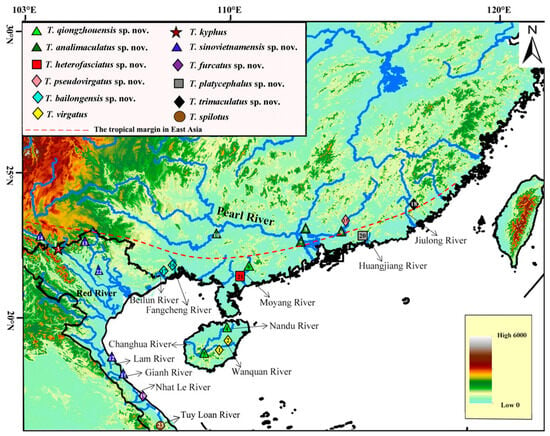
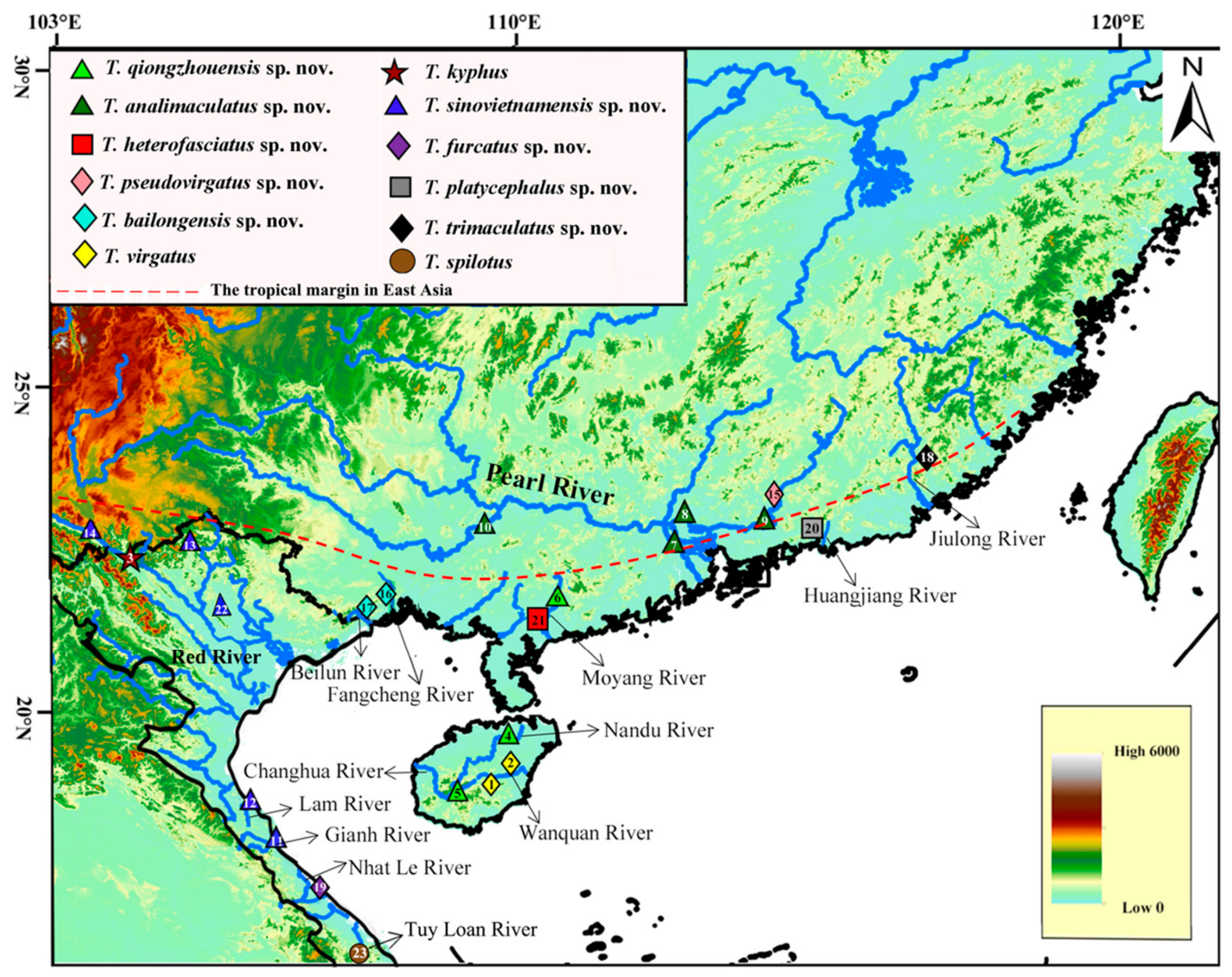
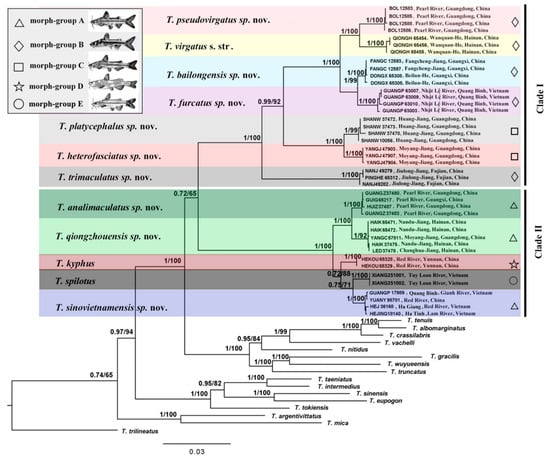
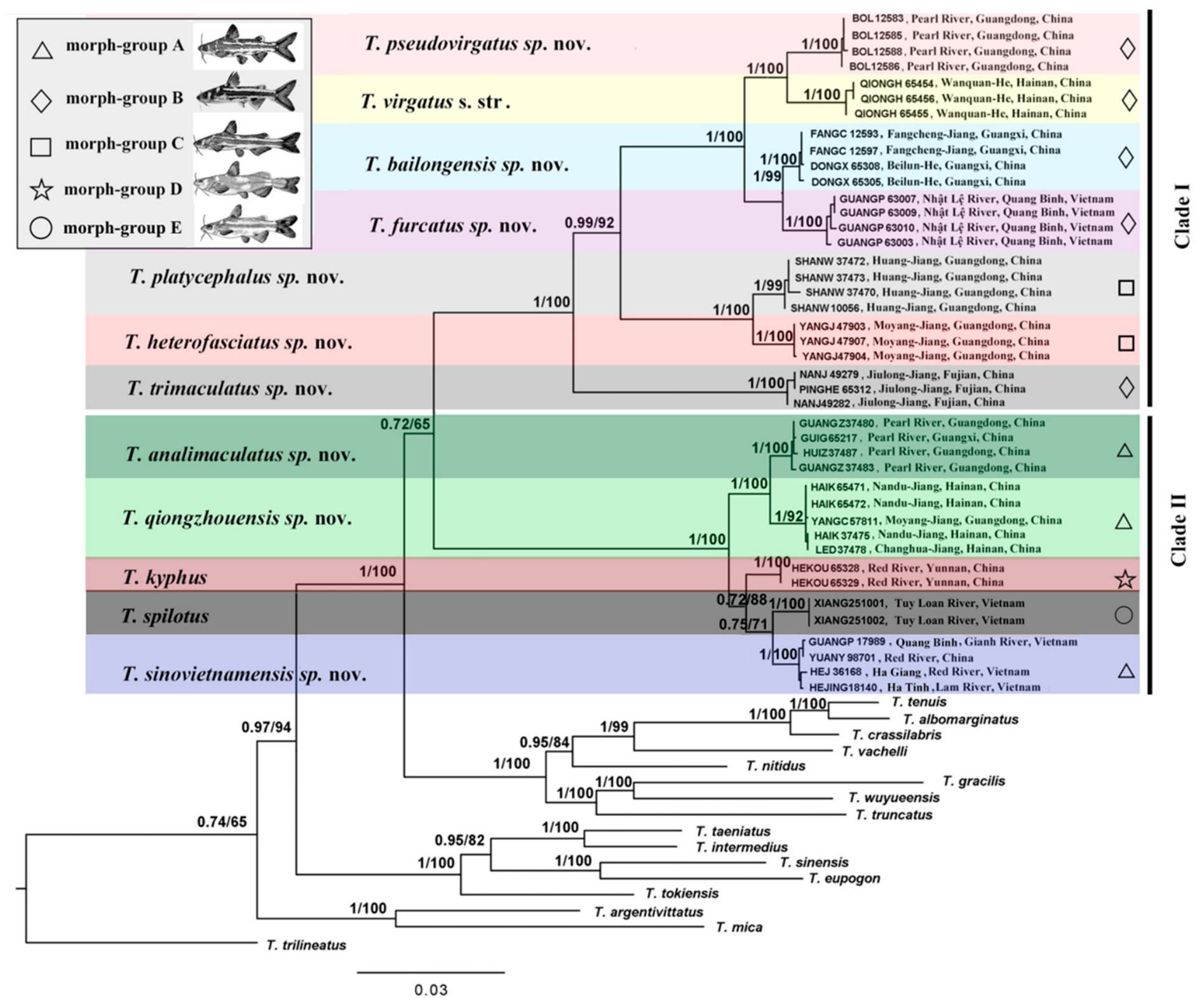
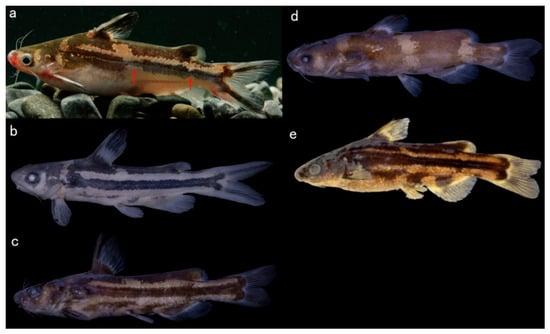
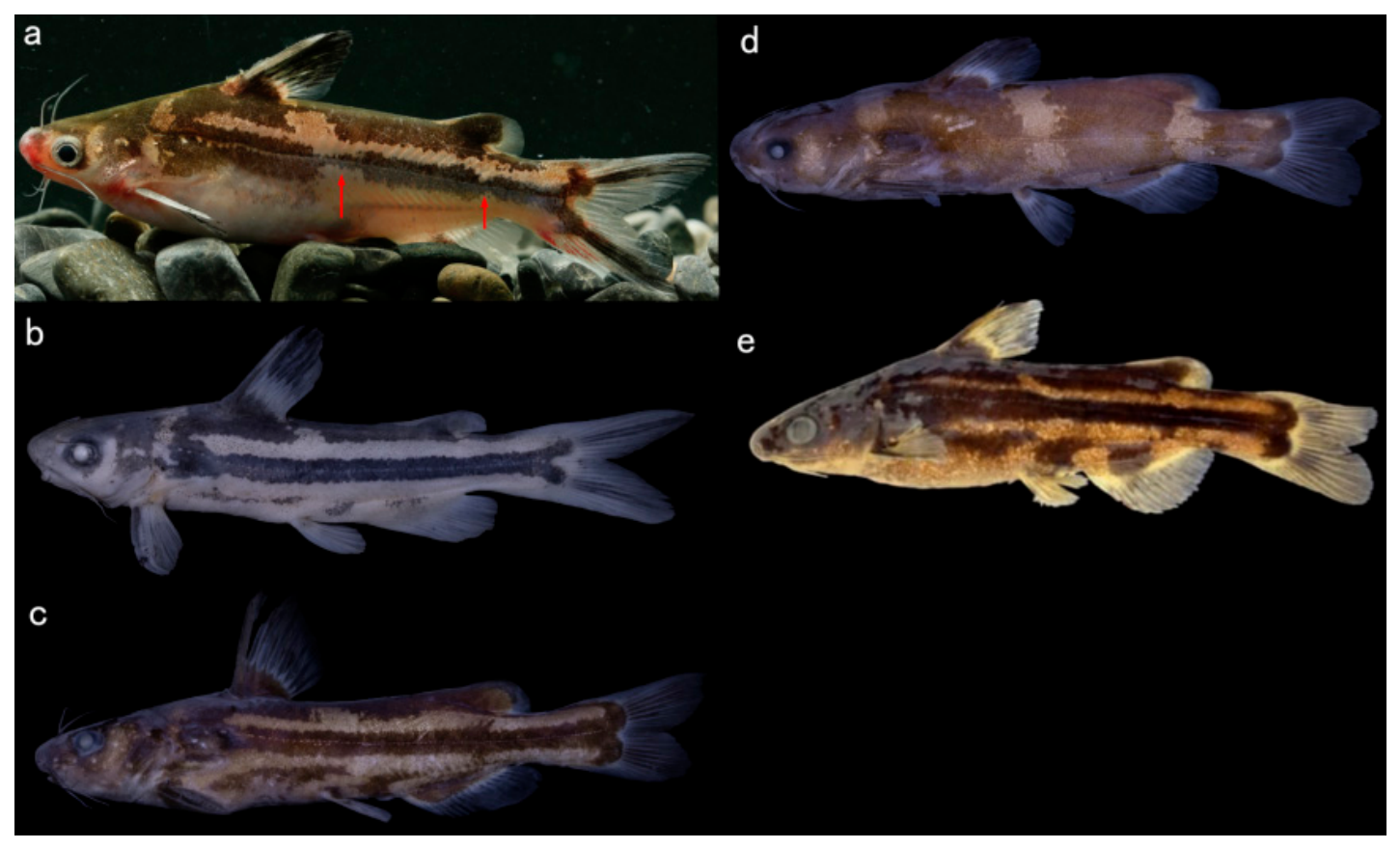
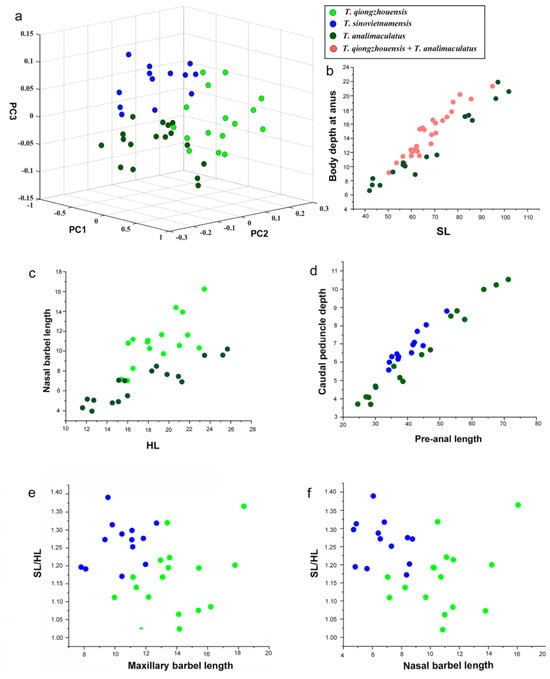
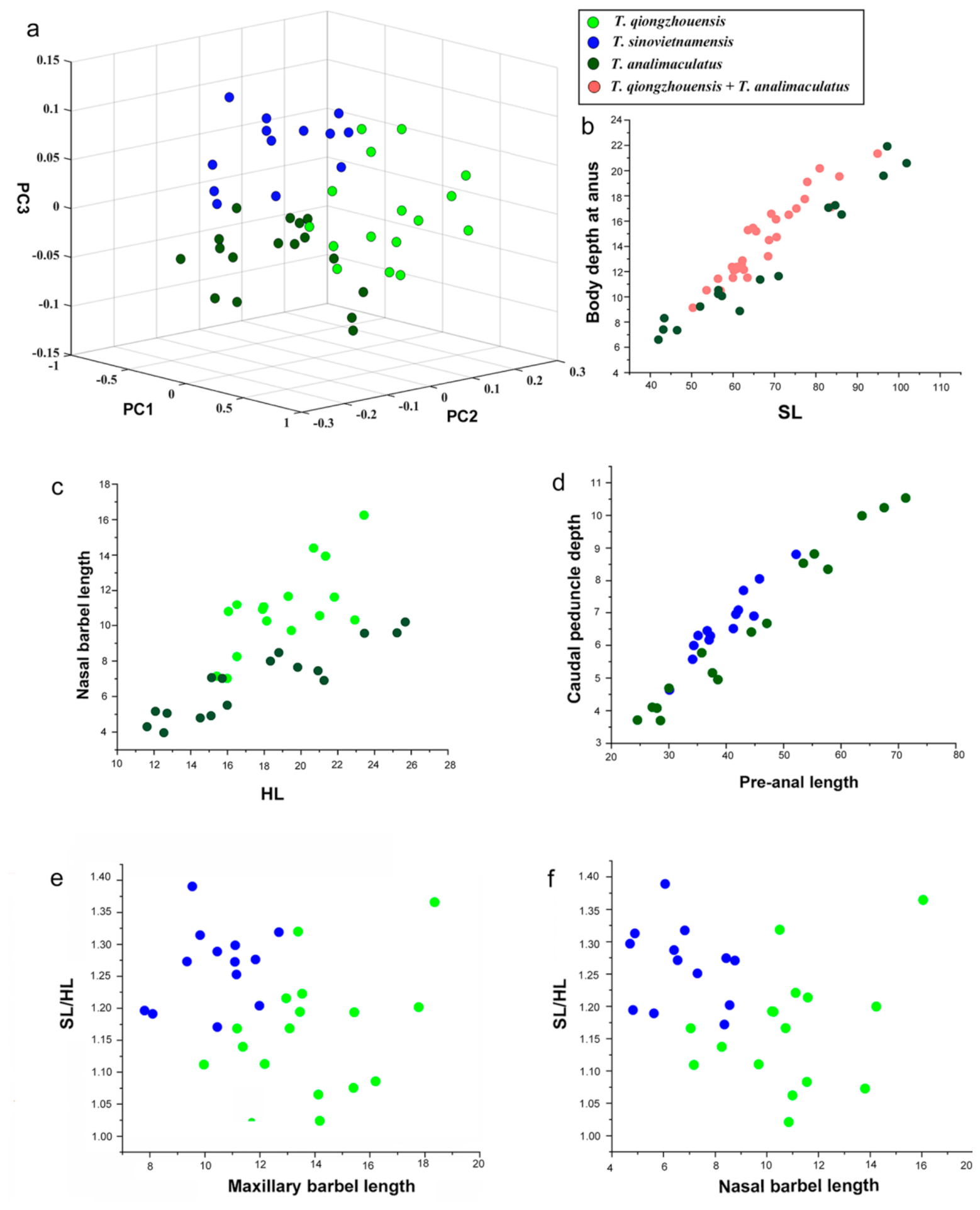
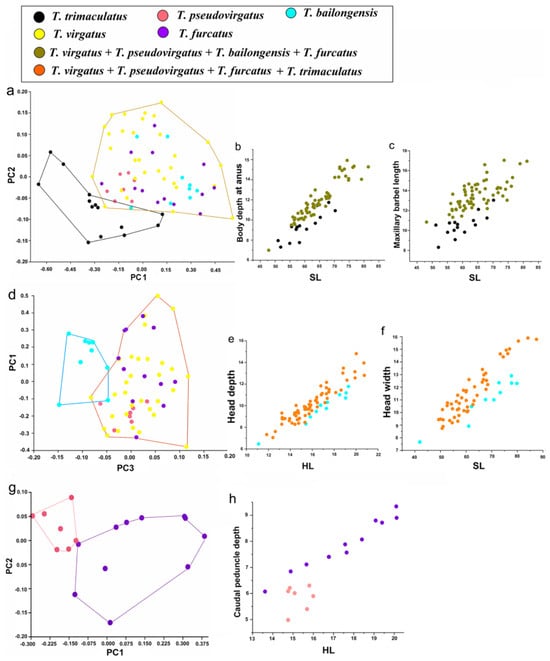
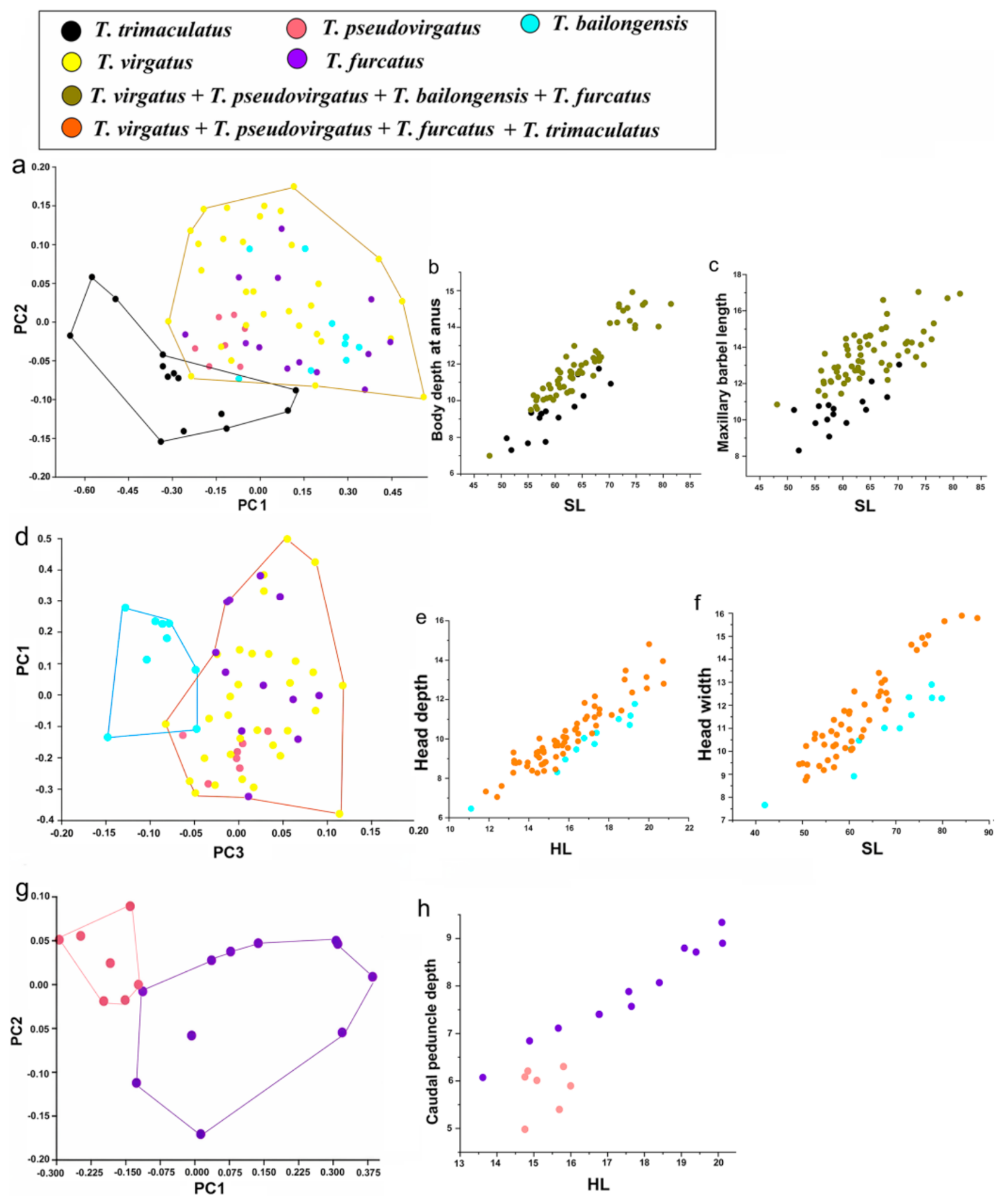
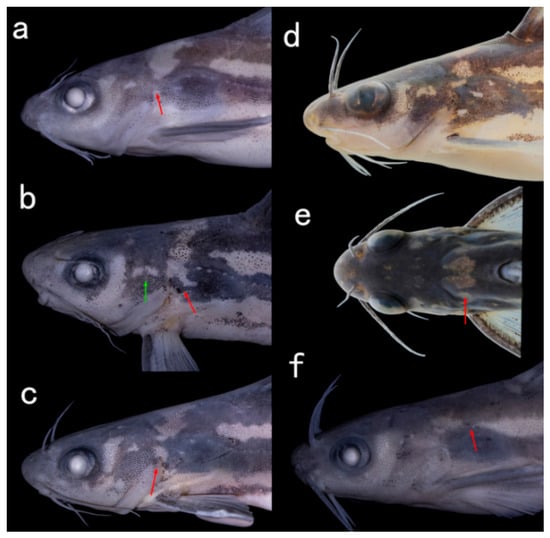
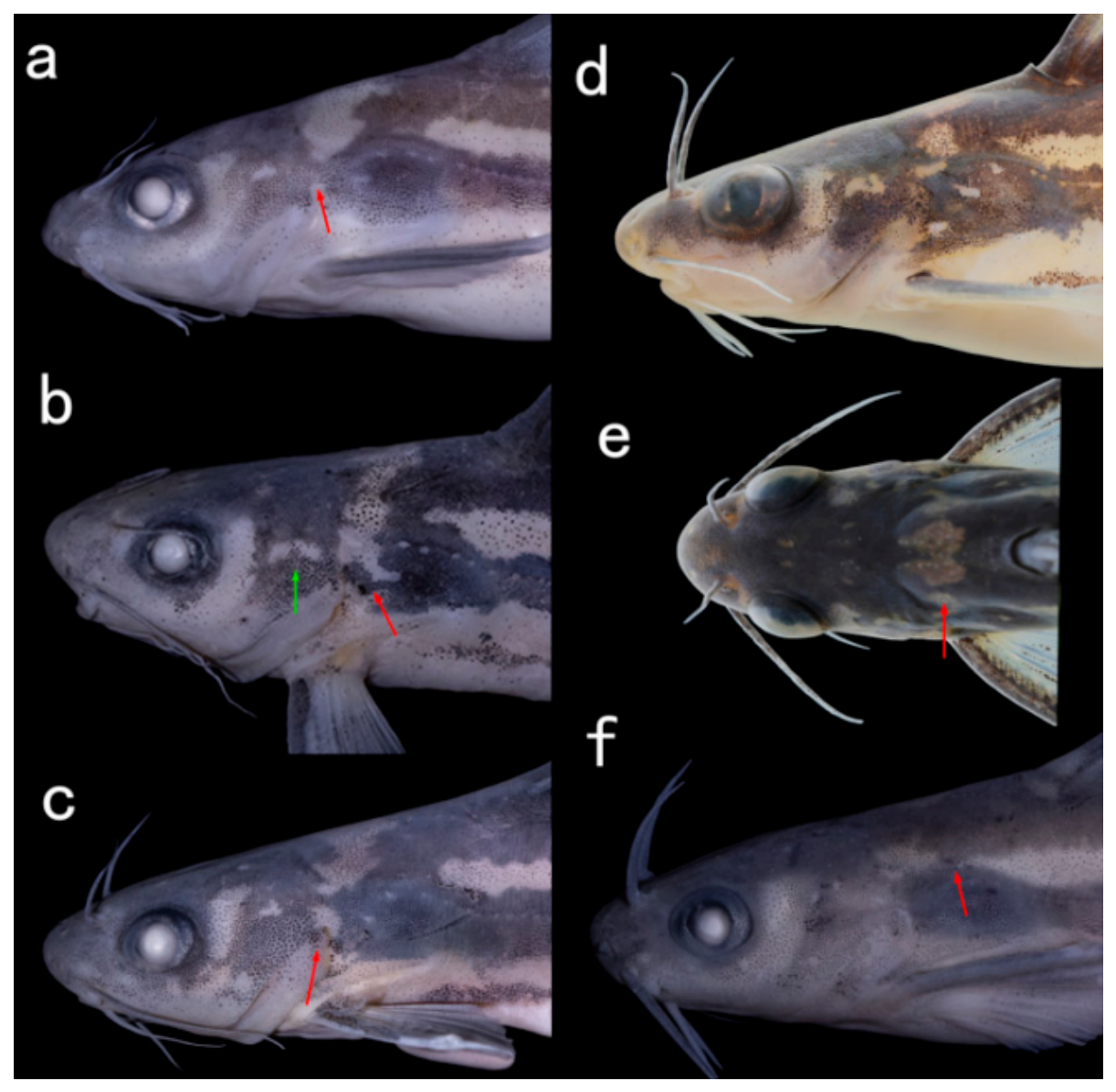
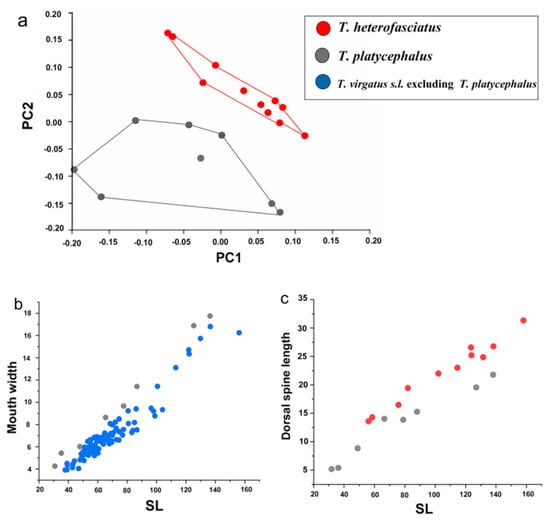
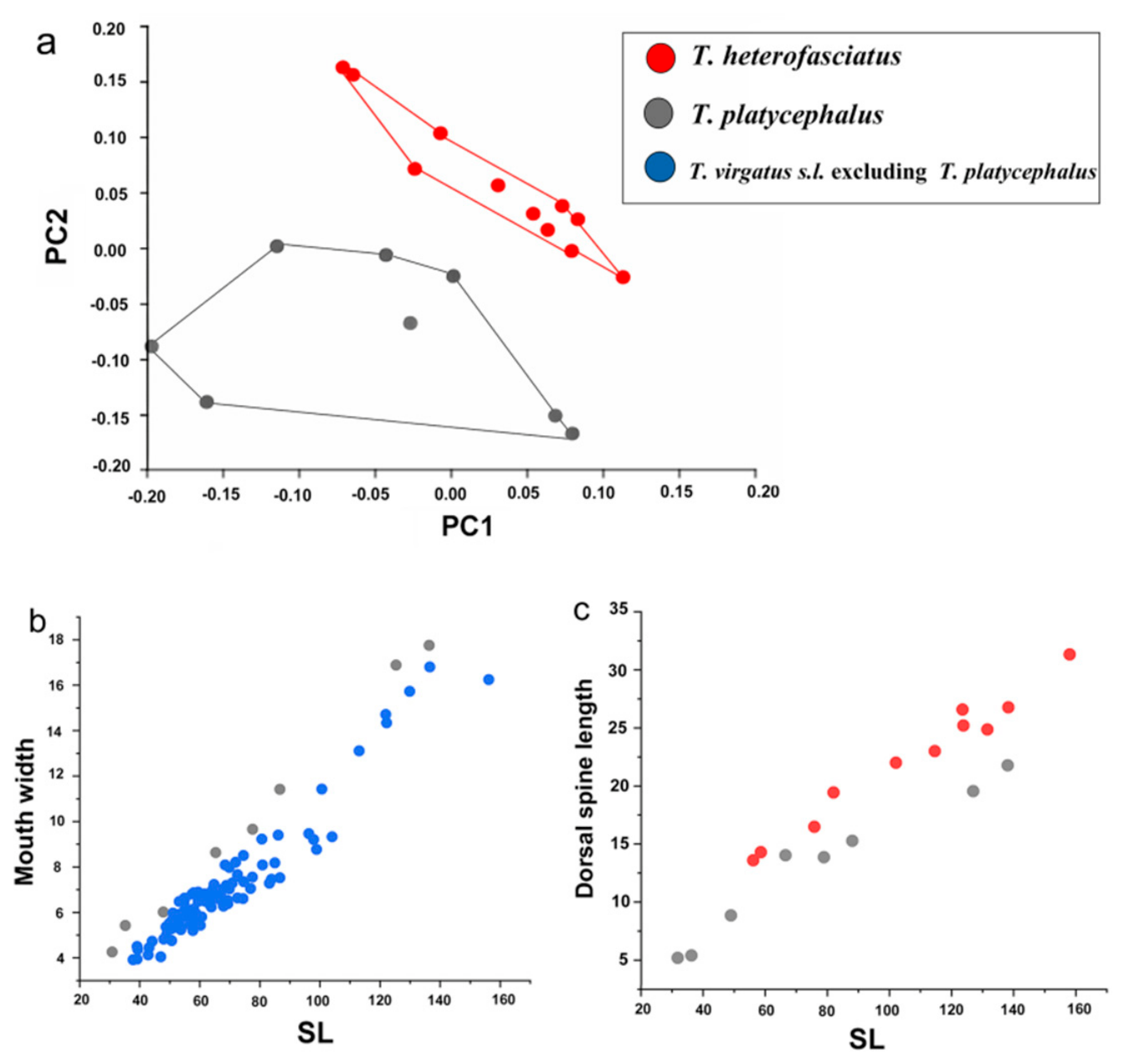
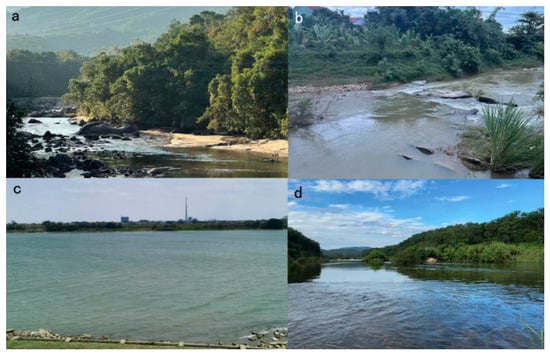
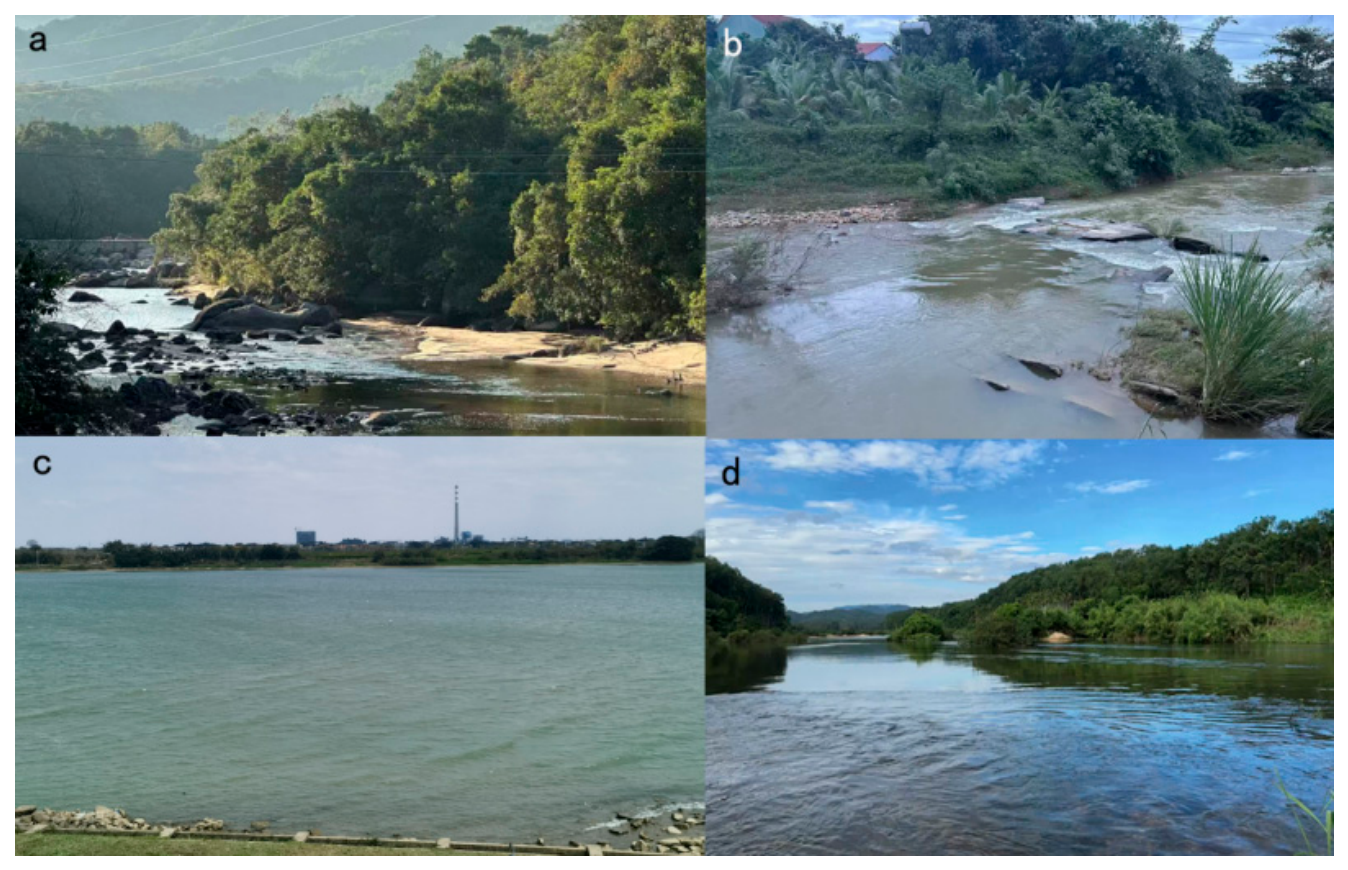
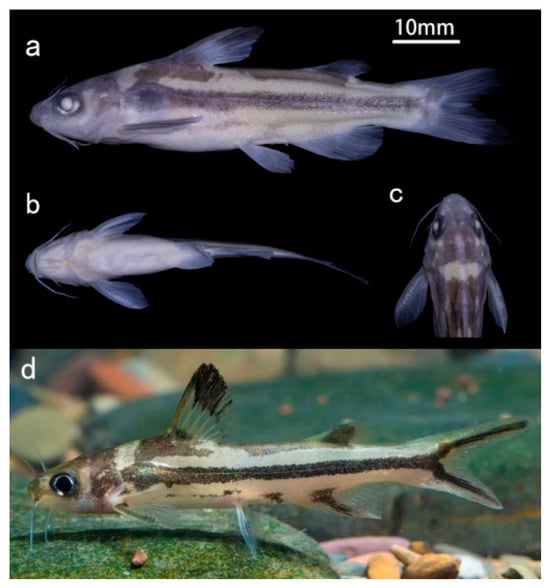
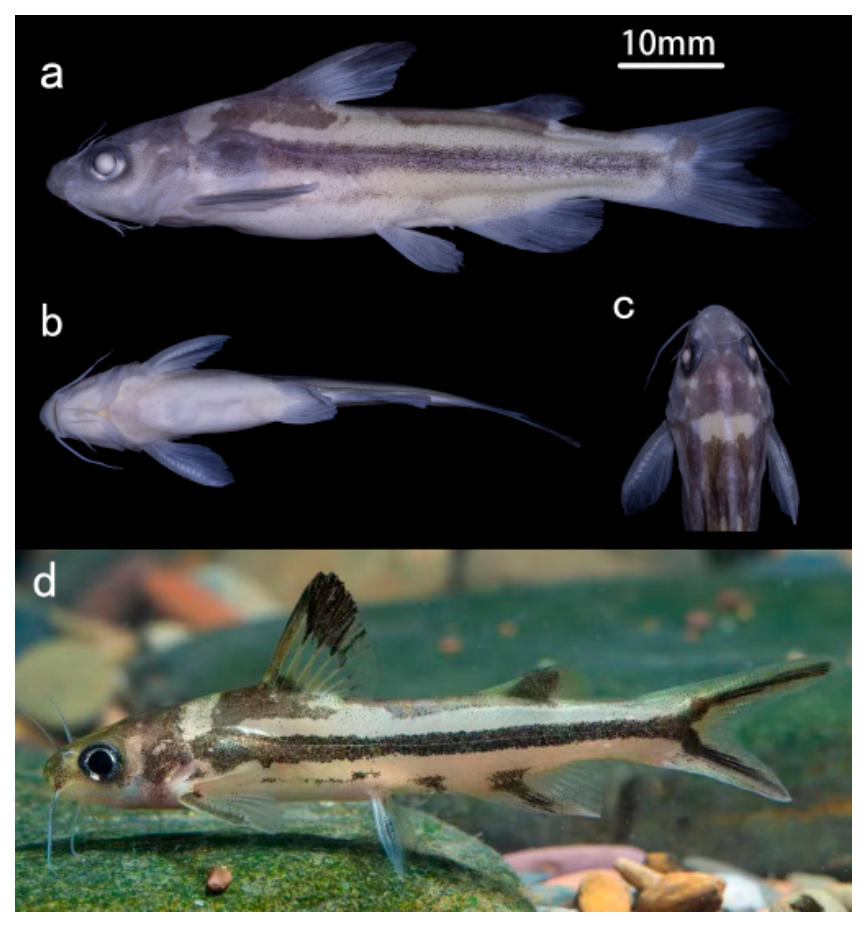
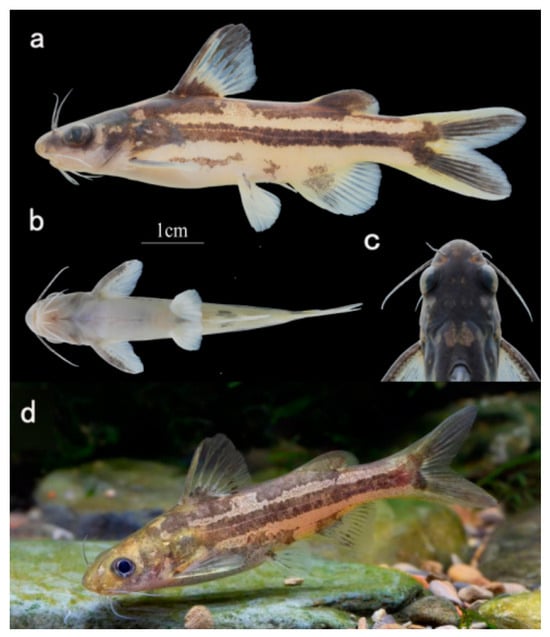
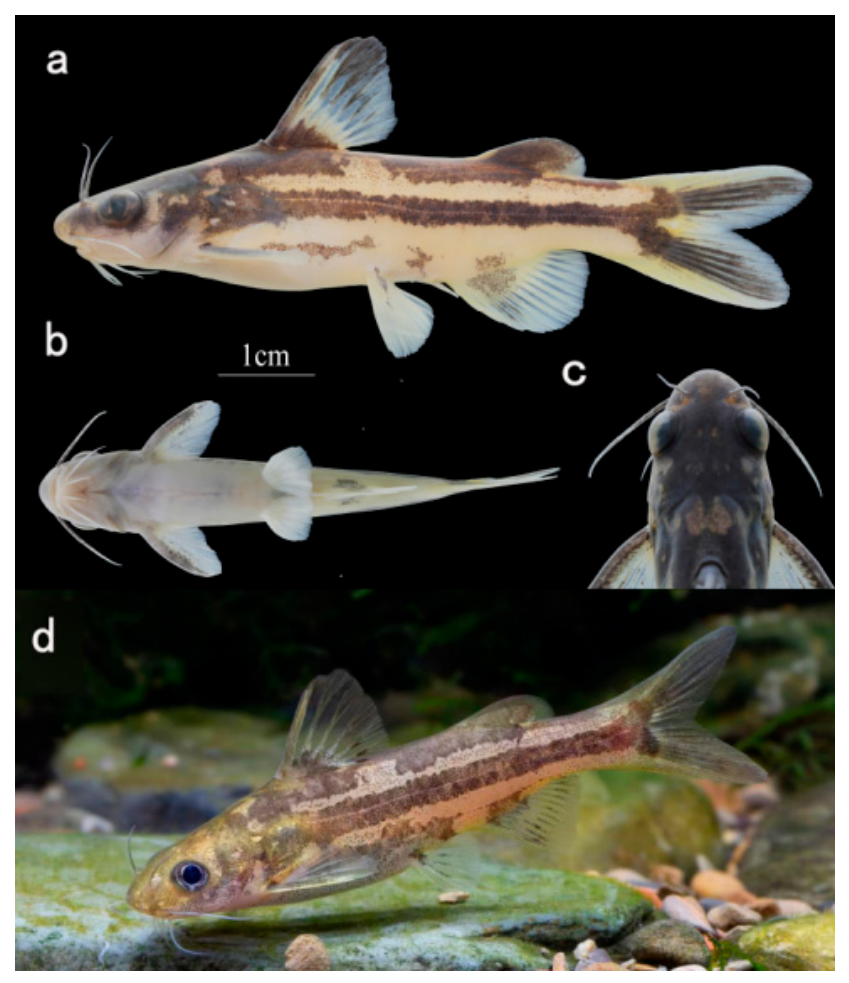
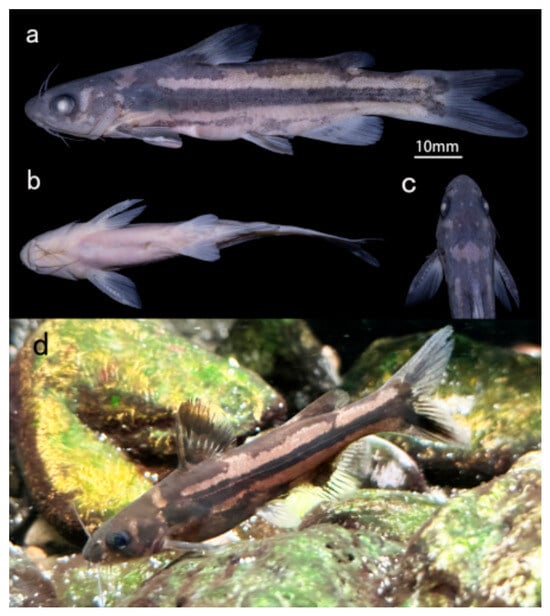
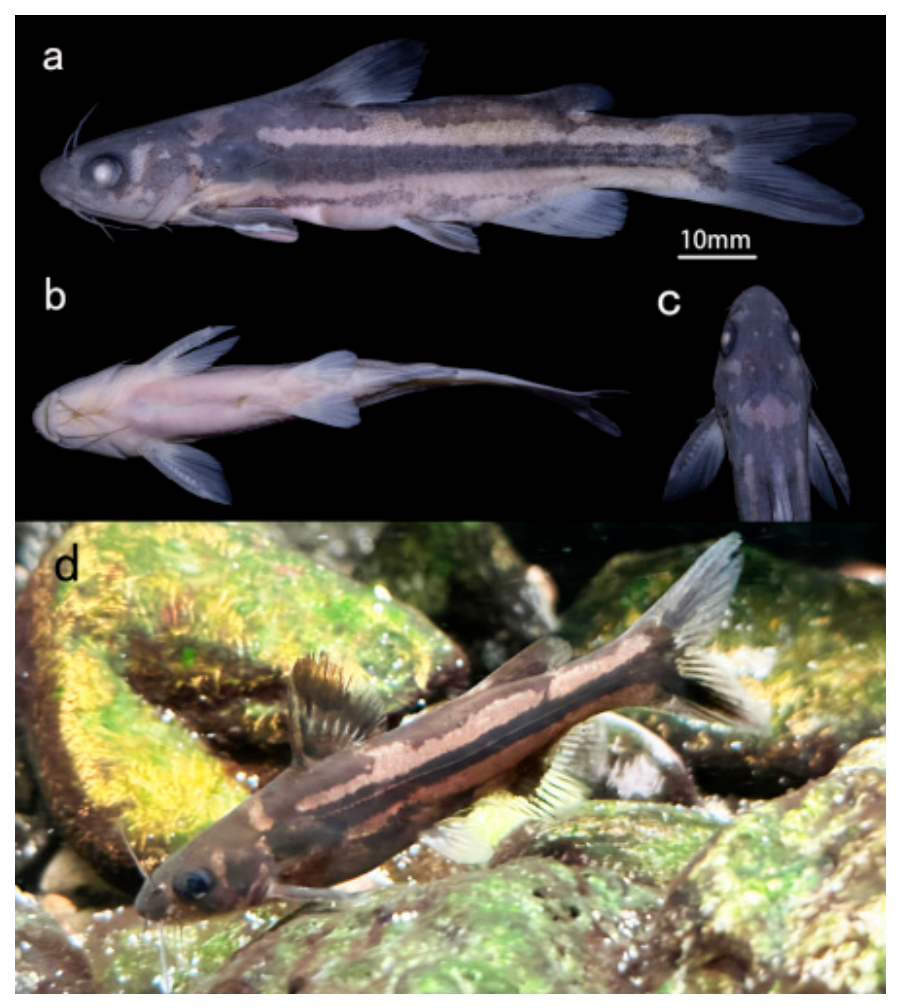
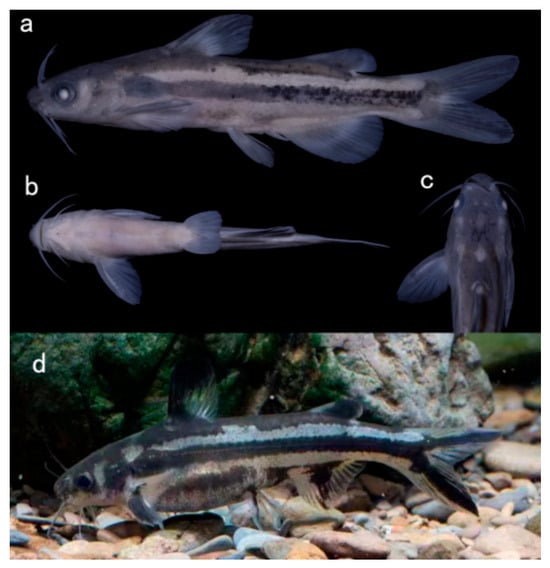
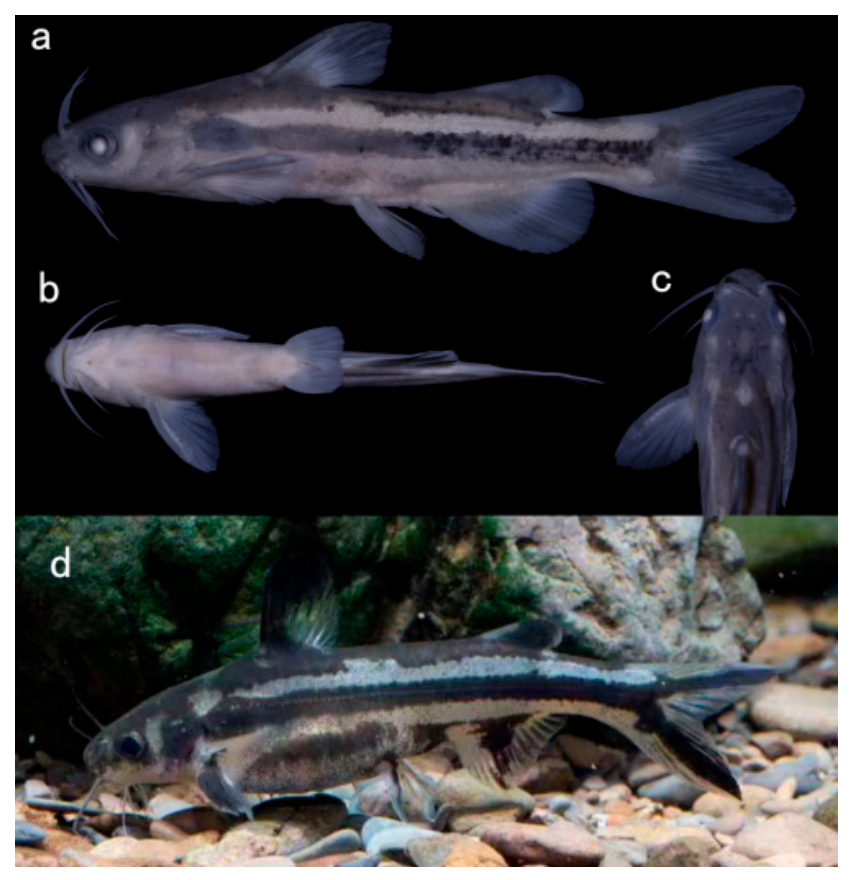
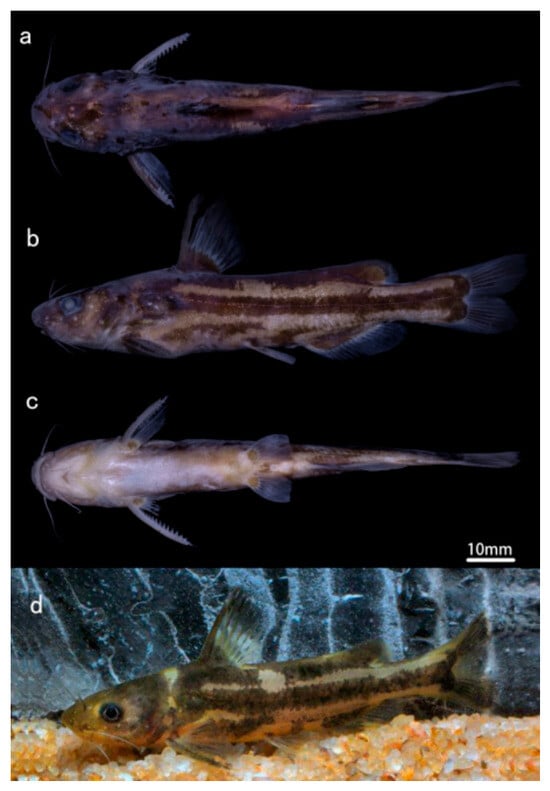
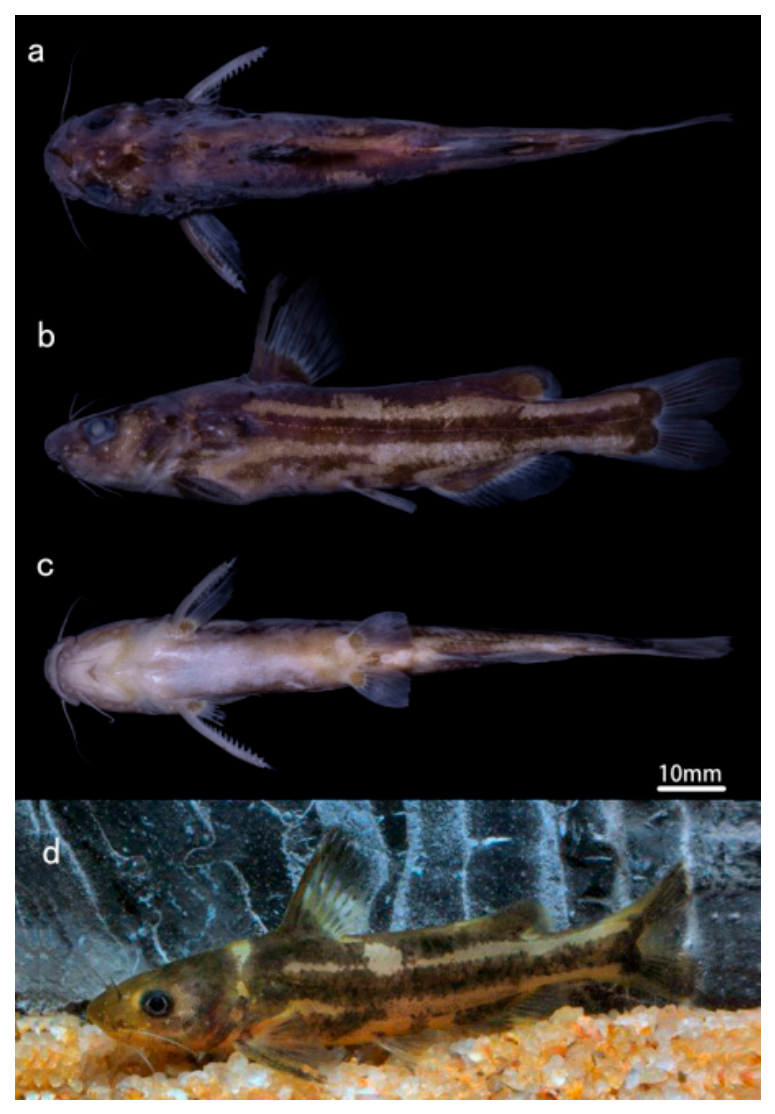
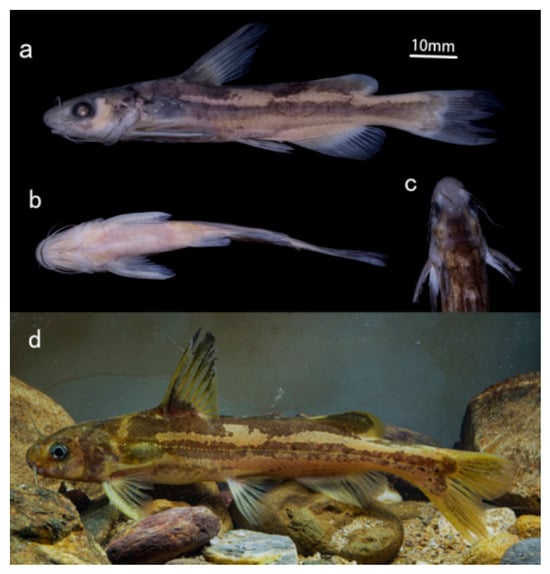
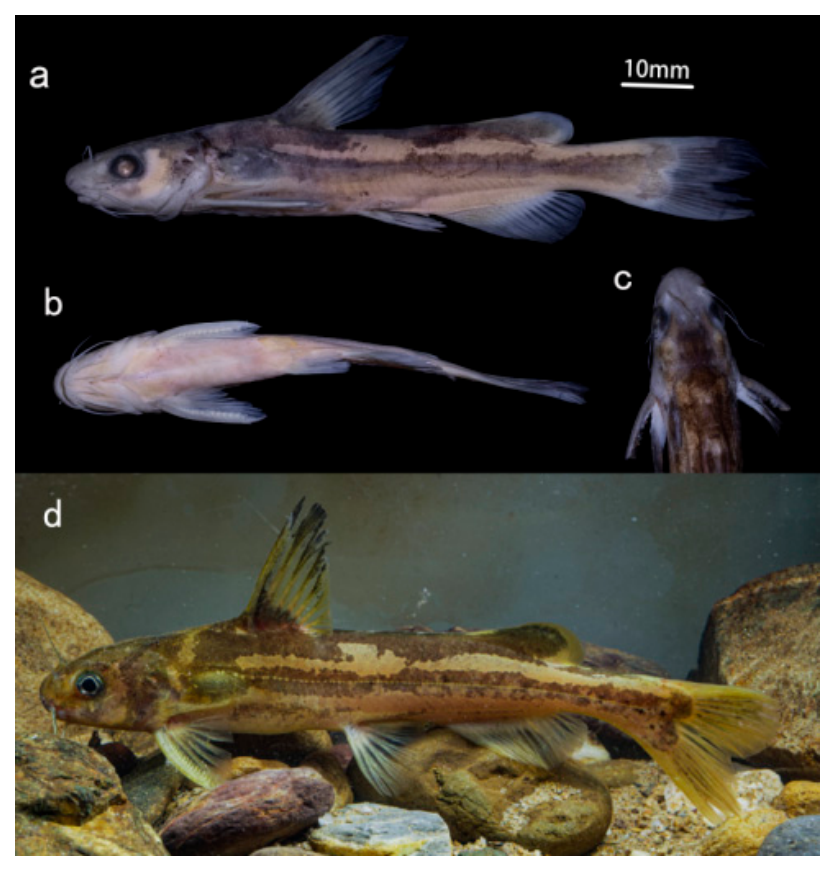
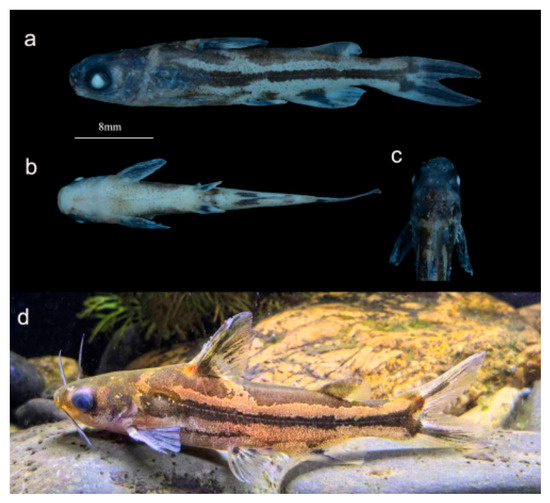
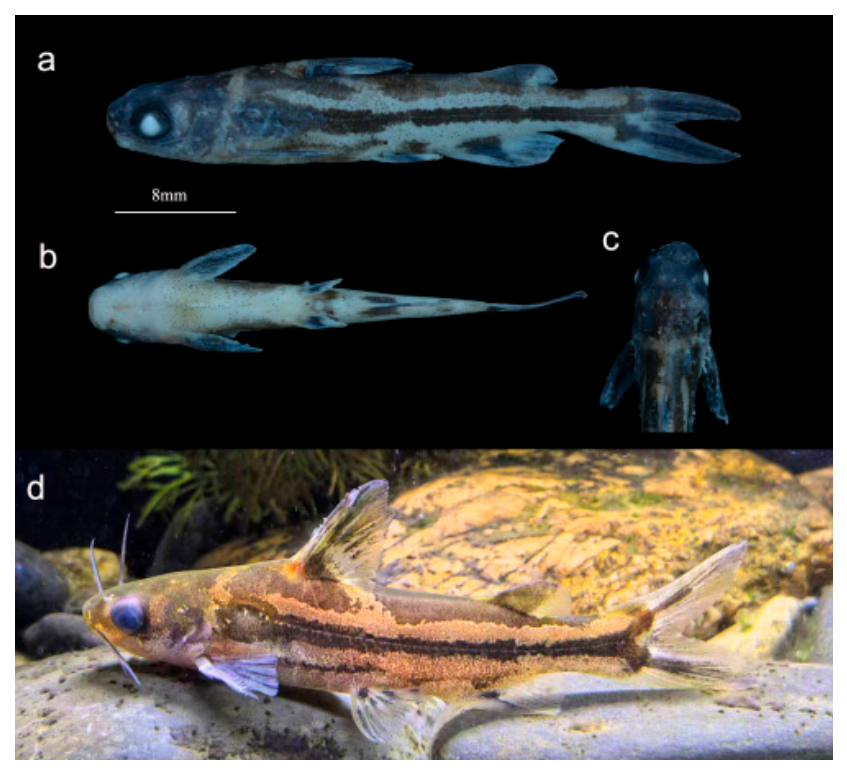
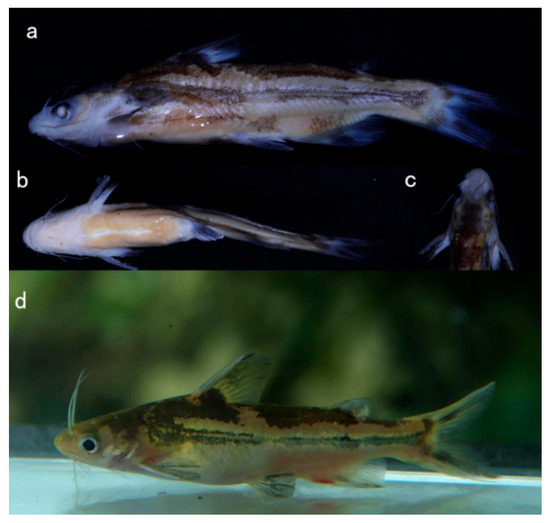
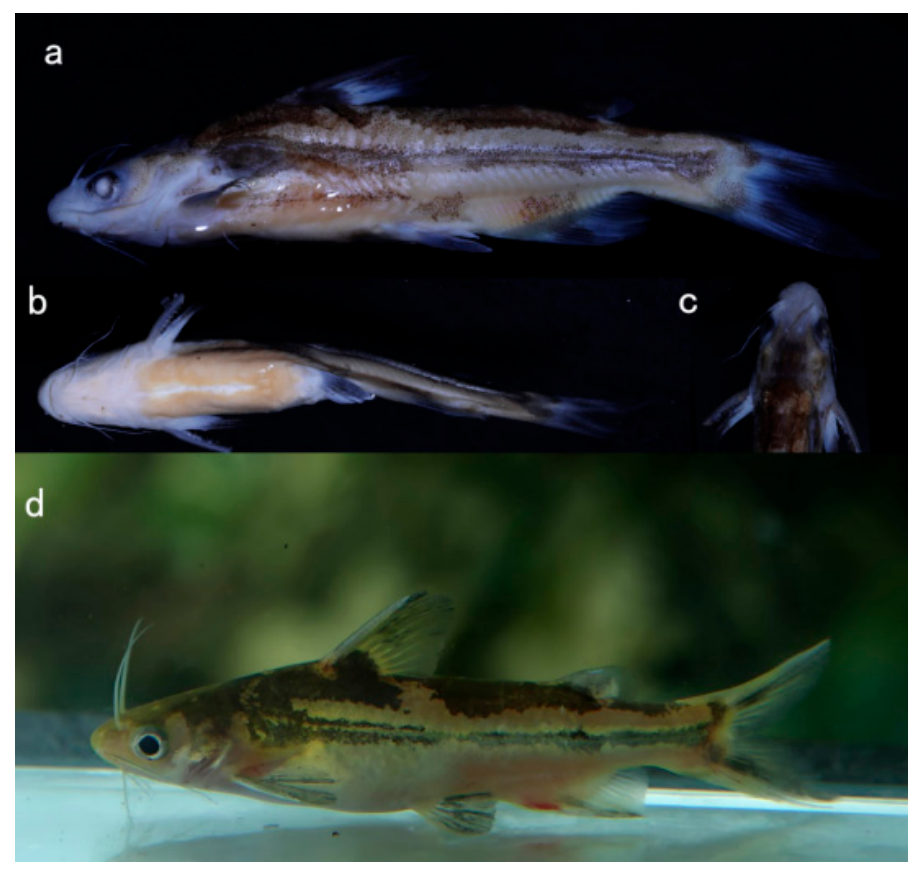
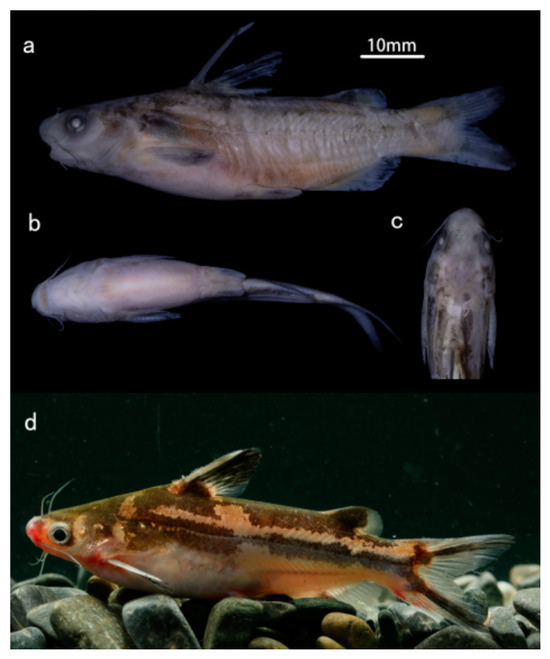
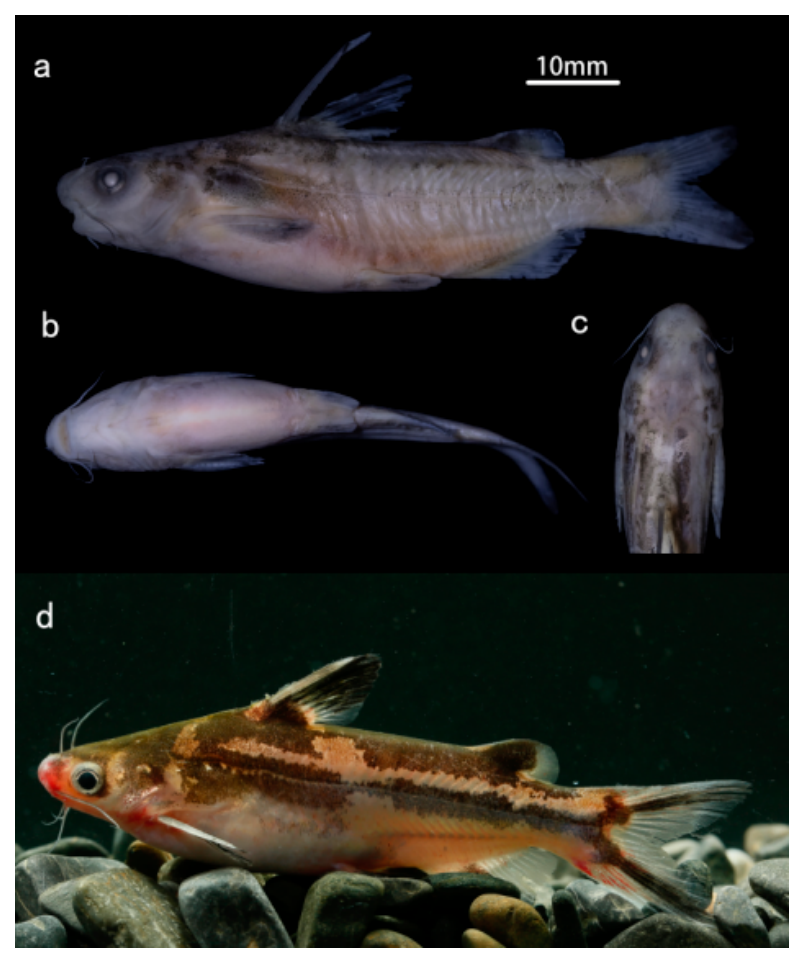

Disclaimer/Publisher’s Note: The statements, opinions and data contained in all publications are solely those of the individual author(s) and contributor(s) and not of MDPI and/or the editor(s). MDPI and/or the editor(s) disclaim responsibility for any injury to people or property resulting from any ideas, methods, instructions or products referred to in the content. |
© 2026 by the authors. Licensee MDPI, Basel, Switzerland. This article is an open access article distributed under the terms and conditions of the Creative Commons Attribution (CC BY) license.