


Abstract
The chemical similarity among gallium, germanium, indium, rhenium, tellurium and their associated impurities complicates their separation. We present a unified framework that divides separation into two functionally defined stages: (i) a release stage (mobilization and pre-separation), in which the target element is transferred from the solid feed into a gas or liquid phase, and (ii) a recognition stage (selective separation), in which coordination-chemical or interfacial differences are used to separate the target from interferents. The term “enhancement” denotes the translation of an initial thermodynamic difference into selective separation through coordination chemistry or interfacial interactions. In the release stage, initial thermodynamic differences are created through volatilization or leaching. In the recognition stage, coordination-chemical differences are exploited to convert the initial separation window into selective separation. The two stages are connected by speciation bridging: the chemical form of target elements at the end of the release stage determines the choice of recognition strategy. The framework includes a semi-quantitative classification (grades A–C) for speciation bridging efficiency, based on the number of conversion steps. A decision tool for selecting release pathways based on feed characteristics is also provided. The framework is applicable when usable thermodynamic or coordination-chemical differences exist between targets and interferents. However, its generalization beyond the five elements and the case materials examined in this review requires further validation.
1. Introduction
Gallium, germanium, indium, rhenium and tellurium are critical raw materials for semiconductors, infrared optics, photovoltaics and aerospace applications, and major economies have classified them as critical minerals [1,2,3]. Because of their low crustal abundances and dispersed occurrence, they rarely form independent deposits, instead appearing as isomorphous substitutes or inclusions in Mo–Cu–Zn ores and coal [1,4]. Approximately 90% of gallium and germanium are by-products from bauxite and lead-zinc ores [5,6,7]. Their supply depends heavily on separation technology.
The key challenge is to generate and enhance exploitable differences despite the close chemical similarity between target and impurity elements. Rhenium and molybdenum both exist as oxyanions; gallium and aluminum show a diagonal relationship and amphoteric dissolution. Indium and tin hydrolyze similarly; tellurium and selenium share similar redox chemistry. Several reviews have addressed this challenge. Teng et al. [8] reviewed Ga/Ge/In recovery from urban minerals, emphasizing coordination chemistry and speciation control in selective separation. Zheng et al. [9] focused on electronic waste and identified the bottleneck in In, Ga, and Ge recovery as efficient separation from chemically similar elements.
Existing reviews are either element-oriented, focusing on recovery flowsheets for individual elements [5,7,10,11,12], or technology-oriented, emphasizing specific methods [13,14,15]. Neither type fully explains method selection in terms of thermodynamic or coordination–chemical drivers. Complementary perspectives from e-waste management [16] and bioleaching [17] exist, but they lack a unified interpretation rooted in separation principles. Teng et al. [8] recognized coordination chemistry’s importance but did not link thermodynamic differences in release with coordination-chemical differences in recognition. Pyrometallurgical enrichment and hydrometallurgical separation are usually discussed separately, and the intrinsic link through chemical speciation, which we term “speciation bridging,” has not been systematically analyzed. Tian et al. [18] and Zhang et al. [19] noted phase reconstruction effects on subsequent separation but did not generalize this link across materials and systems.
Using molybdenite roaster calcine, copper anode slime, and coal fly ash as core case materials, this paper examines the common scientific logic underlying the separation of these five elements, that is, the creation of thermodynamic differences and the enhancement of coordination-chemical differences. Bayer liquor and waste LCD are included as extended cases to test the applicability of the framework. Separation efficiency depends on the sequential creation and enhancement of differences in two stages. In the release stage, physicochemical parameters create initial differences that promote preferential transfer of targets to the fluid phase. In the recognition stage, coordination–chemical differences convert this initial gap into selective separation. The two stages are connected by chemical speciation: operating parameters in the release stage determine both the release rate and the speciation that enters the recognition stage, and speciation in turn determines the choice of recognition strategy. This release-recognition framework brings the five dispersed metals under a unified separation logic, rather than treating each element as an isolated case. The framework introduces the concept of speciation bridging with a semi-quantitative A/B/C classification and provides a decision tool for selecting release pathways based on feed characteristics.
The unified framework is motivated by a common challenge shared by the five elements: the target and interfering elements are chemically similar, and separation efficiency depends on the sequential creation and enhancement of differences. Treating each element as an isolated case obscures cross-cutting bottlenecks. A unified treatment enables comparison of release pathways across elements, identification of whole-process bottlenecks rather than single-unit limitations, prediction of process flow length and cumulative loss from the A/B/C bridging grade, and structured selection of release pathways. It should be noted that the framework is intended as a conceptual design and bottleneck-identification tool rather than a replacement for process-specific experimental work. For instance, gallium recovery from Bayer liquor is Grade A with only three steps and has been industrialized, whereas gallium recovery from coal fly ash is also Grade A in bridging but requires five total steps and remains at the pilot scale. Similarly, GeCl4 represents Grade A bridging, while GeS is Grade C, requiring two conversion steps and incurring approximately 19% cumulative loss.
This review is organized around a unified analytical framework. Section 2 defines the framework and its evaluation criteria. Section 3 discusses the thermodynamic basis of the two release pathways, volatilization and leaching. Section 4 analyzes recognition strategies based on coordination-speciation differences. Section 5 addresses the speciation bridging mechanism between release and recognition, together with external-field intensification. Section 6 presents the decision framework for release-pathway selection, the semi-quantitative A/B/C classification of speciation-bridging efficiency, and a whole-process scheme comparison. Section 7 summarizes the main conclusions and outlines future research directions.
2. Creating and Enhancing Differences: Analytical Framework and Evaluation Criteria
2.1. Framework Overview
Separation of dispersed metals involves volatilization, leaching, solvent extraction, adsorption, and electrodeposition. These operations follow a common logic: differences are generated in the release stage and then enhanced during recognition. Figure 1 illustrates the core structure of this framework, the branching of the two release pathways, the recognition strategies for the five elements, and the speciation bridge that connects the release and recognition stages.
Figure 1.
Framework of “creating and enhancing differences” for dispersed metals separation. Explanation: The release pathways are divided into three categories based on whether the target element has an industrially viable volatile species. Rhenium and germanium form volatile species such as Re2O7, GeS, and GeCl4. The difference carrier is the gas phase. These represent an “all-or-nothing” type of difference, with vapor pressure differences that span several orders of magnitude. Tellurium can use both pathways. The difference carrier can be either the gas or liquid phase. Gallium and indium lack volatile species and must rely on leaching with acid or alkali. The difference carrier is the liquid phase. These represent a “degree-type” difference, expressed only as a ratio of solubilities. The thermochemical properties of the elements determine the branching of release pathways. Key control parameters: for Re, temperature and oxygen partial pressure; for Ge, temperature and sulfur or chlorine partial pressure; for Te, temperature, oxygen partial pressure or pH; for Ga and In, pH and temperature.
Terminology and definitions:
Release stage—the sequence of operations that transfers the target element from the solid feed into a gas or liquid phase (roasting-volatilization and leaching), ending with the speciation that enters the recognition unit.
Recognition stage—the stage that begins when the fluid phase contacts a selective medium or field (extractant, resin, adsorbent, membrane, electrode) to achieve selective separation. The term “recognition” is used in analogy to “molecular recognition” (selective capture of a target species by a functional site), not to analytical recognition.
Enhancement—the overall process by which an initial thermodynamic difference is converted into selective separation through coordination chemistry or interfacial interactions. Here, “enhancement” denotes this overall process, whereas “conversion” refers to specific chemical-form changes.
Speciation bridging—the degree of matching between the chemical form of the target element at the end of the release stage and the form required by the recognition stage.
2.2. Release: Presetting Speciation Differences
The release stage creates initial thermodynamic differences that enable target elements to transfer preferentially from the solid to fluid. This is accomplished through leaching or volatilization. Leaching relies on solubility differences, while volatilization relies on vapor pressure differences. The choice between the two pathways depends on the chemical properties of each element.
The volatilization pathway exploits vapor pressure differences: Re2O7 boils at 363 °C, GeS sublimes at approximately 450 °C, and GeCl4 boils at 83 °C. Vapor pressure gaps between these species and gangue minerals span orders of magnitude, making high-temperature volatilization an efficient “all-or-nothing” differentiation method. In rhenium recovery, the vapor pressure of Re2O7 is approximately 106 times that of MoO3 at 550–650 °C [11,20].
Gallium and indium lack volatile species and must rely on leaching. Ga2O3 has a high boiling point, and In2O3 decomposes rather than volatilizes at high temperatures [21]. Leaching creates a “degree-type” difference: both target and matrix dissolve partially, with the Ga/Al or In/Sn ratio in the leach liquor similar to that in the original solid phase.
Tellurium exhibits the most flexible release behavior, either volatilizing as TeO2 during oxidative roasting [12] or dissolving as TeO32− via alkaline sulfide leaching [22]. Oxidative volatilization suits high-grade feedstocks, whereas alkaline leaching is more economical for low-grade materials. However, this flexibility complicates speciation control: tellurium’s valence and speciation are sensitive to both volatilization and leaching conditions, and this sensitivity affects subsequent recognition more than it does for the other four elements.
The branching of release pathways is determined by thermochemical properties: rhenium and germanium form stable volatile oxides, sulfides, or chlorides at high temperatures, with boiling points far below typical roasting temperatures. Gallium and indium behave differently: the vapor pressures of Ga2O3 and In2O3 are comparable to those of Al2O3 and SiO2 [23], and In2O3 decomposes rather than volatilizes [21]. Since the Bayer process, gallium has been recovered from bauxite by alkaline leaching; no industrial volatilization process exists [24].
2.3. Recognition: Converting Differences into Selective Separation
In the recognition stage, differences in coordination chemistry between target and interfering elements are converted into selective separation. This is achieved through extractant functional groups, resin recognition sites, adsorbent pores, and electrode potentials. The right side of Figure 1 shows how each element’s solution speciation maps to a recognition strategy. ReO4− is suitable for anion exchange or amine extraction. GeCl4 can be separated by distillation or solvation extraction. Ga3+ and In3+ are recognized by chelation with oxygen-donor ligands. TeO32− is separated from SeO32− based on their redox potential difference.
2.4. Speciation Bridging: The Link Between Release and Recognition
Operating parameters in the release stage affect both the release rate and the downstream speciation. This link constitutes what we define as speciation bridging, and the degree of matching between release and recognition speciation directly determines whole-process efficiency.
Rhenium and germanium exemplify ideal bridging: Re2O7 converts to ReO4− upon washing [11,20], and GeCl4 from chlorination feeds directly into TBP/N235 extraction [7,25,26].
Tellurium bridging is more complex because of its two release routes. Oxidative volatilization produces TeO2, which requires alkaline absorption to TeO32− [12], whereas alkaline sulfide leaching gives TeO32− directly [22]. Both pathways lead to the same species, but oxidative volatilization provides preliminary separation from co-volatilized Se and As in the flue gas, affecting feed purity and subsequent separation difficulty.
Gallium and indium have no volatilization step; their bridging is concentrated between leaching and separation, with leaching creating almost no selectivity [10,27,28,29].
Release presets the chemical speciation for recognition. Recognition enhances the speciation differences, converting them into selective separation. Ideally, the species output from the release stage is also the optimal species for the recognition stage. Germanium chlorination distillation and rhenium oxidative volatilization with washing satisfy this condition. If the species output from release does not match the recognition requirement, additional speciation conversion steps become necessary. In the germanium sulfidation volatilization route, GeS must be oxidized to GeO2 and then chlorinated to GeCl4 [30,31]. Each additional conversion step causes loss of the target element and consumes extra reagents. In some integrated processes, release and recognition occur in the same unit. In such cases, the stage division reflects functional logic, not physical equipment.
The boundary between the two stages is functional rather than equipment-based, as defined in Section 2.1.
2.5. Application and Evaluation of the Analytical Framework
The effectiveness of the above framework can be evaluated from four aspects: source of differences, magnitude of differences, industrial feasibility, and environmental compatibility. The clarity of the difference source can be measured by separation factor, distribution ratio, and enrichment factor. Whether difference enhancement is limited by the release or recognition stage is reflected in recovery rate, product purity, and throughput. Laboratory-to-industry transition depends on interfacial mass transfer, equipment design, and operational stability. Green chemistry compliance is evaluated by chemical consumption, energy consumption, and secondary pollutant emissions over the entire process.
Table 1 applies the above framework to the five core dispersed metals. It presents their respective separation logic and key scientific issues from the perspectives of difference creation and difference enhancement. Based on this framework, Section 6 will further establish a decision tool for release pathway selection and a semi-quantitative classification standard for speciation bridging efficiency. The framework will thus be extended from an analytical tool to a design tool.
Table 1.
Comparison of logic for creating and enhancing differences in dispersed metals separation.
Key points:
Dispersed-metals separation is divided into two functionally defined stages—release (mobilization and pre-separation) and recognition (selective separation)—linked by speciation bridging.
The framework rests on two pillars: generating differences in the release stage and enhancing them in the recognition stage.
The framework is evaluated along four dimensions: source of differences, magnitude of differences, industrial feasibility, and environmental compatibility (Table 1).
This framework underpins the release-pathway decision tool and the semi-quantitative A–C classification developed in Section 6.
3. Release: Creating Thermodynamic Differences
The choice of release pathway depends on whether the target element has an industrially viable volatile species (Figure 2). Figure 3, Figure 4, Figure 5 and Figure 6 show the release mechanisms of each element.
Figure 2.
Classification of release pathways for dispersed metals. Explanation: Based on whether the target element has an industrially viable volatile species, the release pathways are divided into three categories. Rhenium and germanium form stable volatile species at high temperatures (Re2O7, GeS/GeCl4) and are released through oxidative volatilization or sulfidation/chlorination volatilization. The difference carrier is the gas phase. Vapor pressure differences can reach several orders of magnitude, representing an “all-or-nothing” difference. The target transfers nearly quantitatively to the gas phase, while the matrix components remain largely in the solid phase. Tellurium has access to both pathways. Both oxidative volatilization and alkaline sulfide leaching can be used. The difference carrier can be either gas or liquid phase. Gallium and indium lack such species and can only be leached with acid or alkali. The difference carrier is the liquid phase, representing a “degree-type” difference. Both target and matrix dissolve partially. The difference is expressed only as a ratio of solubilities, much smaller than the order-of-magnitude differences in volatilization systems. The thermochemical properties of the elements determine the branching of release pathways. Key control parameters: for rhenium, temperature and oxygen partial pressure; for germanium, temperature and sulfur or chlorine partial pressure; for tellurium, temperature, oxygen partial pressure or pH; for gallium and indium, pH and temperature.
Figure 3.
Oxidative volatilization mechanism and thermodynamic basis of rhenium. Explanation: (a) Vapor pressure of Re2O7 is approximately 106 times that of MoO3 at 550–650 °C [11,20]. This orders-of-magnitude difference provides the thermodynamic driving force for selective volatilization of rhenium from molybdenite roaster calcine. Data from the SGTE pure substance database [23]. (b) Alkaline earth metal oxides such as CaO react with Re2O7 to form non-volatile Ca(ReO4)2, reducing the rhenium volatilization rate from near-complete to approximately 70% [20]. The interaction parameters for the CaO–Re2O7 system are absent from existing databases [23], so this attenuation effect cannot be predicted quantitatively. This data gap limits the design of industrial rhenium recovery processes.
Figure 4.
Three volatilization pathways of germanium and product speciation control. Explanation: Three volatilization pathways of germanium: GeO (boiling point 710 °C, rarely used), GeS (sublimation at 450 °C [25,30]), and GeCl4 (boiling point 83 °C [31]). Only GeCl4 can directly match TBP/N235 extraction without additional conversion [26]. GeS requires oxidation to GeO2 and subsequent chlorination to GeCl4 before it can be recognized. This distinction determines the speciation bridging grade: GeCl4 represents Grade A bridging (zero conversion steps), whereas GeS falls into Grade C (two conversion steps), incurring higher cumulative losses and energy costs.
Figure 5.
Comparison of two release pathways for tellurium. Explanation: Two release pathways for tellurium from copper anode slime. Pathway 1 (oxidative volatilization): oxidative roasting at 500–600 °C volatilizes TeO2 into the flue gas, separating it from non-volatile copper, lead, and precious metals. Alkaline absorption converts TeO2 to TeO32− in solution. Selenium partially co-volatilizes as SeO2 under roasting conditions, requiring additional treatment for Te–Se separation after absorption. Pathway 2 (alkaline sulfide leaching): direct leaching with alkaline sulfide solution dissolves tellurium as TeO32−, while insoluble copper, lead, and precious metals remain in the residue. Both pathways yield TeO32− as the final solution species, but the volatilization pathway provides an initial separation from co-volatilized Se and As, improving feed purity for downstream recognition. This dual-pathway flexibility allows tellurium to adapt to either high-grade feedstocks (volatilization) or low-grade materials (leaching), depending on economic considerations [12,22].
Figure 6.
Leaching release characteristics of gallium and indium. Explanation: (a) The Al/Ga ratio in coal fly ash acid leach liquor remains essentially unchanged from the original ash (approximately 3300 in the feed vs. 3500 in the leach liquor) [27,35]. Al leaching rates (86–92%) closely match Ga leaching rates (80–83%), indicating that acid leaching creates no meaningful selectivity between aluminum and gallium. The entire selectivity burden therefore falls on the recognition stage. (b) In waste LCD acid leach liquor, In3+ coexists with Sn2+, Sn4+, and Fe3+ [28,29]. Acid leaching dissolves all four species indiscriminately, placing the full separation burden on subsequent solvent extraction or ion exchange. These two cases illustrate the fundamental limitation of the leaching pathway: without selective leaching, recognition must establish selectivity from zero.
3.1. Volatilization Release: Rhenium and Germanium
Rhenium volatilization is the most industrially mature process for separating dispersed metals, with Re2O7 boiling at just 363 °C [39]. Figure 3 shows the vapor-pressure comparison between Re2O7 and MoO3 in the roasting temperature range, as well as the mechanism of rhenium volatilization rate attenuation in industrial dust.
After oxidative volatilization, rhenium enters the flue gas as Re2O7 and converts fully to ReO4− upon washing, typically yielding 50–500 mg/L [11]. Industrially, Ca(ReO4)2 formation is managed empirically by controlling roasting temperature (typically ≤620 °C) or adding SiO2 as a competitive reactant, though these methods lack thermodynamic support.
Germanium has three volatilization pathways: GeO (bp 710 °C, rarely used), GeS (sublimation at approximately 450 °C), and GeCl4 (bp 83 °C). Sulfidation and chlorination are industrially feasible; GeO is rarely used because it requires higher temperatures. Figure 4 compares these pathways and their product speciation.
Li et al. [30] achieved 92% Ge volatilization at 1000 °C with a sulfur/coal ratio of 0.3. Rao et al. [25] demonstrated that kinetic methods can compensate for limited thermodynamic differences: ultrasonic cavitation disrupts the gas–liquid boundary layer and accelerates GeCl4 transfer, boosting distillation efficiency by 40% even though the boiling-point gap between GeCl4 and AsCl3 is only 47 °C.
3.2. The Element with Two Release Pathways: Tellurium
Tellurium can volatilize as TeO2 via oxidative roasting or enter solution as TeO32− via alkaline sulfide leaching [12,22] (Figure 5).
Oxidative volatilization works well for high-grade tellurium feedstocks [12], but the valence of tellurium depends on the roasting atmosphere. When oxygen partial pressure is insufficient, Te0 or intermediate valence states form. Unlike rhenium, tellurium volatilization is highly sensitive to temperature and oxygen partial pressure. The quantitative relationship between TeO2 volatilization rate and oxygen partial pressure has not been established, and this limits its industrial application. Alkaline sulfide leaching offers a wider operating window and is more economical for low-grade materials [22]. The Te/Se separation challenge is discussed in Section 5.3, where its implications for the recognition stage are examined in detail.
3.3. Leaching Release: Gallium and Indium
The leaching release of gallium and indium differs fundamentally from volatilization release. Figure 1 provides a general comparison of this difference. Figure 6 further shows the specific behavior of gallium and indium during leaching.
Huang et al. [27] achieved 94% Ga leaching from coal fly ash using NaF roasting (800 °C, 10 min, NaF/CFA = 0.75:1) followed by HNO3 leaching (2 mol/L, 120 °C, 1 h). Bao et al. [10] and Gao et al. [35] confirmed that the Al/Ga ratio in acid leach liquor is essentially the same as in the original ash, with Al leaching (86–92%) close to Ga leaching (80–83%). This indicates that acid leaching provides no meaningful selectivity between aluminum and gallium. Similar challenges exist for indium recovery from waste LCD panels [28,29]. De-la-Cruz-Moreno et al. [40] recovered indium from zinc-refining jarosite residues and found that acid leaching had very low In/Fe and In/Zn selectivity. Tian et al. [41] confirmed that poor leaching selectivity is a common challenge in indium recovery from secondary resources. Because gallium and indium lack volatile species, their separation depends almost entirely on the recognition stage.
3.4. Key Issues in the Release Stage
Rhenium and germanium volatilization cases reveal that limited thermodynamic data constrain quantitative process design. Ca(ReO4)2 formation lowers rhenium volatilization from near-complete to approximately 70%. Because the enthalpy and equilibrium constant for the CaO–Re2O7 system are unavailable, industry relies on empirical temperature control or SiO2 addition. TeO2 volatilization faces similar data gaps; the quantitative TeO2 volatilization–O2 relationship remains unestablished, and optimal volatilization windows are still determined by batch experiments [12]. Obtaining phase equilibrium data for CaO-Fe2O3-Re2O7 and Te-O2-SeO2 is a prerequisite for quantitative volatilization design. The above analysis reveals a common challenge across both volatilization and leaching pathways: the lack of quantitative thermodynamic data for complex multi-component systems. Ca(ReO4)2 formation in rhenium volatilization and the unresolved TeO2 volatilization–O2 relationship both illustrate that empirical optimization remains the dominant industrial practice. This data gap limits the design of selective release processes and creates uncertainty in predicting release-stage speciation, which in turn affects the reliability of downstream recognition. Addressing this gap requires systematic phase equilibrium studies for systems such as CaO-Fe2O3-Re2O7 and Te-O2-SeO2, as well as thermodynamic model development for multi-component leaching systems.
Ga and In leaching studies have long targeted maximum leaching rates, rarely considering Ga/Al or In/Sn ratios. Bao et al. [10] and Gao et al. [35] confirmed that acid leaching shows very low Ga/Al selectivity, with the Al/Ga ratio in leach liquor essentially unchanged from the original ash. Recent studies have explored selective leaching. Xin et al. [42] found that ultrasound promoted In and Ge leaching more strongly than Zn and Fe. Wei et al. [43] observed selective Ge leaching over Zn in a tartaric acid system. Su et al. [44] combined hydrothermal and biological treatment and achieved some selective release, though the mechanism remains unclear. These observations have not yet been systematized into design principles. Taking selectivity as an independent optimization objective would change the logic of leaching condition selection.
Selective leaching design principles are lacking, largely because the thermodynamic and kinetic complexity of leaching has been underestimated. Traditional studies aim only to maximize leaching rates and assume that the recognition stage can handle any leach liquor composition. This assumption does not hold in dispersed metals separation, because the recognition stage is limited by coordination-chemical differences that are far smaller than those created during leaching. Optimizing release and recognition independently overlooks how release selectivity affects the difficulty of recognition. Developing selective leaching requires shifting the objective from maximizing leaching rate to maximizing the target/interferent leaching ratio, which in turn requires quantitative prediction of dissolution behavior differences. Thermodynamic and kinetic models for selective dissolution in complex multicomponent systems are still missing.
Volatilization product speciation is also poorly controlled. In Ge sulfidation, the GeS/GeO co-volatilization ratio is determined by the S/O2 partial pressure ratio [34]. Existing studies focus only on total volatilization rate and do not track GeS proportion; the lower the GeS proportion, the higher the cost of subsequent oxidation and chlorination conversion. In tellurium oxidative volatilization, temperature and O2 fluctuations can cause tellurium to coexist as TeO2, Te0, or intermediate states in the volatilization product [12], directly affecting absorption liquor composition.
The above issues belong to the release stage itself. Section 5 will discuss the speciation bridging between release and recognition. Section 6 will further explore thermodynamic data gaps and the lack of selective leaching design principles, together with directions such as machine learning-assisted material screening.
Key points:
A key bottleneck in the release stage is the scarcity of thermodynamic data, which limits quantitative process design (e.g., the CaO–Re2O7 system).
Leaching studies have long aimed at maximizing leaching rates while neglecting target/impurity selectivity (e.g., Ga/Al, In/Sn); systematic principles for selective leaching design are lacking.
Control of volatilization-product speciation is insufficient (e.g., the GeS/GeO co-volatilization ratio), penalizing downstream steps.
4. Recognition: Enhancing Coordination-Chemical Differences
The recognition stage exploits coordination chemistry differences between target and interfering elements in solution to enhance selectivity.
4.1. Chemical Basis of Differences: Coordination Speciation of the Five Elements in Solution
The five elements exhibit different chemical speciation in leach liquors or wash solutions. Table 2 lists these speciation differences and their coordination-chemical basis.
Table 2.
Aqueous speciation and available differences in the five elements.
ReO4− has very low hydration energy (−251 kJ/mol) because of its large ionic radius and dispersed charge [20,32]. This low hydration energy makes it easier for ReO4− to lose its hydration shell and transfer to organic or resin phases, which is the basis for its high selectivity in amine extraction and anion exchange.
Ga3+ is softer than Al3+ because its 3d10 configuration gives it higher polarizability, and according to HSAB theory [47], coordinates more strongly with nitrogen- or sulfur-donor ligands than Al3+. Quantitative calculation of absolute hardness provides a theoretical basis for this classification [48].
Tellurium has lower electronegativity and a larger atomic radius than selenium. The standard reduction potential of Se(IV)/Se (+0.74 V) is more positive than the apparent potential of Te(IV)/Te (+0.57 V in 2.5 M HCl) [38,49]. Under standard conditions, Se(IV) is thermodynamically easier to reduce than Te(IV). The selective Te reduction observed in practice therefore relies on kinetic control and appropriate speciation conditions rather than on the thermodynamic potential difference alone.
4.2. Solvent Extraction: Enhancing Coordination Tendency Differences
Solvent extraction converts coordination differences into selective separation: extractant functional groups have higher affinity for the target’s specific coordination species than for interferents.
In tertiary amine extraction, a single stage achieves 98.6% Re extraction with only 1.4% Mo co-extraction (Re/Mo separation factor 4183) [20,32]. Hou et al. [50] reported a Re/Mo separation factor above 50 at a Mo/Re ratio of 100 using modified D201 resin. The hydration energy of ReO4− (−251 kJ/mol) is much lower than that of MoO42− (−1080 kJ/mol) [45], making dehydration and ion-pair formation with quaternary ammonium groups thermodynamically favored. Liu et al. [51] developed an N235-based system in phosphoric–sulfuric mixed-acid medium and achieved a Re/Mo separation factor of 4183, confirming that the mass action of MoO42− at high Mo/Re ratios can overwhelm the extractant’s selectivity for ReO4− [32]. Separation methods based on thermodynamic differences all have a critical point where the difference is overwhelmed by the interfering ion concentration. The Re/Mo system has a large initial difference, with a critical Mo/Re ratio above 500. The Ga/Al system has a much smaller initial difference, and its critical Al/Ga ratio may be as low as several tens. Zhao et al. [52] measured Al/Ga ratios in Bayer liquor typically as high as 5000–10,000, well above the effective recognition limit of conventional extraction systems.
Germanium solvent extraction exploits the neutral molecular character of GeCl4. Hu et al. [26] used a trialkylphosphine oxide and isooctanol system to extract GeCl4 from highly acidic media, achieving >95% extraction. In a related study, Hu et al. [53] developed a Cyanex 923–isooctanol system for direct Ge(IV) extraction from strong acidic leach solutions, achieving a Ge/Al separation coefficient of 19,481. In strong HCl, germanium exists as GeCl4, whereas most interferents are cations or oxyanions. Neutral extractants solvate the neutral molecules, translating this speciation difference into selectivity. AsCl3 also exists as a neutral molecule; separation of the two relies on their boiling point difference (83 °C vs. 130 °C), and distillation is more effective than solvent extraction at enhancing this difference.
Gallium and indium solvent extraction exploits cation chelation differences. Ga3+ and In3+, as hard acids, tend to form stable complexes with oxygen-donor ligands. Shi et al. [54] developed a two-stage sequential extraction process using P507 and P204 for Fe3+/Ga3+/Al3+ separation in nitric acid systems. Zhao et al. [55] adopted a similar stepwise pH control strategy in sulfuric acid systems, using Cyanex 272 instead of P204 to achieve selective gallium extraction. At low pH (≤0.8), P507 preferentially extracts Fe3+ (removal rate 97.2%); at higher pH, Ga3+ is selectively extracted (recovery 99.2%, Al co-extraction only 9.1%). The Fe/Ga, Fe/Al, and Ga/Al separation factors reached 145, 133, and 40, respectively. Sequential pH control with different extractants creates two differences in series, reflecting the core logic of “stepwise enhancement of differences.” Shi et al. [54] analyzed the extraction mechanism by FT–IR, UV–Vis, and ESI-MS; P507 forms an Fe(HA)A3 complex with Fe3+, and P204 forms a Ga(HL)L3 complex with Ga3+.
The higher selectivity of P204 for Ga3+ over Al3+ comes from Ga3+’s 3d10 configuration, which enhances polarizability and covalent bonding with the P–OH groups of the extractant [10]. Gupta et al. [56] extracted gallium with Cyanex 272 from hydrochloric acid media and demonstrated that the method works for various feedstocks, including electronic waste. Zhao et al. [55] reported a Ga/Al separation factor of 40 with Cyanex 272 at equilibrium pH 2.4–2.6 in sulfuric acid systems. Phosphorus-containing extractants are therefore broadly applicable for selective Ga3+ recovery, but the actual separation factors depend on extractant type, equilibrium pH, and the composition of interfering ions.
Wang et al. [57] developed a D2EHPA-YW100 synergistic extraction system for separating indium and germanium from zinc processing waste liquor. The synergistic effect increased the distribution ratio of In3+ by nearly one order of magnitude.
Several systematic approaches are available for indium separation. Virolainen et al. [36] studied the extraction behavior of D2EHPA and TBP for indium from ITO waste. They found that D2EHPA extracted both In3+ and Sn4+ in sulfuric acid media, but In3+ could be selectively stripped with hydrochloric acid. This selectivity arises from the difference in chloride complexation ability: In3+ forms InCl4−, whereas Sn4+ forms the more stable SnCl62−. An et al. [28] reviewed In leaching/purification from ITO waste. Acid leaching (H2SO4 or HCl) transfers In3+ into solution but also dissolves Sn2+, Sn4+, and Fe3+. Subsequent separation steps use solvent extraction with D2EHPA or ion exchange with a strong acid cation resin. Selectivity among In, Sn, and Fe is achieved by controlling acidity and choosing appropriate stripping agents. Fontana et al. [37] pointed out that the main obstacle in recovering indium from waste LCDs is not the extraction step itself, but the poor selectivity of leaching. This places the entire separation burden on the recognition stage, consistent with the view that leaching creates only a degree-type difference.
Deep eutectic solvents (DES) offer a new route for enhancing differences through synergistic non-covalent interactions [13,58], but face practical challenges. Apart from DES, bifunctional ionic liquids have also been explored for Mo/Re separation. Nabardi et al. [59] reported a Re/Mo separation factor of 114 and 91% Re extraction using [A336][Cy272] in xylene. However, most DES studies use synthetic solutions [60]; Liu et al. [61] confirmed that DES selectivity for rare earths dropped significantly in real fly ash leach liquor. Industrial application is constrained by high viscosity (1–2 orders of magnitude higher than conventional solvents), high cost (2–5 times), and unresolved long-term stability in aggressive feed liquors [60,62]. Thus, DES currently serves as a supplement to conventional extraction systems. Wider adoption will require breakthroughs in mass transfer intensification and cost control.
The difference enhancement effects of various extraction systems are summarized in Table 3.
Table 3.
Comparison of difference enhancement effects of different extraction systems.
4.3. Ion Exchange and Levextrel Resins
Ion exchange resins immobilize recognition sites on a solid matrix, enhancing differences through the same functional-group preference as solvent extraction. Nag et al. [14] reviewed ion exchange for gallium. Amidoxime resins show much higher Ga3+ selectivity than sulfonic resins because the amidoxime group coordinates via N and O atoms, providing greater chelation differences than mere electrostatics. Fortin-Lecomte et al. [29] used ion exchange to recover indium from acidic leach solutions of spent LCD panels; controlling pH below 2.5 kept In3+ as free ions for preferential exchange with resin functional groups, while Sn2+ and Sn4+ were suppressed by protonation competition, achieving >90% recovery. Zhang et al. [63] reviewed novel hydrogel resins for deep separation of critical metals; their functional group design philosophy emphasizes mechanism-driven material design for improving recognition selectivity.
Ion exchange faces the same limitation: high interferent concentrations overwhelm functional group preference via mass action. The decline in resin selectivity for ReO4− at high Mo/Re ratios and rapid saturation of resin capacity for Ga3+ at high Al/Ga ratios both originate from this effect. In situ spectroscopic data have not been available to clarify the microscopic mechanism of competitive coordination between ReO4− and MoO42− in the resin phase.
4.4. Adsorption and Membrane Separation: Introducing Spatial Effects
Spatial effects can improve selectivity when coordination differences alone are not enough. Huang et al. [64] anchored 8-hydroxyquinoline to Zr-MOF nanopores. Although 8-hydroxyquinoline alone has only modest selectivity between Ga3+ and Al3+, anchoring it to the MOF pores adds a second dimension of selectivity beyond coordination chemistry. Ga3+ (0.62 Å) is slightly larger than Al3+ (0.54 Å), and the confined pores create different steric hindrance for the two ions. This allows Ga3+ to enter the pores and chelate more readily. At a Ga/Fe molar ratio of 1:10, the selectivity factor exceeds 20. Shi et al. [65] reviewed the use of MOFs in adsorptive metal ion separation and identified three mechanisms by which confined pores enable selective recognition: size exclusion, coordinatively unsaturated metal sites, and functional group modification. Protsak et al. [66] applied a similar strategy to mesoporous adsorbents. The high surface area of mesopores provides abundant recognition sites, and precise control of pore size adds an extra level of spatial selectivity.
Membrane separation relies on charge density, hydration radius, and electrostatic interactions in nanopores, not on coordination recognition. Meschke et al. [15] demonstrated this in their nanofiltration study of mining waste liquor: the rejection rates of ReO4− and germanate differed significantly under acidic conditions. Werner et al. [67] examined the effects of pH and charge on In and Ge rejection rates and membrane flux during nanofiltration, providing a basis for optimizing membrane-based recognition. Lahti et al. [68] used membrane filtration in indium recovery from waste LCDs. By controlling pH below 2.5, they suppressed In(OH)3 colloid formation and reduced membrane flux decline by more than 60%. When the interference is colloidal fouling rather than molecular-scale competition, controlling the speciation of the target element to avoid fouling becomes a way to create a usable difference.
Representative progress of emerging materials in expanding the dimensions of differences is summarized in Table 4.
Table 4.
Creation and enhancement of differences by emerging materials.
4.5. Electrochemistry: Exploiting Redox Potential Differences
Electrochemical methods rely on redox potential differences. The standard reduction potentials of the Te(IV)/Te and Se(IV)/Se couples are +0.57 V and +0.74 V, respectively [38,49]. The +0.567 V value for Te is an apparent potential observed in 2.5 M HCl, rather than a strict standard potential [49], whereas the +0.74 V value for Se(IV)/Se is a standard potential determined by direct equilibrium constant measurement [38]. Although Se(IV) is thermodynamically easier to reduce, selective Te reduction from SO32− is observed in practice. This apparent contradiction indicates that the Te/Se separation is governed by kinetic factors rather than by thermodynamic driving force alone. The apparent potential difference (ca. 0.17 V under the cited conditions) provides a thermodynamic window for electrochemical separation, although practical selectivity requires kinetic control and appropriate speciation conditions.
4.6. Consensus and Gaps in the Recognition Stage
Recognition strategies map to solution speciation: hydration energy (ReO4−), boiling point/solvation (GeCl4), chelation tendency (Ga3+/In3+), and redox potential (TeO32−).
Industrial implementation faces common challenges: at high Mo/Re ratios, mass action overwhelms ReO4− selectivity despite its hydration energy advantage; high-selectivity adsorbents remain costly and complex, limiting deep rhenium separation. In Ge/As separation, the 47 °C boiling point difference enables distillation, but As co-volatilization and the thermodynamic necessity of GeS/GeO co-volatilization [34] prevent complete separation. The core difficulty is that extreme Al/Ga ratios (5000–10,000 in Bayer liquor [52]) severely degrade extractant selectivity for Ga3+ via mass action. For In/Sn/Fe, acid leaching gives no In/Sn selectivity, shifting the entire burden to recognition [37], with competitive behavior between In3+ and Fe3+ during extraction further increasing difficulty [28]. These problems share a common root: limited initial differences between target and interferents, with interferent concentrations often much higher than target.
The critical conditions at which mass action overwhelms differences when interferent concentrations far exceed target have not been systematically studied. Lou et al. [33] reported Re/Mo separation factors ranging from 7.07 to 217.39 at various concentration ratios using an N235-based microemulsion system; Zhao et al. [52] measured extreme Al/Ga ratios in Bayer liquor. These data have not been systematized into difference attenuation curves. The selectivity of emerging materials in ideal systems differs from their performance in actual feed liquors. Moradi and Bougie [60] found that most DES metal recovery studies still use synthetic solutions and lack systematic testing of tolerance to real feed liquors. In contrast, the Cyanex 923–isooctanol extraction system developed by Hu et al. [53] has been validated using actual industrial leach solutions, demonstrating feasibility of bridging this gap. Empirical studies predominate, while quantitative mechanisms at the molecular level are unclear.
Tellurium recovery from copper anode slime presents a major industrial challenge. Chen et al. [12] reviewed the relevant extraction and recovery technologies. In anode slime, tellurium occurs mainly as TeO2, Ag2Te, and Cu2Te, often with Sb as an impurity. Conventional methods have low leaching efficiency and poor selectivity. The pyrometallurgical route, oxidative volatilization, can separate TeO2 from the matrix, but the volatilization rate is highly sensitive to roasting temperature and oxygen partial pressure. Selenium dioxide co-volatilizes with TeO2, making Te–Se separation difficult. The hydrometallurgical route, alkaline sulfide leaching, has a wider operating window, but TeO32− and SeO32− are chemically similar. Their separation depends on a redox potential gap of only 0.17 V, which is easily overwhelmed by other reducible ions. According to Chen et al. [12], the main research gap is the absence of separation media that can recognize TeO32− selectively in complex multi-metal solutions. Soni and Sundaramurthy [70] compared conventional and nanomaterial-based methods and suggested that functionalized nano-adsorbents may offer a route to selective Te–Se separation, though scaling up remains costly and faces stability problems.
While diverse recognition methods exist for each of the five elements, a recurring limitation across all systems is the overwhelming effect of mass action when interferent concentrations are orders of magnitude higher than the target. The Re/Mo system, despite its large hydration energy difference, loses selectivity at Mo/Re ratios above 500; the Ga/Al system, with a much smaller initial difference, fails at Al/Ga ratios as low as several tens. This pattern suggests that recognition-stage selectivity cannot be evaluated in isolation. The practical implication is that developing high-selectivity extractants or resins does not eliminate the need for upstream selectivity control in the release stage.
Key points:
Recognition strategies map onto solution speciation: hydration energy (ReO4−), boiling point/solvation (GeCl4), chelation tendency (Ga3+/In3+), and redox potential (TeO32−).
When interferent concentrations are orders of magnitude higher than the target, mass action overrides selectivity—a recurring limitation across all systems.
High-selectivity adsorbents remain costly and complex, limiting deep rhenium separation.
Tellurium recovery from copper anode slime remains a major industrial challenge.
Recognition strategy must be chosen under realistic interferent-level conditions, not idealized selectivity alone.
5. Speciation Bridging and Process Intensification: Engineering Bridge Between Release and Recognition
In practice, the release and recognition stages are usually optimized separately, even though parameters in the release stage set both the release rate and the speciation that enters recognition.
5.1. Rhenium: Constraints of Release Conditions on Subsequent Separation
Molybdenite roaster calcine oxidative volatilization exemplifies pyrometallurgical-hydrometallurgical synergy [11,20,32,39]. Temperature and O2 partial pressure affect volatilization rate and rhenium valence: sufficient O2 yields Re2O7 (converting to ReO4− upon washing), while insufficient O2 yields poorly soluble ReO2. If the washing liquor contains high concentrations of SO2, Re(VII) may be reduced to Re(IV), forming ReO2 precipitate. Rhenium thus transforms from easily recognizable ReO4− to a precipitate that is difficult to treat. Release parameter selection should therefore be constrained by the optimal speciation required by the recognition stage, rather than solely pursuing maximum volatilization rate.
5.2. Germanium: Release Speciation Determines Subsequent Conversion Cost
Germanium chlorination distillation exemplifies speciation bridging [7,25]: in strong HCl, germanium distills as GeCl4, accomplishing release and preliminary recognition in one step, with the condensate directly entering TBP/N235 extraction [26].
Li et al. [71] proposed an innovative process combining soluble conversion of lignite with chlorination distillation. Traditional lignite germanium extraction relies on combustion to produce Ge-bearing fly ash, which is energy-intensive and emits high CO2. Li et al. [71] replaced combustion with soluble conversion, which breaks the bonds between carbon matrix and humic-acid-bound Ge (HA-Ge), achieving efficient dissociation. After soluble conversion, germanium was enriched from 175.03 mg/kg to 679.01 mg/kg (enrichment factor 3.88). Subsequent chlorination distillation achieved 85.32% recovery and 99.89% product purity, with purified carbon fuel and humic acid derivatives as by-products.
The difference between the two routes comes down to the speciation produced in the release stage. Chlorination distillation yields GeCl4 directly, and this species is exactly what the recognition stage needs. This matching of speciation is what makes chlorination distillation so efficient. In the traditional combustion route, germanium ends up in fly ash. Acid leaching and chlorination are then needed to convert it into a usable form before recognition. In sulfidation volatilization, germanium leaves as GeS. The volatilization rate can be high (up to 93.69%), but GeS is incompatible with downstream extraction; it must be oxidized to GeO2 and then chlorinated to GeCl4 [30,31]. Each conversion step loses some of the target element and consumes extra reagents. Assuming 90% efficiency per step, the cumulative loss is 19% (calculated as 1 − 0.9 × 0.9), which is much higher than the loss in Grade A bridging. This shows that a high volatilization rate does not guarantee high overall efficiency. Conventional unit optimization often overlooks this point.
5.3. Tellurium: Speciation Bridging Choice for Dual-Pathway Release
The two release pathways of tellurium have distinct speciation bridging characteristics [12,22]. In oxidative volatilization, TeO2 enters the flue gas and is converted to TeO32− by alkaline absorption. This pathway involves two intermediate steps: gas–solid separation and alkaline absorption. Each step carries the risk of tellurium loss. Oxygen partial pressure fluctuations may cause tellurium to coexist as Te0 or in intermediate valence states, affecting the compositional stability of the absorption liquor. In the alkaline sulfide leaching pathway, tellurium enters solution directly as TeO32−, bypassing the volatilization and absorption steps and achieving good speciation consistency. In the reported sodium sulfide leaching process, the tellurium leaching efficiency reached 88.16%, the sodium sulfite reduction precipitation efficiency reached 99.20%, and the tellurium product purity was 96.50% [22]. This indicates that Grade B bridging with one conversion step can achieve relatively high tellurium recovery. The challenge of separating TeO32− from SeO32− in the recognition stage (see Section 3.2 for the chemical basis) is inherent to both pathways. Both pathways lead to the same species, TeO32−. The oxidative volatilization pathway, however, provides preliminary separation from co-volatilized components such as selenium and arsenic in the flue gas, which affects the purity of the feed liquor entering the recognition stage.
5.4. Gallium and Indium: Lack of Selectivity in the Leaching Pathway
Gallium and indium have no volatilization step. Their speciation bridging issues are concentrated between leaching and subsequent separation. Ga3+ coexists with large amounts of Al3+ in coal fly ash acid leach liquor; In3+ coexists with Sn2+, Sn4+ and Fe3+ in waste LCD leach liquor [10,27,28,29]. The leaching stage shows no selectivity between target and interfering elements. The entire selectivity burden thus falls on the recognition stage. Introducing selective complexing agents in the leaching stage could exploit affinity differences in Ga3+ vs. Al3+ or In3+ vs. Sn2+ toward specific ligands to create initial differences, but this strategy lacks systematic design principles.
5.5. External Field Intensification: Auxiliary Role of Kinetic Means
External field intensification can accelerate mass transfer and enhance separation in both the release and recognition stages. Xin et al. [42] achieved 89% In and 85% Ge leaching from zinc slag using ultrasound/persulfate synergy. Wei et al. [43] recovered germanium from zinc leaching residue in an ultrasound-tartaric acid system, achieving a germanium leaching rate 1.5 times that of conventional methods. Che et al. [72] coupled ultrasound with persulfate and achieved over 99% recovery of zinc, copper, and cadmium from copper-cadmium slag. Bao et al. [73] summarized the mechanism of ultrasound-enhanced leaching. Cavitation enhances mass transfer by disrupting the mass transfer boundary layer, increasing the effective interfacial area and enhancing oxidant activity. Khan et al. [74] pointed out, however, that the scale dependence of cavitation, the equipment cost of high-power ultrasound, and the non-selective intensification of both target and interfering elements limit the scale-up of this technology. At excessively high acoustic field intensities, the leaching difference between target and interfering elements may actually decrease.
When thermodynamic differences are insufficient, external field intensification can enhance differences through kinetic means. This strategy has been validated in germanium chlorination distillation [25] and indium leaching [42]. At excessively high ultrasound power, however, cavitation may cause non-selective changes in target element speciation, weakening separation selectivity. The engineering application of external field intensification must therefore balance mass transfer enhancement against selectivity maintenance.
5.6. General Laws of Speciation Bridging
The five cases examined above indicate that speciation bridging efficiency is the key factor determining whole-process performance. When release-stage speciation matches recognition requirements (e.g., Ge chlorination distillation or Re oxidative volatilization with washing), overall efficiency is maximized. Mismatch, as in Ge sulfidation volatilization, necessitates extra conversion steps, causing losses and higher energy use. Bridging efficiency can be classified into three grades according to the number of conversion steps: Grade A involves zero conversion steps, achieving the highest recovery with the shortest process flow; Grade B involves one conversion step, with typical losses of 5–15%; Grade C involves two or more conversion steps, with cumulative losses that can reach 19% or higher. For gallium and indium, leaching creates no selectivity, so recognition must establish selectivity from zero. The tellurium dual-pathway case shows that under the same output speciation, the release pathway decisively affects the behavior of interfering elements. This hierarchy challenges the conventional practice of optimizing each unit operation independently. In process design, release-stage conditions should be selected not only for maximum release rate, but also for optimal speciation matching with the recognition stage. When such matching cannot be achieved, the economic penalty of additional conversion steps must be weighed against the benefits of higher release efficiency.
Key points:
Speciation bridging efficiency is the key factor determining whole-process performance.
Efficiency is maximized when release speciation matches recognition requirements (e.g., Ge chlorination distillation, Re oxidative volatilization with washing).
Mismatches (e.g., Ge sulfidation volatilization) introduce extra conversion steps and cumulative losses.
The bridging grade (A/B/C) is set by the number of chemical-form conversion steps from release output to recognition feed (detailed in Section 6.2).
6. From Unit Operations to Whole-Process Systems
Feed materials vary in phase composition and target occurrence; release and recognition strategies must match feed characteristics. This chapter provides a decision framework for whole-process scheme design.
6.1. Decision Framework for Release Pathway Selection
Figure 7 presents a decision flow for release pathway selection, addressing three sequential questions: (1) stable volatile species? (2) vapor pressure difference sufficient? (3) solubility difference sufficient?
Figure 7.
Decision flow chart for release pathway selection of dispersed metals. Explanation: Decision flow for release pathway selection based on three sequential questions: whether the target element forms stable volatile species (Re2O7, GeS/GeCl4, TeO2); whether the vapor pressure difference between target and matrix exceeds 103-fold; and whether the solubility difference between target and interferents exceeds 10-fold. The 103 threshold is derived from the Re/Mo system, where Re2O7 vapor pressure is approximately 106 times that of MoO3; the 10 threshold draws from the Ga/Al system, where acid leaching shows no measurable selectivity. Based on the combination of answers, the recommended release pathway is volatilization-first, leaching-first, or dual-pathway available. The dashed box indicates the supplementary judgment process when thermodynamic data are insufficient. These thresholds are empirical reference values and should be adjusted for specific feeds according to actual vapor pressure or solubility ratios.
If literature data are not available, vapor pressure or solubility differences can be estimated either from thermodynamic calculations or from control experiments. Thermodynamic calculations use standard Gibbs free energy data, such as those in the SGTE database, to estimate equilibrium vapor pressure or solubility via reaction Gibbs free energy changes [23]. Control experiments require batch tests with simulated feed compositions, and the results are compared with known systems such as Re/Mo or Ga/Al to infer the differences in the target system. When thermodynamic data are insufficient, leaching is preferred because its conditions (temperature, acidity, pressure) are more adjustable. Even low initial selectivity can be optimized. Volatilization pathways, by contrast, are more constrained in their operating conditions.
The 103 and 10 thresholds in Figure 7 are empirical, not thermodynamic constants. The 103 value comes from the Re/Mo system: at 550–650 °C, Re2O7’s vapor pressure is about 106 times that of MoO3 [20]. A 103 difference marks a practical cutoff for viable volatilization. The 10-fold solubility threshold draws on the Ga/Al system, where acid leaching shows no selectivity at all. The Al/Ga ratio barely changes [35]. A 10-fold selectivity is already meaningful but seldom achieved in leaching. Adjust these thresholds for specific feeds based on actual vapor pressure or solubility ratios.
In multicomponent industrial solutions, ionic strength, competing ions, complexation, pH, and temperature can change effective vapor-pressure or solubility ratios. Therefore, these thresholds should be recalibrated for each specific feed by thermodynamic calculation or control experiments. They are intended as first-order screening criteria, not as universal constants.
Take an unknown indium-bearing material as an example. The first question is whether In can form stable volatile species. It is known that In2O3 tends to decompose rather than volatilize at high temperatures [21]. The answer to the first question is therefore “no,” and the assessment proceeds directly to the leaching pathway. The next question is whether the solubility difference between In3+ and major interfering ions (such as Sn2+ and Fe3+) in acid is sufficient. The literature shows that acid leaching has no selectivity for the dissolution of In over Sn and Fe, and the solubility difference is far less than 10-fold [28,29]. The answer to the third question is therefore “no.” The decision outcome is that the leaching pathway only accomplishes phase transfer, and the recognition stage must bear the entire selectivity pressure. This conclusion is consistent with industrial practice in indium recovery from waste LCDs. After acid leaching, D2EHPA extraction or ion exchange must be used to achieve selective separation of In/Sn/Fe. This case demonstrates that the conclusions from Figure 6 can directly guide the allocation of R&D resources.
Before experiments begin, the known thermochemical properties of the target element (whether it has volatile species and the magnitude of solubility differences from interferents) allow pre-judgment of the feasibility of the release pathway and the difficulty of the recognition stage. If the judgment is “volatilization-first,” the design focus should be on precise control of volatilization conditions (temperature, atmosphere, additives) and stabilization of volatilization product speciation. If the judgment is “leaching only accomplishes phase transfer,” the main R&D resources should be allocated to developing new separation media for the recognition stage. This framework can be directly used for conceptual design of industrial processes.
6.2. Semi-Quantitative Classification of Speciation Bridging Efficiency
Speciation bridging efficiency is classified into three grades based on the number of chemical speciation conversion steps from release output to recognition feed: Grade A (zero steps), Grade B (one step), and Grade C (two or more steps).
Step-counting rules: The bridging grade is determined solely by the number of chemical-form conversion steps of the target element from the release output to the form in which the target is selectively separated. pH adjustment, dilution, dissolution, washing, and impurity removal are not counted as conversion steps unless they change the oxidation state, coordination form, or chemical species. For example, washing of Re2O7 to form ReO4− is treated as an integral part of the oxidative-volatilization release stage because Re remains in the +7 state (not a separate bridging conversion, Grade A). In contrast, when the target species released from the feed must undergo a chemical-form change during recognition to achieve selective separation, that change is counted as a bridging conversion step. For instance, Te species released as TeO32−/TeS32−/Te22− are converted to Te0 by SO2 reduction or electrodeposition, which involves an oxidation-state change and is therefore counted as one bridging conversion step (Grade B).
Grade A (seamless): release speciation matches the form used in recognition with zero conversion, e.g., GeCl4 from chlorination distillation feeds directly into TBP/N235 extraction [26]; Re2O7 from oxidative volatilization converts to ReO4− upon washing, matching anion exchange or amine extraction [11,20]. The germanium recovery by chlorination distillation is 85.32% [71]. Grade A has the shortest process flow and lowest losses.
Grade B (one conversion step required): the target species released from the feed must undergo one chemical-form change before or during recognition to achieve selective separation. For example, tellurium released by alkaline sulfide leaching is present as TeO32−/TeS32−/Te22−; selective recovery by SO2 reduction or electrodeposition converts these species to Te0, involving one oxidation-state change [22]. The loss associated with this step is reflected in the reduction efficiency; the reported tellurium precipitation efficiency is 99.20% with a product purity of 96.50% [22].
Grade C (two or more conversion steps required): germanium sulfidation volatilization outputs GeS, requiring oxidation to GeO2 and chlorination to GeCl4 before extraction [30,31]. Although the reductive sulfidation volatilization rate can reach 93.69% [30], each conversion step causes target loss. Grade C has the longest process flow and highest cumulative loss.
The classification of Grades A, B and C is based on the cumulative loss of the target element during speciation conversion. Grade A has no conversion loss, and the target recovery is theoretically limited only by the separation efficiency of each unit operation. For the cases summarized in this review, one conversion step is estimated to result in losses of approximately 5–15%. This range is an operational estimate based on the limited case data available in the literature; systematic statistical data are lacking. The actual loss depends on the thermodynamic driving force and kinetic conditions of the specific conversion reaction. When two conversion steps are both at 90% efficiency, the cumulative loss is 19% (as calculated in Section 5.2), significantly higher than that of a single conversion step. This classification standard directly applies to process scheme comparison. Grade A routes are preferred. Grade B and C routes require evaluation of whether the conversion cost is economically acceptable.
In addition to the number of conversion steps, the effectiveness of speciation bridging is determined by the following parameters: (i) magnitude of the thermodynamic difference (ΔG, vapor-pressure ratio, solubility ratio); (ii) interferent/target concentration ratio and the critical ratio above which selectivity fails; (iii) ligand or resin selectivity; (iv) kinetics and mass transfer; (v) actual recovery and product purity; (vi) reagent consumption and energy intensity; (vii) secondary pollutant emissions; (viii) operating window and industrial maturity. These parameters should be integrated into the semi-quantitative evaluation matrix (Table 5).
Table 5.
Semi-quantitative evaluation matrix for speciation bridging efficiency.
6.3. Constraints and Selection of Whole-Process Schemes
The “Justification” column in Table 6 explains the selection logic for the recommended schemes.
Table 6.
Comparison of whole-process schemes for typical dispersed metal-bearing materials.
Table 6 compares the whole-process schemes for the five core and extended case materials; it includes a “Case type” column (Core vs. Extended) and separates “Bridging conversion steps” from “Total process steps” to distinguish the speciation-bridging burden from the overall process length.
The same logic applies to other feed materials. The first step is to determine whether the target element has volatile species. The next step is to compare the magnitude of vapor pressure or solubility differences. The final step is to evaluate the speciation bridging grade. Tellurium in copper anode slime (Table 6) is a Grade B case. Alkaline sulfide leaching is preferred over oxidative volatilization for low-grade materials due to its wider window (Section 3.2). The released Te species are directly obtained as TeO32−/TeS32−/Te22− without an absorption conversion step; the subsequent SO2 reduction/electrodeposition to Te0 constitutes one bridging conversion step (Section 5.3). For gallium in coal fly ash, the recommended scheme is acid leaching with P204 extraction. The occurrence state of gallium in the feed dictates that only acid leaching is feasible. The extremely high Al/Ga ratio forces the choice of P204, which has stronger chelation ability for gallium.
The design of whole-process schemes is constrained by multiple factors. A comparative analysis of gallium recovery from Bayer liquor and coal fly ash reveals the following. Gallium recovery from Bayer liquor requires only three steps: alkaline leaching to release gallate, ion exchange adsorption, and acid elution. The speciation bridging is Grade A, and the process has been industrialized. Gallium recovery from coal fly ash requires five steps: roasting activation, acid leaching, impurity removal, P204 extraction and stripping. The speciation bridging is Grade A (zero bridging conversion steps), but the process requires five total steps and is still at the pilot scale. The difference between the two lies in the release speciation. The release speciation from Bayer liquor (gallate) naturally matches resin recognition, resulting in a short process flow and low losses. Acid leaching of coal fly ash shows no selectivity for gallium over aluminum. The leach liquor has an extremely high Al/Ga ratio, requiring an additional impurity removal step before recognition. The process flow is longer and the cost is higher. The degree of matching between the release speciation and the recognition requirement determines the number of process steps and the overall economics.
6.4. Summary and Outlook of Industrial Practice
The conclusions of the above framework have been validated to varying degrees in industrial practice. The following summary is organized into two categories: already industrialized and still at laboratory or pilot scale.
Already industrialized cases: rhenium recovery by oxidative volatilization, washing, and anion exchange or amine extraction (Grade A) has been industrially applied in molybdenite roaster calcine processing, with recovery stabilized at 70–85% [11,20]. Germanium chlorination distillation with TBP/N235 extraction (Grade A) has been industrialized for germanium-bearing materials, with recovery reaching 85–92% [25,71]. Gallium recovery from Bayer liquor by alkaline leaching and ion exchange (Grade A) has been commercially operated in the alumina industry [52,75]. These confirm that matching between release and recognition speciation (Grade A) is a necessary condition for high whole-process efficiency.
The cases still at laboratory or pilot scale include the following. MOF and functionalized mesoporous adsorbents have been tested for Ga/In recovery. They show high selectivity in ideal systems [64,66], but their long-term stability and regeneration in real industrial liquors remain unverified. Deng et al. [76] analyzed the whole process of Ga/Ge/In recovery from urban mines and showed that the industrial bottleneck for such processes often stems from speciation matching and cumulative loss control across multiple units, rather than the separation factor of any single unit. Deng et al. [77] further studied gallium recovery behavior using functionalized Ti3C2 MXene in actual feed liquors, providing exploratory data for the application of new recognition materials. The application of DES in metal solvent extraction is constrained by high viscosity, high cost, and long-term stability issues [60]. For tellurium, highly selective recognition materials are still lacking. Because the potential difference between TeO32− and SeO32− is only 0.17 V [38,49], there is currently no industrial medium capable of achieving highly selective Te–Se separation in complex multi-metal systems [12]. The industrial bottleneck of the above technologies lies in the insufficiency of the “difference enhancement” step. The reasons are insufficient initial differences (e.g., Te/Se) or immature enhancement methods (e.g., DES, MOF).
Three priority directions emerge for future industrialization. Mature Grade A bridging technologies (such as chlorination distillation and oxidative volatilization with washing) should be extended to more feed material systems. For Grade B bridging processes (such as tellurium alkaline leaching and electrodeposition), the focus should be on optimizing the conversion step efficiency to reduce cumulative loss. For Grade C bridging processes (such as the germanium sulfidation volatilization route), release pathway selection should be re-evaluated. Changing release conditions to produce GeCl4 directly rather than GeS would bypass the intermediate conversion steps. The greatest leverage point for whole-process optimization lies not in minor improvements in individual unit operation efficiency, but in step-change improvements in the speciation bridging grade between release and recognition. Moving from Grade C to Grade A can reduce cumulative loss by nearly 19 percentage points.
6.5. Breakthrough Directions
Experimental validation of the A–C classification can be achieved by comparing different release pathways for the same feed material. Germanium chlorination distillation (Grade A) and sulfidation volatilization (Grade C) differ in total recovery, product purity, reagent consumption, and energy intensity [30,73]. Tellurium can be compared between oxidative volatilization followed by alkaline absorption (Grade B) and alkaline sulfide leaching (Grade B) [22,78]. Similar comparisons can be made for rhenium (sufficient vs. insufficient O2) [20] and gallium (Bayer liquor vs. coal fly ash acid leaching) [10,35,53]. These comparisons not only validate the classification but also provide the data needed for the difference-attenuation curves discussed below.
Difference attenuation curves should be systematically constructed. Separation factors decline with rising interferent concentration, yet available data are fragmentary. For Re/Mo, the separation factor vs. Mo/Re ratio curve needs at least six concentration points (1:1 to 1000:1), each in triplicate. This curve determines the critical Mo/Re ratio (inflection point where the separation factor begins to decrease significantly), providing a quantitative basis for the operating window in industrial feed liquor treatment. Liu et al. [51] achieved a Re/Mo separation factor of 4183 using N235 in phosphoric–sulfuric mixed-acid medium. Similar work needs to cover key interferent pairs such as Ga/Al, In/Sn, and Te/Se to establish a complete difference attenuation database. These curves determine the upper limit of the operating window, avoiding operation where difference has been “overwhelmed,” and provide a theoretical basis for multi-stage series processes, directly guiding stage configuration of industrial-scale separation. After determining the critical Mo/Re ratio, the McCabe-Thiele graphical method can determine the theoretical number of extraction stages. Systematic studies of difference attenuation curves also help fill the thermodynamic data gaps identified in Section 3.
Published data already show this attenuation. Lou et al. [33] reported Re/Mo separation factors from 7.07 to 217.39 across a range of Re-to-Mo concentration ratios in a microemulsion system. The separation factor drops as the interferent dominates. The same trend likely holds for other pairs. For Ga/Al, Zhao et al. [55] measured a separation factor of about 40 at Al/Ga ≈ 100 with Cyanex 272. At Al/Ga ratios of 5000–10,000 in Bayer liquor [52], conventional extractants lose selectivity. This implies a critical interferent/target ratio above which single-stage recognition fails. Systematic attenuation curves for each pair, across the concentration ranges found in industrial liquors, are a clear next step.
This framework leads to a testable hypothesis: when the Al/Ga ratio exceeds a certain critical value, the Ga/Al separation factor of the existing P204 extraction system will fall below 10. The basis for estimating this critical value is as follows. Zhao et al. [55] measured a Ga/Al separation factor of 40 at an Al/Ga ratio of approximately 100 (estimated from the typical composition of sulfuric acid leach liquor of coal fly ash) using 0.5 mol/L Cyanex 272 at equilibrium pH 2.4–2.6. Assuming the separation factor is approximately inversely proportional to the Al/Ga ratio (a first-order approximation based on the law of mass action), when the Al/Ga ratio increases to 400–600, the separation factor will decrease to approximately 10. The critical Al/Ga ratio is therefore estimated to be approximately 500. Zhao et al. [52] measured Al/Ga ratios in Bayer liquor as high as 5000 to 10,000, far exceeding this critical value. This estimate is based on extrapolation from a single data point (Zhao et al. [55] reported only one data point at Al/Ga ≈ 100). The actual critical value depends on multiple factors, including extractant type, concentration, equilibrium pH, temperature, and coexisting ion composition, and requires systematic experimental verification.
Whole-process digital twin and multi-objective optimization. Digital twin technology has seen initial applications in mineral processing and metallurgy. Metso Outotec’s GeminexTM digital twin platform combines operational data with professional experience. Through precise functional digital models of entire metallurgical processes, it enables efficient management of fluctuations in mining and metallurgical production. The platform has been successfully applied in hundreds of mineral and metal processing flow sheet development cases. In the field of solvent extraction, taking rare earth extraction as an example, digital twin systems have been used to build soft sensor models for component content and simulation platforms for multi-stage countercurrent extraction processes, enabling real-time monitoring and optimal control of key parameters [79].
Taking gallium recovery from coal fly ash as an example, the digital twin model can integrate unit operation parameters such as roasting temperature, acid leaching concentration, and extraction phase ratio. It simulates the effects of these parameters on final recovery and purity. The core inputs to the model include thermodynamic data for each unit (such as the dissolution equilibrium constants of Ga2O3 and Al2O3), difference attenuation curves (such as the function of Ga/Al separation factor versus Al/Ga ratio in the P204 extraction system), and kinetic parameters (such as leaching rate constants and extraction mass transfer coefficients). The modeling framework of the digital twin is generalizable. The above input parameters can be transferred to other element systems (such as Re/Mo and In/Sn) by simply replacing the corresponding thermodynamic data and difference attenuation curves. This method is therefore applicable not only to gallium recovery from coal fly ash but also provides a general framework for whole-process optimization of other dispersed metals. With these inputs, the digital twin can screen optimal conditions virtually, avoiding iterative pilot tests.
Development of integrated release-recognition reactors. Breaking the linear mode of “release first, then recognition” and integrating release and recognition functions in the same equipment is a feasible direction for shortening the process flow and reducing target losses. Some exploratory work has been conducted in this direction. Hu et al. [26] simultaneously achieved germanium release and preliminary recognition in an integrated process. Lee et al. [80] also pointed out that integrated reactors are a key direction for shortening pyrometallurgical-hydrometallurgical process flows.
The germanium chlorination distillation column is an early prototype of integrated release and recognition. The distillation section accomplishes the release of GeCl4, and the condensation section achieves gas–liquid separation, directly providing concentrated GeCl4 for subsequent extraction [25]. Recent studies have further integrated the oxychlorination reaction with distillation in the same reactor. Metallic germanium feed material is mixed with hydrochloric acid in the chlorination distillation kettle. Hydrogen peroxide solution is added in stages to generate highly active chlorine species, which directly oxidize and chlorinate the metallic germanium to GeCl4. This reaction is strongly exothermic, and the heat released by the reaction itself is used to distill the product. This design integrates the traditional multi-step process into a single step without the need for alkaline solution addition.
In the field of adsorption separation of dispersed metals, one research team integrated MOFs into polymer networks to construct a three-dimensional flow-through reactor for continuous in situ adsorption and desorption cycles. At high water flux conditions (greater than 1250 L m−2 h−1), the reactor maintained over 90% sustained gallium recovery efficiency. This design integrates adsorption and desorption in the same flow-through reactor, avoiding the batch operation and regeneration steps of traditional fixed-bed adsorption.
Key points:
Framework conclusions are validated to varying degrees in practice: Re (oxidative volatilization + washing, Grade A) and Ge (chlorination distillation, Grade A) are already industrialized.
Cases still at laboratory/pilot scale include MOF and functionalized mesoporous adsorbents for Ga/In recovery, whose long-term stability in real liquors remains unverified.
Three priority directions: extend mature Grade-A technologies to more feed systems; optimize Grade-B bridging (e.g., tellurium alkaline leaching/electrodeposition); overcome the mass-action limit for high-interferent feeds.
Scaling-up hinges on minimizing cumulative losses across bridging steps.
7. Conclusions
We present a framework for dispersed metals separation based on sequential difference creation and enhancement, dividing the process into release and recognition stages. In the release stage, thermodynamic differences are created. In the recognition stage, coordination-chemical differences are enhanced to achieve selectivity. These two stages are connected by speciation bridging: the operating parameters in the release stage determine both the release rate and the speciation that enters the recognition stage.
Release pathway choice is determined by thermochemical properties: rhenium and germanium form volatile species with order-of-magnitude vapor pressure differences, enabling “all-or-nothing” volatilization; gallium and indium lack such species, relying on leaching with little initial selectivity; tellurium can use either pathway, depending on feed grade and economics.
Recognition strategy maps to solution speciation: ReO4− (low hydration energy, −251 kJ/mol) suits anion exchange/amine extraction; GeCl4 (neutral molecule, bp 83 °C vs. AsCl3 130 °C) allows distillation/solvation extraction; Ga3+/In3+ (hard acids) are selectively extracted by oxygen-donor chelating agents; TeO32−/SeO32− redox potential difference (0.17 V) [38,49] underpins electrochemical separation.
Speciation bridging efficiency is classified into three grades based on conversion steps: Grade A (zero steps, e.g., GeCl4 from chlorination distillation, ReO4− from oxidative volatilization with washing), Grade B (one step), and Grade C (two or more steps, e.g., GeS sulfidation volatilization). Grade A offers the shortest process flow and the lowest losses; Grades B and C require economic evaluation of conversion costs. Cumulative loss is multiplicative across steps.
Based on this framework, a practical workflow for process development can be summarized as follows. First, the three-question decision tree (Figure 7) is used to determine whether the target element has a viable volatile species and whether vapor-pressure or solubility differences exceed the empirical thresholds. Second, the chemical form of the target at the end of the release stage is identified. Third, the bridging grade is determined according to the step-counting rules in Section 6.2. Fourth, Grade A routes (zero conversion steps) are preferred; for Grade B routes, the conversion-step efficiency should be optimized; for Grade C routes, the release pathway should be re-evaluated to produce a recognition-ready species directly. Finally, difference-attenuation curves for the key target/interferent pair are constructed and integrated into a whole-process digital twin. The greatest leverage lies not in incremental improvement of individual unit operations but in step-change improvement of the bridging grade: moving from Grade C to Grade A can reduce cumulative loss by nearly 19 percentage points (1 − 0.9 × 0.9 = 0.19).
Separation methods based on thermodynamic differences have a critical point where interferent concentration overwhelms selectivity. This review identifies three directions for further investigation: quantitative studies of this critical point, speciation bridging mechanisms, and life-cycle environmental impact assessment. For key interferent pairs (Re/Mo, Ga/Al, In/Sn, Te/Se), we need systematic difference attenuation curves to define effective single-stage windows and identify critical interferent/target ratios above which conventional extractants fail. These curves would provide a quantitative basis for multi-stage process design. Whole-process digital twins integrating thermodynamic data, difference attenuation curves, and kinetic parameters could enable virtual screening of operating conditions, reducing the need for batch-by-batch pilot experiments. The modeling framework outlined in Section 6.5 provides a starting point for such development. Integrated release-recognition reactors that combine speciation conversion and selective separation in a single unit operation offer a pathway to shorten process flow and reduce cumulative losses. The germanium chlorination distillation column, which accomplishes both release and preliminary recognition in one step, provides an early prototype for this direction.
The above framework applies to separation systems in which usable thermodynamic or coordination-chemical differences exist between target elements and interferents. For systems where differences are extremely small or have not yet been identified, the applicability of the framework requires further verification. This paper focuses on five core dispersed metals: gallium, germanium, indium, rhenium and tellurium. Other dispersed elements such as titanium, thallium and selenium are not included. The quantitative data cited in this paper are taken from reported values in the referenced literature. Some separation factors are reported as approximate values because the original literature only provided order-of-magnitude ranges. Their precise values await systematic experimental verification.
Author Contributions
J.W. (Jie Wu): Conceptualization, writing—original draft, visualization, supervision, project administration; Z.Z.: investigation, formal analysis, writing—review and editing; J.W. (Jincheng Wang): data curation, investigation, writing—review and editing; X.S.: investigation, validation, writing—review and editing; S.Z.: supervision, resources, writing—review and editing, funding acquisition; H.Y.: supervision, resources, writing—review and editing, funding acquisition. All authors have read and agreed to the published version of the manuscript.
Funding
This research was funded by Langfang Natural Resources Comprehensive Survey Center, China Geological Survey, through the Yanzhao Shanshui Science and Technology Innovation Fund, grant number KY01202608.
Data Availability Statement
No new data were created or analyzed in this study. Data sharing is not applicable to this article.
Acknowledgments
The authors are grateful for the institutional support provided during the preparation of this review. During the preparation of this work, the authors used DeepSeek-V3 for language polishing and grammar checking. After using this tool, the authors reviewed and edited the content as needed and take full responsibility for the content of the published article.
Conflicts of Interest
The authors declare no conflicts of interest.
References
- Balaram, V. Potential Future Alternative Resources for Rare Earth Elements: Opportunities and Challenges. Minerals 2023, 13, 425. [Google Scholar] [CrossRef] [Scilit]
- Ningappa, N.G.; Vishweswariah, K.; Kumar M R, A.; Dawkins, J.I.; Selva, T.M.; Zaghib, K. Sustainable Transformation of Rare Earth Metals Value Chain for Dual-Use Technologies. Energy Storage Mater. 2026, 84, 104799. [Google Scholar] [CrossRef] [Scilit]
- Patil, A.B.; Struis, R.P.W.J.; Ludwig, C. Opportunities in Critical Rare Earth Metal Recycling Value Chains for Economic Growth with Sustainable Technological Innovations. Circ. Econ. Sustain. 2023, 3, 1127–1140. [Google Scholar] [CrossRef] [Scilit]
- Swain, B. Challenges and Opportunities for Sustainable Valorization of Rare Earth Metals from Anthropogenic Waste. Rev. Environ. Sci. Biotechnol. 2023, 22, 133–173. [Google Scholar] [CrossRef] [Scilit] [PubMed]
- Rudnik, E. Review on Gallium in Coal and Coal Waste Materials: Exploring Strategies for Hydrometallurgical Metal Recovery. Molecules 2024, 29, 5919. [Google Scholar] [CrossRef] [Scilit] [PubMed]
- Rudnik, E. Challenges and Opportunities in Hydrometallurgical Recovery of Germanium from Coal By-Products. Molecules 2025, 30, 1695. [Google Scholar] [CrossRef] [Scilit] [PubMed]
- Oteng, E.V.; Silwamba, M.; Alagha, L.; Luyima, A. A Review of Gallium and Germanium Recovery from Industrial Solid Residues. Miner. Eng. 2026, 248, 110594. [Google Scholar] [CrossRef] [Scilit]
- Teng, D.; Wu, J.; Ma, Q.; Wang, W.; Zhou, G.; Fan, G.; Cao, Y.; Li, P. Advances in the Recovery of Critical Rare Dispersed Metals (Gallium, Germanium, Indium) from Urban Mineral Resources. ACS Omega 2025, 10, 76–92. [Google Scholar] [CrossRef] [Scilit] [PubMed]
- Zheng, K.; Benedetti, M.F.; Van Hullebusch, E.D. Recovery Technologies for Indium, Gallium, and Germanium from End-of-Life Products (Electronic Waste)—A Review. J. Environ. Manag. 2023, 347, 119043. [Google Scholar] [CrossRef] [Scilit] [PubMed]
- Bao, S.; Huang, Q.; Chen, B.; Jiang, Y. Hydrometallurgical Recovery of Gallium from Gallium-Containing Secondary Resources: Leaching, Separation and Purification. Sep. Purif. Technol. 2025, 376, 134068. [Google Scholar] [CrossRef] [Scilit]
- Zhang, C.; Zhang, Y.; Zhang, Z.; Zhang, G. Effective Separation and Recovery of Valuable Metals from Copper Slag: A Comprehensive Review. Environ. Res. 2025, 283, 122145. [Google Scholar] [CrossRef] [Scilit] [PubMed]
- Chen, Y.; Wang, S.; Zhu, R.; Wu, Y.; Luo, J.; Luo, G.; Liu, J.; Zhang, L. A Comprehensive Review on Tellurium Extraction and Recycling Technologies from Copper Anode Slime. Chem. Eng. J. 2025, 525, 170037. [Google Scholar] [CrossRef] [Scilit]
- Lu, X.; Wang, C.; Deng, R.; Wang, J.; Zhang, Q. Separation and Recovery of Strategic Metals by Solvent Extraction Based on Hydrophobic Ionic Liquids and Deep Eutectic Solvents. Sep. Purif. Technol. 2026, 380, 135433. [Google Scholar] [CrossRef] [Scilit]
- Nag, O.K.; Beasley, M.; Hennessa, T.M.; Fears, K.P.; Delehanty, J.B. Recent Advances in Ion-Exchange Technology for the Extraction of Gallium. Sep. Purif. Technol. 2026, 395, 137604. [Google Scholar] [CrossRef] [Scilit]
- Meschke, K.; Hofmann, R.; Haseneder, R.; Repke, J.-U. Membrane Treatment of Leached Mining Waste—A Potential Process Chain for the Separation of the Strategic Elements Germanium and Rhenium. Chem. Eng. J. 2020, 380, 122476. [Google Scholar] [CrossRef] [Scilit]
- Jadoun, S.; Chinnam, S.; Jabin, S.; Upadhyay, Y.; Jangid, N.K.; Zia, J. Recovery of Metals from E-Waste: Facts, Methods, Challenges, Case Studies, and Sustainable Solutions. Environ. Sci. Technol. Lett. 2025, 12, 8–24. [Google Scholar] [CrossRef] [Scilit]
- Erkmen, A.N.; Ulber, R.; Jüstel, T.; Altendorfner, M. Towards Sustainable Recycling of Critical Metals from E-Waste: Bioleaching and Phytomining. Resour. Conserv. Recycl. 2025, 215, 108057. [Google Scholar] [CrossRef] [Scilit]
- Tian, X.; Guo, Z.; Zhu, D.; Pan, J.; Yang, C.; Li, S. Recovery of Valuable Elements from Coal Fly Ash: A Review. Environ. Res. 2025, 282, 121928. [Google Scholar] [CrossRef] [Scilit] [PubMed]
- Zhang, X.; Sun, Z.; Bu, X.; Sun, W.; Han, H.; Song, X.; Wang, S.; Xue, J.; Zhang, C. Recovery of Rhenium from Dust and Waste Acid Generated from Copper-Molybdenum Smelting: A Critical Review. Miner. Eng. 2025, 234, 109761. [Google Scholar] [CrossRef] [Scilit]
- Salehi, H.; Tavakoli, H.; Aboutalebi, M.R.; Samim, H.R. Recovery of Molybdenum and Rhenium in Scrub Liquors of Fumes and Dusts from Roasting Molybdenite Concentrates. Hydrometallurgy 2019, 185, 142–148. [Google Scholar] [CrossRef] [Scilit]
- Greenwood, N.N.; Earnshaw, A. Chemistry of the Elements, 2nd ed.; Butterworth-Heinemann: Oxford, UK, 1997; ISBN 978-0-7506-3365-9. [Google Scholar]
- Chen, J.; Liu, Z.; Wang, Q.; Wang, S.; Guo, X. Kinetics of Tellurium Recovery by Sodium Sulfide Leaching from Copper Anode Slime. Sep. Purif. Technol. 2026, 380, 135249. [Google Scholar] [CrossRef] [Scilit]
- Dinsdale, A.T. SGTE Data for Pure Elements. Calphad 1991, 15, 317–425. [Google Scholar] [CrossRef] [Scilit]
- Moskalyk, R.R. Gallium: The Backbone of the Electronics Industry. Miner. Eng. 2003, 16, 921–929. [Google Scholar] [CrossRef] [Scilit]
- Rao, M.; Zhang, Q.; Xia, H.; Xu, Y.; Dai, L.; Zhang, L. Recovery of Germanium by Chlorinated Distillation of High Content Germanium Materials Enhanced by Ultrasonic External Field and Arsenic Removal. Chem. Eng. Process.-Process Intensif. 2025, 217, 110473. [Google Scholar] [CrossRef] [Scilit]
- Hu, S.; Tong, X.; Li, X.; Zhou, D.; Deng, Z.; Fan, Z.; Li, M. Co-Extraction and Stepwise Purification of Germanium and Chlorine from Zinc Oxide Leaching Solution. J. Clean. Prod. 2026, 552, 147999. [Google Scholar] [CrossRef] [Scilit]
- Huang, J.; Wang, Y.; Zhou, G.; Gu, Y. Investigation on the Effect of Roasting and Leaching Parameters on Recovery of Gallium from Solid Waste Coal Fly Ash. Metals 2019, 9, 1251. [Google Scholar] [CrossRef] [Scilit]
- An, J.; Wang, Z.; Tang, Y.; Liu, Z.; Zhang, X.; Fang, Z.; Li, L. A Review of Leaching and Purification Methods for Recovery of Indium from ITO-Containing Waste. Sep. Purif. Technol. 2026, 382, 136123. [Google Scholar] [CrossRef] [Scilit]
- Fortin-Lecomte, C.; Tran, L.-H.; Rioux, G.; Coudert, L.; Blais, J.-F. Recovery of Indium from Acidic Leach Solutions of Spent LCD Panels Using Ion Exchange. Hydrometallurgy 2022, 210, 105845. [Google Scholar] [CrossRef] [Scilit]
- Li, A.; You, J.; Lu, H.; Dai, S.; Wang, L.; Wei, Z.; Xing, Y.; Gui, X. Extraction of Germanium from Coal Measure Germanium-Containing Dust by Reductive Sulfidation Volatilization. J. Environ. Chem. Eng. 2025, 13, 118170. [Google Scholar] [CrossRef] [Scilit]
- Luo, J.; Zhang, K.; Rao, S.; Wang, D.; Cao, H.; Wei, B.; Wen, X.; Liu, Z.; Ma, Z. Enrichment of Germanium from Waste Germanium-Bearing Dust via Reduction Volatilization Using Calcium Sulfate as an Additive. J. Environ. Manag. 2026, 402, 129140. [Google Scholar] [CrossRef] [Scilit] [PubMed]
- Liu, B.; Zhang, B.; Han, G.; Wang, M.; Huang, Y.; Su, S.; Xue, Y.; Wang, Y. Clean Separation and Purification for Strategic Metals of Molybdenum and Rhenium from Minerals and Waste Alloy Scraps—A Review. Resour. Conserv. Recycl. 2022, 181, 106232. [Google Scholar] [CrossRef] [Scilit]
- Lou, Z.; Guo, C.; Feng, X.; Zhang, S.; Xing, Z.; Shan, W.; Xiong, Y. Selective Extraction and Separation of Re(VII) from Mo(VI) by TritonX-100/N235/Iso-Amyl Alcohol/n-Heptane/NaCl Microemulsion System. Hydrometallurgy 2015, 157, 199–206. [Google Scholar] [CrossRef] [Scilit]
- You, J.; Wei, Z.; Xing, Y.; Gui, X. Thermodynamic Analysis and Extraction and Recovery of Germanium from Germanium-Containing Materials: A Review. J. Environ. Manag. 2025, 396, 128125. [Google Scholar] [CrossRef] [Scilit] [PubMed]
- Gao, J.; Yan, Z.; Ma, S.; Guo, Y. Novel Process for High Value Utilization of High-Alumina Fly Ash: Valuable Metals Recovery and Mesoporous Silica in Situ Preparation. RSC Adv. 2024, 14, 1782–1793. [Google Scholar] [CrossRef] [Scilit] [PubMed]
- Virolainen, S.; Ibana, D.; Paatero, E. Recovery of Indium from Indium Tin Oxide by Solvent Extraction. Hydrometallurgy 2011, 107, 56–61. [Google Scholar] [CrossRef] [Scilit]
- Fontana, D.; Forte, F.; Pietrantonio, M.; Pucciarmati, S. Recent Developments on Recycling End-of-Life Flat Panel Displays: A Comprehensive Review Focused on Indium. Crit. Rev. Environ. Sci. Technol. 2021, 51, 429–456. [Google Scholar] [CrossRef] [Scilit]
- Bard, A.J.; Parsons, R.; Jordan, J. Standard Potentials in Aqueous Solution, 1st ed.; Routledge: New York, NY, USA, 2017; ISBN 978-0-203-73876-4. [Google Scholar]
- Shen, L.; Tesfaye, F.; Li, X.; Lindberg, D.; Taskinen, P. Review of Rhenium Extraction and Recycling Technologies from Primary and Secondary Resources. Miner. Eng. 2021, 161, 106719. [Google Scholar] [CrossRef] [Scilit]
- De-la-Cruz-Moreno, J.E.; Ceniceros-Gómez, A.E.; Morton-Bermea, O.; Hernández-Álvarez, E. Recovery of Indium from Jarosite Residues of Zinc Refinery by a Hydrometallurgical Process. Hydrometallurgy 2021, 203, 105697. [Google Scholar] [CrossRef] [Scilit]
- Tian, Q.; Meng, C.; Xu, Z.; Qiao, J.; Guo, X. A Review of Indium Separation and Extraction Technologies from Secondary Waste Resources. Hydrometallurgy 2026, 242, 106690. [Google Scholar] [CrossRef] [Scilit]
- Xin, C.; Bao, S.; Zhang, Y.; Chen, B.; Ding, W.; Zhang, H.; Liu, S. Ultrasonic-Persulfate Synergetic Unlocking the Efficient Extraction of Targeted Zn, In, and Ge in Zinc Slag: From Experimental Evaluation to DFT Study. ACS Sustain. Chem. Eng. 2025, 13, 10993–11008. [Google Scholar] [CrossRef] [Scilit]
- Wei, J.; Pei, Q.; Xia, H.; Xu, Y.; Dai, L.; Zhang, L. Unlocking Zinc Ferrite via DFT-Revealed Mechanisms: Synergistic Ultrasound-Tartaric Acid Leaching for Critical Metal Recovery. J. Environ. Chem. Eng. 2025, 13, 118700. [Google Scholar] [CrossRef] [Scilit]
- Su, H.; Tan, F.; Lin, J. An Integrated Approach Combines Hydrothermal Chemical and Biological Treatment to Enhance Recycle of Rare Metals from Coal Fly Ash. Chem. Eng. J. 2020, 395, 124640. [Google Scholar] [CrossRef] [Scilit]
- Marcus, Y. Thermodynamics of Solvation of Ions. Part 5.—Gibbs Free Energy of Hydration at 298.15 K. J. Chem. Soc. Faraday Trans. 1991, 87, 2995–2999. [Google Scholar] [CrossRef] [Scilit]
- Marcus, Y. Ion Properties. In Encyclopedia of Applied Electrochemistry; Kreysa, G., Ota, K., Savinell, R.F., Eds.; Springer: New York, NY, USA, 2014; pp. 1101–1106. ISBN 978-1-4419-6995-8. [Google Scholar]
- Pearson, R.G. Hard and Soft Acids and Bases. In Survey of Progress in Chemistry; Elsevier: Amsterdam, The Netherlands, 1969; Volume 5, pp. 1–52. ISBN 978-0-12-395706-1. [Google Scholar]
- Parr, R.G.; Pearson, R.G. Absolute Hardness: Companion Parameter to Absolute Electronegativity. J. Am. Chem. Soc. 1983, 105, 7512–7516. [Google Scholar] [CrossRef] [Scilit]
- Alekperov, A.I. Electrochemistry of Selenium and Tellurium. Russ. Chem. Rev. 1974, 43, 235–250. [Google Scholar] [CrossRef] [Scilit]
- Hou, Y.; Fu, Z.; Luo, J.; Liu, X.; Sun, H.; Li, G. Selective Separation of Rhenium from Oxygen-Pressure Leach Solution of Molybdenite Concentrate Using Modified D201 Resin: Experiments and Theoretical Calculations. J. Mol. Liq. 2024, 408, 125371. [Google Scholar] [CrossRef] [Scilit]
- Liu, R.; Fan, R.; Zhao, Z.; Liu, D.; Li, Y. Efficient Separation of Rhenium and Molybdenum in Phosphoric-Sulfuric Mixed-Acid Medium via Tertiary Amine Extraction. J. Cent. South Univ. 2026, 33, 2459–2476. [Google Scholar] [CrossRef] [Scilit]
- Zhao, Z.; Yang, Y.; Xiao, Y.; Fan, Y. Recovery of Gallium from Bayer Liquor: A Review. Hydrometallurgy 2012, 125–126, 115–124. [Google Scholar] [CrossRef] [Scilit]
- Hu, S.; Yang, R.; Li, X.; Liu, Y.; Deng, Z.; Gao, W.; Wei, C. Efficient Extraction and Separation of Germanium from Highly Acidic Media Using a Trialkylphosphine Oxide-Isooctanol System and Stripping with HNO3. Hydrometallurgy 2026, 244, 106825. [Google Scholar] [CrossRef] [Scilit]
- Shi, S.; Yang, C.; Ma, B.; Yang, H.; Cao, Z.; Liu, Y.; Chen, Y.; Wang, C. Selective Separation of Fe and Ga from Al-Rich HNO3 Leach Liquor Using Sequential Solvent Extraction. J. Environ. Chem. Eng. 2025, 13, 118086. [Google Scholar] [CrossRef] [Scilit]
- Zhao, Z.; Cui, L.; Guo, Y.; Li, H.; Cheng, F. Recovery of Gallium from Sulfuric Acid Leach Liquor of Coal Fly Ash by Stepwise Separation Using P507 and Cyanex 272. Chem. Eng. J. 2020, 381, 122699. [Google Scholar] [CrossRef] [Scilit]
- Gupta, B.; Mudhar, N.; Singh, I. Separations and Recovery of Indium and Gallium Using Bis(2,4,4-Trimethylpentyl)Phosphinic Acid (Cyanex 272). Sep. Purif. Technol. 2007, 57, 294–303. [Google Scholar] [CrossRef] [Scilit]
- Wang, C.; Hu, J.; Zhang, K.; Zhang, S.; Li, Y.; Yao, Y. Cost Effective Selective Separation of Indium and Germanium from Zinc Processing Waste Leach Liquor Using D2EHPA-YW100 Synergistic System and Selective Stripping with HCl and NH4F. Hydrometallurgy 2025, 232, 106421. [Google Scholar] [CrossRef] [Scilit]
- Gan, J.; Yi, X.; Feng, H.; Shu, K.; Tian, J.; Ou, Y.; Wang, Z.; Xu, L.; Luo, Y. Multifunctionality of Green Deep Eutectic Solvents: Enabling Critical Metal Recovery. J. Environ. Chem. Eng. 2026, 14, 122808. [Google Scholar] [CrossRef] [Scilit]
- Nabardi, S.; Aghazadeh, V.; Esrafili, M.D.; Kiyani, N. Separation of rhenium and molybdenum from autoclave acid-leach liquor of molybdenite concentrate using bifunctional ionic liquid [A336][Cy272] in xylene. Hydrometallurgy 2025, 235, 106472. [Google Scholar] [CrossRef] [Scilit]
- Moradi, F.; Bougie, F. A Review of the Application of Deep Eutectic Solvents for Metal Recovery from Diverse Secondary Sources. J. Mol. Liq. 2026, 443, 128903. [Google Scholar] [CrossRef] [Scilit]
- Liu, T.; Hower, J.C.; Huang, C.-H. Recovery of Rare Earth Elements from Coal Fly Ash with Betainium Bis(Trifluoromethylsulfonyl)Imide: Different Ash Types and Broad Elemental Survey. Minerals 2023, 13, 952. [Google Scholar] [CrossRef] [Scilit]
- Zhu, G.; Chen, Y.; Wang, S.; Yang, X. Deep Eutectic Solvents-Based Modern Methods for Metal Extraction and Recovery: Current Status, Challenges, and Perspectives. Sep. Purif. Technol. 2025, 372, 133382. [Google Scholar] [CrossRef] [Scilit]
- Zhang, X.; Qi, Z.; Chen, B.; Pang, Y.; Mao, J.; Wen, J.; Cong, H.; Li, Z. Review of Novel Hydrogel Resins for the Deep Separation of Critical Metals: Focus on Mechanism-Driven Material Design. Sep. Purif. Technol. 2026, 401, 138571. [Google Scholar] [CrossRef] [Scilit]
- Huang, Q.; Chen, B.; Li, J.; Xin, C.; Jiang, Y.; Bao, S. Tailoring the Surface of Zr-MOFs with 8-Hydroxyquinoline for Enhanced and Selective Gallium Recovery: Adsorption Performance and Mechanistic Investigation. Chem. Eng. J. 2025, 523, 168889. [Google Scholar] [CrossRef] [Scilit]
- Shi, Z.; Jiao, Y.; Han, J.; Liu, Z.; Zhao, X. Metal-Organic Frameworks for Adsorptive Separation of Metal Ions. Coord. Chem. Rev. 2026, 552, 217528. [Google Scholar] [CrossRef] [Scilit]
- Protsak, I.; Stockhausen, M.; Brewer, A.; Owton, M.; Hofmann, T.; Kleitz, F. Enhanced Selective Extraction of Indium and Gallium Using Mesoporous Sorbents. Chem. Eng. J. 2024, 498, 154468. [Google Scholar] [CrossRef] [Scilit]
- Werner, A.; Rieger, A.; Mosch, M.; Haseneder, R.; Repke, J.-U. Nanofiltration of Indium and Germanium Ions in Aqueous Solutions: Influence of pH and Charge on Retention and Membrane Flux. Sep. Purif. Technol. 2018, 194, 319–328. [Google Scholar] [CrossRef] [Scilit]
- Lahti, J.; Vazquez, S.; Virolainen, S.; Mänttäri, M.; Kallioinen, M. Membrane Filtration Enhanced Hydrometallurgical Recovery Process of Indium from Waste LCD Panels. J. Sustain. Metall. 2020, 6, 576–588. [Google Scholar] [CrossRef] [Scilit]
- Li, C.; Florek, J.; Guggenberger, P.; Kleitz, F. Gram-Scale Green Synthesis of a Highly Stable Cationic Covalent Organic Framework for Efficient and Selective Removal of ReO4−/99 TcO4−. J. Mater. Chem. A 2025, 13, 214–219. [Google Scholar] [CrossRef] [Scilit] [PubMed]
- Soni, A.; Sundaramurthy, S.; Sharma, A.K. Comparative Study between Conventional and Nanomaterial-Based Methods for Selective Recovery of Selenium/Tellurium from Copper Anode Slime. Mater. Sci. Eng. B 2025, 320, 118424. [Google Scholar] [CrossRef] [Scilit]
- Li, K.; Wan, K.; Gao, M.; Miao, Z. Recovery of Germanium and Valuable By-Products from Lignite: An Integrated Soluble Conversion and Chlorination Distillation Approach. Sep. Purif. Technol. 2026, 380, 135281. [Google Scholar] [CrossRef] [Scilit]
- Che, Y.; Liu, H.; Zhang, J.; Fu, L.; Tian, Y.; Zhang, L. Coupling Ultrasonic with Advanced Oxidation Processes for Enhanced Critical Metal Recovery from Hazardous Metallurgical Slag. J. Environ. Chem. Eng. 2026, 14, 121163. [Google Scholar] [CrossRef] [Scilit]
- Bao, S.; Chen, B.; Zhang, Y.; Ren, L.; Xin, C.; Ding, W.; Yang, S.; Zhang, W. A Comprehensive Review on the Ultrasound-Enhanced Leaching Recovery of Valuable Metals: Applications, Mechanisms and Prospects. Ultrason. Sonochem. 2023, 98, 106525. [Google Scholar] [CrossRef] [Scilit] [PubMed]
- Khan, M.I.; Shixing, W.; Ullah, E.; Sajjad, M.; Zhang, L.; Fu, L. Enhanced Metal Recovery Using Ultrasound Assisted Leaching (UAL). An Overview. J. Mol. Liq. 2024, 410, 125545. [Google Scholar] [CrossRef] [Scilit]
- Qu, L.; Li, L.; Wu, Y.; Liu, F.; Wang, Y. A Review of the Current State of Research on Gallium Recovery from Bayer Liquor. JOM 2024, 76, 6084–6098. [Google Scholar] [CrossRef] [Scilit]
- Deng, Q.; Guo, W.; Wang, H.; Li, W.; Fu, J.; Zhang, W.; Liu, Q.; Liu, X.; Teng, D. From Unit-Process Efficiency to System-Level Sustainability: Ga/Ge/In Extraction, Separation, and Purification from Urban Mines. Sep. Purif. Technol. 2026, 398, 138190. [Google Scholar] [CrossRef] [Scilit]
- Deng, Q.; Li, W.; Liu, Q.; Fan, G.; Li, P.; Tan, X.; Teng, D. Speciation-Guided Gallium Recovery from Acidic and Alkaline Leachates via Functionalized Ti3C2 MXene Interfaces. Colloids Surf. A Physicochem. Eng. Asp. 2026, 748, 141028. [Google Scholar] [CrossRef] [Scilit]
- Liu, Z.; Jia, L.; Tian, Z.; Tian, Q.; Guo, X.; Xu, Z. Tellurium metal recovery from copper smelter residues: A short-route via sulfide leaching and precipitation by sodium sulfite. Hydrometallurgy 2026, 239, 106605. [Google Scholar] [CrossRef] [Scilit]
- Yang, H.; Kuang, Z.; Zhu, J.; Xu, F.; Nie, F.; Sun, S. Digital Twin Key Technology on Rare Earth Process. Sci. Rep. 2022, 12, 14727. [Google Scholar] [CrossRef] [Scilit] [PubMed]
- Lee, J.; Kurniawan, K.; Chung, K.W.; Kim, S. Metallurgical Process for Total Recovery of All Constituent Metals from Copper Anode Slimes: A Review of Established Technologies and Current Progress. Met. Mater. Int. 2021, 27, 2160–2187. [Google Scholar] [CrossRef] [Scilit]
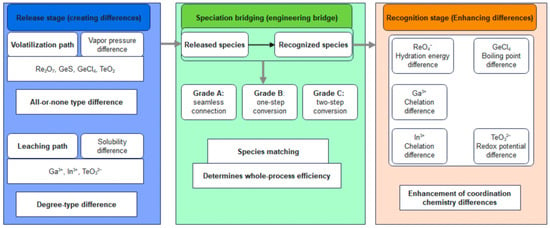
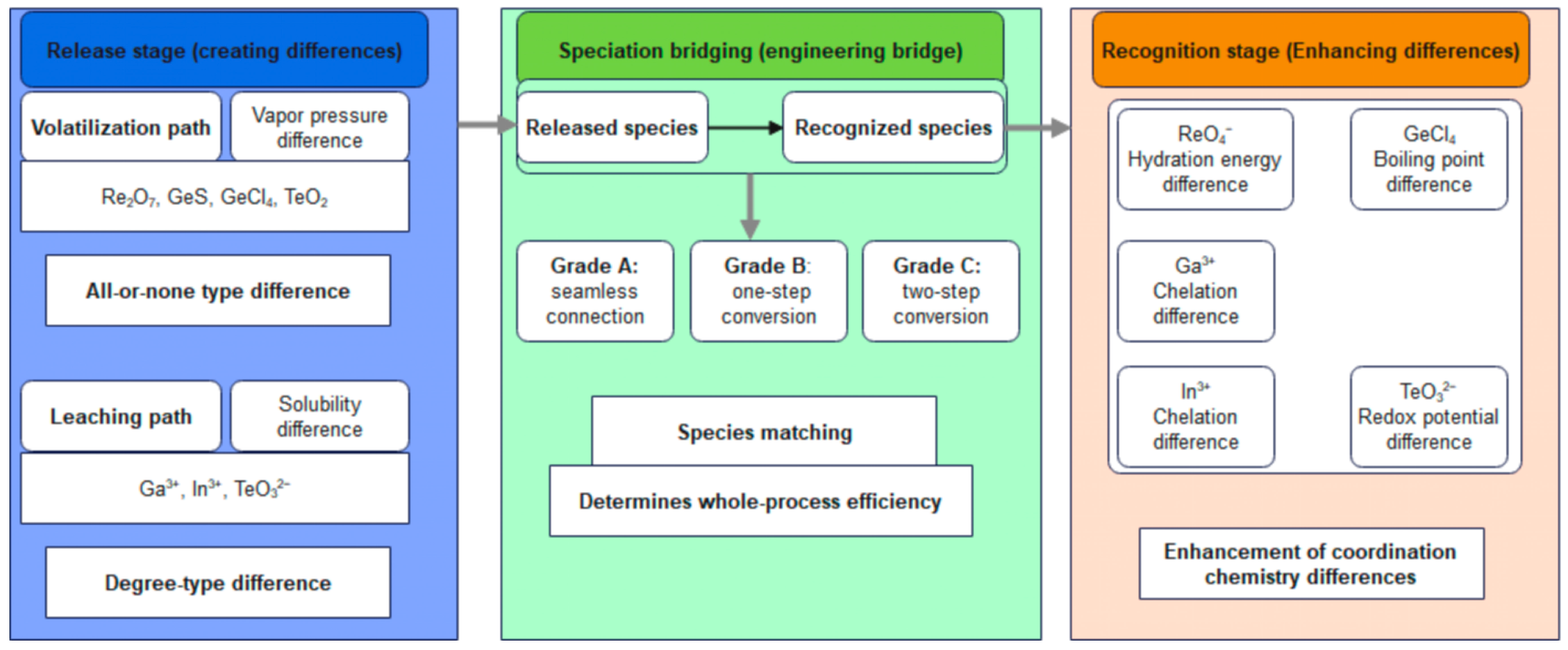
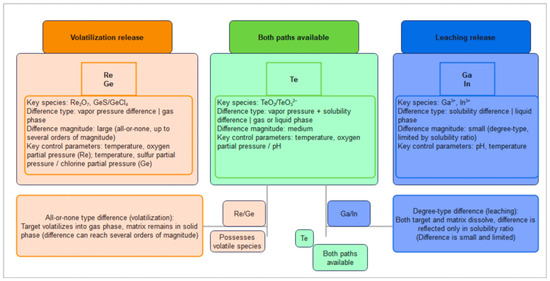
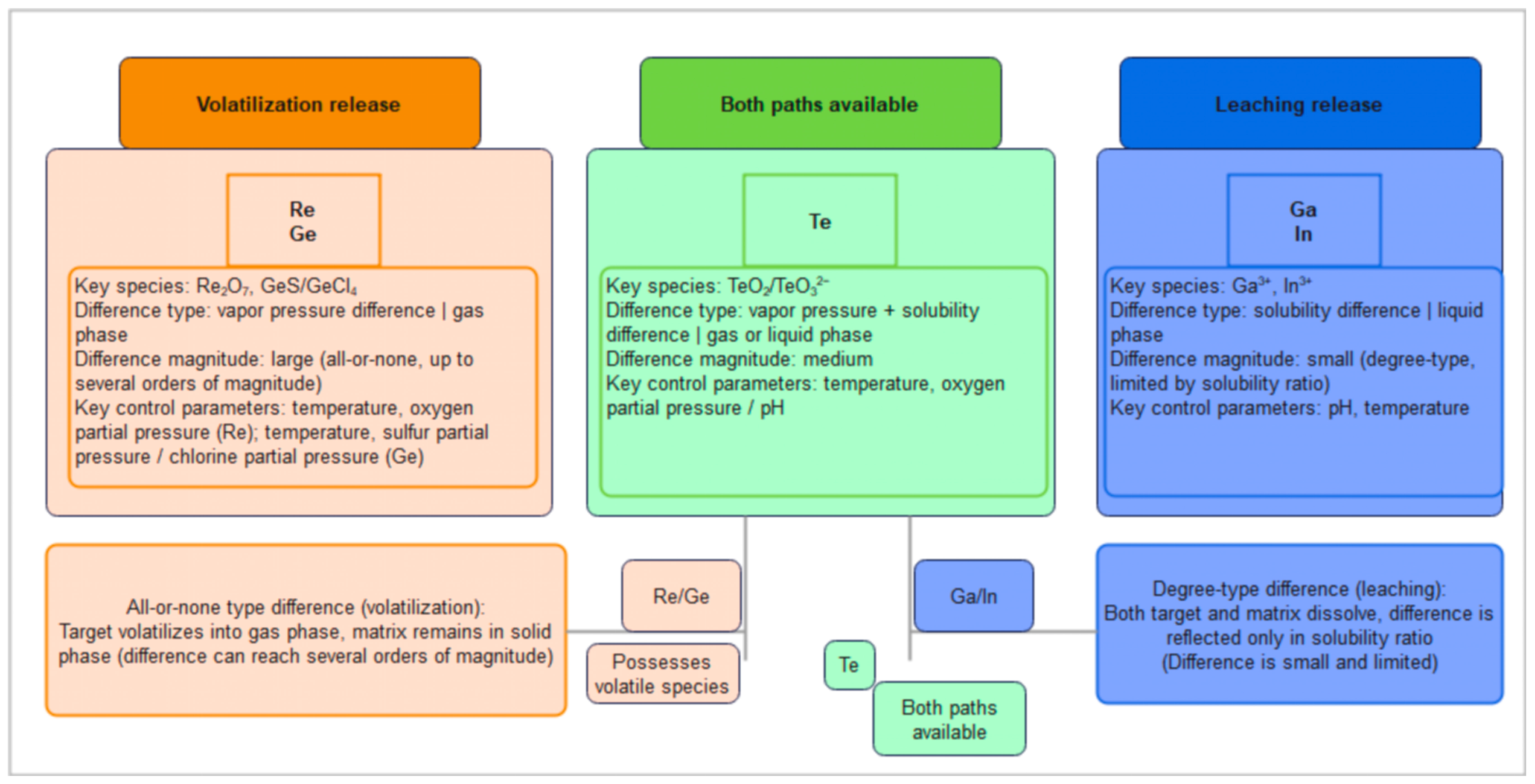
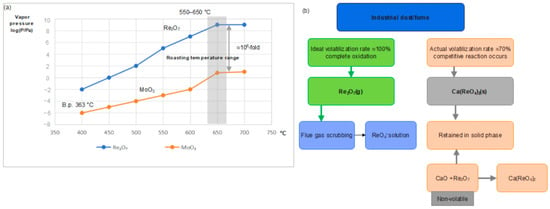
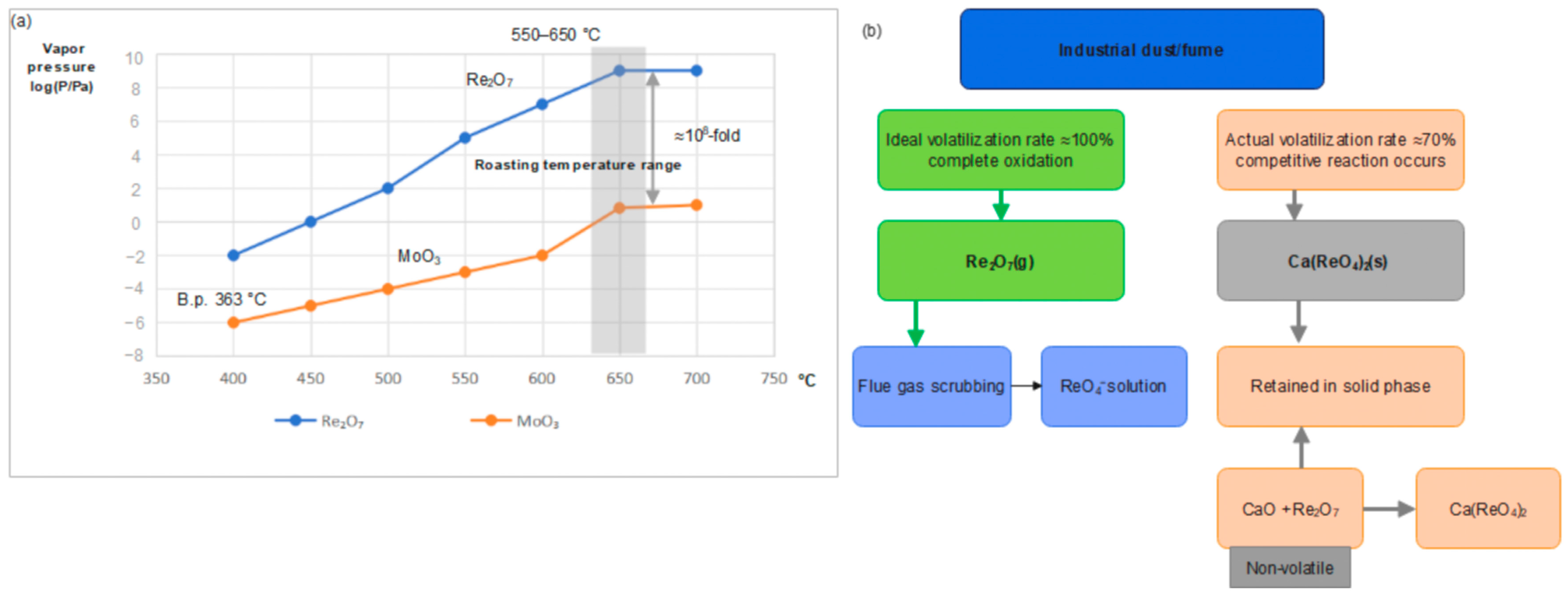
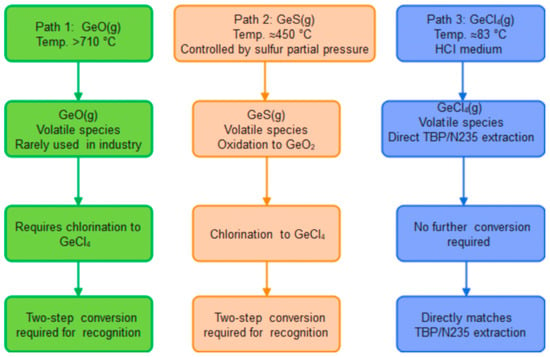
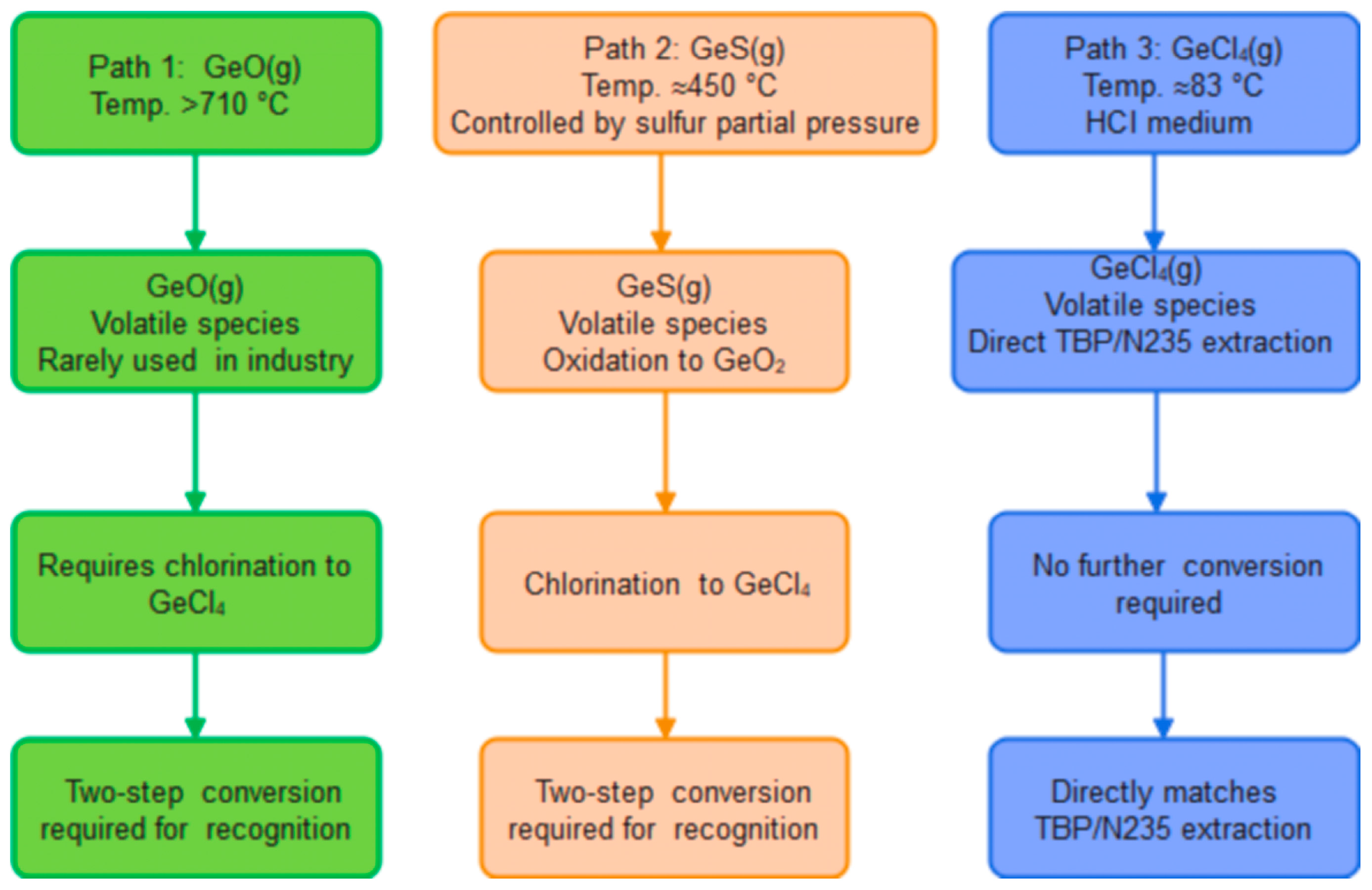
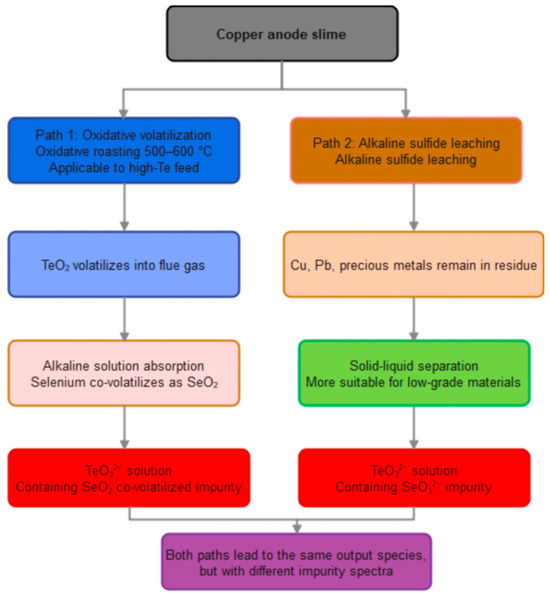
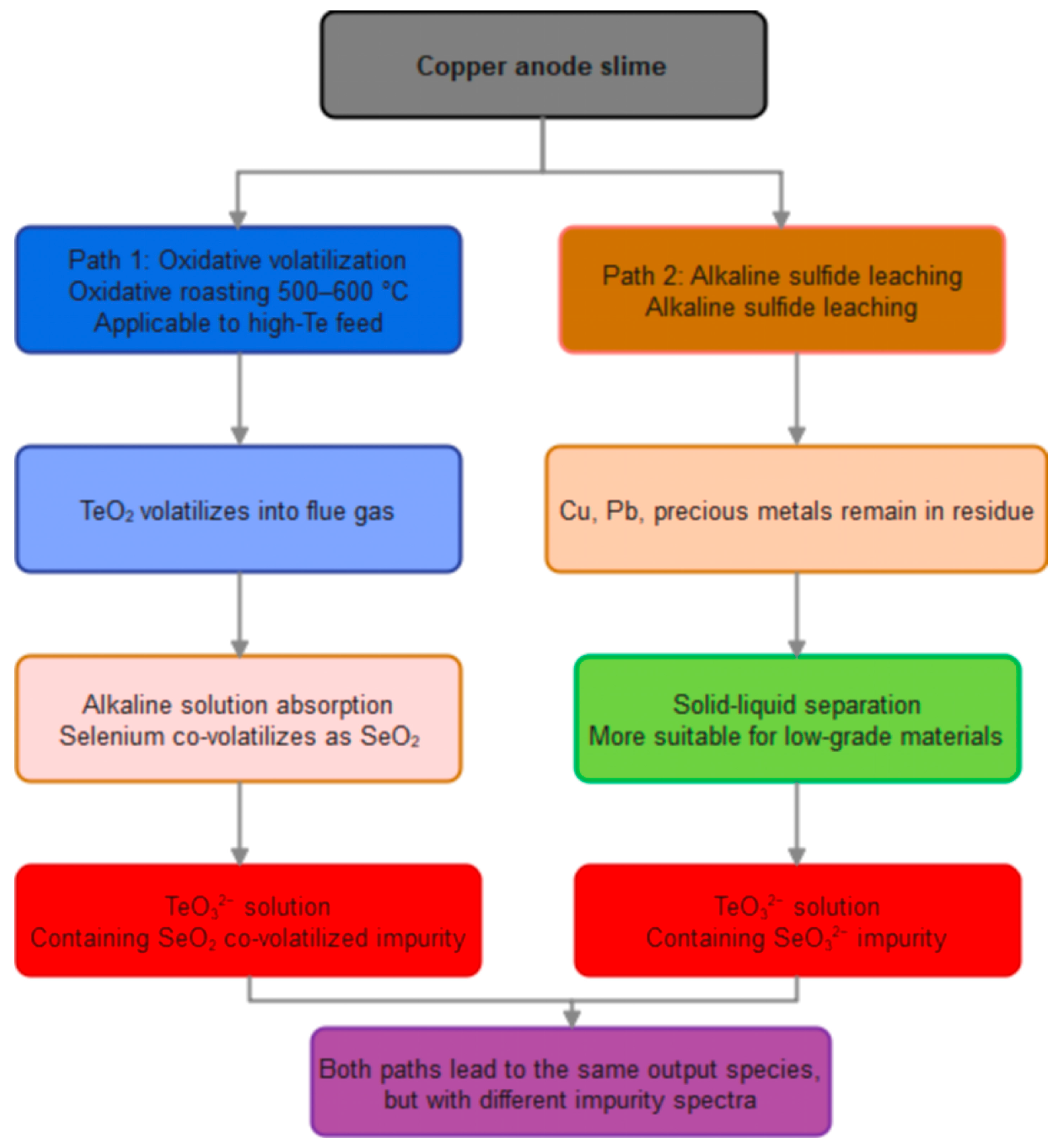
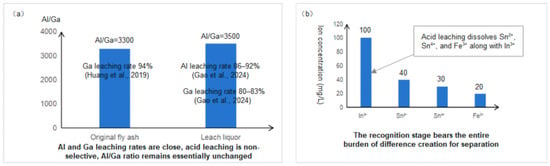
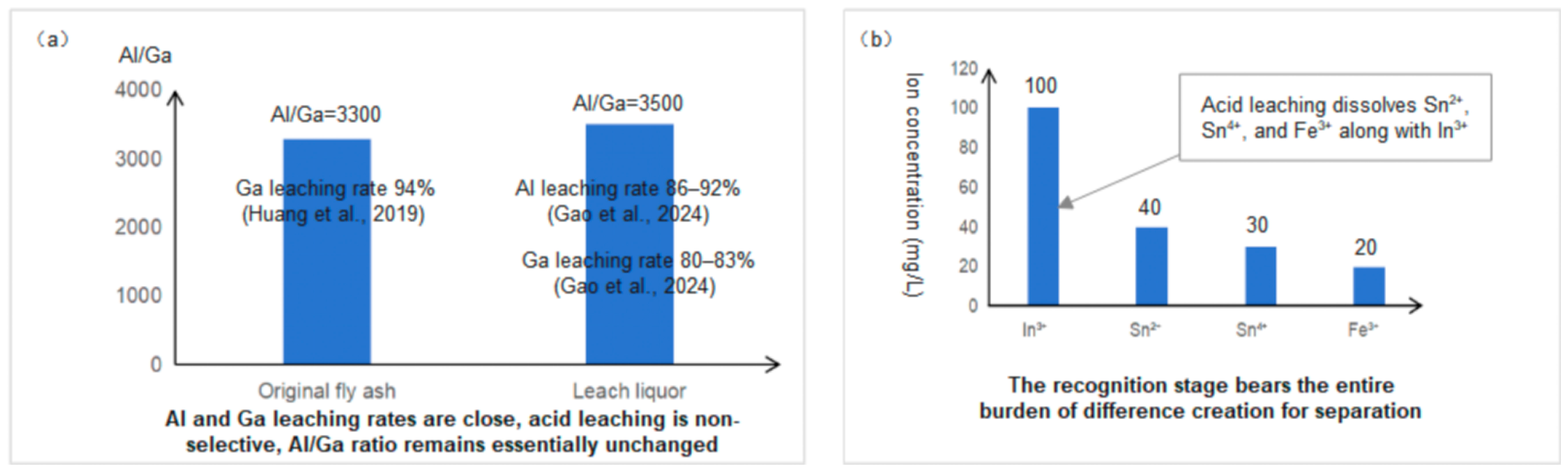
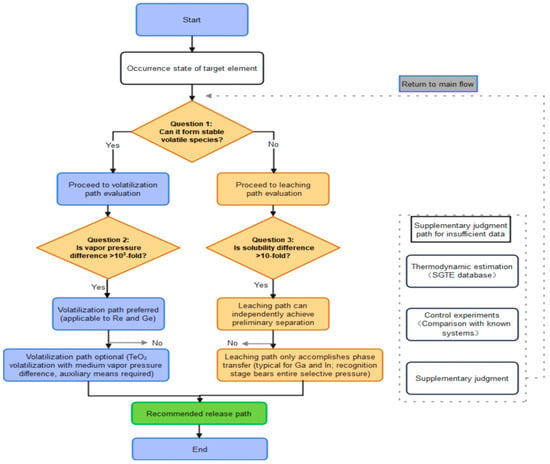

Disclaimer/Publisher’s Note: The statements, opinions and data contained in all publications are solely those of the individual author(s) and contributor(s) and not of MDPI and/or the editor(s). MDPI and/or the editor(s) disclaim responsibility for any injury to people or property resulting from any ideas, methods, instructions or products referred to in the content. |
© 2026 by the authors. Licensee MDPI, Basel, Switzerland. This article is an open access article distributed under the terms and conditions of the Creative Commons Attribution (CC BY) license.