1. Introduction
Higher education institutions play a central role in knowledge creation, innovation, and socio-economic development. Over recent decades, women’s participation in higher education has expanded significantly worldwide, both as students and academic staff. However, despite this progress, gender inequalities within academic careers remain persistent and deeply embedded in institutional structures. Women continue to be underrepresented in senior academic and leadership positions and experience slower career progression, which hinders their advancement. These disparities are not simply the result of individual career choices but reflect complex interactions between gendered organisational practices, work–family dynamics, and unequal access to professional support systems within academic institutions [
1] Numerous studies have documented these persistent gaps in areas such as promotion, leadership representation, research productivity, and professional opportunities [
2,
3,
4,
5,
6]. These challenges have been consistently reported across higher education systems in Europe, North America, Asia, Africa, and the Middle East, suggesting that women academics continue to navigate structurally gendered academic environments despite differences in institutional and sociocultural contexts [
4,
7,
8,
9]. International evidence further indicates that women academics frequently encounter unequal access to leadership opportunities, professional networks, research visibility, and work–life balance support, limiting their long-term academic progression and representation in institutional decision-making structures. As universities increasingly position themselves as drivers of inclusive knowledge systems and social progress, understanding the factors shaping the challenges to career advancement faced by women academics has become a critical priority for both research and institutional policy.
The challenges experienced by women academics are particularly pronounced in many developing and transitional contexts, where institutional policies supporting gender equality may still be evolving and cultural expectations surrounding gender roles remain influential [
10]. In the Middle East, including Jordan, women’s participation in higher education as students has increased substantially over the past two decades [
11]. Nevertheless, women remain underrepresented in senior academic and leadership positions within universities. Previous research suggests that women academics in the region often encounter a complex combination of professional barriers, including limited mentoring opportunities, gender bias in leadership selection, restricted access to professional networks, and difficulties balancing academic careers with family responsibilities [
12,
13].
Although gender disparities in academic careers have been widely documented, much of the existing literature has primarily focused on describing barriers faced by women in academia rather than systematically examining the structural mechanisms that generate these challenges. In particular, limited research has empirically investigated how organisational factors, work–family responsibilities, and professional support systems interact simultaneously to shape the challenges experienced by women academics. This gap is especially evident in the context of the Middle East, where empirical evidence on women’s academic careers remains relatively limited despite the rapid expansion of higher education and increasing participation of women in the academic workforce. Addressing this limitation, the present study develops and empirically tests an integrated conceptual model grounded in Gendered Organisations Theory, Work–Family Conflict Theory, and Social Support Theory to examine how career experience, family responsibilities, and organisational support collectively influence the career advancement-related challenges faced by women academics. By combining structural equation modelling with qualitative insights on strategies for overcoming these challenges, the study provides a more comprehensive and context-sensitive understanding of gendered academic careers in higher education.
Using data collected through a questionnaire survey of women academics across Jordanian universities, the study employs Partial Least Squares Structural Equation Modelling (PLS-SEM) to test the proposed relationships between the constructs. In addition to the quantitative analysis, the study incorporates qualitative insights obtained from an open-ended question that invited participants to propose strategies for overcoming the challenges they encounter in their academic careers. These responses were analysed using directed qualitative content analysis to identify practical strategies and institutional interventions suggested by participants.
Guided by the proposed conceptual model and theoretical framework, the study seeks to address the following research questions. These questions provide the broader conceptual direction of the study, while the proposed hypotheses operationalise them into specific empirically testable relationships between career experience, family responsibilities, organisational support, and the perceived career advancement-related challenges faced by women academics in higher education institutions.
RQ1: How do career experience and family responsibilities influence the career advancement related challenges experienced by women academics in higher education institutions?
RQ2: What role does social and organisational support play in shaping the career advancement related challenges faced by women academics, and to what extent does it mitigate the impact of work–family pressures?
RQ3: Do the relationships between career experience, family responsibilities, support, and perceived career advancement related challenges differ across academic career groups within higher education institutions?
By addressing these questions, the study aims to provide empirical insights into the structural drivers of career advancement related challenges experienced by women academics and identify strategies that may help mitigate these barriers.
2. Theoretical Background and Hypothesis Development
2.1. Gendered Structures and Career Advancement in Academia
Despite significant global progress in expanding women’s participation in higher education, gender disparities in academic careers persist across many institutional contexts. Women remain underrepresented in senior academic positions, research-intensive roles, and leadership structures within universities [
14]. These inequalities are particularly visible in regions of the Global South and the Middle East, where institutional practices intersect with sociocultural expectations surrounding gender roles and family responsibilities [
11]. Recent studies examining higher education systems across the Arab region indicate that although women’s participation in academic employment has increased, structural barriers continue to limit their progression into senior academic and managerial roles [
15].
Gendered Organisations Theory provides a critical framework for understanding how such disparities are reproduced within institutional settings. According to Acker [
16], organisations are not gender-neutral entities but are structured around implicit norms and practices that historically reflect male career trajectories. These organisational processes embed gendered assumptions into recruitment, promotion criteria, workload allocation, and leadership selection, often privileging career paths characterized by uninterrupted professional commitment and high temporal flexibility. Such expectations align with the model of the ideal worker, whose career progression is assumed to be independent of caregiving responsibilities or family obligations [
8].
Within academic institutions, these gendered structures manifest through several institutional mechanisms. First, academic career advancement is commonly evaluated through performance indicators such as research productivity, publication output, international mobility, and competitive grant acquisition. These expectations can disproportionately disadvantage women academics who may face greater caregiving responsibilities or societal expectations regarding family roles [
17]. Second, leadership pathways within universities frequently remain embedded in male-dominated networks and decision-making structures, which may limit women’s access to mentoring, sponsorship, and leadership opportunities [
18].
Evidence from higher education institutions in the Middle East highlights similar patterns of gendered institutional dynamics. Studies focusing on Jordanian universities have identified persistent gender gaps in leadership representation, limited institutional support structures, and cultural expectations that place greater family responsibilities on women academics [
13]. Research within Jordanian higher education contexts has also emphasised the importance of institutional empowerment mechanisms, leadership opportunities, and supportive organisational environments in enhancing women’s participation and advancement within academic leadership structures [
19]. These structural conditions can shape women’s professional experiences and influence how they perceive and navigate challenges within academic environments.
Understanding these gendered organizational dynamics is therefore essential for examining the factors that contribute to women’s perceived challenges in higher education institutions. While institutional structures create the broader context in which academic careers unfold, individual and contextual factors, such as career experience, family responsibilities, and support mechanisms, may further shape how women experience and respond to these institutional pressures [
17].
2.2. Career Experience and Career Advancement Challenges
Career experience plays a significant role in shaping academics’ professional development, access to institutional resources, and ability to navigate the demands of academic work. Within academic institutions, early- and mid-career stages often involve intensive pressures associated with establishing research profiles, achieving publication targets, securing funding, and meeting promotion requirements [
20]. These expectations may create significant professional challenges, especially in competitive academic environments where research output and career progression are closely monitored. Studies across higher education systems have shown that early-career academics frequently face heightened levels of workload pressure, job insecurity, and performance expectations as they seek to build academic reputations and secure long-term career advancement [
21].
From the perspective of Gendered Organisations Theory, career experience may influence the extent to which women academics are able to navigate institutional structures and gendered organisational expectations within higher education institutions [
16]. As academics accumulate professional experience, they may develop stronger institutional familiarity, greater access to professional networks, and increased visibility within organisational decision-making processes [
3]. These forms of accumulated professional capital may enhance women’s ability to manage institutional pressures and reduce exposure to some of the structural barriers embedded within academic environments [
7].
For women academics, these challenges may be further intensified by gendered organisational dynamics and societal expectations. Research conducted in higher education institutions across the Global South and Middle East suggests that women academics often experience additional constraints related to institutional support, professional networking opportunities, and career progression pathways [
13,
17]. In some contexts, women in earlier stages of their careers may encounter barriers such as limited mentorship, fewer leadership opportunities, and challenges in balancing professional development with personal responsibilities [
4]. These conditions may contribute to higher perceptions of professional obstacles among less experienced academics.
Conversely, greater career experience may provide women academics with increased institutional familiarity, stronger professional networks, and improved coping strategies for navigating organizational structures [
22]. More experienced academics may benefit from accumulated professional capital, including research collaborations, mentorship relationships, and institutional recognition, which can help mitigate some of the challenges associated with academic careers [
10]. Experienced academics may also develop greater autonomy in managing teaching loads, research agendas, and administrative responsibilities, enabling them to navigate institutional expectations more effectively [
23].
Empirical studies examining women’s academic careers have highlighted the importance of career stage in shaping professional experiences and perceived barriers. Research across multiple higher education contexts indicates that career progression and accumulated experience can influence access to leadership roles, institutional decision-making processes, and professional support networks [
3]. These factors may affect how women perceive and respond to the challenges embedded within academic environments.
In addition to structural constraints embedded within academic institutions, women academics often encounter a range of professional and institutional challenges that may influence their career progression and professional experiences [
24]. These challenges may arise from organisational practices, cultural expectations, and limited access to institutional resources. Previous studies have highlighted several recurring barriers faced by women in higher education, including difficulties in balancing family commitments with professional responsibilities, limited access to mentoring and professional networks, and insufficient institutional policies supporting gender equality and career development [
4]. Women academics may also encounter gender biases in leadership perceptions, challenges related to self-promotion and professional visibility, and restricted access to training and advancement opportunities [
25].
Furthermore, institutional cultures within some higher education systems may demonstrate limited commitment to diversity and inclusivity, which can reinforce existing gender inequalities in academic careers [
18]. In certain contexts, women may also face structural issues such as gender-based pay disparities or experiences of discrimination and hostile workplace environments [
26]. Collectively, these factors represent a set of professional challenges that may influence women’s perceptions of career barriers and institutional constraints within higher education institutions.
In this study, perceived challenges are conceptualised as a multidimensional construct capturing the extent to which women academics experience structural, institutional, and sociocultural barriers within their professional environments. These challenges include family-work balance pressures, limited supportive institutional policies, societal expectations regarding gender roles, restricted access to professional development and mentoring opportunities, barriers to networking and collaboration, gender bias in leadership perceptions, confidence and self-promotion challenges, institutional resistance to diversity initiatives, gender-based pay disparities, and experiences of harassment or hostile work environments.
Drawing on this literature, career experience is therefore considered an important factor influencing women academics’ perceptions of challenges within higher education institutions. Differences in experience levels may shape access to institutional resources, professional networks, and career opportunities, which in turn may influence the extent to which women perceive professional barriers within their academic roles. Accordingly, the following hypothesis is proposed:
H1. Career experience significantly influences perceived career advancement related challenges among women academics in higher education institutions.
2.3. Work–Family Conflict and Career Advancement Challenges
Balancing professional responsibilities with family obligations has long been recognised as a major challenge for academics, particularly for women. The demands of academic careers, including teaching, research productivity, administrative responsibilities, and professional engagement, often require substantial time commitment, flexibility, and sustained performance. At the same time, many individuals must manage significant family responsibilities outside the workplace. The interaction between these competing role demands can create tensions that influence career experiences and perceptions of professional challenges [
17].
Work-Family Conflict Theory provides a useful framework for understanding these dynamics. According to O’Driscoll et al., [
27], work–family conflict arises when the demands of work and family roles become incompatible, such that participation in one role makes participation in the other more difficult. This conflict can manifest through time-based pressures, strain-based stress, and behavioural expectations associated with each role. In academic contexts, these conflicts may be intensified by institutional expectations related to research productivity, publication output, and career advancement, which often require extensive time investment beyond standard working hours [
24].
Family responsibilities represent a central source of work–family conflict for many academics. These responsibilities may include a range of activities such as childcare, household management, educational support for children, and caregiving for elderly family members [
28]. Tasks such as cooking, cleaning, organizing household activities, and managing family logistics require significant time and energy, which can compete directly with professional responsibilities. In addition, caregiving duties may involve emotional and psychological demands that further shape individuals’ capacity to engage fully with academic work [
27].
For women academics, these responsibilities are often more pronounced due to persistent gendered divisions of domestic labour. Numerous studies have shown that women frequently carry a disproportionate share of household and caregiving responsibilities compared with their male counterparts [
25]. This unequal distribution of family obligations can influence women’s ability to allocate time for research, professional networking, conference participation, and other activities essential for academic career progression. As a result, women academics may experience greater pressures in managing competing demands between professional and personal roles [
17].
These dynamics may be particularly significant within the higher education systems of the Global South and the Middle East, where cultural norms and social expectations often emphasise women’s roles within family and caregiving structures [
15]. In such contexts, women academics may face dual expectations of maintaining professional excellence while simultaneously fulfilling traditional family responsibilities. Empirical studies examining women’s experiences in higher education institutions in the Arab region have highlighted how family obligations, including childcare and eldercare, can influence career trajectories, workload management, and access to leadership opportunities [
10].
Within academic careers, family responsibilities can therefore shape perceptions of professional challenges in several ways. First, increased caregiving and household responsibilities may reduce the time available for research activities, which are often critical for promotion and career advancement [
28]. Second, these responsibilities may limit opportunities for professional networking, collaboration, and international mobility [
26]. Third, the cumulative demands of managing both professional and family roles may contribute to stress, workload imbalance, and perceptions of career barriers [
17].
In the present study, family responsibilities are conceptualised as a multidimensional construct reflecting the extent to which women academics engage in caregiving and household-related activities. These responsibilities include childcare, household tasks such as cooking and cleaning, supporting the education of children, and providing care for elderly family members. Collectively, these activities represent competing demands that may influence the professional experiences of women academics and shape their perceptions of challenges within higher education institutions.
Drawing on Work–Family Conflict Theory and the growing body of literature on gender and academic careers, it is therefore expected that higher levels of family responsibilities will be associated with greater perceived professional challenges among women academics. Accordingly, the following hypothesis is proposed:
H2. Family responsibilities positively influence perceived career advancement related challenges among women academics in higher education institutions.
2.4. Social and Organisational Support and Career Advancement
While family responsibilities can generate significant pressures for women academics, the extent to which these pressures translate into professional challenges may depend on the availability of supportive resources within both professional and personal environments. Social Support Theory provides a useful framework for understanding how support mechanisms can mitigate the negative consequences of competing role demands [
29]. According to Social Support Theory, social and organisational support functions as a protective resource that helps individuals cope with stressors and reduces the adverse effects of role conflict and workload pressures [
30]. Support can take various forms, including emotional support, informational guidance, institutional resources, mentoring relationships, and organisational policies that facilitate work–life balance [
31].
Within higher education institutions, organisational support plays a particularly important role in shaping women’s professional experiences. Universities that implement inclusive policies and provide supportive institutional structures can help reduce the barriers that women often face in academic careers [
32]. Such support may include flexible working arrangements, parental leave policies, professional development programs, mentoring initiatives, and institutional efforts to promote gender equality and inclusive leadership pathways. When such mechanisms are present, they can help alleviate pressures associated with balancing academic work and family responsibilities, thereby reducing the perception of professional challenges [
24].
Conversely, the absence of supportive institutional environments may intensify the challenges experienced by women academics. Empirical studies across higher education contexts have identified several structural and cultural barriers that women frequently encounter in academic institutions. These challenges include limited access to professional development opportunities, lack of mentoring and role models, restricted access to professional networks and collaborations, and institutional resistance to promoting diversity and inclusivity within leadership structures [
4]. In some cases, women academics may also experience gender-based pay disparities, biased perceptions regarding leadership competence, or workplace environments that discourage self-promotion and career advancement [
26].
In addition to institutional barriers, broader societal expectations and cultural norms may further shape women’s experiences within academic environments. In many contexts, particularly within parts of the Global South and the Middle East, women may face social expectations that prioritise family responsibilities and caregiving roles [
15]. These expectations can interact with institutional structures to influence career trajectories, professional confidence, and access to leadership opportunities. Consequently, women academics may experience a range of professional challenges, including difficulties balancing family commitments with academic responsibilities, limited access to supportive policies and initiatives, and reduced opportunities for career progression and professional recognition [
12].
Social and organisational support can therefore play a critical role in mitigating these challenges. Supportive academic environments that provide mentoring, networking opportunities, leadership development programs, and inclusive institutional cultures may enhance women’s ability to navigate structural barriers and manage competing role demands [
31]. Such support can improve access to professional resources, strengthen confidence and career development, and foster more inclusive academic environments that encourage women’s participation in leadership and decision-making processes [
30].
Importantly, Social Support Theory also suggests that support can function as a buffering mechanism that reduces the negative impact of stressors on individual outcomes [
29]. In the context of academic careers, this implies that support from institutions, colleagues, mentors, and family networks may weaken the relationship between family responsibilities and perceived professional challenges. Women academics who receive strong institutional and social support may be better equipped to manage the demands of both professional and family roles, thereby experiencing lower levels of perceived challenges despite significant family responsibilities [
31].
Drawing on this theoretical perspective, the present study conceptualises support as a critical factor influencing women academics’ experiences within higher education institutions. Supportive institutional structures and social networks may directly reduce perceived challenges and simultaneously buffer the pressures associated with family responsibilities. Accordingly, the following hypotheses are proposed:
H3. Support significantly influences perceived career advancement related challenges among women academics in higher education institutions.
H4. Support moderates the relationship between family responsibilities and perceived challenges such that the relationship becomes weaker when support levels are higher.
2.5. Conceptual Model and Hypotheses
Building on the theoretical foundations discussed in the previous sections, this study proposes a conceptual model to examine the factors influencing perceived Career advancement related challenges among women academics in higher education institutions. Drawing upon Gendered Organisations Theory, Work–Family Conflict Theory, and Social Support Theory, the model integrates structural, professional, and social dimensions that shape women’s experiences within academic environments. Although alternative perspectives, such as intersectionality and structural inequality theories, provide valuable insights into broader sociocultural dimensions of gender inequality, the selected theoretical frameworks were considered more appropriate for the present study because they directly align with its focus on institutional structures, work–family dynamics, and organisational support mechanisms within higher education contexts. These theories also provide a suitable foundation for operationalising the study constructs and examining the structural relationships proposed in the conceptual model through PLS-SEM analysis.
Gendered Organisations Theory provides the broader institutional context by highlighting how organisational structures and practices within higher education may reproduce gender inequalities [
16]. Within this context, Work-Family Conflict Theory explains how competing demands between professional and family roles may generate challenges for women academics [
27]. Family responsibilities, including childcare, household duties, educational support for children, and caregiving for elderly family members, may create competing demands that influence women’s ability to meet professional expectations in academic careers.
At the same time, Social Support Theory suggests that supportive institutional environments and social networks can help individuals cope with professional and personal pressures [
29]. Organisational support mechanisms, such as mentoring systems, inclusive institutional policies, professional development opportunities, and supportive workplace cultures, may reduce the perceived challenges faced by women academics. Moreover, support may act as a buffering resource that mitigates the negative impact of family responsibilities on perceived professional challenges.
Based on these theoretical perspectives, the proposed conceptual model examines the direct effects of career experience, family responsibilities, and support on perceived challenges among women academics. In addition, the model investigates the moderating role of support in the relationship between family responsibilities and perceived challenges. The model also controls selected demographic and institutional characteristics that may influence academic experiences.
2.5.1. Constructs and Measurement
The dependent construct in the model is perceived challenges, representing the range of structural, institutional, and Socio-cultural barriers experienced by women academics within higher education institutions. These challenges may include limited access to professional development opportunities, a lack of mentoring and role models, restricted access to professional networks, gender-based pay gaps, institutional resistance to diversity and inclusion, slower career progression, fewer leadership opportunities, limited research collaboration prospects, unequal access to resources, and, in some cases, hostile or discriminatory workplace environments.
The independent constructs include career experience and family responsibilities. Career experience reflects the number of years individuals have worked within higher education institutions and may influence their access to institutional resources, professional networks, and career opportunities. Family responsibilities capture the extent of caregiving and domestic obligations undertaken by women academics, including childcare, household responsibilities, support for children’s education, and caregiving for elderly family members.
The model further includes support as both an independent construct and a moderating variable. Support refers to the extent to which women academics perceive the presence of social and organisational resources that facilitate career development and help manage work–life demands. Such support may include mentoring opportunities, institutional policies promoting gender equality, supportive leadership, and access to professional networks. However, support was measured using a single-item indicator reflecting the overall perceived level of social and organisational support. The use of a single-item measure is appropriate for capturing a global assessment of perceived support.
In addition to these core constructs, the model incorporates control variables to account for demographic and institutional factors that may influence perceived challenges. These include age, marital status, and type of higher education institution (public or private). These variables are included to ensure that the relationships between the primary constructs are not confounded by individual demographic characteristics or institutional context.
Table 1 summarises the constructs included in the study, their descriptions, key indicators, and supporting literature.
2.5.2. Conceptual Model
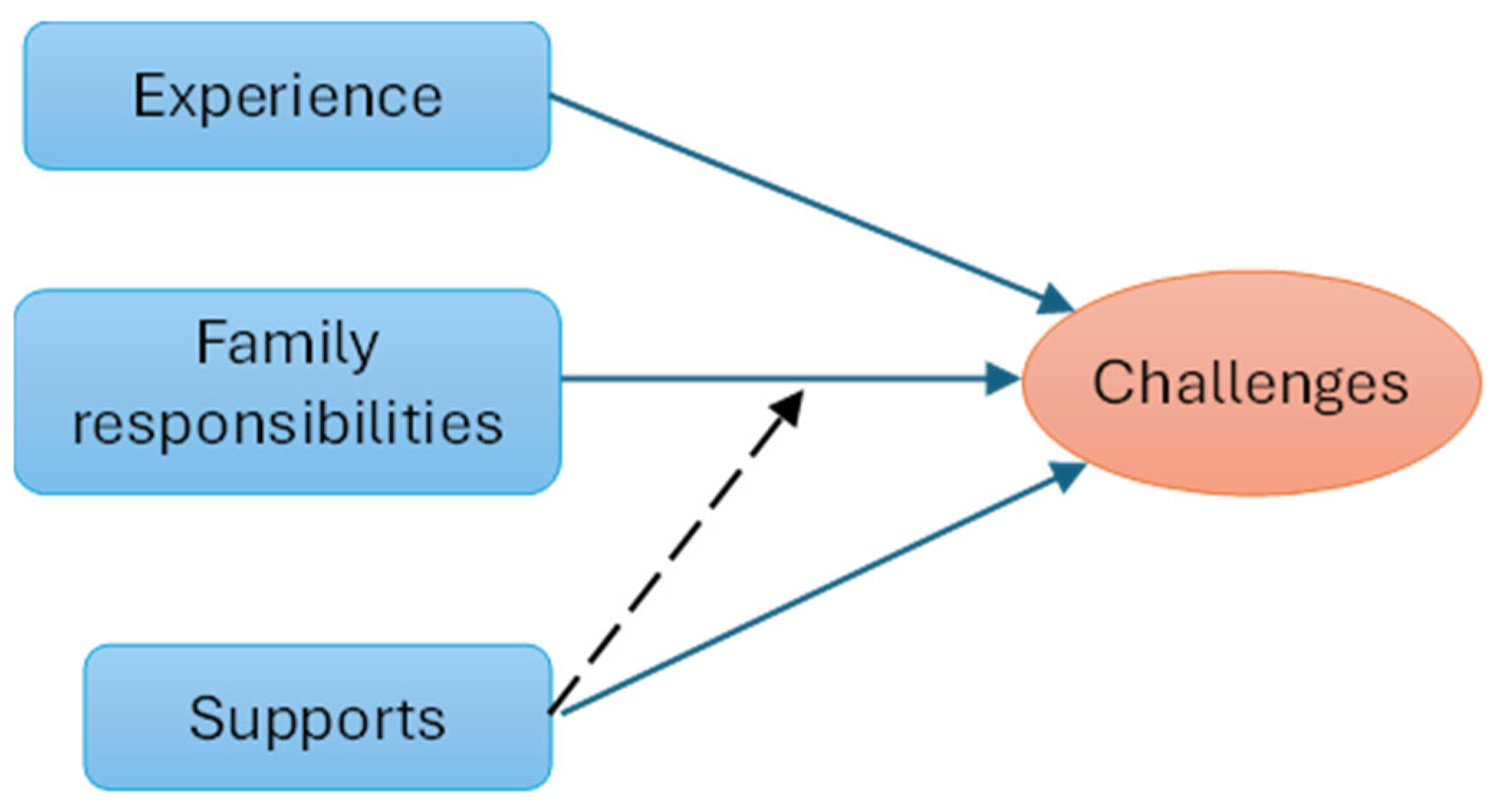
Figure 1 illustrates the conceptual framework of the study. The model proposes that career experience, family responsibilities, and support influence the perceived challenges experienced by women academics in higher education institutions. In addition, support is hypothesised to moderate the relationship between family responsibilities and perceived challenges by buffering the negative effects of competing work–family demands.
In addition to examining the structural relationships within the proposed model, this study explores whether these relationships differ across academic career positions. Women academics may experience different institutional pressures depending on whether they occupy primarily teaching–research roles or leadership positions within higher education institutions. Leadership roles often involve additional administrative responsibilities, decision-making authority, and institutional visibility, which may influence how individuals experience professional challenges and balance family responsibilities.
To explore these potential differences, a multi-group analysis (MGA) is conducted comparing teaching–research academics and those in leadership positions. This analysis enables the study to assess whether the structural relationships proposed in the conceptual model vary between these groups.
Accordingly, the following hypothesis is proposed:
H5. The structural relationships in the proposed model differ between teaching–research academics and leadership academics.
3. Methodology
3.1. Research Design and Approach
This study adopts a mixed-methods research design to investigate the factors influencing perceived Career advancement related challenges among women academics in higher education institutions in Jordan. The study primarily employs a quantitative approach to develop and test a predictive model examining the relationships between career experience, family responsibilities, social and organisational support, and perceived challenges experienced by women academics.
The conceptual framework is grounded in Gendered Organisations Theory, Work–Family Conflict Theory, and Social Support Theory, which together explain how institutional structures, competing work–family demands, and supportive environments shape women’s professional experiences in academia.
Data were collected through a structured questionnaire survey, which captured information on the constructs included in the conceptual model as well as respondents’ demographic and professional characteristics. For the purposes of the multi-group analysis, respondents were categorised into two academic career groups based on their primary institutional roles. The “Teaching–Research” group included academics primarily engaged in teaching and research responsibilities without formal administrative leadership positions, while the “Leadership” group included participants occupying formal academic or administrative leadership roles, such as heads of departments, programme coordinators, deans, associate deans, directors, or other managerial and decision-making positions within higher education institutions. The classification was based on participants’ self-reported professional roles provided in the demographic section of the questionnaire. The quantitative data were used to empirically test the proposed relationships between variables. To complement the quantitative findings, the survey also included an open-ended question inviting participants to propose strategies for overcoming the challenges faced by women academics. These qualitative responses provided additional contextual insights into potential institutional and professional strategies that may support women in higher education.
By integrating quantitative analysis with qualitative insights, the study offers a more comprehensive understanding of both the factors contributing to career challenges and the potential strategies for addressing them within higher education institutions in Jordan.
3.2. Questionnaire Design
The questionnaire was designed as a structured instrument to capture both quantitative and qualitative data aligned with the study’s conceptual model. The structure and content of the questionnaire were informed by the three theoretical perspectives underpinning the conceptual framework of the study. Gendered Organisations Theory guided the development of items related to institutional structures, career advancement barriers, leadership perceptions, and organisational inequalities experienced by women academics. Work-Family Conflict Theory informed the measurement of family responsibilities and competing domestic and professional demands, including childcare, household responsibilities, and caregiving obligations. Social Support Theory informed the measurement of organisational and social support, focusing on the extent to which participants perceived supportive institutional environments and access to professional and interpersonal support mechanisms. Collectively, these theoretical perspectives guided the operationalisation of the study constructs and the overall design of the survey instrument, which was organised into five main sections addressing variables relevant to the research objectives.
The first section collected demographic and professional information about the respondents, including age group, years of experience in higher education, academic position, and type of higher education institution (public or private). These variables were used to describe the sample characteristics and were incorporated as control variables in the analysis.
The second section focused on marital status and family responsibilities, capturing the extent of participants’ caregiving and domestic obligations. Respondents were asked to indicate their level of engagement in activities such as childcare, household responsibilities (e.g., cooking, cleaning, and organising), educational support for children, and caregiving for elderly family members. These items were used to operationalise the family responsibilities construct within the conceptual model.
The third section measured the level of social and organisational support perceived by women academics, focusing on the extent to which participants experienced supportive institutional environments and access to professional and interpersonal support mechanisms.
The fourth section examined the perceived challenges faced by women academics in higher education institutions. The items captured a range of structural, institutional, and sociocultural barriers, including limited access to professional development opportunities, lack of mentoring and role models, restricted access to professional networks, societal expectations, gender bias in leadership perceptions, institutional resistance to diversity and inclusivity, gender-based disparities, and experiences of discrimination or hostile work environments.
The fifth section captured respondents’ perceptions of desired professional and leadership skills that may help overcome career challenges and support career progression. These included competencies such as strategic thinking, decision-making, communication skills, networking, emotional intelligence, adaptability, mentoring abilities, time management, resilience, and cultural awareness. In addition, this section included an open-ended question inviting participants to propose strategies for overcoming the challenges faced by women academics in higher education institutions. This qualitative component enabled the study to capture practical insights and recommendations from participants.
All closed-ended questionnaire items were measured using a Likert-type scale, allowing respondents to indicate the extent of their agreement or perception regarding each statement.
The Likert-scale response categories were converted into numerical values for quantitative analysis using a five-point coding structure. Depending on the context of the question, responses ranged from 1 (“Not at all”) to 5 (“Very high” or “Extremely important”). Accordingly, higher mean values indicate greater perceived intensity, influence, or importance of a given factor, whereas lower mean values indicate weaker perceived influence or importance. The standard deviation (S.D.) reflects the extent of variability in participants’ responses around the mean value.
To ensure the validity and reliability of the instrument, the questionnaire underwent a rigorous validation process prior to full-scale data collection. Initially, the survey was reviewed by members of the research team and a panel of academic experts with experience in gender studies and higher education research. This stage aimed to assess content validity, clarity of wording, and alignment with the conceptual framework. Subsequently, a pilot test was conducted with a small group of participants to identify potential ambiguities, inconsistencies, or technical issues in the questionnaire. Feedback obtained from the pilot study was used to refine the wording of items, improve question sequencing, and enhance the overall structure and usability of the survey instrument. This iterative process ensured that the final questionnaire was clear, coherent, and suitable for capturing both quantitative and qualitative data relevant to the study.
The full questionnaire instrument, including construct codes and measurement items used in the analysis, is provided in
Appendix A to enhance transparency and support future comparative research.
3.3. Data Collection and Ethical Considerations
Given the focus of this study on women academics, a targeted sampling approach was adopted to reach female academic staff working across higher education institutions in Jordan. This approach was appropriate to ensure that the data collected reflected the experiences of women engaged in diverse academic roles and institutional contexts. The survey was administered online using the Qualtrics platform, enabling efficient distribution and facilitating participation across geographically dispersed institutions.
The questionnaire was disseminated through a combination of professional academic networks, institutional contacts, and relevant academic communication channels, including university mailing lists and professional groups. This distribution strategy was designed to capture a broad and diverse sample of women academics, including those engaged in teaching–research roles as well as those holding leadership or administrative positions. Such diversity was important to support subsequent comparative and multi-group analyses within the study.
The survey remained open for approximately three months, allowing sufficient time to maximise participation. During this period, a total of 138 responses were received. Following data collection, a rigorous data cleaning process was undertaken to ensure the quality and reliability of the dataset. Incomplete responses, questionnaires with substantial missing data, and invalid entries were removed. After this process, a final dataset comprising 104 fully completed questionnaires was retained for analysis.
Ethical considerations were carefully addressed throughout the research process. Participation in the study was entirely voluntary, and respondents were provided with clear information regarding the purpose of the research prior to completing the questionnaire. Informed consent was obtained from all participants, and they were assured of their right to withdraw from the study at any stage without any consequences. To ensure confidentiality and data protection, the survey was conducted anonymously, and no personally identifiable information was collected. All data were handled and stored in accordance with relevant data protection regulations, including the General Data Protection Regulation (GDPR). The study received ethical approval from the University of the West of England Research Ethics Committee (Approval ID: CATE-2324-273).
3.4. Data Analysis
The collected data were analysed using a combination of descriptive, inferential, and qualitative analytical techniques, consistent with the mixed-methods design of the study. Descriptive statistics, including frequencies, percentages, and mean values, were first computed to summarise the demographic characteristics of the respondents and provide an overview of the key variables measured in the survey.
To test the proposed conceptual model and hypotheses, Partial Least Squares Structural Equation Modelling (PLS-SEM) was employed using appropriate statistical software. PLS-SEM is particularly suitable for this study due to its ability to handle complex predictive models with latent constructs, its robustness with moderate sample sizes, and its suitability for exploratory and theory-building research.
The quantitative analysis followed a structured multi-step procedure. First, the measurement model was assessed to evaluate the reliability and validity of the constructs. This included examining indicator loadings, internal consistency reliability (using composite reliability), and convergent validity (average variance extracted). Discriminant validity was evaluated using established criteria such as the Heterotrait–Monotrait ratio (HTMT). Second, the structural model was assessed to test the hypothesised relationships between constructs. This involved evaluating path coefficients, their statistical significance using bootstrapping procedures, and the model’s explanatory power through coefficients of determination (R2). Collinearity issues were assessed using variance inflation factor (VIF) values. Third, moderation analysis was conducted to examine the moderating effect of support on the relationship between family responsibilities and perceived challenges. This was implemented by constructing and testing the interaction term within the PLS-SEM framework. Fourth, the overall model quality and predictive performance were evaluated using established PLS-SEM criteria, including effect sizes (f2), predictive relevance (Q2), and, where appropriate, out-of-sample predictive assessment.
In addition, a Multi-Group Analysis (MGA) was conducted to examine whether the structural relationships in the model differ between women academics in teaching–research roles and those in leadership positions. This analysis enabled the comparison of path coefficients across groups to identify potential differences in how key factors influence perceived challenges.
To complement the quantitative analysis, responses to the open-ended question on strategies for overcoming challenges were analysed using directed qualitative content analysis. This approach was selected because it enables qualitative data to be interpreted through predefined theoretical and conceptual categories derived from prior quantitative findings and the study framework [
33,
34]. In the present study, the identified career advancement-related challenges provided the initial coding framework used to categorise participants’ proposed strategies. The analysis followed a systematic multi-stage process involving data familiarisation, initial coding of responses, grouping similar statements into challenge-related categories, and iterative refinement of the emerging strategy clusters. Responses addressing related institutional or professional concerns were consolidated into broader strategy groups associated with each identified challenge. To enhance analytical consistency and validity, the categorisation process was reviewed iteratively by the research team to ensure alignment between the coded responses, the conceptual framework, and the underlying meaning of participants’ statements. This process enabled a structured interpretation of the qualitative data and provided additional insights into potential individual and institutional approaches that may support women academics in addressing the challenges identified in the quantitative findings.
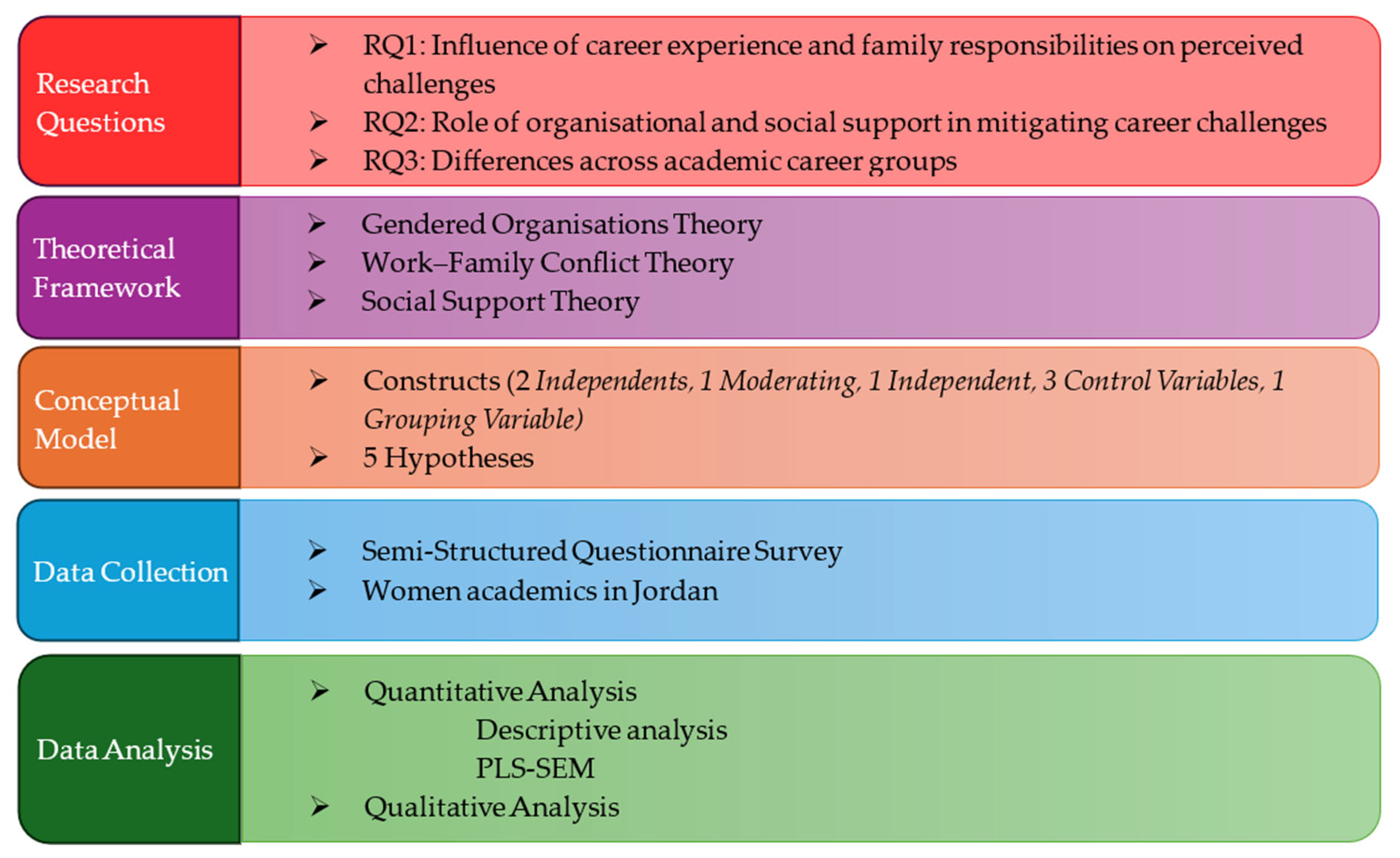
An overview of the research methodology and analytical procedure adopted in this study is presented in
Figure 2.
4. Results
4.1. Descriptive Results
4.1.1. Demographic Characteristics of Respondents
Table 2 presents the demographic and professional characteristics of the women academics who participated in the survey across higher education institutions in Jordan.
The age distribution of respondents indicates that the majority of participants were in the 31–40 age group (54%), followed by 41–50 years (32%). A smaller proportion of respondents were 51 years or older (12%), while only 3% were between 20–30 years. This distribution suggests that the sample is largely composed of mid-career academics, which is consistent with the study’s focus on examining professional challenges experienced during active academic career stages.
A substantial majority of respondents reported being married, divorced, or widowed (76%), while 21% indicated that they had never been married, and 3% preferred not to disclose their marital status. This distribution reflects that most participants are likely to have family responsibilities, which is relevant for analysing the relationship between family obligations and perceived career challenges. Regarding academic roles, 74% of respondents were engaged in teaching and research positions, whereas 26% held leadership or administrative roles within their institutions. This distribution indicates that the dataset primarily represents women academics working in traditional teaching–research pathways, while still capturing insights from those involved in academic leadership.
Most respondents were affiliated with private higher education institutions (69%), while 31% worked in public universities. This suggests that the sample reflects a larger representation of academics from private institutions, which may indicate differences in institutional structures, career opportunities, and support systems across the two sectors. The respondents demonstrated a relatively balanced distribution of academic experience. The largest proportion reported 5–10 years of experience (31%), closely followed by those with 11–20 years (30%), and 1–5 years (25%). A smaller group of 13% had more than 20 years of experience. This distribution indicates that the sample includes academics across early, mid, and advanced career stages, allowing the study to capture diverse perspectives on professional challenges within higher education.
4.1.2. Family Responsibilities
The results indicate that women academics experience substantial family responsibilities across multiple dimensions. As shown in
Table 3, women academics in the sample report substantial family responsibilities across several dimensions. Among these, caregiving for elderly family members (mean = 4.10) records the highest mean score, indicating the greatest overall burden. Nearly half of the respondents report very high levels of responsibility in this area, highlighting the significant role that eldercare plays in the family commitments of many women academics. This is followed by household responsibilities (mean = 4.02), which also show a high average level, suggesting that domestic duties such as cooking, cleaning, and managing household activities remain a consistent responsibility alongside academic work. A considerable proportion of respondents indicate high or very high levels of involvement in these tasks, reflecting the continuing expectations placed on women in managing household functions.
Childcare responsibilities (mean = 3.73) also represent a substantial demand. Although a notable proportion of respondents report no childcare responsibilities, those with children indicate particularly high caregiving commitments, with half of the respondents reporting very high levels. The relatively larger standard deviation suggests variation across participants depending on family circumstances and the presence of dependent children. Finally, responsibilities related to the education of children (mean = 3.45) show the lowest mean among the four dimensions, although the burden remains considerable. A significant proportion of respondents still report high or very high involvement in supporting children’s educational activities, reflecting the extended parental role that many women academics undertake.
4.1.3. Challenges Encountered by Women Academics
The results indicate that women academics experience moderate to relatively high levels of professional and institutional challenges across several dimensions. As summarised in
Table 4 among the identified barriers, family commitments emerge as the most prominent challenge (mean = 3.6) reflecting the significant impact of balancing academic responsibilities with family obligations. Structural and institutional issues also appear notable, particularly the lack of supportive policies and initiatives (mean = 3.22) and societal expectations and cultural norms (mean = 3.17), suggesting that both organisational environments and broader social expectations influence women’s academic experiences. Challenges related to professional development opportunities (mean = 3.06) and access to professional networks (mean = 3.01) also indicate moderate barriers that may affect career progression.
Other challenges, including lack of role models and mentors (mean = 2.88) and institutional resistance to promoting diversity and inclusivity (mean = 2.64), reflect ongoing structural limitations within academic institutions. In contrast, issues such as gender-based perceptions of leadership competence (mean = 2.97), self-promotion and confidence challenges (mean = 2.59), gender-based pay gaps (mean = 2.38), and harassment or hostile work environments (mean = 2.17) appear comparatively less prominent, although they still represent important concerns for a subset of respondents. Overall, the findings suggest that women academics in the sample face a combination of work–family pressures, institutional barriers, and sociocultural constraints, reinforcing the relevance of the conceptual model examining the influence of family responsibilities and support on perceived professional challenges.
4.1.4. Level of Support Received by Women Academics
To maintain a concise questionnaire and ensure that the primary emphasis remained on the challenges faced by women academics, support was measured using a single-item indicator capturing the overall perceived level of social and organisational support received by participants. This measure reflects respondents’ holistic evaluation of the support available to them within their professional and social environments. As shown in
Table 5, the results indicate that women academics experience moderate levels of support overall, with a mean score of 3.12 (S.D = 1.15). The largest proportion of respondents reported high levels of support (31%), followed by moderate support (27%), suggesting that a considerable share of participants perceive supportive institutional or professional environments. However, a notable proportion reported low (20%) or no support (12%), indicating that access to support remains uneven across the sample. The moderate overall level of support, combined with the observed variation in responses, suggests that while support mechanisms are present for many women academics, they are not consistently strong across institutions, reinforcing the importance of support as a key factor influencing the extent to which professional challenges are experienced.
4.2. Structural Model Results
4.2.1. Measurement Model Assessment
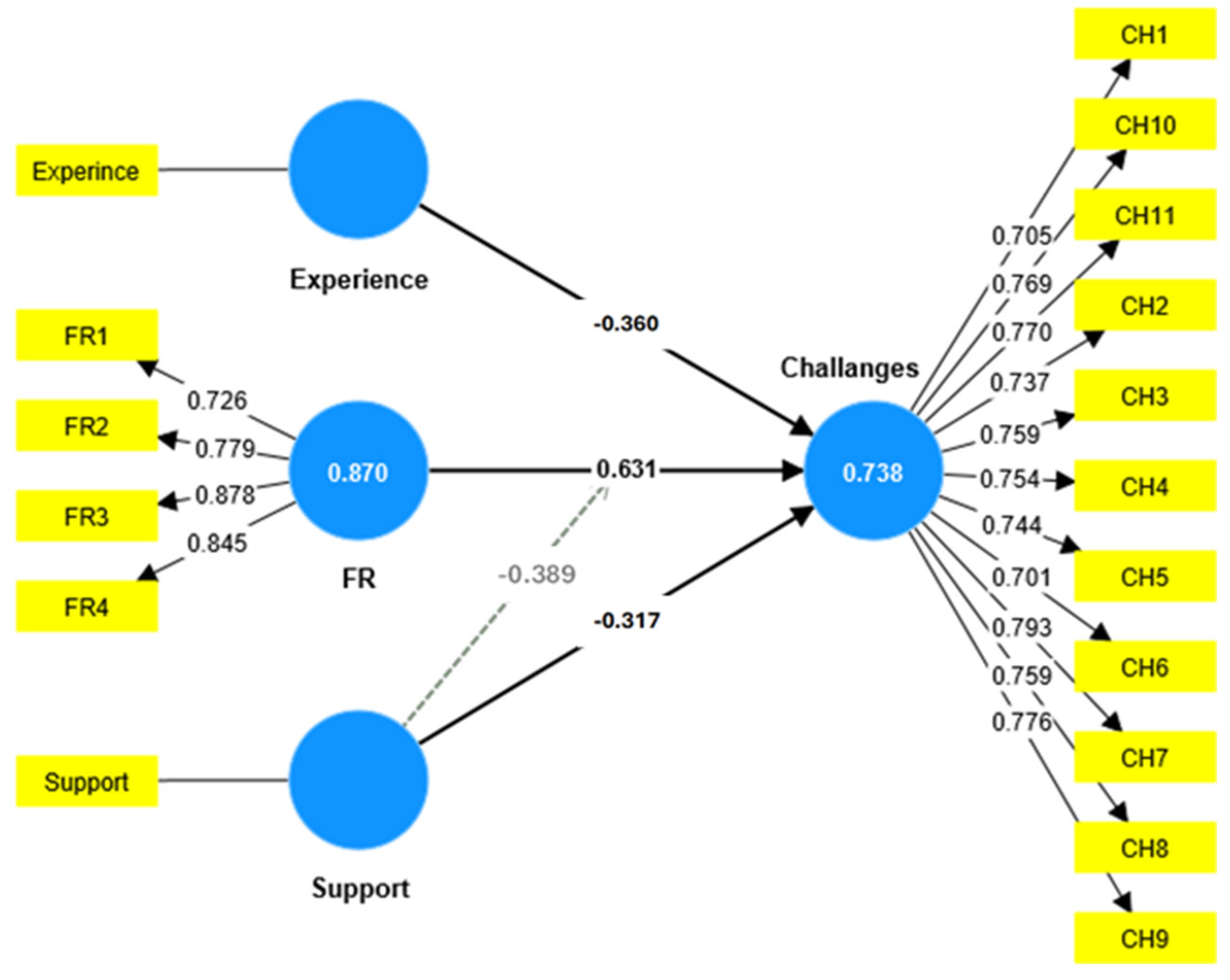
The measurement model was first assessed to evaluate the reliability and convergent validity of the constructs. Cronbach’s α and composite reliability values exceeded the recommended threshold of 0.70, while average variance extracted (AVE) values were above 0.50, confirming satisfactory internal consistency and convergent validity. In addition, all indicator outer loadings exceeded the recommended threshold of 0.70, indicating adequate indicator reliability. The results are presented in
Table 6 and
Figure 3.
Both constructs demonstrate satisfactory levels of reliability. The Cronbach’s α values for Family Responsibilities (0.804) and Challenges (0.722) exceed the recommended threshold of 0.70, indicating acceptable internal consistency. Similarly, the composite reliability (CR) values of 0.822 and 0.736, respectively, fall within the acceptable range (0.70–0.95), further confirming the reliability of the constructs. Convergent validity is also established, as the AVE for Family Responsibilities (0.707) and Challenges (0.685) are both above the recommended threshold of 0.50. This indicates that the indicators explain a substantial proportion of the variance in their respective constructs.
Discriminant validity between the latent constructs was assessed using the heterotrait–monotrait ratio (HTMT) criterion. The HTMT value between Family Responsibilities and Challenges was 0.647, which is below the recommended threshold of 0.90, indicating satisfactory discriminant validity. This result confirms that the two constructs are empirically distinct and measure conceptually different aspects within the proposed model. Overall, these results confirm that the measurement model demonstrates adequate reliability, convergent validity and discriminant validity, supporting the suitability of the constructs for subsequent structural model analysis.
4.2.2. Hypothesis Testing Results
Figure 3 presents the structural model with the estimated standardised path coefficients (β) and the coefficient of determination (R
2) for the dependent construct Challenges. The results of the hypothesis testing obtained through the PLS-SEM bootstrapping procedure are summarised in
Table 7.
The structural model explains a substantial proportion of the variance in perceived challenges faced by women academics, with an R2 value of 0.738, indicating that experience, family responsibilities, and level of support collectively explain approximately 73.8% of the variance in perceived challenges.
The results show that career experience has a significant negative effect on perceived challenges (β = −0.36, p < 0.001), supporting H1. This finding indicates that women academics with greater experience tend to perceive lower levels of professional and institutional challenges. Greater familiarity with academic environments, accumulated professional capital, and expanded professional networks may help experienced academics navigate institutional barriers more effectively.
In contrast, family responsibilities exhibit a strong and positive relationship with perceived challenges (β = 0.631, p < 0.001), supporting H2. This result suggests that higher levels of family responsibilities are associated with significantly greater perceived challenges in academic careers. The magnitude of this coefficient indicates that family responsibilities represent the most influential factor contributing to perceived challenges among women academics in the sample.
Finally, perceived support shows a significant negative relationship with challenges (β = −0.317, p < 0.001), supporting H3. This finding implies that higher levels of social and organisational support reduce the challenges experienced by women academics. Support mechanisms such as mentoring, inclusive institutional policies, and professional networks appear to play an important role in mitigating structural and professional barriers within higher education institutions.
In addition to the hypothesised relationships, several control variables were included in the structural model, namely age group, marital status, and type of higher education institution. Among these variables, only the type of higher education institution (public vs. private) showed a statistically significant association with perceived challenges. This finding suggests that the institutional context plays an important role in shaping the challenges experienced by women academics. Differences in organisational structures, resource availability, institutional policies, and career advancement mechanisms between public and private universities may contribute to variations in perceived challenges. In particular, the results indicate that women academics working in private universities report higher levels of perceived challenges compared with those in public institutions. Nevertheless, the inclusion of these control variables does not alter the significance or direction of the main structural relationships in the model, confirming the robustness of the proposed conceptual framework.
Overall, results provide empirical support for the proposed conceptual model, highlighting the combined influence of professional experience, family responsibilities, and institutional support in shaping the challenges experienced by women academics in Jordanian higher education institutions.
4.2.3. Moderation Analysis
To further examine the buffering role of support, a moderation analysis was conducted to test whether the level of support moderates the relationship between family responsibilities and perceived challenges among women academics. The results of the interaction effect are presented in
Table 8, and the moderation path is illustrated in
Figure 3.
The results indicate that the interaction effect between support and family responsibilities is negative and statistically significant (β = −0.389, t = 11.003, p < 0.001), supporting H4. This finding suggests that the level of support significantly moderates the relationship between family responsibilities and perceived challenges.
Specifically, the negative interaction coefficient indicates a buffering effect, whereby higher levels of support reduce the strength of the positive relationship between family responsibilities and perceived challenges. In other words, while family responsibilities tend to increase the challenges experienced by women academics, the presence of stronger social and organisational support mechanisms helps mitigate these difficulties.
This result highlights the critical role of institutional and social support structures, such as mentoring systems, inclusive workplace policies, professional networks, and supportive organisational cultures, in alleviating the pressures associated with balancing academic careers and family obligations. Women academics who receive higher levels of support are therefore better able to manage competing work–family demands, resulting in lower perceived challenges. The moderation results reinforce the importance of supportive institutional environments in higher education, demonstrating that support mechanisms not only directly reduce perceived challenges but also weaken the adverse impact of family responsibilities on academic career experiences.
4.2.4. Multi-Group Analysis
To further investigate whether the structural relationships differ between women academics working primarily in teaching–research roles and those occupying leadership positions, an MGA was conducted. The results are presented in
Table 9, which compares the path coefficients for both groups and tests the statistical significance of the differences between them.
The findings reveal that some relationships in the model vary significantly between the two academic groups, while others remain consistent. First, the negative relationship between experience and perceived challenges is significant for both groups but is stronger for women in leadership roles (β = −0.389) compared with those in teaching–research roles (β = −0.297). The difference between the two groups is statistically significant (β difference = 0.092, p = 0.004). This result suggests that accumulated professional experience plays a particularly important role in reducing perceived challenges among women occupying leadership positions, possibly due to greater institutional knowledge, authority, and professional networks developed over time.
Second, the relationship between family responsibilities and perceived challenges is positive and strong for both groups (β = 0.642 for teaching–research and β = 0.619 for leadership). However, the difference between these coefficients is not statistically significant (β difference = 0.023, p = 0.514). This indicates that family responsibilities exert a similarly strong influence on perceived challenges regardless of whether women academics occupy teaching–research or leadership roles. In other words, work–family pressures appear to affect women across academic career stages in a comparable manner.
Third, the effect of support on perceived challenges differs significantly between the two groups. While support reduces challenges in both groups, the effect is considerably stronger for women in leadership positions (β = −0.366) compared with the teaching–research group (β = −0.251). The difference between the groups is statistically significant (β difference = 0.115, p = 0.002). This finding suggests that support mechanisms, such as mentoring, institutional policies, and professional networks, may be particularly important in helping women navigate the complexities and pressures associated with leadership roles in higher education institutions.
Finally, the moderating effect of support on the relationship between family responsibilities and challenges also differs significantly across the two groups. The interaction effect is stronger among the leadership group (β = −0.414) than the teaching–research group (β = −0.316), and the difference between the groups is statistically significant (β difference = 0.098, p = 0.003). This result indicates that support mechanisms play a greater buffering role for women in leadership positions, helping them mitigate the negative impact of family responsibilities on their professional experiences.
The MGA results suggest that while the influence of family responsibilities on challenges is consistent across academic roles, the roles of experience and institutional support differ significantly between teaching–research and leadership academics. These findings highlight that women in leadership positions may rely more heavily on professional experience and support structures to overcome the challenges associated with balancing academic responsibilities and leadership demands.
4.2.5. Model Quality and Predictive Performance
The overall quality of the structural model was evaluated using several diagnostic indicators, including model fit, explanatory power, effect size, predictive relevance, and multicollinearity. Model fit was assessed using the standardised root mean square residual (SRMR). The obtained SRMR value of 0.058, which is below the recommended threshold of 0.08, indicates an acceptable level of model fit. The model also demonstrates strong explanatory power. As shown in
Figure 3, the predictors collectively explain 73.8% of the variance in perceived challenges (R
2 = 0.738). This high level of explained variance indicates that career experience, family responsibilities, and support mechanisms play a substantial role in shaping the challenges experienced by women academics.
Effect size analysis (f2) was conducted to examine the relative contribution of each predictor to the explained variance in the dependent construct. The results indicate that family responsibilities exert a large effect on perceived challenges, while experience and support show moderate effects. These findings further confirm the central role of work–family pressures in influencing the professional experiences of women academics. Predictive relevance was assessed using the Stone–Geisser Q2 statistic obtained through the blindfolding procedure. The Q2 value for the endogenous construct Challenges (Q2 = 0.48) is well above zero, confirming that the model possesses strong predictive relevance. Finally, multicollinearity diagnostics were examined using the variance inflation factor (VIF). All VIF values were found to be below the recommended threshold of 3, indicating that multicollinearity is not a concern among the predictor constructs. These diagnostic indicators confirm the adequacy, robustness, and predictive capability of the proposed structural model, supporting its suitability for explaining the factors influencing the challenges faced by women academics in higher education institutions.
4.3. Desired Skills for Addressing Career Challenges
Participants were asked to evaluate the importance of a range of professional and interpersonal skills that may support women academics in addressing career-related challenges within higher education institutions. The descriptive results are summarised in
Table 10. Overall, all skills were rated highly, with mean scores above 4.0, indicating a consistently high perceived importance across all competencies.
The highest rated skills relate primarily to personal effectiveness and resilience. Effective time management (Mean = 4.64, S.D = 0.56), resilience in the face of challenges (Mean = 4.61, S.D = 0.55), and decision-making and problem-solving (Mean = 4.53, S.D = 0.62) received the highest ratings, with the majority of respondents indicating these skills as very important or extremely important. These results suggest that the ability to manage competing responsibilities, respond to challenges effectively, and make strategic decisions is perceived as essential for navigating academic careers.
A second cluster of skills with slightly lower but still high mean values relates to professional networking, strategic capabilities, and communication competencies. Networking and relationship management (Mean = 4.46), strategic thinking and planning (Mean = 4.42), and effective verbal and written communication (Mean = 4.42) were also rated highly by participants, highlighting the importance of building professional networks, planning career trajectories strategically, and communicating effectively within academic environments.
Skills associated with adaptability, cultural awareness, and collaborative working also received strong support. Adaptability and flexibility (Mean = 4.40), cultural competence and awareness (Mean = 4.39), and team building and collaboration (Mean = 4.38) were all rated as highly important, indicating that respondents recognise the need to navigate diverse academic environments and work effectively within collaborative settings.
Finally, public speaking and presentation skills (Mean = 4.36), emotional intelligence (Mean = 4.31), and mentoring and coaching skills (Mean = 4.29) also received strong importance ratings, suggesting that interpersonal capabilities and the ability to support others’ development are considered valuable competencies for academic career advancement.
In terms of response consistency, resilience (S.D = 0.55) and effective time management (S.D = 0.56) showed the highest level of agreement among participants, indicating strong consensus regarding their importance. In contrast, emotional intelligence (S.D = 0.91) and team building and collaboration (S.D = 0.81) showed slightly greater variation in responses, although their overall importance ratings remained high.
4.4. Strategies for Overcoming Challenges
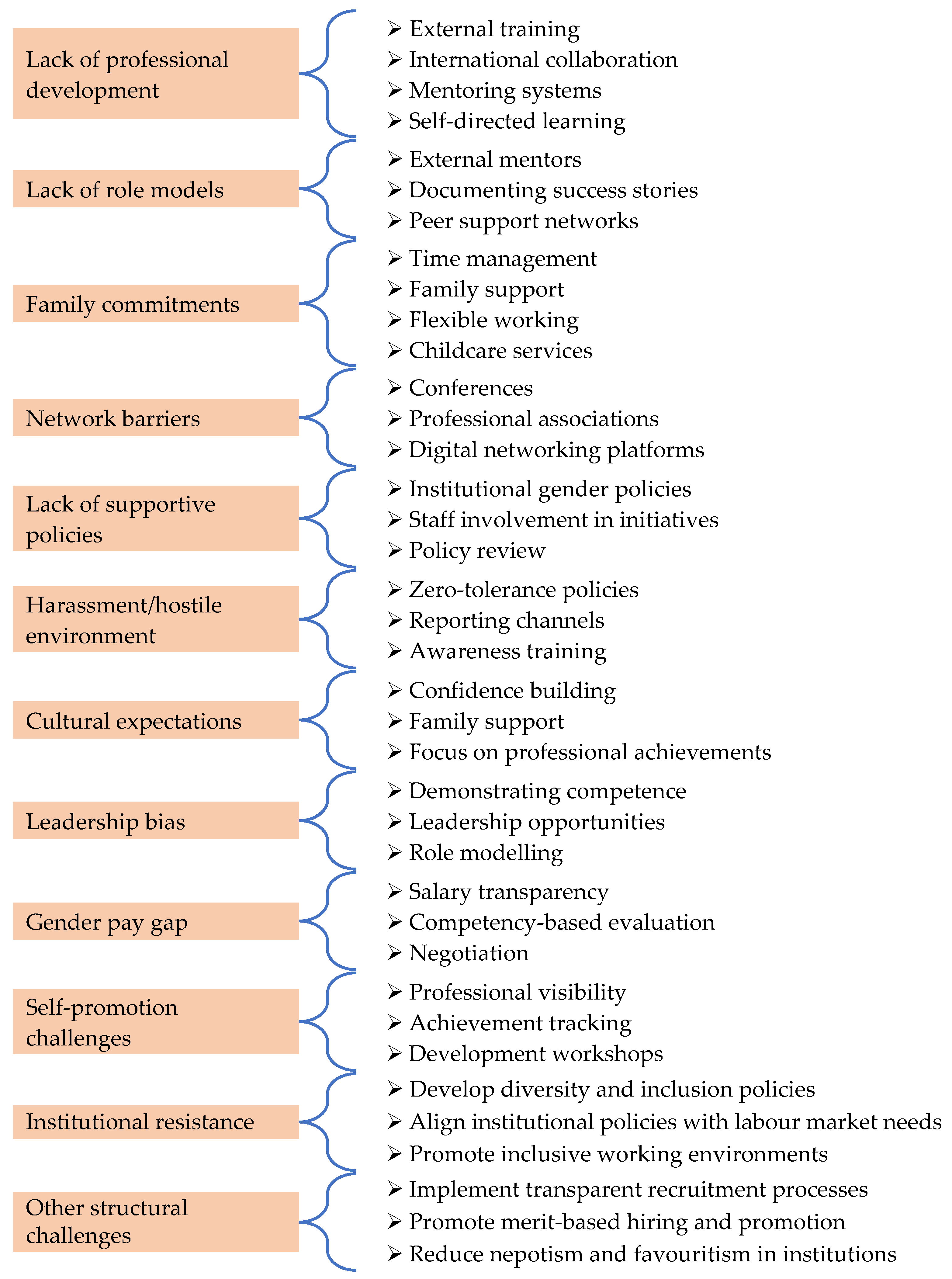
Participants were also invited to propose strategies that could help address the challenges faced by women academics in higher education institutions. The responses to the open-ended question were analysed and clustered according to the corresponding challenge categories and codes identified in the quantitative analysis (
Table 4). This approach allowed the strategies suggested by participants to be systematically organised in relation to the specific challenges they aim to address. The resulting clusters of strategies associated with each challenge are summarised in
Figure 4.
Lack of professional development opportunities, training, and support systems (CH1): Participants proposed several strategies to address the limited availability of professional development opportunities. Many respondents highlighted the importance of seeking training opportunities outside their institutions, including participation in external training programmes and workshops offered by third-party providers. Others suggested engaging in voluntary work or collaborative initiatives to gain diverse skills and professional experience. Respondents also emphasised the value of international collaboration and academic networking as a way to broaden knowledge and build professional connections. As one participant stated, “women academics should actively participate in external workshops and international collaborations to strengthen their experience and visibility.” Additionally, several participants highlighted the importance of self-directed learning, including the use of digital platforms for continuous professional development. Establishing structured mentoring systems connecting early-career academics with experienced mentors and coaches was also frequently mentioned as an important strategy for supporting career development. One respondent noted that “formal mentoring programmes are important to guide young female academics and help them navigate academic careers more effectively.”
Lack of role models and mentors (CH2): To address the limited presence of role models and mentors, participants suggested identifying and learning from successful role models both within and beyond their immediate professional environment. One participant explained that “women academics should seek mentors and role models even outside their universities to gain guidance and broader perspectives.” Several respondents emphasised the importance of actively seeking mentorship opportunities outside their institutions and engaging with broader professional communities. Others proposed documenting and sharing success stories of women academics as a way to provide inspiration and visibility for future generations. As another respondent noted, “sharing the success stories of senior women academics can motivate younger women and help them believe that advancement is achievable.” Building supportive relationships with female colleagues and professional networks was also frequently mentioned as an important strategy for overcoming the absence of role models within institutional settings.
Family commitments (CH3): Participants identified a variety of strategies for managing the challenges associated with balancing academic careers and family responsibilities. At the individual level, respondents emphasised the importance of effective time management and prioritisation of responsibilities. One participant stated that “careful time management and setting clear priorities are essential for balancing academic work and family responsibilities.” Many participants also highlighted the value of family support, particularly assistance from spouses or other family members in managing household and childcare responsibilities. Some respondents suggested hiring domestic support services as a way to maintain work–life balance. As another respondent explained, “support from family members, especially during busy academic periods, can significantly reduce pressure on women academics.” In addition, institutional support mechanisms were also proposed, including flexible working arrangements, childcare facilities within universities, and gradual return-to-work programmes following maternity leave.
Challenges in accessing networks and professional connections (CH4): Participants highlighted several strategies aimed at strengthening professional networks and improving access to academic communities. These included active participation in conferences, workshops, and professional gatherings, as well as taking personal initiative to introduce themselves to new contacts and expand their networks. One participant noted that “attending conferences and introducing yourself to researchers in your field helps build important academic connections.” Many respondents emphasised the importance of leveraging relationships beyond their immediate institutions, including participation in international collaborations and professional associations. The use of digital platforms such as LinkedIn and women-focused professional networks was also identified as a useful strategy for expanding professional connections. As another respondent explained, “professional networking platforms and women-focused academic groups can create opportunities that may not be available within the institution.” In addition, several participants suggested establishing dedicated platforms and events that facilitate networking opportunities for women academics, including conferences and professional forums.
Lack of supportive policies and institutional initiatives (CH5): Participants also emphasised the need for stronger institutional mechanisms to support gender equality within higher education institutions. Suggested strategies included developing and institutionalising policies that promote gender equity, as well as involving female academics in the design and implementation of institutional initiatives. One participant stated that “universities should develop clear gender-supportive policies and involve women academics in decision-making related to these initiatives.” Respondents also highlighted the importance of raising awareness among employees about their rights and opportunities, alongside conducting regular reviews of existing policies and programmes to ensure they remain effective and responsive to emerging challenges.
Harassment and hostile work environments (CH6): In relation to harassment and hostile work environments, participants emphasised the importance of strong institutional governance and accountability mechanisms. Suggested strategies included introducing zero-tolerance policies toward harassment, establishing secure reporting channels and whistleblower protection mechanisms, and ensuring that managers are held accountable for addressing complaints effectively. One participant noted that “there should be confidential reporting systems and strict actions against harassment to ensure women feel safe in the workplace.” Respondents also proposed mandatory awareness and training programmes to help staff recognise and respond appropriately to harassment and hostile behaviour. Additionally, several participants highlighted the importance of strict enforcement of policies and penalties to ensure a safe and supportive working environment. As another respondent explained, “awareness training and consistent enforcement of policies are necessary to prevent hostile behaviour within academic institutions.”
Societal expectations and cultural norms (CH7): Participants identified strategies aimed at addressing the broader cultural and societal pressures that influence women’s academic careers. Many respondents emphasised the importance of maintaining focus on personal achievements and professional goals, rather than conforming to restrictive societal expectations. One participant stated that “women academics should focus on their professional goals and not allow societal expectations to limit their ambitions.” Others highlighted the role of family support in mitigating cultural pressures, as well as the importance of strengthening women’s confidence to navigate social expectations and psychological pressures associated with gender norms. As another respondent explained, “family encouragement and self-confidence are important for overcoming cultural pressures faced by women in academia.”
Being viewed as less competent or less suited for leadership roles (CH8): To overcome perceptions that women are less suited for leadership roles, participants suggested strategies focused on demonstrating competence, leadership capability, and professional excellence. These included actively seeking opportunities to take on leadership responsibilities, showcase achievements, and participate in decision-making processes. One participant stated that “women academics need to demonstrate their capabilities consistently and actively pursue leadership opportunities to challenge existing stereotypes.” Respondents also emphasised the importance of maintaining strong work ethics, exceeding performance expectations, and positioning themselves as role models within their professional environments. As another respondent explained, “women often need to work harder and continuously prove their competence to gain recognition in leadership positions.”
Gender-based pay gaps (CH9): Participants proposed several strategies for addressing gender-based pay disparities within academic institutions. These included challenging policies that perpetuate pay inequalities, advocating for transparent salary structures, and promoting competency-based reward systems based on performance rather than gender. One participant noted that “salary scales and promotion criteria should be transparent to ensure equal pay for equal work.” Respondents also emphasised the importance of engaging decision-makers in discussions about pay equity and negotiating salaries that reflect individual skills, experience, and contributions. As another respondent explained, “women academics should confidently negotiate salaries and advocate for compensation that reflects their qualifications and achievements.”
Challenges related to self-promotion and confidence (CH10): Respondents suggested a number of strategies aimed at strengthening confidence and visibility within academic careers. These included tracking and reflecting on personal achievements, actively promoting research and professional work, and participating in professional development programmes aimed at empowering women academics. One participant stated that “women academics should document and promote their achievements more confidently to increase their visibility within the academic community.” Many participants also highlighted the value of presenting research, engaging in professional activities beyond their institutions, and using professional platforms such as LinkedIn to increase visibility.
Institutional resistance to promoting diversity and inclusivity (CH11): Participants emphasised the importance of developing strong diversity and inclusion policies that align with organisational objectives and broader labour market expectations. One participant noted that “universities should adopt clear diversity and inclusion policies to ensure equal opportunities for women academics.” These policies were seen as necessary to support equal opportunities and ensure that institutions actively promote inclusive working environments. As another respondent explained, “inclusive institutional environments are essential for supporting women’s participation and career progression in academia.”
Other structural challenges: Nepotism, favouritism, and cliquism (Others): Finally, some respondents identified additional structural challenges related to nepotism, favouritism, and closed professional networks within higher education institutions. These issues emerged through the open-ended responses and were therefore incorporated as an additional category within the qualitative analysis framework. One participant stated that “recruitment and promotion decisions should be based on merit and qualifications rather than personal relationships or favouritism.” To address these concerns, participants suggested implementing transparent recruitment processes and merit-based hiring policies to ensure that employment and promotion decisions are based on qualifications, performance, and professional merit. As another respondent explained, “transparent hiring and promotion systems are necessary to reduce cliques and unequal opportunities within universities.”
5. Discussion of Findings
This study examined the structural drivers of career advancement-related challenges experienced by women academics in Jordanian higher education institutions by integrating quantitative modelling with qualitative insights from participants’ proposed strategies. Guided by the proposed hypotheses, which operationalise the broader research questions of the study, the discussion provides a systematic interpretation of how career experience, family responsibilities, and social and organisational support shape women’s academic experiences. Overall, the findings support the proposed conceptual model and provide empirical evidence that institutional structures, work–family dynamics, and support mechanisms collectively influence the professional trajectories of women academics. The results support H1, indicating that greater career experience is associated with lower levels of perceived challenges among women academics. The structural model shows that experience has a negative relationship with perceived challenges, suggesting that as women accumulate professional experience, they develop stronger coping mechanisms, institutional knowledge, and professional networks that enable them to navigate academic environments more effectively. This finding aligns with previous research indicating that early-career women academics often encounter greater structural and cultural barriers, including limited access to mentoring, informal networks, and institutional influence [
20,
21]. From the perspective of Gendered Organisations Theory [
16], academic institutions often reproduce gendered power structures that shape career progression and access opportunities. More experienced women academics may therefore become better positioned to negotiate these institutional dynamics over time. The qualitative findings reinforce this interpretation. Several participants emphasised strategies such as strengthening professional competencies, actively demonstrating leadership capabilities, and positioning themselves within institutional decision-making structures. These responses suggest that professional experience not only enhances individual capabilities but also enables women academics to strategically navigate organisational environments that may otherwise constrain their career progression.
The findings also support H2, demonstrating that family responsibilities are positively associated with perceived challenges. Among the predictors included in the model, family responsibilities emerged as the most influential factor, indicating that work–family dynamics represent a major source of professional strain for women academics. This result is consistent with Work–Family Conflict Theory, which suggests that competing demands between professional and family roles can create significant pressures that affect career development and wellbeing [
27]. The descriptive results further reinforce this pattern, as respondents reported high levels of childcare, household responsibilities, and caregiving obligations, highlighting the substantial domestic responsibilities that many women academics manage alongside their professional roles. These findings are consistent with studies conducted in both developed and developing contexts, which show that women in academia frequently carry disproportionate family responsibilities that influence their research productivity, career advancement, and leadership opportunities [
13,
17,
28]. In the context of the Middle East, cultural expectations surrounding gender roles may further intensify these pressures, reinforcing the persistence of work–family tensions within academic careers. The qualitative results provide additional insight into how women academics attempt to manage these competing demands. Participants frequently highlighted strategies such as prioritising tasks, strengthening time management practices, and seeking support from family members. At the institutional level, respondents emphasised the importance of flexible working arrangements, childcare facilities within universities, and gradual return-to-work programmes following maternity leave. These suggestions underscore the need for organisational policies that better support work–life balance within academic environments.
The results also support H3, indicating that social and organisational support significantly reduces the challenges experienced by women academics. The structural model shows a negative relationship between support and perceived challenges, suggesting that supportive professional environments can alleviate the pressures associated with academic careers. This finding aligns with Social Support Theory, which emphasises the protective role of professional networks, mentoring relationships, and institutional support mechanisms in mitigating workplace stress and improving career outcomes [
10]. In higher education contexts, mentoring programmes, collaborative networks, and inclusive organisational cultures have been shown to play an important role in supporting women’s career progression [
30]. The descriptive results indicate that while many participants reported moderate to high levels of support, a notable proportion still experience limited support within their institutions. This variation highlights the uneven availability of supportive structures across higher education institutions. The qualitative findings further emphasise the importance of professional networks, mentoring relationships, and peer support systems. Participants frequently proposed strengthening mentoring systems, expanding networking opportunities, and fostering collaborative academic communities as key strategies for addressing career barriers [
35].
The analysis also confirms H4, demonstrating that support moderates the relationship between family responsibilities and perceived challenges. The interaction effect indicates that support reduces the intensity of the relationship between family responsibilities and challenges, suggesting that supportive institutional environments can buffer the pressures associated with work–family conflict. This buffering effect is consistent with previous research indicating that organisational support mechanisms can help mitigate the negative effects of work–family conflict by providing flexible work arrangements, mentoring opportunities, and supportive workplace cultures [
30]. In the context of higher education institutions, such support may enable women academics to better balance professional responsibilities with family obligations, thereby reducing the overall impact of domestic pressures on their academic careers.
The analysis of control variables further indicates that institutional context plays a role in shaping women’s experiences in academia. In particular, women academics working in private universities reported higher levels of challenges compared with those working in public institutions. This finding suggests that organisational structures, employment conditions, and institutional policies may influence the extent of challenges faced by women academics. Private higher education institutions often operate within more competitive and market-driven environments, which may intensify performance pressures and limit access to supportive institutional mechanisms. Previous studies have similarly noted that differences in governance structures, job security, and institutional policies can shape the professional experiences of women academic staff across different types of institutions [
12].
The multi-group analysis provides further insights into the dynamics of challenges experienced across different academic roles. The results partially support H5, indicating that the strength of several relationships differs between teaching–research academics and those in leadership positions. In particular, the effects of experience and support appear to be stronger among women occupying leadership roles, suggesting that professional experience and supportive networks become increasingly important as women move into more senior academic positions.
Previous research has highlighted that women in academic leadership positions often face heightened scrutiny, gender stereotypes, and expectations related to leadership competence [
13]. The stronger influence of support in this group suggests that access to professional networks, mentoring, and institutional backing may be particularly important for women navigating leadership roles within higher education institutions.
The findings further suggest that the experiences of women academics are not homogeneous across higher education environments. Variations observed across academic career groups, institutional contexts, levels of professional experience, and family responsibilities indicate that the challenges faced by women academics are shaped by multiple interacting professional, organisational, and personal factors. In particular, women occupying teaching–research roles and those managing substantial caregiving responsibilities may experience institutional pressures differently from women in formal leadership positions. These patterns highlight the importance of recognising the diverse and context-dependent nature of women’s academic experiences and suggest that institutional support strategies should be responsive to differences in career stage, professional role, and caregiving demands within higher education institutions.
In addition to identifying the drivers of challenges, the study also explored the competencies that women academics perceive as essential for navigating academic careers. The descriptive findings indicate that participants place strong emphasis on personal effectiveness competencies such as time management, resilience, decision-making, and networking. These skills reflect the practical capabilities required to manage complex academic environments characterised by competing professional and personal demands. The qualitative analysis further reveals a range of strategies proposed by participants to address structural and cultural barriers within higher education institutions. These include strengthening mentoring systems, improving networking opportunities, promoting transparent organisational policies, and implementing measures to address workplace harassment and gender bias. Collectively, these findings highlight that addressing the challenges faced by women academics requires both individual capacity development and institutional reform.
These findings collectively highlight the need for more targeted institutional and professional interventions to support women academics across different career stages and organisational contexts.
6. Conclusions
This study examined the structural factors shaping the challenges experienced by women academics in higher education institutions in Jordan by integrating quantitative structural modelling with qualitative insights from participants’ proposed strategies. The findings demonstrate that the challenges faced by women academics are shaped by the interaction of institutional structures, work–family dynamics, and access to social and organisational support. By combining structural equation modelling with qualitative responses, the study provides a comprehensive understanding of both the drivers of challenges and the strategies perceived by women academics as effective for addressing them.
The findings of the study provide direct answers to the research questions guiding the investigation. First, the results demonstrate that career experience and family responsibilities significantly shape the career advancement-related challenges experienced by women academics, with family responsibilities emerging as the strongest structural influence. Second, the findings confirm that organisational and social support play an important protective role by reducing perceived challenges and mitigating the negative effects of work–family pressures. Third, the multi-group analysis reveals that the strength of these relationships differs across academic career groups, particularly between teaching–research academics and women occupying leadership positions. Collectively, these findings highlight the complex interaction between institutional, professional, and personal factors in shaping women’s academic experiences within Jordanian higher education institutions.
The results indicate that family responsibilities represent the most influential driver of challenges, highlighting the persistent tension between academic careers and domestic responsibilities. This finding reinforces the importance of work–family dynamics in shaping women’s professional trajectories within academia. At the same time, the results demonstrate that career experience reduces perceived challenges, suggesting that professional experience and institutional familiarity enable women academics to develop stronger coping strategies and navigate organisational environments more effectively.
Importantly, the findings also reveal that social and organisational support plays a dual role. Beyond directly reducing perceived challenges, support also moderates the relationship between family responsibilities and professional challenges, indicating that supportive institutional environments can significantly mitigate the pressures associated with work–family conflict. The multi-group analysis further suggests that professional experience and support mechanisms become particularly important for women occupying leadership positions, highlighting the increasing importance of institutional support as women progress within academic hierarchies.
The qualitative findings complement these results by identifying a range of strategies that women academics believe can help address structural and cultural barriers within higher education institutions. These strategies span both individual capabilities, such as strengthening resilience, time management, and networking skills, and institutional reforms, including mentoring systems, transparent policies, and stronger mechanisms for addressing workplace harassment and gender inequality. Together, these findings demonstrate that addressing the challenges faced by women academics requires coordinated institutional, professional, and individual-level interventions.
This study contributes to the literature on gender and academic careers by integrating three complementary theoretical perspectives, Gendered Organisations Theory, Work–Family Conflict Theory, and Social Support Theory, within a unified empirical framework. While previous research has often examined these perspectives independently, the present study demonstrates how organisational structures, family responsibilities, and support mechanisms interact to shape the professional experiences of women academics. By empirically validating these relationships within a structural model, the study advances theoretical understanding of how gendered institutional environments influence academic careers. Furthermore, the integration of quantitative structural modelling with qualitative insights provides a holistic perspective on both the structural determinants of challenges and the practical strategies proposed by women academics themselves. This mixed-methods approach extends existing research by linking theoretical explanations of gender inequality in academia with actionable strategies for addressing these barriers. These findings collectively highlight the need for more targeted institutional and professional interventions to support women academics across different career stages and organisational contexts.
Based on the empirical findings of the study, several evidence-based recommendations can be proposed to improve the professional environment and career progression opportunities for women academics within higher education institutions. First, higher education institutions should strengthen policies that support work–life balance, including flexible working arrangements, childcare facilities, and gradual return-to-work programmes following maternity leave. Such measures can help reduce the pressures associated with family responsibilities and enable women academics to sustain long-term academic careers. Second, institutions should establish structured mentoring and professional development programmes that support women academics at different career stages. Mentoring systems connecting early-career academics with experienced faculty members can play an important role in facilitating knowledge sharing, professional guidance, and career progression. Third, universities should promote inclusive organisational cultures and transparent governance structures that actively address gender bias and structural inequalities. This includes implementing clear policies related to gender equity, ensuring transparency in recruitment and promotion processes, and establishing effective mechanisms for reporting and addressing harassment or hostile work environments. Fourth, institutions should encourage networking and collaboration opportunities, including participation in conferences, professional associations, and interdisciplinary research initiatives. Expanding professional networks can improve access to academic resources, collaboration opportunities, and leadership pathways. Finally, higher education institutions should invest in capacity-building initiatives aimed at strengthening leadership competencies among women academics, including training in strategic decision-making, communication, and academic leadership. Such initiatives can help support women’s progression into senior academic and leadership roles.
The findings of this study have several implications for policy, institutional practice, and academic research. From a policy perspective, the results highlight the importance of institutional reforms that promote gender equality within higher education systems, particularly in regions where cultural expectations and structural constraints may intensify the challenges faced by women academics. Policymakers and university leaders should therefore prioritise gender-inclusive policies and organisational practices that support equitable career opportunities. From an institutional perspective, the study demonstrates that supportive academic environments and mentoring systems can significantly reduce the barriers experienced by women academics. Universities should therefore consider developing integrated strategies that combine organisational policies, professional development programmes, and inclusive leadership initiatives. From a research perspective, the study contributes to the growing literature on gender and academic careers by providing empirical evidence from the Middle Eastern context, where research on women’s experiences in higher education remains relatively limited.
Despite its contributions, this study has several limitations that should be acknowledged. First, the study relied on self-reported survey data, which may be influenced by respondents’ perceptions and subjective interpretations of their professional experiences. Second, although the sample included women academics from multiple institutions across Jordan, the cross-sectional nature of the data limits the ability to examine long-term career dynamics and causal relationships. Third, the number of participants occupying leadership positions was relatively smaller compared with teaching–research academics. While the multi-group analysis provided useful insights into differences between these groups, future studies could further investigate the experiences of women in senior academic leadership roles using larger and more balanced samples.
Future research could extend this work in several directions. Longitudinal studies could provide deeper insights into how challenges and support mechanisms evolve throughout academic careers. Comparative studies across different countries or higher education systems could also help identify contextual factors influencing women’s academic experiences. Additionally, future research could explore the perspectives of institutional leaders and policymakers to better understand how organisational policies and governance structures shape gender equality within higher education institutions.
Author Contributions
Conceptualisation, M.Y., A.N., A.A., I.A.-Q. and A.M.; methodology, M.Y., A.N. and A.M.; software, A.M.; validation, M.Y. and A.N.; formal analysis, M.Y., A.N., A.A., I.A.-Q. and A.M.; investigation, M.Y., A.N., A.A., I.A.-Q. and A.M.; data curation, A.N. and A.M.; writing—original draft preparation, M.Y., A.N., A.A., I.A.-Q. and A.M.; writing—review and editing, M.Y., A.N., A.A., I.A.-Q. and A.M.; visualization, M.Y.; supervision, M.Y. and A.N. All authors have read and agreed to the published version of the manuscript.
Funding
This research was funded by the British Council (Grant No. GEP2023-038). The Article Processing Charge (APC) was also funded by the British Council.
Institutional Review Board Statement
This study was conducted in accordance with the Declaration of Helsinki, and approved by the approved by the Research Ethics Committee of University of the West of England (protocol code: CATE-2324-273; date of approval: 9 May 2024).
Informed Consent Statement
Informed consent was obtained from all subjects involved in the study.
Data Availability Statement
The datasets generated and analysed during the current study are available from the corresponding author upon reasonable request.
Conflicts of Interest
The authors declare no conflicts of interest.
Appendix A. Questionnaire
Dear valued participant,
You are invited to participate in this survey, as you were identified as a woman who currently holds or has held a position in the higher education sector in Jordan. We are keen to delve into your experience as a woman in the higher education sector in Jordan, as these insights will be instrumental in developing an inclusive and effective mentorship framework.
This survey will take approximately 20 min to complete.
Please read the Participants information sheet, Privacy notice and Consent form for more information provided with this; if you have any questions or require further clarification, please don’t hesitate to contact the Principal Investigator in the UK, Dr Amalka Nawarathna [
amalka.nawarathna@uwe.ac.uk] or the Principal Investigator in Jordan, Dr Majida Yakhlef [
m_yakhlef@asu.edu.jo].
Thank you for your contribution.
If you agree to participate in this study, please indicate your consent by checking the box in the consent form and proceed to complete the survey.
☐ I do consent
☐ I do not consent
Section 1: Introduction and Demographics
- 1.1
Please specify your current designation/position:
- 1.2.
Your current organisation sector:
☐ Public university/institution
☐ Private university/institution
- 1.3
How long have you been working in the current designation:
- 1.4.
Total experience in the higher education (HE) sector:
- 1.5.
Your highest educational qualification:
☐ PhD
☐ Postgraduate
☐ Bachelors
☐ Diploma/certificate
☐ Other
- 1.
6. Please specify your marital status:
☐ Married
☐ Unmarried
☐ Widowed
☐ Separated
☐ Divorced
☐ Prefer not to reveal
- 1.
7. Please specify your age
☐ 20–25
☐ 26–30
☐ 31–35
☐ 36–40
☐ 41–45
☐ 46–50
☐ 51–55
☐ 56+
☐ Prefer not to reveal
- 1.
8. Please rate the level of your involvement or commitment in the following family responsibilities
| Commitments | Not at All | Minimal | Moderate | Significant | Extremely Significant |
| Childcare | | | | | |
| Household responsibilities (cooking, cleaning, organising etc) | | | | | |
| Education of children | | | | | |
| Caregiving for elderly family members | | | | | |
Any other
Specify: ……………………... | | | | | |
Any other
Specify: ……………………... | | | | | |
Section 2: Perception of Women’s Leadership in Higher Education
2.1. Please rate the level of following challenges you may have encountered as a woman pursuing leadership roles in this field
| Challenges | Not at All
Challenged | Minimally Challenged | Moderately Challenged | Significantly Challenged | Most Significantly Challenged |
| Lack of professional development opportunities, training and support systems | | | | | |
| Lack of role models and mentors | | | | | |
| Family commitments | | | | | |
| Challenges in accessing networks and professional connections | | | | | |
| Lack of supportive policies and initiatives | | | | | |
| Harassment and hostile work environment | | | | | |
| Societal expectations and cultural norms | | | | | |
| Being viewed as less competent or less suited for leadership roles compared to men | | | | | |
| Gender-based pay gaps | | | | | |
| Challenges related to self-promotion and confidence | | | | | |
| Institutional resistance to promote diversity and inclusivity | | | | | |
2.2. Please outline the strategies or solutions you have employed to overcome challenges that you identified as most significantly or significantly challenging
| Challenges | Strategies/Solutions Taken to Overcome Them |
| Lack of professional development opportunities, training and support systems | |
| Lack of role models and mentors | |
| Family commitments | |
| Challenges in accessing networks and professional connections | |
| Lack of supportive policies and initiatives | |
| Harassment and hostile work environment | |
| Societal expectations and cultural norms | |
| Being viewed as less competent or less suited for leadership roles compared to men | |
| Gender based pay gaps | |
| Challenges related to self-promotion and confidence | |
| Institutional resistance to promote diversity and inclusivity | |
| Other 1: | |
| Other 2: | |
2.3. Based on the challenges identified, what do you consider to be the top three barriers that most significantly hinder women’s progression into leadership roles within Jordanian higher education?
☐ Lack of professional development opportunities, training and support systems
☐ Lack of role models and mentors
☐ Family commitments
☐ Challenges in accessing networks and professional connections
☐ Lack of supportive policies and initiatives
☐ Harassment and hostile work environment
☐ Societal expectations and cultural norms
☐ Being viewed as less competent or less suited for leadership roles compared to men
☐ Gender based pay gaps
☐ Challenges related to self-promotion and confidence
☐ Institutional resistance to promote diversity and inclusivity
☐ Other 1:
☐ Other 2:
2.4. Please rate the current level of women’s engagement in leadership roles in your academic institution?
| Poor | Below Average | Average | Above Average | Excellent |
| | | | | |
Section 3: Support Systems and Strategies
3.1 Please rate the level of support you feel that you receive from your institution in pursuing leadership roles
| Not Supported | Minimally Supported | Moderately Supported | Well Supported | Extremely Supported |
| | | | | |
3.2. To what extent do you perceive the current support system in Jordan as effective in advancing women to leadership positions?
| Very Inadequate | Inadequate | Neutral | Adequate | Very Adequate |
| | | | | |
Section 4: Desired skills
4.1. How important do you believe the following skills and competencies are for women aspiring to advance into leadership roles in higher education in Jordan?
| Skills and Competencies | Not Important | Slightly Important | Moderately Important | Very Important | Extremely Important |
| Strategic thinking and planning | | | | | |
| Decision-making and problem-solving | | | | | |
| Team building and collaboration | | | | | |
| Effective verbal and written communication | | | | | |
| Public speaking and presentation skills | | | | | |
| Networking and relationship management | | | | | |
| Emotional Intelligence | | | | | |
| Adaptability and Flexibility | | | | | |
| Mentoring and coaching skills | | | | | |
| Effective time management | | | | | |
| Resilience in the face of challenges | | | | | |
| Cultural competence an awareness | | | | | |
| Any other: please specify: _______________ | | | | | |
| Any other: please specify: _______________ | | | | | |
References
- Moghayedi, A.; Mehmood, A.; Matsika, E.; Vanderschuren, M.; Le Jeune, K.; Ekpo, C.O.; Chukwueke, I. Appraising the nexus between influencers on the public transport choice by women commuters in South Africa. Sci. Afr. 2023, 21, e01820. [Google Scholar] [CrossRef]
- Galán-Muros, V.; Bouckaert, M.; Roser-Chinchilla, J. The Representation of Women in Academia and Higher Education Management Positions: Policy Brief; UNESCO-IESALO: Paris, France, 2023. [Google Scholar]
- Correa, A.; Glas, M.G.; Opara, J. Females in higher education and leadership: Insights from a multi-method approach. Front. Educ. 2025, 9, 1485395. [Google Scholar] [CrossRef]
- Thien, L.M.; Lim, H.L.; Ahmad Shabudin, A.F.; Che Aman, R.; Ismail, A.; Zuharah, W.F.; Muftahu, M. Women leadership in higher education: Exploring enablers and challenges from middle-level academics’ perspective. Humanit. Soc. Sci. Commun. 2025, 12, 95. [Google Scholar] [CrossRef]
- Sánchez-Jiménez, R.; Guerrero-Castillo, P.; Guerrero-Bote, V.P.; Halevi, G.; De-Moya-Anegón, F. Analysis of the distribution of authorship by gender in scientific output: A global perspective. J. Informetr. 2024, 18, 101556. [Google Scholar] [CrossRef]
- Schmaling, K.B.; Gallo, S.A. Gender differences in peer reviewed grant applications, awards, and amounts: A systematic review and meta-analysis. Res. Integr. Peer Rev. 2023, 8, 2. [Google Scholar] [CrossRef]
- Ramezani, S.G.; Azizi, N.; Siri, A. Women’s research productivity in academia: A systematic review of challenges and solutions. High. Educ. 2026. [Google Scholar] [CrossRef]
- Orupabo, J.; Nadim, M.; Mangset, M.; Halrynjo, S. (Un) divided work devotion? Navigating the ideal worker norm in academia. Stud. High. Educ. 2025. [Google Scholar] [CrossRef]
- Moghayedi, A.; Le Jeune, K.; Massyn, M.; Ekpo, C. Establishing the key elements of incorporation and outcomes of 4th industrial revolution in built environment education: A mixed bibliographic and bibliometric analysis. J. Constr. Proj. Manag. Innov. 2020, 10, 1–19. [Google Scholar] [CrossRef]
- Al Jayyousi-Alsalim, G.F.; Alsayed Hassan, D.; Khaled, S.M.; Zolezzi, M.; O’Hara, L.; Daher-Nashif, S.; Alhaija, E.S.; Kane, T.; Al-Wattary, N.; Abidia, R.F.; et al. Institutional and Socio-Cultural factors that influence the wellbeing of women working in academia in Arab countries: A scoping review. Sage Open 2024, 14, 21582440241259693. [Google Scholar] [CrossRef]
- Zhang, H.; Assaad, R. Women’s access to school, educational attainment, and fertility: Evidence from Jordan. J. Dev. Econ. 2024, 170, 103291. [Google Scholar] [CrossRef]
- Hawatmeh, C.Z.; Abu Hashish, I.; Alazzeh, R.R. Outnumbered and outranked: A macrostructural snapshot of gendered inequalities in higher academia in Jordan. Int. J. Organ. Anal. 2025, 33, 332–348. [Google Scholar] [CrossRef]
- Alshdiefat, A.A.S.; Lee, A.; Sharif, A.A.; Rana, M.Q.; Abu Ghunmi, N.A. Women in leadership of higher education: Critical barriers in Jordanian universities. Cogent Educ. 2024, 11, 2357900. [Google Scholar] [CrossRef]
- UN Women. The Gender Snapshot 2025; UN Women and the United Nations Department of Economic and Social Affairs: New York, NY, USA, 2025. [Google Scholar]
- Hilal, Y.Y.; Mifsud, D.; Hammad, W. Female educational leadership in the Arab world: A systematic review of published research literature. Int. J. Leadersh. Educ. 2024. [Google Scholar] [CrossRef]
- Acker, J. Hierarchies, jobs, bodies: A theory of gendered organizations. Gend. Soc. 1990, 4, 139–158. [Google Scholar] [CrossRef]
- Abuhussein, T.; Koburtay, T.; Staniszewska, Z. Academic women’s careers and the motherhood penalty: Intersectional challenges in the Arab Middle East. Career Dev. Int. 2025, 30, 597–617. [Google Scholar] [CrossRef]
- O’Brien, W.; Hanlon, C.; Apostolopoulos, V. Women as leaders in male-dominated sectors: A bifocal analysis of gendered organizational practices. Gend. Work Organ. 2023, 30, 1867–1884. [Google Scholar] [CrossRef]
- Bani-Hani, K.; Zawawi, J.A.; Istaiteyeh, R.M.S. Empowering Jordanian women as leaders in higher education: The case of the Hashemite University. Soc. Sci. 2018, 13, 969–981. [Google Scholar]
- Stratford, E.; Watson, P.; Paull, B. What impedes and enables flourishing among early career academics? High. Educ. 2024, 88, 259–277. [Google Scholar] [CrossRef]
- Guo, Y.; Liu, X. Anxiety and Depression among Early-Career Academic. In Bridging Education and Work Experience; IntechOpen: London, UK, 2025. [Google Scholar]
- UNESCO. Changing the Equation: Securing STEM Futures for Women; UNESCO: Paris, France, 2024. [Google Scholar]
- Niemczyk, E.K.; Rónay, Z. Roles, requirements and autonomy of academic researchers. High. Educ. Q. 2023, 77, 327–341. [Google Scholar] [CrossRef]
- Khan, M.; Sulaiman, R.; Nazir, O.; Khan, S.; Awan, S. The unseen in the glass ceilings: Examining women’s career advancement in higher education institutions through a multi-level institutional lens. Hum. Resour. Dev. Int. 2025, 28, 799–826. [Google Scholar] [CrossRef]
- Monteiro, S.; Chan, T.M.; Kahlke, R. His opportunity, her burden: A narrative critical review of why women decline academic opportunities. Med. Educ. 2023, 57, 958–970. [Google Scholar] [CrossRef]
- Goyal, P.; Bhattacharya, S.; Gandhi, A. Grounded theory in management research: Through the lens of gender-based pay disparity. J. Adv. Manag. Res. 2022, 19, 12–30. [Google Scholar] [CrossRef]
- O’Driscoll, M.; Brough, P.; Kalliath, T. Work-family conflict and facilitation. In Work-Life Balance; Psychology Press: Hoboken, NJ, USA, 2013; pp. 117–142. [Google Scholar]
- Hardy, A.; McDonald, J.; Guijt, R.; Leane, E.; Martin, A.; James, A.; Green, B. Academic parenting: Work–family conflict and strategies across child age, disciplines and career level. Stud. High. Educ. 2018, 43, 625–643. [Google Scholar] [CrossRef]
- Sarason, I.G. Social Support: Theory, Research and Applications; Springer Science & Business Media: Berlin/Heidelberg, Germany, 2013. [Google Scholar]
- Jolly, P.M.; Kong, D.T.; Kim, K.Y. Social support at work: An integrative review. J. Organ. Behav. 2021, 42, 229–251. [Google Scholar] [CrossRef]
- Daverth, G.; Hyde, P.; Cassell, C. Uptake of organisational work–life balance opportunities: The context of support. Int. J. Hum. Resour. Manag. 2016, 27, 1710–1729. [Google Scholar] [CrossRef]
- UNESCO. UNESCO Call to Action: Closing the Gender Gap in Science; UNESCO: Paris, France, 2024. [Google Scholar]
- Hsieh, H.F.; Shannon, S.E. Three approaches to qualitative content analysis. Qual. Health Res. 2005, 15, 1277–1288. [Google Scholar] [CrossRef]
- Kibiswa, N.K. Directed qualitative content analysis (DQlCA): A tool for conflict analysis. Qual. Rep. 2019, 24, 2059–2079. [Google Scholar] [CrossRef]
- Gwabavu, M.; Michell, K.; Moghayedi, A. Cyber Community-Based Facilities Management: A Conceptual Framework for Improving Sustainability in Higher Education Institutions. In Decarbonization or Demise–Sustainable Solutions for Resilient Communities: Selected Papers from the International Conference of Sustainable Ecological Engineering Design for Society (SEEDS) 2023; Springer Nature: Cham, Switzerland, 2025; pp. 413–424. [Google Scholar]
| Disclaimer/Publisher’s Note: The statements, opinions and data contained in all publications are solely those of the individual author(s) and contributor(s) and not of MDPI and/or the editor(s). MDPI and/or the editor(s) disclaim responsibility for any injury to people or property resulting from any ideas, methods, instructions or products referred to in the content. |




 ,
,