


Abstract
Additive manufacturing (AM) has emerged as a transformative manufacturing technology for producing complex components with unprecedented design flexibility. However, the widespread application of AM parts in tribological environments is often limited by inherent defects such as high surface roughness, porosity, residual stresses, anisotropy, and weak interlayer bonding, which adversely affect friction, wear resistance, and tribocorrosion performance. This review critically examines the tribological behavior of AM materials and components, emphasizing the influence of processing routes, material selection, secondary reinforcing phases, and microstructural evolution on tribological performance. Particular attention is given to surface engineering strategies, including thermal spray coatings, laser surface treatments, plasma electrolytic oxidation, vapor deposition technologies, and mechanical surface modification techniques for mitigating AM-induced defects and improving surface durability. Recent advances in machine learning (ML) and artificial intelligence (AI) for wear prediction, process optimization, and intelligent tribological monitoring are also discussed. The review highlights the relationships among manufacturing parameters, surface integrity, and wear mechanisms, while identifying key challenges associated with process variability, long-term reliability, and industrial implementation. Future research should focus on multifunctional surface systems, smart coatings, real-time condition monitoring, and data-driven design approaches to accelerate the deployment of tribologically optimized AM components in aerospace, biomedical, automotive, and energy applications.
1. Introduction
Additive manufacturing (AM) is one of the most disruptive manufacturing technologies in the fabrication of high-performance components with specific functions and geometrically complex features by material depositing and building one layer after another [1]. AM has several advantages over traditional subtractive manufacturing techniques, such as greater design freedom, lower material waste, faster manufacturing times, and the ability to produce complex interior geometries and structures that are impossible to obtain using traditional fabrication techniques [2]. Due to these benefits, AM technologies have proven to be widely applicable in various industries, such as aerospace, biomedical, automotive, marine, and tooling, where lightweight structures, multifunctionality, and specific material properties are becoming increasingly necessary [3]. The most common AM processes used for the manufacture of metallic, ceramic, polymeric, and composite parts are: selective laser powder bed fusion (L-PBF), electron beam melting (EBM), directed energy deposition (DED), fused deposition model (FDM), and stereolithography (SLA) [4].
In particular, stainless steels, titanium alloys, nickel-based superalloys, aluminum alloys and polymer composites are important materials due to their good mechanical properties, corrosion resistance and suitability for industrial applications, which are processed by AM [5]. In particular, additively manufactured metallic components (316L stainless steel, Ti–6Al–4V, CoCr alloys, and Inconel-based superalloys) have been used for biomedical implants, turbine systems, aerospace structures, and tribological assemblies, respectively, due to their good combination of strength, corrosion resistance, and manufacturability [6,7].
The surface of a material is the most important interaction with the surrounding environment of a moving component, and the surface determines phenomena like friction and wear, lubrication, corrosion, fatigue, and tribocorrosion [8]. Most engineering failures develop at or near the surface, and surface integrity (roughness, hardness, residual stress, microstructure and chemical composition) has a significant impact on component durability, reliability and energy efficiency [9]. In tribological systems, repeated mechanical contact at the surfaces gives rise to material degradation by adhesive, abrasive, fatigue and corrosive tribological mechanisms. Thus, the optimization of surface properties is crucial in order to realize an extended service life and to ensure functional performance for challenging operating conditions [10]. Additively manufactured parts also introduce new challenges related to their unique microstructural characteristics and defects that are inherent in the manufacturing process, as compared to conventional materials that are treated for their tribological properties using alloying, heat treatments, and surface finishing [11].
The most serious problems with parts produced via AM are the surface roughness and presence of the staircase effect, partially melted powder particles, irregular layer deposition, and not completely fusing adjacent tracks. There are higher coefficients of friction (COF), unstable sliding, and higher wear rates because of the higher asperity interactions when they come into contact [12]. Moreover, the residual porosity, micro-cracks, lack of fusion and anisotropic grain structure formed during the rapid solidification process are stress concentration points, which allow the initiation of cracks, delamination and fatigue-assisted wear [13]. Such defects can be especially detrimental in situations where the component is subjected to repeated frictional forces, such as those of biomedical implants, gears, bearings, turbine components, and automotive systems. Furthermore, the influence of tribocorrosion in the mechanical wear and corrosive environment decreases the service life of AM components, especially in marine and biomedical areas [14].
To address these challenges, a number of surface engineering technologies have been used to modify the tribological properties of AM components. Several methods such as thermal spraying, laser surface remelting, plasma electrolytic oxidation (PEO), shot peening, ion implantation, laser texturing, physical vapor deposition (PVD), and chemical vapor deposition (CVD) have been widely studied to enhance surface hardness, wear resistance, frictional stability and corrosion protection [15,16]. Furthermore, electrodeposition and electroless deposition have become attractive coating technologies due to their capability of depositing uniform and adherent metal coatings, ceramic coatings and composite coatings on complex geometries with relatively low processing temperatures. Such approaches provide good control over coating composition and microstructure and are well suited to controlling the tribological properties of AM parts under severe wear conditions [17]. These treatments are primarily focused on modifying the near-surface region without greatly changing the bulk properties, making them an effective pathway to enhance the service performance of AM materials [18].
Along with surface modification, the addition of reinforcement materials in AM matrices has also been a promising way to enhance the wear resistance and frictional performance [19]. Many ceramic reinforcements like Al2O3, TiC, WC, SiC, and ZrO2, as well as carbon-based nanomaterials like graphene, carbon nanotubes (CNTs), and graphene nanoplatelets (GNPs), have exhibited exceptional properties to improve the hardness, load-bearing capacity, crack resistance and self-lubrication properties of the materials [20,21]. Solid lubricant reinforcements such as molybdenum disulfide (MoS2), graphite, and hexagonal boron nitride (h-BN) have gained considerable research interest because of their friction-reducing and tribolayer-forming stabilizing effects in sliding contacts [22]. These reinforcements act on grain refinement, load-transfer strengthening, oxide film formation, crack deflection, lubricious transfer layers, etc., to ensure tribological performance [23].
In the last decade, research has been reported to improve the tribological properties of AM composites by using reinforcement engineering methods. Graphene-reinforced stainless-steel composites obtained by LPBF have been shown to exhibit higher hardness, lubrication, and lower friction coefficients as a result of the enhanced load transfer and solid lubrication effects [24]. Ceramic-reinforced AM composites have exhibited good resistance to abrasion and high thermal stability under high-load tribological conditions [25]. Hybrid manufacturing, where additive manufacturing is combined with subtractive manufacturing processes like machining, rolling, polishing, or laser remelting, has also been proven to be a good solution to achieve better surface quality and longer component life [26]. Moreover, the application of artificial intelligence (AI), machine learning (ML), and finite element modeling (FEM) to predict wear phenomena, optimize AM process parameters, and establish AM process–microstructure–tribology relationships in complex material systems is increasingly being used [27,28,29,30].
However, the current research is highly fragmented and concentrates on various aspects of AM processing, reinforcement materials, coating technologies, and tribological mechanisms, with no one study so far giving a comprehensive understanding of the synergy between these [31]. Moreover, there are only a few studies that systematically relate the operating conditions, reinforcement architectures, surface engineering treatments, and tribological performance of additively manufactured parts under realistic operating conditions. Issues related to dispersion of reinforcement, bonding between reinforcement and the matrix, and adhesion of coatings to the matrix, as well as the stability of long-term tribocorrosion and sustainability, are still less investigated. Therefore, a thorough and integrated investigation related to tribological performance enhancement of AM components by surface engineering and composite reinforcement is needed [32]. From simplistic engineering materials to advanced tribologically enhanced additive manufacturing systems is the progress that is illustrated in Figure 1. The figure shows the main tribological issues that come with AM parts, such as wear, friction, porosity, anisotropy, and tribocorrosion, along with some advanced surface engineering and reinforcement technologies used to overcome these challenges. A timeline depicting important milestones in the field of AM technologies, enhancement techniques and emerging data-driven methods is also provided to further illustrate the evolution of the field. All these data illustrate the fast development of AM from a prototyping tool to a platform for high-performance tribological applications in the aerospace, biomedical, automotive, marine and energy industries.
Figure 1.
Evolution and scope of tribologically enhanced additive manufacturing materials and systems.
The development of AM systems for tribological applications has come a long way, starting from the initial polymer-based AM technologies to the current advanced metal AM systems coupled with surface engineering and reinforcement design and optimized with the help of artificial intelligence. The important steps in this evolution are outlined in Figure 2.
Figure 2.
Timeline of key developments in additive manufacturing technologies and tribological enhancement strategies (1986–2025).
The goal of the present review is to critically discuss the state-of-the-art advances in tribology-oriented additive manufacturing systems, with special focus on surface engineering techniques and performance enhancement through reinforcement. The review covers the effect of AM processing routes on microstructures, tribological performance, surface modification and coating technologies, and ceramic, carbon-based, and solid lubricant reinforcements on the tribological performance and stability of ceramics [33]. Furthermore, new hybrid manufacturing possibilities, AI-based predictive modeling, smart tribological surfaces, and sustainable AM technologies are all thoroughly discussed. This review is summarized as follows:
- Comprehensive assessment of tribological challenges associated with major additive manufacturing technologies.
- Comparative evaluation of wear mechanisms and friction behavior in metallic, ceramic, polymeric, and composite AM systems.
- Critical analysis of surface engineering approaches for improving wear resistance and surface durability.
- Detailed discussion of reinforcement mechanisms involving ceramic particles, carbon nanomaterials, and solid lubricants.
- Examination of hybrid manufacturing strategies and AI-assisted predictive frameworks for tribological optimization.
- Identification of current research gaps, industrial challenges, sustainability issues, and future opportunities in tribology-driven additive manufacturing.
Accordingly, this review aims to offer an extensive overview of the basic mechanisms, key challenges, and new solutions for the tribological performance of additively manufactured parts and components as it is relevant to advanced engineering applications used by researchers, scientists, and industrial practitioners.
2. Fundamentals of Tribology in Solid Materials
Tribology is the science of relative motion and the interaction of surfaces, which is one of the four primary phenomena studied: friction, wear, lubrication, and degradation of interfaces [34]. Their tribological properties are significantly affected by the various surface features of the fabricated material, which are generated during the layer-by-layer manufacturing process, including its anisotropy in material structures, residual stresses, lack-of-fusion defects and residual porosity, both in conventional and additive manufacturing materials. The rapid melting–solidification cycles and direction of heat transfer cause the AM parts to have complex microstructural and surface irregularities, which significantly influence the frictional response, crack initiation, tribofilm stability, and wear resistance [35].
Research on tribological degradation in severe environments is becoming more and more popular, especially in the fields of aerospace, biomedical, automotive, marine, and energy, as more and more parts are being produced using additive manufacturing (AM) processes. Under sliding, rolling, and erosive contacts, these defects act as stress concentrators and cause material removal and crack propagation. Moreover, the high cooling rates of AM induce fine dendritic and metastable structures, which affect deformation mechanisms and interfacial shear. Hence, processing parameters, microstructural features, surface integrity and load conditions have significant influence on the tribological behavior of AM parts [36].
2.1. Contact Mechanics in Tribological Systems
The forces of interaction between two bodies under applied loads, and the stresses and deformation that occur at their points of contact, are governed by contact mechanics. The actual area in tribological systems is significantly smaller than the apparent area of contact, and load transmission is through discrete asperities of the surfaces. Thus, the contact pressures can be several orders of magnitude greater than the applied pressure [37]. Elastic contacts are typically used for estimating contact stresses using the Hertzian contact theory. Maximum Hertzian contact pressure (Pmax) is directly proportional to the normal load and inversely proportional to the contact area, and is often as high as 0.5–4 GPa for a rolling bearing or a gear contact. If the local stress exceeds the material’s yield strength, the material undergoes plastic deformation, causing surface damage, strain hardening, and crack initiation. Experimental research has demonstrated that the surface roughness, Ra, raised by 40–60% from Ra ≈ 0.5 μm to 8–12 μm, can double the local stress and speed up wear and fatigue [38,39].
Material hardness and elastic modulus have a significant effect on the contact response. For Archard’s contact relation, the real area of contact is roughly proportional to the applied load and inversely proportional to hardness. This means that a higher hardness (from 300 HV to 700 HV) will result in a decrease of the real contact area by ~50–60%, thus enhancing the wear resistance [40]. When cyclic contact stresses are greater than 50–70% of the yield strength of the material, then contact fatigue is especially important, as it leads to the initiation of cracks under the surface and then to delamination. The above factors make contact mechanics a key consideration in the tribological durability and reliability of engineering components that are subjected to repeated sliding and rolling [41]. The schematic illustration in Figure 3 depicts the basic interaction between contact mechanics and tribological performance and damage mechanisms in tribological systems. The parameters that concern contact mechanics, contact deformation, surface pressure and stress distribution, real contact area and pressure influence important tribological phenomena such as friction, wear and lubrication performance. The resulting interactions then give rise to surface and subsurface damage mechanisms like fracture, yielding and fatigue. The bi-directional arrows represent interaction and feedback between the contact conditions, tribological responses and damage evolution during service.
Figure 3.
Relationship between contact mechanics, tribological responses, and surface damage mechanisms in tribological systems.
2.2. Wear and Friction Mechanisms
The relationship between friction and wear is an interrelated phenomenon that controls energy dissipation and material degradation in tribological systems. For well-lubricated conditions, the coefficient of friction (COF) is typically 0.05–0.15; for dry sliding conditions, the COF is typically 0.2–0.6; and for severe adhesive contacts, the COF can be greater than 0.8 [42]. The frictional energy introduced at the interface is dissipated into heat, which may raise the temperature at the interface by several hundred degrees Celsius during high-speed sliding, thus affecting oxidation, tribochemical reactions, and wear behavior [43]. There can be multiple modes of wear, depending on the operating conditions. Abrasive wear typically makes up 40–70% of all material loss in particle-laden environments and is defined as micro-cutting and ploughing. In adhesive wear, junction growth and material transfer occur between the asperities that are in contact, causing severe surface damage and friction coefficients between 0.4 and 0.9 [44].
Under cyclic loading conditions (bearings and gears), fatigue wear is predominant and is caused by the initiation and progressive propagation of subsurface cracks. Research has shown that in heavily loaded mechanical systems, more than 60% of the failures are due to fatigue [45]. Wear rates can be up to one order of magnitude less than for unprotected surfaces at temperatures above 300–500 °C due to the formation of compact oxide films. These wear mechanisms are frequently seen simultaneously in practical applications, giving rise to complex tribological responses, which are related to the material properties, contact conditions and environmental factors [46]. Wear in real engineering systems can often be a combination of several mechanisms. The mechanism is dominant and is determined by load, velocity of sliding, temperature, environment and material composition. The changes in wear regimes could be the critical factor for part reliability and efficiency. This makes it essential to have knowledge of the mechanisms of friction and wear that occur in order to develop materials and surface engineering solutions that offer stable tribological behavior in challenging service conditions [47]. A schematic representation of the progressive wear process under reciprocating sliding conditions is presented in Figure 4.
Figure 4.
Schematic illustration of progressive wear mechanisms in additively manufactured (AM) components under reciprocating sliding conditions.
Abrasive wear is the process of material removal from a relatively soft surface by the action of hard asperities, protuberances or entrapped particles from the other surface by mechanisms including micro-cutting, ploughing, scratching or micro-fracture. One of the most common wear mechanisms encountered in engineering systems is sliding, rolling or erosive conditions. The severity of abrasive wear is related to the characteristics of the interacting material, particle size and shape, contact pressure, and sliding speed, as well as the relative hardness ratio [48]. There are two types of abrasive wear: two-body abrasion and three-body abrasion. Two-body abrasion involves hard asperities or abrasive particles being firmly embedded in one surface and directly striking the other surface, creating grooves, scratches and material movement perpendicular to the sliding direction. This phenomenon is often seen in machining, grinding and severe sliding contacts [49]. Three-body abrasion is the result of free particles, wear particles, or foreign particles introduced by external sources getting caught between the surfaces in contact. These particles roll, slide, and/or rotate in the contact zone and repeatedly undergo micro-cutting and ploughing actions. Three-body abrasion may not cause as great surface damage as two-body abrasion, but it can cause significant loss of material, a roughened surface, and premature damage to components over time. Figure 5 shows the basic processes of two-body and three-body abrasion [50].
Figure 5.
Schematic of two-body and three-body abrasion modes [51] (CC by 4.0 Attribution).
2.3. Lubrication Regimes
Among the most effective solutions against friction, wear and losses of energy in a tribological system is lubrication. The magnitude of separation between surfaces depends on the lubrication regime, as do the contact stresses, friction coefficients, wear rates and life of components. In engineering applications, the following four regimes of lubrication are adopted: boundary lubrication, mixed lubrication, hydrodynamic lubrication, and elastohydrodynamic lubrication (EHL) [52].
Boundary lubrication takes place when the lubricant film is very thin, which means that there is a substantial amount of asperity-to-asperity contact. In these circumstances, the friction coefficients are usually between 0.10 and 0.30, and the wear rates can be 10 to 100 times greater than those under full-film lubrication. Surface chemistry, tribofilm formation and lubricant additives are important and dominate the reduction of adhesive and abrasive wear. The regime is particularly suitable for AM components, for which the surface roughness of the as-built surface is generally in the range of 5–20 μm, enabling localized contact and higher material removal rates. The mixed lubrication regime lies between the full film lubrication and boundary lubrication regimes in which both the lubricant film and the surface asperities support the applied load. Typically, lubricant film thickness is between 0.1 and 1 μm, and the friction coefficient can be reduced to 0.05–0.15. When contacting surfaces have to be separated at least partially, as in this case, the wear rates can be reduced by 50–90% when compared to boundary lubrication. Many AM gears, bearings, and sliding assemblies are operated in this regime, typically during transient loading and speed changes [53].
A continuous lubricant film is able to completely separate the interacting surfaces, and the lubrication is classified as hydrodynamic. The thickness of the film is generally 1–10 μm, and the friction coefficient is less than 0.001–0.01. If such conditions occur, the wear is very small, and the service life of components is more than one order of magnitude longer than if they were lubricated at the boundary. Highly loaded contacts, e.g., gears and rolling bearings, are an example of elastohydrodynamic lubrication. The typical contact pressures are 1–3 GPa, and the lubricant film thicknesses range from 0.1 to 1 μm. The complete effect of elastic surface deformation and the rise of viscosity with pressure is beneficial in terms of good load-bearing capacity and in avoiding the development of rolling-contact fatigue, micropitting and initiation of subsurface cracks. Surface finishing, deposition of coatings, and microstructural tailoring are ways to achieve favorable lubrication conditions for AM parts, which can lead to a decrease in friction of 60–95% and greatly improve wear resistance and operational reliability [54].
2.4. Tribocorrosion
Tribocorrosion is the simultaneous interaction of mechanical wear and electrochemical corrosion at surfaces of materials in corrosive environments. Tribocorrosion is a combination of conventional wear and corrosion, which degrade the material at a much higher rate than wear or corrosion alone, as mechanical contact continually strips protective passive films away and exposes new metallic surfaces to attack by corrosive chemicals. In biomedical implants, marine components, chemical processing equipment, and energy systems that are subject to both mechanical loading and corrosive media, this phenomenon is especially important [55].
The total material loss in tribocorrosion is usually reported as a combination of tribological and corrosive losses, and synergistic loss due to the interaction between tribological and corrosive processes. Experimental investigations have demonstrated that the synergistic contribution can make up as much as 20–70% of the total material loss in relation to material system and environmental conditions. Stainless steels and titanium alloys are examples of alloys in which the repeated processes of depassivation–repassivation under sliding contact conditions have a significant effect on the tribocorrosion behavior. The active sliding of the protective oxide layers causes the passive current density to rise by 1–3 orders of magnitude, as measured by electrochemical measurements [56].
Contact pressure, velocity of sliding, solution chemistry, pH, dissolved oxygen and temperature are all factors that affect the severity of tribocorrosion. In general, the tribocorrosion wear rate is 2–10 times greater than the dry sliding wear rate for biomedical titanium alloys when they are used in simulated body fluids. In a similar manner, Co–Cr alloys and stainless steels have been found to have greater ion release and surface degradation during combined processes of wear and corrosion. Wear debris and metallic ions generated can also stimulate the corrosion reactions and could impact the biocompatibility of implants [57]. The formation of stable tribocorrosion films, passive oxide films, and protective surface coatings is an important factor in the reduction of tribocorrosion damage. Surface engineering techniques such as thermal spray coatings, plasma electrolytic oxidation, laser surface modification, and physical vapor deposition have been shown to greatly improve tribocorrosion resistance by increasing surface hardness, chemical stability, and passive film durability. Mechanisms of tribocorrosion are thus important to understand for anticipating the reliability of components and designing new materials that will perform well under aggressive service conditions [58]. Alloy composition, passive film stability, and microstructural features all have a profound influence on the tribocorrosion performance of metallic materials. These changes in corrosion kinetics, formation of tribofilm, and wear resistance can thus affect the overall tribocorrosion response by strategic alloy design. A summary of the important alloy design strategies and related tribocorrosion mechanisms is shown in Figure 6.
Figure 6.
Summary of (a) three alloy design strategies and (b) relevant tribocorrosion mechanism of metals due to the alloy design [59] (CC by 4.0 Attribution).
2.5. Tribological Challenges in Additive Manufacturing
Additive manufacturing (AM) allows for a tremendous amount of design freedom and manufacturing advantages but has huge challenges in terms of tribological performance. Properties produced in the layerwise fabrication process are different than the properties of normally fabricated material and can produce a complex wear response and frictional instability. Surface roughness is among the most crucial issues [60]. The surface roughness of as-built AM components is usually in the range of 5–50 μm Ra and is much greater than for machined components. Roughness causes asperity interaction, an increase in friction coefficients, and faster abrasive/adhesive wear. The irregularity of the surface, the staircase shape, and the partial fusion of the particles also make it more likely for stress concentration and localized material removal to occur during sliding contact [61]. Another issue is the porosity and lack of fusion defects. Residual porosity values ranging from 0.5% to 10% have been reported for various AM processes, depending on the energy density of the process, the quality of the feedstocks and the process optimization. These defects act as stress concentrators, enabling cracks to initiate, debris to be formed and fatigue-assisted wear. It has been demonstrated that the wear rates can be decreased by 30–70%, with this increase in relative density (from about 95% to higher than 99.5%) due to the increase in load-bearing capacity and the reduction in defect density [62].
Residual stresses generated by the high heating and cooling rates are also a factor in influencing tribological performance. Residual tensile stresses in the fusion-based AM processes can be more than several hundred megapascals and can cause crack formation and delamination wear. Residual stresses due to compression, however, have a positive effect on fatigue and wear resistance. Anisotropy of the material structure due to directional solidification and layer-by-layer deposition can also lead to anisotropy of friction and wear properties, which can lead to changes in the service properties [63]. Other challenges are the non-uniform distribution of the two phases, lack of bonding between the two layers, oxidation during production, and the non-uniform formation of the tribo-film. All of these play a role in causing friction fluctuation, lower wear performance and problems with long-term reliability. Thus, it is still crucial for optimizing process parameters, applying post-processing treatments to components, implementing defect mitigation strategies, and applying advanced surface engineering approaches in order to achieve robust and predictable tribological performances in AM components, as presented in Figure 7.
Figure 7.
Tribological challenges in additively manufactured (AM) components.
3. Additive Manufacturing Techniques and Tribological Implications
The tribological performance of additively manufactured (AM) parts is directly related to the AM manufacturing process used, as different AM processes can have different thermal histories, solidification behavior, microstructural architectures, and surface morphologies that directly impact the friction, wear resistance, lubrication behavior, and surface durability of the parts [64]. These parameters affect the generation of residual stresses, porosity, grain orientation, interlayer bonding quality and surface roughness, which can play a critical role in the tribological degradation mechanisms during sliding or rolling contact. Therefore, it is important to understand how AM processing routes impact tribological performance to ensure reliability of components across aerospace, biomedical, automotive, marine, tooling, and energy applications [65]. Figure 8 shows the classification and comparative analysis of the major additive manufacturing (AM) processes according to the deposition mechanisms, the feedstock forms, the energy sources, the manufacturing environments, and the engineering materials that can be used in the processes. The schematic illustrates powder bed fusion (PBF), directed energy deposition (DED), material extrusion, material jetting, binder jetting and sheet lamination technologies, and the different processing principles, material types, dimensional range and relevance to industries of these technologies. The comparative approach gives a better understanding of the suitability of various AM techniques in advanced manufacturing, such as their application in the synthesis of high-performance metallic, polymeric, ceramic and composite components, as well as in tribological engineering applications.
Figure 8.
Classification and comparative overview of major additive manufacturing processes.
3.1. Powder Bed Fusion
Powder bed fusion (PBF) technologies like laser powder bed fusion (L-PBF), selective laser sintering (SLS) and electron beam melting (EBM) are among the most popular AM processes for the production of highly complex-shaped metallic and polymeric parts with fine microstructure and high density. These include focused application of laser or electron beam energy sources leading to rapid solidification structures with fine, cellular grain structure; metastable phases; and directionality. This microstructural refinement can also enhance hardness and strength but can have a significant effect on tribological properties, particularly because of the residual porosity, unmelted particles and anisotropic orientations of the grains from layer-by-layer fabrication [66].
The microstructure of metallic alloys fabricated by L-PBF is very fine, and the strain hardening effect of the process allows for obtaining a metallic alloy with a higher hardness, resistance to wear and mechanical properties compared to the material obtained by traditional manufacturing processes. But the surface roughness due to partially fused particles and stair morphology will increase the abrasive and adhesive wear in sliding contact operations. Moreover, the high temperature rate brings residual stress and promotes initiation of crack- and fatigue-assisted wear under repeated loading. Typically, EBM-manufactured parts have lower residual stresses at higher build temperature, which may correspond to a rougher surface morphology and tribological instability due to oxidation. For polymeric SLS systems, the lack of fusion of powders and the presence of pores decreases the bond between the layers and increases the wear and frictional degradation in dry sliding [67]. The interrelationship of the processing parameters, the evolution of the material’s microstructure, post-processing treatments and the material properties are presented in the AlSi10Mg alloys manufactured by laser powder bed fusion (L-PBF), as seen in Figure 9. Representative studies have reported an increase in hardness of 30–50% and a decrease in wear rate of 50–70% for Ti–6Al–4V produced by TiC-reinforced LPBF, compared to unreinforced alloys. The same is true for 316L stainless steel, where the friction coefficient reductions are around 20–30% after optimizing the parameters and post-processing [68].
Figure 9.
Relationship between processing parameters, microstructural evolution, post-processing treatments, and properties of L-PBF AlSi10Mg [68] (CC by 4.0 Attribution).
3.2. Directed Energy Deposition (DED)
Directed energy deposition (DED) is a high-tech additive manufacturing (AM) process that deposits metallic powder or wire feedstock by simultaneously melting and depositing the material by the use of a focused heat source, typically a laser beam, plasma arc or electron beam. The process has a great material deposition rate and design flexibility, which is very beneficial for the fabrication, repair and refurbishment of large and geometrically complex components. Although this process has many benefits, repeated heating and cooling cycles during the DED process create large molten pools and steep thermal gradients, resulting in heterogeneous microstructures consisting of coarse columnar or dendritic grains, elemental segregation, and very high residual stresses. All of these microstructural features have potential to have a negative impact on the tribological performance of the materials by increasing non-uniform hardness distribution, non-uniform plastic deformation, crack initiation and accelerated wear. Therefore, post-processing and surface engineering techniques are commonly needed to further improve the microstructure, relieve residual stresses, and modify the wear and frictional properties of DED-fabricated components [69].
Moreover, when cyclic sliding is present, interlayer boundaries and thermal residual stresses can result in the propagation of cracks and delamination. Even in these constraints, DED has many benefits for the material design for tribology, including in situ alloying and introducing reinforcements. The use of ceramic particles, solid lubricants, and functionally graded compositions within the DED system has proven to be a substantial improvement in terms of wear resistance, hardness, and high-temperature tribological stability [70]. DED-fabricated WC-reinforced composites have been shown to possess hardness greater than 60% and wear-rate reductions up to 80%, proving that DED is suitable for localized tribological enhancement/repair applications [71].
3.3. Binder Jetting
Binder jetting is an AM process where the powder is selectively bonded together layer-by-layer using a liquid binding agent, followed by debinding and sintering of the parts to create a green product. Binder jetting does not require localized melting, as compared to fusion-based AM processes, meaning that the effects of thermal distortion and residual stress are minimized. The lack of complete melt often leads, however, to high porosities and to less densification, which have a significant influence on mechanical and tribological properties [72].
The tribological disadvantages of binder jetting parts are due to interconnected pores, weaker bonding between particles and heterogeneous densification during the sintering process. These features reduce load-bearing capacity and make it easier to initiate cracks in the material, as well as to fragment the surface and remove material more quickly during sliding contact. The high porosity also results in a breakdown of the tribofilm and higher third-body abrasion due to the presence of detached debris. The controlled porosity of binder jetting materials can be beneficial for lubricant retention and self-lubricating applications, though [73]. The major pros and cons of the binder jetting AM technology are shown in Figure 10. The schematic emphasizes some of the benefits of this method, such as high build speed, being economical, capable of large-scale fabrication, low thermal distortion and compatibility with metallic, ceramic, polymeric and composite materials. At the same time, it points to the following limitations: low green-part strength, dependence on post-processing, dimensional shrinkage during sintering, low density, and comparatively low mechanical properties compared to fusion-based additive manufacturing processes. The illustration offers a brief overview of binder jetting’s application potential and limitations in industrial and tribological engineering.
Figure 10.
Advantages and disadvantages of binder jetting technology [74] (CC by 4.0 Attribution).
3.4. Material Extrusion (FDM)
Fused deposition modeling (FDM) is a common polymer-based 3-D printing method that builds objects by extruding layers of molten thermoplastic material from the nozzle by a second, hot nozzle. While cost-effective and very versatile in terms of materials, parts manufactured using FDM technology can have properties that are anisotropic and can have rough surfaces and lack of an interlayer bond, all of which can affect friction, wear, and tribological characteristics [75].
The surface roughness and dimensional uniformity of FDM-fabricated parts are typically high and are caused by irregular deposition patterns and a lack of good fusion between layers. These surface irregularities, under sliding contact conditions, increase the severity of asperity interactions, the friction coefficients, and the extent of abrasive and adhesive wear. In addition, voids form, and bonding between the layers is not optimal, leading to poor load transfer efficiency and to the early onset of delamination-assisted wear mechanisms. Processing parameters like the raster orientation, infill density, build orientation, nozzle temperature and layer thickness have a significant impact on the tribological properties of FDM-fabricated parts. These parameters influence the interlayer bonding, surface quality, and load transfer parameters, which in turn impact the friction and wear behavior. The recent development of certain materials has also allowed the incorporation of reinforcing materials into FDM parts, such as carbon fibers, graphene, MoS2, and ceramic particles, which have improved the tribological properties of FDM parts by increasing their hardness, wear resistance, and self-lubricating properties [76].
3.5. Vat Photopolymerization
The vat photopolymerization process is a set of manufacturing techniques that build parts by selectively curing liquid resin with ultraviolet or visible light sources, such as Stereolithography (SLA) and Digital Light Processing (DLP). These techniques can produce better dimensional accuracy and a relatively smooth surface finish compared to the extrusion-based system. However, tribological problems are still considerable because of the brittle behavior of the photopolymerized resins and a lack of cyclic mechanical loading resistance [77].
The surface roughness is often lower for SLA, but the crosslinked polymer network formed during the photopolymerization process has low ductility as well as crack arrest capability and is prone to fatigue-assisted wear and brittle fracture under tribological loading. If the post-cure process is not adequate, mechanical stability can be decreased further, and the tendency for micro-crack formation in sliding contact can increase. Also, the heating caused by friction can lead to local softening and oxidative breakdown in polymeric networks, leading to an unstable wear response. More recent research has been directed towards improving the wear resistance and frictional stability of the vat-photopolymerized systems by using a nanoparticle-reinforced photopolymer, by incorporating ceramics into a resin or by surface coating [78].
The schematic configuration of possible multi-vat additive manufacturing systems based on (a) top-down and (b) bottom-up fabrication approaches is shown in Figure 11. The figure illustrates the difference between the two configurations in terms of their operational principles, resin transfer method, method of layer formation, and the motion of the build platform. The top-down method is based on layer curing near the free resin surface, resulting from a downward movement of the platforms, and the bottom-up method is based on layer curing against a transparent vat interface and platform moving upwards. The schematic also showcases the possibilities of multi-vat systems for fabricating multi-materials, gradient structures, improved process flexibility, and in the development of functional components for advanced manufacturing applications.
Figure 11.
Schematic representation of possible multi-vat systems according to (A) top-down and (B) bottom-up approaches [79] (CC by 4.0 Attribution).
3.6. Hybrid Additive Manufacturing
Hybrid additive manufacturing (HAM) is an advanced manufacturing method that combines different AM processes with other technologies like machining, forming, laser processing, rolling, polishing and multi-energy-source deposition to form a single production system. The ultimate goal of HAM is to address the intrinsic limitations of conventional AM, such as the surface finish, dimensional error, accumulation of residual stresses, anisotropic properties, and poor tribological properties. HAM is a hybrid process that combines additive and subtractive operations or auxiliary energy during its production process, which can produce components with better geometrical accuracy, surface integrity, microstructures and wear resistance [80].
A key area of HAM is the use of several thermal energy sources to improve the stability and control of the deposition during metal additive manufacturing. These systems use auxiliary thermal sources like laser beams to aid primary deposition processes like plasma arc directed energy deposition (PA-DED), gas metal arc DED (GMA-DED), and gas tungsten arc DED (GTA-DED). With the addition of supplemental thermal energy, the melt pool can be made more stable, better heat distribution can be achieved, and defects, like pores, cracks and lack of fusion, can be reduced. Laser-assisted DED systems have shown improved uniformity of the fabricated walls, better interlayer bonding, finer grain structures, and better mechanical properties than those achieved with the conventional standalone DED processes. Moreover, the improvement in thermal instability and reduction of the defect density have a great impact on tribological properties under sliding conditions by reducing the sites of stress concentration, which lead to the initiation, development and propagation of cracks [81].
The other major HAM strategy is to combine AM with material removal processes like milling, turning, and grinding. The concept of this hybridization came to solve one of the most pressing challenges of metals AM: staircase morphology, powder adhesion, and irregular deposition layers that were present in the surface following the cutting process. Hybrid additive–subtractive systems involve intermediate or in situ machining operations during the deposition sequence to obtain dimensional precision, surface smoothness and ease of geometric approachability that are more difficult or even impossible to realize using additive manufacturing alone. For components with overhanging shapes, shallow cavities, thin walls, and complex internal geometry, integration is even more critical, where it is difficult to access the parts for post-process machining [82].
Directed energy deposition (DED) combined with multi-axis CNC machining is one of the most popular HAM approaches, as it offers flexibility in material adding and removing. A combination of laser DED and 5-axis milling has been shown to achieve significant improvements in surface roughness, geometric accuracy, functional performance of aerospace and tooling components, etc. The intermediate machining between the deposition layers also minimizes surface asperities, defect accumulation, and thermal distortion, which are beneficial for fatigue resistance and tribological stability. HAM decreases the buy-to-fly (BTF) ratio, especially for high-cost materials like titanium and nickel-based superalloy, which reduces the material waste and therefore the cost of manufacturing [83].
Further advances in HAM have been made towards hybrid systems utilizing powder bed fusion (PBF) systems. The laser powder bed fusion (LPBF) system, combined with high-speed milling processes, has been proven to be suitable for enhancing the external contour quality, surface finish, and corrosion resistance of precision parts like dies and molds. In addition, these modern hybrid manufacturing platforms now allow multiple deposition technologies such as laser DED, wire arc deposition and cold spray systems to be integrated on a CNC-controlled platform, increasing the compositional flexibility and capability for multifunctional surface engineering [84].
In addition to additive–subtractive integration, HAM has also been developed to be hybridized with forming processes, consisting of substrates that are conventionally formed and then functionalized by additive manufacturing. This way, it is possible to manufacture customized parts with local reinforcement, wear-resistant surfaces and functionally graded structures while retaining the productivity benefits of conventional forming processes. These approaches are becoming more relevant to tribological applications where local areas of increased hardness, surface texturing or incorporation of solid lubricants are desired without compromising the bulk structural integrity [85].
HAM is a process with significant tribological benefits compared to the individual AM processes. The multi-pass additive deposition and machining, rolling, laser remelting or surface engineering significantly reduces surface roughness, enhances interlayer bond, refines the structure and creates beneficial compressive residual stresses. Together, these improvements reduce abrasive and adhesive wear, stabilize friction behavior and improve fatigue wear resistance in severe operating conditions. HAM is becoming an important enabling technology for the fabrication of high-functional-performance engineering components characterized by surface properties that are tribologically durable, dimensionally precise and multifunctional for use in aerospace, biomedical, automotive and energy applications [86].
The characteristics, working principles, commonly used materials, microstructures, tribological benefits, limitations, and industrial applications of the major AM techniques are summarized in Table 1. A comparison reveals the effect of AM processing methods on wear resistance, friction characteristics, surface integrity and tribological performance of AM fabricated components [86,87,88,89,90,91,92,93].
Table 1.
Comparison of additive manufacturing techniques and their tribological characteristics.
From the literature available, it could be concluded that powder bed fusion processes in general have the best tribological properties, especially laser powder bed fusion (L-PBF), due to the high densification of the parts, the fine microstructure and the high metallurgical bonding. This results in improved hardness and wear resistance. The low residual stresses and resulting high microstructural stability are also the reason for excellent wear properties, especially at high temperatures, of electron beam melting (EBM) [94]. In localized reinforcement and repair applications, directed energy deposition (DED) has unique benefits, while cold spray additive manufacturing (CSAM) has excellent tribological stability, with solid-state deposition with minimal thermal degradation. However, none of the AM methods is definitely the best, as tribological characteristics are highly dependent on material composition, production parameters, working conditions, and post-processing. Additionally, variations in process-induced porosity, residual stresses, and anisotropic microstructures, along with surface irregularities and variations in thermal histories, may result in inconsistent wear behavior and lower long-term reliability. The equipment costs, energy, and time for post-processing also restrict large-scale industrial implementation. Future research is recommended to focus on process standardization, defect reduction, real-time monitoring of the process, and large-scale manufacturing processes so that the tribological performance is consistent and reliable in practical engineering applications [95].
4. Materials Used in Additive Manufacturing for Tribological Applications
The tribological properties of additively manufactured (AM) parts are determined significantly by the material properties and the evolution of their microstructures, which include their lubrication properties, load-bearing capacity, thermal stability, hardness, and wear resistance [96]. The high frequency of melting–solidification cycles, the direction of heat transfer, and the repeated thermal exposure in AM systems have significant effects on phase formation, grain morphology, distribution of residual stresses, and interfacial bonding, which consequently affect the tribological response under sliding, rolling, and erosive contacts. Therefore, the study of tribological properties of AM materials has been driven by the development of surface properties, which provide better durability, reduction of degradation under friction forces, and better operational reliability in severe service conditions [97]. The key classes of materials used in the field of additive manufacturing (AM) for tribological applications are shown in Figure 12, such as metallic materials, ceramic materials, polymeric materials, alloy materials, composite materials, hybrid materials, biomaterials, smart materials, electronic materials, and functionally graded materials. These materials are widely used to improve the wear resistance, frictional stability, mechanical strength, thermal, and multifunctional properties of advanced engineering systems.
Figure 12.
Materials used in additive manufacturing for tribological applications.
4.1. Metallic Materials
Among all the categories of additively manufactured parts, metallic materials are by far the most widely used in tribological applications due to their high mechanical strength, high toughness, high thermal stability, and load-bearing capacity. These materials have garnered a lot of interest in the aerospace, biomedical, automotive, marine, and energy industries, and among these, stainless steels, titanium alloys, cobalt–chromium (CoCr) alloys, nickel-based superalloys, and aluminum alloys are of particular interest. The microstructural features, including grain morphology, porosity, residual stresses, and phase distribution, introduced by the AM process, play a significant role in their tribological performance [98]. Stainless steel, especially stainless steel 316L, is used in a wide range of applications due to its excellent corrosion resistance, ductility, and processability on powder-bed fusion technologies. The quick solidification process in L-PBF creates a fine cellular and columnar structure that typically improves the hardness and wear properties of the L-PBF processed parts over their conventionally manufactured counterparts. However, residual porosity and lack-of-fusion defects may serve as crack initiation points in sliding wear, where there will be accelerated material removal under severe loading conditions [99].
The Ti alloys, particularly the Ti–6Al–4V, are among the most widely studied AM materials for their biocompatibility, corrosion resistance and high specific strength. But titanium alloys have poor tribological properties due to their low hardness and high adhesive wear susceptibility. Therefore, considerable research has been carried out on optimizing the processing parameters of AM and post-processing methods to ensure better wear resistance. As another example, CoCr alloys are used widely in biomedical applications and wear-resistant components due to their high hardness and good resistance to tribocorrosion. The tribological properties of these are influenced mainly by carbide formation, the grain refining of the metal and the stability of the oxide film in the sliding contact process [100]. Superalloys based on Ni are commonly used in high-temperature applications because of their high temperature stability and resistance to oxidation, including Inconel 625 and Inconel 718. Strengthening precipitates and stable oxide scales help to increase wear resistance in high-temperature applications. Aluminum alloys have many attractive properties for use in lightweight engineering applications, but their relatively low hardness makes reinforcement or surface modification necessary to achieve satisfactory tribological properties [101].
Tribological properties have been significantly improved by optimizing the AM process, as shown in representative studies. In fact, the wear rate of LPBF-fabricated Ti–6Al–4V has been reduced by 35–50% after optimizing energy density and subsequent treatments, and the hardness of L-PBF processed 316L stainless steel has been increased by 20–30% when compared with the conventionally manufactured material [102]. In addition, it has been shown that the friction coefficient of CoCr alloys can be decreased from 0.65 to 0.42 after microstructural refinement and heat treatment. All of these strides have not prevented the presence of anisotropy, residual stresses, and process-induced defects from affecting the long-term tribological reliability of additively manufactured metallic parts [103].
4.2. Ceramic Materials
Due to their excellent hardness, high-temperature resistance, chemical inertness, and wear resistance, ceramic materials are widely used in the field of 3D printing for tribological applications. The most widely studied ceramic systems include alumina (Al2O3), zirconia (ZrO2), silicon nitride (Si3N4), hydroxyapatite (HA), and titanium dioxide (TiO2) [104]. The materials are especially interesting for use in harsh abrasive, erosive and corrosive environments where metallic materials could rapidly deteriorate [105].
The engineering ceramic Al2O3 has a wide range of applications due to its high hardness, excellent wear resistance, and chemical stability. Alumina parts manufactured by the AM process have excellent resistance to abrasive wear because they are not plastically deformed and do not suffer any surface damage. They are, however, very brittle and may encourage crack initiation and propagation under impact or cyclic loading conditions. ZrO2 has been the subject of much interest due to its transformation toughening mechanism, which results in higher fracture toughness and resistance to crack growth. Therefore, the zirconia-based AM component has better wear resistance and durability in challenging tribological situations [106]. Si3N4 is well known for its superior properties of hardness, fracture toughness, thermal shock resistance and low friction. The material possesses excellent rolling contact fatigue resistance and can be used in bearings, valves and high-speed tribological systems. Hydroxyapatite is mainly applied in the biomedical field because of its excellent bioactivity and osseointegration ability. While not as wear-resistant as structural ceramics, it can be used to greatly enhance the surface properties of orthopedic implants by forming hydroxyapatite coatings and composites. The high hardness, corrosion resistance and the capability of forming stable oxide layers that minimize material degradation during sliding contact make TiO2 a material often used as a reinforcement or coating material [107].
The properties of ceramic AM systems are greatly influenced by their composition, reinforcement content, level of densification, and processing conditions. It has been reported that hardness is increased by nearly 40% and wear rates are decreased by nearly 55% with the addition of 15 wt.% ZrO2 reinforcement as compared to 5 wt.% because of its better crack-arrest capability [108]. Likewise, Al2O3-reinforced composites have been shown to gain more than 60% wear resistance in abrasive environments, and TiO2 additions have lowered the friction coefficient by 20–35% by the formation of protective layers of tribo-oxide [109]. However, ceramic AM parts still suffer from properties of fragility, porosity, and micro-cracks due to processing, which require an optimization of the fabrication parameters and reinforcement solutions [110].
4.3. Polymeric Materials
Low density, easy processing, design flexibility and cost-effectiveness are among factors that make polymeric materials of great interest in the field of AM. The polymers commonly used in tribological applications are polyether ether ketone (PEEK), nylon, polylactic acid (PLA), acrylonitrile butadiene styrene (ABS), and ultra-high molecular weight polyethylene (UHMWPE). They are used extensively in biomedical devices, automotive components, lightweight structures, bearings, and self-lubricating systems [111]. PEEK is one of the most promising engineering polymers among these materials because of its excellent mechanical strength, thermal stability, chemical resistance and biocompatibility. Nylon has good wear resistance and low friction; it can be used in gears and bearings. PLA and ABS are typically used in fused deposition modeling (FDM) due to processability and low manufacturing costs, but their tribological properties are generally poorer than those of high-performance polymers. The use of UHMWPE in orthopedic implants is broad because of its low frictional properties, high impact resistance, and wear resistance under physiological conditions [112].
Layer orientation, interlayer bonding, infill density, and the incorporation of reinforcement have a significant effect on the tribological behavior of polymeric AM materials. It may lead to poor interlayer bonding and cause crack propagation and material removal in sliding contacts. To address these challenges, a large number of reinforcing fibers or nanoparticles are often added to the polymer matrices [113]. For instance, carbon-fiber-reinforced PEEK produced by AM has exhibited a reduction in the wear rates of 45–70% over unreinforced PEEK, with a reduction of approximately 30% in friction coefficients. Likewise, it has been demonstrated that optimized printing parameters can enhance the load-bearing capability and wear resistance in nylon- and UHMWPE-based systems. However, when subjected to severe tribological conditions, polymeric materials are still prone to thermal softening and creep deformation and have limited load-carrying capacity [114]. Various techniques to enhance the wear resistance of polymer composites are shown in Figure 13.
Figure 13.
Methods used to enhance the tribological performance of polymer composites [115] (CC by 4.0 Attribution).
4.4. Composite Materials
The enhanced tribological performance of additively manufactured components can be achieved with the use of composite materials, which are composites of matrix and reinforcement phases. The ability to incorporate hard ceramic particles, carbon-based nanomaterials and multifunctional reinforcements allows for simultaneous improvement in hardness, wear resistance, fracture toughness, and frictional stability. Many such systems have been widely studied, such as TiC/Ti composites, WC/Ni composite, carbon nanotube (CNT)-reinforced composite and graphene-reinforced composite [116].
TiC-reinforced titanium composite possesses the characteristics of grain refinement, dispersion strengthening, and a good load transfer mechanism, resulting in improved hardness and wear resistance. Likewise, WC/Ni composites have outstanding anti-abrasion and anti-erosion properties due to the superb hardness of tungsten carbide particles. With their excellent mechanical properties, thermal conductivities and self-lubricating properties, carbon-based reinforcements like CNTs and graphene have shown great potential to become additives. Such reinforcements help bridge cracks, distribute stresses, and the sliding contact formation of lubricious tribofilms [117].
The tribological properties of AM composites strongly rely on the content and dispersion level of the reinforcement. It is reported that the addition of 0.5–1.0 wt.% of graphene can decrease the wear rates by 40–85% and the friction coefficients by 20–50% as compared to unreinforced matrices [118]. Similarly, it has been found that the TiC content from 5 wt.% to 15 wt. % increases the hardness by 30–60% and decreases the wear rates by more than 70% [119]. CNT additives (1 to 2 wt.%) can increase the hardness by 20–50% and provide good load transfer and crack bridging mechanisms that lead to tribological stability. But high reinforcement content is likely to induce particle agglomeration, porosity formation and poor interfacial bonding that would have a negative impact on mechanical and tribological performance [120].
4.5. Functional and Application-Specific Materials
In addition to conventional material categories, several functional and application-specific materials have emerged for advanced tribological applications in additive manufacturing. These include biomaterials, electronic materials, and smart materials designed to provide multifunctional performance beyond conventional wear resistance. Although these materials may be metallic, ceramic, polymeric, or composite in nature, they are distinguished by their specific functional requirements and operating environments [121].
Biomaterials are extensively used in orthopedic, dental, and tissue-engineering applications where tribological performance directly influences implant longevity and patient outcomes. Titanium alloys, CoCr alloys, hydroxyapatite coatings, and bioactive composites are frequently employed to improve wear resistance and biocompatibility. Electronic materials used in sensors, conductive components, and microelectromechanical systems (MEMS) require stable friction behavior and minimal wear to ensure long-term operational reliability. Graphene-based conductive materials and ceramic-coated conductive systems have shown considerable promise in such applications [122].
Smart materials represent a rapidly growing class of AM materials capable of responding to external stimuli such as temperature, stress, electric fields, or environmental conditions. Self-lubricating materials containing solid lubricants, shape-memory alloys, and adaptive surface systems are increasingly being investigated for tribological applications. In biomedical systems, hydroxyapatite-coated Ti–6Al–4V implants have demonstrated wear-rate reductions of up to 50% compared with uncoated substrates. Similarly, conductive graphene-based materials have shown friction reductions of 20–40%, while self-lubricating smart composites incorporating solid lubricants have achieved wear reductions exceeding 60% under cyclic loading conditions. Despite their considerable potential, challenges associated with manufacturing complexity, cost, long-term reliability, and scalability remain important areas for future research [123]. The tribological effect of material composition and reinforcement is presented in Table 2 [120,121,122,123].
Table 2.
Effect of material composition and reinforcement on tribological performance.
5. Surface Engineering Approaches for Tribological Enhancement
Surface engineering is an important technique for enhancing the tribological properties of additively manufactured (AM) components, which involves modifications of surface properties, such as chemistry, microstructure, hardness, residual stress distribution and interfacial characteristics, without significantly changing the bulk characteristics of the material [124]. The surface roughness, porosity, lack of fusion, anisotropy, and residual tensile stresses of the as-built items often result in poor frictional properties and wear characteristics when subjected to extreme operating conditions. Surface engineering techniques are thus widely used to minimize asperity interaction, to prevent crack initiation, to increase load-bearing ability, and to increase the stability of the tribofilm in sliding or rolling contact. There has been significant progress in coating technologies, laser-assisted processing, thermo-chemical treatments and surface deformation technologies that have led to significant improvements in the hardness, adhesion strength, friction reduction, corrosion resistance, and long-term tribological durability of AM systems [125].
5.1. Thermal Spray Coatings
Thermal spray coating technology has become one of the most successful surface engineering methods to improve the tribological properties of parts manufactured by additive manufacturing (AM) because it is possible to deposit thick, dense and multifunctional protective layers on geometrically complex parts [126]. It comprises heating and acceleration of feedstock materials in powder or wire form towards the substrate, where they are rapidly solidified to generate coatings with fine microstructures and good mechanical interlocking. The most popular methods of thermal spray in terms of application to AM-fabricated components are plasma spraying, high-velocity oxy-fuel (HVOF) spraying, cold spraying, detonation spraying and flame spraying for the deposition of metallic, ceramic, cermet and self-lubricating coatings. The choice of a spraying technique can be the factor that greatly affects the coating density, porosity, oxide formation, residual stress evolution and the characteristics of the interfacial bonding, which in turn defines the tribological behavior [127,128,129].
Thermal spray coatings enhance surface hardness, wear resistance, erosion resistance, and oxidation protection by forming hard, chemically stable layers. Ceramic-based coatings such as Al2O3, TiO2, WC–Co, and Cr3C2–NiCr exhibit excellent tribological performance, while self-lubricating coatings containing MoS2, graphite, h-BN, graphene, or Ag reduce friction and adhesive wear through tribofilm formation [130]. Significant tribological enhancements have been shown in representative studies that have been conducted using thermal spray coating. The surface hardness of the WC–Co coatings sprayed onto AM metallic substrates has been increased by 350–450 HV to over 1100–1400 HV, and their dry sliding wear rates have been lowered by 70–90% [131]. Likewise, it has been reported that the coefficient of friction of Cr3C2–NiCr coatings could be reduced from 0.6 to 0.25–0.35 and that they have excellent resistance to abrasive and erosive wear. The conclusions prove the capability of thermal spray technologies to overcome the surface-related limitations of AM components [132].
For AM components, thermal spray coatings also serve as an important method to address process-induced defects, such as surface-connected porosity, lack-of-fusion, stair-stepping morphology, and interlayer discontinuities, which are common defects that often compromise the tribological properties of the components [133]. Dense coating has been deposited on the surface to cover the coating pores, redistribute the contact stresses, and reduce the number of crack nucleation sites, which enhances fatigue wear resistance and tribocorrosion. In addition, gradient and multilayer thermal spray architectures are being developed to account for thermal expansion mismatch between the coating and AM substrate to limit the stress buildup in the coating and enhance its resistance to cyclic loading [134].
The schematic of the thermal spray coating process for surface modification of additively manufactured components is shown in Figure 14. The figure emphasizes the feedstock injection, interaction with the heat source, acceleration of the particles, deposition of molten/semi-molten particles, quick solidification, and surface coating with protective tribological coatings that increase the wear resistance, hardness, corrosion resistance and surface durability.
Figure 14.
Schematic illustration of the thermal spray coating [135] (CC by 4.0 Attribution).
Despite these benefits, there are several challenges associated with the coating deposition process on AM substrates. Coating adhesion, splat flattening behavior, and the integrity of the coating–substrate interface are strongly affected by the rough surface morphology, anisotropic microstructure, and residual stress state of AM materials [136]. Due to insufficient bonding, coating delamination, crack propagation, and early service tribological failure may happen. Hence, substrate pre-treatment methods like grit blasting, laser texturing, shot peening, and heat treatment are often used to enhance the coating adhesion and mechanical interlock. Furthermore, optimal thermal spray parameters such as particle velocity, substrate temperature, stand-off distance, and feedstock composition are crucial to get defect-free coatings with high tribological stability. The potential of thermal spray technologies for next-generation tribological AM systems is further enhanced by recent developments in nanostructured feedstocks, suspension plasma spraying, cold spray additive repair, and AI-assisted process optimization [137].
5.2. Laser Surface Treatment
The laser surface treatment technique is a very effective post-processing technique to enhance the surface integrity and tribological properties of AM components by microstructural refinement and defect mitigation in their near-surface region. High-energy laser irradiation is a method to melt and re-solidify the surface layer quickly, thus refining the grain, eliminating pores, and homogenizing the surface microstructure, as well as redistributing the residual stresses. Various AM technologies are investigated, such as laser surface remelting (LSR), laser shock peening, laser alloying, and laser cladding, for tribology-related applications [138].
The surface roughness of the part is also greatly reduced and the hardness is enhanced using laser remelting because the surface asperities created during manufacturing and partially melted particles are removed. Laser treatment also results in a fine cellular and dendritic microstructure with a high degree of solidification rate, which improves wear resistance and inhibits crack growth under sliding conditions. In addition, laser alloying can be used to disperse hard ceramic particles or solid lubricants in the surface layer, which enhances the abrasion resistance and frictional stability of the surface. Laser shock peening also brings about beneficial compressive residual stresses that improve the resistance to fatigue wear and reduce the initiation of surface cracks under cyclic loadings during tribological applications [139]. Quantitative investigation results indicate that the surface roughness of LPBF-produced Ti–6Al–4V can be reduced by 60–80% and the hardness can be increased by 20–40% by applying laser surface remelting, while the wear rate can be lowered by up to 70% compared to the as-built condition [140]. In addition, laser shock peening has been claimed to induce compressive residual stresses of more than 500 MPa, which leads to a considerable increase in fatigue wear resistance and crack propagation resistance [141].
5.3. Plasma Electrolytic Oxidation
Plasma electrolytic oxidation (PEO), or micro-arc oxidation, is an advanced electrochemical surface treatment method that is commonly used for lightweight alloys like magnesium, aluminium and titanium alloys in AM. The PEO process involves producing high-voltage plasma discharge within an electrolytic environment, which results in ceramic oxide layers of great thickness, hardness and adhesion to the metallic substrate. The oxide coatings are usually crystalline and amorphous in nature and are highly hard and chemically stable [142].
PEO coatings can significantly increase the hardness of the coated surface; on the other hand, they can enhance the resistance to adhesive wear, tribocorrosion, and oxidative degradation. In the case of AM-produced titanium alloys, the PEO-produced ceramic layers based on titanium dioxide have been proven to be effective in reducing direct metal-to-metal contact while enhancing load capacity during sliding. Furthermore, the porous structure of the PEO coatings can allow for the retention of lubricants and the incorporation of secondary particles for reinforcement (hydroxyapatite, graphene oxide, solid lubricants) for multifunctional tribological applications [143]. The results of the PEO treatment have been proven to be significant in improving tribological properties. The hardness of the surface of titanium alloys can be increased from approximately 300–400 HV to 800–1500 HV post-PEO treatment, thereby reducing the wear rate by 60–90%. The secondary reinforcement (such as graphene oxide or hydroxyapatite) in the oxide film further improves the frictional stability and tribocorrosion resistance [144]. However, high porosity and formation of micro-cracks in thick PEO layers can lead to a decrease in toughness of coatings and cause brittle fracture under severe mechanical load [145].
5.4. Physical and Chemical Vapor Deposition
Advanced thin-film coating methods such as physical vapor deposition (PVD) and chemical vapor deposition (CVD) are widely used to improve the tribological properties of AM parts by applying a chemically stable, dense and hard surface layer. Coatings with fine nanostructures, low friction coefficients and high levels of adhesion are obtained using PVD processes like magnetron sputtering, cathodic arc deposition, and electron beam evaporation. CVD processes, however, allow for conformal coating deposition by reaction processes at high temperatures [146].
Under severe tribological conditions, hard ceramic coatings such as TiN, CrN, TiAlN, DLC (diamond-like carbon) or SiC, which are deposited using PVD or CVD, significantly increase surface hardness and reduce frictional energy dissipation and, consequently, wear resistance. AM tribological systems are especially sensitive to DLC coatings due to their excellent adhesive wear resistance, high hardness and ultra-low friction coefficient. Moreover, the crack deflection and fatigue-assisted wear resistance of nanostructured multilayer coatings obtained by vapor deposition techniques are better. Some of the most significant hurdles, however, include coating adhesion and compatibility of residual stresses generated in the substrate and coatings, especially when rough and porous AM substrates are used that require surface preparation to ensure the integrity of the coating [147]. Friction coefficients have been reported as low as 0.15 and wear resistance up to two orders of magnitude higher in DLC coatings obtained by the PVD/CVD technique. Likewise, in severe tribological conditions, TiN and CrN coatings are often used to improve the surface hardness to more than 1500 HV, thereby reducing adhesive and abrasive wear [148].
5.5. Shot Peening and Surface Texturing
Surface morphology and controlled plastic deformation are two mechanical surface-modification technologies that can be employed to achieve tribological durability. Shot peening is a process in which small spherical media are propelled at high velocity to repeatedly impact the surface, creating high compressive residual stresses in the near-surface layer and severe plastic deformation. The compressive forces have a profound impact on fatigue resistance, resistance to delamination wear, and propagation of cracks [149].
AM components also benefit from a shot peening-induced surface roughness and superficial pore reduction, as well as a strain hardening effect. The ability to introduce controlled surface features by surface texturing methods (laser texturing, micro-patterning and dimpling) is the key to controlling the contact mechanics and lubricant distribution during sliding. A textured surface may be able to capture wear debris, decrease the real contact area, increase the hydrodynamic lubrication, and, consequently, help to reduce friction and abrasive wear. A biomimicking trend for applications in AM is the application of biomimicking textured surfaces, which have been studied in increasing numbers for their capability to provide directionally responsive lubrication and adaptive tribological responses inspired by nature [150]. The compressive residual stresses were reported as 300–800 MPa and the fatigue wear resistance as 30–60% after the shot peening process. Often, the same is true for optimized surface texturing, which can yield friction coefficients as low as 15–40% lower as a result of better lubricant retention and capture of wear debris [151].
5.6. Heat Treatment and Annealing
Heat treatment and annealing are commonly applied after additive manufacturing (AM) to relieve residual stresses, stabilize phase composition, and achieve a more homogeneous microstructure. Rapid solidification and repeated thermal cycling during AM often generate metastable phases, anisotropic grains, and tensile residual stresses that can impair tribological performance. Controlled thermal treatments enable stress relaxation, phase transformation, grain refinement or coarsening, and precipitation hardening, depending on the alloy system. Annealing improves wear resistance by reducing crack susceptibility and relieving stress concentrations, particularly in stainless steels and titanium alloys. In Ni-based superalloys, solution treatment and aging enhance hardness and high-temperature stability, although excessive heating may cause grain coarsening and reduced wear resistance [152].
Measurable improvements have been seen through the use of heat treatment. Stress-relief annealing of 316L stainless steel fabricated by LPBF has been shown to eliminate over 70% of residual stresses and increase wear resistance by 20–40% [153]. Likewise, the wear rate was reduced by 50% in heat-treated Ti–6Al–4V components due to the microstructural homogenization and stabilization of the α+β phase structure. In Ni-based superalloys, the solution treatment and aging process has the potential to increase the hardness by 15–35%, which results in improved resistance to abrasive and adhesive wear [154].
While surface engineering techniques can enhance the hardness, wear resistance and frictional stability properties, there are certain limitations. Coating delamination, residual stress, mismatch of thermal expansion between the coating and its substrate, and defects at the coating–substrate interface can have negative long-term tribological consequences [155]. Several advanced surface modification techniques are also costly and only applicable on smaller production scales. Besides that, uniformity and reproducibility of coatings on complex AM geometries are still difficult. Therefore, future development needs to focus on improved coating–substrate bonding, economical processing methods, and surface engineering processes that can be applied at a large scale and are commercially viable [156,157,158,159,160,161]. Table 3 presents a comparison of various surface engineering methods for tribological enhancement of AM components.
Table 3.
Comparison of surface engineering techniques for tribological enhancement of AM components.
6. Reinforcements in Additively Manufactured Components
The incorporation of composite reinforcements in additively manufactured (AM) metallic and polymeric matrix materials is now regarded as a revolutionary approach to address several inherent challenges, including anisotropy, porosity, tribological properties, and high temperature stability. The incorporation of reinforcement during AM can improve the mechanical and functional properties of produced components as well as the production of multifunctional materials specifically designed for the aerospace, biotechnology, automotive, and energy sectors [162]. Depending on the chemistry of reinforcement, morphology, and compatibility between reinforcement and matrix, substantial enhancement of properties such as hardness, tensile strength, wear resistance, thermal conductivity, and fatigue properties can be realized. Despite all this, microstructural heterogeneity, agglomeration, reactions at the interfaces, and residual stress generation are still important issues to be addressed with optimized processing strategies. Some of the most studied reinforcement systems include ceramics, carbon-based nanomaterials, solid lubricants, and bioinspired hybrid architectures, which provide unique mechanisms of strengthening and functionalization [163].
6.1. Ceramic Reinforcements
Ceramic reinforcements are widely used in AM composites due to their high hardness, high thermal stability, corrosion resistance, and wear resistance. During rapid solidification, ceramic particles act as nucleation sites for grain refinement, and matrix densification is improved due to heterogeneous nucleation. The addition of ceramics has a large effect on melt pool behavior, thermal gradients, and solidification rates in laser- and electron beam-based additive manufacturing processes, leading to different phase evolution and residual stress distributions [164].
Alumina (Al2O3) ceramic has emerged as a focal point of interest within the realm of oxide ceramics for its outstanding thermal insulation properties, chemical inertness, and high hardness. The microhardness, compressive strength, and oxidation resistance of Al2O3-reinforced AM composites are improved due to the effective dispersion strengthening of the AM composite and grain boundary pinning. Al2O3 particles are very effective in retarding grain coarsening during thermal cycling in laser powder bed fusion (L-PBF)- and directed energy deposition (DED)-fabricated stainless steel or titanium-based matrices. But the low wettability of Al2O3/Metallic matrices is frequently responsible for interfacial debonding and the initiation of cracks under cyclic loading. In addition, over-adding the ceramics might lead to brittle fracture and a decrease in ductility due to stress concentration at the particle–matrix interface [165].
Silicon carbide (SiC) is widely used for lightweight structural applications due to its high elastic modulus, low density, and excellent thermal conductivity. Aluminum and titanium matrix composites reinforced with SiC (TiSiC and AlSiC) produced by laser powder bed fusion show better stiffness, wear resistance, and thermal stability. Reinforcement improves load transfer efficiency while preventing plastic deformation under mechanical loading [166]. Tungsten carbide (WC) is a very hard material, and it is highly resistant to erosion and can be used in tribological and high-temperature applications. WC coated with AM coatings and bulk composites is very resistant to abrasive wear, slurry erosion, and degradation of surfaces. In DED and laser cladding processes, WC particles help to increase the viscosity of the melt pool and distribute the carbides to give a localized strengthening effect [167].
The properties of Al2O3 reinforcement have been shown to be capable of increasing hardness by 20–50% and minimizing wear by 40–70% according to representative studies [168]. The hardness gain of a TiC-reinforced AM composite is typically 30–80%, and the reduction in wear rate can be as great as 50–90%. Likewise, the reinforcement of SiC and WC showed that the material loss can be reduced by 40–90%, depending on the reinforcement content and the processing conditions as presented in Table 4 [169,170,171,172,173].
Table 4.
Effect of ceramic reinforcements on hardness and wear.
6.2. Carbon-Based Reinforcements
The excellent mechanical, electrical, thermal transport, and low-density properties of carbon-based reinforcements have been turning out to be highly effective additives for AM composites. The combination of their strength and lightness allows them to be used in various applications, such as those in the aerospace, automotive, biomedical and electronic sectors [174]. The ability of graphene to have superior tensile strength, large specific surface area and excellent thermal conductivity makes it one of the most promising reinforcements. The efficient stress transfer and dislocation hindrance mechanism in graphene-reinforced AM composites lead to superior mechanical properties, fatigue resistance, and thermal management. Moreover, while solidifying, graphene allows heat to dissipate, which decreases the heat gradients and the buildup of residual stresses. From a tribological standpoint, graphene-reinforced composites have been found to reduce wear rates by 40–85% and friction by 20–50% when compared with unreinforced composites [175].
Carbon nanotubes (CNTs) are used in a wide variety of applications due to their extremely high elastic modulus, electrical conductivity, and crack-bridging properties. Functionalized CNTs further enhance interfacial bonding with metallic and polymeric matrices and act as reinforcement, giving improved load transfer, fracture toughness, and damping behavior. Hardness increases of between 20 and 50% and increased tribological stability under sliding conditions have been reported. However, the effectiveness of reinforcement and property variations in the AM processes achieved by laser technology can be affected by thermal degradation during the process and by non-uniform dispersion of the CNTs [176]. Carbon fiber is a material that is widely used in polymer-based AM systems due to its good reinforcement and low density. Unidirectional carbon-fiber-reinforced composites have a high specific stiffness, tensile strength, and fatigue resistance. Their performance is, however, very much dependent on the quality of fiber orientation, interfacial bonding and matrix impregnation. The challenges faced with them are still the lack of interlayer adhesion, debonding of fibers and matrix, and anisotropic mechanical properties, which all hinder their structural reliability and tribological consistency [177].
6.3. Lubricating Reinforcements
Considering the friction and wear of composites under dry-sliding conditions and severe operating conditions, solid lubricant reinforcements are gradually introduced into AM composites. These reinforcements help to develop lubricious tribofilms, which leads to better self-lubrication and reduces the need for external lubrication systems [178]. The low shear strength and the layered crystal structure of molybdenum disulfide (MoS2) make it widely used. The friction coefficient of MoS2-reinforced composites has been reduced from 0.6 to 0.15–0.3, and the wear rate has been reduced by up to 50–75%. But it can be oxidized at high temperatures and reduce its mechanical strength at high reinforcement content, which restricts its use. Hexagonal boron nitride (h-BN) is also characterized by excellent thermal stability, oxidation resistance and lubricating properties, but it is difficult to obtain uniform dispersion of this material in metallic matrices due to poor wettability and differences in density from the matrix material [179].
Graphite, as another common solid lubricant, has the laminar structure of the interlayer, which allows for easy sliding between layers and low production of frictional heat. Graphite-reinforced AM composites offer increased seizure resistance and wear properties, which are typically reduced by 40–70%. However, excessive graphite content can reduce hardness and load-bearing capacity due to the softness of the graphite itself, so careful optimization of reinforcement content is needed [180].
6.4. Bioinspired and Hybrid Reinforcements
Two promising approaches to overcoming the limitations of conventional AM composites are the use of bioinspired and hybrid reinforcements. These architectures are modeled after naturally occurring ones like nacre, bone, and bamboo, which feature a combination of ceramic particles, carbon-based nanomaterials, metallic reinforcements, and solid lubricants to impart both strength and toughness, as well as wear resistance and thermal stability [181]. These work better due to synergistic strengthening mechanisms, such as grain refinement, load transfer, crack deflection and the formation of a tribofilm. The ceramic reinforcements (TiC, SiC, Al2O3) are responsible for promoting heterogeneous nucleation, inhibiting grain growth, and thermal dissipation and stress transfer, when combined with graphene and CNTs. When applying cyclic loading, further improvement in damage tolerance and reduction in thermal stress concentration is achieved by the use of functionally graded and architectured reinforcement distributions [182].
From a tribological point of view, a hybrid reinforcement system made of hard ceramic phases and solid lubricant (MoS2, graphite or h-BN) is an effective compromise between wear resistance and friction reduction. These composites have been shown to be over 50% harder than unreinforced AM materials and to have more than 80% lower wear rate than unreinforced AM materials. Stable lubricious tribofilms are even more beneficial in terms of frictional stability under severe operating conditions [183]. Although there are many benefits, there are some challenges. Several issues may cause loss of structural integrity and tribological reliability, such as reinforcement agglomeration, porosity formation, interfacial instability, thermal mismatch, and residual stress accumulation. Moreover, the distribution of reinforcements and the repeatability of the properties are difficult to obtain, especially at high reinforcement loadings. Further studies are needed to explore reinforcement functionalization, in situ synthesis methods, real-time process monitoring, and AI-driven process optimization for the scalable and reliable production of multifunctional AM composites [184]. Table 5 shows the quantitative improvements in the tribological performance of AM components achieved through surface engineering and composite reinforcement strategies [184,185,186,187,188,189].
Table 5.
Representative quantitative improvements in tribological performance of AM components through surface engineering and composite reinforcement.
7. Tribological Evaluation of Additively Manufactured Components
7.1. Wear and Friction Performance of AM Components
Pin-on-disc testing is among the most commonly used tribological characterization methods for the assessment of engineering materials, coatings, and additively manufactured (AM) composites for friction and wear under sliding conditions [190]. The method is an experimental approach that can be used to study the mechanisms of degradation of the materials caused by adhesive, abrasive, oxidative, and fatigue wear in a controlled environment. This method involves pressing the stationary specimen against a rotating specimen disc under a fixed normal load, sliding velocity, temperature and environment. These two phenomena of wear debris and material removal are quantitatively characterized and used to assess the tribological performance of the contacting surfaces. Pin-on-disc testing is a widely used method to evaluate the wear resistance of metallic alloys, ceramic composites, polymeric systems and thermal spray coatings because of its simplicity and ability to reproduce practical service conditions [191].
Pin-on-disc testing is important, especially for additively manufactured materials, as the AM processes can lead to anisotropic microstructures, residual stresses, porosity and non-uniform reinforcement distribution, which play a significant role in wear behavior. The test facilitates the systematic study of the effects of the process parameters (laser power, scan speed, layer thickness, reinforcement concentration) on tribological properties. In the test, the coefficient of friction (COF), wear rate, sliding distance, contact pressure and temperature evolution are continuously monitored [192]. Although there are benefits to pin-on-disc testing, there are also some limitations. The simplified configuration might not exactly represent complex industrial tribosystems such as systems containing a rolling, impact, or multi-directional loading. Furthermore, wear behavior could be affected in different ways in localized heating and debris entrapment than in actual operating conditions. However, it is still very useful for comparative tribological evaluation and for understanding the relationship between microstructural characteristics and wear behavior of advanced AM materials and coatings [193].
Schematic illustrations of two commonly used tribological testing configurations are shown in Figure 15, namely, pin-on-disc (a) and reciprocating ball-on-flat (b). The pin-on-disc configuration has been used to evaluate the friction and wear properties under continuous sliding contact between a stationary pin and a rotating disc to analyze the wear rate, coefficient of friction and mechanisms of surface damage. The reciprocating ball-on-flat configuration is a sliding motion between the ball-shaped counterbody and the flat specimen surface along with oscillation, and it is similar to the cyclic contact condition, which is generally used in practical engineering applications. The figure shows the operating principles, contact geometry, sliding modes and tribological relevance of both of these test methods to characterize advanced materials or surface-engineered parts.
Figure 15.
Pin-on-disc configuration (a) and reciprocating ball-on-flat configuration (b) [194] (CC by 4.0 Attribution).
7.2. Friction and Wear Assessment Using Ball-on-Disc Testing
Friction and wear testing of coatings, thin films, and AM materials under reciprocating or rotational sliding conditions, contact mechanics of materials, and coating testing (using ball-on-disc testing) are popular. The technique is based on the use of a hard spherical ball (usually alumina, tungsten carbide, or hardened steel) in contact with a specimen disc, under controlled loading, oscillated or rotated. The spherical geometry is utilized to generate a localized Hertzian geometry and to study surface deformation, the formation of wear scars and the formation of tribofilm under concentrated stress. Ball-on-disc configurations offer more accurate contact conditions than pin-on-disc and are particularly well suited for thin coatings and surface-engineered materials [195].
In the case of AM composites, the ball-on-disc test can provide useful information regarding the behavior of the reinforcement under localized stress if either ceramic particles or carbon-based nanomaterials are utilized. The addition of reinforcement like SiC, TiC, graphene, and CNTs enhances wear resistance due to an increase in hardness, decrease in plastic deformation, and stabilization of the formation of tribofilm. Solid lubricant reinforcements, like h-BN and graphite, which have the ability to form low-shear interfacial layers under sliding conditions, are utilized to decrease the friction coefficient. Moreover, the technique could be used for evaluating the directional solidification tribological anisotropy and the orientation of the layers of AM-manufactured components [196].
7.3. Scratch Resistance and Surface Mechanical Performance of AM Components
Advanced techniques of surface characterization, such as scratch testing and nanoindentation, are widely employed to assess the mechanical integrity, adhesion strength, hardness, elastic modulus, and deformation characteristics of coatings and additively manufactured materials at the micro- and nanoscale. The significance of these methods is especially high in tribological studies where the mechanical properties of the surface directly affect its resistance to wear, initiation of cracks, friction behavior, and long-term durability under contact loading conditions [197].
Scratch testing is generally used to study coating adhesion, cohesive strength, and failure mechanisms as the normal load increases. This approach involves moving a hard (usually diamond) indenter over the surface of the specimen under a continuously applied load or while a fixed load is applied. For additive-manufactured coatings and composites, the importance of scratch testing lies in the fact that AM processes are often associated with residual stresses, porosity, and microstructural heterogeneity, which are important factors that affect adhesion and fracture behavior [198].
The critical load at which the coating fails has been defined as a good indicator of adhesion strength and load-bearing capacity. In general, ceramic-reinforced AM coatings have higher scratch resistance because of their increased hardness and resistance to plastic deformation. However, coatings may crack catastrophically under high contact stresses if they are too brittle. Scratch tolerance can be enhanced by reinforcement materials in hybrid composites like graphene and CNTs, which can increase crack bridging and energy dissipation. Scratch morphology analysis can also be used to identify the dominant deformation mechanisms, including ploughing, micro-cutting, pile-up formation, and brittle fracture [199].
Nanoindentation can be used in addition to scratch testing to measure hardness and elastic modulus at a very small scale with a very high spatial resolution. The nanoindentation process involves applying a controlled load to a sharp indenter (Berkovich or Vickers geometry) that indents the surface of the material. Mechanical properties like hardness, Young’s modulus, creep behavior, and elastic recovery are obtained through the analysis of the load-displacement response during the indentation. One such clear benefit of the nanoindentation method is the ability to test very thin coatings and functionally graded materials and multiphase AM composites, for which traditional hardness testing techniques are not suitable [200].
In the case of additively manufactured materials, nanoindentation allows the properties of the mechanical response to be coupled to microstructural characteristics like grain boundaries, reinforcement dispersion, melt pool morphology, and phase distribution. The AM processes typically yield heterogeneous microstructures, and nanoindentation techniques can be used to provide detailed mapping of property variations as a function of region. The inclusion of these reinforcements, like TiC, WC, graphene, and CNTs, provides a way to increase the hardness as these materials block dislocation movement and enhance load transfer efficiency. Also, viscoelastic and time-dependent deformation can be assessed in polymer-based AM composites by using nanoindentation [201].
A combination of scratch and nanoindentation testing is extremely useful when studying tribological performance, as it gives complementary information about surface durability, contact deformation, and failure mechanisms. In situ microscopy and computational modeling methods are also being increasingly coupled with these techniques to study nanoscale deformation processes. Surface roughness, residual stress, indentation size effects and substrate interactions, especially in thin coatings, however, can affect the interpretation. It is therefore crucial to ensure that the experimental design and testing protocol are meticulously applied to achieve reliable tribomechanical characterization of advanced AM materials [202].
7.4. Tribocorrosion Behavior of Additively Manufactured Components
Tribocorrosion testing is an advanced characterization technique that is employed for the study of the synergic effect of mechanical wear and electrochemical corrosion of materials when they are subjected to aggressive environments. Many engineering applications, including biomedical implants, marine systems, chemical processing systems, and offshore structures, encounter two types of degradation: tribological and corrosive. Conventional wear or corrosion tests result in error in predicting material behavior under such coupled conditions, so that tribocorrosion testing has become an indispensable method for evaluating the durability and reliability of additive manufacturing materials and coatings [203].
In general, the technique is a combination of a tribometer with an electrochemical cell to simultaneously study the wear and corrosion process during sliding contact. Open circuit potential (OCP), corrosion current density, friction coefficient and volume of wear are measured continuously during the experiment. The passive oxide films on the surface of any metal are repeatedly broken during the sliding process, and the non-oxidized material is exposed to the corrosive medium. This interaction leads to an increase in material degradation over the additive contribution of pure wear and pure corrosion effects, resulting in a synergistic degradation mechanism called tribocorrosion [204].
The tribocorrosion properties of additively manufactured materials are mostly dependent on microstructural heterogeneities, porosity, residual stresses and reinforcement distribution resulting from the layer-by-layer manufacturing process. Tribocorrosion resistance is enhanced by ceramic reinforcements that increase hardness and decrease material removal, whereas carbon-based reinforcements play a role in the stability of the tribofilm and crack resistance. The surface roughness and unmelted particles in AM components can, however, serve as preferential sites for localized corrosion and crack formation [205].
In biomedical applications, such as implants subject to repeated movement in the physiological environment, tribocorrosion testing is especially crucial. Wear debris and metal ions released can cause implant failure and inflammatory reactions. Thus, it is essential to understand the overall mechanical and electrochemical degradation of AM biomaterials to predict their long-term performance in clinical applications. While tribocorrosion testing can offer a realistic evaluation of the durability of the material, the interpretation of the results is difficult due to the interactions between the oxidation, corrosion, passivation, and electrochemical kinetics processes [206].
7.5. Surface Morphology and Wear Mechanism Analysis
After performing a wear test, surface and wear-track analysis are essential methods for understanding the tribological performance and degradation mechanisms of AM materials and coatings and characterizing their failure. Although tribological tests, like pin-on-disc, ball-on-disc, scratch or tribocorrosion tests, can give quantitative data on friction coefficient, wear rate, and material loss, detailed characterization of the worn surface is necessary to understand which wear mechanism is controlling and to relate it to a microstructural feature. Scanning electron microscopy (SEM), energy-dispersive spectroscopy (EDS), X-ray diffraction (XRD), atomic force microscopy (AFM), and three-dimensional (3D) profilometry are widely used to examine the characteristics of wear tracks, tribofilms, crack propagation, phase transformation, reinforcement distribution, and surface roughness evolution within additively manufactured composites [207]. AFM can give quantitative data on surface topography, the evolution of surface topography, wear-track morphology and material removal mechanisms. The method permits the nanoscale characterization of tribologically induced surface damage and complements SEM observation of the wear tracks [208]. Figure 16 shows the AFM 3D surface topographies of worn composite surfaces illustrating tribological damage and wear mechanisms under different MWCNT contents and testing conditions: (a) 0.5 wt% MWCNT showing a smooth wear track and minimal material removal; (b) unreinforced specimen exhibiting severe wear damage and high surface roughness; (c) 0.25 wt% MWCNT showing moderate wear and localized deformation; and (d) 0.75 wt% MWCNT exhibiting increased roughness associated with reinforcement agglomeration and non-uniform wear.
Figure 16.
AFM 3D surface topographies of worn composite specimens with varying MWCNT contents: (a) 0 wt.% MWCNT; (b) 0.5 wt.% MWCNT; (c) 1.0 wt.% MWCNT; (d) 1.5 wt.% MWCNT, showing progressive reduction in wear damage and surface roughness with increasing MWCNT content [209] (CC By 4.0 Attribution).
The AFM images show that a large variation in the surface morphology induced by wear is present as a function of reinforcement content. The surface of a specimen with 0.5% MWCNT is the smoothest and has the least wear damage, suggesting effective load transfer and less material removal. The unreinforced specimen exhibits conspicuous surface erosion and rougher surface texture, and if the reinforcement is added excessively, then the resultant agglomeration leads to non-uniform wear. The results of these observations show the importance of reinforcement dispersion on tribological performance [210].
One of the most used methods of wear-track characterization is scanning electron microscopy (SEM) due to its high magnification and depth of field. SEM allows for detailed observation of wear features like grooves, micro-cracks, delamination, plastic deformation, formation of debris, formation of oxidation layers, and pull-out of particles. SEM is especially useful for studying the impact of porosity, layer boundaries, unmelted particles, and reinforcement morphology on the wear properties of additively manufactured materials. The morphology of wear scars observed in SEM is useful for distinguishing dominant wear mechanisms like adhesive wear, abrasive wear, oxidative wear, fatigue wear, and delamination wear [211]. Figure 17 shows the SEM images of typical wear mechanisms of AM materials after undergoing tribological testing: grooves formed by abrasion, plastic deformation, adhesion, delamination, and formation of wear debris [212].
Figure 17.
SEM micrographs of worn surfaces showing dominant wear mechanisms in additively manufactured materials: (a) abrasive wear grooves, (b) plastic deformation and ploughing, (c) adhesive wear, and (d) delamination with wear debris accumulation [213] (CC BY 4.0 Attribution).
High-magnification field emission gun scanning electron microscopy (FEG-SEM) secondary electron (SE) images of the evolution of the wear debris from the TiAlN/VN coating during various sliding cycles against a ball of WC are shown in Figure 18. The micrographs show the changes in debris morphology, particle aggregation, compaction behavior, and the formation of the tribofilm with the sliding duration, ranging from 10 cycles to 100,000 cycles. As Figure 18 indicates, there is a shift from fine wear particles to larger compacted and mechanically mixed debris structures, which offer insight into wear mechanisms, oxidation behavior and surface degradation processes occurring during extended tribological interaction.
Figure 18.
High-magnification FEG-SEM secondary electron (SE) images showing the evolution of TiAN/VN wear debris after different sliding cycles against a WC counterpart ball: (a) 10 cycles; (b) 100 cycles; (c) 10,000 cycles; and (d) 100,000 cycles [214] (CC by 4.0 Attribution).
X-ray diffraction (XRD) is used to assess phase modification and crystallographic modification due to tribological loading. Sliding wear can induce phase transformation, residual stress, oxidation and crystallographic texture changes due to frictional heating and/or the development of severe plastic deformations in the surface and subsurface layers. XRD can reveal the newly formed oxide phases, the tribochemical reaction products and the phase decomposition within the wear track. XRD is also relevant for the evaluation of the stability of reinforcement phases and to the effect of rapid solidification on phase constitution in additively manufactured materials. XRD can also provide a measure of residual stress, which further affords information on susceptibility to crack initiation and the behavior of deformation under wear [215].
The phase characterization of the four steel powders was done using the conventional X-ray diffraction (XRD) and synchrotron radiation X-ray diffraction (SR-XRD) techniques, as displayed in Figure 19. The diffraction patterns represent the crystallographic phases, the distribution of the phases, and the structure of the powder prior to processing. Conventional XRD and high-resolution SR-XRD are compared by peak intensity, phase detectability and phase sensitivity, which permits identification of retained austenite and martensitic phase and secondary constituents more accurately. The figure gives basic information about the initial powder microstructure and phase constitution concerning additive manufacturing and evaluation of tribological properties.
Figure 19.
(a) X-ray diffraction (XRD) and (b) synchrotron radiation X-ray diffraction (SR-XRD) results of four steel powders in the as-received state [216] (CC by 4.0 Attribution).
AFM is a technique that can measure the surface topography of a sample with very high spatial resolution down to the nanoscale. AFM is especially effective for assessing local surface deformations, surface roughness evolution, tribofilm morphology and wear features at the nanoscale. Unlike SEM, AFM provides quantitative 3D surface profiles that allow the measurement of asperity height, wear depth and surface texture. AFM is used to explore nanoscale interactions between reinforcement phases and matrix during sliding contact in nanocomposite coatings and in systems reinforced by graphene and CNTs. Moreover, AFM can measure adhesion force and local mechanical properties, which are important for understanding friction and lubrication mechanisms [217].
Figure 20 shows the working principle and the main elements of an atomic force microscope (AFM) for the characterization of surfaces at the micro- and nanometer scale with high resolution and in high depth resolution. The figure shows the key components, such as the cantilever, the sharp probe tip, the laser source, the photodetector, the piezoelectric scanner and the sample stage. While sensing, the tip scans the surface of the specimen, and the physical interaction between the tip and the specimen at the nanoscale causes the deflection of the cantilever, which is captured by the laser–photodiode system and used to obtain topographical information. The schematic illustrates the ability of AFM to analyze the surface morphology, surface roughness, adhesion, frictional behavior and nanoscale tribological properties of advanced engineering materials and coatings.
Figure 20.
Schematic presentation of atomic force microscope [218] (CC by 4.0 Attribution).
Another important characterization technique, 3D profilometry, is employed for measurement of the volume of wear, wear depth, and variation of surface roughness after the tribological test. Profilometers of the optical type or laser type measure the surface topography of wear tracks without touching the specimen with high resolution to obtain 3D maps of the surface. The technique allows the accurate measurement of material removal and gives valuable information on the wear scar geometry and volumetric wear loss. 3D profilometry is especially useful for characterizing the surface waviness, the orientation of the layers and the distribution of reinforcements in additively manufactured materials and their effect on the morphology of wear tracks. Using combined SEM/AFM and profilometry can aid in the determination of correlations between surface topography and wear mechanisms. As a group, these characterization methods offer detailed insight into tribological degradation mechanisms of additively manufactured composites and coatings [219]. Table 6 presents the various tribological characterization methods, such as pin-on-disc, tribocorrosion, scratch, nanoindentation and fretting tests, which were used to compare the tribological performance of AM Ti–6Al–4V and related composites [220,221,222,223,224,225,226].
Table 6.
Comparative tribological performance of additively manufactured Ti–6Al–4V and related AM composites evaluated using different wear characterization techniques.
8. Machine Learning and Data-Driven Tribology in AM
The use of machine learning (ML), artificial intelligence (AI) and data-driven methods for understanding, predicting and optimizing tribological performance of additively manufactured (AM) parts is growing more and more important. The tribological behavior of AM materials is complex, influenced by the interactions between processing parameters, microstructure, distribution of reinforcement, residual stresses formed, surface roughness and operating conditions, which makes the prediction of this behavior difficult with conventional approaches [227].
In recent years, ML techniques like artificial neural networks (ANNs), support vector machines (SVMs) and predictive algorithms have been used to estimate the wear rate, coefficient of friction, hardness, and surface integrity of AM components. These models have shown high prediction accuracy and decreased experimental work and process optimization. In addition, the combination of sensor data, simulation tools and digital twin technologies has allowed the monitoring of wear evolution in real time and the ability to predict maintenance. Therefore, ML is becoming an effective method for designing, optimizing and intelligently managing tribological systems in AM [228].
The overall machine learning/artificial intelligence (ML/AI) workflow for the prediction of the tribological performance of additively manufactured parts is schematically illustrated in Figure 21. The framework combines all the process variables, material properties, microstructures, experimental tribological data, and simulation results as input parameters for the ML models. These datasets are analyzed by algorithms like artificial neural networks, support vector machines or other data-driven algorithms to draw correlations between manufacturing parameters and tribological responses. Predictive models thus generated can be employed to predict wear rate, coefficient of friction, hardness, surface integrity, and service life, which can optimize the process, monitor the condition and perform predictive maintenance of AM components.
Figure 21.
Schematic workflow of machine learning/artificial intelligence approaches for predicting wear rate, coefficient of friction, hardness, and tribological performance of additively manufactured components using process, microstructural, experimental, and simulation datasets [229] (CC by 4.0 Attribution).
8.1. Artificial Neural Networks (ANNs)
Artificial neural networks (ANNs) have become one of the most commonly used types of machine learning modeling methods for modeling the complex and nonlinear relationships that affect the tribological performance of additively manufactured materials. There are several variables affecting tribological behavior, and they can interact with each other, such as process parameters, microstructural properties, surface roughness, hardness, porosity and operating conditions. These interactions are difficult to describe using traditional analytical models, but ANNs have the ability to extract hidden patterns from the experimental data and make accurate predictions [230].
Studies have used ANN models to predict wear rate, coefficient of friction (COF), hardness and surface integrity of additively manufactured components in recent years. ANN-based models have been created for the Ti–6Al–4V alloys of LPBF, with laser power as an input. ANN-based models have been developed for Ti–6Al–4V laser powder bed fusion alloys, where the laser power is an input. The developed models had prediction accuracy better than 90% for estimating wear rate; the capability of ANNs in establishing the correlation between processing conditions and tribological performance was proved by the models developed for the estimation of wear rate and hardness [231]. In addition to property prediction, ANNs can also be coupled with other optimization algorithms to determine the processing window that will maximize both hardness and wear resistance whilst reducing defect formation. These predictive models allow for fewer and smaller experimental trials and speed the creation of high-performance AM parts. With increasingly large tribological data sets, it is anticipated that ANN-based approaches will be increasingly important in data-driven design, process optimization and performance prediction of next-generation additively manufactured systems [232].
8.2. Support Vector Machines (SVMs)
Support vector machines (SVMs) are potent supervised machine learning algorithms that have been attracting many researchers’ interest for classification, regression and optimization problems in tribological applications. Due to their capacity to work with high-dimensional and nonlinear data, SVMs are suitable in cases of limited experimental data, a prevalent problem in the study of additive manufacturing [233]. SVM algorithms have been utilized in the field of AM tribology to establish relationships between process parameters, microstructural attributes and tribological responses. It has been proven that SVM-based models can be used to correlate the LPBF metallic component’s wear resistance, friction behavior and surface quality with laser power, scanning speed, hatch spacing, and energy density in several studies. Experimental datasets can be used to train SVM models to accurately classify wear regimes and predict tribological performance under various operating conditions [234].
Furthermore, SVM techniques have been utilized to optimize AM processing parameters for minimizing wear rates and maximizing surface hardness. The combination of SVM and evolutionary optimization algorithms has been used to explore multidimensional process space efficiently with a lower computational cost. Furthermore, SVM classifiers have been used to investigate tribological datasets and to determine the abrasive, adhesive, oxidative, and fatigue wear mechanisms by means of the tribological indicators measured. The characteristics of SVM make it an important tool for predictive tribology, optimization of manufacturing processes and intelligent decision-making in additive manufacturing environments [235].
8.3. Digital Twin
Digital twin is a paradigm shift that can be used to monitor, predict and optimize the tribological performance of additively manufactured components in real time. The digital twin is a virtual copy of a physical system that is permanently updated with data from sensors, simulations and machine learning algorithms, simulating the condition and behavior of the real part during its operational life. The concept of a digital-twin framework has recently been introduced in the field of monitoring wear progression in additively manufactured gears, bearings, and other tribological components. These frameworks utilize information from the sensors, finite element simulations, physics-based wear models, and machine learning algorithms to continuously assess component health. Digital twins can calculate the remaining useful life (RUL), detect abnormal wear patterns and estimate wear evolution by comparing the real-time operating conditions with predictive models [236].
By integrating digital twins with machine learning, adaptive model updating can be performed with the introduction of new operational information, which can further enhance predictive accuracy over time. Digital twins have also been applied to the link between processing parameters, microstructure evolution and in-service tribological performance within a single computational framework in the field of additive manufacturing. These skills enable predictive maintenance, minimize downtimes and enable asset management for condition-based maintenance. Digital twins will play an increasingly prominent role in the smart manufacturing and intelligent tribological systems of future applications of AM as sensor technologies, computational modeling and artificial intelligence evolve [237].
9. Industrial Applications
The development of innovative tribological engineering solutions has been complemented by combination with additive manufacturing (AM) to broaden the range of high-performance materials and surface-engineered components for industrial use. The combination of innovative tribological engineering solutions with additive manufacturing (AM) has increased the industrial applicability of high-performance materials and surface-engineered components. An advantage of AM technologies is the capability to create geometrically complex components with tailored microstructures, reinforcement architectures, and functionally graded properties, leading to components with enhanced wear resistance, friction stability, corrosion protection, and mechanical reliability [238]. In industries with harsh tribological conditions, high temperature, high cycling stress, and corrosive media, traditional manufacturing methods can be limited due to material consumption, design requirements, or insufficient surface functionality. AM-based tribological materials are suited to address these challenges, as they allow for the incorporation of reinforcement materials at the desired location, optimization of surface modification, and control of the evolution of microstructures. Many industries, including aerospace, biomedical, automotive, marine, energy, tooling, and manufacturing, are turning to tribologically optimized AM components to boost operational efficiency, durability, and sustainability [239].
9.1. Aerospace Components
Aerospace systems require lightweight structures with outstanding mechanical reliability, wear resistance, and thermal stability, making the aerospace industry one of the most advanced application areas for tribologically enhanced additively manufactured parts. High-temperature frictional contact, erosion and oxidation, together with cyclic loading, are common conditions to which components like turbine blades, bearings, seals, combustion chambers, actuator systems, and landing gear assemblies are subjected. Additive manufacturing allows for lightweight lattice structures, internal cooling channels, and topology-optimized geometries that mean that components can be produced while still being structurally sound. AM components, when reinforced with ceramics and carbon, are also demonstrated to have excellent tribological properties under extreme aerospace operating conditions [240].
Superalloys of Ni containing carbides like WC and TiC have great wear resistance and high-temperature strength and are widely used in turbine and propulsion systems. Likewise, aerospace structural elements made of composites of graphene and CNTs exhibit enhanced thermal conductivity and fatigue resistance. AM technologies can also be used to deposit reinforcement and repair damaged aerospace parts locally by directed energy deposition and laser cladding processes, which will be able to reduce the maintenance cost and extend the service life. Moreover, tribologically optimized coatings produced by AM-assisted hybrid manufacturing processes increase the resistance of aircraft engine parts against fretting wear, slurry erosion and oxidation. Yet, challenges of certification, residual stress, and process repeatability remain significant hurdles for large-scale industrial use of AM tribological systems in the aerospace field [241].
9.2. Biomedical Implants
Another important application of interest is related to the tribological applications of AM materials, such as biomedical implants like orthopedic and dental implants, which are exposed to friction, wear, corrosion and cyclic mechanical loads inside the human body. The principal reasons for implant failure with conventional implants focus on the production of wear debris, failure to osseointegrate, tribocorrosion and stress shielding effects. Additive manufacturing has been revolutionizing the manufacturing of implants, enabling patient-specific geometries and controlled porosity, as well as functionally graded structures that closely replicate mechanical and biological properties of natural bone tissue [242].
Ceramic reinforcements like hydroxyapatite (HA), zirconia, TiC and Al2O3 are added to enhance the tribological properties of AM implants, providing them with bioactivity, wear resistance and hardness. The addition of carbon reinforcements like graphene and CNTs further adds to the mechanical strength, anti-bacterial properties and crack resistance. In articulating implants, like hip and knee prostheses, reduction of frictional damage by solid lubricant phases and nanostructured coatings are undertaken by surface modification techniques. Moreover, AM can be used for producing porous surfaces of implants, which facilitate ingrowth and fixation. In biomedical implants, tribocorrosion resistance is especially important, as it can cause inflammatory reactions and implant loosening due to simultaneous wear and corrosion, which can cause metallic ions and wear particles to enter the surrounding tissues [243].
9.3. Automotive Systems
Tribologically optimized AM parts are becoming a more common and effective solution in the automotive industry to increase fuel efficiency, cut emissions, and increase mechanical reliability in extreme applications. In the automotive industry, gears, pistons, cylinder liners, bearings, brakes and transmission assemblies are constantly loaded, worn, and subjected to thermal cycling and lubrication conditions in service. Much material is wasted in traditional production, and it cannot produce a lightweight and optimized structure with a geometrical shape. Benefits of AM technologies encompass the ability to rapidly prototype components, produce lightweight components, reduce lead times, and ease the integration of reinforcement [244].
There is a large volume of work reported on SiC-, TiC-, and WC-based AM composites for automotive applications due to their excellent resistance to abrasion, high hardness, and good thermal stability. The use of graphene/CNT reinforcement can improve heat dissipation and fatigue, and load transfer in the engine and transmission parts. In addition, friction coefficients can be lowered, and the self-lubricating behavior under dry sliding conditions can be enhanced by using solid lubricant reinforcements (graphite and MoS2). AM is also used in the production of wear-resistant coatings, such as for brake discs and piston rings, to extend component life and reduce maintenance requirements by applying surface engineering techniques [245].
9.4. Tooling and Manufacturing Industries
Tribologically improved AM materials are used in a wide variety of tools and manufacturing applications, such as molds, dies, cutting tools, extrusion parts, and forming equipment under high mechanical and thermal loads. Continuous manufacturing operations are likely to cause adhesive wear, abrasion, thermal fatigue, and surface degradation of conventional tooling materials, causing loss of productivity and higher operational costs. The most important benefits of additive manufacturing in tooling applications are rapid production, the ability to repair, conformal cooling channels, and customized reinforcement incorporation [246]. The carbon-reinforced AM tool steels and cermet composites have higher hardness, wear resistance, and thermal stability than the conventionally produced tooling material. The properties of the cutting materials can be modified by additions of WC, TiC, and Al2O3, which increase their wear resistance and cutting properties, and by additions of graphene and CNT, which increase the thermal conductivity and crack resistance. In addition, AM allows the fabrication of systems of functionally graded tools, with a region of the surface having improved hardness and wear properties, and a region of the core having better toughness and impact resistance [247].
Fabrication of conformal cooling channels via AM is a promising technology that can provide better thermal management of injection molding and die-casting processes, thereby decreasing cycle times and improving dimensional accuracy. In addition, hybrid AM and thermal spray technologies create tribologically optimized coatings for forming dies and machining tools that are used at high contact pressures. Tooling applications still have issues with residual stress accumulation, dimensioning tolerances, surface finish quality, and post-processing requirements, despite these benefits. With ongoing progress in reinforcement engineering, process optimization and intelligent manufacturing systems, the industrial use of tribologically optimized AM components is further projected to be expanded in various manufacturing sectors [248].
10. Sustainability and Environmental Considerations
The concept of sustainability has emerged as a priority in additive manufacturing (AM) and tribological engineering due to increasing environmental concerns, scarcity of resources, and intensifying industrial regulations. Traditional production processes tend to have wasteful use of raw materials, excessive energy usage, harmful lubricants and significant production processes. However, AM offers near-net shape production, material optimization and local production, and novel tribological designs to maximize component life and minimize waste. The combination of wear-resistant reinforcements, self-lubricating materials, intelligent process optimization, and recyclable feedstock further contributes to sustainability and the use of resources. Although AM is environmentally more beneficial, it still has sustainability issues, such as high energy consumption during processing, powder manufacturing, post-processing and environmental impacts from material handling and recycling [249].
Material efficiency is one of the major sustainability benefits of the additive manufacturing (AM) process compared to traditional subtractive manufacturing processes. Conventional machining methods like cutting, drilling, milling, and finishing create a lot of material waste, especially in processing materials like titanium and nickel-based superalloys, which can be expensive. On the other hand, AM produces parts layer by layer, thus considerably minimizing material wastage and boosting buy-to-fly ratios, particularly in the fields of aerospace and biomedical engineering. Tribologically optimized reinforcements further optimize material efficiency by increasing the material’s resistance to wear, durability, and service life, with a resulting decrease in the need for replacements and maintenance [250]. Sustainability in tribological material processing and additive manufacturing (AM) is strongly influenced by energy consumption, lubrication efficiency, and resource utilization. Laser- and electron beam-based AM processes require significant energy for powder melting, temperature regulation, and controlled atmospheres, particularly for large metallic components [251].
11. Current Challenges and Research Gaps
In spite of the tremendous advances in AM and tribological engineering, there are still various scientific, technological, and industrial challenges that restrain the widespread adoption of tribologically optimized AM components for large-scale production. The tribological behavior of AM materials is very complex due to rapid solidification, internal stresses, microstructures with anisotropy, reinforcement distribution and density, porosity, surface texture, and stability of bonding between interfaces. Furthermore, the lack of standardized testing procedures, a short history of service data, and a lack of understanding of degradation mechanisms in actual operating conditions are still major challenges to industrial field applications in the aerospace, biomedical, marine, automotive, and energy industries [252].
Standardization of processing and tribological characterization procedures for AM materials is one of the main challenges. In contrast to conventional manufacturing, the AM process has complex thermal histories and material deposition layer-wise, which give rise to a strong process–structure–property relationship. Therefore, material systems can be very different in terms of wear resistance, friction coefficient, hardness and surface integrity, even for the same material system. Current international standards may not include special characteristics of AM like anisotropy, melt pool boundaries, reinforcement segregation and lack-of-fusion defects. In addition, there are differences in tribological testing parameters (load, sliding velocity, lubrication, temperature and counterface material), which makes it difficult to compare the published results. So, reproducibility and reliability of AM processing and tribological evaluation continue to be important research issues [253].
Another significant challenge is the long-term reliability of tribology. The majority of the studies that are available are performed in simplified laboratory environments for relatively brief time periods, while the components in industrial applications are subjected to cyclic loading, temperature changes, corrosive conditions, and complex lubrication conditions for longer durations. There are still unknowns regarding the wear behavior, tribofilm formation stability, residual stress relaxation, degradation of reinforcement, and subsurface crack propagation of AM materials. Fatigue life and structural integrity are typically diminished by crack initiation from residual porosities, partially melted particles and microstructural heterogeneities. Tribocorrosion is an additional factor in degradation mechanisms in aggressive environments like marine systems and biomedical implants. Thus, for a proper service-life prediction, accelerated wear testing, fatigue analysis, environmental exposure studies and in situ monitoring techniques are required [254].
Application in industrial systems and scalability are also significant technological challenges. Although the properties of AM composites are quite good when tested in the laboratory, there are challenges in manufacturing at the industrial level, including inconsistency of reinforcement distribution, powder flowability issues, particle agglomeration, thermal distortion and residual stress accumulation. The manufacturing complexity and cost are further increased by post-processing operations such as machining, heat treatment and surface finishing. Homogeneous dispersion and stable bonding between nanoparticles and the matrix are still very challenging at large scales for hybrid reinforcement systems [255].
12. Future Perspectives
The future of additive manufacturing (AM) in tribological applications will be significantly shaped by developments in materials science, artificial intelligence (AI), nanotechnology, surface engineering, and sustainable production. The development of next-generation tribological AM materials is driven by the growing demand of the industry for lightweight, multifunctional, high-performance components under harsh mechanical and environmental conditions. Using AM, precise control of the distribution of reinforcements, functionally graded structures and complex geometries can be achieved, enabling optimization of material properties such as wear resistance, friction characteristics, lubrication, thermal management and corrosion resistance. Advances are anticipated in smart self-adaptive materials, nanoengineered reinforcement systems, the development of materials with the help of artificial intelligence and the application of environmentally friendly tribological solutions in the aerospace, biomedical, automotive, marine and energy sectors [256].
A most promising path is development of smart self-lubricating AM materials, which change service conditions. Traditional lubrication systems have problems with leakage, degradation, contamination, and maintenance issues, especially under high-temperature, vacuum, biomedical and inaccessible conditions. Future AM systems are anticipated to incorporate solid lubricants like graphite, molybdenum disulfide (MoS2), hexagonal boron nitride (h-BN), and graphene in the material architecture for intrinsic self-lubrication. The development of advanced hybrid reinforcement strategies could enable a gradual release of lubricating phases during wear, thus reducing friction and extending service life. Furthermore, the use of smart tribological materials containing embedded sensors, phase-change materials, and stimuli-responsive reinforcements to monitor stress, temperature, vibration, and wear evolution in real time is being investigated [257].
Multifunctional coatings in tribological surface engineering is another noteworthy trend. The future developments of coatings are expected to include multifunctional characteristics such as wear resistance, corrosion resistance, thermal insulation, antibacterial properties, electrical conductivity, and self-healing. Coatings with controlled composition and microstructure can be produced by additive manufacturing (AM) techniques like directed energy deposition, laser cladding, and hybrid thermal spray-assisted AM processes, which motivate the production of multilayered and functionally graded coatings. Multifunctional coatings can enhance the osseointegration properties and tribocorrosion resistance in biomedical applications, and thermal barrier and oxidation resistance properties can be provided in aerospace applications. There are also advances in self-healing coatings that can self-heal cracks and wear damage, which are also being explored as a means to prolong component life [258].
Tribological AM systems will continue to be revolutionized with the use of nanoengineered reinforcements. Nano-reinforcements like graphene, carbon nanotubes, nanodiamonds, MXenes and nano-ceramics have exceptional tribological and mechanical properties, even in low concentrations. These nanomaterials can be used to enhance grain refinement, load transfer, crack resistance, thermal conductivity and the stability of the tribofilm. Homogeneous dispersion of nanoparticles, interface engineering and hierarchical design of nanostructures will become the focus of future research. High-resolution AM techniques can also allow for the creation of bioinspired nanoscale surface textures to improve lubrication retention and control [259].
The tribological AM is anticipated to be revolutionized by AI in material discovery and process optimization. The systematic study of process parameters, reinforcement behavior, microstructural changes, and tribological performance in large datasets can be conducted using machine learning and AI, which can then be used to determine the optimum fabrication methods. Autonomous manufacturing, defect prediction and adaptive process control can be possible with AI-powered digital twin systems, generative design, and real-time sensor monitoring. Sustainability, in parallel, will be a major theme, with sustainable feedstocks and materials, sustainable tribological systems, sustainable manufacturing processes and circular economy approaches [260].
13. Conclusions
Additive manufacturing (AM) has transformed modern manufacturing by enabling the production of geometrically complex, lightweight, and application-specific components with exceptional design flexibility. However, process-induced characteristics such as surface roughness, porosity, residual stresses, anisotropy, and microstructural heterogeneity can adversely affect friction, wear, and tribocorrosion performance. Therefore, understanding the relationships among AM processing parameters, material systems, microstructural evolution, and tribological behavior is essential for the reliable deployment of AM components in demanding applications. This review critically examined the tribological mechanisms governing AM materials and assessed the influence of major AM technologies on friction and wear behavior. The performance of metallic, ceramic, polymeric, and composite systems was discussed, highlighting the role of reinforcements in improving hardness, load-bearing capacity, frictional stability, and wear resistance. Particular emphasis was placed on surface engineering strategies, including thermal spray coatings, laser surface treatments, plasma electrolytic oxidation, vapor deposition techniques, and mechanical surface modification methods, which effectively enhance surface integrity and tribological performance. The growing integration of machine learning and data-driven approaches was also identified as a promising pathway for tribological performance prediction, process optimization, and intelligent condition monitoring.
The tribological performance of AM components is governed by a complex interplay of processing conditions, material composition, microstructure, surface characteristics, and operating environment. The combination of optimized AM processing, tailored material design, advanced surface engineering, and predictive data-driven tools offers significant potential for improving wear resistance, friction control, and long-term service reliability in high-performance engineering applications.
Author Contributions
Conceptualization, P.K.V. and H.V.; methodology, N.J.; software, K.V.S., H.V. and J.S.; validation, N.J., K.V.S. and P.K.V.; formal analysis, H.V.; investigation, P.K.V., N.J., H.V. and J.S.; resources, K.V.S.; data curation, J.S. and H.V.; writing—original draft preparation, P.K.V., N.J., H.V., K.V.S. and J.S.; writing—review and editing, N.J., P.K.V., H.V., J.S. and K.V.S.; visualization, H.V.; supervision, H.V. and K.V.S.; project administration, H.V. and P.K.V.; funding acquisition, K.V.S. All authors have read and agreed to the published version of the manuscript.
Funding
This research received no external funding.
Data Availability Statement
The raw data supporting the conclusions of this article will be made available by the authors on request.
Conflicts of Interest
The authors declare no conflicts of interest.
References
- Prashar, G.; Vasudev, H. A comprehensive review on sustainable cold spray additive manufacturing: State of the art, challenges and future challenges. J. Clean. Prod. 2021, 310, 127606. [Google Scholar] [CrossRef] [Scilit]
- Hajare, D.M.; Gajbhiye, T.S. Additive manufacturing (3D printing): Recent progress on advancement of materials and challenges. Mater. Today Proc. 2022, 58, 736–743. [Google Scholar] [CrossRef] [Scilit]
- Hemachandra, M.; Thapliyal, S.; Adepu, K. A review on microstructural and tribological performance of additively manufactured parts. J. Mater. Sci. 2022, 57, 17139–17161. [Google Scholar] [CrossRef] [Scilit]
- Wu, P.; Liu, X.; Guo, Z.; Lau, L. Personalization and Precision: Innovative Applications and Future Challenges of Additive Manufacturing in Orthopedic Implants. J. Orthop. Res. ® 2026, 44, e70082. [Google Scholar]
- Ramteke, S.M.; Grez, J.R.; Marian, M. Enhanced mechanical and tribological performance of additively manufactured 316L steel by MoS2-reinforcement. Mater. Des. 2025, 249, 113562. [Google Scholar]
- Shah, R.; Pai, N.; Rosenkranz, A.; Shirvani, K.; Marian, M. Tribological behavior of additively manufactured metal components. J. Manuf. Mater. Process. 2022, 6, 138. [Google Scholar] [CrossRef] [Scilit]
- Wang, Y.; Xia, X.; Li, R.; Wang, T.; Yuan, T. A review of additive manufacturing heat-resistant aluminum alloys: Materials, properties and strengthening strategies at high temperature. Int. Mater. Rev. 2025, 70, 648–709. [Google Scholar] [CrossRef] [Scilit]
- Yan, Z.; Shi, X.; Huang, Y.; Deng, X.; Liu, X.; Yang, K. Tribological performance of Ni3Al matrix self-lubricating composites containing multilayer graphene prepared by additive manufacturing. J. Mater. Eng. Perform. 2018, 27, 167–175. [Google Scholar]
- Gain, A.K.; Zhang, L.; Cui, Y. Enhancement of tribological performance and mitigation of subsurface damage in selective laser melted Ti6Al4V alloy. Tribol. Int. 2025, 211, 110924. [Google Scholar]
- Ramteke, S.M.; Ramos Grez, J.; Zambrano, D.F.; Rosenkranz, A.; Marian, M. Mechanical and Bio-tribological Behavior of Ti3C2T x-Reinforced CoCrMo Composites Fabricated by Additive Manufacturing. Tribol. Lett. 2025, 73, 94. [Google Scholar]
- Razmjoo, H.; Mirsalehi, S.E. Modified friction stir deposition–Additive manufacturing, an approach to fabricate multi-layered AA5083/CeO2/B4C nano-composites with enhanced corrosion and tribological behavior. Compos. Struct. 2025, 363, 119099. [Google Scholar]
- Ramteke, S.M.; Grez, J.R.; Rosenkranz, A.; Marian, M. Additively manufactured 316L steel reinforced by multi-layer Ti3C2Tx for enhanced mechanical and bio-tribological performance. Surf. Coat. Technol. 2025, 511, 132321. [Google Scholar]
- Vanani, B.B.; Abbasi, M.; Abdollahzadeh, A. A new investigation on graphene-reinforced 304L nanocomposite made by additive manufacturing process: Microstructure and tribology study. J. Mater. Res. Technol. 2024, 32, 674–686. [Google Scholar] [CrossRef] [Scilit]
- Liu, Y.; Guo, C.; Zhang, Z.; Lu, D.; Zhang, H.; Guo, B.; Zhou, S.; Li, W.; Yin, S.; Liu, J. Enhanced tribological performance of Cu matrix composites reinforced with high-V wear-resistant steel particles by laser cladding-based additive manufacturing. J. Mater. Res. Technol. 2026, 41, 6020–6029. [Google Scholar]
- Singh, S.K.; Sharma, D.; Alam, N.; Yadav, S.K. Enhancing the tribological properties of surfaces through various surface modification and coating techniques. In Machining and Tribology of Advanced Materials: From Coatings, Lubrications, Surface Treatments to Modeling and Simulation; Singh, N.K., Verma, R.K., Kumar, V., Davim, J.P., Eds.; De Gruyter: Berlin, Germany; Boston, MA, USA, 2025; pp. 107–125. [Google Scholar]
- Patidar, S.; Tiwari, J.K.; Das, A.; Sathish, N.; Mishra, S.; Ashiq, M.; Srivastava, A.K. Study on microstructure and tribological behavior of additively manufactured graphene/AlSi10Mg composite. J. Mater. Eng. Perform. 2024, 33, 12503–12516. [Google Scholar]
- Bernasconi, R.; Rogiers, P.; Magagnin, L. Self-Activating Resins for the Straightforward Electroless Metallization of 3D Printed Parts. Addit. Manuf. 2026, 119, 105129. [Google Scholar] [CrossRef] [Scilit]
- Lu, Y.J.; Lin, H.B.; Zheng, J.H.; Hong, R.C.; Zhou, Y.A.; Lin, J.X. Enhancing tribological property of titanium composite by engineering biomimetic structure for biomedical application. Compos. Part A Appl. Sci. Manuf. 2025, 199, 109176. [Google Scholar] [CrossRef] [Scilit]
- Balan, G.S.; Aravind Raj, S. Tribological performance of functional coated fiber reinforced additively manufactured polymer composite. Eng. Res. Express 2024, 6, 025416. [Google Scholar] [CrossRef] [Scilit]
- Kiani, H.F.; Xiao, N.; Li, Z.; Ge, S. Mechanical and Wear Properties of Additive Manufactured Metal Matrix Composites: A Review. Metals 2026, 16, 260. [Google Scholar] [CrossRef] [Scilit]
- Mohanty, S.; Murphy, A.; Tyagi, R. Study on the Effect of Carbon-Fiber-Reinforced Composites on Tribological Properties. In Tribological Aspects of Additive Manufacturing; CRC Press: Boca Raton, FL, USA, 2024; pp. 97–108. [Google Scholar]
- Man, Z.; Wang, H.; He, Q.; Kim, D.E.; Chang, L. Friction and wear behaviour of additively manufactured continuous carbon fibre reinforced PA6 composites. Compos. Part B Eng. 2021, 226, 109332. [Google Scholar] [CrossRef] [Scilit]
- Li, Z.; Gain, A.K.; Cui, Y.; Zhang, L. Wear mechanism and subsurface microstructure of high entropy alloy reinforced with TiC nano-particles fabricated by additive manufacturing. Wear 2025, 570, 205934. [Google Scholar]
- Lv, X.; Yang, S.; Pei, X.; Zhang, Y.; Wang, Q.; Wang, T. An investigation of the microstructure and tribological behavior of polyether ether ketone composites fabricated by extrusion-based additive manufacturing. Polym. Int. 2024, 73, 516–529. [Google Scholar]
- Liu, J.; Zhao, Z.; Rao, D.; Yang, Y.; Zheng, L.; Wang, C.; Deng, P.; Niu, L.; Huang, Z. Synergistic enhancement of mechanical and tribological properties in WC-reinforced 316L stainless steel matrix composite fabricated by laser powder bed fusion. J. Mater. Res. Technol. 2025, 37, 617–628. [Google Scholar] [CrossRef] [Scilit]
- Xu, Y.; Zhao, S.; Hua, C.; Zhao, Y.; Lin, L. Tribological anisotropy of 3D-printed PEEK composites: Effects of fiber orientation and multi-scale particle reinforcement. Tribol. Int. 2026, 222, 112099. [Google Scholar]
- Surya, M.S.; Srivastava, J.P.; Maddula, S.P. Effect of Nano-reinforcement Particles on Mechanical and Tribological Characteristics of Composite Materials: An In-Depth Review. J. Bio-Tribo-Corros. 2026, 12, 9. [Google Scholar]
- Basha, M.M.; Sankar, M.R.; Murthy, T.C.; Sahu, A.K.; Majumdar, S. Tribological investigations on additively manufactured inconel 718 features with silicon carbide ball: Role of the tribo-oxide layer. Tribol. Lett. 2024, 72, 59. [Google Scholar] [CrossRef] [Scilit]
- Zhou, H.; Wu, C.; Tang, D.Y.; Shi, X.; Xue, Y.; Huang, Q.; Zhang, J.; Elsheikh, A.H.; Ibrahim, A.M.M. Tribological performance of gradient Ag-multilayer graphene/TC4 alloy self-lubricating composites prepared by laser additive manufacturing. Tribol. Trans. 2021, 64, 819–829. [Google Scholar]
- Zhao, J.; Lu, W.; Liu, B.; Cui, J.; Zhang, G.; Guo, H.; Wang, J. Enhanced wear resistance of additively manufactured Ni-composites via tailoring NbC grading morphology. Tribol. Int. 2025, 215, 111463. [Google Scholar]
- Miao, W.J.; Wang, S.Q.; Wang, Z.H.; Wu, F.B.; Zhang, Y.Z.; Ouyang, J.H.; Wang, Y.M.; Zou, Y.C. Additive manufacturing of advanced structural ceramics for tribological applications: Principles, techniques, microstructure and properties. Lubricants 2025, 13, 112. [Google Scholar] [CrossRef] [Scilit]
- Zakerin, N.; Morshed-Behbahani, K.; Bishop, D.P.; Nasiri, A. Review of tribological and wear behavior of alloys fabricated via directed energy deposition additive manufacturing. J. Manuf. Mater. Process. 2025, 9, 194. [Google Scholar] [CrossRef] [Scilit]
- Wu, W.; Li, Z.; Lin, G.; Ma, J.; Gao, Z.; Qu, H.; Zhang, F. Additive manufacturing of continuous BF-reinforced PES composite material and mechanical and wear properties evaluation. J. Mater. Sci. 2022, 57, 12903–12915. [Google Scholar] [CrossRef] [Scilit]
- Gain, A.K.; Zhang, L.; Li, Z. Enhancement of Tribological Performance of SiC Nanoparticle-Reinforced CoCrFeMnNi Nanocomposites Produced by Selective Laser Melting. Wear 2025, 582–583, 206358. [Google Scholar]
- Tiwari, V.; Mandal, V.; Sarkar, M.; Kumar, A.; Bhagyaraj, J.; Singh, M.K.; Mukherjee, S.; Mondal, K.; Ramkumar, J.; Jain, J.; et al. Enhanced mechanical properties and microstructure of TiC reinforced Stellite 6 metal matrix composites (MMCs) via laser cladding additive manufacturing. J. Alloys Compd. 2025, 1010, 178001. [Google Scholar]
- Wakchaure, M.B.; Menezes, P.L. Advances in the tribological performance of graphene oxide and its composites. Materials 2025, 18, 3587. [Google Scholar] [CrossRef] [Scilit] [PubMed]
- Das, A.; Kapil, S.; Biswas, P. Improvement on hardness, wear and corrosion properties of functionally graded material fabricated using ZrO2+ SiO2 hybrid ceramic particles reinforced in AA6061 alloy through hybrid additive manufacturing. Ceram. Int. 2025, 51, 61650–61670. [Google Scholar]
- Liu, B.; Zhang, H.; Wang, X.; Li, Y.; Li, S.; Cui, X.; Luhovskyi, Y.; Nong, Z. Research progress on the influence of surface treatment techniques on fatigue properties of titanium alloys. Materials 2026, 19, 1511. [Google Scholar] [CrossRef] [Scilit] [PubMed]
- Taghizadeh Tabrizi, A.; Enzinger, N. 2D materials enhancing tribological performance in bulk and composite coatings: A review. Graphene 2D Mater. 2024, 9, 275–288. [Google Scholar] [CrossRef] [Scilit]
- Frérot, L.; Aghababaei, R.; Molinari, J.F. A mechanistic understanding of the wear coefficient: From single to multiple asperities contact. J. Mech. Phys. Solids 2018, 114, 172–184. [Google Scholar] [CrossRef] [Scilit]
- Karan, B.; Tan, Q.; Moheimani, K.; Wang, F.; Bhowmik, A.; Zhang, M. Enhancement of tribological properties by reinforcing 316L stainless steel with nano ceramics fabricated by laser powder bed fusion. Wear 2025, 582–583, 206334.
- Holmberg, K.; Erdemir, A. Influence of tribology on global energy consumption, costs and emissions. Friction 2017, 5, 263–284. [Google Scholar] [CrossRef] [Scilit]
- Hassan, A.; Altaf, K.; Ismail, M.C.; Pedapati, S.R.; Marode, R.V.; Soomro, I.A.; Ahmed, N. Development of Carbide-Reinforced Al-7075 Multi-Layered Composites via Friction Stir Additive Manufacturing. J. Compos. Sci. 2025, 9, 568. [Google Scholar]
- Tang, M.; Zhang, L.; Zhang, N. Microstructural evolution, mechanical and tribological properties of TiC/Ti6Al4V composites with unique microstructure prepared by SLM. Mater. Sci. Eng. A 2021, 814, 141187. [Google Scholar]
- Kushwaha, A.K.; Misra, M.; Menezes, P.L. Mechanical and Tribological Performance of Additively Manufactured Nanocrystalline Aluminum via Cryomilling and Cold Spray. Lubricants 2025, 13, 386. [Google Scholar] [CrossRef] [Scilit]
- Cai, C.; Radoslaw, C.; Zhang, J.; Yan, Q.; Wen, S.; Song, B.; Shi, Y. In-situ preparation and formation of TiB/Ti-6Al-4V nanocomposite via laser additive manufacturing: Microstructure evolution and tribological behavior. Powder Technol. 2019, 342, 73–84. [Google Scholar]
- Katsivardi, P.; Koutroumanis, N.; Karantzalis, A.E.; Nikolakopoulos, P.G.; Dassios, K.G. Potential of Graphene Doping Towards Superlubric Performance of Additively Manufactured Structures. Materials 2025, 18, 2730. [Google Scholar] [CrossRef] [Scilit] [PubMed]
- Romario, Y.S.; Bhat, C.; Ramezani, M.; Jiang, C.P. Marine waste management of oyster shell waste as reinforcement for clay additive manufacturing components. Int. J. Precis. Eng. Manuf. Green Technol. 2025, 12, 117–134. [Google Scholar]
- Heer, B.; Bandyopadhyay, A. Silica coated titanium using Laser Engineered Net Shaping for enhanced wear resistance. Addit. Manuf. 2018, 23, 303–311. [Google Scholar] [CrossRef] [Scilit]
- Yan, X.; Huang, C.; Chen, C.; Bolot, R.; Dembinski, L.; Huang, R.; Ma, W.; Liao, H.; Liu, M. Additive manufacturing of WC reinforced maraging steel 300 composites by cold spraying and selective laser melting. Surf. Coat. Technol. 2019, 371, 161–171. [Google Scholar] [CrossRef] [Scilit]
- Valizade, N.; Farhat, Z. A review on abrasive wear of aluminum composites: Mechanisms and influencing factors. J. Compos. Sci. 2024, 8, 149. [Google Scholar] [CrossRef] [Scilit]
- Sudeep, U.; Tandon, N.; Pandey, R.K. Performance of lubricated rolling/sliding concentrated contacts with surface textures: A review. J. Tribol. 2015, 137, 031501. [Google Scholar] [CrossRef] [Scilit]
- Simpson, M.; Rahmani, R.; Dolatabadi, N.; Morris, N.; Jones, D.; Craig, C. An analytical friction model for point contacts subject to boundary and mixed elastohydrodynamic lubrication. Tribol. Int. 2024, 196, 109699. [Google Scholar] [CrossRef] [Scilit]
- Fang, C.; Peng, Y.; Zhou, W.; Meng, X. A fully coupled finite element solution for the mixed elastohydrodynamic lubrication of finite line contacts. Tribol. Int. 2024, 194, 109530. [Google Scholar] [CrossRef] [Scilit]
- AlMangour, B.; Kim, Y.K.; Grzesiak, D.; Lee, K.A. Novel TiB2-reinforced 316L stainless steel nanocomposites with excellent room-and high-temperature yield strength developed by additive manufacturing. Compos. Part B Eng. 2019, 156, 51–63. [Google Scholar]
- Sharma, S.K.; Saxena, K.K.; Dixit, A.K.; Singh, R.; Mohammed, K.A. Role of additive manufacturing and various reinforcements in MMCs related to biomedical applications. Adv. Mater. Process. Technol. 2024, 10, 231–248. [Google Scholar]
- Mahesh, V. Artificial neural network coupled experimental investigation of tribological behavior of additive manufactured PETG/OMMT nanocomposites. J. Appl. Polym. Sci. 2023, 140, e54089. [Google Scholar] [CrossRef] [Scilit]
- Gu, D.; Wang, H.; Zhang, G. Selective laser melting additive manufacturing of Ti-based nanocomposites: The role of nanopowder. Metall. Mater. Trans. A 2014, 45, 464–476. [Google Scholar]
- Zhang, Z.; Dandu, R.S.B.; Klu, E.E.; Cai, W. A review on tribocorrosion behavior of aluminum alloys: From fundamental mechanisms to alloy design strategies. Corros. Mater. Degrad. 2023, 4, 594–622. [Google Scholar] [CrossRef] [Scilit]
- Yang, S.; Zhao, Y.F. Additive manufacturing-enabled design theory and methodology: A critical review. Int. J. Adv. Manuf. Technol. 2015, 80, 327–342. [Google Scholar] [CrossRef] [Scilit]
- Prabhu, R.; Miller, S.R.; Simpson, T.W.; Meisel, N.A. Teaching design freedom: Understanding the effects of variations in design for additive manufacturing education on students’ creativity. J. Mech. Des. 2020, 142, 094501. [Google Scholar] [CrossRef] [Scilit]
- Liu, W.; Song, J.; Li, W.; Ma, Z.; Liu, H.; Liu, B.; Zhao, Y.; Wang, F. Research progress on structure and performance of metal (steel and titanium) matrix composite materials manufactured by laser additive manufacturing: A review. Int. J. Adv. Manuf. Technol. 2025, 140, 4643–4678. [Google Scholar] [CrossRef] [Scilit]
- Kumar, A.; Kumar, Y.; Maji, K. Advancement and mechanical performance of friction stir additive manufactured Al7075/ZrO2/Gr composite. Rapid Prototyp. J. 2025, 31, 1461–1472. [Google Scholar]
- Chavan, A.; Jeong, W.; Kim, C.; Suh, J.; Kang, S.H.; Lee, T.; Ryu, H.J. Beyond reinforcement: Unveiling in-situ solute engineering via TiN decomposition for enhanced high-temperature performance of additively manufactured Inconel 718. J. Mater. Res. Technol. 2025, 38, 4221–4233. [Google Scholar] [CrossRef] [Scilit]
- Wei, Z.; Attarilar, S.; Ebrahimi, M.; Li, J. Corrosion and wear behavior of additively manufactured metallic parts in biomedical applications. Metals 2024, 14, 96. [Google Scholar] [CrossRef] [Scilit]
- Sola, A.; Nouri, A. Microstructural porosity in additive manufacturing: The formation and detection of pores in metal parts fabricated by powder bed fusion. J. Adv. Manuf. Process. 2019, 1, e10021. [Google Scholar] [CrossRef] [Scilit]
- Gu, D.; Jue, J.; Dai, D.; Lin, K.; Chen, W. Effects of dry sliding conditions on wear properties of al-matrix composites produced by selective laser melting additive manufacturing. J. Tribol. 2018, 140, 021605. [Google Scholar] [CrossRef] [Scilit]
- Pal, R.; Basak, A. Linking powder properties, printing parameters, post-processing methods, and fatigue properties in additive manufacturing of AlSi10Mg. Alloys 2022, 1, 149–179. [Google Scholar] [CrossRef] [Scilit]
- Cai, X.; Yan, J.; Wu, C.; Yu, G.; Xiang, H. Enhanced mechanical properties of wire arc additively manufactured TC4 composites through TaC reinforcement: Microstructure and strengthening mechanisms. Mater. Des. 2026, 265, 115913. [Google Scholar] [CrossRef] [Scilit]
- Gu, D.; Wang, H.; Dai, D. Laser additive manufacturing of novel aluminum based nanocomposite parts: Tailored forming of multiple materials. J. Manuf. Sci. Eng. 2016, 138, 021004. [Google Scholar]
- Li, J.; Ma, S.; Su, Y.; Gu, Z.; Jia, X.; Lei, J. Enhancing wear resistance of 05Cr17Ni4Cu4Nb stainless steel via nanostructured ceramic particles-induced nano-copper precipitation. Int. J. Mater. Form. 2026, 19, 37. [Google Scholar]
- Maurya, M.; Kumar, S.; Maurya, A. Microstructural and fractographic investigation of three-layer laminated AA 6061/TiC/GS composite produced by friction stir additive manufacturing process. J. Inst. Eng. (India) Ser. D 2024, 107, 23–30. [Google Scholar]
- Tan, C.; Ma, W.; Deng, C.; Zhang, D.; Zhou, K. Additive manufacturing SiC-reinforced maraging steel: Parameter optimisation, microstructure and properties. Adv. Powder Mater. 2023, 2, 100076. [Google Scholar]
- Kráľ, J.; Dzuro, T.; Debski, H. Applying binder jetting technology to 316L stainless steel materials and testing its mechanical and dimensional properties depending on the printing method. Materials 2024, 17, 4400. [Google Scholar] [CrossRef] [Scilit] [PubMed]
- Raj Mohan, R.; Venkatraman, R.; Raghuraman, S.; Kumar, P.M.; Rinawa, M.L.; Subbiah, R.; Arulmurugan, B.; Rajkumar, S. Processing of Aluminium-Silicon Alloy with Metal Carbide as Reinforcement through Powder-Based Additive Manufacturing: A Critical Study. Scanning 2022, 2022, 5610333. [Google Scholar] [PubMed]
- Borisov, A.; Shamshurin, A.; Kovalev, M.; Popovich, A.; Sufiiarov, V. Binder jetting additive manufacturing of inconel 718/TiC metal matrix composites: Influence of tic content on Processing, Microstructure, mechanical and tribological properties. Materials 2024, 17, 5050. [Google Scholar] [PubMed]
- Gu, D.; Zhang, H.; Dai, D.; Xia, M.; Hong, C.; Poprawe, R. Laser additive manufacturing of nano-TiC reinforced Ni-based nanocomposites with tailored microstructure and performance. Compos. Part B Eng. 2019, 163, 585–597. [Google Scholar]
- Alidokht, S.A.; Wu, L.; Bessette, S.; Chromik, R.R. Microstructure and tribology of cold spray additively manufactured multimodal Ni-WC metal matrix composites. Wear 2024, 538, 205218. [Google Scholar] [CrossRef] [Scilit]
- Nohut, S.; Schwentenwein, M. Vat photopolymerization additive manufacturing of functionally graded materials: A review. J. Manuf. Mater. Process. 2022, 6, 17. [Google Scholar] [CrossRef] [Scilit]
- Mandal, V.; Tripathi, P.; Kumar, A.; Singh, S.S.; Ramkumar, J. A study on selective laser melting (SLM) of TiC and B4C reinforced IN718 metal matrix composites (MMCs). J. Alloys Compd. 2022, 901, 163527. [Google Scholar]
- Meng, J.; Li, J.; Ran, S.; Liu, W.; Chen, C. Arc Additive Manufacturing and Performance Regulation of 316L-WC Composites Based on MIG Process. J. Mater. Eng. Perform. 2026, 35, 12901–12915. [Google Scholar]
- Kumar, K.C.; Ramalingam, M.S.; Joshi, S.S.; Sharma, S.; Dahotre, N.B. Role of powder morphology in liquid phase sintering of binder jet additively fabricated WC–Co composite. Addit. Manuf. 2024, 95, 104520. [Google Scholar] [CrossRef] [Scilit]
- Li, Z.; Chang, L. Development of wear-resistant polymeric materials using fused deposition modelling (FDM) technologies: A review. Lubricants 2025, 13, 98. [Google Scholar] [CrossRef] [Scilit]
- Kushwaha, A.K.; Rahman, M.H.; Hart, D.; Hughes, B.; Saldana, D.A.; Zollars, C.; Rajak, D.K.; Menezes, P.L. Fundamentals of stereolithography: Techniques, properties, and applications. In Tribology of Additively Manufactured Materials; Elsevier: Amsterdam, The Netherlands, 2022; pp. 87–106. [Google Scholar]
- Pulikkalparambil, H.; Babu, A.; Thilak, A.; Vighnesh, N.P.; Rangappa, S.M.; Siengchin, S. A review on sliding wear properties of sustainable biocomposites: Classifications, fabrication and discussions. Heliyon 2023, 9, e14381. [Google Scholar] [CrossRef] [Scilit] [PubMed]
- Sing, S.L.; Yeong, W.Y. Laser powder bed fusion for metal additive manufacturing: Perspectives on recent developments. Virtual Phys. Prototyp. 2020, 15, 359–370. [Google Scholar] [CrossRef] [Scilit]
- Wei, D.; Anniyaer, A.; Koizumi, Y.; Aoyagi, K.; Nagasako, M.; Kato, H.; Chiba, A. On microstructural homogenization and mechanical properties optimization of biomedical Co-Cr-Mo alloy additively manufactured by using electron beam melting. Addit. Manuf. 2019, 28, 215–227. [Google Scholar]
- Hashmi, A.W.; Sagbas, B.; Argün, E.; Tian, Y.; Sankar, M.R. Investigating the Tribological Performance of Laser Powder Bed Fusion-Manufactured Maraging Steel Through Advanced Postprocessing Techniques. J. Tribol. 2026, 148, 034201. [Google Scholar]
- Man, Z.; Wan, B.; Wang, H.; Li, Q.; Chang, L. Experimental and numerical study on scratch performance of additively manufactured continuous carbon fibre reinforced polyamide 6 composites. Compos. Sci. Technol. 2022, 230, 109314. [Google Scholar] [CrossRef] [Scilit]
- Mallikarjuna, B.; Bhargav, P.; Hiremath, S.; Jayachristiyan, K.G.; Jayanth, N. A review on the melt extrusion-based fused deposition modeling (FDM): Background, materials, process parameters and military applications. Int. J. Interact. Des. Manuf. (IJIDeM) 2025, 19, 651–665. [Google Scholar]
- Diab, R.R.; Enzi, A.; Hassoon, O.H. Effect of printing parameters and post-curing on mechanical properties of photopolymer parts fabricated via 3D stereolithography printing. IIUM Eng. J. 2023, 24, 225–238. [Google Scholar] [CrossRef] [Scilit]
- Yan, C.; Hao, L.; Xu, L.; Shi, Y. Preparation, characterisation and processing of carbon fibre/polyamide-12 composites for selective laser sintering. Compos. Sci. Technol. 2011, 71, 1834–1841. [Google Scholar] [CrossRef] [Scilit]
- Xie, X.; Ma, Y.; Chen, C.; Ji, G.; Verdy, C.; Wu, H.; Chen, Z.; Yuan, S.; Normand, B.; Yin, S.; et al. Cold spray additive manufacturing of metal matrix composites (MMCs) using a novel nano-TiB2-reinforced 7075Al powder. J. Alloys Compd. 2020, 819, 152962. [Google Scholar]
- Ur Rahman, N.; Matthews, D.T.A.; De Rooij, M.; Khorasani, A.M.; Gibson, I.; Cordova, L.; Römer, G.W. An overview: Laser-based additive manufacturing for high temperature tribology. Front. Mech. Eng. 2019, 5, 16. [Google Scholar] [CrossRef] [Scilit]
- Ralls, A.M.; Mao, B.; Menezes, P.L. Tribological performance of laser shock peened cold spray additive manufactured 316L stainless steel. J. Tribol. 2023, 145, 071702. [Google Scholar] [CrossRef] [Scilit]
- Kozior, T.; Hanon, M.M.; Zmarzły, P.; Gogolewski, D.; Rudnik, M.; Szot, W. Evaluation of the influence of technological parameters of selected 3D printing technologies on tribological properties. 3D Print. Addit. Manuf. 2024, 11, 1567–1580. [Google Scholar] [CrossRef] [Scilit] [PubMed]
- Subramani, R.; Leon, R.R.; Nageswaren, R.; Rusho, M.A.; Shankar, K.V. Tribological Performance Enhancement in FDM and SLA Additive Manufacturing: Materials, Mechanisms, Surface Engineering, and Hybrid Strategies—A Holistic Review. Lubricants 2025, 13, 298. [Google Scholar] [CrossRef] [Scilit]
- Gu, D.D.; Meiners, W.; Wissenbach, K.; Poprawe, R. Laser additive manufacturing of metallic components: Materials, processes and mechanisms. Int. Mater. Rev. 2012, 57, 133–164. [Google Scholar] [CrossRef] [Scilit]
- Gu, D.; Hong, C.; Jia, Q.; Dai, D.; Gasser, A.; Weisheit, A.; Kelbassa, I.; Zhong, M.; Poprawe, R. Combined strengthening of multi-phase and graded interface in laser additive manufactured TiC/Inconel 718 composites. J. Phys. D Appl. Phys. 2014, 47, 045309. [Google Scholar]
- Gu, D.; Shi, X.; Poprawe, R.; Bourell, D.L.; Setchi, R.; Zhu, J. Material-structure-performance integrated laser-metal additive manufacturing. Science 2021, 372, eabg1487. [Google Scholar] [PubMed]
- Pleass, C.; Jothi, S. Influence of powder characteristics and additive manufacturing process parameters on the microstructure and mechanical behaviour of Inconel 625 fabricated by Selective Laser Melting. Addit. Manuf. 2018, 24, 419–431. [Google Scholar] [CrossRef] [Scilit]
- Mingione, E.; Salvi, D.; Almonti, D.; Ponticelli, G.S. Improvement of thermal, electrical, and tribological performances of GnPs composites produced by selective laser sintering. Polym. Compos. 2025, 46, 7924–7938. [Google Scholar] [CrossRef] [Scilit]
- Bhat, C.; Jiang, C.P.; Shan Romario, Y.; Paral, S.K.; Toyserkani, E. Critical review of metal-ceramic composites fabricated through additive manufacturing for extreme condition applications. Mech. Adv. Mater. Struct. 2025, 32, 2153–2180. [Google Scholar]
- Das, P.; Umerov, E.; Dyrstad-Cincotta, N.; Rimon, M.T.I.; Mazurkivich, M.; Rengifo, S.; Scott, W.; Wang, Y.; Roy, S. Exploring the erosion resistance of Al6061 metal matrix composite fabricated via additive manufacturing for future lunar exploration. Prog. Addit. Manuf. 2025, 10, 6211–6227. [Google Scholar] [CrossRef] [Scilit]
- Khan, M.A.; Masanta, M. Influence of substrate material and B4C content on the properties of B4C-434L steel composite part fabricated by TIG-aided powder bed fusion arc additive manufacturing (TIG PBF-AAM) technique. J. Mater. Eng. Perform. 2025, 34, 23486–23502. [Google Scholar]
- Wilkes, J.; Hagedorn, Y.C.; Meiners, W.; Wissenbach, K. Additive manufacturing of ZrO2-Al2O3 ceramic components by selective laser melting. Rapid Prototyp. J. 2013, 19, 51–57. [Google Scholar] [CrossRef] [Scilit]
- Yetim, T.; Tekdir, H.; Taftalı, M.; Turalıoğlu, K.; Yetim, A.F. Synthesis and characterisation of single and duplex ZnO/TiO2 ceramic films on additively manufactured bimetallic material of 316L stainless steel and Ti6Al4V. Surf. Topogr. Metrol. Prop. 2023, 11, 024005. [Google Scholar]
- Bedi, S.S.; Mallesha, V.; Mahesh, V.; Mahesh, V.; Ponnusami, S.A. Investigation of low-percentage graphene reinforcement on the mechanical behaviour of additively manufactured polyethylene terephthalate glycol composites. J. Thermoplast. Compos. Mater. 2024, 37, 910–930. [Google Scholar]
- Navidi-Helan, M.; Mirsalehi, S.E. Effect of CeO2 and TiO2 nanoparticles on properties and microstructure of additive manufactured AA5083 hybrid nanocomposites via friction stir deposition. Weld. World 2026, 70, 619–643. [Google Scholar]
- Dixit, P.; Suhane, A. A comprehensive review on selective laser melting of aluminium matrix composites reinforced with silicon carbide. Prog. Addit. Manuf. 2025, 10, 4419–4445. [Google Scholar]
- Shafeeq, M.A.; Jajimoggala, S.; Shabana, S.; Sasikiran, N.V.S.G.; Farhan, M. Evaluation of Wear and Hardness Characteristics of SiC-Reinforced SS304L Fabricated by Wire Arc Additive Manufacturing Method. J. Bio-Tribo-Corros. 2026, 12, 6. [Google Scholar]
- Verma, P.K.; Vasudev, H.; Kumar, V. Bioactivity and Corrosion Performance of Low-Velocity Oxy-Fuel-Sprayed Hydroxyapatite-Based Coatings on a Surgical-Grade Stainless Steel. Trans. Indian Inst. Met. 2025, 78, 185. [Google Scholar]
- Tang, S.; Ummethala, R.; Suryanarayana, C.; Eckert, J.; Prashanth, K.G.; Wang, Z. Additive manufacturing of aluminum-based metal matrix composites—A review. Adv. Eng. Mater. 2021, 23, 2100053. [Google Scholar]
- Kumar, A.; Kumar, V.; Singh, R.; Rana, S.S.; Raja, A.R.; Maji, K.; Kumar, Y. Tool pin geometry effects in friction stir additive manufacturing of AA7075-O/ZrO2/Graphene composites. Prog. Addit. Manuf. 2026, 11, 5377–5391. [Google Scholar]
- Pradeep Raja, C.; Satyanarayana, V.S.V.; Venkata Siva Teja, P.; Venkata Suresh, B.; Sridevi, G.; Pandipati, S.; Mensah, R.A.; Karthik Babu, N.B. An in-depth study on tribological behaviour of polymers and polymer composites: State-of-the-art. Front. Mater. 2026, 13, 1769252. [Google Scholar] [CrossRef] [Scilit]
- Kirubashankar, T.S.; Amrishraj, D.; Sam Ebenezer, R. Influence of nano-zirconia on mechanical and tribological behavior of additively manufactured polylactic acid composites in simulated body fluid condition. J. Tribol. 2026, 148, 024204. [Google Scholar]
- Brăileanu, P.I.; Pascu, N.E. Influence of surface texture in additively manufactured biocompatible materials and triboelectric behavior. Materials 2025, 18, 3366. [Google Scholar] [CrossRef] [Scilit] [PubMed]
- Khilji, I.A.; Chilakamarry, C.R.; Surendran, A.N.; Kate, K.; Satyavolu, J. Natural fiber composite filaments for additive manufacturing: A comprehensive review. Sustainability 2023, 15, 16171. [Google Scholar] [CrossRef] [Scilit]
- Gu, D.; Dai, D.; Chen, W.; Chen, H. Selective laser melting additive manufacturing of hard-to-process tungsten-based alloy parts with novel crystalline growth morphology and enhanced performance. J. Manuf. Sci. Eng. 2016, 138, 081003. [Google Scholar]
- Cheng, X.; Liu, S.; Zheng, Z.; Lu, Z. Carbon Nanotube-Reinforced Titanium Matrix Composites for Additive Manufacturing: Progress in Fabrication Methods and Strengthening Mechanisms. Metals 2026, 16, 369. [Google Scholar] [CrossRef] [Scilit]
- Parmar, H.; Khan, T.; Tucci, F.; Umer, R.; Carlone, P. Advanced robotics and additive manufacturing of composites: Towards a new era in Industry 4.0. Mater. Manuf. Process. 2022, 37, 483–517. [Google Scholar]
- Das, A.; Sathish, N.; Ashiq, M.; Qiu, D.; Das, R. Role of scan parameters on mechanical and wear properties of additively manufactured graphene-reinforced austenitic stainless steel 316L composites. Mater. Chem. Phys. 2024, 319, 129309. [Google Scholar] [CrossRef] [Scilit]
- Chu, Y.; Shi, H.; Zhang, P.; Yu, Z.; Yan, H.; Lu, Q.; Song, S.; Yu, K. Simulation-assisted parameter optimization and tribological behavior of graphene reinforced IN718 matrix composite prepared by SLM. Intermetallics 2024, 170, 108307. [Google Scholar] [CrossRef] [Scilit]
- He, Q.; Man, Z.; Chang, L.; Ye, L. On structure-mechanical and tribological property relationships of additive manufactured continuous carbon fiber/polymer composites. In Structure and Properties of Additive Manufactured Polymer Components; Woodhead Publishing: Sawston, UK, 2020; pp. 359–387. [Google Scholar]
- Saoud, F.A.M.B.; Korkmaz, M.E. Improvement in tribological properties of additively manufactured IN718 using low temperature lubricated environments. J. Mater. Eng. Perform. 2025, 34, 22813–22828. [Google Scholar] [CrossRef] [Scilit]
- Kumaravelu, P.; Arulvel, S.; Kandasamy, J. Surface coatings and surface modification Techniques for Additive Manufacturing. In Innovations in Additive Manufacturing; Springer: Cham, Switzerland, 2022; pp. 221–238. [Google Scholar]
- Grigor’Ev, S.N.; Tarasova, T.V. Possibilities of the technology of additive production for making complex-shape parts and depositing functional coatings from metallic powders. Met. Sci. Heat Treat. 2016, 57, 579–584. [Google Scholar] [CrossRef] [Scilit]
- Cinca, N.; Lima, C.R.C.; Guilemany, J.M. An overview of intermetallics research and application: Status of thermal spray coatings. J. Mater. Res. Technol. 2013, 2, 75–86. [Google Scholar] [CrossRef] [Scilit]
- Verma, P.K.; Mehta, A.; Vasudev, H.; Kumar, V. Performance of thermal spray coated metallic materials for bio-implant applications. Surf. Rev. Lett. 2025, 32, 2340012. [Google Scholar]
- Li, X.; Wang, C.; Liang, A. Microstructure, Tribological Performance, and Wear Mechanisms in High Velocity Oxygen-Fuel Sprayed CoCrFeNi-Series High-Entropy Alloy Coatings. J. Therm. Spray Technol. 2026, 35, 1574–1590. [Google Scholar]
- Venter, A.M.; Oladijo, O.P.; Luzin, V.; Cornish, L.A.; Sacks, N. Performance characterization of metallic substrates coated by HVOF WC–Co. Thin Solid Film. 2013, 549, 330–339. [Google Scholar] [CrossRef] [Scilit]
- Karthick, N.; Soundararajan, R.; Arul, R.; Prasanth, J.A. Evolution of tribological performance of polypropylene with carbon fibre composites fabricated through FDM technology by varying infill density. J. Inst. Eng. (India) Ser. D 2024, 105, 961–968. [Google Scholar]
- Balaji, D.; Arulmurugan, B.; Bhuvaneswari, V.; Sathishkumar, M. Comparative analysis of polylactic acid/bamboo biocomposites manufactured by additive manufacturing and compression moulding methods. J. Mater. Res. Technol. 2025, 36, 7035–7042. [Google Scholar] [CrossRef] [Scilit]
- Qi, Y.; Hu, B.; Wang, L.; Ma, Y.; Yang, M.; Ma, Y.; Li, P. Additive manufacturing of ceramic-reinforced Inconel 718: Microstructure and mechanical characterization. Crystals 2025, 15, 585. [Google Scholar] [CrossRef] [Scilit]
- Ramezani, M.; Mohd Ripin, Z.; Pasang, T.; Jiang, C.P. Surface engineering of metals: Techniques, characterizations and applications. Metals 2023, 13, 1299. [Google Scholar] [CrossRef] [Scilit]
- Blochet, Q.; Delloro, F.; N’guyen, F.; Jeulin, D.; Borit, F.; Jeandin, M. Effect of the cold-sprayed aluminum coating-substrate interface morphology on bond strength for aircraft repair application. J. Therm. Spray Technol. 2017, 26, 671–686. [Google Scholar]
- Ara, I.; Bajwa, D.; Raeisi, A. A review on the wear performance of additively manufactured 316L stainless steel: Process, structure, and performance. J. Mater. Sci. 2025, 60, 5686–5720. [Google Scholar] [CrossRef] [Scilit]
- Rahman, M.M.; Islam, S.; Mubasshira Islam, M.S.; Ahammad, R.; Islam, M.A.; Hasib, M.A.; Rahman, M.S.; Moshwan, R.; Ehsan, M.M.; Rabbi, M.S. Polymer Composites in Additive Manufacturing: Current Technologies, Applications, and Emerging Trends. Polymers 2026, 18, 192. [Google Scholar] [CrossRef] [Scilit] [PubMed]
- Chen, J.; Zhao, L.; Zhou, K. Improvement in the mechanical performance of Multi Jet Fusion–printed aramid fiber/polyamide 12 composites by fiber surface modification. Addit. Manuf. 2022, 51, 102576. [Google Scholar]
- Vidakis, N.; Moutsopoulou, A.; Petousis, M.; Michailidis, N.; Charou, C.; Mountakis, N.; Argyros, A.; Papadakis, V.; Dimitriou, E. Medical-grade PLA nanocomposites with optimized tungsten carbide nanofiller content in MEX additive manufacturing: A rheological, morphological, and thermomechanical evaluation. Polymers 2023, 15, 3883. [Google Scholar] [CrossRef] [Scilit] [PubMed]
- Vinoth, N. Enhanced mechanical and tribological performance of Al2O3–AlTi coated 3D printed Inconel 718. Sādhanā 2026, 51, 75. [Google Scholar]
- Kumar, A.; Dixit, A.R.; Sreenivasa, S. Mechanical properties of additively manufactured polymeric composites using sheet lamination technique and fused deposition modeling: A review. Polym. Adv. Technol. 2024, 35, e6396. [Google Scholar] [CrossRef] [Scilit]
- Ravi, V.C.; Zagabathuni, A. Synergistic Effects of Pyrolytic Carbon Reinforcement and Annealing on the Structural, Mechanical, and Tribological properties of SLA 3D printed PLA Composites. Mater. Chem. Phys. 2025, 35, 131508. [Google Scholar]
- Bolat, Ç.; Yıldırım, E. A comparative effort on the influence of liquid treatment media type, fiber addition, and deformation load on the wear performance of additively manufactured Polyamide 6 and Acrylonitrile butadiene styrene composites. Polym. Compos. 2025, 46, 10619–10635. [Google Scholar] [CrossRef] [Scilit]
- Abas, M.; Habib, T.; Khan, I.; Noor, S. Definitive screening design for mechanical properties enhancement in extrusion-based additive manufacturing of carbon fiber-reinforced PLA composite. Prog. Addit. Manuf. 2025, 10, 139–157. [Google Scholar]
- Gadelmoula, A.; Aldahash, S.A. Effect of reinforcement with short carbon fibers on the friction and wear resistance of additively manufactured PA12. Polymers 2023, 15, 3187. [Google Scholar] [CrossRef] [Scilit] [PubMed]
- Alkunte, S.; Fidan, I.; Naikwadi, V.; Gudavasov, S.; Ali, M.A.; Mahmudov, M.; Hasanov, S.; Cheepu, M. Advancements and challenges in additively manufactured functionally graded materials: A comprehensive review. J. Manuf. Mater. Process. 2024, 8, 23. [Google Scholar] [CrossRef] [Scilit]
- Wang, B.; Zhao, X.; Li, S.; Huang, S.; Lai, W.; You, D.; Tu, X.; Li, W.; Wang, X. Self-lubricating coating with zero weight loss performance on additively manufactured Ti-6Al-4V. Surf. Coat. Technol. 2022, 447, 128847. [Google Scholar] [CrossRef] [Scilit]
- Ajuka, L.O.; Ogedengbe, T.S.; Adeyi, T.; Ikumapayi, O.M.; Akinlabi, E.T. Wear characteristics, reduction techniques and its application in automotive parts–A review. Cogent Eng. 2023, 10, 2170741. [Google Scholar]
- Odehnal, L.; Ranuša, M.; Čípek, P.; Malý, M.; Mazánová, V.; Dlouhý, A.; Koutný, D.; Hartl, M.; Vrbka, M. Additively Manufactured Ti6Al4V with Controlled Surface Structure as a Potential Material for Joint Implants: Long-Term Wear Performance and Durability. Tribol. Int. 2025, 216, 111599. [Google Scholar]
- Jamal, M.A.; Shah, O.R.; Ghafoor, U.; Qureshi, Y.; Bhutta, M.R. Additive manufacturing of continuous fiber-reinforced polymer composites via fused deposition modelling: A comprehensive review. Polymers 2024, 16, 1622. [Google Scholar] [CrossRef] [Scilit] [PubMed]
- Yang, Q.; Xu, Z.; Li, L.; Li, P. Microstructure and performance research on ceramic-enhanced inconel 718 matrix composite using laser additive manufacturing. Metals 2023, 13, 1525. [Google Scholar] [CrossRef] [Scilit]
- Girish, G. Microstructure and wear resistance of a multi-layered aluminium structure developed by friction stir additive manufacturing. Proc. Inst. Mech. Eng. Part L J. Mater. Des. Appl. 2026, 14644207261444216. [Google Scholar]
- Vidakis, N.; Petousis, M.; Kalderis, D.; Michailidis, N.; Maravelakis, E.; Saltas, V.; Bolanakis, N.; Papadakis, V.; Argyros, A.; Mountakis, N.; et al. A coherent engineering assessment of ABS/biochar biocomposites in MEX 3D additive manufacturing. Heliyon 2024, 10, e32094. [Google Scholar] [CrossRef] [Scilit] [PubMed]
- Muzamil, M.; Iqbal, S.A.; Anwar, M.N.; Samiuddin, M.; Yang, J.; Raza, M.A. Wear Behavior assessment of new wire-arc additively manufactured surfaces on AA6061 and AA5086 alloys through multi-walled carbon nanotubes and Ni particles inducement. Coatings 2024, 14, 429. [Google Scholar]
- Khanmohammadi, H.; Valaker, E.A.; Perello-Badia, D.; Espallargas, N. Friction and Wear Performance of Composite SiC-YAG Thermal Spray Coatings in Water-Based Lubricants for Maritime Applications. J. Therm. Spray Technol. 2025, 34, 956–969. [Google Scholar]
- Kumar, R.; Mahajan, S.; Kumar, N. Laser surface modification techniques and their impact on various properties of aluminum alloys: A comprehensive review. J. Adhes. Sci. Technol. 2026, 1–38. [Google Scholar] [CrossRef] [Scilit]
- Kusmanov, S.; Mukhacheva, T.; Tambovskiy, I.; Kusmanova, I.; Shadrin, S.; Belov, R.; Nikiforov, R.; Suminov, I.; Karasev, M.; Grigoriev, S. Possibilities of duplex plasma electrolytic treatment for increasing the hardness and wear resistance of a commercially pure titanium surface. Coatings 2023, 13, 1363. [Google Scholar] [CrossRef] [Scilit]
- Pellizzari, M. High temperature wear and friction behaviour of nitrided, PVD-duplex and CVD coated tool steel against 6082 Al alloy. Wear 2011, 271, 2089–2099. [Google Scholar] [CrossRef] [Scilit]
- Yıldıran Avcu, Y.; Yetik, O.; Guney, M.; Iakovakis, E.; Sınmazçelik, T.; Avcu, E. Surface, subsurface and tribological properties of Ti6Al4V alloy shot peened under different parameters. Materials 2020, 13, 4363. [Google Scholar] [PubMed]
- Tressia, G.; Alves, L.H.D.; Goldenstein, H.; Grandini, C.R.; Mohtadi-Bonab, M.A.; Masoumi, M. Enhancing Wear Resistance and Mechanical Properties of Eutectoid Pearlitic Steel through Low-Temperature Annealing: Microstructural Transformations and Performance Implications in Railway Applications. Mater. Res. 2024, 27, e20240295. [Google Scholar] [CrossRef] [Scilit]
- Brooks, H.; Molony, S. Design and evaluation of additively manufactured parts with three dimensional continuous fibre reinforcement. Mater. Des. 2016, 90, 276–283. [Google Scholar] [CrossRef] [Scilit]
- Ma, P.; Yang, H.; Zhang, Z.Y.; Xie, X.C.; Yang, P.; Konda-Gokuldoss, P.; Zhang, H.; Jia, Y.D. Microstructure and mechanical properties of additively manufactured FeCoCrMnNi high-entropy alloy composite after aging. J. Cent. South Univ. 2025, 32, 1167–1178. [Google Scholar]
- Rueschhoff, L.M.; Baldwin, L.A.; Hardin, J.O.; Kaufman, J. Future directions in ceramic additive manufacturing: Fiber reinforcements and artificial intelligence. J. Am. Ceram. Soc. 2024, 107, 1505–1522. [Google Scholar]
- O’Masta, M.R.; Stonkevitch, E.; Porter, K.A.; Bui, P.P.; Eckel, Z.C.; Schaedler, T.A. Additive manufacturing of polymer-derived ceramic matrix composites. J. Am. Ceram. Soc. 2020, 103, 6712–6723. [Google Scholar]
- Zhang, B.; Bi, G.; Chew, Y.; Wang, P.; Ma, G.; Liu, Y.; Moon, S.K. Comparison of carbon-based reinforcement on laser aided additive manufacturing Inconel 625 composites. Appl. Surf. Sci. 2019, 490, 522–534. [Google Scholar] [CrossRef] [Scilit]
- Srivastava, A.K.; Tiwari, S.; Pachauri, P.; Gupta, N.; Sunil, B.; Kumar, A. Bonding strength and microstructural features of Al5083-AZ31B alloys laminated sheet through friction stir additive manufacturing. J. Adhes. Sci. Technol. 2024, 38, 583–596. [Google Scholar]
- Uppalapati, S.; Kumar, R.; Vemanaboina, H.; Paramasivam, P.; Ayanie, A.G. Mechanical and metallurgical behavior of ER4043-AlN composite by wire arc additive manufactured. AIP Adv. 2025, 15, 055228. [Google Scholar]
- DebRoy, T.; Wei, H.L.; Zuback, J.S.; Mukherjee, T.; Elmer, J.W.; Milewski, J.O.; Beese, A.M.; Wilson-Heid, A.; De, A.; Zhang, W. Additive manufacturing of metallic components–process, structure and properties. Prog. Mater. Sci. 2018, 92, 112–224. [Google Scholar]
- Xi, L.; Ding, K.; Gu, D.; Guo, S.; Cao, M.; Zhuang, J.; Lin, K.; Okulov, I.; Sarac, B.; Eckert, J.; et al. Interfacial structure and wear properties of selective laser melted Ti/(TiC+ TiN) composites with high content of reinforcements. J. Alloys Compd. 2021, 870, 159436. [Google Scholar]
- Chen, Y.; Yu, C.; Cheng, X.; Wang, R.; Deng, C.; Ding, J.; Liu, Z.; Ma, B.; Zhu, H.; Hu, J.; et al. Advances in Sintering Technologies for SiC Ceramics: Mechanisms, Challenges, and Industrial Applications. High-Temp. Mater. 2025, 2, 10013. [Google Scholar] [CrossRef] [Scilit]
- Zhou, Y.; Xu, X.; Wang, S.; Kong, D.; Zhang, F.; Li, L.; Liu, T.; Li, X.; Qu, X.; Yan, Y.; et al. Optimize the Corrosion and Mechanical Performance of Additive-Manufactured Nano-Size WC-Reinforced Stainless Steel Matrix Composites by Heat Treatments. Mater. Corros. 2025, 76, 620–639. [Google Scholar]
- Ren, Z.; Wang, X.; Zhao, H.; Duan, B.; Zhou, L.; Mou, H.; Ma, G.; Wang, H. Microstructure and tribological properties of FeCrNi-WC medium entropy alloy composite coatings prepared by high-speed laser cladding with different preheating temperatures. Surf. Coat. Technol. 2025, 504, 132047. [Google Scholar]
- Zhang, X.; Wang, Y.; Hu, Y.; Wu, J.; Pang, M. Performance Study of High-Thickness Ti-Based Wear-Resistant Coatings Fabricated by Laser Additive Manufacturing on Titanium Alloy Surface. J. Mater. Eng. Perform. 2026, 1–11. [Google Scholar]
- Palacio, A.; Baniasadi, M.; Kardel, K. Investigating mechanical properties of fabricated Carbon-Fiber-Reinforced composites via LCD additive manufacturing. Polymers 2023, 15, 4556. [Google Scholar] [CrossRef] [Scilit] [PubMed]
- Al-Mahmood, M.; Sakhi, S.; Abuzaid, W.; Alkhader, M.; Alnaser, A.S. Synergistic integration of carbon nanotubes in laser powder bed fusion: Advancing multifunctional metal additive manufacturing. J. Mater. Sci. 2025, 60, 14279–14338. [Google Scholar] [CrossRef] [Scilit]
- Nitodas, S.; Shah, R.; Das, M. Research advancements in the mechanical performance and functional properties of nanocomposites reinforced with surface-modified carbon nanotubes: A review. Appl. Sci. 2025, 15, 374. [Google Scholar] [CrossRef] [Scilit]
- Boopathy, G.; Srinivasan, V.; Ganesan, B.; Kumar, M.H. Innovative Strategies in Lightweight Materials for High-Performance Defence Applications. In Innovative Materials for Next-Generation Defense Applications: Cost, Performance, and Mass Production; IGI Global Scientific Publishing: Hershey, PA, USA, 2025; pp. 225–272. [Google Scholar]
- Gu, D.; Cao, S.; Lin, K. Laser metal deposition additive manufacturing of TiC reinforced Inconel 625 composites: Influence of the additive TiC particle and its starting size. J. Manuf. Sci. Eng. 2017, 139, 041014. [Google Scholar]
- Uz Zaman, A.; Abdul Karim, M.R.; Hussain, A.; Khan, M.A.; Ul Haq, E. Graphite and white graphite (h-BN) reinforced metal matrix composites and cermets: A review of processing and properties. Adv. Mater. Process. Technol. 2026, 12, 222–247. [Google Scholar]
- Hegab, H.A. Design for additive manufacturing of composite materials and potential alloys: A review. Manuf. Rev. 2016, 3, 11. [Google Scholar] [CrossRef] [Scilit] [PubMed]
- Aguiar, R.; Sansone, N.D.; Anstey, A.; Cheung, N.; Razzaz, Z.; Leroux, M.; Lee, P.C. Designing the microstructural architecture of bioinspired hierarchical hybrid nanocomposites. Adv. Compos. Hybrid Mater. 2024, 7, 49. [Google Scholar] [CrossRef] [Scilit]
- Mia, N.M.; Rabbi, M.S.; Siddiqui, M.A.S. Bio-inspired design and material consideration: A review on additive manufacturing solutions. Concurr. Eng. 2026, 34, 165–233. [Google Scholar] [CrossRef] [Scilit]
- Azarmi, F.; Grabowski, T.; McDonnell, M. Microstructural and mechanical properties of WC-17Co deposited using laser direct energy deposition (LDED) and high-velocity oxygen fuel (HVOF). J. Therm. Spray Technol. 2025, 34, 658–673. [Google Scholar]
- Esfahani, E.A.; Bukuaghangin, O.; Banfield, S.; Vangölü, Y.; Yang, L.; Neville, A.; Hall, R.; Bryant, M. Surface engineering of wrought and additive layer manufactured Ti-6Al-4V alloy for enhanced load bearing and bio-tribocorrosion applications. Surf. Coat. Technol. 2022, 442, 128139. [Google Scholar]
- Sun, T.; Chen, B.; Yue, D.; Li, D. Design and strengthening of dual bio-inspired lattice structures based on additive manufacturing. Alex. Eng. J. 2025, 113, 573–583. [Google Scholar]
- Sheikh, K.A.; Khan, M.M. A review on the tribological behavior of zinc-aluminum based composites: Role of reinforcements, surface engineering, and wear modeling approaches. Proc. Inst. Mech. Eng. Part C J. Mech. Eng. Sci. 2026, 240, 2813–2842. [Google Scholar] [CrossRef] [Scilit]
- Orgeldinger, C.; Seynstahl, A.; Rosnitschek, T.; Tremmel, S. Surface properties and tribological behavior of additively manufactured components: A systematic review. Lubricants 2023, 11, 257. [Google Scholar] [CrossRef] [Scilit]
- Chen, H.; Gu, D.; Kosiba, K.; Lu, T.; Deng, L.; Xi, L.; Kühn, U. Achieving high strength and high ductility in WC-reinforced iron-based composites by laser additive manufacturing. Addit. Manuf. 2020, 35, 101195. [Google Scholar]
- Ross, N.S.; Srinivasan, N.; Ananth, M.B.J.; AlFaify, A.Y.; Anwar, S.; Gupta, M.K. Performance assessment of different cooling conditions in improving the machining and tribological characteristics of additively manufactured AlSi10Mg alloy. Tribol. Int. 2023, 186, 108631. [Google Scholar]
- Ramos, A.; Angel, V.G.; Siqueiros, M.; Sahagun, T.; Gonzalez, L.; Ballesteros, R. Reviewing additive manufacturing techniques: Material trends and weight optimization possibilities through innovative printing patterns. Materials 2025, 18, 1377. [Google Scholar] [CrossRef] [Scilit] [PubMed]
- Wang, P.; Zou, B.; Ding, S.; Zhuang, Y.; Liu, J.; Li, L. Functionally graded polyetheretherketone-based composites additively manufactured by material extrusion using a transition interface design method. Compos. Part A Appl. Sci. Manuf. 2022, 158, 106977. [Google Scholar] [CrossRef] [Scilit]
- Kumar, J.; Negi, S. Dry sliding wear behavior of additively manufactured cenosphere-filled PETG syntactic foam composites. Aircr. Eng. Aerosp. Technol. 2023, 95, 1570–1577. [Google Scholar] [CrossRef] [Scilit]
- Milosevic, M.; Valášek, P.; Ruggiero, A. Tribology of natural fibers composite materials: An overview. Lubricants 2020, 8, 42. [Google Scholar] [CrossRef] [Scilit]
- Wang, L.; He, Y.; Zhou, J.; Duszczyk, J. Effect of temperature on the frictional behaviour of an aluminium alloy sliding against steel during ball-on-disc tests. Tribol. Int. 2010, 43, 299–306. [Google Scholar]
- Dai, S.; Cui, M.; Li, J.; Zhang, M. Cold spray technology and its application in the manufacturing of metal matrix composite materials with carbon-based reinforcements. Coatings 2024, 14, 822. [Google Scholar] [CrossRef] [Scilit]
- Jalalahmadi, B.; Liu, J.; Liu, Z.; Vechart, A.; Weinzapfel, N. An integrated computational materials engineering predictive platform for fatigue prediction and qualification of metallic parts built with additive manufacturing. J. Tribol. 2021, 143, 051112. [Google Scholar] [CrossRef] [Scilit]
- Kanaginahal, G.M.; Tambrallimath, V.; Murthy, M.; Mahale, R.S.; Patil, A.; Pawar, S.Y.; Kakkamari, P.P. Flammability studies of natural fiber-reinforced polymer composites fabricated by additive manufacturing technology: A review. J. Inst. Eng. (India) Ser. D 2024, 105, 1291–1303. [Google Scholar]
- Ostolaza, M.; Zabala, A.; Arrizubieta, J.I.; Llavori, I.; Otegi, N.; Lamikiz, A. High-temperature tribological performance of functionally graded Stellite 6/WC metal matrix composite coatings manufactured by laser-directed energy deposition. Friction 2024, 12, 522–538. [Google Scholar]
- Zhao, L.; Zhu, J.; Zhao, M.; Xiong, X.; Tang, Y.; Yu, H.; Hu, Y.; Liu, D.; Jiao, H. Synergistic strengthening by in-situ eutectic microstructure and carbide precipitates on tribological performance and oxidation resistance in laser-deposited SiC-IN718 composites. Proc. Inst. Mech. Eng. Part L J. Mater. Des. Appl. 2026, 240, 692–704. [Google Scholar]
- Zhang, Z.; Wan, L.; Xie, Y.; Wen, Q.; Chen, S.; Huang, Y. Steel grid-reinforced aluminum matrix composite prepared via wire-based friction stir additive manufacturing. Virtual Phys. Prototyp. 2025, 20, e2451114. [Google Scholar]
- Bartolomeu, F.; Buciumeanu, M.; Pinto, E.; Alves, N.; Carvalho, O.; Silva, F.S.; Miranda, G. 316L stainless steel mechanical and tribological behavior—A comparison between selective laser melting, hot pressing and conventional casting. Addit. Manuf. 2017, 16, 81–89. [Google Scholar] [CrossRef] [Scilit]
- Kumar, A.; Choudhary, A.; Tiwari, A.; James, C.; Kumar, H.; Arora, P.K.; Khan, S.A. An investigation on wear characteristics of additive manufacturing materials. Mater. Today Proc. 2021, 47, 3654–3660. [Google Scholar] [CrossRef] [Scilit]
- Yu, R.; Bai, X.; Yu, X.; Zhang, H. WC-reinforced iron matrix composites fabricated by wire arc additive manufacturing combined with gravity-driven powder feeding: Particle transportation and size effects. Rapid Prototyp. J. 2023, 29, 1014–1028. [Google Scholar]
- Singh, A.; Sharma, S.K.; Batish, A. Dynamic recrystallization during solid state friction stir welding/processing/additive manufacturing: Mechanisms, microstructure evolution, characterization, modeling techniques and challenges. Crit. Rev. Solid State Mater. Sci. 2025, 50, 77–135. [Google Scholar]
- Elvin, R.P.; Arockia Jaswin, M.; Balaji, N.S.; Sivagami, S.M. Experimental investigation of bead geometry and tribological analysis of IN718 Precipitation-Hardened alloy synthesized by wire Arc additive manufacturing. J. Mater. Eng. Perform. 2025, 34, 19140–19153. [Google Scholar]
- Khan, I.; Al Rashid, A.; Koç, M. Integration of machine learning and digital twin in additive manufacturing of polymeric-based materials and products. Prog. Addit. Manuf. 2025, 10, 10685–10737. [Google Scholar] [CrossRef] [Scilit]
- Singh, J.; Srivastawa, K.; Jana, S.; Dixit, C. Advancements in lightweight materials for aerospace structures: A comprehensive review. Acceleron Aerosp. J. 2024, 2, 173–183. [Google Scholar] [CrossRef] [Scilit]
- Hiremath, P.; Heckadka, S.S.; Anne, G.; Ghadai, R.K.; Deepak, G.D.; Shivamurthy, R.C. Comprehensive experimental optimization and Image-Driven machine learning prediction of tribological performance in MWCNT-Reinforced Bio-Based epoxy nanocomposites. J. Compos. Sci. 2025, 9, 385. [Google Scholar]
- Barshilia, H.C. Surface modification technologies for aerospace and engineering applications: Current trends, challenges and future prospects. Trans. Indian Natl. Acad. Eng. 2021, 6, 173–188. [Google Scholar] [CrossRef] [Scilit]
- Gadlegaonkar, N.; Bansod, P.J.; Lakshmikanthan, A.; Bhole, K. A Review on Additively Manufactured AlSi10Mg Alloy: Mechanical, Tribological, and Microstructure Properties. J. Mines Met. Fuels 2025, 73, 87–101. [Google Scholar]
- Kumar, G.R.; Sathishkumar, M.; Vignesh, M.; Manikandan, M.; Rajyalakshmi, G.; Ramanujam, R.; Arivazhagan, N. Metal additive manufacturing of commercial aerospace components–A comprehensive review. Proc. Inst. Mech. Eng. Part E J. Process Mech. Eng. 2023, 237, 441–454. [Google Scholar]
- Akhtar, M.; Muzamil, M.; Samiuddin, M.; Alsaleh, N.; Khan, R.; Khan, M.A.; Djuansjah, J.; Siddiqui, A.K.; Majeed, A. Post-wear surface morphology assessment of selective laser melting (SLM) AlSi10Mg specimens after heat exposure to different gas flames. Coatings 2024, 14, 252. [Google Scholar]
- Luo, Q. Electron microscopy and spectroscopy in the analysis of friction and wear mechanisms. Lubricants 2018, 6, 58. [Google Scholar] [CrossRef] [Scilit]
- Sharma, S.K.; Gajević, S.; Sharma, L.K.; Pradhan, R.; Sharma, Y.; Miletić, I.; Stojanović, B. Progress in aluminum-based composites prepared by stir casting: Mechanical and tribological properties for automotive, aerospace, and military applications. Lubricants 2024, 12, 421. [Google Scholar] [CrossRef] [Scilit]
- Yan, J.; Zhou, Y.; Gu, R.; Zhang, X.; Quach, W.M.; Yan, M. A comprehensive study of steel powders (316L, H13, P20 and 18Ni300) for their selective laser melting additive manufacturing. Metals 2019, 9, 86. [Google Scholar] [CrossRef] [Scilit]
- Manu, B.R.; Gupta, A.; Jayatissa, A.H. Tribological properties of 2D materials and composites—A review of recent advances. Materials 2021, 14, 1630. [Google Scholar] [CrossRef] [Scilit] [PubMed]
- Mišić Radić, T.; Vukosav, P.; Čačković, A.; Dulebo, A. Insights into the morphology and surface properties of microalgae at the nanoscale by atomic force microscopy (AFM): A review. Water 2023, 15, 1983. [Google Scholar] [CrossRef] [Scilit]
- Antony Jose, S.; Lapierre, Z.; Williams, T.; Hope, C.; Jardin, T.; Rodriguez, R.; Menezes, P.L. Wear-and corrosion-resistant coatings for extreme environments: Advances, challenges, and future perspectives. Coatings 2025, 15, 878. [Google Scholar]
- Liu, H.; Huang, X.; Huang, S.; Qiao, L.; Yan, Y. Anisotropy of wear and tribocorrosion properties of L-PBF Ti6Al4V. J. Mater. Res. Technol. 2023, 25, 2690–2701. [Google Scholar] [CrossRef] [Scilit]
- Vilhena, L.M.; Shumayal, A.; Ramalho, A.; Ferreira, J.A.M. Tribocorrosion behaviour of Ti6Al4V produced by selective laser melting for dental implants. Lubricants 2020, 8, 22. [Google Scholar]
- Singh, H.; Bhowmik, A.; Singh, B.; Kumar, N.; Khanna, V.; Kumar, K.; Saini, G.; Shah, M.A. Enhancing abrasive wear resistance of IS-2062 steel in hydroturbine applications with WC-12 Co and WC-10 Co-4 Cr HVOF coatings. Sci. Rep. 2025, 15, 17327. [Google Scholar] [CrossRef] [Scilit] [PubMed]
- Davoodi, F.; Varmaziar, S.; Atapour, M.; Iuliano, L.; Saboori, A. In vitro corrosion and bio-tribocorrosion performance of electron beam powder bed fusion Ti6Al4V specimens with lapping and superfinishing treatments. Prog. Addit. Manuf. 2025, 10, 9117–9132. [Google Scholar]
- TPhilip, J.; Kuriachen, B.; Kumar, D.; Mathew, J. Tribo-behavioural transition of Ti6Al4V as a function of sliding velocity and load under dry sliding conditions. Tribol.-Mater. Surf. Interfaces 2023, 17, 99–118. [Google Scholar]
- Qin, Z.; Zhang, Y.; Zhang, X.; Jin, Z. Fretting corrosion behaviors and wear–corrosion synergistic interaction of bare and micro-arc-oxidized Ti6Al4V ELI in different fretting regimes. Tribol. Int. 2025, 214, 111394. [Google Scholar]
- Martinez, A.; González-Estrada, O.A.; Martínez, E. Evaluation of the tribological properties of metal matrix composite materials (MMCs) obtained by additive manufacturing using selective laser melting (SLM). arXiv 2017, arXiv:1709.08818. [Google Scholar]
- Saravanan, S.; Sengottaiyan, S.; Aravind, R.; Krishnakumar, S. Assessment of the tribological behavior of WAAM-fabricated SS316L through advanced ensemble machine learning predictions and RSM-based optimization. J. Mater. Eng. Perform. 2026, 35, 1777–1798. [Google Scholar]
- Kano, S. A short review: Tribology in machining to understand conventional and latest modeling methods with machine learning. Machines 2025, 13, 81. [Google Scholar] [CrossRef] [Scilit]
- Rosenkranz, A.; Marian, M.; Profito, F.J.; Aragon, N.; Shah, R. The use of artificial intelligence in tribology—A perspective. Lubricants 2020, 9, 2. [Google Scholar] [CrossRef] [Scilit]
- Subramonian, S.; Kadirgama, K.; Al-Obaidi, A.S.M.; Salleh, M.S.M.; Vatesh, U.K.; Pujari, S.; Rao, D.; Ramasamy, D. Artificial neural network performance modeling and evaluation of additive manufacturing 3D printed parts. Eng. Technol. Appl. Sci. Res. 2023, 13, 11677–11684. [Google Scholar] [CrossRef] [Scilit]
- Elhoone, H.; Zhang, T.; Anwar, M.; Desai, S. Cyber-based design for additive manufacturing using artificial neural networks for Industry 4.0. Int. J. Prod. Res. 2020, 58, 2841–2861. [Google Scholar]
- Chowdhury, S.; Mhapsekar, K.; Anand, S. Part build orientation optimization and neural network-based geometry compensation for additive manufacturing process. J. Manuf. Sci. Eng. 2018, 140, 031009. [Google Scholar]
- Aoyagi, K.; Wang, H.; Sudo, H.; Chiba, A. Simple method to construct process maps for additive manufacturing using a support vector machine. Addit. Manuf. 2019, 27, 353–362. [Google Scholar] [CrossRef] [Scilit]
- Gobert, C.; Reutzel, E.W.; Petrich, J.; Nassar, A.R.; Phoha, S. Application of supervised machine learning for defect detection during metallic powder bed fusion additive manufacturing using high resolution imaging. Addit. Manuf. 2018, 21, 517–528. [Google Scholar] [CrossRef] [Scilit]
- Liu, T.; Huang, L.; Chen, B. Real-time defect detection of laser additive manufacturing based on support vector machine. J. Phys. Conf. Ser. 2019, 1213, 052043. [Google Scholar] [CrossRef] [Scilit]
- Zhang, L.; Chen, X.; Zhou, W.; Cheng, T.; Chen, L.; Guo, Z.; Han, B.; Lu, L. Digital twins for additive manufacturing: A state-of-the-art review. Appl. Sci. 2020, 10, 8350. [Google Scholar]
- Gaikwad, A.; Yavari, R.; Montazeri, M.; Cole, K.; Bian, L.; Rao, P. Toward the digital twin of additive manufacturing: Integrating thermal simulations, sensing, and analytics to detect process faults. IISE Trans. 2020, 52, 1204–1217. [Google Scholar] [CrossRef] [Scilit]
- Vafadar, A.; Guzzomi, F.; Rassau, A.; Hayward, K. Advances in metal additive manufacturing: A review of common processes, industrial applications, and current challenges. Appl. Sci. 2021, 11, 1213. [Google Scholar] [CrossRef] [Scilit]
- Rouf, S.; Malik, A.; Singh, N.; Raina, A.; Naveed, N.; Siddiqui, M.I.H.; Haq, M.I.U. Additive manufacturing technologies: Industrial and medical applications. Sustain. Oper. Comput. 2022, 3, 258–274. [Google Scholar] [CrossRef] [Scilit]
- Najmon, J.C.; Raeisi, S.; Tovar, A. Review of additive manufacturing technologies and applications in the aerospace industry. In Additive Manufacturing for the Aerospace Industry; Elsevier: Amsterdam, The Netherlands, 2019; pp. 7–31. [Google Scholar]
- Shapiro, A.A.; Borgonia, J.P.; Chen, Q.N.; Dillon, R.P.; McEnerney, B.; Polit-Casillas, R.; Soloway, L. Additive manufacturing for aerospace flight applications. J. Spacecr. Rocket. 2016, 53, 952–959. [Google Scholar] [CrossRef] [Scilit]
- Singh, S.; Ramakrishna, S. Biomedical applications of additive manufacturing: Present and future. Curr. Opin. Biomed. Eng. 2017, 2, 105–115. [Google Scholar] [CrossRef] [Scilit]
- Szymczyk-Ziółkowska, P.; Łabowska, M.B.; Detyna, J.; Michalak, I.; Gruber, P. A review of fabrication polymer scaffolds for biomedical applications using additive manufacturing techniques. Biocybern. Biomed. Eng. 2020, 40, 624–638. [Google Scholar] [CrossRef] [Scilit]
- Vasco, J.C. Additive manufacturing for the automotive industry. In Additive Manufacturing; Elsevier: Amsterdam, The Netherlands, 2021; pp. 505–530. [Google Scholar]
- Chantzis, D.; Liu, X.; Politis, D.J.; El Fakir, O.; Chua, T.Y.; Shi, Z.; Wang, L. Review on additive manufacturing of tooling for hot stamping. Int. J. Adv. Manuf. Technol. 2020, 109, 87–107. [Google Scholar] [CrossRef] [Scilit]
- Dalpadulo, E.; Petruccioli, A.; Gherardini, F.; Leali, F. A review of automotive spare-part reconstruction based on additive manufacturing. J. Manuf. Mater. Process. 2022, 6, 133. [Google Scholar] [CrossRef] [Scilit]
- Leal, R.; Barreiros, F.M.; Alves, L.; Romeiro, F.; Vasco, J.C.; Santos, M.; Marto, C. Additive manufacturing tooling for the automotive industry. Int. J. Adv. Manuf. Technol. 2017, 92, 1671–1676. [Google Scholar] [CrossRef] [Scilit]
- Mohanavel, V.; Ali, K.A.; Ranganathan, K.; Jeffrey, J.A.; Ravikumar, M.M.; Rajkumar, S.J.M.T.P. The roles and applications of additive manufacturing in the aerospace and automobile sector. Mater. Today Proc. 2021, 47, 405–409. [Google Scholar] [CrossRef] [Scilit]
- Mani, M.; Lyons, K.W.; Gupta, S.K. Sustainability characterization for additive manufacturing. J. Res. Natl. Inst. Stand. Technol. 2014, 119, 419. [Google Scholar] [CrossRef] [Scilit] [PubMed]
- Peng, T.; Kellens, K.; Tang, R.; Chen, C.; Chen, G. Sustainability of additive manufacturing: An overview on its energy demand and environmental impact. Addit. Manuf. 2018, 21, 694–704. [Google Scholar] [CrossRef] [Scilit]
- Javaid, M.; Haleem, A.; Singh, R.P.; Suman, R.; Rab, S. Role of additive manufacturing applications towards environmental sustainability. Adv. Ind. Eng. Polym. Res. 2021, 4, 312–322. [Google Scholar] [CrossRef] [Scilit]
- Huang, Y.; Leu, M.C.; Mazumder, J.; Donmez, A. Additive manufacturing: Current state, future potential, gaps and needs, and recommendations. J. Manuf. Sci. Eng. 2015, 137, 014001. [Google Scholar] [CrossRef] [Scilit]
- Tofail, S.A.; Koumoulos, E.P.; Bandyopadhyay, A.; Bose, S.; O’Donoghue, L.; Charitidis, C. Additive manufacturing: Scientific and technological challenges, market uptake and opportunities. Mater. Today 2018, 21, 22–37. [Google Scholar] [CrossRef] [Scilit]
- Parvanda, R.; Kala, P. Trends, opportunities, and challenges in the integration of the additive manufacturing with Industry 4.0. Prog. Addit. Manuf. 2023, 8, 587–614. [Google Scholar]
- Badoniya, P.; Srivastava, M.; Jain, P.K.; Rathee, S. A state-of-the-art review on metal additive manufacturing: Milestones, trends, challenges and perspectives. J. Braz. Soc. Mech. Sci. Eng. 2024, 46, 339. [Google Scholar]
- Armstrong, M.; Mehrabi, H.; Naveed, N. An overview of modern metal additive manufacturing technology. J. Manuf. Process. 2022, 84, 1001–1029. [Google Scholar] [CrossRef] [Scilit]
- Nguyen, D.A.; Giang, L.B.T.; Nguyen, V.A.; Vu, M.T.; Bui, H.M.; Le, M.T.; Nguyen, T.D.; Tien, D.H.; Le, X.H. Artificial intelligence in metal additive manufacturing: Current status, challenges, and future developments. J. Intell. Manuf. 2026, 1–45. [Google Scholar] [CrossRef] [Scilit]
- Kumar, N.; Jain, P.K. Extrusion-based additive manufacturing systems: Current state, parameters optimisation, materials, research gap, challenges and future potential. Int. J. Manuf. Technol. Manag. 2022, 36, 28–64. [Google Scholar] [CrossRef] [Scilit]
- Ishfaq, K.; Abas, Z.; Saravana Kumar, M.; Mahmood, M.A. Review of recent trends in ultrasonic additive manufacturing: Current challenges and future prospects. Rapid Prototyp. J. 2023, 29, 1195–1211. [Google Scholar] [CrossRef] [Scilit]
- Ishfaq, K.; Asad, M.; Mahmood, M.A.; Abdullah, M.; Pruncu, C. Opportunities and challenges in additive manufacturing used in space sector: A comprehensive review. Rapid Prototyp. J. 2022, 28, 2027–2042. [Google Scholar] [CrossRef] [Scilit]
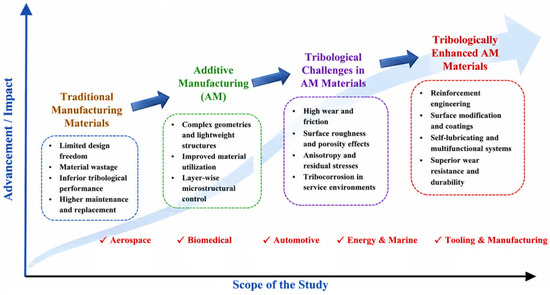
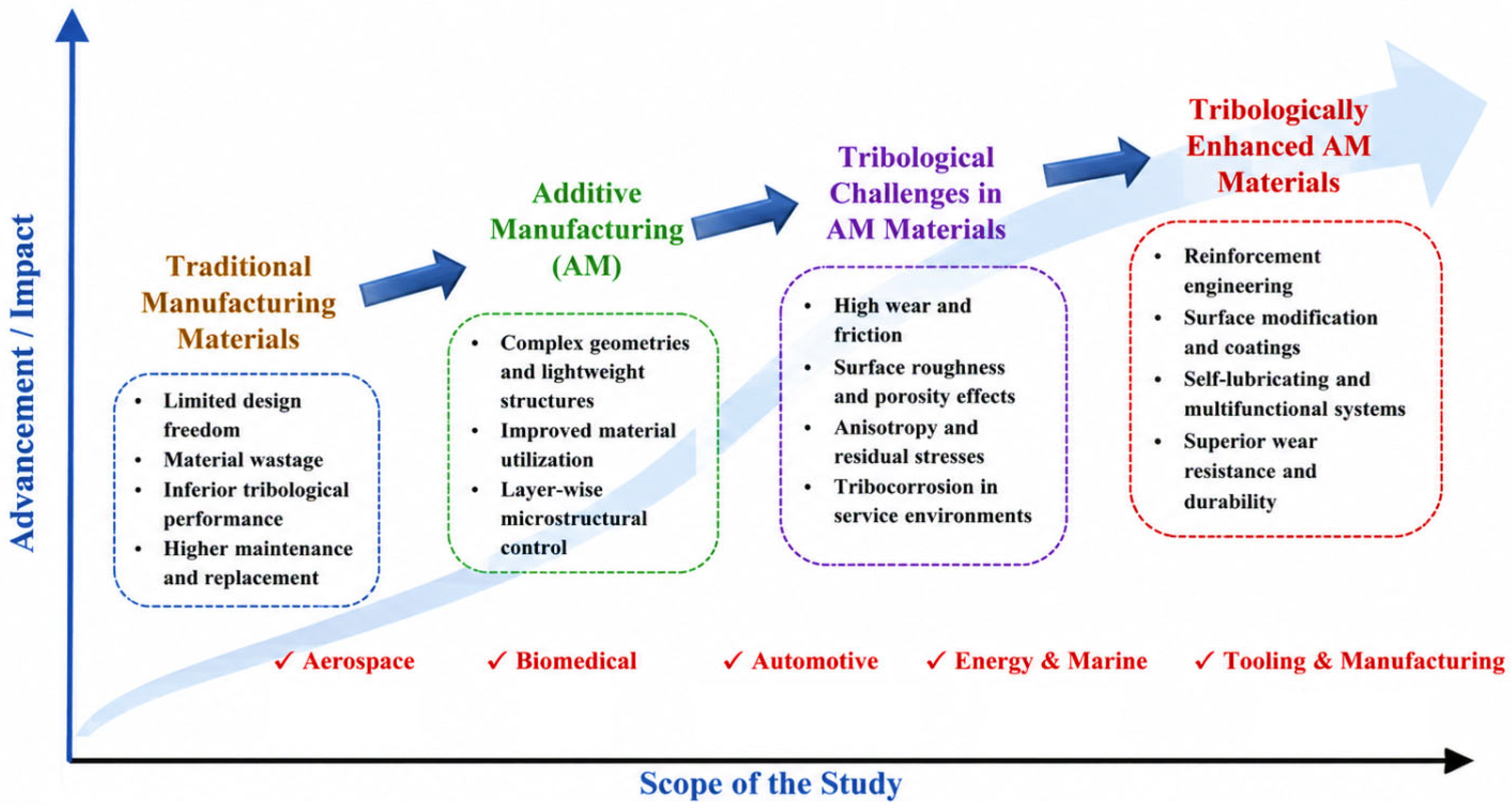
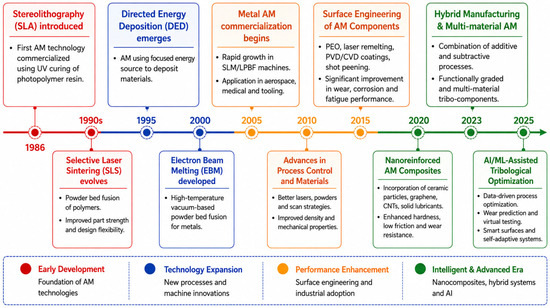
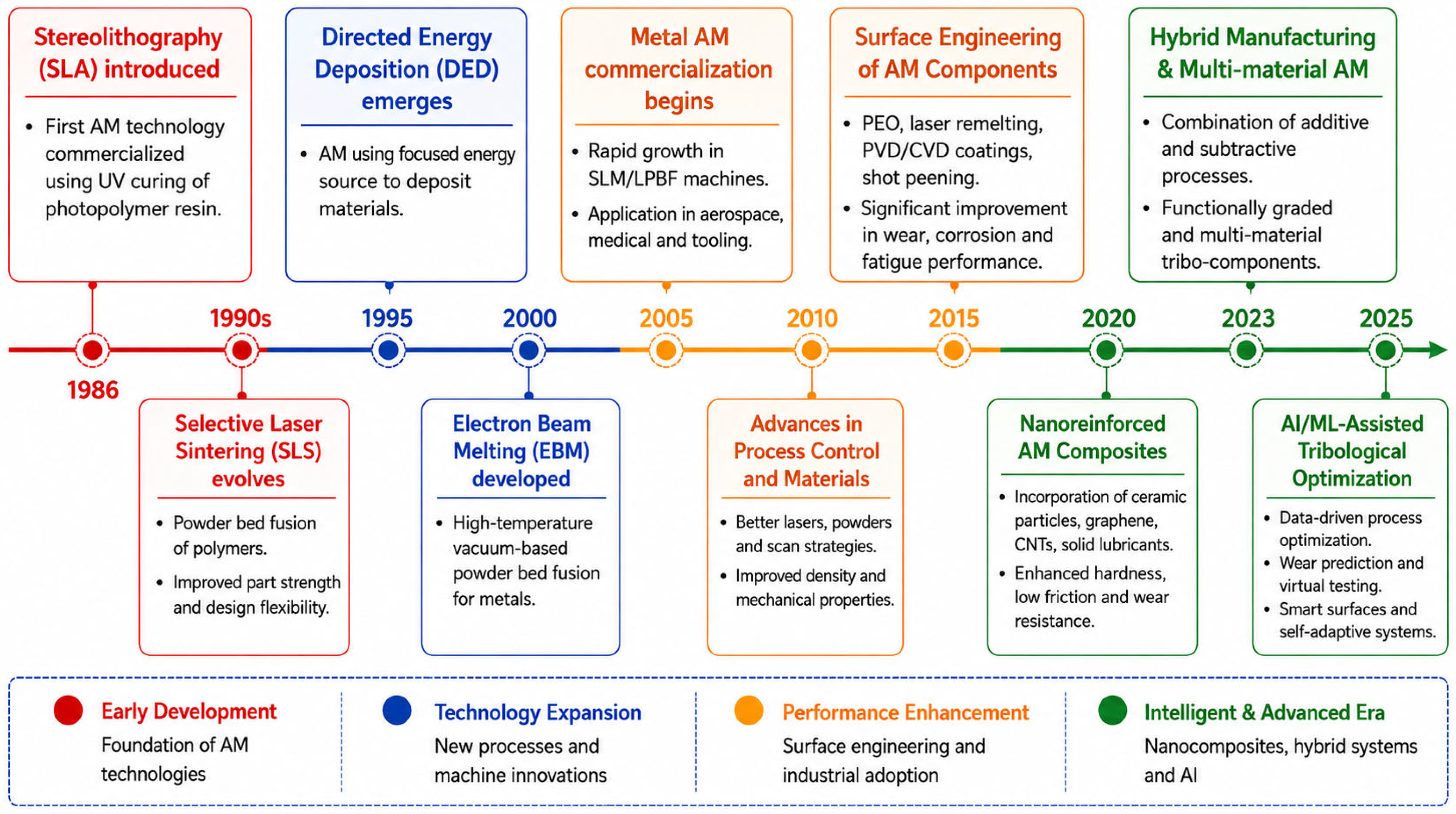
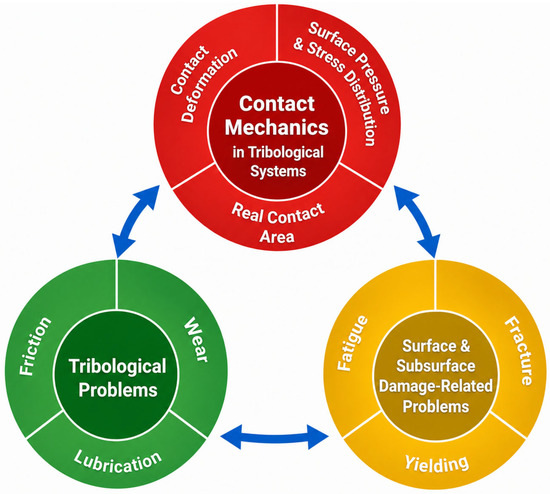
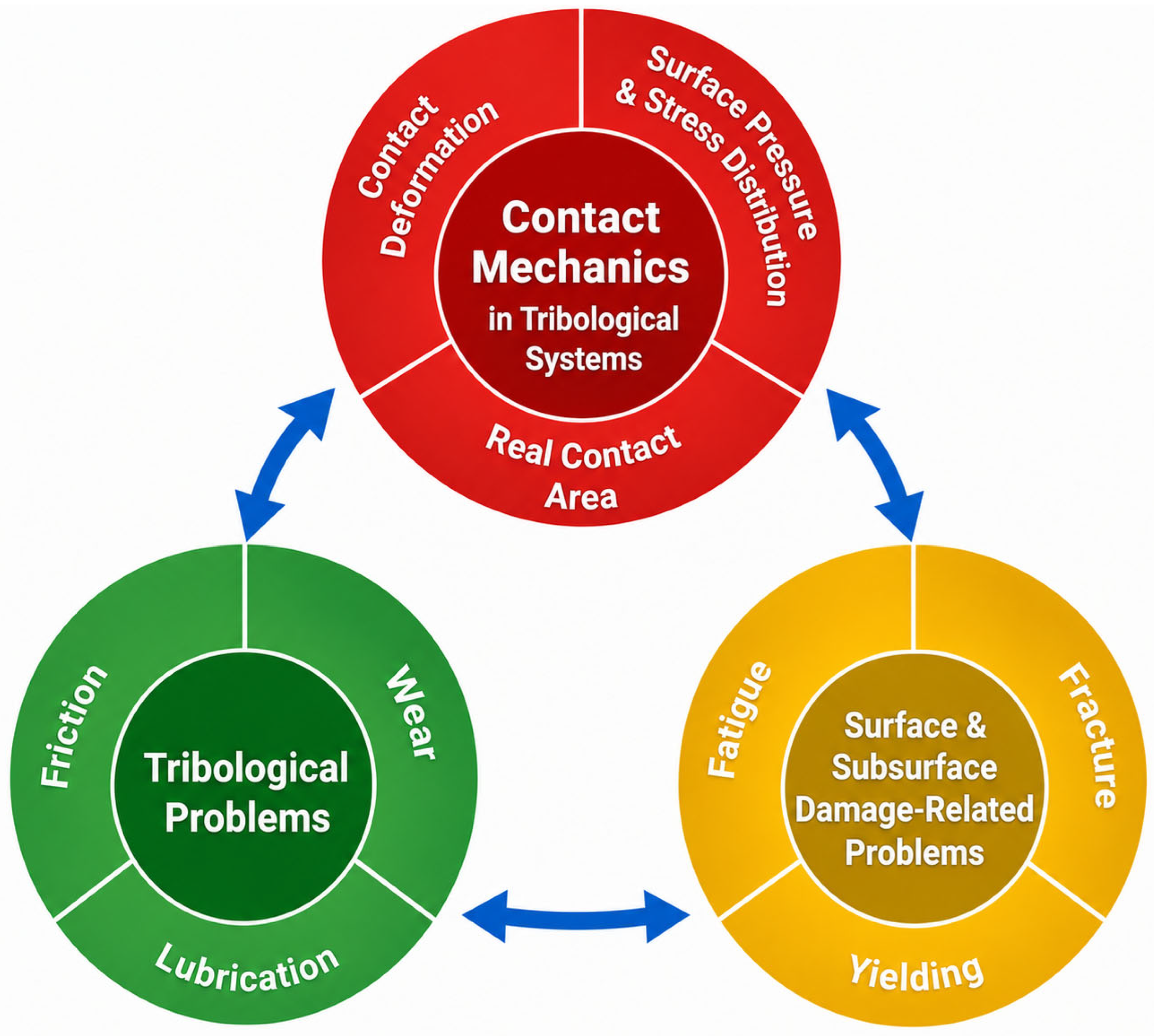
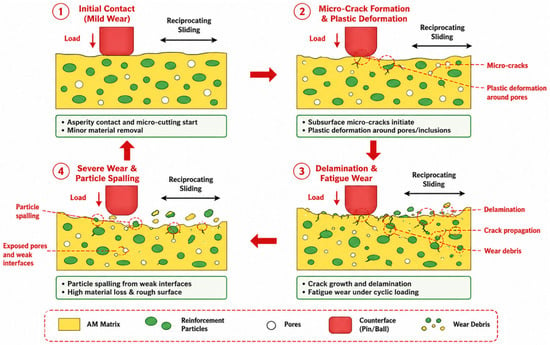
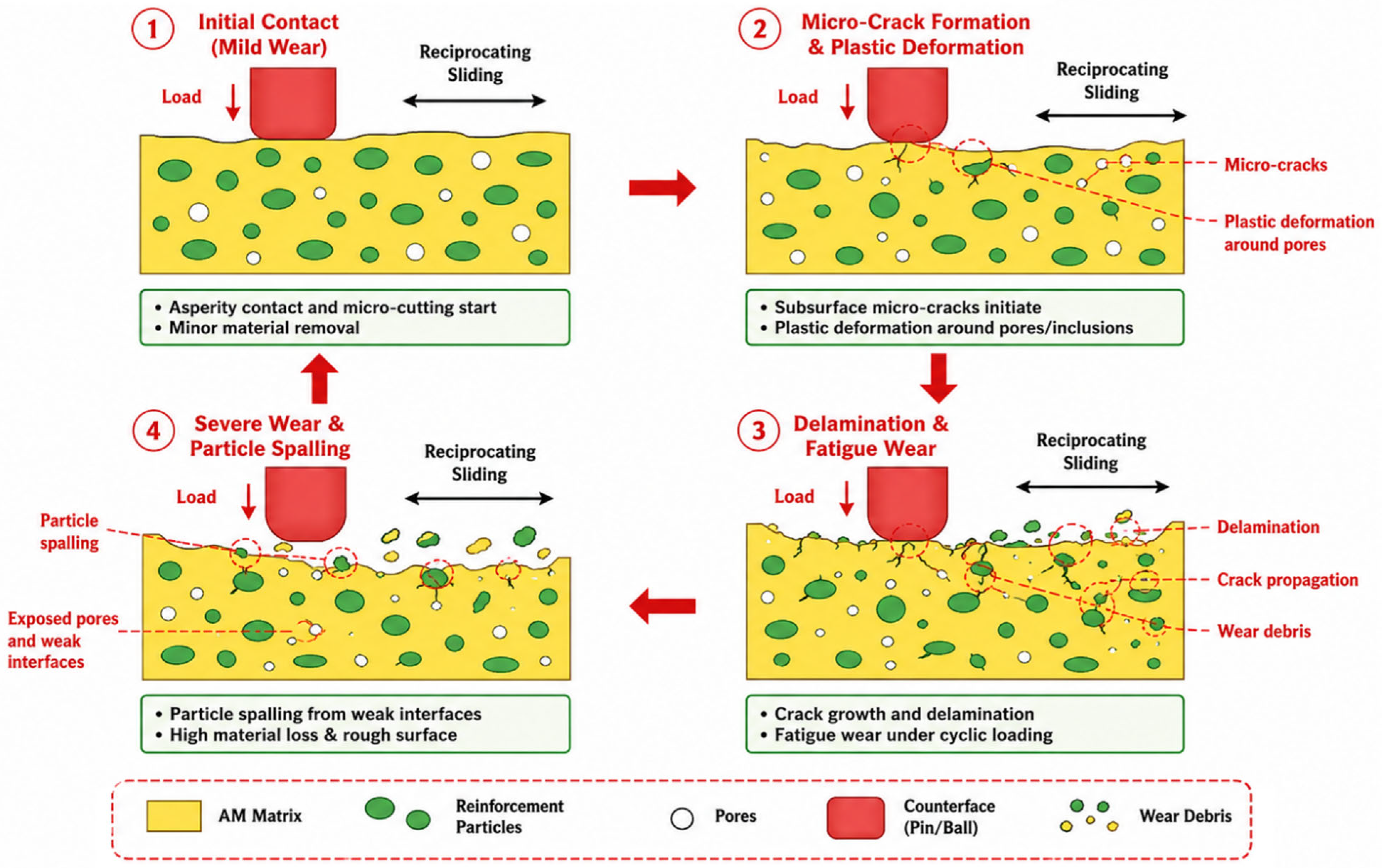
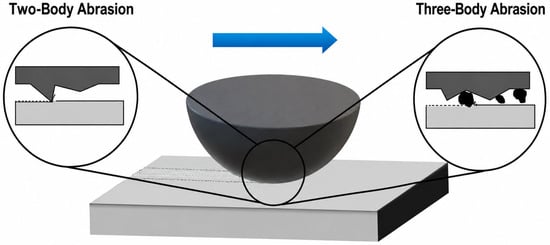
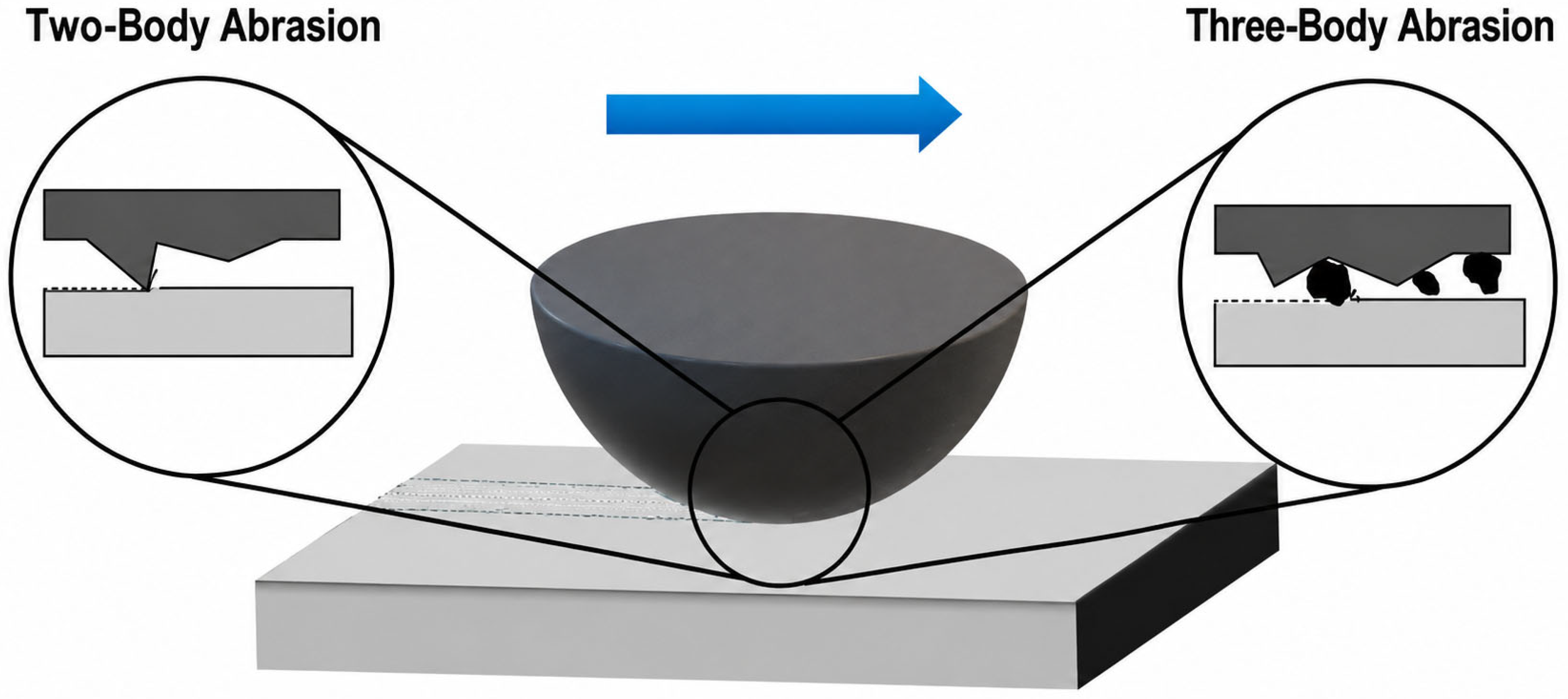
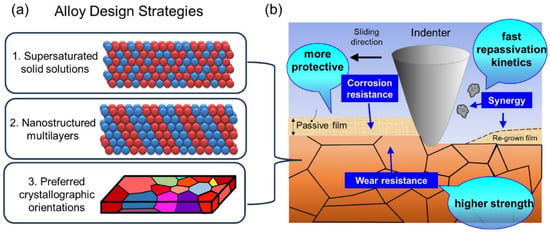
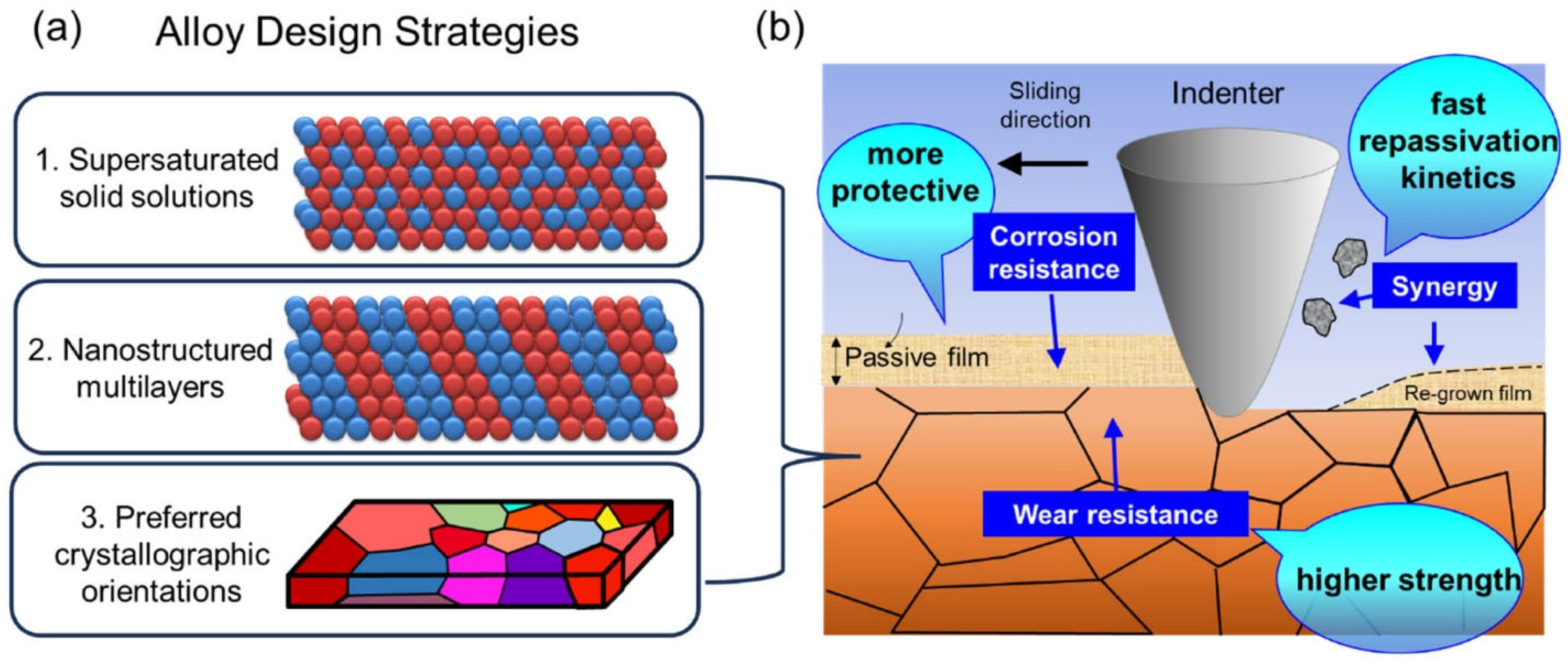
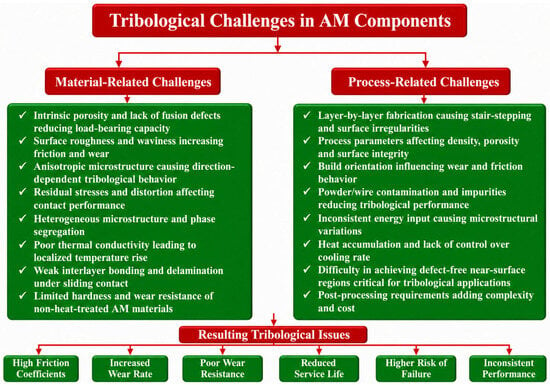
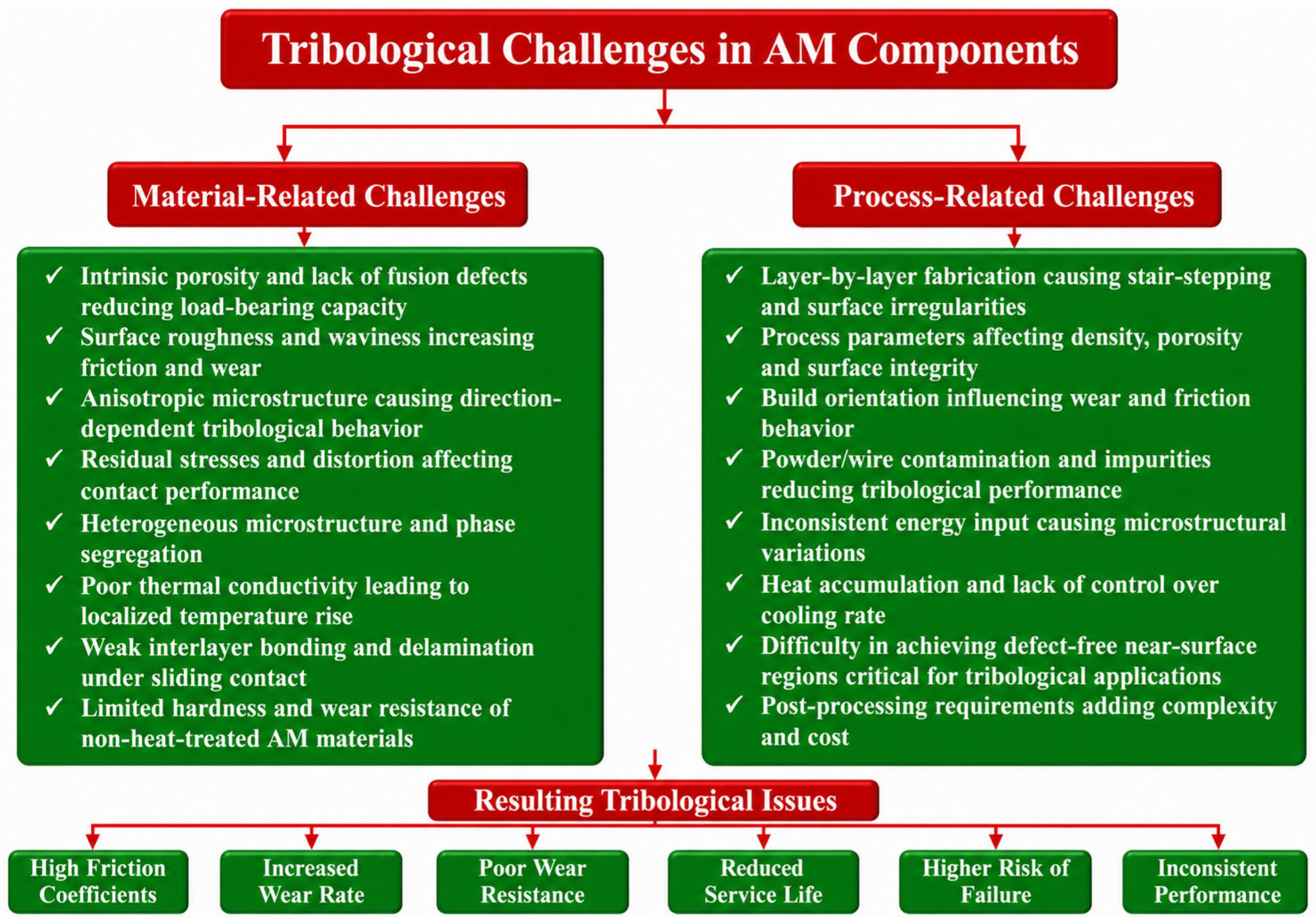
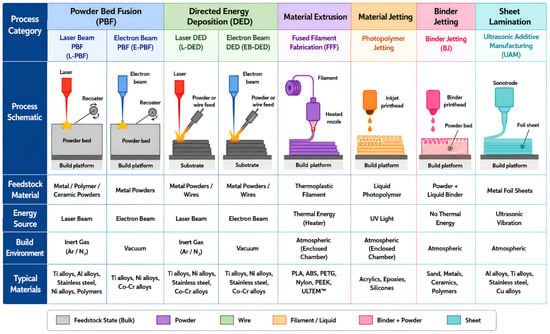
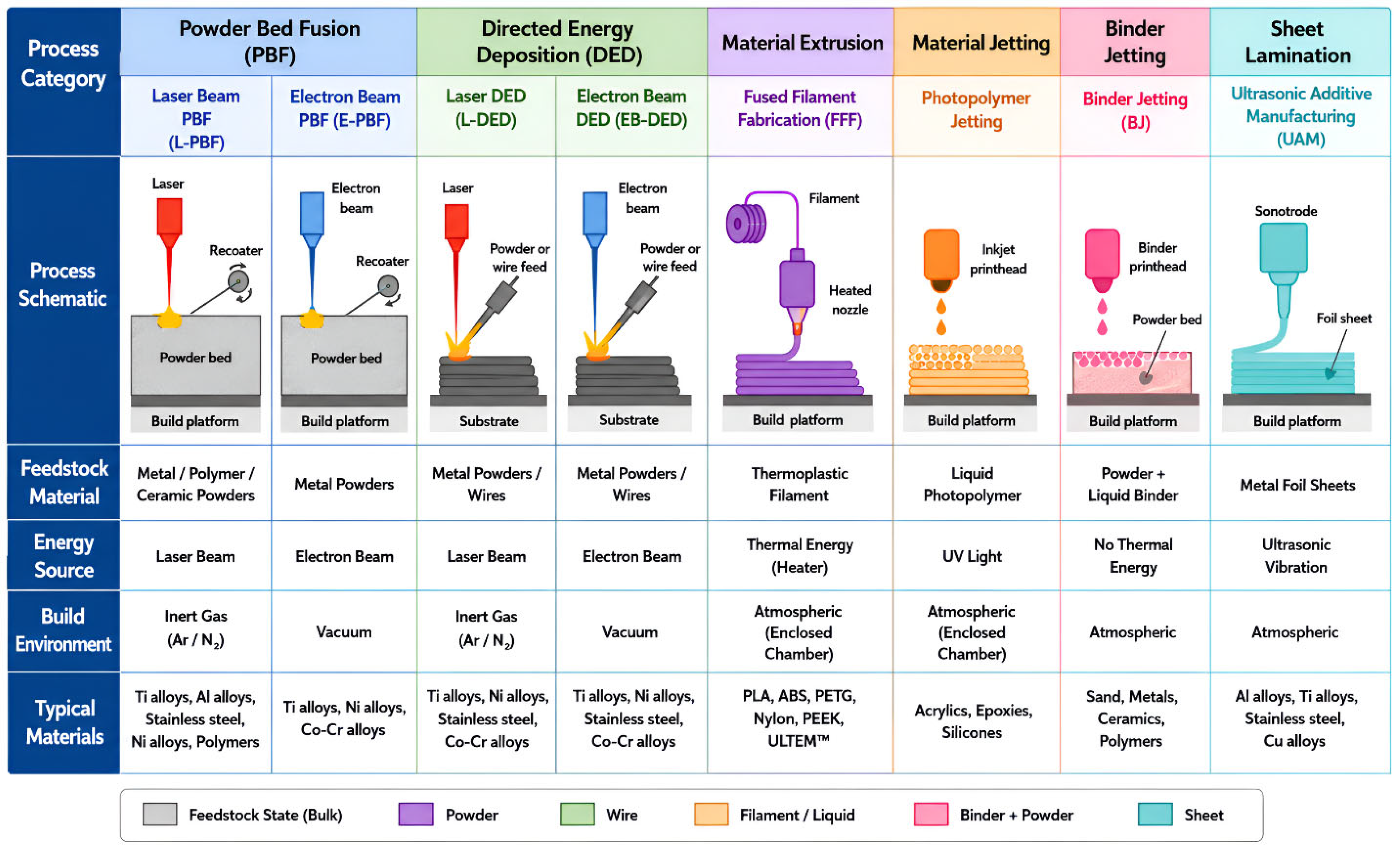
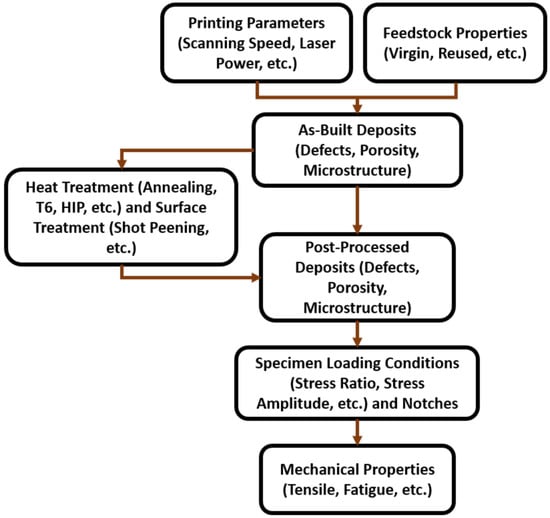
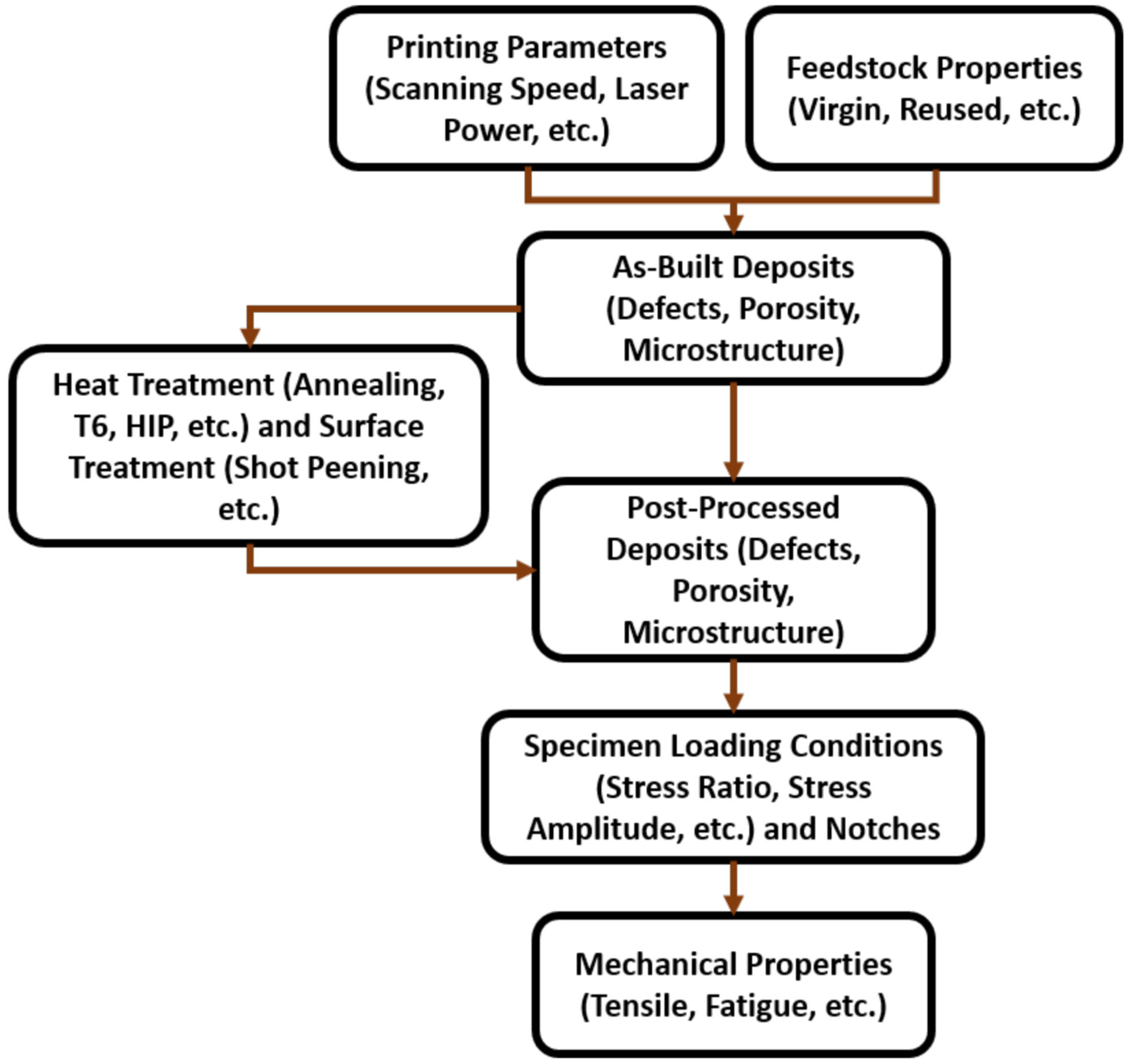
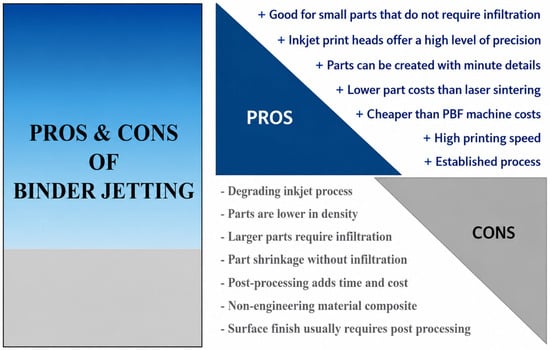
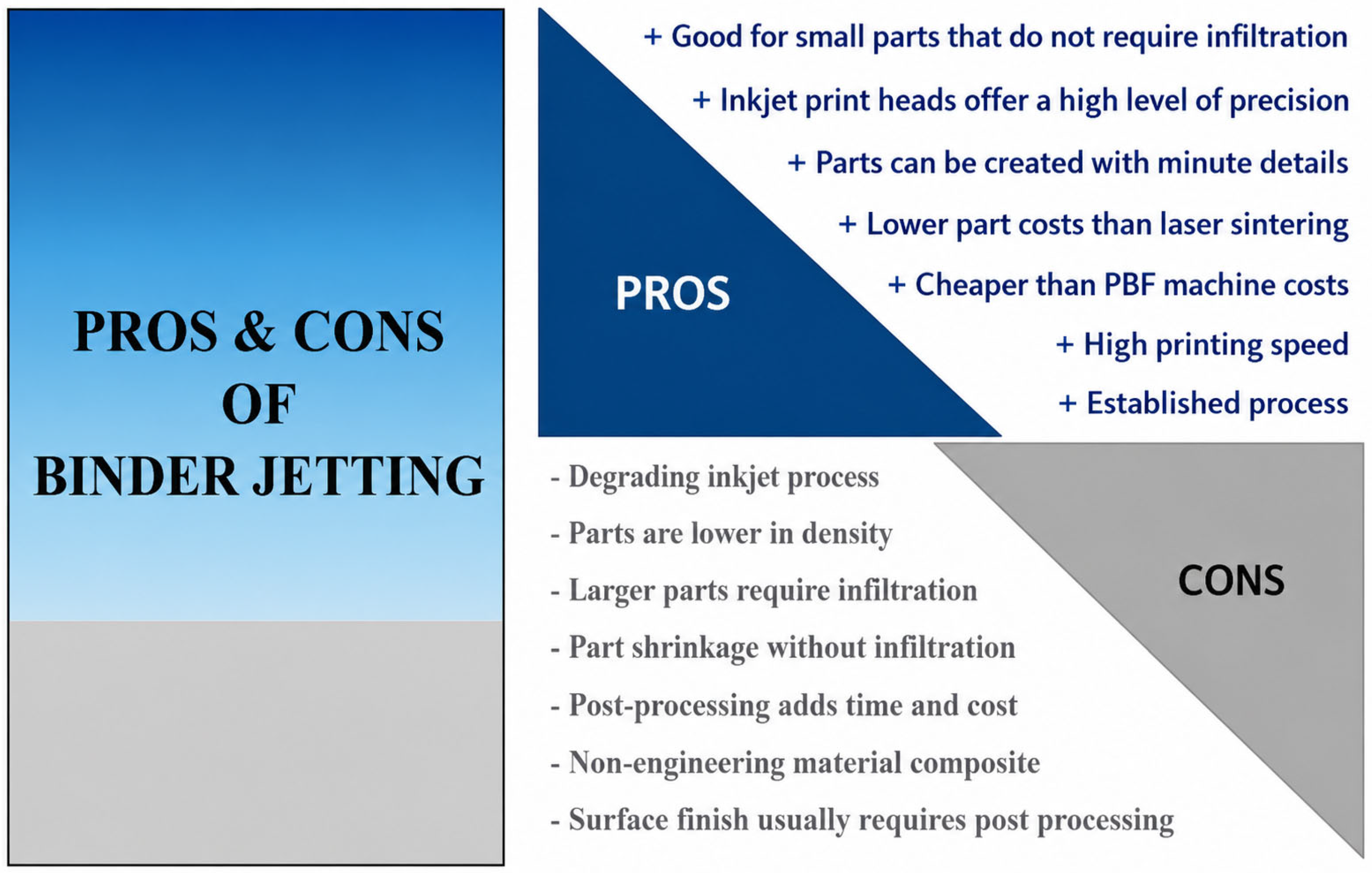
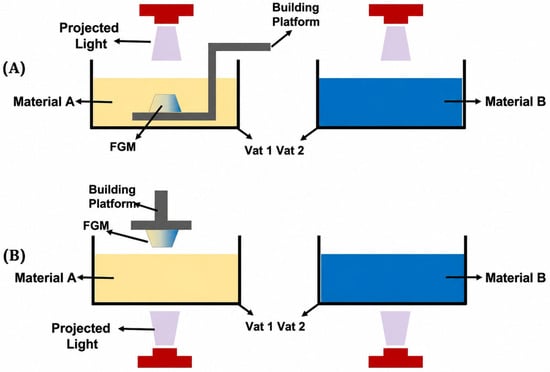
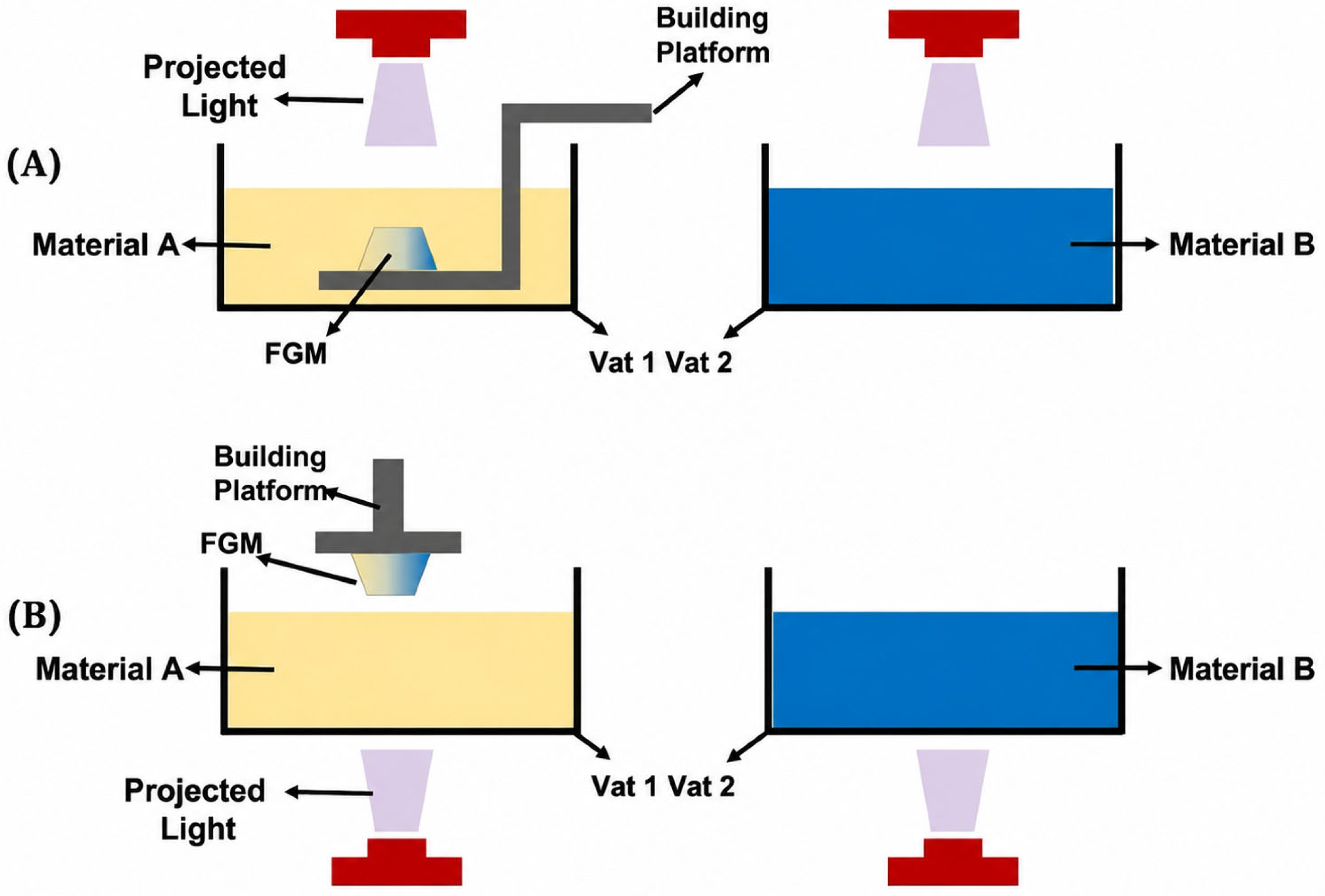
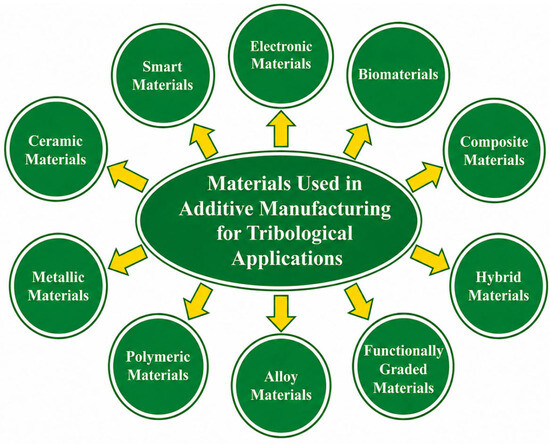
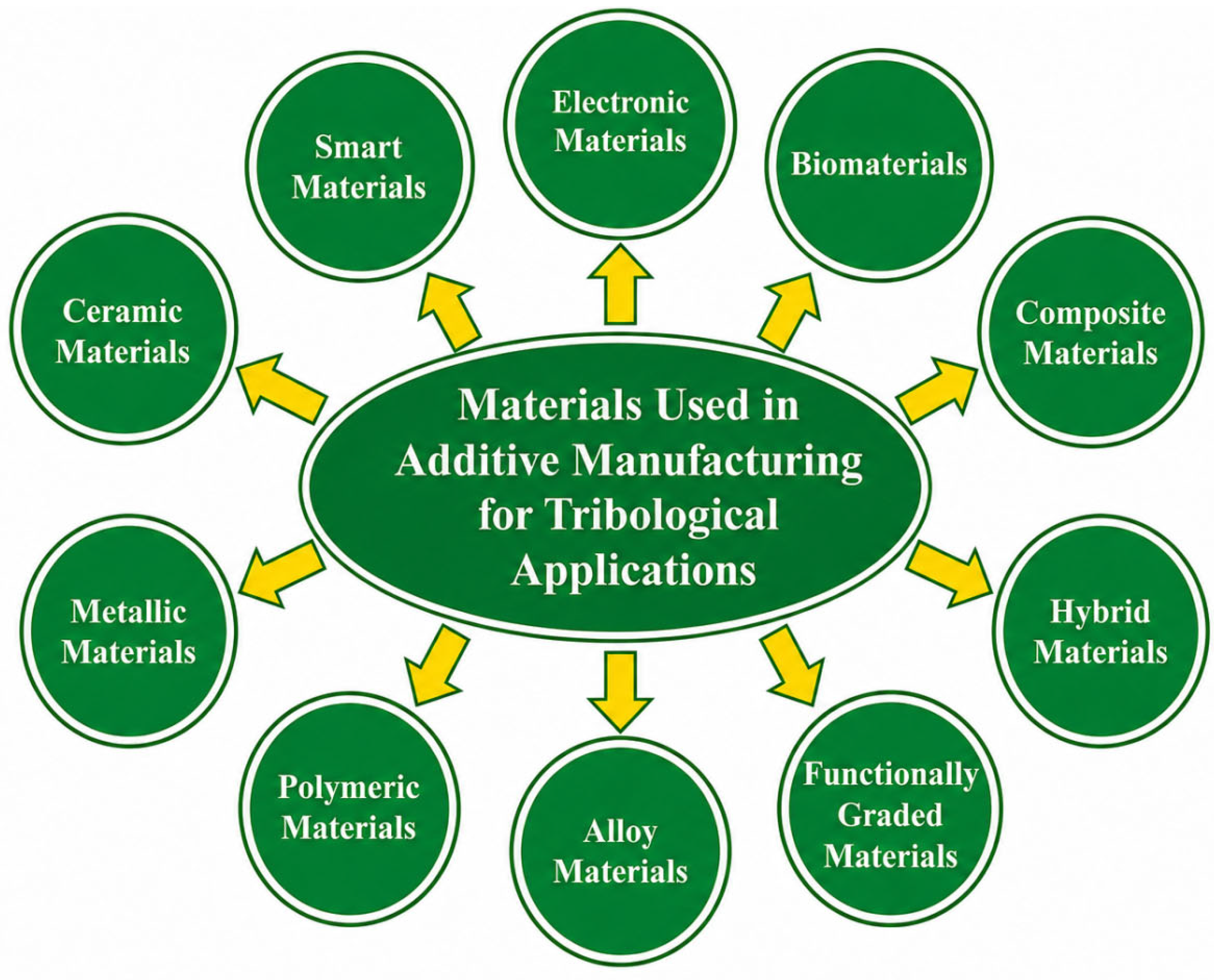
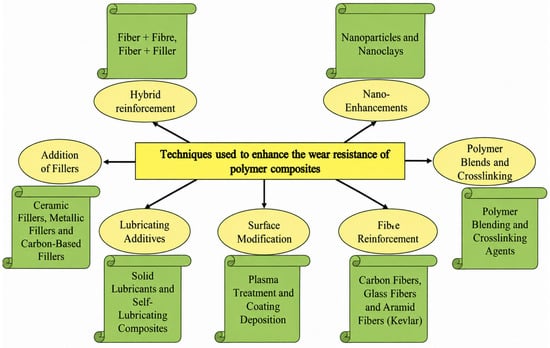
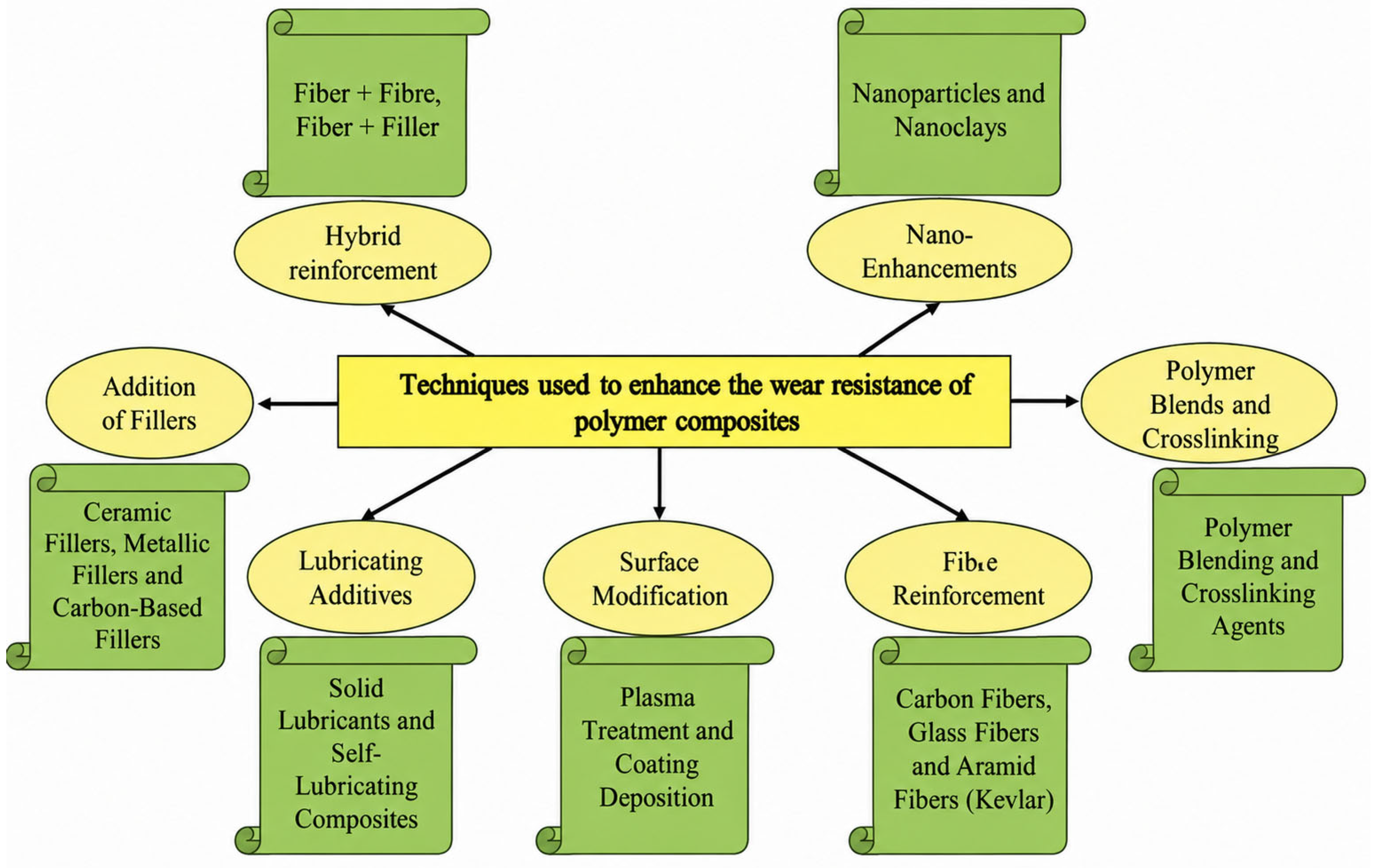
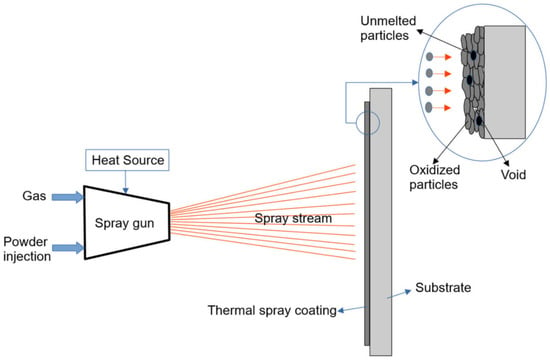
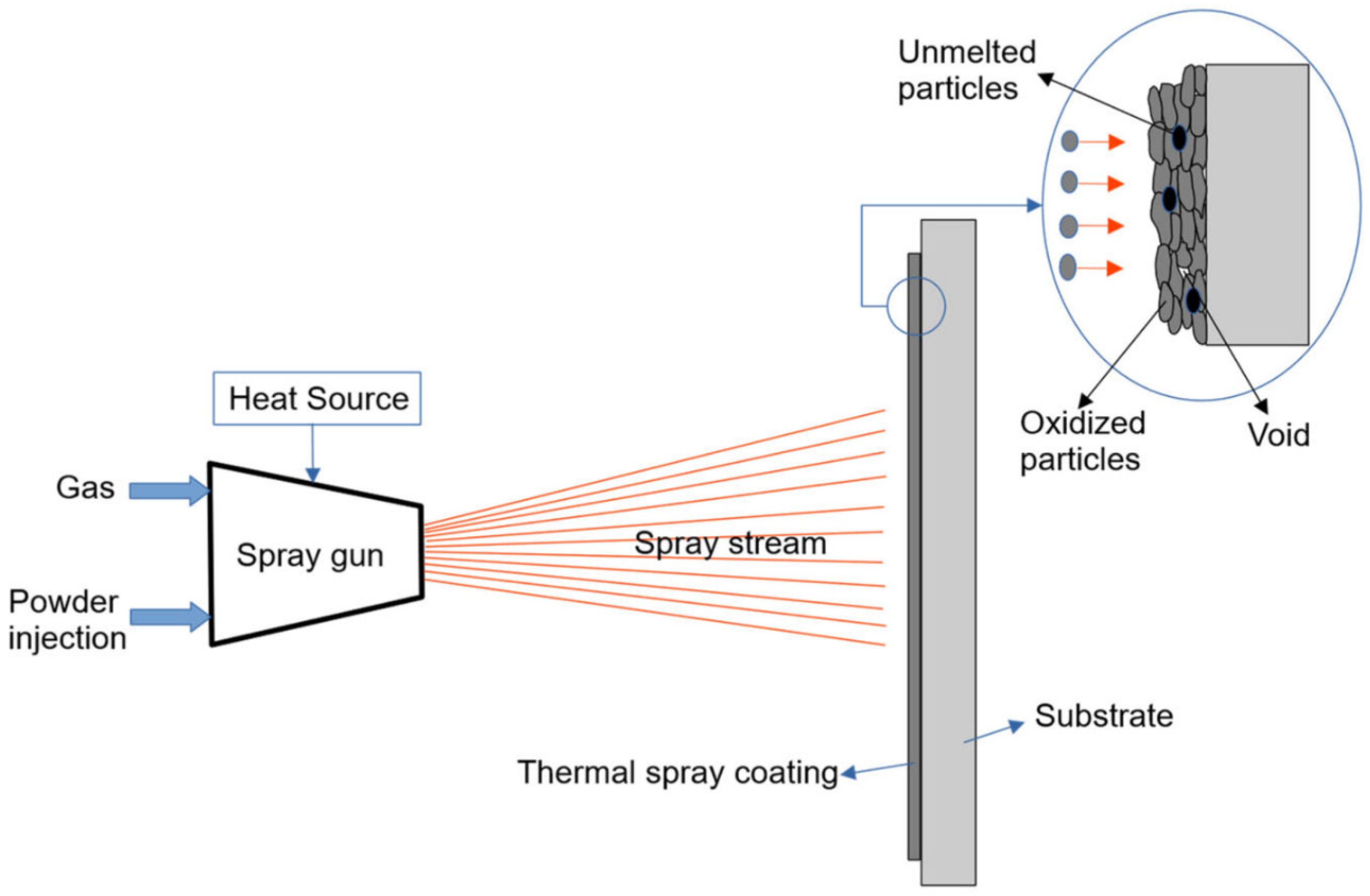
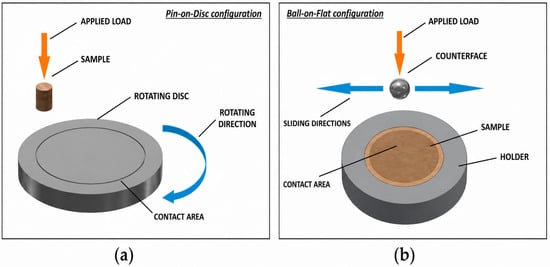
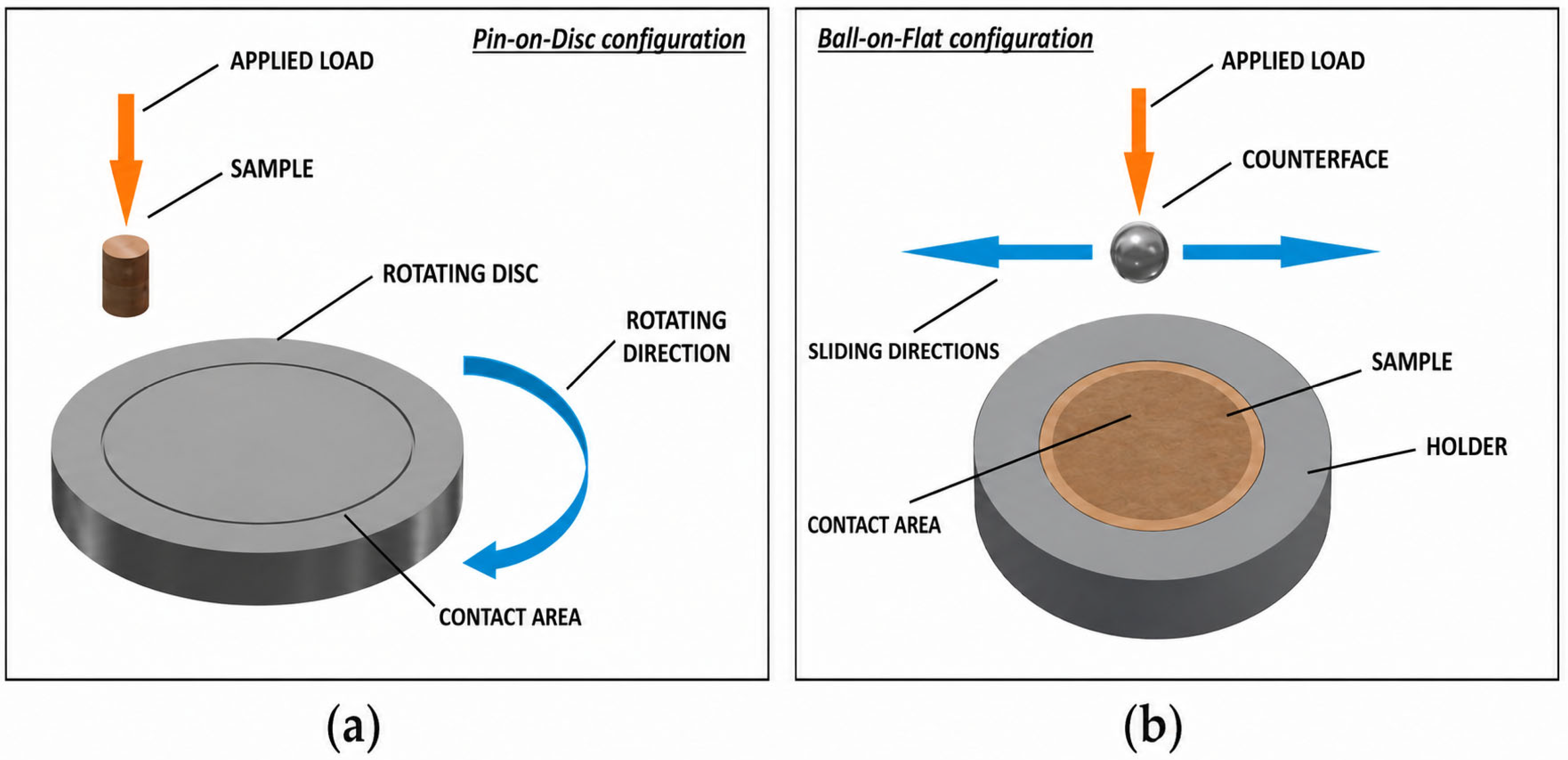
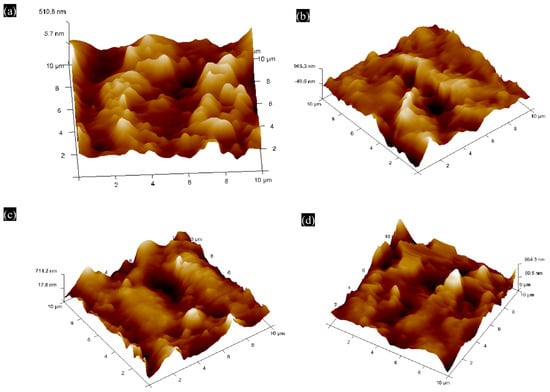
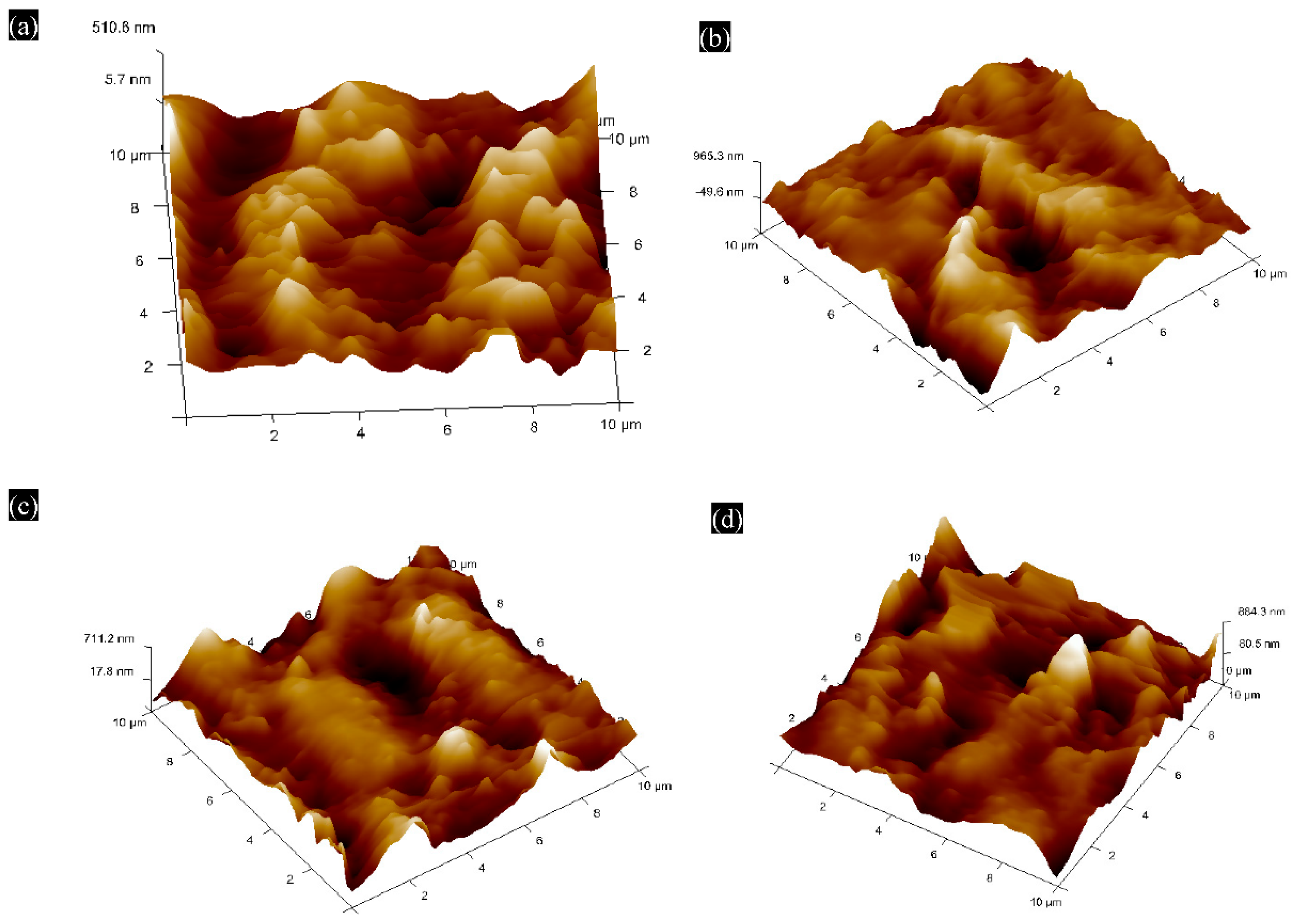
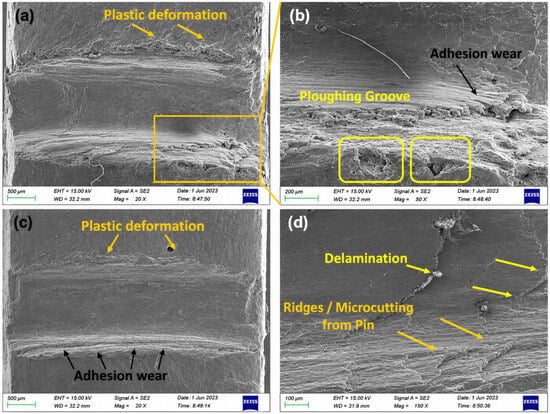
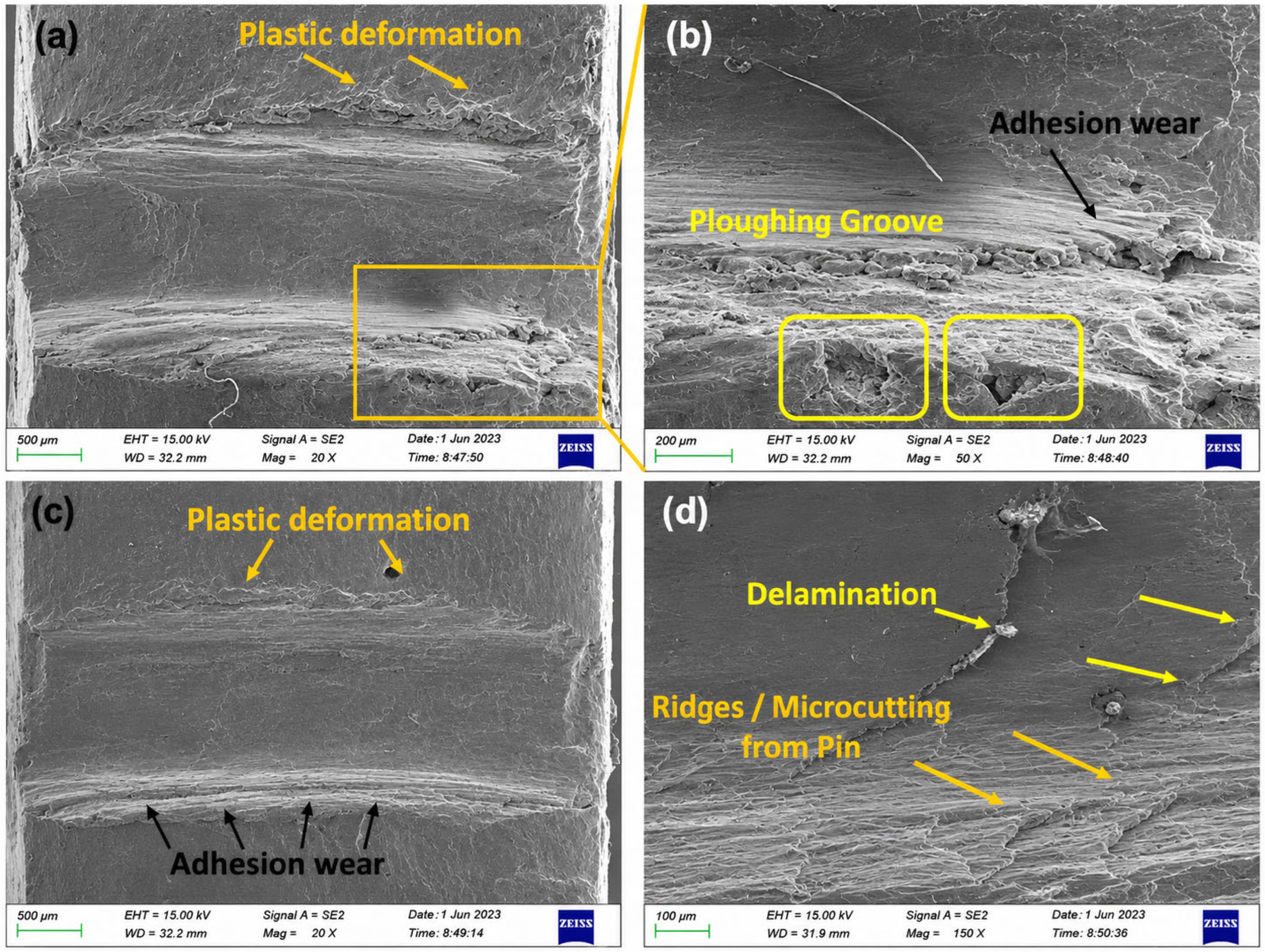
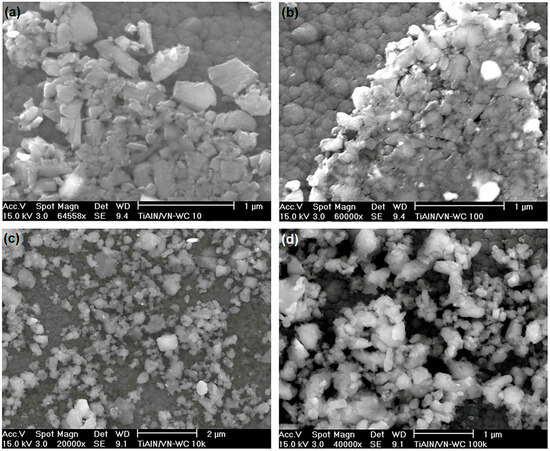
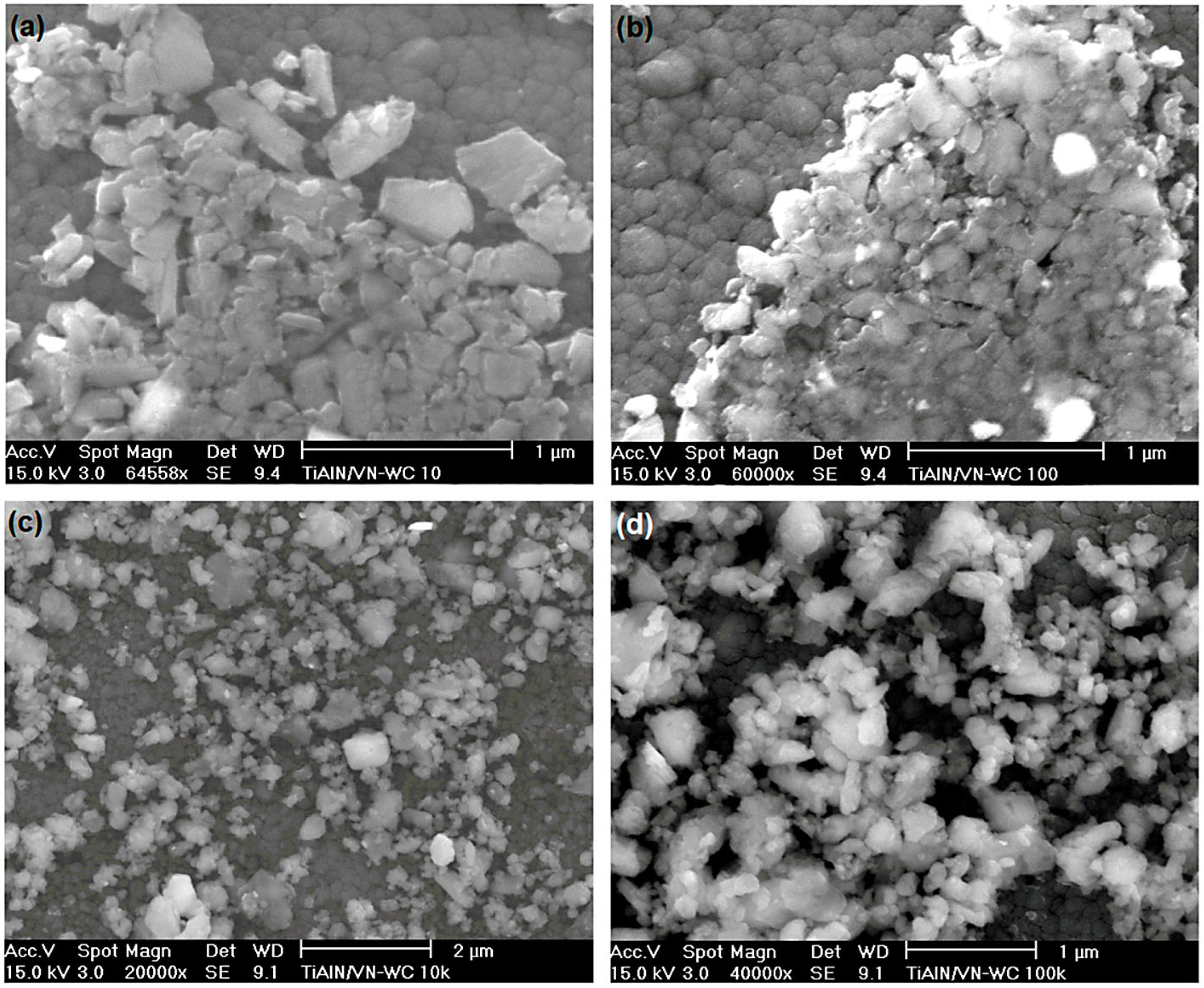
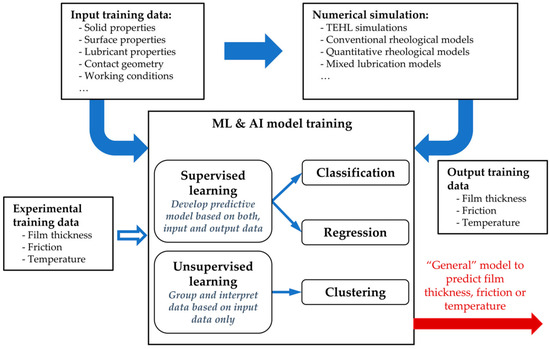
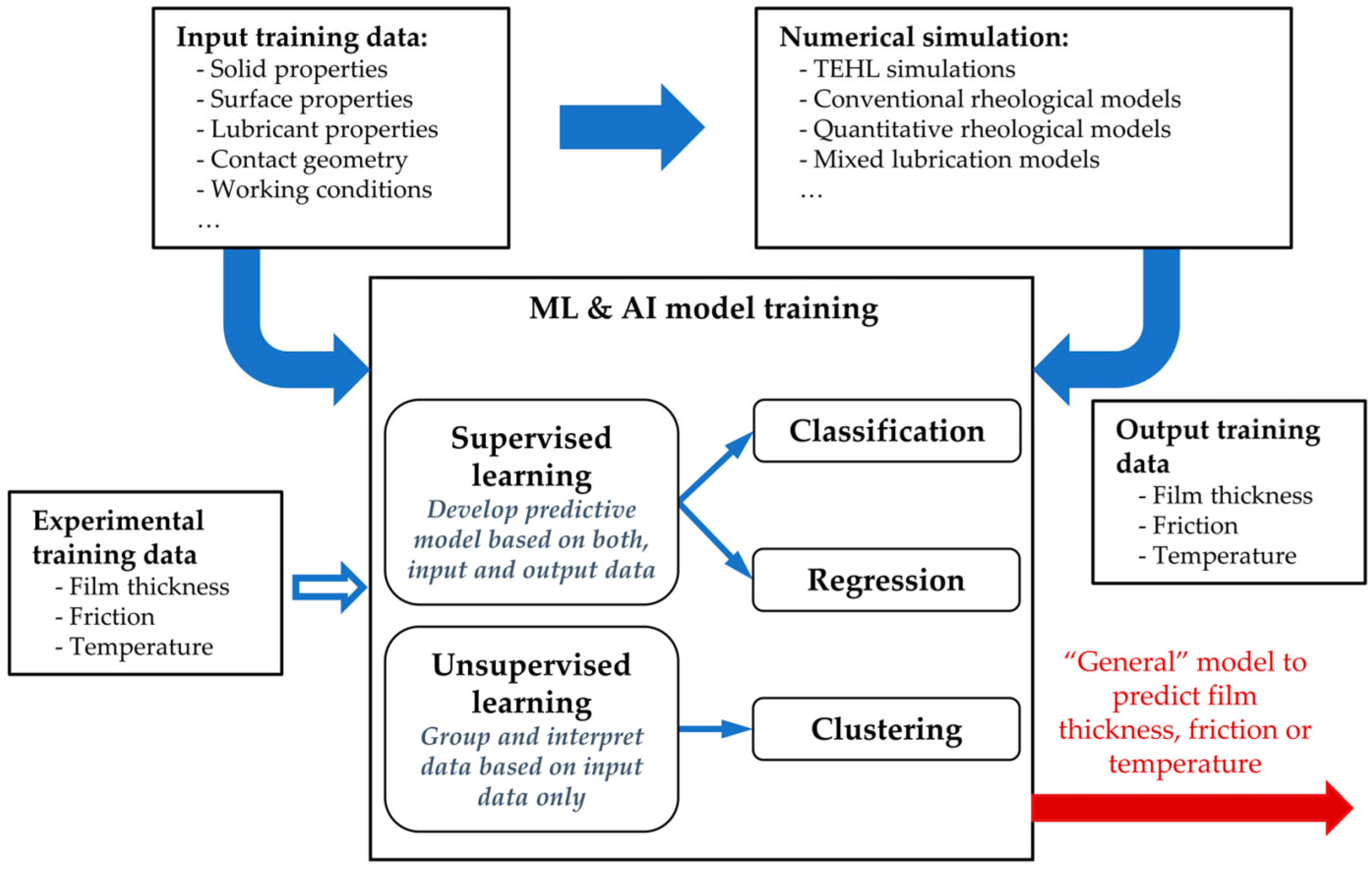

Disclaimer/Publisher’s Note: The statements, opinions and data contained in all publications are solely those of the individual author(s) and contributor(s) and not of MDPI and/or the editor(s). MDPI and/or the editor(s) disclaim responsibility for any injury to people or property resulting from any ideas, methods, instructions or products referred to in the content. |
© 2026 by the authors. Licensee MDPI, Basel, Switzerland. This article is an open access article distributed under the terms and conditions of the Creative Commons Attribution (CC BY) license.