


Abstract
Reaching the end of their lifecycle, lithium-ion batteries contain significant amounts of lithium residues as well as valuable metals such as Co, Ni, and Mn, presenting both environmental risks and opportunities for resource recovery. Recent advances in hydrometallurgical, pyrometallurgical, and biotechnological methods enable the recovery of high-purity lithium compounds while also increasing their economic viability. This study analyzes the contribution of lithium recovery methods to sustainability criteria, their annual averages, and total data between 2008 and 2026, considering the number of academic references in the literature. The analysis compares the contributions of recycling methods to lithium and other metal recovery efficiency, process efficiency, energy consumption, environmental impact, economic impact, adaptation to technological developments, and integrated applications. LIB recycling methods showed higher overall and annual average sustainability contributions to the recovery efficiency of other metals and lithium compared to other criteria. Their contributions to process efficiency and the environment were also relatively high. However, their contributions to the economy, adaptation to technological developments, and integration of methods remain low. Furthermore, since the contribution to energy consumption is negative overall, further academic studies are needed to improve contributions, particularly in energy consumption and the other three criteria mentioned above.
1. Introduction
Recycling of LIBs is increasingly recognized as a critical component of the circular economy, particularly in the context of sustainable resource management and environmental protection. As demand for EVs and portable electronic devices continues to grow, the volume of used LIBs is projected to increase significantly. By 2030, it is estimated that up to 11 million metric tons of LIBs will be produced globally [1,2,3]. This growing waste stream presents significant environmental challenges due to the hazardous substances contained in LIBs, including toxic metals and corrosive electrolytes. These substances, when disposed of improperly, can lead to soil and groundwater contamination [4,5]. Therefore, effective recycling processes are necessary not only for resource recovery but also for reducing the EI associated with battery disposal (X-D+, Y-D+). Recycling LIBs involves recovering valuable metals such as Li, Co, Ni, and Mn, which are necessary for the production of new batteries [6,7]. This recycling is also essential for EVs [3,8]. Current RM primarily encompasses hydrometallurgical and pyrometallurgical processes that facilitate the extraction of these metals from used batteries [9,10,11,12]. Hydrometallurgy, in particular, has gained importance due to its efficiency in recovering high-purity metals (Y-A+), (Y-B+) while minimizing environmental damage (Y-D+) [7,13,14]. Furthermore, the economic feasibility of LIB recycling is demonstrated by estimates suggesting that Li and Co recycling could yield an economic benefit of ~$22,000 per ton. This feasibility is highlighted by its potential for significant financial returns [15,16]. This economic incentive is consistent with circular economy principles, where waste materials are reintroduced into the production cycle, thereby reducing the need for virgin resources and promoting sustainability [17,18,19,20].
In addition to resource recovery, the recycling of LIBs plays a crucial role in addressing future supply chain challenges posed by increasing demand for Li and other critical materials [21,22]. As the global transition towards renewable energy and electric mobility accelerates, reliance on primary resource extraction raises concerns about resource depletion and geopolitical risks associated with mineral supply chains [6,10,23,24,25,26]. By establishing robust recycling frameworks, countries can increase their resource independence and contribute to a more sustainable and resilient economy [14,27,28]. Furthermore, advancements in recycling technologies, such as direct regeneration processes for electrode materials, are paving the way for more efficient and environmentally friendly recycling practices [2,29]. It is increasingly recognized that recycling LIBs is essential for sustainability. As LIB consumption increases, so does the e-waste generated from used batteries. Effective recycling methods can recover valuable materials such as Li, Co, and Ni, which are crucial for new battery production. Traditional RM, such as pyrometallurgy and hydrometallurgy, pose environmental challenges (X-D−), (Y-D−), leading to increased interest in more environmentally friendly alternatives, such as bioleaching and direct recycling technologies that minimize waste and energy consumption (Z-D+), (Z-F+). Li recycling from LIBs is crucial for promoting a circular economy, reducing EI, and ensuring resource sustainability. By improving recycling technologies and infrastructure, material recovery rates can be increased, the environmental footprint associated with battery disposal can be reduced, and a sustainable supply chain can be ensured for critical materials used in modern technology [30,31,32,33,34]. Recycling LIBs makes a significant contribution to the circular economy, addressing not only waste management issues but also environmental, economic, and resource sustainability challenges. As the volume of used LIBs continues to increase, developing and implementing effective recycling strategies will become even more crucial for ensuring a sustainable future in energy storage and consumption.
2. Differences of the Study from the Literature, Scope, and Methodology
There is a need for comparisons that can consider the contributions of LIB RM to sustainability criteria from the perspective of recycling businesses. Studies that address this need and evaluate these RMs in terms of their contributions to sustainability criteria are noticeably insufficient in the literature. Considering this gap in the literature, this study evaluates the role of LIB recycling and the circular economy by comparing the sustainable contributions of RM. Unlike the existing literature, LIB RMs are compared in terms of sustainable criteria such as efficiency, cost, EI, energy consumption, inter-method integration, and adaptation to technological developments. Innovations in recycling technologies are also evaluated for each of these methods. The aim is for international sustainable development organizations, policymakers, and businesses aiming to establish recycling facilities to consider the results of this study to increase the sustainable contributions of RM in a feasible way, considering developing technologies. Accordingly, the scope of the study and the details of the methodology are as follows:
- Section 3 describes the recycling processes for LIBs (pyrometallurgical methods, hydrometallurgical methods, and biotechnological methods). Some literature studies to determine the sustainability criteria for each of these methods are summarized in the Tables.
- Section 4 presents the findings of the study. The sustainability contributions of RM were determined based on sustainability criteria such as recovery efficiency of Li and other metals (Ni, Co, Mn, etc.), process efficiency, environmental and economic contributions, and adaptation to technological developments and integration between methods (Table 1). For this purpose, the codes in the in-text citations were considered in the scoring. In in-text citations, a “+” sign indicates a positive contribution of that method to the sustainability criterion, while a “−” sign indicates a negative contribution. (Some of the references may include an industrial-scale pilot study, while others encompass laboratory-scale experiments. Considering that identifying some references as having a higher or lower contribution could lead to controversial results in the findings, the contribution of each RM in the examined references was considered to be at an equal level as “+” or “−”. (A limitation of this study is that all references included in the scoring, regardless of whether they were laboratory or pilot scale, were given equal weight in the scoring.) Although only one code is used for multiple in-text references in a paragraph or sentence, the number of these code references in Table 5 is also added to other relevant references in the sentence or clause where they are found. However, to avoid confusion, it was preferred to leave only one code in the sentence. References whose relevant code was not examined in the study were not considered in the code count in Table 5.) Based on the LIB RM in the studies examined, the contributions of each sustainability criterion were summed and compared as positive and negative.
Table 1.
Codes for LIBs that reflect the sustainability criteria of RM.
Process efficiency includes “contribution to selective metal recovery,” “purity,” and “process robustness.” Environmental contribution encompasses all contributions, such as LCA, CO2 emission reduction, waste reduction, toxicity reduction, and environmental footprint reduction. “Contribution to the economy” refers to the contribution of RM to reducing the investment and operating costs of recycling operations. The “energy consumption” criterion considers “energy demand of the process.” Adaptation to technological developments and integration between methods considers issues such as “scalability,” “innovation potential,” and “compatibility with emerging technology.”
Considering the number of academic references identified, the contribution numbers, annual averages, and total data of Li RM to sustainability criteria between 2008 and 2026 were analyzed. In the analysis, the RM were compared by considering their contributions to each sustainability criterion, total and annual average contributions, contributions per academic reference, and annual changes. Only data from 2008, 2010, and 2013 were representatively selected from before 2015. Data for each year from 2015 onwards were added. (Since the data cover up to 30 June 2026, the data for 2026 were taken as 0.5 years in the annual average calculations.) In this study, the vast majority of references included in the analysis, particularly those with identified contribution scores, were selected from articles in the SCI expanded category. Searches were conducted in Scopus, ScienceDirect and Google Scholar using the following keywords for studies between 2008 and 2026: “Lithium”, “residue”, “lithium recovery”, “recycling techniques”, “hydrometallurgy, “pyrometalurgy”, “biotechnology”, “bioleaching”, “lithium” + “bioleaching”, “lithium” + “hydrometallurgy”, “lithium” + “pyrometallurgy”, “lithium” + “pyrometallurgy”, “lithium” + “bioleaching”.
- Section 5 compares these methods in terms of efficiency, cost, and EI. LIB RMs are compared with each other in terms of efficiency, cost, and EI. Following this comparison, the challenges in the development of LIB RM, innovations in recycling technologies, and future expectations are discussed. The codes used in the in-text citations in Section 5 are also reflected in the scoring given in Section 4.
- The conclusions of the study are presented in Section 6. In addition, the theoretical and practical contributions of the study, its limitations, and suggestions for future research are presented.
3. Recycling Processes and Extraction Mechanisms of LIBs
The extraction of LIBs involves a complex interplay of electrochemical processes and advanced recycling techniques. During the processing of LIBs, Li ions are typically extracted reversibly from the anode, usually made of graphite, and deposited onto the cathode, which is usually composed of Li metal oxides [35]. This intercalation and deintercalation process not only facilitates energy storage but also prepares the ground for the recovery of Li during recycling. In the recycling of used LIBs, hydrometallurgical methods such as leaching, solvent extraction, and precipitation are primarily used to recover valuable metals such as Li, Co, and Ni [36,37,38,39]. For example, the use of tri-n-butyl phosphate (TBP) in combination with ionic liquids has been found to enhance the selective extraction of Li ions from leaching solutions obtained from used batteries (Y-A+) [40,41]. Furthermore, mechanical pretreatment is typically applied to disassemble battery components before the recovery process, followed by thermal treatments that can facilitate the removal of organic binders and improve the extraction efficiency of Li (Y-C+) [42,43]. The leaching process typically involves dissolving Li in an acidic medium [44], where parameters such as temperature and concentration significantly affect the extraction efficiency (Y-C+) [45].
3.1. Pyrometallurgical Methods
Pyrometallurgical methods for recycling LIBs involve high-temperature processes that facilitate the recovery of valuable metals such as Co, Ni, and Li from used batteries. This approach typically involves a melting process where organic materials and electrolytes are burned, allowing the metals to be separated into alloys. This process is advantageous due to its ability to process large volumes of battery waste and its relatively simple operational requirements (X-C+) [46,47]. However, it is also associated with significant energy consumption (X-F−) and environmental concerns (X-D−), including harmful gas emissions (X-D−) and potential Li loss (X-A−) during processing [32,47]. The pyrometallurgical recovery process begins with preprocessing the batteries, which may involve mechanical disassembly to separate components such as aluminum and copper before the melting stage [46,47]. The slag resulting from the high-temperature process contains Li in forms such as LiAl oxide, which can complicate subsequent recovery efforts (X-C−) [48,49]. However, recent LCA-based research has shown that modern pyrometallurgical methods involving Li evaporation and optimized pretreatment steps can significantly reduce the environmental burden and meet EU battery recovery targets for NMC batteries (X-D+), (X-E+) [50]. Pyrometallurgical recycling of LIBs involves several critical steps aimed at recovering valuable metals while minimizing EI (X-D+). The first step involves collecting used LIBs. These batteries are then pretreated. This step may include mechanical shredding to reduce the size of the batteries and facilitate subsequent heat treatment. During pretreatment, non-metallic components such as plastics and separators are typically removed to improve the efficiency of the pyrometallurgical process (X-C+) [51,52,53]. The shredding process also helps release cathode and anode materials, which are crucial for the recovery of valuable metals such as Co, Ni, and Li (X-A+), (X-B+) [54]. Following pretreatment, the shredded battery materials are typically subjected to a high-temperature melting process above 1000 °C. This step is crucial because it converts the metal oxides present in the battery materials into a molten metal alloy. Organic components of the batteries, such as electrolytes and binders, are burned off during this process, helping to remove impurities (X-C+) [55]. The smelting process results in two distinct phases: a metal phase containing precious metals (e.g., Co, Ni, Cu) and a slag phase containing Li and other less precious metals [48]. The efficiency of metal recovery during smelting can be affected by factors such as temperature, time, and the composition of the battery materials (X-C+) [56]. After smelting, the next step involves separating the metal phase from the slag. The resulting metal alloy can be further processed to recover individual metals via hydrometallurgical methods or additional pyrometallurgical techniques (X-G+). For example, Co and Ni can be selectively leached from the alloy using acidic solutions, while Li usually remains in the slag and may require further processing for recovery [57,58]. Recovery rates for metals such as Co and Ni are generally higher in pyrometallurgical processes compared to Li (X-A−), (X-B+). This presents a challenge due to their tendency to remain in the slag [48]. The final stage involves refining the recovered metals to achieve the desired purity levels. This process may include electro-refining or further chemical processing to remove impurities and recover Li from the slag phase. The refining process is necessary to ensure that the recovered materials meet the required properties for reuse in new battery production or other applications [55]. The overall efficiency of the pyrometallurgical process can be affected by the complexity of battery chemistry and the presence of various contaminants (X-C−) [56]. A summary of the pyrometallurgical process flowchart for used LIBs is presented in Figure 1.
Figure 1.
Pyrometallurgical process flowchart of spent LIBs [59].
While pyrometallurgy is effective in the recovery of certain metals, it is generally insufficient for Li recovery (X-A−), leading to increased interest in complementary methods such as hydrometallurgy, which can achieve higher recovery rates for Li and other metals (X-G+) [60,61,62]. Especially with the expansion of EV markets and the continued increase in demand for lithium, a combination of these methods could provide a more sustainable and economically viable solution for the recycling of LIBs [60,63]. Pyrometallurgical methods offer a robust framework for the recovery of precious metals from used LIBs. On the other hand, EI and efficiencies in Li recovery necessitate the investigation of integrated recycling approaches (X-G+) that combine both pyrometallurgical and hydrometallurgical techniques [47,61,62]. Some previous studies on the recovery of LIBs using pyrometallurgical methods are presented in Table 2. These studies demonstrate the progress in the mentioned areas.
Table 2.
Various studies on the recycling of LIBs using pyrometallurgical methods.
3.2. Hydrometallurgical Methods
The hydrometallurgy of used batteries has emerged as a critical area of research and development due to the increasing volume of used batteries and the need for sustainable recycling methods. Hydrometallurgical processes are particularly advantageous for minimizing EI (Y-D+) and recovering valuable metals such as Li, Co, and Ni from used batteries (Y-A+), (Y-B+), which are necessary for the production of new batteries. Hydrometallurgical recycling typically involves several basic steps, including leaching, solvent extraction, and precipitation. Acid leaching is one of the most common methods used to dissolve metals from battery materials. For example, sulfuric acid (H2SO4) is often used to extract Li and Co from cathode materials such as LiCoO2. This results in significant recovery rates (Y-A+), (Y-B+) [7,36,70,71]. The efficiency of these processes can be affected by various factors such as leaching concentration, temperature, and solid–liquid ratios, which have been extensively studied to optimize recovery yields (Y-C+) [70,72]. Furthermore, the integration of hydrometallurgical processes with other RMs, such as pyrometallurgy, has been investigated to increase overall recovery rates and reduce EI (Y-G+). While certain metals can be effectively recovered through pyrometallurgy, this method often leads to the loss of valuable materials and the generation of harmful emissions (Y-B−), (Y-D−) [73,74]. In contrast, hydrometallurgy is seen as a more environmentally friendly alternative, capable of recovering a wider range of materials, including plastics and electrolytes typically lost in pyrometallurgical processes (Y-B+), (Y-D+) EI [58,75]. Recent advances in hydrometallurgical techniques have also focused on the use of DESes and other innovative leaching solvents (Y-C+), (Y-H+) that can operate at lower temperatures and with smaller environmental footprints [74,76,77,78]. These methods not only increase the efficiency of metal recovery (Y-A+), (Y-B+) but also address the challenges associated with the toxicity of conventional solvents used in battery recycling (Y-D+) [79,80]. Furthermore, the increasing emphasis on circular economy principles has led researchers to develop processes that regenerate battery materials not only for recycling but also for reuse. For example, studies have shown that LiFePO4 can be regenerated from used batteries using hydrometallurgical methods, thus closing the cycle in the battery material lifecycle (Y-E+), (Y-G+) [29,81].
Hydrometallurgical recycling of LIBs involves several critical steps aimed at efficiently recovering valuable metals while minimizing EI. These steps typically encompass pretreatment, leaching, solvent extraction, and precipitation processes, each playing a vital role in the overall recycling process (Y-C+). The first step in the hydrometallurgical recycling process is the pretreatment of used batteries. This involves discharging the batteries to ensure safety and then mechanically processing them to produce a “black mass” containing active materials such as Li, Co, and Ni. Mechanical processes may include crushing and magnetic separation to isolate the cathode materials from other components. This step is crucial as it prepares the materials for subsequent chemical processes. Following pretreatment, the next step is the leaching process, where the black mass is treated with appropriate solvents to dissolve the metals of interest. Common leaching solvents include H2SO4 and citric acid (C6H8O7), which effectively recover Li, Co, and Ni from cathode materials (Y-A+), (Y-B+), (Y-C+) [82]. The efficiency of the leaching process can be affected by factors such as temperature, solvent concentration, and solid–liquid ratio (Y-C±) [37]. Studies have shown that optimizing these parameters can significantly increase metal recovery rates (Y-C+) [33]. The solution obtained after the leaching process contains dissolved metals that need to be separated. Solvent extraction is used to selectively recover specific metals from the leaching liquid. This process involves the use of organic solvents that preferentially bind to the target metals and allow their separation from impurities. Solvent selection and the conditions under which extraction takes place are critical to maximizing recovery efficiency and the purity of the extracted metals (Y-C+) [57,83]. The final step in the hydrometallurgical process is precipitation, where the recovered metals are converted back to solid form from their dissolved state. This is typically achieved by adjusting the pH of the solution or by adding specific reagents that promote the formation of insoluble metal compounds [84]. For example, Li can be precipitated as Li carbonate or Li hydroxide, which can then be processed or sold as raw materials for new battery production (Y-E+) [29,85,86,87]. A summary of the hydrometallurgical process flowchart for used LIBs is presented in Figure 2. Hydrometallurgy offers a promising avenue for the sustainable recycling of LIBs. It facilitates the recovery of precious metals while minimizing EI (Y-B+), and (Y-D+). Ongoing research is needed to refine these processes, increase recovery efficiency, and integrate them into broader recycling frameworks that support the circular economy (Y-G+). Some studies on the recovery of LIBs by hydrometallurgical methods are presented in Table 3.
Figure 2.
(a,b) Flowchart of hydrometallurgical process for recycling of spent LIBs [59].
Table 3.
Various studies on the recycling of LIBs using hydrometallurgical methods.
3.3. Biotechnological Methods
Various biotechnological methods are promising approaches for the efficient recovery of metals from used LIBs by leveraging biological processes to improve metal extraction and minimize EI. One of the key biotechnological methods is the biological leaching process, which uses microorganisms to dissolve metals from battery materials. For example, studies have shown that fungi such as Aspergillus niger (A. niger) can produce organic acids that effectively extract metals such as Li, Co, and Mn from used battery batteries (Z-A+), (Z-B+) [95]. This method not only offers a cost-effective alternative to conventional chemical leaching processes (Z-E+) but also reduces the environmental footprint associated with metal recovery (Z-D+). Bioleaching is a desirable alternative to traditional acid leaching due to its lower cost, environmental friendliness, and reduced investment in industrial applications (Z-D+), (Z-E+). Biological leaching is advantageous because it operates under moderate conditions, leading to lower energy consumption compared to traditional methods (Z-F+). However, low recovery rates, long leaching times, and low S/L ratios are some disadvantages (Z-A−), (Z-B−), (Z-C−) [95,96]. The bioleaching process flowchart of used LIBs is presented in Figure 3.
Figure 3.
Flowchart of bioleaching process for recycling of spent LIBs [97]. IOB: Iron-oxidizing bacteria, SOB: Sulfur-oxidizing bacteria.
Another innovative approach is the use of biometallurgy, which integrates biological processes with traditional recycling techniques. This method can increase the recovery rates of valuable metals while reducing the generation of hazardous waste. For example, combining biotechnological methods with hydrometallurgical processes has increased the efficiency of metal recovery from used LIBs, achieving recovery rates of up to 99% for some metals (Z-A+), (Z-B+), (Z-G+) [98]. The integration of biological methods can also optimize the recycling process by facilitating the selective extraction of specific metals (Z-G+). Furthermore, the development of recycling-oriented battery designs is crucial for increasing the recyclability of LIBs. Recent developments have focused on creating cathode materials more suitable for biological RM, thus aligning with circular economy principles. For example, researchers have proposed the use of highly soluble LiFe phosphate (LiFePO4) with water-soluble binders (Z-C+), which simplifies the recycling process and increases overall recovery efficiency [99]. This design thinking not only aids the recycling process but also contributes to the sustainability of battery production by reducing reliance on virgin materials (Z-D+). In addition to these methods, the economic and environmental aspects of LIB recycling are increasingly being addressed through LCA. Such assessments help evaluate the overall impact of different recycling technologies, guiding the selection of the most sustainable practices [100]. The economic feasibility of biotechnological methods (Z-E+), combined with their lower EI (Z-D+), positions them as a viable option within the broader context of LIB recycling strategies. Biotechnological methods for LIB recycling offer a promising avenue for sustainable resource recovery. These methods, which utilize biological processes, not only increase metal recovery rates but are also consistent with environmental sustainability goals. As research continues to advance, the integration of biotechnology into the recycling of LIBs will play a significant role in addressing the challenges posed by battery waste and resource scarcity (Z-G+). Some studies on the biotechnological recovery of LIBs are presented in Table 4.
Table 4.
Various studies on the recycling of LIBs using biotechnological methods.
4. Results
Based on academic reference numbers, the contribution numbers, annual averages, and total data of Li RM to sustainability criteria between 2008 and 2026 are presented in Table 5. The findings in different categories are as follows:
Table 5.
Number of contributions of methods to sustainability criteria and their ratio to the number of contributing references.
- The total contribution of Li RM to the sustainability criteria between 2008 and 2026 is as follows: Y1: +166 −31 (135) > Z1: +59 −20 (39) > X1: +67 −53 (14). The results show that the hydrometallurgy method has the highest contribution compared to other methods. (The total contribution of the hydrometallurgy method is more than twice the total contribution of other methods.) Biotechnology and pyrometallurgy methods follow. In each method, especially these two, the number of positive findings outweighs the number of negative findings. These findings show that the hydrometallurgy method has a higher sustainable contribution than other methods and plays an important role in integrated methods. In addition, the biotechnology method shows higher sustainable contributions compared to the pyrometallurgy method, especially in terms of environmental and Li recovery efficiency.
- Similar to the comparison above, the ranking of the ratios of the number of contributions of Li RM to the sustainability criteria to the number of contributing references is as follows: Y3: +2.08 > Z3: +1.86 > X3: +0.36. (The ratio of the total number of sustainability contributions of all methods to the number of contributing references is 1.46.) While consistent with the ranking above, the fact that the result of the biotechnology method approaches that of the hydrometallurgy method encourages those who will work in this field. The low contribution of the pyrometallurgy method indicates that research in this method carries a slightly higher risk in terms of contribution compared to other methods.
- The fact that negative results outnumbered positive results in Li recovery efficiency using the pyrometallurgy method indicates the need for technological improvement and integration in this area. In the pyrometallurgy method, positive results outweigh negative results in process efficiency, economic contribution, and energy consumption. However, the high number of negative results compared to positive results in environmental contribution and energy consumption suggests the need for increased research in this area. Hydrometallurgy methods have been shown to significantly improve the recovery efficiency of Li and other metals, as well as process efficiency and environmental benefits. In the hydrometallurgy method, positive results were obtained in all sustainability criteria except energy consumption. In energy consumption, negative results were close to positive results. Thanks to its low energy consumption, the biotechnology method is the best among the available RMs. In the biotechnology method, although positive results in the recovery efficiency of Li and other metals, process efficiency, and economic contribution were twice as high as negative results, the presence of negative results indicates the need for further development in these areas.
- The total number of sustainable contributions of all methods in one year is +290 −119 (171). The total number of sustainable contributions of all methods is an average of 11.40 per year. The average number of contributions to sustainable criteria among methods is as follows: Y: 9.13/year > Z: 2.60/year > X: 0.97/year. These results show that the hydrometallurgy method provides more than twice the total of other methods in terms of sustainable contribution on an average annual basis. It is noteworthy that the selected references in the study could not be found to have a positive contribution to adaptation to technological developments until 2020, and almost no positive contributions to the economy and energy consumption were found until 2017. (On the other hand, it should be accepted that contributions were also made in the years before these years in the literature.)
- According to Table 5, the total number of contributions to the sustainability criteria between 2008 and 2026 are as follows: B: +53 −8 (45) > A: +55 −22 (33) > C: +54 −27 (27) > D: +43 −19 (24) > E: +34 −11 (23) > G: +21 −3 (18) > H: +19 −4 (15) > F: +14 −17 (−3). In the same ranking, the annual average data of the number of contributions to each sustainability criterion are as follows: A: 4.13 > B: 3.10 > C: 1.73 > D: 1.67 > E: 1.53 > G: 1.20 > H: 1.07 > F: −0.20. As seen, RM contributed the most to the recovery efficiency of other metals and Li, both in total and on an annual average basis. This was followed by contributions to process efficiency, environment, and the economy. Contributions to technological adaptation and inter-method integration were found to be similar. The contribution to energy consumption, however, was negative overall. This result indicates the need for more academic research to improve the positive contribution of Li RM to energy consumption.
- On the other hand, the ranking of the ratio of the number of contributions to each sustainability criterion to the number of contributing references is as follows: B: +0.94 > G: +0.75 > H: +0.65 > E: +0.64 > A: +0.54 > D: +0.47 > C: +0.43 > F: −0.12. Similar to the results above, the contribution per reference to the recovery of other metals is highest. Unlike the results above, the second highest contribution per reference from the academic studies was found to be to adaptation to technological advancements, and the third highest contribution to integration. Similarly, unlike the overall contribution ranking, the contribution to Li recovery efficiency and process efficiency is lower. These results are encouraging for studies on sustainability criteria that show high contribution levels. However, similar to the results in the paragraph above, the contribution to energy consumption per academic study is last. This indicates that studies on contributions to these criteria carry high risks and require specific incentives from the government and industry.
- The ranking of the annual average number of references contributing to sustainability criteria is as follows: C2: 4.27 > A2: 4.13 > D2: 3.47 > B2: 3.31 > E2: 2.53 > F2: 1.73 = G2: 1.73 > H2: 1.60. Compared to other criteria, the average annual number of studies on process efficiency and Li recovery efficiency is the highest. Furthermore, the number of studies on the environmental impact and recovery efficiency of other metals is relatively high on average. The number of references contributing to the economy is moderate. Contributions to energy consumption and adaptation to technological developments are relatively low, while the average number of references contributing to inter-method integration is the lowest. These results demonstrate that despite providing the highest contribution per reference, the number of studies on inter-method integration remains weak. Considering their high contribution, it would be beneficial to increase the number of studies in this area. Additionally, the low number of references despite high contributions per reference to adaptation to technological developments encourages an increase in studies in this area. The ranking of the average annual number of references for methods contributing to sustainability criteria is as follows: Y2: 4.47 > X2: 2.69 > Z2: 1.45. The annual average of the total contributions to all criteria is 7.93. It is noteworthy that the number of studies conducted in each of the reference numbers and methods contributing to sustainability criteria has increased in the last 5–6 years, between 2008 and 2026 compared to the first years (Table 5).
5. Discussion
5.1. Comparison of Methods in Terms of Efficiency, Cost, and EI
The three main methods for the recycling of LIBs are pyrometallurgical, hydrometallurgical, and biotechnological approaches. Each method has different advantages and disadvantages in terms of efficiency, cost, and EI. When comparing these methods in terms of efficiency, pyrometallurgical methods are quite effective in recovering high-value metals (X-B+). However, pyrometallurgical methods struggle with Li recovery and present environmental challenges (X-A−), (X-D−). Hydrometallurgical methods offer high recovery rates and are more environmentally sustainable (Y-A+), (Y-B+), (Y-D+). These findings are also consistent with the findings of our study. However, these methods involve complex processes that can affect operational efficiency (Y-C−). Biotechnological methods currently have lower recovery rates (Z-A−), (Z-B−), (Z-C−). However, due to their lower energy consumption (Z-F+) and environmentally friendly nature (Z-D+), they are a promising alternative in the long term. First and foremost, the choice of RM depends on the specific objectives of the recycling operation, including the metals to be recovered, economic considerations, and EI [7,46,52,108,109,110].
Recycling LIBs is a complex process involving various methods that interact with complex multiphase flow and reactive phenomena such as hydrometallurgy, pyrometallurgy, direct recycling, and unconventional processes. Many of these methods have been adapted from the metal industry and subsequently adjusted to suit the complex chemistry of LIBs. Pyrometallurgy is a leading candidate for recycling LIBs due to its fluid scalability, typically allowing all types of LIBs to be processed as a single input with fewer separation steps, thus reducing the overall plant carbon footprint (X-C+). However, pyrometallurgical processes produce greenhouse gases and hazardous gases, making EI management challenging (X-D−). The high adaptability of pyrometallurgical processes at an industrial scale and their ability to melt large volumes of waste batteries without the need for pretreatment stands out as the strongest aspect of this method (X-G+) [111]. However, these operations, conducted at high temperatures (1000 °C and above), lead to the release of fluorine-based toxic gases as well as CO2 emissions, severely limiting the environmental sustainability of the process (X-D−) [50]. More importantly, during pyrometallurgical melting, Li largely passes into the slag phase (especially in the form of Li-aluminate complexes) due to its thermodynamic tendencies [65]. While valuable metals such as Co and Ni can be recovered with high yield in the matte phase (X-B+), the entrapment of Li in the slag and the fact that this post-leaching residue remains as secondary waste (X-A−) contradict the closed-loop material recovery principles of the circular economy [65,111]. Techniques such as microwave-assisted roasting or carbothermic reduction, recently proposed in the literature to overcome this limitation, have the potential to reduce the future environmental burden of pyrometallurgy by converting Li into water-soluble forms (such as Li2CO3) (X-H+) [112]. In contrast, hydrometallurgical techniques exhibit higher recovery rates and purities (Y-A+), (Y-B+), making them the preferred processes for next-generation scaling (Y-E+). However, these techniques can produce toxic liquid and solid waste, posing risks in terms of human and environmental toxicity (Y-D−) [113]. Furthermore, hydrometallurgical methods generally offer a more cost-effective solution for the recycling of used LIBs due to lower energy requirements (Y-F+) and higher recovery efficiencies for Li (Y-A+) (Y-E+). Pyrometallurgical methods, while effective for certain metals, lead to higher operating and investment costs, particularly due to energy consumption (X-F−) and emission management (X-D−). Biotechnological methods, despite being environmentally friendly (Z-D+), currently struggle with economic viability due to slower process times (Z-C−) and lower recovery rates (Z-A−), (Z-B−) (Z-E−). The choice of RM will depend on specific operational objectives, including the metals to be recovered, economic considerations, and EI [7,46,58,114,115,116,117,118]. Hydrometallurgical processes are the most dominant route in the literature, especially for the selective and high-purity (over 95%) recovery of Li (Y-A+) [119]. However, strong mineral acids such as H2SO4 or HCl used in conventional hydrometallurgy, while offering high metal recovery rates, necessitate neutralization at the end of the process and produce enormous amounts of toxic liquid waste (Y-D−) [120]. This situation leads to a negative evaluation of hydro-processes under the heading of “environmental contribution” [120,121]. In the pursuit of sustainable metallurgy, DESes, such as organic acids like citric, malic, or oxalic acid, which replace mineral acids, both maintain leaching efficiency (Y-C+) and minimize secondary waste load (Y-D+) thanks to their biodegradable structure [121,122]. However, the high viscosity and slow mass transfer kinetics of green solvents (especially DES) reduce process efficiency at room temperature (Y-C−) [112,122]. The main bottleneck to be discussed is the operational and financial cost constraints in translating the high selectivity success of green solvents at the laboratory scale into industrial flowcharts (Y-E−), (Y-G−) [112,119].
Bioleaching, being conducted at ambient temperature and pressure, is the alternative with the lowest energy consumption and therefore the cleanest carbon footprint (Z-D+) [97,123]. Organic acids and metabolites secreted by microorganisms such as A. niger or A. ferrooxidans can slowly but steadily dissolve Li in a solid matrix (Z-A+) [97]. However, there are two very clear structural obstacles to the industrial-scale commercialization of the bioleaching method: low solid-liquid (S/L) ratios and extremely slow reaction kinetics (Z-E−) [32,97]. The toxic effect of heavy metals in waste batteries on microorganisms (biomaterial poisoning) disrupts the stability of the process (Z-D−). It has been shown that dissolved metal ions, especially at high pulp densities, cause oxidative stress on microorganisms and reduce bioleaching efficiency (Z-C−) [97]. Therefore, biotechnology alone is far from meeting current industrial speed and volume expectations (Z-E−). However, it should be considered as a secondary route supporting hydrometallurgy as a pretreatment or in the cleaning of waste/residue after leaching (Z-H+) [97,123].
5.2. Challenges in the Development of LIB RM
Traditional methods based on thermal pyrometallurgical routes, along with hydrometallurgical leaching, have been widely studied and used for the recovery of metals from Spent-LIBs. However, hydrometallurgical approaches have an advantage over their counterparts due to their easy industrial applicability and environmentally friendly nature (Y-D+), (Y-H+). Based on state-of-the-art recycling processes, the aim is to design and implement a new and environmentally friendly recycling approach for LIBs with a maximum recovery rate and minimum operating costs. In general, the hydrometallurgical method guarantees high recovery rates (Y-A+), (Y-B+), and does not require additional equipment. This makes it quite popular in the laboratory, and this method is the closest to an industrial application. However, this method requires high acid and base reagent consumption proportional to the LIB for leaching, which can lead to additional chemical costs. In addition, the back-end costs of disposing of the used solutions can be high (Y-E−) [110]. Furthermore, difficulties in accessing adequate financing and insufficient investment in recycling infrastructure emerge as significant obstacles (X-E−), (Y-E−) [124]. Currently, pyrometallurgical and hydrometallurgical methods used for industrial-scale S-LIB recovery consume a lot of energy while only managing to recover valuable metal components (X-A+), (Y-A+), (X-B+), (Y-B+), (X-F−), (Y-F−) [118]. However, it would be beneficial to examine state-of-the-art LIB recycling at the plant scale to compare the feasibility of different methods [125].
5.3. Innovations in Recycling Technologies for LIBs
Innovations in LIB recycling technologies are examined under four headings. The first of these is pyrometallurgical innovations. Recent innovations in pyrometallurgical recycling include the development of more efficient furnace designs and the integration of advanced emission control technologies to reduce EI (X-C+), (X-D+), (X-G+). For example, new furnace technologies can optimize the recovery of metals such as Co and Ni while minimizing energy consumption (X-B+), (X-F+) [37]. Furthermore, research has focused on improving the recovery of Li, which has traditionally posed a challenge in pyrometallurgical processes. Innovations such as the use of special slag compositions can increase Li recovery rates, making this method more economically viable (X-E+) [46].
Despite these advances, lithium entrapped in the slag phase remains one of the major technical and economic challenges of pyrometallurgical recycling (X-A−), (X-E−). Although Li-containing slags have traditionally been considered secondary waste, recent studies suggest that they should be regarded as valuable secondary resources instead. The economic viability of recovering Li from these slags depends on factors such as slag mineralogy, Li concentration, downstream processing requirements and market conditions. Conventional slags typically necessitate additional crushing, beneficiation and hydrometallurgical processing, thereby escalating capital and operational costs. Consequently, in many industrial applications, Li-rich slags are insufficiently utilized, which limits the circularity of pyrometallurgical recycling. To address this issue, recent thermodynamic slag engineering approaches have centered on altering slag chemistry to encourage the development of recoverable Li-containing phases, such as γ-LiAlO2, to facilitate downstream processing and enhance the overall efficiency of Li recovery (X-C+). These developments suggest that pyrometallurgical slags are evolving from waste products into potential secondary Li resources. However, further techno-economic validation on an industrial scale is required [126,127,128].
Hydrometallurgical methods have made significant progress aimed at increasing efficiency and reducing costs (Y-C+), (Y-E+). Innovations include the development of novel leaching solvents and processes that increase the solubility of Li and other metals from battery materials (Y-A+), (Y-B+). For example, the use of DESes (Y-A+), (Y-B+), (Y-D+) has emerged as a promising alternative to conventional acids, offering lower toxicity and improved recovery rates [129]. Furthermore, the integration of continuous process systems has been proposed to streamline operations and reduce overall process time, thereby lowering costs (Y-C+), (Y-E+), (Y-G+) [80]. Research is also ongoing into optimizing the purification stages of hydrometallurgical processes with the aim of minimizing waste (Y-D+) and improving the economic feasibility of Li recovery (Y-A+), (Y-E+) [110,130].
Despite their remarkable performance at laboratory scale, the industrial implementation of organic acids and DESes remains challenging due to high viscosity, limited mass transfer and slower leaching kinetics (Y-C−). Closing this gap requires an integrated approach to process engineering rather than improvements in solvent chemistry alone. Several promising strategies have recently been proposed, including intensified reactor designs with enhanced mixing, ultrasound- and microwave-assisted leaching to improve mass transfer, continuous-flow reactor systems, operation at elevated temperatures, and hybrid solvent systems that combine biodegradable organic acids with small amounts of conventional mineral acids (Y-H+). Additionally, process modeling, techno-economic analysis and LCA should be incorporated into the development of pilot-scale processes to identify economically feasible operating parameters before full-scale industrial implementation. These integrated engineering approaches could enable green solvents to retain their environmental benefits while achieving the necessary productivity and throughput for large-scale LIB recycling (Y-C+), (Y-D+), (Y-E+) [39,90,91,131].
Recent innovations in biotechnological methods include the identification and engineering of specific microorganisms that can enhance metal recovery from used LIBs. For example, studies have shown that certain bacterial species can effectively decompose Li and Co from battery materials under mild conditions (Z-A+), (Z-B+), and significantly reduce energy requirements (Z-F+) [132]. Furthermore, advancements in bioprocess optimization, such as the use of bioreactors and controlled environments to increase the efficiency and scalability of biological leaching operations (Z-C+) [100], are being investigated. These innovations not only increase recovery rates but also minimize the environmental footprint of recycling operations, aligning with sustainability goals (Z-A+), (Z-B+), (Z-D+).
Of the various biological approaches, the use of A. niger for fungal pretreatment appears to be one of the most promising precursor steps for integrated recycling systems. Rather than replacing hydrometallurgical processing, fungal bioleaching can be used as an initial stage of pretreatment to weaken the cathode matrix biologically by producing organic acids such as citric, oxalic and gluconic acids. This pretreatment permits the valuable metals to be solubilized, decreases the quantity of mineral acid needed in the following steps and enhances the downstream hydrometallurgical leaching efficiency (Y-C+), (Z-A+), (Z-B+), (Z-C+), (Z-E+). These combined biotechnological and hydrometallurgical processes provide the dual advantage of environmental sustainability and high recovery efficiency, thus boosting the overall sustainability and efficiency of integrated recycling systems (Z-D+), (Z-H+) [95,97].
A fundamental innovation in all RMs is the emphasis on circular economy principles. This involves designing recycling processes that not only recover valuable materials but also reintegrate them into the production cycle. For example, research has focused on developing closed-loop systems where recovered Li and other metals are reintegrated into new battery production, reducing the need for virgin materials [98]. This approach not only increases resource efficiency but also contributes to the overall sustainability of the battery supply chain. Innovations in LIB recycling technologies focus on increasing efficiency, reducing costs, and minimizing EI. These innovations, when combined, pave the way for more sustainable and economically viable recycling practices in the LIB industry.
5.4. Future Expectations and Trends
Future expectations and trends in LIB recovery are shaped by evolving technologies, innovative research, collaborative efforts, and the goal of developing a circular economy. Recent advancements in LIB recovery technologies are crucial in addressing the growing environmental concerns related to battery waste. Hydrometallurgical processes involving acid leaching and extraction hold significant promise for the efficient recovery of valuable metals such as Li and Co from used batteries. For example, studies have shown that recovery rates can reach up to 99% for cathode materials, highlighting the efficiency of these methods in resource recovery (Y-A+), (Y-B+) [37,98]. Furthermore, innovative techniques such as electrohydraulic cracking and ultrasonic identification are being investigated to improve separation and recycling processes and thus increase the overall efficiency of LIB recovery systems (Y-C+) [73,133].
Innovation and R&D play a crucial role in enhancing the efficiency of LIB recycling. The development of selective ion exchange sorbents, particularly Mn-based materials, has emerged as a promising technology for Li recovery from low-concentration sources such as hydraulic fracturing backflow (Y-C+) [134]. Furthermore, mechanochemical activation methods have been investigated to optimize the recovery of Li Co oxide powders, revealing improved recovery rates and reduced EI potential (Y-A+), (Y-B+), (Y-D+) [135].
Among the emerging next-generation recycling technologies, flash Joule heating (FJH) has recently attracted considerable attention because of its extremely rapid heating rates, substantially reduced energy consumption (Y-F+), and compatibility with downstream hydrometallurgical recovery processes. Unlike conventional thermal treatments, FJH can heat spent LIB materials to ultrahigh temperatures within seconds, enabling rapid decomposition of electrode materials and selective Li phase conversion while significantly shortening processing time (Y-E+), (Y-G+). Recent studies have reported Li recovery efficiencies exceeding 90% together with dramatically lower energy consumption compared with conventional thermal recycling routes (Y-A+). Furthermore, Joule-heating-assisted recycling offers promising opportunities for integration with direct regeneration and hydrometallurgical processes, potentially reducing both carbon emissions and secondary waste generation (Y-D+). Although challenges related to industrial-scale implementation and reactor design remain (Y-H−), Joule-heating technologies are expected to become one of the most promising directions for future sustainable LIB recycling [136,137,138]. The integration of these innovative approaches not only increases the efficiency of recycling processes but also contributes to the sustainability of LIB production by reducing reliance on virgin materials [9].
6. Conclusions and Suggestions
This study examines the critical role of LIB RMs within the framework of the circular economy, based on their contributions to sustainability criteria. The sustainable contributions of LIB RMs to the recovery efficiency of other metals and Li, both in total and on an annual average basis, were found to be high compared to other criteria. Their total contributions to process efficiency and the environment are also relatively high. However, their total contributions to the economy, adaptation to technological developments, and integration of methods remain low. In addition, since their contribution to energy consumption is negative overall, it would be beneficial to conduct more new academic studies to increase their contributions, especially in energy consumption and the other three criteria mentioned above. Although the contributions to adaptation to technological advancements and inter-method integration are low, the high level of contributions per reference indicates that more efficient results can be obtained from studies conducted in these two metrics. The ranking of the methods based on their total sustainable contributions and their contributions per reference is the same. However, unlike the first ranking, the fact that the contribution level per reference of the biotechnology method approaches that of the hydrometallurgy method and is more than five times that of the pyrometallurgy method makes studies in the biotechnology method more encouraging compared to the pyrometallurgy method.
The findings are consistent with the literature presented in Section 5. A holistic evaluation of the reviewed literature reveals that no single RM can fully meet both the economic and environmental goals of the circular economy simultaneously. Pyrometallurgy focuses on speed and volume, sacrificing Li, while bioleaching focuses on the environment, losing time. Hydrometallurgy appears to be the most balanced system, but the recovery and stability problems of green solvents are still not fully resolved. Therefore, the new trend in the literature is shifting towards “Hybrid Integrated Systems” that combine the strengths of these methods. For example, a selective hydrometallurgical leaching process using organic acids, following a low-temperature green roasting step that minimizes energy consumption, will both prevent Li loss and reduce the carbon footprint of the process to acceptable levels. The main findings of the study are as follows:
- Environmental and operational paradox of the methods: The study results show that while pyrometallurgical methods are capable of processing high volumes of waste on an industrial scale, they deviate from closed-loop sustainability goals due to lithium’s thermodynamic structure, causing it to escape into the slag phase (Li-aluminate complexes). In contrast, hydrometallurgy remains the most stable route for selective Li recovery (over 95%).
- The role of green solvents: While the use of conventional mineral acids (especially H2SO4) offers high metal recovery rates, it produces secondary fluid wastes and hazardous post-leaching residues that are difficult to treat at the end of the process. Integrating organic acids such as citric and malic acid, as well as DESes, into the process radically reduces the chemical waste load, making the process compatible with “Green Metallurgy” principles.
- Biotechnological limitations: Although conducting bioleaching processes at room temperature completely eliminates the energy consumption constraint (Z-F+), low solid–liquid (S/L) ratios and the sensitivity of microorganisms to heavy metal toxicity have shown that this method alone cannot meet the current industrial speed expectations.
- Data and scale limitations in the literature (research gap): The studies reviewed focused on the individual successes of innovative green solvents and bioleaching mechanisms at the laboratory scale, but quantitative data on the net energy consumption, carbon footprint/LCA, and technological adaptation rates at the industrial scale of these processes were found to be extremely limited.
6.1. Limitations of the Study
This study analyzes the sustainable contributions of different RMs for LIBs. In this analysis, these methods are compared in terms of their environmental contribution and economic and technical advantages or disadvantages, and their integrated applications are evaluated. However, this evaluation only examined the relationship between these methods and the specified sustainability criteria, and the effects of different parameters on the environmental, economic, and technical contributions of integrated recycling methods were not investigated. This aspect limits the study. Further case studies and the identification of environmental, economic, and technical contributions in integrated RM could lead to a clearer understanding of the concrete impacts of these sustainability criteria on each other and contribute to the development of integrated RMs.
The recycling process for LIBs involves several stages, including the collection and sorting of used batteries, extraction mechanisms, and a comparison of different RMs. Efficient collection systems are essential to ensure that used batteries are properly channeled for recycling instead of being dumped in landfills. However, while the sustainability contributions of LIB RMs are considered in this study, the sustainability contributions of the used battery collection and sorting process are not evaluated.
The academic references included in this study do not encompass all studies in this field worldwide and therefore represent a general trend globally. Different references from selected years regarding the contributions of different RMs to sustainability criteria could be found, and this study could be further developed to highlight which methods have more positive or negative contributions.
6.2. Future Studies
As indicated in the literature, increasing global interest in LIB recycling is expected in the future, both at the laboratory and industrial scales. However, difficulties in accessing adequate financing and insufficient investment in recycling infrastructure present significant obstacles. At this point, there is a need for applications that improve product quality, reduce costs, simplify the recycling process, and integrate RMs in a feasible manner. Therefore, it is recommended that research promising higher recycling rates and lower environmental risks be conducted. In the future, case studies examining the sustainability contributions of integrated RMs, implemented on a facility-by-facility basis for each of these methods, could fill the gap in this study.
Innovations in LIB recycling technologies will increasingly accelerate the integration process of these methods. These innovations are also yielding promising results in achieving cost-effective recovery. In the future, it is expected that new technologies will lead to increased recovery efficiencies in Li and other minerals besides Li, and that projects on integrated recovery methods that increase environmental and economic contributions and reduce energy consumption will increase. Countries in different geographical regions and with varying levels of development can develop their waste management and mineral recovery policies in much greater detail, considering their own LIB material requirements, waste inventories, and the levels or deficiencies of sustainable contribution of LIB RMs summarized in Table 5. Countries can consider these results, which affect the sustainability of LIB RMs, their levels of development, and their potential and infrastructure for LIB recovery. Accordingly, countries may have the opportunity to transition toward more cost-effective RMs or integrated recovery approaches for LIBs, depending on their infrastructure and available resources. At this point, it is recommended that each country determine its LIB recycling capacity after the LIB collection and sorting processes and, considering its sustainable contributions, seek support from its national governments or international organizations to secure funding and technology transfer. Other recommendations are as follows:
- Hybrid and Integrated Process Designs: Future R&D efforts should focus on hybrid systems that combine the strengths of methods rather than individual process architectures. In particular, combinations of selective hydrometallurgical leaching with biodegradable organic acids or DESes, following a low-temperature green roasting pretreatment that minimizes energy consumption, should be adapted to industrial flowcharts.
- Use of Artificial Intelligence in Process Optimization: To overcome the negative effects of chemical heterogeneity and variable black mass compositions in cathode contents on leaching efficiency, machine learning algorithms, SVM, XGBoost, and computer vision-based microscopic characterization tools should be integrated into process control mechanisms. AI-supported kinetic modeling can reduce operational costs by optimizing solvent consumption and reaction times. Although large-scale industrial datasets are currently limited in availability, this should not prevent the adoption of AI-based process optimization. Initially, machine learning models can be developed using laboratory- and pilot-scale experimental datasets, as well as digital twins, physics-informed machine learning frameworks and process simulation outputs. As industrial monitoring systems become more widespread, these models can be refined using real operational data through transfer learning. This progressive data integration strategy would enable the reliable use of AI to optimize processes while overcoming the current limitations associated with industrial-scale energy consumption and carbon footprint datasets.
- Holistic Waste Management: The focus should not be solely on dissolving Li or Co; the structural characterization of post-leaching residue masses remaining after leaching operations should also be conducted. By valuing these residues in building materials or secondary industrial applications, a complete “zero waste” and circular economy model should be established.
- Policy and Regulation Incentives: To ensure global supply security and the sustainability of the EV market, it is recommended that policymakers introduce legal quotas mandating the use of secondary raw materials and provide strategic financing incentives for green metallurgical transformation investments. As seen in the literature reviewed in this study, the sustainability contributions of all these methods are increasing with advancing technology. Facilitating access to finance and incentive regulations by governments will play a role in enhancing development in countries. In this context, the European Union Battery Regulation (EU Battery Regulation 2023/1542) encourages the creation of a closed-loop battery economy by setting minimum content requirements for the use of recycled critical raw materials in new batteries and high collection and recovery targets for end-of-life batteries. This regulation accelerates industrial investments in recycling technologies while contributing to the development of sustainable supply chains by increasing economic efficiency in each RM and in integrated applications. The widespread adoption of similar regulatory mechanisms in other countries could significantly improve sustainability metrics, which the article identifies as having a low level of contribution.
Author Contributions
Both authors have contributed at a similar level to those mentioned: Investigation, writing—original draft, formal analysis, writing—review & editing, methodology, conceptualization, data curation, software, validation. All authors have read and agreed to the published version of the manuscript.
Funding
This research received no external funding.
Data Availability Statement
The datasets used and/or analysed during the current study available from the corresponding author on reasonable request.
Conflicts of Interest
The authors declare no conflict of interest.
Abbreviations
Co: Cobalt, DES: Deep eutectic solvent(s), EI: Environmental impact(s), EVs: Electric vehicles, LIBs: Lithium-ion batteries, Li: Lithium, LCA: Life cycle assessment, RM: Recycling method(s) or recovery method(s).
References
- Ibarra-Gutiérrez, S.; Bouchard, J.; Laflamme, M.; Fytas, K. Assessing the potential of quebec lithium industry: Mineral reserves, lithium-ion batteries production and greenhouse gas emissions. Resour. Policy 2021, 74, 102371. [Google Scholar] [CrossRef] [Scilit]
- Lu, Y.; Peng, K.; Zhang, L. Sustainable recycling of electrode materials in spent li-ion batteries through direct regeneration processes. ACS ES T Eng. 2022, 2, 586–605. [Google Scholar] [CrossRef] [Scilit]
- Yıldız, T.D. Will the resource potential of critical raw materials used in electric cars in Turkey be sufficient for the domestic automobile factory?—A review. Gospod. Surowcami Miner. Mineral. Resour. Manag. 2025, 41, 29–82. [Google Scholar] [CrossRef] [Scilit]
- Yao, L.; Yao, H.; Xi, G.; Feng, Y. Recycling and synthesis of LiNi1/3Co1/3Mn1/3O2 from waste lithium ion batteries using d,l-malic acid. RSC Adv. 2016, 6, 17947–17954. [Google Scholar] [CrossRef] [Scilit]
- Senćanski, J.; Bajuk-Bogdanović, D.; Majstorović, D.; Tchernychova, E.; Papan, J.; Vujković, M. The synthesis of li(co mn ni)o2 cathode material from spent-li ion batteries and the proof of its functionality in aqueous lithium and sodium electrolytic solutions. J. Power Sources 2017, 342, 690–703. [Google Scholar] [CrossRef] [Scilit]
- Peng, C.; Hamuyuni, J.; Wilson, B.; Lundström, M. Selective reductive leaching of cobalt and lithium from industrially crushed waste li-ion batteries in sulfuric acid system. Waste Manag. 2018, 76, 582–590. [Google Scholar] [CrossRef] [Scilit] [PubMed]
- Yao, Y.; Zhu, M.; Zhao, Z.; Tong, B.; Fan, Y.; Hua, Z. Hydrometallurgical processes for recycling spent lithium-ion batteries: A critical review. Acs Sustain. Chem. Eng. 2018, 6, 13611–13627. [Google Scholar] [CrossRef] [Scilit]
- Maisel, F.; Neef, C.; Marscheider-Weidemann, F.; Nissen, N.F. A forecast on future raw material demand and recycling potential of lithium-ion batteries in electric vehicles. Resour. Conserv. Recycl. 2023, 192, 106920. [Google Scholar] [CrossRef] [Scilit]
- Filomeno, G.; Feraco, S. Economic, technical and environmental aspects of recycling lithium batteries: A literature review. Glob. J. Res. Eng. 2020, 20, 1–8. [Google Scholar] [CrossRef] [Scilit]
- Fan, E.; Li, L.; Wang, Z.; Lin, J.; Huang, Y.; Yao, Y.; Chen, R.; Wu, F. Sustainable recycling technology for li-ion batteries and beyond: Challenges and future prospects. Chem. Rev. 2020, 120, 7020–7063. [Google Scholar] [CrossRef] [Scilit] [PubMed]
- Qin, B.; Wu, Y.; Qiu, R.; Ruan, J. Preparing la-doped LiAl5O8 from the electrode materials of waste lithium-ion batteries. Acs Sustain. Chem. Eng. 2023, 11, 1386–1393. [Google Scholar] [CrossRef] [Scilit]
- Celep, O.; Yazici, E.Y.; Deveci, H.; Dorfling, C. Recovery of lithium, cobalt and other metals from lithium-ion batteries. Pamukkale Univ. J. Eng. Sci. 2023, 29, 384–400. [Google Scholar] [CrossRef] [Scilit]
- Zhou, L.; Yang, D.; Du, T.; Gong, H.; Luo, W. The current process for the recycling of spent lithium ion batteries. Front. Chem. 2020, 8, 578044. [Google Scholar] [CrossRef] [Scilit]
- Kursunoglu, S. A Review on the Recovery of Critical Metals from Mine and Mineral Processing Tailings: Recent Advances. J. Sustain. Metall. 2025, 11, 2023–2050. [Google Scholar] [CrossRef] [Scilit]
- Zhou, N.; Wu, Q.; Hu, X.; Zhu, Y.; Su, H.; Xue, S. Synthesized indicator for evaluating security of strategic minerals in China: A case study of lithium. Resour. Policy 2020, 69, 101915. [Google Scholar] [CrossRef] [Scilit]
- Tang, H.; Qiao, Y.; Dai, X.; Tan, F.; Li, Q. Preparation of FePO4•2H2O from LiFePO4 mixed with LiNixCoyMn1–x–yO2 waste material. J. Serbian Chem. Soc. 2020, 85, 671–685. [Google Scholar] [CrossRef] [Scilit]
- Yıldız, T.D. Waste management costs (WMC) of mining companies in Turkey: Can waste recovery help meeting these costs? Resour. Policy 2020, 68, 101706. [Google Scholar] [CrossRef] [Scilit]
- Yıldız, T.D. Considering the development levels of countries, contributions of mineral recovery from mining tailings and urban mining wastes to sustainability criteria—A review. Resour. Policy 2024, 99, 105399. [Google Scholar] [CrossRef] [Scilit]
- Yıldız, T.D.; Güner, M.O.; Kural, O. Effects of EU-compliant Mining Waste Regulation on Turkish mining sector: A review of characterization, classification, storage, management, recovery of mineral wastes. Resour. Policy 2024, 90, 104836. [Google Scholar] [CrossRef] [Scilit]
- Yıldız, T.D.; Tombal-Kara, T.D.; Kurşun-Ünver, İ. Challenges and Recovery Opportunities in Waste Management During the Mining and Enrichment Processes of Rare Earth Elements Containing Ores: Chapter 11. In Trash or Treasure: Entrepreneurial Opportunities in Waste Management; Singh, P., Borthakur, A., Eds.; Springer: Cham, Switzerland, 2024; pp. 277–306. [Google Scholar] [CrossRef] [Scilit] [PubMed]
- Tadaros, M.; Migdalas, A.; Samuelsson, B.; Segerstedt, A. Location of facilities and network design for reverse logistics of lithium-ion batteries in sweden. Oper. Res. 2020, 22, 895–915. [Google Scholar] [CrossRef] [Scilit]
- Wang, X.; Gu, Z.; Ang, E.; Zhao, X.; Wu, X.; Liu, Y. Prospects for managing end-of-life lithium-ion batteries: Present and future. Interdiscip. Mater. 2022, 1, 417–433. [Google Scholar] [CrossRef] [Scilit]
- Kavanagh, L.; Keohane, J.; Garcia Cabellos, G.; Lloyd, A.; Cleary, J. Global lithium sources—Industrial use and future in the electric vehicle industry: A review. Resources 2018, 7, 57. [Google Scholar] [CrossRef] [Scilit]
- Chen, Q.; Lai, X.; Chen, J.; Yao, Y.; Guo, Y.; Zhai, M.; Han, X.; Lu, L.; Zheng, Y. Comparative environmental impacts of different hydrometallurgical recycling and remanufacturing technologies of lithium-ion batteries considering multi-recycling-approach and temporal-geographical scenarios in China. Sep. Purif. Technol. 2023, 324, 124642. [Google Scholar] [CrossRef] [Scilit]
- Vivoda, V.; Bazilian, M.D.; Khadim, A.; Ralph, N.; Krame, G. Lithium nexus: Energy, geopolitics, and socio-environmental impacts in Mexico’s Sonora project. Energy Res. Soc. Sci. 2024, 108, 103393. [Google Scholar] [CrossRef] [Scilit]
- Vivoda, V.; Loginova, J. Lithium at the crossroads: Geopolitical, economic, and socio-environmental complexities of the Jadar project in Serbia. Miner. Econ. 2025, 38, 665–681. [Google Scholar] [CrossRef] [Scilit]
- Yıldız, T.D. Opportunities for the Recovery of Rare Earth Elements From Mining Tailings and Urban Mining: Chapter 7. In Trash or Treasure: Entrepreneurial Opportunities in Waste Management; Singh, P., Borthakur, A., Eds.; Springer: Cham, Switzerland, 2024; pp. 183–205. [Google Scholar] [CrossRef] [Scilit]
- Campbell, G.; Gedikli, A.; Koondhar, M.A. Circular Economy and Mining. In Global Pathways for Efficient Waste Management and Inclusive Economic Development; Shahbaz, M., Sharma, G.D., Gedikli, A., Erdoğan, S., Eds.; Springer: Singapore, 2025; pp. 155–175. [Google Scholar] [CrossRef] [Scilit]
- Zhang, J.; Hu, J.; Liu, Y.; Jing, Q.; Yang, C.; Chen, Y.; Wang, C. Sustainable and facile method for the selective recovery of lithium from cathode scrap of spent LiFePO4 batteries. Acs Sustain. Chem. Eng. 2019, 7, 5626–5631. [Google Scholar] [CrossRef] [Scilit]
- Weimer, L.; Braun, T.; Vom Hemdt, A. Design of a systematic value chain for lithium-ion batteries from the raw material perspective. Resour. Policy 2019, 64, 101473. [Google Scholar] [CrossRef] [Scilit]
- Tao, Y.; Rahn, C.D.; Archer, L.A.; You, F. Second life and recycling: Energy and environmental sustainability perspectives for high-performance lithium-ion batteries. Sci. Adv. 2021, 7, eabi7633. [Google Scholar] [CrossRef] [Scilit] [PubMed]
- Roy, J.J.; Rarotra, S.; Krikstolaityte, V.; Wu, Z.; Cindy, Y.D.; Tan, X.Y.; Carboni, M.; Meyer, D.; Yan, Q.; Srinivasan, M. Green recycling methods to treat lithium-ion batteries e-waste: A circular approach to sustainability. Adv. Mater. 2021, 34, 2103346. [Google Scholar] [CrossRef] [Scilit] [PubMed]
- Zheng, P.; Young, D.; Yang, T.; Xiao, Y.; Li, Z. Powering battery sustainability: A review of the recent progress and evolving challenges in recycling lithium-ion batteries. Front. Sustain. Resour. Manag. 2023, 2, 1127001. [Google Scholar] [CrossRef] [Scilit]
- Xu, P.; Tan, D.H.S.; Jiao, B.; Gao, H.; Yu, X.; Chen, Z. A materials perspective on direct recycling of lithium-ion batteries: Principles, challenges and opportunities. Adv. Funct. Mater. 2023, 33, 2213168. [Google Scholar] [CrossRef] [Scilit]
- Zhu, T. Mechanics of high-capacity electrodes in lithium-ion batteries. Chin. Phys. B 2016, 25, 014601. [Google Scholar] [CrossRef] [Scilit]
- Chagnes, A.; Pośpiech, B. A brief review on hydrometallurgical technologies for recycling spent lithium-ion batteries. J. Chem. Technol. Biotechnol. 2013, 88, 1191–1199. [Google Scholar] [CrossRef] [Scilit]
- Du, Y.; Jiang, H. Study on recycling and reuse of waste battery of electric vehicle. In Proceedings of the 2018 8th International Conference on Mechatronics, Computer and Education Informationization (MCEI, 2018), Shenyang, China, 18–20 May 2018. [Google Scholar] [CrossRef] [Scilit]
- Chagnes, A. Recent insights on lithium-ion batteries recycling. Asp. Min. Miner. Sci. 2020, 4, 539–542. [Google Scholar] [CrossRef] [Scilit]
- Lim, J.; Jang, Y.; Lee, J.; Lee, C.; Jbari, O.; Kwon, K.; Chung, E. Hydrometallurgical process of spent lithium-ion battery recycling Part. 2 Recovery of valuable metals from the cathode active material leachates: Review and cost analysis. Hydrometallurgy 2025, 236, 106516. [Google Scholar] [CrossRef] [Scilit]
- Swain, B. Separation and purification of lithium by solvent extraction and supported liquid membrane, analysis of their mechanism: A review. J. Chem. Technol. Biotechnol. 2016, 91, 2549–2562. [Google Scholar] [CrossRef] [Scilit]
- Zante, G.; Masmoudi, A.; Barillon, R.; Trébouet, D.; Boltoeva, M. Separation of lithium, cobalt and nickel from spent lithium-ion batteries using tbp and imidazolium-based ionic liquids. J. Ind. Eng. Chem. 2020, 82, 269–277. [Google Scholar] [CrossRef] [Scilit]
- Träger, T.; Friedrich, B.; Weyhe, R. Recovery concept of value metals from automotive lithium-ion batteries. Chem. Ing. Tech. 2015, 87, 1550–1557. [Google Scholar] [CrossRef] [Scilit]
- Zhao, L.; Zhang, X.-Y.; Lu, Y.-Y.; Jiang, H.; Huang, Y.-Q.; Xu, M.-X.; Lu, Q. Recovery of electrode materials from a spent lithium-ion battery through a pyrolysis-coupled mechanical milling method. Energy Fuels 2024, 38, 1310–1318. [Google Scholar] [CrossRef] [Scilit]
- Golmohammadzadeh, R.; Faraji, F.; Rashchi, F. Recovery of lithium and cobalt from spent lithium ion batteries (LIBs) using organic acids as leaching reagents: A review. Resour. Conserv. Recycl. 2018, 136, 418–435. [Google Scholar] [CrossRef] [Scilit]
- Hong, N.; Nhung, D. Separation and recovery of Co(ii) and Li(i) from spent lithium-ion mobile phone batteries. CTU J. Innov. Sustain. Dev. 2020, 12, 60. [Google Scholar] [CrossRef] [Scilit]
- Li, L.; Li, Y.; Zhang, G. Summary of pretreatment of waste lithium-ion batteries and recycling of valuable metal materials: A review. Separations 2024, 11, 196. [Google Scholar] [CrossRef] [Scilit]
- Roy, J.; Phuong, D.M.; Verma, V.; Chaudhary, R.; Carboni, M.; Meyer, D.; Cao, B.; Srinivasan, M. Direct recycling of Li-ion batteries from cell to pack level: Challenges and prospects on technology, scalability, sustainability, and economics. Carbon Energy 2024, 6, e492. [Google Scholar] [CrossRef] [Scilit]
- Dang, H.; Wang, B.; Chang, Z.; Wu, X.; Feng, J.; Zhou, H.; Li, W.; Sun, C. Recycled lithium from simulated pyrometallurgical slag by chlorination roasting. Acs Sustain. Chem. Eng. 2018, 6, 13160–13167. [Google Scholar] [CrossRef] [Scilit]
- Schirmer, T.; Qiu, H.; Li, H.; Goldmann, D.; Fischlschweiger, M. Li-distribution in compounds of the Li2O-MgO-Al2O3-SiO2-CaO system—A first survey. Metals 2020, 10, 1633. [Google Scholar] [CrossRef] [Scilit]
- Rinne, M.; Lappalainen, H.; Lundström, M. Evaluating the possibilities and limitations of the pyrometallurgical recycling of waste Li-ion batteries using simulation and life cycle assessment. Green Chem. 2025, 27, 2522–2537. [Google Scholar] [CrossRef] [Scilit]
- Kang, D.; Chen, M.; Ogunseitan, O. Potential environmental and human health impacts of rechargeable lithium batteries in electronic waste. Environ. Sci. Technol. 2013, 47, 5495–5503. [Google Scholar] [CrossRef] [Scilit] [PubMed]
- Zhou, M.; Li, B.; Li, J.; Xu, Z. Pyrometallurgical technology in the recycling of a spent lithium ion battery: Evolution and the challenge. ACS ES T Eng. 2021, 1, 1369–1382. [Google Scholar] [CrossRef] [Scilit]
- Kaya, M.; Delavandani, H. State-of-the-Art Lithium-Ion Battery Pretreatment Methods for the Recovery of Critical Metals. Minerals 2025, 15, 546. [Google Scholar] [CrossRef] [Scilit]
- Wang, X.; Gaustad, G.; Babbitt, C. Targeting high value metals in lithium-ion battery recycling via shredding and size-based separation. Waste Manag. 2016, 51, 204–213. [Google Scholar] [CrossRef] [Scilit] [PubMed]
- Fei, Z.; Zhang, Y.; Meng, Q.; Dong, P.; Fei, J.; Zhou, S.; Kwon, K. Dual-function regeneration of waste lithium cobalt oxide for stable high voltage cycle performance. Acs Sustain. Chem. Eng. 2021, 9, 11194–11203. [Google Scholar] [CrossRef] [Scilit]
- Marcinov, V.; Orac, D.; Vaskova, I.; Klimko, J.; Piroskova, J.; Nagy, S.; Liptai, P.; Takacova, Z. Overview of recycling techniques for lithium-ion batteries. Kem. U Ind. 2024, 73, 147–152. [Google Scholar] [CrossRef] [Scilit]
- Gao, W.; Zhang, X.; Zheng, X.; Lin, X.; Cao, H.; Zhang, Y.; Sun, Z. Lithium carbonate recovery from cathode scrap of spent lithium-ion battery: A closed-loop process. Environ. Sci. Technol. 2017, 51, 1662–1669. [Google Scholar] [CrossRef] [Scilit] [PubMed]
- Chitre, A.; Freake, D.; Lander, L.; Edge, J.; Titirici, M. Towards a more sustainable lithium-ion battery future: Recycling libs from electric vehicles. Batter. Supercaps 2020, 3, 1126–1136. [Google Scholar] [CrossRef] [Scilit]
- Jena, K.K.; AlFantazi, A.; Mayyas, A.T. Comprehensive Review on Concept and Recycling Evolution of Lithium-Ion Batteries (LIBs). Energy Fuels 2021, 35, 18257–18284. [Google Scholar] [CrossRef] [Scilit]
- Hendrickson, T.; Kavvada, O.; Shah, N.; Sathre, R.; Scown, C. Life-cycle implications and supply chain logistics of electric vehicle battery recycling in california. Environ. Res. Lett. 2015, 10, 014011. [Google Scholar] [CrossRef] [Scilit]
- Arambarri, J.; Hayden, J.; Elkurdy, M.; Meyers, B.; Hamatteh, Z.; Abbassi, B.; Omar, W. Lithium ion car batteries: Present analysis and future predictions. Environ. Eng. Res. 2019, 24, 699–710. [Google Scholar] [CrossRef] [Scilit]
- Kader, Z.; Marshall, A.; Kennedy, J. A review on sustainable recycling technologies for lithium-ion batteries. Emergent Mater. 2021, 4, 725–735. [Google Scholar] [CrossRef] [Scilit]
- Biswal, B.; Zhang, B.; Tran, P.T.M.; Zhang, J.; Balasubramanian, R. Recycling of spent lithium-ion batteries for a sustainable future: Recent advancements. Chem. Soc. Rev. 2024, 53, 5552–5592. [Google Scholar] [CrossRef] [Scilit] [PubMed]
- Lee, J.; Park, K.W.; Sohn, I.; Lee, S. Pyrometallurgical recycling of end-of-life lithium-ion batteries. Int. J. Miner. Metall. Mater. 2024, 31, 1554–1571. [Google Scholar] [CrossRef] [Scilit]
- Makuza, B.; Tian, Q.; Guo, X.; Chattopadhyay, K.; Yu, D. Pyrometallurgical options for recycling spent lithium-ion batteries: A comprehensive review. J. Power Sources 2021, 491, 229622. [Google Scholar] [CrossRef] [Scilit]
- Tao, R.; Xiao, S.; Xie, M.; Pan, B.; Chen, J.; Wang, F.; Xia, X. Recovery of valuable metals from spent lithium ion batteries by smelting reduction process based on FeO–SiO2–Al2O3 slag system. Trans. Nonferrous Met. Soc. China 2017, 27, 450–456. [Google Scholar] [CrossRef] [Scilit]
- Jie, Y.; Yang, S.; Li, Y.; Zhao, D.; Lai, Y.; Chen, Y. Oxidizing roasting behavior and leaching performance for the recovery of spent LiFePO4 batteries. Minerals 2020, 10, 949. [Google Scholar] [CrossRef] [Scilit]
- Pan, C.; Shen, Y. Pyrometallurgical recycling of spent lithium-ion batteries from conventional roasting to synergistic pyrolysis with organic wastes. J. Energy Chem. 2023, 85, 547–561. [Google Scholar] [CrossRef] [Scilit]
- Reinhart, L.; Vrucak, D.; Woeste, R.; Lucas, H.; Rombach, E.; Friedrich, B.; Letmathe, P. Pyrometallurgical recycling of different lithium-ion battery cell systems: Economic and technical analysis. J. Clean. Prod. 2023, 416, 137834. [Google Scholar] [CrossRef] [Scilit]
- Tsai, L.; Tsai, F.; Ma, N.; Shu, C. Hydrometallurgical process for recovery of lithium and cobalt from spent lithium-ion secondary batteries. Adv. Mater. Res. 2010, 113–116, 1688–1692. [Google Scholar] [CrossRef] [Scilit]
- Baştürkcü, H. Investigation of dissolution behavior of scandium and lithium from red mud. Bull. Miner. Res. Explor. 2022, 167, 179–188. [Google Scholar] [CrossRef] [Scilit]
- Xu, Z.; Dai, Y.; Hua, D.; Gu, H.; Wang, N. Creative method for efficiently leaching ni, co, mn, and li in a mixture of LiFePO4 and LiMO2 using only Fe(iii). Acs Sustain. Chem. Eng. 2021, 9, 3979–3984. [Google Scholar] [CrossRef] [Scilit]
- Postema, M.; Phadke, S.; Novell, A.; Uzbekov, R.; Nyamupangedengu, C.; Anouti, M.; Bouakaz, A. Ultrasonic Identification Technique in Recycling of Lithium Ion Batteries. In Proceedings of the IEEE AFRICON 2019, Accra, Ghana, 25–27 September 2019. [Google Scholar] [CrossRef] [Scilit]
- Chen, Y.; Lu, Y.; Liu, Z.; Zhou, L.; Li, Z.; Jiang, J.; Wei, L.; Ren, P.; Mu, T. Efficient dissolution of lithium-ion batteries cathode LiCoO2 by polyethylene glycol-based deep eutectic solvents at mild temperature. Acs Sustain. Chem. Eng. 2020, 8, 11713–11720. [Google Scholar] [CrossRef] [Scilit]
- Marinos, D.; Mishra, B. An approach to processing of lithium-ion batteries for the zero-waste recovery of materials. J. Sustain. Metall. 2015, 1, 263–274. [Google Scholar] [CrossRef] [Scilit]
- Cerrillo-González, M.; Villén-Guzmán, M.; Acedo-Bueno, L.; Rodríguez-Maroto, J.; Paz-Garcia, J. Hydrometallurgical extraction of Li and Co from LiCoO2 particles–experimental and modeling. Appl. Sci. 2020, 10, 6375. [Google Scholar] [CrossRef] [Scilit]
- Yazici, E.Y.; Deveci, H.; Celep, O.; Ahlatci, F.; Yilmaz, E.; Esen, E.; Dorfling, C.; van Schalkwyk, R.; Akdogan, G.; Louw, L.; et al. Techno-economic and environmental assessments for hydrometallurgical treatment of waste lithium-ion batteries (LIBs): The ELiMINATE project. Physicochem. Probl. Mineral. Process. 2025, 61, 204772. [Google Scholar] [CrossRef] [Scilit]
- Top, S.; Kursunoglu, S.; Altiner, M. A comprehensive review on the extraction and recovery of lithium from primary and secondary sources: Advances toward battery-grade materials. Chem. Eng. 2025, 104, 2573–2596. [Google Scholar] [CrossRef] [Scilit]
- Bankole, O.; Cheng, G.; Lei, L. Battery recycling technologies: Recycling waste lithium ion batteries with the impact on the environment in-view. J. Environ. Ecol. 2013, 4, 14. [Google Scholar] [CrossRef] [Scilit]
- Pagliaro, M.; Meneguzzo, F. Lithium battery reusing and recycling: A circular economy insight. Heliyon 2019, 5, e01866. [Google Scholar] [CrossRef] [Scilit] [PubMed]
- Ojanen, S.; Lundström, M.; Santasalo-Aarnio, A.; Serna-Guerrero, R. Challenging the concept of electrochemical discharge using salt solutions for lithium-ion batteries recycling. Waste Manag. 2018, 76, 242–249. [Google Scholar] [CrossRef] [Scilit] [PubMed]
- Musariri, B.; Akdogan, G.; Dorfling, C.; Bradshaw, S. Evaluating organic acids as alternative leaching reagents for metal recovery from lithium ion batteries. Miner. Eng. 2019, 137, 108–117. [Google Scholar] [CrossRef] [Scilit]
- Gmar, S.; Muhr, L.; Lutin, F.; Chagnes, A. Lithium-ion battery recycling: Metal recovery from electrolyte and cathode materials by electrodialysis. Metals 2022, 12, 1859. [Google Scholar] [CrossRef] [Scilit]
- Swain, B. Cost effective recovery of lithium from lithium ion battery by reverse osmosis and precipitation: A perspective. J. Chem. Technol. Biotechnol. 2017, 93, 311–319. [Google Scholar] [CrossRef] [Scilit]
- Kursunoglu, S.; Top, S.; Altiner, M.; Ozsarac, S.; Kaya, M. Recovery of Lithium from Spent Coin-Type Lithium Manganese Dioxide CR Cells by Acidic Leaching in the Presence of Potassium Permanganate as Oxidant. JOM 2023, 75, 370–380. [Google Scholar] [CrossRef] [Scilit]
- Mu, J.; Liu, Y.; Guo, Y.; Zhou, Q. Recovery of lithium from waste liquid of rock salt brine using aluminum hydroxide precipitation method. Gospod. Surowcami Miner. Miner. Resour. Manag. 2024, 40, 47–69. [Google Scholar] [CrossRef] [Scilit]
- Hasan, H.; Eldemerdash, U.N.; Murase, K.; Gepreel, M.A. Eco-Friendly Hydrometallurgical Recycling of End-of-Life Li-Ion Batteries for High Purity Lithium Carbonate Recovery. Metall. Mater. Trans. 2026, 57, 2398–2414. [Google Scholar] [CrossRef] [Scilit]
- Wu, J.; Xiao, L.; Shen, L.; Ran, J.; Zhong, H.; Zhu, Y.; Chen, H. Recent advancements in hydrometallurgical recycling technologies of spent lithium-ion battery cathode materials. Rare Met. 2023, 43, 879–899. [Google Scholar] [CrossRef] [Scilit]
- Zhu, J.; Kang, D.; Jung, J.C.; Sui, P. Electrodialysis of lithium sulfate solutions from hydrometallurgical recycling of spent lithium-ion batteries. ECS Meet. Abstr. 2023, MA2023-02, 1355. [Google Scholar] [CrossRef] [Scilit]
- Cerrillo-Gonzalez, M.; Villen-Guzman, M.; Vereda-Alonso, C.; Rodriguez-Maroto, J.; Paz-Garcia, J. Towards sustainable lithium-ion battery recycling: Advancements in circular hydrometallurgy. Processes 2024, 12, 1485. [Google Scholar] [CrossRef] [Scilit]
- Li, B.; Li, Q.; Wang, Q.; Yan, X.; Shi, M.; Wu, C. Deep eutectic solvent for spent lithium-ion battery recycling: Comparison with inorganic acid leaching. Phys. Chem. Chem. Phys. 2022, 24, 19029–19051. [Google Scholar] [CrossRef] [Scilit] [PubMed]
- Kirwa, C.K.; Coyle, J.; Luo, H. Direct recycling of end-of-life lithium-ion battery cathode materials through redox mediator chemistry. ECS Meet. Abstr. 2023, MA2023-01, 853. [Google Scholar] [CrossRef] [Scilit]
- Xuan, W.; Braga, A.D.S.; Korbel, C.; Chagnes, A. New insights in the leaching kinetics of cathodic materials in acidic chloride media for lithium-ion battery recycling. Hydrometallurgy 2021, 204, 105705. [Google Scholar] [CrossRef] [Scilit]
- Ren, T.; Xing, P.; Li, H.; Sun, Z.; Wu, Y. Recovery of spent LiCoO2 lithium-ion battery via environmentally friendly pyrolysis and hydrometallurgical leaching. Resour. Conserv. Recycl. 2022, 176, 105921. [Google Scholar] [CrossRef] [Scilit]
- Bahaloo-Horeh, N.; Mousavi, S.M. Enhanced recovery of valuable metals from spent lithium-ion batteries through optimization of organic acids produced by Aspergillus niger. Waste Manag. 2017, 60, 666–679. [Google Scholar] [CrossRef] [Scilit] [PubMed]
- Kaya, M. Organic Acid Leaching and Bioleaching of LIBs: Chapter 6. In Recovery of Lithium From Secondary Resources: Recycling Technologies of Spent Lithium-Ion Batteries, 1st ed.; CRC Press: Boca Raton, FL, USA, 2024. [Google Scholar] [CrossRef] [Scilit]
- Biswal, B.K.; Balasubramanian, R. Recovery of valuable metals from spent lithium-ion batteries using microbial agents for bioleaching: A review. Front. Microbiol. 2023, 14, 1197081. [Google Scholar] [CrossRef] [Scilit] [PubMed]
- Song, S.; Deng, D.; Lu, Y.; Fan, W.; Xu, W. From spent lithium ion battery to supercapacitors: A green and facile approach for recovering carbon-based anode materials. J. Phys. Conf. Ser. 2024, 2713, 012073. [Google Scholar] [CrossRef] [Scilit]
- Du, H.; Kang, Y.; Li, C.; Zhao, Y.; Wozny, J.; Li, T.; Tian, Y.; Lu, J.; Wang, L.; Kang, F.; et al. Easily recyclable lithium-ion batteries: Recycling-oriented cathode design using highly soluble LiFeMnPO4 with a water-soluble binder. Battery Energy 2023, 2, 20230011. [Google Scholar] [CrossRef] [Scilit]
- Loganathan, M.; Anandarajah, G.; Tan, C.; Msagati, T.; Das, B.; Hazarika, M. Review and selection of recycling technology for lithium-ion batteries made for ev application—A life cycle perspective. Iop Conf. Ser. Earth Environ. Sci. 2022, 1100, 012011. [Google Scholar] [CrossRef] [Scilit]
- Alipanah, M.; Usman, S.O.; Saha, A.K.; Jin, H. Designing profitable supply chains for lithium-ion battery recycling in the united states. Clean Technol. Recycl. 2024, 4, 22–42. [Google Scholar] [CrossRef] [Scilit]
- Mishra, D.; Kim, D.; Ralph, D.; Ahn, J.; Rhee, Y.H. Bioleaching of metals from spent lithium ion secondary batteries using acidithiobacillus ferrooxidans. Waste Manag. 2008, 28, 333–338. [Google Scholar] [CrossRef] [Scilit] [PubMed]
- Alipanah, M.; Reed, D.W.; Thompson, V.S.; Fujita, Y.; Jin, H. Sustainable bioleaching of lithium-ion batteries for critical materials recovery. J. Clean. Prod. 2023, 382, 135274. [Google Scholar] [CrossRef] [Scilit]
- Roy, J.J.; Tang, E.J.J.; Do, M.P.; Cao, B.; Srinivasan, M. Closed-loop graphite recycling from spent lithium-ion batteries through bioleaching. ACS Sustain. Chem. Eng. 2023, 11, 6567–6577. [Google Scholar] [CrossRef] [Scilit]
- Roy, J.; Cao, B.; Madhavi, S. A review on the recycling of spent lithium-ion batteries (LIBs) by the bioleaching approach. Chemosphere 2021, 282, 130944. [Google Scholar] [CrossRef] [Scilit] [PubMed]
- Alhaqie, A.D.; Damay, D.M.; Haidar, M.T. Advanced recycling and recovery of spent lithium-ion batteries with bioleaching processes using A. ferrooxidans to achieve cleaner battery production. J. Batter. Renew. Energy Electr. Veh. 2023, 1, 76–81. [Google Scholar] [CrossRef] [Scilit]
- Nazerian, M.; Bahaloo-Horeh, N.; Mousavi, S.M. Enhanced bioleaching of valuable metals from spent lithium-ion batteries using ultrasonic treatment. Korean J. Chem. Eng. 2023, 40, 584–593. [Google Scholar] [CrossRef] [Scilit]
- Horeh, N.; Mousavi, S.; Shojaosadati, S. Bioleaching of valuable metals from spent lithium-ion mobile phone batteries using Aspergillus niger. J. Power Sources 2016, 320, 257–266. [Google Scholar] [CrossRef] [Scilit]
- Sommerfeld, M.; Vonderstein, C.; Dertmann, C.; Klimko, J.; Oráč, D.; Miškufová, A.; Havlík, T.; Friedrich, B. A combined pyro- and hydrometallurgical approach to recycle pyrolyzed lithium-ion battery black mass part 1: Production of lithium concentrates in an electric arc furnace. Metals 2020, 10, 1069. [Google Scholar] [CrossRef] [Scilit]
- Kaya, M. State-of-the-art lithium-ion battery recycling technologies. Circ. Econ. 2022, 1, 100015. [Google Scholar] [CrossRef] [Scilit]
- Friedrich, B.; Lucas, H.; Stallmeister, C. Pyrometallurgical concepts for recovery of lithium, cobalt and nickel from spent batteries. In Proceedings of the SAIMM, Johannesburg, South Africa, 21–24 May 2024. [Google Scholar]
- Zhang, G.R.; Li, D.S.; Huang, X.Y.; Liu, Y.L.; Cheng, Y.Q.; Tong, L. Microwave-enhanced carbothermal reduction for efficient recovery of valuable metals from spent lithium-ion batteries. Waste Manag. 2026, 211, 115295. [Google Scholar] [CrossRef] [Scilit] [PubMed]
- Benaabidate, S.; El Mounafia, N.; Rahimpour, S.; Fogarasi, S.; Lasri, K.; Wilson, B.P.; Cormos, A.-M.; Taha, Y.; Hakkou, R.; Saadoune, I.; et al. Lithium-ion batteries recycling: Review of reactor and process design, scalability, cost, and environmental performance. J. Energy Storage 2026, 153, 120712. [Google Scholar] [CrossRef] [Scilit]
- Lv, W.; Wang, Z.; Cao, H.; Sun, Y.; Zhang, Y.; Sun, Z. A critical review and analysis on the recycling of spent lithium-ion batteries. Acs Sustain. Chem. Eng. 2018, 6, 1504–1521. [Google Scholar] [CrossRef] [Scilit]
- Rey, I.; Vallejo, C.; Santiago, G.; Iturrondobeitia, M.; Lizundia, E. Environmental impacts of graphite recycling from spent lithium-ion batteries based on life cycle assessment. Acs Sustain. Chem. Eng. 2021, 9, 14488–14501. [Google Scholar] [CrossRef] [Scilit]
- Shwika, S.; Benomran, K.; Čutović, N.; Marinković, A.; Ranitović, M.; Vasilski, D.; Kamberović, Ž. Sustainable development in wpcbs treatment for production of bituminous waterproofing materials. Metall. Mater. Eng. 2022, 28, 381–390. [Google Scholar] [CrossRef] [Scilit] [PubMed]
- Zahoor, A.; Kun, R.; Mao, G.; Farkas, F.; Sápi, A.; Kónya, Z. Urgent needs for second life using and recycling design of wasted electric vehicles (evs) lithium-ion battery: A scientometric analysis. Environ. Sci. Pollut. Res. 2024, 31, 43152–43173. [Google Scholar] [CrossRef] [Scilit] [PubMed]
- Kaya, M. Lithium-Ion Battery Recycling Technologies: Chapter 4. In Recovery of Lithium From Secondary Resources: Recycling Technologies of Spent Lithium-Ion Batteries, 1st ed.; CRC Press: Boca Raton, FL, USA, 2024. [Google Scholar] [CrossRef] [Scilit]
- Marchese, D.; Giosuè, C.; Staffolani, A.; Conti, M.; Orcioni, S.; Soavi, F.; Cavalletti, M.; Stipa, P. An overview of the sustainable recycling processes used for lithium-ion batteries. Batteries 2024, 10, 27. [Google Scholar] [CrossRef] [Scilit]
- Mousavinezhad, S.; Kadivar, S.; Vahidi, E. Comparative life cycle analysis of critical materials recovery from spent Li-ion batteries. J. Environ. Manag. 2023, 339, 117887. [Google Scholar] [CrossRef] [Scilit] [PubMed]
- Mas, J.S.; Martínez-Torrents, A.; Jubany, I.; Reig, M.; Valderrama, C.; Clarens, F. Sustainable strategies for the recycling of sodium-ion battery cathodes using organic acids. Battery Energy 2026, 5, e70082. [Google Scholar] [CrossRef] [Scilit]
- Chen, Y.; Luo, B.; Li, J.; Luo, X.; Zhou, Y. Deep Eutectic Solvents for Efficient and Sustainable Recycling of Spent Lithium-Ion Batteries: Fundamental Research, Process Intensification, and Future Prospect. Green. Chem. 2026, 28, 10308–10334. [Google Scholar] [CrossRef] [Scilit]
- Sethurajan, M.; Gaydardzhiev, S. Bioprocessing of spent lithium ion batteries for critical metals recovery–A review. Resour. Conserv. Recycl. 2021, 165, 105225. [Google Scholar] [CrossRef] [Scilit]
- Abdelhamid, M.B.; Casadella, V.; Tahi, S. Optimizing Urban Mining Investments: Leveraging Sequential Compound Real Option Analysis for Circular Economy Transition. Environ. Model. Assess. 2025, 30, 857–869. [Google Scholar] [CrossRef] [Scilit]
- Kaya, M. Industrial Lithium-Ion Battery Recycling: Chapter 7. In Recovery of Lithium From Secondary Resources: Recycling Technologies of Spent Lithium-Ion Batteries, 1st ed.; CRC Press: Boca Raton, FL, USA, 2024. [Google Scholar] [CrossRef] [Scilit]
- Tembo, P.M.; Dyer, C.; Subramanian, V. Lithium-ion battery recycling—A review of the material supply and policy infrastructure. NPG Asia Mater. 2024, 16, 43. [Google Scholar] [CrossRef] [Scilit]
- Qiu, H.; Li, H.; Fischlschweiger, M.; Ranneberg, M.; Graupner, T.; Lucas, H.; Stallmeister, C.; Friedrich, B.; Yagmurlu, B.; Goldmann, D. Valorization of lithium containing slags from pyrometallurgical recycling route of spent lithium-ion batteries: The enrichment of γ-LiAlO2 phase from thermodynamic controlled and modified slags. Miner. Eng. 2024, 217, 108918. [Google Scholar] [CrossRef] [Scilit]
- Li, H.; Qiu, H.; Ranneberg, M.; Lucas, H.; Graupner, T.; Friedrich, B.; Yagmurlu, B.; Goldmann, D.; Bremer, J.; Fischlschweiger, M. Enhancing Lithium Recycling Efficiency in Pyrometallurgical Processing through Thermodynamic-Based Optimization and Design of Spent Lithium-Ion Battery Slag Compositions. Acs Sustain. Resour. Manag. 2024, 1, 1170–1184. [Google Scholar] [CrossRef] [Scilit]
- Zhou, Z.; Huang, J.; Li, M.; Lu, Y. The dynamic evolution of the material flow of lithium resources in China. Sustainability 2022, 14, 16928. [Google Scholar] [CrossRef] [Scilit]
- Pagliaro, M.; Meneguzzo, F. The driving power of the electron. J. Phys. Energy 2018, 1, 011001. [Google Scholar] [CrossRef] [Scilit]
- Yang, H.; Li, S.; Han, Z.; Chen, Z.; Tong, J.; Liu, J.; Peng, C. Efficient and sustainable recycling of spent lithium-ion batteries in deep eutectic solvents enhanced by non-solvating diluent. Chem. Eng. J. 2025, 507, 160702. [Google Scholar] [CrossRef] [Scilit]
- Gaines, L.; Richa, K.; Spangenberger, J. Key issues for Li-ion battery recycling. Mrs Energy Sustain. 2017, 5, E14. [Google Scholar] [CrossRef] [Scilit]
- Öhl, J.; Horn, D.; Zimmermann, J.; Stauber, R.; Gutfleisch, O. Efficient process for li-ion battery recycling via electrohydraulic fragmentation. Mater. Sci. Forum 2019, 959, 74–78. [Google Scholar] [CrossRef] [Scilit]
- Seip, A.; Safari, S.; Pickup, D.; Chadwick, A.; Ramos, S.; Velasco, C.; Cerrato, J.M.; Alessi, D.S. Lithium recovery from hydraulic fracturing flowback and produced water using a selective ion exchange sorbent. Chem. Eng. J. 2021, 426, 130713. [Google Scholar] [CrossRef] [Scilit]
- Wang, M.; Tan, Q.; Li, J. Unveiling the role and mechanism of mechanochemical activation on lithium cobalt oxide powders from spent lithium-ion batteries. Environ. Sci. Technol. 2018, 52, 13136–13143. [Google Scholar] [CrossRef] [Scilit] [PubMed]
- Zhu, X.; Wang, Y.; Mumford, K.; Shao, Z.; Arandiyan, H.; Yang, S. Rapid Heating Technologies for Efficient Recycling of Spent Lithium-Ion Batteries. Small 2025, 21, e09221. [Google Scholar] [CrossRef] [Scilit] [PubMed]
- Shen, A.; Zhang, J.; Chen, Y.; Wang, C. Recycling spent lithium ion batteries by flash joule heating: Preferential lithium recovery and Li-phase conversion mechanism under ultra-temperature. Resour. Conserv. Recycl. 2025, 222, 108433. [Google Scholar] [CrossRef] [Scilit]
- Yu, H.; Huang, M.; Li, Y.; Chen, L.; Lv, H.; Yang, L.; Luo, X. Toward Joule heating recycling of spent lithium-ion batteries: A rising direct regeneration method. J. Energy Chem. 2025, 105, 501–513. [Google Scholar] [CrossRef] [Scilit]
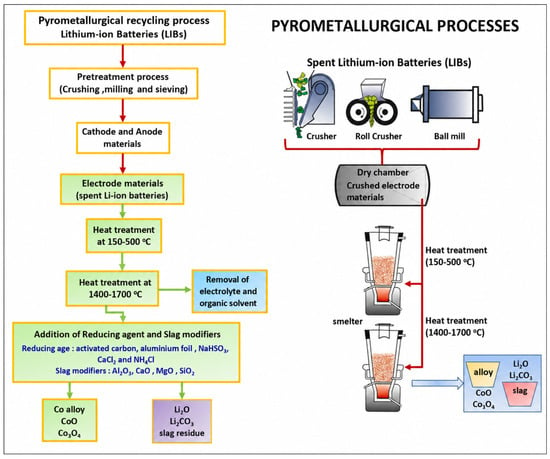
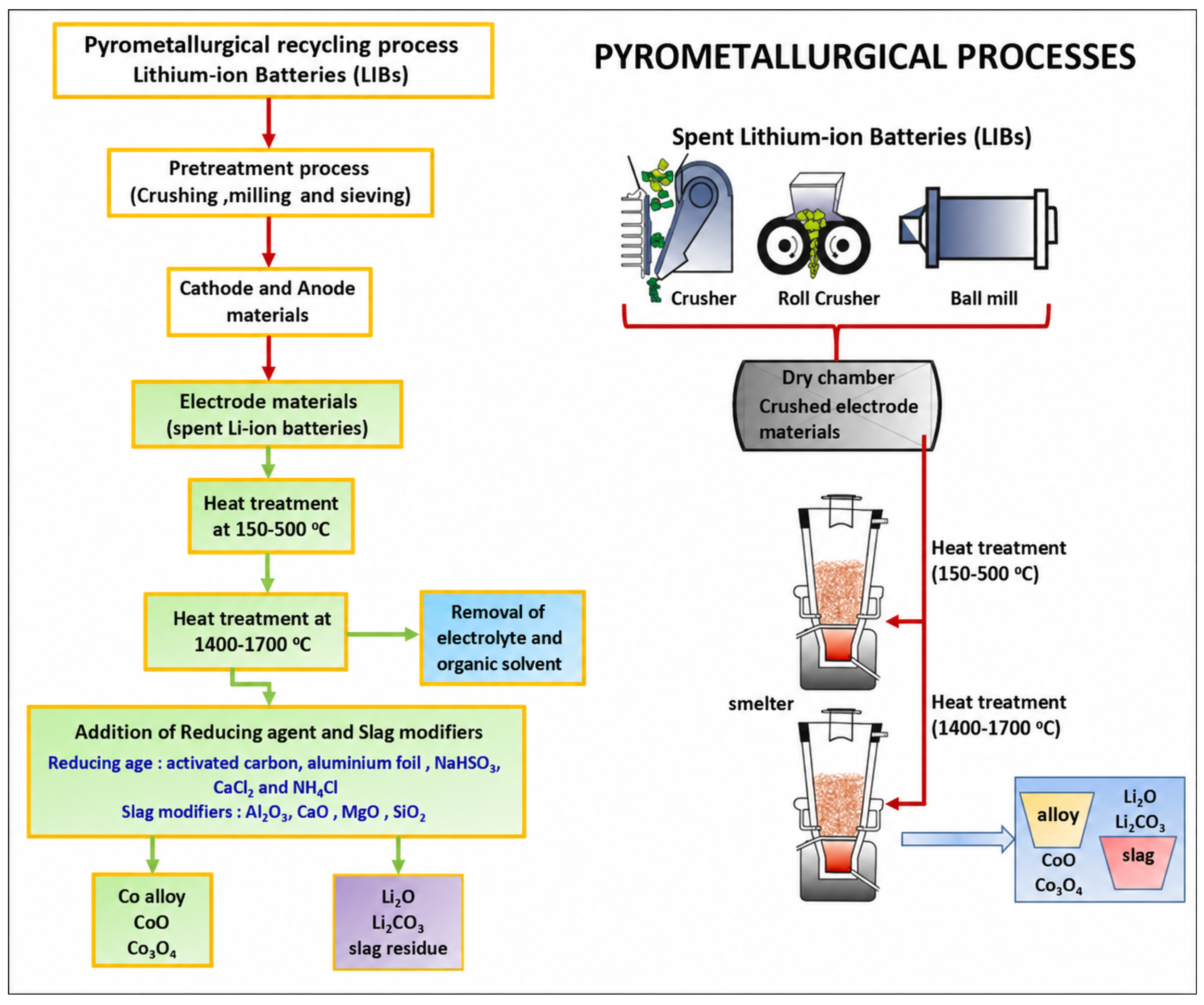
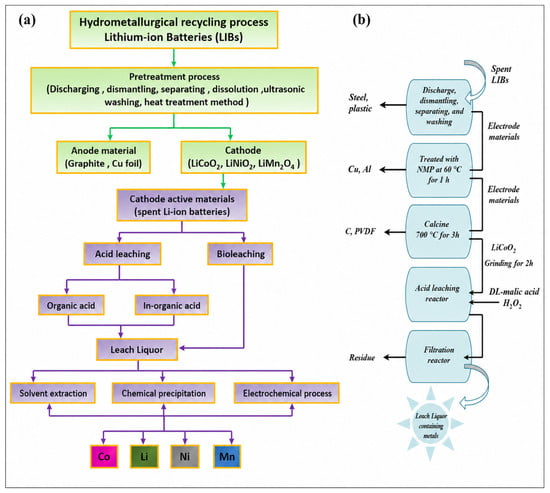
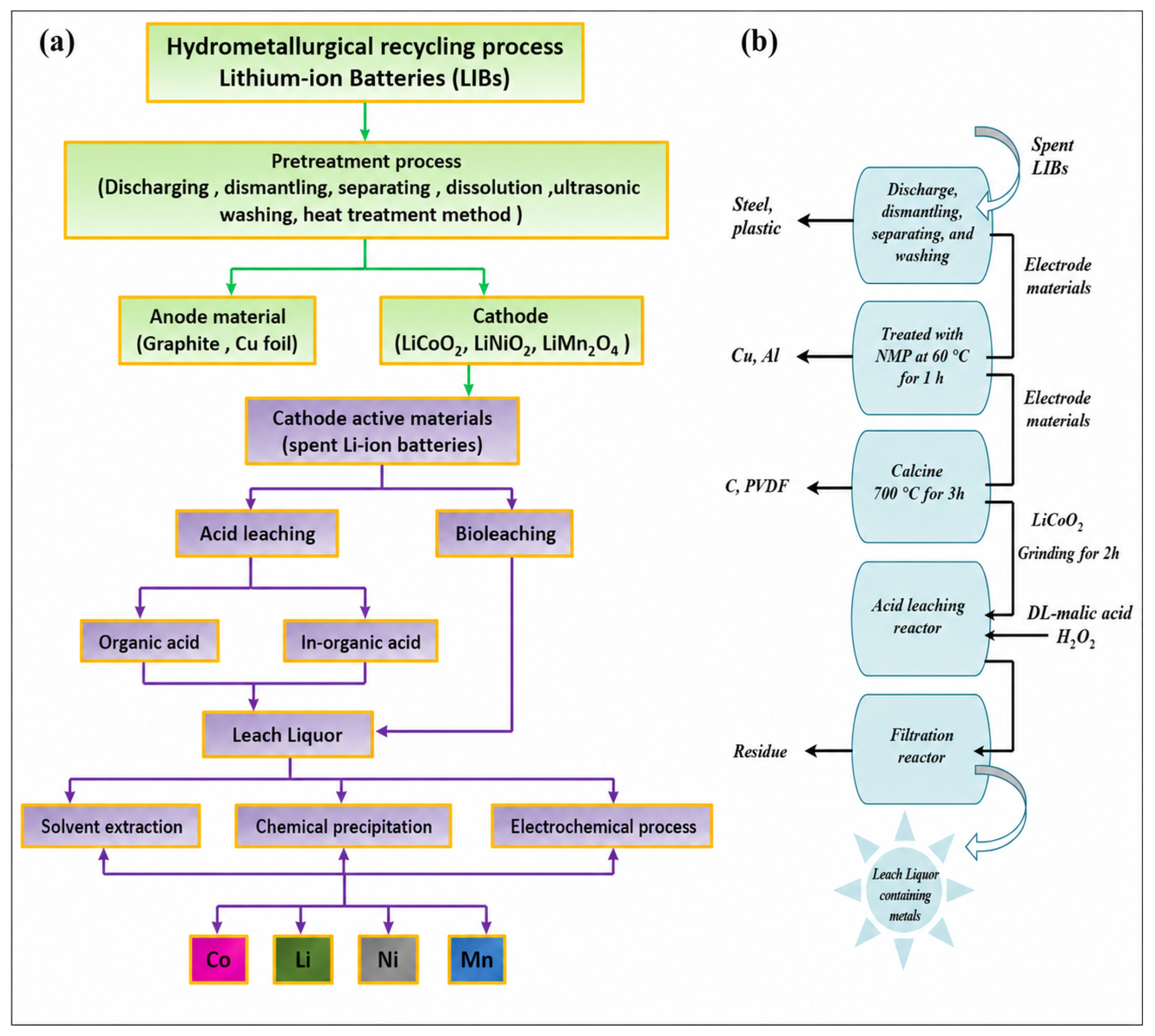
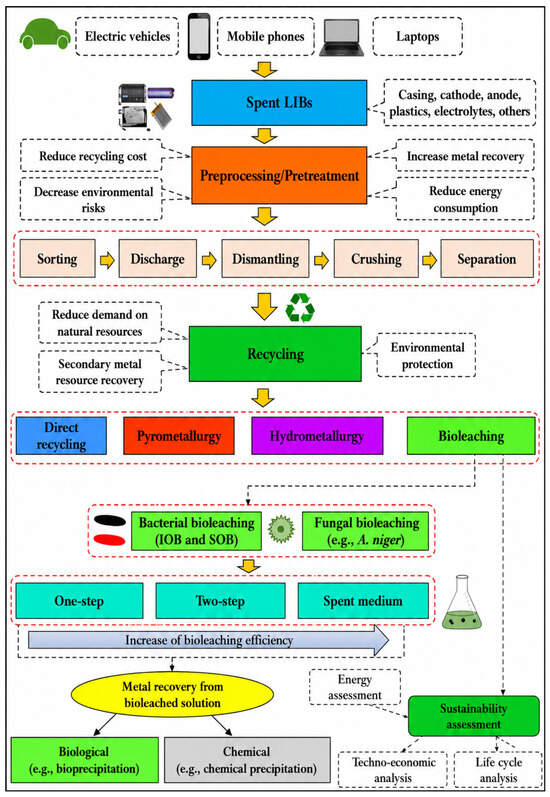
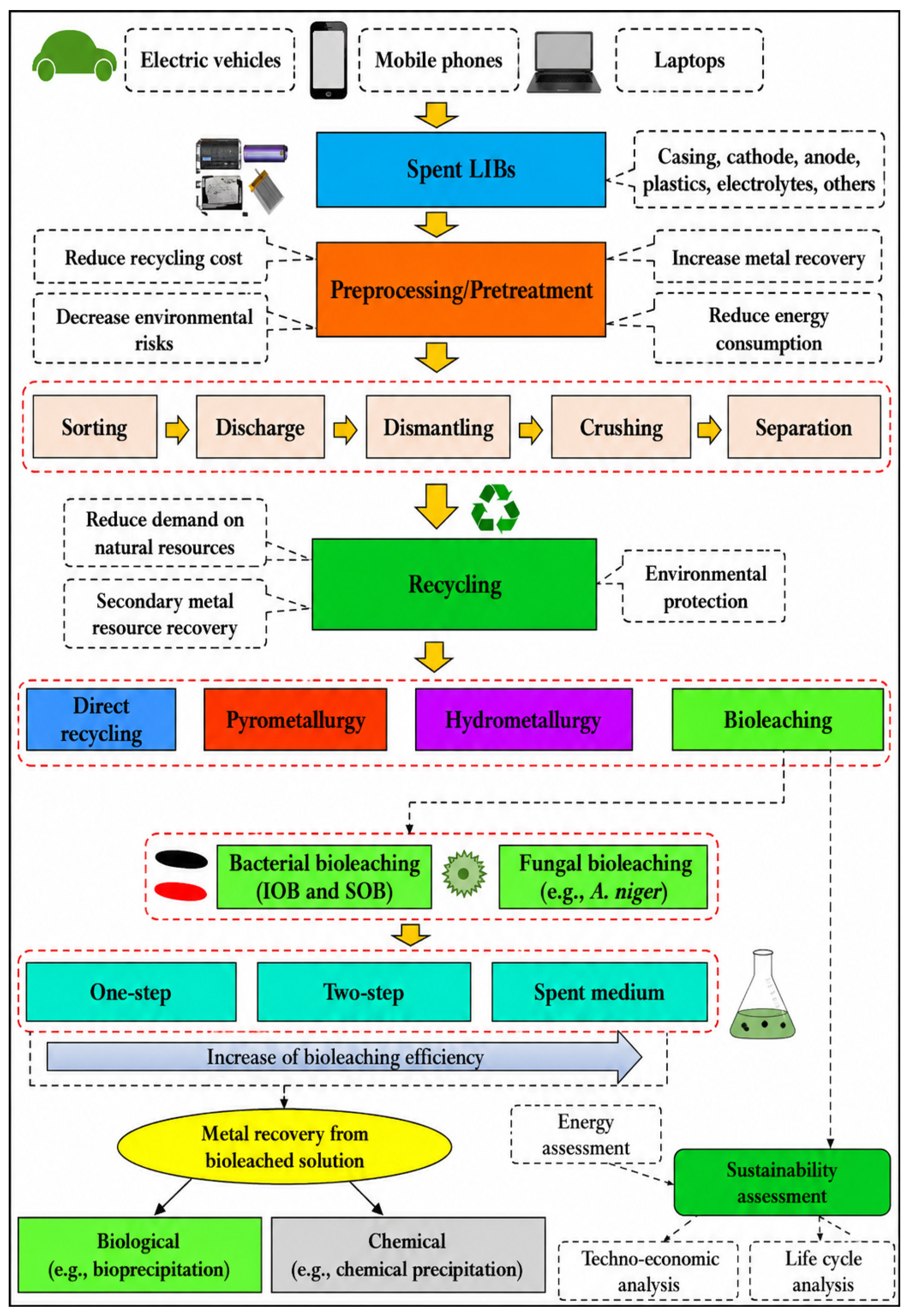

Disclaimer/Publisher’s Note: The statements, opinions and data contained in all publications are solely those of the individual author(s) and contributor(s) and not of MDPI and/or the editor(s). MDPI and/or the editor(s) disclaim responsibility for any injury to people or property resulting from any ideas, methods, instructions or products referred to in the content. |
© 2026 by the authors. Licensee MDPI, Basel, Switzerland. This article is an open access article distributed under the terms and conditions of the Creative Commons Attribution (CC BY) license.