Review

The Influence of Metabolic Risk Factors on the Inflammatory Response Triggered by Myocardial Infarction: Bridging Pathophysiology to Treatment


by
Lisaidy Ramos-Regalado
1,2,
Sebastià Alcover
1,2,
Lina Badimon
1,3,4 and
Gemma Vilahur
1,3,*
1
Research Institute, Hospital de la Santa Creu i Sant Pau, IIB-Sant Pau, 08025 Barcelona, Spain
2
Faculty of Biology, Universitat de Barcelona, 08028 Barcelona, Spain
3
Ciber CV, Institute Carlos III, 28029 Madrid, Spain
4
Cardiovascular Research Chair, Universitat Autònoma de Barcelona (UAB), 08193 Barcelona, Spain
*
Author to whom correspondence should be addressed.
Cells 2024, 13(13), 1125; https://doi.org/10.3390/cells13131125
Submission received: 13 May 2024 / Revised: 19 June 2024 / Accepted: 27 June 2024 / Published: 29 June 2024

Abstract

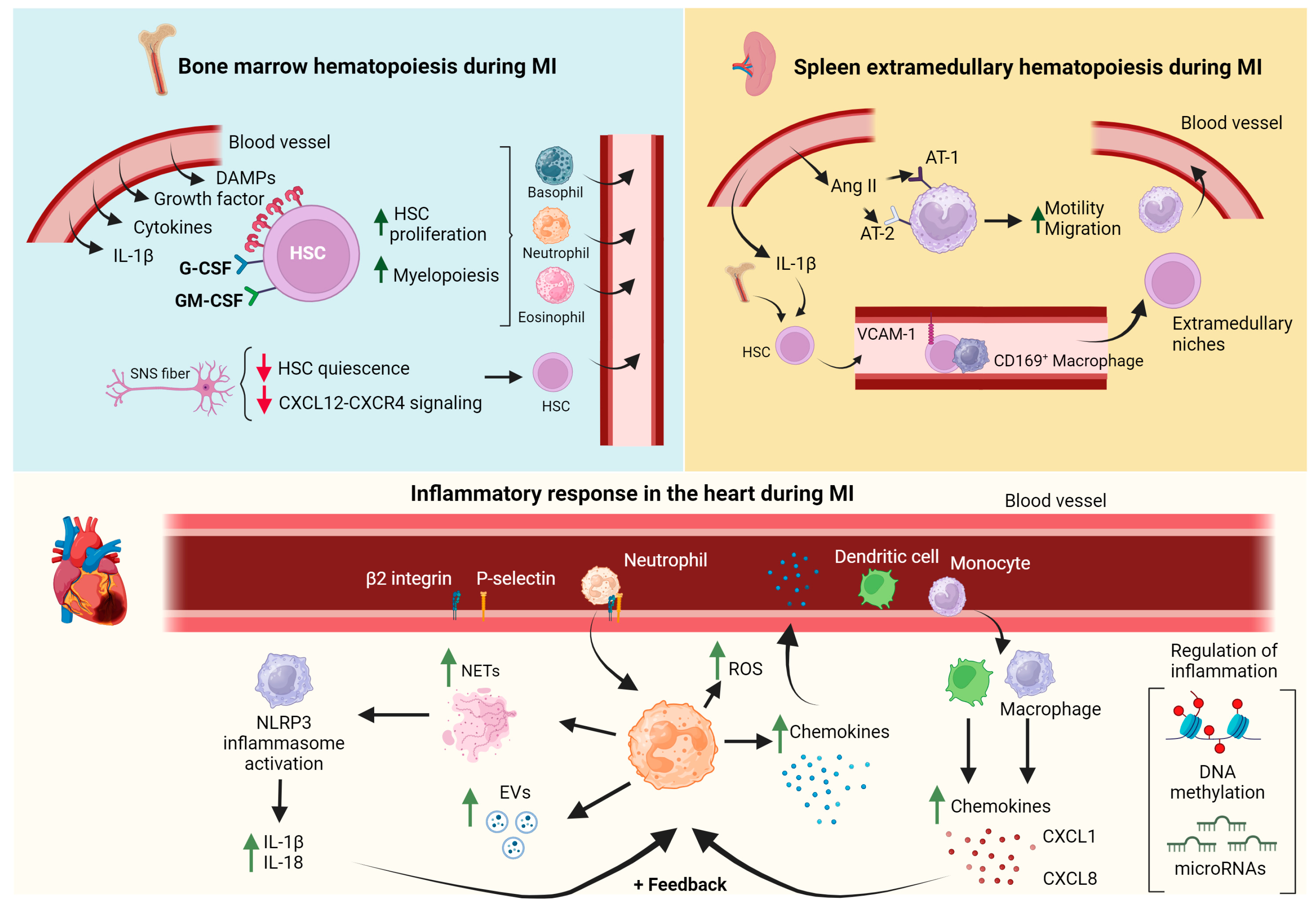
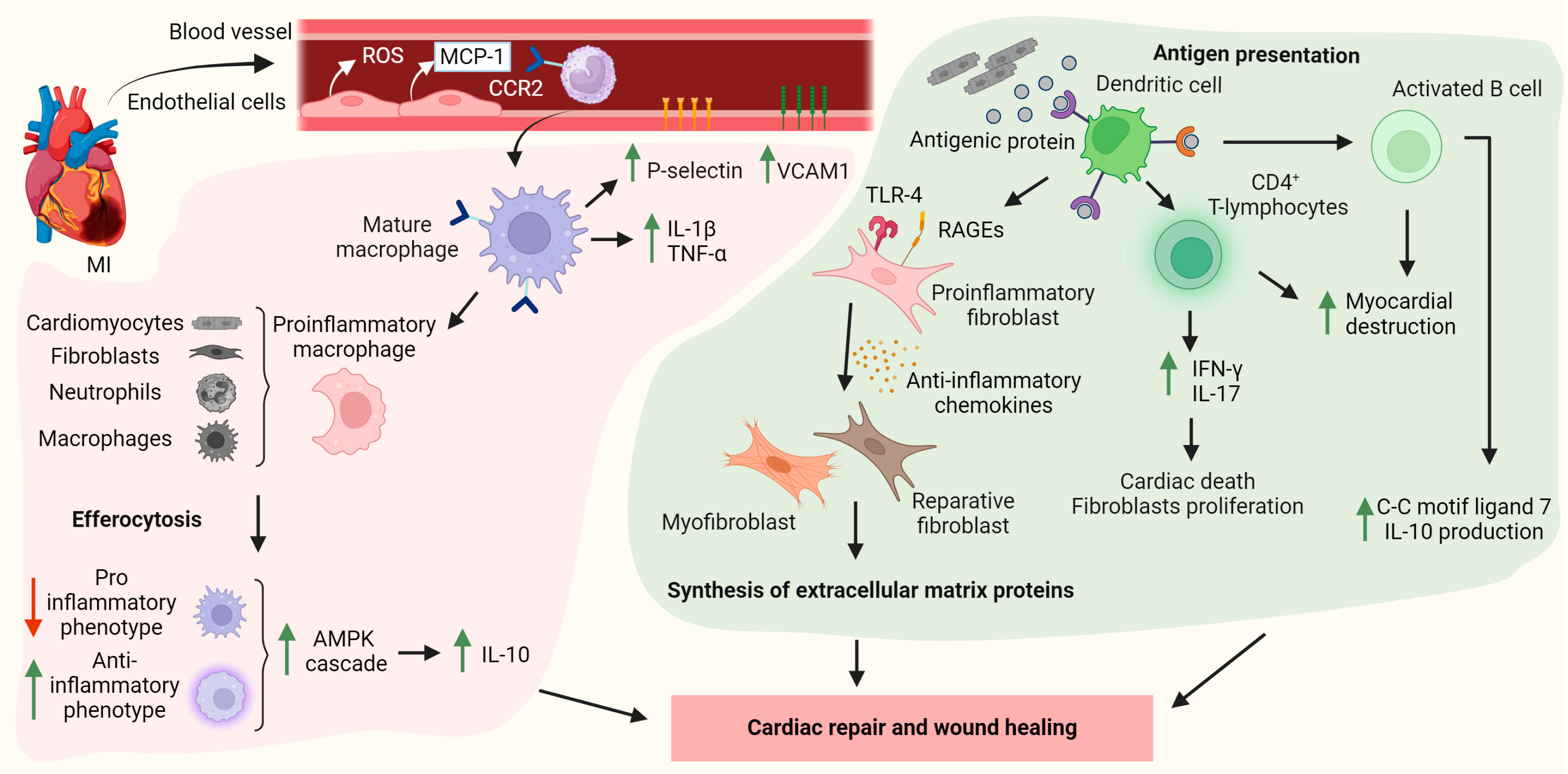
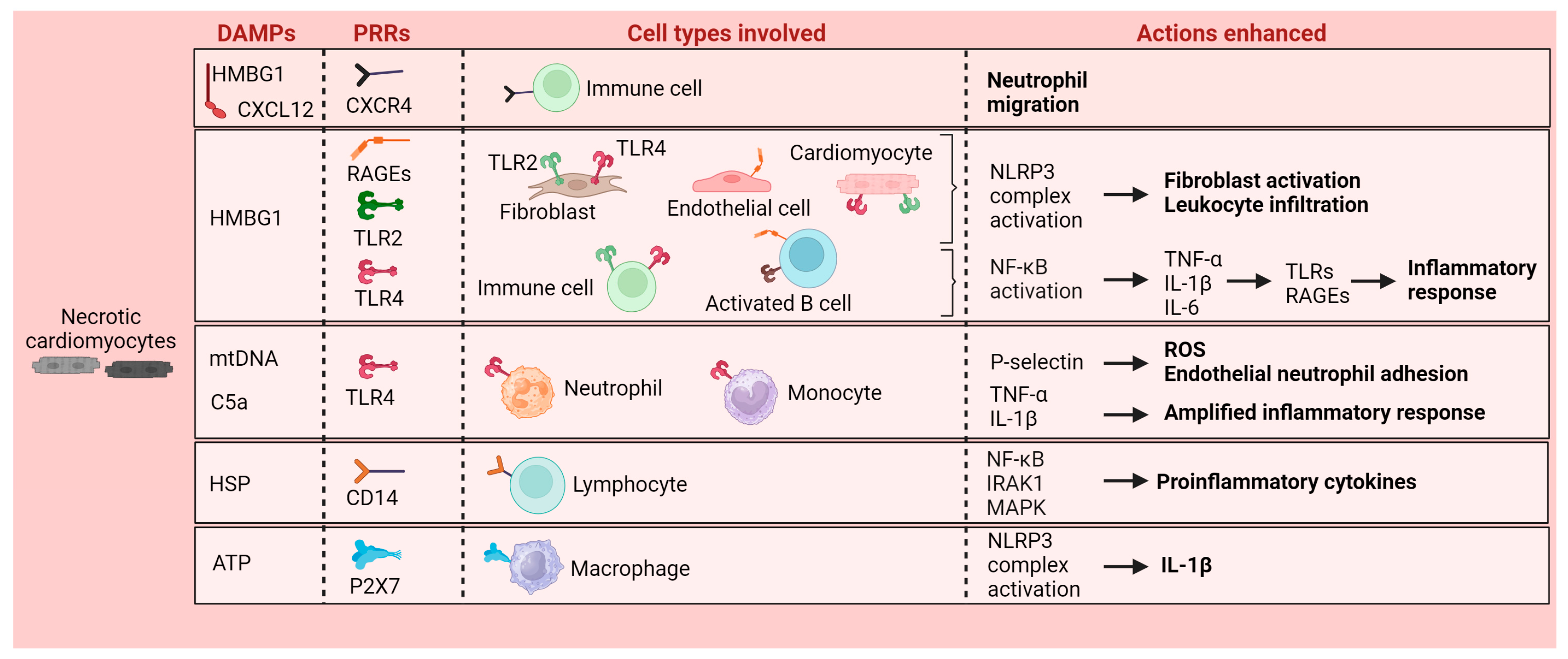
Myocardial infarction (MI) sets off a complex inflammatory cascade that is crucial for effective cardiac healing and scar formation. Yet, if this response becomes excessive or uncontrolled, it can lead to cardiovascular complications. This review aims to provide a comprehensive overview of the tightly regulated local inflammatory response triggered in the early post-MI phase involving cardiomyocytes, (myo)fibroblasts, endothelial cells, and infiltrating immune cells. Next, we explore how the bone marrow and extramedullary hematopoiesis (such as in the spleen) contribute to sustaining immune cell supply at a cardiac level. Lastly, we discuss recent findings on how metabolic cardiovascular risk factors, including hypercholesterolemia, hypertriglyceridemia, diabetes, and hypertension, disrupt this immunological response and explore the potential modulatory effects of lifestyle habits and pharmacological interventions. Understanding how different metabolic risk factors influence the inflammatory response triggered by MI and unraveling the underlying molecular and cellular mechanisms may pave the way for developing personalized therapeutic approaches based on the patient’s metabolic profile. Similarly, delving deeper into the impact of lifestyle modifications on the inflammatory response post-MI is crucial. These insights may enable the adoption of more effective strategies to manage post-MI inflammation and improve cardiovascular health outcomes in a holistic manner.
Keywords: myocardial infarction; inflammatory response; innate immune response; bone marrow; spleen; metabolic risk factors; lifestyle modifications; pharmacological interventions myocardial infarction; inflammatory response; innate immune response; bone marrow; spleen; metabolic risk factors; lifestyle modifications; pharmacological interventions