Finite Element Analysis of the Microwave Ablation Method for Enhanced Lung Cancer Treatment
by
 , , and
Marija Radmilović-Radjenović
1,* ,
,
Martin Sabo
2,
Marta Prnova
2,
Lukaš Šoltes
2 and
Branislav Radjenović
1 1
Institute of Physics, University of Belgrade, Pregrevica 118, 11080 Belgrade, Serbia
2
Faculty of Informatics and Information Technologies, Slovak University of Technology in Bratislava, Ilkovicova 2, 84216 Bratislava, Slovakia
*
Author to whom correspondence should be addressed.
Cancers 2021, 13(14), 3500; https://doi.org/10.3390/cancers13143500
Submission received: 26 May 2021
/
Revised: 28 June 2021
/
Accepted: 9 July 2021
/
Published: 13 July 2021
(This article belongs to the Special Issue Molecular Mechanisms of Lung Cancer and Mesothelioma)
Simple Summary
Microwave ablation is a promising modality for treating cancerous tumor cells in patients with localized lung cancer who are non-surgical candidates. Microwave ablation requires the control of the elevation of temperature, ensuring the destruction of cancer cells without damaging healthy tissue. Despite the unquestionable benefits, such as enlarged ablation zones and reduced procedure times, the respiratory movement of the lungs may affect the development and evolution of the necrotic tissue. Apart from the experimental methods, computer modeling has proven to be a powerful approach to improving the ablative treatment’s performance. This study aims to provide a step forward in patient safety by delivering optimal conditions necessary for microwave ablation to be as effective as possible for curing lung cancer with minimized invasiveness and collateral damage. The primary goal is to transfer the treatment plan based on simulation outputs into a reliable and safe microwave ablation procedure.
Abstract
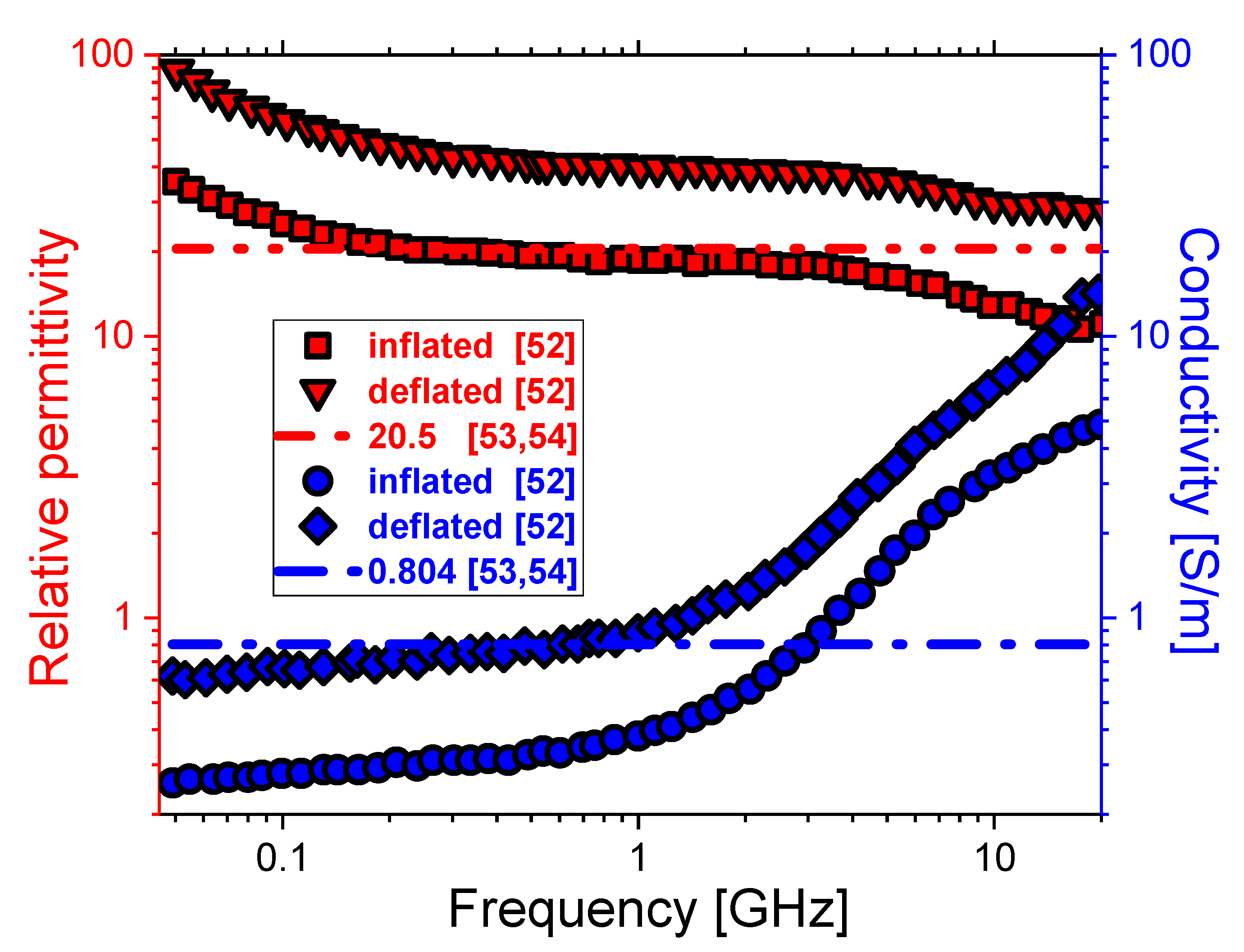
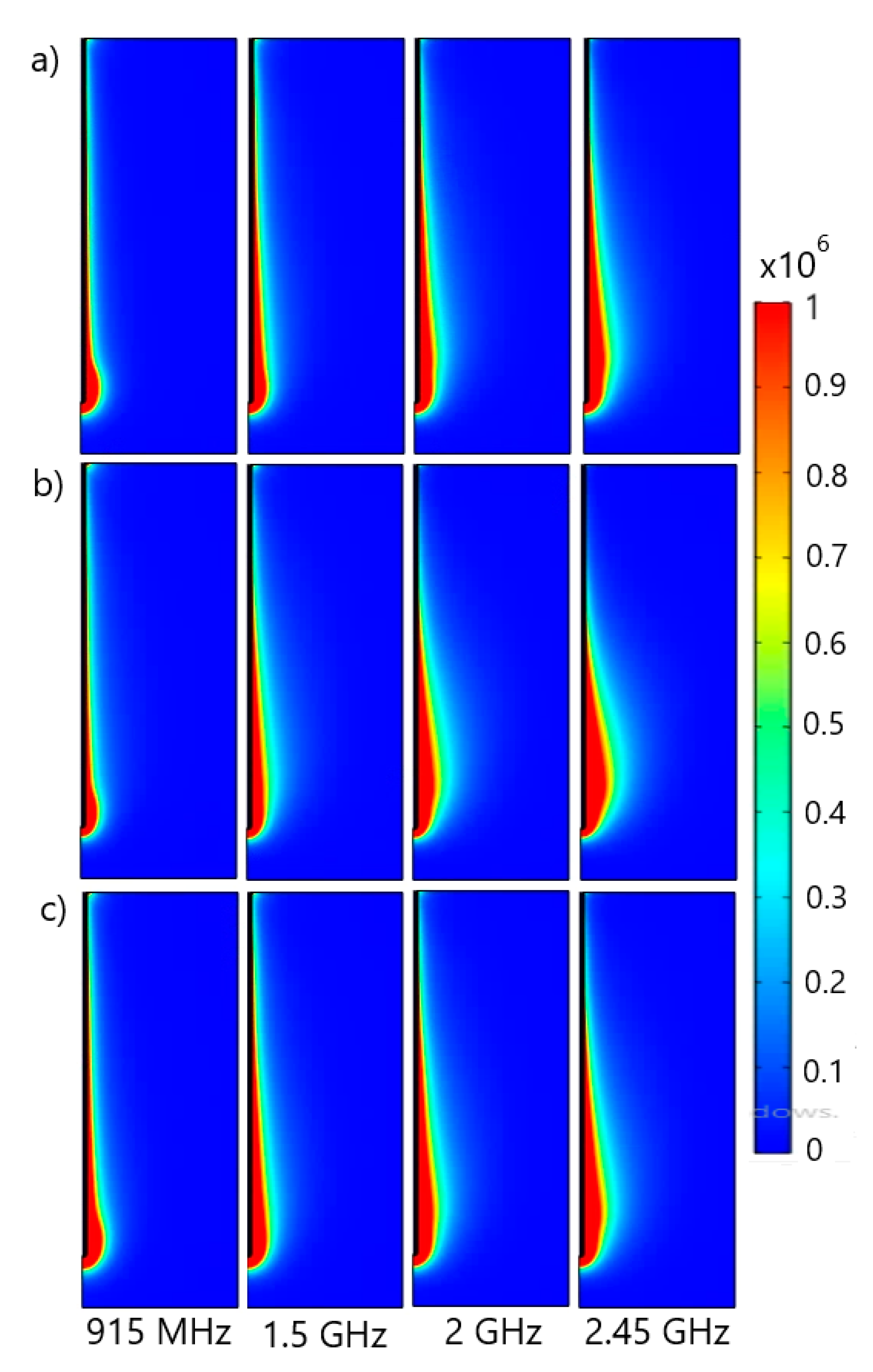
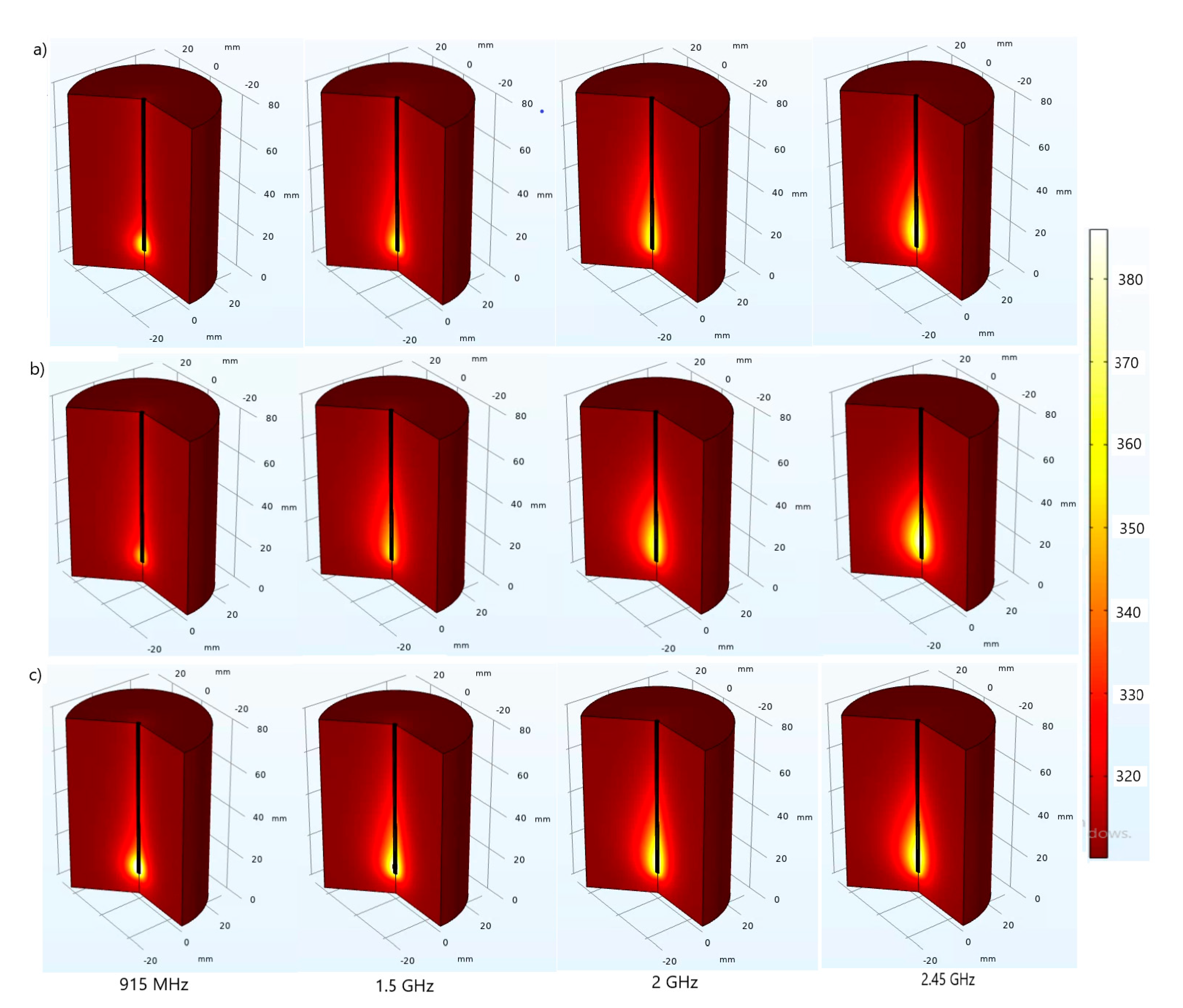
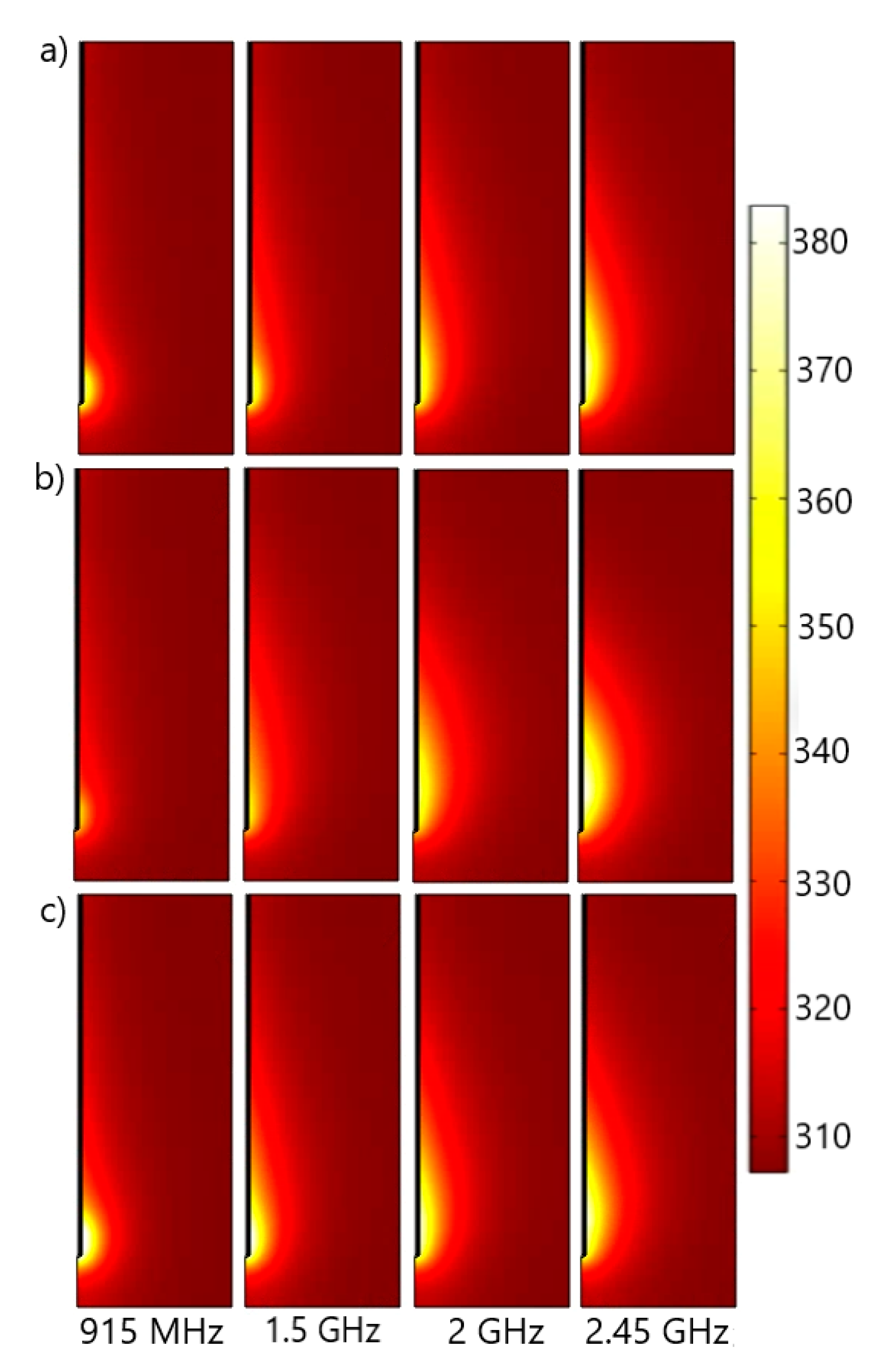
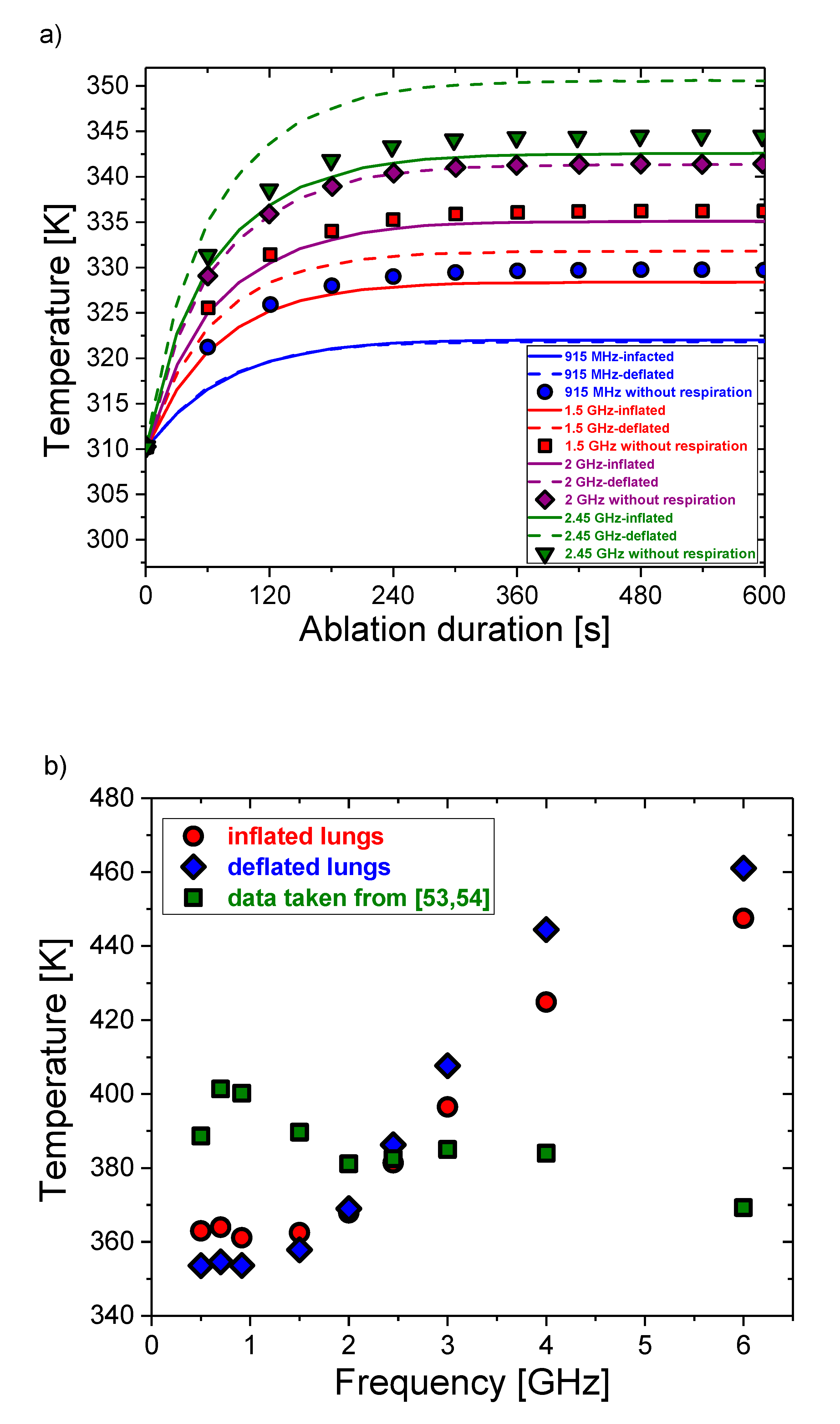
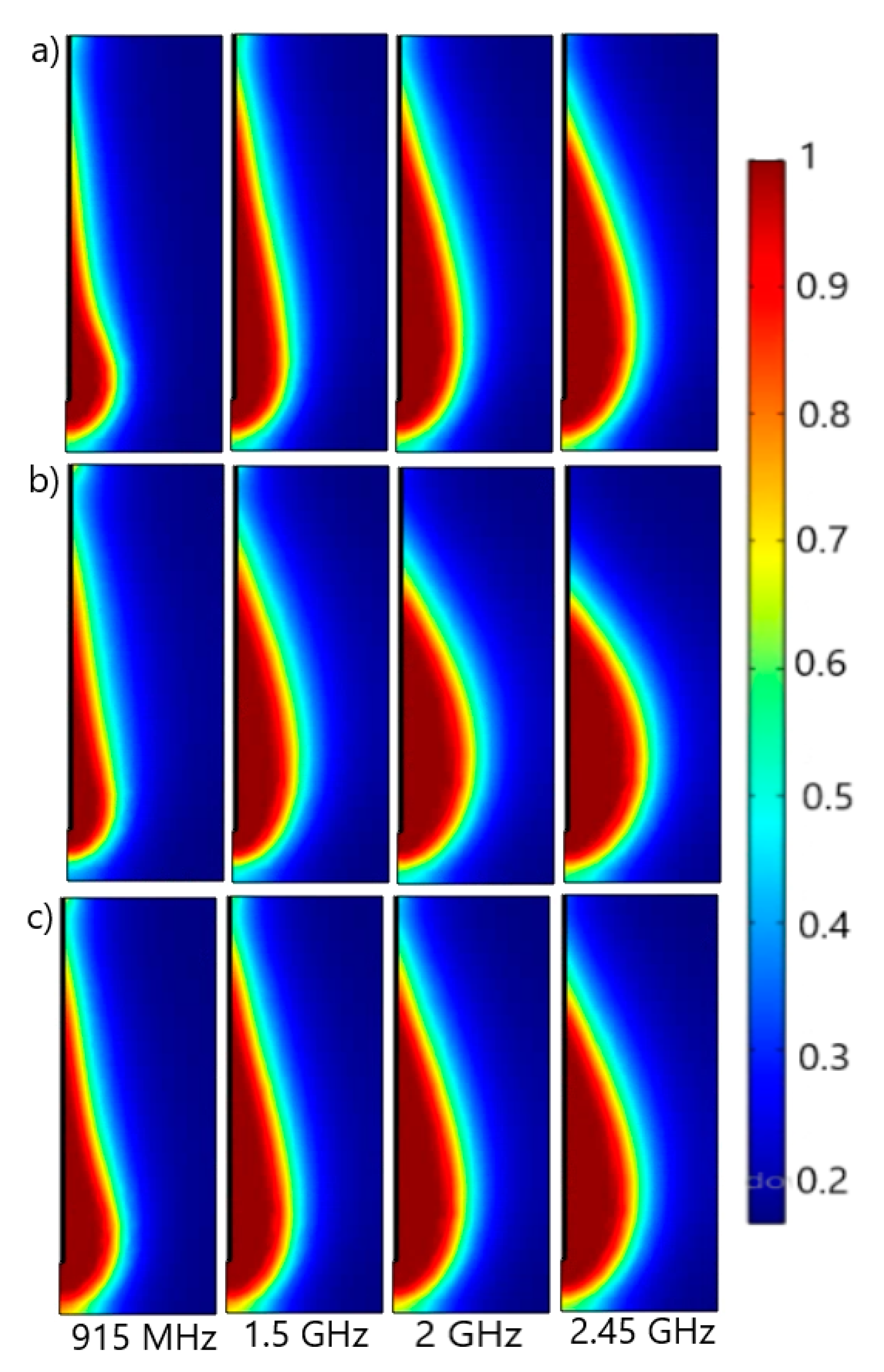
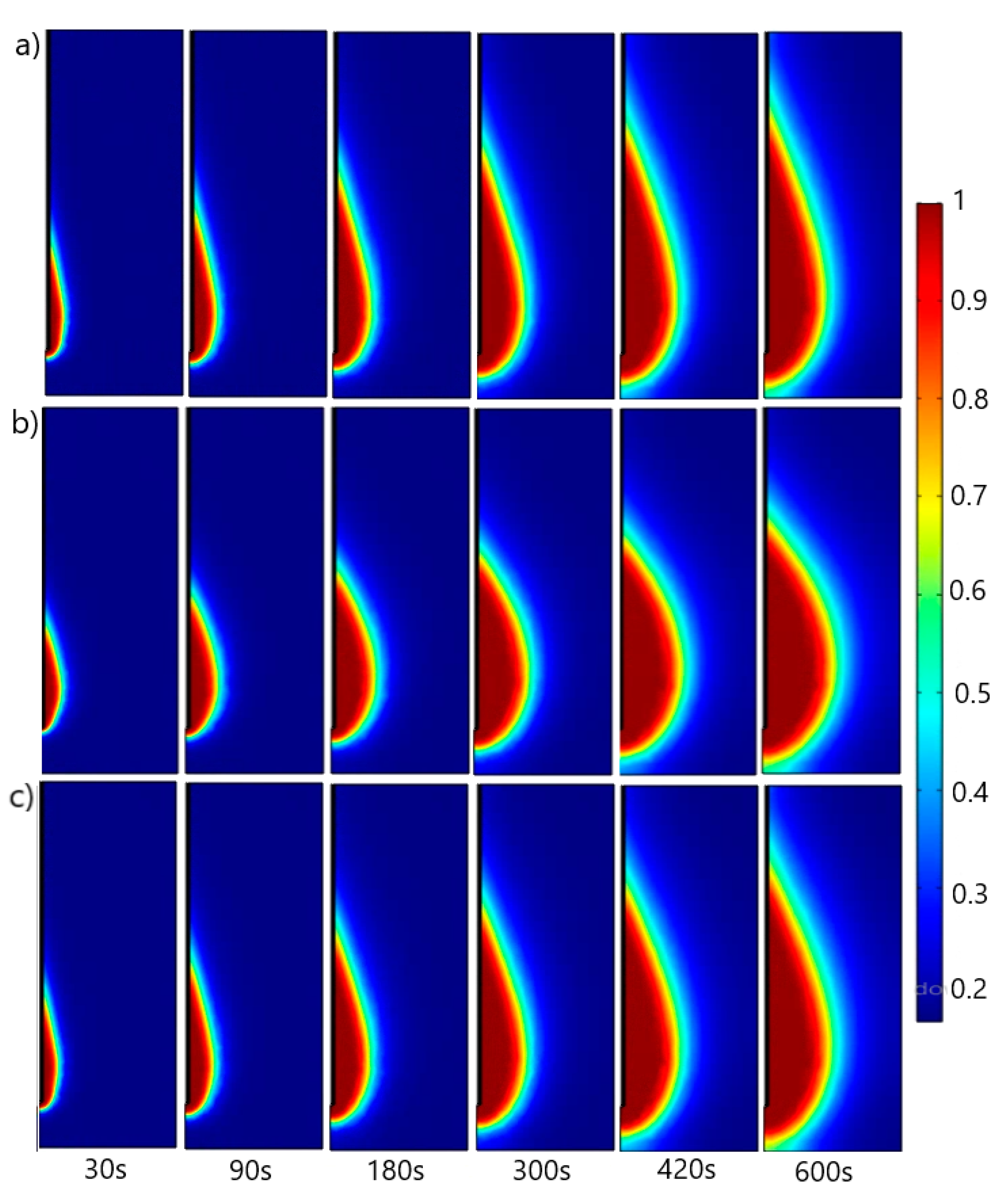
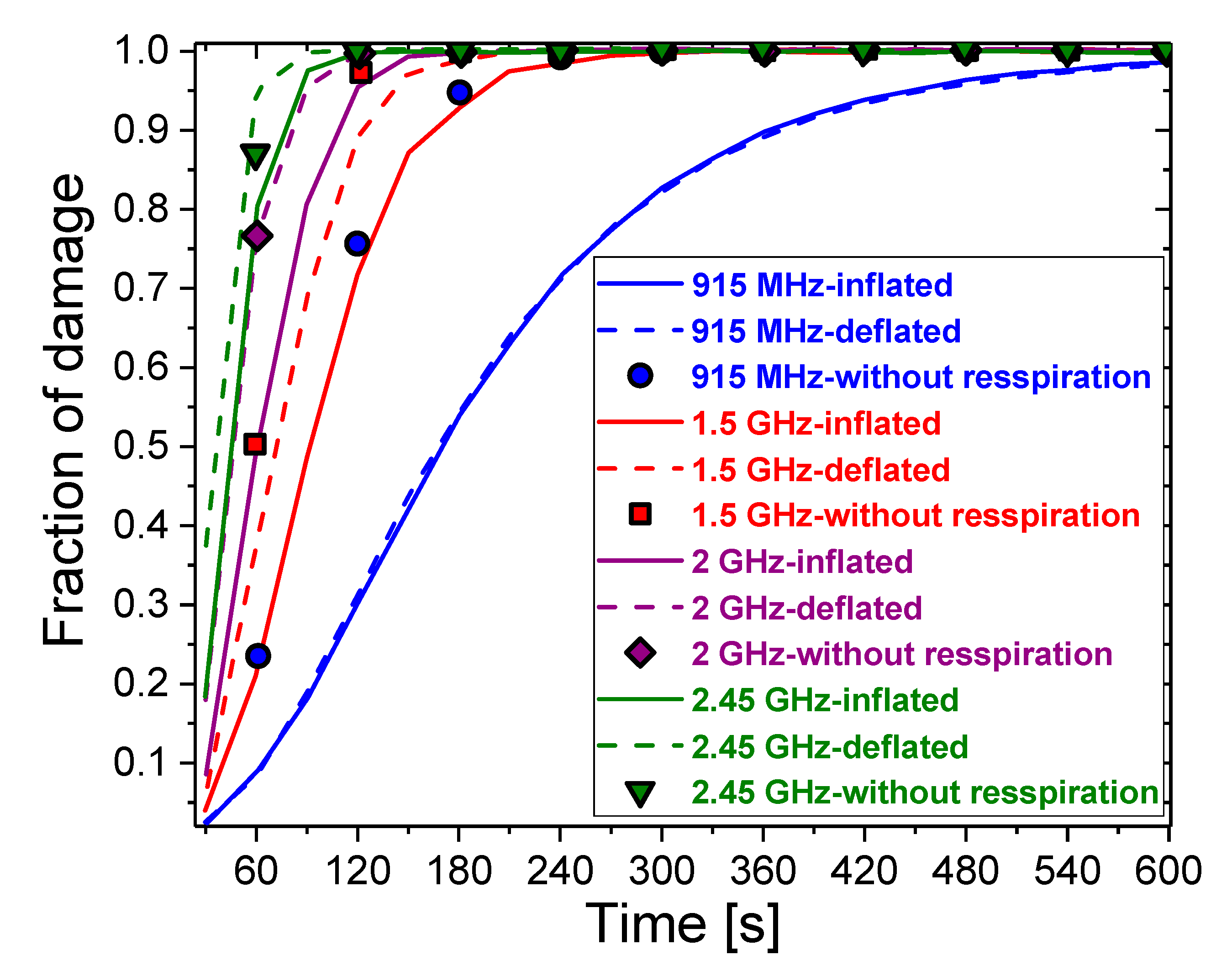
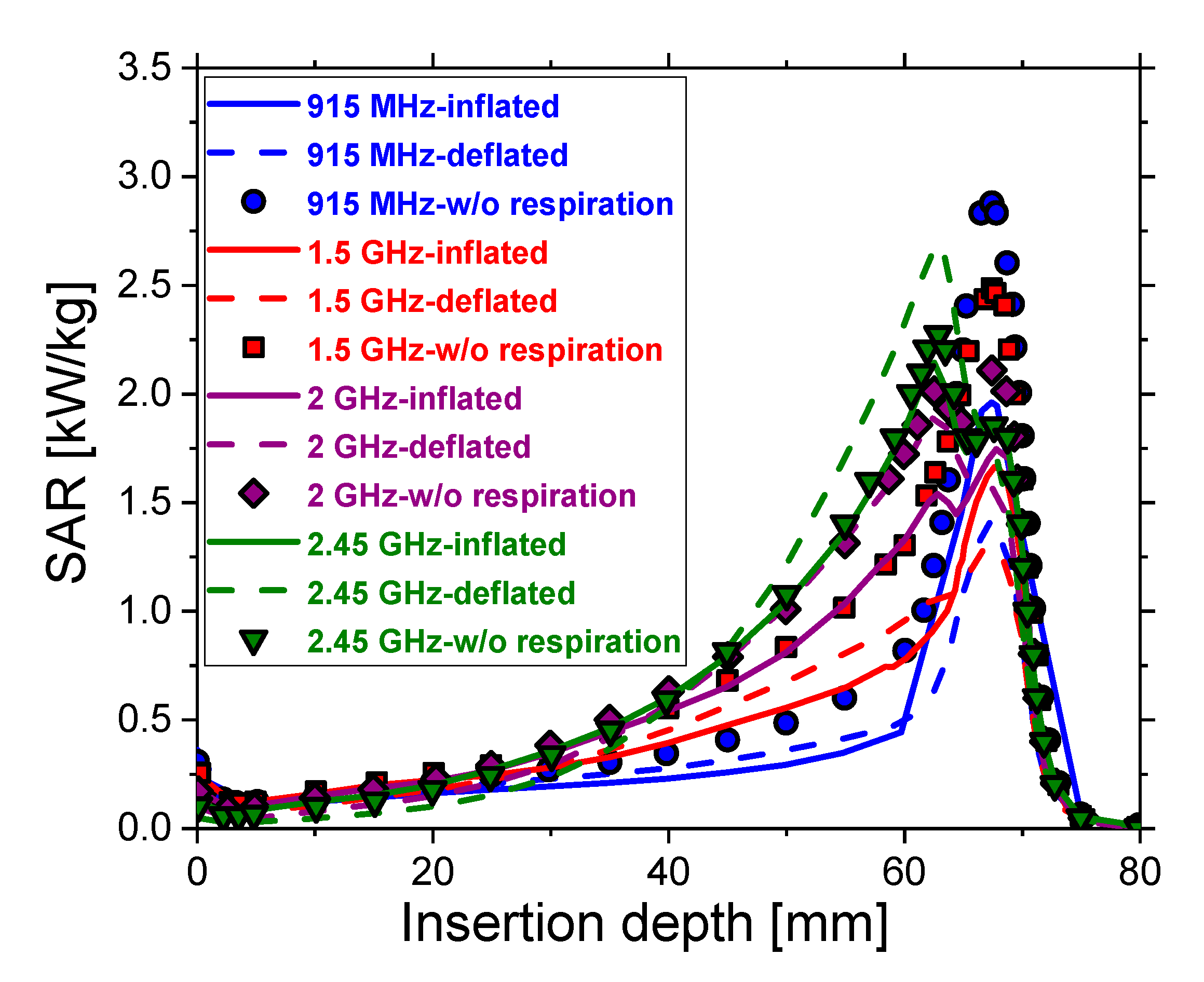
Knowledge of the frequency dependence of the dielectric properties of the lung tissues and temperature profiles are essential characteristics associated with the effective performance of microwave ablation. In microwave ablation, the electromagnetic wave propagates into the biological tissue, resulting in energy absorption and providing the destruction of cancer cells without damaging the healthy tissue. As a consequence of the respiratory movement of the lungs, however, the accurate prediction of the microwave ablation zone has become an exceptionally demanding task. For that purpose, numerical modeling remains a primordial tool for carrying out a parametric study, evaluating the importance of the inherent phenomena, and leading to better optimization of the medical procedure. This paper reports on simulation studies on the effect of the breathing process on power dissipation, temperature distribution, the fraction of damage, and the specific absorption rate during microwave ablation. The simulation results obtained from the relative permittivity and conductivity for inflated and deflated lungs are compared with those obtained regardless of respiration. It is shown that differences in the dielectric properties of inflated and deflated lungs significantly affect the time evolution of the temperature and its maximum value, the time, the fraction of damage, and the specific absorption rate. The fraction of damage determined from the degree of tissue injury reveals that the microwave ablation zone is significantly larger under dynamic physical parameters. At the end of expiration, the ablation lesion area is more concentrated around the tip and slot of the antenna, and the backward heating effect is smaller. The diffuse increase in temperature should reach a certain level to destroy cancer cells without damaging the surrounding tissue. The obtained results can be used as a guideline for determining the optimal conditions to improve the overall success of microwave ablation.
Keywords:
microwave ablation; tissue; lung cancer; damage; dielectric properties