


Abstract
Mycotoxins are compounds produced by the secondary metabolism of certain fungi. These compounds contaminate foods worldwide and pose a severe threat to the health of humans and animals. They also cause huge economic losses. A plethora of methodologies, encompassing agricultural, biological, chemical, and physical approaches, have been devised to curtail the presence of mycotoxins in food commodities. Among the physical processes, cold plasma (CP) has emerged as a useful technique for controlling the presence of toxigenic fungi in foods and for degrading the mycotoxins occurring in them without significantly affecting the quality and organoleptic properties of the treated commodities. The present review endeavors to demonstrate the efficacy of CP as a method of eradicating or reducing both the toxigenic mycobiota and the mycotoxins present in the most contaminated foods, including nuts, dried fruits, and cereal grains. The mechanisms of toxin degradation proposed by the different researchers are also examined and compared. Furthermore, the impact of the CP effect on the quality, sensorial characteristics, and toxicological properties of the treated food is thoroughly examined.
Keywords:
cold plasma; toxigenic fungi; mycotoxins; detoxification; nuts; dried fruits; cereal grains Key Contribution:
This review provides a comparative and integrative analysis of cold plasma applications for controlling toxigenic fungi and mycotoxins across major low-moisture food matrices (nuts, dried fruits, and cereal grains). It synthesizes and contrasts the proposed degradation mechanisms, and critically evaluates the impact of treatments on food quality, sensory attributes, and toxicological safety, highlighting current limitations and research gaps.
1. Introduction
Cold plasma (CP) has arisen as a promising non-thermal technology for improving food safety, particularly in low-moisture commodities susceptible to fungal colonization and mycotoxin contamination during storage and distribution [1,2,3,4]. CP generates reactive oxygen and nitrogen species, charged particles, and UV photons capable of inactivating microorganisms and degrading toxic metabolites at relatively low temperatures, thereby minimizing detrimental effects on food quality. Experimental studies have demonstrated the efficacy of CP against several toxigenic fungi, including Aspergillus, Fusarium, and Alternaria species, as well as its capacity to reduce mycotoxin levels in cereal grains, nuts, and dried foods [1,2,3,4,5,6,7,8,9,10]. However, treatment efficacy depends on the fungal species, the chemical structure of the target mycotoxin, the food matrix, and plasma operating conditions. Thus, a concise overview of the main toxigenic fungi and mycotoxins relevant to food safety is needed to contextualize the discussion of CP-based mitigation strategies.
Microscopic filamentous fungi cause food and feed spoilage. Some moldy foods pose a significant hazard to consumer health because of the fungal toxic metabolites, known as mycotoxins, produced during spoilage [11]. Toxigenic fungi can colonize plants in the field or they may grow on food products postharvest, remaining throughout the production chain under favorable environmental conditions [11]. These fungi may produce mycotoxins through secondary metabolic processes. These mycotoxins may persist along the food chain in final products even after the elimination of the producing fungi. If the mycotoxins are not reduced to safe levels, they may be present in the human or animal diet, posing a threat to their health by means of chronic or acute diseases. Mycotoxins can reach consumers directly through the intake of contaminated commodities or indirectly through the consumption of products of animal origin (milk, eggs, or meat) [12]. In most countries, the maximum concentrations of the most dangerous mycotoxins are regulated. The maximum allowable levels vary depending on the mycotoxin and the type of food. According to the Food and Agriculture Organization, 25% of the global food and feed production is contaminated by mycotoxins each year. This results in estimated losses of around 1 billion metric tons of food and food products [11].
Aflatoxins (AFs) are highly toxic and carcinogenic byproducts of aflatoxigenic Aspergillus spp. They contaminate cereal grains, nuts, and spices [13]. AFs can cause crop products to be unsuitable for consumption and pose a health risk to humans and livestock [14]. Aflatoxin B1 (AFB1) is the most prevalent naturally occurring toxicant in food crops and is mainly produced by strains of Aspergillus parasiticus and A. flavus. The International Agency for Research on Cancer (IARC) has classified AFB1 as a human carcinogen (Group 1) [15].
Other mycotoxins include the trichothecenes, particularly those classified as type-A and type-B trichothecenes. The most important examples of the former include T-2 toxin and HT-2 toxin, which are produced by various Fusarium species. The main type B-trichothecenes are deoxynivalenol (DON) and nivalenol (NIV), which are also produced by Fusarium species. They inhibit the synthesis of proteins, DNA, and RNA and are common contaminants of cereal grains. Type B-trichothecenes induce pathological lesions, including necrosis of the intestinal epithelium. Masked mycotoxins, such as DON-3-β-d-glucoside, are an emerging problem [16,17].
Zearalenone (ZEA) is a potent estrogenic metabolite produced mainly by Fusarium spp. that is involved in many mycotoxicoses in livestock, causing infertility and abortion. ZEA is a common contaminant of maize and other cereals [11,18] and is often associated with ZEA-14-glucoside, a “masked” mycotoxin [19].
Ochratoxin A (OTA) is the most toxic member of the ochratoxins. OTA exhibits multiple toxic effects including nephrotoxicity and carcinogenicity [15,20]. OTA-producing fungi belong to the genus Aspergillus and some species to the genus Penicillium. OTA has been detected in cereal grains, coffee beans, grapes, dried fruits, wine, beer, and cheese [13,21,22,23].
Fumonisin B1 (FB1) is the most relevant member of fumonisin type B produced by some Fusarium spp. and Aspergillus spp. [24,25]. FBs may cause leukoencephalomalacia in equines and also have toxic and carcinogenic effects. The IARC has classified them as probably carcinogenic (Group 2B) [15,18]. Fumonisins are found in maize and its derivatives, in other cereal grains, and in other food commodities [13,25,26].
Patulin (PAT) is a mycotoxin produced mainly by Penicillium expansum and Aspergillus spp., being frequently found in unfermented apple juice [18].
Alternariol and alternariol methyl ethers are mycotoxins produced by Alternaria spp. Fusaproliferin, moniliformin, beauvericin, and enniatins are emerging mycotoxins biosynthesized by some Fusarium spp. that can contaminate maize and adversely influence grain quality [27]. Ergot alkaloids are produced by certain members of the Clavicipitaceae and Aspergillus fumigatus and can impact livestock welfare through the consumption of contaminated tall fescue and may cause “ergotism” [28].
Various pre- and post-harvest strategies have been implemented to reduce fungal growth and mycotoxin contamination in foods. Some strategies for farming products begin in the field before harvest with the application of good agricultural practices (GAPs) that include approaches for the pre-harvest, harvest, and post-harvest phases. Pre-harvest actions include plowing, tilling, the selection of resistant varieties, and crop rotation [1,29,30,31,32]. Another methodology is hazard analysis and critical control point (HACCP), which applies mainly to post-harvest and processed food [33]. At harvest, it is crucial to choose the appropriate time and conditions that can help minimize fungal contamination.
During the post-harvest stage, GAPs focus heavily on controlling temperature and humidity and ensuring traceability to minimize contamination risks and preserve quality. GAPs are the primary line of defense against mycotoxin contamination, followed by the application of good manufacturing practices (GMPs) during the handling, storage, processing, and distribution of cereals [34]. The implementation of HACCP at this stage, including drying, sorting, etc. to remove impurities, is crucial to avoid mycotoxin contamination [35,36]. Possibly, in this phase, toxigenic fungi and mycotoxins may persist in food products. During postharvest and food processing, the approaches used for minimizing the load toxigenic fungi and mycotoxin content may be classified as: (a) chemical (use of ammonia, hydrogen peroxide, ozone, fungicides, etc.); (b) physical (dehulling, sorting, UV or gamma irradiation, high-pressure processing (HPP), pulsed electric field (PEF) processing, and thermal treatments); and (c) biological control (use of microbial antagonists, lactic acid bacteria, etc.) [1,37,38,39,40,41,42,43,44,45]. Despite the progress achieved by using these methods, there are several drawbacks to consider such as low efficacy, the need for expensive chemicals, and sophisticated equipment. Some methods are unfeasible, expensive, inefficient, and time-consuming [40,46]. HPP, PEF, electron beam irradiation, ultrasound, supercritical carbon dioxide, and cold plasma (CP) are new strategies that have demonstrated good potential for mycotoxin mitigation. Nevertheless, some physical methods have drawbacks such as long treatment time, low detoxification ability, and potential environmental pollution. Moreover, they may produce undesirable changes in the physicochemical and sensory properties of the treated foods, thus impacting their quality [47,48].
With increasing consumer demand for high-quality, fresh appearance, and long shelf life products, CP technologies are now being explored [46] as they hold strong antimicrobial activity, can degrade many mycotoxins, are environmentally friendly, efficient, easy to operate, and have a low impact on food appearance and nutritional quality [41,46,47,49].
This review focuses on CP as an emerging non-thermal technology for mitigating toxigenic fungi and mycotoxins in low-moisture foods. Particular attention is given to nuts, dried fruits, and cereal grains, which are among the commodities most susceptible to fungal contamination during storage and commercialization. This review comparatively analyzes the efficacy of CP for fungal inactivation and mycotoxin degradation across these food matrices, underscoring matrix-dependent responses and treatment limitations. Proposed degradation mechanisms involving reactive plasma species are critically discussed together with the effects of CP treatments on food quality, sensory characteristics, and toxicological safety. By integrating microbiological, chemical, and technological perspectives, this review identifies current knowledge gaps and future research needs for the industrial implementation of CP-based detoxification strategies. Although some reviews have discussed CP applications in food processing, this review specifically examines its use for the control of toxigenic fungi and mycotoxins in low-moisture food matrices, with an emphasis on degradation mechanisms and quality-related aspects.
2. The Nature of Cold Plasma, Devices, and Configurations
Cold plasma (CP) is a partially ionized gas composed of electrons, ions, atoms, and molecules in ground or excited states as well as reactive species such as radicals and metastable species. The overall system is quasi-neutral with a roughly zero net electrical charge. CP contains a wide range of energetic species and also emits ultraviolet (UV) photons and electromagnetic radiation. In nature, plasmas exist in the form of stars, which are examples of thermal or hot plasma due to their high temperature, or the aurora, an example of low-temperature plasma. Thermal plasma is in a state of thermodynamic equilibrium where all the species have the same high temperatures, while non-thermal plasma is in a state of non-equilibrium. The electrons in the non-thermal plasma have a temperature much higher than that of the heavy particles (ions, atoms, and molecules) [50].
In general, a plasma is generated by supplying sufficient energy to a gas to cause its ionization. CP is also mentioned in the literature concerning medical or food applications as low-temperature plasma (LTP) or non-thermal plasma (NTP); however, this is misleading. CP is a type of plasma that operates on the target at low temperature (the effluent gas is near ambient temperature), although the temperature of electrons in the gas where the plasma is generated is very high. It is partially ionized, meaning that only a small fraction of all atoms and molecules in the gas are ionized [51]. The bulk gas temperature of cold plasma remains close to ambient temperature under conditions used for food applications. It is abbreviated as CAP or LPCP, and it is not in a thermodynamic equilibrium state.
Although CP is a non-equilibrium system, it remains quasi-neutral, meaning that the densities of electrons and ions are approximately equal [50]. The maintenance of plasma requires a balance between the generation of charged particles through ionization and their loss through various mechanisms. Ionization may occur either directly from the ground state or via stepwise processes involving excited states. Charged particles are lost through recombination in the plasma volume as well as through diffusion to surrounding surfaces. The steady-state plasma density is therefore determined by the balance between these production and loss processes. The application of an electric field (or heat) to the gas disrupts that equilibrium, causing the existing ionized species (electrons and ions) to move, creating a low electrical current. If the electric field is weak, the low electrical current is negligible. If the intensity of the electric field increases by applying a high voltage, the speed of the electrons and ions following the electric field also increases, and new ions and electrons are generated. Applying a sufficient voltage causes the current to increase, leading to a breakdown of the gas and the formation of a significant number of active species, the majority of which are unstable. Atoms and molecules that have been exposed to intense energy may release excess energy in the form of electromagnetic radiation, including ultraviolet (UV) radiation, as they return to a more stable state. Plasma formation is the result of a variety of physical processes, each of which depends on the type of gas involved.
A thorough exposition of the theoretical foundations of plasma chemistry is found in Fridman’s work [52]. The presence of reactive species in plasma can be determined through the implementation of diverse experimental and instrumental methodologies that encompass techniques such as optical emission spectroscopy, mass spectroscopy, or optical absorption spectroscopy. In the case of the liquid phases, identification methods include electron paramagnetic resonance spectroscopy, UV–Vis absorption spectroscopy, or mass spectrometry [53].
When O2-based plasmas containing water vapor (with variable and system-dependent concentrations) are used as the plasma gas source, the active discharge region contains electrons, ions, excited species, and UV radiation, leading to the formation of a wide range of reactive oxygen species (ROS). These include oxygen radicals (•O), excited atomic oxygen (O1D), ground-state atomic oxygen (O(3pj)), hydroxyl radicals (•OH), hydroperoxyl radicals (•O2H), singlet oxygen molecules (1O2), superoxide radicals (•O2−), dioxygenyl cations (O2+), atomic oxygen cations (O+), atomic oxygen anions (O−), ozone (O3), and hydrogen peroxide (H2O2) [39,42,53,54,55]. Among these ROS, both short- and long-lived species are present. Short-lived species, such as •OH and O, typically persist for nanoseconds to microseconds and are mainly confined to the plasma discharge region or its immediate vicinity, while longer-lived species, including O3 and H2O2, are more stable and can diffuse beyond the plasma core and contribute to downstream chemical reactivity. These ROS exhibit strong oxidative properties and are primarily responsible for the effective inactivation of microorganisms.
When the CP is produced using air with a water vapor admixture, the plasma is constituted basically by ROS and reactive nitrogen species (RNS) in addition to UV radiation and charged particles. RNS formed in the discharge include atomic nitrogen (•N), metastable molecular nitrogen (•N2), molecular nitrogen ions (N2+, N2−), atomic nitrogen cations (N+), excited and metastable nitrogen molecules (N2*, N2(A3Σu+)), and nitrogen oxides such as nitric oxide (NO) and nitrogen dioxide (NO2). As with ROS, some of these species are short-lived and exist predominantly within or near the plasma region. However, more stable molecular species (NO, N2O, NO2, N2O3, and NO3) are longer-lived species that can persist in the post-discharge region and contribute to antimicrobial and biochemical effects. The combined group of reactive oxygen and nitrogen species is commonly referred to as RONS [56].
When inert gases such as helium (He), argon (Ar), or neon (Ne) are used to generate plasma, the active discharge region is primarily composed of electrons, ions, and excited or metastable noble gas species. Due to the low chemical reactivity of these gases, the direct formation of RONS within the plasma core is limited. However, as the plasma effluent interacts with ambient air or moisture in the surrounding environment, energy transfer processes involving metastable species promote the formation of RONS in the post-discharge region or at the gas–liquid and gas–solid interfaces. Under these conditions, many short-lived species, such as hydroxyl radicals and atomic oxygen, are generated predominantly outside the plasma core, although their relative abundance depends on factors such as the gas composition, humidity, and discharge parameters [53,56].
In the presence of liquid water near the CP, these reactive species can produce plasma-activated water (PAW). The incorporation of RONS into the liquid phase imparts unique physicochemical properties, including decreased pH and increased electrical conductivity. Examples of RONS found in PAW include hydroxyl radicals, superoxide radicals, nitric oxide radicals (•NO), H2O2, O3, nitrate, nitrite, peroxynitrous acid (ONOOH), and peroxynitrite (ONOO−) [57,58]. These species are responsible for the antimicrobial activity and chemical reactivity of PAW.
The particular composition and relative abundance of RONS generated by CP depend on the plasma operating conditions, such as working gas composition, type of discharge, applied power, presence of water vapor or liquids, geometry, and post-discharge transport/exposure conditions [59].
The CP generation can be accomplished through a variety of techniques, including corona discharge, glow discharge, dielectric barrier discharge, plasma jet discharge, radio, and others [60,61]. Historically, the CP generation was constrained to low-pressure conditions, requiring the use of a vacuum chamber and thus limiting its applications. In recent years, plasma has been formed at atmospheric pressure.
Two essential components are required for plasma generation: a high-voltage source and a reactor [62]. A high-voltage source is used to establish a high electric field across the reactor. Key parameters affecting system efficacy relate to the form of the applied voltage (direct or alternating current, power, low or high frequency, pulsed or continuous operation, microwave, etc.) and the particular configuration of the reactor, depending on factors such as electrode arrangement, gas flow, and pressure. The most common systems in food applications are summarized below [63].
- -
- Dielectric barrier discharge (DBD). The device comprises two electrodes. Usually, one is at high voltage, and the other is grounded, and they are separated by a dielectric material, such as glass, quartz, ceramic, or polymer. The dielectric barrier plays a crucial role in regulating the current flow, preventing the formation of an electric arc, and enabling the ionization of gas within the space between the electrodes (Figure 1a). The occurrence of a discharge within the volume occupied by a gas gap between two parallel electrodes or coaxial cylinders, with one or both electrodes covered by a dielectric material, is designated as a volume dielectric barrier discharge. This system is referred to as dielectric barrier discharge (DBD) or surface dielectric barrier discharge (SDBD), depending on the electrodes and dielectric barrier configurations employed. A mesh-electrode SDBD employs a mesh or grid ground electrode with the sample positioned directly beneath it or above it (Figure 1a). When a high voltage is applied to one of the electrodes while the other is grounded, the gas in the space experiences an increase in voltage and ionizes, forming a non-thermal plasma. The dielectric accumulates a charge that weakens the electric field, thereby triggering the discharge to extinguish. This process is repeated rapidly in each voltage half-cycle, resulting in the formation of numerous short-lived, pulsed plasma filaments. The distance between the electrodes varies depending on the particular application. In the SDBD configuration, both electrodes are in direct contact with the dielectric material, thereby eliminating the need for a gap. Additionally, the electrodes are laterally shifted from each other, a feature that enables asymmetry. The plasma is created on the dielectric material adjacent to the exposed electrode. Gases, including air, N2, Ar, and He, can usually be utilized at atmospheric pressure. Diffuse coplanar surface barrier discharge (DCSBD) is a specific configuration of DBD that utilizes a coplanar electrode arrangement embedded in or on a dielectric surface, in contrast to the conventional volume DBD, where a thin, flat, and apparently homogeneous plasma is generated between two larger plate electrodes. It is one of the most prevalent CP devices employed in the decontamination of fungi and mycotoxins in foods [5,7,42,46,55,63].Figure 1. Schematics of a surface DBD plasma (a) and a cold plasma jet (b) system.
- -
- Plasma jet. This plasma type, also known as a non-equilibrium atmospheric-pressure plasma jet (N-APPJ or APPJ), is a non-thermal plasma cylindrical device in which a partially ionized gas is generated within a small discharge chamber and then expelled by a gas flow as a directed plume into the surrounding atmosphere. Gas flow is a key variable for applications. The discharge is produced by applying high-voltage, either radio-frequency, pulsed, or microwave, to a flowing feed gas such as He, Ar, or their mixtures with O2 or air. The high-voltage electrode is a ring placed over the tube, and a bar positioned in the middle of the cylinder acts as the ground electrode (Figure 1b). Jet plasma systems are available in various configurations. They are not continuous plasma glows. Instead, they are made of plasma bullets that propagate at very high velocities, up to 105 m/s [46,56]. Therefore, the inner ground electrode can be replaced by a second ring-shaped electrode located before the positive electrode. In this configuration, the electrodes are separated and insulated by a dielectric material to prevent arcing outside the tube [63]. From an application perspective, the primary distinction between DBDs and plasma jets lies in their confinement. DBD plasmas are confined to the inter-electrode gaps or the chamber while APPJs allow the release of ionized species beyond these limits [42].
- -
- APPJs have proven to be an effective solution for the decontamination of mycotoxins [6]. Their operation at ambient temperature, precise targeting, and ability to treat irregular or heat-sensitive materials without substantial thermal damage make them a highly desirable technology. Atmospheric pressure capacitively coupled plasma (AP-CCP) is a process that employs capacitive coupling for excitation and is frequently utilized to generate plasma jets. The AP-CCP supplies the energy required for the creation of plasma, which subsequently flows out as a jet.
- -
- Gliding arc discharge plasma. The gliding arc discharge (GAD) plasma is a type of non-thermal plasma generated at atmospheric pressure between two diverging electrodes of different polarities (Figure 2a). A gas flows between the electrodes, and when a high voltage is applied across the two closely spaced electrodes, an arc is initiated at the point of minimum gap (the shortest distance between the electrodes). As the feed gas, commonly air, O2, or N2, flows through the system, the arc is elongated and lifted toward the region of wider electrode spacing, where it eventually extinguishes when the power supply cannot sustain an arc anymore and re-ignites at the shortest gap between the electrodes, producing a continuous sequence of transient plasma events. Although the core of the arc reaches relatively high temperatures, the expanding plasma column rapidly cools, enabling the surrounding effluent to remain in the non-thermal regime suitable for treating heat-sensitive materials. It has been classified as a warm plasma because of its gas temperature between cold and thermal plasmas. Gliding arc systems are efficient generators of reactive oxygen and nitrogen species and are increasingly explored for the decontamination of food surfaces, suppression of fungal growth, and degradation of mycotoxins [47,64,65]. Their ability to produce high densities of chemically active species at low operational cost makes it a promising technology for scalable food-safety interventions.Figure 2. Schematics of a gliding arc discharge plasma (a) and a corona discharge plasma (b).
- -
- Corona discharge plasma. This is a type of non-thermal plasma produced when a high electric field is applied across an asymmetric electrode configuration. These devices feature one or more sharp needles, points, or thin wires facing a planar or cylindrical ground electrode. When a strong electric field is applied to the system, the free electrons are accelerated, initiating a cascade of ionization, excitation, and dissociation reactions in the surrounding gas. When the voltage exceeds the gas breakdown threshold, a weakly ionized plasma is created. These discharges are relatively low-power electrical discharges at or near atmospheric pressure. These devices involve the flow of electric arcs between positive and ground electrodes, which are typically needle-shaped. To increase the applied area of the CD plasma aiming at food applications, a multipoint-plate electrode configuration has been gaining prominence due to its capacity to produce an energetic and dense plasma, creating a diffusive discharge with much more extensive coverage of the sample surface than a pin tip (Figure 2b). CD plasmas maintain electrons at high temperatures while the bulk gas remains near ambient temperature. This feature enables the treatment of heat-sensitive biological matrices including foods [66,67].
- -
- Microwave discharge plasma. This type of plasma generates when a gas is exposed to microwave-frequency electromagnetic fields between 300 MHz and 300 GHz, most commonly at 2.45 GHz. It uses low voltage but high power (up to 1.2 kW). The microwaves, usually generated in a magnetron, travel through a waveguide into a chamber and supply energy to gas-free electrons, which collide with gas molecules (e.g., Ar, He, N2, O2, air) contained in the chamber, causing ionization and creating a self-sustaining plasma (Figure 3a). Generally, there are no electrodes, but there is a gas mass flow rate controller and a vacuum pump. The pressure inside the chamber is controlled by a vacuum valve and ranges from 500 to 30,000 Pa [68,69]. Microwave plasmas can also be powered by solid-state microwave generators, and it is possible to operate at atmospheric pressure. Microwave plasmas tend to be more uniform than DC or RF plasmas and can achieve high densities at low or atmospheric pressure, thus emerging as a powerful tool in the realm of mycotoxin decontamination.Figure 3. Schematic representation of a microwave discharge plasma (a) and a fluidized bed plasma reactor (b).
- -
- Radio frequency (RF) plasma. A high RF alternating voltage applied to the electrodes accelerates free electrons, causing them to collide with neutral gas molecules and finally produce the plasma. It is sometimes confused with MW-generated plasma, but typically works at 13.56 MHz or low frequencies (in the range of kHz). It requires high voltage, uses DBD systems, and needs electrodes to create the plasma. It can be operated as a capacitively coupled plasma (CCP), which uses a gas in the gap between two electrodes and is more usual in food processing, or inductively coupled plasma (ICP), which uses an RF current that circulates through a coil. This system can effectively inactivate aflatoxigenic fungi and degrade aflatoxins [4].
- -
- Fluidized bed plasma reactor. This is a hybrid system that combines the principles of a fluidized bed with a plasma generation method, such as APPJ or DBD, inside a closed reactor vessel. The main feature is the fluidization of solid particles (e.g., kernels), using a gas flow, which allows for uniform mixing and high mass transfer rates between the plasma and the particle surface (Figure 3b). If the pressure is atmospheric, it is known as an atmospheric pressure fluidized bed plasma (APFBP) reactor. Therefore, food particles are suspended and agitated, behaving like a fluidized bed [2,70].
- -
- Glow-discharge plasma. This system is generated when a gas is ionized inside a sealed chamber operating at low pressure, around 1 Torr or less. The chamber is first evacuated, and then a controlled flow of gas is introduced and exposed to high voltage applied between two electrodes. Under low-pressure conditions, the electric field accelerates free electrons, initiating collisions that produce ions, radicals, and additional electrons, thereby sustaining the plasma. A vacuum pump is responsible for maintaining a consistent low-pressure environment and removing the spent gases, thereby ensuring a uniform flow through the system. The power supply typically operates at RF or MW frequencies to sustain the discharge. High-frequency fields transfer energy to electrons, enabling ionization at low atmospheric pressures and producing the characteristic “glow” region where most plasma-chemical reactions occur [46,71,72].
The different CP devices are compared in Table 1.
Table 1.
Comparison of the main CP sources, production mechanisms, key parameters, and their advantages/drawbacks for food applications.
3. Factors Influencing the Antifungal and Antimycotoxin Activity of CP
The generated CP interacts with the target surface in an indirect, semi-direct, or direct way [73]. In direct CP systems, the reactive species in the plasma discharge come into contact with the target surface. In this case, there is a highly effective interaction between the electrons, UV radiation, or short-lived radicals and the target, which promotes an efficient inactivation of microbiological species. However, sensitive targets may experience changes in their properties or be damaged [59]. In the semi-direct approach, a barrier, such as a mesh, is strategically placed between the plasma source and the target to reduce the treatment intensity, and in this post-discharge region, the long-lived particles are present, but not the short-lived ones. An indirect approach is employed when the target is exposed only to the “afterglow” or plasma-processed gas/liquid produced remotely from the plasma source. This approach is related to plasma-activated water (PAW) or plasma-treated liquid and limits the interaction of plasma reactive species with the target, thereby reducing the overall inactivation effectiveness.
The efficacy of these treatment methods has been thoroughly researched. The findings revealed that indirect plasma treatment is significantly less effective at disrupting bacterial biofilms formed by E. coli, Bacillus sp., and lactic acid bacteria [74].
A variety of factors influence the activity and efficacy of cold plasma in decontaminating and detoxifying food to reduce the presence of mycotoxins. The following are key points to consider:
- -
- Type of device: DBD, plasma jet, corona discharge, microwave, among others, and their configurations.
- -
- Type of exposition of targets to CP: direct, indirect, semi-direct.
- -
- Type of target: class of food (e.g., cereal grains, nuts, spices, fruits, herbs, meat, etc.) and its appearance (e.g., ground, whole grain or nut, etc.), fungal species, type of mycotoxins (e.g., AFs, OTA, trichothecenes, ZEA, fumonisins, etc.).
- -
- Gas used to create the plasma (O2, N2, air, humid air, noble gases (Ar, He), and their mixtures and applied pressure (atmospheric pressure, vacuum) or flow-rate.
- -
- Applied voltage (which varies as a sinusoidal wave), frequency, power, distance between the cold plasma and the target, and treatment time.
The influence and the relevance of these variables on the effect of the CP treatment have been reported [46]. Due to the wide variety of influencing parameters, the information available is dispersed, which makes it difficult to obtain optimized CP equipment for use in the food industry to eliminate mycotoxins.
4. Mechanisms of Action of CP Against Toxigenic Fungi
As a result of extensive research, CP has demonstrated its capacity to inactivate toxigenic fungi at multiple sites. Fungi are multicellular filamentous molds constituted by cells that connect, forming hyphae. These hyphae result in long, branched filaments, which form an intricate network of threads denominated as the mycelium. In the fungal kingdom, certain cells are metamorphosed to serve a specialized function as conidiophores, giving rise to elongated stalks that culminate in swollen vesicles. These vesicles are the bearers of chains of asexual spores, scientifically termed conidia. These conidia constitute the reproductive system of the fungus. The structural organization of these organelles varies across different genera; however, they are consistently comprised of a protoplast that contains a nucleus, with the DNA enclosed within a membrane and an external cover that serves to protect the conidia against desiccation and damaging agents. The fungal cell is eukaryotic, meaning that it possesses a nucleus containing DNA, as well as a plasma membrane made of a double layer of phospholipids containing ergosterol units and transmembrane proteins. Other structures include the cytoplasm, Golgi apparatus, endoplasmic reticulum, mitochondria, and vacuoles. The membrane is covered by a cell wall composed primarily of the polysaccharide glucan, situated between an external layer of mannoprotein and an internal layer of the polysaccharide chitin. The stability of the cell wall is subject to constant enzymatic remodeling in response to proliferation and environmental challenges [39,75].
As previously indicated, multiple factors may influence the effectiveness of CP against fungi, including the type of plasma generator, working gas, processing parameters, differences among fungal species, and treated matrix.
Reactive oxygen and nitrogen species (RONS) have been identified as the primary molecules responsible for the antifungal effects of CP [46,62]. The generation of ROS and RNS radicals has been demonstrated to result in more effective inhibition by damaging fungal cell walls, leading to cell rupture and the leakage of intracellular fluids. Plasma exposure can cause the oxidation of lipids in cell membranes, resulting in a reduction in the cell membrane’s osmotic ability. Consequently, proteins, DNA, and enzymes within cell membranes are destroyed [76]. The highly reactive short-lived species •O and •OH from the direct CP react with components of the cell wall and cell membrane (lipids, proteins, and polysaccharides), where the double bonds of the lipids are rapidly peroxidized.
The activity of RONS on fungal spores and mycotoxins that can be present in low-moisture foods (nuts, cereal grains, or dried fruits) is schematized in Figure 4.
Figure 4.
Schema of the interaction of cold plasma with fungal spores and mycotoxins in contaminated nuts, grains, or dried fruits.
In direct configurations, the activity of the UV radiation is also relevant [73]. These ROS have the capacity to react with the cellular RNA and DNA, as well as other organelles within the cell, ultimately resulting in cell death.
In indirect CP configurations, other less reactive, long-lived species, such as O3 or H2O2, with a negligible contribution of short-lived species due to the distance between the plasma and the target, are primarily responsible for the deterioration of the fungal cells’ structures, including the conidia, which exhibit higher resistance compared to the hyphae.
Zhao, X. et al. [77] investigated the in vitro effect of a DBDP device on the destructive effects and mechanisms of different voltage treatments on AF-producing A. flavus strains. The inactivation curve was fitted using Weibull and Logistic kinetic models. The results of the viable spore count indicated that following six minutes of 60 V treatment, the total number of viable spores diminished by 4.47 log CFU/mL. The leakage of nucleic acids and proteins, the level of lipid peroxidation, the reactive oxygen level, and the FTIR spectroscopy analysis of conidia confirmed that the cell membrane of A. flavus was severely damaged. The primary antifungal mechanisms of high-pressure CP include lipid peroxidation, protein oxidation, and DNA oxidation (Figure 4). Lipid peroxidation is attributed to the susceptibility of unsaturated fatty acids to attacks by hydroxyl radicals. Protein oxidation is the result of the susceptibility of amino acids to oxidation. DNA oxidation is the result of the formation of base adducts, which are generated through reactions with plasma radicals [2]. Morphological alterations of the fungal cells, such as conidia aggregation in clusters, phialide damage, cell shape changes, disruption of conidia sheaths, or cracks and pore-like structures on the conidial surface, have been observed in Aspergillus spp. [2,4,70,78]. Wang et al. [79] revealed that in F. graminearum, smaller-sized spores exhibited heightened susceptibility to reactive species due to their augmented specific surface area, consequently resulting in enhanced inactivation efficacy. Furthermore, spore germination rates diminished to less than 10% following 2 min of exposure to CP generated with a dielectric barrier surface microdischarge (SMD). The antifungal effects of CP against F. graminearum were mainly attributed to membrane destruction, intracellular ROS generation, and mitochondrial membrane potential loss. The decontamination of food particulate products (e.g., grains, nuts) by CP poses a significant challenge. This is likely attributable to the irregular surface structure and geometry of the food products. The microorganisms are protected by the uneven surface, small particles, or are hidden deep inside the surface, rendering them inaccessible to the decontamination process [80]. It is acknowledged that the process of inactivating F. graminearum conidia on wheat kernels (in vivo) is significantly more challenging than in water (in vitro). This is because fungal conidia located at the bottom of the grains are not effectively inactivated. Additionally, the conidia can be covered by the pappus and become embedded within the fissures of the kernels [79]. The combined effect of these factors protects the conidia from the attack of RONS.
5. Application of CP to the Reduction of Toxigenic Fungi in Food
Two methodologies exist for the elimination or reduction in mycotoxins in food using CP. On the one hand, as previously indicated, CP has antifungal activity, being capable of destroying fungal structures, which has been demonstrated in many studies. The elimination of toxigenic fungi in food is a critical step in preventing the production of mycotoxins. Furthermore, CP has been observed to impede mycotoxin biosynthesis by modulating the expression of genes associated with toxin production. The chemical species are directed to induce oxidative stress on the outer layers of the target conidia. The oxidative stress further disrupts the metabolic events of the cell, resulting in a disturbance of the cell membrane and its essential components, including DNA, proteins, and lipids (Figure 4). This, in turn, leads to a decline in the growth of the fungus and a reduction in the production of toxins [7]. For instance, the exposure of A. ochraceus to CAP resulted in ruptures and desiccations in fungal spores, accompanied by a substantial decline in their viability [78]. An alternative approach involves the direct action of the CP-generated reactive species on existing mycotoxin molecules. This process results in the degradation of the mycotoxin molecules into other, less toxic products.
5.1. Inactivation of Toxigenic Fungi in Nuts and Dried Fruits
As summarized in Table 2, studies differ greatly in terms of plasma systems, operating parameters, and food matrices, which complicates a direct comparison of their results. Reported reductions generally range from 2 to 6 log CFU/g; however, this variability not only reflects differences in treatment conditions such as power, voltage, gas composition, and exposure time, but also the influence of the matrix itself.
Table 2.
Effect of cold plasma on toxigenic fungi in nuts and dried fruits.
- (a)
- Pistachios
Pistachios represent one of the most extensively studied matrices and therefore provide a useful case for comparing plasma configurations and treatment efficacy. For example, several plasma systems, including atmospheric pressure capacitive coupled plasma (AP-CCP), direct current diode plasma (DC-DP), and inductively coupled plasma (ICP), were compared using argon as the working gas [81,82]. AP-CCP achieved the highest efficacy among these systems, reaching complete inactivation (approx. 6 log CFU/g) at 150 W in 10 min, whereas DC-DP required higher power (300 W) and longer treatment times (20 min) to achieve slightly lower reductions (about 5 log CFU/g). ICP showed limited efficacy (2 log CFU/g) under the tested conditions. These differences likely reflect differences in reactive species generation and plasma density across the configurations. However, the study also reported minor alterations in pistachio shells, indicating a trade-off between microbial inactivation and product quality.
Likewise, DBD systems have demonstrated rapid inactivation kinetics. As listed in Table 2, Makari et al. [83] reported up to 4 log CFU/g reduction and complete inactivation within 3 min using ambient air, suggesting that shorter treatments may be effective under high-voltage conditions. In contrast, Esmaeili et al. [7] observed that longer exposure times (up to 15 min) and specific gas mixtures (Ar/air) were required to maximize fungal reduction, with voltage identified as a key influencing parameter. These discrepancies underline the strong dependence of treatment efficacy on both plasma parameters (e.g., voltage, power, gas composition) and experimental design.
Generally, while high levels of A. flavus inactivation can be achieved in pistachios, the absence of standardized CP conditions and the wide range of operating parameters limit both reproducibility and cross-study comparability. In addition, few studies have systematically evaluated quality changes or scalability. This poses serious challenges for industrial applications.
- (b)
- Hazelnuts
CP treatments applied to hazelnuts (Table 2) showed significant antifungal efficacy against A. flavus and A. parasiticus, with described reductions usually ranging from about 2 to >5 log CFU/g depending on the CP configuration and working conditions. Nevertheless, as observed across studies, the efficacy of treatment is strongly influenced by the type of CP system, composition of feeding gas, and exposure time.
For instance, the atmospheric pressure fluidized bed plasma (APFBP) system investigated by Dasan et al. [70,80] accomplished reductions in the range of 4.2–4.5 log CFU/g after 5 min of treatment using dry air at high voltage (10 kV). These studies also showed that increasing voltage and frequency improved fungal inactivation, emphasizing the importance of energy input in CP efficiency. Likewise, Sen et al. [85] compared atmospheric pressure (AP-CP) and low-pressure (LP-CP) systems and reported similar or slightly higher reductions (4.4–5.6 log CFU/g), with air generally working better than N2 as a feeding gas, which suggests a key role of ROS in fungal inactivation.
The influence of gas composition was confirmed by Mošovská et al. [84], who proved that O2 and humidified synthetic air caused a complete or near-complete inactivation of A. flavus, whereas N2-based plasmas were considerably less effective. The enhanced efficacy in O2-containing CP systems was attributed to higher O3 production, indicating that specific reactive species are critical to attaining good antifungal activity.
Overall, as in the case of pistachios, the variability in CP sources and operating settings (Table 2) limits the comparison among studies. Moreover, few studies have systematically addressed the impact of treatment on product quality or the scalability of fluidized or low-pressure systems.
- (c)
- Walnuts
Compared to hazelnuts and pistachios, few studies have evaluated CP for fungal inactivation in walnuts (Table 2), thus limiting cross-study comparison. Available data indicate that the complete inactivation of A. flavus can be achieved using plasma jets under relatively short treatment times (10–11 min) with Ar as the working gas [86]. Similar inactivation times were observed for both fresh and dried walnuts, which suggests that moisture content may have a limited influence under these conditions. However, the lack of variation in CP parameters and the scarcity of studies make it difficult to generalize these findings or assess reproducibility.
- (d)
- Peanuts
The application of CP to peanuts (Table 2) has been more extensively studied. The reported antifungal effects range from partial inhibition (about 2 log reduction) to complete inactivation, contingent on the treatment conditions. As in other matrices, power, exposure time, and composition of the feeding gas are basic factors influencing the efficacy.
For example, treatments at moderate power (60 W) using low-pressure, capacitively RF-coupled glow discharge air plasma resulted in high inhibition rates (>97%) of A. parasiticus and A. flavus [4], while high-power plasma jets (180–200 W) reached reductions of more than 4–5 log CFU/g in a few minutes [87]. These results indicate a clear correlation between power input and inactivation effectiveness. Also, DBD systems have shown effective reductions (about 3.5 log) under high voltages, with negligible impact on organoleptic properties [88], underlying their capacity for practical applications.
Gas composition plays a critical role. The use of Ar/O2 mixtures [76] and air-based systems usually increases antifungal activity, likely due to the generation of ROS. Mechanistically, plasma-induced damage to fungal spores has been linked to membrane disruption via electroporation and surface etching [4], although such observations are often based on limited experimental evidence.
Despite these results, a substantial variability exists across studies in terms of treatment conditions and attained results (Table 2). Moreover, even when some studies addressed quality attributes, assessments of reproducibility, scalability, and long-term effects continue to be limited, underscoring the need for more standardized and application-oriented research.
- (e)
- Roasted coffee beans and dried fruits
CP applications to coffee beans and dried fruits (Table 2) show antifungal potential, but the efficacy differs depending on both the matrix and CP conditions. For example, DBD treatment of roasted coffee beans contaminated with several Aspergillus species (A. niger, A. westerdijikiae, A. steynii, and A. versicolor) occasioned similar reductions (about 4 log CFU/0.1 g) across all species after 6 min under He/air plasma conditions [89]. This fairly uniform response suggests that under controlled conditions, species-specific differences may be less critical than the plasma parameters, although such conclusions are limited by the use of a single experimental work.
On the other hand, studies on dried fruits indicate greater variability in inactivation efficacy, thus reflecting differences in surface structure, composition, and matrix porosity. Dried fruits are generally susceptible to mycotoxin contamination due to production in warm climates, with figs reported as one of the most challenging matrices [91]. For instance, plasma jet treatments of dates achieved the complete inactivation of A. niger within 9 min, although lower reductions (around 1.7 log CFU/mm2) were observed at shorter treatment times [90]. In the same way, more limited reductions (1.5 log CFU/g after 12 min) were reported for dried figs under similar high-voltage CP conditions [92]. These differences emphasize the strong influence of the food matrix on CP efficacy, as more complex surfaces possibly limit the interaction between reactive species and fungal cells. While CP demonstrates clear capacity for the decontamination of coffee and dried fruits, the variability in treatment results underscores the need for a better understanding of matrix effects, as well as standardized processing conditions to enable a reliable comparison.
5.2. Inactivation of Toxigenic Fungi in Cereal Grains
Cereal grains are among the commodities most susceptible to contamination by toxigenic fungi during both pre- and postharvest stages. As summarized in Table 3, CP has usually been investigated as an approach for fungal decontamination in these matrices, but reported efficacy varies considerably across studies due to differences in plasma systems, operating parameters, and grain characteristics, which complicates a direct comparison of results.
Table 3.
Effect of cold plasma on toxigenic fungi in cereal grains.
- (a)
- Barley grains
Studies on barley grains (Table 3) indicate that CP treatments generally lead to moderate reductions in fungal contamination, usually below 3 log CFU/g. With DCSBD, reductions of A. niger and P. verrucosum around 2.5–3 log cycles have been reported after two weeks, particularly when dry air is used instead of CO2-based mixtures [93]. In contrast, the gliding arc discharge (GAD) plasma jet appears less effective, with reductions of roughly 1 log CFU/g even after relatively long treatment times (20–30 min) [65]. These observations suggest that both the plasma configuration and the working gas influence the outcome. In general, the effect of CP in barley seems more limited than in other matrices, indicating that further optimization is needed.
- (b)
- Maize grains
Maize has been more widely studied than other cereal grains (Table 3), and in general, higher levels of fungal inactivation have been reported, typically in the range of 3–4 log CFU/g. In some cases, DCSBD treatments have produced reductions above 4 log CFU/g for A. flavus and Fusarium spp. when exposure times are optimized [94]. In contrast, results obtained with DBD systems tend to be more variable, usually falling between roughly 1 and 3 log CFU/g depending on factors such as frequency and treatment duration [7]. There is also evidence that air-fed plasmas perform better than other gas compositions, particularly in limiting fungal growth and germination [55]. Some comparisons with other food matrices suggest that under similar treatment conditions, CP can be more effective in maize than in hazelnuts [2,70]. This difference is often attributed to structural factors, such as surface roughness, which may influence how reactive species interact with fungal cells. Even so, the wide variation in experimental setups and reporting (Table 3) makes it difficult to directly compare results across studies, and this continues to limit reproducibility.
- (c)
- Wheat grains
CP treatments in wheat (Table 3) generally result in relatively low reductions when applied directly to grains. For example, DBD micro-discharge CP achieved only about 0.4 log CFU/g reduction after 3 min, whereas complete inactivation was observed under in vitro conditions [79]. This reveals the strong protective effect of the wheat grain matrix, which can limit the accessibility and reactivity of plasma-generated species. Similarly, gliding arc plasma treatments can decrease fungal growth rather than accomplish complete inactivation, as reflected by increased lag times and reduced growth rates for A. flavus and A. parasiticus [47]. These findings suggest that in wheat, CP can be considered as a growth control approach rather than a full decontamination method. As in other grains, increased electrical power and treatment time enhance efficacy, although practical limitations related to product quality and scalability need to be considered.
- (d)
- Rice grains
Rice grains (Table 3) showed variable responses to CP treatment, with reductions ranging from partial to considerable inhibition depending on the conditions. For example, treatments with plasma jet using Ar achieved A. flavus reductions of roughly 4 log CFU/g after relatively long (20 min) exposure times [97], whereas DBD systems resulted in moderate decreases (65–80%) in spore formation across different fungal species [10]. The effect of the gas composition is particularly patent in rice, where mixtures containing O2 significantly enhanced antifungal efficacy. For example, near-complete inactivation of A. parasiticus (99.98%) was achieved at high voltage with O2-enriched gas mixtures [95]. These results emphasize the importance of ROS in fungal inactivation, although the wide range of conditions and endpoints (growth versus spore formation) complicates direct comparison among studies.
- (e)
- Other grains
Studies performed on other grains, including rice derivatives and buckwheat (Table 3), highlight the variability of CP efficacy concerning fungal species and matrices. For example, transformer discharge plasma showed species-dependent sensitivity, so that A. fumigatus was more susceptible than Fusarium spp., which exhibited only limited reductions in the range 1–1.9 log CFU/g under similar conditions [8]. On the other hand, low-pressure ICP treatments using O2 as the feeding gas provided rapid and extensive inactivation across several fungal species, achieving total or near-complete reductions in short exposure times (about 2 min) [96], which indicates that the choice of CP system and the fungal species significantly influence the outcomes.
As observed throughout this section, the lack of standardized methodologies and the diversity of experimental designs (Table 3) remain crucial challenges for comparing results and assessing the practical applicability of CP technologies in cereal grains.
6. Effects of CP on the Mycotoxins
The degradation of mycotoxins is related to a combination of diverse mechanisms, such as chemical reactions with reactive species and UV radiation generated by CP, which provide molecular changes by the treatment and produce other compounds whose toxicity is likely lower than that of the target mycotoxin [62]. Ten Bosch et al. [5] conducted a study on the degradation of various mycotoxins under the action of cold atmospheric pressure plasma, with ambient air chosen as the working gas. The mycotoxins identified in this study included DON, AAL toxin TA, sterigmatocystin, ZEA, enniatins, FB1, and T-2 toxin. Degradation rates exhibited variation in accordance with the mycotoxin structure: FB1 and the structurally related AAL toxin TA demonstrated the most rapid degradation, while sterigmatocystin exhibited the highest resistance to degradation. The degradation of all pure mycotoxins was nearly complete within 60 s; however, the matrix in which they were included increased the time required for degradation. The degradation kinetics of all pure toxins followed an exponential decay.
6.1. Degradation Mechanisms of Aflatoxins
The mechanism of action of CP on the mycotoxins is evidently distinct for the various molecules. The most frequently reported effects of CP on mycotoxins are focused on AFs, particularly on AFB1 (C17H12O6), which has a molecular weight of 312.27. Its structural composition is characterized by the presence of a complex pentacyclic fused ring system. In this review, the five-ring segments of AFB1 are labeled A–E following the structural figure used in Martínez et al. [98], where rings A and B correspond to the fused furan units, ring C to the benzene-like moiety, with rings D and E as the lactone and cyclopentenone rings, respectively (Figure 5).
Figure 5.
Structural formula of aflatoxin B1.
The numbering system employed in this formula aligns with the conventions established by Nicolás-Vázquez et al. [99] and Wang et al. [100]. The toxicity of AFB1 and AFG1 is primarily attributed to the C8=C9 double bond in the final furan ring [101]. The process of CP-reactive species disrupting this double bond results in the generation of less-toxic compounds [101,102]. The degradation rate of AFB1 by CP is contingent upon various factors, including gas type, power, voltage, and treatment time. Some studies have demonstrated substantial reductions, with percentages ranging from 55% in rice to 62.6% in mulberries and 68.59% in sesame seeds, among others. Consequently, CP is regarded as a promising non-thermal approach for food safety, although its impact on other components, such as lipids and phenolic compounds, and the extent of degradation vary depending on the food matrix.
Wang et al. [103] conducted a study on the degradation of AFB1 using low-temperature RF plasma. The study’s findings indicated that plasma could effectively degrade AFB1 (Figure 6).
Figure 6.
First (a) and second (b) pathways of AFB1 degradation by the activity of CP as suggested by Wang et al. [103].
Specifically, exposure to 300 W plasma for 10 min resulted in a degradation rate of up to 88.3%. The application of UPLC-Q-TOF-MS, equipped with an electrospray ionization source operating in positive ionization mode (ESI+), enabled the identification of up to five derived products, which were assigned the following formulas: product A (C12H14O4), product B (C16H17O9), product C (C16H17O7), product D (C17H17O9), and product E (C16H17O8). Two pathways leading to the degradation products are shown in Figure 6. It was observed that all of the products underwent a loss of the C8=C9 double bond in the terminal furan ring as a result of the addition of O and OH. This phenomenon may be attributed to the presence of reactive radicals •O and •OH. This finding suggests that the degradation products exhibited lower toxicity than AFB1, consistent with the structure–toxicity relationship hypothesis.
Research conducted by Shi et al. [104] using high-voltage atmospheric cold plasma (HVACP) on AFB1 led to the finding of six degradation products from this mycotoxin. Their formulas, determined using LC-TOF-MS, are as follows: product 1 (C16H16O6), product 2 (C17H14O7), product 3 (C14H12O5), product 4 (C14H10O6), product 5 (C17H12O7), and product 6 (C19H18O8). The first two products were attributed to the effect of O3. The remaining products were attributed to O3 and other active species. All of the six proposed major degradation products of AFB1 lost the double bond at C8=C9, and the degradation products were different from AFB1 by further modification of the furofuran ring (products 1–6), lactone ring (products 1, 6), cyclopentenone (products 1, 6), or the methoxyl structure (product 1). Shi et al. [104] justified the pertinent pathways from AFB1 to these products, and such degradation pathways are shown in Figure 7. The six products are likely less toxic than AFB1. The authors expected that AFB1 degradation would occur through simultaneous reactions with ROS. Two different pathways were suggested. From the first degradation pathway, the key reactive agents were the hydrogen atom (H) and the •OH radical, which were generated by the breakdown of water molecules. These two species are responsible for hydration and hydrogenation to form new degradation products (products 1, 2, and 6). This first pathway involves an addition reaction in which a water molecule is added to the C8=C9 vinyl bond. Then, the methoxy group was cleaved, and the two carbonyl groups at the lactone and cyclopentenone rings were hydrogenated to give product 1. Also, the addition of the radical •CHO (due to the presence of CO2 in the gas) to the furan A ring renders a dialdehyde, and product 6 was the result of further hydrogenation of the carbonyl groups at the lactone and cyclopentenone rings. The second pathway involved an epoxidation reaction by hydroperoxyl radical and oxidation reactions through the combined effects of the oxidative species •OH, H2O2, and O3, with cleavage of the furofuran ring. Products 3, 4, and 5 (AFB1-8,9 epoxide) were the result of this second pathway.
Figure 7.
Degradation pathways of AFB1 by CP suggested by Shi et al. [104]. Pathway 1 follows the black arrows. Pathway 2 follows the green arrows.
Wielogorska et al. [102] demonstrated a decrease in AFB1 level, with up to six new compounds produced after 20 min of cold atmospheric pressure plasma (CAPP) jet treatment, with AFB1-dihydrodiol being one of these products. After analysis by HPLC-HRMS, their formulas were determined to be product 1 (C17H14O8), product 2 (C16H12O7), product 3a (C15H12O7), product 3b (C15H10O5), product 3c (C15H10O7), and product 4 (C14H12O5) (Figure 8).
Figure 8.
Degradation products of CP-treated AFB1 according to Wielogorska et al. [102].
The structural identity of all cited degradation products by Wielogorska et al. [102], Wang et al. [103], and Shi et al. [104] is different among them. Therefore, the experimental conditions of the CP treatments of AFB1 seem to be very influential on the pathways followed by this toxin and the degradation products.
Using high-resolution mass spectroscopy (HRMS) and nuclear magnetic resonance spectroscopy (NMR), Hojnic et al. [105] studied the degradation products of AFB1 after exposure to SBD plasma to provide a detailed description of CAP-mediated AFB1 degradation. They identified rapid scission of the vinyl bond C8=C9 on the terminal furan ring of AFB1 as being of paramount importance for the suppression of toxic potential, which was confirmed by the examination of cytotoxicity and genotoxicity. CAP-generated RONS must be the crucial agents responsible for AF degradation because thermal effects are negligible, and UV photons have much less effect on AFB1 degradation compared to RONS. Working with an initial level of 35 µg/mL, an AFB1 decontamination efficiency of 96% was achieved after only 60 s of treatment, and no AFB1 was detected after 120 s of exposure. The aflatoxins occurring in a food matrix are subjected to degradation by RONS generated by the CP, which break the chemical bonds of the molecules, changing them into other harmless products. These species interact with the AFB1 molecule, leading to chemical modifications such as oxidation, epoxidation, ring cleavage, and addition reactions. The four main degradation products of AFB1 found in vitro were product 1 (C17H15O7), product 2 (C16H11O6), product 3 (C15H13O7), and product 4 (C14H11O6), where the formulas correspond to the [M + H]+ ions and are depicted in Figure 9, where intermediate compounds included in the pathways are omitted [105] and formulas are those of the neutral molecules.
Figure 9.
Structures of the main degradation products of AFB1 exposed to ACP according to Hojnic et al. [105].
Product 1 is produced by the addition of OH and H to the C8 and C9 carbon atoms in the terminal furan ring of AFB1, with the consequent break of the double bond (it is known as AFB2a). Product 2 was the result of the cleavage of the terminal furan ring and the formation of an aldehyde. Product 4 is the result of the cleavage of furan ring B by oxidation, with the formation of a carboxylic acid. Product 4 has an aldehyde group bonded to the benzene ring. Such structural changes finally reduce the AFB1 toxicity, making CP a promising technology for decontaminating food products.
Zhao et al. [106] also proposed various degradation pathways for AFB1 exposed to DBD CP in glass slides. The products were characterized by Q-TOF-LC/MS/MS with the ESI set in the positive ion mode (ESI+), and the m/z values given correspond to the protonated [M + H]+ ions. Seven products were identified. The AFB1 molecule was destroyed by the disintegration of the furan ring, modification of the methoxy group, and formation of a double bond in the cyclopentenone cycle, thereby decreasing the toxicity of AFB1. The degradation pathways proposed are shown in Figure 10. Product 2 (C17H15O7, m/z = 331.0810) (identical to AFB2a) was the result of the addition of OH and H to the C8=C9 double bond of the terminal furan ring of AFB1. Product 1 (C16H13O7, m/z = 317.0656) was formed from product 2 by the change of the methoxy group to a hydroxyl and matches product 2 reported by Wielogorska et al. [102], taking into consideration the protonated ion. Product 5 (C17H11O7, m/z = 327.0501) was formed from product 2 by the creation of a ketone group at C9 and a double bond at the junction (C6a, C9a) of the two furan rings. Product 3 (C15H13O7, m/z = 305.0655) evolved from product 2 by opening the furofuran ring with the appearance of a carboxylic group and an OH group and matched product 3 of Hojnic et al. [105]. Product 6 (C14H11O6, m/z = 275.0546) was the result of the further oxidation of product 3, with the appearance of an aldehyde group, and agreed with product 4 of Shi et al. [104]. Product 7 (m/z = 299.0552) was the result of the destruction of the terminal furan ring (A) of AFB1 and the appearance of a double bond (C6a=C9a) in the furan ring (B); it matched product 2 suggested by Hojnic [105]; finally, product 4 (C17H11O6, m/z = 311.0531) evolved from AFB1 by the formation of a double bond between C2 and C3. The position of the OH group in C8 or C9 in products formed by the addition of OH and H to the C8=C9 double bond of AFB1 is different according to different articles, although the m/z values are identical (positional isomers).
Figure 10.
Degradation pathways of CP-treated AFB1 as suggested by Zhao et al. [106].
Li et al. [107] employed reactive molecular dynamics simulation (RMD) with the reactive force field (ReaxFF) potential to computationally elucidate the possible intermediate radicals and molecules, as well as the pathways followed through AFB1 degradation by reaction with the ROS produced by CP. The results of the simulation indicated that ROS (O atoms, •OH, H2O2, and O3) can reduce the toxicity of AFB1 by the addition reaction of the double C8=C9 bond, the ring opening reaction of the terminal furan ring, and the destruction of the lactone ring. The reduction of the carbonyl group and double C=C bonds in the cyclopentenone ring can also be observed in the simulation. Coincidence of some products with those obtained experimentally by Wielogorska et al. [102] was claimed to validate the results of these theoretical studies.
Somma et al. [55] investigated the degradation products of AFB1 in maize kernel samples contaminated with this toxin. The samples were exposed downstream to gas effluents from a DBD ACP system fed with O2 for 20 min. Seven degradation products were identified after accurate mass measurements by UHPLC-HRMS using the ESI in the positive mode, with an error lower than 2 ppm (Figure 11). The following formulas match the neutral molecules, but the m/z values are the exact masses of the protonated [M + H]+ ions. Product 2 (C15H12O7, m/z = 305.0626) was the most abundant and was the result of the cleavage of the terminal furan ring (A) and the dihydroxylation of the remaining furan cycle B. This product coincides with product 3a in Figure 8, in agreement with the results of Wielogorska et al. [102].
Figure 11.
Degradation products of AFB1 in maize kernels treated with the gas effluent from a DBD plasma according to Somma et al. [55].
Somma et al. [55] identified product 3 (C17H12O7, m/z = 329.0656), which is related to AFQ1 or epi-AFQ1, a metabolic product of AFB1 produced by the cytochrome P450 enzyme that has an OH group at the cyclopentenone cycle (E). Product 1 (C16H16O9, m/z = 353.0867) resulted from the addition of an OH group to the benzene ring, the substitution of the methoxy group at C4 by an OH group, the addition of H2O to the C8=C9 double bond, the opening of the lactone ring (D), and the elimination of the double bond of the cyclopentenone ring. Product 4 (C17H14O8, m/z = 347.0761) had 34 Da more than AFB1, and was attributed to AFB1 8,9-dihydrodiol (product 4a), which matched product 1 reported by Wielogorska et al. [102], or AFB1 8,9-dialdehyde (product 4b), associated with the opening of the furofuran ring (A-B). Both molecules had the same molecular formula and the same m/z value. Product 6 (C16H16O7, m/z = 321.0969) was the result of the H2O addition reaction at the C8=C9 double bond, the opening of the lactone ring (D), the O-cleavage of the methoxy group at C4 of the benzene ring (C), and the reduction of the ketone group of the cyclopentenone ring (D) to produce an OH group. This product matched product C by Wang et al. [103] (see Figure 6). Product 5 (C16H12O7, m/z = 317.0656) was the result of a reaction between OH and H at the vinyl C8=C9 bond, as well as the substitution of the methoxy group at C4 with an OH group. The results of this study aligned with the degradation product 2 as reported by Wielogorska et al. [102] and product 1 as reported by Zhao et al. [106]. Product 7 (C17H14O7, m/z = 331.0812) is hypothesized to be derived from the lactone ring opening in the AFB1 molecule. A product with the same formula and m/z value was identified by Shi et al. [104], although both structures were different.
The summarized results of the research performed on the degradation products of AFB1 and their relationships are listed in Table 4.
6.2. Degradation Mechanisms of Ochratoxin A
Ochratoxin A (OTA) is a chlorinated isocoumarin derivative with a molecular formula C20H18ClNO6 consisting of a para-chlorophenolic dihydroisocoumarin moiety linked to the amino acid L-phenylalanine. CP can degrade OTA in different food commodities [10,40,89]. It is known that O3 can react with chlorinated molecules, such as OTA, producing free chlorine and amino acids [108]. The degradation activity of O3 on OTA is higher than that of NOx molecules [40]. In 2024, Wang et al. [109] reported the fate of OTA on exposure to a surface discharge plasma system fed with air. The analysis of the treated solution by HPLC-MS/MS found two degradation products (products B and C) that appeared after 3 min of treatment, while the peak of OTA gradually disappeared with increasing treatment time and was undetectable after 10 min. Product B also decreased with time and disappeared, while the peak of product C increased with time. Product B was considered an intermediate degradation compound. Further analysis by Orbitrap ion trap MS identified product B and product C. This last was assigned to L-β-phenylalanine based on an ion at m/z 158.1540 (Figure 12). However, some inconsistencies in molecular assignments were found in the report.
Figure 12.
Degradation pathways of OTA exposed to CP proposed by Wang et al. [109].
Table 4.
Relationships among the CP degradation products of AFB1 as proposed by different studies.
Zheng et al. [110] investigated the degradation products of OTA using a DBD-CP system (58 kV discharge voltage, 254 Hz treatment frequency, and 3.60 min treatment time). Using UPLC-Q-Exactive MS/MS with the ESI configured in negative ion mode (ESI-), they found five OTA degradation products through various possible reaction pathways, including dechlorination, hydroxylation/dehydroxylation, demethylation, esterification, decarboxylation, and lactone opening. The degradation products and their formulas, working with ESI-, were: product 1 (C19H17NO7), product 2 (C18H17NO5), product 3 (C21H21NO7), product 4 (C20H19NO6), and product 5 (C19H19NO6) (Figure 13). The proposed pathways are: (a) loss of the Cl atom (dechlorination) of OTA, which is changed by a hydrogen to provide product 4, whose formula is consistent with that of ochratoxin B (OTB), and was the main degradation product formed as observed in the chromatograms; (b) hydroxylation and demethylation of product 4 to render product 1; (c) hydroxylation and esterification of product 4 to give product 3; (d) loss of the COOH group of product 1 substituted by a hydrogen to give product 2; and (e) opening of the lactone ring of product 1 and elimination of the attached OH group through pathway c to produce product 5. The RONS formed during the treatment are likely responsible for the generation of these products rather than the heat or UV light produced by CP, which do not have sufficient energy to produce these modifications of the OTA structure [110].
Figure 13.
Degradation pathways of OTA by CP exposure according to Zheng et al. [110].
6.3. Mechanisms of Degradation of Trichothecenes
The most important trichothecenes are type A and type B trichothecenes. All of them are susceptible to CP degradation. DON is the most relevant mycotoxin of the type B-trichothecenes. It is an epoxy-sesquiterpeneoid polar compound with the formula C15H20O6 and consists of a cyclohexene ring fused to a tetrahydropyranyl ring, which is further bridged to form a cyclopentyl ring (Figure 14). The structure has a C12,13-epoxide group (essential for toxicity), a double bond at C9=C10, and a ketone group at C8 in the cyclohexene ring, which defines it as a type-B trichothecene. The high oxidative potential of O3 on the DON molecule has been demonstrated [111]. The Criegee reaction mechanism for the cleavage of the double bond C9=C10 and the opening of the cyclohexene ring to provide a ketone/aldehyde degradation product was suggested. The oxidative process of O3 on this product continued, rendering degradation products, and leading to the opening of the C12,13-epoxy ring, providing a methylene group, and the further cleavage of the C2,3 bond with the subsequent transformation of C3 into a carboxylic group. Finally, the cleavage of the oxane ring at positions O1-C11 renders a fully oxidized acyclic degradation product [111].
Figure 14.
Structural formula of deoxynivalenol (DON).
Chen et al. [48] investigated the degradation products of DON by a DBD CP system using LC-TOF-MS for analysis of the degradation products. The key toxicity-related groups are the double bond at C9=C10, the C12,13-epoxy ring, and the OH linked to carbon C3 [112]. Then, the degradation products missing one or more of these groups should likely be less toxic than DON. Four molecular formulas of the possible degradation products of DON were obtained by screening the precursor ions: products 1 (C15H22O7), 2 (C15H20O5), 3 (C14H16O4), and 4 (C15H21NO9). The possible degradation pathways suggested by Chen et al. [48] are shown in Figure 15. Product 1 contained one oxygen atom and two hydrogen atoms more than DON; it might be formed by the addition of a molecule of H2O to the unsaturated bond (C9=C10) on the DON molecule. Water might also react with the C12,13-epoxy ring or with the cyclic ether of DON to form two OH groups each. Therefore, product 1 might have three potential molecular structures (Figure 15). Product 2 had one oxygen atom less than the DON molecule, which might be caused by the deoxygenation of the C12,13-epoxy group with the formation of a double bond [112]. Product 3 might be formed by the further degradation of product 2, losing one carbon atom, four hydrogen atoms, and one oxygen atom. Product 4 added one nitrogen atom, one hydrogen atom, and three oxygen atoms. The OH group at position C3 can be replaced by a nitro group, and the OH group at the C7 position can be oxidized, forming a ketone. The introduction of another water molecule may occur either at the 1-oxy group or at the C12 position. Then, according to the authors, product 4 might have two potential molecular structures. More research is needed to ensure the right structures of these degradation products.
Figure 15.
Possible degradation products and their pathways of CP-treated DON as proposed by Chen et al. [48].
The degradation products of DON dissolved in acetonitrile/water (20:80 v/v) and exposed to the activity of a DBD ACP system have been studied [113]. Different peaks from those of DON were observed in chromatograms, and their molecular formulas and m/z values were determined, although the structural formulas were not published. It was considered possible that during the ACP treatment, the OH group bonded to C3 could be oxidized to a ketone group, resulting in the reduced toxicity of DON.
Ten degradation products of DON after being exposed to double dielectric barrier discharge (DDBD) cold plasma were detected by Zhang et al. [114] using UPLC-TOF-MS/MS analysis (with ESI-) of this mycotoxin. The degradation rate increased from 73.33% to 100% when the voltage increased from 60 V to 140 V, and also with increasing frequency. The molecular formulas of products 1 to 10 were C15H24O5, C15H22O6, C15H22O9, C16H22O7, C15H20O7, C15H20O9, C15H18O8, C15H22O5, C16H24O5, and C15H18O9, respectively. The proposed structures and three pathways suggested for DON degradation are shown in Figure 16.
Figure 16.
Degradation pathways of DON by ACP as proposed by Zhang et al. [114].
In pathway 1, the C12,13-epoxy group was destroyed. Product 8 was generated through a dehydration reaction. It was converted to product 9 and product 1 by the methylation of the 3-OH group and the hydrogenation of the 8-carbonyl group, respectively. DON was transformed to product 2 by hydrogenation in the 8-carbonyl group. Product 2 was converted to product 1 through the dehydration reaction at the C12,13-epoxy group. Through pathway 2, the C9=C10 double bond of DON was cleaved, resulting in product 3, followed by conversion to product 6 via the carbonylation reaction of the 9-OH group and the elimination of the C12,13-epoxy structure with the generation of an aldehyde. Then, product 6 was converted to product 10 through the carbonylation reaction at the 3-OH group. Other reactions of DON involve the cleavage of the C9=C10 double bond, resulting in an addition reaction to form a CH2OH group, while the 7-OH and the 15-OH groups were destroyed and connected to the 8-carbonyl group into rings; in addition, the epoxy structure is hydroxylated to form product 4. In pathway 3, DON is converted either into product 5 by oxidation of the 5-methyl group or into product 7 by carboxylation of the 5-methyl group. Most of the products lack either the C9=C10 double bond or the epoxide structure. Thus, based on the relationship between structure and toxicity, it can be inferred that the toxicity of CP-treated DON decreases significantly [114].
Fan et al. [115] compared the degradation efficiency of CAP against DON in the solid phase, aqueous solution, and wheat grains and formulated their degradation products and their pathways (Figure 17).
Figure 17.
Degradation pathways of DON by ACP in solid and liquid phases as suggested by Fan et al. [115]. Products 1 and 2 were generated from DON only in the solid phase; products 7 to 10 were produced only in the liquid phase; products 3, 4, 5, and 6 were identified in both phases.
After ACP treatment, they identified six degradation products of solid DON: product 1 (C15H20O7), product 2 (C15H19NO9), product 3 (C14H16O4), product 4, also known as 3-keto-DON (C15H18O6), product 5 (C15H18O8), and product 6 (C15H20O5) as well as eight degradation products of liquid DON (product 3, product 4, product 5, product 6, product 7 (C15H18O7), product 8 (C15H22O7), product 9 (C15H20O8), and product 10 (C15H21NO9). Two different structures (called I and II) were devised for product 7. The major individual degradation products of DON in the solid and liquid phases were product 2 and product 7, respectively. The degradation efficacy of CP was much higher in liquid solution than in the solid phase. It was found that ACP treatment reduced the cytotoxicity of both solid and liquid-phase DON in a time-dependent manner. Products 6 (de-epoxy deoxynivalenol) and 3 were coincident with products 2 and 3, respectively, as reported by Chen et al. [48]. Product 4 was reported early [113].
An RMD simulation was performed to theoretically investigate (via computation) the DON detoxification pathways induced by ROS. The simulation results show that O atoms, •OH radicals, H2O2, and O3 can modify toxicologically important functional groups through the ring-opening reaction process of the 12,13-epoxide ring and the scission of the double bond C9=C10, which would reduce DON toxicity [116]. This approach agrees with experimental studies.
LP-DBD plasma treatment using different working gases resulted in T-2 and HT-2 toxin reduction [117,118]. The application of N2 as a working gas had a major effect on T-2 and HT-2 toxins. Ten minutes of air-ACP treatment significantly reduced the pure T-2 and HT-2 concentrations by 63.63% and 51.5%, respectively [118]. The mechanism of degradation of T-2 and HT-2 toxins should likely follow comparable pathways to those described or suggested for DON because they have a similar core structure and the same key functional groups (double bond at C9=C10, the epoxide ring, and the OH group at C3). However, further research is needed to identify the degradation products and assess their toxicity in CP-treated foods.
6.4. Mechanism of Degradation of Zearalenone
Zearalenone (ZEA) has the formula C18H22O5. It is a macrolide composed of a 14-membered macrocyclic lactone ring fused to a dihydroxybenzene aromatic ring. It can also be degraded by CP, providing less toxic compounds. Zheng et al. [119], after DBD plasma treatment of ZEA and analysis of the degradation products by UHD accurate-mass Q-TOF LC/MS with the ESI conducted in negative mode (ESI-), observed a compound with a molecular formula of C18H22O7 and an m/z value of 349.1290 [M–H]−, which corresponded to a product where the macrocyclic lactone suffers cleavage of the olefinic double bond by O3 to form a primary ozonide (1,2,3-trioxolane) following the Criegee reaction mechanism, with the final appearance of two aldehyde groups. The effects of CP-generated ROS on the ZEA molecule may also lead to the product via a different pathway. The degradation followed first-order kinetics and increased with the increase in both treatment time and treatment voltage, in agreement with studies on other mycotoxins.
Liu et al. [120] reported that four major ZEA degradation products were produced after ACP treatment using a dielectric barrier surface micro-discharge (SMD) system due to the oxidative cleavage of the C=C double bond. The degradation rate of ZEA was 96.08% when treated at the maximum power and exposure time (30 W for 3 min). The main degradation compounds identified using LC-ESI(+)-MS/MS were: product 1 (C18H22O7, m/z = 351.19), product 2 (C18H22O8, m/z = 367.14), product 3 (C18H22O6, m/z = 335.14), and product 4 (C17H20O6, m/z = 321.19), where the m/z values relate to the protonated [M + H]+ ions. The intensity of the degradation products increased from time 0 to 60 s and then decreased with time. Product 1 coincides with the degradation dialdehyde identified by Zheng et al. [119]. The proposed pathway that leads to product 1 through the addition of O3 in Figure 18 agrees with that proposed by Zheng et al. [119]. Moreover, product 3 does not have a unique structure because the proposed ZEA degradation pathways assume the formation of a bicyclic product 3-1 and a monocyclic product 3-2 with the same molecular formula, but different structures (Figure 18). Product 2 (C18H22O8), product 3-2, and product 4 have a carboxylic and an aldehyde group instead of the two aldehyde groups observed in product 1. UV light and heat generated by ACP are not energetically sufficient to influence the ZEA degradation. Recently, Zhang et al. [121] highlighted the synergistic effect of ACP and UV light when applied simultaneously on the ZEA molecule. The UV radiation changes the trans configuration at the olefin double bond of ZEA to cis-ZEA (product 4), while the ACP provides products 1, 2, and 3, with products 1 and 3 being identical to products 1 and 2, respectively, identified by Liu et al. [118]. Product 2 of Zhang et al. [121] is similar to product 1 but has carboxylic groups at positions 11 and 12 of the ZEA molecule.
Wang et al. [122], using RMD simulation, as in the case of other mycotoxins, designed different degradation pathways for ZEA under the activity of ROS produced by CP. They considered the lactone ring, the OH linked to C14, and the C7,8 bond (according to the numbering in Figure 18) as key sensitive groups. However, the degradation products did not match those described by other researchers [119,120].
6.5. Mechanism of Action of CP on Patulin
Patulin (PAT) (C7H6O4) is a bicyclic molecule consisting of a five-membered-lactone ring fused to a six-membered unsaturated hemiacetal ring (4-hydroxy-4H-furo[3, 2-c]pyran-2(6H)-one), widely found in rotten apples contaminated with P. expansum but also produced by other species. Production of apple juice from poor-quality apples led to the final product contamination with this toxin [123]. Xue et al. [124] investigated the mechanism of degradation of this toxin under the effect of plasma-activated water (PAW) treatment. The pertinent pathways are illustrated in Figure 19.
Figure 18.
Proposed pathways for the CP degradation of ZEA as suggested by Liu et al. [120].
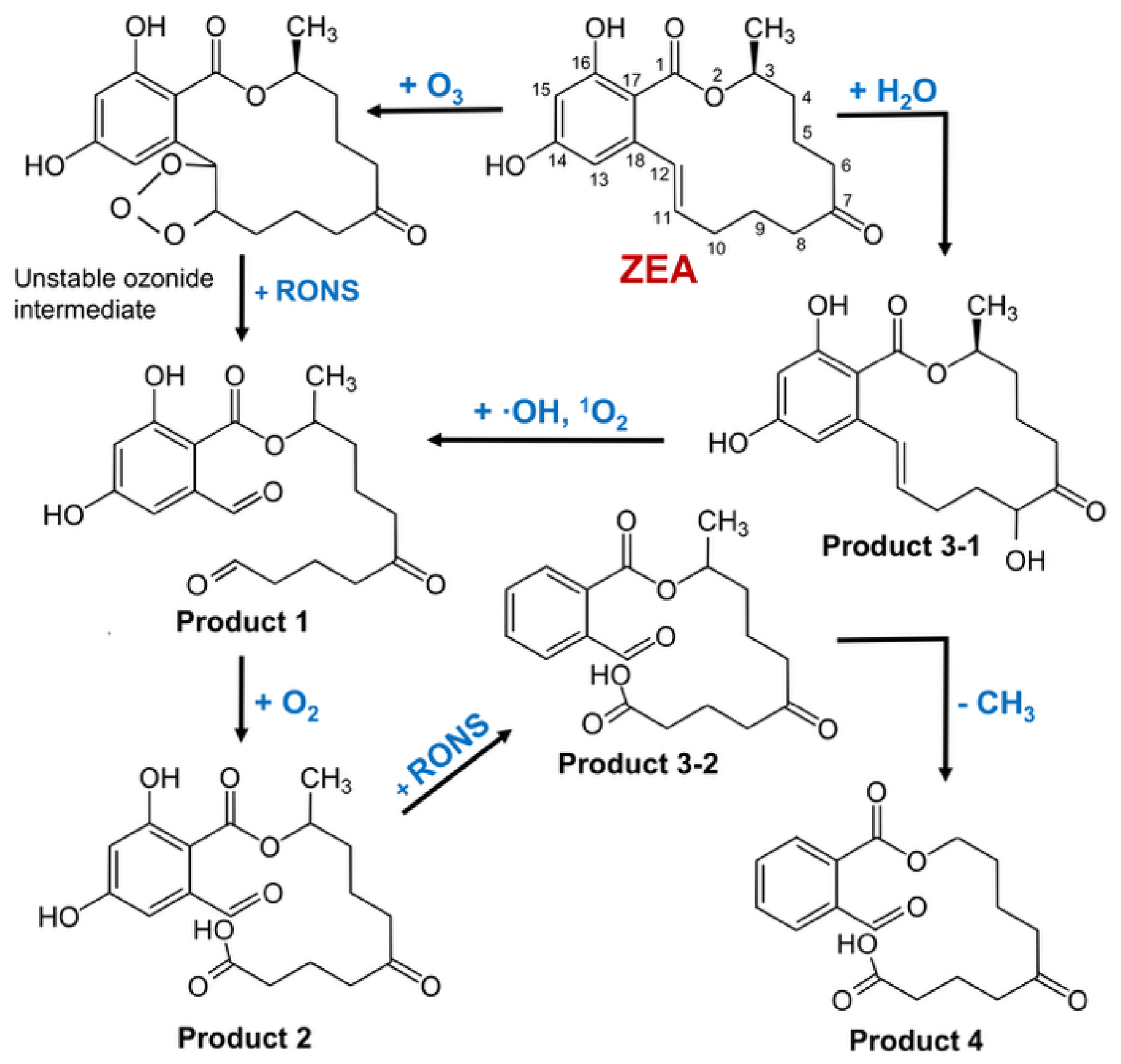
The two conjugated double bonds of PAT, one in each cycle, suffer ozonolysis, providing an unstable product that leads to 1,4-dioxan-2-ol and glyoxylic acid after reaction with ROS. The intermediate 1,4-dioxan-2-ol is oxidized to form acyclic byproducts, such as tripropylene glycol monomethyl ether and dipropylenglycol dimethyl ether, which, through further oxidation, would produce ethyl acetate and ethyl propionate. The oxidation of glyoxylic acid leads to some short-chain organic acids and alcohols, which, together with the esters, would be further oxidized to provide acetic acid, formic acid, CO2, and H2O. The developmental toxicities of intermediate products tripropylene glycol monomethyl ether and glycerol were much lower than those of PAT. These processes were induced by the degradation of PAT on fresh-cut apple slices contaminated with the mycotoxin by DBD CP at 23 kV and are also reported by Shirazi et al. [123]. Moreover, pin-jet CAP fed with air achieved 99% PAT decomposition at 25 kV for 4 min in aqueous solutions [125]. First degradation products of PAT by O3 included ascladiol, deoxypatulinic acid, and hydroascladiol as a result of the lactone ring cleavage, which, through further oxidation, should provide 1,4-dioxane-2-ol and glyoxylic acid following the pathway proposed by Xue et al. [124]. The identity of the final low molecular weight products could not be confirmed by LC-QTOF-MS and HR-IM spectra. A complete elucidation of PAT degradation pathways would require further studies involving the identification of multiple transient intermediates. These processes were induced by ROS such as O3, some radicals, and hydrated electrons [125].
Figure 19.
Degradation pathways of PAT under the activity of plasma-activated water (PAW), as suggested by Xue et al. [124].
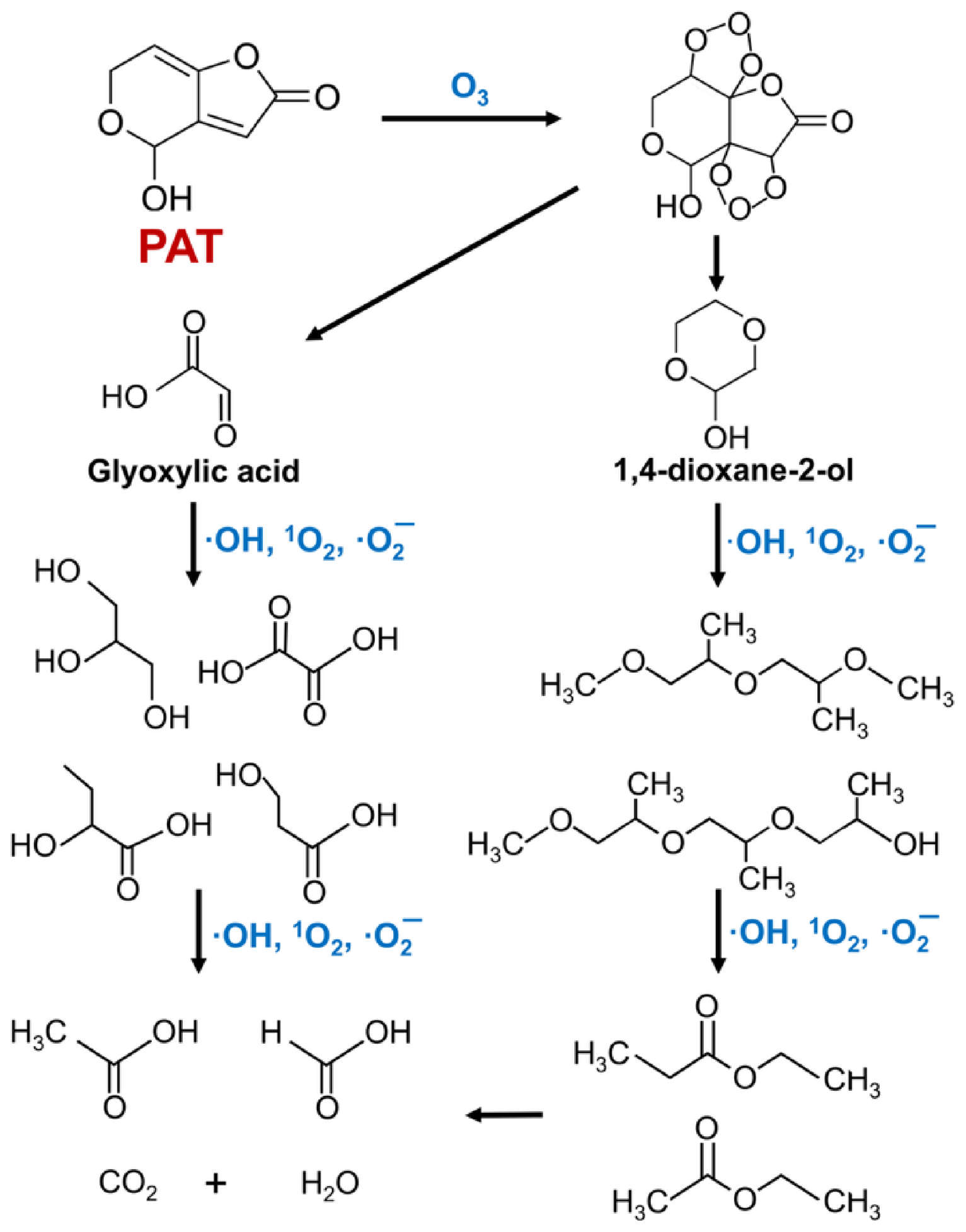
6.6. Mechanisms of CP Degradation of Other Mycotoxins
Although CP systems can reduce the amount of other mycotoxins in foods, few studies have focused on the mechanisms of such degradation [5,90].
Fumonisins are polyketides with characteristic 2-propane-1,2,3-tricarboxylic acids esterified to an aminopolyol chain. CAP can produce the degradation of FB1 and FB2 in excess of 90% [126]. Large percentages of FB1 reduction (64 and 68%) due to CP have been reported in maize spiked with this toxin [55,102]. FB1 is highly susceptible to CAP due to its long-chain molecular structure. The FB1 molecule consists of a long-chain aminopentol backbone with tricarballylic acid (TCA) side chains attached at the C14 and C15 sites and an amino group attached at the C2 position. Both the amino group and the TCA chains are important toxic groups, which can bind to ceramide synthase and interfere with the synthesis of sphingolipids [120]. The mechanism involves the rapid cleavage of TCA side chains and the breakdown of the aminopentol backbone through reactions with RONS [127].
Wang et al. [122] used RMD simulation to accomplish a theoretical approach to the possible degradation pathways of six mycotoxins (AFB1, DON, ZEA, PAT, OTB, and FB1) exposed to the impact of ROS generated by CP. They revealed the probable degradation pathways of these mycotoxins at the atomic level and summarized the reaction types experienced by the main toxic groups, such as addition, oxidation, reduction, ring opening, side chain shedding, and skeleton structure breaking. Some of the intermediates are very reactive and unstable, so they are very unlikely to be identified by conventional high-resolution analytical techniques such as UPLC-QTOF-MS. The possible pathways of FB1 degradation by CP are shown in Figure 20. According to the RMD simulation, one or two TCA groups can be removed (reactions R1, R2, and R3), and the C-C bonds adjacent to the OH groups in the aminopentol chain can suffer cleavage with the formation of a double bond and an aldehyde group (reactions R4 and R5). Moreover, the final ethyl amino group can be removed with the formation of an aldehyde group at the C-terminal of the main moiety (reaction R6).
Figure 20.
Theoretical degradation pathways of FB1 by the effect of CP-generated ROS, as calculated using RMD [122]. The key groups/bonds more likely affected by CP treatment in the FB1 molecule are indicated by green dashed lines. The red dashed lines indicate the broken bonds.
Alternaria toxins, such as alternariol and alternariol monomethyl ether, are degraded by the RONS produced by CP [128]. However, the mechanisms of these processes have not been elucidated yet.
7. Activity of CP on Mycotoxins in Nuts and Dried Fruits
CP can contribute to mycotoxin mitigation not only by inactivating toxigenic fungi, but also through direct degradation of the mycotoxins already present in food. This aspect is particularly relevant for nuts and dried fruits, where mycotoxins may persist even after fungal inactivation. As summarized in Table 5, CP treatments have shown the ability to modify the molecular structure of these compounds, often leading to less toxic or non-toxic derivatives. However, the extent of degradation varies widely depending on the plasma system, treatment conditions, and, importantly, the presence of the food matrix.
Table 5.
Effect of cold plasma on mycotoxins in nuts and dried fruits and in vitro.
- (a)
- Pistachios
Studies on pistachios (Table 5) highlight both the potential and the limitations of CP for mycotoxin degradation. Reported reductions in AFs range from moderate (about 50%) to high (>80%), depending on the system and conditions applied. For example, air-fed dielectric barrier discharge (DBD) treatments achieved reductions of AFB1 of around 50–65% within a few minutes, and higher degradation was observed under in vitro conditions compared to pistachios [83]. Similarly, plasma jet treatments using Ar/air mixtures resulted in considerable reductions, particularly for AFB1 (up to 80%), while other AFs (AFB2, AFG1, AFG2) were less affected [6]. This suggests differences in susceptibility among AFs, possibly related to their molecular structure.
A key aspect emerging from these studies is the strong influence of the food matrix. For instance, indirect surface DBD (SDBD) treatments showed relatively low degradation rates in pistachio samples (generally <30%), whereas the same conditions led to much higher reductions in vitro (up to 99% for some AFs) [40]. This disagreement clearly indicates that matrix components can limit the interaction between reactive species and mycotoxins. In addition, processing conditions such as exposure time, distance from the plasma source, and the type of reactive species generated (O3 versus NOx-dominated regimes) significantly affect the efficacy of the treatment. Greater degradation was observed at shorter distances and longer exposure times, as well as under O3-rich conditions. The physical form of the sample also plays a role, as chopped pistachios showed higher reduction rates than whole kernels, likely due to increased surface area and improved accessibility.
CP shows clear potential for reducing mycotoxin levels in pistachios, but the variability in reported results (Table 5) highlights the importance of matrix effects and treatment optimization. These factors remain critical challenges for achieving consistent mycotoxin decontamination.
- (b)
- Hazelnuts
The effect of DBD plasma on AFs in hazelnuts highlights the strong influence of both plasma chemistry and matrix effects (Table 5). In one study [3], treatments using N2 and N2/O2 mixtures showed that pure N2 was more effective, achieving >70% total AF reduction after 12 min, with AFB1 reduced to approximately 29% at 1150 W. In contrast, the addition of O2 decreased efficacy, suggesting that RNS may play a more relevant role than ROS in this matrix. This contrasts with other food systems where O2-containing plasmas are often more effective, indicating that optimal gas composition is matrix-dependent. A second study comparing atmospheric pressure (AP) and low-pressure (LP) plasma systems [129] further illustrates inconsistencies across experimental setups. While LP plasma achieved higher reductions in vitro, both systems resulted in similar AFB1 reductions (about 70%) in hazelnuts. This discrepancy reinforces the protective role of the food matrix, where lipids and structural components likely hinder the diffusion of reactive species. Moreover, the toxin concentration influenced degradation only in vitro, but not in the hazelnut matrix, again underscoring the limited scalability of in vitro outcomes.
Across studies, AFB1 and AFG1 were consistently more susceptible than AFB2 and AFG2, which is typically attributed to structural differences (the C8=C9 double bond present in the former). However, despite similar mechanistic explanations, the extent of reduction varies widely, reflecting the lack of standardization in CP parameters (power, exposure time, gas flow), which makes cross-study comparisons challenging.
- (c)
- Peanuts
As outlined in Table 5, compared to hazelnuts, studies on peanuts show wider variability in outcomes due to differences in reactor design, operating conditions, and sample handling. For example, Devi et al. [4] reported >90% AFB1 reduction under a higher energy regime (1950 V/60 W, 12 min), whereas milder conditions achieved only 70% reduction. This confirms that energy input is a key driver of detoxification efficiency, although increasing power raises concerns about product quality and energy cost, which are rarely addressed.
Likewise, reactor configuration plays a critical role. In an APPJ system [130], agitated samples showed higher AF reductions than static ones, indicating that mass transfer limitations are significant in solid food matrices. This is consistent with other studies where improved contact between plasma species and the sample enhances efficacy.
Another study using a rotary plasma jet [87] demonstrated that higher power (200 W versus 180 W) not only improved fast detoxification but also delayed AF reemergence during storage. This introduces an important but often overlooked aspect: post-treatment stability and fungal regrowth, which is rarely systematically evaluated across studies.
Voltage and treatment time were positively correlated with AFB1 reduction in a multipin-plane reactor [131], but again, the lack of unified reporting (e.g., energy density, plasma dose) limits comparability. Studies of CP on peanuts emphasize that process parameters and reactor design strongly influence the results, but reproducibility across systems remains unclear.
- (d)
- Roasted coffee beans
In roasted coffee beans, CP achieved only about 50% OTA reduction after 30 min under relatively mild conditions [89], which is notably lower than reductions reported for AFs in nuts (Table 5). This suggests that mycotoxin type significantly affects susceptibility, likely due to differences in chemical structure and reactivity with plasma-generated species. Additionally, the dense and porous structure of roasted coffee beans, combined with their complex chemical composition, may limit the penetration of reactive species. Compared to nuts, this indicates that matrix composition (e.g., porosity, moisture, lipid content) can outweigh plasma intensity in determining efficacy. However, few studies have systematically compared matrices under identical CP conditions, representing a breach in the literature.
- (e)
- Mixed nuts
Studies on mixed nuts (Table 5) provide clear evidence of the matrix effect and differences between contamination types. Dinç et al. [9] showed that AF reductions in spiked samples (AFB1, 88.4%) were significantly higher than in naturally contaminated samples (AFB1, 24.6%). Likewise, in vitro degradation was even faster, reaching high reduction levels within 2 min. These results demonstrate that plasma efficacy decreases in the order: in vitro > spiked samples > naturally contaminated matrices, due to increasing limitations for the RONS to access mycotoxins. In real food systems, mycotoxins may be embedded within tissues or bound to macromolecules, limiting interaction with reactive species. The study also confirmed that AFB1 and AFG1 are more reactive than AFB2 and AFG2, supporting relationships between structure and reactivity. However, despite similar trends, the degradation kinetics varied and required different modeling approaches (Weibull versus first-order), suggesting that reaction mechanisms are not uniform across conditions. A crucial limitation of these studies is the lack of standardized contamination models and plasma dosimetry, which complicates comparison and hinders the development of predictive models.
- (f)
- Dried fruits
In dried mulberries, CP achieved up to 62.6% AFB1 reduction after 18 min at 13 kV [132], which is moderate compared to reductions reported in nuts (Table 5). This may be due to the high sugar content and sticky surface of dried fruits, which can scavenge reactive species and limit their diffusion. CP studies on dried fruits are scarce, and experimental conditions vary widely, which prevents meaningful comparison. This highlights a significant research gap: the need for systematic studies across different dried fruit matrices under controlled and comparable CP conditions.
8. Activity of CP on Mycotoxins in Cereal Grains
Cereal grains are widely contaminated with mycotoxins due to the proliferation of toxigenic fungi in crops, particularly during postharvest stages. Given their central role in global food security (e.g., 1.218 billion tons of maize, 820 million tons of rice, and 798.4 million tons of wheat produced in 2024) [30], effective detoxification strategies are essential. CP has emerged as a promising approach because it can reduce the mycotoxin levels while generally preserving the physicochemical and sensory properties. However, as summarized in Table 6, the reported efficacy varies considerably depending on plasma configuration, mycotoxin type, and grain matrix, highlighting the need for critical comparison.
- (a)
- Barley grains
Studies on barley reveal highly variable and sometimes contradictory outcomes, emphasizing the importance of experimental conditions. Durek et al. [93] showed that the effectiveness of a DCSBD system against OTA strongly depends on the feeding gas: while CO2 + O2 reduced both fungal growth and OTA levels, CO2 alone led to an increase in OTA concentration during storage, likely due to a stress-induced stimulation of OTA production. Similarly, when incubation time before treatment was shortened, OTA levels increased after CP exposure, further supporting the hypothesis that sublethal plasma stress may enhance mycotoxin biosynthesis under certain conditions.
These findings contrast with studies reporting the direct degradation of mycotoxins. For instance, Feizollahi et al. [133] observed up to 48–54% reduction in DON using a DBD system, with only marginal improvements beyond 6 min, suggesting the presence of a reaction plateau. A similar trend was observed for ZEA degradation [134], where efficiency depended strongly on gas composition, with Ar/O2 mixtures outperforming air or N2. This highlights that reactive species chemistry is a key determinant of degradation efficiency, although the optimal conditions differ between toxins. Further complexity arises from studies using GAD plasma [65], where DON reductions ranged from negligible to 89%, and in some cases, the toxin levels even increased. Notably, the formation of DON-3-glucoside (a masked mycotoxin) was detected, indicating that CP may induce chemical transformation rather than complete detoxification, with potential implications for food safety.
Overall, barley studies demonstrate that CP can both decrease, and under certain conditions, indirectly increase the mycotoxin levels. The high variability and large standard deviations reported in some studies limit the robustness of conclusions, and the short treatment times explored (≤3 min in some cases) further restrict comparability.
- (b)
- Maize grain
In maize, CP efficacy depends on the mycotoxin type and treatment configuration. In vitro studies using DBD plasma [102] showed rapid degradation for some toxins (e.g., enniatin B, FB1, OTA, ZEA), whereas DON was much more resistant, with a significantly longer half-life. This indicates that chemical structure governs susceptibility to plasma-induced degradation, a trend also observed in other matrices (Table 6). However, when moving from in vitro systems to maize grains, degradation efficiency decreased substantially. For example, reductions in AFB1 and FB1 levels were about 65% after 10 min, confirming a matrix-dependent limitation similar to that observed in nuts. This reduction in efficacy is probably due to the limited diffusion of reactive species and interactions with grain components.
Other studies reinforce the importance of process parameters. Increasing the treatment time enhanced AFB1 degradation up to 80% after 12 min in contaminated maize [7], while optimization using response surface methodology in a low-pressure N2 plasma system [135] predicted reductions above 80% under specific conditions. These findings suggest that optimization of the process can improve outcomes, although such optimized conditions may not be easily scalable.
A comparison of CP configurations further highlights inconsistencies. Somma et al. [55] reported that direct plasma exposure (CP) was generally more effective than plasma-treated gas (PTG), particularly for FB1, whereas differences were less pronounced for AFB1. Moreover, degradation in maize was consistently lower than in model systems (filter paper), which further confirms the strong influence of the matrix. The identification of multiple degradation products also raises concerns about the toxicity of byproducts, which are rarely assessed systematically.
- (c)
- Wheat grain
In wheat, CP effectiveness varies with both the type of mycotoxin and the treatment conditions (Table 6). For example, Alternaria toxins in wheat flour were reduced by 54–74% using an SDBD system [136], with efficiency depending on exposure time and distance, indicating the importance of the geometry of plasma–sample interaction. Similarly, reductions in T-2 and HT-2 toxins up to about 80% were achieved after 10 min of treatment [118], with comparable or slightly lower reductions observed in vitro. This contrasts with other studies where in vitro degradation is higher than in the matrix, suggesting that matrix effects are not always dominant and may depend on toxin localization and sample structure.
For DON, a clear non-linear degradation pattern was observed [79], with a sharp reduction between 3 and 6 min followed by a plateau. This behavior, also reported in other grains, suggests that easily accessible toxin fractions are degraded first, while residual fractions are more resistant.
GAD plasma treatments [47] showed moderate AF reductions (up to 64% for AFB1), consistent with trends observed in other cereals. Across studies, AFB1 is generally more susceptible than other AFs, but the differences are not always large, again reflecting variability in experimental systems.
- (d)
- Rice grain
CP studies on rice further confirm the strong discrepancy between the in vitro and matrix results (Table 6). Using a corona discharge plasma jet [66], AFB1 degradation exceeded 95% on glass slides (in vitro) but ranged from 45% to 57% in rice and wheat, clearly demonstrating restricted plasma penetration and matrix interference. Likewise, Guo et al. [10] reported that DON was more susceptible than OTA, with maximum reductions of approximately 61% and 56%, respectively. While degradation increased with treatment time, overall efficiency remained moderate, suggesting intrinsic resistance of certain mycotoxins and/or protective effects in the grain matrix. Other studies [137] have shown that factors such as moisture content, O2 level, voltage, and exposure time significantly influence CP performance. However, even under optimized conditions, reductions in rice rarely exceed 55%, which is lower than in some other cereals. This may be attributed to low permeability and compact grain structure, limiting the diffusion of reactive species.
Table 6.
Effect of cold plasma on mycotoxins in cereal grains.
Generally, CP shows promising potential for mycotoxin mitigation in cereal grains, but its efficacy is highly variable and difficult to compare across studies. The existing evidence shows that matrix effects are a major limiting factor, as degradation is consistently lower in real grains than in in vitro systems due to the restricted diffusion of reactive species and interactions with the grain components. In addition, mycotoxin structure influences susceptibility, with DON generally being more resistant than AFs and related compounds. Although increasing treatment time, power, or modifying gas composition can enhance degradation, the effects are often non-linear and approach plateaus, suggesting limited accessibility of residual toxins. Notably, adverse outcomes have been reported, including increased mycotoxin levels due to fungal stress responses and the formation of masked mycotoxins, which may avoid complete detoxification. A key limitation of the current literature is the lack of standardized CP parameters and reporting metrics, which hampers reproducibility and scalability. Future work should prioritize standardized methodologies, a comprehensive evaluation of degradation products, and their toxicity.
9. Effect of CP on the Physicochemical and Organoleptic Properties of Nuts, Dried Fruits, and Cereal Grains
It is very important to verify the impact of treatments on the physicochemical quality of the foods after being exposed to CP. According to most reports, there are minimal negative influences on their physical features. However, depending on the values of some of the key parameters of the CP systems, changes in the sensorial characteristics may be observed.
9.1. Effect on Nuts and Dried Fruits
After AP-CCP exposure of pistachios, at a stage with 100 W power input, a sensory panelist team did not observe differences in terms of the overall appearance, color, odor, and texture. However, at a stage with 150 W, the panelists observed slight alteration only in the texture of treated pistachios [81]. However, Makari et al. [83] observed that while the total phenolic content (TPC) of pistachios was not affected by the DBD plasma, the antioxidant activity was slightly stimulated, although there was no significant difference between treated samples at exposure times longer than 60 s. The malondialdehyde (MDA) contents increased with the increase in the treatment duration and displayed the highest increment after 180 s. The levels of chlorophyll A and B and total carotenoids decreased. Color parameters were affected, and plasma treatment led to darker pistachio nuts. Protein solubility was reduced, and the pattern and intensity of proteins in the pistachio nuts were altered. Plasma treatment induced positive and negative effects on the quality features of pistachio nuts, but quality changes were lower than those of other decontamination technologies. Esmaeili et al. [6] reported that a panel of experts found that the plasma jet had little effect on the color, taste, and smell of treated pistachios. The peroxide value increased very slightly (from 0.07 to 0.08 meq/kg), and the moisture content decreased slightly, concluding that changes induced by CP were minimal. Hydroperoxides, thiobarbituric acid reactive substances, phytosterol oxidation products, and C6–C10 aldehydes and alcohols, key markers of lipid peroxidation, were observed in SBDB-treated pistachio kernels. However, their amount was not significantly different between the treated and untreated samples and caused insignificant changes in the total composition of kernel lipids (fatty acids, or alcoholic constituents of unsaponifiable matter) [139].
The results of a sensory evaluation of hazelnuts treated by AP CP by a panel of experts did not show significant differences between the CP-treated and untreated control samples [84]. AP plasma-treated hazelnuts were found to be organoleptically acceptable.
An increase in the TPC and antioxidant activity after 15 and 30 days of storage at 4 °C was observed in fresh and dried walnut samples used in both the control and samples treated with plasma jet fed with Ar at a distance of 1.5 cm. Changes in the total phenolic content and antioxidant activity in the control sample and treated walnuts showed a similar pattern [86]. No change in the peroxide value but a slight decrease in the moisture content of dried walnut kernels from 3.38% to 2.42%, together with a darkening in color after LP-CP treatment at 50 W for 20 min, was reported in another study [140].
Devi et al. [4] indicated that after the rotary plasma jet exposure of peanuts, there was no generation of free fatty acids (FFAs), even after using 200 W for 5 min in the peanut oil produced from them. In terms of peroxide value, after 180 W or 200 W treatment for 3.5 min, the value increased slightly, but there was no significant difference from the control group. However, after 180 W and 200 W treatment for 5 min, the peroxide value (PV) increased from 3.04 meq/kg to 5.36 and 5.62 meq/kg, respectively, which resulted in significant increases and was explained by the increase in the surface temperature of the peanuts when the time increased from 3.5 to 5 min. ROS from plasma may act at relatively low temperatures, but rise with time, on the double bonds of the fatty acid chains and oxidize them, forming peroxides that cause rancidity of the derived peanut oil. No changes were observed in the hardness and fracture or shearing force of CP-treated peanuts compared to the control samples [88], and only a slight variation in the color of the peanut oil was observed. Only non-significant changes in the color parameters or the PV have been reported in peanuts [87,88]. Iqdiam et al. [130], using an APPJ system, found no significant differences in the acidity and PV of oil produced from their peanuts treated with short times (1–2 min) without shaking. Treatments on agitated samples and times of 3–5 min produced a lower surface temperature, which does not adversely affect the oil quality. Several attributes, including overall appearance and color, were considered by panelists tasting the peanut samples. There were no significant differences in overall appearance preference for the peanut samples, and CP exposure may actually enhance the sensory quality of the peanuts. A reduction in the moisture content of peanuts following CP treatment at 30 kV for 15 min has been reported [131]. The reduction in moisture content may be due to the breakdown of water molecules into oxygen-free radicals during the CP treatment process. The fat, protein, and fiber contents increased with longer durations at higher voltages of CP treatment. The highest fat content was observed after 15 min at 30 kV. On the contrary, the carbohydrate content gradually decreased as the exposure time and voltage of CP treatment increased due to starch depolymerization. The mineral content (Ca, Fe, Zn) showed slight changes depending on the treatment. The total content of phenols and flavonoids increased with CP treatment, although it decreased with prolonged exposure to high voltages. The effect of APCP on the physicochemical features of mixed nuts (roasted white chickpeas (23.4%), roasted yellow chickpeas (10.2%), pistachios (12.9%), hazelnuts (16.3%), pumpkin seeds (16.2%), and peanuts (21%) was studied [9]. They found that after CP exposure, moisture decreased, while the FFA and peroxide values were slightly augmented, and the intensity of the changes depended on the time; other quality parameters (protein, fiber, ash, and mineral content) remained stable.
CP showed a minimal impact on the color of dried white mulberries but caused decreases in pH (from 5.18 to 4.12) and TPC (by approximately 32%), indicating some quality degradation [132]. Wang et al. [109] treated raisins with surface discharge plasma CP. The key attributes, such as moisture content, titratable acidity, total sugars, ascorbic acid content, color parameters, and aroma in raisins, showed no significant changes after plasma treatment.
9.2. Effects in Cereal Grains
CP modified the physicochemical and sensory properties of cereal grains. This treatment affects the structure of starch and proteins as well as their appearance.
The color suffers some changes depending on the treatment conditions. Using the CIE L*a*b* color system parameters, it has been reported that in maize, L* and b* decreased slightly while a* increased under glow discharge plasma using Ar and N2 as feeding gases at the time the antioxidant capacity (total phenol, ascorbic acid, and glutathione) was enhanced, while the FFA value and MDA content diminished during storage for 180 days [72]. Little changes in the activity of DBD on maize grains were reported by Zheng et al. [141]. No significant change in crude protein content was detected; fatty acids increased a little after treatment, while the crude fiber content decreased slightly. In wheat grains, no significant impact on physiological properties, except for minor changes in the moisture content, a* value, and MDA levels, was observed [110]. Negligible effects on wheat quality were observed after DBD CP treatment, except for a slight decrease in the whiteness of wheat powder. There were no significant differences compared to the controls in vitamin B1 and vitamin E concentrations, moisture content, and soluble protein content [48]. CP-generated RONS can interact with starch, promoting polymerization or depolymerization, plasma etching, and attaching nitro, hydroxyl, carboxyl, and other groups, which alter features of starch such as viscosity, crystallinity, and gelatinization temperature [142,143]. Color analysis of wheat flour treated with CP revealed a slight increase in lightness and whiteness index attributed to ROS oxidative effects on pigments. Moreover, significant enrichments in swelling power, solubility, damaged starch, and water and oil absorption capacities with increased plasma exposure time pointed to structural modifications in the starch and protein contents [144]. CP etching of maize starch can increase the particle size, disturb crystalline structures, and break molecular chains, which provide lower viscosity and improve flow characteristics [143]. Concerning the proteins of cereals, CP-generated ROS can oxidize free amino acids and protein-bound residues. These changes include the hydroxylation of side chains, nitration of aromatic groups, S-nitrosylation of thiol groups, sulfoxidation of methionine, chlorination of amino groups, and the conversion of amino acid residues into carbonyl derivatives. Therefore, the secondary and tertiary structure of proteins and their functionalities can be modified [143]. In barley grains, albumin, globulin, and prolamin were hydrolyzed, producing smaller peptides or free amino acids [145]. Lipid peroxidation was observed in wheat exposed to DBD plasma [110]. As indicated by Zhen et al. [141], the levels of some fatty acids were increased in maize after DBD CP treatment, especially at 50 KV for 120 s, though the changes were considered within acceptable limits for storage, and no significant change in the crude protein levels was observed. Thus, the effect of CP treatment on maize quality is mostly adequate, and it can even improve the quality in some aspects, and CP has an application potential in the processing and storage of maize [141]. Iqdiam et al. [118] indicated that their air-CAP treatment of wheat grains did not significantly alter the wheat grain quality, color, or germination, suggesting its potential for food safety applications. A DBD CP had no significant impact on rice quality except for fat oxidation, and the FFA value of rice increased by 275.3% under a voltage of 160 kV [137]. A DBD CP treatment of rice grain (2–8 min duration) did not significantly influence the rice grain moisture content of the sample within an exposure duration of 8 min [10]. CP treatment only exerted a significant influence on the cell membrane permeability of the rice grain when a certain treatment duration (8 min) was reached. The FFA content was increased due to the hydrolysis of triacylglycerol and phospholipids. Oxidation of the double bonds of FFA under the activity of lipoxygenases increases the amount of lipid peroxides that, by cleavage, provide aldehydes and ketones, and an increase in the MDA content. However, the results showed that the CP treatment did not influence the major nutrients of rice grain. Moreover, the DBD CP treatment for 8 min or less did not influence starch and amylose content in rice grain. CP had no significant influence on the globulin, glutelin, or albumin content of rice grain but significantly affected the prolamine content. However, overall, CP treatment has a negligible effect on rice protein. Fundamental CP parameters such as the nature of the feeding gas, power, and exposure time are critical in balancing oxidative effects with the preservation of quality in cereal grains. CP has the potential to modify the structure of food allergens, which may reduce their allergenicity, though this is still a developing area of study [143]. It may be concluded that compared to other methodologies, the CP treatment of these food commodities does not change their organoleptic and physicochemical properties much, provided that the CP conditions are not severe and the exposure time is relatively short.
9.3. Implications of the Matrix of Low-Moisture Foods in the Industrial Scalability
Considering the variable composition and structure of the food objects of this review, the possible scalability to the food industry has to deal with several aspects of CP. One of them can be the matrix effect of these products, summarized in their low moisture, rough surface topography, and high fat or protein content. Low water activity inside the nuts and grains makes the production of RONS difficult compared to fresh foods. Rough surfaces in nuts and seeds imply that crevices, porosity, and irregularities can harbor microorganisms that are more challenging to reach by the reactive species produced by CP, which usually implies larger treatment times. An adverse effect of CP relies on the surface etching of the nuts and seed shells, which can increase the permeability of microorganisms to reactive species but may also increase the surface roughness or enhance wettability. Grains and especially nuts are rich in unsaturated fatty acids. While the CP nature preserves most nutrients, the ROS can activate lipid oxidation, leading to increased peroxide values and potential rancidity, particularly in peanuts and pistachios, as previously commented. In the case of dried fruits, the high concentration of sugars creates a dense, viscous, and often sticky surface matrix, which physically traps microorganisms or spores, making them significantly more resistant to plasma active species compared to dry surfaces. CP can also modify protein structures in these foods, as previously discussed, potentially mitigating allergenicity by breaking down or altering the protein structure through oxidation in peanuts (variety Ara h1) [146] or depolymerization of the proteins gliadin and glutenin in wheat flour (glutenin) [147].
The matrix effects generate chances and challenges for industrial implementation. Thus, as previously indicated, CP is highly efficient at the surface decontamination of dried nuts and grains, achieving 1–5 log reductions of Aspergillus sp. with minimal impact on nutritional and organoleptic quality. As the surface is the target, CP is ideal for in-package decontamination, preventing re-contamination during packaging. CP can increase the functionality of grain flours by altering starch granules and increasing the water-holding capacity, which is desirable in baking. It also helps in decreasing the cooking time of grains. The type of CP equipment (DBD, APPJ, GAD plasma, MW plasma), the exposure time, power/voltage input, the frequency, gas mixtures (e.g., Ar, He, N2, or air), and gas-flow rate must be appropriate to the specific food to be processed to avoid undesirable changes, such as the darkening of nuts or flavor alterations (e.g., rancidity, off-flavors) due to oxidation. This process needs an optimal balance of power and treatment time.
While effective at the laboratory scale, the industrial implementation of CP in low-moisture commodities such as nuts, cereal grains, and dried fruits still presents important technical and economic challenges. Large-scale applications require robust and cost-effective plasma systems with optimized reactor designs capable of uniformly treating bulk products under continuous processing conditions. In dielectric barrier discharge (DBD) systems, operating parameters such as applied voltage, gas composition, electrode configuration, barrier material, geometry, and electrode wear must be carefully optimized according to the characteristics of each food matrix [148,149]. Treatment uniformity is particularly challenging in bulk dry products because heterogeneous particle distribution and limited surface exposure may reduce the contact between RONS and contaminated sites. Moreover, as previously indicated, the matrix composition strongly influences CP efficiency.
Although CP has shown promising results for mycotoxin mitigation in laboratory studies, its industrial translation remains limited. Major constraints include the scale-up of plasma generation systems, maintenance of homogeneous treatment in large and heterogeneous dry food matrices, integration into existing industrial processing lines, and the high initial investment associated with industrial plasma equipment. In addition, process standardization, energy efficiency, economic feasibility, and regulatory approval of CP-treated products must be addressed before widespread commercial adoption. Therefore, further pilot-scale investigations focused on low-moisture food systems are required to optimize processing conditions and facilitate the industrial implementation of CP technology.
10. Toxicological Considerations of Cold Plasma-Treated Foods: Mycotoxin Degradation and Food Matrix Effects
CP treatment raises important toxicological considerations that extend beyond the degradation of mycotoxins to include potential modifications of intrinsic food components. Accordingly, the safety of CP-treated foods must be evaluated from two complementary perspectives: (i) the nature and toxicity of mycotoxin degradation products, and (ii) the formation of reactive or altered compounds within the food matrix, such as oxidized lipids, modified proteins, or carbohydrate-derived products, as previously indicated in Section 9.
The toxicological implications associated with the degradation of major mycotoxins are discussed below.
AFB1 can be metabolized and activated by CYP450 enzymes in the liver. This process leads to the formation of several toxic metabolites, such as AFB1-8,9-endo-epoxide or AFB1-8,9-exo-epoxide. These intermediate compounds are highly toxic and can be detoxified by enzymatic conjugation with reduced glutathione, giving AFB1-glutathione, a water-soluble derivative that can be excreted in bile and urine. Moreover, they can be partially hydrolyzed to AFB1-dihydrodiol, which is quite polar and can be excreted or can bind lysine residues, leading to protein damage and necrosis, thus representing an additional toxic mechanism of AFB1 [150]. In the case that they are not eliminated, they can bind to intracellular proteins, DNA, and RNA, producing gene mutations resulting in cytotoxicity and carcinogenesis [151,152]. Specifically, they can bind the N-7 position of guanine residues in the DNA molecule, which produces a highly unstable adduct that may induce hepatocellular carcinoma [153,154]. The furofuran ring, and particularly, the double C8=C9 bond on the terminal furan ring of AFB1, are considered primarily responsible for its toxicity and carcinogenicity. Any changes in the furofuran ring, the lactone ring, the cyclopentenone, or the methoxyl structure at C4 would result in a marked reduction in the biological activity of AFB1 [104]. Plasma-generated ROS can react with key groups of the AFB1 molecule and thus contribute to a decrease in its toxicological effects [55]. Thus, exposure of aflatoxin-containing foods to CP produces many products where the molecular groups or bonds responsible for the harmful effects of these mycotoxins disappear, providing many other products that are likely to be less toxic than AFs. Human hepatoma carcinoma cells (HepG2) constitute an appropriate in vitro model for aflatoxin toxicity assays. The formation of DNA strand breaks in HepG2 cells as a result of the genotoxic activity of CAP-exposed AFB1 samples has been assessed [105,154]. CP-treated AFB1 showed a decreasing trend in the formation of DNA strand breaks with increasing treatment time, regardless of the RONS dose used [105]. The products from the degradation of CP-treated AFB1 showed lower or null toxicity compared with untreated AFB1 in HepG2 cells [7,102,105,154]. The removal of the key double bond in the AFB1 terminal furan ring by CP-generated RONS contributes to the reduced mutagenicity of AFB1; however, the opened dialdehyde ions may form Schiff bases with primary amine groups in proteins, occasioning protein adducts responsible for the additional cytotoxic effect of AFB1 [153]. CP modification of the AFB1 active site induced the production of AFB2a and AFB1-diol, which are cytotoxic but can be degraded, similarly to AFB1.
Concerning DON, its key functional groups related to toxicity are the unsaturated bond at C9=C10, the 12,13-epoxy ring, and the hydroxyl group at C3. The CP-produced RONS, like O3, can modify or eliminate these groups, and, therefore, the produced compounds are likely less toxic than DON [111,112,113,155]. The reduction in the cytotoxicity of AFB1, DON, and NIV in mouse RAW264.7 macrophages after treatment by MW plasma at atmospheric pressure has been reported [156]. Ott et al. [157] also reported a decrease of 80% in the cytotoxicity in colon carcinoma Caco-2 cells of HV CAP-treated DON in liquid solution after exposure at 85 kV for 20 min, although the cytotoxic reduction in solid DON was not significant, probably due to the increased availability of reactive species provided by water, such as O3, H2O2, and others. Further tests using a human-derived renal proximal tubular cell line (HKC-8) found that the cytotoxicity of CAP-treated DON was significantly reduced compared with that exhibited by the untreated controls [115]. The toxicity of the degradation products of CAP-treated ZEA in cereals was assayed both in vitro, using human normal liver cells (L02), and in vivo, using male C57BL/6J mice [120]. It was found that the toxicity of ZEA was significantly reduced by the treatment, which indicates that the degradation products are practically non-toxic or slightly toxic. Low toxicity of OTA-containing roasted coffee beans after exposure to CP has been reported [89] using Artemia salina (brine shrimp) as the animal test for in vivo assays. Zheng et al. [110] corroborated this decrease in the toxicity of CP-treated OTA in vitro using HepG2 cells. When these cells were exposed to CP-treated OTA, their viability increased significantly compared with exposure to the control non-exposed OTA (from about 50.8% to about 94.7% viability under optimized conditions). This suggests that the cold plasma degradation products of OTA are much less toxic to HepG2 cells than untreated OTA, indicating effective detoxification in a relevant human liver cell model. Thus, in vitro and in vivo experiments have revealed that the toxicity of CP-treated mycotoxins is effectively reduced. The lower toxicity of the degradation products of AFB1, DON, or ZEA after CP exposure is likely due to the changes undergone in the key groups linked to their toxicological effects [102,104,111,112,113,114,158]. It is critical to recognize that mycotoxin degradation does not automatically guarantee complete detoxification, because some of the primary degradation products may undergo further reactions, such as nitration or oxidation, which can increase their toxicity. Thus, a systematic assessment of the degradation pathways and the toxicity of the subsequent products is essential [102].
More comprehensive research must be conducted on CP-induced physicochemical changes of food products and their subsequent impacts on in vitro/in vivo toxicity. Overall, current research has generated different results concerning the cytotoxicity and genotoxicity of CP-treated products. Nastasa et al. [159] evaluated long-term contact with PAW in CD1 mice. The mice received PAW containing NO3− (1550 mg/L) and H2O2 (2.6 mg/L) or tap water daily for 90 days as the sole water source. The results indicated no adverse effects on mice during the experimental period. In agreement with these results, Xu et al. [160] evaluated the safety of plasma-activated liquids (PALs) in New Zealand rabbits administered by intra-bone marrow injection, where acute toxicity tests showed that there were no PAL-related side effects in rabbits receiving a maximum dose of 700 μL PAL containing up to 500 μM H2O2 (17 mg/L) concentration; thus, no mortality or loss of mobility was reported, which provided a basis for the further clinical research and application of PAL.
Some in vitro studies indicate that there is no significant alteration in the toxicity in human keratinocytes [161,162]. However, low cytotoxic effects were detected in vitro using the Chinese hamster ovary cell line CHO-K1, although mutagenic events were likely spontaneous mutations [163,164]. Other researchers have found increases in CHO-K1 toxicity [165] or in human fibroblast cells (GM00637) [166]. In vivo assays also show different behavior depending on the tested species and the conditions used for the experiments. Hesling et al. [163] reported that Galleria mellonella larvae injected with lettuce broth exposed to CP were negatively affected depending on the time conditions, which was related to the polyphenol compounds of the lettuce broth that can influence the results. Nevertheless, no significant toxicity increase was reported in the red flour beetle Tribolium castaneum [165], rats [164], Sprague–Dawley rats [167], or mice [159,168]. PAW delayed the recovery time or even resulted in a lack of growth of Danio rerio (zebrafish) embryos compared to control samples if the RONS concentrations were higher than the defined threshold values [169]. Plasma-activated (at 1 kHz) cashew apple juice caused significant lethality and morphological abnormalities at a concentration of 1000 μg/mL on Artemia salina nauplii, while no toxicity was observed at 10–100 μg/mL, indicating dose-dependent toxic effects [170]. Nevertheless, the same group of researchers further reported no toxic effects of the same juice treated by DBD plasma at lower frequency (400 and 550 Hz) in A. salina instar II nauplii and zebrafish for both embryos and larvae (for 24 and 48 h), showing that this juice is toxicologically safe for human consumption, once CP processing has not produced substances at concentrations that could be harmful [171]. Male and female Sprague–Dawley rats administered orally with CP-treated edible films for food packaging at doses of 5000 or 1000 mg/kg body weight did not show signs of acute toxicity or death after 14 days of observation. Although changes in the levels of several hematological components of samples were observed, the changes compared to the control were considered to be toxicologically irrelevant as their levels were within normal physiological ranges [167]. The primary source of toxicity is the interaction of RONS with biomolecules (proteins, carbohydrates, or lipids), which can alter their structure and functionality [163].
These disagreements in toxicological assessments are essentially due to variations in CP systems and treatment parameters. There are critical factors affecting the safety of CP-treated food: exposure times >5 min can increase RONS concentration, which may exceed the cell tolerance levels. Solid foods, such as nuts or grains, usually show less marked chemical modifications than liquid matrices because the treatment is mainly limited to the surface. In dried fruits rich in sugars, a large exposure time can increase the level of the toxic degradation byproduct hydroxymethylfurfural. The power and voltage influence the concentration of RONS generated. High values increase the intensity of the treatment. The generation of compounds like H2O2 or nitrite is transitory and generally dissipates quickly or remains well within safe levels. Concerning the low-moisture commodities object of the present review, there is a large gap in studies on the toxicology of these foods when administered in vivo or in vitro after being treated with CP. One of these scarce studies is that of Los et al. [165]. The residual toxicity of ACP treatment of grains for food purposes was assessed by feeding beetles (Tribolium castaneum) with flour produced from DBD plasma-treated wheat grains [165]. No negative impacts on the survivability or weight profiles of insects were observed. Assessing the potential toxicity of CP-treated foods is crucial to ensuring the safe development of processes and commercial applications in the food industry. Establishing the safety of mycotoxin degradation products is of paramount relevance for the regulatory approval and consumer acceptance of CP technology.
Despite the generally observed reduction in cytotoxicity and genotoxicity following CP treatment, the toxicological safety of degradation products cannot yet be considered fully established. Most available studies rely on in vitro assays or short-term in vivo models, which may not adequately capture long-term or cumulative effects. In addition, the chemical structure of many intermediate degradation products remains insufficiently characterized, and their toxicity is often inferred rather than directly assessed. This variability further limits the establishment of general conclusions.
Therefore, systematic identification of degradation pathways, coupled with comprehensive toxicological evaluation, including long-term in vivo studies, is required to ensure the safety of CP-treated foods before large-scale application. Particular attention should also be given to CP-induced modifications of intrinsic food components (e.g., lipid oxidation products or structurally altered proteins), even in the absence of mycotoxins.
11. Conclusions and Future Perspectives
Cold plasma (CP) has emerged as a promising non-thermal technology for improving the microbiological safety of low-moisture foods, including nuts, dried fruits, cereal grains, and flours. The studies reviewed here demonstrate that CP can effectively inactivate toxigenic fungi and reduce the concentration of major mycotoxins, including AFs, OTA, DON, ZEA, patulin, and Alternaria toxins. These effects are mainly attributed to the action of RONS generated during plasma discharge, which contribute to both fungal inactivation and to the chemical degradation or transformation of mycotoxin molecules.
A major key point from the current literature is that CP efficacy is highly matrix-dependent. Food composition, surface characteristics, moisture content, and lipid levels strongly influence treatment performance and product stability. While CP treatments can achieve substantial microbial and mycotoxin reductions, excessive exposure may promote lipid oxidation, rancidity, off-flavor development, or modifications of proteins and carbohydrates. Thus, the optimization of treatment parameters for each specific product is needed to balance decontamination efficiency with the preservation of nutritional and sensory quality.
Another important conclusion is that the lack of method standardization remains a major limitation for the field. Large variability among CP systems, reactor configurations, feeding gases, voltage and power inputs, and other treatment conditions makes a direct comparison between studies difficult and complicates the establishment of generally applicable protocols. In addition, most studies have been conducted under laboratory conditions using artificially inoculated samples, which highlights the need for validation under industrial conditions and naturally contaminated matrices.
The available studies also indicate that CP-induced mycotoxin degradation does not necessarily guarantee toxicological safety. Although several studies suggest that plasma treatment may reduce the biological activity of mycotoxins by modifying critical functional groups, information regarding the identity, stability, bioavailability, and long-term toxicity of degradation products remains very limited. Comprehensive toxicological evaluation, therefore, is one of the main priorities for future research.
From an industrial perspective, scaling CP technology from laboratory systems to commercial food-processing operations remains challenging. Uniform treatment of heterogeneous bulk materials, such as grains, nuts, and dried fruits, is difficult because of irregular surfaces, particle packing, and the limited penetration depth of reactive species. Future research should therefore prioritize pilot-scale validation, the optimization of reactor design, improved energy efficiency, and integration into existing processing lines. Atmospheric-pressure systems using air as a feeding gas may offer a more practical and economically achievable option for industrial applications.
Regulatory acceptance also remains limited due to insufficient information regarding process reproducibility, possible byproduct formation, toxicological safety, and long-term effects on food quality. The generation of harmonized datasets obtained under realistic industrial conditions will be essential to support future regulatory approval and commercial adoption.
Overall, the main take-home message of this review is that CP technology shows considerable potential as an alternative strategy for mitigating fungal contamination and mycotoxins in low-moisture foods, particularly because it can achieve effective decontamination while preserving product quality under optimized conditions. However, wider industrial implementation will require further progress in process standardization, mechanistic understanding, toxicological assessment, pilot-scale validation, and regulatory harmonization.
Author Contributions
Conceptualization, E.M.M., F.M. and M.J.; methodology, E.M.M., F.M., A.T. and M.Á.G.-E.; validation, F.M., J.M.S. and M.J.; formal analysis, F.M. and A.T.; investigation, E.M.M., F.M., A.T., M.Á.G.-E. and J.M.S.; resources, E.M.M., F.M., M.Á.G.-E. and M.J.; data curation, E.M.M.; writing—original draft preparation, E.M.M., F.M. and M.J.; writing—review and editing, E.M.M., M.J. and F.M.; visualization, M.J., F.M. and J.M.S.; supervision, F.M., E.M.M. and M.J.; project administration, E.M.M.; funding acquisition, E.M.M. All authors have read and agreed to the published version of the manuscript.
Funding
The authors acknowledge financial support from the Ministry of Science, Innovation and Universities (Spanish Government) through the project with reference PID2023-149211OB-C33.
Institutional Review Board Statement
Not applicable.
Informed Consent Statement
Not applicable.
Data Availability Statement
No new data were created or analyzed in this study.
Conflicts of Interest
The authors declare no conflicts of interest.
Abbreviations
The following abbreviations are used in this manuscript
| AP-CCP | Atmospheric pressure capacitively coupled plasma |
| AP-CP | Atmospheric pressure cold plasma |
| APFBP | Atmospheric pressure fluidized bed plasma |
| CAP | Cold atmospheric plasma |
| CCP | Capacitively coupled plasma |
| CDPJ | Corona discharge plasma jet |
| CP | Cold plasma |
| DAPACP | Double atmospheric pressure argon cold plasma |
| DDBD | Double dielectric barrier discharge |
| DBD | Dielectric barrier discharge |
| DC-DP | Direct current diode plasma |
| DCSBD | Diffuse coplanar surface barrier discharge |
| FFA | Free fatty acid |
| GAD | Gliding arc discharge plasma |
| HVACP | High-voltage atmospheric cold plasma |
| ICP | Inductively cold plasma |
| LP-CP | Low-pressure cold plasma |
| LTP | Low-temperature plasma |
| MDA | Malondialdehyde |
| N-APPJ/APPJ | Non-equilibrium atmospheric-pressure plasma jet |
| LTNP | Low-temperature nitrogen plasma |
| NTP | Non-thermal plasma |
| PAW | Plasma-activated water |
| PTG | Plasma-treated gas |
| RF | Radiofrequency |
| RMD | Reactive molecular dynamics |
| RNS | Reactive nitrogen species |
| RONS | Reactive nitrogen and oxygen species |
| ROS | Reactive oxygen species |
| SDBD | Surface dielectric barrier discharge |
| SMD | Dielectric barrier surface micro-discharge |
| TCA | Tricarballylic acid |
References
- Basaran, P.; Basaran-Akgul, N.; Oksuf, L. Elimination of Aspergillus parasiticus from nut surface with low pressure cold plasma (LPCP) treatment. Food Microbiol. 2008, 25, 626–632. [Google Scholar] [CrossRef] [Scilit] [PubMed]
- Dasan, B.G.; Boyaci, I.H.; Mutlu, M. Inactivation of aflatoxigenic fungi (Aspergillus spp.) on granular food model, maize, in an atmospheric pressure fluidized bed plasma system. Food Control 2016, 70, 1–8. [Google Scholar] [CrossRef] [Scilit]
- Siciliano, I.; Spadaro, D.; Prelle, A.; Vallauri, D.; Cavallero, M.C.; Garibaldi, A.; Gullino, M.L. Use of Cold Atmospheric Plasma to Detoxify Hazelnuts from Aflatoxins. Toxins 2016, 8, 125. [Google Scholar] [CrossRef] [Scilit] [PubMed]
- Devi, Y.; Thirumdas, R.; Sarangapani, C.; Deshmukh, R.R.; Annapure, U.S. Influence of cold plasma on fungal growth and aflatoxins production on groundnuts. Food Control 2017, 77, 187–191. [Google Scholar] [CrossRef] [Scilit]
- ten Bosch, L.; Pfohl, K.; Avramidis, G.; Wieneke, S.; Viöl, W.; Karlovsky, P. Plasma-Based Degradation of Mycotoxins Produced by Fusarium, Aspergillus and Alternaria Species. Toxins 2017, 9, 97. [Google Scholar] [CrossRef] [Scilit]
- Esmaeili, Z.; Samani, B.H.; Nazari, F.; Rostami, S.; Nemati, A. The green technology of cold plasma jet on the inactivation of Aspergillus flavus and the total aflatoxin level in pistachio and its quality properties. J. Food Process Eng. 2023, 46, e14189. [Google Scholar] [CrossRef] [Scilit]
- Zhao, L.; Sheng, X.; Li, S.; Yan, W.; Qian, J.; Wang, J.; Raghavan, V. Assessment of non-thermal plasma for decontamination against Aspergillus flavus and aflatoxin B1 in maize. Food Control 2024, 163, 110521. [Google Scholar] [CrossRef] [Scilit]
- Eshtiaghi, M.N.; Nakthong, N.; Hosseinzadeh Samani, B.; Taki, K.; Tuntithavornwat, S. Effective inactivation of fungi in grain using atmospheric pressure cold plasma. Heliyon 2025, 11, e43018. [Google Scholar] [CrossRef] [Scilit]
- Dinç, M.; Taşan, M.; Palabıyık, İ.; Akbulut, M.T.; Güneş, R. Effect of Atmospheric Pressure Cold Plasma on Aflatoxins in Mixed Nuts: A Comparative Study Using Natural and Spiked Samples. Food Chem. 2025, 494, 146203. [Google Scholar] [CrossRef] [Scilit]
- Guo, J.; He, Z.; Ma, C.; Li, W.; Wang, J.; Lin, F.; Liu, X.; Li, L. Evaluation of cold plasma for decontamination of molds and mycotoxins in rice grain. Food Chem. 2023, 402, 134159. [Google Scholar] [CrossRef] [Scilit]
- Altomare, C.; Logrieco, A.F.; Gallo, A. Mycotoxins and Mycotoxigenic Fungi: Risk and Management. A Challenge for Future Global Food Safety and Security. In Encyclopedia of Mycology; Zaragoza, Ó., Casadevall, A., Eds.; Elsevier Inc.: Amsterdam, The Netherlands, 2021; Volume 1, pp. 64–93. [Google Scholar] [CrossRef] [Scilit]
- Nešić, K.; Habschied, K.; Mastanjević, K. Possibilities for the Biological Control of Mycotoxins in Food and Feed. Toxins 2021, 13, 198. [Google Scholar] [CrossRef] [Scilit]
- Alshannaq, A.; Yu, J.H. Occurrence, Toxicity, and Analysis of Major Mycotoxins in Food. Int. J. Environ. Res. Public Health 2017, 14, 632. [Google Scholar] [CrossRef] [Scilit]
- Mwakinyali, S.E.; Ding, X.; Ming, Z.; Tong, W.; Zhang, Q.; Li, P. Recent development of aflatoxin contamination biocontrol in agricultural products. Biol. Control 2019, 128, 31–39. [Google Scholar] [CrossRef] [Scilit]
- International Agency for Research on Cancer (IARC). IARC Monographs on the Evaluation of Carcinogenic Risks to Humans. In Some Traditional Herbal Medicines, Some Mycotoxins, Naphthalene and Styrene; IARC Press: Lyon, France, 2002; Volume 82, pp. 301–336. [Google Scholar]
- Mahato, D.K.; Pandhi, S.; Kamle, M.; Gupta, A.; Sharma, B.; Panda, B.K.; Srivastava, S.; Kumar, M.; Selvakumar, R.; Pandey, A.K.; et al. Trichothecenes in food and feed: Occurrence, impact on human health and their detection and management strategies. Toxicon 2022, 208, 62–77. [Google Scholar] [CrossRef] [Scilit]
- Pinton, P.; Oswald, I.P. Effect of Deoxynivalenol and Other Type B Trichothecenes on the Intestine: A Review. Toxins 2014, 6, 1615–1643. [Google Scholar] [CrossRef] [Scilit]
- Kumar, V.; Basu, M.S.; Rajendran, T.P. Mycotoxin research and mycoflora in some commercially important agricultural commodities. Crop Prot. 2008, 27, 891–905. [Google Scholar] [CrossRef] [Scilit]
- Hamada, O.; Sun, H.; Pan, X.; Suo, D.; Fan, X.; Song, Z. Toxicokinetics and tissue-specific biotransformation of modified mycotoxin zearalenone-14-glucoside (ZEN-14-G) in broilers following oral administration. Poult. Sci. 2026, 105, 106445. [Google Scholar] [CrossRef] [Scilit]
- Ostry, V.; Malir, F.; Toman, J.; Grosse, Y. Mycotoxins as human carcinogens-the IARC Monographs classification. Mycotoxin Res. 2017, 33, 65–73. [Google Scholar] [CrossRef] [Scilit] [PubMed]
- Cabañes, F.J.; Bragulat, M.R. Black aspergilli and ochratoxin A-producing species in foods. Curr. Opin. Food Sci. 2018, 23, 1–10. [Google Scholar] [CrossRef] [Scilit]
- Frisvad, J.C.; Frank, J.M.; Houbraken, J.A.; Kuijpers, A.F.; Samson, R.A. New ochratoxin A producing species of Aspergillus section Circumdati. Stud. Mycol. 2004, 50, 23–43. Available online: https://orbit.dtu.dk/en/publications/new-ochratoxin-a-producing-species-of-aspergillus-section-circumd/ (accessed on 4 December 2025).
- Kumar, P.; Mahato, D.K.; Sharma, B.; Borah, R.; Haque, S.; Mahmud, M.M.C.; Shah, A.K.; Rawal, D.; Bora, H.; Bui, S. Ochratoxins in food and feed: Occurrence and its impact on human health and management strategies. Toxicon 2020, 187, 151–162. [Google Scholar] [CrossRef] [Scilit] [PubMed]
- Frisvad, J.C.; Larsen, T.O.; Thrane, U.; Meijer, M.; Varga, J.; Samson, R.A.; Nielsen, K.F. Fumonisin and ochratoxin production in industrial Aspergillus niger strains. PLoS ONE 2011, 6, e23496. [Google Scholar] [CrossRef] [Scilit]
- Kamle, M.; Mahato, D.K.; Devi, S.; Lee, K.E.; Kang, S.G.; Kumar, P. Fumonisins: Impact on Agriculture, Food, and Human Health and their Management Strategies. Toxins 2019, 11, 328. [Google Scholar] [CrossRef] [Scilit]
- Tarazona, A.; Gómez, J.V.; Mateo, F.; Jiménez, M.; Romera, D.; Mateo, E.M. Study on mycotoxin contamination of maize kernels in Spain. Food Control 2020, 18, 107370. [Google Scholar] [CrossRef] [Scilit]
- Jajić, I.; Dudaš, T.; Krstović, S.; Krska, R.; Sulyok, M.; Bagi, F.; Savić, Z.; Guljaš, D.; Stankov, A. Emerging Fusarium Mycotoxins Fusaproliferin, Beauvericin, Enniatins, and Moniliformin in Serbian Maize. Toxins 2019, 11, 357. [Google Scholar] [CrossRef] [Scilit]
- Reddy, P.; Hemsworth, J.; Guthridge, K.M.; Vinh, A.; Vassiliadis, S.; Ezernieks, V.; Spangenberg, G.C.; Rochfort, S. Ergot alkaloid mycotoxins: Physiological effects, metabolism and distribution of the residual toxin in mice. Sci. Rep. 2020, 10, 9714. [Google Scholar] [CrossRef] [Scilit]
- FAO. Training Manual—Good Agricultural Practices (GAP) Guidelines; FAO: Naypyidaw, Myanmar, 2022; Volumes 1 and 2. [Google Scholar] [CrossRef] [Scilit]
- FAOSTAT. Crops and Livestock Products. Available online: https://www.fao.org/faostat/en/#data/QCL/visualize (accessed on 20 December 2025).
- Jacobsen, B.J. Good agricultural and harvest practices to reduce mycotoxin contamination in wheat in temperate countries. In Mycotoxin Reduction in Grain Chains; Leslie, J.F., Logrieco, A.F., Eds.; Wiley Blackwell: New Delhi, India, 2014. [Google Scholar]
- Xu, Y.; Sun, Y.; Huang, K.; Li, J.; Zhong, C.; He, X. Inactivation of Soybean Trypsin Inhibitor by Dielectric-Barrier Discharge Plasma and Its Safety Evaluation and Application. Foods 2022, 11, 4017. [Google Scholar] [CrossRef] [Scilit] [PubMed]
- Fumagalli, F.; Ottoboni, M.; Pinotti, L.; Cheli, F. Integrated Mycotoxin Management System in the Feed Supply Chain: Innovative Approaches. Toxins 2021, 13, 572. [Google Scholar] [CrossRef] [Scilit]
- WHO; FAO. Codex Alimentarius. Prevention and Reduction of Food and Feed Contamination, 1st ed.; World Health Organization: Geneva, Switzerland; Food and Agriculture Organization of the United Nations: Rome, Italy, 2012; Available online: https://openknowledge.fao.org/server/api/core/bitstreams/1798500a-c71a-43a4-8010-a8c465e9a3e9/content (accessed on 16 December 2025).
- Gil, L.; Ruiz, P.; Font, G.; Manyes, L. An overview of the applications of hazards analysis and critical control point (HACCP) system to mycotoxins. Rev. Toxicol. 2016, 33, 50–55. Available online: https://www.redalyc.org/pdf/919/91946517008.pdf (accessed on 20 February 2026).
- Yilmaz, N.; Verheecke-Vaessen, C.; Ezekiel, C.N. Mycotoxins: An ongoing challenge to food safety and security. PLoS Pathog. 2025, 21, e1013672. [Google Scholar] [CrossRef] [Scilit] [PubMed]
- Kovač Tomas, M.; Jurčević Šangut, I. New Insights into Mycotoxin Contamination, Detection, and Mitigation in Food and Feed Systems. Toxins 2025, 17, 515. [Google Scholar] [CrossRef] [Scilit]
- Maud, L.; Barakat, N.; Bornot, J.; Snini, S.P.; Mathieu, F. Biocontrol of Mycotoxigenic Fungi by Actinobacteria. J. Fungi 2025, 11, 4. [Google Scholar] [CrossRef] [Scilit]
- Mateo, F.; Mateo, E.M.; Tarazona, A.; García-Esparza, M.Á.; Soria, J.M.; Jiménez, M. New Strategies and Artificial Intelligence Methods for the Mitigation of Toxigenic Fungi and Mycotoxins in Foods. Toxins 2025, 17, 231. [Google Scholar] [CrossRef] [Scilit]
- Laika, J.; Viteritti, E.; Molina-Hernandez, J.B.; Sergi, M.; Neri, L.; Laurita, R.; Tappi, S.; Ricci, A.; Chaves-López, C. Efficiency of cold atmospheric plasma under ozone (O3) and nitrogen oxide (NOx) regimes on the degradation of aflatoxins and ochratoxin A in solid state and in spiked pistachio kernels. Food Control 2024, 159, 110286. [Google Scholar] [CrossRef] [Scilit]
- Liu, M.; Feng, J.; Yang, X.; Yu, B.; Zhuang, J.; Xu, H.; Xiang, Q.; Ma, R.; Jiao, Z. Recent advances in the degradation efficacy and mechanisms of mycotoxins in food by atmospheric cold plasma. Ecotoxicol. Environ. Saf. 2024, 270, 115944. [Google Scholar] [CrossRef] [Scilit]
- Misra, N.N.; Yadav, B.; Roopesh, M.S.; Jo, C. Cold Plasma for Effective Fungal and Mycotoxin Control in Foods: Mechanisms, Inactivation Effects, and Applications. Compr. Rev. Food Sci. Food Saf. 2019, 18, 106–120. [Google Scholar] [CrossRef] [Scilit]
- Nunes, V.M.; Moosavi, M.; Mousavi Khaneghah, A.; Oliveira, C.A. Innovative modifications in food processing to reduce the levels of mycotoxins. Curr. Opin. Food Sci. 2021, 38, 155–161. [Google Scholar] [CrossRef] [Scilit]
- Thirumdas, R.; Sarangapani, C.; Annapure, U.S. Cold plasma: A novel non-thermal technology for food processing. Food Biophys. 2015, 10, 1–11. [Google Scholar] [CrossRef] [Scilit]
- Shanakhat, H.; Sorrentino, A.; Raiola, A.; Romano, A.; Masi, P.; Cavella, S. Current methods for mycotoxins analysis and innovative strategies for their reduction in cereals: An overview. J. Sci. Food Agric. 2018, 98, 4003–4013. [Google Scholar] [CrossRef] [Scilit] [PubMed]
- Feizollahi, E.; Misra, N.N.; Roopesh, M.S. Factors influencing the antimicrobial efficacy of Dielectric Barrier Discharge (DBD) Atmospheric Cold Plasma (ACP) in food processing applications. Crit. Rev. Food Sci. Nutr. 2021, 61, 666–689. [Google Scholar] [CrossRef] [Scilit]
- Rahnavard, M.A.; Zare, D.; Nassiri, S.M.; Taghvaei, H.; Fazaeli, M. Impact of gliding arc cold plasma on deactivating aflatoxin and post-treatment fungal growth on wheat grains. Food Control 2024, 164, 110597. [Google Scholar] [CrossRef] [Scilit]
- Chen, X.; Qiu, Y.; Zhang, J.; Guo, Y.; Ding, Y.; Lyu, F. Degradation efficiency and products of deoxynivalenol treated by cold plasma and its application in wheat. Food Control 2022, 136, 108874. [Google Scholar] [CrossRef] [Scilit]
- Xiang, Q.S.; Huangfu, L.L.; Dong, S.S.; Ma, Y.F.; Li, K.; Niu, L.Y.; Bai, Y.H. Feasibility of atmospheric cold plasma for the elimination of food hazards: Recent advances and future trends. Crit. Rev. Food Sci. Nutr. 2023, 63, 4431–4449. [Google Scholar] [CrossRef] [Scilit] [PubMed]
- Benova, E.; Marinova, P.; Bogdanov, T. Cold Plasma. In Nonthermal Processing in Agri-Food-Bio Sciences; Režek Jambrak, A., Ed.; Springer’s Food Engineering Series; Springer: Cham, Switzerland, 2022; p. 103. [Google Scholar] [CrossRef] [Scilit]
- Turner, M. Physics of Cold Plasma. In Cold Plasma in Food and Agriculture; Misra, N.N., Schlüter, O., Cullen, P.J., Eds.; Academic Press: London, UK, 2016; Chapter 2; pp. 17–51. [Google Scholar] [CrossRef] [Scilit]
- Fridman, A. Plasma Chemistry; Cambridge University Press: New York, NY, USA, 2008. [Google Scholar]
- Dharini, M.; Jaspin, S.; Mahendran, R. Cold plasma reactive species: Generation, properties, and interaction with food biomolecules. Food Chem. 2023, 405, 134746. [Google Scholar] [CrossRef] [Scilit] [PubMed]
- Zhang, B.; Tan, C.; Zou, F.; Sun, Y.; Shang, N.; Wu, W. Impacts of Cold Plasma Technology on Sensory, Nutritional and Safety Quality of Food: A Review. Foods 2022, 11, 2818. [Google Scholar] [CrossRef] [Scilit] [PubMed]
- Somma, S.; Masiello, M.; Haidukowski, M.; Ciasca, B.; Sardella, E.; Favia, P.; Palumbo, F.; Roggio, M.; Moretti, A. Decontamination of maize kernels and degradation of mycotoxins by means of cold plasmas. LWT 2025, 215, 117205. [Google Scholar] [CrossRef] [Scilit]
- Lu, X.; Naidis, G.V.; Laroussi, M.; Reuter, S.; Graves, D.B.; Ostrikov, K. Reactive species in non-equilibrium atmospheric-pressure plasmas: Generation, transport, and biological effects. Phys. Rep. 2016, 630, 1–84. [Google Scholar] [CrossRef] [Scilit]
- Huang, Z.; Liao, H.; Su, Z.; Shi, S.; Zhu, K.; He, Y.; Zhang, L.; Zhu, L.; Liu, J.; Li, C. Plasma activated water (PAW), ozonated water (OW) and slightly acidic electrolytic water (SAEW) treated tilapia fillets during chilled storage: A comparative study on quality changes and related mechanisms. LWT 2024, 200, 116194. [Google Scholar] [CrossRef] [Scilit]
- Xiang, Q.S.; Fan, L.; Li, Y.; Dong, S.S.; Li, K.; Bai, Y.H. A review on recent advances in plasma-activated water for food safety: Current applications and future trends. Crit. Rev. Food Sci. Nutr. 2022, 62, 2250–2268. [Google Scholar] [CrossRef] [Scilit]
- Ezzati, S.; Ahangari, H.; Mohammadian, M.; Khoshkalampour, A.; Moghaddas Kia, E.; Ghasempour, Z. Cold Plasma-Mediated Inactivation of Spore-Forming Microorganisms: Mechanisms, Quality Attributes, and Efficiency Parameters. Food Sci. Nutr. 2025, 13, e70429. [Google Scholar] [CrossRef] [Scilit]
- Bora, J.; Khan, T.; Mahnot, N.K. Cold plasma treatment concerning quality and safety of food: A review. Curr. Res. Nutr. Food Sci. J. 2022, 10, 427–446. [Google Scholar] [CrossRef] [Scilit]
- Pan, Y.; Cheng, J.H.; Sun, D.W. Cold plasma-mediated treatments for life extension of fresh produce: A review of recent research developments. Compr. Rev. Food Sci. Food Saf. 2019, 18, 1312–1326. [Google Scholar] [CrossRef] [Scilit] [PubMed]
- Neuenfeldt, N.H.; Silva, L.P.; Pessoa, R.S.; Rocha, L.O. Cold plasma technology for controlling toxigenic fungi and mycotoxins in food. Curr. Opin. Food Sci. 2023, 52, 101045. [Google Scholar] [CrossRef] [Scilit]
- Fernandes, F.A.N.; Rodrigues, S. Cold plasma technology for sustainable food production: Meeting the United Nations sustainable development goals. Sustain. Food Technol. 2025, 3, 32. [Google Scholar] [CrossRef] [Scilit]
- Pereira, V.L.; Caramês, E.T.S.; Almeida, N.A.; Chiappim, W.; Pessoa, R.S.; Petraconi Filho, G.; Rocha, L.O. Gliding arc plasma jet for inhibiting mycotoxin production and apple brown rot by Alternaria alternata. Food Control 2024, 155, 110108. [Google Scholar] [CrossRef] [Scilit]
- Chiappim, W.; de Paula Bernardes, V.; Almeida, N.A.; Pereira, V.L.; Bragotto, A.P.A.; Cerqueira, M.B.R.; Furlong, E.B.; Pessoa, R.; Rocha, L.O. Effect of Gliding Arc Plasma Jet on the Mycobiota and Deoxynivalenol Levels in Naturally Contaminated Barley Grains. Int. J. Environ. Res. Public Health 2023, 20, 5072. [Google Scholar] [CrossRef] [Scilit]
- Puligundla, P.; Lee, T.; Mok, C. Effect of corona discharge plasma jet treatment on the degradation of aflatoxin B1 on glass slides and in spiked food commodities. LWT 2020, 124, 108333. [Google Scholar] [CrossRef] [Scilit]
- Julák, J.; Soušková, H.; Scholtz, V.; Kvasničková, E.; Savická, D.; Kříha, V. Comparison of fungicidal properties of non-thermal plasma produced by corona discharge and dielectric barrier discharge. Folia Microbiol. 2018, 63, 63–68. [Google Scholar] [CrossRef] [Scilit]
- Shabbir, A.; Hassan, S.A.; Hanif, H.; Rauf, R.; Muntaha, S.T.; Jubbar, M.; Aadil, R.M. Applications of cold plasma technique to enhance the safety and quality of different food products. Meas. Food 2024, 15, 100183. [Google Scholar] [CrossRef] [Scilit]
- Won, M.Y.; Lee, S.J.; Min, S.C. Mandarin preservation by microwave-powered cold plasma treatment. Innov. Food Sci. Emerg. Technol. 2017, 39, 25–32. [Google Scholar] [CrossRef] [Scilit]
- Dasan, B.G.; Mutlu, M.; Boyaci, I.H. Decontamination of Aspergillus flavus and Aspergillus parasiticus spores on hazelnuts via atmospheric pressure fluidized bed plasma reactor. Int. J. Food Microbiol. 2016, 216, 50–59. [Google Scholar] [CrossRef] [Scilit]
- Sharma, A.K.; Van Oost, G. Glow discharge plasmas. In Nonthermal Plasma Chemistry and Physics; Meichsner, J., Schmidt, M., Schneider, R., Wagner, H.-E., Eds.; Elsevier: Amsterdam, The Netherlands, 2017; pp. 55–92. [Google Scholar]
- Li, M.; Ren, C.; Li, C.; Fan, Z.; Zhu, J.; Qu, C. Effect of Glow Discharge Cold Plasma Treatment on the Physicochemical Properties and Antioxidant Capacity of Maize. Foods 2025, 14, 1312. [Google Scholar] [CrossRef] [Scilit]
- Hojnik, N.; Cvelbar, U.; Tavčar-Kalcher, G.; Walsh, J.L.; Križaj, I. Mycotoxin Decontamination of Food: Cold Atmospheric Pressure Plasma versus “Classic” Decontamination. Toxins 2017, 9, 151. [Google Scholar] [CrossRef] [Scilit]
- Prakash, S.D.; Siliveru, K.; Zheng, Y. Emerging applications of cold plasma technology in cereal grains and products. Trends Food Sci. Technol. 2023, 141, 104177. [Google Scholar] [CrossRef] [Scilit]
- Slavin, Y.N.; Bach, H. Mechanisms of Antifungal Properties of Metal Nanoparticles. Nanomaterials 2022, 12, 4470. [Google Scholar] [CrossRef] [Scilit] [PubMed]
- Intanon, W.; Vichiansan, N.; Leksakul, K.; Boonyawan, D.; Kumla, J.; Suwannarach, N.; Lumyong, S. Inhibition of the aflatoxin-producing fungus Aspergillus flavus by a plasma jet system. J. Food Process. Preserv. 2021, 45, e15045. [Google Scholar] [CrossRef] [Scilit]
- Zhao, X.; Wang, N.; Lu, Y.; Li, Y.; Zhao, T.; Xu, J.; Raghavan, V. Effects of cold plasma on the growth and aflatoxin production of Aspergillus flavus. Food Biosci. 2024, 61, 104552. [Google Scholar] [CrossRef] [Scilit]
- Hoppanová, L.; Dylíková, J.; Kováčik, D.; Medvecká, V.; Dûrina, P.; Kryŝtofová, S.; Zahoranová, A.; Kaliňáková, B. The effect of cold atmospheric pressure plasma on Aspergillus ochraceus and ochratoxin A production. Antonie Van Leeuwenhoek 2020, 113, 1479–1488. [Google Scholar] [CrossRef] [Scilit]
- Wang, Y.; Li, B.; Shang, H.; Ma, R.; Zhu, Y.; Yang, X.; Ju, S.; Zhao, W.; Sun, H.; Zhuang, J.; et al. Effective inhibition of fungal growth, deoxynivalenol biosynthesis and pathogenicity in cereal pathogen Fusarium spp. by cold atmospheric plasma. Chem. Eng. J. 2022, 437, 135307. [Google Scholar] [CrossRef] [Scilit]
- Dasan, B.G.; Boyaci, I.H.; Mutlu, M. Nonthermal plasma treatment of Aspergillus spp. spores on hazelnuts in an atmospheric pressure fluidized bed plasma system: Impact of process parameters and surveillance of the residual viability of spores. J. Food Eng. 2017, 196, 139–149. [Google Scholar] [CrossRef] [Scilit]
- Tasouji, M.A.; Ghorashi, A.H.; Hamedmoosavian, M.T.; Mahmoudi, M.B. Inactivation of pistachio contaminant Aspergillus flavus by atmospheric pressure capacitive coupled plasma (AP-CCP). J. Microbiol. Biotechnol. Food Sci. 2018, 8, 668–671. [Google Scholar] [CrossRef] [Scilit]
- Ghorashi, A.H.; Tasouji, M.A.R.; Kargarian, A. Optimum cold plasma generating device for treatment of Aspergillus flavus from nuts surface. J. Food Sci. Technol. 2020, 57, 3988–3994. [Google Scholar] [CrossRef] [Scilit]
- Makari, M.; Hojjati, M.; Shahbazi, S.; Askari, H. Elimination of Aspergillus flavus from pistachio nuts with dielectric barrier discharge (DBD) cold plasma and its impacts on biochemical indices. J. Food Qual. 2021, 2021, 9968711. [Google Scholar] [CrossRef] [Scilit]
- Mošovská, S.; Medvecká, V.; Gregová, M.; Tomeková, J.; Valík, Ľ.; Mikulajová, A.; Zahoranová, A. Plasma inactivation of Aspergillus flavus on hazelnut surface in a diffuse barrier discharge using different working gases. Food Control 2019, 104, 256–261. [Google Scholar] [CrossRef] [Scilit]
- Sen, Y.; Onal-Ulusoy, B.; Mutlu, M. Aspergillus decontamination in hazelnuts: Evaluation of atmospheric and low pressure plasma technology. Innov. Food Sci. Emerg. Technol. 2019, 54, 235–242. [Google Scholar] [CrossRef] [Scilit]
- Amini, M.; Ghoranneviss, M. Effects of cold plasma treatment on antioxidants activity, phenolic contents and shelf life of fresh and dried walnut (Juglans regia L.) cultivars during storage. LWT Food Sci. Technol. 2016, 73, 178–184. [Google Scholar] [CrossRef] [Scilit]
- Lin, C.M.; Patel, A.K.; Chiu, Y.C.; Hou, C.Y.; Kuo, C.H.; Dong, C.D.; Chen, H.L. The application of novel rotary plasma jets to inhibit the aflatoxin-producing Aspergillus flavus and the spoilage fungus Aspergillus niger on peanuts. Innov. Food Sci. Emerg. Technol. 2022, 78, 102994. [Google Scholar] [CrossRef] [Scilit]
- Tang, L.; Cao, W.; Keener, K.M. Effect of dielectric barrier discharge high voltage atmospheric cold plasma on Aspergillus flavus inactivation and aflatoxin B1 degradation on inoculated raw peanuts. Innov. Food Sci. Emerg. Technol. 2024, 97, 103820. [Google Scholar] [CrossRef] [Scilit]
- Casas-Junco, P.P.; Solís-Pacheco, J.R.; Ragazzo-Sánchez, J.A.; Aguilar-Uscanga, B.R.; Bautista-Rosales, P.U.; Calderón-Santoyo, M. Cold Plasma Treatment as an Alternative for Ochratoxin A Detoxification and Inhibition of Mycotoxigenic Fungi in Roasted Coffee. Toxins 2019, 11, 337. [Google Scholar] [CrossRef] [Scilit]
- Ouf, S.A.; Basher, A.H.; Mohamed, A.A.H. Inhibitory effect of double atmospheric pressure argon cold plasma on spores and mycotoxin production of Aspergillus niger contaminating date palm fruits. J. Sci. Food Agric. 2015, 95, 3204–3210. [Google Scholar] [CrossRef] [Scilit] [PubMed]
- Karlovsky, P.; Suman, M.; Berthiller, F.; De Meester, J.; Eisenbrand, G.; Perrin, I.; Oswald, I.P.; Speijers, G.; Chiodini, A.; Recker, T.; et al. Impact of food processing and detoxification treatments on mycotoxin contamination. Mycotoxin Res. 2016, 32, 179–205. [Google Scholar] [CrossRef] [Scilit]
- Yarabbi, H.; Soltani, K.; Sangatash, M.M.; Yavarmanesh, M.; Zenoozian, M.S. Reduction of microbial population of fresh vegetables (carrot, white radish) and dried fruits (dried fig, dried peach) using atmospheric cold plasma and its effect on physicochemical properties. J. Agric. Food Res. 2023, 14, 100789. [Google Scholar] [CrossRef] [Scilit]
- Durek, J.; Schlüter, O.; Roscher, A.; Durek, P.; Fröhling, A. Inhibition or stimulation of ochratoxin A synthesis on inoculated barley triggered by diffuse coplanar surface barrier discharge plasma. Front. Microbiol. 2018, 9, 2782. [Google Scholar] [CrossRef] [Scilit] [PubMed]
- Zahoranová, A.; Hoppanová, L.; Šimončicová, J.; Tučeková, Z.K.; Medvecká, V.; Hudecová, D.; Kaliňáková, B.; Kovacik, D.; Černák, M. Effect of cold atmospheric pressure plasma on maize seeds: Enhancement of seedling growth and surface microorganisms inactivation. Plasma Chem. Plasma Process. 2018, 38, 969–988. [Google Scholar] [CrossRef] [Scilit]
- Zhu, S.; Yan, Z.; Shi, S.; Zhi, A.; Wang, C.; Shen, F. Decontamination of Aspergillus parasiticus in Rice by Dielectric Barrier Discharge Cold Plasma: Variable Effects and Mechanism of Degradation. Czech J. Food Sci. 2025, 43, 226–234. [Google Scholar] [CrossRef] [Scilit]
- Mravlje, J.; Kobal, T.; Regvar, M.; Starič, P.; Zaplotnik, R.; Mozetič, M.; Vogel-Mikuš, K. The sensitivity of fungi colonising buckwheat grains to cold plasma is species specific. J. Fungi 2023, 9, 609. [Google Scholar] [CrossRef] [Scilit] [PubMed]
- Suhem, K.; Matan, N.; Nisoa, M.; Matan, N. Inhibition of Aspergillus flavus on agar media and brown rice cereal bars using cold atmospheric plasma treatment. Int. J. Food Microbiol. 2013, 161, 107–111. [Google Scholar] [CrossRef] [Scilit]
- Martínez, J.; Hernández-Rodríguez, M.; Méndez-Albores, A.; Téllez-Isaías, G.; Mera-Jiménez, E.; Nicolás-Vázquez, M.I.; Miranda-Ruvalcaba, R. Computational Studies of Aflatoxin B1 (AFB1): A Review. Toxins 2023, 15, 135. [Google Scholar] [CrossRef] [Scilit]
- Nicolás-Vázquez, I.; Méndez-Albores, A.; Moreno-Martínez, E.; Miranda, R.; Castro, M. Role of Lactone Ring in Structural, Electronic, and Reactivity Properties of Aflatoxin B1: A Theoretical Study. Arch. Environ. Contam. Toxicol. 2010, 59, 393–406. [Google Scholar] [CrossRef] [Scilit]
- Wang, Y.D.; Song, C.G.; Yang, J.; Zhou, T.; Zhao, Y.Y.; Qin, J.C.; Guo, L.P.; Ding, G. Accurate Identification of Degraded Products of Aflatoxin B1 Under UV Irradiation Based on UPLC-Q-TOF-MS/MS and NMR Analysis. Front. Chem. 2021, 9, 789249. [Google Scholar] [CrossRef] [Scilit]
- Wu, Y.; Cheng, J.-H.; Sun, D.-W. Blocking and degradation of aflatoxins by cold plasma treatments: Applications and mechanisms. Trends Food Sci. Technol. 2021, 109, 647–661. [Google Scholar] [CrossRef] [Scilit]
- Wielogorska, E.; Ahmed, Y.; Meneely, J.; Graham, W.G.; Elliott, C.T.; Gilmore, F. A holistic study to understand the detoxification of mycotoxins in maize and impact on its molecular integrity using cold atmospheric plasma treatment. Food Chem. 2019, 301, 125281. [Google Scholar] [CrossRef] [Scilit]
- Wang, S.Q.; Huang, G.Q.; Li, Y.P.; Xiao, J.X.; Zhang, Y.; Jiang, W.L. Degradation of aflatoxin B1 by low-temperature radio frequency plasma and degradation product elucidation. Eur. Food Res. Technol. 2015, 241, 103–113. [Google Scholar] [CrossRef] [Scilit]
- Shi, H.; Cooper, B.; Stroshine, R.L.; Ileleji, K.E.; Keener, K.M. Structures of degradation products and degradation pathways of aflatoxin B1 by high-voltage atmospheric cold plasma (HVACP) treatment. J. Agric. Food Chem. 2017, 65, 6222–6230. [Google Scholar] [CrossRef] [Scilit]
- Hojnik, N.; Modic, M.; Walsh, J.L.; Zigon, D.; Javornik, U.; Plavec, J.; Zegura, B.; Filipic, M.; Cvelbar, U. Unravelling the pathways of air plasma induced aflatoxin B1 degradation and detoxification. J. Hazard. Mat. 2021, 403, 123593. [Google Scholar] [CrossRef] [Scilit]
- Zhao, L.; Wang, J.; Sheng, X.; Li, S.; Yan, W.; Qian, J.; Zhang, J.; Raghavan, V. Non-thermal plasma inhibited the growth and aflatoxins production of Aspergillus flavus, degraded aflatoxin B1 and its potential mechanisms. Chem. Eng. J. 2023, 475, 146017. [Google Scholar] [CrossRef] [Scilit]
- Li, S.; Yao, X.; Wang, X.; Tian, S.; Zhang, Y. Reactive molecular dynamics simulation on degradation of aflatoxin B1 by cold atmospheric plasmas. Innov. Food Sci. Emerg. Technol. 2022, 80, 103101. [Google Scholar] [CrossRef] [Scilit]
- Murtaza, B.; Wang, L.; Li, X.; Saleemi, M.K.; Nawaz, M.Y.; Li, M.; Xu, Y. Cold plasma: A success road to mycotoxins mitigation and food value edition. Food Chem. 2024, 445, 138378. [Google Scholar] [CrossRef] [Scilit]
- Wang, Y.; Zheng, Y.; Wang, J.; Mu, L.; Zhang, W.; Huang, M.; Li, Y. Effect of plasma on ochratoxin degradation and raisin properties. J. Food Eng. 2024, 375, 112051. [Google Scholar] [CrossRef] [Scilit]
- Zheng, J.; Zhao, L.; Zhang, J.; Sheng, X. Effect of cold plasma on ochratoxin A detoxification: Response surface, degradation pathways, and cytotoxicity analysis. Food Chem. 2025, 477, 143595. [Google Scholar] [CrossRef] [Scilit]
- Ren, D.; Diao, E.; Hou, H.; Dong, H. Degradation and ozonolysis pathway elucidation of deoxynivalenol. Toxicon 2020, 174, 13–18. [Google Scholar] [CrossRef] [Scilit]
- Feizollahi, E.; Roopesh, M.S. Mechanisms of deoxynivalenol (DON) degradation during different treatments: A review. Crit. Rev. Food Sci. Nutr. 2022, 62, 5903–5924. [Google Scholar] [CrossRef] [Scilit]
- Feizollahi, E.; Jeganathan, B.; Reiz, B.; Vasanthan, T.; Roopesh, M.S. Reduction of deoxynivalenol during barley steeping in malting using plasma activated water and the determination of major degradation products. J. Food Eng. 2023, 352, 111525. [Google Scholar] [CrossRef] [Scilit]
- Zhang, M.; Ye, Z.; Xing, C.; Chen, H.; Zhang, J.; Yan, W. Degradation of deoxynivalenol in wheat by double dielectric barrier discharge cold plasma: Identification and pathway of degradation products. J. Sci. Food Agric. 2023, 103, 2347–2356. [Google Scholar] [CrossRef] [Scilit]
- Fan, Y.; Feng, J.; Yang, X.; Chen, R.; Cui, D.; Liu, C.; Xu, H.; Xiang, Q.; Jiao, Z.; Ma, R. Cold atmospheric plasma degradation of deoxynivalenol in solid and liquid phases and its effect on whole wheat flour quality. LWT 2024, 211, 116920. [Google Scholar] [CrossRef] [Scilit]
- Li, S.; Wang, X.; Li, L.; Liu, J.; Ding, Y.; Zhao, T.; Zhang, Y. Atomic-scale simulations of the deoxynivalenol degradation induced by reactive oxygen plasma species. Food Res. Int. 2022, 162, 111939. [Google Scholar] [CrossRef] [Scilit]
- Kiš, M.; Milošević, S.; Vulić, A.; Herceg, Z.; Vukušić, T.; Pleadin, P.J. Efficacy of low pressure DBD plasma in the reduction of T-2 and HT-2 toxin in oat flour. Food Chem. 2020, 316, 126372. [Google Scholar] [CrossRef] [Scilit]
- Iqdiam, B.M.; Feizollahi, E.; Arif, M.F.; Jeganathan, B.; Vasanthan, T.; Thilakarathna, M.S.; Roopesh, M.S. Reduction of T-2 and HT-2 mycotoxins by atmospheric cold plasma and its impact on quality changes and germination of wheat grains. J. Food Sci. 2021, 86, 1354–1371. [Google Scholar] [CrossRef] [Scilit]
- Zheng, Z.; Huang, Y.; Liu, L.; Chen, Y.; Wang, Y.; Li, C. Zearalenone Degradation by Dielectric Barrier Discharge Cold Plasma: The Kinetics and Mechanism. Foods 2022, 11, 1494. [Google Scholar] [CrossRef] [Scilit]
- Liu, M.; Feng, J.; Fan, Y.; Yang, X.; Chen, R.; Xu, C.; Xu, H.; Cui, D.; Wang, R.; Jiao, Z.; et al. Application of atmospheric cold plasma for zearalenone detoxification in cereals: Kinetics, mechanisms, and cytotoxicity analysis. J. Adv. Res. 2025, 70, 1–13. [Google Scholar] [CrossRef] [Scilit]
- Zhang, W.; Sun, C.; Wang, W.; Zhang, Z. A novel method for accelerating zearalenone degradation using ultraviolet light and atmospheric cold plasma: Insights into their synergistic mechanism. Food Chem. 2025, 485, 144495. [Google Scholar] [CrossRef] [Scilit]
- Wang, X.; Li, S.; Li, L.; Ding, Y.; Xu, T.; Liu, J.; Li, Q.; Zhao, T.; Zhang, Y. Mycotoxins degradation by reactive oxygen species in plasma: Reactive molecular dynamics insights. LWT 2023, 184, 115058. [Google Scholar] [CrossRef] [Scilit]
- Shirazi, S.; Ramezan, Y.; Moslehishad, M.; Ghomi Marzdashti, H.; Mirsaeedghazi, H. Effects of cold atmospheric plasma on patulin degradation, polyphenol oxidase inactivation and other physicochemical properties of fresh-cut apple slices during storage. Food Chem. 2025, 465, 142017. [Google Scholar] [CrossRef] [Scilit] [PubMed]
- Xue, M.M.; Wang, T.C.; Sun, Q.H.; Qu, G.Z.; Jia, H.Z.; Zhu, L.Y. Insights into the highly efficient detoxification of the biotoxin patulin in water by discharge plasma oxidation. Chem. Eng. J. 2021, 411, 128432. [Google Scholar] [CrossRef] [Scilit]
- Andreou, V.; Lamprou, A.; Natskoulis, P.; Dall’Asta, C.; Dimitrakellis, P.; Valdramidis, V.; Katsaros, G. Effect of cold atmospheric plasma treatment on patulin decomposition: A kinetic approach. Innov. Food Sci. Emerg. Technol. 2026, 108, 104394. [Google Scholar] [CrossRef] [Scilit]
- Hojnik, N.; Modic, M.; Tavčar-Kalcher, G.; Babič, J.; Walsh, J.L.; Cvelbar, U. Mycotoxin Decontamination Efficacy of Atmospheric Pressure Air Plasma. Toxins 2019, 11, 219. [Google Scholar] [CrossRef] [Scilit] [PubMed]
- Dinç, M.; Taşan, M.; Palabıyık, İ.; Akbulut, M.T.; Güneş, R. Analytical insights into plasma-driven detoxification: Impact of toxin origin on the degradation of zearalenone, deoxynivalenol, and fumonisins in maize (Zea mays L.). Microchem. J. 2025, 219, 116268. [Google Scholar] [CrossRef] [Scilit]
- Wang, X.; Wang, S.; Yan, Y.; Wang, W.; Zhang, L.; Zong, W. The degradation of Alternaria mycotoxins by dielectric barrier discharge cold plasma. Food Control 2020, 117, 107333. [Google Scholar] [CrossRef] [Scilit]
- Sen, Y.; Onal-Ulusoy, B.; Mutlu, M. Detoxification of hazelnuts by different cold plasmas and gamma irradiation treatments. Innov. Food Sci. Emerg. Technol. 2019, 54, 252–259. [Google Scholar] [CrossRef] [Scilit]
- Iqdiam, B.M.; Abuagela, M.O.; Boz, Z.; Marshall, S.M.; Goodrich-Schneider, R.; Sims, C.A.; Marshall, M.R.; MacIntosh, A.J.; Welt, B.A. Effects of atmospheric pressure plasma jet treatment on aflatoxin level, physiochemical quality, and sensory attributes of peanuts. J. Food Process. Preserv. 2019, 44, e14305. [Google Scholar] [CrossRef] [Scilit]
- Das, D.; Kuna, A.; Kata, L.; Misra, N.N.; Sudini, H.K.; Das, A. Impact of Cold Plasma Treatment on Aflatoxin Decontamination, Nutritional Composition, Bioactive Compounds, Mineral Content and Anti-Nutritional Factors of Groundnuts. Curr. Sci. 2025, 128, 1818–1828. [Google Scholar] [CrossRef] [Scilit]
- Yousefi, M.; Andishmand, H.; Abedi-Firoozjah, R.; Khorram, S.; Ostadrahimi, A. Detoxification of aflatoxin B1 on dried white mulberry (Morus alba L.) using dielectric barrier discharge plasma. J. Food Qual. Hazards Control 2025, 12, 230–239. [Google Scholar] [CrossRef] [Scilit]
- Feizollahi, E.; Iqdiam, B.; Vasanthan, T.; Thilakarathna, M.S.; Roopesh, M.S. Effects of Atmospheric-Pressure Cold Plasma Treatment on Deoxynivalenol Degradation, Quality Parameters, and Germination of Barley Grains. Appl. Sci. 2020, 10, 3530. [Google Scholar] [CrossRef] [Scilit]
- Feizollahi, E.; Roopesh, M.S. Degradation of Zearalenone by Atmospheric Cold Plasma: Effect of Selected Process and Product Factors. Food Biopr. Technol. 2021, 14, 2107–2119. [Google Scholar] [CrossRef] [Scilit]
- Kamano, H.M.; Okoth, M.W.; Wambui, K.; Kuloba, P.W.; Owade, J.O.; Njage, P.M.K. Optimization of low-temperature nitrogen plasma in reducing fungi and aflatoxin human exposure through maize. Sci. Rep. 2025, 15, 11707. [Google Scholar] [CrossRef] [Scilit] [PubMed]
- Janić Hajnal, E.; Vukić, M.; Pezo, L.; Orčić, D.; Puač, N.; Škoro, N.; Milidrag, A.; Šoronja Simović, D. Effect of Atmospheric Cold Plasma Treatments on Reduction of Alternaria Toxins Content in Wheat Flour. Toxins 2019, 11, 704. [Google Scholar] [CrossRef] [Scilit] [PubMed]
- Zhi, A.; Shi, S.; Li, Q.; Shen, F.; He, X.; Fang, Y.; Hu, Q.; Jiang, X. Aflatoxins degradation and quality evaluation in naturally contaminated rice by dielectric barrier discharge cold plasma. Innov. Food Sci. Emerg. Technol. 2023, 88, 103426. [Google Scholar] [CrossRef] [Scilit]
- Soulier, M.; Maho, T.; Lo, J.; Guillot, P.; Muja, C. Bread Wheat (Triticum aestivum L.) Fungal and Mycotoxin Contamination Control Enhanced by a Dual-Frequency Cold Plasma. Food Control 2024, 163, 110477. [Google Scholar] [CrossRef] [Scilit]
- Foligni, R.; Mannozzi, C.; Ismaiel, L.; Capelli, F.; Laurita, R.; Tappi, S.; Dalla Rosa, M.; Mozzon, M. Impact of Cold Atmospheric Plasma (CAP) Treatments on the Oxidation of Pistachio Kernel Lipids. Foods 2022, 11, 419. [Google Scholar] [CrossRef] [Scilit]
- Ahangari, M.; Ramezan, Y.; Khani, M.R. Effect of low pressure cold plasma treatment on microbial decontamination and physicochemical properties of dried walnut kernels (Juglans regia L.). J. Food Process Eng. 2021, 44, e13593. [Google Scholar] [CrossRef] [Scilit]
- Zheng, Z.; Niu, L.; Yang, W.; Chen, Y.; Huang, Y.; Li, C. Degradation of Zearalenone by Dielectric Barrier Discharge Cold Plasma and Its Effect on Maize Quality. Foods 2023, 12, 1129. [Google Scholar] [CrossRef] [Scilit] [PubMed]
- Thirumdas, R.; Kadam, D.; Annapure, U.S. Cold plasma: An alternative technology for the starch modification. Food Biophys. 2017, 12, 129–139. [Google Scholar] [CrossRef] [Scilit]
- Wang, P.; Zhu, H.; Yi, C. Innovative applications of cold plasma treatment for enhancing the safety and quality of cereal grains and their processed products: A comprehensive review. Trends Food Sci. Technol. 2026, 168, 105516. [Google Scholar] [CrossRef] [Scilit]
- El-amarwsy, S.A.M.; Badr, M.R.; Elsebaie, E.M.; Atta, M.B. Effect of cold plasma on the physicochemical properties of wheat flour. J. Agroaliment. Process. Technol. 2025, 31, 301–310. [Google Scholar] [CrossRef] [Scilit]
- Benabderrahim, M.A.; Bettaieb, I.; Hannachi, H.; Rejili, M.; Dufour, T. Cold plasma treatment boosts barley germination and seedling vigor: Insights into soluble sugar, starch, and protein modifications. J. Cereal Sci. 2024, 116, 103852. [Google Scholar] [CrossRef] [Scilit]
- Hsu, F.-C.; Lin, W.-T.; Hsieh, K.-C.; Cheng, K.-C.; Wu, J.S.-B.; Ting, Y. Mitigating the allergenicity of peanut allergen Ara h 1 by cold atmospheric pressure argon plasma jet. J. Sci. Food Agric. 2023, 103, 3017–3027. [Google Scholar] [CrossRef] [Scilit]
- Gojković Cvjetković, V.; Marjanović-Balaban, Ž.; Vujadinov, D.; Vukić, M.; Rajić, D. Investigation of the effect of cold atmospheric plasma on gliadins and glutenins extracted from wheat flour samples. J. Food Process. Preserv. 2022, 46, e15789. [Google Scholar] [CrossRef] [Scilit]
- Cullen, P.J.; Lalor, J.; Scally, L.; Boehm, D.; Milosavljević, V.; Bourke, P.; Keener, K. Translation of plasma technology from the lab to the food industry. Plasma Process. Polym. 2018, 5, 1700085. [Google Scholar] [CrossRef] [Scilit]
- Laroque, D.A.; Seó, S.T.; Valencia, G.A.; Laurindo, J.B.; Carciofi, B.A.M. Cold plasma in food processing: Design, mechanisms, and application. J. Food Eng. 2022, 312, 110748. [Google Scholar] [CrossRef] [Scilit]
- Pauletto, M.; Tolosi, R.; Giantin, M.; Guerra, G.; Barbarossa, A.; Zaghini, A.; Dacasto, M. Insights into Aflatoxin B1 Toxicity in Cattle: An In Vitro Whole-Transcriptomic Approach. Toxins 2020, 12, 429. [Google Scholar] [CrossRef] [Scilit]
- Carpena, M.; Perez-Vazquez, A.; Barciela, P.; Noras, K.; Trafiałek, J.; Trząskowska, M.; Prieto, M.A. Insights into Toxicity: Molecular Mechanisms of Aflatoxin B1 and Ochratoxin A in Spices. Biol. Life Sci. Forum 2024, 35, 3. [Google Scholar] [CrossRef] [Scilit]
- Wang, Y.; Wang, X.; Li, Q. Aflatoxin B1 in poultry liver: Toxic mechanism. Toxicon 2023, 233, 107262. [Google Scholar] [CrossRef] [Scilit]
- Rushing, B.R.; Selim, M.I. Aflatoxin B1: A review on metabolism, toxicity, occurrence in food, occupational exposure, and detoxification methods. Food Chem. Toxicol. 2019, 124, 81–100. [Google Scholar] [CrossRef] [Scilit]
- Nishimwe, K.; Agbemafle, I.; Reddy, M.B.; Keener, K.; Maier, D.E. Cytotoxicity assessment of Aflatoxin B1 after high voltage atmospheric cold plasma treatment. Toxicon 2021, 194, 17–22. [Google Scholar] [CrossRef] [Scilit]
- Li, M.; Guan, E.; Bian, K. Structure Elucidation and Toxicity Analysis of the Degradation Products of Deoxynivalenol by Gaseous Ozone. Toxins 2019, 11, 474. [Google Scholar] [CrossRef] [Scilit]
- Park, B.J.; Takatori, K.; Sugita-Konishi, Y.; Kim, I.-H.; Lee, M.-H.; Han, D.-W.; Chung, K.-H.; Hyun, S.O.; Park, J.-C. Degradation of mycotoxins using microwave-induced argon plasma at atmospheric pressure. Surf. Coat. Technol. 2007, 201, 5733–5737. [Google Scholar] [CrossRef] [Scilit]
- Ott, L.C.; Appleton, H.J.; Shi, H.; Keener, K.; Mellata, M. High voltage atmospheric cold plasma treatment inactivates Aspergillus flavus spores and deoxynivalenol toxin. Food Microbiol. 2021, 95, 103669. [Google Scholar] [CrossRef] [Scilit]
- Lu, Q.; Luo, J.Y.; Ruan, H.N.; Wang, C.J.; Yang, M.H. Structure-toxicity relationships, toxicity mechanisms and health risk assessment of food-borne modified deoxynivalenol and zearalenone: A comprehensive review. Sci. Total Environ. 2021, 806, 151192. [Google Scholar] [CrossRef] [Scilit]
- Nastasa, V.; Pasca, A.S.; Malancus, R.N.; Bostanaru, A.C.; Ailincai, L.I.; Ursu, E.L.; Vasiliu, A.L.; Minea, B.; Hnatiuc, E.; Mares, M. Toxicity assessment of long-term exposure to non-thermal plasma activated water in mice. Int. J. Mol. Sci. 2021, 22, 11534. [Google Scholar] [CrossRef] [Scilit]
- Xu, Y.; Peng, S.; Li, B.; Wang, S.; Zhang, H.; Li, Q.; Liu, Z.; Guo, B.; Liu, D.; Xu, D. Systematic Safety Evaluation of Cold Plasma-Activated Liquid in Rabbits. Front. Phys. 2021, 9, 659227. [Google Scholar] [CrossRef] [Scilit]
- Sampaio, A.d.G.; Chiappim, W.; Milhan, N.V.M.; Botan Neto, B.; Pessoa, R.; Koga-Ito, C.Y. Effect of the pH on the Antibacterial Potential and Cytotoxicity of Different Plasma-Activated Liquids. Int. J. Mol. Sci. 2022, 23, 13893. [Google Scholar] [CrossRef] [Scilit]
- Moiseienko, Y.; Shahbaz, H.M.; Saad, S.; Avison, M.B.; Stratakos, A.C. Effect of plasma-activated water against E. coli and S. aureus: Influence of organic matter and impact on skin cell viability. Appl. Microbiol. Biotechnol. 2025, 109, 244. [Google Scholar] [CrossRef] [Scilit]
- Heslin, C.; Boehm, D.; Gilmore, B.F.; Megaw, J.; Bourke, P. Safety evaluation of plasma-treated lettuce broth using in vitro and in vivo toxicity models. J. Phys. D Appl. Phys. 2020, 53, 274003. [Google Scholar] [CrossRef] [Scilit]
- Jo, K.; Lee, S.; Yong, H.I.; Choi, Y.S.; Baek, K.H.; Jo, C.; Jung, S. No mutagenicity and oral toxicity of winter mushroom powder treated with atmospheric non-thermal plasma. Food Chem. 2021, 338, 127826. [Google Scholar] [CrossRef] [Scilit]
- Los, A.; Ziuzina, D.; Van Cleynenbreugel, R.; Boehm, D.; Bourke, P. Assessing the biological safety of atmospheric cold plasma treated wheat using cell and insect models. Foods 2020, 9, 898. [Google Scholar] [CrossRef] [Scilit]
- Bhartiya, P.; Kaushik, N.; Nguyen, L.N.; Bekeschus, S.; Masur, K.; Weltmann, K.D.; Kaushik, N.K.; Choi, E.H. Periodic exposure of plasma-activated medium alters fibroblast cellular homeostasis. Int. J. Mol. Sci. 2022, 23, 3120. [Google Scholar] [CrossRef] [Scilit]
- Han, S.H.; Suh, H.J.; Hong, K.B.; Kim, S.Y.; Min, S.C. Oral Toxicity of Cold Plasma-Treated Edible Films for Food Coating. J. Food Sci. 2016, 81, T3052–T3057. [Google Scholar] [CrossRef] [Scilit]
- Xu, F.; Baker, R.C.; Whitaker, T.B.; Luo, H.; Zhao, Y.; Stevenson, A.; Boesch, C.J.; Zhang, G. Review of good agricultural practices for smallholder maize farmers to minimise aflatoxin contamination. World Mycotox. J. 2022, 15, 171–186. [Google Scholar] [CrossRef] [Scilit]
- Katsaros, G.; Giannoglou, M.; Chanioti, S.; Roufou, S.; Javaheri, A.; de Oliveira Mallia, J.; Gatt, R.; Agalou, A.; Beis, D.; Valdramidis, V. Production, characterization, microbial inhibition, and in vivo toxicity of cold atmospheric plasma activated water. Innov. Food Sci. Emerg. Technol. 2023, 84, 103265. [Google Scholar] [CrossRef] [Scilit]
- Miguel, T.B.A.R.; Lima, L.M.G.; de Pinheiro, S.K.P.; de Miguel, E.C.; Fernandes, F.A.N.; Rodrigues, S. Toxic effect of plasma and ultrasound activated cashew apple juice in Artemia salina nauplii. Food Biosci. 2023, 53, 102590. [Google Scholar] [CrossRef] [Scilit]
- Miguel, T.B.A.R.; de Paiva Pinheiro, S.K.; Vieira, J.H.A.; Fernandes, F.A.N.; Rodrigues, S.; de Castro Miguel, E. Evaluating the toxicity of cold plasma-treated cashew apple juice. ACS Food Sci. Technol. 2025, 5, 3716–3725. [Google Scholar] [CrossRef] [Scilit]
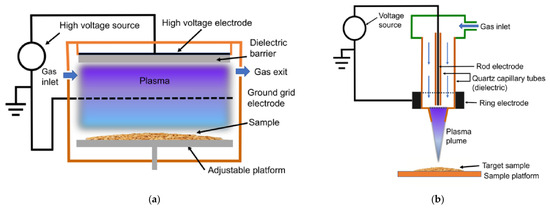
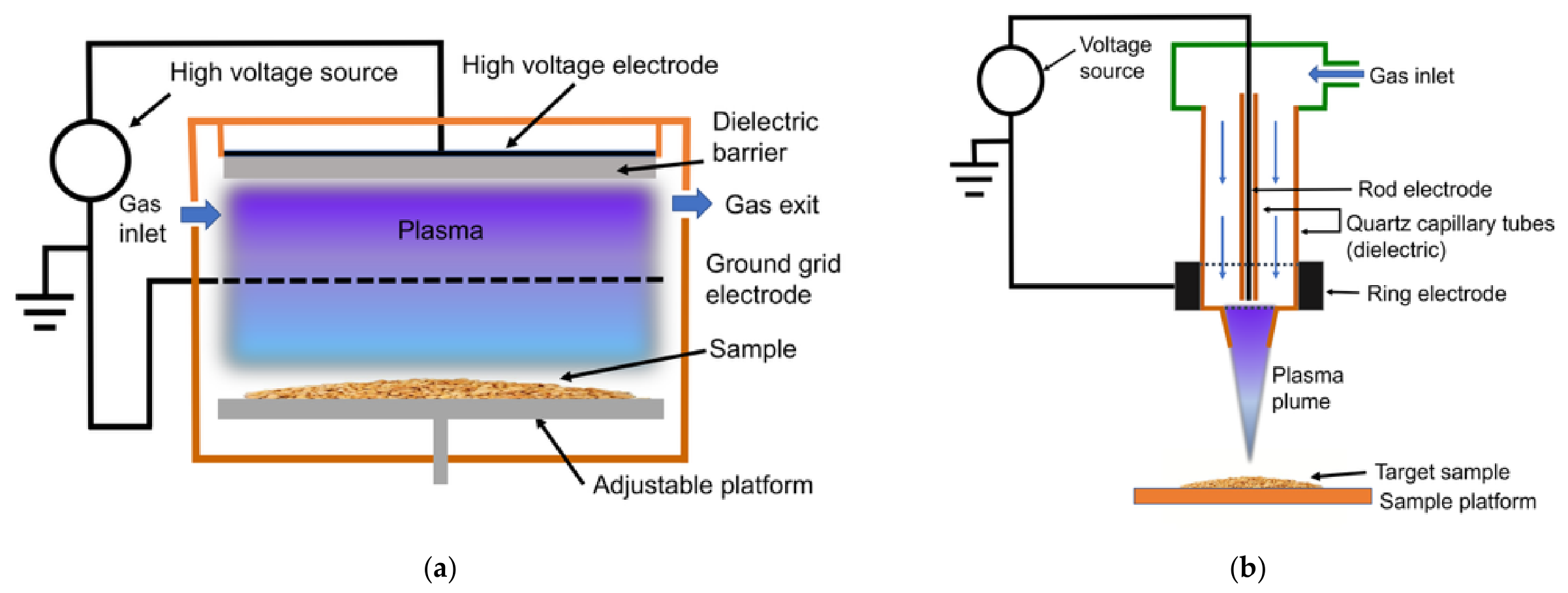
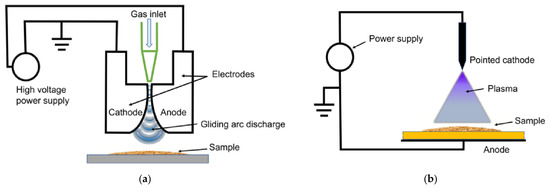
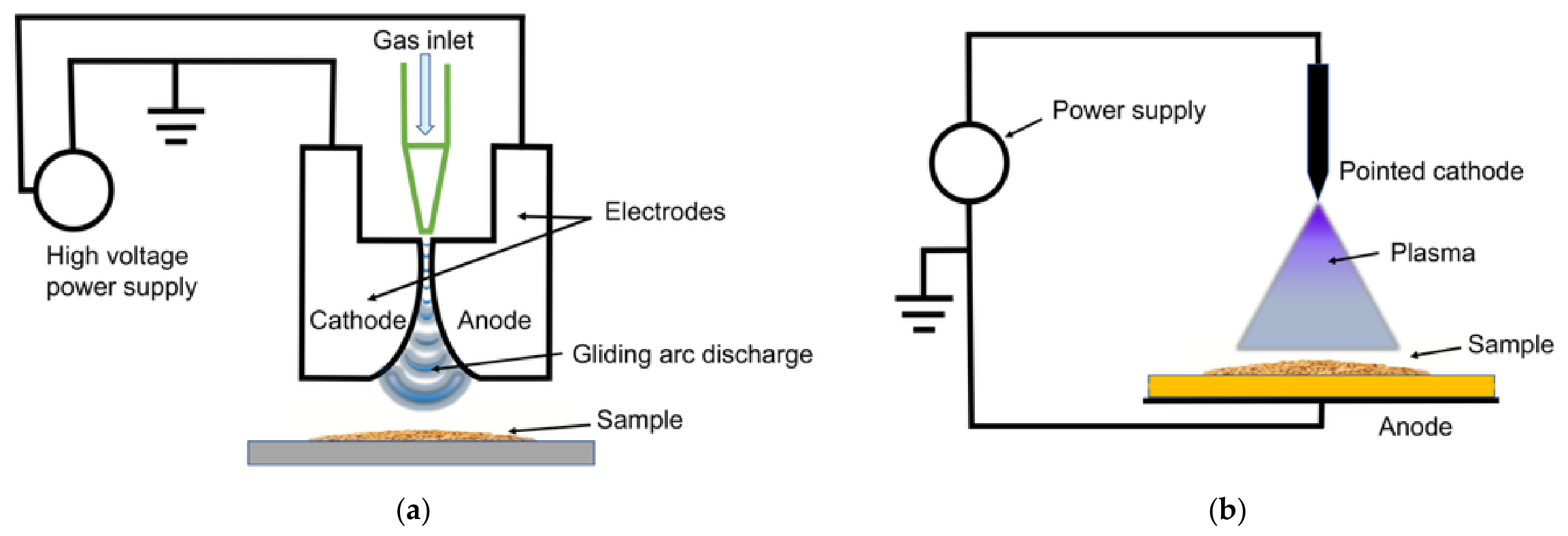
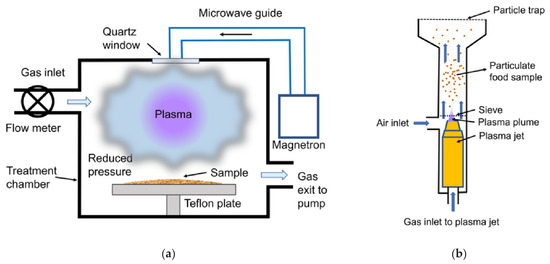
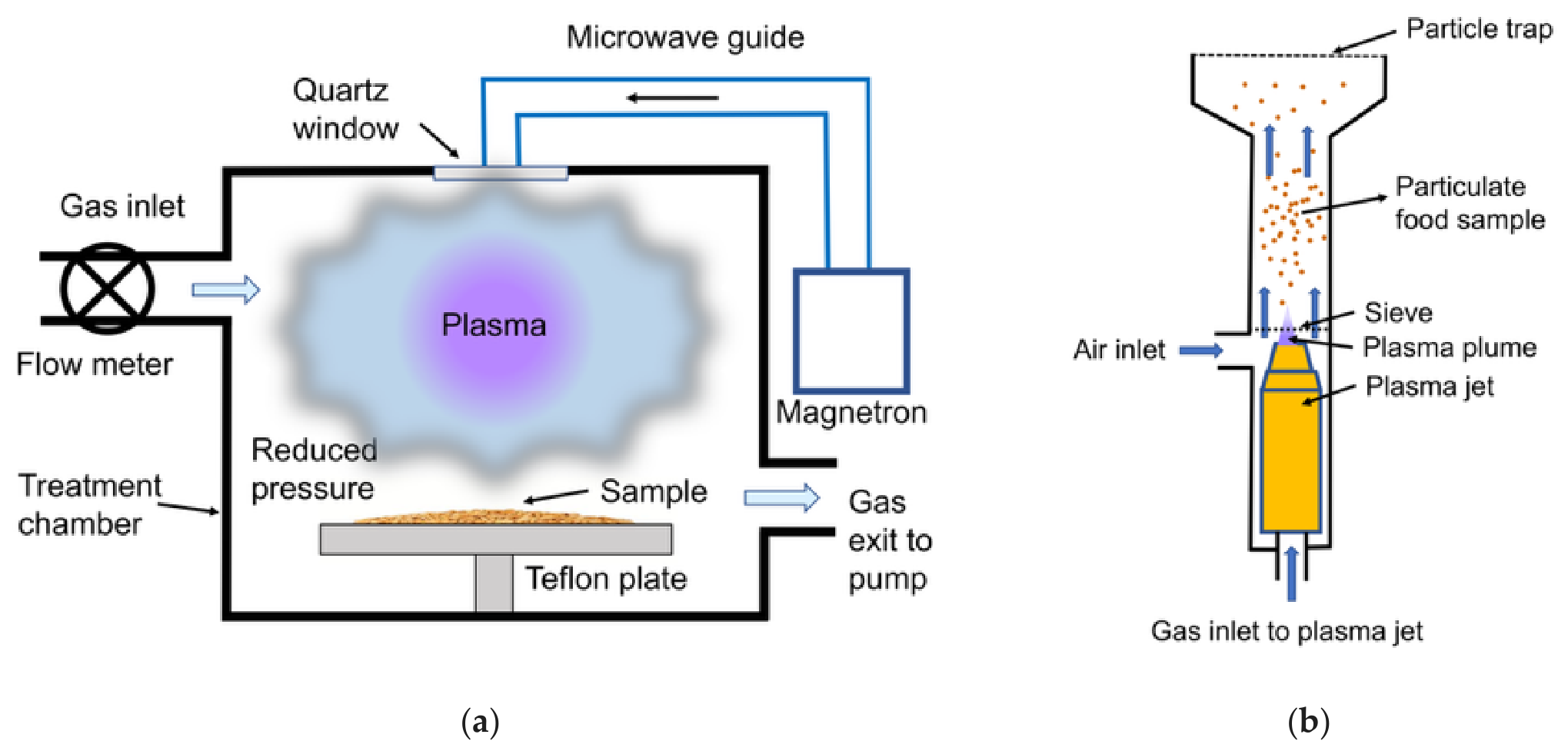
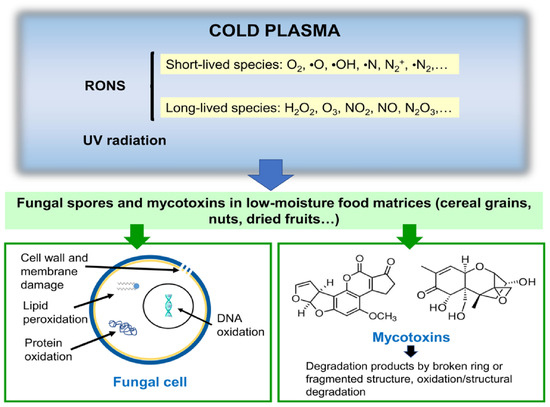
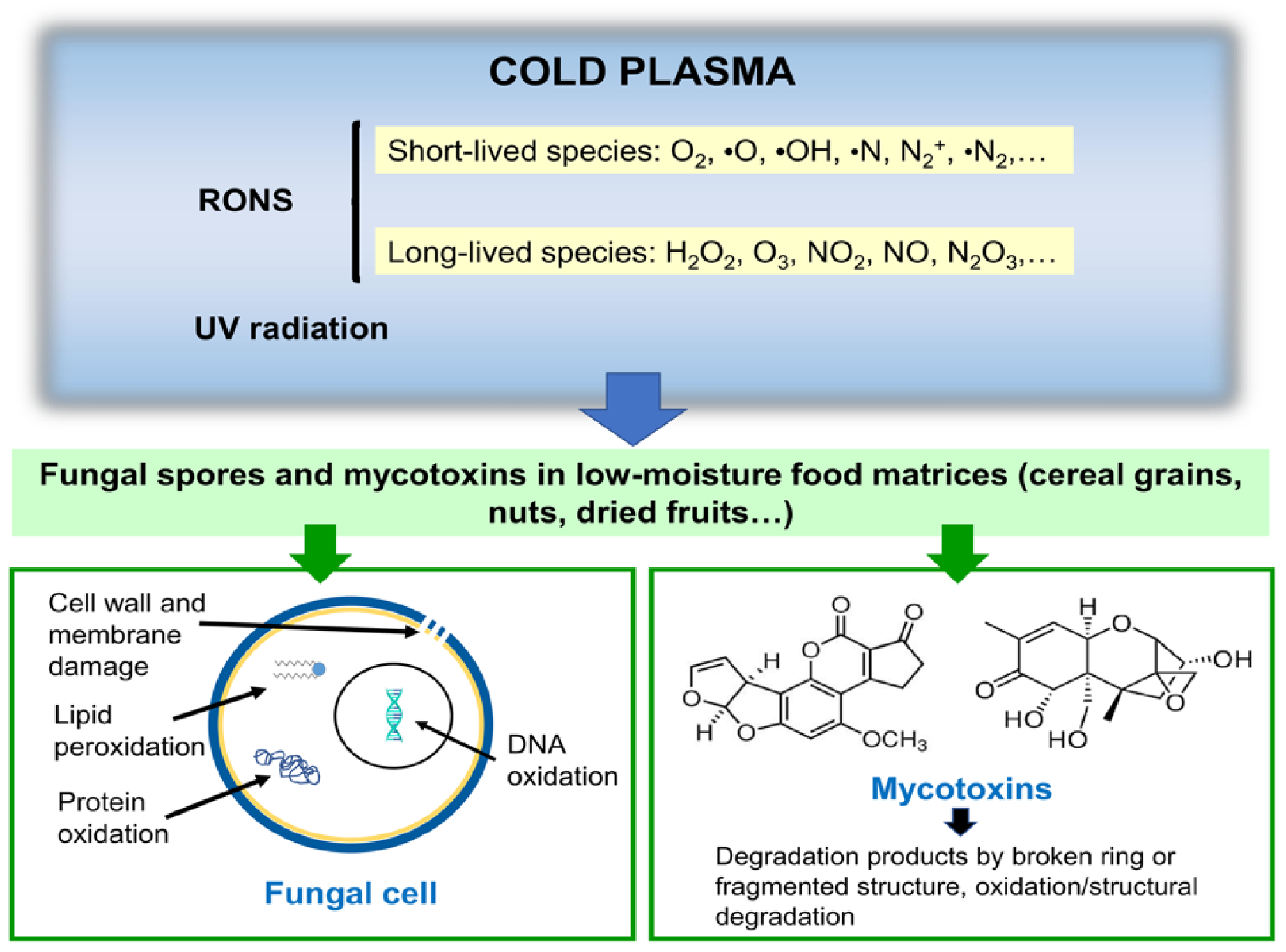
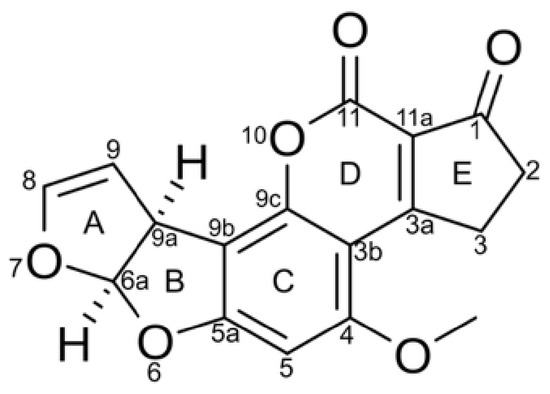
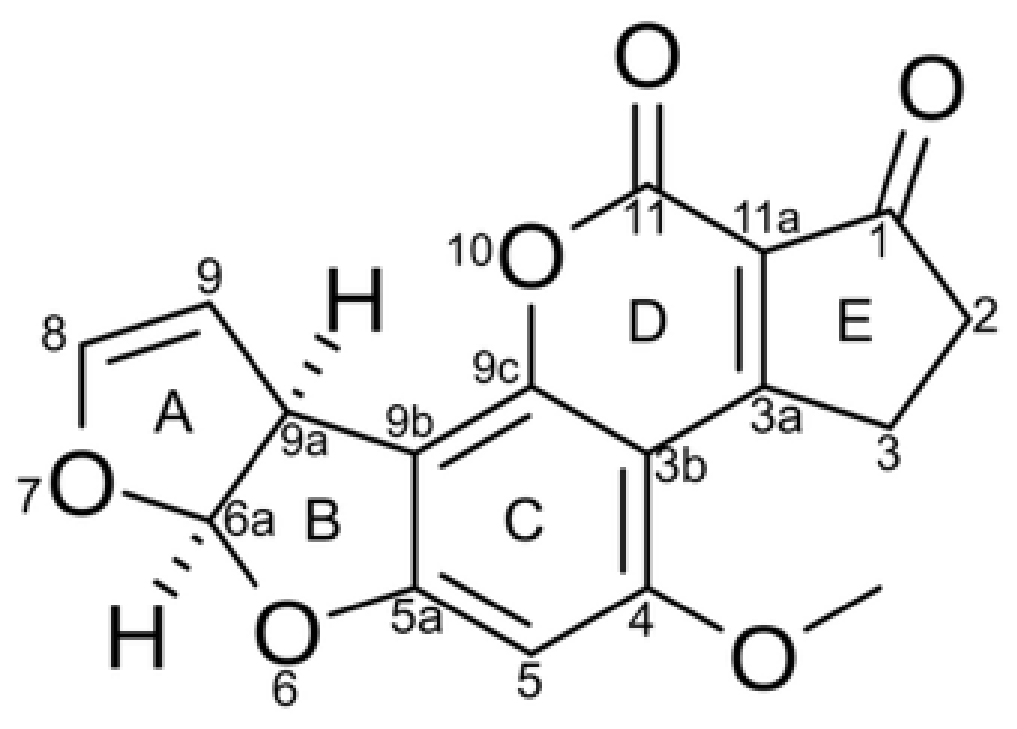
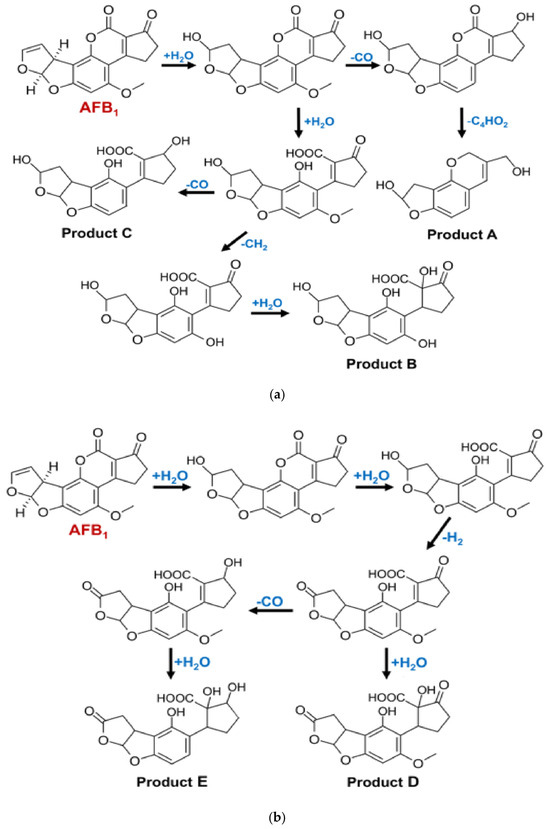
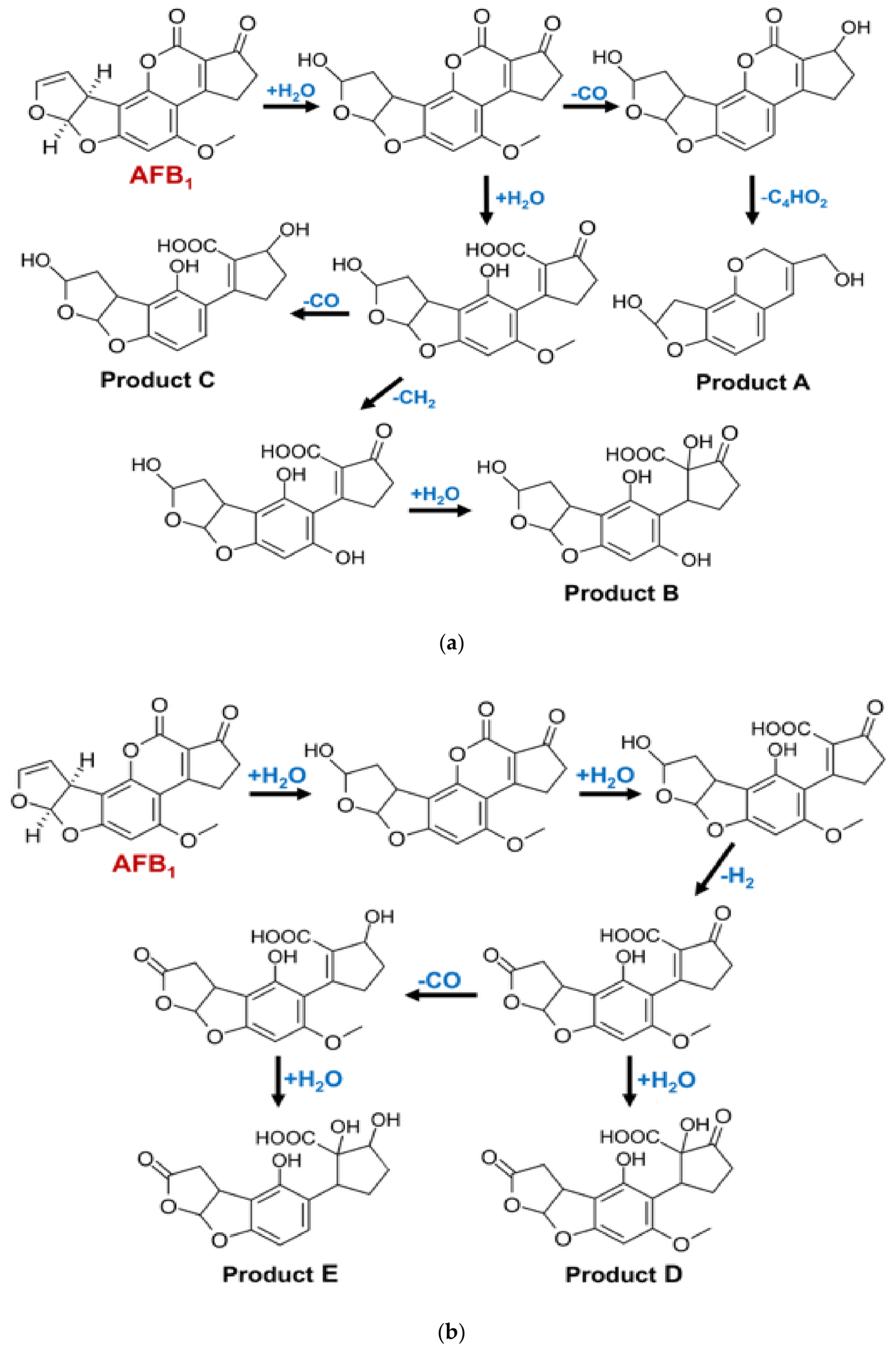
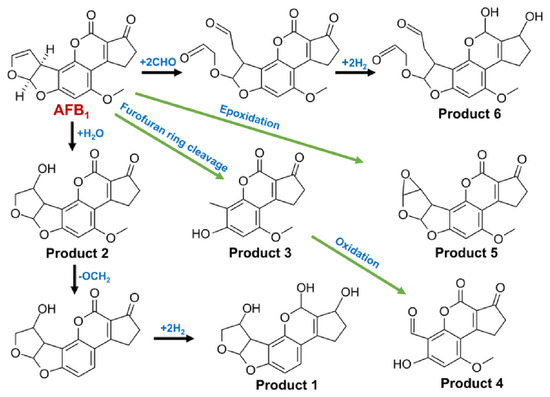
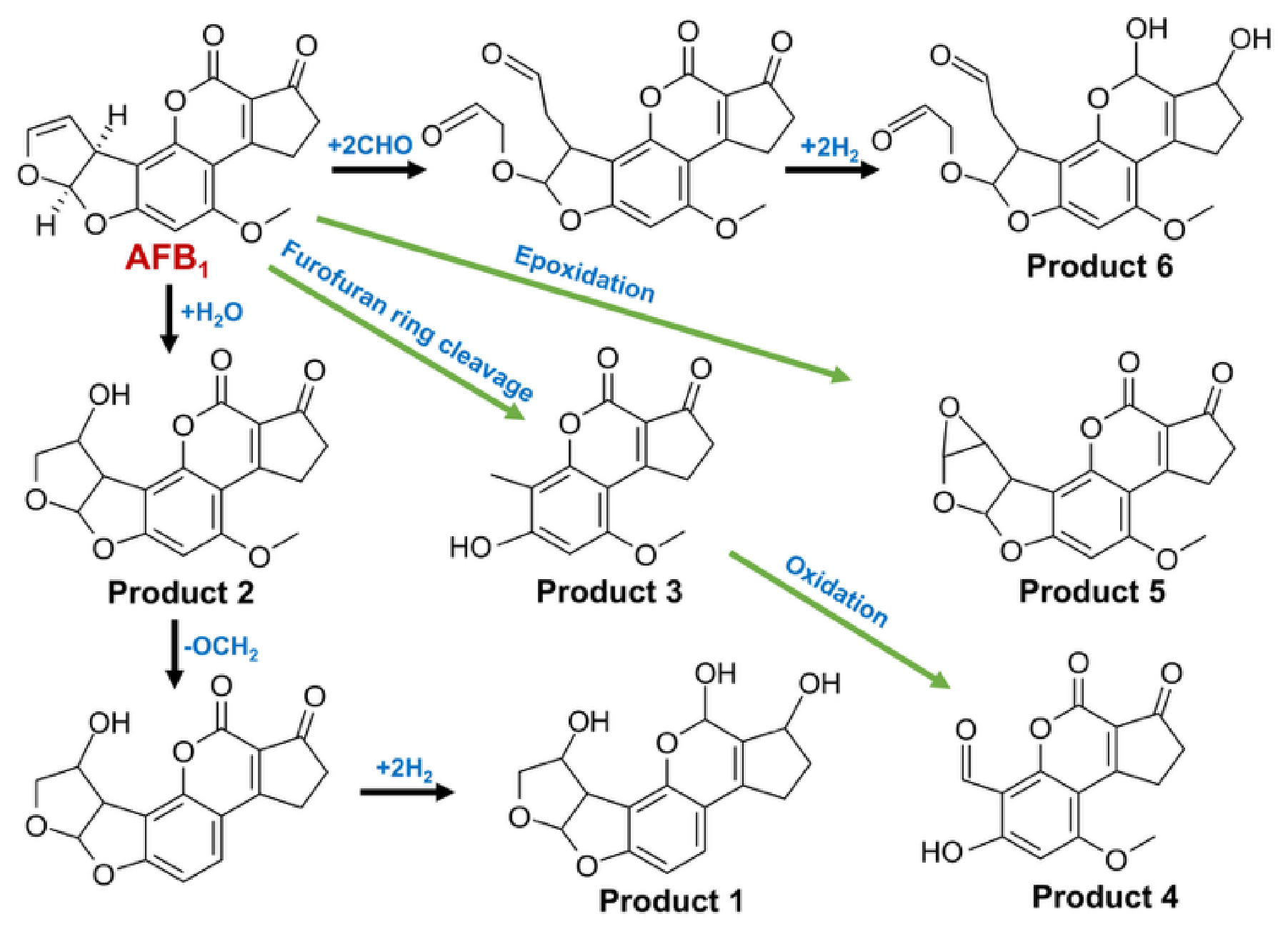
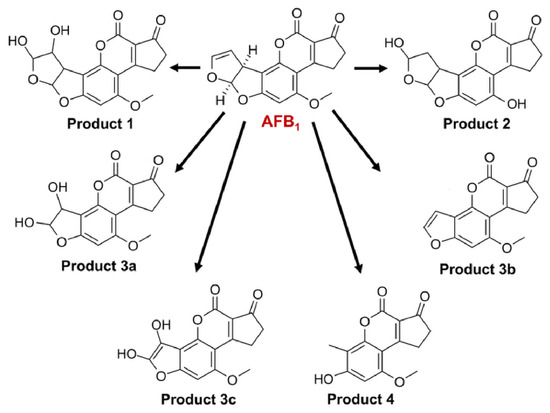
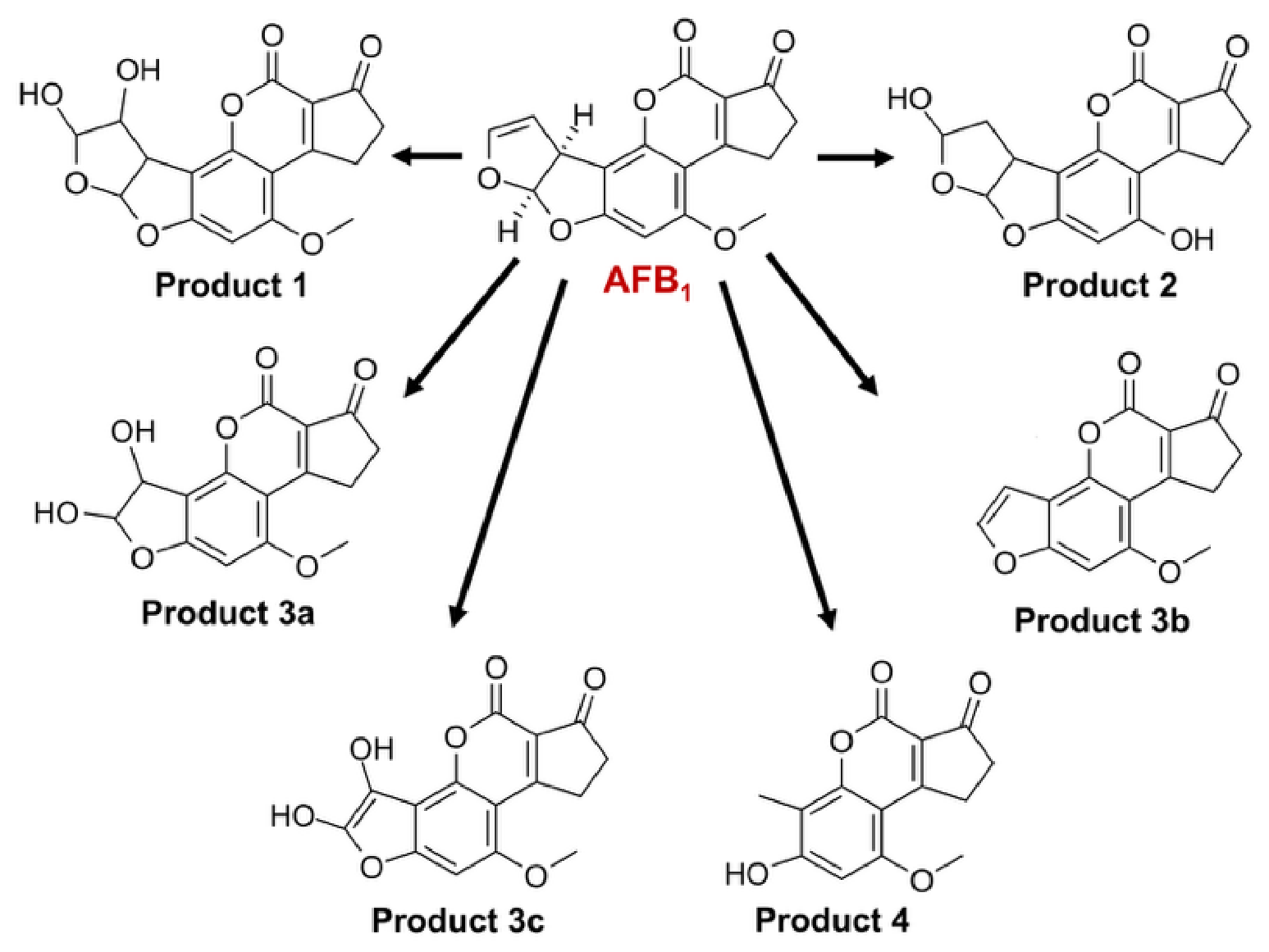
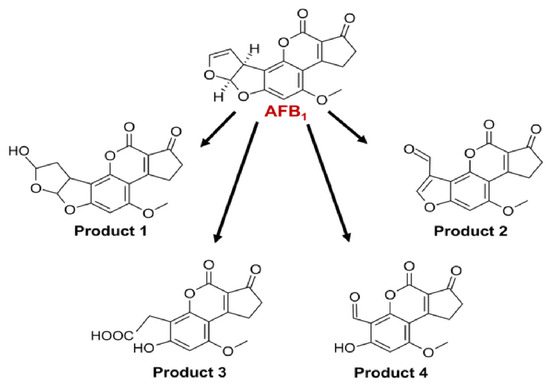
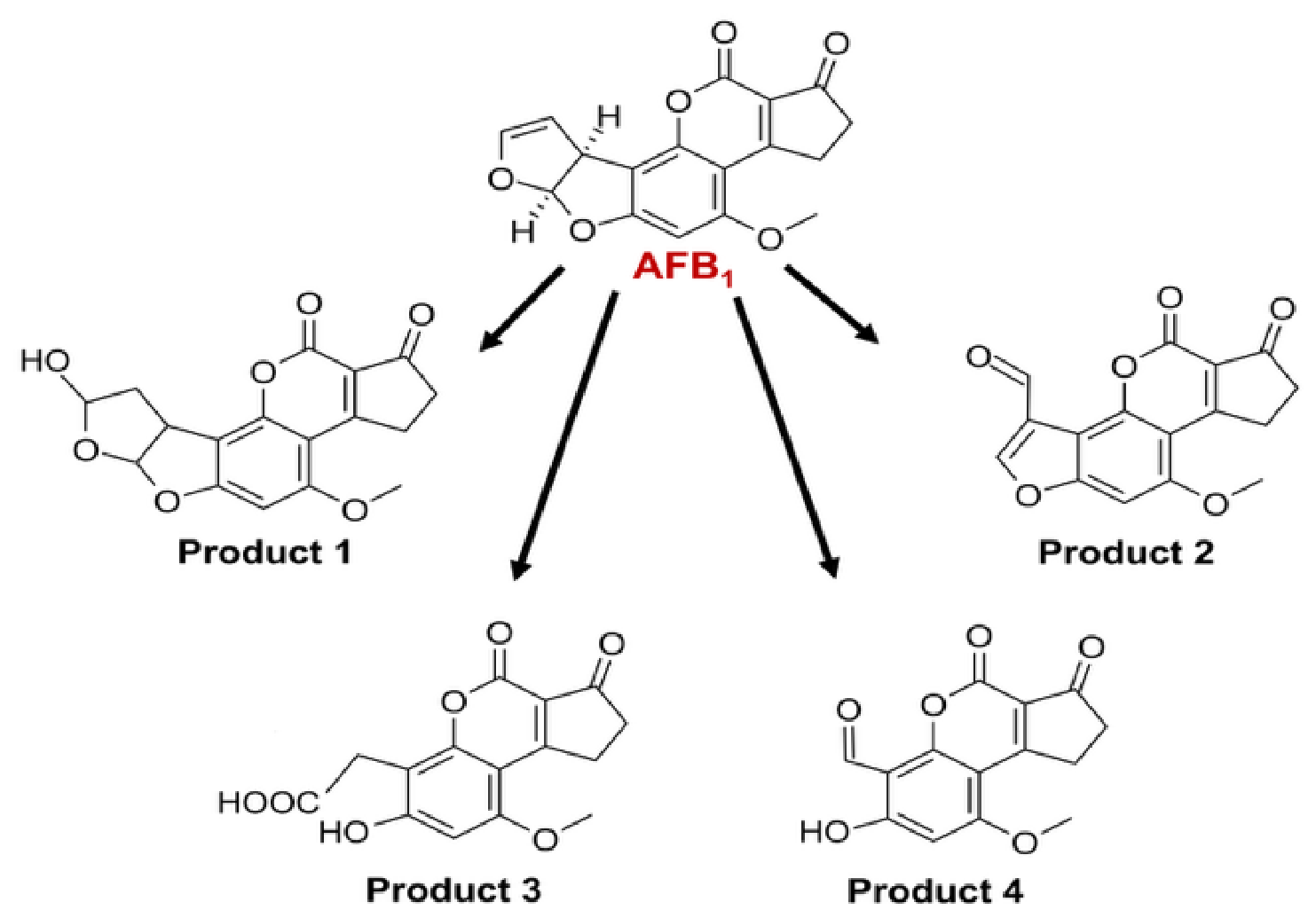
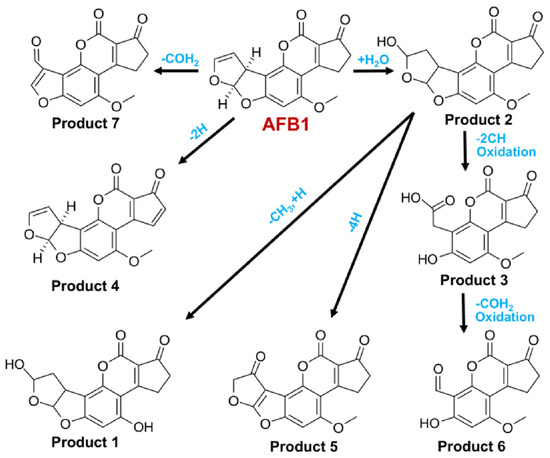
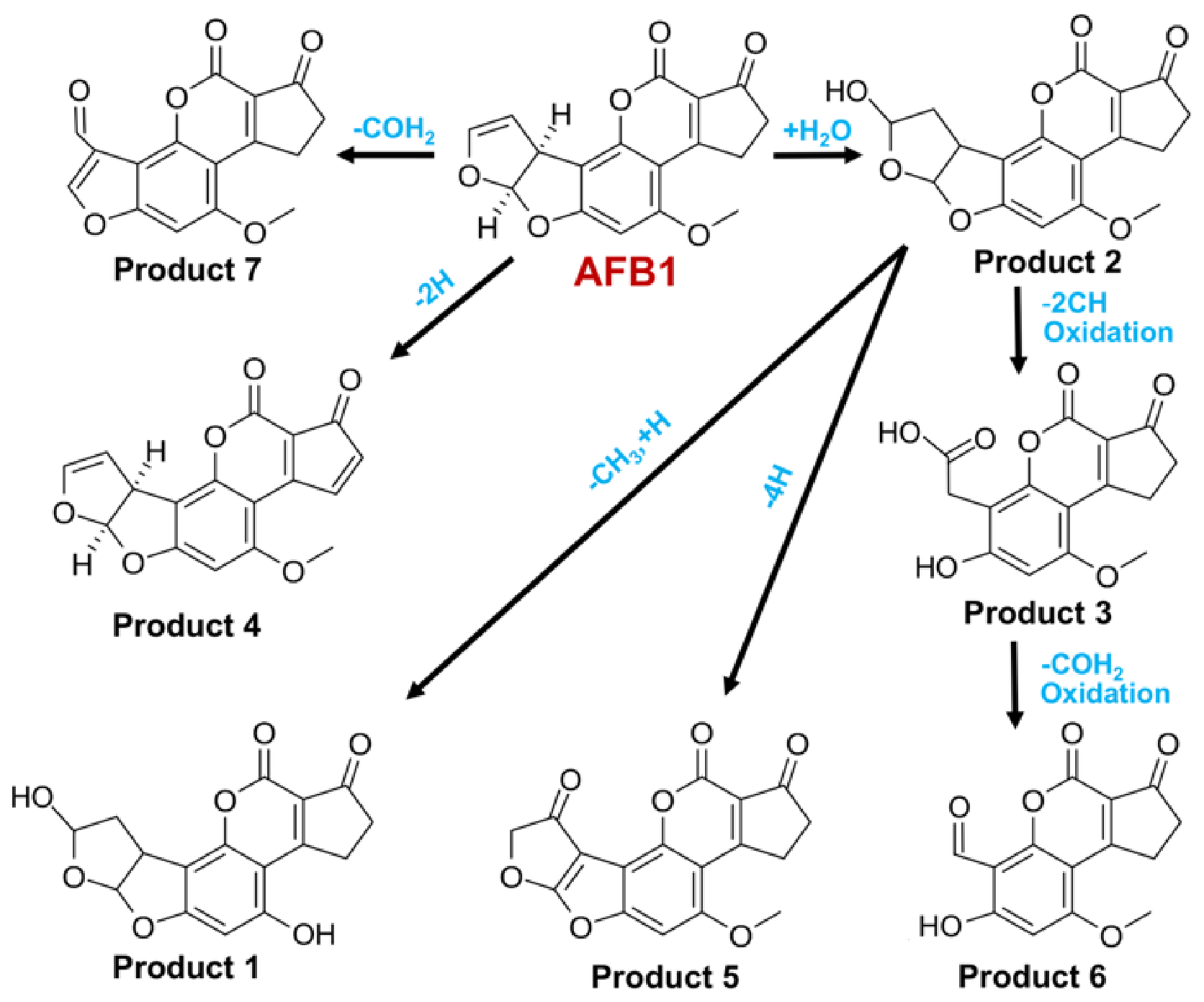
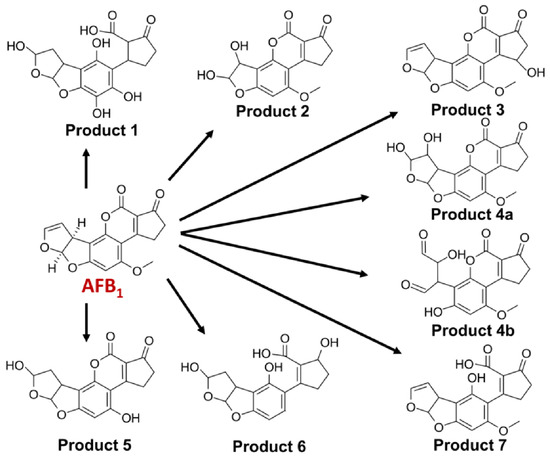
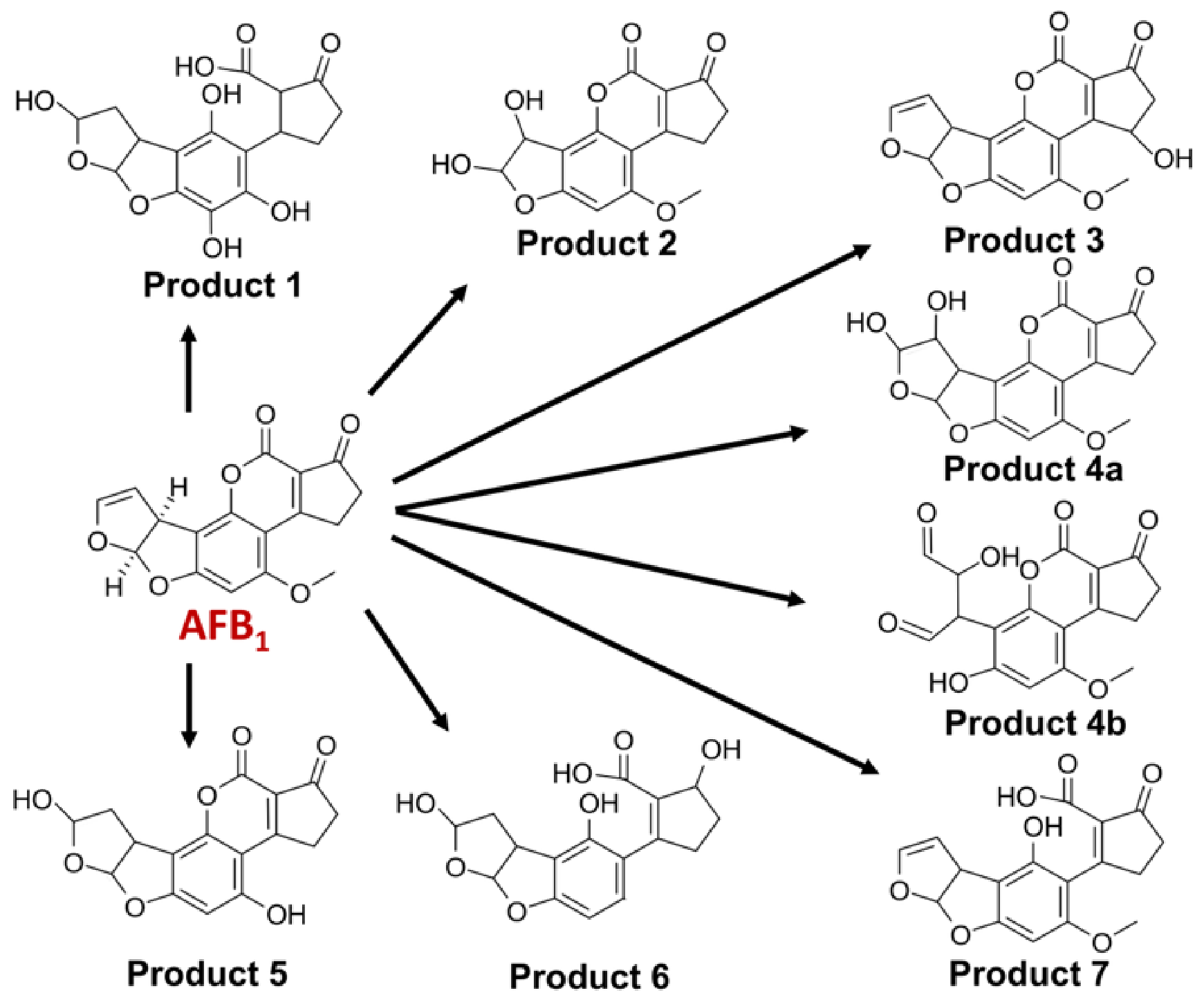
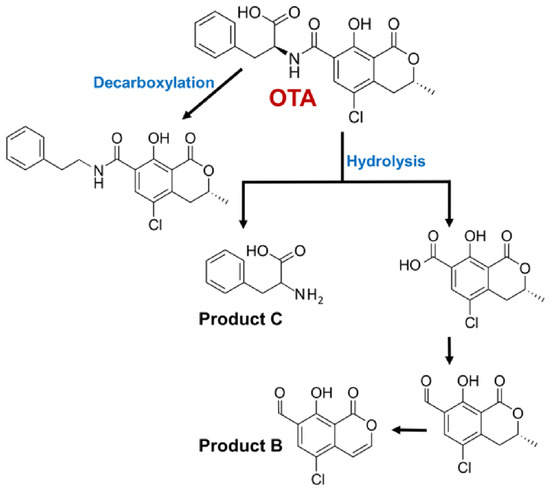
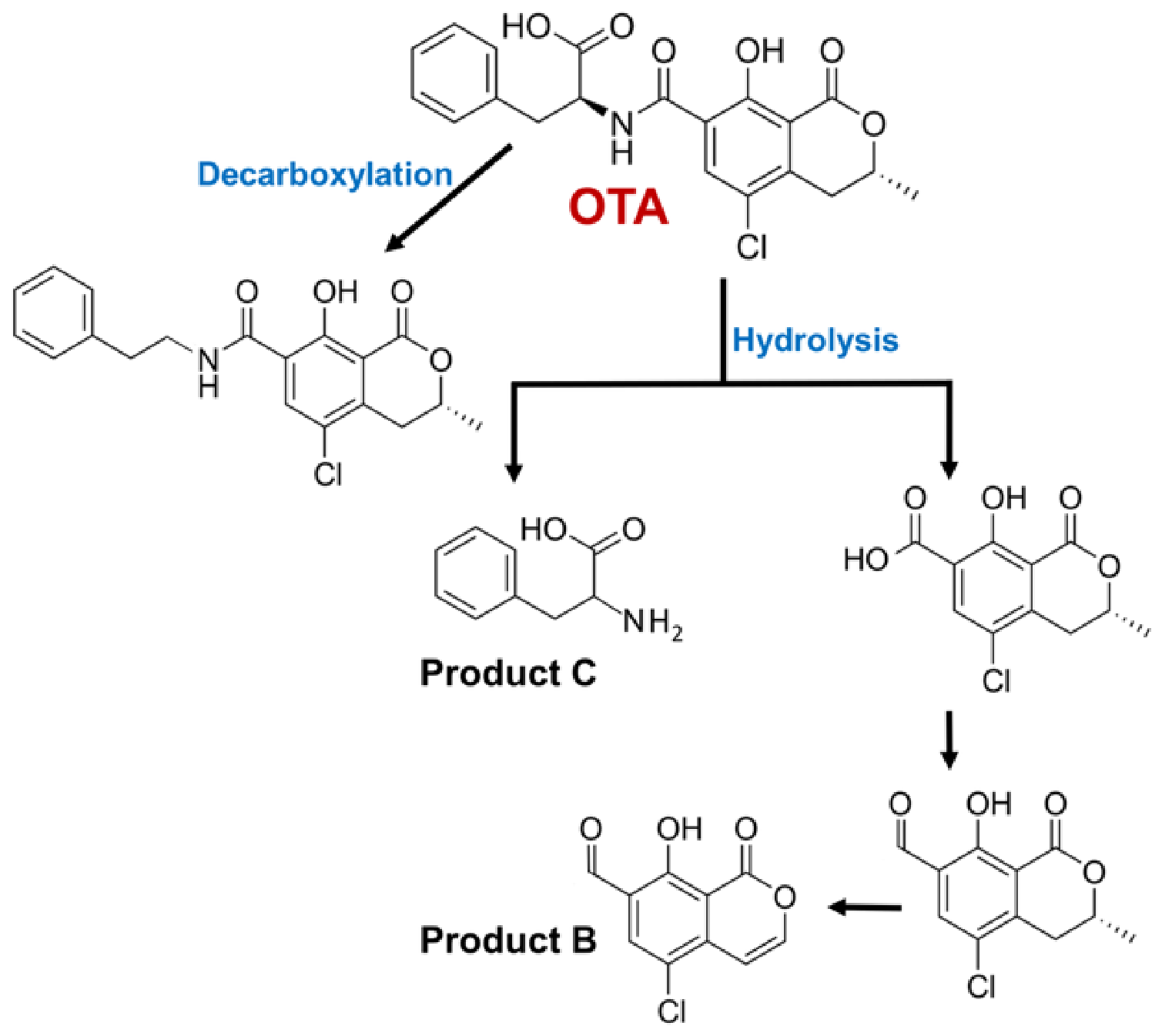
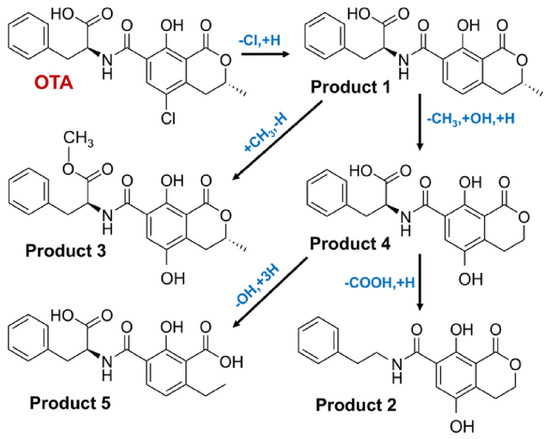
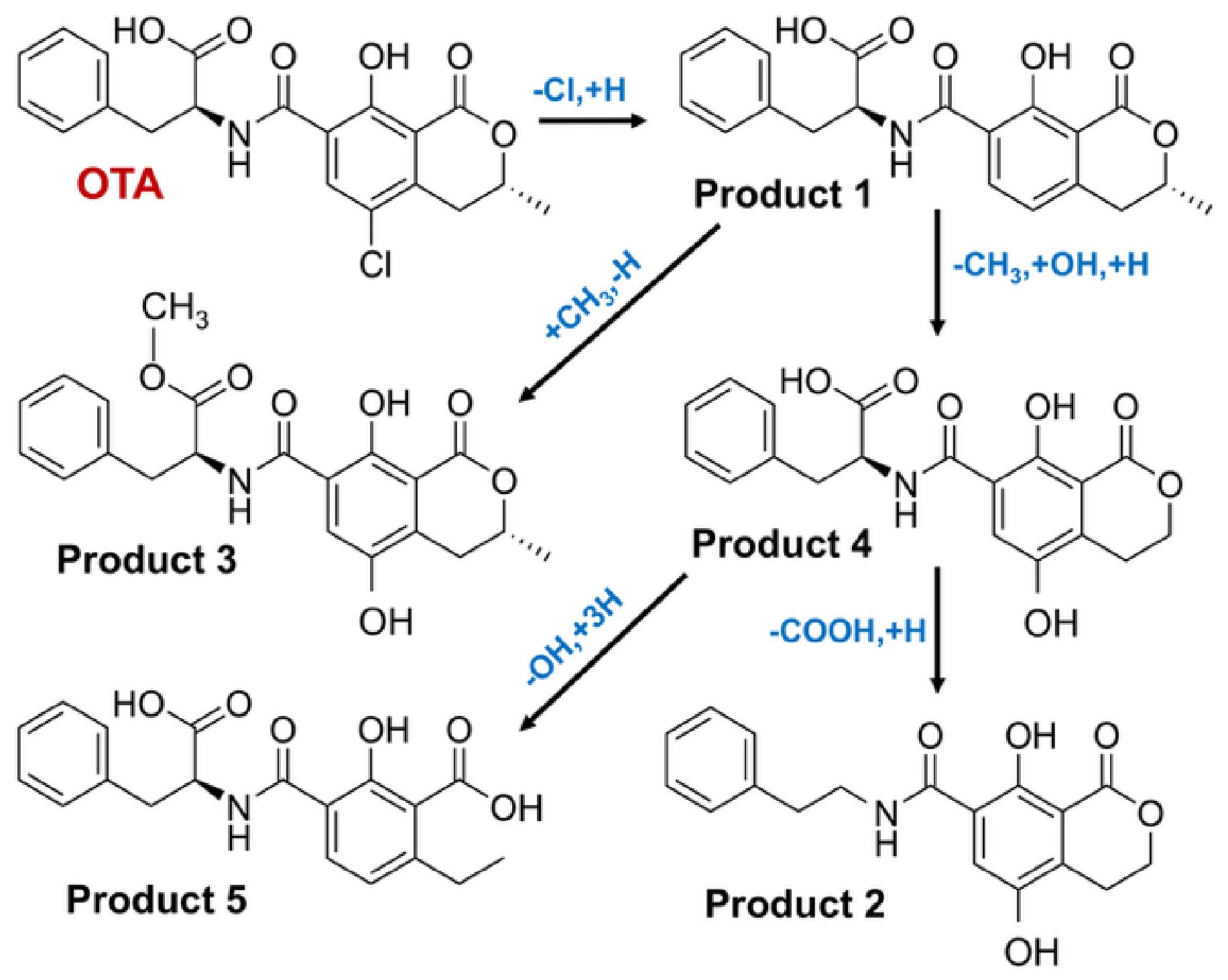
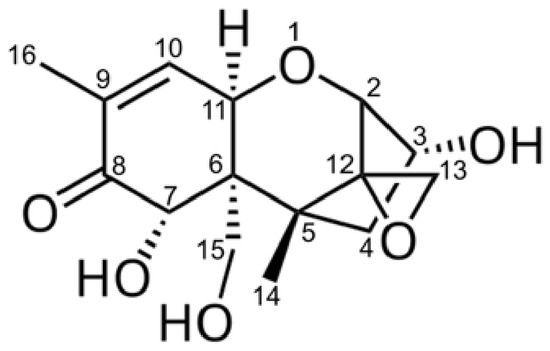
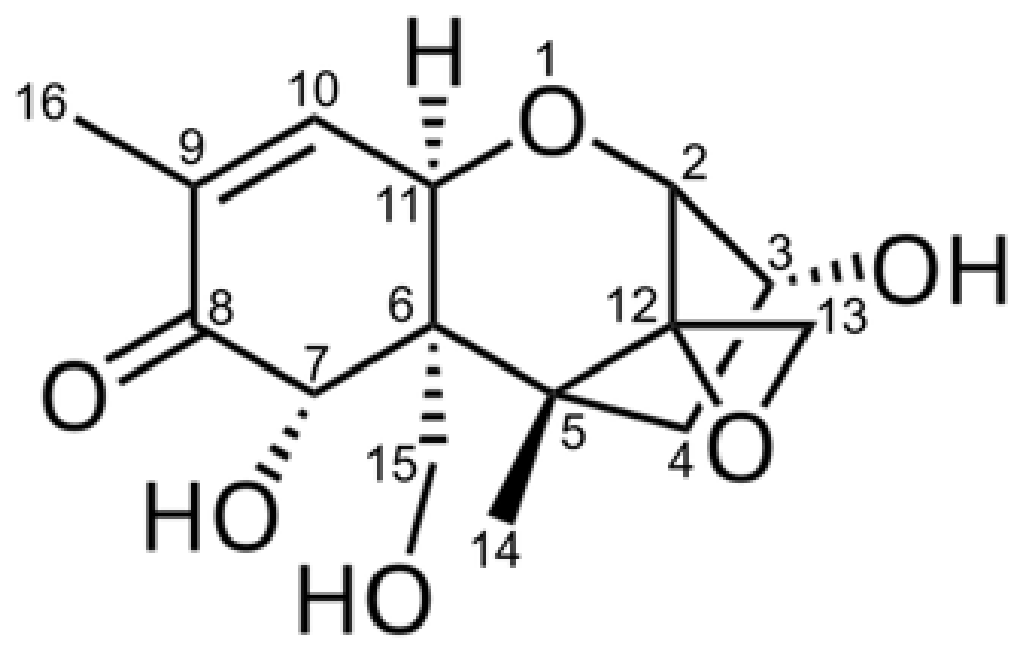
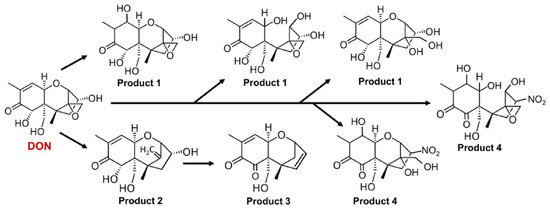
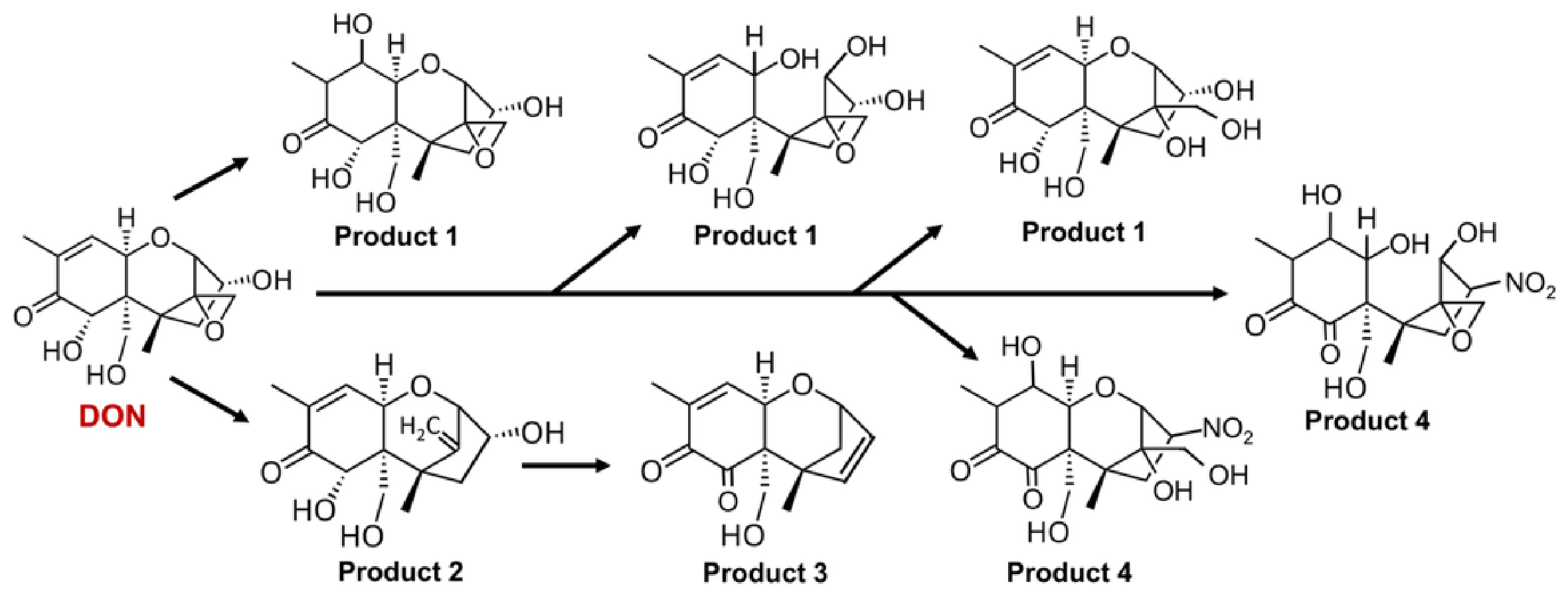
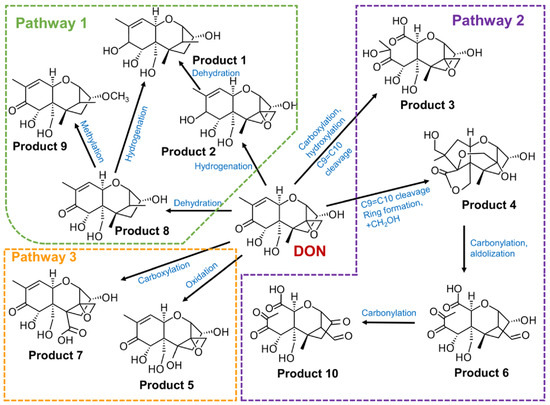
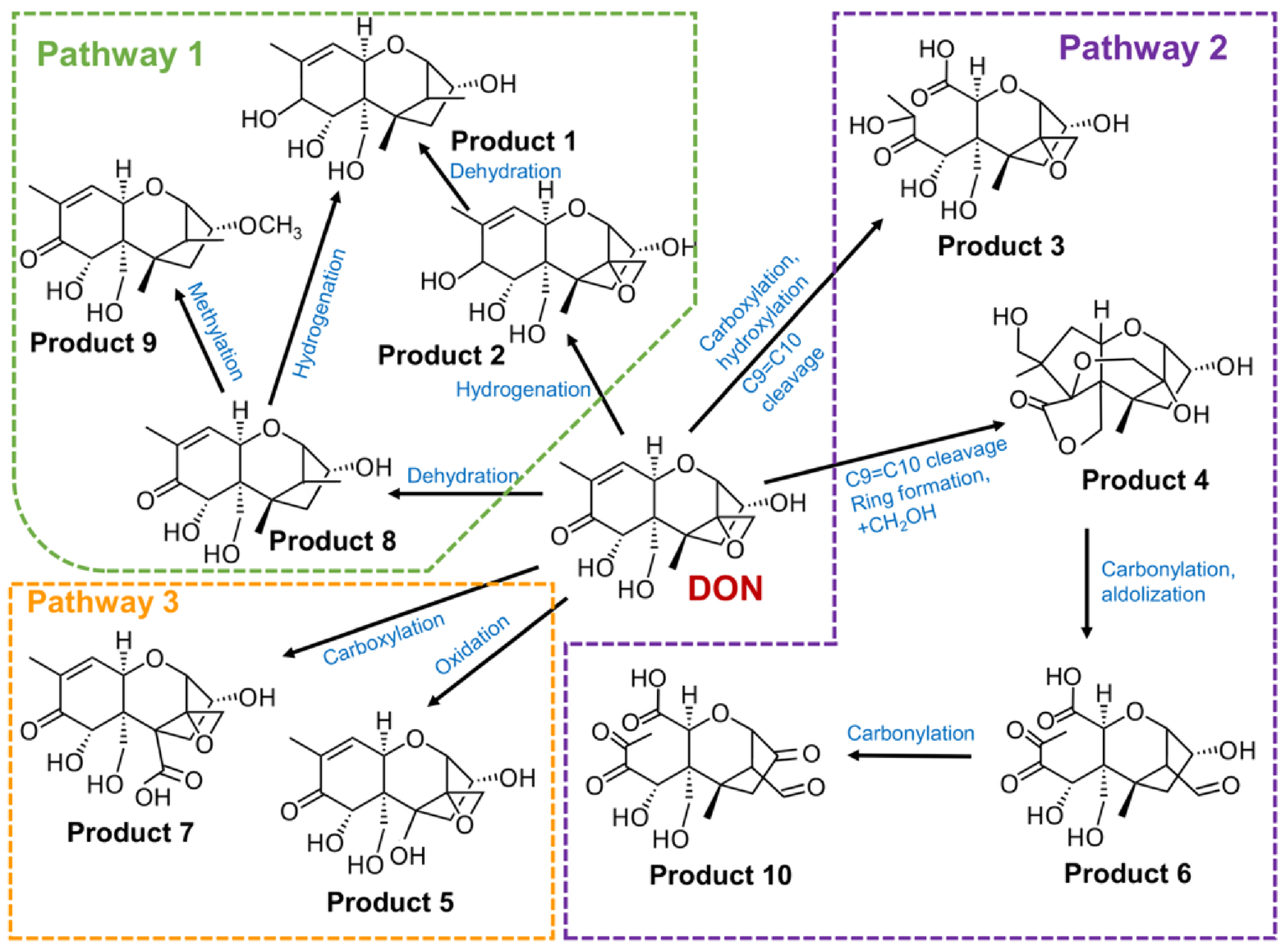
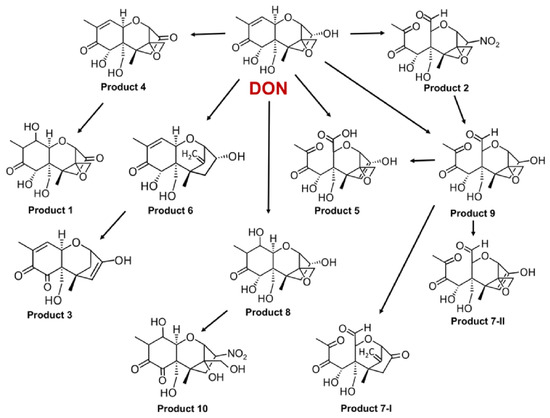
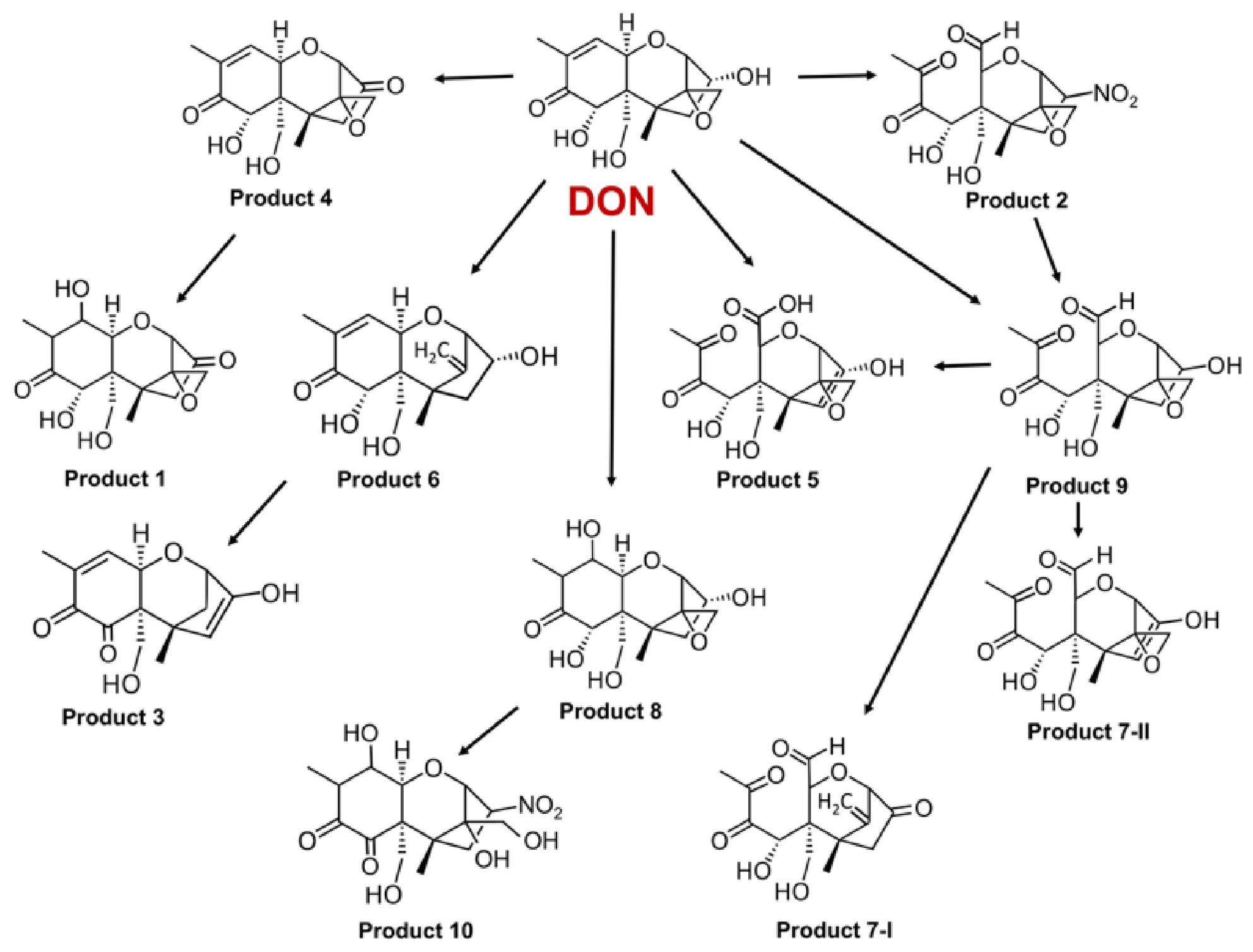
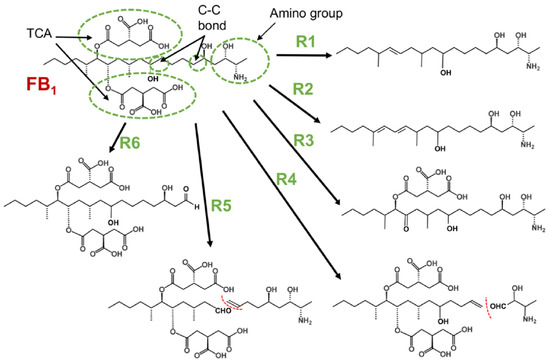
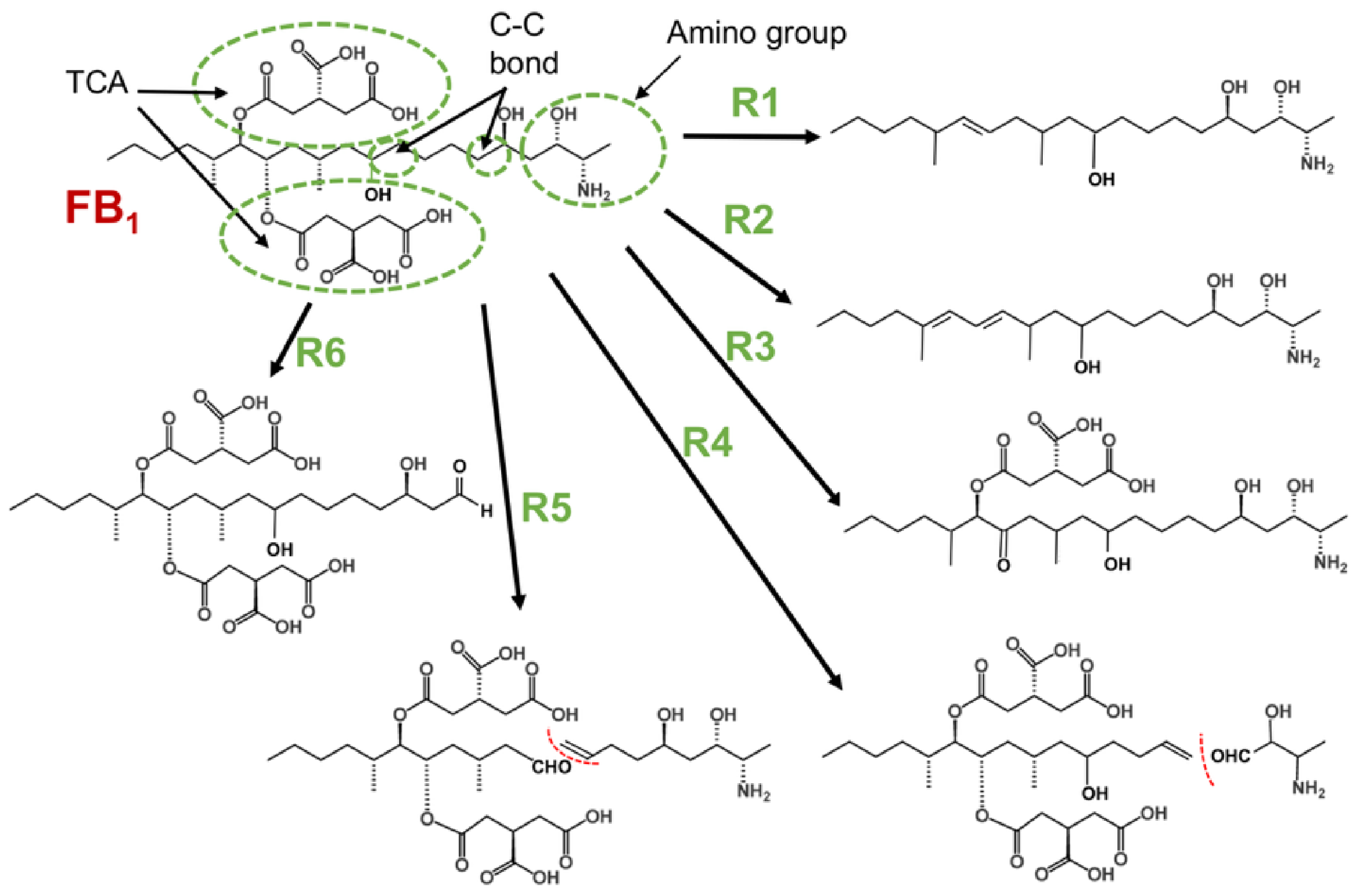

Disclaimer/Publisher’s Note: The statements, opinions and data contained in all publications are solely those of the individual author(s) and contributor(s) and not of MDPI and/or the editor(s). MDPI and/or the editor(s) disclaim responsibility for any injury to people or property resulting from any ideas, methods, instructions or products referred to in the content. |
© 2026 by the authors. Licensee MDPI, Basel, Switzerland. This article is an open access article distributed under the terms and conditions of the Creative Commons Attribution (CC BY) license.