


Abstract
The digitisation of urban governance requires a context-sensitive method that balances operational efficiency, data security and transparency. This study proposes a context-sensitive QR code system as a conceptual framework for smart urban governance and real estate visualisation in Saudi Arabia, aligned with the strategic objectives of Vision 2030. Unlike traditional static QR code applications, the proposed system acts as a smart urban interface dynamically linking physical buildings to structured digital records and delivering role-specific information through a single scan. This system enables municipal authorities to retrieve compliance and regulatory data and allows emergency response teams to access real-time occupancy data with geographic coordinates. The proposed system enables visitors to explore curated heritage and site-based information, with each interface subject to policy-defined access rules. The proposed QR code system is evaluated by using a scenario-based computational simulation across three representative Saudi cities (Riyadh, Jeddah, and Dammam), and the results show that it significantly reduces service response time compared to manual processes while maintaining data integrity through role-based dynamic filtering. The proposed system enhances administrative efficiency and supports heritage preservation in sensitive areas such as the Al-Balad district in Jeddah city. By integrating governance, visualisation, and cultural sustainability within a simple, scalable and interactive model, the study provides an important framework for emerging smart cities in Saudi Arabia.
1. Introduction
Urban digitalisation as an aspect of the smart city plays an important role in the economic and social transformation of Saudi Arabia (SA). As part of Vision 2030, the Kingdom is restructuring its cities as smart, sustainable and citizen-centric systems that balance modernisation with cultural identity [1]. This transformation from traditional to smart city requires smart digital tools that improve service delivery, enhance regulatory oversight and enhance transparent interaction between citizens and urban infrastructure [2]. Among the smart technologies, QR code systems are developed into effective tools for urban governance to provide instant access to building data, emergency alerts and urban information through a simple scan [3].
QR codes provide ways of registering complaints in emergencies, particularly when a rapid response system requests an address [3]. The QR code system automatically transmits the location of the PIN along with information about the underlying incident. The first phase will gather information about buildings and assign QR codes accordingly [4]. This method will enable ministries, municipal authorities, emergency centres or visitors to utilise this information. The scanning process relies on a dataset that compiles building data, then scans a QR code and shares sufficient information with a designated entity. Consequently, actions are taken without the need for paper or phone calls in less time than ever before [5]. The importance of the QR code is undeniable, as it represents a new dimension in the world of technology, ending the era of traditional paper-based communication and eliminating the traditional communication system.
Globally, cities such as Indonesia, Tokyo, and Copenhagen have demonstrated how QR codes can organise public services, support disaster preparedness, and promote interactive urban experiences [6]. In SA, the use of QR code technology remains largely unused, particularly in areas related to Vision 2030, such as real estate visualisation, heritage-friendly urban design and role-sensitive data delivery [7]. This study addresses this gap by proposing a contextual QR code framework that transforms building sides into smart interfaces for smart urban governance.
1.1. Study Motivation
The motivation behind this work stems from the following three aspects related to urban management in smart cities.
- ▪
- Ineffective procedure: Emergency response, property and compliance are delayed since the administrative services rely on paper records and phone reports. Response times can be greatly shortened by using the QR code method to send location data and incident context.
- ▪
- Cities’ modernity: Some cities struggle to apply urban design ideas that preserve cultural identity while promoting contemporary growth. There are currently no ways to directly incorporate heritage guidelines into data access at the property level.
- ▪
- Context-aware data: Conventional digital platforms give all users access to the same data, which could overwhelm visitors, compromise security authorities, and make them inappropriate for emergency response teams. There is a need to take a more precise role-aware approach.
These aspects highlight the need for a paperless, call-free, context-smart governance model as a vision this study seeks to realise through the innovation of the QR code.
1.2. The Contribution
The key contributions to the field of smart urban governance are as follows.
- ▪
- Context-sensitive QR codes: a novel QR system framework is proposed to enable getting site and heritage data, emergency responders with GPS and occupancy information, and pertinent authorities receiving permits and violations.
- ▪
- Smart urban interface model: QR codes are proposed as intelligent, dynamic layers on top of the built environment, promoting the concept of smart urban data management.
- ▪
- Vision 2030-aligned implementation: This model proposes a scalable and economical plan for state-level deployment by combining the response system with the Baladi mobile application.
- ▪
- Model performance evaluation: In addition to the theoretical framework, this study presents a computational scenario evaluation for a proposed approach that defines the expected performance of the QR code system in Riyadh, Jeddah, and Dammam.
The sections of the paper are organised as follows: Section 2 provides a technical background about the QR code system and its impact on enhancing urban governance. In Section 3, some QR code applications in SA are reviewed. The related works and the proposed model are discussed in Section 4 and Section 5, respectively. The conceptual and simulation framework that discusses the proposed approach is reviewed in Section 6. The simulation setup and experimental results are given in Section 7 and Section 8, respectively. Section 9 provides a discussion about different aspects related to the impact of QR code system. Finally, the conclusion is presented in Section 10.
2. Technical Background
Digital systems help to transform traditional cities into smart cities as the use of QR codes provides a quick solution for retrieving information without relying on paper-based processes. Moreover, the integration of the QR code system with web-based national platforms will improve quality of life, help maintain economic indicators and improve governmental management within the smart city [8,9]. The increasing use of modern technologies contributes to the transformation of entire cities into smart cities. This process is a single step that enables the collection of information through QR code scanning, positively impacting the lives of city residents [10].
The main benefits gained from the QR code system are related to people’s quality of life and the economy. The QR systems can add quality to life as they reduce the response time to emergencies, authorities and visitors. The corruption rate is reduced because of data integration among authorities in a single scan [11]. It will add more significance to the quality of life of the citizens of the smart city. People will get information about buildings using augmented reality, which will give them relief in terms of time frames as compared with old techniques. A smart city should be accessible with just a single scan. The information to the people will be delivered on a single scan without using any paper, just using their camera scanner devices. Augmented reality will help people to manage the information about buildings [12]. Using these QR code scans will surely contribute to the success of the smart city and will likewise boost the economy of the country.
2.1. QR Code Technology
QR code technology is used in many applications in SA, but there is still a research gap in its application for developing real estate imaging systems, urban planning and adherence to urban design principles that reflect heritage and culture. QR codes can be used for multiple purposes and in various locations within smart cities [12]. Municipal inspectors can verify violations, design and construction, eliminating any flaws in oversight, design identity and visual clutter. This represents an advanced step in construction management, particularly for real estate management [13]. The main focus is on the technical aspects in addition to delivering a high-quality product, emphasising rapid response, technical implementation, and the novel approach to urban design using QR codes.
As shown in Figure 1, the QR code application runs under many processes, starting from scanning to QR detecting, which checks for the presence of a QR code. And after the code contents are decoded and accepted by the Information analyst module, it analyses data to find the building’s layout, including uniform resource locator (URL) details and geographic location [13]. The building plans processing unit uses a URL to download the building plan and its coordinates from a repository, and from there, the building plans processing unit displays the plan. This QR code system process is used in various smart city applications such as utilising QR codes for information about entire streets as an enhanced navigation system technology [14]. However, QR codes have not yet been fully reached their potential to improve emergency management, civil defence and citizen participation, especially considering the unique urban characteristics and rapid growth of cities in SA.
Figure 1.
QR code system application process.
In smart cities, the use of QR codes as a tool enables the sharing of real-time information in urban environments [14]. The QR code systems enhance public engagement and service efficiency by enabling access to real-time updates on services and infrastructure [15]. Research has shown that QR codes are effective in terms of diverse aspects, from simplifying emergency responses to supporting public infrastructure and enhancing urban management.
In municipal applications, when a building’s QR code is detected, the QR code detector activates a QR code decoder, which extracts the building ID and metadata [15,16]. The building map in the system retrieves the complete building history via the QR code, from which a filtered response is returned to the client with the building’s geographic coordinates [16]. This process is bound by security constraints at the transport layer, which handles all communications and the authentication layer, which includes role-based access and emergency identity verification. Finally, the data layer handles server-side filtering.
2.2. Enhancing Urban Governance Through Technology
The use of QR codes will facilitate compliance with urban design regulations. It ensures that new projects preserve a city’s cultural and historical heritage. This is particularly evident in countries with long-standing architectural traditions, where QR codes provide developers with specific guidelines and visual references [17]. Expanding the use of QR codes at heritage sites can further enhance compliance and cultural preservation. Mobile applications that utilise QR codes can feature a user interface displaying essential available features, such as property details, building history, and navigation links [18]. The screenshot shows how easily building data can be accessed by scanning a QR code promoting compliance, transparency, and participation in urban governance [19]. Urban government has been greatly improved by QR codes, augmented reality and mobile applications. The municipalities can increase citizen engagement and promote transparency to also ease administrative procedures with this technology. The QR codes make it simple to obtain regulatory information about buildings and infrastructure, which allows officials and residents to confirm adherence to urban standards [20]. By enabling officials to do virtual inspections and assessments, the AR technology further improves governance by eliminating the need for on-site visits and speeding up decision-making procedures.
2.3. Best Practices
Many studies highlighs the success of using QR code systems as best practices in various aspects of urban governance in certain cities, focusing on emergency management applications and promoting sustainability through interactive urban experiences [21]. As shown in Figure 2, which highlights the adoption rate of this application, there has been a significant increase in the adoption rate of QR codes in urban areas, with awareness rising from 45% to 85% and adoption rates improving from 30% to 70% after their implementation in pilot studies [22,23]. Table 1 below summarises the main implementation strategies, impacts, and best practices by Indonesia, Tokyo, and Copenhagen.
Figure 2.
QR code system implementation score.
Table 1.
The best practices of using QR code system for smart cities.
The integration of QR code systems into urban governance is based on the implementation of technology, strategic alignment with city aims, and institutional commitment, as adopted by Indonesia, Tokyo, and Copenhagen. A smart strategy was used in Indonesia, where QR codes were fully integrated into all publicly paid services, such as transportation [24]. Tokyo also uses QR codes’ ability to save lives during crises and natural disasters. Tokyo’s civil defence response to earthquakes and other emergencies is carried out by connecting building QR codes to occupancy records, structural data and evacuation routes [25]. Tokyo’s strategy gives a realistic model in light of SA growth, ensuring modernising civil defences. QR codes can turn buildings into active nodes in the emergency response network, which automatically sends location and occupancy data to the appropriate authorities [26]. For SA, the future path lies in integrating these models while adapting them to local cultural and administrative contexts. The proposed contextual rapid response framework, which provides role-specific information and supports a heritage-friendly approach, will directly address this integrated vision for building smart city tools in the field of contextual urban technologies.
3. QR Code System Applications in Saudi Arabia
Many government applications in SA use QR code systems for public health, commerce and identification interoperability [26]. This facilitates a variety of applications from the ministry of commerce’s commercial registration QR code service to health QR code inspections and licences via the Tawakkalna app by enabling quick verification, audit recording and the issuance of allowed data [27]. Technically, Saudi regulatory agencies and payment systems have specifically supported QR code-based payments as an offline, lightweight payment option for a variety of uses. Rapid user adoption, simplified government–business interactions through a single validated QR code identity, and decreased complexity in sales and tourism transactions such as hotel information and travel permits are operational benefits noted in Saudi research and applications.
QR codes are used for electronic invoices in SA in accordance with regulations issued by the general authority of zakat, tax and customs [19,27]. Regulations have been established for the use of QR codes in simplified tax invoices, linking their use to specific data sequences related to the trade name, VAT registration number, timestamp and total invoice amount. The use of QR codes helps meet current SA e-invoicing requirements and lays the foundation for a secure and scalable digital financial system, in line with SA vision 2030.
Another application of using QR codes in SA in education is to access educational materials on the national e-learning portal [28]. Students actively engage with QR code technology, device usage patterns, technical skills and the perceived effectiveness of the e-learning portal platform via their personal smartphones to access digital content. This system allows students to experience a more useful and effective learning environment than relying solely on textbooks. QR codes are used in religious tourism primarily for the Hajj and Umrah pilgrimages to Mecca in SA. This application significantly enhances pilgrims’ experiences by giving quick location-specific assistance and removing the need for printed booklets or a continual internet connection [28,29]. QR codes effectively assist users in following the correct sequence of activities and recalling lost details, leading participants to prefer them over traditional printed documents.
4. Related Works
A key aspect of the global growth of smart cities is the integration of digital technologies into urban governance. Among these technologies, QR code systems have become an effective tool for connecting dynamic digital data with physical infrastructure [29]. Smart cities use QR codes to bridge the gap between physical infrastructure and digital governance, opening up new potential for property management and emergency response systems in SA. The potential applications in the SA urban setting are vast, ranging from better property management to improved emergency response systems. Recent research summarised in Table 2 investigated the technology of QR codes in a variety of urban and public service contexts.
Table 2.
Comprehensive comparison of related studies.
A study in [30] developed a smart building system for firefighters that uses QR codes within buildings to send rescue groups’ exact position information. The auditors transmit the fire department’s exact position data by scanning a QR code with a smartphone. According to evaluation results, the proposed approach significantly reduces search times and enhances search and rescue operations in fire incidents. The authors of [31] proposed a secure QR code-based attendance tracking system that integrates a web interface with a mobile application and a cloud-based backbone for safe data storage. Advanced functions like location, face recognition and dynamic QR codes were used to ensure accuracy in addition to stopping illegal conduct and preserving data integrity. According to the results, the system eliminated registration errors in addition to increased reporting transparency and cut attendance registration time by over 60% when compared to manual techniques.
In [32], the authors proposed a method for obtaining client information about a government programme to supply rural areas with safe water. The method uses QR codes to prevent the manual process of retrieving client data, which affects accuracy and efficiency. By using QR code technology that assigns each consumer a unique code that can be scanned for instant access to their information, the study aims to increase the efficiency of data retrieval. According to results, the use of QR codes speeds up service procedures and improves customer satisfaction by reducing data retrieval time by 65% and registration errors by 45%. These results show how QR codes can enhance operational effectiveness and data management precision in the public service.
The authors of [33] discuss the use of QR codes in restaurant hospitality during the COVID-19 pandemic, focusing on how it will reduce paper waste and carbon footprints by supporting sustainable behaviours. The case study highlights how QR code menus help to achieve some of the UN’s Sustainable Development Goals (SDGs) such as responsible consumption and production and climate action. It concludes that QR code menus help both restaurants and customers by minimising waste, improving customer experience, supporting local and organic food suppliers, and encouraging ethical consumption and production. The study additionally shows that QR code menus are more than just a digital transformation tool; they are also a step toward developing a more environmentally friendly and resilient restaurant industry.
In [34], the authors provided a tracking system for public transport vehicles that helps to improve and modernise public transportation by using electronic tickets. Users can scan a QR code at a bus stop with their smartphone to see the bus’s estimated arrival time, current location, and route on a map. The smartphone is used to verify bus availability and display navigational information via GPS and Google Maps. In [35], the authors presented a system that integrates QR codes and their related smartphone applications into existing government services, providing a new level of public participation. This technology will enhance national park services and mobile environmental information services. The proposed framework introduces an approach to park navigation and encourages park use by including on-site tourism attractions. The system also increases park visitors’ safety, disseminates information more efficiently and precisely, and improves response times.
These studies confirm that QR codes are versatile, low-cost and scalable tools for modern governance. However, most studies lack consideration of the urban context, role-based data access or scalability across multiple cities. While acknowledging that QR codes offer solutions for a number of applications, opportunities remain to adapt these systems to the specific urban challenges of each context, particularly in rapidly modernising areas with strong cultural and heritage dimensions [36]. This study aims to bridge this gap by proposing a contextual framework for QR codes tailored to meet the unique needs of urban governance in SA.
The use of QR code systems in SA for urban governance and property visualisation applications will achieve a significant potential for enhancing public involvement, improving urban planning efficiency and supporting sustainable development [36]. The Saudi Arabian government may use QR code systems to create more open, responsive urban environments by addressing local issues and learning from international best practices [37]. Furthermore, the unique identities of SA cities can be revealed and enhanced through the use of QR codes to ensure compliance with city design regulations that reflect the city’s history and culture.
5. The Proposed Model
The proposed context-aware QR code framework for smart urban governance in SA enables the provision of building information for each floor through a single scan. The framework integrates digital QR registries with mobile to enable instant access to property data without the need for paperwork or phone calls [37]. The system architecture consists of three layers.
- ▪
- Data Layer: consists of a digital registry to store structured metadata for each building, including ownership, building permits, occupancy, heritage status, and GPS position [37].
- ▪
- Intelligence Layer: includes a role-based logic engine to filter and deliver data based on the user’s identity information, like municipal authority and visitor or emergency responder, ensuring relevance, security and efficiency [37,38].
- ▪
- Connectivity Layer: A mobile interface system enables the display of the filtered data via text or maps, enabling interaction without the need for physical documentation or phone calls [37,38].
The data layer serves as the backbone of the QR system, enabling access to a cloud-based registry that provides accessibility across all urban building scales. Each building record includes administrative and operational metadata in addition to cultural and emergency-specific fields such as heritage classification, GPS coordinates, and nearest hospital [37]. The intelligence layer is driven by a role-based logic engine which dynamically filters data based on user identity. It ensures that municipal authorities receive comprehensive technical data, the visitors get public information, and emergency responders obtain critical real-time data. The connectivity layer within the Balady mobile application provides the user-facing interface for the system [37,38]. A connectivity layer is integrated with the existing national infrastructure to ensure low-friction adoption and high scalability. The app’s QR scanner captures the building’s unique URI, and the role-based logic engine delivers data with speed that eliminates the need for manual forms or phone calls.
Figure 3 shows the proposed QR code framework and how context logic enables secure data access between end-user devices and the municipality’s backend services. The procedure begins when a user scans a QR code using a mobile device equipped with GPS and a camera, which allows for location verification and data entry via multimedia [38]. The scan runs the Baladi programme, which serves as the client-side interface transmitting the building ID and device geolocation to the contextual logic engine. This server-side engine identifies the user’s roles as authorised roles or anonymous visitor roles.
Figure 3.
Context-aware QR code framework for urban governance in Saudi Arabia.
Based on the context-aware QR code framework shown in Figure 3, the َQR code acts as an information delivery mechanism linking physical buildings to their digital counterparts via a scanned code. A QR code is generated for each building, encoding a secure and unified resource identifier that points to a metadata record hosted in the cloud [35,38]. The code is affixed to the building’s facade or municipal signage. Upon scanning, the system identifies the user’s roles such as authority, visitor or emergency and lets users access through either authenticated login or user selection. The system uses a role-based filter on the entire metadata record and returns only the relevant subset based on the user [30,32,38]. This design directly supports SA vision 2030 by enhancing transparency, service efficiency, and cultural compliance, while reducing administrative burden and response latency.
5.1. Study Area and Population
The context-aware QR code system is proposed for the urban landscape of SA with initial deployment envisioned in three pilot cities, Riyadh, Jeddah and Dammam. These cities represent distinct urban typologies under the Saudi national strategy 2030. Riyadh, as the capital megacity with a population of more than 7 million, serves as a testbed for high-scale governance and complex regulatory workflows [39]. Jeddah is recognised as a heritage city that provides a critical context for cultural preservation and urban design code compliance [40]. Dammam is an eastern province hub that represents an emerging smart city with strong digital infrastructure and readiness for innovation [41]. The target user population includes municipal inspectors, civil defence personnel, residents, tourists, and real estate stakeholders, all of whom interact with urban infrastructure in distinct ways, necessitating role-based data delivery.
In SA the majority of the population resides in urban areas, which comprise approximately 92.1% of the total population [40,42]. According to recent data, around 67.5% of the total population lives in the combined areas of the Riyadh and Makkah regions, including Jeddah, and the Eastern Province, including Dammam. Riyadh has a large population size and density, making it a challenging environment for testing the QR code framework under heavy load, given its high density of buildings and many users, including residents, municipal employees, and service providers [39,42]. Jeddah, while smaller than Riyadh, shows significant urban concentration and likely has several heritage and mixed-use areas, making it suitable for evaluating the system’s ability to handle property visualisation, heritage data, and visitor interaction [41,42]. Dammam adds diversity to the regional context, and its population is even smaller than Riyadh’s, which represents an important urban environment. The concentration of the population in a few major urban areas such as Riyadh, Jeddah and Dammam highlights the feasibility of focusing pilot testing in these cities, as this can cover a large segment of the urban population within a relatively limited geographical area [43].
5.2. QR-Code System Scanning Process
The core interaction mechanism related to the QR code is an identification system fixed to each building acting as a digital gateway between the physical structure and the cloud-based metadata registry [44]. QR codes are lightweight, low-cost and reliable mobile-based information retrieval tools that provide effective solutions for infrastructure labelling and public service delivery. By scanning with a smartphone camera, the system performs the following actions.
- ▪
- Stage 1: User role authentication is completed through login or selection.
- ▪
- Stage 2: After authentication, the building’s complete record is retrieved, and data is filtered based on the user’s role.
- ▪
- Stage 3: Information is sent via the phone to relevant authorities, including technical details such as permits, violations, and occupancy.
Visitors can access general information about historical sites by searching for their name, location, and heritage status [44]. Emergency responders can obtain GPS coordinates, population, and the nearest hospital in the area where the buildings are located in the event of a disaster. The output is displayed via a mobile user interface [45]. These processes help to ease and speed up the procedures and eliminate the need for paper forms, phone calls or on-site record checks, allowing access to critical urban data in seconds.
Secure authentication is achieved by scanning the building’s QR code using a smartphone camera or the scanner built into the national application. User identity is verified through existing national digital identity systems or app-level login, after which role features related to action by inspector, responder, and visitor or resident are retrieved [44,45]. This follows the role-based as access control used in smart city applications to restrict access to sensitive spatial or administrative information. After authentication, the application sends the building’s unique resource identifier to the cloud registry [45]. The system retrieves the complete building registry, which includes administrative, operational, organisational, and geospatial features. A role-based logic engine dynamically filters this data set to match the user’s authorisation level.
Filtered data is sent to the user’s device and displayed via an enhanced mobile interface. The information sent varies depending on the user’s role as follows. Municipal inspectors receive technical features such as building permits, building classification, year of construction, and occupancy details reflecting the requirements specified in the municipal e-inspection frameworks [45,46]. Emergency responders access GPS coordinates, population estimates, and interior design descriptions. Geospatial access via QR code or mobile devices significantly reduces response time. Visitors and tourists view general non-sensitive data such as the building’s history, heritage status, carefully categorised cultural content, images and navigation routes in accordance with QR code-based heritage information systems.
5.3. Role-Based Data Filtering Layer
The proposed framework is based on a context-aware layer that links end-user requirements with municipal data platforms and QR codes as a user access point. As compared to traditional smart city schemes that depend on IoT sensor networks or smartphone apps, the framework can be used with the Baladi municipality platform and the SA’s national spatial data infrastructure as backend data sources [46]. The QR code serves as a privacy-preserving mechanism that allows role-based data filtering logic at the application gateway level to provide authorities, guests and emergency response with only important and policy-compliant information [43,46]. Compared to IoT- and analytics-driven smart city systems, the proposed framework has the advantage of interoperability since it can integrate with legacy municipal databases via APIs and lower deployment costs since it does not require additional signalling networks, applications or citizen registration.
The role-based filtering approach provided by the proposed QR code system achieves a balance between security and deployability in the context of the SA’s existing digital governance system [46]. Although direct authentication procedures are not included in the simulation, assigned roles can be made independent of self-authorisation by integrating the proposed framework with current national identity systems. Accordingly, the process during the proposed framework requires confirming the identities of responding agencies and municipal authorities by connecting them to the Saudi platform, which associates user identities with recognised regulatory positions like municipal inspector or civil defence officer [45,46,47]. This ensures that only authorised users can access to critical fields like building code compliance and property ownership data. Visitors can only access general aspects such as the building name and heritage classification based on data fields considered non-sensitive in the municipality’s database. They also operate in an unidentified mode without identification verification.
The QR code uses a static and common resource identifier that encodes the building ID with no credentials or session information. This process reduces the possibility of token reuse or manipulation [48]. All server-side access controls are in place with the Saudi platform gateway checking the authorised user role and filtering the municipality record based on policy before replying. For example, if the dataset’s owner visible statement value is 0, all unauthorised users’ roles will have their owner fields hidden despite client behaviour [49]. This approach was assessed with the dataset structure used for Saudi municipalities, which contains explicit data sensitivity indicators like permit status as a category value and owner, which is visible as a binary value. By conditionally including fields according to role and using the features of the original dataset as a reference standard this filtering model simulates the filtering logic.
6. The Methodology
This study uses a conceptual and scenario-based computational approach to evaluate the potential impact of a context-aware QR framework that provides operational feasibility, performance efficiency and governance implications of a context-aware QR code system for urban building information management in SA. The methodology is structured into three sequential phases, each designed to address a specific component of the proposed system.
- ▪
- Developing the conceptual framework: establish the architecture of the context-aware QR code system, identify the required data layers, and define the user roles that guide information filtering during QR-based retrieval.
- ▪
- A virtual dataset is built upon the municipal record structures of Saudi cities such as Riyadh, Jeddah, and Dammam. This set serves as a back-end layer for simulation, representing operating conditions that simulate real-world operating conditions.
- ▪
- Scenario-based simulation: a system behaviour is modelled to reflect the response time, accuracy, and user-specific data delivery under varying conditions like the number of buildings, system load and query type. The analysis compares traditional manual workflows with the QR-based framework to quantify operational improvements.
This methodological design allows the study to evaluate both conceptual viability and performance metrics without requiring access to actual municipal infrastructure.
6.1. Data Description
The proposed system relies on a structured digital registry of urban property metadata that serves as the foundational data layer for the QR-based framework. Because of limited access to real-world municipal data, a synthetic dataset was used to reflect the distribution of buildings, occupancy and heritage classifications across Riyadh, Jeddah and Dammam. The dataset preserves realistic operational conditions for evaluating system performance across authority, visitor and emergency user roles [49]. For each building, the registry includes the following features.
- ▪
- Basic identification: Building name, unique ID, GPS coordinates
- ▪
- Administrative data: Owner name, construction year, and occupancy count
- ▪
- Regulatory compliance: Permit status, violation history, and urban design code adherence.
- ▪
- Cultural context: Heritage classification and historical notes
- ▪
- Emergency profile: nearest hospital, civil defence zone, evacuation route
The registry is designed to be context-aware to ensure that the information delivered through the QR code is filtered according to user identity and purpose [49,50]. The system recognises three primary user roles.
- ▪
- Municipal authorities: Receive full building information including administrative, regulatory, and safety fields.
- ▪
- Emergency responders: Receive immediate access to safety-critical information and geospatial identifiers with automated emergency alerts.
- ▪
- Visitors and general public: Access only publicly permissible information like building name, heritage status and summary description.
All synthetic features are generated using justified distributions, as building counts per city reflect urban planning reports by 2022, which provide Saudi Census statistics of housing and population data [51]. The occupancy counts use a Poisson distribution equal to 150, calibrated to Saudi census microdata. The distribution of heritage classifications was adjusted to reflect UNESCO’s inventory of Al-Balad, resulting in approximately 30% heritage-tagged buildings in Jeddah, compared with fewer than 5% in Riyadh and Dammam [52]. Role-based response time multipliers are based on emergency and visitors with 0.5 and 0.85 multiplication increases, respectively, which are based on priority routing standards in crisis informatics [53].
To simulate and evaluate a context-sensitive QR code system under controlled and realistic conditions, a municipal dataset was created that simulates the structural and semantic characteristics of SA city records while maintaining privacy and scalability [54]. The dataset includes 2000 building records distributed across three representative Saudi cities reflecting their population size and relative level of governance. The simulated data provides details about city buildings, Riyadh with 1000, Jeddah with 600, and Dammam with 400. Each building is described by its geographical location, construction characteristics, regulatory compliance, heritage status, occupancy and emergency preparedness features [55]. Table 3 shows the data related to the three cities’ buildings with their relations to role filtering.
Table 3.
Buildings data description and its relation to role filtering process.
The heritage distribution was intentionally stratified to reflect Saudi cultural policy as follows. In Jeddah, 30% of buildings are tagged as heritage, which aligns with Al-Balad’s conservation status. In Riyadh and Dammam, only 2 to 3% are assigned as heritage, consistent with their non-heritage urban profiles. All categorical fields were generated using empirical probability distributions, while numerical fields followed parametric distributions based on Saudi urban statistics such as building age and occupancy. Missing or unknown values, such as unknown permit status, were entered at a rate of 5 to 12% per field to simulate real-world data incompleteness.
Role filtering is used in queries where the QR code itself provides different layers of information depending on the user type. This ensures compliance with Saudi data governance and privacy regulations while maintaining operational efficiency. As shown in Table 3, the role filtering is associated with certain data which is processed as virtual data and modelled as municipal record structures in cities [56]. Role filtering is assumed to occur on query, ensuring that only authorised users access sensitive information, while visitors only receive general details. Role filtering is a dynamic access control mechanism in the query, ensuring that the QR code data is specific to each role, thus protecting sensitive information and allowing authorised users to efficiently perform operational or emergency tasks.
6.2. Context-Aware QR Code System Process
The core concept of the proposed framework is a context-aware QR code system that dynamically tailors building information based on who scans the code. Everyone receives relevant information based on who scans the QR code. When authorities scan, detailed information is provided; when tourists scan, only essential, relevant information is shared [57]. The proposed system transforms the static QR code into a smart urban interface, ensuring convenience, security, and efficiency without requiring user expertise or manual intervention. Figure 4 shows a sequence diagram of the context-aware QR code system. The QR system is assumed to be integrated with the Balady application and to gain existing national digital infrastructure in SA [58].
Figure 4.
The process diagram of the conceptual context-aware QR code system. The blue bar represents the execution intervals.
Figure 4 shows the end-to-end workflow of the proposed context-aware QR code scanning system. The process starts with municipal authorities managing building records via the Balady application, where data is validated and formatted by the context-aware logic engine before being stored in the urban building registry [58]. When a visitor or authority scans a QR code, the system prompts for their role and returns filtered data based on their identity. For emergency responders, the system operates in emergency mode based on scanning the QR code, which triggers an automatic alert to the civil defence API, then transmits critical data such as building ID, GPS and occupancy.
The proposed context-aware QR code system is structured based on three user roles, municipal authority, visitor and emergency, as shown in Figure 4, where each represents a user group in Saudi urban governance. The user-role-based filtering reflects a policy-driven segmentation that aligns with the SA Vision 2030 related to digital transformation, cultural preservation, and public safety [58]. The user role acts as the primary context variable that dynamically governs data filtering and delivery logic. For municipal authority, the system prioritises regulatory completeness and auditability. The system scans the available data, which consists of a set of fields including permit status, violation history, occupancy count and urban compliance codes [56,57,58]. For the visitor, the system shifts focus to cultural relevance and accessibility. Only non-sensitive, public-facing features like building name, heritage classification and position are delivered with content dynamically enriched in heritage zones. For the emergency critical fields, such as real-time occupancy, civil defence zone and evacuation route, availability are scanned and delivered with a specific life-critical time even under high system load [59]. This role-based technical segmentation ensures that the system remains scalable and policy-compliant while simultaneously addressing the divergent needs of governance, public engagement and emergency response within a unified model.
6.3. Performance Assessment
To assess the proposed QR code framework, the study uses scenario-based computer simulations for urban governance context of SA. The following mathematical model computes performance metrics to measure system behaviour in three cities, Riyadh, Jeddah, and Dammam, each with its own user roles as authority, visitor, and emergency. These metrics, derived based on global smart city studies, enable a transparent and reproducible comparison between the proposed QR code-based system and traditional manual workflows.
The simulation is based on synthetic data to generate per-city distributions for building IDs, location, heritage flags, and occupancy with realistic coordinate bounds per city. The evaluation metrics used to evaluate the performance of proposed simulation-based scenarios are response time, information accuracy, user satisfaction and system speedup [59]. The total response time of the QR-based system is modelled as a function of the number of registered buildings and stochastic interaction delays. For a given request i, the QR code response time () is expressed as follows.
where n is the total number of buildings. is the baseline system latency. α represents the incremental overhead per additional building in the registry. ϵ N(0, ). The mean QR response time over Q queries is given by the following [59].
The user satisfaction () is calculated based on system response time as generalised logistic function by the following.
where t is the response time, r is a role-specific tolerance threshold, and k controls the steepness of the satisfaction decline [60]. Emergency responders, municipal authorities, and visitors are assigned different (r,k) values to reflect varying urgency requirements. The system accuracy ( is calculated by the following.
where is the base accuracy of system method M(QR, manual). ϵ N(0, ) represent random disturbances that capture operational uncertainties inherent in each retrieval mechanism. and are minimum and maximum allowable accuracy [60]. These terms ensure that the model reflects real-world variability in both automated and manual data access processes.
The performance gain is calculated by transitioning from the manual workflow to the proposed QR-based framework and is quantified using a standard speedup metric, which is defined as the ratio of the mean manual response time to the mean QR-system response time. The speedup greater than 1 indicates that the QR-based system provides faster and more efficient information retrieval compared to the traditional manual process.
To simulate the proposed context-aware QR code system under implementation conditions, the following role-specific metrics derived from municipal data are calculated, which evaluate the user interactions across three roles, municipal authority, visitor and emergency. The authority task success rate () represents the proportion of municipal authority interactions that achieve minimum usable performance, defined as user satisfaction exceeding a predefined threshold ( given as follows [61].
where is the number of authority queries in a city. is the user satisfaction for query i. Equation (5) measures whether the system delivers sufficient utility for compliance and enforcement tasks, even in high-load cities like Riyadh. It reflects the system’s ability to support regulatory tasks under cities’ data and latency constraints.
The visitor heritage engagement score () measures culturally relevant interactions by combining heritage authenticity and user engagement which is calculated by the following [62].
where is a heritage classification of building i. is a total number of visitor queries. Equation (6) evaluates culturally meaningful interactions by combining heritage authenticity and user engagement.
The emergency alert success rate () is calculated as a percentage of emergency queries delivering critical data within a life-saving threshold time (), which is calculated as follows [63].
where is the total number of emergency queries. is the response time for query i.
To evaluate the data-driven system quality, two metrics are calculated. The regulatory coverage ratio () is the average percentage of regulatory fields that are not missing, such as licence status and violation records received by authorities. And contextual precision index () is the overall field availability across all roles, which reflects filtering accuracy [54,64]. The two metrics are calculated as follows.
where and are the number of authority queries and total queries across all roles, respectively. and , represent the number of available regulatory fields for query i, the total number of required regulatory fields, and the number of fields required for the role of query i, respectively. The critical data delivery latency ( is measured as the mean response time for emergency queries by the following [54,64].
The proposed metrics are calculated based on user-centric design principles and actual municipal data constraints. Both authority task success rate and emergency alert success rate use satisfaction thresholds and response times to ensure that usability reflects actual user tolerance. The visitor heritage engagement score links cultural policy and system performance by requiring both authentic heritage classification and active participation, which directly support the heritage objectives of SA Vision 2030. Meanwhile, the regulatory coverage ratio and contextual precision index measure data completeness and filtering accuracy using synthetic data of Saudi municipal records.
6.4. The Assessment Limitations
In this study, the parametric models of user behaviour and response time are provided as an evaluation framework based on a classified sample of the Saudi municipal register. This method provides regulated and policy-relevant insights regarding contextual QR code systems’ performance; however, it has the following limitations.
All performance metrics are related to simulating user behaviour interactions. Despite the fact that response times, satisfaction thresholds and role-specific logic are derived from the literature on smart cities and human–computer interaction, the actual user behaviour may differ because of variations in devices, network conditions, knowledge levels, or cultural factors that the model does not consider [65,66].
The dataset used in this study was derived from municipal records for Saudi Arabian cities, which were synthetically developed to meet simulation requirements and key features such as occupancy rate, distance to the nearest hospital and violation record, generated using Poisson’s occupancy distribution and normal distribution for the year of construction, and adjusted using Saudi urban statistics [51,67]. However, real-world data frequently show spatial autocorrelation and patterns of systematically missing data, which are not reflected by the proposed approach. As a result, metrics like regulatory coverage reflect the incompleteness of the modelled data but may not fully capture structural gaps such as entire districts with un-digitised registrations.
To analytically model user behaviour, user satisfaction and task success are calculated using a time-based logistics response model with two-second thresholds for each turn in case of emergencies. The proposal assumes a uniform level of tolerance among users and ignores contextual factors as follows.
- ▪
- Device heterogeneity such as low-end smartphones vs. tablets
- ▪
- Environmental factors like sunlight glare affecting QR readability
- ▪
- Cognitive load such as elderly visitors struggling with role selection
- ▪
- Cultural literacy like non-native speakers misinterpreting heritage labels.
Additionally, the simulation is based on simple role identification and accurate QR scanning, which might not hold in crowded metropolitan environments or for users with visual impairments. The proposed framework does not yet integrate any of the SA digital governance systems such as Absher, Tawakkalna or Baladi. Therefore, real network response times like those during network congestion in central Riyadh are approximated using Gaussian noise. Also, interoperability costs are not taken into account, and emergency prioritisation is based on simulated time multipliers increased by 0.5 rather than the national telecommunications infrastructure’s quality of service mechanisms.
7. Simulation Setup
To evaluate the potential impact of the proposed context-aware QR framework, a scenario-based computational simulation is used across three representative Saudi cities of Riyadh, Jeddah, and Dammam to evaluate the performance of the proposed approach. This approach is based on the Saudi national strategy 2030, which classifies these cities as class-1 (Riyadh, Jeddah) and class-2 (Dammam) urban centres, where each has distinct governance challenges and cultural contexts. The simulation operates under several key assumptions:
- ▪
- The investigated cities are Riyadh, Jeddah, and Dammam.
- ▪
- The building scaling are from 50 to 400, 600, and 1000 buildings for Dammam, Jeddah and Riyadh, respectively.
- ▪
- Three user roles as authority, visitor, emergency.
The proposed context-sensitive QR code system efficiency was evaluated by comparing it with the manual baseline for obtaining building information in Saudi municipalities. A phone call or quick service centre inquiry was believed to be the first step in the manual procedure, which would take two to five minutes to complete. Identity verification and request processing come next, which takes three to six minutes. Lastly, the manual system takes one to two minutes to give the information by email, printed copy or oral summary. This baseline is the minimum expected delay for ordinary information requests and so gives an approximation of the speed advantage of the QR system even though more complicated situations such as in-person meetings and interdepartmental cooperation can result in long delays.
Scenario-based simulations were used to evaluate the proposed framework using the Saudi municipal registry. The structural variables, including building count, heritage categorisation, and compliance status were included in the dataset. Nevertheless, to replicate user interactions, system reaction time and user satisfaction, some modelling assumptions had to be made as follows.
- ▪
- For a city with n buildings, the base response time is calculated by taking the baseline server and network latency, which is 1 s, and adding 0.01 s to the incremental overhead per building, which is a linear scaling overhead caused by the complexity of database queries [68].
- ▪
- Emergency queries are considered to be 50% faster by the simulated caching of critical factors such as occupancy and civil defence zone, which controls role-based prioritisation. Because visitor queries employ lightweight data payloads, they are 15% faster than authority queries, which require full latency to reflect thorough data processing [53,68].
Authority, visitor and emergency have role-specific thresholds of 8, 12, and 2 s, respectively, and satisfaction is calculated using a logistic function. These thresholds are in accordance with Saudi operational rules, which state that emergency responders must arrive in less than three seconds and that visitors are willing to wait as they explore the culture [51,69]. Only when the building’s heritage classification is available as local or national heritage is the heritage engagement taken into consideration. This keeps cultural metrics in non-heritage areas like Riyadh from rising.
8. Simulation Results
All simulation scenarios were conducted using MATLAB R2023a to evaluate the relative performance of the QR-based system against a manual as paper- or call-based baseline as follows.
- ▪
- Urban city scalability to assess performance gains as the number of registered buildings increases within Riyadh the largest urban centre.
- ▪
- Cities and role-specific context to comparing system behaviour across cities with the three user roles.
This scenario evaluates the proposed QR code system in terms of scalability under high-load access conditions and a comparative analysis of context-aware adaptability across SA urban classification.
8.1. Performance Gains Across Urban Scale
The system’s behaviour in Riyadh as a class 1 high-density city with building scales ranging from 50 to 1000 buildings is evaluated in this subsection. The evaluation of the proposed system’s performance is done under increasing urban complexity for nationwide application in large-scale urban environments.
Figure 5 shows the difference in response time between the QR code scanning system and the manual system reflecting the speed of service provided by each. The QR code scanning system has a low response time that increases slightly from about 3 s across 200 buildings to about 12 s across 1000 buildings. This reflects a linear increase due to the cost of searching the database per building. In contrast, the manual system remains constant at about 220 s because physical workflows such as phone calls, office visits, and form submissions do not accelerate with the technological density; rather, they are hindered by human intervention. For Riyadh, this means that any resident scanning a QR code in an area of 1000 buildings receives information in less than 12 s, 18 times faster than the manual alternative. This performance gap enables authorities to make real-time decisions, respond immediately to emergencies, and interact seamlessly with citizens without the need for paperwork or phone calls, all in less time.
Figure 5.
Comparison QR code system’s average response time against the manual system.
Figure 6 shows the accuracy of the proposed QR system compared to manual process performance with data specific to Riyadh as the largest urban centre. The rapid response system provides an accuracy of up to 98% across all building data from 200 to 1000, indicating the system’s robustness under increasing complexity. This stability due to that metadata is stored in digital form and retrieved from a digital record, ensuring data consistency regardless of urban density or administrative load. The manual accuracy fluctuations around 85% reflect the unreliability of human-driven processes due to inconsistent data that worsens with increasing complexity.
Figure 6.
Accuracy performance of QR code system compared to manual system.
8.2. Context-Aware Performance
The evaluation of the QR system with contextual intelligence shows how it delivers personalised data experiences based on the user’s identity and the city’s context. It presents comparative results in Riyadh, Jeddah, and Dammam, highlighting differences in response time, access accuracy, and information resolution that reflect each city’s size, heritage sensitivity, and governance priorities.
Figure 7 shows that city-by-city comparison of system effectiveness reflects the superiority of the QR system over manual methods in all three Saudi urban types: Riyadh as megacity, Jeddah as a heritage-focused city and Dammam as an emerging category of city. The QR code achieves 98% accuracy, while the manual system is around 85%, which is a difference of over 13%. This performance feature enhances the system’s strength across diverse urban contexts. In Riyadh, where administrative complexity is highest, the QR system provides high accuracy with 1000 buildings, which reflect its ability to handle large-scale deployments. In Jeddah and Dammam, the system provides high accuracy despite the city’s unique cultural mandate, ensuring compliance with urban design codes through accurate and up-to-date data. Even in Dammam, the system achieves high accuracy compared to manual performance. The lower performance of the manual system underscores the need for digitisation. In heritage areas where data accuracy is critical, paper-based systems are more prone to errors.
Figure 7.
City-based accuracy performance comparison for QR code system against manual system.
Figure 8 shows how role- and city-level dynamics interact to deliver enhanced user experiences with the QR system. In Riyadh, users with authority experience the longest response time, approximately 12.5 s, as they retrieve most of the data, such as permits, violations, and occupancy. Visitor users respond more quickly, while emergency users are the fastest, reflecting the system’s prioritisation of life-saving queries. In Dammam, all roles complete scans in under 7 s, which reflects the system’s efficiency in smaller and less complex environments. This pattern is the same across all cities, as for emergencies, users are always the fastest, followed by visitors and then authorities. For SA, this means that an emergency responder scanning a QR code in Jeddah’s Al-Balad district will receive GPS coordinates and population figures in under 8 s, a potentially life-saving speed. This figure translates abstract concepts like contextual awareness and user-centric design into measurable and actionable results.
Figure 8.
City- and role-based response time of QR code system.
8.3. System Performance and Satisfaction Experience
The impact of the proposed system on satisfaction gain and system speedup are shown in Figure 9 and Figure 10, reflecting the reliability of the rapid response system compared to manual methods. Figure 9 shows the potential for improved average satisfaction gain of three cities across all three user roles, authority, visitor, and emergency responder compared to manual processes. The QR system offers significantly higher satisfaction rates than the manual system, with the gap being largest among visitors by 25% and authorities by 32%. This reflects the low satisfaction associated with slow and manual processes. For emergency responders the satisfaction gap is slightly narrower as their primary concern is the speed offered by the QR system. The satisfaction validates that QR codes improve the quality of life by reducing response times and eliminating paperwork. Furthermore, this high satisfaction among government entities supports the vision of digital governance, showing that digital tools not only enhance efficiency but also boost user trust and engagement.
Figure 9.
Role based average satisfaction gain of QR code system compared to the manual system.
Figure 10.
QR code system vs. the manual system based on city-based speedup factor.
Table 4 shows the simulated performance of the QR code-based system compared to a manual baseline in Riyadh, Jeddah, and Dammam. The results show a clear inverse relationship between system size and user satisfaction while response times remain significantly lower than those of the manual system. The QR code system offers response times of less than 13 s across all cities compared to approximately 180 s for manual workflows, which gives more than 14 times increase in efficiency. This aligns with the results in [28], which highlights the 65% reduction in data retrieval time using QR codes in Indonesia. The gradual increase in response time from Dammam by 6.21 s to Riyadh by 12.20 s reflects the linear scaling cost of database searches by 0.01 s per building, which confirms the system’s suitability for large-scale deployment. Importantly, even on a Riyadh scale of over 1000 buildings, the QR code system remains 15 times faster than manual methods.
Table 4.
System performance across three cities.
User satisfaction shows a negative correlation with the city’s score. This is expected, as satisfaction declines when response times exceed acceptable limits. As shown in Figure 8, in Riyadh, the 12.2 s response time exceeds the 8 s response time for government entities and the 12 s response time for visitors, resulting in a sharp drop in satisfaction. In Dammam, however, the 6.21 s response time remains within acceptable limits for all roles, leading to higher satisfaction. Results in Table 4 also indicate that QR-based satisfaction is highly sensitive to urban scale. In smaller cities such as Dammam, the system delivers a highly satisfactory experience by 53.2%, validating its readiness for immediate deployment. In megacities such as Riyadh, performance optimisation in edge caching and database indexing is required to raise satisfaction above 40%.
Figure 10 shows the performance gains of the QR system compared to manual methods in the three Saudi cities, expressed as an acceleration factor by the manual-to-QR ratio. Riyadh, with its larger size, achieves the highest speed, followed by Jeddah and Dammam. This inverse relationship confirms the higher speed in larger cities as digital systems grow with urban complexity. In smaller, less dense environments like Dammam, the inefficiencies of the manual system are still achieved, but the absolute time saved is less. However, in Riyadh, where the administrative workload is highest, the QR system’s ability to reduce response time from approximately 210 s to about 2.2 s becomes transformative, enabling real-time decision-making and rapid emergency response. This finding directly supports the paper’s central argument that QR codes can be taken much faster and add strategic value to digitalisation for class 1 megacities where legacy systems are more susceptible to overload.
8.4. Performance of User Roles and the Urban Context
The role-specific performance of the context-aware QR system across three representative Saudi cities, Riyadh, Jeddah, and Dammam, is shown in Figure 11. The results demonstrate the technical effectiveness of the framework and its ability to adapt to urban patterns and user needs. As shown in Figure 11, in all cities, the municipal authorities achieve high task completion rates exceeding 99%, ensuring the proposed QR system’s ability to deliver regulatory data under pressure. In Riyadh, as a large city with 1000 buildings, the performance remains high at 94% despite response times of approximately 11 s. This reflects the system’s resilience in the face of urban complexities; however, some limitations may occur such as network latency and system integration, which slightly reduce satisfaction below 100%.
Figure 11.
QR code system-based user’s role performance across cities.
In Figure 11, the visitor engagement shows a variation between cities. With Jeddah, the role-based approach in the QR system achieves a heritage engagement rate of 28.2%, nearly ten times that of Riyadh and Dammam. This result is expected given Jeddah’s higher heritage classification rate compared to other cities because of the role-based filtering system that facilitates a targeted cultural narrative. However, the lower engagement outside Jeddah highlights a significant challenge as tourists and residents in non-heritage areas may perceive limited value in heritage. Emergency responders also maintain an alert success rate exceeding 98% in all cities, even in the densely populated heart of Riyadh. This is achieved through prioritised signal routing and GPS data, ensuring that building identity, occupancy status and location information are received in under 6 s. The slightly lower success rate in Riyadh by 87.8% compared to Dammam by 99% is due to the impact of infrastructure density.
Table 5 shows the performance metrics of regulatory coverage ratio averages, with 56.7% reflecting potential data gaps in legacy urban registries as a common challenge in rapidly digitising cities. Despite this, the system gives a contextual precision index of 65.6%, showing that role-based filtering effectively suppresses irrelevant fields even under incomplete data conditions. The emergency response latency remains well within operational limits, while in Dammam, it achieves 2.5 s, Jeddah 3.5 s and Riyadh 5.5 s, which are all significantly faster than manual workflows. The slight delay in Riyadh is because of its larger building registry by 1000 entries, confirming the system’s scalability trade-offs. These results validate the framework’s viability as a policy-enabling tool for SA vision 2030, balancing efficiency, data realism and urban diversity.
Table 5.
Performance of the role-faltering scheme across three cities.
9. Discussion
The study highlights the performance of the proposed QR code framework for urban management to access building information through a single scan. The results show significant performance over manual methods, which aligns with the goals of Saudi Vision 2030 for digital transformation and heritage preservation. According to [32], the use of the QR code system for the Bamsimas water programme in Indonesia reduces data retrieval time and minimises registration errors by 45%, reflecting good expectations concerning the practical deployment of the proposed model in this study. The satisfaction results, where emergency responders are more sensitive to delays, as the threshold is 2 s and visitors are more tolerant by a threshold of 12 s, reflect principles of human–computer interaction. The given high satisfaction rate of the QR code system, more than the manual system in small cities such as as Dammam, can be suitable in practical experiments, which is close to the results by [70], which reported a higher satisfaction rate in Ecuador’s city urban register using augmented reality and QR technology.
Despite the results reflecting the potential for using the QR code system in an urban environment, this is largely dependent on user acceptance, particularly among visitors to heritage sites like in Jeddah [71]. Several variables could affect the performance of the proposed system, such as social influence and visitor engagement, making it hard to predict performance based on usage patterns.
9.1. QR Code System for Urban-Environment-Based Government Strategies
Urban environments have an impact on how governments create, execute and assess digital governance frameworks [72]. According to simulation results and various structures, complex control systems, and a variety of stakeholder needs in densely populated cities like Riyadh put a great deal of pressure on administrative procedures. Because of these features, governments must implement technology-driven policies that ensure automation, quick data retrieval, and unified access routes in order to achieve fast and continuous municipal information [73].
The proposed QR code system addresses the government’s strategies by eliminating manual delays and providing rapid access to documented building information. This is consistent with current government trends toward data-driven policymaking in which choices are supported by precise and timely information rather than manual records [73]. For heritage-focused communities such as Jeddah, the technology allows authorities to consistently enforce conservation legislation and reduce noncompliance difficulties caused by old handwritten documentation. In smaller communities such as Dammam, the framework provides a scalable base for digitisation efforts, allowing municipalities to modernise without incurring huge infrastructure costs [74]. Accordingly, the study indicates that variations in city size, density, and cultural context create varying pressures on local administrations. A unified digital layer based on QR codes offers a strategic solution capable of adapting to these diverse urban patterns, supporting the national objective of harmonious digital governance within the framework of Vision 2030.
9.2. Interactive Strategies to Attract Urban Customers
The deployment of the QR code system in urban cities requires the ability to attract diverse user groups, including residents, visitors, business owners and emergency response teams. The proposed QR code framework supports the mentioned aspects by enabling interactive and personalised access to services, with each scan providing specific information based on user roles and surrounding environments [74]. In cities with high tourist traffic, such as Jeddah, where QR codes can be used to provide immediate access to building histories, zoning regulations, cultural restrictions and emergency information. For emergency response teams, the system improves interaction by prioritising important data and reducing mental effort, ensuring the user interface aligns with their operational requirements [74,75].
Government agencies can enhance citizen engagement by using interactive strategies such as sending personalised notifications that include updates on building permits or safety alerts [75]. They can also implement interactive awareness campaigns where users scan QR codes to access educational content on heritage preservation or urban safety. Additionally, they can create multilingual pages linked to QR codes to support the demographic diversity of expatriates in major cities. Furthermore, open data interfaces allow citizens to access non-sensitive urban statistics [76]. These strategies transform QR codes from static information tools into dynamic, interactive channels, thereby promoting transparency, inclusivity, and civil participation.
9.3. The Study Limitations
The results discussed in this section provide a measurement of the performance of the proposed QR system through a computer simulation based on scenarios. The model is based on realistic assumptions derived from the patterns of Saudi cities such as Riyadh, Jeddah, and Dammam based on global smart city standards and the strategic objectives of Vision 2030 [39,42]. The results of the performance metrics, such as response time, user satisfaction, accuracy, and speed factor, are considered as predictions of the performance of the proposed system according to the initial information entered as data for analysis.
The simulation results show the efficiency of the proposed system; however, this approach has some limitations. First, the simulation assumes ideal network connectivity and universal smartphone accessibility, which may not apply to all urban or semi-urban contexts across SA [77]. Second, the data quality in the model is predetermined and fixed. Third, the manual paper-based baseline is modelled using simplified random processes and does not reflect the full complexity of workflows in Saudi municipalities. Furthermore, while the role-based satisfaction model was simulated, it remains a theoretical construct as actual experience gain may vary based on digital literacy, language, age, and trust in government systems [78]. The simulation provides a transparent framework for assessing the potential impact of a context-sensitive rapid response system. It also serves as a policy-ready basis for future trials, particularly when integrated with the Baladi mobile application [79]. Therefore, these results is a computational study governed by an idea assumption, while more evaluation through practical implications would achieve a significant impact and validation about the contribution of the QR system for smart urban governance to improve the property visualisation.
9.4. Opportunities Enabled by QR Code System
The simulation results highlight the significant opportunities to expand the digital capabilities of city management. Among the most major opportunities are administrative efficiency, as automated data retrieval eliminates slowness and the errors associated with manual processes, reducing staff workload and operational costs [77,80]. Real-time decision-making allows emergency services to access building status, occupancy rates, and coordinates within seconds, enabling a faster and more accurate response. Furthermore, heritage protection is enhanced by up-to-date and documented building data, which strengthens regulatory enforcement, particularly in culturally sensitive areas. Data standardisation is also improved, as QR code-linked metadata establishes consistent building records across different departments, reducing duplication and promoting streamlined governance [81]. The proposed system shows scalability with its linear performance characteristics, making it suitable for future expansion to thousands of buildings and integration with national registries. These opportunities make the QR framework a foundational layer for the development of future smart cities throughout SA.
9.5. Future Considerations
To link the simulation results with the real impact of the proposed approach, the following roadmap outlines the framework’s implementation in three phases as follows.
9.5.1. Phase 1: A Pilot Evaluation Focused on Heritage
The proposed framework can be linked to physical QR codes on heritage buildings in Jeddah’s Al-Balad area, which is a UNESCO heritage region. These codes link to a secure micro-municipal service enabling the provision of personalised data for each level via a smart application. Visitor interactions will be tracked to experimentally test the system’s performance to find whether the heritage content provides meaningful interaction with a higher satisfaction rate [82]. Authority and emergency test scenarios can be tested in a real network to accurately measure the logistical satisfaction model with actual user behaviour [82,83]. This phase investigates the core assumption that heritage density increases cultural significance, which is a major finding from the current simulation observations.
9.5.2. Phase 2: Integration with National Platforms
The QR code framework integration with the Baladi platform as a national platform of municipal services for authentication and the Tawakkalna system as the Saudi Arabia’s emergency response system for prioritising emergencies can be best practices [83]. Role verification via the Baladi platform’s citizen or municipal employee register provides dynamic field filtering, which allows the direct monitoring of emergency response rates and population performance indicators against real municipal databases [84]. In emergencies, the integration with Tawakkalna will activate the transfer of cached key fields such as occupancy and civil defence zones, which allow real-time verification of contact data accuracy, resulting in an expectated reaction time of less than 6 s and an emergency response rate that can be close to the rate given by a simulated framework.
9.5.3. Phase 3: Context-Aware National Urban Register
The proposed framework can be expanded by incorporating it into the Saudi national spatial data infrastructure. Descriptive building data such as licensing status, infraction records and occupancy can be dynamically synchronised from municipal sources via national spatial data infrastructure applications, allowing for continual changes to regulatory coverage ratio and contextual precision index measurements [83,85]. This enables ML algorithms to predict missing fields such as supplementing occupancy data with utility usage data, which fills data gaps in the dataset used. The framework could develop into an interactive urban knowledge map in which QR code scanning not only obtains static records but also creates contextual workflows such as automatically reporting non-compliant buildings to authorities or directing tourists to close heritage sites based on visitor heritage engagement scores [85].
Through the implementation of these phases, the proposed framework will be evaluated in real testing as an operational component of the smart governance system in Saudi Arabia. This practical implementation ensures that the proposed framework’s performance is measured experimentally with a national infrastructure and that the metrics validated in the simulation are tested to achieve an expected higher response time and efficiency rate in addition to a response rate over 87% under complex real conditions in Jeddah.
10. Conclusions
This study proposes a QR code system framework to enhance urban governance and property visualisation in SA, aligning with the Vision 2030 goals of digital transformation and heritage preservation. By providing role-specific information for authorities, visitors, and emergency response teams, the scanning system can enable near-instantaneous, paperless and call-free interaction with urban infrastructure. While the evaluation relies on scenario-driven computational simulation rather than empirical field data, the results show significant gains, including a substantial acceleration in response time, information accuracy exceeding 98%, and user satisfaction exceeding 90% based on roles in Riyadh, Jeddah, and Dammam. These results show the framework’s potential to improve regulatory compliance, emergency response, and public engagement, particularly in heritage-sensitive areas such as Jeddah’s Al-Balad district. Although real-world validation through pilot testing remains a crucial next step, this study establishes a fundamental model for how QR codes can evolve from static labels to adaptive smart interfaces for SA smart cities.
Funding
This research received no external funding.
Institutional Review Board Statement
Not applicable.
Informed Consent Statement
Not applicable.
Data Availability Statement
The data presented in this study are available on request from the author.
Acknowledgments
The author would like to acknowledge the Deanship of Graduate Studies and Scientific Research, Taif University for funding this work.
Conflicts of Interest
The author declares no conflicts of interest.
Correction Statement
This article has been republished with a minor correction to add the Acknowledgments. This change does not affect the scientific content of the article.
References
- Aina, Y.A.; Abubakar, I.R.; Almulhim, A.I.; Dano, U.L.; Maghsoodi Tilaki, M.J.; Dawood, S.R. Digitalization and Smartification of Urban Services to Enhance Urban Resilience in the Post-Pandemic Era: The Case of the Pilgrimage City of Makkah. Smart Cities 2023, 6, 1973–1995. [Google Scholar] [CrossRef] [Scilit]
- Gracias, J.S.; Parnell, G.S.; Specking, E.; Pohl, E.A.; Buchanan, R. Smart Cities—A Structured Literature Review. Smart Cities 2023, 6, 1719–1743. [Google Scholar] [CrossRef] [Scilit]
- Karia, C.T.; Hughes, A.; Carr, S. Uses of quick response codes in healthcare education: A scoping review. BMC Med. Educ. 2019, 19, 456. [Google Scholar] [CrossRef] [Scilit] [PubMed]
- Onimowo, J.O.; Knowles, G.; Wrighton, G.; Shah, M. Use of quick response (QR) codes to achieve timely feedback in clinical simulation settings. BMJ Simul. Technol. Enhanc. Learn. 2020, 6, 172–174. [Google Scholar] [CrossRef] [Scilit] [PubMed]
- Li, C.; Jin, Z.; Wang, F.; Zhang, Z.; Liu, B.; Guo, Y. A Novel QR Code-Based Solution for Secure Electronic Health Record Transfer in Venous Thromboembolism Home Rehabilitation Management: Algorithm Development and Validation. JMIR Rehabil. Assist. Technol. 2025, 12, e69230. [Google Scholar] [CrossRef] [Scilit]
- Tan, G.K.S. Citizens go digital: A discursive examination of digital payments in Singapore’s Smart Nation project. Urban. Stud. 2022, 59, 2582–2598. [Google Scholar] [CrossRef] [Scilit]
- Klingmann, A. Rescripting Riyadh: How the capital of Saudi Arabia employs urban megaprojects as catalysts to enhance the quality of life within the city’s neighborhoods. J. Place Manag. Dev. 2023, 16, 45–72. [Google Scholar] [CrossRef] [Scilit]
- Karampakakis, P.; Ioakeimidou, D.; Chatzimisios, P.; Tsintotas, K.A. A Web-Based Application for Smart City Data Analysis and Visualization. Future Internet 2025, 17, 217. [Google Scholar] [CrossRef] [Scilit]
- Varriale, V.; Cammarano, A.; Michelino, F.; Caputo, M. The role of digital technologies in production systems for achieving sustainable development goals. Sustain. Prod. Consum. 2024, 47, 87–104. [Google Scholar] [CrossRef] [Scilit]
- Caputo, F.; Magliocca, P.; Canestrino, R.; Rescigno, E. Rethinking the Role of Technology for Citizens’ Engagement and Sustainable Development in Smart Cities. Sustainability 2023, 15, 10400. [Google Scholar] [CrossRef] [Scilit]
- Sánchez-Corcuera, R.; Nuñez-Marcos, A.; Sesma-Solance, J.; Bilbao-Jayo, A.; Mulero, R.; Zulaika, U.; Azkune, G.; Almeida, A. Smart cities survey: Technologies, application domains and challenges for the cities of the future. Int. J. Distrib. Sens. Netw. 2019, 15, 1550147719853984. [Google Scholar] [CrossRef] [Scilit]
- Vodák, J.; Šulyová, D.; Kubina, M. Advanced Technologies and Their Use in Smart City Management. Sustainability 2021, 13, 5746. [Google Scholar] [CrossRef] [Scilit]
- Forssman, T.; Jordaan, J.; Forssman, K.; Jordaan, G.; Louw, C. The application of quick response (QR) codes in archaeology: Acase study at Telperion Shelter, South Africa. Antiquity 2016, 90, 1363–1372. [Google Scholar] [CrossRef] [Scilit]
- Ardolino, M.; Bino, A.; Ciano, M.P.; Bacchetti, A. Enabling Digital Capabilities with Technologies: A Multiple Case Study of Manufacturing Supply Chains in Disruptive Times. Systems 2025, 13, 39. [Google Scholar] [CrossRef] [Scilit]
- Macioszek, E.; Świerk, P.; Kurek, A. The Bike-Sharing System as an Element of Enhancing Sustainable Mobility—A Case Study based on a City in Poland. Sustainability 2020, 12, 3285. [Google Scholar] [CrossRef] [Scilit]
- Veloso, Á.; Fonseca, F.; Ramos, R. Insights from Smart City Initiatives for Urban Sustainability and Contemporary Urbanism. Smart Cities 2024, 7, 3188–3209. [Google Scholar] [CrossRef] [Scilit]
- Anwar, A.H.M.M.; Oakil, A.T. Smart Transportation Systems in Smart Cities: Practices, Challenges, and Opportunities for Saudi Cities. In Smart Cities. Studies in Energy, Resource and Environmental Economics; Belaïd, F., Arora, A., Eds.; Springer: Berlin/Heidelberg, Germany, 2024. [Google Scholar] [CrossRef] [Scilit]
- Solima, L.; Izzo, F. QR Codes in cultural heritage tourism: New communications technologies and future prospects in Naples and Warsaw. J. Herit. Tour. 2017, 13, 115–127. [Google Scholar] [CrossRef] [Scilit]
- Abdelrazek Wahba Sayed, Z.R. Quick response code generation for e-invoicing in Saudi Arabia. Indones. J. Electr. Eng. Comput. Sci. 2025, 38, 1980–1989. [Google Scholar] [CrossRef] [Scilit]
- Gutiérrez, F.; Abud, M.A.; Vera, F.; Sánchez, J.A. Application of contextual QR codes to augmented reality technologies. In Proceedings of the CONIELECOMP 2013, 23rd International Conference on Electronics, Communications and Computing, Cholula, Puebla, Mexico, 11–13 March 2013; pp. 264–269. [Google Scholar] [CrossRef] [Scilit]
- Paiva, S.; Ahad, M.A.; Tripathi, G.; Feroz, N.; Casalino, G. Enabling Technologies for Urban Smart Mobility: Recent Trends, Opportunities and Challenges. Sensors 2021, 21, 2143. [Google Scholar] [CrossRef] [Scilit]
- Tu, M.; Wu, L.; Wan, H.; Ding, Z.; Guo, Z.; Chen, J. The Adoption of QR Code Mobile Payment Technology During COVID-19: A Social Learning Perspective. Front. Psychol. 2022, 12, 798199. [Google Scholar] [CrossRef] [Scilit]
- Liu, X. The Popularity of Electronic Mobile Payments: Based on QR Codes. Sci. J. Humanit. Soc. Sci. 2025, 7, 1–7. [Google Scholar] [CrossRef] [Scilit]
- Warnars, H.L.; Lanita, Y.; Prasetyo, A.; Randriatoamanana, R. smart Integrated Payment System for Public Transportation in Jakarta. Bull. Electr. Eng. Inform. 2017, 6, 241–249. [Google Scholar] [CrossRef] [Scilit]
- Yamamoto, K.; Li, X. Safety Evaluation of Evacuation Routes in Central Tokyo Assuming a Large-Scale Evacuation in Case of Earthquake Disasters. J. Risk Financ. Manag. 2017, 10, 14. [Google Scholar] [CrossRef] [Scilit]
- Yamin, M.A.Y.; Abdalatif, O.A.A. Examining consumer behavior towards adoption of quick response code mobile payment systems: Transforming mobile payment in the fintech industry. Humanit. Soc. Sci. Commun. 2024, 11, 675. [Google Scholar] [CrossRef] [Scilit]
- Hassounah, M.; Raheel, H.; Alhefzi, M. Digital Response During the COVID-19 Pandemic in Saudi Arabia. J. Med. Internet Res. 2020, 22, e19338. [Google Scholar] [CrossRef] [Scilit] [PubMed]
- AlNajdi, S.M. The effectiveness of using augmented reality (AR) to enhance student performance: Using quick response (QR) codes in student textbooks in the Saudi education system. Educ. Technol. Res. Dev. 2022, 70, 1105–1124. [Google Scholar] [CrossRef] [Scilit]
- Alshattnawi, S. Effective Use of QR Codes in Religious Tourism. In Proceedings of the 2012 International Conference on Advanced Computer Science Applications and Technologies (ACSAT), Kuala Lumpur, Malaysia, 26–28 November 2012; pp. 497–501. [Google Scholar] [CrossRef] [Scilit]
- Kuo, T.-W.; Lin, C.-Y. Smart Building Technologies for Fire Rescue: A QR Code-Enabled Notification System. Fire 2025, 8, 114. [Google Scholar] [CrossRef] [Scilit]
- Oyerinde, E.I.; Idepefo, F.; Odo, F.; Onamade, A.A.; Adeoti, B.; Adediran, O.; Adelowo, O.; Laminga, M.; Isaac, M.; Akinyosoye, O.O. Design and Implementation of a Secure QR Code-Based Attendance Management System for Higher Education. Int. J. Sci. Res. Comput. Sci. Eng. Inf. Technol. 2025, 11, 77–89. [Google Scholar] [CrossRef] [Scilit]
- Pratama, W.R.; Purwati, Y.; Ikhsan, A.N. Enhancing the Efficiency of Customer Data Search in Pamsimas Using QR Code Technology. INOVTEK Polbeng-Seri Inform. 2024, 9, 852–863. [Google Scholar] [CrossRef] [Scilit]
- Ozturkcan, S.; Kitapci, O. A sustainable solution for the hospitality industry: The QR code menus. J. Inf. Technol. Teach. Cases 2023, 15, 2–7. [Google Scholar] [CrossRef] [Scilit]
- Hargunani, K.; Kengar, P.; Lokhande, M.; Gawade, R.; More, S.K. Integrated Bus System Using QR Code. In Proceedings of the 2018 Fourth International Conference on Computing Communication Control and Automation (ICCUBEA), Pune, India, 16–18 August 2018; pp. 1–5. [Google Scholar] [CrossRef] [Scilit]
- Lorenzi, D.; Vaidya, J.; Chun, S.; Shafiq, B.; Atluri, V. Enhancing the government service experience through QR codes on mobile platforms. Gov. Inf. Q. 2014, 31, 1–6. [Google Scholar] [CrossRef] [Scilit]
- Masih, E.A. Feasibility of using QR code for registration & evaluation of training and its ability to increase response rate—The learners’ perception. Nurse Educ. Today 2022, 111, 105305. [Google Scholar] [CrossRef] [Scilit] [PubMed]
- Madsen, S.S.; Santos, A.Q.; Jørgensen, B.N. A QR code based framework for auto-configuration of IoT sensor networks in buildings. Energy Inform. 2021, 4, 46. [Google Scholar] [CrossRef] [Scilit]
- Karaduman, Ö.; Gülhas, G. Blockchain-Enabled Supply Chain Management: A Review of Security, Traceability, and Data Integrity Amid the Evolving Systemic Demand. Appl. Sci. 2025, 15, 5168. [Google Scholar] [CrossRef] [Scilit]
- Aldegheishem, A. Assessing the Progress of Smart Cities in Saudi Arabia. Smart Cities 2023, 6, 1958–1972. [Google Scholar] [CrossRef] [Scilit]
- Abou-Korin, A.A.; Al-Shihri, F.S. Rapid Urbanization and Sustainability in Saudi Arabia: The Case of Dammam Metropolitan Area. J. Sustain. Dev. 2015, 8, 52. [Google Scholar] [CrossRef] [Scilit]
- Aljoufie, M.; Zuidgeest, M.; Brussel, M.; van Maarseveen, M. Spatial–temporal analysis of urban growth and transportation in Jeddah City, Saudi Arabia. Cities 2013, 31, 57–68. [Google Scholar] [CrossRef] [Scilit]
- Aldegheishem, A. Urban Growth Management in Riyadh, Saudi Arabia: An Assessment of Technical Policy Instruments and Institutional Practices. Sustainability 2023, 15, 10616. [Google Scholar] [CrossRef] [Scilit]
- Almatar, K.M. Sustainable Urban Futures: Transportation and Development in Riyadh, Jeddah, and Neom. Sustainability 2025, 17, 10133. [Google Scholar] [CrossRef] [Scilit]
- Syaikhu, A.; Soeryaprawira, R.M.; Daswara, Y.A.; Sarungu, C.M. Analysis and Design of QR Code Based Information System on Plant Identification: Case Study: Environmental Service Dormitory RW 04 Tegal Alur Sub-District, Kalideres District, West Jakarta. Int. J. New Media Technol. 2023, 9, 35–47. [Google Scholar] [CrossRef] [Scilit]
- Pérez-Sanagustín, M.; Parra, D.; Verdugo, R.; García-Galleguillos, G.; Nussbaum, M. Using QR codes to increase user engagement in museum-like spaces. Comput. Hum. Behav. 2016, 60, 73–85. [Google Scholar] [CrossRef] [Scilit]
- Pangan, A.M.; Lacuesta, I.L.; Mabborang, R.C.; Ferrer, F.P. Authenticating Data Transfer Using RSA-Generated QR Codes. Eur. J. Inf. Technol. Comput. Sci. 2022, 2, 18–30. [Google Scholar] [CrossRef] [Scilit]
- Fajar, M.; Gunawan, Y.; Manaf, K.; Abd Rahman, A.B.; Perdana, R.S.; Mulyono, T.T. Web Login Authentication System Using QR-Code Scanner with Sha-1 Encryption Method. In Proceedings of the 17th International Conference on Telecommunication Systems, Services, and Applications (TSSA), Lombok, Indonesia, 12–13 October 2023; pp. 1–4. [Google Scholar] [CrossRef] [Scilit]
- Chow, Y.W.; Susilo, W.; Yang, G.; Au, M.H.; Wang, C. Authentication and Transaction Verification Using QR Codes with a Mobile Device. In Security, Privacy, and Anonymity in Computation, Communication, and Storage; Wang, G., Ray, I., Alcaraz Calero, J., Thampi, S., Eds.; SpaCCS. Lecture Notes in Computer Science; Springer: Cham, Switzerland, 2016; Volume 10066. [Google Scholar] [CrossRef] [Scilit]
- Chaker, W.; Moulin, B.; Thériault, M. Multiscale. Modeling of Virtual Urban Environments and Associated Populations. In Geospatial Analysis and Modelling of Urban Structure and Dynamics; Jiang, B., Yao, X., Eds.; Springer: Dordrecht, The Netherlands, 2010; Volume 99. [Google Scholar] [CrossRef] [Scilit]
- Al Dakheel, J.; Del Pero, C.; Aste, N.; Leonforte, F. Smart buildings features and key performance indicators: A review. Sustain. Cities Soc. 2020, 61, 102328. [Google Scholar] [CrossRef] [Scilit]
- General Authority for Statistics (GASTAT). Census 2022: Detailed Housing and Population Data. Kingdom of Saudi Arabia. 2022. Available online: https://www.stats.gov.sa/en/statistics?index=119025 (accessed on 21 January 2026).
- UNESCO. Historic Jeddah, the Gate to Makkah—World Heritage Site Documentation. 2021. Available online: https://whc.unesco.org/en/list/1361 (accessed on 21 January 2026).
- Palen, L.; Liu, S.B. Citizen communications in crisis: Anticipating a future of ICT-supported public participation. In Proceedings of the SIGCHI Conference on Human Factors in Computing Systems (CHI’07); Association for Computing Machinery: New York, NY, USA, 2007; pp. 727–736. [Google Scholar] [CrossRef] [Scilit]
- Rashid, M.R.A.; Rizzo, G.; Torchiano, M.; Mihindukulasooriya, N.; Corcho, O.; García-Castro, R. Completeness and consistency analysis for evolving knowledge bases. arXiv 2020, arXiv:1811.12721. [Google Scholar]
- Aljaddani, A.H.; Song, X.-P.; Zhu, Z. Characterizing the Patterns and Trends of Urban Growth in Saudi Arabia’s 13 Capital Cities Using a Landsat Time Series. Remote Sens. 2022, 14, 2382. [Google Scholar] [CrossRef] [Scilit]
- Al Dallal, H.R.; Al Mukhtar, W.N. A QR Code Used for Personal Information Based On Multi-Layer Encryption System. Int. J. Interact. Mob. Technol. (iJIM) 2023, 17, 44–56. [Google Scholar] [CrossRef] [Scilit]
- Wu, G.; Zheng, H.; Luo, S.; Zhai, G.; Liu, X. Animate QR: Bridging Aesthetics and Functionality in Dynamic QR Code Generation. In Proceedings of the 39th Conference on Neural Information Processing Systems, San Diego, CA, USA, 2–7 December 2025; Available online: https://neurips.cc/virtual/2025/loc/san-diego/poster/116622 (accessed on 13 November 2025).
- Anggraeni, E.Y.; Hartati, S.; Murwanto, D. QR Code-Based Information System Designed to Display Irrigation Unit Data. bit-Tech 2025, 7, 750–757. [Google Scholar] [CrossRef] [Scilit]
- Aichernig, B.K.; Bauerstätter, P.; Jöbstl, E.; Kann, S.; Korošec, R.; Krenn, W.; Mateis, C.; Schlick, R.; Schumi, R. Learning and statistical model checking of system response times. Softw. Qual. J. 2019, 27, 757–795. [Google Scholar] [CrossRef] [Scilit]
- Wang, L.; Liu, J. Dynamic Uncertainty Quantification and Risk Prediction Based on the Grey Mathematics and Outcrossing Theory. Appl. Sci. 2022, 12, 5389. [Google Scholar] [CrossRef] [Scilit]
- Feng, Y.; Jiao, Y.; Prasad, A.; Aletras, N.; Yilmaz, E.; Kazai, G. Schema-Guided User Satisfaction Modeling for Task-Oriented Dialogues. arXiv 2023, arXiv:2305.16798. [Google Scholar]
- Bryce, D.; Curran, R.; O’Gorman, K.; Taheri, B. Visitors’ engagement and authenticity: Japanese heritage consumption. Tour. Manag. 2015, 46, 571–581. [Google Scholar] [CrossRef] [Scilit]
- Zhang, H.; Zhang, R.; Sun, J. Developing real-time IoT-based public safety alert and emergency response systems. Sci. Rep. 2025, 15, 29056. [Google Scholar] [CrossRef] [Scilit] [PubMed]
- Ehrlinger, L.; Wöß, W. A survey of data quality measurement and monitoring tools. J. Data Inf. Qual. 2019, 5, 850611. [Google Scholar] [CrossRef] [Scilit] [PubMed]
- Mulush, A.; Baik, A. Digital Architectural Heritage in Saudi Arabia: An Integrated Model for Documentation and Preservation. Int. Arch. Photogramm. Remote Sens. Spat. Inf. Sci. 2025, 48, 1085–1093. [Google Scholar] [CrossRef] [Scilit]
- Othman, R.A.; Faggal, A.A.; Khodeir, L.M. User satisfaction assessment model through time: A case study in governmental buildings in Cairo, Egypt. Ain Shams Eng. J. 2023, 14, 102101. [Google Scholar] [CrossRef] [Scilit]
- Kitchin, R. The real-time city? Big data and smart urbanism. GeoJournal 2014, 79, 1–14. [Google Scholar] [CrossRef] [Scilit]
- Al-Qahtani, K.S.; Rahman, M.M.H. Data Governance and Digital Transformation in Saudi Arabia. In Proceedings of International Conference on Information and Communication Technology for Development; Ahmad, M., Uddin, M.S., Jang, Y.M., Eds.; Studies in Autonomic, Data-Driven and Industrial Computing; Springer Nature: Singapore, 2023. [Google Scholar] [CrossRef] [Scilit]
- Bukhari, W. Designing visitor journey for optimized visitor throughput: A case study of Rawdah al shareefah. Inf. Technol. Tour. 2025, 27, 683–703. [Google Scholar] [CrossRef] [Scilit]
- Mora-Alvarado, M.; Llerena-Izquierdo, J. Mobile Application of Registry Information for Urban Planning Context with Augmented Reality and QR Codes. In Smart Technologies, Systems and Applications. SmartTech-IC 2021. Communications in Computer and Information Science; Narváez, F.R., Proaño, J., Morillo, P., Vallejo, D., González Montoya, D., Díaz, G.M., Eds.; Springer: Cham, Switzerland, 2022; Volume 1532. [Google Scholar] [CrossRef] [Scilit]
- Widayat, W.; Masudin, I. QR-code-based payment. Does the consumer intend to adopt a retail buying transaction? Banks Bank Syst. 2023, 18, 1–13. [Google Scholar] [CrossRef] [Scilit]
- Aloshan, M.; Gharieb, M.; Heba, K.M.; Khalil, R.; Alhumaid, M.H.; Ezz, M.S. Promoting Urban Corridors in Saudi City Center to Enhance Walkability Using Multi-Criteria Decision-Analysis Methods. Sustainability 2024, 16, 9255. [Google Scholar] [CrossRef] [Scilit]
- Alqahtany, A.; Aravindakshan, S. Urbanization in Saudi Arabia and sustainability challenges of cities and heritage sites: Heuristical insights. J. Cult. Herit. Manag. Sustain. Dev. 2022, 12, 408–425. [Google Scholar] [CrossRef] [Scilit]
- Balbudhe, P.; Lomate, O.; Tonde, M.; Parwate, G.; Bhute, P. QR Code Based Emergency Information Sharing And Real-Time Communication. Int. J. Adv. Comput. Eng. Commun. Technol. 2025, 14, 195–199. [Google Scholar] [CrossRef] [Scilit]
- Alhojaly, R.A.; Alawad, A.A.; Ghabra, N.A. A Proposed Model of Assessing the Adaptive Reuse of Heritage Buildings in Historic Jeddah. Buildings 2022, 12, 406. [Google Scholar] [CrossRef] [Scilit]
- Al-Sababha, K.M.H. The effect of using a QR code-enhanced brochure on students’ knowledge and skill learning outcomes. Edelweiss Appl. Sci. Technol. 2024, 8, 84–99. [Google Scholar] [CrossRef] [Scilit]
- Alqahtany, A.M. Smart Cities as a Pathway to Sustainable Urbanism in the Arab World: A Case Analysis of Saudi Cities. Sustainability 2025, 17, 1525. [Google Scholar] [CrossRef] [Scilit]
- Aldegheishem, A. Assessing progress towards smart governance in Saudi Arabia. Humanit. Soc. Sci. Commun. 2024, 11, 759. [Google Scholar] [CrossRef] [Scilit]
- Almulhim, A.I.; Yigitcanlar, T. Understanding Smart Governance of Sustainable Cities: A Review and Multidimensional Framework. Smart Cities 2025, 8, 113. [Google Scholar] [CrossRef] [Scilit]
- Anarene, C.B.; Saha, S.; Davies, P.; Kamrul, H. Innovating Building Refurbishments: Embracing Global Digital Transformation for Today’s Construction Industry. Int. J. Sci. Res. Manag. (IJSRM) 2024, 12, 59–91. [Google Scholar] [CrossRef] [Scilit]
- Copara, M.; Pilamunga, A.; Ibarra, F.; Oyaque-Mora, S.M.; Morales-Urrutia, D.; Córdova, P. A Systematic Review and Bibliometric Analysis for the Design of a Traceable and Sustainable Model for WEEE Information Management in Ecuador Based on the Circular Economy. Sustainability 2025, 17, 6402. [Google Scholar] [CrossRef] [Scilit]
- Zhang, Y.; Papp-Váry, Á.; Szabó, Z. Digital Engagement and Visitor Satisfaction at World Heritage Sites: A Study on Interaction, Authenticity, and Recommendations in Coastal China. Adm. Sci. 2025, 15, 110. [Google Scholar] [CrossRef] [Scilit]
- Dawood, S.; AlKadi, K. Acceptability and Effectiveness of COVID-19 Contact Tracing Applications: A Case Study in Saudi Arabia of the Tawakkalna Application. Cureus 2023, 15, e35041. [Google Scholar] [CrossRef] [Scilit]
- Alannsary, M.O. Evaluating Citizen Satisfaction with Saudi Arabia’s E-Government Services: A Standards-Based, Theory-Informed Approach. arXiv 2025, arXiv:2508.17912. [Google Scholar]
- Nugroho, Y.S.; Supangkat, S.H. Spatial Data Infrastructure Integrated with Geospatial Artificial Intelligence: A Systematic Literature Review. In Proceedings of the 2021 International Conference on ICT for Smart Society (ICISS), Bandung, Indonesia, 2–4 August 2021; pp. 1–5. [Google Scholar] [CrossRef] [Scilit]
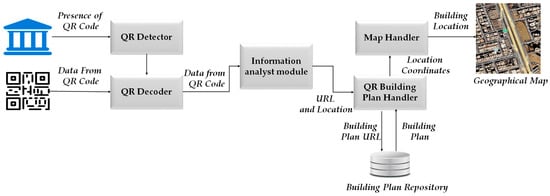
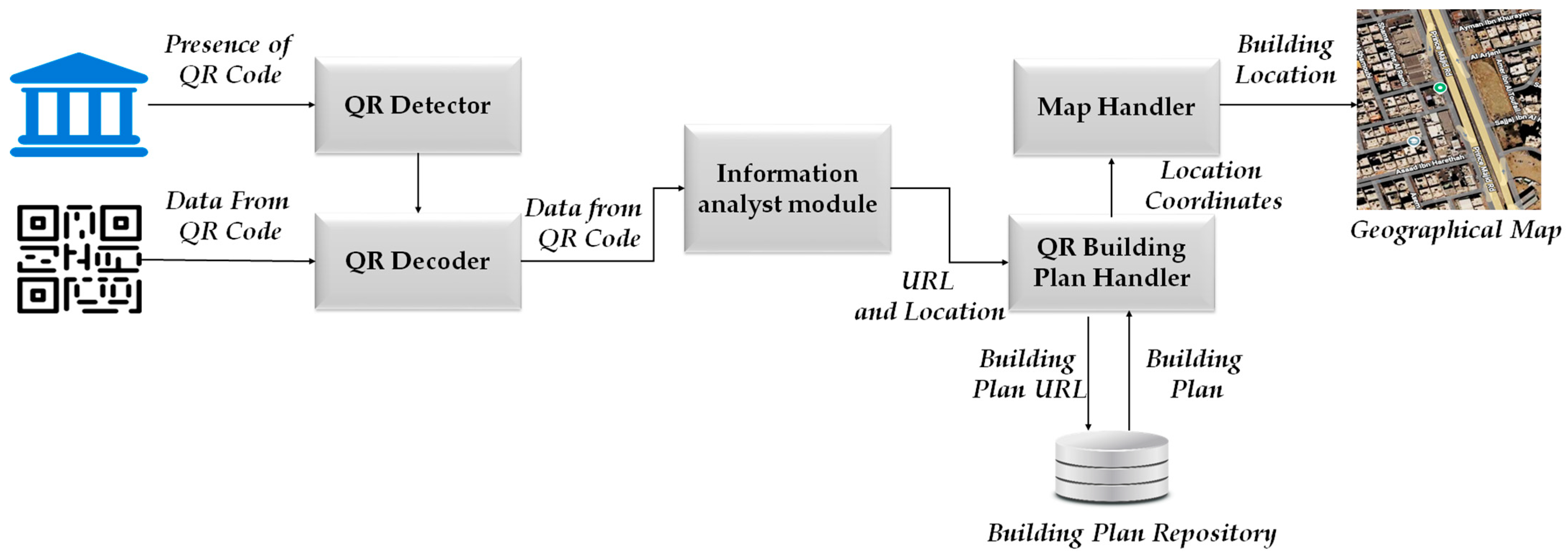
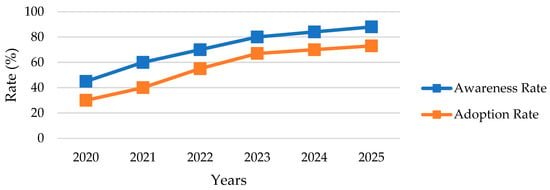
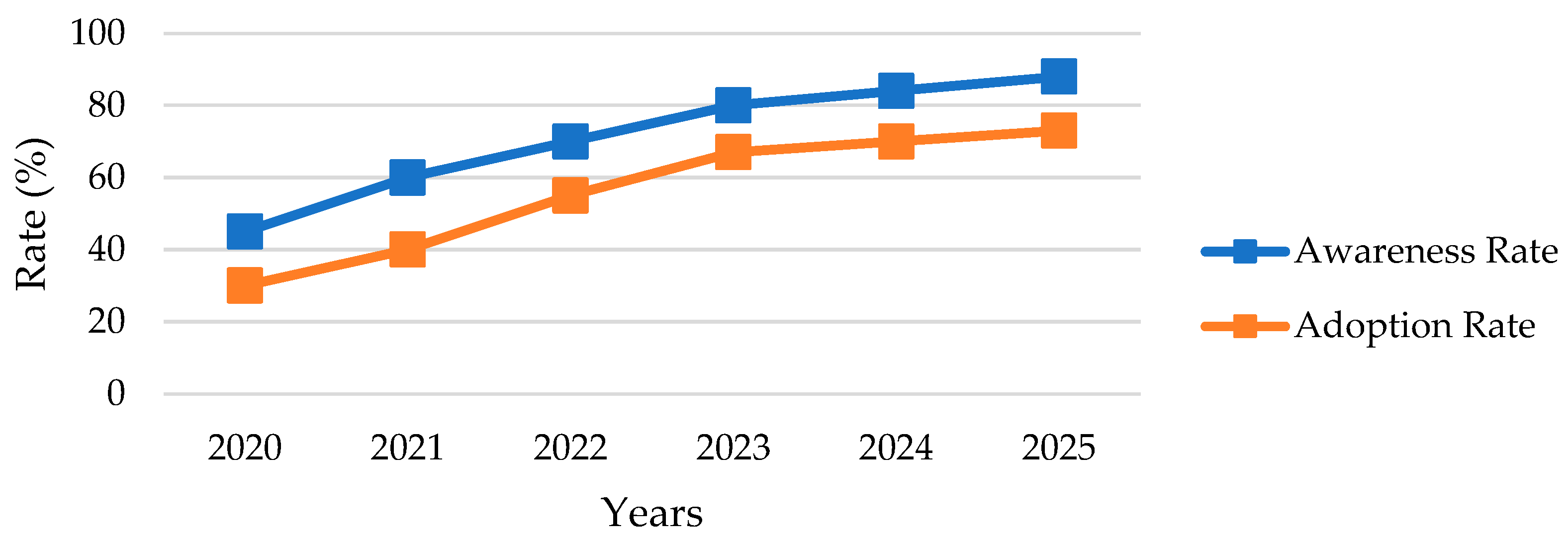
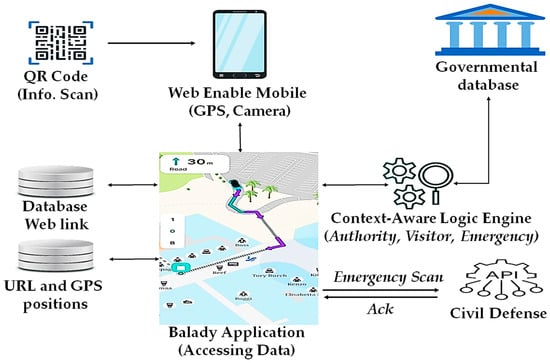
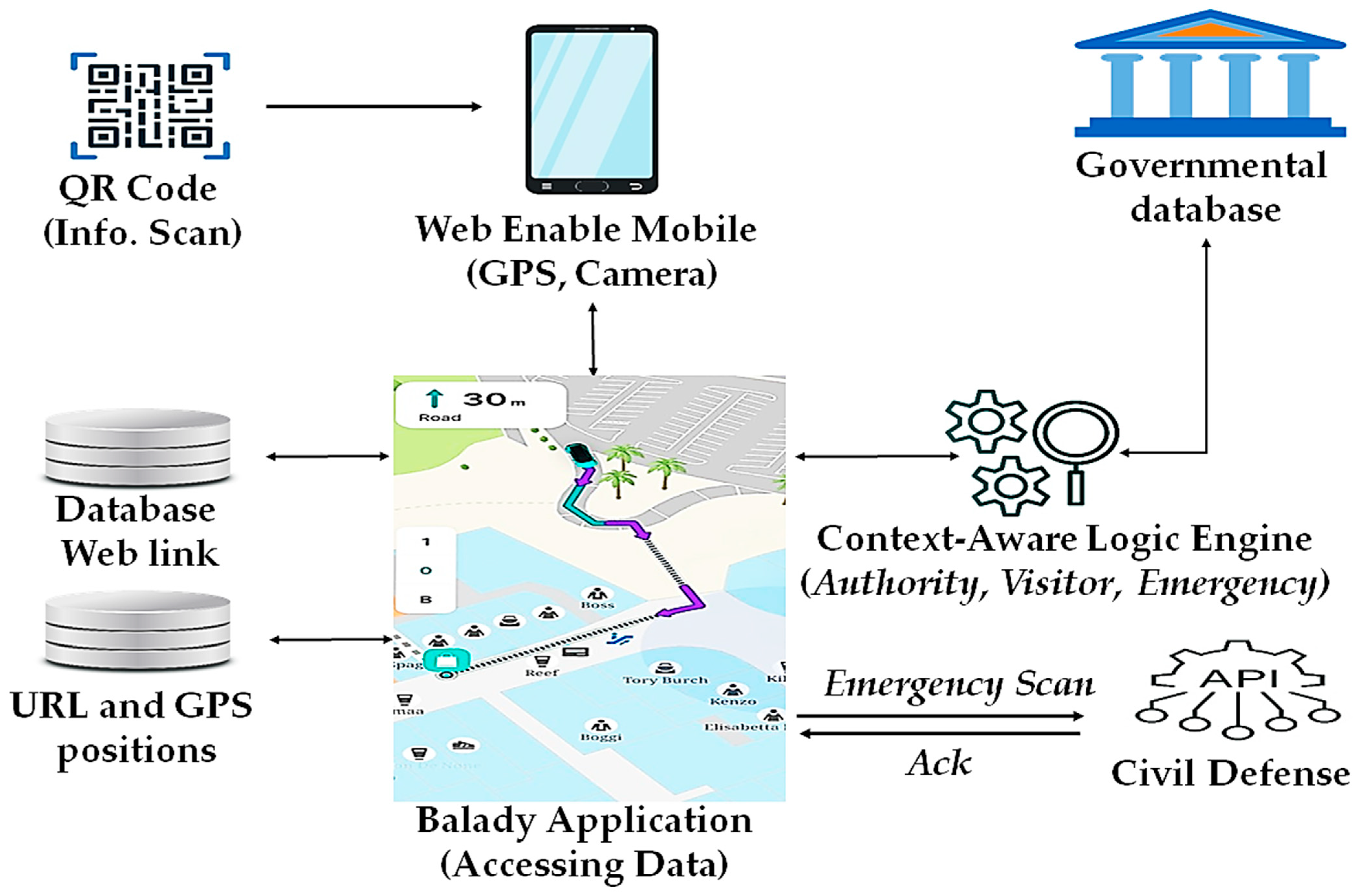
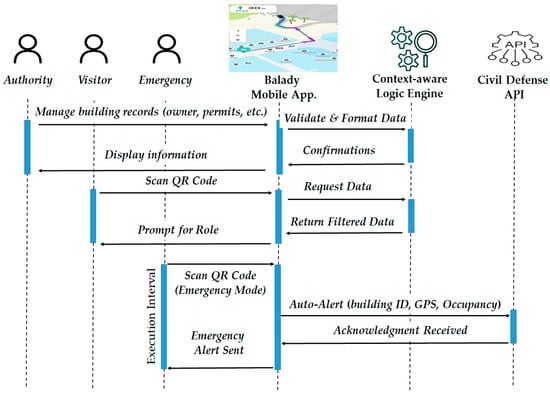
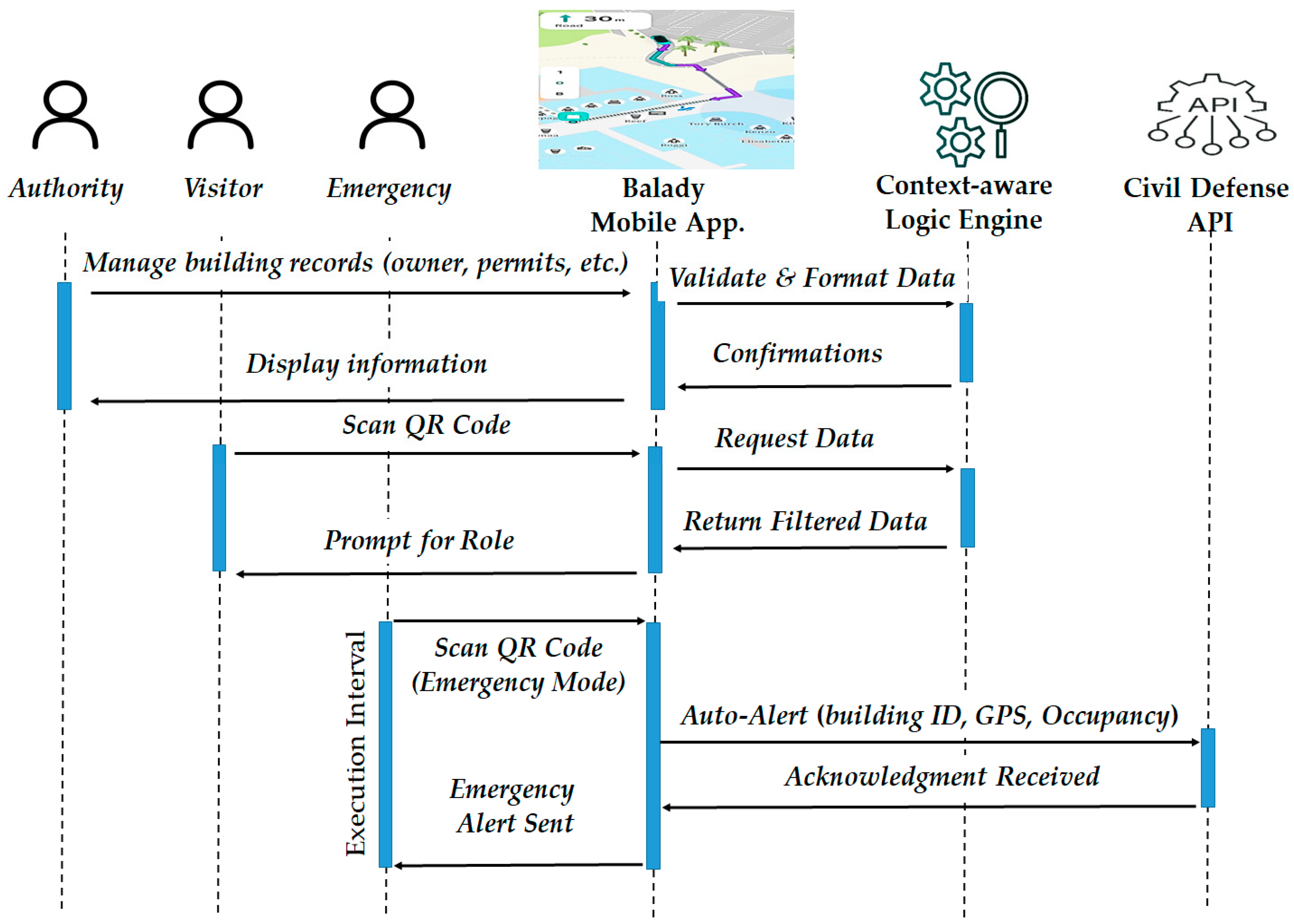
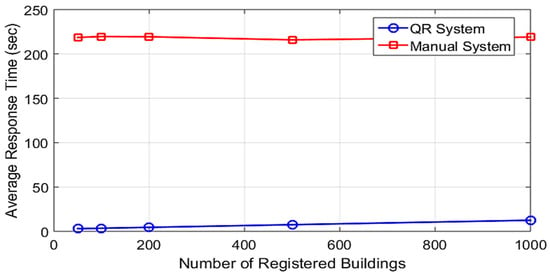
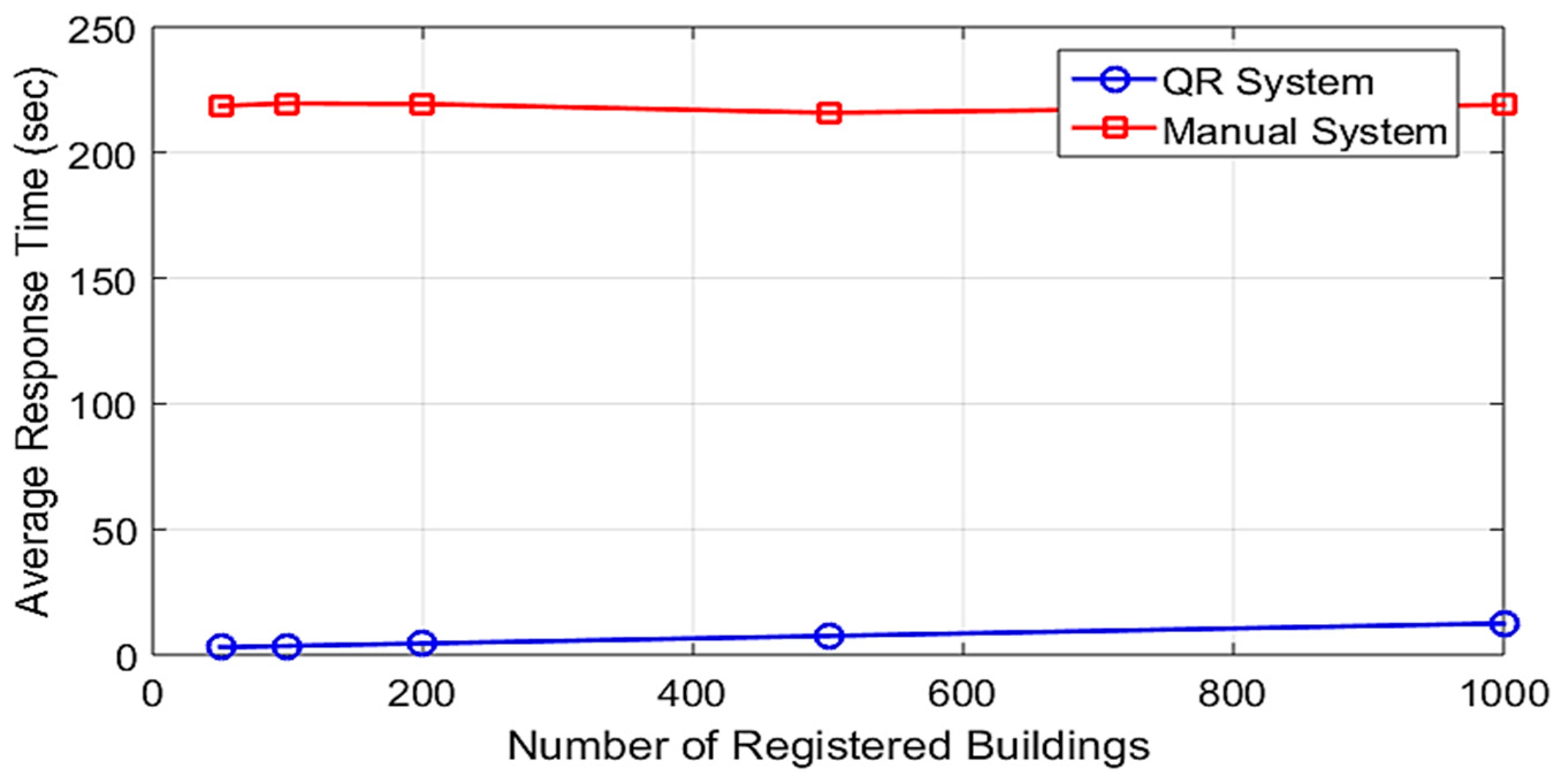
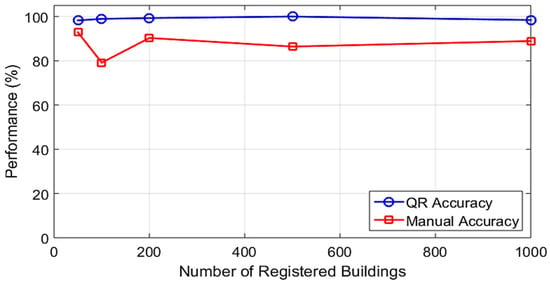
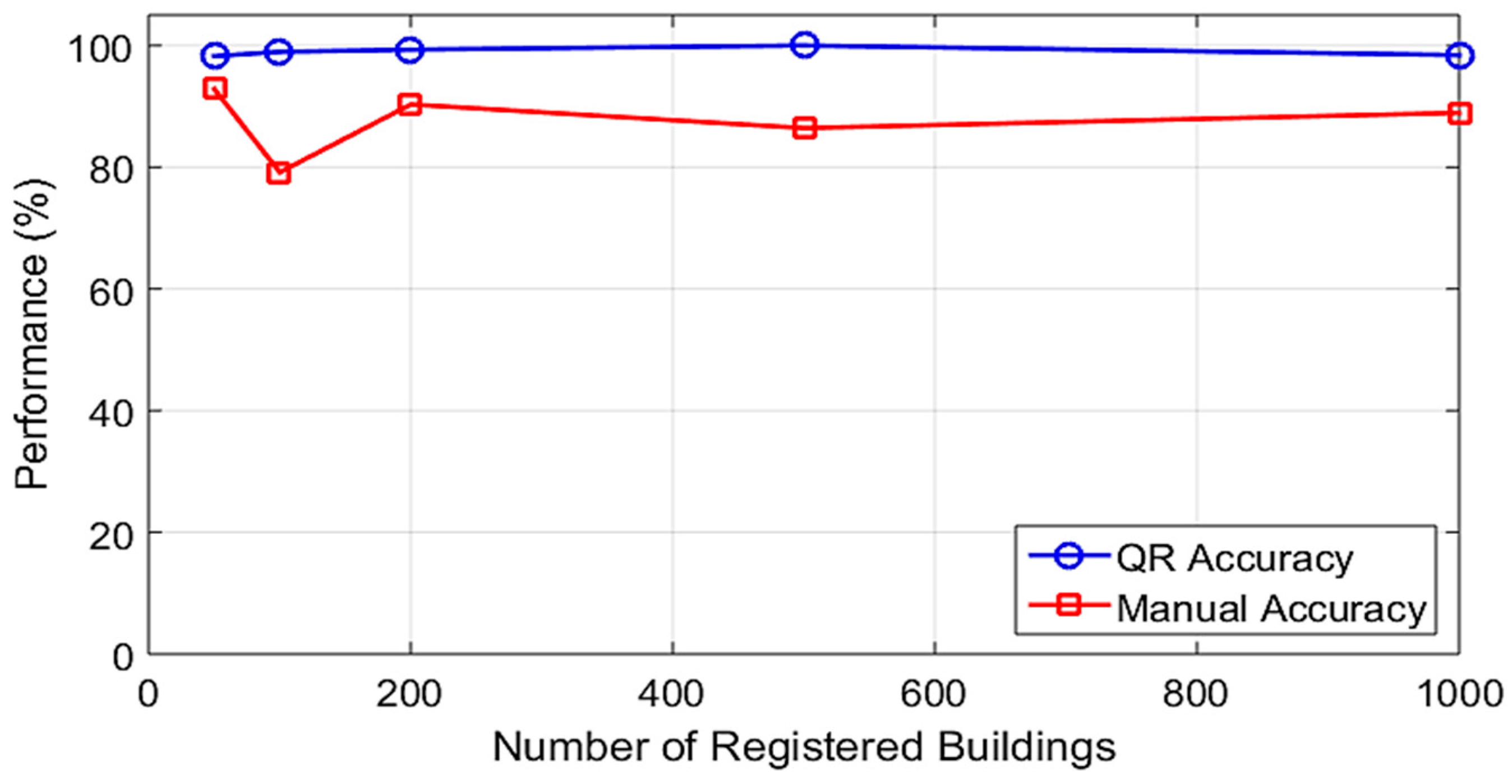
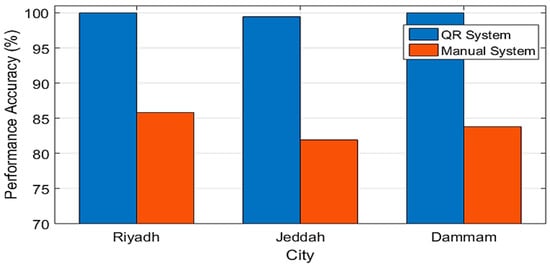
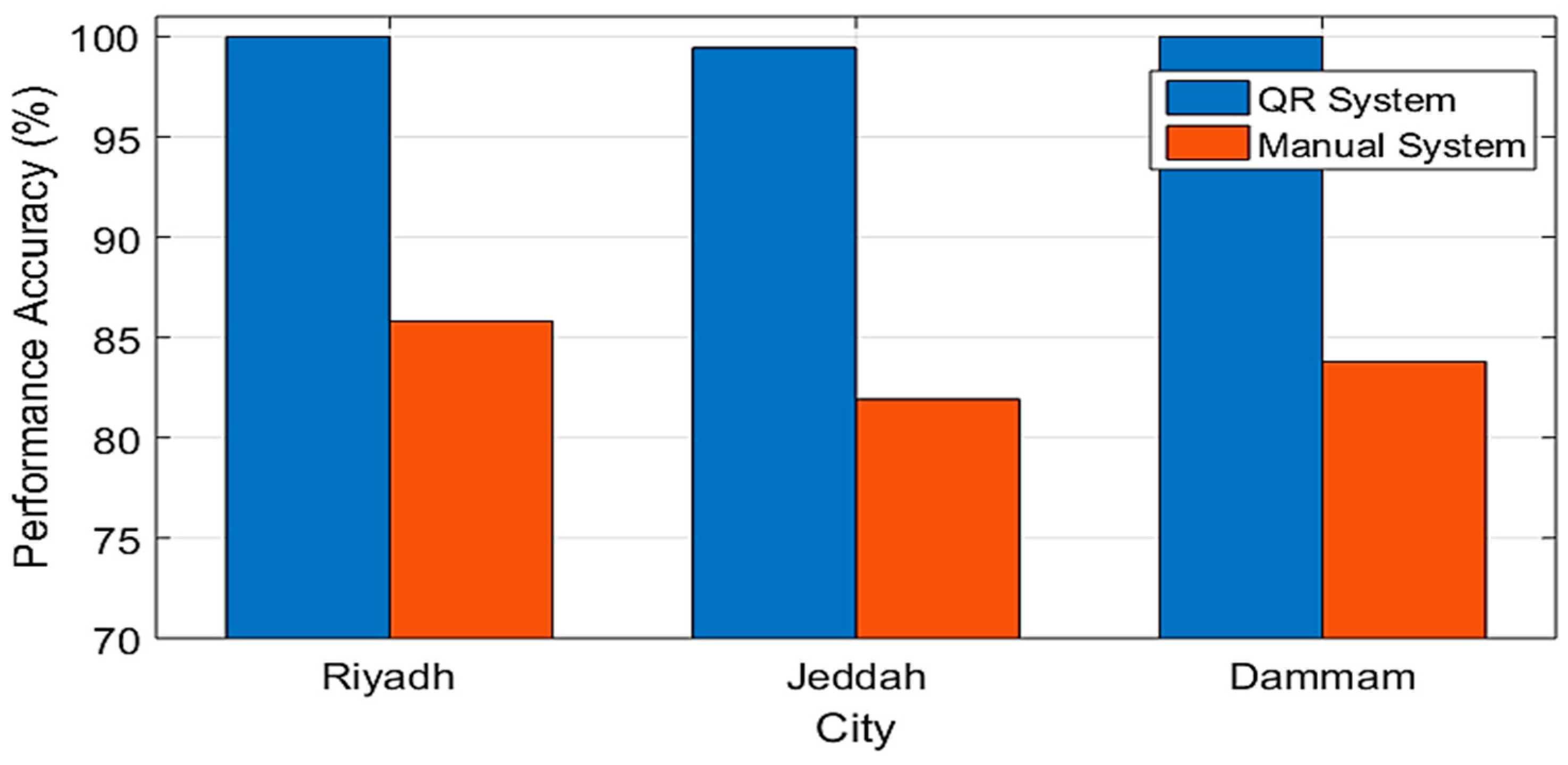
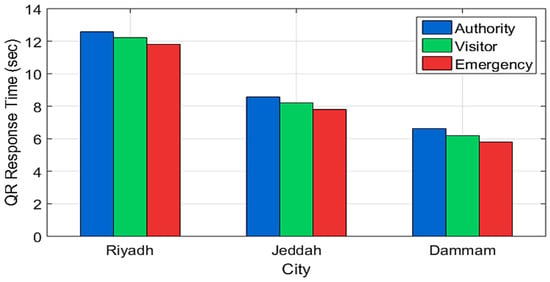
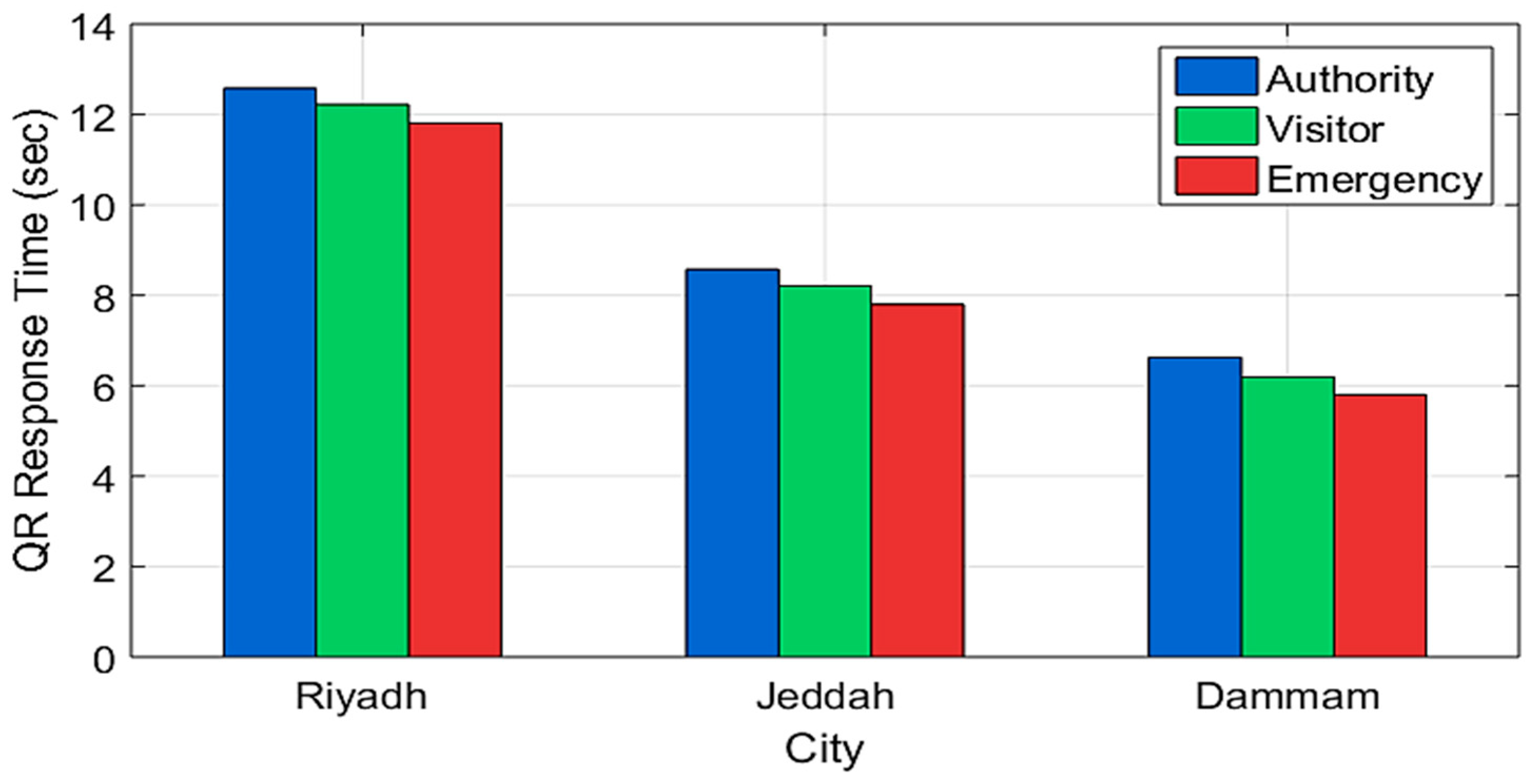
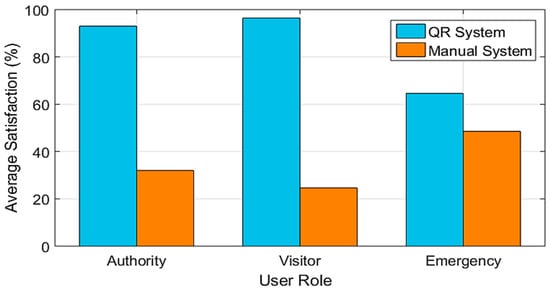
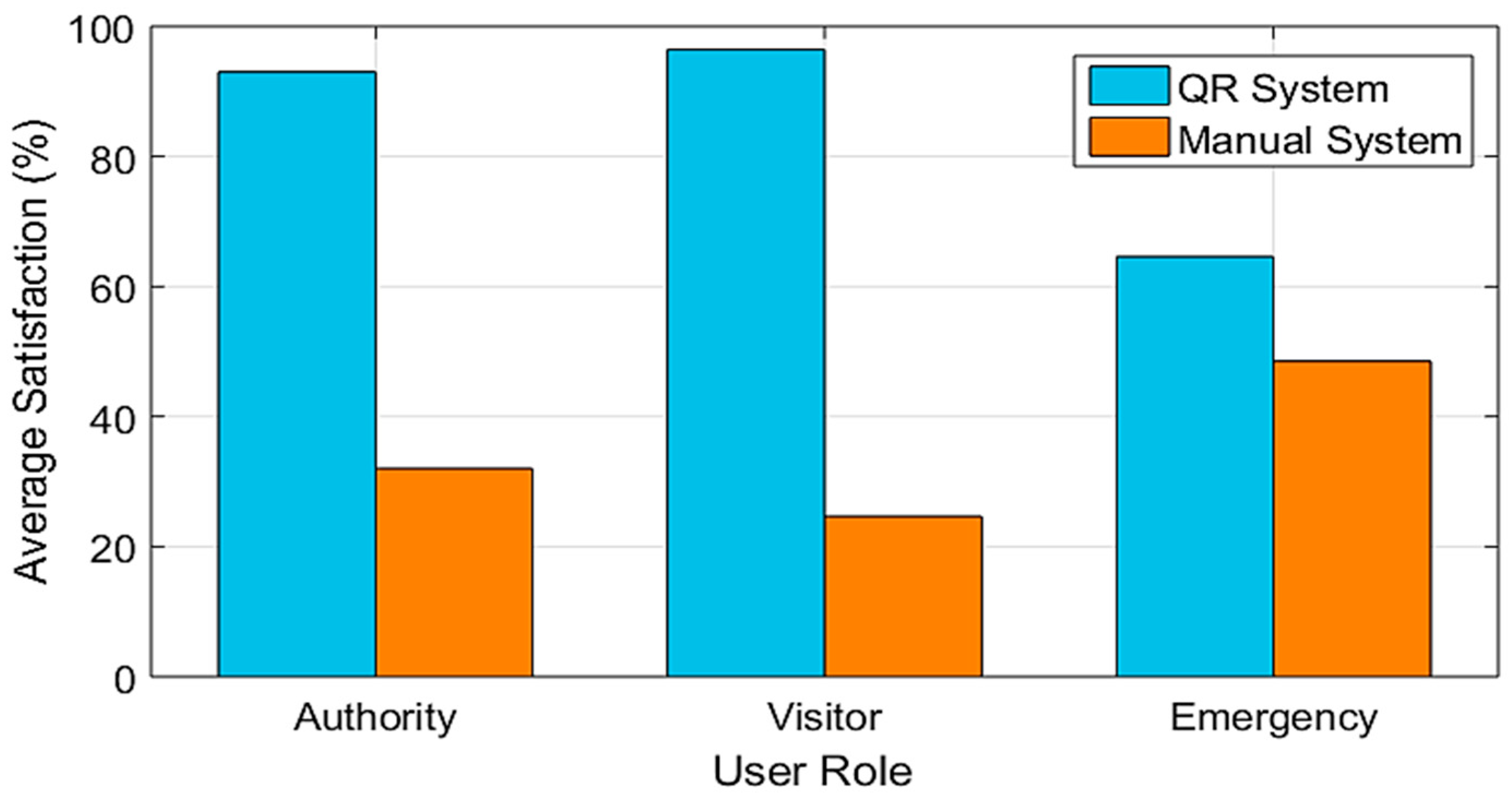
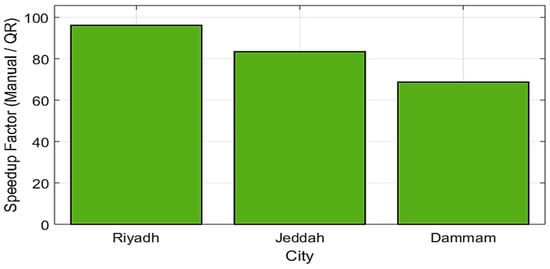
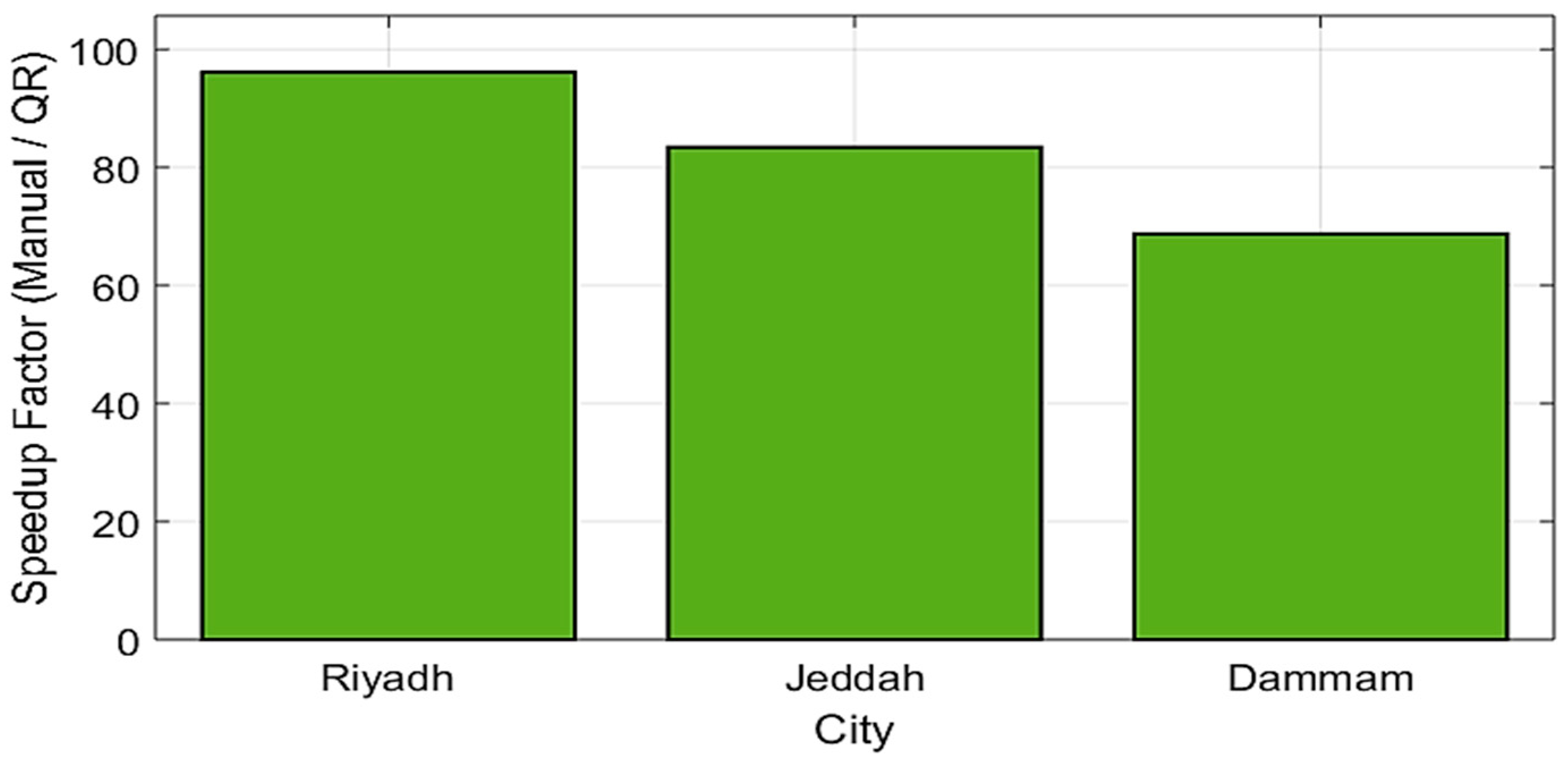
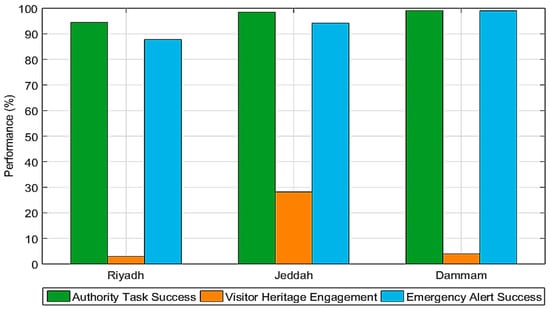
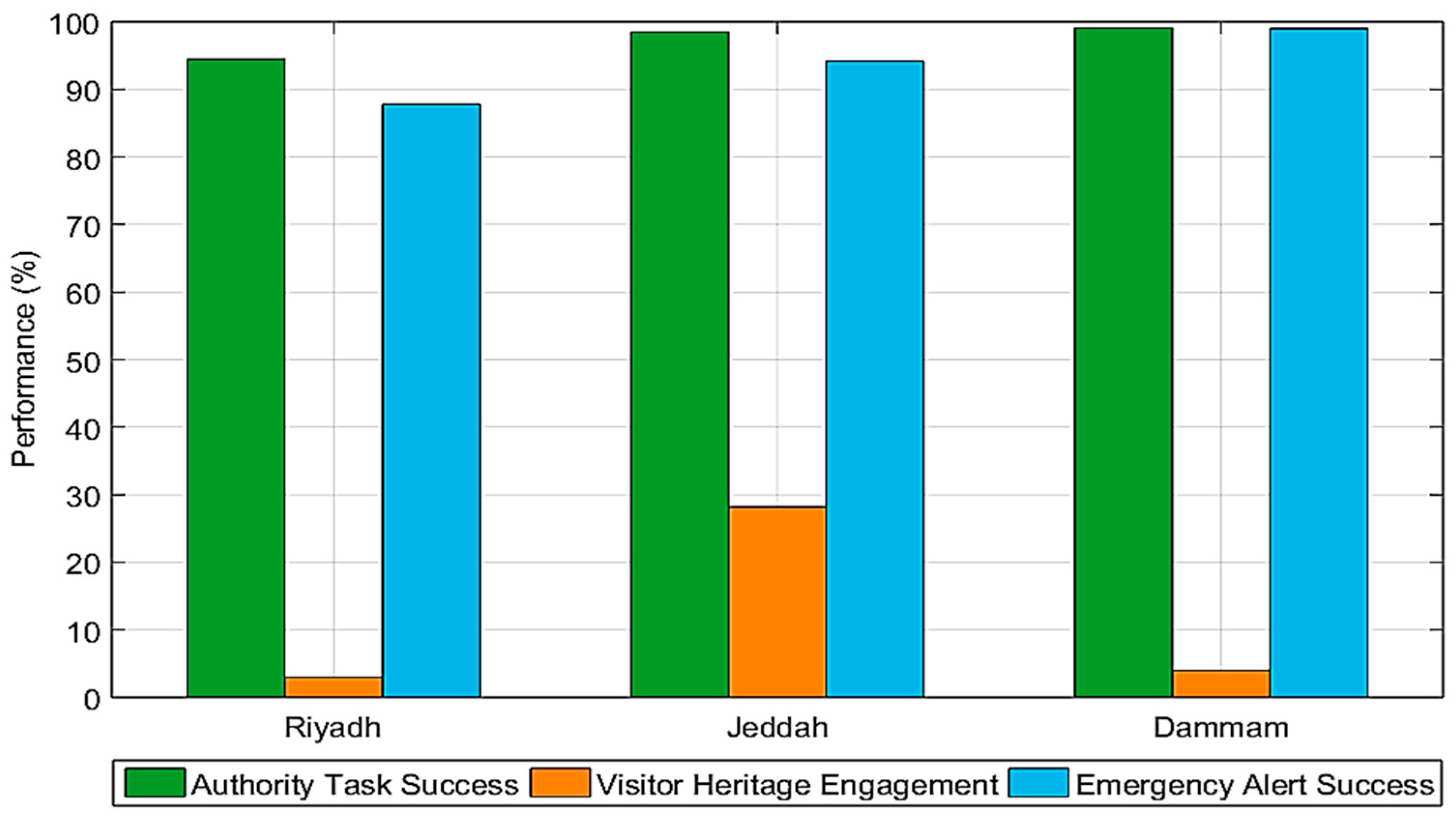

Disclaimer/Publisher’s Note: The statements, opinions and data contained in all publications are solely those of the individual author(s) and contributor(s) and not of MDPI and/or the editor(s). MDPI and/or the editor(s) disclaim responsibility for any injury to people or property resulting from any ideas, methods, instructions or products referred to in the content. |
© 2026 by the author. Licensee MDPI, Basel, Switzerland. This article is an open access article distributed under the terms and conditions of the Creative Commons Attribution (CC BY) license.