Article

Location Choice of Overseas High-Level Young Returned Talents in China


1
College of Geography and Environmental Sciences, Zhejiang Normal University, Jinhua 321004, China
2
Key Laboratory of Regional Sustainable Development Modeling, CAS, Beijing 100101, China
3
Institute of Geographic Science and Natural Resources Research, CAS, Beijing 100101, China
*
Author to whom correspondence should be addressed.
Sustainability 2020, 12(21), 9210; https://doi.org/10.3390/su12219210
Submission received: 15 October 2020 / Accepted: 2 November 2020 / Published: 5 November 2020
(This article belongs to the Section Sustainability in Geographic Science)

Abstract

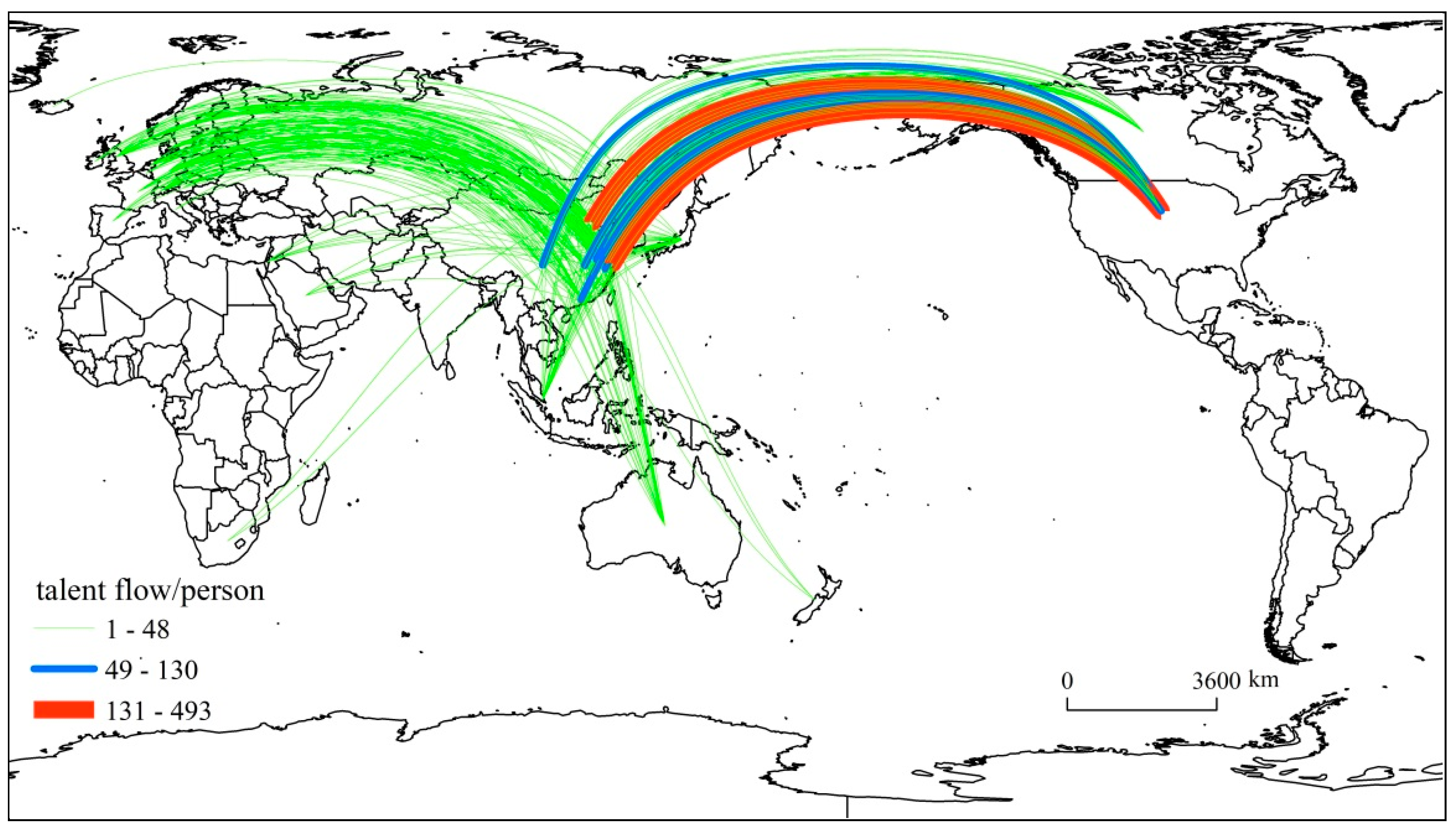
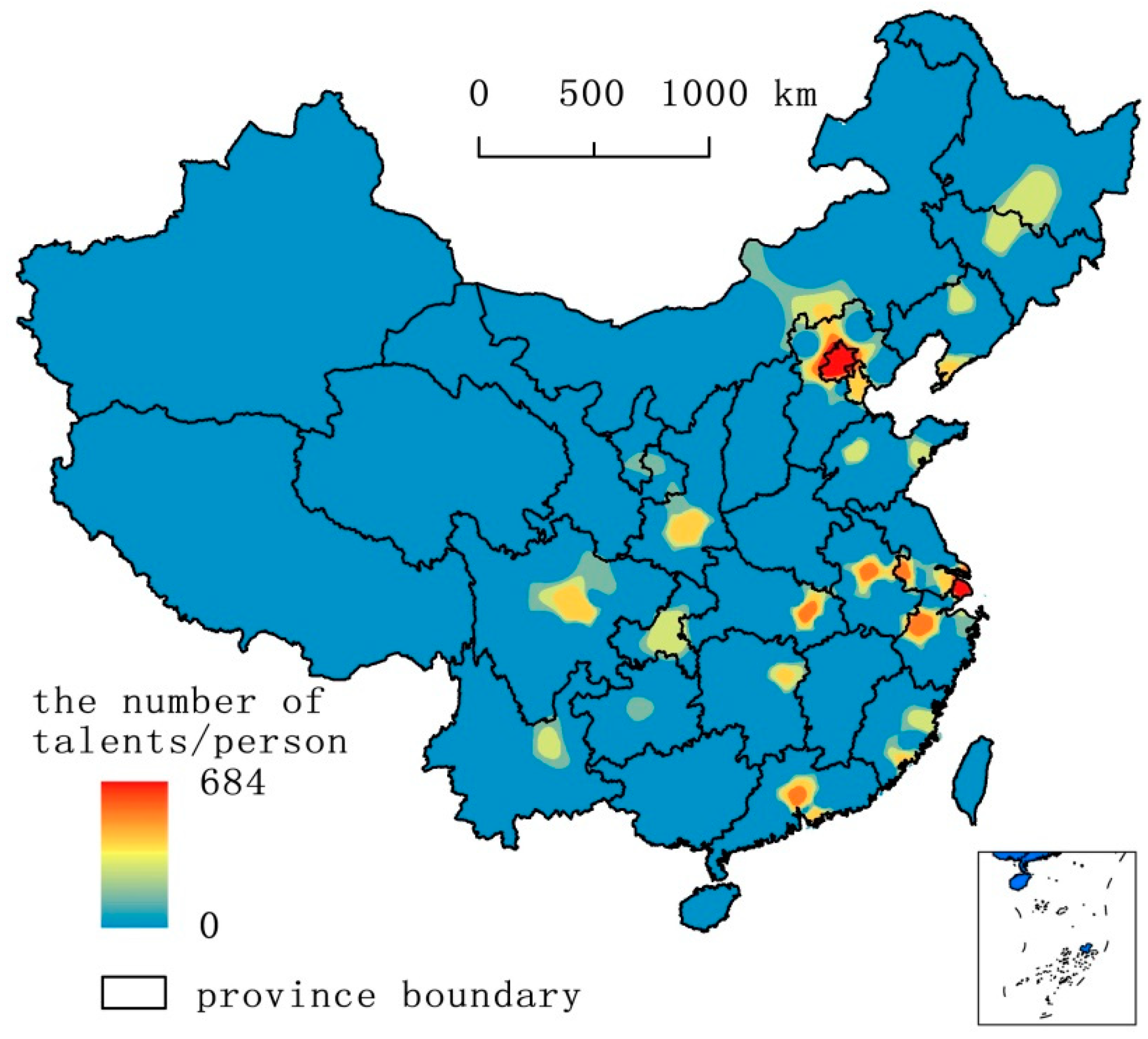
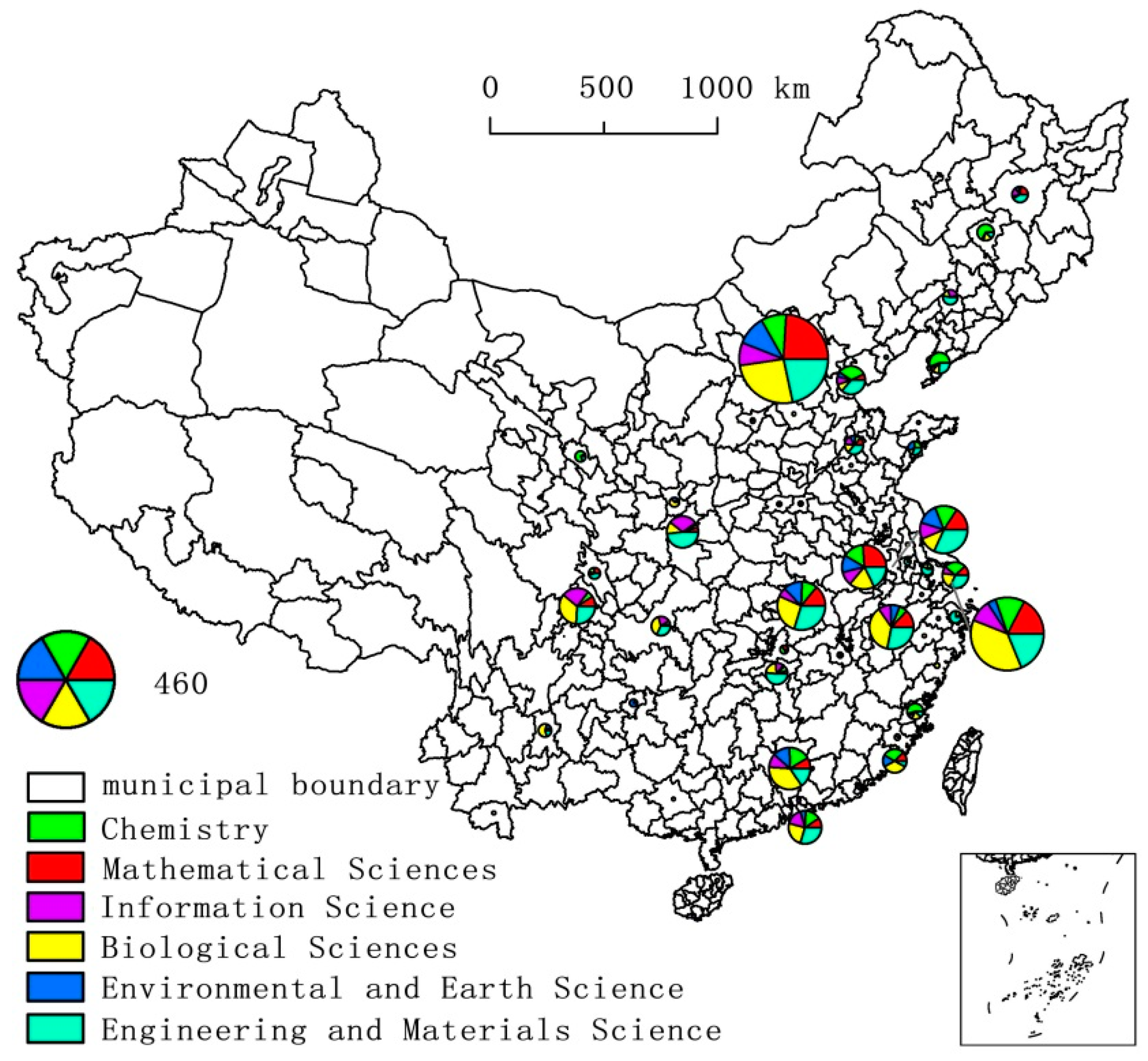
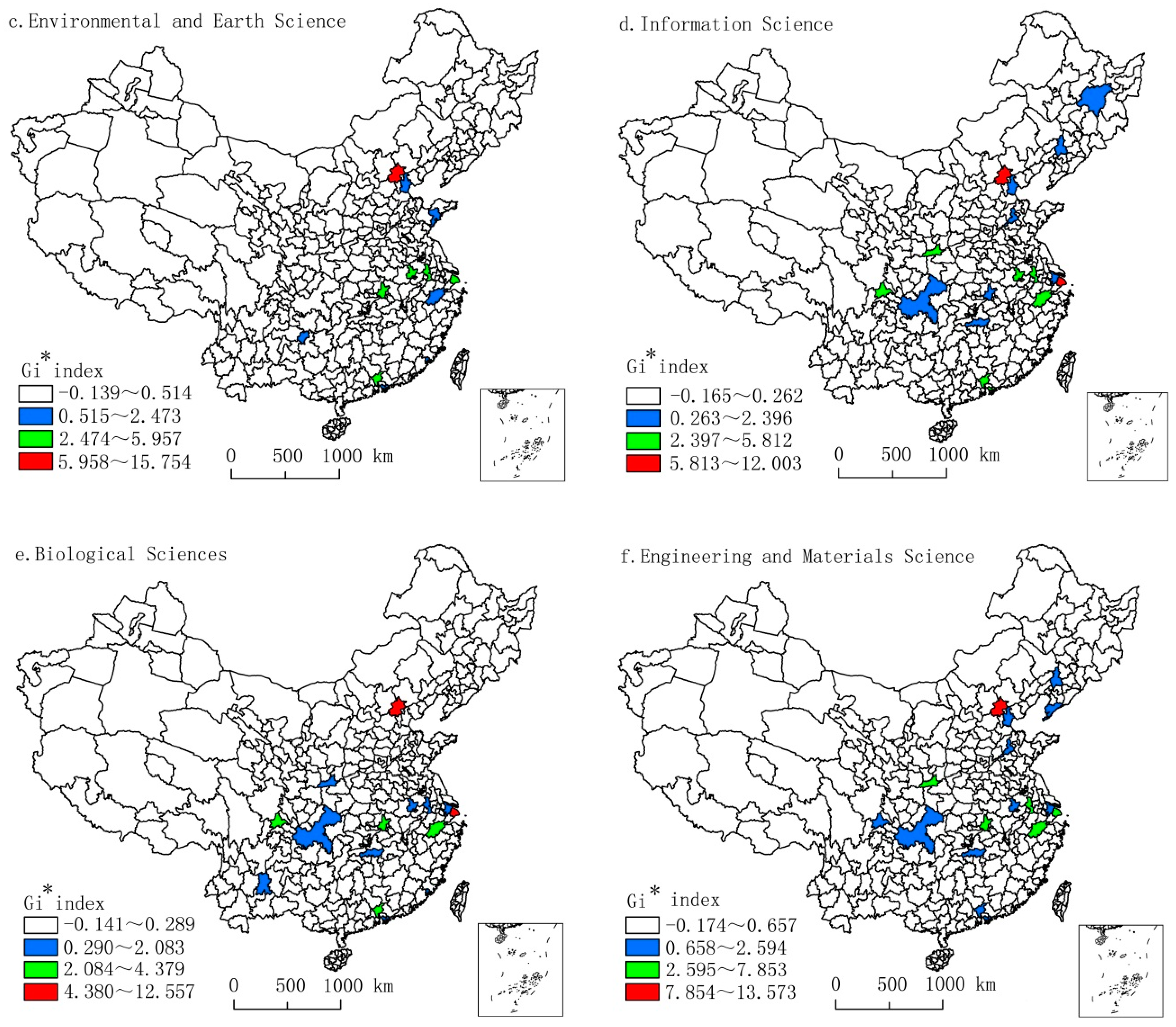
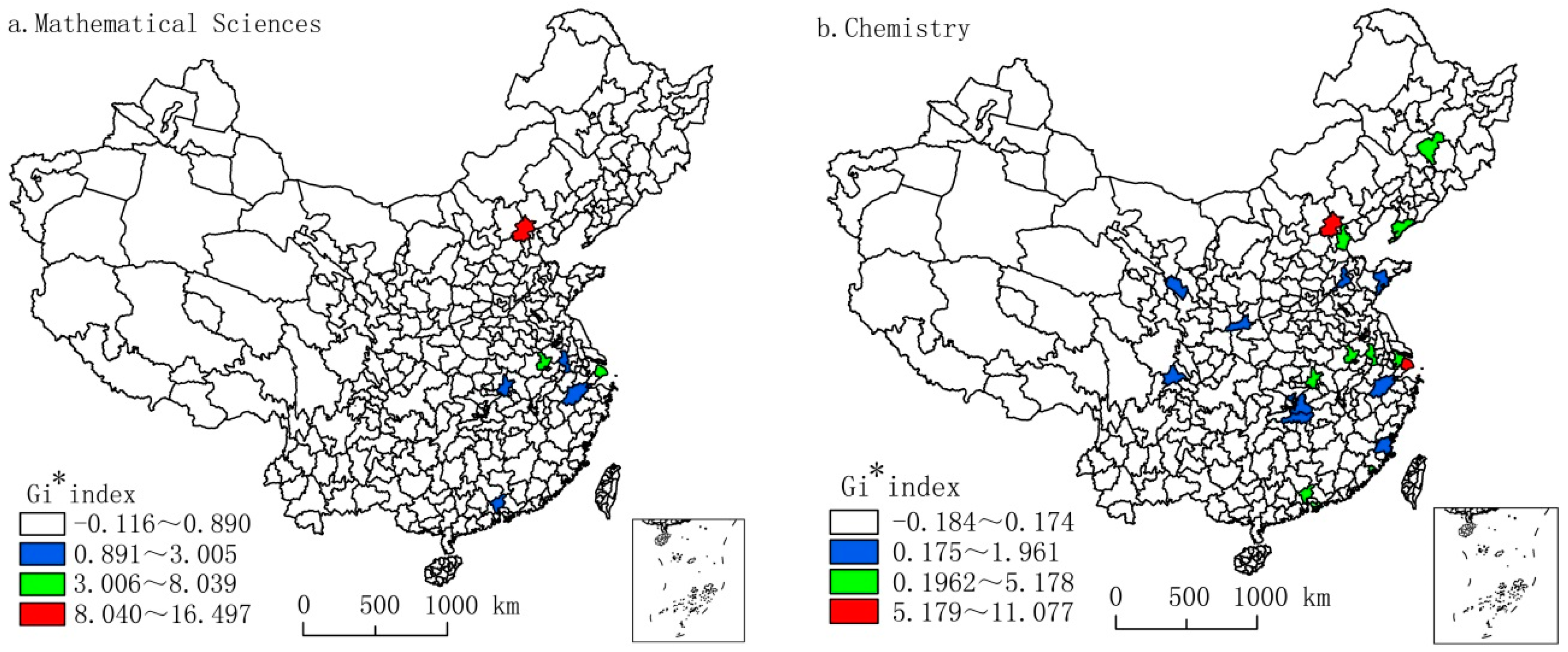
International talent’s mobility has increased over the last decade, especially in the wake of globalization and knowledge economy. China no longer exclusively shows an asymmetrical flow to developed countries, but it often turns out to be the most desirable destination of brain circulation for some overseas high-level young returned talents. In this context, based on the data obtained from the “Thousand Youth Talents Plan” (2011–2016) publicized by the Central Millennium Plan Office, the methods of the Moran’s I index, the Getis-Ord Gi* index, and the Poisson regression model are adopted in this study to analyze the location choice of overseas high-level young returned talents in China and its driving factors. The spatial configuration shows up that the United States is the most important origin overseas and China’s municipalities or provincial capitals are the most remarkable destinations. Moreover, the analysis reveals the distribution by academic majors is uneven, which may be caused by knowledge priority and legacies of China’s Soviet-style innovation system. The main analysis is extended with the Poisson regression model to estimate the significance of the influence factors. The empirical results show that the factors in order of importance are academic opportunity, urban amenity, and place attachment. Concretely, the most important factors for location choice of overseas high-level young returned talents, namely research and development (R&D) investment, internal convenience and hierarchy level in science and technology (S&T) system, external accessibility, transportation accessibility, university endowment, and health care are the substantial secondary factors, while place-oriented talent agglomeration and prior alumni connection play a minor role.
Keywords: spatial distribution; high-level young returned talent; location choice; China spatial distribution; high-level young returned talent; location choice; China