


Abstract
Multi-target drug discovery has become an essential strategy for treating complex diseases involving multiple molecular pathways. Traditional single-target approaches often fall short in addressing the multifactorial nature of conditions such as cancer and neurodegenerative disorders. With the rise in large-scale biological data and algorithmic advances, machine learning (ML) has emerged as a powerful tool to accelerate and optimize multi-target drug development. This review presents a comprehensive overview of ML techniques, including advanced deep learning (DL) approaches like attention-based models, and highlights their application in multi-target prediction, from traditional supervised learning to modern graph-based and multi-task learning frameworks. We highlight real-world applications in oncology, central nervous system disorders, and drug repurposing, showcasing the translational potential of ML in systems pharmacology. Major challenges are discussed, such as data sparsity, lack of interpretability, limited generalizability, and integration into experimental workflows. We also address ethical and regulatory considerations surrounding model transparency, fairness, and reproducibility. Looking forward, we explore promising directions such as generative modeling, federated learning, and patient-specific therapy design. Together, these advances point toward a future of precision polypharmacology driven by biologically informed and interpretable ML models. This review aims to provide researchers and practitioners with a roadmap for leveraging ML in the development of safer and more effective multi-target therapeutics.
1. Introduction
In recent years, the paradigm of drug discovery has been shifting from the traditional “one drug, one target” approach toward a more holistic and systems-level strategy—multi-target drug discovery [1,2]. This transformation is driven by the growing recognition that complex diseases such as cancer, neurodegenerative disorders, and metabolic syndromes often involve dysregulation of multiple genes, proteins, and pathways [3]. As a result, modulating a single molecular target may offer limited therapeutic benefit, whereas a well-designed multi-target intervention can improve efficacy, reduce resistance, and enhance safety profiles. This concept aligns with the principles of systems pharmacology, which integrates network biology, pharmacokinetics/pharmacodynamics (PK/PD), and computational modeling to understand drug action at the systems level [4].
Multi-target drugs are strategically designed to interact with a pre-defined set of molecular targets to achieve a synergistic therapeutic effect for complex diseases. This approach, known as rational polypharmacology, is a deliberate strategy to address the multifactorial nature of diseases [5,6]. In contrast, promiscuous drugs are compounds that exhibit a lack of specificity, binding to a wide range of unintended targets, which often leads to off-target effects and toxicity. While both types of drugs interact with multiple targets, the key distinction lies in the intentionality and specificity of their design. A multi-target drug’s target spectrum is carefully selected to contribute to the desired therapeutic outcome, whereas a promiscuous drug’s binding is often broad and unselective, potentially including many irrelevant or undesirable targets. Therefore, while a multi-target drug is by nature a ‘promiscuous’ binder, the term ‘promiscuous’ is often used pejoratively to denote a lack of specificity, whereas ‘multi-target’ implies a deliberate and beneficial polypharmacology [7].
However, identifying effective multi-target drug candidates remains a major challenge. The combinatorial explosion of potential drug-target interactions (DTI), the complexity of biological networks, and the limitations of high-throughput experimental screening demand scalable, accurate, and intelligent computational solutions [8]. In this context, machine learning (ML) has emerged as a powerful toolkit for modeling complex, nonlinear relationships inherent in biological systems [9,10]. By learning from diverse data sources—such as molecular structures, omics profiles, protein interactions, and clinical outcomes—ML algorithms can prioritize promising drug-target pairs, predict off-target effects, and even propose novel compounds with desirable polypharmacological profiles [11,12,13].
The integration of ML into multi-target drug discovery has opened new opportunities for understanding and optimizing complex therapeutic strategies, but it has also introduced significant challenges in data representation, model generalizability, and clinical applicability [14,15,16]. Classical ML models, such as support vector machines (SVMs), random forests (RFs), and logistic regression, have long demonstrated utility in tasks like predicting DTI, adverse effects, and pharmacokinetic profiles [17]. These models benefit from interpretability and robustness when trained on curated datasets. However, the growing volume and complexity of biomedical data have spurred the adoption of more sophisticated deep learning (DL) architectures [18,19]. In particular, graph neural networks (GNNs) excel at learning from molecular graphs and biological networks, while transformer-based models are increasingly leveraged to capture sequential, contextual, and multimodal biological information [18,20]. These approaches allow for the integration of chemical structure, target profiles, gene expression, and clinical phenotypes into unified predictive frameworks. Furthermore, the incorporation of systems pharmacology principles enables ML models to go beyond molecule-level predictions by considering the effects of drugs across pathways, tissues, and disease networks, facilitating a more holistic view of therapeutic efficacy and safety [21].
This review provides a comprehensive overview of how ML methods are applied to multi-target drug discovery, with an emphasis on their integration into systems pharmacology. We begin by outlining the biological rationale, then explore various ML techniques for feature representation, model construction, and network-based analysis. Key applications and case studies will be discussed to highlight their real-world implications. Finally, we address current challenges and propose future directions to guide research at the intersection of AI and multi-target pharmacology. The organizational framework is presented in Figure 1.
Figure 1.
Organizational Framework of the Review. This mind map provides a comprehensive overview of the article’s structure, illustrating the logical flow from the introduction of multi-target drug discovery to the fundamental concepts, advanced machine learning techniques, real-world applications, and concluding with challenges and future perspectives.
2. Fundamentals of Multi-Target Drug Discovery
Traditional drug discovery often follows a ‘one-drug, one-target’ paradigm, but this approach has limitations when addressing complex diseases. The evolution from this classical view to a systems pharmacology perspective is illustrated in Figure 2, which highlights the shift from single-target to multi-target and network-based therapeutic strategies.
Figure 2.
Comparison of Therapeutic Strategies. (A) The classic “one-drug, one-target” model, where a single drug is designed to modulate a specific target to achieve a therapeutic effect. Off-target binding can lead to unintended side effects. (B) A systems biology view, which considers how a drug’s interaction with a single target can propagate through a complex biological network, leading to both desired therapeutic effects and potential side effects. (C) The systems pharmacology approach, where a single drug is designed to act on multiple targets or a network of targets to produce a synergistic therapeutic effect and restore network stability, thus minimizing side effects.
The traditional paradigm of drug discovery has long focused on developing selective agents that modulate a single target associated with a specific disease [22]. While this approach has achieved success in certain therapeutic areas, it often falls short when applied to complex, multifactorial diseases such as cancer, neurodegenerative disorders, cardiovascular disease, and autoimmune conditions [23]. These diseases typically involve intricate biological networks with multiple dysregulated genes, signaling pathways, and feedback loops [24]. Consequently, interventions targeting a single node in such networks may lead to suboptimal efficacy, rapid resistance development, or unintended compensatory mechanisms. Multi-target drug discovery, or polypharmacology, offers a promising alternative by aiming to simultaneously modulate multiple targets involved in disease progression [25]. This strategy can produce synergistic therapeutic effects, enhance efficacy, and improve safety by reducing the doses required for each target [26]. In oncology, for instance, multi-kinase inhibitors have demonstrated improved clinical outcomes by blocking redundant signaling pathways that contribute to tumor survival [27]. In neurodegenerative diseases, addressing both amyloid accumulation and neuroinflammation through dual-target mechanisms holds greater promise than targeting either pathway alone [28,29]. Moreover, the concept of “network pharmacology” emphasizes that diseases are not the result of a single gene malfunction but rather the perturbation of interconnected networks [30]. From this perspective, therapeutic strategies should aim to restore network stability rather than simply block an individual target [31]. This system-level understanding forms the biological rationale for designing drugs that act on multiple molecular entities in a coordinated manner.
Despite the appeal of multi-target drug discovery, conventional experimental methods face significant limitations [23]. A major challenge lies in the combinatorial explosion of possible target sets and compound-target interactions [26]. With thousands of potential targets and millions of chemical compounds, the search space for discovering effective multi-target combinations becomes intractable using brute-force experimental techniques alone. Furthermore, traditional computational approaches—such as molecular docking or ligand-based virtual screening—often rely on predefined assumptions and simplified representations of molecular interactions [32,33]. Given these limitations, there is a pressing need for more sophisticated, data-driven approaches that can navigate the high-dimensional, nonlinear space of drug-target-disease interactions.
3. Machine Learning Techniques for Multi-Target Prediction
The complex and nonlinear nature of multi-target drug discovery requires computational methods that can efficiently model interactions across diverse chemical and biological spaces. ML has become a powerful approach to address these challenges, offering the flexibility to integrate heterogeneous data, learn hidden patterns, and make predictions at scale [34]. Figure 3 provides a visual overview of several representative pipelines, ranging from classical feature-based methods to modern DL architectures that leverage graph-based and attention mechanisms for more sophisticated predictions. This section outlines the key components of ML systems used for multi-target prediction, including data representations, classical and DL models, and network-based systems pharmacology frameworks.
Figure 3.
Representative Machine Learning Pipelines for Drug-Target Prediction. The figure illustrates three different computational workflows. (A) A classical ML pipeline that relies on feature engineering, where chemical structures and protein sequences are converted into handcrafted features (e.g., FP2 fingerprints, PsePSSM) before being used to train traditional models like RF, Lasso, or SVM for prediction. (B) A DL pipeline that utilizes GNNs for representation learning, where drugs and proteins are represented as nodes in a graph and GNNs, including variants like graph convolutional networks (GCNs) and graph attention networks (GATs), automatically learn features to predict DTI. (C) A modern DL pipeline that integrates advanced architectures, such as a residual GNN for compound representation and an attention module for protein sequence embedding, which are then fused and processed by a multi-layer perceptron (MLP) for final prediction. This approach leverages the strengths of both graph-based and attention-based models to capture complex relationships.
3.1. Data Sources and Feature Representations
Effective ML for multi-target drug discovery relies heavily on rich, well-structured data representations derived from diverse biological and chemical domains [35]. Drug molecules can be encoded using a variety of representations, including molecular fingerprints (e.g., ECFP), SMILES strings, handcrafted molecular descriptors, and graph-based encodings that preserve structural topology [36,37]. On the other hand, targets—typically proteins—can be represented by their amino acid sequences, structural conformations, or contextual positions in protein–protein interaction (PPI) networks [38,39,40]. Modern embedding techniques such as those from pre-trained protein language models (e.g., ESM, ProtBERT) [41] and graph-based node embedding algorithms (e.g., DeepWalk, node2vec) [42] enable transformation of these entities into vectorized forms suitable for ML. Interaction data such as drug-target binding affinities or multi-label activity profiles are often collected from databases like DrugBank, ChEMBL, BindingDB, and STITCH [43]. A more comprehensive list of these and other key data sources is provided in Table 1. A central challenge is integrating such heterogeneous features into a unified learning framework [44], often addressed via feature fusion, co-embedding strategies, or representation learning.
Table 1.
Representative Data Sources for Machine Learning in Multi-Target Drug Discovery.
3.2. Classical Machine Learning Models
Classical ML algorithms have laid the groundwork for multi-target drug discovery by offering scalable and interpretable tools for prediction. SVMs and RFs are widely adopted due to their strong performance in high-dimensional settings and robustness to overfitting [46,47]. These models have been used for both binary classification and regression tasks in DTI prediction. Other models such as k-nearest neighbors (k-NN) and naïve Bayes (NB) classifiers offer simplicity and speed, although they may lack the capacity to model complex relationships [48]. Multi-label classification strategies, including binary relevance, classifier chains, and label powerset transformations, have been employed to model drugs acting on multiple targets simultaneously [49]. However, classical models generally require extensive feature engineering and may not capture the higher-order dependencies found in biological systems, limiting their performance in highly nonlinear and interconnected pharmacological landscapes.
3.3. Deep Learning and Representation Learning
DL approaches have significantly advanced the capabilities of multi-target drug prediction by enabling automatic feature extraction and modeling of complex nonlinearities [50,51]. Multi-task learning (MTL) frameworks are particularly suited for multi-target settings, as they learn shared representations across related prediction tasks [52]. GNNs [53], including variants like graph convolutional networks (GCNs), graph attention networks (GATs), and GraphSAGE [54,55], have proven effective at modeling molecular graphs and predicting interactions by capturing rich spatial and relational information. A key architectural enhancement, residual GNNs, addresses the challenge of vanishing gradients in deep networks. By adding “skip connections” that allow information to bypass one or more layers, residual GNNs enable the training of much deeper models, facilitating the capture of complex, long-range dependencies within a molecule’s topological structure without losing crucial information from initial layers. This makes them particularly suitable for representing large and intricate chemical compounds [56]. Transformer-based models [57,58], originally developed for language modeling, are now applied to SMILES strings and protein sequences, with models like ChemBERTa [59], SMILES-BERT [60], and ProtTrans [61] demonstrating strong generalization in limited data scenarios. The core innovation of the Transformer is the self-attention mechanism. Unlike recurrent neural networks (RNNs) that process sequences sequentially, the attention mechanism allows the model to weigh the importance of all amino acids in a protein sequence simultaneously, regardless of their position. This parallel processing not only significantly improves computational efficiency but, more critically, allows the model to directly capture long-range dependencies and interactions between distant amino acids in a protein’s primary structure, which are often vital for its function and 3D folding. This capability makes Transformers a superior alternative for protein sequence representation compared to traditional sequential models [62]. Additionally, more refined multi-head attention-based models have been developed specifically for drug repurposing. These models leverage large-scale biological datasets to predict drug–disease relationships and demonstrate robust generalization capabilities, with some of their predictions indirectly confirmed by clinical trials [63]. Furthermore, unsupervised techniques such as autoencoder (AE), variational autoencoder (VAE) [64], and contrastive learning approaches allow the construction of latent representations even when labeled data are sparse [65]. Despite their predictive power, deep models often suffer from interpretability issues [66], raising concerns in clinical and regulatory settings.
The advent of generative artificial intelligence (AI) has revolutionized the paradigm of multi-target drug discovery by shifting from a traditional ‘screen-and-select’ approach to a ‘design-and-generate’ one. These models, trained on vast datasets of chemical structures and their associated biological activities, can learn the underlying chemical and pharmacological rules to create entirely novel molecules from scratch, a process known as de novo design [14,67]. A key advantage of generative AI in this context is its ability to explore the immense chemical space more effectively than traditional methods. Models such as VAEs, generative adversarial networks (GANs) [68], and diffusion models [69] are used to produce molecular structures with specific, pre-defined properties, including the desired multi-target profiles. These models are particularly suited for polypharmacology because they can be optimized to generate compounds that simultaneously satisfy multiple objectives, such as binding affinity to several targets, drug-likeness, and synthetic accessibility [70]. For instance, recent studies have demonstrated the use of generative models to design multi-target ligands for complex diseases, showcasing their potential to accelerate the development of more effective and safer therapeutics [71,72].
In summary, each of the discussed approaches offers distinct trade-offs in multi-target drug discovery. Classical ML models (Section 3.2) excel in tasks with limited, well-defined data, offering high interpretability and lower computational costs [73]. However, their reliance on manual feature engineering and limited capacity to model complex, hierarchical relationships hinder their scalability for large, high-dimensional datasets. In contrast, DL methods (Section 3.3), particularly GNNs and Transformers, demonstrate superior performance and scalability by automatically learning complex patterns from vast, heterogeneous data [74]. While DL excels in predictive power, it often suffers from poor interpretability, a critical limitation in a field requiring high-stakes, explainable decisions. The emerging systems pharmacology approaches and hybrid models (Section 3.4) bridge this gap by integrating diverse data sources and network contexts. They offer a promising path to not only improve predictive accuracy but also enhance the biological relevance and interpretability of results, making them highly suitable for complex, systems-level therapeutic tasks like multi-target drug repurposing and de novo design [5].
3.4. Network-Based and Systems Pharmacology Approaches
ML in systems pharmacology often leverages the structure of biological networks to contextualize DTI [75,76]. Heterogeneous networks, which represent drugs, proteins, diseases, and pathways as interconnected nodes, offer a rich substrate for prediction via link prediction or network completion algorithms [77]. Embedding methods such as node2vec [78], metapath2vec [79], and graph AE allow transformation of these complex networks into low-dimensional feature spaces while preserving topological and semantic relationships. In addition, network propagation [80] and diffusion algorithms [81] simulate how drug perturbations influence biological systems, identifying synergistic multi-target profiles and compensatory pathways. Knowledge graphs further extend these capabilities by encoding semantic relations among biomedical entities [82]; when combined with embedding methods like TransE or GNN-based link predictors [83], they support reasoning over complex associations and contribute to explainable predictions [78]. These systems-level approaches provide the necessary context for understanding polypharmacology beyond molecular interactions and support network-informed therapeutic design. These methods can identify not just potential drug candidates but also the optimal network nodes to modulate for desired therapeutic outcomes.
A key trend is to integrate factors beyond direct drug-target binding, such as pharmacokinetics and the influence of the gut microbiota (GM). A recent study using an animal model showed that the GM can significantly alter the pharmacokinetics of drugs, thereby affecting their efficacy and potential for drug interactions [84]. This highlights the importance of a systems-level approach that considers not only molecular interactions but also physiological and microbial factors to provide a more complete picture of drug action.
The ability of knowledge graphs to encode vast, heterogeneous biomedical data makes them particularly powerful for novel target discovery and drug repurposing, which are essential facets of multi-target therapy. Recent advancements have led to the development of sophisticated graph foundation models that perform zero-shot drug repurposing, identifying therapeutic candidates for diseases with limited or no existing treatments. A prime example is TxGNN, a graph neural network model trained on a comprehensive medical knowledge graph [85]. TxGNN uses a metric learning module to rank potential drug indications and contraindications, showcasing a significant improvement in prediction accuracy over conventional methods. A key feature of such models is their interpretability, facilitated by modules like TxGNN’s Explainer. This component provides transparent, multi-hop knowledge paths that allow human experts to investigate and validate the model’s predictions, thereby building trust and bridging the gap between computational results and clinical decision-making. These innovations highlight the potential of knowledge graphs not only for predicting known DTI but also for discovering entirely new therapeutic connections within the complex landscape of diseases. Beyond the molecular level, the scope of multi-target therapy extends to encompass the systemic, multi-organ nature of chronic diseases. This holistic perspective is crucial because many complex conditions, such as metabolic or neurodegenerative disorders, involve an intricate web of malfunctioning organs and disrupted inter-organ communication. A recent concept, the locked-state model (LoSM), illustrates how these pathological states can become ‘locked’ due to body-wide, memory-like properties resulting from inter-organ crosstalk [86]. Deciphering these complex, multi-organ locked states present a significant opportunity for systems pharmacology. Applying ML and systems biology at this multi-scale level enables the identification of therapeutic strategies that can dismantle pathological states by targeting key nodes within these complex biological systems. This approach not only facilitates the discovery of optimal multi-target profiles but also helps in designing interventions that can modulate an entire system rather than just a single pathway. These advancements highlight a new frontier in multi-target therapy, where the goal is to develop treatments that restore healthy inter-organ communication and unlock chronic pathological states.
4. Applications and Case Studies
ML-based strategies for multi-target drug discovery have transitioned from theoretical frameworks to practical applications across a wide spectrum of therapeutic areas. These applications demonstrate the feasibility of ML techniques and highlight their capacity to uncover novel DTI, optimize combination therapies, and accelerate drug repurposing. This section presents representative case studies that illustrate how ML is being applied to real-world drug discovery challenges in oncology, neurodegenerative diseases, infectious diseases, and personalized therapy. As shown in Figure 4, these diverse applications reveal a common theme: ML models are evolving to integrate different data types and address the unique, multifaceted challenges of each therapeutic area, paving the way for a new era of precision polypharmacology.
Figure 4.
A Comparative Overview of Machine Learning in Multi-Target Drug Discovery. This figure summarizes the key trends and strategies of ML applications across four critical therapeutic areas.
4.1. Oncology: Targeting Redundant and Synergistic Pathways
As highlighted in Figure 4, cancer presents a primary area for ML-guided multi-target drug discovery due to its intrinsic biological complexity, including pathway redundancy, tumor heterogeneity, and adaptive resistance mechanisms [87,88]. The use of multi-target therapeutics in oncology is crucial for overcoming resistance and achieving synergistic effects. Table 2 provides a summary of representative studies that utilize ML for drug combination and synergy prediction in cancer treatment. ML models have been applied to identify kinase inhibitors capable of targeting multiple oncogenic pathways simultaneously. For instance, DL models integrating molecular graph data and transcriptomic signatures have been used to predict dual or triple kinase inhibitors with improved efficacy across different cancer cell lines [89,90]. In another example, a graph-based ML framework was used to identify multitarget compounds capable of co-inhibiting PI3K, mTOR, and EGFR—three pathways frequently co-activated in lung and breast cancers [91,92,93]. These predictions were validated with in vitro and xenograft studies, underscoring the translational potential of ML-guided approaches. Additionally, ML-assisted drug combination prediction has emerged as a complementary strategy, where models forecast synergistic drug pairs based on cell line–specific omics data and pathway activity scores, enabling more effective multi-target treatment regimens [94].
Table 2.
Representative Studies on Machine Learning Applications for Drug Combination and Synergy Prediction in Oncology.
4.2. Neurodegenerative Diseases: Tackling Multifactorial Pathogenesis
Neurodegenerative diseases such as Alzheimer’s and Parkinson’s disease (AD and PD) involve multiple pathogenic processes, including protein aggregation, mitochondrial dysfunction, oxidative stress, and neuroinflammation [118]. Given the multifactorial pathogenesis of neurodegenerative disorders, multi-target strategies are particularly well-suited for their treatment. A summary of key studies that have employed ML for multi-target drug discovery in this area is provided in Table 3. Conventional single-target strategies have failed to deliver effective disease-modifying therapies, prompting a shift toward systems-level approaches. ML models have been trained on chemical features, transcriptomic responses, and protein interaction data to predict compounds that simultaneously modulate amyloid-beta aggregation and neuroinflammatory pathways [119,120,121]. For example, multi-task neural networks have been employed to predict ligands capable of dual inhibition of BACE1 and GSK-3β, both implicated in AD’s progression [121,122]. Moreover, knowledge graph–based embedding models have facilitated the identification of repositioned drugs that act on multiple neurodegeneration-associated targets [123,124], such as donepezil analogs with additional antioxidant or anti-inflammatory properties [125,126].
Table 3.
Representative Studies on Machine Learning Applications for Multi-Target Drug Discovery in Neurodegenerative Diseases.
Antimicrobial resistance (AMR) presents a growing public health crisis, where multi-target therapies offer a way to prevent rapid resistance evolution [23]. The growing threat of AMR has necessitated the development of new therapeutic strategies. Table 4 highlights several important studies where ML has been applied to combat infectious diseases and predict resistance patterns. ML approaches have been used to identify multi-target antibiotics that interfere with essential bacterial processes such as DNA replication, protein synthesis, and cell wall biosynthesis [131,132]. For instance, supervised learning models trained on pathogen-specific compound libraries have predicted antibiotics that simultaneously bind to DNA gyrase and topoisomerase IV—an established strategy to overcome resistance in Gram-negative bacteria [133,134]. In the context of viral infections like COVID-19, network-based ML models have been used to repurpose existing drugs with multitarget activities against both viral proteins and host factors involved in viral entry and replication [135]. These methods offer a scalable means to rapidly identify broad-spectrum antivirals with polypharmacological profiles.
Table 4.
Representative Studies on Machine Learning Applications for Combating Infectious Diseases and Antimicrobial Resistance.
One of the most promising applications of ML in multi-target discovery lies in drug repurposing and personalized therapy [87,156]. Integrative ML frameworks that incorporate patient-specific omics profiles, electronic health records (EHRs), and pharmacogenomic data are now being used to predict individualized drug combinations. For example, ML models have been developed to stratify patients based on molecular subtypes and predict the optimal multi-target regimen that addresses their unique pathway dysregulations [23,157]. In oncology, this approach has led to patient-specific predictions of kinase inhibitor combinations with minimal off-target toxicity [158]. In another instance, reinforcement learning models have been applied to iteratively optimize drug dosing schedules and combinations for rare diseases, using patient-level simulations and prior clinical knowledge [159,160]. This move toward precision polypharmacology is evident in studies that leverage computational methods for drug repurposing and developing personalized strategies. For example, one study applied a DL model based on BERT for text classification to a benchmark dataset of Traditional Chinese Medicine (TCM) clinical records [161]. The research aimed to classify TCM clinical records into five main disease categories, with the BERT-based method achieving state-of-the-art accuracy and F1 scores. In another instance, the PanGPCR system was developed to predict multiple GPCR targets and repurposing potential for GPCR-targeting drugs. This system uses molecular docking to predict binding affinities and targets. PanGPCR can identify a compound’s potential GPCR targets and repurposing potential by generating a ranked list from docking studies, which can be linked to side effect data from the SIDER database [162]. Such personalized systems pharmacology frameworks represent a significant step toward precision polypharmacology, where treatment strategies are tailored not only to disease mechanisms but also to the molecular context of individual patients.
5. Challenges and Future Perspectives
Despite the promising potential of ML in multi-target drug discovery, significant challenges remain. A primary obstacle is the lack of high-quality, large-scale datasets, which are often sparse, heterogeneous, and imbalanced, leading to issues like overfitting and poor generalizability [163,164,165]. Specifically, dataset biases are a significant concern, as publicly available databases often overrepresent well-studied compounds and targets. This can result in models that perform well on existing data but fail to generalize to novel chemical spaces or underrepresented target families. Similarly, imbalanced class distributions are a pervasive issue, as drug activity datasets contain a vast majority of inactive compounds. This can cause models to be biased toward the majority negative class, making them insensitive to the rare but crucial active compounds. The problem is further compounded by the challenge of missing data, where incomplete activity profiles or heterogeneous data formats require sophisticated imputation or specialized machine learning methods to build a unified, robust training set. Furthermore, the “black-box” nature of complex models, such as deep learning, hinders interpretability, making it difficult for chemists and regulatory agencies to understand the biological reasoning behind predictions [72,166]. Models also struggle to generalize across different biological contexts and disease states. A final challenge is integrating these computational predictions into experimental and clinical pipelines, as well as addressing ethical and regulatory concerns surrounding data privacy, algorithmic bias, and model reproducibility [73].
The future of multi-target drug discovery will likely be shaped by synergistic advances that address current limitations. Key areas include developing standardized, high-quality datasets and more interpretable ML models to provide clearer biological insights [74]. Advances in transfer learning and domain adaptation will also improve model generalizability across diverse biological contexts [167,168]. The field is moving toward a more collaborative approach, bridging the gap between computational and experimental pipelines. Looking ahead, the emergence of generative AI, federated learning, and the integration of patient-level omics data are expected to accelerate the development of personalized, multi-target therapies, moving us toward a future of precision polypharmacology [169].
6. Conclusions
The integration of machine learning into multi-target drug discovery is a transformative shift in pharmacology, moving beyond traditional single-target methods to better address complex diseases like cancer and neurodegeneration. This approach leverages powerful techniques such as deep learning and graph neural networks to enable high-throughput analysis and predictive modeling. While promising applications in cancer therapy and drug repurposing have been demonstrated, significant challenges remain, including data sparsity and a lack of model interpretability. The future of this field depends on advances in data integration, transfer learning, and interdisciplinary collaboration, with generative AI and patient-level omics data poised to further enhance the development of safer, more personalized therapeutic interventions.
Author Contributions
Conceptualization, X.B. and C.L.; methodology, Y.W. and J.W.; software, Y.W. and J.W.; validation, J.W. and C.L.; data curation, X.B.; writing—original draft preparation, X.B. and Y.W.; writing—review and editing, C.L.; visualization, Y.W. All authors have read and agreed to the published version of the manuscript.
Funding
This research was funded by the Research Project of Yan’an University, grant number YAU202512552.
Data Availability Statement
Not applicable.
Conflicts of Interest
The authors declare no conflicts of interest.
Abbreviations
PK: pharmacokinetics; PD: pharmacodynamics; DTI: drug-target interactions; ML: machine learning; SVMs: support vector machines; RFs: random forests; DL: deep learning; GNNs: graph neural networks; GCNs: graph convolutional networks; GATs: graph attention networks; MLP: multi-layer perceptron; PPI: protein–protein interaction; NCI: National Cancer Institute; k-NN: k-nearest neighbors; NB: naïve Bayes; MTL: multi-task learning; RNNs: recurrent neural networks; AE: autoencoder; VAE: variational autoencoder; AI: artificial intelligence; GANs: generative adversarial networks; GM: gut microbiota; LoSM: locked-state model; DNN: deep neural network; AUC: area under the curve; ROC: receiver operating characteristic curve; TPR: true positive rate; DDS: drug–drug synergy; LRGA: low-rank global attention; MGAE: multi-channel graph autoencoder; MSE: mean squared error; IDA: independent drug action; AD: Alzheimer’s disease; PD: Parkinson’s disease; DTA: drug-target affinity; AMR: antimicrobial resistance; ARG: antibiotic resistance genes; MIC: minimum inhibitory concentration; AMPs: antimicrobial peptides; WGS: whole-genome sequence; EHRs: electronic health records; TCM: Traditional Chinese Medicine.
References
- Lavecchia, A.; Cerchia, C. In Silico Methods to Address Polypharmacology: Current Status, Applications and Future Perspectives. Drug Discov. Today 2016, 21, 288–298. [Google Scholar] [CrossRef] [Scilit]
- Zhou, W.; Wang, Y.; Lu, A.; Zhang, G. Systems Pharmacology in Small Molecular Drug Discovery. Int. J. Mol. Sci. 2016, 17, 246. [Google Scholar] [CrossRef] [Scilit]
- Pérez-Nueno, V.I. Using Quantitative Systems Pharmacology for Novel Drug Discovery. Expert Opin. Drug Discov. 2015, 10, 1315–1331. [Google Scholar] [CrossRef] [Scilit]
- Li, L.; Yang, L.; Yang, L.; He, C.; He, Y.; Chen, L.; Dong, Q.; Zhang, H.; Chen, S.; Li, P. Network Pharmacology: A Bright Guiding Light on the Way to Explore the Personalized Precise Medication of Traditional Chinese Medicine. Chin. Med. 2023, 18, 146. [Google Scholar] [CrossRef] [Scilit] [PubMed]
- Ryszkiewicz, P.; Malinowska, B.; Schlicker, E. Polypharmacology: New Drugs in 2023–2024. Pharmacol. Rep. 2025, 77, 543–560. [Google Scholar] [CrossRef] [Scilit] [PubMed]
- Stefan, S.M.; Rafehi, M. Medicinal Polypharmacology-a Scientific Glossary of Terminology and Concepts. Front. Pharmacol. 2024, 15, 1419110. [Google Scholar] [CrossRef] [Scilit]
- VanDongen, A.M. Drug Promiscuity: Problems and Promises. bioRxiv 2023. [Google Scholar] [CrossRef] [Scilit]
- Abdelsayed, M. AI-Driven Polypharmacology in Small-Molecule Drug Discovery. Int. J. Mol. Sci. 2025, 26, 6996. [Google Scholar] [CrossRef] [Scilit]
- Liu, K.; Chen, X.; Ren, Y.; Liu, C.; Lv, T.; Liu, Y.; Zhang, Y. Multi-Target-Based Polypharmacology Prediction (mTPP): An Approach Using Virtual Screening and Machine Learning for Multi-Target Drug Discovery. Chem.-Biol. Interact. 2022, 368, 110239. [Google Scholar] [CrossRef] [Scilit] [PubMed]
- Kleandrova, V.V.; Ds Cordeiro, M.N.; Speck-Planche, A. Current In Silico Methods for Multi-Target Drug Discovery in Early Anticancer Research: The Rise of the Perturbation-Theory Machine Learning Approach. Future Med. Chem. 2023, 15, 1647–1650. [Google Scholar] [CrossRef] [Scilit]
- Cichońska, A.; Ravikumar, B.; Rahman, R. AI for Targeted Polypharmacology: The next Frontier in Drug Discovery. Curr. Opin. Struct. Biol. 2024, 84, 102771. [Google Scholar] [CrossRef] [Scilit]
- Mukaidaisi, M.; Ahmed, M.; Grantham, K.; Al-Jumaily, A.; Dedhar, S.; Organ, M.; Tchagang, A.; Hou, J.; Ahmed, S.E.; Dividino, R.; et al. “Several Birds with One Stone”: Exploring the Potential of AI Methods for Multi-Target Drug Design. Mol. Divers. 2025, 29, 3023–3039. [Google Scholar] [CrossRef] [Scilit]
- Isigkeit, L.; Hörmann, T.; Schallmayer, E.; Scholz, K.; Lillich, F.F.; Ehrler, J.H.M.; Hufnagel, B.; Büchner, J.; Marschner, J.A.; Pabel, J.; et al. Automated Design of Multi-Target Ligands by Generative Deep Learning. Nat. Commun. 2024, 15, 7946. [Google Scholar] [CrossRef] [Scilit]
- Ocana, A.; Pandiella, A.; Privat, C.; Bravo, I.; Luengo-Oroz, M.; Amir, E.; Gyorffy, B. Integrating Artificial Intelligence in Drug Discovery and Early Drug Development: A Transformative Approach. Biomark. Res. 2025, 13, 45. [Google Scholar] [CrossRef] [Scilit]
- Ogbonna, U.E.; Ofoezie, E.F.; Babalola, O.O.; Ottu, P.O.; Ogbonna, C.A.; Olisakwe, S.; George, T.E.; Babarinde, S.; Omaba, J.O.; Chukwuemeka, C.G.; et al. Advances in Machine Learning for Optimizing Pharmaceutical Drug Discovery. Curr. Proteom. 2025, 22, 100015. [Google Scholar] [CrossRef] [Scilit]
- Bajorath, J. Explainable Machine Learning for Medicinal Chemistry: Exploring Multi-Target Compounds. Future Med. Chem. 2022, 14, 1171–1173. [Google Scholar] [CrossRef] [Scilit] [PubMed]
- Serrano, D.R.; Luciano, F.C.; Anaya, B.J.; Ongoren, B.; Kara, A.; Molina, G.; Ramirez, B.I.; Sánchez-Guirales, S.A.; Simon, J.A.; Tomietto, G.; et al. Artificial Intelligence (AI) Applications in Drug Discovery and Drug Delivery: Revolutionizing Personalized Medicine. Pharmaceutics 2024, 16, 1328. [Google Scholar] [CrossRef] [Scilit] [PubMed]
- Kandhare, P.; Kurlekar, M.; Deshpande, T.; Pawar, A. A Review on Revolutionizing Healthcare Technologies with AI and ML Applications in Pharmaceutical Sciences. Drugs Drug Candidates 2025, 4, 9. [Google Scholar] [CrossRef] [Scilit]
- Talukder, M.A.; Kazi, M.; Alazab, A. Predicting Drug-Target Interactions Using Machine Learning with Improved Data Balancing and Feature Engineering. Sci. Rep. 2025, 15, 19495. [Google Scholar] [CrossRef] [Scilit]
- Ali, N.; Hanif, N.; Khan, H.A.; Waseem, M.A.; Saeed, A.; Zakir, S.; Khan, A.; Aamir, M.; Ali, A.; Ali, A.; et al. Deep Learning and Artificial Intelligence for Drug Discovery, Application, Challenge, and Future Perspectives. Discov. Appl. Sci. 2025, 7, 533. [Google Scholar] [CrossRef] [Scilit]
- Wan, Z.; Sun, X.; Li, Y.; Chu, T.; Hao, X.; Cao, Y.; Zhang, P. Applications of Artificial Intelligence in Drug Repurposing. Adv. Sci. 2025, 12, 2411325. [Google Scholar] [CrossRef] [Scilit]
- Hughes, J.; Rees, S.; Kalindjian, S.; Philpott, K. Principles of Early Drug Discovery. Br. J. Pharmacol. 2011, 162, 1239–1249. [Google Scholar] [CrossRef] [Scilit]
- Makhoba, X.H.; Viegas, C., Jr.; Mosa, R.A.; Viegas, F.P.D.; Pooe, O.J. Potential Impact of the Multi-Target Drug Approach in the Treatment of Some Complex Diseases. Drug Des. Dev. Ther. 2020, 14, 3235–3249. [Google Scholar] [CrossRef] [Scilit]
- Li, Q.; Geng, S.; Luo, H.; Wang, W.; Mo, Y.-Q.; Luo, Q.; Wang, L.; Song, G.-B.; Sheng, J.-P.; Xu, B. Signaling Pathways Involved in Colorectal Cancer: Pathogenesis and Targeted Therapy. Signal Transduct. Target. Ther. 2024, 9, 266. [Google Scholar] [CrossRef] [Scilit]
- Chaudhari, R.; Tan, Z.; Huang, B.; Zhang, S. Computational Polypharmacology: A New Paradigm for Drug Discovery. Expert Opin. Drug Discov. 2017, 12, 279–291. [Google Scholar] [CrossRef] [Scilit] [PubMed]
- Talevi, A. Multi-Target Pharmacology: Possibilities and Limitations of the “Skeleton Key Approach” from a Medicinal Chemist Perspective. Front. Pharmacol. 2015, 6, 205. [Google Scholar] [CrossRef] [Scilit]
- Yesilkanal, A.E.; Johnson, G.L.; Ramos, A.F.; Rosner, M.R. New strategies for targeting kinase networks in cancer. J. Biol. Chem. 2021, 297, 101128. [Google Scholar] [CrossRef] [Scilit]
- Leri, M.; Vasarri, M. Advancing Neuropharmacology and Neurodegenerative Disease Therapy: Bridging Gaps and Paving New Pathways. Pharmaceuticals 2025, 18, 606. [Google Scholar] [CrossRef] [Scilit]
- Iqbal, D.; Rehman, M.T.; Alajmi, M.F.; Alsaweed, M.; Jamal, Q.M.S.; Alasiry, S.M.; Albaker, A.B.; Hamed, M.; Kamal, M.; Albadrani, H.M. Multitargeted Virtual Screening and Molecular Simulation of Natural Product-like Compounds against GSK3β, NMDA-Receptor, and BACE-1 for the Management of Alzheimer’s Disease. Pharmaceuticals 2023, 16, 622. [Google Scholar] [CrossRef] [Scilit]
- Chandran, U.; Mehendale, N.; Patil, S.; Chaguturu, R.; Patwardhan, B. Network Pharmacology. In Innovative Approaches in Drug Discovery; Elsevier: Amsterdam, The Netherlands, 2017; pp. 127–164. [Google Scholar] [CrossRef] [Scilit]
- Hopkins, A.L. Network Pharmacology: The next Paradigm in Drug Discovery. Nat. Chem. Biol. 2008, 4, 682–690. [Google Scholar] [CrossRef] [Scilit]
- Cavasotto, C.N.; Orry, A.J.W. Ligand Docking and Structure-Based Virtual Screening in Drug Discovery. Curr. Top. Med. Chem. 2007, 7, 1006–1014. [Google Scholar] [CrossRef] [Scilit]
- Pal, S.; Kumar, V.; Kundu, B.; Bhattacharya, D.; Preethy, N.; Reddy, M.P.; Talukdar, A. Ligand-Based Pharmacophore Modeling, Virtual Screening and Molecular Docking Studies for Discovery of Potential Topoisomerase I Inhibitors. Comput. Struct. Biotechnol. J. 2019, 17, 291–310. [Google Scholar] [CrossRef] [Scilit]
- Rehman, A.U.; Li, M.; Wu, B.; Ali, Y.; Rasheed, S.; Shaheen, S.; Liu, X.; Luo, R.; Zhang, J. Role of Artificial Intelligence in Revolutionizing Drug Discovery. Fundam. Res. 2025, 5, 1273–1287. [Google Scholar] [CrossRef] [Scilit]
- Wigh, D.S.; Goodman, J.M.; Lapkin, A.A. A Review of Molecular Representation in the Age of Machine Learning. WIREs Comput. Mol. Sci. 2022, 12, e1603. [Google Scholar] [CrossRef] [Scilit]
- Li, Z.; Jiang, M.; Wang, S.; Zhang, S. Deep Learning Methods for Molecular Representation and Property Prediction. Drug Discov. Today 2022, 27, 103373. [Google Scholar] [CrossRef] [Scilit]
- Xu, Z.; Wang, S.; Zhu, F.; Huang, J. Seq2seq Fingerprint: An Unsupervised Deep Molecular Embedding for Drug Discovery. In Proceedings of the 8th ACM International Conference on Bioinformatics, Computational Biology, and Health Informatics, Boston, MA, USA, 20–23 August 2017; ACM: Boston, MA, USA, 2017; pp. 285–294. [Google Scholar]
- Xie, X.; Yu, T.; Li, X.; Zhang, N.; Foster, L.J.; Peng, C.; Huang, W.; He, G. Recent Advances in Targeting the “Undruggable” Proteins: From Drug Discovery to Clinical Trials. Signal Transduct. Target. Ther. 2023, 8, 335. [Google Scholar] [CrossRef] [Scilit]
- Lahti, J.L.; Tang, G.W.; Capriotti, E.; Liu, T.; Altman, R.B. Bioinformatics and Variability in Drug Response: A Protein Structural Perspective. J. R. Soc. Interface 2012, 9, 1409–1437. [Google Scholar] [CrossRef] [Scilit]
- Nero, T.L.; Parker, M.W.; Morton, C.J. Protein Structure and Computational Drug Discovery. Biochem. Soc. Trans. 2018, 46, 1367–1379. [Google Scholar] [CrossRef] [Scilit]
- Djeddi, W.E.; Hermi, K.; Ben Yahia, S.; Diallo, G. Advancing Drug–Target Interaction Prediction: A Comprehensive Graph-Based Approach Integrating Knowledge Graph Embedding and ProtBert Pretraining. BMC Bioinform. 2023, 24, 488. [Google Scholar] [CrossRef] [Scilit]
- Kim, M.; Baek, S.H.; Song, M. Relation Extraction for Biological Pathway Construction Using Node2vec. BMC Bioinform. 2018, 19, 206. [Google Scholar] [CrossRef] [Scilit]
- Ren, X.; Yan, C.-X.; Zhai, R.-X.; Xu, K.; Li, H.; Fu, X.-J. Comprehensive Survey of Target Prediction Web Servers for Traditional Chinese Medicine. Heliyon 2023, 9, e19151. [Google Scholar] [CrossRef] [Scilit] [PubMed]
- Zhang, Y.; Liu, C.; Liu, M.; Liu, T.; Lin, H.; Huang, C.-B.; Ning, L. Attention Is All You Need: Utilizing Attention in AI-Enabled Drug Discovery. Brief. Bioinform. 2023, 25, bbad467. [Google Scholar] [CrossRef] [Scilit]
- O’Neil, J.; Benita, Y.; Feldman, I.; Chenard, M.; Roberts, B.; Liu, Y.; Li, J.; Kral, A.; Lejnine, S.; Loboda, A.; et al. An Unbiased Oncology Compound Screen to Identify Novel Combination Strategies. Mol. Cancer Ther. 2016, 15, 1155–1162. [Google Scholar] [CrossRef] [Scilit]
- Rodríguez-Pérez, R.; Bajorath, J. Evolution of Support Vector Machine and Regression Modeling in Chemoinformatics and Drug Discovery. J. Comput. Aided Mol. Des. 2022, 36, 355–362. [Google Scholar] [CrossRef] [Scilit]
- Nayarisseri, A.; Khandelwal, R.; Tanwar, P.; Madhavi, M.; Sharma, D.; Thakur, G.; Speck-Planche, A.; Singh, S.K. Artificial Intelligence, Big Data and Machine Learning Approaches in Precision Medicine & Drug Discovery. Curr. Drug Targets 2021, 22, 631–655. [Google Scholar] [CrossRef] [Scilit]
- Indrajaya, D.; Setiawan, A.; Susanto, B. Comparison of K-Nearest Neighbor and Naive Bayes Methods for SNP Data Classification. MATRIK J. Manaj. Tek. Inform. Rekayasa Komput. 2022, 22, 149–164. [Google Scholar] [CrossRef] [Scilit]
- Bai, T.; Xie, J.; Liu, Y.; Liu, B. MMLmiRLocNet: miRNA Subcellular Localization Prediction Based on Multi-View Multi-Label Learning for Drug Design. IEEE J. Biomed. Health Inform. 2024, 1–9. [Google Scholar] [CrossRef] [Scilit]
- Das, P.; Sercu, T.; Wadhawan, K.; Padhi, I.; Gehrmann, S.; Cipcigan, F.; Chenthamarakshan, V.; Strobelt, H.; Dos Santos, C.; Chen, P.-Y.; et al. Accelerated Antimicrobial Discovery via Deep Generative Models and Molecular Dynamics Simulations. Nat. Biomed. Eng. 2021, 5, 613–623. [Google Scholar] [CrossRef] [Scilit]
- Liu, H.; Lin, X.; Hu, J.; Zhang, X. A Multi Target Drug Design Method Based on Target Protein Sequence and Feature Similarity. In Proceedings of the 2024 IEEE International Conference on Bioinformatics and Biomedicine (BIBM), Lisbon, Portugal, 3–6 December 2024; IEEE: Lisbon, Portugal, 2024; pp. 848–851. [Google Scholar]
- Born, J.; Manica, M. Trends in Deep Learning for Property-Driven Drug Design. Curr. Med. Chem. 2021, 28, 7862–7886. [Google Scholar] [CrossRef] [Scilit]
- Qi, G.; Zhang, A.; Xu, Z.; Li, Z.; Zeng, W.; Liu, X.; Ma, J.; Zheng, X.; Li, Z. Application of a Complex Network Modeling Approach to Explore the Material Basis and Mechanisms of Traditional Chinese Medicine: A Case Study of Xuefu Zhuyu Decoction for the Treatment of Two Types of Angina Pectoris. IEEE Access 2022, 10, 114103–114117. [Google Scholar] [CrossRef] [Scilit]
- Tang, X.; Lei, X.; Liu, L. A Multi-Modal Drug Target Affinity Prediction Based on Graph Features and Pre-Trained Sequence Embeddings. Interdiscip. Sci. Comput. Life Sci. 2025, 1–22. [Google Scholar] [CrossRef] [Scilit]
- Zeng, X.; Su, G.-P.; Du, W.-F.; Jiang, B.; Li, Y.; Yang, Z.-Z. Joint Fusion of Sequences and Structures of Drugs and Targets for Identifying Targets Based on Intra and Inter Cross-Attention Mechanisms. BMC Biol. 2025, 23, 168. [Google Scholar] [CrossRef] [Scilit]
- Zonyfar, C.; Njimbouom, S.N.; Mosalla, S.; Kim, J.-D. R2eGIN: Residual Reconstruction Enhanced Graph Isomorphism Network for Accurate Prediction of Poly (ADP-Ribose) Polymerase Inhibitors. Bioinform. Biol. Insights 2025, 19, 11779322251366087. [Google Scholar] [CrossRef] [Scilit]
- Ai, C.; Yang, H.; Liu, X.; Dong, R.; Ding, Y.; Guo, F. MTMol-GPT: De Novo Multi-Target Molecular Generation with Transformer-Based Generative Adversarial Imitation Learning. PLoS Comput. Biol. 2024, 20, e1012229. [Google Scholar] [CrossRef] [Scilit]
- Mao, J.; Wang, J.; Zeb, A.; Cho, K.-H.; Jin, H.; Kim, J.; Lee, O.; Wang, Y.; No, K.T. Transformer-Based Molecular Generative Model for Antiviral Drug Design. J. Chem. Inf. Model. 2024, 64, 2733–2745. [Google Scholar] [CrossRef] [Scilit]
- Wang, L.; Wang, S.; Yang, H.; Li, S.; Wang, X.; Zhou, Y.; Tian, S.; Liu, L.; Bai, F. Conformational Space Profiling Enhances Generic Molecular Representation for AI-Powered Ligand-Based Drug Discovery. Adv. Sci. 2024, 11, 2403998. [Google Scholar] [CrossRef] [Scilit]
- Zhang, Q.; Ding, K.; Lyv, T.; Wang, X.; Yin, Q.; Zhang, Y.; Yu, J.; Wang, Y.; Li, X.; Xiang, Z.; et al. Scientific Large Language Models: A Survey on Biological & Chemical Domains. arXiv 2024, arXiv:2401.14656. [Google Scholar] [CrossRef] [Scilit]
- Zhao, Y.; Xing, Y.; Zhang, Y.; Wang, Y.; Wan, M.; Yi, D.; Wu, C.; Li, S.; Xu, H.; Zhang, H.; et al. Evidential Deep Learning-Based Drug-Target Interaction Prediction. Nat. Commun. 2025, 16, 6915. [Google Scholar] [CrossRef] [Scilit] [PubMed]
- Ghosh, N.; Santoni, D.; Nawn, D.; Ottaviani, E.; Felici, G. A Comprehensive Review of Transformer-Based Language Models for Protein Sequence Analysis and Design. arXiv 2025, arXiv:2507.13646. [Google Scholar] [CrossRef] [Scilit]
- Feng, X.; Ma, Z.; Yu, C.; Xin, R. MRNDR: Multihead Attention-Based Recommendation Network for Drug Repurposing. J. Chem. Inf. Model. 2024, 64, 2654–2669. [Google Scholar] [CrossRef] [Scilit] [PubMed]
- Li, Y.; Liu, X.; Zhou, J.; Li, F.; Wang, Y.; Liu, Q. Artificial Intelligence in Traditional Chinese Medicine: Advances in Multi-Metabolite Multi-Target Interaction Modeling. Front. Pharmacol. 2025, 16, 1541509. [Google Scholar] [CrossRef] [Scilit]
- Vilalta-Mor, J.; Molina, A.; Varga, L.O.; Filella-Merce, I.; Guallar, V. Active Learning-Guided Seq2Seq Variational Autoencoder for Multi-Target Inhibitor Generation. arXiv 2025, arXiv:2506.15309. [Google Scholar] [CrossRef] [Scilit]
- Teng, Q.; Liu, Z.; Song, Y.; Han, K.; Lu, Y. A Survey on the Interpretability of Deep Learning in Medical Diagnosis. Multimed. Syst. 2022, 28, 2335–2355. [Google Scholar] [CrossRef] [Scilit]
- Gangwal, A.; Ansari, A.; Ahmad, I.; Azad, A.K.; Kumarasamy, V.; Subramaniyan, V.; Wong, L.S. Generative Artificial Intelligence in Drug Discovery: Basic Framework, Recent Advances, Challenges, and Opportunities. Front. Pharmacol. 2024, 15, 1331062. [Google Scholar] [CrossRef] [Scilit] [PubMed]
- Wang, S.; Lin, T.; Peng, T.; Xing, E.; Chen, S.; Kara, L.B.; Cheng, X. TopMT-GAN: A 3D Topology-Driven Generative Model for Efficient and Diverse Structure-Based Ligand Design. Chem. Sci. 2025, 16, 2796–2809. [Google Scholar] [CrossRef] [Scilit]
- Zheng, J.; Yi, H.-C.; You, Z.-H. Equivariant 3D-Conditional Diffusion Model for De Novo Drug Design. IEEE J. Biomed. Health Inform. 2025, 29, 1805–1816. [Google Scholar] [CrossRef] [Scilit]
- Fang, Y.; Pan, X.; Shen, H.-B. De Novo Drug Design by Iterative Multiobjective Deep Reinforcement Learning with Graph-Based Molecular Quality Assessment. Bioinformatics 2023, 39, btad157. [Google Scholar] [CrossRef] [Scilit] [PubMed]
- Abdelbaky, I.; Tayara, H.; Chong, K.T. Prediction of Kinase Inhibitors Binding Modes with Machine Learning and Reduced Descriptor Sets. Sci. Rep. 2021, 11, 706. [Google Scholar] [CrossRef] [Scilit] [PubMed]
- Feldmann, C.; Bajorath, J. Differentiating Inhibitors of Closely Related Protein Kinases with Single- or Multi-Target Activity via Explainable Machine Learning and Feature Analysis. Biomolecules 2022, 12, 557. [Google Scholar] [CrossRef] [Scilit]
- Kumar, S.A.; Ananda Kumar, T.D.; Beeraka, N.M.; Pujar, G.V.; Singh, M.; Narayana Akshatha, H.S.; Bhagyalalitha, M. Machine Learning and Deep Learning in Data-Driven Decision Making of Drug Discovery and Challenges in High-Quality Data Acquisition in the Pharmaceutical Industry. Future Med. Chem. 2022, 14, 245–270. [Google Scholar] [CrossRef] [Scilit]
- Fu, C.; Chen, Q. The Future of Pharmaceuticals: Artificial Intelligence in Drug Discovery and Development. J. Pharm. Anal. 2025, 15, 101248. [Google Scholar] [CrossRef] [Scilit] [PubMed]
- Tang, J.; Aittokallio, T. Network Pharmacology Strategies toward Multi-Target Anticancer Therapies: From Computational Models to Experimental Design Principles. Curr. Pharm. Des. 2014, 20, 23–36. [Google Scholar] [CrossRef] [Scilit]
- Qiao, G.; Wang, G.; Li, Y. Causal Enhanced Drug–Target Interaction Prediction Based on Graph Generation and Multi-Source Information Fusion. Bioinformatics 2024, 40, btae570. [Google Scholar] [CrossRef] [Scilit] [PubMed]
- Harrold, J.M.; Ramanathan, M.; Mager, D.E. Network-Based Approaches in Drug Discovery and Early Development. Clin. Pharmacol. Ther. 2013, 94, 651. [Google Scholar] [CrossRef] [Scilit]
- Duan, P.; Yang, K.; Su, X.; Fan, S.; Dong, X.; Zhang, F.; Li, X.; Xing, X.; Zhu, Q.; Yu, J.; et al. HTINet2: Herb–Target Prediction via Knowledge Graph Embedding and Residual-like Graph Neural Network. Brief. Bioinform. 2024, 25, bbae414. [Google Scholar] [CrossRef] [Scilit]
- Yang, F.; Zhang, S.; Pan, W.; Yao, R.; Zhang, W.; Zhang, Y.; Wang, G.; Zhang, Q.; Cheng, Y.; Dong, J.; et al. Signaling Repurposable Drug Combinations against COVID-19 by Developing the Heterogeneous Deep Herb-Graph Method. Brief. Bioinform. 2022, 23, bbac124. [Google Scholar] [CrossRef] [Scilit]
- Li, Y.; Qiao, G.; Wang, K.; Wang, G. Drug–Target Interaction Predication via Multi-Channel Graph Neural Networks. Brief. Bioinform. 2022, 23, bbab346. [Google Scholar] [CrossRef] [Scilit] [PubMed]
- Ye, S.; Natarajan, M.; Wu, Z.; Gombolay, M.C. Diffusion Models for Multi-Target Adversarial Tracking. In Proceedings of the 2023 International Symposium on Multi-Robot and Multi-Agent Systems (MRS), Boston, MA, USA, 4–5 December 2023; IEEE: Boston, MA, USA, 2023; pp. 142–148. [Google Scholar]
- MacLean, F. Knowledge Graphs and Their Applications in Drug Discovery. Expert Opin. Drug Discov. 2021, 16, 1057–1069. [Google Scholar] [CrossRef] [Scilit]
- Gong, Z.; Zhang, N.; He, J. KGRN: Knowledge Graph Relational Path Network for Target Prediction of TCM Prescriptions. In Intelligent Computing Theories and Application; Huang, D.-S., Jo, K.-H., Li, J., Gribova, V., Premaratne, P., Eds.; Lecture Notes in Computer Science; Springer International Publishing: Cham, Switzerland, 2021; Volume 12838, pp. 148–161. ISBN 978-3-030-84531-5. [Google Scholar]
- Li, H.; Zhou, Y.; Liao, L.; Tan, H.; Li, Y.; Li, Z.; Zhou, B.; Bao, M.; He, B. Pharmacokinetics Effects of Chuanxiong Rhizoma on Warfarin in Pseudo Germ-Free Rats. Front. Pharmacol. 2022, 13, 1022567. [Google Scholar] [CrossRef] [Scilit]
- Huang, K.; Chandak, P.; Wang, Q.; Havaldar, S.; Vaid, A.; Leskovec, J.; Nadkarni, G.N.; Glicksberg, B.S.; Gehlenborg, N.; Zitnik, M. A Foundation Model for Clinician-Centered Drug Repurposing. Nat. Med. 2024, 30, 3601–3613. [Google Scholar] [CrossRef] [Scilit]
- Ung, C.Y.; Correia, C.; Li, H.; Adams, C.M.; Westendorf, J.J.; Zhu, S. Multiorgan Locked-State Model of Chronic Diseases and Systems Pharmacology Opportunities. Drug Discov. Today 2024, 29, 103825. [Google Scholar] [CrossRef] [Scilit]
- Liu, X.; Zhu, F.; Ma, X.H.; Shi, Z.; Yang, S.Y.; Wei, Y.Q.; Chen, Y.Z. Predicting Targeted Polypharmacology for Drug Repositioning and Multi-Target Drug Discovery. Curr. Med. Chem. 2013, 20, 1646–1661. [Google Scholar] [CrossRef] [Scilit]
- Zhou, J.-B.; Tang, D.; He, L.; Lin, S.; Lei, J.H.; Sun, H.; Xu, X.; Deng, C.-X. Machine Learning Model for Anti-Cancer Drug Combinations: Analysis, Prediction, and Validation. Pharmacol. Res. 2023, 194, 106830. [Google Scholar] [CrossRef] [Scilit]
- Singha, M.; Pu, L.; Srivastava, G.; Ni, X.; Stanfield, B.A.; Uche, I.K.; Rider, P.J.F.; Kousoulas, K.G.; Ramanujam, J.; Brylinski, M. Unlocking the Potential of Kinase Targets in Cancer: Insights from CancerOmicsNet, an AI-Driven Approach to Drug Response Prediction in Cancer. Cancers 2023, 15, 4050. [Google Scholar] [CrossRef] [Scilit] [PubMed]
- Wu, Y.; Chen, M.; Qin, Y. Anticancer Drug Response Prediction Integrating Multi-Omics Pathway-Based Difference Features and Multiple Deep Learning Techniques. PLoS Comput. Biol. 2025, 21, e1012905. [Google Scholar] [CrossRef] [Scilit] [PubMed]
- Naorem, L.D.; Muthaiyan, M.; Venkatesan, A. Integrated Network Analysis and Machine Learning Approach for the Identification of Key Genes of Triple-negative Breast Cancer. J. Cell. Biochem. 2019, 120, 6154–6167. [Google Scholar] [CrossRef] [Scilit] [PubMed]
- Almansour, N.M. Triple-Negative Breast Cancer: A Brief Review About Epidemiology, Risk Factors, Signaling Pathways, Treatment and Role of Artificial Intelligence. Front. Mol. Biosci. 2022, 9, 836417. [Google Scholar] [CrossRef] [Scilit]
- Qureshi, R.; Zou, B.; Alam, T.; Wu, J.; Lee, V.H.F.; Yan, H. Computational Methods for the Analysis and Prediction of EGFR-Mutated Lung Cancer Drug Resistance: Recent Advances in Drug Design, Challenges and Future Prospects. IEEE/ACM Trans. Comput. Biol. Bioinf. 2023, 20, 238–255. [Google Scholar] [CrossRef] [Scilit]
- Vatansever, S.; Schlessinger, A.; Wacker, D.; Kaniskan, H.Ü.; Jin, J.; Zhou, M.; Zhang, B. Artificial Intelligence and Machine Learning-aided Drug Discovery in Central Nervous System Diseases: State-of-the-arts and Future Directions. Med. Res. Rev. 2021, 41, 1427–1473. [Google Scholar] [CrossRef] [Scilit]
- Liu, M.; Srivastava, G.; Ramanujam, J.; Brylinski, M. SynerGNet: A Graph Neural Network Model to Predict Anticancer Drug Synergy. Biomolecules 2024, 14, 253. [Google Scholar] [CrossRef] [Scilit]
- Rafiei, F.; Zeraati, H.; Abbasi, K.; Ghasemi, J.B.; Parsaeian, M.; Masoudi-Nejad, A. DeepTraSynergy: Drug Combinations Using Multimodal Deep Learning with Transformers. Bioinformatics 2023, 39, btad438. [Google Scholar] [CrossRef] [Scilit]
- Hu, J.; Gao, J.; Fang, X.; Liu, Z.; Wang, F.; Huang, W.; Wu, H.; Zhao, G. DTSyn: A Dual-Transformer-Based Neural Network to Predict Synergistic Drug Combinations. Brief. Bioinform. 2022, 23, bbac302. [Google Scholar] [CrossRef] [Scilit]
- Sidorov, P.; Naulaerts, S.; Ariey-Bonnet, J.; Pasquier, E.; Ballester, P.J. Predicting Synergism of Cancer Drug Combinations Using NCI-ALMANAC Data. Front. Chem. 2019, 7, 509. [Google Scholar] [CrossRef] [Scilit] [PubMed]
- Preto, A.J.; Matos-Filipe, P.; Mourão, J.; Moreira, I.S. SYNPRED: Prediction of Drug Combination Effects in Cancer Using Different Synergy Metrics and Ensemble Learning. GigaScience 2022, 11, giac087. [Google Scholar] [CrossRef] [Scilit]
- Torkamannia, A.; Omidi, Y.; Ferdousi, R. SYNDEEP: A Deep Learning Approach for the Prediction of Cancer Drugs Synergy. Sci. Rep. 2023, 13, 6184. [Google Scholar] [CrossRef] [Scilit]
- Baptista, D.; Ferreira, P.G.; Rocha, M. A Systematic Evaluation of Deep Learning Methods for the Prediction of Drug Synergy in Cancer. PLoS Comput. Biol. 2023, 19, e1010200. [Google Scholar] [CrossRef] [Scilit]
- El Khili, M.R.; Memon, S.A.; Emad, A. MARSY: A Multitask Deep-Learning Framework for Prediction of Drug Combination Synergy Scores. Bioinformatics 2023, 39, btad177. [Google Scholar] [CrossRef] [Scilit]
- Zhao, X.; Xu, J.; Shui, Y.; Xu, M.; Hu, J.; Liu, X.; Che, K.; Wang, J.; Liu, Y. PermuteDDS: A Permutable Feature Fusion Network for Drug-Drug Synergy Prediction. J. Cheminform. 2024, 16, 41. [Google Scholar] [CrossRef] [Scilit] [PubMed]
- Gan, Y.; Huang, X.; Guo, W.; Yan, C.; Zou, G. Predicting Synergistic Anticancer Drug Combination Based on Low-Rank Global Attention Mechanism and Bilinear Predictor. Bioinformatics 2023, 39, btad607. [Google Scholar] [CrossRef] [Scilit]
- Guo, Y.; Hu, H.; Chen, W.; Yin, H.; Wu, J.; Hsieh, C.-Y.; He, Q.; Cao, J. SynergyX: A Multi-Modality Mutual Attention Network for Interpretable Drug Synergy Prediction. Brief. Bioinform. 2024, 25, bbae015. [Google Scholar] [CrossRef] [Scilit] [PubMed]
- Li, X.; Shen, B.; Feng, F.; Li, K.; Tang, Z.; Ma, L.; Li, H. Dual-View Jointly Learning Improves Personalized Drug Synergy Prediction. Bioinformatics 2024, 40, btae604. [Google Scholar] [CrossRef] [Scilit]
- Preuer, K.; Lewis, R.P.I.; Hochreiter, S.; Bender, A.; Bulusu, K.C.; Klambauer, G. DeepSynergy: Predicting Anti-Cancer Drug Synergy with Deep Learning. Bioinformatics 2018, 34, 1538–1546. [Google Scholar] [CrossRef] [Scilit] [PubMed]
- Zhang, T.; Zhang, L.; Payne, P.R.O.; Li, F. Synergistic Drug Combination Prediction by Integrating Multiomics Data in Deep Learning Models. In Translational Bioinformatics for Therapeutic Development; Markowitz, J., Ed.; Methods in Molecular Biology; Springer: New York, NY, USA, 2021; Volume 2194, pp. 223–238. ISBN 978-1-0716-0848-7. [Google Scholar]
- Kuenzi, B.M.; Park, J.; Fong, S.H.; Sanchez, K.S.; Lee, J.; Kreisberg, J.F.; Ma, J.; Ideker, T. Predicting Drug Response and Synergy Using a Deep Learning Model of Human Cancer Cells. Cancer Cell 2020, 38, 672–684.e6. [Google Scholar] [CrossRef] [Scilit]
- Wang, J.; Liu, X.; Shen, S.; Deng, L.; Liu, H. DeepDDS: Deep Graph Neural Network with Attention Mechanism to Predict Synergistic Drug Combinations. Brief. Bioinform. 2022, 23, bbab390. [Google Scholar] [CrossRef] [Scilit] [PubMed]
- Menden, M.P.; Wang, D.; Mason, M.J.; Szalai, B.; Bulusu, K.C.; Guan, Y.; Yu, T.; Kang, J.; Jeon, M.; Wolfinger, R.; et al. Community Assessment to Advance Computational Prediction of Cancer Drug Combinations in a Pharmacogenomic Screen. Nat. Commun. 2019, 10, 2674. [Google Scholar] [CrossRef] [Scilit]
- Zhang, P.; Tu, S. MGAE-DC: Predicting the Synergistic Effects of Drug Combinations through Multi-Channel Graph Autoencoders. PLoS Comput. Biol. 2023, 19, e1010951. [Google Scholar] [CrossRef] [Scilit]
- Jiang, P.; Huang, S.; Fu, Z.; Sun, Z.; Lakowski, T.M.; Hu, P. Deep Graph Embedding for Prioritizing Synergistic Anticancer Drug Combinations. Comput. Struct. Biotechnol. J. 2020, 18, 427–438. [Google Scholar] [CrossRef] [Scilit]
- Kuru, H.I.; Tastan, O.; Cicek, A.E. MatchMaker: A Deep Learning Framework for Drug Synergy Prediction. IEEE/ACM Trans. Comput. Biol. Bioinf. 2022, 19, 2334–2344. [Google Scholar] [CrossRef] [Scilit]
- Yang, J.; Xu, Z.; Wu, W.K.K.; Chu, Q.; Zhang, Q. GraphSynergy: A Network-Inspired Deep Learning Model for Anticancer Drug Combination Prediction. J. Am. Med. Inform. Assoc. 2021, 28, 2336–2345. [Google Scholar] [CrossRef] [Scilit] [PubMed]
- Ling, A.; Huang, R.S. Computationally Predicting Clinical Drug Combination Efficacy with Cancer Cell Line Screens and Independent Drug Action. Nat. Commun. 2020, 11, 5848. [Google Scholar] [CrossRef] [Scilit]
- Liu, Q.; Xie, L. TranSynergy: Mechanism-Driven Interpretable Deep Neural Network for the Synergistic Prediction and Pathway Deconvolution of Drug Combinations. PLoS Comput. Biol. 2021, 17, e1008653. [Google Scholar] [CrossRef] [Scilit]
- Kumar, V.; Banerjee, A.; Roy, K. Machine Learning-Based q-RASAR Approach for the in Silico Identification of Novel Multi-Target Inhibitors against Alzheimer’s Disease. Chemom. Intell. Lab. Syst. 2024, 245, 105049. [Google Scholar] [CrossRef] [Scilit]
- El Idrissi, F.; Gressier, B.; Devos, D.; Belarbi, K. A Computational Exploration of the Molecular Network Associated to Neuroinflammation in Alzheimer’s Disease. Front. Pharmacol. 2021, 12, 630003. [Google Scholar] [CrossRef] [Scilit] [PubMed]
- Zhao, K.; Xie, H.; Jacobs, T.; Gaggi, N.L.; Fortea, J.; Carlisle, N.B.; Fonzo, G.A.; Pohl, K.M.; Osorio, R.S.; Zhang, Y. Elucidating the Neuropathological and Molecular Heterogeneity of Amyloid-Beta and Tau in Alzheimer’s Disease through Machine Learning and Transcriptomic Integration. bioRxiv 2024. [Google Scholar] [CrossRef] [Scilit]
- Parvathy Dharshini, S.A.; Sneha, N.P.; Yesudhas, D.; Kulandaisamy, A.; Rangaswamy, U.; Shanmugam, A.; Taguchi, Y.-H.; Gromiha, M.M. Exploring Plausible Therapeutic Targets for Alzheimer’s Disease usingMulti-Omics Approach, Machine Learning and Docking. Curr. Top. Med. Chem. 2022, 22, 1868–1879. [Google Scholar] [CrossRef] [Scilit] [PubMed]
- Nwadiugwu, M.; Onwuekwe, I.; Ezeanolue, E.; Deng, H. Beyond Amyloid: A Machine Learning-Driven Approach Reveals Properties of Potent GSK-3β Inhibitors Targeting Neurofibrillary Tangles. Int. J. Mol. Sci. 2024, 25, 2646. [Google Scholar] [CrossRef] [Scilit] [PubMed]
- Yu, S.; Wang, Z.; Nan, J.; Li, A.; Yang, X.; Tang, X. Potential Schizophrenia Disease-Related Genes Prediction Using Metagraph Representations Based on a Protein-Protein Interaction Keyword Network: Framework Development and Validation. JMIR Form. Res. 2023, 7, e50998. [Google Scholar] [CrossRef] [Scilit]
- Mohamed, S.K.; Nounu, A.; Nováček, V. Biological Applications of Knowledge Graph Embedding Models. Brief. Bioinform. 2021, 22, 1679–1693. [Google Scholar] [CrossRef] [Scilit]
- Nian, Y.; Hu, X.; Zhang, R.; Feng, J.; Du, J.; Li, F.; Bu, L.; Zhang, Y.; Chen, Y.; Tao, C. Mining on Alzheimer’s Diseases Related Knowledge Graph to Identity Potential AD-Related Semantic Triples for Drug Repurposing. BMC Bioinform. 2022, 23, 407. [Google Scholar] [CrossRef] [Scilit]
- Wang, H.; Zhang, J.; Lu, Z.; Dai, W.; Ma, C.; Xiang, Y.; Zhang, Y. Identification of Potential Therapeutic Targets and Mechanisms of COVID-19 through Network Analysis and Screening of Chemicals and Herbal Ingredients. Brief. Bioinform. 2022, 23, bbab373. [Google Scholar] [CrossRef] [Scilit]
- Li, V.O.K.; Han, Y.; Kaistha, T.; Zhang, Q.; Downey, J.; Gozes, I.; Lam, J.C.K. DeepDrug as an Expert Guided and AI Driven Drug Repurposing Methodology for Selecting the Lead Combination of Drugs for Alzheimer’s Disease. Sci. Rep. 2025, 15, 2093. [Google Scholar] [CrossRef] [Scilit]
- Wu, X.; Li, Z.; Chen, G.; Yin, Y.; Chen, C.Y.-C. Hybrid Neural Network Approaches to Predict Drug–Target Binding Affinity for Drug Repurposing: Screening for Potential Leads for Alzheimer’s Disease. Front. Mol. Biosci. 2023, 10, 1227371. [Google Scholar] [CrossRef] [Scilit]
- Alhassan, H.H. Integrative Machine Learning and Molecular Simulation Approaches Identify GSK3β Inhibitors for Neurodegenerative Disease Therapy. Sci. Rep. 2025, 15, 21632. [Google Scholar] [CrossRef] [Scilit]
- Rodriguez, S.; Hug, C.; Todorov, P.; Moret, N.; Boswell, S.A.; Evans, K.; Zhou, G.; Johnson, N.T.; Hyman, B.T.; Sorger, P.K.; et al. Machine Learning Identifies Candidates for Drug Repurposing in Alzheimer’s Disease. Nat. Commun. 2021, 12, 1033. [Google Scholar] [CrossRef] [Scilit] [PubMed]
- Kleandrova, V.V.; Cordeiro, M.N.D.S.; Speck-Planche, A. Perturbation-Theory Machine Learning for Multi-Objective Antibacterial Discovery: Current Status and Future Perspectives. Appl. Sci. 2025, 15, 1166. [Google Scholar] [CrossRef] [Scilit]
- Nava Lara, R.A.; Beltrán, J.A.; Brizuela, C.A.; Del Rio, G. Relevant Features of Polypharmacologic Human-Target Antimicrobials Discovered by Machine-Learning Techniques. Pharmaceuticals 2020, 13, 204. [Google Scholar] [CrossRef] [Scilit] [PubMed]
- Serafim, M.S.M.; Kronenberger, T.; Oliveira, P.R.; Poso, A.; Honório, K.M.; Mota, B.E.F.; Maltarollo, V.G. The Application of Machine Learning Techniques to Innovative Antibacterial Discovery and Development. Expert Opin. Drug Discov. 2020, 15, 1165–1180. [Google Scholar] [CrossRef] [Scilit]
- Speck-Planche, A.; Cordeiro, M.N.D.S. Multi-Target QSAR Approaches for Modeling Protein Inhibitors. Simultaneous Prediction of Activities Against Biomacromolecules Present in Gram-Negative Bacteria. Curr. Top. Med. Chem. 2015, 15, 1801–1813. [Google Scholar] [CrossRef] [Scilit]
- Abdel-Basset, M.; Hawash, H.; Elhoseny, M.; Chakrabortty, R.K.; Ryan, M. DeepH-DTA: Deep Learning for Predicting Drug-Target Interactions: A Case Study of COVID-19 Drug Repurposing. IEEE Access 2020, 8, 170433–170451. [Google Scholar] [CrossRef] [Scilit] [PubMed]
- Arango-Argoty, G.; Garner, E.; Pruden, A.; Heath, L.S.; Vikesland, P.; Zhang, L. DeepARG: A Deep Learning Approach for Predicting Antibiotic Resistance Genes from Metagenomic Data. Microbiome 2018, 6, 23. [Google Scholar] [CrossRef] [Scilit]
- Li, Y.; Xu, Z.; Han, W.; Cao, H.; Umarov, R.; Yan, A.; Fan, M.; Chen, H.; Duarte, C.M.; Li, L.; et al. HMD-ARG: Hierarchical Multi-Task Deep Learning for Annotating Antibiotic Resistance Genes. Microbiome 2021, 9, 40. [Google Scholar] [CrossRef] [Scilit]
- Pei, Y.; Shum, M.H.-H.; Liao, Y.; Leung, V.W.; Gong, Y.-N.; Smith, D.K.; Yin, X.; Guan, Y.; Luo, R.; Zhang, T.; et al. ARGNet: Using Deep Neural Networks for Robust Identification and Classification of Antibiotic Resistance Genes from Sequences. Microbiome 2024, 12, 84. [Google Scholar] [CrossRef] [Scilit]
- López-Cortés, X.A.; Manríquez-Troncoso, J.M.; Hernández-García, R.; Peralta, D. MSDeepAMR: Antimicrobial Resistance Prediction Based on Deep Neural Networks and Transfer Learning. Front. Microbiol. 2024, 15, 1361795. [Google Scholar] [CrossRef] [Scilit]
- Nguyen, M.; Long, S.W.; McDermott, P.F.; Olsen, R.J.; Olson, R.; Stevens, R.L.; Tyson, G.H.; Zhao, S.; Davis, J.J. Using Machine Learning To Predict Antimicrobial MICs and Associated Genomic Features for Nontyphoidal Salmonella. J. Clin. Microbiol. 2019, 57, e01260-18. [Google Scholar] [CrossRef] [Scilit] [PubMed]
- Weis, C.; Cuénod, A.; Rieck, B.; Dubuis, O.; Graf, S.; Lang, C.; Oberle, M.; Brackmann, M.; Søgaard, K.K.; Osthoff, M.; et al. Direct Antimicrobial Resistance Prediction from Clinical MALDI-TOF Mass Spectra Using Machine Learning. Nat. Med. 2022, 28, 164–174. [Google Scholar] [CrossRef] [Scilit] [PubMed]
- Santos-Júnior, C.D.; Torres, M.D.T.; Duan, Y.; Rodríguez Del Río, Á.; Schmidt, T.S.B.; Chong, H.; Fullam, A.; Kuhn, M.; Zhu, C.; Houseman, A.; et al. Discovery of Antimicrobial Peptides in the Global Microbiome with Machine Learning. Cell 2024, 187, 3761–3778.e16. [Google Scholar] [CrossRef] [Scilit]
- Wong, F.; Zheng, E.J.; Valeri, J.A.; Donghia, N.M.; Anahtar, M.N.; Omori, S.; Li, A.; Cubillos-Ruiz, A.; Krishnan, A.; Jin, W.; et al. Discovery of a Structural Class of Antibiotics with Explainable Deep Learning. Nature 2024, 626, 177–185. [Google Scholar] [CrossRef] [Scilit] [PubMed]
- Pesesky, M.W.; Hussain, T.; Wallace, M.; Patel, S.; Andleeb, S.; Burnham, C.-A.D.; Dantas, G. Evaluation of Machine Learning and Rules-Based Approaches for Predicting Antimicrobial Resistance Profiles in Gram-Negative Bacilli from Whole Genome Sequence Data. Front. Microbiol. 2016, 7, 1887. [Google Scholar] [CrossRef] [Scilit] [PubMed]
- Macesic, N.; Bear Don’t Walk, O.J.; Pe’er, I.; Tatonetti, N.P.; Peleg, A.Y.; Uhlemann, A.-C. Predicting Phenotypic Polymyxin Resistance in Klebsiella Pneumoniae through Machine Learning Analysis of Genomic Data. mSystems 2020, 5, e00656-19. [Google Scholar] [CrossRef] [Scilit]
- Stokes, J.M.; Yang, K.; Swanson, K.; Jin, W.; Cubillos-Ruiz, A.; Donghia, N.M.; MacNair, C.R.; French, S.; Carfrae, L.A.; Bloom-Ackermann, Z.; et al. A Deep Learning Approach to Antibiotic Discovery. Cell 2020, 180, 688–702.e13. [Google Scholar] [CrossRef] [Scilit]
- Chandrasekaran, S.; Cokol-Cakmak, M.; Sahin, N.; Yilancioglu, K.; Kazan, H.; Collins, J.J.; Cokol, M. Chemogenomics and Orthology-based Design of Antibiotic Combination Therapies. Mol. Syst. Biol. 2016, 12, 872. [Google Scholar] [CrossRef] [Scilit] [PubMed]
- Cokol, M.; Li, C.; Chandrasekaran, S. Chemogenomic Model Identifies Synergistic Drug Combinations Robust to the Pathogen Microenvironment. PLoS Comput. Biol. 2018, 14, e1006677. [Google Scholar] [CrossRef] [Scilit] [PubMed]
- Lv, J.; Liu, G.; Ju, Y.; Sun, Y.; Guo, W. Prediction of Synergistic Antibiotic Combinations by Graph Learning. Front. Pharmacol. 2022, 13, 849006. [Google Scholar] [CrossRef] [Scilit]
- Mason, D.J.; Eastman, R.T.; Lewis, R.P.I.; Stott, I.P.; Guha, R.; Bender, A. Using Machine Learning to Predict Synergistic Antimalarial Compound Combinations with Novel Structures. Front. Pharmacol. 2018, 9, 1096. [Google Scholar] [CrossRef] [Scilit]
- Jin, W.; Stokes, J.M.; Eastman, R.T.; Itkin, Z.; Zakharov, A.V.; Collins, J.J.; Jaakkola, T.S.; Barzilay, R. Deep Learning Identifies Synergistic Drug Combinations for Treating COVID-19. Proc. Natl. Acad. Sci. USA 2021, 118, e2105070118. [Google Scholar] [CrossRef] [Scilit]
- Olcay, B.; Ozdemir, G.D.; Ozdemir, M.A.; Ercan, U.K.; Guren, O.; Karaman, O. Prediction of the Synergistic Effect of Antimicrobial Peptides and Antimicrobial Agents via Supervised Machine Learning. BMC Biomed. Eng. 2024, 6, 1. [Google Scholar] [CrossRef] [Scilit]
- Olayo-Alarcon, R.; Amstalden, M.K.; Zannoni, A.; Bajramovic, M.; Sharma, C.M.; Brochado, A.R.; Rezaei, M.; Müller, C.L. Pre-Trained Molecular Representations Enable Antimicrobial Discovery. Nat. Commun. 2025, 16, 3420. [Google Scholar] [CrossRef] [Scilit]
- Zheng, E.J.; Valeri, J.A.; Andrews, I.W.; Krishnan, A.; Bandyopadhyay, P.; Anahtar, M.N.; Herneisen, A.; Schulte, F.; Linnehan, B.; Wong, F.; et al. Discovery of Antibiotics That Selectively Kill Metabolically Dormant Bacteria. Cell Chem. Biol. 2024, 31, 712–728.e9. [Google Scholar] [CrossRef] [Scilit]
- Rannon, E.; Shaashua, S.; Burstein, D. DRAMMA: A Multifaceted Machine Learning Approach for Novel Antimicrobial Resistance Gene Detection in Metagenomic Data. Microbiome 2025, 13, 67. [Google Scholar] [CrossRef] [Scilit] [PubMed]
- Wang, T.; Pulkkinen, O.I.; Aittokallio, T. Target-Specific Compound Selectivity for Multi-Target Drug Discovery and Repurposing. Front. Pharmacol. 2022, 13, 1003480. [Google Scholar] [CrossRef] [Scilit]
- Mukherjee, A.; Abraham, S.; Singh, A.; Balaji, S.; Mukunthan, K.S. From Data to Cure: A Comprehensive Exploration of Multi-Omics Data Analysis for Targeted Therapies. Mol. Biotechnol. 2025, 67, 1269–1289. [Google Scholar] [CrossRef] [Scilit]
- Lim, H.; He, D.; Qiu, Y.; Krawczuk, P.; Sun, X.; Xie, L. Rational Discovery of Dual-Indication Multi-Target PDE/Kinase Inhibitor for Precision Anti-Cancer Therapy Using Structural Systems Pharmacology. PLoS Comput. Biol. 2019, 15, e1006619. [Google Scholar] [CrossRef] [Scilit] [PubMed]
- Liu, X.; Ye, K.; Van Vlijmen, H.W.T.; Emmerich, M.T.M.; IJzerman, A.P.; Van Westen, G.J.P. DrugEx v2: De Novo Design of Drug Molecules by Pareto-Based Multi-Objective Reinforcement Learning in Polypharmacology. J. Cheminform. 2021, 13, 85. [Google Scholar] [CrossRef] [Scilit] [PubMed]
- Yang, Y.; Chen, G.; Li, J.; Li, J.; Zhang, O.; Zhang, X.; Li, L.; Hao, J.; Wang, E.; Heng, P.-A. Enabling Target-Aware Molecule Generation to Follow Multi Objectives with Pareto MCTS. Commun. Biol. 2024, 7, 1074. [Google Scholar] [CrossRef] [Scilit]
- Yao, L.; Jin, Z.; Mao, C.; Zhang, Y.; Luo, Y. Traditional Chinese Medicine Clinical Records Classification with BERT and Domain Specific Corpora. J. Am. Med. Inform. Assoc. 2019, 26, 1632–1636. [Google Scholar] [CrossRef] [Scilit] [PubMed]
- Liu, L.-C.; Ho, M.-Y.; Su, B.-H.; Wang, S.-Y.; Hsu, M.-T.; Tseng, Y.J. PanGPCR: Predictions for Multiple Targets, Repurposing and Side Effects. Bioinformatics 2021, 37, 1184–1186. [Google Scholar] [CrossRef] [Scilit]
- Zięba, A.; Stępnicki, P.; Matosiuk, D.; Kaczor, A.A. What Are the Challenges with Multi-Targeted Drug Design for Complex Diseases? Expert Opin. Drug Discov. 2022, 17, 673–683. [Google Scholar] [CrossRef] [Scilit]
- Ravikumar, B.; Aittokallio, T. Improving the Efficacy-Safety Balance of Polypharmacology in Multi-Target Drug Discovery. Expert Opin. Drug Discov. 2018, 13, 179–192. [Google Scholar] [CrossRef] [Scilit]
- Ramsay, R.R.; Popovic-Nikolic, M.R.; Nikolic, K.; Uliassi, E.; Bolognesi, M.L. A Perspective on Multi-target Drug Discovery and Design for Complex Diseases. Clin. Transl. Med. 2018, 7, e3. [Google Scholar] [CrossRef] [Scilit]
- Rodríguez-Pérez, R.; Bajorath, J. Interpretation of Machine Learning Models Using Shapley Values: Application to Compound Potency and Multi-Target Activity Predictions. J. Comput. Aided Mol. Des. 2020, 34, 1013–1026. [Google Scholar] [CrossRef] [Scilit]
- Simões, R.S.; Maltarollo, V.G.; Oliveira, P.R.; Honorio, K.M. Transfer and Multi-Task Learning in QSAR Modeling: Advances and Challenges. Front. Pharmacol. 2018, 9, 74. [Google Scholar] [CrossRef] [Scilit] [PubMed]
- Qiang, B.; Lai, J.; Jin, H.; Zhang, L.; Liu, Z. Target Prediction Model for Natural Products Using Transfer Learning. Int. J. Mol. Sci. 2021, 22, 4632. [Google Scholar] [CrossRef] [Scilit] [PubMed]
- Bettanti, A.; Beccari, A.R.; Biccarino, M. Exploring the Future of Biopharmaceutical Drug Discovery: Can Advanced AI Platforms Overcome Current Challenges? Discov. Artif. Intell. 2024, 4, 102. [Google Scholar] [CrossRef] [Scilit]
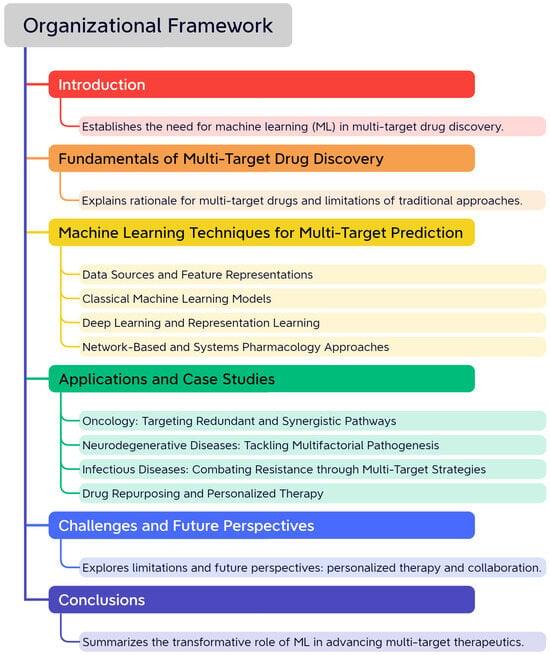
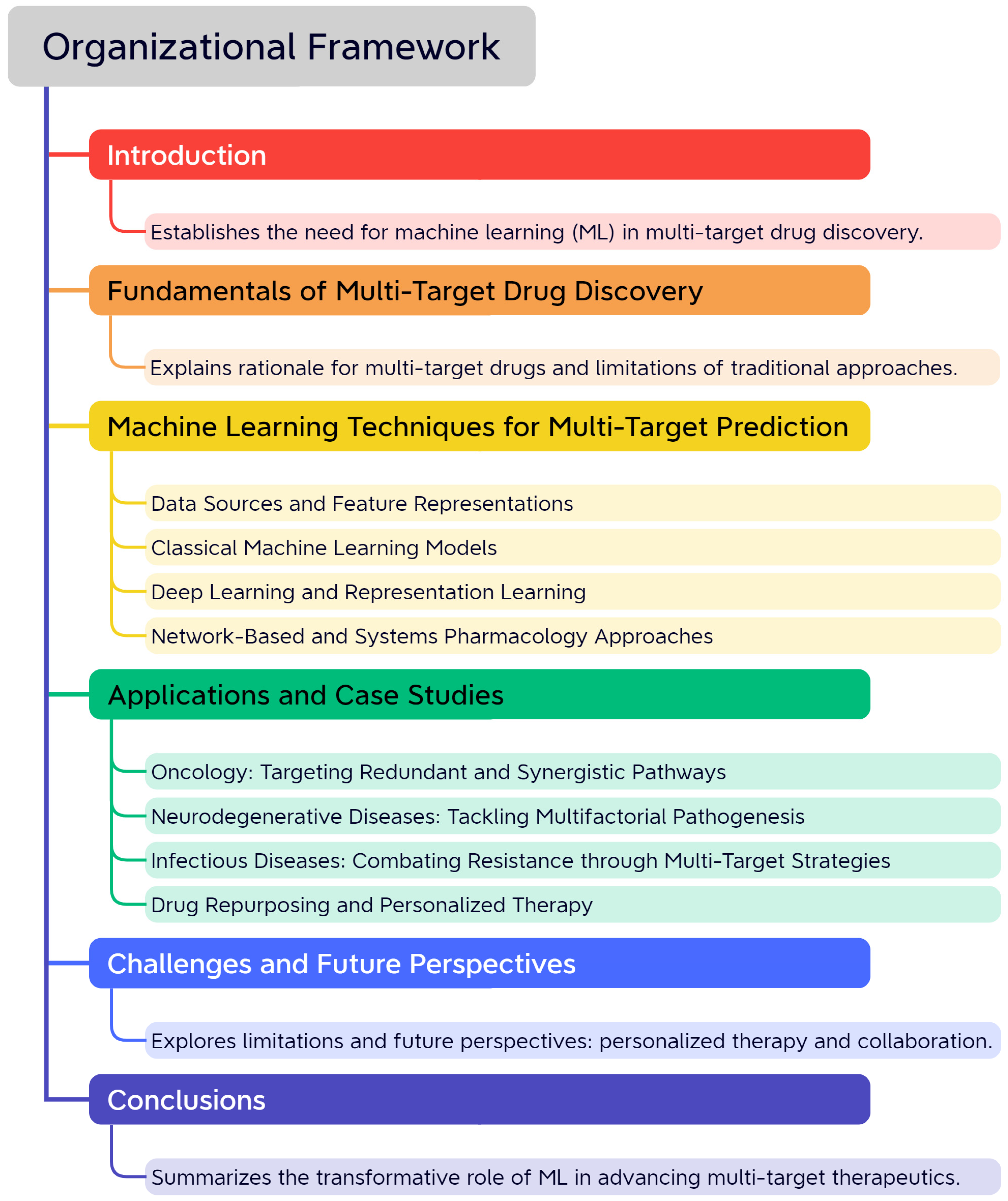
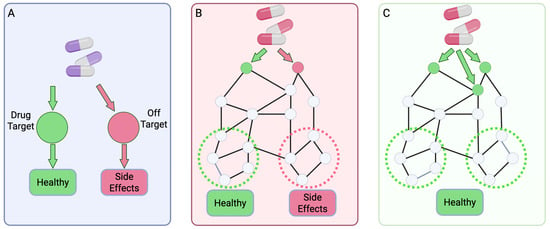
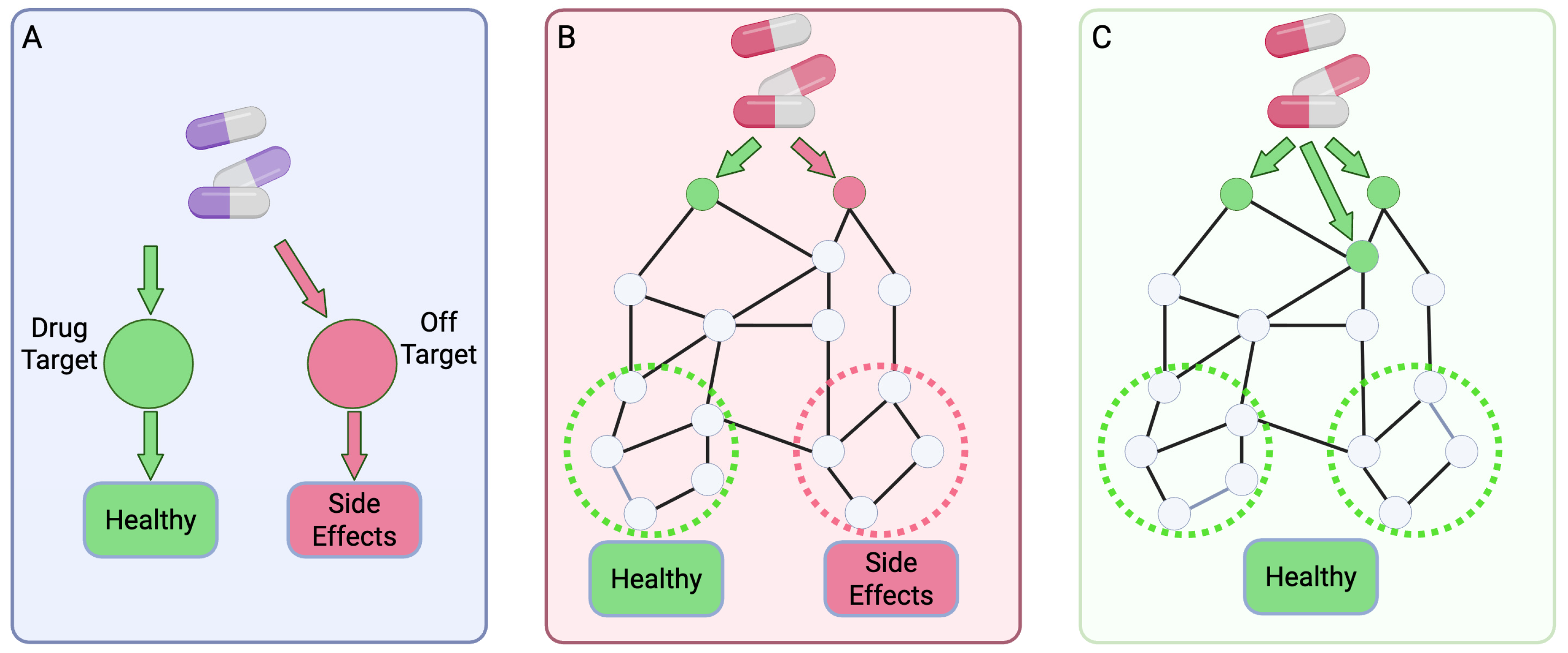
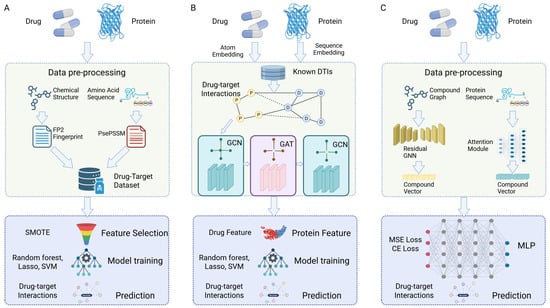
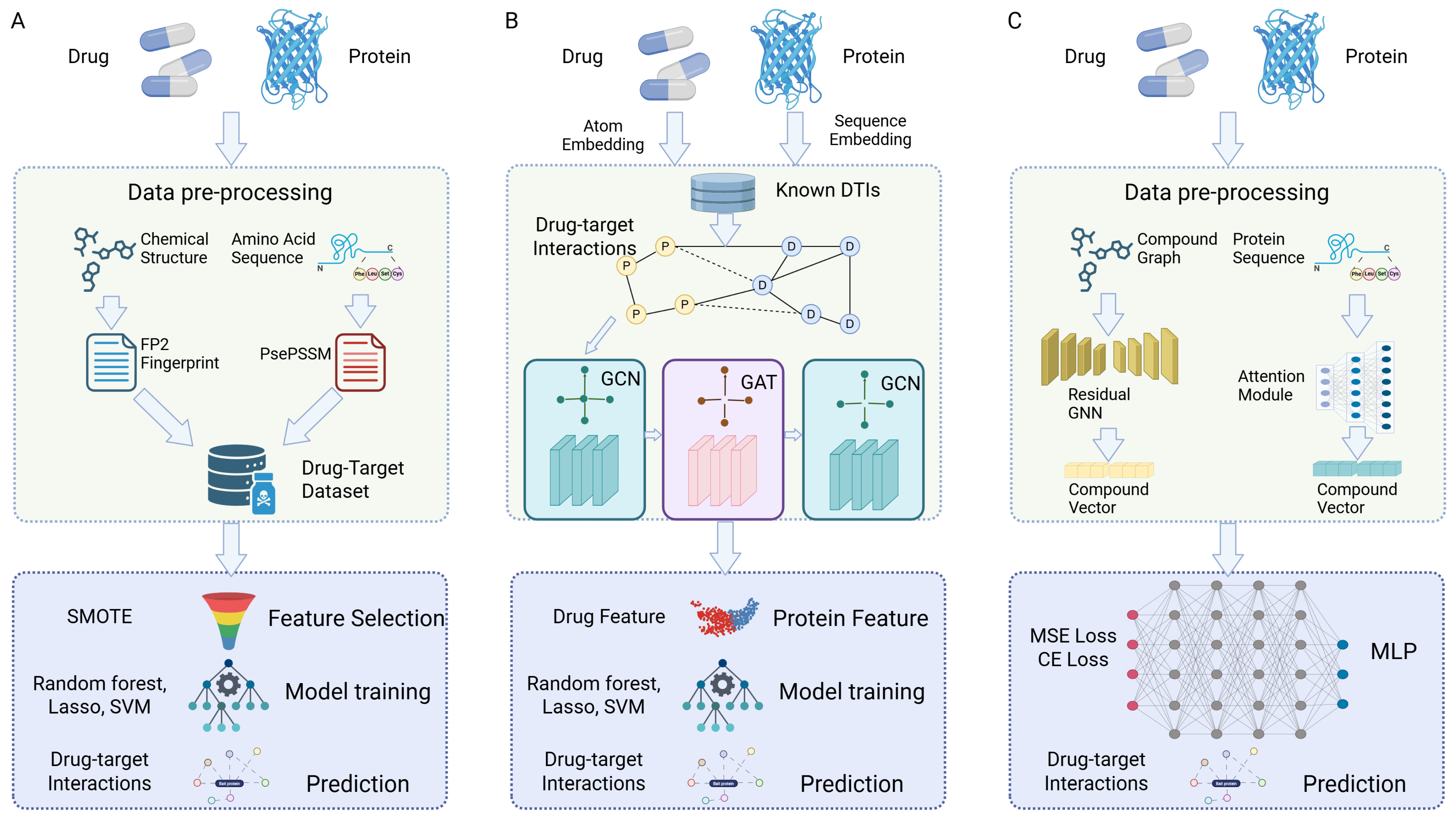
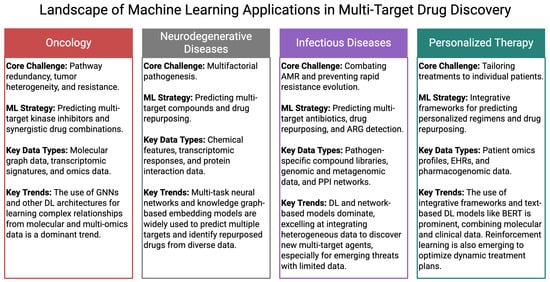
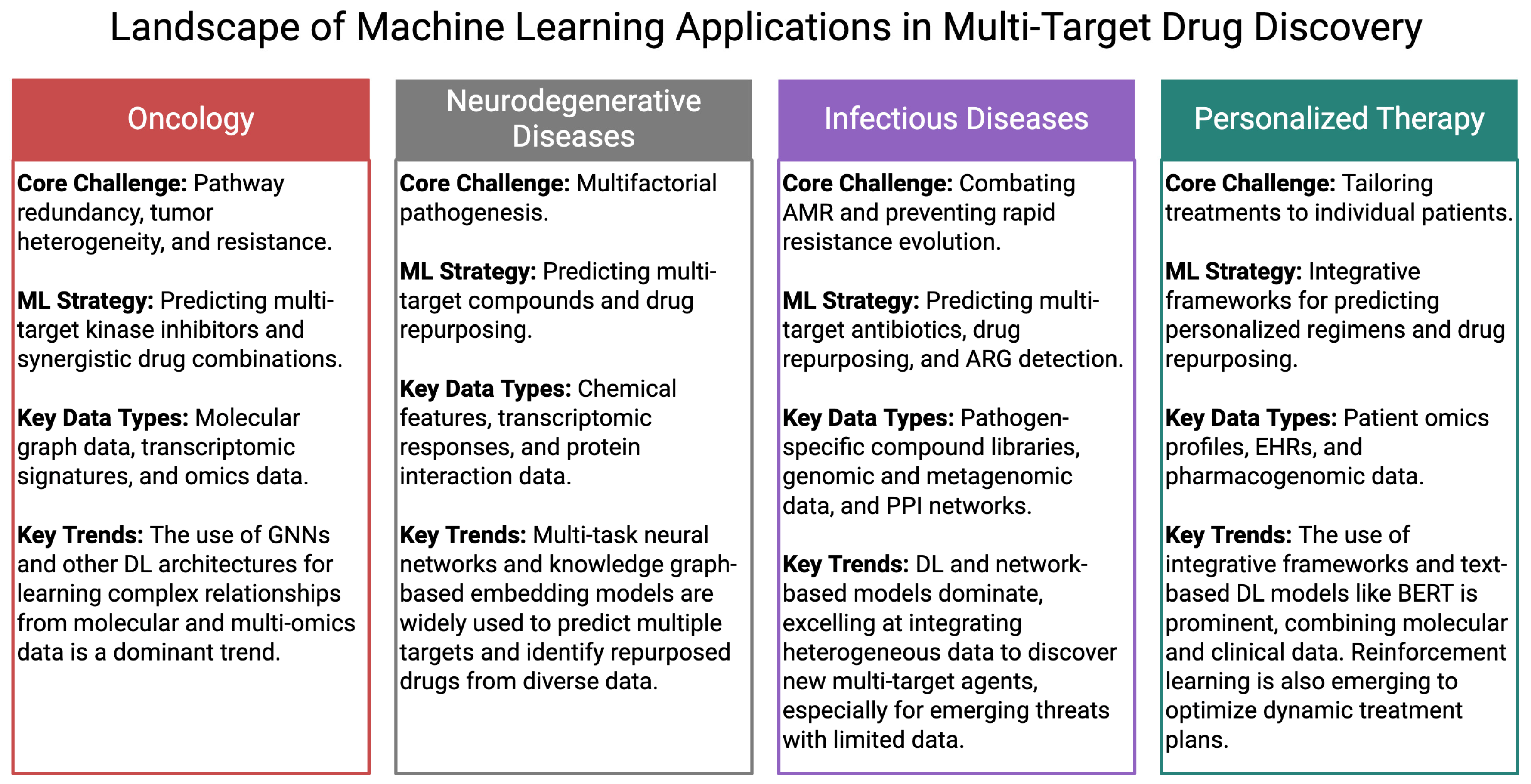

Disclaimer/Publisher’s Note: The statements, opinions and data contained in all publications are solely those of the individual author(s) and contributor(s) and not of MDPI and/or the editor(s). MDPI and/or the editor(s) disclaim responsibility for any injury to people or property resulting from any ideas, methods, instructions or products referred to in the content. |
© 2025 by the authors. Licensee MDPI, Basel, Switzerland. This article is an open access article distributed under the terms and conditions of the Creative Commons Attribution (CC BY) license (https://creativecommons.org/licenses/by/4.0/).