


Abstract
Oak species (Quercus spp.) represent one of the most widespread and ecologically important groups of woody plants in the Northern Hemisphere, forming dominant forest ecosystems across temperate, Mediterranean, subtropical, and montane regions. Due to their longevity, high wood density, extensive root systems, and large biomass, oaks play a significant role in terrestrial carbon cycling and long-term carbon storage. However, a comprehensive synthesis of the contribution of oak forests to carbon sequestration remains limited. This review integrates a systematic bibliometric assessment with a qualitative synthesis of the peer-reviewed literature to evaluate the role of oak species and oak-dominated forests in carbon sequestration and climate change mitigation. A total of 656 publications indexed in Scopus and Web of Science were analyzed, revealing increasing research activity after 2008 and a broad geographic distribution of studies, with the highest contributions from the United States, Spain, China, and Germany. The reviewed studies demonstrate that oak ecosystems function as substantial and durable carbon sinks, storing carbon in aboveground biomass, belowground biomass, deadwood, litter, and soil organic carbon pools. Carbon sequestration is influenced by stand age, site conditions, species composition, and management practices. This review highlights oak forests as resilient, multifunctional ecosystems, with a critical role in nature-based climate solutions and sustainable forest management.
1. Introduction
The genus Quercus (oaks) is among the most diverse, economically, and ecologically important groups of woody plants, encompassing approximately 430 recognized species of trees and shrubs, primarily distributed across the Northern Hemisphere [1]. Differences in reported species numbers among taxonomic treatments (e.g., over 400 [2], 430 [1], 435 [3], or nearly 500 [4]) mainly reflect variations in species delimitation criteria, phylogenetic interpretations, and taxonomic concepts. In this review, we follow the estimate of approximately 430 Quercus species [2], as it represents a widely accepted contemporary taxonomic framework for the genus. Although many oak species have historically been described under the authority of Linnaeus (Quercus L.), subsequent taxonomic revisions have resulted in different botanical authorities being associated with individual species; therefore, the genus name is used here without attributing a single authority to all included species. Oaks occupy a wide range of ecological niches, extending from cool temperate regions to subtropical and tropical environments in North America, Europe, and Asia. North America hosts the greatest diversity of Quercus species, reflecting the genus’ long evolutionary history and ecological adaptability. Taxonomically, oaks are treated either as a single genus with two subgenera (Quercus and Cyclobalanopsis) or as two separate genera, a distinction that remains debated in the literature. In the Western Hemisphere, species are commonly classified into three major groups: white oaks, red (or black) oaks, and intermediate (golden) oaks [5,6].
Most Quercus species are monoecious and wind-pollinated, producing separate male and female flowers on the same individual, with hermaphroditic flowers occurring only rarely. Numerous studies have documented that oak-dominated ecosystems contribute to forest structure, nutrient cycling, habitat provision, and the maintenance of biological diversity. Owing to their longevity, large biomass, and frequent dominance in temperate and Mediterranean forest communities, oak species are widely recognized as ecologically important components of forest ecosystems and long-term ecosystem functioning [6]. However, the magnitude and nature of these ecological contributions vary among species, forest types, environmental conditions, and management regimes.
Beyond their ecological importance, oaks provide significant economic and cultural value. Various Quercus species have been used for centuries in traditional medicine, food systems, and wood-based industries, including cooperage for wine maturation. Oak tissues are rich in bioactive compounds, particularly phenolics, volatile organic compounds, sterols, fatty acids, and aliphatic alcohols. These phytochemicals underpin the documented antioxidant, antimicrobial, anti-inflammatory, and anticancer properties of oak-derived extracts, driving growing interest in their pharmaceutical, nutraceutical, and medical applications [7].
Genetic complexity is another defining feature of the genus. Extensive hybridization and introgression occur among closely related oak species, ranging from isolated hybrid individuals to large-scale hybrid zones and hybrid swarms [8,9,10,11]. Well-documented examples include Q. robur and Q. petraea in Europe and Q. douglasii and Q. turbinella subsp. californica in North America. This widespread hybridization challenges traditional species concepts within Quercus and has prompted calls for revised taxonomic and evolutionary frameworks [12]. Advances in molecular biology, genetic transformation, and conservation of elite germplasm offer promising tools for improving oak management and breeding programs, particularly given the long rotation periods characteristic of hardwood species [13].
Within Mediterranean oak ecosystems, Quercus suber L. (cork oak) represents one of the most ecologically and socioeconomically important species. Cork oak forests contribute to long-term carbon sequestration through aboveground woody biomass, extensive root systems, litter inputs, and soil organic carbon accumulation. In addition to their carbon storage function, cork oak landscapes provide important ecosystem services, including soil protection, biodiversity conservation, and resilience to drought and land degradation. Due to its distinctive cork-producing bark and long rotation dynamics, Q. suber requires specific consideration in assessments of oak forest carbon management.
Carbon sequestration has emerged as a central theme in climate change mitigation, yet it remains a complex process influenced by forest age, species composition, management practices, soil properties, and climatic conditions. In biological systems, carbon sequestration refers to the removal of atmospheric CO2 through photosynthesis and its subsequent storage in plant biomass and soils. Forest ecosystems, often described as natural carbon sinks, store carbon in aboveground components, such as stems, branches, and leaves, as well as in belowground biomass and forest soils. Carbon remains sequestered until it is released back into the atmosphere through respiration, decomposition, or disturbance events, such as fire [14,15,16]. In many countries, forestry legislation and sustainable forest management frameworks regulate harvesting practices through restrictions on harvesting methods, protection of regeneration, and measures aimed at reducing damage to residual trees and forest soils. However, the implementation and effectiveness of such measures vary considerably among regions and forest governance systems, and unsustainable harvesting and forest degradation continue to occur in some parts of the world [17,18].
Forests play a dual role in the global carbon cycle, acting as carbon sinks during periods of growth and as carbon sources when subjected to deforestation or degradation. While elevated atmospheric CO2 concentrations can enhance photosynthetic rates, this response is often constrained by nutrient availability, air pollution, water stress, and temperature limitations. Consequently, existing forests may not substantially increase their carbon sequestration capacity under future CO2 scenarios without targeted management interventions [19].
Although young plantations typically exhibit rapid carbon accumulation, mature forests continue to sequester and store considerable quantities of carbon over long time scales, particularly in woody biomass and soils. Forest management strategies that promote sustained growth, long-lived biomass, and soil carbon conservation therefore represent a cost-effective and energy-efficient approach to mitigating greenhouse gas emissions [20,21]. In this context, afforestation of previously non-forested lands represents a practical intervention, as demonstrated by experimental plantations established on former pasturelands, aimed at increasing forest cover and enhancing carbon sequestration capacity [22,23]. Moreover, oaks play a crucial role in establishing new forest cultures in degraded lands [24] and forest shelterbelts, as well as in the composition of agroforestry systems [25].
Despite the extensive body of literature addressing oak ecology and biology [26,27,28] and carbon sequestration processes in forest ecosystems [29,30,31], research on carbon dynamics in oak-dominated ecosystems remains fragmented across regions, species, carbon pools, and methodological approaches. Numerous studies have examined carbon storage and sequestration in individual oak species, stands, or geographic regions; however, a comprehensive synthesis integrating ecological, silvicultural, and carbon-management perspectives across the global distribution of oak forests is currently lacking. Consequently, although a substantial body of research exists, there remains a need to consolidate existing knowledge, identify major research trends, evaluate methodological approaches, and highlight remaining knowledge gaps relevant to climate change mitigation and forest management.
To address this need, the present review synthesizes the peer-reviewed, ISI-indexed literature using both qualitative assessment and bibliometric analysis to evaluate the contribution of oak species and oak forests to carbon sequestration and climate change mitigation.
Specifically, this review addresses the following research questions:
- What are the temporal trends and geographic patterns in scientific research on oak forests and carbon sequestration?
- Which oak species, forest types, and regions have received the greatest scientific attention?
- Which carbon pools (aboveground biomass, belowground biomass, dead organic matter, and soil carbon) and methodological approaches are most frequently investigated?
- How do environmental factors and forest management practices influence carbon sequestration and carbon storage in oak-dominated ecosystems?
- What are the principal knowledge gaps and future research priorities regarding the role of oak forests in climate change mitigation and forest-based carbon management?
The main objective of our research was to synthesize and critically evaluate the global scientific literature on oak species and oak-dominated forests in relation to carbon sequestration, with the aim of identifying dominant research trends, methodological approaches, geographic patterns, and knowledge gaps, as well as to assess the role of oak ecosystems in climate change mitigation and forest-based carbon management.
2. Materials and Methods
This review employed a mixed-methods approach, combining systematic bibliometric analysis with qualitative thematic synthesis to examine the scientific literature on oaks (Quercus spp.) and their role in carbon sequestration. The methodological framework was designed to capture both quantitative publication trends and qualitative research themes at the global scale.
2.1. Bibliometric Assessment
2.1.1. Literature Search Strategy
A systematic literature search was conducted using two major bibliographic databases, Scopus and the Science Citation Index Expanded (SCI-Expanded), accessed through the Web of Science (WoS) platform. These databases were selected because of their broad coverage of the peer-reviewed literature in forestry, ecology, environmental sciences, and natural resource management.
For the purposes of this review, the taxonomic scope was restricted to species belonging to the genus Quercus L., as recognized in contemporary taxonomic treatments [1,2,3,4,5,6]. The geographic distribution of Quercus extends across temperate, Mediterranean, subtropical, and montane regions of North America, Europe, Asia, and parts of North Africa. Although some studies addressed broader forest ecosystem processes involving oak-associated vegetation, only publications explicitly focused on Quercus species or oak-dominated ecosystems were retained for the final synthesis.
For taxonomic consistency, only species belonging to the genus Quercus L. were included in the final dataset. Species with vernacular names containing the term “oak” but belonging to other genera were excluded from the analysis. This criterion was applied to avoid taxonomic ambiguity and ensure that conclusions refer exclusively to true oak forests.
The search strategy was developed to identify publications addressing carbon sequestration, carbon storage, and carbon dynamics in oak ecosystems. The literature search was performed from 1990 to 2025. Records were retrieved from the Scopus and Web of Science databases on 20–22 February 2026, and the dataset was limited to publications indexed up to December 2025. The extracted bibliometric records were analyzed using VOSviewer (v.1.6.20) to evaluate publication trends, collaboration networks, and keyword relationships. Total Link Strength (TLS) represents the cumulative strength of bibliographic relationships among journals calculated in VOSviewer (v.1.6.20).
Core search concepts included oak species (Quercus spp.) combined with carbon-related processes. Additional terms related to forest carbon storage, biomass accumulation, soil organic carbon, deadwood carbon, climate change mitigation, forest management, conservation forestry, and ecosystem services were incorporated to increase retrieval efficiency.
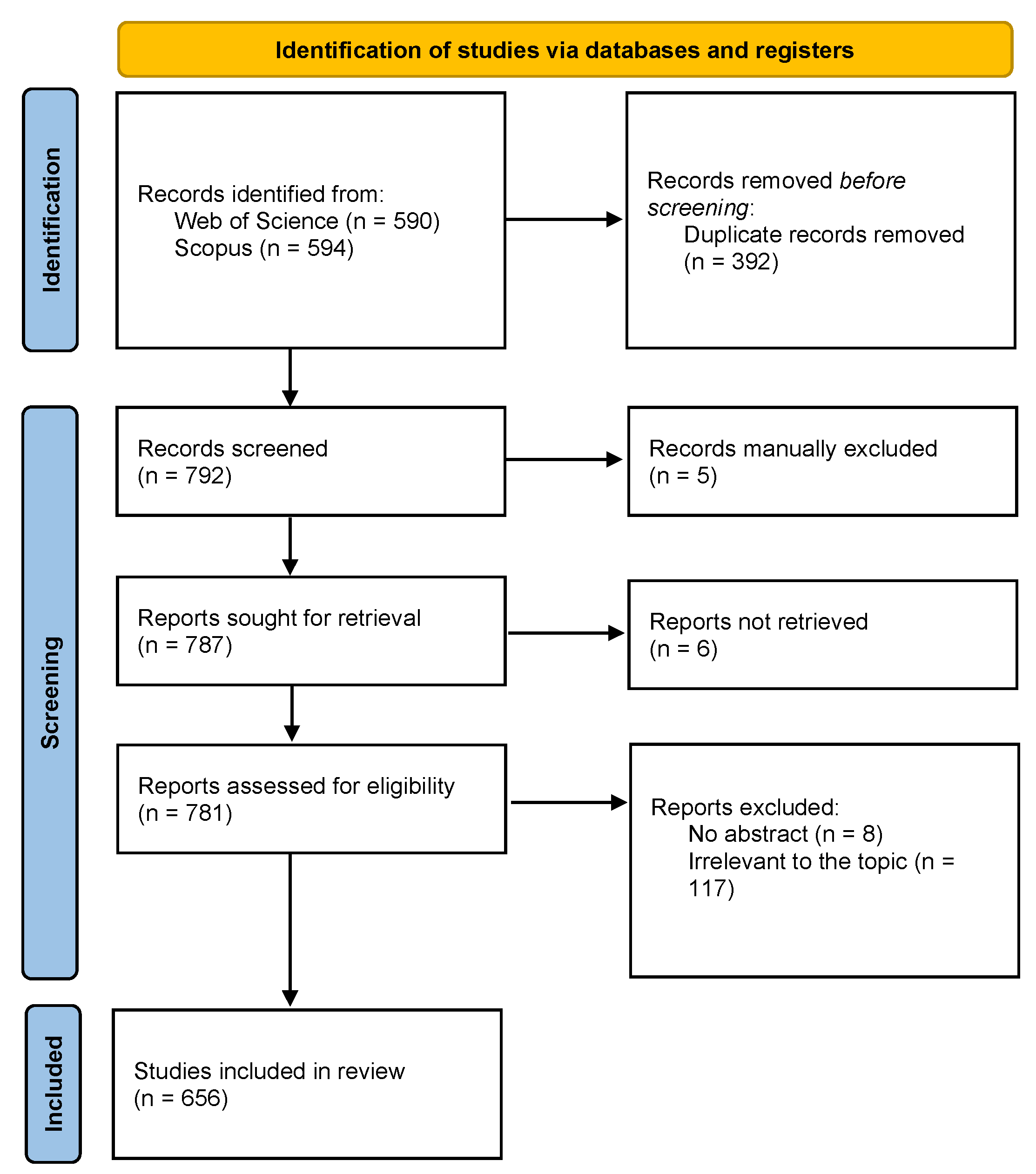
Boolean operators (AND, OR) and wildcard symbols (*) were applied to capture lexical variations and related terminology. All retrieved records were screened and refined according to the PRISMA framework to ensure methodological transparency and reproducibility [32].
2.1.2. Search Syntax
The systematic search strategy and study selection procedure were designed to identify peer-reviewed publications addressing carbon sequestration and carbon storage processes in oak ecosystems. The methodology followed database-specific search procedures, predefined eligibility criteria, duplicate removal, and bibliographic data analysis (Table 1).
Table 1.
The search syntax used in the bibliometric search of articles on oak forests and carbon sequestration.
Data processing and analysis were conducted using Web of Science Core Collection (v.5.35) [33], Scopus [34], Microsoft Excel (2024) [35], and Geochart [36]. Co-authorship networks, co-citation relationships, and keyword co-occurrence maps were generated using VOSviewer (v.1.6.20) [37].
Figure 1.
Selection process of eligible reports based on the PRISMA 2020 flow diagram.
2.2. Qualitative Content Analysis
In parallel with the bibliometric assessment, a qualitative content analysis was conducted on all publications included in the final dataset. The objective was to identify dominant research themes, methodological approaches, and major findings concerning carbon sequestration in oak ecosystems.
A standardized data-extraction framework was developed to record information from each publication, including the study objectives, oak species investigated, geographic location, carbon pool examined, methodological approach, management context, and principal findings. Coding was performed independently by two reviewers using an inductive–deductive approach. Initial thematic categories were derived from the review objectives and refined iteratively as additional themes emerged during full-text analysis.
Following independent coding, thematic classifications were compared and discrepancies were resolved through discussion. Cases where consensus could not be reached were evaluated by a third reviewer. To enhance consistency, coding decisions and category definitions were documented throughout the review process.
The publications were ultimately organized into seven thematic clusters:
- Research themes and key findings on carbon sequestration in oak ecosystems;
- Global evidence of carbon sequestration in oak species;
- Carbon sequestration in oak roots;
- Carbon sequestration in oak stumps and coarse woody debris;
- Patterns of aboveground carbon sequestration in oak forests;
- Carbon sequestration across different oak forest types;
- Oak carbon pools under different forest and land-use management systems.
Because oak carbon studies frequently investigate multiple interacting components of ecosystem carbon dynamics, publications were allowed to be assigned to more than one thematic category when appropriate. Consequently, thematic frequencies represent the number of studies addressing each topic and do not represent exclusive groups. The complete coding database, including publication-level classification decisions, is provided in Supplementary Table S1.
To complement the bibliometric analysis, descriptive statistics were calculated from the coded literature dataset. The frequency of studies was summarized according to thematic category, carbon pool, geographic region, Quercus species, and methodological approach. These summaries were used to identify the dominant research directions and knowledge gaps within oak carbon research. Because the reviewed studies differed substantially in experimental design, spatial scale, ecosystem type, and carbon measurement methods, a formal meta-analysis of effect sizes was not conducted.
Based on VOSviewer network analysis, countries were grouped according to patterns of scientific collaboration rather than ecological similarity. The identified clusters therefore represent co-authorship relationships among researchers investigating oak forests and carbon sequestration. Full counting was applied, and only countries with a minimum of five publications were included in the network analysis. The association-strength normalization method implemented in VOSviewer was used to construct the collaboration network. Prior to analysis, country names were standardized to ensure consistency and to avoid duplication arising from naming variations.
For the keyword co-occurrence analysis, full counting was applied and only keywords occurring at least five times were included in the network. Prior to analysis, keywords were reviewed and standardized by merging synonymous terms and correcting variations in spelling and terminology. Network visualization was generated using the association-strength normalization method implemented in VOSviewer (v.1.6.20). In figures, node size is proportional to keyword occurrence frequency, while link thickness represents the strength of co-occurrence between keywords. Colors identify clusters of closely related terms detected by the VOSviewer clustering algorithm, indicating major thematic areas within the literature.
3. Results
3.1. A Bibliometric Review
Among the 656 publications identified on this topic, the vast majority were research articles (604, or 92%), followed by conference proceedings (26, or 4%), reviews (14, or 2%), and book chapters (12, or 2%) (Figure 2).
Figure 2.
Sankey diagram illustrating the relationships between publication types, scientific areas, and country author clusters in the literature on oak forests and carbon sequestration. Flow widths are proportional to the number of publications.
The bibliometric figures presented below are not intended to represent direct measurements of carbon sequestration capacity but rather to illustrate the structure, evolution, and thematic development of scientific research on oak forests and carbon dynamics. These analyses provide insights into research priorities, methodological approaches, geographic patterns, and emerging knowledge gaps within the field.
The number of published articles has increased markedly over time, reaching a maximum of 55 publications in 2024 (Figure 3). A noticeable inflection point occurred around 2008, after which annual publication output increased steadily. This trend reflects the growing scientific interest in the role of oak forests in climate change mitigation and carbon cycling. Importantly, publication frequency should not be interpreted as evidence of increasing carbon sequestration itself but rather as an indicator of research activity and scientific attention devoted to the topic.
Figure 3.
Temporal evolution of scientific publications on oak forests and carbon sequestration. The increasing number of studies reflects the growing scientific interest in forest carbon dynamics and climate change mitigation rather than a direct increase in carbon sequestration rates.
Figure 3 reveals a clear concentration of research activity within a limited number of scientific disciplines and countries. Forestry and Environmental Sciences-Ecology together account for most publications, emphasizing that studies on oak forests as carbon sinks are primarily framed within ecosystem management and environmental sustainability contexts. The strong contribution from Agriculture reflects increasing attention to agroforestry systems, land-use practices, and climate-smart management approaches involving oak-dominated landscapes. The dominance of the United States and several European countries, particularly Spain and Germany, likely reflects the ecological importance of oak forests in these regions, as well as the availability of long-term forest monitoring programs. At the same time, the growing contribution from China indicates increasing global engagement in forest carbon research. The connections among multiple research areas and countries highlight the emergence of a highly interdisciplinary and internationally collaborative research field addressing carbon sequestration, climate change mitigation, biodiversity conservation, and sustainable forest management simultaneously.
A total of 43 research areas were identified among the analyzed publications. Forestry (237 articles), Environmental Sciences and Ecology (220 articles), and Agriculture (121 articles) were the most represented disciplines (Figure 4). The broad disciplinary distribution highlights the multidisciplinary nature of research on oak forests and carbon sequestration. These categories characterize the scientific domains in which studies are published and should not be interpreted as indicators of carbon sequestration magnitude or ecosystem performance.
Figure 4.
Main scientific fields contributing to research on oak forests and carbon sequestration. The distribution highlights the multidisciplinary nature of the topic, integrating forestry, ecology, environmental sciences, and land management perspectives.
Researchers from 72 countries have published studies on oak forests and carbon sequestration. As shown in Figure 5, the geographic distribution of authors’ institutional affiliations spans all continents. In total, authors were affiliated with institutions from 72 countries, with the highest representation from the United States (175 articles), Spain (75 articles), China (68 articles), and Germany (53 articles) (Figure 5).
Figure 5.
Geographic distribution of author affiliations in publications on oak forests and carbon sequestration. The pattern reflects research activity and collaboration intensity among countries rather than differences in ecosystem carbon storage potential.
Figure 5 reveals that research on oak forests and carbon sequestration is geographically concentrated, with the United States, Spain, China, and Germany representing the most productive countries in terms of scientific output. However, this pattern should be interpreted cautiously because author affiliation does not necessarily correspond to the geographic location of the studied ecosystems. Researchers frequently conduct field studies, experimental analyses, and monitoring activities in countries other than their own institutional base. Therefore, the observed distribution primarily reflects research investment, scientific capacity, availability of monitoring networks, and international collaboration structures rather than the global distribution or ecological importance of oak forests.
Figure 2 further illustrates that research activity is mainly clustered within Forestry, Environmental Sciences and Ecology, and Agriculture, reflecting the strong focus on ecosystem management, climate change mitigation, and sustainable forest practices. The dominance of these countries likely reflects the presence of established research infrastructures, long-term forest monitoring programs, and sustained investment in ecosystem carbon studies. It may also be associated with the availability of well-documented forest inventories and long-term ecological datasets.
The geographic distribution of publications does not directly represent differences in oak forest extent, species richness, ecosystem productivity, or carbon sequestration capacity. Oak forests occur under highly contrasting environmental conditions, including temperate, Mediterranean, subtropical, and montane climates. Consequently, carbon sequestration dynamics depend strongly on species composition, climate, soil characteristics, disturbance regimes, and management history. Although some countries with extensive oak resources are highly represented in the literature, other regions with important oak ecosystems may have lower publication output because of differences in research infrastructure, funding availability, or international scientific networks.
It should also be considered that this bibliometric analysis is based on records available within the Web of Science database and therefore mainly reflects indexed scientific outputs from the modern bibliometric era. A substantial amount of ecological research on oak forests was conducted before the widespread adoption of digital indexing systems and may not be fully represented in the current dataset. In addition, earlier studies may have used different terminology related to biomass accumulation, carbon allocation, carbon storage, carbon balance, or ecosystem productivity rather than explicitly referring to “carbon sequestration.” Consequently, some relevant historical contributions may be underrepresented because of database coverage limitations and changes in scientific terminology over time.
Although China, South Korea, and other Asian countries contribute substantially to the literature, this pattern should not be interpreted as indicative of higher carbon storage potential compared with Mediterranean, European, or American oak ecosystems. Similarly, lower representation of regions such as Mediterranean North Africa, Western Asia, Latin America, and parts of Eastern Europe may reflect research imbalance rather than lower ecological significance. These regions contain oak ecosystems exposed to distinct climatic constraints, including stronger water limitation, land-use pressures, restoration challenges, and different disturbance regimes, which may influence carbon dynamics in ways that are not fully represented in the current literature.
The observed geographic imbalance suggests that future research should integrate bibliometric information with spatial data describing oak distribution, forest area, species composition, and ecosystem carbon stocks. Expanding monitoring efforts and international collaborations in underrepresented regions would improve the global assessment of oak forests as long-term carbon sinks, strengthen the transferability of carbon models, and support region-specific management strategies for climate change mitigation.
The resulting network revealed several clusters of collaborating countries. The most important were: Cluster 1, comprising countries from Central and Eastern Europe (Austria, Czech Republic, Hungary, Poland, Romania, Russia, Serbia, and Slovakia); Cluster 2, including countries from Northern Europe and Asia (Denmark, England, Japan, China, and Thailand); and Cluster 3, consisting of countries from the Americas and Europe (Brazil, Mexico, Finland, Scotland, and the Netherlands) (Figure 6). These collaboration patterns illustrate the structure of the research network and should not be interpreted as reflections of geographic patterns of carbon sequestration capacity.
Figure 6.
International co-authorship network of studies on oak forests and carbon sequestration. Clusters represent collaboration patterns among countries involved in oak carbon research.
The high level of interest in this topic is also reflected in the large number of journals in which related scientific articles have been published (235 journals). Among these journals, the most strongly represented were Forest Ecology and Management, Forests, Catena, and Global Change Biology (Table 2 and Figure 7).
Table 2.
The most representative journals publishing articles on oak forests and carbon sequestration.
Figure 7.
Scientific journals contributing to research on oak forests and carbon sequestration. The distribution illustrates the broad disciplinary coverage of the topic across forest ecology, management, and environmental sciences.
Beyond the search keywords themselves (i.e., carbon sequestration and oak), which were expectedly among the most frequently occurring terms, the keyword co-occurrence analysis revealed several dominant research themes within the literature (Table 2). Terms such as biomass, growth, and storage indicate a strong emphasis on quantifying carbon accumulation and stock dynamics in oak-dominated ecosystems. The high occurrence of management highlights the substantial attention given to silvicultural practices and forest management strategies aimed at enhancing carbon sequestration potential. Likewise, the prominence of nitrogen and organic matter reflects growing interest in biogeochemical processes regulating carbon storage and cycling in forest soils. Keywords such as dynamics, climate change, and biodiversity further demonstrate that oak forest carbon sequestration is increasingly investigated within the broader context of ecosystem functioning, resilience, and global environmental change. The keyword network suggests that contemporary research on oak forests and carbon sequestration extends beyond carbon accounting alone, encompassing forest management, ecosystem processes, and climate change mitigation perspectives (Table 3).
Table 3.
Most frequently used keywords in articles on oak and carbon sequestration.
Among the most frequently occurring keywords, biomass (88 occurrences), management (76), nitrogen (74), growth (63), dynamics (61), storage (56), forest (55), climate change (52), stocks (44), organic matter (38), and biodiversity (35) were particularly prominent.
Based on their connections, keywords can be grouped into several clusters, three of which contained more than ten keywords (Figure 8). Cluster 1 (green) was centered on biomass- and carbon-related research, including terms such as aboveground biomass, biomass, carbon sequestration, carbon stock, and carbon storage, and was strongly associated with studies quantifying ecosystem carbon pools and physiological drivers of carbon accumulation. Cluster 2 (blue) comprised climate-related terms, including climate change, drought, elevated CO2, and temperature, reflecting growing interest in the responses of oak forests to changing environmental conditions. Cluster 3 (red) included dynamics, decomposition, stock, storage, biodiversity, and management-related terms, representing research focused on ecosystem functioning, conservation, forest dynamics, and sustainable management. The large central node represented by carbon sequestration reflects its role as the primary integrative concept linking these research themes.
Figure 8.
Keyword co-occurrence network showing major research themes related to oak forests and carbon sequestration. Node size indicates keyword frequency, while connections represent thematic relationships among research topics.
Importantly, the keyword network represents the geography of scientific research interests rather than the geographical distribution of carbon sequestration processes themselves. The prominence of carbon sequestration, biomass, and climate-related terms indicates that the literature is strongly focused on the role of oak forests as long-term carbon sinks, particularly within temperate forest ecosystems where most studies have been conducted. These studies consistently highlight the capacity of mature oak forests to function as substantial carbon and water sinks under changing climatic conditions. However, the bibliometric structure should not be interpreted as evidence that carbon sequestration processes are restricted to particular regions but rather as an indication of where scientific attention has been concentrated.
The institutions to which the authors of these articles belong, ranked by importance, were as follows: United States Department of Agriculture—USDA (39 articles); United States Forest Service (30 articles); Consejo Superior de Investigaciones Cientificas (26 articles); and Oak Ridge National Laboratory (19 articles). The top publishers where the articles were published were dominated by the four major publishers: Elsevier (213 articles), Springer Nature (94 articles), Wiley (58 articles), and MDPI (57 articles).
Quantitative Characteristics of the Reviewed Literature
The final dataset consisted of 656 publications retrieved from Scopus and Web of Science after duplicate removal and screening according to the predefined eligibility criteria. The quantitative analysis of the database showed that research on oak forests and carbon sequestration is dominated by original research articles. Among all included records, research articles represented the majority of publications (600 studies; 91.5%), followed by review papers (15 studies; 2.3%), proceedings-related publications (20 studies when combining proceedings categories), and book chapters (9 studies; 1.4%). These results indicate that the current knowledge base is primarily generated from empirical investigations rather than conceptual syntheses.
The temporal distribution of publications indicates a strong increase in scientific interest in oak carbon dynamics during the last two decades. Although studies were already present before 2000, publication output increased substantially after 2010, with the highest number of studies occurring in recent years. The database contained 43 publications from 2022, 41 from 2023, 55 from 2024, and 70 publications from 2025. This increasing trend reflects the growing importance of forest carbon assessment, climate change mitigation strategies, and ecosystem-based approaches in forest research.
The analyzed publications covered multiple scientific disciplines, confirming the interdisciplinary nature of oak carbon research. Forestry was the most represented research area (215 publications), followed by Environmental Sciences and Ecology (180 publications), Agriculture (87 publications), Geology (31 publications), Plant Sciences (30 publications), and Biodiversity and Conservation (24 publications). The distribution of research areas indicates that oak carbon studies are mainly positioned within forest management, ecosystem processes, and environmental change frameworks.
Keyword analysis further revealed the dominant research themes investigated within the literature. The most frequent terms included carbon sequestration, Quercus, carbon, oak, climate change, forestry, and biomass. The high occurrence of biomass-related terms demonstrates that a large proportion of studies focused on carbon stock estimation, biomass accumulation, and carbon allocation processes. The frequent association with climate change and forest management indicates that oak carbon research is increasingly linked with mitigation strategies, ecosystem resilience, and sustainable forest management.
The reviewed studies investigated multiple aspects of ecosystem carbon dynamics rather than a single carbon pool. Based on the literature coding framework, publications were grouped according to the main carbon component investigated, including aboveground biomass, belowground biomass, soil organic carbon, dead organic matter, and ecosystem-level carbon dynamics. Because many studies simultaneously addressed several carbon pools or ecological processes, individual publications were allowed to contribute to more than one category. Therefore, category frequencies represent the occurrence of research themes within the literature and should not be interpreted as independent study groups.
Taken together, the quantitative synthesis demonstrates that research on oak forests and carbon sequestration has expanded considerably and is characterized by strong emphasis on biomass assessment, carbon storage mechanisms, soil processes, and management implications. However, the distribution of studies also highlights differences in research intensity among regions and ecosystems, suggesting the need for broader geographic coverage and more standardized approaches for comparing carbon dynamics among oak forest systems.
3.2. Literature Review
In contrast to the bibliometric analyses presented above, the following sections focus on ecological evidence concerning carbon sequestration in oak-dominated ecosystems. The reviewed studies indicate that carbon is stored across multiple ecosystem pools, including aboveground biomass, belowground biomass, deadwood, litter, and soil organic carbon. Although reported values vary substantially among species, stand ages, climates, management regimes, and methodological approaches, several consistent patterns emerge.
To improve conceptual clarity, the reviewed evidence was interpreted according to two complementary dimensions of ecosystem carbon dynamics: (i) carbon storage pools and (ii) carbon cycling processes. Carbon storage occurs in aboveground biomass (stems, branches, bark, and foliage), belowground biomass (coarse and fine roots), dead organic matter (coarse woody debris and litter), and soil organic carbon. Carbon cycling includes carbon uptake through photosynthesis, allocation among plant organs, transfer to litter and soil pools, decomposition processes, and ecosystem respiration. Although individual studies differ in methodology and reporting units, this framework facilitates comparison among oak species, forest types, and management systems and provides a more comprehensive understanding of the role of oak ecosystems in long-term carbon sequestration and climate change mitigation.
To improve clarity and reduce repetition, the qualitative synthesis was reorganized into thematic tables summarizing species, regions, carbon pools, methodological approaches, and management implications. These tables provide a more concise overview of the evidence base while allowing the discussion to focus on general patterns and knowledge gaps.
Aboveground woody biomass generally represents the largest and most dynamic carbon pool, particularly in mature stands. Soil organic carbon constitutes the most persistent long-term reservoir and frequently accounts for a substantial proportion of total ecosystem carbon stocks. Root systems contribute significantly to belowground carbon storage and play an important role in ecosystem resilience under environmental stress. Across the reviewed studies, carbon sequestration rates and carbon stocks exhibited considerable variability, reflecting differences in site productivity, species composition, stand structure, and climatic conditions. This variability highlights the importance of considering both mean values and their associated uncertainty when evaluating the contribution of oak forests to climate change mitigation.
3.2.1. Research Themes and Key Findings on Carbon Sequestration in Oak Ecosystems
Table 3 provides a synthesis of the main research themes, approaches, and findings identified from the 656 analyzed publications, highlighting the most relevant issues related to oak forests and carbon sequestration.
Tables S1 and S2 present representative examples extracted from the final dataset and are intended to illustrate the diversity of research themes, methodological approaches, geographic regions, and Quercus species identified during the qualitative synthesis. The studies included in these tables were selected to represent the principal thematic categories emerging from the review, including biomass estimation, carbon stock assessment, soil carbon dynamics, carbon allocation, forest management, restoration, and ecosystem-level carbon accounting. The tables are therefore illustrative rather than exhaustive and should not be interpreted as comprehensive inventories of all studies included in the review.
Table S1 summarizes representative examples from the reviewed literature; however, the interpretation of the evidence was based on the complete coded dataset rather than individual studies. The 656 publications included in this review were classified according to their main research focus, carbon pool investigated, methodological approach, and geographic context. Because studies often examined more than one carbon component, categories were not mutually exclusive.
The quantitative synthesis showed that the dominant research themes were biomass/carbon stock estimation, soil carbon dynamics, temporal changes in carbon storage, environmental controls, and forest management effects. Biomass-related assessments represented the most frequently reported research direction, reflecting the importance of aboveground measurements and allometric approaches in oak carbon studies. Soil organic carbon was another major theme, particularly in studies evaluating long-term ecosystem carbon storage and climate-related changes.
The reviewed studies addressed several major themes related to carbon sequestration in oak ecosystems (Supplementary Table S1). The most frequently investigated topics included biomass estimation and carbon stock quantification, temporal dynamics of carbon accumulation, soil carbon processes, environmental controls on carbon sequestration, physiological mechanisms of carbon allocation, and methodological advances for carbon assessment. Collectively, these studies demonstrate that oak forests contribute substantially to carbon storage through biomass production, soil organic carbon accumulation, and long-term ecosystem carbon retention across a wide range of environmental conditions and management systems.
Biomass and carbon stock assessment represented one of the dominant research directions. Studies developed allometric equations, biomass models, and carbon accounting approaches for estimating aboveground and belowground carbon pools in oak ecosystems [38,39,40]. At broader spatial scales, Mediterranean oak forests were shown to make significant contributions to regional carbon budgets [41].
Another major research area focused on temporal changes in carbon stocks and long-term sequestration dynamics. Investigations conducted along chronosequences and under close-to-nature management demonstrated progressive increases in biomass and soil carbon over time [42,43,44]. Additional studies examined interactions between carbon sequestration and soil erosion, land degradation, climate gradients, topographic factors, and forest structural diversity, highlighting the importance of environmental conditions and management practices for carbon accumulation [45,46,47,48]. Studies addressing soil erosion and carbon loss should be interpreted within their specific environmental context. While studies from India provide valuable information on interactions between erosion and carbon dynamics, Mediterranean oak forests are influenced by distinct climatic and land-use conditions, including summer drought, water limitation, and long-term grazing pressures. Therefore, Mediterranean-specific studies are more appropriate for evaluating carbon losses and soil processes in Mediterranean oak systems.
Research also explored physiological and ecological mechanisms underlying carbon storage, including growth–phenology relationships, carbon reserve dynamics, drought responses, and carbon exchange processes [49,50,51]. Furthermore, methodological innovations, such as remote sensing, aerial laser scanning, simulation modeling, and integrated carbon accounting frameworks, have improved the accuracy and scalability of carbon assessments in oak-dominated landscapes [52,53,54,55].
3.2.2. Global Evidence of Carbon Sequestration in Oak Species
Table S2 summarizes published studies reporting oak (Quercus spp.) and oak-related species investigated for carbon sequestration, highlighting the species studied, the main carbon-related focus, geographic location, and corresponding literature sources.
Table S2 presents representative examples of studies investigating carbon sequestration in Quercus species. The studies were selected to illustrate the taxonomic diversity, geographic distribution, methodological approaches, and carbon-related themes identified during the qualitative synthesis. The table is therefore intended to be illustrative rather than exhaustive. In total, 28 Quercus species were identified in the reviewed literature, encompassing a wide range of ecological regions, forest types, and research approaches.
The geographic distribution of studies was dominated by Asia (particularly China, India, and South Korea) and Europe, reflecting the substantial research activity on oak forests in these regions. However, the distribution of publications was uneven among countries and oak taxa, with some regions and species receiving considerably more attention than others. The higher number of publications from specific countries should be interpreted cautiously, as publication output may be influenced by multiple factors, including the extent of oak forest coverage, national research capacity, availability of long-term forest monitoring programs, funding priorities, and scientific collaboration networks. Therefore, the number of studies does not necessarily directly represent the ecological importance or scientific impact of a given region.
Several studies focused on biomass and allometric modeling, particularly for estimating aboveground and belowground carbon stocks. Examples included Afzelia africana in Burkina Faso, where allometric equations were developed for aboveground biomass and carbon stock distribution [40], Quercus brantii in Iran assessing root–shoot biomass ratios [56,57], and Quercus ithaburensis in Greece using Bayesian and classical biomass allometries [58,59]. Similarly, Quercus robur in Spain was modeled using a dynamic approach to predict volume, biomass, and carbon stocks [60].
A second group of studies emphasizes carbon density, storage, and spatial distribution at stand or ecosystem scales. Plantation management effects on carbon density were evaluated for Quercus acutissima in China [61], while soil organic matter pools and spatial variability were examined in Quercus suber forests in Italy [62]. Ecosystem-level carbon balance and net ecosystem production were reported for Quercus glauca forests in South Korea [63].
Several investigations addressed carbon allocation and physiological processes, including photosynthesis and non-structural carbon compounds. Studies on Quercus ilex and Quercus pubescens examined photosynthetic activity and soluble and structural carbon compounds [64], while root carbohydrate storage and growth responses to altered precipitation were reported for Quercus aliena in China [65]. Elevated atmospheric CO2 effects on growth efficiency were documented for Quercus alba in the USA [66].
Disturbance and recovery dynamics were additional recurring themes. Defoliation-driven shifts in carbon allocation, favoring storage and reproduction over radial growth, were observed in Quercus coccinea, Q. prinus, and Q. velutina in Canada [67]. Successional changes in carbon stocks and plant diversity were reported for Quercus cerris in Italy [68].
Anthropogenic impacts on forest carbon stocks were specifically highlighted in Indian oak species, including Quercus floribunda, Q. lanuginosa, Q. leucotrichophora, and Q. semecarpifolia [69]. Comparable assessments of biomass, soil carbon pools, and sequestration potential were conducted for Quercus baloot and Q. dilatata in Pakistan [70], as well as for Q. infectoria in Azerbaijan [71].
Economic and management perspectives were addressed in studies on Quercus pagoda and Quercus rubra in the USA, which evaluated the economic feasibility of carbon sequestration in oak forests [72,73], alongside analyses of root carbon allocation to rhizosphere soils for Q. rubra [74].
Overall, the reviewed literature demonstrates that oak species contribute to carbon sequestration through multiple pathways, including biomass accumulation, soil carbon storage, physiological carbon regulation, and ecosystem-scale carbon dynamics.
3.2.3. Carbon Sequestration in Oak Roots
Within the reviewed literature, root systems were frequently identified as an important component of oak ecosystem carbon dynamics. However, the magnitude and direction of belowground carbon allocation varied among species, climates, soil conditions, and experimental approaches. The studies analyzed indicate that roots contribute to carbon storage and cycling, but the available evidence does not support a single generalized response applicable to all oak forests.
In a comparative study of hardwood and conifer stands in Central Massachusetts, oak-dominated forests (Quercus rubra) exhibited significantly higher belowground carbon allocation than conifer-dominated stands [74]. Among the evaluated forest types, red oak allocated the largest proportion of TBCF—approximately 50%—to root growth. Deciduous oak stands also initiated belowground carbon allocation earlier in the growing season compared to conifer stands, reflecting a distinct phenological pattern. This early-season allocation suggests a strong coupling between aboveground phenology and belowground carbon investment in oak ecosystems. In contrast, the conifer-dominated stand showed lower root growth rates and reduced carbon partitioning to roots, partially attributed to biotic stress from pest infestation.
Long-term experimental evidence further demonstrates that oak root carbon sequestration responds strongly to water availability. In a warm temperate forest dominated by Quercus aliena var. acuteserrata, a seven-year throughfall reduction experiment revealed a pronounced shift in carbon allocation from aboveground to belowground organs under prolonged drought conditions [65]. Trees exposed to sustained water limitation exhibited reduced stem growth and leaf area index but significantly increased fine root biomass, production, and non-structural carbohydrate (NSC) storage. Fine root biomass increased by more than 50%, while fine root production increased by over 150% relative to control plots. This enhanced belowground allocation indicates that oak trees under drought prioritize root development and carbon storage as adaptive mechanisms.
Across the studies included in this review, root systems were commonly reported as relevant belowground carbon reservoirs. Several investigations observed increased allocation to fine roots or carbohydrate storage under environmental stress conditions; however, these responses were dependent on species identity, drought intensity, and site characteristics. Therefore, belowground carbon allocation should be interpreted as a context-dependent process rather than a uniform characteristic of all oak ecosystems.
Collectively, these results demonstrate that oak trees allocate a substantial fraction of assimilated carbon to root growth and storage, with allocation patterns strongly influenced by phenology, environmental stress, and ecosystem context.
Root systems represent not only a major storage compartment but also a key component of carbon cycling. Fine roots contribute disproportionately to annual carbon turnover through production, mortality, and rhizosphere interactions, whereas coarse roots constitute a longer-term carbon reservoir. The reviewed studies consistently indicate that environmental stress, particularly drought, increases carbon allocation belowground, thereby enhancing ecosystem resilience and contributing to long-term carbon retention.
3.2.4. Carbon Sequestration in Oak Stumps and Coarse Woody Debris
Carbon Sequestration and Emissions from Oak Stumps
Carbon sequestration capacity varies among oak forest types depending on species composition, stand structure, age, environmental conditions, productivity, and management history. Although individual oak ecosystems differ in their carbon dynamics, the reviewed studies consistently demonstrate that oak-dominated forests contribute substantially to long-term carbon storage through biomass accumulation, root development, dead organic matter inputs, and soil organic carbon stabilization.
Temperate oak forests generally exhibit high aboveground carbon stocks due to their productivity, large biomass accumulation, and long growing periods. In mixed-oak systems, interactions among species influence carbon allocation patterns and ecosystem functioning. Studies conducted in oak–pine, oak–pine–fir, and other mixed forest combinations indicate that carbon storage is strongly affected by stand development stage, species interactions, and management practices. Mature mixed stands often accumulate greater carbon stocks because of increased biomass and longer carbon residence times [75,76].
Differences among forest types are also reflected in soil carbon dynamics. Oak–spruce and other mixed systems may show different patterns of forest-floor carbon accumulation and soil organic matter development depending on litter quality, decomposition processes, and associated species composition [77]. In agroforestry and mixed management systems, oak species contribute to soil carbon cycling through litter inputs and nutrient interactions, although these processes may be modified by fertilization, companion species, and site conditions [78].
Mediterranean oak forests demonstrate the importance of belowground carbon storage and drought adaptation. Although aboveground biomass may be lower than in temperate systems, these forests maintain important carbon pools through extensive root systems, soil carbon retention, and resilience under water-limited conditions. Physiological differences among species, including variation in photosynthetic capacity and water-use strategies, influence carbon sequestration responses under environmental stress [79]. Conversely, in favorable temperate environments, oak dominance supports sustained biomass accumulation and long-term carbon storage [80].
Overall, oak forests should be considered valuable long-term carbon sinks across different ecological contexts. Their contribution is determined not only by rapid carbon uptake but also by the ability to maintain durable biomass and soil carbon pools over extended periods.
3.2.5. Patterns of Aboveground Carbon Sequestration in Oak Forests
The reviewed studies demonstrate that oak forests play a substantial role in carbon sequestration across multiple spatial scales, from individual trees to regional landscapes, with marked variability driven by growth form, age, site conditions, and management practices.
At the individual tree level, destructive sampling of Quercus brantii in Western Iran revealed significant differences in biomass allocation and carbon sequestration between coppice and high-forest growth forms [56]. Although the overall biomass distribution pattern among tree components was similar, high-forest trees allocated a greater proportion of aboveground biomass to the trunk (24.79%) compared to coppice trees (16.4%), while coppice trees showed higher allocation to stumps and twigs. Branches constituted the dominant aboveground biomass pool in both growth forms, exceeding 60% of total aboveground biomass. Root–shoot ratios were higher in coppice stands (0.88) than in high forests (0.72), with a general decline in belowground allocation as tree size increased. Based on these findings, a root–shoot ratio of 0.80 was recommended for Persian oak carbon assessments.
Advances in biomass estimation methods have improved the accuracy of aboveground and total carbon stock quantification in oak forests. In Mediterranean cork oak (Quercus suber) forests of Morocco, the integration of UAV-based airborne laser scanning (ALS) with terrestrial laser scanning yielded strong correlations with field-measured dendrometric parameters and carbon stock estimates [81]. Biomass and carbon stock estimates derived from remote sensing showed high accuracy (R2 up to 0.83), supporting the reliability of non-destructive approaches for aboveground carbon assessment at both plot and landscape scales.
At the physiological scale, seasonal carbon dynamics in sessile oak (Quercus petraea) varied significantly with tree age [82]. Across all age classes, carbon reserves were remobilized at budburst, accumulated during the growing season, and consumed during winter maintenance. However, older trees exhibited a reduced carbon storage function in fine and medium roots, while mature trees allocated carbon to storage earlier in the growing season than juvenile trees. These results indicate that carbon sequestration capacity and allocation patterns are age dependent, with implications for long-term biomass accumulation.
At the ecosystem scale, oak forests functioned as net carbon sinks, although sequestration efficiency varied. In Quercus glauca forests on Jeju Island, South Korea, the average carbon stock in above- and belowground biomass reached 223.7 Mg C ha−1, with stems and branches accounting for most of the standing biomass and net primary productivity [83]. Despite high carbon stocks and photosynthetic carbon uptake, net ecosystem productivity (NEP) remained relatively low (1.1 Mg C ha−1 yr−1) due to substantial heterotrophic soil respiration.
Regional-scale assessments further highlighted the importance of oak forests in carbon budgets. In Shanxi Province, China, oak forests stored an estimated 16.19 × 10⁶ t of carbon, with middle-aged and premature stands contributing more than 70% of the total sequestration [84]. This underscores the dominant role of actively growing stands in regional carbon accumulation.
Environmental gradients also influenced carbon distribution among ecosystem pools. In Mediterranean Quercus pyrenaica coppice forests along a rainfall gradient in Spain, aboveground carbon stocks ranged from 32 to 49 Mg C ha−1, while soil carbon stocks varied more widely (57–126 Mg C ha−1) [85]. Wetter sites stored more carbon in soils, whereas drier but more productive sites accumulated more carbon in aboveground biomass.
Finally, management-oriented systems showed substantial carbon sequestration potential. In Portugal, modeled cork oak alley cropping systems could sequester between 5 × 10⁶ and 123 × 106 Mg CO2, depending on soil water holding capacity and implementation scenarios [86]. High-productivity sites achieved comparable sequestration with smaller implementation areas, highlighting the importance of site selection for maximizing carbon gains.
3.2.6. Carbon Sequestration Across Different Oak Forest Types
Carbon sequestration in oak–pine forests:
Multiple studies demonstrate that oak–pine forests represent important carbon (C) sinks, with sequestration capacity strongly influenced by stand structure, age, and management practices. Modeling and empirical approaches converge in showing that mixed pine–oak systems can store substantial amounts of carbon in biomass and soils.
Allometric approaches further refine carbon estimation in oak–pine systems. Balderas Torres [87] demonstrated that forests with similar basal areas but larger average tree diameters stored more carbon, emphasizing the role of tree size distribution. The study showed that individual-tree allometric equations could be scaled to stand-level estimates, reducing the need for intensive forest inventories.
Scenario-based modeling in Mexico revealed that forest-use strategies significantly alter carbon mitigation outcomes. De Jong et al. [88] found that oak conservation scenarios accumulated between 8.2 and 19.3 t C ha−1 over 20 years, while oak conservation combined with bioenergy achieved higher mitigation potentials (21.6–42.9 t C ha−1), with sustained annual benefits through fossil fuel substitution.
Carbon sequestration in oak–pine–fir forests:
In subtropical China, plantation forests containing oak, pine, and fir exhibited distinct age-dependent carbon dynamics. Diao et al. [76] showed that oak plantations accumulated less carbon at early ages (<50 years) but surpassed pine and Chinese fir at advanced ages (>50 years). While pine and fir plantations reached peak carbon density at approximately 65–70 years, oak plantations continued increasing beyond 100 years. Active forest management enhanced carbon recovery in pine and fir plantations but did not significantly increase growth in oak stands.
Carbon sequestration in oak–spruce forests:
Soil carbon dynamics in oak–spruce forests following afforestation were examined using a chronosequence and resampling approach. Barcena et al. [77] found consistently higher forest floor carbon sequestration rates under spruce than oak. Soil organic carbon (SOC) dynamics differed with depth, showing initial losses in topsoil during early decades after afforestation, followed by stabilization and recovery after approximately 40 years. Subsoil SOC showed a gradual, though not statistically significant, increase with stand age.
Carbon sequestration in oak–larch forests:
Long-term modeling of temperate forests in Northeast China revealed contrasting carbon accumulation patterns between planted and naturally regenerated forests. Du et al. [83] reported that Mongolian oak forests accumulated carbon at lower annual rates (135.1 g C m−2 yr−1) compared to larch plantations but benefited from longer ecosystem carbon residence times. By the year 2100, oak forests ranked second in total carbon storage, driven largely by soil carbon persistence rather than high net primary production.
Carbon sequestration in oak–juniper forests:
Physiological differences between oak and juniper influence carbon–water trade-offs in semi-arid ecosystems. Bendevis et al. [89] showed that live oak exhibited higher photosynthesis and transpiration rates than Ashe juniper, particularly during drought. However, juniper demonstrated higher water-use efficiency, suggesting greater carbon sequestration per unit water consumed.
Carbon sequestration in oak–beech forests:
Model simulations comparing oak–beech forests with short rotation coppice systems revealed contrasting carbon storage pathways. Deckmyn et al. [90] found that oak–beech forests had lower net primary production but accumulated larger long-term carbon pools (324 t C ha−1 after 150 years) due to carbon storage in long-lived biomass and wood products. In contrast, coppice systems achieved greater short-term emission reductions through energy substitution.
Carbon sequestration in oak–Acer forests:
Long-term plot data from the Northeastern United States indicate sustained carbon accumulation in mature oak-dominated stands. Eisen [80] reported a linear increase in aboveground biomass from 150 to 268 Mg ha−1 over 42 years in a Quercus–Acer forest. Red oak (Quercus rubra) accounted for more than 80% of biomass gains, driven by dominance of large trees and low mortality.
Carbon sequestration in oak–pecan agroforestry systems:
In temperate agroforestry systems, oak–pecan combinations contributed to both biomass and soil carbon sequestration. Amorim et al. [78] found that soil organic carbon and nutrient retention varied by tree species and fertilization source, with poultry litter enhancing SOC, Ca, and N under pecan stands. Complementary results from Dold et al. [91] showed that oak trees accumulated greater woody biomass carbon (12.7 Mg C ha−1) than pecan but with lower annual sequestration rates, which peaked approximately 11 years after planting.
3.2.7. Oak Carbon Pools Under Different Forests and Land-Use Management Systems
Oak forests store carbon in several interconnected ecosystem pools, including aboveground biomass, belowground biomass, deadwood, litter, and soil organic carbon. The relative contribution of each pool depends on forest age, species composition, productivity, disturbance history, and management regime. Among these pools, aboveground biomass commonly represents a major carbon reservoir, while soil organic carbon provides an important long-term storage component.
The reviewed literature demonstrates that oak-dominated ecosystems store substantial amounts of carbon across multiple ecosystem pools. Reported values refer primarily to ecosystem carbon stocks (standing carbon pools, Mg C ha−1) rather than annual sequestration rates. Across forest types, management regimes, and bioclimatic contexts, total ecosystem carbon stocks generally ranged from approximately 90 to 236 Mg C ha−1, with soil and woody biomass constituting the dominant pools. Studies reporting annual carbon accumulation or sequestration rates are identified explicitly as carbon fluxes (Mg C ha−1 yr−1).
Soil organic carbon consistently represented a large and stable proportion of total ecosystem carbon in temperate oak forests. In sessile oak (Quercus petraea) stands in Austria, total carbon stocks averaged 143 Mg C ha−1 in high-forest systems and 213 Mg C ha−1 in coppice-with-standards systems, with SOC accounting for approximately 42%–43% of total organic carbon regardless of management type [92]. Similar stability of SOC pools was observed in Mediterranean holm oak coppices, where belowground biomass and soil carbon stocks showed no significant variation following coppicing over the rotation period [93]. Across successional gradients from pasture to oak woodland, carbon stocks in biomass and soil increased with stand development, although soil carbon did not significantly differ among successional stages, highlighting its relative inertia compared with biomass pools [68].
Management practices strongly influence carbon allocation patterns and sequestration dynamics. Coppice systems, high-forest management, thinning, and harvesting modify stand structure and affect the balance between carbon accumulation and carbon removal. Shortly after coppicing, living biomass carbon decreases markedly, but rapid resprouting enables recovery of aboveground biomass by the end of the rotation [94]. In long-term perspectives, however, abandoning coppice management leads to higher ecosystem carbon stocks and greater long-term sequestration potential. Modeling and field-based assessments in Turkish oak forests showed ecosystem carbon stocks ranging from 128 to 236 Mg C ha−1 in unmanaged stands, compared with 116–140 Mg C ha−1 under continued coppicing [95].
Conversion from coppice to high forest further enhances carbon accumulation across ecosystem pools. In a 77-year-old oak ecosystem undergoing conversion, the mean annual carbon accumulation rate reached 1.97 Mg C ha−1 yr−1 in living biomass, with additional carbon stored in deadwood and litter [96]. These findings indicate that while coppicing maintains carbon storage over rotation cycles, conversion to high forest promotes greater long-term carbon accumulation.
Thinning and harvesting create important trade-offs between immediate carbon losses and future forest productivity. Thinning generally increased tree-level and stand-level carbon storage in oak plantations, although responses varied depending on thinning intensity and time since intervention. In Quercus acutissima plantations, moderate thinning (30%) produced the highest increase in total carbon density, although differences among treatments were not always statistically significant [61]. Similarly, in pine–oak mixed forests, thinning initially reduced total carbon storage, but recovery to pre-thinning levels occurred within 12 years, driven largely by increases in structural complexity [97].
Optimization studies further showed that low thinning intensity combined with high residual removal rates maximized net ecosystem productivity, achieving values up to 53.93 t ha−1 yr−1 in mixed pine–oak stands [98]. These results emphasize the importance of carefully designed management practices to balance carbon gains, productivity, and ecosystem stability.
The use of harvested wood products may further influence carbon balances by extending carbon storage beyond the forest ecosystem and reducing dependence on carbon-intensive materials. In managed sessile oak forests, forest carbon pools greatly exceeded harvested wood product (HWP) carbon pools, which were approximately ten times smaller [99]. However, substitution of wood products for fossil fuels represented the largest positive carbon flux, outweighing emissions from processing and disposal. Burning wood products for energy was preferable to landfill disposal, particularly in the absence of methane recovery systems.
In cork oak systems, harvested cork represented less than 1.5% of annual net primary production and had minimal nutrient demand, indicating a negligible direct effect on ecosystem carbon stocks [93]. Nevertheless, under severe drought conditions, cork stripping significantly reduced summer net ecosystem carbon exchange.
Disturbance, land-use change, and restoration processes also affect oak forest carbon dynamics. Fire disturbance reduced soil CO2 efflux temporarily, with microbial biomass and soil activity recovering rapidly where vegetation regrowth was protected [100]. In post-mining restoration sites, English oak plantations accumulated 92.6 Mg C ha−1 within 34 years, with net CO2 absorption exceeding emissions after only four years, demonstrating high sequestration efficiency under restoration scenarios [101].
Conversely, conversion of oak-dominated forests to residential turfgrass altered soil carbon depth distribution but resulted in little net change in total SOC in the upper 30 cm [102], highlighting the relative resilience of soil carbon pools but also the loss of aboveground forest carbon. Managed (old and young) sessile oak stands showed higher growth synchrony and were more responsive to summer drought compared with unmanaged-old stands [103].
In total, the reviewed studies indicate that oak forests maintain their role as long-term carbon reservoirs because of their longevity, high wood density, extensive root systems, and capacity for persistent soil carbon storage. Effective oak carbon management therefore requires integrated strategies that consider multiple carbon pools, ecosystem resilience, biodiversity conservation, and sustainable forest use.
To facilitate comparison among studies and distinguish carbon stocks from carbon accumulation rates, Table 4 summarizes the principal carbon metrics reported for oak forests under different management regimes and land-use conditions.
Table 4.
Summary statistics of ecosystem carbon stocks and carbon accumulation rates reported for oak forests under different management systems and land-use conditions.
3.2.8. Quantitative Synthesis of Carbon Stocks and Sequestration Rates in Oak Forests
Although the reviewed literature is highly heterogeneous in terms of species composition, stand development stage, climatic conditions, and methodological approaches, the available studies provide consistent quantitative evidence that oak forests represent important long-term carbon reservoirs. Reported carbon values vary substantially among ecosystems, reflecting differences in productivity, stand density, age structure, disturbance history, and management regime. Therefore, the following synthesis presents representative ranges rather than pooled estimates from a formal meta-analysis.
Aboveground biomass carbon is generally the dominant vegetation carbon pool in oak ecosystems. Across the reviewed studies, mature oak forests commonly stored approximately 50–250 Mg C ha−1 in aboveground biomass, with higher values generally reported for productive temperate oak forests and lower values for Mediterranean stands exposed to drought stress or lower productivity conditions. Old-growth and unmanaged oak stands frequently reached the upper part of this range due to accumulated woody biomass and longer carbon residence times. Studies focusing on individual species reported substantial variability, with differences associated with species-specific growth patterns, stand structure, and site conditions.
Soil organic carbon represents another major and more persistent carbon pool. Reported soil carbon stocks in oak ecosystems commonly ranged between approximately 40 and 200 Mg C ha−1, depending on soil depth, texture, climate, and land-use history. Mediterranean oak woodlands, despite having lower aboveground biomass than temperate forests, may maintain considerable soil carbon stocks because of extensive root systems, litter inputs, and slow organic matter turnover under certain conditions. Soil carbon accumulation was particularly important in studies evaluating oak afforestation, restoration, and long-term forest development.
Annual carbon sequestration rates also showed considerable variation. Young and actively growing oak stands generally exhibited higher annual accumulation rates, commonly ranging from approximately 1–6 Mg C ha−1 yr−1, while mature stands often showed lower but more stable sequestration rates due to reduced biomass increment and greater carbon residence times. These values highlight the importance of distinguishing between short-term carbon uptake and long-term carbon storage capacity. Mature oak forests may function as persistent carbon sinks even when annual sequestration rates decline because accumulated biomass and soil carbon remain stored over long periods.
Comparison among major oak forest types indicates clear ecological differences (Table 5). Temperate oak forests, including many European and North American Quercus-dominated ecosystems, generally exhibit the highest aboveground carbon stocks due to greater productivity, higher biomass accumulation, and longer growing seasons. Mediterranean oak forests typically show lower aboveground biomass but contribute substantially through soil carbon retention and drought-adapted root systems. Subtropical oak forests often combine relatively high productivity with strong belowground carbon allocation, although carbon storage varies considerably according to precipitation regimes and disturbance intensity.
Table 5.
Summary of reported carbon storage and sequestration ranges in major oak forest types.
Taken together, the quantitative evidence supports the conclusion that oak forests function as long-term carbon sinks through the combined contribution of aboveground biomass accumulation, root carbon allocation, dead organic matter inputs, and soil carbon stabilization. However, the wide variability among reported values demonstrates that oak carbon sequestration is strongly context dependent and should be evaluated considering species identity, forest type, climate, and management history.
4. Discussion
An important outcome of this review is the convergence between bibliometric patterns and ecological evidence. The keyword analysis identified biomass, carbon storage, management, nitrogen, climate change, and ecosystem dynamics as the dominant research themes. These themes correspond closely with the principal carbon pools and processes documented in oak ecosystems, including aboveground biomass accumulation, belowground carbon allocation, soil organic carbon storage, and management-driven changes in carbon sequestration. The bibliometric results therefore not only reflect research interest but also mirror the ecological mechanisms considered most important for understanding the contribution of oak forests to climate change mitigation. This relationship highlights the increasing integration of forest ecology, carbon accounting, conservation biology, and sustainable forest management within the contemporary literature on oak ecosystems.
4.1. Bibliometric Review
The distribution of publications in this case is similar to that reported in other studies [104,105,106], with research articles accounting for approximately 85%–94%, followed by conference proceedings (4%–12%), reviews (2%–10%), and book chapters (2%–3%). Likewise, the temporal evolution of the number of published articles is comparable to that observed in other bibliometric studies [107,108], showing a continuous increase with a pronounced growth starting in the period 2008–2012. This increase is driven by the rising number of authors, scientific publications, and the growing interest of researchers and stakeholders in the analyzed topic.
In recent decades, significant emphasis has been placed on studying soil and vegetation organic carbon stocks due to their influence on climate change. This trend is also evident in the case of oak forests and is reflected in the large number of published articles (604), the high number of journals (235), countries (72), and research areas (43) in which these articles are classified. As in other studies [109,110], the countries with the highest number of publications are the United States, Spain, China, and Germany—countries with a strong tradition in environmental, ecological, and forestry research. The observed geographic concentration of studies highlights both the strengths and limitations of current knowledge on oak forest carbon dynamics. Countries with large territories, extensive oak distributions, higher population densities, or stronger forestry research infrastructures may naturally generate a greater number of publications. However, absolute publication counts should be interpreted in relation to country area, oak forest extent, population size, research investment, and the availability of monitoring networks. A relative comparison of research intensity may provide a more balanced assessment of scientific contributions and help identify regions where oak ecosystems remain understudied.
Furthermore, the dominance of studies from particular countries requires consideration of potential differences in research practices, data availability, and publication pathways. While the number of publications indicates active scientific interest, it should not be considered a direct proxy for research quality or impact. Careful evaluation of study methodology, data transparency, replication potential, and independent validation is essential when synthesizing evidence from different regions. Addressing these geographic and methodological biases will improve future assessments of oak forests as long-term carbon sinks and support more globally representative carbon management strategies.
The most frequently used keywords are related to major research topics of recent decades, such as carbon sequestration, biomass, management, growth, and dynamics. With regard to publishers, the same four major publishers identified in other studies are again dominant [111]. Although MDPI entered the market more recently compared to the other three major publishers, it shows strong growth dynamics and is expected to surpass some of these in the near future.
Management interventions most commonly associated with enhanced carbon sequestration included: (i) afforestation and reforestation of previously degraded or abandoned lands (81 studies); (ii) conversion from coppice to high-forest systems (24 studies); (iii) extended rotation periods and retention of mature trees (36 studies); (iv) mixed-species management involving oak and other broadleaved species (51 studies); and (v) practices aimed at increasing soil organic matter and reducing disturbance (59 studies).
The positive effects of management were generally consistent across the principal oak species investigated, including Quercus robur, Q. petraea, Q. ilex, Q. cerris, Q. alba, Q. rubra, and Q. mongolica. Nevertheless, the magnitude of carbon accumulation varied substantially among species and regions due to differences in climate, site productivity, stand age, management history, and disturbance regimes. Studies conducted in temperate European and North American forests frequently reported greater biomass carbon accumulation in mature stands, whereas Mediterranean oak ecosystems often highlighted the importance of soil carbon conservation and resilience to drought.
Several studies emphasized that carbon sequestration benefits were reduced under drought stress, severe disturbances, intensive harvesting, pest outbreaks, and climate-change-induced declines in productivity. However, even under these conditions, oak forests generally remained important long-term carbon reservoirs because of their longevity, substantial biomass accumulation, and capacity to maintain significant soil carbon stocks.
Overall, the reviewed literature indicates that oak forests function as effective long-term carbon sinks, with the greatest sequestration potential being achieved through sustainable forest management practices that promote stand stability, maintain soil carbon, and encourage long-lived forest structures.
4.2. Implications of Oak-Based Systems for Carbon Sequestration and Land Restoration
The reviewed literature highlights the central role of oaks as multifunctional components of carbon sequestration strategies, particularly in the context of afforestation and restoration of degraded lands. Across diverse climatic regions and management systems, oak species consistently demonstrate substantial capacity to store carbon in both biomass and soils.
The reviewed literature encompassed 28 Quercus species distributed across Europe, Asia, and North America, with Q. robur, Q. petraea, Q. ilex, Q. suber, Q. alba, Q. rubra, Q. mongolica, and Q. acutissima among the most frequently investigated taxa. Despite this diversity, large portions of the genus remain poorly studied from a carbon-sequestration perspective, particularly species occurring in biodiversity-rich regions of Asia and Mexico, highlighting an important direction for future research.
Within the Northern Hemisphere, centers of diversity are located in North America, Mexico, East Asia, and the Mediterranean region. While temperate oak forests dominate the literature on carbon sequestration, oaks are also important components of neotropical montane forests, particularly in Mexico and Central America. According to Nixon [112], the highest diversity of Quercus occurs in Mexico, which represents a major evolutionary and biogeographical center for the genus. Despite this diversity, neotropical oak forests remain comparatively underrepresented in carbon sequestration studies related to temperate systems. Nevertheless, available evidence suggests that neotropical oak forests share several functional characteristics with temperate oak ecosystems, including substantial biomass accumulation, long-term carbon storage capacity, and important contributions to watershed regulation and biodiversity conservation. Differences are mainly associated with climatic conditions, species composition, and disturbance regimes rather than with the fundamental role of oak-dominated forests as carbon sinks. The discrepancy observed in the bibliometric literature therefore appears to reflect research effort and geographic distribution of studies rather than major differences in the ecological importance of oak forests across regions [113].
A key insight emerging from these studies is the importance of accurate biomass estimation. The development of species- and age-specific allometric equations [38,39] is fundamental for reducing uncertainty in carbon accounting. Without such tools, comparisons across regions and management systems remain limited. This methodological focus aligns with broader efforts to standardize carbon reporting in forest ecosystems [52].
The results also underscore the long-term nature of carbon sequestration in oak ecosystems. Chronosequence and long-term soil studies [42,44] indicate that while aboveground biomass carbon may accumulate relatively rapidly, soil carbon pools respond over much longer timescales. This finding is particularly relevant for degraded lands, where soil erosion and historical land use have depleted soil organic carbon [45]. Oak afforestation can therefore be seen as a long-term investment in carbon recovery rather than a short-term mitigation measure.
Environmental gradients and site conditions strongly mediate carbon sequestration outcomes. Variations in altitude, aspect, and climate [46,47] lead to significant spatial heterogeneity in carbon stocks, suggesting that site selection is critical when planning oak-based restoration projects. Furthermore, physiological studies reveal that carbon sequestration is not solely a function of growth rates but is closely linked to phenology, water availability, and carbon reserve dynamics [50,51]. The vulnerability of oaks to carbon depletion under stress [50] further emphasizes the need to consider ecosystem resilience alongside sequestration potential.
Another important theme is the benefit of mixed and structurally diverse systems. Studies comparing mixed oak stands with monospecific forests [48,53] consistently show enhanced carbon storage in more diverse systems. This suggests that oak afforestation efforts on degraded lands may achieve greater carbon gains when integrated with other species or agroforestry systems, as also demonstrated by Ijzerman et al. [54].
Finally, advances in remote sensing and modeling [52,55] provide powerful tools for scaling up carbon assessments and integrating oak ecosystems into regional and sectoral carbon strategies. These approaches are particularly valuable for monitoring large-scale afforestation projects and for supporting policy-relevant carbon accounting.
In summary, the reviewed studies collectively demonstrate that oaks play a crucial role in carbon sequestration across a wide range of ecological contexts. However, carbon outcomes are strongly influenced by site conditions, management practices, ecosystem diversity, and long-term soil processes. Future research should aim to integrate these dimensions into unified assessment frameworks to better support oak-based afforestation and restoration initiatives on degraded lands.
4.3. Implications of Species Traits and Management on Oak-Mediated Carbon Sequestration
The compiled literature underscores the ecological versatility and carbon sequestration potential of oak species across diverse biogeographical regions. The dominance of Quercus species in studies spanning temperate, Mediterranean, subtropical, and montane ecosystems highlights their adaptability and structural importance in forest carbon dynamics.
A prominent finding from the reviewed studies is the methodological diversity used to quantify carbon sequestration. Biomass-based approaches, particularly allometric modeling, remain foundational, as shown in studies on Quercus brantii, Q. ithaburensis, and Q. robur [56,58,60]. These studies demonstrate the continuing importance of species-specific allometric equations for reducing uncertainty in biomass estimation and carbon accounting across contrasting oak ecosystems.
The literature also indicates that management practices and anthropogenic pressures significantly influence carbon storage in oak forests. Thinning intensity in Quercus acutissima plantations altered carbon density and spatial distribution [61], while human disturbances were repeatedly linked to reduced forest carbon stocks in Indian oak ecosystems [69]. These findings suggest that carbon sequestration potential in oak forests is not solely species dependent but strongly mediated by land-use practices.
Physiological studies contribute an important mechanistic understanding of carbon dynamics. Enhanced growth efficiency under elevated CO2 in Quercus alba [66] and altered carbon allocation under water stress in Q. aliena [65] illustrate how environmental change can modify carbon uptake and storage. Similarly, studies on defoliation responses across multiple North American oak species reveal a consistent shift toward carbon storage and reproduction at the expense of radial growth [67], emphasizing the resilience strategies of oaks under disturbance.
Soil carbon emerges as a critical, though variably assessed, component of oak-mediated sequestration. Research on Quercus suber, Q. infectoria, and Pakistani oak species demonstrates that soil and litter pools can represent substantial proportions of total ecosystem carbon [62,70,71]. However, relatively few studies integrate aboveground, belowground, and soil carbon pools simultaneously, indicating a gap in holistic ecosystem assessments.
Finally, the inclusion of economic analyses for Quercus pagoda and Q. rubra [72] points to the growing relevance of oaks in climate mitigation strategies. These studies bridge ecological data with policy and management considerations, reinforcing the role of oak forests not only as carbon sinks but also as assets within carbon markets.
In summary, the reviewed data demonstrate that oak species play a multifaceted role in carbon sequestration, influenced by species traits, environmental conditions, and management regimes. While substantial progress has been made in quantifying oak-related carbon stocks, the literature also reveals the need for integrated, multi-pool assessments and broader geographic coverage to fully capture the contribution of oaks to global carbon cycling.
4.4. Adaptive Belowground Carbon Allocation and Root-Mediated Sequestration in Oak Forests
The reviewed studies consistently indicate that oak species play a significant role in belowground carbon sequestration through substantial allocation of carbon to root systems. Compared to other forest types, oak-dominated stands exhibit higher proportions of total belowground carbon flux directed toward root growth, emphasizing the importance of roots as a long-term carbon sink [74].
Seasonal timing emerges as a key factor controlling root carbon dynamics in oaks. The earlier onset of belowground carbon allocation in deciduous oak forests suggests an adaptive strategy that supports rapid root growth during periods of favorable soil conditions. This phenological advantage may enhance nutrient uptake and soil carbon inputs early in the growing season, strengthening ecosystem carbon retention relative to forest types with delayed belowground investment.
Environmental stress, particularly drought, further amplifies the importance of root-based carbon sequestration in oak forests. Long-term throughfall reduction experiments demonstrate that oaks respond to sustained water limitation by reallocating carbon from aboveground growth to fine root production and NSC storage [65]. This shift reflects a conservative carbon-use strategy, prioritizing survival, and future recovery over immediate aboveground productivity. Enhanced root biomass and carbohydrate storage under drought conditions likely increase the residence time of carbon in belowground pools and may promote post-drought resilience.
The accumulation of non-structural carbohydrates in roots under drought also highlights the dual role of roots as both structural carbon sinks and dynamic storage organs. Such storage enhances the capacity of oak trees to rapidly resume growth following stress release, reinforcing the role of roots in stabilizing carbon allocation under fluctuating climatic conditions.
On the whole, the analyzed data suggest that oak forests possess a strong inherent capacity for belowground carbon sequestration, mediated by phenological timing, adaptive carbon allocation strategies, and robust root systems. Under future climate scenarios characterized by increased drought frequency, the tendency of oaks to enhance root growth and carbon storage may partially buffer ecosystem carbon losses, reinforcing their ecological importance in carbon management and climate mitigation strategies.
4.5. From Emissions to Storage: The Dual Role of Oak Deadwood in Forest Carbon Cycling
4.5.1. Contrasting Roles of Oak Deadwood as Carbon Sources and Sinks
The reviewed studies reveal a dual role of oak deadwood in forest carbon dynamics, functioning as a short-term carbon source at the stump scale while acting as a medium-to-long-term carbon reservoir at the ecosystem scale. Immediately following harvest, oak stumps emit substantial amounts of CO2 and CH4, contributing to near-term atmospheric carbon fluxes [77]. These emissions are likely driven by microbial decomposition and continued metabolic activity in connected root systems.
In contrast, coarse woody debris—particularly downed logs and standing dead trees—accumulates carbon over decades and decomposes slowly, thereby serving as a persistent carbon pool in oak forests [78,79]. This temporal contrast underscores the importance of scale when assessing the climate mitigation potential of oak forest management.
4.5.2. Influence of Forest Management and Forest Type
Forest management practices strongly influence deadwood quantity, structure, and carbon storage capacity. Managed forests, especially in Mediterranean regions, often exhibit lower and less structurally complex deadwood stocks compared to less intensively managed or mature deciduous oak forests [79]. The higher deadwood volumes and carbon stocks observed in deciduous oak forests are associated with both forest type and historical management intensity.
Similarly, national forest inventories may underestimate deadwood carbon stocks due to insufficient accounting of CWD, as demonstrated in Ukrainian oak forests [78]. Such underestimations can lead to systematic biases in national and regional carbon balance assessments and may obscure the true mitigation potential of oak-dominated ecosystems.
4.5.3. Implications for Carbon Accounting and Climate Mitigation
The findings suggest that sustainable oak forest management must explicitly incorporate deadwood dynamics into carbon accounting frameworks. While stump-related carbon emissions represent a measurable post-harvest loss, these emissions are relatively small when compared to the substantial carbon stocks stored in coarse woody debris over longer timescales [77,78].
Retention of deadwood, particularly large-diameter logs and snags, can enhance mid-term carbon sequestration while simultaneously supporting biodiversity and ecosystem resilience. Failure to account for these pools may lead to underestimation of forest carbon storage and misinformed management decisions, especially under climate change mitigation strategies [79].
4.5.4. Synthesis
Generally, oak deadwood represents a dynamic and temporally complex component of forest carbon cycling. Short-term emissions from stumps following harvest coexist with long-term carbon storage in coarse woody debris. Integrating stump emissions, deadwood persistence, and management effects is essential for a comprehensive understanding of carbon sequestration in oak forests and for developing forest management strategies that balance productivity, biodiversity, and climate mitigation goals.
4.6. Ecological and Management Controls on Carbon Sequestration in Oak Forest Ecosystems
The reviewed literature confirms that oak forests are effective carbon sinks, but their sequestration potential is highly dependent on structural, physiological, environmental, and management factors. Across studies, aboveground biomass—particularly stems and branches—consistently represented the largest carbon pool, emphasizing their central role in long-term carbon storage [63,68].
Growth form strongly influences carbon allocation. Coppice systems exhibited higher root–shoot ratios and greater investment in belowground biomass, while high-forest systems favored stem biomass accumulation [56]. These differences have implications for carbon accounting, as coppice systems may enhance belowground carbon stability, whereas high forests maximize aboveground carbon stocks that are more vulnerable to disturbance.
Tree age emerged as a critical driver of carbon sequestration dynamics. Physiological evidence indicates a shift from growth-oriented carbon allocation in juvenile trees to increased storage in mature trees [81]. This transition helps explain why middle-aged and premature stands contribute disproportionately to regional carbon sequestration, as observed in Shanxi Province [82]. Consequently, forest age structure should be explicitly considered in carbon budget models.
Methodological advances, particularly the use of combined ALS and TLS approaches, offer promising alternatives to destructive sampling and traditional inventories [80]. These technologies enhance the feasibility of large-scale monitoring of aboveground biomass and carbon stocks, especially in heterogeneous oak landscapes.
At the ecosystem level, high biomass and carbon stocks do not necessarily translate into high net carbon sequestration rates. The Q. glauca forests studied by Jeong et al. [63] illustrate how substantial soil respiration can offset photosynthetic gains, resulting in relatively low NEP. This highlights the importance of integrating carbon flux measurements alongside stock assessments.
Environmental conditions further modulate carbon distribution. Along Mediterranean rainfall gradients, carbon was preferentially stored in soils at wetter sites, while drier sites accumulated more carbon in aboveground biomass [85]. These findings suggest that climate-change-induced shifts in precipitation may alter the relative importance of biomass versus soil carbon pools in oak ecosystems.
Finally, management strategies such as agroforestry can significantly enhance carbon sequestration if implemented on suitable sites. The modeling results from Portugal demonstrate that targeted deployment of cork oak alley cropping on high-productivity land can yield substantial carbon benefits with limited land conversion [84]. This reinforces the need for spatially explicit planning in climate mitigation strategies involving oak systems.
In general, the reviewed studies indicate that oak carbon sequestration is a multifaceted process governed by biological traits, stand structure, site conditions, and management practices. Integrating these factors is essential for improving carbon accounting and optimizing the role of oak forests in climate change mitigation.
4.7. Drivers, Trade-Offs, and Long-Term Dynamics of Carbon Sequestration in Oak-Dominated Forests
Across diverse forest types and management regimes, the reviewed studies consistently demonstrate that oaks play a critical role in long-term carbon sequestration, particularly through sustained biomass accumulation and soil carbon stabilization. However, oak-dominated systems often exhibit slower early growth and lower short-term sequestration rates compared to coniferous or fast-growing plantation species.
In mixed oak–pine forests, results highlight a clear distinction between maximizing standing carbon stocks and maximizing sequestration rates. While unmanaged stands accumulate the greatest live-tree carbon over time [87], active management such as thinning can enhance gross carbon uptake and wood production without substantially compromising carbon objectives [86,88]. These findings suggest that oak-inclusive forest management can balance climate mitigation with economic objectives when stand density is carefully regulated.
Age-related dynamics emerge as a recurring theme. Oaks tend to underperform in carbon storage at early stand ages but surpass associated species at later stages, as shown in oak–pine–fir plantations [89] and oak–larch systems [83]. This long-term accumulation capacity is closely linked to oak wood density, longevity, and extended carbon residence times, particularly in soils.
Soil carbon responses vary markedly among forest types and species combinations. Oak–spruce forests demonstrate slower forest floor carbon accumulation and more complex soil carbon trajectories than conifer-dominated systems [90]. Similarly, in agroforestry systems, oak influences SOC through litter quality and nutrient cycling, though fertilization and companion species strongly mediate these effects [94].
Physiological trade-offs further shape oak carbon dynamics. In semi-arid oak–juniper systems, oaks exhibit a higher photosynthetic capacity but lower water-use efficiency compared to junipers [91], suggesting that oak-driven carbon sequestration may be constrained under increasing drought stress. Conversely, in mesic temperate forests, oak dominance supports sustained biomass accumulation over centuries [92,93].
All in all, this review indicates that oaks are particularly valuable for long-term carbon storage rather than rapid carbon uptake. Their contribution is maximized in conservation-oriented or low-intensity management systems, mixed-species stands, and scenarios emphasizing durable biomass and soil carbon pools. These characteristics position oak forests as essential components of long-term climate mitigation strategies, especially under future conditions where carbon permanence becomes increasingly important.
4.8. Management, Disturbance, and Climate Controls on Carbon Sequestration in Oak-Dominated Ecosystems
The reviewed studies collectively demonstrate that oak ecosystems function as stable and long-term carbon sinks, with sequestration patterns controlled by management practices, stand structure, environmental conditions, and disturbance regimes. Across different regions and oak species, soil organic carbon represents one of the most persistent carbon pools and contributes strongly to long-term climate mitigation potential [68,96,97].
Soil carbon dynamics are influenced primarily by climate, soil properties, vegetation characteristics, and disturbance history. In mature oak stands, soil organic carbon can represent a substantial proportion of total ecosystem carbon, and it often shows greater stability than aboveground biomass following disturbances, such as harvesting or fire [104,106]. This persistence highlights the importance of belowground carbon storage when evaluating the climate benefits of oak forests.
Forest management practices determine how carbon is distributed among ecosystem pools. Coppicing, thinning, harvesting, and conversion between management systems alter biomass allocation, stand structure, and carbon residence times. While intensive interventions may temporarily reduce aboveground carbon stocks, sustainable management approaches that maintain forest structure, protect mature trees, and promote regeneration can support long-term carbon accumulation. Coppice systems can maintain carbon balance through rapid post-harvest regrowth, whereas long-term carbon storage is generally higher in high-forest or abandoned coppice systems [98,99]. Extending rotation length and increasing standing biomass may therefore maximize ecosystem carbon stocks, particularly where disturbance risks remain limited [102].
Climate-related stressors, including drought, warming, and disturbance events, may reduce carbon sequestration by limiting growth and increasing carbon losses. Moderate thinning may enhance carbon sequestration when it promotes structural heterogeneity and facilitates biomass recovery [61,100]. Structural complexity appears to be an important driver of post-disturbance carbon recovery, suggesting that management strategies maintaining uneven stand structures may improve resilience and long-term sequestration.
Many oak ecosystems are affected by drought and biotic stressors, including invasive pests, defoliators, and pathogens, which contribute to diseases such as sudden oak dieback, acute oak decline, and chronic oak decline, with consequences for forest growth and stability [114,115,116]. Climate stress can override management effects on carbon fluxes; for example, drought can reduce net ecosystem carbon exchange in cork oak woodlands, while practices such as cork stripping may intensify stress responses in vulnerable trees [103]. Climate change and water availability may also influence future oak forest management strategies [112,117,118,119]. Similarly, post-fire soil carbon dynamics are strongly linked to moisture conditions and vegetation recovery rather than harvesting intensity [104].
Oak genetic characteristics also influence growth performance, resilience, and resistance to abiotic and biotic stressors under changing climate conditions [120,121,122,123,124]. Genetic resistance to drought involves multiple traits associated with improved water uptake, reduced water loss, and enhanced cellular protection, which may contribute to long-term adaptation.
Broadly, maintaining mature oak forests, conserving soil carbon, promoting mixed-species stands, and applying climate-adaptive management practices represent effective approaches for maximizing the contribution of oak ecosystems to nature-based climate solutions. Carbon stocks can increase along successional gradients without necessarily reducing plant species richness, although changes in species composition may occur [68]. However, efforts to enhance oak regeneration may require more intensive canopy manipulation, potentially creating future trade-offs between biomass accumulation and regeneration success [125]. Broadly, strategies that favor longer rotations, moderate thinning, structural complexity, and reduced disturbance under increasing climate stress are likely to optimize both carbon storage and ecosystem resilience.
4.9. Research Gaps and Future Directions
Despite the substantial body of literature addressing oak ecology and forest carbon dynamics, this review reveals several important research gaps that limit a comprehensive understanding of the role of oak-dominated ecosystems in climate change mitigation. Addressing these gaps is essential for improving carbon accounting, refining management strategies, and enhancing the contribution of oak forests to long-term climate stabilization.
A first major gap concerns the limited integration of carbon pools across ecosystem compartments. While many studies focus on aboveground biomass or soil organic carbon separately, relatively few investigations quantify carbon stocks simultaneously in living biomass, deadwood, litter, roots, and mineral soils. As a result, whole-ecosystem carbon budgets for oak forests remain poorly constrained, particularly across different developmental stages and management systems. Future research should prioritize integrated, multi-pool assessments that capture the full carbon balance of oak ecosystems over complete rotation cycles and successional trajectories.
A second important limitation relates to the geographic and species bias of existing studies. Although more than 600 Quercus species are recognized globally, carbon sequestration research has focused disproportionately on a relatively small number of temperate and Mediterranean species, primarily in Europe, North America, and East Asia. Large regions of Central Asia, the Caucasus, the Middle East, North Africa, and parts of Latin America remain underrepresented despite hosting extensive oak woodlands and montane oak forests. Expanding research efforts to these regions and to lesser-studied oak species would significantly improve the global representativeness of oak carbon assessments.
Third, uncertainty remains high in biomass estimation due to the limited availability of species-specific and site-specific allometric equations. Many studies rely on generalized models that may not adequately capture variation in wood density, crown architecture, growth form, or stand structure among oak species and forest types. Future work should prioritize the development of regionally calibrated allometric models and explore the integration of terrestrial laser scanning, UAV-based photogrammetry, and airborne LiDAR to improve the accuracy and scalability of biomass and carbon stock estimation.
Another major gap concerns the long-term dynamics of soil carbon under oak forests. While soil organic carbon is consistently identified as a dominant and stable pool, its response to afforestation, coppice abandonment, conversion to high forest, thinning, and climate stress remains insufficiently quantified over multi-decadal timescales. Long-term monitoring networks and repeated soil inventories are needed to resolve soil carbon trajectories and residence times under different oak management regimes.
Finally, socio-economic and policy-oriented research on oak-based carbon sequestration remains limited. While a few studies have evaluated the economic feasibility of carbon storage in oak systems, broader assessments integrating ecosystem services, biodiversity, timber production, restoration value, and carbon markets are still lacking. Interdisciplinary research linking ecology, economics, and policy is needed to support the inclusion of oak forests in national carbon accounting frameworks and nature-based climate solutions.
In summary, future research on oak and carbon sequestration should move toward integrated ecosystem assessments, broader geographic and taxonomic coverage, improved biomass modeling, long-term soil monitoring, mechanistic understanding of carbon allocation, and climate-adaptive management strategies. Such advances will be essential for fully realizing the potential of oak ecosystems as durable and resilient carbon sinks in a changing climate.
4.10. Limitations of the Review
Several limitations should be considered when interpreting the results of this review. First, the bibliometric analysis was restricted to Scopus and Web of Science, which may introduce database bias by underrepresenting studies indexed elsewhere. Second, only English-language publications were included, potentially excluding relevant research published in other languages, particularly from regions where oak forests are widespread.
Third, the search strategy relied on predefined keywords related to Quercus and carbon sequestration. Although designed to maximize coverage, this approach may have omitted relevant studies using alternative terminology for carbon storage, ecosystem productivity, biomass accumulation, or forest climate mitigation. Fourth, bibliometric analyses based on author affiliations may not accurately reflect the geographic location of study sites, creating potential discrepancies between research production and research location.
An additional limitation is the exclusion of non-indexed literature, technical reports, governmental documents, and other forms of gray literature, which may contain valuable information on forest carbon stocks and management outcomes. Furthermore, substantial methodological heterogeneity exists among studies. Carbon pools were not consistently defined, measured, or reported, and biomass estimates frequently relied on different allometric equations, sampling designs, and conversion factors. Such variability complicates direct comparisons among studies and regions.
Uncertainty is particularly pronounced for soil organic carbon assessments. Differences in sampling depth, analytical methods, spatial variability, and reporting units can generate substantial variation in estimated soil carbon stocks. Because soil carbon often represents one of the largest ecosystem carbon pools in oak forests, these uncertainties may influence estimates of total ecosystem carbon storage.
Despite these limitations, the consistency of findings across regions, species, and methodological approaches supports the conclusion that oak-dominated ecosystems constitute important long-term carbon sinks and represent valuable components of climate change mitigation strategies.
This review synthesizes trends reported in the existing literature but does not estimate pooled effect sizes through meta-analysis. Consequently, conclusions should be interpreted as evidence of recurring patterns across published oak carbon studies rather than universal relationships applicable to all Quercus ecosystems. Differences among species, climates, stand ages, management regimes, and methodological approaches remain important sources of variation.
5. Conclusions
The increasing number of publications since 2008 reflects the growing scientific interest in the contribution of forests, including oak ecosystems, to climate change mitigation, carbon sequestration, and nature-based solutions. This trend likely corresponds with increased global attention toward forest-based climate strategies and improved recognition of forests as important components of carbon management frameworks.
Across diverse biogeographical regions and forest types, oak ecosystems function as important carbon reservoirs by storing carbon in aboveground biomass, belowground biomass, dead organic matter, and soil organic carbon pools. Aboveground woody biomass, particularly stems and branches, represents a major and dynamic carbon pool, while soil organic carbon provides a more stable and persistent component supporting long-term carbon storage. Root systems and coarse woody debris also contribute substantially to ecosystem carbon stocks and influence carbon residence times.
Carbon sequestration in oak forests is controlled by the interaction between intrinsic species characteristics and ecosystem-level factors, including stand structure, stand age, site productivity, climate conditions, disturbance regimes, and management practices. Intrinsic traits such as wood density, longevity, growth strategy, phenology, rooting patterns, and physiological responses to environmental stress influence carbon allocation and residence times, whereas environmental and management factors regulate the development and persistence of carbon pools. Although oaks generally have slower early growth compared with many fast-growing tree species, their high wood density, long lifespan, and prolonged carbon residence times support substantial carbon accumulation over long periods. However, these characteristics vary among Quercus species. Deciduous oaks generally exhibit strong seasonal adjustments in carbon allocation and growth, while evergreen oaks often maintain longer periods of leaf activity and may show different strategies for carbon retention and drought adaptation. Therefore, the carbon sequestration capacity of oak forests should not be considered uniform across the genus and should be evaluated according to species-specific traits and the ecological context in which forests develop. Mature stands frequently contain high carbon stocks, while unmanaged or low-intensity management approaches often maintain larger standing carbon pools. At the same time, moderate thinning and mixed-species management may improve structural diversity, ecosystem stability, and resilience while maintaining carbon storage potential.
Soil organic carbon represents one of the most persistent components of oak forest carbon pools and generally responds more slowly to short-term management interventions than aboveground biomass. In contrast, aboveground carbon stocks are more sensitive to harvesting, disturbance, and stand development processes. Deadwood pools contribute to ecosystem carbon dynamics in a complex manner, acting as temporary carbon sources through decomposition while also representing important medium- and long-term carbon reservoirs.
Physiological and ecological studies suggest that oaks possess adaptive carbon allocation strategies that may enhance their capacity to maintain ecosystem functioning under environmental stress. Root allocation patterns, non-structural carbohydrate storage, and increased belowground investment under drought conditions contribute to the potential resilience of oak ecosystems. Nevertheless, future climate change may modify these processes through altered temperature regimes, drought frequency, disturbance intensity, and species interactions, creating uncertainties regarding the future carbon sequestration capacity of oak forests.
Important limitations remain in the current evidence base. Existing studies are unevenly distributed geographically and taxonomically, with some regions and oak species receiving considerably more attention than others. Carbon estimates are also influenced by differences in sampling designs, biomass equations, remote sensing approaches, and ecosystem boundaries used among studies. In addition, long-term observations integrating aboveground biomass, belowground processes, dead organic matter, and soil carbon dynamics remain insufficient in many oak ecosystems. Future studies should also better address differences among major ecological groups of oaks, particularly deciduous and evergreen species, because their contrasting functional traits, phenological patterns, and responses to drought and climate variability may influence carbon dynamics differently. These limitations constrain the development of fully comparable global assessments.
Oak forests represent valuable multifunctional ecosystems with considerable potential to contribute to long-term carbon storage, biodiversity conservation, and ecosystem restoration. Their contribution to climate mitigation is primarily associated with sustained carbon retention over decades to centuries rather than rapid short-term carbon uptake. Therefore, oak conservation, restoration, afforestation, and sustainable management practices can support nature-based climate solutions, while their effectiveness should be evaluated considering regional ecological conditions, future climate uncertainties, and the limitations of current knowledge.
Supplementary Materials
The following supporting information can be downloaded at: https://www.mdpi.com/article/10.3390/f17070776/s1. Table S1: Some of the analyzed issues in articles about oak and carbon sequestration (extract from the literature); Table S2: Some oak species related to carbon sequestration (extract from the literature).
Author Contributions
Conceptualization, L.D., C.M.E. and G.M.; methodology, L.D.; software, G.M. and L.D.; validation, L.D., C.M.E. and G.M.; formal analysis, L.D., C.M.E. and A.I.T.; investigation, L.D. and A.I.T.; data curation, G.M., M.M. and L.I.; writing—original draft preparation, L.D., C.M.E., A.I.T.; writing—review and editing, G.M., L.D., I.S., C.M.E. and L.I.; visualization, G.M.; supervision, G.M. and M.M. All authors have read and agreed to the published version of the manuscript.
Funding
This study was supported by the University of Agronomic Sciences and Veterinary Medicine of Bucharest. The work of Gabriel Murariu was supported by the Internal research grant in the field of Environmental Engineering regarding the study of the distribution of polluting factors in the South-Eastern area of Europe”—financing contract no. 14886/11 May 2022 Dunărea de Jos University of Galati. L.D.’s contribution was supported by the project PN23090201 (Program FORCLIMSOC).
Data Availability Statement
No new data were created or analyzed in this study. Data sharing is not applicable to this article.
Conflicts of Interest
The authors declare no conflicts of interest.
References
- Kabrick, J.M.; Vickers, L.A. Site factors, disturbances, and the distribution of oaks. In The International Oak Symposium: Science-Based Management for Dynamic Oak Forests; Martens, C., Clark, S., Schweitzer, C., Eds.; Gen. Tech. Rep. SRS-278; U.S. Department of Agriculture, Forest Service, Southern Research Station: Asheville, NC, USA, 2024; p. 26. [Google Scholar]
- Boland, T.P. The world of oaks—Diversity, cultural history, and conservation. In The International Oak Symposium: Science-Based Management for Dynamic Oak Forests; Martens, C., Clark, S., Schweitzer, C., Eds.; Gen. Tech. Rep. SRS-278; U.S. Department of Agriculture, Forest Service, Southern Research Station: Asheville, NC, USA, 2024; p. 3. [Google Scholar]
- Schweitzer, C. Amazing American Quercus communities under threat. In The International Oak Symposium: Science-Based Management for Dynamic Oak Forests; Martens, C., Clark, S., Schweitzer, C., Eds.; Gen. Tech. Rep. SRS-278; U.S. Department of Agriculture, Forest Service, Southern Research Station: Asheville, NC, USA, 2024; pp. 15–16. [Google Scholar]
- Sork, V.L. How can oaks survive and thrive in future climates? In The International Oak Symposium: Science-Based Management for Dynamic Oak Forests; Martens, C., Clark, S., Schweitzer, C., Eds.; Gen. Tech. Rep. SRS-278; U.S. Department of Agriculture, Forest Service, Southern Research Station: Asheville, NC, USA, 2024; p. 18. [Google Scholar]
- Tantray, Y.R.; Wani, M.S.; Hussain, A. Genus Quercus: An overview. Int. J. Adv. Res. Sci. Eng. 2017, 6, 1880–1886. [Google Scholar]
- Nixon, K.C. Infrageneric classification of Quercus (Fagaceae) and typification of sectional names. Ann. Sci. For. 1993, 50, 25s–34s. [Google Scholar] [CrossRef] [Scilit]
- Burlacu, E.; Nisca, A.; Tanase, C. A comprehensive review of phytochemistry and biological activities of Quercus species. Forests 2020, 11, 904. [Google Scholar] [CrossRef] [Scilit]
- Curtu, A.L.; Moldovan, I.C.; Enescu, C.M.; Crăciunesc, I.; Șofletea, N. Genetic differentiation between Quercus frainetto Ten. and Q. pubescens Willd. in Romania. Not. Bot. Horti Agrobot. Cluj-Napoca 2011, 39, 275–282. [Google Scholar] [CrossRef] [Scilit]
- Curtu, A.L.; Șofletea, N.; Toader, A.V.; Enescu, M.C. Leaf morphological and genetic differentiation between Quercus robur L. and its closest relative, the drought-tolerant Quercus pedunculiflora K. Koch. Ann. For. Sci. 2011, 68, 1163–1172. [Google Scholar] [CrossRef] [Scilit]
- Curtu, A.L.; Crăciunesc, I.; Enescu, C.M.; Vidalis, A.; Șofletea, N. Fine-scale spatial genetic structure in a multi-oak-species (Quercus spp.) forest. iForest 2015, 8, 324–332. [Google Scholar] [CrossRef] [Scilit]
- Enescu, C.M.; Curtu, A.L.; Șofletea, N. Is Quercus virgiliana a distinct morphological and genetic entity among European white oaks? Turk. J. Agric. For. 2013, 37, 632–641. [Google Scholar] [CrossRef] [Scilit]
- Rushton, B.S. Natural hybridization within the genus Quercus L. Ann. Sci. For. 1993, 50, 73s–90s. [Google Scholar] [CrossRef] [Scilit]
- Vieitez, A.M.; Corredoira, E.; Martínez, M.T.; San-José, M.C.; Sánchez, C.; Valladares, S.; Vidal, N.; Ballester, A. Application of biotechnological tools to Quercus improvement. Eur. J. For. Res. 2012, 131, 519–539. [Google Scholar]
- Toochi, E.C. Carbon sequestration: How much can forestry sequester CO2. For. Res. Eng. Int. J. 2018, 2, 148–150. [Google Scholar] [CrossRef] [Scilit]
- Sedjo, R.; Sohngen, B. Carbon sequestration in forests and soils. Annu. Rev. Resour. Econ. 2012, 4, 127–144. [Google Scholar] [CrossRef] [Scilit]
- Slepetiene, A.; Belova, O.; Fastovetska, K.; Dinca, L.; Murariu, G. Advances in understanding carbon storage and stabilization in temperate agricultural soils. Agriculture 2025, 15, 2489. [Google Scholar] [CrossRef] [Scilit]
- Moga, C.E.; Timofte, C.S.; Gășpărel, M. The evolution of the legislation regarding wood harvesting in Romania in the last two decades. Nat. Resour. Sustain. Dev. 2024, 14, 307–320. [Google Scholar] [CrossRef] [Scilit]
- Dincă, L.; Constandache, C.; Postolache, R.; Murariu, G.; Tupu, E. Timber harvesting in mountainous regions: A comprehensive review. Forests 2025, 16, 495. [Google Scholar] [CrossRef] [Scilit]
- Beedlow, P.A.; Tingey, D.T.; Phillips, D.L.; Hogsett, W.E.; Olszyk, D.M. Rising atmospheric CO2 and carbon sequestration in forests. Front. Ecol. Environ. 2004, 2, 315–322. [Google Scholar] [CrossRef] [Scilit]
- Unwin, G.L.; Kriedemann, P.E. Principles and Processes of Carbon Sequestration by Trees; State Forests of New South Wales: Beecroft, Australia, 2000. [Google Scholar]
- Achim, F.; Dincă, L.; Chira, D.; Răducu, R.; Chirca, A.; Murariu, G. Sustainable management of willow forest landscapes: A review of ecosystem functions and conservation strategies. Land 2025, 14, 1593. [Google Scholar] [CrossRef] [Scilit]
- Timofte, C.S.C.; Racz, A.K. Conversion of pasturelands into community forests: Technical and administrative implications—The case of Ineu (Bihor County, Romania). AgroLife Sci. J. 2025, 14, 215–222. [Google Scholar]
- Tudor, C.; Constandache, C.; Dincă, L.; Murariu, G.; Badea, N.O.; Tudose, N.C.; Marin, M. Pine afforestation on degraded lands: A global review of carbon sequestration potential. Front. For. Glob. Change 2025, 8, 1648094. [Google Scholar] [CrossRef] [Scilit]
- Enescu, C.M.; Mihalache, M.; Ilie, L.; Dincă, L.; Timofte, A.I.; Murariu, G. Afforestation of degraded lands: A global review of practices, species, and ecological outcomes. Forests 2025, 16, 1743. [Google Scholar] [CrossRef] [Scilit]
- Enescu, C.M.; Mihalache, M.; Ilie, L.; Dincă, L.; Chira, D.; Vasić, A.; Murariu, G. Advancing the sustainability of poplar-based agroforestry: Key knowledge gaps and future pathways. Sustainability 2025, 18, 341. [Google Scholar] [CrossRef] [Scilit]
- Dey, D.C.; Jacobs, D.; McNabb, K.; Miller, G.; Baldwin, V.; Foster, G. Artificial regeneration of major oak (Quercus) species in the eastern United States—A review of the literature. For. Sci. 2008, 54, 77–106. [Google Scholar] [CrossRef] [Scilit]
- Haneca, K.; Čufar, K.; Beeckman, H. Oaks, tree-rings and wooden cultural heritage: A review of the main characteristics and applications of oak dendrochronology in Europe. J. Archaeol. Sci. 2009, 36, 1–11. [Google Scholar] [CrossRef] [Scilit]
- Stavi, I.; Thevs, N.; Welp, M.; Zdruli, P. Provisioning ecosystem services related with oak (Quercus) systems: A review of challenges and opportunities. Agrofor. Syst. 2022, 96, 293–313. [Google Scholar] [CrossRef] [Scilit]
- Farrelly, D.J.; Everard, C.D.; Fagan, C.C.; McDonnell, K.P. Carbon sequestration and the role of biological carbon mitigation: A review. Renew. Sustain. Energy Rev. 2013, 21, 712–727. [Google Scholar] [CrossRef] [Scilit]
- Richards, K.R.; Stokes, C. A review of forest carbon sequestration cost studies: A dozen years of research. Clim. Change 2004, 63, 1–48. [Google Scholar] [CrossRef] [Scilit]
- Slepetiene, A.; Belova, O.; Fastovetska, K.; Dincă, L.; Murariu, G. Managing boreal birch forests for climate change mitigation. Land 2025, 14, 1909. [Google Scholar] [CrossRef] [Scilit]
- Page, M.J.; McKenzie, J.E.; Bossuyt, P.M.; Boutron, I.; Hoffmann, T.C.; Mulrow, C.D.; Shamseer, L.; Tetzlaff, J.M.; Akl, E.A.; Brennan, S.E.; et al. The PRISMA 2020 statement: An updated guideline for reporting systematic reviews. BMJ 2021, 372, n71. [Google Scholar] [CrossRef] [Scilit] [PubMed]
- VOSviewer. Available online: https://www.vosviewer.com/ (accessed on 22 May 2025).
- Clarivate. Web of Science Core Collection. Available online: https://clarivate.com/products/scientific-and-academic-research/research-discovery-and-workflow-solutions/webofscience-platform/web-of-science-core-collection/ (accessed on 20 May 2025).
- Elsevier. Scopus. Available online: https://www.elsevier.com/products/scopus (accessed on 20 February 2026).
- Microsoft Corporation. Microsoft Excel. Available online: https://www.microsoft.com/en-us/microsoft-365/excel (accessed on 22 February 2026).
- Google Developers. GeoChart. Available online: https://developers.google.com/chart/interactive/docs/gallery/geochart (accessed on 23 May 2025).
- Istrefi, E.; Toromani, E.; Çollaku, N.; Thaçi, B. Allometric biomass equations for young trees of four broadleaved species in Albania. N. Z. J. For. Sci. 2019, 49, 1–14. [Google Scholar] [CrossRef] [Scilit]
- Askari, Y.; Soltani, A.; Akhavan, R.; Kohyani, P.T. Comparison between above- and below-ground biomass and carbon stocks of Quercus brantii in central and south Zagrosian forests. IIOAB J. 2016, 7, 30–37. [Google Scholar]
- Shupe, H.A.; Jensen, K.; Ludewig, K. Adapting a Quercus robur allometric equation to quantify carbon sequestration rates on the Middle Elbe floodplain. MethodsX 2022, 9, 101800. [Google Scholar] [CrossRef] [Scilit] [PubMed]
- Cañellas, I.; Sánchez-González, M.; Bogino, S.M.; Adame, P.; Moreno-Fernández, D.; Herrero, C.; Roig, S.; Tomé, M.; Paulo, J.A.; Bravo, F. Carbon sequestration in Mediterranean oak forests. In Managing Forest Ecosystems: The Challenge of Climate Change; Springer International Publishing: Cham, Switzerland, 2017; pp. 403–427. [Google Scholar]
- Benham, S.E.; Vanguelova, E.I.; Pitman, R.M. Short and long term changes in carbon, nitrogen and acidity in the forest soils under oak at the Alice Holt Environmental Change Network site. Sci. Total Environ. 2012, 421–422, 82–93. [Google Scholar] [CrossRef] [Scilit] [PubMed]
- Corral-Fernández, R.; Parras-Alcántara, L.; Lozano-García, B. Stratification ratio of soil organic C, N and C:N in Mediterranean evergreen oak woodland with conventional and organic tillage. Agric. Ecosyst. Environ. 2013, 164, 252–259. [Google Scholar] [CrossRef] [Scilit]
- Ostrogović Sever, M.Z.; Alberti, G.; Delle Vedove, G.; Marjanović, H. Temporal evolution of carbon stocks, fluxes and carbon balance in pedunculate oak chronosequence under close-to-nature forest management. Forests 2019, 10, 814. [Google Scholar] [CrossRef] [Scilit]
- David Raj, A.; Kumar, S.; Sooryamol, K.R.; Sankar, M.; George, K.J. Assessment of soil erosion rates, carbon stocks, and erosion-induced carbon loss in dominant forest types of the Himalayan region using fallout-137Cs. Sci. Rep. 2025, 15, 14950. [Google Scholar] [CrossRef] [Scilit] [PubMed]
- Fekete, I.; Berki, I.; Lajtha, K.; Béni, Á.; Móricz, N.; Várbíró, G.; Madarász, B.; Horváth, T.; Juhos, K.; Kotroczó, Z. Changes in tree biomass and soil carbon pools of oak ecosystems along a climate gradient in a Central European region. Plant Soil 2025, 514, 2681–2699. [Google Scholar] [CrossRef] [Scilit]
- Thapliyal, S.; Sati, S.P.; Singh, B.; Rawat, D.; Khanduri, V.P.; Riyal, M.K.; Singh, C.; Singh, N. Effect of altitudes and aspects on carbon sequestration potential of Quercus floribunda forests of Garhwal Himalayas. Trees For. People 2024, 18, 100690. [Google Scholar] [CrossRef] [Scilit]
- Fatunsin, O.E.; Naka, K. Structural diversity enhances carbon storage in mixed oak-pine forests of the Southeast United States. For. Ecol. Manag. 2025, 586, 122719. [Google Scholar] [CrossRef] [Scilit]
- Klein, T.; Vitasse, Y.; Hoch, G. Coordination between growth, phenology and carbon storage in three coexisting deciduous tree species in a temperate forest. Tree Physiol. 2016, 36, 847–855. [Google Scholar] [CrossRef] [Scilit] [PubMed]
- Barker Plotkin, A.; Blumstein, M.; Laflower, D.; Pasquarella, V.J.; Chandler, J.L.; Elkinton, J.S.; Thompson, J.R. Defoliated trees die below a critical threshold of stored carbon. Funct. Ecol. 2021, 35, 2156–2167. [Google Scholar] [CrossRef] [Scilit]
- Hadley, J.L.; Kuzeja, P.S.; Daley, M.J.; Phillips, N.G.; Mulcahy, T.; Singh, S. Water use and carbon exchange of red oak- and eastern hemlock-dominated forests in the northeastern USA. Tree Physiol. 2008, 28, 615–627. [Google Scholar] [CrossRef] [Scilit] [PubMed]
- Demertzi, M.; Paulo, J.A.; Arroja, L.; Dias, A.C. A carbon footprint simulation model for the cork oak sector. Sci. Total Environ. 2016, 566–567, 499–511. [Google Scholar] [CrossRef] [Scilit] [PubMed]
- Giberti, G.S.; Wellstein, C.; Giovannelli, A.; Bielak, K.; Uhl, E.; Aguirre-Ráquira, W.; Giammarchi, F.; Tonon, G. Annual carbon sequestration patterns in trees: A case study from Scots pine monospecific stands and mixed stands with sessile oak in central Poland. Forests 2022, 13, 582. [Google Scholar] [CrossRef] [Scilit]
- Ijzerman, M.M.; Bazrgar, A.B.; Gordon, A.M.; Thevathasan, N.V. Quantification of the carbon sequestration potential of a 31-year-old tree-based intercropping system in Southern Ontario, Canada. Adv. Environ. Eng. Res. 2022, 3, 043. [Google Scholar] [CrossRef] [Scilit]
- Lara-Gómez, M.A.; Navarro-Cerrillo, R.M.; Ceacero, C.J.; Ruiz-Goméz, F.J.; Díaz-Hernández, J.L.; Palacios Rodriguez, G. Use of aerial laser scanning to assess the effect on C sequestration of oak afforestation on agricultural land. Geosciences 2020, 10, 41. [Google Scholar]
- Askari, Y.; Soltani, A.; Akhavan, R.; Kohyani, P.T. Assessment of root-shoot ratio biomass and carbon storage of Quercus brantii Lindl. in the central Zagros forests of Iran. J. For. Sci. 2017, 63, 282–289. [Google Scholar] [CrossRef] [Scilit]
- Juan-Ovejero, R.; Elghouat, A.; Navarro, C.J.; Reyes-Martín, M.P.; Jiménez, M.N.; Navarro, F.B.; Alcaraz-Segura, D.; Castro, J. Estimation of aboveground biomass and carbon stocks of Quercus ilex L. saplings using UAV-derived RGB imagery. Ann. For. Sci. 2023, 80, 44. [Google Scholar] [CrossRef] [Scilit]
- Zianis, D.; Pantera, A.; Papadopoulos, A.; Mosquera Losada, M.R. Bayesian and classical biomass allometries for open grown valonian oaks (Q. ithaburensis subs. macrolepis L.) in a silvopastoral system. Agrofor. Syst. 2019, 93, 241–253. [Google Scholar]
- Shahabedini, S.; Ghahramany, L.; Pulido, F.; Khosravi, S.; Moreno, G. Estimating leaf biomass of pollarded Lebanon oak in open silvopastoral systems using allometric equations. Trees 2018, 32, 99–108. [Google Scholar]
- Gomez-Garcia, E.; Crecente-Campo, F.; Barrio-Anta, M.; Diéguez-Aranda, U. A disaggregated dynamic model for predicting volume, biomass and carbon stocks in even-aged pedunculate oak stands in Galicia (NW Spain). Eur. J. For. Res. 2015, 134, 569–583. [Google Scholar] [CrossRef] [Scilit]
- Cheng, X.; Yu, M.K.; Ge, L.; Zhang, X.-X.; Wang, W. Carbon density and its spatial distribution in Quercus acutissima plantations under different thinning intensities. Yingyong Shengtai Xuebao 2012, 23, 1175–1180. [Google Scholar] [PubMed]
- Cappai, C.; Kemanian, A.R.; Lagomarsino, A.; Roggero, P.P.; Lai, R.; Agnelli, A.E.; Seddaiu, G. Small-scale spatial variation of soil organic matter pools generated by cork oak trees in Mediterranean agro-silvo-pastoral systems. Geoderma 2017, 304, 59–67. [Google Scholar] [CrossRef] [Scilit]
- Jeong, H.M.; You, Y.H.; Hong, S. Carbon balance and net ecosystem production in Quercus glauca forest, Jeju Island in South Korea. J. Ecol. Environ. 2022, 46, 24. [Google Scholar] [CrossRef] [Scilit]
- Blaschke, L.; Schulte, M.; Raschi, A.; Slee, N.; Rennenberg, H.; Polle, A. Photosynthesis, Soluble and Structural Carbon Compounds in Two Mediterranean Oak Species (Quercus pubescens and Q. ilex) after Lifetime Growth at Naturally Elevated CO2 Concentrations. Plant Biol. 2001, 3, 288–298. [Google Scholar] [CrossRef] [Scilit]
- Liu, C.; Chen, Z.; Liu, S.; Cao, K.; Niu, B.; Liu, X.; Gao, X. Multi-year throughfall reduction enhanced growth and non-structural carbohydrate storage of roots in a warm-temperate natural oak forest. For. Ecosyst. 2023, 10, 100118. [Google Scholar] [CrossRef] [Scilit]
- Norby, R.J.; Wullschleger, S.D.; Gunderson, C.A.; Nietch, C.T. Increased growth efficiency of Quercus alba trees in a CO2-enriched atmosphere. New Phytol. 1995, 131, 91–97. [Google Scholar] [PubMed]
- Wiley, E.; Casper, B.B.; Helliker, B.R. Recovery following defoliation involves shifts in allocation that favour storage and reproduction over radial growth in black oak. J. Ecol. 2017, 105, 412–424. [Google Scholar]
- Facioni, L.; Burrascano, S.; Chiti, T.; Giarrizzo, E.; Zanini, M.; Blasi, C. Changes in plant diversity and carbon stocks along succession to Quercus cerris woodland in Central Italy. Phytocoenologia 2019, 49, 393–408. [Google Scholar] [CrossRef] [Scilit]
- Bisht, S.; Bargali, S.S.; Bargali, K.; Rawat, G.S.; Rawat, Y.S.; Fartyal, A. Influence of anthropogenic activities on forest carbon stocks—A Case Study from Gori Valley, Western Himalaya. Sustainability 2022, 14, 16918. [Google Scholar] [CrossRef] [Scilit]
- Rahman, A.; Khan, N.; Rahman, I.U.; Ali, K.; Bräuning, A. Carbon sequestration, biomass and soil carbon pool estimation in oak-dominated forests of Hindu-Kush Range Mountains of Pakistan. Sains Malays. 2023, 52, 723–740. [Google Scholar] [CrossRef] [Scilit]
- Henareh, J.; Iranmanesh, Y.; Pourhashemi, M.; Ghasempour, S. Comparison of the effect of two different oak (Quercus infectoria Oliv.) stands on carbon stocks of above ground, soil and litter in the forests of West Azerbaijan (case study: Piranshahr and Sardasht). Iran. J. For. 2024, 16, 371–385. [Google Scholar]
- Huang, C.H.; Bates, R.; Kronrad, G.D.; Cheng, S. Economic analyses of sequestering carbon in loblolly pine, cherrybark oak, and northern red oak in the United States. Environ. Manag. 2004, 33, S187–S199. [Google Scholar] [CrossRef] [Scilit]
- Akburak, S.; Oral, H.V.; Ozdemir, E.; Makineci, E. Temporal variations of biomass, carbon and nitrogen of roots under different tree species. Scand. J. For. Res. 2013, 28, 8–16. [Google Scholar] [CrossRef] [Scilit]
- Abramoff, R.Z.; Finzi, A.C. Seasonality and partitioning of root allocation to rhizosphere soils in a midlatitude forest. Ecosphere 2016, 7, e01547. [Google Scholar] [CrossRef] [Scilit]
- Cao, Y.; Chen, Y. Biomass, carbon and nutrient storage in a 30-year-old Chinese cork oak forest. Forests 2015, 6, 1239–1255. [Google Scholar] [CrossRef] [Scilit]
- Diao, J.; Liu, J.; Zhu, Z.; Wei, X.; Li, M. Active forest management accelerates carbon storage in plantation forests in Lishui, southern China. For. Ecosyst. 2022, 9, 100004. [Google Scholar] [CrossRef] [Scilit]
- Bárcena, T.G.; Gundersen, P.; Vesterdal, L. Afforestation effects on soil organic carbon in former cropland: Oak and spruce chronosequences. Glob. Change Biol. 2014, 20, 2938–2952. [Google Scholar]
- Amorim, H.C.; Ashworth, A.J.; Zinn, Y.L.; Sauer, T.J. Soil organic carbon and nutrients affected by tree species and poultry litter in a 17-year agroforestry site. Agronomy 2022, 12, 641. [Google Scholar] [CrossRef] [Scilit]
- Bendevis, M.A.; Owens, M.K.; Heilman, J.L.; McInnes, K.J. Carbon exchange and water loss from two evergreen trees in a semiarid woodland. Ecohydrol. Ecosyst. Land Water Process Interact. Ecohydrogeomorphol. 2010, 3, 107–115. [Google Scholar]
- Eisen, K. Forty years of forest measurements support steadily increasing aboveground biomass in a maturing, Quercus-dominant northeastern forest. J. Torrey Bot. Soc. 2015, 142, 97–112. [Google Scholar]
- Sanaa, F.; Imane, S.; Mohamed, B.; Kenza, A.E.K.; Souhail, K.; Lfalah, H.; Khadija, M. Biomass and carbon stock quantification in cork oak forest of Maamora using UAV and terrestrial laser scanning data. Forests 2022, 13, 1211. [Google Scholar] [CrossRef] [Scilit]
- Gilson, A.; Barthes, L.; Delpierre, N.; Dufrêne, É.; Fresneau, C.; Bazot, S. Seasonal changes in carbon and nitrogen compound concentrations in a Quercus petraea chronosequence. Tree Physiol. 2014, 34, 716–729. [Google Scholar] [CrossRef] [Scilit] [PubMed]
- Du, F.; Zhang, Y.; Zhou, L.; Dietrich, P.; Zhou, G.; Wang, J.; Zhang, Q.; Wang, X.; Du, Z.; Zhou, X. Similar carbon accumulation rates with distinct drivers in two temperate forest restoration approaches. CATENA 2025, 258, 109249. [Google Scholar] [CrossRef] [Scilit]
- Li, F.; Zhang, H.Y.; Li, J.; Zhang, W.; Xu, Y.X. The carbon sequestration of oak forests in Shanxi Province, China. Appl. Mech. Mater. 2014, 507, 829–832. [Google Scholar]
- Lancho, J.F.G.; Hernández, M.I.G. Sequestration of carbon in Spanish deciduous oak forests. In Sustainability of Agrosilvopastoral Systems: Dehesas, Montados; Catena: Reiskirchen, Germany, 2004; pp. 341–351. [Google Scholar]
- Palma, J.H.N.; Paulo, J.A.; Tomé, M. Carbon sequestration of modern Quercus suber L. silvoarable agroforestry systems in Portugal: A YieldSAFE-based estimation. Agrofor. Syst. 2014, 88, 791–801. [Google Scholar] [CrossRef] [Scilit]
- Anderson, S.; Knapp, B.O.; Kabrick, J.M. Stand-density effects on aboveground carbon dynamics in secondary Pinus and Quercus forests of Central USA. For. Sci. 2023, 69, 213–227. [Google Scholar]
- Balderas Torres, A.; Lovett, J.C. Using basal area to estimate aboveground carbon stocks in forests: La Primavera Biosphere’s Reserve, Mexico. Forestry 2013, 86, 267–281. [Google Scholar]
- de Jong, B.H.; Masera, O.; Olguín, M.; Martínez, R. Greenhouse gas mitigation potential of combining forest management and bioenergy substitution: A case study from Central Highlands of Michoacan, Mexico. For. Ecol. Manag. 2007, 242, 398–411. [Google Scholar] [CrossRef] [Scilit]
- Deckmyn, G.; Muys, B.; Garcia Quijano, J.; Ceulemans, R. Carbon sequestration following afforestation of agricultural soils: Comparing oak/beech forest to short-rotation poplar coppice combining a process and a carbon accounting model. Glob. Change Biol. 2004, 10, 1482–1491. [Google Scholar] [CrossRef] [Scilit]
- Dold, C.; Thomas, A.L.; Ashworth, A.J.; Philipp, D.; Brauer, D.K.; Sauer, T.J. Carbon sequestration and nitrogen uptake in a temperate silvopasture system. Nutr. Cycl. Agroecosystems 2019, 114, 85–98. [Google Scholar] [CrossRef] [Scilit]
- Bruckman, V.J.; Yan, S.; Hochbichler, E.; Glatzel, G. Carbon pools and temporal dynamics along a rotation period in Quercus-dominated high forest and coppice with standards stands. For. Ecol. Manag. 2011, 262, 1853–1862. [Google Scholar] [CrossRef] [Scilit]
- Costa-e-Silva, F.; Correia, A.C.; Pinto, C.A.; David, J.S.; Hernandez-Santana, V.; David, T.S. Effects of cork oak stripping on tree carbon and water fluxes. For. Ecol. Manag. 2021, 486, 118966. [Google Scholar] [CrossRef] [Scilit]
- Sferlazza, S.; Maetzke, F.G.; Iovino, M.; Baiamonte, G.; Palmeri, V.; Veca, D.S.L.M. Effects of traditional forest management on carbon storage in a Mediterranean holm oak (Quercus ilex L.) coppice. iForest 2018, 11, 344. [Google Scholar] [CrossRef] [Scilit]
- Lee, J.; Makineci, E.; Tolunay, D.; Son, Y. Estimating the effect of abandoning coppice management on carbon sequestration by oak forests in Turkey with a modeling approach. Sci. Total Environ. 2018, 640–641, 400–405. [Google Scholar] [CrossRef] [Scilit] [PubMed]
- Ganatsas, P.; Tsakaldimi, M.; Karydopoulos, T.; Petaloudi, L.M.; Papaemmanouil, A.; Papadopoulos, S.; Gerochristou, S. Carbon pools in a 77-year-old oak forest under conversion from coppice to high forest. Sustainability 2022, 14, 13764. [Google Scholar] [CrossRef] [Scilit]
- Liang, Z.A.; Wang, X.; Li, Y.; Ma, X.; Li, Y.; Li, L.; Wang, W. Structural diversity enhances the temporal effects of thinning on carbon storage in pine-oak mixed forests. J. Environ. Manag. 2025, 381, 125304. [Google Scholar] [CrossRef] [Scilit]
- Hou, L.; Li, Z.; Luo, C.; Bai, L.; Dong, N. Optimization forest thinning measures for carbon budget in a mixed pine-oak stand of the Qingling Mountains, China: A case study. Forests 2016, 7, 272. [Google Scholar] [CrossRef] [Scilit]
- Fortin, M.; Ningre, F.; Robert, N.; Mothe, F. Quantifying the impact of forest management on the carbon balance of the forest–wood product chain: A case study applied to even-aged oak stands in France. For. Ecol. Manag. 2012, 279, 176–188. [Google Scholar] [CrossRef] [Scilit]
- Kaptanoglu, A.S.; Namli, A. Wildfire and harvesting effects on carbon dynamics in an oak–pine mixed forest. iForest—Biogeosciences For. 2020, 13, 435–440. [Google Scholar] [CrossRef] [Scilit]
- Brunori, A.M.E.; Sdringola, P.; Dini, F.; Ilarioni, L.; Nasini, L.; Regni, L.; Proietti, P.; Proietti, S.; Vitone, A.; Pelleri, F. Carbon balance and life cycle assessment in an oak plantation for mined area reclamation. J. Clean. Prod. 2017, 144, 69–78. [Google Scholar] [CrossRef] [Scilit]
- Campbell, C.D.; Seiler, J.R.; Wiseman, P.E.; Strahm, B.D.; Munsell, J.F. Soil carbon dynamics in residential lawns converted from Appalachian mixed oak stands. Forests 2014, 5, 425–438. [Google Scholar] [CrossRef] [Scilit]
- Petritan, A.M.; Postolache, D.; Petritan, I.C.; Scarlatescu, V.; Camarero, J.J. Higher growth synchrony and responsiveness to drought in managed-young than in unmanaged-old sessile oak stands during a shift to hotter summers. Dendrochronologia 2025, 92, 126371. [Google Scholar] [CrossRef] [Scilit]
- Kaur, G. A Bibliometric Analysis and Visualisation of Research Trends in Oak Wilt. Int. J. Pharm. Res. 2020, 16, 290–297. [Google Scholar]
- Buciumeanu, E.C.; Guță, I.C.; Vizitiu, D.E.; Dincă, L.; Murariu, G. From vines to ecosystems: Understanding the ecological effects of grapevine leafroll disease. Appl. Sci. 2025, 15, 11920. [Google Scholar] [CrossRef] [Scilit]
- Dinca, L.; Coca, A.; Tudose, N.C.; Marin, M.; Murariu, G.; Munteanu, D. The role of trees in sand dune rehabilitation: Insights from global experiences. Appl. Sci. 2025, 15, 7358. [Google Scholar] [CrossRef] [Scilit]
- Dincă, L.; Constandache, C.; Murariu, G.; Antofie, M.M.; Draghici, T.; Bratu, I. Environmental archaeology through tree rings: Dendrochronology as a tool for reconstructing ancient human–environment interactions. Heritage 2025, 8, 482. [Google Scholar] [CrossRef] [Scilit]
- Budău, R.; Timofte, C.S.C.; Mirisan, L.V.; Bei, M.; Dinca, L.; Murariu, G.; Racz, K.A. Living landmarks: A review of monumental trees and their role in ecosystems. Plants 2025, 14, 2075. [Google Scholar] [CrossRef] [Scilit] [PubMed]
- Munteanu, D.; Murariu, G.; Lupoae, M.; Dinca, L.; Chira, D.; Popa, A.S. Global perspectives on the medicinal potential of pines (Pinus spp.). Forests 2025, 16, 1772. [Google Scholar] [CrossRef] [Scilit]
- Murariu, G.; Stanciu, S.; Dincă, L.; Munteanu, D. GIS applications in monitoring and managing heavy metal contamination of water resources. Appl. Sci. 2025, 15, 10332. [Google Scholar] [CrossRef] [Scilit]
- Peticilă, A.; Iliescu, P.G.; Dinca, L.; Popa, A.-S.; Murariu, G. Vegetation indices from UAV imagery: Emerging tools for precision agriculture and forest management. AgriEngineering 2025, 7, 431. [Google Scholar] [CrossRef] [Scilit]
- Marin, M.; Clinciu, I.; Tudose, N.C.; Ungurean, C.; Mihalache, A.L.; Mărțoiu, N.E.; Tudose, O.N. Assessment of seasonal surface runoff under climate and land use change scenarios for a small forested watershed: Upper Tărlung Watershed (Romania). Water 2022, 14, 2860. [Google Scholar]
- Nixon, K.C. Global and neotropical distribution and diversity of oak (genus Quercus) and oak forests. In Ecology and Conservation of Neotropical Montane Oak Forests; Springer: Berlin/Heidelberg, Germany, 2006; pp. 3–13. [Google Scholar]
- Budeanu, M.; Apostol, E.N.; Radu, G.R.; Ioniță, L. Genetic variability and juvenile–adult correlations of Norway spruce (Picea abies) provenances tested in multisite comparative trials. Ann. For. Res. 2021, 64, 105–122. [Google Scholar] [CrossRef] [Scilit]
- Bălăcenoiu, F.; Nețoiu, C.; Toma, D.; Petrițan, I.C. Invasive behaviour of oak lace bug in forest ecosystems: A comparative analysis between thermophilous and mesophilous oak forests. Front. For. Glob. Change 2024, 6, 1326929. [Google Scholar] [CrossRef] [Scilit]
- Carluccio, G.; Sabella, E.; Greco, D.; Vergine, M.; Delle Donne, A.G.; Nutricati, E.; Aprile, A.; De Bellis, L.; Luvisi, A. Acute and chronic oak decline in urban and forest ecosystems in southern Italy. Forestry 2024, 97, 739–749. [Google Scholar] [CrossRef] [Scilit]
- Marin, M.; Tudose, N.C.; Ungurean, C.; Mihalache, A.L. Application of life cycle assessment for torrent control structures: A review. Land 2024, 13, 1956. [Google Scholar] [CrossRef] [Scilit]
- Tudose, N.C.; Cheval, S.; Ungurean, C.; Broekman, A.; Sanchez-Plaza, A.; Cremades, R.; Mitter, H.; Kropf, B.; Davidescu, S.O.; Dinca, L.; et al. Climate services for sustainable resource management: The water–energy–land nexus in the Tărlung River Basin (Romania). Land Use Policy 2022, 119, 106221. [Google Scholar]
- Cao, Y.; Yang, W.; Ma, J.; Cheng, Z.; Zhang, X.; Liu, X.; Zhang, J.; Wu, X.; Zhang, J. An integrated framework for drought stress in plants. Int. J. Mol. Sci. 2024, 25, 9347. [Google Scholar] [CrossRef] [Scilit] [PubMed]
- Apostol, E.N.; Stuparu, E.; Scarlatescu, V.; Budeanu, M. Testing Hungarian oak (Quercus frainetto Ten.) provenances in Romania. iForest—Biogeosci. For. 2020, 13, 9–15. [Google Scholar] [CrossRef] [Scilit]
- Budeanu, M.; Stuparu, E.; Tănasie, Ș.T. Identification of new forest genetic resources of oaks with high adaptability. Rev. Silvic. Cinegetică 2016, 21, 21–26. [Google Scholar]
- Chira, D.; Chira, F.; Dănescu, F. Comparative plantations of common oak (Quercus robur L.) provenances. Analele ICAS 1995, 43, 11–29. [Google Scholar]
- Gafenco, I.M.; Dinulică, F.; Pleșca, B.I.; Șofletea, N. Links between tree phenology and wood traits in sessile oak (Quercus petraea (Matt.) Liebl.). Ann. For. Res. 2024, 67, 31–50. [Google Scholar] [CrossRef] [Scilit]
- Gonzalez de Andres, E.; Rosas, T.; Camarero, J.J.; Martínez-Vilalta, J. The intraspecific variation of functional traits modulates drought resilience of European beech and pubescent oak. J. Ecol. 2021, 109, 3652–3669. [Google Scholar] [CrossRef] [Scilit]
- Carter, D.R.; Fahey, R.T.; Dreisilker, K.; Bialecki, M.B.; Bowles, M.L. Assessing patterns of oak regeneration and C storage in relation to restoration-focused management, historical land use, and potential trade-offs. For. Ecol. Manag. 2015, 343, 53–62. [Google Scholar] [CrossRef] [Scilit]
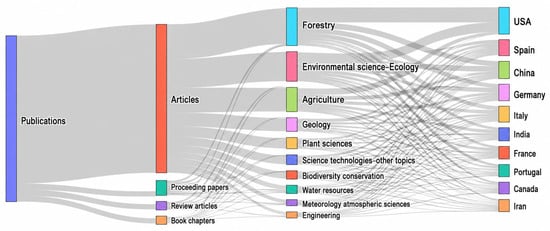
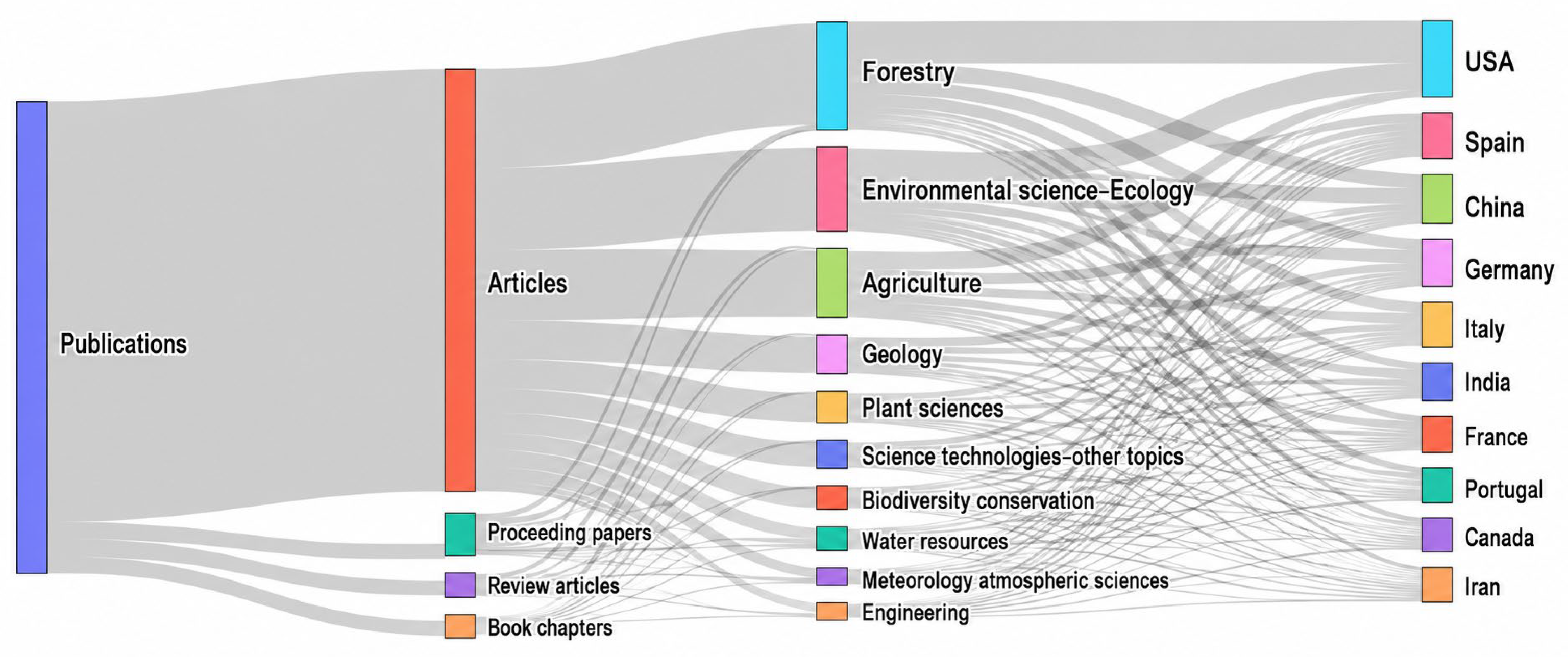
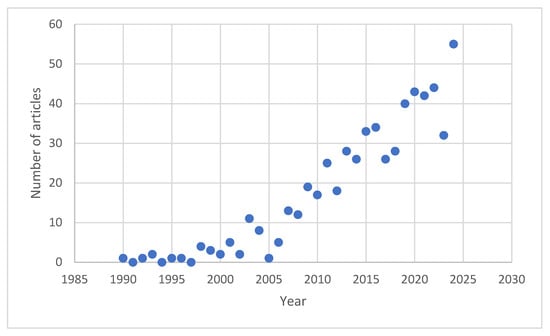
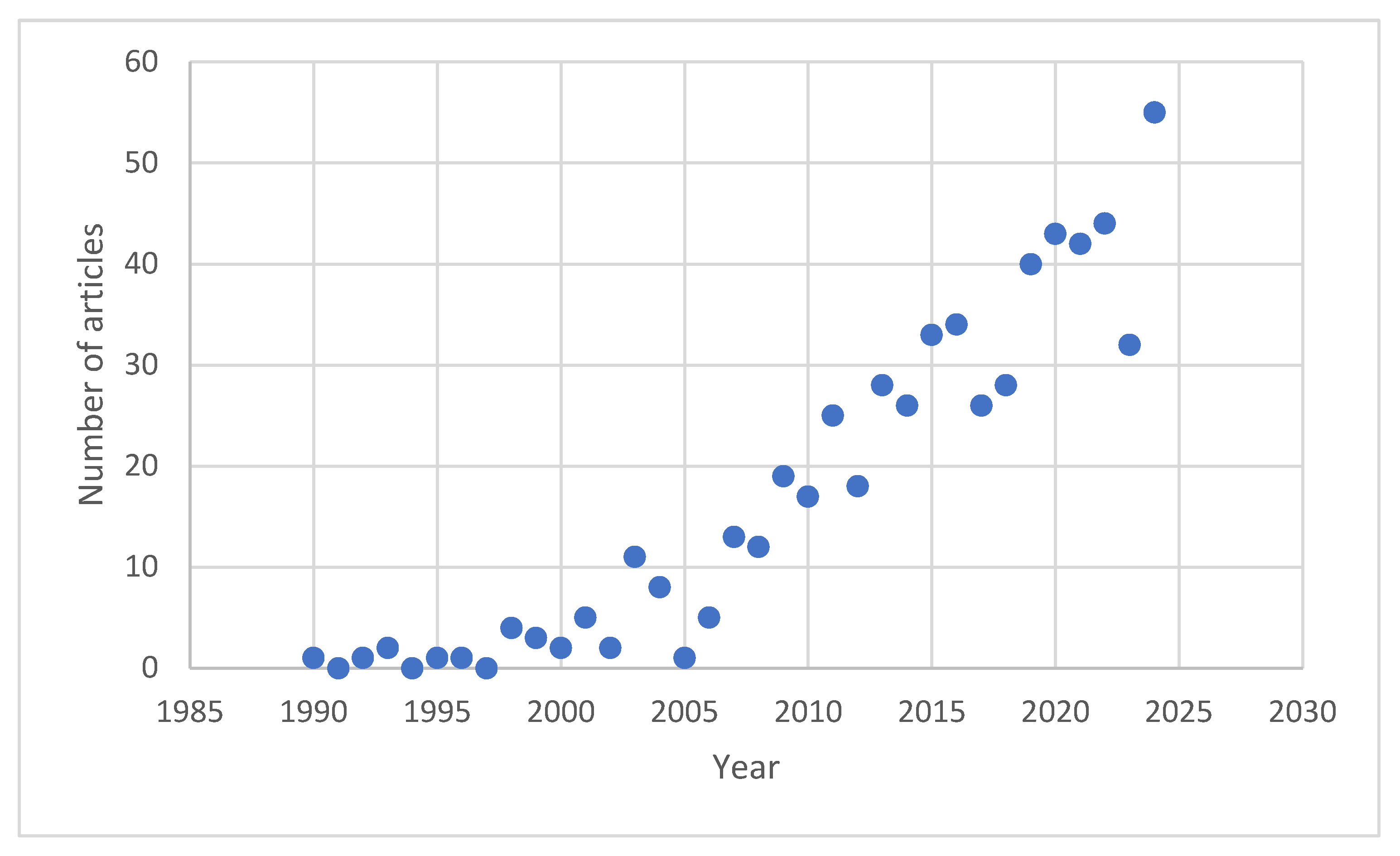
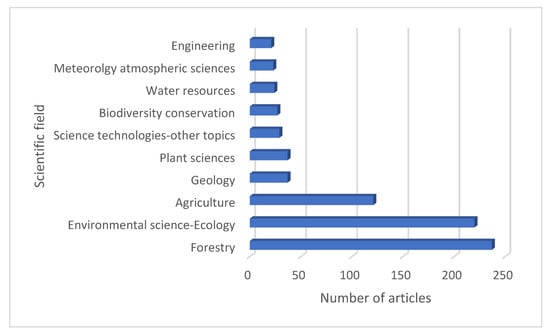
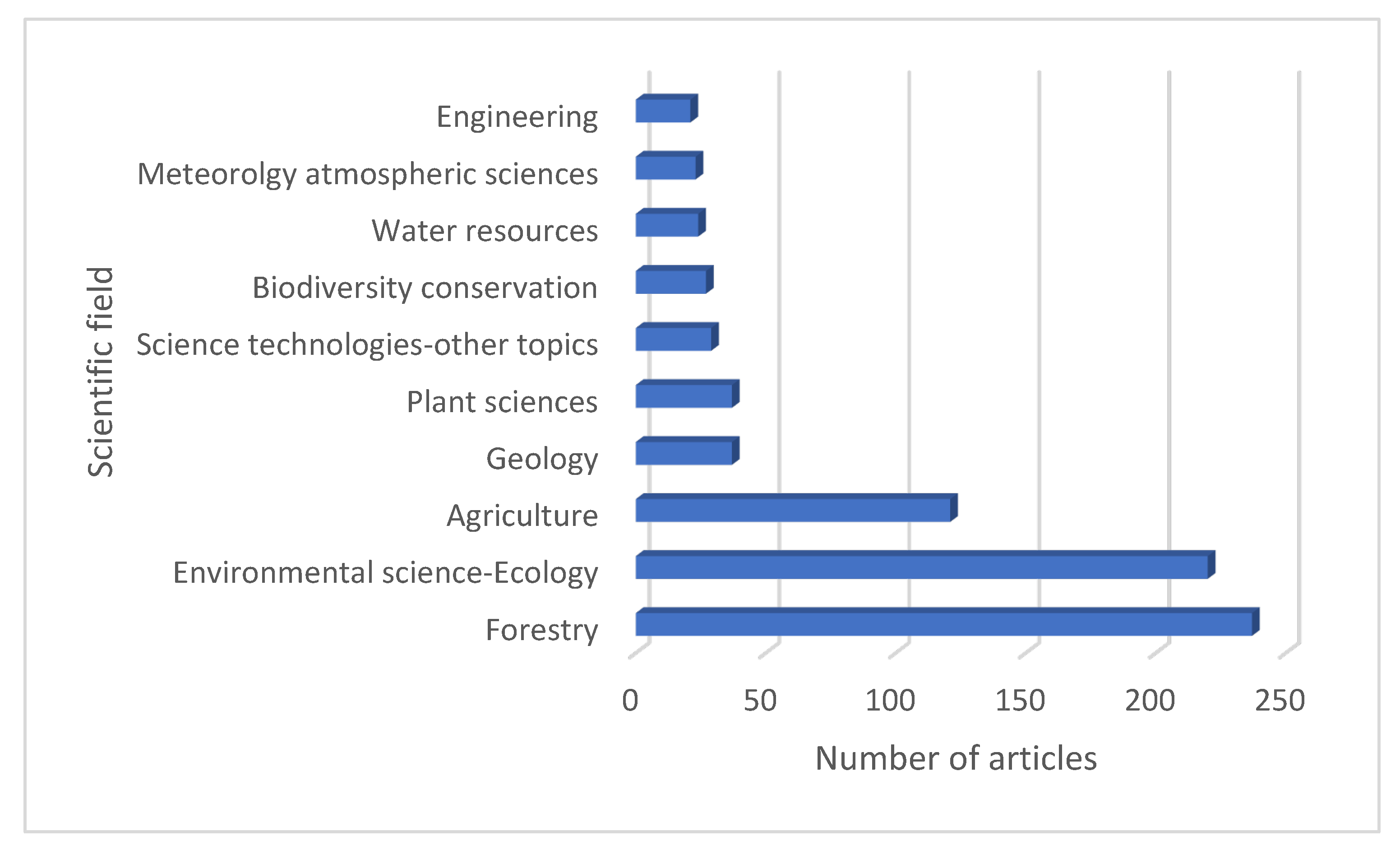
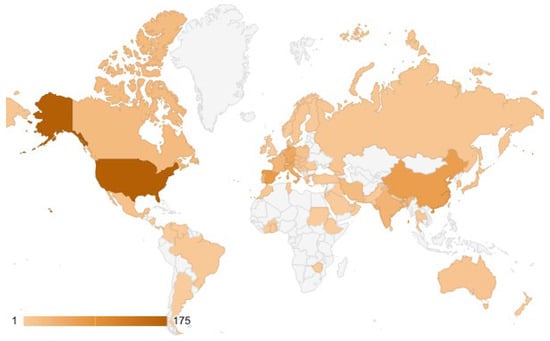
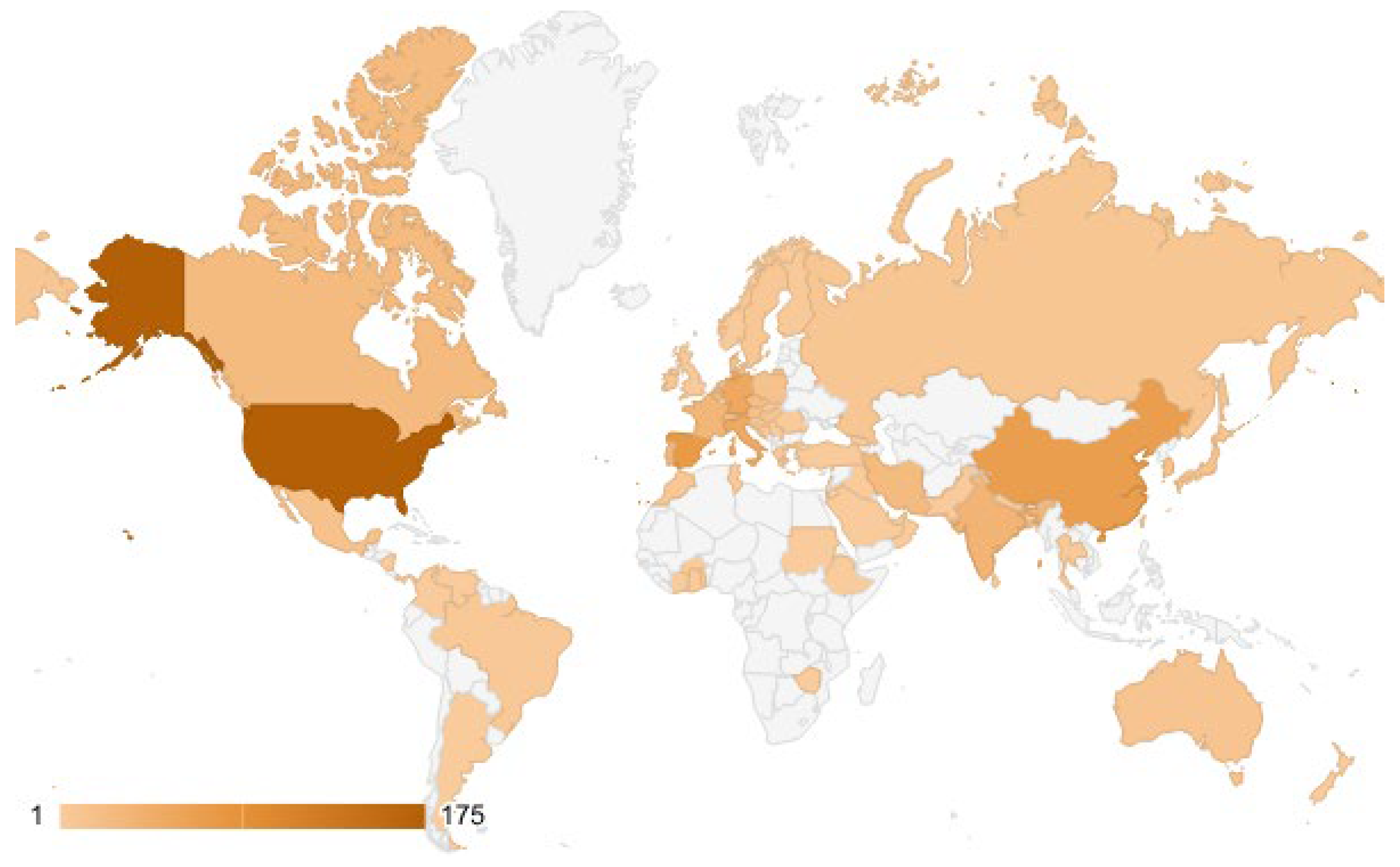
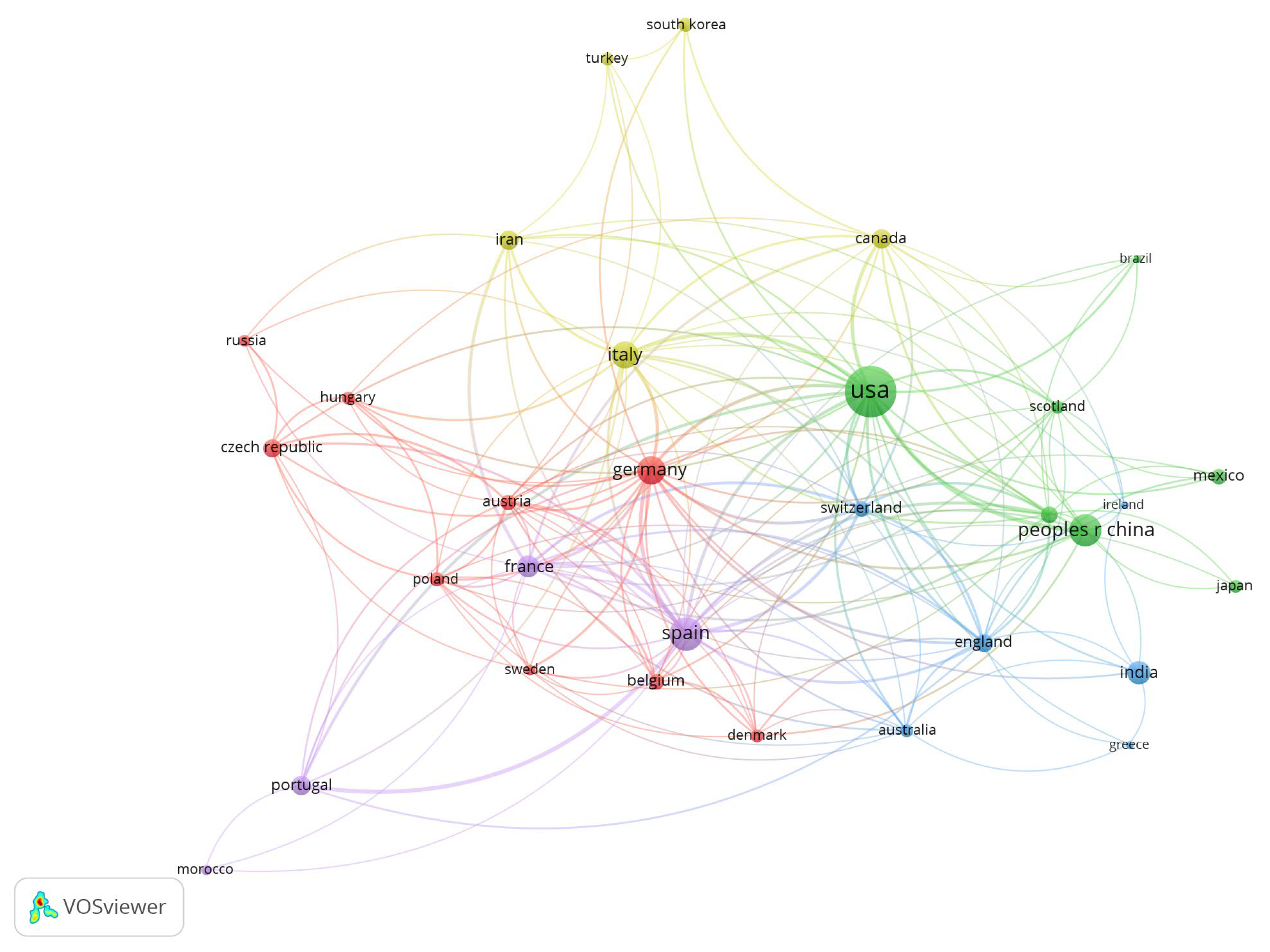
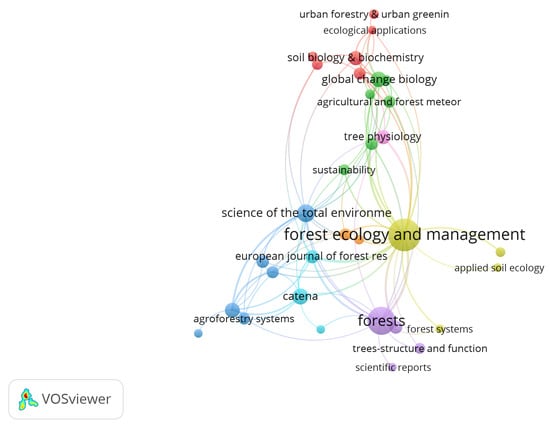
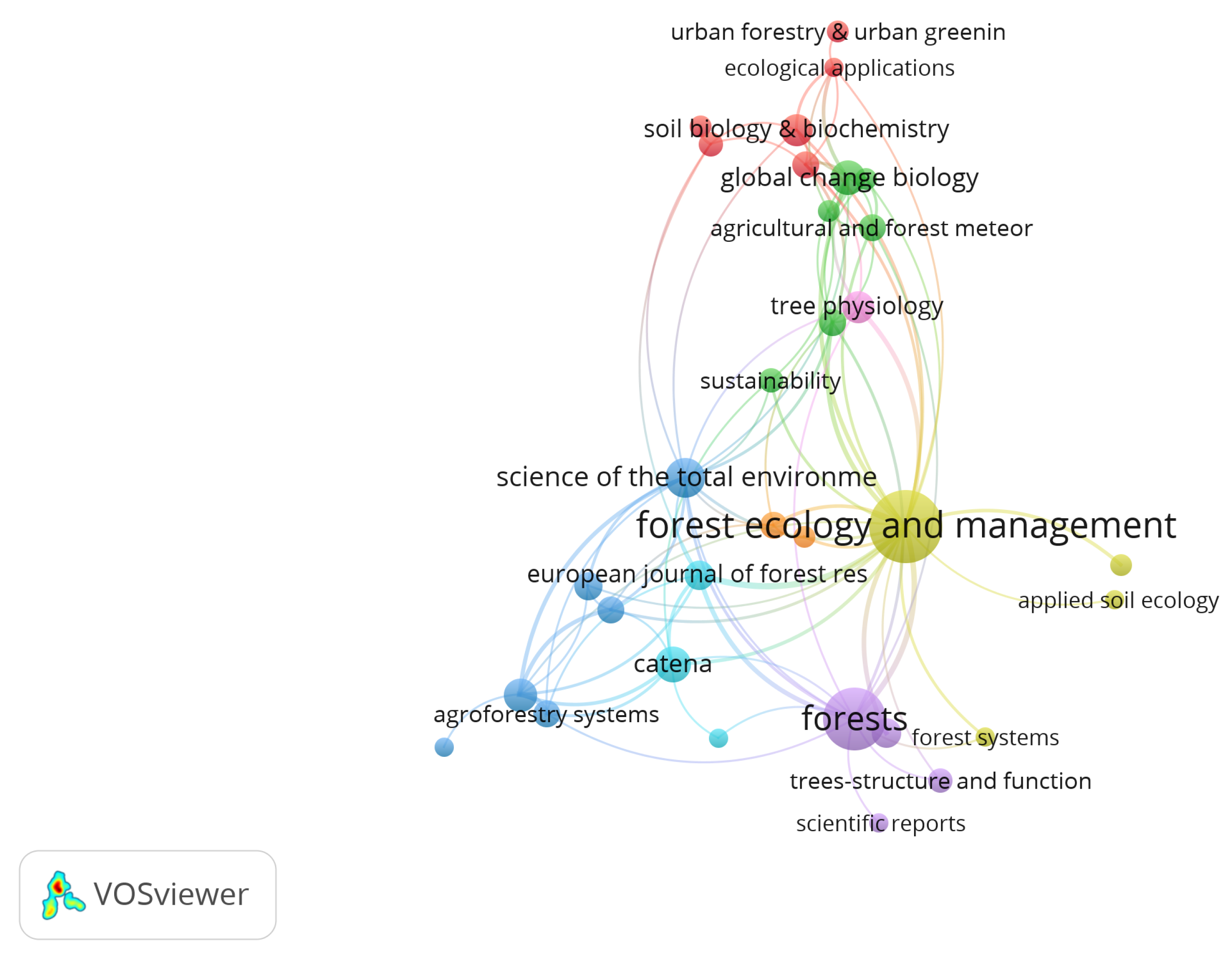
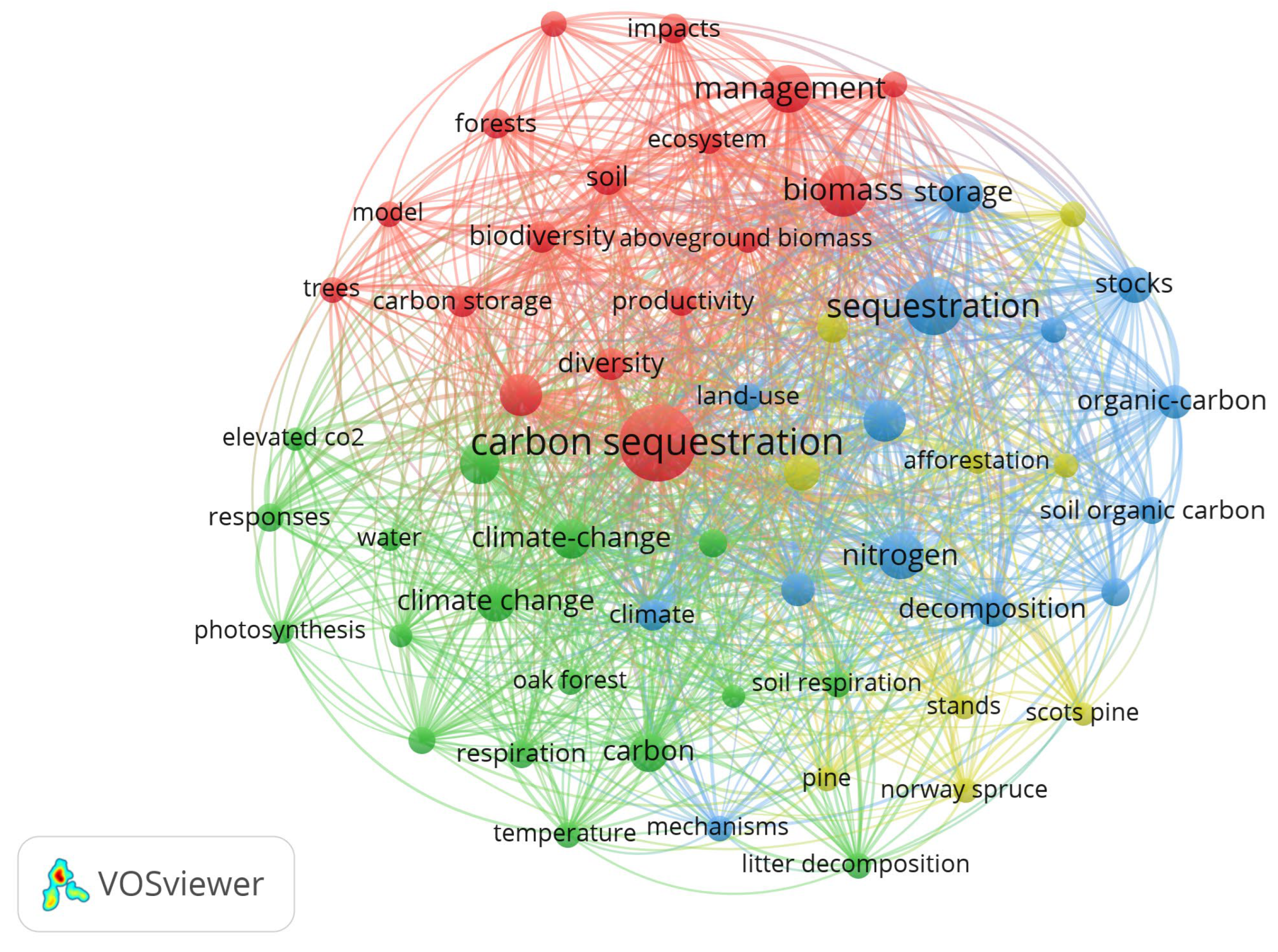

Disclaimer/Publisher’s Note: The statements, opinions and data contained in all publications are solely those of the individual author(s) and contributor(s) and not of MDPI and/or the editor(s). MDPI and/or the editor(s) disclaim responsibility for any injury to people or property resulting from any ideas, methods, instructions or products referred to in the content. |
© 2026 by the authors. Licensee MDPI, Basel, Switzerland. This article is an open access article distributed under the terms and conditions of the Creative Commons Attribution (CC BY) license.