


Abstract
The construction sector is undergoing a rapid transition toward more resilient, sustainable, and digitally connected systems, creating increasing demand for materials capable of providing functions beyond conventional structural performance. In this context, smart materials have emerged as promising solutions due to their ability to respond to mechanical, thermal, chemical, or electromagnetic stimuli through adaptive behaviors such as self-healing, structural sensing, energy regulation, vibration control, and reversible deformation. Despite growing scientific interest, available knowledge remains fragmented across specific material families and isolated application domains. Therefore, this study presents a PRISMA-based systematic review of smart materials in construction using peer-reviewed journal literature indexed in Scopus during the 2021–2026 period. The review examines the principal smart material families currently applied in construction, including self-healing concretes, self-sensing cementitious systems, Shape Memory Alloys (SMA), piezoelectric materials, phase change materials, adaptive coatings, conductive nanocomposites, and multifunctional geopolymers. Their engineering functions, structural and architectural applications, reported performance characteristics, sustainability contributions, digital integration potential, and implementation barriers are comparatively discussed and qualitatively synthesized based on the reviewed literature. The findings indicate that smart materials can improve durability, structural health monitoring, seismic resilience, thermal efficiency, lifecycle performance, and carbon reduction when properly integrated into buildings and infrastructure. However, large-scale adoption remains constrained by high initial costs, manufacturing scalability, regulatory uncertainty, long-term durability validation, and limited market confidence. The review further shows that the greatest future potential lies in combining material intelligence with IoT platforms, artificial intelligence, BIM environments, and digital twins. Overall, smart materials are positioned as strategic enablers of next-generation low-carbon, adaptive, and intelligent construction systems.
1. Introduction
The construction sector is undergoing a profound transformation driven by the need to improve sustainability, resilience, operational efficiency, and lifecycle performance of buildings and infrastructure [1,2]. Conventional construction materials have historically been designed to provide structural capacity and durability; however, current engineering demands increasingly require materials capable of responding actively to environmental, mechanical, thermal, or chemical stimuli [3]. In this context, smart materials have emerged as a promising class of advanced materials capable of providing functions beyond those of traditional passive systems [4].
Smart materials can modify one or more of their properties in response to external stimuli such as stress, temperature, humidity, electric fields, magnetic fields, or damage [5,6,7,8]. These adaptive responses enable functionalities including self-healing, self-sensing, vibration control, thermal energy storage, reversible deformation, and environmental regulation [9,10]. As a result, smart materials are increasingly being investigated for use in structural systems, building envelopes, transportation infrastructure, rehabilitation technologies, and intelligent monitoring networks [11,12].
Recent developments in materials science, nanotechnology, and digital engineering have significantly expanded the range of smart materials available for construction applications [13]. These include self-healing concretes, self-sensing cementitious composites, Shape Memory Alloys (SMA), piezoelectric materials, Phase Change Materials (PCMs), conductive nanocomposites, multifunctional geopolymers, smart coatings, and responsive façade systems [14,15]. Their integration into the built environment offers opportunities to reduce maintenance needs, extend service life, improve structural safety, enhance occupant comfort, and lower operational energy demand [16].
In the case of geopolymers in particular, this functional potential converges with circular-economy goals, as these binders can valorize industrial by-products such as red mud, fly ash, and slag as low-carbon precursors, reducing the embodied carbon of construction materials [17].
Among these systems, self-healing materials can autonomously repair cracks and microdamage, thereby increasing durability and reducing repair interventions [18,19]. Self-sensing concretes and conductive composites enable real-time structural health monitoring through changes in electrical resistance under loading [20,21]. SMA provide recentering capability and energy dissipation in seismic applications, while piezoelectric materials allow sensing and localized energy harvesting [22,23]. In parallel, phase change materials and adaptive thermal systems improve building energy efficiency through passive heat storage and thermal regulation [24].
Despite their strong potential, the widespread implementation of smart materials in construction remains limited by several technical, economic, and regulatory barriers [25,26]. Many systems still involve higher initial costs than conventional alternatives, while long-term durability under realistic service conditions is not always fully validated [27]. Additional challenges include manufacturing scalability, compatibility with existing construction practices, lack of design standards, and uncertainty regarding lifecycle cost-effectiveness [28].
Furthermore, the scientific literature remains fragmented. Existing studies frequently focus on isolated material families such as smart concretes, SMA, thermal systems, or sensing technologies, without providing integrated comparisons across structural performance, sustainability benefits, digital connectivity, implementation maturity, and market readiness [29,30,31]. As a consequence, practitioners and researchers still lack a comprehensive framework for evaluating the relative advantages and limitations of different smart material technologies in construction [32].
In response to these gaps, the present study provides several novel contributions. First, it develops a systematic and comparative synthesis of smart materials currently used in construction based on the PRISMA 2020 (Preferred Reporting Items for Systematic Reviews and Meta-Analyses) methodology [33]. Second, it classifies major smart material families according to their functional mechanisms, engineering applications, and maturity level. Third, it evaluates their structural, environmental, economic, and digital integration potential through a multi-dimensional analytical framework. By combining bibliometric evidence with engineering interpretation, this review advances beyond conventional descriptive surveys and provides a strategic perspective for future intelligent construction systems.
Based on the identified research gaps, this study is structured around the following research questions:
- What are the principal families of smart materials currently applied in construction, and how can they be functionally classified?
- What quantitative engineering benefits do smart materials provide in terms of structural performance, sensing capability, thermal efficiency, and durability?
- How are smart materials being integrated into structural and architectural applications?
- What sustainability and carbon-reduction benefits are associated with smart materials across the construction lifecycle?
- What technical, economic, regulatory, and technological trends will shape the future large-scale adoption of smart materials in construction?
Accordingly, this work employs a PRISMA 2020-based systematic review approach [33] to organize the literature selection process through explicit filtering and evaluation stages. The study examines peer-reviewed journal articles retrieved from Scopus for the 2021–2026 period, enabling an updated assessment of current developments, technological directions, and research activity related to smart construction materials.
This review evaluates material families, engineering properties, structural and architectural applications, sustainability contributions, carbon-reduction potential, IoT and digital integration, barriers to implementation, and future trends. The aim is to support the development of resilient, data-driven, and low-carbon buildings and infrastructure based on multifunctional smart material systems.
This paper proceeds as follows. The methodological basis is laid out in Section 2, Materials and Methods, which describes the PRISMA-based protocol together with the search strategy, the screening procedure, the bibliometric techniques, and the framework adopted for comparative analysis. Building on this, Section 3, Results, brings together the main findings on how materials are classified, the ranges of performance observed, their applications, sustainability implications, implementation barriers, and the trends now emerging. Section 4, Discussion, then offers a critical reading of technological maturity, the pathways available for implementation, and the research gaps that warrant priority attention. The paper closes with Section 5, Conclusions, which distills the central insights and sets out recommendations to guide future work on smart construction materials.
2. Materials and Methods
2.1. PRISMA Systematic Review Protocol
The methodological design of this work followed the PRISMA 2020 framework (Preferred Reporting Items for Systematic Reviews and Meta-Analyses) [33]. This approach was used to organize the review workflow, including literature retrieval, screening procedures, eligibility verification, and synthesis of the selected evidence.
Study selection proceeded through successive filtering stages in which retrieved records were examined until the final analytical dataset was established. Such a review structure is appropriate for smart materials research in construction because the topic integrates heterogeneous material families, multiple engineering functionalities, distinct implementation levels, and cross-cutting sustainability considerations.
To strengthen methodological openness, the review protocol was retrospectively archived in the Open Science Framework (OSF) [34]. The repository documents the search equation, inclusion and exclusion rules, screening sequence, and analytical organization adopted for the present investigation.
Key methodological components of the protocol are reported throughout this section, including the literature retrieval strategy (Section 2.2), study selection procedure (Section 2.3), quality appraisal methodology (Section 2.4), bibliometric component (Section 2.5), and comparative analytical framework (Section 2.6), thereby facilitating procedural traceability and reproducibility.
The completed PRISMA 2020 checklist was submitted as Supplementary Material. Titles, abstracts, and complete articles were evaluated through a staged screening procedure, and records requiring further clarification were reassessed until agreement was achieved. In addition, methodological robustness among the retained studies was examined through a qualitative appraisal addressing reporting transparency, availability of engineering-related indicators, and cross-study comparability (Section 2.4).
2.2. Bibliographic Search Approach
Scientific publications were retrieved from the Scopus database, selected as the primary source of literature due to its strong indexing of journals relevant to engineering, materials research, construction, and sustainability studies. The database enables access to multidisciplinary contributions associated with the development and application of smart materials in the built environment.
To define the search strategy, a keyword-based query was developed by integrating terms linked to intelligent materials, adaptive technologies, sensing mechanisms, structural performance, and sustainability-oriented construction practices, with the objective of obtaining a robust dataset of pertinent studies.
The final search query was structured using Boolean operators as follows: TITLE-ABS-KEY((“smart material*” OR “intelligent material*” OR “self-healing concrete” OR “self-sensing concrete” OR “smart concrete” OR “shape memory alloy*” OR piezoelectric* OR “phase change material*” OR geopolymer* OR nanocomposite* OR “smart brick*” OR conductive composite*) AND (construction OR “civil engineering” OR building OR infrastructure) AND (sustainab* OR “structural health monitoring” OR seismic OR “energy efficiency” OR resilience)) AND PUBYEAR > 2020 AND PUBYEAR < 2027 AND (LIMIT-TO(DOCTYPE,“ar”)) AND (LIMIT-TO(SUBJAREA,“ENGI”) OR LIMIT-TO(SUBJAREA,“MATE”)) AND (LIMIT-TO(LANGUAGE,“English”)).
Applying this strategy yielded an initial set of 1207 records, which offered wide coverage of the pertinent scientific literature and, at the same time, kept the search process consistent, precise, and reproducible.
Although Scopus was used as the sole database, this choice is well supported for built-environment research: approximately 99% of journals indexed in Web of Science are also indexed in Scopus [35], so the two indices largely overlap. In addition, two resources frequently recommended for engineering literature, ScienceDirect and Engineering Village (Compendex), are Elsevier platforms whose journal content is substantially captured within Scopus; using them as separate sources would introduce publisher-related redundancy rather than meaningfully broaden coverage.
Future studies may further broaden coverage by incorporating Dimensions, which provides among the most exhaustive journal coverage of the major indices, and by cross-validating results against Web of Science.
2.3. Study Selection Process Based on PRISMA 2020 Methodology
Guided by the PRISMA methodology, the selection of studies advanced through four successive phases (Figure 1).
Figure 1.
PRISMA flow diagram of the identification, screening, eligibility, and inclusion process of studies retrieved from the Scopus database for the systematic review on smart materials in construction, including the principal exclusion criteria applied at each selection stage.
In the identification phase, a total of 1207 records were retrieved from the Scopus database using the predefined search strategy. Preliminary filtering was subsequently applied to remove records affected by indexing inconsistencies, publications outside the selected language and subject-area restrictions, non-article document types, and records not satisfying the predefined eligibility filters. As a result, 311 records were excluded and 896 studies advanced to title and abstract screening.
During the screening phase, titles and abstracts were evaluated according to thematic relevance, engineering applicability, and alignment with the objectives of this review. A total of 498 records were excluded because they were unrelated to construction or built-environment applications, focused primarily on biomedical, electronic, or non-civil-engineering systems, lacked a direct connection with smart materials, or provided insufficient engineering relevance for comparative assessment. Consequently, 398 studies were retained for full-text evaluation.
In the eligibility phase, the full texts of the remaining studies were examined to verify methodological transparency, scientific robustness, relevance to construction practice, and availability of sufficiently comparable engineering indicators. At this stage, 302 studies were excluded due to insufficient methodological detail, absence of measurable or interpretable performance indicators, duplicated findings across closely related publications, highly specific case-study scope limiting broader applicability, or limited transferability to construction practice.
Finally, in the inclusion phase, 96 studies satisfied all predefined selection criteria and were incorporated into the final systematic review. These studies provided the principal evidence base for the comparative assessment of smart materials applied in construction, infrastructure, sensing systems, sustainability, adaptive performance, and resilient engineering applications.
The narrowing of records from the original search output to the final study set emerged from successive filtering decisions applied during identification, screening, and eligibility assessment stages. This progression reflects a controlled evidence-selection strategy intended to maintain coherence in scope, comparability of information, and methodological consistency among the retained publications.
Within the PRISMA workflow, the final set of 96 studies represents the core analytical dataset used for comparative synthesis. References appearing outside this corpus were employed selectively to strengthen conceptual grounding, support methodological explanations, justify database-related decisions, and contextualize the interpretation of results.
2.4. Study Quality and Robustness Assessment
The retained publications were examined through a structured evaluation process intended to characterize evidence reliability and methodological soundness. Five assessment dimensions were considered:
- Explicitness and clarity of the methodological description;
- Presence of quantitative engineering-related metrics;
- Degree of consistency and cross-study comparability of reported findings;
- Alignment with smart-material applications in the construction domain;
- Relevance to sustainability, resilience, sensing functions, or performance enhancement.
For each dimension, studies were classified using a three-tier rating scheme (adequate, partial, or insufficient). The combined outcome of these ratings was subsequently used to assign an overall evidence reliability category (high, moderate, or low) for each included study.
Formal quantitative risk-of-bias instruments (e.g., RoB 2, ROBINS-I) were not applied because they are designed for clinical intervention studies with defined comparators and outcomes, and are not transferable to the experimental materials-engineering studies synthesized here. The structured appraisal described above was adopted instead, providing a transparent and reproducible basis for assessing evidence quality across heterogeneous study types.
Studies rated as insufficient in methodological transparency or in the availability of comparable data were excluded during the eligibility phase, while the reliability level of the retained studies was considered when weighting their evidence in the comparative assessment.
2.5. Bibliometric Analysis
Figure 2 shows the bibliometric keyword co-occurrence network related to smart materials in construction, generated using VOSviewer software (version 1.6.20). The map illustrates relationships among terms based on occurrence frequency, thematic proximity, and co-occurrence strength, enabling the identification of major research areas and interdisciplinary connections within the field.
Figure 2.
Thematic structure of smart materials research in construction, visualized as a keyword co-occurrence network. In this map, keyword frequency is encoded by node size, co-occurrence strength by link thickness, and thematic clusters by color, all derived through VOSviewer. Strong connections emerge among nanotechnology, structural health monitoring, geopolymer systems, thermal energy storage, and multifunctional construction materials. Source: authors’ own elaboration, drawing on bibliometric data extracted from Scopus (2021–2026).
The network reveals a broad and highly interconnected research landscape, confirming that smart materials in construction have evolved into a multidisciplinary domain integrating structural engineering, materials science, nanotechnology, thermal management, and digital monitoring systems.
Several thematic clusters can be identified. A first cluster, centered on nanocomposites, graphene, reduced graphene oxides, and related characterization techniques, reflects the growing relevance of nanoscale material engineering. This cluster is strongly associated with conductivity enhancement, crack sensing, multifunctionality, and advanced composite performance. The prominence of graphene-based terms confirms the increasing use of carbon nanomaterials to improve durability, self-sensing capacity, and electromechanical response.
A second cluster is organized around structural health monitoring, self-sensing, piezoelectricity, piezoelectric, and energy harvesting. This thematic group highlights the transition from passive construction systems toward intelligent infrastructure capable of real-time monitoring, damage detection, vibration response measurement, and decentralized energy generation. The presence of sensing-related nodes confirms that embedded diagnostics has become one of the most dynamic research directions in the field.
A third major cluster is associated with cementitious and geopolymeric materials, where terms such as geopolymers, geopolymer concrete, geopolymer composites, compressive strength, cements, mortar, and water absorption appear as dominant nodes. This indicates that alternative binders and low-carbon cementitious systems are increasingly integrated into smart material research while maintaining strong emphasis on conventional engineering performance indicators such as strength and durability.
A fourth thematic cluster is strongly linked to thermal and energy applications, dominated by phase change materials, phase change material, thermal energy storage, heat storage, and thermal insulation. This confirms the rapid expansion of adaptive envelopes, intelligent walls, PCM-enhanced bricks, and passive energy-saving systems designed to reduce operational energy demand and improve indoor thermal comfort.
The coexistence of these clusters demonstrates that current research no longer evaluates construction materials solely according to mechanical strength. Instead, smart materials are increasingly expected to combine structural reliability with additional functionalities such as sensing, self-repair, thermal regulation, energy harvesting, and sustainability improvement.
The relative centrality of terms such as nanocomposites, structural health monitoring, compressive strength, geopolymers, and phase change materials suggests that future innovation in the sector will likely emerge from hybrid solutions that combine intelligent functionality with sustainability and structural performance.
From a thematic perspective, the network also indicates an ongoing transition from conventional cement-based material optimization toward multifunctional systems emphasizing decarbonization, adaptive behavior, resilience, and digital integration. This trend is consistent with the increasing role of smart materials in next-generation buildings and infrastructure.
The included publications exhibited marked variability in experimental scale, environmental conditions, constituent materials, and testing protocols, limiting the feasibility of performing a conventional meta-analysis. For this reason, evidence integration relied on a qualitative synthesis framework combined with cross-study comparison to support consistent interpretation despite methodological diversity.
Within this methodological structure, bibliometric analysis serves a supporting rather than central analytical role. It is used to outline patterns of research activity, thematic concentration, and technological evolution in the field, while the principal conclusions of the review derive from the comparative examination of the selected studies.
2.6. Analytical and Conceptual Framework for Comparative Assessment
To compare smart materials used in construction on a consistent basis, this review builds a conceptual and analytical framework that links three aspects often examined in isolation. The first concerns how a material performs structurally and functionally; the second addresses its environmental efficiency throughout its service life; and the third reflects how mature the technology is and how readily it can be deployed in practice. Bringing these aspects together provides methodological consistency across material classification, engineering metrics, and sustainability criteria.
This framework is not intended as a unified empirical aggregation model, but rather as an integrative analytical structure designed to harmonize interpretation across heterogeneous studies. Given the substantial variability in material composition, functional mechanisms, specimen geometry, testing procedures, environmental exposure, and reported data across the reviewed literature, direct quantitative aggregation was not considered methodologically robust. Consequently, the analytical indicators adopted in this section [19,36,37,38,39,40,41,42,43,44,45] are employed exclusively as comparative interpretation tools rather than predictive models.
The principal indicators used to support systematic comparison across heterogeneous smart material systems are defined as follows:
where represents compressive strength (MPa), is the maximum applied load, and A is the loaded area.
where denotes healing efficiency (%), corresponds to recovered performance after healing, and represents original performance.
where is the fractional change in electrical resistance during loading.
where Q corresponds to latent heat storage, m is PCM mass, and L is latent heat.
where represents carbon intensity normalized by structural strength.
where is initial cost, represents maintenance cost, and denotes lifecycle savings.
where increasing values indicate progression from laboratory validation toward market implementation.
Because smart materials differ substantially in composition, scale, service conditions, environmental exposure, and testing methodologies, these formulations should not be interpreted as universal predictive models. Rather, they provide a structured analytical basis for harmonizing heterogeneous evidence and for interpreting performance trends, technological maturity, sustainability considerations, and engineering functionality across diverse smart material systems.
3. Results
3.1. Classification and Functional Roles of Smart Materials in Construction
Smart materials are increasingly recognized as innovative components in modern construction due to their ability to respond to external stimuli and provide functions beyond those of conventional materials [46,47,48]. Depending on their composition and mechanism, these systems may offer self-healing, structural sensing, adaptive damping, thermal regulation, or reversible deformation [31,49,50]. Their incorporation into buildings and infrastructure is associated with improved durability, resilience, monitoring capability, and energy efficiency [51,52,53]. Therefore, a clear functional classification is essential for understanding their engineering relevance and practical applications.
Table 1 presents a taxonomic classification of the principal smart material families currently reported in construction research, including operating principles, representative examples, main applications, and supporting references.
Table 1.
Taxonomic classification of major smart material families used in construction according to operating principles, representative examples, and engineering applications.
Table 1 shows that smart materials can be grouped according to the engineering function they provide. Self-healing systems and smart concretes are mainly focused on durability enhancement and condition monitoring [30,48,49]. Piezoelectric and conductive materials are strongly linked to structural health monitoring, enabling real-time diagnostics and localized energy harvesting [46,55,62].
Shape memory and rheological materials are particularly relevant for seismic engineering, where adaptive damping, recentering behavior, and vibration mitigation are essential [31,56,60]. In contrast, thermochromic and adaptive thermal materials are associated with building envelope optimization, reducing thermal loads and improving occupant comfort [50,57,58]. Multifunctional geopolymers additionally contribute to sustainability by combining low-carbon binders with intelligent functionalities [64,65].
To complement the classification presented in Table 1, Figure 3 provides a qualitative comparison of the principal material families according to five relevant engineering dimensions: durability enhancement, sensing capability, structural control potential, thermal efficiency, and technological maturity.
Figure 3.
Qualitative comparative assessment of major smart material families used in construction according to five engineering criteria: durability enhancement, sensing capability, structural control potential, thermal efficiency, and technological maturity. Relative intensity levels were assigned from performance trends consistently reported in the reviewed literature to illustrate comparative strengths and application-oriented trade-offs among different smart material systems.
Figure 3 highlights the multifunctional diversity of smart construction materials. Self-healing systems show the strongest durability benefits [49,54], piezoelectric and conductive materials dominate sensing functions [46,47,62], shape memory and rheological systems are more relevant for structural control [31,46], whereas thermochromic and PCM-based materials provide superior thermal adaptation [50,57]. These findings indicate that future intelligent buildings and infrastructure will likely depend on hybrid combinations of several smart material technologies rather than on a single material solution [47,48].
3.2. Main Families of Smart Materials Used in Construction
Smart materials used in the construction industry can be grouped into several technological families according to their dominant response mechanism and engineering function. These materials are designed to react to environmental, mechanical, thermal, or electromagnetic stimuli, enabling advanced capabilities such as self-repair, structural monitoring, seismic control, thermal storage, or adaptive surface behavior [46,48,66]. Their growing implementation reflects the transition from passive infrastructure toward multifunctional and intelligent built environments [47,67,68].
Table 2 summarizes the principal smart material families from a construction implementation perspective, highlighting representative examples, main stimuli, functional responses, and supporting references.
Table 2.
Functional implementation framework of major smart material families used in construction, including representative construction examples, dominant stimuli, and typical engineering responses.
Table 2 shows that smart materials in construction address different engineering challenges depending on the type of stimulus and desired response. Smart concretes are primarily associated with durability enhancement and structural health monitoring, whereas SMA and rheological fluids are more relevant in seismic protection and vibration mitigation [31,46,55,66]. These systems are particularly valuable in resilient infrastructure subjected to dynamic loading [56,61].
Piezoelectric materials stand out for their dual capability of sensing and energy harvesting, making them attractive for self-powered monitoring systems [67,68,71]. In contrast, phase change materials and smart coatings are mainly linked to building energy efficiency through passive thermal control and adaptive surface behavior [48,51,69]. Smart geopolymers combine multifunctionality with sustainability by incorporating low-carbon binders and intelligent responses [49,64].
To complement the classification presented in Table 2, Figure 4 provides a qualitative multifunctional comparison of the principal material families according to five relevant engineering criteria: structural contribution, sensing capability, thermal efficiency, sustainability potential, and technological maturity.
Figure 4.
Qualitative multifunctional comparison of major smart material families used in construction according to structural contribution, sensing capability, thermal efficiency, sustainability potential, and technological maturity. Relative scores were assigned from trends consistently reported in the reviewed literature to illustrate comparative strengths and application-oriented trade-offs.
Figure 4 highlights that no single material family maximizes all engineering criteria simultaneously. Smart concretes and SMA exhibit strong structural relevance [61,66], piezoelectric materials dominate sensing functions [46,71], PCMs and smart coatings perform better in thermal efficiency [48,69], while geopolymers stand out in sustainability [49,64]. These findings suggest that future intelligent buildings and infrastructure will likely integrate multiple smart material technologies in hybrid systems [47,67].
3.3. Functional Properties and Quantitative Performance Ranges
The practical relevance of smart materials in construction depends not only on their responsive behavior, but also on the measurable improvements they provide under real engineering conditions. Recent studies report significant gains in sensing precision, fracture resistance, corrosion durability, thermal performance, and environmental sustainability [48,64,67,71]. These quantitative indicators are essential for evaluating the feasibility of smart materials as alternatives to conventional systems [49,68,72].
Table 3 summarizes the principal functional properties and reported performance ranges of smart materials currently applied in construction environments.
Table 3.
Functional properties and reported quantitative performance ranges of smart materials used in construction.
Table 3 indicates that smart materials can provide substantial and measurable engineering benefits. In sensing applications, the detection of microstrains as low as 10 µ demonstrates the potential of self-sensing concretes and ultra-high-performance composites for structural health monitoring [48,68,71]. Similarly, conductivity values near 10 S/m confirm the feasibility of conductive masonry and cementitious systems for embedded diagnostics [64,69].
Mechanical and durability improvements are also significant. Fracture toughness gains of approximately 50% suggest that fiber-reinforced and nano-modified materials can substantially improve crack resistance and post-cracking behavior [48,73]. In addition, corrosion resistance improvements near 40% highlight the durability advantages of SMA and intelligent protective coatings in aggressive environments [31,48].
Thermal and environmental indicators further support the value of smart materials in sustainable construction. PCM-integrated walls can reduce heat flow by approximately 45%, while advanced manufacturing methods combined with green materials may lower embodied CO2 emissions by 40–60% [67,72,74]. These findings demonstrate that smart materials simultaneously address structural performance, operational efficiency, and sustainability objectives [49,64].
To complement the quantitative results presented in Table 3, Figure 5 illustrates the relative magnitude of the principal reported performance improvements across different engineering criteria.
Figure 5.
Comparative representation of reported quantitative performance gains of smart materials used in construction, including fracture toughness improvement, corrosion resistance, wall heat flux reduction, and carbon footprint mitigation. Values were normalized from ranges reported in the reviewed literature for visual comparison.
Figure 5 shows that the highest reported relative benefits are associated with environmental impact reduction and mechanical enhancement, while corrosion mitigation and thermal control also exhibit strong practical relevance [67,72,73,74]. Overall, these results confirm that smart materials can generate measurable improvements across multiple dimensions of construction performance [48,49].
3.4. Structural and Architectural Applications of Smart Materials
The value of smart materials in construction is best demonstrated through their direct application in structural and architectural systems. These materials are increasingly used to improve safety, durability, energy efficiency, and lifecycle performance of buildings and infrastructure [48,66,67]. Depending on the engineering objective, smart materials can operate as sensing elements, adaptive control devices, self-repair systems, or passive environmental regulators [31,46,49].
Table 4 summarizes the principal structural and architectural applications of smart materials currently reported in the literature.
Table 4.
Main structural and architectural applications of smart materials in construction.
Table 4 shows that smart materials are already addressing both structural and architectural challenges. In bridges and buildings, self-sensing concretes, optical fibers, and piezoelectric sensors enable continuous structural health monitoring, improving preventive maintenance and operational safety [46,68,71]. Likewise, SMA and rheological devices are highly valuable in seismic protection systems due to their adaptive damping and recentering capacity [31,56,66].
Architectural applications are mainly associated with energy efficiency and occupant comfort. PCMs, smart façades, and intelligent masonry systems can regulate thermal loads and daylight conditions, reducing HVAC demand [48,67,69]. In addition, self-healing concrete and smart strengthening systems contribute to lifecycle extension of aging infrastructure while minimizing invasive interventions [49,61,70].
To complement the applications summarized in Table 4, Figure 6 illustrates the relative positioning of major application domains according to engineering impact and implementation maturity.
Figure 6.
Qualitative comparison of major smart material application domains in construction according to engineering impact and implementation maturity. Bubble size represents the relative multifunctional potential of each application area based on trends reported in the reviewed literature.
Figure 6 indicates that structural health monitoring and climate-responsive envelopes currently show the highest implementation maturity, while seismic protection and autonomous healing systems exhibit strong engineering impact [48,49,66,71]. Energy-harvesting pavements remain an emerging application with promising multifunctional benefits but comparatively lower deployment maturity [56,67]. These results suggest that smart materials are progressively transitioning from experimental concepts to practical construction technologies [46,68].
3.5. Smart Concretes and Self-Sensing UHPC Systems
Concrete remains the most widely used construction material worldwide; therefore, incorporating intelligent functionalities into cementitious systems has become a major research priority [48,49,66]. Smart concretes are designed to provide autonomous responses such as crack healing, structural sensing, or environmental adaptation while preserving structural capacity [61,68,71]. Recent developments in ultra-high-performance concrete (UHPC) and geopolymer technologies have further expanded the multifunctional potential of intelligent cement-based materials [64,68,73].
Table 5 summarizes the principal categories of smart concretes currently reported in the literature, including their dominant mechanisms, advantages, limitations, and representative references.
Table 5.
Main categories of smart concretes and self-sensing UHPC systems used in construction.
Table 5 shows that intelligent concrete technologies can be grouped according to their dominant function: durability enhancement, sensing capability, ultra-high mechanical performance, or sustainability. Self-healing concretes are primarily focused on autonomous crack sealing and maintenance reduction, while self-sensing concretes enable distributed monitoring without relying on external sensors [49,66,71,73].
Self-sensing UHPC combines very high compressive strength with sensitivity to damage evolution, making it particularly attractive for bridges, tunnels, and critical infrastructure [68]. Meanwhile, smart geopolymer concretes provide a promising low-carbon alternative by combining waste valorization with conductive or adaptive functionalities [49,64]. Despite these advantages, cost, industrial scalability, and standardization remain key barriers to widespread implementation [48,66].
To complement the classification presented in Table 5, Figure 7 compares the principal smart concrete systems according to four strategic criteria: structural performance, sensing capability, sustainability contribution, and implementation maturity.
Figure 7.
Qualitative comparison of major smart concrete systems according to structural performance, sensing capability, sustainability contribution, and implementation maturity. Relative scores were derived from trends reported in the reviewed literature to illustrate the comparative positioning of advanced cementitious technologies.
Figure 7 indicates that self-sensing UHPC provides the strongest structural performance [68], conventional self-sensing concrete leads in sensing functionality [71,73], smart geopolymers dominate sustainability indicators [49,64], and self-healing concrete exhibits strong lifecycle advantages through durability enhancement [66,70]. These findings suggest that future intelligent infrastructure will likely combine several cementitious smart technologies depending on project priorities [48,61].
3.6. Sustainability and Environmental Performance
Sustainability has become a central driver in the adoption of smart materials within the construction industry. Beyond structural benefits, many intelligent materials contribute to reducing embodied carbon, minimizing waste generation, lowering operational energy demand, and improving long-term resource efficiency [48,49,64,72]. These strategies are particularly relevant as the built environment remains one of the largest contributors to global emissions and material consumption [67,69,74].
Table 6 summarizes the principal sustainability strategies associated with smart materials and their reported environmental or economic benefits.
Table 6.
Main sustainability strategies and environmental performance of smart materials in construction.
Table 6 shows that smart materials contribute to sustainability through both material substitution and operational optimization. Replacing ordinary Portland cement (OPC) with geopolymers or supplementary cementitious materials can significantly reduce embodied emissions [49,64,72]. Likewise, additive manufacturing technologies improve material efficiency by reducing waste and enabling optimized geometries [48,72].
Operational performance is also enhanced through PCM-integrated systems and adaptive building envelopes, which can substantially reduce heating and cooling demand [48,67,69]. At the urban scale, durable smart materials and noise-control technologies support greener and more livable cities by lowering maintenance frequency and improving environmental comfort [31,69].
Artificial intelligence further amplifies these benefits by optimizing design, material allocation, and lifecycle decision-making [74]. The integration of AI with smart materials suggests a new pathway toward data-driven sustainable construction systems with improved cost-effectiveness and reduced environmental burden [48,74].
To complement the results summarized in Table 6, Figure 8 compares the reported magnitude of key environmental and economic benefits associated with smart construction technologies.
Figure 8.
Comparative representation of reported sustainability benefits of smart construction technologies, including waste reduction, carbon footprint mitigation, operational energy savings, cost reduction, and efficiency improvement. Values were derived from ranges reported in the reviewed literature for comparative visualization.
Figure 8 indicates that the largest reported gains are associated with carbon footprint reduction and waste minimization, followed by substantial operational energy savings and economic optimization through AI-assisted systems [48,72,74]. These findings confirm that smart materials can play a strategic role in decarbonizing and modernizing the construction sector [49,64,67].
3.7. Smart Materials for Carbon Reduction and Low-Carbon Performance
Reducing carbon emissions across the construction lifecycle has become one of the main drivers for innovation in smart materials. Beyond improving structural or functional performance, several emerging material families directly contribute to decarbonization through lower embodied energy, reduced cement consumption, operational energy savings, circular resource use, or enhanced durability [48,49,75,76]. In parallel, specific technical properties such as biogenic carbon storage, recyclability, and self-healing behavior further strengthen the environmental value of these materials [77,78,79].
Table 7 summarizes the principal smart material families associated with carbon mitigation in construction, including representative examples, dominant reduction mechanisms, and the lifecycle stages where their benefits are most relevant.
Table 7.
Main smart material families contributing to carbon reduction in construction across lifecycle stages.
Table 8 complements the material-family perspective by summarizing the principal technical properties that enable carbon reduction and circular performance in smart construction systems.
Table 8.
Technical properties of smart materials associated with carbon reduction and circular performance.
Table 7 and Table 8 show that decarbonization in construction can be achieved through multiple complementary pathways. Advanced concretes, geopolymers, and recycled materials mainly reduce embodied emissions during production, whereas PCMs and smart envelopes target operational carbon through lower heating and cooling demand [48,76,93,96].
Bio-based materials stand out because they combine low embodied energy with temporary carbon sequestration during service life [75,77,85]. In parallel, self-healing systems contribute indirectly by extending durability and reducing replacement frequency, while recyclable and prefabricated systems improve circularity and reduce construction waste [49,78,79,98].
These findings indicate that no single solution dominates all sustainability dimensions. Effective low-carbon construction will likely depend on combining material substitution, performance enhancement, operational efficiency, and circular economy strategies [72,82,92].
To complement the synthesis presented in Table 7 and Table 8, Figure 9 compares the relative contribution of the main smart material families across production, construction, operational use, and end-of-life stages.
Figure 9.
Qualitative comparison of major smart material families contributing to carbon reduction in construction according to lifecycle stages: production, construction, operational use, and end-of-life. Relative contribution levels were assigned from trends consistently reported in the reviewed literature.
Figure 9 indicates that advanced concretes and recycled materials dominate production-stage mitigation, PCMs and smart envelopes lead operational savings, and prefabricated smart systems provide the strongest construction-stage efficiency [76,93,95,98]. Overall, lifecycle-oriented combinations of multiple smart material strategies are required for meaningful decarbonization of the built environment [48,72,75].
3.8. Digital Integration, Sensors, and IoT
The performance of smart materials can be significantly enhanced when combined with digital technologies such as sensing networks, artificial intelligence, and digital twins. While smart materials provide responsive physical behavior, digital platforms enable real-time monitoring, predictive analysis, and lifecycle optimization [48,66,74]. This convergence is accelerating the transformation of conventional buildings into intelligent and connected infrastructure systems [49,67,99].
Table 9 summarizes the principal enabling digital technologies currently associated with smart materials in construction.
Table 9.
Main digital support technologies integrated with smart materials in construction.
Table 9 shows that digital technologies act as amplifiers of smart material performance. IoT-enabled structural health monitoring systems allow embedded sensors to continuously transmit data regarding strain, vibration, humidity, or damage evolution. This improves maintenance planning and reduces the risk of unexpected failures [46,48,67].
Artificial intelligence and machine learning contribute by identifying optimal materials, predicting deterioration, and improving operational efficiency [49,74]. In parallel, digital twin and BIM platforms enable virtual representations of smart structures, supporting design optimization, performance simulation, and lifecycle management [66,74,99].
The integration of smart materials with digital ecosystems suggests a shift from isolated responsive components toward autonomous and data-driven infrastructure. This evolution is expected to play a major role in future smart cities and resilient construction systems [48,67].
To complement the results summarized in Table 9, Figure 10 illustrates the relative contribution of major digital technologies to monitoring capability, predictive intelligence, and lifecycle management in smart construction environments.
Figure 10.
Qualitative comparison of digital support technologies integrated with smart materials in construction according to monitoring capability, predictive intelligence, interoperability, and lifecycle management potential. Relative scores were assigned from trends reported in the reviewed literature for comparative visualization.
Figure 10 indicates that IoT platforms dominate real-time monitoring functions, AI/ML systems provide the strongest predictive intelligence, and digital twin/BIM environments lead lifecycle management and interoperability performance [48,74,99]. These findings confirm that the full potential of smart materials is achieved when physical intelligence is combined with digital intelligence [49,66].
3.9. Technical and Economic Challenges
Despite their promising multifunctional benefits, the widespread implementation of smart materials in construction is still constrained by several technical and economic barriers. Many intelligent systems remain more expensive than conventional alternatives, while issues related to scalability, compatibility, and long-term durability continue to limit market penetration [31,64,66,73]. Addressing these challenges is essential for transitioning smart materials from niche applications to mainstream construction practice [48,49,68].
Table 10 summarizes the principal technical and economic challenges currently affecting the adoption of smart materials in the construction sector.
Table 10.
Main technical and economic challenges limiting the adoption of smart materials in construction.
Table 10 shows that economic barriers remain among the most influential constraints for smart material adoption. High initial costs are particularly relevant for SMA, conductive nanomaterials, and advanced sensing systems, reducing their feasibility in cost-sensitive projects [66,68,73]. This issue is especially critical in developing markets where lifecycle benefits are often secondary to upfront investment decisions [31,74].
Manufacturing scalability is another important limitation. Advanced materials such as self-sensing UHPC and multifunctional geopolymers frequently depend on controlled production processes, specialized additives, or non-standardized formulations, making industrial deployment more complex [49,64,68]. In addition, compatibility with traditional construction methods remains a challenge, especially for retrofitting or in situ applications [48,67].
Long-term durability uncertainty also affects confidence in these technologies. Potential degradation of nanomaterials, corrosion susceptibility of metallic smart alloys, and aging of responsive polymers require further validation under real service conditions [31,64]. Therefore, broader adoption will depend not only on performance improvements, but also on cost reduction, standardized production, and proven lifecycle reliability [48,66].
To complement the results summarized in Table 10, Figure 11 compares the relative severity of the main barriers currently limiting smart material deployment in construction.
Figure 11.
Qualitative comparison of the principal barriers affecting adoption of smart materials in construction, including initial cost, scalability, compatibility, and long-term durability uncertainty. Relative severity levels were assigned from trends consistently reported in the reviewed literature.
Figure 11 indicates that high initial cost and industrial scalability are currently the most restrictive factors, followed by compatibility challenges and durability uncertainty [49,66,68]. These findings suggest that future research should focus not only on material innovation, but also on manufacturability, standardization, and economic feasibility [48,74].
3.10. Regulatory Challenges and Market Acceptance
Beyond technical performance, the successful adoption of smart materials in construction also depends on regulatory readiness, operational security, and stakeholder confidence. Many intelligent construction technologies are advancing faster than current building codes and certification frameworks, creating uncertainty for designers, contractors, and regulators [31,49,64,73]. In addition, the digitalization associated with embedded sensing systems introduces new cybersecurity concerns [48,74].
Table 11 summarizes the principal regulatory and market acceptance barriers currently affecting smart material deployment in the construction sector.
Table 11.
Main regulatory, security, and market acceptance challenges affecting smart materials in construction.
Table 11 shows that regulatory limitations remain one of the strongest non-technical barriers to smart material implementation. The absence of standardized codes for SMA, geopolymer systems, and structural health monitoring technologies complicates approval processes, performance verification, and insurance acceptance [31,49,64]. As a result, innovative materials often face delays in certification and commercial deployment [72,73].
Digitalization introduces an additional layer of risk. Smart materials integrated with sensors, wireless communication, and automated monitoring systems may become vulnerable to cyberattacks or data manipulation, potentially compromising operational reliability [48,74]. This is particularly relevant for critical infrastructure where false readings or system interruption could affect safety decisions [48].
Market acceptance is also influenced by uncertainty regarding long-term durability, maintenance costs, and return on investment. Developers and end users may perceive smart materials as experimental or financially risky, even when lifecycle benefits are favorable [31,73]. Therefore, wider adoption will require not only better regulations, but also clearer business cases and proven field performance [72,74].
To complement the results summarized in Table 11, Figure 12 compares the relative severity of the main regulatory and acceptance challenges limiting smart material deployment in construction.
Figure 12.
Qualitative comparison of major regulatory and market acceptance barriers affecting smart materials in construction, including lack of standards, cybersecurity risks, and stakeholder resistance. Relative severity levels were assigned from trends consistently reported in the reviewed literature.
Figure 12 indicates that regulatory uncertainty remains the most restrictive barrier, followed by market resistance and cybersecurity concerns [31,48,73]. These findings suggest that future progress will depend not only on technological innovation, but also on standards development, secure digital infrastructure, and increased confidence among industry stakeholders [72,74].
3.11. Impacts on Structural Sustainability: Seismic Resilience and Lifecycle Performance
Structural sustainability extends beyond environmental indicators and includes resilience, lifecycle efficiency, maintainability, and social safety. In this context, smart materials can substantially improve the long-term performance of buildings and infrastructure by reducing damage during extreme events, minimizing maintenance interventions, and extending service life [31,49,61,66]. These benefits are especially relevant for seismic regions and aging asset portfolios [56,68,70].
Table 12 summarizes the principal contributions of smart materials to structural sustainability from the perspectives of seismic resilience and lifecycle performance.
Table 12.
Main impacts of smart materials on structural sustainability, resilience, and lifecycle performance.
Table 12 shows that smart materials contribute to sustainability through both preventive and restorative strategies. In seismic applications, SMA and adaptive damping devices can reduce structural damage and post-event downtime, improving safety and community resilience after earthquakes [31,56].
Lifecycle benefits are also significant. Self-healing concretes and structural health monitoring systems reduce the need for frequent inspections, emergency repairs, and unexpected shutdowns [49,66,68]. These technologies therefore improve asset reliability while lowering total ownership costs over time [61,70].
Smart materials are also valuable in rehabilitation projects, especially for historic or sensitive structures where intrusive interventions should be minimized. SMA-based retrofitting systems and intelligent composites can enhance capacity while preserving architectural value and reducing material consumption [31,56].
To complement the results summarized in Table 12, Figure 13 compares the relative contribution of smart material solutions to seismic resilience, lifecycle savings, and sustainable rehabilitation.
Figure 13.
Qualitative comparison of major smart material contributions to structural sustainability in construction, considering seismic resilience, lifecycle cost reduction, and sustainable rehabilitation potential. Relative contribution levels were assigned from trends consistently reported in the reviewed literature.
Figure 13 indicates that lifecycle cost reduction represents the strongest recurring benefit, followed by seismic resilience and sustainable rehabilitation [31,49,66]. These findings confirm that smart materials support structural sustainability not only through environmental gains, but also through safer, longer-lasting, and more resource-efficient infrastructure systems [56,61,68].
3.12. Emerging Trends in Smart Materials for Construction
The next generation of smart construction materials is evolving beyond passive multifunctionality toward adaptive, programmable, and digitally integrated systems. Recent advances in additive manufacturing, embedded electronics, responsive surfaces, and time-dependent materials are opening new possibilities for intelligent buildings and infrastructure [48,51,67,99]. These trends indicate that future construction systems may actively interact with users and environmental conditions [48,69].
Table 13 summarizes the principal emerging trends currently identified in the literature and their expected impact on the construction sector.
Table 13.
Main emerging trends in smart materials for construction and their potential impact.
Table 13 shows that future smart materials are increasingly associated with programmable behavior and systems-level intelligence. Smart bricks produced through additive manufacturing may combine thermal regulation, sensing capability, and modular assembly, enabling faster and more efficient construction methods [48,51].
Acoustic metasurfaces represent another promising direction, especially in dense urban environments where noise pollution is a growing challenge. These engineered surfaces can dynamically manipulate sound propagation, improving indoor and outdoor acoustic comfort [69].
The concept of 4D structures goes further by incorporating time-dependent transformation into material systems. Such structures may change shape, stiffness, or performance in response to environmental conditions or occupancy patterns [67,99]. This approach could redefine adaptability in future buildings and infrastructure [48].
To complement the results summarized in Table 13, Figure 14 compares the relative disruptive potential of the main emerging trends in smart construction materials.
Figure 14.
Qualitative comparison of major emerging trends in smart materials for construction, considering innovation level, scalability potential, and expected industry impact. Relative scores were assigned from trends consistently reported in the reviewed literature.
Figure 14 indicates that 4D structures show the highest disruptive potential due to their adaptive behavior, while smart bricks exhibit strong scalability and near-term applicability [48,67,99]. Acoustic metasurfaces also present significant value for urban comfort and environmental quality [69]. These findings suggest that the future of construction materials will increasingly depend on programmable and multifunctional systems [48,51].
4. Discussion
The results presented in the previous Section 3 provide a comprehensive overview of the current state of smart materials in the construction industry, highlighting their principal families, functional capabilities, engineering applications, and sustainability contributions. Building on these findings, the following discussion critically examines the implications of the identified trends, explores the principal barriers to large-scale adoption, and outlines future research directions required to accelerate the integration of smart materials into next-generation construction systems.
4.1. Synthesis by Material Type and Technological Maturity
The practical implementation of smart materials depends not only on technical performance, but also on their level of technological maturity. Some material families are already entering commercial markets, while others remain at laboratory or pilot scale due to cost, standardization, or production barriers [48,49,64,66]. Evaluating maturity alongside strengths and weaknesses provides a clearer perspective on near-term adoption potential [31,67,68].
Table 14 summarizes the main smart material families according to their current maturity stage, dominant strengths, and principal limitations.
Table 14.
Synthesis of smart material families according to technological maturity, strengths, and key limitations.
Table 14 shows that smart concretes currently present one of the most direct pathways toward large-scale implementation because they build upon conventional cementitious technologies while adding durability and sensing functions [49,66,68]. SMA have also advanced considerably, especially in seismic retrofitting and high-value infrastructure, although cost and standardization remain limiting factors [31,56,66].
Smart geopolymers demonstrate strong sustainability potential but still require greater consistency in raw materials and broader regulatory acceptance [49,64]. In contrast, PCM-based solutions have already reached niche commercial markets, particularly in energy-efficient buildings, where thermal storage benefits justify their use despite higher design complexity [48,67].
Overall, maturity levels indicate that no single family dominates all dimensions simultaneously. Market penetration is closely linked to balancing performance benefits with manufacturability, cost competitiveness, and code acceptance [31,64,66].
To complement the synthesis presented in Table 14, Figure 15 compares the relative technological maturity and market readiness of the principal smart material families used in construction.
Figure 15.
Qualitative comparison of major smart material families in construction according to technological maturity, market readiness, sustainability value, and engineering impact. Relative scores were assigned from trends consistently reported in the reviewed literature.
Figure 15 indicates that smart concretes currently show the strongest balance between maturity and engineering impact, while PCMs lead commercial readiness in building applications [48,66,67]. SMA provide outstanding technical value but remain constrained by cost, whereas smart geopolymers exhibit strong sustainability potential with lower present market maturity [31,56,64].
4.2. Performance–Sustainability Balance
The transition toward intelligent construction systems requires balancing engineering performance with environmental and economic sustainability. In practice, two dominant pathways are frequently identified: increasing the incorporation of advanced smart materials, or enhancing digitalization through sensing, automation, and data-driven control [48,66,67,74]. Both strategies can improve infrastructure efficiency, but each involves specific trade-offs [31,49,64].
Table 15 summarizes the comparative benefits and limitations of these two strategic approaches.
Table 15.
Comparison between material-intensive and digitalization-intensive pathways for smart construction systems.
Table 15 shows that increasing the use of smart materials can substantially improve structural resilience, durability, and autonomous functionality. These benefits often translate into lower maintenance frequency and fewer unexpected failures over the asset lifecycle [49,66,68]. However, some advanced materials may require greater energy consumption, specialized processing, or scarce resources during manufacturing [31,64].
In contrast, greater digitalization focuses on optimizing existing systems through sensors, predictive maintenance, and real-time control. This pathway can reduce operational waste, improve resource efficiency, and lower long-term costs without necessarily increasing material intensity [48,67,74]. Nevertheless, it introduces dependence on reliable data streams, communication infrastructure, and cybersecurity protection [31,74].
These findings suggest that neither pathway alone is sufficient for future sustainable construction. The most effective strategy is likely a balanced integration of high-value smart materials with robust digital intelligence [48,49,66].
To complement the synthesis presented in Table 15, Figure 16 compares the relative positioning of both approaches according to technical performance, environmental benefit, implementation complexity, and systemic risk.
Figure 16.
Qualitative comparison between material-intensive and digitalization-intensive pathways for smart construction systems according to technical performance, environmental benefit, implementation complexity, and systemic risk. Relative scores were assigned from trends consistently reported in the reviewed literature.
Figure 16 indicates that smart-material-intensive strategies offer stronger direct technical gains, whereas digitalization-driven approaches provide superior environmental and operational efficiency [48,66,74]. However, both pathways involve complexity and risk, supporting the need for integrated hybrid solutions [31,67].
4.3. Priority Research Gaps
Although smart materials have demonstrated strong potential in construction, several critical knowledge gaps still limit their large-scale and long-term implementation. Existing research is often concentrated on laboratory validation, isolated case studies, or short-term performance indicators, while broader comparative and lifecycle evidence remains limited [31,49,64,66]. Identifying priority research gaps is essential to guide future scientific and industrial development [68,72,74].
Table 16 summarizes the principal unresolved research areas currently highlighted in the literature.
Table 16.
Priority research gaps for future development of smart materials in construction.
Table 16 shows that long-term durability remains one of the most relevant unresolved issues. Many smart materials have been tested under short laboratory cycles, but evidence covering decades of service exposure is still limited [64,66,68]. Accelerated aging protocols and multiscale predictive models are therefore needed to improve confidence in lifecycle performance [31,66].
Another major gap concerns comparative life cycle assessment (LCA). While many studies report environmental benefits for specific technologies, cross-comparisons among smart concretes, SMAs, PCMs, geopolymers, and digitalized systems remain scarce [49,64,72]. More standardized and transparent LCA frameworks are necessary for robust decision-making [31,72].
The integration of artificial intelligence with smart materials is also at an early stage. Current research includes promising concepts, but few validated systems combine material selection, monitoring, maintenance planning, and sustainability objectives within a unified framework [49,74]. This area offers strong potential for future interdisciplinary progress [66,74].
To complement the synthesis presented in Table 16, Figure 17 compares the relative urgency and expected impact of the principal research gaps identified for smart materials in construction.
Figure 17.
Qualitative comparison of priority research gaps in smart materials for construction according to urgency, expected scientific impact, and implementation relevance. Relative scores were assigned from trends consistently reported in the reviewed literature.
Figure 17 indicates that long-term durability and comparative lifecycle assessment represent the most urgent priorities, while AI-material integration offers particularly high transformative potential [66,72,74]. These findings suggest that future research should combine materials science, digital engineering, and sustainability assessment in a coordinated manner [31,49].
4.4. Perspectives for Large-Scale Implementation
The transition of smart materials from pilot projects to widespread market adoption depends on more than technological readiness. Large-scale implementation requires coordinated regulatory support, economic incentives, and visible evidence of real-world performance [31,49,72,73]. Without these enabling conditions, even technically mature solutions may remain confined to niche applications [56,66,68].
Table 17 summarizes the principal implementation levers that could accelerate the adoption of smart materials in construction.
Table 17.
Main implementation levers for large-scale deployment of smart materials in construction.
Table 17 shows that standards and technical codes are among the most influential catalysts for adoption. Clear design procedures and certification pathways can reduce uncertainty for engineers, insurers, and public agencies, especially for emerging technologies such as smart alloys, monitoring systems, and geopolymer materials [31,49,73].
Economic instruments are also important. Tax incentives, subsidies, and carbon-related financing can offset the higher upfront costs often associated with innovative materials [49,72]. This is particularly relevant when lifecycle benefits are strong but not immediately reflected in procurement decisions [31].
Full-scale demonstrator projects may provide the most persuasive evidence for market transformation. Pilot bridges, buildings, and infrastructure systems equipped with long-term monitoring can validate durability, cost-effectiveness, and user acceptance under real operating conditions [56,66,68].
These findings suggest that successful deployment of smart materials will depend on combining policy support, economic mechanisms, and visible engineering proof [31,66,72].
To complement the synthesis presented in Table 17, Figure 18 compares the relative influence of the main levers for accelerating large-scale adoption of smart materials in construction.
Figure 18.
Qualitative comparison of principal implementation levers for large-scale adoption of smart materials in construction, considering regulatory effectiveness, economic attractiveness, and market acceleration potential. Relative scores were assigned from trends consistently reported in the reviewed literature.
Figure 18 indicates that full-scale demonstrators offer the strongest market acceleration effect, while standards and codes provide the highest regulatory confidence [31,66,68]. Green incentives also play a critical enabling role by improving short-term financial feasibility [49,72]. Together, these mechanisms can significantly shorten the path toward mainstream adoption [56,73].
4.5. Positioning of This Review Within the State-of-the-Art Literature
To contextualize the contribution of the present study within the rapidly expanding body of knowledge on smart materials in construction, a comparative assessment of representative review papers was conducted. Previous studies have examined specific domains such as self-healing materials, SMA, piezoelectric sensing systems, sustainable smart materials, energy-efficient envelopes, and digital construction technologies. However, most available reviews remain technologically fragmented, focusing on individual material families or isolated performance dimensions.
A comprehensive integration of structural functionality, sustainability performance, digital connectivity, lifecycle benefits, and implementation barriers is still limited in the literature. The present review addresses this gap through a PRISMA-based systematic framework that simultaneously evaluates smart material categories, quantitative engineering performance, architectural and structural applications, environmental benefits, IoT integration, and market readiness.
Table 18 compares representative state-of-the-art reviews and highlights the positioning of this study.
Table 18.
Comparison of representative reviews on smart materials in construction and the positioning of this study.
While previous reviews provide valuable insights into specific smart material families or application niches, few studies simultaneously evaluate mechanical performance, thermal efficiency, sensing capability, lifecycle sustainability, and deployment feasibility. The present review advances the field by linking material intelligence with practical construction outcomes and transition pathways toward next-generation infrastructure.
To further clarify thematic coverage, Table 19 compares the extent to which representative reviews address key smart material domains and evaluation dimensions. For transparency, the evaluated categories were operationally defined as follows: Concrete refers to smart concretes, cementitious systems, and geopolymer-based materials; SMA denotes shape memory alloys and adaptive deformation systems; Sensors includes self-sensing, piezoelectric, conductive, and structural monitoring technologies; Thermal refers to PCM systems, adaptive thermal materials, and building-energy regulation; ESG covers sustainability, environmental performance, and decarbonization considerations; IoT/AI includes digital integration, intelligent monitoring, artificial intelligence, and smart-construction ecosystems; Barriers denotes discussion of implementation, scalability, regulatory, or market limitations; and Lifecycle refers to lifecycle assessment, durability, lifecycle costing, or lifecycle performance considerations.
Table 19.
Thematic coverage comparison between this review and representative smart materials in construction reviews. Symbol “X” indicates explicit substantive coverage of the corresponding thematic category within the reviewed work.
The thematic comparison confirms that existing reviews often specialize in either material science mechanisms, sustainability aspects, or digital innovation. In contrast, this study simultaneously addresses smart concretes, SMA, sensing technologies, adaptive thermal systems, environmental performance, lifecycle impacts, economic barriers, and intelligent digital integration.
Importantly, the present review is aligned with the Scopus search window applied in the methodology (2021–2026), thereby emphasizing the most recent stage of development in smart construction materials. This period captures the accelerated emergence of AI-assisted design, digital twins, self-sensing UHPC, multifunctional geopolymers, advanced PCM systems, and carbon-oriented material innovation.
This broader positioning enables a systems-oriented interpretation of smart materials in construction, emphasizing that successful adoption depends not only on intrinsic material properties, but also on manufacturability, code acceptance, lifecycle economics, interoperability with digital platforms, and contextual sustainability objectives.
By bridging these domains, the present review moves beyond technology-centric descriptions and supports the development of resilient, data-driven, and low-carbon built environments based on multifunctional smart material systems.
5. Conclusions
Smart materials are progressively transforming the construction sector by shifting conventional passive materials toward multifunctional systems capable of sensing, adaptation, self-repair, energy regulation, and enhanced lifecycle performance. The evidence synthesized through this PRISMA-based systematic review confirms that these technologies are no longer limited to experimental concepts, but are increasingly emerging as strategic components for resilient, sustainable, and digitally connected buildings and infrastructure.
The reviewed literature demonstrates that different smart material families contribute through complementary engineering functions. Self-healing concretes and intelligent cementitious systems improve durability and reduce maintenance interventions; piezoelectric and conductive materials enable structural health monitoring and decentralized sensing; SMA and rheological systems enhance seismic resilience and vibration control; while phase change materials, thermochromic systems, and adaptive envelopes improve thermal efficiency and indoor comfort. This multifunctional diversity indicates that future high-performance construction systems will likely depend on hybrid combinations of several smart material technologies rather than isolated solutions.
From a sustainability perspective, smart materials show significant potential to support decarbonization and resource efficiency across multiple lifecycle stages. Geopolymers, recycled materials, additive manufacturing, PCM-integrated envelopes, and durable self-healing systems can reduce embodied emissions, operational energy demand, maintenance frequency, and construction waste. Therefore, the contribution of smart materials extends beyond technical innovation toward broader environmental and socioeconomic objectives aligned with next-generation low-carbon construction.
The review also confirms that the full value of smart materials is amplified when integrated with digital technologies such as IoT platforms, artificial intelligence, wireless sensing networks, BIM environments, and digital twins. This convergence enables real-time monitoring, predictive maintenance, data-driven optimization, and smarter asset management. Consequently, the future of construction intelligence will likely arise from the interaction between material intelligence and digital intelligence rather than from either domain independently.
Despite these advances, several barriers continue to restrict large-scale implementation. High initial costs, manufacturing scalability, durability uncertainty under long-term service conditions, lack of technical standards, regulatory delays, and limited market confidence remain major constraints. Overcoming these challenges will require coordinated progress in industrial production, code development, economic incentives, cybersecurity readiness, and full-scale demonstrator projects capable of validating performance under real operating conditions.
The comparative analysis further suggests that technological maturity is uneven across material families. Smart concretes, PCM-based systems, and selected sensing technologies show stronger short-term implementation readiness, whereas smart geopolymers, advanced nanocomposites, autonomous healing systems, and highly adaptive 4D structures remain at earlier stages of commercialization despite strong long-term potential. This finding highlights the importance of aligning research priorities with both technical promise and market feasibility.
Several priority research needs were identified. Future studies should strengthen long-term durability assessment, standardized lifecycle comparison among competing technologies, interoperability with digital ecosystems, cost-benefit quantification, and multi-objective optimization frameworks integrating structural, environmental, and economic criteria. Greater availability of field data from bridges, buildings, pavements, and retrofit projects will be essential to accelerate evidence-based adoption.
The preparation of this review was motivated by the increasing diversification of smart material technologies in construction and by the limited availability of integrative comparative analyses connecting engineering functionality, sustainability performance, and implementation maturity across material families. By synthesizing these complementary dimensions within a unified analytical perspective, this work seeks to support future research prioritization, technology assessment, and evidence-based decision-making for next-generation built environments.
Overall, smart materials represent one of the most promising pathways toward safer, longer-lasting, lower-carbon, and more adaptive built environments. Their successful deployment, however, will depend not only on intrinsic material performance, but also on manufacturability, affordability, regulatory acceptance, and intelligent system integration. As construction moves toward sustainability, resilience, and automation, smart materials are expected to become foundational elements of next-generation infrastructure systems.
Supplementary Materials
The following supporting information can be downloaded at: https://www.mdpi.com/article/10.3390/ma19122676/s1. The Supplementary Materials include the PRISMA 2020 checklist. Reference [33] is cited in the Supplementary Materials.
Author Contributions
Conceptualization, H.M.Á., C.A.N.R., M.T.P., I.G.-G. and M.G.A.; methodology, H.M.Á., C.A.N.R., J.G.R.M. and J.L.R.A.; software, H.M.Á., I.G.-G. and E.C.-N.; validation, H.M.Á., J.G.R.M., M.G.A., J.L.R.A. and E.C.-N.; formal analysis, H.M.Á., J.L.R.A., I.G.-G. and M.T.P.; investigation, H.M.Á., C.A.N.R., M.G.A., E.C.-N. and J.G.R.M.; data curation, H.M.Á., J.G.R.M. and I.G.-G.; writing—original draft preparation, H.M.Á., C.A.N.R., E.C.-N. and M.T.P.; writing—review and editing, H.M.Á., J.L.R.A., J.G.R.M. and M.G.A.; visualization, H.M.Á., I.G.-G., E.C.-N., M.T.P. and C.A.N.R.; supervision, J.G.R.M., J.L.R.A., M.G.A. and M.T.P. All authors have read and agreed to the published version of the manuscript.
Funding
This research received no external funding.
Institutional Review Board Statement
Not applicable.
Informed Consent Statement
Not applicable.
Data Availability Statement
All data generated or analyzed during this study are included in this published article.
Conflicts of Interest
The authors declare no conflicts of interest.
Abbreviations
The following abbreviations are used in this manuscript:
| AI | Artificial Intelligence |
| AM | Additive Manufacturing |
| BIM | Building Information Modeling |
| CF | Carbon Footprint Factor (carbon intensity) |
| CLT | Cross-Laminated Timber |
| CNT | Carbon Nanotube |
| CO2 | Carbon Dioxide |
| Cu-SMA | Copper-Based Shape Memory Alloy |
| ER | Electrorheological |
| ESG | Environmental, Social, and Governance |
| FCR | Fractional Change in Resistance |
| Fe-SMA | Iron-Based Shape Memory Alloy |
| FRP | Fiber-Reinforced Polymer |
| HE | Healing Efficiency |
| HVAC | Heating, Ventilation, and Air Conditioning |
| IoT | Internet of Things |
| LCA | Life Cycle Assessment |
| LCCE | Lifecycle Cost-Effectiveness |
| ML | Machine Learning |
| MR | Magnetorheological |
| NiTi | Nickel–Titanium |
| OPC | Ordinary Portland Cement |
| OSF | Open Science Framework |
| PCM | Phase Change Material |
| PLA | Polylactic Acid |
| PRISMA | Preferred Reporting Items for Systematic Reviews and Meta-Analyses |
| PVDF | Polyvinylidene Fluoride |
| PZT | Lead Zirconate Titanate |
| RoB 2 | Risk of Bias 2 (tool) |
| ROBINS-I | Risk of Bias in Non-Randomized Studies of Interventions |
| SCM | Supplementary Cementitious Material |
| SHM | Structural Health Monitoring |
| SMA | Shape Memory Alloy |
| SMP | Shape Memory Polymer |
| TRL | Technology Readiness Level |
| UHPC | Ultra-High-Performance Concrete |
References
- Hao, H.; Bi, K.; Chen, W.; Pham, T.; Li, J. Towards next generation design of sustainable, durable, multi-hazard resistant, resilient, and smart civil engineering structures. Eng. Struct. 2023, 277, 115477. [Google Scholar] [CrossRef] [Scilit]
- Petri, I.; Amin, A.; Ghoroghi, A.; Hodorog, A.; Rezgui, Y. Digital twins for dynamic life cycle assessment in the built environment. Sci. Total Environ. 2025, 993, 179930. [Google Scholar] [CrossRef] [Scilit] [PubMed]
- Choobdarian, R.; Biondini, F. Sustainability in life-cycle structural engineering: Review. Struct. Infrastruct. Eng. 2025, 21, 1798–1827. [Google Scholar] [CrossRef] [Scilit]
- Zhang, X.; Chen, L.; Lim, K.; Gonuguntla, S.; Lim, K.W.; Pranantyo, D.; Yong, W.P.; Yam, W.J.T.; Low, Z.; Teo, W.J.; et al. The Pathway to Intelligence: Using Stimuli-Responsive Materials as Building Blocks for Constructing Smart and Functional Systems. Adv. Mater. 2019, 31, 1804540. [Google Scholar] [CrossRef] [Scilit]
- do Nascimento, A.T.; Stoddart, P.R.; Goris, T.; Kael, M.; Manasseh, R.; Alt, K.; Tashkandi, J.; Kim, B.C.; Moulton, S.E. Stimuli-Responsive Materials for Biomedical Applications. Adv. Mater. 2025, 37, 2507559. [Google Scholar] [CrossRef] [Scilit]
- Yan, D.; Wang, Z.; Zhang, Z. Stimuli-Responsive Crystalline Smart Materials: From Rational Design and Fabrication to Applications. Acc. Chem. Res. 2022, 55, 1047–1058. [Google Scholar] [CrossRef] [Scilit] [PubMed]
- Datta, D.; Colaco, V.; Bandi, S.P.; Dhas, N.; Janardhanam, L.S.L.; Singh, S.; Vora, L.K. Stimuli-Responsive Self-Healing Ionic Gels: A Promising Approach for Dermal and Tissue Engineering Applications. ACS Biomater. Sci. Eng. 2025, 11, 1338–1372. [Google Scholar] [CrossRef] [Scilit] [PubMed]
- Koh, J.J.; Zhang, X.; Ling, S.; Liu, X.; Zhou, L.; Qiao, Z.; Tan, Y.J. A Smart Self-Healing Material with Reversible Optical, Mechanical, and Electrical Transition Induced by Humidity and Temperature. Adv. Mater. Technol. 2024, 9, 2400214. [Google Scholar] [CrossRef] [Scilit]
- Kontiza, A.; Kartsonakis, I. Smart Composite Materials with Self-Healing Properties: A Review on Design and Applications. Polymers 2024, 16, 2115. [Google Scholar] [CrossRef] [Scilit] [PubMed]
- Wang, X.; Qin, Q.; Lu, Y.; Mi, Y.; Meng, J.; Zhao, Z.; Wu, H.; Cao, X.; Wang, N. Smart Triboelectric Nanogenerators Based on Stimulus-Response Materials: From Intelligent Applications to Self-Powered Systems. Nanomaterials 2023, 13, 1316. [Google Scholar] [CrossRef] [Scilit] [PubMed]
- Vasconcelos, A.R.C.; Matos, R.A.; Silveira, M.V.; Mesquita, E. Applications of Smart and Self-Sensing Materials for Structural Health Monitoring in Civil Engineering: A Systematic Review. Buildings 2024, 14, 2345. [Google Scholar] [CrossRef] [Scilit]
- D’Alessandro, A.; Birgin, H.B.; Cerni, G.; Ubertini, F. Smart Infrastructure Monitoring through Self-Sensing Composite Sensors and Systems: A Study on Smart Concrete Sensors with Varying Carbon-Based Filler. Infrastructures 2022, 7, 48. [Google Scholar] [CrossRef] [Scilit]
- Konarzewska, B. Smart Materials in Architecture: Useful Tools with Practical Applications or Fascinating Inventions for Experimental Design? IOP Conf. Ser. Mater. Sci. Eng. 2017, 245, 052098. [Google Scholar] [CrossRef] [Scilit]
- Zhang, W.; Zheng, Q.; Ashour, A.; Han, B. Self-healing cement concrete composites for resilient infrastructures: A review. Compos. Part B-Eng. 2020, 189, 107892. [Google Scholar] [CrossRef] [Scilit]
- Liao, C.Y.; Zhang, L.; Hu, S.Y.; Xia, S.J.; Li, D.M. Recent Advances of Self-Healing Materials for Civil Engineering: Models and Simulations. Buildings 2024, 14, 961. [Google Scholar] [CrossRef] [Scilit]
- Rane, N.; Choudhary, S.P.; Rane, J. Artificial Intelligence (AI) and Internet of Things (IoT) - based sensors for monitoring and controlling in architecture, engineering, and construction: Applications, challenges, and opportunities. SSRN Electron. J. 2023. Preprint. [Google Scholar] [CrossRef] [Scilit]
- Li, Z. Resource Utilization of Red Mud in Low-Carbon Binders: A Review of Reaction Mechanisms, Performance, and Microstructure. Buildings 2026, 16, 2140. [Google Scholar] [CrossRef] [Scilit]
- Nguyen, M.; Fernandez, C.A.; Haider, M.; Chu, K.; Jian, G.; Nassiri, S.; Zhang, D.; Rousseau, R.; Glezakou, V. Toward Self-Healing Concrete Infrastructure: Review of Experiments and Simulations across Scales. Chem. Rev. 2023, 123, 10838–10876. [Google Scholar] [CrossRef] [Scilit] [PubMed]
- Cappellesso, V.; di Summa, D.; Pourhaji, P.; Kannikachalam, N.P.; Dabral, K.; Ferrara, L.; Alonso, M.C.; Camacho, E.; Gruyaert, E.; De Belie, N. A review of the efficiency of self-healing concrete technologies for durable and sustainable concrete under realistic conditions. Int. Mater. Rev. 2023, 68, 556–603. [Google Scholar] [CrossRef] [Scilit]
- Abedi, M.; Fangueiro, R.; Correia, A.G. A review of intrinsic self-sensing cementitious composites and prospects for their application in transport infrastructures. Constr. Build. Mater. 2021, 310, 125139. [Google Scholar] [CrossRef] [Scilit]
- Roshan, M.J.; Abedi, M.; Correia, A.G.; Fangueiro, R.; Mendes, P. A Multifunctional Cementitious Composite for Pavement Subgrade. Materials 2024, 17, 621. [Google Scholar] [CrossRef] [Scilit] [PubMed]
- Karmakar, S.; Kumar, A.; Kolay, C. Development, characterization, and seismic application of a shape memory alloy-based self-centering damper. Soil Dyn. Earthq. Eng. 2024, 183, 108797. [Google Scholar] [CrossRef] [Scilit]
- hong Zhou, X.; Ke, K.; Yam, M.; Zhao, Q.; Huang, Y.F.; Di, J. Shape memory alloy plates: Cyclic tension-release performance, seismic applications in beam-to-column connections and a structural seismic demand perspective. Thin-Walled Struct. 2021, 167, 108158. [Google Scholar] [CrossRef] [Scilit]
- Tripathi, B.M.; Shukla, S.K. A comprehensive review of the thermal performance in energy efficient building envelope incorporated with phase change materials. J. Energy Storage 2024, 79, 110128. [Google Scholar] [CrossRef] [Scilit]
- Ghansah, F.; Owusu-Manu, D.; Ayarkwa, J.; Edwards, D.; Hosseini, M. Exploration of latent barriers inhibiting project management processes in adopting smart building technologies (SBTs) in the developing countries. Constr. Innov. 2021, 21, 685–707. [Google Scholar] [CrossRef] [Scilit]
- P., R.; T, M. Factors driving consumer adoption of smart and green building materials: The role of civil engineers and architects. J. Asian Archit. Build. Eng. 2024, 24, 332–349. [Google Scholar] [CrossRef] [Scilit]
- di Summa, D.; Parpanesi, M.; Ferrara, L.; Belie, N.D. A holistic life cycle design approach to enhance the sustainability of concrete structures. Struct. Concr. 2023, 24, 7684–7704. [Google Scholar] [CrossRef] [Scilit]
- Ghasemi, A.F.; Duarte, J.P. A Systematic Review of Innovative Advances in Multi-Material Additive Manufacturing: Implications for Architecture and Construction. Materials 2025, 18, 1820. [Google Scholar] [CrossRef] [Scilit] [PubMed]
- Li, W.; Qu, F.; Dong, W.; Mishra, G.; Shah, S.P. A comprehensive review on self-sensing graphene/cementitious composites: A pathway toward next-generation smart concrete. Constr. Build. Mater. 2022, 331, 127284. [Google Scholar] [CrossRef] [Scilit]
- Nalon, G.; Santos, R.F.; Lima, G.E.S.; Andrade, I.K.; Pedroti, L.; Ribeiro, J.C.; de Carvalho, J.M.F. Recycling waste materials to produce self-sensing concretes for smart and sustainable structures: A review. Constr. Build. Mater. 2022, 325, 126658. [Google Scholar] [CrossRef] [Scilit]
- Tabrizikahou, A.; Kuczma, M.; Nowotarski, P.; Kwiatek, M.; Javanmardi, A. Sustainability of Civil Structures through the Application of Smart Materials: A Review. Materials 2021, 14, 4824. [Google Scholar] [CrossRef] [Scilit] [PubMed]
- Ogwu, I.; Long, Z.; Lee, D.; Zhang, X.; Zhang, W.; Okonkwo, M. Fundamental Issues in the Qualification of Smart and Intelligence in Building Materials Discourse: A Systematic Review. Buildings 2021, 11, 558. [Google Scholar] [CrossRef] [Scilit]
- Page, M.J.; McKenzie, J.E.; Bossuyt, P.M.; Boutron, I.; Hoffmann, T.C.; Mulrow, C.D.; Shamseer, L.; Tetzlaff, J.M.; Akl, E.A.; Brennan, S.E.; et al. The PRISMA 2020 statement: An updated guideline for reporting systematic reviews. BMJ 2021, 372, n71. [Google Scholar] [CrossRef] [Scilit] [PubMed]
- Ángeles, H.M. Protocol for a Systematic Review of Smart Materials Employed in the Construction Industry. OSF Registries. 2026. Available online: https://osf.io/z3xj4/overview (accessed on 15 June 2026).
- Singh, V.K.; Singh, P.; Karmakar, M.; Leta, J.; Mayr, P. The Journal Coverage of Web of Science, Scopus and Dimensions: A Comparative Analysis. Scientometrics 2021, 126, 5113–5142. [Google Scholar] [CrossRef] [Scilit]
- Inozemtcev, S.; Korolev, E.; Do, T.T. Self-healing intensity, rate and durability of asphalt concrete. E3S Web Conf. 2024, 545, 04004. [Google Scholar] [CrossRef] [Scilit]
- Lian, J.; Hu, C.; Fu, T.; Wang, Y. Review of self-sensing capability of ultra-high performance concrete. Front. Mater. 2021, 8, 746022. [Google Scholar] [CrossRef] [Scilit]
- Afshan, M.; Gowsalya Lucas, A. Technology in design of heat exchangers for thermal energy storage. In Phase Change Materials—Technology and Applications; IntechOpen: London, UK, 2022. [Google Scholar] [CrossRef] [Scilit]
- Yfanti, S.; Sakkas, N. Technology readiness levels (TRLs) in the era of co-creation. Appl. Syst. Innov. 2024, 7, 32. [Google Scholar] [CrossRef] [Scilit]
- ASTM C39/C39M-23; Standard Test Method for Compressive Strength of Cylindrical Concrete Specimens. Technical Report. ASTM International: West Conshohocken, PA, USA, 2023. [CrossRef] [Scilit]
- Alyousef, R.; Abbass, W.; Yaqub, M.; Bhutta, M.F.R. An Experimental Approach to Assess the Sensitivity of a Smart Concrete. Buildings 2023, 13, 2034. [Google Scholar] [CrossRef] [Scilit]
- Sharma, R.; Jang, J.G.; Hu, J.W. Phase-Change Materials in Concrete: Opportunities and Challenges for Sustainable Construction and Building Materials. Materials 2022, 15, 335. [Google Scholar] [CrossRef] [Scilit] [PubMed]
- Nukah, P.D.; Abbey, S.J.; Booth, C.A.; Nounu, G. Optimisation of Embodied Carbon and Compressive Strength in Low Carbon Concrete. Materials 2022, 15, 8673. [Google Scholar] [CrossRef] [Scilit] [PubMed]
- Sánchez-Garrido, A.J.; Viúdez-Moreiras, D.; Navarro, I.J. Sustainable Assessment of Concrete Repairs through Life Cycle Assessment (LCA) and Life Cycle Cost Analysis (LCCA). Infrastructures 2022, 7, 128. [Google Scholar] [CrossRef] [Scilit]
- Wolfs, R.J.M.; Bos, F.P.; Salet, T.A.M. Technology readiness: A global snapshot of 3D concrete printing and the frontiers for development. Cem. Concr. Res. 2022, 156, 106749. [Google Scholar] [CrossRef] [Scilit]
- Sobczyk, M.; Wiesenhütter, S.; Noennig, J.; Wallmersperger, T. Smart materials in architecture for actuator and sensor applications: A review. J. Intell. Mater. Syst. Struct. 2021, 33, 379–399. [Google Scholar] [CrossRef] [Scilit]
- Wang, Z.; Shao, T.; Zhang, H.; Huo, J.; Liu, J.; Zhang, T.; Ji, X.; Zhang, H.; Wang, J.; Guo, H.; et al. Principles, properties and applications of smart conductive cement-based composites: A state-of-the-art review. Constr. Build. Mater. 2023, 400, 133569. [Google Scholar] [CrossRef] [Scilit]
- Kallayil, A.; Patadiya, J.; Kandasubramanian, B.; Adamtsevich, A.; Kchaou, M.; Aldawood, F. Adaptive Smart Materials in Architecture: Enhancing Durability and Sustainability in Modern Construction. ACS Omega 2025, 10, 22305–22322. [Google Scholar] [CrossRef] [Scilit] [PubMed]
- Nilimaa, J. Smart materials and technologies for sustainable concrete construction. Dev. Built Environ. 2023, 16, 100177. [Google Scholar] [CrossRef] [Scilit]
- Shafa, S. Smart Materials in Green Architecture: The Role of ETFE and Phase Change Materials in Sustainable Building Design. J. Des. Studio 2024, 6, 279–290. [Google Scholar] [CrossRef] [Scilit]
- Patel, J.; Goyal, A. Smart Materials in Construction Technology. In Proceedings of the 2018 International Conference on Smart City and Emerging Technology (ICSCET), Mumbai, India, 5–6 January 2018; pp. 1–9. [Google Scholar] [CrossRef] [Scilit]
- Ahmed, S.; Kamal, I. Green Conductive Construction Materials Toward Sustainable Infrastructures. ECS Trans. 2022, 107, 2139. [Google Scholar] [CrossRef] [Scilit]
- Tian, Q.; Zhou, J.; Hou, J.; Zhou, Z.; Liang, Z.; Sun, M.; Hu, J.; Huang, J. Building the future: Smart concrete as a key element in next-generation construction. Constr. Build. Mater. 2024, 438, 136364. [Google Scholar] [CrossRef] [Scilit]
- Han, B.; Wang, Y.; Dong, S.; Zhang, L.; Ding, S.; Yu, X.; Ou, J. Smart concretes and structures: A review. J. Intell. Mater. Syst. Struct. 2015, 26, 1303–1345. [Google Scholar] [CrossRef] [Scilit]
- Bahl, S.; Nagar, H.; Singh, I.; Sehgal, S. Smart materials types, properties and applications: A review. Mater. Today Proc. 2020, 28, 1302–1306. [Google Scholar] [CrossRef] [Scilit]
- Noori, M.; Narjabadifam, P. Innovative civil engineering applications of smart materials for smart sustainable urbanization. J. Civ. Eng. Urban. 2019, 9, 51–58. [Google Scholar] [CrossRef] [Scilit]
- Sommese, F.; Badarnah, L.; Ausiello, G. Smart materials for biomimetic building envelopes: Current trends and potential applications. Renew. Sustain. Energy Rev. 2023, 188, 113847. [Google Scholar] [CrossRef] [Scilit]
- Kuda, A.; Yadav, M.; Kuda, A. Importance of Smart Materials Application In Building Skins: An Overview. In Proceedings of the 2023 International Conference on Computational Intelligence and Knowledge Economy (ICCIKE), Dubai, United Arab Emirates, 8–9 March 2023; pp. 167–171. [Google Scholar] [CrossRef] [Scilit]
- Huang, Z.; Liu, Y.; Ma, H.; Luo, X.; Li, Z. Numerical investigation of exhaled droplet transmission and infection probability prediction in a subway compartment under ventilation and passenger effects with an improved Wells-Riley equation. Int. J. Heat Mass Transf. 2026, 265, 128809. [Google Scholar] [CrossRef] [Scilit]
- Zareie, S.; Issa, A.; Seethaler, R.; Zabihollah, A. Recent advances in the applications of shape memory alloys in civil infrastructures: A review. Structures 2020, 27, 1535–1550. [Google Scholar] [CrossRef] [Scilit]
- Mukherjee, A.; Deepmala; Srivastava, P.; Sandhu, J.K. Application of smart materials in civil engineering: A review. Mater. Today Proc. 2023, 81, 350–359. [Google Scholar] [CrossRef] [Scilit]
- Prudente, I.N.R.; dos Santos, H.C.; Fonseca, J.L.; de Almeida, Y.D.; Gimenez, I.D.F.; Barreto, L. Graphene family (GFMs), carbon nanotubes (CNTs) and carbon black (CB) on smart materials for civil construction: Self-cleaning, self-sensing and self-heating. J. Build. Eng. 2024, 95, 110175. [Google Scholar] [CrossRef] [Scilit]
- Shankar, A.N.; Mandal, P. Mechanical and smart properties of cement nanocomposites containing nanomaterials: A brief review. Open Eng. 2024, 14, 20240043. [Google Scholar] [CrossRef] [Scilit]
- Asim, N.; Badiei, M.; Samsudin, N.A.; Mohammad, M.; Razali, H.; Hui, D. Clean technology option development for smart and multifunctional construction materials: Sustainable geopolymer composites. J. Build. Eng. 2024, 95, 109932. [Google Scholar] [CrossRef] [Scilit]
- Giacobello, F.; Ielo, I.; Belhamdi, H.; Plutino, M. Geopolymers and Functionalization Strategies for the Development of Sustainable Materials in Construction Industry and Cultural Heritage Applications: A Review. Materials 2022, 15, 1725. [Google Scholar] [CrossRef] [Scilit] [PubMed]
- Gautam, M.M.K. Development of Smart Materials for Structural Applications—A Review. Int. J. Res. Appl. Sci. Eng. Technol. 2025, 13, 1250–1260. [Google Scholar] [CrossRef] [Scilit]
- Xu, S. Future-oriented trends in intelligent building materials and applications. Appl. Math. Nonlinear Sci. 2024, 9, 2220. [Google Scholar] [CrossRef] [Scilit]
- Song, F.; Li, Q.; Xu, S. A review of self-sensing ultra-high performance concrete: Towards next-generation smart structural materials. Cem. Concr. Compos. 2023, 145, 105350. [Google Scholar] [CrossRef] [Scilit]
- Nicolay, P.; Schlögl, S.; Thaler, S.M.; Humbert, C.; Filipitsch, B. Smart Materials for Green(er) Cities, a Short Review. Appl. Sci. 2023, 13, 9289. [Google Scholar] [CrossRef] [Scilit]
- Goncharova, M.A.; Mraev, A.; Goncharova, V.A.; Dergunova, E.S.; Pachin, A. The Demand for Smart Concretes in the Construction Industry. In Proceedings of the 2025 5th International Conference on Technology Enhanced Learning in Higher Education (TELE), Lipetsk, Russia, 25–27 June 2025; pp. 285–287. [Google Scholar] [CrossRef] [Scilit]
- Huang, Y. Research on Intelligent Materials in the Civil Engineering Field. Trans. Eng. Technol. Res. 2024, 6, 12–18. [Google Scholar] [CrossRef] [Scilit]
- Firoozi, A.A.; Firoozi, A.; Oyejobi, D.; Avudaiappan, S.; Flores, E.S. Emerging Trends in Sustainable Building Materials: Technological Innovations, Enhanced Performance, and Future Directions. Results Eng. 2024, 24, 103521. [Google Scholar] [CrossRef] [Scilit]
- Shi, Y. Application of Smart Materials in Civil Engineering. Trans. Eng. Technol. Res. 2024, 4, 255–262. [Google Scholar] [CrossRef] [Scilit]
- Alghusni, T.M.T.; Massoud, H.A.A.S.; Yousif, M.N. AI-Driven Smart Materials in Sustainable Construction: Maximizing Efficiency, Cost Savings, and Environmental Performance. Int. J. Res. Appl. Sci. Eng. Technol. 2025, 13, 2350–2360. [Google Scholar] [CrossRef] [Scilit]
- Pauliuk, S.; Heeren, N.; Berrill, P.; Fishman, T.; Nistad, A.; Tu, Q.; Wolfram, P.; Hertwich, E. Global scenarios of resource and emission savings from material efficiency in residential buildings and cars. Nat. Commun. 2021, 12, 5190. [Google Scholar] [CrossRef] [Scilit] [PubMed]
- Lu, H.; You, K.; Feng, W.; Zhou, N.; Fridley, D.; Price, L.; de la Rue du Can, S. Reducing China’s building material embodied emissions: Opportunities and challenges to achieve carbon neutrality in building materials. iScience 2024, 27, 109028. [Google Scholar] [CrossRef] [Scilit] [PubMed]
- Bormon, J.C.; Saikat, M.H.; Shoag, M.; Akter, E. Green and Low-Carbon Construction Materials for Climate-Adaptive Civil Structures. Saudi J. Civ. Eng. 2025, 9, 125–140. [Google Scholar] [CrossRef] [Scilit]
- Aldersoni, A.A.; Ibrahim, A.O.; Aldamady, A.A.H.; Bashir, F.M.; Babatunde, O.E.; Dodo, Y.; Ibrahim, W. Investigating the impact of low-carbon building materials on energy consumption and carbon emissions in construction projects. Int. J. Low-Carbon Technol. 2025, 20, 1450–1460. [Google Scholar] [CrossRef] [Scilit]
- Althoey, F.; Ansari, W.S.; Sufian, M.; Deifalla, A. Advancements in low-carbon concrete as a construction material for the sustainable built environment. Dev. Built Environ. 2023, 16, 100284. [Google Scholar] [CrossRef] [Scilit]
- Maddalena, R.; Roberts, J.; Hamilton, A. Can Portland cement be replaced by low-carbon alternative materials? A study on the thermal properties and carbon emissions of innovative cements. J. Clean. Prod. 2018, 186, 842–855. [Google Scholar] [CrossRef] [Scilit]
- Alhassan, M.; Alkhawaldeh, A.A.; Betoush, N.; Sawalha, A.; Amaireh, L.; Onaizi, A.M. Harmonizing Smart Technologies with Building Resilience and Sustainable Built Environment Systems. Results Eng. 2024, 24, 102158. [Google Scholar] [CrossRef] [Scilit]
- Chamasemani, N.F.; Kelishadi, M.; Mostafaei, H.; Najvani, M.A.D.; Mashayekhi, M. Environmental Impacts of Reinforced Concrete Buildings: Comparing Common and Sustainable Materials: A Case Study. Constr. Mater. 2023, 4, 1–15. [Google Scholar] [CrossRef] [Scilit]
- Orsini, F.; Marrone, P. Approaches for a low-carbon production of building materials: A review. J. Clean. Prod. 2019, 241, 118380. [Google Scholar] [CrossRef] [Scilit]
- Chen, L.; Zhang, Y.; Chen, Z.; Dong, Y.; Jiang, Y.; Hua, J.; Liu, Y.; Osman, A.I.; Farghali, M.; Huang, L.; et al. Biomaterials technology and policies in the building sector: A review. Environ. Chem. Lett. 2024, 22, 715–750. [Google Scholar] [CrossRef] [Scilit]
- Alejandre, E.M.; Koskamp, G.; van de Leur, M.; Wandl, A.; van Timmeren, A. Quantifying the life cycle emissions of hybrid structures with advanced bio- and conventional materialization for low-embodied carbon urban densification of the Amsterdam Metropolitan Area. J. Clean. Prod. 2024, 475, 144273. [Google Scholar] [CrossRef] [Scilit]
- D’Amico, B.; Pomponi, F.; Hart, J. Global potential for material substitution in building construction: The case of cross laminated timber. J. Clean. Prod. 2021, 290, 123487. [Google Scholar] [CrossRef] [Scilit]
- Ding, Y.; Pang, Z.; Lan, K.; Yao, Y.; Panzarasa, G.; Xu, L.; Ricco, M.L.; Rammer, D.; Zhu, J.Y.; Hu, M.; et al. Emerging Engineered Wood for Building Applications. Chem. Rev. 2022, 122, 7591–7633. [Google Scholar] [CrossRef] [Scilit]
- Kumari, A.; Yadav, S.K. Moving towards sustainable nanoengineered building materials with less energy consumption. Energy Build. 2024, 324, 114475. [Google Scholar] [CrossRef] [Scilit]
- Bal, S.; Rani, N.R.A. Next generation building materials for energy efficiency and climate responsive design. Discov. Appl. Sci. 2025, 7, 73. [Google Scholar] [CrossRef] [Scilit]
- Nasr, Y.; Zakhem, H.E.; Hamami, A.; Bachawati, M.E.; Belarbi, R. Comprehensive Review of Innovative Materials for Sustainable Buildings’ Energy Performance. Energies 2023, 16, 7440. [Google Scholar] [CrossRef] [Scilit]
- Sudarsan, J.S.; Vaishampayan, S.; Parija, P. Making a case for sustainable building materials to promote carbon neutrality in Indian scenario. Clean Technol. Environ. Policy 2022, 24, 1609–1617. [Google Scholar] [CrossRef] [Scilit]
- Nußholz, J.; Rasmussen, F.; Milios, L. Circular building materials: Carbon saving potential and the role of business model innovation and public policy. Resour. Conserv. Recycl. 2019, 146, 316–327. [Google Scholar] [CrossRef] [Scilit]
- Ghazwani, K.; Beach, D.T.; Rezgui, Y. Energy Retrofitting Using Advanced Building Envelope Materials for Sustainable Housing: A review. Build. Environ. 2024, 266, 112243. [Google Scholar] [CrossRef] [Scilit]
- Alassaf, Y. Comprehensive Review of the Advancements, Benefits, Challenges, and Design Integration of Energy-Efficient Materials for Sustainable Buildings. Buildings 2024, 14, 2994. [Google Scholar] [CrossRef] [Scilit]
- Khan, F.A.; Ullah, Z.; Aashan, M.; Ahmad, F.; Saad, M.; Azhar, M. Life cycle assessment and energy efficiency of building façade materials: A case study of an educational building in Pakistan. J. Eng. 2025, 2025, 70047. [Google Scholar] [CrossRef] [Scilit]
- Narbuts, J.; Vanaga, R. Revolutionizing the Building Envelope: A Comprehensive Scientific Review of Innovative Technologies for Reduced Emissions. Environ. Clim. Technol. 2023, 27, 724–737. [Google Scholar] [CrossRef] [Scilit]
- Ghayeb, H.H.; Razak, H.A.; Sulong, N. Evaluation of the CO2 emissions of an innovative composite precast concrete structure building frame. J. Clean. Prod. 2019, 242, 118567. [Google Scholar] [CrossRef] [Scilit]
- Ullah, H.; Zhang, H.; Huang, B.; Gong, Y. BIM-Based Digital Construction Strategies to Evaluate Carbon Emissions in Green Prefabricated Buildings. Buildings 2024, 14, 1689. [Google Scholar] [CrossRef] [Scilit]
- Chen, Q.; Kalpoe, T.; Jovanova, J. Design of mechanically intelligent structures: Review of modelling stimuli-responsive materials for adaptive structures. Heliyon 2024, 10, e34026. [Google Scholar] [CrossRef] [Scilit] [PubMed]
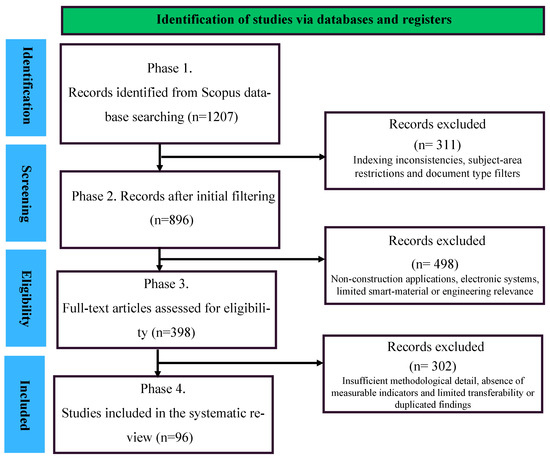
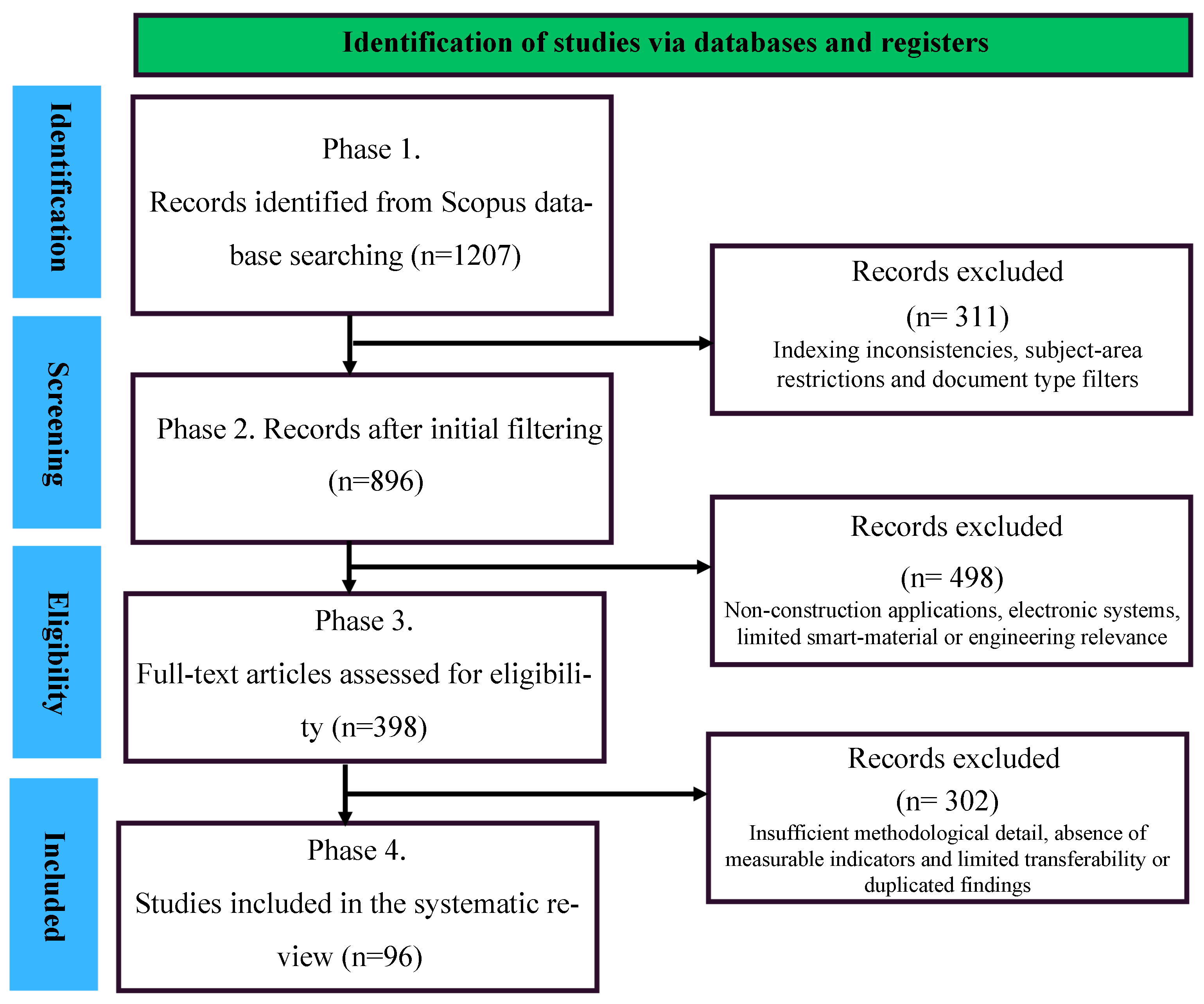
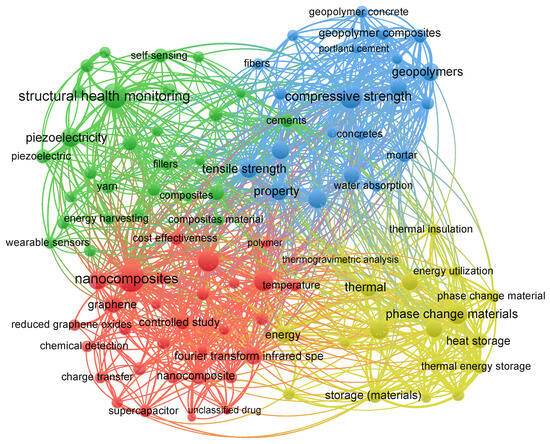
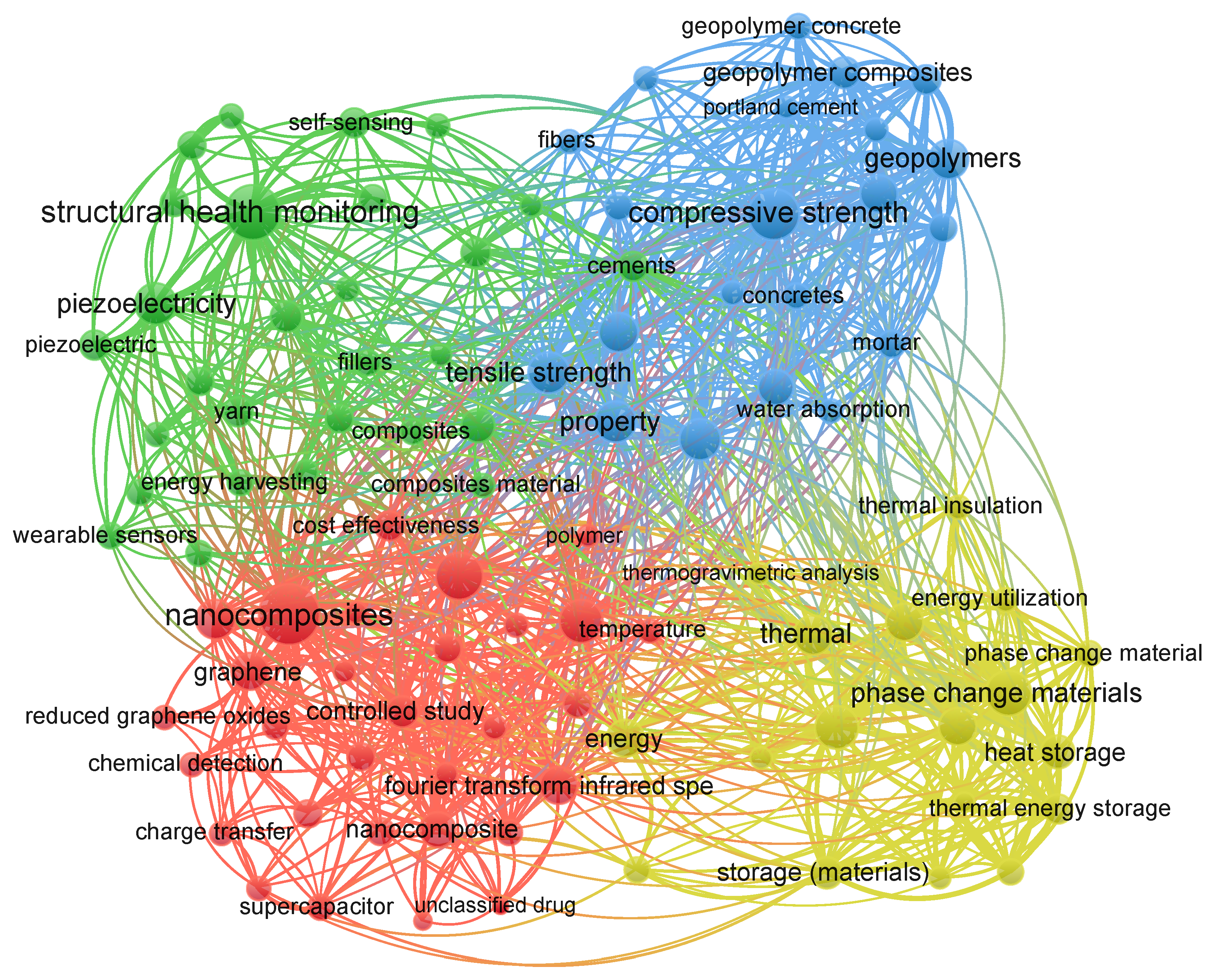
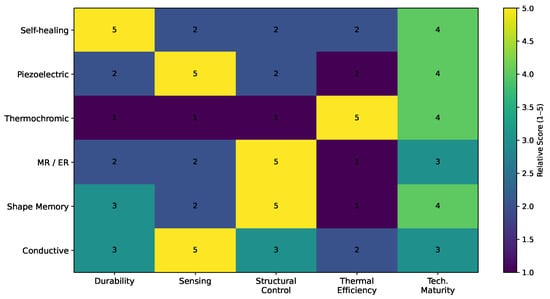
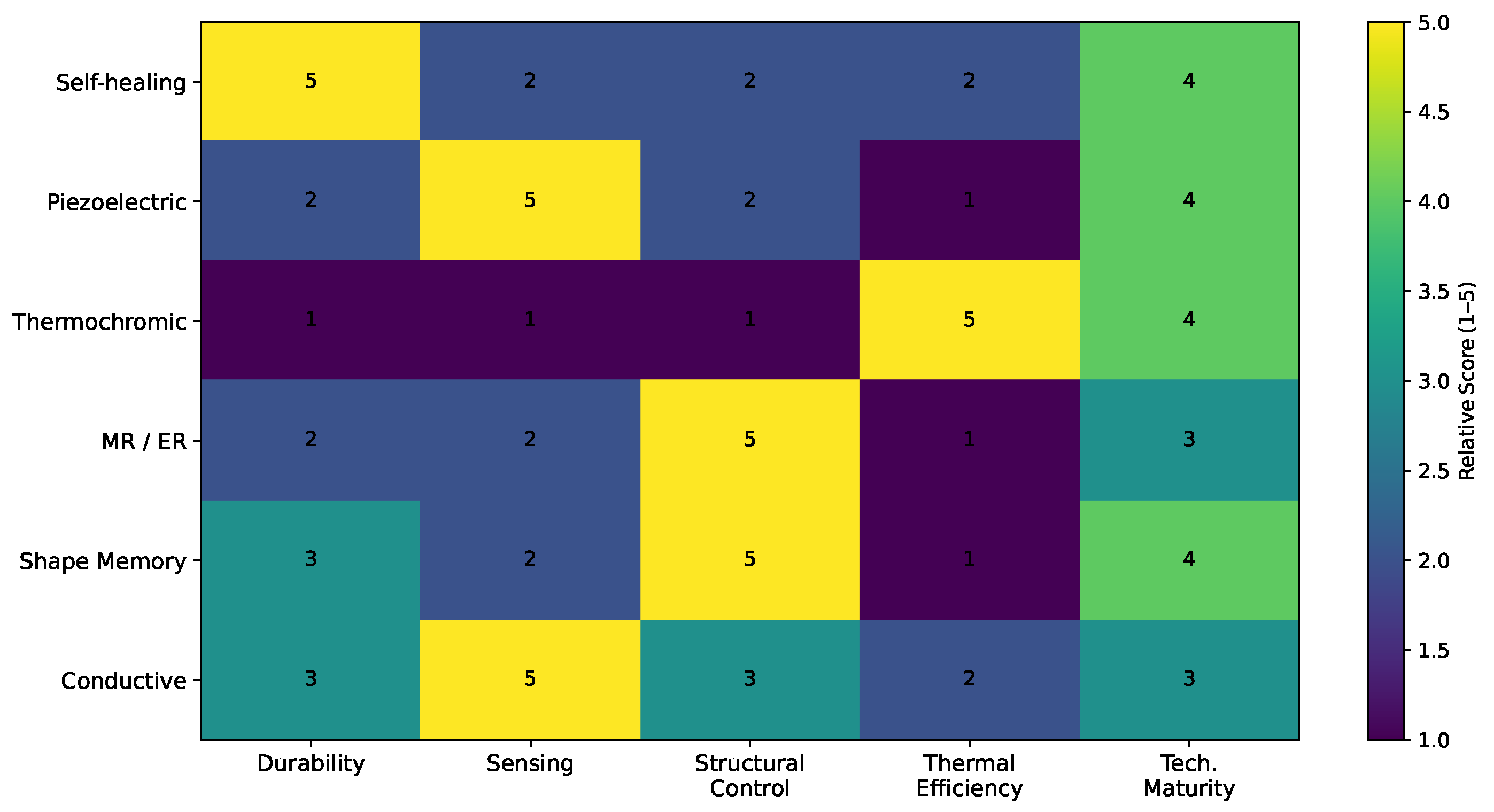
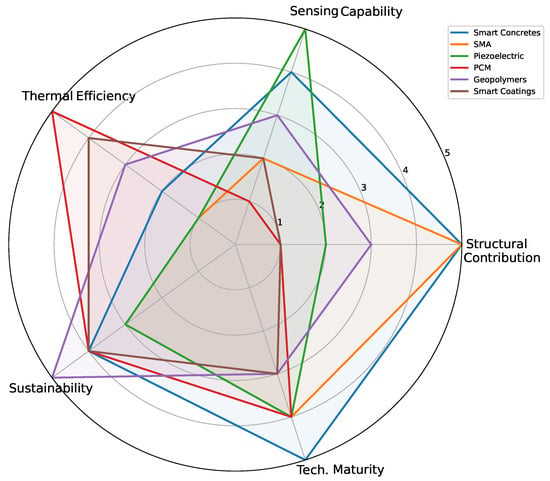
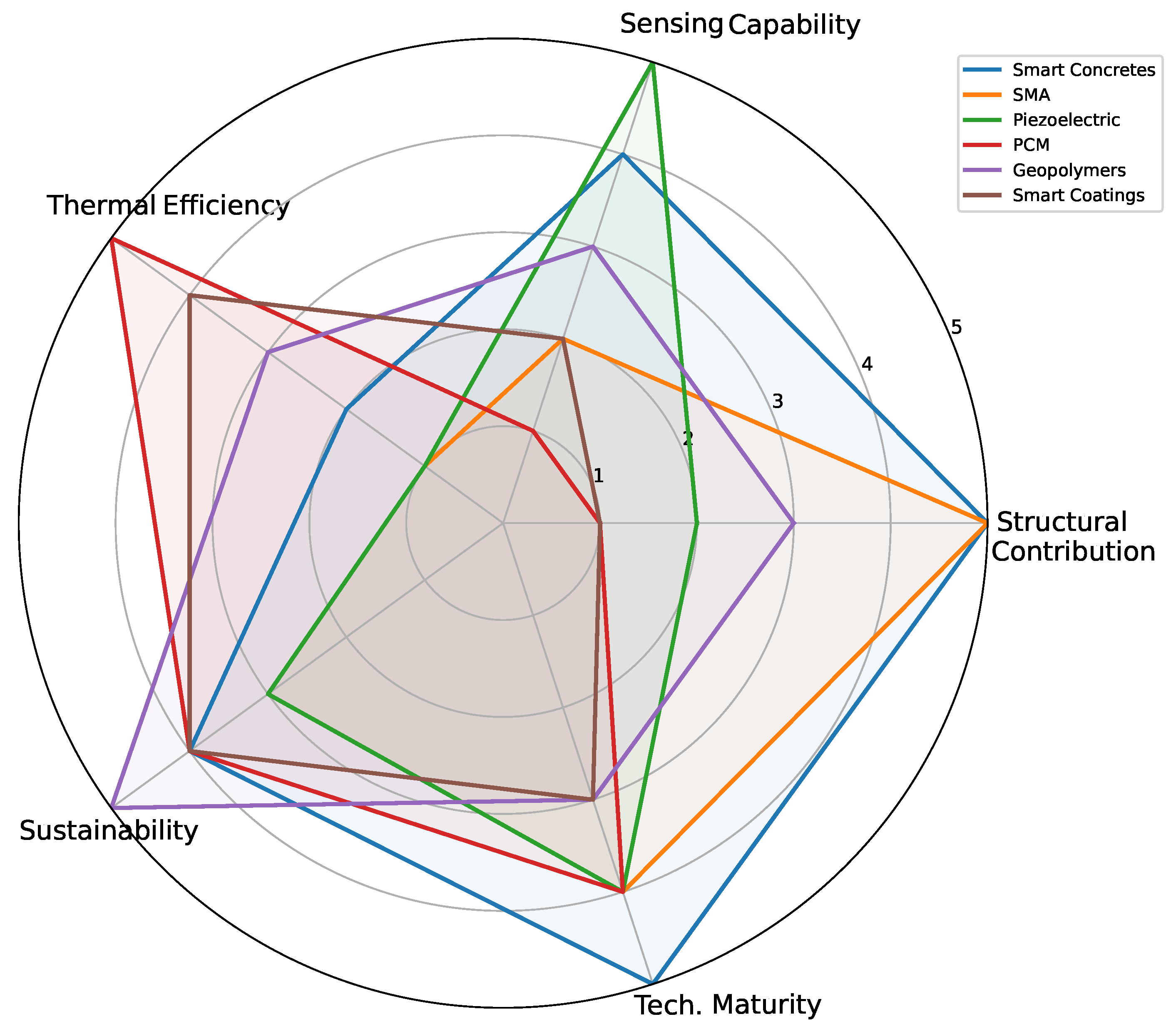
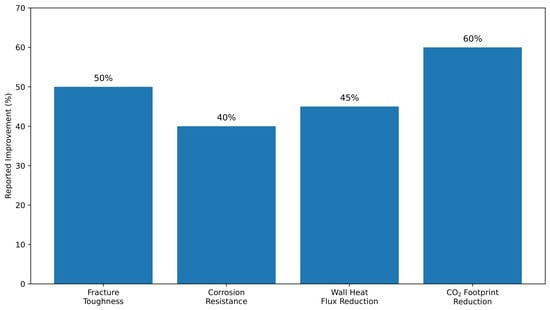
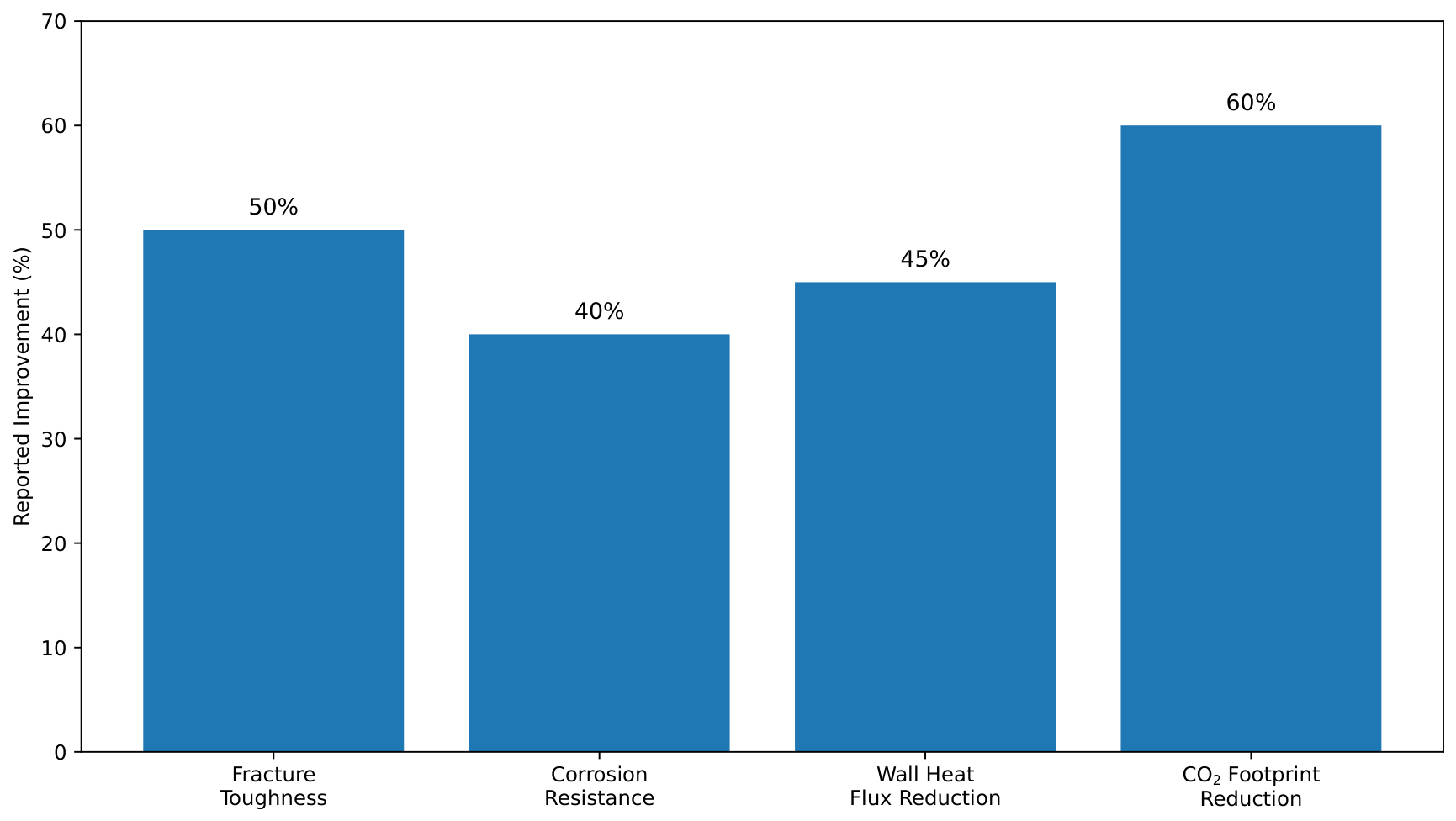
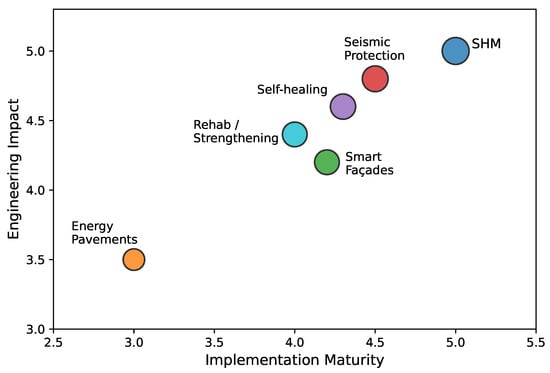
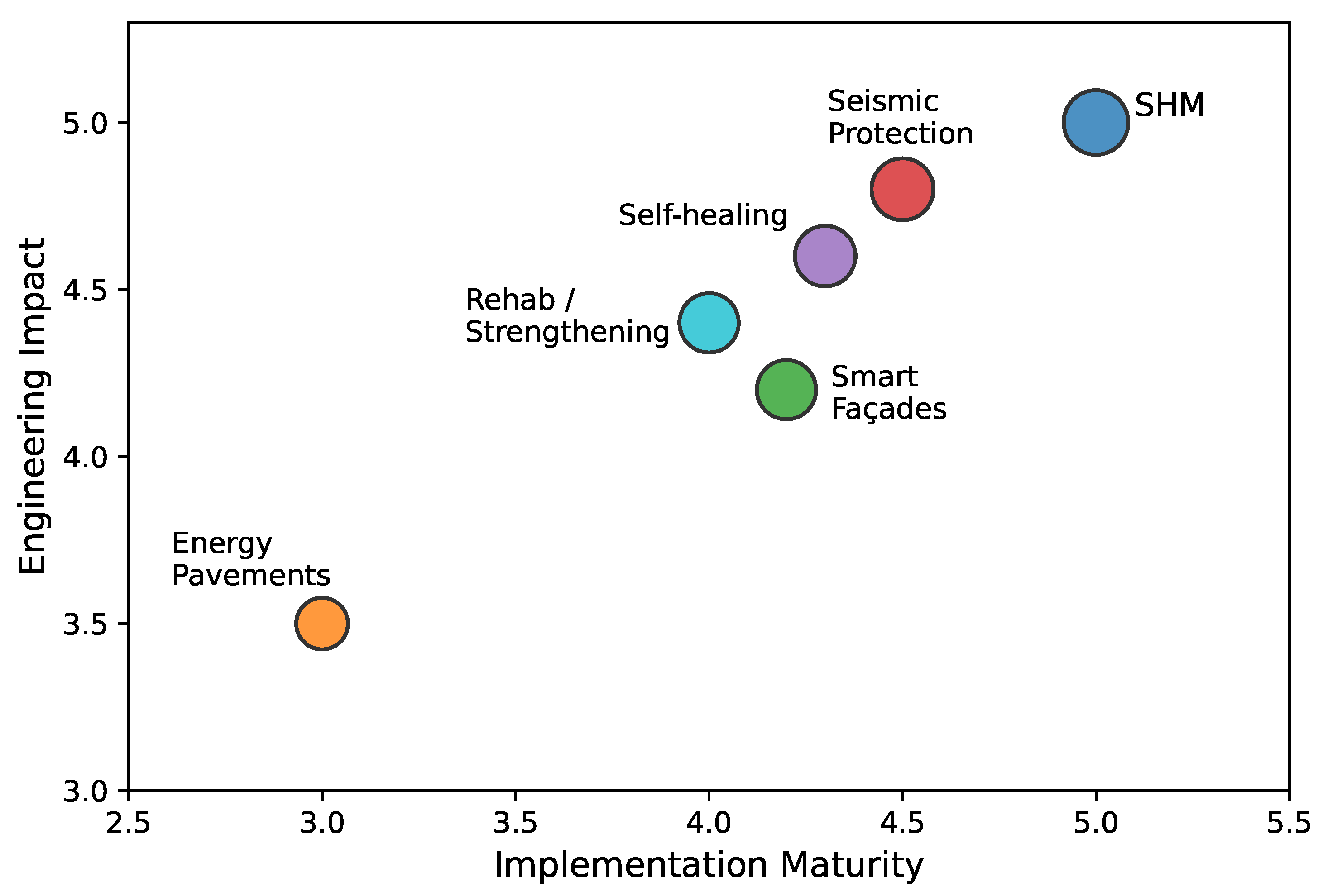
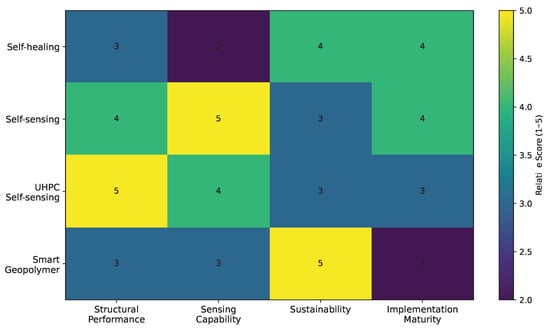
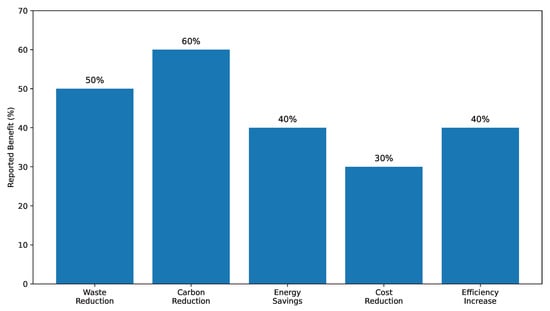
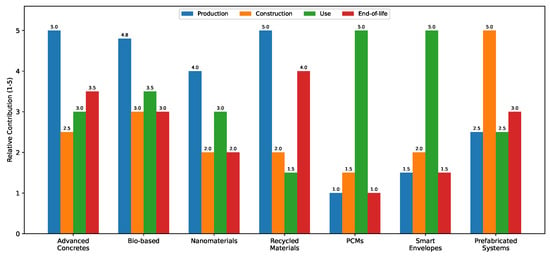
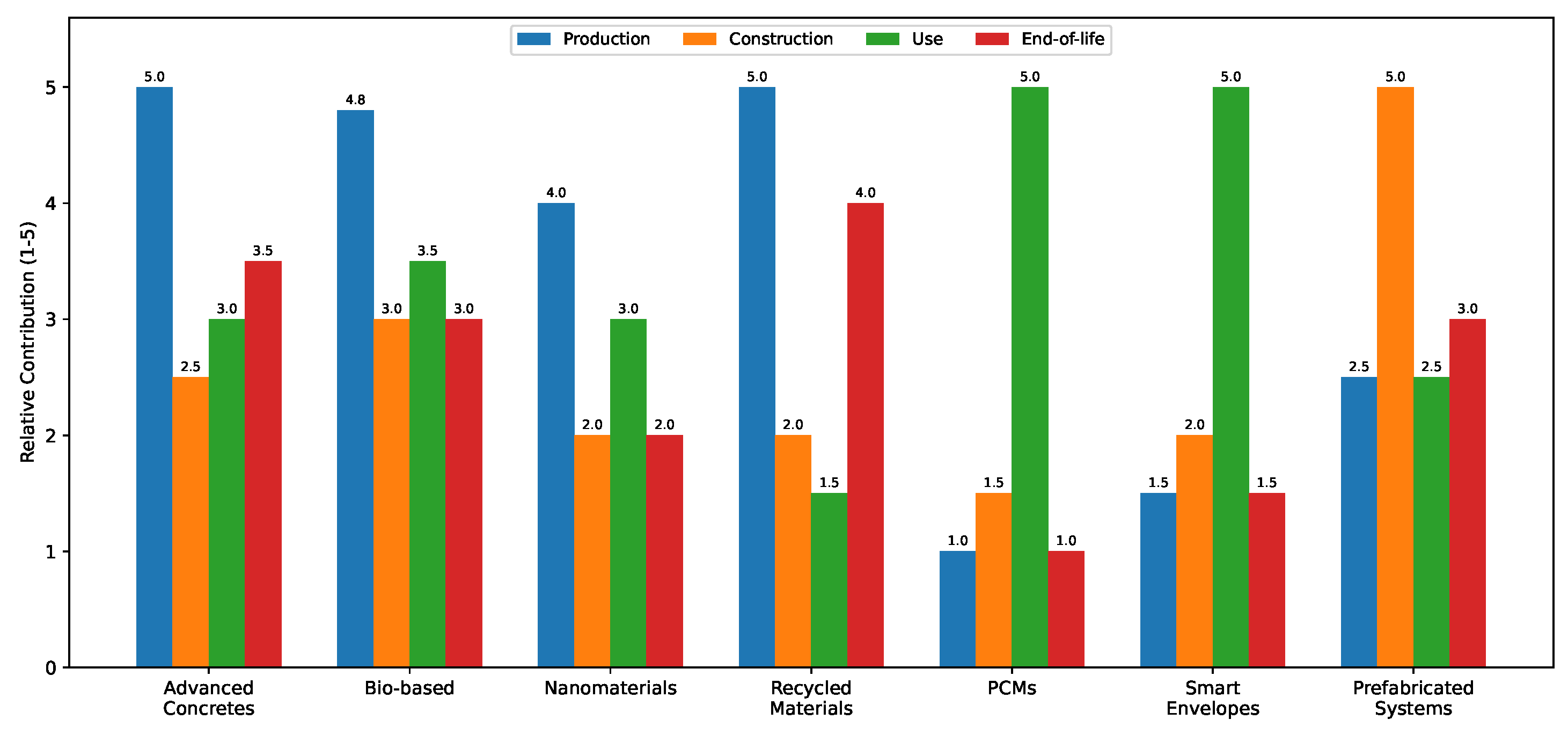
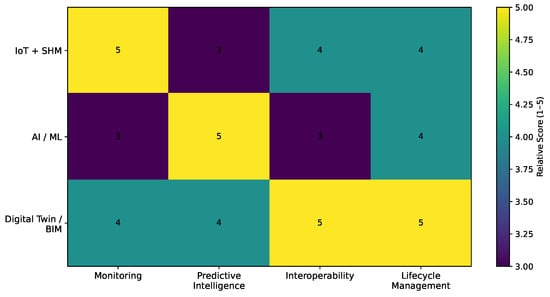
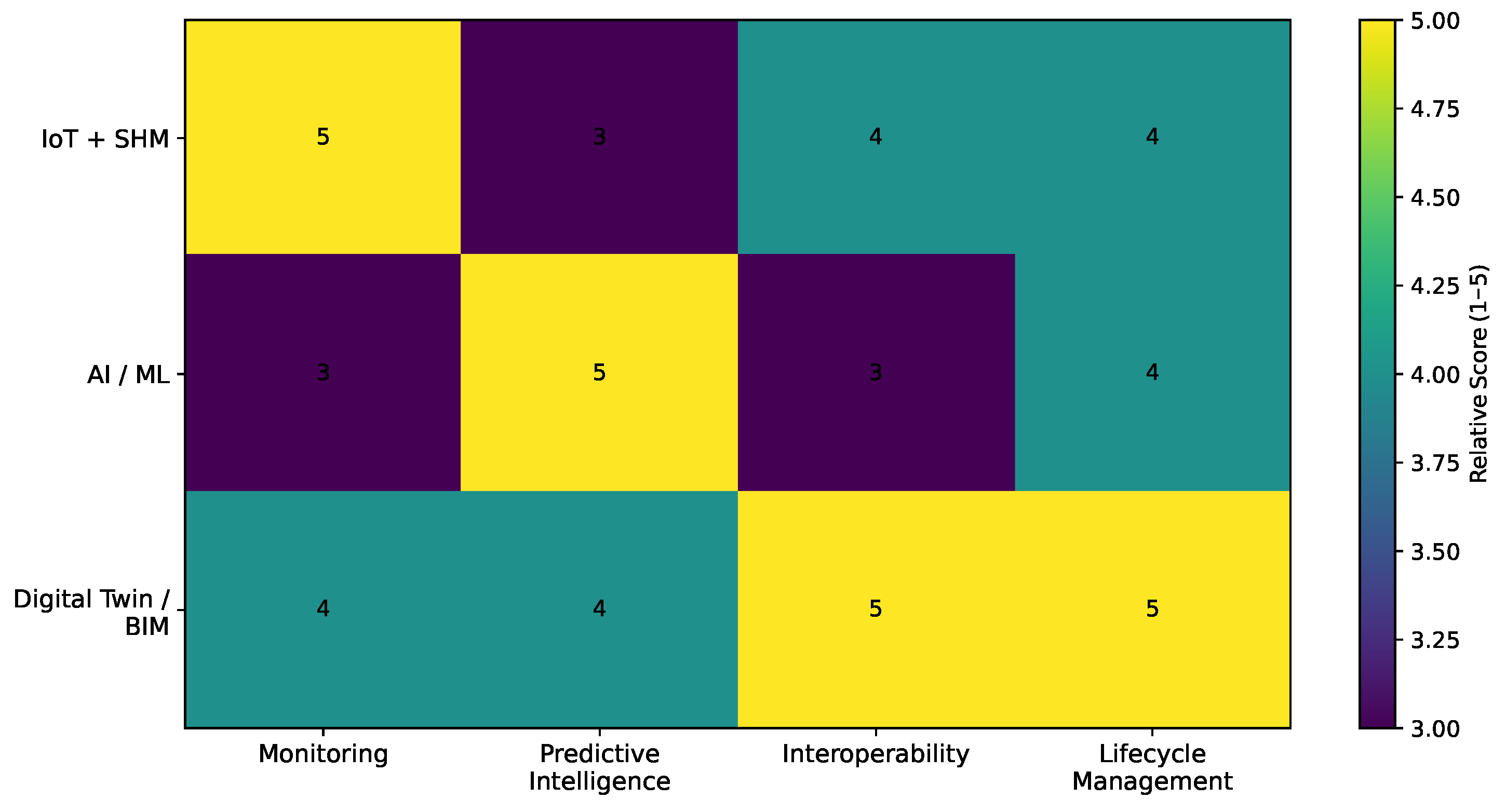
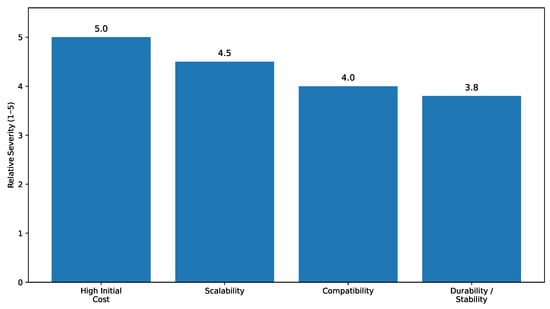
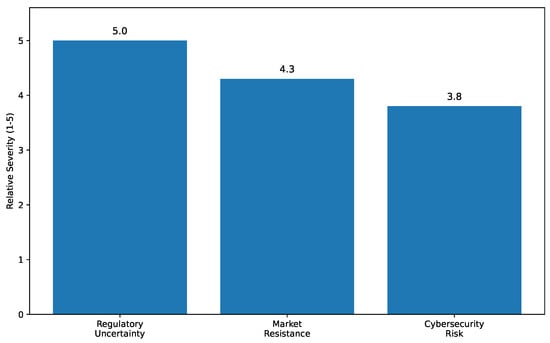
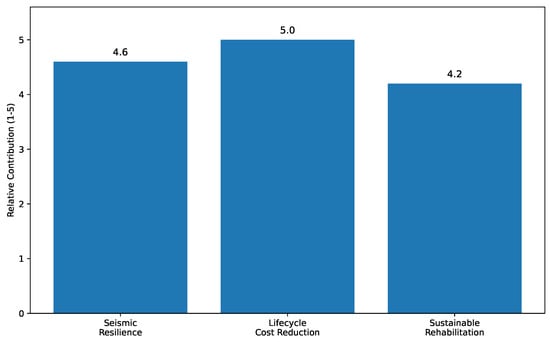
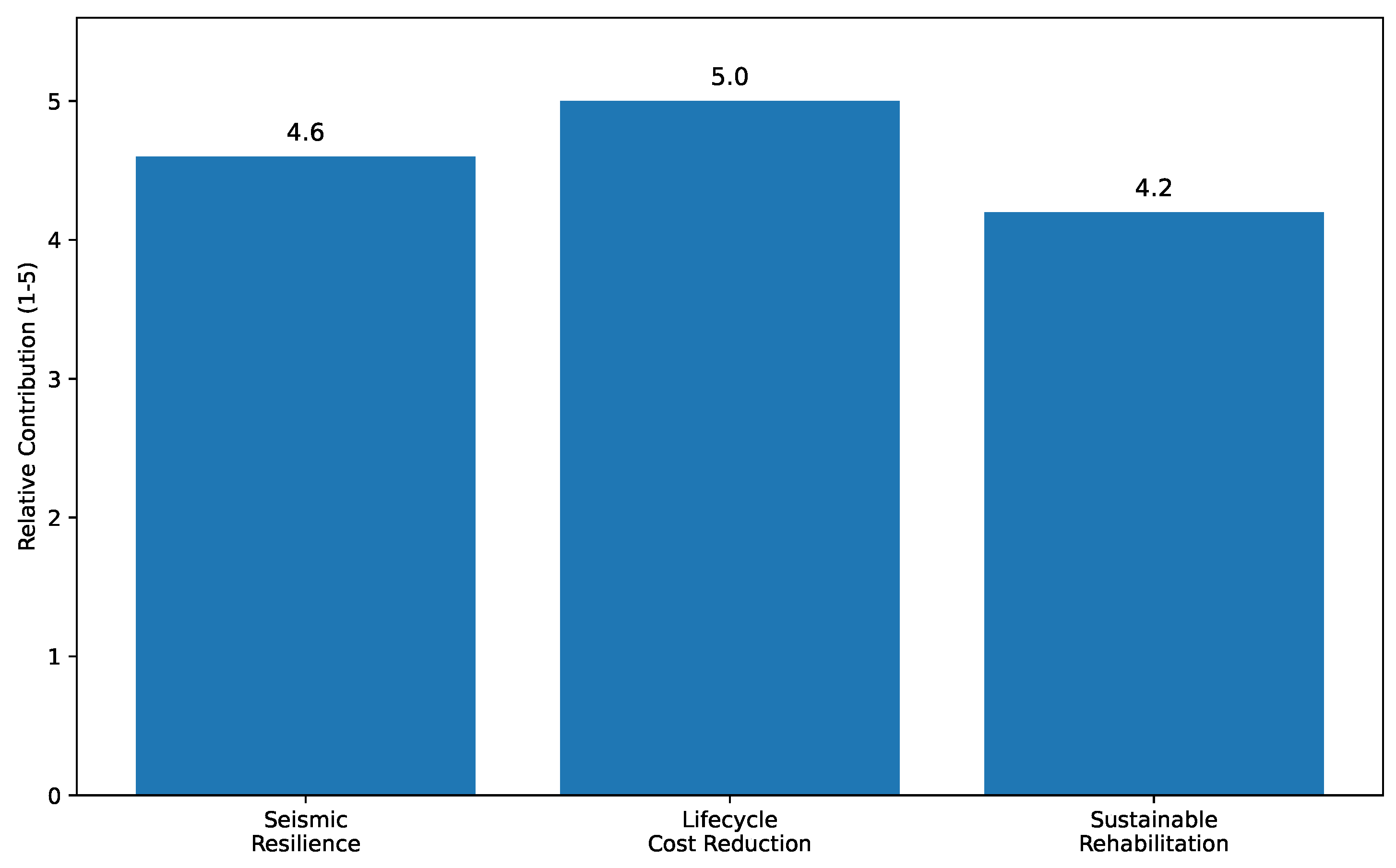
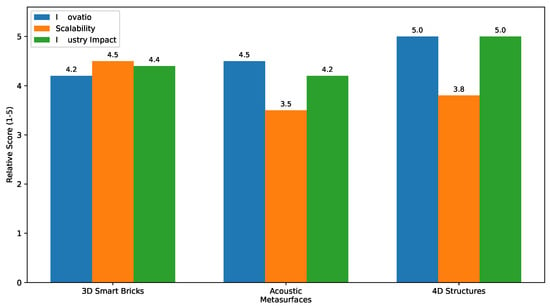
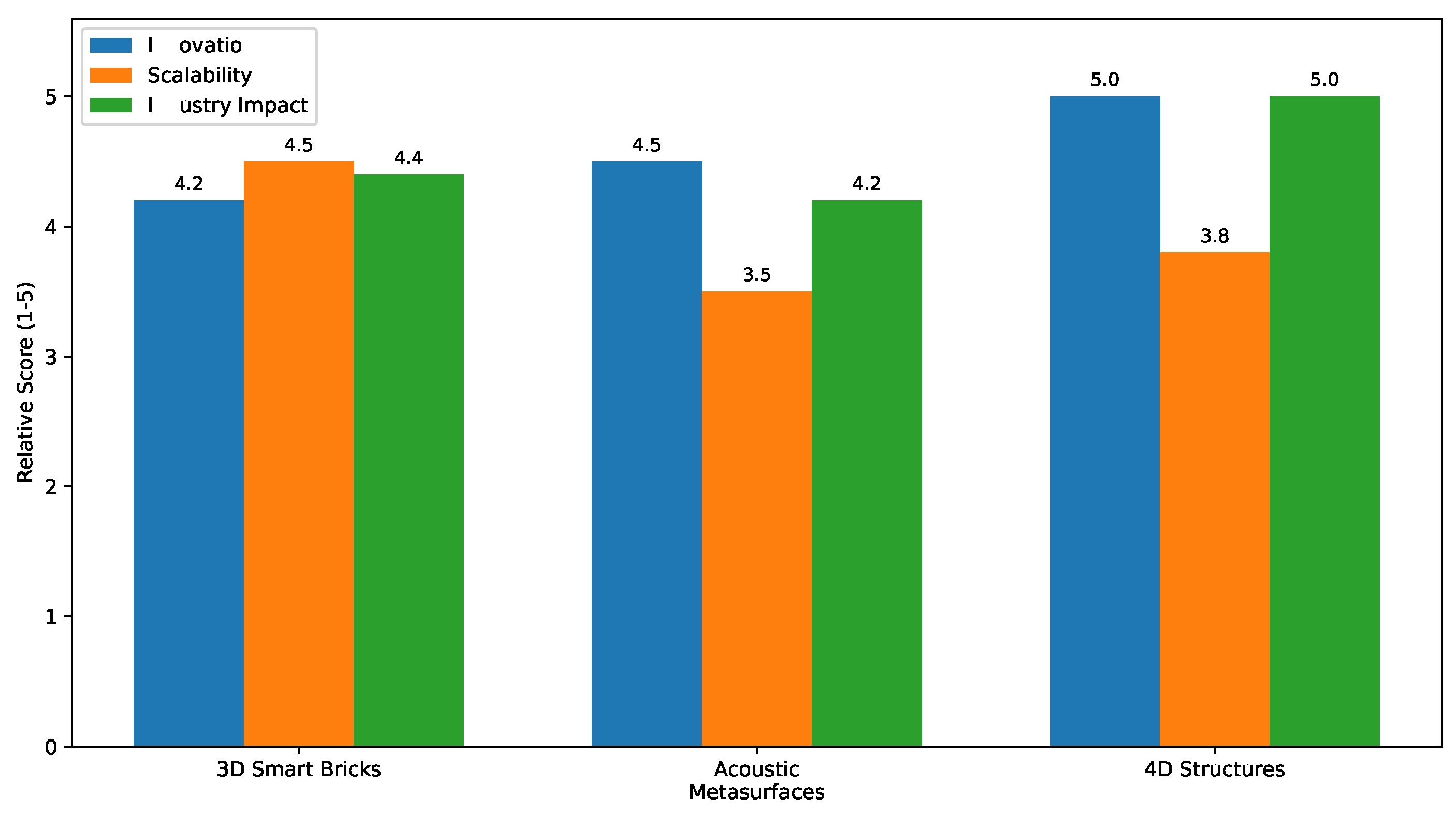
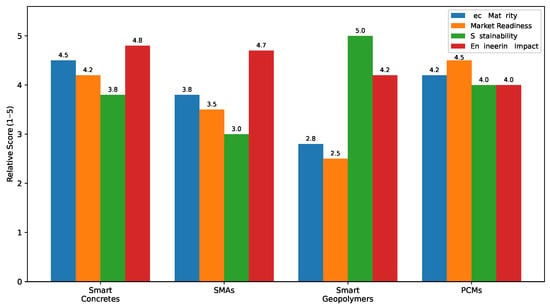
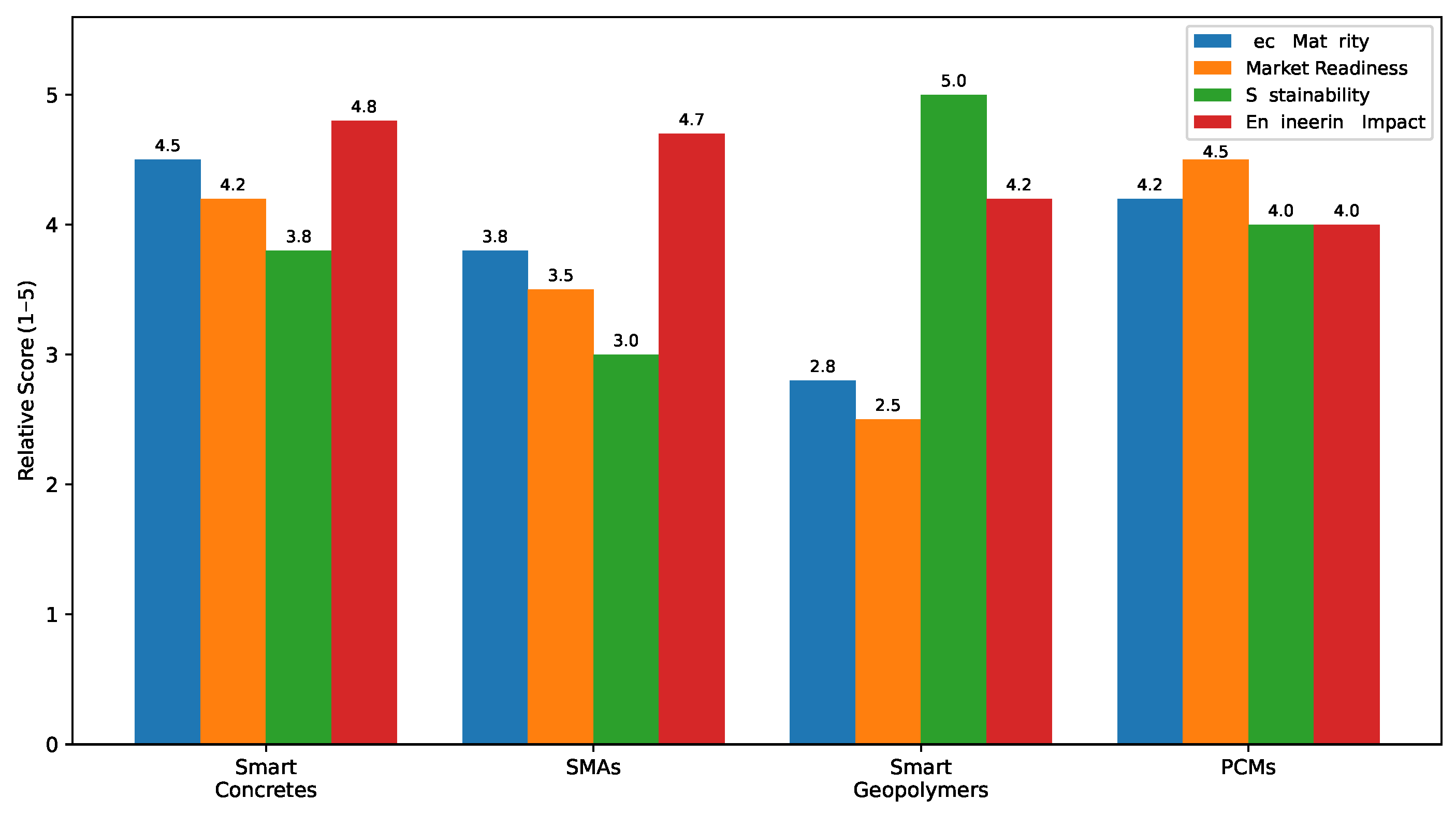
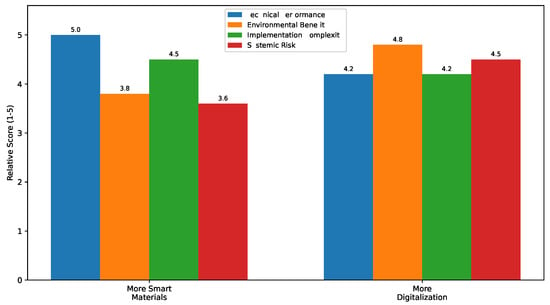
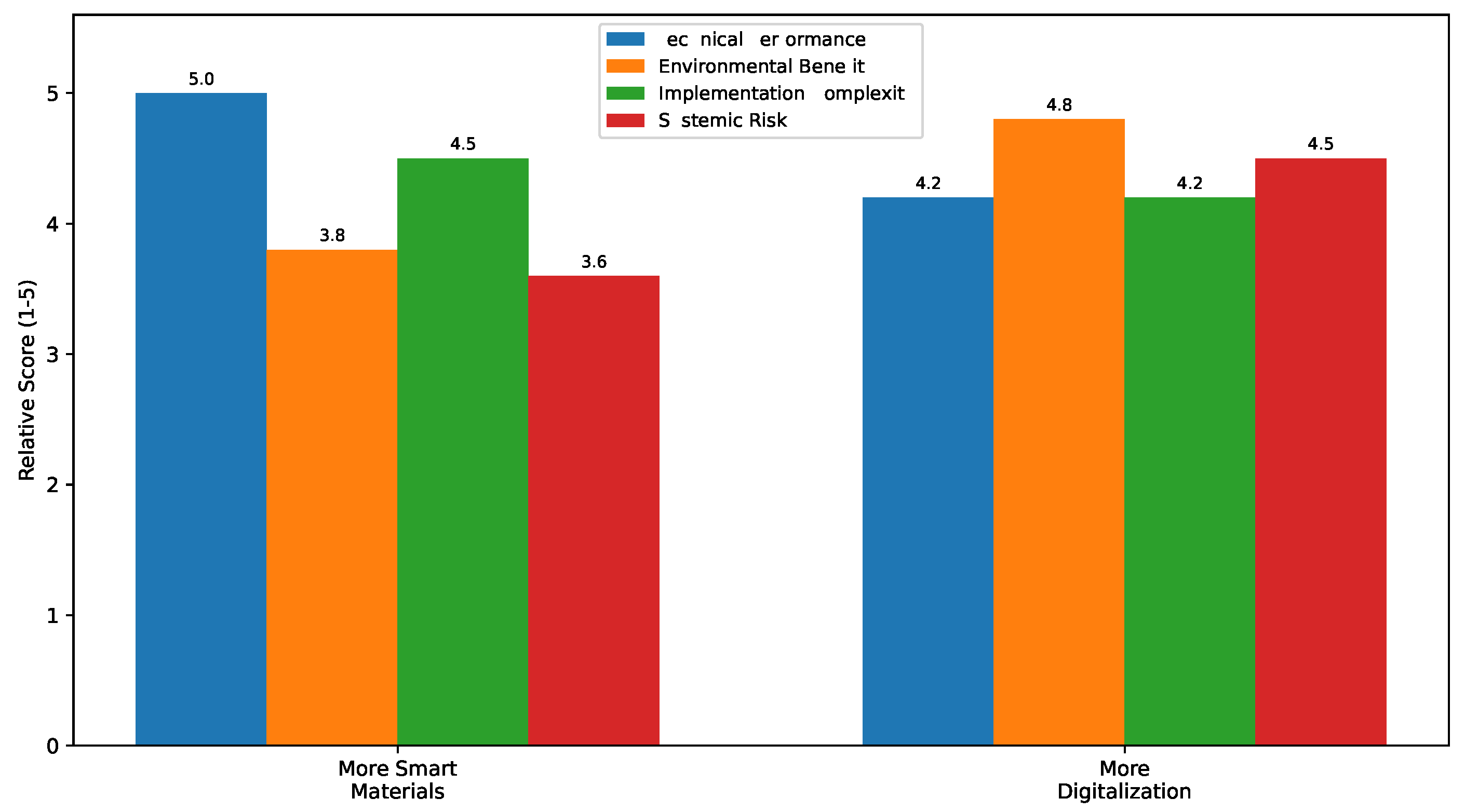
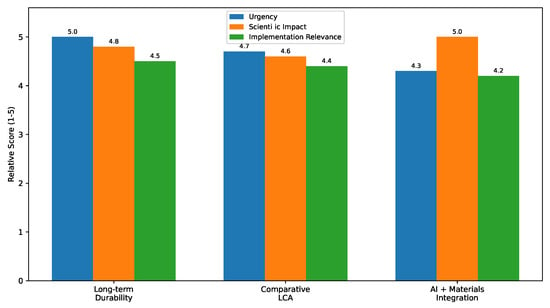
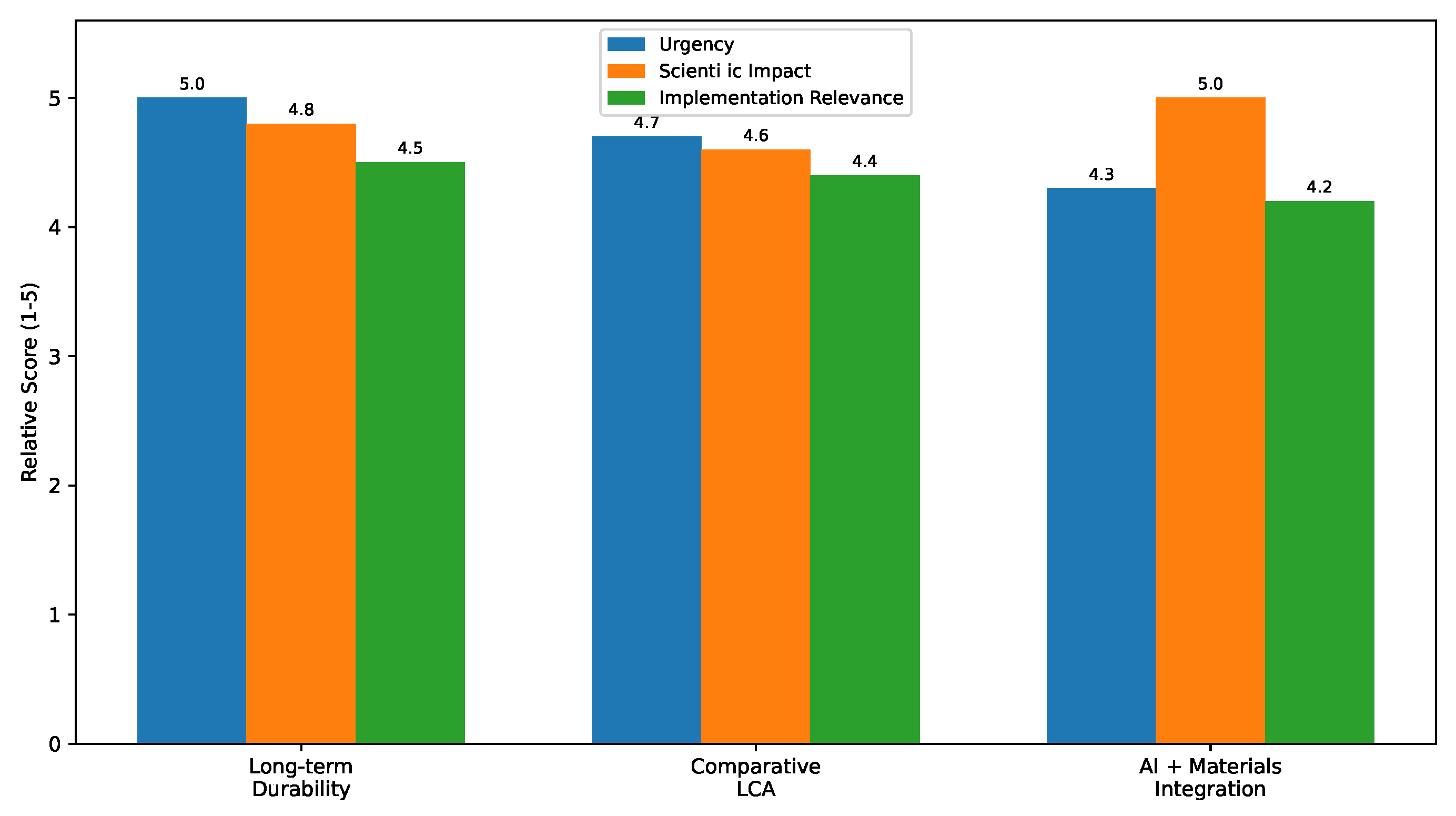
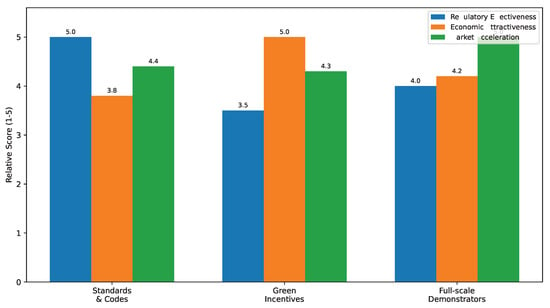
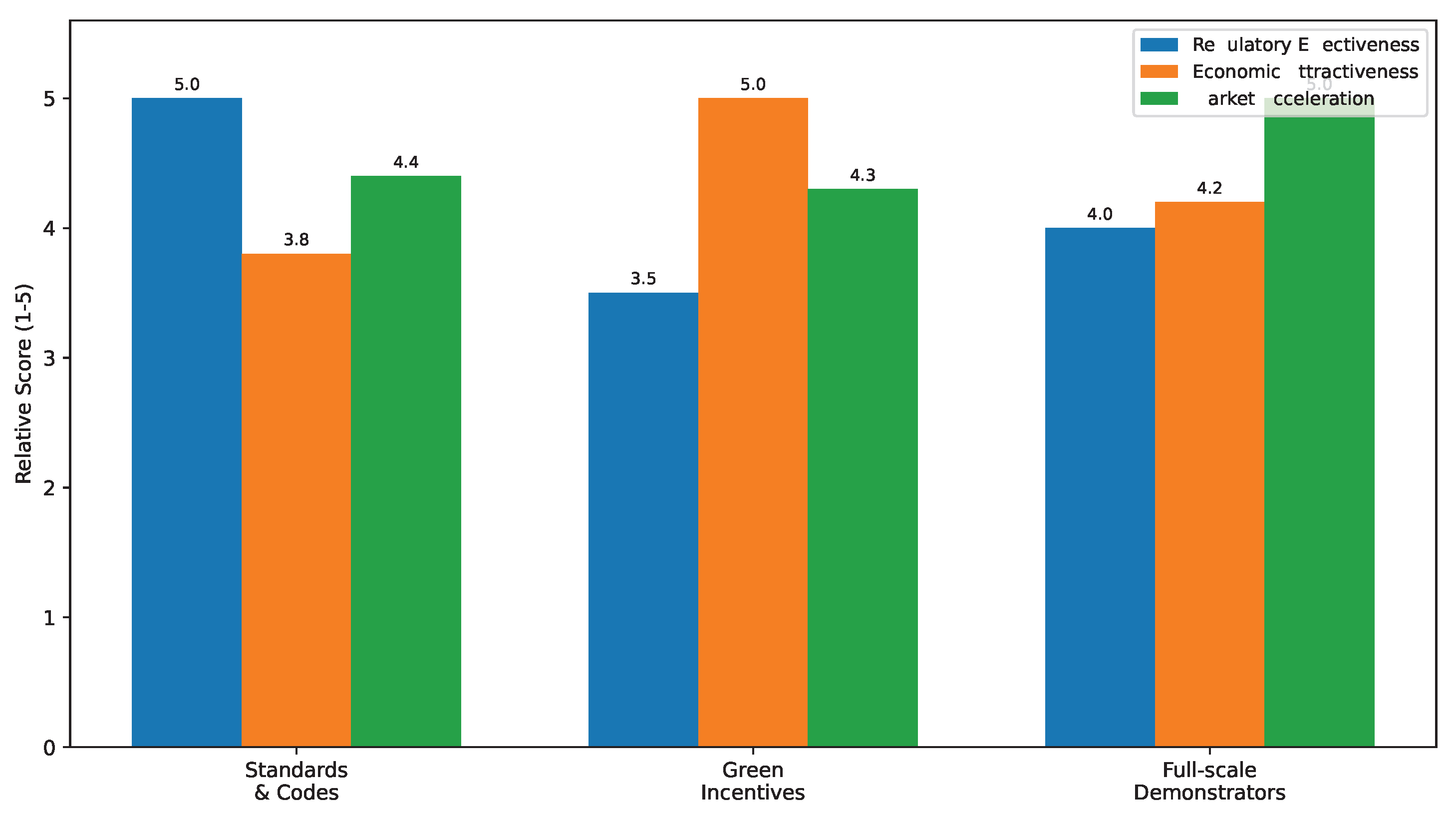

Disclaimer/Publisher’s Note: The statements, opinions and data contained in all publications are solely those of the individual author(s) and contributor(s) and not of MDPI and/or the editor(s). MDPI and/or the editor(s) disclaim responsibility for any injury to people or property resulting from any ideas, methods, instructions or products referred to in the content. |
© 2026 by the authors. Licensee MDPI, Basel, Switzerland. This article is an open access article distributed under the terms and conditions of the Creative Commons Attribution (CC BY) license.