


Abstract
This study evaluates the quality and dynamics of the renewable energy transition in Poland’s electricity sector during the years 2010–2023 through an integrated Fuzzy Time Series (FTS) and Fuzzy Multi-Criteria Evaluation (FMCE) methodology. The evaluation is based on five production-related criteria: the production of renewable electricity, the capacity of installed renewable energy sources, investment costs, innovation costs, and total electricity production. Contrary to trend projection and elasticity ratio methods, the new approach determines qualitative transition states (Low, Medium, High) and their transitions over time in the presence of non-linearities and partial progress. The outcome shows a protracted pre-transformational period from 2010 to 2014, with features of perpetual Low → Low transitions and high system inertia. The first qualitatively detectable transition takes place in 2015, where the renewable electricity output regime shifts from Low to Medium, symbolizing the beginning of the moderate transition phase. The Medium regime continues until 2021, with little innovation expenditure, signifying a consolidation rather than acceleration phase. The most significant transition regime shift takes place in 2022, where the system advances from Medium to High, fueled by the cumulative growth of renewable electricity output, capacity, and total electricity production. The High regime is maintained in 2023, indicating a systemic rather than a temporary transition. The results show that the transition of Poland towards renewable energy sources has been following a non-linear and regime-dependent path, with turning points marking observable qualitative state transitions rather than the beginning of trends. The FTS-FMCE approach is a powerful method for separating growth from transformation, and it has been shown to be useful for coal-dependent economies that experience a delayed but accelerating energy transition.
1. Introduction
The transition to renewable energy has become one of the most urgent global imperatives of the 21st century. In the face of escalating threats associated with climate change, the necessity of shifting toward more sustainable and environmentally friendly energy sources has become a global priority. One of the key elements of this transformation is increasing the share of renewable energy sources (RESs), such as wind, solar, geothermal, and hydropower, as well as all forms of bioenergy, including biogas and biomethane. The energy transition represents a major challenge not only for public authorities (national governments worldwide), but also for enterprises across numerous industrial sectors, as well as for households and consumers in many markets.
Poland’s transition toward renewable energy (RESs—renewable energy sources) constitutes a broad, multi-layered shift from a coal-dominated energy system toward cleaner energy technologies, driven largely by European Union policies such as Fit for 55 [1] and the European Green Deal [2]. This process requires massive investment—estimated at approximately 1.6 trillion PLN by 2040—alongside grid modernization and the rapid expansion of solar and wind power [3,4].
In the newest European directive, RED III [5], which constitutes a revision of the Renewable Energy Directive and was adopted in October 2023, a target of 42.5% of energy supply (gross final energy consumption) from renewable energy sources (RESs) by 2030 was established for the EU. In 2024, the share of renewable energy sources in electricity production in Poland reached 29.6%, exceeding 40% during peak months, while in the structure of installed capacity, renewables already accounted for approximately 49.4% in 2025, with photovoltaic energy dominating (around 65% of RES capacity) [6]. The energy transition in Poland has accelerated in recent years.
The objective of this study is to assess the quality and dynamics of Poland’s renewable energy transition in the electricity production system between 2010 and 2023, using an integrated Fuzzy Time Series (FTS) and Fuzzy Multi-Criteria Evaluation (FMCE) framework. The analysis focuses on production-side indicators, including renewable electricity generation, installed renewable capacity, investment expenditure, innovation expenditure, and total electricity production, in order to identify qualitative transition regimes, turning points, and structural phases of the energy transition process. The study does not aim to model final energy consumption patterns, but rather to evaluate the system-level evolution of the electricity supply structure and its transition quality over time.
As researchers, we aim to present a model of the transformation that has taken place. Our paper presents empirical evidence and normative insights that can inform policies supporting collective, innovation-driven approaches essential for advancing the energy transition in coal-dependent economies such as Poland.
In this paper, we have formulated the following research questions (RQs):
- RQ1—To what extent was Poland’s energy transition policy effective between 2010 and 2023 when evaluated through five key criteria—renewable electricity generation, installed capacity, investment expenditure, innovation expenditure, and total energy production?
- RQ2—What qualitative change patterns, state transitions (Low–Medium–High), and turning points in the development of Poland’s renewable energy system can be identified for the years 2010–2023?
Although numerous studies have been published to evaluate energy transitions using econometric models, composite indicators, and monitoring dashboards, a number of limitations in these studies remain under addressed in the existing literature. Firstly, most of these studies have used growth rates or elasticity-based effect estimates but have not provided a regime classification that allows pre-transformational, intermediate, or high-intensity phases of energy transition to be distinguished. Secondly, multi-criteria evaluations have been based on crisp weighting and aggregation techniques, which do not adequately address impreciseness, threshold effects, or partial progress often associated with energy transition policies. Thirdly, although Poland’s energy transition has been a major point of discussion in the literature, integrated system evaluations of Poland’s energy system during the period between 2010 and 2023, taking into account all aspects such as production, capacity, investment, innovation, and overall energy output, have remained understudied.
To address the above-mentioned information gaps, the current study uses Fuzzy Time Series (FTS) analysis alongside Fuzzy Multi-Criteria Evaluation (FMCE) to model the temporal patterns of renewable energy adoption while simultaneously taking into account the overall level of maturity of the energy system. This will help us identify the turning points that are not easily discernible by using conventional econometric techniques or even conventional descriptive techniques that involve the use of indicators.
The main contributions of the paper are as follows:
- Dataset and scope: construction of a transparent, production-side dataset for Poland covering 2010–2023, integrating renewable electricity generation, installed capacity, investment expenditure, innovation expenditure, and total energy production.
- Reproducible analytical pipeline: a clearly specified FMCE–FTS framework, including normalization, fuzzy membership functions, weighting logic, and sensitivity analysis, enabling replication and extension to other countries or periods.
- Regime and turning-point identification: explicit classification of the energy transition into Low, Medium, and High qualitative regimes, and identification of structural turning points that go beyond trend-based interpretations.
- Policy-relevant interpretation boundaries: clarification of what constitutes system-level transition maturity versus isolated quantitative growth, supporting more cautious and analytically grounded policy conclusions.
2. Background of Analysis
In the scientific literature, the energy transition encompasses multiple research areas. One of these concerns innovation within the ongoing energy transition. The development of renewable energy source (RES) technologies supports innovativeness, contributes to the creation of new jobs (e.g., “green jobs”) [7,8,9,10], and strengthens local communities [11]. Innovations relate, among others, to the modernization of existing energy infrastructure, the development of transmission and distribution networks [12], investments in energy storage systems [13,14], and intelligent management systems [15].
Innovativeness in ET is closely linked to techno-economic aspects and energy efficiency. This research area focuses on production efficiency [16,17], investment attraction [18], shifts in energy mixes (renewables versus fossil fuels) [19], and the development of new energy technologies (e.g., building archetypes, waste-to-energy solutions) [20,21].
The impact of investments on improving energy efficiency is particularly significant in highly energy-intensive sectors, such as the steel industry, the oil industry, and the chemical industry. The positive effect of investments (capital expenditures) on improving the energy efficiency of steel producers has been confirmed by Wolniak et al. (2020) [22] and Gajdzik et al. (2021) [23]. The importance of energy efficiency in the oil and gas industry is discussed, for example, in publication [24], while energy efficiency in the chemical industry is addressed, among others, in paper [25].
Improving energy and thermal efficiency also applies to households [26,27]. Energy efficiency plays a key role in enhancing living standards worldwide by ensuring reliable and affordable access to energy, supporting economic growth, accelerating the transition to clean energy, maintaining energy security, and reducing carbon dioxide emissions (decarbonization).
The decarbonization of economies and industries requires a shift from high-emission production technologies to low-emission ones, implying a radical reduction in CO2 emissions. The topic of decarbonization, similarly to that of the energy transition, is addressed in scientific publications both as a major challenge for economies [28] and for industries, particularly those based on high-emission technologies, such as BF–BOF in the steel industry [29,30,31,32], coal-based power generation technologies [33], mining [34,35], and many other industrial sectors.
The energy transition constitutes a set of policies and actions, ranging from governmental levels worldwide to initiatives undertaken by enterprises and individuals. Within the area of Climate Policy and Governance, policies (e.g., decarbonization, climate mitigation) shape national strategies, often grouping countries with similar political and economic structures. At regional and national levels participating in the energy transition, analyses are conducted that enable the categorization of nations based on their energy profiles (renewables, fossil fuels, emissions, foreign direct investment), revealing distinct challenges and opportunities [35,36,37,38,39].
Numerous actors participate in the ongoing energy transition. Researchers examine the role of collective actors, such as industrial and energy clusters, in driving sustainable development, integration, access to resources, and education [40]. In implemented projects of key importance for climate policy, the strengthening of public–private partnerships during the energy transition is emphasized [41,42,43]. Within the ongoing transformation, issues related to the energy security of economies are also highlighted [44,45].
The energy transition represents an opportunity for economic development. At its core, ET entails benefits associated with the reduction of greenhouse gas emissions at the global scale [46,47]. As the energy transition progresses, the structure of energy markets is changing (eco-innovation) [48] and positive trends are seen in RESs [49]. At the local level, attention is drawn to the benefits resulting from the development of prosumers [50,51,52], including energy cooperatives [53,54]. In the context of the energy transition, households face challenges related to individual heating systems and local construction initiatives, such as thermal modernization aimed at achieving energy standards [55,56,57]. The outcomes of ET are presented as good practices implemented by various entities and reflected in the solutions (innovations) they apply. These good practices, both at the global and local levels, are grounded in sustainability principles, demonstrating outcomes that contribute to the green transition, as well as to low-carbon and circular economies [58,59]. The ongoing energy transition is also portrayed by scholars as a set of linkages between practices and strategies and the achievement of the Sustainable Development Goals (SDGs) [60,61,62].
Poland, as a member of the European Union (Poland has been a member of the EU for over 20 years), is implementing its climate targets. However, there is increasing pressure in Poland to accelerate the energy transition due to the high share of coal in the energy mix (October 2025: hard coal 42.20% and lignite 18.29%; December 2024: hard coal 39.6%, lignite 20.9%) [3]. Poland is moving away from hard coal too slowly compared to other EU countries. For comparison, according to data presented by the Polish Economic Institute in 2021, the average CO2 emission intensity per kilowatt-hour in the European Union was approximately 230 gCO2eq/kWh, while in Poland this value was approximately 700 gCO2eq/kWh [63]. The structure of energy consumption in Poland remains heavily dependent on fossil fuels but in the ongoing transformation, hard coal and lignite will no longer be mined in Poland for energy purposes [63].
The energy transition in Poland is progressing unevenly, in a non-linear and discontinuous manner, which hampers the effective reduction of the economy’s carbon footprint. Poland accounts for approximately 8% of industrial CO2 emissions in the EU and, according to Eurostat data, ranked fourth among European economies in 2024 [64]. Rising emission costs, which averaged around EUR 68–73 per ton in 2024, are directly reflected in electricity prices. Currently, the average electricity price for micro, small, and medium-sized enterprises in Poland is approximately PLN 693/MWh net (around EUR 147/MWh), placing Poland above the EU average. However, when purchasing power parity is taken into account, the situation appears less favorable, as for Polish entrepreneurs, electricity is among the most expensive in Europe [65].
The current dependence on fossil fuels in Poland constitutes both an environmental and an economic burden that is already being experienced by society, particularly in the form of energy poverty [66,67], as well as by the economy, through barriers to energy transformation in specific industries and energy sectors [39,68,69,70]. The decarbonization of European industries, including those in Poland, faces substantial obstacles, such as high costs (capital expenditures for new technologies and ETS-related costs), technological gaps (e.g., carbon capture and storage, hydrogen readiness), infrastructure deficits (renewable energy infrastructure and CO2 storage), global competition, and the risk of carbon leakage, as well as regulatory uncertainty. These challenges are particularly pronounced in hard-to-abate sectors such as steel and mining, which require massive investment in novel solutions beyond electrification [35,68].
The experiences of other countries demonstrate that investments in green energy can deliver significant benefits in the form of lower energy prices, reduced emissions, and enhanced economic competitiveness [71]. Poland also has an opportunity to develop a modern energy system based on renewable energy sources and energy cooperation mechanisms, such as energy cooperatives [54]. Naturally, this process requires support through environmental taxes and public policies that stimulate investments in renewable energy sources in EU countries [71,72].
The key strategic document in Poland outlining the directions of the ongoing energy transition is PEP2040: Poland’s Energy Policy until 2040 [4]. According to PEP2040, coal mines that have so far been the key suppliers of fuel to power plants and district heating systems will be phased out in Poland by 2049. In 2023, the combined share of hard coal and lignite in the Polish energy mix amounted to 60% [4]. The PEP2040 document, as an extension of this strategy, also states that Poland will launch nuclear energy generation by 2033; at present, there is no nuclear power plant operating in Poland [4]. Table 1 presents the structure of sources in total energy production in Poland. Based on the analyzed data (Table 1), two trends can be identified in the energy sector in Poland: the growing share of RES in energy production and a high share of coal (hard coal and lignite) in energy production (Figure 1). Large coal-fired power plants in Poland generated over 50 TWh of electricity in 2023, which represents over 30% of national production, and lignite-fired power plants generated over 34 TWh of electricity in 2023, which constitutes almost 21% of national production [73].
Table 1.
The structure of sources [%] in energy production in Poland.
Figure 1.
Trends in RES and coal: share in energy production (electricity) in Poland. Source: Own elaboration based on [75].
Poland’s energy transition, in line with Agenda 2030, is part of the implementation of Sustainable Development Goals 7 and 13. The government document PEP2040 assumes that renewable energy will account for over 50% of the energy mix by 2030, which will reduce the share of coal to below 28%. The main investments include 9.3 GW of solar energy, 5.3 GW of onshore wind energy, and 5.9 GW of offshore wind energy, with the aim of achieving 64 GW of renewable capacity and increasing energy storage in the grid. Sectoral targets: 18.9% share of renewable energy in transport and 36.7% in heating/cooling by 2030 [4].
In parallel with the energy transition, decarbonization, i.e., the transition away from coal (PEP 2040), is envisaged [4]. Decarbonization is expected to reduce coal generation capacity by 8.4 GW, while strengthening energy security. By 2049, mines in Poland will be closed [4].
Poland’s Energy Policy until 2040 (PEP2040) and the National Energy and Climate Plan (KPEiK) [76] drive investment through EU funds and local support. In terms of infrastructure and innovation, the focus is on building 2.8 GW of energy storage facilities, modernizing the grid, implementing artificial intelligence (digital) solutions, and building nuclear power plants.
Poland’s problems in implementing all 17 Sustainable Development Goals (SDGs) are presented according to indicators assigned to each goal. The indicators are reported by GUS (Statistics Office in Poland). In addition, publications on this topic can also be found in scientific databases, e.g., Raszkowski and Bartniczak [77] conducted research on sustainable development indicators for the years 2010–2016. The results of the research showed that the implementation of the SDGs is satisfactory. For 57 of the 73 indicators analyzed, the direction of expected changes was positive, which means that the country remains on track for sustainable development. In the area of energy transition, the authors already noted a low share of energy from renewable sources at that time. As Hopwood et al. [78] emphasize, sustainable development needs long-term environmental sustainability to be successful, which requires a strong foundation in principles that combine many social and environmental issues with human equality.
The ongoing energy transition in Poland also requires consideration of social issues that manifest themselves in various forms of energy poverty. For many years, energy poverty was treated as a marginal problem in Poland. The first step towards defining this phenomenon was the introduction of the concept of vulnerable electricity and gas consumers into Polish law in 2013 under the Energy Law Act [79]. In 2022, as a result of an amendment to this act, a definition of a household affected by energy poverty was introduced. The energy problems of residents are exacerbated by outdated heating systems and poor insulation of buildings [80]. Buildings constructed before the 1970s often lack insulation, use outdated heating systems, and have inefficient windows, contributing to significant energy [80].
The energy transition must take place in stages in Poland to prevent the accumulation of difficulties, including the aforementioned energy poverty (according to various estimates, energy poverty in Poland affected between 3.35 and 3.5 million people (approximately 9% of the population) in 2017–2018 [81]. The individual stages refer to the perspective of evolutionary rather than revolutionary economics [82]. PEP 2040 [4] adopted the stages of change presented in Table 2. The document entitled PEP 2040 [4] adopted the following directions: Direction 1: Optimal use of own energy resources; Direction 2: Expansion of electricity generation and network infrastructure; Direction 3: Diversification of supplies and expansion of the natural gas, crude oil, and liquid fuel network infrastructure; Direction 4: Development of energy markets; Direction 5: Implementation of nuclear energy; Direction 6: Development of renewable energy sources; Direction 7: Development of district heating and cogeneration; Direction 8: Improvement of the energy efficiency of the economy. The transformation taking place in Poland is difficult because historically it has been based on coal (hard coal and lignite) as an energy source. Economic publications have emphasized the significance of this difficulty, explaining coal dominance via sunk costs and increasing returns [83]. For over several hundred years (the first mines in Poland date back to the 1650s [84], Poland has been burning coal to obtain heat and energy. Investing in renewable sources is crucial to accelerating the energy transition process in Poland, but actions should be prudent (implemented in stages).
Table 2.
The steps of energy transition in Poland based on government document: PEP2040.
3. Materials and Methods
The analysis was conducted using the Fuzzy Time Series (FTS) approach, which enables the modelling of dynamic phenomena characterized by imprecision, non-linearity, and fluctuations in trend structures [87].
The aim of FMCE is to evaluate the effectiveness of Poland’s energy transition policy during 2010–2023 on the basis of five main criteria: electricity generation from RES [GWh], installed capacity [MW], investment expenditure [million PLN], innovation-related expenditure [million PLN], and total energy production [GWh]. As the primary indicator within the time series, the annual electricity generation from renewable energy sources (RES) in Poland, expressed in GWh, was selected, based on empirical data for 2010–2023. These data originate from official statistical reports and energy sector summaries in Poland. The dataset used for the analysis is presented in Table 3.
Table 3.
Data used in analysis.
Innovation expenditure refers to enterprise expenditures on innovation activities in the energy and industrial sectors, as reported by Statistics Poland (GUS) in the Statistical Yearbook of Industry. The variable includes total current and capital expenditures related to product and process innovations, excluding R&D performed outside enterprises and excluding demonstration-scale energy investments classified as infrastructure spending. Values are expressed in million PLN at current prices.
From 2017 onward, the series exhibits limited year-to-year variation, which reflects a methodological change in GUS reporting, where innovation expenditure is reported as a consolidated sectoral aggregate rather than disaggregated annual project-level values. As a result, post-2017 figures represent a stabilized reporting baseline rather than an absence of innovation activity.
FMCE serves to assess the overall quality of the transition by considering the differentiated importance of these factors and their fuzzy memberships to the categories: Low, Medium, and High.
The definition of the fuzzy membership functions used in the FMCE (Fuzzy Multi-Criteria Evaluation) analysis is written in precise mathematical English and suitable for inclusion in the methodology section of a scientific paper.
Formal Definition of Triangular Fuzzy Membership Functions
Let be the normalized value of a given criterion, obtained through min–max normalization:
For each normalized input , the fuzzy membership functions for the linguistic terms Low (L), Medium (M), and High (H) are defined as follows:
1. Low Membership Function:
This function decreases linearly from full membership at to zero membership at .
2. Medium Membership Function:
This is a symmetric triangular function centered at , reaching its peak there and tapering off toward zero at the boundaries and .
3. High Membership Function:
This function increases linearly from zero membership at to full membership at .
The triangular fuzzy membership functions define linguistic states over normalized input values in the [0, 1] interval. Each function—Low, Medium, and High—assigns a degree of membership based on position within its respective range, enabling partial and overlapping classification of indicator values. These functions form the foundation for translating quantitative sustainability indicators into fuzzy logic-based qualitative assessments used in the FMCE model.
The weight vector (0.30, 0.25, 0.15, 0.20, 0.10) was derived based on expert judgment provided by a panel of five professionals in the field of energy economics and sustainability. The experts were selected based on their academic publications and experience in national energy policy advisory roles. A simplified Delphi method was used: experts independently ranked the importance of each indicator, followed by iterative feedback and convergence rounds until a consensus vector was obtained. No formal pairwise comparison (e.g., AHP) was used, but weights were normalized to sum to 1.
To ensure transparency and reproducibility, the classification rule is defined as follows:
- Low (L): °FMCE score
- Medium (M): °FMCE score
- High (H): °FMCE score
These cut-off points divide the fuzzy score space into three equal-width intervals, ensuring consistency with the logic of triangular membership distributions used for each indicator. The logic behind this choice reflects a balanced partitioning of the normalized index, which aligns with the idea that composite scores represent gradual transition intensity rather than sharp thresholds.
To transform numerical data into fuzzy sets, the minimum and maximum values of the time series were calculated, and the range was divided into three fuzzification intervals: Low (low RES production), Medium (medium RES production), High (high RES production). Each annual production value was then assigned a linguistic label according to its membership in the corresponding interval (fuzzy fuzzification). This constitutes a simplified fuzzification procedure, enabling transparent sequence analysis. For each year, the variables were normalized to the [0, 1] scale using the min–max formula (Formula (1)).
Next, for each criterion, fuzzy membership functions were defined for the categories Low (L), Medium (M), and High (H). For simplicity, triangular membership functions with the following coverage were adopted: Low (L): membership 1 at x = 0, decreasing to 0 for x ≥ 0.5; Medium (M): membership 1 at x = 0.5, and 0 for x ≤ 0.2 or x ≥ 0.8; High (H): membership 1 at x = 1, decreasing to 0 for x ≤ 0.5.
After assigning each year to a corresponding category (e.g., Low, Medium, High), transitions between consecutive years were identified, forming rules such as Low → Low (persistence of low production), Low → Medium (shift to a higher category), Medium → High (further growth), and the reverse transitions.
These rules allow for a qualitative evaluation of the dynamics of the energy transition process: whether the changes were stable, progressive, or unstable (oscillatory). Counting these transitions makes it possible to detect dominant development patterns in the analyzed energy transition.
In the next step, the following expert weights were established: RES production: 0.3; installed capacity: 0.25; investments: 0.15; innovations: 0.2; total energy production: 0.1. The weights were determined through expert judgment, informed by the literature on energy transition assessment. Subsequently, for each year, the following were calculated: the membership degrees to Low, Medium, and High for each criterion (based on the normalized value), and the fuzzy weighted score (Fuzzy Weighted Score) according to the formula (Formula (2)).
where
St = ∑i = 1nwi⋅μH(i)(xt)S_{t} = \sum_{i = 1}^{n} w_i \cdot \mu_{H}^{(i)}(x_t)St = i = 1∑nwi⋅μH(i)(xt)
wiw_iwi—the weight for the i-th criterion,
μH(i)(xt)\mu_{H}^{(i)}(x_t)μH(i)(xt)—the membership of year t to the “High” level according to the i-th criterion.
The weights assigned to individual criteria were derived using a structured expert judgment procedure. A panel of five experts in energy economics and sustainability transitions was established, selected based on publication records and experience in national or EU-level energy policy analysis. In the first round, experts independently ranked the five indicators according to their perceived importance for assessing electricity-sector transition quality. In the second round, anonymized aggregate results were shared and experts were asked to revise their rankings. The final weight vector was obtained by averaging convergent rankings and normalizing them to sum to one. This procedure corresponds to a simplified Delphi-type approach and is commonly applied in multi-criteria energy transition assessments.
The resulting weighting structure is consistent with the energy transition literature [88,89,90,91,92,93,94], which emphasizes renewable electricity output and installed capacity as primary system-level indicators, while treating investment and innovation expenditures as enabling but indirectly observable drivers, and total electricity production as a contextual control variable rather than a transition objective per se.
Sensitivity Analysis of Weighting Assumptions
To address potential subjectivity in expert-based weighting, a sensitivity analysis was conducted by systematically varying individual weights (±20%) and by applying alternative weighting schemes, including equal-weight and thematically oriented configurations. This allows an assessment of whether the qualitative classification of transition regimes (Low–Medium–High) is robust to plausible changes in the weighting assumptions.
Table 4 presents the results of a sensitivity analysis of the composite FMCE index under different weighting scenarios for the years 2010–2023.
Table 4.
FMCE sensitivity analysis.
The FMCE sensitivity analysis with respect to changes in weighting schemes indicates an overall stability of the classification of energy transition quality over the analyzed period. Despite the introduction of alternative weighting scenarios—both those based on equal distribution and those reflecting technologically or environmentally oriented preferences—the differences in FMCE values in most years remained moderate (within ±0.05–0.07). The highest sensitivity occurred in boundary years between linguistic states (e.g., Low/Medium), where even minor shifts in weights could move the result beyond a classification threshold. In particular, the years 2011 and 2014 reacted more strongly to changes in the innovation and environmental indicators, highlighting their strategic importance in the composite assessment.
The overall trajectory of the transition—the shift from low to higher levels of transformational quality—remains intact regardless of the adopted weighting configuration. The equal-weight scenario produced slightly higher FMCE scores in years with weaker economic performance, suggesting that the original weights (favoring economic and innovation components) do not systematically depress the assessment. The environmentally oriented variant increased scores in later years, which is consistent with the growing share of renewables in the production structure. Such robustness to weighting changes supports the credibility of the applied FMCE methodology as a tool for assessing the maturity of the energy system from a multi-criteria perspective.
This sensitivity analysis further reinforces the notion that the FMCE-based regime classification is robust to reasonable variations in the weighting assumptions. In all scenarios, no year had its regime classification change from High to Medium or Medium to Low. Some sensitivity was detected in the boundary years 2011, 2014, and 2018. These years were near the classification thresholds defined in the study, and under extreme but reasonable weight configurations, the composite scores change within the same linguistic group without crossing the regime boundaries. The most sensitive boundary year is 2018, which marked the beginning of the transition from the Low to the Medium regime. Small variations in the weightings of the innovation or environmental criteria cause small reductions in the composite scores. However, these effects are not enough to change the regime classification. This sensitivity arises because 2018 marked the beginning of the transition in the growth rates of installed capacities and RES outputs, while innovation expenditure remained sluggish. In total, the robustness of the FMCE approach to reasonable variations in the weightings reinforces the validity of the detected turning points, which were not an artefact of specific weightings.
4. Results
The complete multi-criteria evaluation table (FMCE) using fuzzy logic for the years 2010–2023 is presented in Table 5. For each year, the original values, the fuzzy score, and the assigned quality class of the energy transition (Low/Medium/High) are presented, in accordance with the established weights and membership functions.
Table 5.
Levels of transformation quality for used data.
Results of the analysis are presented in Figure 2. The results of the FMCE (Fuzzy Multi-Criteria Evaluation) analysis indicate that for the years 2010–2014, the index assumed a value of zero. At first glance, this may raise doubts, given that the index is based on five criteria (renewable energy production, installed capacity, investments, innovation, and total energy production), which are rarely all entirely inactive simultaneously (Appendix A). The applied min–max normalization method and the use of triangular membership functions with a 0.5 threshold for the “High” class render this outcome fully justified.
Figure 2.
FMCE for RES transition in Poland (2010–2023).
For each of the years 2010–2014, the normalized values for all criteria remained below the 0.5 threshold, meaning that none of the variables reached a level that the model would interpret as “High” (μ_H = 0). Moreover, for variables such as renewable energy production and installed capacity, the values were located very close to the lower bounds of the range for the entire period (2010–2023), which excluded the possibility of assigning membership to the “High” class even in a single case.
According to the assumptions of the FMCE model, the aggregated fuzzy evaluation is based on the intersection (minimization) of the membership values μ_H across all criteria. In a situation where at least one criterion has a membership value equal to zero, the final assessment also takes a value of zero. In the analyzed years, all criteria exhibited μ_H = 0, which unequivocally resulted in FMCE = 0.00.
This outcome can therefore be interpreted as a logical consequence of the model’s construction and the fact that, in the initial phase of the energy transition, there were no grounds to classify activities within any criterion as developed or intensive. This supports the argument that the years 2010–2014 constituted a pre-transformational stage, devoid of clear growth impulses in the field of sustainable energy development.
The FMCE evaluation indicates that Poland’s energy-transition trajectory between 2010 and 2023 evolved gradually, but with clear structural segmentation across the five assessed criteria. During 2010–2014, all indicators remained in the Low category, a pattern consistent with systemic inertia, insufficient investment stimuli, and the slow diffusion of renewable technologies. The years 2015–2016 introduced early signs of upward movement, yet the system as a whole did not progress beyond the Low category, suggesting that the technological and institutional foundations necessary for sustained improvement had not yet taken hold.
A more substantial qualitative shift appeared in 2018. Expanding installed capacity, rising investment outlays, and the steady growth of renewable electricity generation collectively lifted the system into the Medium category. This medium-intensity regime persisted through 2021, signaling a period of stabilized but only moderately dynamic development. Throughout these years, innovation expenditure remained structurally weak, limiting the system’s ability to transition toward a more accelerated and transformative growth trajectory.
A decisive turning point emerged in 2022. The combined effects of stronger renewable-energy output, rapid expansion of capacity, and increased total energy production produced a transition from Medium to High in the FMCE classification. This high-intensity state continued in 2023, marking Poland’s entry into a qualitatively new developmental phase—one defined by greater systemic momentum and more robust performance across the weighted dimensions of the evaluation.
Below is the condensed table (Table 4), containing the year, the fuzzy label (Low/Medium/High), and the type of transition between states in a given year. Table 6 presents the fuzzy states for RES production alone, derived according to the FTS procedure, in contrast to the FMCE-based evaluation shown in Table 3.
Table 6.
Dynamics of changes in the RES transition in Poland (2010–2023).
5. Discussion
The transition of the system to the high-quality transformation stage begins with the Medium → High shift in 2022, while the year 2023 reflects consolidation of the High regime rather than a new transition. The international energy crisis caused by the geopolitical confrontation in 2022 substantially changed the relative prices in the electric power market, greatly increasing the economic feasibility of the generation of electric power from renewable sources and hastening the investment decisions postponed until then [95,96,97,98]. The strengthening of the climate and energy policy instruments of the EU level, especially the reinforcement of the targets of decarbonization and the operationalization of the regulatory frameworks of the post-2021 type, reduced the regulatory uncertainties and increased the predictability of the returns on investments in renewable energy [99,100,101].
A significant concentration of capital expenditures was observed in the renewable energy sector, as indicated by the rapid increase in installed capacities and the substantial increase in renewable electricity output. The capital expenditures were largely supply-side driven and focused on mature technologies, which is why the increase in innovation expenditure was not proportionate and this variable still played a secondary role in the composite assessment. The interplay of external drivers and internal system dynamics resulted in a non-linear regime shift, enabling the system to surpass the threshold into the High category of the FMCE framework [102,103,104].
The 2022–2023 phase should not be understood as a gradual continuation of the trends established in the preceding periods, but rather as a qualitatively different phase, marked by crisis-induced acceleration, policy reinforcement, and investment concentration effects that, in aggregate, were sufficient to produce a qualitative upgrade in the energy transition trajectory.
From the perspective of the socio-technical transition theory, and in particular, the multi-level perspective, results show that, up until 2014, Poland’s transition to renewable energies was firmly incumbent within one stable and dominant regime of fossil fuel [105,106,107,108]. FTS indicates a Low → Medium transition in renewable deployment, while FMCE remains in a Low regime, reflecting the absence of system-level decarbonization. In MLP terms, renewable energy operated at the niche level, hence niches were not shielded, policy incoherent, and socio-politically supported enough to challenge the leading regime. Correspondingly, small increases in RES production throughout this period were not able to promote qualitative system changes, as noted by the socio-technical theory where quantitative growth alone cannot lead to the destabilization of entrenched regimes without simultaneous institutional and cultural changes [109].
The Medium phase subsequent to 2015 reflects the initial start of the unfolding of the regime instability caused by the growing level of niche-regime interactions. The increased level of installed capacity and investment costs illustrates the start of niche developments in the field of renewables, entering the dominant energy system to some extent. Yet, the continued Medium → Medium transitions until 2021 illustrate that the level of niche-regime interaction was still mostly adaptive instead of transformative. Based on the socio-technical transition theory, the Medium phase demonstrates that the incumbent regime has absorbed the innovation of the niche without changing the underlying regime structures. Based on the FMCE output, the minor influence of innovation expenditures corroborates the previous explanation, indicating that the learning process was still inadequate for a complete shift in the regime. The system has therefore reached the hybrid state of stability, with the expansion of renewables but without changing the underlying energy system logic yet [89,90].
The Medium → High transition in 2023 indicates a point of significant change in a socio-technical transition and has occurred in response to increased landscape pressure. Pressures driven externally, such as a change in climate policies in the EU and increased carbon costs and worries about energy security, contributed to instability in the existing regime and made competing alternatives relatively more attractive. In terms of socio-technical transition theory and its MLP framework, this would equate to a Window of Opportunity opening and specialist innovations coming into their own and beginning to change existing regime structures. The fact that it remained in a High state in 2023 indicates this and is not just a temporary factor but rather a manifestation of a new trajectory occurring in terms of socio-technical change. The findings further suggest there is a lack of equality in this transition.
From the evolutionary economic point of view, the findings show that the path of renewable energy in Poland represents an evolutionary process involving cumulative learning based on bounded rationality, adaptation, and heterogeneity of actors’ responses [87,91,92]. The dominance of the Low regime in the period 2010–2014 indicated that the selective pressure in the energy sector was low, as technologies based on coal were fitter due to sunk costs. Looking at the evolutionary process, the variation in renewable energy in this period was low, as the rate of diffusion was low too. It shows that the selective environment was not favorable in this period, which is in accordance with the evolutionary argument that technological change not only depends on innovation but is facilitated by environmentally friendly selection.
On the other hand, in the view of the theory of sustainable development, the findings show that the process of energy transition in Poland is not balanced regarding the dimensions for sustainability. The first period (2010–2014) showed that the Low classification is the existing level due to the imbalance existing in the goals of sustainable development in reality. There is no doubt that the normative framework for sustainable development incites the responsibility of generations for the future, the protection of the environment, or the ability of the system to be resilient. However, the findings indicate that the mentioned objectives were not appropriately operationalized in the energy sector. The development of renewable energy sources was insignificant, while the predominant fossil-based system was generating ecological externalities.
On the other hand, the transformation process in the Medium scenario, beginning in 2015, could be viewed as a “partial internalization” of Sustainable Development Goals, especially in terms of the economic and environmental sectors. Increasing investment and capacity point towards increased alignment with Sustainable Development Goals, with renewable sources of energy showing signs of increased contribution to electricity generation. However, the “weak sustainability” that emerges with the “Medium” regime persisting till 2021 indicates that the transformation process is more “expansionary” in nature, with qualitative change DV made through “substitution of capital” rather than “system learning” in terms of sustainable development theory. As sustainable development theory indicates, this process may imply short-term sustainability under protection of national/niche markets rather than guaranteeing long-term “adaptability” in complex systems such as national energy infrastructure systems [96,98].
The appearance of the High regime during 2022–2023 represents an even more advanced stage of sustainable development, within which environmental efficiency and economic size meet each other more closely. The abrupt rise in the amount of renewables and overall capacity indicates that the objectives of sustainability began to be materialized on the system level instead of sporadic actions. At the same time, the obtained results imply the asymmetric development of the concept of sustainability. The weak side of the innovation factor suggests that the societal factors—intensely present within the effective concepts of sustainable development—did not reach maturity yet. Based on the sustainable development perspective, the consequences described above imply the more efficient phase within the framework of the Polish energy transition process but the future sustainable development conditioned on the balanced coordination of the mentioned sectors.
A deeper understanding of the empirical results can be achieved by embedding them more explicitly in the MLP of socio-technical transitions. From this perspective, the long period of the Low regime until 2014 can be seen as a reflection of the dominance of the incumbent coal-based energy regime in Poland, characterized by strong institutional lock-in effects, path dependency, and low influence of external factors in the surrounding landscape [77,78]. The renewable energy technologies operated in the niches of the energy system in Poland, with the support of patchy policy instruments and low investment signals. The gradual transition towards the Medium regime after 2015 can be seen as a reflection of the increasing level of interaction between niches and the energy regime in Poland, fueled by EU climate policies, emerging RES business models, and improvements in grid infrastructure [80,81]. However, the fact that this process was characterized by repeated transitions between the Medium regime until 2021 implies that this interaction was mainly of an adaptive rather than transformative kind, since the dominant energy system was able to absorb the innovations in renewable energy technologies without changing its structural logic.
The critical transition from Medium to High in 2022 can be understood within the MLP approach as a phase of regime destabilization due to landscape pressure [82,83]. The geopolitical energy crisis, the rapidly rising costs of fossil fuels, and the enhanced European decarbonization goals created a window of opportunity that substantially improved the relative attractiveness of renewable energy. In this context, niche innovations transcended protected experimentation and began to transform fundamental aspects of the electricity sector, such as capacity, investment distribution, and production. The consolidation of the High regime in 2023 indicates that this was not a transient phenomenon but rather the onset of a new socio-technical path, in which renewables increasingly take on regime-level roles. However, the limited role of innovation spending, as indicated by the weak innovation expenditure contribution in the FMCE results, underlines that this process is still uneven, with technological implementation advancing more quickly than systemic learning and adaptation. This situation points to the need for additional policy actions to enhance innovation environments and to ensure that the ongoing process of transition develops from a crisis-induced acceleration to a knowledge-based transformation.
Policy Recommendation
In view of these findings concerning Poland’s coal-dominant electricity mix and the structurally low relevance of innovation expenditure, policy advice should now aim beyond general-level decarbonization targets and move towards more specific and concrete-level instruments for energy and environmental policy. Coal-dominant baseload capacities should be addressed by a more differentiated phase-out rule, where the phase-out depends on the availability of renewable capacities rather than calendar targets. This approach will address security concerns and avoid prolonged lock-in effects for inefficient coal capacities.
Innovation expenditure should also be moved away from general support for investment and more towards mission-oriented support for system integration challenges. This means that some share of public energy funding should be moved away from general-level support for capacity expansion and more towards competitive support for grid digitalization, deployment of storage technologies, demand response, and renewable energy integration technologies. Without this move, the transition will remain capital-intensive and learning-poor.
The dominance of mature technologies in the field of renewable energies may indicate the necessity of an innovation corridor within the overall framework of the country’s energy policy. This may be achieved by providing earmarked funding for demonstration projects and pilot plants, especially in areas where Poland faces structural challenges.
Based on the sensitivity of the country’s transition to external shocks, the energy policy may include adaptive investment triggers to dynamically increase the level of support for renewable energies and flexibility during periods of high price volatility and supply shocks. This would allow the country’s transition to adapt dynamically to potential crises, avoiding ad hoc changes to the overall policy.
6. Conclusions
The analysis of the Fuzzy Time Series regarding the annual renewable energy production (RES) in Poland enabled the examination not only of the scale but the character of the energy transformation process over the period of 2010–2023. The presented solution enabled the transformation of the numeric data regarding the process into linguistic labels (Low, Medium, High). The most important benefits related to the solution used lie in its ability to detect the qualitative trends in the process. This analysis enabled the determination of the points regarded as the turning points in the process.
The first significant result is the observation of a prolonged stay of the system in the Low state in 2010–2014. The “Low → Low” transitions occurred four times in this period, indicating strong system inertia and the absence of breakthrough investment or policy impulses in the first half of the analyzed horizon. This finding aligns with other assessments describing the initial phase of Poland’s energy transition as preparatory and fragmented, lacking a coherent national strategy for RES deployment.
In the subsequent years 2015–2016, two “Low → Medium” transitions were identified, which can be interpreted as the influence of more resolute regulatory and invest-ment measures. Only over the next years has stabilization occurred, with four “Medium → Medium” transitions recorded from 2018 to 2021, signaling the consolidation of a medium growth phase. During this stage, the system does not backtrack into the Low state but follows a growth path in moderation. This class of evolution is typical of sectoral ma-turation—production rises but still does not attain values that merit qualification as High. The series thus corresponds to a more general pattern of moderate growth in need of strategic reinforcement regarding innovation and the efficiency of infrastructures.
The qualitative turning point of Poland’s renewable energy transition is identified in 2022, when the system moves from a Medium to a High regime. The High → High transition observed in 2023 confirms the persistence and consolidation of this new developmental phase rather than indicating an additional turning point.
The results of the Fuzzy Time Series analysis reveal a transformation that is non-linear, asymmetric, and periodically unstable, yet ultimately directed toward sustained growth. The sequence of states—from stable Low, through fluctuations in Medium, to the rise to High—reflects the real challenges and achievements of Poland’s energy transition.
The results of the FMCE analysis indicate a gradually and structurally discrete evolution in all five dimensions concerning the transition in the energy sector in Poland throughout 2010 and 2023. In the first cycle spanning 2010 to 2014, all five dimensions remained in a Low state with inertia characteristic to a system with insignificant capital mobilization and slow diffusion of renewable technologies. In the second cycle spanning 2015 to 2023, a definite positive displacement occurred in all dimensions with increased investment and capacity pushing it to a Medium state; however, innovation expenditure remained a constraint and thus a hindrance to a higher dynamical force to propel and speed up the transition. In 2018 and beyond, it stabilized to a Medium force regime until a final High state occurred in 2022–2023 for all dimensions with a significant rise in renewable energy and total output. The outcome and manifestation described a system whose transition through its policy was finally effective to a certain extent and structurally impeded in terms of innovation expenditure.
The FTS analysis identifies a strongly non-linear, path-dependent, and regime-separated pattern of development. From 2010 through 2014, there was persistent cycling through Low → Low transitions, indicative of strong forces of inertia and a lack of external shock inputs sufficient to stimulate structural transformation. The 2015–2016 period introduced the inaugural transition into the Medium state. The following period (2018 through 2021) saw consolidation in Medium → Medium transitions, indicative of a regime of moderate non-transformative growth.
The first limitation in the analysis derives from the usage of national aggregate variables exclusively and as such obstructs its capability to identify the spatial diversity, including the performance of various sectors during the Polish transformation regarding the usage of renewable energy resources. The second limitation derives from the application of the simplified scheme regarding the fuzzification operator, as it is based on the use of the three linguistic terms exclusively; in such a manner, it obstructs the usage of the approach at a granular resolution. The third limitation derives from the retrospective nature of the analysis that overlooks the usage of shock effects and policy discontinuities as well as cross-country analytical aspects.
Author Contributions
Conceptualization, B.G. and R.W.; methodology, B.G. and R.W.; software, B.G. and R.W.; validation, B.G. and R.W.; formal analysis, B.G. and R.W.; investigation, B.G. and R.W.; resources, B.G. and R.W.; data curation, B.G. and R.W.; writing—original draft preparation, B.G. and R.W.; writing—review and editing, B.G., W.-W.G. and R.W.; visualization, B.G. and R.W.; supervision, B.G. and R.W.; project administration, B.G. and R.W.; funding acquisition, B.G. All authors have read and agreed to the published version of the manuscript.
Funding
This research was funded by Silesian University of Technology, Gliwice, Poland: RM4 2026: 11/040/BK_26/0043; (BK-223/RM4/2026).
Data Availability Statement
The original contributions presented in this study are included in the article. Further inquiries can be directed to the corresponding authors.
Acknowledgments
DeepL (https://www.deepl.com/en, accessed 4 January 2026) was used for translation purposes and Grammarly (https://www.grammarly.com/, accessed 4 January 2026) and ChatGPT 5.2 were used for grammar correction, language editing, and stylistic refinement of selected passages of the manuscript. No generative AI tools were used for data analysis, model development, statistical estimation, result generation, figure preparation, or interpretation of findings. All research design, methodological development, data processing, analysis, and conclusions were conducted entirely by the authors. The authors have carefully reviewed and verified the final manuscript in its entirety and take full responsibility for the accuracy, originality, and integrity of the content.
Conflicts of Interest
The authors declare no conflicts of interest.
Appendix A. Fuzzy Membership Table (2010–2023)
Table A1.
Fuzzy membership values for economic, innovation, and environmental dimensions in 2010–2023.
References
- Fit for 55: Delivering on the Proposals. European Commission. Available online: https://commission.europa.eu/strategy-and-policy/priorities-2019-2024/european-green-deal/delivering-european-green-deal/fit-55-delivering-proposals_en (accessed on 21 December 2025).
- European Commission. A European Green Deal: Striving to Be the First Climate-Neutral Continent. 2020. COM (2019) 640 Final. Available online: https://ec.europa.eu/newsroom/know4pol/items/664852/en (accessed on 21 December 2025).
- Forum Energy: Raport_transformacja-energetyczna-polski_2025_20082025. Available online: https://www.forum-energii.eu/transformacja-energetyczna-polski-edycja-2025 (accessed on 21 December 2025).
- Polityka Energetyczna Polski do 2040 (PEP 2040). Poland’s Energy Policy. Document of Polish Government. Available online: https://www.gov.pl/web/ia/polityka-energetyczna-polski-do-2040-r-pep2040 (accessed on 21 December 2025).
- RED III, EU, Directive (EU) 2023/2413 of the European Parliament and of the Council of 18 October 2023 Amending Directive (EU) 2018/2001, Regulation (EU) 2018/1999 and Directive 98/70/EC as Regards the Promotion of Energy from Renewable Sources, and Repealing Council Directive (EU) 2015/652. Available online: https://eur-lex.europa.eu/legal-content/EN/TXT/?trk=feed_main-feed-card_feed-article-content&uri=OJ%3AL_202302413 (accessed on 20 December 2025).
- Kwidzyński, K.; Dusiło, M. Transformacja Energetyczna w Polsce. Edycja 2025. 2 July 2025. Forum Energii, Poland. Available online: https://ungc.org.pl/raport-transformacja-energetyczna-w-polsce/ (accessed on 2 January 2026).
- Bradley, P.; Whittard, D.; Green, E.; Brooks, I.; Hanna, R. Empirical research on green jobs: A review and reflection with practitioners. Sustain. Futures 2025, 9, 100527. [Google Scholar] [CrossRef] [Scilit]
- Hanna, R.; Heptonstall, P.; Gross, R. Job creation in a low carbon transition to renewables and energy efficiency: A review of international evidence. Sustain. Sci. 2024, 19, 125–150. [Google Scholar] [CrossRef] [Scilit]
- García Vaquero, M.; Sánchez-Bayón, A.; Lominchar, J. European Green Deal and Recovery Plan: Green Jobs, skills and wellbeing economics in Spain. Energies 2021, 14, 4145. [Google Scholar] [CrossRef] [Scilit]
- Rengs, B.; Scholz-Wäckerle, M.; van den Bergh, J. Evolutionary macroeconomic assessment of employment and innovation impacts of climate policy packages. J. Econ. Behav. Organ. 2020, 169, 332–368. [Google Scholar] [CrossRef] [Scilit]
- Peng, F.Z. Flexible AC Transmission Systems (FACTS) and Resilient AC Distribution Systems (RACDS) in Smart Grid. Proc. IEEE 2017, 105, 2099–2115. [Google Scholar] [CrossRef] [Scilit]
- Zohuratar, M.; Aghaei, J.; Niknam, T.; Nikoobakht, A. Expansion planning of automated sub-transmission and distribution networks integrated by distributed generations. Sci. Iran. 2022, 29, 645–659. [Google Scholar] [CrossRef] [Scilit]
- Tamilselvi, S.; Manikandan, L.; Gowtham, B.; Pradeep, N.; Karthikeyan, S. Efficient Energy Storage System for Renewable Energy Source Integration to Grid. In Proceedings of the 3rd International Conference on Device Intelligence, Computing and Communication Technologies (DICCT), Dehradun, India, 21–22 March 2025. [Google Scholar] [CrossRef] [Scilit]
- Etxeberria, A.; Vechiu, I.; Camblong, H.; Vinassa, J.M. Hybrid Energy Storage Systems for renewable Energy Sources Integration in microgrids: A review. In Proceedings of the Conference Proceedings IPEC, Singapore, 27–29 October 2010. [Google Scholar] [CrossRef] [Scilit]
- Gyau, E.B.; Li, Y.; Appiah, M.; Gyamfi, B.A.; Onifade, S.T. How does energy management AI technology innovation promote environmental mitigation? Energy Strategy Rev. 2025, 61, 101873. [Google Scholar] [CrossRef] [Scilit]
- Nitsenko, V.; Mardani, A.; Streimikis, J.; Shkrabak, I.; Klopov, I.; Novomlynets, O.; Podolska, O. Criteria for Evaluation of Efficiency of Energy Transformation Based on Renewable Energy Sources. Montenegrin J. Econ. 2018, 14, 253–263. [Google Scholar] [CrossRef] [Scilit]
- Li, Q.; Zhang, P.; Chen, J. Does energy transformation improve green development efficiency? Evidence from Sichuan Province, China. Energy Rep. 2024, 12, 861–871. [Google Scholar] [CrossRef] [Scilit]
- Rudkovskyy, S. The influence of the investment factor on the transformation of the global energy market. Technol. Audit. Prod. Reserves 2020, 4, 23–29. [Google Scholar] [CrossRef] [Scilit]
- Yang, Y.; Xia, S.; Huang, P.; Qian, J. Energy transition: Connotations, mechanisms and effects. Energy Strategy Rev. 2024, 52, 101320. [Google Scholar] [CrossRef] [Scilit]
- Soni, A.; Gupta, S.K.; Rajamohan, N.; Yusuf, M. Waste-to-energy technologies: A sustainable pathway for resource recovery and materials management. Mater. Adv. 2025, 6, 4598–4622. [Google Scholar] [CrossRef] [Scilit]
- Hachem-Vermette, C.; Singh, K. Optimization of energy resources in various building cluster archetypes. Renew. Sustain. Energy Rev. 2022, 157, 112050. [Google Scholar] [CrossRef] [Scilit]
- Wolniak, R.; Saniuk, S.; Grabowska, S.; Gajdzik, B. Identification of Energy Efficiency Trends in the Context of the Development of Industry 4.0 Using the Polish Steel Sector as an Example. Energies 2020, 13, 2867. [Google Scholar] [CrossRef] [Scilit]
- Gajdzik, B.; Sroka, W.; Vveinhardt, J. Energy Intensity of Steel Manufactured Utilising EAF Technology as a Function of Investments Made: The Case of the Steel Industry in Poland. Energies 2021, 14, 5152. [Google Scholar] [CrossRef] [Scilit]
- Awow, C.D.; Muguthu, J.; Njoka, F. Energy efficiency potentials in oil & gas operations: A case study of South Sudan’s petroleum industry. Energy Rep. 2025, 13, 1673–1690. [Google Scholar] [CrossRef] [Scilit]
- Patt, J.J.; Banholzer, W.F. Improving Energy Efficiency in the Chemical Industry. Bridge 2019, 39, 16–21. Available online: https://yunus.hacettepe.edu.tr/~gdilli/kmu392/kmu392-odev-makale.pdf (accessed on 5 January 2026).
- Gajdzik, B.; Jaciow, M.; Wolniak, R.; Wolny, R.; Grebski, W.W. Assessment of Energy and Heat Consumption Trends and Forecasting in the Small Consumer Sector in Poland Based on Historical Data. Resources 2023, 12, 111. [Google Scholar] [CrossRef] [Scilit]
- Piekut, M. The Consumption of Renewable Energy Sources (RES) by the European Union Households between 2004 and 2019. Energies 2021, 14, 5560. [Google Scholar] [CrossRef] [Scilit]
- Balcerzak, A.P.; Uddin, G.S.; Igliński, B.; Pietrzak, M.B. Global energy transition: From the main determinants to economic challenges. Equilibrium Q. J. Econ. Econ. Policy 2023, 18, 597–608. [Google Scholar] [CrossRef] [Scilit]
- Gajdzik, B.; Wolniak, R.; Grebski, W. Process of Transformation to Net Zero Steelmaking: Decarbonisation Scenarios Based on the Analysis of the Polish Steel Industry. Energies 2023, 16, 3384. [Google Scholar] [CrossRef] [Scilit]
- Gajdzik, B.; Wolniak, R.; Grebski, W. An Econometric Analysis of CO2 Emission Intensity in Poland’s Blast Furnace–Basic Oxygen Furnace Steelmaking Process. Sustainability 2025, 17, 4045. [Google Scholar] [CrossRef] [Scilit]
- Gajdzik, B.; Wolniak, R.; Sączewska-Piotrowska, A.; Grebski, W.W. Polish Steel Production Under Conditions of Decarbonization—Steel Volume Forecasts Using Time Series and Multiple Linear Regression. Energies 2025, 18, 1627. [Google Scholar] [CrossRef] [Scilit]
- Gajdzik, B.; Wolniak, R.; Grebski, W.W. An Econometric Model of the Operation of the Steel Industry in POLAND in the Context of Process Heat and Energy Consumption. Energies 2022, 15, 7909. [Google Scholar] [CrossRef] [Scilit]
- Pelissari, M.R.; San Martín Cañas, S.; Barbosa, M.O.; Tassinari, C.C.G. Decarbonizing coal-fired power plants: Carbon capture and storage applied to a thermoelectric complex in Brazil. Results Eng. 2023, 19, 101249. [Google Scholar] [CrossRef] [Scilit]
- Ampah, J.D.; Jin, C.; Agyekum, E.B.; Afrane, S.; Geng, Z.; Adun, H.; Yusuf, A.A.; Liu, H.; Bamisile, O. Performance analysis and socio-enviro-economic feasibility study of a new hybrid energy system-based decarbonization approach for coal mine sites. Sci. Total Environ. 2023, 854, 158820. [Google Scholar] [CrossRef] [Scilit] [PubMed]
- Tobór-Osadnik, K.; Gajdzik, B.; Strzelec, G. Configurational Path of Decarbonisation Based on Coal Mine Methane (CMM): An Econometric Model for the Polish Mining Industry. Sustainability 2023, 15, 9980. [Google Scholar] [CrossRef] [Scilit]
- Jaroń, A.; Borucka, A. Analysis of Energy System Transformations in the European Union. Energies 2024, 17, 6181. [Google Scholar] [CrossRef] [Scilit]
- Faraji Abdolmaleki, S.; Esfandiary Abdolmaleki, D.; Bello Bugallo, P.M. Finding Sustainable Countries in Renewable Energy Sector: A Case Study for an EU Energy System. Sustainability 2023, 15, 10084. [Google Scholar] [CrossRef] [Scilit]
- Gajdzik, B.; Nagaj, R.; Wolniak, R.; Bałaga, D.; Žuromskaitė, B.; Grebski, W.W. Renewable Energy Share in European Industry: Analysis and Extrapolation of Trends in EU Countries. Energies 2024, 17, 2476. [Google Scholar] [CrossRef] [Scilit]
- Gajdzik, B.; Wolniak, R.; Nagaj, R.; Grebski, W.W.; Romanyshyn, T. Barriers to Renewable Energy Source (RES) Installations as Determinants of Energy Consumption in EU Countries. Energies 2023, 16, 7364. [Google Scholar] [CrossRef] [Scilit]
- Cosmi, C.; Dvarionienė, J.; Marques, I.; Di Leo, S.; Gecevičius, G.; Gurauskienė, I.; Mendes, G.; Selada, C. A holistic approach to sustainable energy development at regional level: The RENERGY self-assessment methodology. Renew. Sustain. Energy Rev. 2015, 49, 693–707. [Google Scholar] [CrossRef] [Scilit]
- Mundonde, J.; Makoni, P.L. Bridging the Green Infrastructure Gap: Determinants of Renewable Energy PPP Financing in Emerging and Developing Economies. Sustainability 2025, 17, 9072. [Google Scholar] [CrossRef] [Scilit]
- Fleta-Asín, J.; Muñoz, F. Renewable energy public–private partnerships in developing countries: Determinants of private investment. Sustain. Dev. 2021, 4, 653–670. [Google Scholar] [CrossRef] [Scilit]
- Kata, R.; Pitera, R. Local Authority investments in the field of energy transition and their determinants (on the example of south-eastern Poland). Energies 2023, 16, 819. [Google Scholar] [CrossRef] [Scilit]
- Bluszcz, A.; Manowska, A.; Tobór-Osadnik, K.; Wyganowska, W. Poland’s energy security during the transformation process in comparison with the EU countries. IOP Conf. Ser. Earth Environ. Sci. 2023, 1132, 012001. [Google Scholar] [CrossRef] [Scilit]
- Jonek-Kowalska, I. Assessing the energy security of European countries in the resource and economic context. Oeconomia Copernic. 2022, 13, 301–334. [Google Scholar] [CrossRef] [Scilit]
- Bilal, A.; Känzig, D. The Macroeconomic Impact of Climate Change: Global vs. Local Temperature. November 2024. Available online: https://dkaenzig.github.io/diegokaenzig.com/Slides/bk_micc_slides.pdf (accessed on 10 January 2026).
- Zheng, S.; Pu, Y.; Lu, H.; Zhang, J.J.; Wang, D.; Ma, X. Global climate policy effectiveness: A panel data analysis. J. Clean. Prod. 2023, 412, 137321. [Google Scholar] [CrossRef] [Scilit]
- Gajdzik, B.; Burchart-Korol, D. Eco-innovation in manufacturing plants illustrated with an example of steel products development. Metalurgija 2011, 50, 63–66. [Google Scholar]
- Bluszcz, A.; Manowska, A.; Mansor, N.S. Decoupling Economy Growth and Emissions: Energy Transition Pathways Under the European Agenda for Climate Action. Energies 2025, 18, 5096. [Google Scholar] [CrossRef] [Scilit]
- Zafar, R.; Mahmood, A.; Razzaq, S.; Ali, W.; Naeem, U.; Shehzad, K. Prosumer based energy management and sharing in smart grid. Renew. Sustain. Energy Rev. 2018, 82, 1675–1684. [Google Scholar] [CrossRef] [Scilit]
- Gajdzik, B.; Jaciow, M.; Wolniak, R.; Wolny, R.; Grebski, W.W. Energy Behaviors of Prosumers in Example of Polish Households. Energies 2023, 16, 3186. [Google Scholar] [CrossRef] [Scilit]
- Kuźmiński, Ł.; Halama, A.; Nadolny, M.; Dynowska, J. Economic Instruments and the Vision of Prosumer Energy in Poland. Analysis of the Potential Impacts of the “My Electricity” Program. Energies 2023, 16, 1680. [Google Scholar] [CrossRef] [Scilit]
- Soeiro, S.; Ferreira Dias, M. Energy cooperatives in southern European countries: Are they relevant for sustainability targets? “Energy and environment: Challenges towards circular economy”, International Conference on Energy and Environment Research, 6th Edition, 22–25 July 2019, Aveiro—University of Aveiro, Portugal. Energy Rep. 2020, 6, 448–453. [Google Scholar] [CrossRef] [Scilit]
- Gajdzik, B.; Jaciow, M.; Wolniak, R.; Wolny, R.; Grebski, W.W. Diagnosis of the Development of Energy Cooperatives in Poland—A Case Study of a Renewable Energy Cooperative in the Upper Silesian Region. Energies 2024, 17, 647. [Google Scholar] [CrossRef] [Scilit]
- Ostańska, A.; Życzyńska, A.; Dyś, G. Analysis of energy effects and costs thermomodernization of operating residential buildings in WBLŻ system. Sci. Constr.–Sel. Probl. 2025, 7, 31–40. [Google Scholar] [CrossRef] [Scilit]
- Zimny, J.; Michalak, P. The work of a heating system with Renewable Energy Sources (RES) in school building. Environ. Prot. Eng. 2008, 34, 81–88. [Google Scholar]
- Santamouris, M.; Vasilakopoulou, K. Present and future energy consumption of buildings: Challenges and opportunities towards decarbonisation. e-Prime—Adv. Electr. Eng. Electron. Energy 2021, 1, 100002. [Google Scholar] [CrossRef] [Scilit]
- Kang, Y. Sustainable Development Through Energy Transition: The Role of Natural Resources and Gross Fixed Capital in China. Sustainability 2025, 17, 83. [Google Scholar] [CrossRef] [Scilit]
- Shen, Y.; Su, Z.W.; Malik, M.Y.; Umar, M.; Khan, Z.; Khan, M. Does Green Investment, Financial Development and Natural Resources Rent Limit Carbon Emissions? A Provincial Panel Analysis of China. Sci. Total Environ. 2021, 755, 142538. [Google Scholar] [CrossRef] [Scilit] [PubMed]
- Hägele, R.; Iacobuţă, G.I.; Tops, J. Addressing climate goals and the SDGs through a just energy transition? Empirical evidence from Germany and South Africa. J. Integr. Environ. Sci. 2024, 19, 85–120. [Google Scholar] [CrossRef] [Scilit]
- Ntom Udemba, E.; Tosun, M. Energy transition and diversification: A pathway to achieve sustainable development goals (SDGs) in Brazil. Energy 2022, 239, 122199. [Google Scholar] [CrossRef] [Scilit]
- Cappellaro, F.; D’Agosta, G.; De Sabbata, P.; Barroco, F.; Carani, C.; Borghetti, A.; Lambertini, L.; Nucci, C.A. Implementing energy transition and SDGs targets throughout energy community schemes. J. Urban Ecol. 2022, 8, juac023. [Google Scholar] [CrossRef] [Scilit]
- Dębkowska, K.; Juszczak, A.; Maj, M.; Szymańska, A. Foresight Energetyczny Polski; Polski Instytut Ekonomiczny: Warszawa, Poland, 2021; Available online: https://pie.net.pl/wp-content/uploads/2021/10/PIE-Raport_foresight_energetyczny_PL_2021.pdf (accessed on 10 January 2026).
- Eurostat. Statistics on Climate Change Mitigation. Statistics. Available online: https://ec.europa.eu/eurostat/statistics-explained/index.php?title=Statistics_on_climate_change_mitigation (accessed on 5 January 2026).
- OZE w Polsce na tle Unii Europejskiej. Available online: https://nomadelectric.com/pl/oze-w-polsce-na-tle-unii-europejskiej/ (accessed on 5 January 2026).
- Lisicki, B.; Franczak, I.; Sinha, P.; Yang, L. Impact of the macroeconomic factors on the level of energy poverty-case of the Czech Republic, Poland and Slovakia. Econ. Environ. 2024, 90, 836. [Google Scholar] [CrossRef] [Scilit]
- Cornelis, M. What Is the Status of Energy Poverty in the European Union? Heinrich-Böll-Stiftung: Warsaw, Poland, 2024; Available online: https://pl.boell.org/en/2024/11/20/what-status-energy-poverty-european-union (accessed on 5 January 2026).
- Gajdzik, B.; Sujová, E.; Biały, W. Decarbonisation of the steel industry: Theoretical and practical approaches with analysis of the situation in the steel sector in Poland. Acta Montan. Slovaca 2023, 28, 621. [Google Scholar] [CrossRef] [Scilit]
- Gajdzik, B.; Wolniak, R.; Grebski, W.W. Structural Drivers of Poland’s Renewable Energy Transition (2010–2023): Empirical Insights from Regression and Cluster Analysis. Energies 2025, 18, 4754. [Google Scholar] [CrossRef] [Scilit]
- Carfora, A.; Pansini, R.V.; Scandurra, G. The role of environmental taxes and public policies in supporting RES investments in EU countries: Barriers and mimicking effects. Energy Policy 2021, 149, 112044. [Google Scholar] [CrossRef] [Scilit]
- Firtescu, B.M.; Bostan, I.; Grosu, M.; Droj, L.; Mihalciuc, C.C. Increasing the share of renewable energy sources (RESs) in the specific portfolio by using the taxation mechanism: Study at the level of EU states. Econ. Anal. Policy 2025, 85, 1534–1549. [Google Scholar] [CrossRef] [Scilit]
- Projekty PEP w 2030 r. Available online: https://www.cire.pl/artykuly/rynek-paliw/141117-projekt-pep-w-2030-r-udzial-wegla-w-wytwarzaniu-wyniesie-60-proc,-atom-od-2033-r (accessed on 3 January 2026).
- Przedlacki, W. Węglowe Podsumowanie Roku 2023. Energy Instrat, 22 Lutego 2024. Available online: https://energy.instrat.pl/weglowe-podsumowanie-2024-02-22/ (accessed on 4 January 2026).
- Energia elektryczna w Polsce. Open Data. Poland’s Data Portal. Available online: https://dane.gov.pl/pl/dataset/1199,energetyka-polska (accessed on 4 January 2026).
- Statistics of Poland (GUS), Warsaw, Reports: Statistical Yearbook of Industry-Poland 2024; 2023, 2022…2011. Available online: https://stat.gov.pl/en/topics/statistical-yearbooks/statistical-yearbooks/statistical-yearbook-of-industry-poland-2024,5,18.html (accessed on 4 January 2026).
- Krajowy Plan na rzecz Energii i Klimatu (KPEiK). Warszawa, Poland. Available online: https://www.gov.pl/web/klimat/krajowy-plan-na-rzecz-energii-i-klimatu (accessed on 2 February 2026).
- Raszkowski, A.; Bartniczak, B. On the Road to Sustainability: Implementation of the 2030 Agenda Sustainable Development Goals (SDG) in Poland. Sustainability 2019, 11, 366. [Google Scholar] [CrossRef] [Scilit]
- Hopwood, B.; Mellor, M.; O’Brien, G. Sustainable development: Mapping different approaches. Sustain. Dev. 2005, 13, 38–52. [Google Scholar] [CrossRef] [Scilit]
- Ustawa z Dnia 10 Kwietnia 1997 r. Prawo Energetyczne. 1997. Available online: https://isap.sejm.gov.pl/isap.nsf/download.xsp/WDU19970540348/U/D19970348Lj.pdf (accessed on 15 January 2025).
- Sokolowski, J. Energy Poverty and Unfit Housing in Poland An Investment Strategy to Renovate the Worst-Performing Segment of the Housing Stock. FEANTSA. 2023. Available online: https://open.icm.edu.pl/server/api/core/bitstreams/6237ddd3-6d4c-4173-878a-5a00b7567b36/content (accessed on 2 February 2026).
- Przywojska, J.; Podgórniak-Krzykacz, A.; Kalisiak-Mędelska, M.; Rącka, I. Energy Poverty in Poland: Drivers, Measurement and National Policy. Energies 2025, 18, 2987. [Google Scholar] [CrossRef] [Scilit]
- Nelson, R.R.; Winter, S.G. An Evolutionary Theory of Economic Change; Harvard University Press: Cambridge, MA, USA, 1982. [Google Scholar]
- Arthur, W.B. Competing technologies, increasing returns, and lock-in by historical events. Econ. J. 1989, 99, 116–131. [Google Scholar] [CrossRef] [Scilit]
- Szaraniec, L. Osady i Osiedla Katowic; Oficyna “Artur”: Katowice, Poland, 1996; pp. 71, 72, 133–137. [Google Scholar]
- Krajowy Plan Odbudowy. Warsaw, Poland. Available online: https://www.google.com/search?q=Krajowy+Plan+Odbudowy+%28KPO%29&oq=Wsparcie+dla+sp%C3%B3%C5%82dzielni+energetycznych+w+Polsce&gs_lcrp=EgZjaHJvbWUyBggAEEUYOTIHCAEQABjvBTIKCAIQABiiBBiJBTIKCAMQABiiBBiJBTIKCAQQABiiB-BiJBTIHCAUQABjvBdIBCTEz-NjYzajBqN6gCCLACAfEFshjTXQ30xsI&sourceid=chrome&ie=UTF-8&ved=2ahUKEwiIpJieqLuSAxWSFxAIHd4yH8gQgK4QegQIAxAB (accessed on 5 January 2026).
- Social Agreement (Umowa społeczna)—Poland 28 May 2021, Government’s Social Agreement with Mining Unions. Available online: https://www.gov.pl/web/aktywa-panstwowe/umowa-spoleczna-dla-gornictwa-podpisana (accessed on 20 December 2025).
- Kahraman, C.; Kaya, İ.; Cebi, S. A comparative analysis for multi-attribute selection among renewable energy alternatives using fuzzy axiomatic design and fuzzy analytic hierarchy process. Energy 2009, 34, 1603–1616. [Google Scholar] [CrossRef] [Scilit]
- Gale, R. The war against sustainable development theory: Public interest as the ethical order for the 2030 Sustainable Development Goals. Geogr. Res. 2022, 60, 347–357. [Google Scholar] [CrossRef] [Scilit]
- Pohekar, S.D.; Ramachandran, M. Application of multi-criteria decision making to sustainable energy planning—A review. Renew. Sustain. Energy Rev. 2004, 8, 365–381. [Google Scholar] [CrossRef] [Scilit]
- Wang, J.-J.; Jing, Y.-Y.; Zhang, C.-F.; Zhao, J.-H. Review on multi-criteria decision analysis aid in sustainable energy decision-making. Renew. Sustain. Energy Rev. 2009, 13, 2263–2278. [Google Scholar] [CrossRef] [Scilit]
- Mardani, A.; Jusoh, A.; Nor, K.M.D.; Khalifah, Z.; Zakwan, N.; Valipour, A. Multiple criteria decision-making techniques and their applications—A review. Econ. Res.-Ekon. Istraživanja 2015, 28, 516–571. [Google Scholar] [CrossRef] [Scilit]
- Bafti, A.A.; Rezaei, M.; Teymouri, A.; Sahebi, H.; Ghasemi, P. Demand-side transformation in renewable energy integration: Coordinated scenario planning using system dynamics. Results Eng. 2026, 29, 108996. [Google Scholar] [CrossRef] [Scilit]
- Greco, S.; Figueira, J.; Ehrgott, M. Multiple Criteria Decision Analysis: State of the Art Surveys; Springer: Berlin/Heidelberg, Germany, 2016. [Google Scholar]
- Triantaphyllou, E.; Sánchez, A. A sensitivity analysis approach for some deterministic multi-criteria decision-making methods. Decis. Sci. 1997, 28, 151–194. [Google Scholar] [CrossRef] [Scilit]
- Baszczeńska, O.; Niesporek, K.; Guzik, M.N. Powering the future: A comparative review of climate commitments, energy transition strategies, and hydrogen economy approaches in Poland and Norway. Energy Rep. 2026, 15, 108975. [Google Scholar] [CrossRef] [Scilit]
- Mundu, M.M.; Basajja, M.; Kweyu, E.; Manjula, V.S.; Uti, D.E. Harnessing AI in renewable energy systems: Driving environmental and socio-economic transformation. Energy Inform. 2026, 9, 13. [Google Scholar] [CrossRef] [Scilit]
- Mesa Estrada, L.S.; Haase, M.; Baumann, M.; Cinelli, M. Decision support for energy system transformation—A systematic analysis of MADM software for sustainability assessment. Energy Strategy Rev. 2026, 63, 102016. [Google Scholar] [CrossRef] [Scilit]
- Bieniek-Majka, M.; Sharma, V. Energy for the Countryside: Programme as a Policy Instrument for Advancing Renewable Energy in Rural Poland. In Infrastructure Finance and Sustainable Governance; World Sustainability Series; Part F1269; Springer: Cham, Switzerland, 2026; pp. 55–71. [Google Scholar]
- Lkulski, T.; Sobczyk, W.; Sobczyk, E.J. Decarbonization of the Energy Sector in Poland—Gradual Process of Moving Away from Fossil Fuels. Inżynieria Miner. 2025, 1, 274–279. [Google Scholar]
- Gagliardi, N. The Macroeconomic and Fiscal Impact of Climate Change in the EU: A Stylised Approach. Discussion Paper 237, 4 December 2025, Brussels. PDF. 136pp. Available online: https://economy-finance.ec.europa.eu/publications/macroeconomic-and-fiscal-impact-climate-change-eu-stylised-approach_en (accessed on 4 January 2026). [CrossRef]
- Wetzel, M.; Gils, H.C.; Bertsch, V. From ambition to reality: The impact of limited capacity expansion rates on the transformation pathway to a climate-neutral European energy system. Renew. Energy 2026, 258, 124917. [Google Scholar] [CrossRef] [Scilit]
- Kowalska, M.; Chomać-Pierzecka, E.; Kuboń, M.; Bogusz, M. The social aspects of energy system transformation in light of climate change—A case study of south-eastern Poland in the context of current challenges and findings to date. Energies 2026, 19, 286. [Google Scholar] [CrossRef] [Scilit]
- Yakymchuk, A.; Baran-Zgłobicka, B.; Woruba, R.M. Advanced energy collection and storage systems: Socio-economic benefits and environmental effects in the context of energy system transformation. Energies 2026, 19, 309. [Google Scholar] [CrossRef] [Scilit]
- Bluszcz, A.; Manowska, A. Differentiation of the Level of Sustainable Development of Energy Markets in the European Union Countries. Energies 2020, 13, 4882. [Google Scholar] [CrossRef] [Scilit]
- Alatorre, J.E.; Porcile, G.; Sossdorf, F.; Torres, M. Sustainable development: Theory and some simple simulations. PSL Q. Rev. 2025, 78, 115–134. [Google Scholar]
- Lu, W. The method of green tourism route planning under the sustainable development theory. Int. J. Sustain. Dev. 2025, 28, 340–355. [Google Scholar] [CrossRef] [Scilit]
- Işık, C.; Ongan, S.; Aydın, R.; İmamoğlu, İ. Economic, environmental, social, and governance strategies for sustainable development: Theory and holistic evidence from Germany. Bus. Strategy Environ. 2025, in press. [Google Scholar] [CrossRef] [Scilit]
- Niu, K.; He, W.; Qiu, L. Symbiosis coordination between industrial development and ecological environment for sustainable development: Theory and evidence. Sustain. Dev. 2023, 31, 3052–3069. [Google Scholar] [CrossRef] [Scilit]
- Zhou, C.; Richardson-Barlow, C.; Fan, L.; Cai, H.; Zhang, W.; Zhang, Z. Towards organic collaborative governance for a more sustainable environment: Evolutionary game analysis within the policy implementation of China’s net-zero emissions goals. J. Environ. Manag. 2025, 373, 123765. [Google Scholar] [CrossRef] [Scilit] [PubMed]
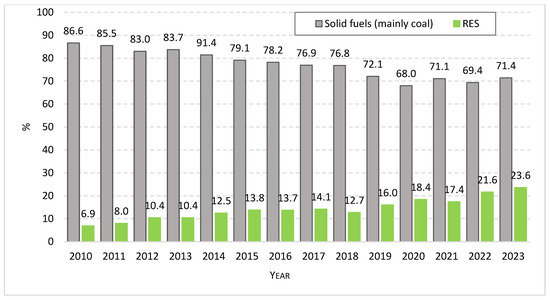
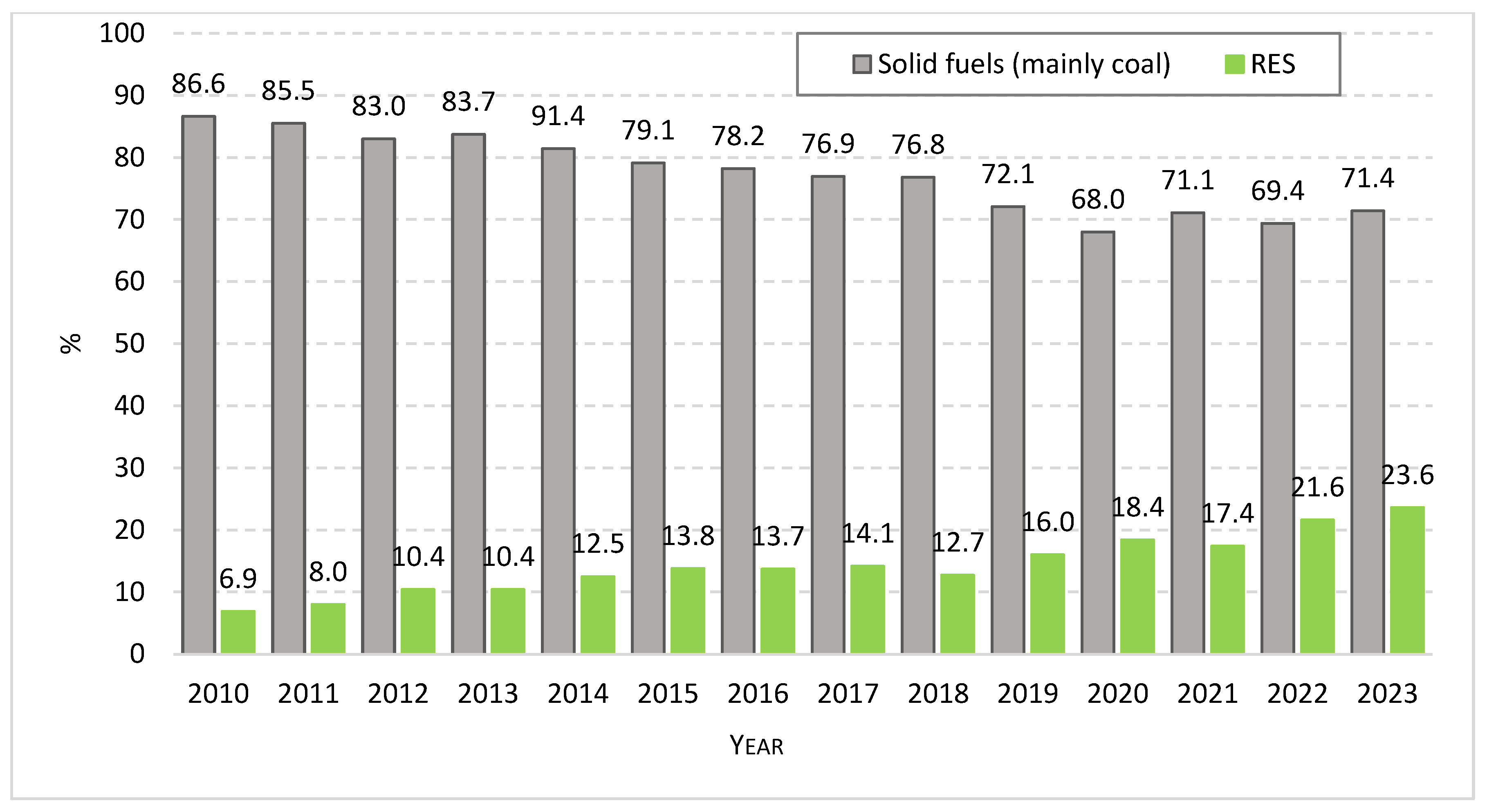
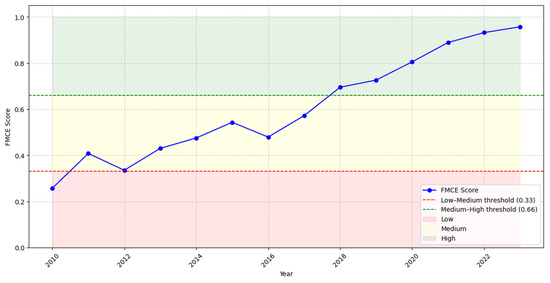
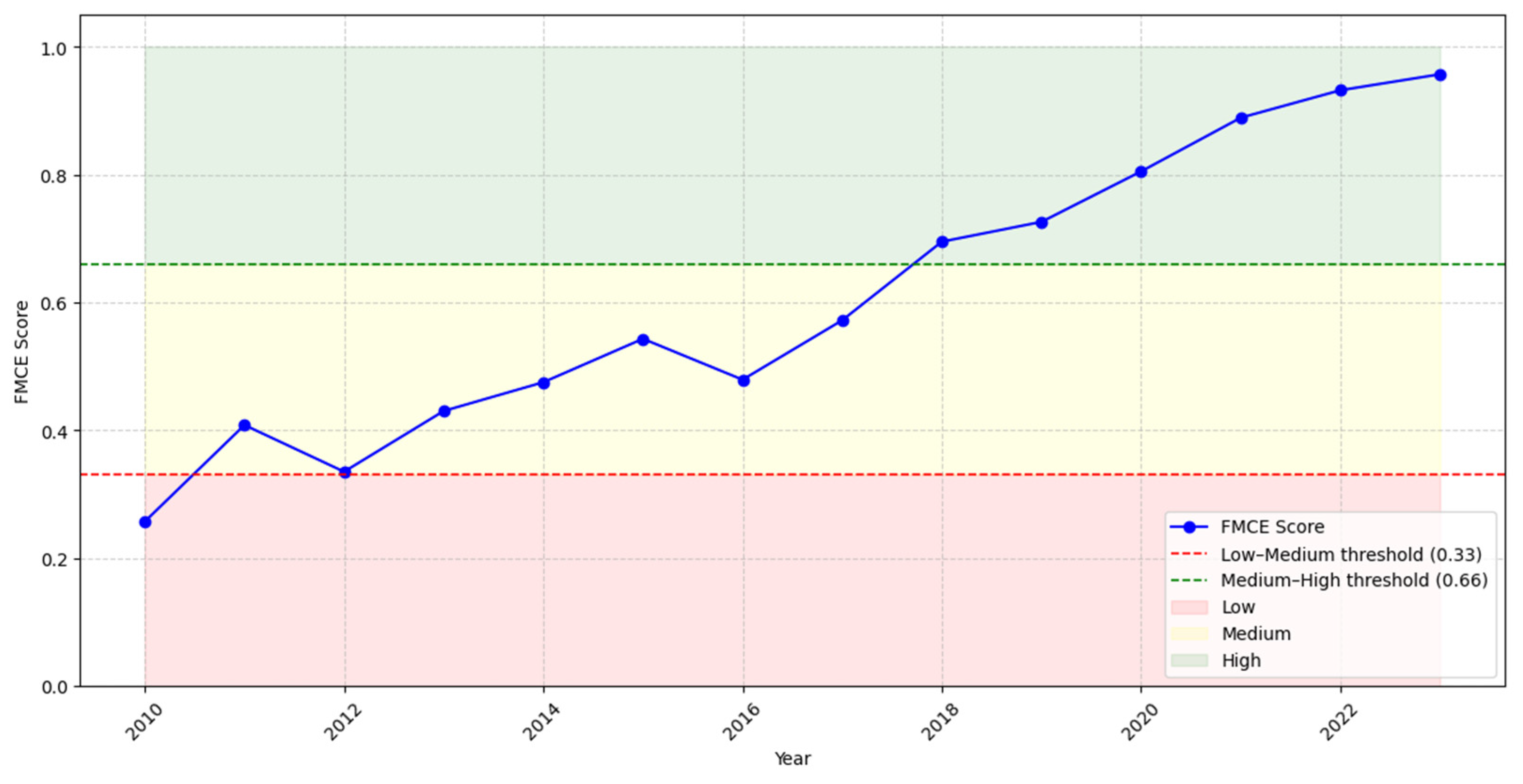

Disclaimer/Publisher’s Note: The statements, opinions and data contained in all publications are solely those of the individual author(s) and contributor(s) and not of MDPI and/or the editor(s). MDPI and/or the editor(s) disclaim responsibility for any injury to people or property resulting from any ideas, methods, instructions or products referred to in the content. |
© 2026 by the authors. Licensee MDPI, Basel, Switzerland. This article is an open access article distributed under the terms and conditions of the Creative Commons Attribution (CC BY) license.