


Abstract
Oilseed crops serve as pivotal raw materials for renewable energy production, rendering oilseed futures increasingly vulnerable to the dual shocks stemming from climate risk and the global energy transition. Against this backdrop, investigating the dynamic impact of climate policy uncertainty (CPU) on oilseed futures markets holds substantial practical and theoretical significance for commodity market risk management and pricing. Based on the theoretical logic of dual supply–demand and cost channels, this paper employs a time-varying parameter vector autoregressive (TVP-VAR) model to examine how fluctuations in CPU exert time-varying impacts on oilseed futures returns by shaping the supply–demand dynamics and production costs of the oilseed market. The empirical results reveal that CPU changes generally exert a positive effect on oilseed futures returns, while significant negative impacts are detected in specific sample periods, exhibiting a time-varying alternating pattern, with the short-term impact being the most dominant and pronounced. In addition, impulse response analysis at three typical time points shows that CPU shocks positively affect oilseed futures returns mainly in periods 1–2, while negative effects peak in period 3 and then decay with alternating fluctuations. The heterogeneity across time points verifies the dual-channel mechanism of shifting dominance between supply–demand and cost channels.
1. Introduction
Against the backdrop of global low-carbon transition, climate policy adjustment has become a core factor reshaping the operational logic of commodity markets. As a key intersection of the food–energy–water nexus, oilseed commodities have gradually evolved from traditional agricultural products to important components of the sustainable energy economic system, owing to their core role as feedstock for biodiesel and renewable diesel. Accordingly, investigating the dynamic relationship between climate policy uncertainty and oilseed futures is no longer a purely agricultural market research topic; it has become an essential part of sustainable energy economic research, which helps to clarify the transmission mechanism of climate policy risks in the energy–agricultural linkage system and improve the risk management capacity of the commodity market amid the energy transition. To tackle escalating climate challenges, countries worldwide have set up specialized international climate governance bodies and rolled out a series of targeted climate regulation policies. The evolution of global climate policy frameworks can be broadly categorized into three distinct stages, as depicted in Figure 1. While such climate policies are designed to mitigate climate change and promote carbon emission reduction, as confirmed by existing research, their enactment and adjustment inevitably reshape the broader macroeconomic and market environment [1]. Beyond advancing green transition targets, climate policies also generate notable spillover effects on global agricultural production, commodity supply chains, and related futures markets [2]. This spillover effect is particularly prominent in the oilseed sector. Climate policies that support biofuel development directly expand the industrial demand for oilseed crops and strengthen the energy attribute of oilseed commodities. As a forward-looking platform for price discovery and risk hedging, the oilseed futures market sensitively reflects changes in climate policy expectations and biofuel industry prospects, making it an important observation window for studying the market effects of climate policies in the process of sustainable energy transition. From the perspective of climate policy transmission, policy adjustments affect oilseed futures pricing by altering biofuel demand expectations, energy price levels and agricultural production costs, forming a complete transmission chain from climate policy to energy markets and then to agricultural futures markets.
Figure 1.
Overview of international climate policy development.
As the world’s largest biofuel producer and a major consumer of oilseed crops, the United States has long relied on systematic climate policies to drive the transition from fossil fuels to renewable energy. The abrupt reversal of the U.S. climate governance stance following its withdrawal from the Paris Agreement in 2017 directly undermined market expectations for the stability of the biofuel industry. Accordingly, overly aggressive or inconsistent climate policy measures may exacerbate volatility in energy markets, amplify the risk of systemic energy crises, and further heighten uncertainty in the implementation of climate policies as well as their spillover effects on commodity futures [3]. Against this backdrop, fluctuating market expectations for the blending targets of the U.S. Renewable Fuel Standard (RFS) have driven frequent adjustments in oilseed feedstock demand forecasts, triggering pronounced volatility in global oilseed futures markets. This illustrates the correlation between climate policy uncertainty and oilseed futures, and underscores the practical value of incorporating oilseed futures research into the analytical framework of the sustainable energy economy.
As the world’s largest importer and consumer of oilseeds and edible oils, China plays a pivotal role in the global oilseed market. Against the background of China’s “Dual Carbon” goals and the gradual opening of its futures market to overseas investors, domestic oilseed futures are increasingly influenced by international climate policy spillovers, and the linkage between domestic and international markets has been further strengthened. Driven by the confluence of these intertwined factors, the international oilseed futures market has experienced drastic price volatility, with the domestic counterpart also exhibiting pronounced short-term oscillating trends [4,5]. The frequent recurrence of El Niño not only poses a tangible threat to global oilseed crop production but also triggers widespread international concerns over insufficient climate change mitigation actions and sluggish progress in the global low-carbon transition [6]. The superposition of extreme climate shocks and policy uncertainty further complicates the interaction between the sustainable energy transition and oilseed market operations. Extreme weather events not only disrupt oilseed supply on the production side, but also affect the pace of climate policy formulation and adjustment, which in turn acts on oilseed futures prices through the biofuel demand channel. This dual impact mechanism makes it all the more necessary to systematically explore the dynamic relationship between climate policy uncertainty and oilseed futures from the perspective of sustainable energy development.
Existing studies have extensively discussed the economic effects of climate policy uncertainty, but most focus on energy markets and capital markets. Research on its spillover mechanism to the oilseed futures market from the dual perspectives of biofuel feedstock linkages and climate policy transmission remains insufficient. In particular, the time-varying characteristics of climate policy uncertainty’s impact on oilseed futures returns, as well as the heterogeneous response patterns across different time horizons and major climate policy events, have not been fully revealed.
To fill this research gap, this paper employs a time-varying parameter vector autoregressive (TVP-VAR) model to investigate the dynamic impact of climate policy uncertainty fluctuations on China’s oilseed futures returns using monthly data from April 2010 to June 2022. This study makes three main contributions. First, it constructs a dual-channel analytical framework of supply–demand and cost transmission based on biofuel feedstock linkages, clarifying the intrinsic logic of climate policy uncertainty spilling over to the oilseed futures market in the context of sustainable energy transition. Second, it depicts the time-varying trajectory of CPU change impacts on oilseed futures returns, and identifies the heterogeneity of short-term, medium-term and long-term effects. Third, it examines the response characteristics of oilseed futures under typical climate policy events, providing empirical support for market participants to carry out risk management and for policymakers to coordinate climate and agricultural industrial policies.
2. Literature Review
2.1. Connotation Definition and Economic Impacts of Climate Policy Uncertainty
Against the backdrop of rising global uncertainty and frequent market turbulence, existing studies have gradually expanded the research scope of uncertainty shocks to cover financial, energy, and agricultural commodity markets, laying a solid theoretical basis and empirical foundation for this topic. This section systematically reviews the literature on CPU and its market impacts, the driving factors of oilseed futures volatility, and clarifies the research gaps to be addressed in this paper.
Over the past few years, the global economy has encountered sustained and intensifying downward pressure, coupled with frequent outbreaks of geopolitical risks and a marked rise in macroeconomic uncertainty. Against this backdrop, the effect of uncertain factors on commodity prices has emerged as a prominent research focus within China’s academic community, with a growing body of scholars systematically investigating the inherent correlation between various uncertainty shocks and price fluctuations in oilseed and vegetable oil futures markets. Meanwhile, in response to global climate change, countries around the world have successively introduced a series of climate regulations and energy transition policies since the beginning of the 21st century [7]. However, the heterogeneity in the policymaking entities, timing of issuance, implementation intensity, and core content of these policies has given rise to significant climate policy risks, and climate policy adjustments have become one of the core sources of contemporary global macroeconomic uncertainty [8].
With the sustained advancement of global carbon neutrality, the economic impact boundary of climate policy uncertainty continues to expand, with relevant research extending from initial capital market-focused studies to energy and agricultural product markets. This study systematically reviews the existing literature by categorizing it into three core strands: the connotation of CPU and its fundamental economic effects, the impact of CPU on energy markets, and the impact of CPU on oilseeds, vegetable oils, and related agricultural product markets.
Within research on the connotation and fundamental economic effects of CPU, the existing literature widely recognizes that the core connotation of CPU refers to the decision-making risks and expectation deviations faced by market entities, which arise from their inability to accurately predict whether, when, and how governments will adjust climate-related regulatory policies [9]. With the acceleration of the global climate governance process, frequent adjustments to climate policies have made CPU a key component of macroeconomic uncertainty. Relevant research first unfolded in the capital market, with a core focus on two major strands: the asset pricing effects of CPU and its impacts on micro-level corporate behavior.
In terms of capital market pricing effects, early studies verified CPU’s predictive power for stock market volatility and first documented the significant “weather effect” in stock markets, providing the earliest empirical evidence for CPU’s asset pricing role [8]. Building on this, domestic and international scholars have performed in-depth multi-dimensional analyses on the CPU’s heterogeneous impacts on stock markets, generating a rich body of findings. From the perspective of asset attribute heterogeneity, CPU’s impacts on stocks of clean energy firms and brown energy firms show a significant divergence. Bouri et al. [10] found that CPU has a dynamic predictive effect on the prices of energy stocks, where clean energy stocks exhibit significant hedging and risk aversion functions, an effect that is more pronounced under extreme market conditions [11]. In terms of quantile interval heterogeneity, CPU boosts energy stock returns in the medium quantile interval, but suppresses return levels in extreme quantile intervals [12]. From the perspective of time scale and market entity heterogeneity, CPU exerts a positive impact on selected stock markets across different quantiles and time scales, and it also has a significant positive driving effect on the stock performance of ESG-compliant enterprises in the United States [13,14]. From the perspective of cross-border policy spillovers, the shock effects and transmission paths of CPU in advanced economies on the ESG performance of enterprises in emerging markets have also been verified with targeted empirical evidence [15].
At the level of impacts on micro-level corporate behavior, previous studies have uncovered the micro transmission mechanisms of CPU from multiple dimensions, including corporate investment, operational decision-making, and environmental governance. In terms of corporate investment decision-making, the existing literature has widely verified the inhibitory effect of CPU. Huang [16] revealed the negative correlation between CPU and corporate investment rates as well as investment efficiency. Further research finds that CPU elevates corporate risk and crowds out physical investment, thus exacerbating the financialization of enterprises [17]. The boundary of the micro-level impacts of CPU has been extended from non-financial enterprises to financial institutions, and the heterogeneous risk response characteristics to policy shocks from different sources have been further revealed [18].
With respect to corporate environmental governance, high CPU usage exacerbates corporate greenwashing behavior. The core mechanism for the strengthened incentives of corporate greenwashing is that heightened CPU results in tighter environmental regulations and a contraction in the pool of green investors [19]. Meanwhile, relevant studies have identified the nonlinear impact of CPU on corporate green governance: moderate policy uncertainty spurs firms to improve their green governance, while excessive uncertainty exerts an inhibitory effect, with financing constraints playing a crucial mediating role in this relationship [20]. Existing research indicates that tightened external regulatory constraints and rising internal operational pressure are the core transmission channels through which CPU drives firms to achieve low-carbon transition via green mergers and acquisitions [21]. Further segmented research on high-carbon emission industries shows that the differences in corporate carbon performance responses to CPU intuitively reflect the supply-side adjustment costs and industry heterogeneity characteristics in the process of low-carbon transition [22]. Meanwhile, CPU significantly inhibits the implementation of corporate carbon cost leadership strategies, which is fundamentally because CPU increases corporate operational risks and weakens firms’ ability to respond to climate regulations [23]. In terms of corporate production efficiency, CPU exerts a significant negative effect on firm productivity through elevated financing pressure and undermining the stability of supply chain ties, while supply chain shareholding is able to alleviate these adverse effects by facilitating capital access and strengthening supply chain coordination [24].
2.2. Impacts of Climate Policy Uncertainty on Energy Transition
Driven by global climate governance goals, climate policy has become the core institutional force guiding the low-carbon transformation of energy systems. However, the dynamic adjustment of policy objectives, implementation intensity and regulatory tools has given rise to pronounced climate policy uncertainty, which has gradually evolved into a key factor restricting the pace and stability of energy transition.
From the perspective of renewable energy investment, the inhibitory effect of CPU on low-carbon capital allocation has been widely verified. Rising policy uncertainty increases the waiting value of clean energy investment projects under the real option framework, prompting enterprises and investors to delay or scale back renewable energy investment to avoid potential policy adjustment risks [25]. Based on cross-country samples, the negative impact of CPU is more pronounced in developing economies with underdeveloped policy systems than in economies with stable climate policy frameworks [26]. Evidence from EU member states also shows that the stability of the climate policy framework directly determines the pace of national energy transition, and frequent policy shifts will significantly raise transition costs for fossil fuel-dependent economies [27].
In terms of energy market operation and price signal transmission, CPU is widely recognized as a core driver of energy market volatility [28]. Policy uncertainty distorts market expectations of future energy supply and demand, triggers abnormal price fluctuations in both fossil and clean energy markets, and changes the cost–benefit ratio of transition investment [29]. Meanwhile, CPU has significant predictive power for the volatility of global renewable energy indices, constituting an important source of financial risk during the energy transition [30]. The cross-market risk spillover between carbon markets and energy sub-sectors further amplifies the impact of CPU, as policy expectation changes are transmitted to wind, solar and other markets through investor sentiment and capital flows, forming a cross-market risk contagion chain [31]. In addition, the surging demand for critical raw materials for renewable energy in the transition process makes supply chain vulnerability a new path for CPU to affect energy transition progress [32].
As a critical path of renewable energy, biofuel development is deeply affected by climate policy adjustments. Climate policy tools such as environmental taxes and blending mandates directly change the industrial demand for biofuels, and then transmit policy shocks to the upstream agricultural raw material market [33]. Relevant studies have confirmed that climate policy is a key factor determining the social value and industrial scale of biofuels, and uncertain policy direction will cause frequent fluctuations in the demand expectation of biofuel raw materials [34]. However, existing studies mostly focus on the internal energy system when discussing the impact of CPU on energy transition, and rarely extend the perspective to the upstream raw material market represented by oilseeds. The transmission mechanism of CPU to the oilseed futures market through the biofuel demand channel still lacks systematic demonstration.
2.3. Spillover Effects Among Climate Policy, Energy Markets and Agricultural Commodity Markets
As the global biofuel industry undergoes rapid expansion, the industrial linkages and price co-movement between oilseed, vegetable oil and energy markets have been continuously reinforced. Against this backdrop, climate policy uncertainty has exerted a steadily growing influence on the operation of oilseed and vegetable oil markets via the energy transition channel. From the perspective of cross-market risk transmission, the interconnections among fossil energy, renewable energy and agricultural commodities form a complex spillover network. Policy shocks propagate along industrial chains, are amplified through financial channels, and trigger synchronized fluctuations across multiple markets [35].
Early studies took renewable fuel policies as the analytical entry point and verified the direct impact of climate-oriented energy policies on oilseed and vegetable oil price levels. For instance, Lark et al. [9] pointed out that the U.S. Renewable Fuel Standard (RFS) would lead to a 20% rise in oilseed crop prices. Subsequent research further extended the analytical scope from static policy impacts to dynamic uncertainty shocks, revealing that adjustments and expectation shifts in climate policies can be transmitted to agricultural commodity markets through energy price signals and biofuel demand channels, and such spillover effects exhibit significant asymmetric characteristics across bullish and bearish market regimes [36].
Empirical studies focusing on the Chinese market have verified the existence of spillover effects between CPU and agricultural product markets. These spillover effects are predominantly concentrated in agricultural commodities that can be used as biofuel feedstock, represented by soybeans, and crude oil price fluctuations exert a reinforcing effect on such spillover magnitudes [37]. From a time-frequency perspective, the risk spillovers from CPU to agricultural markets present notable scale heterogeneity: short-term spillovers are dominated by expectation shocks and sentiment transmission, while medium- and long-term spillovers are mainly driven by fundamental adjustments in industrial supply and demand. Furthermore, spillover intensity rises considerably during periods of major external shocks, showing obvious pro-cyclical features [38].
Over recent years, the increasing incidence of extreme weather events has exerted a significant effect on the agricultural sector, resulting in substantial uncertainty in agricultural product supply [39,40]. Oilseed crop production is directly exposed to extreme climate shocks, and this supply-side instability has further amplified the impacts of macro uncertainty factors such as CPU on oilseed and vegetable oil futures prices. Relevant studies indicate that an interactive amplification mechanism exists between physical climate risks and policy uncertainty: extreme weather events not only directly disrupt agricultural production, but also trigger intensive adjustments to climate policies, which in turn exacerbate market expectation fluctuations and generate superimposed impacts on commodity markets [41].
2.4. Evolution of Econometric Methods for Dynamic Policy Uncertainty Analysis
The choice of econometric methods directly determines the accuracy of capturing the dynamic and nonlinear relationships between policy uncertainty and market variables in the aforementioned research fields. The traditional Vector Autoregressive Model [42] provides a basic framework for multivariate dynamic analysis, but its fixed-parameter assumption cannot capture time-varying structural shocks and nonlinear relationships in economic systems, which is particularly limiting when studying the impacts of frequently adjusted climate policies. To address this limitation, Primiceri [43] developed the TVP-VAR model with stochastic volatility, which allows coefficients and covariance matrices to evolve dynamically over time. This feature makes it the dominant tool for studying policy uncertainty shocks and market volatility.
In climate policy uncertainty research, the TVP-VAR model has been widely validated for its ability to identify heterogeneous impacts across time scales and market regimes. Su et al. [44] used this framework to distinguish short-term extreme shocks from medium-to-long-term steady-state relationships in sustainable asset markets. Golitsis [45] confirmed that uncertainty shocks exert their strongest effects in the first quarter after occurrence and decay rapidly over time, providing empirical support for our forecast horizon settings of 4, 8, and 12 months.
In energy and commodity market studies, TVP-VAR has been extended to analyze asymmetric spillovers [46], time-frequency transmission [47,48], and cross-market connectedness [49]. These studies consistently demonstrate that the model effectively captures the dynamic risk transmission mechanisms between policy uncertainty and commodity prices.
In summary, the TVP-VAR model outperforms traditional econometric methods in characterizing time-varying impacts and nonlinear relationships. Given the frequent adjustments in global climate policies and heightened volatility in oilseed futures markets, this model is the most appropriate choice to comprehensively reveal the dynamic association between CPU and oilseed futures returns.
2.5. Literature Review and Marginal Contributions of This Study
Overall, existing studies have systematically examined the impacts of CPU on financial and energy markets, but three critical research gaps remain to be addressed. First, in the agricultural product market, research related to CPU remains relatively scarce. Most existing studies on agricultural products primarily focus on the price volatility of grain crops, such as wheat and corn, with limited attention paid to oilseed crops that are closely linked to the energy transition. Second, from the perspective of biofuels affecting oilseed crops, to date, few studies have investigated the dynamic time-varying effects of CPU shocks on oilseed futures markets, and the heterogeneity of impacts across different time scales has not been fully revealed. Third, existing research has rarely explored the response characteristics of oilseed futures to CPU shocks during extreme climate event periods, which is crucial for understanding market risk transmission under extreme conditions.
To fill these research gaps, this study applies a TVP-VAR model to examine the time-varying impact of CPU fluctuations on oilseed futures returns, using a sample spanning April 2010 to June 2022. The findings of this study will provide empirical evidence for commodity market risk management and pricing, and offer policy implications for stabilizing oilseed markets amid global climate policy adjustments.
3. Research Hypotheses
As the relevant futures linked to the main feedstocks for biofuel production, oilseed futures are critical in the global transition between old and new energy systems. When confronted with the risks posed by CPU, oilseed futures can leverage their inherent functions to provide market participants with an effective hedging tool. Based on the commodity characteristics and financial characteristics of oilseed futures, this section analyzes the impact of CPU on oilseed futures through the supply–demand channel and the cost channel (see Figure 2).
Figure 2.
Mechanism of CPU on oilseed futures.
3.1. Supply–Demand Channel
On the supply side, climate change exerts a non-negligible impact on agricultural production; for instance, extreme climate events, such as high temperatures, low temperatures, and severe precipitation, can lead to volatility in agricultural product prices [50]. Climate policies aim to mitigate climate change and to reduce the frequency and intensity of extreme climate events. However, when the CPU increases, climate policies may fail to achieve the expected mitigation effect, thereby disrupting the production of oilseed crops. Second, as part of climate mitigation policies, land use change policies may alter the planting area of oilseed crops, which in turn affects the supply of these crops. Finally, when the CPU increases, farmers and oilseed enterprises tend to exhibit pessimism; risk-averse farmers and enterprises will reduce their production and technological investment in oilseed crops, thereby leading to fluctuations in output levels and ultimately affecting the price of oilseed futures [51].
From the demand perspective, CPU exerts an impact on the price of oilseed futures by influencing the demand for biofuels. As a strategy to address climate change, promoting biofuels is generally regarded as being able to reduce climate policy risks [52]. When the CPU is high, risk-averse enterprises and investors tend to prefer choosing more stable assets amid uncertainty to achieve a hedging effect. Moreover, according to the real options theory, increased uncertainty further exacerbates information incompleteness for investors, leading them to adopt a more prudent approach in decision-making; the higher the degree of uncertainty, the more investors tend to reduce or even suspend their investments [53].
H1.
Climate policy uncertainty has a positive impact on oilseed futures returns through the supply–demand channel.
3.2. Cost Channel
Crude oil serves as a key fuel for mechanized agricultural production and a primary raw material for the manufacturing of chemical fertilizers and pesticides, exerting a significant impact on agricultural production costs; a rise in crude oil prices will thus increase such costs. Against the backdrop of rising climate policy risks, uncertainty regarding future oil demand increases, which may prompt risk-averse oil companies to accelerate their extraction pace to mitigate future uncertainty [54]. However, such decisions by oil companies will lead to an increase in oil production and a subsequent decline in oil prices, which in turn results in lower production costs for oilseed crops [55]. In addition, China’s vegetable oil self-sufficiency rate has been declining in recent years, standing at only 30.27% in 2021, making it the world’s largest importer of vegetable oil. Such substantial import demand means that changes in climate-related policies—including tariff adjustments and import subsidies—may exert a significant impact on the costs of oilseed crops. Therefore, changes in climate-related policies also exert an impact on the domestic oilseed market through the international trade channel [56].
H2.
Climate policy uncertainty has a negative impact on oilseed futures returns through the cost channel.
4. Research Design
4.1. TVP-VAR Model Construction
In 1980, Sims first proposed the Vector Autoregressive Model (VAR). Subsequently, Primiceri [43] incorporated time-varying parameters, giving rise to the TVP-VAR model, which can be expressed as follows:
First, the standard Vector Autoregressive Model is introduced:
In Equation (1), denotes time, represents the lag order, and is a vector where is the number of variables; are parameter matrices, denotes the structural shock at time , and , where
where is the standard deviation. Assuming that the synchronous structural shocks abide by the recursive identification approach, matrix can be expressed as follows:
Equation (1) can be simplified to
In Equation (4), is the residual, and , where is the identity matrix. for . Matrix elements are stacked and transformed in the form of , where is the vector. Define , where is the product of Kronecker. Therefore, Equation (4) can be expressed as
In Equation (5), and all change over time. According to Primiceri’s research, the sub-diagonal elements are transformed and expressed as , .
, , . According to the model setting, it is assumed that the parameters in Equation (5) follow a random walk process, and the expression is as follows.
Among them, ; , . In the analysis, the Markov Chain Monte Carlo algorithm is utilized for simulation sampling to alleviate the challenge of managing likelihood estimation amid random fluctuations, and parameter estimation is conducted based on this simulation sampling.
4.2. Variable Selection
4.2.1. Explanatory Variable
Uncertainty exerts multi-dimensional impacts on macroeconomic development and micro-level individual behavior; however, it is challenging to quantify uncertainty with specific numerical values. Currently, domestic and international scholars primarily measure CPU by conducting text mining on newspapers, and such text mining methods include two types: machine learning methods and word frequency methods. Lee and Cho [57] primarily employed the word frequency method to measure CPU. Based on Twitter text data, he counted the number of tweets related to CPU using keywords such as “Chi”, “climate poli,”, and “carbon dioxide” (see Table 1). To account for the impact of a varying number of Twitter users, Lee further standardized the index relative to the U.S. CPU. To measure China’s CPU, this study uses Lee’s CPU index as a proxy variable.
Table 1.
Keyword list in Lee’s study.
4.2.2. Dependent Variable
In a market with multiple commodities, price fluctuations of a single commodity rarely reflect the overall market dynamics. To comprehensively assess market conditions, scholars often introduce market indices as measurement tools. The Wind Oilseeds and Fats Index comprises key components such as the soybean index, rapeseed index, palm oil index, and soybean oil index, covering major varieties of oilseed and fat futures. It effectively captures the overall status of the oilseeds and fats futures market. Thus, this study uses the Wind Oilseeds and Fats Index as a proxy variable to analyze the oilseeds and fats futures market.
4.3. Sampling Selection and Data Sources
Due to the limited availability of China-specific CPU indicators, this study adopts the full range of available time periods—monthly data from April 2010 to June 2022—to cover the longest possible time span and ensure the accuracy of the empirical results. Compared with annual or quarterly data, monthly data, due to their higher frequency, can provide more detailed market information, thereby rendering the research results more accurate and reliable. Thus, this study uses monthly data for empirical analysis. The CPU index is sourced from https://twitterchnepu.github.io/ (accessed on 16 April 2026). Monthly data for the Wind Oilseeds and Fats Index and the CITIC Oilseeds and Fats Index are both obtained from the Wind Database.
5. Empirical Analysis
5.1. Descriptive Statistics
In empirical research, conducting descriptive statistical analysis is a critical step in understanding the basic characteristics of a dataset. This process helps researchers gain an initial understanding of the data features of the research objects, facilitates the identification of potential outliers in the data, and ensures that the data aligns with real economic phenomena, laying a solid foundation for further empirical analysis. Figure 3 shows the trends of CPU and oilseeds and fats futures returns.
Figure 3.
Trend chart.
As observed from the figure, in the early stage of climate policy development, CPU exhibited significant fluctuations. Since 2012, fluctuations in China’s climate policies have diminished. However, in 2017, due to the United States’ exit from the Paris Agreement, China’s CPU showed an upward trend. It was not until September 2020 that China announced enhanced targets under the Nationally Determined Contributions (NDCs) proposed at the 75th Session of the United Nations General Assembly, demonstrating China’s determination to make new contributions to addressing global climate challenges. Concurrently, the United States rejoined the Paris Agreement; this series of positive events led to a decline in China’s CPU. Nevertheless, in 2021, due to the lingering COVID-19 pandemic, China’s CPU rose again.
Based on the descriptive statistics presented in Table 2, it is observed that CPU exhibited significant fluctuations and variations over the study period. The difference between the maximum and minimum values is substantial, with a mean of 115.3 and a standard deviation of 244.7. This implies that climate policies underwent frequent adjustments during the research period, which is consistent with real-world conditions. For oilseeds futures, their prices showed considerable volatility within the observation period: the lowest price reached 1006, while the highest hit 2080, leading to a range of 1074 at the range of max-min values, and the variance is also relatively large. This phenomenon is mainly attributed to factors such as the inherent sharp volatility of oilseeds futures, the transition between bull and bear markets in the market during the study period, and climate change—all of which align with the dynamic characteristics of commodity futures markets documented in the relevant literature.
Table 2.
Variables’ descriptive statistics.
5.2. Stationarity Tests and Lag Order Determination
5.2.1. Unit Root Tests
That all relevant variables constitute a stationary time series is a basic prerequisite for analyzing via the TVP-VAR model. For this aim, the current research carries out the ADF Test for all the variables involved, with the corresponding findings summarized in Table 3. The test results show that the oilseeds index displays a time trend and is a non-stationary time series. To meet this assumption of the TVP-VAR model, this study adopts the logarithmic difference method to eliminate the time trend in the data. Following this treatment, the oilseeds index series no longer contains a time trend. Although the CPU index is stationary in levels, this study follows Gabauer [58] by converting it into changes, calculated as the natural logarithmic difference in consecutive monthly values. This treatment stabilizes variance and removes potential low-frequency components inherent in the original index, thereby avoiding biased estimates and spurious inferences in the TVP-VAR framework. Furthermore, since the oilseed futures returns are also measured in logarithmic differences, applying the same transformation to the CPU index ensures dimensional homogeneity and allows the model to capture the marginal impact of CPU changes on oilseed futures. In the following analysis, CPU shocks refer to structural shocks of the log-differenced CPU index (DLCPU).
Table 3.
Results of stationarity tests.
5.2.2. Lag Order Determination
Prior to building the TVP-VAR model, the model’s optimal lag order should first be ascertained. This research makes comparisons via information criteria like Log Likelihood (LL) and Likelihood Ratio (LR). Table 4 shows the results of determining the CPU lag orders and oilseeds futures. In accordance with the majority principle, we set 2 as the lag order in the model.
Table 4.
Results of lag order determination.
5.3. Dynamic Analysis
5.3.1. Markov Chain Monte Carlo Simulation
We set the parameters of the TVP-VAR model with references to studies such as [42].
This study sets the prior assumptions of the model as
Using the Markov algorithm, this study sets the number of iterations to 10,000, which provides a fundamental guarantee for the stability of the formal MCMC simulation process.
Figure 4 shows the sample autocorrelations, convergence trajectories, and posterior density distribution plots for the TVP-VAR model. In these plots, the sample autocorrelation functions show a sharp downward trend and ultimately settle near 0. This indicates that although there may be mutual influences among variables in the short term, such influences are not significant in the long run, and most sample data show no statistical autocorrelation. The second row displays the trace plots (sample paths) of the model; it can be observed that the estimated parameters are mainly concentrated around the sample mean, with a low frequency of extreme values, exhibiting obvious clustering characteristics. These results suggest that the effective samples calculated by the Markov Chain Monte Carlo (MCMC) method are sufficient, and the estimation results demonstrate good stability and reliability. The posterior distribution plots display a normal distribution pattern and are clustered within the range of the parameters under estimation, suggesting that the estimation outcomes are reliable.
Figure 4.
Sample autocorrelations, sample paths, and posterior density.
Table 5 presents the posterior estimation results for the TVP-VAR model parameters pertaining to climate policy uncertainty and oilseed futures returns. The reported statistics include posterior means, posterior standard deviations, 95% credible intervals, Geweke convergence diagnostics, and inefficiency factors. The relatively small posterior standard deviations reported in Table 5 suggest that the parameter estimates are precise and the model exhibits a satisfactory fit. All estimated posterior means lie within their corresponding 95% credible intervals. Furthermore, the Geweke statistics are below the critical threshold of 1.96, indicating that the null hypothesis of convergence to the posterior distribution cannot be rejected at conventional significance levels. The inefficiency factor quantifies the number of MCMC draws required to produce a single independent sample, with lower values signifying higher sampling efficiency and greater estimation reliability. As shown in Table 5, all inefficiency factors are well below 200, with the largest value being merely 102.21—considerably less than the total of 10,000 iterations. This suggests that an adequate number of independent posterior samples have been obtained, thereby ensuring that the TVP-VAR model meets the inferential requirements for valid posterior analysis. Based on the above analysis results, the model is validated; therefore, the TVP-VAR model can be used to study the dynamic impact of CPU on oilseed futures.
Table 5.
Parameter estimation results.
5.3.2. Impulse Response Analysis at Different Forecast Horizons
The TVP-VAR model is able to reflect the effects of structural shocks on response variables across different time horizons by specifying different impulse response horizons. This study specifies three impulse response horizons of 4, 8, and 12 months, which correspond to short-, medium-, and long-term impacts, respectively.
Figure 5 reports the impulse response results of oilseed futures to CPU shocks at short-, medium-, and long-term horizons. It can be observed from the figure that the response of oilseed futures returns to CPU changes shocks features significant time-variation. The short-term response fluctuates sharply with alternating positive and negative values, reflecting the joint effects of supply–demand and cost transmission channels, while the response weakens notably at longer horizons.
Figure 5.
Equal time interval impulse responses of the Oilseeds and Oils Index.
From the perspective of impulse response direction, the short-term impact of shocks from changes in climate policy uncertainty on oilseed futures returns exhibits pronounced alternating positive and negative fluctuations. Overall, positive responses prevail throughout the sample period, suggesting that the supply–demand channel serves as the core pathway through which climate policy uncertainty transmits to the oilseed market. In the short-term horizon, the impulse response intensity of oilseed futures increased after 2020 and reached a phased high in 2021. This change aligns with the macro backdrop where China formally established the carbon peaking and carbon neutrality goals, and market attention to climate policy uncertainty rose significantly over the same period. As expectations of sustained long-term tightening of climate policy continued to intensify, expanding biofuel demand tightened supply–demand expectations for oilseeds. During this phase, the driving effect of the supply–demand channel was fully exerted, which is highly consistent with the empirical trajectory of policy responses over the corresponding period, thus supporting H1. Negative responses, by contrast, are concentrated in specific periods. In early 2013, the adjusted import tariff scheme for vegetable oils officially took effect. The structural change—an increase in the tariff rate for rapeseed oil alongside cuts in the rates for soybean oil and palm oil—temporarily strengthened the cost-side influence on the market. From mid-2014 to 2015, Brent crude oil prices peaked and entered a prolonged steep downward trajectory, directly suppressing energy and transportation costs across the entire oilseed production and distribution chain. Compounded by factors including lagging supporting infrastructure in the domestic biodiesel industry and record-high global oilseed output, the pulling force on the supply–demand side weakened accordingly, and the cost channel became temporarily dominant. This pattern aligns closely with the persistently negative response features observed over this interval—that is, the core proposition of H2.
In terms of medium-term impact, before 2021, the impact of the CPU changes on oilseed futures was basically positive, and even if there was a negative impact, its degree was small. However, after 2021, the European energy crisis caused violent fluctuations in global energy prices, and the public realized that fossil fuels were phased out too early while the supply of clean energy was unstable. This change in perception resulted in a continuous growth in the negative response of oilseed futures returns to the CPU changes. In the long term, the impact of the CPU changes on oilseed futures returns fluctuates around 0, meaning that the long-term impact of the CPU changes on oilseed futures is small. Overall, both in the short run and the medium-to-long run, the influence of the CPU changes on oilseed futures is primarily exerted via the supply–demand mechanism, and the impulse response outcomes are predominantly characterized by positive reactions.
From the perspective of impulse response intensity, the fluctuation range of the CPU changes impulse response value on oilseed futures is [−0.08, 0.12]. The impact of CPU changes shocks on oilseed futures is strongest over the short-term horizon, whereas the impulse responses over the medium- and long-term horizons cluster closely around zero. This indicates that as time goes by, the impact of CPU shocks on oilseed futures gradually weakens. This time scale heterogeneity can be explained by three interrelated economic mechanisms. First is the expectation overreaction mechanism: climate policy shocks are usually unanticipated sudden events, and under information asymmetry, risk-averse investors tend to overreact to policy news, leading to significant short-term price fluctuations, a phenomenon highly consistent with the investor sentiment theory in behavioral finance. Second is the arbitrage correction mechanism: as time passes, policy information is gradually fully digested by the market, and rational arbitrageurs enter the market to correct price deviations caused by overreaction through buying and selling operations, pushing futures prices back to their fundamental values in the medium term. Third is the policy implementation lag mechanism: most climate policies typically require a 1–2-year cycle from promulgation to full implementation. When the actual economic effects of the policy finally emerge, the market has already completed the pricing of policy information in advance, so the long-term impact of CPU shocks on oilseed futures returns is not significant.
5.3.3. Impulse Response Analysis for Special Time Points
While impulse responses across different horizons reflect the time-varying dynamic relationships among variables, they cannot intuitively demonstrate the correlation between variables at specific time points. Thus, to examine the association between the CPU changes and the return rate of oilseed futures across distinct temporal junctures, it is essential to carry out an impulse response analysis at specific temporal points.
To further verify the transmission channels and time-varying effects of climate policy uncertainty on oilseed futures, this section selects three specific time points for targeted analysis on the basis of the equal-interval impulse response findings: the first category is the import cost shock point, represented by the adjustment of China’s vegetable oil import tariff scheme in January 2013; The second is the energy cost shock point, marked by the sharp single-day drop in Brent crude oil prices on 14 August 2014. The daily decline of more than US$2 hit a new low since prices peaked in June and formally confirmed the crude oil market’s entry into a bearish downward trajectory; the third is the climate policy shock point, exemplified by China’s announcement of the carbon peaking and carbon neutrality goals in September 2020.
Figure 6 depicts the time-point impulse response trajectories of oilseed futures returns to changes in CPU under three typical shock time points. Building on the dual-channel transmission framework of supply–demand and cost channels proposed earlier, this paper selects three types of typical event time points with clear exogenous attributes—import cost, energy cost, and climate policy—to conduct cross-validation of the time-varying characteristics observed in the full-sample equal-interval impulse responses. Overall, positive responses at the three time points are mostly concentrated in periods 1 to 2 after the shock, while negative effects generally peak in the 3rd period and then gradually converge to zero in an oscillating manner, which aligns with the horizon heterogeneity conclusion drawn earlier.
Figure 6.
Impulse response plots of oilseeds futures at special time points.
The time point of vegetable oil import tariff adjustment in January 2013 corresponds to an exogenous shock from the import cost dimension. From the transmission logic of the cost channel, the structural reduction in tariffs lowers the overall import cost of oilseeds, which theoretically tends to strengthen the negative response. In terms of the actual response trajectory, the impulse response declines rapidly after a small positive fluctuation in the current period; as the restraining effect of the cost channel continues to unfold, the negative effect peaks in the 3rd period, then gradually rebounds, and finally converges to zero after alternating positive and negative oscillations. The initial positive disturbance reflects the divergence of market expectations during the policy implementation phase. As the cost effect of tariff adjustment gradually emerges, the dominant force on the cost side continues to strengthen, which is broadly consistent with theoretical predictions. Once the incremental policy information is gradually digested by the market, the response becomes an oscillating attenuation phase.
The sharp decline in Brent crude oil prices in August 2014 serves as a critical exogenous background on the energy cost dimension at this specific time point. From the impulse response path at this time point, under the transmission logic of the cost channel, falling crude oil prices reduce energy and transportation costs across the entire oilseed industrial chain. Empirical results show that the response falls into negative territory in the current period of the shock, then rebounds rapidly driven by improved biodiesel profit expectations amid low oil prices, reaching a positive peak in the 1st period. After that, the restraining effect from the cost side re-emerges, with the negative effect peaking in the 3rd period, followed by a continued oscillating convergence trend. The negative performance in the current period directly confirms the strengthening effect of falling energy costs on the cost channel; the subsequent positive recovery stems from the phased emergence of the demand-pull effect of the supply–demand channel.
The time point when China proposed the carbon peaking and carbon neutrality goals in September 2020 corresponds to an exogenous shock from the climate policy dimension. Based on the theoretical judgment of the supply–demand channel, expectations of long-term tightening of climate policy will drive the expansion of biofuel demand, which should exert a significant positive pulling on oilseed futures. From the response trajectory, the impulse response at this time point remains positive from the current period onward, climbs to the highest peak among the three time points in the 1st period, then falls back rapidly, with the negative adjustment peaking in the 3rd period, and finally converges to zero amid minor fluctuations. The strong positive response in the early stage is consistent with theoretical expectations.
Overall, the impulse responses at the three selected time points share consistent features: the short-term response is strong and gradually decays as the forecast horizon lengthens, while negative responses generally reach their trough in the 3rd period. This pattern further confirms the horizon heterogeneity of shock transmission. The differences in response direction and intensity across time points essentially reflect shifts in the relative dominance of the supply–demand channel and the cost channel under different shock backgrounds, providing event-based empirical evidence for the dual-channel transmission mechanism proposed above.
5.3.4. Robustness Test
In the TVP-VAR model, it is assumed that the model’s coefficients and the covariance matrix are time-varying during model construction. This assumption results in differences in the impulse response functions at various time points, making it impossible to directly obtain general conclusions regarding statistical significance. To validate the stability of the dynamic relationship between climate policy uncertainty and oilseed futures, and to address potential concerns regarding variable measurement, horizon specification and omitted variable bias, this paper conducts robustness tests from three dimensions. First, we substitute the proxies for core variables, and re-estimate the model using the Chinese Climate Policy Uncertainty Index constructed by Ma [59] and the CITIC Oilseed Index as alternative measures. Second, we adjust the horizon structure of equal-interval impulse responses. Following the selection approach of Hu [60], we take the 3rd, 6th and 12th periods to represent short-, medium- and long-term impacts respectively, so as to rule out the contingency of conclusions arising from specific horizon selection. Third, we introduce crude oil prices and examine their impulse responses. Under the analytical framework incorporating the energy cost transmission path, we re-examine the dynamic shock effect of climate policy uncertainty on oilseed futures, and verify the robustness of the core conclusions while accounting for the energy cost transmission path.
As shown in Figure 7, the results of the robustness test with substituted core variable proxies are as follows: First, in the short term, the impact of CPU changes on oilseed futures returns presents a time-varying pattern with alternating positive and negative responses, and exerts a positive effect at most time points. Negative shocks only emerge in special periods around 2012, 2014 and 2020, corresponding to key events such as sharp energy price slumps and major climate policy adjustments. The timing of these negative shocks is generally consistent with that of the benchmark model. Second, in terms of response intensity and horizon heterogeneity, the influence of CPU on oilseed futures is mainly concentrated in the short term, while the medium- and long-term impacts are generally close to zero. Specifically, the medium-term response stays at a weak positive level with a small impact magnitude; the 12-period long-term response fluctuates narrowly around the zero line, with almost negligible persistent effect. This attenuation feature of “strong short-term shock and gradual weakening in the medium and long term” is highly consistent with the benchmark empirical results. In terms of specific response amplitude, there is a slight deviation between the robustness test and the benchmark empirical results around 2021, and the overall fluctuation range of short-term responses in the robustness test is slightly larger. This may be attributed to differences in the component coverage of the CITIC Oilseed Index and the construction dimensions of the alternative Chinese Climate Policy Uncertainty Index. On the whole, however, the time-varying trend and core patterns of the robustness test are basically consistent with those of the benchmark model, indicating that the conclusions of this paper on the dynamic relationship between CPU and oilseed futures are reliable and robust.
Figure 7.
Time-varying impulse responses after replacing core proxy variables.
Figure 8 presents the results of the robustness test after adjusting the horizon structure of equal-interval impulse responses. Following the horizon division approach of Hu [60], this paper selects the 3rd, 6th and 12th periods to represent short-term, medium-term and long-term impacts, respectively, so as to test whether the benchmark conclusions are affected by the contingency of specific horizon selection. The test results show that the core characteristics of impulse responses after horizon adjustment are basically consistent with those of the benchmark model. In terms of response direction, the impact of climate policy uncertainty on oilseed futures is overall dominated by positive shocks, and negative responses only appear in some event-driven periodic windows; in terms of the horizon dimension, short-term responses have the largest fluctuation amplitude, showing obvious time-varying features with alternating positive and negative values, medium-term responses have a narrower amplitude, while long-term responses are basically close to zero, with weak persistent impact of the shocks. Compared with the benchmark model adopting the 4-period, 8-period and 12-period division, there are certain differences in the response amplitude of this group of tests: the overall peak of short-term responses in the 3rd period is lower than the 4-period results of the benchmark model. This difference may arise from the time lag in the transmission of climate policy uncertainty to the oilseed futures market, where the shock effect releases gradually over time and the cumulative effect has not been fully manifested within a shorter forecast horizon. Overall, adjusting the horizon selection method does not change the core conclusion of this paper that “the short-term shock effect is strong, the medium- and long-term effects gradually attenuate, and the shocks are overall dominated by positive ones”, indicating that the research results are not disturbed by the selection of specific horizons and the conclusions are robust.
Figure 8.
Time-varying impulse responses with adjusted horizons.
To alleviate potential omitted variable bias caused by energy cost factors, we extend the baseline TVP-VAR model by including WTI crude oil prices as an endogenous variable in the system. Figure 9 shows the time-varying impulse responses of oilseed futures to CPU shocks in the extended model, while Figure 10 illustrates the time-varying impulse responses of oilseed futures to WTI crude oil price shocks under the same analytical framework. In the extended TVP-VAR system with WTI crude oil prices added as an endogenous variable, positive CPU shocks exert a significant and time-varying negative impact on WTI crude oil returns in the short term, with the response fluctuating persistently in the negative range; by contrast, medium- and long-term responses stay close to the zero line with weak sustained effects. This finding further validates the dual-channel transmission logic: the baseline model captures the combined effect of the supply–demand channel and the cost channel, where the cost channel operates through the intermediary role of crude oil prices—rising CPU depresses crude oil prices and thus reduces oilseed production costs, while the supply–demand channel drives the predominantly positive responses of oilseed futures consistent with Hypothesis H1. Meanwhile, as illustrated in Figure 10, positive shocks to WTI crude oil prices exert a significant positive impact on oilseed futures returns in the short term, with the impact gradually attenuating over longer horizons. This aligns with the cost channel theory: as a core energy input throughout oilseed production and distribution, rising crude oil prices push up industrial costs and transmit to futures prices, confirming the stable cost linkage between the energy market and the oilseed market. Overall, the horizon heterogeneity and time-varying characteristics of the shocks remain unchanged after incorporating crude oil prices, and the results are highly consistent with the dual-channel theoretical mechanism, indicating that the core conclusions of this paper are robust and free from bias caused by the omission of energy cost factors.
Figure 9.
Time-varying responses of WTI prices to CPU shocks.
Figure 10.
Time-varying responses of oilseed futures to WTI price shocks.
6. Conclusions
6.1. Main Conclusions
In the context of global energy transformation and growing climate-related risks, the ongoing energy market transformation has triggered high volatility and rising systemic risks in global energy and commodity futures markets, bringing greater challenges for market regulators and investors. This paper employs the TVP-VAR model to empirically investigate the dynamic impact of CPU changes on oilseed futures returns, using a sample spanning April 2010 to June 2022. The main empirical results are summarized as follows:
- (1)
- Time-varying effects of CPU shocks on oilseed futures returns
CPU changes exert a significant and persistent time-varying effect on oilseed futures returns, with notable heterogeneity in both impact intensity and direction across different sample periods. Overall, the impulse response of oilseed futures returns to CPU changes follows an alternating positive–negative pattern, presenting a typical W-shaped trend with fast-acting effectiveness and pronounced time-varying traits. In most periods, the impact is positive, implying that the influence of CPU volatility through the commodity supply–demand channel dominates the cost channel; only in a few abnormal periods do oilseed futures returns show a negative response to CPU shocks, especially in the short-term horizon.
In terms of impact magnitude, the peak of positive CPU shocks remains stable at approximately 0.011 in the short term, while negative shocks have gradually weakened since 2011, with the minimum negative impact approaching zero by 2021. For the medium-term horizon, the negative impact of CPU volatility was mild before 2021, but intensified noticeably after 2021, which may be attributed to the prolonged duration of CPU spillover effects on oilseed futures markets.
- (2)
- Heterogeneous impacts across key climate policy event periods
The impact of CPU shocks on oilseed futures exhibits differentiated features across three typical time points. Under the import cost shock, the response declines after a mild positive fluctuation in the current period, reaches its negative peak in the 3rd period and converges oscillating. Under the energy cost shock, it turns negative immediately, rebounds to a positive peak in the 1st period, hits negative again in the 3rd period and converges. Under the climate policy shock, positive response dominates, peaks in the 1st period and completes negative adjustment in the 3rd period. All points share strong short-term effects and gradual decay, with negative adjustments bottoming out in the 3rd period. The differences reflect shifts in the dominance of supply–demand and cost channels, providing event-based evidence for the dual-channel mechanism.
6.2. Policy Implications
Against the backdrop of global low-carbon transition, the interconnectedness between climate policy, renewable energy development and agricultural commodity markets continues to deepen. Drawing on the dynamic relationship between climate policy uncertainty and oilseed futures returns identified in this study, the following policy implications are proposed to support more informed climate policy design, orderly renewable energy transition, and stable operation of commodity markets.
First, climate policy frameworks should be built on the principles of transparency, continuity and predictable implementation trajectories, to mitigate negative spillover effects on upstream and downstream commodity markets. Given that policy shocks are mostly absorbed by the oilseed futures market in the short term, frequent or unanticipated adjustments to decarbonization targets, biofuel blending mandates or carbon pricing rules tend to trigger excessive price fluctuations through expectation channels. Policymakers should therefore issue clear medium- to long-term policy guidance, allow sufficient lead time for industrial players to adjust their business arrangements, and carry out pre-policy impact assessments covering energy and agricultural commodity markets. In particular, the transmission path through biofuel feedstock markets should be fully considered when rolling out large-scale low-carbon policies, to avoid policy-driven agricultural price volatility that undermines public acceptance of the energy transition.
Second, a stable and resilient policy system for renewable energy development, with a focus on the biofuel sector, should be established to balance decarbonization goals and feedstock market stability. Biofuel demand serves as the core link through which climate policy signals are transmitted to oilseed markets. A stable, rule-based biofuel blending scheme, supported by clear medium- and long-term industry roadmaps, can effectively anchor market expectations and smooth out abnormal fluctuations in industrial demand for oilseed feedstocks. Meanwhile, as extreme climate events simultaneously disrupt supply-side output and amplify policy uncertainty, targeted buffer mechanisms such as strategic oilseed reserves, flexible blending ratio adjustment windows and diversified feedstock supply systems should be deployed to cushion compound shocks from extreme weather and policy shifts. These measures can support the steady expansion of the biofuel industry while preventing excessive risk transmission from climate policy adjustments to agricultural commodity markets.
Third, multi-dimensional governance arrangements are needed to maintain the stability of commodity and energy markets amid rising climate policy uncertainty. Since the impacts of policy shocks exhibit heterogeneous patterns across time horizons and event scenarios, one-size-fits-all risk management tools cannot fully address market risks. Market regulators should set up a dedicated monitoring and early warning system for climate policy uncertainty, and implement targeted short-term risk mitigation measures—including temporary position limits and volatility circuit breakers—during windows of major climate policy announcements and extreme climate events, when market sensitivity to policy shocks is particularly high. In addition, cross-market regulatory coordination across energy, agricultural commodity and carbon markets should be strengthened to contain the cross-market contagion of climate policy risks. For market participants, integrating climate policy uncertainty factors into hedging frameworks and dynamically adjusting risk exposures according to time-varying impact patterns can help improve risk management performance under high uncertainty.
Author Contributions
Conceptualization, G.L. and G.D.; methodology, F.C. and X.S.; software, J.Y.T.; validation, K.P.W., Y.Z. and J.Y.T.; formal analysis, G.L. investigation, F.C., X.S. and G.D.; resources, J.Y.T.; data curation, G.L.; writing—original draft preparation, G.L.; writing—review and editing, Y.Z. and K.P.W.; visualization, X.S. and K.P.W.; supervision, Y.Z. and J.Y.T.; project administration, G.D.; funding acquisition, G.D. All authors have read and agreed to the published version of the manuscript.
Funding
This research was funded by the Research Program of Qilu Institute of Technology (Project No. QIT25LSSK002) and the Shandong Government Procurement Bidding Project: Innovative Research on Improving the Radiation-Driving Capacity of Comprehensive Bonded Zones (Project No. QIT25KF001).
Data Availability Statement
The original contributions presented in this study are included in the article. Further inquiries can be directed to the corresponding authors.
Acknowledgments
The authors thank the local cooperative datasets. The authors have reviewed and edited the output and take full responsibility for the content of this publication.
Conflicts of Interest
The authors declare no conflicts of interest.
Abbreviations
The following abbreviations are used in this manuscript:
| CPU | Climate policy uncertainty |
| TVP-VAR | Time-varying parameter vector autoregressive |
References
- D’Odorico, P.; Davis, K.F.; Rosa, L.; Carr, J.A.; Chiarelli, D.; Dell’ Angelo, J.; Rulli, M.C. The global food-energy-water nexus. Rev. Geophys. 2018, 56, 456–531. [Google Scholar] [CrossRef] [Scilit]
- Wu, S.; Mallory, M.; Serra, T. Renewable Diesel Boom: The Impact of Soybean Crush Plants on Local Soybean Basis. arXiv 2025, arXiv:2504.01756. [Google Scholar] [CrossRef] [Scilit]
- Stuecker, M.F.; Zhao, S.; Timmermann, A.; Ghosh, R.; Semmler, T.; Lee, S.-S.; Moon, J.-Y.; Jin, F.-F.; Jung, T. Global climate mode resonance due to rapidly intensifying El Niño-Southern Oscillation. Nat. Commun. 2025, 16, 9013. [Google Scholar] [CrossRef] [Scilit]
- Ren, X.; Dou, Y.; Dong, K.; Li, Y. Information spillover and market connectedness: Multi-scale quantile-on-quantile analysis of the crude oil and carbon markets. Appl. Econ. 2022, 54, 4465–4485. [Google Scholar] [CrossRef] [Scilit]
- Chen, X.; Huang, H.; Khanna, M. Land Use and Greenhouse Gas Implications of Biofuels: Role of Technology and Policy. Clim. Change Econ. 2012, 3, 1250013. [Google Scholar] [CrossRef] [Scilit]
- Ren, X.; Li, J.; He, F.; Lucey, B. Impact of climate policy uncertainty on traditional energy and green markets: Evidence from time-varying granger tests. Renew. Sustain. Energy Rev. 2023, 173, 113058. [Google Scholar] [CrossRef] [Scilit]
- Borenstein, S.; Bushnell, J.; Wolak, F.A.; Zaragoza-Watkins, M. Expecting the unexpected: Emissions uncertainty and environmental market design. Am. Econ. Rev. 2019, 109, 3953–3977. [Google Scholar] [CrossRef] [Scilit]
- Chen, Z.; Zhang, L.; Weng, C. Does climate policy uncertainty affect Chinese stock market volatility? Int. Rev. Econ. Financ. 2023, 84, 369–381. [Google Scholar] [CrossRef] [Scilit]
- Lark, T.J.; Hendricks, N.P.; Smith, A.; Pates, N.; Spawn-Lee, S.A.; Bougie, M.; Booth, E.G.; Kucharik, C.J.; Gibbs, H.K. Environmental outcomes of the US Renewable Fuel Standard. Proc. Natl. Acad. Sci. USA 2022, 119, e2101084119. [Google Scholar] [CrossRef] [Scilit]
- Bouri, E.; Iqbal, N.; Klein, T. Climate policy uncertainty and the price dynamics of green and brown energy stocks. Financ. Res. Lett. 2022, 47, 102740. [Google Scholar] [CrossRef] [Scilit]
- Hoque, M.E.; Batabyal, S. Carbon futures and clean energy stocks: Do they hedge or safe haven against the climate policy uncertainty? J. Risk Financ. Manag. 2022, 15, 397. [Google Scholar] [CrossRef] [Scilit]
- Huang, Y.; Liang, W.; Duan, K.; Parhi, M.; Mishra, T. Sentiments and risks: A spillover tale under climate policy uncertainty. Energy Econ. 2026, 154, 109101. [Google Scholar] [CrossRef] [Scilit]
- Feng, Y.; Liu, F.; Liu, H.; Xuan, L. How does climate policy uncertainty affect the investment efficiency of energy firms? Financ. Res. Lett. 2025, 86, 108772. [Google Scholar] [CrossRef] [Scilit]
- Guenichi, H.; Omri, N.A.E.; Khaskhoussi, T. Geopolitical risk, economic and climate policy uncertainty and ESG disclosure: Evidence from US firms. Manag. Environ. Qual. Int. J. 2025, 36, 1758–1785. [Google Scholar] [CrossRef] [Scilit]
- Ren, Y.S.; Jiang, Y. When Chinese firm’s ESG governance encounters US climate policy uncertainty: Challenges or opportunities? Int. Rev. Econ. Financ. 2025, 104, 104684. [Google Scholar] [CrossRef] [Scilit]
- Huang, W. The impact of climate policy uncertainty on corporate investment. Int. Rev. Financ. Anal. 2026, 113, 105118. [Google Scholar] [CrossRef] [Scilit]
- Wu, Z.; Chen, L.; Shi, L. Climate policy uncertainty and corporate financialization: Evidence from China. Dev. Sustain. Econ. Financ. 2025, 9, 100105. [Google Scholar] [CrossRef] [Scilit]
- Yu, X.; Lien, D.; Zhang, X. Climate policy uncertainty and Chinese commercial banks’ risk-taking: Heterogeneous effects on passive, active, and insolvency risks. Financ. Res. Open 2025, 1, 100035. [Google Scholar] [CrossRef] [Scilit]
- Wang, Y.; Hu, F.; Wang, Y. Climate policy uncertainty and corporate greenwashing: Developing a new metric for selective investment practices. Res. Int. Bus. Financ. 2026, 81, 103202. [Google Scholar] [CrossRef] [Scilit]
- Sun, H.; Lu, H.; Hunt, A. Climate policy uncertainty and corporate green governance: Evidence from China. Systems 2025, 13, 635. [Google Scholar] [CrossRef] [Scilit]
- Yang, R.; Mao, H.; Liu, N. Does climate policy uncertainty hinder renewable energy investment in developing countries? Evidence from double machine learning method. Energy 2026, 347, 140491. [Google Scholar] [CrossRef] [Scilit]
- Zhao, L.; Liu, Z.; Xie, C.; Chen, X.M. Climate policy uncertainty and corporate carbon performance: Evidence from transportation enterprises. J. Environ. Manag. 2025, 390, 126346. [Google Scholar] [CrossRef] [Scilit]
- Chu, Z.; Tan, W.; Ren, B.; Xia, Z. Assessing the effect of climate policy uncertainty on corporate carbon cost leadership strategy: Evidence from China. Energy Econ. 2026, 154, 109118. [Google Scholar] [CrossRef] [Scilit]
- Guo, C.; Zhang, Y.; Gao, H.; Wu, X.; Lv, R. Supply chain shareholding, climate policy uncertainty and total factor productivity of enterprises. Financ. Res. Lett. 2025, 85, 107998. [Google Scholar] [CrossRef] [Scilit]
- Yang, P.; Hunjra, A.I.; Roubaud, D.; Yang, X. The impact of climate policy uncertainty on green mergers and acquisitions. J. Environ. Manag. 2025, 392, 126690. [Google Scholar] [CrossRef] [Scilit]
- Matias, M.d.C.; Tabak, B.M. Climate Policy Uncertainty and Its Effects on Investments in Renewable Energy Transition: A Systematic Literature Review and Meta-Analysis. Energies 2026, 19, 2009. [Google Scholar] [CrossRef] [Scilit]
- Gajdzik, B.; Wolniak, R.; Grebski, W.W.; Jaciow, M.; Wolny, R. Energy Transition in Poland in the Context of EU Climate Policy: An Analysis of the Energy–Economy–CO2 Emissions Nexus. Energies 2026, 19, 2301. [Google Scholar] [CrossRef] [Scilit]
- Karadimitropoulou, A.; Koulmas, P.; Michaelides, P.G.; Triantafyllou, A. From Paris to pandemic: How climate risk and policy uncertainty shapes fossil and clean energy commodities. J. Commod. Mark. 2026, 41, 100543. [Google Scholar] [CrossRef] [Scilit]
- Duo, J. Impact of climate policy uncertainty on energy price volatility: Evidence from China. Mod. Econ. 2025, 16, 884–903. [Google Scholar] [CrossRef]
- Liang, C.; Umar, M.; Ma, F.; Huynh, T.L.D. Climate policy uncertainty and world renewable energy index volatility forecasting. Technol. Forecast. Soc. Change 2022, 182, 121810. [Google Scholar] [CrossRef] [Scilit]
- Liu, Z.; Zhong, H.; Zhang, D. Climate policy uncertainty, investor behavior, and carbon market returns. J. Commod. Mark. 2026, 41, 100534. [Google Scholar] [CrossRef] [Scilit]
- Gueye, S.; Karanfil, F.; Omgba, L.D. Navigating the energy transition in the EU: Renewables, critical raw materials and emerging vulnerabilities. Ecol. Econ. 2025, 237, 108696. [Google Scholar] [CrossRef] [Scilit]
- Nakamya, M.; Romstad, E.; Onyinyi, B.; Katutsi, V.P.; Abigaba, M.L.; Mande, S. An environmental tax to promote and sustain biofuels and climate policy: The potential for a double dividend in agriculture-dependent economies. Appl. Energy 2025, 388, 125671. [Google Scholar] [CrossRef] [Scilit]
- Hertel, T.W.; Steinbuks, J.; Tyner, W.E. What Is the Social Value of Second Generation Biofuels? Appl. Econ. Perspect. Policy 2016, 38, 599–617. [Google Scholar] [CrossRef] [Scilit]
- Jin, Y.; Zhang, A.; Liu, B. Risk contagion among renewable energy, fossil energy and agricultural commodity markets: Insights from dynamic networks. Econ. Anal. Policy 2025, 87, 1361–1378. [Google Scholar] [CrossRef] [Scilit]
- Zhang, Z.; Liu, J.; Wang, X.; Mao, S.; Chen, L. Research on Spillover Effects of Climate Policy Uncertainty on Energy and Agricultural Product Markets from a Time-Frequency Perspective. Agriculture 2026, 16, 1019. [Google Scholar] [CrossRef] [Scilit]
- Wang, K.-H.; Kan, J.-M.; Qiu, L.; Xu, S. Climate policy uncertainty, oil price and agricultural commodity: From quantile and time perspective. Econ. Anal. Policy 2023, 78, 256–272. [Google Scholar] [CrossRef] [Scilit]
- Tiwari, A.K.; Abakah, E.J.A.; Adewuyi, A.O.; Lee, C.-C. Quantile risk spillovers between energy and agricultural commodity markets: Evidence from pre and during COVID-19 outbreak. Energy Econ. 2022, 113, 106235. [Google Scholar] [CrossRef] [Scilit]
- Laborde, D.; Mamun, A.; Martin, W.; Piñeiro, V.; Vos, R. Agricultural subsidies and global greenhouse gas emissions. Nat. Commun. 2021, 12, 2601. [Google Scholar] [CrossRef] [Scilit]
- Mittenzwei, K.; Persson, T.; Höglind, M.; Kværnø, S. Combined effects of climate change and policy uncertainty on the agricultural sector in Norway. Agric. Syst. 2017, 153, 118–126. [Google Scholar] [CrossRef] [Scilit]
- Han, X. Interactive effects of climate physical risks, climate policy uncertainty, and sustainable energy transition in China. Discov. Sustain. 2025, 6, 1420. [Google Scholar] [CrossRef] [Scilit]
- Korsah, D. Climate, energy, and geopolitical risks in African stock markets: A comparative TVP-VAR and QVAR approach. Future Bus. J. 2025, 11, 204. [Google Scholar] [CrossRef] [Scilit]
- Primiceri, G.E. Time varying structural vector autoregressions and monetary policy. Rev. Econ. Stud. 2005, 72, 821–852. [Google Scholar] [CrossRef] [Scilit]
- Su, X.; Guo, D.; Yuan, S. Climate policy uncertainty, market volatility and sustainable investing: New insights from a TVP-VAR framework. Appl. Econ. Lett. 2026, 33, 1427–1431. [Google Scholar] [CrossRef] [Scilit]
- Golitsis, P.; Emmanouilidis, K. Temporal dynamics of uncertainty shocks on China’s trade openness: A TVP-VAR estimation. J. Multinatl. Financ. Manag. 2025, 79, 100916. [Google Scholar] [CrossRef] [Scilit]
- Tok, Ş.A. Climate policy and sustainability uncertainty in energy and transition metal markets: Evidence from a TVP-VAR–based asymmetric connectedness framework. Resour. Policy 2026, 118, 105935. [Google Scholar] [CrossRef] [Scilit]
- Zhang, J.H. Dynamic connectedness among the carbon, financial, energy, and commodity markets and geopolitical uncertainty: A TVP-VAR-DY time-frequency spillover network approach. Energy Rep. 2026, 15, 109340. [Google Scholar] [CrossRef] [Scilit]
- Qamruzzaman, M.; Alomair, A.; Alomair, M.; Kor, S. Time-varying, frequency-domain, and quantile spillovers across energy and financial markets under climate policy uncertainty: Evidence from TVP-VAR-SV, BK, and QVAR models. Qual. Quant. 2026, 60, 10765–10804. [Google Scholar] [CrossRef] [Scilit]
- Tok, Ş.A. Energy, metals, and uncertainty: A time-varying connectedness analysis of shock transmission across critical markets. J. Environ. Manag. 2026, 404, 129512. [Google Scholar] [CrossRef] [Scilit]
- Wu, J.; Guo, S.; Huang, H.; Liu, W.; Xiang, Y. Information and communications technologies for sustainable development goals: State-of-the-art, needs and perspectives. IEEE Commun. Surv. Tutor. 2018, 20, 2389–2406. [Google Scholar] [CrossRef] [Scilit]
- Michels, M.; Mußhoff, O. Psychological factors as triggers for futures trading adoption: Evidence from German farmers. Agric. Food Econ. 2025, 13, 48. [Google Scholar] [CrossRef] [Scilit]
- Kafeel, K.; Zhou, J.; Khan, S.; Hronec, M.; Šuplata, M. Exploring the environmental impacts of biofuels: Do affluence, green technological innovation, and green finance matter for top biofuel-abundant economies? Reg. Sci. Policy Pract. 2025, 17, 100211. [Google Scholar] [CrossRef] [Scilit]
- Shibata, T. The impacts of uncertainties in a real options model under incomplete information. Eur. J. Oper. Res. 2006, 187, 1368–1379. [Google Scholar] [CrossRef] [Scilit]
- Chen, D.; Gummi, U.M.; Lu, S.-B.; Hassan, A. Oil price, economic policy uncertainty and food prices in oil-exporting and oil-importing developing economies. Econ. Change Restruct. 2024, 57, 151. [Google Scholar] [CrossRef] [Scilit]
- Gupta, R.; Pierdzioch, C. Climate risks and the realized volatility of oil and gas prices: Results of an out-of-sample forecasting experiment. Energies 2021, 14, 8085. [Google Scholar] [CrossRef] [Scilit]
- Henderson, J.; Godar, J.; Frey, G.P.; Börner, J.; Gardner, T. The Paraguayan Chaco at a crossroads: Drivers of an emerging soybean frontier. Reg. Environ. Change 2021, 21, 72. [Google Scholar] [CrossRef] [Scilit]
- Lee, K.; Cho, J. Measuring Chinese climate uncertainty. Int. Rev. Econ. Financ. 2023, 88, 891–901. [Google Scholar] [CrossRef] [Scilit]
- Gabauer, D.; Gupta, R. On the transmission mechanism of country-specific and international economic uncertainty spillovers: Evidence from a TVP-VAR connectedness decomposition approach. Econ. Lett. 2018, 171, 63–71. [Google Scholar] [CrossRef] [Scilit]
- Ma, Y.-R.; Liu, Z.; Ma, D.; Zhai, P.; Guo, K.; Zhang, D.; Ji, Q. A news-based climate policy uncertainty index for China. Sci. Data 2023, 10, 881. [Google Scholar] [CrossRef] [Scilit]
- Hu, G.; Liu, S. Economic Policy Uncertainty (EPU) and China’s Export Fluctuation in the Post-pandemic Era: An Empirical Analysis based on the TVP-SV-VAR Model. Front. Public Health 2021, 9, 788171. [Google Scholar] [CrossRef] [Scilit]
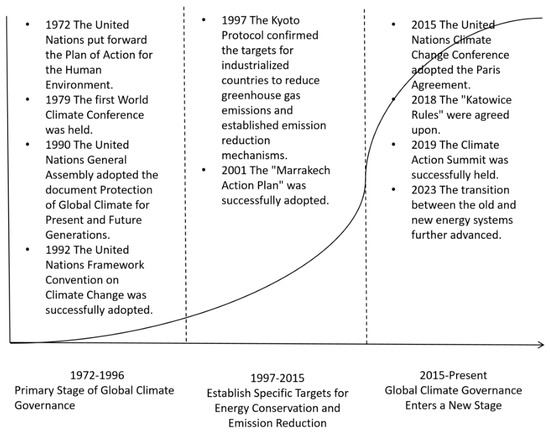
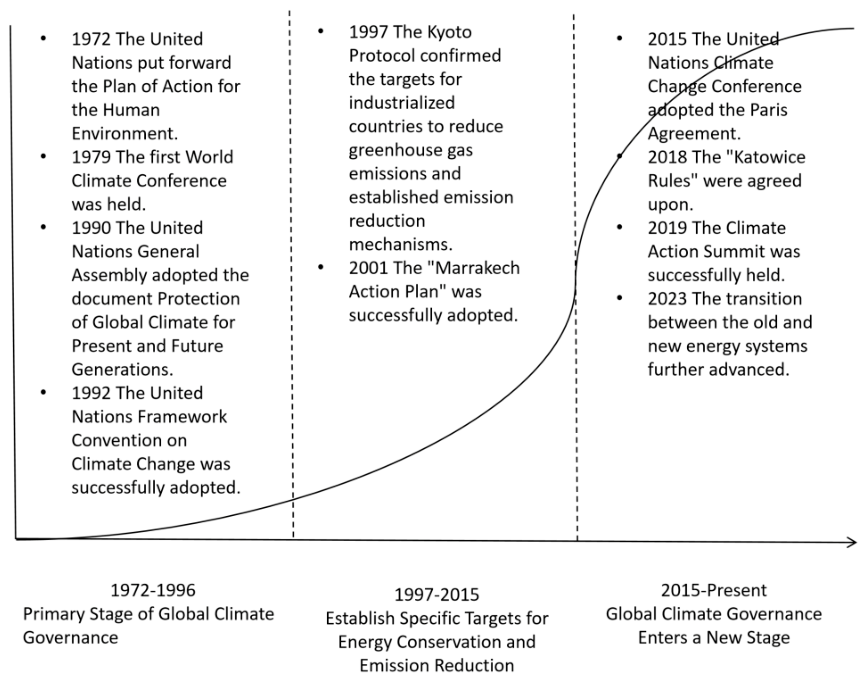
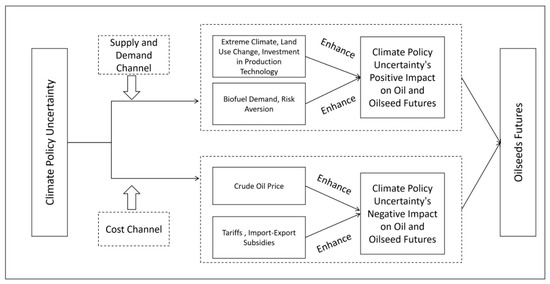
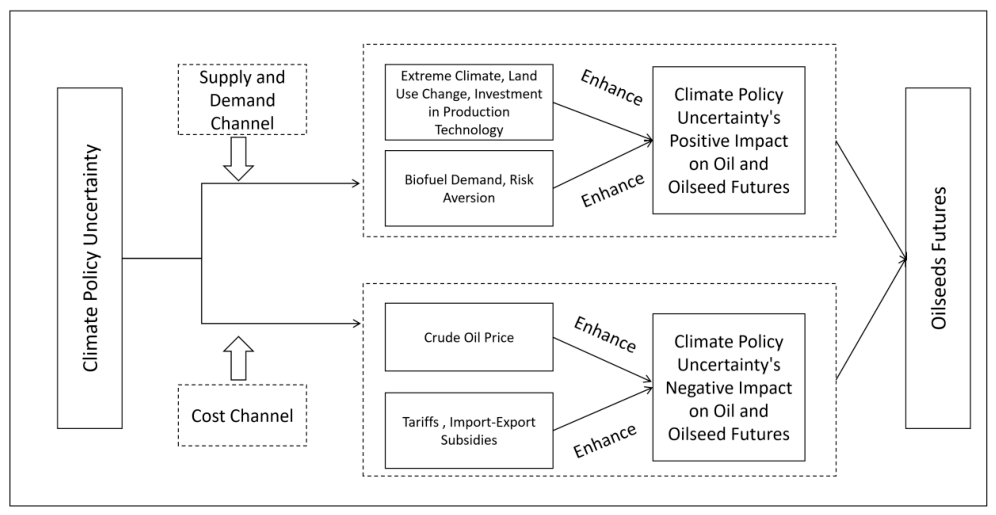
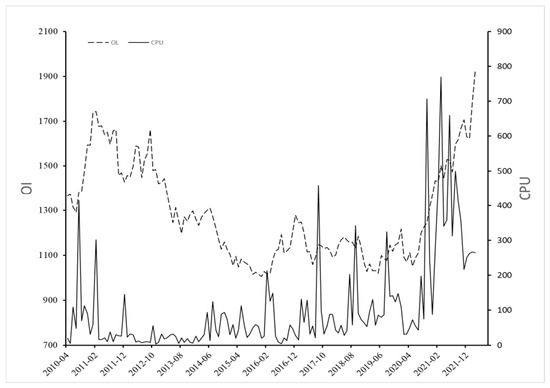
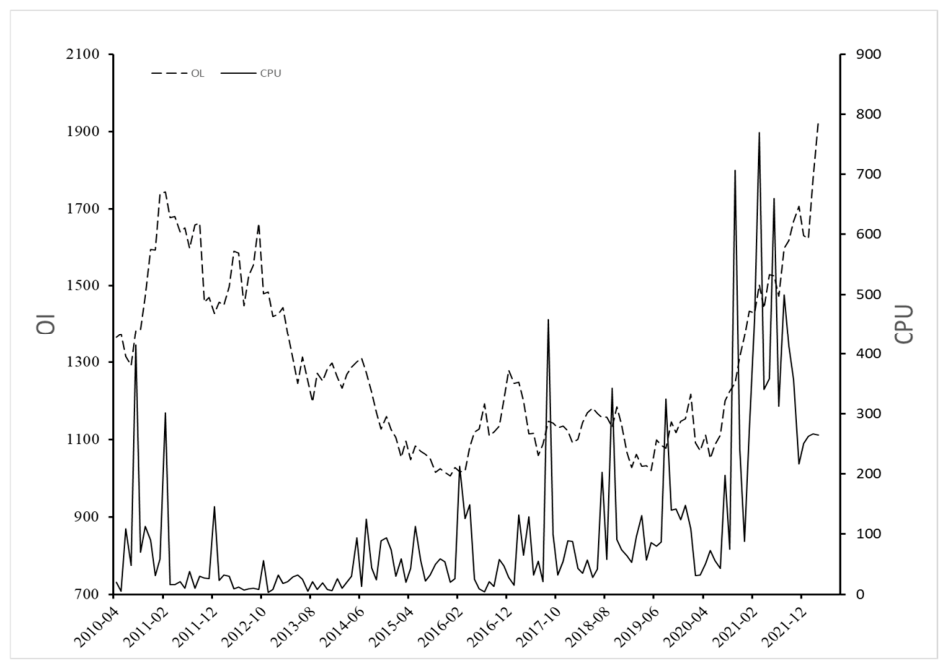
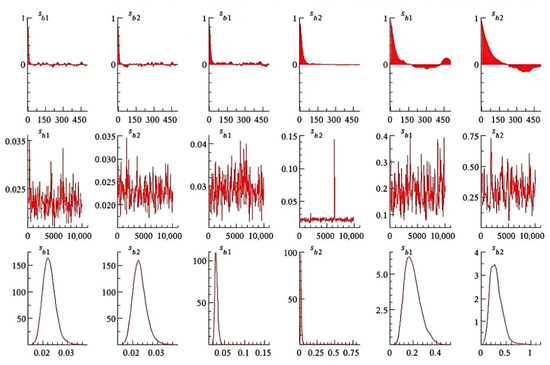
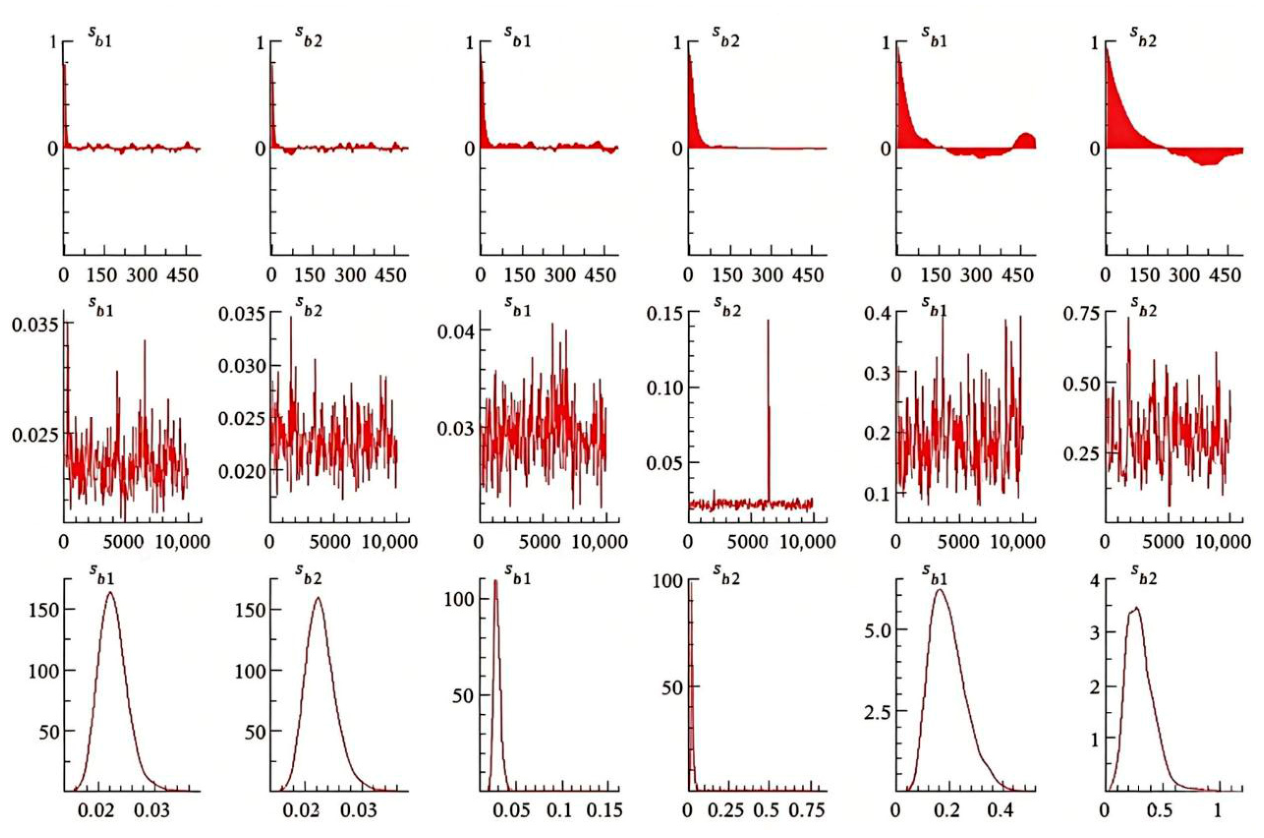
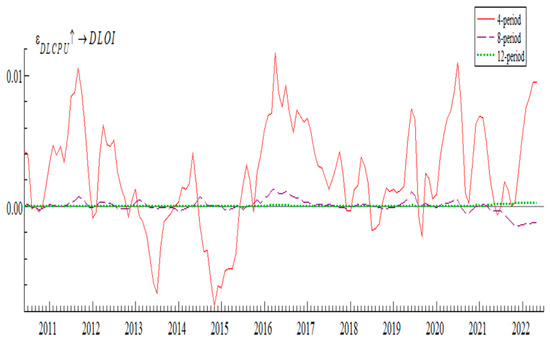
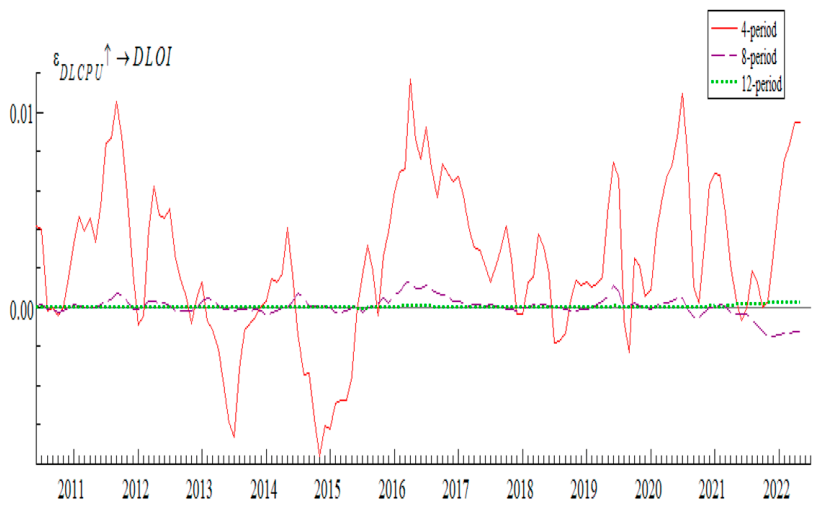
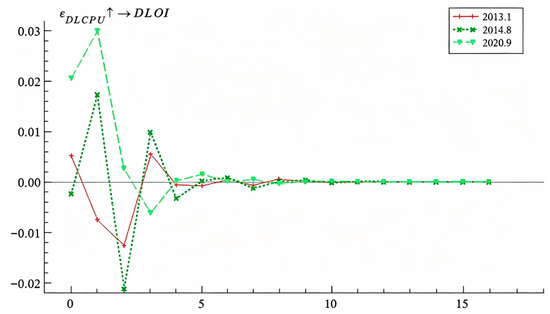
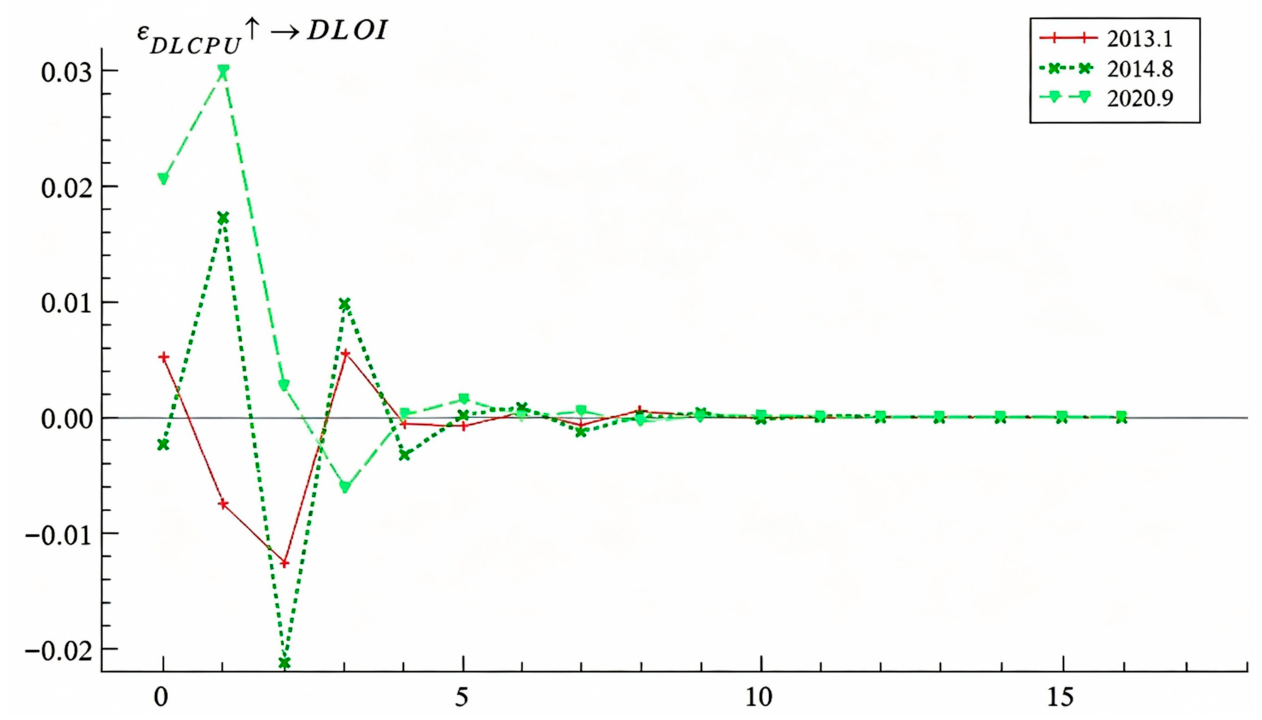
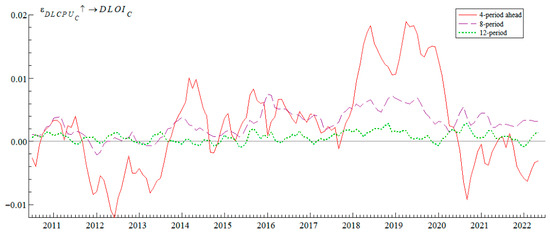
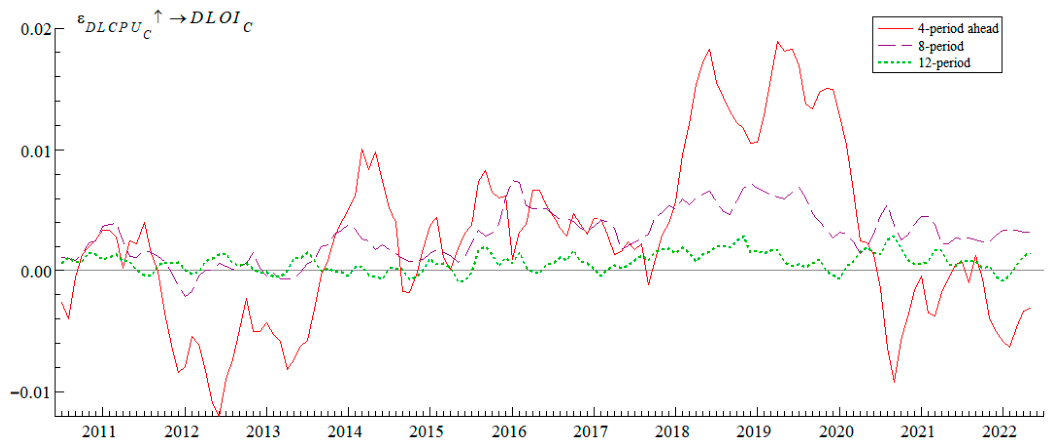
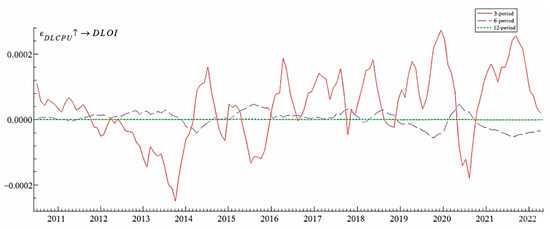
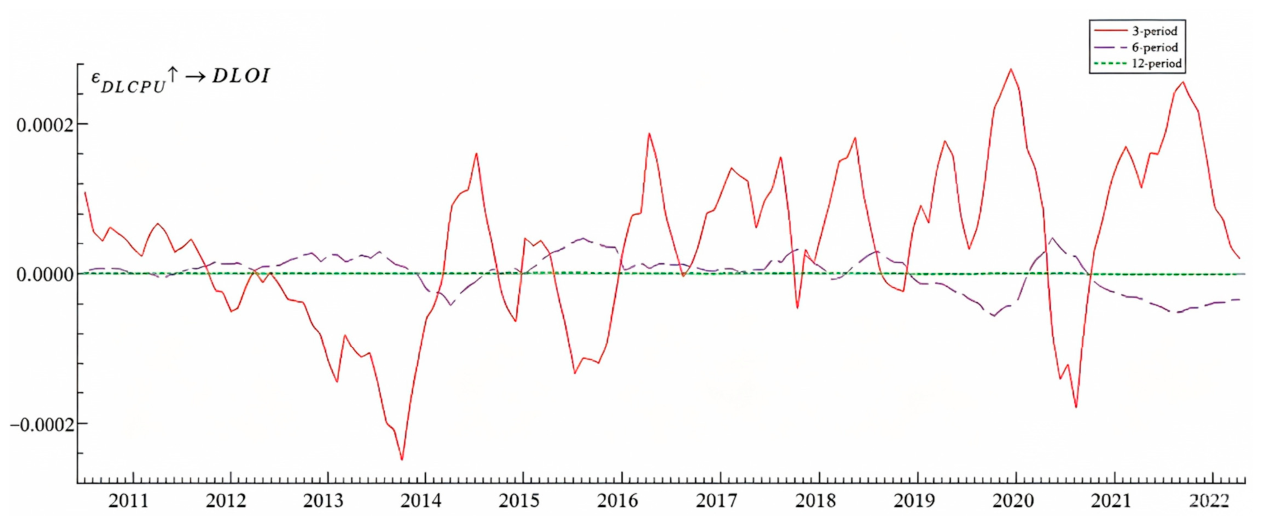
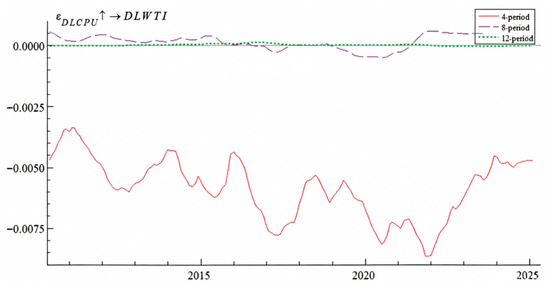
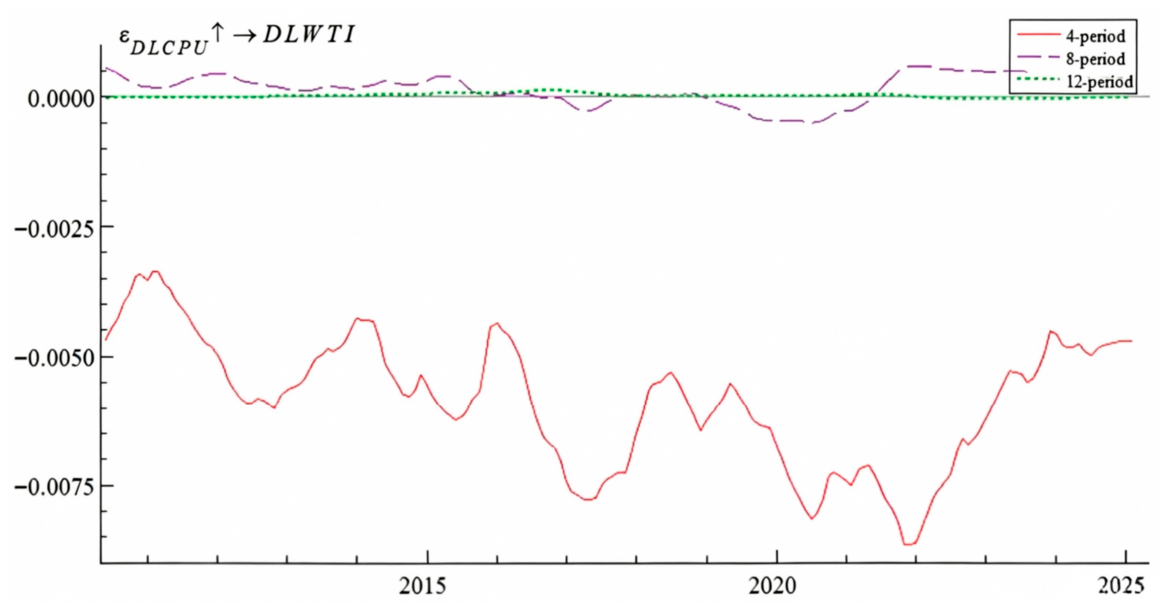
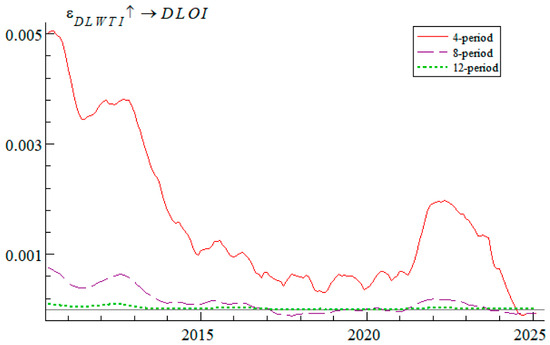
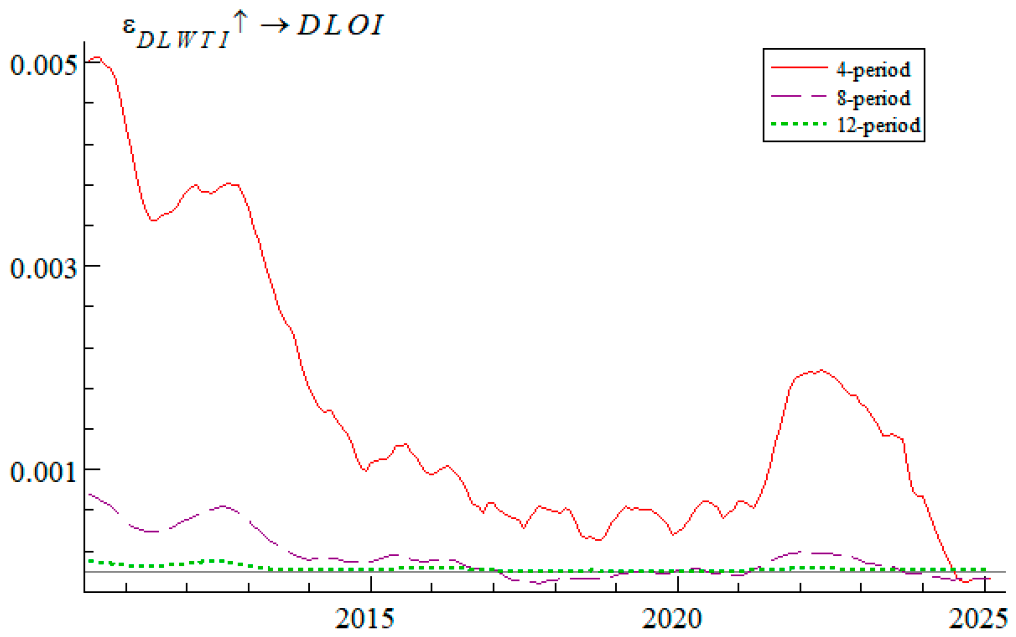

Disclaimer/Publisher’s Note: The statements, opinions and data contained in all publications are solely those of the individual author(s) and contributor(s) and not of MDPI and/or the editor(s). MDPI and/or the editor(s) disclaim responsibility for any injury to people or property resulting from any ideas, methods, instructions or products referred to in the content. |
© 2026 by the authors. Licensee MDPI, Basel, Switzerland. This article is an open access article distributed under the terms and conditions of the Creative Commons Attribution (CC BY) license.