Article

Study on the Thermal and Dielectric Properties of SrTiO3/Epoxy Nanocomposites
School of Electrical Engineering, Wuhan University, Wuhan 430072, China
*
Author to whom correspondence should be addressed.
Energies 2017, 10(5), 692; https://doi.org/10.3390/en10050692
Submission received: 24 March 2017 / Revised: 8 May 2017 / Accepted: 11 May 2017 / Published: 15 May 2017

Abstract

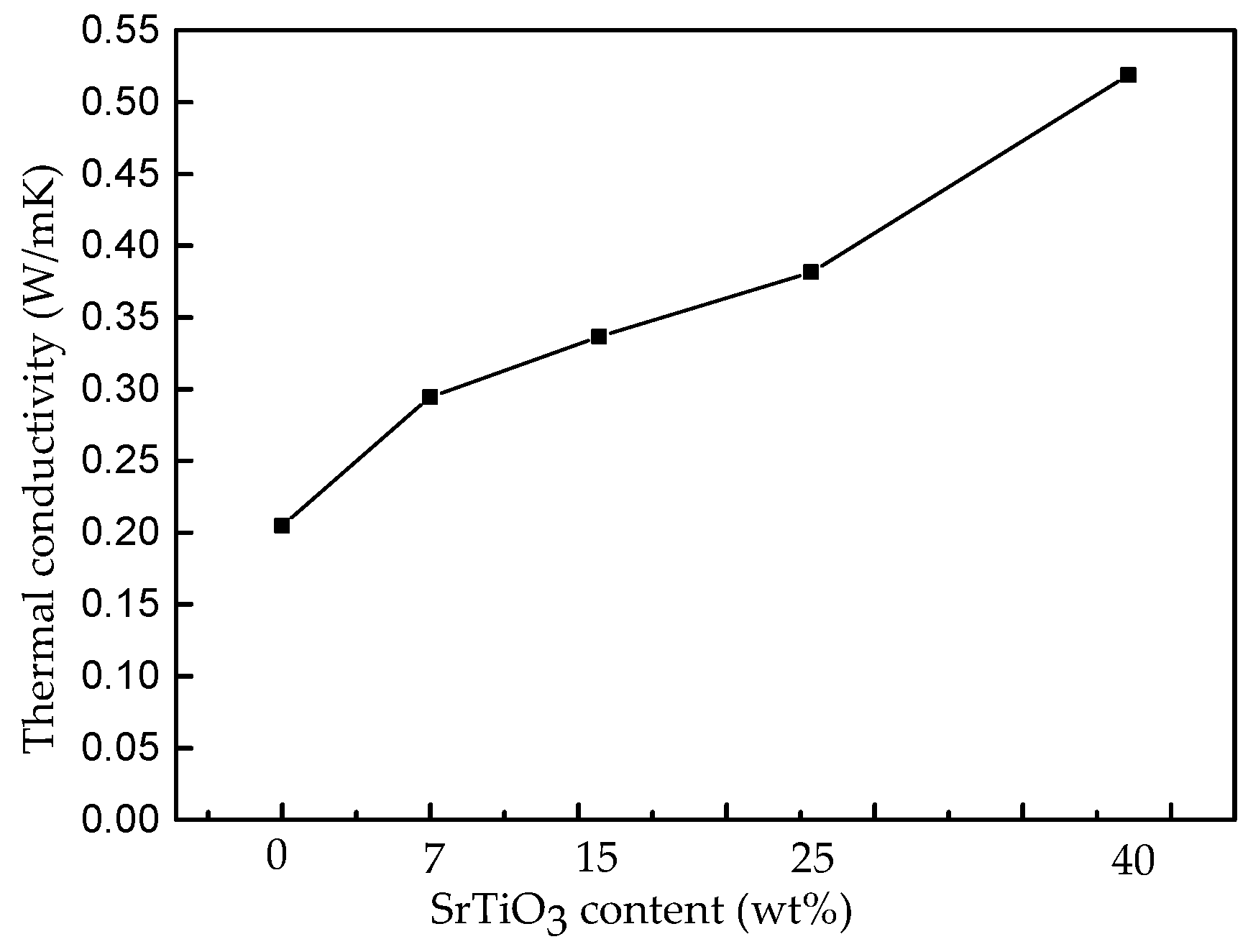
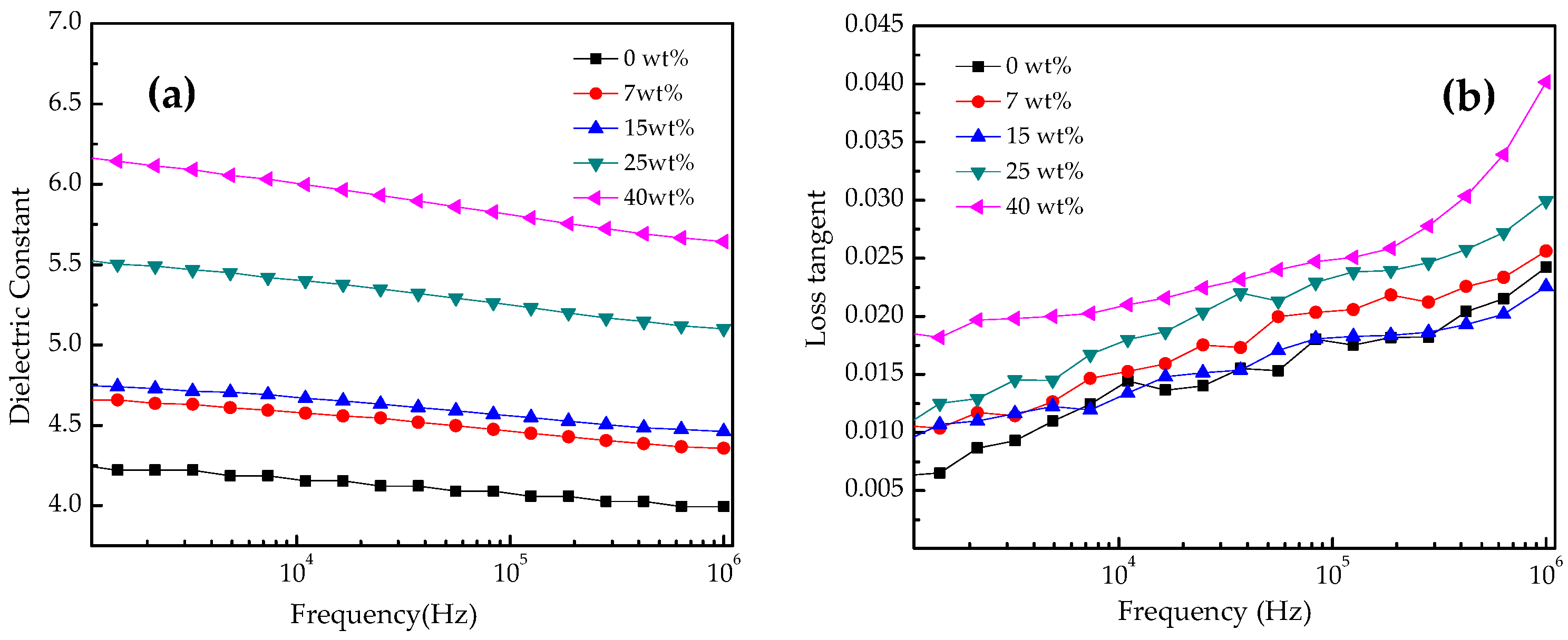
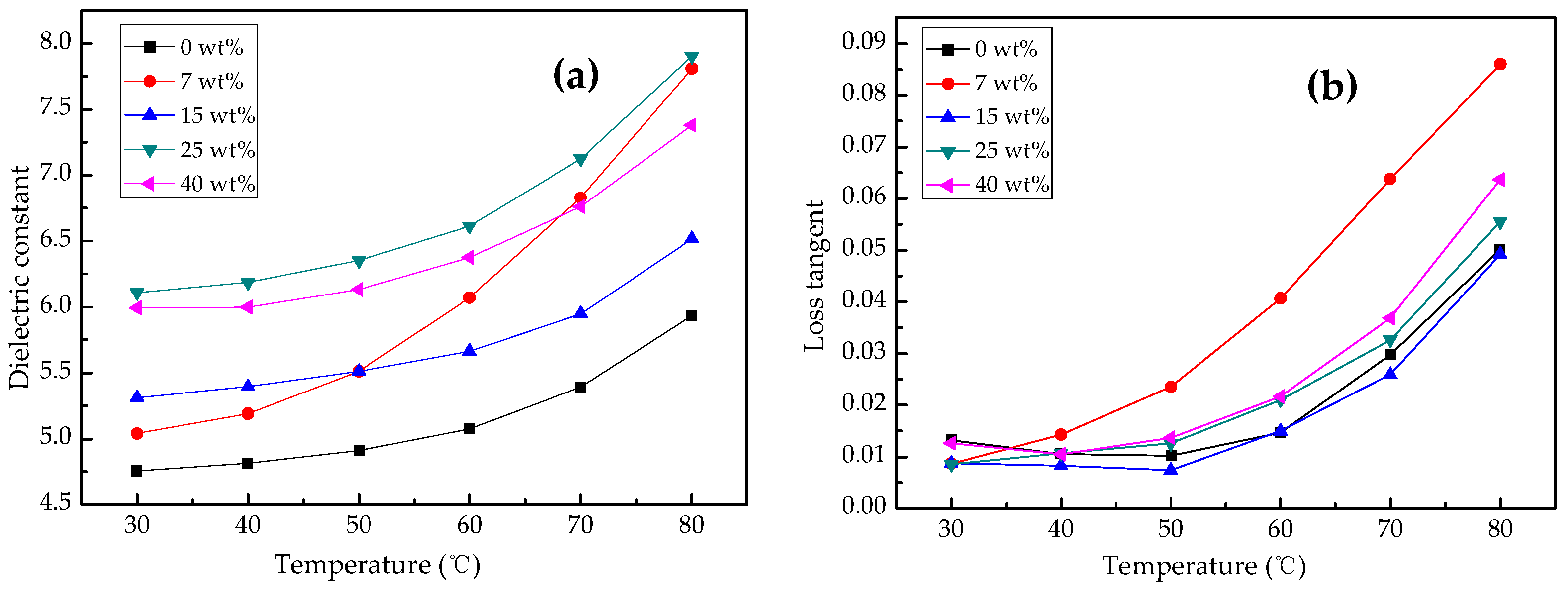
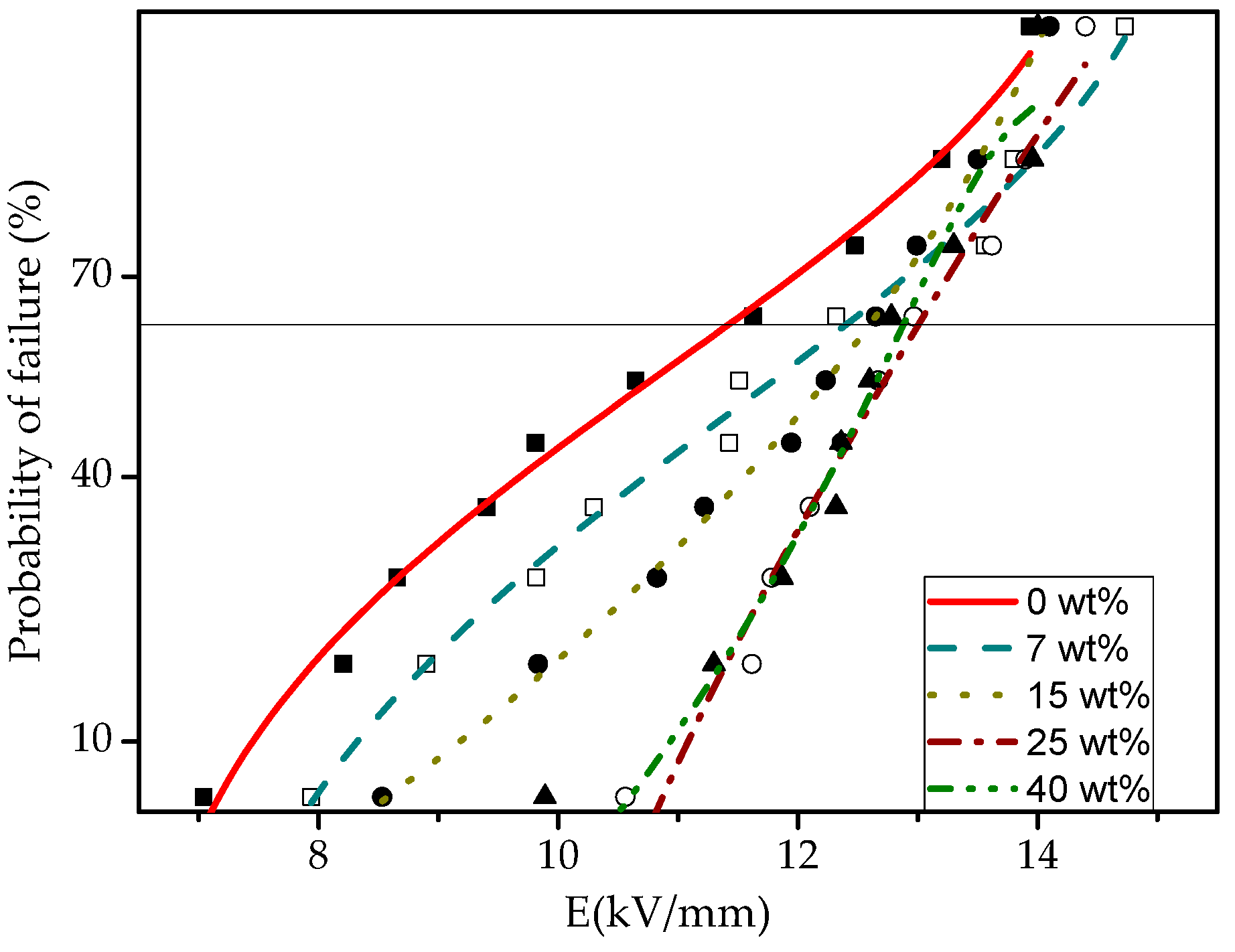
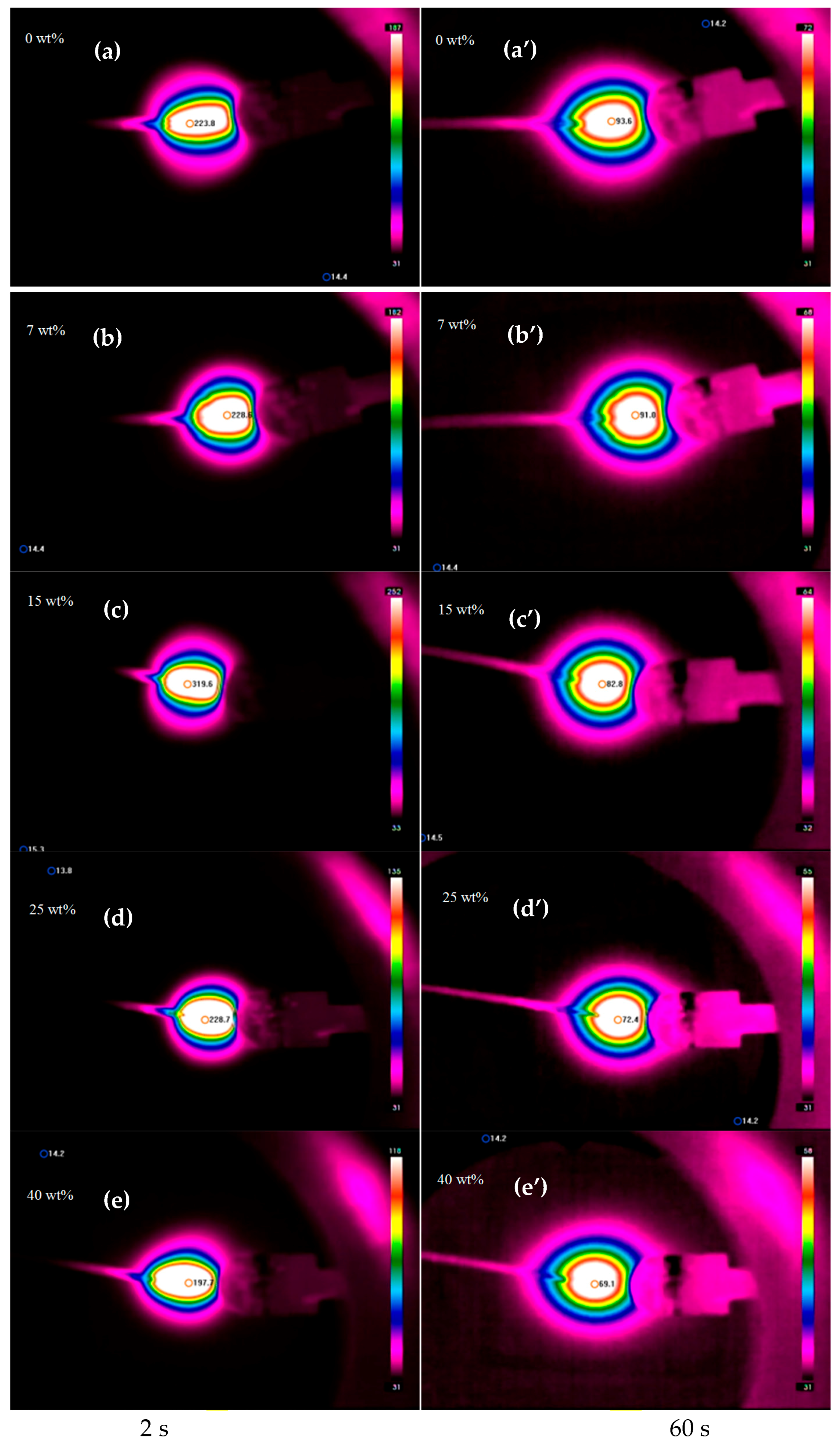
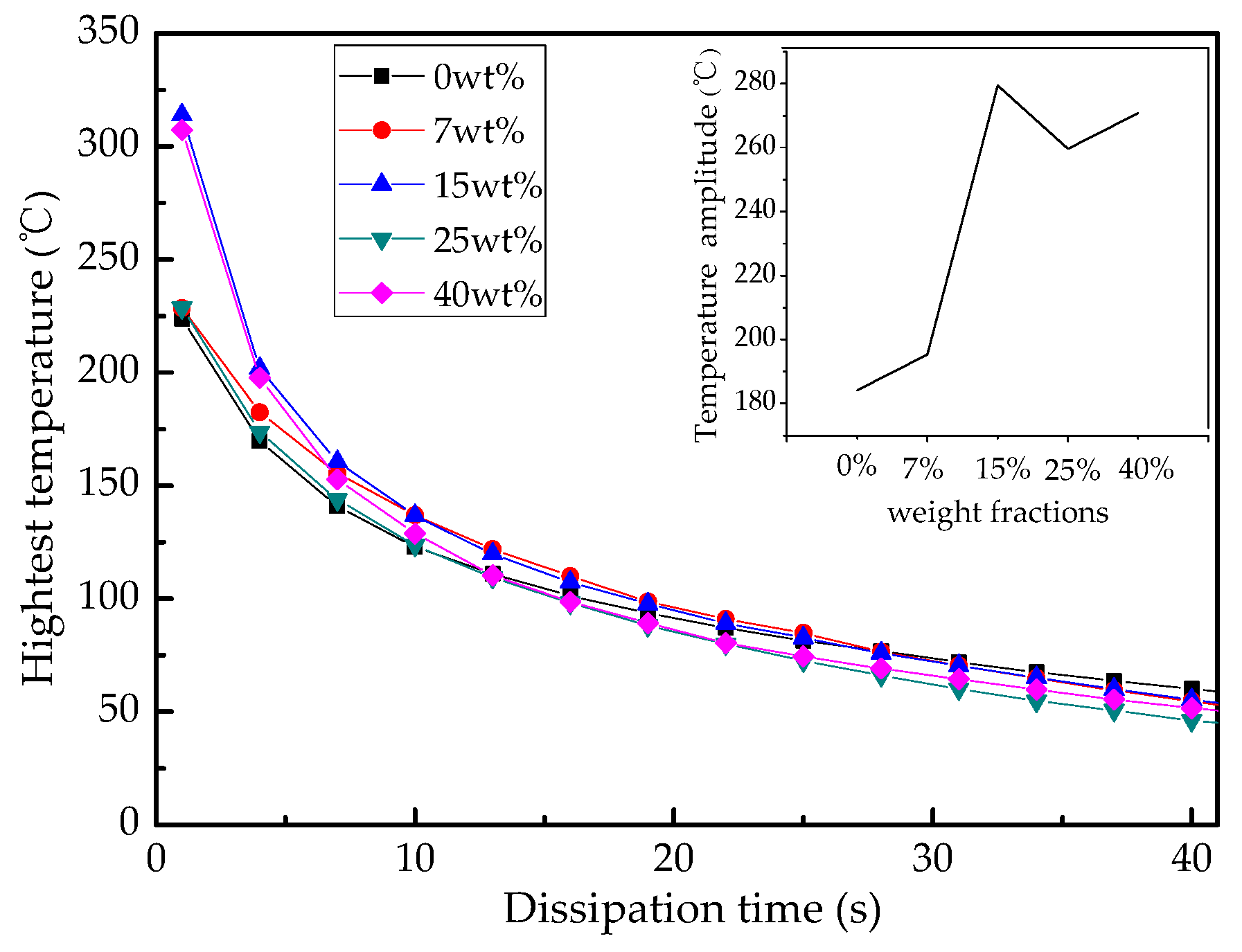
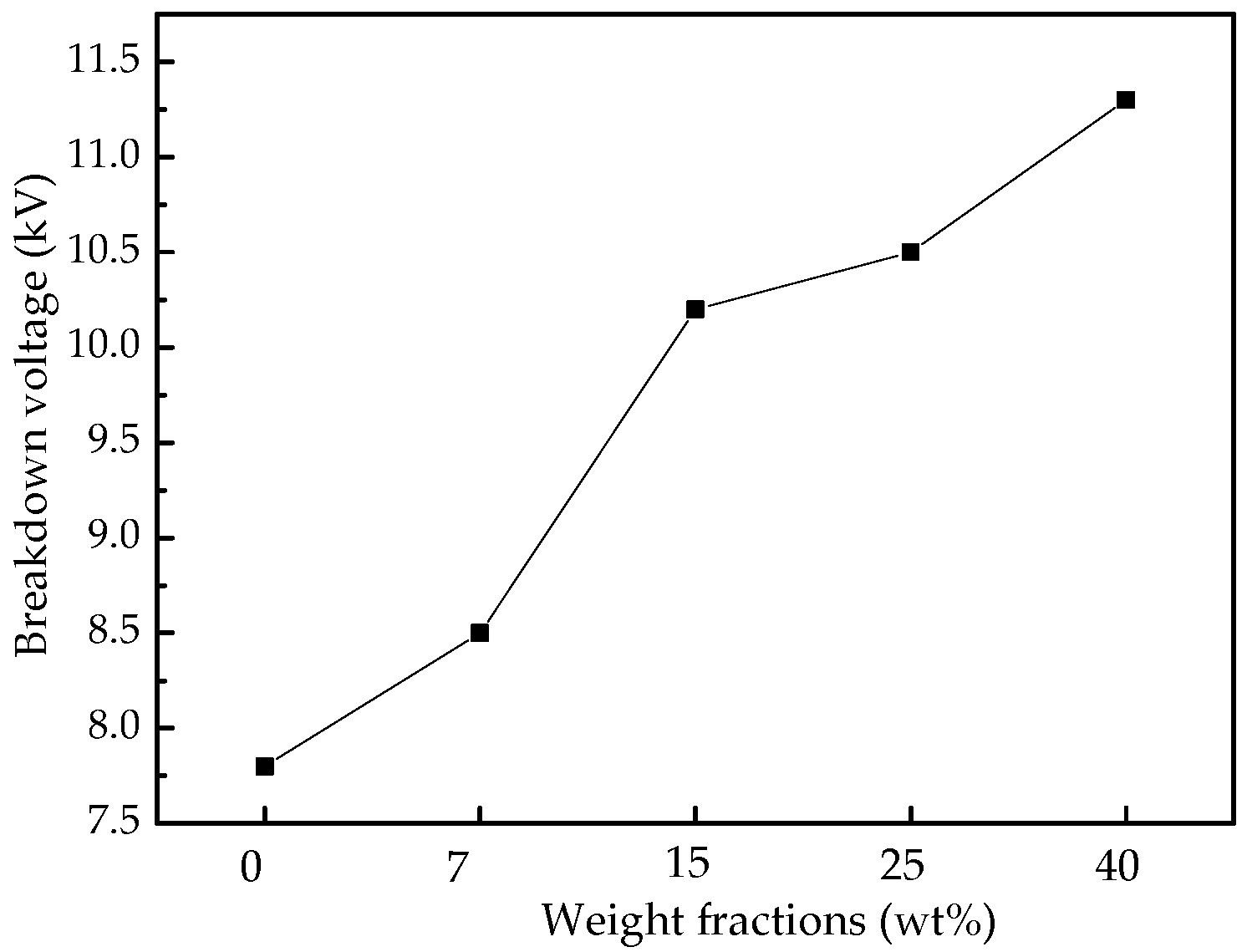
SrTiO3/epoxy nanocomposites are prepared using the facile solution-processing technique by incorporating SrTiO3 nanoparticles with different weight fractions into the epoxy resin host. The morphology of the nanoparticles and composites, as well as the thermal conduction characteristics and electrical properties of the composites were investigated via conventional testing methods. The thermal conductivity increased along with the SrTiO3 weight fractions, and the thermal conductivity of the SrTiO3/epoxy composite with 40 wt % weight fraction increased to 0.52 W/mK. The dielectric constant increased along with the weight fractions and decreased along with frequency, thereby suggesting that the interfacial and dipole polarization do not follow the changes in the electrical field direction at high frequency. The dielectric constants at 1 kHz frequency increased along with temperature. Surface breakdown tests illustrated further improvements in the thermal and electrical properties of the composites. In the same time span of 40 s, the 40 wt % nanocomposite demonstrated a rapid temperature decline rate of 6.77 °C/s, which was 47% faster than that of the pure epoxy sample. The surface breakdown voltage also increased along with the weight fractions. The functional composites can solve the key problem in the intelligentization, miniaturization, and high-efficiency of the gas-insulated switchgear, which warrants further research.
Keywords: SrTiO3; nanocomposite; thermal conductivity; dielectric constant; thermograph SrTiO3; nanocomposite; thermal conductivity; dielectric constant; thermograph