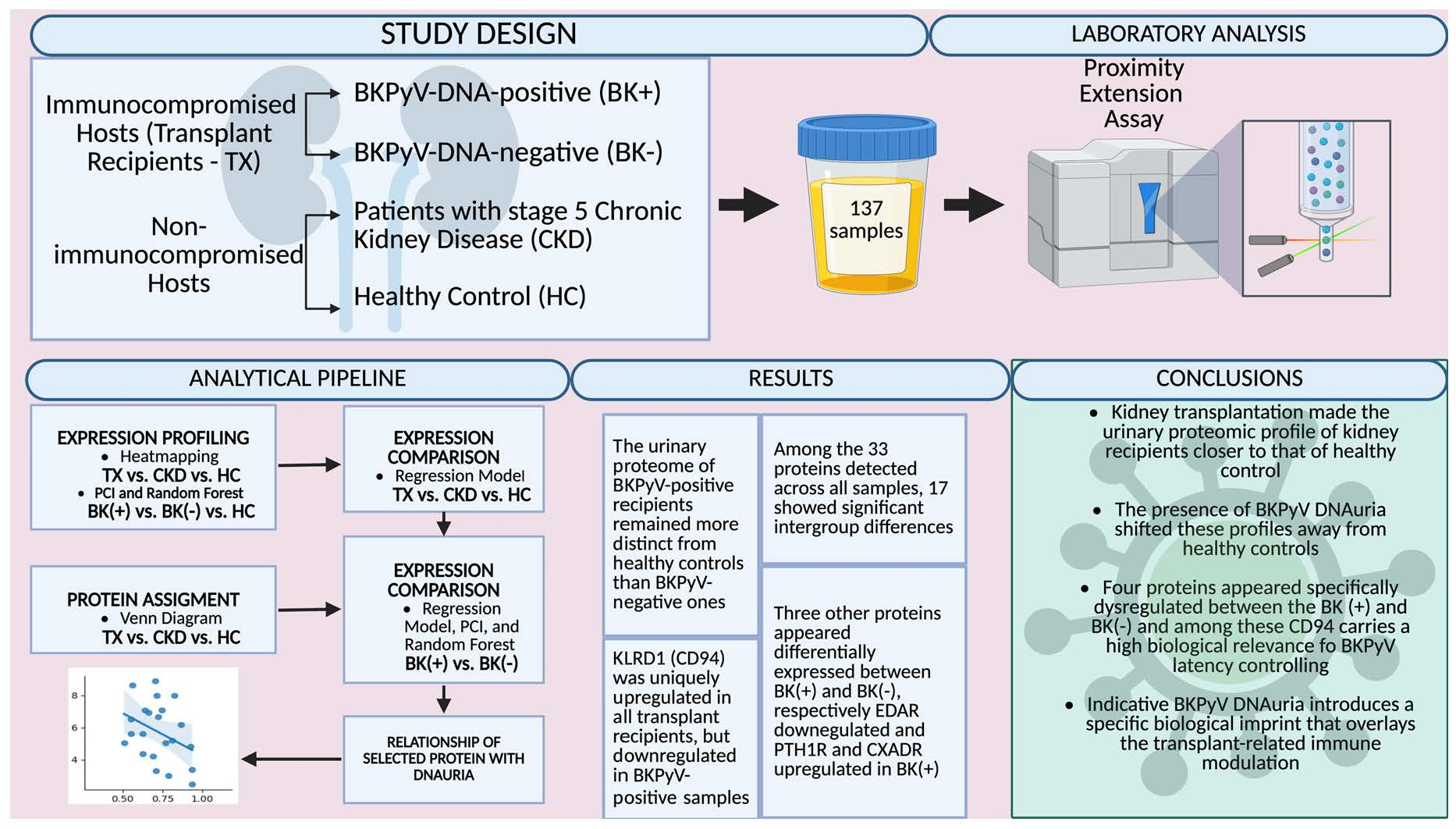
Explorative Insights into Local Immune Response to BK Virus—A Cross-Sectional Study in Urine Samples Between Transplant Recipients and Non-Immunocompromised Hosts
 , , , , ,
Abstract
1. Introduction
2. Materials and Methods
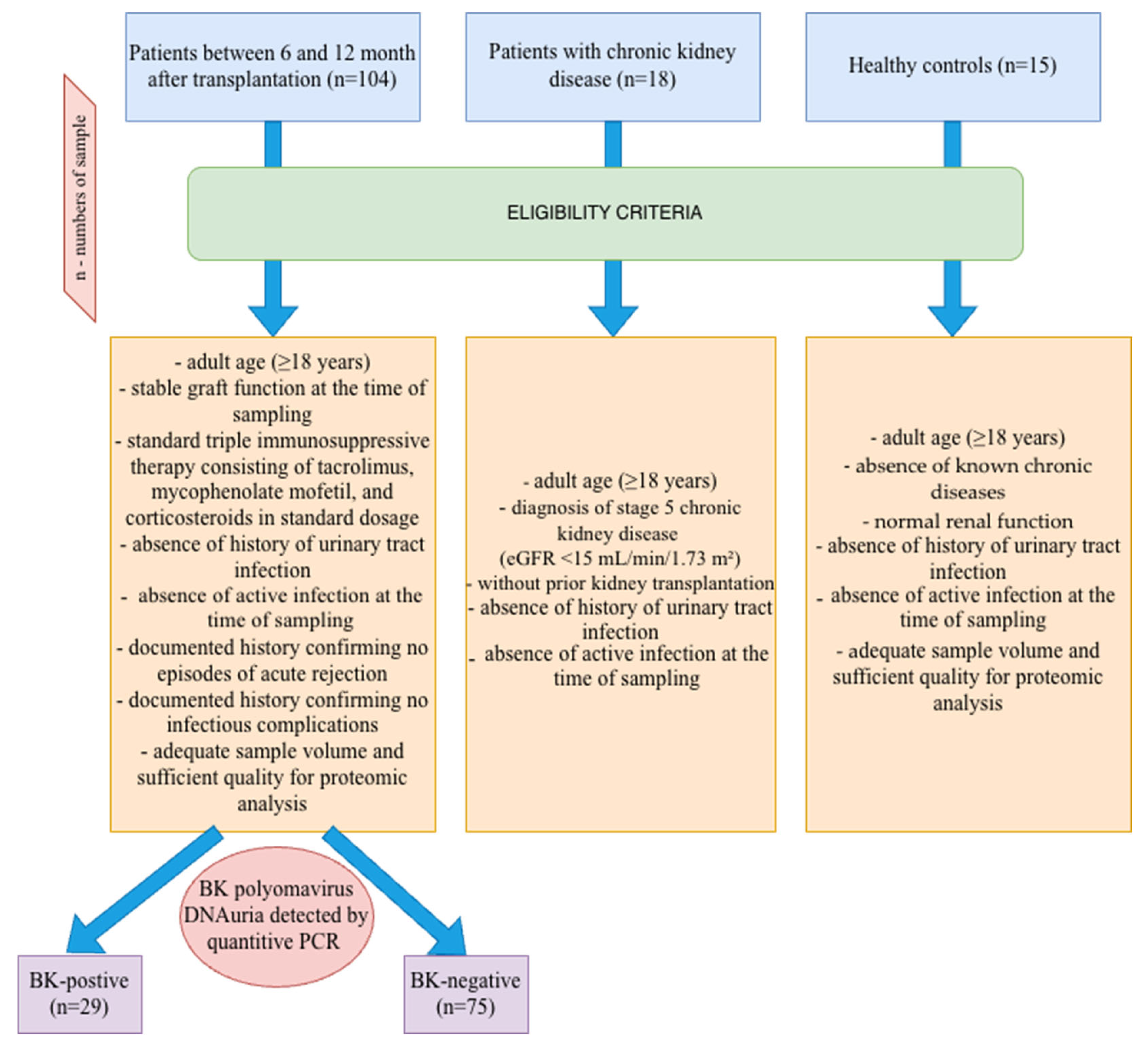
2.1. Subject
2.2. Urine Preparation
2.3. Protein Profiling
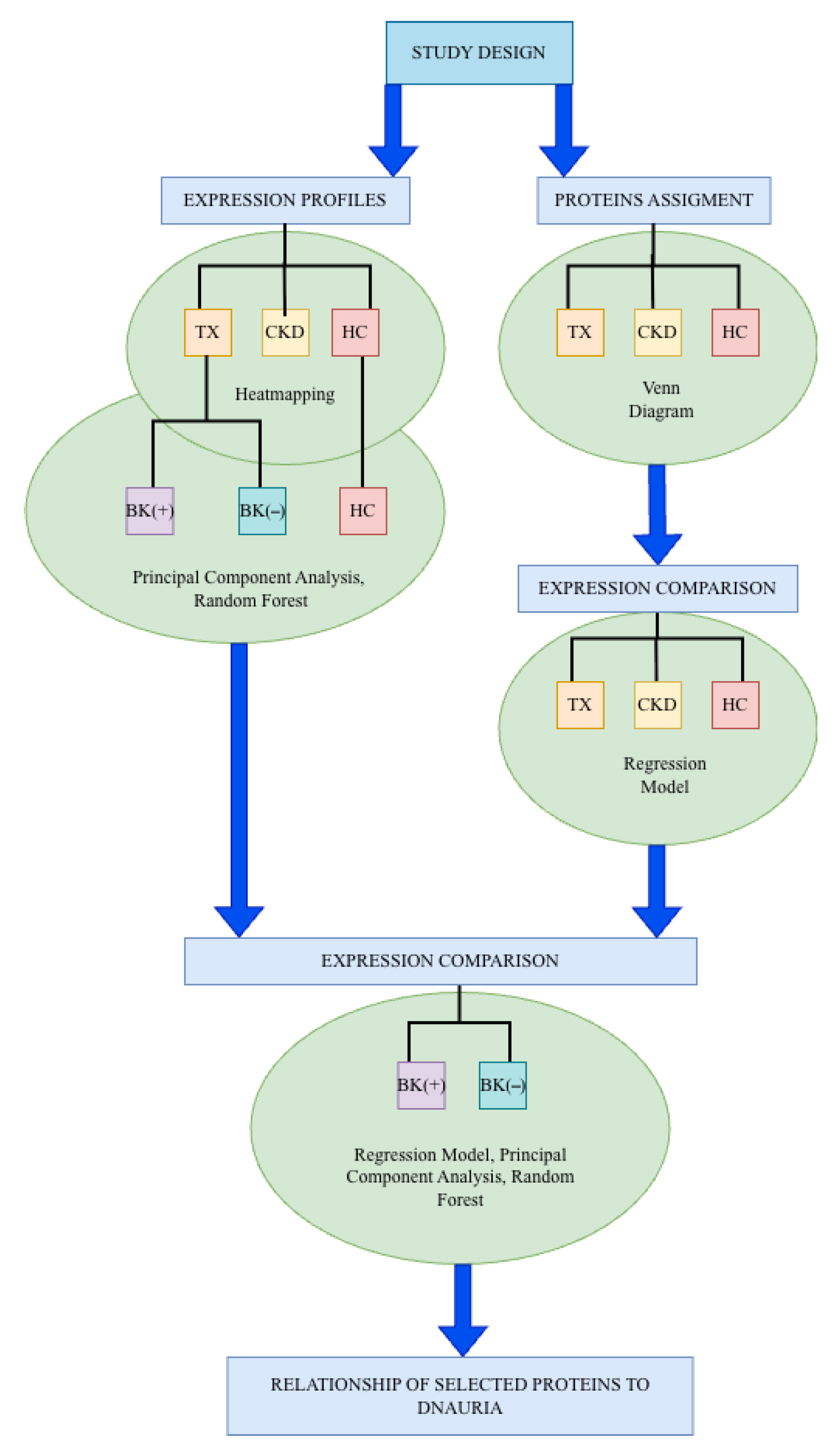
2.4. Computational Analysis
2.4.1. Protein Expression Mapping
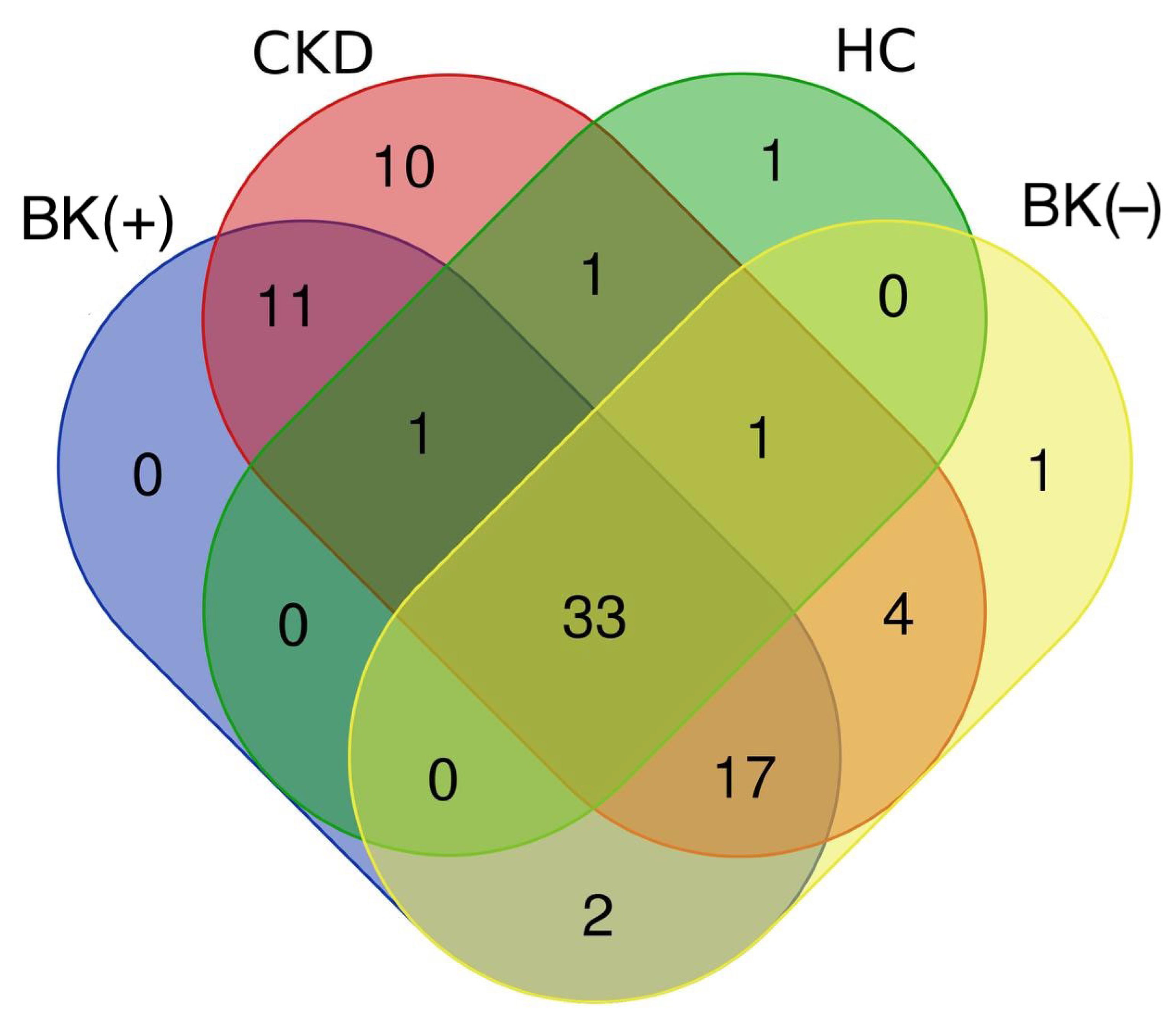
2.4.2. Venn Diagram
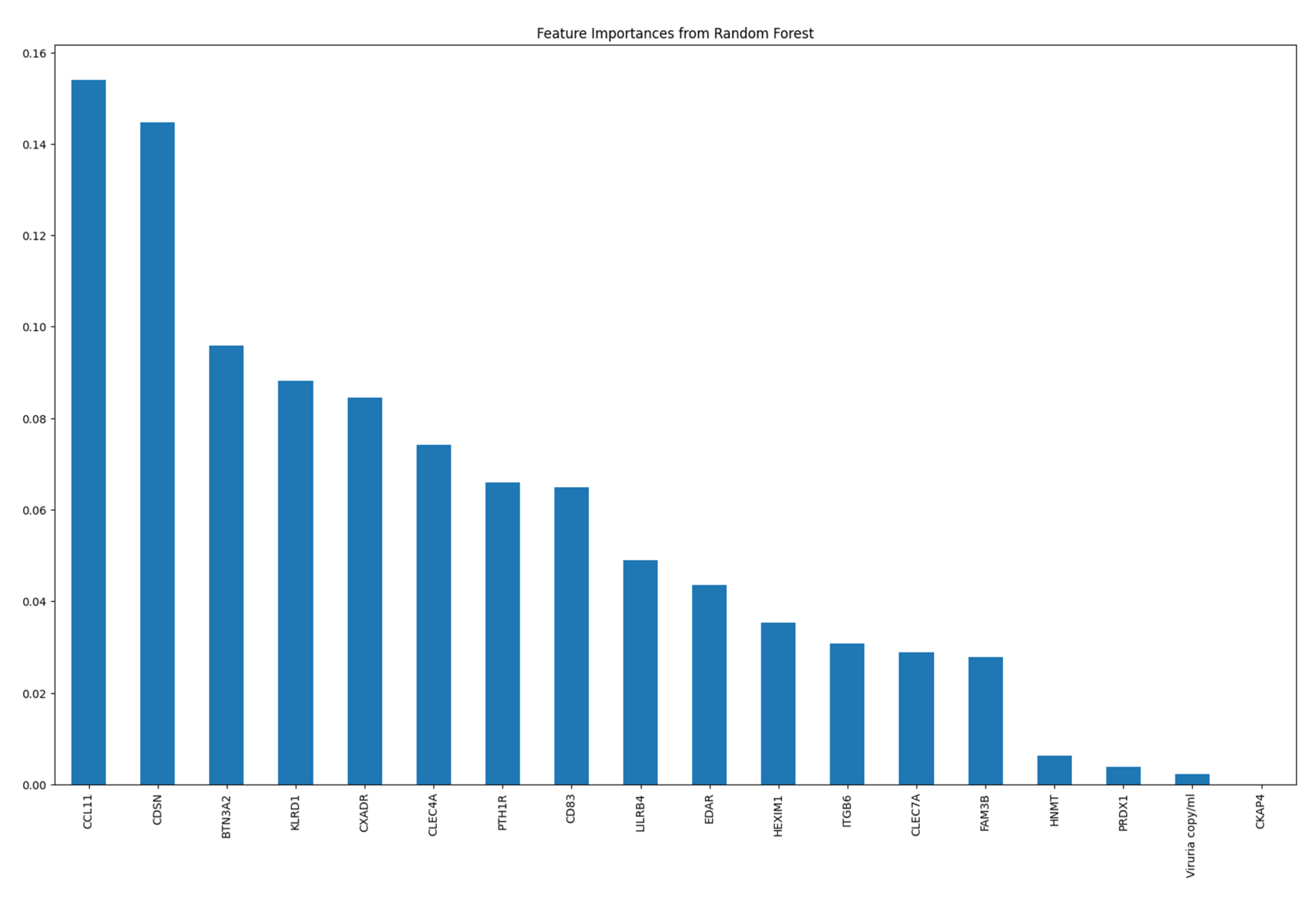
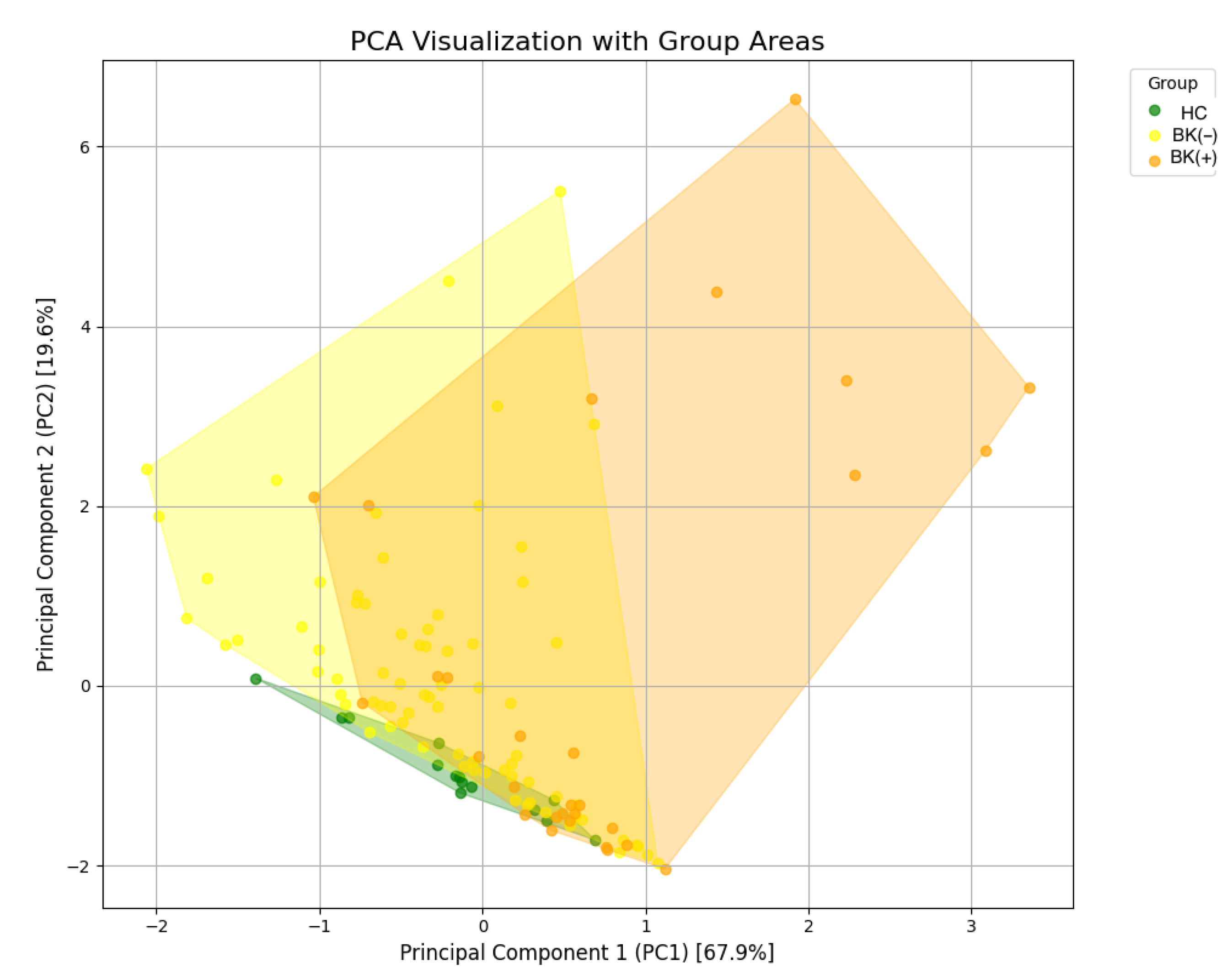
2.4.3. Random Forest Classification and Feature Selection, Principal Component Analysis
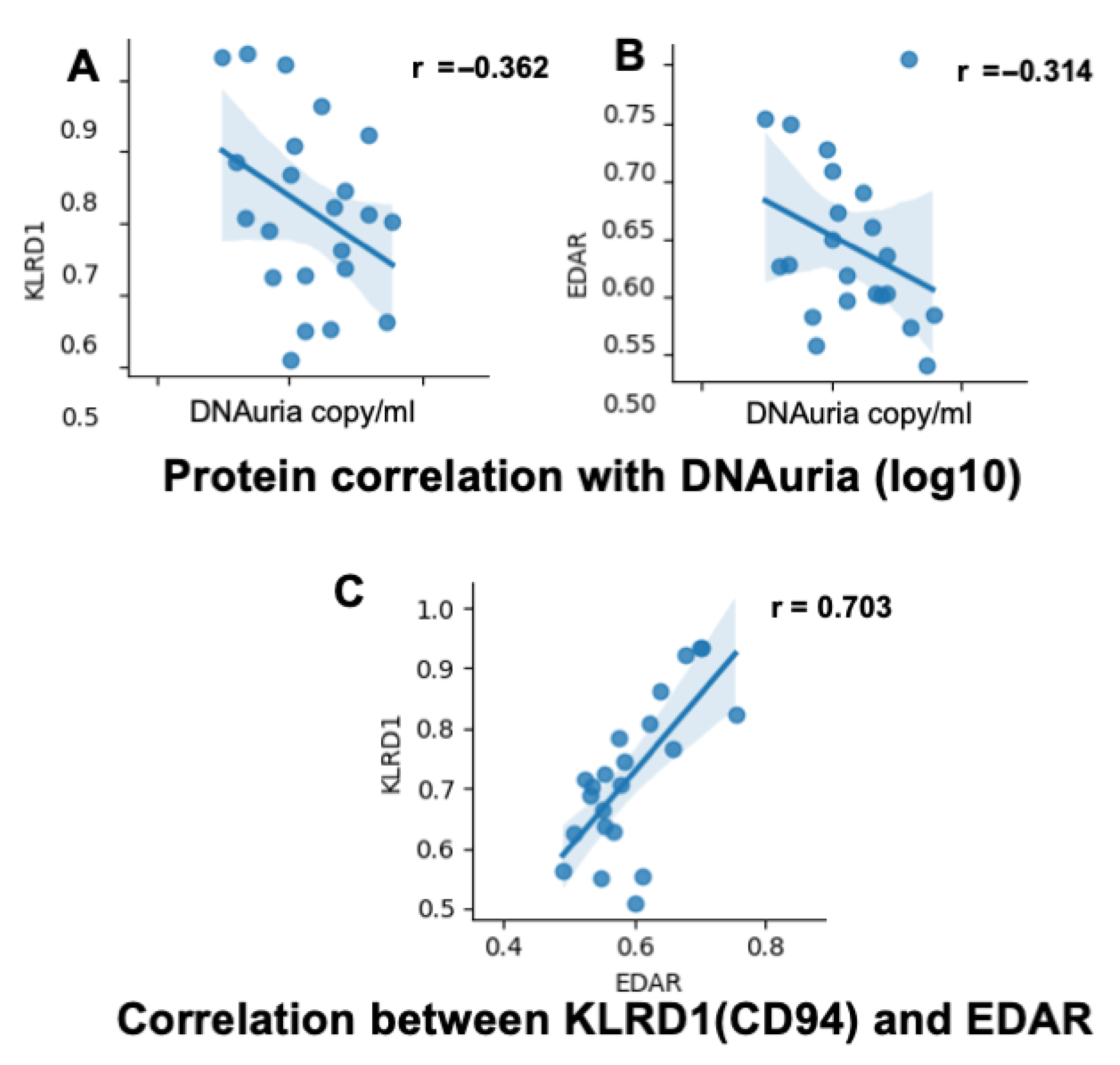
2.4.4. General Linear Modeling and Statistical Testing
3. Results
3.1. BKPyV Detection
3.2. Proteins Detectability
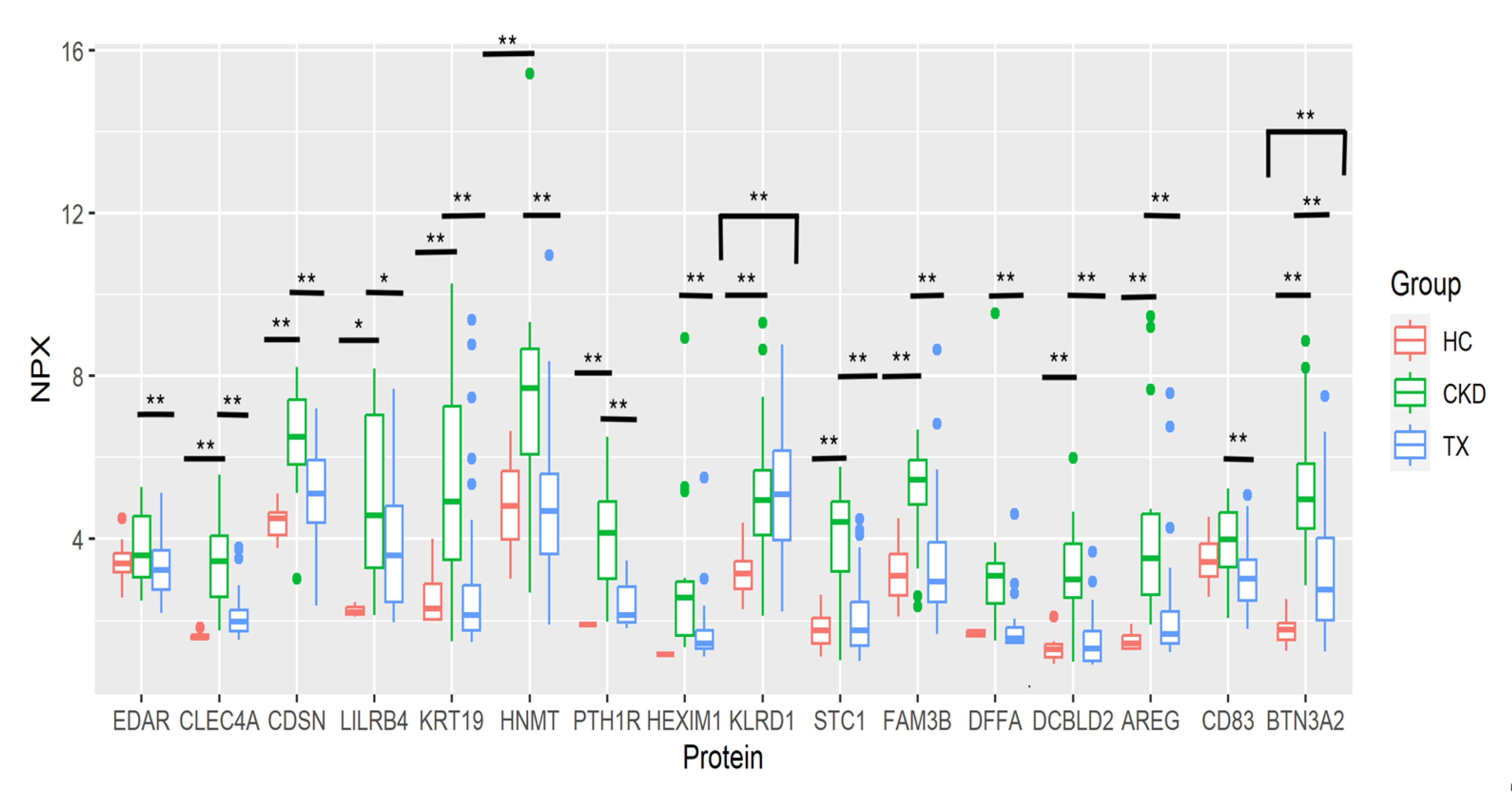
3.3. Protein Expression Profiles
3.4. Proteins Assignment
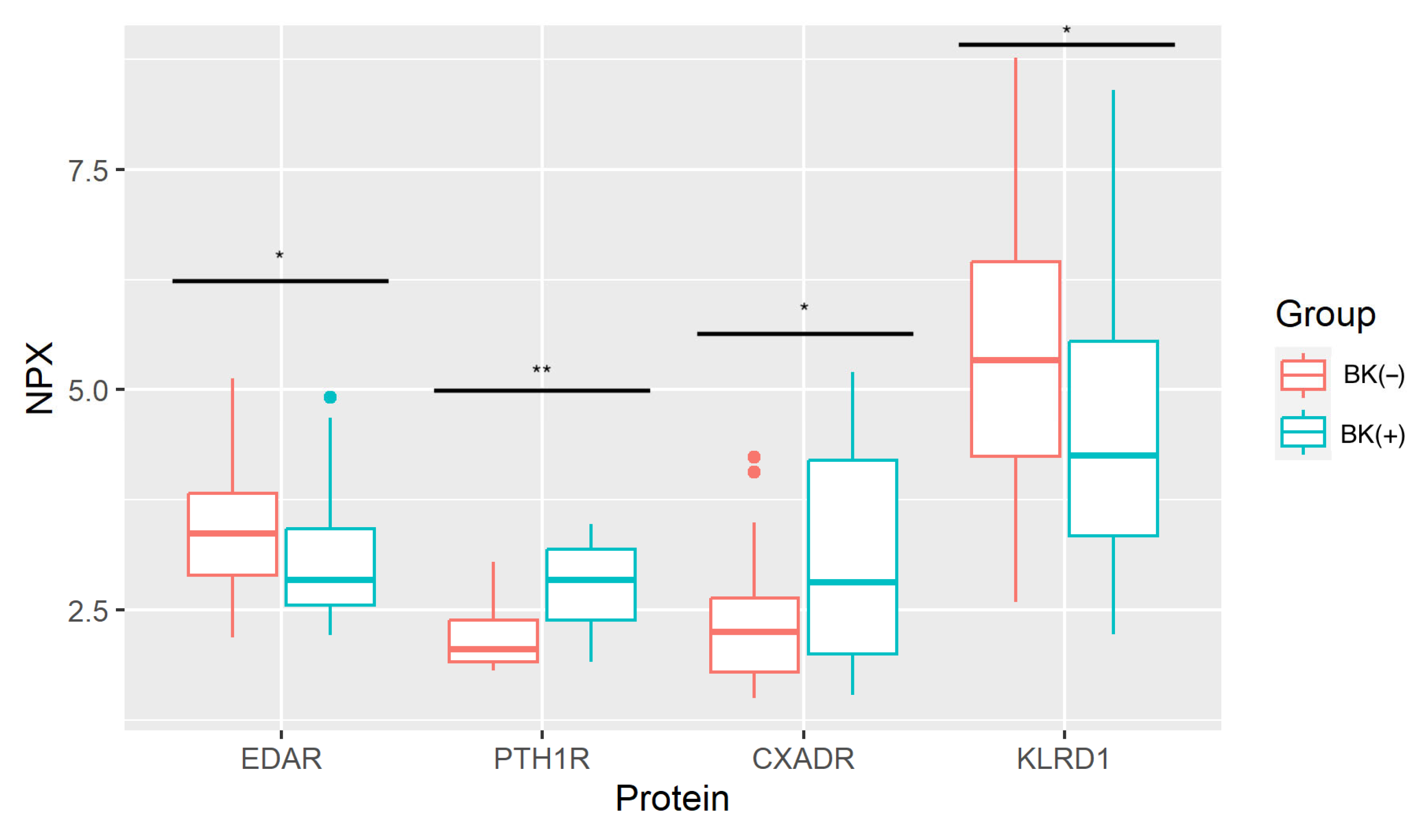
3.5. Differences Between BK(+) and BK(−) Groups
4. Discussion
5. Conclusions
Supplementary Materials
Author Contributions
Funding
Institutional Review Board Statement
Informed Consent Statement
Data Availability Statement
Acknowledgments
Conflicts of Interest
Abbreviations
| BKPyV | BK virus |
| BKPyV-DNA | BK Polyomavirus DNA |
| TX | Kidney transplant recipients |
| CKD | Chronic kidney disease |
| HC | Healthy controls |
| PEA | Proximity extension assay |
| KLRD1 | Killer cell lectin-like receptor subfamily D member 1 |
| BKVAN | BK virus-associated nephropathy |
| PCR | polymerase chain reaction |
| NPX | Normalized Protein Expression |
| DEPs | Differentially expressed proteins |
| RF | Random Forest |
| PCA | Principal Component Analysis |
| LOD | Limit of detection |
| GLM | General linear model |
| BK(+) | Patients with BKPyV DNAuria |
| BK(−) | Patients without BKPyV DNAuria |
| GFR | Glomerular filtration rate |
| Z-scores | Standardized expression levels |
| CLEC7A | C-type lectin domain family 7 member A |
| CD83 | CD83 antigen |
| ITGB6 | Integrin beta 6 |
| PRDX1 | Peroxiredoxin 1 |
| HNMT | Histamine N-methyltransferase |
| CDSN | Corneodesmosin |
| EDAR | Tumor necrosis factor receptor superfamily member EDAR (EDAR) |
| BTN3A2 | Butyrophilin subfamily 3 member A2 |
| STC1 | Stanniocalcin-1 |
| FAM3B | Protein FAM3B |
| KRT19 | Keratin, type 1cytoskeletal 19 |
| CLEC4A | C-type lectin domain family 4 member A |
| AREG | Amphiregulin |
| PTH1R | Parathyroid hormone receptor 1 |
| CXADR | Coxsackievirus and adenovirus receptor |
| LILRB4 | Leukocyte immunoglobulin like receptor B4 |
| DFFA | DNA fragmentation factor subunit alpha |
| DCBLD2 | Discoidin, CUB and LCCL domain-containing protein |
| PADI2 | Peptidyl arginine deiminase 2 |
| CCL11 | C-C motif chemokine 11 |
| NKG2A | Killer cell lectin-like receptor subfamily C1 |
| NKG2C | Killer cell lectin-like receptor subfamily C2/3 |
| CD94 | CD94 antigen |
| HLA-E | Major histocompatibility complex, class I, E |
| MHC | Major histocompatibility complex |
| NK | Natural killer cell |
| TCR | T-cell antigen receptor alpha |
| PTH | Parathormone |
Appendix A


| DNAuria (Copy/mL) | |
|---|---|
| Min. value | 290 |
| Max. value | 772,500,000 |
| Average | 64,406,589.6 |
| Mean | 1,450,000 |
| SD | 174,876,401.5 |
Appendix B

Appendix C
| Proteins Shared Exclusively Among the CKD, BK(+), and BK(−) Groups | Common Proteins (Shared Across All Groups) |
|---|---|
| dual adapter for phosphotyrosine and 3-phosphotyrosine and 3-phosphoinositide (DAPP1) | leukocyte immunoglobulin-like receptor subfamily B member 4 (LILRB4) |
| ATP-dependent RNA helicase DDX58 (DDX58) | butyrophilin subfamily 3 member A2 (BTN3A) |
| interleukin 12 receptor beta-1 (IL12RB1) | keratin, type 1cytoskeletal 19 (KRT19) |
| tryptase alpha/beta 1 (TPSAB1) | C-type lectin domain family 7 member A (CLEC7A) |
| Fanconi anaemia group J protein (BACH1) | histamine N-methyltransferase (HNMT) |
| fibroblast growth factor 2 (FGF2) | lysosomal-associated membrane protein 3 (LAMP3) |
| mannan-binding lectin serine protease 1 (MASP1) | corneodesmosin (CDSN) |
| eukaryotic translation initiation factor 4 gamma 1 (EIF4G1) | peroxiredoxin-5, mitochondrial (PRDX5) |
| interferon regulatory factor 9 (IRF9) | eotaxin (CCL11) |
| hematopoietic cell-specific Lyn substrate 1 (HCLS1) | killer cell lectin-like receptor subfamily D member 1 (KLRD1) |
| zinc finger and BTB domain-containing protein 16 (ZBTB16) | interleukin 6 (IL6) |
| PC4 and SFRS1-interacting protein (PSIP1) | stanniocalcin-1 (STC1) |
| C-type lectin domain family 4 member C (CLEC4C) | DNA fragmentation factor subunit alpha (DFFA) |
| mast cell immunoglobulin-like receptor 1 (MILR) | C-type lectin domain family 4 member A (CLEC4A) |
| natural cytotoxicity triggering receptor 1 (NCR1) | protein-arginine-deiminase type 2 (PADI2) |
| C-type lectin domain family 4 member D (CLEC4D) | amphiregulin (AREG) |
| coxsackievirus and adenovirus receptor (CXADR) | tumor necrosis factor receptor superfamily member EDAR (EDAR) |
| discoidin, CUB and LCCL domain containing 2 (DCBLD2) | |
| beta-galactosidase (GLB1) | |
| protein FAM3B (FAM3B) | |
| CD83 antigen (CD83) | |
| parathyroid hormone receptor 1 (PTH1R) | |
| integrin beta 6 (ITGB6) | |
| protein HEXIM1 (HEXIM1) | |
| peroxiredoxin 1 (PRDX1). |
References
- Hirsh, H.H.; Steiger, J. Polyomavirus BK. Lancet Infect. Dis. 2003, 3, 611–623. [Google Scholar] [CrossRef] [PubMed]
- Kotton, C.N.; Kamar, N.; Wojciechowski, D.; Eder, M.; Hopfer, H.; Randhawa, P.; Sester, M.; Comoli, P.; Silva, H.T.; Knoll, G.; et al. The second international consensus guidelines on the management of BK Polyomavirus in kidney transplantation. Transplantation 2024, 108, 1834–1866. [Google Scholar] [CrossRef] [PubMed]
- Gardner, S.D.; Field, A.M.; Coleman, D.V.; Hulme, B. New human papovavirus (B.K.) isolated from urine after renal transplantation. Lancet 1971, 1, 1253–1257. [Google Scholar] [CrossRef] [PubMed]
- Jamboti, J.S. BK virus nephropathy in renal transplant recipients. Nephrology 2006, 21, 647–654. [Google Scholar] [CrossRef]
- Nickeleit, V.; Singh, H.K. Polyomaviruses and disease: Is there more to know than viremia and viruria? Curr. Opin. Organ Transplant. 2015, 20, 348–358. [Google Scholar] [CrossRef]
- Lauver, M.D.; Katz, Z.E.; Markus, H.; Derosia, N.M.; Jin, G.; Ayers, K.N.; Butic, A.B.; Bushey, K.; Abendroth, C.S.; Liu, D.J.; et al. The CXCR6–CXCL16 axis mediates T cell control of polyomavirus infection in the kidney. PLoS Pathog. 2025, 21, e1012969. [Google Scholar] [CrossRef]
- Sandybayev, N.; Belloussov, V.; Strochkov, V.; Solomadin, M.; Granica, J.; Yegorov, S. Next Generation Sequencing Approaches to Characterize the Respiratory Tract Virome. Microorganisms 2022, 10, 2327. [Google Scholar] [CrossRef]
- Qian, L.; Sun, R.; Aebersold, R.; Bühlmann, P.; Sander, C.; Guo, T. AI-empowered perturbation proteomics for complex biological systems. Cell Genom. 2024, 4, 100691. [Google Scholar] [CrossRef]
- Breiman, L. Random forests. Mach. Learn. 2001, 45, 5–32. [Google Scholar] [CrossRef]
- Urbiola-Salvador, V.; Jabłońska, A.; Miroszewska, D.; Huang, Q.; Duzowska, K.; Drężek-Chyła, K.; Zdrenka, M.; Śrutek, E.; Szylberg, Ł.; Jankowski, M.; et al. Plasma protein changes reflect colorectal cancer development and associated inflammation. Front. Oncol. 2023, 13, 1158261. [Google Scholar] [CrossRef]
- Chang, C.; Rodriguez, A.; Carretero, M.; López-Botet, M.; Phillips, J.H.; Lanier, L.L. Molecular characterization of human CD94: A type II membrane glycoprotein related to the C-type lectin superfamily. Eur. J. Immunol. 1995, 25, 2433–2437. [Google Scholar] [CrossRef] [PubMed]
- Braud, V.; Allan, D.; O’Callaghan, C.; Soderstrom, K.; D’Andrea, A.; Ogg, G.S.; Lazetic, S.; Young, N.T.; Bell, J.I.; Phillips, J.H.; et al. HLA-E binds to natural killer cell receptors CD94/NKG2A, B and C. Nature 1998, 391, 795–799. [Google Scholar] [CrossRef] [PubMed]
- Yokoyama, W.M.; Kim, S. Licensing of natural killer cells by self-major histocompatibility complex class I. Immunol. Rev. 2006, 214, 143–154. [Google Scholar] [CrossRef] [PubMed]
- Kim, S.; Poursine-Laurent, J.; Truscott, S.M.; Lybarger, L.; Yun-Jeong, S.; Yang, L.; French, A.R.; Sunwoo, J.B.; Lemieux, S.; Hansen, T.H.; et al. Licensing of natural killer cells by host major histocompatibility complex class I molecules. Nature 2005, 436, 709–713. [Google Scholar] [CrossRef]
- Gunturi, A.; Berg, R.E.; Forman, J. The role of CD94/NKG2 in innate and adaptive immunity. Immunol. Res. 2004, 30, 29–34. [Google Scholar] [CrossRef]
- Byers, A.M.; Andrews, N.P.; Lukacher, A.E. CD94/NKG2A expression is associated with proliferative potential of CD8 T cells during persistent Polyoma virus infection. J. Immunol. 2006, 176, 6121–6129. [Google Scholar] [CrossRef]
- Wojtasik, M.; Jones, C.M.; Sullivan, L.C.; Winterhalter, A.C.; Carbone, F.R.; Brooks, A.G. Persistent expression of CD94/NKG2 receptors by virus-specific CD8 T cells is initiated by TCR-mediated signals. Int. Immunol. 2004, 16, 1333–1341. [Google Scholar] [CrossRef]
- Fang, M.; Orr, M.T.; Spee, P.; Egebjerg, T.; Lanier, L.L.; Sigal, L.J. CD94 is essential for NK cell-mediated resistance to a lethal viral disease. Immunity 2011, 34, 579–589. [Google Scholar] [CrossRef]
- Aubry, A.; Demey, B.; Castelain, S.; Helle, F.; Brochot, E. The value and complexity of studying cellular immunity against BK Polyomavirus in kidney transplant recipients. J. Clin. Virol. 2024, 171, 105656. [Google Scholar] [CrossRef]
- Tanaka, J.; Toubai, T.; Iwao, N.; Tsutsumi, Y.; Kato, N.; Miura, Y.; Shigematsu, A.; Hirate, D.; Ota, S.; Asaka, M.; et al. The immunosuppressive agent FK506 enhances the cytolytic activity of inhibitory natural killer cell receptor (CD94/NKG2A)-expressing CD8 T cells. Transplantation 2005, 80, 1813–1815. [Google Scholar] [CrossRef]
- Koppinen, P.; Pispa, J.; Laurikkala, J.; Thesleff, I.; Mikkola, M.L. Signaling and subcellular localization of the TNF receptor Edar. Exp. Cell Res. 2001, 269, 180–192. [Google Scholar] [CrossRef]
- Kowalczyk-Quintas, C.; Schneider, P. Ectodysplasin A (EDA)—EDA receptors signaling and its pharmacological modulation. Cytokine Growth Factor Rev. 2014, 25, 195–203. [Google Scholar] [CrossRef] [PubMed]
- Hoffmann, A.; Baltimore, D. Circuitry of nuclear factor κB signaling. Immunol. Rev. 2006, 210, 171–186. [Google Scholar] [CrossRef] [PubMed]
- Liu, T.; Zhang, L.; Joo, D.; Sun, S.C. NF-κB signaling in inflammation. Signal Transduct. Target. Ther. 2017, 2, 17023. [Google Scholar] [CrossRef] [PubMed]
- Wehbi, A.; Kremer, E.J.; Dopeso-Reyes, I.G. Location of the cell adhesion molecule “Coxsackievirus and Adenovirus Receptor” in the adult mouse brain. Front. Neuroanat. 2020, 14, 28. [Google Scholar] [CrossRef]
- Coyne, C.B.; Bergelson, J.M. Virus-induced Abl and Fyn kinase signals permit coxsackievirus entry through epithelial tight junctions. Cell 2006, 124, 119–131. [Google Scholar] [CrossRef]
- Bergelson, J.M.; Cunningham, J.A.; Droguett, G.; Kurt-Jones, E.A.; Krithivas, A.; Horwitz, M.S.; Crowell, R.L.; Finberg, R.W. Isolation of a common receptor for coxsackie B viruses and adenoviruses 2 and 5. Science 1997, 275, 1320–1323. [Google Scholar] [CrossRef]
- Houri, N.; Huang, K.C.; Nalbantoglu, J. The coxsackievirus and adenovirus receptor (CAR) undergoes ectodomain shedding and regulated intramembrane proteolysis (RIP). PLoS ONE 2013, 8, e73296. [Google Scholar] [CrossRef]
- Raschperger, E.; Neve, E.P.; Wernerson, A.; Hultenby, K.; Pettersson, R.F.; Majumdar, A. The coxsackie and adenovirus receptor (CAR) is required for renal epithelial differentiation within the zebrafish pronephros. Dev. Biol. 2008, 313, 455–464. [Google Scholar] [CrossRef]
- Moriyama, T.; Sorokin, A. Intracellular trafficking pathway of BK virus in human renal proximal tubular epithelial cells. Virology 2008, 371, 336–349. [Google Scholar] [CrossRef]
- Cohen, C.J.; Shieh, J.T.C.; Pickles, R.J.; Okegawa, T.; Hsieh, J.T.; Bergelson, J.M. The coxsackievirus and adenovirus receptor is a transmembrane component of the tight junction. Proc. Natl. Acad. Sci. USA 2001, 98, 15191–15196. [Google Scholar] [CrossRef] [PubMed]
- Tomko, R.P.; Xu, R.; Philipson, L. HCAR and MCAR: The human and mouse cellular receptors for subgroup C adenoviruses and group B coxsackieviruses. Proc. Natl. Acad. Sci. USA 1997, 94, 3352–3356. [Google Scholar] [PubMed]
- Ortiz-Zapater, E.; Bagley, D.C.; Hernandez, V.L.; Roberts, L.B.; Maguire, T.J.A.; Voss, F.; Mertins, P.; Kirchner, M.; Peset-Martin, I.; Woszczek, G.; et al. Epithelial coxsackievirus adenovirus receptor promotes house dust mite-induced lung inflammation. Nat. Commun. 2022, 13, 6407. [Google Scholar] [CrossRef] [PubMed]
- Bastea, L.I.; Liu, X.; Fleming, A.K.; Pandey, V.; Döppler, H.; Edenfield, B.H.; Krishna, M.; Zhang, L.; Thompson, E.A.; Grandgenett, P.M.; et al. Coxsackievirus and adenovirus receptor expression facilitates enteroviral infections to drive the development of pancreatic cancer. Nat. Commun. 2024, 15, 10547. [Google Scholar] [CrossRef]
- Vehik, K.; Lynch, K.F.; Wong, M.C.; Tian, X.; Ross, M.C.; Gibbs, R.A.; Ajami, N.J.; Petrosino, J.; Rewers, M.; Toppari, J.; et al. Prospective virome analyses in young children increased genetic risk for type 1 diabetes. Nat. Med. 2019, 25, 1865–1875. [Google Scholar] [CrossRef]
- Abou-Samra, A.B.; Jüppner, H.; Kong, X.F.; Schipani, E.; Iida-Klein, A.; Karga, H.; Urena, P.; Gardella, T.F.; Potts, J.T., Jr.; Kronenberg, H.M.; et al. Structure, function, and expression of the receptor for parathyroid hormone and parathyroid hormone-related peptide. Adv. Nephrol. Necker Hosp. 1994, 23, 247–264. [Google Scholar]
- Weitzmann, M.N.; Pacifici, R. The role of T lymphocytes in bone metabolism. Immunol. Rev. 2005, 208, 154–168. [Google Scholar] [CrossRef]
- D’Amelio, P.; Grimaldi, A.; Di Bella, S.; Brianza, S.Z.M.; Cristofaro, M.A.; Tamone, C.; Giribaldi, G.; Ulliers, D.; Pescarmona, G.P.; Isaia, G. Estrogen deficiency increases osteoclastogenesis up-regulating T cells activity: A key mechanism in osteoporosis. Bone 2008, 42, 580–586. [Google Scholar] [CrossRef]
- Evenepoel, P.; Bover, J.; Torres, P.U. Parathyroid hormone metabolism and signaling in health and chronic kidney disease. Kidney Int. 2016, 90, 1184–1190. [Google Scholar] [CrossRef]
- Pereira, R.C.; Delany, A.M.; Khouzam, N.M.; Bowen, R.; Freymiller, E.; Salusky, I.B.; Wesseling-Perry, K. Primary osteoblast-like cells from patients with end-stage kidney disease reflect gene expression, proliferation, and mineralization characteristics ex vivo. Kidney Int. 2015, 87, 593–601. [Google Scholar] [CrossRef]
- Picton, M.L.; Moore, P.R.; Mawer, E.B.; Houghton, D.; Freemont, A.J.; Hutchinson, A.J.; Gokal, R.; Hoyland, J.A. Down-regulation of human osteoblast PTH/PTHrP receptor mRNA in end-stage renal failure. Kidney Int. 2000, 58, 1440–1449. [Google Scholar] [CrossRef]


| TX | CKD | HC | |
|---|---|---|---|
| Samples (number) | 104 | 18 | 15 |
| Patients (number) | 51 | 18 | 15 |
| Female (samples) | 43 | 12 | 8 |
| Male (samples) | 61 | 6 | 7 |
| Female (%) | 41.4 | 66.7 | 53.3 |
| Male (%) | 58.6 | 33.3 | 46.7 |
| Age (mean) | 48.9 ± 13.4 | 43 ± 10.4 | 24 ± 3.5 |
| BK(−) | BK(+) | |
|---|---|---|
| Samples (number) | 75 | 29 |
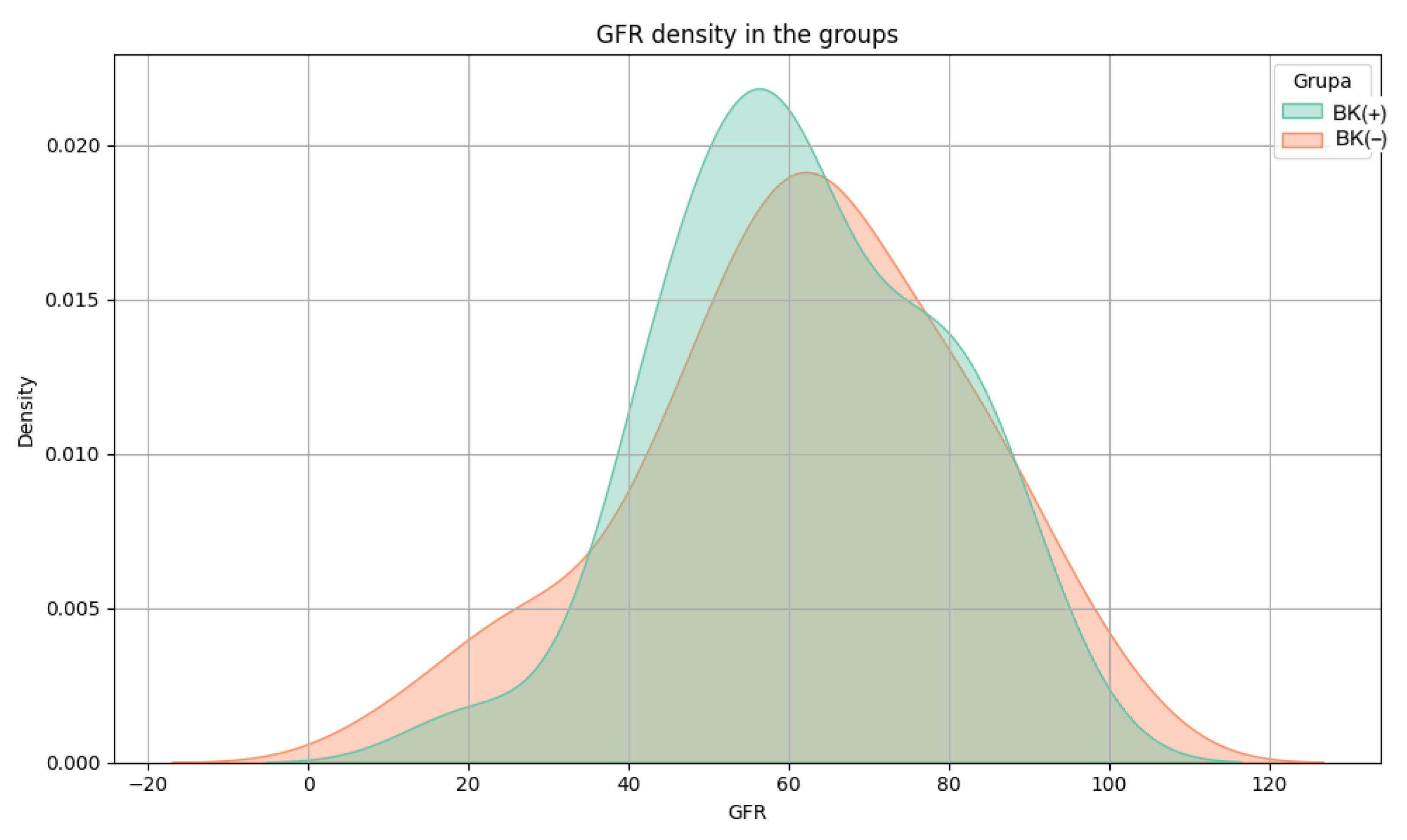
| Mean GFR (mL/min/1.73 m2) ± SD | 62.3 ± 20.7 | 61.5 ± 19.9 |
| Median | 61.6 | 60.5 |
| Range (min-max) | 15–100.6 | 20.4–90.9 |
| p-value | 9.94 | |
| EDAR | PTH1R | CXADR | KLRD1 |
|---|---|---|---|
| Cytokine-cytokine receptor interaction | Neuroactive ligand-receptor interaction | Viral myocarditis | Antigen processing and presentation |
| NF-kappa B signaling pathway | Parathyroid hormone synthesis, secretion, and action | Virion-Adenovirus | Natural killer cell-mediated cytotoxicity |
| Endocrine and other factor-regulated calcium reabsorption | Graft-versus-host disease |
Disclaimer/Publisher’s Note: The statements, opinions and data contained in all publications are solely those of the individual author(s) and contributor(s) and not of MDPI and/or the editor(s). MDPI and/or the editor(s) disclaim responsibility for any injury to people or property resulting from any ideas, methods, instructions or products referred to in the content. |
© 2026 by the authors. Published by MDPI on behalf of the Lithuanian University of Health Sciences. Licensee MDPI, Basel, Switzerland. This article is an open access article distributed under the terms and conditions of the Creative Commons Attribution (CC BY) license.
Share and Cite
Michnowska, A.; Wojciuk, B.; Reus, P.; Filipowska, A.; Mnichowska-Polanowska, M.; Grygorcewicz, B.; Ciechanowski, K.; Kędzierska-Kapuza, K. Explorative Insights into Local Immune Response to BK Virus—A Cross-Sectional Study in Urine Samples Between Transplant Recipients and Non-Immunocompromised Hosts. Medicina 2026, 62, 240. https://doi.org/10.3390/medicina62020240
Michnowska A, Wojciuk B, Reus P, Filipowska A, Mnichowska-Polanowska M, Grygorcewicz B, Ciechanowski K, Kędzierska-Kapuza K. Explorative Insights into Local Immune Response to BK Virus—A Cross-Sectional Study in Urine Samples Between Transplant Recipients and Non-Immunocompromised Hosts. Medicina. 2026; 62(2):240. https://doi.org/10.3390/medicina62020240
Chicago/Turabian StyleMichnowska, Agata, Bartosz Wojciuk, Paulina Reus, Agata Filipowska, Magdalena Mnichowska-Polanowska, Bartłomiej Grygorcewicz, Kazimierz Ciechanowski, and Karolina Kędzierska-Kapuza. 2026. "Explorative Insights into Local Immune Response to BK Virus—A Cross-Sectional Study in Urine Samples Between Transplant Recipients and Non-Immunocompromised Hosts" Medicina 62, no. 2: 240. https://doi.org/10.3390/medicina62020240
APA StyleMichnowska, A., Wojciuk, B., Reus, P., Filipowska, A., Mnichowska-Polanowska, M., Grygorcewicz, B., Ciechanowski, K., & Kędzierska-Kapuza, K. (2026). Explorative Insights into Local Immune Response to BK Virus—A Cross-Sectional Study in Urine Samples Between Transplant Recipients and Non-Immunocompromised Hosts. Medicina, 62(2), 240. https://doi.org/10.3390/medicina62020240