


Abstract
Night eating syndrome (NES) is characterised by recurrent episodes of night eating, evident through excessive food consumption after the evening meal or eating after awakening from sleep, often associated with significant distress and/or impairment in functioning. This scoping review was conducted according to PRISMA-ScR (Preferred Reporting Items for Systematic Reviews and Meta-Analyses for Scoping Reviews) guidelines. The search was conducted through the use of PubMed, Medline (OVID) and SCOPUS, to identify relevant articles published within the last 10 years. Search terms including “Night eating*” OR “NES” and Boolean phrases were used to refine the search. Additionally, the age of participants was restricted to 18 years and above, to ensure only adult participants were included. The abstracts of the remaining articles were used to screen for those that were relevant. From a total of 663 citations, 30 studies assessing night eating syndrome met the inclusion criteria to be included in the review. We found inconsistent associations of NES with higher body mass index (BMI), less physical activity, type 2 diabetes mellitus (T2DM) and poorer quality of sleep. These inconsistencies may have been due to the use of different measurement methods, lack of power from small sample sizes of NES in some studies and varying ages of participants, with associations being more likely to be found in higher-quality, representative populations than in university student samples. There were no associations of NES with T2DM in clinical populations and with hypertension, OSA and metabolic syndrome, but sample sizes were small. The impacts of NES on these medical conditions should be addressed in future, using well-sized and long-term studies involving representative populations of adults. In conclusion, NES likely has negative impacts on BMI, T2DM, physical activity, and sleep quality, which in turn may increase cardio-metabolic risk. However, further research is needed to elucidate the interaction between NES and its associated features.
1. Introduction
Night eating syndrome (NES) is an eating disorder characterised by recurrent episodes of night eating evident through excess consumption of food after the evening meal or nocturnal ingestions after awakening from sleep, which cause significant dysfunction and distress [1,2]. Although the aetiology of NES is poorly understood, the syndrome is thought to result from a desynchronisation of mood, sleep, satiety, and circadian rhythms of food ingestion [2,3]. Moreover, NES has a substantial association with concurrent psychiatric diagnoses and comorbidities; these can include binge eating disorder, bulimia nervosa, generalised anxiety disorder and substance use disorder [4]. Consequently, individuals with NES often experience significant distress and impairments in normal functioning [1,2,3]. With a prevalence of 1.5% in the general population of the United States [3], NES creates a substantial burden to the healthcare system, detrimentally impacting quality of life and increasing morbidity [2,3,4,5]. Whilst its morbidity is suspected to be moderate due to known associations with medical and psychiatric conditions, we found no specific statistics regarding NES and mortality.
In addition to its mental health impacts, people with NES may also experience comorbidities such as sleep disorders and sleep apnoea, and metabolic conditions such as diabetes or hypercholesterolemia [2,4]. These problems are known to increase cardio-vascular and metabolic risk in the adult population and are associated with significant mortality and morbidity [4]. As with other EDs characterised by episodes of excess consumption, such as binge eating disorder [1], NES is also associated with increased body weight, and this further adds to the risk of metabolic syndrome and other physical health problems associated with obesity [2,4].
Research to date regarding the association between NES and Body Mass Index (BMI; kg/m2), physical health and sleep conditions is inconsistent [6,7,8]. Additionally, the majority of research on NES has been conducted within clinical settings [9,10,11] or in adolescent populations [12,13]. As such, there is a lack of knowledge regarding NES and physical health problems within more general and adult population groups [9,14,15]. To our knowledge, however, there has not been a scoping review or systematic review investigating the association of these physical health problems with NES. Thus, this review adopted a scoping review methodology to broadly investigate the extant literature, assessing associations of NES with physical health conditions, physical activity, sleep, and weight status in adult population samples of 18 years of age or older. We elected to conduct a scoping review as our research question was broad and we planned to optimise the inclusivity of articles to determine future directions in empirical and review research methodologies. This review searched articles from the past decade in order to focus on contemporary and up-to-date knowledge.
2. Materials and Methods
2.1. Search Processes
This scoping review was conducted according to PRISMA-ScR (Preferred Reporting Items for Systematic Reviews and Meta-Analyses-Scoping Review) guidelines [16]. The search was conducted through the use of PubMed, Medline (OVID) and SCOPUS to identify relevant articles published within the last 10 years (until 2013). Search terms including “Night eating* OR “NES” and Boolean phrases were used to refine the search. Additionally, the age of participants was restricted to 18 years and above, to ensure only adult participants were included. The abstracts and titles of the remaining articles were then used to screen for articles that were of relevance. Additionally, all articles selected by title and abstract were read to ensure relevance to NES.
2.2. Study Selection
Articles were included in this scoping review according to the following inclusion criteria: published in the English language, reported on participants with NES who were over the age of 18 years, published in peer-reviewed journals and published in the last decade (since 2013). Articles were excluded if the full text was not available. References from systematic reviews and meta-analyses were also examined to identify additional original studies. We chose to review the impacts of NES on adult populations as a large proportion of the existing literature has been conducted on adolescent populations [12,13]. Articles were then screened based on title, abstract or full text due to irrelevance to topic question or where text was not fully available.
2.3. Data Extraction
After reviewing the results of the initial search based on inclusion and exclusion criteria, data were extracted and compiled into table format. Data included author names, publication dates, study designs, sample size, participant demographics and outcomes. Two authors (SS and PH) reached consensus on data that were extracted and included in these tables.
3. Results
3.1. Study Characteristics
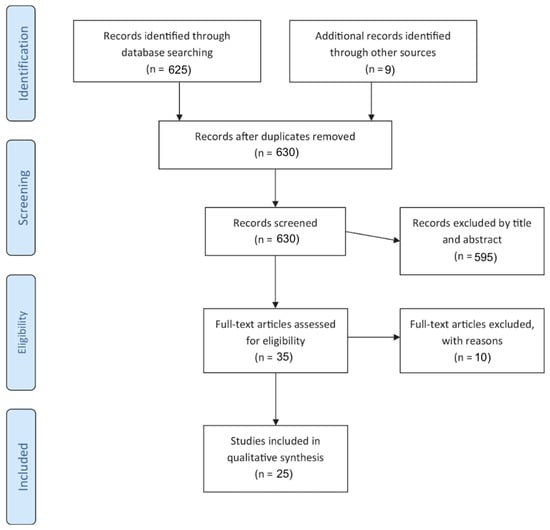
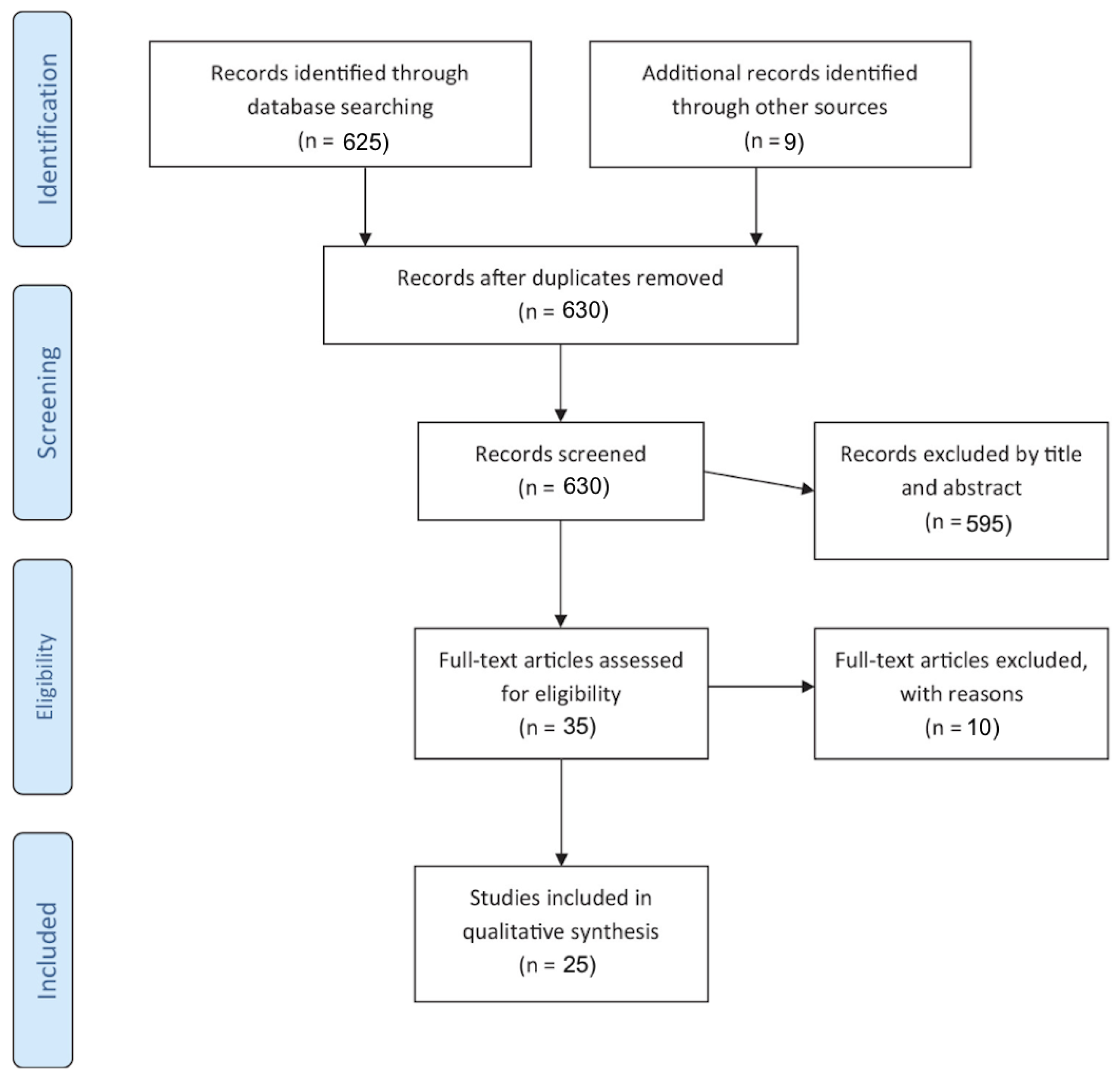
Figure 1 summaries the process of article selection for this review. The search of the PubMed Data base provided a total of 625 citations. Furthermore, nine additional studies which met the inclusion criteria were identified by reviewing the references of selected papers. After adjusting for duplicates, 630 records were screened. Of these, 607 articles were excluded as they were irrelevant to the topic. Upon reviewing the abstracts of articles obtained through a search on Medline (OVID) and SCOPUS, five additional relevant articles were included. After the screening process, 30 studies [17,18,19,20,21,22,23,24,25,26,27,28,29,30,31,32,33,34,35,36,37,38,39,40,41,42,43,44,45,46] assessing NES met the inclusion criteria and were thus included in this scoping review. The need for further research into NES within adult populations is reiterated through the limited number of relevant studies yielded through this search.
Figure 1.
Search flow.
3.2. Relevant Studies
As shown in Table 1, only five studies investigated NES in a representative participant sample [26,27,32,37,44], whilst fourteen studies reported on university students [17,19,24,25,33,34,35,39,40,41,42,43,45,46] and ten studies reported on patients within outpatient clinics [18,20,21,22,23,28,29,30,36,38]. Most studies [17,19,20,21,22,23,24,25,26,28,29,30,32,34,36,37,39,42,43,44,45,46] compared participants who met NES diagnostic criteria with those who did not; however, some studies used no comparison groups [35,40,41], sex [31], age [27] or BMI groups as a comparison [18,38].
Table 1.
Relevant studies and their results.
3.3. Diagnostic Criteria
A variety of tools were used to diagnose NES. including the Other Specified Feeding or eating disorders (OSFED) section of the Diagnostic and Statistical Manual of Mental Disorders, 5th edition (DSM5) [1], Night Eating Questionnaire (NEQ) [47], Night Eating Diagnostic Questionnaire (NEDQ) [48], Eating Disorder Examination Questionnaire (EDE-Q) [49], Night Eating Syndrome History and Inventory (NESHI) [50] and Eating Among Teens Survey (EAT-II) [51]. The discrepancies between the diagnostic criteria used reiterates the need for further research to obtain accurate data regarding the diagnosis and the complications of NES.
The NEQ can be used as a continuous measure to assess the severity of NES symptoms via a 14-item questionnaire [47]. This questionnaire characterises morning hunger, timing of first food consumption, food craving and control of overeating behaviour before bedtime and during nocturnal awakenings, quantity consumed after dinner, initial insomnia, frequency of nocturnal awakenings and ingestion of food, mood disturbance and awareness of these episodes. Participants in most studies were divided into NES and non-NES groups through a cut-off of 25 or more in the NEQ, which has a positive predictive value (PPV) of 40.7% [47]. Meule et al. [25], however, also utilised a cut-off of 30 or more in the NEQ, increasing the PPV to 72.7% [47]. Additionally, some studies did not include comparison groups and explored the relationship between NEQ results and associated features on a continuum [27,31,33,35,40,41].
Additionally, only one study utilised an additional self-reported questionnaire, NESHI, to confirm the diagnosis of NES obtained through the NEQ [29]. The NESHI [50] is a semi-structured interview assessing a typical 24 h food intake, as well as information on average weekly nocturnal ingestions, sleep routine, mood symptoms, weight and diet history, medical history about NES symptoms and previous treatment [52]. Furthermore, three studies utilised the NEDQ as the sole measure to classify diagnostic criteria for NES [17,21,42]. The NEDQ is a 22-item questionnaire which employs a hierarchical scoring method to allocate participants into four categories (normal, mild, moderate and full syndrome) based on the number of symptoms of NES that are present [48].
3.4. Weight Status
Twenty-seven studies examined the association between NES and weight status. Findings concerning the relationship between NES and BMI provided inconclusive and contradictory results, 11 studies reported no significant relationship [17,19,21,22,28,29,35,38,39,40,43] and 15 studies reported a statistically significant positive relationship [18,20,23,24,25,27,30,31,32,33,34,36,37,41,42]. One study reported a significant relationship with evening hyperphagia and no relationship with nocturnal ingestions [26].
Additionally, three studies observed other indicators of weight status, including weight (kg) [29], waist-to-hip ratio [38] and waist circumference [31]. Gallant et al. [31] and Kara et al. [38] reported no significant relationship between NES and waist circumference in men and women and waist–hip ratio. In contrast, Kara et al. [38] noted a significant relationship between NES and waist–height ratio. Similarly, Cleator et al. [29] observed a significant positive relation between NES and increased weight.
These inconsistencies may be accounted for by demographic features of participants, which may moderate the association between NES and weight status. Age was noted to moderate the relationship between NES and BMI in one study, which used age as a variable to investigate the impact of NEQ scores on BMI [27]. A significant positive association was reported within participants aged between 31 and 60 years; however, this association was not observed in the other age groups [27]. Consistent with previous studies investigating younger population samples [33,40], six studies [17,19,35,39,40,43] observed no significant relation between NES and BMI when reporting on a sample of college students. In contrast, Kandeger et al. [24], Meule et al. [25] and El Ayoubi et al. [42] reported a significant relationship between NES and BMI when reporting on university students in Turkey, Germany and Lebanon, respectively. Discrepancies between university-aged students and general adult samples [31,37] reiterate the need for further research into NES within adult populations to improve screening and management.
3.5. Physical Activity
Only six studies [17,30,39,43,44,46] explored the impact of NES on physical activity, with four studies [30,39,44,46] reporting a significant association and two studies [17,43] reporting no significant relationship. Levels of physical activity were assessed via the International Physical Activity Questionnaire—Short-form (IPAQ-S) [53], World Health Organization Quality of Life Turkish Short Form (WHOQOL-BREF-TR) [54] and HRQOL scores [6]. Two of the studies which utilised the WHOQOL-BREF-TR and HRQOL did not specifically discuss the physical domains [44,46].
Yahia et al. [17] attributed this lack of relationship between physical activity in NES and non-NES to the reduced age of participants (mean age: 20.6 ± 1.68 years). This was reiterated by Hamdan et al. [43], who reported no significant relation between NES and any level of physical activity (sedentary, moderate or high) in a university student sample. This contrasted with Hamurcu et al. [46] and Runfola et al. [39], who reported a significant relation in a population of university students (mean age = 21.4 ± 3.1 and 20.9 ± 1.7 years, respectively), although competitive athletes comprised 59.6% of the sample size for Runfola et al. Lent et al. [30] reported a significant relationship between higher NEQ scores and engaging in moderate-to-vigorous physical activity, although the mean age of participants was older (mean age: 51.1 ± 15 years). Similar results were obtained by Kim et al. when exploring a representative sample of the Korean general population [44].
Furthermore, Yahia et al. [17] reported on a small sample size of largely female participants, whilst Runfola et al. [39] reported on a larger sample size (n = 1636) of both men and women. Lent et al. [30], like Yahia et al. [17], reported on a largely female population sample (66.7%), and like Runfola et al. [39], this study utilised a large sample size (n = 1017). Although a larger sample was used in Runfola et al. [39], the majority of participants were athletes, who are not representative of the general population. These inconsistencies highlight the need for further research within large, general-population samples.
3.6. Quality of Sleep
Thirteen studies explored the impact of NES on quality of sleep [17,20,23,24,26,28,29,30,33,35,36,41,45]. This was primarily achieved through self-reported questionnaires, such as the Pittsburgh Sleep Quality Index (PSQI) [55], Morningness–Eveningness Questionnaire (MEQ) [56], Insomnia severity index (ISI) [57] and Epworth Sleepiness Scale (ESS) [58]. In contrast, Geliebter et al. [21] utilised polysomnography to objectively assess sleep quality via the Apnoea–Hypopnoea Index (AHI) [59] and diagnose obstructive sleep apnoea (OSA). All studies using the PSQI, MEQ and ESS revealed significant relationships between poor sleep quality and NES, whilst the AHI did not. Although objective data were obtained, Geliebter et al. [21] were limited in providing further information addressed through questionnaires, such as sleep duration, daytime sleepiness and impact of quality of life [11]. Moreover, several studies [17,20,28,33,35,41,45] analysed sleep quality over a month using the PSQI, thus increasing their reliability. These findings support the need for further longitudinal research into the interrelation between NES and aspects of sleep to develop effective screening and management of sleep problems which result from NES.
3.7. Medical Conditions
Five studies [21,28,29,31,36,42,43] investigated the impact of NES on chronic health conditions, including Type 2 diabetes Mellitus (T2DM) [28,29,31,36], metabolic syndrome [31], OSA [21,29] and cardiovascular disease [31,36]. Two additional studies reported on “chronic diseases” and NES, both reporting no significant relationship, although no specifications were reported regarding which conditions [42,43].
Of the four studies exploring the relationship between NES and T2DM [28,29,31,36], only Hood et al. [28] reported significant correlation between NEQ scores and HbA1C. In contrast, Cleator et al. [29,30] and Antelmi et al. [36] reported no significant relation between NES and T2DM, as well as other concomitant diseases, including hypertension, cardiovascular disease and thyroid pathologies. Similarly, Gallant et al. [31] identified no significant relation between NEQ in men and women and metabolic syndrome or T2DM when exploring biochemical markers (glucose, HDL cholesterol, triglycerides). Furthermore, only Gallant et al. [31] examined the interrelation between cardiac health, metabolic syndrome and NES, reporting that higher NEQ scores were associated with lower blood pressure in women and a larger waist circumference and higher triglycerides in men. None of the four studies investigating NES and T2DM were conducted on samples representative of the general population; two of the studies [28,29] were conducted within endocrinology outpatient clinics and another was conducted in restless leg syndrome patients from a sleep centre [36]. Furthermore, due to the small sample sizes used in studies examining the association between medical conditions and NES [28,29,31,36], these results may not be clinically significant for the general population.
Two studies [21,29] explored the impact of NES on obstructive sleep apnoea (OSA) using self-reported data on small sample sizes. Both studies reported no significant association between OSA and NES. Additionally, Geliebter et al. [21] did not observe any significant relationship between NES and AHI. Tools to assess OSA varied; Geliebter et al. [21] utilised polysomnography to diagnose OSA, with the threshold criterion of an AHI greater than or equal to 5; Cleator et al. [29], however, did not report how a diagnosis of OSA was made. Further exploration of large samples of participants representative of the general population and clearly defined methods of diagnosing OSA will provide an improved understanding of NES and its relationship with OSA.
4. Discussion
This scoping review investigated the associations between NES and Body Mass Index (BMI; kg/m2), physical health and sleep conditions. Thirty studies were identified that reported on associations between physical health problems and NES over the past decade [17,18,19,20,21,22,23,24,25,26,27,28,29,30,31,32,33,34,35,36,37,38,39,40,41,42,43,44,45,46]. Whilst there were inconsistencies in representative and larger-sample studies, NES appeared to be associated with higher BMI, less physical activity and poorer sleep quality. It was not, however, associated with T2DM. Inconsistencies and the lack of association with T2DM may have been because of smaller and less-representative population samples. This review also identified a number of limitations of the extant research.
4.1. Weight Status
This review found a positive relationship between NES and BMI in 16 of 27 studies [18,20,23,24,25,26,27,30,31,32,33,34,36,37,41,42]. Additionally, three studies observed other indicators of weight status, including weight (kg) [29], waist-to-hip ratio [38] and waist circumference [31], which are regarded as more sensitive universal screening tool than BMI to detect increased metabolic risk [60]. An explanation for the inconsistency in results is the use of different measurement methods. Furthermore, demographic features, most notably age, may have moderated associations [61]. For example, Nolan et al. [33] reported a significant relationship for community participants (mean age: 42.9 ± 0.6 years), but not for college students (mean age:18.7 ± 0.1years). However, Nolan et al. [33] did not further explore age as a moderator. Notably, six studies [17,19,36,39,40,43] reporting on a sample of college students and two studies [33,40] investigating younger population samples found no significant relation between NES and BMI.
4.2. Physical Activity
Six studies [17,30,39,43,44,46] reported incongruous findings when exploring the relationship between NES and physical activity. This may result from the use of different tools when assessing physical activity, differences in sample sizes and the exploration of different age groups. Of the six studies, only one study utilised a large representative sample of the general population (n = 34,434) [44]. As such, further research into representative populations of adults may glean a better understanding of the interaction between NES and physical activity.
4.3. Quality of Sleep
Sleep quality was assessed in 13 studies [17,20,23,24,26,28,29,30,33,35,36,41,45]. All studies which utilized self-reported questionnaires reported a significant association between NES and sleep quality, whilst Geliebter et al. [21], who used objective measures, did not. These inconsistencies may result from the use of subjective versus objective measures to assess sleep quality. The NEQ [47], which was the primary tool used to diagnose NES, strongly endorses symptoms related to nocturnal ingestions and sleep (for example, “trouble falling asleep”, “trouble staying asleep” and “waking up at night”), which are also assessed in self-reported questionnaires assessing sleep quality, such as the PSQI [55] and ISI [57]. These results reiterate the need for more objective measures in conjunction with subjective questionaries to assess the association of sleep quality and NES.
4.4. Medical Conditions
This scoping review found four studies [28,29,31,36] which explored the relationship between NES and T2DM, of which only one reported a significant relationship 28. Only Gallant et al. reported on metabolic syndrome, reporting no significant relationship [31]. Neither of the two studies exploring the association between NES and cardiovascular disease reported a significant relationship [31,36]. Both studies investigating the relationship between NES and OSA identified no significant relationship [21,29].
Although the results were largely congruent, the population samples examined within these studies were not representative of a general adult sample. For example, Hood et al. [28] reported on a largely African American sample population (58%), whilst Cleator et al. [29] reported only on Caucasians. Consequently, it is crucial to conduct further research to assess the impact of NES on cardiac and metabolic health within larger representative sample populations. These inconsistencies reiterate the need for further investigation of the impact of NES on glycaemic control and metabolic functioning in patients with T2DM.
4.5. Strengths and Limitations
Strengths and limitations of this scoping review
A scoping review was appropriate as we investigated a broad research topic rather than a single research question. Three data base searches were conducted, dating from 2013; whilst this provided a contemporary focus, it is possible that relevant earlier papers and unpublished grey literature research were missed. Two authors (SS and PH) reached consensus on data that were extracted. However, because we performed a scoping review rather than a systematic review, there was no critical appraisal of studies, no application of PICO framework, no estimation of bias in the studies and no meta-analysis performed.
Strengths and limitations of the extant literature
A limitation of the extant research is the variety of diagnostic instruments and criteria used to diagnose NES. Some studies utilised only one method to assess NES, while others used a combination of interview, DSM criteria and questionnaires. Twenty-seven studies [18,19,20,22,23,24,25,26,27,28,29,30,31,32,33,34,35,36,37,38,39,40,41,43,44,45,46] utilised the NEQ [47] as the diagnostic criterion for NES and three studies [17,21,42] used the NEDQ [48]. Other measures of NES used in these studies included the EDE-Q [49], NESHI [50] and EAT-II [51]; however, these were used as adjuncts to the NEQ [47] and NEDQ [48].
A further limitation is that most studies were observational rather than experimental, with the majority of the literature reviewed in this scoping review being cross-sectional studies. There was a mixed quality of samples, with five large representative samples [26,27,32,37,44], but many (i.e., 25 studies) smaller and less representative samples.
5. Conclusions
NES is an emerging area for clinical investigation, evaluation and intervention. It is evident through this review that there is a need for further research into NES and its associated features within a representative adult population sample. While few studies have been conducted, data are inconsistent, and thus it is imperative to conduct further research to accurately understand the complex interaction between NES and its associated features. By conducting further research on NES within general population samples, improved diagnostic measures and management plans can be developed to improve the overall health of the community.
Author Contributions
S.J.S., H.M. and P.H.; methodology, P.H. and H.M.; software, S.J.S.; validation, P.H. and H.M.; formal analysis, S.J.S.; investigation, S.J.S.; resources, S.J.S.; data curation, S.J.S.; writing—original draft preparation, S.J.S.; writing—review and editing, S.J.S., P.H. and H.M.; visualization, S.J.S.; supervision, P.H. and H.M.; project administration, P.H.; funding acquisition, P.H. All authors have read and agreed to the published version of the manuscript.
Funding
This research received no external funding.
Institutional Review Board Statement
Not applicable.
Informed Consent Statement
Not applicable.
Data Availability Statement
Not applicable.
Acknowledgments
We acknowledge Lily Collison, Senior Librarian, Western Sydney University, Campbelltown campus, for her technical support in conducting the scoping review.
Conflicts of Interest
P.H. has been a consultant to Takeda Pharmaceuticals. S.J.S. and H.M. declare no conflict of interest.
References
- Diagnostic and Statistical Manual of Mental Disorders: DSM-5-TR, 5th ed.; American Psychiatric Association Publishing: Washington, DC, USA; London, UK, 2022.
- Shoar, S.; Naderan, M.; Mahmoodzadeh, H.; Shoar, N.; Lotfi, D. Night eating syndrome: A psychiatric disease, a sleep disorder, a delayed circadian eating rhythm, and/or a metabolic condition? Expert Rev. Endocrinol. Metab. 2019, 14, 351–358. [Google Scholar] [CrossRef] [Scilit] [PubMed]
- O’Reardon, J.P.; Ringel, B.L.; Dinges, D.F.; Allison, K.C.; Rogers, N.L.; Martino, N.S.; Stunkard, A.J. Circadian eating and sleeping patterns in the night eating syndrome. Obes. Res. 2004, 12, 1789–1796. [Google Scholar] [CrossRef] [Scilit] [PubMed]
- Vander Wal, J.S. Night eating syndrome: A critical review of the literature. Clin. Psychol. Rev. 2012, 32, 49–59. [Google Scholar] [CrossRef] [Scilit]
- Kucukgoncu, S.; Midura, M.; Tek, C. Optimal management of night eating syndrome: Challenges and solutions. Neuropsychiatr. Dis. Treat. 2015, 11, 751–760. [Google Scholar] [CrossRef] [Scilit]
- Centers for Disease Control and Prevention (CDC); Health-Related Quality of Life (HRQOL). Available online: http://www.cdc.gov/hrqol/methods.htm (accessed on 23 November 2022).
- Birketvedt, G.S.; Florholmen, J.; Sundsfjord, J.; Osterud, B.; Dinges, D.; Bilker, W.; Stunkard, A. Behavioral and neuroendocrine characteristics of the night-eating syndrome. JAMA 1999, 282, 657–663. [Google Scholar] [CrossRef] [Scilit] [PubMed]
- Cleator, J.; Abbott, J.; Judd, P.; Sutton, C.; Wilding, J.P. Night eating syndrome: Implications for severe obesity. Nutr. Diabetes 2012, 2, e44. [Google Scholar] [CrossRef] [Scilit] [PubMed]
- Lundgren, J.D.; Rempfer, M.V.; Brown, C.E.; Goetz, J.; Hamera, E. The prevalence of night eating syndrome and binge eating disorder among overweight and obese individuals with serious mental illness. Psychiatry Res. 2010, 175, 233–236. [Google Scholar] [CrossRef] [Scilit]
- Aronoff, N.J.; Geliebter, A.; Zammit, G. Gender and body mass index as related to the night-eating syndrome in obese outpatients. J. Am. Diet. Assoc. 2001, 101, 102–104. [Google Scholar] [CrossRef] [Scilit]
- Lavery, M.E.; Frum-Vassallo, D. An Updated Review of Night Eating Syndrome: An Under-Represented Eating Disorder. Curr. Obes. Rep. 2022, 11, 395–404. [Google Scholar] [CrossRef] [Scilit]
- Striegel-Moore, R.H.; Thompson, D.; Franko, D.L.; Barton, B.; Affenito, S.; Schreiber, G.B.; Daniels, S.R. Definitions of night eating in adolescent girls. Obes. Res. 2004, 12, 1311–1321. [Google Scholar] [CrossRef] [Scilit]
- Hernandez, E.; Kim, M.; Kim, W.G.; Yoon, J. Nutritional aspects of night eating and its association with weight status among Korean adolescents. Nutr. Res. Pract. 2016, 10, 448–455. [Google Scholar] [CrossRef] [Scilit] [PubMed]
- Allison, K.C.; Crow, S.J.; Reeves, R.R.; West, D.S.; Foreyt, J.P.; Dilillo, V.G.; Wadden, T.A.; Jeffery, R.W.; Van Dorsten, B.; Stunkard, A.J. Binge eating disorder and night eating syndrome in adults with type 2 diabetes. Obesity 2007, 15, 1287–1293. [Google Scholar] [CrossRef] [Scilit] [PubMed]
- Mitchell, J.E.; King, W.C.; Courcoulas, A.; Dakin, G.; Elder, K.; Engel, S.; Flum, D.; Kalarchian, M.; Khandelwal, S.; Pender, J.; et al. Eating behavior and eating disorders in adults before bariatric surgery. Int. J. Eat. Disord. 2015, 48, 215–222. [Google Scholar] [CrossRef] [Scilit]
- Tricco, A.C.; Lillie, E.; Zarin, W.; O’Brien, K.K.; Colquhoun, H.; Levac, D.; Moher, D.; Peters, M.D.J.; Horsley, T.; Weeks, L.; et al. PRISMA Extension for Scoping Reviews (PRISMA-ScR): Checklist and Explanation. Ann. Intern. Med. 2018, 169, 467–473. [Google Scholar] [CrossRef] [Scilit] [PubMed]
- Yahia, N.; Brown, C.; Potter, S.; Szymanski, H.; Smith, K.; Pringle, L.; Herman, C.; Uribe, M.; Fu, Z.; Chung, M.; et al. Night eating syndrome and its association with weight status, physical activity, eating habits, smoking status, and sleep patterns among college students. Eat. Weight Disord. 2017, 22, 421–433. [Google Scholar] [CrossRef] [Scilit] [PubMed]
- Sutcu, C.; Pamuk, G.; Ongel, K. Evaluation of night eating syndrome in individuals with and without obesity. Endokrynol. Pol. 2021, 72, 539–544. [Google Scholar] [CrossRef] [Scilit]
- Riccobono, G.; Iannitelli, A.; Pompili, A.; Iorio, C.; Stratta, P.; Rossi, R.; Bersani, G.; Pacitti, F. Night Eating Syndrome, circadian rhythms and seasonality: A study in a population of Italian university students. Riv. Psichiatr. 2020, 55, 47–52. [Google Scholar] [CrossRef] [Scilit]
- Kucukgoncu, S.; Tek, C.; Bestepe, E.; Musket, C.; Guloksuz, S. Clinical features of night eating syndrome among depressed patients. Eur. Eat. Disord. Rev. 2014, 22, 102–108. [Google Scholar] [CrossRef] [Scilit]
- Geliebter, A.; McOuatt, H.; Tetreault, C.B.; Kordunova, D.; Rice, K.; Zammit, G.; Gluck, M. Is night eating syndrome associated with obstructive sleep apnea, BMI, and depressed mood in patients from a sleep laboratory study? Eat. Behav. 2016, 23, 115–119. [Google Scholar] [CrossRef] [Scilit]
- Saraçlı, Ö.; Atasoy, N.; Akdemir, A.; Güriz, O.; Konuk, N.; Sevinçer, G.M.; Ankaralı, H.; Atik, L. The prevalence and clinical features of the night eating syndrome in psychiatric out-patient population. Compr. Psychiatry 2015, 57, 79–84. [Google Scholar] [CrossRef] [Scilit]
- Dorflinger, L.M.; Ruser, C.B.; Masheb, R.M. Night eating among veterans with obesity. Appetite 2017, 117, 330–334. [Google Scholar] [CrossRef] [Scilit] [PubMed]
- Kandeger, A.; Egilmez, U.; Sayin, A.A.; Selvi, Y. The relationship between night eating symptoms and disordered eating attitudes via insomnia and chronotype differences. Psychiatry Res. 2018, 268, 354–357. [Google Scholar] [CrossRef] [Scilit] [PubMed]
- Meule, A.; Allison, K.C.; Platte, P. Emotional eating moderates the relationship of night eating with binge eating and body mass. Eur. Eat. Disord. Rev. 2014, 22, 147–151. [Google Scholar] [CrossRef] [Scilit]
- Matsui, K.; Komada, Y.; Okajima, I.; Takaesu, Y.; Kuriyama, K.; Inoue, Y. A Cross-Sectional Study of Evening Hyperphagia and Nocturnal Ingestion: Core Constituents of Night Eating Syndrome with Different Background Factors. Nutrients 2021, 13, 4179. [Google Scholar] [CrossRef] [Scilit] [PubMed]
- Meule, A.; Allison, K.C.; Brähler, E.; de Zwaan, M. The association between night eating and body mass depends on age. Eat. Behav. 2014, 15, 683–685. [Google Scholar] [CrossRef] [Scilit] [PubMed]
- Hood, M.M.; Reutrakul, S.; Crowley, S.J. Night eating in patients with type 2 diabetes. Associations with glycemic control, eating patterns, sleep, and mood. Appetite 2014, 79, 91–96. [Google Scholar] [CrossRef] [Scilit] [PubMed]
- Cleator, J.; Judd, P.; James, M.; Abbott, J.; Sutton, C.J.; Wilding, J.P. Characteristics and perspectives of night-eating behaviour in a severely obese population. Clin. Obes. 2014, 4, 30–38. [Google Scholar] [CrossRef] [Scilit]
- Lent, M.R.; Atwood, M.; Bennett, W.L.; Woolf, T.B.; Martin, L.; Zhao, D.; Goheer, A.A.; Song, S.; McTigue, K.M.; Lehmann, H.P.; et al. Night eating, weight, and health behaviors in adults participating in the Daily24 study. Eat. Behav. 2022, 45, 101605. [Google Scholar] [CrossRef] [Scilit]
- Gallant, A.; Drapeau, V.; Allison, K.C.; Tremblay, A.; Lambert, M.; O’Loughlin, J.; Lundgren, J.D. Night eating behavior and metabolic heath in mothers and fathers enrolled in the QUALITY cohort study. Eat. Behav. 2014, 15, 186–191. [Google Scholar] [CrossRef] [Scilit]
- de Zwaan, M.; Müller, A.; Allison, K.C.; Brähler, E.; Hilbert, A. Prevalence and correlates of night eating in the German general population. PLoS ONE 2014, 9, e97667. [Google Scholar] [CrossRef] [Scilit]
- Nolan, L.J.; Geliebter, A. Validation of the Night Eating Diagnostic Questionnaire (NEDQ) and its relationship with depression, sleep quality, “food addiction”, and body mass index. Appetite 2017, 111, 86–95. [Google Scholar] [CrossRef] [Scilit]
- Meule, A.; Allison, K.C.; Platte, P. A German version of the Night Eating Questionnaire (NEQ): Psychometric properties and correlates in a student sample. Eat. Behav. 2014, 15, 523–527. [Google Scholar] [CrossRef] [Scilit]
- Aloi, M.; Rania, M.; De Fazio, P.; Vinai, P.; Tagliabue, A.; Allison, K.C.; Segura-Garcia, C. Validation of the Italian version of the Night Eating Questionnaire (I-NEQ). J. Psychopathol. 2017, 23, 137–144. [Google Scholar]
- Antelmi, E.; Vinai, P.; Pizza, F.; Marcatelli, M.; Speciale, M.; Provini, F. Nocturnal eating is part of the clinical spectrum of restless legs syndrome and an underestimated risk factor for increased body mass index. Sleep Med. 2014, 15, 168–172. [Google Scholar] [CrossRef] [Scilit] [PubMed]
- Olejniczak, D.; Bugajec, D.; Staniszewska, A.; Panczyk, M.; Kielan, A.; Czerw, A.; Mańczuk, M.; Juszczyk, G.; Skonieczna, J.; Brytek-Matera, A. Risk assessment of night-eating syndrome occurrence in women in Poland, considering the obesity factor in particular. Neuropsychiatr. Dis. Treat. 2018, 14, 1521–1526. [Google Scholar] [CrossRef] [Scilit] [PubMed]
- Kara, Y.; Tuzun, S.; Oner, C.; Simsek, E.E. Night Eating Syndrome According to Obesity Groups and the Related Factors. J. Coll. Physicians Surg. Pak. 2020, 30, 833–838. [Google Scholar] [CrossRef] [Scilit] [PubMed]
- Runfola, C.D.; Allison, K.C.; Hardy, K.K.; Lock, J.; Peebles, R. Prevalence and clinical significance of night eating syndrome in university students. J. Adolesc. Health 2014, 55, 41–48. [Google Scholar] [CrossRef] [Scilit]
- He, J.; Ji, F.; Zhang, X.; Fan, X. Psychometric properties and gender invariance of the simplified Chinese version of Night Eating Questionnaire in a large sample of mainland Chinese college students. Eat. Weight Disord. 2019, 24, 57–66. [Google Scholar] [CrossRef] [Scilit]
- Yeh, S.S.; Brown, R.F. Disordered eating partly mediates the relationship between poor sleep quality and high body mass index. Eat. Behav. 2014, 15, 291–297. [Google Scholar] [CrossRef] [Scilit]
- El Ayoubi, L.M.; Abou Ltaif, D.; El Masri, J.; Salameh, P. Effects of night eating and binge eating disorders on general health in university students in Lebanon. Ir. J. Med. Sci. 2022, 191, 2635–2640. [Google Scholar] [CrossRef] [Scilit]
- Hamdan, M.; Badrasawi, M.; Zidan, S.; Thawabteh, R.; Mohtaseb, R.; Arqoub, K.A. Night eating syndrome is associated with mental health issues among palestinian undergraduate students-cross sectional study. J. Eat. Disord. 2023, 11, 1. [Google Scholar] [CrossRef] [Scilit] [PubMed]
- Kim, W.; Ju, Y.J.; Lee, S.Y. The association between night eating syndrome and health-related quality of life in Korean adults: A nationwide study. Eat. Weight Disord. 2023, 28, 17. [Google Scholar] [CrossRef] [Scilit] [PubMed]
- Suna, G.; Ayaz, A. Is poor sleep quality related to disordered eating behavior and mental health among university students? Sleep Biol. Rhythm. 2022, 20, 345–352. [Google Scholar] [CrossRef] [Scilit]
- Hamurcu, P. Can night eating syndrome and sleep quality have strong relations with quality of life in early adulthood? Vopr. Pitan. 2022, 91, 51–57. [Google Scholar] [CrossRef] [Scilit]
- Allison, K.C.; Lundgren, J.D.; O’Reardon, J.P.; Martino, N.S.; Sarwer, D.B.; Wadden, T.A.; Crosby, R.D.; Engel, S.G.; Stunkard, A.J. The Night Eating Questionnaire (NEQ): Psychometric properties of a measure of severity of the Night Eating Syndrome. Eat. Behav. 2008, 9, 62–72. [Google Scholar] [CrossRef] [Scilit]
- Nolan, L.J.; Geliebter, A. Factor structure of the Night Eating Diagnostic Questionnaire (NEDQ) and an evaluation of the diagnostic criteria of the night eating syndrome. J. Eat. Disord. 2019, 7, 39. [Google Scholar] [CrossRef] [Scilit]
- Fairburn, C.G.; Beglin, S.J. Assessment of eating disorders: Interview or self-report questionnaire? Int. J. Eat. Disord. 1994, 16, 363–370. [Google Scholar] [CrossRef] [Scilit]
- Lundgren, J.; Allison, K.; Vinai, P.; Gluck, M. Assessment instruments for night eating syndrome. In Night Eating Syndrome: Research, Assessment, and Treatment; Guilford: New York, NY, USA, 2012; pp. 197–217. [Google Scholar]
- Neumark-Sztainer, D.; Wall, M.; Eisenberg, M.E.; Story, M.; Hannan, P.J. Overweight status and weight control behaviors in adolescents: Longitudinal and secular trends from 1999 to 2004. Prev. Med. 2006, 43, 52–59. [Google Scholar] [CrossRef] [Scilit]
- Tu, C.-Y.; Meg Tseng, M.-C.; Chang, C.-H. Night eating syndrome in patients with eating disorders: Is night eating syndrome distinct from bulimia nervosa? J. Formos. Med. Assoc. 2019, 118, 1038–1046. [Google Scholar] [CrossRef] [Scilit]
- Craig, C.L.; Marshall, A.L.; Sjöström, M.; Bauman, A.E.; Booth, M.L.; Ainsworth, B.E.; Pratt, M.; Ekelund, U.; Yngve, A.; Sallis, J.F.; et al. International physical activity questionnaire: 12-country reliability and validity. Med. Sci. Sports Exerc. 2003, 35, 1381–1395. [Google Scholar] [CrossRef] [Scilit]
- Group, T.W. The World Health Organization quality of life assessment (WHOQOL): Development and general psychometric properties. Soc. Sci. Med. 1998, 46, 1569–1585. [Google Scholar] [CrossRef] [Scilit] [PubMed]
- Buysse, D.J.; Reynolds, C.F., 3rd; Monk, T.H.; Berman, S.R.; Kupfer, D.J. The Pittsburgh Sleep Quality Index: A new instrument for psychiatric practice and research. Psychiatry Res. 1989, 28, 193–213. [Google Scholar] [CrossRef] [Scilit] [PubMed]
- Horne, J.A.; Ostberg, O. A self-assessment questionnaire to determine morningness-eveningness in human circadian rhythms. Int. J. Chronobiol. 1976, 4, 97–110. [Google Scholar] [PubMed]
- Morin, C.M.; Belleville, G.; Bélanger, L.; Ivers, H. The Insomnia Severity Index: Psychometric indicators to detect insomnia cases and evaluate treatment response. Sleep 2011, 34, 601–608. [Google Scholar] [CrossRef] [Scilit] [PubMed]
- Johns, M.W. A new method for measuring daytime sleepiness: The Epworth sleepiness scale. Sleep 1991, 14, 540–545. [Google Scholar] [CrossRef] [Scilit]
- Malhotra, A.; Ayappa, I.; Ayas, N.; Collop, N.; Kirsch, D.; McArdle, N.; Mehra, R.; Pack, A.I.; Punjabi, N.; White, D.P.; et al. Metrics of sleep apnea severity: Beyond the apnea-hypopnea index. Sleep 2021, 44, zsab030. [Google Scholar] [CrossRef] [Scilit]
- Yoo, E.G. Waist-to-height ratio as a screening tool for obesity and cardiometabolic risk. Korean J. Pediatr. 2016, 59, 425–431. [Google Scholar] [CrossRef] [Scilit]
- Bruzas, M.B.; Allison, K.C. A Review of the Relationship between Night Eating Syndrome and Body Mass Index. Curr. Obes. Rep. 2019, 8, 145–155. [Google Scholar] [CrossRef] [Scilit]

Disclaimer/Publisher’s Note: The statements, opinions and data contained in all publications are solely those of the individual author(s) and contributor(s) and not of MDPI and/or the editor(s). MDPI and/or the editor(s) disclaim responsibility for any injury to people or property resulting from any ideas, methods, instructions or products referred to in the content. |
© 2023 by the authors. Licensee MDPI, Basel, Switzerland. This article is an open access article distributed under the terms and conditions of the Creative Commons Attribution (CC BY) license (https://creativecommons.org/licenses/by/4.0/).