




-
Cytokine-Driven Immune Phenotypes at Delivery as Indicators of Malaria Infection Among Primigravidae in Burkina Faso: An Exploratory Analysis -
Long-Term Parasitological Clearance and Cardiac Progression in Trypanosoma cruzi TcI: A Phase-Stratified Cohort from Colombia -
Spatial Dynamics and Sterilization Range of Incompatible Aedes albopictus Males: Advancing Toward an Optimized IIT Approach -
Enablers of Post-Validation Surveillance for Lymphatic Filariasis in the Pacific Islands: A Nominal Group Technique and Expert Elicitation
Journal Description
Tropical Medicine and Infectious Disease
(TropicalMed) is an international, peer-reviewed, open access journal of tropical medicine and infectious disease, and is published monthly online. The Australasian College of Tropical Medicine (ACTM) and its joint Faculties of Travel Medicine and Expedition and Wilderness Medicine are affiliated with the journal, serving as their official journal. College members receive discounts on the article processing charges.
- Open Access— free for readers, with article processing charges (APC) paid by authors or their institutions.
- High Visibility: indexed within Scopus, SCIE (Web of Science), PubMed, PMC, Embase, Informit, and other databases.
- Journal Rank: JCR - Q2 (Tropical Medicine) / CiteScore - Q1 (Public Health, Environmental and Occupational Health)
- Rapid Publication: manuscripts are peer-reviewed and a first decision is provided to authors approximately 25.9 days after submission; acceptance to publication is undertaken in 3.8 days (median values for papers published in this journal in the first half of 2026).
- Recognition of Reviewers: reviewers who provide timely, thorough peer-review reports receive vouchers entitling them to a discount on the APC of their next publication in any MDPI journal, in appreciation of the work done.
Impact Factor:
3.1 (2025);
5-Year Impact Factor:
3.2 (2025)
Latest Articles
Achieving Hepatitis C Micro-Elimination in a High-Burden Province of Thailand: The Phetchabun Model
Trop. Med. Infect. Dis. 2026, 11(8), 215; https://doi.org/10.3390/tropicalmed11080215 (registering DOI) - 1 Aug 2026
Abstract
The World Health Organization targets hepatitis C virus (HCV) elimination as a public-health threat by 2030. Phetchabun province, in lower northern Thailand, has historically reported one of the country’s highest HCV seroprevalence rates. We describe a province-wide, decentralized test-to-treat micro-elimination program implemented within
[...] Read more.
The World Health Organization targets hepatitis C virus (HCV) elimination as a public-health threat by 2030. Phetchabun province, in lower northern Thailand, has historically reported one of the country’s highest HCV seroprevalence rates. We describe a province-wide, decentralized test-to-treat micro-elimination program implemented within Thailand’s universal health-coverage system. Adults aged 35–64 years (2020–2024) and individuals born before 1992 (late 2023) across all 11 districts were screened using fingerstick anti-HCV rapid diagnostic tests at sub-district health-promoting hospitals. Reactive participants underwent confirmatory HCV-RNA testing at three regional nodes. Eligible patients received pangenotypic sofosbuvir/velpatasvir for 12 weeks, with ribavirin added for cirrhosis. Sustained virological response at 12 weeks post-treatment (SVR12) was the primary outcome. Of 400,567 targeted individuals, 389,547 (97.3%) were screened; 18,340 (4.71%) were anti-HCV reactive. Confirmatory HCV-RNA testing was completed in 14,845 (80.9%), of whom 10,996 (74.1%) had active infection. Of 8961 treatment-eligible patients, 8842 (98.7%) received DAA therapy. Among 6719 evaluable for SVR12, 6474 (96.4%) achieved cure. This simplified, domestically financed, decentralized test-to-treat model achieved WHO-target-level diagnosis, treatment, and cure rates at provincial scale, offering a scalable framework for HCV micro-elimination in low- and middle-income countries.
Full article
(This article belongs to the Special Issue Viral Hepatitis and Other Microbial Threats in Tropical Medicine)
Open AccessViewpoint
Expanding the Frontiers of Tuberculosis Prevention: Moving from Targeted Preventive Therapy to Integrated Public Health Strategies
by
Kannamkottapilly Chandrasekharan Prajitha, Anam Anil Alwani and Pruthu Thekkur
Trop. Med. Infect. Dis. 2026, 11(8), 214; https://doi.org/10.3390/tropicalmed11080214 - 29 Jul 2026
Abstract
Tuberculosis (TB) remains a leading cause of infectious disease-related mortality worldwide despite major advances in diagnostics, treatment, and programmatic control. Achieving the goals of the World Health Organization End TB Strategy requires a greater emphasis on prevention alongside improvements in diagnosis and treatment.
[...] Read more.
Tuberculosis (TB) remains a leading cause of infectious disease-related mortality worldwide despite major advances in diagnostics, treatment, and programmatic control. Achieving the goals of the World Health Organization End TB Strategy requires a greater emphasis on prevention alongside improvements in diagnosis and treatment. This viewpoint examines evolving priorities in TB prevention and highlights key insights from studies included in the Special Issue ‘New Perspectives in Tuberculosis Prevention and Control’. The articles published in the Special Issue highlight the importance of identifying populations at increased risk of infection, disease transmission, and disease progression; strengthening the implementation of tuberculosis preventive treatment among household contacts and people living with HIV; and addressing the behavioral, social, and structural determinants that influence access to TB prevention and care. They also demonstrate persistent challenges related to medicine availability, healthcare worker capacity, patient initiation and follow-up, program monitoring, and the implementation of preventive interventions in resource-constrained settings. Emerging developments in diagnostics, biomarkers, vaccines, and digital health may contribute to the longer-term TB prevention agenda but require further evaluation of their feasibility, affordability, and programmatic relevance. Collectively, the evidence indicates that effective TB prevention extends beyond individual biomedical interventions and requires coordinated approaches involving healthcare systems, communities, surveillance systems, and social support mechanisms. Continued investment in implementation research, health-system strengthening, program management, economic evaluation, and multisectoral action will be critical to translate existing evidence into sustainable, equitable, and context-specific strategies for reducing the global burden of TB.
Full article
(This article belongs to the Special Issue New Perspectives in Tuberculosis Prevention and Control)
Open AccessReview
Current and Emerging Diagnostic Approaches for Tuberculosis in People Living with HIV: Challenges and Future Perspectives
by
Guillermo Eduardo Cuéllar-Nevárez, José Rafael Linares Morales, Luis Arturo Camacho Silvas, Sandra Guadalupe Chavarría Hidalgo, Guadalupe Virginia Nevárez-Moorillón and Karla Elva Loza Solano
Trop. Med. Infect. Dis. 2026, 11(8), 213; https://doi.org/10.3390/tropicalmed11080213 - 28 Jul 2026
Abstract
Tuberculosis (TB) remains a leading cause of morbidity and mortality among people living with human immunodeficiency virus (HIV), in whom immunosuppression often results in atypical clinical manifestations, paucibacillary disease, extrapulmonary involvement, and disseminated forms that complicate timely diagnosis. This narrative review summarizes current
[...] Read more.
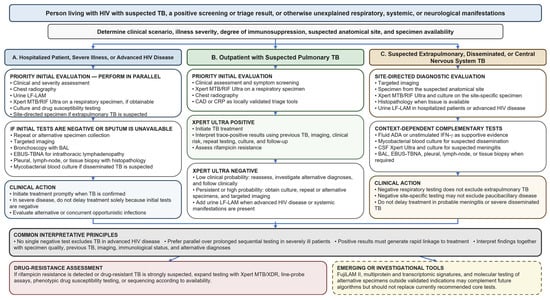
Tuberculosis (TB) remains a leading cause of morbidity and mortality among people living with human immunodeficiency virus (HIV), in whom immunosuppression often results in atypical clinical manifestations, paucibacillary disease, extrapulmonary involvement, and disseminated forms that complicate timely diagnosis. This narrative review summarizes current and emerging diagnostic approaches for TB-HIV, with emphasis on their diagnostic performance, clinical applicability, implementation challenges, and potential integration into future algorithms. Conventional methods, including sputum smear microscopy, mycobacterial culture, and chest radiography, remain relevant but have important limitations in people living with HIV (PLHIV), particularly in advanced immunosuppression. Rapid molecular tests, especially Xpert MTB/RIF and Xpert MTB/RIF Ultra, have improved early detection of Mycobacterium tuberculosis and rifampicin resistance, although diagnostic gaps persist in sputum-scarce and extrapulmonary disease. Non-sputum-based tests, particularly WHO-recommended urine LF-LAM and emerging next-generation assays such as FujiLAM II, offer important opportunities for severely ill patients and those with advanced HIV disease. Host-derived biomarkers, transcriptomic signatures, and artificial intelligence-assisted chest imaging may further strengthen screening, triage, and diagnostic prioritization. Integrated, context-adapted diagnostic algorithms combining microbiological, molecular, urinary, imaging, and host-response tools are needed to improve early TB detection and reduce mortality in resource-limited settings.
Full article
(This article belongs to the Special Issue Tuberculosis Diagnosis: Current, Ongoing and Future Approaches)
►▼
Show Figures

Figure 1
Open AccessCase Report
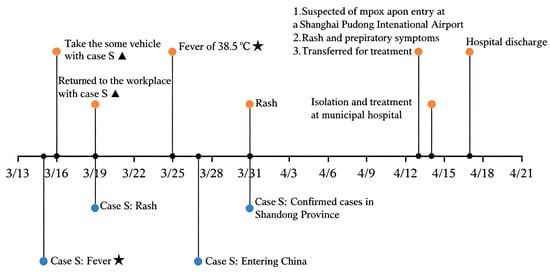
A Successful Cross-Agency Model for Collaborative Response to Imported Infectious Disease: Investigation and Management of the First Confirmed Clade Ia Mpox Case in Shanghai, China
by
Zilian Cao, Fang Xu, Xiaoyan Huang, Yifeng Shen, Xin Xin, Lin Ai, Hao Pan and Huanyu Wu
Trop. Med. Infect. Dis. 2026, 11(8), 212; https://doi.org/10.3390/tropicalmed11080212 - 28 Jul 2026
Abstract
Introduction: Historically, human infections with clade Ia monkeypox virus (MPXV) primarily occurred through zoonotic transmission with limited secondary human-to-human transmission. Recent studies suggest increasing evidence of human-to-human transmission of some clade Ia lineages. This report documents the first imported clade Ia mpox case
[...] Read more.
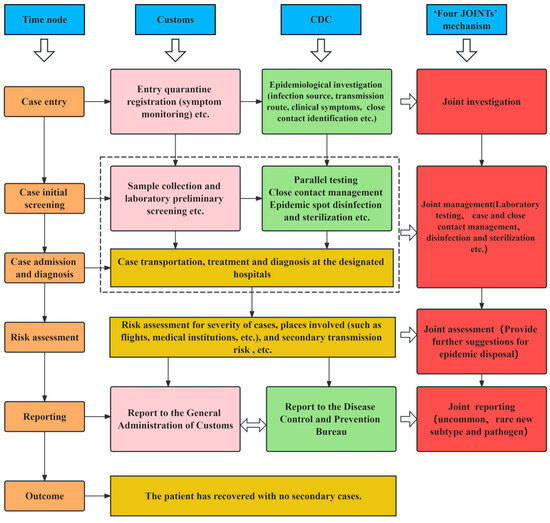
Introduction: Historically, human infections with clade Ia monkeypox virus (MPXV) primarily occurred through zoonotic transmission with limited secondary human-to-human transmission. Recent studies suggest increasing evidence of human-to-human transmission of some clade Ia lineages. This report documents the first imported clade Ia mpox case in Shanghai, representing the second documented case in China. Methods: Patient demographics, clinical profiles, epidemiological history, and close contacts were obtained through interviews with the patient and attending physicians. Clinical specimens were collected for real-time fluorescent quantitative polymerase chain reaction (qPCR) and whole-genome sequencing. Contact tracing was implemented, involving a 21-day health monitoring of close contacts. Results: The patient presented with moderate symptoms, including fever, rash, and respiratory manifestations. Genome sequencing identified the virus as clade Ia, showing 99.96% nucleotide identity to a strain from the Democratic Republic of Congo (DRC). Eight close contacts were identified with no secondary infection reported. Conclusions: This case was confirmed as an imported clade Ia mpox case originating in the DRC. The “four JOINTs” cross-agency collaborative mechanism between the CDC and customs played a significant role in effectively stopping local transmission. Challenges in remote investigation highlight the need for stronger international collaboration. Establishing an integrated “early warning-control-tracking” system, coupled with public health intervention, is crucial for reducing importation risks and safeguarding national health security.
Full article
(This article belongs to the Special Issue Emerging Infectious Diseases and Strategies for Their Prevention and Control)
►▼
Show Figures

Figure 1
Open AccessCommentary
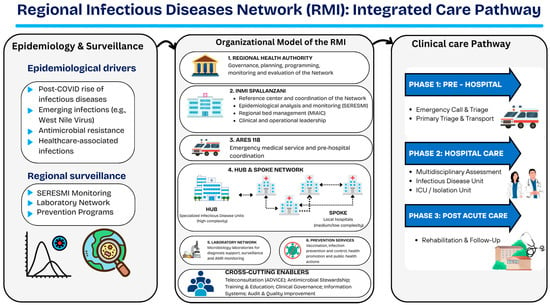
Enhancing Infectious Disease Preparedness in Rome: The Lazio Regional Network During the 2025 Jubilee
by
Gaetano Maffongelli, Andrea Bongiovanni, Alessandra D’Abramo, Erica Binetti, Laura Scorzolini, Claudia Palazzolo, Gabriella De Carli, Alessandro Agresta, Francesco Vairo and Emanuele Nicastri
Trop. Med. Infect. Dis. 2026, 11(8), 211; https://doi.org/10.3390/tropicalmed11080211 - 26 Jul 2026
Abstract
►▼
Show Figures
In 2025, Rome hosted the Catholic Jubilee, recording over 33 million cumulative pilgrim attendances while simultaneously facing the death of Pope Francis, the election of Pope Leo XIV, and a regional West Nile Virus (WNV) outbreak. This commentary describes the Lazio Region’s preparedness
[...] Read more.
In 2025, Rome hosted the Catholic Jubilee, recording over 33 million cumulative pilgrim attendances while simultaneously facing the death of Pope Francis, the election of Pope Leo XIV, and a regional West Nile Virus (WNV) outbreak. This commentary describes the Lazio Region’s preparedness strategy, based on adapting an existing Hub-and-Spoke infectious diseases network integrating surveillance with Regional Service for Epidemiology, Surveillance and Control of Infectious Diseases (SERESMI) laboratory support, telemedicine, and clinical management. Preparatory measures included an additional Hub, updated syndromic pathways, multidisciplinary coordination, and enhanced surveillance. Emergency department visits increased by 14.8%, while the proportion of infectious syndromes remained stable. This experience highlights the potential value of strengthening existing healthcare networks for mass gathering preparedness.
Full article

Figure 1
Open AccessArticle
Oviposition Activity and Ecological Patterns of Medically Important Culicidae in an Agroforestry System in the Atlantic Forest, Rio de Janeiro, Brazil
by
Júlia dos Santos Silva, Cecilia Ferreira de Mello, Shayenne Olsson Freitas Silva, Amanda Queiroz Bastos, Ana Laura Carbajal-de-la-Fuente, Thamires Rezende Araújo and Jeronimo Alencar
Trop. Med. Infect. Dis. 2026, 11(8), 210; https://doi.org/10.3390/tropicalmed11080210 - 25 Jul 2026
Abstract
Understanding mosquito diversity in natural environments under anthropogenic influence or undergoing vegetation recovery is essential for comprehending potential behavioral changes and adaptations in the activity patterns of these populations. Within this context, this study aimed to investigate the oviposition activity, seasonal abundance, hatching
[...] Read more.
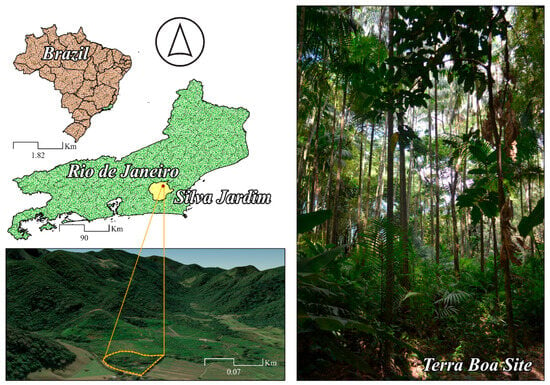
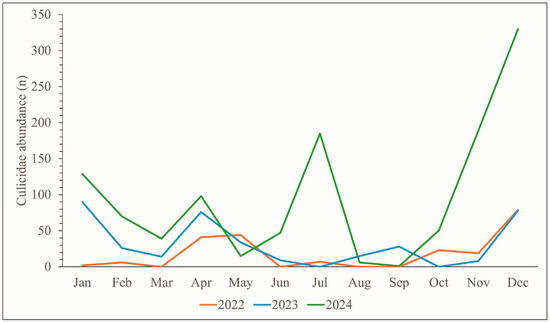
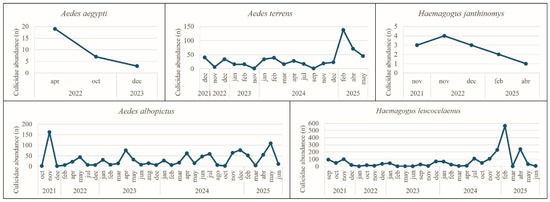
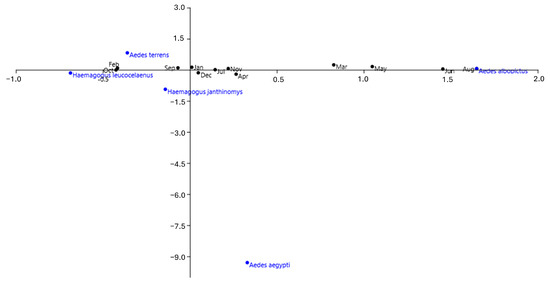
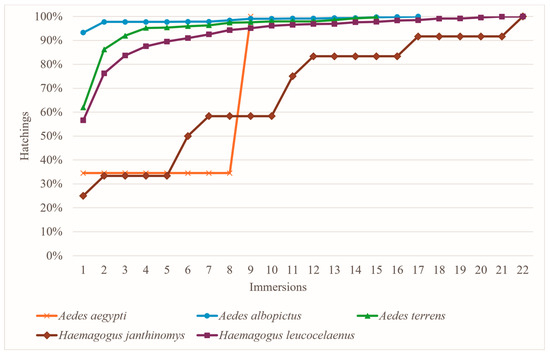
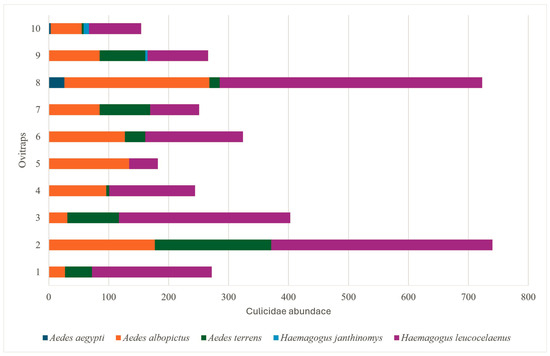
Understanding mosquito diversity in natural environments under anthropogenic influence or undergoing vegetation recovery is essential for comprehending potential behavioral changes and adaptations in the activity patterns of these populations. Within this context, this study aimed to investigate the oviposition activity, seasonal abundance, hatching dynamics, and sex ratio of medically important Culicidae species using ovitraps as an entomological surveillance tool, with special attention to Haemagogus leucocelaenus, Aedes terrens, and Aedes albopictus, and to analyze their distribution within an agroforestry area. The study was conducted at Sítio Terra Boa, a rural property managed under an agroforestry system, in the municipality of Silva Jardim, state of Rio de Janeiro, Brazil, between August 2021 and June 2025. Ten ovitraps were installed at a height of approximately 2 m above ground level and randomly distributed around an area cultivated with açaí (Euterpe oleracea) and peach palm (Bactris gasipaes). Collections were conducted monthly, and the paddles were replaced and subsequently sent to the laboratory for analysis. The 47-month study provided valuable data regarding the ecology of these species in an agroforestry environment. Haemagogus leucocelaenus was the dominant species throughout the study, and mosquito abundance peaked during the warmer months, particularly from December to April. The results revealed seasonal fluctuations in populations, species-specific oviposition patterns in response to environmental changes, displacement of sylvatic species such as Hg. leucocelaenus toward anthropized areas, and the expansion of urban vectors such as Ae. albopictus into forest matrices. The higher abundance of Hg. leucocelaenus in the ovitraps suggests that this species may persist in agroforestry areas; however, comparative studies across different landscape types are needed to evaluate its ecological adaptation. The coexistence of Haemagogus and Aedes species within the same forest fragment under anthropogenic interference reinforces the need for continuous entomological surveillance in these environments. These findings contribute to understanding vector ecology in recovering Atlantic Forest environments and provide support for future control programs.
Full article
(This article belongs to the Special Issue Emerging Vector-Borne Diseases and Public Health Challenges)
►▼
Show Figures

Figure 1
Open AccessCorrection
Correction: Moyo et al. Profiling HIV Risk and Determined, Resilient, Empowered AIDS-Free, Mentored, and Safe (DREAMS) Program Reach Among Adolescent Girls and Young Women (AGYW) in Namibia: Secondary Analysis of Population and Program Data. Trop. Med. Infect. Dis. 2025, 10, 240
by
Enos Moyo, Endalkachew Melese, Hadrian Mangwana, Simon Takawira, Rosalia Indongo, Bernadette Harases, Perseverance Moyo, Ntombizodwa Makurira Nyoni, Kopano Robert and Tafadzwa Dzinamarira
Trop. Med. Infect. Dis. 2026, 11(8), 209; https://doi.org/10.3390/tropicalmed11080209 - 24 Jul 2026
Abstract
In the original publication [...]
Full article
(This article belongs to the Special Issue Leaving No One Behind: The Prevention and Treatment of HIV Among Key and Vulnerable Populations)
Open AccessArticle
Non-Neonatal Tetanus in Mogadishu, Somalia: Clinical Characteristics, Management, and Outcomes—First Report from a Tetanus Referral Centre
by
Mohamed Mukhtar Mohamed, Rukia Abukar Abdi, Mohamed Ahmed Ali, Mohamed Abdirahman Jama and Rahma Yusuf Haji Mohamud
Trop. Med. Infect. Dis. 2026, 11(8), 208; https://doi.org/10.3390/tropicalmed11080208 - 24 Jul 2026
Abstract
Background: Tetanus remains a life-threatening yet preventable disease, with a disproportionate burden in low- and middle-income countries. Data on non-neonatal tetanus in Somalia, particularly from referral centres managing severe cases, are limited. This study aimed to describe the clinical characteristics, management, and outcomes
[...] Read more.
Background: Tetanus remains a life-threatening yet preventable disease, with a disproportionate burden in low- and middle-income countries. Data on non-neonatal tetanus in Somalia, particularly from referral centres managing severe cases, are limited. This study aimed to describe the clinical characteristics, management, and outcomes of patients with non-neonatal tetanus in Mogadishu, Somalia. Methods: This retrospective observational study was conducted at Madina Hospital between July 2024 and January 2026. All patients with clinically diagnosed non-neonatal tetanus presenting to the Emergency Department were included. Data on demographics, clinical features, management, complications, and outcomes were extracted from medical records. Continuous variables were summarized as mean ± standard deviation or median (interquartile range), while categorical variables were presented as frequencies and percentages. Associations were assessed using Fisher’s exact test, with p < 0.05 considered statistically significant. Results: A total of 50 patients were included (mean age 22.24 ± 15.49 years; 84.0% male). Most patients were unvaccinated (80.0%), and severe or very severe disease was present in 64.0% of cases. Generalized muscle spasm was the most common presentation (50.0%). Dysautonomia (42.0%) and respiratory failure (18.0%) were the most frequent complications. The overall in-hospital mortality rate was 26.0%, with respiratory failure accounting for 69.2% of deaths. Mortality was significantly associated with disease severity (p < 0.001), complications (p = 0.006), antibiotic category (p = 0.043), and vaccination status (p = 0.0265). Conclusions: Non-neonatal tetanus in this referral-based setting is associated with high mortality, predominantly affecting young, unvaccinated individuals presenting with advanced disease. Disease severity and complications, particularly respiratory failure, are the main drivers of outcomes. Strengthening adult immunization, improving early recognition and referral, and expanding access to critical care are essential to reduce tetanus-related mortality.
Full article
(This article belongs to the Section Infectious Diseases)
Open AccessArticle
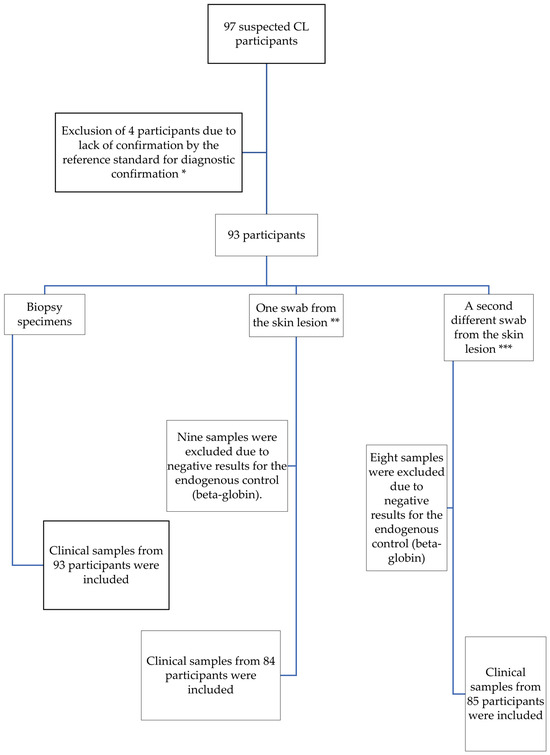
Evaluation of the Loop-Mediated Isothermal Amplification (LAMP) Technique in Swab Samples from Ulcerated Cutaneous Lesions Compared with Conventional Diagnostic Methods for American Tegumentary Leishmaniasis in Patients Treated at a Reference Center in Rio de Janeiro, Brazil
by
Elizabeth Cristina Araújo Ferreira Faulhaber, Daniel Moreira de Avelar, Liliane de F. Antonio Oliveira, Luciana de F. Campos Miranda, Cintia Xavier de Mello, Gabrielle Baldan Stanciola, Luanna da S. Ventura, Marcelo Rosandiski Lyra, Caio Thomaz de Lima e Silva, Aline Fagundes da Silva, Rosely Maria Zancope-Oliveira, Maria Inês Fernandes Pimentel and Andreza Pain Marcelino
Trop. Med. Infect. Dis. 2026, 11(7), 207; https://doi.org/10.3390/tropicalmed11070207 - 22 Jul 2026
Abstract
Cutaneous leishmaniasis (CL) is a vector-borne disease caused by Leishmania spp. Molecular methods such as conventional PCR (cPCR) and real-time PCR (qPCR) show high accuracy but remain restricted to reference centers. Loop-mediated isothermal amplification (LAMP) enables rapid DNA amplification under isothermal conditions. LAMP
[...] Read more.
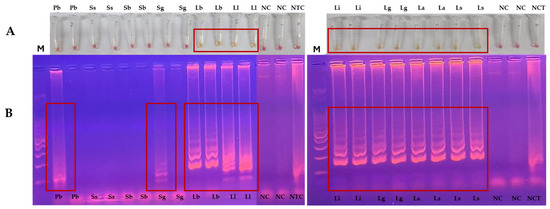
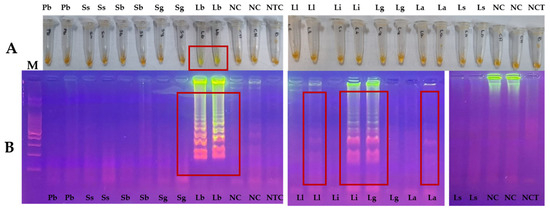
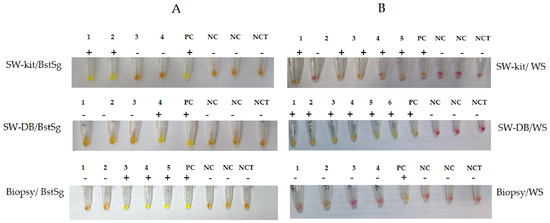
Cutaneous leishmaniasis (CL) is a vector-borne disease caused by Leishmania spp. Molecular methods such as conventional PCR (cPCR) and real-time PCR (qPCR) show high accuracy but remain restricted to reference centers. Loop-mediated isothermal amplification (LAMP) enables rapid DNA amplification under isothermal conditions. LAMP targeting 18S rDNA using WarmStart® Colorimetric LAMP 2× Master Mix and Bst 2.0 DNA Polymerase with SYBR® Green I (BstSg) was evaluated in swab samples (extracted by kit—SW-kit and direct boil—SW-DB) and specimens collected through biopsy from ulcerated lesions of patients attending a reference center in Rio de Janeiro, Brazil. The reference standard was defined as at least one positive parasitological or molecular (cPCR) test plus clinical confirmation. Analytical sensitivity reached 10 fg with WS and 10 pg with BstSg. The diagnostic accuracy of LAMP ranged from 51.8% to 78.6%, with sensitivity from 52.5% to 81% and specificity from 39.6% to 89.4%. LAMP, particularly when applied to swab samples with DNA extracted using the SW-kit protocol and amplified with BstSg, showed promising diagnostic accuracy and operational feasibility as a less invasive approach for CL diagnosis, eliminating the need for skin biopsy and reducing patient discomfort during sample collection.
Full article
(This article belongs to the Special Issue Molecular Surveillance and New Diagnostic Tests for Leishmaniasis, 2nd Edition)
►▼
Show Figures

Figure 1
Open AccessSystematic Review
Malaria Coinfections Worldwide: An Umbrella Systematic Review of Prevalence and Epidemiological Patterns
by
Víctor Juan Vera-Ponce, Jhosmer Ballena-Caicedo, Holly E. Delgado-Toro, Adriana Mishell Yoplac-Oyarce, Lily Mabel Portal-Valqui and Fiorella E. Zuzunaga-Montoya
Trop. Med. Infect. Dis. 2026, 11(7), 206; https://doi.org/10.3390/tropicalmed11070206 - 22 Jul 2026
Abstract
Malaria coinfections with other infectious agents represent a clinically relevant epidemiological challenge, but evidence remains fragmented across individual systematic reviews. This umbrella systematic review synthesized review-level evidence on the prevalence and epidemiological patterns of concurrent malaria coinfections in human populations. PubMed/MEDLINE, Scopus, Web
[...] Read more.
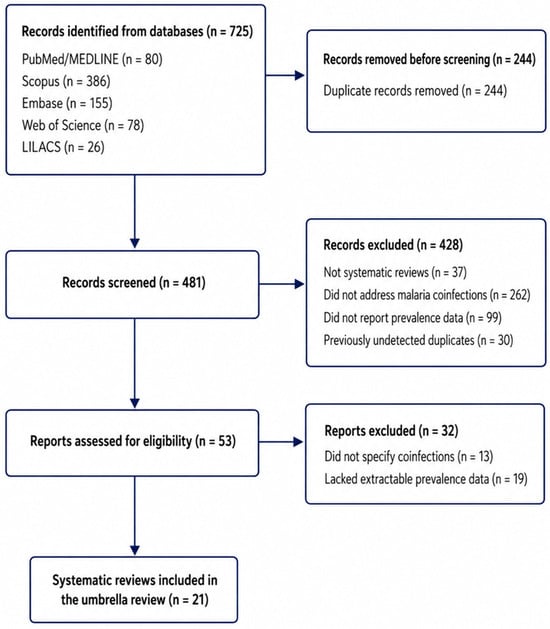
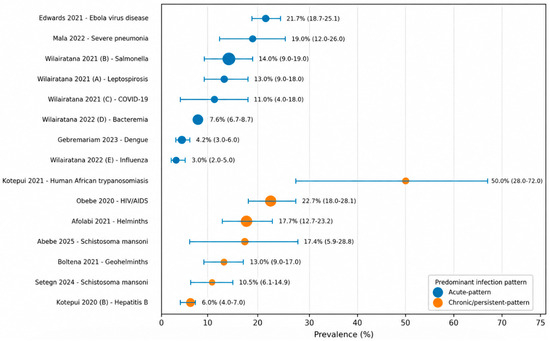
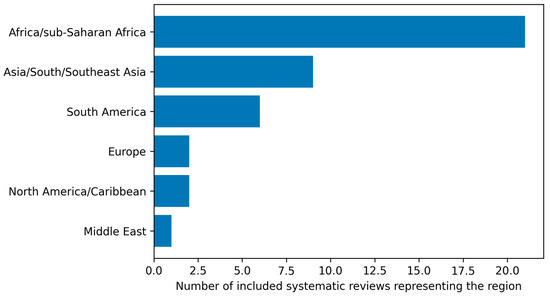
Malaria coinfections with other infectious agents represent a clinically relevant epidemiological challenge, but evidence remains fragmented across individual systematic reviews. This umbrella systematic review synthesized review-level evidence on the prevalence and epidemiological patterns of concurrent malaria coinfections in human populations. PubMed/MEDLINE, Scopus, Web of Science, Embase, and LILACS/BVS were searched for systematic reviews published from 1 January 2000 to March 2026. Risk of bias, certainty of evidence, and primary-study overlap were assessed using ROBIS, an adapted GRADE framework for prevalence evidence, and citation-matrix/corrected-covered-area methods, respectively. Twenty-one systematic reviews were included, of which 16 contributed meta-analytical prevalence estimates. Among acute-pattern coinfections, review-level prevalence estimates ranged from 3.0% (95% CI: 2.0–5.0) for malaria–influenza to 21.7% (95% CI: 18.7–25.1) for malaria–Ebola virus disease. Among chronic or persistent-pattern coinfections, estimates ranged from 6.0% (95% CI: 4.0–7.0) for malaria–hepatitis B to 50.0% (95% CI: 28.0–72.0) for malaria–human African trypanosomiasis; the latter reflects Plasmodium positivity among patients with human African trypanosomiasis and should not be interpreted as a population-level prevalence. Sub-Saharan Africa was the most represented region. Certainty of evidence was generally low or very low, largely because of substantial heterogeneity, diagnostic variability, geographic concentration, and overlap among some source reviews. Malaria coinfections are clinically and epidemiologically relevant in endemic settings, but available prevalence estimates should be interpreted as context-dependent review-level summaries rather than globally comparable burden estimates.
Full article
(This article belongs to the Section Infectious Diseases)
►▼
Show Figures

Figure 1
Open AccessArticle
HIV/AIDS Mortality in the Eastern Cape Province of South Africa, 2000–2023: Trends, Age–Sex Composition, and a Persistent Provincial Burden
by
Tronic Sithole, Ziphelele Peter and Ayanda Princess Myeni
Trop. Med. Infect. Dis. 2026, 11(7), 205; https://doi.org/10.3390/tropicalmed11070205 - 22 Jul 2026
Abstract
The Eastern Cape of South Africa carries the highest crude AIDS mortality rate nationally (135.86 per 100,000 in 2023), yet a province-specific, age-sex disaggregated analysis extending beyond 2012 does not exist. This study examined AIDS mortality trends in the Eastern Cape from 2000
[...] Read more.
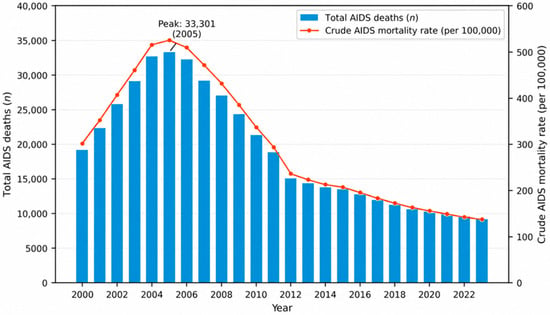
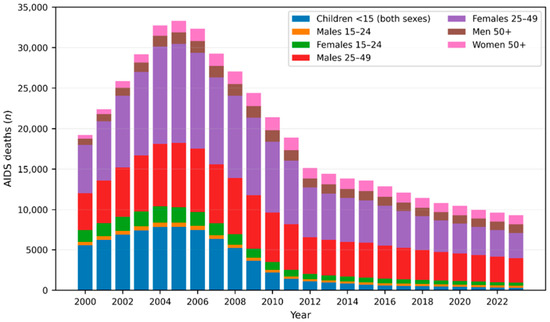
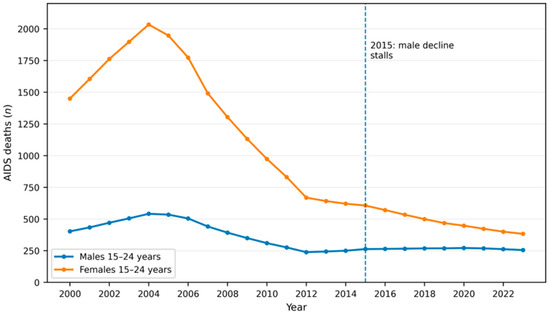
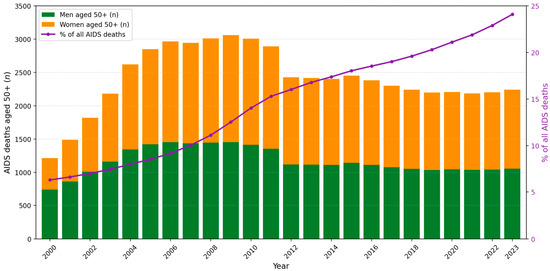
The Eastern Cape of South Africa carries the highest crude AIDS mortality rate nationally (135.86 per 100,000 in 2023), yet a province-specific, age-sex disaggregated analysis extending beyond 2012 does not exist. This study examined AIDS mortality trends in the Eastern Cape from 2000 to 2023. A quantitative ecological design was employed using secondary analysis of modelled estimates from the Thembisa Provincial HIV Model version 4.8. Annual AIDS deaths across nine age–sex subgroups and crude AIDS mortality rate were extracted from the Eastern Cape, 2000–2023, with provincial comparisons for 2023. Total AIDS deaths declined by 72.1% from 33,301 in 2005 to 9300 in 2023. Child deaths fell 96.1% from peak. Male youth deaths (15–24) plateaued after 2015. Adults aged 50 and older constituted 24.1% of deaths in 2023, with numbers increasing since 2019. Despite substantial gains, three unresolved gaps persist: a male youth mortality plateau, an ageing epidemic burden, and the highest provincial AIDS mortality rate nationally. Targeted differentiated interventions are urgently needed.
Full article
(This article belongs to the Special Issue Advancing HIV Care in Africa: Leveraging Social Determinants, Digital Health Innovations, Person-Centred Approaches, and Emerging Trends)
►▼
Show Figures

Figure 1
Open AccessArticle
Evaluation of Bait Acceptance and Immune Response in a Local Dog Population During an Oral Rabies Vaccination Field Study in Cambodia
by
Bengthay Tep, Sochetra Hak, Nouv Sophorn, Sin Grandy, Ad Vos, Dim Kanan and Kinzang Dukpa
Trop. Med. Infect. Dis. 2026, 11(7), 204; https://doi.org/10.3390/tropicalmed11070204 - 20 Jul 2026
Abstract
(1) Background: Dog-mediated human rabies remains a serious public health problem in Cambodia, partially due to the high abundance of dogs. As most dogs are free-roaming and cannot easily be handled and restrained, the rabies vaccination coverage is very low. Oral rabies vaccination
[...] Read more.
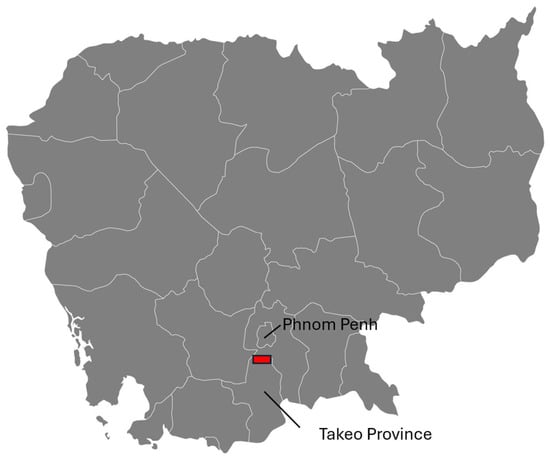
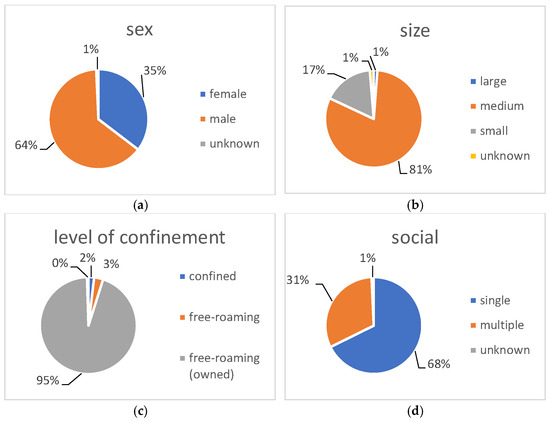
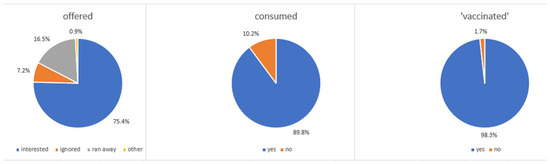
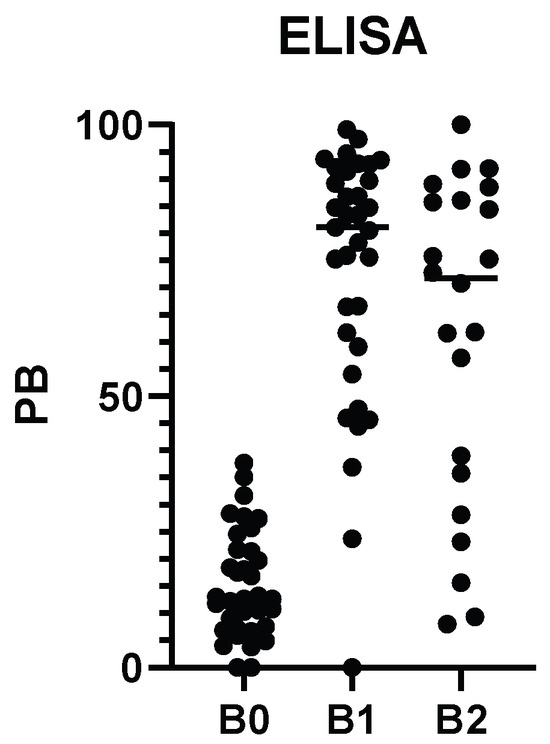
(1) Background: Dog-mediated human rabies remains a serious public health problem in Cambodia, partially due to the high abundance of dogs. As most dogs are free-roaming and cannot easily be handled and restrained, the rabies vaccination coverage is very low. Oral rabies vaccination (ORV) could increase the vaccination coverage to levels required for interrupting the transmission cycle. (2) Methods: In this study, the bait acceptance and immunogenicity of a commercially available vaccine bait were tested in local free-roaming dogs in the northern part of Takeo province in Cambodia. (3) Results: In total, 75.4% (515/683) of dogs initially showed interest when offered an egg-flavored bait containing the SPBN GASGAS rabies virus vaccine. Subsequently, 89.9% of these dogs consumed the bait, and almost all of them (98.3%) were considered successfully vaccinated. Blood samples were collected from 50 dogs prior to vaccination. Eight of these fifty dogs tested sero-positive for rabies antibodies (ELISA) and were excluded from follow-up samples. Thirty and ninety days post-vaccination, 91.4% and 68.2% of the relocated vaccinated dogs tested sero-positive, respectively. (4) Conclusions: Bait acceptance and immunogenicity showed similar results as observed in studies with the same vaccine bait conducted in other countries. Hence, ORV seems to be a very promising tool for dog rabies control in Cambodia, which has a large owned but free-roaming dog population.
Full article
(This article belongs to the Special Issue Rabies Epidemiology, Control and Prevention Studies)
►▼
Show Figures

Figure 1
Open AccessReview
Beyond Cure: A Scoping Review of Post-Tuberculosis Long-Term Health Outcomes
by
Sonia Menon, Anthony D. Harries, Riitta A. Dlodlo, Gisèle Badoum, Mohammed F. Dogo, Olivia B. Mbitikon, Pranay Sinha, Yan Lin, Jyoti Jaju, Aung Naing Soe, Anisha Singh, Bharati Kalottee and Kobto G. Koura
Trop. Med. Infect. Dis. 2026, 11(7), 203; https://doi.org/10.3390/tropicalmed11070203 - 20 Jul 2026
Abstract
Background: Tuberculosis (TB) remains a leading cause of global morbidity and mortality, yet its impact extends far beyond microbiological cure. Many TB survivors experience persistent structural lung damage or functional impairment consistent with post-TB lung disease, while growing evidence highlights long-term non-respiratory health
[...] Read more.
Background: Tuberculosis (TB) remains a leading cause of global morbidity and mortality, yet its impact extends far beyond microbiological cure. Many TB survivors experience persistent structural lung damage or functional impairment consistent with post-TB lung disease, while growing evidence highlights long-term non-respiratory health outcomes. Synthesizing evidence across lung and non- respiratory health outcomes, along with their risk factors, is critical to inform long-term TB care. Methods: We conducted a scoping review including systematic reviews reporting on post-TB long-term health outcomes. A search was performed in PubMed/MEDLINE on 27 July 2025, using terms related to “tuberculosis,” “systematic review,” “meta-analysis,” “sequelae” and “long-term health outcomes,” without language restrictions. Results: Nine systematic reviews met inclusion criteria. Most focused on pulmonary outcomes and consistently demonstrated that TB is associated with chronic airflow obstruction, reduced lung function, and an increased long-term risk of lung cancer, although residual confounding from environmental, clinical, and socioeconomic factors cannot be excluded. While younger adults are more prone to developing COPD after TB in high TB burden settings, older individuals face a higher risk of broader post-TB lung sequelae. Evidence suggested that TB survivors are at increased risk of non-respiratory complications. HIV co-infection, low CD4 counts, older age, pre-existing hepatitis, prior TB treatment, and hypoalbuminemia were associated with post-TB liver injury, while baseline hearing impairment and HIV co-infection increased the likelihood of post-TB hearing loss. TB was also linked to elevated risk of several non-pulmonary cancers, including oesophageal, cervical, hematological, pancreatic, and gastric malignancies, with the highest risk within the first year after TB diagnosis and persisting, though attenuated, in subsequent years. Conclusion: TB should be viewed as a chronic condition with enduring lung and non-respiratory health outcomes. TB survivors face increased risks of COPD, lung cancer, and a range of non-respiratory health outcomes, including hepatic and auditory complications, particularly among high-risk groups, such as those living with HIV infection, along with baseline hearing and hepatic impairment. Public health programmes must extend care beyond microbiological cure to include integrated, post-TB long-term monitoring of lung, hepatic and hearing across all ages, including malignancy surveillance, after baseline assessments to identify high-risk TB survivors. Future research should also elucidate risk factors for post-TB malignancy, and clarify the relationship between neurological, renal, and musculoskeletal sequelae and TB to inform evidence-based TB survivorship care.
Full article
(This article belongs to the Section Infectious Diseases)
►▼
Show Figures

Figure 1
Open AccessReview
Optimising Post-Delivery Viral Load Monitoring and HIV Care to Eliminate Breastfeeding-Associated HIV Transmission in Sub-Saharan Africa: A Review
by
Joycelyn A. Dame, Yemah Bockarie, Adraina N. M. Asante and Anthony Enimil
Trop. Med. Infect. Dis. 2026, 11(7), 202; https://doi.org/10.3390/tropicalmed11070202 - 18 Jul 2026
Abstract
Sustained maternal HIV viral-load (VL) suppression during breastfeeding is essential for eliminating vertical HIV transmission in Sub-Saharan Africa. Although vertical transmission prevention programmes have improved antiretroviral therapy coverage and peripartum outcomes, viral control may deteriorate after delivery. This decline may result from psychosocial
[...] Read more.
Sustained maternal HIV viral-load (VL) suppression during breastfeeding is essential for eliminating vertical HIV transmission in Sub-Saharan Africa. Although vertical transmission prevention programmes have improved antiretroviral therapy coverage and peripartum outcomes, viral control may deteriorate after delivery. This decline may result from psychosocial stressors, fragmented mother–infant services, and delayed return of results. This review examines post-delivery VL dynamics, breastfeeding-associated transmission risk, and the limitations of binary suppression thresholds. We suggest that post-delivery VL monitoring should be implemented as a rapid-action pathway. In this approach, detectable viraemia during breastfeeding should prompt a timely reassessment of adherence and repeat VL testing. Regimen review and additional measures to reduce the risks for both the mother and infant should be implemented where indicated. We also examine the individual, relational, structural, and health system determinants of post-delivery viraemia and lost to follow-up, including intimate partner violence. Finally, we highlight service delivery innovations that may improve maternal VL suppression and HIV-free infant survival rates.
Full article
(This article belongs to the Special Issue Leaving No One Behind: The Prevention and Treatment of HIV Among Key and Vulnerable Populations)
Open AccessArticle
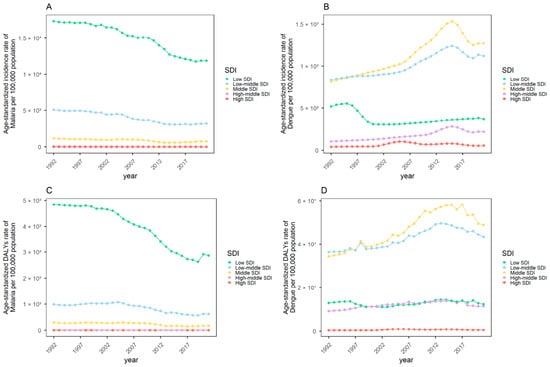
Global, Regional, and National Burden of Malaria and Dengue from 1992 to 2021, with Projections to 2036: An Age–Period–Cohort Analysis
by
Yu Wang, Qilan Wen, Jinwei Chen, Yikun Chang, Na Cao, Xin Sun, Yuantao Hao, Wangjian Zhang and Zhicheng Du
Trop. Med. Infect. Dis. 2026, 11(7), 201; https://doi.org/10.3390/tropicalmed11070201 - 17 Jul 2026
Abstract
This study aimed to compare the burden of malaria and dengue worldwide and to project future incidence trends. Incidence and disability-adjusted life-years (DALYs) were obtained from the Global Burden of Disease Study 2021 (GBD 2021). Temporal trends were quantified using estimated annual percentage
[...] Read more.
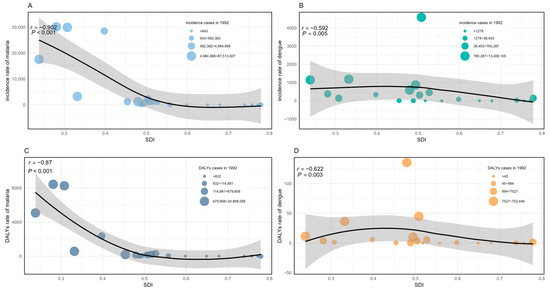
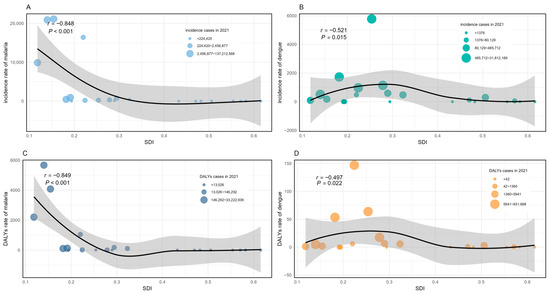
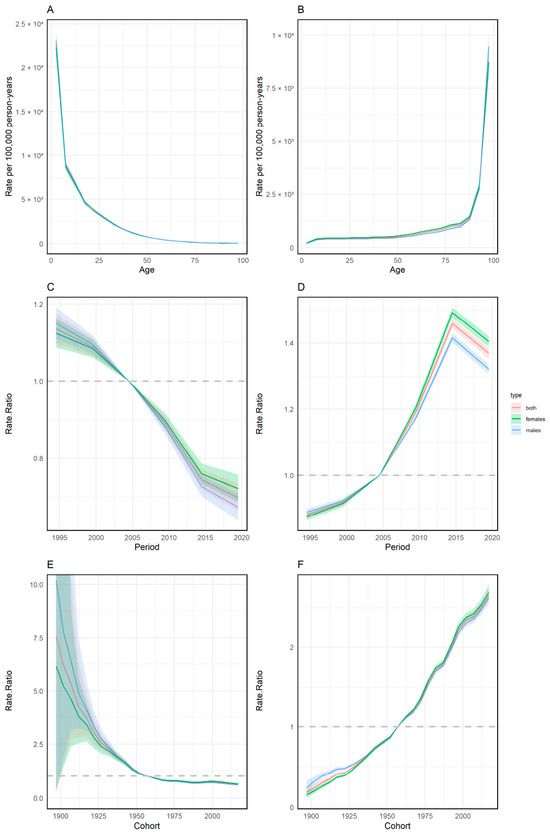
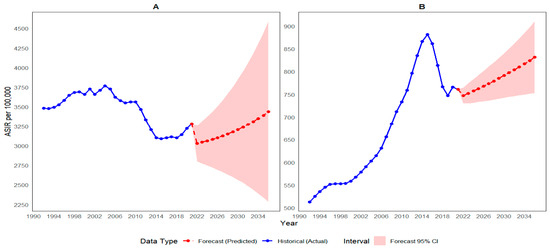
This study aimed to compare the burden of malaria and dengue worldwide and to project future incidence trends. Incidence and disability-adjusted life-years (DALYs) were obtained from the Global Burden of Disease Study 2021 (GBD 2021). Temporal trends were quantified using estimated annual percentage change (EAPC), age–period–cohort analysis was used to assess age, period, and cohort effects, and Bayesian age–period–cohort models were applied to project incidence to 2036. From 1992 to 2021, the global age-standardized incidence rate (ASIR) of malaria decreased (EAPC= −0.55%), whereas that of dengue increased (EAPC = 1.83%); the corresponding age-standardized DALY rates showed EAPCs of −1.64% and 1.29%, respectively. Across 21 GBD regions, SDI was inversely correlated with ASIR for malaria (r = −0.848) and dengue (r = −0.521), and with age-standardized DALY rates for malaria (r = −0.849) and dengue (r = −0.497). Malaria burden remained concentrated in low-SDI regions, particularly sub-Saharan Africa and Oceania, whereas dengue burden was highest in middle-SDI regions, especially tropical Latin America. From 2021 to 2036, the global ASIR of malaria was projected to decrease slightly by 1.36% (3485.27 to 3437.72). Whereas that of dengue was projected to increase by 10.58% (752.04 to 831.63). In males, the projected ASIR of malaria and dengue increased by 4.18% (3193.24 to 3326.58) and 9.96% (704.83 to 775.06), respectively. In females, the corresponding increases were 4.87% (3379.82 to 3544.27) and 8.83% (819.74 to 892.13). These findings suggest divergent epidemiological trajectories for malaria and dengue. The projections further suggest a consistent upward trajectory for dengue, with sex-specific relative changes differing descriptively by disease: the projected relative increase was numerically greater in females for malaria and in males for dengue.
Full article
(This article belongs to the Topic Surveillance Systems and Predictive Analytics for Epidemics)
►▼
Show Figures

Figure 1
Open AccessReview
Perinatal HIV in Europe: Clinical Advances and Psychosocial Challenges—A Scoping Review
by
Helena Lutchman, Cannelle Michel, Audrey Murat-Ringot and Florence Carrouel
Trop. Med. Infect. Dis. 2026, 11(7), 200; https://doi.org/10.3390/tropicalmed11070200 - 16 Jul 2026
Abstract
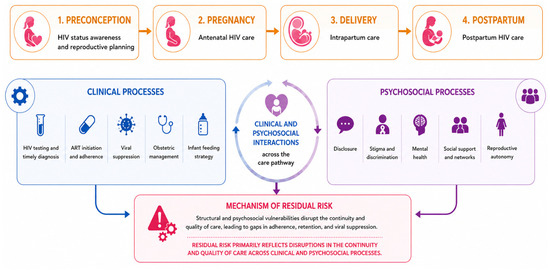
Despite significant biomedical advances in the prevention of mother-to-child transmission (MTCT) of HIV, residual transmission and suboptimal maternal outcomes persist across Europe. The challenge is no longer primarily virological but structural: aggregated ART coverage indicators mask important discontinuities across the perinatal care pathway.
[...] Read more.
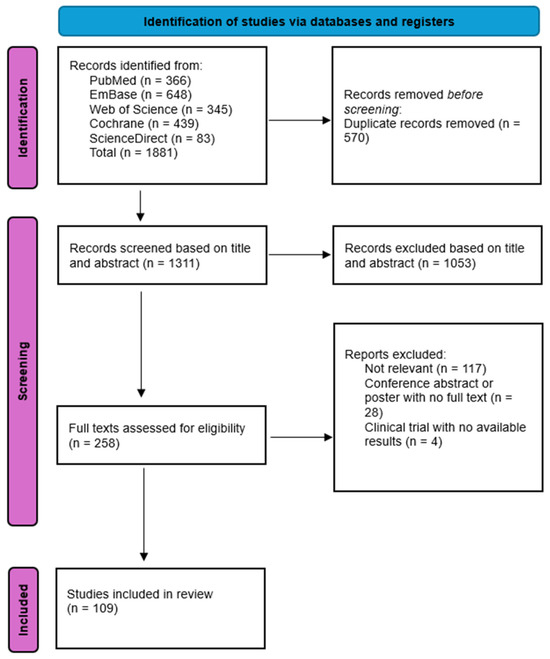
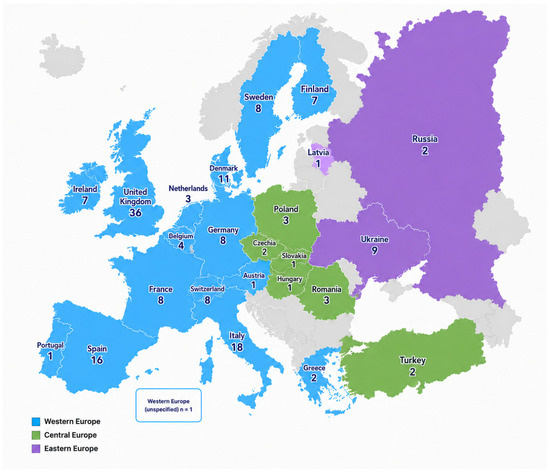
Despite significant biomedical advances in the prevention of mother-to-child transmission (MTCT) of HIV, residual transmission and suboptimal maternal outcomes persist across Europe. The challenge is no longer primarily virological but structural: aggregated ART coverage indicators mask important discontinuities across the perinatal care pathway. This scoping review maps evidence on clinical and psychosocial dimensions of the perinatal HIV pathway among adult women living with HIV (WLHIV) in Europe, and identifies key gaps in their integration across the continuum of care. Following PRISMA-ScR guidelines, five databases were searched for studies published between 2010 and 2026. Of 1881 records identified, 109 met inclusion criteria. Findings were synthesized thematically using an inductively developed framework spanning preconception through long-term postpartum outcomes. MTCT rates declined from approximately 1–1.2% in the mid-2000s to below 0.5% in recent data, and vaginal delivery rates increased markedly with sustained viral suppression. However, persistent inequalities remain among younger women, migrants, and those with histories of injecting drug use. Stigma, migration-related vulnerability, mental health difficulties, constrained disclosure, and socioeconomic insecurity shape engagement with care, influencing treatment continuity, retention, and virological outcomes, particularly during the postpartum period. Equitable perinatal HIV outcomes require integrated care models that combine clinical HIV and obstetric services with mental health support, social needs screening, and migration-sensitive services to address the structural conditions shaping care trajectories. A substantial proportion of WLHIV in Europe originate from high-prevalence regions, making perinatal HIV in this context a direct interface between global infectious disease burden and migration health. Addressing care in European settings therefore contributes to broader global health equity goals in HIV elimination. The protocol was pre-registered on Open Science Framework with registration number: 10.17605/OSF.IO/9BZGY.
Full article
(This article belongs to the Special Issue HIV Elimination: Addressing Challenges in Vulnerable Populations and Reducing Discrimination)
►▼
Show Figures

Figure 1
Open AccessArticle
Acceptability of Integrated Vector Management of Aedes in the iDEM Project: Findings from a Community-Based Survey in Urban Malaysia
by
Neal Alexander, Nurulhusna Ab Hamid, Farah Diana Ariffin, Muriel Rabilloud, Tim W. R. Möhlmann, Frédéric Schmitt, Jason H. Richardson and Mitra Saadatian-Elahi
Trop. Med. Infect. Dis. 2026, 11(7), 199; https://doi.org/10.3390/tropicalmed11070199 - 15 Jul 2026
Abstract
For dengue, there is little evidence regarding community-level acceptance, facilitators and barriers for integrated vector management (IVM). We carried out a survey to measure these aspects in the context of a large cluster-randomized controlled trial of IVM against dengue vectors in urban Malaysia,
[...] Read more.
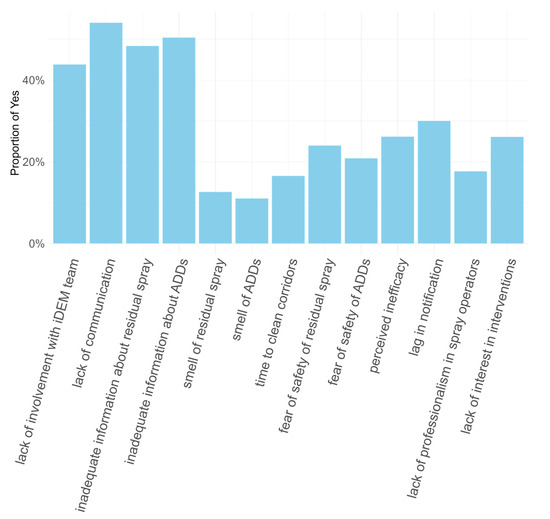
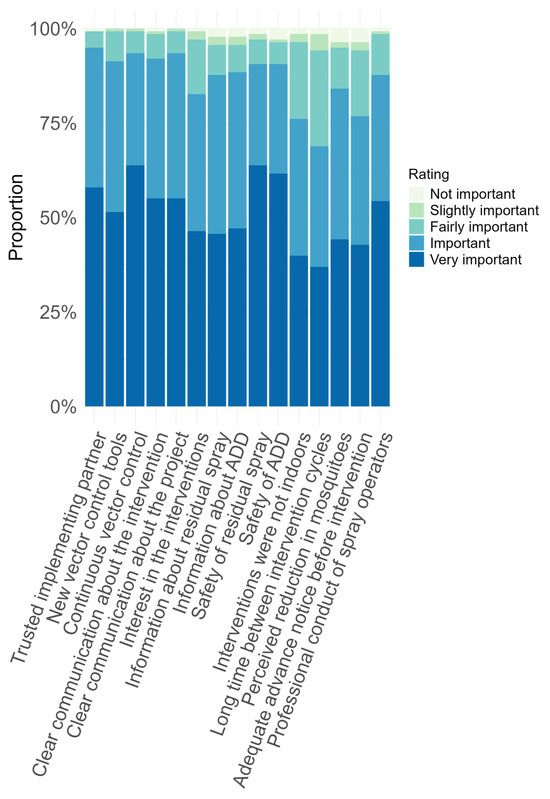
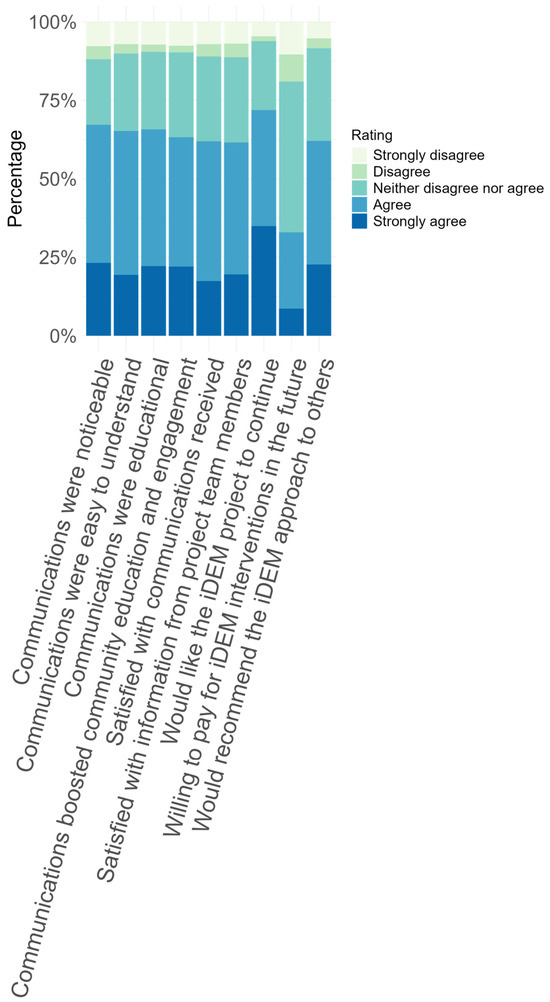
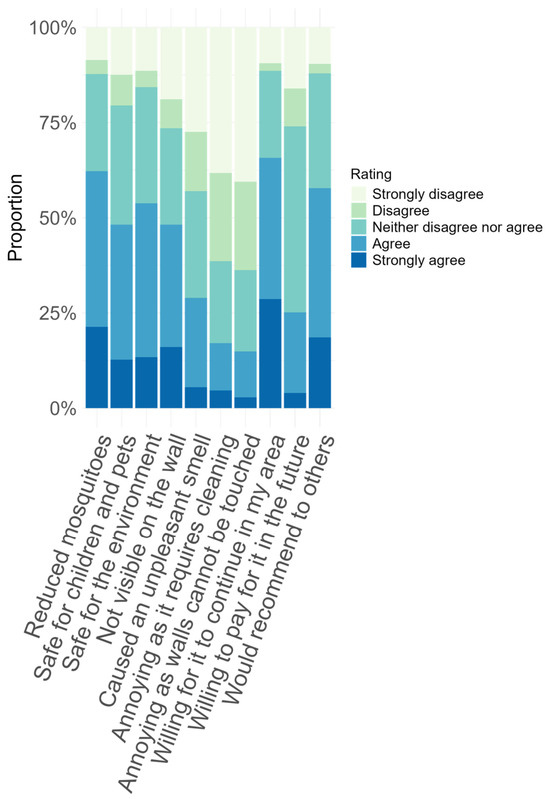
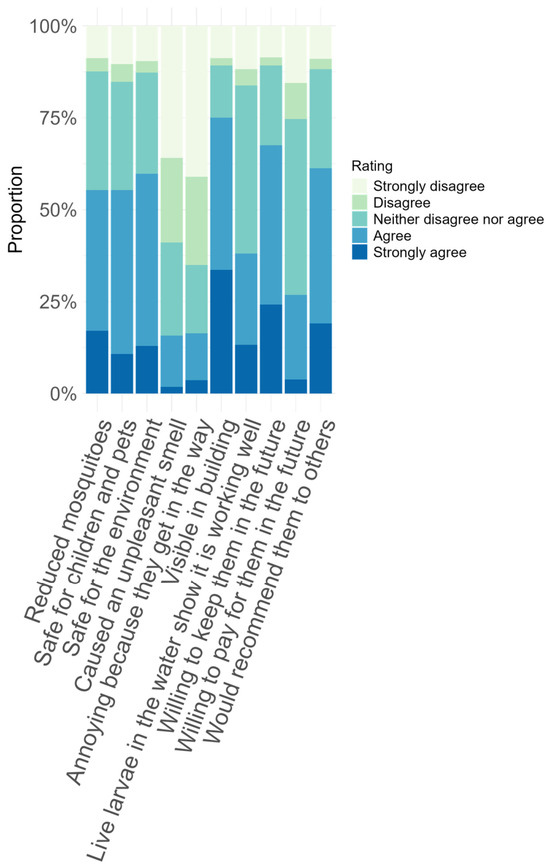
For dengue, there is little evidence regarding community-level acceptance, facilitators and barriers for integrated vector management (IVM). We carried out a survey to measure these aspects in the context of a large cluster-randomized controlled trial of IVM against dengue vectors in urban Malaysia, in which the component control methods were (i) outdoor residual spraying, (ii) autodissemination devices (ADDs) and (iii) community engagement. The survey population comprised (i) members of the Joint Management Body (JMB) of building developments in both arms, and (ii) residents in the intervention arm. Members of both groups were requested to complete a structured questionnaire, through face-to-face interviews. Among JMB responders, 138 were the intervention clusters, and 94 from those receiving routine activities (control arm), and there were 604 responders among residents of intervention clusters. Among the JMB members, safety of the control methods (spraying and ADDs) was among the most important potential facilitators. Among barriers, the ones identified by over one-third of the participants were lack of information about the iDEM IVM methods, lack of communication and of involvement with the iDEM project personnel. Overall, the iDEM IVM methods were seen positively, and investment by the trial in community engagement may have contributed to this.
Full article
(This article belongs to the Section Vector-Borne Diseases)
►▼
Show Figures

Figure 1
Open AccessArticle
Trends in HIV Incidence, Prevalence, Antiretroviral Therapy Coverage and Mother-to-Child Transmission Among Pregnant and Breastfeeding Women in the Eastern Cape Province, South Africa, 2000–2023
by
Tronic Sithole and Ziphelele Peter
Trop. Med. Infect. Dis. 2026, 11(7), 198; https://doi.org/10.3390/tropicalmed11070198 - 15 Jul 2026
Abstract
Background: The Eastern Cape Province carries the second-highest antenatal HIV prevalence nationally (32.9%), yet province-level longitudinal data on HIV incidence among pregnant and breastfeeding women (PBW) remain limited. This study examined trends in HIV incidence, HIV prevalence, mother-to-child transmission (MTCT), and antiretroviral therapy
[...] Read more.
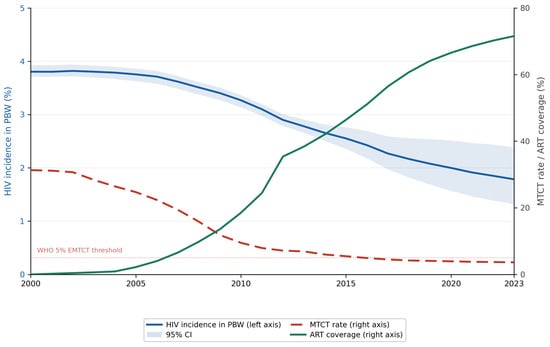
Background: The Eastern Cape Province carries the second-highest antenatal HIV prevalence nationally (32.9%), yet province-level longitudinal data on HIV incidence among pregnant and breastfeeding women (PBW) remain limited. This study examined trends in HIV incidence, HIV prevalence, mother-to-child transmission (MTCT), and antiretroviral therapy (ART) coverage among PBW in the Eastern Cape from 2000 to 2023. Methods: A quantitative ecological design was employed using secondary analysis of modelled estimates from the Thembisa Provincial HIV Model, version 4.8. Annual HIV incidence in PBW, HIV prevalence in pregnant women (overall and by five-year maternal age group), MTCT rate, new MTCT cases, and ART coverage were extracted with 95% confidence intervals (CIs) for the Eastern Cape, 2000–2023. Descriptive analysis characterised temporal trends at seven reference years, and formal trend significance was assessed using the Mann–Kendall test and log-linear regression. Results: HIV incidence in PBW declined from 3.8% (95% CI: 3.7–3.9) in 2000 to 1.8% (95% CI: 1.3–2.4) in 2023, a relative reduction of approximately 53%. ART coverage rose from 0% to 71.6%, coinciding with an 88% reduction in MTCT rate from 31.3% to 3.6%. By 2023, the MTCT rate had crossed below the World Health Organization 5% elimination threshold. HIV prevalence among pregnant women remained high at 25.0% despite declining incidence. The age distribution of HIV burden shifted markedly toward older maternal cohorts: prevalence among women aged 40–49 years increased from 9.9% in 2000 to 46.5% in 2023, while prevalence in the 15–24 age group declined substantially. New MTCT cases fell from 9990 in 2000 to 1236 in 2023. Conclusions: Declining HIV incidence in PBW coincided with substantial ART scale-up in the Eastern Cape, while HIV prevalence among pregnant women remained persistently high, a divergence that reflects the accumulating, ART-sustained pool of women living with HIV who survive into older reproductive age rather than a reversal of programmatic progress; this divergence between declining incidence and persistent, ageing prevalence is the central epidemiological finding of this study. Targeted interventions, including age-responsive antenatal protocols and strengthened PMTCT retention, alongside more careful consideration of expanded pre-exposure prophylaxis (PrEP) access, are needed to achieve elimination of mother-to-child transmission.
Full article
(This article belongs to the Special Issue Advancing HIV Care in Africa: Leveraging Social Determinants, Digital Health Innovations, Person-Centred Approaches, and Emerging Trends)
►▼
Show Figures

Figure 1
Open AccessArticle
Community Drivers of Leishmania Infection, Transmission and Control in Baringo County, Kenya: Implications for Integrated One Health Intervention Strategies
by
Hellen Njeri Maingi, Maingi Ndichu, James Ng’ang’a Chege, Davis Njuguna Karanja, Derrick Noah Sentamu, Bruno Enagnon Lokonon, Damaris Matoke-Muhia, Helena Ngowi and Bassirou Bonfoh
Trop. Med. Infect. Dis. 2026, 11(7), 197; https://doi.org/10.3390/tropicalmed11070197 - 14 Jul 2026
Abstract
Leishmaniasis is an endemic zoonotic disease caused by the protozoan parasite Leishmania and transmitted by infected female phlebotomine sandflies. The World Health Organization (WHO) classifies it among the 20 neglected tropical diseases (NTDs), ranking eighth globally. The disease predominantly affects resource-limited populations in
[...] Read more.
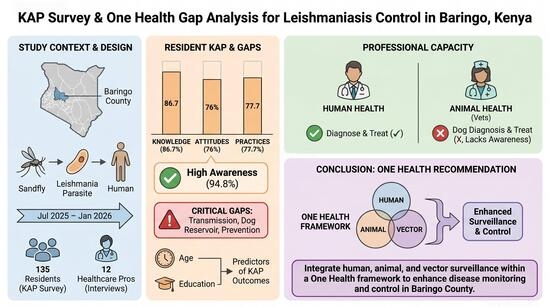
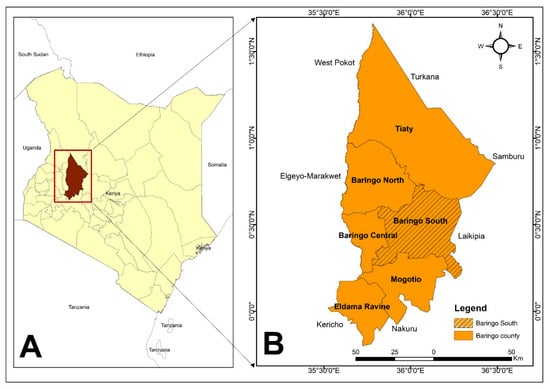
Leishmaniasis is an endemic zoonotic disease caused by the protozoan parasite Leishmania and transmitted by infected female phlebotomine sandflies. The World Health Organization (WHO) classifies it among the 20 neglected tropical diseases (NTDs), ranking eighth globally. The disease predominantly affects resource-limited populations in tropical regions. Kenya bears a significant global burden of leishmaniasis, with Baringo County identified as a major endemic area. A cross-sectional survey on knowledge, attitudes, and practices (KAP) was conducted from July 2025 to January 2026 among 135 residents of Baringo South Sub-County using a structured questionnaire. The study evaluated sociodemographic characteristics, disease awareness, perceptions, preventive practices, and treatment-seeking behaviors. Additionally, 12 healthcare professionals were interviewed regarding their diagnostic and treatment capacities. Associations between variables were analyzed using Chi-square tests and multivariate logistic regression. Overall awareness of leishmaniasis was high (94.8%), with KAP scores of 86.7%, 76%, and 77.7%, respectively. Despite this, critical knowledge gaps persisted regarding transmission dynamics, the role of dogs as reservoir hosts, and preventive measures. Significant associations were found for awareness of local cases, recognition of clinical signs, knowledge of vector activity, community control measures, and attitudes toward treatment preferences. Age and education level predicted KAP outcomes. Healthcare practitioners demonstrated technical capacity to diagnose and treat human Leishmania infections, whereas veterinarians lacked awareness of Leishmania infection in dogs, including its diagnosis and treatment. Integration of human, animal, and vector surveillance within a One Health framework is recommended to enhance disease monitoring and control in Baringo County.
Full article
(This article belongs to the Special Issue Emerging Vector-Borne Diseases and Public Health Challenges)
►▼
Show Figures

Graphical abstract
Open AccessCase Report
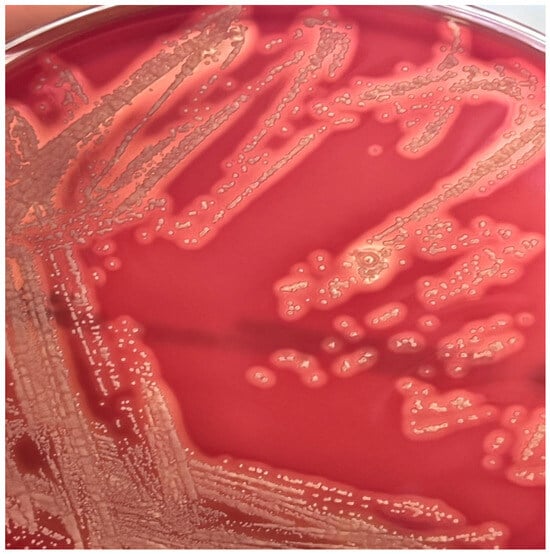
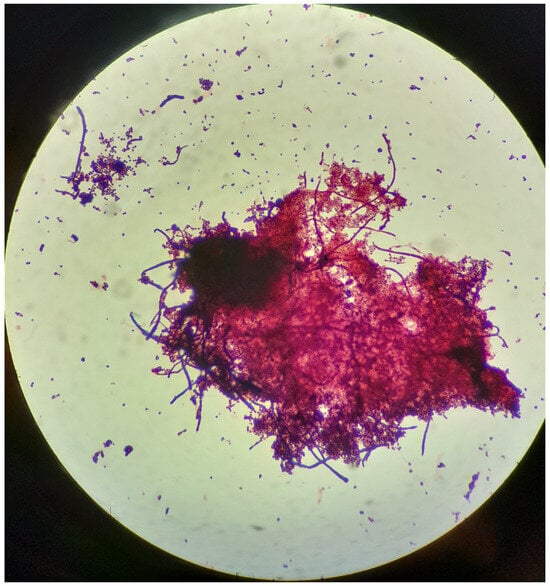
A Rare Cause of Folliculitis by Dermatophilus congolensis in a Tropical Martial Arts Fighter
by
Guillermo Martínez-Carrión, Leire Fernández-Ciriza, Iosu Razquin, María Ángeles del Río-Poza and María Eugenia Portillo
Trop. Med. Infect. Dis. 2026, 11(7), 196; https://doi.org/10.3390/tropicalmed11070196 - 14 Jul 2026
Abstract
Background: Dermatophilus congolensis, a Gram-positive actinomycete, is a well-known animal pathogen but a rare cause of human skin infections. Human dermatophilosis is an infection associated with tropical environments and animal contact that remains frequently underdiagnosed. Case Presentation: We report a case of
[...] Read more.
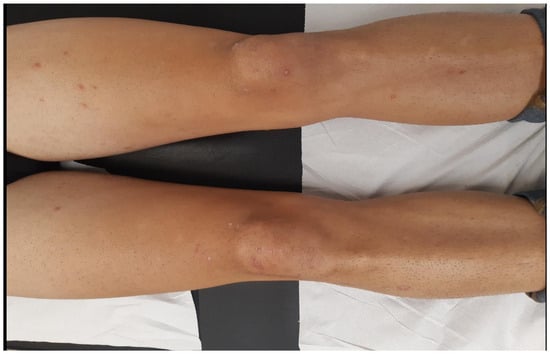
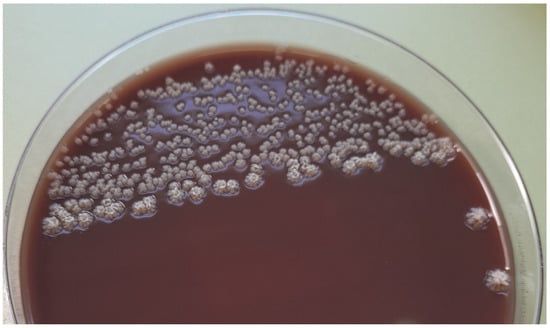
Background: Dermatophilus congolensis, a Gram-positive actinomycete, is a well-known animal pathogen but a rare cause of human skin infections. Human dermatophilosis is an infection associated with tropical environments and animal contact that remains frequently underdiagnosed. Case Presentation: We report a case of recurrent folliculitis in a 34-year-old male Muay Thai fighter returning from Thailand to Spain. The patient presented with pustular lesions on his lower limbs following frequent leg shaving and close physical contact during training. Microbiological culture from skin swabs yielded beta-hemolytic colonies, identified as D. congolensis by MALDI-TOF MS. Identification was confirmed through Whole-Genome Sequencing (WGS), which also revealed an absence of antimicrobial resistance genes. Despite the lack of established EUCAST breakpoints, the isolate showed low MICs for most tested antibiotics. The patient was treated with doxycycline, although clinical follow-up was not possible due to travel. Conclusions: This case highlights D. congolensis as an emerging differential diagnosis for persistent folliculitis in travelers and athletes. Our findings suggest a potential horizontal transmission route through contact sports and fomites (e.g., mats) in high-humidity settings.
Full article
(This article belongs to the Section Infectious Diseases)
►▼
Show Figures

Figure 1
Journal Menu
► ▼ Journal Menu-
- TropicalMed Home
- Aims & Scope
- Editorial Board
- Topical Advisory Panel
- Instructions for Authors
- Special Issues
- Topics
- Sections & Collections
- Article Processing Charge
- Indexing & Archiving
- Editor’s Choice Articles
- Most Cited & Viewed
- Journal Statistics
- Journal History
- Journal Awards
- Society Collaborations
- Conferences
- Editorial Office
- 10th Anniversary
Journal Browser
► ▼ Journal BrowserHighly Accessed Articles
Latest Books
E-Mail Alert
News
Topics
Topic in
Infectious Disease Reports, Insects, IJERPH, Pathogens, TropicalMed, Zoonotic Diseases
Vector-Borne Disease Spatial Epidemiology, Disease Ecology, and Zoonoses
Topic Editors: Chad L. Cross, Louisa Alexandra MessengerDeadline: 31 December 2026
Topic in
IJERPH, TropicalMed, Microorganisms, Infectious Disease Reports, Pathogens
Genetic, Environmental, and Climatic Drivers of Emerging Arboviruses and Public Health Implications
Topic Editors: André Ricardo Ribas Freitas, Pedro María Alarcón-Elbal, Luciano Pamplona de Góes CavalcantiDeadline: 20 January 2027
Topic in
Diseases, Epidemiologia, Infectious Disease Reports, Medicina, TropicalMed
Surveillance Systems and Predictive Analytics for Epidemics
Topic Editors: Georgia Kourlaba, Elisavet StavropoulouDeadline: 31 January 2027
Topic in
Animals, Encyclopedia, Pathogens, TropicalMed, Veterinary Sciences, Viruses, Zoonotic Diseases
Emerging and Resurging Viruses: Zoonotic Threats in a Changing World
Topic Editors: Levon Abrahamyan, Francesco VairoDeadline: 31 March 2027
Conferences
Special Issues
Special Issue in
TropicalMed
One Health Perspectives on Pathogenic Amoebae: Infections and Environmental Detection
Guest Editors: Libia Zulema Rodriguez Anaya, Fernando Lares-VillaDeadline: 14 August 2026
Special Issue in
TropicalMed
Toxoplasma and Neospora: Public Health Challenges in Tropical Regions
Guest Editors: Thais Ferreira Feitosa, Vinícius Longo Ribeiro VilelaDeadline: 31 August 2026
Special Issue in
TropicalMed
Rabies—Global Challenges, Societal Perspectives, and Case Studies
Guest Editor: Koji KandaDeadline: 31 August 2026
Special Issue in
TropicalMed
The Distribution and Diversity of Tick-Borne Zoonotic Pathogens
Guest Editor: Kun LiDeadline: 31 August 2026
Topical Collections
Topical Collection in
TropicalMed
Infection Prevention and Control: Practical and Educational Advances
Collection Editors: Constantinos Tsioutis, Spyridon Karageorgos, Carlos Palos