Journal Description
Sclerosis
Sclerosis
is an international, peer-reviewed, open access journal on sclerosis and related diseases, published quarterly online by MDPI.
- Open Access— free for readers, with article processing charges (APC) paid by authors or their institutions.
- Rapid Publication: manuscripts are peer-reviewed and a first decision is provided to authors approximately 30.3 days after submission; acceptance to publication is undertaken in 4.5 days (median values for papers published in this journal in the second half of 2025).
- Recognition of Reviewers: APC discount vouchers, optional signed peer review, and reviewer names are published annually in the journal.
- Sclerosis is a companion journal of JCM.
Latest Articles
Targeting the IL-23p19/Th17 Axis with Guselkumab in Systemic Sclerosis: A Domain-Based Review of All Four Published Cases
Sclerosis 2026, 4(2), 13; https://doi.org/10.3390/sclerosis4020013 - 7 Jun 2026
Abstract
Systemic sclerosis (SSc) is a heterogeneous autoimmune disease characterized by immune dysregulation, microvascular injury, and progressive cutaneous and internal organ fibrosis. Despite advances in the understanding of SSc pathogenesis, effective disease-modifying therapies remain limited, and there is ongoing interest in targeted approaches that
[...] Read more.
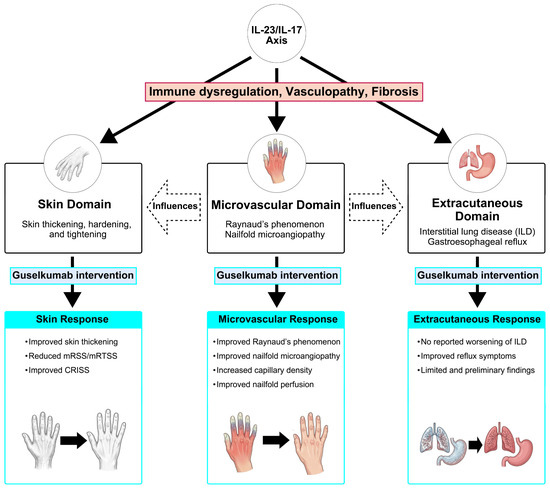
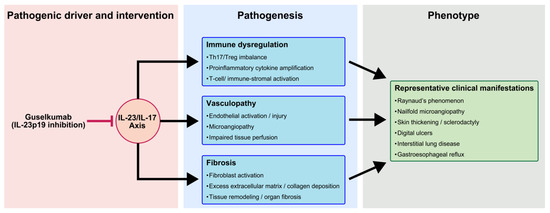
Systemic sclerosis (SSc) is a heterogeneous autoimmune disease characterized by immune dysregulation, microvascular injury, and progressive cutaneous and internal organ fibrosis. Despite advances in the understanding of SSc pathogenesis, effective disease-modifying therapies remain limited, and there is ongoing interest in targeted approaches that may modulate early inflammatory-vascular mechanisms linked to subsequent fibrotic remodeling. The IL-23/Th17 axis contributes to SSc biology, providing a rationale for IL-23p19 blockade as a potential therapeutic strategy. This focused narrative review summarizes currently available clinical signals of IL-23p19 inhibition in SSc, centered on guselkumab, and interprets reported outcomes using a domain-based framework. Published evidence remains confined to uncontrolled reports totaling 4 patients (one case report of early limited cutaneous SSc and a three-patient case series of early diffuse cutaneous SSc with comorbid psoriasis). Across these reports, investigators described improvements most consistently in the cutaneous domain (modified Rodnan skin score [mRSS], modified Rodnan total skin score [mRTSS], and the American College of Rheumatology Combined Response Index in Systemic Sclerosis [CRISS]) and in microvascular manifestations, including Raynaud’s phenomenon and nailfold microangiopathy, whereas pulmonary and gastrointestinal findings remain preliminary. We discuss key limitations of the current literature, including publication and reporting bias, the heterogeneity of phenotypes and endpoints, and confounding by comorbid psoriatic disease and natural disease fluctuation. Overall, IL-23p19 inhibition offers a pathway-specific approach in SSc, but establishing efficacy and defining responsive phenotypes requires adequately powered controlled evidence. Findings pertain specifically to guselkumab and cannot be generalized to IL-23 inhibition as a class.
Full article
(This article belongs to the Special Issue Advances in Systemic Sclerosis Research in Japan)
►
Show Figures
Open AccessArticle
Enhanced Genetic Vulnerability to Amyotrophic Lateral Sclerosis: Insights from a Case–Control Study on the MTHFR C677T Variant in a Brazilian Population
by
Rômulo Morais Azevedo, Nayane Soares de Lima, Rayana Pereira Dantas de Oliveira, Leandro do Prado Assunção, Dhiogo da Cruz Pereira Bento, Angela Adamski da Silva Reis and Rodrigo da Silva Santos
Sclerosis 2026, 4(2), 12; https://doi.org/10.3390/sclerosis4020012 - 21 May 2026
Abstract
►▼
Show Figures
Background/Objectives: Amyotrophic Lateral Sclerosis (ALS) is a rare, neurodegenerative disease with complex genetic and environmental determinants. The MTHFR C677T (rs1801133) variant, known for reducing enzymatic activity in the folate cycle, has been implicated in ALS risk, though findings remain inconsistent across diverse
[...] Read more.
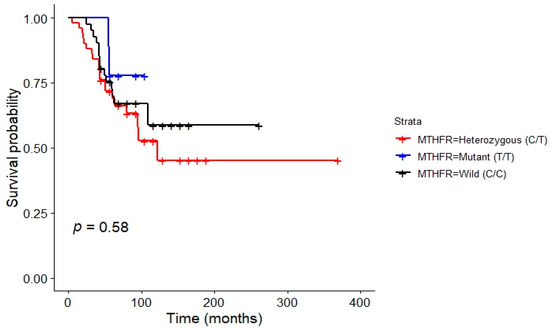
Background/Objectives: Amyotrophic Lateral Sclerosis (ALS) is a rare, neurodegenerative disease with complex genetic and environmental determinants. The MTHFR C677T (rs1801133) variant, known for reducing enzymatic activity in the folate cycle, has been implicated in ALS risk, though findings remain inconsistent across diverse populations. Methods: A population-based case–control study was conducted in 248 age-matched individuals to investigate the MTHFR C677T (rs1801133) and ALS susceptibility. Molecular analysis was performed using the polymerase chain reaction–restriction fragment length polymorphism (PCR-RFLP). Genetic associations were evaluated under multiple inheritance models, while survival analysis utilized the Kaplan–Meier method to assess the relationship between MTHFR genotypes and patient prognosis. Results: The C677T variant showed a significant association under the codominant and recessive models, suggesting involvement in ALS risk (OR = 4.63; p = 0.01 and OR = 3.92; p = 0.02), respectively. However, stratification by sex demonstrated an association predominantly in women (OR = 7.10, p = 0.02; OR = 5.87, p = 0.04). Additionally, Kaplan–Meier analysis revealed a numerically shorter mean survival time for the mutant genotype compared with wild-type and heterozygous carriers, without statistical significance. Conclusions: Notably, we identified a significant association between the MTHFR C677T (rs1801133) variant and ALS risk, particularly among women. These findings suggest that the mutant (T/T) genotype showed a stronger association, potentially reflecting postmenopausal hormonal influences on one-carbon metabolism and related susceptibility pathways.
Full article

Graphical abstract
Open AccessReview
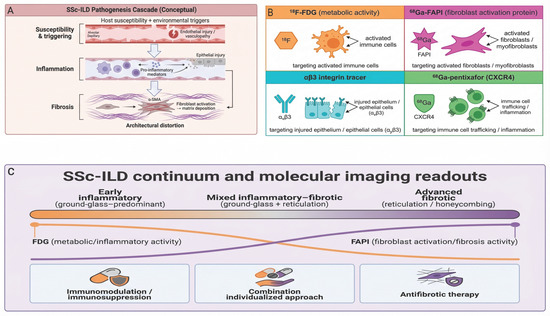
Molecular PET/CT in Systemic Sclerosis-Associated Interstitial Lung Disease (SSc-ILD)
by
Mallareddy Banala, Lilit Ghazaryan and Shabbir Ezuddin
Sclerosis 2026, 4(2), 11; https://doi.org/10.3390/sclerosis4020011 - 13 May 2026
Abstract
►▼
Show Figures
Systemic sclerosis-associated interstitial lung disease (SSc-ILD) is a leading cause of morbidity and mortality in patients with systemic sclerosis. High-resolution computed tomography (HRCT) provides anatomical detail but cannot directly assess disease activity, inflammation, or fibroblast activation. Molecular positron emission tomography/computed tomography (PET/CT) offers
[...] Read more.
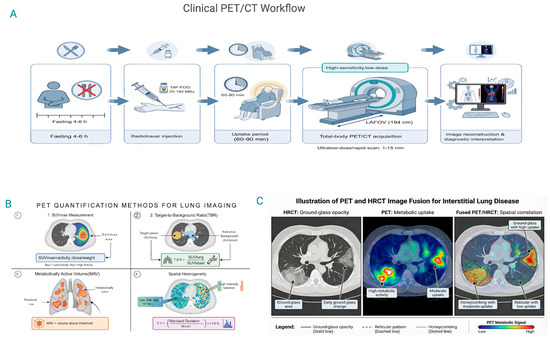
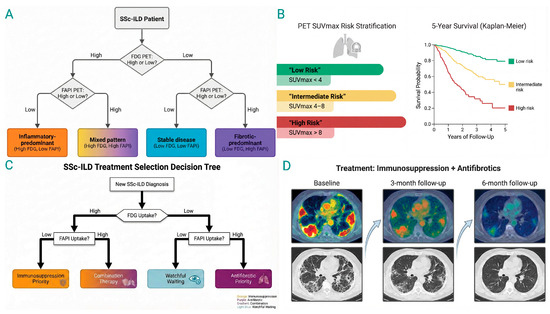
Systemic sclerosis-associated interstitial lung disease (SSc-ILD) is a leading cause of morbidity and mortality in patients with systemic sclerosis. High-resolution computed tomography (HRCT) provides anatomical detail but cannot directly assess disease activity, inflammation, or fibroblast activation. Molecular positron emission tomography/computed tomography (PET/CT) offers functional imaging that may complement structural assessment. This narrative review examines the role of molecular PET/CT in SSc-ILD, including fluorodeoxyglucose (FDG) PET/CT for metabolic activity assessment, fibroblast activation protein inhibitor (FAPI) tracers for fibrosis imaging, and other molecular probes targeting inflammation and tissue remodelling. We synthesize evidence on the diagnostic feasibility, prognostic value, and clinical applications of molecular PET/CT in SSc-ILD and related fibrotic interstitial lung diseases. Quantitative PET metrics, radiomics approaches, and artificial intelligence integration are also discussed. Although molecular PET/CT shows potential for phenotyping disease activity and predicting outcomes, current evidence is limited by small sample sizes and heterogeneous study designs. Standardization of imaging protocols, validation in multicenter cohorts, and integration with clinical and molecular biomarkers are needed before the clinical utility of molecular PET/CT in SSc-ILD can be established.
Full article

Figure 1
Open AccessReview
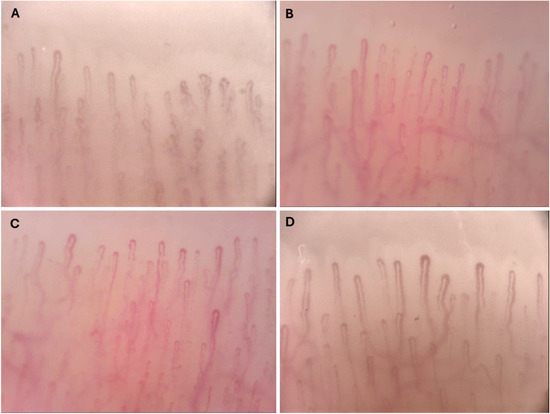
Nailfold Capillaroscopy: An Essential Tool in the Assessment of Systemic Sclerosis
by
Rossella De Angelis
Sclerosis 2026, 4(2), 10; https://doi.org/10.3390/sclerosis4020010 - 7 May 2026
Abstract
Nailfold capillaroscopy has earned its place as a cornerstone of clinical assessment in systemic sclerosis (SSc). Its ability to detect early microvascular changes, distinguish primary from secondary Raynaud’s phenomenon, and contribute to disease classification has fundamentally reshaped the clinical approach to early diagnosis
[...] Read more.
Nailfold capillaroscopy has earned its place as a cornerstone of clinical assessment in systemic sclerosis (SSc). Its ability to detect early microvascular changes, distinguish primary from secondary Raynaud’s phenomenon, and contribute to disease classification has fundamentally reshaped the clinical approach to early diagnosis and disease stratification. The recognition of distinct capillaroscopic patterns offers a structured framework for tracking disease evolution and identifying patients who warrant closer surveillance or proactive therapeutic intervention. The inclusion of capillaroscopic abnormalities in the ACR/EULAR 2013 classification criteria validates its diagnostic importance and facilitates identification of patients with early or limited cutaneous disease. Beyond diagnosis, emerging evidence supports prognostic applications, particularly for predicting digital ulcers, though the predictive value for other organ complications requires further validation. As a non-invasive, safe, and reproducible technique, capillaroscopy is particularly well-suited to long-term disease monitoring. Quantitative scoring systems allow for rigorous, objective tracking of microangiopathic progression and hold considerable promise as outcome measures in clinical trials targeting vasculopathy. Ongoing technological advances, particularly in automated image analysis and integration with functional assessment tools, promise to enhance the clinical utility of capillaroscopy while reducing operator dependency. Standardization efforts and validation of capillaroscopic parameters as clinical trial endpoints will be crucial for realizing the full potential of this technique.
Full article
(This article belongs to the Special Issue Recent Advances in Understanding Systemic Sclerosis, 2nd Edition)
►▼
Show Figures

Figure 1
Open AccessCase Report
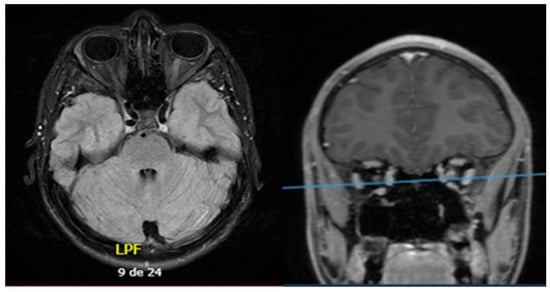
From Low-Positive Fixed Cell-Based Assay to Confirmed Myelin Oligodendrocyte Glycoprotein Antibody-Associated Disease: A Paediatric Case Report
by
Tamara Santibáñez, José M. Valdés and Lorna Galleguillos
Sclerosis 2026, 4(2), 9; https://doi.org/10.3390/sclerosis4020009 - 29 Apr 2026
Cited by 1
Abstract
►▼
Show Figures
Background: The diagnosis of myelin oligodendrocyte glycoprotein antibody-associated disease (MOGAD) relies on sensitive serological detection of MOG-IgG. Fixed cell-based assays (CBAs) may yield low-positive or borderline results that complicate early clinical decision-making, whereas live CBAs—recommended as the reference method—preserve native antigen conformation
[...] Read more.
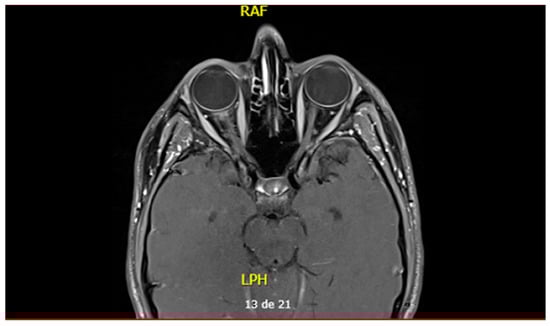
Background: The diagnosis of myelin oligodendrocyte glycoprotein antibody-associated disease (MOGAD) relies on sensitive serological detection of MOG-IgG. Fixed cell-based assays (CBAs) may yield low-positive or borderline results that complicate early clinical decision-making, whereas live CBAs—recommended as the reference method—preserve native antigen conformation and offer higher analytical sensitivity. Importantly, low-positive titres should not be confused with true seronegativity, as they may nevertheless be clinically meaningful. Case Presentation: A 14-year-old previously healthy male presented with left optic neuritis and perineuritis following an upper respiratory infection. Initial MOG-IgG testing on a fixed CBA was low-positive (1:10). He partially responded to intravenous methylprednisolone and required intravenous immunoglobulin (IVIG) for complete resolution. Over three years, he experienced sequential, steroid-dependent bilateral optic neuritis with perineuritis, relapsing on every steroid taper. Rituximab and subsequently mycophenolate mofetil failed to induce remission. Repeat testing with a live CBA at a reference laboratory yielded a high-positive MOG-IgG titre of 1:1000, confirming MOGAD. Tocilizumab (8 mg/kg every 4 weeks) was initiated and allowed complete corticosteroid withdrawal. At age 18, the patient remained asymptomatic, with an Expanded Disability Status Scale score of 0, best-corrected visual acuity of 20/20 in both eyes, and stable peripapillary retinal nerve fibre layer thickness on spectral-domain optical coherence tomography. Conclusions: In paediatric patients with recurrent optic neuritis with perineural involvement and borderline fixed-CBA results, confirmatory testing with a live CBA at a reference laboratory should be considered to avoid diagnostic delay and therapeutic misdirection. In refractory, steroid-dependent cases, IL-6 receptor blockade may represent a reasonable therapeutic option, in line with emerging evidence.
Full article

Figure 1
Open AccessReview
Vestibular Alterations in Patients with Systemic Sclerosis: A Narrative Review
by
Melissa Castillo-Bustamante and Verónica Alejandra Gutierrez
Sclerosis 2026, 4(2), 8; https://doi.org/10.3390/sclerosis4020008 - 31 Mar 2026
Abstract
Systemic sclerosis (SSc) is a complex autoimmune connective tissue disease characterized by immune dysregulation, microvascular damage, and progressive fibrosis affecting multiple organs. While cardiopulmonary, renal, and gastrointestinal manifestations have been extensively investigated, involvement of the vestibular system remains insufficiently explored and is likely
[...] Read more.
Systemic sclerosis (SSc) is a complex autoimmune connective tissue disease characterized by immune dysregulation, microvascular damage, and progressive fibrosis affecting multiple organs. While cardiopulmonary, renal, and gastrointestinal manifestations have been extensively investigated, involvement of the vestibular system remains insufficiently explored and is likely underrecognized in clinical practice. Vestibular symptoms such as dizziness, vertigo, imbalance, and postural instability may significantly affect quality of life and functional independence in patients with SSc. The pathophysiology of vestibular involvement in SSc is presumed to be multifactorial, involving microangiopathy of the inner ear, immune-mediated damage to vestibular end organs, fibrotic changes affecting inner ear homeostasis, and, in some cases, central nervous system involvement. This narrative review provides a comprehensive and critical synthesis of the current literature on vestibular alterations in systemic sclerosis. We discuss underlying mechanisms, clinical manifestations, diagnostic strategies, associations with common vestibular disorders, and the role of vestibular rehabilitation. By consolidating existing evidence and identifying knowledge gaps, this review aims to promote a more systematic and multidisciplinary approach to the evaluation and management of vestibular dysfunction in SSc.
Full article
(This article belongs to the Special Issue Advances and New Insights in Systemic Sclerosis)
Open AccessArticle
Modifiable Lifestyle Factors as Effect Modifiers of Diet-Induced Changes in the Physical and Psychological Impacts of Multiple Sclerosis: A Secondary Analysis of the WAVES Trial
by
Lauren R. Berry, Tyler J. Titcomb, Farnoosh Shemirani, Patrick Ten Eyck, Lucas J. Carr, Warren G. Darling, Karin F. Hoth, Linda G. Snetselaar and Terry L. Wahls
Sclerosis 2026, 4(1), 7; https://doi.org/10.3390/sclerosis4010007 - 23 Mar 2026
Abstract
Background/Objectives: Evidence suggests that modifiable lifestyle interventions improve disability in relapsing multiple sclerosis (MS); however, interactions between different factors may impact outcomes. Thus, the objective of this secondary analysis was to investigate diet-induced effects on the impact of MS and effect modification
[...] Read more.
Background/Objectives: Evidence suggests that modifiable lifestyle interventions improve disability in relapsing multiple sclerosis (MS); however, interactions between different factors may impact outcomes. Thus, the objective of this secondary analysis was to investigate diet-induced effects on the impact of MS and effect modification by other modifiable lifestyle factors. Methods: The physical and psychological impact of MS was assessed with the MS Impact Scale-29 (MSIS) at run-in, baseline, 12 weeks, and 24 weeks. Participants were randomized at baseline to the Swank low-saturated fat or Wahls modified Paleolithic elimination diets and instructed to maintain usual physical activity, objectively measured with an accelerometer, throughout the trial. Baseline information on sleep, physical activity, alcohol, and smoking was explored as effect modifiers. Results: Among the Swank group, MSIS-Physical scores improved from 33.8 ± 3.8 at baseline to 28.7 ± 3.6 at 12 weeks (p = 0.04) and 25.3 ± 3.5 at 24 weeks (p < 0.001). MSIS-Psychological scores also improved from 35.7 ± 3.3 at baseline to 25.6 ± 2.6 at 12 weeks (p = 0.001) and 22.8 ± 2.4 at 24 weeks (p < 0.001). Among the Wahls group, MSIS-Physical scores improved from 33.8 ± 3.1 at baseline to 21.7 ± 3.0 at 12 weeks (p < 0.001) and 19.0 ± 3.1 at 24 weeks (p < 0.001). MSIS-Psychological scores also improved from 38.4 ± 3.8 at baseline to 25.5 ± 3.8 at 12 weeks (p < 0.001) and 20.6 ± 3.6 at 24 weeks (p < 0.001). Improvements in MSIS-Physical were greater among participants who were physically inactive or drank little alcohol at baseline. Conclusions: Both diets led to favorable within-group improvements in the perceived impact of MS. People with MS who are physically inactive or drink little alcohol may benefit the most from dietary interventions.
Full article
(This article belongs to the Special Issue Neuropsychiatric and Quality of Life (QoL) Aspects of Multiple Sclerosis, 2nd Edition)
Open AccessReview
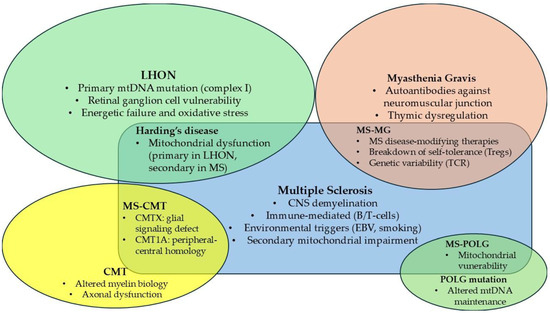
When Multiple Sclerosis Overlaps with Neuromuscular Disorders: Clinical Associations, Shared Mechanisms, and Diagnostic Challenges
by
Christian Messina
Sclerosis 2026, 4(1), 6; https://doi.org/10.3390/sclerosis4010006 - 9 Mar 2026
Abstract
Multiple sclerosis (MS) is a chronic immune-mediated demyelinating disorder of the central nervous system, traditionally considered distinct from neuromuscular diseases, which primarily affect the peripheral nervous system, neuromuscular junction, or skeletal muscle. Growing clinical and experimental evidence, however, indicates that certain neuromuscular disorders
[...] Read more.
Multiple sclerosis (MS) is a chronic immune-mediated demyelinating disorder of the central nervous system, traditionally considered distinct from neuromuscular diseases, which primarily affect the peripheral nervous system, neuromuscular junction, or skeletal muscle. Growing clinical and experimental evidence, however, indicates that certain neuromuscular disorders may coexist with MS or shared overlapping pathophysiological, immunological, and metabolic mechanisms. This narrative review summarizes reported associations between MS and neuromuscular diseases, with particular focus on well-characterized overlaps such as Leber hereditary optic neuropathy (LHON)-associated MS (Harding’s disease), combined central and peripheral demyelination (CCPD), and myasthenia gravis (MG) co-occurring with MS. Additional associations with Charcot–Marie–Tooth disease, mitochondrial disorders with MS-like phenotypes, inherited and autoimmune myopathies, and rare syndromes such as Guillain–Barré syndrome are also discussed. This review highlights proposed mechanisms potentially linking these conditions, including immune dysregulation, T- and B-cell-mediated autoimmunity, antibody-driven demyelination, mitochondrial dysfunction, impaired neuromuscular transmission, and molecular mimicry. Limitations of the current literature are acknowledged, particularly the predominance of case reports for rare associations and the frequent lack of systematic screening for coexisting disorders. By integrating evidence from case series, cohort studies, and mechanistic research, this review provides a comprehensive overview of the biological and clinical intersections between MS and neuromuscular diseases. Enhanced understanding of these overlaps may improve diagnostic accuracy, guide individualized management strategies, and inform future research on shared neuroimmunological and neurodegenerative pathways.
Full article
(This article belongs to the Special Issue Advances in Multiple Sclerosis: From Pathogenesis to Therapeutics)
►▼
Show Figures

Figure 1

Open AccessArticle
Psychosocial Resilience as a Cornerstone of Quality of Life for Individuals with Multiple Sclerosis in Western Greece
by
Christina Ravazoula, Vasiliki Georgiopoulou, Anastasios Tzenalis and Constantinos Koutsojannis
Sclerosis 2026, 4(1), 5; https://doi.org/10.3390/sclerosis4010005 - 28 Feb 2026
Abstract
Background/Objectives: Multiple sclerosis (MS) significantly impairs quality of life (QoL) beyond physical disability, affecting psychosocial well-being. Although nurses play a central role in holistic, person-centered care, region-specific evidence from Western Greece remains limited. This study aimed to evaluate QoL and its biopsychosocial determinants
[...] Read more.
Background/Objectives: Multiple sclerosis (MS) significantly impairs quality of life (QoL) beyond physical disability, affecting psychosocial well-being. Although nurses play a central role in holistic, person-centered care, region-specific evidence from Western Greece remains limited. This study aimed to evaluate QoL and its biopsychosocial determinants among adults with MS in Western Greece and synthesize evidence on modifiable factors to guide nursing interventions. Methods: A cross-sectional study was conducted among 128 adults with MS (82% response rate from a pool of 156). QoL was measured with the MSQOL-54, depression with the Beck Depression Inventory-II, and social support with the Multidimensional Scale of Perceived Social Support. Data were analyzed using descriptive statistics, correlations, and multiple regression. Results: Participants reported moderate QoL impairment (Physical Composite Score = 53.6; Mental Composite Score = 57.4). Unemployment (52% of sample) was significantly associated with poorer physical QoL (p < 0.001). Fatigue, pain, and depressive symptoms showed strong negative correlations with QoL (p < 0.001). Higher perceived social support was a significant predictor of better mental health (β = 0.42, p < 0.01). The systematic review confirmed these predictors and reinforced social support as a key protective factor. Conclusions: Nurses should prioritize psychosocial aspects of MS care. Routine assessment and strengthening of social support networks, along with addressing employment barriers, are essential. Integrating targeted psychosocial strategies into standard nursing practice can effectively improve holistic well-being and mitigate QoL deterioration in individuals with MS.
Full article
Open AccessCase Report
Characteristics of Neuromyelitis Optica in Young Mexican Patients
by
Denisse Martinez-Roque, Maria Fernanda Castillo-Zuñiga, Ildefonso Rodriguez-Leyva, Adriana Martínez-Mayorga and María E. Jiménez-Capdeville
Sclerosis 2026, 4(1), 4; https://doi.org/10.3390/sclerosis4010004 - 27 Feb 2026
Abstract
►▼
Show Figures
Background: Neuromyelitis optica spectrum disorder (NMOSD) is an autoimmune demyelinating disease with important disability accumulation. Early-onset NMOSD, defined as disease onset before age 50, exhibits distinct clinical characteristics compared to late-onset disease. We present a case series of patients with first symptom onset
[...] Read more.
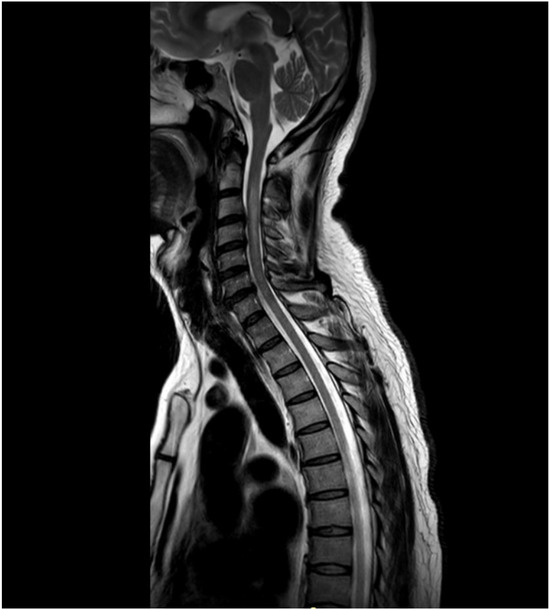
Background: Neuromyelitis optica spectrum disorder (NMOSD) is an autoimmune demyelinating disease with important disability accumulation. Early-onset NMOSD, defined as disease onset before age 50, exhibits distinct clinical characteristics compared to late-onset disease. We present a case series of patients with first symptom onset before age 30. Methods: A retrospective review of 10 patients diagnosed with NMOSD at our center in San Luis Potosí, Mexico, with disease onset before age 30. Clinical presentation, imaging findings, AQP4 antibody status, treatment response, and disability outcomes were analyzed. Results: The mean age at onset was 18.6 years (range 6–30). Area postrema syndrome was the most common presentation (40%), followed by acute myelitis and optic neuritis (30% each). All tested patients were AQP4-positive. The mean EDSS at follow-up was 6.6, indicating severe disability. Most patients received rituximab with variable response rates. Conclusions: Our cohort showed higher disability than reported in other early-onset series, emphasizing the need for prompt diagnosis and aggressive treatment in this population.
Full article

Figure 1
Open AccessCommunication
Short Report: Treadmill Walking Differs from Overground Walking in Multiple Sclerosis
by
Herbert Karpatkin, Jaya Rachwani, Evan T. Cohen, Anna Rubeo, Gene Hetz, Rosangelis Rodriguez and Lourdes Rodriguez
Sclerosis 2026, 4(1), 3; https://doi.org/10.3390/sclerosis4010003 - 16 Jan 2026
Abstract
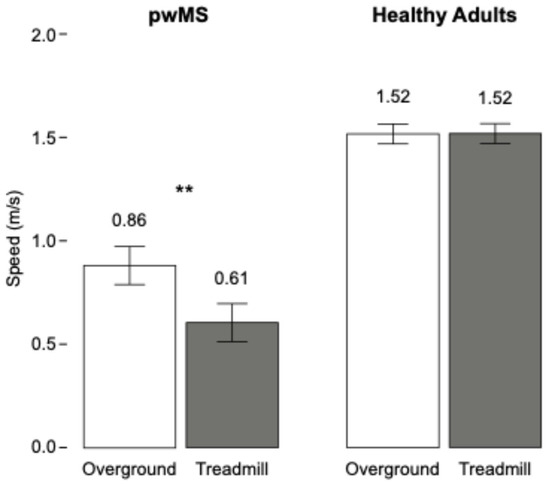
Background/Objectives: Gait impairment is a common finding in multiple sclerosis (MS). Clinicians have used both treadmill and overground walking for its evaluation and treatment. However, there is little evidence that these two types of walking are equivalent. Methods: An incidental finding from another
[...] Read more.
Background/Objectives: Gait impairment is a common finding in multiple sclerosis (MS). Clinicians have used both treadmill and overground walking for its evaluation and treatment. However, there is little evidence that these two types of walking are equivalent. Methods: An incidental finding from another study revealed differences between treadmill and overground walking speed in 24 persons with MS. We compared this to walking speed in healthy controls walking in the same two conditions. Results: Walking speed was significantly reduced on the treadmill relative to overground walking in persons with MS, while there was no difference between the two conditions for controls. Conclusions: Clinicians should consider that treadmill walking may not generalize to overground walking in this population.
Full article
(This article belongs to the Special Issue Advances in Balance and Gait Assessment, Monitoring and Rehabilitation in Multiple Sclerosis)
►▼
Show Figures

Figure 1

Open AccessReview
Bridging Silence: A Scoping Review of Technological Advancements in Augmentative and Alternative Communication for Amyotrophic Lateral Sclerosis
by
Filipe Gonçalves, Carla S. Fernandes, Margarida I. Teixeira, Cláudia Melo and Cátia Dias
Sclerosis 2026, 4(1), 2; https://doi.org/10.3390/sclerosis4010002 - 13 Jan 2026
Abstract
►▼
Show Figures
Background: Amyotrophic lateral sclerosis (ALS) progressively impairs motor function, compromising speech and limiting communication. Augmentative and alternative communication (AAC) is essential to maintain autonomy, social participation, and quality of life for people with ALS (PALS). This review maps technological developments in AAC, from
[...] Read more.
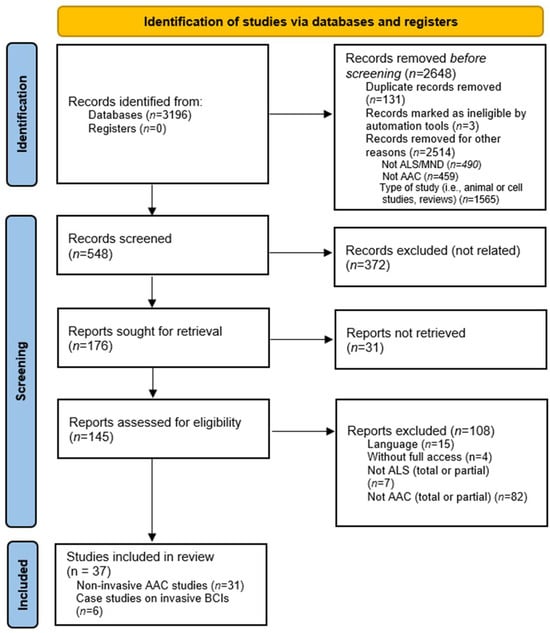
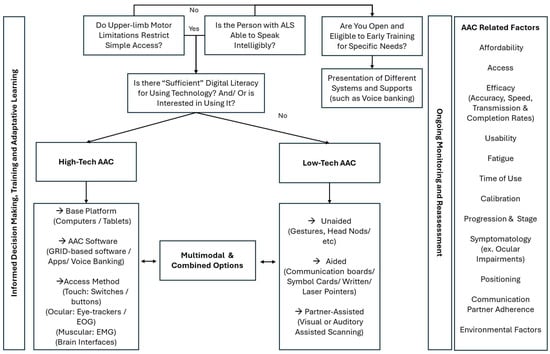
Background: Amyotrophic lateral sclerosis (ALS) progressively impairs motor function, compromising speech and limiting communication. Augmentative and alternative communication (AAC) is essential to maintain autonomy, social participation, and quality of life for people with ALS (PALS). This review maps technological developments in AAC, from low-tech tools to advanced brain–computer interface (BCI) systems. Methods: We conducted a scoping review following the PRISMA extension for scoping reviews. PubMed, Web of Science, SciELO, MEDLINE, and CINAHL were screened for studies published up to 31 August 2025. Peer-reviewed RCT, cohort, cross-sectional, and conference papers were included. Single-case studies of invasive BCI technology for ALS were also considered. Methodological quality was evaluated using JBI Critical Appraisal Tools. Results: Thirty-seven studies met inclusion criteria. High-tech AAC—particularly eye-tracking systems and non-invasive BCIs—were most frequently studied. Eye tracking showed high usability but was limited by fatigue, calibration demands, and ocular impairments. EMG- and EOG-based systems demonstrated promising accuracy and resilience to environmental factors, though evidence remains limited. Invasive BCIs showed the highest performance in late-stage ALS and locked-in syndrome, but with small samples and uncertain long-term feasibility. No studies focused exclusively on low-tech AAC interventions. Conclusions: AAC technologies, especially BCIs, EMG and eye-tracking systems, show promise in supporting autonomy in PALS. Implementation gaps persist, including limited attention to caregiver burden, healthcare provider training, and the real-world use of low-tech and hybrid AAC. Further research is needed to ensure that communication solutions are timely, accessible, and effective, and that they are tailored to functional status, daily needs, social participation, and interaction with the environment.
Full article

Figure 1
Open AccessReview
Bruton’s Tyrosine Kinase Inhibitors and Autologous Hematopoietic Stem Cell Transplantation in Multiple Sclerosis: A Review of Complementary Paradigms for a Divergent Disease
by
Wilhelmina Hauwanga, Mariyam Fathima Salim, Maha Awan, Lynda Amaka Ezike, Ida Ann Veronica Fredrick Luther, Mustafa Suliman, Jeshua Nathaniel Devan and Billy McBenedict
Sclerosis 2026, 4(1), 1; https://doi.org/10.3390/sclerosis4010001 - 4 Jan 2026
Abstract
►▼
Show Figures
Multiple sclerosis (MS) is a heterogeneous autoimmune disease driven by peripheral immune dysregulation and compartmentalized central nervous system (CNS) inflammation. Despite more than 20 approved disease-modifying therapies, disability accrual remains common, particularly in patients with highly active relapsing disease and progressive phenotypes characterized
[...] Read more.
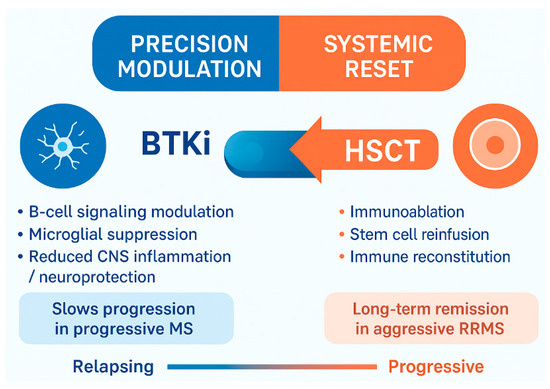
Multiple sclerosis (MS) is a heterogeneous autoimmune disease driven by peripheral immune dysregulation and compartmentalized central nervous system (CNS) inflammation. Despite more than 20 approved disease-modifying therapies, disability accrual remains common, particularly in patients with highly active relapsing disease and progressive phenotypes characterized by silent progression and smoldering neuroinflammation. Two emerging therapeutic strategies address these unmet needs: Bruton’s tyrosine kinase (BTK) inhibitors and autologous haematopoietic stem cell transplantation (HSCT). Although mechanistically distinct, both aim to overcome limitations of conventional immunosuppression by intervening more deeply in the autoimmune cascade. This narrative review synthesized mechanistic, clinical, and translational evidence identified through a comprehensive search of PubMed, Scopus, Web of Science, and ClinicalTrials.gov from January 2010 to August 2025. BTK inhibitors are oral, CNS-penetrant therapies that selectively modulate B-cell signaling and CNS-resident myeloid cells without broad lymphocyte depletion, enabling continuous immunomodulation. Phase II–III trials of evobrutinib, tolebrutinib, and fenebrutinib show consistent MRI activity suppression but variable effects on relapses and disability, suggesting relevance in microglial-driven, relapse-independent disease. HSCT is a one-time immune reconstitution therapy that eradicates autoreactive immune clones and restores immune tolerance. Randomized and real-world studies demonstrate profound suppression of inflammatory activity, stabilization or improvement of disability, and durable treatment-free remission in selected patients with highly active relapsing–remitting MS, although procedure-related risks require strict eligibility criteria and experienced centers. Together with BTK inhibitors, HSCT represents a complementary strategy within an increasingly personalized MS treatment paradigm, emphasizing biomarker-guided patient selection and optimized therapeutic sequencing.
Full article

Figure 1
Open AccessSystematic Review
Extrapyramidal Movement Disorders in Multiple Sclerosis Patients: A Systematic Review
by
Mai M. Anwar, Rosie Heartshorne and Sundus H. Alusi
Sclerosis 2025, 3(4), 42; https://doi.org/10.3390/sclerosis3040042 - 16 Dec 2025
Cited by 1
Abstract
►▼
Show Figures
Background: Although multiple sclerosis (MS)-associated tremor and ataxia are well described in the neurological literature, other extrapyramidal movement disorders (MDs), including Holmes tremor, dystonia, chorea, myoclonus, parkinsonism, and restless legs syndrome, have received far less attention and are generally regarded as rare
[...] Read more.
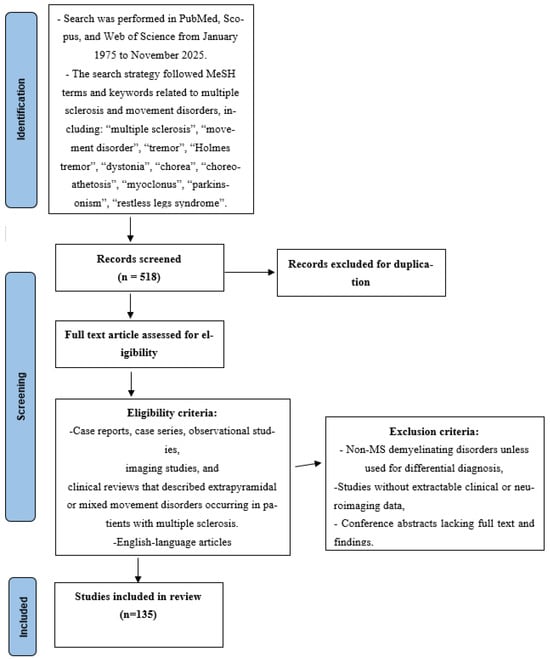
Background: Although multiple sclerosis (MS)-associated tremor and ataxia are well described in the neurological literature, other extrapyramidal movement disorders (MDs), including Holmes tremor, dystonia, chorea, myoclonus, parkinsonism, and restless legs syndrome, have received far less attention and are generally regarded as rare manifestations of MS. Rationale: Although MS is traditionally considered a white matter disease, increasing evidence has demonstrated clinically relevant grey matter involvement, particularly within the basal ganglia, thalamus, and cerebellar–brainstem pathways. Understanding extrapyramidal MDs in MS may therefore provide important insights into the functional networks disrupted by demyelination and inflammation. Aim: This review aims to highlight the available literature on extrapyramidal MDs in MS, outlining their clinical presentations, lesion correlates, and proposed mechanisms. We examined reported cases, reviews, and findings in the literature explaining these disorders and their occurrence in association with acute relapses, as well as their development during the progressive phase of MS. Conclusions: By integrating clinical and pathophysiological evidence, this review highlights how rare extrapyramidal MDs may reflect underlying grey matter pathology and network-level disruption, with potential implications for diagnosis, monitoring, and treatment.
Full article

Figure 1
Open AccessSystematic Review
Risk Factors for Relapses in Multiple Sclerosis Beyond Disease-Modifying Therapy: An Umbrella Review of Systematic Reviews and Meta-Analyses
by
Sara Terrim, Samira Luisa Apostolos-Pereira, Thiago Ivan Vilchez Santillan, Tarso Adoni, Dagoberto Callegaro and Guilherme Diogo Silva
Sclerosis 2025, 3(4), 41; https://doi.org/10.3390/sclerosis3040041 - 10 Dec 2025
Cited by 1
Abstract
Background/Objectives: People with MS continue to experience relapses despite the use of disease-modifying therapies. This has motivated growing interest in the potential of non-pharmacological factors to reduce relapse risk. However, previous studies have been heterogeneous, and current clinical guidelines lack clarity on which
[...] Read more.
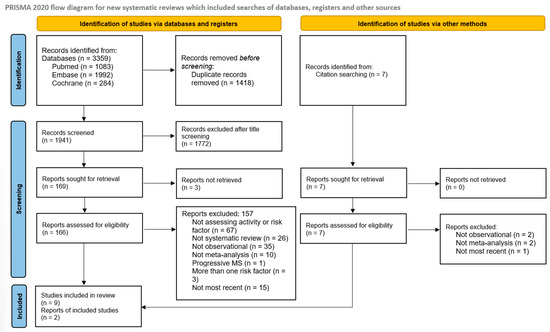
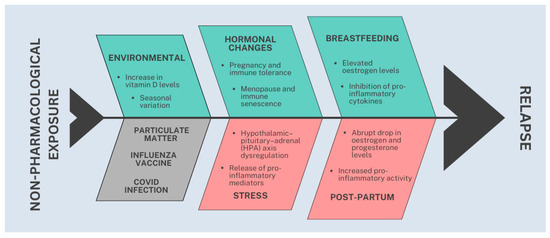
Background/Objectives: People with MS continue to experience relapses despite the use of disease-modifying therapies. This has motivated growing interest in the potential of non-pharmacological factors to reduce relapse risk. However, previous studies have been heterogeneous, and current clinical guidelines lack clarity on which measures should be incorporated into routine care. We aim to conduct an umbrella review of systematic reviews with meta-analyses to determine the current evidence on non-pharmacological exposures associated with relapse risk in MS. Methods: We searched PubMed, Embase and Cochrane to identify systematic reviews with meta-analyses that evaluated the association between non-pharmacological exposures and relapse risk. We included observational studies that reported on relapses as an outcome. The effect sizes (relative risk [RR] or standardized mean difference [SMD]) and certainty of evidence were assessed using components of the GRADE framework. Results: We screened 3366 articles and identified 11 systematic reviews for inclusion. Protective factors were breastfeeding (RR 0.63, high certainty), pregnancy (SMD −0.52, moderate certainty), menopause (SMD −0.5, low certainty), autumn months (RR 0.97, moderate certainty) and increasing levels of vitamin D (RR 0.9, low certainty). Risk factors were early postpartum period (RR 1.87, moderate certainty) and stress (d = 0.53, moderate certainty). Influenza vaccination (low certainty), COVID-19 infection (low certainty), and vitamin D levels above 50 nmol/L (low certainty) were not statistically associated with relapse risk. Conclusions: Our umbrella review highlights the need for more robust studies to strengthen the certainty of evidence on non-pharmacological exposures and relapse risk in people with MS. Current findings support promoting breastfeeding, careful disease management throughout the pregnancy–postpartum period, and the implementation of stress mitigation strategies.
Full article
(This article belongs to the Special Issue Advances in Multiple Sclerosis: From Pathogenesis to Therapeutics)
►▼
Show Figures

Figure 1

Open AccessReview
Recent Advances in Localized Scleroderma
by
Toshiya Takahashi, Takehiro Takahashi and Yoshihide Asano
Sclerosis 2025, 3(4), 40; https://doi.org/10.3390/sclerosis3040040 - 2 Dec 2025
Cited by 1
Abstract
Localized scleroderma (LSc), or morphea, is an autoimmune connective tissue disease causing inflammation and fibrosis of the skin and underlying tissues. While distinct from systemic sclerosis, its clinical presentation is highly diverse. This review summarizes recent advances in the understanding and management of
[...] Read more.
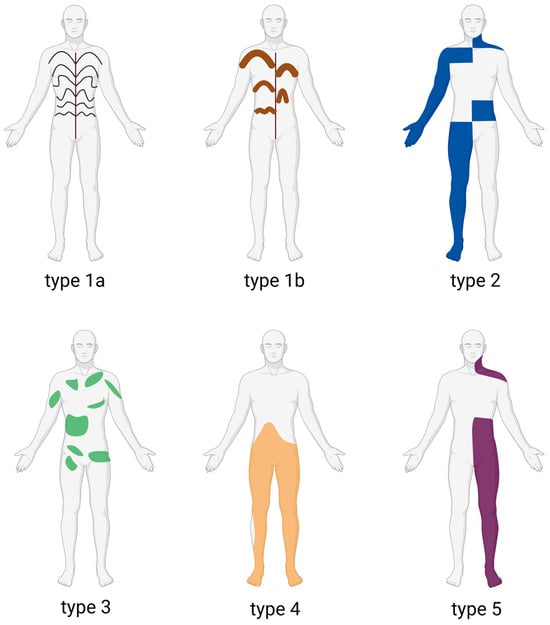
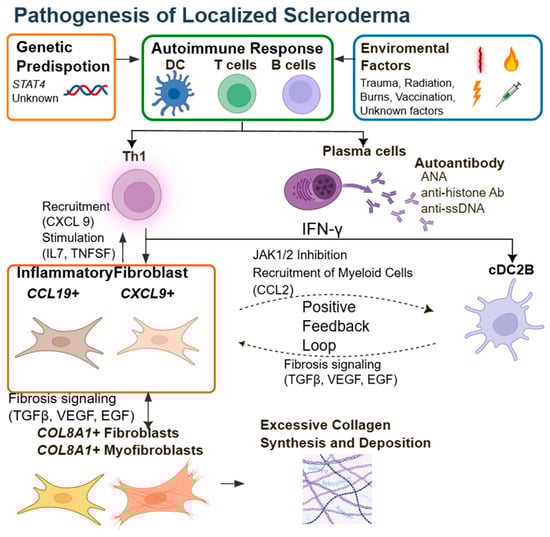
Localized scleroderma (LSc), or morphea, is an autoimmune connective tissue disease causing inflammation and fibrosis of the skin and underlying tissues. While distinct from systemic sclerosis, its clinical presentation is highly diverse. This review summarizes recent advances in the understanding and management of LSc. Pathophysiological insights have evolved significantly; the somatic mosaicism hypothesis is now supported by the observation of all six of Happle’s classic lesion patterns in LSc. Furthermore, recent single-cell RNA sequencing has elucidated key cellular mechanisms, revealing an IFN-γ-driven pro-fibrotic crosstalk between T cells, dendritic cells, and specific inflammatory fibroblast subpopulations. The discovery of a rare monogenic form of LSc caused by a STAT4 gain-of-function mutation provides a powerful human model, solidifying the critical role of the JAK-STAT pathway. Clinically, LSc is classified into subtypes such as circumscribed, linear, and generalized morphea. Extracutaneous manifestations are common, particularly in juvenile LSc, and are associated with higher disease activity and reduced quality of life, necessitating a multidisciplinary approach. Management is becoming standardized, with methotrexate as the first-line systemic therapy for severe disease. For refractory cases, targeted treatments including abatacept, tocilizumab, and JAK inhibitors are emerging as promising options. In addition, reconstructive therapies like autologous fat grafting are crucial for managing atrophic sequelae. These recent advances are paving the way for more effective, targeted therapies to improve outcomes for patients with this complex disease.
Full article
(This article belongs to the Special Issue Advances in Systemic Sclerosis Research in Japan)
►▼
Show Figures

Figure 1
Open AccessArticle
Cognitive Impairment Screening in Multiple Sclerosis Using CoGeval: Clinical and Functional Predictors in a Mexican Cohort
by
Luis F. Hernández Salomón, José A. Mejía Chávez, Diana M. S. Sánchez Galván and Luis E. Zapata Mercado
Sclerosis 2025, 3(4), 39; https://doi.org/10.3390/sclerosis3040039 - 29 Nov 2025
Abstract
Background/Objectives: Cognitive impairment is frequent in multiple sclerosis, yet routine screening is inconsistently implemented. We aimed to characterize cognitive impairment using CogEval in a Mexican cohort and to identify clinical and functional correlates. Methods: We conducted a cross-sectional study at UMAE No. 71
[...] Read more.
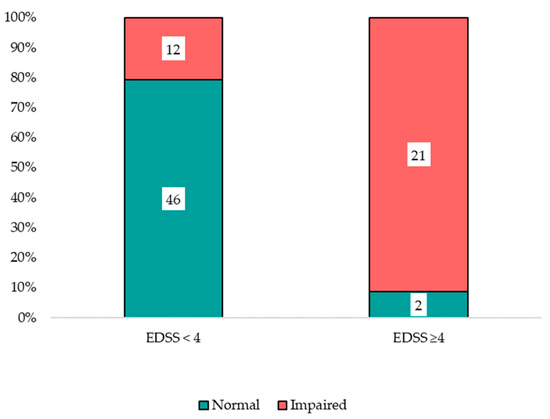
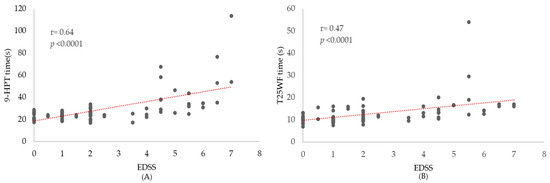
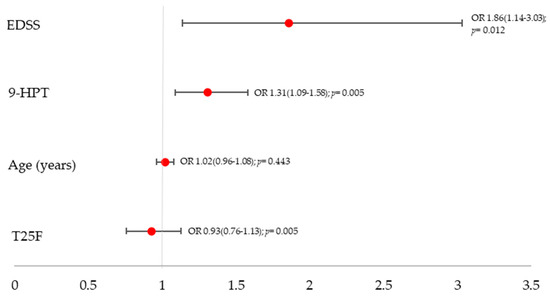
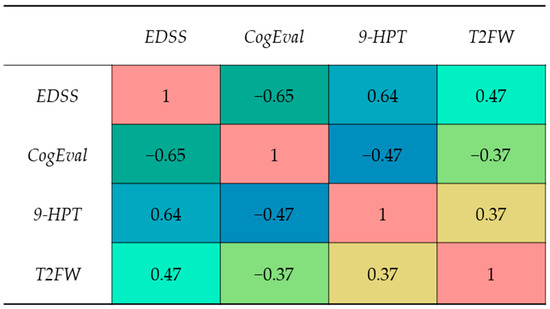
Background/Objectives: Cognitive impairment is frequent in multiple sclerosis, yet routine screening is inconsistently implemented. We aimed to characterize cognitive impairment using CogEval in a Mexican cohort and to identify clinical and functional correlates. Methods: We conducted a cross-sectional study at UMAE No. 71 (Torreón, Mexico). Adults with MS (n = 81) underwent CogEval screening (classified as normal, mild, or severe). Disability, upper-limb dexterity (9-Hole Peg Test, mean of both hands), and gait speed (Timed 25-Foot Walk) were assessed. Bivariate tests and multivariable logistic regression examined associations with cognitive impairment. Results: Participants were 61.7% women; mean age was 35.7 ± 9.9 years. Median EDSS was 2.0 (IQR 1.0–4.0); 28.4% had EDSS ≥ 4. CogEval identified impairment in 49.4% (40/81), with 62.5% severe and 37.5% mild. In bivariate analyses, impairment was associated with higher EDSS (p < 0.001), slower 9-HPT (p < 0.001), and slower T25FW (p = 0.0058), but not with age, sex, or disease duration. In adjusted models, EDSS (OR 1.86, 95% CI 1.14–3.03; p = 0.012) and 9-HPT per second (OR 1.31, 95% CI 1.09–1.58; p = 0.005) independently predicted impairment, whereas T25FW and age were not significant. Discrimination was good (AUC = 0.863). Conclusions: About half of this Mexican MS cohort screened positive for cognitive impairment, particularly those with greater disability and reduced manual dexterity. CogEval appears feasible for routine screening and may help prioritize comprehensive neuropsychological assessment and rehabilitation.
Full article
(This article belongs to the Special Issue Neuropsychiatric and Quality of Life (QoL) Aspects of Multiple Sclerosis, 2nd Edition)
►▼
Show Figures

Figure 1

Open AccessArticle
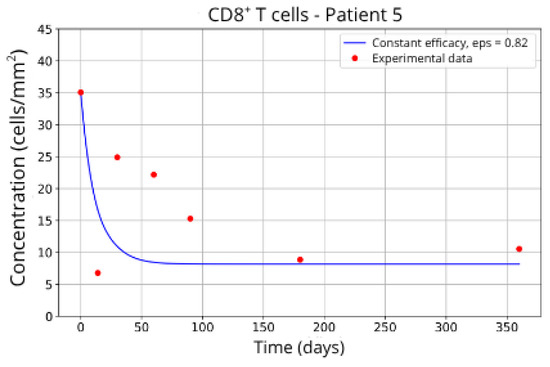
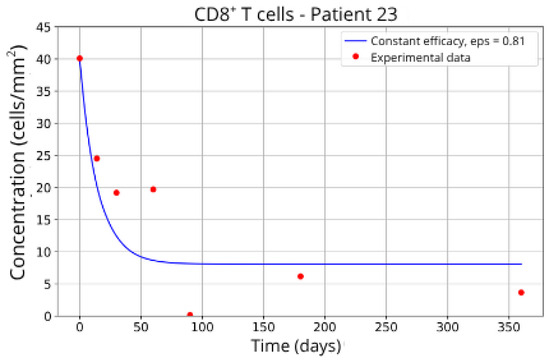
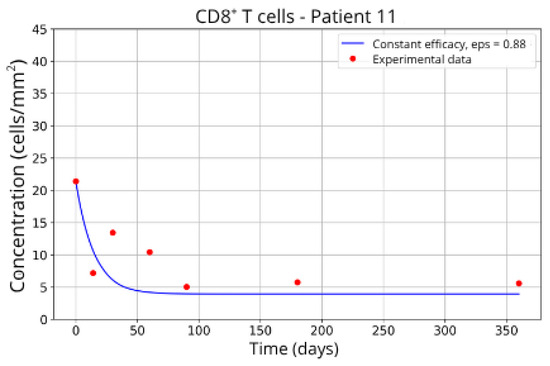
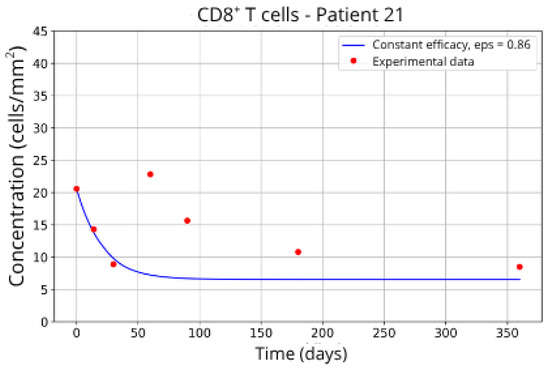
Fingolimod and Neuroinflammation in MS: Representing CD8+ T-Cell Dynamics Through Mathematical Modeling and Clinical Evidence
by
Gabriela M. Gazola, João Víctor Costa de Oliveira, Matheus A. M. de Paula, Barbara M. Quintela and Marcelo Lobosco
Sclerosis 2025, 3(4), 38; https://doi.org/10.3390/sclerosis3040038 - 28 Nov 2025
Abstract
►▼
Show Figures
Background: Multiple sclerosis (MS), a debilitating chronic disease of the central nervous system, is characterized by both inflammatory and neurodegenerative processes that lead to demyelination and neuronal damage. While MS remains incurable, therapies like fingolimod can slow disease progression by modulating immune
[...] Read more.
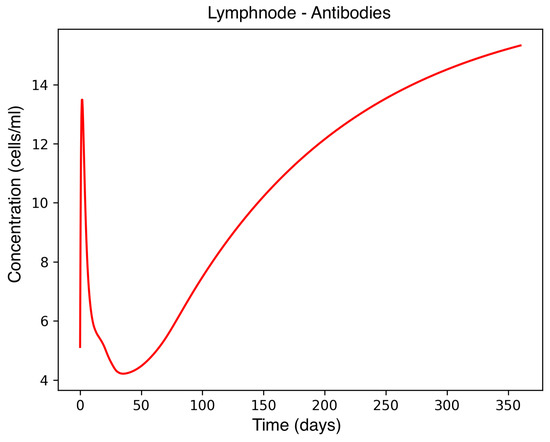
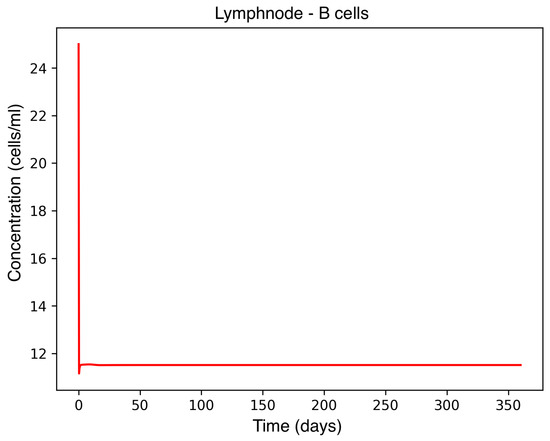
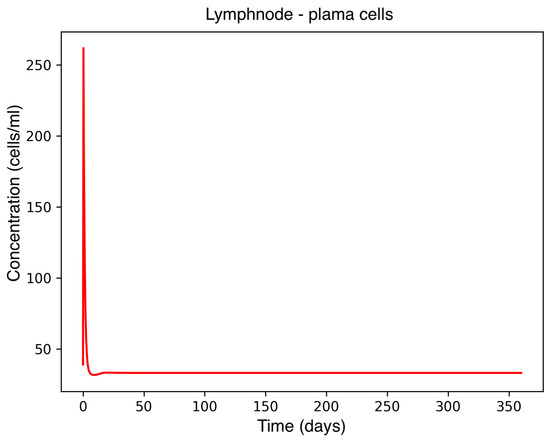
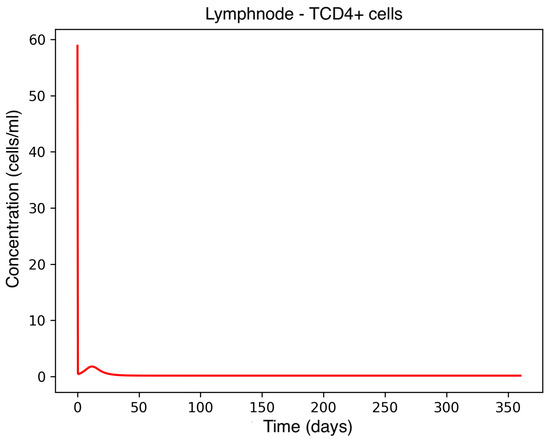
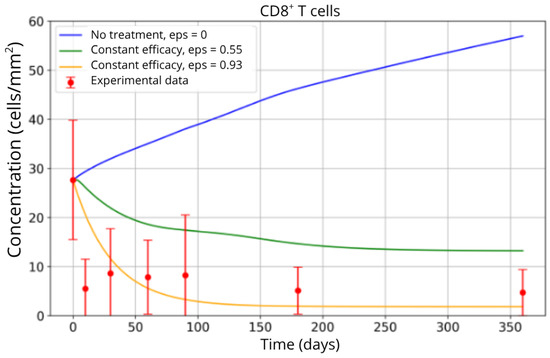
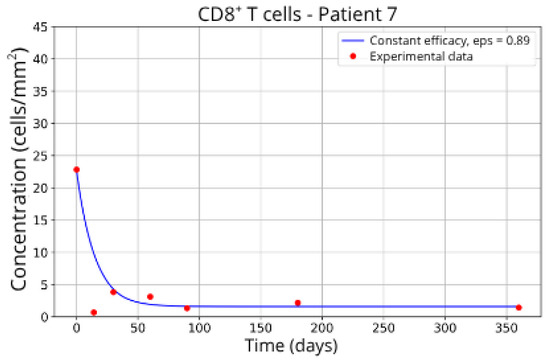
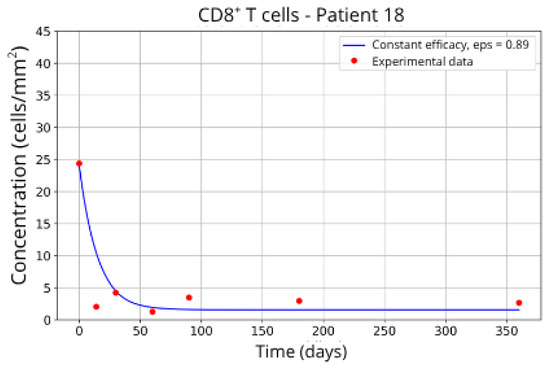
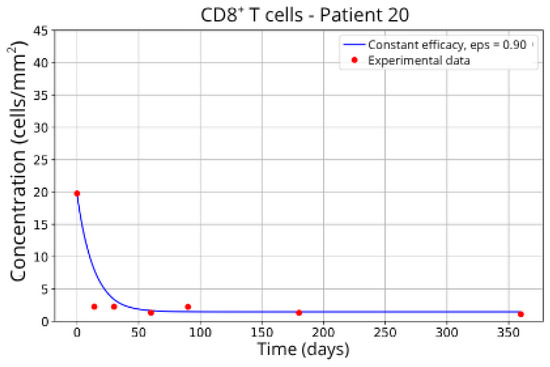
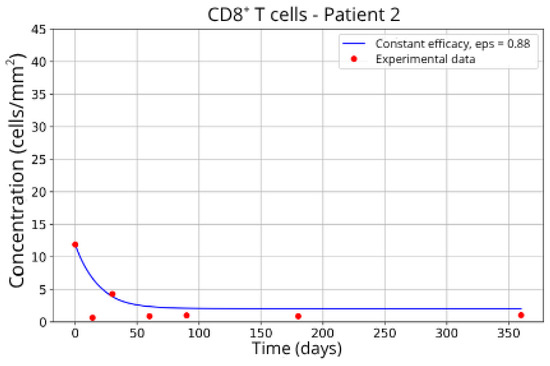
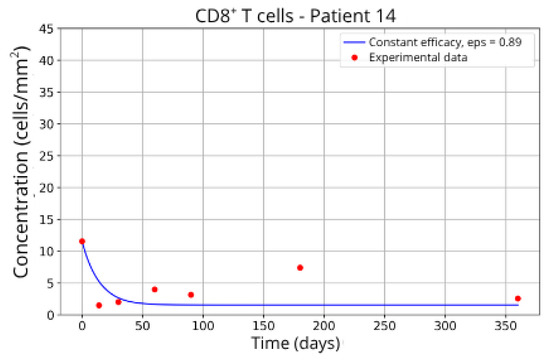
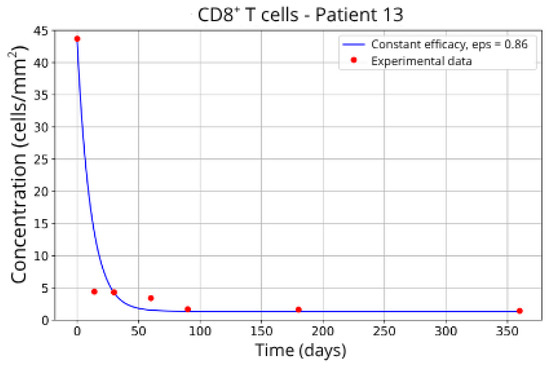
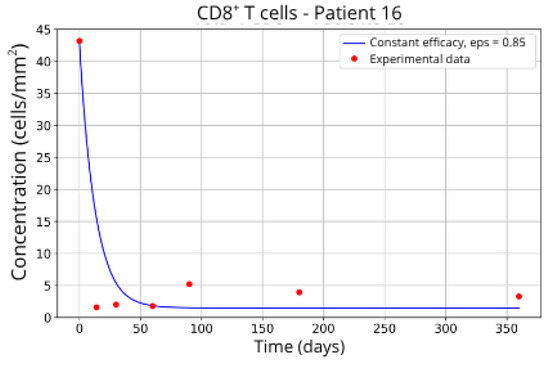
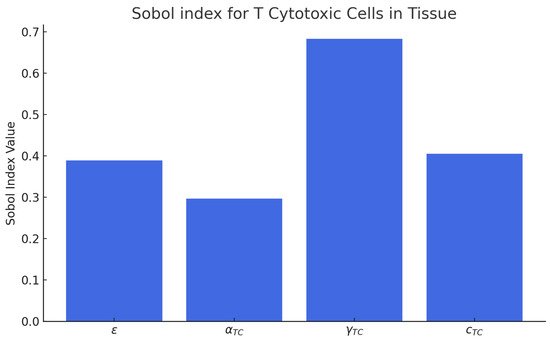
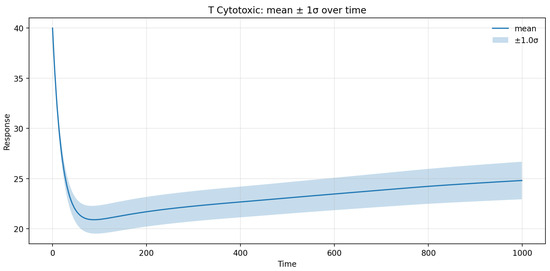
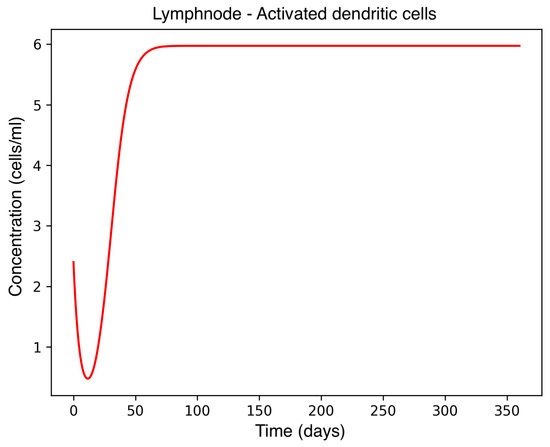
Background: Multiple sclerosis (MS), a debilitating chronic disease of the central nervous system, is characterized by both inflammatory and neurodegenerative processes that lead to demyelination and neuronal damage. While MS remains incurable, therapies like fingolimod can slow disease progression by modulating immune function. Fingolimod acts as a sphingosine-1-phosphate receptor modulator, limiting lymphocyte migration into the central nervous system and thereby reducing inflammation. Methods: In this study, we developed a computational model to describe fingolimod’s impact on immune dynamics in MS, focusing on CD8+ T-cell migration blockade. Model calibration utilized cohort data, enabling the comparison of simulated outcomes with observed clinical metrics. Results: The results indicate that our model effectively captures the timing and extent of CD8+ T-cell sequestration, consistent with key features in the patient data. Conclusions: These findings suggest that computational modeling can provide quantitative insight into the fingolimod’s mechanism of action and assist in predicting treatment response, offering a promising framework for exploring personalized fingolimod dosing strategies and enhancing therapeutic planning in MS.
Full article

Figure 1
Open AccessArticle
Exploring the Links Between Ankylosing Spondylitis and Amyotrophic Lateral Sclerosis: A Bidirectional Mendelian Randomization Study
by
Adeyemi Timothy Akinade, Ezekiel Damilare Jacobs, Chucks Marvellous Obere, Victor Omeiza Ogaji, Emmanuel Alakunle and Olaitan I. Awe
Sclerosis 2025, 3(4), 37; https://doi.org/10.3390/sclerosis3040037 - 16 Nov 2025
Abstract
►▼
Show Figures
Background: Very few case reports have explored a potential link between ankylosing spondylitis (AS), an autoimmune disorder, and amyotrophic lateral sclerosis (ALS), a progressive neurodegenerative condition. We aimed to investigate whether genetic liability to AS causally influences the risk of ALS, and vice
[...] Read more.
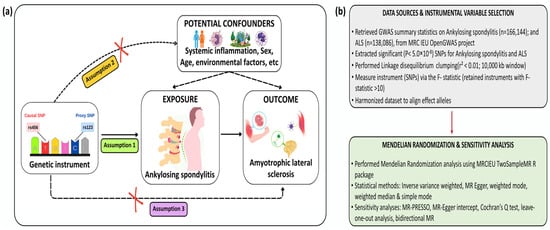
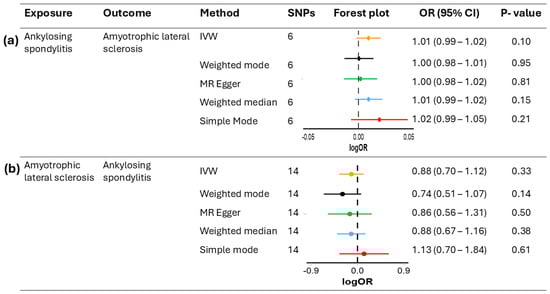
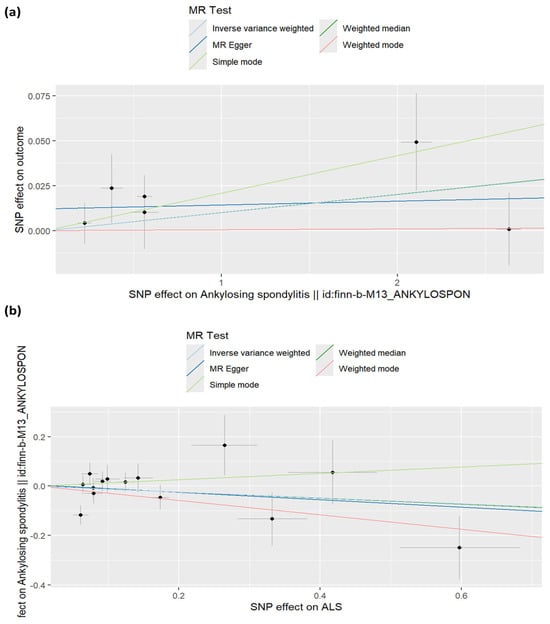
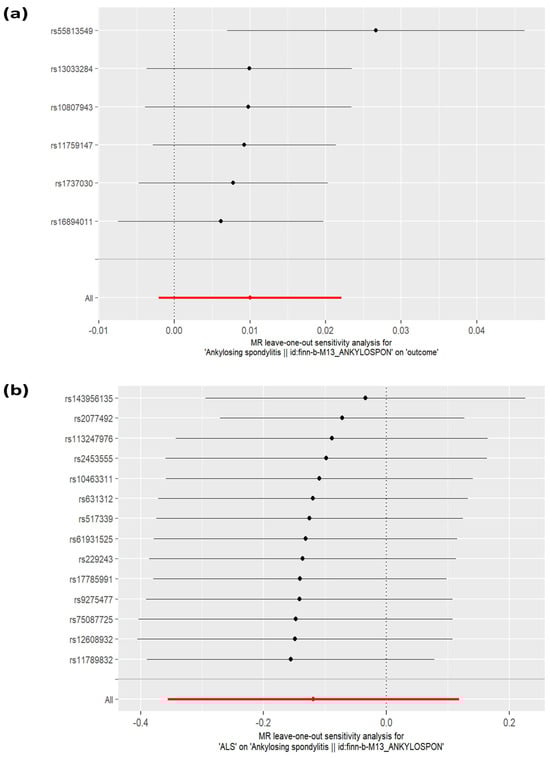
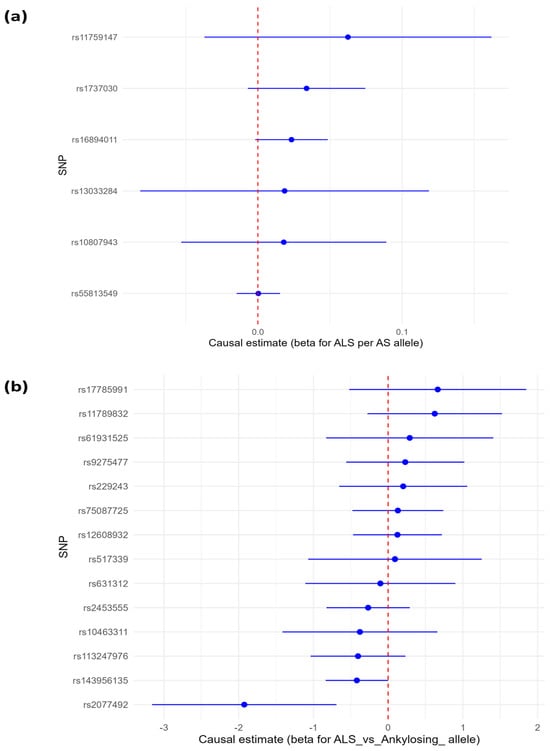
Background: Very few case reports have explored a potential link between ankylosing spondylitis (AS), an autoimmune disorder, and amyotrophic lateral sclerosis (ALS), a progressive neurodegenerative condition. We aimed to investigate whether genetic liability to AS causally influences the risk of ALS, and vice versa, using a bidirectional two-sample Mendelian randomization (MR) framework. Methods: We performed a two-sample MR study to evaluate the bidirectional causal relationship between genetic liability to ankylosing spondylitis and ALS risk. We used 6 valid single nucleotide polymorphisms (SNPs) from genome-wide association study (GWAS) data (AS: 1462 cases and 164,682 controls; ALS: 27,205 cases and 110,881 controls). We used the inverse-variance weighted (IVW) approach as the primary statistical method for causal estimation, with sensitivity analyses (including MR-Egger, weighted median, weighted mode, Mendelian Randomization Pleiotropy Residual Sum and Outlier (MR-PRESSO), leave-one-out, and single SNP analysis) to assess pleiotropy and heterogeneity. Results: There was no evidence of a causal association between genetic predispositions to ankylosing spondylitis (AS) and amyotrophic lateral sclerosis (ALS) (IVW OR = 1.01; 95% CI: 0.99–1.02; p = 0.10). The results from the weighted median, weighted mode, MR-Egger, and simple mode methods were consistent and nonsignificant. In the reverse analysis, genetic liability to ALS showed no causal effect on AS (IVW OR = 0.88; 95% CI: 0.70–1.12; p = 0.33), with similar null findings across all sensitivity methods. Conclusions: Overall, our bidirectional two-sample MR analyses provided no evidence supporting a causal relationship between AS and ALS.
Full article

Figure 1
Open AccessArticle
Workplace Adjustment Measures to Maintain the Ability to Work of People with Multiple Sclerosis
by
Mona-Elisa Eberharter and Harald Stummer
Sclerosis 2025, 3(4), 36; https://doi.org/10.3390/sclerosis3040036 - 6 Nov 2025
Cited by 1
Abstract
Background: Multiple sclerosis (MS) leads to early retirement in one-third of patients. The aim of this study is to analyze the difficulties at work and to collect suggestions for support measures at the workplace to maintain the ability to work for people with
[...] Read more.
Background: Multiple sclerosis (MS) leads to early retirement in one-third of patients. The aim of this study is to analyze the difficulties at work and to collect suggestions for support measures at the workplace to maintain the ability to work for people with MS. Methods: Qualitative interviews were conducted with 20 people affected by MS. The participants’ experiences with workplace support were summarized and suggestions for workplace measures were presented. Results: Lack of offers of health-related measures and missing adjustments of the workplace has been analyzed. Offering flexible working hours and measures against fatigue is desired. Intensifying the cooperation between labor market service, health care providers and companies can help reintegrate affected people. Conclusions: Workplace education about MS and health-related measures is needed. Technical adaptations and flexible working hours can support in maintaining workability. Measures against fatigue must be developed and companies must set further measures to support people with illnesses.
Full article
Highly Accessed Articles
Latest Books
E-Mail Alert
News
Topics
Conferences
Special Issues
Special Issue in
Sclerosis
Neuropsychiatric and Quality of Life (QoL) Aspects of Multiple Sclerosis, 2nd Edition
Guest Editor: Pasquale CalabreseDeadline: 10 November 2026
Special Issue in
Sclerosis
Advances and New Insights in Systemic Sclerosis
Guest Editor: Carol M. ArtlettDeadline: 10 November 2026
Special Issue in
Sclerosis
Advances in Systemic Sclerosis Research in Japan
Guest Editor: Yoshihide AsanoDeadline: 10 November 2026
Special Issue in
Sclerosis
Advances in Multiple Sclerosis: From Pathogenesis to Therapeutics
Guest Editors: Panagiotis Gklinos, Dimos MitsikostasDeadline: 10 December 2026