You are currently viewing a new version of our website. To view the old version click .

Scientia Pharmaceutica

Scientia Pharmaceutica is an international, peer-reviewed, open access journal related to the pharmaceutical sciences, published quarterly online. 
It is the official journal of the Austrian Pharmaceutical Society (ÖPhG). Society members receive discounts on the article processing charges.
Quartile Ranking JCR - Q3 (Pharmacology and Pharmacy)
All Articles (1,573)
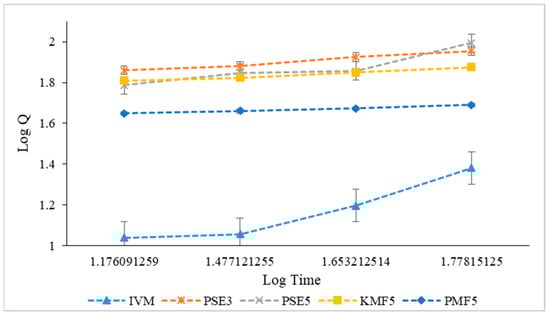
Hyaluronidase and its modified analogs are clinically significant enzyme-based pharmaceuticals used to treat fibrosis, increase tissue permeability, and improve drug diffusion. While pharmacopeial quality control methods are well defined, scientific literature provides limited information about the physicochemical evaluation of such enzyme pharmaceuticals, necessitating a more holistic analytical approach. Commercial pharmaceuticals of hyaluronidase and its modified analog were analyzed using a combination of dynamic light scattering, infrared spectroscopy, and detection of intrinsic radiothermal emission (RTE). Dimensional characteristics were studied using a Zetasizer Nano ZSP (ZetasizerNano ZSP, Malvern Instruments, Malvern, UK) confirmed theoretical diameters of 5–8 nm, consistent with experimental values (6–8 nm). Fourier-Transform infrared spectroscopy (FTIR) (Agilent Cary 630, Agilent Technologies, Santa Clara, CA, USA) revealed characteristic transmission bands for the modified enzyme at 1464, 1448, 1326, 1158, and 1010 cm−1, confirming structural modification. RTE measurements using a TES-92 detector (TES Electrical Electronic Corp., Taipei, Taiwan) demonstrated a correlation between emission intensity and shelf life: 12.8 ± 0.8 µW/m2 for proper shelf-life samples, 8.3 ± 0.8 µW/m2 for six-month-expired, and 5.1 ± 1.0 µW/m2 for one-year-expired pharmaceuticals. The study offers a promising supplementary tool for pharmaceutical quality control of hyaluronidase-based drugs.

22 December 2025

Structural and molecular formula of hyaluronic acid.

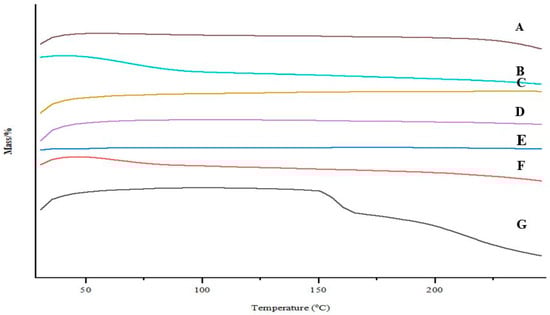
Rosuvastatin calcium is a promising lipid-lowering agent and the drug of choice in hyperlipidemia. Conventional solid oral delivery of rosuvastatin is limited by its poor solubility and ultimately poor bioavailability. An attempt was made to fabricate the cocrystals of RSC for enhancing solubility and bioavailability. Cocrystals were prepared by a microwave synthesiser-assisted solvent evaporation technique with multiple cocrystal formers. Rosuvastatin-Ascorbic acid (RSC-AA) cocrystals showed the highest solubility (~5-fold increased) amongst all twenty drug-coformer combination (DCC). RSC-AA cocrystals (1:1 ratio) were further characterized by various analytical techniques like FTIR, DSC and XRD to confirm the formation of cocrystals. RSC-AA cocrystals also showed improved flow properties and compressibility in comparison with pure drug, and it was demonstrated using the SeDeM diagram. RSC-AA cocrystals were further formulated into an immediate-release tablet by implementing experimental optimization. Comparative dissolution study of the cocrystal and pure drug tablet revealed improved dissolution after cocrystallization. RSC-AA cocrystal tablet showed the % drug release of 95.61 ± 3.94 while RSC pure drug showed the drug release of 67.83 ± 3.29. In vivo pharmacokinetic analysis showed significant improvement in systemic availability and cumulative absorption of the drug. The peak plasma concentration (Cmax) for RSC pure drug was 13.924 ± 0.477 μg/mL, while RSC-AA cocrystals showed a peak plasma concentration of 22.464 ± 0.484 μg/mL. Area Under Curve (AUC) of RSC-AA cocrystal was also significantly greater compared to the pure drug. In the stability study analysis, the shelf life was calculated from a graphical method and was found to be around 34.58 months for RSC-AA cocrystal tablets and 19.87 months for RSC pure drug tablets, which indicates improved stability with cocrystallization. Overall, the cocrystallization resulted in significant improvement in dissolution and solubility of RSC.

19 December 2025

Solubility analysis of various drugs.

Injectable Biostimulator in Adipose Tissue: An Update and Literature Review

  • Kar Wai Alvin Lee,
  • Heesoo Kim and
  • Jong Keun Song
  • + 7 authors

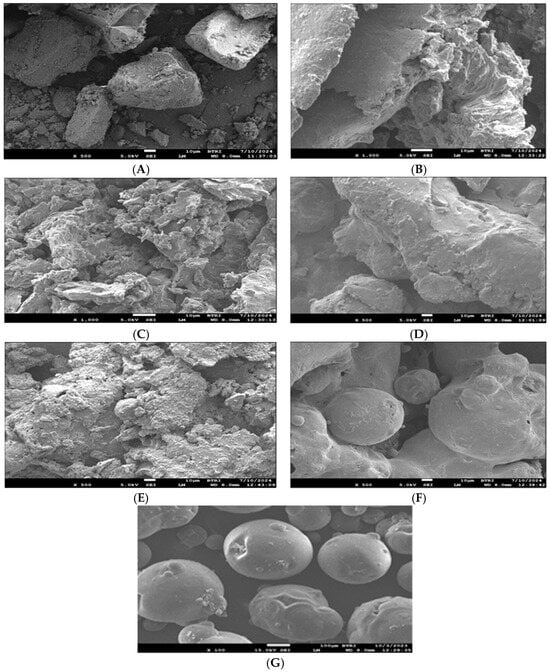
Injectable biostimulatory agents such as poly-L-lactic acid (PLLA), polycaprolactone (PCL), and calcium hydroxyapatite (CaHA) have emerged as key tools in regenerative aesthetics due to their ability to stimulate adipogenesis and adipocyte metabolic activity, enhance collagen production, and improve dermal quality. This review aimed to provide an updated synthesis of the role of these agents in adipocyte stimulation, focusing on their mechanisms of action, clinical efficacy, and therapeutic applications. A comprehensive search of the MEDLINE, PubMed, and Ovid databases was conducted for studies published from 2018 onward, including in vitro and in vivo experiments, randomized controlled trials, and observational studies, which were evaluated according to the Oxford Centre for Evidence-Based Medicine hierarchy. The findings demonstrated that PCL promotes adipose-derived stem cell differentiation and extracellular matrix remodeling, while PLLA exhibits dual effects on collagen synthesis and adipocyte stimulation, with clinical trials such as the SPLASH study confirming significant improvements in dermal thickness and adipogenesis. CaHA provided immediate volumizing benefits with long-term tissue regeneration, and innovative approaches including combination therapies and novel injection protocols expanded clinical applications. Overall, PLLA, PCL, and CaHA represent effective and versatile biostimulatory agents that support natural and durable outcomes in aesthetic practice. Nevertheless, the absence of large-scale trials and standardized protocols highlights the need for further research to optimize safety, efficacy, and long-term treatment strategies.

24 November 2025

SEM Image of PDLLA in Juvelook.

Over the last decade, additive manufacturing (AM) has been widely investigated for developing on-demand, patient-centric, and personalized medications. Among various AM techniques, fused deposition modeling (FDM), semi-solid extrusion (SSE), inkjet printing, binder jet printing, stereolithography (SLA), and selective laser sintering (SLS) have been most widely studied for developing simple and complex pharmaceutical medications. Implementing the AM platform enables decentralized manufacturing of medications at the hospitals and clinical sites. The dose and release profiles of the dosage forms can be tailored based on patient needs, providing flexibility to the physician. In fact, streamlining the AM process into a continuous manufacturing process equipped with process analytical technology (PAT) tools will ensure the manufacturing and delivery of safe and efficacious medications to the patient population. Complex medications, such as polypills, which are complex and time-consuming to manufacture using traditional manufacturing techniques, can be printed quickly using the AM approach. The pediatric patient population can be attracted to medication by printing the dosage forms with a geometry of interest. The AM platform can be integrated with artificial intelligence (AI) and health records to accelerate drug development and tailor medications based on patient conditions. Despite the various advantages that the AM platform brings to the pharmaceutical field, a few limitations, such as scalability, material innovation, secondary processing, and regulatory evolution, need to be addressed. This review article compares the advantages and limitations of the existing AM techniques along with a note on the recent advancements and future perspectives.

24 November 2025

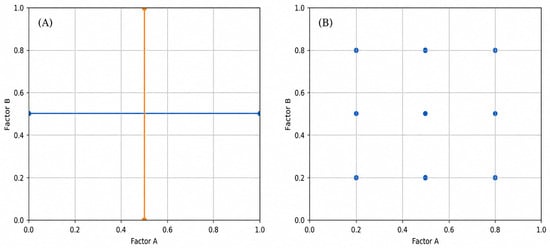
Instrumentation of (A) fused deposition modeling 3D printer and (B) semi-solid extrusion 3D printer.

News & Conferences

Issues

Open for Submission

Editor's Choice

Reprints of Collections

Antitumor Activity of Natural Products and Related Compounds
Reprint

Antitumor Activity of Natural Products and Related Compounds

Editors: Barbara De Filippis, Alessandra Ammazzalorso, Marialuigia Fantacuzzi

Get Alerted

Add your email address to receive forthcoming issues of this journal.

XFacebookLinkedIn
Sci. Pharm. - ISSN 2218-0532