
Skip to Content

Molecules

Molecules is a leading international, peer-reviewed, open access journal of chemistry published semimonthly online by MDPI.
Indexed in PubMed | Quartile Ranking JCR - Q2 (Biochemistry and Molecular Biology | Chemistry, Multidisciplinary)

Get Alerted

Add your email address to receive forthcoming issues of this journal.

All Articles (63,347)

Effect of (−)-Epicatechin on Mitochondrial Homeostasis in Skeletal Muscle of Female Obese Rats

  • Elena de la C. Herrera-Cogco,
  • Socorro Herrera-Meza and
  • Nayelli Nájera
  • + 4 authors

Background: Main risk factors associated with the development of sarcopenia (coexistence of muscle mass loss and dysfunction) are a sedentary lifestyle coupled with obesity. Associated mitochondrial dysfunction leads to energy deficits and perturbations in the balance between protein synthesis and degradation, thereby triggering muscle dysfunction or atrophy. Aside from exercise, which is challenging to implement and maintain, particularly in women, treatments for diminishing sarcopenia are scarce. The objective of the present study was to evaluate the effect of the flavanol (−)-epicatechin (EC) in a hypercaloric diet-induced obese female rat model. Muscle strength and endurance, as well as relative mitochondrial DNA content in skeletal muscle, were assessed. Methods: Female rats were fed a hypercaloric diet to induce obesity, as evidenced by increases in body weight, Lee index, and lipid profile alterations, and by abdominal fat accumulation, and to promote a sarcopenic phenotype. Functional tests of grip strength and mobility (treadmill) were performed. Mitochondrial relative content was evaluated by measuring the ratio of mtDNA/nuclear DNA, and the expression of genes related to mitochondrial biogenesis (Pgc1-α, Tfam), fusion (Mfn1 and Opa1), fission (Drp1 and Fis1), and mitophagy (Pink1 and Pkn), and function; citrate synthase and Ucp3 were also evaluated. Results: A significant decrease in mobility and strength was observed in obese female rats, accompanied by reduced mitochondrial numbers, activity, and dynamics, but not by changes in muscle size or weight. Treatment with EC induced mitochondrial biogenesis and positive changes in mitochondrial dynamics (fission and fusion) and activity, as measured indirectly by changes in citrate synthase and Ucp3 expression. Discussion: Results reinforce the potential of EC as a modulator of mitochondrial function in dysfunctional conditions associated with obesity, thereby attenuating the mechanisms underlying sarcopenia.
22 March 2026

Effect of diet on body weight and functional test performance in female rats. (A) Body weight recorded weekly during the induction period with the HC diet. (B) Body weight at 15 weeks of diet. (C) Treadmill test at 15 weeks of diet and (D) Handgrip strength test at 15 weeks of diet. Data show mean ± SEM. Ctrl (n = 8) and HC diet (n = 16).
Whole-cell biocatalysis presents a sustainable and efficient approach for the selective reduction in α,β-unsaturated bonds in flavonoid derivatives. This study investigates the capability of yeast strains from the Yarrowia clade to catalyze the chemoselective reduction of 4′-methoxychalcone (1a) to its dihydro derivative. All tested strains exhibited similarly high hydrogenation activity, indicating a broadly conserved enoate reductase function within the clade. Among them, Yarrowia lipolytica KCh 71, previously reported and well characterized in the literature, was selected for preparative-scale transformation of a diverse series of synthetic methoxychalcones bearing additional methoxy groups in positions C-2, C-3, C-4, C-5, and C-6 of ring B. All derivatives were effectively converted into the corresponding dihydrochalcones, with yields ranging from 62% to 92%. Among the tested derivatives, the 2′,4′,6′-trimethoxy chalcone (7a) did not undergo biotransformation under our conditions, whereas mono- and di-methoxy derivatives (2a6a) were efficiently reduced. These results confirm the broad substrate tolerance, high efficiency, and potential scalability of Y. lipolytica KCh 71, supporting its potential as a whole-cell biocatalyst for the sustainable synthesis of bioactive dihydrochalcones. The consistently high hydrogenation activity observed across 21 tested strains suggests the involvement of evolutionarily conserved enoate reductases. Bioinformatic analysis supports that the Yarrowia clade possesses a robust complement of Old Yellow Enzymes (OYE), providing a reliable enzymatic basis for the observed chemoselective reductions. All Yarrowia tested strains showed the same general transformation type, although the extent and rate of conversion differed among strains, and Y. lipolytica KCh 71 was one of the most tolerant. The broad reduction in α,β-unsaturated chalcones is consistent with the action of flavoenzymatic ene-reductases, particularly Old Yellow Enzyme (OYE)–like reductases. Bioinformatic analysis of Yarrowia genomes reveals putative OYE homologs, supporting this mechanistic interpretation, although the specific enzymes were not identified in this study.

22 March 2026

Light-induced trans → cis isomerisation of chalcones (1a–7a) solutions to corresponding cis-chalcones (1b–7b), and their subsequent transformations to 4′-methoxydihydrochalcones (1c–7c) using Y. lipolytica KCh 71. The transformation is chemoselective and involves reduction in the α,β-unsaturated C=C bond of the chalcone linker. Compound labels “a” denote chalcone substrates, whereas labels “c” denote the hydrogenated products (dihydrochalcones). R1–R5 indicate the methoxy substitution pattern on ring B (positions C-2, C-3, C-4 and C-5, respectively).

Lithium-ion batteries (LIBs) are pivotal for energy storage in electric vehicles and renewable systems, but how to effectively monitor their conditions and ensure their operational reliability is still a concern today. This study employs electrochemical impedance spectroscopy (EIS) to systematically investigate the evolution of impedance characteristics in nickel–cobalt–manganese oxide (NCM) lithium-ion batteries (LIBs) under varying states of charge (SOCs), states of health (SOHs), temperatures, and mechanical compression displacements. Results reveal that higher SOC and temperature reduce impedance by enhancing ion kinetics and interfacial activity, with Rct (charge transfer resistance) exhibiting a U-shaped dependence on SOC, minimized at 40–60%. As SOH declines from 100% to 80%, RSEI (SEI film resistance) and Rct increase progressively, reflecting SEI thickening and electrode degradation. Mechanical compression (0–8 mm) elevates all resistances, particularly Rct at high SOC, due to structural deformation and hindered diffusion. DRT (distribution of relaxation times) spectra highlight amplified low-frequency peaks with aging and low SOC, underscoring diffusion limitations. These findings elucidate multi-scale failure mechanisms, from interfacial polarization to structural instability, providing a framework for non-invasive health monitoring and lifetime prediction.

22 March 2026

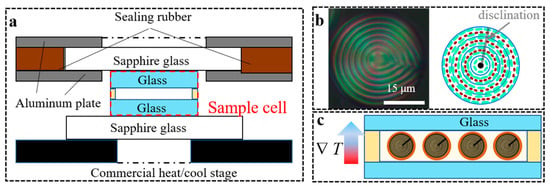
Experimental setup.

Two novel cocrystals of zwitterionic trimethylglycine (TMG) with 2,6-dichlorophenol [TMG•2,6-dichlorophenol] (1:1) and 2,6-dibromophenol [TMG•2,6-dibromophenol] (1:2) are synthesized and structurally characterized using single crystal X-ray diffraction. To estimate the energy of various intermolecular interactions, periodic DFT calculations were performed followed by Bader analysis of the crystalline electron density. TMG molecules form dimers in [TMG•2,6-dichlorophenol] (1:1). Its supramolecular structure is governed by the primary charge-assisted H-bonds (~60 kJ/mol) and supported by C–H∙∙∙O contacts (~12 kJ/mol). Cl/Br substitution introduces a more potent halogen-bonding donor. The Br∙∙∙O interaction (~10 kJ/mol) is strong enough to reorganize the packing into a catemeric motif. As a result, TMG molecules form infinite chains in [TMG•2,6-dibromophenol] (1:2). This illustrates that “fine tuning” is not merely about changing distances, but about shifting the entire energy hierarchy of the crystal. Two-dimensional fingerprint diagrams (2D diagrams) obtained from the Hirshfeld surface and Bader’s analysis of the crystalline electron density give significantly different values of the contributions of the H∙∙∙H contacts, 28% vs. 5% respectively. The main reason for this discrepancy is the large number of relatively short intermolecular H∙∙∙H contacts without a critical bond point in trimethylglycine cocrystals.

21 March 2026

Fragment of crystal structure [TMG•2,6-dichlorophenol] (1:1). Hydrogen bonds and other intermolecular interactions are drawn as dashed lines. Symmetry operations: (i) 2 − x, 1 − y, 2 − z; (ii) 1 + x, +y, +z.

News & Conferences

Volumes

Latest Issues

Open for Submission

Editor's Choice

XFacebookLinkedIn
Molecules - ISSN 1420-3049